


What 6 Major State Capitals Looked Like 100 Years Ago

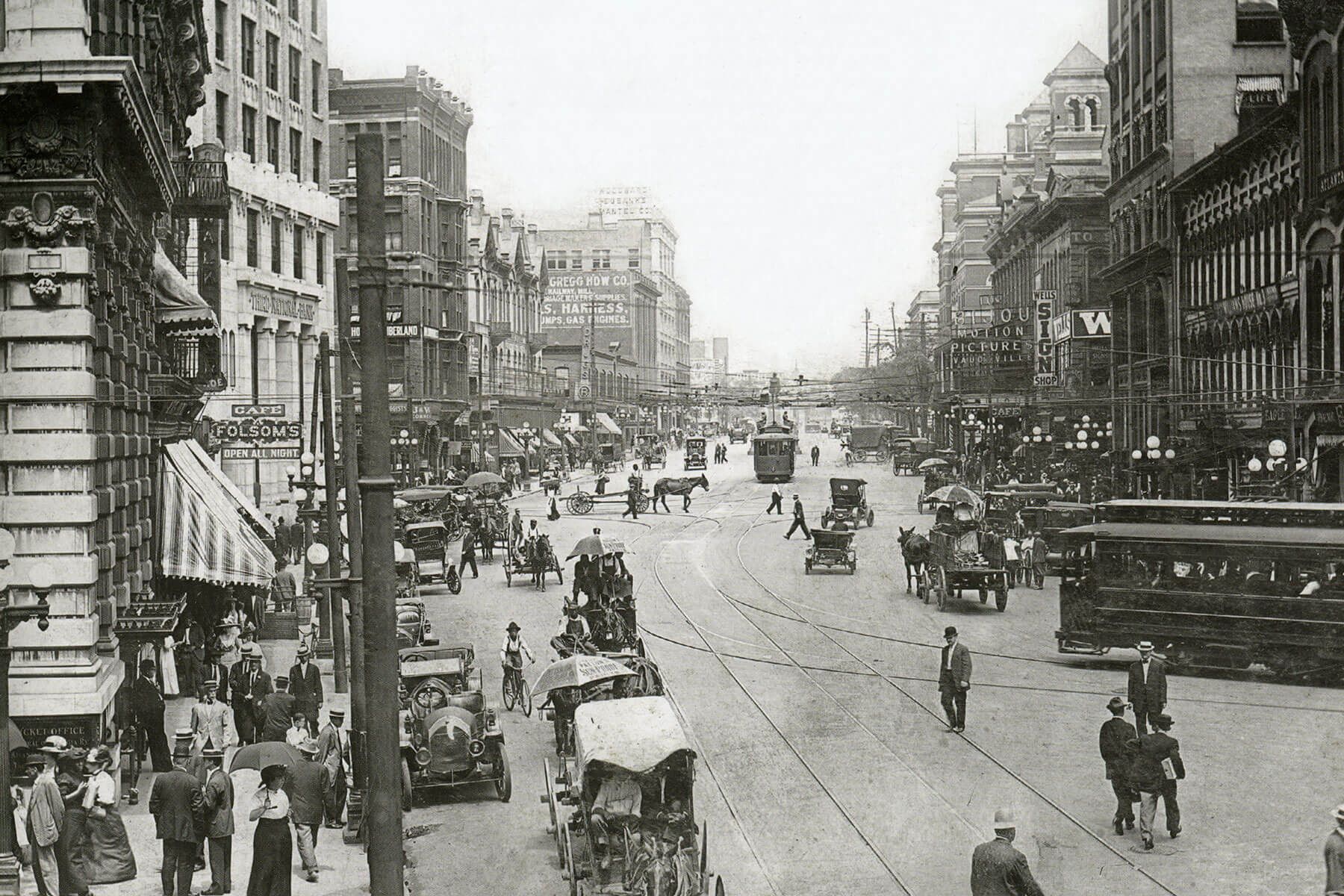
  • Nashville street in 1933
Nashville street in 1933
Chronicle/ Alamy Stock Photo
Author Mark DeJoy

February 14, 2024

Love it?

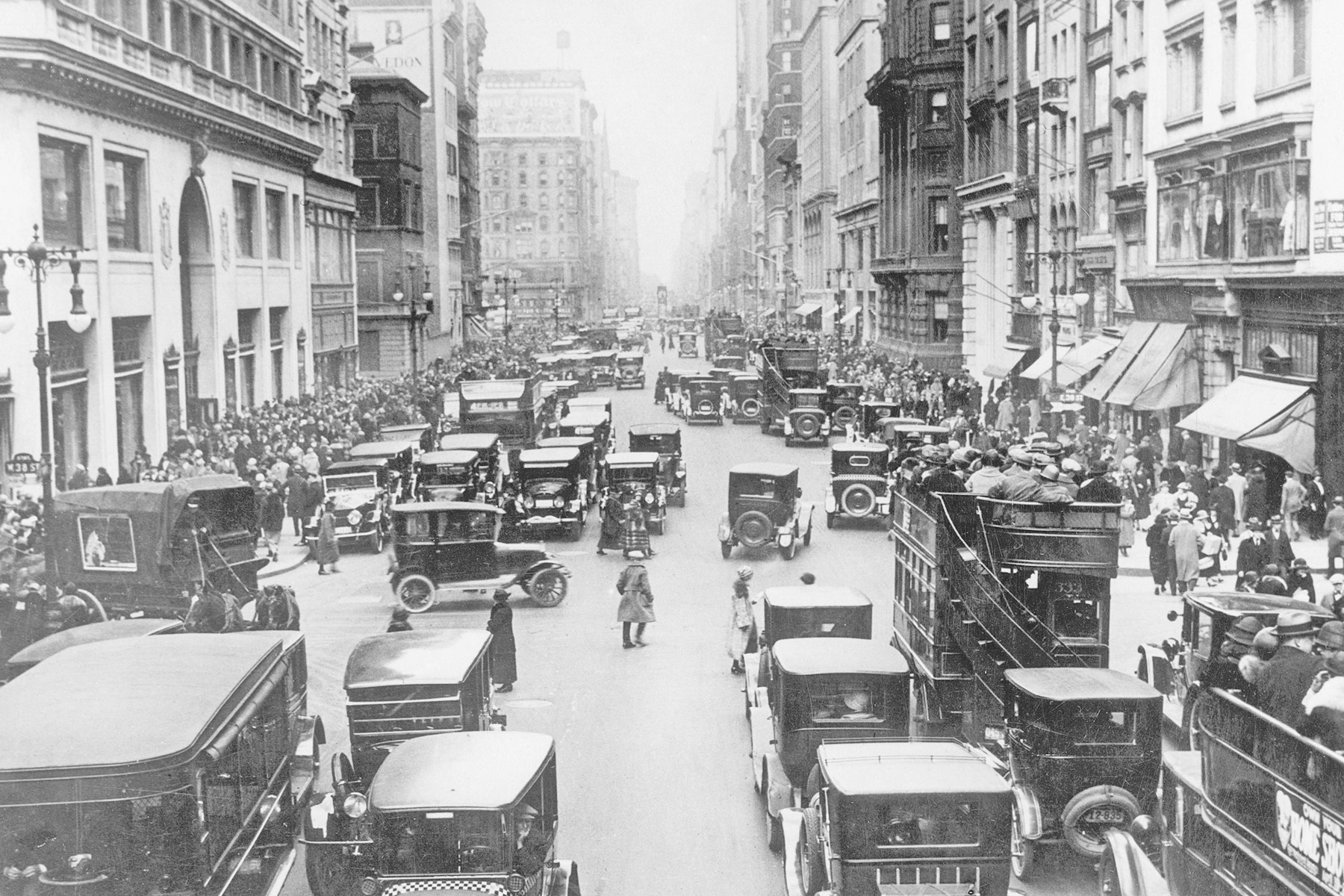
One hundred years is a long time in the life of a city. New technologies emerge and wane, people come and go, cultural factors ebb and flow. But not all cities change at the same rate; some stay comparatively similar to their older incarnations, while others become drastically different. Here’s a glimpse at what a few iconic state capitals looked like a century ago.

Credit: Buyenlarge/ Archive Photos via Getty Images

Atlanta, Georgia

Atlanta was named after the Western and Atlantic Railroad, for which it was a terminus. In the early 20th century, the city was well established as a major railway hub, and the downtown was built around its first train station. Hotels were concentrated in an area near the station (called, fittingly, Hotel Row) in order to serve train travelers, and by the 1920s, masonry high-rises created the city’s skyline.

Like many cities during this period, Atlanta was beginning to expand its roads in order to accommodate increasing numbers of cars. In the 1920s, the city built three major viaducts to allow traffic to bypass the high number of railroad crossings. The Central Avenue, Pryor Street, and Spring Street (later renamed Ted Turner Drive) viaducts not only improved vehicle safety, but also led to development outside the city’s downtown core. 

You may also like

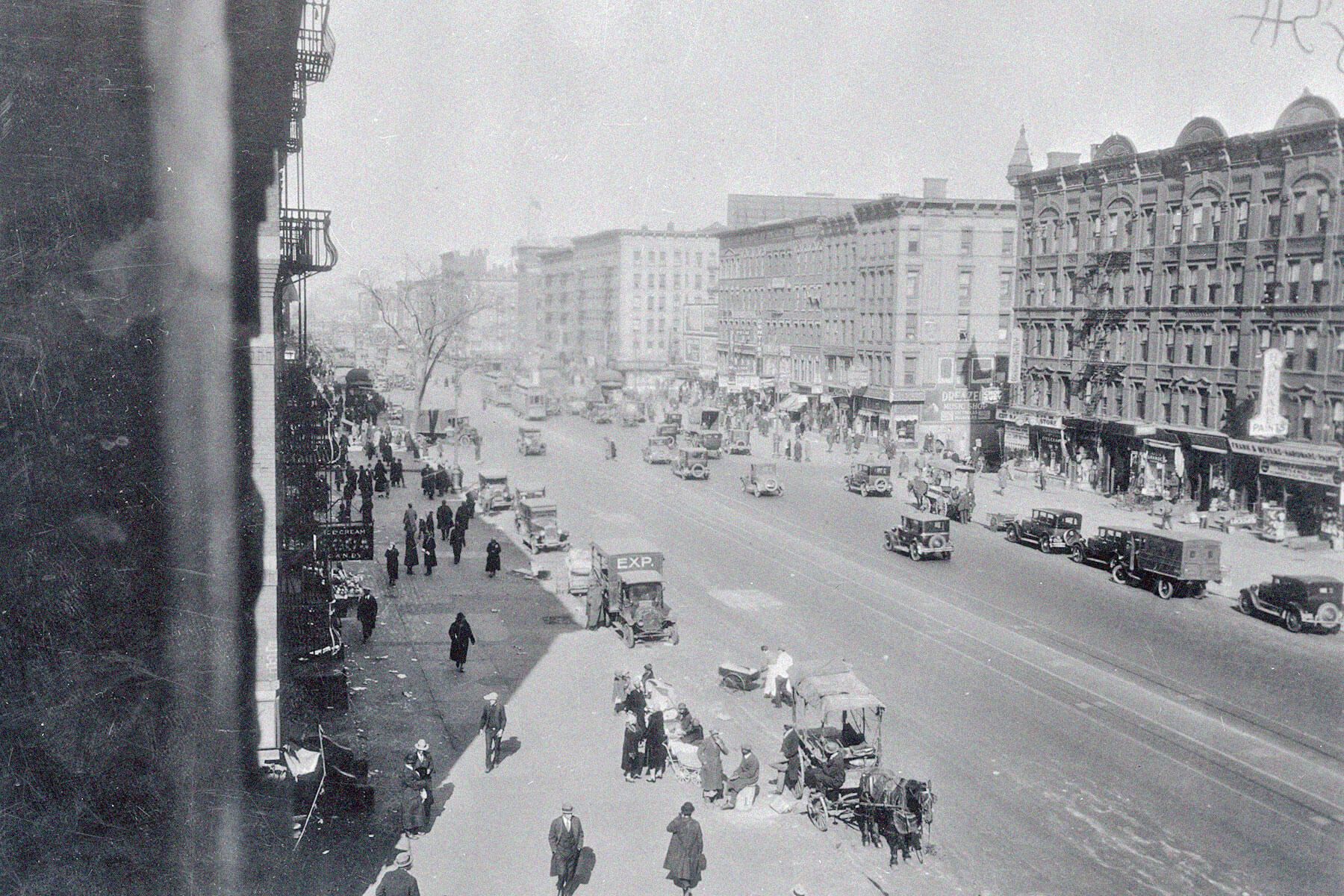
The Story of the Harlem Renaissance, in 6 Facts

  • Marcus Garvey in Harlem
Marcus Garvey in Harlem
Michael Ochs Archives via Getty Images
Author Nicole Villeneuve

January 25, 2024

Love it?

Throughout the 1920s, New York City’s Harlem neighborhood served as the vibrant headquarters of a transformative period in African American art, literature, music, and social justice leadership. This movement, known as the Harlem Renaissance, was a catalyst for celebrating African American culture and heritage, giving the Black community newfound ownership of their experiences and pride in how their stories were told. It also sought to challenge racial stereotypes and forge social and political equality, planting ideas that would be meaningful for years to come. Here, told in six facts about the movement, is the story of the Harlem Renaissance.

Photo credit: Bettmann via Getty Images

It Started With the Great Migration

From the 1910s until the 1970s, approximately 6 million Black Americans made their way from the Southern U.S. to Northern, Midwestern, and Western states, fleeing racial discrimination and economic hardships, and seeking better work and education opportunities. Known as the Great Migration, this mass movement transformed the country’s demographic landscape and was a major impetus for the Harlem Renaissance. By the 1920s, some 200,000 newcomers had made the New York City neighborhood of Harlem home; at just 3 square miles in size, the neighborhood had the largest concentration of Black people in the world, with people from all backgrounds, including artists, laborers, scholars, and writers. By the early ’20s, a vibrant cultural community was blossoming in this small corner of Upper Manhattan. 

You may also like

Vintage Photos of 1960s Air Travel

  • Airport passenger entry
Airport passenger entry
Harvey Meston/ Archive Photos via Getty Images
Author Anne T. Donahue

January 12, 2024

Love it?

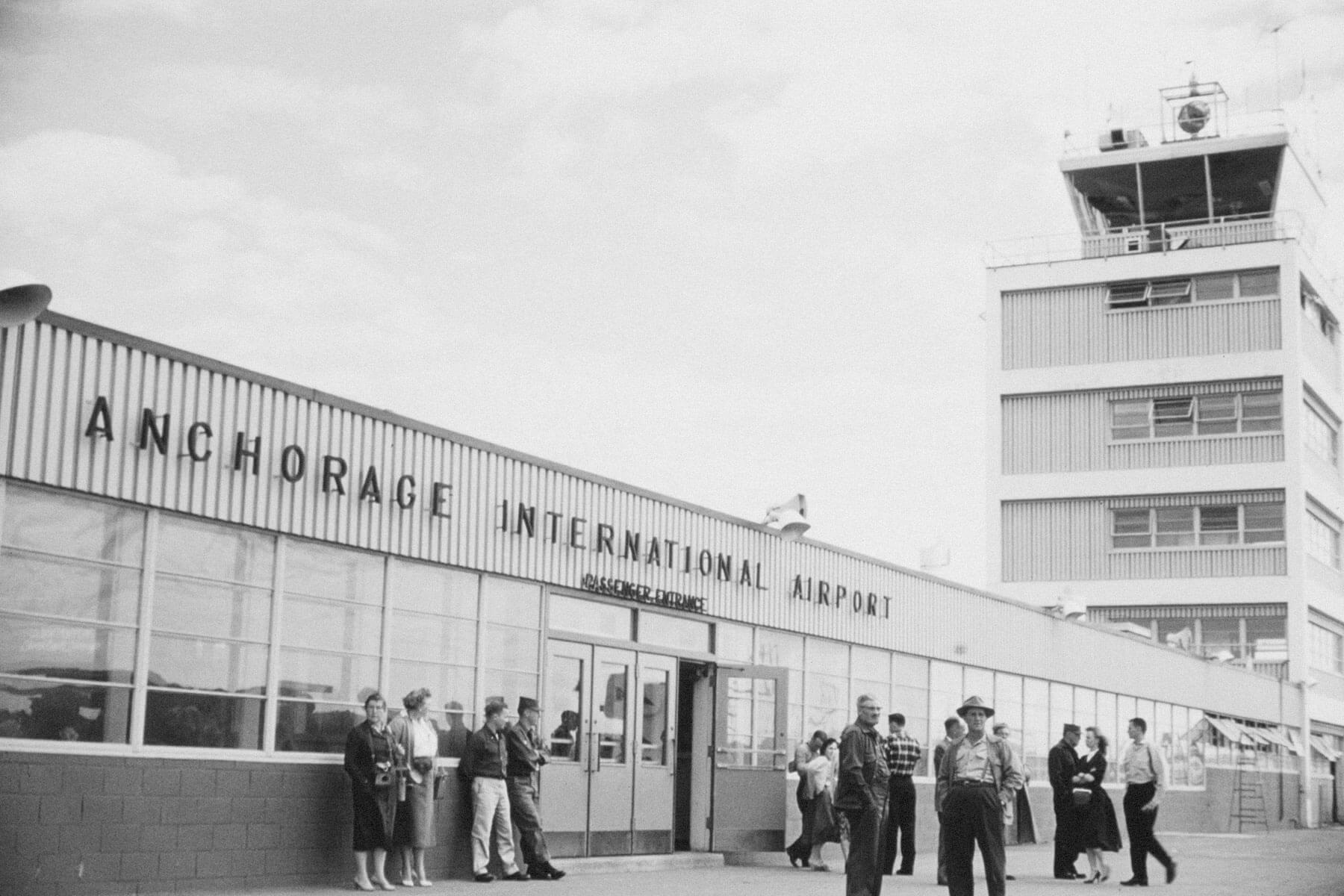
The 1960s marked an exciting new era in air travel. The inclusion of jet engines on commercial planes led to the emergence of larger, faster vessels such as the Boeing 707, and made flying a more affordable and accessible way to travel. It was also a luxury experience: The golden age of air travel cultivated an in-flight atmosphere akin to a cocktail party as guests dined, drank, and smoked en route to their destination.

These glamorous flights were a far cry from the buslike airplanes of the 21st century. Aircraft interiors in the 1960s were more roomy and colorful, and boasted a cultivated aesthetic that applied to everything from flight attendants’ uniforms to dining utensils. Between 1958 and 1972, almost half of all Americans had taken to the friendly skies. Here’s a glimpse of what they would have experienced.

Photo credit: HUM Images/ Universal Images Group via Getty Images

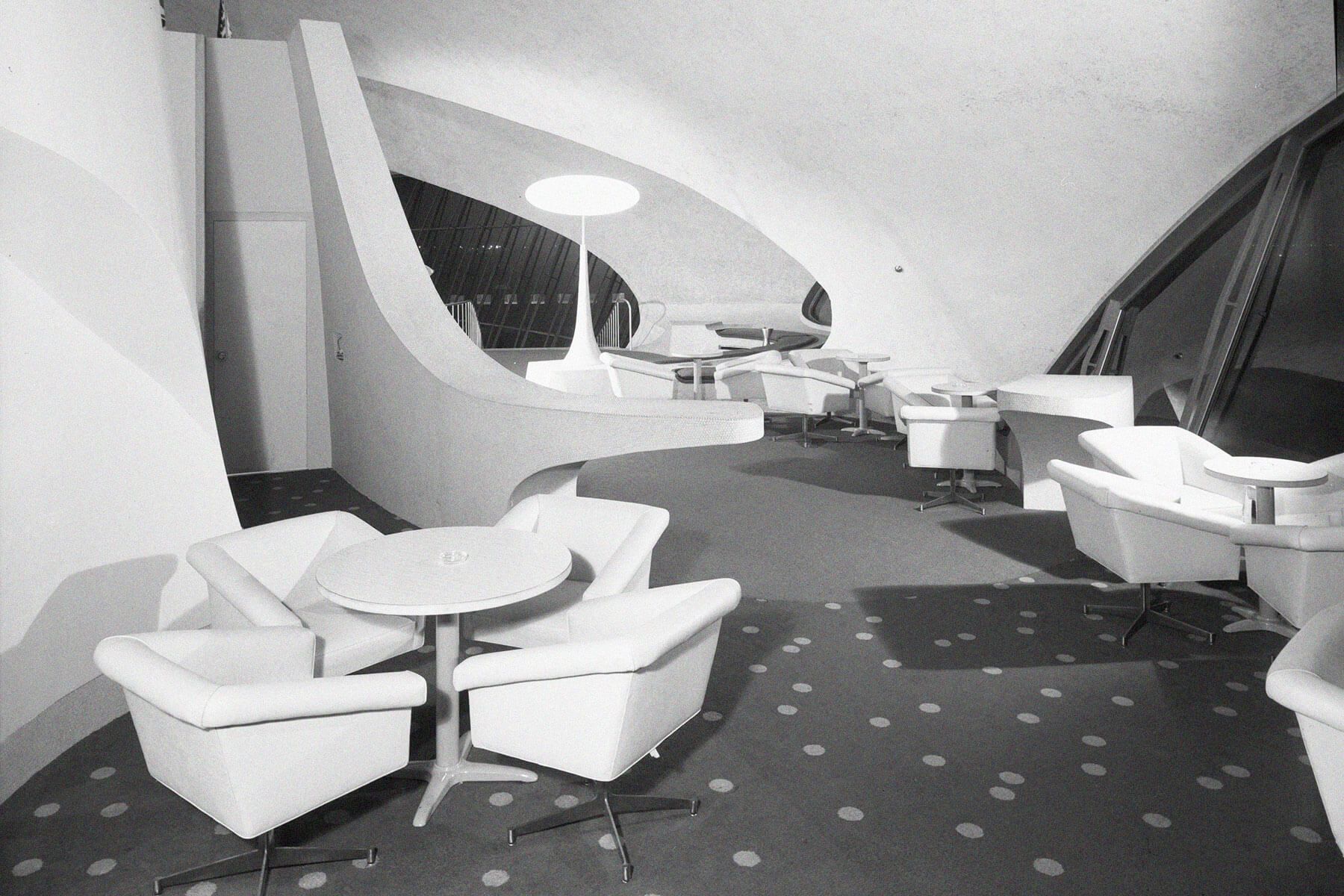
Airports Were Bright, Spacious, and a Testament to Midcentury Design

In the middle of the 20th century, airport guests were treated to state-of-the-art architecture. Features such as floating staircases, designer seats, and minimalist accents made terminals warm and comfortable; bars and lounges were bright and capacious. Today, some travelers can still live like it’s the 1960s: In 2019, JFK Airport in New York City opened the TWA Hotel, an homage to the airport’s original TWA terminal. The refurbished terminal was updated to accommodate overnight guests and diners; the retro space incorporates design elements from the terminal’s original rooms and lounges.

You may also like

Life in 1950s America, By the Numbers

  • 1950s family home
1950s family home
H. Armstrong Roberts/ClassicStock/ Archive Photos via Getty Images
Author Rachel Gresh

January 4, 2024

Love it?

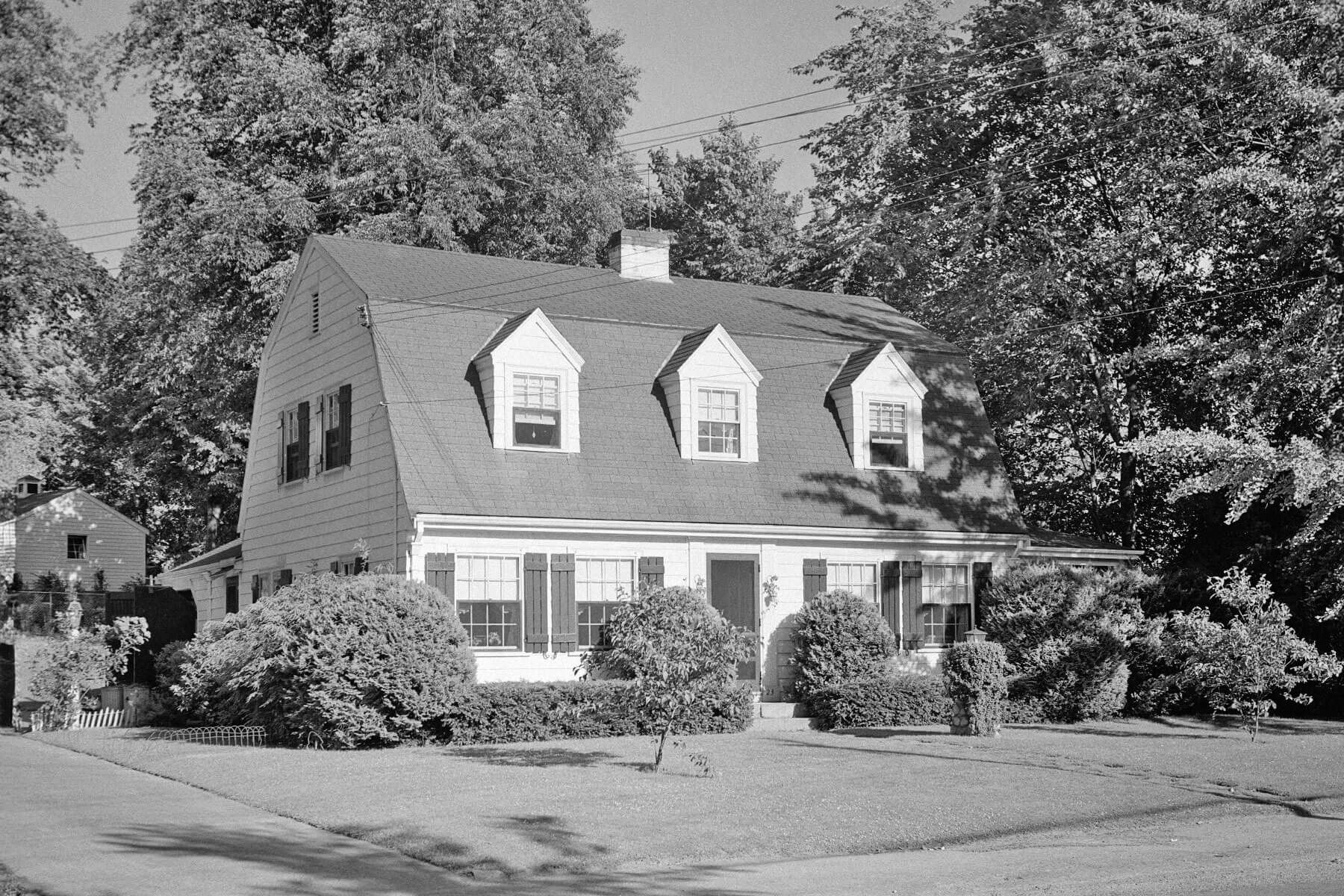
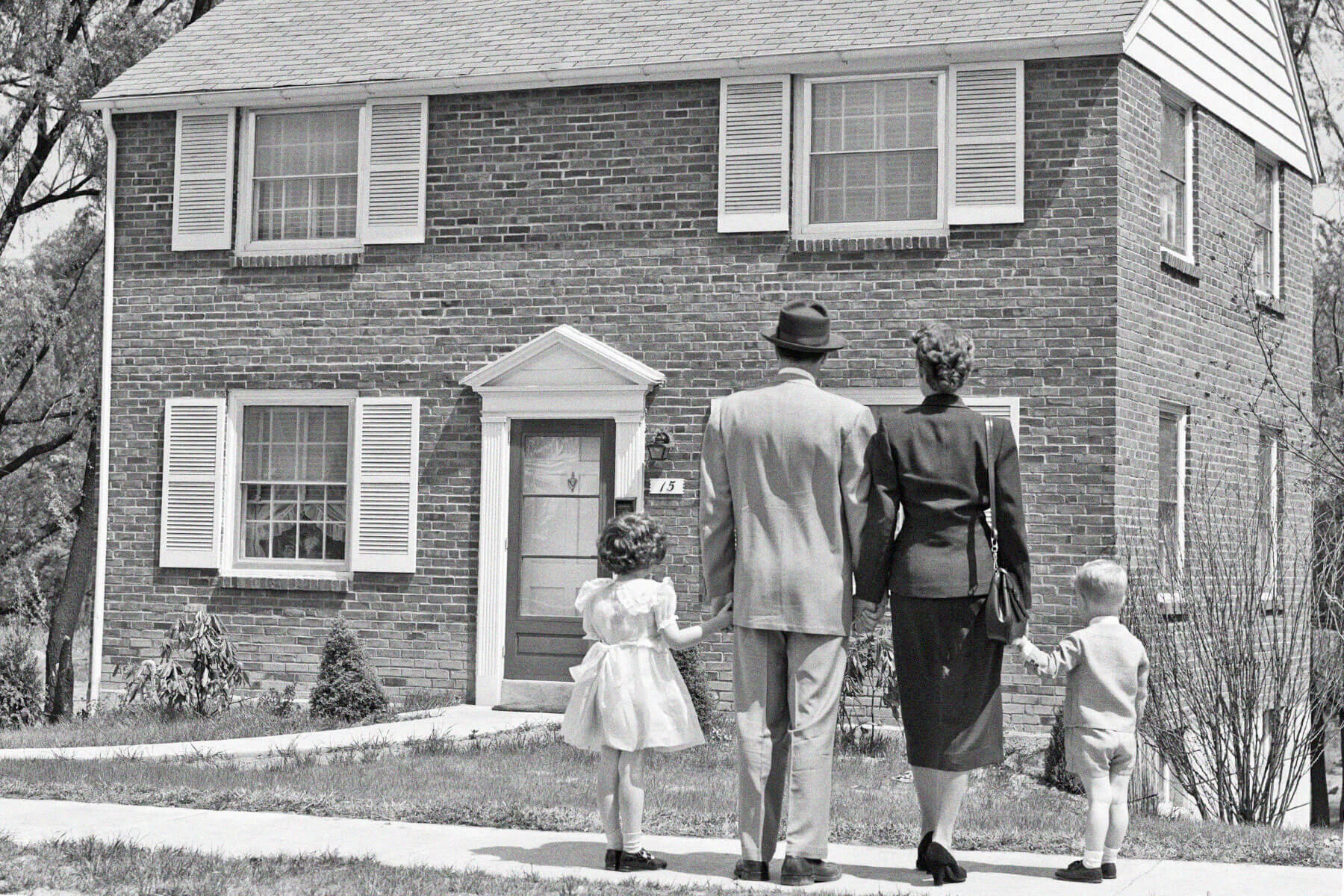
Elvis was on the radio, The Ed Sullivan Show was on the TV, and scores of people were hightailing it to the suburbs — this was 1950s America. It was a young nation, with 31% of its 151 million residents under age 18, and it was on the brink of change. Birth rates continued to rise at unprecedented levels, giving way to a new generation of “baby boomers.” The “nuclear family” (describing married couples with kids at home) was ingrained in the culture; more than half of all people (68% of men and 66% of women) were married. By the time the ’60s rolled around, many of these cultural norms would be upended, but this generation left a lasting mark on American society. Here is a snapshot of family life in the 1950s, by the numbers.
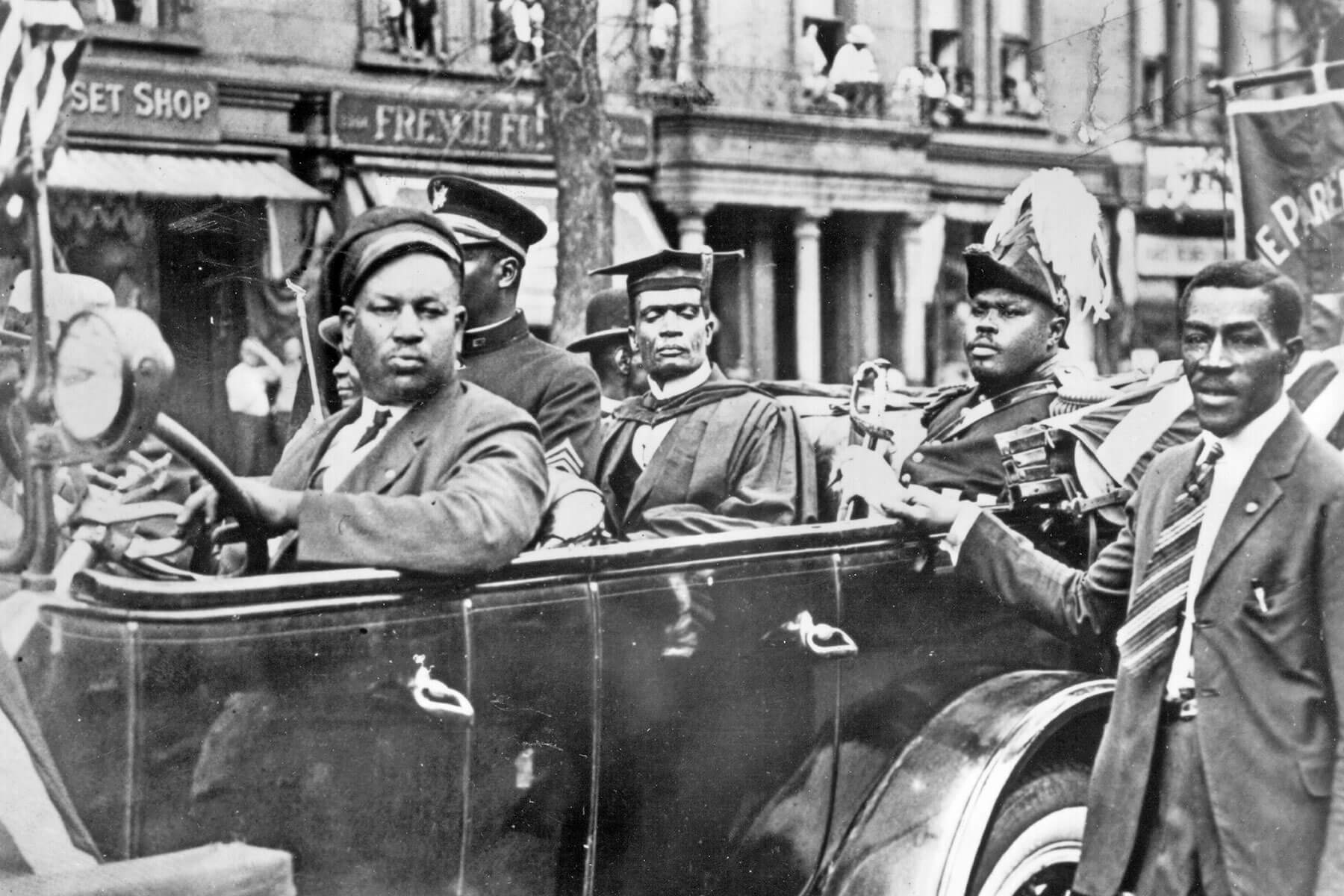
Photo credit: Mark Goebel Photo Gallery/ Archive Photos via Getty Images

Around 4 Million Babies Were Born Every Year

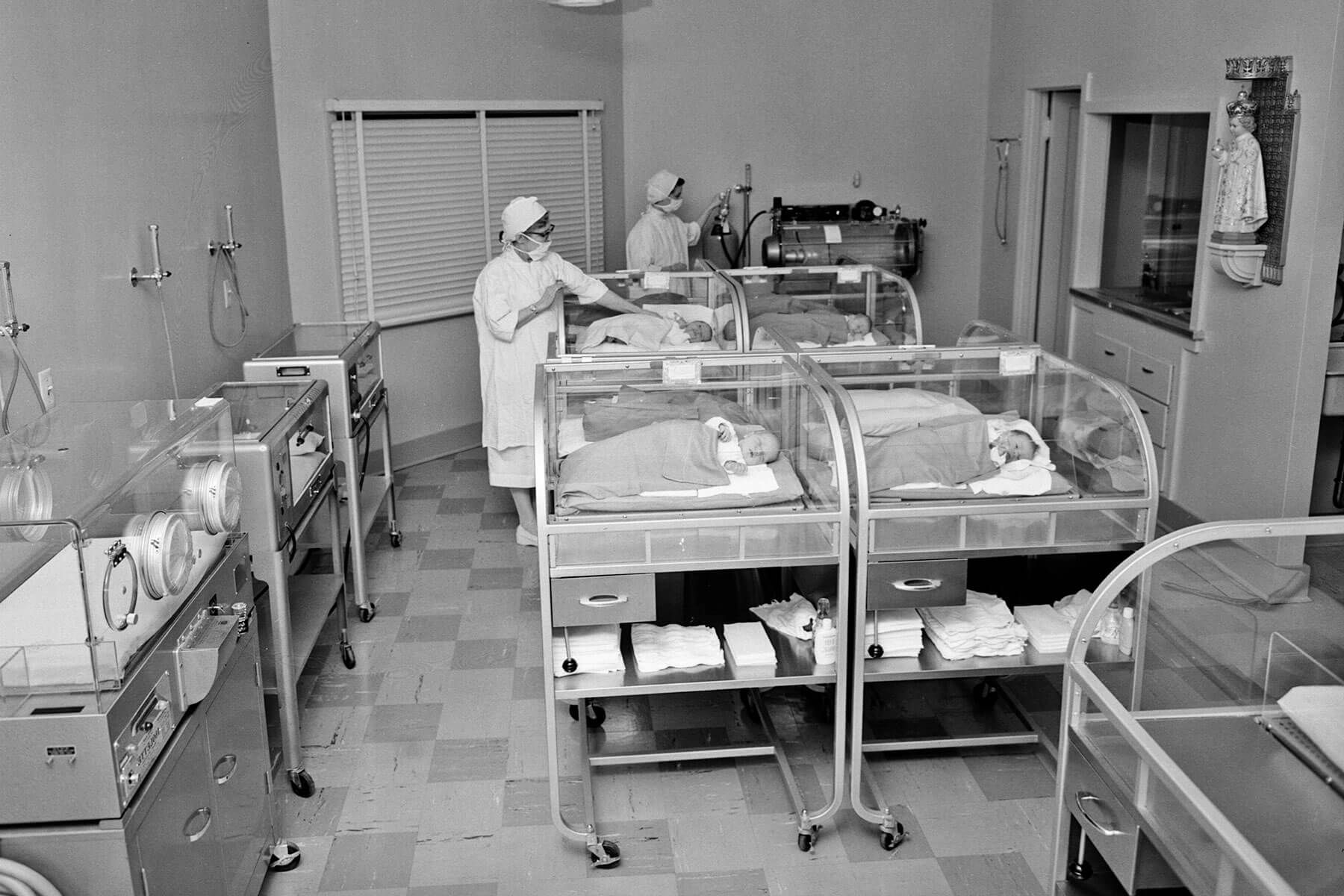
Post-World War II America saw a rapid increase in birth rates lasting from 1946 through 1964. It became known as the “baby boom,” and the 1950s were smack dab in the middle of it. During the ’50s, around 4 million babies were born every year in America, a sharp increase from the previous average, around 2.7 million births annually between 1910 and 1945. By the end of the boom, around 77 million babies had been born. This influx of births was due to many positive aspects of the postwar era, including low unemployment rates, a burgeoning economy, low interest rates, and a strengthened middle class. 
You may also like

7 Things You Would Find on a City Street 100 Years Ago

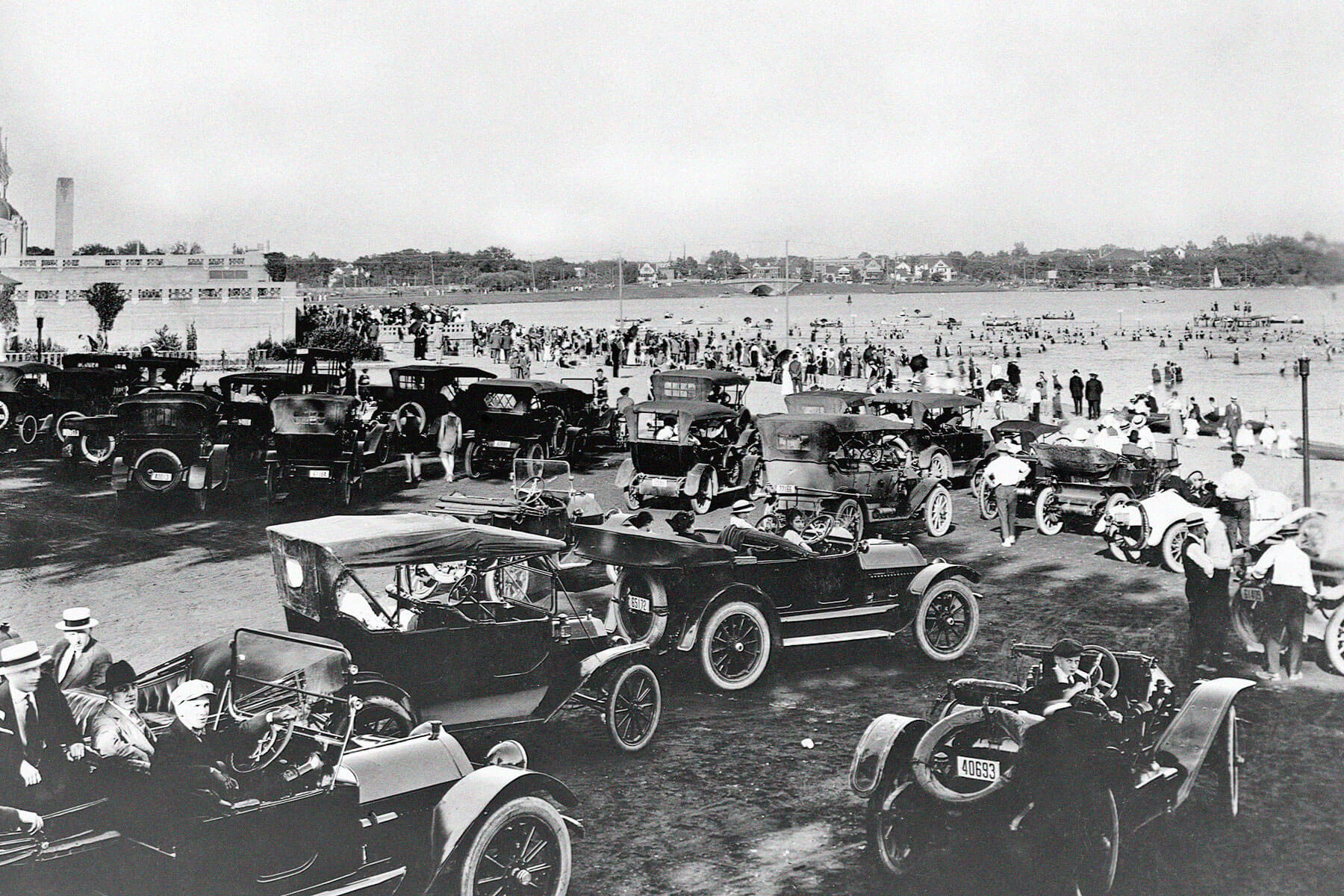
  • Model T Fords at beach
Model T Fords at beach
Minnesota Historical Society/ Corbis Historical via Getty Images
Author Tony Dunnell

December 20, 2023

Love it?

If we could travel back 100 years and land on a typical city street, we’d probably be mightily discombobulated. Some things would seem familiar: the buzz of the urban environment, people walking this way and that, and buildings with facades that could well still exist today. But looking around, we’d soon realize that we weren’t in Kansas anymore — or if we were, it would be Kansas City in the 1920s. 

A century ago, America was going through a monumental change. For the first time in U.S. history, more people were living in urban areas than in rural areas. The cities were booming, and for many middle-class Americans, the 1920s were a decade of unprecedented prosperity. People were earning more and spending more, advertising had reached new levels of sophistication, and the automobile was changing the way we live. 

So, before you step into that time machine, you’d better brace yourself. Here are seven things you’d find in a city street a century ago, back in the dizzying days of the Roaring ’20s. 

Photo credit: DEA / BIBLIOTECA AMBROSIANA/ De Agostini via Getty Images

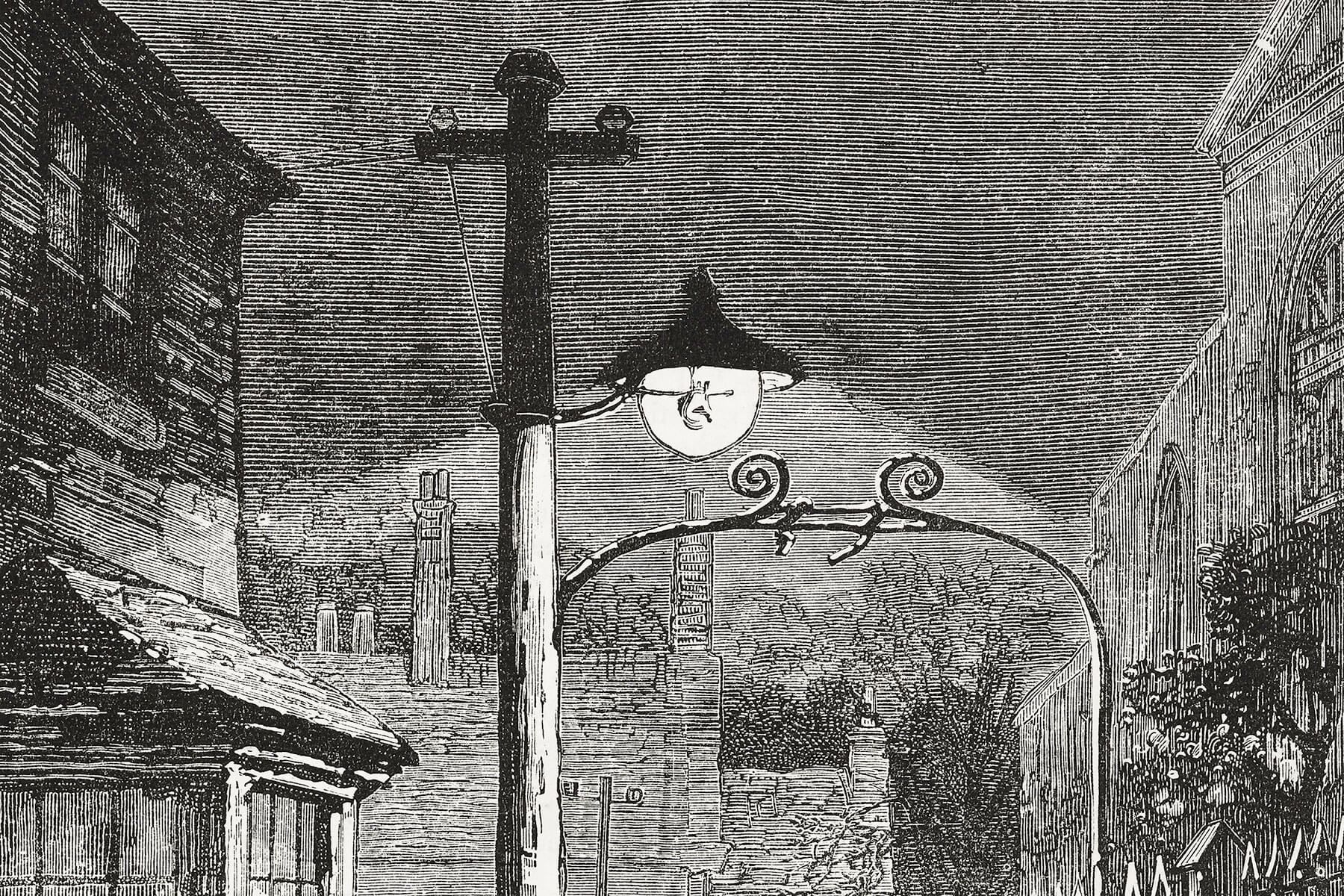
Incandescent Street Lights

Before the development of practical light bulbs, street lights typically used piped coal gas, oil, or kerosene as fuel. The first electric streetlights were installed in Paris in 1878, but these used unwieldy and harsh arc lamps. Then came inventors such as Joseph Swan in the U.K. and Thomas Edison in the U.S., both of whom patented revolutionary incandescent light bulbs in 1880. Incandescent street lamps became the norm in many cities throughout the world, and the 1920s saw a wave of patents filed for innovative new street lighting. These electric lights, however, were often placed where they were needed rather than lining a whole street. So, 100 years ago, a city street at night would not have been as brightly lit as it is today, and pedestrians would often find themselves walking from one pool of yellowish light to the next. 

You may also like

The Most Popular Toys Throughout the 20th Century

  • Children with Tamagotchi
Children with Tamagotchi
David Lodge/ FilmMagic via Getty Images
Author Nicole Villeneuve

December 14, 2023

Love it?

The 20th century produced an array of iconic toys that captured the public’s imagination and, in some cases, continue to delight young people worldwide. The Slinky, originating in the 1940s, and the Rubik’s Cube, first sold in the United States in the early 1980s, have remained more or less the same since their invention, invoking a nostalgic simplicity. Other toys, such as LEGO and Barbie, have offered up countless iterations, weathering changing trends to endure in popularity and appeal. The legacy of these toys is in more than just their entertainment value — it’s in the way they reflected or even set cultural trends, interests, and technological advancements. Here are some of the most popular toys throughout the 20th century, many of which are still around today.

Photo credit: Vladimir Sukhachev/ Shutterstock

The Slinky 

In the early 1940s, United States industry was largely focused on producing goods for the war effort, and it was during this time that the Slinky was accidentally invented. Richard James, a mechanical engineer, stumbled on the idea in 1943 while working with tension springs for naval equipment at a Philadelphia shipyard. After accidentally knocking some of his prototypes off a shelf, James couldn’t help but notice the way one of them “walked” down a stack of books on his desk. He worked on this strange spring — which his wife named “Slinky” after seeing the word in the dictionary — over the next two years. By the end of 1945, James got an initial run of 400 Slinkys into a local department store. It wasn’t until he staged a live demonstration, however, that the product’s popularity picked up, and the toy sold out. Within the first 10 years, he sold 100 million. The Slinky has endured for decades, not only as a popular toy on its own, but also through licensing and its iconic jingle — the longest-running jingle in television advertising history.

You may also like

The Most Popular Baby Names Throughout the 20th Century

  • Baby names list
Baby names list
New Africa/ Shutterstock
Author Fran Hoepfner

October 27, 2023

Love it?

Depending on where you lived and when you grew up, it’s possible you might have known more than one person with the same name. Maybe there was a Jennifer A. and a Jennifer L., or maybe you knew four different people named Michael. Year after year, decade after decade, there are trends in baby names that draw on history, religion, and cultural references. Here are the most popular baby names in the United States during each decade of the 20th century.

Photo credit: Bettmann via Getty Images

1900s

Between 1900 and 1909, the most popular name for boys in the U.S. was John, and the most popular girls’ name, by a long shot, was Mary. This is according to data from the U.S. Social Security Administration, based on people applying for Social Security cards. There were 84,591 applications under the name John, and 161,504 entries for Mary. These two names popped up time and time again throughout the 20th century. Both names come from the Bible — John is one of Jesus’ disciples, and Mary is the name of both Jesus’ mother and Mary Magdalene. After John, the most popular boys’ names of this decade were William, James, George, and Charles, and the most popular girls’ names after Mary were Helen, Margaret, Anna, and Ruth.

Photo credit: FPG/ Archive Photos via Getty Images

1910s

Between 1910 and 1919, the most popular names were once again John and Mary. In this decade, there were 376,312 registered Johns and 478,637 Marys. Why the sudden jump? For one, the Social Security Administration began collecting data in 1937, so anyone born before that was only counted if they applied for a Social Security card after 1937. (That means the data for the 1900s, 1910s, and 1920s is based on people who listed their birthdays in these decades despite obtaining cards later in life, and doesn’t count anyone born in this period that didn’t apply for a Social Security card.) The U.S. also saw a population spike as infant mortality rates decreased throughout the 20th century, thanks to advances in health care and better access to clean water. 

In the 1910s, for the second decade in a row, the second most popular names for boys and girls were William and Helen, respectively, followed by James, Robert, and Joseph for boys, and Dorothy, Margaret, and Ruth for girls. William has long been a popular English name dating back to William the Conqueror, who became the first Norman king of England in the 11th century. Helen, meanwhile, has its origins in Greek mythology: Helen of Troy was a famous beauty, known as the “face that launched a thousand ships.”

You may also like

6 Items You Would Find in a Kitchen 100 Years Ago

  • Woman using hand mixer
Woman using hand mixer
Camerique/ Archive Photos via Getty Images
Author Kristina Wright

October 12, 2023

Love it?

Over the past century, the typical home kitchen has undergone a significant transformation, reflecting both social changes and new technology. In the 1920s and ’30s, kitchens were primarily utilitarian spaces with a focus on functionality and easy-to-clean surfaces. Appliances were limited, hand mixers had cranks, and gas ovens, which had replaced wood or coal-burning stoves in most homes, were starting to themselves be replaced by electric ovens. 

The post-World War II consumerism of the late 1940s and 1950s brought bigger kitchens for entertaining and more labor-saving appliances, including blenders, mixers, and dishwashers. The kitchen space became more streamlined and functional, and the 1960s and 1970s brought countertop food processors and microwave ovens into the mainstream.

Open-plan kitchens and islands became increasingly popular in home design throughout the 1980s and ’90s, indicative of the kitchen’s role as a hub for family and friends to gather. That trend continued into the 21st century, along with a significant shift toward high-tech kitchens, smart appliances, and a focus on sustainability. Today’s kitchens — reflecting the changing ways we prepare, store, and consume food — look dramatically different than they did a century ago, making many once-popular items obsolete. Here are six things that your grandparents and great-grandparents might have had in their own home kitchens a century ago.

Photo credit: George Rinhart/ Corbis Historical via Getty Images

An Icebox

Before the widespread availability of electric refrigerators, iceboxes were used to keep perishable food cool. These wooden or metal boxes had a compartment for ice at the top, and fresh ice was delivered each week by an iceman. The design of the icebox allowed cold air to circulate around the stored items, while a drip pan collected the water as the ice melted. Naturally, iceboxes fell out of fashion as electric fridges went mainstream. In 1927, General Electric introduced the first affordable electric refrigeration, which relied on a refrigerant for cooling rather than ice.

Photo credit: FPG/ Archive Photos via Getty Images

A Butter Churn 

Before commercial butter production made it possible to buy butter at the market, churning cream into butter was an activity done at home. The hand-crank butter churn was introduced in the mid-19th century, and it became the most commonly used household butter churn until the 1940s. In the early 20th century, the Dazey Churn & Manufacturing Company began producing glass churns that could make smaller quantities of butter much quicker than the larger, time-intensive churns. Once the butter was churned, it could then be poured or pressed into decorative molds for serving.

You may also like

6 Facts About the Vanderbilts and Rockefellers

  • The Biltmore Estate
The Biltmore Estate
Smith Collection/Gado/ Archive Photos via Getty Images
Author Nicole Villeneuve

September 21, 2023

Love it?

The United States may not have a royal family, but it has a number of influential family dynasties that have intrigued the public for centuries. Two families in particular, the Vanderbilts and the Rockefellers, are household names whose self-made fortunes made them two of the richest and most powerful American families in history. The Vanderbilts, led by Cornelius Vanderbilt’s railroad empire, amassed staggering wealth during the Gilded Age in the late 19th century. The Rockefellers, meanwhile, propelled by John D. Rockefeller’s dominance of the oil industry, made a large impact with their philanthropy and preservation. Although their ascendence is similar, their legacies ended up looking a little bit different in the end.

Rockefeller and Vanderbilt’s massive business ventures not only amassed them unprecedented personal wealth, but boosted the country’s industrial economy. At the same time, their reputations as “robber barons” emerged, amid criticisms that their successes came at the expense of fair competition, workers’ rights, and ethical standards. At the time, many Americans were living in poverty, a stark contrast to the glitzy guise of the Gilded Age that these wealthy families propped up.

Photo credit: General Photographic Agency/ Hulton Archive via Getty Images

John D. Rockefeller Was America’s First Billionaire

A century before Bill Gates and Jeff Bezos, there was John D. Rockefeller. When he was just 12 years old in rural New York, Rockefeller loaned a neighbor $50 of his own hard-earned money. When he received it back the next year with interest, he decided at that moment to let his money work for him instead of the other way around. This foresight and financial acumen lasted him a lifetime, helping him shape the landscape of American business and become the country’s first billionaire. 

Trained and working as a bookkeeper by 16 years old, Rockefeller started his own company in agricultural trade within a few years. Through that business, he decided that the true future of industry was in moving raw materials, and at 24 years old, he moved into the oil business. Rockefeller went on to pioneer the American oil industry by founding Standard Oil (later dissolved into Exxon, Chevron, and more). Although his business practices faced their fair share of accusations and criticisms over the years — including colluding to control the price of oil and creating a monopoly by buying competing refineries — Rockefeller amassed an unprecedented $1.4 billion net worth by the time of his death in 1937 (almost $30 billion today). As much as he made, he gave plenty away, too — his philanthropic gifts over the years totaled $530 million.

Photo credit: American Stock/ClassicStock/ Archive Photos via Getty Images

Cornelius Vanderbilt Had Virtually No Education

He’s a towering figure in American business history, but Cornelius Vanderbilt had little formal education. Born the fourth of nine children in Staten Island, New York, in 1794, Vanderbilt was pulled out of school to work on his father’s shipping boat when he was just 11 years old. By the time he was 16, “the Commodore,” as he became known, had bought his own boat to ferry cargo around the New York Harbor. He got a job in the steamship industry and eventually went into business for himself. 

Vanderbilt’s aggressive professional approach helped him accrue wealth quickly, and in the 1840s, he built the first of many large homes the family owned in New York (and elsewhere). When the California gold rush struck, Vanderbilt saw an opportunity: He launched a shorter steamship route from New York to San Francisco than had previously existed. It was an instant success, earning more than $1 million in one year (that’s almost $40 million today). Around this time, Vanderbilt also began to manage the railroads that connected textile mills on the East Coast to shipping ports. The shipping tycoon with no formal education also became a railroad tycoon. 

You may also like

7 Fascinating Facts About the Prohibition Era 

  • Prohibition Raid, 1920s
Prohibition Raid, 1920s
Chicago History Museum/ Archive Photos via Getty Images
Author Tony Dunnell

August 25, 2023

Love it?

As early as the colonial era, the consumption of alcoholic beverages was a contentious issue in America. Drunkenness was generally frowned upon, and certain sectors of society believed that alcohol was nothing short of the devil’s juice. Tensions came to a head in the early 20th century, when the temperance movement (which advocated for moderation in all things), supported by groups such as the Anti-Saloon League, the National Prohibition Party, and women suffragists, convinced lawmakers to curtail what they saw as the calamitous and ungodly effects of alcohol. 

The result was the 18th Amendment to the U.S. Constitution, ratified on January 16, 1919. One year after the ratification, the prohibition of alcohol in the United States began, and breweries, wineries, and distilleries across the country were shuttered. 

Initially, the signs were positive. There was a significant reduction in alcohol consumption, booze-related hospitalizations declined, and there were notably fewer crimes related to drunkenness. But one thing never changed: Many people still enjoyed an occasional drink and weren’t willing to live completely dry lives. Enter bootleggers, speakeasies, and organized crime. The Prohibition era lasted until 1933, and marked a period of colorful characters, clandestine operations, and government corruption. Here are seven facts from this fascinating time in U.S. history.

Photo credit: Credit: Bettmann via Getty Images

It Wasn’t Actually Illegal to Drink Alcohol

The 18th Amendment prohibited “the manufacture, sale, or transportation of intoxicating liquors” within the United States, but it didn’t ban the consumption of alcohol at home. So, during the one-year grace period before Prohibition began, people — those who could afford it, at least — began stockpiling wine and liquor while it was still legal to buy. Once the cellars had been stocked and Prohibition began, there was a notable rise in home entertaining and dinner parties — a shift that transformed America’s drinking culture in a way that’s still felt to this day. 

Photo credit: Bettmann via Getty Images

Prohibition Had Lots of Loopholes

Despite the constitutional law, certain legal loopholes existed that facilitated the acquisition of alcohol. Doctors could prescribe whiskey for medicinal purposes, making a friendly neighborhood pharmacist a handy source of booze — not to mention an ideal front for bootlegging operations. Religious congregations were allowed to purchase communion wine, which led to an increase in church enrollment. Winemakers, meanwhile, began selling “wine bricks,” rectangular packages of entirely legal concentrated grape juice that could be used to make wine at home. The packaging even came with a handy “warning”: “After dissolving the brick in a gallon of water, do not place the liquid in a jug away in the cupboard for twenty days, because then it would turn into wine.”

You may also like