


What My Life Would Have Cost in 1950
In 1950, the purchasing power of the U.S. dollar was more than 13 times greater than it is today, meaning your money went much further, at least when it came to certain expenses. For instance, the average cost of a brand-new Chevrolet sedan was just $1,450 that year, the equivalent of around $19,416 today when adjusted for inflation. The median price for a single-family home, meanwhile, was only $7,354, or around $98,474 in today’s money. (If only!)
That said, salaries were lower in the mid-20th century as well. The median salary was $3,135 (around $41,979 in today’s dollars) for white working individuals and $1,569 (around $21,009 today) for people of color — a discrepancy caused by the discriminatory hiring practices of the time. That’s compared to a nationwide median annual salary of $63,128 today.
But even accounting for the lower household income in 1950, the relative purchasing power was greater at the onset of the ’50s than it is today. For instance, it took about 2.5 years’ worth of paychecks for a person earning the average salary for white workers in 1950 to afford a new home, while the median cost of a new home today is nearly six times the average salary.
It’s a refrain you hear a lot — life used to be much more affordable. Which got me wondering: What would my own lifestyle have cost if I lived in 1950? Would my monthly bills as a New York City resident be substantially easier to manage?
To investigate, I took a look at the cost of housing, food, and even Yankees tickets in 1950 and input the values into inflation calculators from the U.S. Bureau of Labor Statistics as well as the Federal Reserve Bank of Minneapolis, taking the rough average of values from the start and end of the year 1950. Here’s what I found.
Monthly Rent
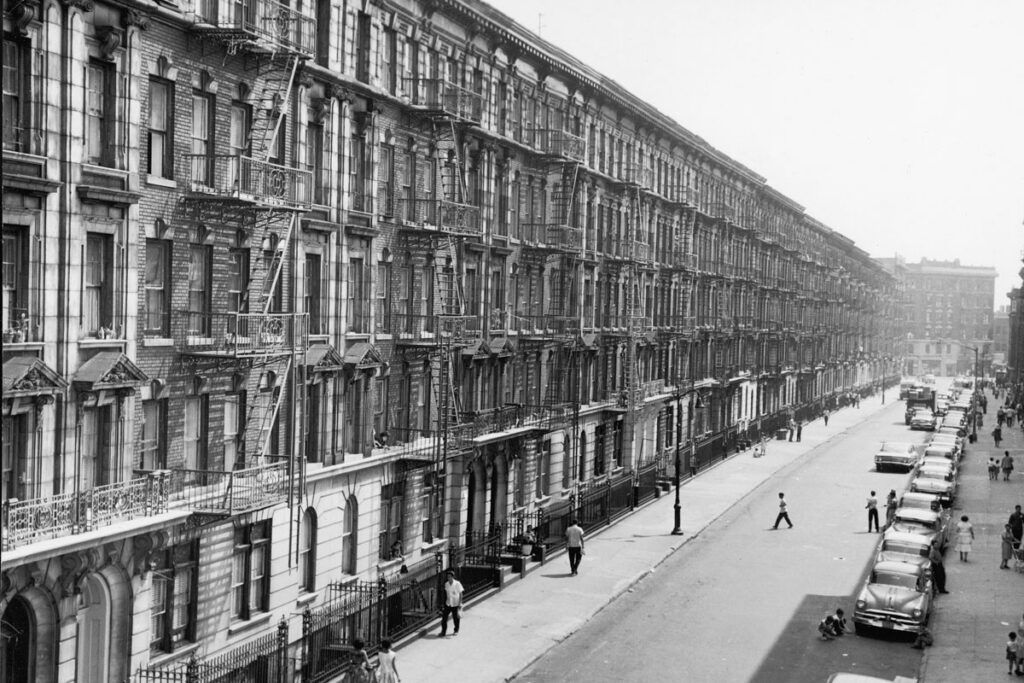
According to housing data from the 1950 U.S. census, the average rent of an apartment in New York City that year was $49 per month (around $656 in today’s dollars). Unsurprisingly, rents were higher in Manhattan — the borough I live in — at $56 per month (equal to around $752 today). Rents on my exact block in the Murray Hill neighborhood were higher still, coming in at $88 per month (around $1,181 adjusted for inflation).
Much to my chagrin, this is a far cry from what I’m paying monthly today. Let’s put it this way: While someone living in my building earning the median salary (for white workers) in 1950 would’ve put roughly a third of their annual pay toward rent, the percentage in my own case hovers closer to half.
It’s also worth noting that housing costs in 1950 varied substantially throughout Manhattan, depending on the neighborhood. Rents dipped as low as $14 per month (equal to around $192 today) in the city’s Two Bridges neighborhood — an area next to the Brooklyn Bridge that has no personal residences today. On the other end of the spectrum, the block between 58th and 59th streets along the East River was among the most expensive in the entire city, where average rents totalled $384 per month (around $5,144 adjusted).
Sponsored Content



More from our network




Sports Tickets
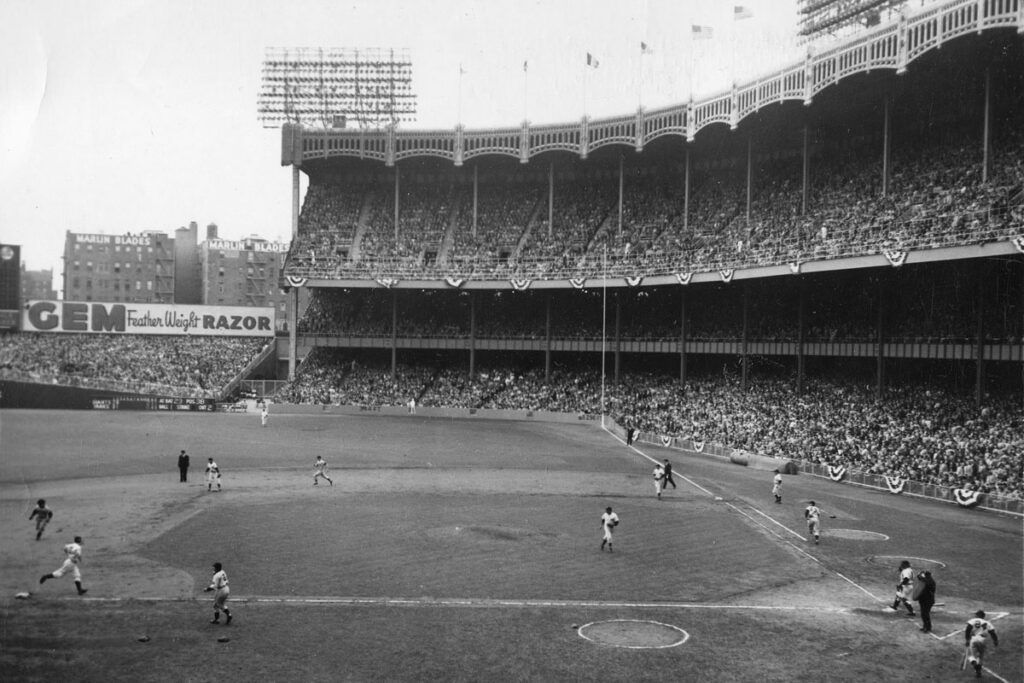
I’m a huge fan of the New York Yankees and go to roughly 40 games each year. Depending on where you sit, the price of tickets today can range from affordable to exorbitant. It’s not uncommon to pay as little as $10 for seats in the upper deck or bleachers, though luxury seats behind home plate may come with a face value exceeding $1,000 depending on the day of the week and opponent. Personally, I like to sit in the lower level toward the outfield, where seats tend to range between $50 to $100, depending on demand.
Back in 1950, on the other hand, the idea of paying $1,000 or even $100 to attend a Yankees game was unheard of. Admission to the bleachers for the 1950 season cost 60 cents (the equivalent of around $8 today), and seats in the grandstand were around $1.25 (equal to about $16.74 today). And the cost didn’t balloon much higher for the prime seats closer to home plate. For instance, a ticket stub from July 16, 1950, shows a price of $2.50 (around $33.48 adjusted for inflation) for box seats in section 10 of the old stadium. Similar tickets in the current stadium would cost around $250 in today’s dollars.
Even World Series tickets were relatively reasonable back in the day. Just look at this stub from Game 3 of the 1950 World Series, which cost $6.00 (equal to around $80 today) for a reserved lower-level seat. When the Yankees made it to Game 3 of the World Series in 2024, I paid around $250 for my seat in a similar location. (That game and the rest of the series turned out to be among the most soul-crushing sporting experiences I've had — but that's a story for another day.)
Groceries
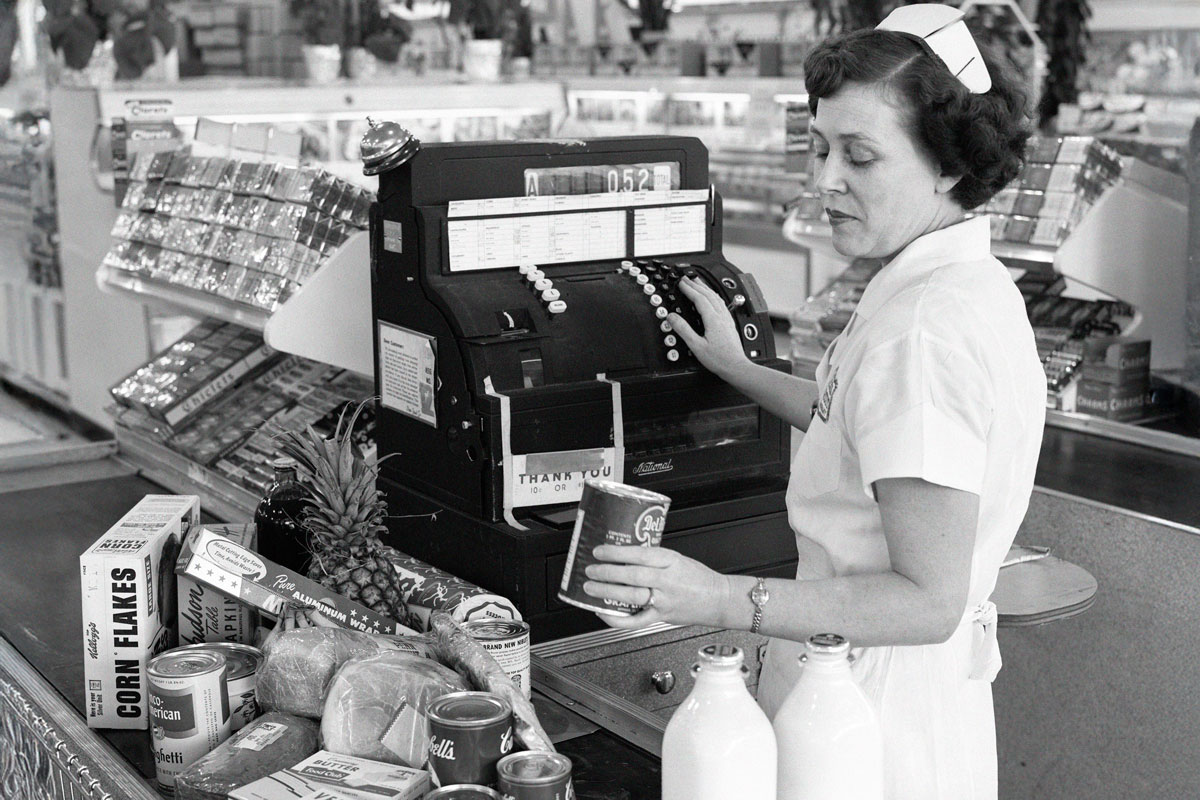
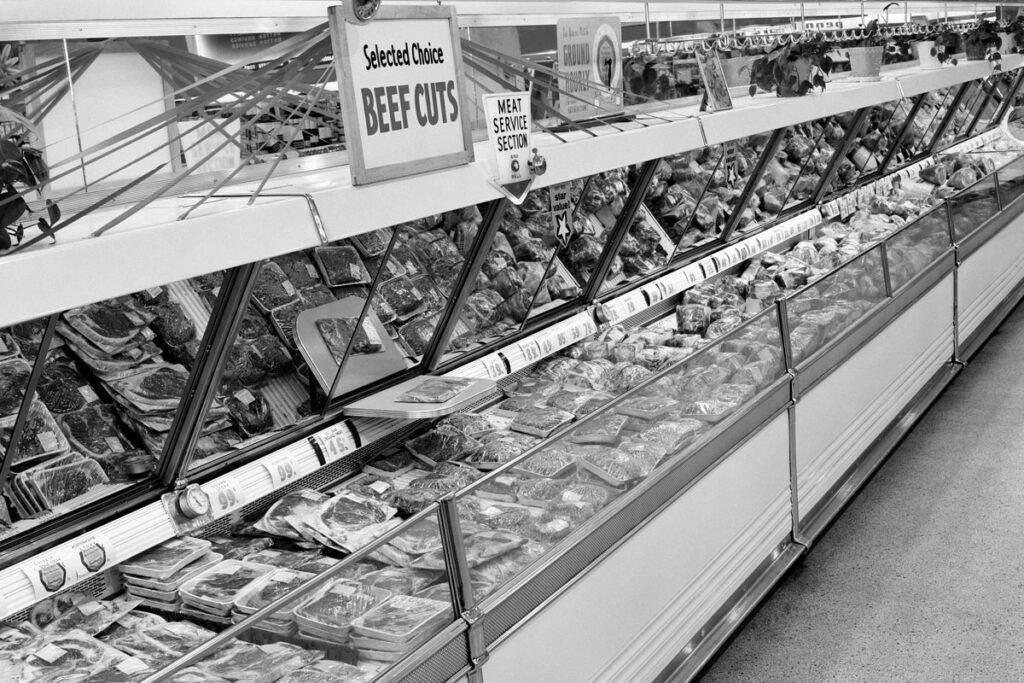
It’s not all bad news for denizens of the 21st century, however. In 1950, many grocery staples cost more than they do today if you account for inflation. One example is dairy products. According to U.S. Department of Labor statistics, a gallon of fresh milk at the grocery store cost roughly 77 cents in 1950 (around $10 adjusted for inflation). Today, the average price for a standard gallon of milk is just under $4. Basic eggs were also costlier, as the price for a dozen averaged roughly 53 cents (equal to around $7.10 today). But at my local grocery, I can get a dozen eggs for around $2.86, assuming I stick to basic brands instead of organic or cage-free.
Another food that has gotten cheaper is beef: A pound of hamburger meat was priced around 51 cents in 1950 (roughly $6.83 adjusted for inflation), whereas if I run to my local Trader Joe’s the cost for a pound of ground beef is about $6.49. A pound of white bread was also more of a relative financial burden 75 years ago, albeit only slightly. In 1950, you would have paid 14 cents (around $1.87 adjusted for inflation), while at my Trader Joe’s it’s $1.81.
And a pound of basic coffee would have run you an average cost of 75 cents (around $10 adjusted), compared to the $9.26 people pay on average today. However, I do like to splurge on specialty brews from a company called Joshua Tree Coffee, but even then I’m only paying $16 per pound for a high-quality artisanal product. A pound of white sugar — a necessity for those occasions where I’ve baked banana bread or carrot cake — cost roughly 48 cents (around $6.43 adjusted for inflation) in 1950, but is priced around 99 cents today. A pound of bananas was priced around 17 cents in 1950 (equal to roughly $2.28 in today’s dollars), while the average cost today is just 66 cents.
When I fill up my grocery cart, it can feel like I’m breaking the bank with just the basics. But when you dig into the numbers, it turns out that the relative price would have been even steeper in 1950. While you could fill up a cart for $10 back then, $10 was a hefty chunk of most people’s household income.
Dining Out
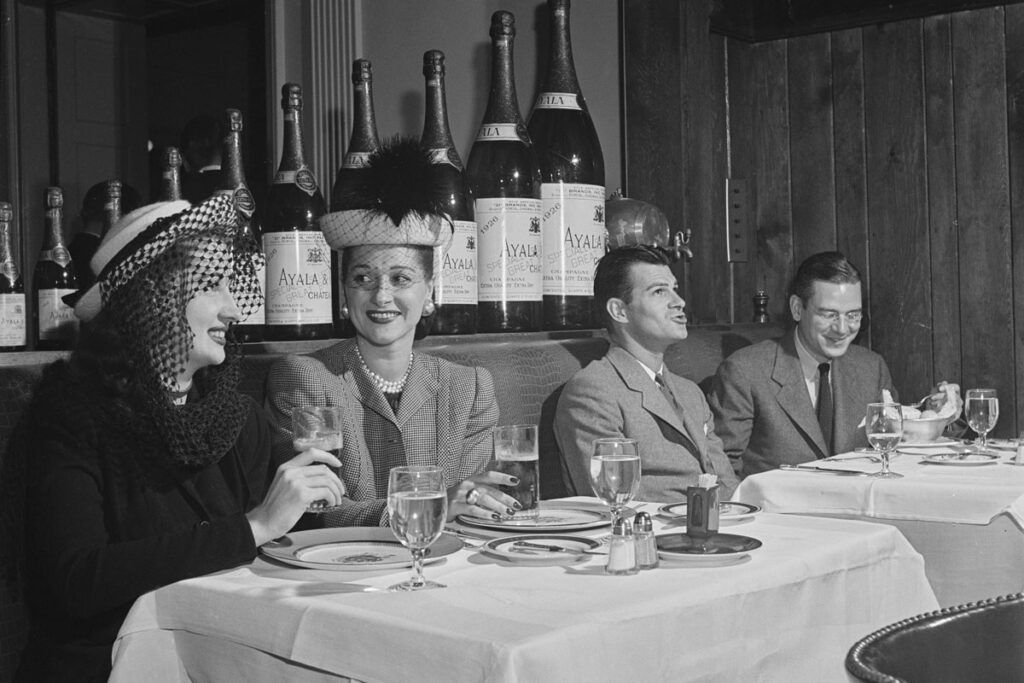
One of the things I enjoy most about living in New York is taking advantage of the city’s excellent food scene, but dining out comes at a cost — and unlike groceries, it’s a higher relative cost than it would have been if I lived here in 1950.
For example, 75 years ago, it would’ve cost me no more than 15 cents for a slice of classic New York pizza — around $2 adjusted for inflation. But the median price of an average plain slice is now around $3.81, including at my neighborhood slice shop Libretto’s. The difference is even more stark when eating at a fancy restaurant. Let’s look at my favorite steakhouse, Keens Steakhouse on 36th Street. While I don’t exactly frequent the establishment, it’s always nice to go for a special occasion — and it would have been less of a splurge in the mid-20th century.
This local institution is known for its famous mutton chop, which was priced at $3.45 back in 1950 (around $46.20 when adjusted for inflation). I like to order an appetizer and dessert as well, so let’s add in a shrimp cocktail, priced at $0.85 in 1950 (equal to around $11.38 in today’s dollars) and an order of ice cream at $0.35 (equal to around $4.69 today). Also, 1950 was before New York state instituted any sales tax, and people commonly tipped around 10% on their bill, bringing the total cost of the full meal at Keens to around $5.12 (around $68.56 adjusted for inflation). But if I order those same exact menu items today, the mutton chop will run me $73, the shrimp cocktail $29, and the ice cream $11. Add in tax and tip and I end up with a total bill of around $145.49 for my fancy dinner.
Travel
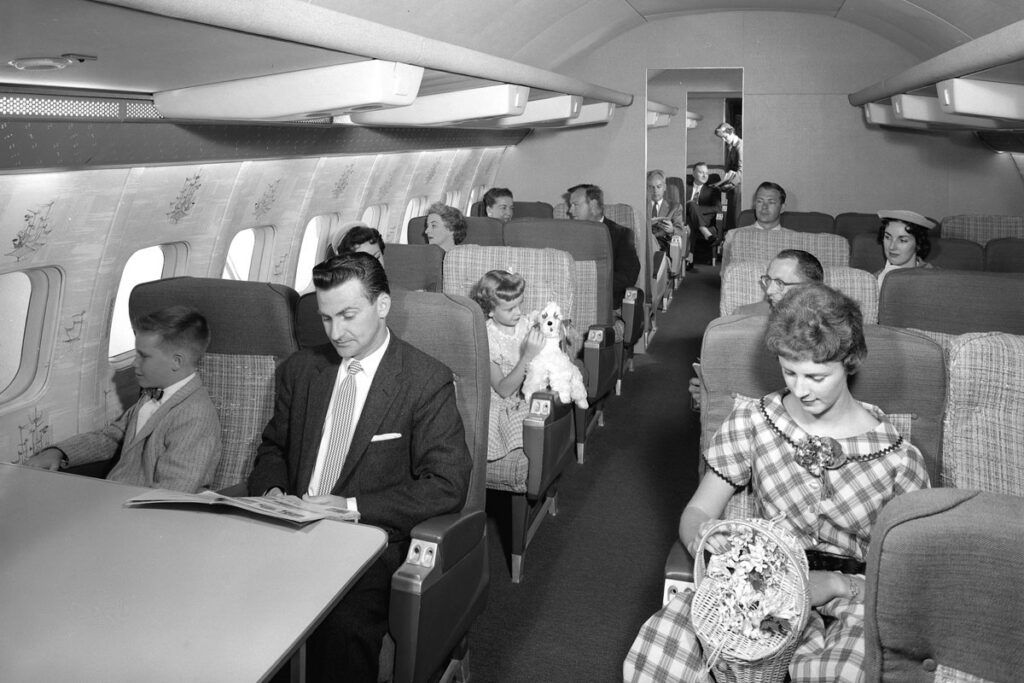
I love road trips and try to take at least one a year — I recently drove across the country from NYC to the Pacific Northwest, down into northern California, across to Utah, and back. If I were driving across the country back in 1950, I could expect to see a gallon of gas cost about $0.27 (around $3.62 adjusted for inflation) — making it total about $4.05 (around $54.23 adjusted for inflation) to fill up a typical 15-gallon tank. Today, the national average for a tank of gasoline hovers around $2.85, meaning if I were to fill up the 15-gallon tank of the Mazda I often drive, it would only run me $42.75 — cheaper in terms of relative cost.
Flying is also relatively cheaper today than it was in 1950. At the end of 2025, I took my first flight to Europe, which cost me $1,000 for round-trip airfare. But back to 1950, we were still in the nascent days of commercial aviation, and flying was more of a luxury than commonplace. This meant that ticket prices were sky high — the cost of air travel didn’t come down until the passage of the Airline Deregulation Act of 1978. The average round-trip ticket for a transatlantic flight from New York City cost roughly $675 in 1950 (around $9,038 when adjusted for inflation). That’s more than nine times higher in terms of relative cost than what I paid to cross the ocean two months ago, bringing into question whether I could’ve even afforded the trip back in 1950.
Clothing
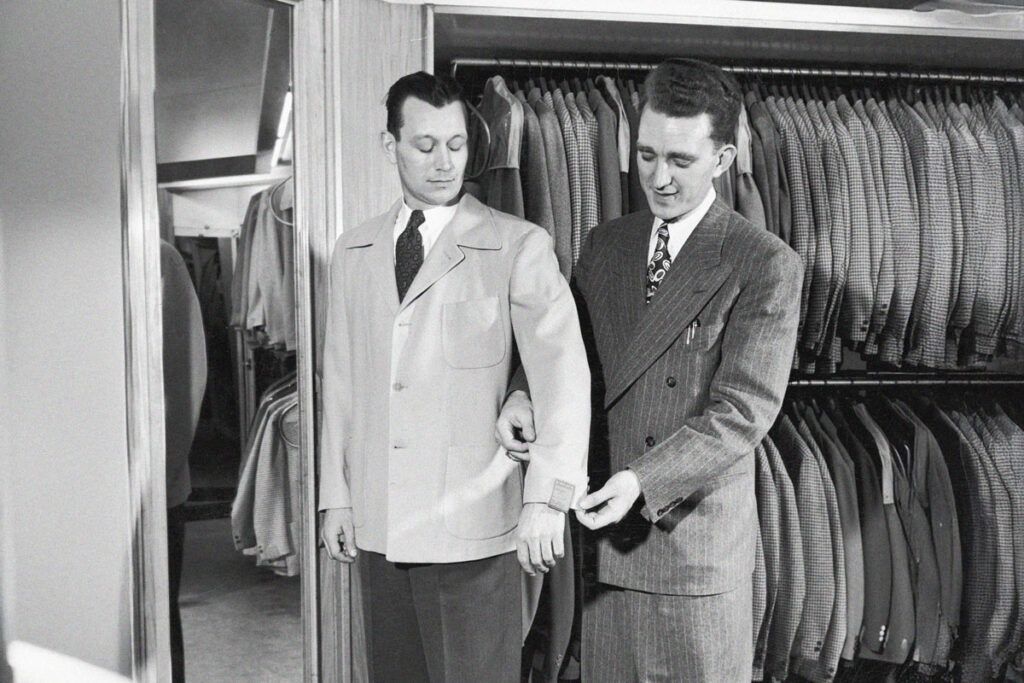
The 1950 Sears catalog provides some great insight into what I might have paid for clothes in 1950, and in this particular area of life, the difference isn’t significant. Back then, formal button-down collared shirts ranged between $1.69 and $3.85 (around $22.63 to $51.55 when adjusted for inflation). Casual cotton button-down tops went for $1.57 (equal to roughly $21.02 today), while nicer wool tops were priced around $7.50 (equal to around $100.43 today). Socks hovered between 39 cents to $1.49 for a package of four to five (around $5.22 to $19.95 in today’s dollars), and tees cost $1.75 to $2.75 (around $23.43 to $36.82 adjusted for inflation). Your typical pair of Levi’s jeans — a staple of my wardrobe — cost $3.50 in 1950 (around $46.87 adjusted for inflation).
All in all, the prices were largely in line with what I spend on clothing today. The exception may be socks and tees — which are slightly costlier now — but otherwise I rack up similar bills when shopping at places such as Uniqlo or Kohl’s.
Public Transit
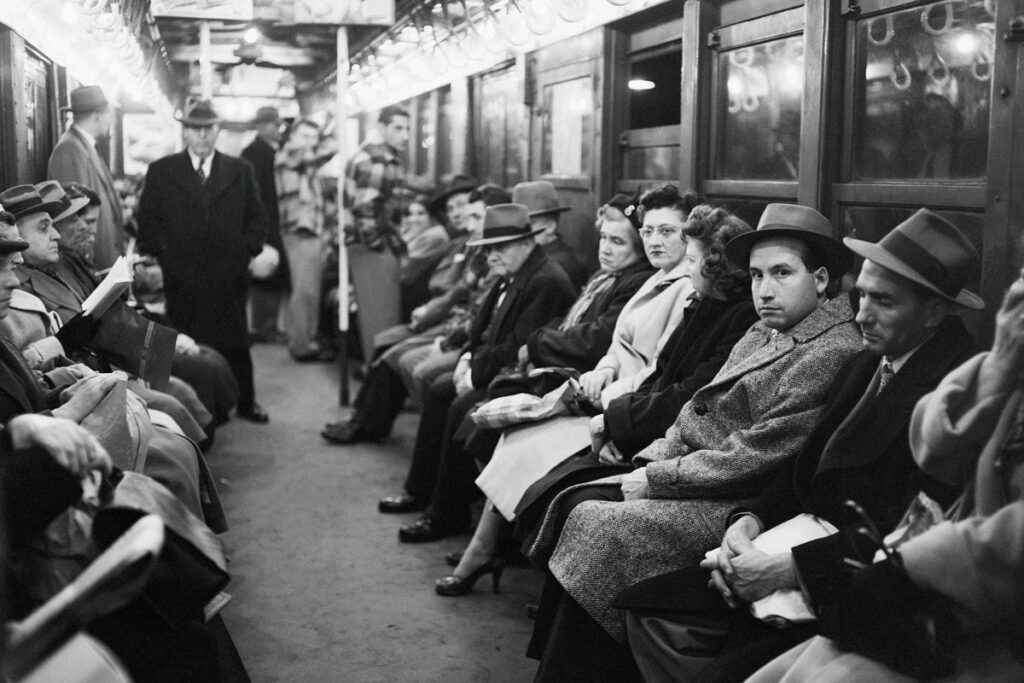
While I don’t take the subway or bus daily, I do take it regularly, and it’s quite surprising to learn that I’m paying double the relative cost that transit riders would have paid in 1950. Earlier this month, standard New York City subway and bus fares increased from $2.90 to $3.00 a ride. But back in 1950, the fare was just 10 cents, or around $1.34 when adjusted for inflation. It’s a small difference, but one that adds up if you take public transit regularly, making this aspect of city life slightly more affordable for the New Yorkers of yesteryear.