


The Most Popular Baby Name Every Year of the Last Century

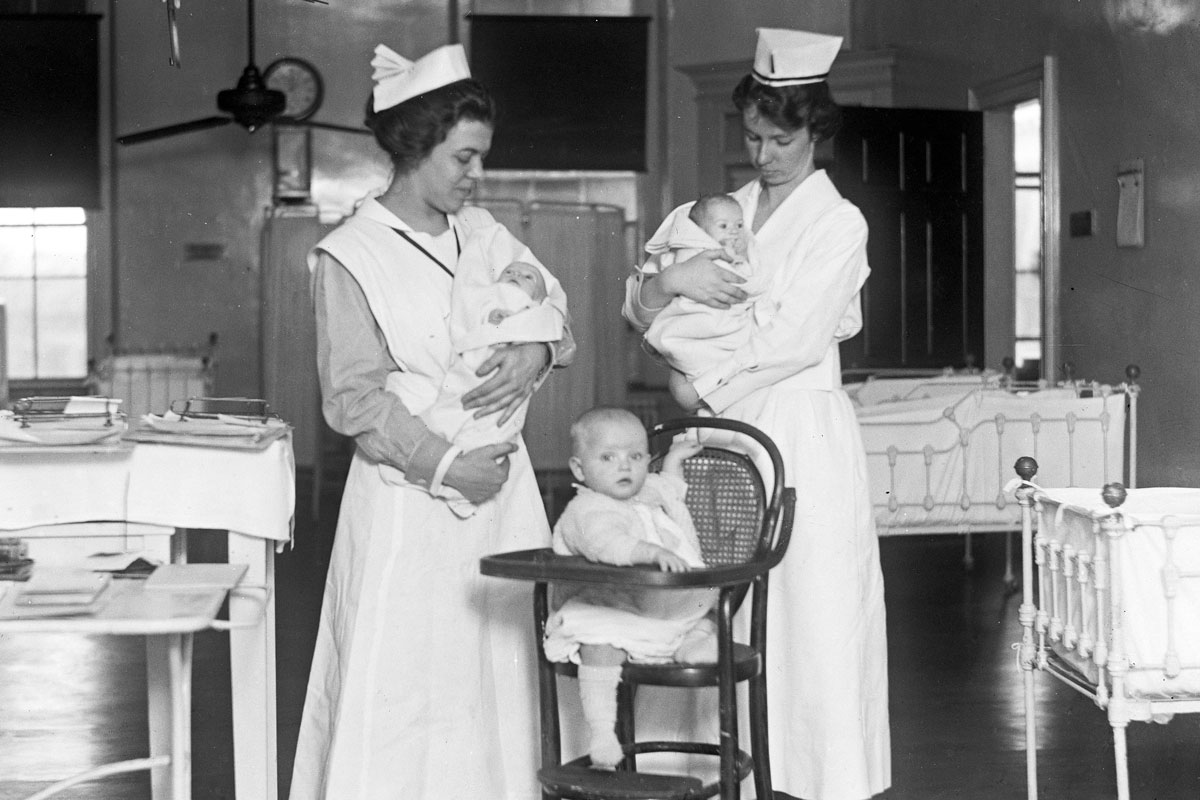
  • Nurse with newborn babies
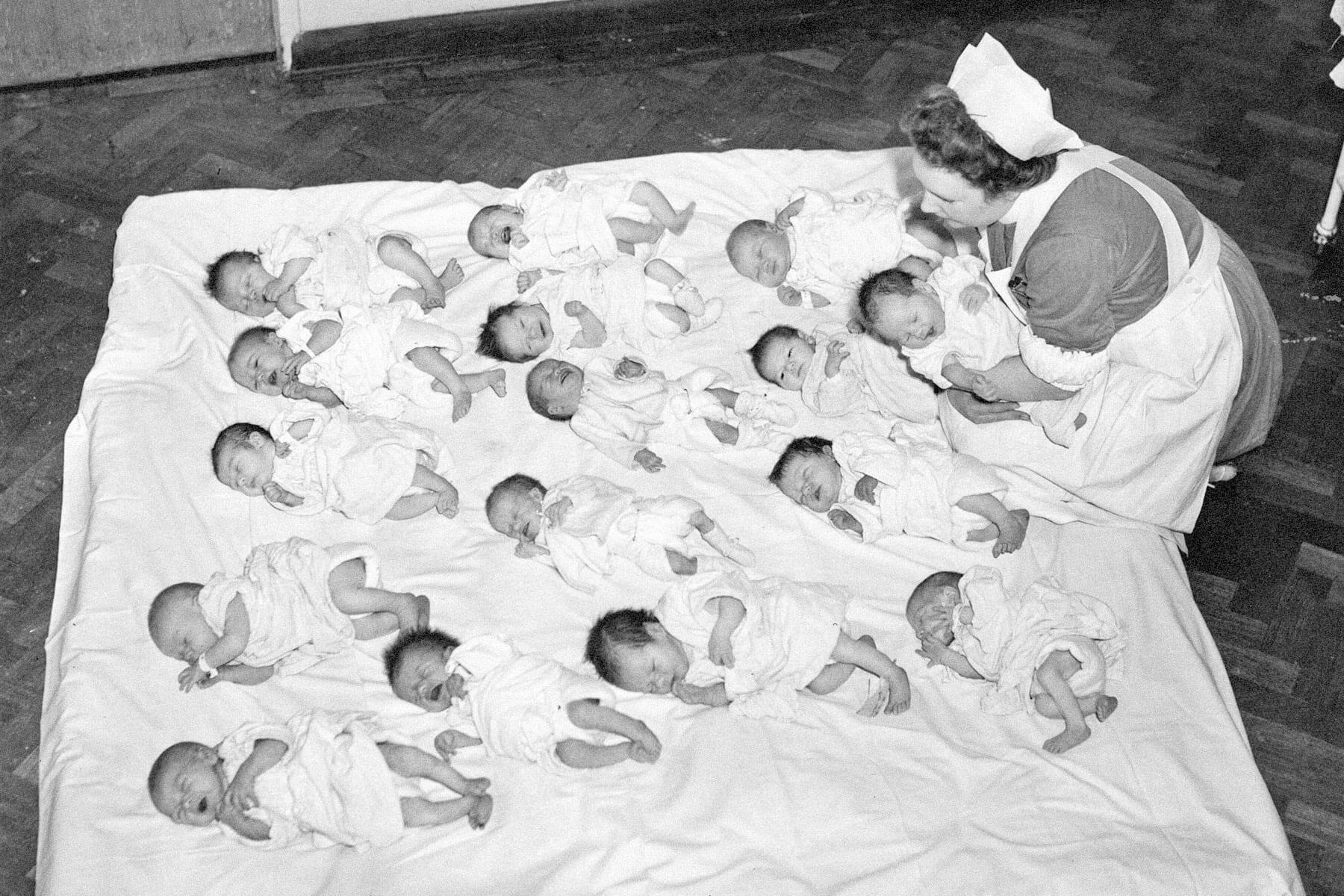
Nurse with newborn babies
Credit: Reg Speller/ Hulton Archive via Getty Images
Author Kristina Wright

April 2, 2026

Love it?

Over the past hundred years, baby-naming trends have largely been shaped by family traditions and popular culture. Classic names such as Mary, John, Betty, and James often appear repeatedly in family trees, passed down out of respect for previous generations and a desire to keep family legacies alive. By the latter half of the 20th century, parents found baby name inspiration in popular culture, including films, theater, and music. The name Jennifer, for instance, began its climb in the U.S. thanks to the George Bernard Shaw play The Doctor’s Dilemma, which debuted on Broadway in 1927. Today, Olivia and Liam are the reigning favorites, and it’s likely only a matter of time before names that are already in the top 10 — such as Mia, Mateo, Evelyn, and Elijah — claim the No. 1 spots.Here is a fascinating look at the most popular girls’ and boys’ names of the last century, based on data collected by the U.S. Social Security Administration from Social Security card applications.

Credit: Topical Press Agency/ Hulton Royals Collection via Getty Images

1924 to 1929

1924: Mary, Robert
1925: Mary, Robert
1926: Mary, Robert
1927: Mary, Robert
1928: Mary, Robert
1929: Mary, Robert

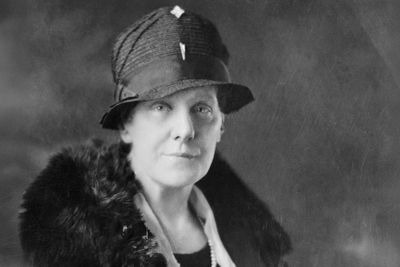
The “Roaring ’20s” brought new cultural, economic, and sexual freedoms for women, but the most popular female names of the Greatest Generation — those born between 1901 and 1927 — didn’t reflect this newfound sense of liberation. Mary remained the most popular girls’ name from 1924 to 1929, just as it had since 1900. A biblical name that appears in both the Old and New Testaments, Mary is the anglicized form of Maria and originated from the Hebrew Miryam. In 1924, the name Robert, favored by European royalty and nobility in the Middle Ages,” replaced John, another common biblical name, as the most popular boys’ name, ending John’s decades-long place at the top of the list.

You may also like

What My Life Would Have Cost in 1950

  • Grocery store cashier
Grocery store cashier
Credit: H. Armstrong Roberts/ClassicStock/ Archive Photos via Getty Images
Author Bennett Kleinman

January 26, 2026

Love it?

In 1950, the purchasing power of the U.S. dollar was more than 13 times greater than it is today, meaning your money went much further, at least when it came to certain expenses. For instance, the average cost of a brand-new Chevrolet sedan was just $1,450 that year, the equivalent of around $19,416 today when adjusted for inflation. The median price for a single-family home, meanwhile, was only $7,354, or around $98,474 in today’s money. (If only!)

That said, salaries were lower in the mid-20th century as well. The median salary was $3,135 (around $41,979 in today’s dollars) for white working individuals and $1,569 (around $21,009 today) for people of color — a discrepancy caused by the discriminatory hiring practices of the time. That’s compared to a nationwide median annual salary of $63,128 today.

But even accounting for the lower household income in 1950, the relative purchasing power was greater at the onset of the ’50s than it is today. For instance, it took about 2.5 years’ worth of paychecks for a person earning the average salary for white workers in 1950 to afford a new home, while the median cost of a new home today is nearly six times the average salary. 

It’s a refrain you hear a lot — life used to be much more affordable. Which got me wondering: What would my own lifestyle have cost if I lived in 1950? Would my monthly bills as a New York City resident be substantially easier to manage? 

To investigate, I took a look at the cost of housing, food, and even Yankees tickets in 1950 and input the values into inflation calculators from the U.S. Bureau of Labor Statistics as well as the Federal Reserve Bank of Minneapolis, taking the rough average of values from the start and end of the year 1950. Here’s what I found.

Credit: FPG/ Archive Photos via Getty Images 

Monthly Rent

According to housing data from the 1950 U.S. census, the average rent of an apartment in New York City that year was $49 per month (around $656 in today’s dollars). Unsurprisingly, rents were higher in Manhattan — the borough I live in — at $56 per month (equal to around $752 today). Rents on my exact block in the Murray Hill neighborhood were higher still, coming in at $88 per month (around $1,181 adjusted for inflation). 

Much to my chagrin, this is a far cry from what I’m paying monthly today. Let’s put it this way: While someone living in my building earning the median salary (for white workers) in 1950 would’ve put roughly a third of their annual pay toward rent, the percentage in my own case hovers closer to half.

It’s also worth noting that housing costs in 1950 varied substantially throughout Manhattan, depending on the neighborhood. Rents dipped as low as $14 per month (equal to around $192 today) in the city’s Two Bridges neighborhood — an area next to the Brooklyn Bridge that has no personal residences today. On the other end of the spectrum, the block between 58th and 59th streets along the East River was among the most expensive in the entire city, where average rents totalled $384 per month (around $5,144 adjusted). 

You may also like

What Did People Keep in Their Medicine Cabinets in the 1950s?

  • Antique medicines and drugs
Antique medicines and drugs
Credit: Pat Canova/ Alamy Stock Photo
Author Nicole Villeneuve

January 22, 2026

Love it?

In the mid-20th century, the medicine cabinet was a fixture of many homes. Open one and you’d likely find a thermometer, a box of bandages, maybe a tin of aspirin — basics we still recognize today. But alongside those common essentials were remedies that didn’t just look different from modern products — they were also built on ideas modern medicine has long since abandoned.

These old-school treatments reflected the medical knowledge of the era, when the risks of certain heavy metals, narcotics, and chemicals weren’t fully understood. Here are six things people regularly stocked in their medicine cabinets in the 1950s that you rarely see anymore.

Credit: Emanuela/ Adobe Stock 

Mercurochrome

For many families in the 1950s, a flash of bright red wasn’t just a sign of a scrape or cut — it was also the remedy. Products such as Mercurochrome and Merthiolate were staples in medicine cabinets, used for disinfecting skinned knees and elbows or a knick from a kitchen knife. They came in glass bottles that showed off their unmistakable bright red-orange color. A streak of the liquid, applied to the skin with a glass dobber, meant your mishap was on the way to healing. 

Mercurochrome was first developed in the early 20th century, and as the name implies, it relied on mercury compounds to stop the spread of bacteria and help prevent infection. The dangers of mercury poisoning are well known today, but for much of the 20th century, mercury was widely used in medical treatments. Mercurochrome stayed on shelves (and as an add-on in products such as pretreated bandages) as late as 1998, when the U.S. Food and Drug Administration withdrew its approval of the product’s ingredients, and it was removed from the market.

You may also like

6 Major Events That Happened 100 Years Ago

  • Agatha Christie mystery headline
Agatha Christie mystery headline
Credit: ARCHIVIO GBB/ Alamy Stock Photo
Author Timothy Ott

January 8, 2026

Love it?

One hundred years isn’t a terribly long time in the grand scheme of things, but a look back at life in 1926 reveals just how much the world has changed in a century.

The global population was around 2 billion people in 1926, compared to more than 8 billion now. Global leaders included Japan’s Hirohito, then embarking on a tenure that made him the longest-reigning emperor in the country’s history, and England’s King George V, the grandfather of a future queen named Elizabeth. 

In the United States, where Calvin Coolidge was serving as the 30th U.S. president, workers earned an average of 93.7 cents an hour. Those who saved up could buy a new car for under $1,000, while many could easily part with the 20 cents for a ticket to watch one of the new sound films of the day, featuring stars such as John Barrymore.

But as old-fashioned as some of those names and numbers seem now, the year also gave rise to seminal events that had major reverberations into the decades that followed. Here are six such moments, from the headline grabbers to the quiet groundbreakers, that unfurled in the gone-but-not-forgotten year of 1926.

Credit: Keystone/ Hulton Archive via Getty Images 

January 26: A Working Television Is Demonstrated

Building on the work of 19th-century German engineer Paul Nipkow, Scottish inventor John Logie Baird unveiled his “televisor” to members of the Royal Institution in London with a transmission of a ventriloquist dummy’s face. Baird’s creation worked by way of rotating disks that converted slivers of captured light into electrical signals, which were picked up by a receiver that reconverted them back into light and produced fuzzy but discernable images. 

As for the dummy’s head, this was less a comment on the dangers facing future couch potatoes than the practical matter of the incandescent lights used to provide illumination being uncomfortably hot and bright. Developing technology soon made the process safer for the live humans being recorded, and within two years, Baird also achieved both the first color and first transatlantic television transmissions.  

You may also like

50 Facts About the 1950s

  • Elizabeth II’s coronation, 1952
Elizabeth II’s coronation, 1952
Credit: Keystone-France/ Gamma-Keystone via Getty Images
Author Bennett Kleinman

November 19, 2025

Love it?

The 1950s were among the most consequential decades in recent memory. The era introduced both revolutionary inventions such as color television and major milestones including the crowning of Queen Elizabeth II and the very first NASA astronauts. These years also saw unprecedented talents revolutionize the worlds of music, sports, and more. 

Of course, not every aspect of the ’50s was quite so rosy. In the U.S., Cold War tensions and the threat of nuclear warfare loomed large over Americans, and the ongoing fight for equality and civil rights sought to dismantle the systemic discrimination that plagued society. Let’s take a look back at this pivotal era with 50 facts about the 1950s, covering everything from the end of World War II rations to the debut of Kermit the Frog.

Credit: H. Armstrong Roberts/ClassicStock/ Archive Photos via Getty Images 

Around 4 million American babies were born every year.

Post-World War II America saw a rapid increase in birth rates lasting from 1946 through 1964. It became known as the “baby boom,” and the 1950s were smack dab in the middle of it. During the ’50s, around 4 million babies were born every year in America, a sharp increase from the previous average of around 2.7 million births annually between 1910 and 1945.

The term “rock ’n’ roll” was first used on a Cleveland radio station.

Why is the Rock & Roll Hall of Fame located in Cleveland? Well, one reason is that a Cleveland DJ named Alan Freed coined the phrase “rock ’n’ roll” — at least publicly — on a 1951 radio broadcast. Freed hosted “The Moondog Rock & Roll House Party,” which popularized the name for the new up-tempo sound.

You may also like

Popular Halloween Costumes Throughout the 20th Century

  • Men in costume, circa 1915
Men in costume, circa 1915
Credit: Kirn Vintage Stock/ Corbis Historical via Getty Images
Author Kristina Wright

October 20, 2025

Love it?

For many of us, Halloween stirs memories of crisp autumn nights, glowing jack-o’-lanterns, and the childlike joy of heading out in disguise to go trick-or-treating. Each year, the Halloween costumes on display offered a glimpse into what captured people’s attention at the time — whether it was a favorite movie star, a superhero, or a good old-fashioned ghost or witch. Store-bought masks and homemade outfits reflected the mood of each decade, from the cowboys of the silver screen to the astronauts of the space race.

Looking back at the 20th century through its Halloween costumes is like flipping through a scrapbook of popular culture. Each era had its trends, icons, and traditions. Here’s a look at the popular costumes that defined a century of spooky celebrations.

Credit: Transcendental Graphics/ Archive Photos via Getty Images 

1900s

At the turn of the century, Halloween in the U.S. remained closely tied to older folk customs, many brought by Irish and Scottish immigrants. Costumes were homemade, crafted from repurposed clothing, painted masks, or simple linen and gauze. Popular getups of the decade included ghosts, vagabonds, and witches, and many disguises reflected the folkloric goal of confusing or warding off spirits, blending masquerade with superstition. 

Halloween “guising” involved putting on costumes and singing songs to earn treats, but masquerade parties were more common than door-to-door trick-or-treating. Some so-called “Halloween” images from that era may even represent Thanksgiving maskers, since the tradition of seasonal masking overlapped between holidays in some parts of the country.

You may also like

6 Forgotten Collectibles From the 1950s

  • Boy with Robert the Robot
Boy with Robert the Robot
Credit: Bettmann Archive via Getty Images
Author Timothy Ott

October 17, 2025

Love it?

Some famous toys from the 1950s, such as the Frisbee and Mr. Potato Head, became so embedded in popular culture that they remain in regular use or at least are recognized by kids even today. But not every popular collectible from that period survived for successive generations to incorporate into their playtimes. Here are six treasured toys from the 1950s that inspire warm feelings from those who remember the fun.

Credit: ukartpics/ Alamy Stock Photo 

Robert the Robot

Thanks in part to the success of science fiction books such as Isaac Asimov’s I, Robot (1950) and films such as The Day the Earth Stood Still (1951), hordes of American children grew up playing with imported tin toy robots in the early 1950s. However, the market was jolted in 1954 with the Ideal Toy Company’s Robert the Robot, the first plastic toy robot made in the United States. 

Standing 14 inches tall, Robert moved on wheels by way of a cable-connected, hand-cranked remote control, while winding another crank on his back prompted him to blurt out, “I am Robert Robot, mechanical man. Drive me and steer me, wherever you can.” Robert proved popular enough to inspire two songs from the Cricket Records music label and even appeared in the 1956 film There’s Always Tomorrow, although he fell out of favor with the introduction of more advanced toy robots such as Mr. Machine the following decade.

You may also like

7 Popular 1950s Items You Never See Anymore

  • Kids reading 3D comics, 1953
Kids reading 3D comics, 1953
Credit: Bettmann via Getty Images
Author Kristina Wright

September 11, 2025

Love it?

Seventy years ago, Elvis was shaking up the airwaves, Lucille Ball had Americans laughing in their living rooms, and Presidents Harry Truman and Dwight D. Eisenhower were charting very different visions for a postwar United States. The space race was just beginning to heat up and prosperity fueled a culture of optimism for many. It was a decade of technological innovation and imagination, with a flood of brand-new gadgets, fashions, and conveniences promising to make everyday life sleeker, faster, and more modern than ever before.

Of course, not everything from the 1950s stood the test of time. Many of the common items that once defined the era have quietly slipped into obscurity, nudged aside by modern technology, shifting tastes, or changing lifestyles. Let’s take a trip down memory lane and revisit some of the most iconic items of the 1950s — things that once felt essential or cutting-edge, but today are charming relics of a very different time.

Credit: Bettmann via Getty Images 

Rotary Phone

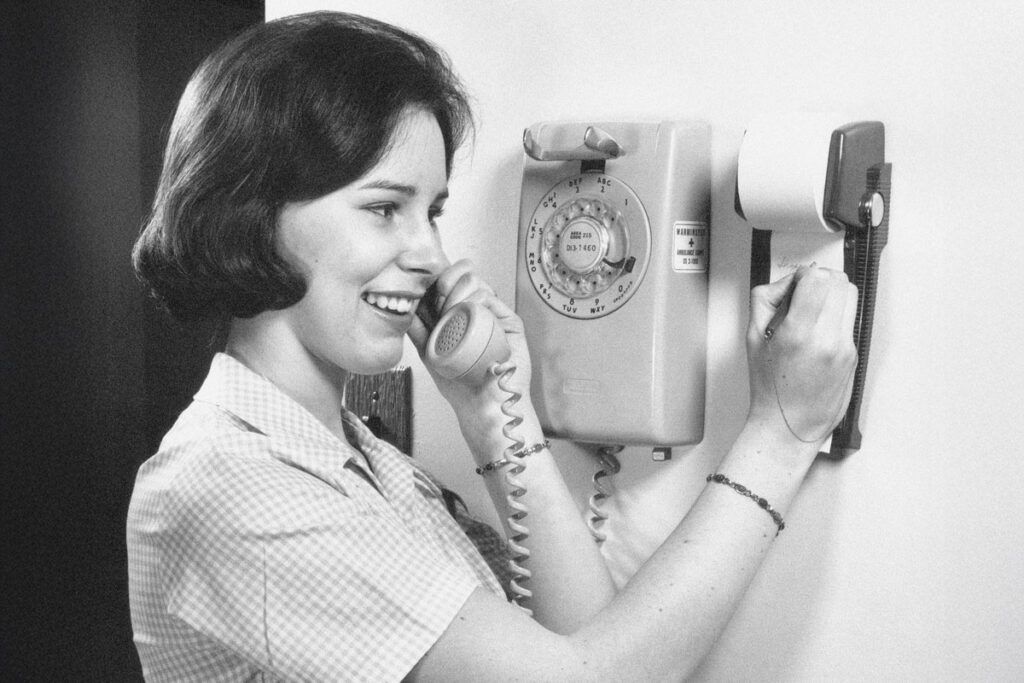
The rotary dial telephone became widely used in homes starting in the 1920s, but it wasn’t until the 1950s that it truly became a fixture of everyday American life. Postwar prosperity and suburban growth meant that more and more families could afford a phone, and by the mid-1950s, two-thirds of U.S. households had at least one telephone.

Using a rotary phone was a slow process: You placed your finger in the hole corresponding to the number you were dialing and rotated the dial clockwise until it hit the metal stop, released it to let it return to its original position, and repeated the move for each digit in the phone number. The Bell System introduced touch-tone dialing in 1963, which eventually made rotary phones obsolete. Though they’ve vanished from daily use, the distinct clicking and spinning of a rotary dial remains one of the most iconic sounds of midcentury life.

You may also like

The Most Iconic Cars of the 1970s

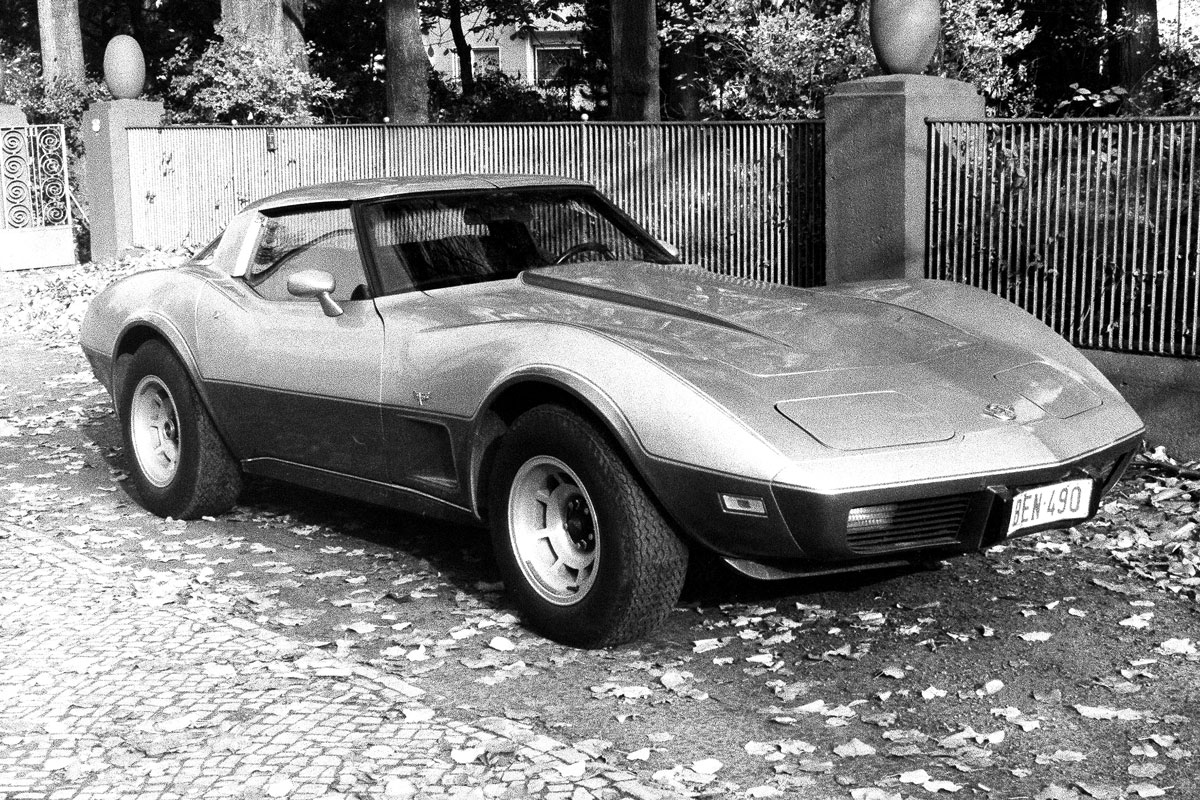
  • Chevrolet Corvette, 1978
Chevrolet Corvette, 1978
Credit: ullstein bild via Getty Images
Author Kristina Wright

August 5, 2025

Love it?

The 1970s were a wild ride for fashion, politics, music, and, yes, cars. As gas prices spiked and tastes shifted from big and brawny to compact and efficient, the decade’s most memorable automobiles reflected the changing times. Whether you were into style, speed, or just saving gas, the ’70s had a ride for you.  

Here are seven of the most decade-defining cars of the 1970s — models that turned heads, made the news, and earned their street cred one mile at a time. Which one would you drive today?

Credit: Bud Wells/ Denver Post via Getty Images 

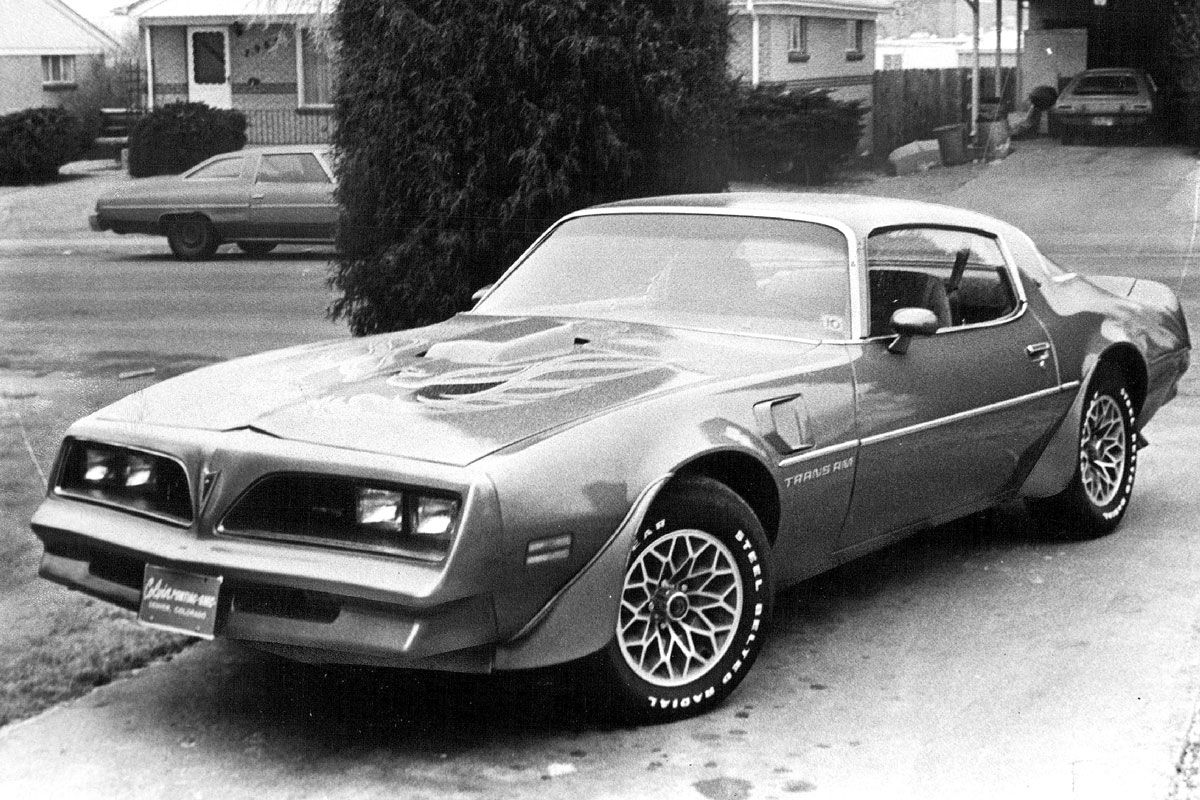
Pontiac Firebird Trans Am

The Pontiac Trans Am, introduced in 1969 as a high-performance version of the Firebird, became a symbol of American muscle and attitude in the 1970s. With its aggressive styling, T-top (removable roof panels), shaker hood scoop (engine-mounted air intake that protruded through the hood), and iconic “screaming chicken” hood decal, the Trans Am stood out in an era when many muscle cars were fading due to tightening emissions regulations and rising insurance costs. 

Sales were relatively modest early in the decade but soared in the late 1970s — especially after the 1977 film Smokey and the Bandit turned the black-and-gold Trans Am into a pop culture phenomenon. Pontiac sold more than 117,000 Trans Ams in 1979 — the model’s best year ever — cementing the muscle car’s place as one of the most iconic vehicles of the decade.

You may also like

5 Eye-Opening Facts About the Dust Bowl
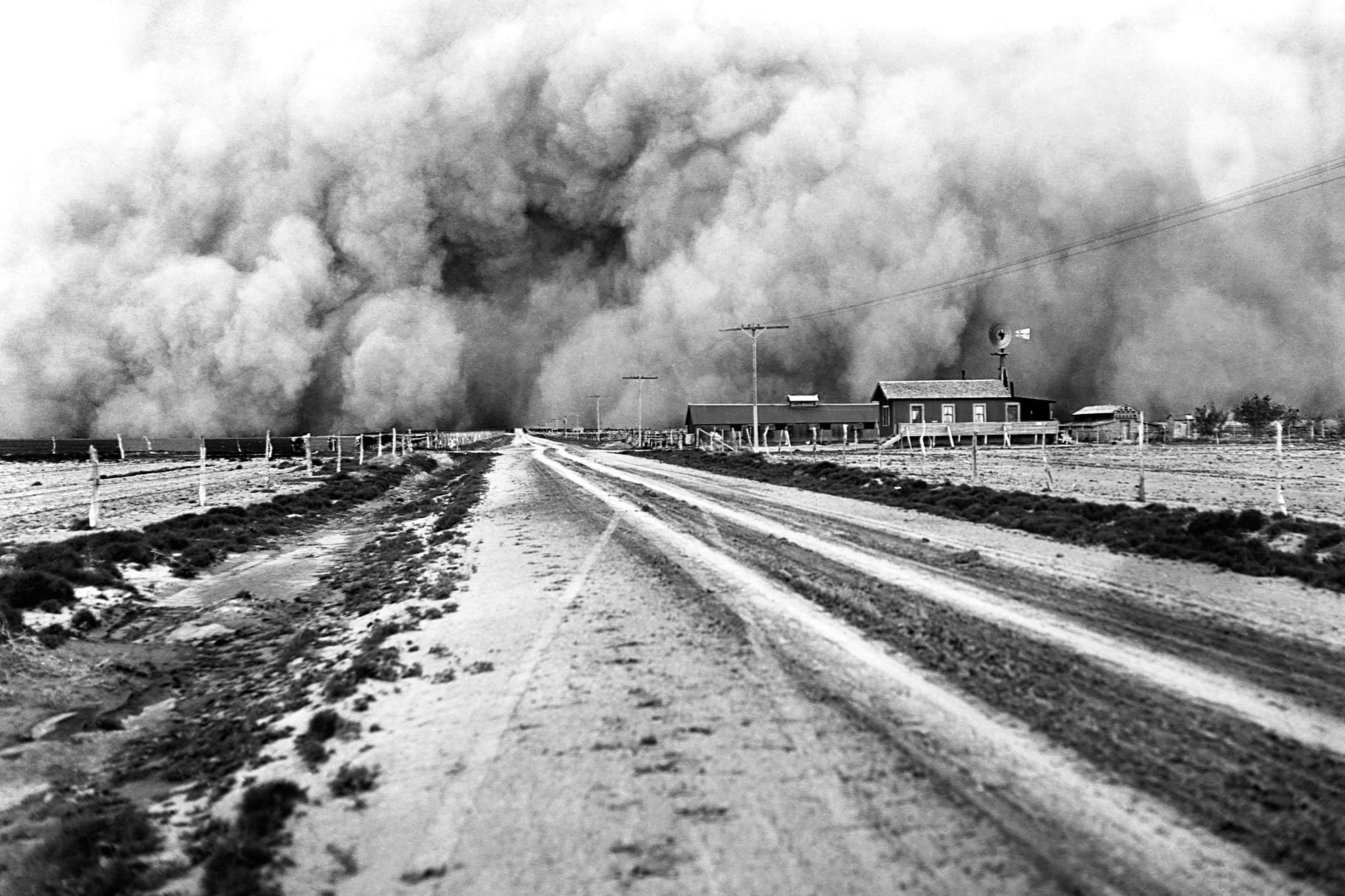
  • Dust storm, circa 1930
Dust storm, circa 1930
Credit: Historical/ Corbis Historical via Getty Images
Author Timothy Ott

July 7, 2025

Love it?

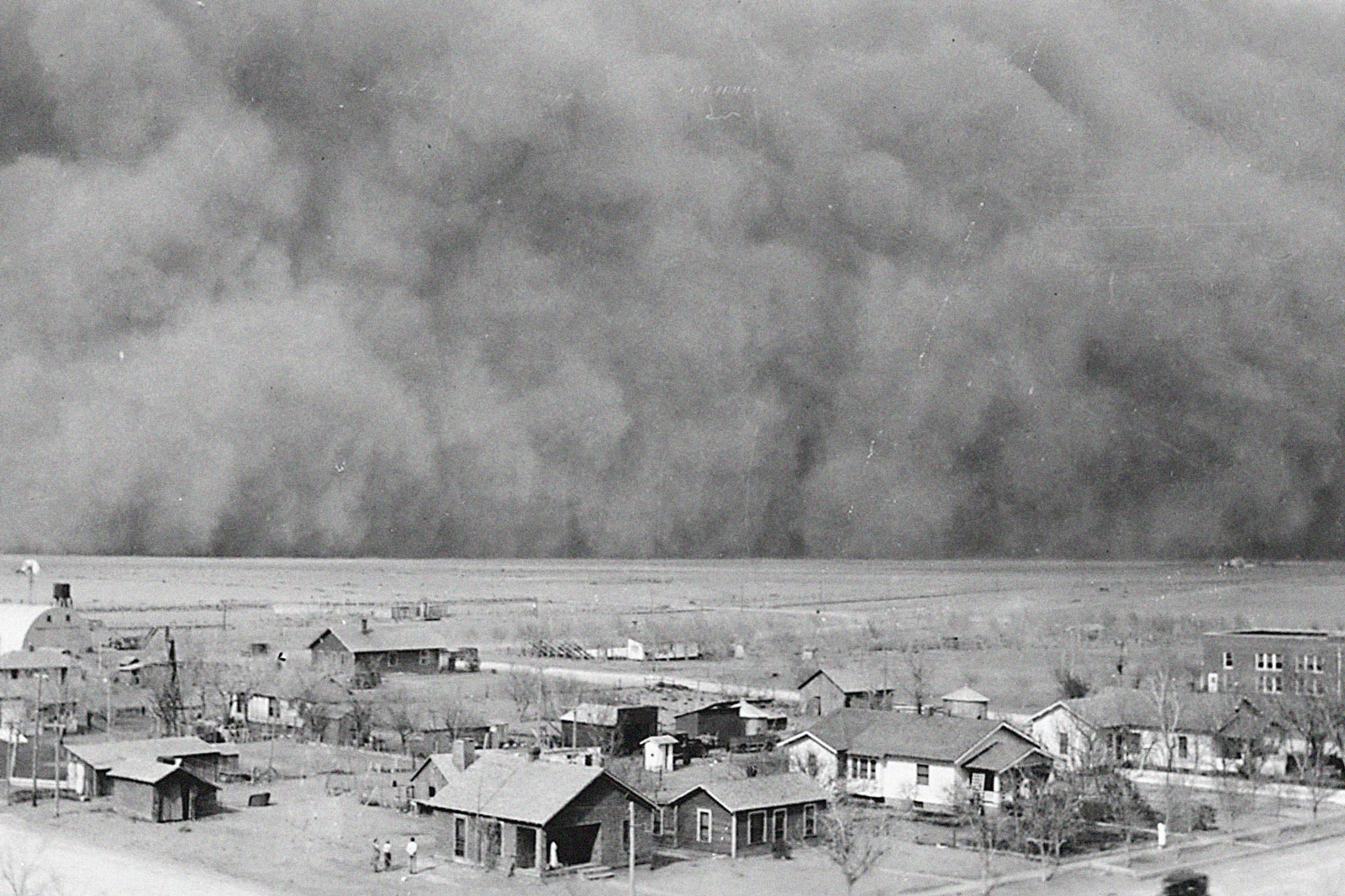
Although the Great Depression was a challenging time for most Americans, a special distinction can be made for those who weathered the unique conditions of the Dust Bowl. Generally encompassing a 300,000-square-mile region of Texas, Oklahoma, Kansas, Nebraska, Colorado, and New Mexico — although its effects were also felt farther north — the Dust Bowl was marked by the relentless accumulation of dry soil that blackened skies and ruined crops.

In the wake of poor farming practices and unusually low levels of rainfall, topsoil from the Great Plains swirled through towns, piled up on fence posts, and seeped through building cracks. People and livestock alike suffered adverse health effects from inhaling the contaminated air, although the status quo apparently suited the swarms of grasshoppers who devoured what remained of crop rows.

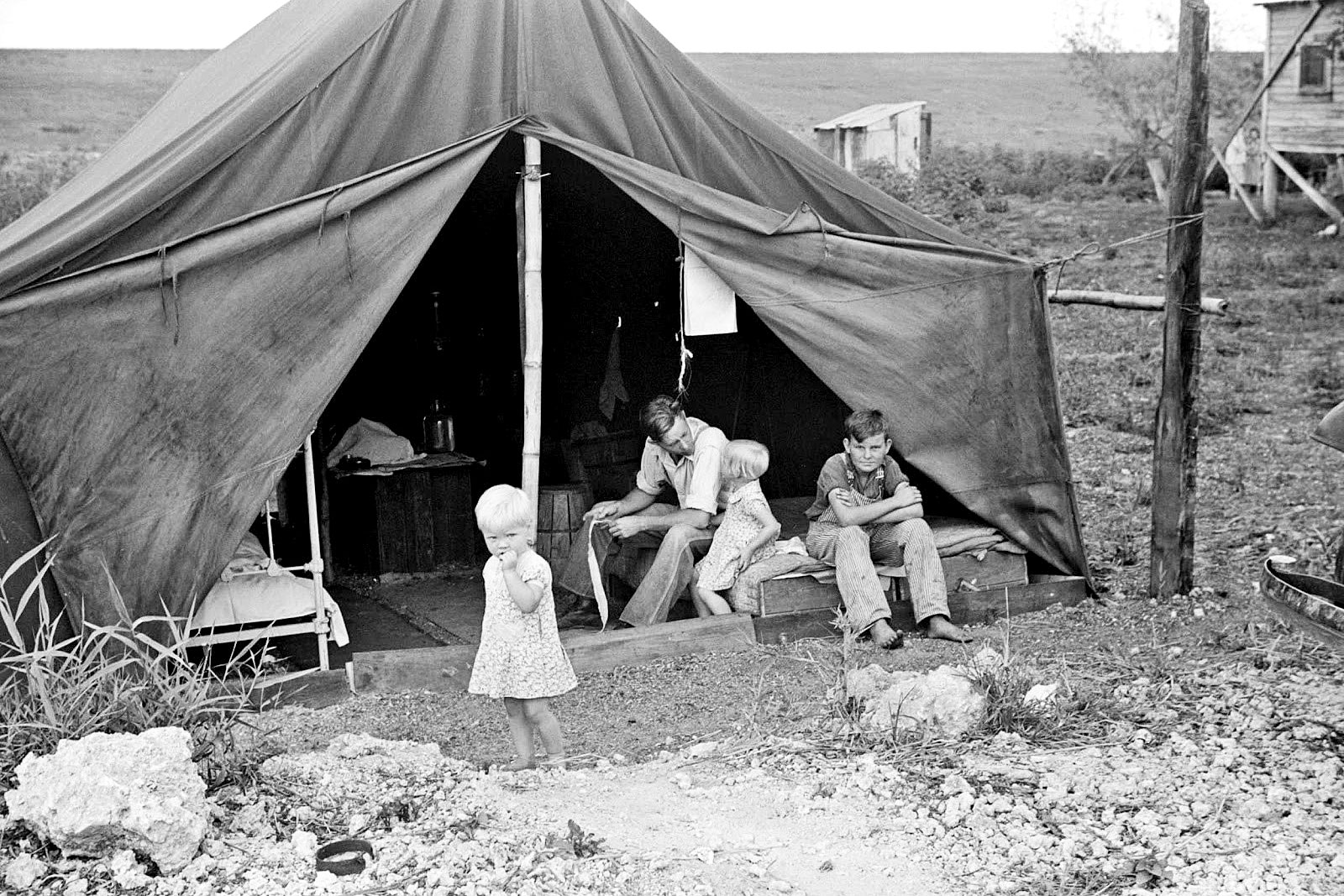
While it sounds like something out of a dystopian novel, the Dust Bowl was very much a real experience for millions of people who had to decide between sticking things out in an inhospitable climate or abandoning their homes for an unknown future. Here are five facts about what it was like to live through those years of uncertainty.
Credit: Smith Collection/Gado/ Archive Photos via Getty Images 

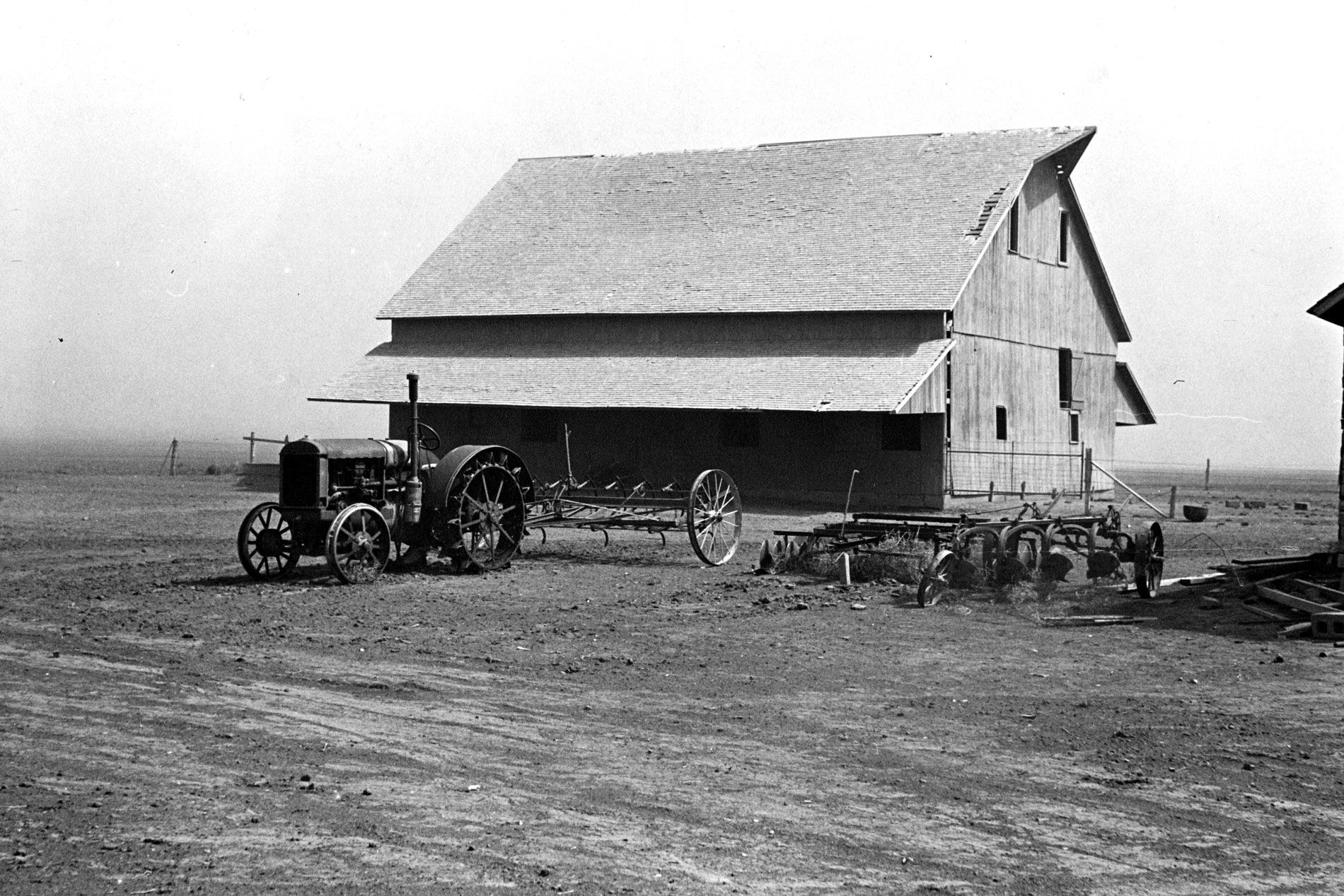
The Catastrophe Was Caused by Poor Farming Practices 

The Dust Bowl’s roots can be traced back to the late 19th century: Federal efforts such as the Homestead Act of 1862 lured settlers to the Great Plains, and by the early 1900s, much of the prairie’s native grasslands, which helped retain precious water in the soil, had been dug up. The problem intensified with increased demand for wheat during World War I, which led to a focus on this particular yield at the expense of sustainable crop rotation, while improved farming machinery such as the gasoline-powered tractor lured even more “suitcase farmers” to arid areas with the hope of cashing in on crops. 

The ramifications of this overfarming became apparent when the region was stricken by a series of droughts beginning in 1930, leaving wide swaths of overturned earth dry and loose, vulnerable to blowing away in high winds. The disaster impoverished the farmers, who struggled to grow suitable crops and attract customers amid the financial depths of the Depression.
You may also like