
The Shortest Wars in History

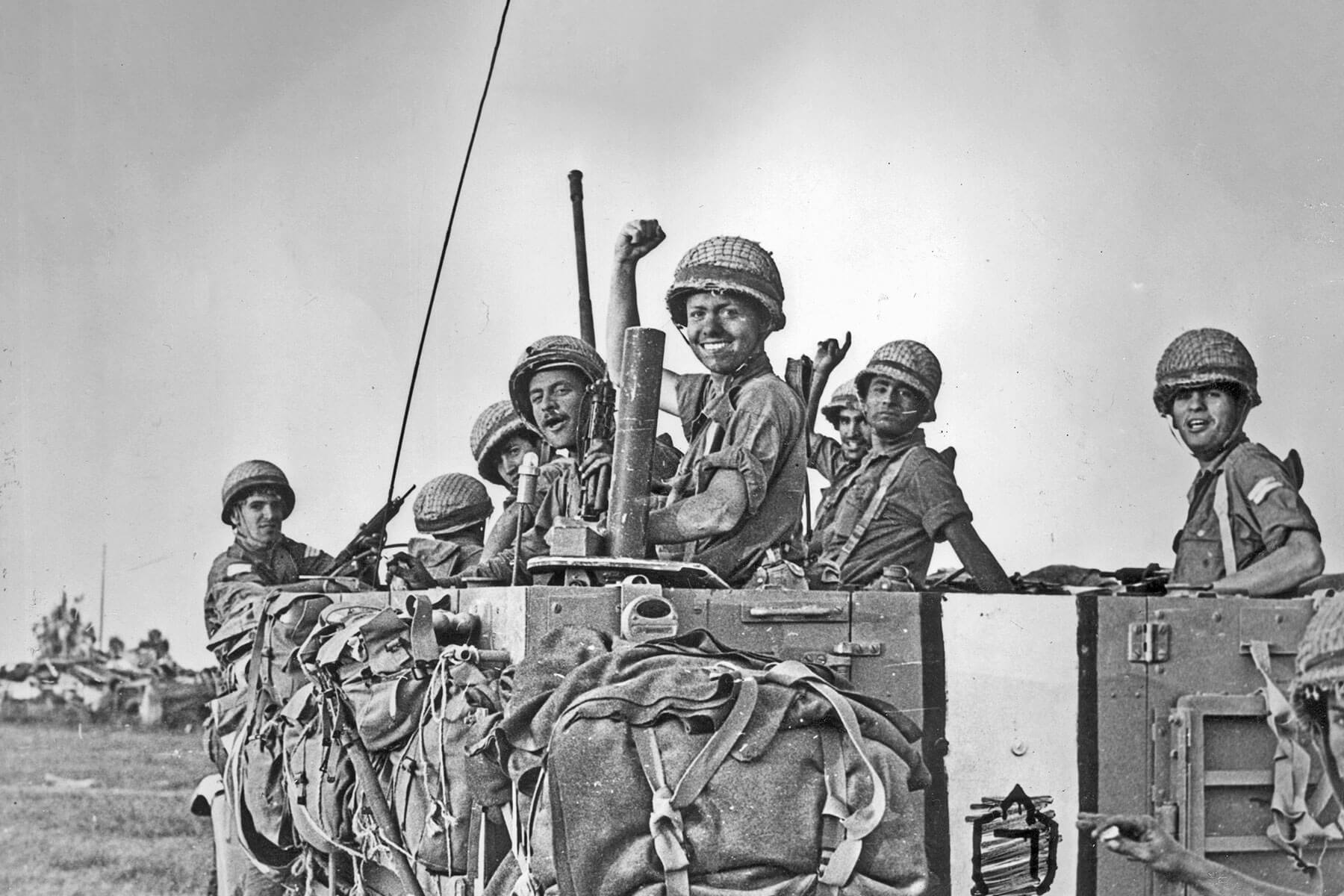
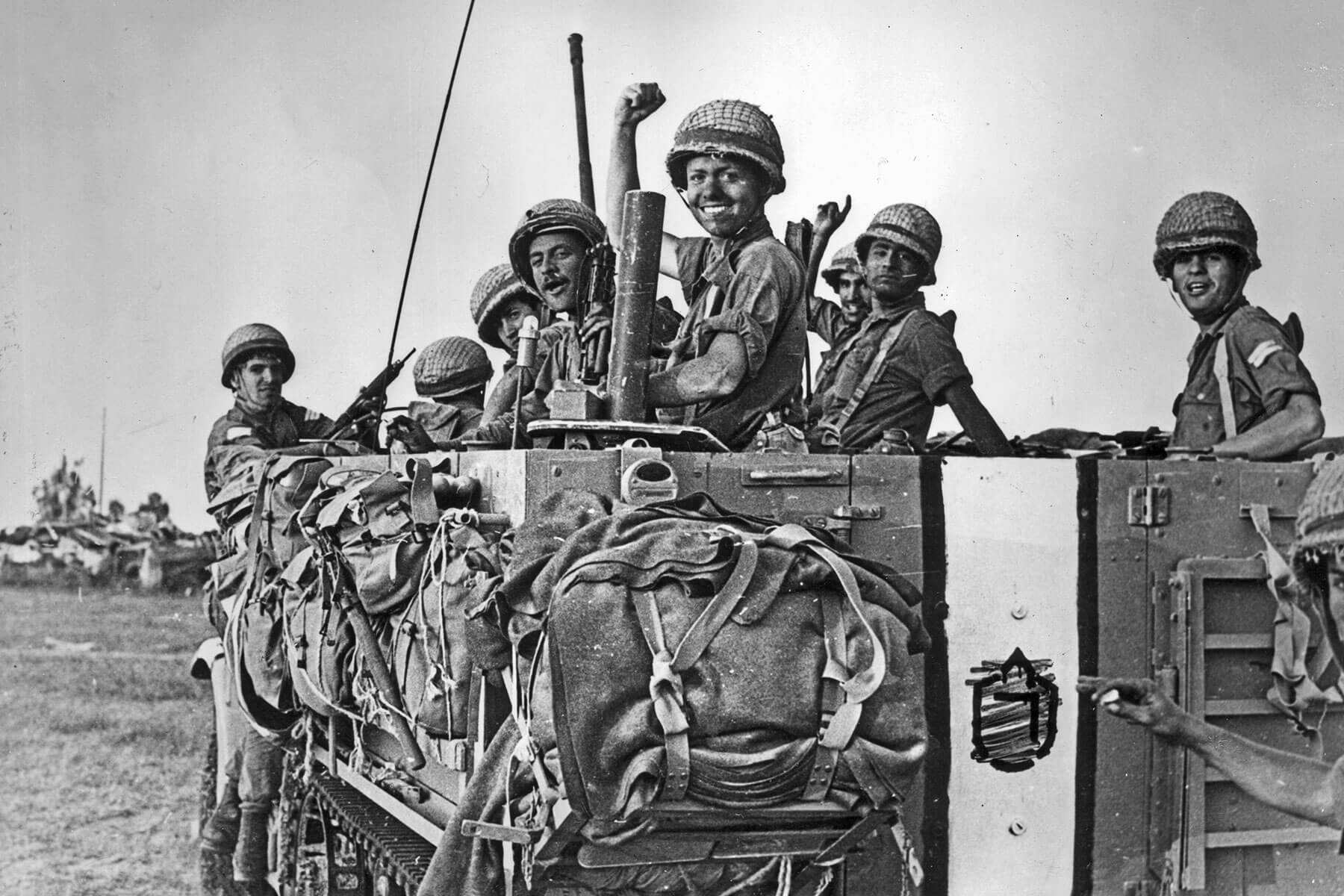
  • Soldiers in Six Day War
Soldiers in Six Day War
Hulton Archive/ Archive Photos via Getty Images
Author Tony Dunnell

August 15, 2023

Love it?

The Irish writer and socialist Robert Wilson Lynd once wrote, “The belief in the possibility of a short, decisive war appears to be one of the most ancient and dangerous of human illusions.” It’s true — many wars drag on far beyond initial expectations, in some cases for centuries. For example, the conflict known as the Reconquista, in which Christian kingdoms fought the Moors to reconquer the Iberian territories, lasted a staggering 781 years. Many other conflicts have also spanned a century or more, perhaps most famously the Hundred Years’ War between England and France, which actually lasted for 116 years. 

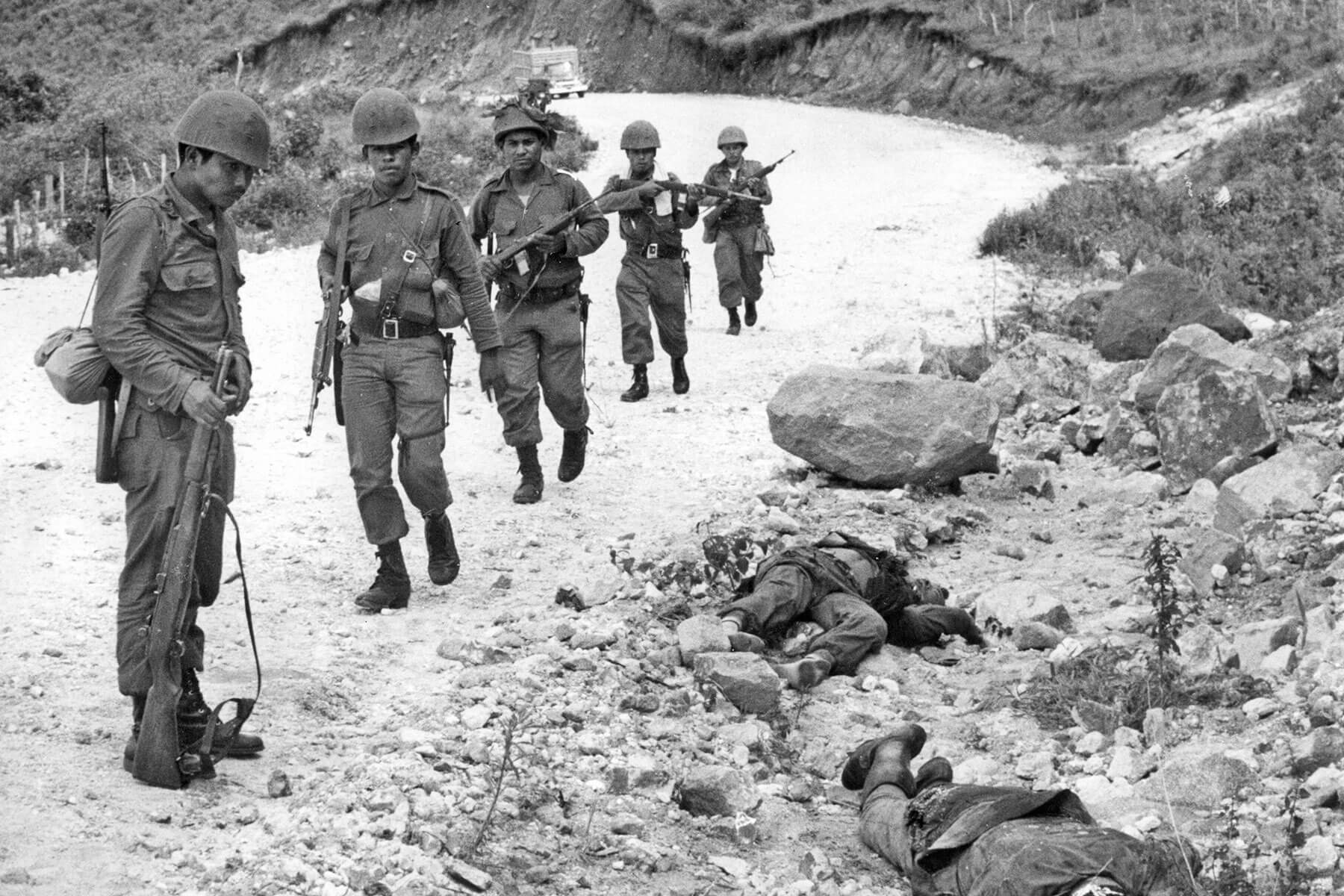
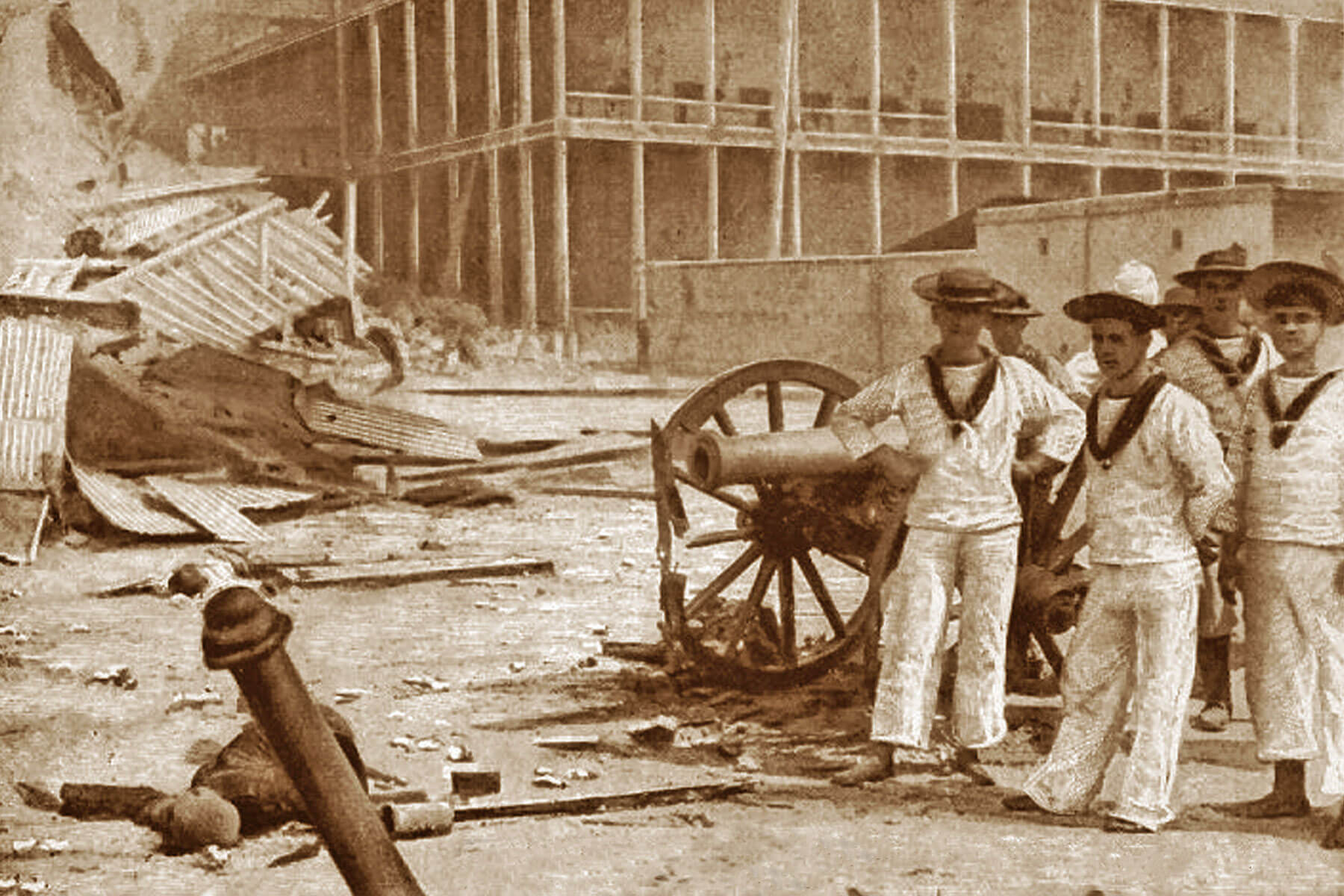
In the last two centuries, however, most wars have lasted an average of three to four months (though there are many exceptions, including World War I and World War II). But even these months-long conflicts seem lengthy in comparison to history’s shortest wars, which lasted just days, hours, or even minutes. 

Photo credit: Antoine Gyori – Corbis/ Sygma via Getty Images

Slovenian War of Independence (10 Days)

Slovenia declared its independence on June 25, 1991, becoming the first of the six republics to formally leave Yugoslavia (along with Croatia, which declared the same day). Two days later, the Yugoslav People’s Army intervened, sending in an armored battalion. The ensuing conflict was of low intensity, casualties were not high, and it ended after 10 days with the withdrawal of Yugoslav forces and a victory for the newly independent Slovenia. The reason for the relatively short length of the war was the simultaneous Croatian War of Independence (Croatia declared its independence on the same day as Slovenia). The Yugoslav People’s Army didn’t want to get stuck in a lengthy conflict with Slovenia because Croatia, with its sizable ethnic Serb minority, was a priority. The war with Croatia was a far bloodier and more brutal affair that lasted four years and seven months. 

You may also like
6 Little-Known Facts About the White House

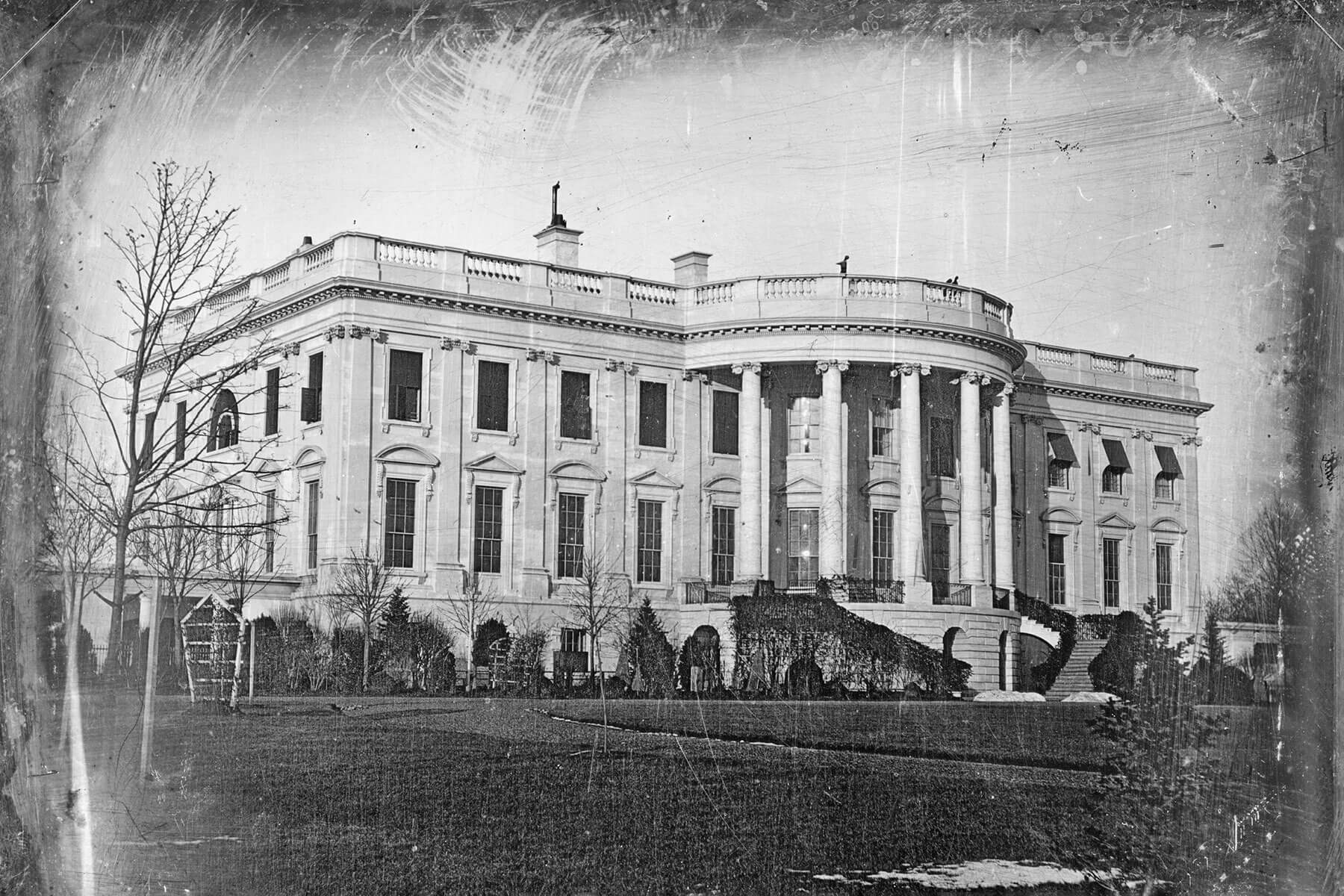
  • White House, mid-1840s
White House, mid-1840s
Stock Montage/ Archive Photos via Getty Images
Author Bennett Kleinman

August 15, 2023

Love it?

The White House is undoubtedly one of Washington, D.C.’s most recognizable landmarks. But while many Americans have seen it in person or on the back of a $20 bill, there’s still much to be learned about the history of this iconic building. From its massive renovations to the many rooms that were converted into entertainment venues, the White House boasts a rich history that makes it one of the most remarkable places in the nation’s capital.

When George Washington took office as the first President of the United States, the White House was just a concept. In fact, original proposals called for an even grander “President’s Palace” that would have been four times bigger than the White House we know today. Architect James Hoban later proposed a more modest neoclassical design based on the Leinster House in Dublin, and he was chosen to spearhead the project. Upon its completion in 1800, John Adams became the first President to call the White House home, and the building’s legacy has only grown from there. Here are six little-known facts about the White House.

Photo credit: Bettmann via Getty Images

The White House Has a Bowling Alley, Movie Theater, and Pool

The White House is not only a place to conduct government business; it’s also the first family’s home. Over the years, Presidents and their families have repurposed some of the building’s 132 rooms into entertainment venues to make their lives more enjoyable. One such room is the White House bowling alley, which Harry Truman opened in 1947 in the West Wing. While Truman wasn’t a frequent bowler himself, White House staffers formed the White House Bowling League in 1950. Those original lanes were closed by Dwight D. Eisenhower in 1955, but years later, Richard Nixon opened a new bowling alley directly underneath the North Portico.

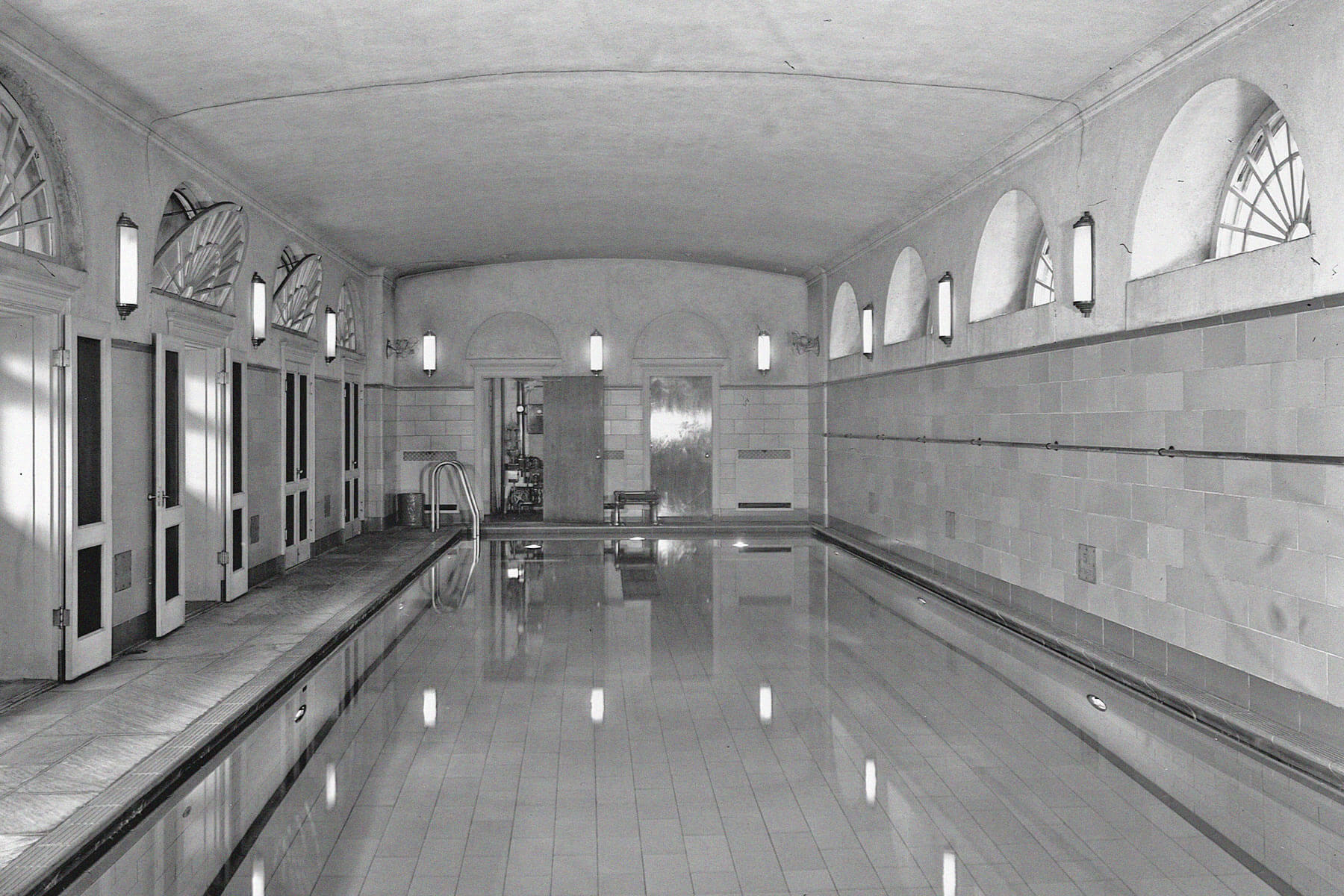
Other notable spaces found throughout the White House include a 40-seat movie theater, which was converted from a former cloakroom in the East Wing. During Bill Clinton’s administration, a third-floor sitting room was repurposed as a music room, where the President practiced playing saxophone. The White House also has a storied history of swimming pools; the first White House swimming pool was built indoors for Franklin D. Roosevelt in 1933, as he often swam for exercise in the wake of his polio diagnosis. In 1975, Gerald Ford commissioned the construction of an outdoor pool that he proudly showed off by taking a dip in front of reporters on July 5 of that year. This secluded escape is located just south of the West Wing, and remains open to Presidents and their families.

You may also like

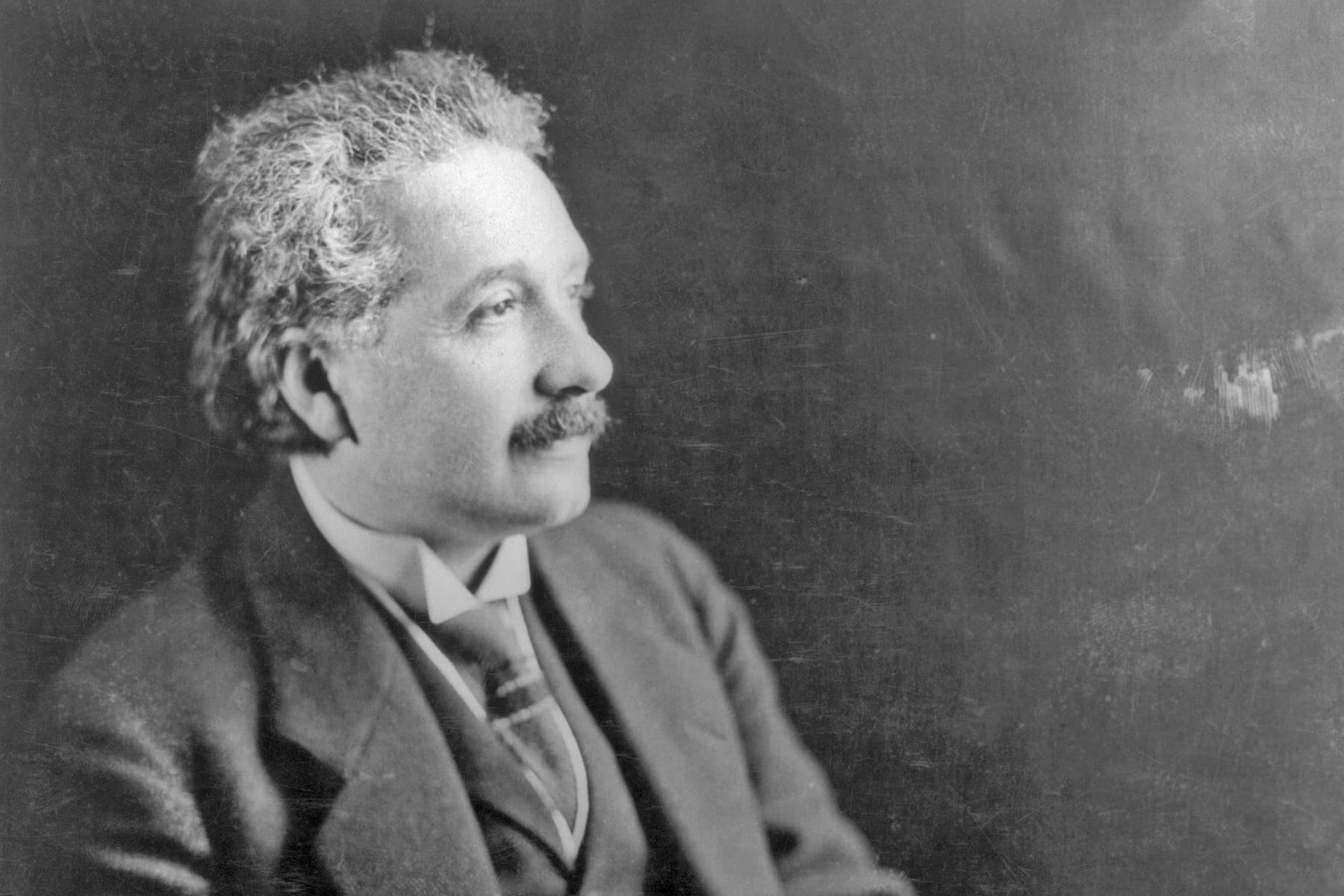
5 Ways Albert Einstein Changed the World

  • Physicist Albert Einstein
Physicist Albert Einstein
Bettmann via Getty Images
Author Darren Orf

August 15, 2023

Love it?

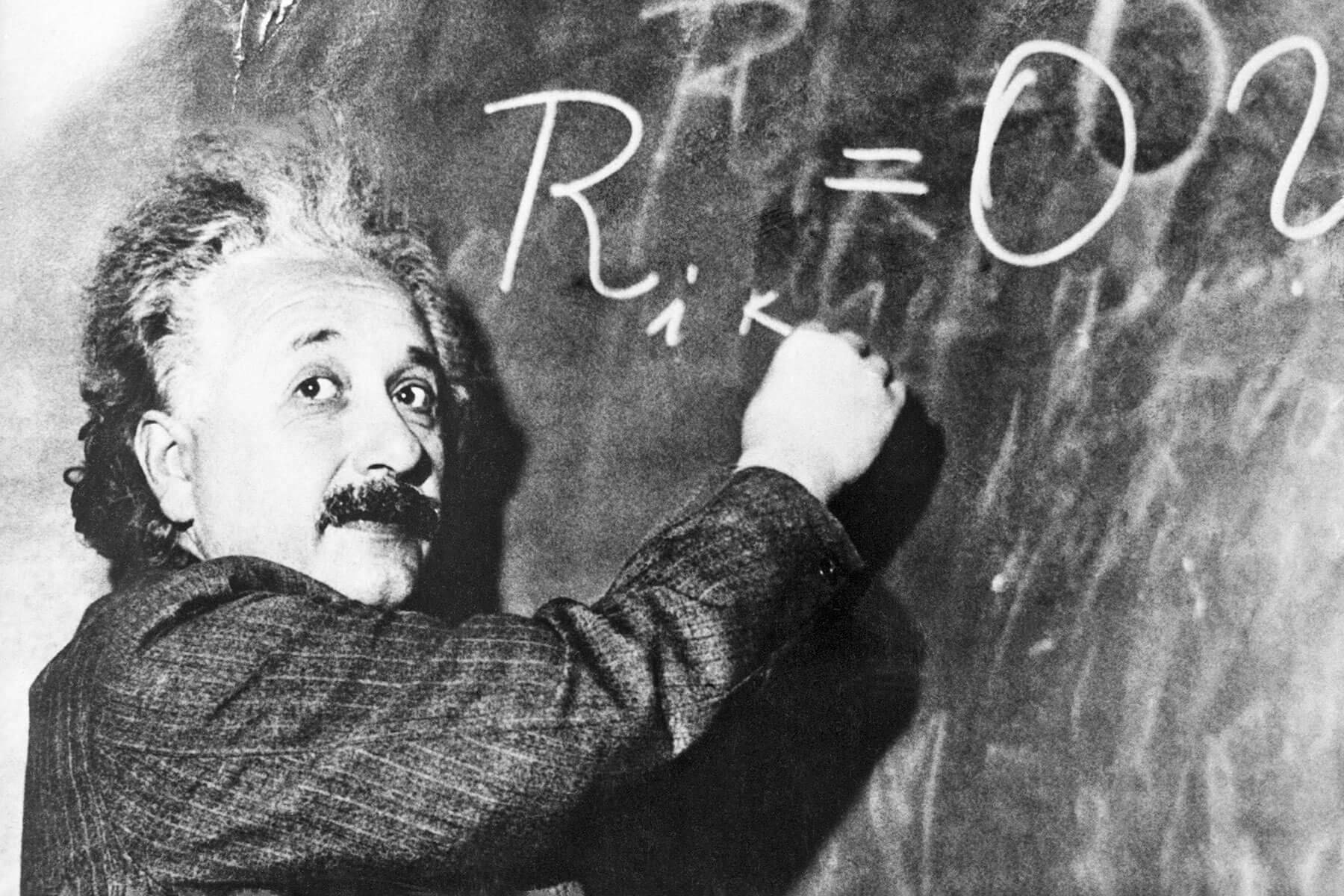
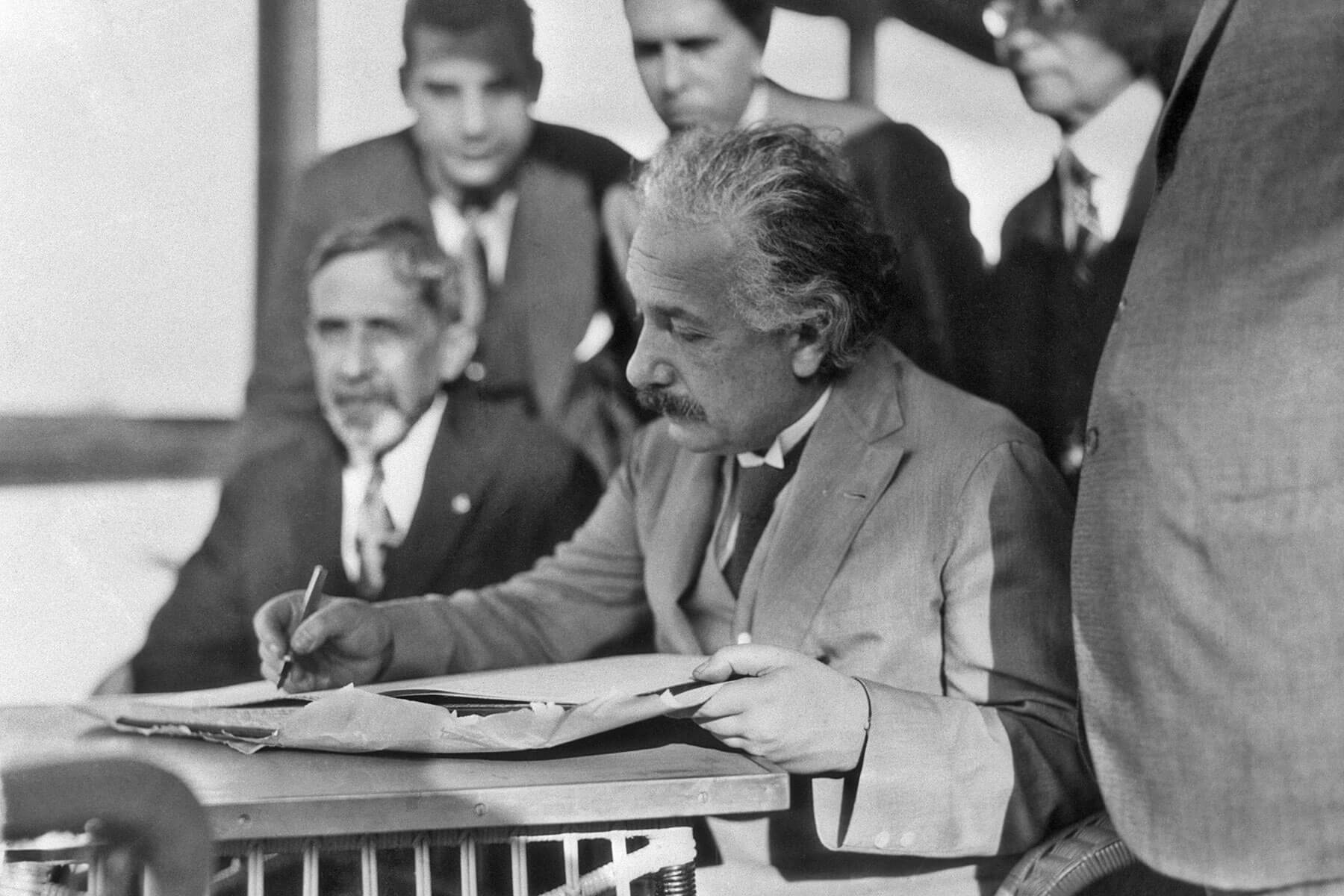
German-born physicist Albert Einstein (1879-1955) was so influential, his very name has become synonymous with genius. While working as a patent clerk in 1905 at the age of 26, Einstein submitted four papers to the German journal Annalen der Physik that changed humanity’s perception of time, gravity, and light. Today, historians mark the year as Einstein’s annus mirabilis, or “miracle year” — and he was just getting started. 

Much of Einstein’s work is famously dense. Few people other than physicists need to fully comprehend the mind-bending ideas behind the general theory of relativity and Einstein’s other theories, but these discoveries form the bedrock of technologies the rest of us enjoy every day. Here are five ways Einstein’s ideas changed the world, and continue to provide a roadmap for humanity’s future. 

Photo credit: Bettmann via Getty Images

GPS Would Be Impossible Without the General Theory of Relativity

Some 10,900 nautical miles above our heads, 31 satellites orbit Earth as part of the Global Positioning System (GPS) — but if it wasn’t for Einstein, those satellites would be little more than space junk. The very foundation of GPS is accurate timekeeping, as satellites need to keep time to correctly log the distance from a ground-based receiver (such as your smartphone). GPS satellites are so precise, the atomic clocks on board are accurate to within three-billionths of a second, a feat impossible without Einstein’s special and general theories of relativity. The special theory of relativity states that time flows differently depending on velocity. Because satellites travel at 8,700 miles per hour, they “lose” 7 microseconds per day compared to Earth-based receivers. Additionally, Einstein’s general theory of relativity — an idea published in 1915 that basically elaborates on his previous theory by throwing gravity in the mix — similarly states that distance from a source of mass, in this case the Earth, also affects the flow of time. This means that technically speaking, your head ages slightly faster than your feet because your feet are closer to the Earth (on time scales that are ultimately negligible). Today, GPS takes into account this “time dilation,” so satellites always know where you are when you open Google Maps. 

You may also like

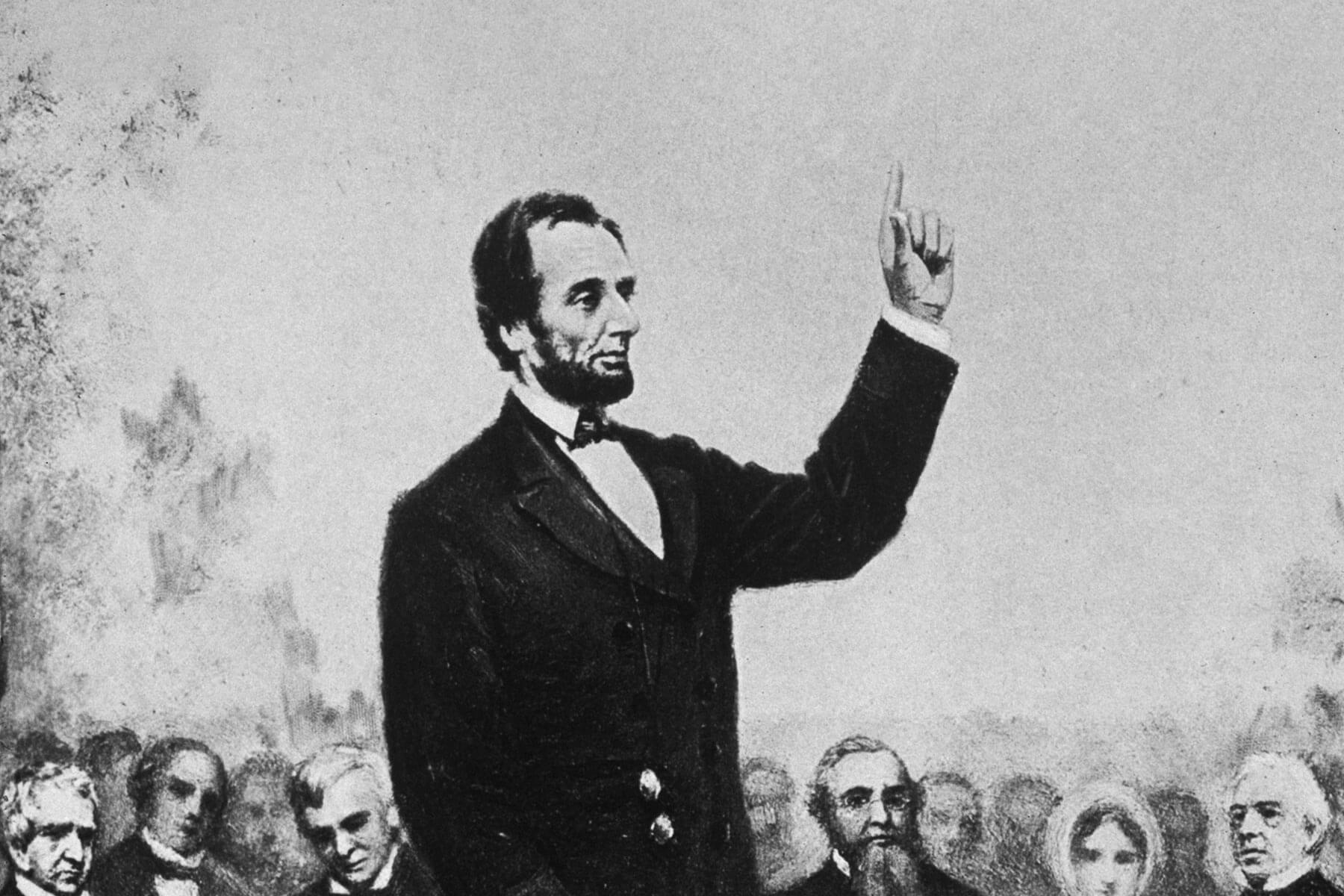
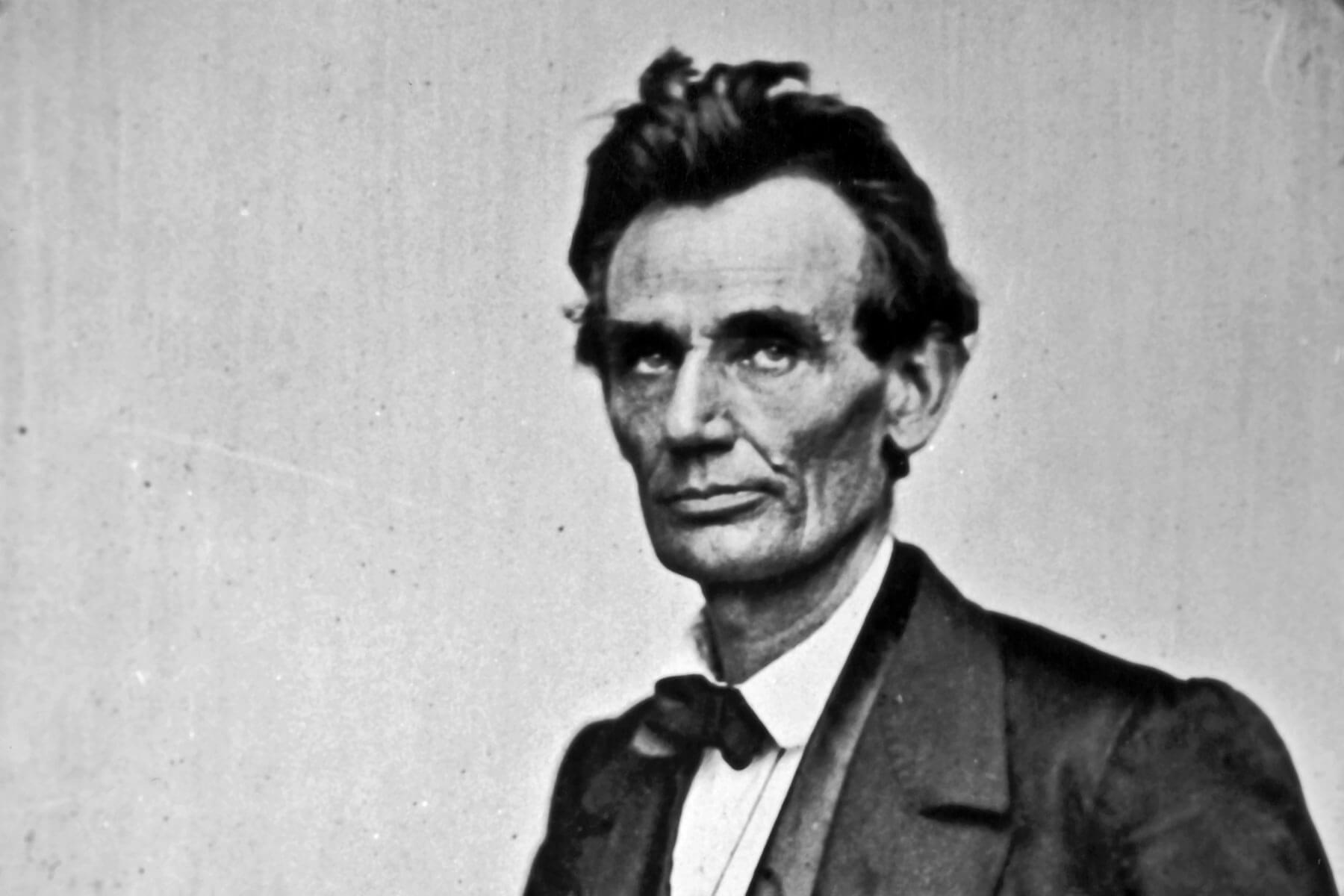
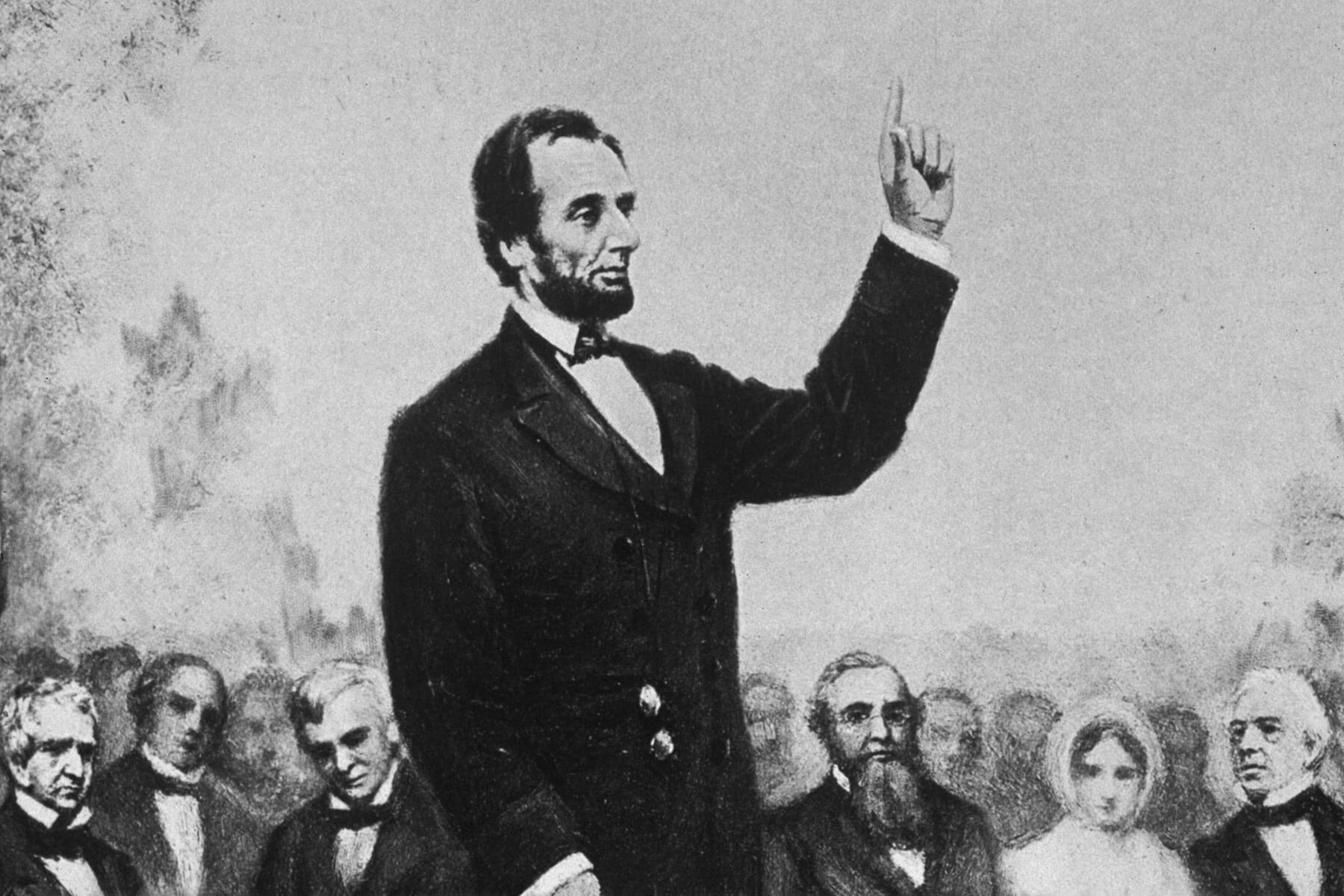
Funny Facts About President Abraham Lincoln

  • Abraham Lincoln, 1863
Abraham Lincoln, 1863
Archive Photos via Getty Images
Author Kevin McCaffrey

August 3, 2023

Love it?

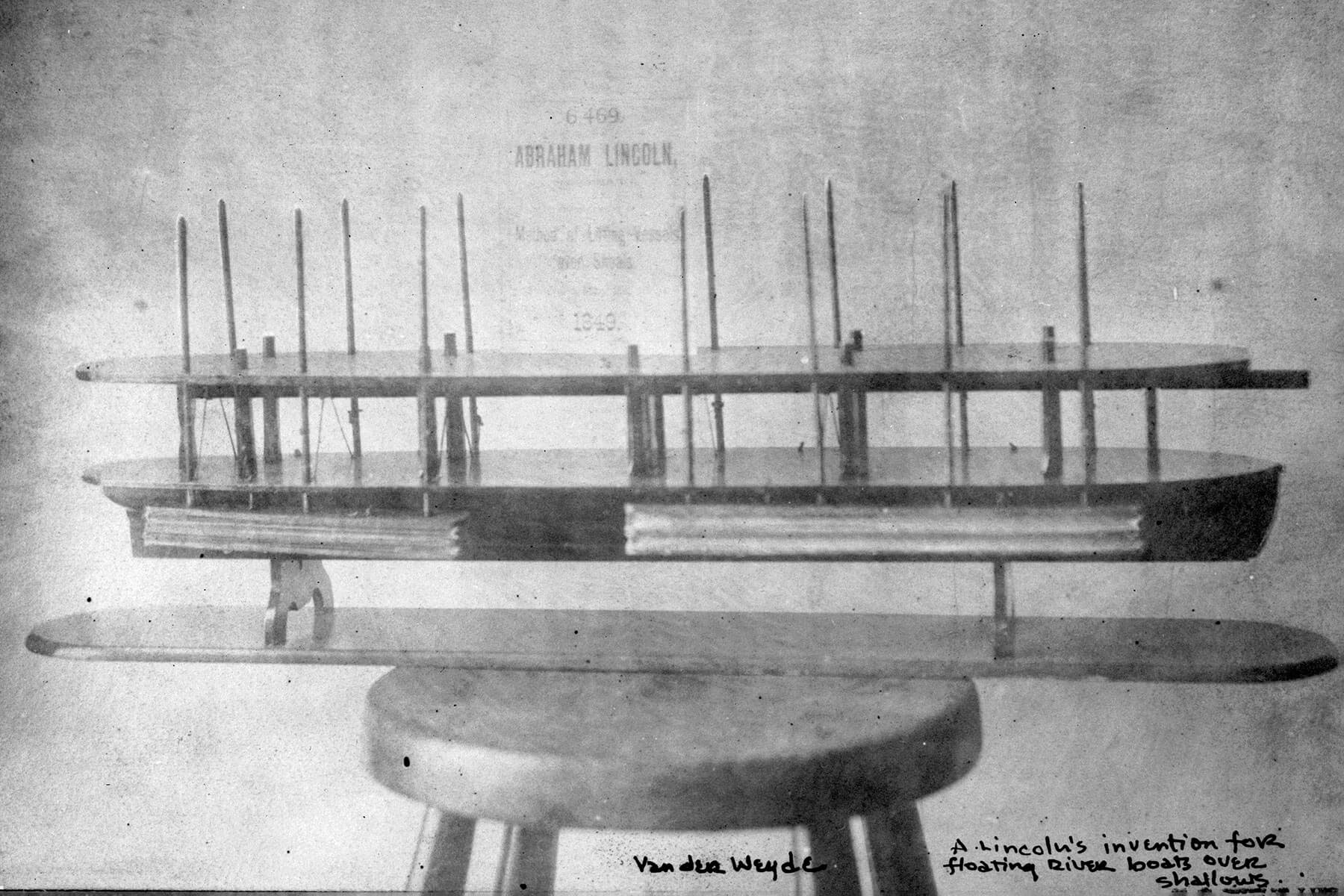
Abraham Lincoln led the United States through the Civil War and helped bring about the abolition of slavery. But the 16th president also had a lighter side. Lincoln had a varied list of interests outside of politics — he was a farmer, carpenter, animal lover, and inventor — and was known for his keen sense of humor. Here are five funny facts you might not know about the man known as the Railsplitter, Honest Abe, and, according to many historians, the nation’s greatest president.

Photo credit: Fotosearch/ Archive Photos via Getty Images

Lincoln Was Known to Respond to Insults With Jokes

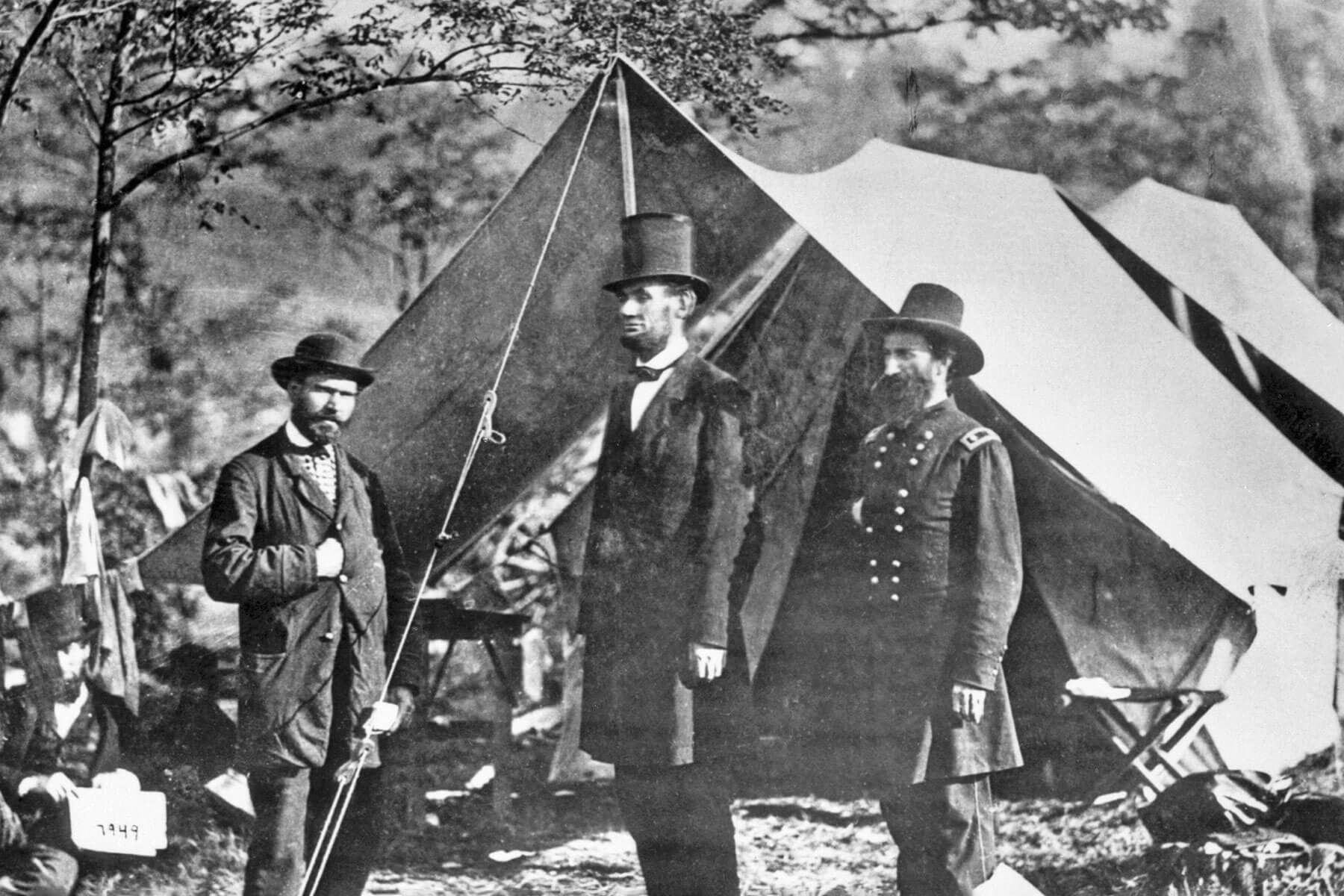
Abraham Lincoln stood out, visually. He was the tallest president, at 6 feet, 4 inches (at a time when the average American male was 2 inches shorter than today), and he had the largest feet of any president, at a size 14. Consequently, Lincoln’s political opponents frequently took absurd shots at his appearance. In 1860, The Houston Telegraph wrote that he had “the leanest, lankiest, most ungainly mass of legs, arms, and hatchet face ever strung upon a single frame.” The Southern Confederacy similarly published a poem stating that “his nose was as long and as ugly and big / as the snout of a half-starved Illinois pig.” Lincoln took it all with characteristic good humor and was not above the occasional self-deprecating joke. He once recounted a story in which someone called him a “self-made man,” to which he replied, “Well, all I’ve got to say is that it was a damned bad job.” And when Illinois Senator Stephen Douglas called him “two-faced” in a debate, Lincoln famously replied, “If I had another face, do you think I’d wear this one?”

You may also like

5 Myths About the Egyptian Queen Cleopatra

  • Egyptian Queen Cleopatra
Egyptian Queen Cleopatra
Credit: Hulton Archive via Getty Images
Author Kristina Wright

August 3, 2023

Love it?

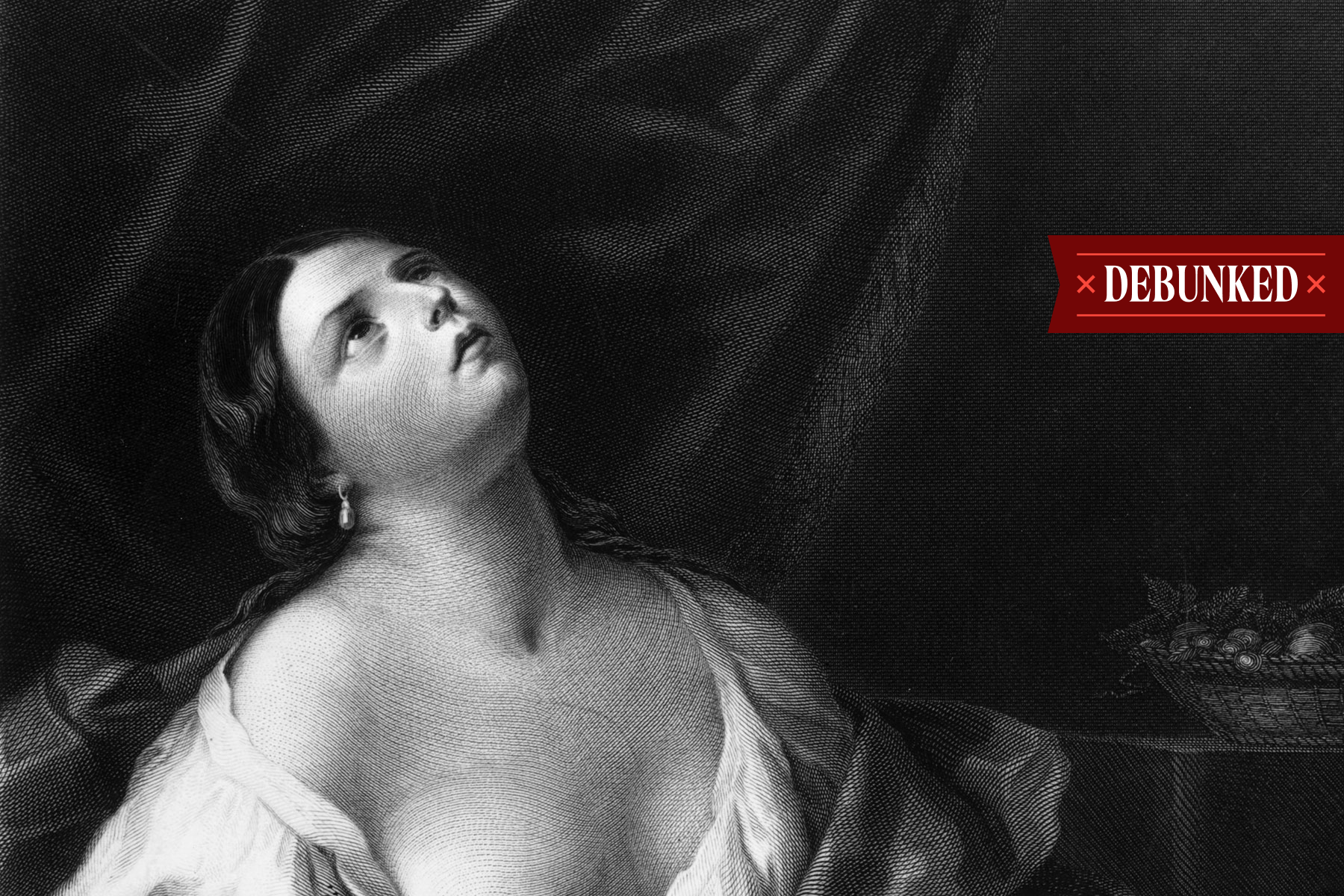
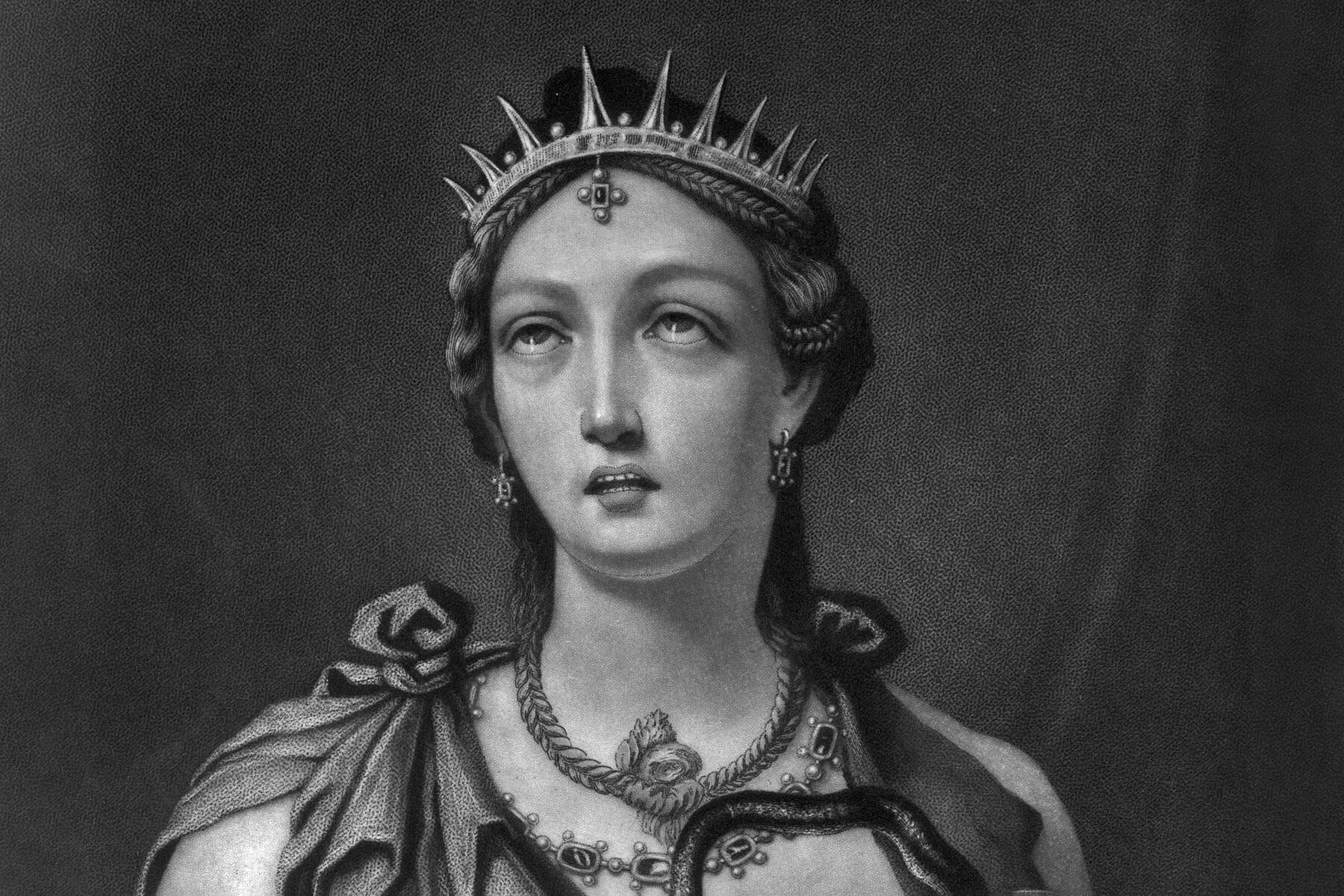
Though she’s one of the most famous leaders of the ancient world, Cleopatra’s life is still shrouded in mystery. Cleopatra VII Thea Philopator ruled Egypt for 22 years as a powerful queen, and while her legacy is filled with tales of a goddess incarnate who seduced men to get what she wanted and had no problem killing anyone who got in her way (even her own siblings), much of this image is thanks to Hollywood and other pop culture depictions of the Egyptian queen. Actress Elizabeth Taylor famously played her in the big-budget 1963 film Cleopatra, and there have been numerous other portrayals of this enigmatic leader in art, fiction, and film — most of them filled with anachronisms and exaggerations and lacking in historical accuracy.

What historians do know is that when Cleopatra’s father, Ptolemy XII, died in 51 BCE, 18-year-old Cleopatra was named his successor. Over the course of her reign, she ruled alongside two of her brothers and her oldest son. She envisioned herself as the sole ruler of Egypt, however, and formed alliances with two of Rome’s most powerful generals in order to protect and maintain her power. In 47 BCE, she bore a son by Julius Caesar, nicknaming him Caesarion, or “little Caesar,” despite his illegitimacy. A few years later, in 44 BCE, Cleopatra’s relationship with Caesar came to an abrupt end when the Roman leader was assassinated, forcing her to develop new strategic alliances to secure her reign.

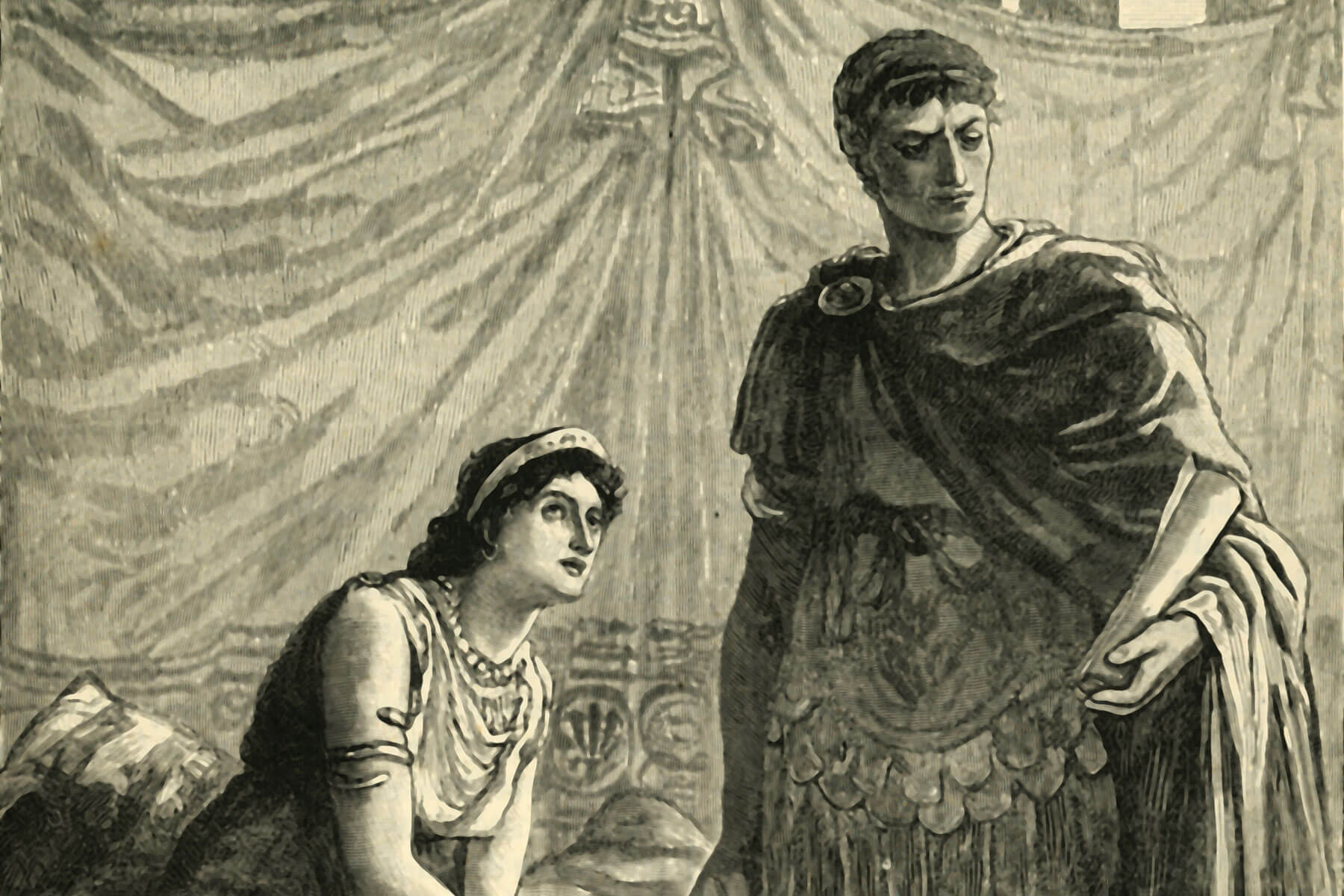
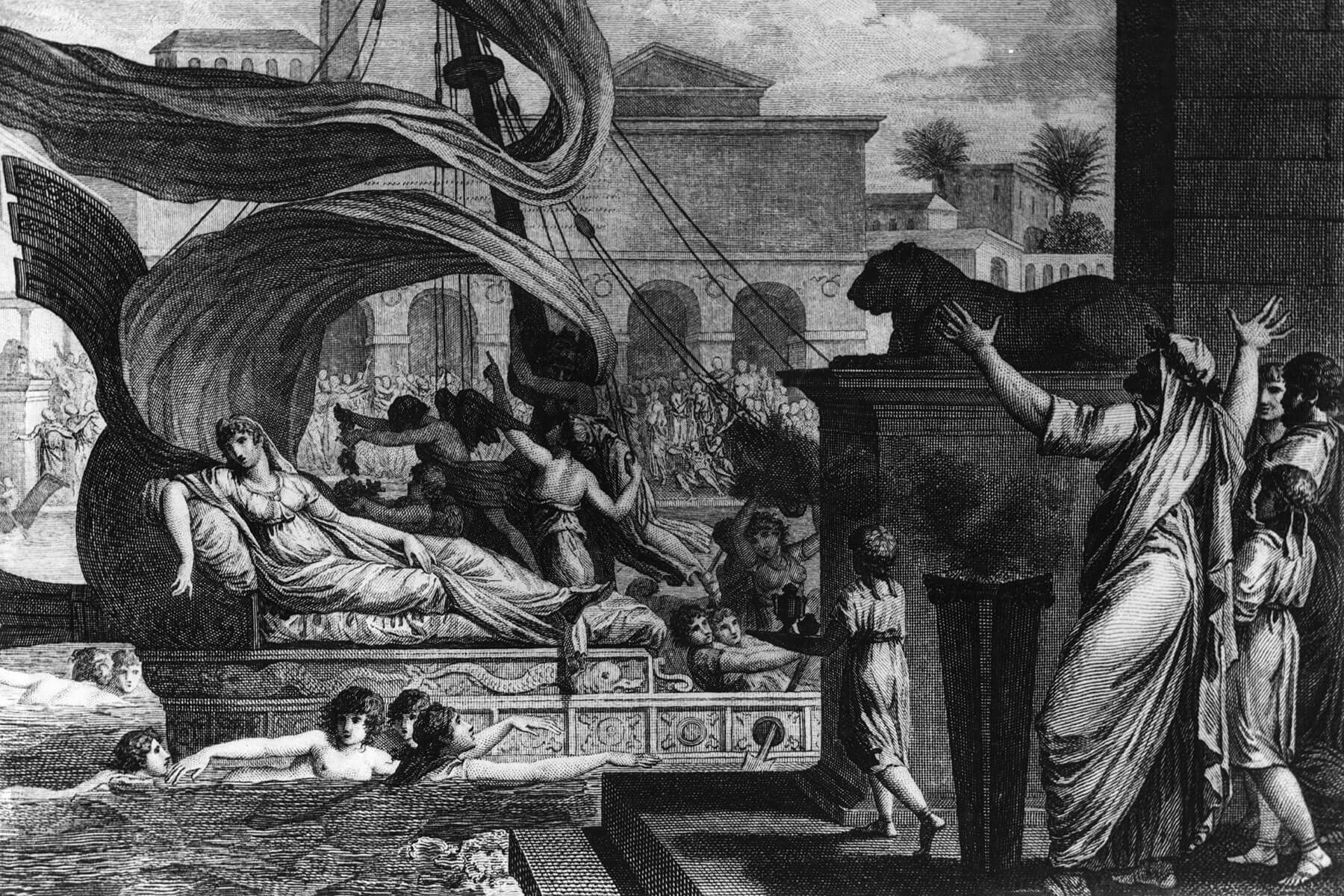
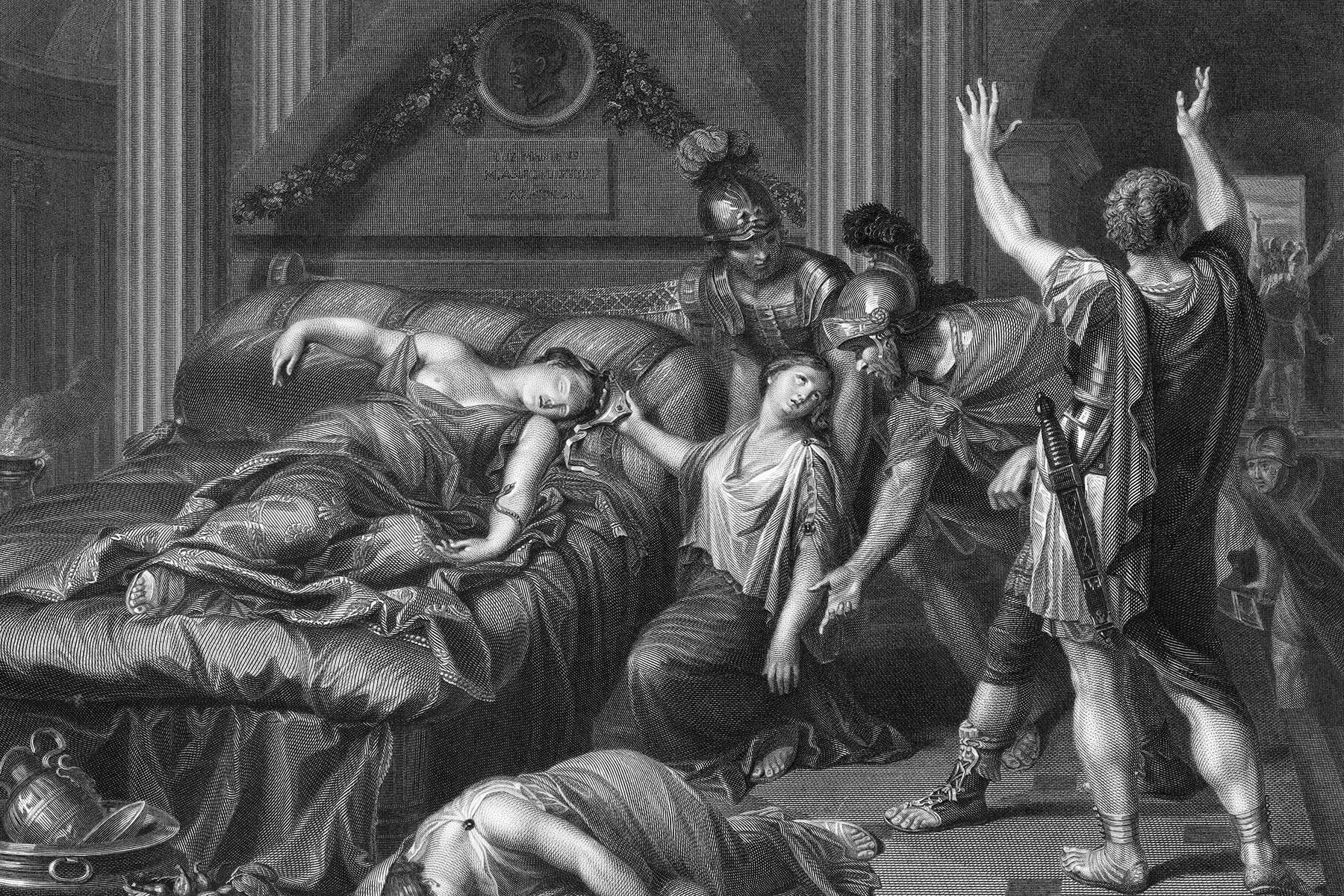
The Egyptian queen found a new political and romantic partner in Caesar’s friend and ally Mark Antony. With Antony, Cleopatra continued her political alliance with Rome, and they had three children together. However, Caesar’s adopted son Octavian declared war on the pair, leading to their untimely deaths. Cleopatra died in 30 BCE at age 39, as the last Egyptian queen and next-to-last Egyptian pharaoh. (Octavian had the last pharaoh, Cleopatra and Caesar’s 17-year-old son Caesarion, put to death just days later.) Octavian went on to become the first Roman emperor, dubbed Augustus Caesar, embracing his role as Caesar’s heir and ending the Ptolemaic kingdom.

It has been over 2,000 years since Cleopatra’s death, but her fascinating life still captures the imagination. Here are five popular myths about the Egyptian queen that separate the truth from the legend. 

Photo credit: Hulton Archive/ Hulton Royals Collection via Getty Images

Myth: Cleopatra Was Ethnically Egyptian

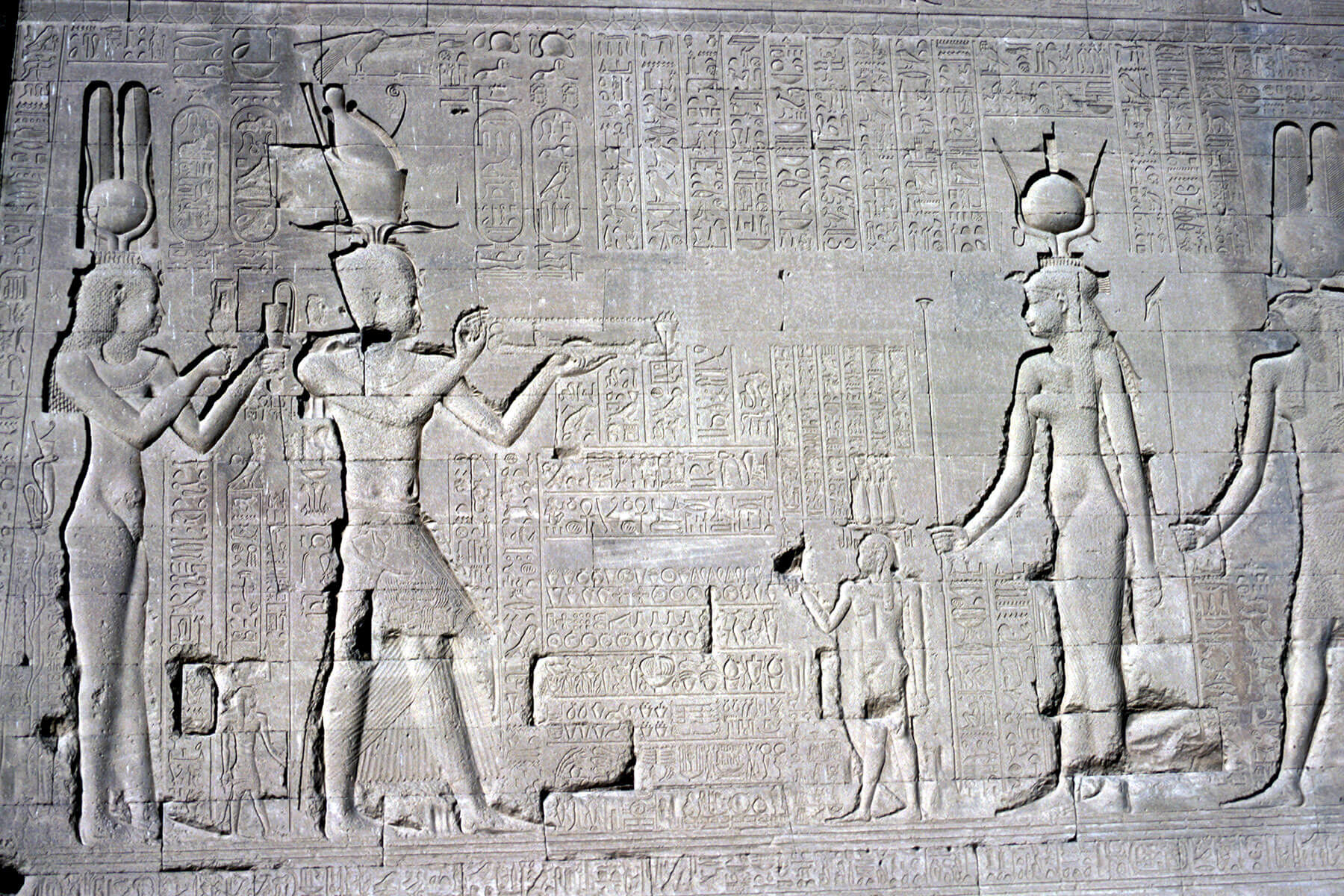
Cleopatra is one of the best-known figures in Egypt’s history , but she wasn’t ethnically Egyptian. Though she was born in Alexandria, Egypt, around 69 BCE, Cleopatra’s lineage is traced to Macedonian Greece. She was the daughter of Ptolemy XII, a descendant of Ptolemy I Soter, a Macedonian general who served under Alexander the Great and founded the Ptolemaic dynasty that ruled in Egypt. Historians aren’t certain about the identity of Cleopatra’s mother, but theories suggest Cleopatra was the daughter of either Ptolemy’s first wife, Cleopatra V; his second wife, whose name is unknown; or a concubine.

Photo credit: Print Collector/ Hulton Archive via Getty Images

Myth: Cleopatra Wasn’t Prepared to Be Queen

Little is known about Cleopatra’s life before she became queen, but as a member of Ptolemaic royalty, she was highly educated and received a well-rounded Hellenistic education that included rhetoric, philosophy, astronomy, music, and Greek literature. She spoke around nine languages (Egyptian, Greek, Latin, Syrian, Arabic, Hebrew, Ethiopian, Persian, and Aramaic) and was the first of the Ptolemaic line to learn the Egyptian language. Praised for her intellect, she was knowledgeable in a wide variety of subjects, including economics, military strategy, law, and linguistics.

You may also like

The Surprising Origins of 6 Everyday Objects

  • Toothpaste on toothbrush
Toothpaste on toothbrush
Harold M. Lambert/ Archive Photos via Getty Images
Author Nicole Villeneuve

August 3, 2023

Love it?

The objects we use in our everyday lives can easily be taken for granted. Simple conveniences such as lighting or the cars that get us from point A to point B are so ingrained in the day-to-day that we don’t stop to think about what life would be like without them — let alone how they even got here in the first place. 

Some stories are more familiar than others: Thomas Edison famously toiled for years (and built on the work of others) before finalizing the first practical incandescent lightbulb, while Karl Benz’s 1901 Mercedes became the prototype for all modern cars that followed. But what about our toothbrushes? Air conditioning? Or the most vital of daily tools, the intangible but indispensable Wi-Fi network? Read on to learn about the surprising origin stories of six everyday objects.

Photo credit: Clarence Sinclair Bull/ Moviepix via Getty Images

The Basis for Wi-Fi Was Invented By a Hollywood Starlet

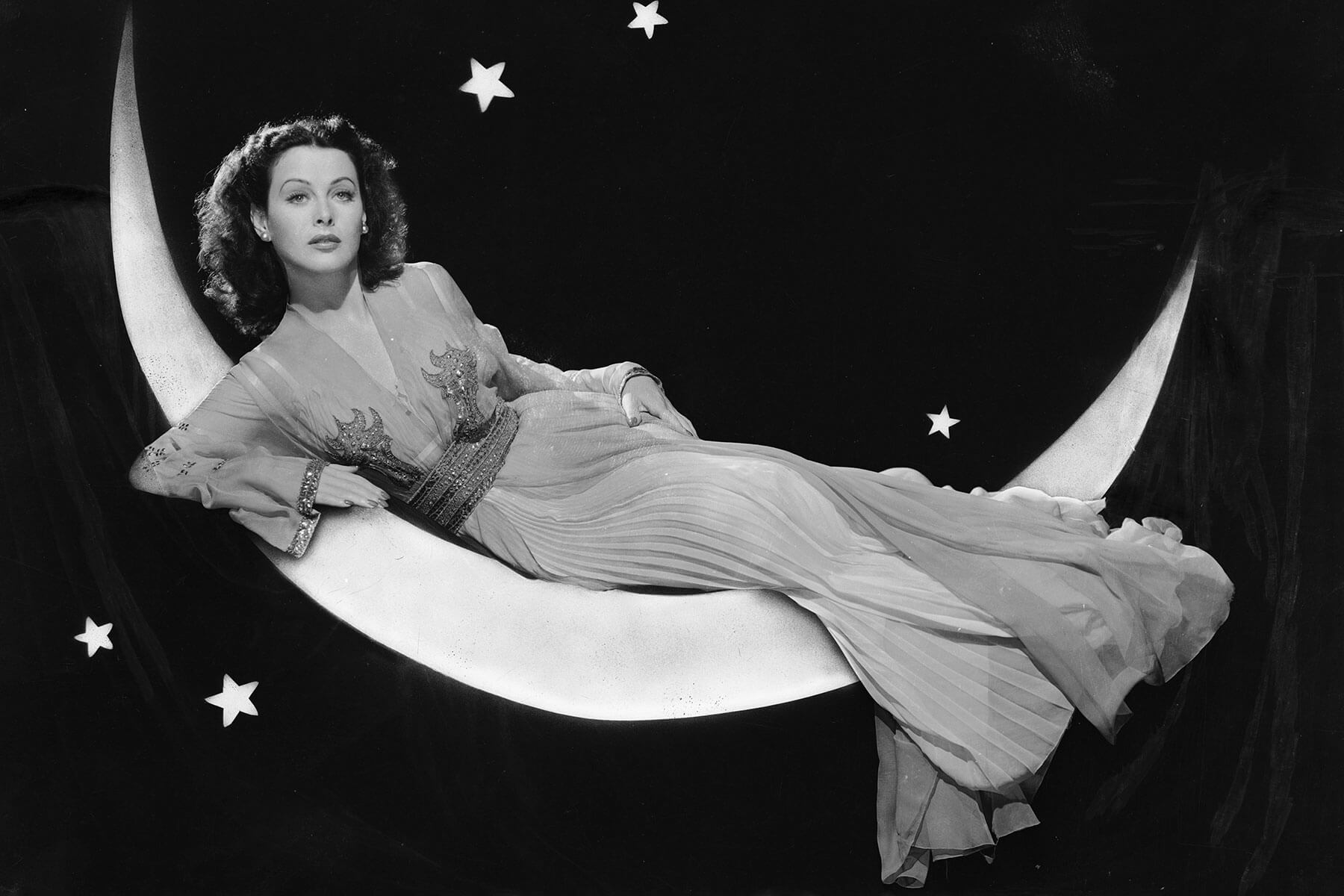
The invention of Wi-Fi has sparked plenty of debates and disputes over the years. Various individuals and organizations contributed to its development, and while the specific inventor of Wi-Fi is a matter of contention, one unexpected notable figure played a significant role in laying the foundation that made it possible: actress and inventor Hedy Lamarr.

Lamarr is known for her Hollywood career in the 1930s and ’40s, but her accomplishments went beyond the silver screen. During World War II, she teamed up with composer George Antheil to create a secure communication system that would prevent signal interference by enemy forces. This “frequency hopping” system was intended to guide torpedoes, and is widely considered the precursor to not only Wi-Fi, but GPS and Bluetooth technologies as well. However, Lamarr and Antheil’s patent expired before it got used, and only in modern times is the actress receiving the credit she deserves for enabling these transformative technologies.

You may also like

The Most Popular Things Traded on the Silk Road

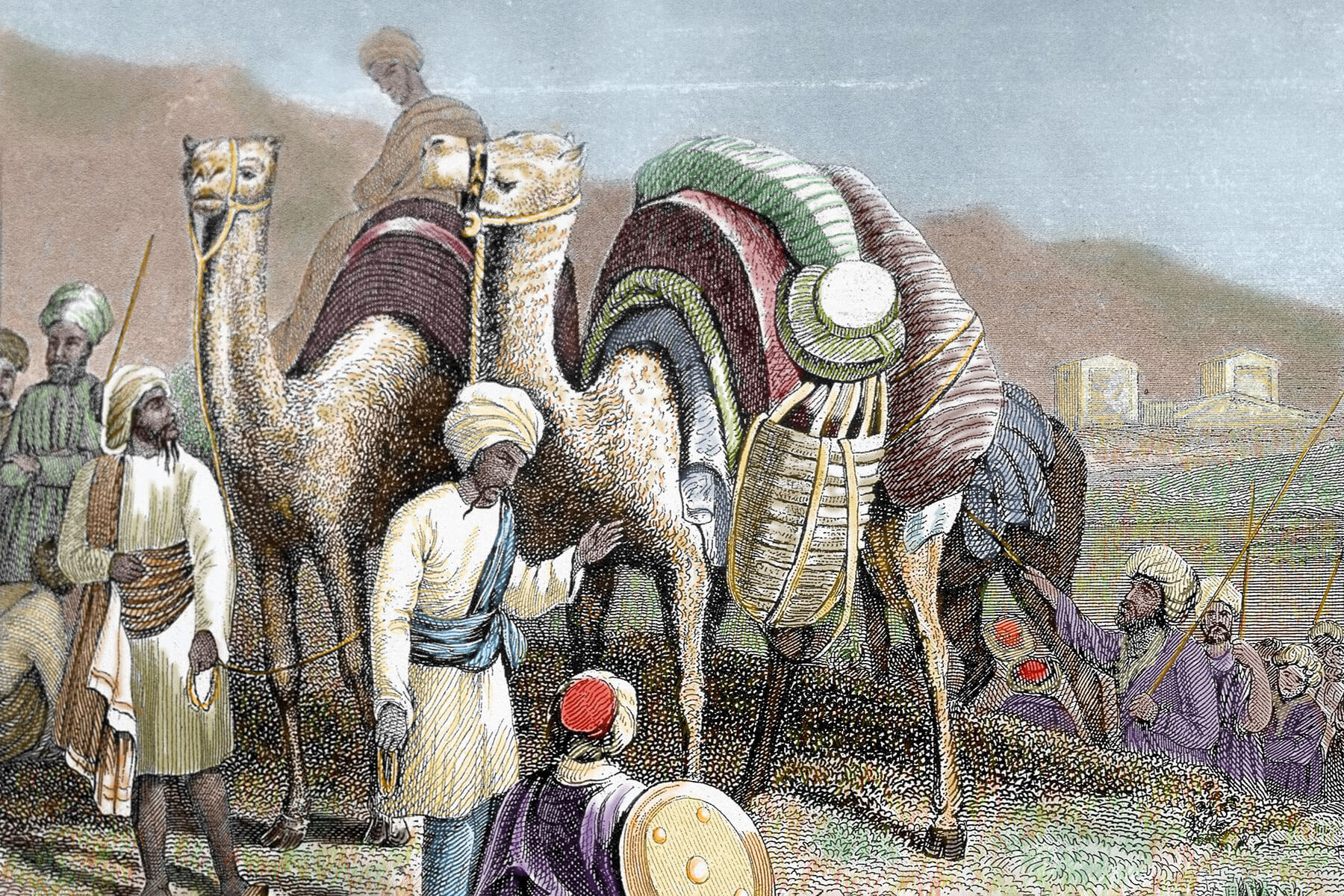
  • Silk Road camels resting
Silk Road camels resting
UniversalImagesGroup via Getty Images
Author Sarah Anne Lloyd

August 3, 2023

Love it?

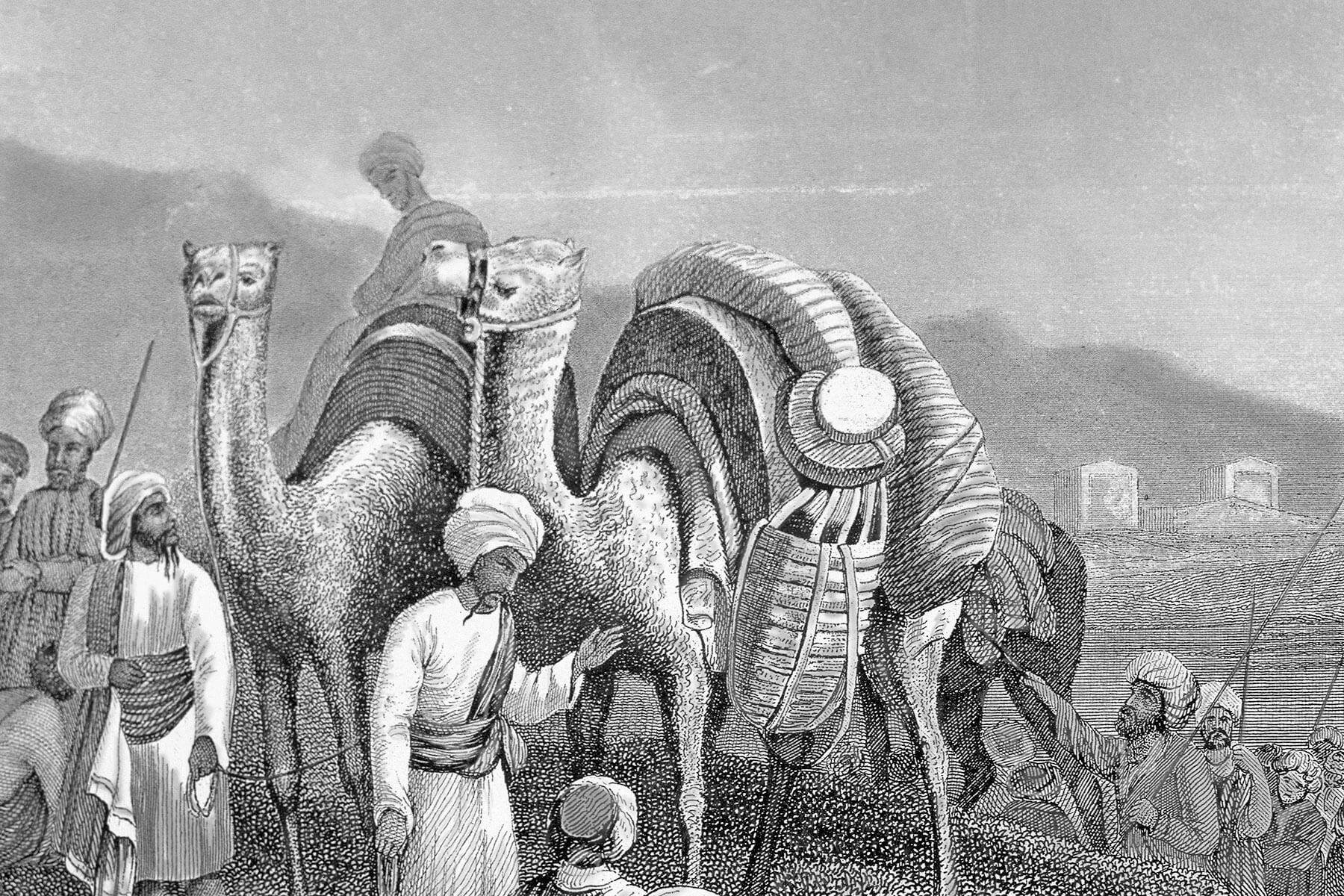
Though it’s often thought of as a single trail, the Silk Road was actually a vast network of trade routes spanning multiple centuries and continents, connecting cultures as far as 6,000 miles away from each other. The network started around 138 BCE, when Han dynasty China sent out an envoy to make trading connections with other Asian countries. Over the next two centuries, trade routes extended westward through the Indian subcontinent, the Syrian desert, and the Arabian Peninsula, all the way to Greece and Rome. Some of these connections were made over land, but many were made by sea, too. This vibrant network lasted around 1,500 years, ending in 1453 CE when the Ottoman Empire closed off trade with the West — but not before the global exchange of goods and ideas changed the course of history. Here are seven of the most influential and sought-after things that were traded on the Silk Road.

Photo credit: Burstein Collection/ Corbis Historical via Getty Images

Silk and Other Textiles

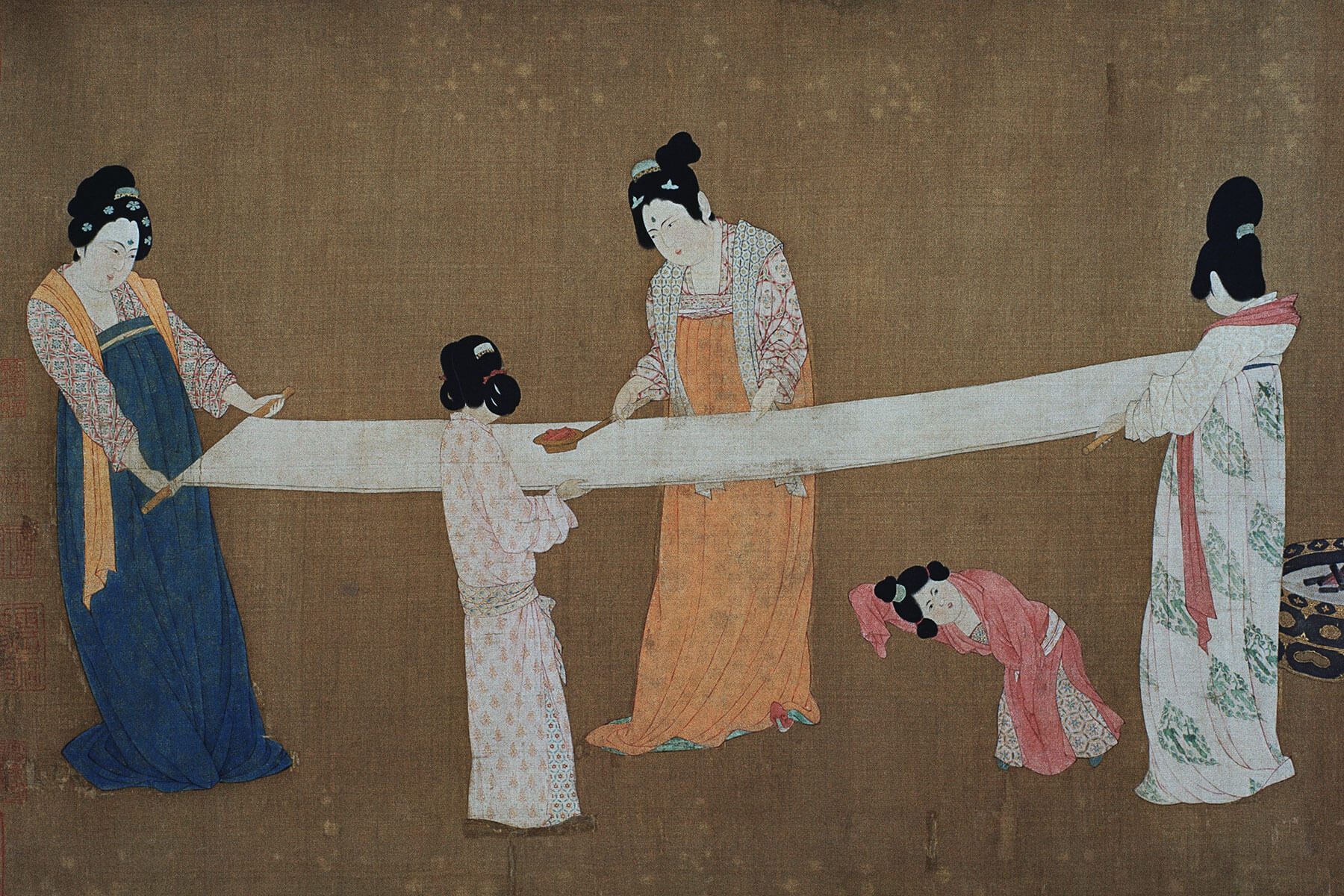
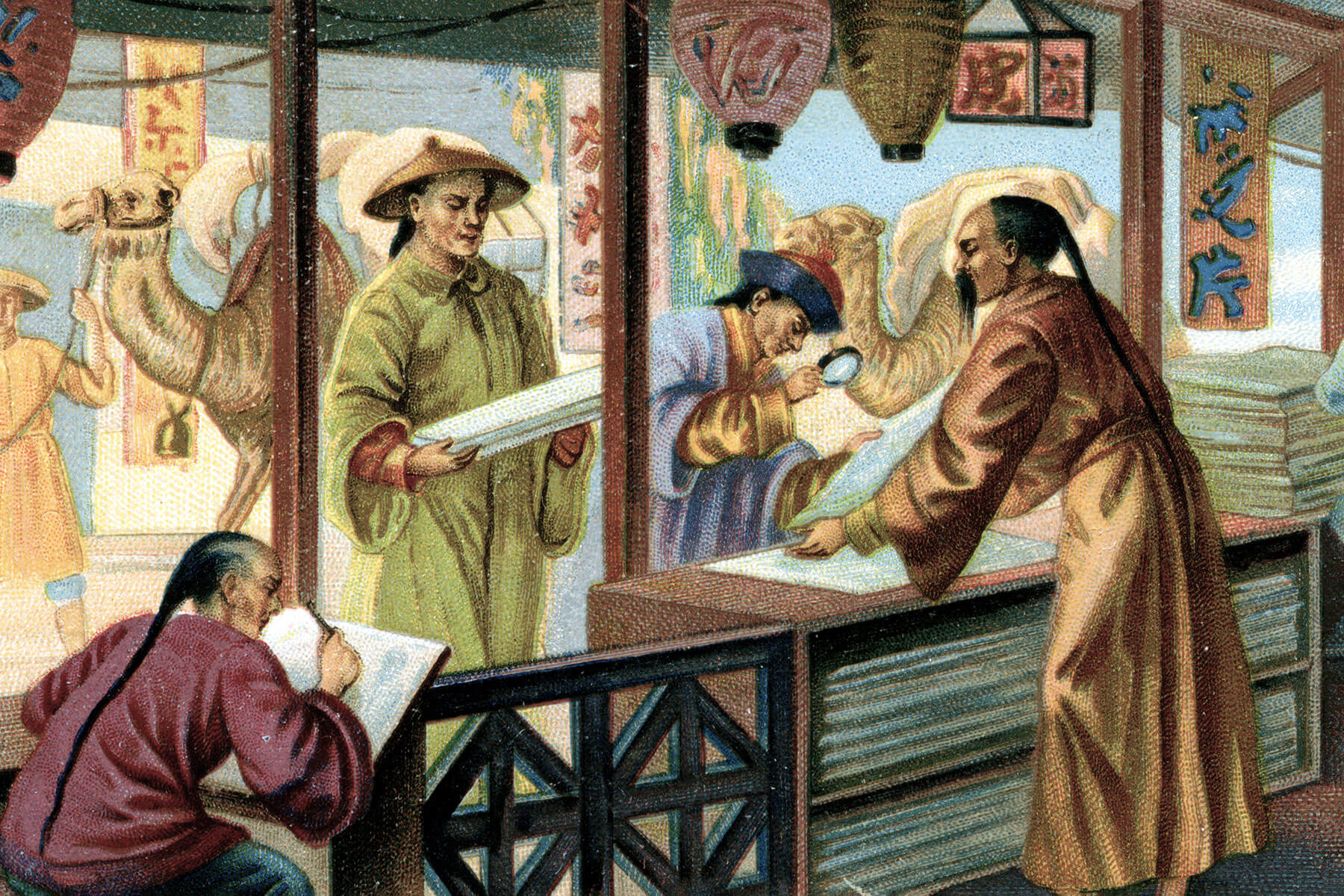
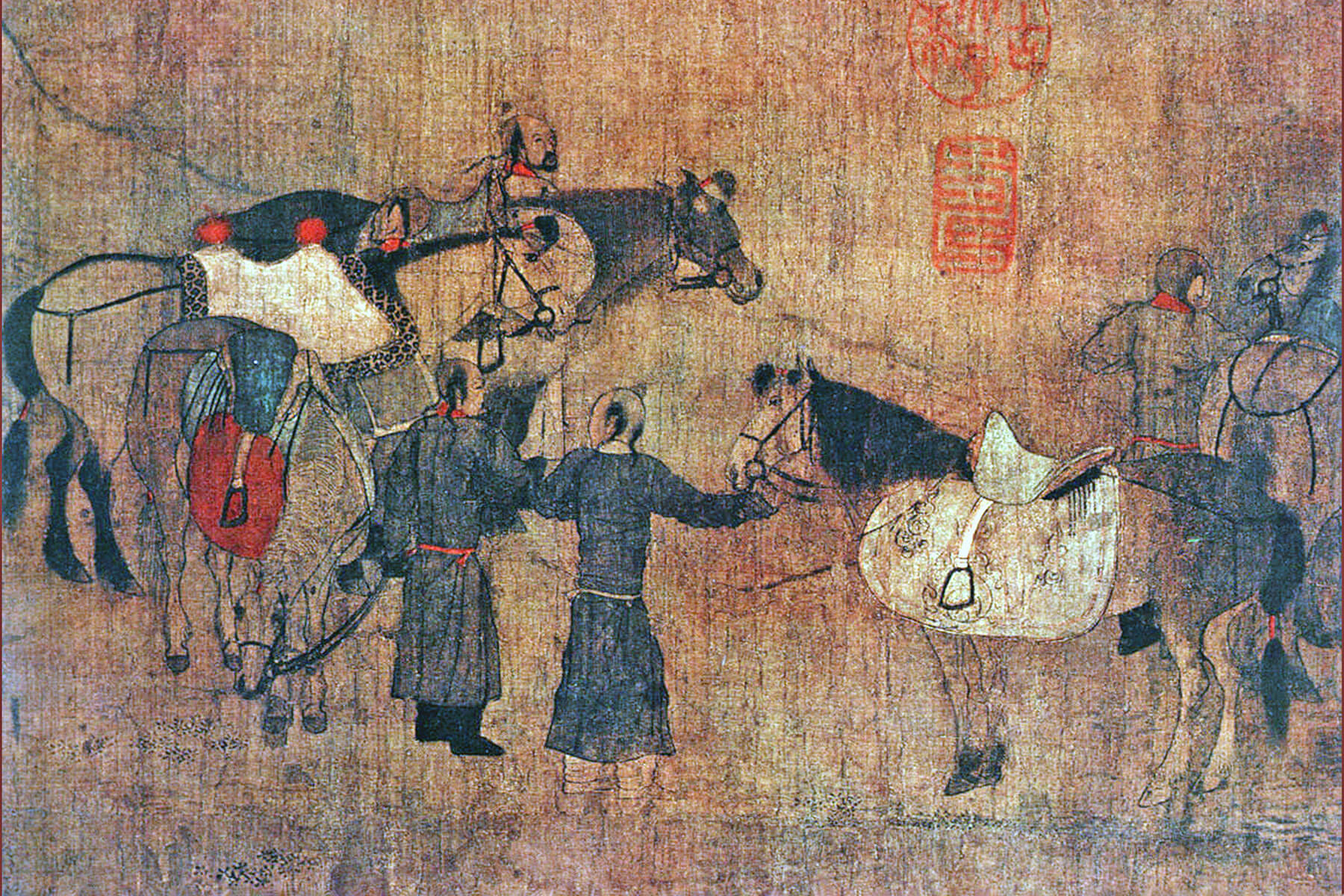
Craftspeople in China had been raising silkworms and working with silk for thousands of years before the luxurious textile became a valuable commodity. Silk was so prized in ancient Rome that one 19th-century German geographer named the Silk Road after the coveted material. Silk reached India in the second century BCE, and in the third century CE, Persia became a major silk-trading hub that connected Europe to East Asia. The trade route spread the popular textile around the world, paving the way for the complex woven patterns of Byzantium and Iran. Silk production, however, remained a closely guarded secret in Asia even after Byzantine Emperor Justinian I had silkworms smuggled over in bamboo tubes.

Silk wasn’t the only fiber that changed hands along the Silk Road, however. Hemp, cotton, and wool were all popular items as well. The cultural exchange also included finished fabric and weaving techniques. Different types of clothing traveled between nations, too; trousers, which made horseback riding easier, originated in Mongolia, and various sorts of woven belts evolved throughout the era.

You may also like

A Short History of 1967’s ‘Summer of Love’

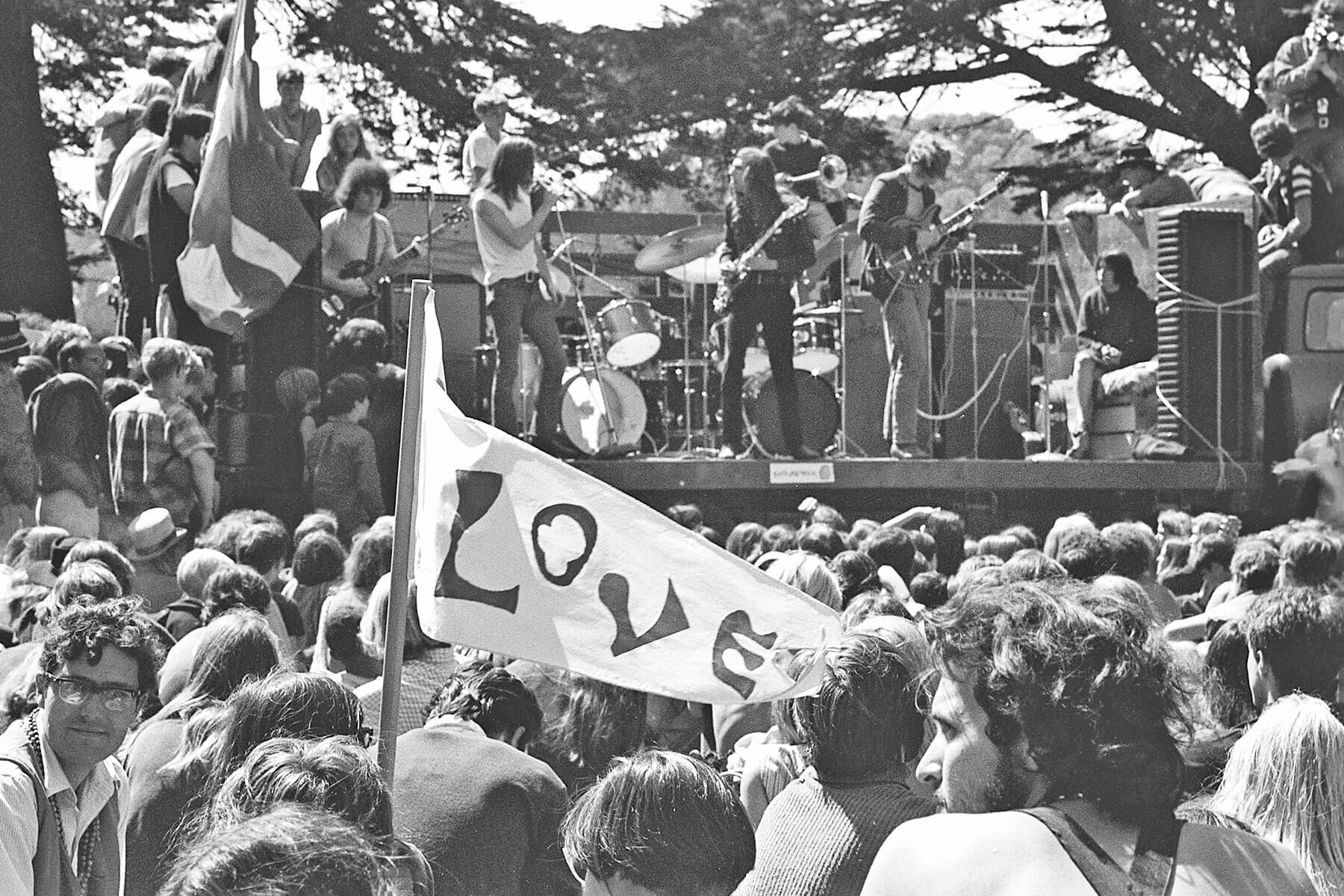
  • Hippies watching a band
Hippies watching a band
Ted Streshinsky Photographic Archive/ Corbis Historical via Getty Images
Author Nicole Villeneuve

August 3, 2023

Love it?

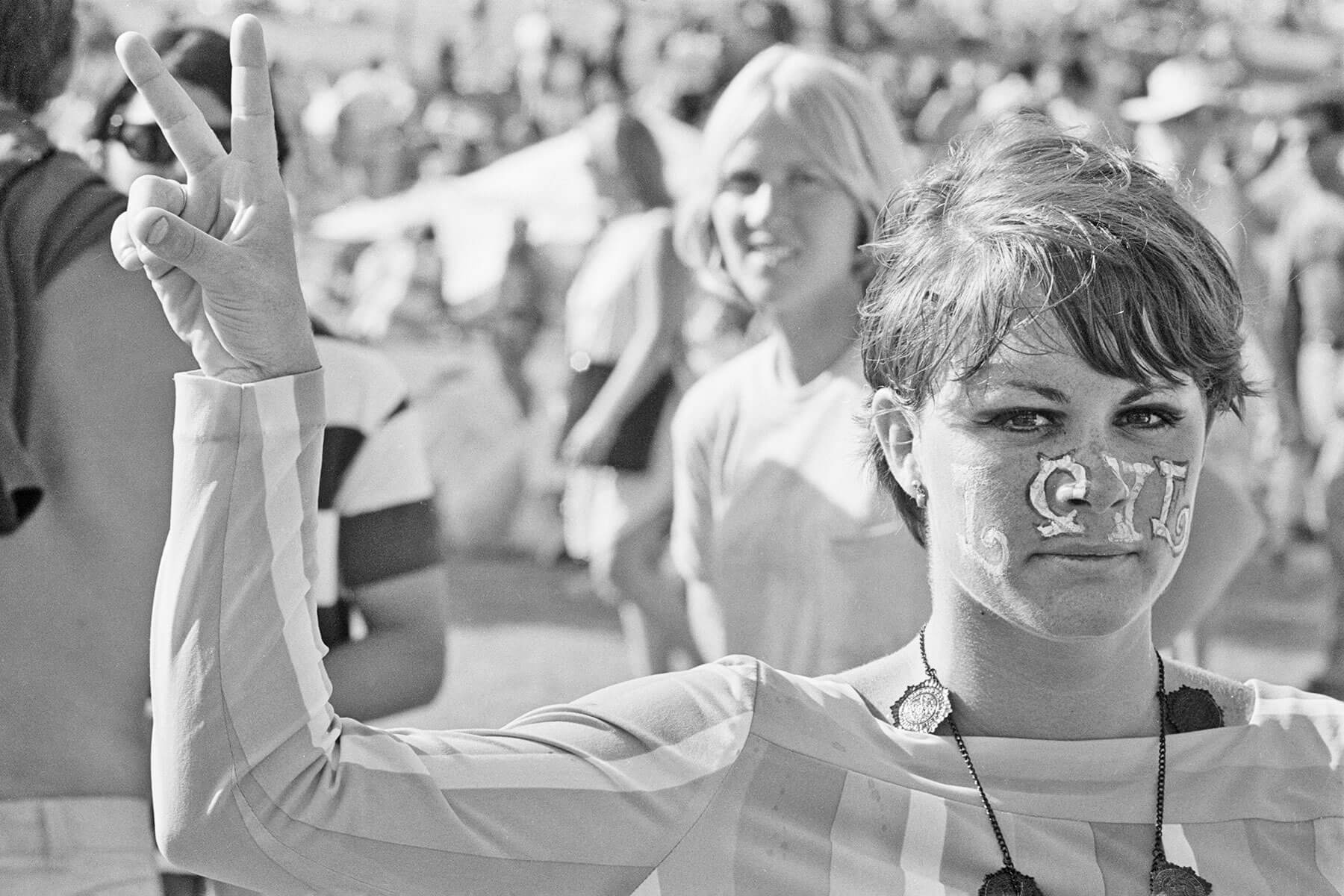
In 1967, San Francisco’s Haight-Ashbury district became the home base for a burgeoning counterculture. Known as the “Summer of Love,” the social movement was defined by a collective rejection of mainstream values and an embrace of ideals centered around peace, love, and personal freedom. An estimated 100,000 young people descended on the area; these artists, musicians, and drifters — collectively referred to as “hippies” — created an unforgettable cultural shift, touching everything from the way we view the self, to innovations in music, fashion, and art, and our approach to making an impact on society. More than 50 years later, the Summer of Love still dances freely in America’s memory.

Photo credit: Michael Ochs Archives via Getty Images

The Summer of Love Actually Started in the Winter

Contrary to its name, the Summer of Love actually kicked off in the wintertime. In January 1967, in San Francisco’s Golden Gate Park, more than 20,000 people who shared a desire for peace, personal empowerment, and unity gathered for an event called the Human Be-In. It was a loud and proud harbinger to the blossoming counterculture movement set to congregate in Haight-Ashbury in just a few months.

The idea for the Human Be-In — also known as the “Gathering of the Tribes” — sprung from the similar, but much smaller, Love Pageant Rally that was held on October 6, 1966 — the day that California made LSD illegal. Organizers Allen Cohen and Michael Bowen, co-founders of the underground newspaper the San Francisco Oracle, wanted to re-create the peace and unity of that day, only on a larger scale. Their aim for the Human Be-In was to spread positivity and bridge the counterculture’s anti-war and hippie communities, while raising awareness around the pressing issues of the time: questioning authority, rethinking consumerism, and opposing the Vietnam War.
On January 14, 1967, the idea came together. Counterculture icons such as Beat poet Allen Ginsberg and LSD advocate Timothy Leary spoke to the masses — the latter famously urged participants to “turn on, tune in, drop out” — and the Grateful Dead, Jefferson Airplane, and other legends performed at the event. The optimism that collective action could have a tangible impact on society felt stronger than ever. San Francisco Chronicle columnist Ralph Gleason said it was “truly something new,” calling it “an affirmation, not a protest… a promise of good, not evil.” The wheels for the Summer of Love were in motion.

Photo credit: Michael Ochs Archives via Getty Images

Live Music Was Changed Forever

The Summer of Love not only introduced a cultural revolution — it also marked a turning point in pop culture. It made stars of some of music’s most enduring names and introduced major music festivals as we know them today. After the inaugural Human Be-In, other similar events unfolded around the world, laying the blueprint for large outdoor live performances. The first event to specifically call itself a music festival took place on June 10 and 11, 1967, on Mount Tamalpais in Marin County, just north of San Francisco. The KFRC Fantasy Fair and Magic Mountain Music Festival featured performances by the Doors, Jefferson Airplane, the Byrds, Steve Miller Band, and many others, and is considered America’s first true rock festival. One week later, another pivotal event — the centerpiece of the Summer of Love — changed live music forever.

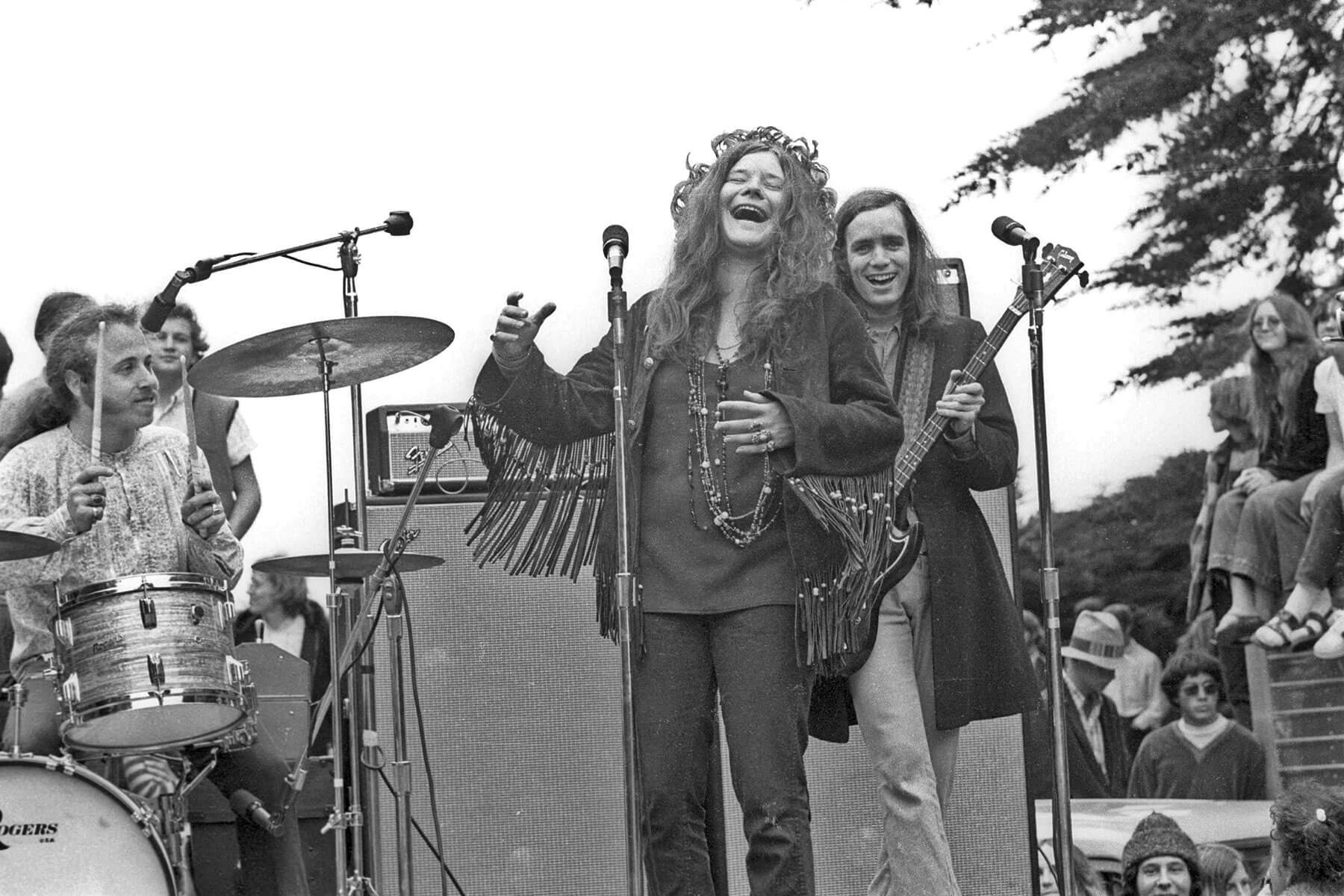
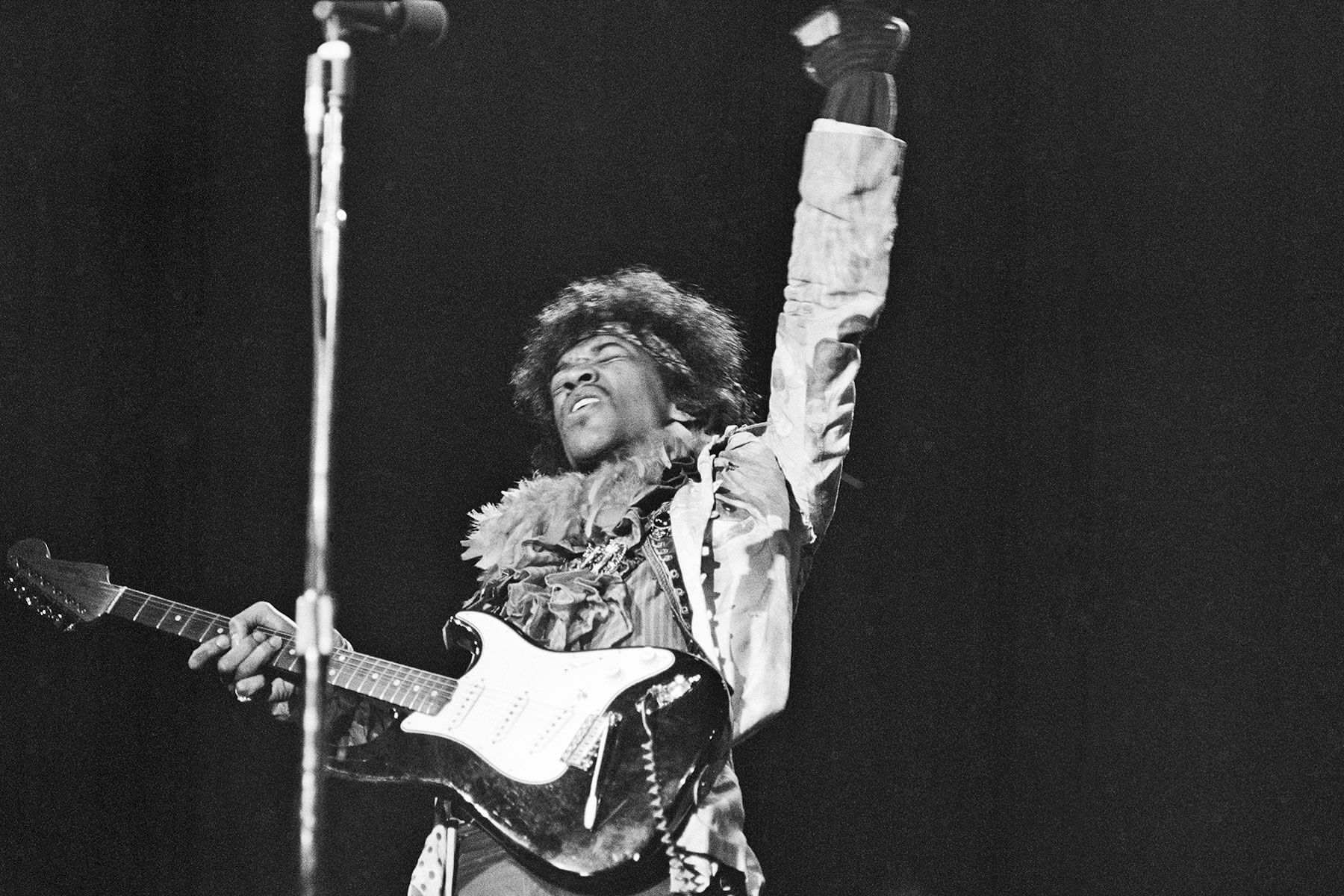
The Monterey Pop Festival took place across three days, June 16, 17, and 18. Organized by influential figures in the music scene, including John Phillips of the Mamas and the Papas, former Beatles publicist Derek Taylor, and record producer Lou Adler, the event attracted upwards of 200,000 attendees over the weekend. Prior to the festival, the release of “San Francisco (Be Sure to Wear Flowers in Your Hair)” by Scott McKenzie, a song penned by Phillips to promote the event, garnered significant global attention, becoming not only a chart-topping hit, but a driving force in enticing young people to join the hippies in Haight-Ashbury that summer. Press coverage turned Monterey Pop into a worldwide media spectacle. Iconic images from the event captured in a 1968 documentary by D.A. Pennebaker became lasting symbols of the hippie movement. The festival also catapulted artists such as Jimi Hendrix, Janis Joplin, Otis Redding, and The Who to fame, thanks to their legendary performances during that weekend. Monterey became the template for the modern festival industry, showcasing emerging artists alongside blockbuster bands in a massive outdoor setting. 

You may also like

5 Facts About the Infamous Crime Duo Bonnie and Clyde

  • Bonnie and Clyde
Bonnie and Clyde
American Stock Archive/ Archive Photos via Getty Images
Author Kristina Wright

August 2, 2023

Love it?

In January 1930, Clyde Barrow and Bonnie Parker met at a friend’s house in Dallas, Texas, and, as the legend goes, it was love at first sight. Their budding courtship was disrupted when Clyde was jailed a month later in Waco, but at Clyde’s request, Bonnie smuggled a gun into the jail, allowing Clyde and two other convicts to escape. It was a temporary freedom, however, as Clyde was soon captured in Ohio and extradited to Texas, serving almost two years in prison before being paroled in February 1932. Bonnie and Clyde were reunited soon after, and Bonnie became part of the Barrow Gang, which included several of Clyde’s friends, his brother Buck, and Buck’s wife, Blanche.

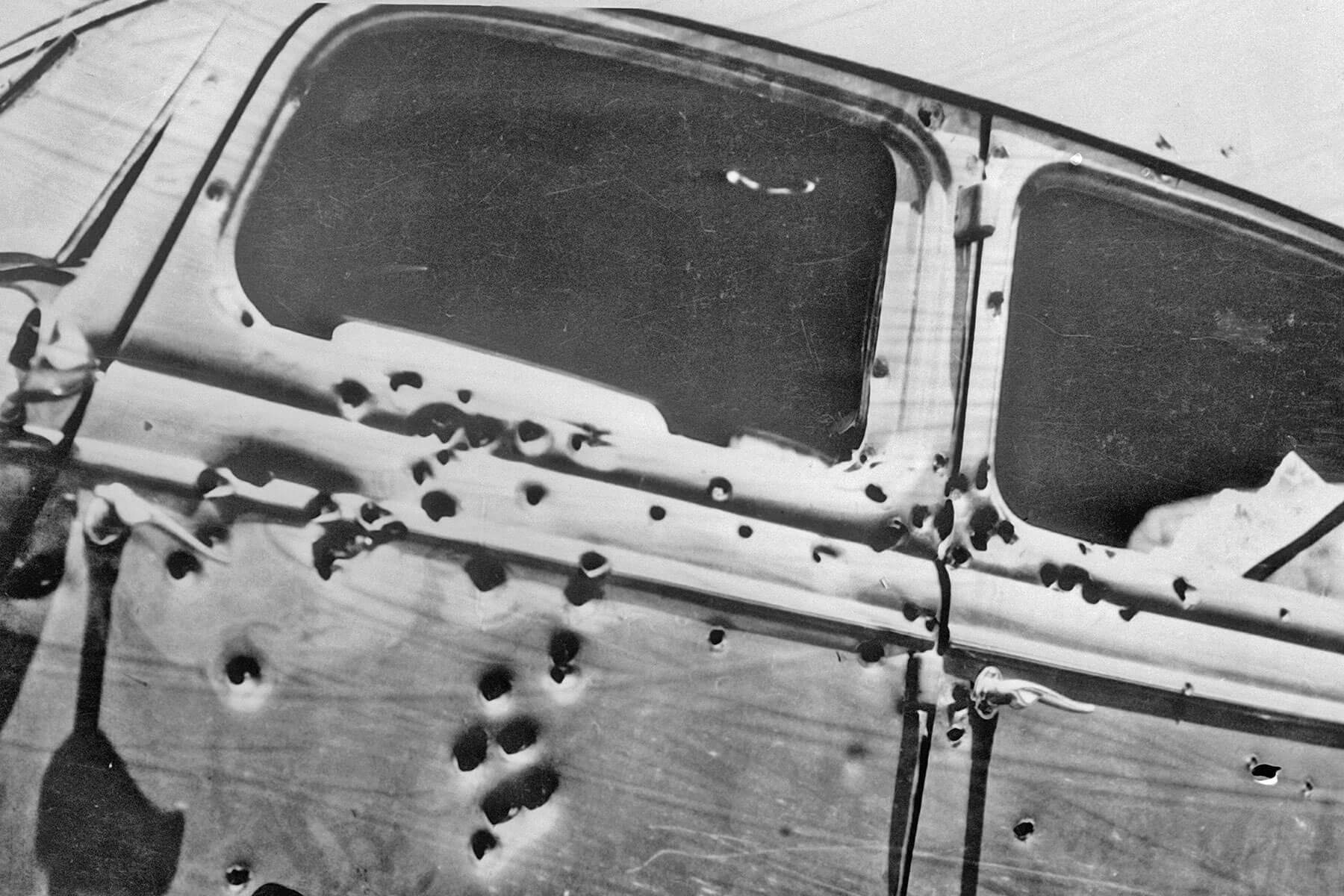
The news stories of Bonnie and Clyde’s criminal adventures captivated a downtrodden nation at the height of the Great Depression. Their outlaw antics and unlikely love story helped turn the gangster and his moll into folk heroes akin to Robin Hood and Maid Marian or Romeo and Juliet. But it wasn’t meant to last. After an increasingly violent crime spree that stretched almost two years, the pair was ambushed and killed by law enforcement in Louisiana in 1934. Their deaths made headlines across the nation, and thousands of people attended their funerals.

Over the years, the exploits of Bonnie and Clyde became synonymous with a kind of romantic lawlessness usually reserved for tales of the Wild West. Here are five surprising facts about one of the most infamous crime duos in American history.
Photo credit: Bettmann via Getty Images

Bonnie and Clyde Were Never Married

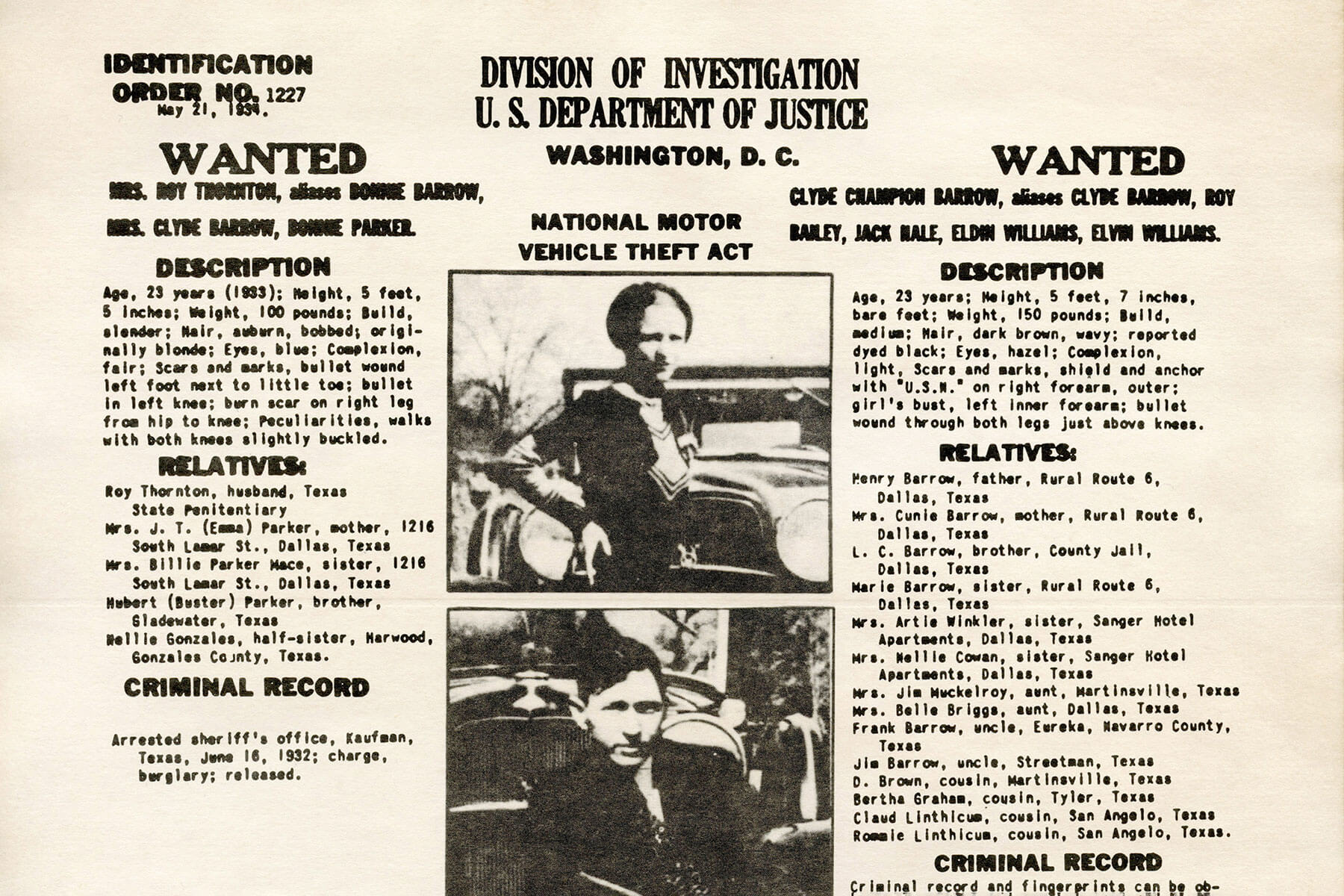
Bonnie and Clyde were partners in crime who became immortalized in myth and legend — but they were never married, because Bonnie already had a husband. In 1926, just a few days before she turned 16, Bonnie Parker married her high school sweetheart, Roy Thornton. Their marriage was tumultuous and Thornton was often absent or in trouble with the law. The couple separated numerous times, and Bonnie’s mother Emma recommended divorce, but Bonnie refused. Though she was identified as “Mrs. Roy Thornton” in wanted posters and was still wearing her wedding ring when she was killed, Bonnie personally reverted to her maiden name, and her tombstone reads “Bonnie Parker.” Thornton, who was in prison for robbery when he learned of Bonnie’s death, said, “I’m glad they went out like they did. It’s much better than being caught.” Thornton was shot and killed three years later during an attempted prison break.

Photo credit: Interim Archives/ Archive Photos via Getty Images

Their Own Photos Contributed to Their Notoriety as Outlaws

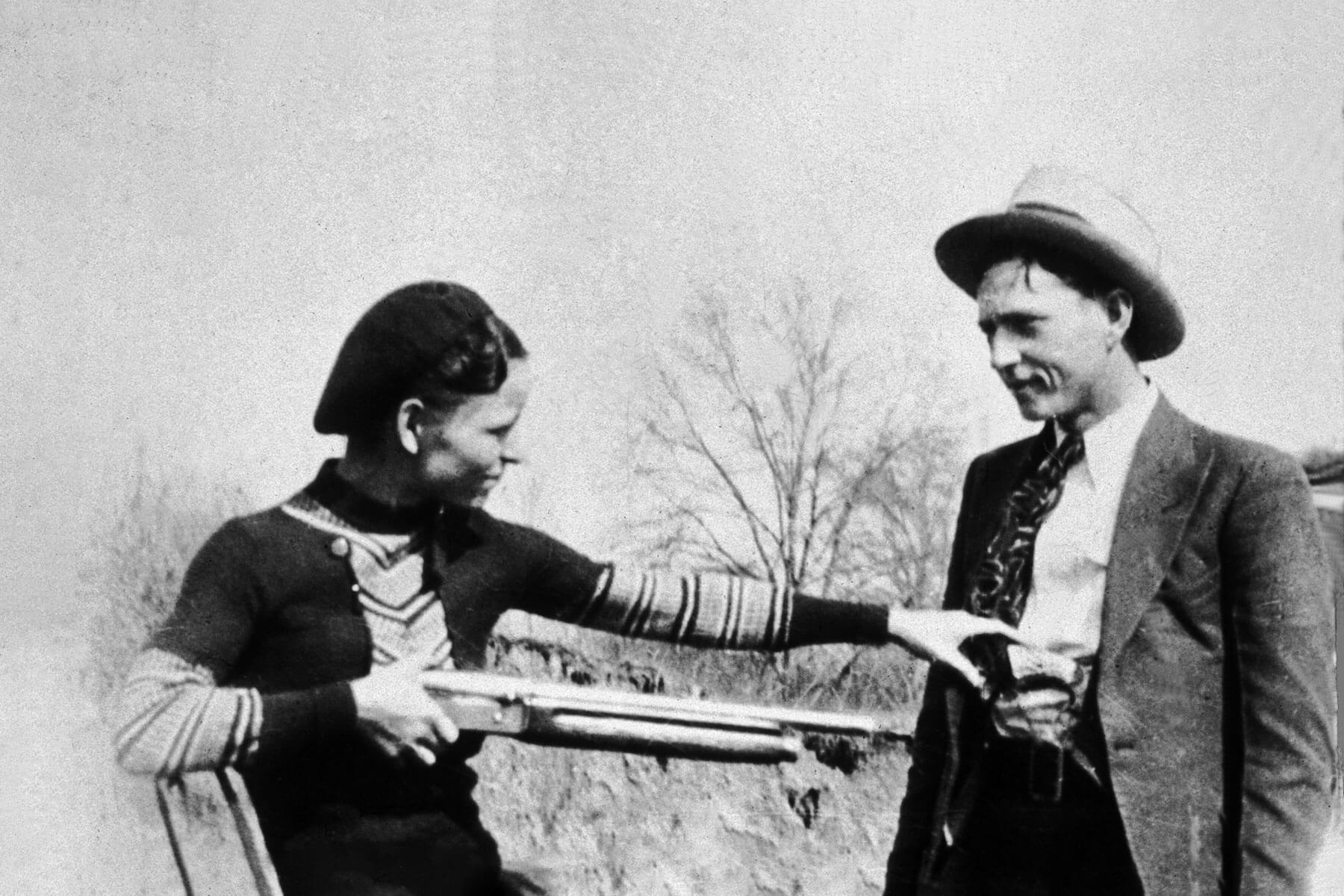
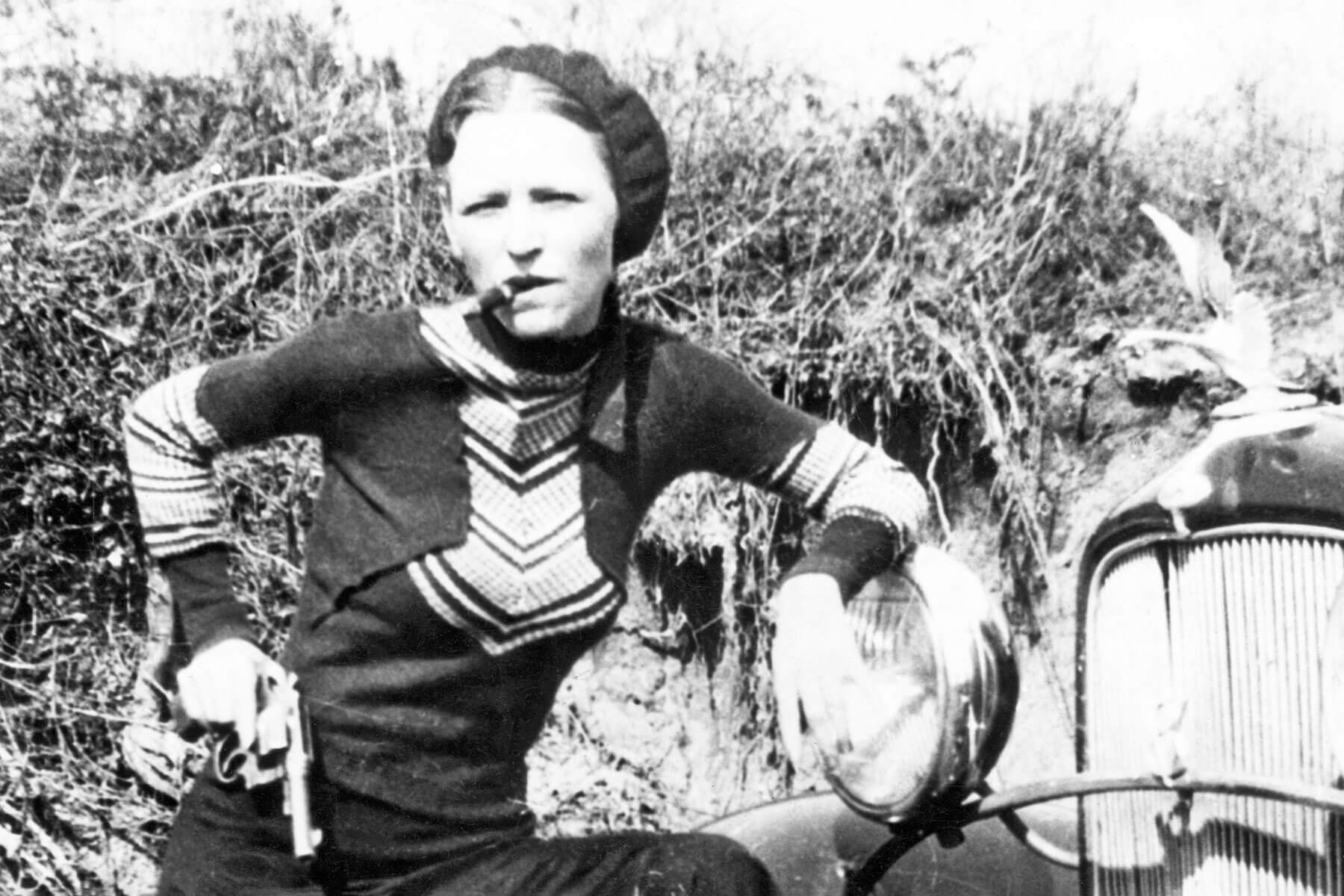
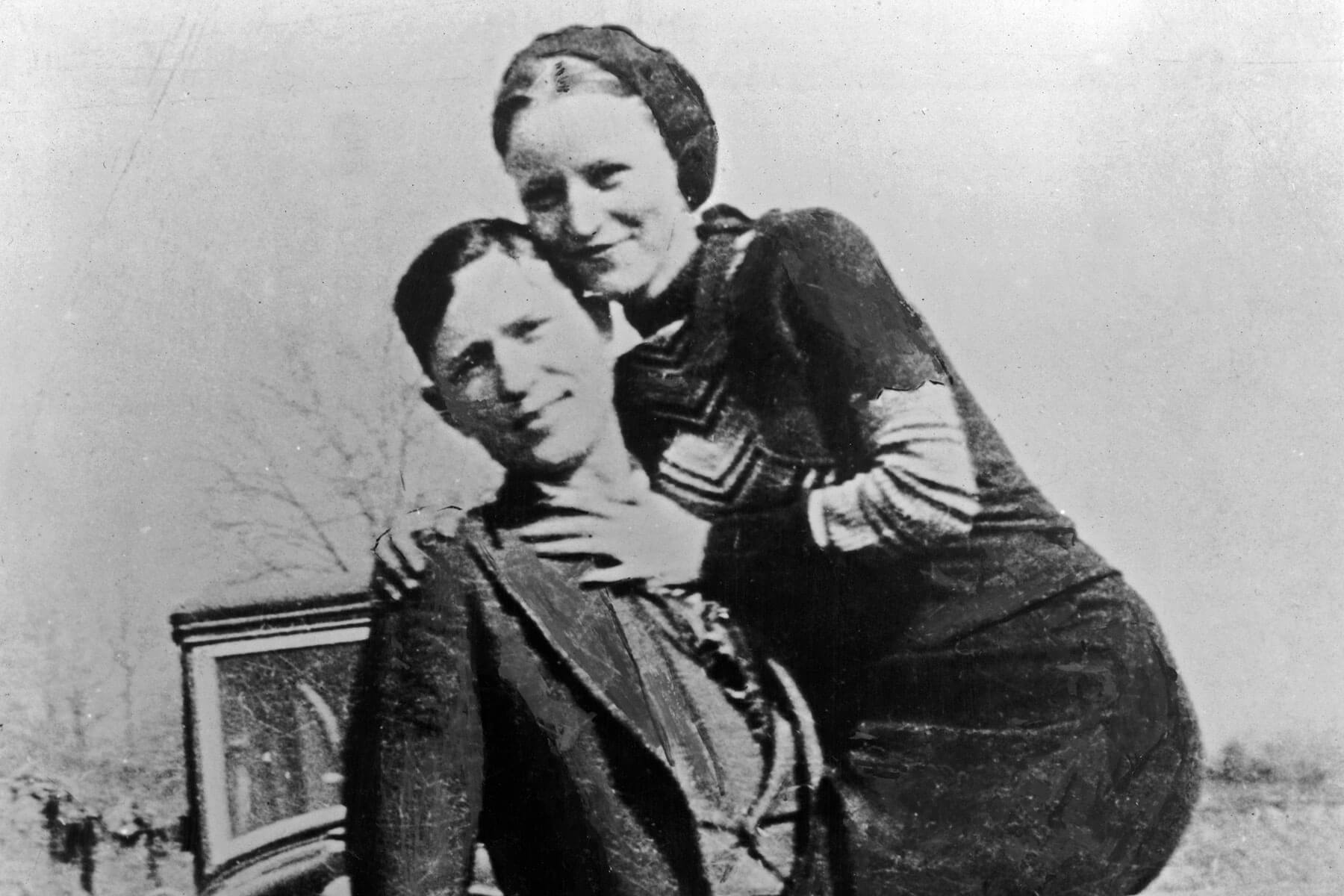
When law enforcement raided a Barrow Gang hideout in Joplin, Missouri, officers recovered a camera and undeveloped film. The prints were developed and a few of the shots of Bonnie and Clyde ran in newspapers and tabloids. In one, Bonnie pointed a rifle at Clyde; in another, she had a cigar in her mouth and was holding a revolver. The images contributed to the couple’s notoriety, leading newspapers to describe Bonnie as a “cigar-smoking gun-moll.” But Bonnie’s cigar was just a prop borrowed from another member of the gang. “Tell them I don’t smoke cigars,” she later told a police officer they’d taken hostage and released, when he asked what she wanted the press to know. As for the guns she posed with, there’s no evidence that Bonnie ever killed, or even fired at, anyone. The FBI describes Bonnie’s criminal association with Clyde this way: “Though she probably never fired a shot, she was his willing accomplice.”  

You may also like

6 Facts About America’s Gold Rushes

  • People panning for gold
People panning for gold
Hulton Archive via Getty Images
Author Nicole Villeneuve

August 2, 2023

Love it?

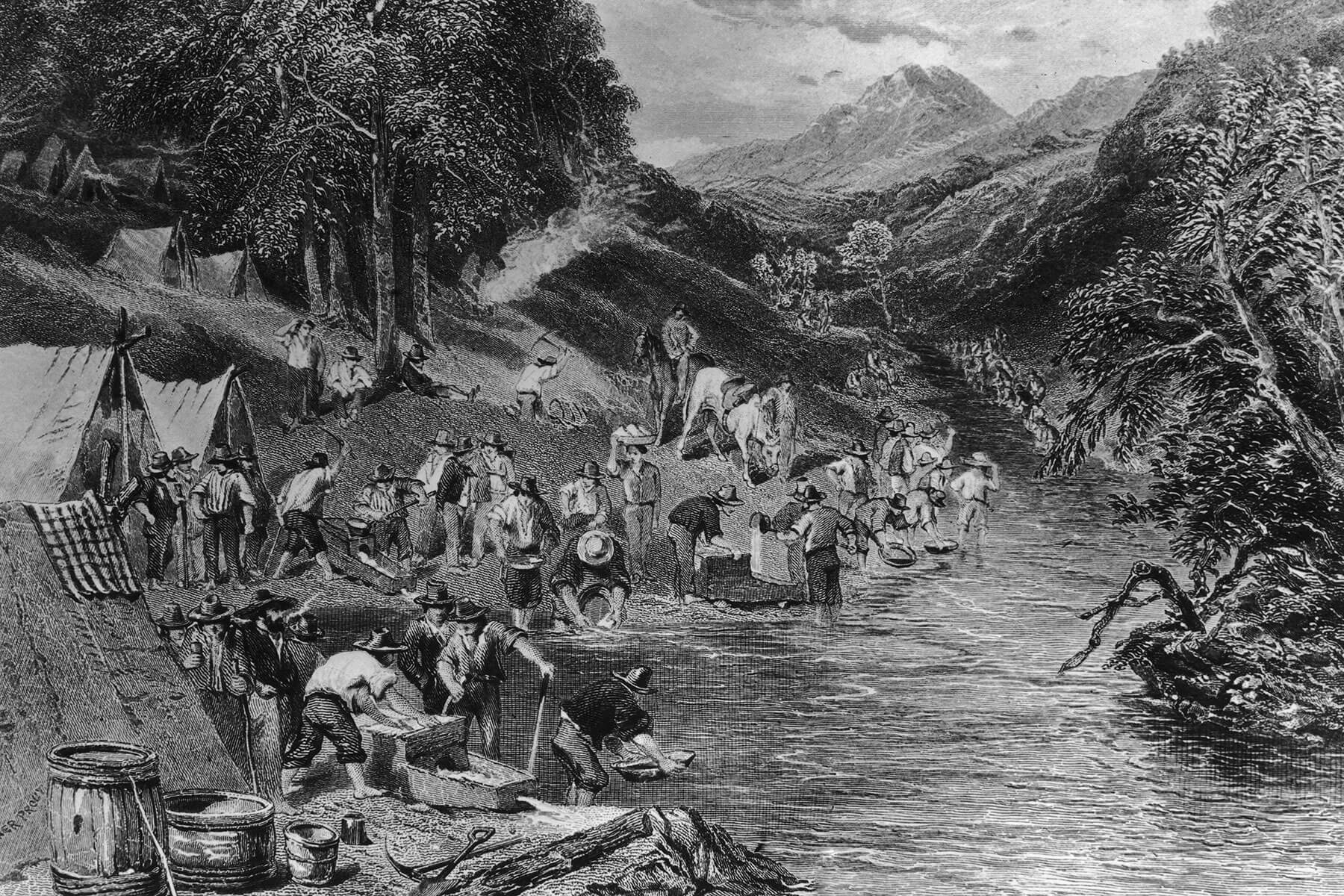
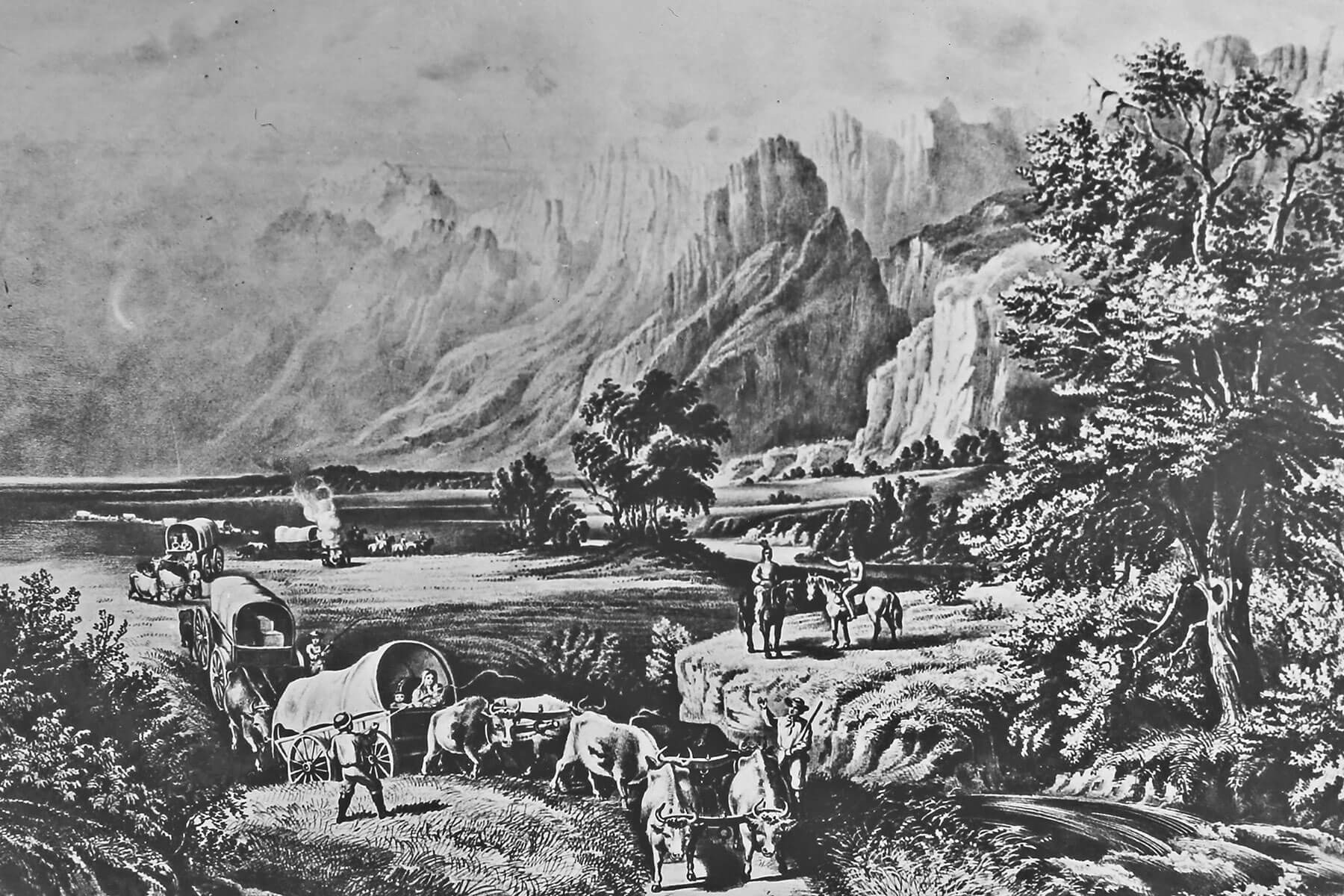
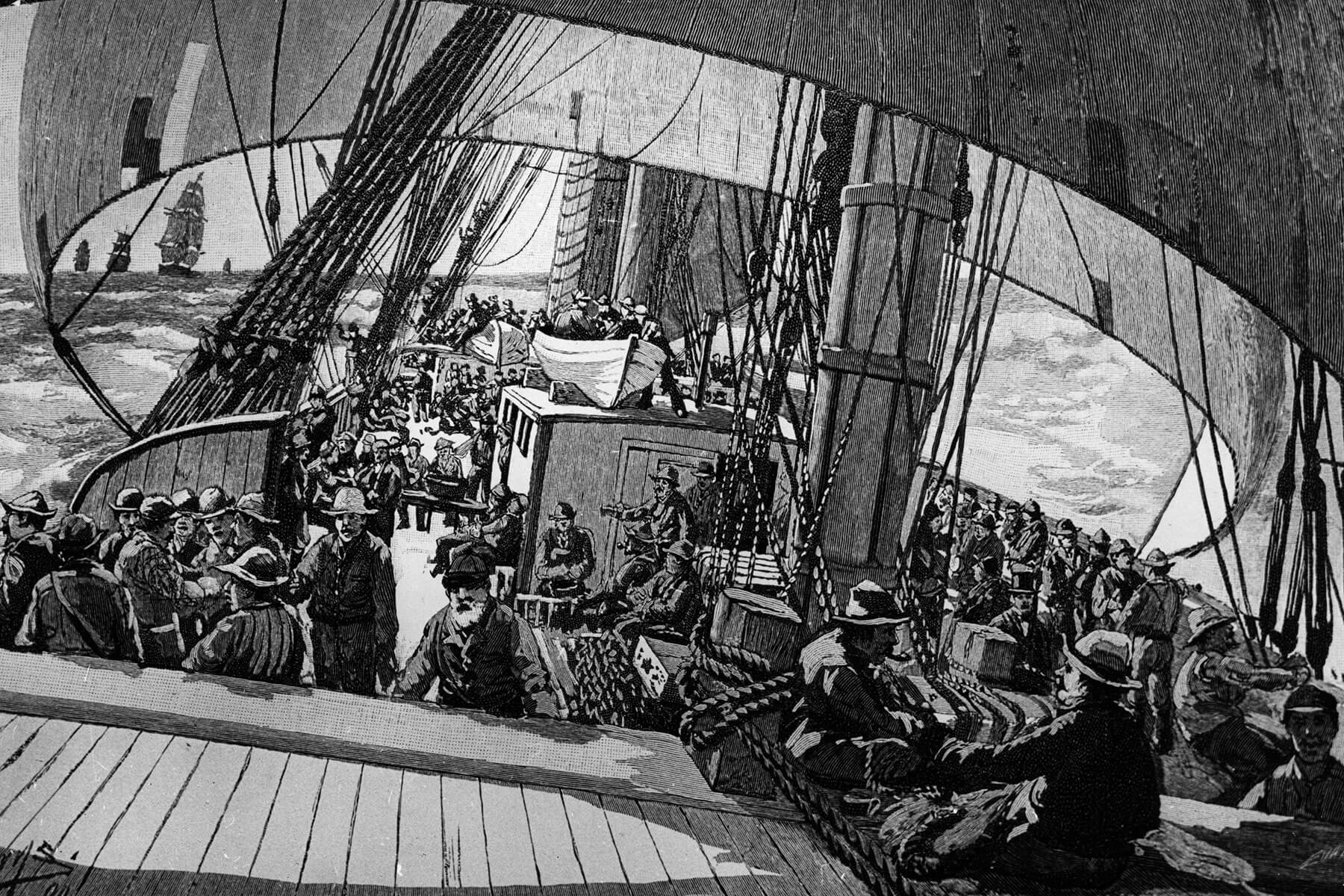
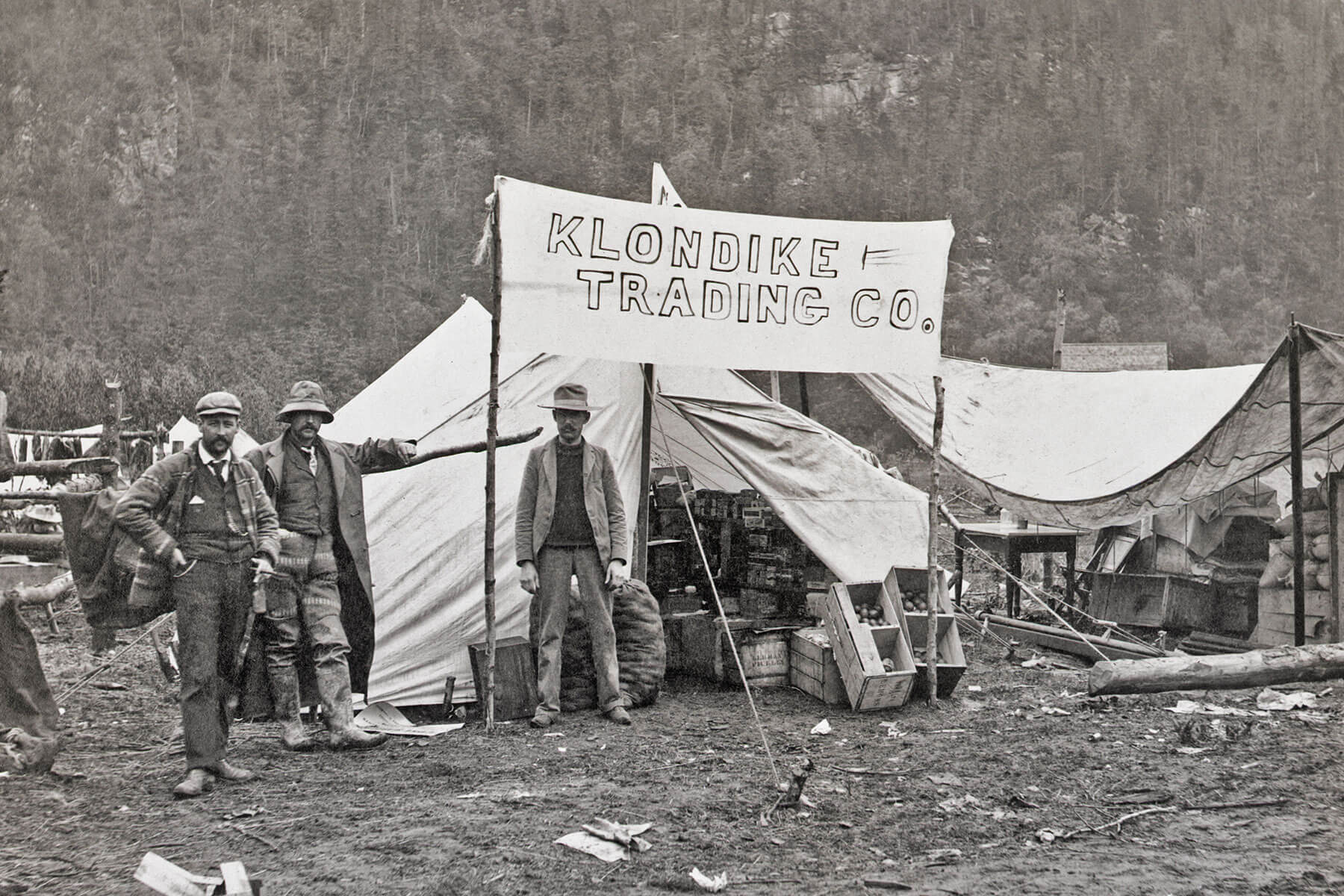
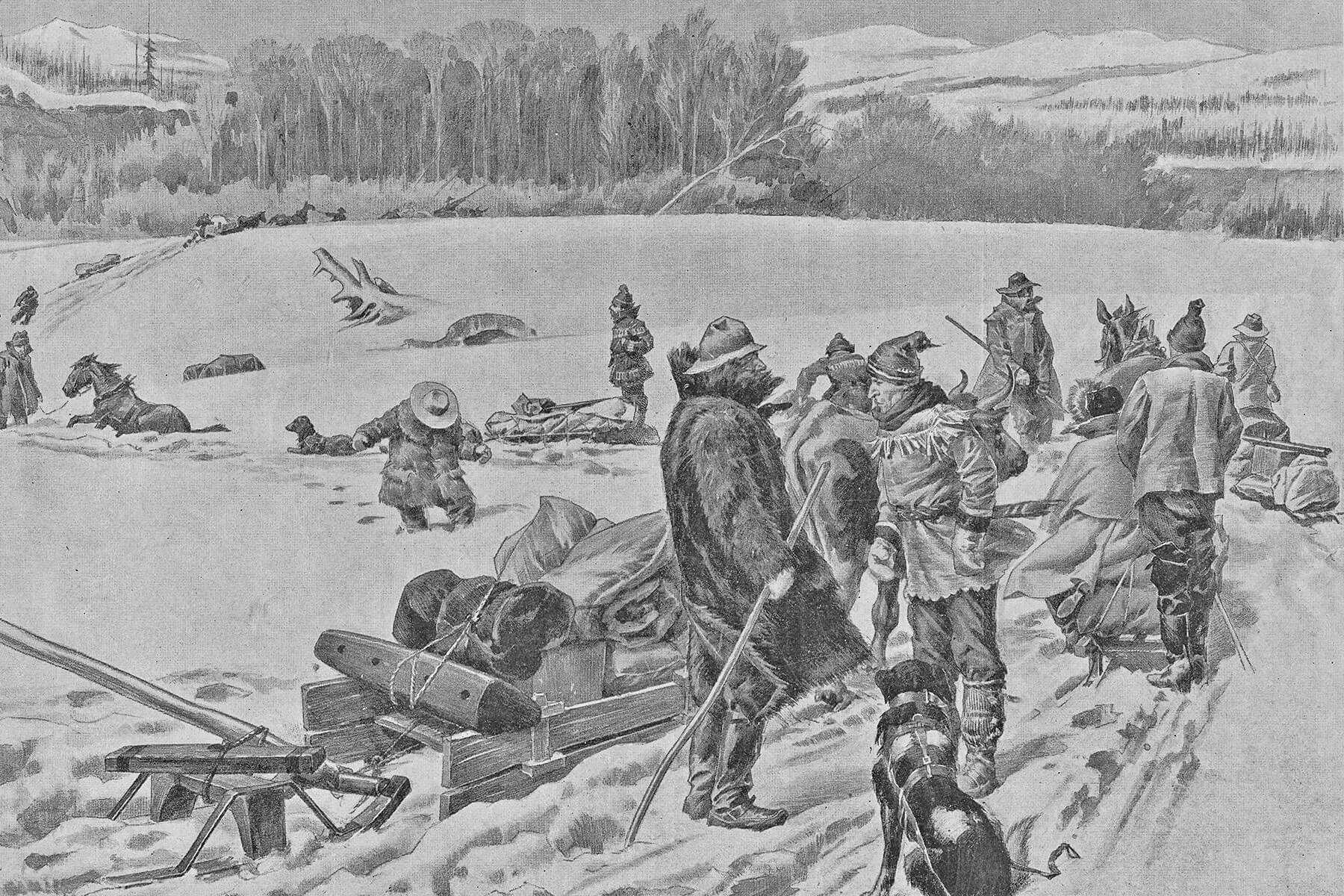
During the 19th century, the discovery of gold in various parts of the United States sparked a phenomenon known as “gold fever.” An obsession with getting rich off the precious metal caused a stampede of hopefuls to rush to California and other areas where gold had been found. The 1848 discovery of gold in California wasn’t the first, but it led to the largest gold rush of the era, the California Gold Rush, which gave way to the northern Klondike Gold Rush in Canada in the late 1890s. Hundreds of thousands of prospectors flooded to these regions, sometimes enduring treacherous journeys in search of fortune. The gold rushes led to the rapid development of towns and cities and irreversibly changed landscapes; they also left behind several fascinating, if sometimes overlooked, moments in history — moments that can only be born from the frenzied allure of striking it rich.

Photo credit: Hulton Archive/ Archive Photos via Getty Images

The California Gold Rush Bankrupted the Man Who Helped Start It

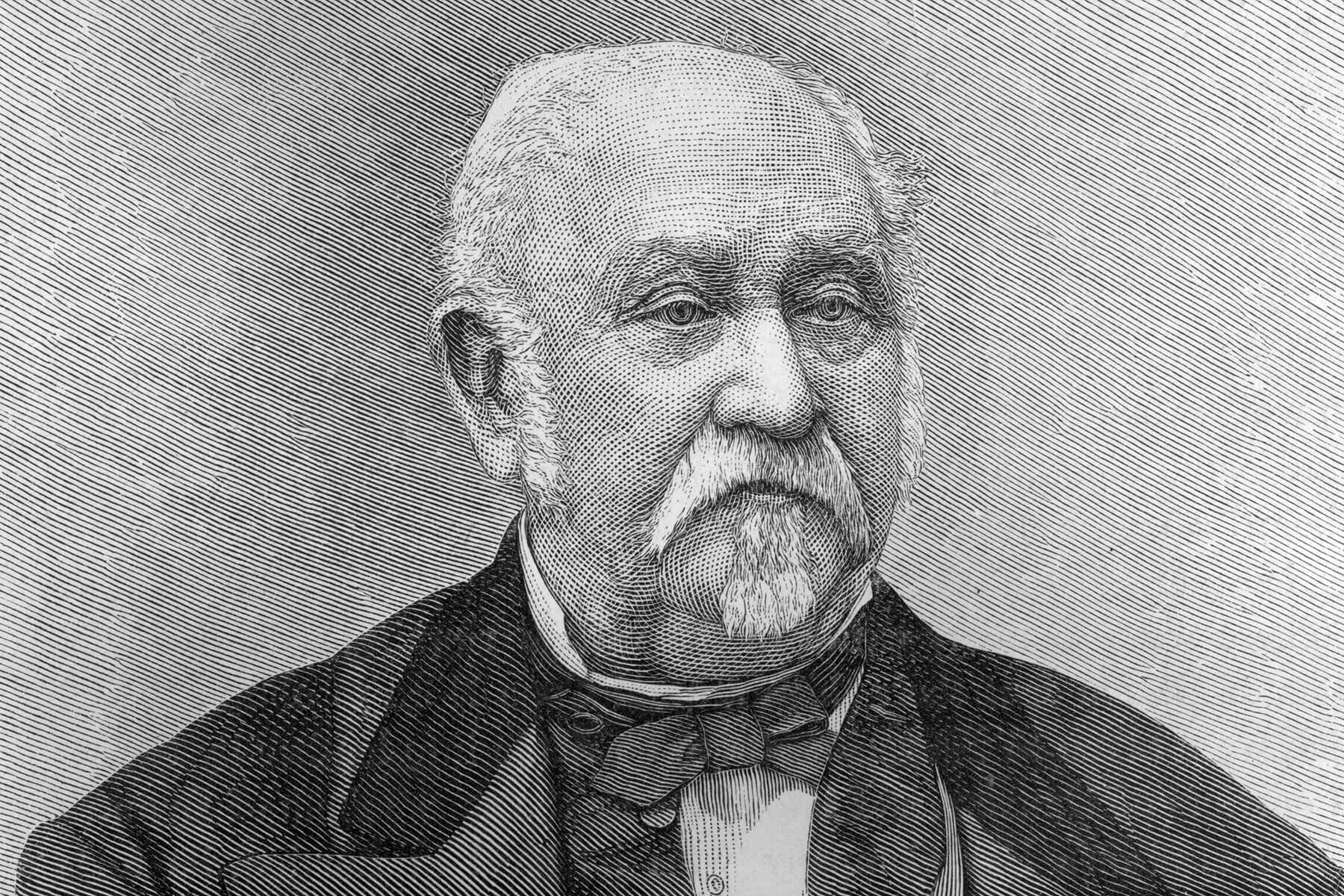
John Sutter was a Swiss-born businessman who played a crucial role in the California Gold Rush, but unlike some lucky business owners who profited from its riches, he ended up broke as a result. In 1848, Sutter was having a sawmill built along the American River in Coloma, California (near present-day Sacramento), when his carpenter discovered gold on the property. Though they tried to keep it a secret, news spread, and thousands of prospectors flocked to the area, trespassing on Sutter’s land, stealing his livestock, and causing extensive damage. Sutter’s attempts to profit from the gold rush were undermined not only by this recklessness, but also by the failure of his sawmill, due to every able-bodied worker’s preoccupation with finding gold. By 1852, he was bankrupt.

You may also like