

5 Little-Known Facts About Ellis Island
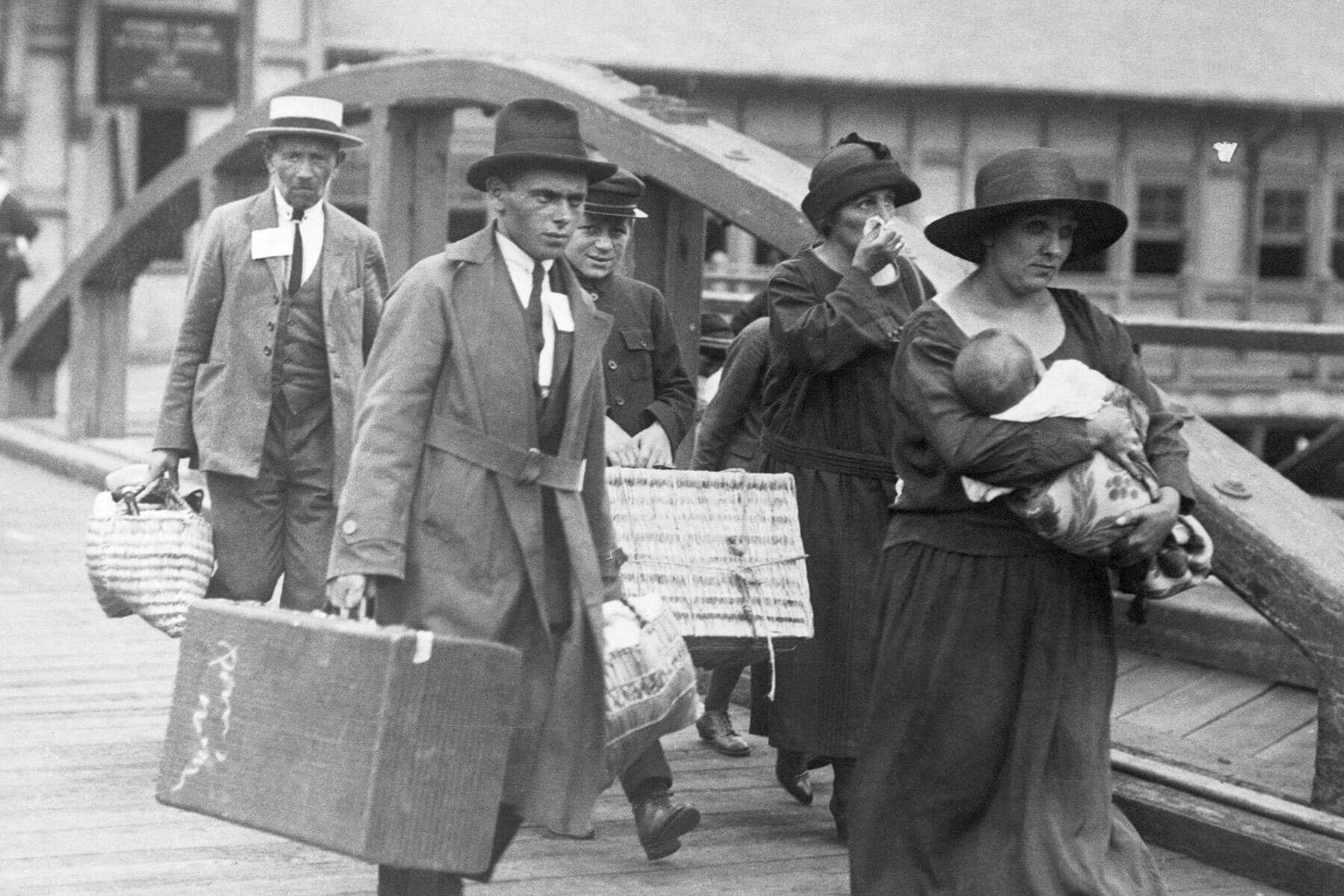
  • Family on Ellis Island
Family on Ellis Island
Bettmann via Getty Images
Author Fran Hoepfner

August 31, 2023

Love it?

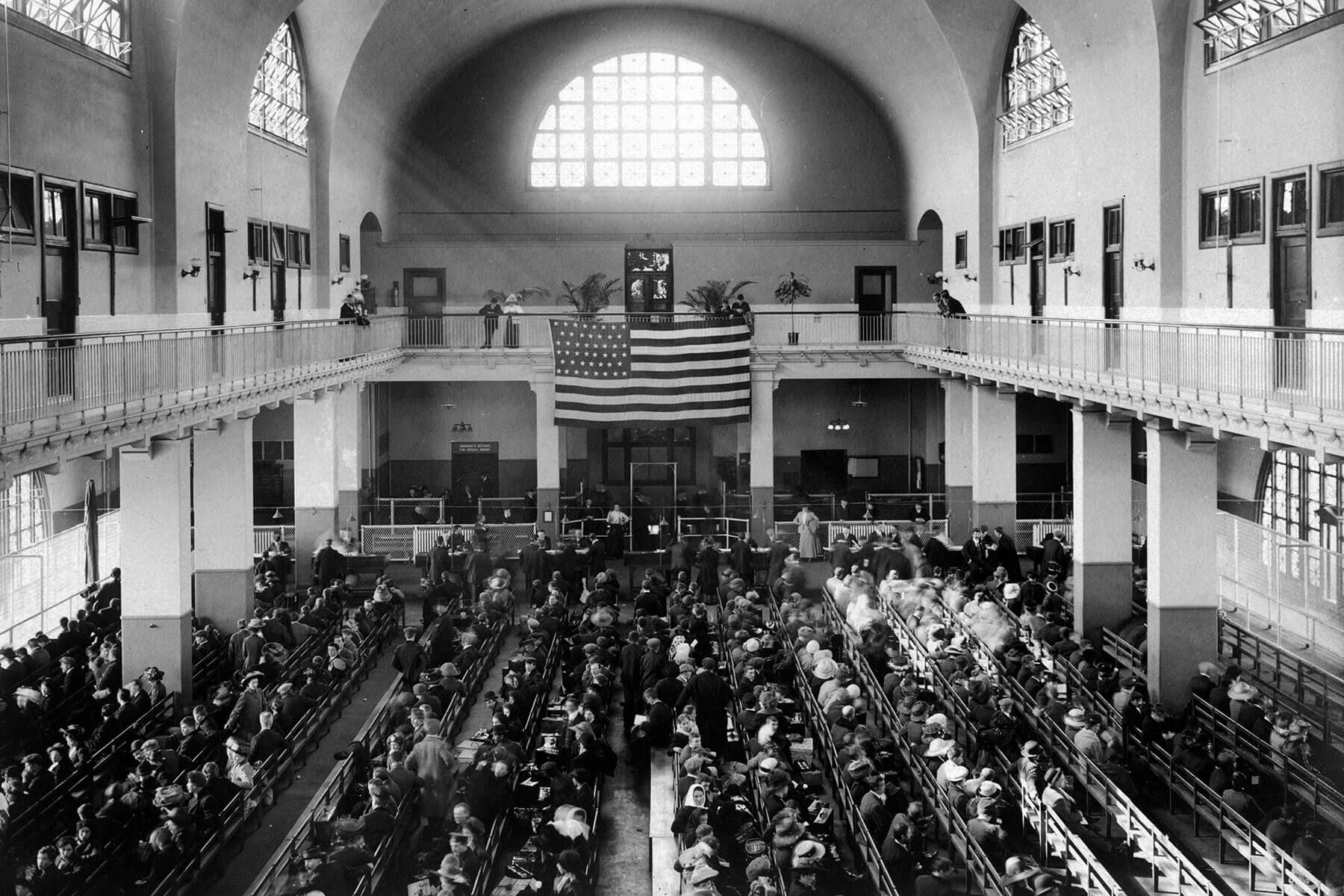
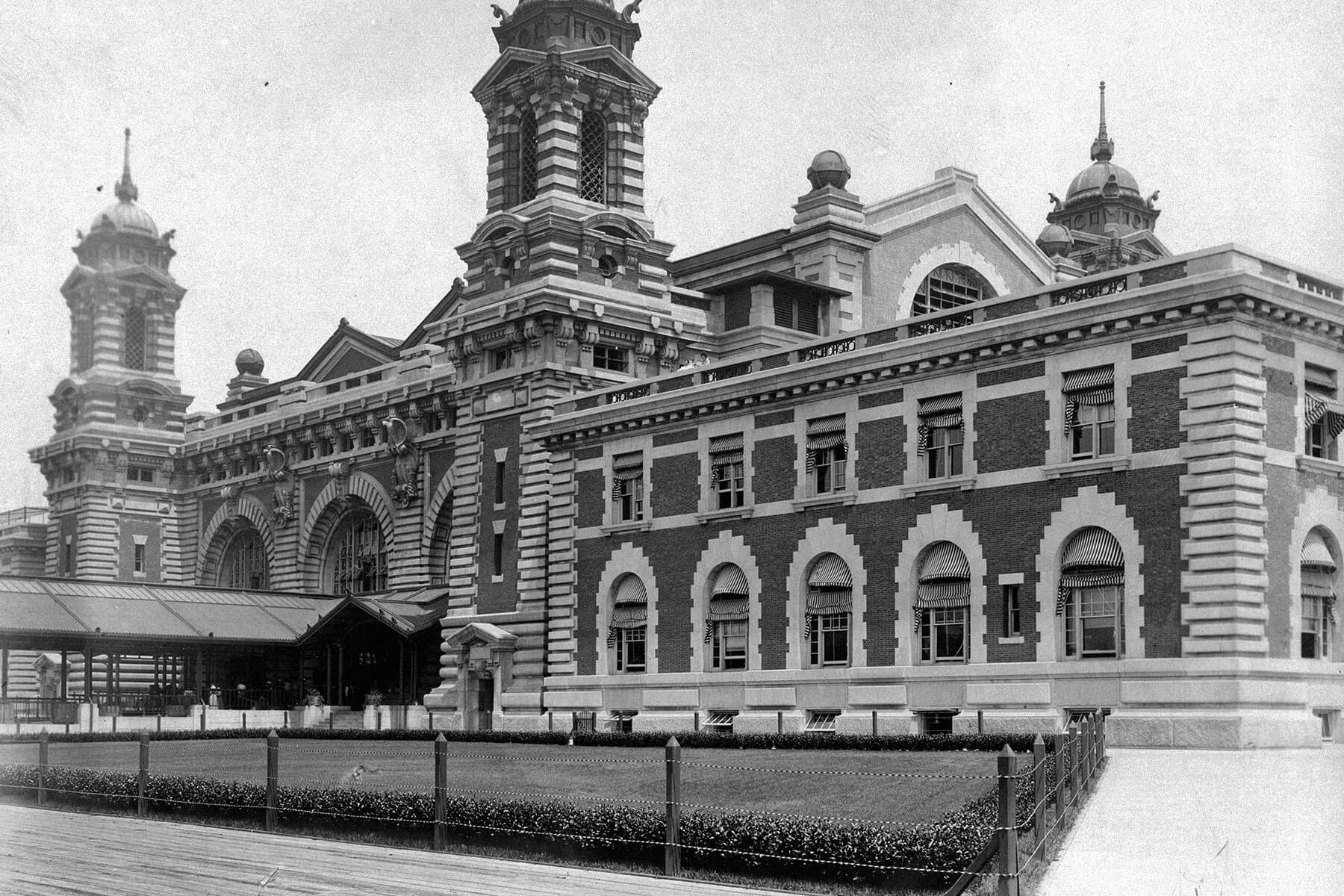
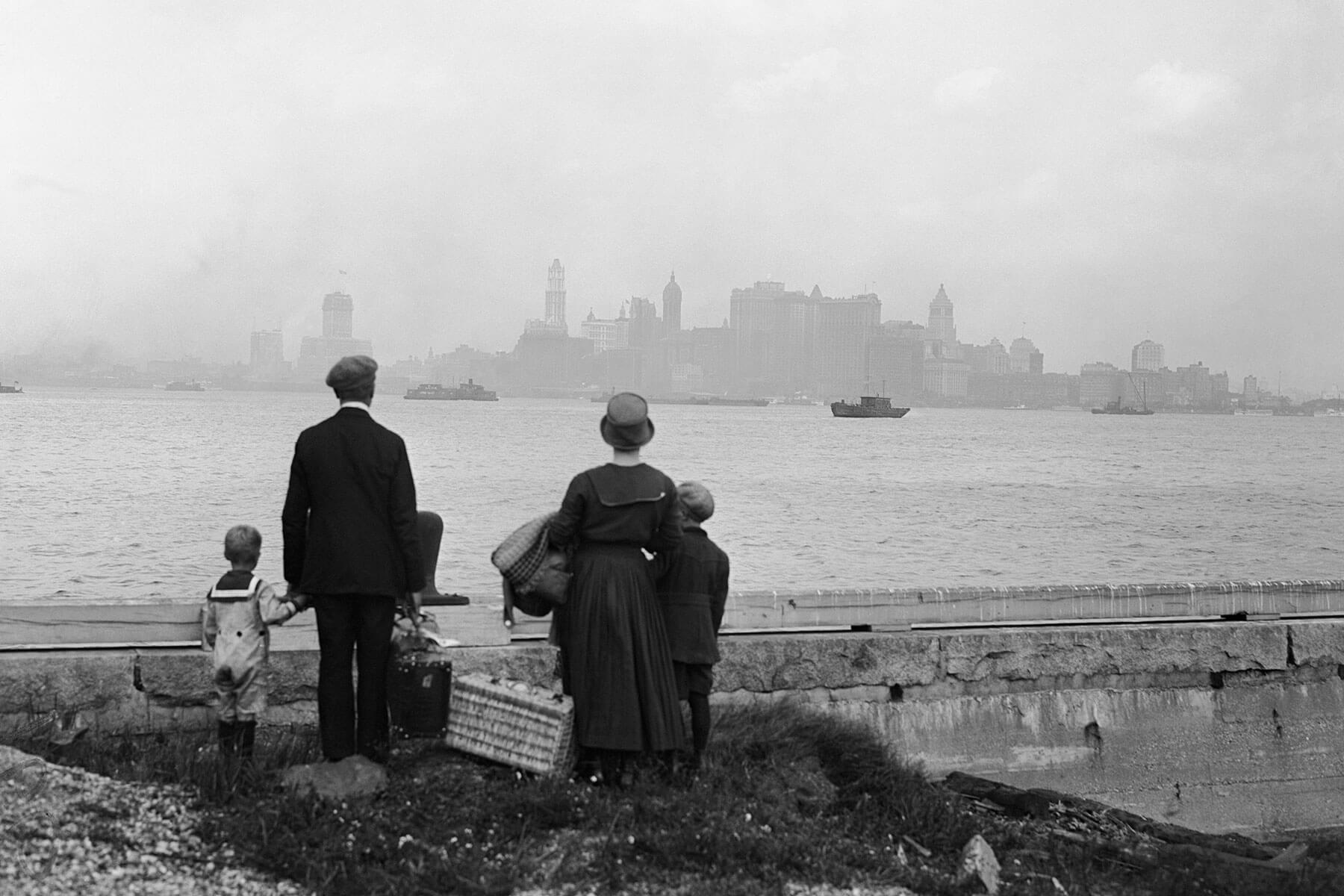
Under the watchful eye of the Statue of Liberty, Ellis Island was the entry point for countless immigrants who came to America at the turn of the 20th century. For a little over 60 years, from 1892 until its closure in 1954, the U.S. Immigration Station on Ellis Island processed more than 12 million immigrants, forever changing the culture of the United States. Today, Ellis Island is a place with a past as complicated as it is influential. Here are five facts about the singular role this 27.5-acre island played in American history.
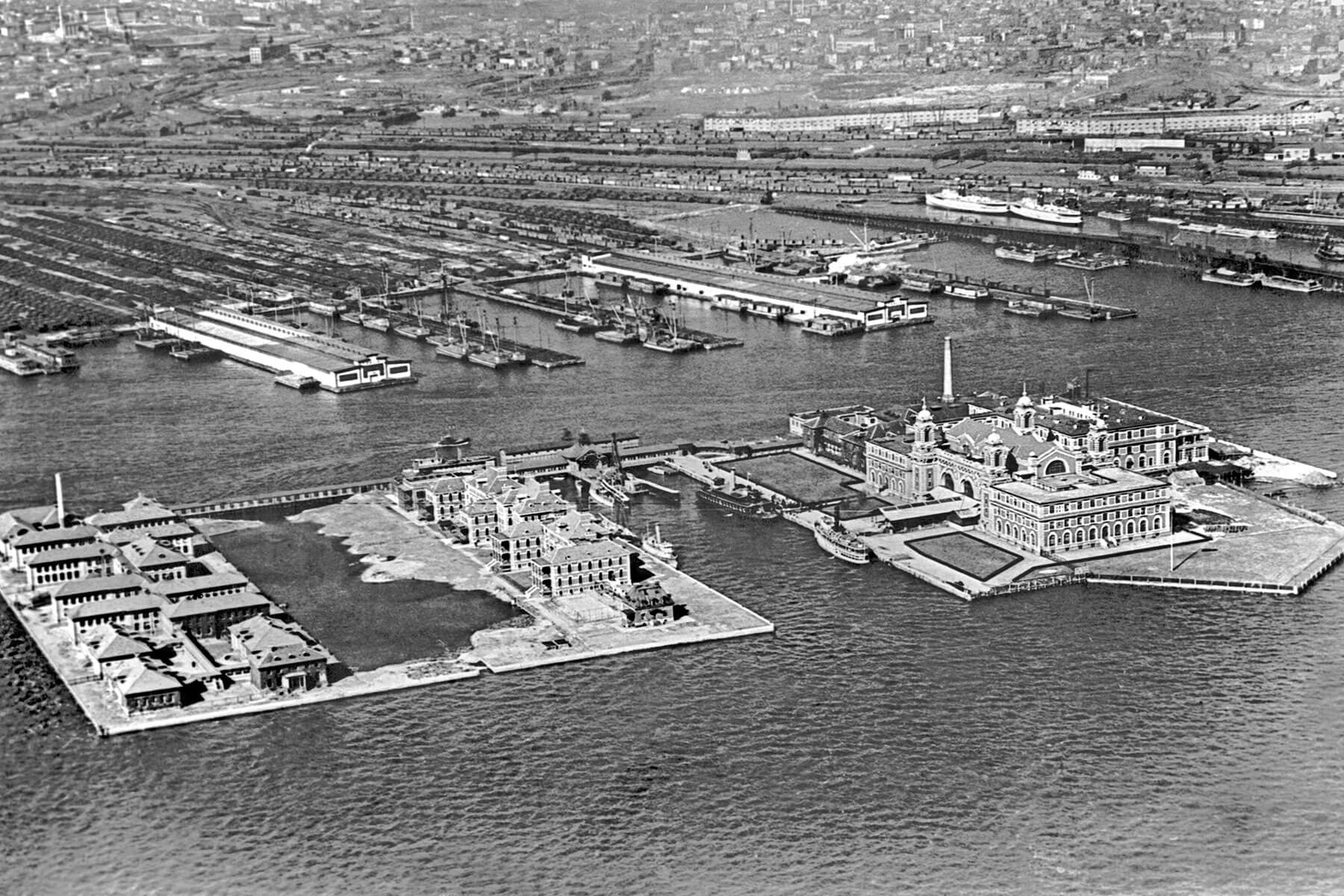
Photo credit: Underwood Archives/ Archive Photos via Getty Images

The Island Has Had at Least Seven Different Names 

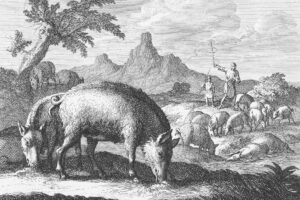
Before Europeans colonized North America, Ellis Island was known as Kioshk, or Gull Island, by Mohegan Indigenous peoples. In 1630, the island was purchased by the Dutch, who went on to call it Little Oyster Island for its abundance of, you guessed it, oysters. Later, in the 1700s, the island became the site of a number of hangings and got the nickname “Gibbet Island,” meaning “gallows.” Over the years, the site was also known as Bucking Island, Dyre Island, and Anderson’s Island, until in 1774, the land was purchased by Samuel Ellis, who ran a tavern on the little spit of mud. Ellis died in 1794 and ownership of his namesake island remained with the Ellis family until 1806, when it was sold to a man named John A. Berry, who then sold it to the U.S. government in 1808. 
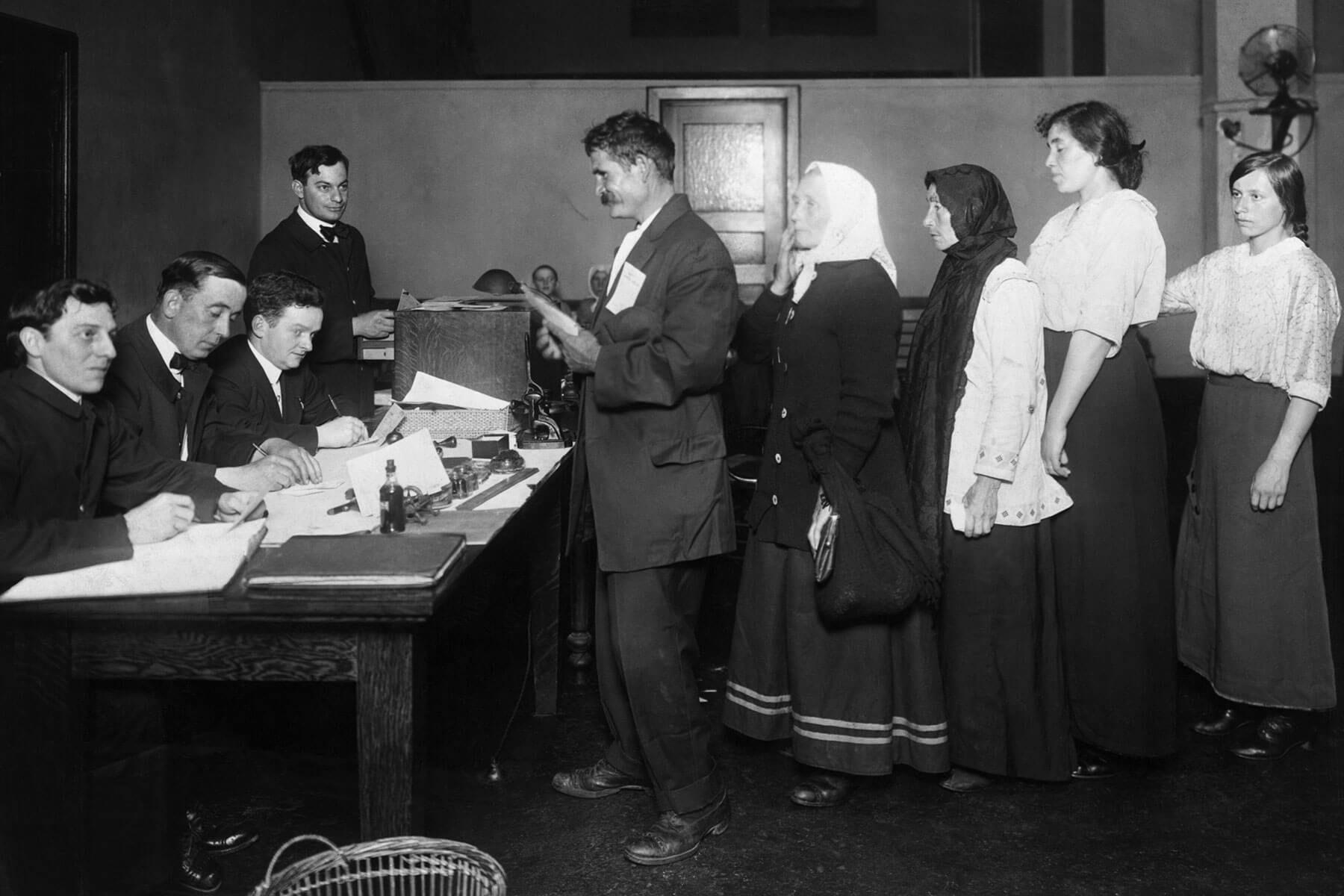
Photo credit: Bettmann via Getty Images

Inspection Took Half a Day — and Not Everyone Passed

For European immigrants who deboarded their ships in good health and with papers in order, the inspection process lasted about half a day. Inspections consisted of a number of physicals as well as a reading test, along with a series of questions, including whether they already had family in America, if they’d ever been to prison, and if they were an anarchist. (The wave of immigration through Ellis Island coincided with a rise in fears about communism and anarchy in the United States.) Up to 20% of the immigrants who went into Ellis Island were detained for either political, legal, or health reasons, and around 2% were sent home
You may also like

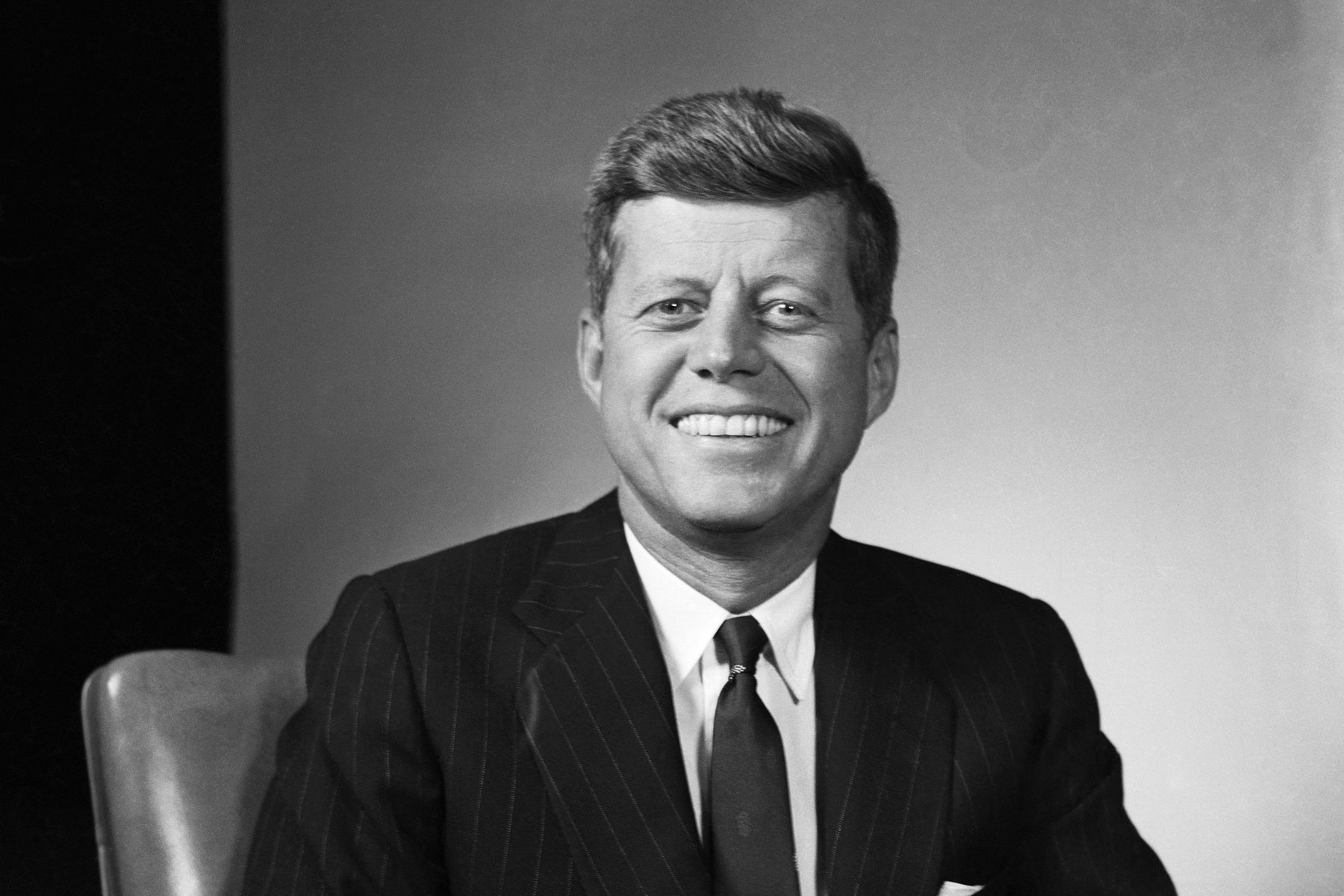
We Made JFK’s Famous Waffles, and Here’s What We Learned

  • John F. Kennedy portrait
John F. Kennedy portrait
Bettmann via Getty Images
Author Kellie Stewart

August 29, 2023

Love it?

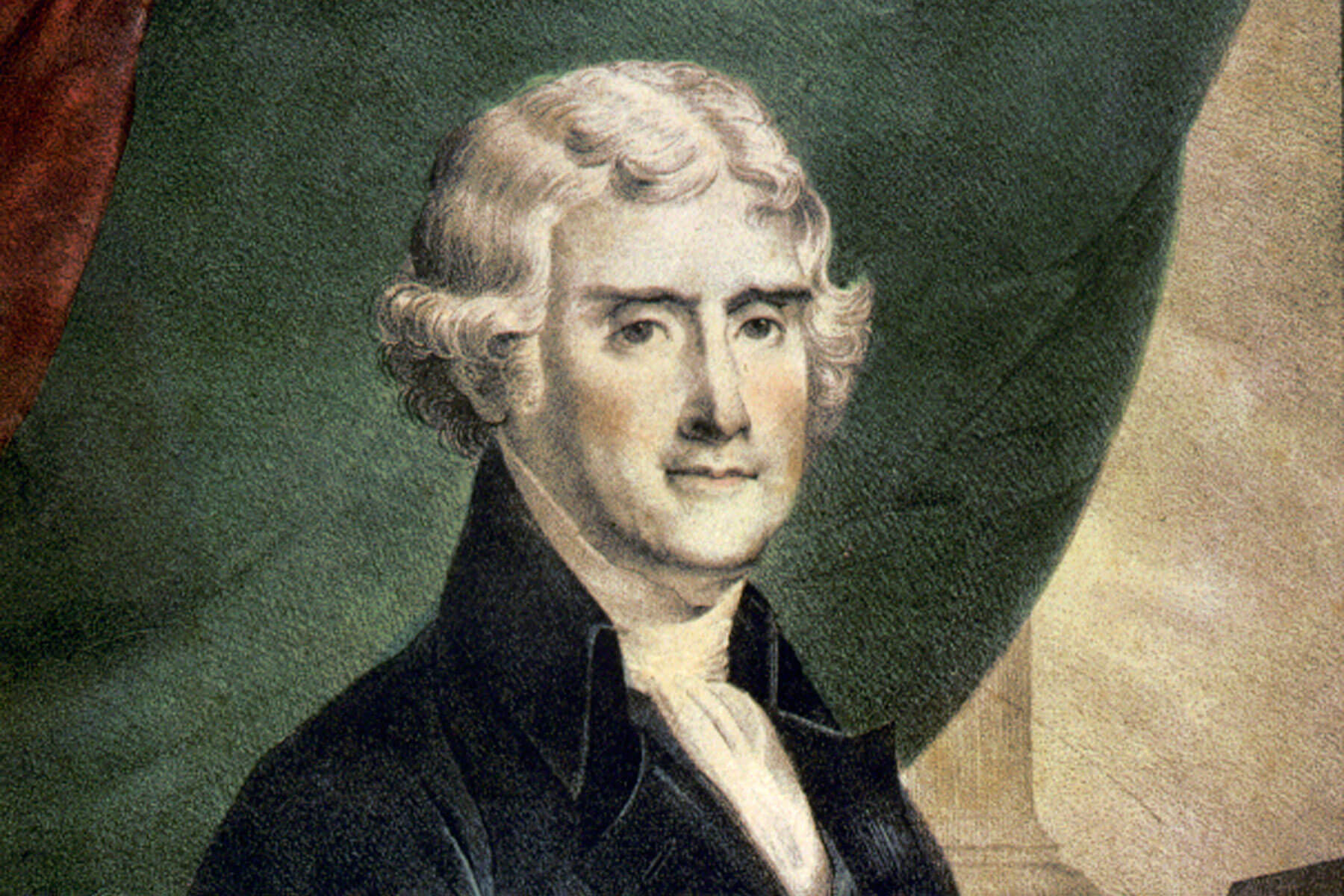
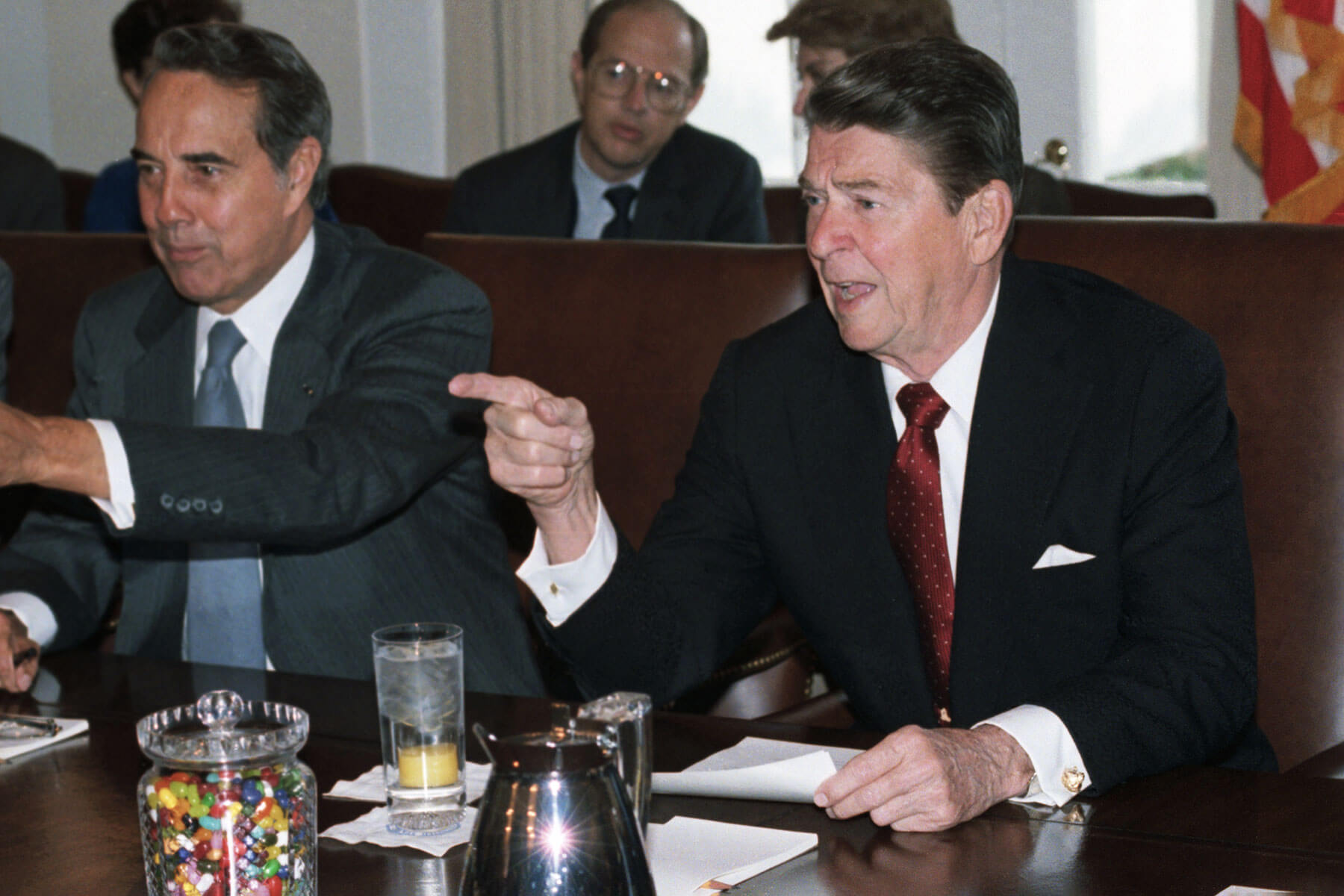
Like everything else they do while in office, the food preferences of the United States presidents are meticulously documented. The eating habits of the commanders in chief become the object of scrutiny, and can even help shape the popularity of certain dishes. Thomas Jefferson, for instance, is credited with introducing multiple recipes to the New World, including macaroni, ice cream, and French fries. John Tyler had a popular type of pie named after him, and Ronald Reagan was famous for keeping a jar of Jelly Belly jelly beans on his desk

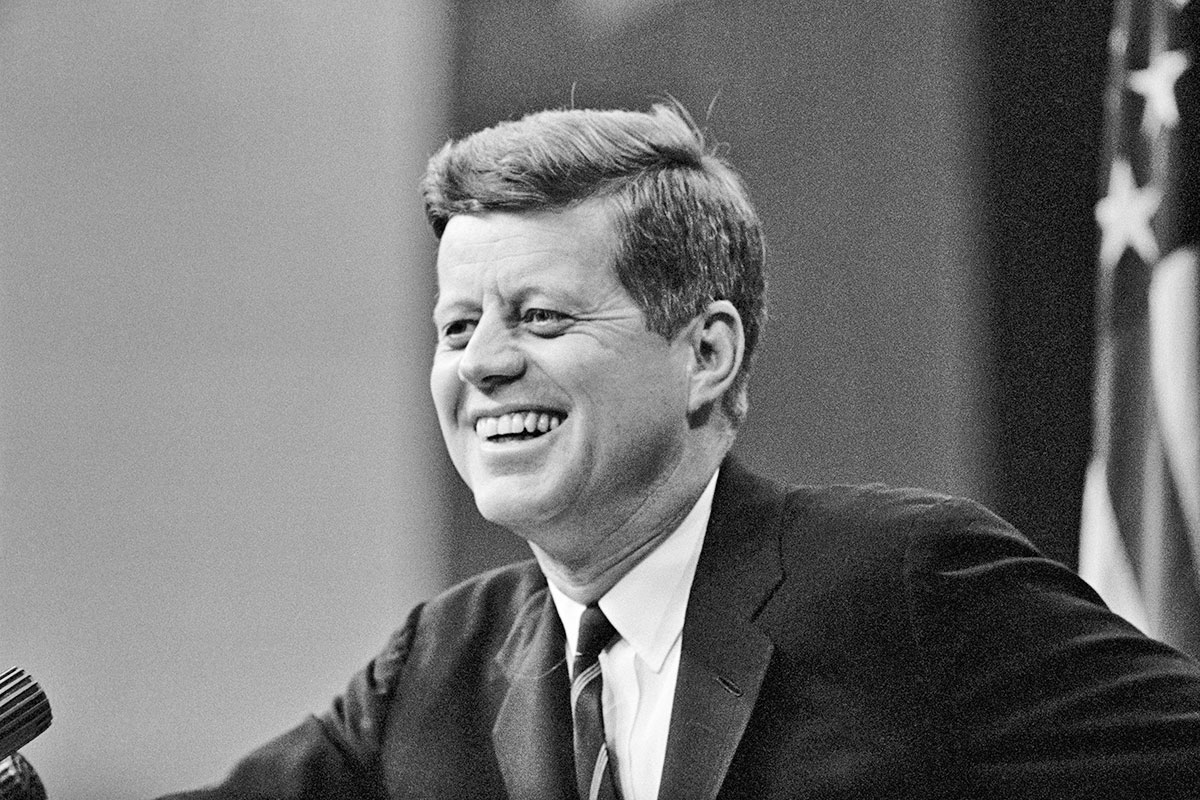
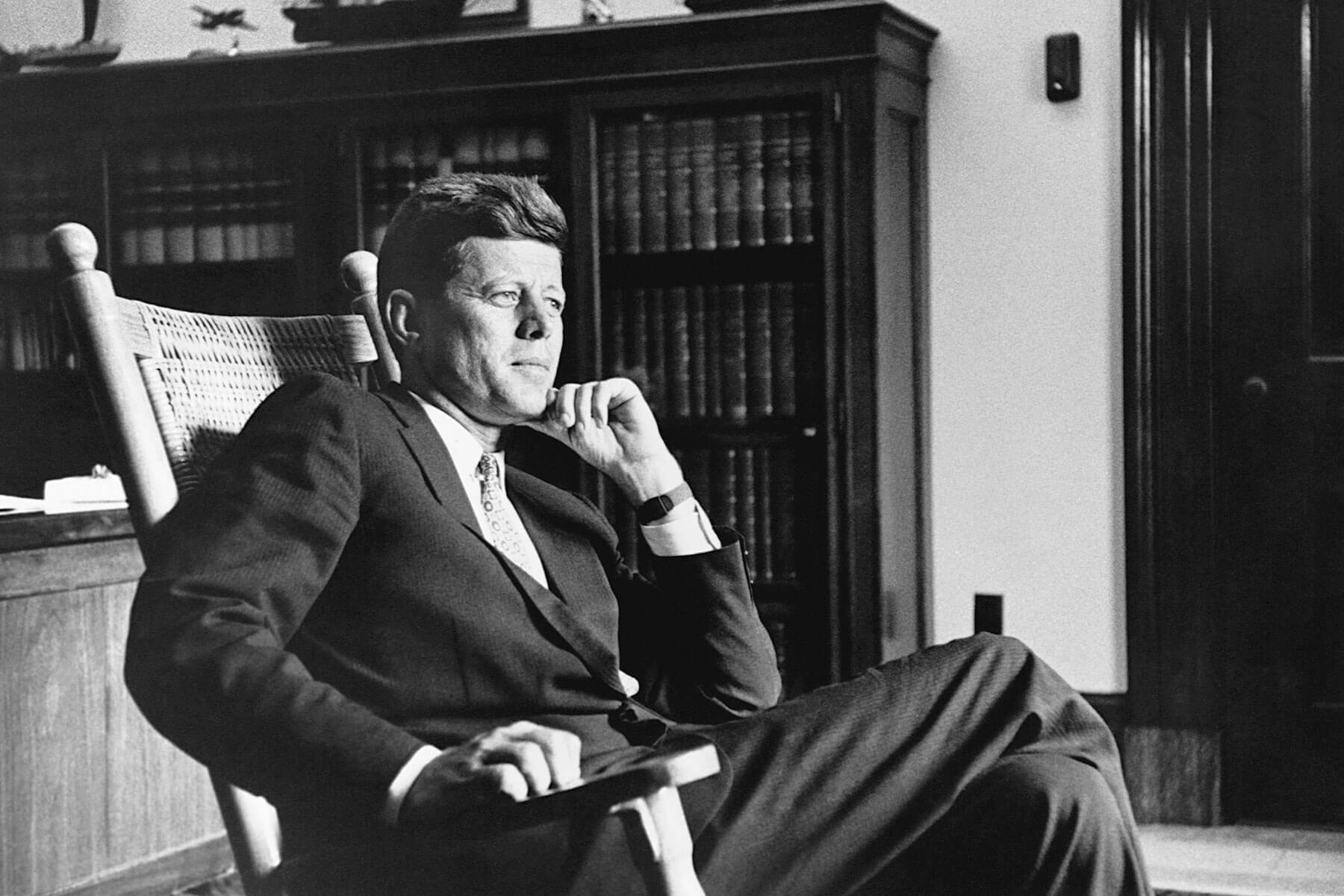
The 35th president, John F. Kennedy, is no exception. In fact, among the documents on his presidency preserved in the National Archives is a small recipe card featuring his family waffle recipe. Over the years, various cookbooks requested family recipes from the Kennedys, and one that was frequently shared was this waffle recipe, which JFK often requested himself from the White House chefs. 

As a lover of both history and waffles, I decided to make these waffles for myself and see if I could bring the Kennedy experience to my own kitchen. Here’s what I discovered about JFK’s famous breakfast dish. 

Photo credit: Bettmann via Getty Images

A Classic Family Meets a Classic Dish

A breakfast staple dating back to ancient Greece, waffles are more than just pancakes with ridges. They were originally thin wafers eaten on special occasions, and, in another presidential twist, Thomas Jefferson was purported to have brought the first long-handled waffle iron to America. In the decades since, waffles have undergone several makeovers, from fluffy Belgian varieties to frozen Eggos. But no matter their shape or price, they are a quintessential breakfast dish. 

It’s perhaps no surprise, then, that this recipe was so beloved by President Kennedy, who was a lover of the classics. According to the John F. Kennedy Presidential Library, JFK was fond of a smattering of traditional meals, such as New England fish chowder, corn muffins, and chocolate. However, he was also noted as being “a small eater and he often had to be reminded that it was dinner time.”

You may also like

7 Fascinating Facts About the Prohibition Era 

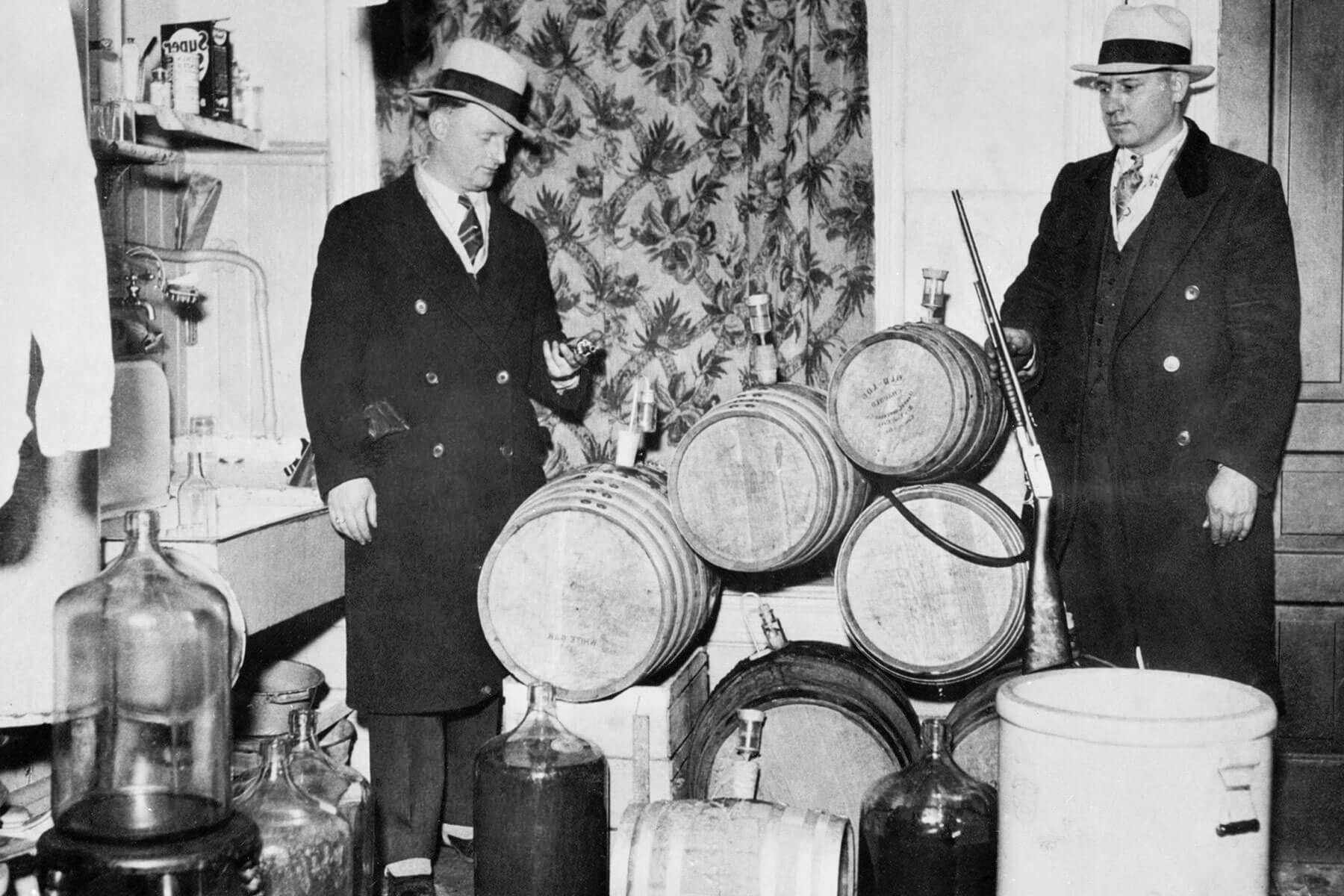
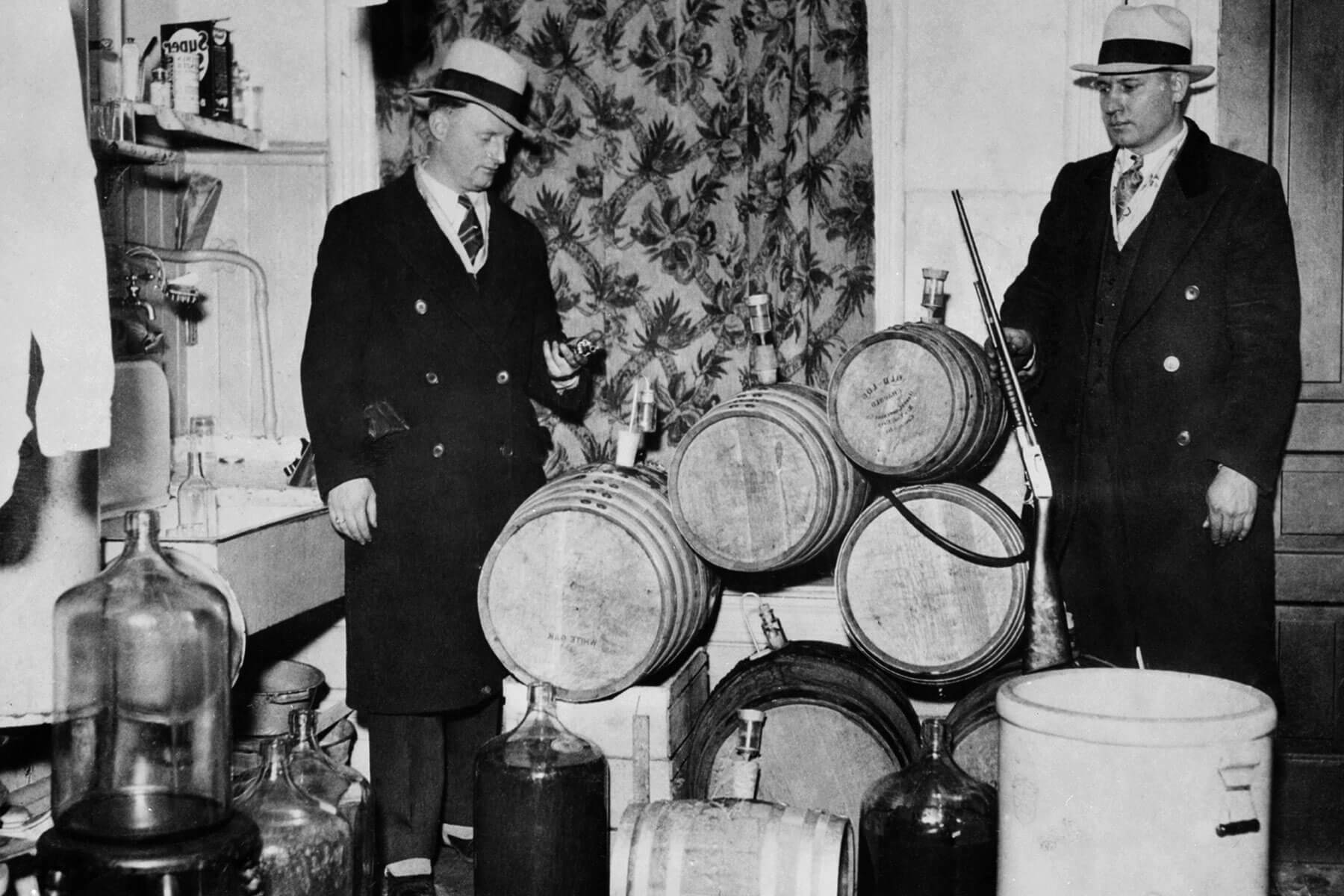
  • Prohibition Raid, 1920s
Prohibition Raid, 1920s
Chicago History Museum/ Archive Photos via Getty Images
Author Tony Dunnell

August 25, 2023

Love it?

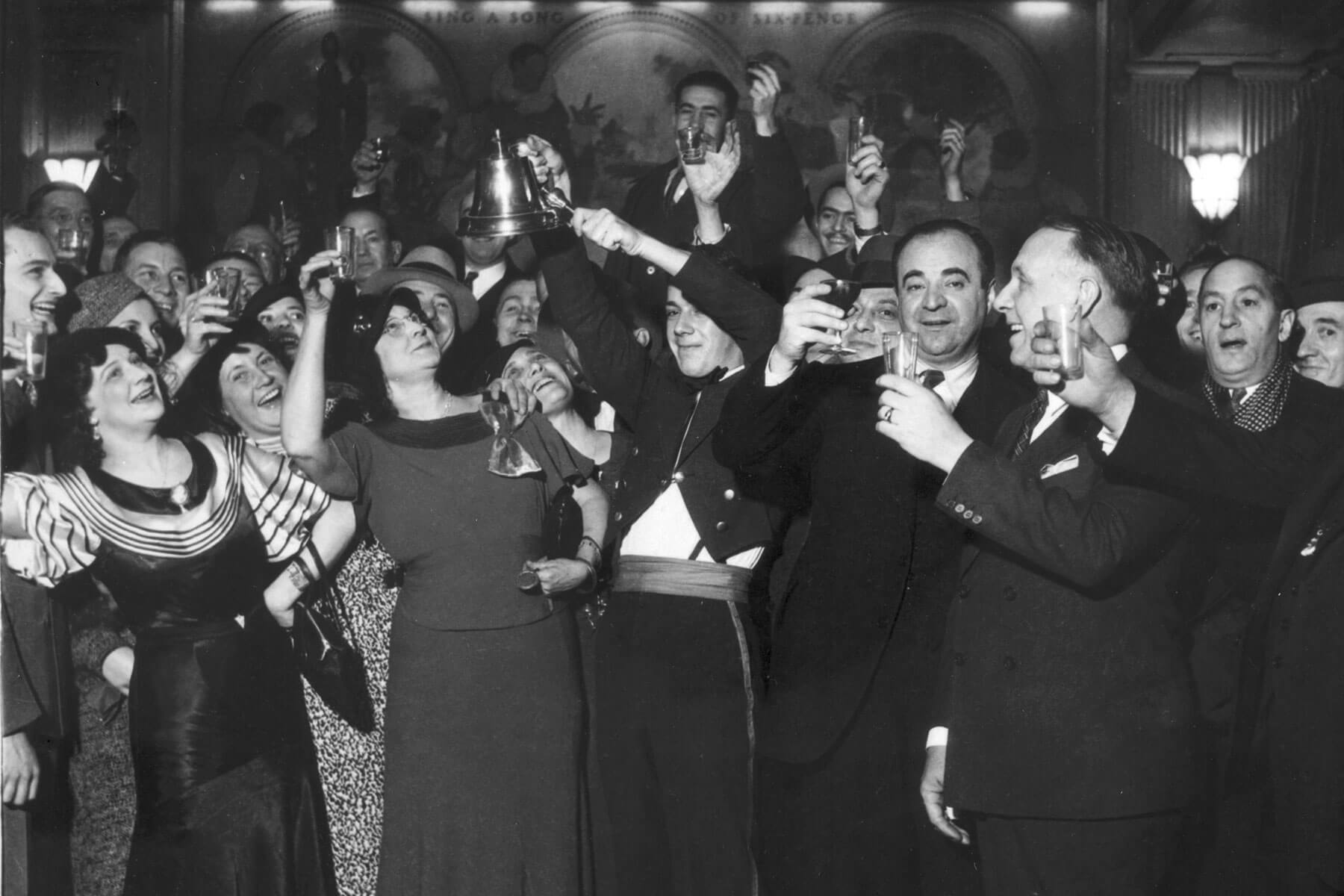
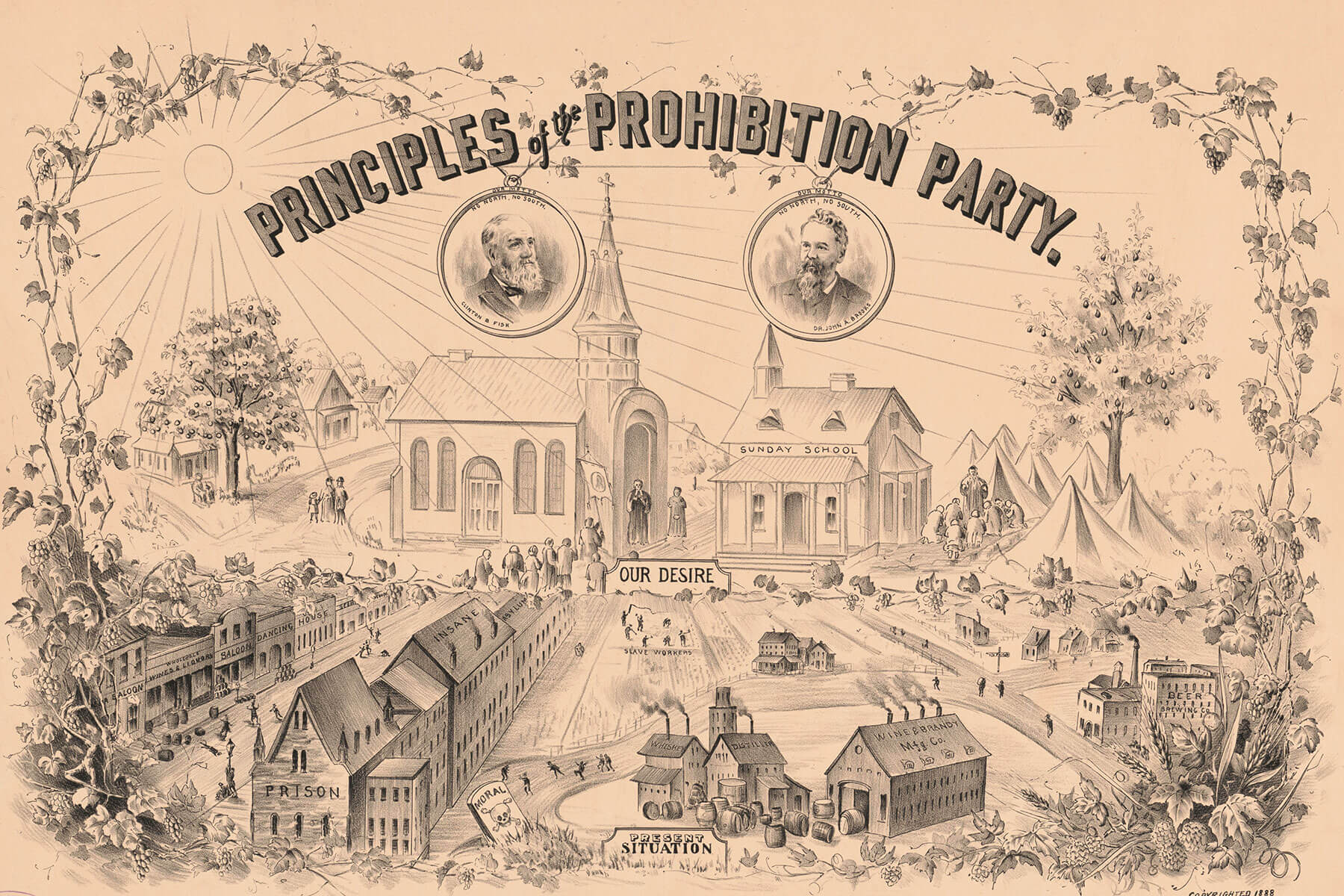
As early as the colonial era, the consumption of alcoholic beverages was a contentious issue in America. Drunkenness was generally frowned upon, and certain sectors of society believed that alcohol was nothing short of the devil’s juice. Tensions came to a head in the early 20th century, when the temperance movement (which advocated for moderation in all things), supported by groups such as the Anti-Saloon League, the National Prohibition Party, and women suffragists, convinced lawmakers to curtail what they saw as the calamitous and ungodly effects of alcohol. 

The result was the 18th Amendment to the U.S. Constitution, ratified on January 16, 1919. One year after the ratification, the prohibition of alcohol in the United States began, and breweries, wineries, and distilleries across the country were shuttered. 

Initially, the signs were positive. There was a significant reduction in alcohol consumption, booze-related hospitalizations declined, and there were notably fewer crimes related to drunkenness. But one thing never changed: Many people still enjoyed an occasional drink and weren’t willing to live completely dry lives. Enter bootleggers, speakeasies, and organized crime. The Prohibition era lasted until 1933, and marked a period of colorful characters, clandestine operations, and government corruption. Here are seven facts from this fascinating time in U.S. history.

Photo credit: Credit: Bettmann via Getty Images

It Wasn’t Actually Illegal to Drink Alcohol

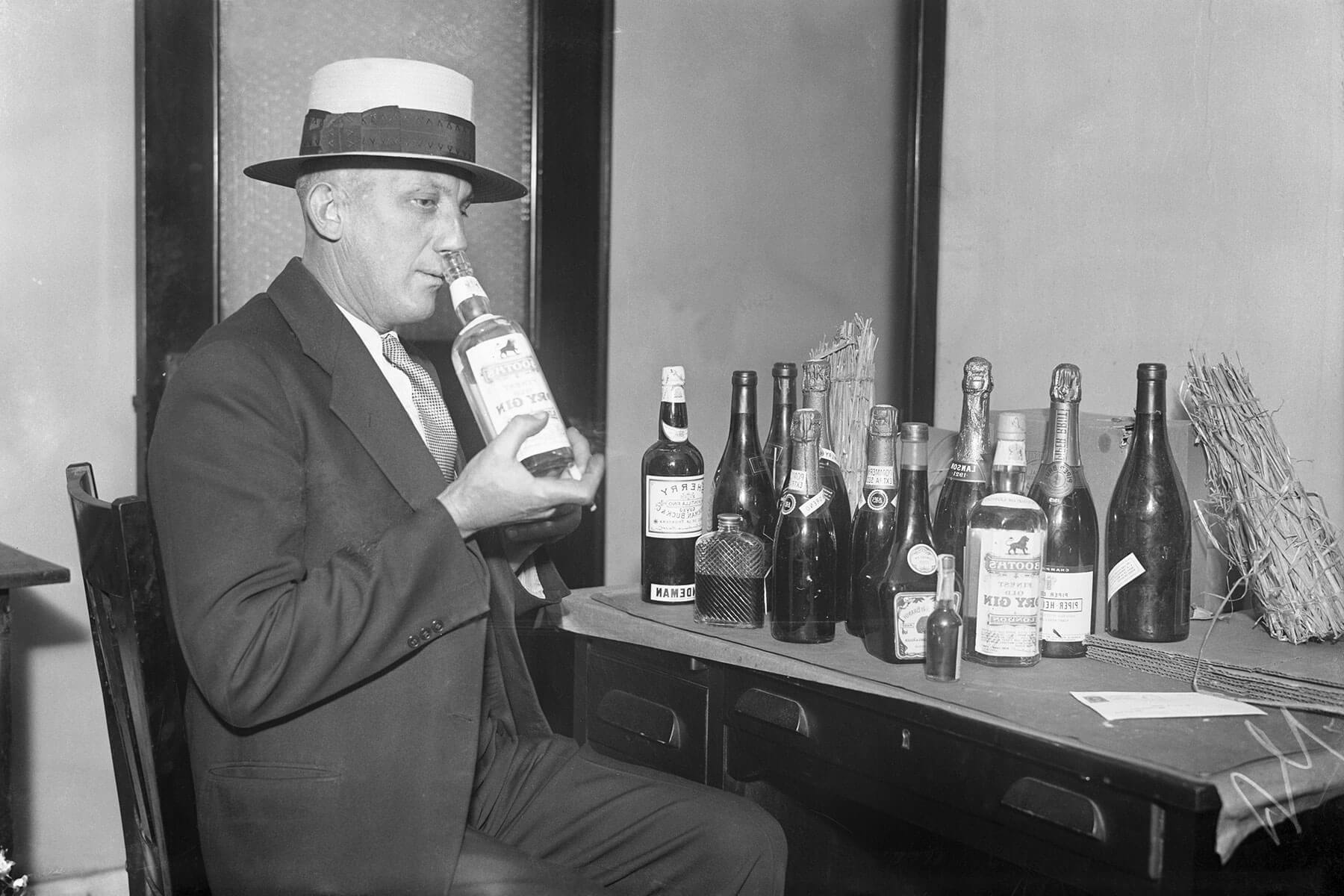
The 18th Amendment prohibited “the manufacture, sale, or transportation of intoxicating liquors” within the United States, but it didn’t ban the consumption of alcohol at home. So, during the one-year grace period before Prohibition began, people — those who could afford it, at least — began stockpiling wine and liquor while it was still legal to buy. Once the cellars had been stocked and Prohibition began, there was a notable rise in home entertaining and dinner parties — a shift that transformed America’s drinking culture in a way that’s still felt to this day. 

Photo credit: Bettmann via Getty Images

Prohibition Had Lots of Loopholes

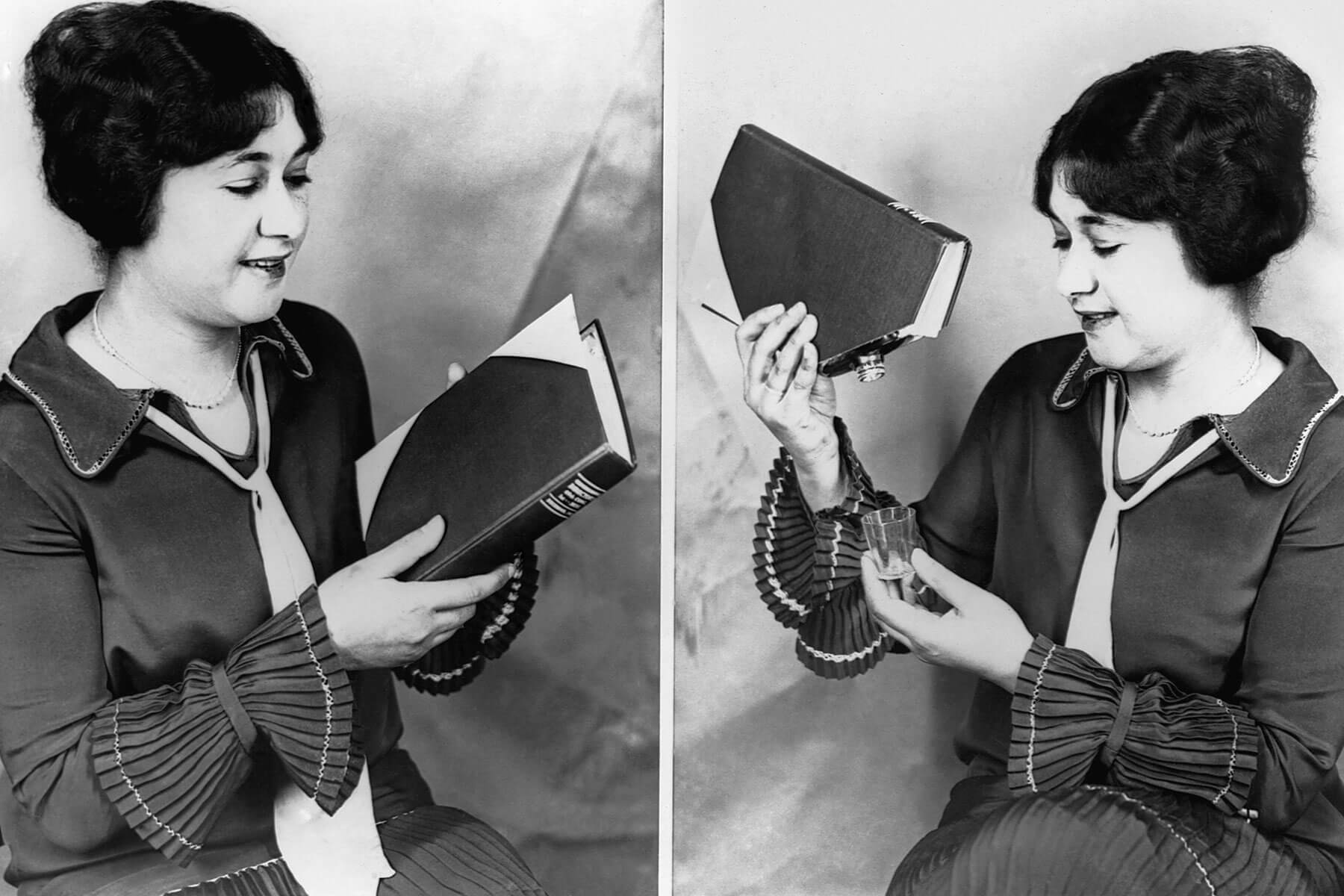
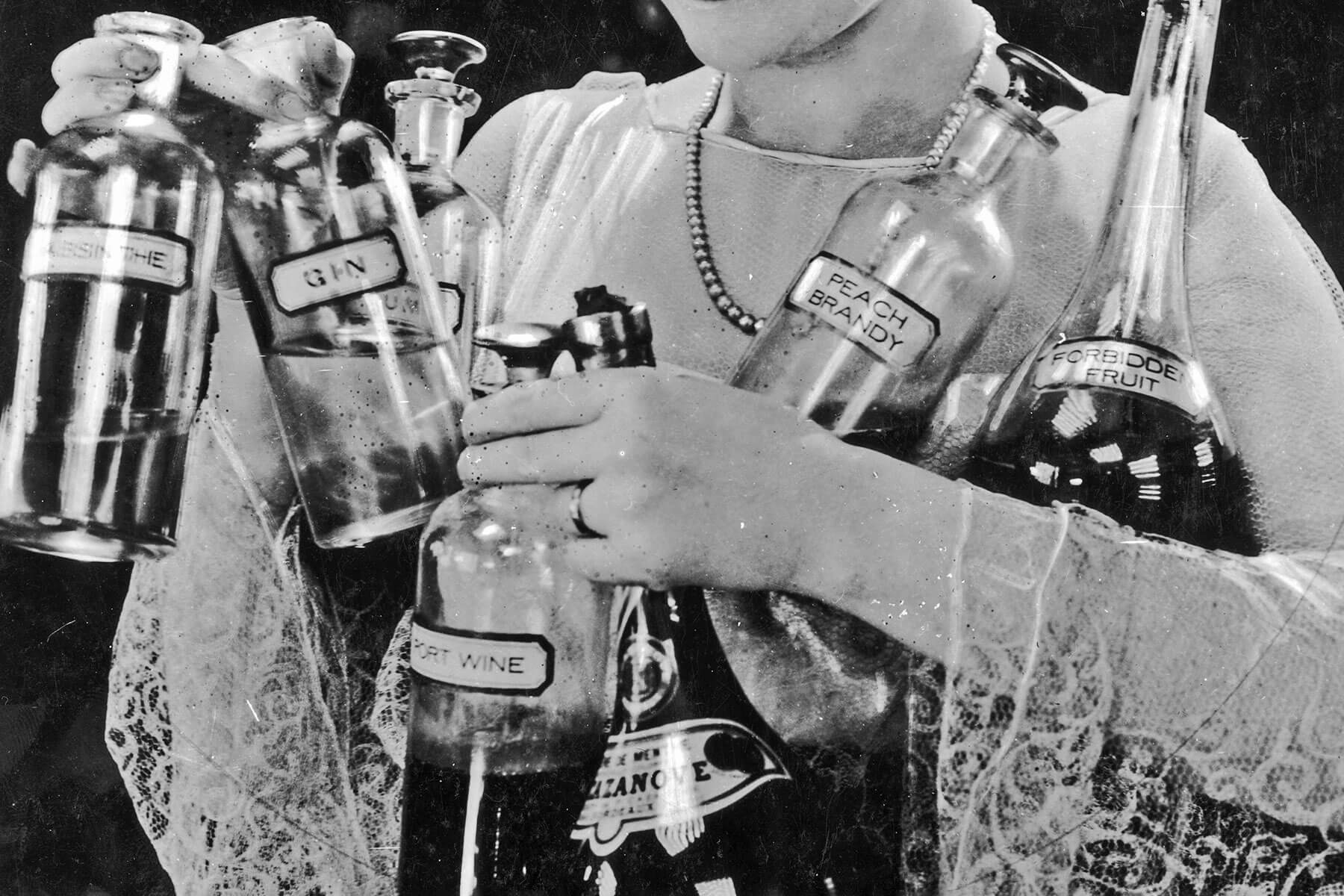
Despite the constitutional law, certain legal loopholes existed that facilitated the acquisition of alcohol. Doctors could prescribe whiskey for medicinal purposes, making a friendly neighborhood pharmacist a handy source of booze — not to mention an ideal front for bootlegging operations. Religious congregations were allowed to purchase communion wine, which led to an increase in church enrollment. Winemakers, meanwhile, began selling “wine bricks,” rectangular packages of entirely legal concentrated grape juice that could be used to make wine at home. The packaging even came with a handy “warning”: “After dissolving the brick in a gallon of water, do not place the liquid in a jug away in the cupboard for twenty days, because then it would turn into wine.”

You may also like

How One ’60s Movie Changed Hollywood Forever

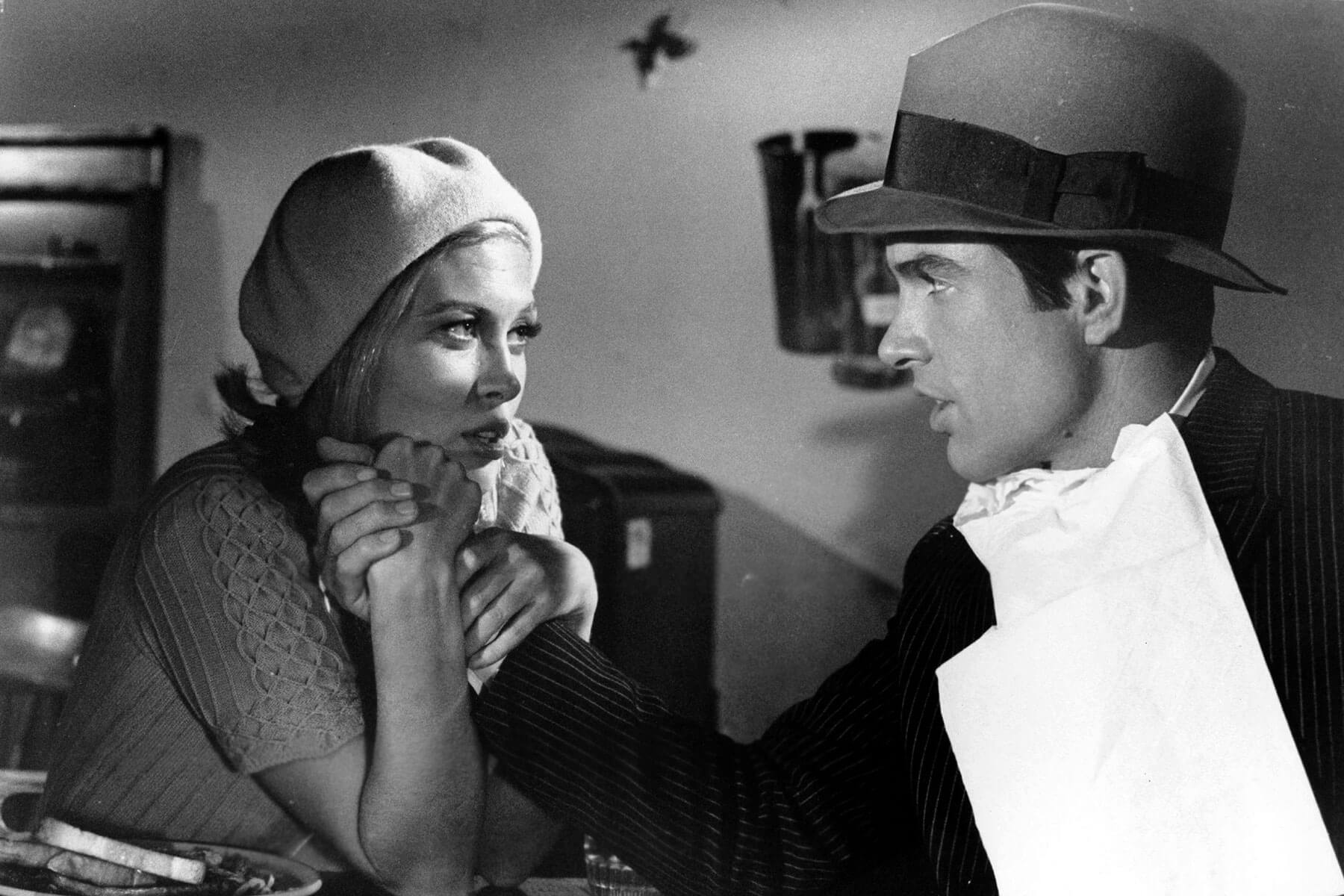
  • Actress Faye Dunaway
Actress Faye Dunaway
Sunset Boulevard/ Corbis Historical via Getty Images
Author Michael Nordine

August 24, 2023

Love it?

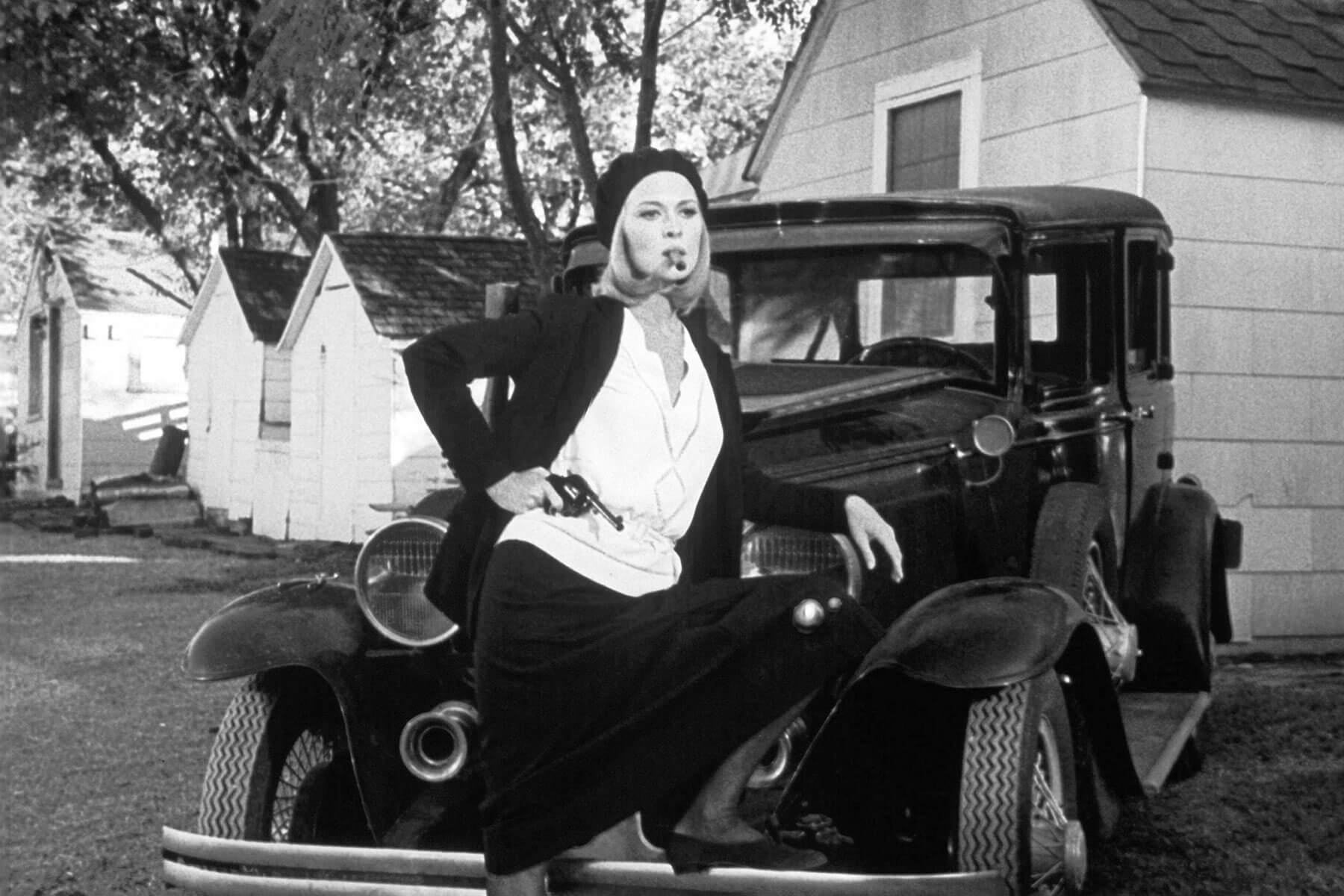
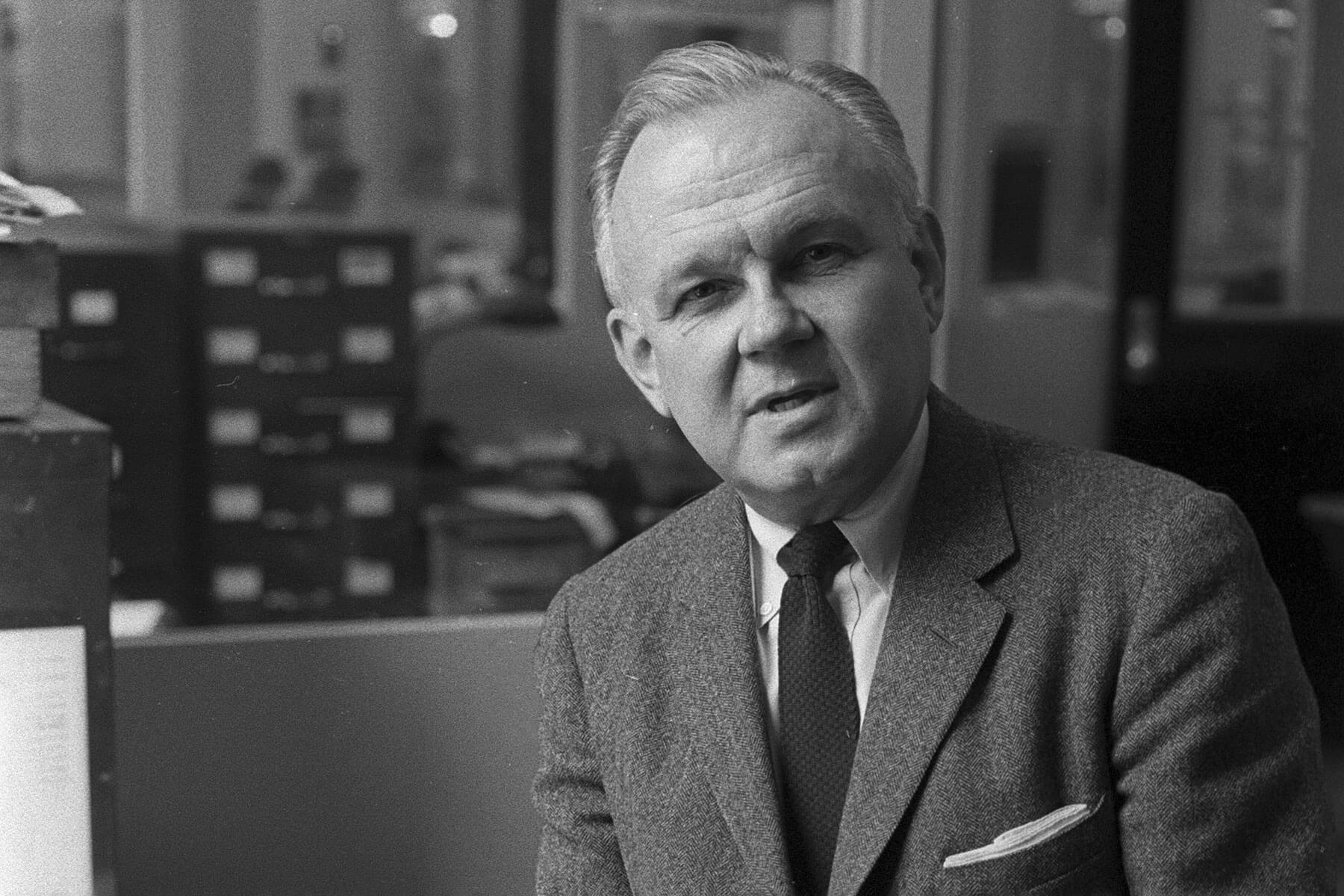
On August 14, 1967, film critic Bosley Crowther did the same thing he had been doing several times a week for more than a quarter-century: He published a film review in The New York Times. The subject of his latest piece was director Arthur Penn’s Bonnie and Clyde, starring Warren Beatty (who also produced) and Faye Dunaway. To say that the picture was not to Crowther’s liking would be putting it lightly. “This blending of farce with brutal killings is as pointless as it is lacking in taste,” he wrote in a particularly ferocious passage, “since it makes no valid commentary upon the already travestied truth. And it leaves an astonished critic wondering just what purpose Mr. Penn and Mr. Beatty think they serve with this strangely antique, sentimental claptrap.”

Crowther had no way of knowing it, but this was to be one of the most significant movie reviews ever written — albeit not for reasons that reflected favorably on him. Bonnie and Clyde heralded a new tide that had just begun rising in Hollywood, one that would leave Crowther and others with old-fashioned sensibilities in its wake.

Photo credit: Ben Martin/ Archive Photos via Getty Images

Throughout his decades-long tenure at the Times, during which time he rose to prominence as one of the most respected voices on film, Crowther cultivated a reputation as something of a moralist. Despite the fact that he was an early proponent of such foreign auteurs as Ingmar Bergman and Akira Kurosawa, and was also openly critical of Senator Joseph McCarthy and the Hollywood blacklist, Crowther’s readership was nevertheless beginning to turn against his increasingly out-of-touch ways. A negative review of a film that, by and large, had done rather poorly in terms of critical reception was unremarkable in and of itself. What attracted so much publicity was Crowther’s sustained attack against it.

In the months following Bonnie and Clyde’s initial release, he wrote two more negative reviews and went out of his way to blast it in critiques of other movies, as well as in published responses to letters he received from unhappy Times readers. He was far from alone in his displeasure — Bonnie and Clyde was also panned by TIME and Newsweek, to cite two of the more high-profile outlets to bash it — but what he was alone in was his refusal to move on. The critical consensus was so negative that Warner Bros. decided to pull the film from theaters after a few short weeks in order to put it out of its misery. At the behest of Beatty a few months later, they re-released Bonnie and Clyde in theaters after launching a new promotional campaign.

You may also like

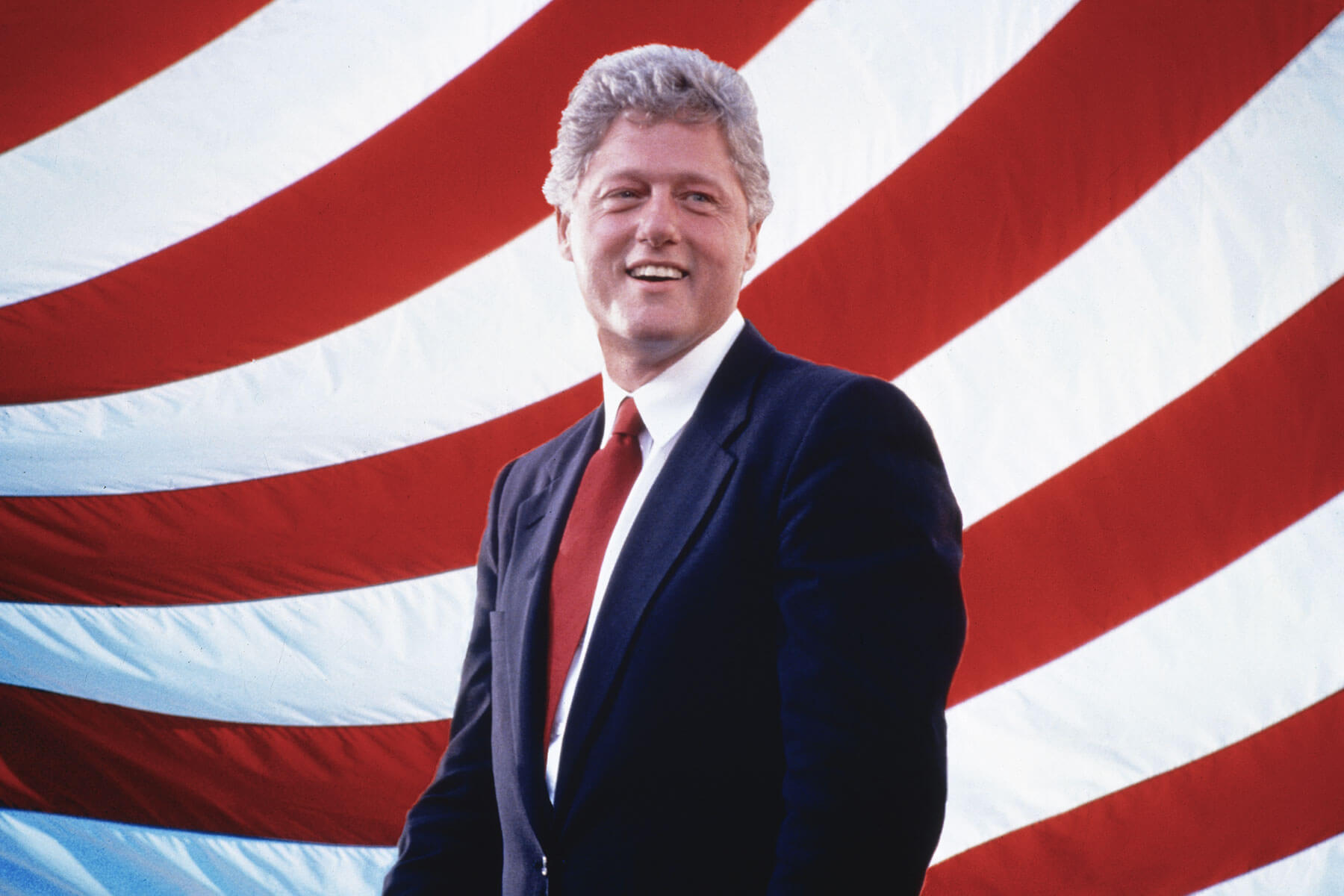
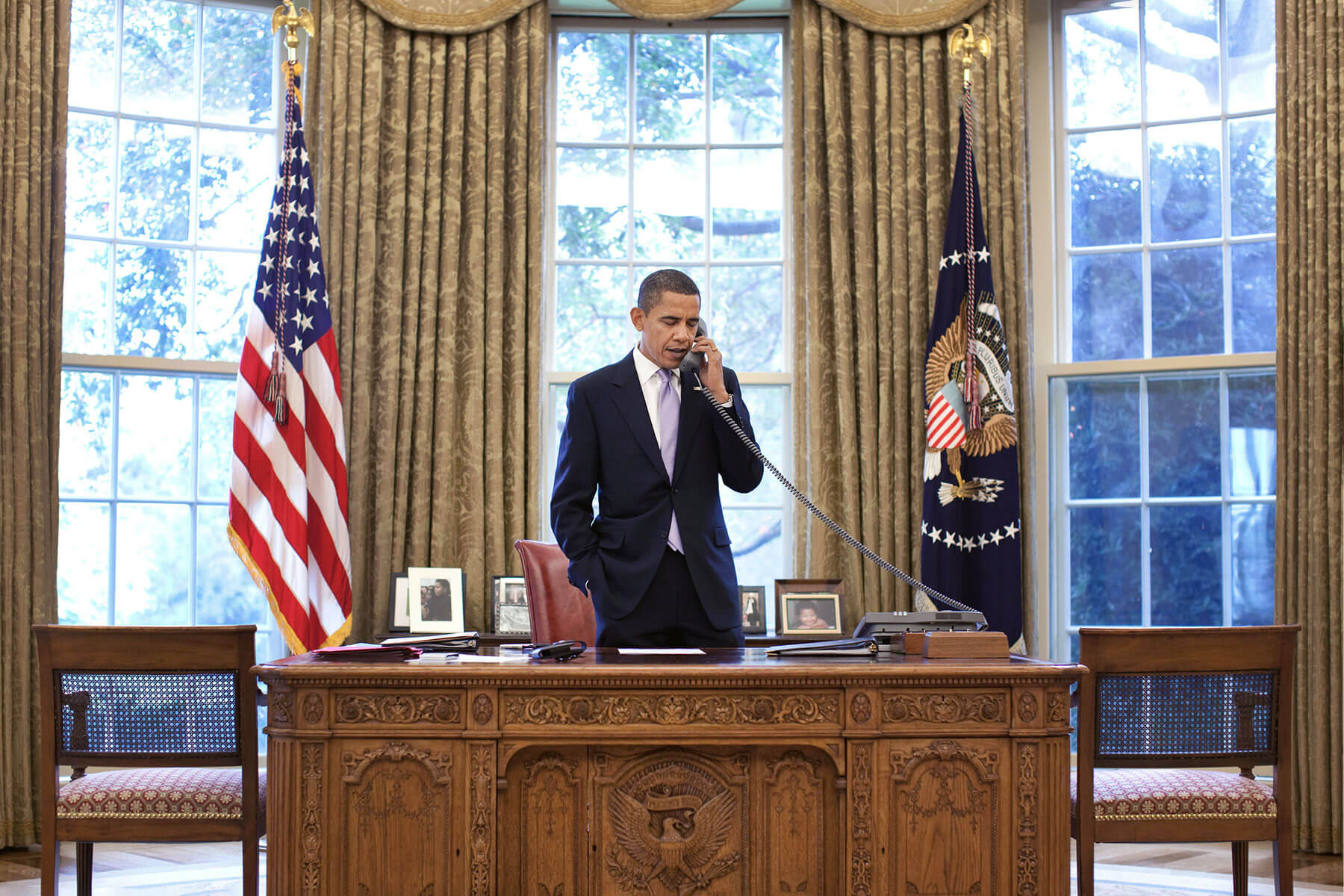
Surprising Facts About Every U.S. President

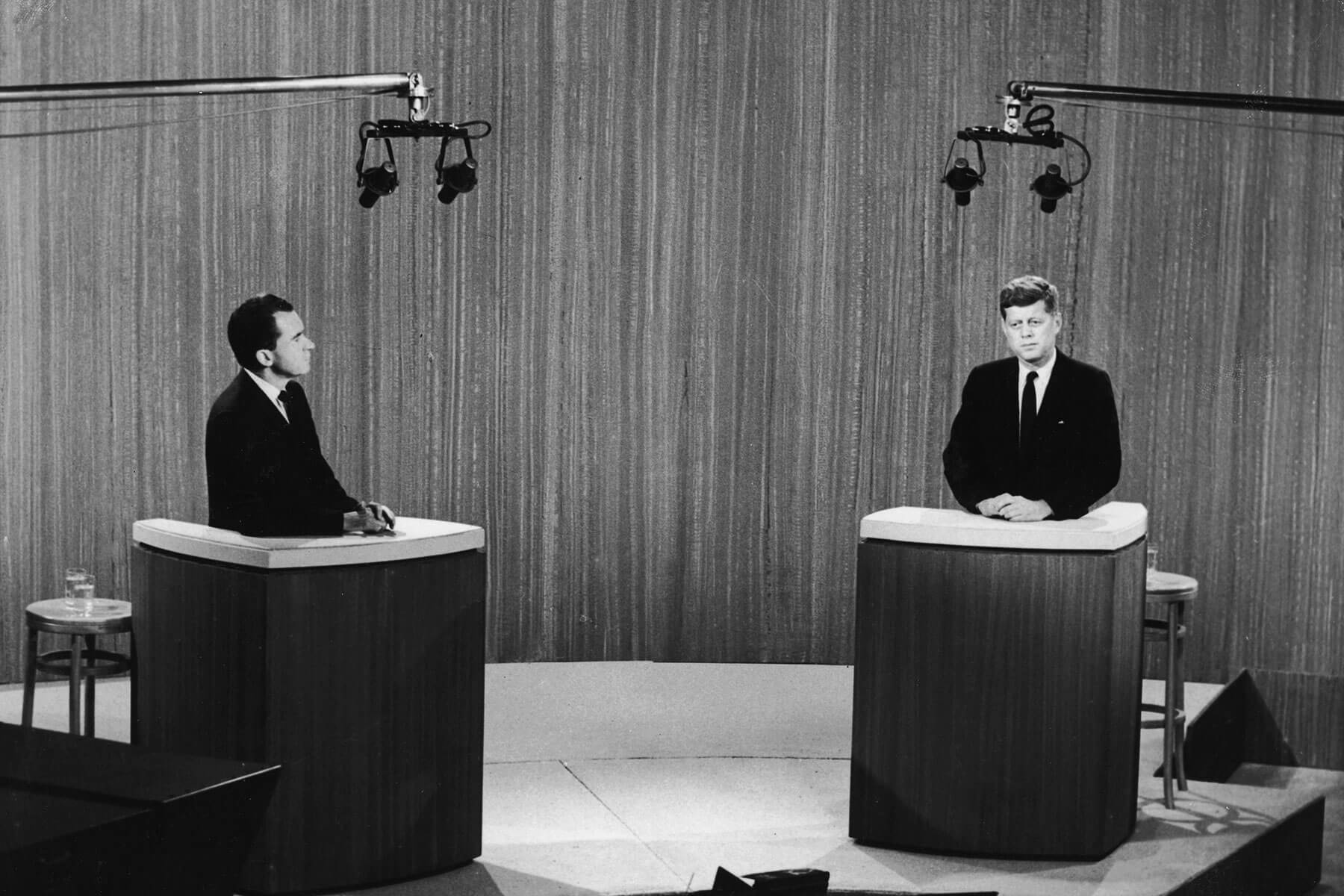
  • Presidential debate, 1960
Presidential debate, 1960
Hulton Archive/ Archive Photos via Getty Images
Author Bennett Kleinman

August 24, 2023

Love it?

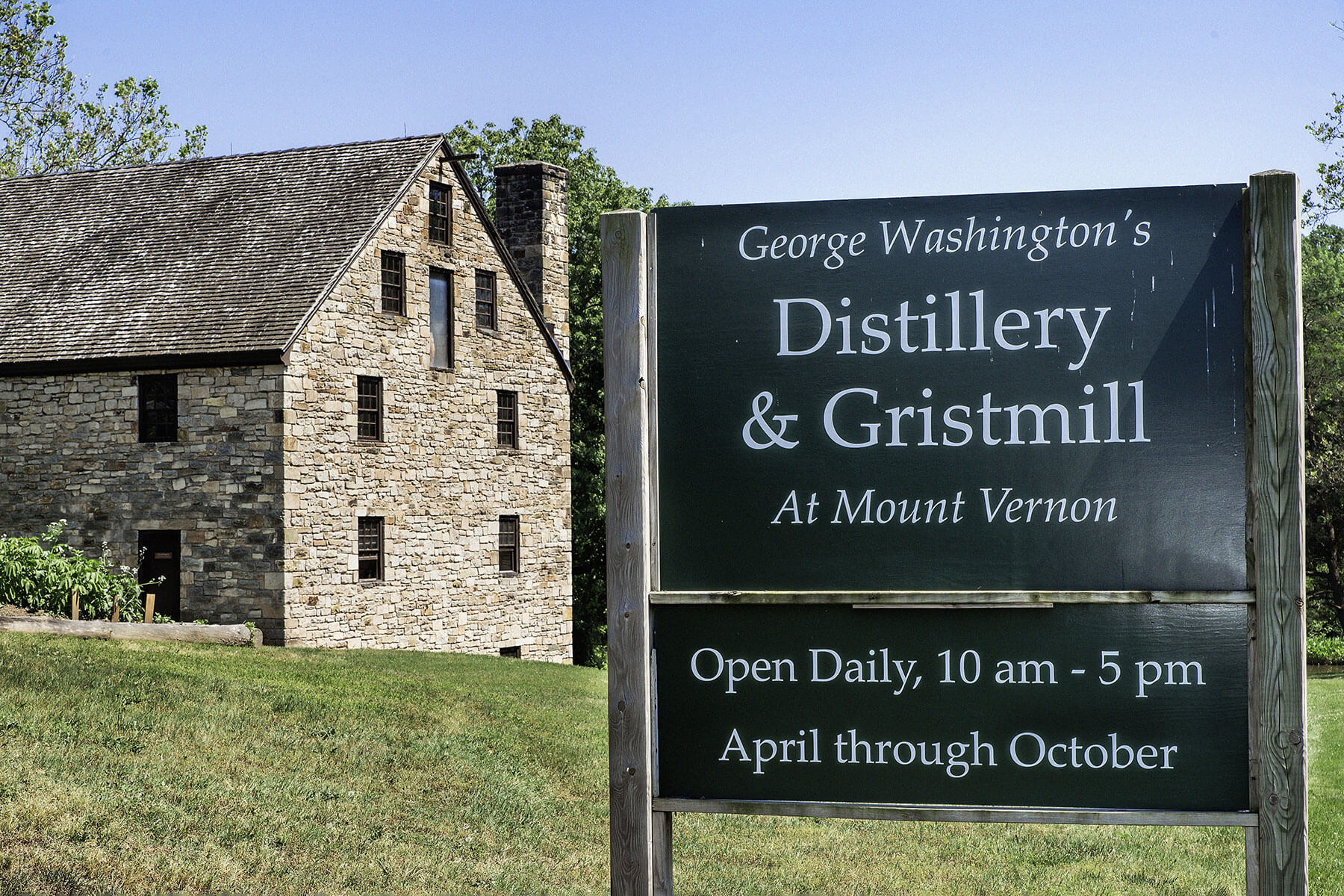
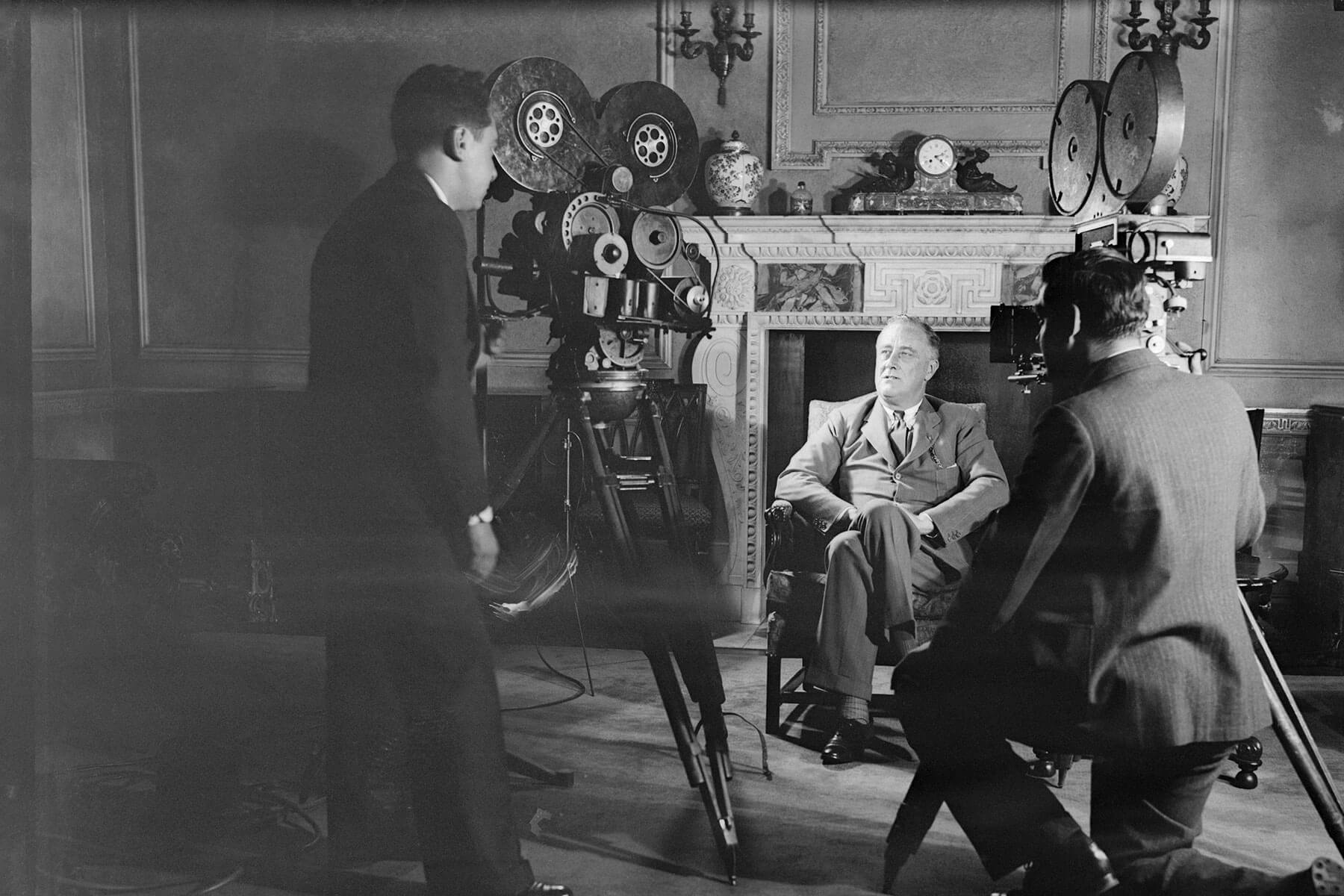
Between 1789 and today, 45 people have served as president of the United States. During their time in office, as well as throughout their lives before and after the presidency, these leaders saw accomplishments and setbacks that shaped the nation in ways both big and small. Some of these stories have gone down in history, while others — such as George Washington’s time as a whiskey distiller, or Franklin D. Roosevelt’s pioneering foray into television — are less well known. Here are some surprising and fascinating facts about every U.S. president in history.

Photo credit: John Greim/ LightRocket via Getty Images

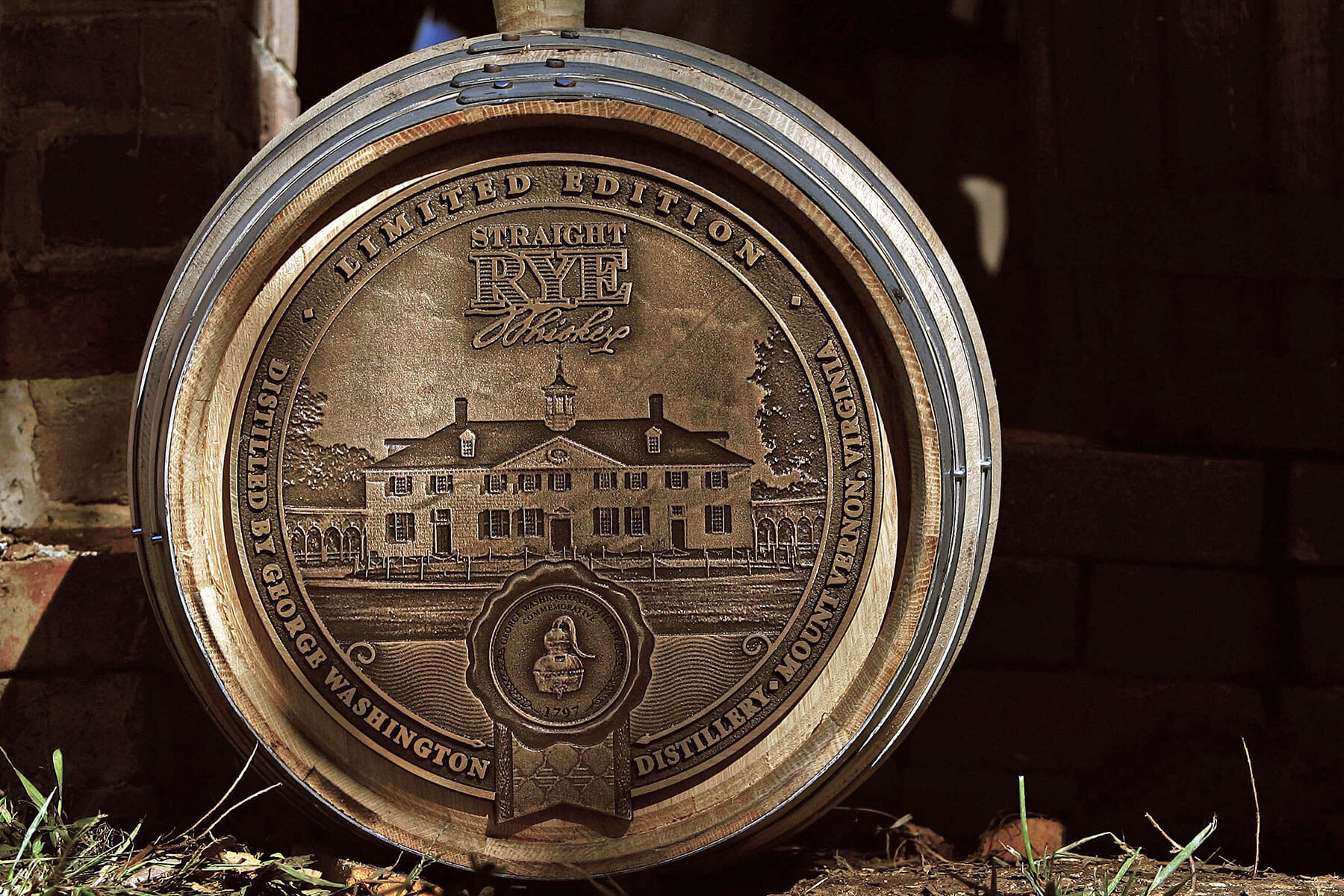
George Washington Distilled Whiskey After His Presidency

In 1797, mere months after leaving office, George Washington opened a whiskey distillery on his vast Mount Vernon estate. The venture proved to be wildly successful, as the distillery produced nearly 10,000 gallons of the liquor in 1799 — far more than the average of 650 gallons produced by other Virginia-based distilleries at the time.

John Adams Was the First President to Live in the White House

When John Adams’ predecessor, George Washington, took office, the White House was just an idea. Irish American architect James Hoban was tapped to design the building, which was finally completed in 1800 during the Adams administration, allowing America’s second president to become the first White House resident.

You may also like

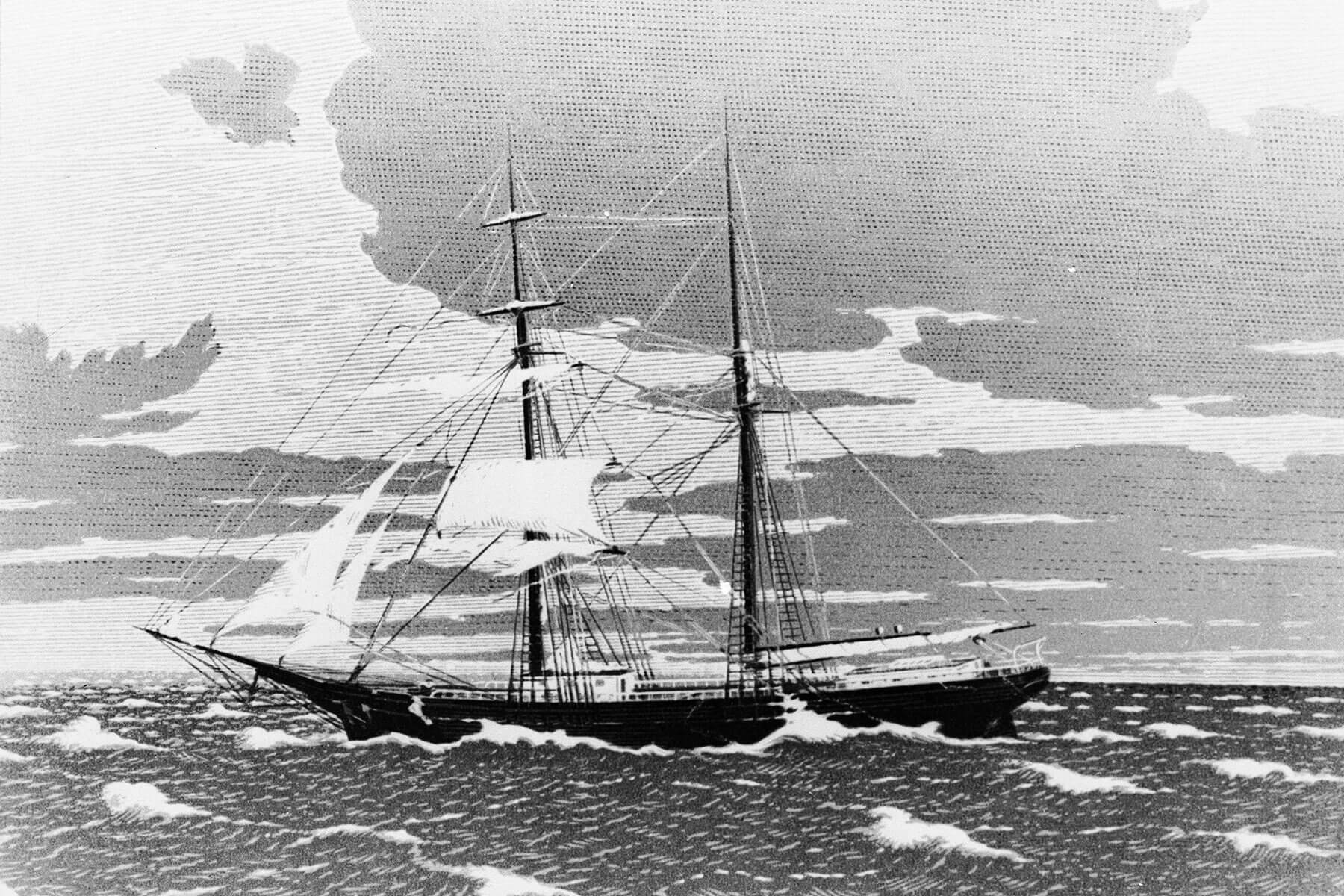
The Strangest Unexplained Phenomena in History

  • Mary Celeste ship
Mary Celeste ship
Keystone/ Hulton Archive via Getty Images
Author Michael Nordine

August 24, 2023

Love it?

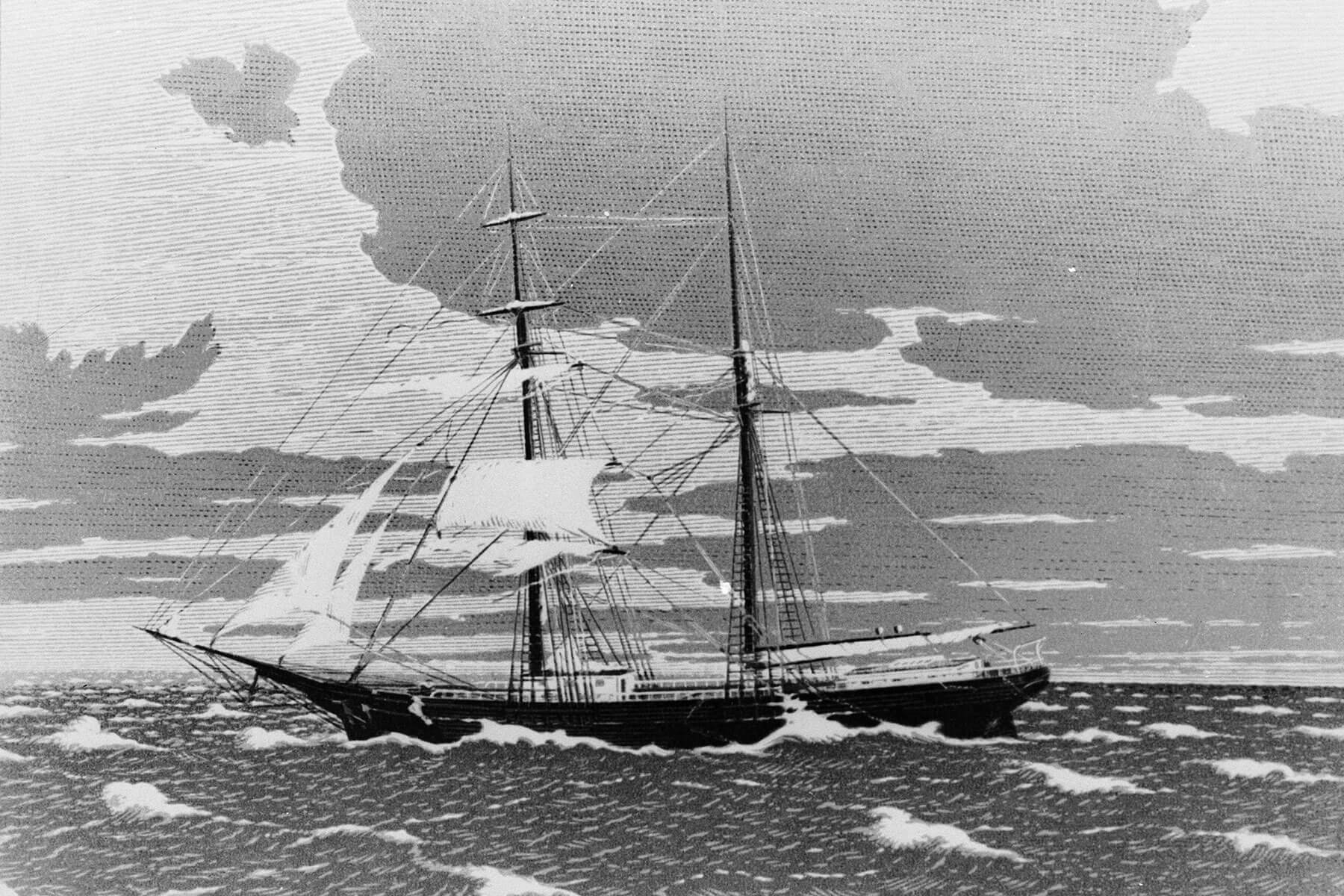
Everyone loves a good mystery, especially when it’s real. Of the countless happenings that have confounded us through the years, decades, and centuries, some mysteries have endured longer than others. Here are four unexplained phenomena throughout history that we may never fully understand, but will always be fascinated by.

Photo credit: Bettmann via Getty Images

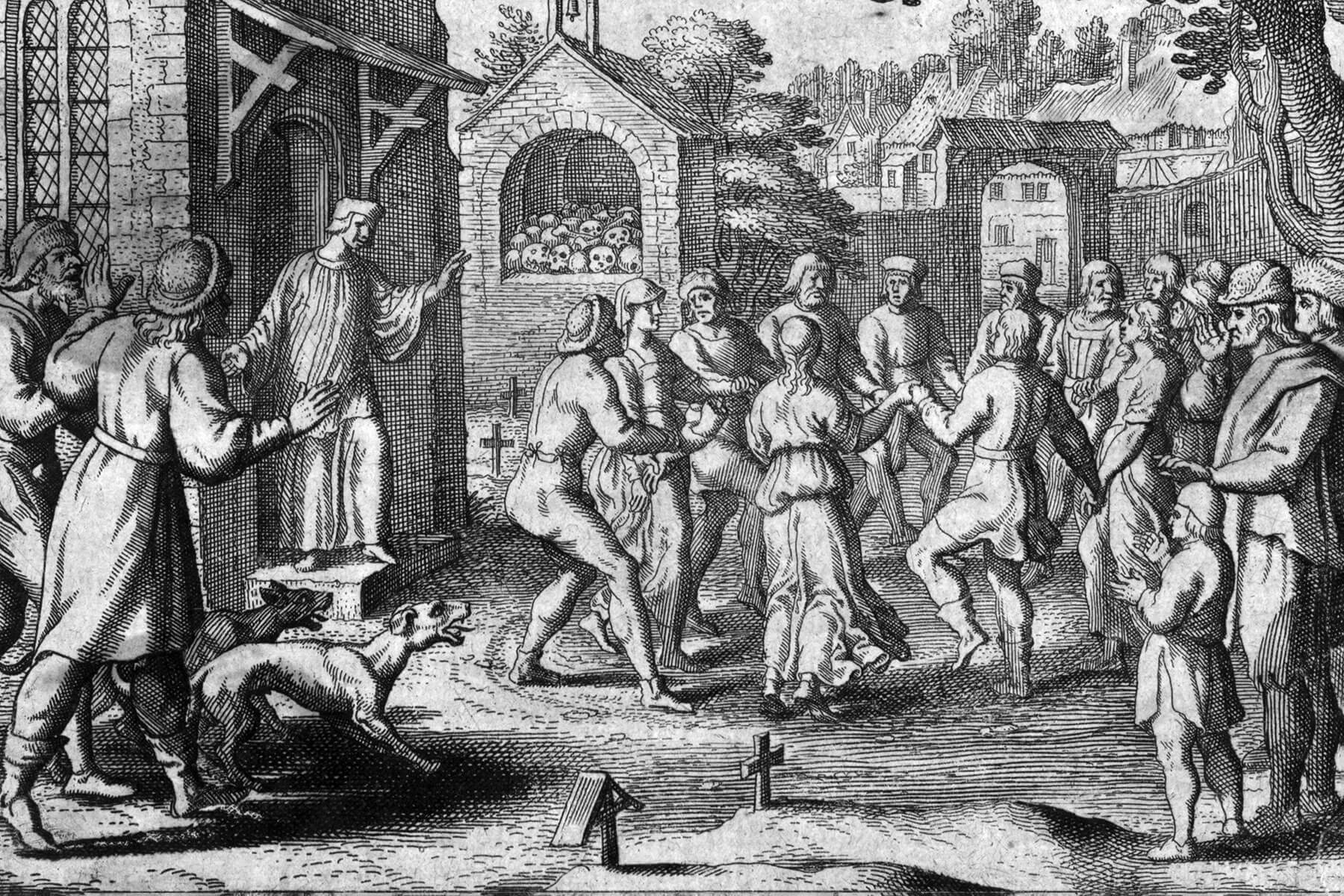
Medieval Dancing Plagues

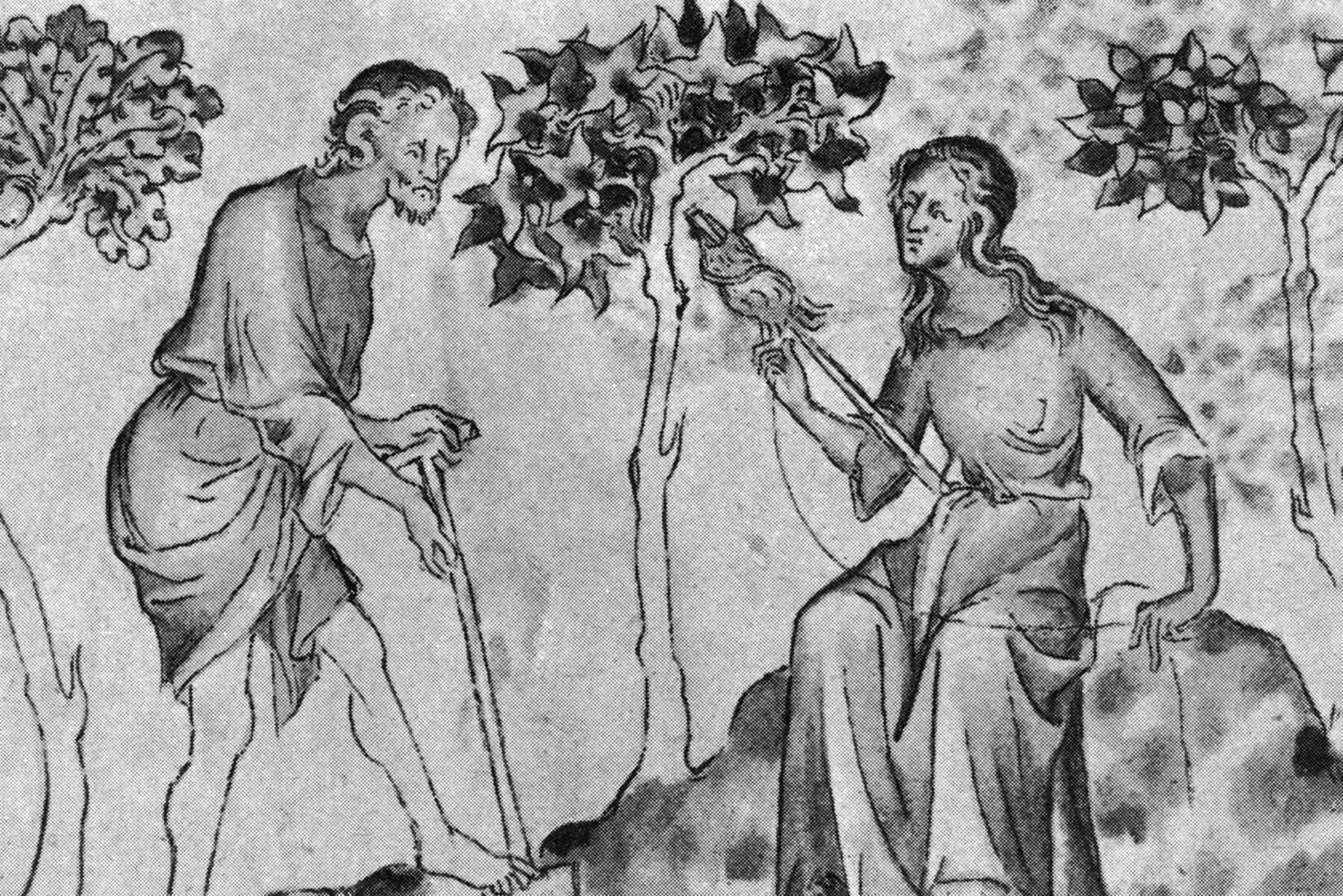
There have been several outbreaks of choreomania, the technical term for dancing mania, none of which has ever been conclusively explained. Among the most famous is the one that took place in Strasbourg, then part of the Holy Roman Empire and now part of France, where a “dancing plague” lasted for weeks in 1518. First on the dance floor (read: city square) was one Frau Troffea, who danced until she collapsed from exhaustion one extremely hot day in July; after recovering her strength, she resumed her rug-cutting. She and the 30 or so others who joined in over the next week in a variety of public locations seemed unable to stop, as though their movements were involuntary. The “plague” lasted until early September, by which time at least 400 people had joined in. Many were injured, and some didn’t live to tell the tale.

This wasn’t the only dance plague to occur in medieval and early modern Europe. Similar events took place throughout the Holy Roman Empire as well as in Germany, Switzerland, and France, though none were documented as thoroughly as the one in Strasbourg — it even inspired a recent novel. No one is sure, all these centuries later, why any of this happened in the first place. Many contemporary explanations were religious and/or superstitious in nature, whereas more modern theories suggest that a mold called ergot might have been responsible. As with many phenomena from ages past, we may never know the full story.

Photo credit: Keystone/ Hulton Archive via Getty Images

Australia’s Missing Prime Minister

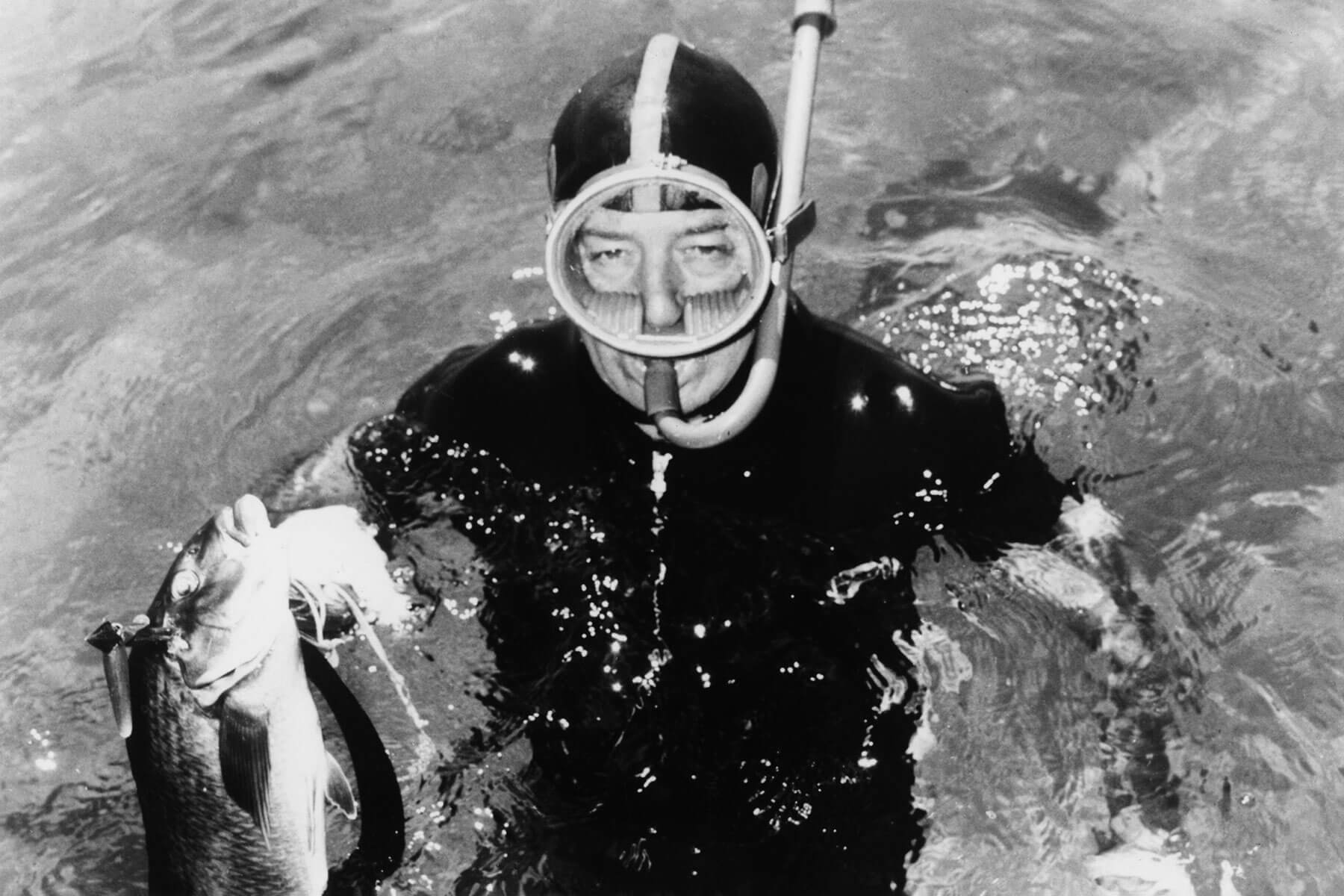
We may not know the full circumstances surrounding the assassination of John F. Kennedy, but at least we know that he was assassinated. Australians have received no such closure in the matter of Harold Holt, who served as the country’s 17th prime minister from 1966 until his disappearance and presumed death the following year — presumed, not confirmed, because no one has ever been able to definitively say what happened to him. Holt, an avid outdoorsman, swimmer, and spearfisher, went swimming in the sea near Portsea, Victoria, shortly after noon on December 17, 1967, and disappeared shortly thereafter. According to a witness named Marjorie Gillespie, with whom Holt happened to be having an affair, the rough waves took him “like a leaf being taken out… so quick and final.”

While the simplest and most likely explanation is that Holt drowned, his body was never recovered despite extensive search-and-rescue efforts. The enormity of a world leader disappearing in this fashion is difficult to overstate, and a number of theories had already emerged by the time his funeral was held days later. Some of these were relatively plausible, such as the possibility that Holt had either taken his own life or faked his death, while others were less so — some thought he had been assassinated by either the CIA or North Vietnamese, and in 1983 a British journalist named Anthony Grey even accused Holt of being a lifelong spy for China in his book The Prime Minister Was a Spy. Said tome was widely discredited, but that doesn’t mean no one believed it.

You may also like

5 Dizzying Facts About the History of Alcohol

  • Alcohol drinks at the bar
Alcohol drinks at the bar
New Africa/ Shutterstock
Author Bennett Kleinman

August 18, 2023

Love it?

From gastropubs to college campuses, alcohol is present wherever people socialize. But liquor, beer, and wine didn’t just pop up overnight. These libations have a rich history dating back millennia. In fact, alcoholic beverages even predate many ancient civilizations — the earliest known fermented drinks date back as far as 13,000 years ago, when a beer-like porridge was brewed in a cave near modern-day Haifa, Israel.

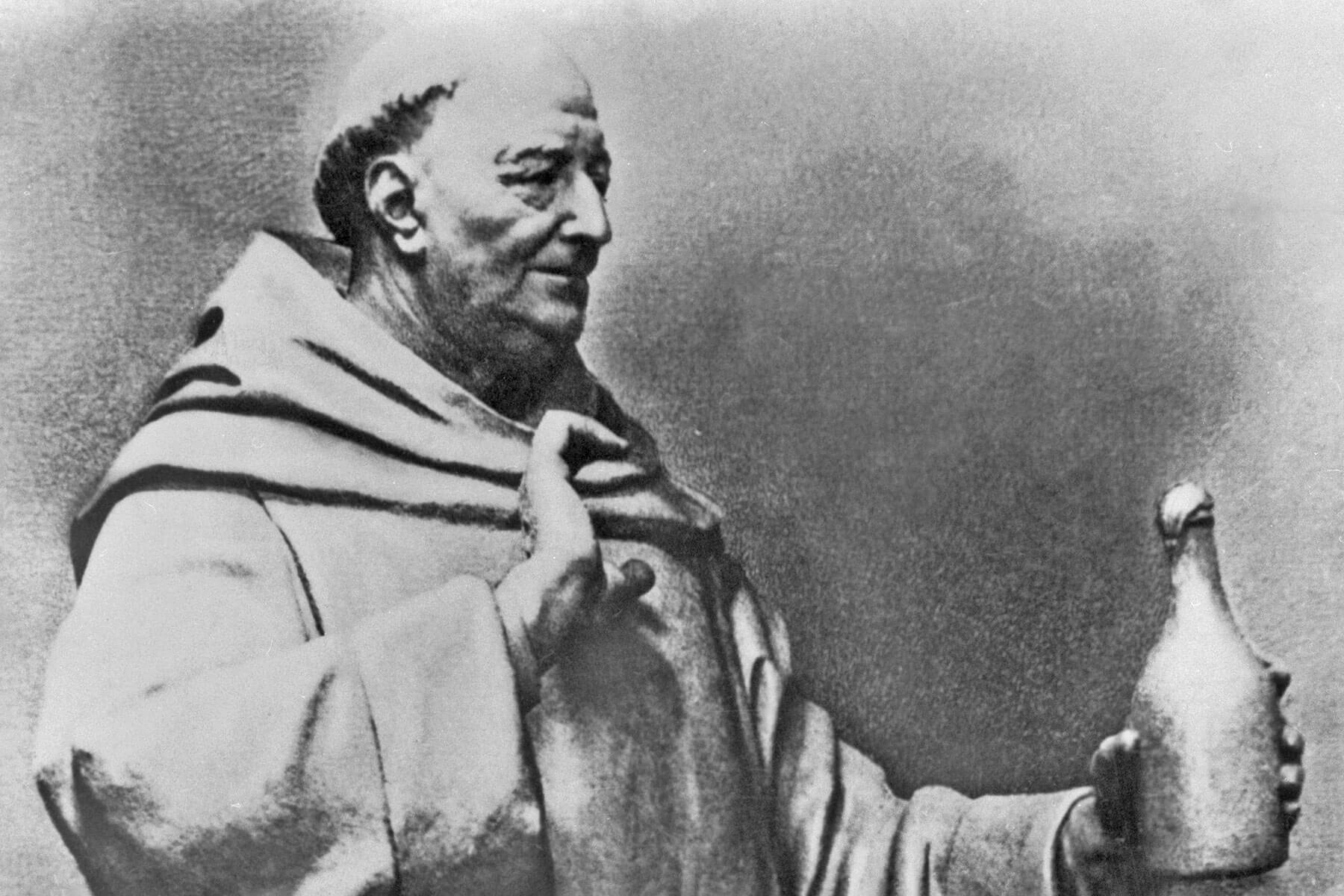
In the many centuries since, booze has played a pivotal role in countless cultures. It’s been used as currency, cultivated in monasteries, and even distilled by America’s first President. So grab your favorite cocktail and keep reading for five facts about the history of alcohol.

Photo credit: Natia Dat/ Shutterstock

Grape-Based Wines Originated in Modern-Day Georgia Around 6000 BCE

The winemaking industry as we know it began more than 8,000 years ago, with a group of farmers in a region of the South Caucasus now home to the country of Georgia. It wasn’t France or Italy that first turned grapes into wine, but rather residents of an ancient site known as Gadachrili Gora, a Stone Age village just south of modern-day Tbilisi. Archaeological excavations uncovered pottery fragments dating to the Neolithic period that contain residual wine compounds such as grape pollen and starch. These large vessels — early versions of a popular Georgian wine vessel known as a Qvevri — were decorated with depictions of grapes, further suggesting their use in winemaking. It’s believed the vessels were used for fermentation, aging, and serving all in one.

Photo credit: Science History Images/ Alamy Stock Photo

Ancient Egyptian Workers Were Paid in Beer

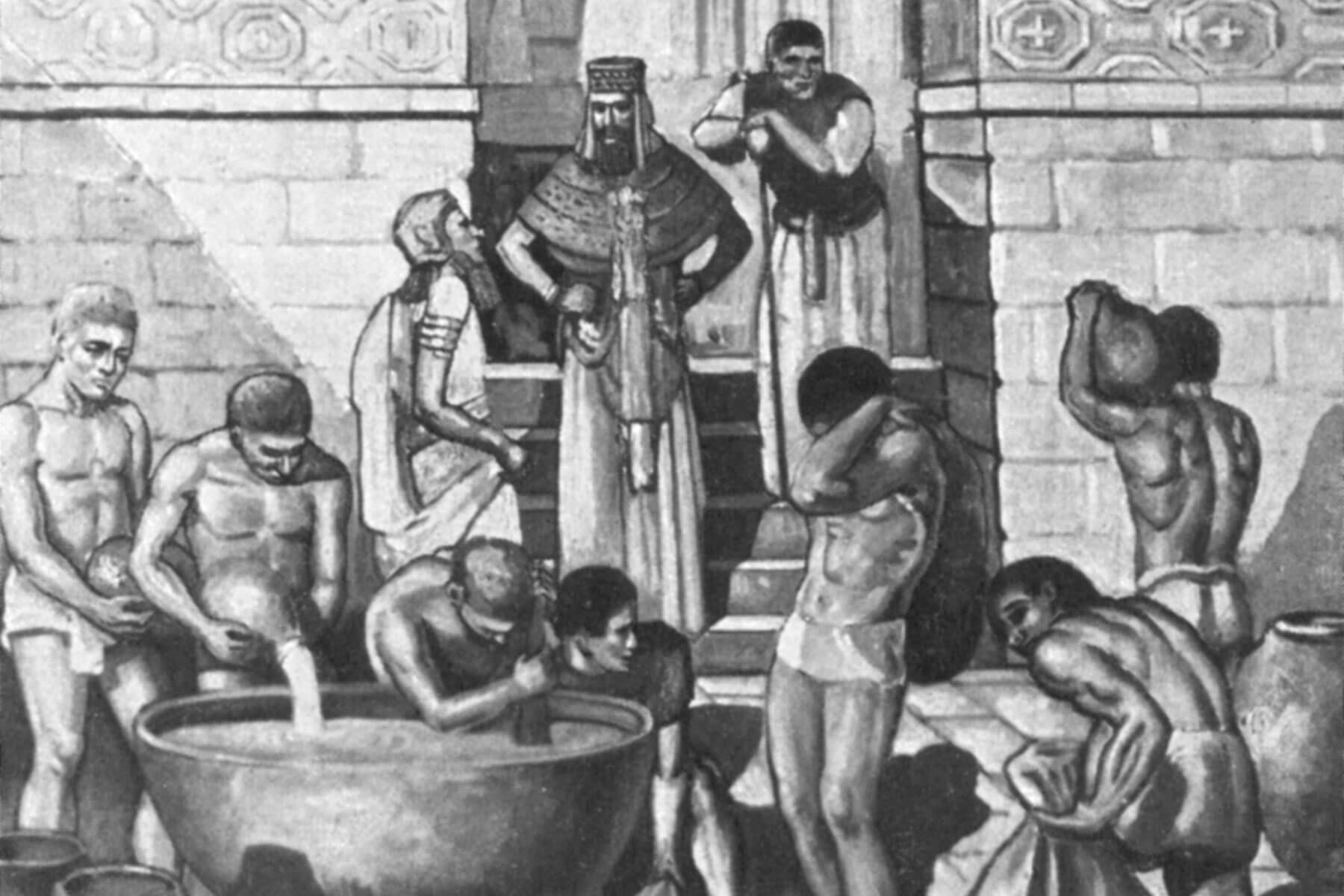
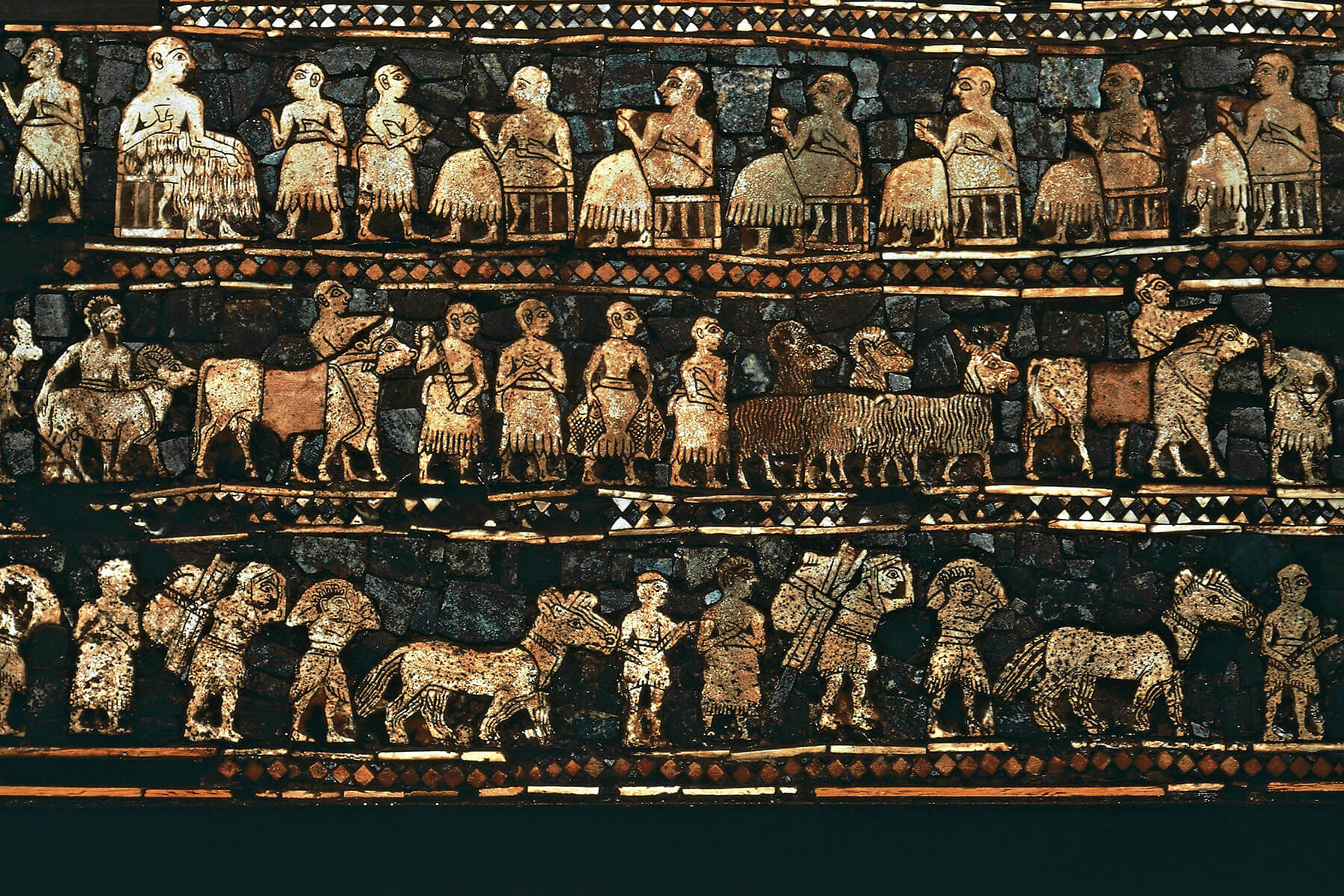
The ancient Sumerian people of Mesopotamia (near modern-day Iraq) created the first recorded evidence of barley beer around the year 3400 BCE (though beer likely dates back thousands of years earlier). In the centuries that followed, these early and popular beer-like beverages sprung up throughout the region. Few cultures at the time loved a brew to the degree of the ancient Egyptians, however; they treated the beverage as a key component of their everyday diet, as many meals consisted of just beer and bread. Wine was also popular in Egypt at the time, though it was often reserved for members of upper-class society, making beer more popular among those in the working class. Workers along the Nile River were even paid with an allotment of beer, as it was considered safer to drink than water from the polluted river. These libations were often flavored with additives such as dates and olive oil, only adding to their deliciousness at the time.

You may also like

6 Fun Facts About Cars Through History

  • Four-wheeled Benz
Four-wheeled Benz
Bettmann via Getty Images
Author Sarah Anne Lloyd

August 18, 2023

Love it?

The story of the automobile is, in the grand scheme of history, fairly short — but cars have come a long way since the steam-powered horseless carriages of the early 1800s. What started as a pastime for enthusiasts and the wealthy spread quickly throughout society, unlocking all sorts of new ways and places to travel. Even as modern cars get more and more advanced, vehicles from the past still capture our imagination, conjuring up images of muscle cars, luxury convertibles, and the open road. So hop in your DeLorean and get ready for five facts from the vehicular past.

Photo credit: PhotoQuest/ Archive Photos via Getty Images

The Model-T Ford Cost $290

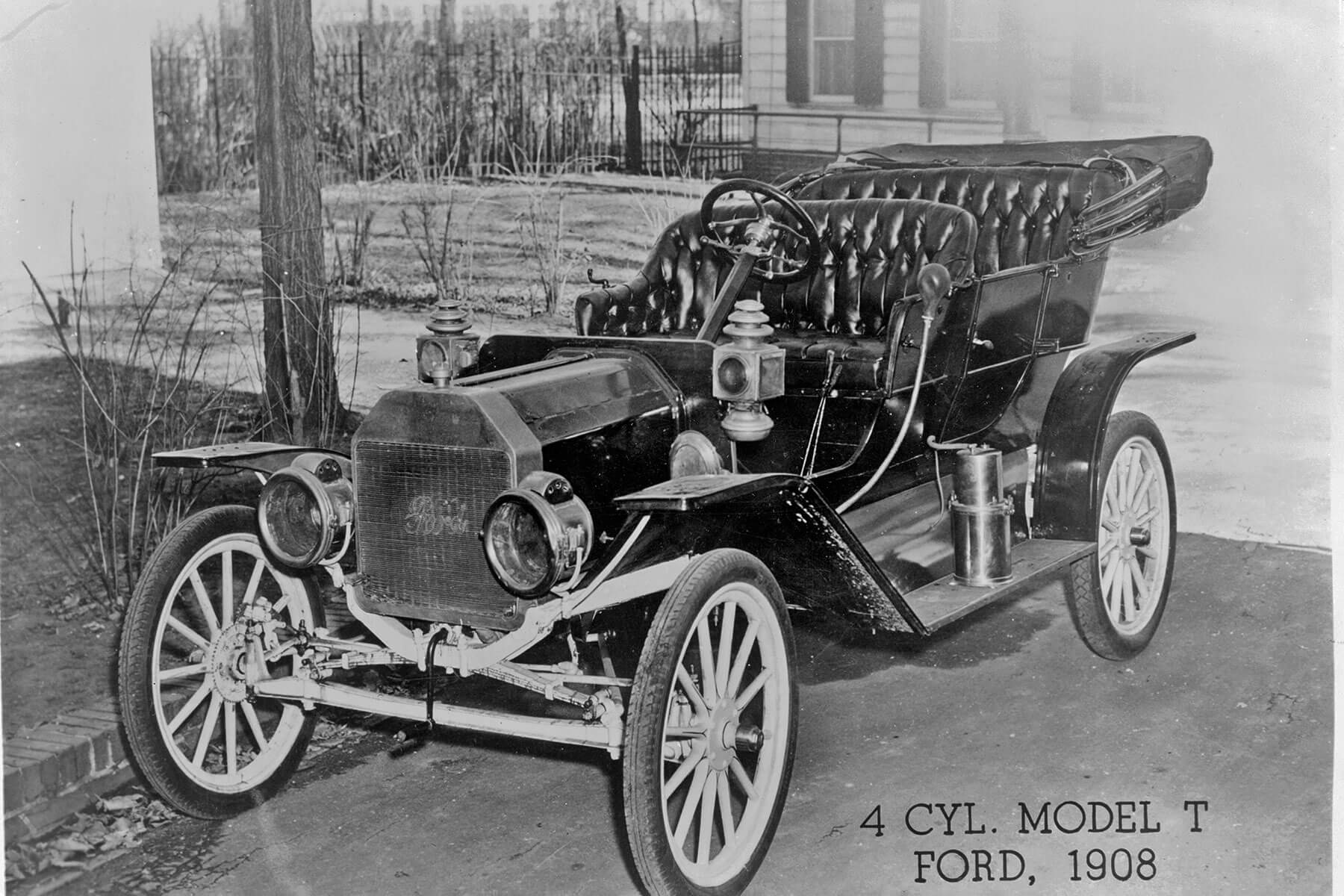
At the end of 2022, the average cost of a new car was a whopping $48,681, a record-setting high. So it might be hard to believe that in the 1920s, when cars were still a relative luxury item, you could get a brand-new Model T Ford for just $290, or right around $5,000 in today’s dollars. These days, that’ll barely get you a 10-year-old Ford Focus.

The price wasn’t always that low; when Model-T runabouts first hit the market around 1908, they cost $825, or roughly $17,000 today. The price was still lower than the average person’s yearly salary, though, and that was by design.

“I will build a car for the great multitude,” Henry Ford said of his design ethos for the Model-T in his 1922 autobiography. He envisioned a car that was convenient and high-quality, but “low in price that no man making a good salary will be unable to own one.”

In 1912, there were fewer than 10,000 automobile registrations in the United States. By 1927 — the last year of the Model-T — Ford had slashed the price, and automobile registrations had soared to more than 20 million.

Photo credit: Bettmann via Getty Images

The First Practical Gas Car Topped Out at 10 Miles per Hour

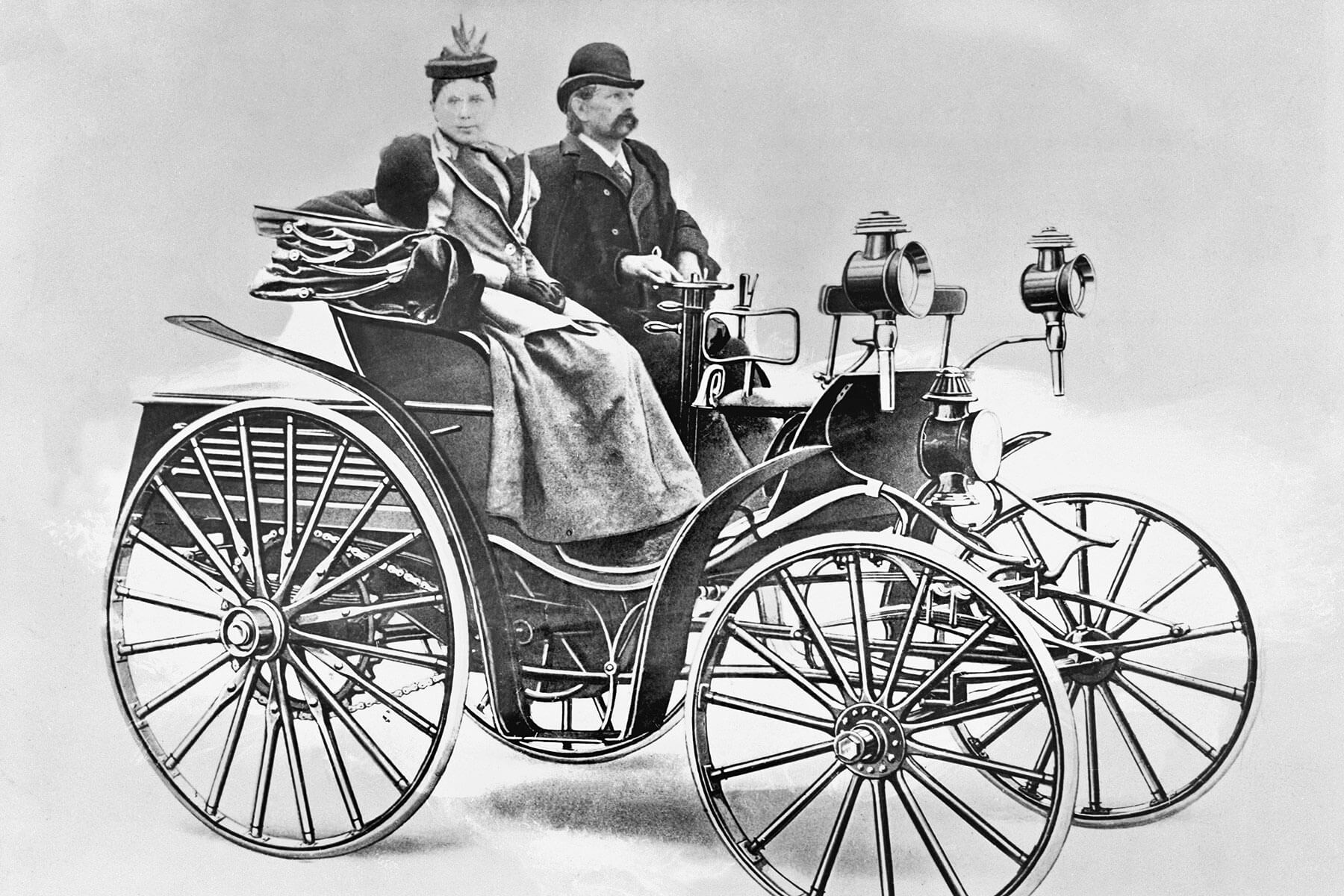
Steam-powered “horseless carriages” date back to the 18th century, but the first practical vehicle with an internal combustion engine was designed by engineer Karl Benz in 1885. The Benz Patent-Motorwagen had three wheels and not a lot of oomph; a journalist who drove a replica of one for Car and Driver in 1986 reported that it “gathers speed like a fog bank cresting a hill.” Its one-cylinder, four-stroke engine generated just one horsepower, and at 400 revolutions per minute, it could reach a max speed of 10 miles per hour (unless it was headed downhill). It was not hard for someone on foot to outrun the car.

Nevertheless, the Patent-Motorwagen was the first modern car to actually hit the market, and more than 25 of them were built between 1886 and 1893. Sales quintupled the following year, with more than 136 selling in 1894 alone.

You may also like

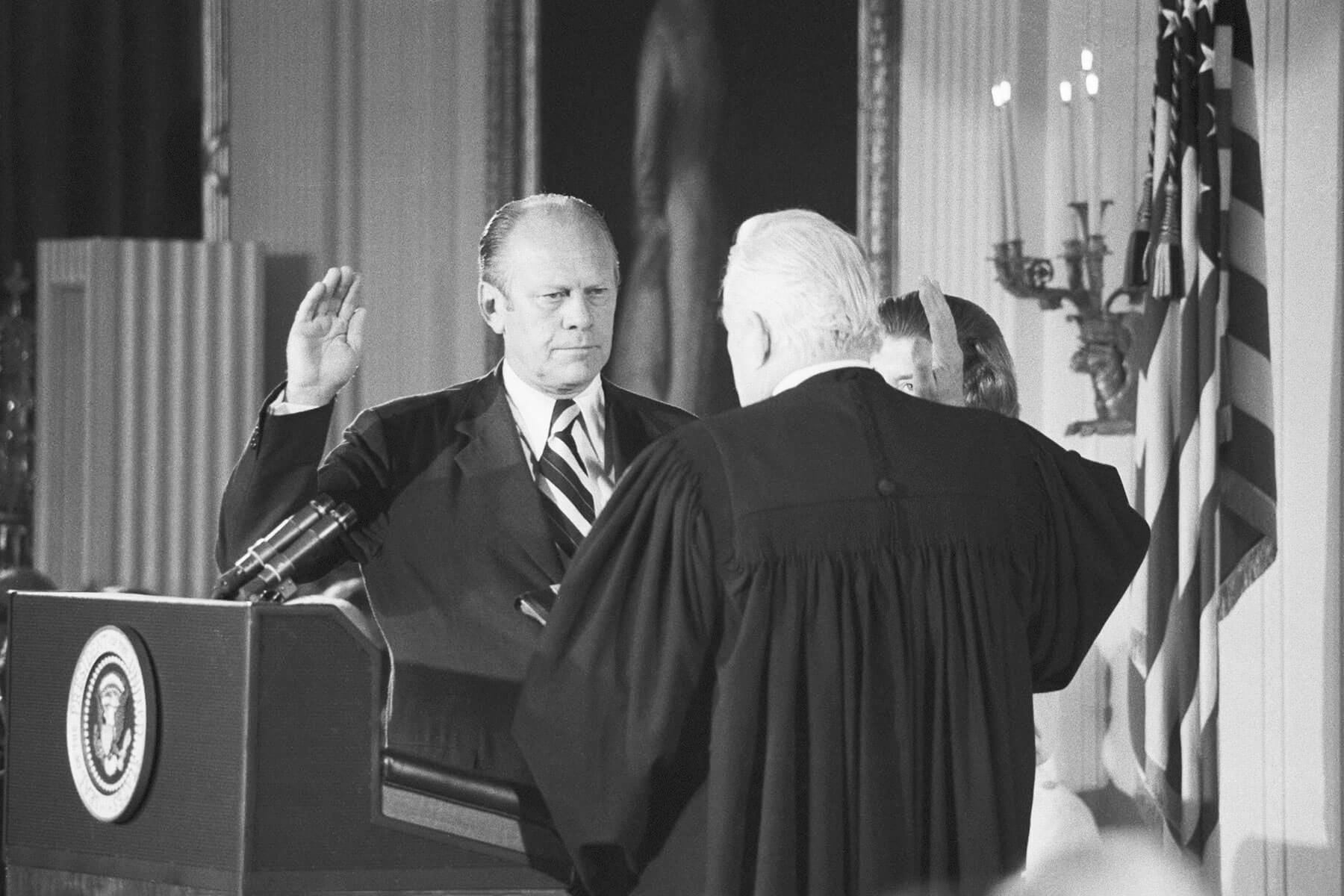
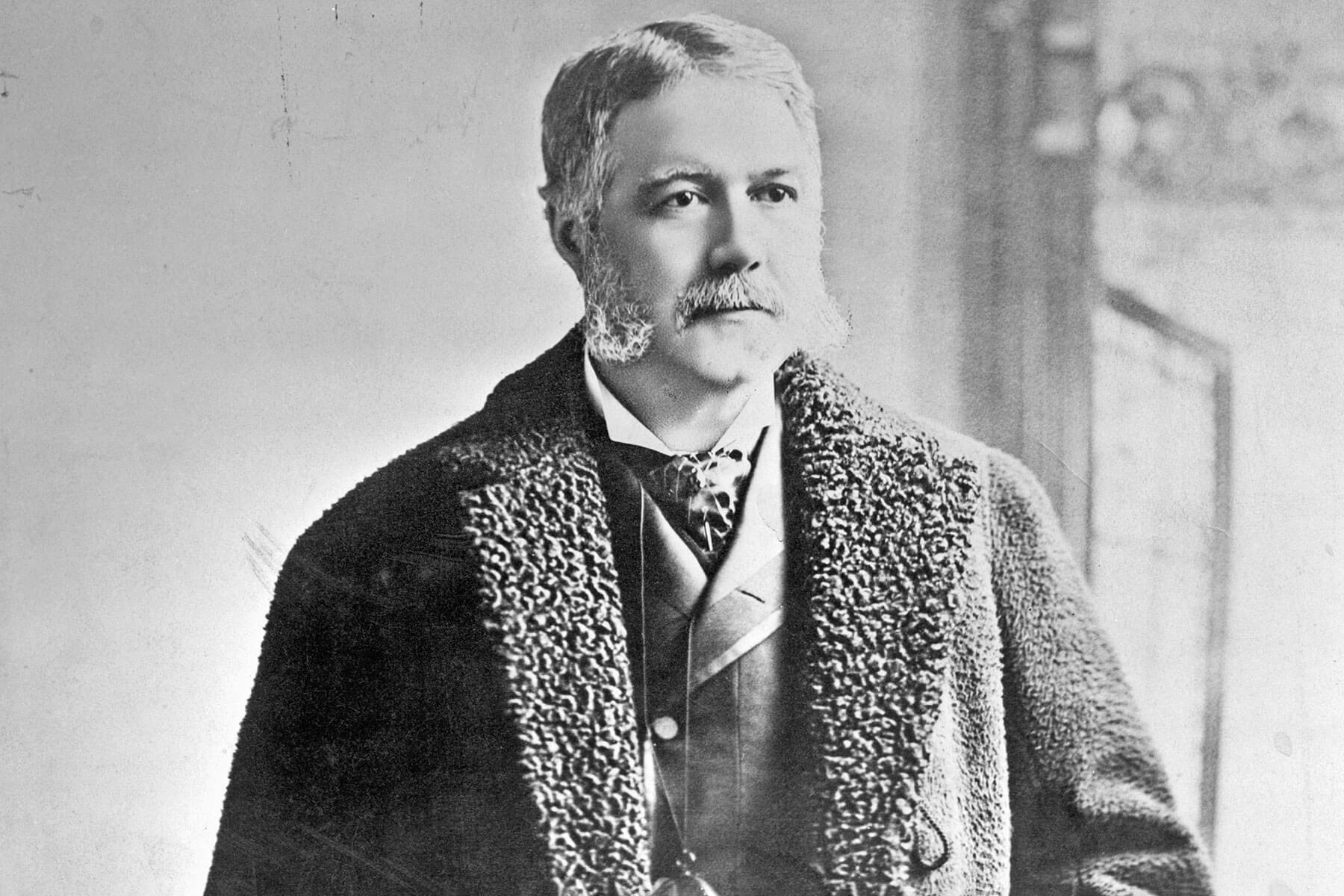
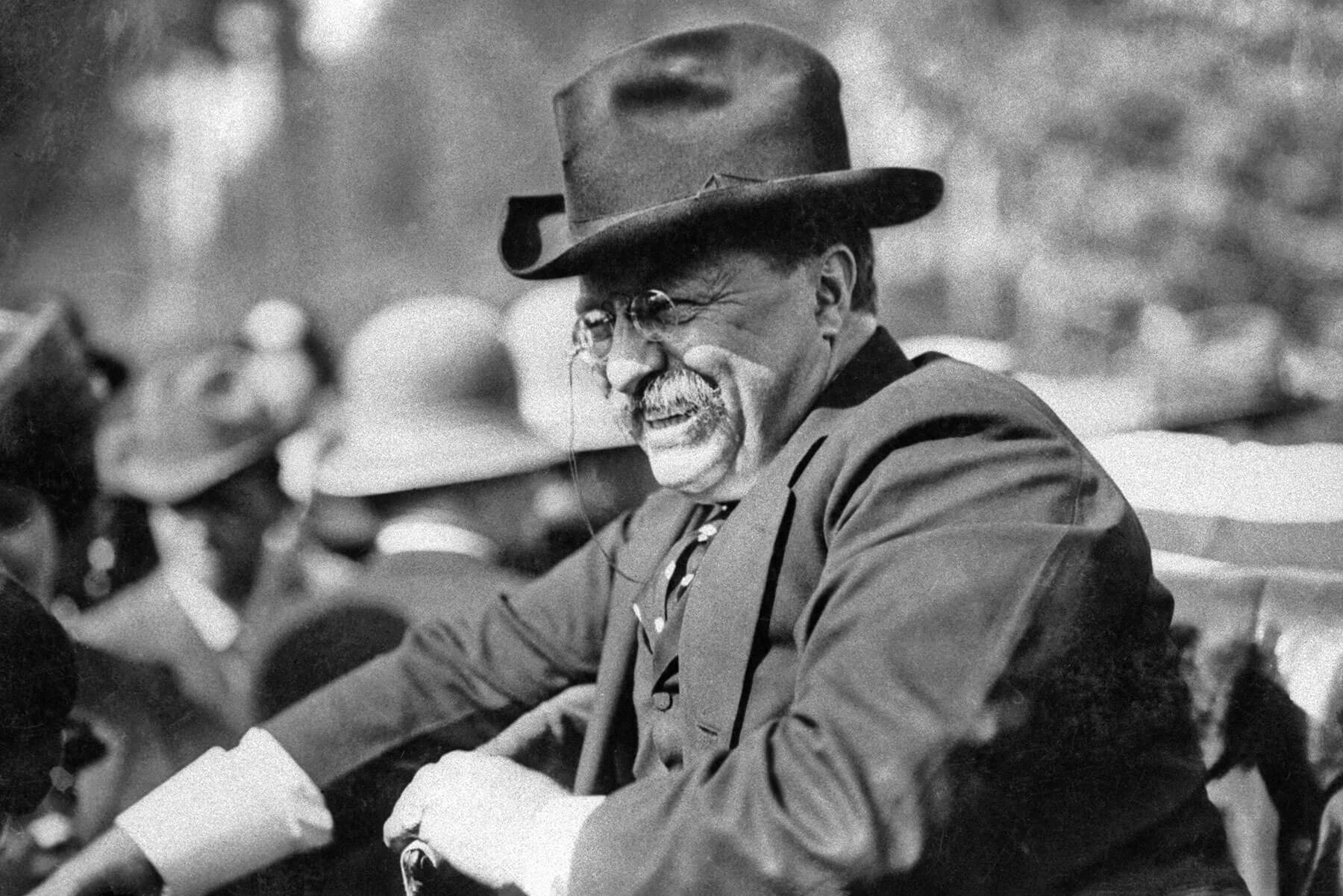
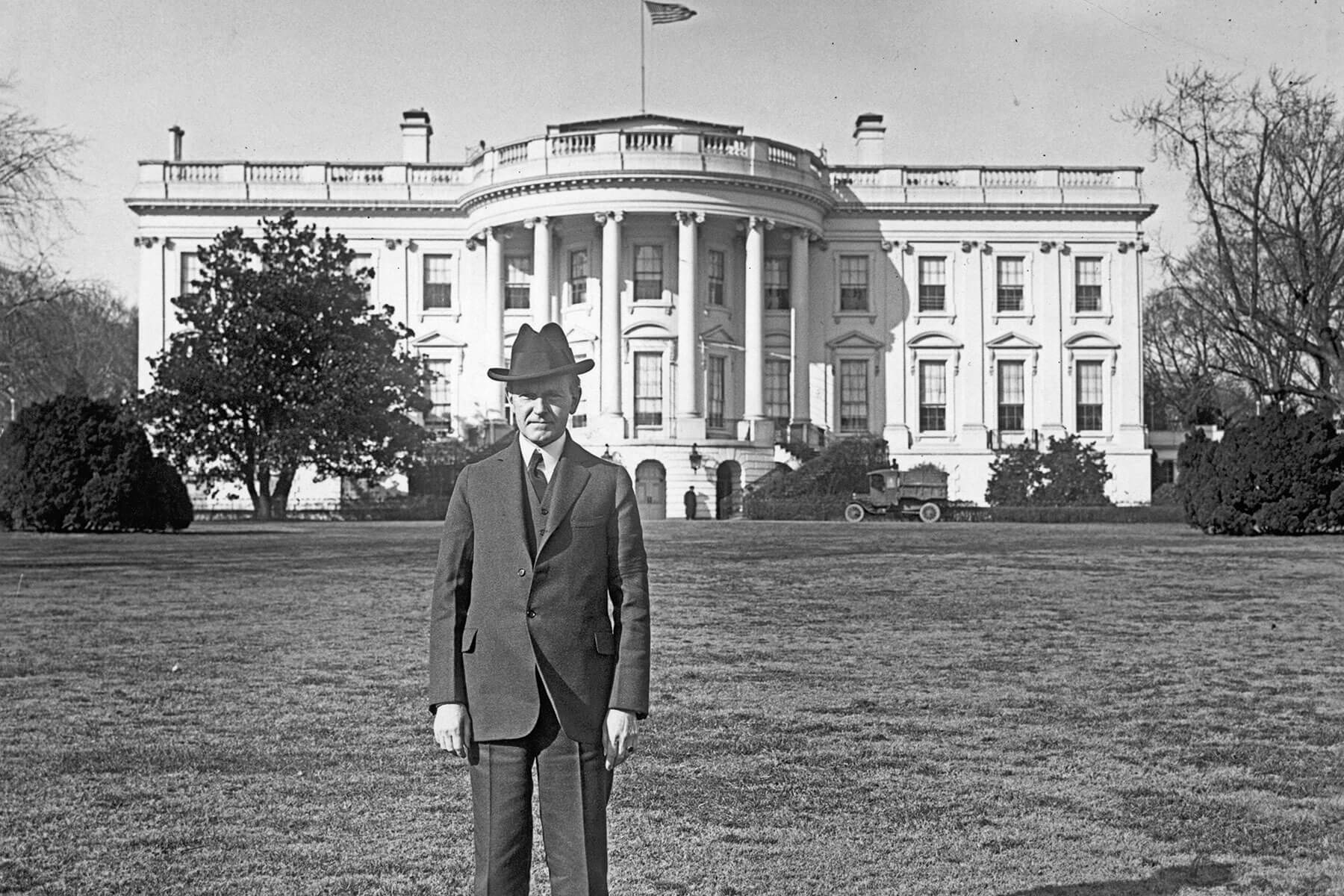
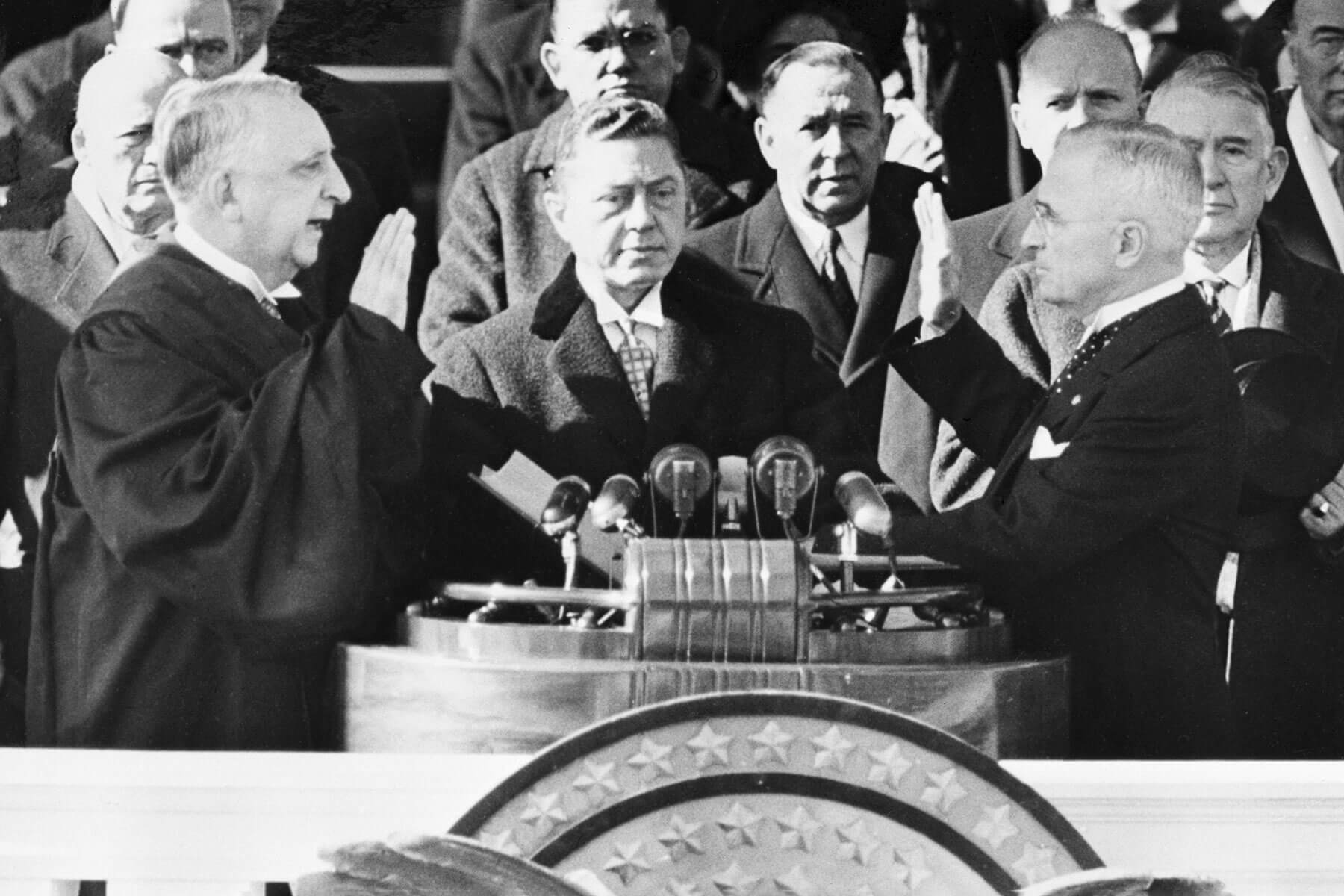
9 Facts About the Vice Presidents Who Succeeded to the Presidency

  • Gerald Ford Sworn In 1874
Gerald Ford Sworn In 1874
Bettmann via Getty Images
Author Adam Levine

August 18, 2023

Love it?

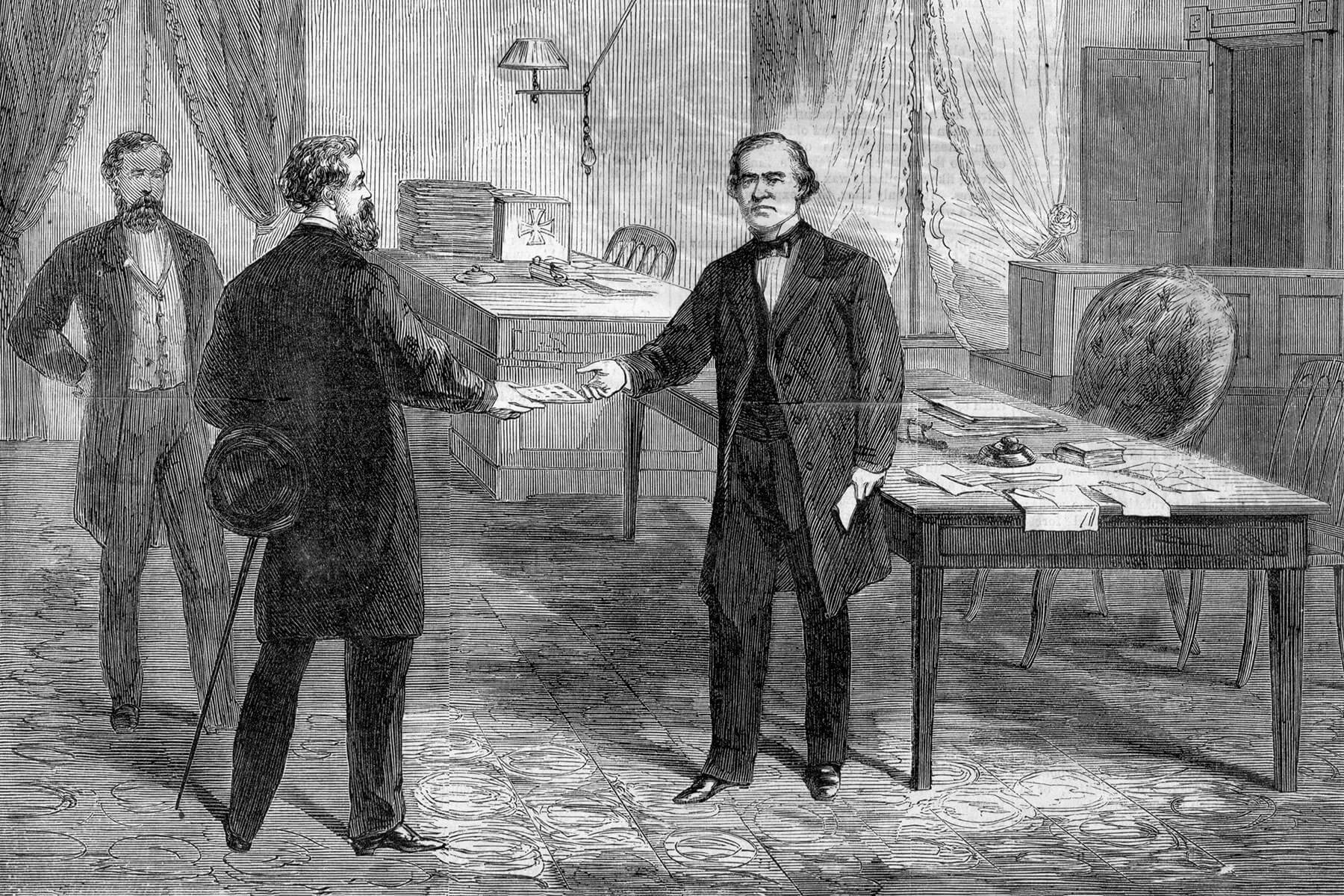
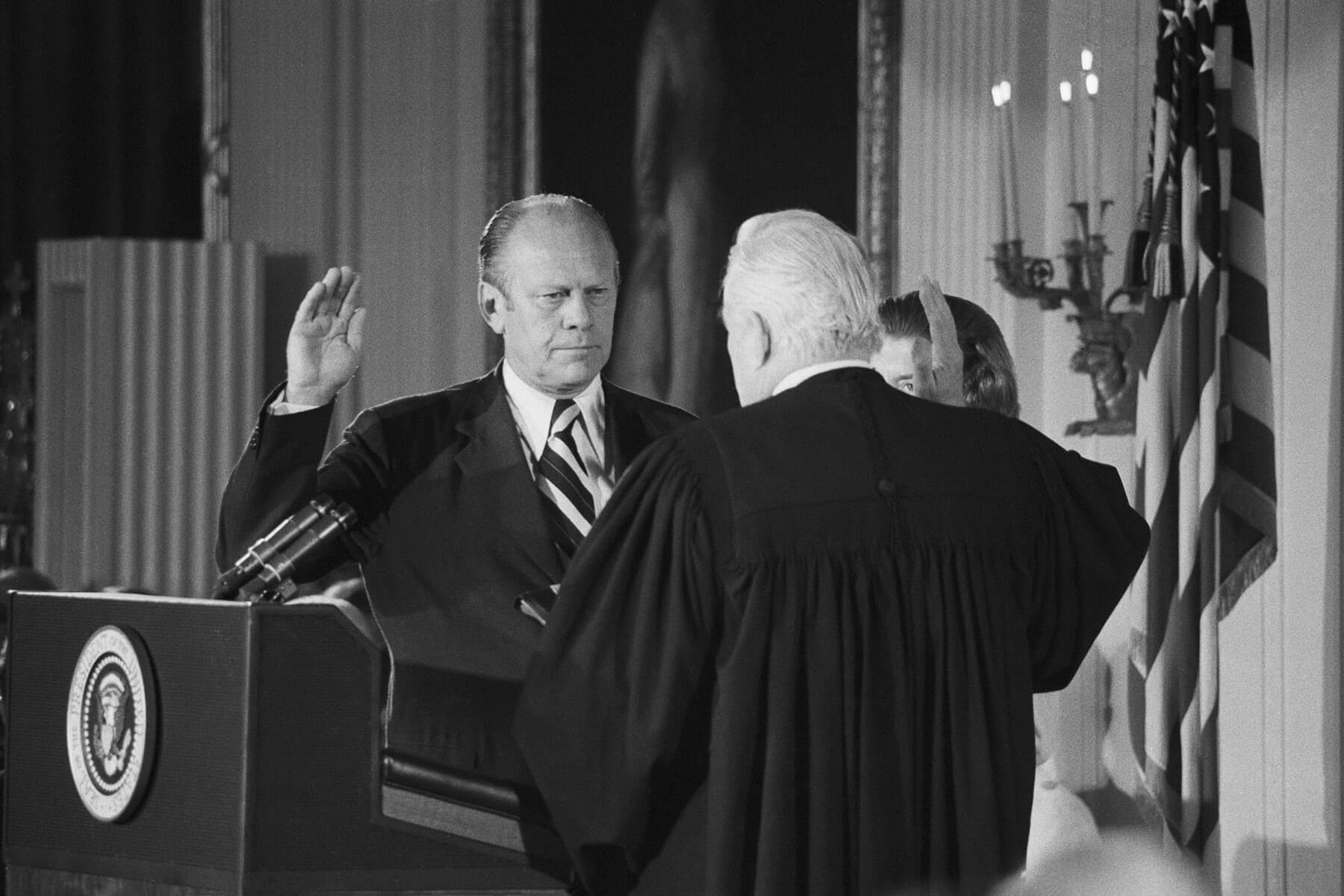
In the United States presidential line of succession, it falls to the Vice President to succeed to the presidency if their predecessor is no longer able to carry out the duties of the office. This has happened nine times in the history of the country, under a wide variety of circumstances. Some Vice Presidents, such as Calvin Coolidge, succeeded to the top spot during a time of relative peace and economic prosperity. Others, such as Harry Truman, were appointed to the office in a climate of war and political turmoil. Vice Presidents only inherit the presidency under unusual circumstances, and each instance is unique. Here are nine facts about the U.S. Vice Presidents who have succeeded to the presidency.

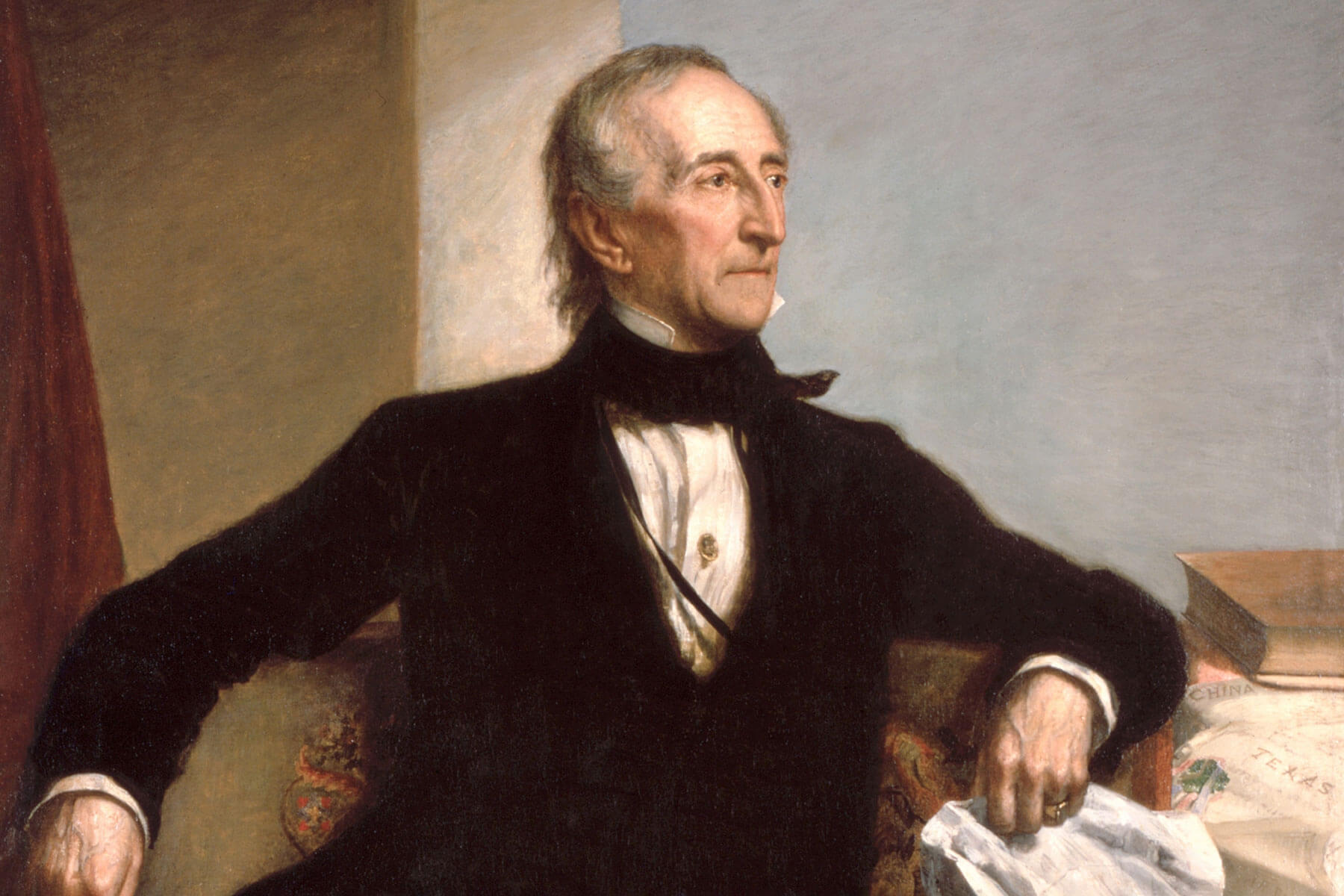
Photo credit: GraphicaArtis/ Archive Photos via Getty Images

John Tyler Was Nicknamed “His Accidency”

John Tyler was elected Vice President in 1840 as the running mate of William Henry Harrison. Unfortunately, Harrison’s administration did not last long: The President died in 1841 just 31 days after taking office, which meant Tyler quickly found himself the nation’s commander in chief. Tyler’s presidency was marked by tension with his own Whig Party. He vetoed bills proposed by Whig leaders in Congress and began to advocate for policies that broke with the Whig Party line. As a result, the Whigs expelled President Tyler from their party, and some even called for his impeachment on the grounds that he had abused his veto power. To further disparage Tyler, his political critics saddled him with the nickname “His Accidency,” a pejorative reference to the fact that he had become President through chance, and was never elected to the office.

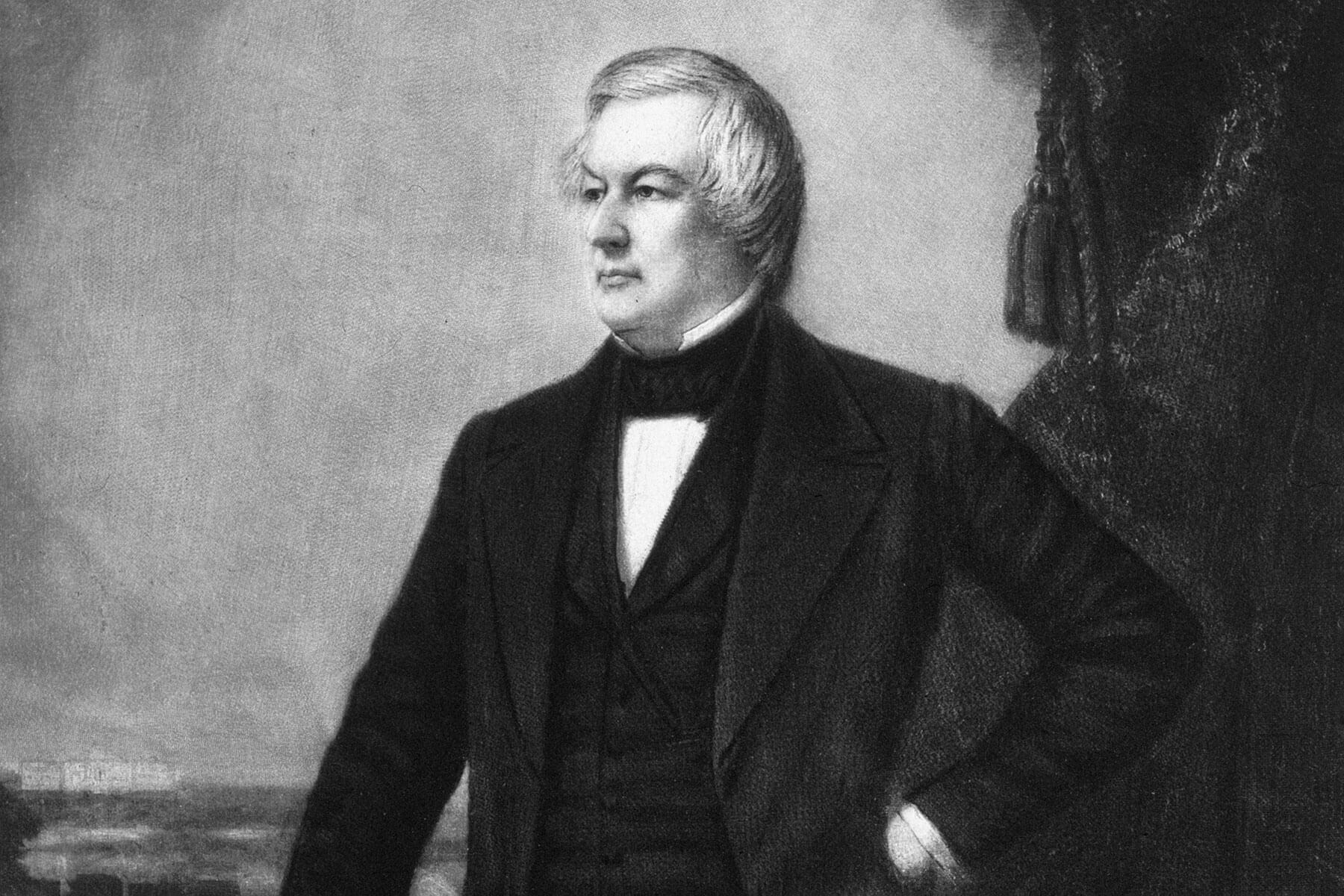
Photo credit: Heritage Images/ Hulton Archive via Getty Images

Millard Fillmore Was the Last President Who Was Not a Democrat or a Republican

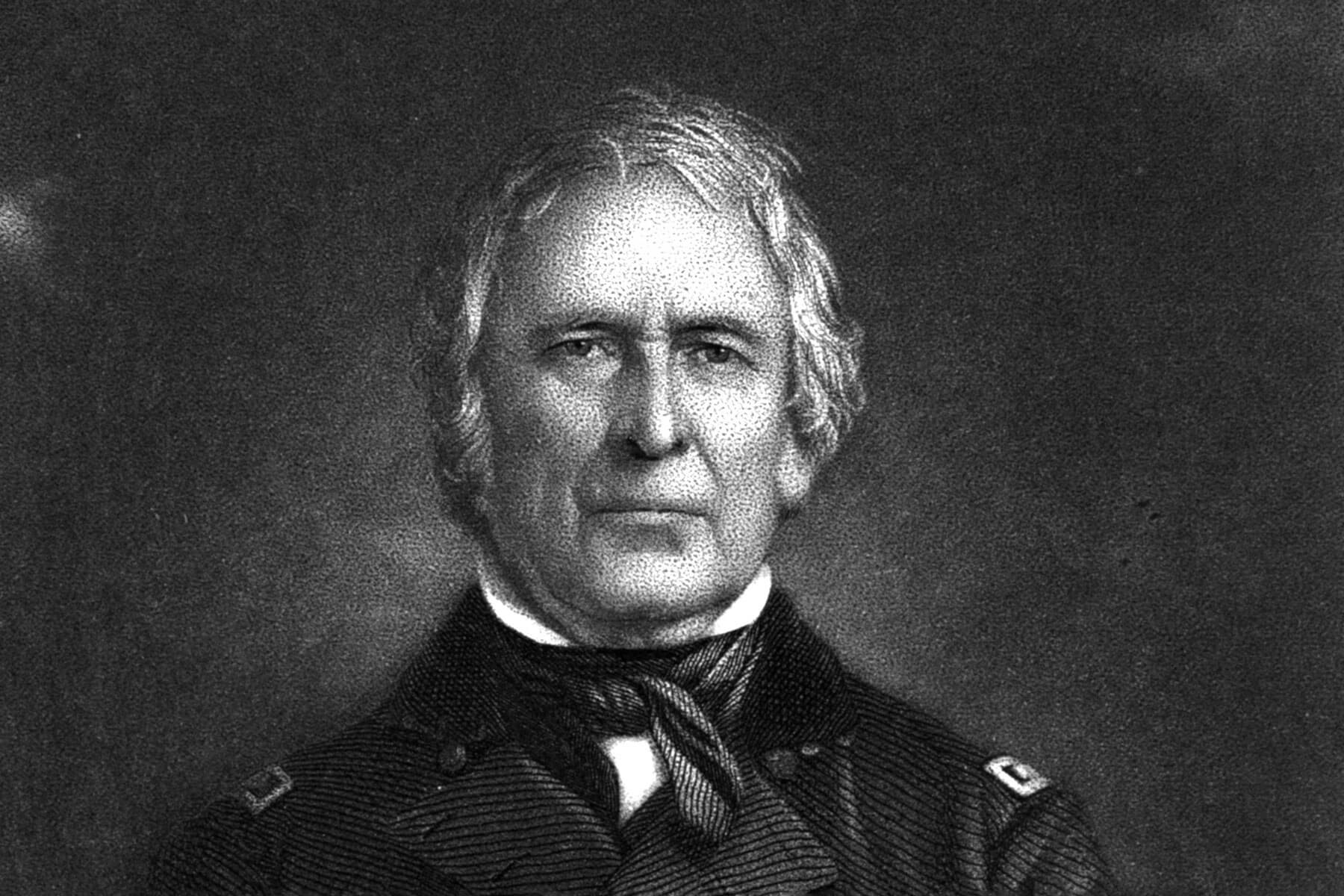
When Vice President Millard Fillmore ascended to the presidency in 1850, after his predecessor Zachary Taylor died following a mysterious illness, he did so as a member of the Whig Party, which was founded in 1830 to oppose the policies of then-President Andrew Jackson, a Democrat. President Fillmore proved to be the last Whig Party member to become President of the United States. The party largely disbanded a year after his administration ended in 1853, with many of its anti-slavery members branching off to form the Republican Party. In fact, Fillmore was the last U.S. President to belong to neither of the two major parties that continue to dominate American politics today. Fillmore’s successor, Franklin Pierce, was a Democrat, and every U.S. President since has been either a Democrat or a Republican.

You may also like

5 of the Oldest Jokes in History

  • Anglo-Saxons circa 800 CE
Anglo-Saxons circa 800 CE
Hulton Archive via Getty Images
Author Fran Hoepfner

August 18, 2023

Love it?

For as long as humankind has existed and suffered, we’ve also laughed. Humor — and jokes, specifically — have long been a part of socio-anthropological culture, whether as a way to poke fun at the powerful or just to be plain silly. Even toilet humor, however gross, has often played a significant role in day-to-day life, amusing and shocking listeners with taboo topics. From the earliest days of civilization, laughter has brought people together despite their differences, serving as a tool for both enjoying life and bonding with one another. Here are some of the oldest jokes in history, observations and witticisms that made people laugh thousands of years ago.

Photo credit: DEA PICTURE LIBRARY/ De Agostini via Getty Images

The Oldest Recorded Joke

The oldest joke on record dates back to 1900 BCE in ancient Sumer, the earliest known civilization in Mesopotamia. Rather than a conventional setup and punchline structure, the joke is more of an observation: “Something which has never occurred since time immemorial; a young woman did not fart in her husband’s lap.” The double-negatives throw in a bit of confusion, but the joke gets at a primary urge to hide certain imperfections from a romantic partner. 

Photo credit: Heritage Images/ Hulton Fine Art Collection via Getty Images

The First “Walked Into a Bar” Joke

The Sumerians are also credited with the first-ever “walked into a bar” joke, dating to around 1983 BCE. It goes: “A dog walks into a bar and says, ‘I cannot see a thing. I’ll open this one.’” Though we’re all familiar with bar jokes — and the odd characters and animals who just so happen to walk into them — no one can quite parse the meaning of this Sumerian joke, or why it was funny. There are amateur theories ranging from the Sumerians appreciating (as we do now) “random humor,” or the dog’s blindness being some kind of pun. Until we have a time machine, it’s likely to remain a mystery.

You may also like