6 Otherworldly Facts About the Space Race
  • Astronauts and cosmonauts
Astronauts and cosmonauts
Bettmann via Getty Images
Author Bennett Kleinman

September 14, 2023

Love it?

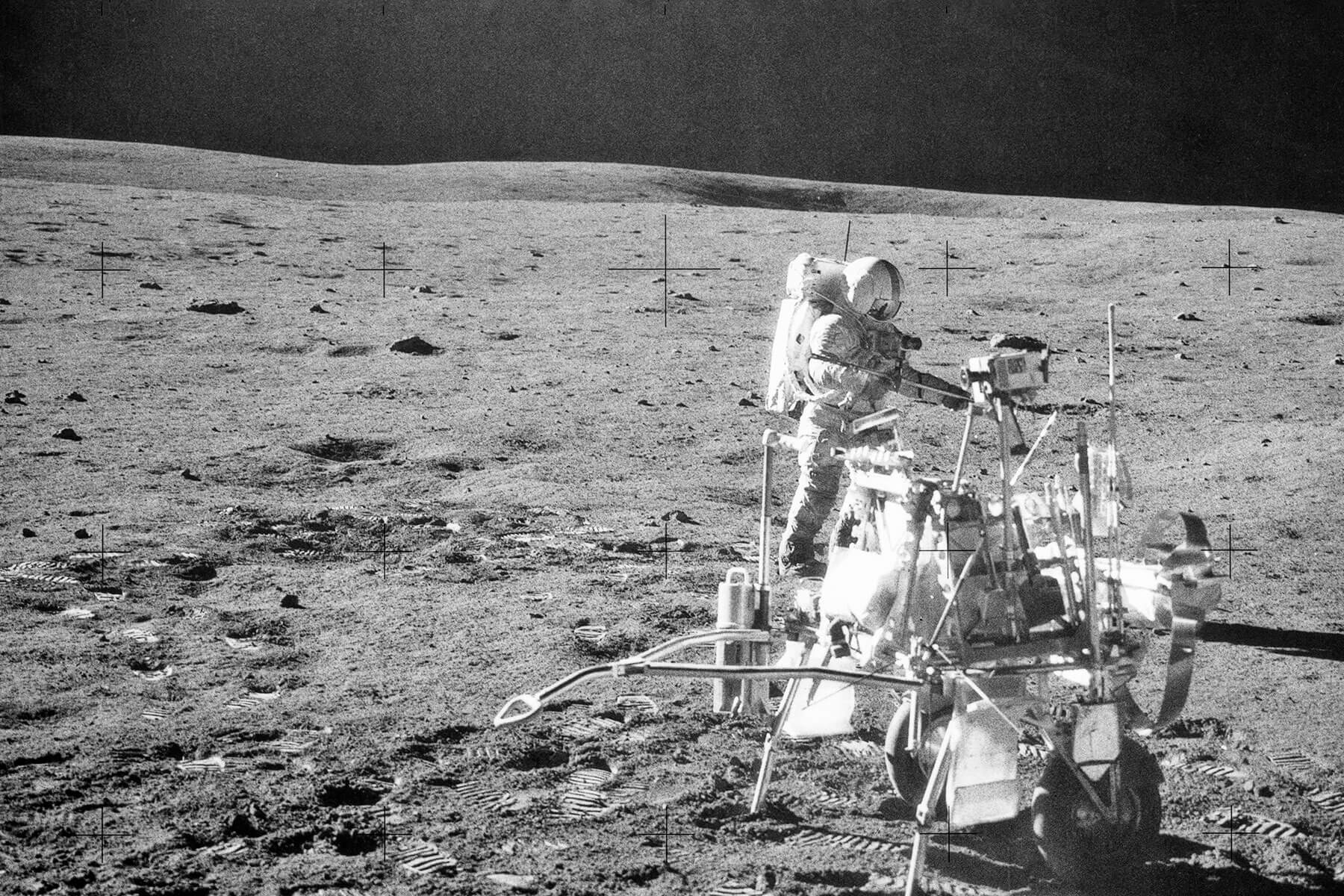
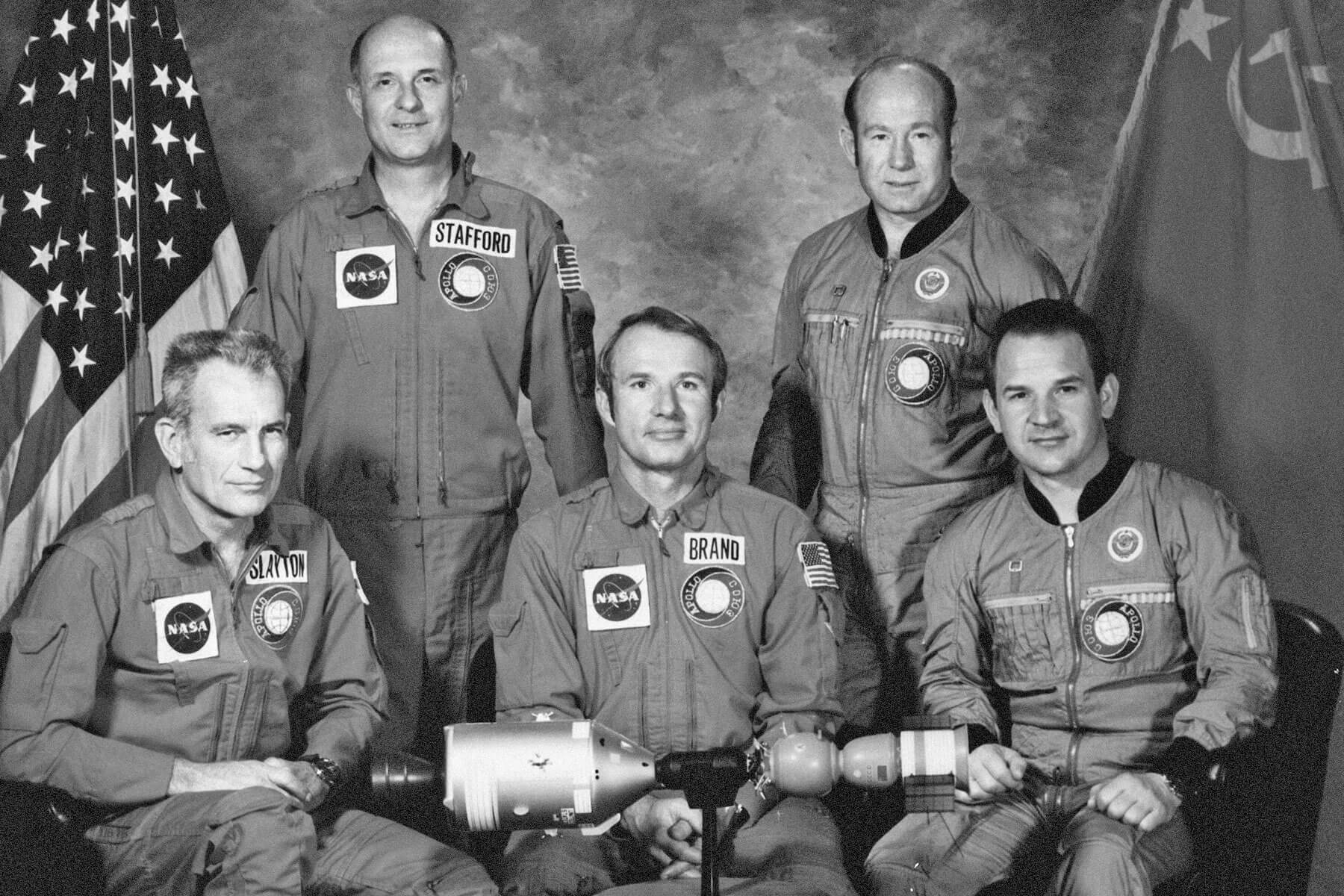
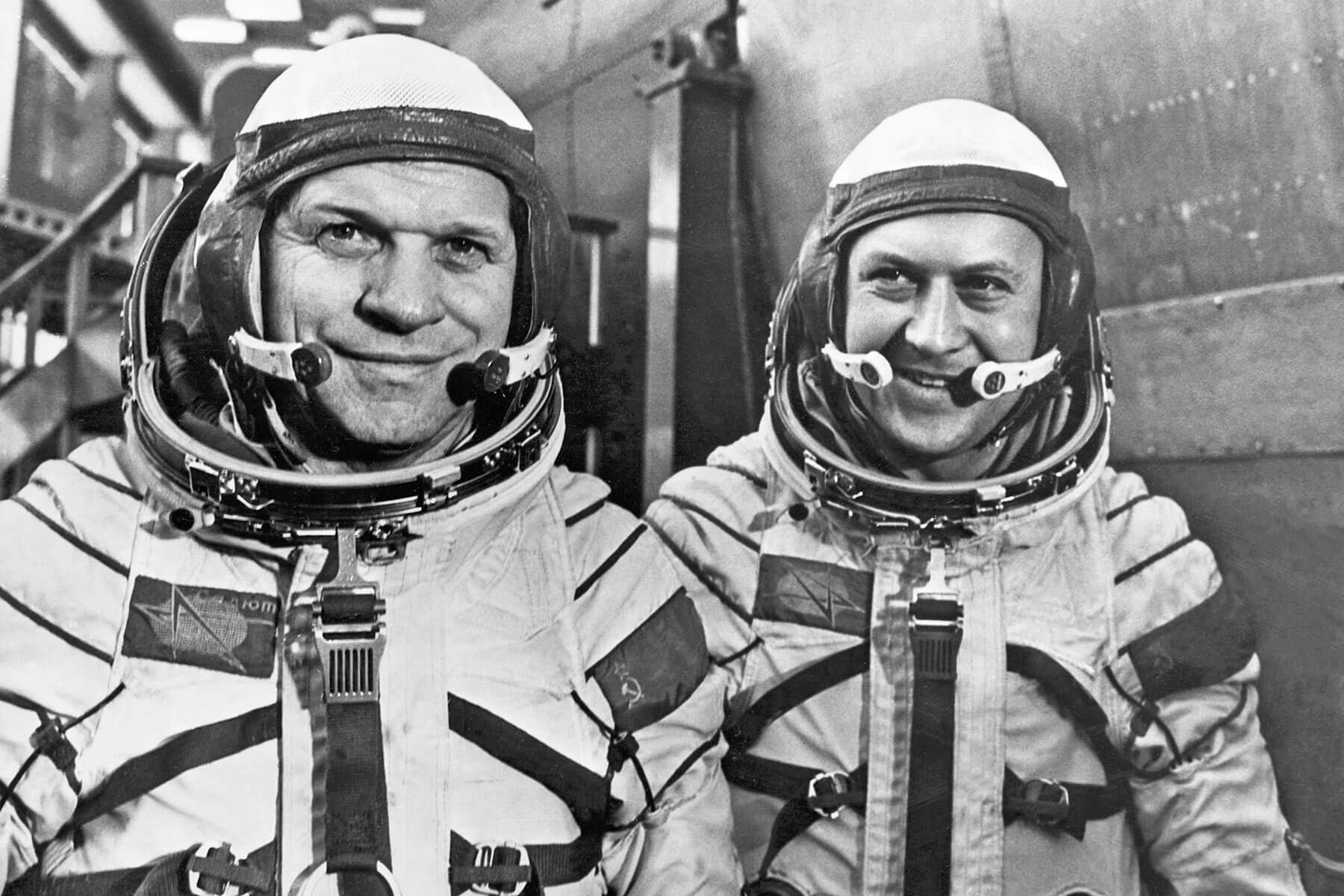
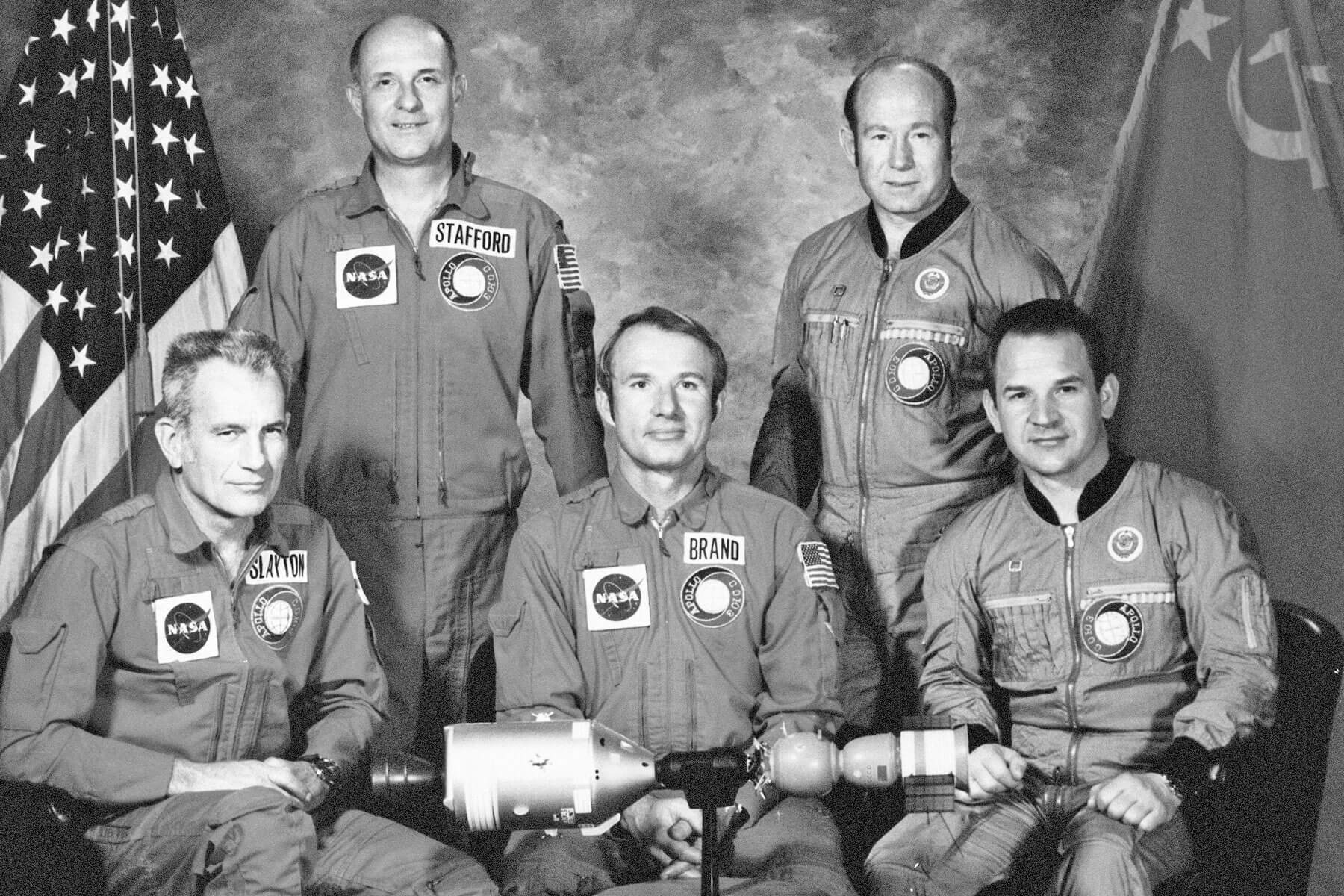
As tensions rose on Earth during the Cold War, the United States and Soviet Union also vied for celestial supremacy. The space race between the two superpowers began shortly after World War II, and captivated the public until tensions finally eased in the 1970s. With the help of top scientists and talented pilots, Americans, Soviets, and other nations sought to do the seemingly impossible by conquering the final frontier. These decades were marked by scientific achievements and setbacks that make this space-obsessed era one of the most fascinating periods in the 20th century. Here are six facts about the space race.

Photo credit: Arif_Vector/ Shutterstock

Fruit Flies Became the First Animal Sent Into Space in 1947

Long before humans reached the stars, fruit flies became the first living organisms to be intentionally blasted into space. Beginning in 1946, the U.S. military conducted a series of experiments in New Mexico’s White Sands Missile Range with future space flight in mind. Utilizing V-2 ballistic missiles — which had been seized from Germany by the U.S. after World War II — the government propelled biological samples such as corn and rye seeds as far as 80 miles into the sky — well beyond the 66-mile distance that NASA now considers the limits of outer space. On February 20, 1947, a capsule containing fruit flies was affixed to one of said missiles and launched to a height of 67 miles above the ground. The flies were chosen to test the effects of cosmic radiation on living beings, and were the perfect candidate for a number of reasons, including their small size, minimal weight, and a genetic code analogous to that of humans, containing similar disease-causing genes. As the rocket began its descent, the capsule detached and drifted back down to Earth using a parachute, and the flies remained alive and unaffected.
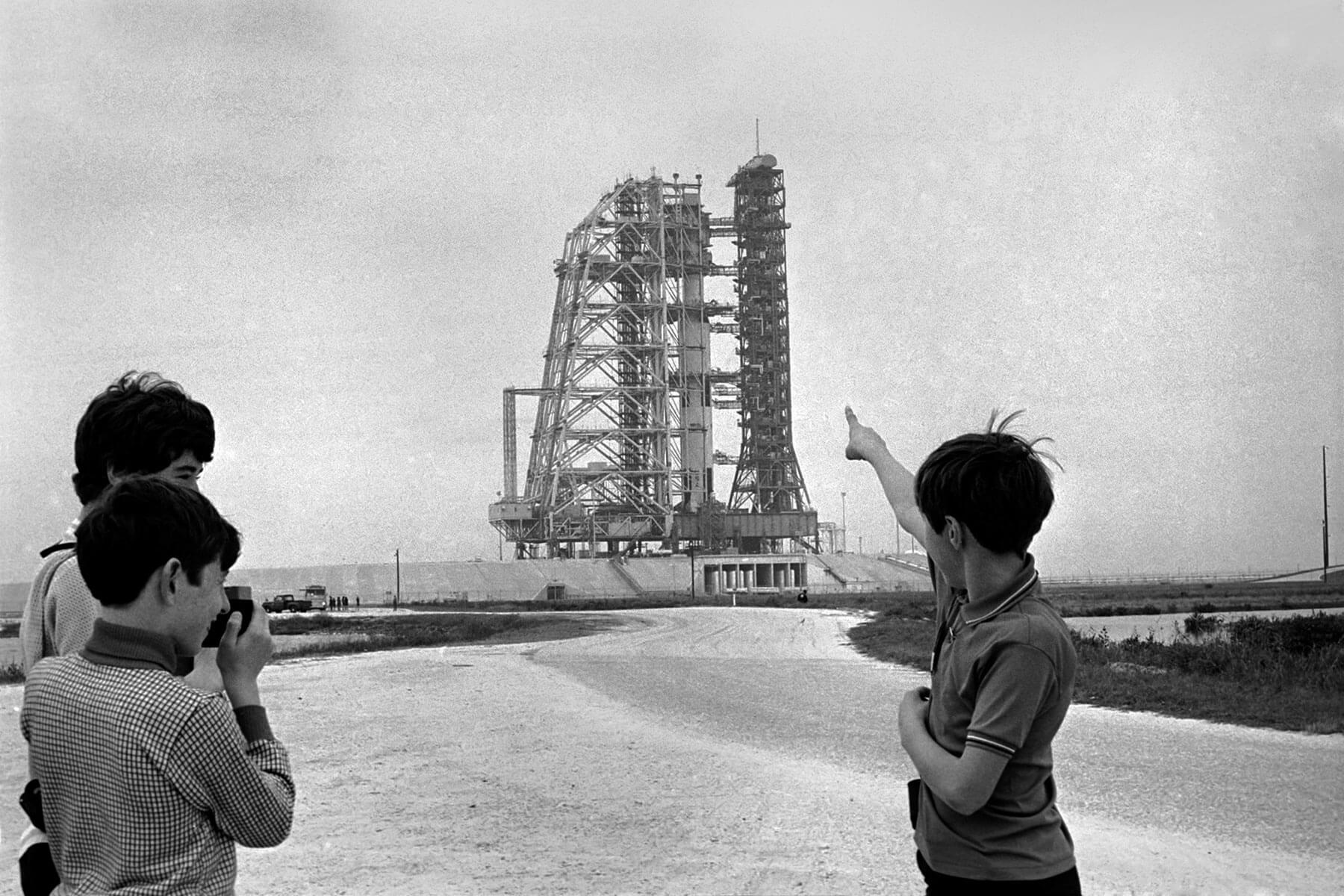
Photo credit: Mirrorpix via Getty Images

Apollo 12 Was Struck by Lightning

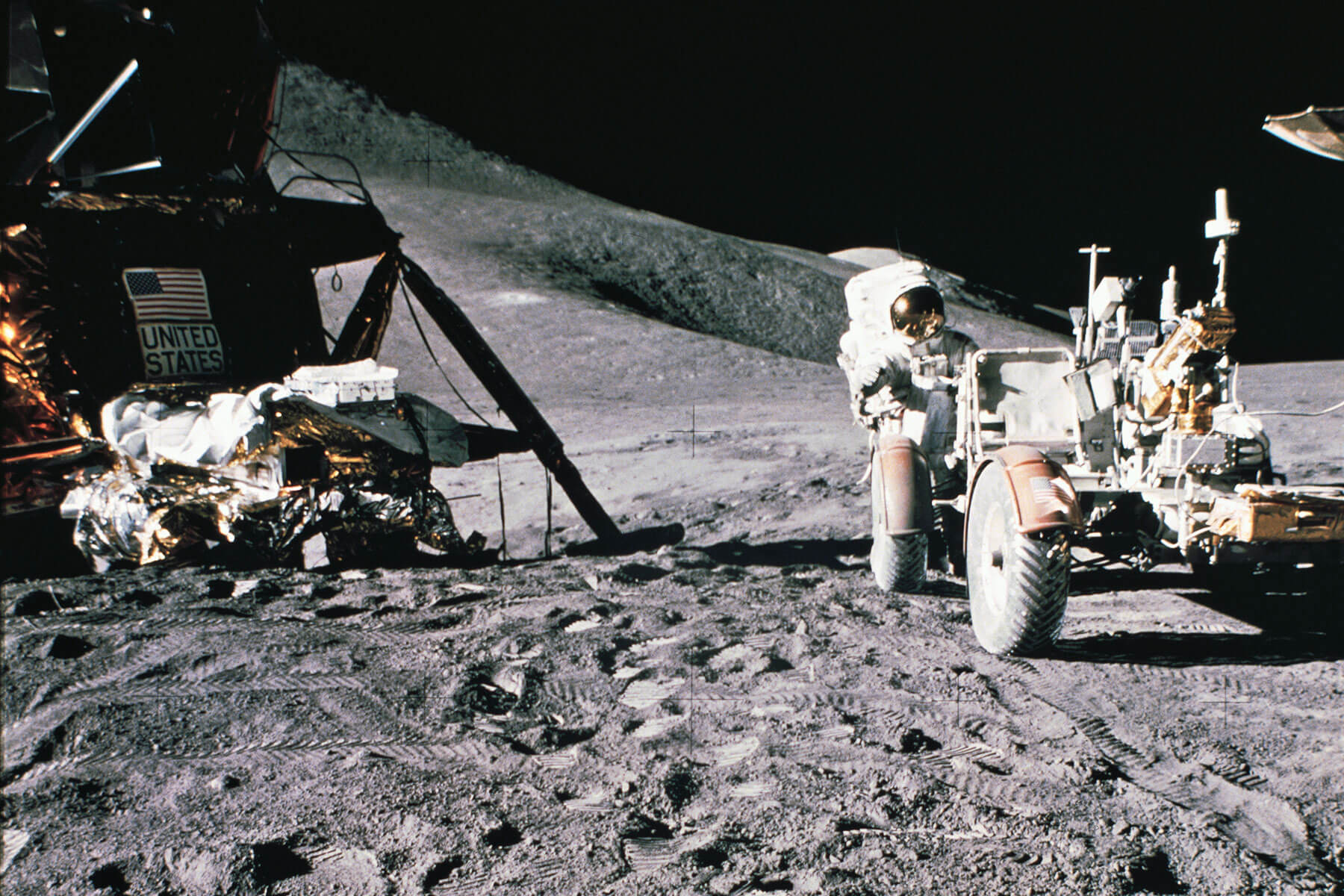
In November 1969, just four months after Apollo 11 landed on the moon, the Apollo 12 mission took to the skies. But what was scheduled to be a standard launch experienced near-disaster just 36.5 seconds into the flight, as lightning struck the Saturn V rocket. The unexpected event disrupted the onboard control panels, causing astronaut Dick Gordon to confusedly exclaim, “What the hell was that?” before yet another bolt struck at the 52-second mark. With alarms blaring and equipment malfunctioning, the puzzled astronauts continued to troubleshoot the spacecraft while not fully understanding what had happened. Ultimately, the crew shifted the craft to an auxiliary power supply that allowed the mission to continue as planned. Around three minutes into the flight, astronaut Pete Conrad wondered aloud if they’d been struck by lightning, and by the 11-minute-and-34-second mark, the crew was successfully floating in space. With disaster averted, the Apollo 12 astronauts became the second group of individuals to walk on the moon.

You may also like
5 Myths and Misconceptions About Ancient Rome

  • The Roman Senate
The Roman Senate
Credit: Culture Club/ Hulton Archive via Getty Images
Author Kristina Wright

September 13, 2023

Love it?

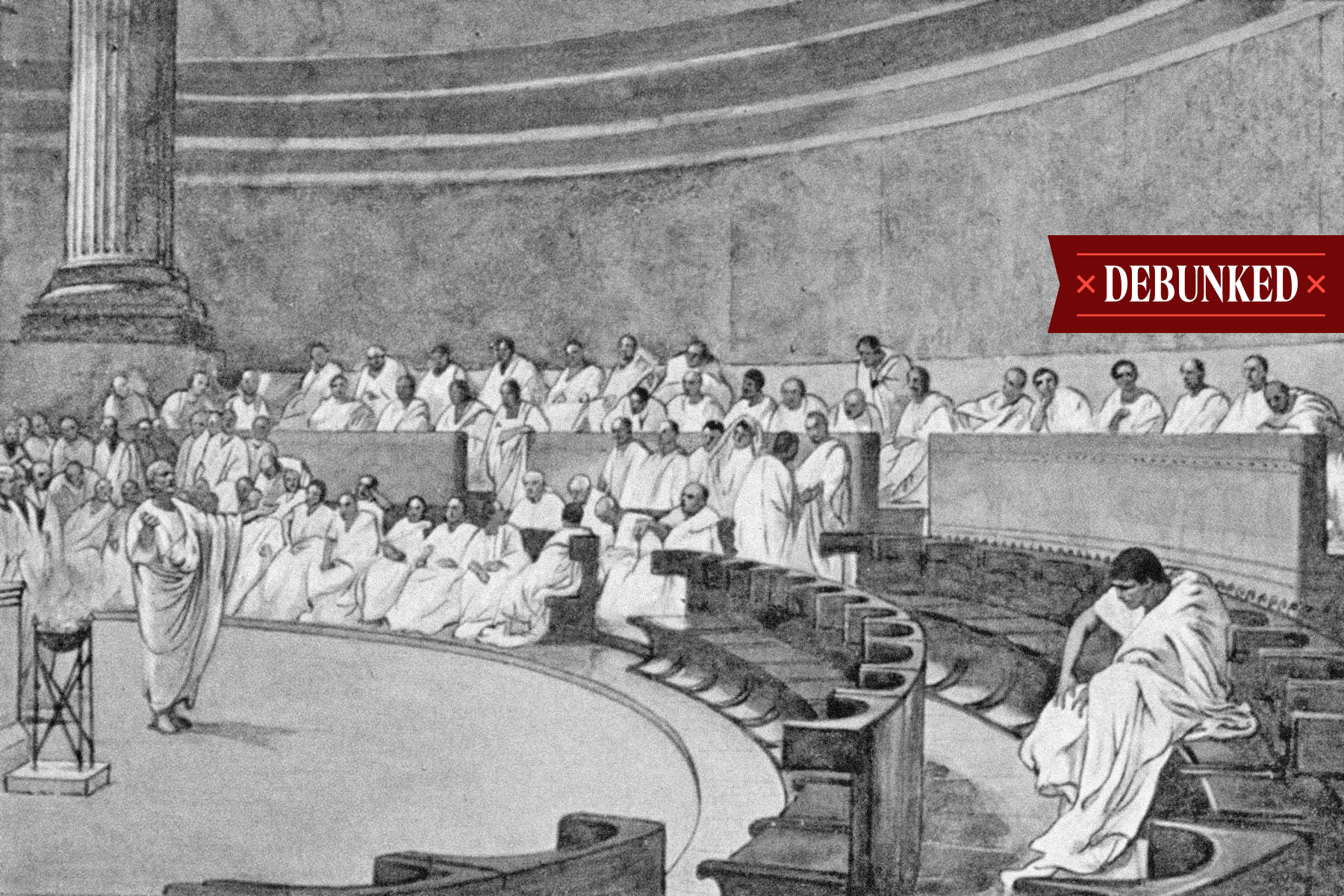
Despite what popular culture would have us believe, ancient Rome was not a single historical period when everyone wore togas and overindulged at decadent feasts. The rise and subsequent fall of ancient Rome encompassed several distinct time frames, from the founding of the city of Rome in 753 BCE to the fall of the Western Roman Empire in 476 CE. These periods included the Roman Kingdom from 753 BCE to 509 BCE, denoting Rome’s first political model (a monarchal government); the Roman Republic from 509 BCE to 27 BCE, when the Romans switched from a monarchy to elected magistrates; and the Roman Empire from 27 BCE to 476 CE, which combined elements from both the republic and the monarchy.

The Roman Empire, which began with the rise of Augustus as the first emperor in 27 BCE, is often considered the peak of ancient Roman civilization. It was during this time that Rome expanded its territory across three continents and became a dominant world power. Today, much of what we think we know about ancient Rome has been blurred to encompass hundreds of years of history and thousands of miles of geography. Here are five common myths and misconceptions about this ancient superpower.

Photo credit: Print Collector/ Hulton Archive via Getty Images

Myth: The Roman Empire Fell in 476 CE

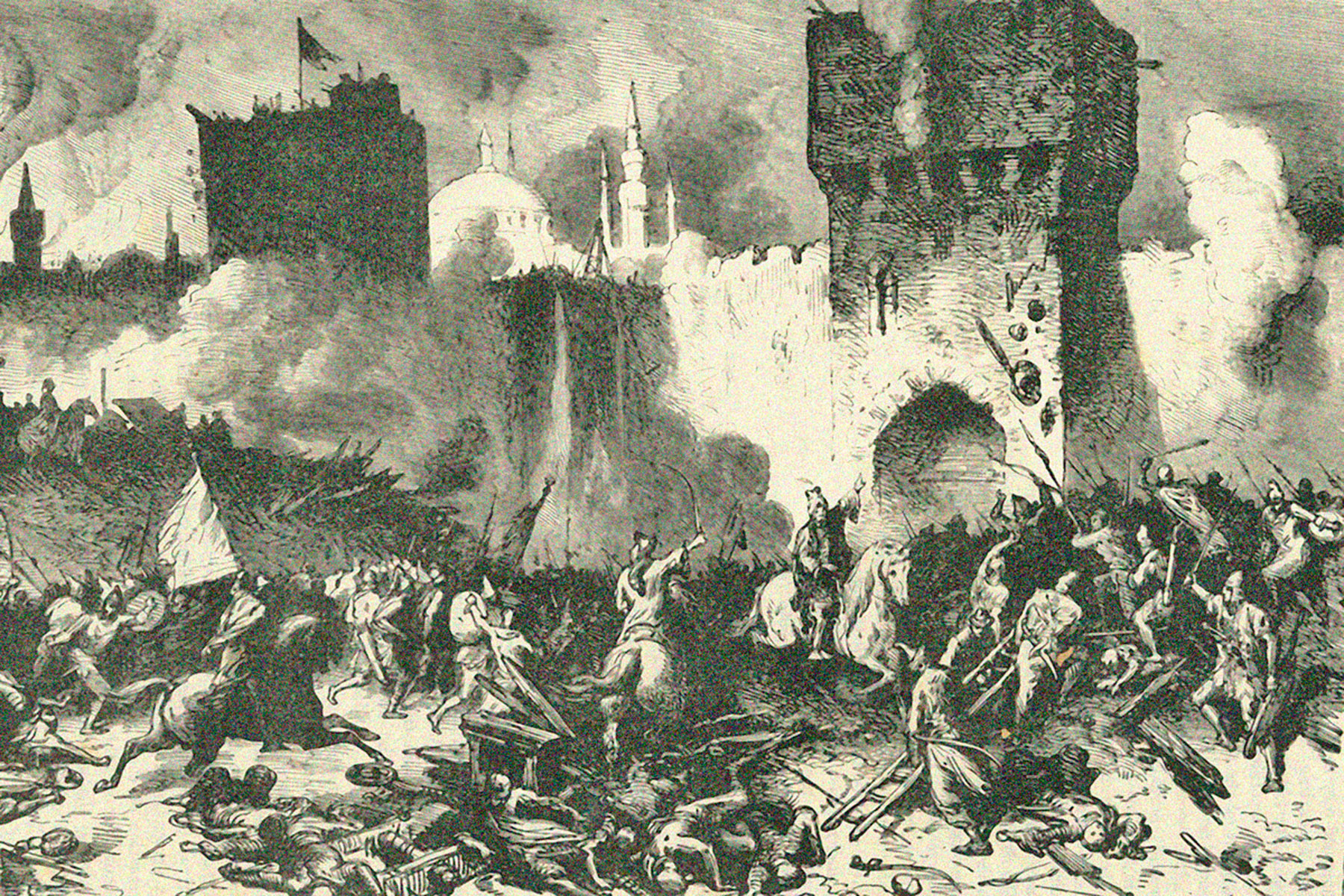
Often, when people talk about the fall of the Roman Empire, they’re speaking only about the Western Roman Empire. The fall of Western Rome — which ushered in the period in Europe known as the Middle Ages — is traditionally noted as 476 CE, when Romulus Augustulus, the last Roman emperor of the West, was deposed by the Germanic leader Odoacer. The Eastern Roman Empire, meanwhile, was formed in 330 CE by Constantine I at the site of the ancient Greek colony of Byzantium. Also known as the Byzantine Empire, it continued to exist for nearly a thousand years after the fall of the Western Roman Empire, until the conquest of Constantinople by the Ottoman army in 1453. The Eastern Roman Empire developed a more diverse culture that flourished during the early medieval period. After the fall, the influence of Byzantine culture continued in countries that practiced its Eastern Orthodox religion, including Greece, Romania, and Russia.

Photo credit: Culture Club/ Hulton Archive via Getty Images

Myth: Togas Were Always White, and They Were Worn by Everyone

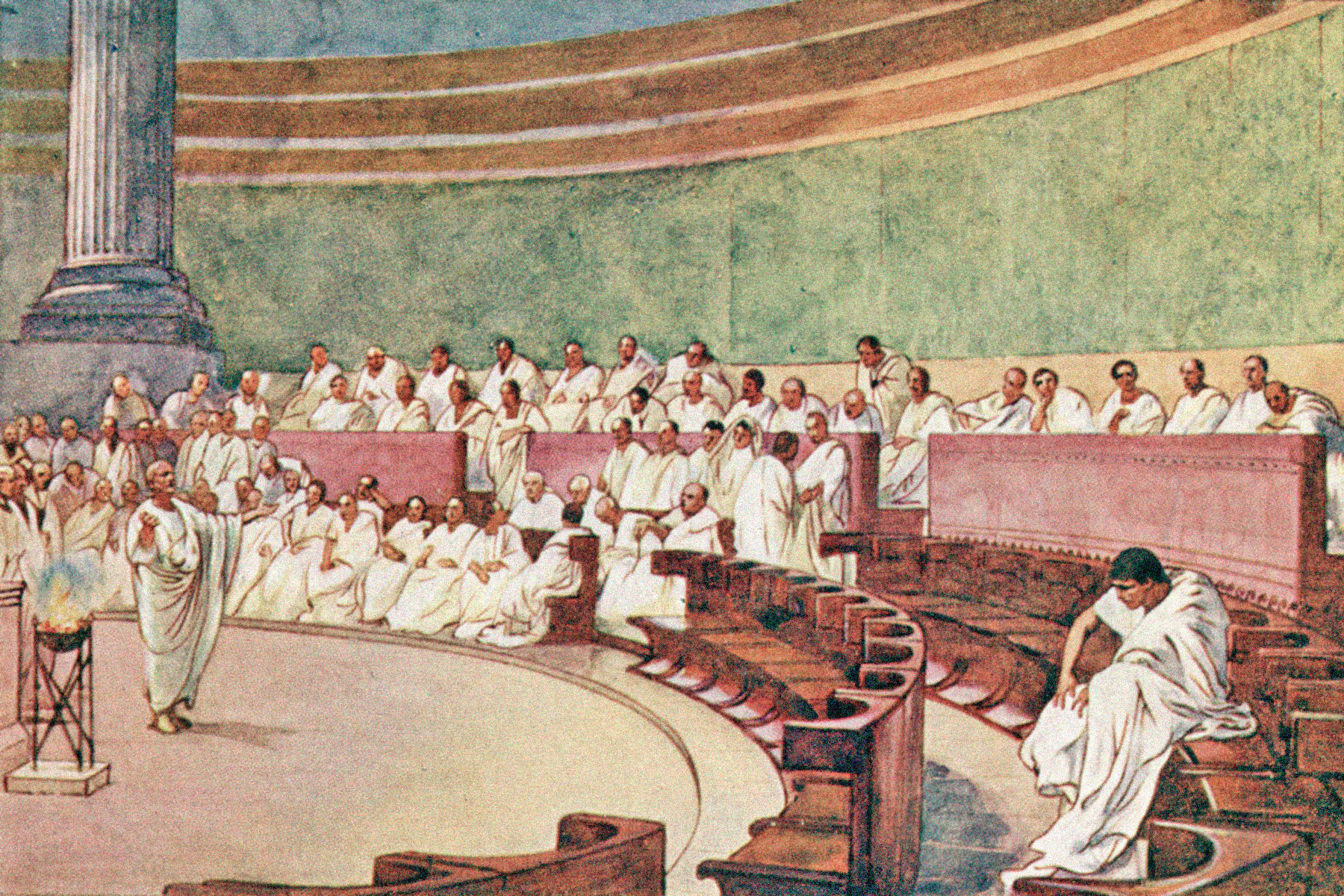
The epic poem “Aeneid,” written by the Roman poet Virgil sometime around 30 BCE to 19 BCE, refers to Romans as “masters of the world, and people of the toga.” The most commonly reproduced image of the Roman toga is a long, white piece of fabric draped over the shoulder, but toga styles were more complex throughout the ancient Roman era. While any Roman citizen could wear the natural, undyed wool toga, togas in other colors, including purple and red, as well as togas with stripes and designs, signified a specific status in Roman society. Over time, the toga became a ceremonial garment rarely worn by the average Roman citizen. The enduring association between Rome and the toga may have something to do with the fact that Virgil was commissioned by Emperor Augustus to write the “Aeneid.” Under Augustus, all Roman citizens who conducted business in the forum or attended the theater were required to wear a toga to distinguish themselves from noncitizens and identify their social class.

You may also like

6 Little-Known Facts About Greek Mythology

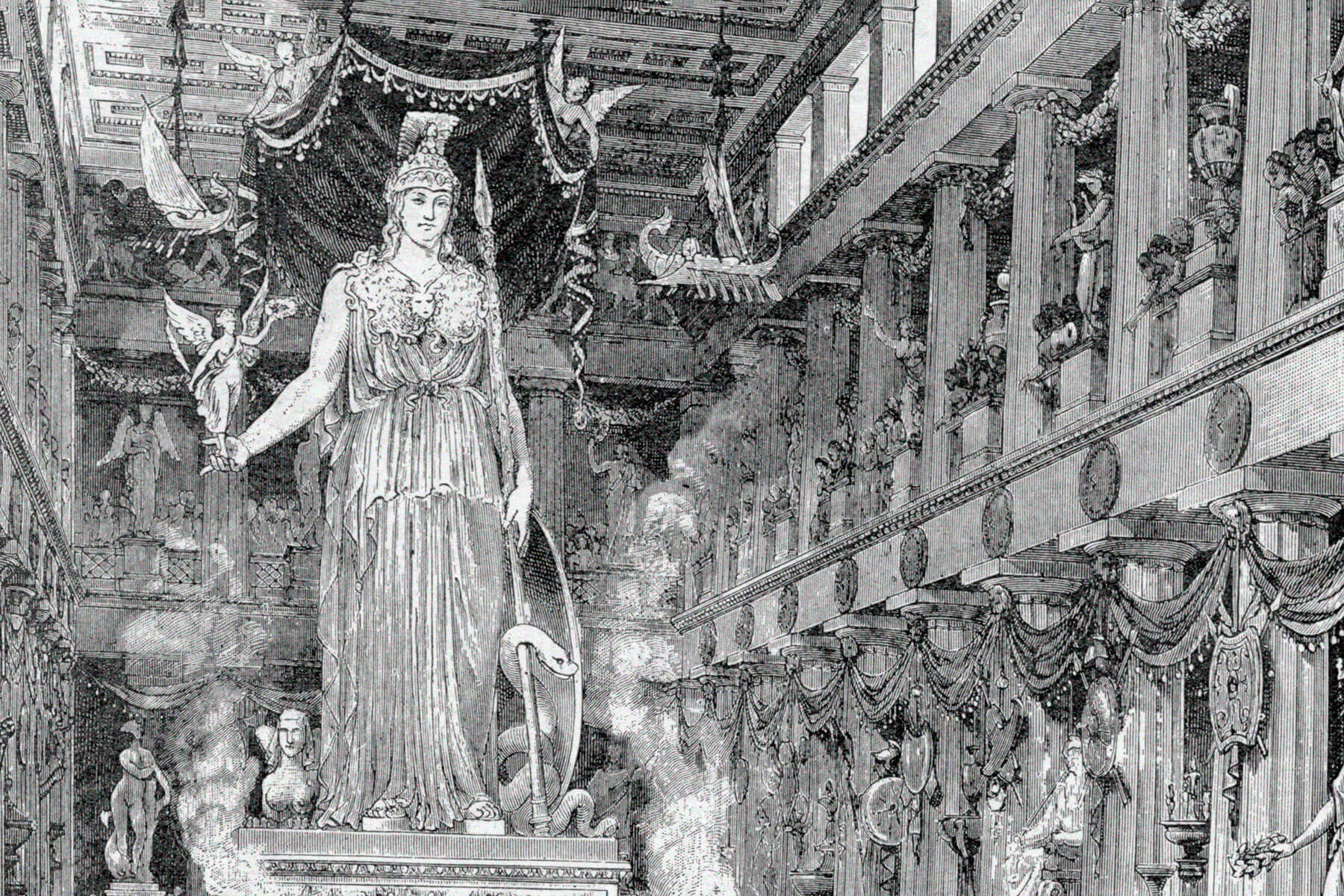
  • Statue of Athena
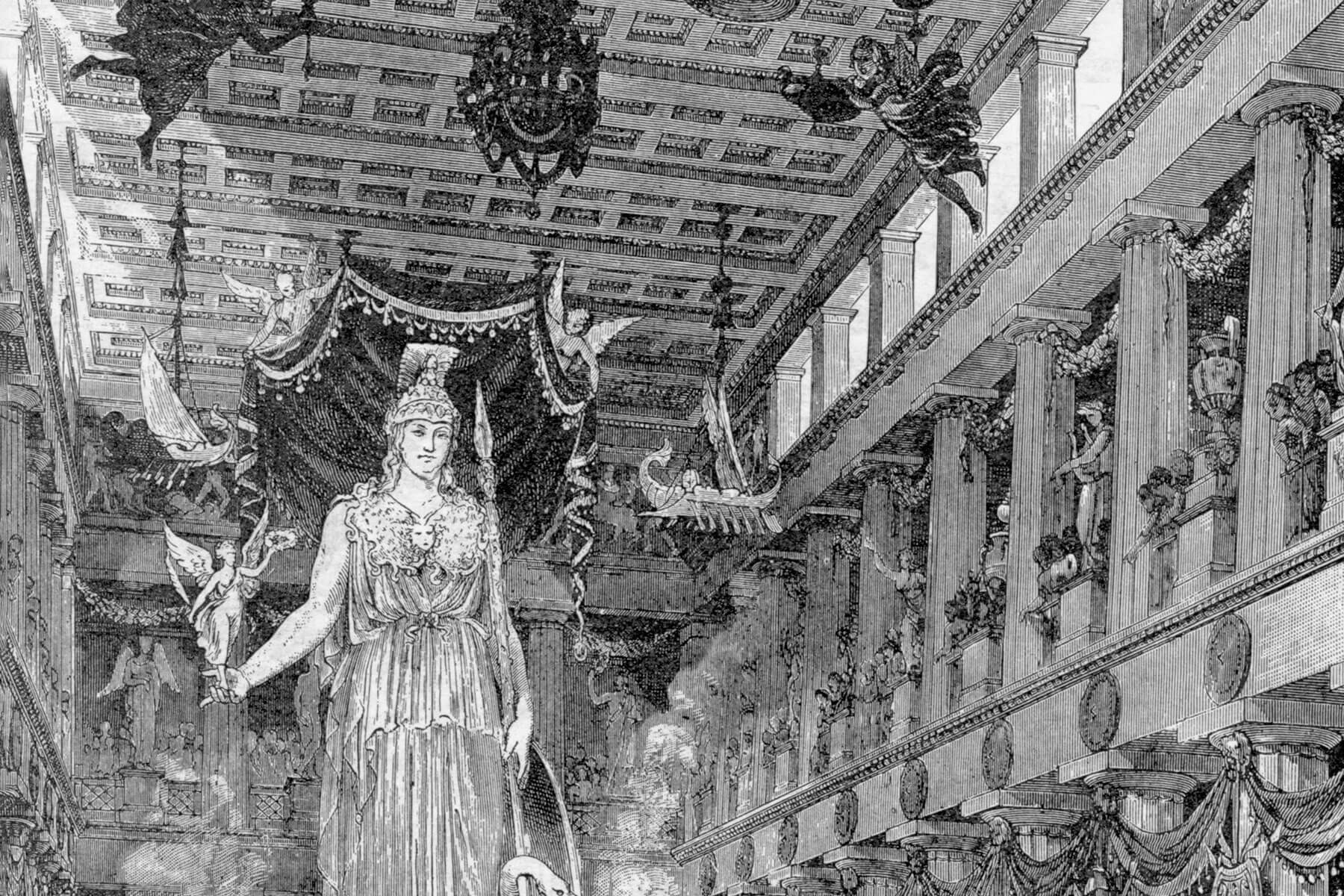
Statue of Athena
Bettmann via Getty Images
Author Paul Chang

September 13, 2023

Love it?

From Theseus’ battle with the minotaur to the epic siege of Troy, tales from Greek mythology have gripped humanity’s imagination for millennia. Likely originating with the Minoan civilization on the island of Crete (around 3000 to 1100 BCE), these stories portray the adventures and foibles of gods and heroes. The ancient Greeks looked to these myths — which were passed down orally for centuries before being transcribed — to explain everything from earthquakes to the creation of the universe. Though our scientific understanding of the world has progressed since ancient times, Greek mythology continues to shape and inspire many aspects of our culture to this day, from business to entertainment to sports. For a quick look at the history of this fascinating body of stories, here are six facts about Greek mythology.

Photo credit: Hulton Archive/ Archive Photos via Getty Images

The Amazons Were Based on the Real Warrior Women of the Steppe

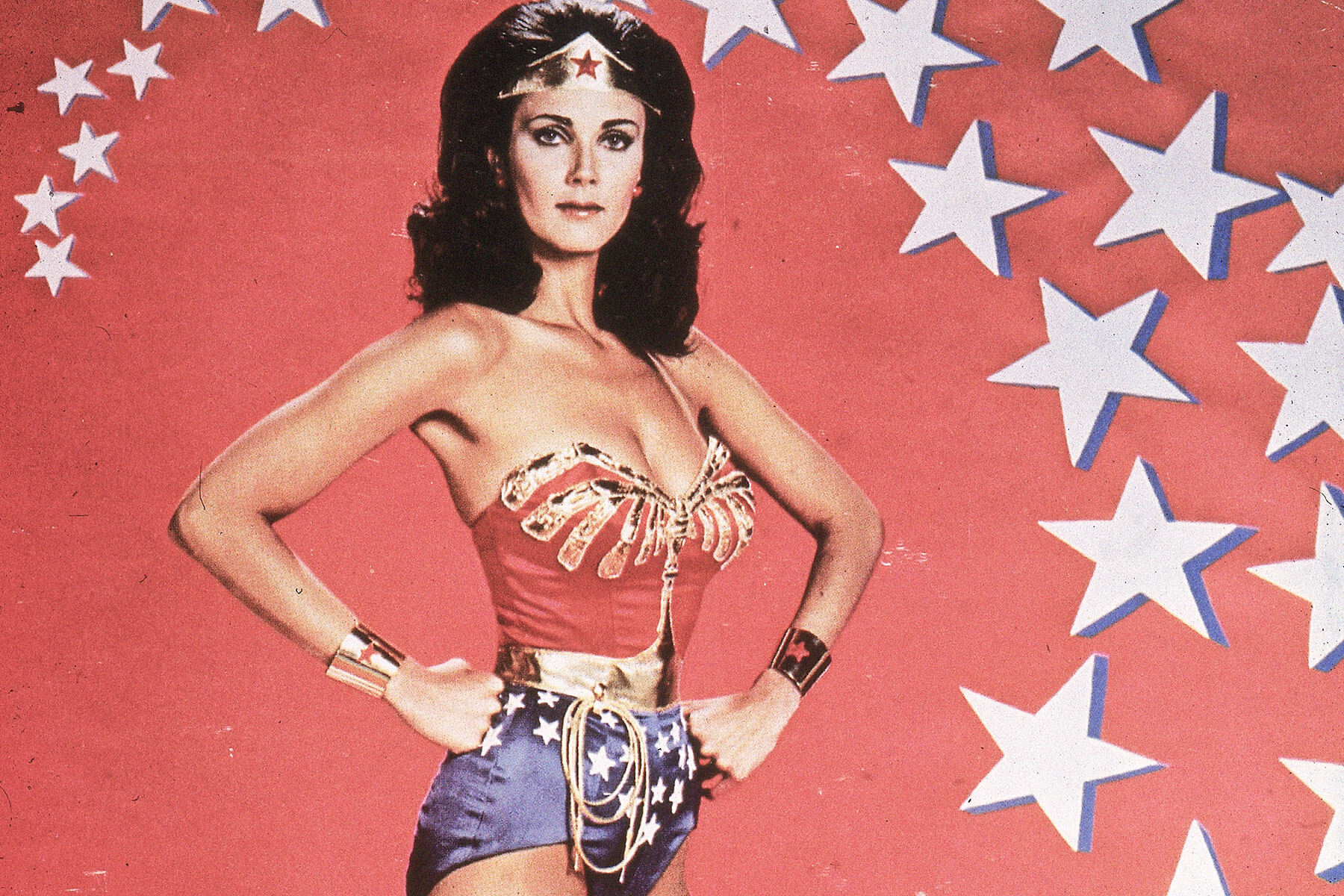
The Greek myth of the Amazons — a race of warrior women descended from Ares, the god of war — has inspired countless works of art, including the character of Wonder Woman. According to the myths, these warriors lived in a city called Themiskyra composed entirely of women, located on the Black Sea. Until recently, scholars believed that the Amazons were the stuff of fiction — but a growing body of evidence suggests that the stories were inspired by real-life female warriors who roamed the grasslands of the Eurasian Steppe on horseback and wielded bows and arrows. While these women differed from the Amazons of legend in some specifics (for example, they lived alongside men), leading experts now believe that ancient Greek encounters with these warriors gave rise to the legend that spread across the world.

Photo credit: Hulton Archive/ Hulton Fine Art Collection via Getty Images

Greek Mythology’s Most Famous Author May Have Never Existed

Credited as the author of theIliadand theOdysseytwo of Greek mythology’s most important texts — Homer has been viewed as a towering literary figure for much of history. Traditionally, he was thought to have lived in the eighth or ninth century BCE, and was described as being blind and, by some accounts, illiterate (dictating his poems to a literate assistant for transcription). However, since the 18th century, scholars have questioned whether Homer even existed. Some academics, such as the American classicist Milman Parry, have suggested that Homer’s epic poems were the result of oral stories told by various poets and folk singers being compiled into singular texts. Other scholars have questioned historical inconsistencies throughout the poems that could imply parts of the text were written in different time periods. This debate has inspired an entire field of study around Homer’s identity, known as the “Homeric Question.” While Homer’s existence is uncertain, one thing is for sure: The Iliad and the Odyssey continue to transfix and entertain readers to this day.

You may also like

6 Illuminating Facts About Secret Societies

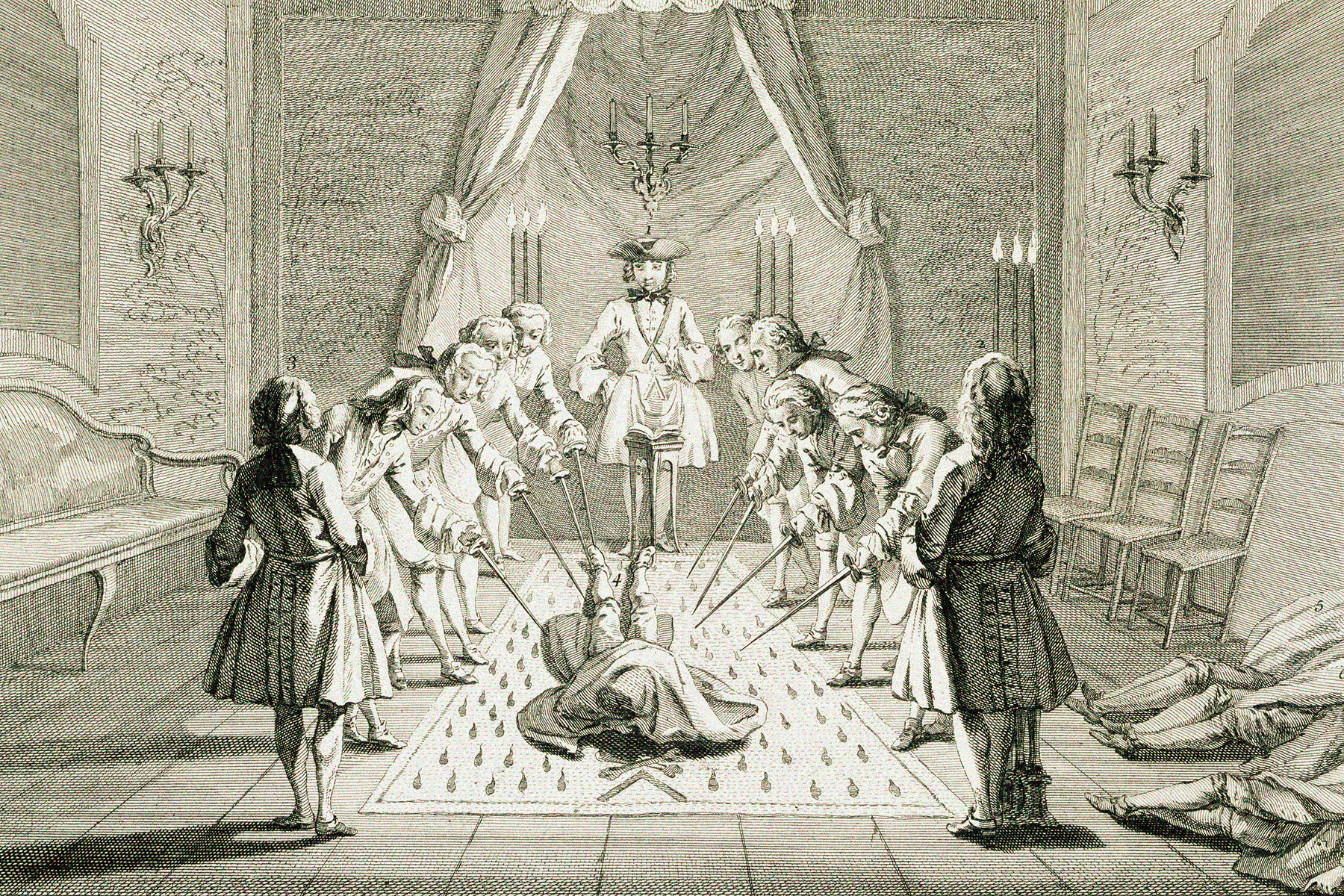
  • Illuminatus initiation
Illuminatus initiation
Universal History Archive/ Universal Images Group via Getty Images
Author Kristina Wright

September 13, 2023

Love it?

The term “secret society” encompasses a wide variety of exclusive and clandestine organizations, many of which have been in existence for centuries and count some of history’s most influential figures among their members. Secret societies pique our curiosity because they often keep their activities and objectives concealed from nonmembers and the public. Though there are exceptions, the intentions of these exclusive groups are generally not nefarious; for instance, some college clubs can be considered secret societies because they have private rituals and traditions whose symbolism and mystique serve to create a sense of belonging and shared purpose.

The most prominent secret societies have left their mark on history, from wielding their influence over governments to shaping the course of labor and religious movements. Because of the secretive nature of these organizations, their historical origins can be complex to track down, and are often debated by historians and scholars. From the medieval beginnings of the Freemasons to the puzzling origins of Cicada 3301, here are six unusual facts about these mysterious groups.

Photo credit: Heritage Images/ Hulton Archive via Getty Images

One of the World’s Oldest Secret Societies Still Flourishes Today

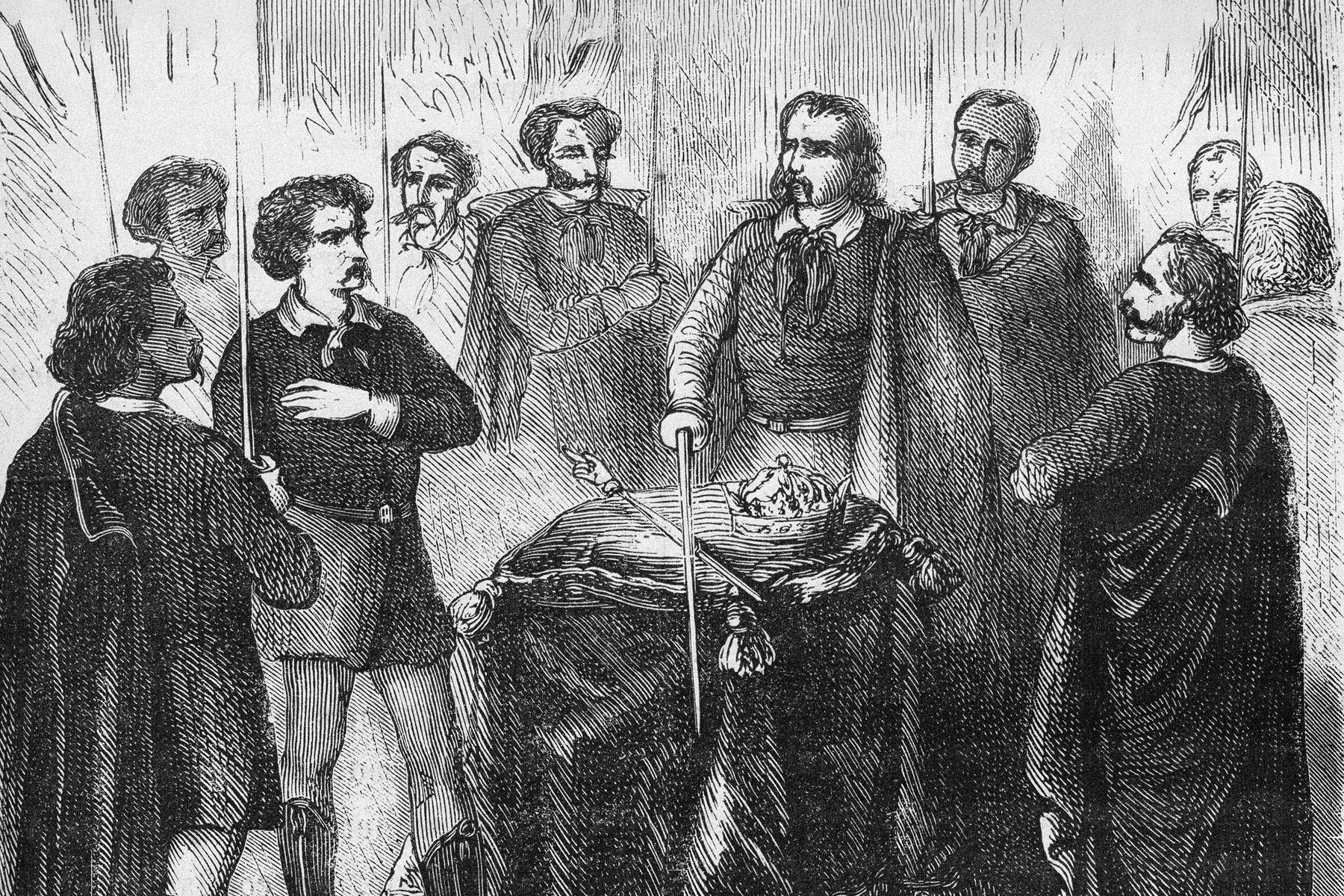
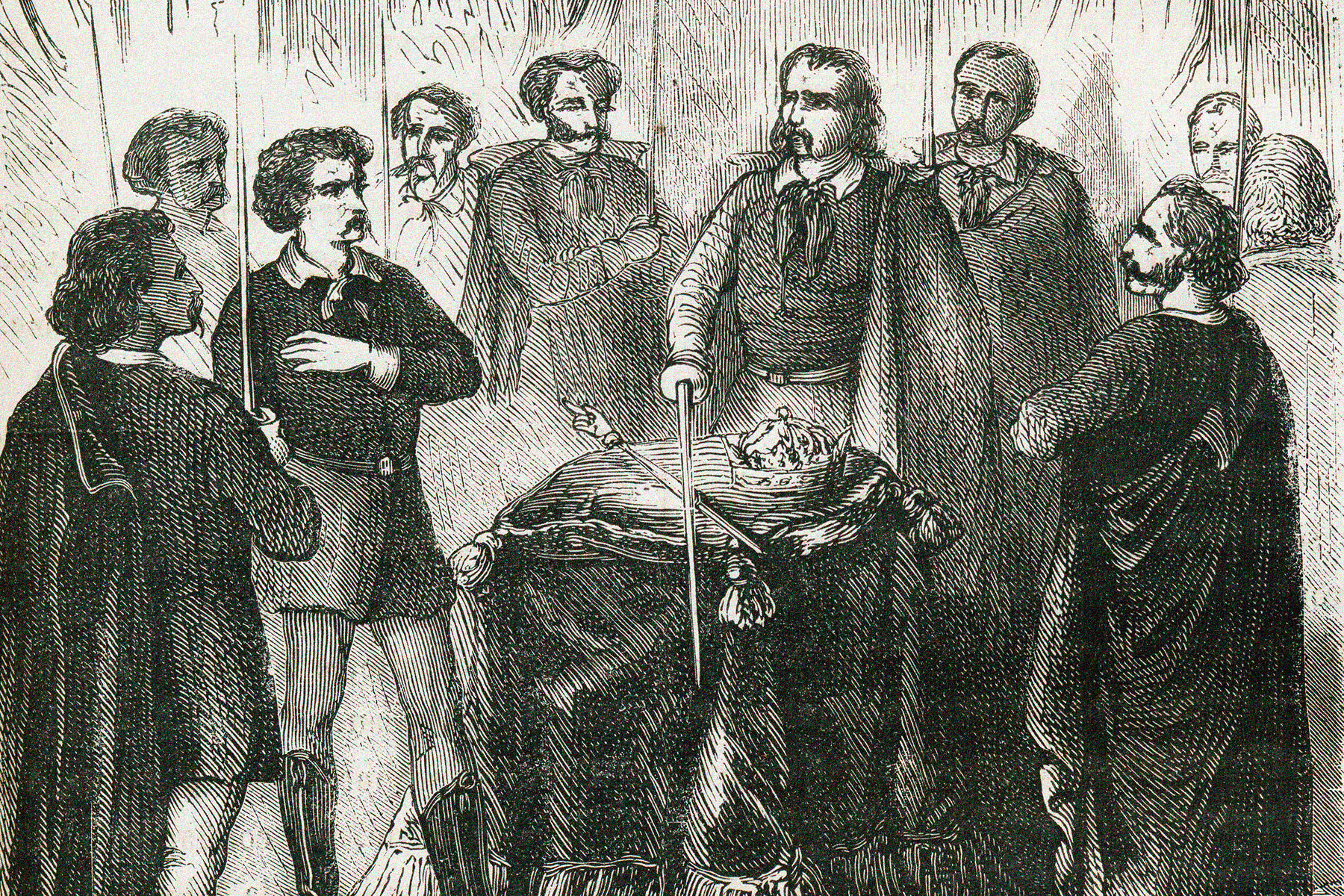
The history of the Freemasons dates back to the Middle Ages and the guilds of skilled stonemasons who regulated the qualifications of the stoneworkers. Their work required stonemasons to travel, encouraging a more open-minded worldview. The modern Freemasonry society was founded in England in 1717 and quickly spread throughout Europe and the American colonies. The organization established guidelines not only for stonework, but also for the moral and spiritual values of its members. Today, there are over 6 million Freemasons around the world. They still use the same system of secret rituals — including handshakes, passwords, and symbols — that have been used since the 18th century, but in recent years the group has begun making moves toward modernization and transparency. In 2021, the Freemasons issued the first annual report in their 300-year history.

Photo credit: Heritage Images/ Hulton Archive via Getty Images

The Real Illuminati Was Interested in Enlightenment for All

The name “Illuminati” has been used to refer to various groups, both real and fictional, since the 15th century. But the group most closely linked to the name dates back almost 250 years to the Bavarian Illuminati, formally known as the Order of the Illuminati. The short-lived secret society was founded in Ingolstadt, Bavaria, in 1776 by German professor Adam Weishaupt, who wanted to create “a state of liberty and moral equality, freed from the obstacles which subordination, rank, and riches, continually throw in our way.” Taking inspiration from the Freemasons and French Enlightenment philosophers, Weishaupt formed a secret society that climbed to more than 2,000 members in Bavaria, France, Hungary, Italy, and other regions where Enlightenment ideas were taking hold. The Bavarian government eventually shut down the Illuminati in 1784, prohibiting the creation of any groups not authorized by law. But there were those who believed the society went underground, spawning a number of conspiracy theories that linked the group to world events, from the French Revolution to the 9/11 terror attacks.

You may also like

A Brief and Curious History of Pockets

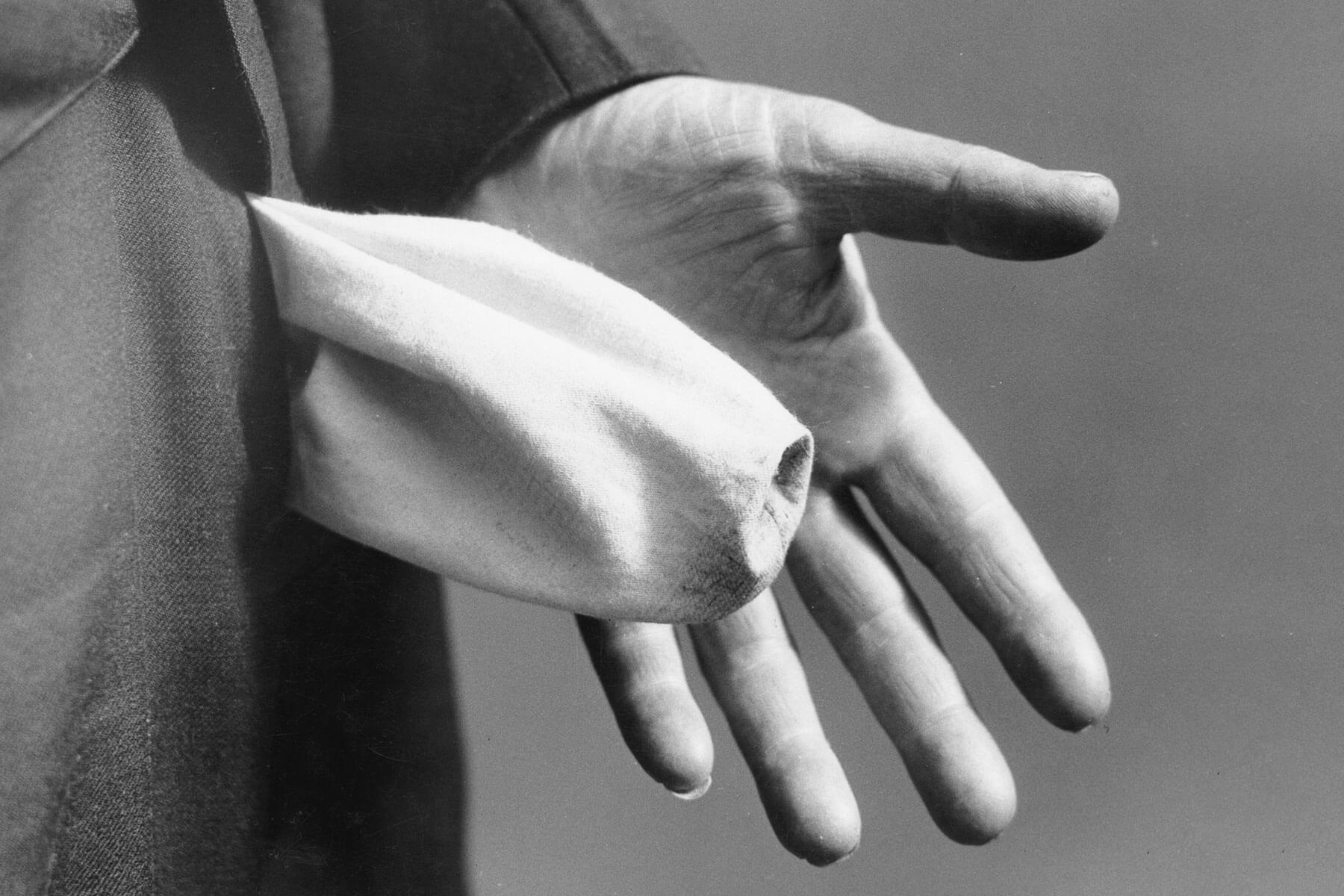
  • Empty trouser pocket
Empty trouser pocket
brandstaetter images/ Hulton Archive via Getty Images
Author Sarah Anne Lloyd

September 7, 2023

Love it?

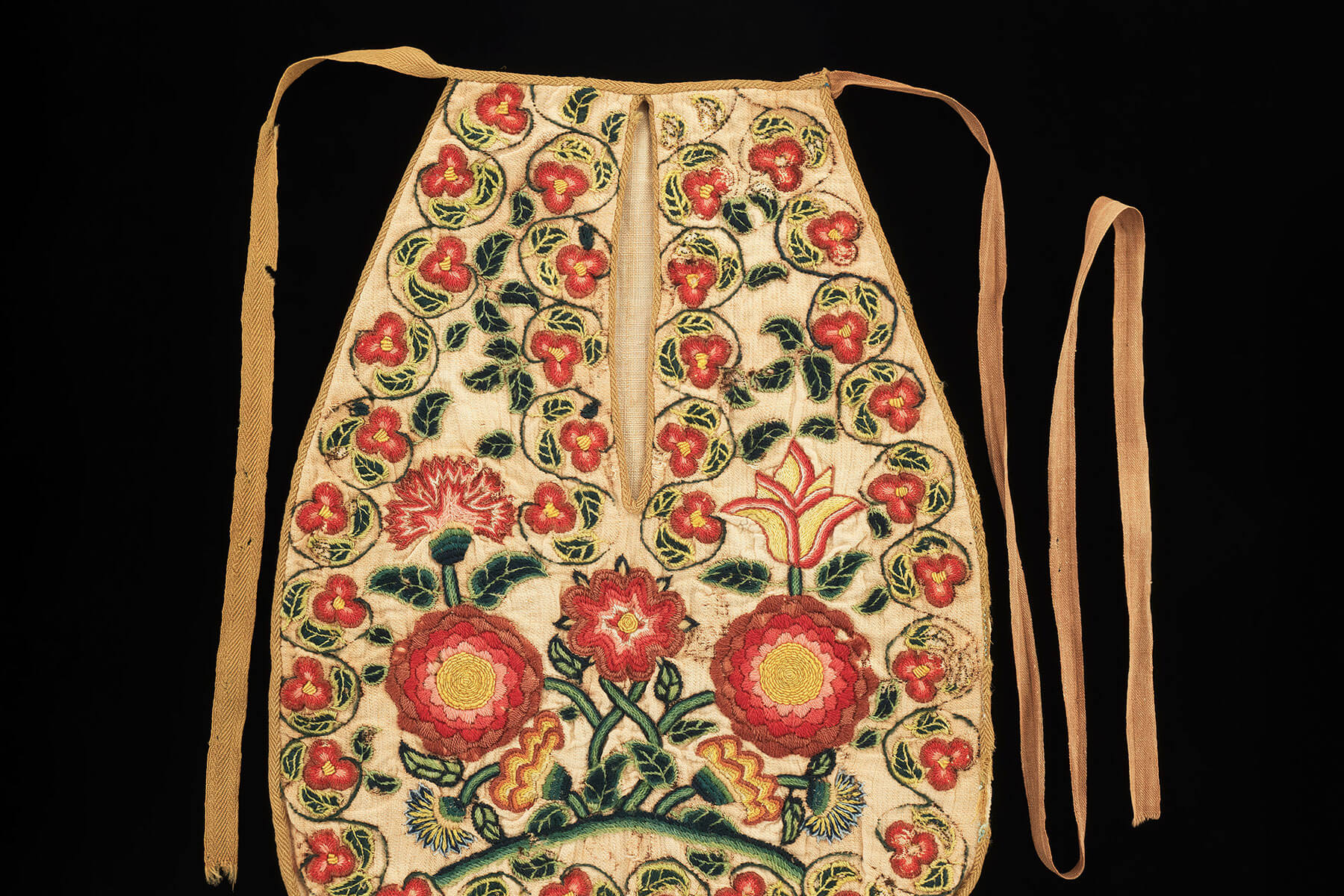
You can never have too many pockets, but we used to not have them at all. As clothing evolved from simple to complex, pockets, some of them specialized, evolved right along with it, changing shape, size, and function through the years. 

When did pockets go from external pouches to sewn-in features? How big were the pockets that 18th-century women hid under their skirts — and why are women’s pockets so small now? What role did jeans play in the progress of the pocket? This brief history of pockets shows just how deep they go.

Photo credit: Sepia Times/ Universal Images Group via Getty Images

Pocket Predecessors

Wearable pouches — such as fanny packs or, if you’re fancy, belt bags — date back thousands of years. Even Europe’s oldest known natural mummy, Otzi the Iceman, who lived in the Copper Age more than 5,000 years ago, was found wearing a belt with a small attached pouch, which contained some small tools.

Belt bags were a must-have accessory in medieval Europe, too; some were crude, some more ornate, and they were worn by all genders. One found in a particularly lavish grave in England had a decorative metal purse lid that would have been attached to a leather pouch

The word “pocket” came into use in English around 1450 to describe a small sack worn on someone’s person, whether sewn into clothing or not. It evolved from the Anglo-French word poket or pouchet, a diminutive variation on poke or pochete, meaning “bag.”

Photo credit: Culture Club/ Hulton Archive via Getty Images

The Rise of Men’s Pockets

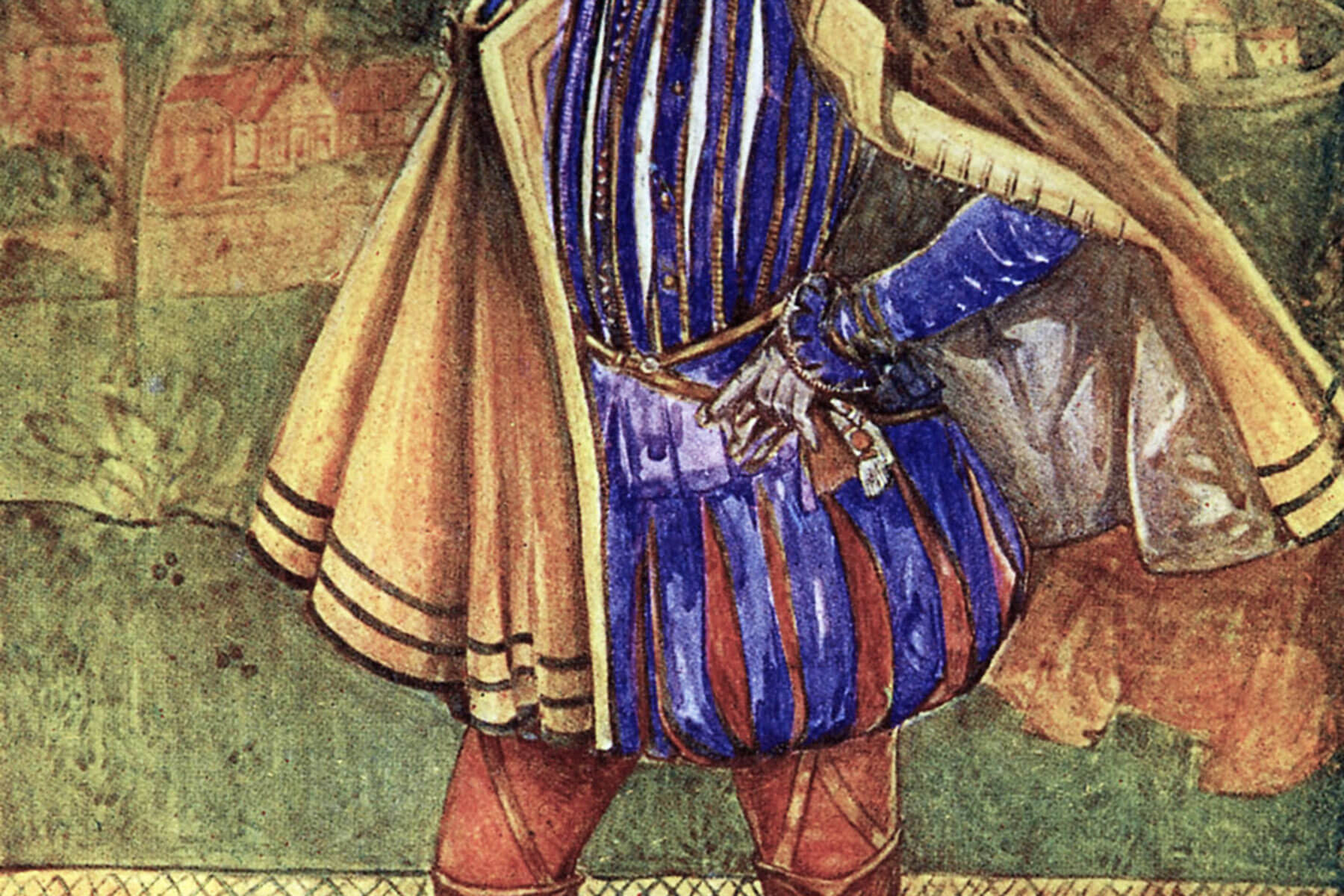
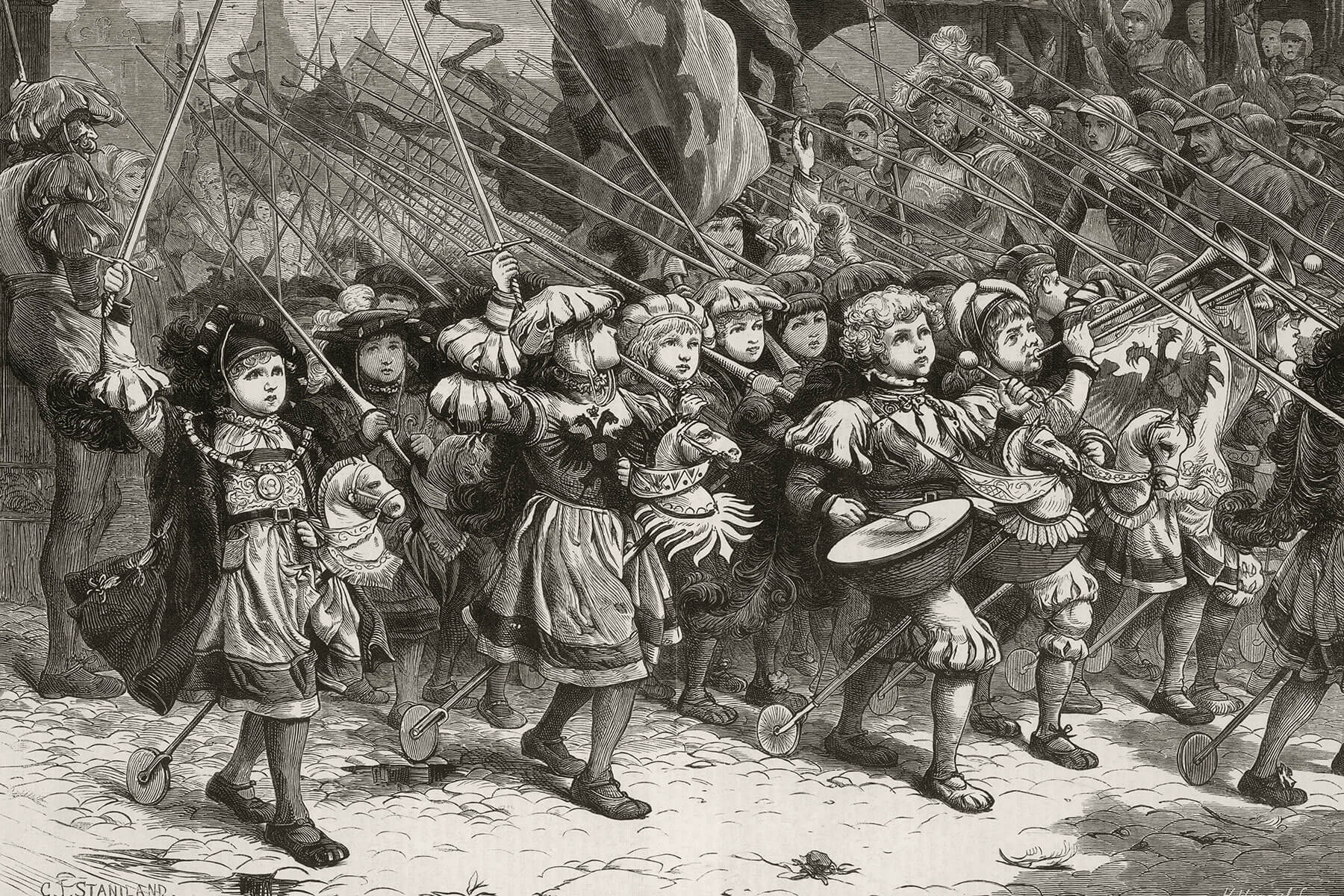
The Renaissance was a time of great art, innovation, and exploration throughout Europe, and it’s during this era that the sewn-in pocket started to appear. The earliest true pockets were parts of men’s trunk hose — the poofy short breeches that you see in old portraits of royals and nobles — which became popular during the 16th century. The pockets hid themselves well among the folds, although sometimes they’re visible in paintings.

The extra space left plenty of room for storing necessary objects, particularly pocket watches. These pockets could be quite luxurious; one example of voluminous trunk hose from the early 17th century had leather pockets lined with yellow and blue silk. Eventually, sewn-in pockets were also added to men’s coats, jackets, waistcoats, and breeches, for both nobles and commoners. From that point forward, menswear typically included pockets. For women’s clothing, however, the path was not quite as straight.

You may also like

What Were the Crusades?

  • End of the Third Crusade
End of the Third Crusade
Universal History Archive/ Universal Images Group via Getty Images
Author Tony Dunnell

September 7, 2023

Love it?

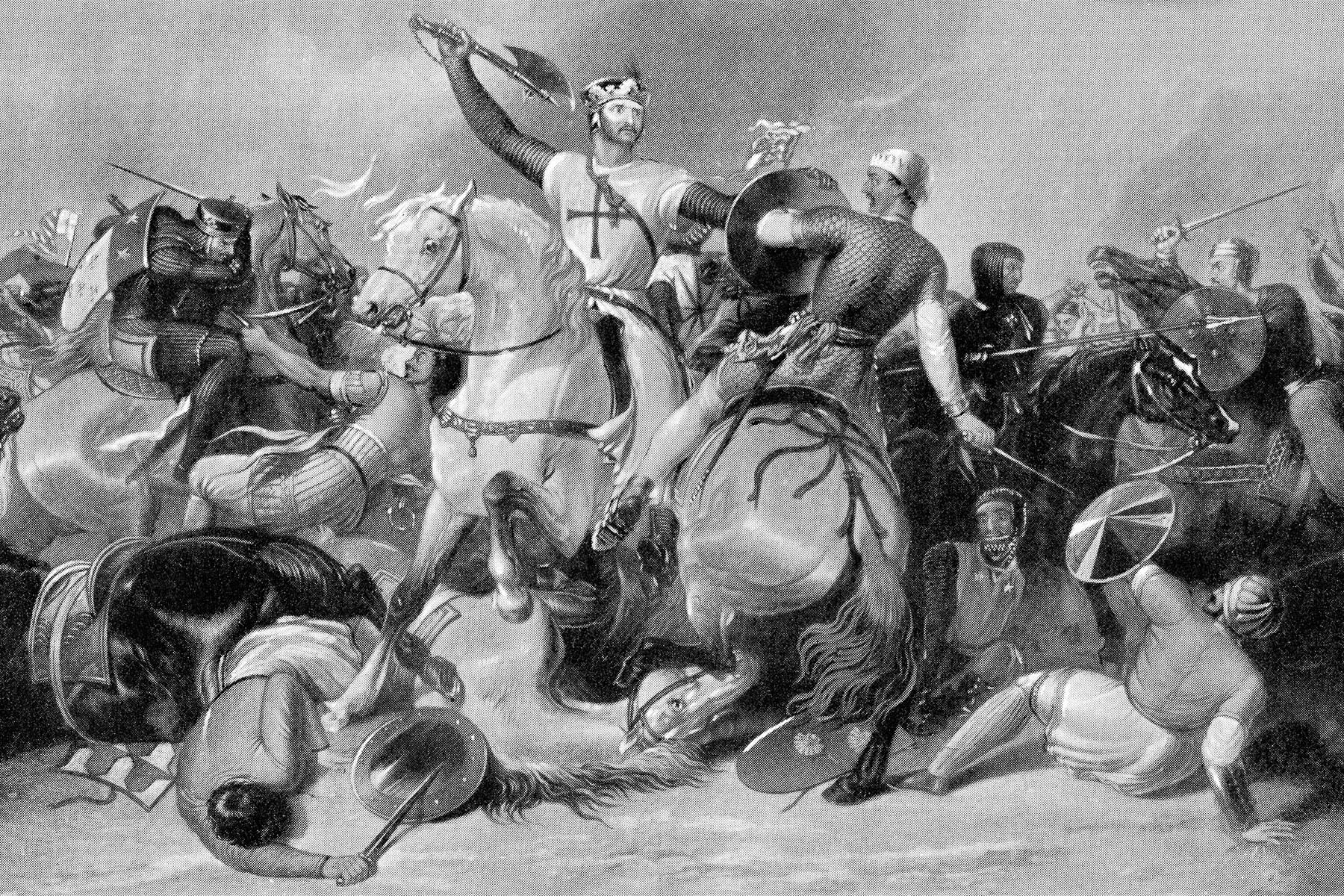
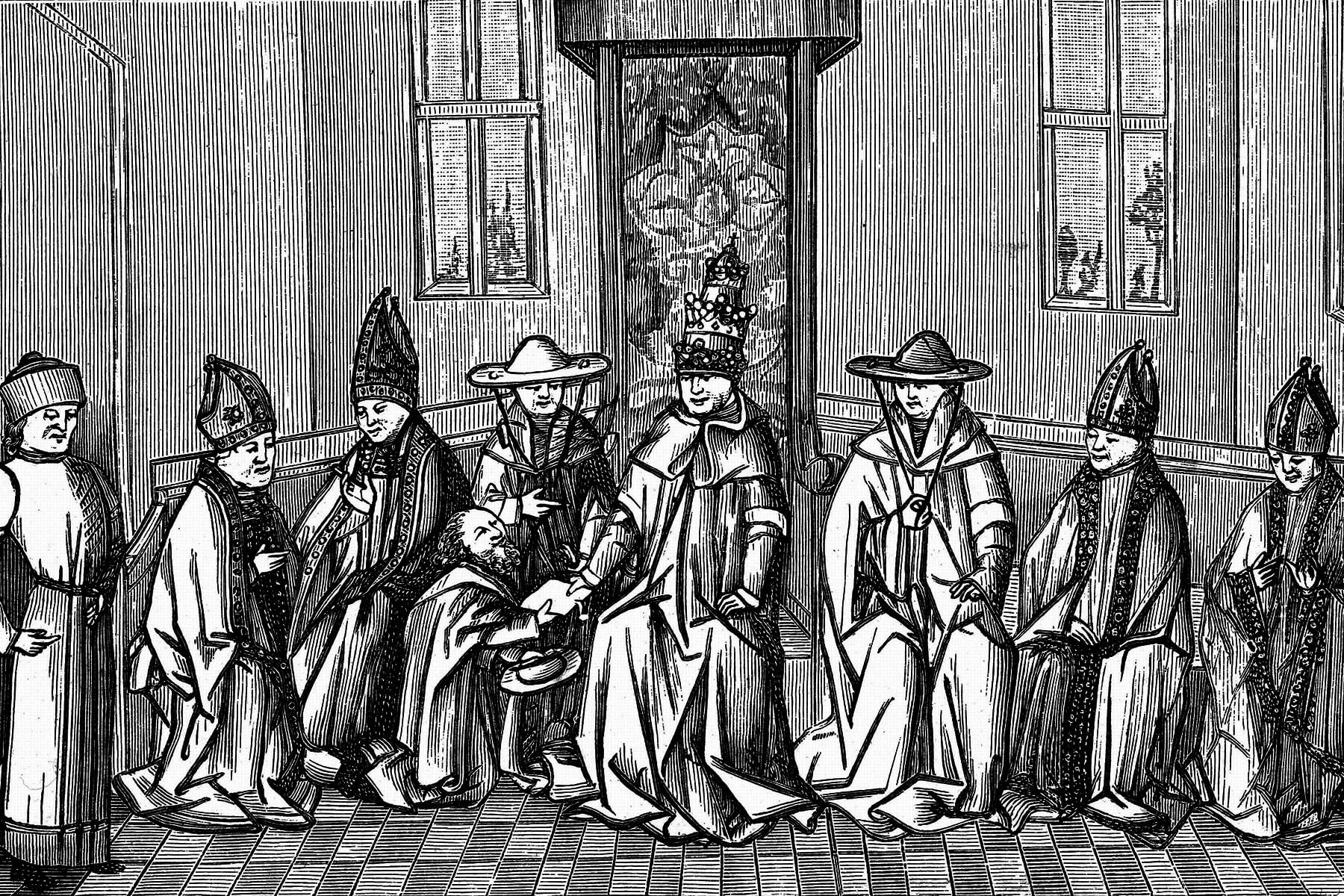
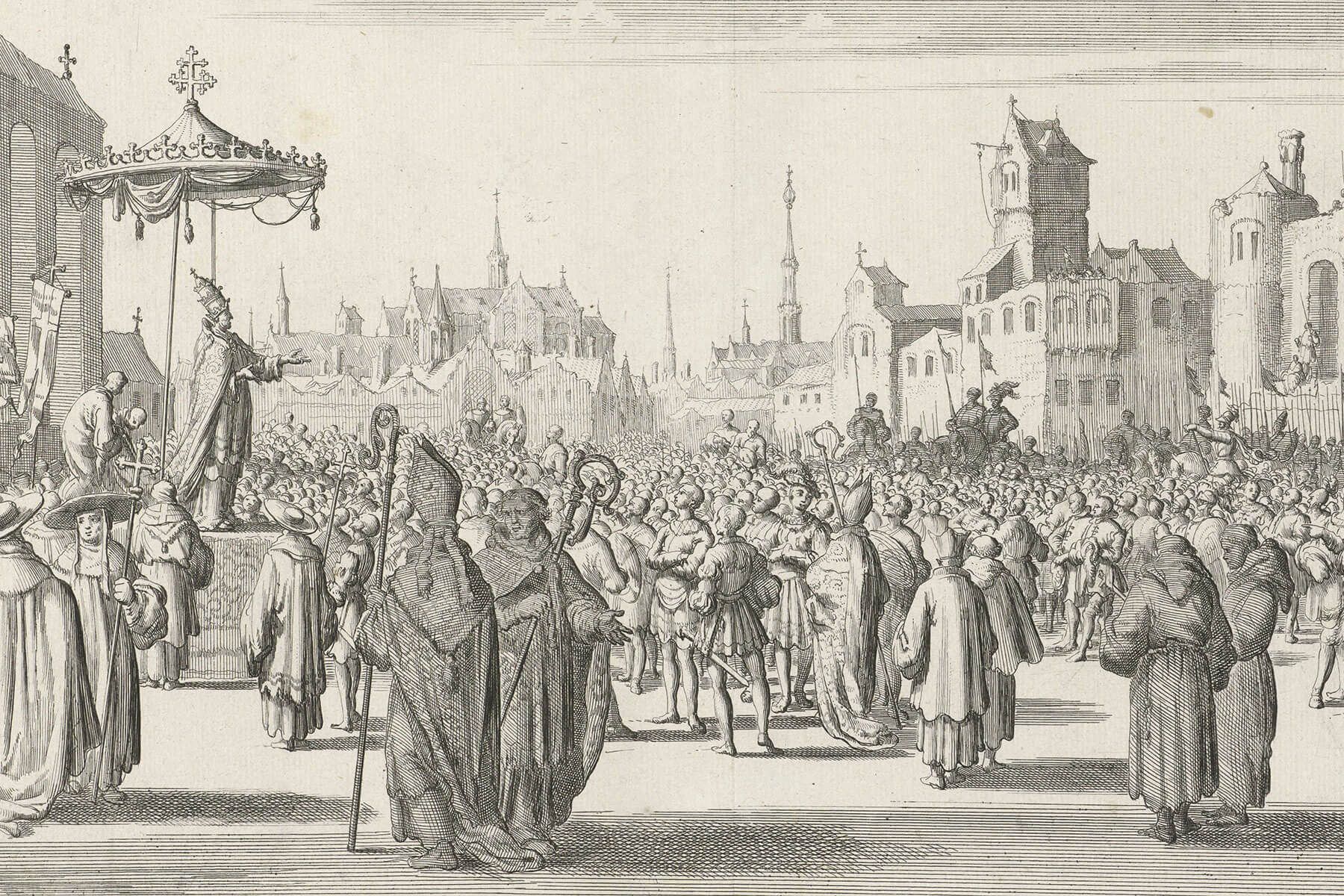
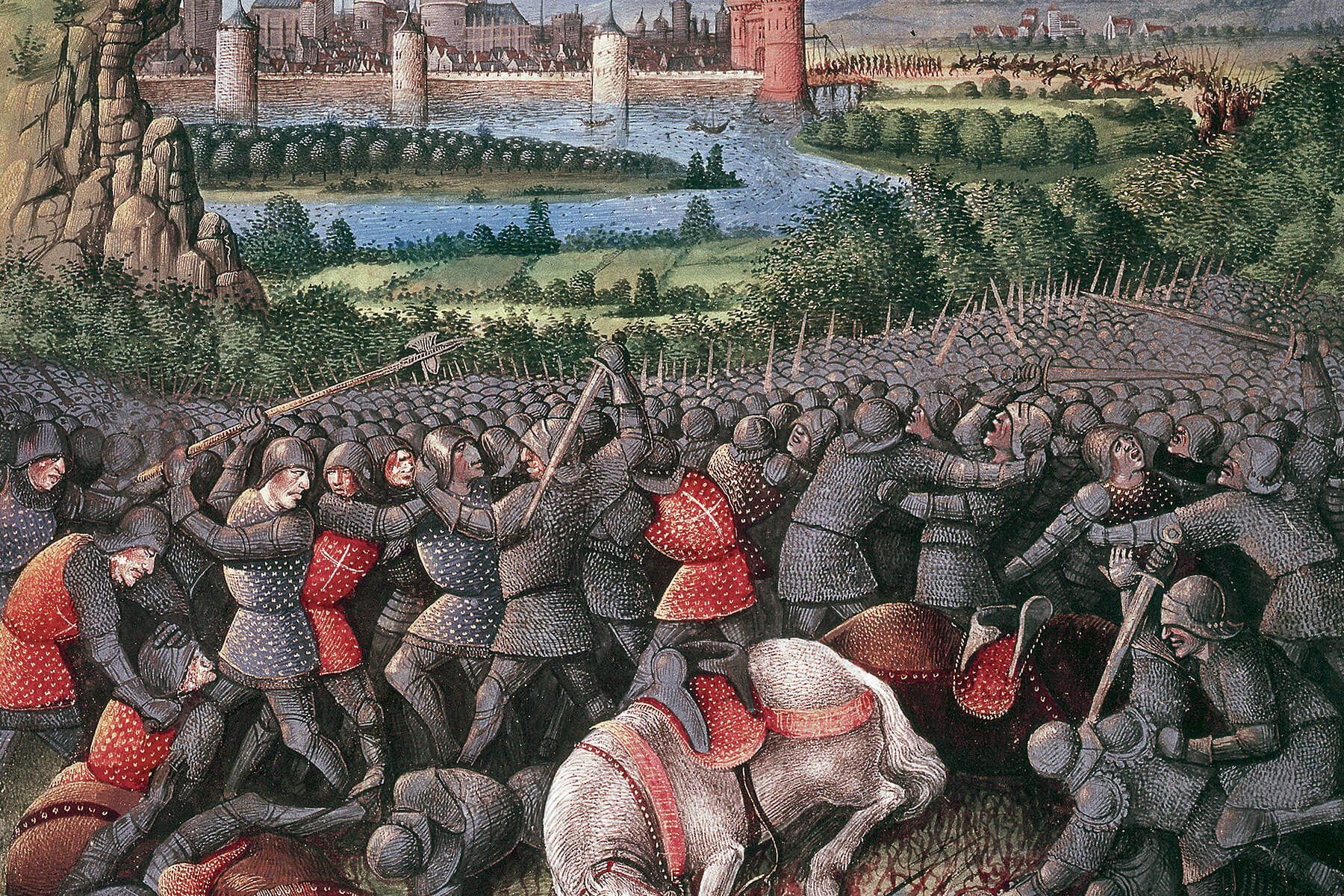
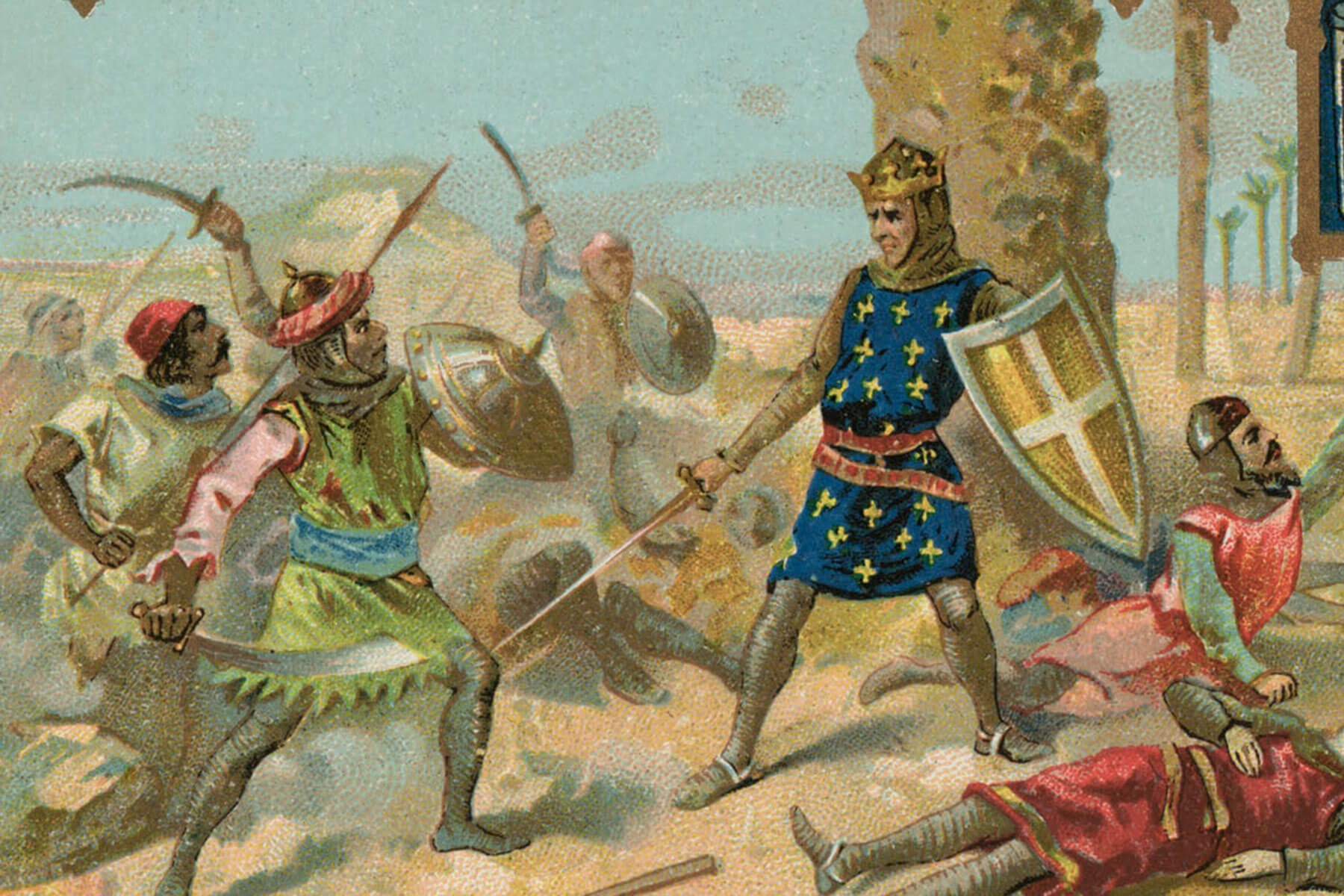
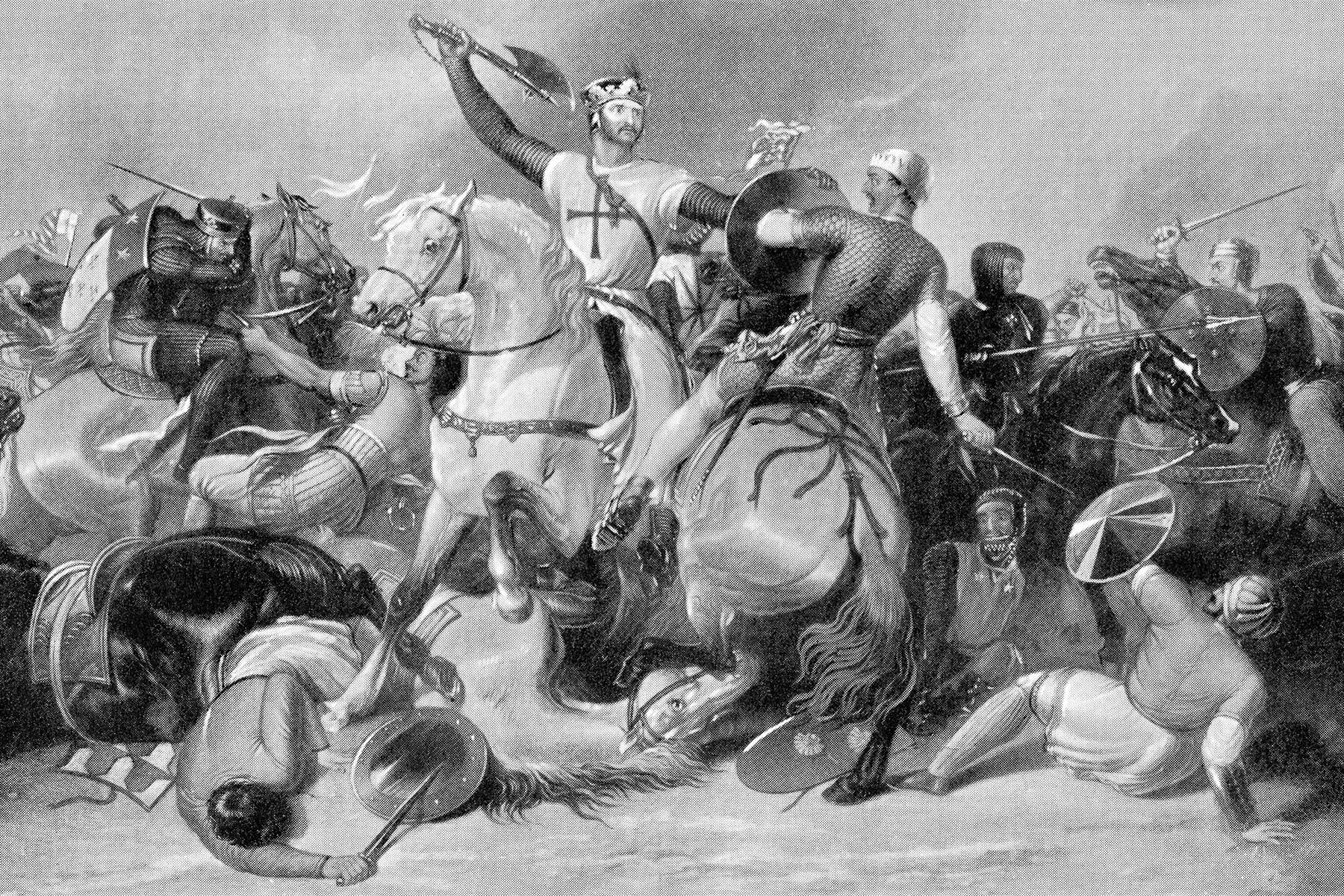
During the high medieval period in Europe — a time when the continent’s population increased rapidly, bringing about great social and political change — Pope Urban II sparked a religious war when he urged Christians to recapture the Holy Land, a region that lies between the Jordan River and the Mediterranean Sea and is held sacred among Christians, Jews and Muslims, particularly the holy city of Jerusalem. The result was a series of military campaigns that lasted from 1095 to 1291, known today as the Crusades. 

Photo credit: Photo 12/ Universal Images Group via Getty Images

The Roots of Religious Conflict

By the end of the 11th century, about two-thirds of the ancient Christian world had been conquered by Muslims, including strategically and religiously important regions such as Palestine, Syria, and Egypt. When, around 1077, Muslim Turks took control of the Holy Land, religious and territorial frictions between the two religious groups reached a tipping point. Byzantine Emperor Alexius I Comnenus feared that his lands — the Eastern Roman Empire, which included the strategically important city of Constantinople (now Istanbul) — would be next, and he appealed to the pope for assistance. Pope Urban II responded in 1095, promising the knights of Europe that their sins would be forgiven if they recaptured the Holy Land and, more specifically, Jerusalem, for Christianity. With that fateful promise, the Crusades began. 
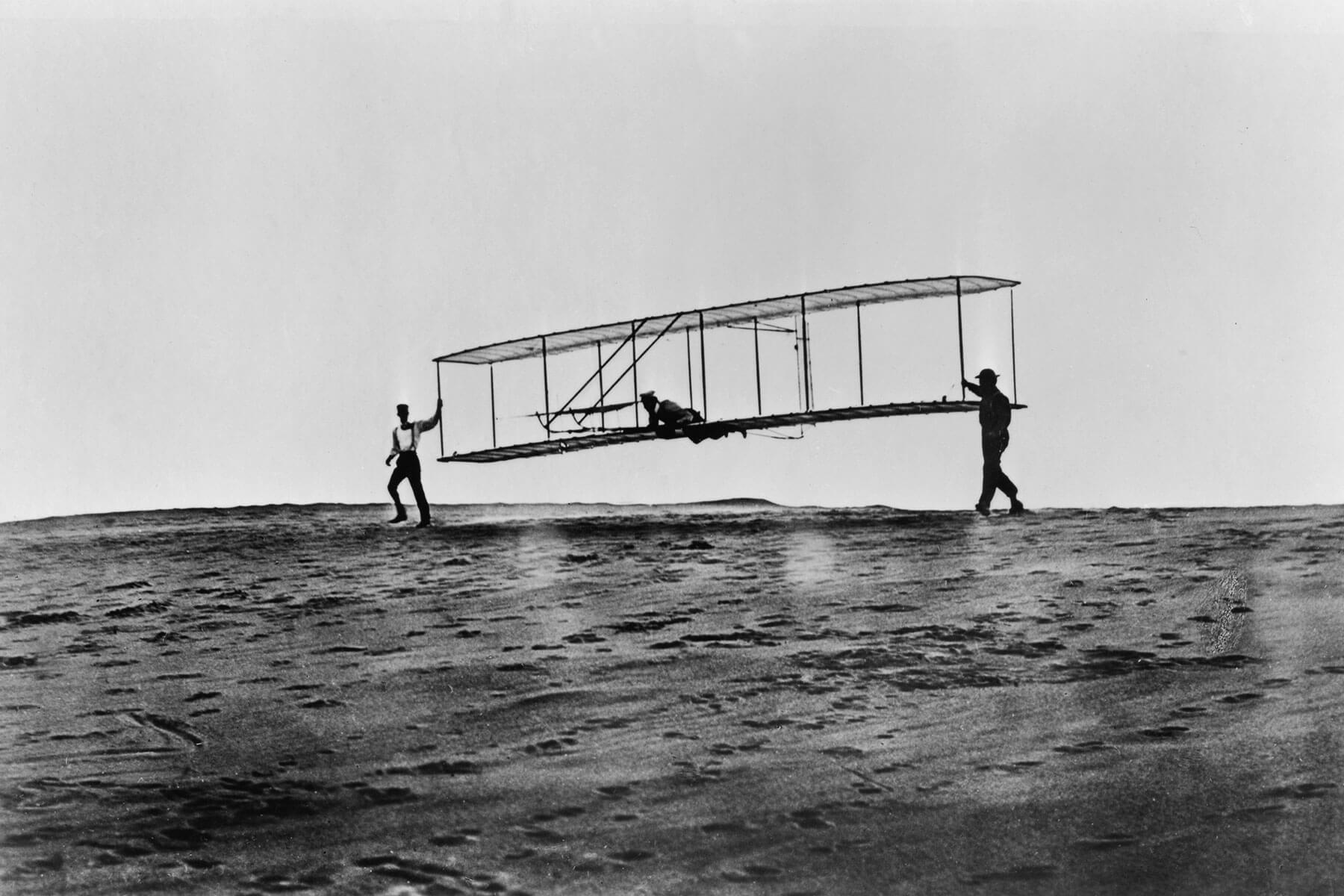
Photo credit: Heritage Images/ Hulton Archive via Getty Images

Rallying to the Cause 

Pope Urban’s plea was met with a massive response, not only among knights but also among ordinary citizens who chose to join the Crusades. Their reasons for joining the holy war were varied. Many knights sought to defend Christianity while earning forgiveness for their sins and eternal glory, as promised by Pope Urban II. But their motives weren’t always religious. Knights also believed firmly in chivalry and sought out adventures in which they might gain honor or renown. The campaigns also presented material opportunities, with conquered land up for grabs. European merchants, too, were typically in favor of the Crusades, as they sought to monopolize important trading centers that were under Muslim control. They could also earn good money shipping Crusaders to the Middle East — an estimated 90,000 men, women, and children of all classes joined the First Crusade alone, so there was wealth to be made in providing passage. 
You may also like

5 of the Most Famous Planes to Ever Take the Skies

  • Boeing 747
Boeing 747
Bettmann via Getty Images
Author Tony Dunnell

September 7, 2023

Love it?

Humans have been fascinated with flight for a long, long time. The ancient Chinese built the first kites, mimicking the shapes of birds, as far back as 475 BCE. Around 300 BCE, the ancient Greek mathematician Archytas built a steam-propelled flying pigeon. And then there was Bladud, king of the Britons, who, according to legend, was so obsessed with the idea of flight that around 850 BCE he donned a pair of homemade wings, jumped off a building, and promptly fell to his death. 
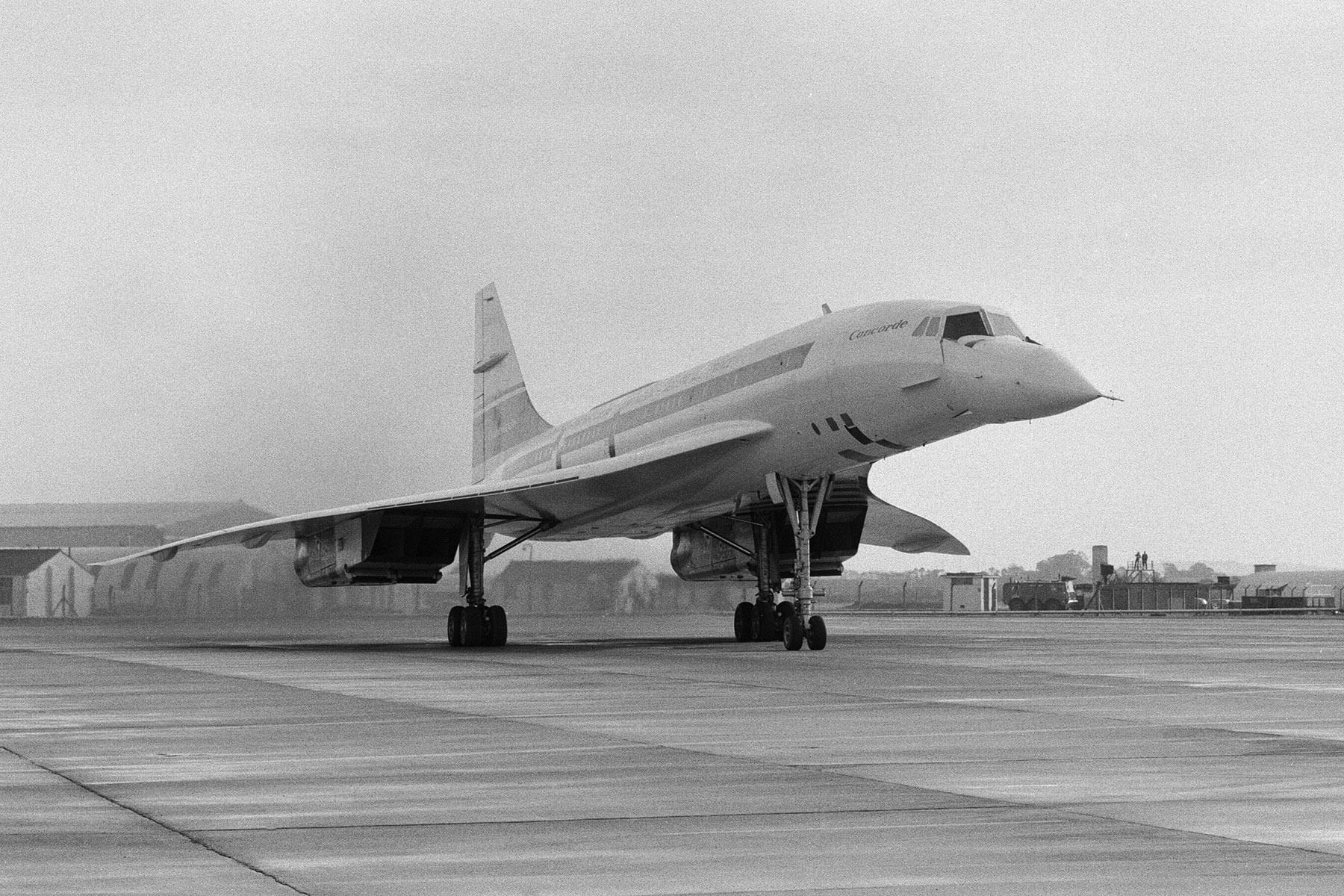
It’s safe to say that humans have progressed since the days of Bladud. Flight is now a fundamental part of human society, from the way we travel to the way we wage wars. Since the Wright brothers took the first and most famous powered flight in 1903, aviation has developed at breakneck speed, taking us across the sound barrier and even beyond our own atmosphere. 

Here are five famous planes that have shaped the history of aviation and, in so doing, the history of human progress itself. 

Photo credit: Science & Society Picture Library via Getty Images

The Wright Flyer

At Kitty Hawk, North Carolina, on December 17, 1903, the Wright Flyer completed the world’s first successful flight of a powered, heavier-than-air flying machine. Brothers Wilbur and Orville Wright had achieved sustained and controlled aviation, with the best flight of the day covering 838.5 feet in 59 seconds. The Wright Flyer — a biplane with a wingspan of 40 feet and one 12-horsepower four-cylinder engine driving two pusher propellers — should have instantly become the most famous flying machine in history, but it didn’t. The Wright brothers had achieved something so incredible that much of the public — including scientists — remained skeptical. It took time to convince them that the course of human flight had, indeed, been changed forever. 

Photo credit: Science & Society Picture Library via Getty Images

The Spitfire

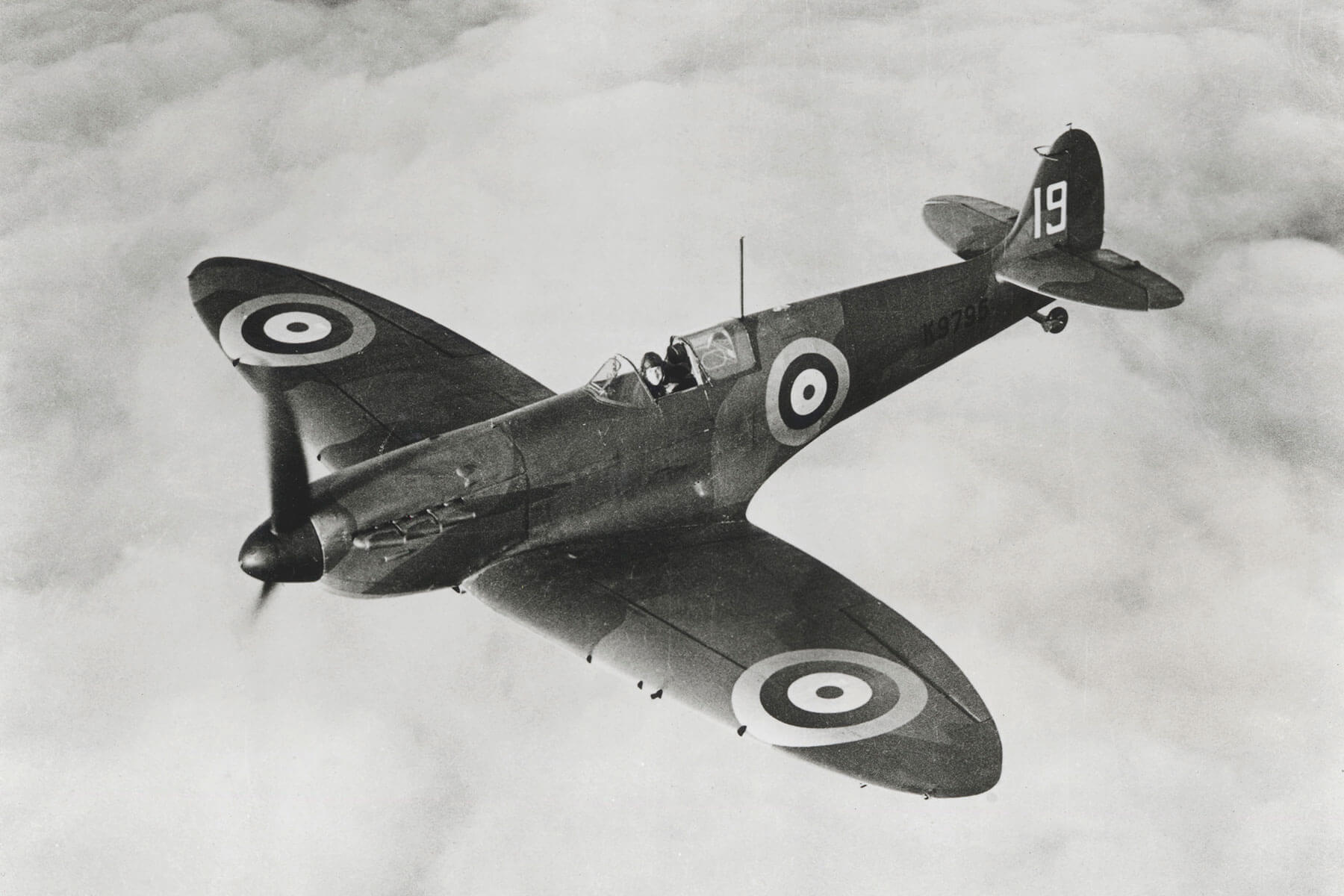
The Supermarine Spitfire is the most famous British fighter aircraft in history, and it was an iconic symbol of freedom during — and after — World War II. It was a vital Allied aircraft in 1940, helping to defeat wave after wave of German air attacks during the pivotal Battle of Britain. It was also the only fighter plane capable of taking on the deadly Messerschmitt Bf-109E on equal terms. Even today, the sight and sound of a Spitfire in the skies above Britain is enough to send shivers down the spines of anyone watching from below. Special mention must also go to the Hawker Hurricane, which sometimes sits in the shadow of the more famous aircraft. The Hurricane, built 20 years earlier than the Spitfire, shot down more than half of all the enemy airplanes destroyed in the Battle of Britain.

You may also like

6 Facts About Ancient Navigation

  • FEATURE_HF_navigation-facts
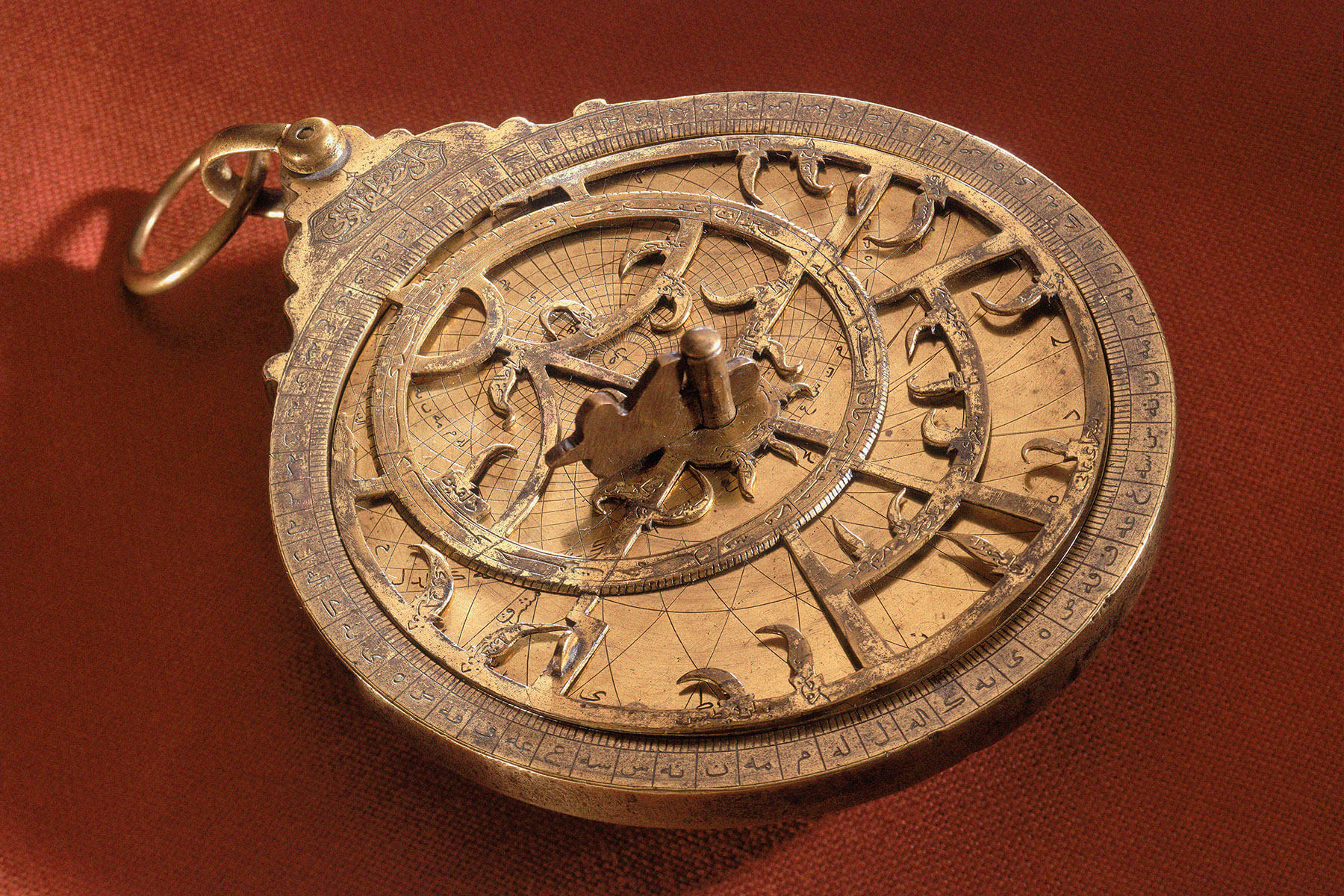
An astrolabe
Science & Society Picture Library via Getty Images
Author Sarah Anne Lloyd

September 7, 2023

Love it?

Thousands of years ago, the oceans seemed a lot wider, even unnavigable. Before mariners developed tried-and-true navigation techniques, sailing the seas involved a lot of guesswork — or, if you want it to sound cooler, “dead reckoning.”

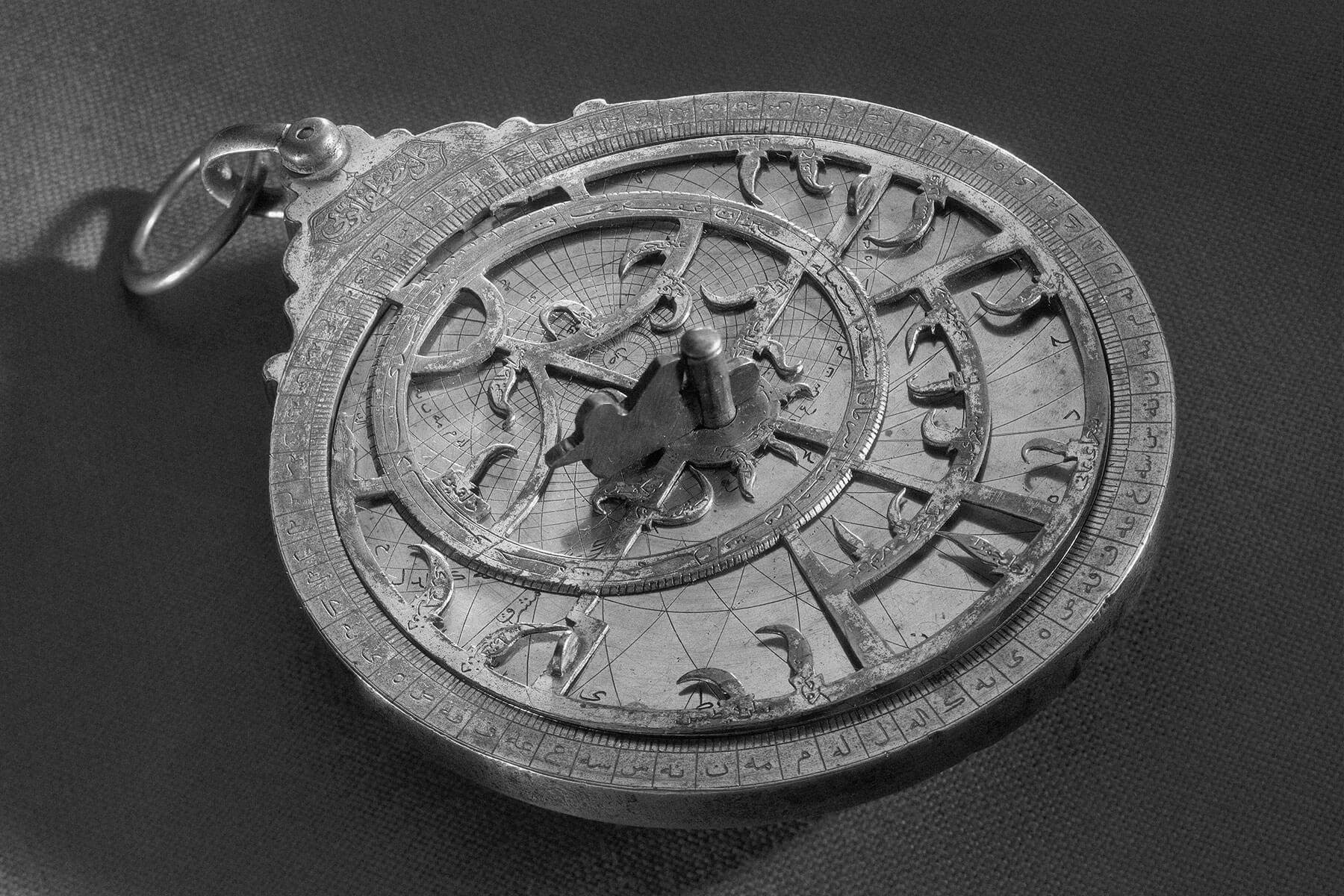
Slowly, our ancestors moved beyond their initial stabs in the dark. Some looked to the sky, using their new knowledge about the cosmos to help them better understand life on Earth. Others took a keen interest in the seas, learning to intuitively navigate the vast expanses based on their currents and swells.

Nowadays, we have a relatively easy time getting around — thanks, GPS! — but it took a long time to get here. How were Polynesians able to cross thousands of miles of open ocean more than 3,000 years ago? Which seafaring society might have successfully used crystals to find their way? What persistent navigation myth just won’t die? Read on and get your sea legs with these six facts.

Photo credit: Science & Society Picture Library via Getty Images

Polynesians Were Pioneers of the Open Ocean

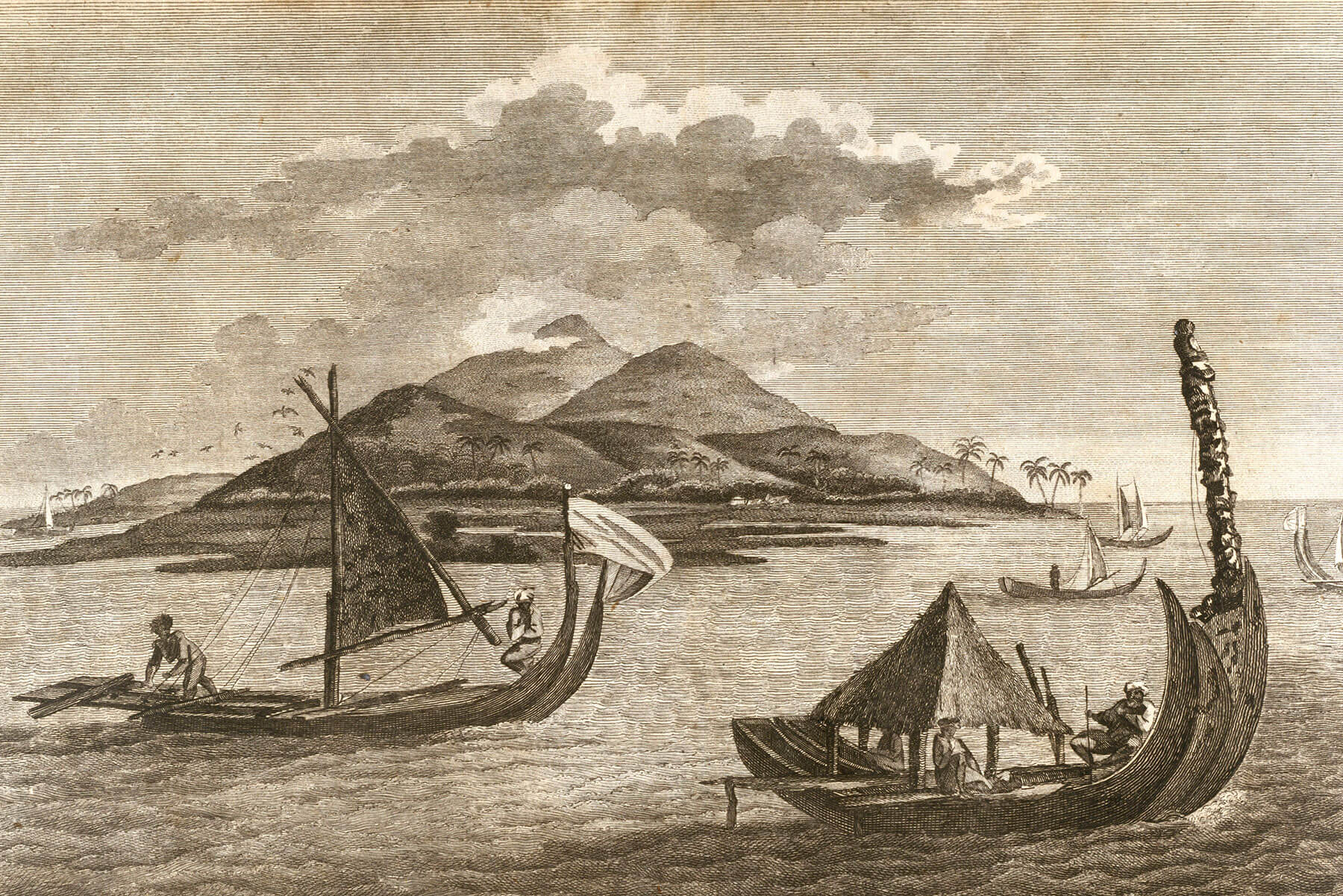
In the early days of ocean navigation, explorers stayed pretty close to the shoreline and used visible landmarks to mark their position. However, Polynesians, the first developers of open ocean exploration, set off from New Guinea and moved eastward in about 1500 BCE. After first traveling to the adjacent Solomon Islands, they gradually journeyed farther and farther east. Their vessel of choice was a double canoe with two hulls connected by crossbeams, kind of like a catamaran.

Venturing out into the open ocean, these explorers eventually reached Fiji, Tonga, Samoa, and Tahiti. They then traveled more than 2,600 miles north to Hawaii — longer than the distance across the U.S. from Portland, Maine, to Seattle, Washington. By roughly 1,000 or possibly 1,200 CE, the descendants of those early explorers populated the entire Polynesian Triangle, the three corners of which are Hawaii, Rapa Nui (aka Easter Island), and New Zealand.

The Polynesians didn’t have any navigational instruments that we know of, so how did they do it? Although their navigation techniques were passed down orally, historians think they navigated using stars, ocean swells, the sun, the moon, and migratory birds. Some Pacific Islanders navigated simply by using the waves themselves. In 1976, a group of Polynesian canoeing enthusiasts made the Tahiti-Hawaii trip using no navigational instruments and a traditional voyaging canoe — a feat that’s since been repeated several times.

Photo credit: Pictures from History/ Universal Images Group via Getty Images

Some Early Nautical Charts Were Made From Shells and Sticks

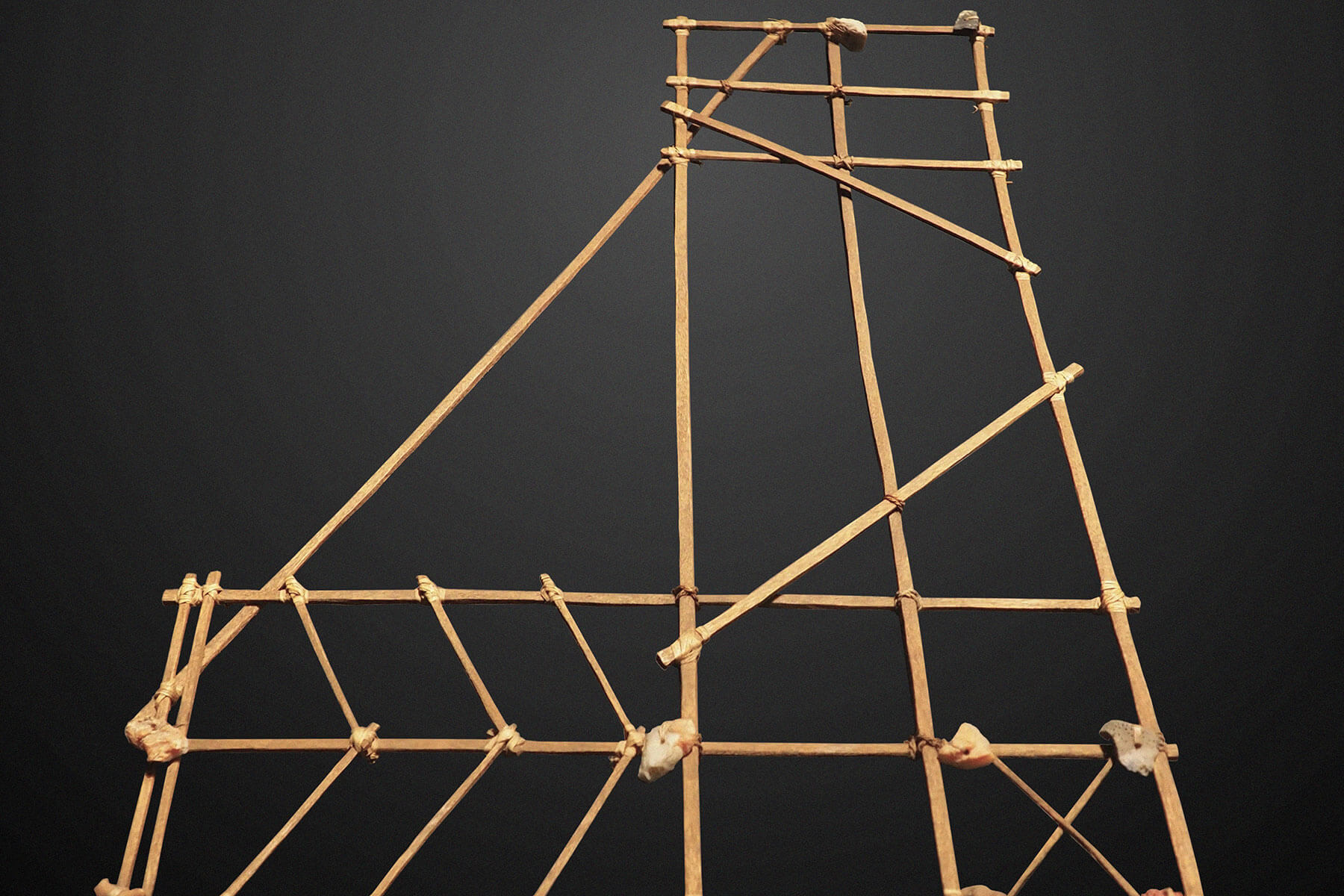
A nautical chart provides not only topographical information, but also details about the behavior of the sea, such as how tidal patterns interact. Today, we can easily read this data on screens and paper, but ancient Micronesian navigators called ri-metos recorded their knowledge using elaborate “stick charts” made from palm strips, coconut strips, and cowrie shells. 

As you might imagine, these charts weren’t especially portable, so they were designed to be memorized before a voyage. The charts didn’t follow any kind of uniform style, and some of them were only designed to be read by the person who created them, so they can be hard for modern viewers to interpret. We do know, though, that some charts depicted general ocean patterns, while others contained precise piloting instructions.

You may also like

7 Innovations That Came Out of World War II

  • Penicillin vials
Penicillin vials
Anthony Potter Collection/ Archive Photos via Getty Images
Author Tony Dunnell

August 31, 2023

Love it?

It’s often said that wars bring about a wave of innovation — necessity being the mother of invention, as the old adage goes. In reality, that’s not necessarily true. According to some studies, there tends to be a significant decline in inventiveness immediately after the outbreak of a war, followed by a marked surge, the net result being a fairly standard rate of innovation overall. Creation through necessity or even desperation certainly happens, but prosperous, peaceful, and free societies tend to be just as inventive, if not more so.  

That said, plenty of technological innovation took place during World War II, especially in fields that had military applications. Here are some of the most pivotal, successful, and enduring inventions to come out of the war, from handy tools used by millions of people to miracle drugs that have saved countless lives.

Photo credit: valerii vysotkov/ Shutterstock

Duct Tape

In 1943, Vesta Stoudt, an Illinois woman with two sons serving in the U.S. Navy, was working in an ordnance plant when she noticed a problem with the ammunition boxes she was packing. The boxes were sealed with paper tape with a tab to open them, but this tab could easily tear off, leaving soldiers potentially scrambling to open the boxes in life-threatening situations. So, Stoudt came up with the idea of a waterproof fabric tape with which to seal the boxes — an idea she sent to none other than President Franklin D. Roosevelt. Impressed, the President sent her letter to the War Production Board, which soon came up with what we now know as duct tape. Not only was it easy to apply and remove on ammo boxes, but it also turned out to be endlessly handy for quickly repairing military equipment, including vehicles and weapons. 

Photo credit: zef art/ Shutterstock

Radar

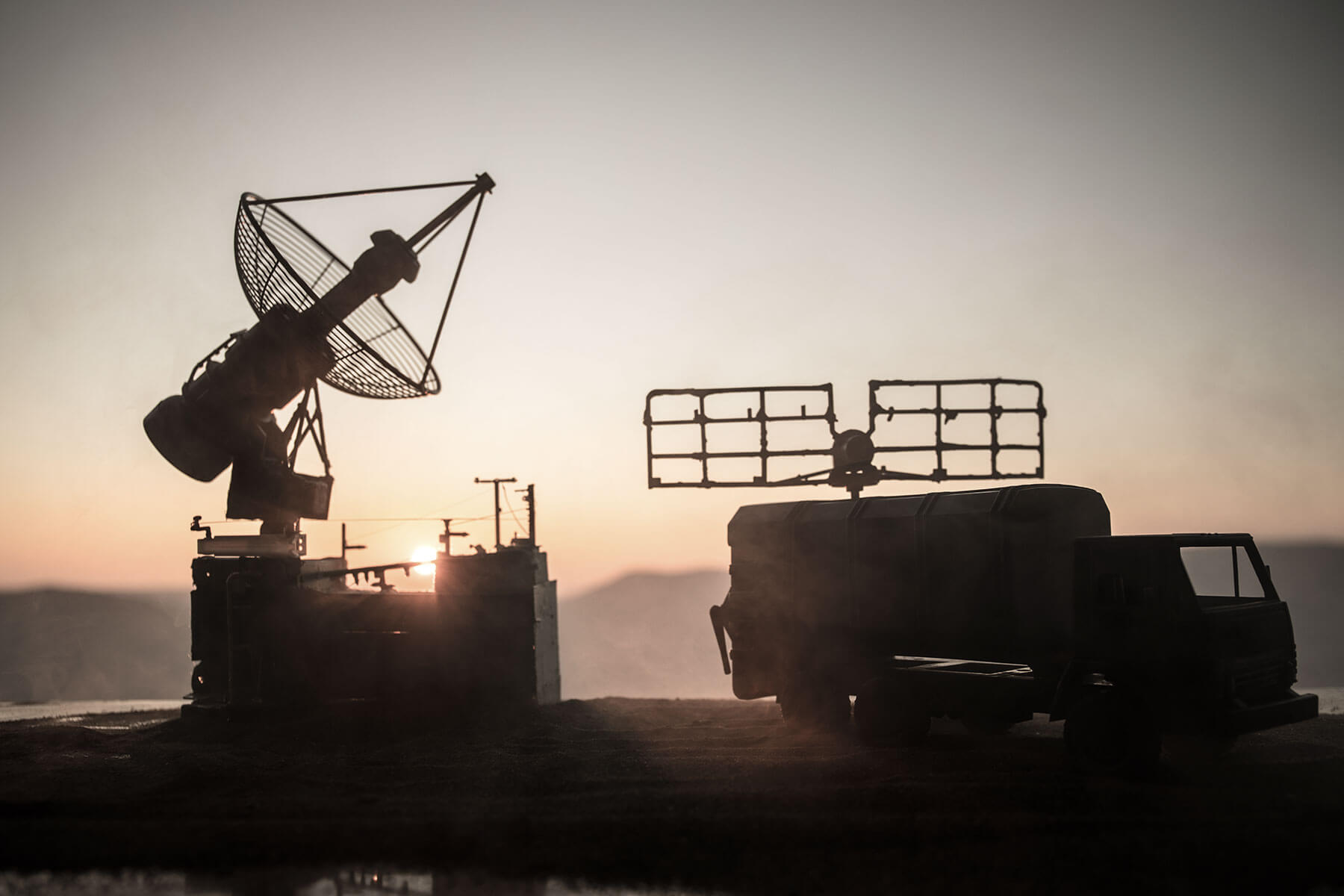
The fundamental principle underlying modern radar (which is actually an acronym for “radio detection and ranging”) was first observed in 1886 by physicist Heinrich Hertz, who found that electromagnetic waves could be reflected from various objects. It was during World War II, however, that modern, practical radar was developed. Britain had already established a chain of radar stations along its south and east coasts by the outbreak of the war, allowing for the detection of enemy aircraft at a range of 80 miles. The British then invented the cavity magnetron in 1940, paving the way for far more compact, powerful, and sensitive radar units (and, as it happens, microwave ovens). 

You may also like

9 Art Movements Everyone Should Know

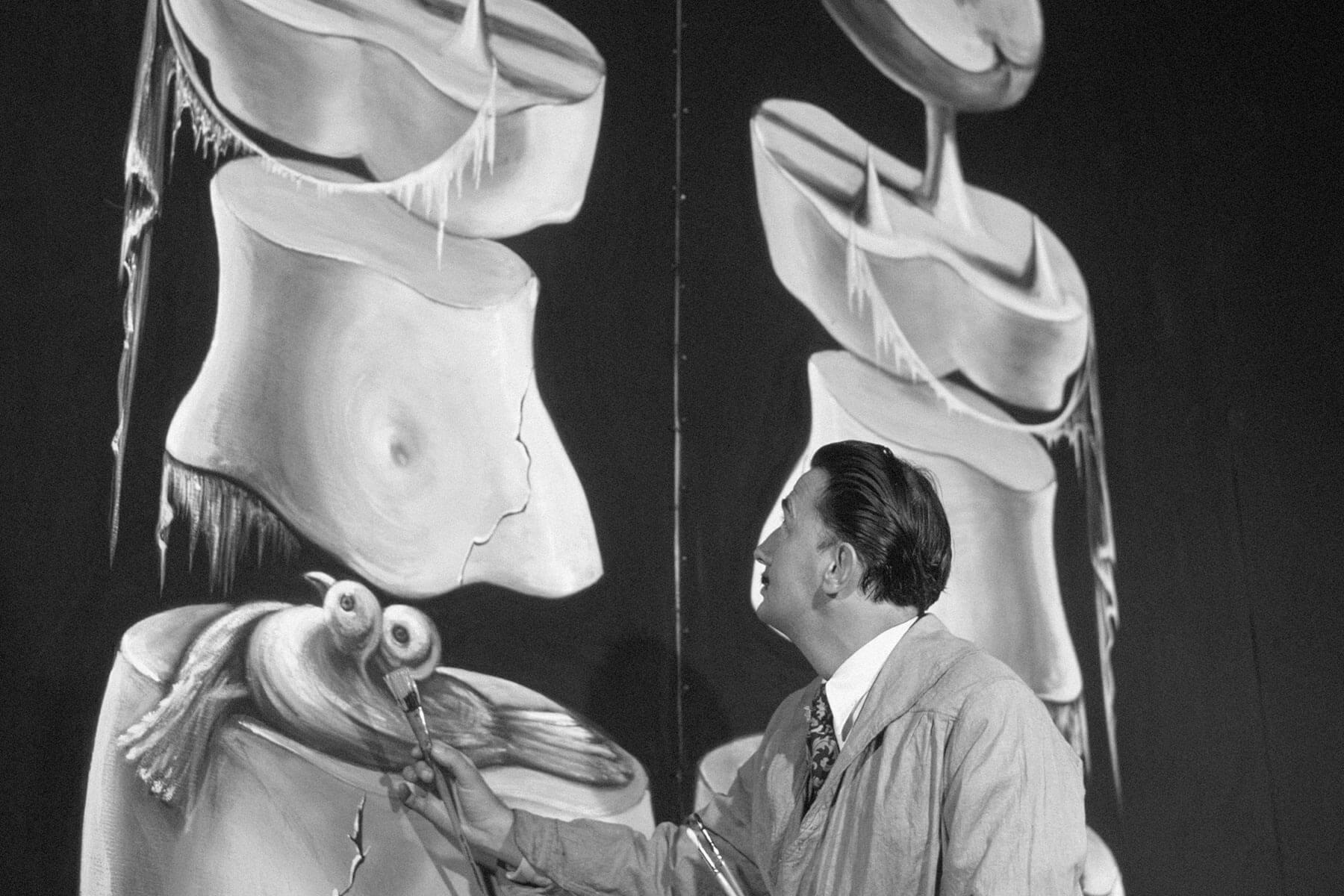
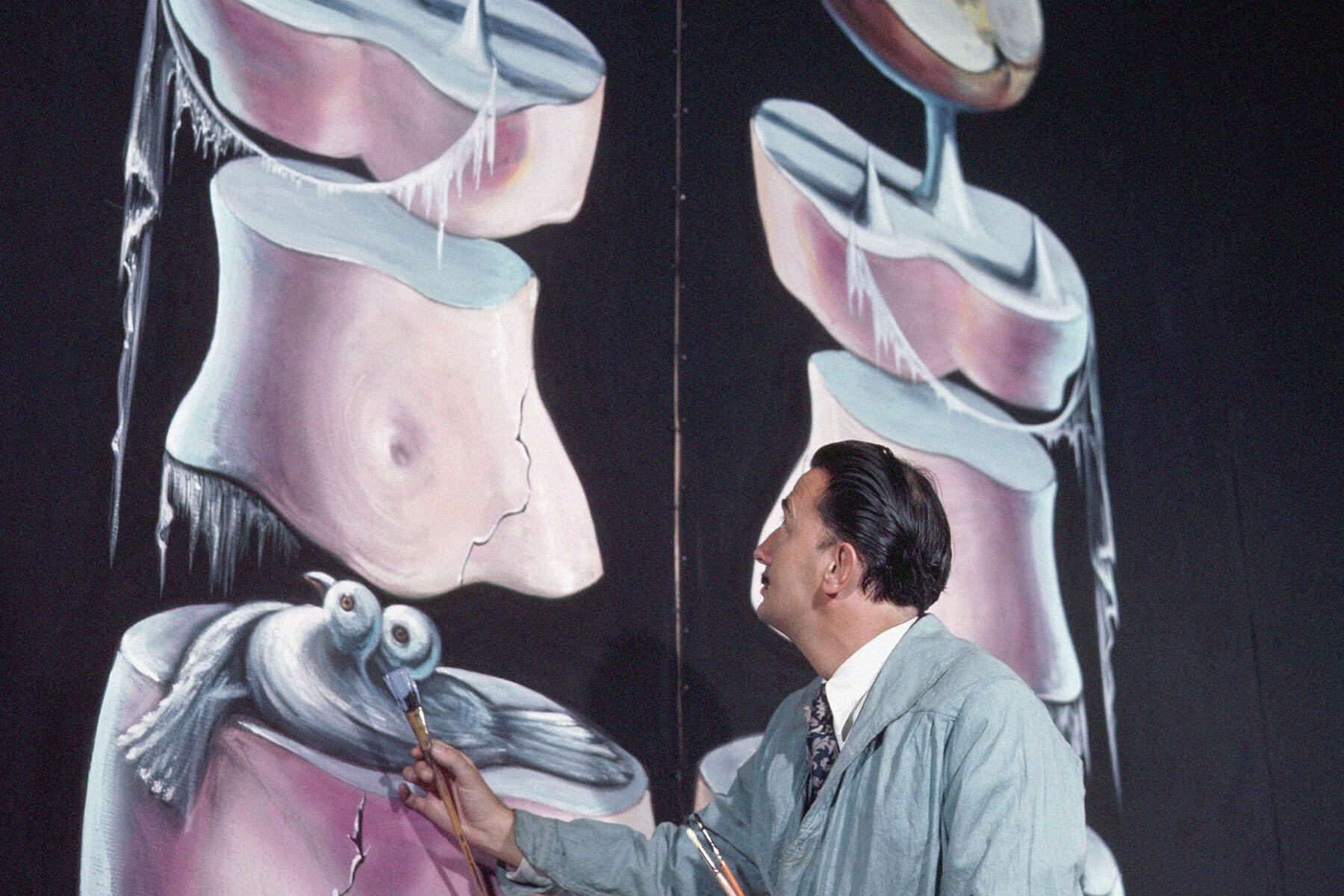
  • Painter Salvador Dali
Painter Salvador Dali
Mara Vivat/ Corbis Historical via Getty Images
Author Tony Dunnell

August 31, 2023

Love it?

Around 45,500 years ago, one of our ancient ancestors stood in a cave in a remote valley enclosed by sheer limestone cliffs, in what is now Indonesia. This primate, likely a Homo sapiens just like us, held in their hands some kind of dark red ochre pigment, and stood in front of a bare rock wall. At some point, they reached out to the wall and began to draw a life-sized picture of a wild pig. In doing so, they created what is currently the world’s oldest known cave painting. They created art. 

All over the world, archaeologists have discovered prehistoric images painted, drawn, or carved onto rocks and cave walls. It seems that we — as humans — have long been inspired to create art, whether for purely aesthetic reasons or as a form of communication. And as we progressed from prehistory to antiquity to the medieval period and beyond, new techniques and, more importantly, whole new ways of looking at the world gave rise to different artistic movements. 

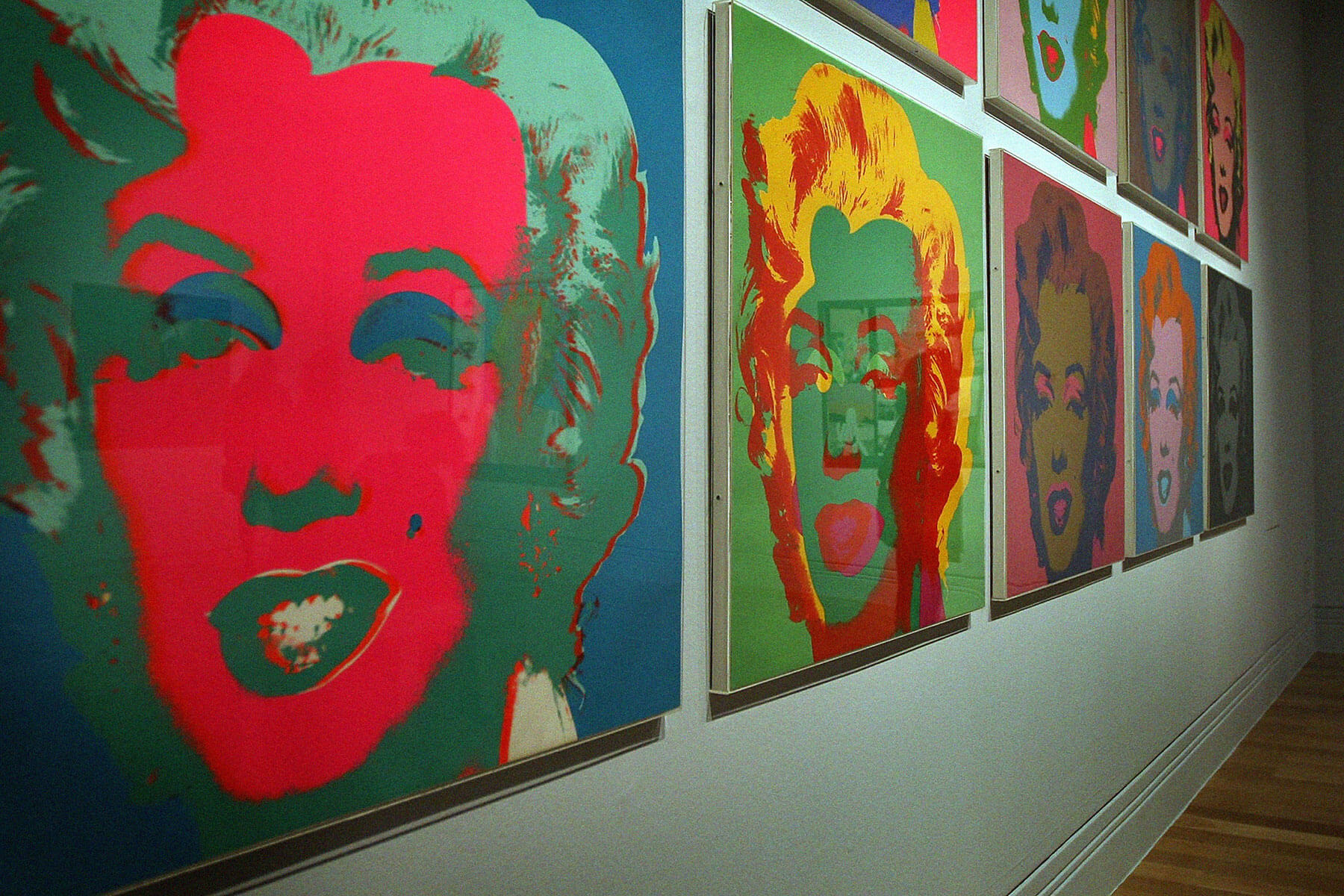
Here are some of the most important movements in the history of Western visual art, from the Renaissance period to the surrealism and pop art of the modern era. 

Photo credit: GraphicaArtis/ Archive Photos via Getty Images

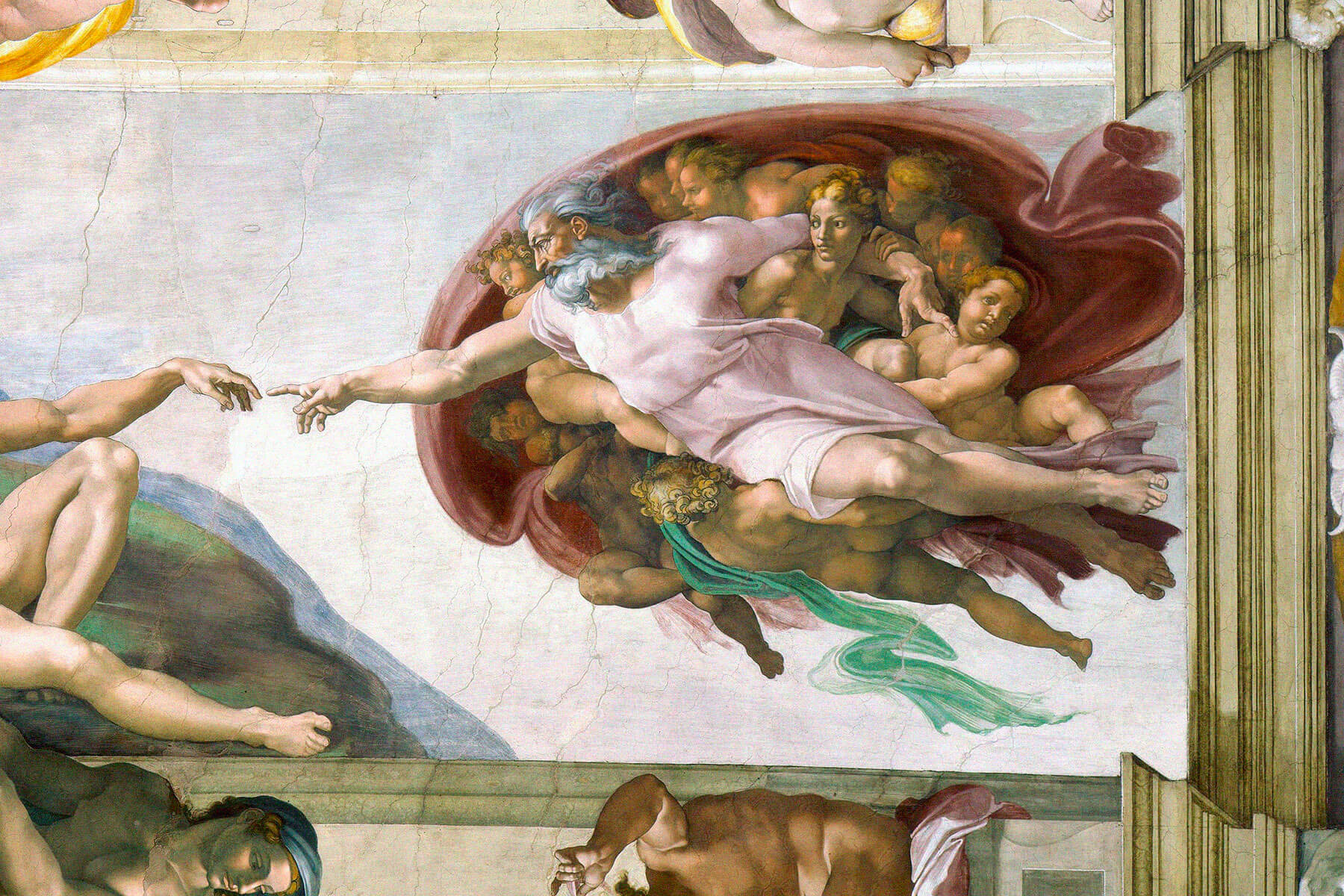
14th Century to 16th Century: Renaissance Art

Renaissance art takes its name from the period of European history known as the Renaissance, which began in Italy at the end of the 14th century and soon spread to much of Europe. This period saw a rediscovery of classical art and culture, leading to a move away from the abstract forms of the medieval period, toward more realistic and naturalistic representations of life and people. Its peak, known as the High Renaissance, was a short period from about 1500 to 1530, defined by great artists such as Michelangelo, Leonardo, and Raphael.

Photo credit: Photo Josse/Leemage/ Corbis Historical via Getty Images

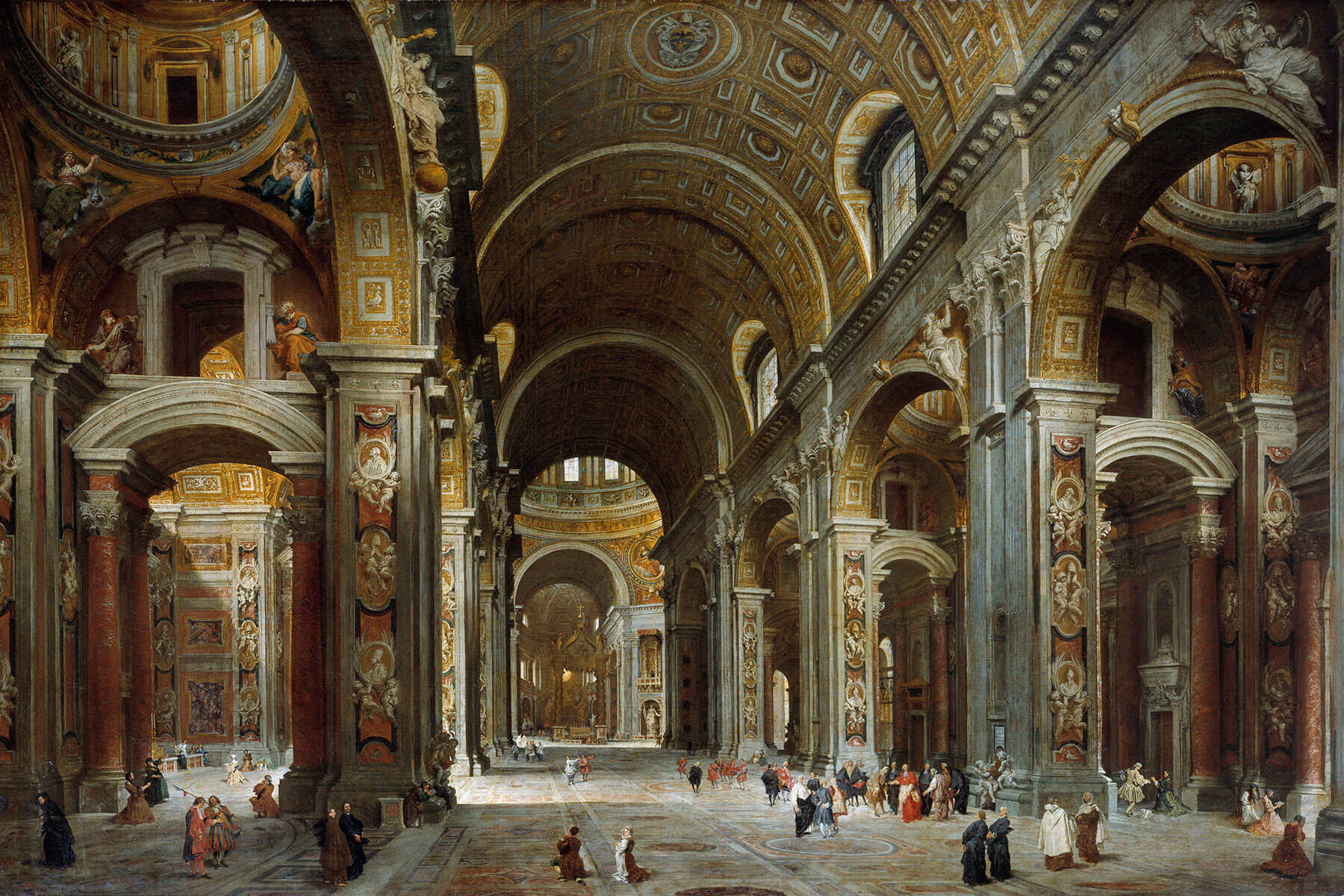
1600s to 1750s: Baroque 

The next major art movement emerged in Italy around 1600 and flourished in Europe until the 1750s. Highly ornate, elaborate, and dynamic, Baroque took a realistic approach in its depictions — which included religious events, pivotal moments in history, still lifes, and mythological scenes — giving the viewer a sense of immediacy and the impression of witnessing an actual event. The greatest painters of the Baroque period include the famed Dutch painter Rembrandt, as well as Peter Paul Rubens, Michelangelo Merisi da Caravaggio, Diego Velázquez, and Nicolas Poussin. 

You may also like