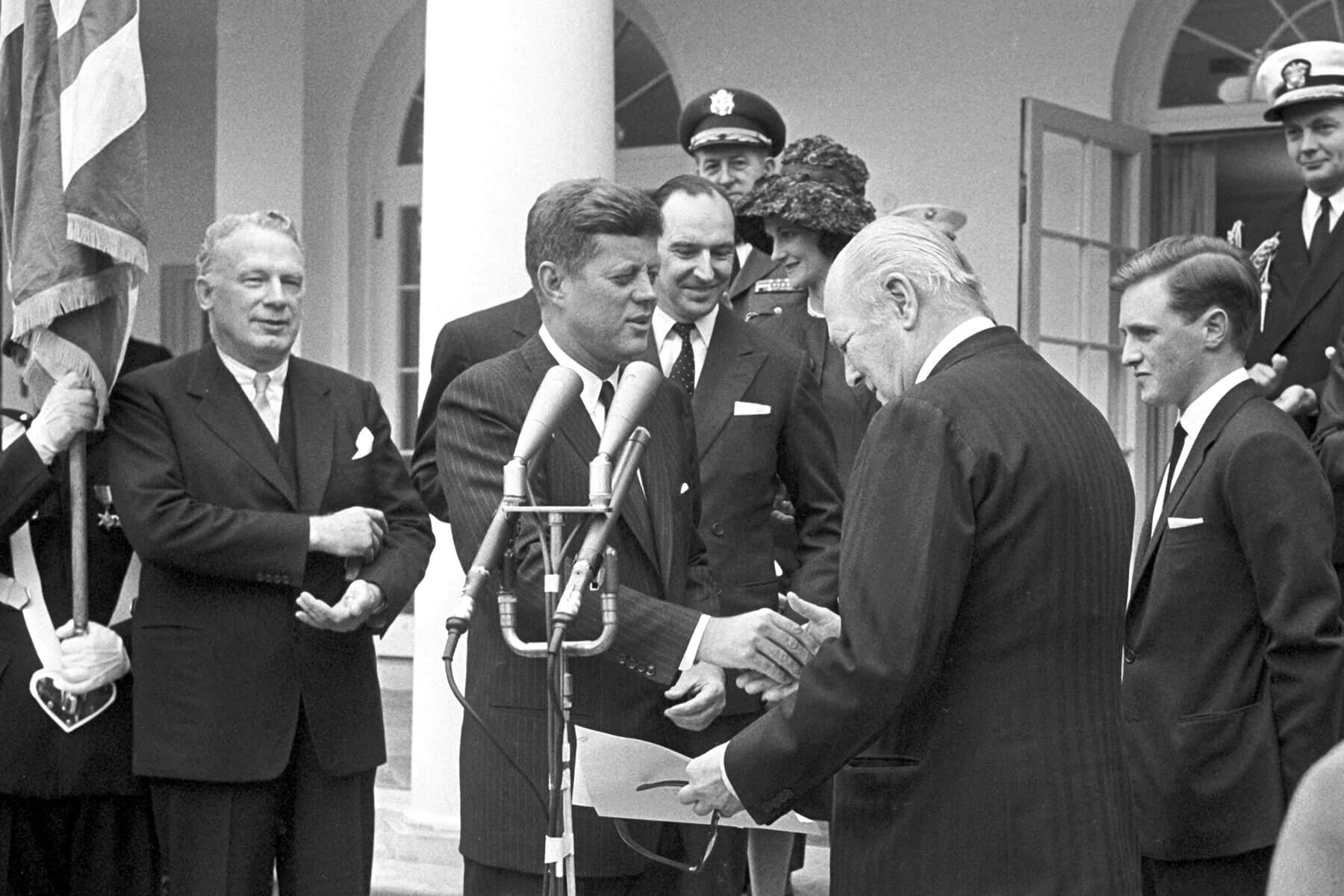
7 Things You Didn’t Know About Winston Churchill
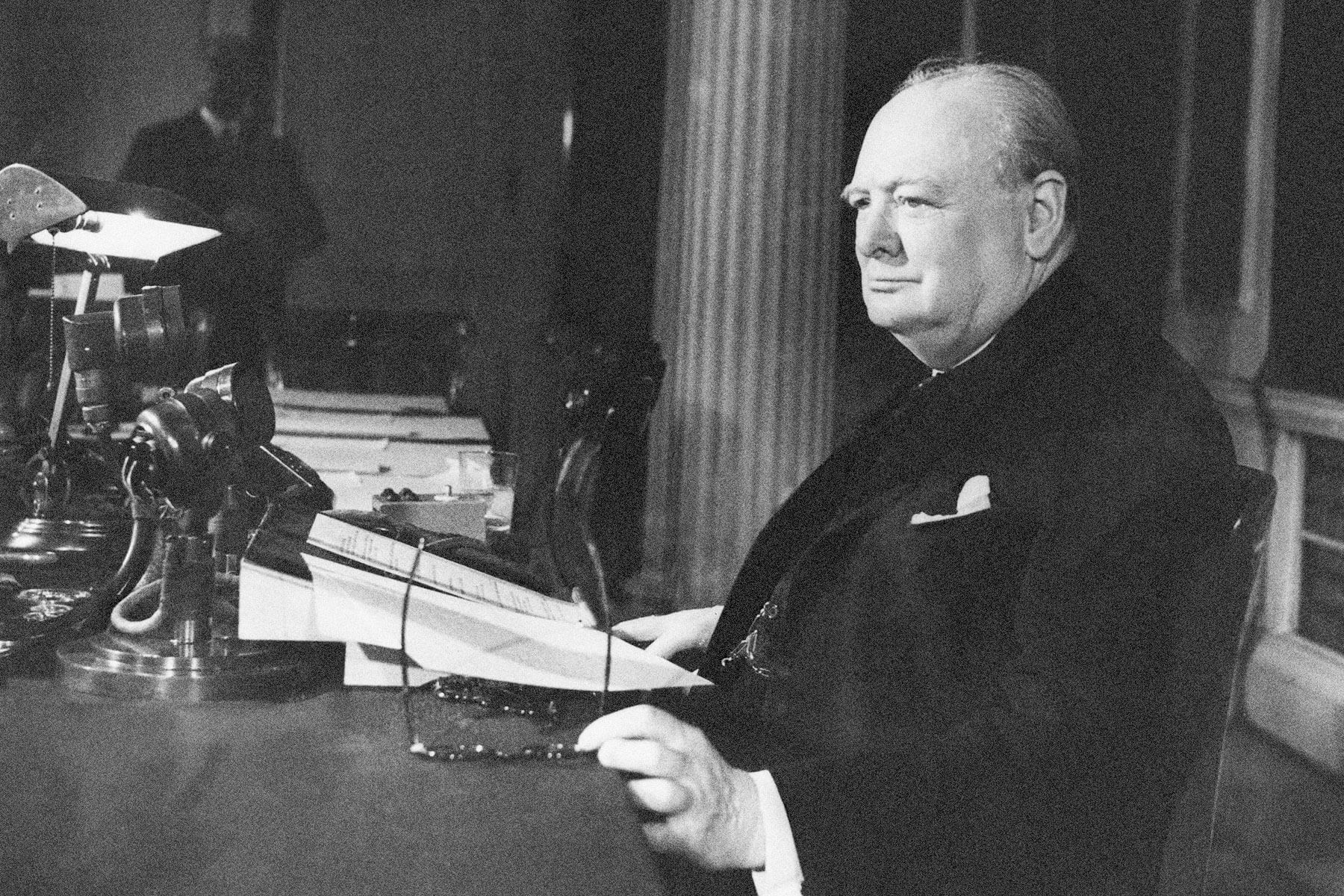
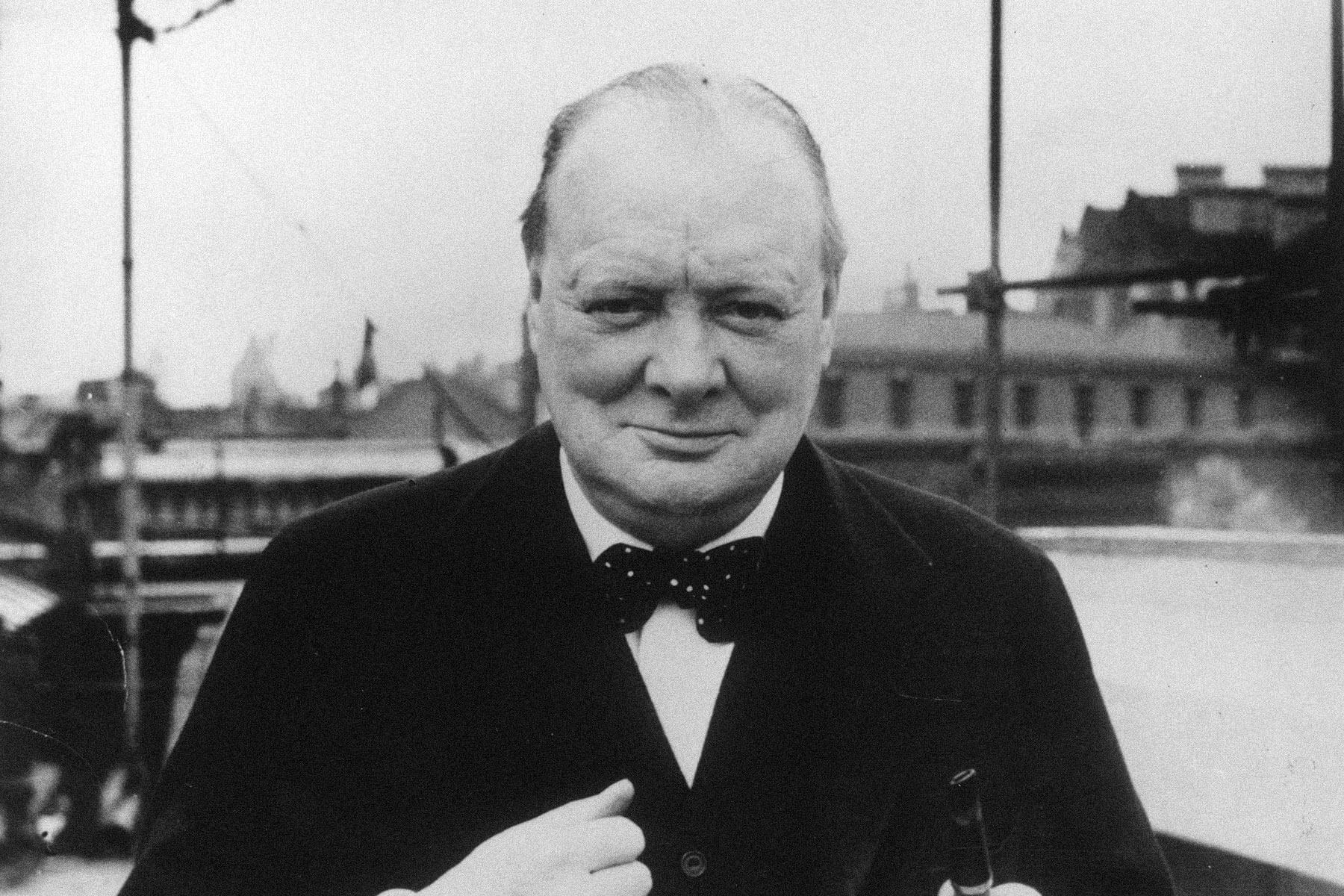
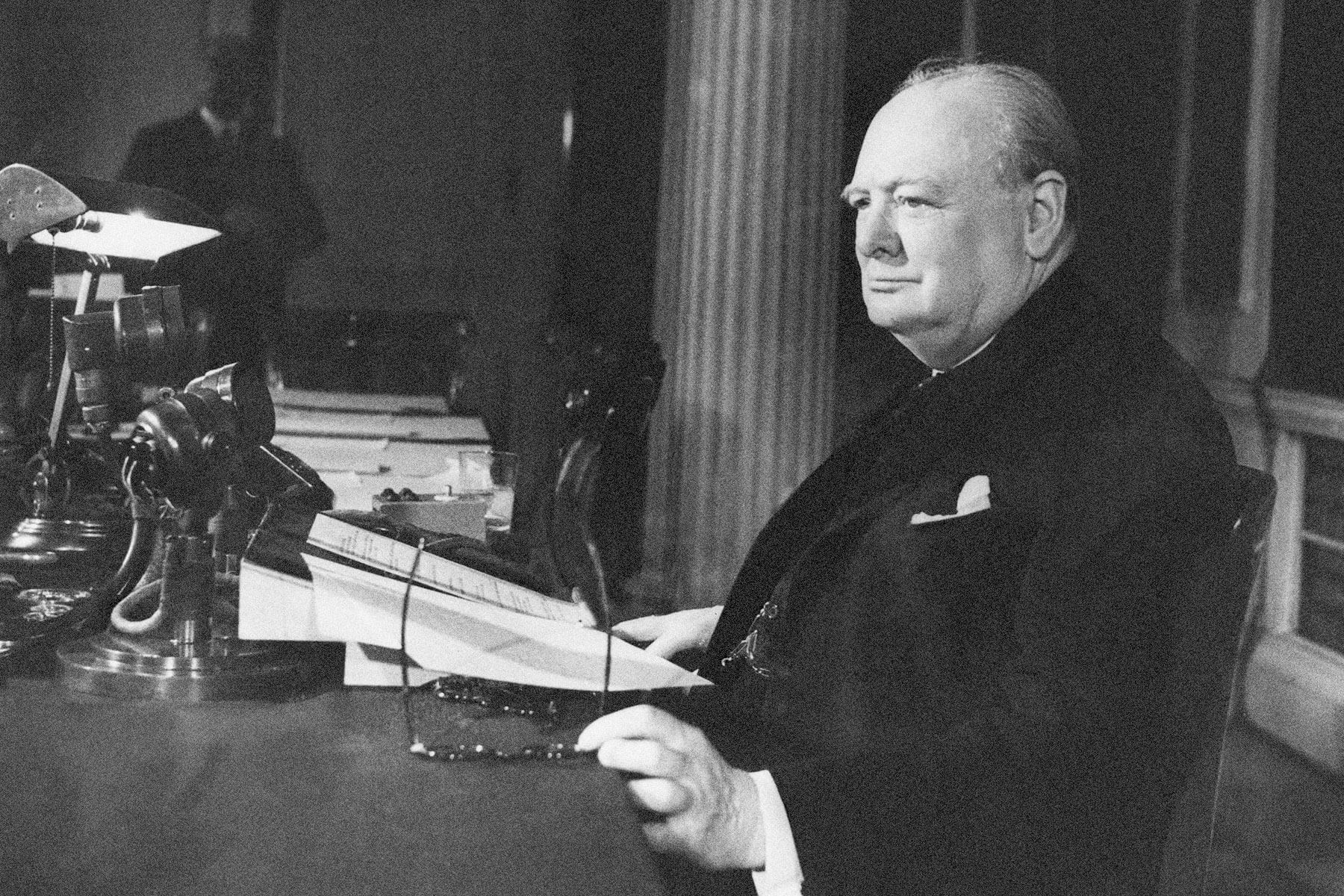
  • Winston Churchill, 1945
Winston Churchill, 1945
Keystone/ Hulton Archive via Getty Images
Author Nicole Villeneuve

October 2, 2023

Love it?

Winston Churchill is widely regarded as one of the greatest leaders of the 20th century, especially for his role in guiding Britain and the Allies to victory in World War II. Born in 1874 to an aristocratic family that included his prominent politician father, Lord Randolph Churchill, and American socialite mother, Jennie Jerome, Churchill spent his childhood largely in the care of a nanny and in boarding school, where he struggled to keep up academically. At age 18, he enrolled in the Royal Military College, a major achievement for the young boy who had an early interest in the military and also saw it as a distinct path into politics. After a four-year stint serving as both a soldier and war correspondent around the world, Churchill resigned from the army in 1899 to focus on his career as a writer and politician.

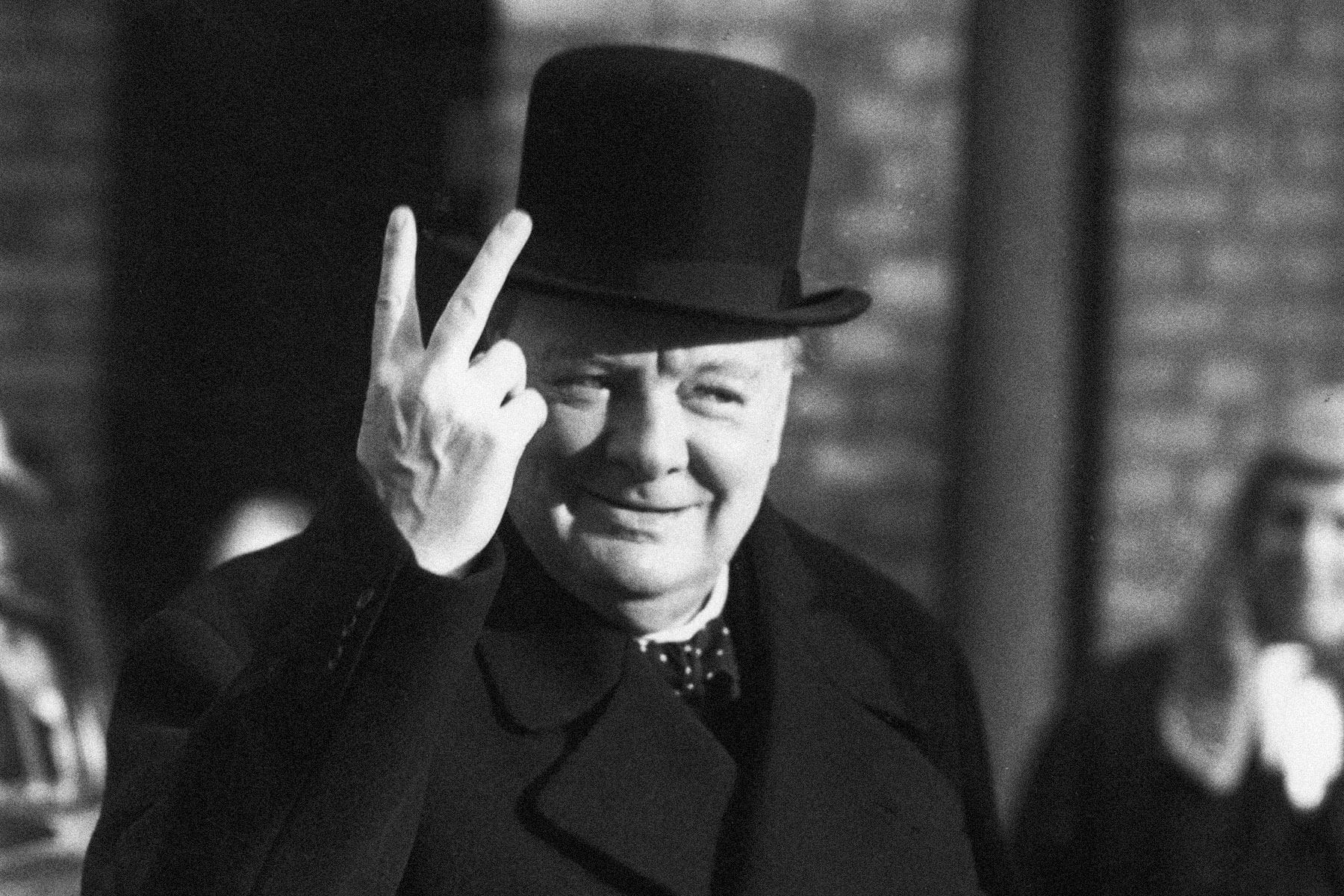
Churchill went on to hold a variety of political positions in both the Liberal and Conservative parties, including first lord of the admiralty, chancellor of the exchequer, secretary of state for war, and, of course, prime minister of the United Kingdom. He also became a prolific and celebrated writer and a renowned orator, whose powerful speeches, such as his famous “We shall fight on the beaches” address, inspired both his country and people around the world. Churchill was known for his eloquence, courage, wit, and vision, but he wasn’t without his faults, and his controversial views on imperialism, race, and social reform remain an equally entrenched part of his legacy. Churchill died in 1965 at the age of 90, remaining to some one of the greatest Brits of all time.
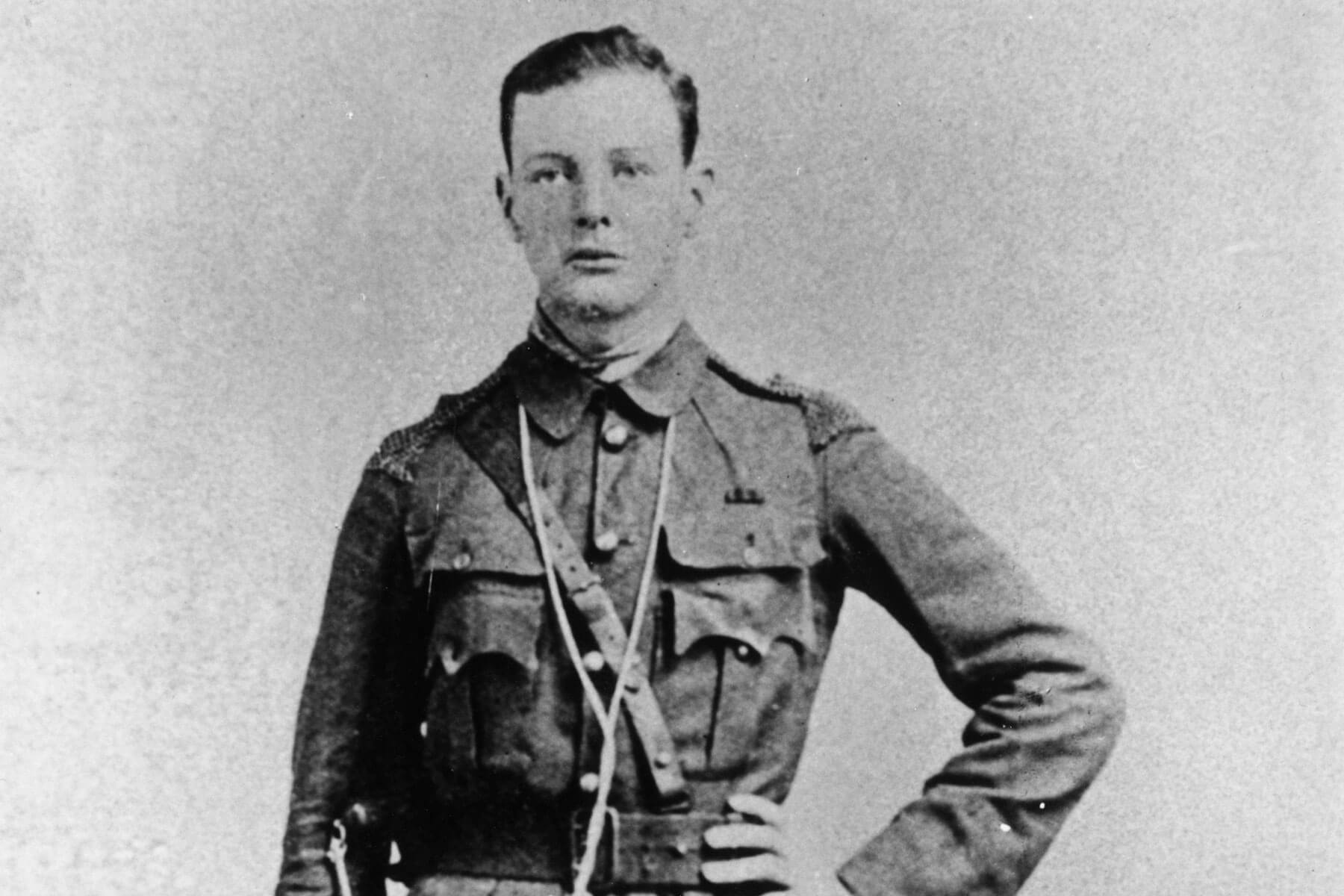
Photo credit: Keystone/ Hulton Archive via Getty Images

Churchill Did a Stint as a War Correspondent

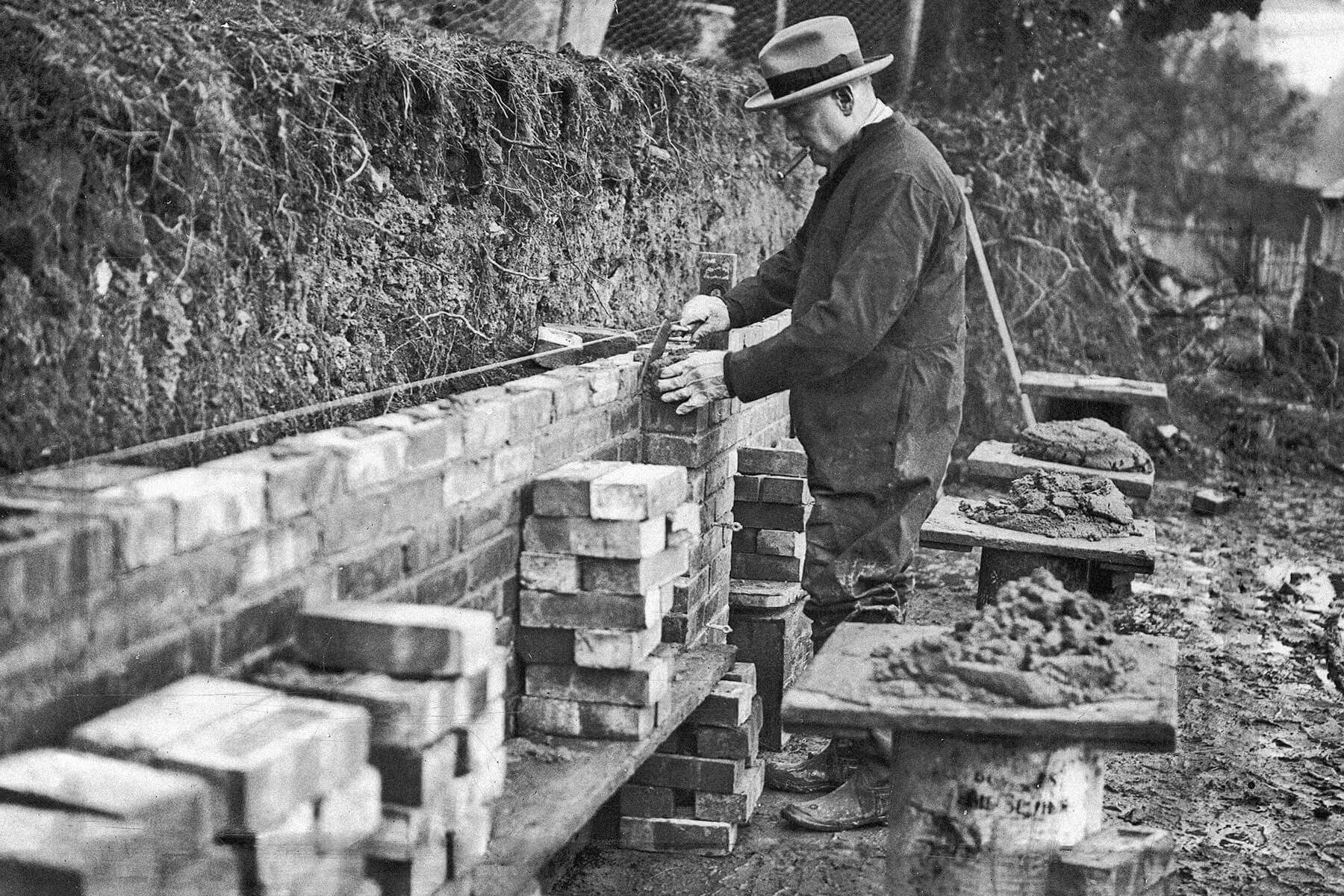
Churchill struggled through his school years in nearly every subject, history and English being the exceptions. His father steered him away from academics and toward a military career, where it took Churchill three attempts to get into the Royal Military College at Sandhurst (now the Royal Military Academy Sandhurst). In 1895, he joined the 4th Queen’s Own Hussars cavalry unit, and made his first army trip to Cuba — but not for combat. Churchill took a short leave to report on the Cuban War of Independence for London’s Daily Graphic. In 1896, his regiment was deployed to India, where he served as both a soldier and a journalist; his dispatches were later compiled into The Story of the Malakand Field Force, his first of many published nonfiction works. His journalism even led Churchill to a notable moment in his young career. While covering the Boer War in South Africa for The Morning Post, he and members of the British army were captured and taken to a prisoner-of-war camp. He escaped by scaling a wall in the dark of night, returning a hero.
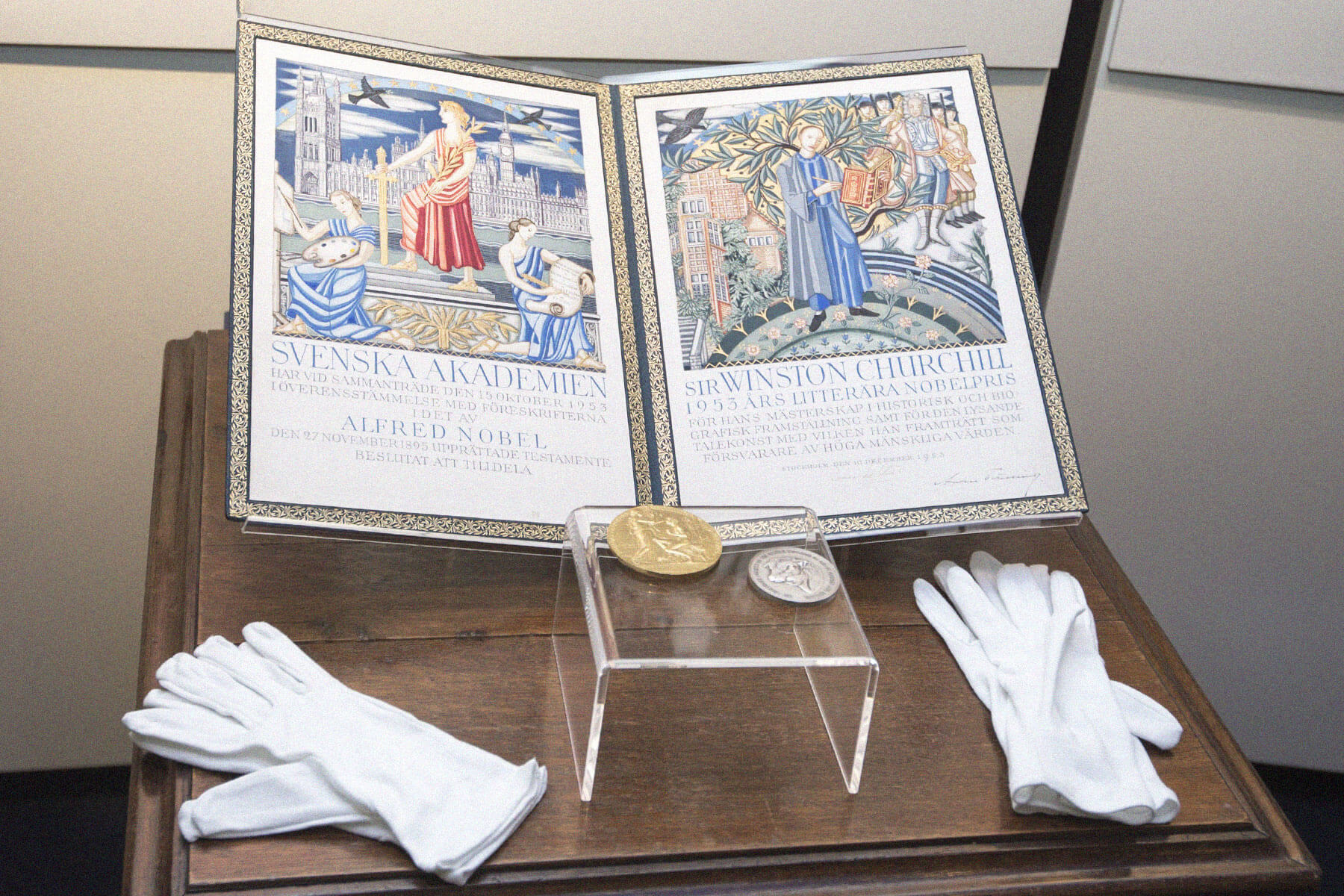
Photo credit: WPA Pool/ Getty Images Entertainment via Getty Images

He Was Awarded the Nobel Prize in Literature in 1953

Churchill’s war reporting marked the beginning of an esteemed literary career. His first major work following his war dispatch collections was a 1906 biography of his father, titled Lord Randolph Churchill; he also wrote a four-volume biography of his ancestor, the Duke of Marlborough. Churchill’s most famous works, however, are his histories of the two world wars, which he both witnessed and shaped. The World Crisis covers the First World War and its aftermath, while The Second World War, throughout six volumes, details the global conflict that made him a legendary leader. Churchill also published several collections of speeches and essays, as well as a book on his hobby of painting, Painting as a Pastime. In 1953, his work earned him the Nobel Prize in literature, awarded “for his mastery of historical and biographical description as well as for brilliant oratory in defending exalted human values.” As high an honor as it was, it’s believed that what Churchill truly wanted was the Nobel Peace Prize.

You may also like
Why Do We Give Flowers as Gifts? A Brief History

  • Flower bouquet box
Flower bouquet box
Yuriy Golub/ Shutterstock
Author Kristina Wright

October 2, 2023

Love it?

Flowers have been collected and shared since ancient times, appreciated for their beauty, scent, and practical uses. The long tradition of giving flowers for special occasions has evolved over the centuries, but it’s still an enduring ritual that spans all cultures. From congratulations on the birth of a baby to condolences on the loss of a loved one, sending flowers continues to be one of the most popular ways to mark the momentous events of life. It’s so popular, in fact, that the worldwide cut flowers market was over $36 billion in 2022, and is projected to go over $45 billion by 2027. Valentine’s Day continues to be the biggest flower-giving day of the year, but it is far from the only special occasion marked by this ancient ritual. Here is a look at the fascinating role flowers have played throughout human history, from the evolution of flowering plants to the booming floral industry.

Photo credit: Xinhua News Agency via Getty Images

The First Flowers

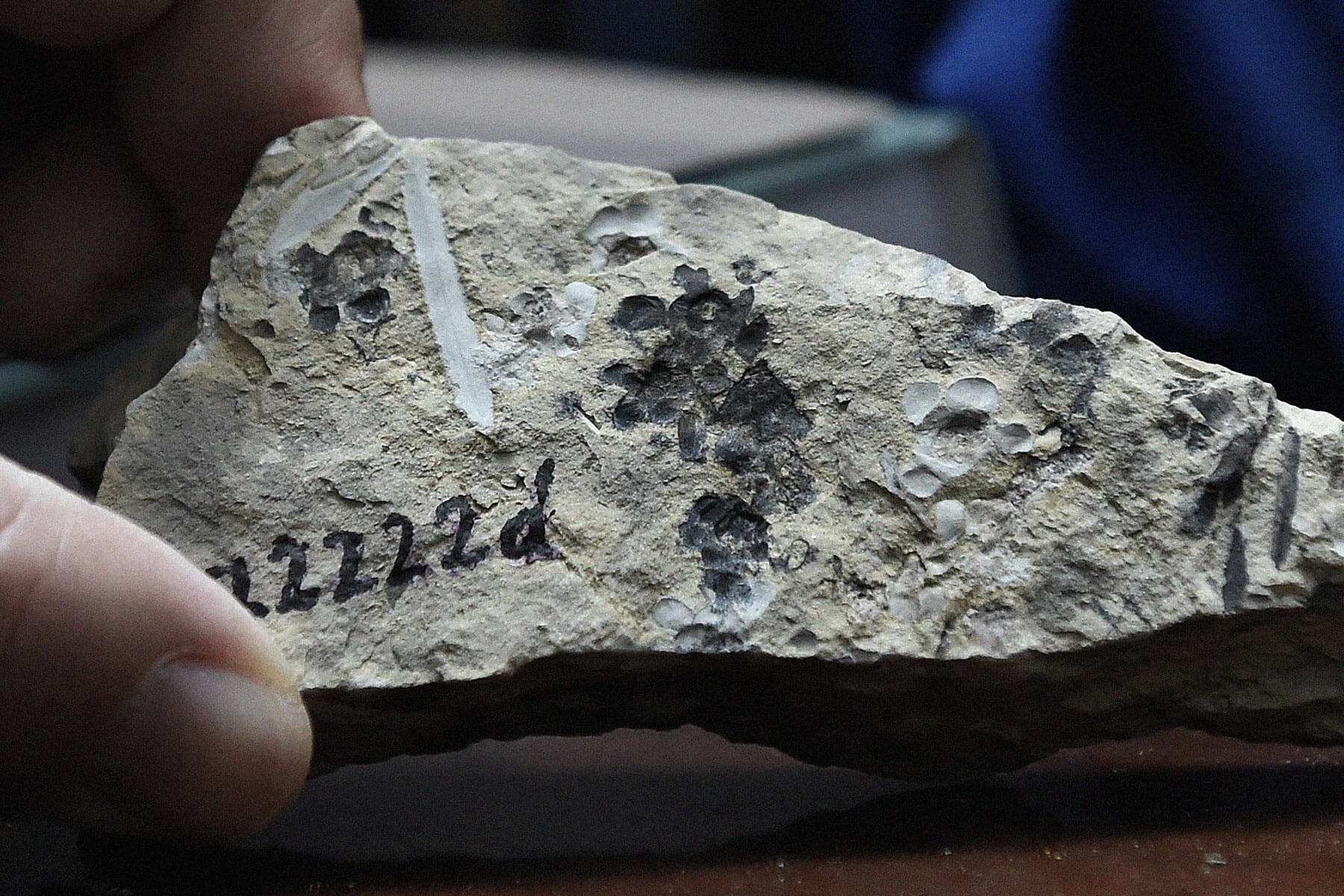
Around 80% of green plants are flowering plants, and the oldest flowers in the world date back to the Cretaceous Period more than 130 million years ago. Those first flowers didn’t resemble ones we know and love today: They were barely visible to the human eye and almost unrecognizable as flowers even under a microscope. The interaction between flowering plants and insects aided in the coevolution of both, with flowers developing strong fragrances, appealing colors, and larger petals to attract pollinators. It was these same traits that also appealed to the earliest human societies, which began to cultivate and use flowering plants in religious and cultural ceremonies.

Photo credit: DEA / W. BUSS/ De Agostini via Getty Images

The Flowers of Antiquity

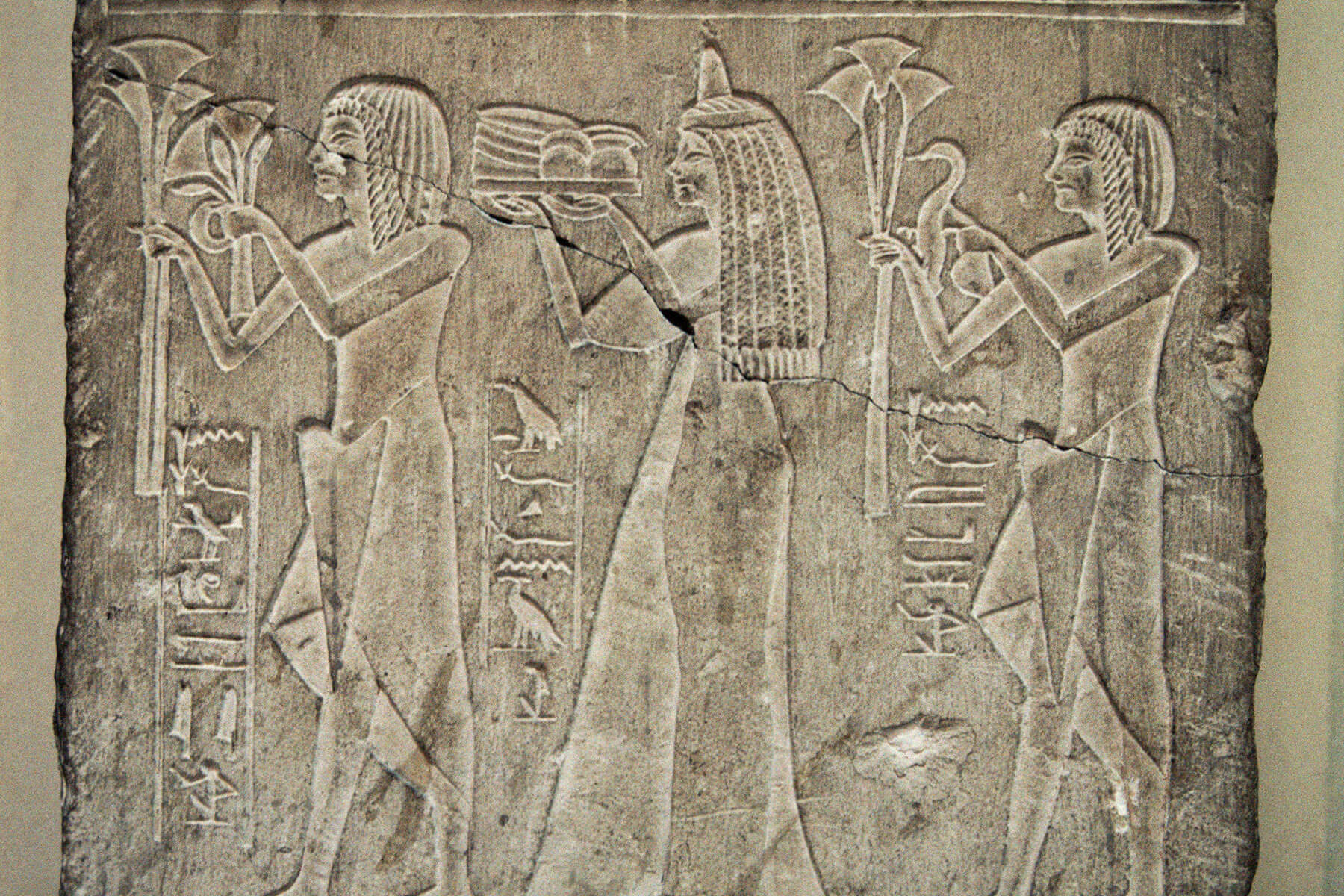
Some of today’s most popular flowers for bouquets and floral arrangements were first cultivated thousands of years ago. The cultural significance of flowers has been reflected in the art and literature of ancient China, Egypt, Greece, and Rome. Roses, one of the most popular flowers for gifting, were first grown in gardens 5,000 years ago in China. The ancient Egyptians used flowers in religious ceremonies as offerings to the gods and the dead, decorated their war carts with flowers before going to battle, and painted and carved floral and leaf motifs into their art. The Greeks and Romans used flowers in similar ways, associating specific varieties with their gods and goddesses and using flowering plants in festivals, rituals, and for their own enjoyment.

In more recent history, cherry blossoms (sakura) have been revered in Japan since the Heian period (794–1185) and, because they bloom for only a short time in the spring, are associated with the transient nature of life. Marigolds, which have been a part of Mexican culture since the pre-Columbian era, were imported to India over 350 years ago and have become an integral part of wedding celebrations and Hindu festivals such as Diwali.

You may also like

5 Magical Facts About the History of Disney

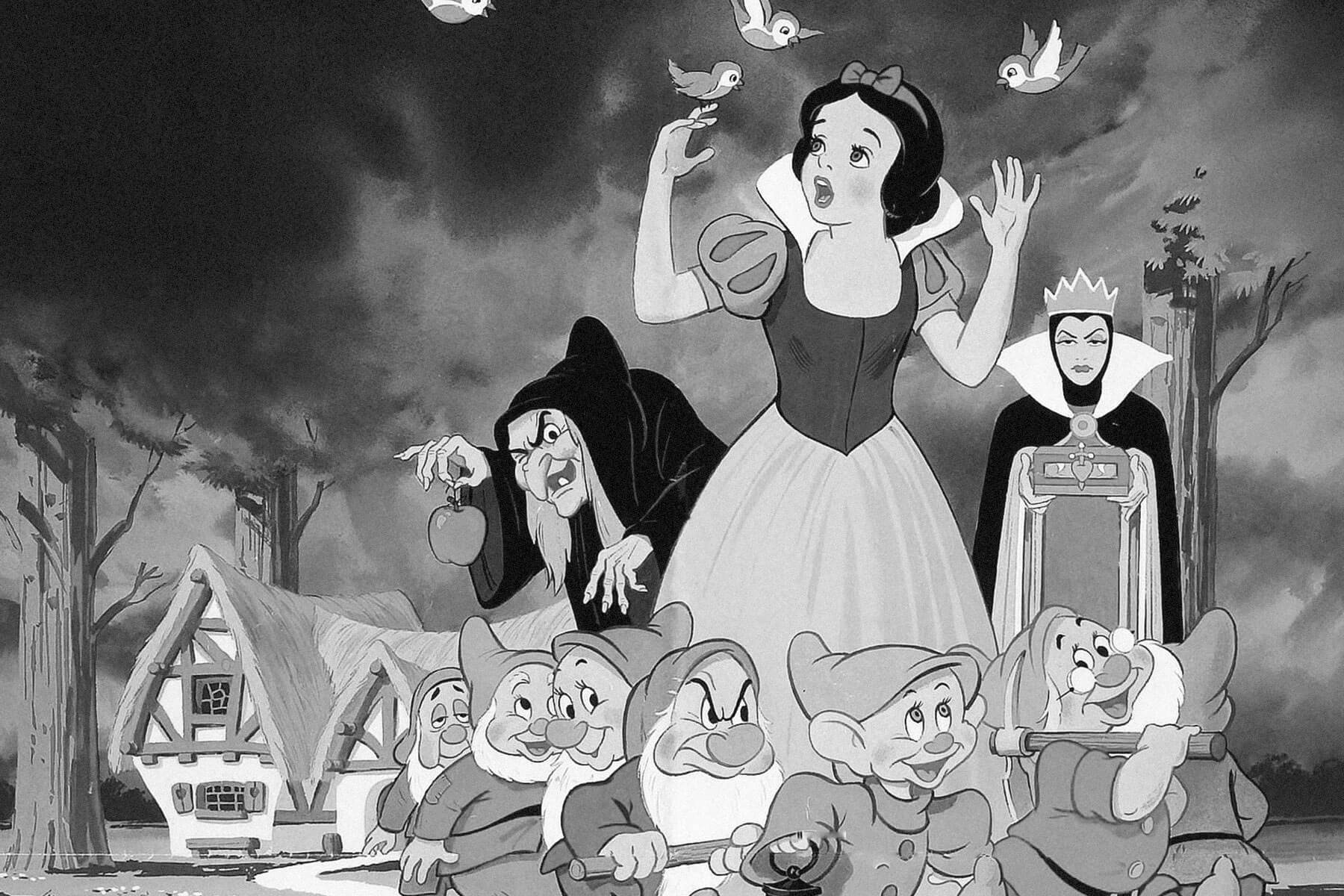
  • Snow White & Seven Dwarfs
Snow White & Seven Dwarfs
LMPC via Getty Images
Author Nicole Villeneuve

September 29, 2023

Love it?

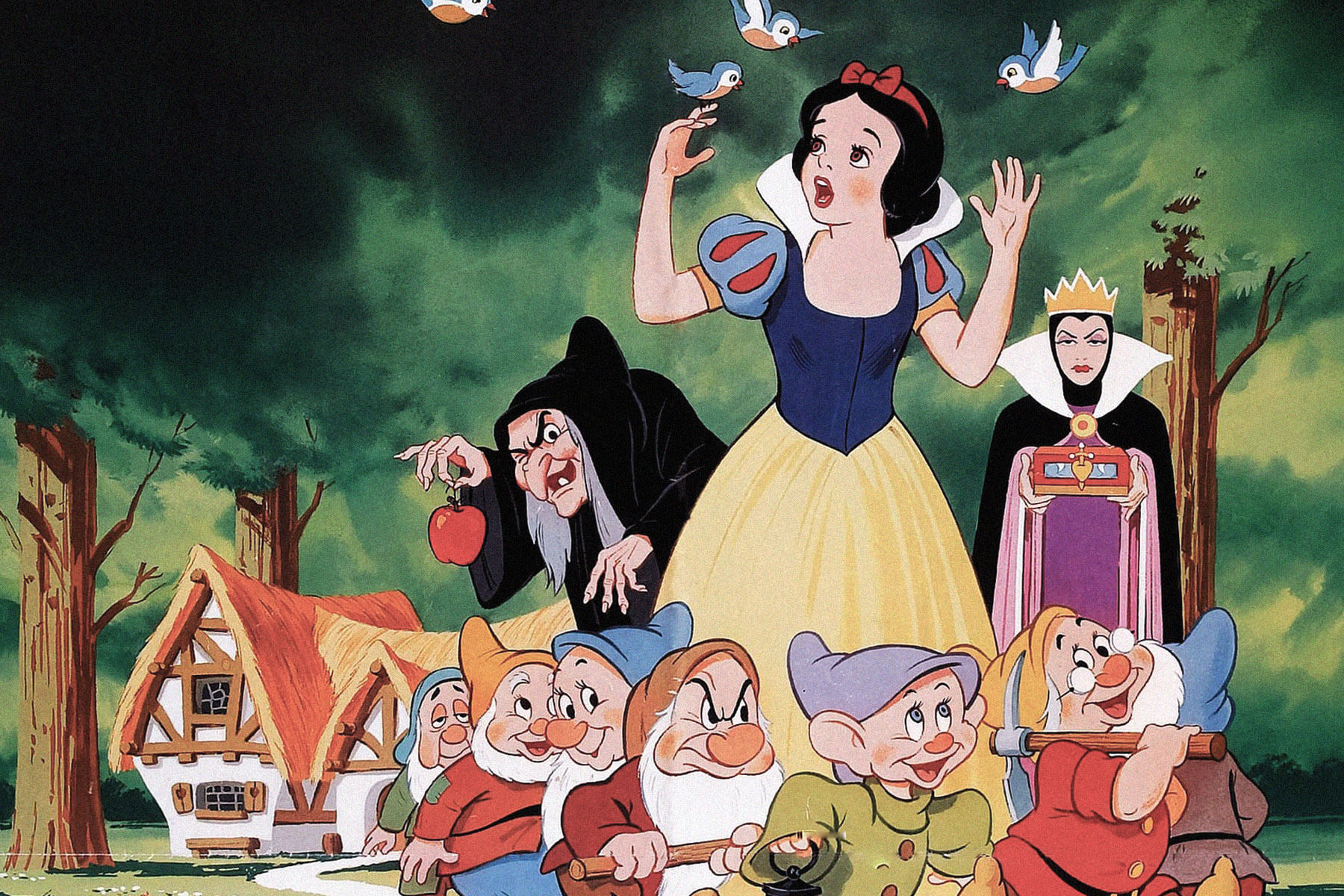
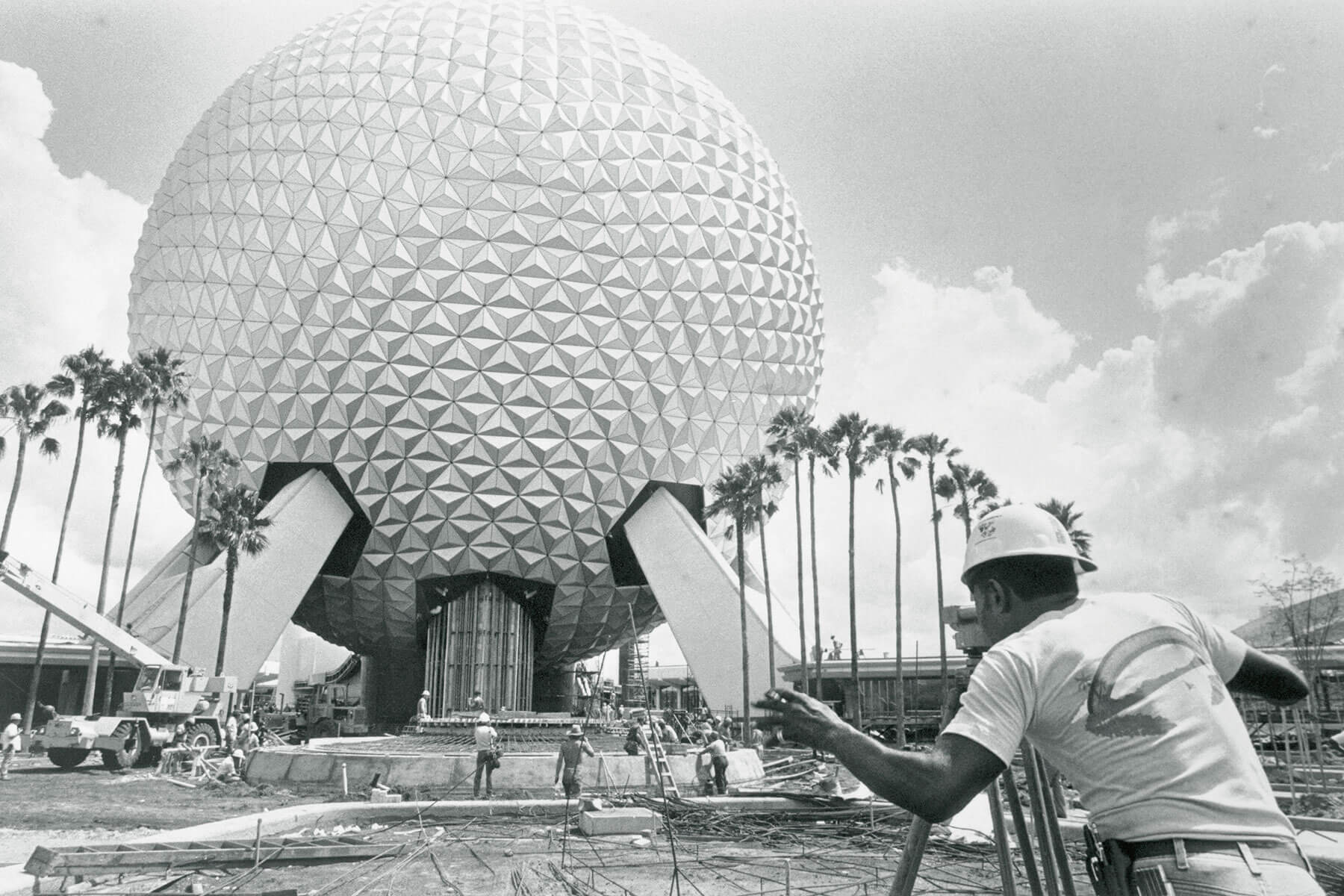
Since its humble start in the early 1920s, Walt Disney’s namesake company has evolved into a global powerhouse that has shaped the world of animation, film, television, and theme parks throughout the past century. From the creation of such beloved characters as Mickey Mouse to groundbreaking achievements in animation and film with Snow White and the Seven Dwarfs, Walt lived to see many of his accomplishments get their deserved due. But even an imagination as vivid as Walt’s couldn’t have conceived of the impact his company would continue to have: The Walt Disney Company now includes a global media empire, a vast array of beloved characters, and theme parks all around the world. Here are five fun facts that help illustrate the vast influence of this beloved company.

Photo credit: RGR Collection/ Alamy Stock Photo

Before Mickey Mouse, There Was Oswald the Rabbit

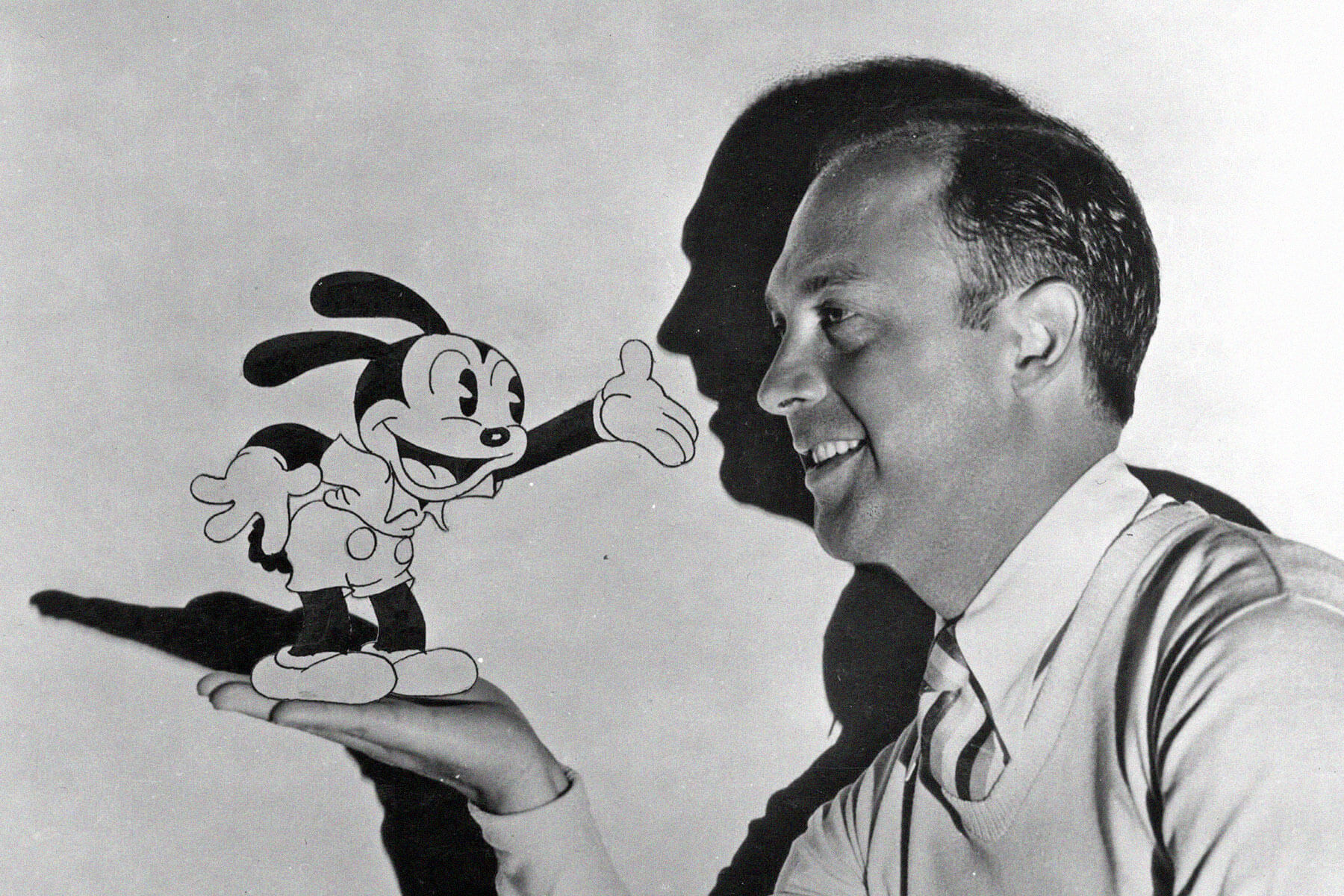
Walt Disney’s entertainment empire is known as the “House of Mouse” thanks to Mickey, but at one point Disney’s most famous critter was a rabbit. In the mid-1920s, Walt, together with his trusted collaborator, animator Ub Iwerks, produced the Alice Comedies, a combination live-action and animation series. In 1927, after five years on the series, Walt made a deal with Universal Studios to create an all-new, fully animated series. Universal chose the name Oswald for the main character out of a hat, and decided it should be a rabbit since there were already too many feline stars on the scene, including the famous Felix the Cat and even Julius the Cat, from Walt’s own Alice Comedies.

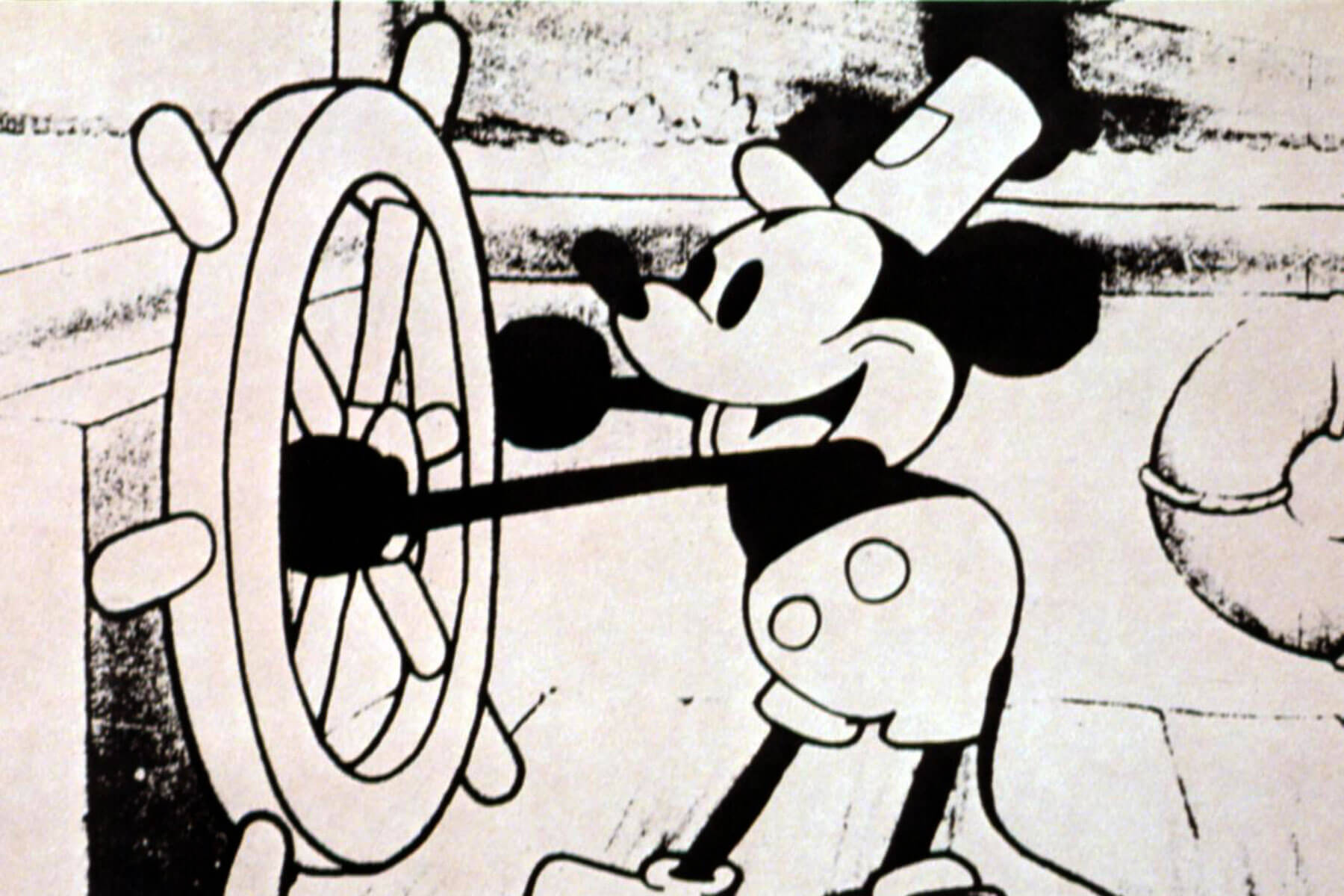
Universal rejected Walt and Iwerks’ initial Oswald design because  the character looked too old and tired. The two animators revised Oswald to be more affable and dynamic, laying the groundwork for a character that bore a striking resemblance to the figure we now know as Mickey Mouse. The new-and-approved Oswald the Lucky Rabbit debuted on September 5, 1927, in a short called Trolley Troubles, and audiences and critics took to the rabbit right away. The film’s success prompted Walt and Iwerks to produce more Oswald films, but the partnership with Universal — and with Oswald — was short-lived. Disputes with studio exec Charles Mintz led to Walt’s departure from the studio in 1928, and his newest character was left behind. Shortly after, however, the newly named Walt Disney Company began working on something else. Iwerks put the first Mickey Mouse sketches to paper at around the same time films started synchronizing voices and music. The Disney team debuted Mickey in a film called Steamboat Willie in November 1928, and over the next year, Mickey Mouse became a household name.

Photo credit: LMPC via Getty Images

Mickey Mouse’s First Words Were “Hot Dog”

In 1929, one year and eight films after Mickey Mouse made his on-screen debut, the character entered the world of “talkies” — the name given to early films with spoken dialogue. In the 1929 cartoon short film The Karnival Kid, directed by Walt Disney and Iwerks, Mickey works as a hot dog vendor at a carnival, where he meets Minnie Mouse. As Mickey struggles to announce his cart’s offerings to the bustling crowd, his voice finally breaks through as he exclaims, “Hot dog! Hot dog!

In previous films, Mickey had only made sounds such as whistling or laughing, which were voiced by Walt himself. But in The Karnival Kid, those first spoken words belonged to Carl Stalling, the Walt Disney Company’s first music director (he later went on to compose scores for Looney Tunes). Minnie Mouse, who captivated Mickey’s attention as a “shimmy dancer” in the film, was voiced by Walt; he also later took back sole voicing duties for Mickey until 1946

You may also like

5 Fascinating Facts From Behind the Iron Curtain

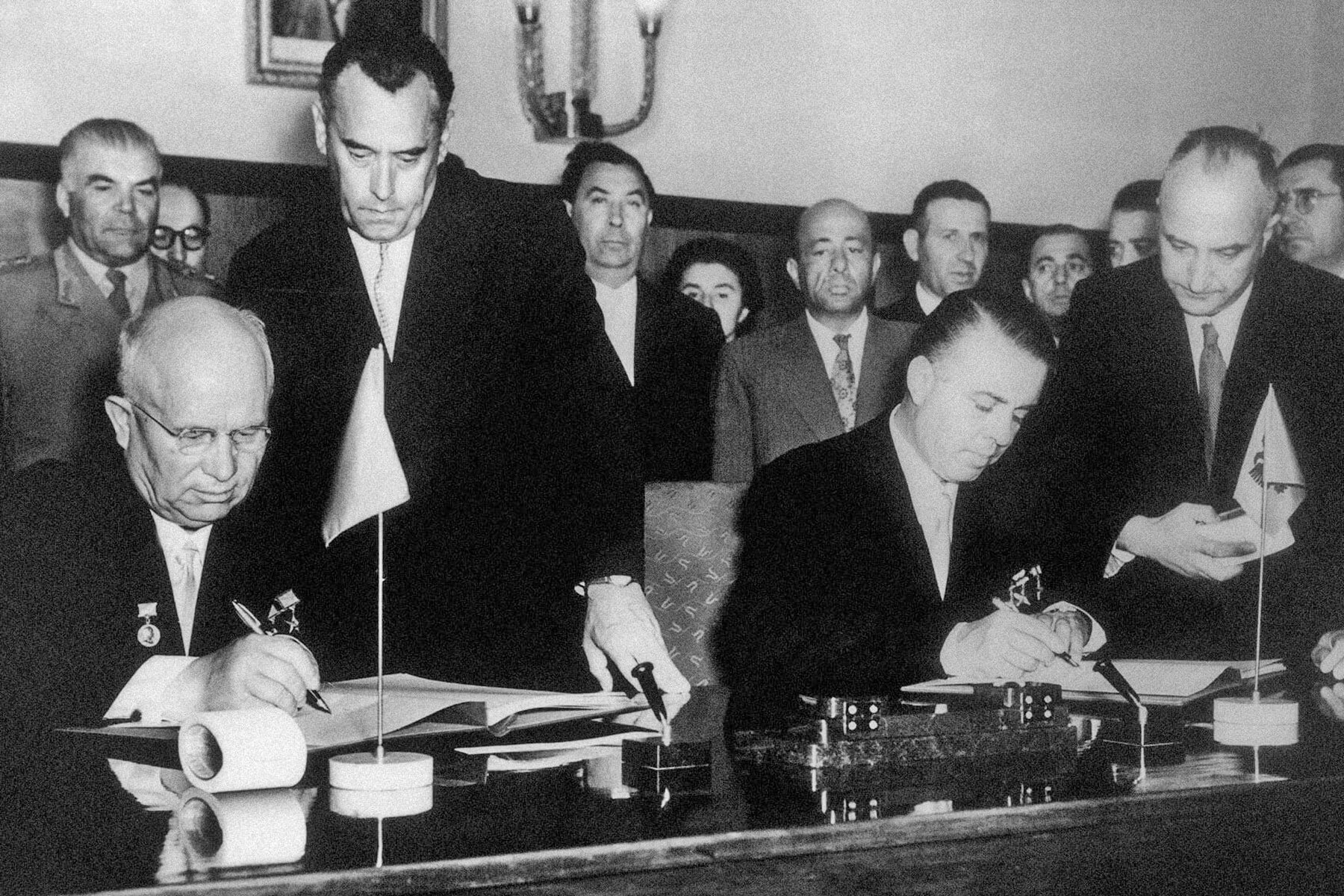
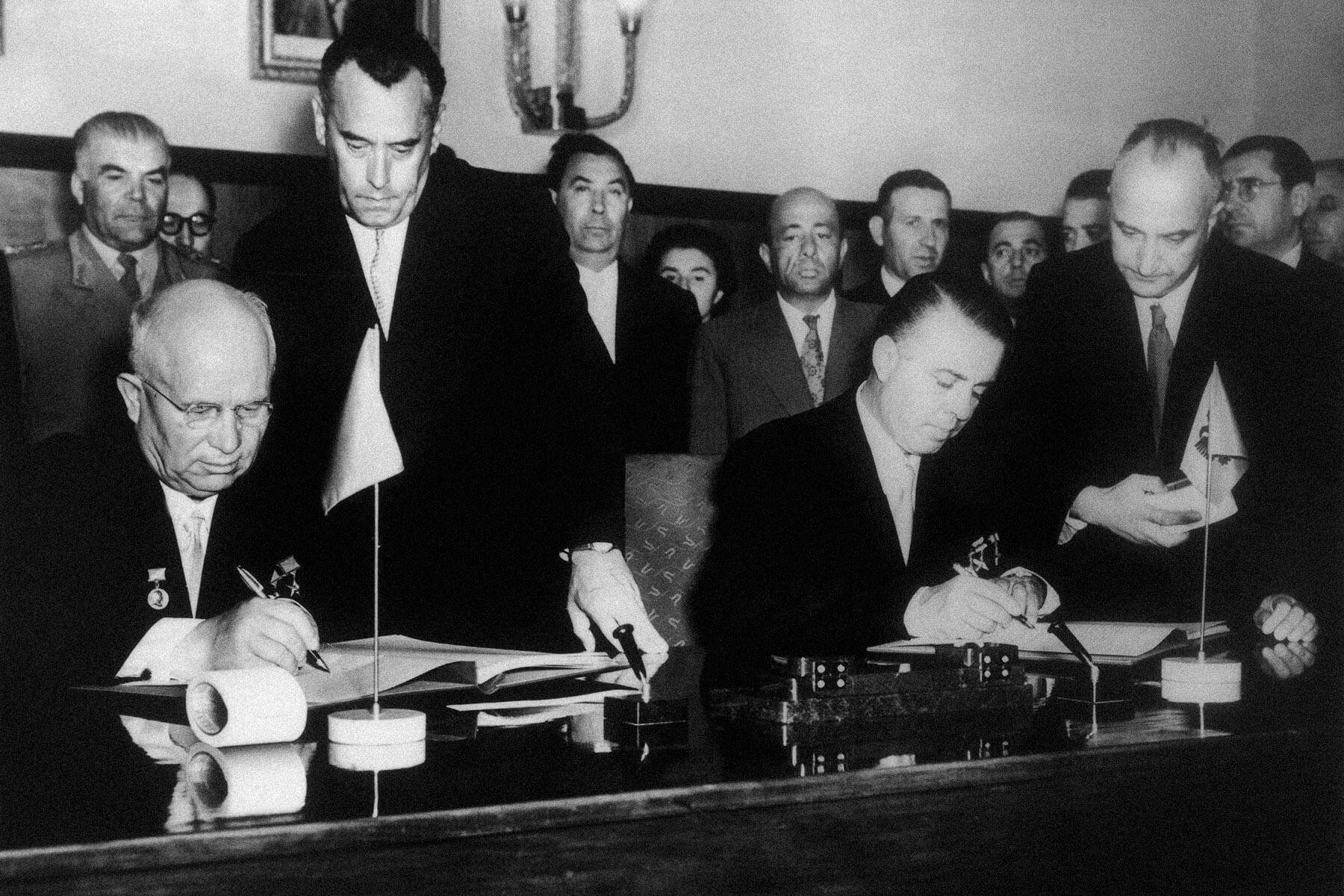
  • Khrushchev & Hoxha, 1961
Khrushchev & Hoxha, 1961
Keystone-France/ Gamma-Keystone via Getty Images
Author Bennett Kleinman

September 29, 2023

Love it?

In the wake of World War II, new ideological borders were drawn across the European continent. Vast cultural and economic differences formed a deep divide between the democratic nations of Western Europe and the communist regimes of the Soviet Union and its allies in the East. Throughout the Cold War era, these two distinct factions were separated by a symbolic boundary that cut through the continent, known as the Iron Curtain.

The term “Iron Curtain” was first used in reference to the Cold War in 1946; nations that were considered “behind” the Iron Curtain were those under Soviet and communist influence, as those regimes maintained a firm grasp on power. As time progressed, cracks formed in the Iron Curtain as former communist nations embraced democracy, ultimately leading to the political reunification of Europe. But for as long as it existed, the Iron Curtain served as a philosophical barrier between two vastly different worlds. Here are five fascinating facts from behind the Iron Curtain.

Photo credit: Icon and Image/ Michael Ochs Archives via Getty Images

The Term “Iron Curtain” Was Popularized by Winston Churchill

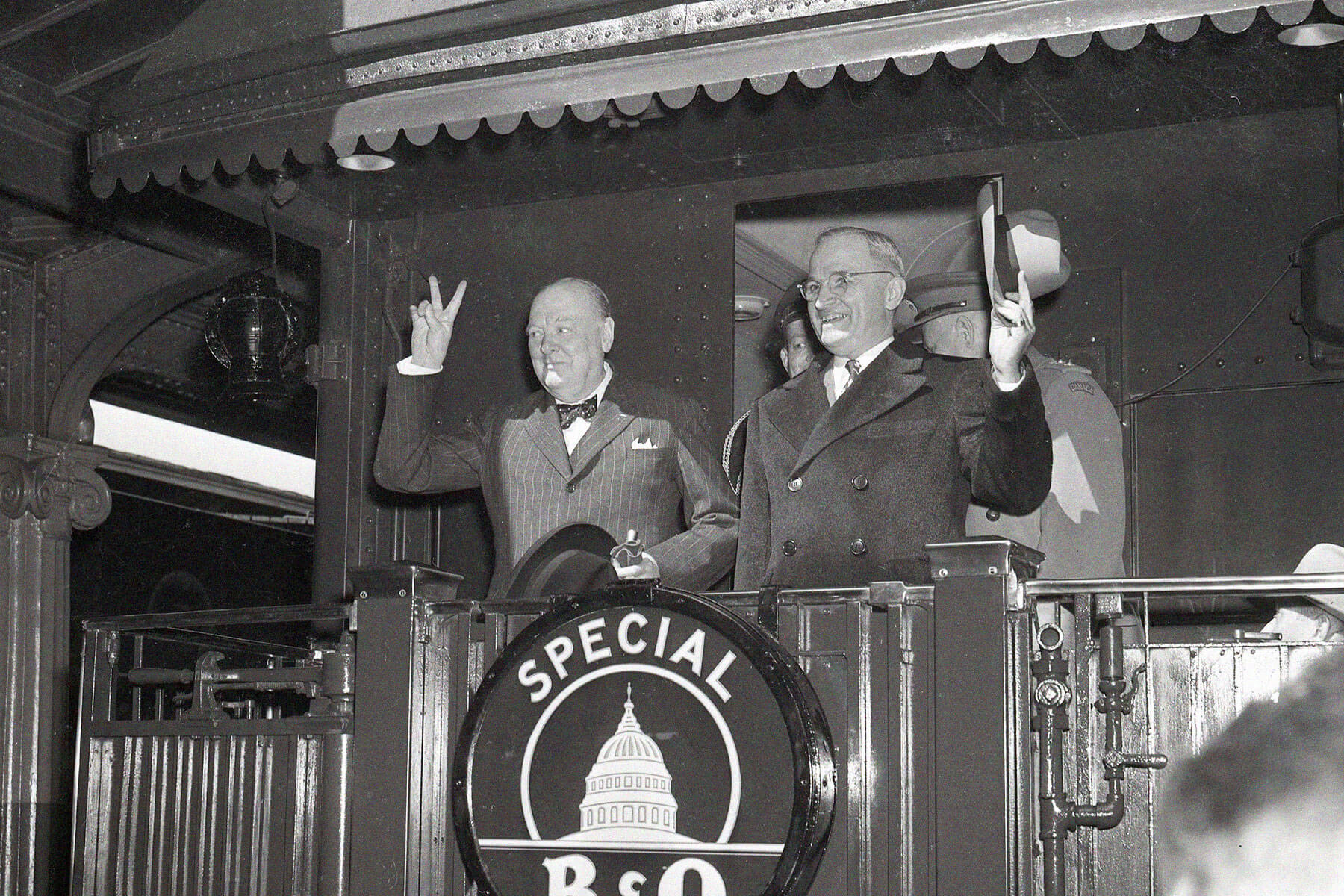
Long before the term “Iron Curtain” was coined in reference to the Cold War, the words referred to a fireproof safety mechanism that separated the audience from the stage in theatrical productions. In 1945, author Alexander Campbell borrowed the term in his book It’s Your Empire to describe censorship related to World War II-era Japanese conquests. “Iron Curtain” was first used in the context of communist Europe during a speech by British Prime Minister Winston Churchill on March 5, 1946. Appearing with President Harry Truman at Westminster College in Fulton, Missouri, Churchill stated, “From Stettin in the Baltic, to Trieste in the Adriatic, an iron curtain has descended across the continent.” Churchill sought to warn the audience of the threat posed by the Soviet Union, and the term “Iron Curtain” resonated, remaining popular for decades after. Around the same time as Churchill’s speech, another great wordsmith used the phrase “Cold War” for the first time — author George Orwell in his 1945 essay “You and the Atom Bomb.” Two years later, Truman adviser Bernard Baruch formally coined the term “Cold War” to describe the cooling relationship between the United States and Soviet Union.

Photo credit: Wojtek Laski/ Hulton Archive via Getty Images

Poland Was the First Eastern Bloc Country to Hold Democratic Elections

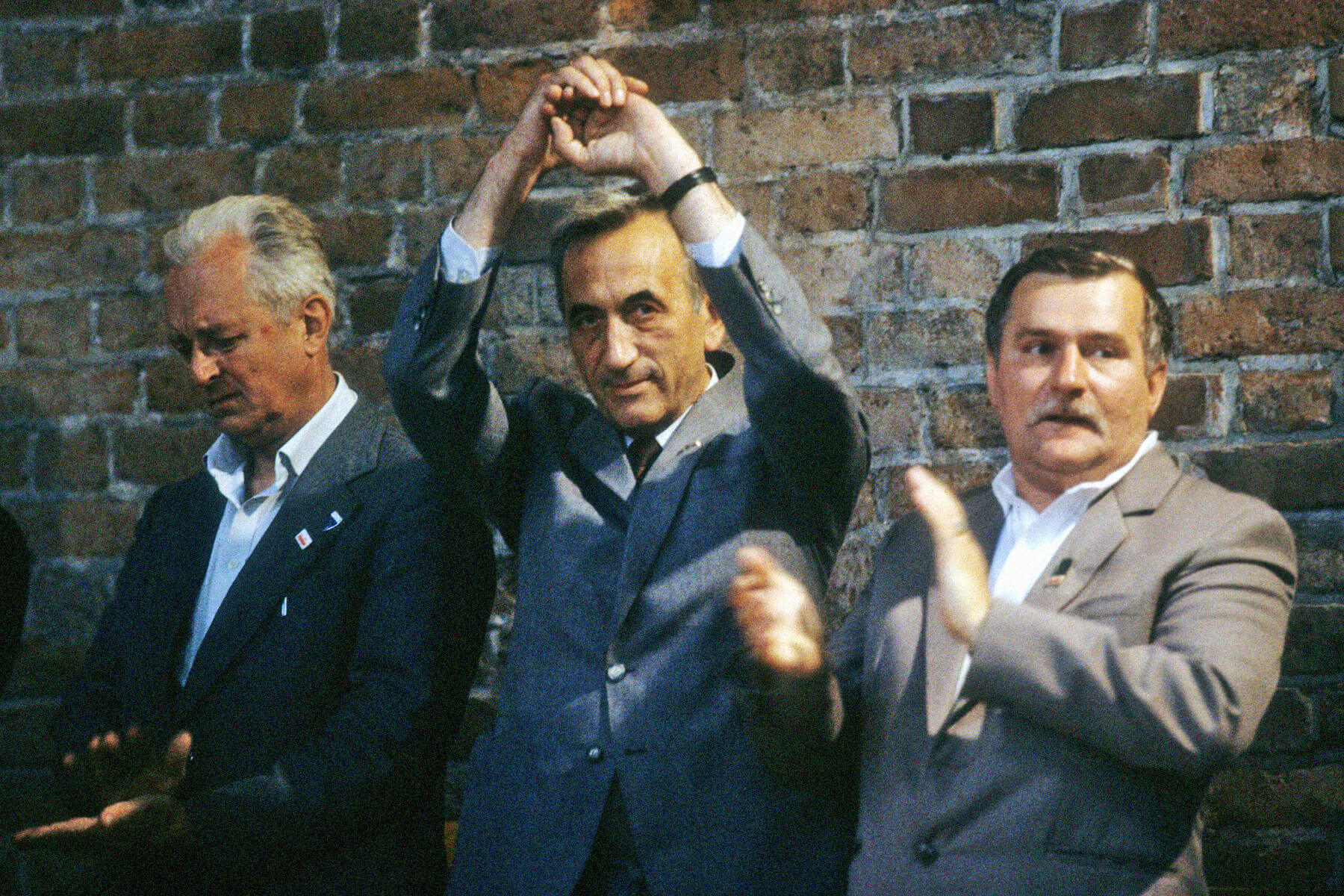
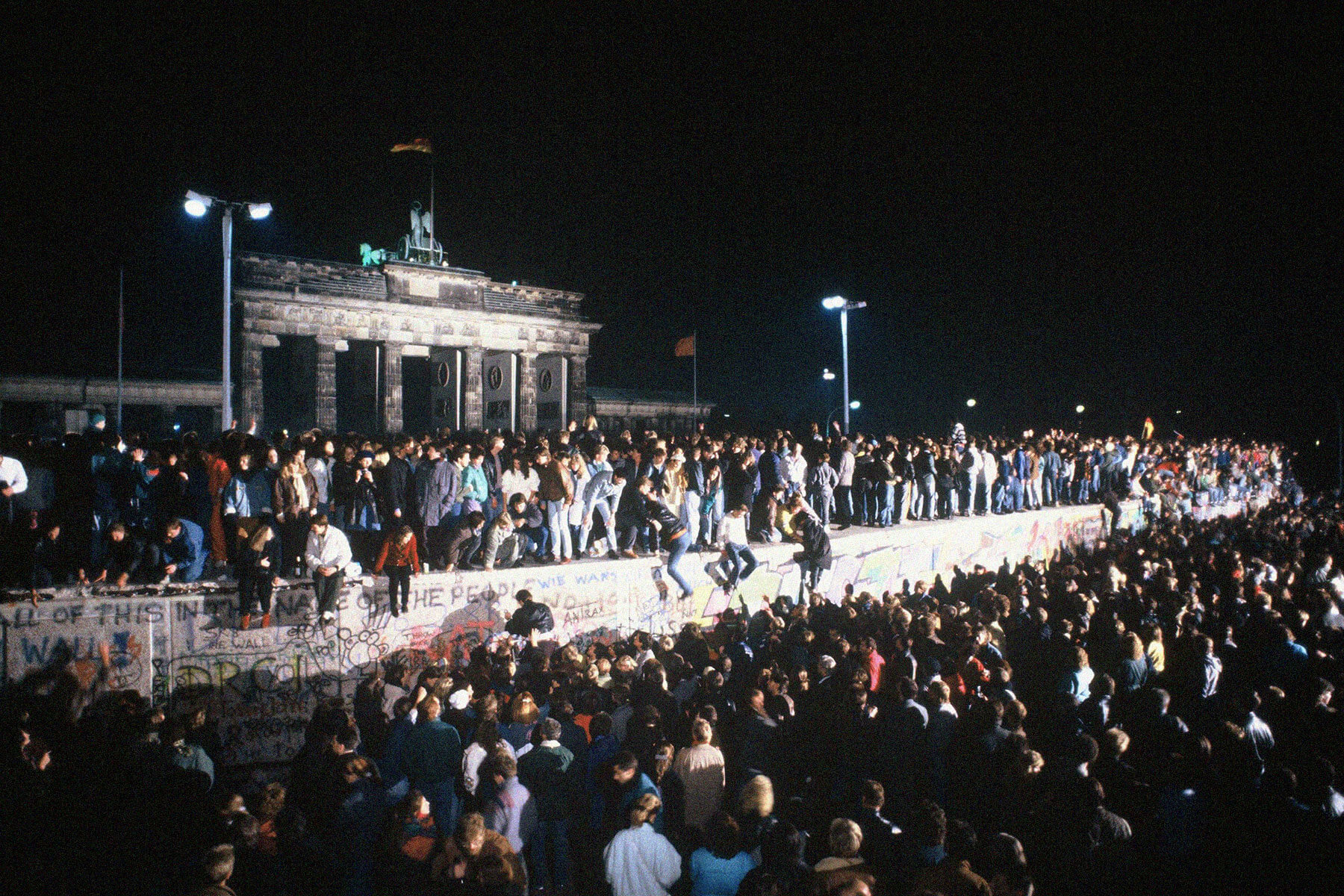
For decades, communist regimes maintained uninterrupted power over the many nations of the Eastern Bloc, a group of communist states largely located in Central and Eastern Europe and parts of Asia. Dictators ruled with an iron fist thanks to the lack of fair and free elections within the Soviet Union, Czechoslovakia, and the other countries that fell behind the Iron Curtain. That trend continued until 1989, when Poland held its first democratic elections since the Cold War began. Tadeusz Mazowiecki emerged as Eastern Europe’s first noncommunist leader in decades, representing a pro-labor party known as Solidarity. Mazowiecki embraced Western ideology such as a free-market economy, and though he was replaced as prime minister two years later, the election remains a historic event. Other former communist nations soon followed Poland’s lead; Czechoslovakia and Hungary both held their first fair multiparty elections in 1990. Not long after, the Iron Curtain disintegrated as the Soviet Union collapsed.

You may also like

5 Infamous Museum Heists 

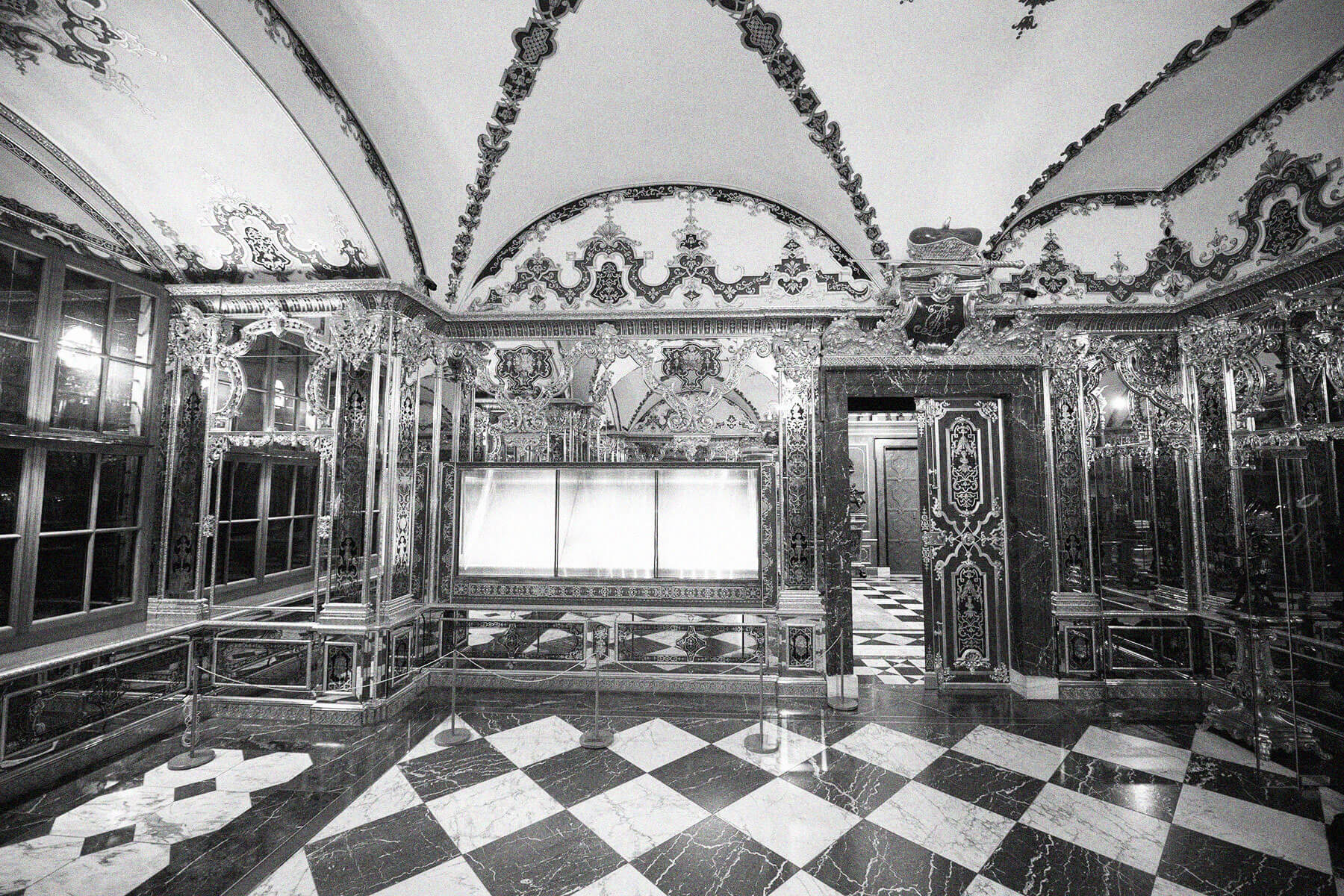
  • Historic Green Vault
Historic Green Vault
picture alliance via Getty Images
Author Nicole Villeneuve

September 29, 2023

Love it?

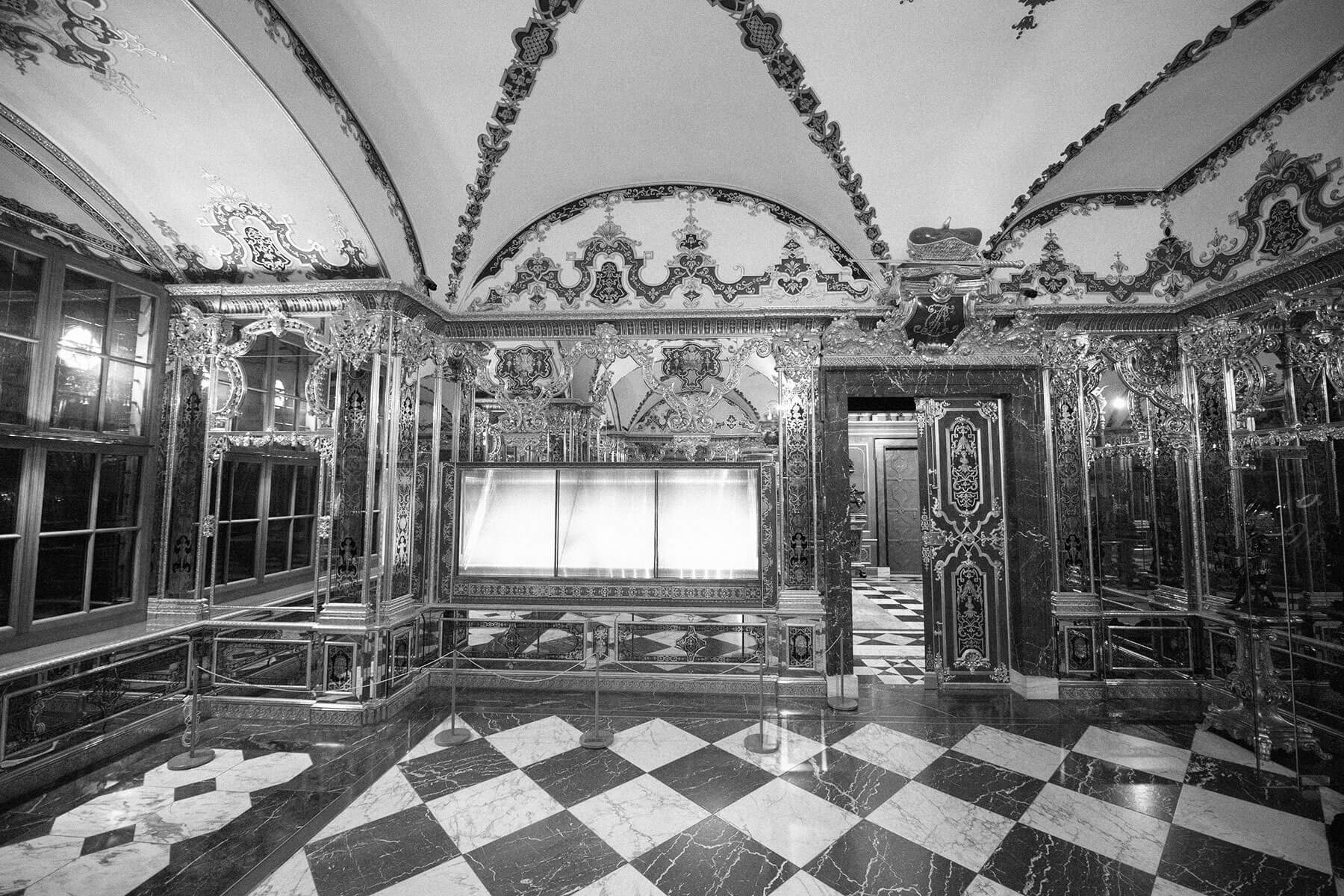
Museum heists are often depicted as high-stakes adventures in movies and novels — a fictional counterpart to the dramatic real-life robberies that have been taking place for centuries. While they vary in scale (and success), museum heists have a few core elements in common: audacity, craftsmanship, and unabashed guile. While suspects are sometimes caught and stolen goods are occasionally recovered, the details of these crimes often remain a mystery. From the theft of the “Mona Lisa” in 1911, which catapulted a once-relatively obscure painting to global fame, to the enigmatic Isabella Stewart Gardner Museum heist of 1990, when masterpieces by Vermeer and Rembrandt vanished, here are some of the most infamous museum heists in history.

Photo credit: Roger Viollet via Getty Images

The Theft of the “Mona Lisa” 

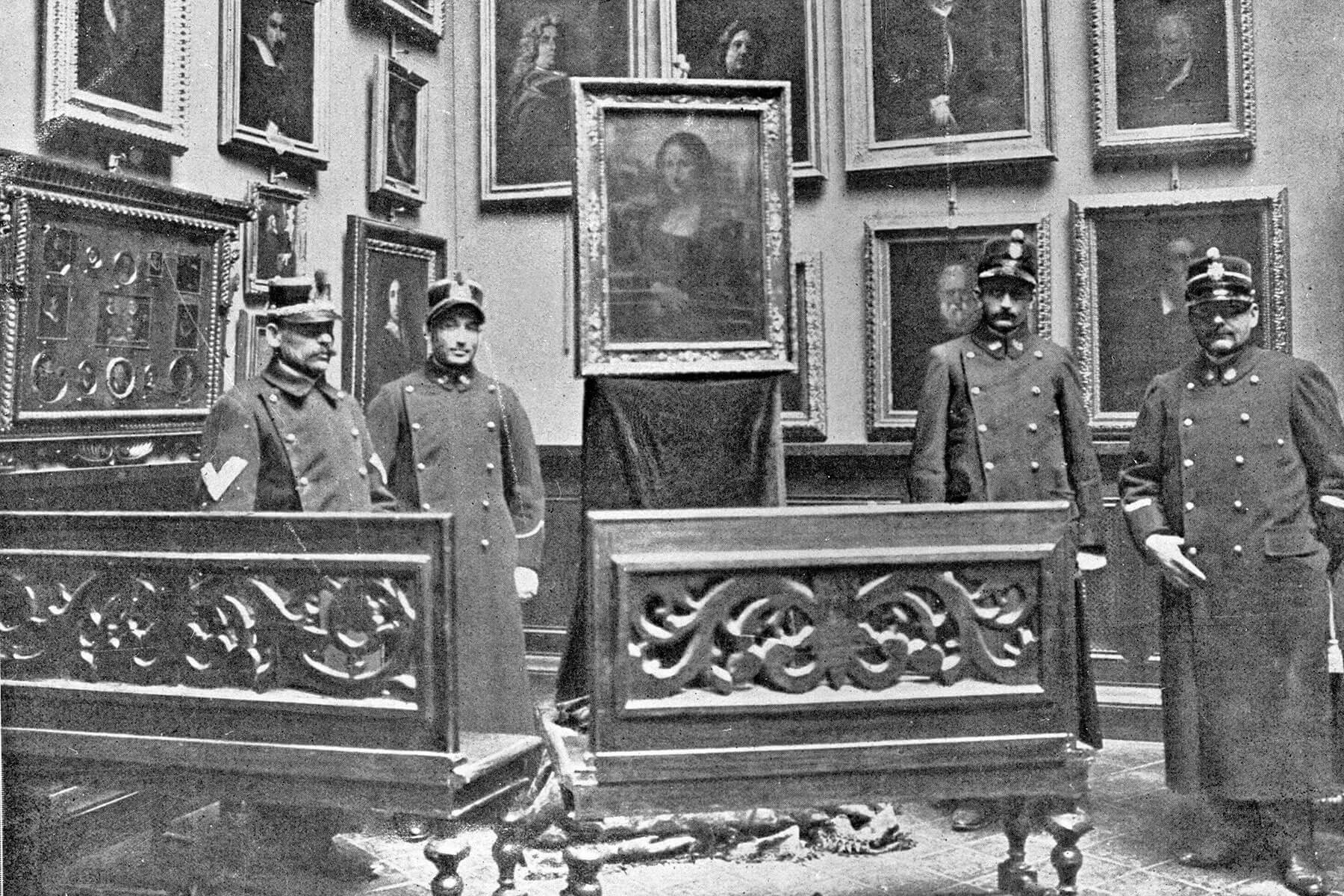
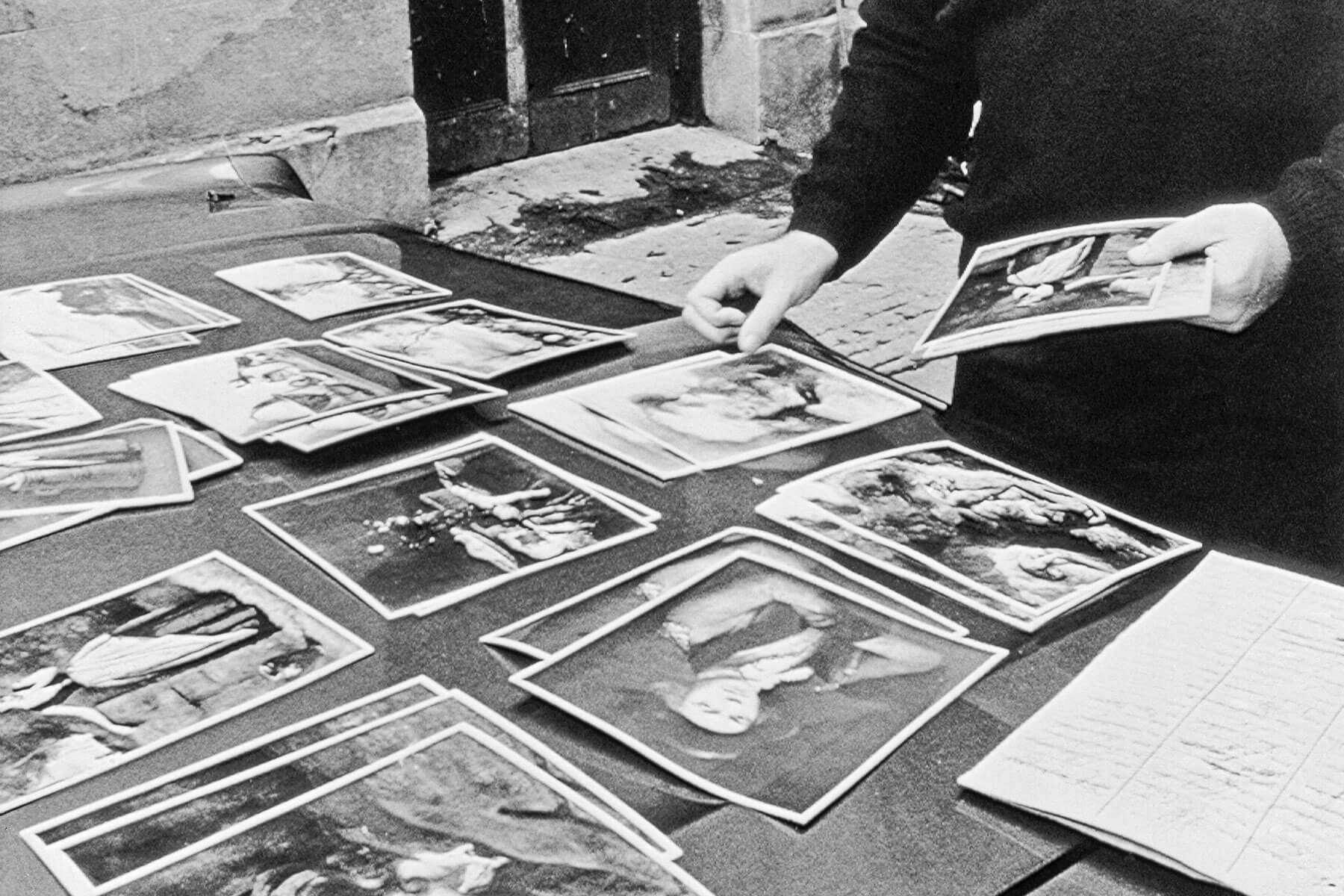
The theft of the “Mona Lisa” has been called the greatest art theft of the 20th century, but it was a rather rudimentary operation. On the morning of August 21, 1911, the now-famous Leonardo da Vinci painting was carried out of the Louvre in Paris, France, by three Italian handymen who had covered it in a blanket. The men — one of whom, Vincenzo Peruggia, was a former museum employee — are believed to have hidden in a supply closet overnight before removing the painting, its frame, and its protective glass case off the wall while the museum was closed that Monday morning. 
At first, no one even noticed the painting was gone; it wasn’t until 28 hours later that the bare spot on the wall was finally acknowledged. Before it went missing, the “Mona Lisa” — now considered the most famous painting in the world — was largely unknown outside the art world. After the heist, images of the Renaissance masterpiece were plastered on newspapers around the world, cementing it as the world-famous piece it is today. The painting remained missing for two years as the investigation went awry; at one point, artist Pablo Picasso was even considered a suspect. In 1913, Peruggia finally attempted to sell the portrait, triggering an arrest and a stint in jail. The “Mona Lisa” was finally recovered in Florence and returned to the Louvre, where it still hangs today.

Photo credit: Bettmann via Getty Images

The Isabella Stewart Gardner Museum Heist 

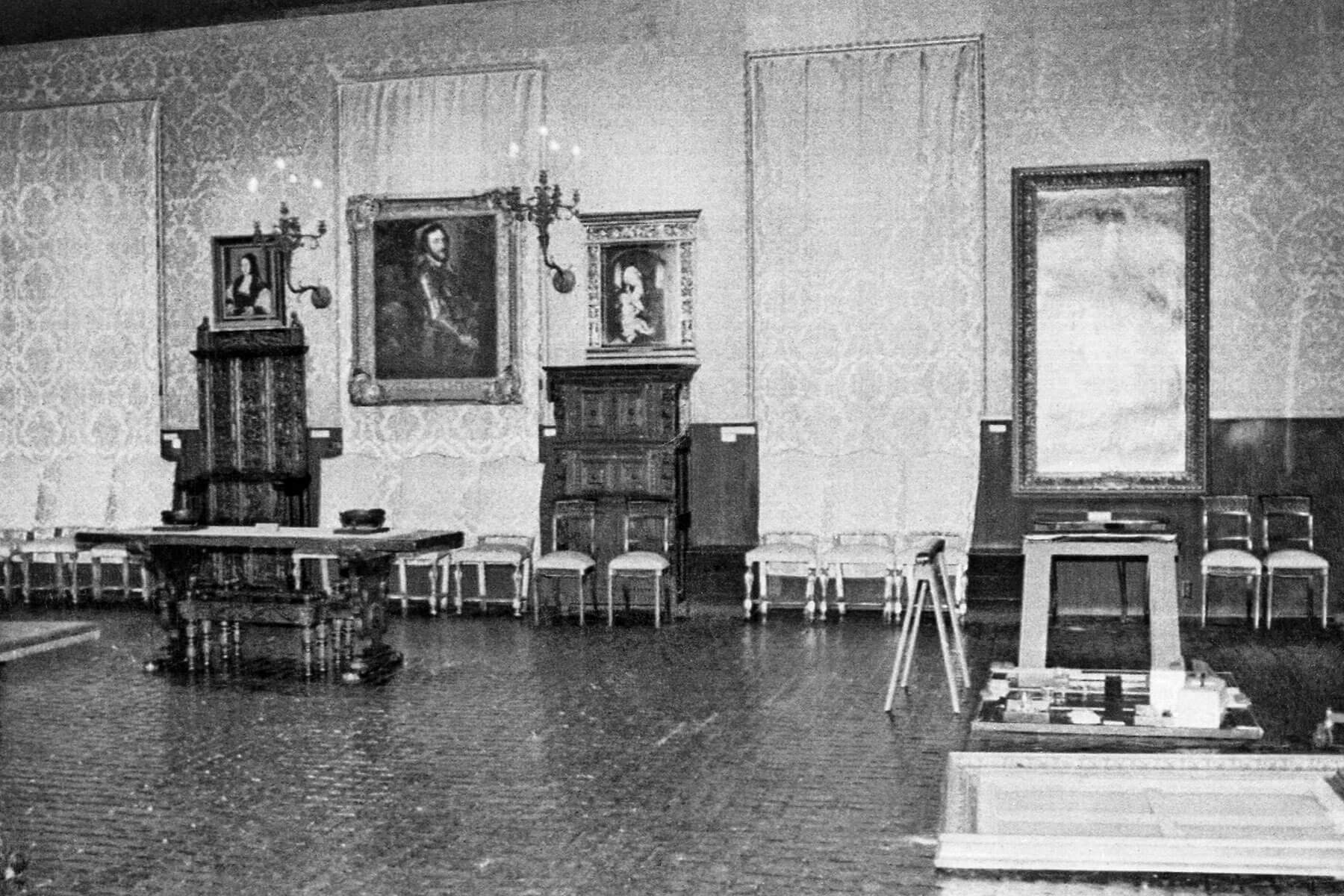
It ranks among the most audacious art thefts in history — and it still remains unsolved. In the early morning hours of March 18, 1990, two people disguised as police officers convinced the security guards at Boston’s Isabella Stewart Gardner Museum to let them inside. The thieves proceeded to subdue the unsuspecting guards and, leaving them handcuffed to pipes in the building’s basement, spent 81 minutes brazenly stealing 13 works of art. Priceless pieces by Rembrandt van Rijn and Édouard Manet were among the stolen goods, as was Johannes Vermeer’s “The Concert,” considered the most expensive missing work of art today.

In the aftermath, empty frames hung on the museum walls, as the artworks they housed were cut out and removed during the heist. Despite investigators identifying several probable culprits over the years, and a recent Netflix series and investigative podcast about the heist, as well as new clues deepening the possible ties to organized crime, the Gardner heist remains unsolved, and there’s a $10 million reward for information leading to the recovery of the stolen pieces. The empty frames still hang on the walls today.

You may also like

6 Facts About the Vanderbilts and Rockefellers

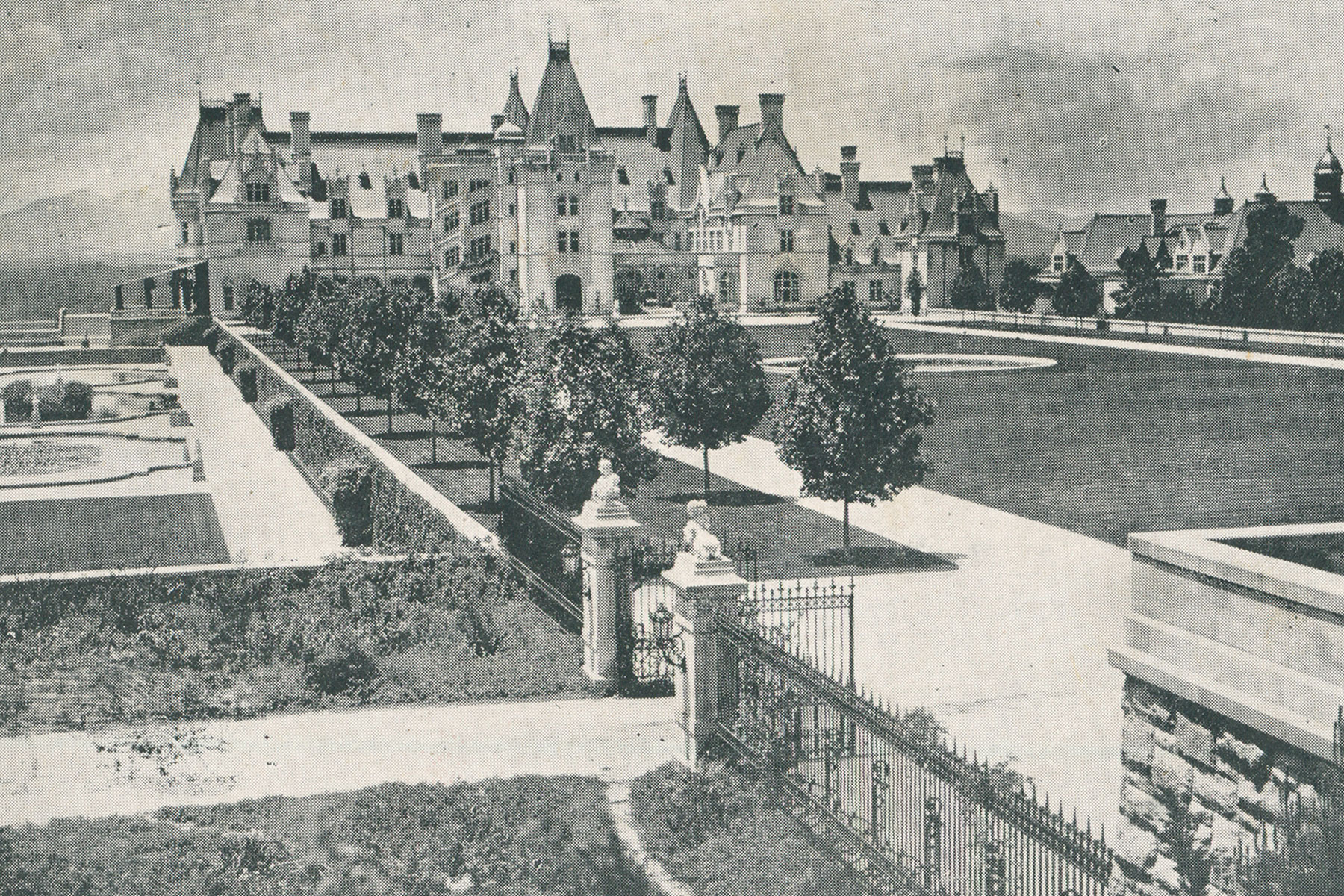
  • The Biltmore Estate
The Biltmore Estate
Smith Collection/Gado/ Archive Photos via Getty Images
Author Nicole Villeneuve

September 21, 2023

Love it?

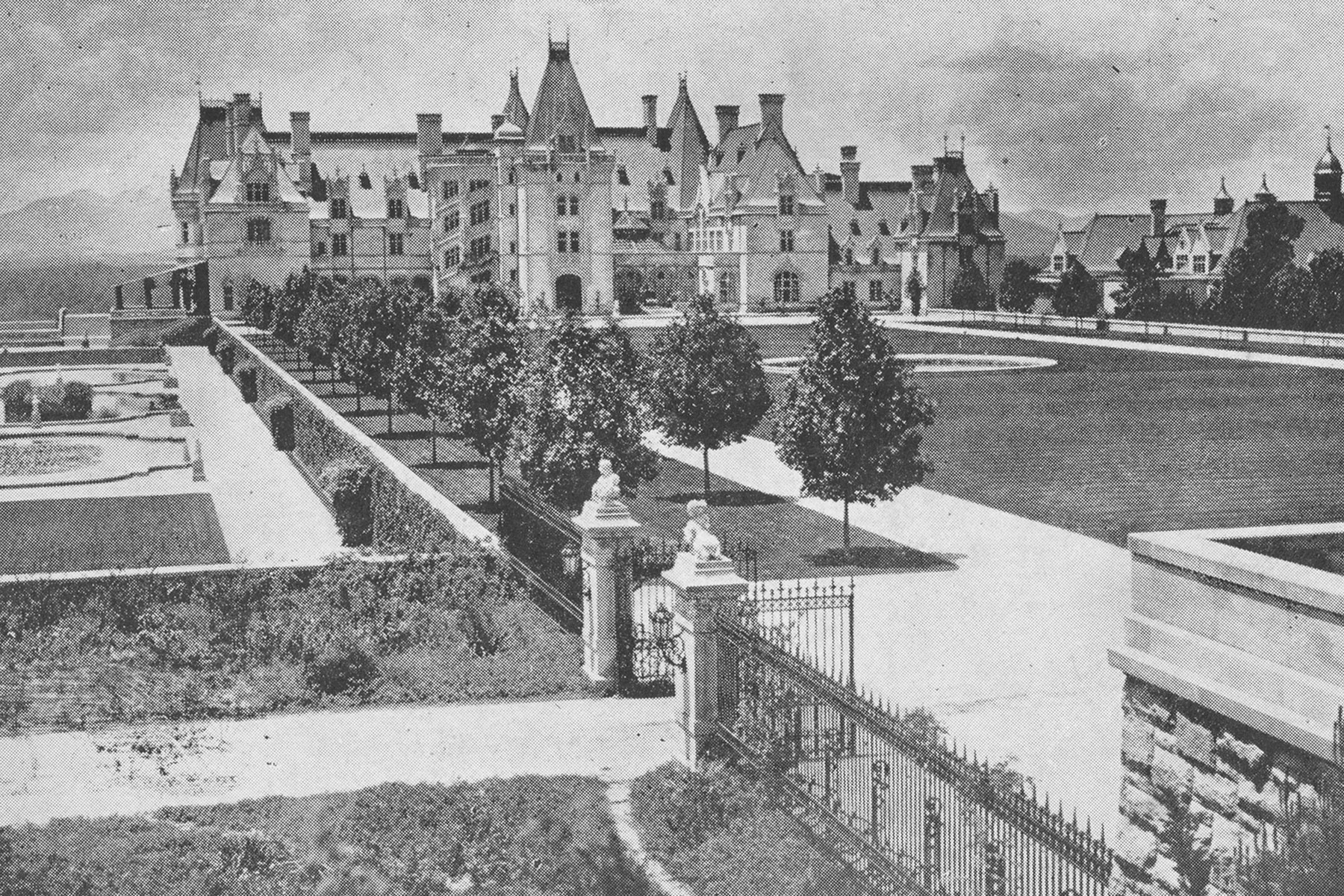
The United States may not have a royal family, but it has a number of influential family dynasties that have intrigued the public for centuries. Two families in particular, the Vanderbilts and the Rockefellers, are household names whose self-made fortunes made them two of the richest and most powerful American families in history. The Vanderbilts, led by Cornelius Vanderbilt’s railroad empire, amassed staggering wealth during the Gilded Age in the late 19th century. The Rockefellers, meanwhile, propelled by John D. Rockefeller’s dominance of the oil industry, made a large impact with their philanthropy and preservation. Although their ascendence is similar, their legacies ended up looking a little bit different in the end.
Rockefeller and Vanderbilt’s massive business ventures not only amassed them unprecedented personal wealth, but boosted the country’s industrial economy. At the same time, their reputations as “robber barons” emerged, amid criticisms that their successes came at the expense of fair competition, workers’ rights, and ethical standards. At the time, many Americans were living in poverty, a stark contrast to the glitzy guise of the Gilded Age that these wealthy families propped up.

Photo credit: General Photographic Agency/ Hulton Archive via Getty Images

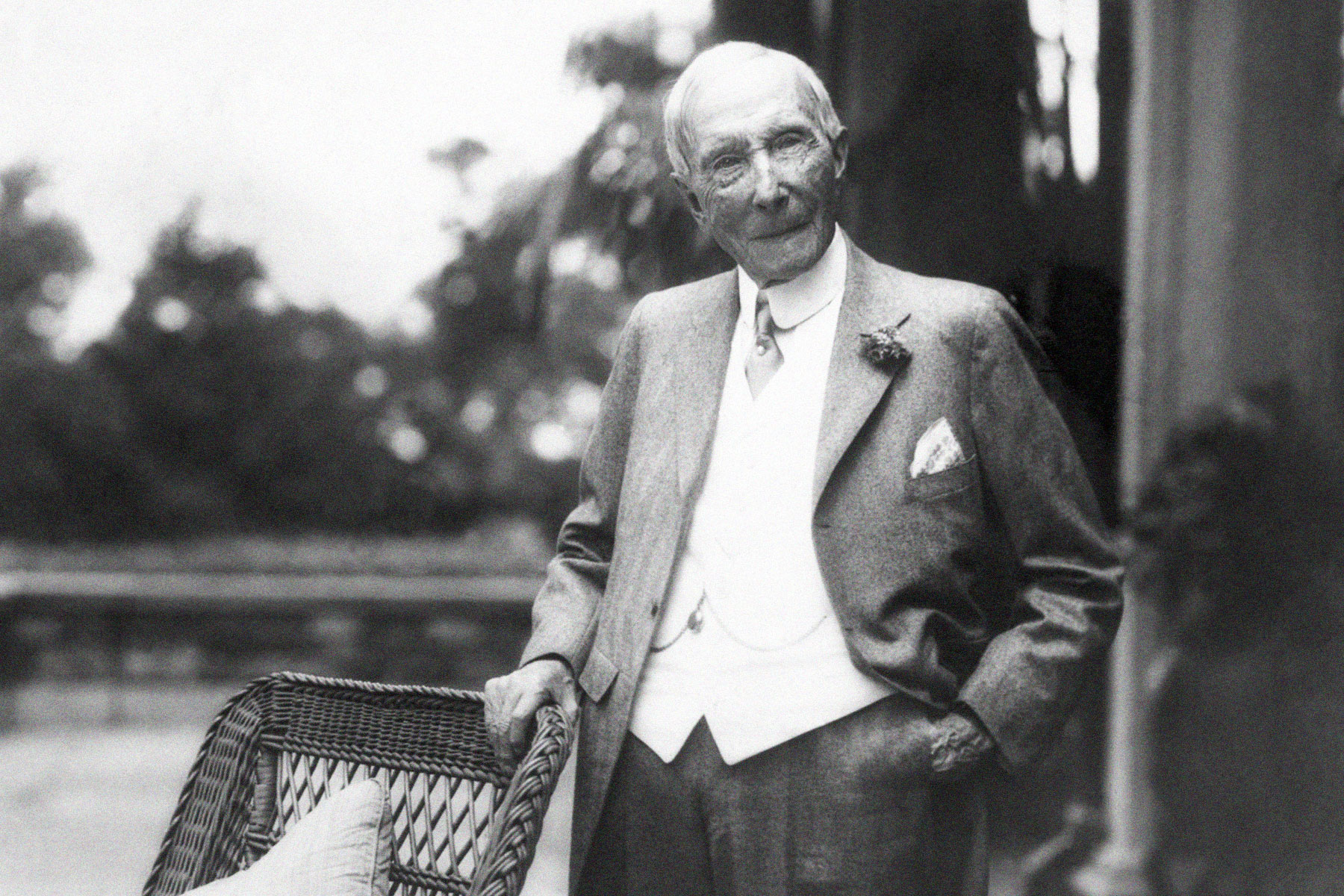
John D. Rockefeller Was America’s First Billionaire

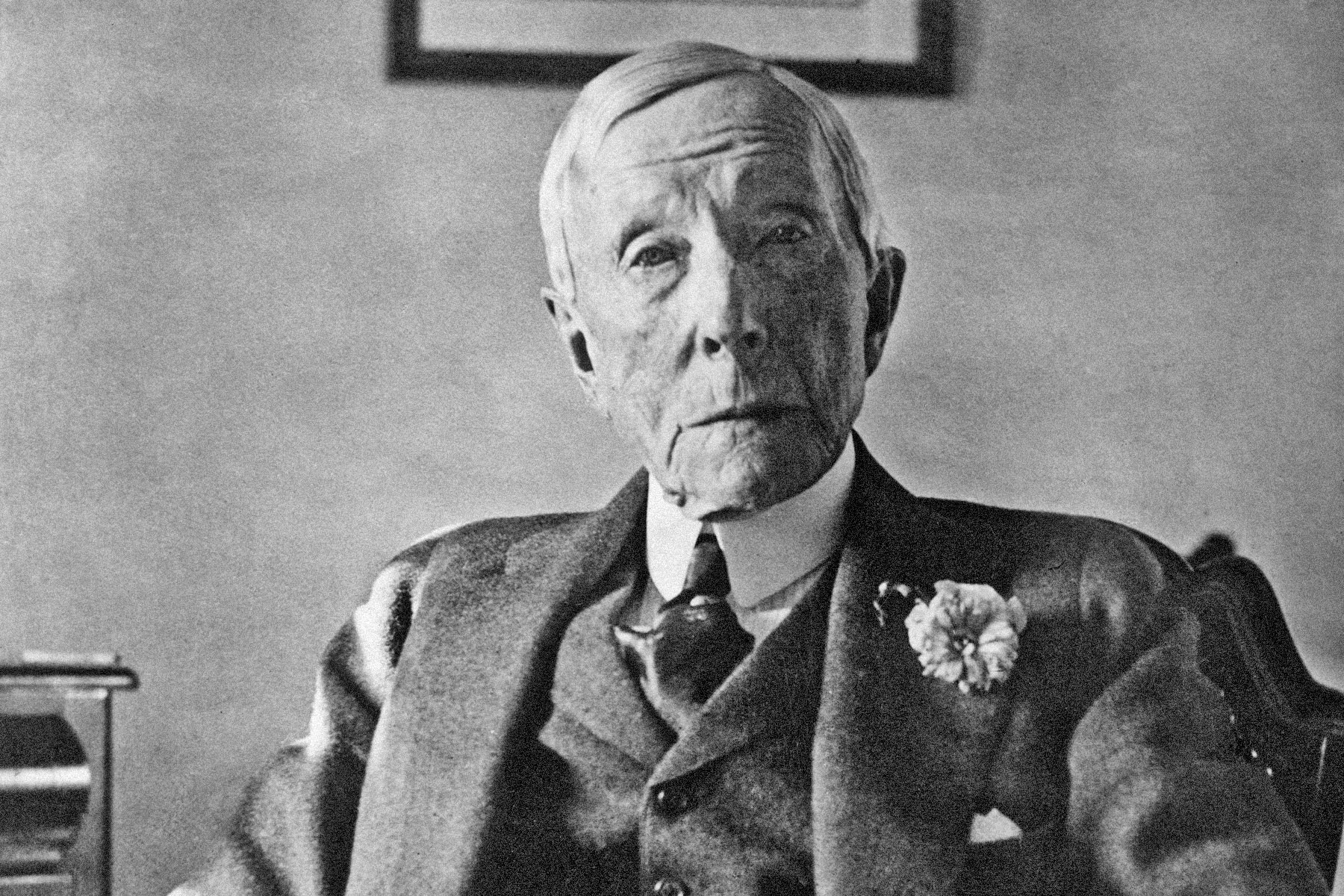
A century before Bill Gates and Jeff Bezos, there was John D. Rockefeller. When he was just 12 years old in rural New York, Rockefeller loaned a neighbor $50 of his own hard-earned money. When he received it back the next year with interest, he decided at that moment to let his money work for him instead of the other way around. This foresight and financial acumen lasted him a lifetime, helping him shape the landscape of American business and become the country’s first billionaire. 

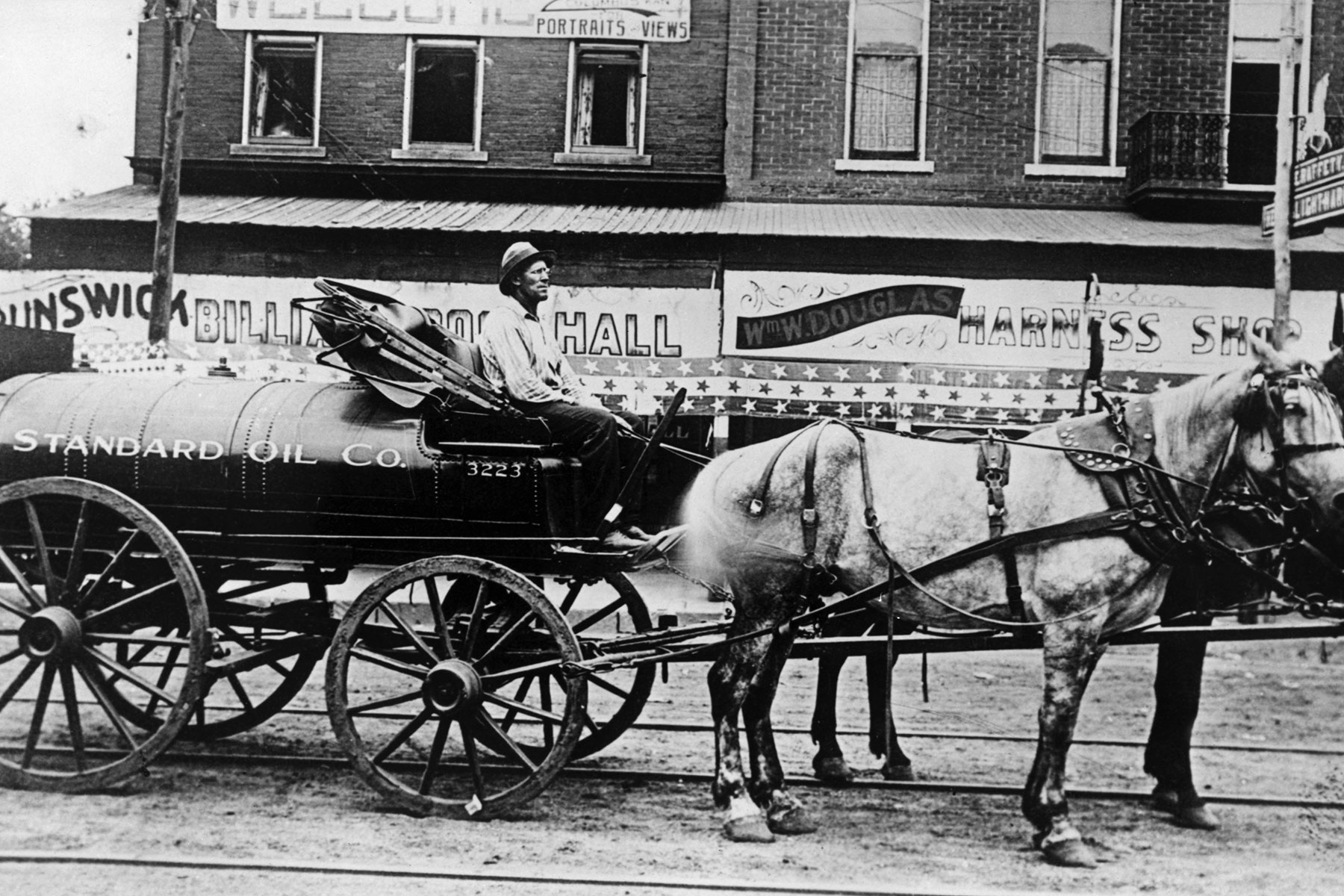
Trained and working as a bookkeeper by 16 years old, Rockefeller started his own company in agricultural trade within a few years. Through that business, he decided that the true future of industry was in moving raw materials, and at 24 years old, he moved into the oil business. Rockefeller went on to pioneer the American oil industry by founding Standard Oil (later dissolved into Exxon, Chevron, and more). Although his business practices faced their fair share of accusations and criticisms over the years — including colluding to control the price of oil and creating a monopoly by buying competing refineries — Rockefeller amassed an unprecedented $1.4 billion net worth by the time of his death in 1937 (almost $30 billion today). As much as he made, he gave plenty away, too — his philanthropic gifts over the years totaled $530 million.
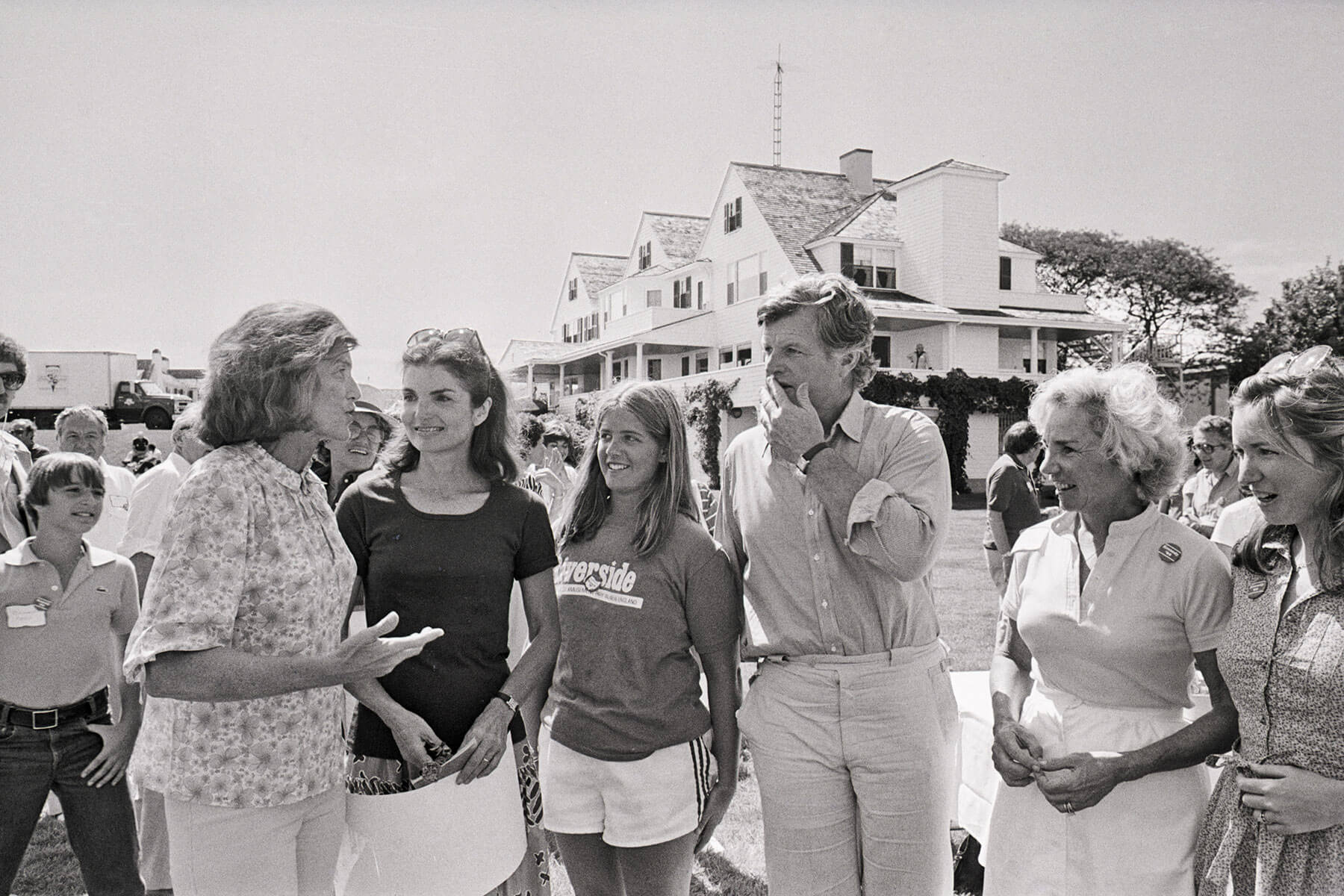
Photo credit: American Stock/ClassicStock/ Archive Photos via Getty Images

Cornelius Vanderbilt Had Virtually No Education

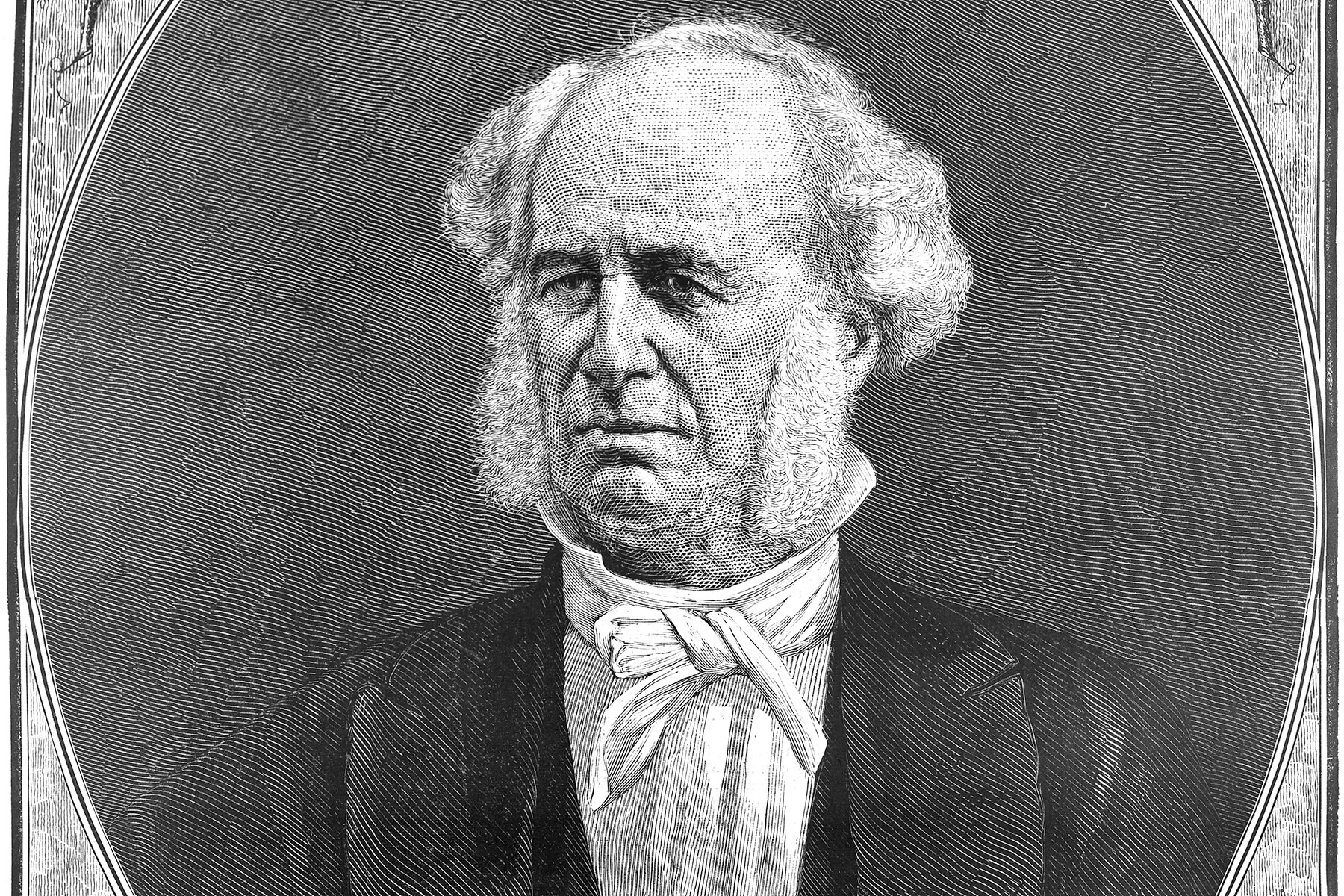
He’s a towering figure in American business history, but Cornelius Vanderbilt had little formal education. Born the fourth of nine children in Staten Island, New York, in 1794, Vanderbilt was pulled out of school to work on his father’s shipping boat when he was just 11 years old. By the time he was 16, “the Commodore,” as he became known, had bought his own boat to ferry cargo around the New York Harbor. He got a job in the steamship industry and eventually went into business for himself. 
Vanderbilt’s aggressive professional approach helped him accrue wealth quickly, and in the 1840s, he built the first of many large homes the family owned in New York (and elsewhere). When the California gold rush struck, Vanderbilt saw an opportunity: He launched a shorter steamship route from New York to San Francisco than had previously existed. It was an instant success, earning more than $1 million in one year (that’s almost $40 million today). Around this time, Vanderbilt also began to manage the railroads that connected textile mills on the East Coast to shipping ports. The shipping tycoon with no formal education also became a railroad tycoon. 

You may also like

6 Things You Didn’t Know About the Kennedys

  • JFK with his family
JFK with his family
Hulton Archive/ Archive Photos via Getty Images
Author Kristina Wright

September 21, 2023

Love it?

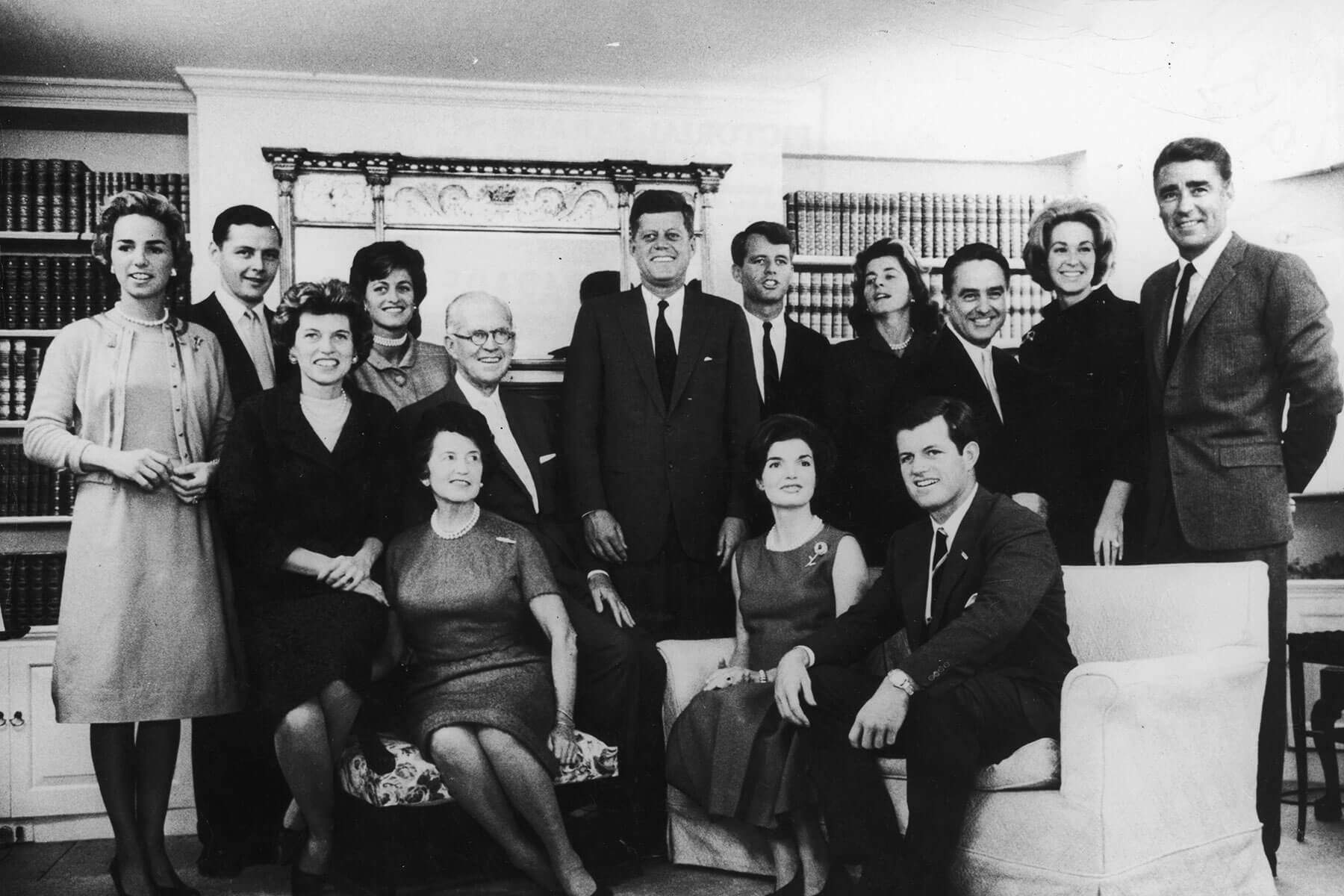
In American politics, there are few families who have had as big an impact on the nation’s history as the Kennedys. The family’s roots can be traced back to two Irish Catholic immigrant families, the Fitzgeralds and the Kennedys, who came to the U.S. beginning in the 1840s to escape the potato famine in Ireland. In 1914, Joseph P. Kennedy, the son of a wealthy Boston businessman, married Rose Fitzgerald, the daughter of an equally prominent Boston family. The couple went on to have nine children: Joseph Jr., John (“Jack”), Rose Marie, Kathleen, Eunice, Patricia, Robert (“Bobby”), Jean, and Edward (“Ted”), many of whom served the country in a variety of elected and appointed roles, helping steer the course of the nation.

The most famous of Joseph and Rose’s children was their second-oldest child, John F. Kennedy. Before he became the 35th and youngest elected President of the United States in 1961, he served in the Navy and represented Massachusetts in both houses of Congress. The 1963 assassination of the young and charismatic President triggered a wave of profound shock and grief across the nation, marking the end of an era as postwar idealism gave way to a period of political and social turbulence. Here are six little-known facts about this famous political family.

Photo credit: Underwood Archives/ Archive Photos via Getty Images

John F. Kennedy Donated His Congressional and Presidential Salaries to Charity

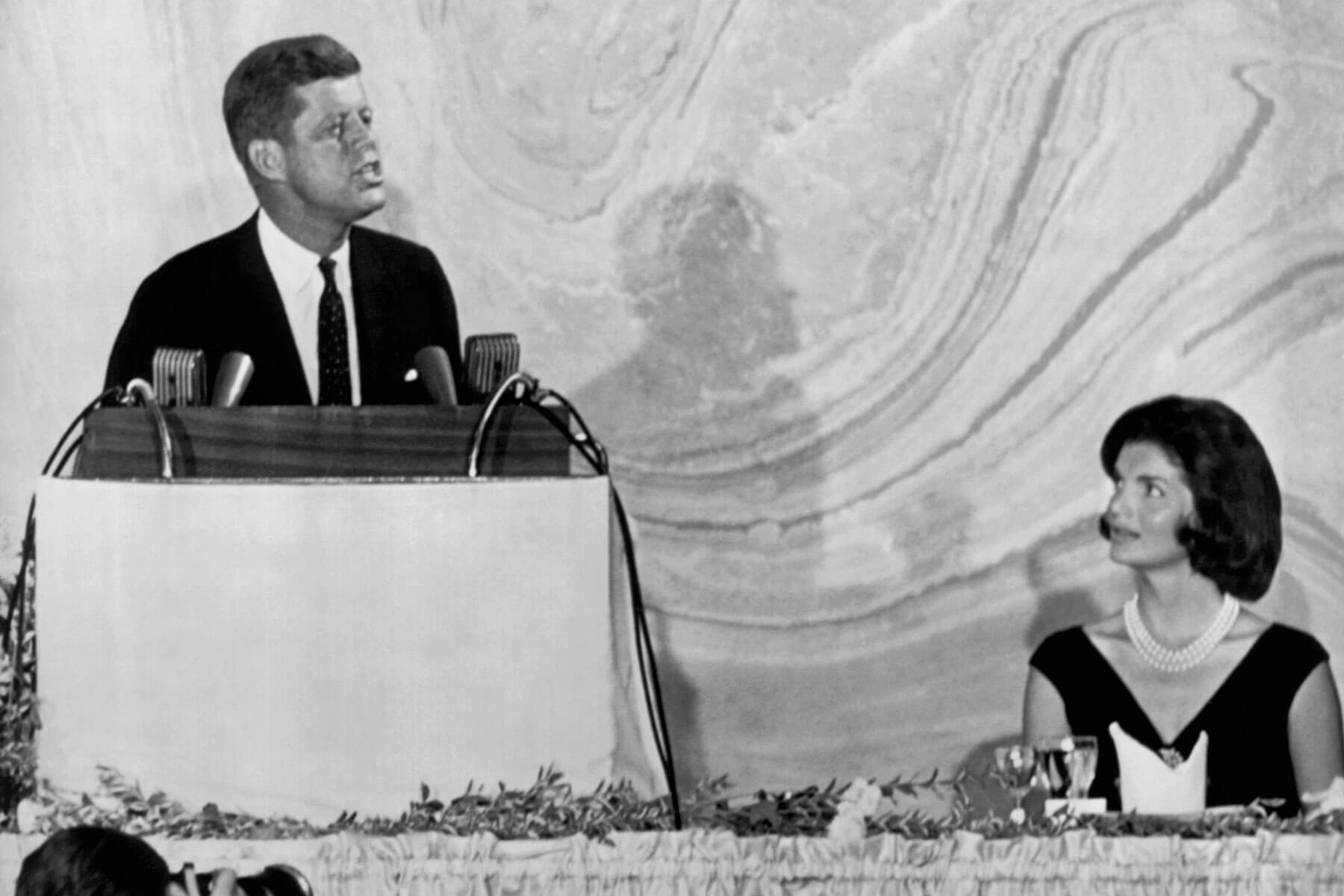
The Kennedys may have started out as a middle-class family in Boston, but Joseph Kennedy’s success in banking, stock trading, movie production, and liquor sales made them very wealthy. So wealthy, in fact, that Joseph established a trust fund for each of his children. From the time John F. Kennedy was 21, he lived on the interest of his own $10 million trust, making it possible for him to donate his congressional and presidential salaries to charity. Over the course of his political career, JFK donated more than $500,000 to dozens of charitable organizations, including the Boy Scouts and Girl Scouts of America, the United Negro College Fund, and the Foundation for Jewish Philanthropies.

Photo credit: Historical/ Corbis Historical via Getty Images

Jackie Kennedy Started a School in the White House

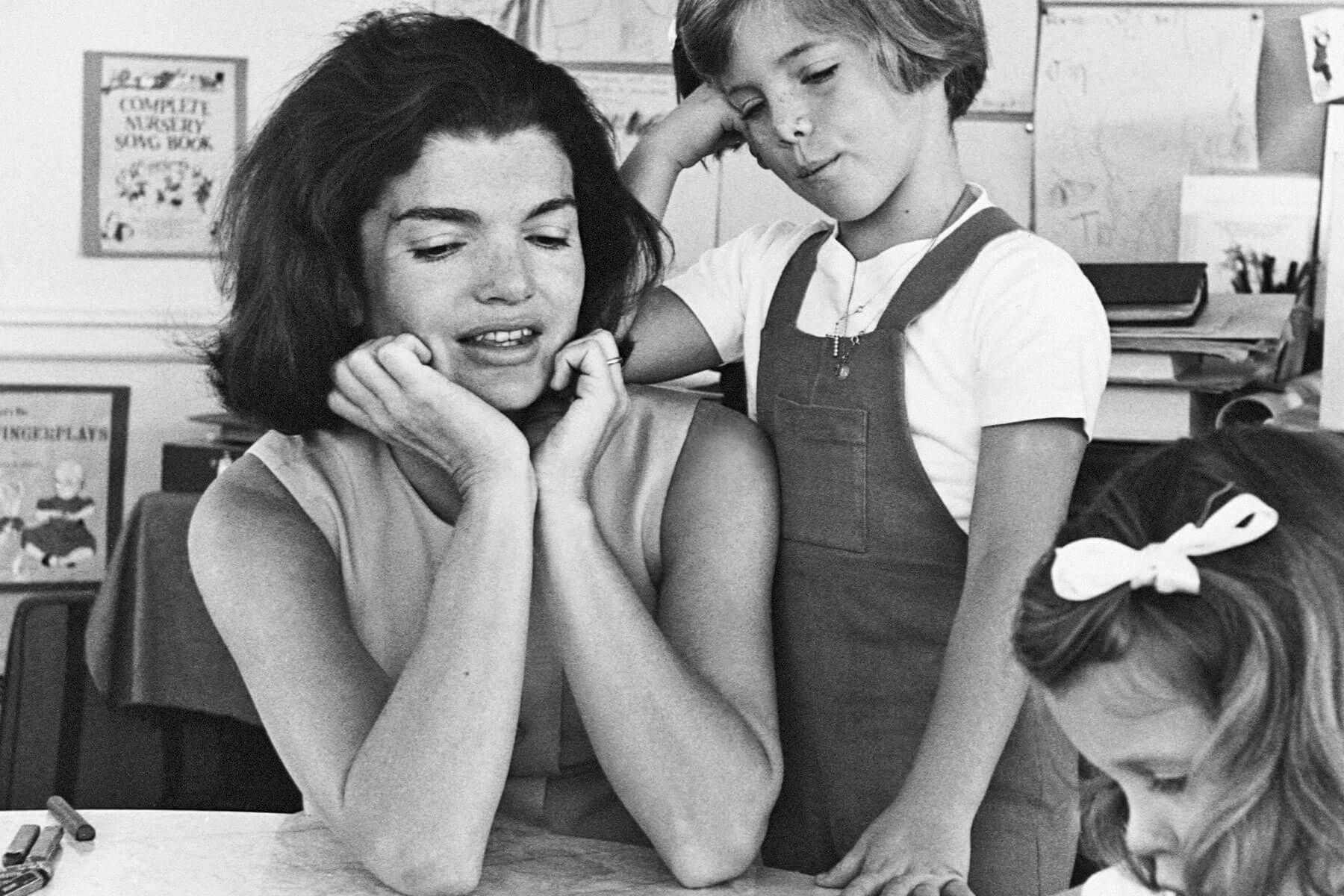
First Lady Jacqueline Kennedy was known to be a private person who was very protective of her children. Concerned about potential security risks and the omnipresent press, Jackie decided to turn the third-floor solarium in the White House into a nursery school for her young daughter, Caroline, in 1961. The school grew to around 20 students that included Caroline’s playmates and children of White House staff, and the salaries of two New York State-certified teachers were paid by the Kennedys and other parents. Though school segregation was outlawed in 1954, the process to integrate schools was ongoing at the time, and President Kennedy was criticized for not sending his own daughter to an integrated public school. In September 1962, The New York Timesreported that Caroline’s school was being desegregated that fall with the addition of a Black student, the son of associate White House press secretary Andrew Hatcher.

You may also like

5 Major Firsts in TV History

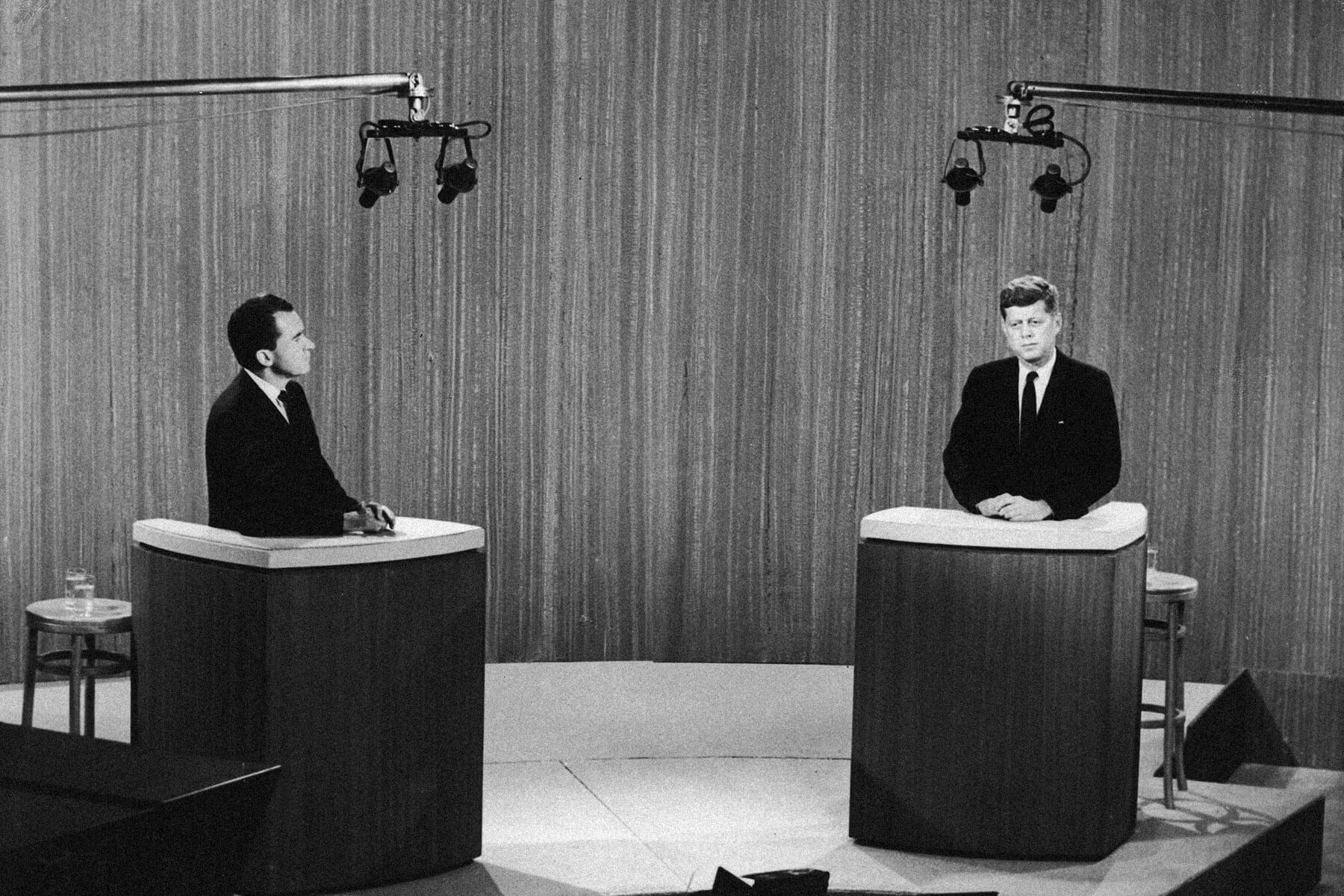
  • Presidential debate, 1960
Presidential debate, 1960
Bettmann via Getty Images
Author Bennett Kleinman

September 21, 2023

Love it?

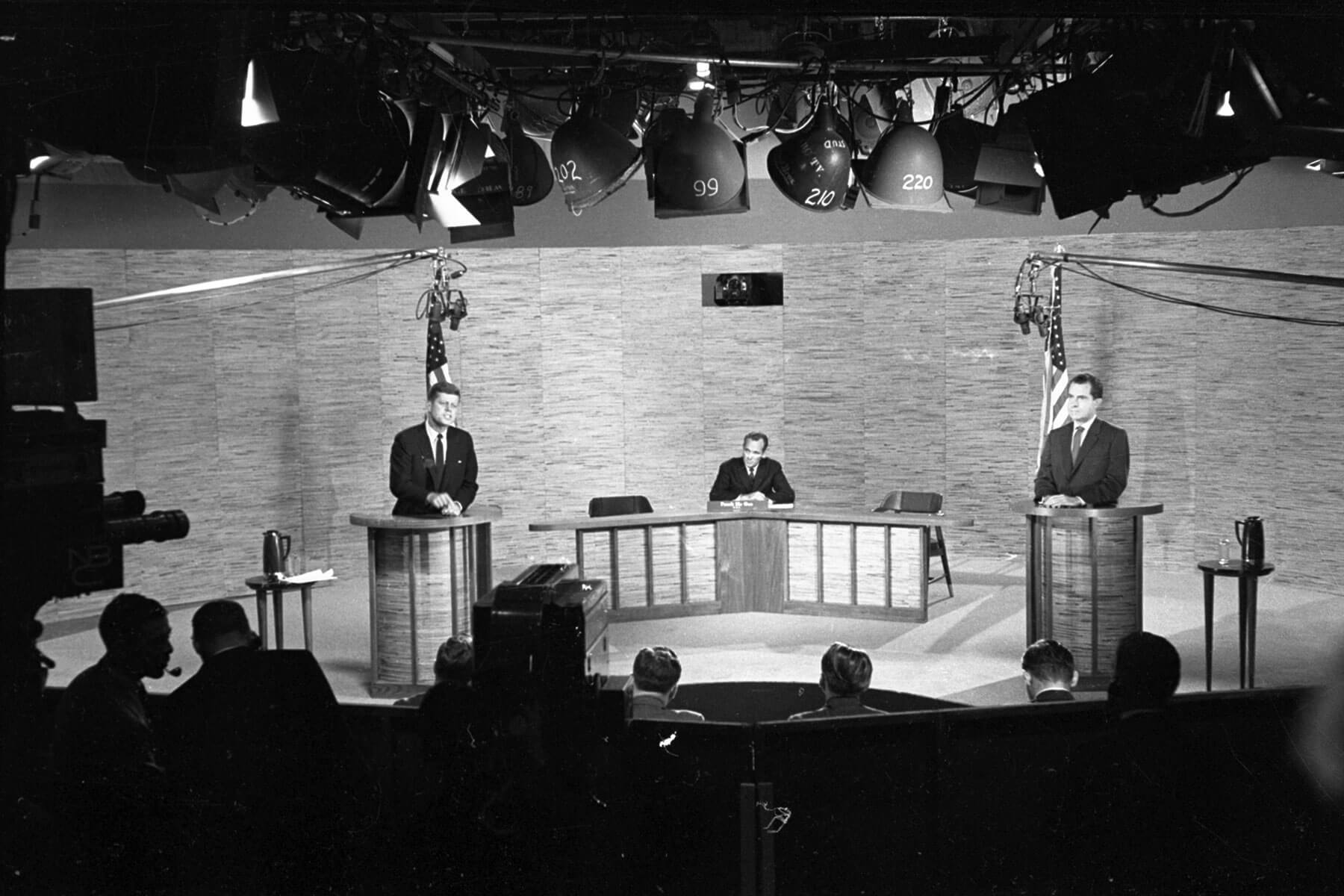
For all the formulaic sitcoms and talk shows that have run throughout the history of television, there are a number of times when audiences have witnessed true ingenuity. From memorable commercials to shocking plot twists, television events that may seem commonplace today once revolutionized the medium. Ever since the demonstration of the first television in 1926, the small screen has been a reflection of larger shifts in American society. With that in mind, here are five historic firsts in television history.

Photo credit:  Jerome Cid/ Alamy Stock Photo

The First Official TV Commercial

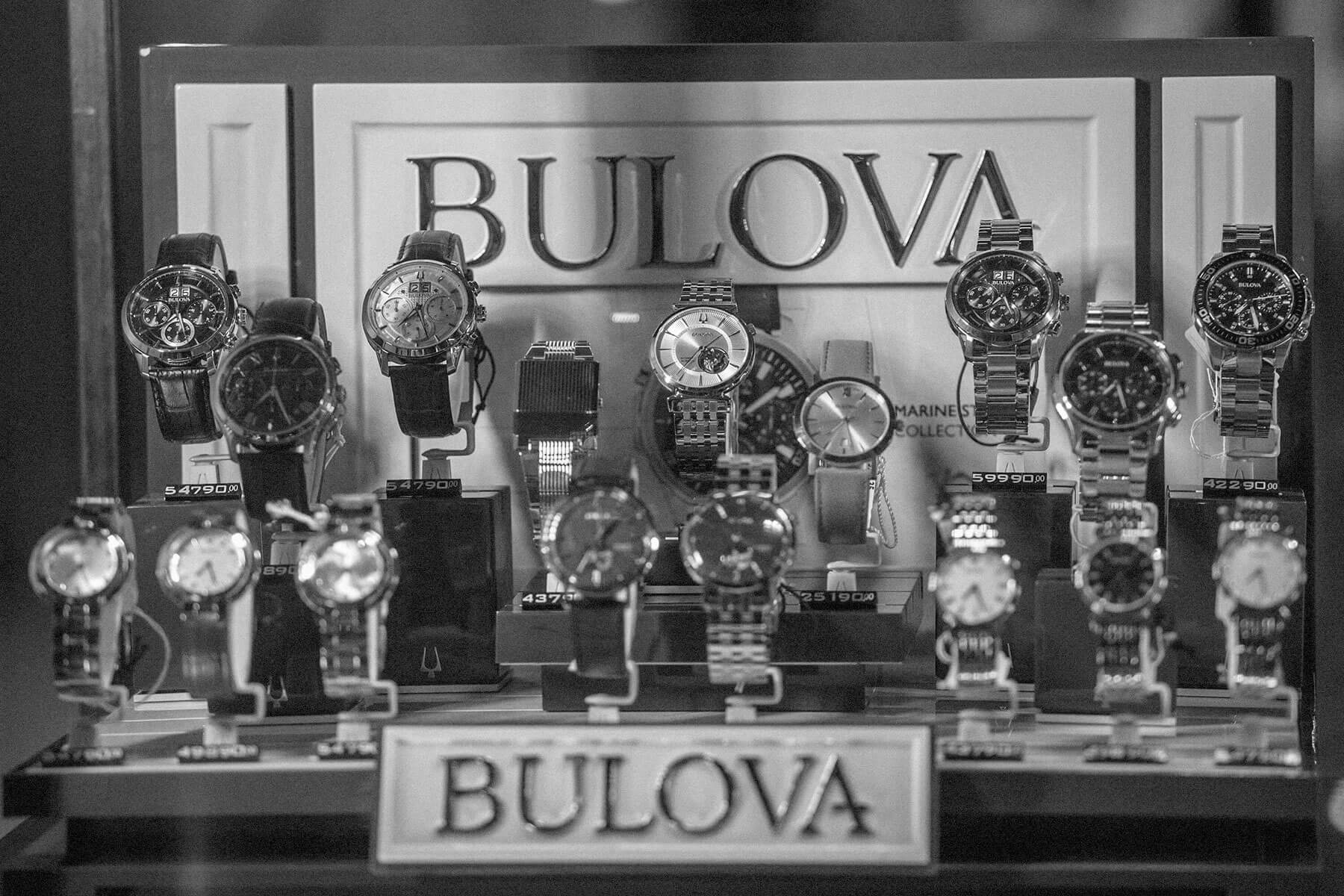
On July 1, 1941, at 2:29 p.m., viewers tuning in to the NBC-owned WNBT television station saw something they had never seen before. Before that day’s broadcast of the Brooklyn Dodgers vs. Philadelphia Phillies baseball game, the first authorized TV commercial hit the airwaves. The inaugural ad was produced by Bulova watches and ran for about 60 seconds, featuring visuals of a clock superimposed over a map of the United States with the accompanying voice-over, “America runs on Bulova time.”

The watchmaker paid just $9 to broadcast the advertisement ($4 for air fees and $5 for station fees), a far cry from the exorbitant advertising prices of today. WNBT was also the only station to advertise that day, though other networks soon followed suit. The Federal Communications Commission had previously implemented an advertising ban that forbade television commercials, though broadcasters still ran ads without authorization. The FCC finally issued 10 commercial licenses on May 2, 1941 — ushering in a new chapter in television history.

Photo credit: MAKSYM MALCEV/ iStock via Getty Images Plus

The First Laugh Track

Laugh tracks are an indelible part of sitcom television, and it all began in 1950 with a little-known program called The Hank McCune Show. The sitcom debuted on local stations in 1949 and centered around a fictional television variety show host. By the time the series made its network debut on September 9, 1950, it was accompanied by roaring laughter from a laugh track despite the lack of any live studio audience. One review from Variety magazine said, “Although the show is lensed on film without a studio audience, there are chuckles and yucks dubbed in… the practice may have unlimited possibilities.” 

The laugh track was invented by mechanical engineer Charles Douglass, who was formerly a radar technician in the Navy. After leaving the military, Douglass created a device that came to be known as the “Laff Box.” A rudimentary version of Douglass’ invention debuted on The Hank McCune Show, though it took him three years to perfect  his invention. Each 3-foot-tall Laff Box was handmade by Douglass and could hold 32 reels of 10 laughs apiece. By the 1960s, Douglass was supplying his much-coveted Laff Box to such iconic television programs as The Munsters and Gilligan’s Island.

You may also like

5 Ways Fruits and Vegetables Evolved Over Time

  • Different banana varieties
Different banana varieties
Alistair Smailes/ Unsplash
Author Nicole Villeneuve

September 21, 2023

Love it?

The fruits and vegetables we buy at the supermarket today often look very different from the produce of centuries past. Some 10,000 years ago, as humans shifted from hunter-gatherer societies to permanent settlements, the cultivation and modification of crops began. 

Early farmers usually selected plants based on their harvestability and the size of their fruit. Over time, plants were crossbred to enhance their best traits, and this process gradually improved the taste, size, and yield of their fruit. Today, our modern produce tells the story of the coevolution between humans and the plants we eat.

Photo credit: Tapsiful/ Shutterstock

Carrots Used to Be White, Yellow, and Purple

Carrots weren’t always the vibrant orange we know today; in fact, the root vegetable originally grew in shades of purple, white, and yellow. According to popular legend, the carrot got its modern hue from Dutch growers in the 17th century paying tribute to William of Orange, a key figure in the Dutch fight for independence. Domesticated carrots originated with farmers in modern-day Afghanistan more than 1,000 years ago. Historians believe these early farmers began to breed carrots to enhance their carotenoids — their natural pigments — though whether it was to increase nutrition, to reduce the veggie’s inherent bitterness, or another reason altogether isn’t exactly known. These early modifications gave carrots a yellow hue, and hundreds of years later, Dutch cultivation deepened their hue yet again, turning them from yellow to dark orange. 

Photo credit: Magite Historic/ Alamy Stock Photo

Watermelon Used to Be Wild Looking 

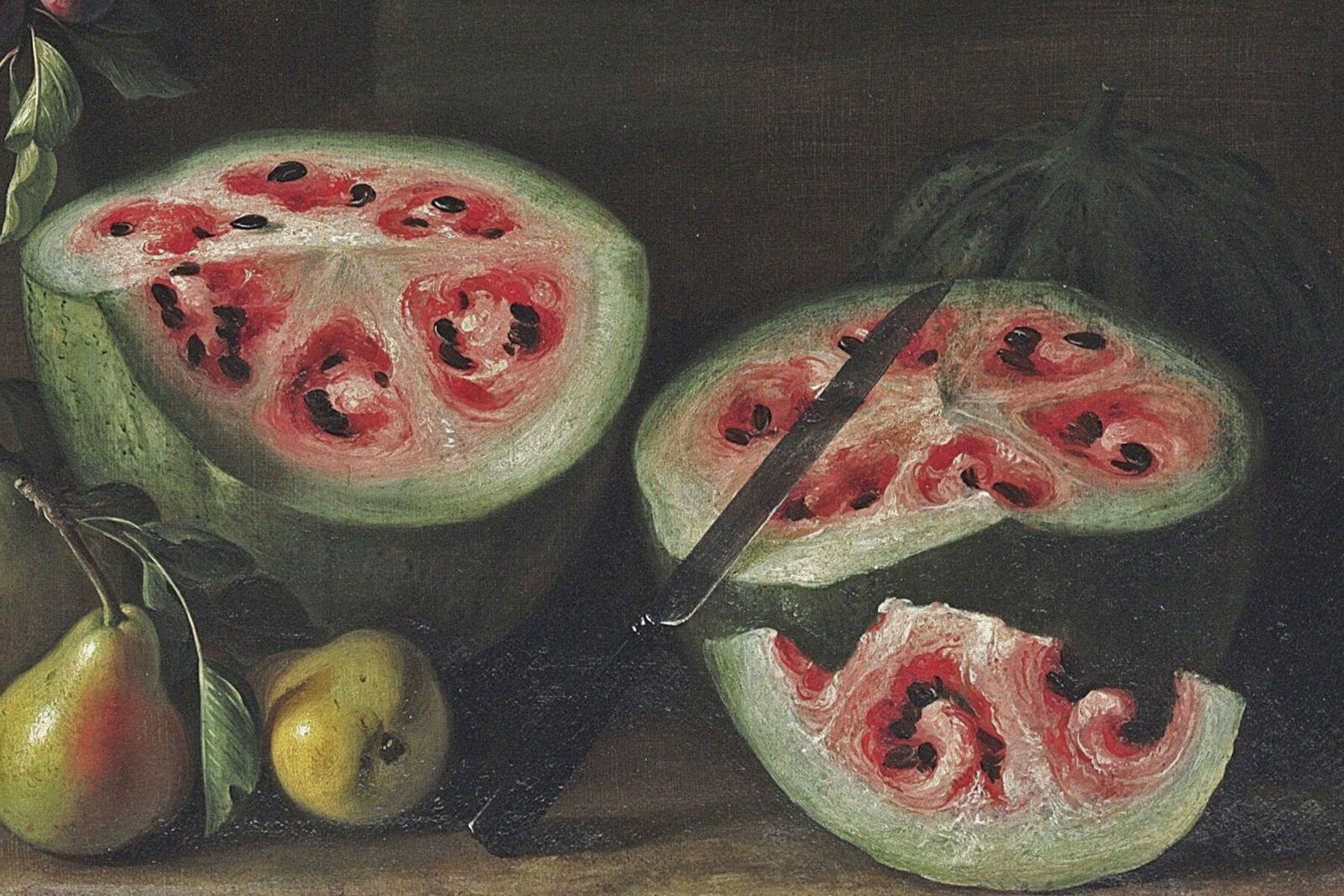
According to genetic study, wild watermelon originated in parts of Africa, but it shared little resemblance to the sweet summer fruit we eat today. The most clear depiction of what the green-skinned gourd once looked like comes from a 17th-century painting by Italian artist Giovanni Stanchi. The watermelon looks similar on the outside to what we see in stores now, but the inside looks truly, well, wild: It featured a pale, rind-like flesh marked by swirling, recessed pockets of seeds. Researchers believe the fruit would likely have been sweet even in its early state, although not as sweet as the selectively bred bright-pink species we enjoy today.

You may also like

What the “Hamilton” Musical Got Wrong About History

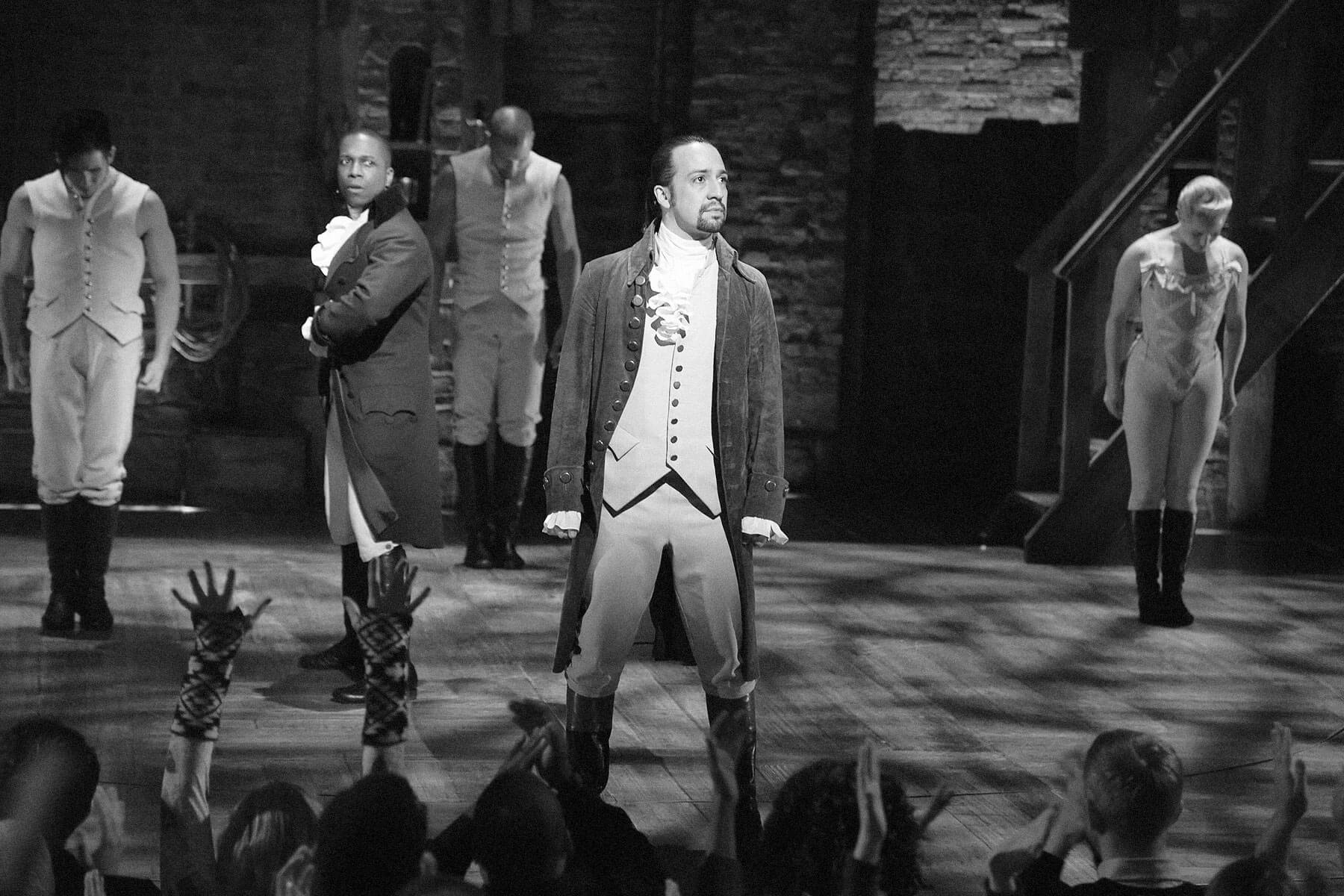
  • Hamilton performance
Hamilton performance
Theo Wargo/ Wireimage via Getty Images
Author Kevin McCaffrey

September 14, 2023

Love it?

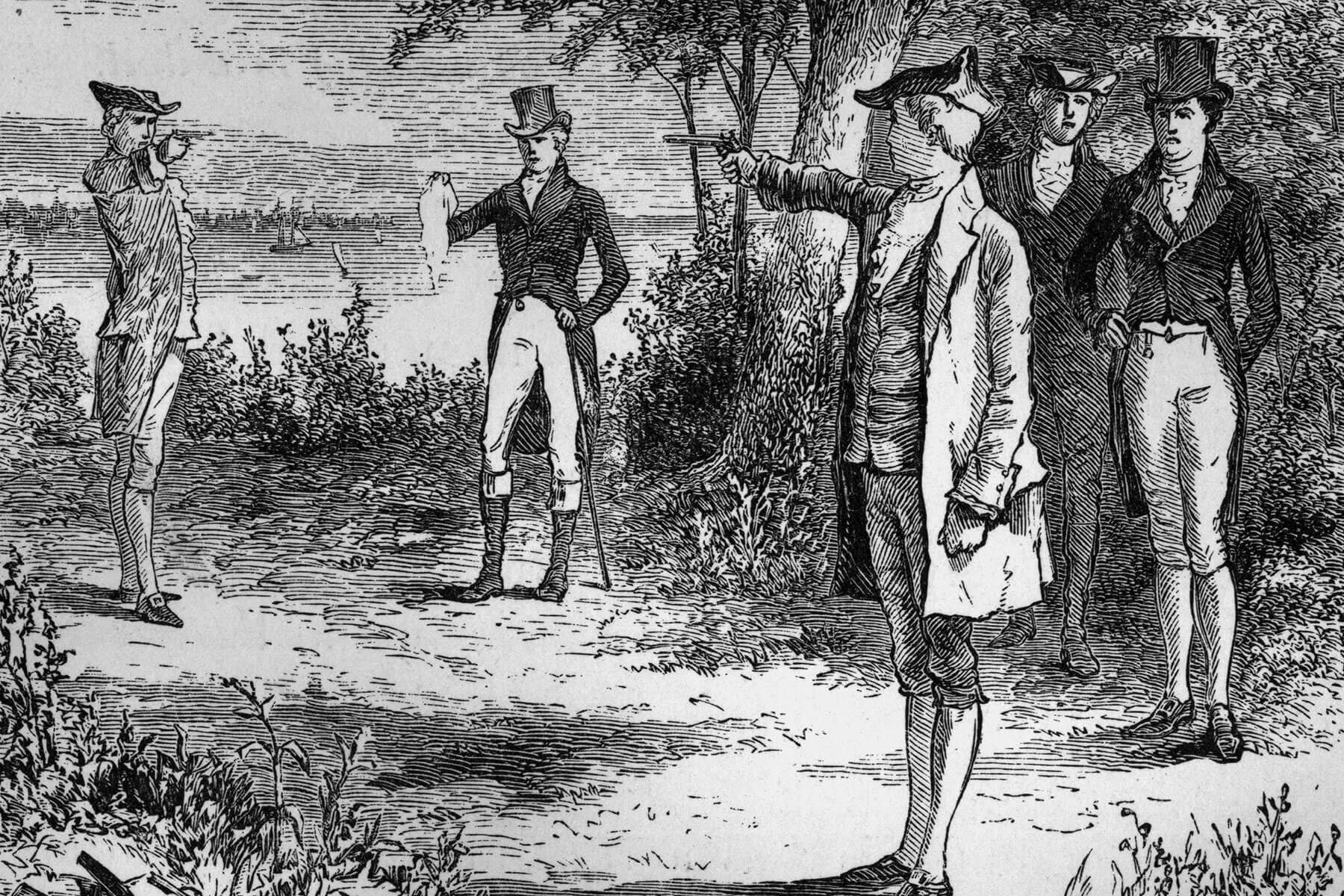
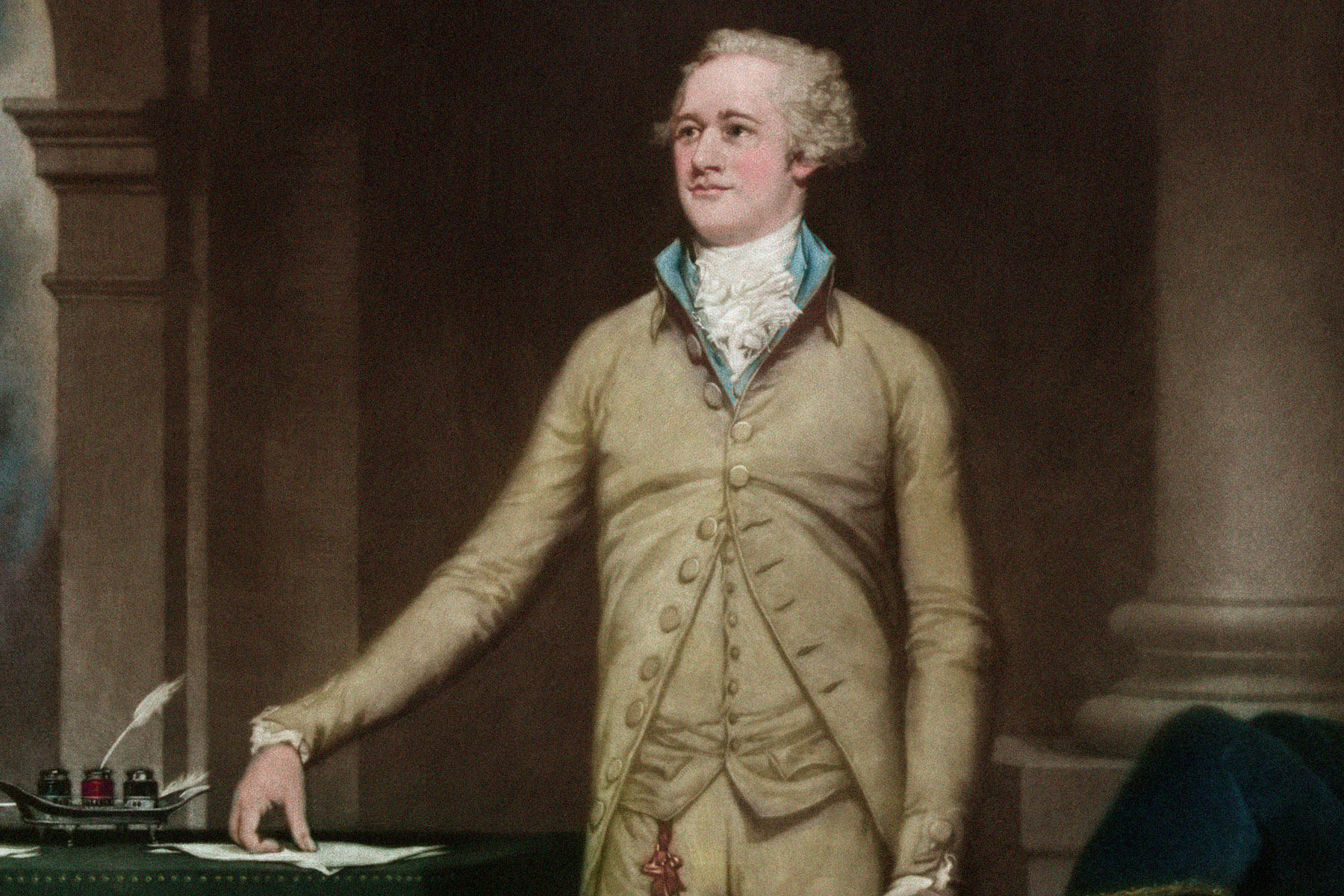
Lin-Manuel Miranda’s smash hit Hamilton is one of the most highly acclaimed Broadway musicals of the 21st century, and most of the story follows real events from American history. The duel between Alexander Hamilton and Aaron Burr really happened, and Hamilton really was an orphan who came to the mainland from the Caribbean island of Nevis and went on to become one of America’s Founding Fathers and the first U.S. treasury secretary. Still, there are a few details of the story that were embellished for dramatic purposes. Here are five things that happened in the musical Hamilton that aren’t quite historically accurate. 

Angelica Didn’t Crush on Hamilton Like That

While there were some flirty vibes between Hamilton and his sister-in-law Angelica Schuyler Church in their letter-writing later in life, Angelica didn’t exactly graciously step aside for her sister (Elizabeth Schuyler Hamilton) as the musical has us believe. In the song “Satisfied,” Angelica tells the crowd that while she is drawn to Hamilton, she can’t act on her feelings because as the oldest sister in a family with no sons, she has to put her financial responsibility to her family over love. In reality, Angelica had three brothers, and she didn’t even meet Hamilton until she was already married with children

Photo credit: Stock Montage/ Archive Photos via Getty Images

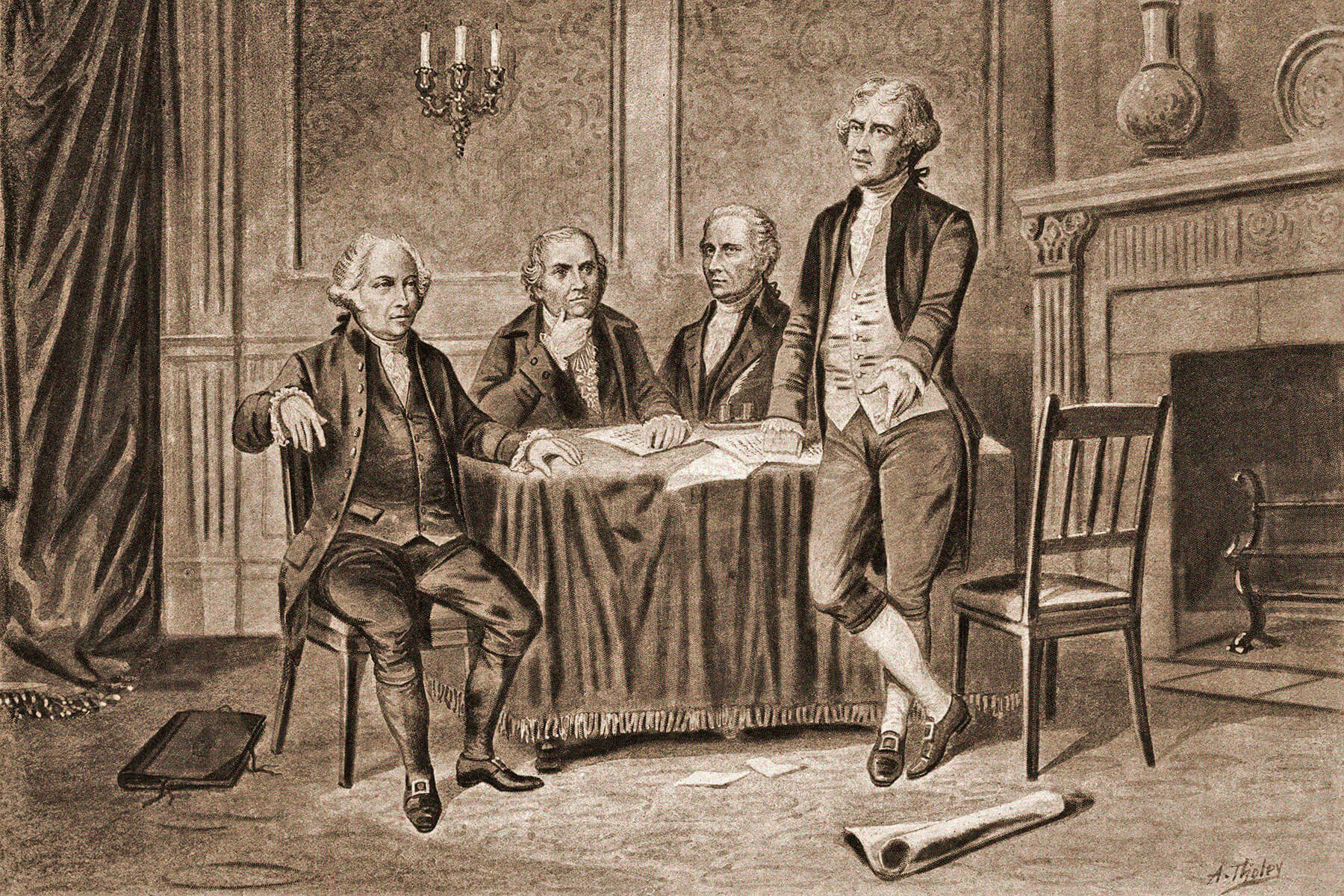
John Adams Never Fired Alexander Hamilton

In the musical, the song “The Adams Administration” describes rising tensions between Hamilton and the second U.S. President, John Adams, and the lyrics state, “Adams fires Hamilton.” Not only did that not happen, but it would have been impossible for several reasons. At the time, the President did not explicitly have the power to simply fire members of the Cabinet without congressional approval . Also, Hamilton resigned his post as secretary of the treasury in 1795, and Adams didn’t become President until 1797. What’s more, the letter mentioned in the song, in which Hamilton roasts Adams, wasn’t written until 1800. 

You may also like