Famous Words From Major Moments in History
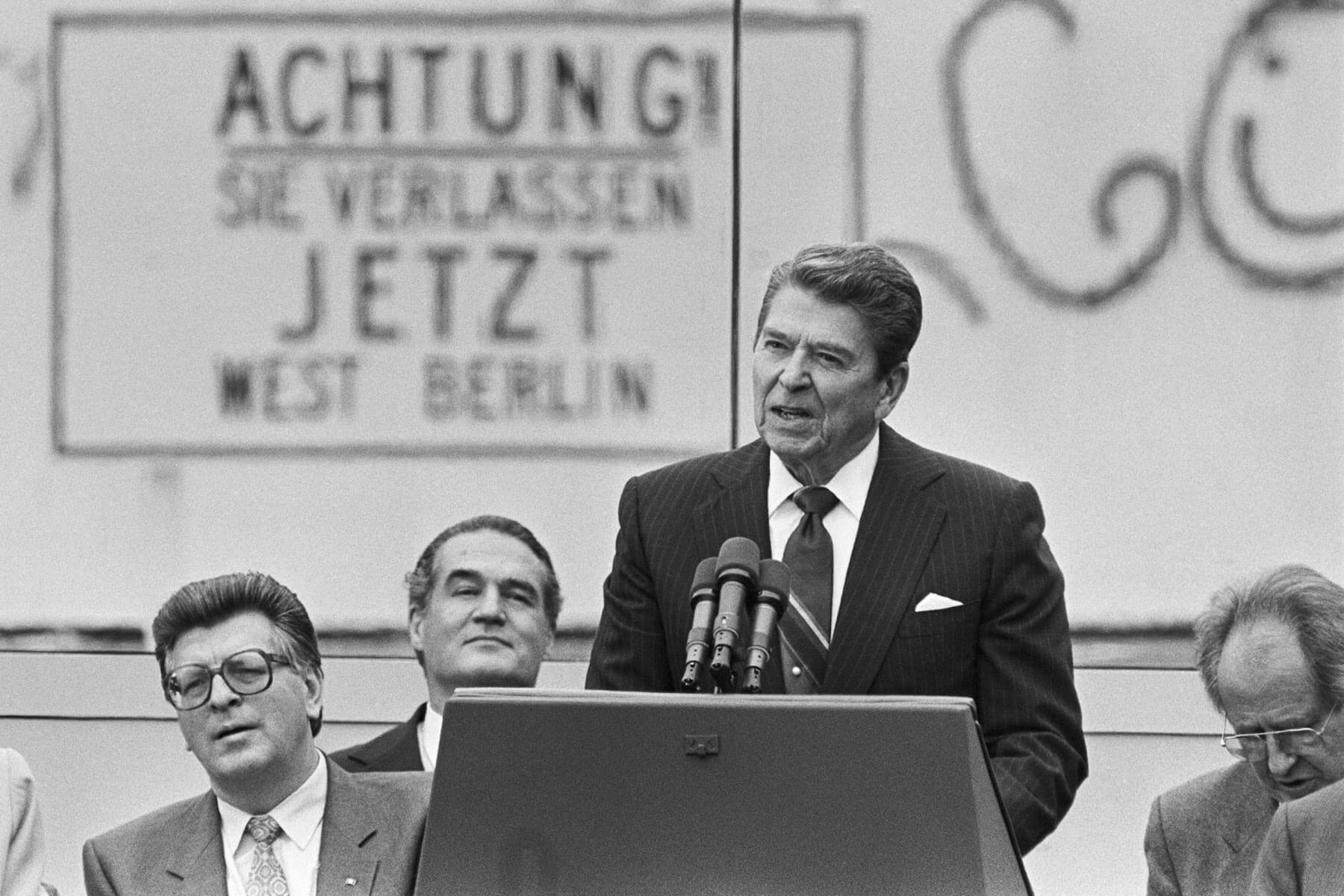
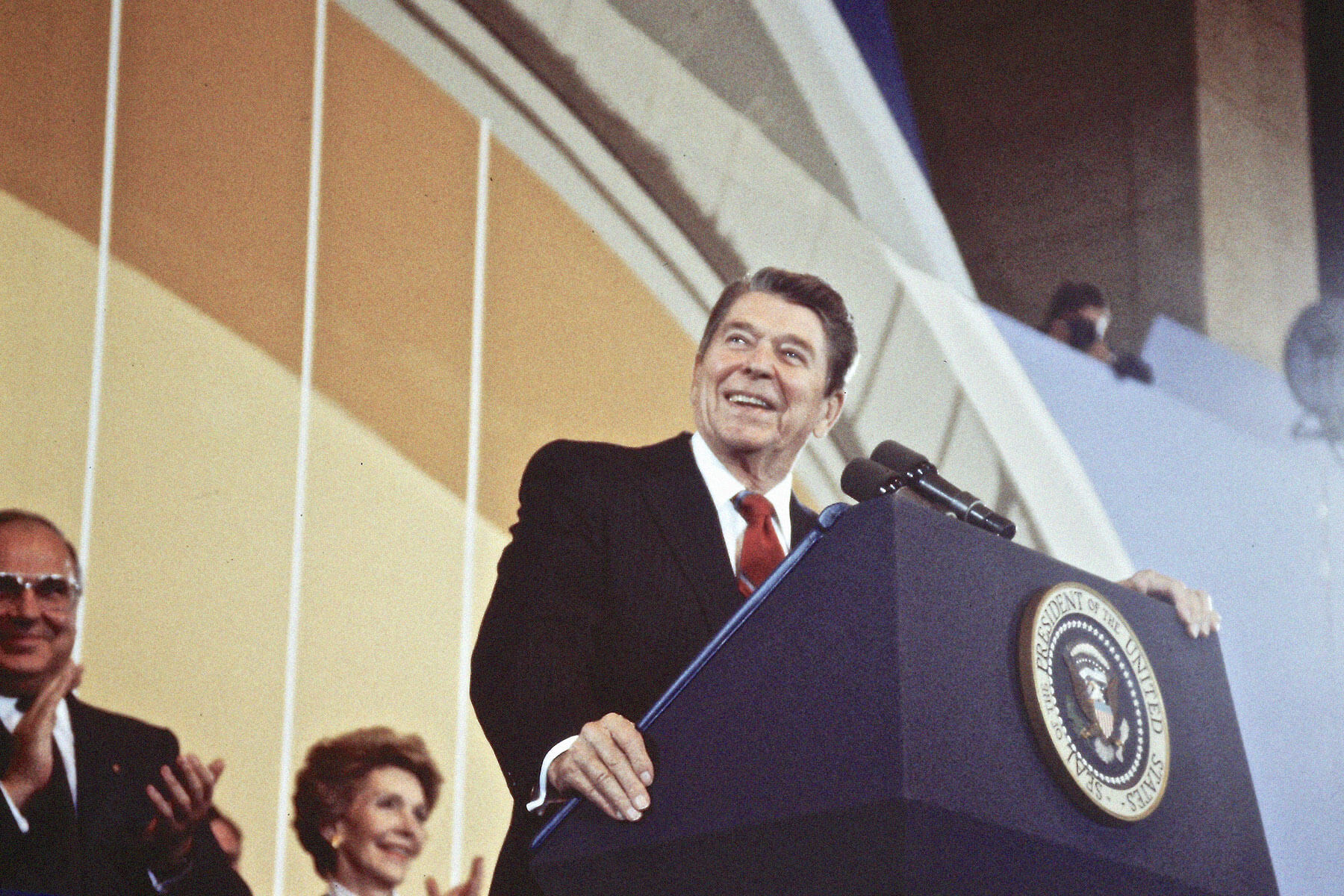
  • Ronald Reagan at Berlin Wall
Ronald Reagan at Berlin Wall
Bettmann via Getty Images
Author Nicole Villeneuve

October 26, 2023

Love it?

Some of the most profound moments in history can be encapsulated in a single, memorable quote. These succinct phrases, often pulled from longer speeches or events, distill complex ideas into digestible gems. At their best, they act as verbal snapshots, capturing the essence of historical moments with an emotional urgency that lingers and lets them resonate across generations. Martin Luther King Jr.’s rallying cry of “I have a dream” is easily one of the most famous such lines in history. Similarly, Neil Armstrong’s “That’s one small step for man, one giant leap for mankind” immortalizes a peak moment in humanity; the astronaut’s muffled voice as he spoke to the public on Earth from the moon is unforgettable.

These sound bites have become cultural shorthand for momentous events and the ideals they captured, and their historical weight will keep them in the cultural consciousness for years to come.
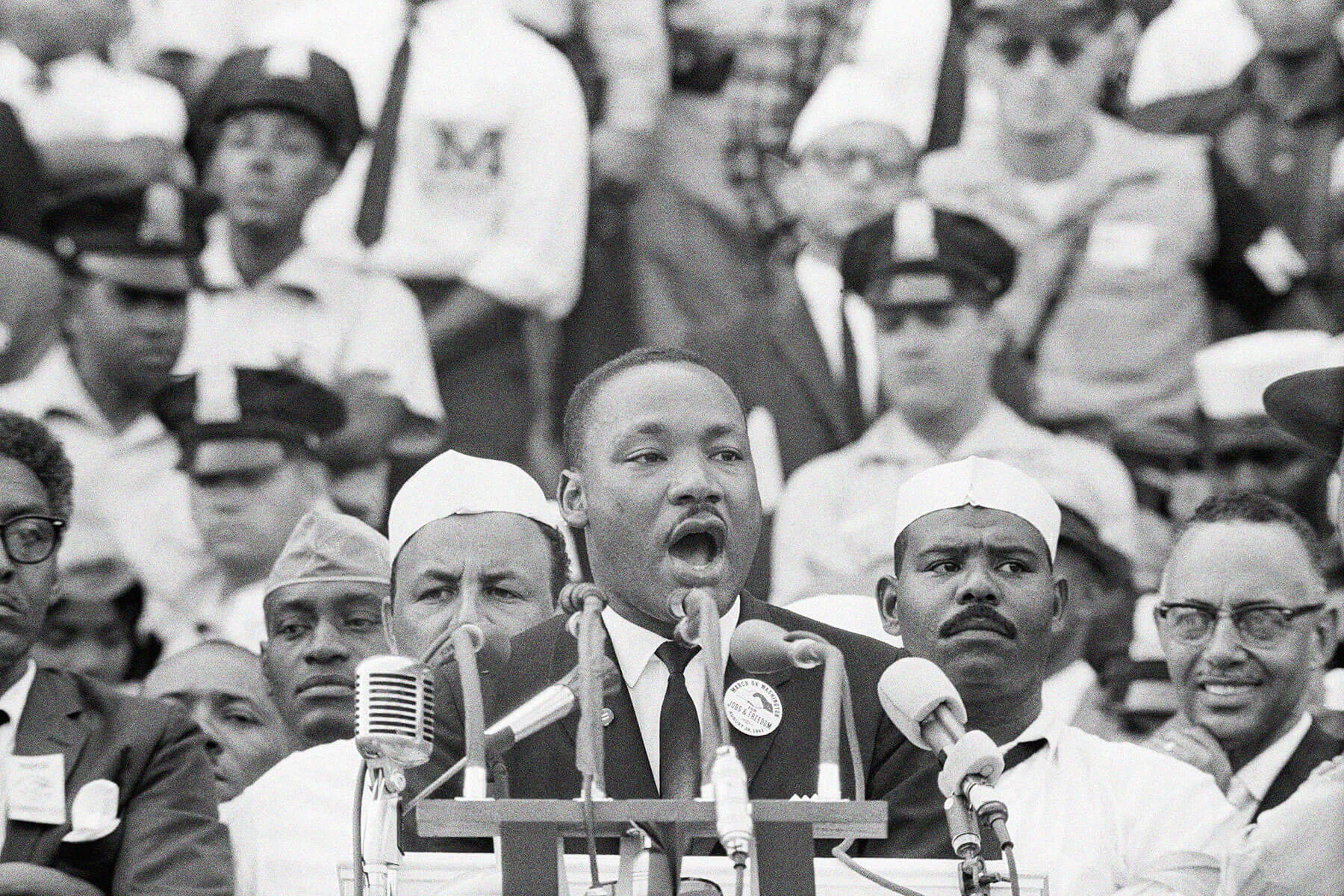
Photo credit: Bettmann via Getty Images

“I Have a Dream” (1963)

At the heart of Martin Luther King Jr.’s famous 1963 speech were four simple words: “I have a dream.” On August 28, from the steps of the Lincoln Memorial and against a backdrop of racial segregation and discrimination in the United States, King energized the crowd — and the world — with his dream of a better life for his family and all African Americans. “I have a dream,” King said, “that one day this nation will rise up and live out the true meaning of its creed: We hold these truths to be self-evident, that all men are created equal.” He employed the phrase again, several times, to great effect, throughout the speech. “I have a dream that my four little children will one day live in a nation where they will not be judged by the color of their skin but by the content of their character,” he said. “I have a dream today.” The urgent, eloquent delivery laid bare the need for change; “I have a dream” became a rallying cry for the civil rights movement, and remains not a relic of history, but a living aspiration to this day.

King’s speech was televised by major broadcasters to a large live audience. At the time, he was a nationally known figure, but this was the first time many Americans — including, reportedly, President John F. Kennedy — had ever seen him deliver a full address. Less than a year later, President Lyndon B. Johnson signed the Civil Rights Act of 1964; the following year saw the Voting Rights Act of 1965 come into law. These pieces of legislation were the biggest civil rights advancements since the end of the Civil War.
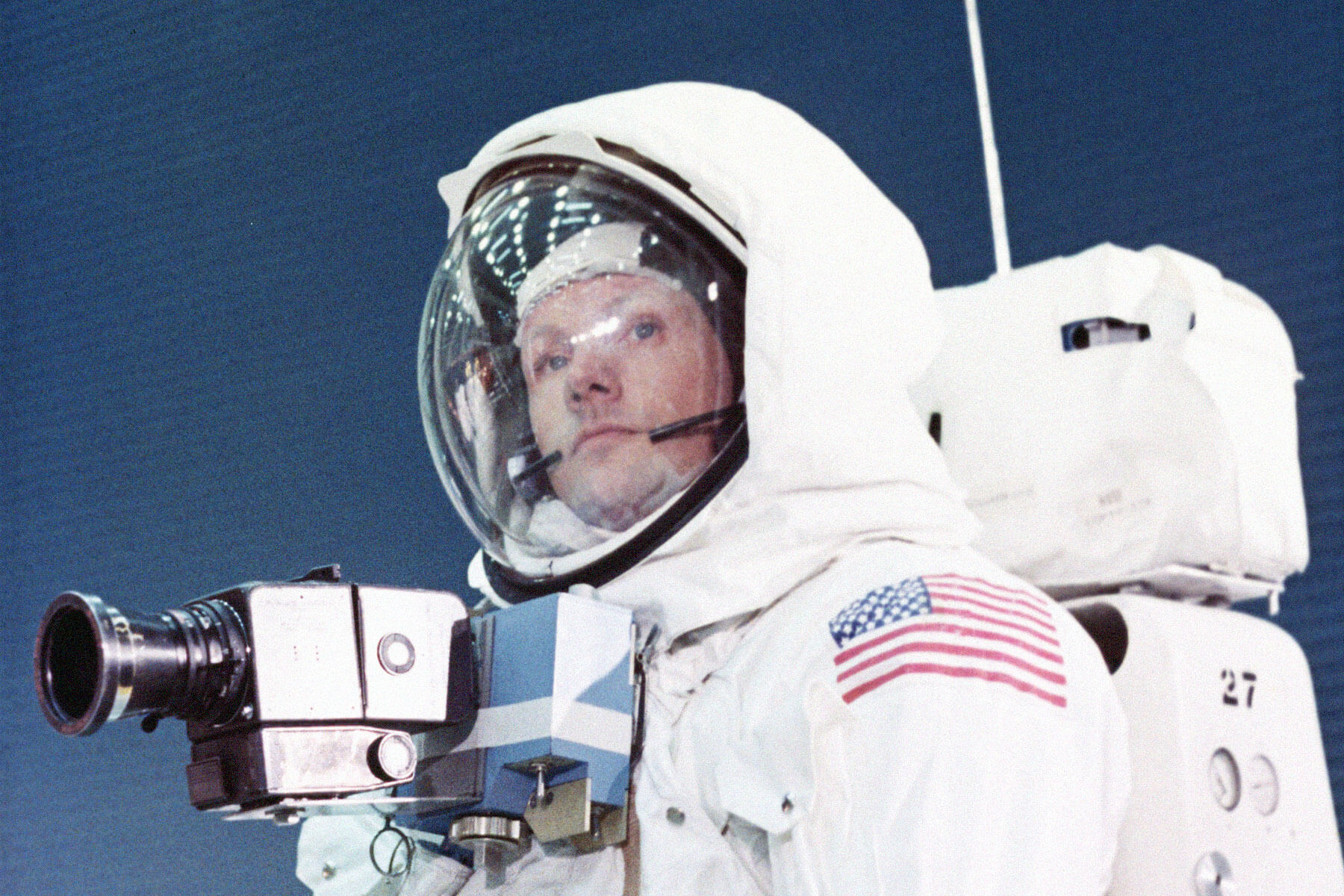
Photo credit: Bettmann via Getty Images

“That’s One Small Step for Man” (1969)

On July 20, 1969, the first human walked on the moon. As astronaut Neil Armstrong climbed down the ladder of Apollo 11’s lunar module and onto the moon’s surface, he encapsulated the profound moment with these words: “That’s one small step for man, one giant leap for mankind.” He spoke through a muddled transmission to Earth, as some 650 million people watched on in awe.

Armstrong later told his biographer that, while he had thought ahead about what to say, it wasn’t too rehearsed. “What can you say when you step off of something?” he told biographer James R. Hansen. “Well, something about a step. It just sort of evolved during the period that I was doing the procedures of the practice takeoff and… all the other activities that were on our flight schedule at that time.” Although the quote has endured, Armstrong himself says it has been misquoted all along, and that he actually said, or at least meant to say, “one small step for a man.” (After many years and multiple attempts to clean up the audio quality, the Smithsonian National Air and Space Museum has concluded that the original quote is accurate.) 

You may also like
It’s Alive! A Brief History of “Frankenstein”

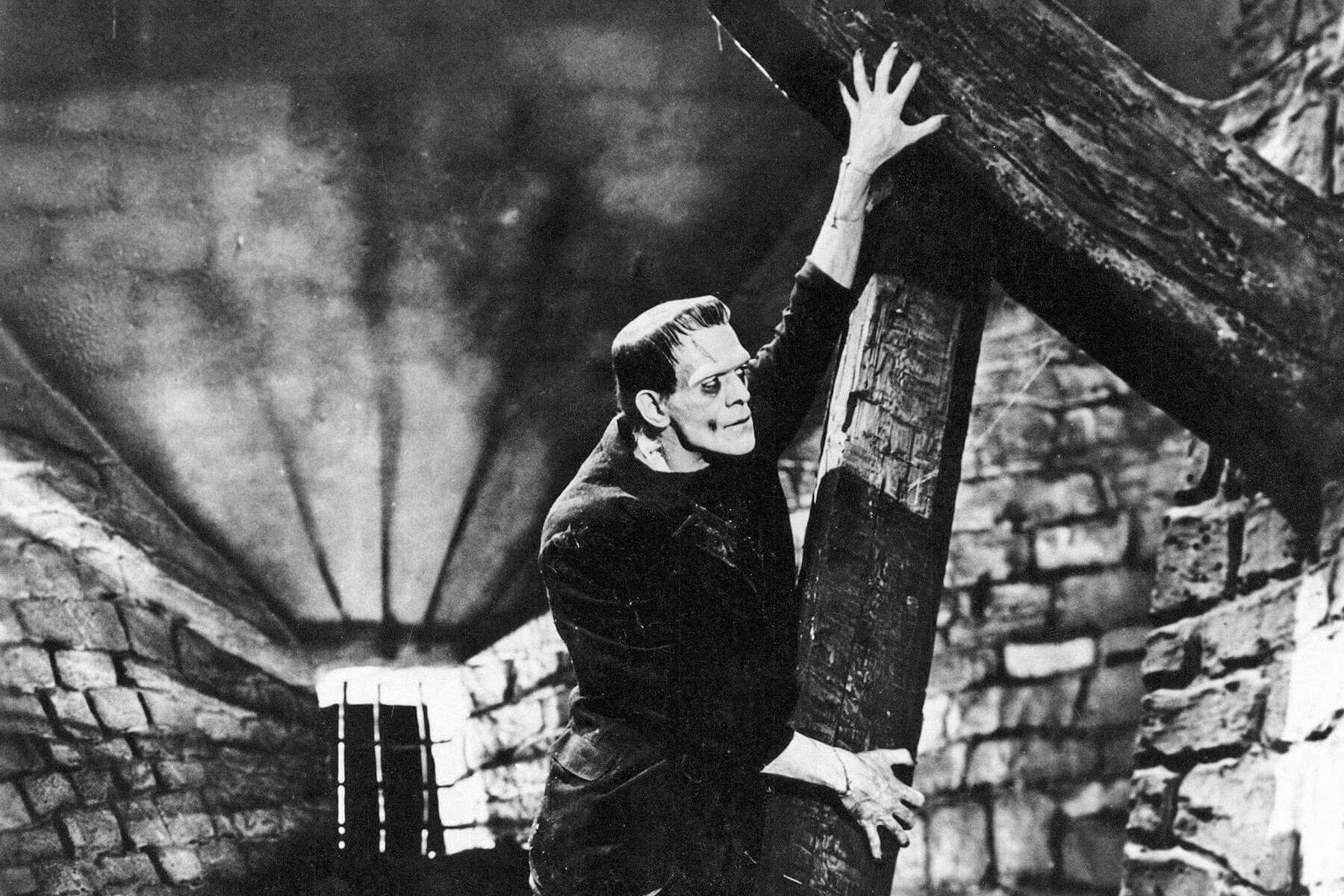
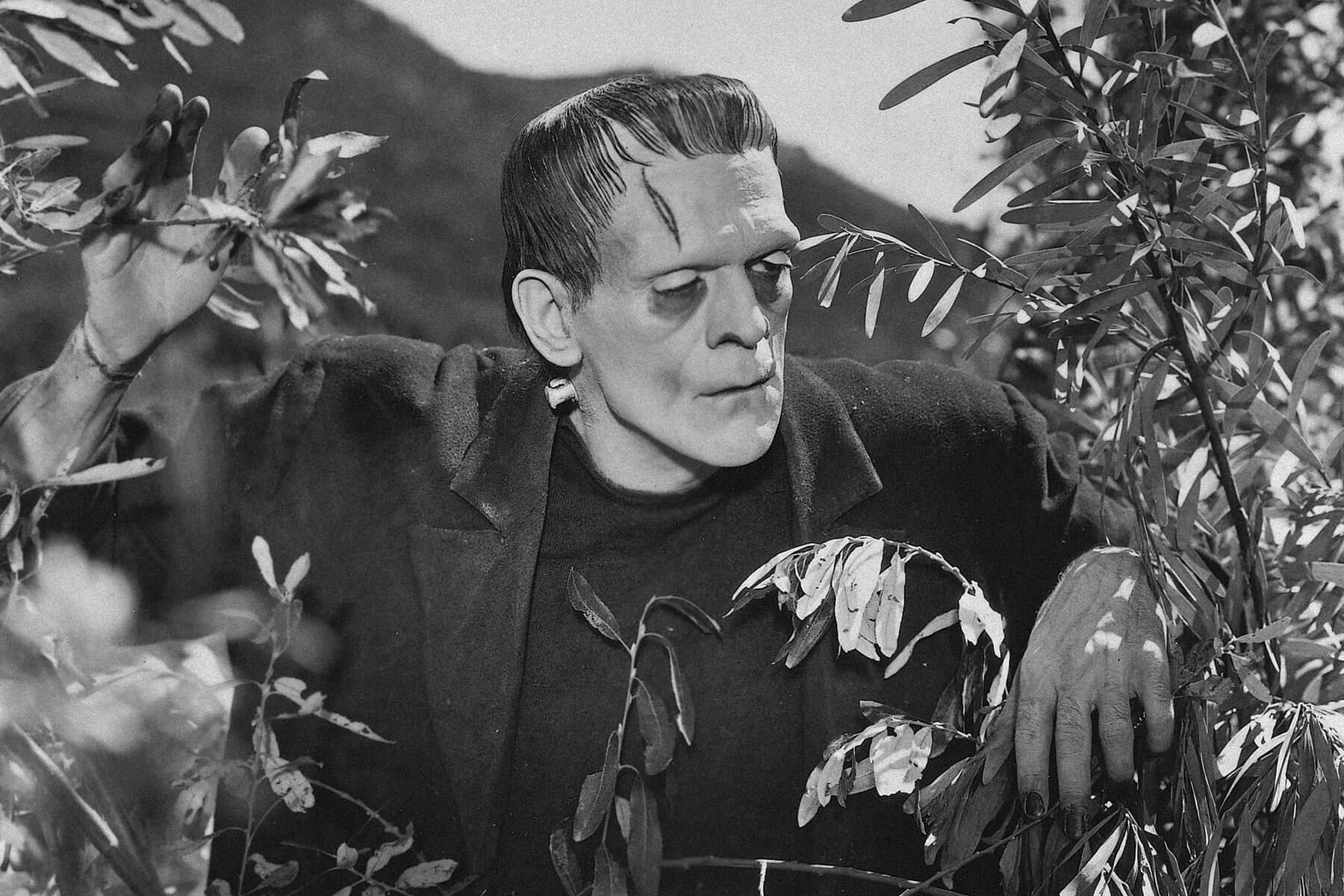
  • Boris Karloff as Frankenstein
Boris Karloff as Frankenstein
Archive Photos/ Moviepix via Getty Images
Author Paul Chang

October 26, 2023

Love it?

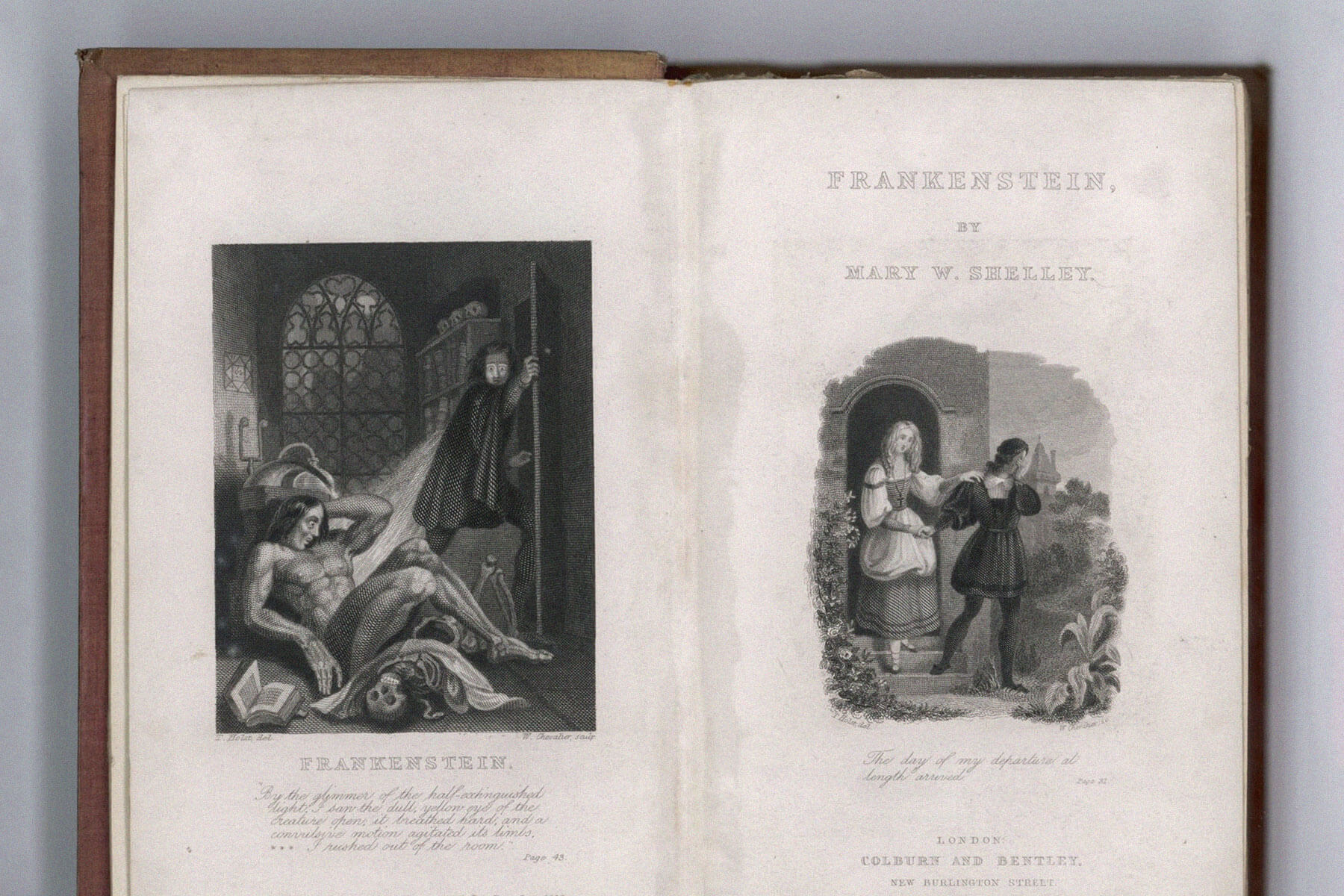
Mary Shelley’s gothic horror novel Frankenstein; or, The Modern Prometheus was published in 1818, and is widely considered to be the first science fiction novel. Written in the form of letters, Frankenstein depicts the story of Victor Frankenstein, a brilliant scientist who creates an unnamed monster out of dismembered body parts. Horrified by his creation, Frankenstein agonizes over what he has done as the monster escapes and runs amok. While many adaptations depict Frankenstein’s monster as malevolent, Shelley’s novel portrays him as an intelligent and articulate creature who is driven to extremes by his creator’s cruel rejection. 

Shelley’s novel has spawned numerous adaptations in comics, books, theater, film, and TV, many of which are beloved in their own right. For a look back at this seminal novel, here’s a brief history of Frankenstein.

Photo credit: Culture Club/ Hulton Fine Art Collection via Getty Images

Shelley’s Tumultuous Childhood

Like the story of Frankenstein, Mary Shelley’s childhood was marred by death, grief, and scandal. She was born in 1797 in London to notable parents: Her mother was Mary Wollstonecraft, a trailblazing writer and feminist activist, and her father was William Godwin, a radical philosopher and journalist. Shelley’s mother died soon after her birth, and Shelley clashed with her stepmother, Mary Jane Clairmont, as an early teen.

While Shelley did not have a formal education, she grew up in an intellectually stimulating environment; her parents’ social circle included famous writers and intellectuals such as Thomas Paine, William Blake, and William Wordsworth. Shelley also took joy in exploring her father’s extensive library, often reading and writing poems and stories in solitude.

In 1814, a 16-year-old Shelley eloped to France with the English poet Percy Shelley — a married man at the time — and was subsequently disowned by her family. Percy and Mary encouraged each other’s writing and had several children, only one of whom survived to adulthood. It was on a fateful trip with Percy and some friends that Shelley came up with the idea for Frankenstein.

Photo credit: Chronicle/ Alamy Stock Photo

The Birth of Frankenstein

Shelley started writing Frankenstein in 1816 — a year during which Europe was beset by a mysterious darkness, terrible rainstorms, and crop failures, dubbed the “year without a summer.” (It was only in the 1960s that scientists linked this sudden shift in global climate to a catastrophic volcanic explosion in Indonesia in 1815.) It was in these dark conditions that Shelley took a vacation to Lake Geneva, Switzerland, accompanied by Percy and their son Percy Florence, as well as the poet Lord Byron, Mary’s stepsister Claire Clairmont, and Byron’s physician, John William Polidori. Holed up inside for days due to the horrible weather, the group entertained themselves with ghost stories and discussions of macabre topics such as galvanism, the idea that electricity could stimulate life. Though by her own account, Shelley did not participate except as a silent listener, the concepts discussed took root in her mind and played a part in inspiring her novel.

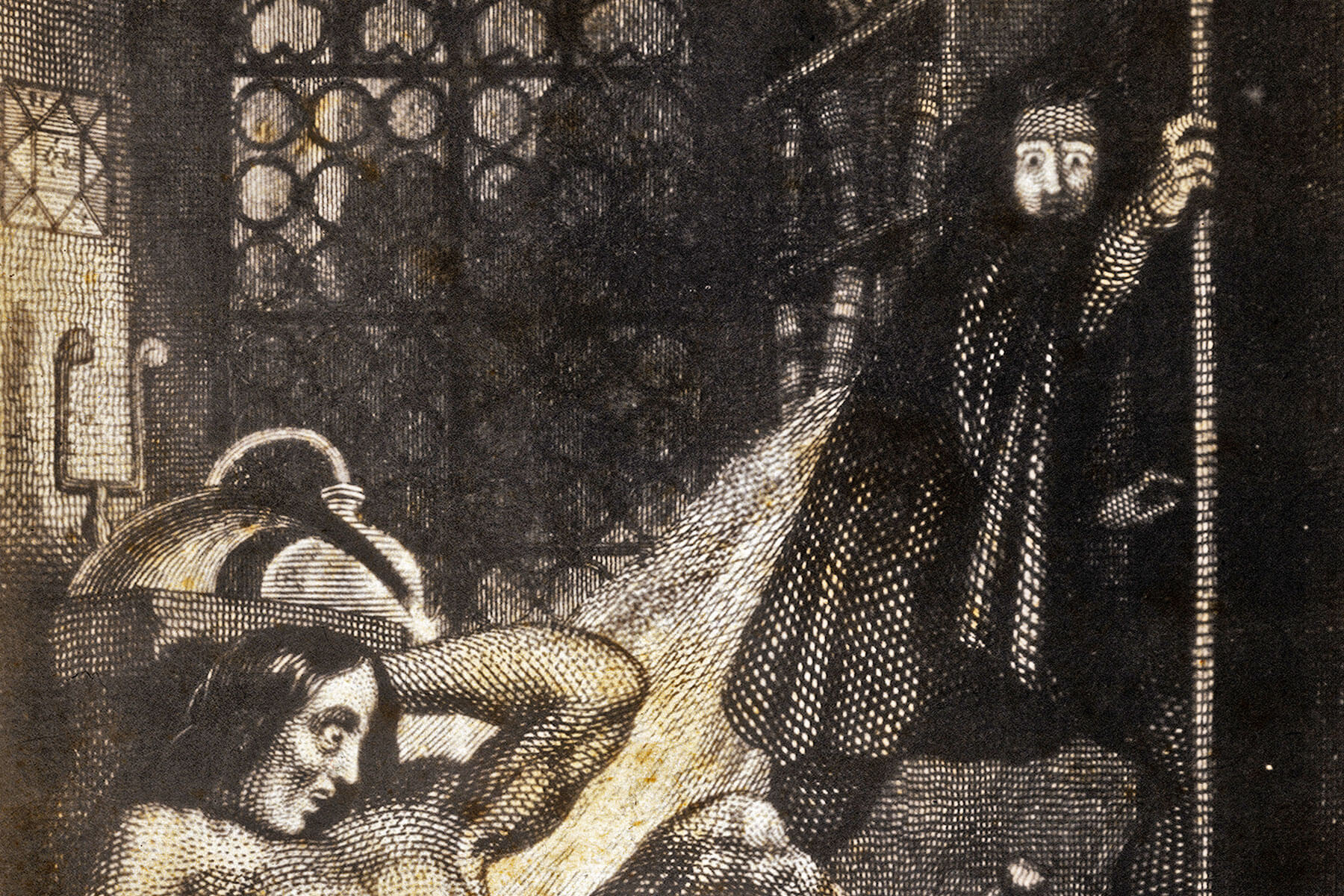
One night, Byron challenged everyone to write a ghost story that was better than those they had been reading. Soon after, Shelley had a vivid vision during a sleepless night: “I saw the pale student of the unhallowed arts kneeling beside the thing he had put together. I saw the hideous phantasm of a man stretched out, and then, on the working of some powerful engine show signs of life and stir with an uneasy, half-vital motion,” she recounted. Thus, Frankenstein was born.

You may also like

A Purrfect History of the House Cat

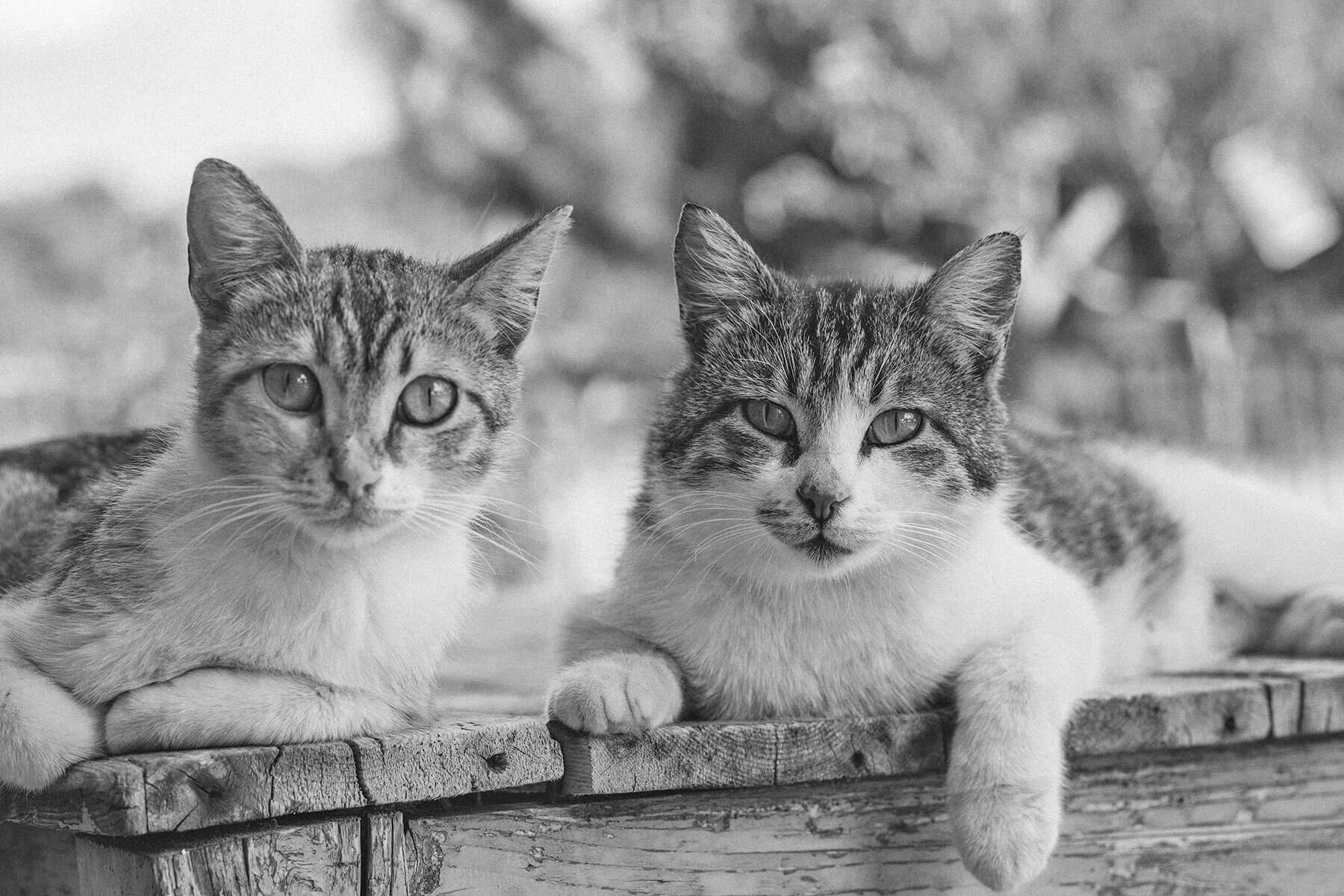
  • Two tabby cats
Two tabby cats
Nathalie Jolie/ Unsplash
Author Kevin McCaffrey

October 24, 2023

Love it?

The first felines existed more than 10 million years ago, predating humans by millions of years. Perhaps the fact that cats were here first explains why they’re so comfortable acting like they own the place. It also won’t be a surprise to anyone who’s had a pet kitty to hear that the alliance between human and cat was probably the cat’s idea. Cats may have a reputation as aloof and self-sufficient divas, but these fluffy felines have been beloved pets in homes around the world for millennia. Here’s the story of how cats and humans first came together.

Photo credit: KHALED DESOUKI/ AFP via Getty Images

The First Indoor Cats 

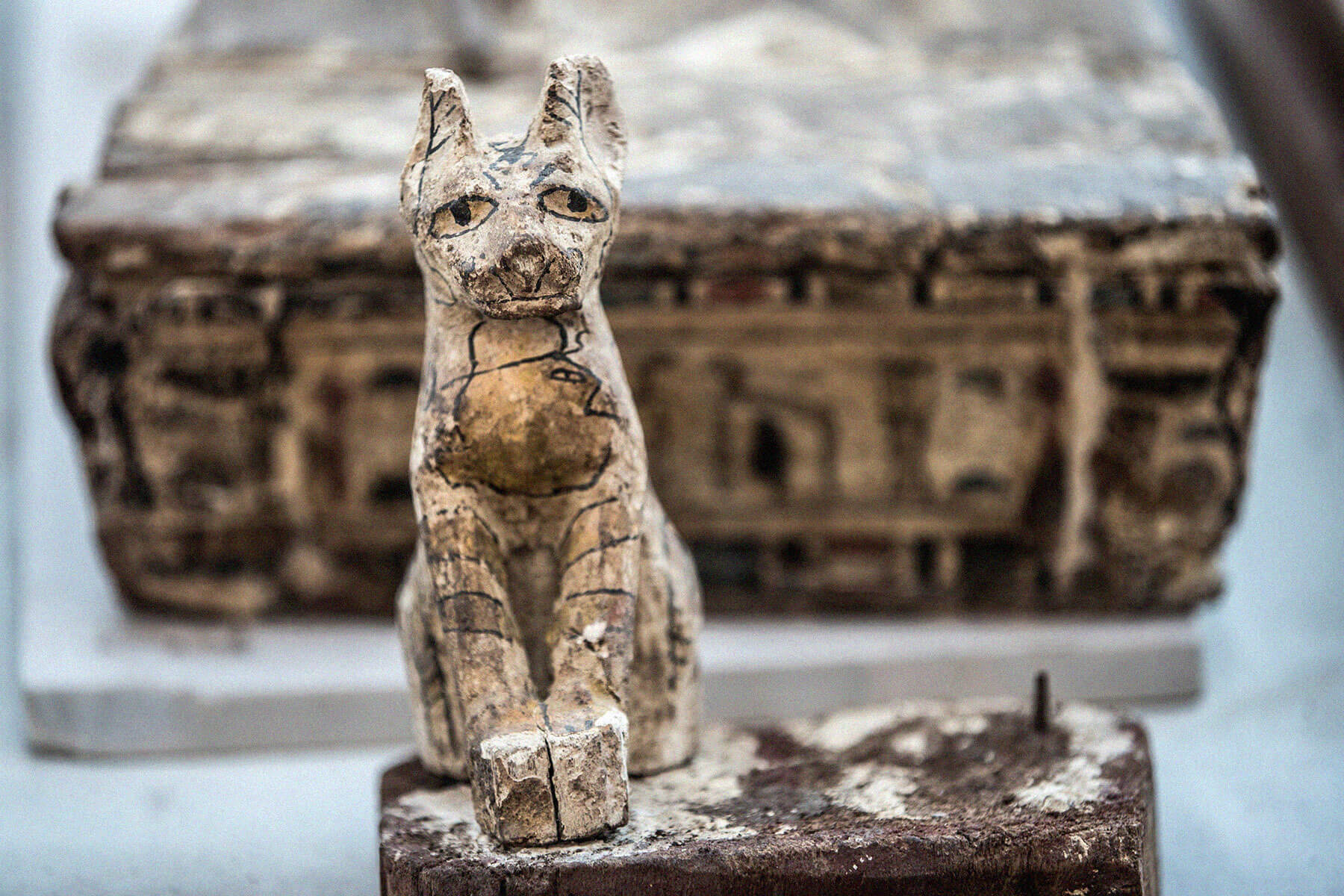
It’s been difficult for researchers to pin down the exact origin of the house cat, but it’s believed our furry friends evolved from wildcats roughly 12,000 years ago, around the time that humans moved to an agricultural lifestyle. In 2004, French archaeologists on the Mediterranean island of Cyprus found what is now the earliest evidence of a pet kitty: a human buried with a cat in a grave that was at least 9,500 years old. Researchers know this pair must have traveled together because wildcats were not native to any other Mediterranean island aside from Sicily. The cat was also buried facing the same way as the human, just 16 inches away, indicating a close relationship

Before this discovery, the earliest house cats were thought to have been from either ancient Egypt or China. Archaeologists in China found evidence of cats sharing a home with farmers in the village of Quanhucun 5,300 years ago, and Egyptian art depicts cats and humans living together as far back as 4,000 years ago. Ancient Egyptians were famously fond of felines, and thought so highly of their cats that they associated them with godlike qualities. The Egyptian royal class would even dress cats in gold and let them eat from their plates. 

Photo credit: Heritage Images/ Hulton Fine Art Collection via Getty Images

House Cat DNA

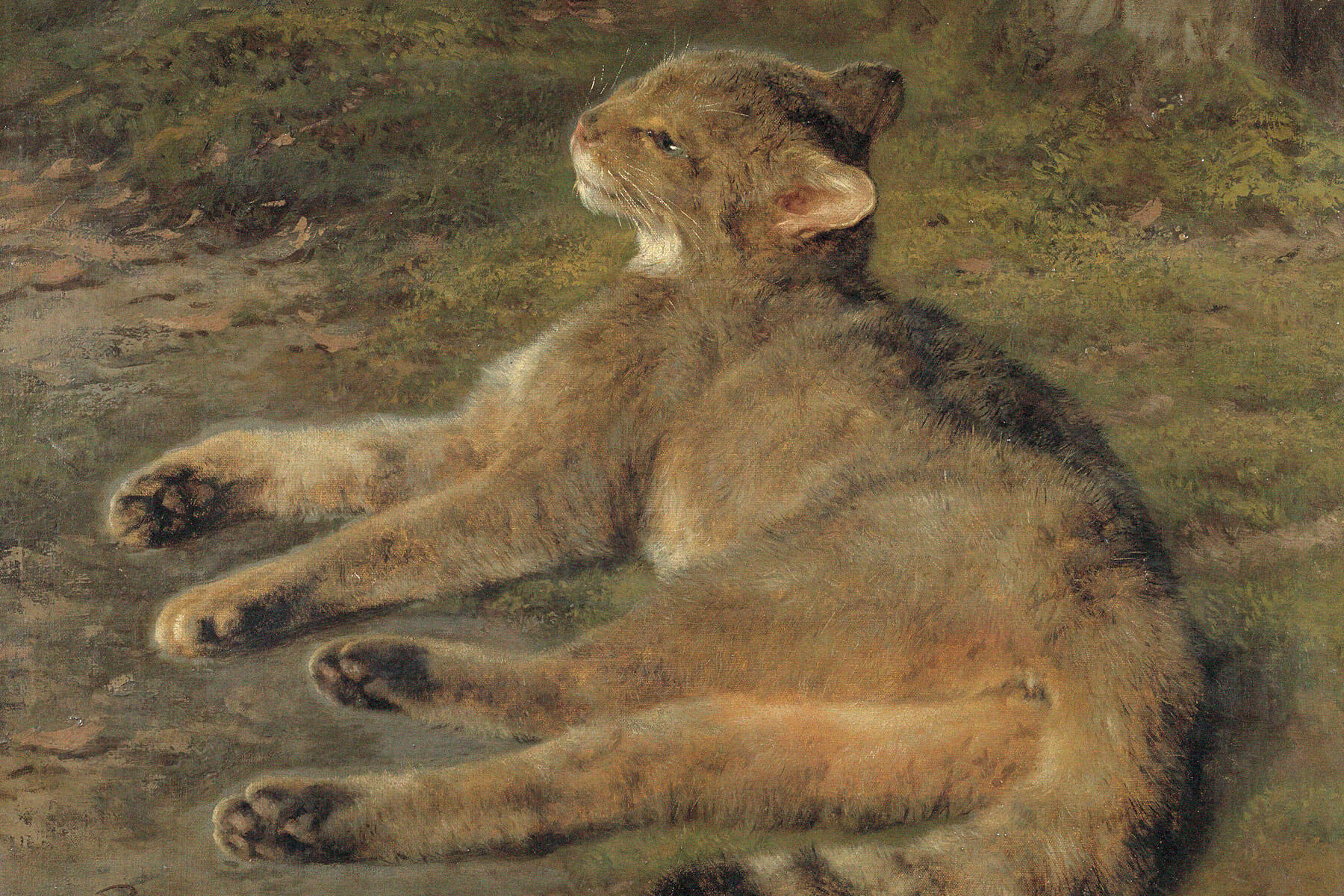
Researchers suspect that all domestic cats descended from a subspecies of the Eurasian and African wildcat Felis silvestris, which roughly translates to “cat of the woods.” Four strains of the subspecies can be traced to wildcats in Europe, China, Central Asia, and Southern Africa, and the fifth subspecies, Silvestris lybica, the Middle Eastern wildcat, is what gave us the house-dwelling cats we know and love today. 

Over time, house cats evolved from these wildcats in several notable ways. Today’s kitties tend to be smaller, due to a change in diet and activity level, and their coats have become more colorful as they have less of an evolutionary need to blend in with their surroundings. Domestication also rapidly increased the number of different breeds: As of 200 years ago, only five breeds of domestic cat were recognized. Today, the Cat Fanciers’ Association recognizes 45 separate breeds, while the International Cat Association recognizes 73. While dogs are bred in a wide variety of sizes, shapes, and temperaments, house cats are much more genetically similar across the board, the main differences coming in coat patterns and color. This is because dogs were bred for a number of different jobs, such as herding, hunting, and sled-pulling, while cats have mainly specialized in one domestic task.

You may also like

7 Fascinating Facts From the History of the World’s Fair

  • 1964 world’s fair view
1964 world's fair view
Bettmann via Getty Images
Author Paul Chang

October 24, 2023

Love it?

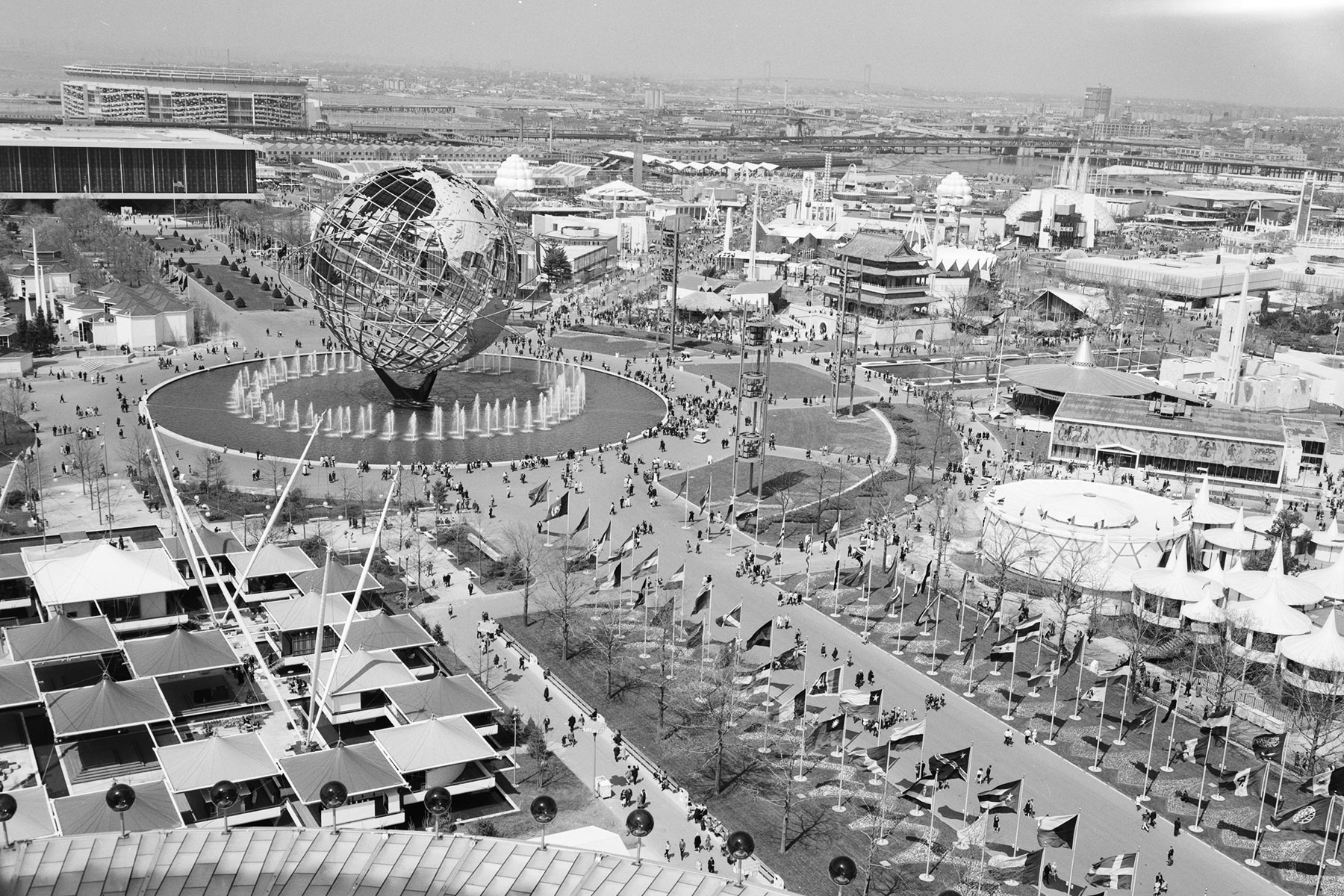
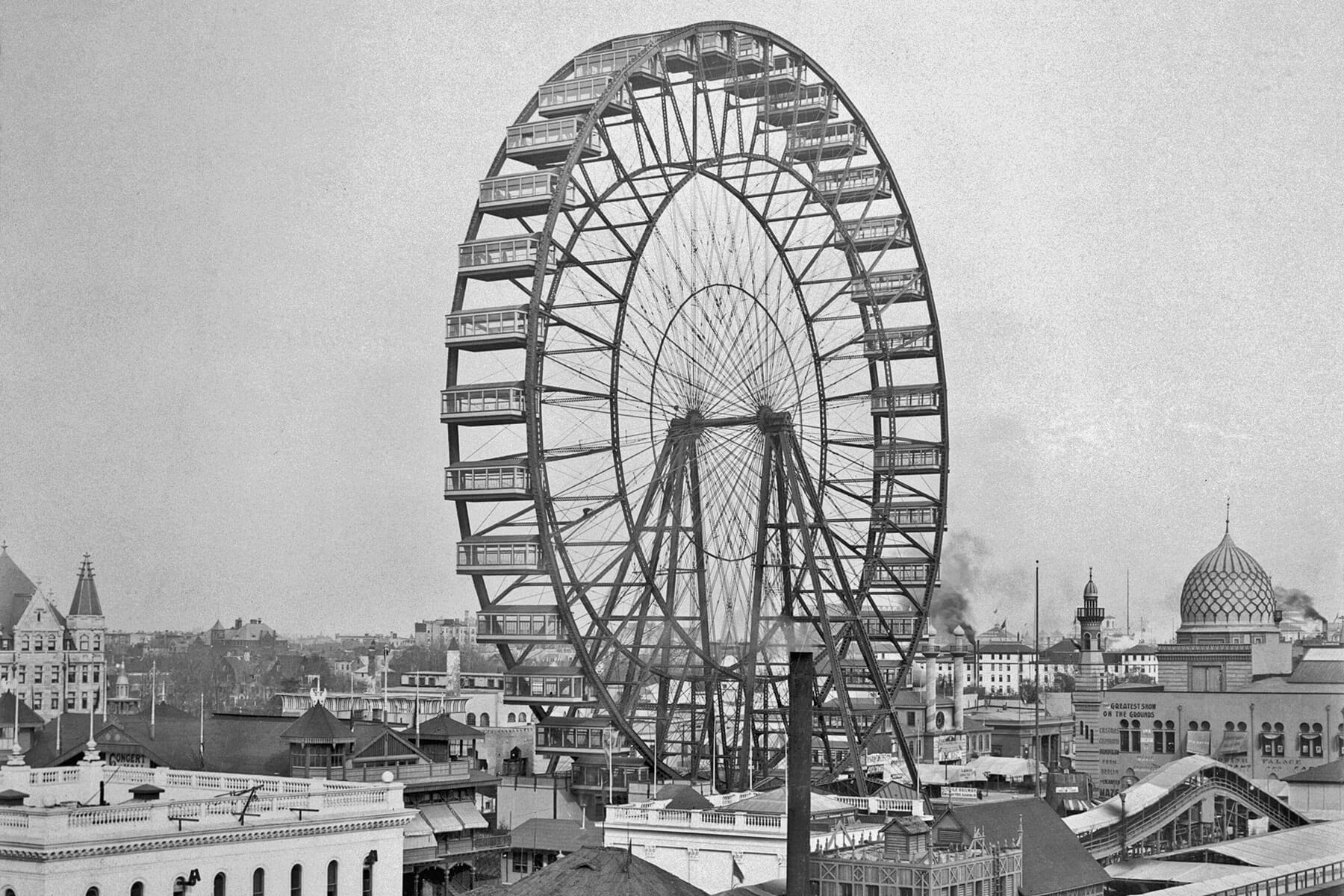
The first world’s fair, known as the Great Exhibition, took place in London in 1851. Held in the Crystal Palace — a massive exhibition hall made of glass and iron — the fair displayed marvels of industry and science as well as works of craftsmanship and art from around the world. Since then, more than 100 world’s fairs have been held in over 20 countries, and countless inventions have made their debut at these massive events, from the telephone to cotton candy. Though the world’s fair has declined in popularity in the United States, it remains popular throughout much of the rest of the world. Here are seven highlights from the history of these fascinating exhibitions.

Photo credit: Bettmann via Getty Images

One Fair Sparked a Frenzy for Plastic Pickles

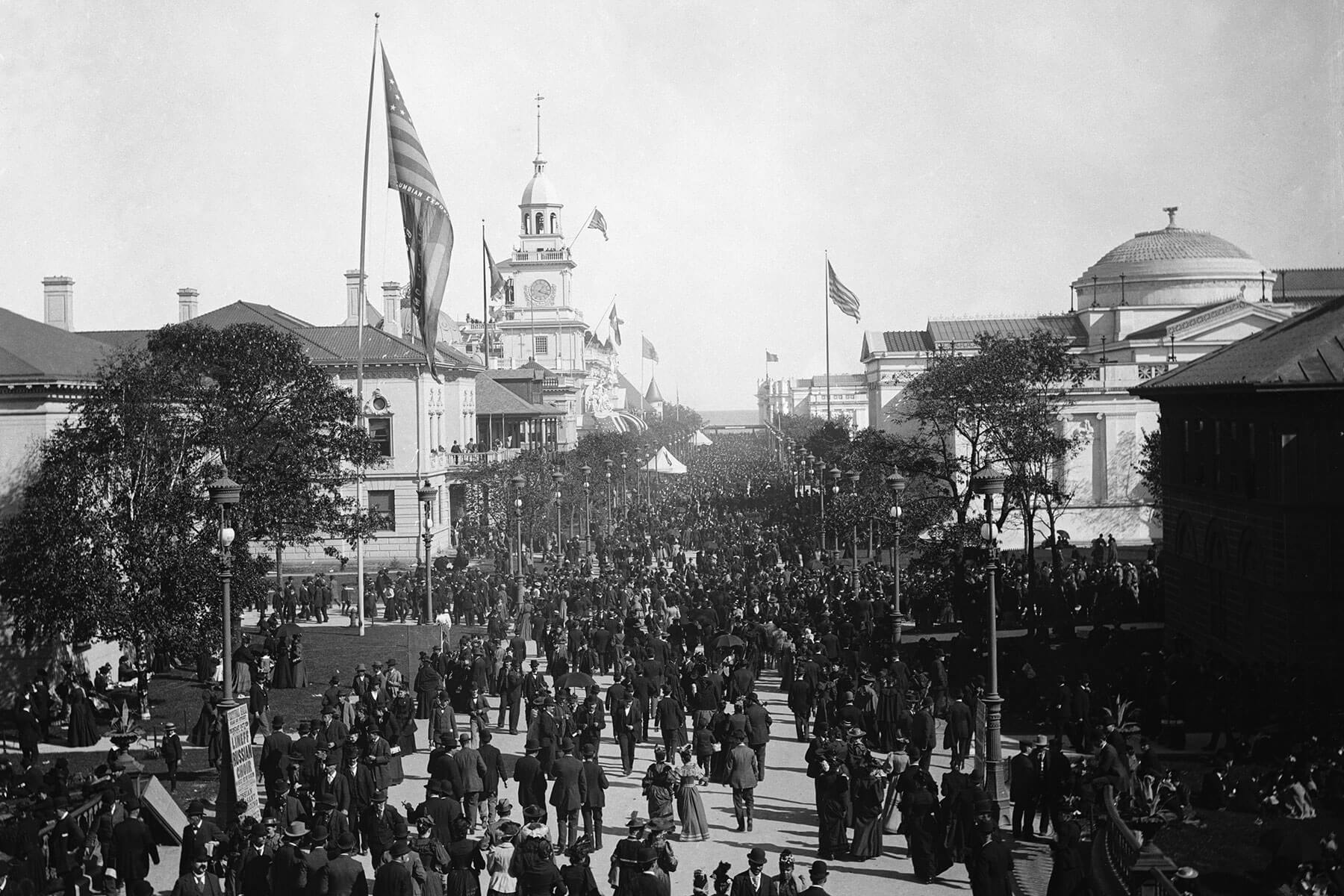
The 1893 World’s Columbian Exposition in Chicago (named in honor of Christopher Columbus) was ripe with opportunity for food sellers. But H.J. Heinz — an American purveyor of pickles and ketchup — was frustrated with his booth placement. While the main floor showcased food exhibits from Germany, Great Britain, Mexico, and other nations, Heinz was stuck on the second floor where there was little foot traffic. He devised a marketing plan that promised a free prize to anyone who visited his booth: a small green plastic pickle pin. The pins were a massive hit; the crowds that flocked to his booth were so large that the floor reportedly sagged around the display. By the end of the exhibition, Heinz had given away more than 1 million pickle pins, paving the way for his brand to become a household name.

Photo credit: Library of Congress/ Corbis Historical via Getty Images

Baby Incubators Started as a Carnival Attraction

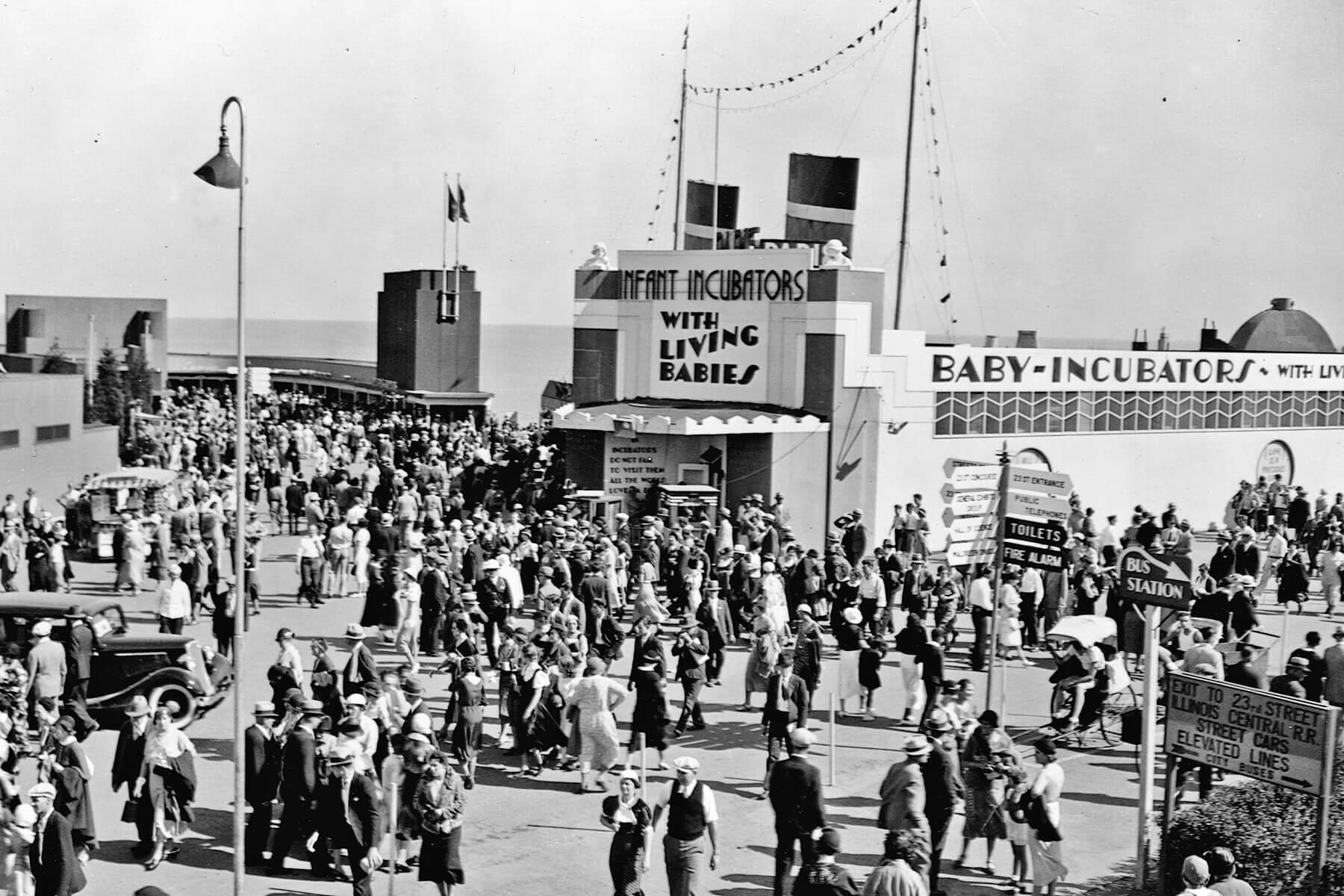
The baby incubator — a lifesaving device in which premature or sick infants can develop — was invented in the 19th century by French obstetrician Stéphane Tarnier, who got the idea after seeing baby chicks being incubated at a zoo. The invention was widely adopted decades later, thanks to the work of two men, Pierre Budin and Martin Couney. Determined to popularize the groundbreaking technology, Budin and Couney displayed six incubators complete with real premature babies at the 1896 Great Industrial Exposition of Berlin, in an exhibit they dubbed “Child Hatchery.” The exhibit was so popular that Couney went on to set up a permanent exhibit in an unlikely location: the Coney Island amusement park in New York. For the next four decades, Couney managed a neonatal intensive care unit that saved thousands of babies while doubling as a carnival attraction. Despite not being a licensed doctor, Couney is now widely credited with the adoption of the baby incubator into mainstream medicine.

You may also like

Gadzooks! A Brief History of Curse Words

  • Swearing speech bubbles
Swearing speech bubbles
Tero Vesalainen/ Shutterstock
Author Kevin McCaffrey

October 16, 2023

Love it?

Well, shoot: Curse words have been through a lot of doggone stages to get to where they are today. Mark Twain once said that “under certain circumstances, profanity provides a relief denied even to prayer,” and people have been swearing as long as they’ve been praying. What is considered “cursing” or “swearing” has always depended on what was taboo at that point in time, whether it be blasphemous or simply crude. These off-limits words and topics have shifted over time, too. Here’s a brief look at the history of cursing, from A to Z… or “arse” to “zounds!”

Photo credit: Robert Alexander/ Archive Photos via Getty Images

The Original Curse

Why do we call forbidden terms “curse” or “swear” words? It’s likely the English terms evolved from the Bible, where “swearing” was sometimes used to refer to false promises or lies, such as when someone claims to do something that is not possible. These were considered vain oaths, and this “swearing” would sometimes be made in God’s name. Some of the earliest expletives were phrases referencing religion, such as “by God’s bones,” “God’s nails,” or really anything to do with God that wasn’t a literal and sincere oath. 

Frequently, curse words originated from the combination of two or more taboo words pushed together in a way that obscured the literal meaning, creating a new slang term in the process. For instance, “gadzooks” was a curse used in place of “God’s hooks,” and by the 1600s, the word “zounds” — a shortening of “God’s wounds” — appeared in William Shakespeare’s Othello and King John. In the 19th century, people in Ireland used “bejabbers” as a way to get around saying “by Jesus.” 

Photo credit: Catherine Falls Commercial/ Moment via Getty Images

The Rise of the Four-Letter Word

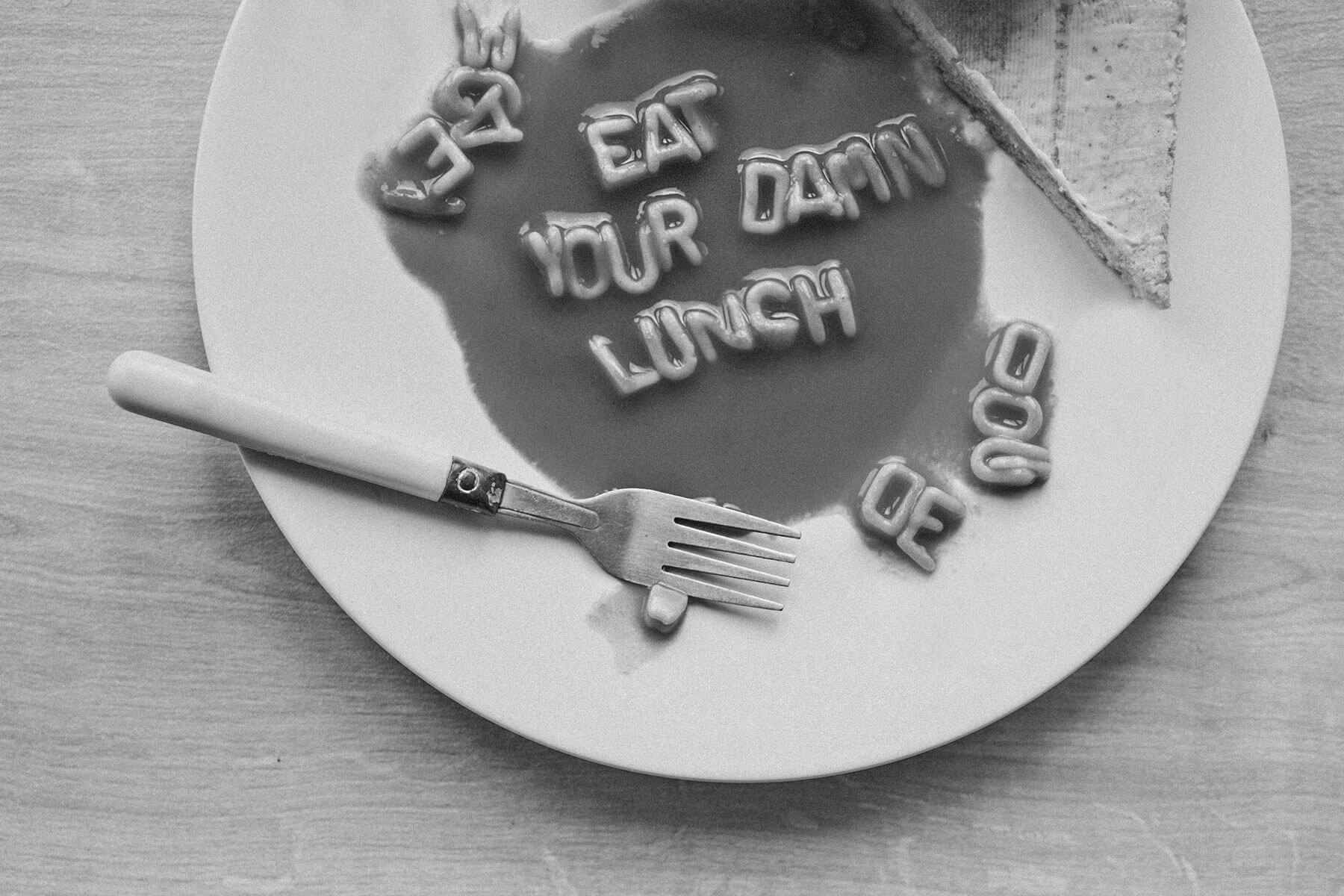
The phrase “four-letter word” was first used as a euphemism for swear words in the 1920s, and for good reason: Of the approximately 84 commonly used American English swear words, 29 of them have four letters, including some of the most popular. “Damn,” for instance, appeared as a verb as early as the 13th century, meaning “to condemn,” and was used as an exclamation starting in the 17th century. 

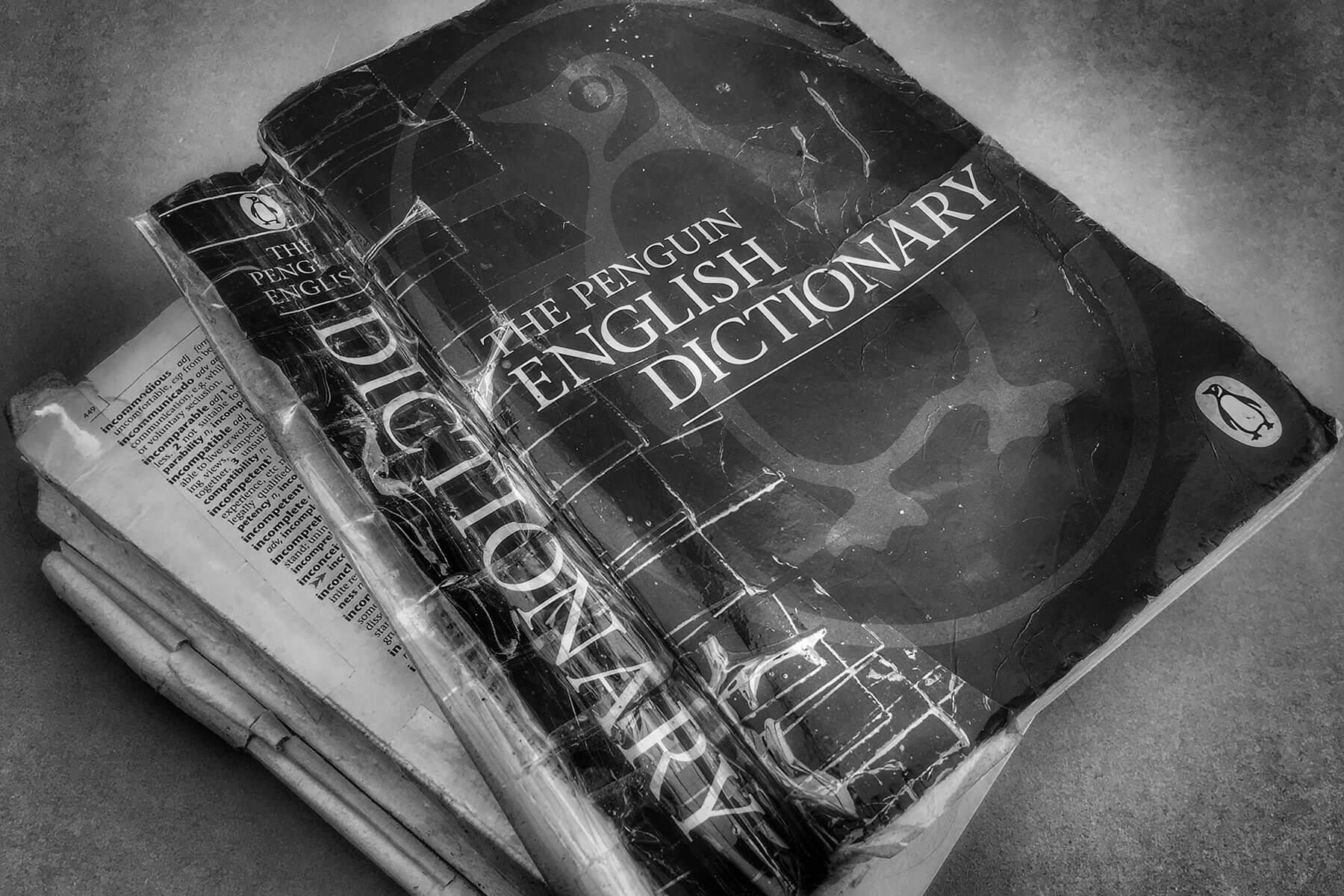
The “F-word,” meanwhile, was preceded by a different four-letter word in the 10th century: “sard,” which described the same intimate act. The common myth that today’s F-word derived from an acronym, either “fornication under consent of the king” or “for unlawful carnal knowledge,” is untrue. Instead, the expletive may come from the Middle Dutch “fokken,” Norwegian “fukka,” or Swedish “focka,” all of which mean several things, including “to copulate.” Another theory supported by the Dictionary of Slang and Unconventional English and The Roots of English: A Reader’s Handbook of Word Origin tracks the word back to the Indo-European term “peuk,” meaning “to prick.” According to the Oxford English Dictionary, the first recorded use of the modern F-bomb was in 1503, in a Scottish poem, though the word was likely used even earlier. In 1965, the F-word became an official part of the English lexicon when it was included in The Penguin Dictionary.

Photo credit: Clynt Garnham / Stockimo/ Alamy Stock Photo

The four-letter word beginning with “sh” has had several meanings through the years. According to the Old English Dictionary, it was used to mean “an obnoxious person” starting in 1508, although the early version of the word wasn’t four letters; it began as the Old English curse “scite.” In Latin, “scite” means a very different thing: shrewdly, cleverly, or skillfully. By 1934, when it was used in Henry Miller’s novel Tropic of Cancer, the modern, four-letter version of the word had evolved to essentially mean “stuff,” regardless of quality. 

You may also like

The Heroic Stories of 6 Wartime Animals

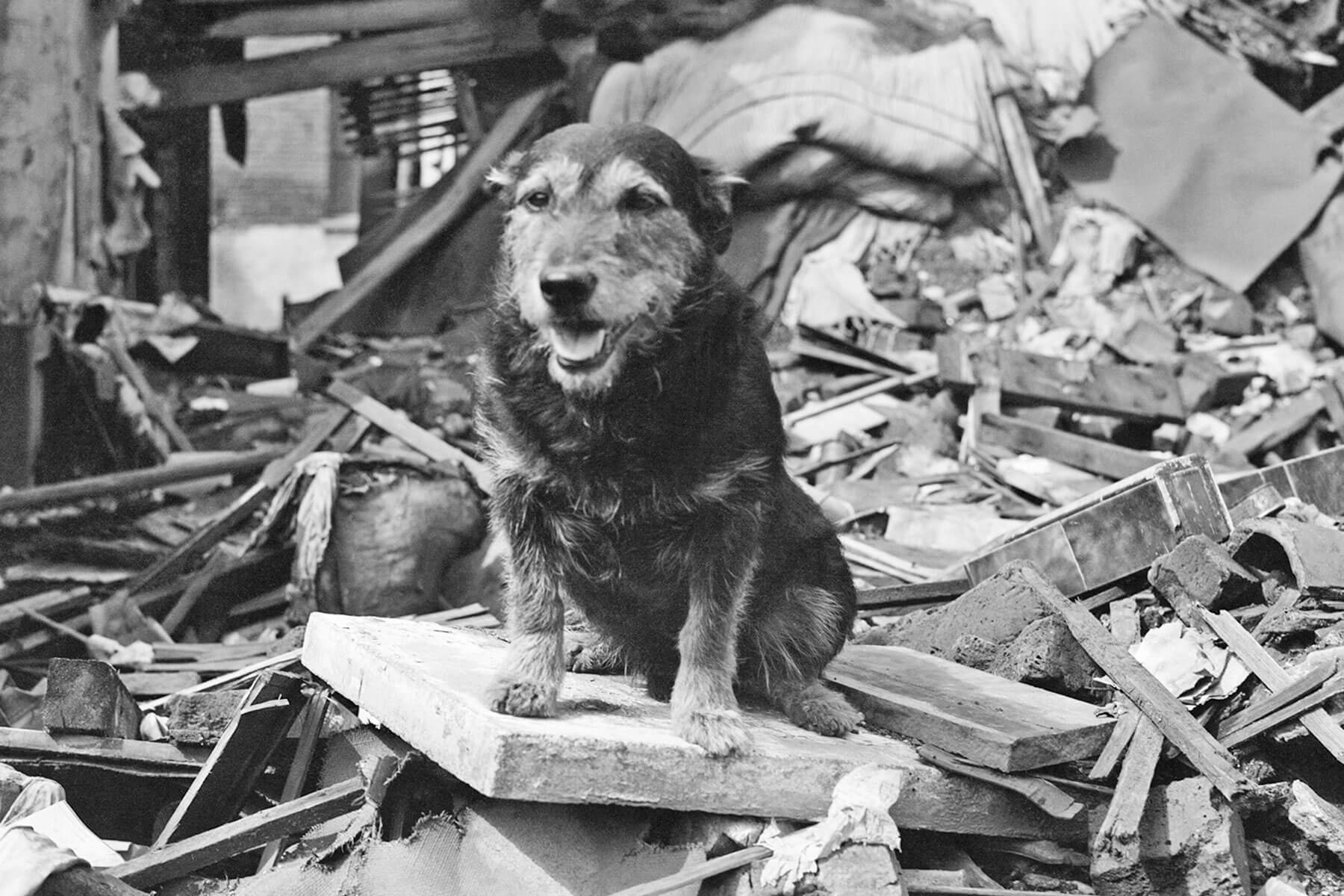
  • Rip war dog, 1941
Rip war dog, 1941
Imperial War Museums via Getty Images
Author Tony Dunnell

October 13, 2023

Love it?

Humans and animals have fought side by side since prehistoric times. Dogs have long been our faithful companions in times of peace and conflict, while horses, camels, elephants, and other mounts helped win many of the most important battles in history. 

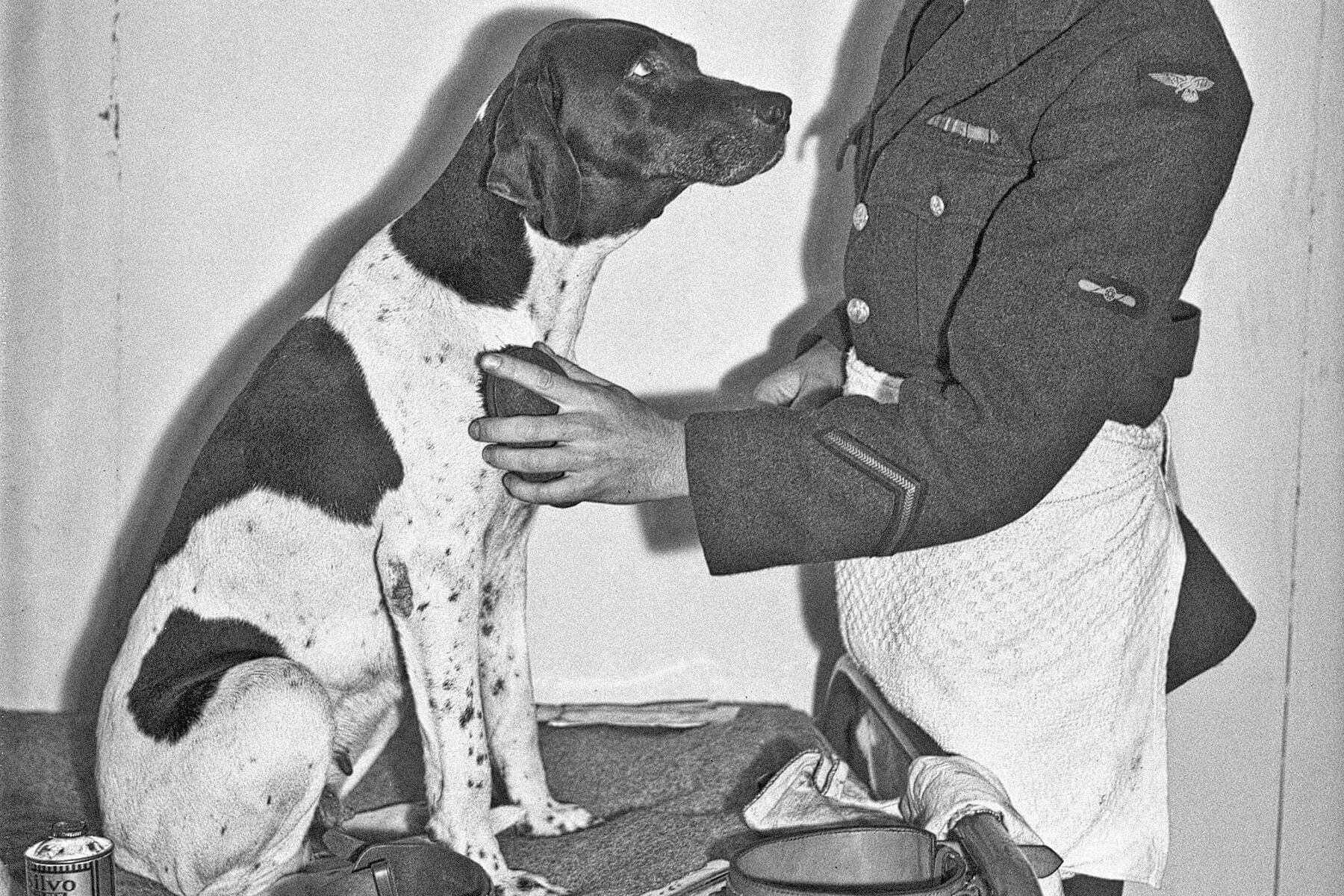
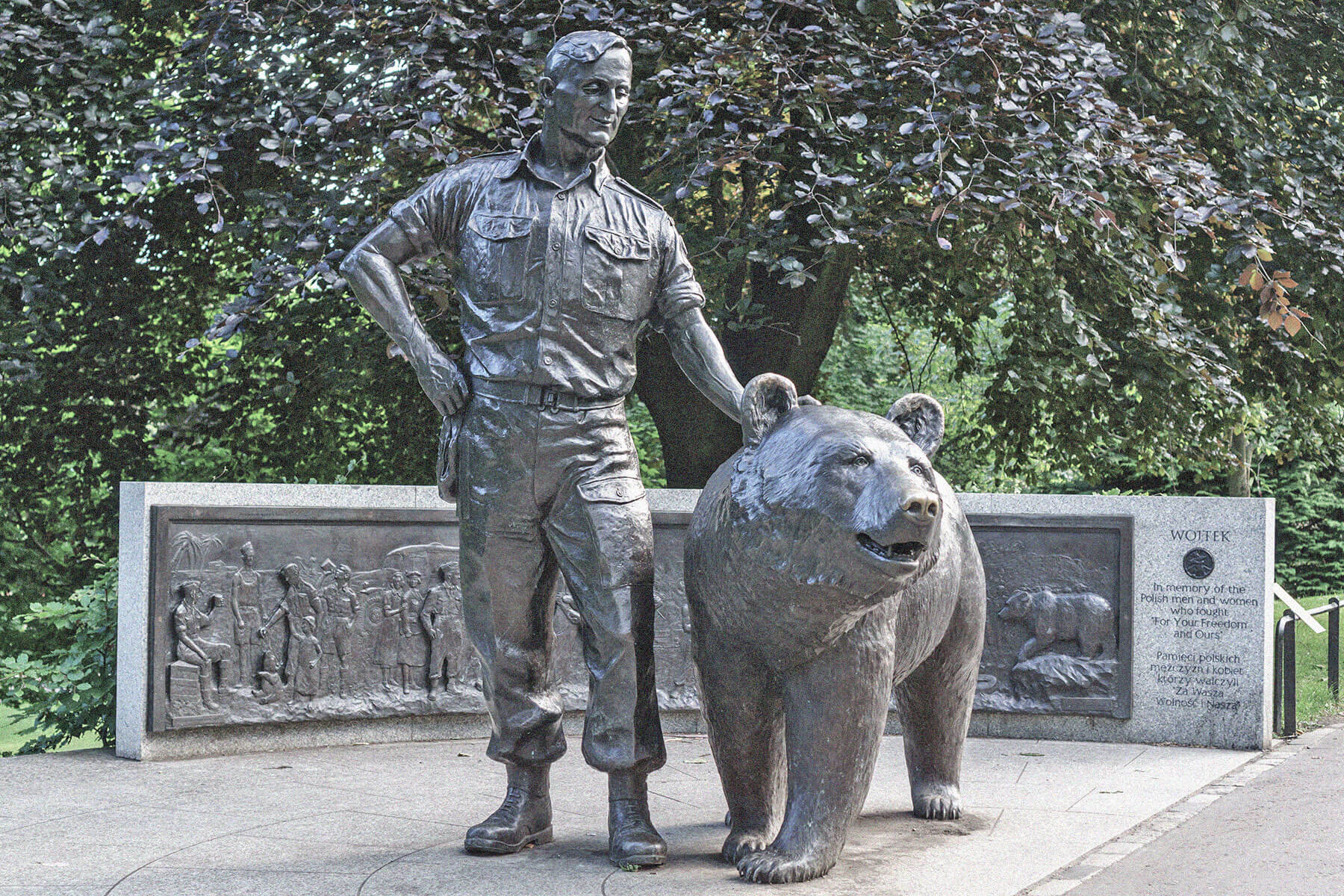
In modern times, particularly during World War I and World War II, animals played a vital role in active combat, transportation, and communication — not to mention the numerous animal mascots who helped keep morale high in the most testing of times. It’s estimated that in World War I alone, more than 16 million animals served in these various ways. Here are a few such incredible wartime animals, including daring dogs, courageous carrier pigeons, and a mischievous brown bear. 

Photo credit: Bettmann via Getty Images

Rags the Scotch-Irish Terrier

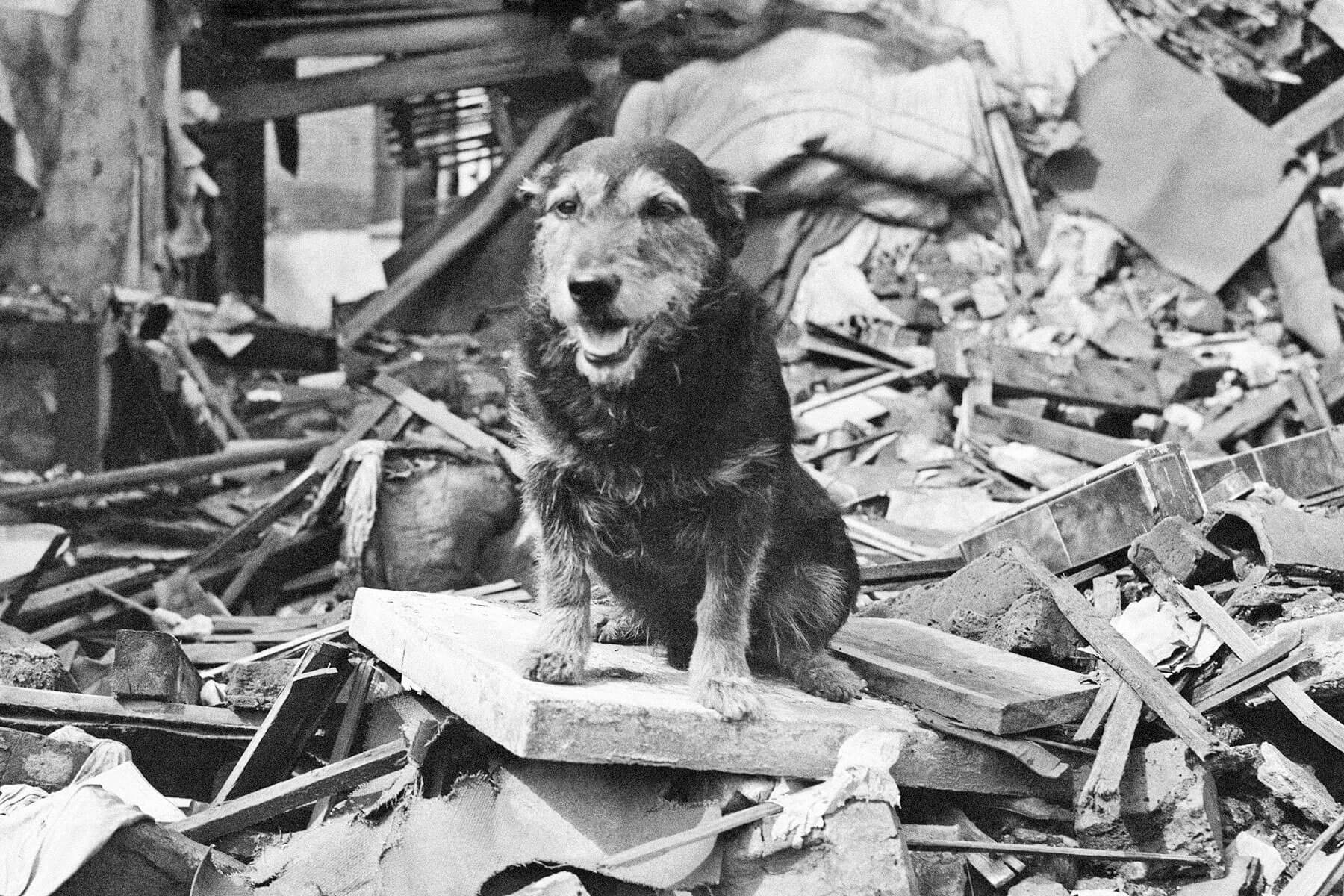
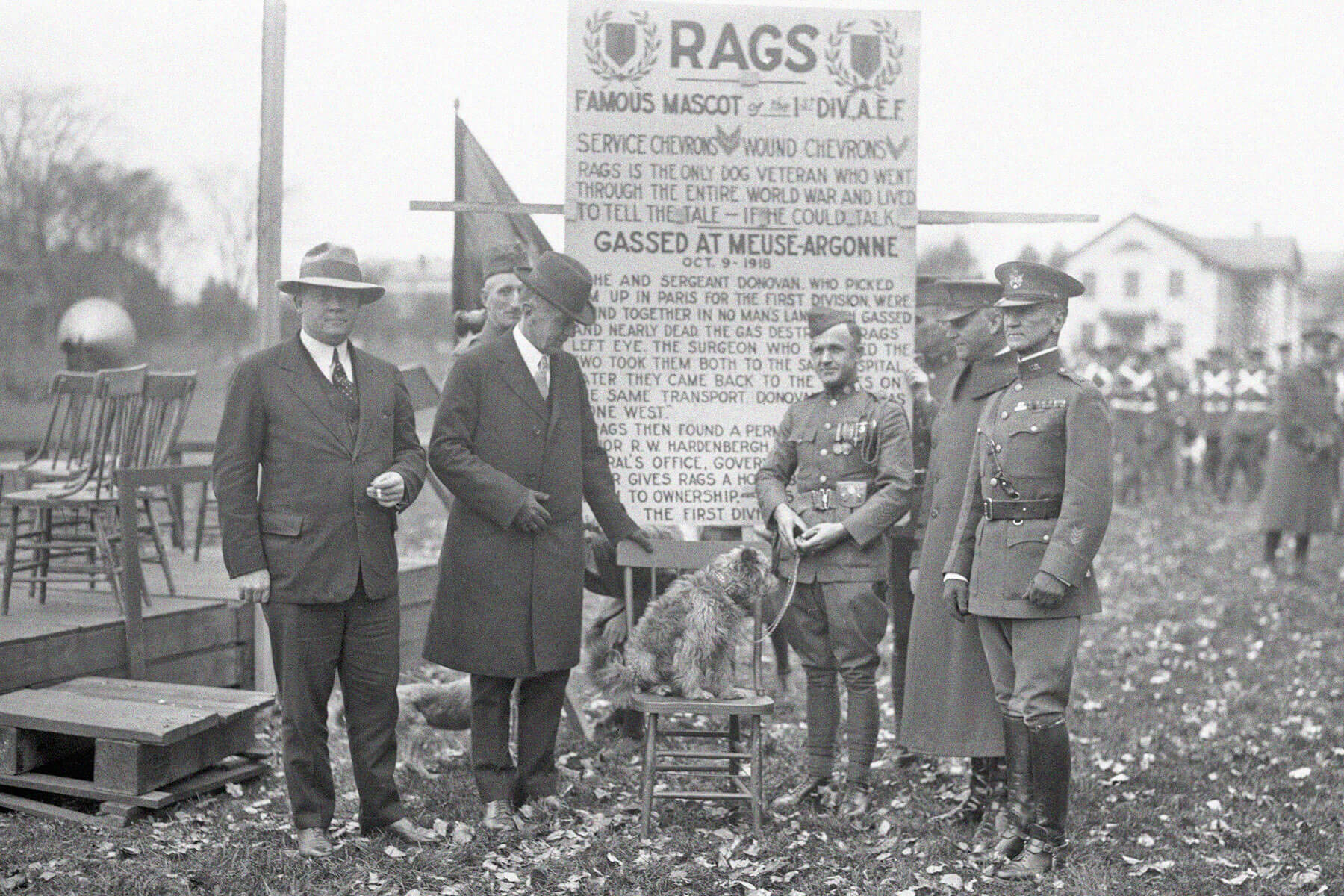
In 1918, while walking through the streets of Paris, Private James Donovan saw what he thought was a pile of rags — but when the rags moved, he realized it was a little Scotch-Irish terrier, abandoned in the gutter. Donovan adopted the dog, which followed him everywhere, and Rags, in turn, became the mascot of the U.S. 1st Infantry Division. But Rags was more than just a mascot. Donovan taught him to run messages that were affixed to his collar across the front lines, dodging shellfire as he went. Rags also led medics to wounded men, and — using his superior canine hearing — was able to alert his unit to incoming shellfire. He was also taught to salute with his right front paw. 

On October 9, 1918, Rags and Donovan were hit by German shellfire and gas shells. Rags sustained injuries to his right front paw, right ear, and right eye, and was mildly gassed, while Donovan was more seriously wounded. Both were treated, but only Rags survived. His unit and other soldiers who knew of Rags’ heroics made sure the pup got safely back to U.S. soil, where he lived a celebrated life until his death at age 20. 

Photo credit: Heritage Images/ Hulton Archive via Getty Images

Warrior the Stallion

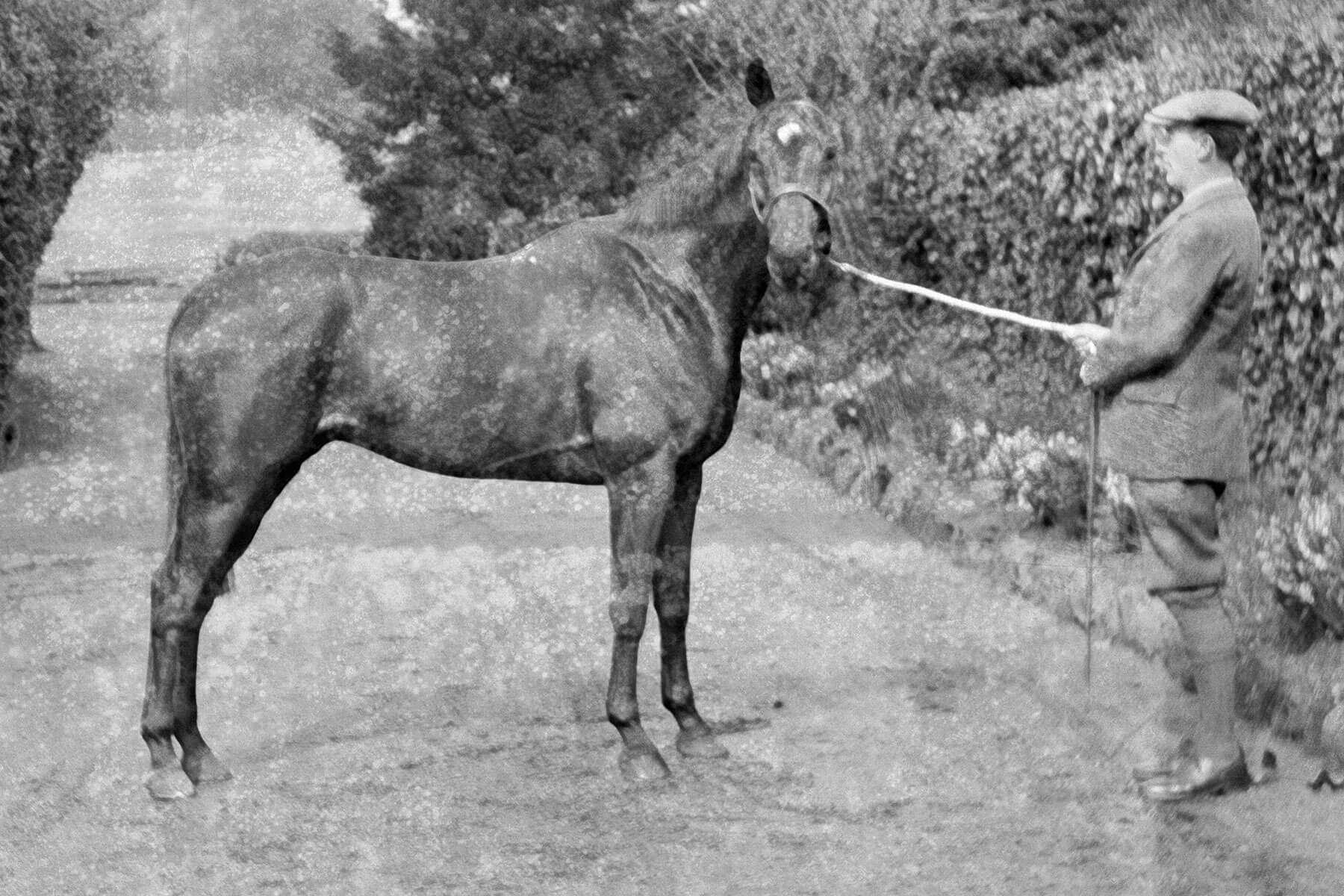
When General Jack Seely left his home in 1914 to take command of the Canadian Cavalry Corps, his beloved thoroughbred stallion, Warrior, went with him to the Western Front. So began one of the most amazing animal stories of World War I. During the next four years, Warrior took part in some of the most ferocious and pivotal battles of the Great War. He saw action at the Battle of the Somme, Ypres, Cambrai, and Passchendaele, and in 1918 he led a cavalry charge against the Germans at Amiens, in a battle that proved crucial in bringing the terrible war to an end. Warrior never gave in, despite being buried in mud and rubble, trapped in burning stables, and charging through intensive barrages of machine-gun fire and mortar shells — it was no wonder he became known as “the horse the Germans couldn’t kill.” Having survived it all, Warrior and Seely returned home to the Isle of Wight, where the famous stallion lived a peaceful life until his death in 1941 at the age of 32.
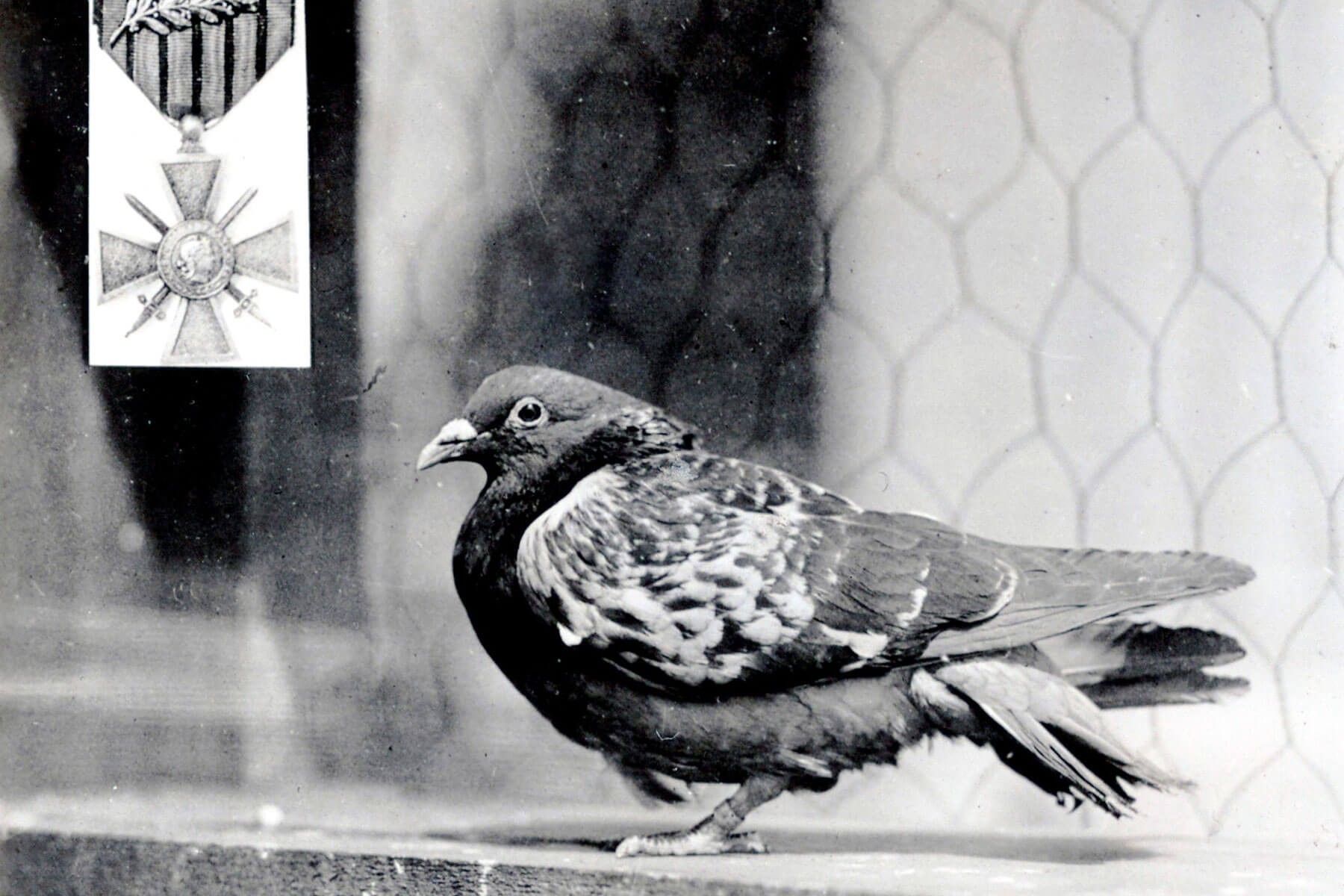
In 2014, a century after the start of the Great War, Warrior posthumously received the PDSA Dickin Medal (also known as “the animals’ Victoria Cross”), the highest honor an animal can receive in Britain for acts of bravery while serving in a military conflict. Warrior is the only recipient to predate the medal’s institution in 1943, and was chosen to receive the honor on behalf of all the brave animals that served in World War I. 

You may also like

6 Items You Would Find in a Kitchen 100 Years Ago

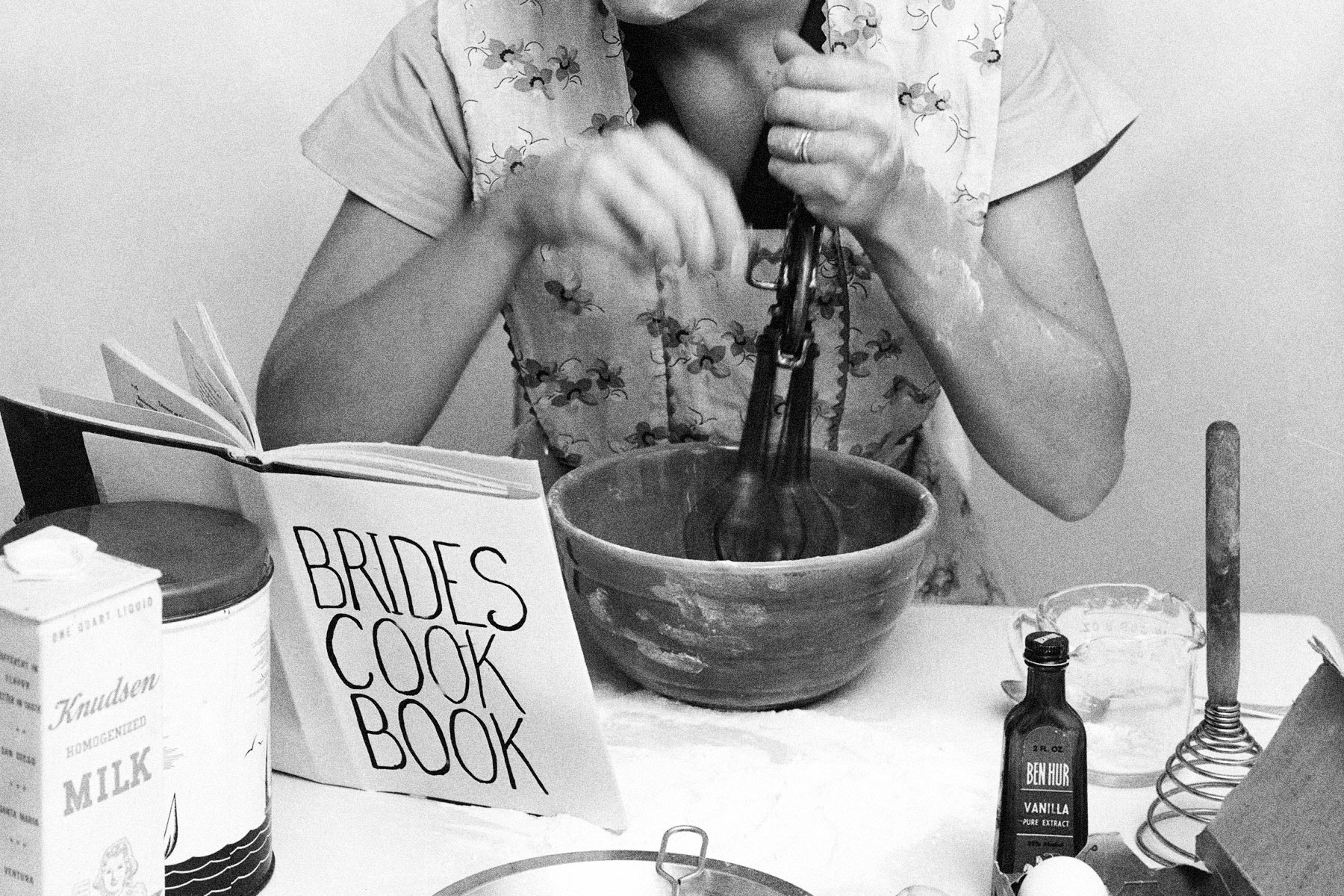
  • Woman using hand mixer
Woman using hand mixer
Camerique/ Archive Photos via Getty Images
Author Kristina Wright

October 12, 2023

Love it?

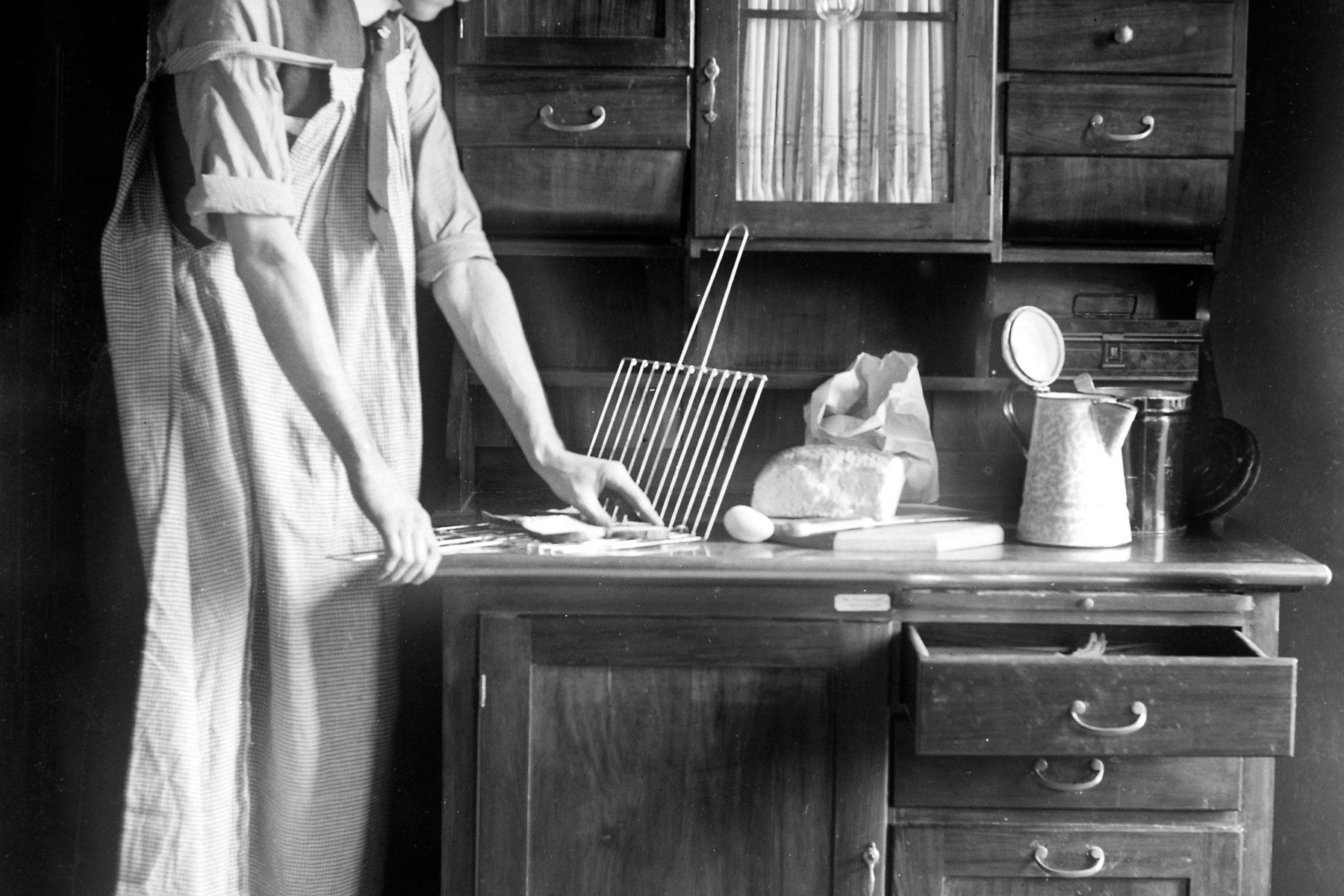
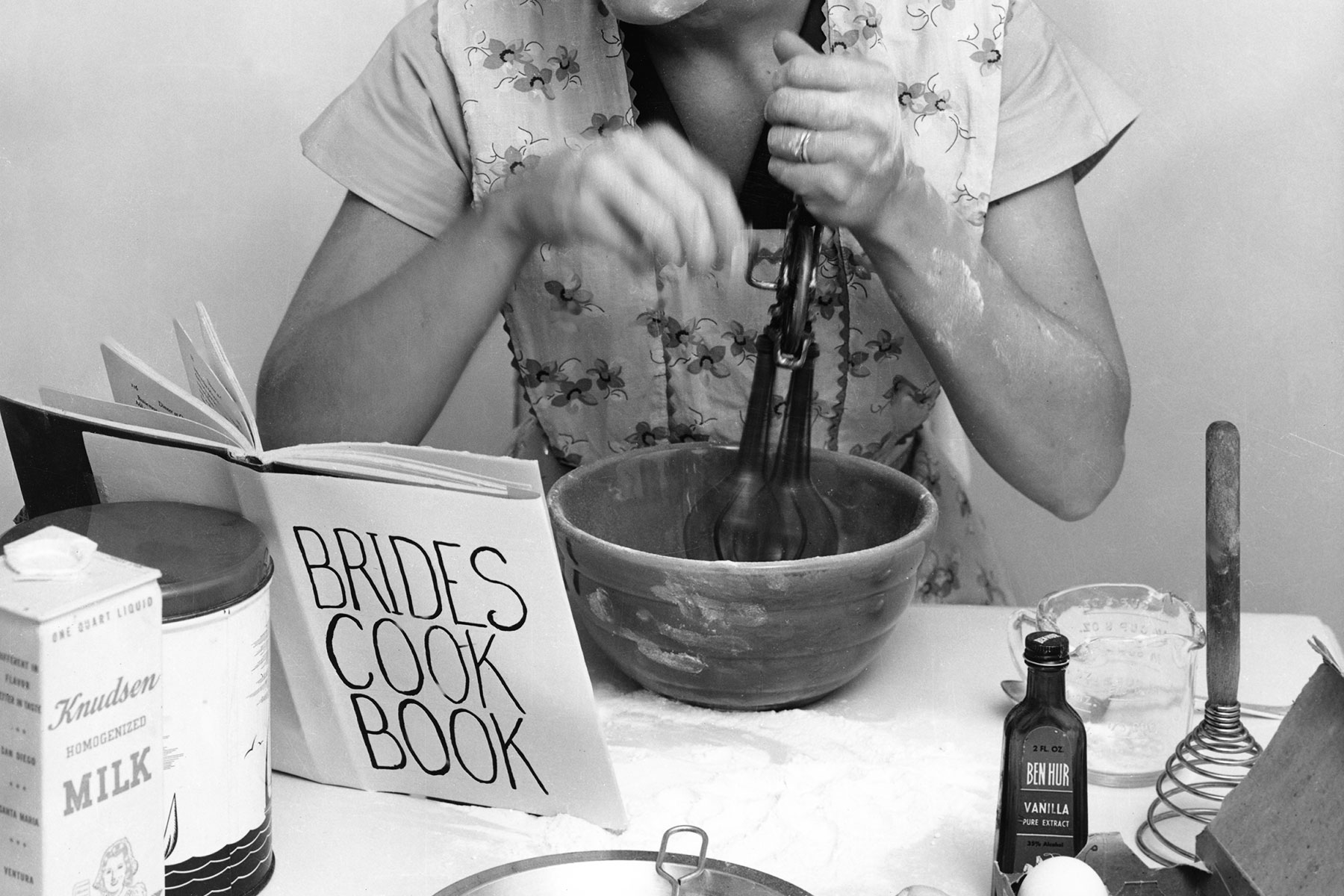
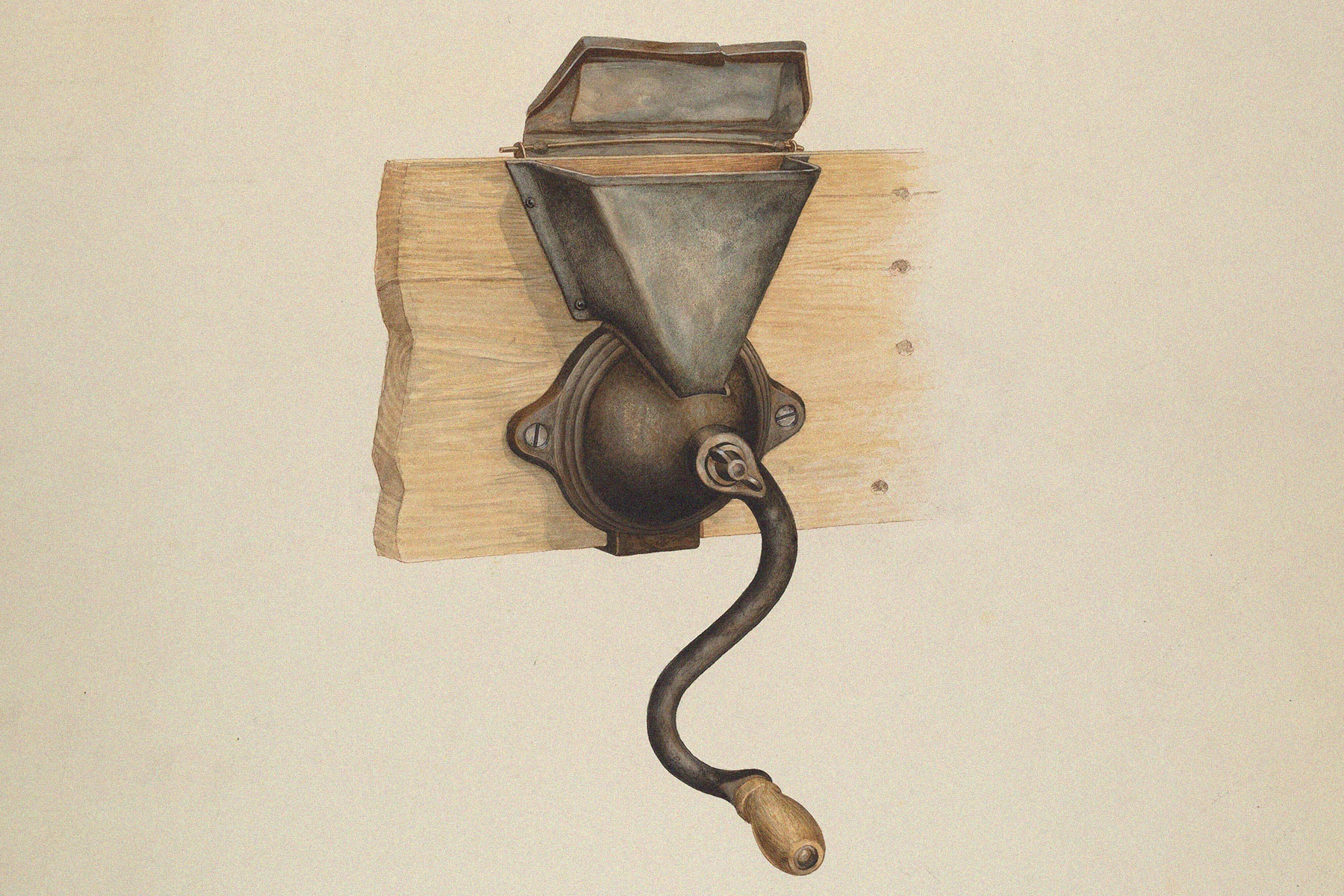
Over the past century, the typical home kitchen has undergone a significant transformation, reflecting both social changes and new technology. In the 1920s and ’30s, kitchens were primarily utilitarian spaces with a focus on functionality and easy-to-clean surfaces. Appliances were limited, hand mixers had cranks, and gas ovens, which had replaced wood or coal-burning stoves in most homes, were starting to themselves be replaced by electric ovens. 

The post-World War II consumerism of the late 1940s and 1950s brought bigger kitchens for entertaining and more labor-saving appliances, including blenders, mixers, and dishwashers. The kitchen space became more streamlined and functional, and the 1960s and 1970s brought countertop food processors and microwave ovens into the mainstream.

Open-plan kitchens and islands became increasingly popular in home design throughout the 1980s and ’90s, indicative of the kitchen’s role as a hub for family and friends to gather. That trend continued into the 21st century, along with a significant shift toward high-tech kitchens, smart appliances, and a focus on sustainability. Today’s kitchens — reflecting the changing ways we prepare, store, and consume food — look dramatically different than they did a century ago, making many once-popular items obsolete. Here are six things that your grandparents and great-grandparents might have had in their own home kitchens a century ago.

Photo credit: George Rinhart/ Corbis Historical via Getty Images

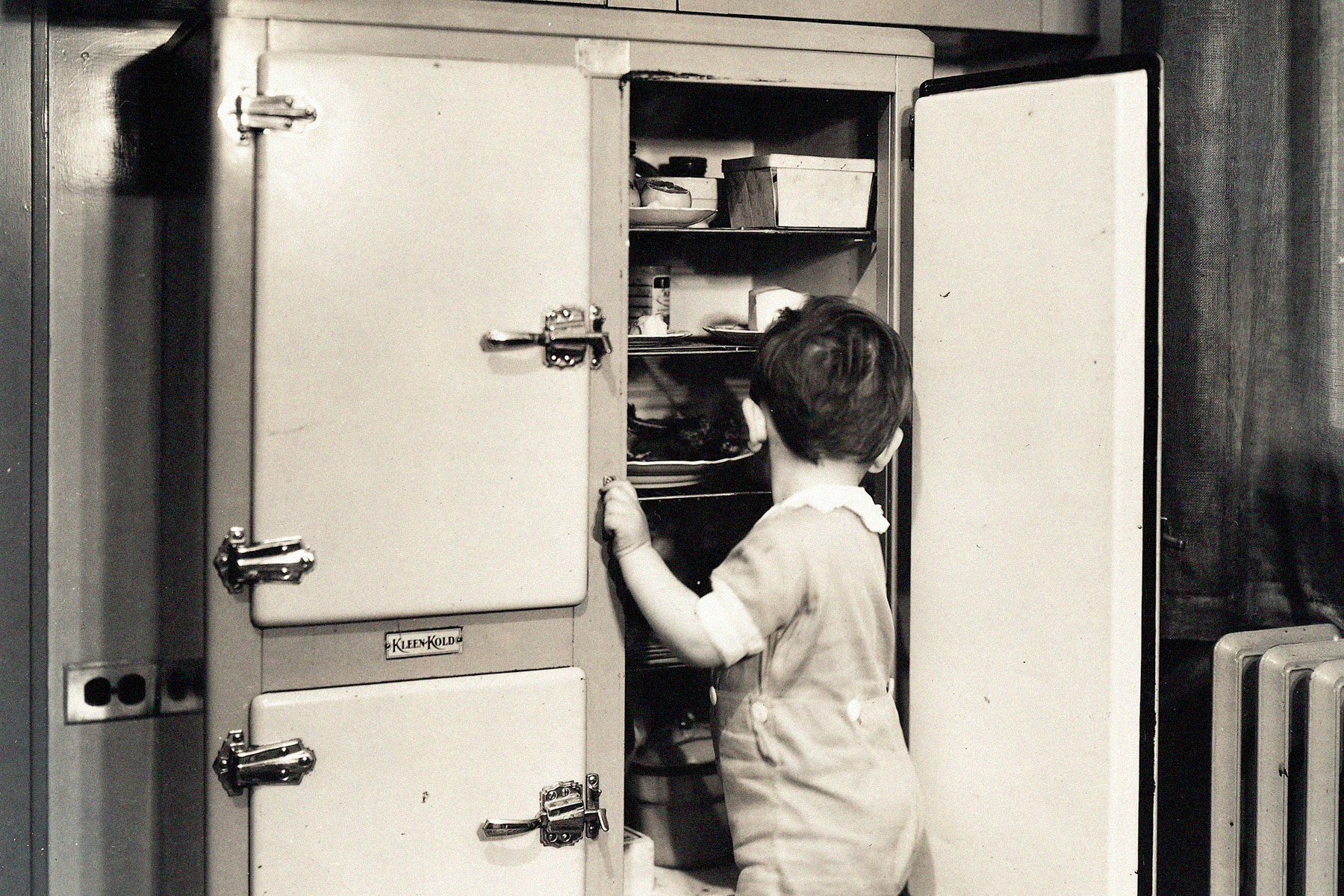
An Icebox

Before the widespread availability of electric refrigerators, iceboxes were used to keep perishable food cool. These wooden or metal boxes had a compartment for ice at the top, and fresh ice was delivered each week by an iceman. The design of the icebox allowed cold air to circulate around the stored items, while a drip pan collected the water as the ice melted. Naturally, iceboxes fell out of fashion as electric fridges went mainstream. In 1927, General Electric introduced the first affordable electric refrigeration, which relied on a refrigerant for cooling rather than ice.
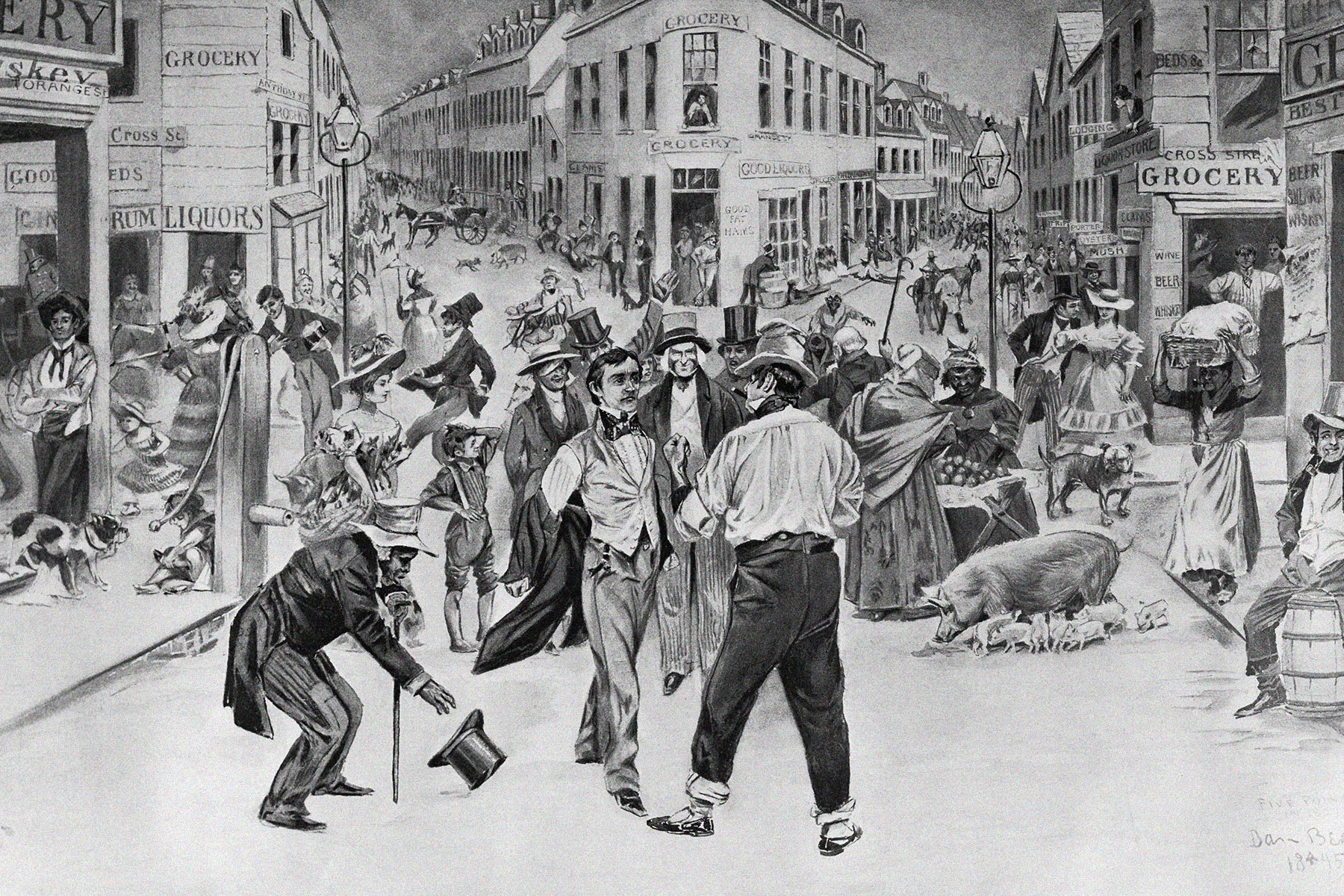
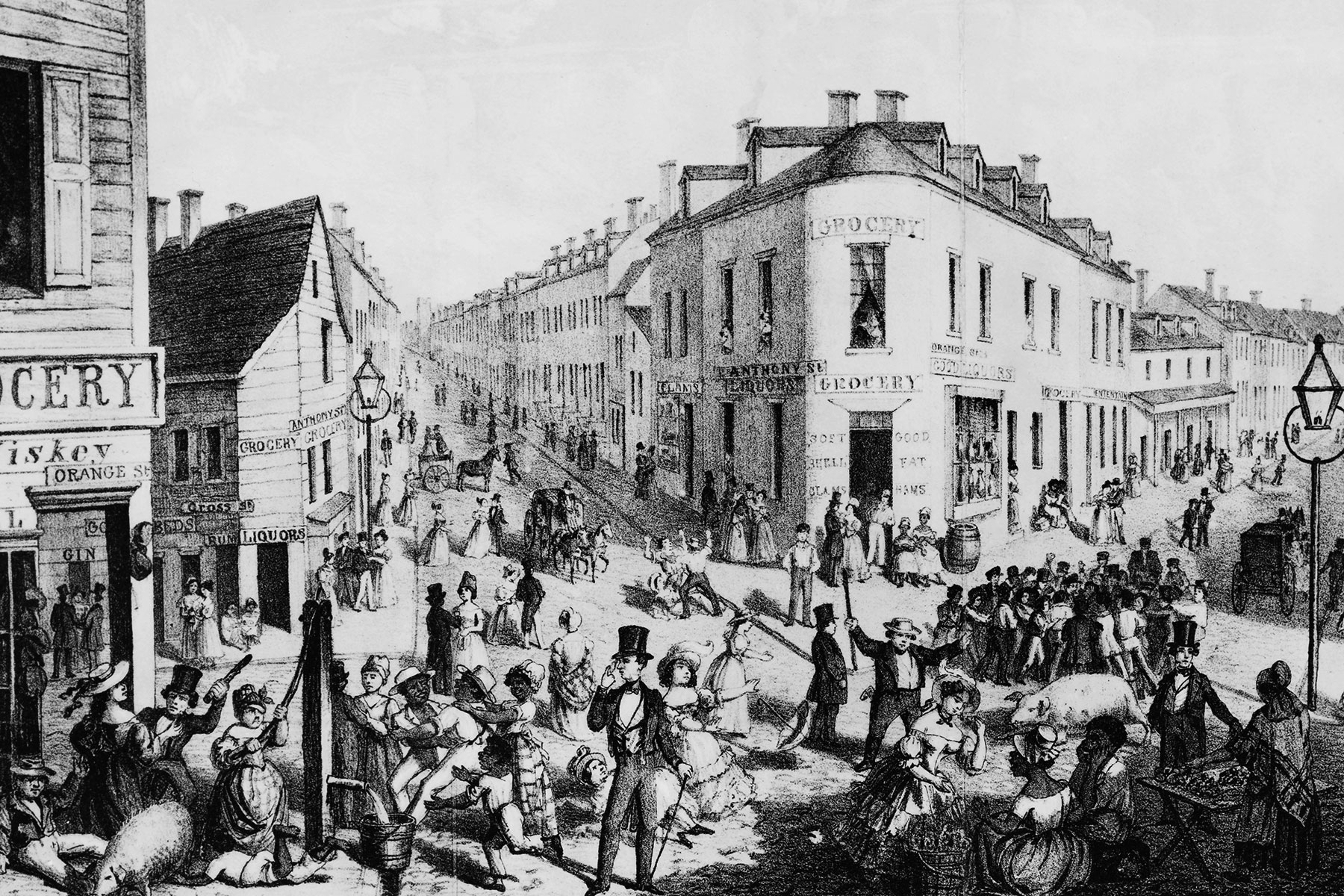
Photo credit: FPG/ Archive Photos via Getty Images

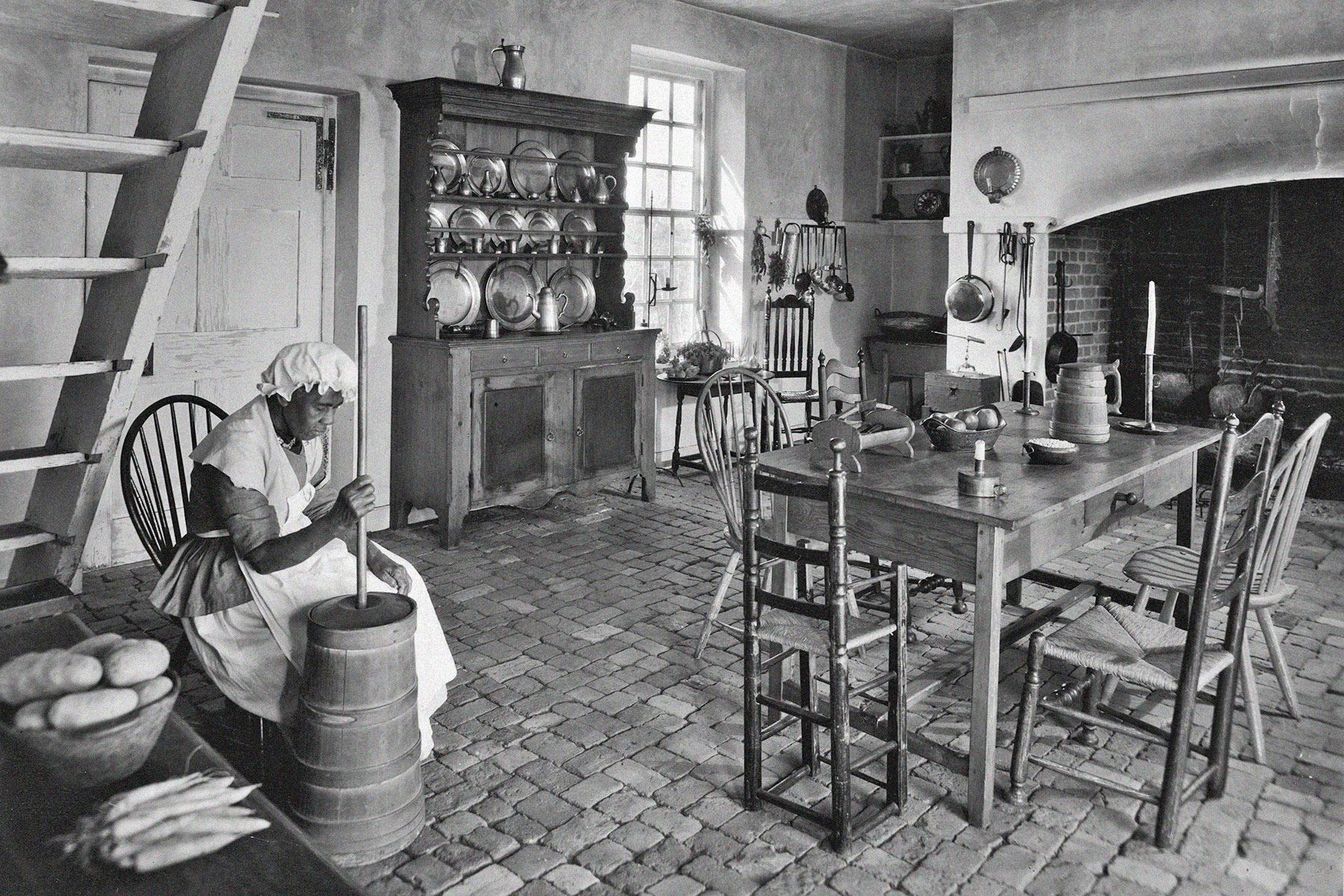
A Butter Churn 

Before commercial butter production made it possible to buy butter at the market, churning cream into butter was an activity done at home. The hand-crank butter churn was introduced in the mid-19th century, and it became the most commonly used household butter churn until the 1940s. In the early 20th century, the Dazey Churn & Manufacturing Company began producing glass churns that could make smaller quantities of butter much quicker than the larger, time-intensive churns. Once the butter was churned, it could then be poured or pressed into decorative molds for serving.

You may also like

We Asked an Anthropologist About the Gangs of 19th-Century New York 

  • Five Points in 1827
Five Points in 1827
Bettmann via Getty Images
Author Bennett Kleinman

October 10, 2023

Love it?

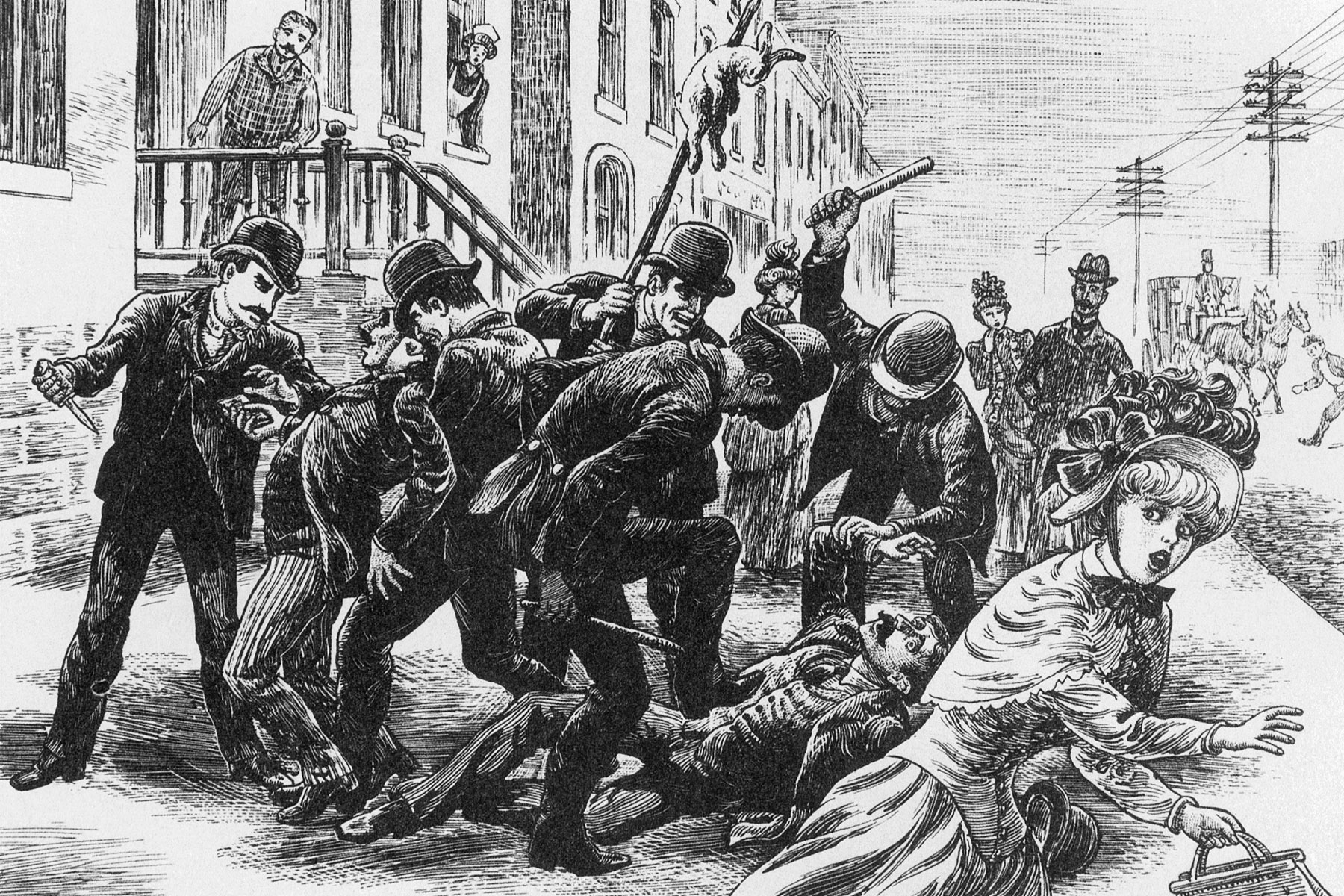
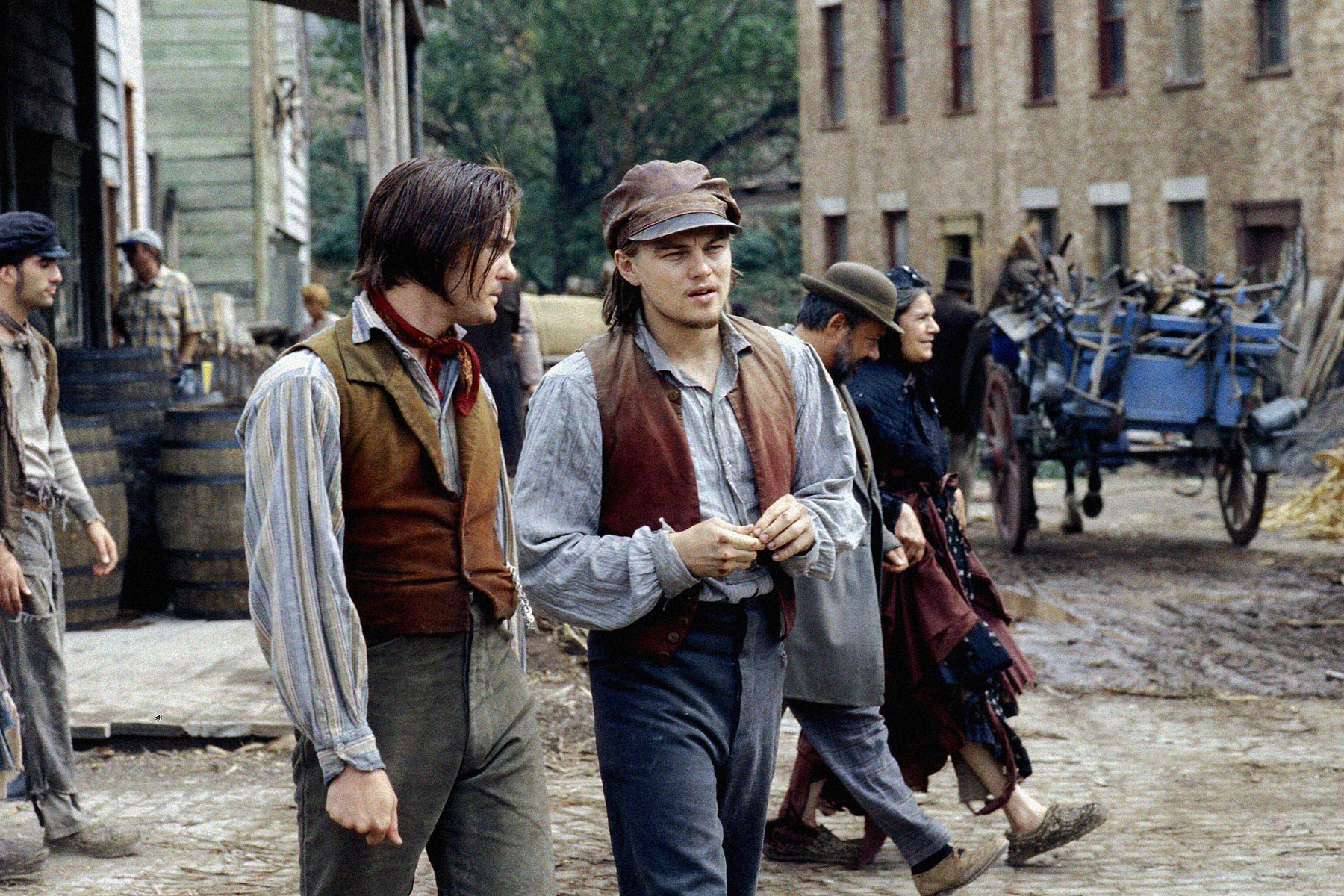
Beginning in the 1830s, a combination of poverty, rapid industrialization, and immigration contributed to the rise of notorious street gangs throughout New York City. For the next several decades, these groups ran rampant until being largely replaced by organized crime syndicates toward the end of the 19th century. But during their heyday, gangs such as the Bowery Boys and Dead Rabbits ruled the streets of New York, particularly a neighborhood in southern Manhattan known as the Five Points. This turbulent period in New York City was marked by violence and corruption, events that were brought to the silver screen in Martin Scorsese’s 2002 historical drama Gangs of New York

While that film is based on realities of the time, it also furthered several misconceptions about this crime-ridden era. We reached out to anthropologist R. Brian Ferguson, a professor at Rutgers University-Newark and author of the 2023 book Chimpanzees, War, and History, to learn more about this volatile period in NYC history. Ferguson has spent decades studying and teaching how conflict permeates throughout society, and was interviewed for the 2002 documentary Uncovering the Real Gangs of New York, a special feature included on DVD copies of the Scorsese film. 

(Editor’s note: This interview has been edited for length and clarity.)

Photo credit: Bettmann via Getty Images

HISTORY FACTS: What was life like in New York City’s Five Points neighborhood?

FERGUSON: Well, the Five Points was from the intersection of different streets, and it began as a residential neighborhood but it was built on landfill from filling in a big lake. So it was wet, and it was sinking, which meant that it was full of diseases in the summer. By 1827, it was already disreputable. Mainly poor people who had no choice about where to live were there — it was the bottom for New York society. 

For decades it became — not just in New York, but internationally — famous for incredible squalor and crime and drunkenness and prostitution. It became a symbol for all of that. It was also a highly political environment, and the politics of the time were more contentious in New York than what we’re seeing today in our own lives. It was really a tough time politically.

HISTORY FACTS: Speaking of politics, I know Tammany Hall was a big player in New York City. What was Tammany Hall and how did it play a role in local politics?

FERGUSON: Tammany Hall was the Democratic political machine. It won elections, gave out patronage; it was famous for corruption and vote fraud. But besides that, it was the only kind of government that did anything for the poorest of the poor. In the 1840s, it had found its base in immigrants who were pouring into New York, many of whom were Catholic, which Protestant America generally hated. 

Tammany Hall was controlled by political ward politicians from the street up, using force. It wasn’t a top-down organization as it once was, but it was really responding to what was happening on the streets, like in the Five Points. The Five Points was its central power base because it was so densely populated. It was known as the “Bloody Ould Sixth Ward,” and the votes from there could control mayors, city government, even tip state and presidential elections. 

You may also like

The Catchy History of Presidential Campaign Slogans

  • “I Like Ike” badges
“I Like Ike” badges
Michael Ochs Archives via Getty Images
Author Kristina Wright

October 9, 2023

Love it?

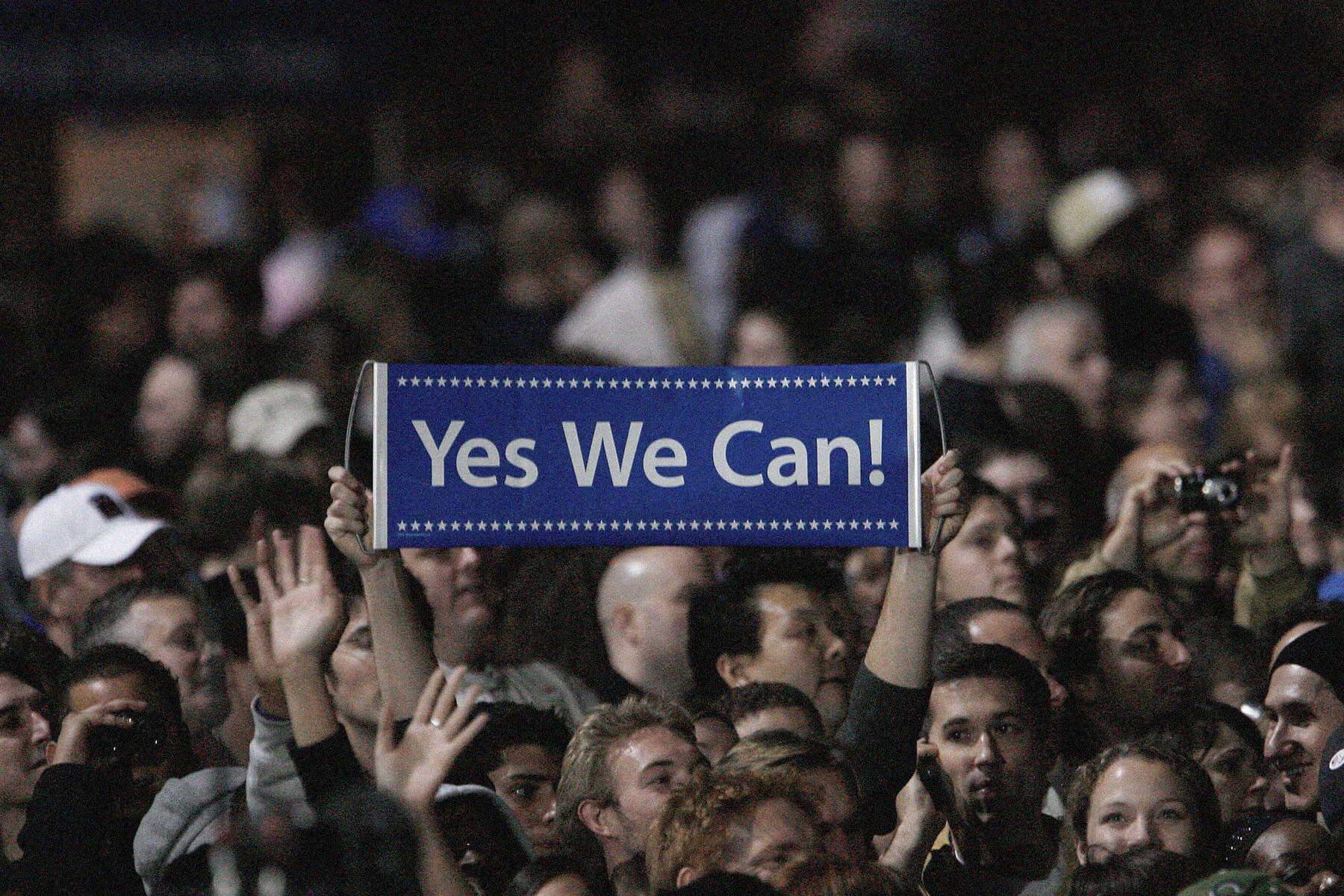
In the American political arena, presidential campaign slogans have a long and varied history. When a presidential hopeful is building their platform, they and their team choose slogans for how well they set the tone for the candidate’s agenda, message, and direction for the country. A memorable phrase can concisely convey a candidate’s vision for their presidential term as well as become a rallying cry for supporters. But crafting a winning campaign slogan isn’t just about having the catchiest saying — the right slogan can play a vital role in shaping the narrative of a campaign and influencing voter perceptions about the candidate.

A good campaign slogan can offer hope, such as Franklin D. Roosevelt’s 1932 slogan (and campaign song), “Happy Days Are Here Again,” or serve as a reminder of the prosperity enjoyed under an incumbent, such as William McKinley’s 1900 slogan, “Four More Years of the Full Dinner Pail.” On the other hand, a bad slogan, such as Democratic presidential candidate Alfred E. Smith’s 1928 slogan, “Vote for Al Smith and Make Your Wet Dreams Come True,” might cost a candidate an election as well as land on a list of the worst presidential campaign slogans ever. (Smith’s slogan was a reference to his anti-Prohibition stance that made him a “wet” candidate.) Here is a brief look at the evolution of presidential campaign slogans in the United States.

Photo credit: Universal History Archive/ Universal Images Group via Getty Images

The First Campaign Slogan

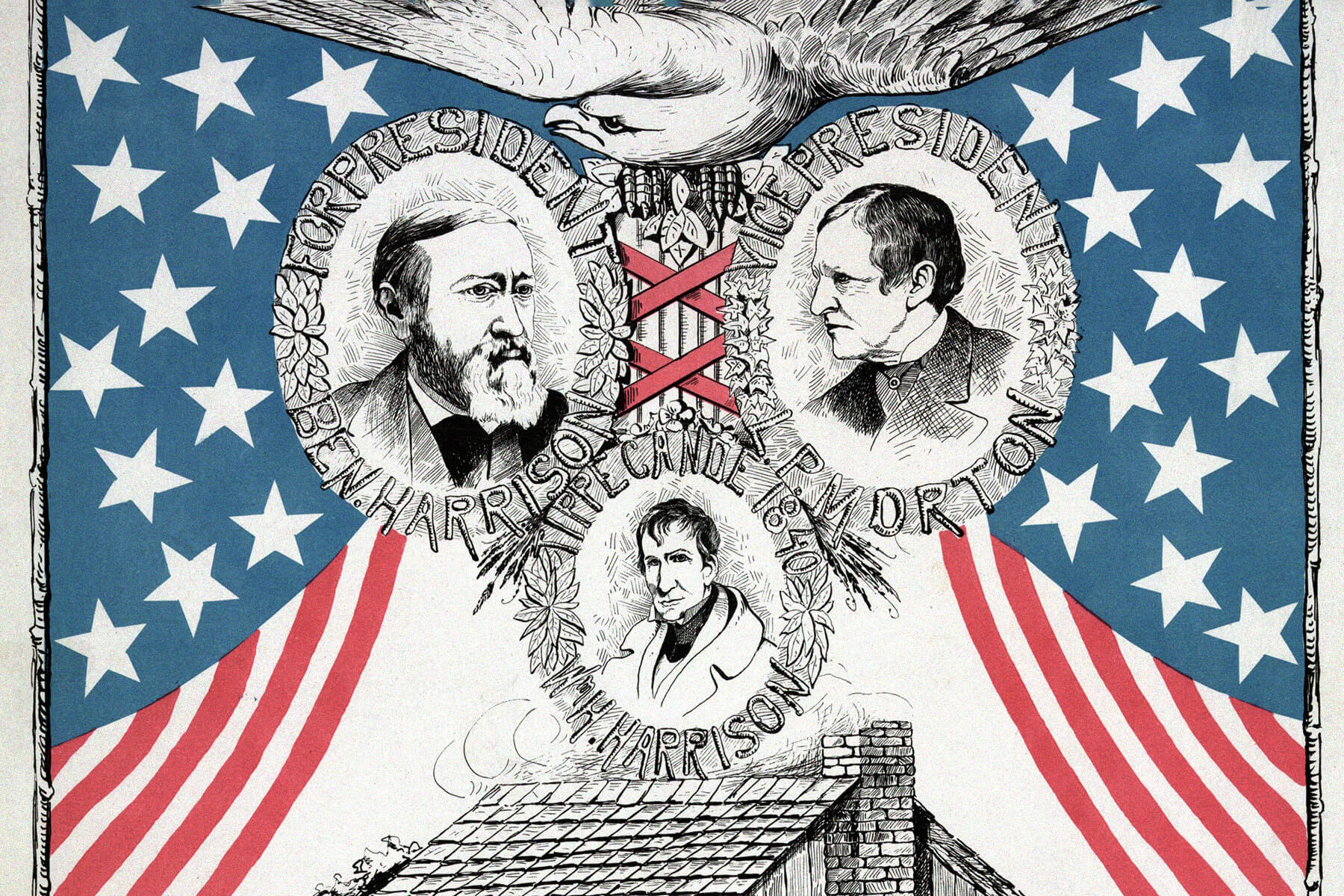
The first presidential campaign slogan is often attributed to Whig Party candidate William Henry Harrison in the election of 1840. Harrison used the catchy phrase “Tippecanoe and Tyler Too,” a reference to his military victory over Shawnee Chief Tecumseh at the 1811 Battle of Tippecanoe, as well as Harrison’s running mate, John Tyler. The rhyming refrain helped promote Harrison’s image as a war hero and a man of the people. It also contributed to his successful campaign against the incumbent President, Martin Van Buren, and played a significant role in shaping the way presidential candidates used slogans to support their platforms in future elections. Harrison’s campaign for President lasted longer than his presidency; he developed pneumonia and died in April 1841, one month into his term, becoming the first President to die in office.

Photo credit: Michael Ochs Archives via Getty Images

A Catchy Rhyme Helps Big Time

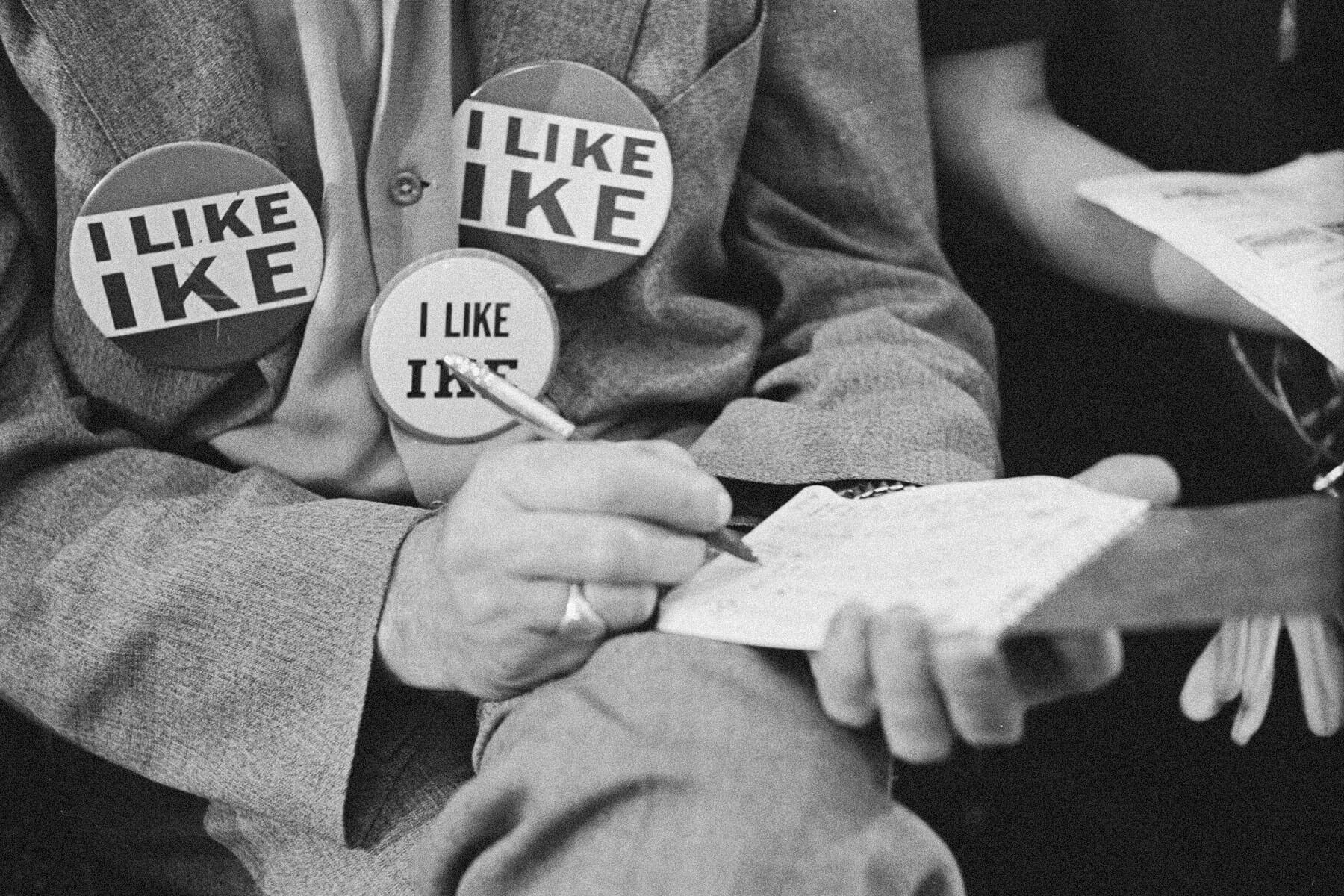
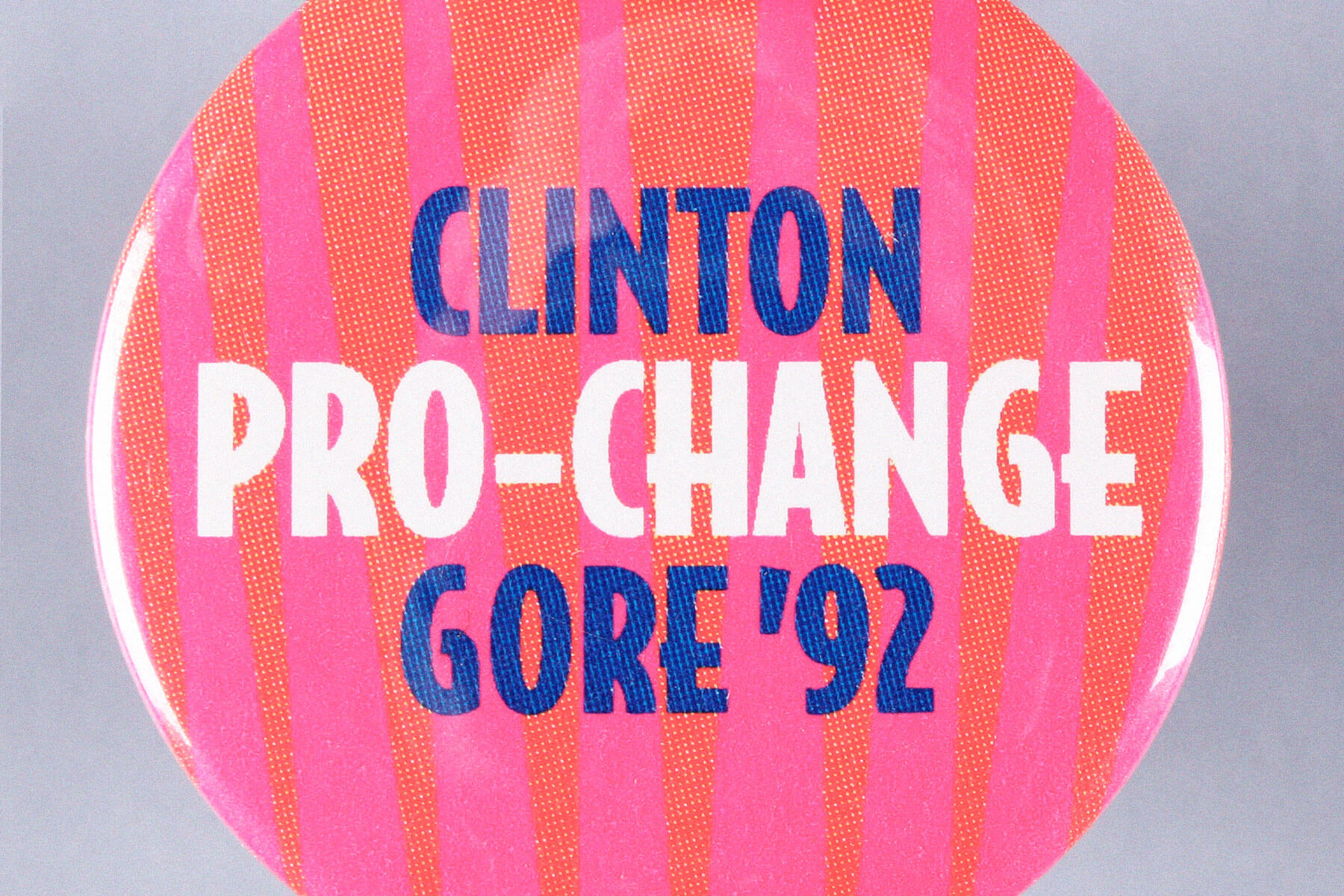
Campaign slogans need to be short and memorable, which has led to a history of using rhymes, puns, and plays on words to craft phrases that carry a strong message and are still succinct enough to fit on a button. Calvin Coolidge used a play on his name with the 1924 slogan “Keep Cool and Keep Coolidge,” while Lyndon B. Johnson’s winning campaign in 1964 created a rhyme with his initials: “All the Way With LBJ.” (Johnson was inspired by Adlai Stevenson’s catchy slogan in his 1952 failed run against Dwight D. Eisenhower, “All the Way With Adlai.”)  

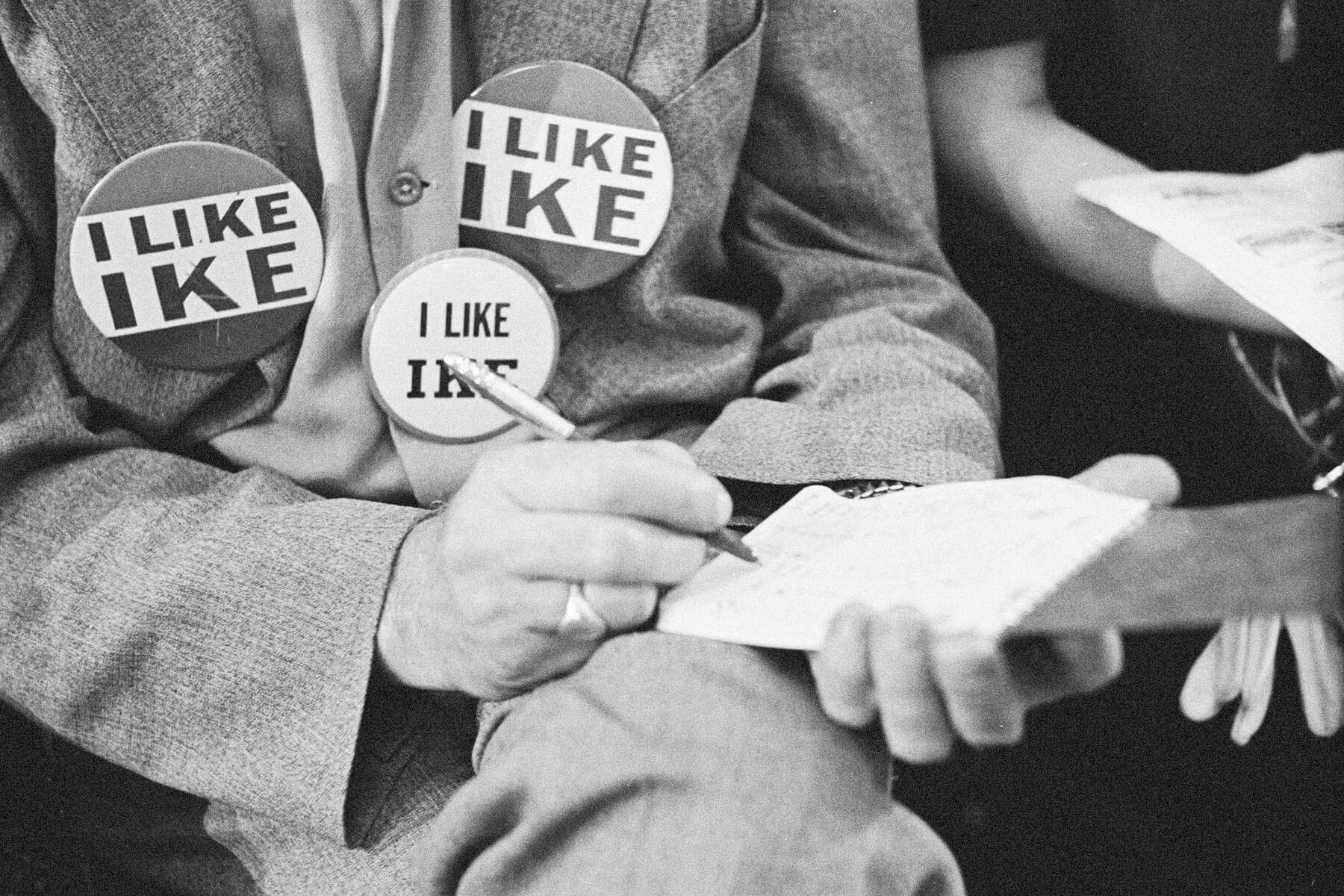
Dwight D. Eisenhower’s successful 1952 campaign, meanwhile, was notable for its own simple rhyming slogan: “I Like Ike.” The slogan appeared on a wide variety of campaign materials and was featured in one of the first televised political endorsements, which included a song written by Irving Berlin and animation by Walt Disney Studios.  The catchy jingle incorporated Eisenhower’s popular catchphrase in the lyrics: “You like Ike, I like Ike, everybody likes Ike (for President) / Hang out the banner and beat the drum / We’ll take Ike to Washington.” The slogan served Eisenhower so well in his 1952 presidential bid that his successful 1956 run featured a slightly revised version: “I Still Like Ike.”

You may also like

Did You Know These Fun Facts About the Hollywood Sign?

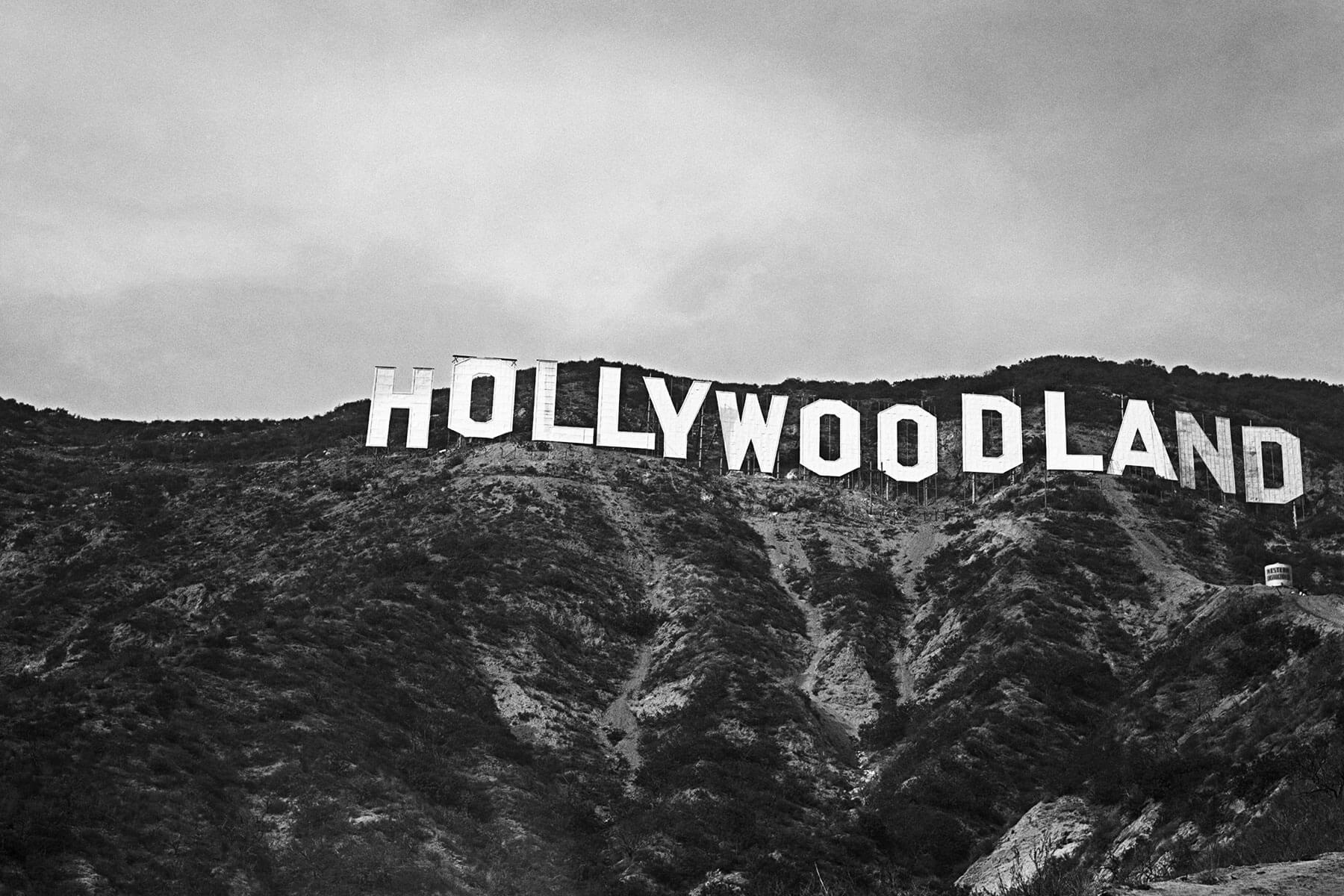
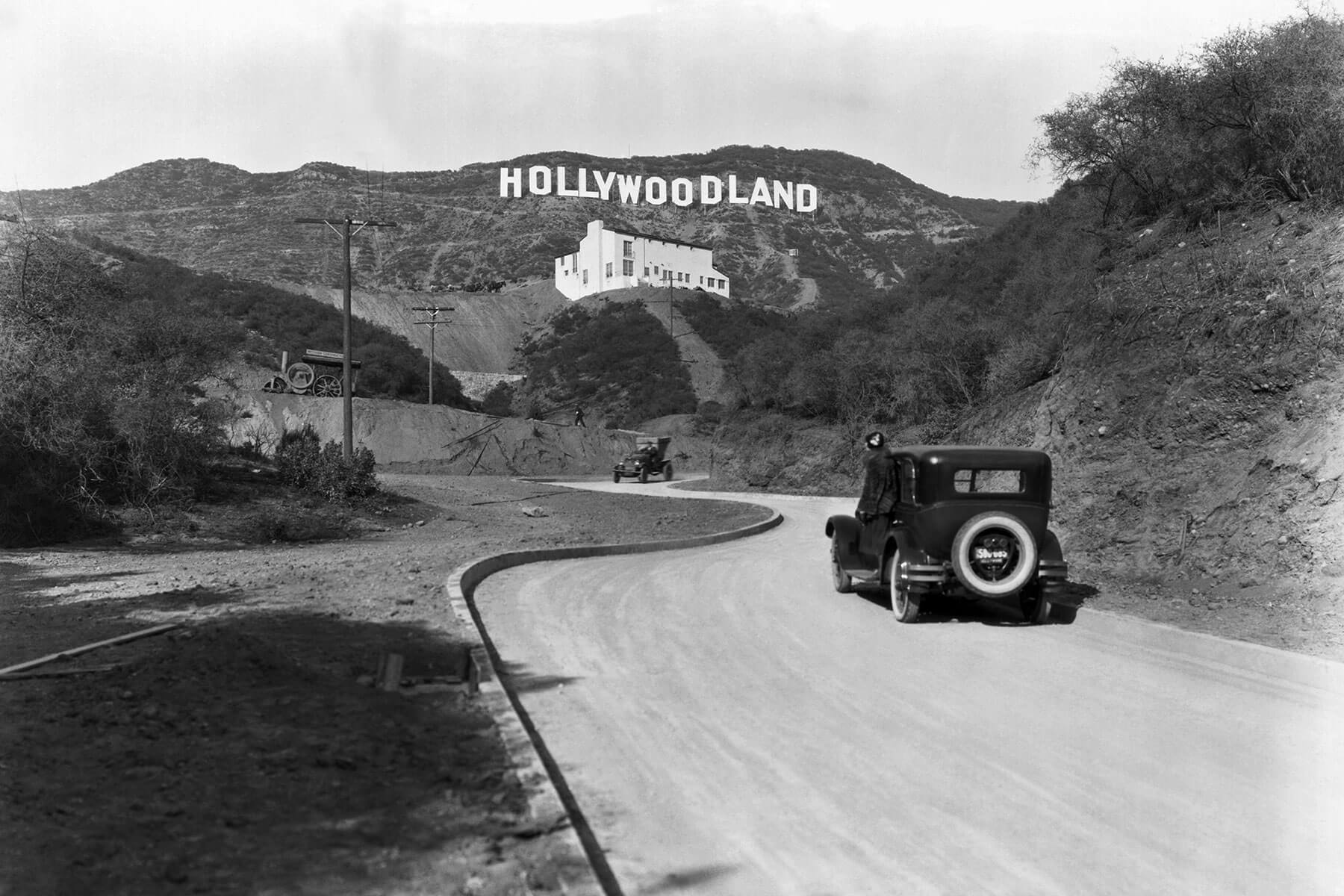
  • Hollywoodland sign
Hollywoodland sign
Underwood Archives/ Archive Photos via Getty Images
Author Kristina Wright

October 9, 2023

Love it?

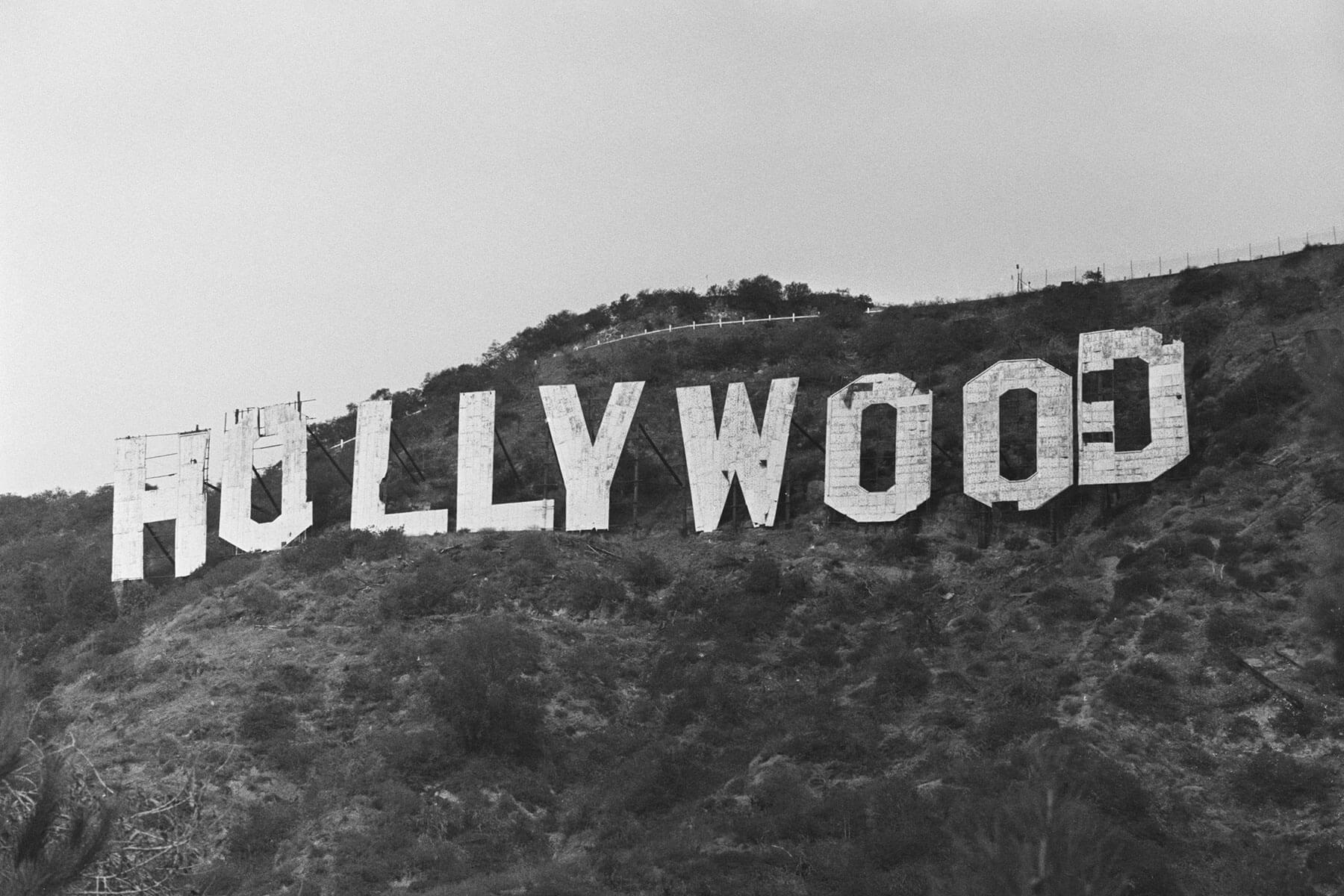
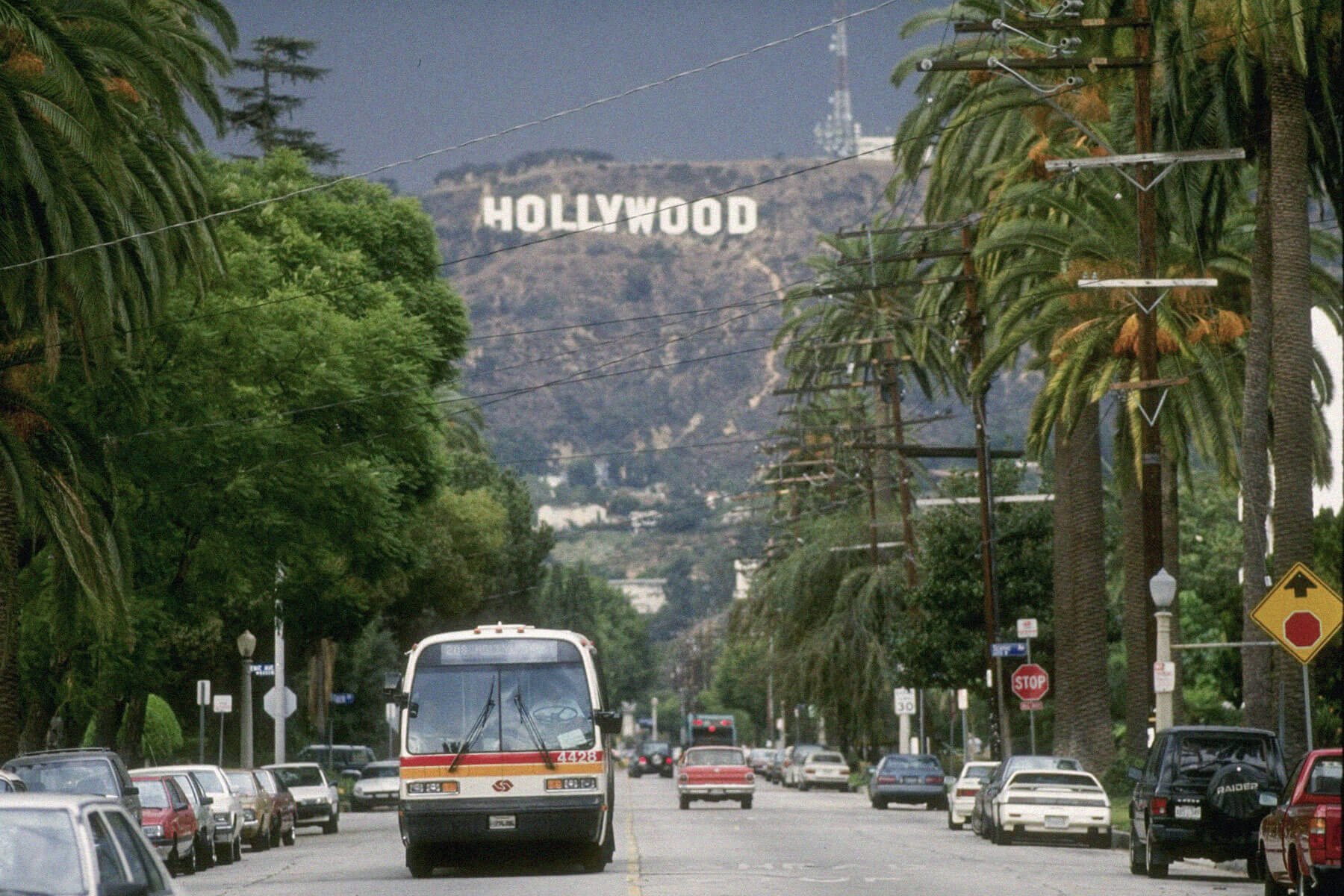
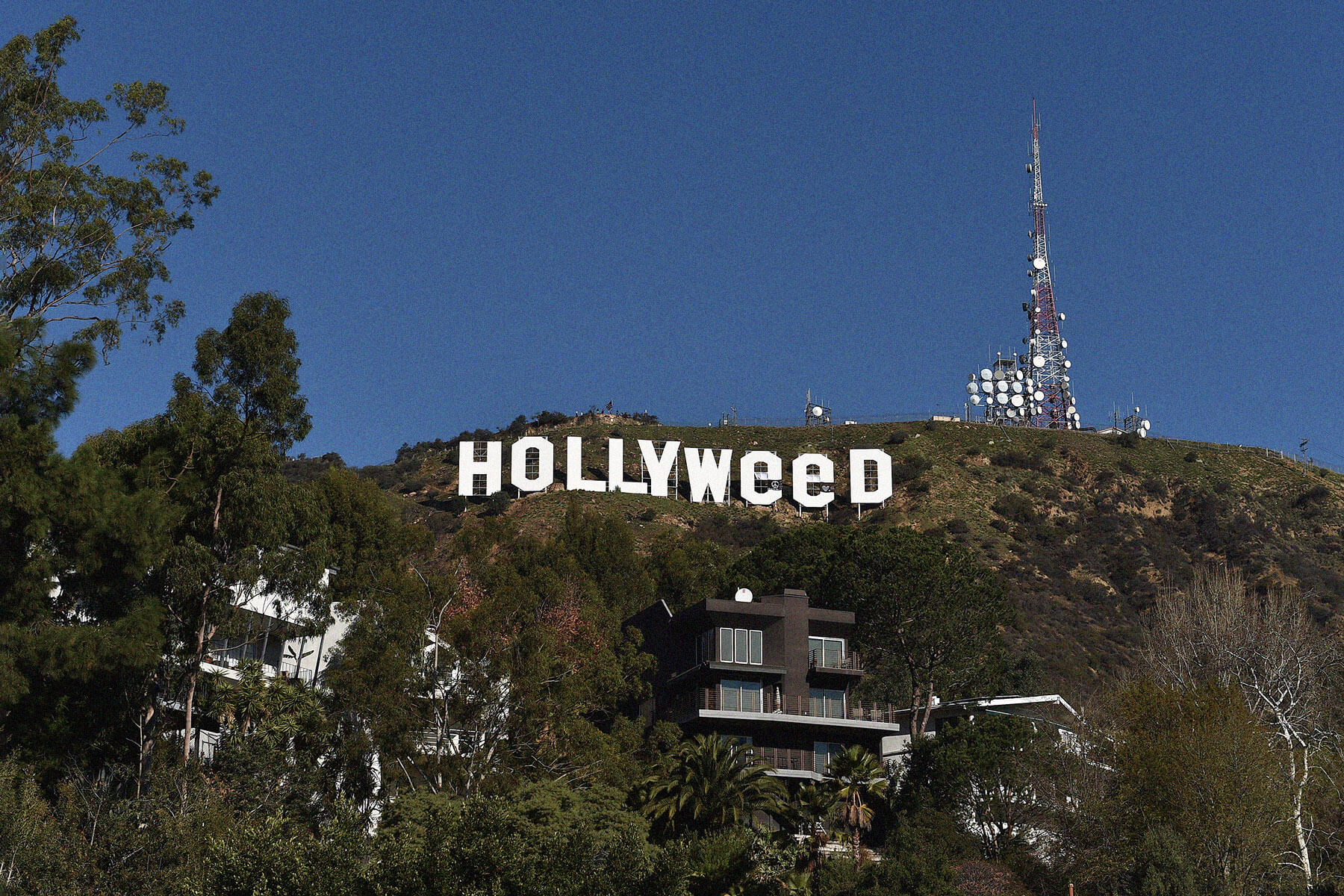
Among the most memorable U.S. landmarks is the iconic Hollywood sign that sits on the steep hillside of Mount Lee in Los Angeles, part of the Santa Monica Mountains. Over the decades, the sign has become an internationally recognized symbol of the glitz and glamour associated with the movie industry. It is a remnant of the early days of Hollywood’s golden era in the early to mid-20th century, and has been featured in countless films, television shows, and photographs. Visible for miles, the towering letters serve as a place marker for both L.A. and Hollywood, representing the hopes and dreams of all who have ventured there to pursue careers in show business. As the Hollywood sign passes the century mark looking better than ever, here are six fun facts about this beloved landmark.

Photo credit: Bettmann via Getty Images

The Hollywood Sign Started Out as a Real Estate Ad

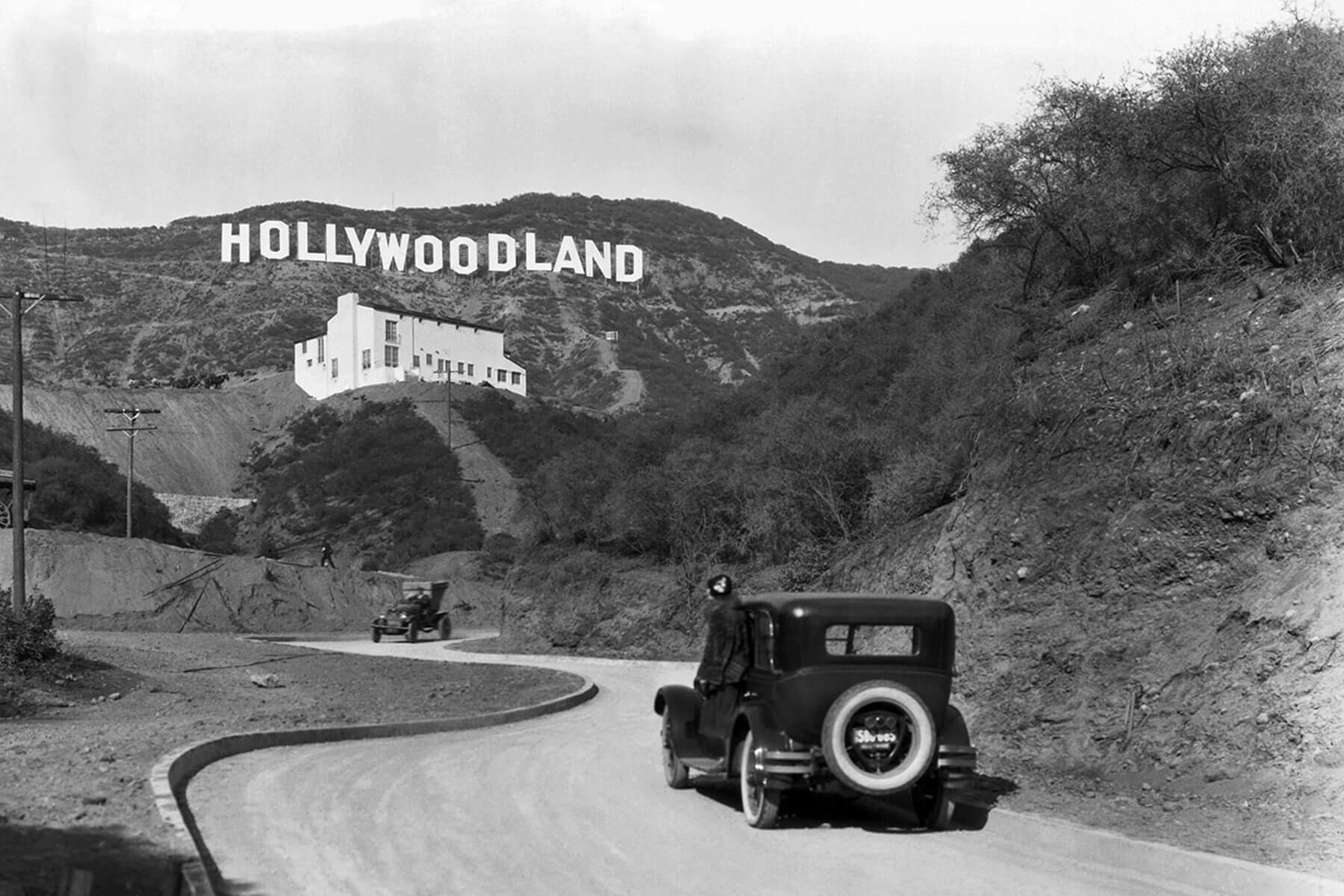
The sign that has become a symbol for the entertainment industry actually started out as a real estate billboard. In 1923, 12 years after the first Hollywood studio opened on Sunset Boulevard, Los Angeles Times publisher Harry Chandler and his real estate partners spent $21,000 (about $375,000 today) to commission an electric sign to advertise their new upscale housing development in the Hollywood Hills. The sign was constructed of metal squares connected by a frame of scaffolding, pipes, telephone poles, and wires to form 13 letters that were each approximately 30 feet wide by 43 feet tall, spelling out “Hollywoodland.” The sign was outfitted with 4,000 20-watt bulbs spaced 8 inches apart, guaranteeing it would be the brightest “star” in the night sky as it blinked: “Holly,” “wood,” “land,” and finally, “Hollywoodland.”

Photo credit: Underwood Archives/ Archive Photos via Getty Images

There Used to Be a White Dot Under the Sign

In 1924, a large, white dot, 35 feet in diameter and ringed with lights, was added under the “Hollywoodland” sign. It was an eye-catching addition to an already famous sign, but it also served as a political statement, reflecting the “good business conditions” of Los Angeles, a status that was noted with a white dot on a grayscale map produced by the U.S. Chamber of Commerce. Chandler began referring to Los Angeles as a “White Spot of America,” boasting that it was without crime, communism, and corruption. Thus, the white dot was added to the “Hollywoodland” sign, and the tagline “Keep the White Spot White” was used to promote investments in the area. The slogan had other connotations, as well, particularly in a city that was both anti-union and racially segregated at the time.

You may also like