A Brief and Intoxicating History of the Cocktail
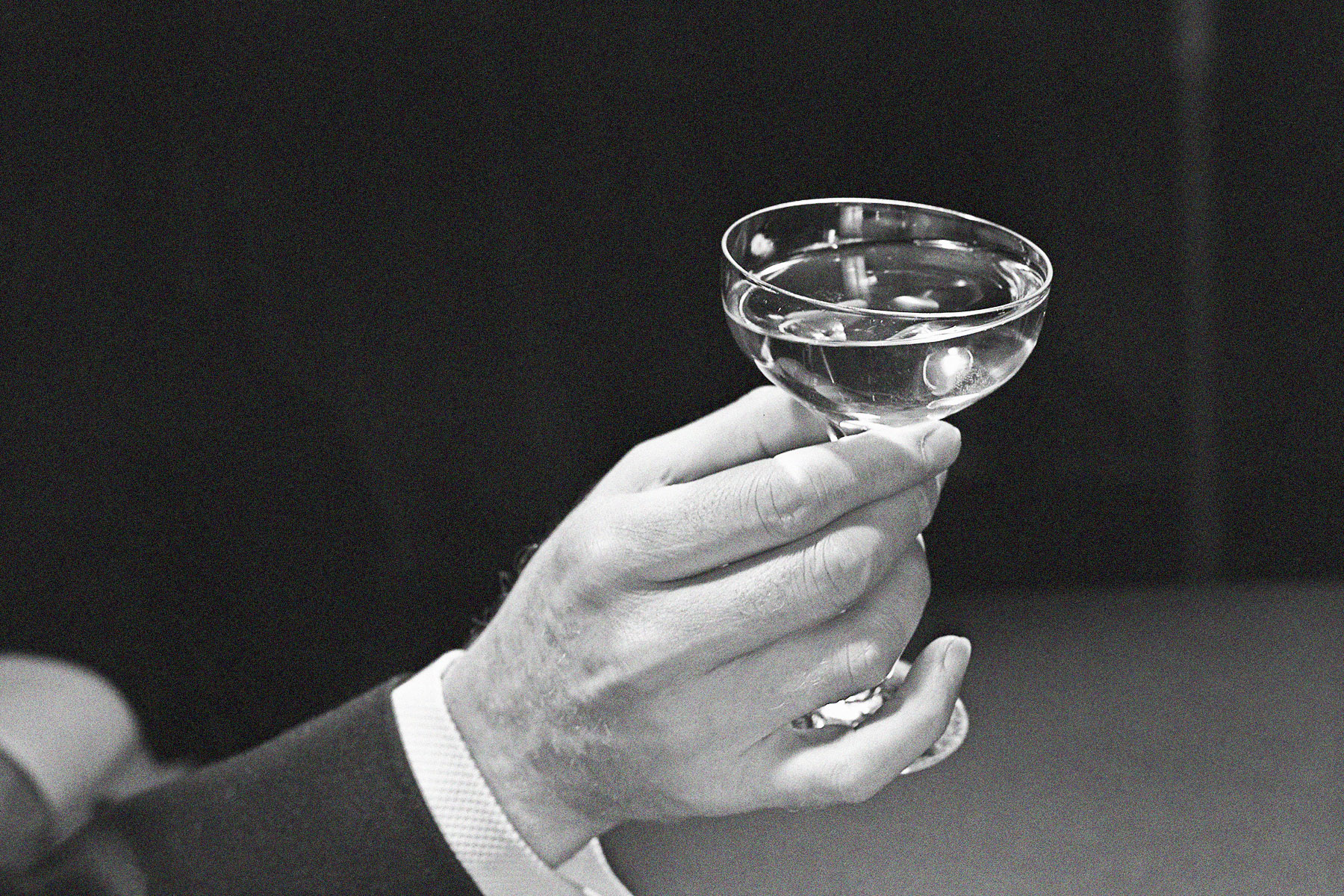
  • Person raising a glass
Person raising a glass
H. Armstrong Roberts/ Retrofile via Getty Images
Author Kristina Wright

August 2, 2023

Love it?

A cocktail is an alcoholic drink that combines one or more spirits with other ingredients, such as bitters, juices, syrups, or tonic water. Depending on the ingredients, the flavor profile of a cocktail can be sweet, sour, bitter, spicy, or even salty. There is a mind-boggling array of ingredient combinations and names, and the libations can be served over ice, at room temperature, or on fire. Concocting one can be as simple as blending gin and tonic water over ice and adding a wedge of lime, or it can be a splashier, more involved affair, such as the Long Island iced tea.

The creation of the cocktail was inspired by punches that combined spirits, fruit juices, and spices in large bowls. Historians suspect these punches originated in the early 17th century with British sailors, who would use local ingredients from India or Indonesia to create their own alcoholic beverages. While beer would spoil during a long voyage, the addition of sugar and citrus to spirits would help preserve the punch.

In a world once dominated by beer and wine, these diverse and flavorful punches were a novelty, and the trend took off. Mixed drinks began as a way to serve a crowd of sailors or aristocrats, and evolved into individual concoctions that played with different combinations of ingredients. Today, the cocktail’s nearly infinite varieties make it the chameleon of alcoholic beverages, limited only by imagination and the ingredients on hand. The art and science of drink-making continues to be driven by innovative mixologists who create new recipes and put their personal stamp on traditional drinks that date back centuries.
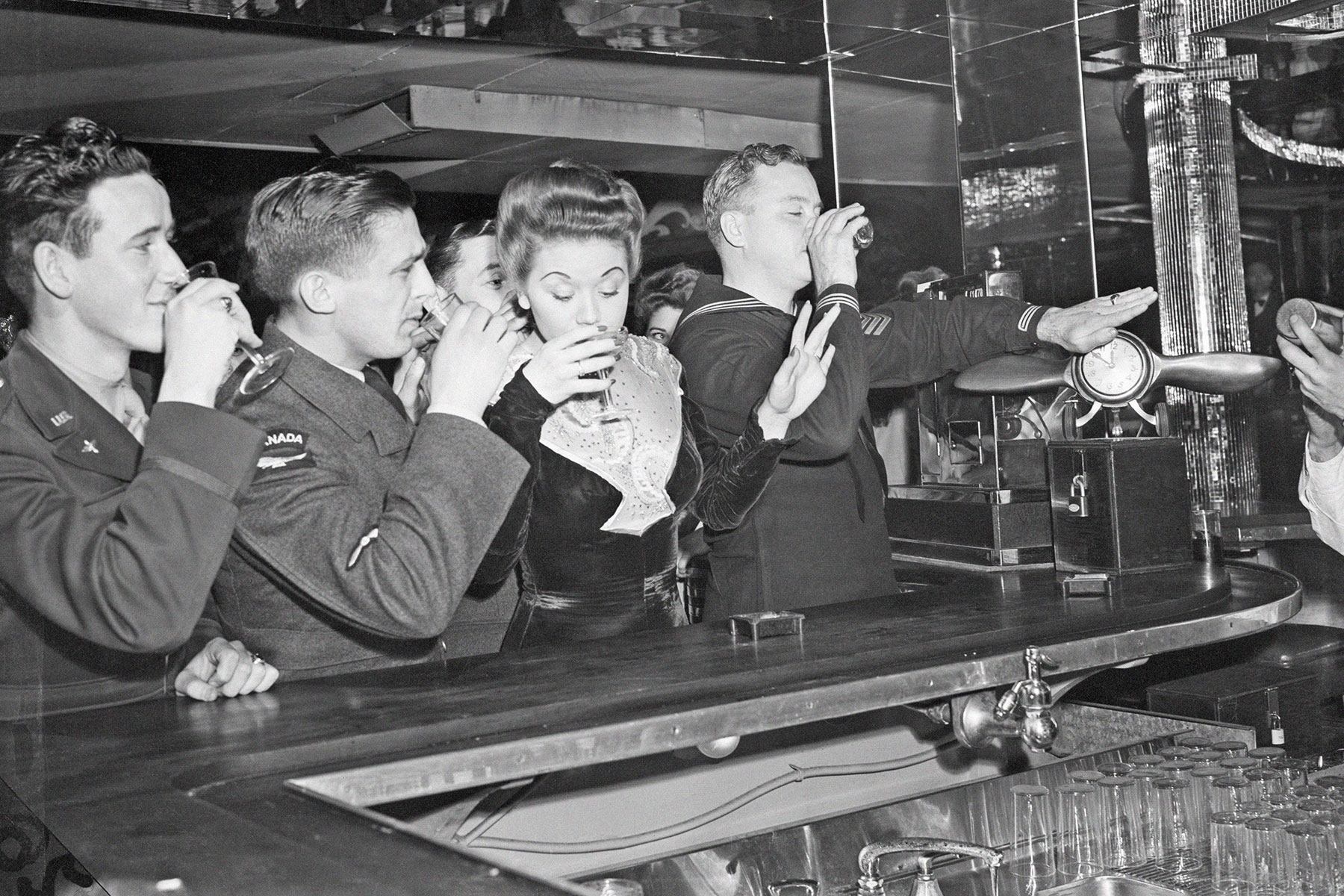
Photo credit: Bettmann via Getty Images

What Makes a Cocktail a Cocktail?

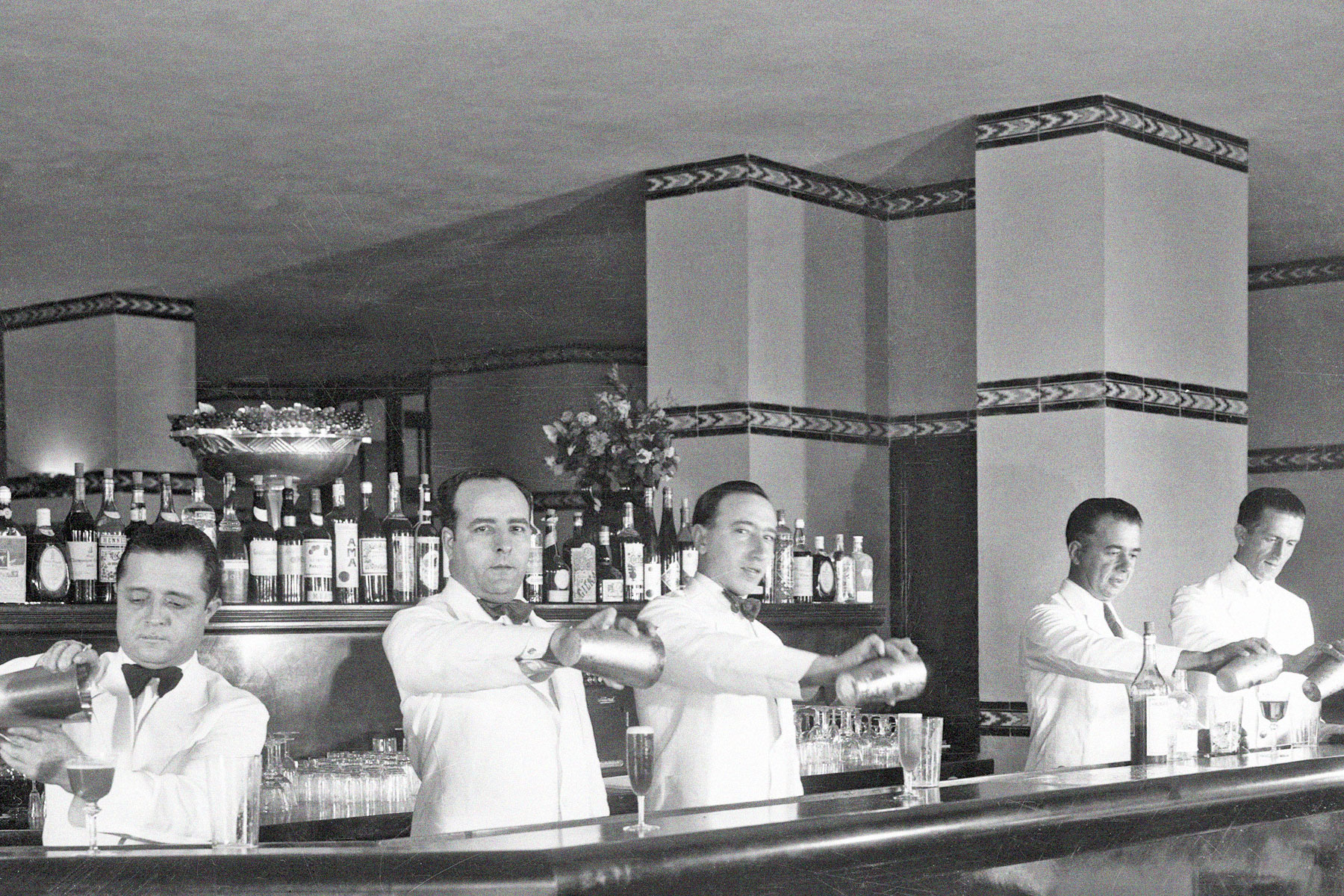
The word “cocktail” was first used to describe a mixed drink in 1803. It appeared in a U.S. newspaper called The Farmer’s Cabinet, though the article didn’t include a definition of what constituted such a drink. The earliest definition of “cock tail” appeared in the May 13, 1806 issue of The Balance and Columbian Repository, which offered this description: “a stimulating liquor, composed of spirits of any kind, sugar, water, and bitters.” The term gradually came to reference any kind of alcoholic mixed drink, and sometimes the word “cocktail” included a modifier — for example, “gin cocktail” — to specify a drink’s primary ingredient. That said, the mixing of ingredients traditionally associated with a cocktail predates the use of the word. In the 18th century, drinks combining a spirit, sweetener, water, and bitters were known to be imbibed, and bitters were often sipped for medicinal purposes.
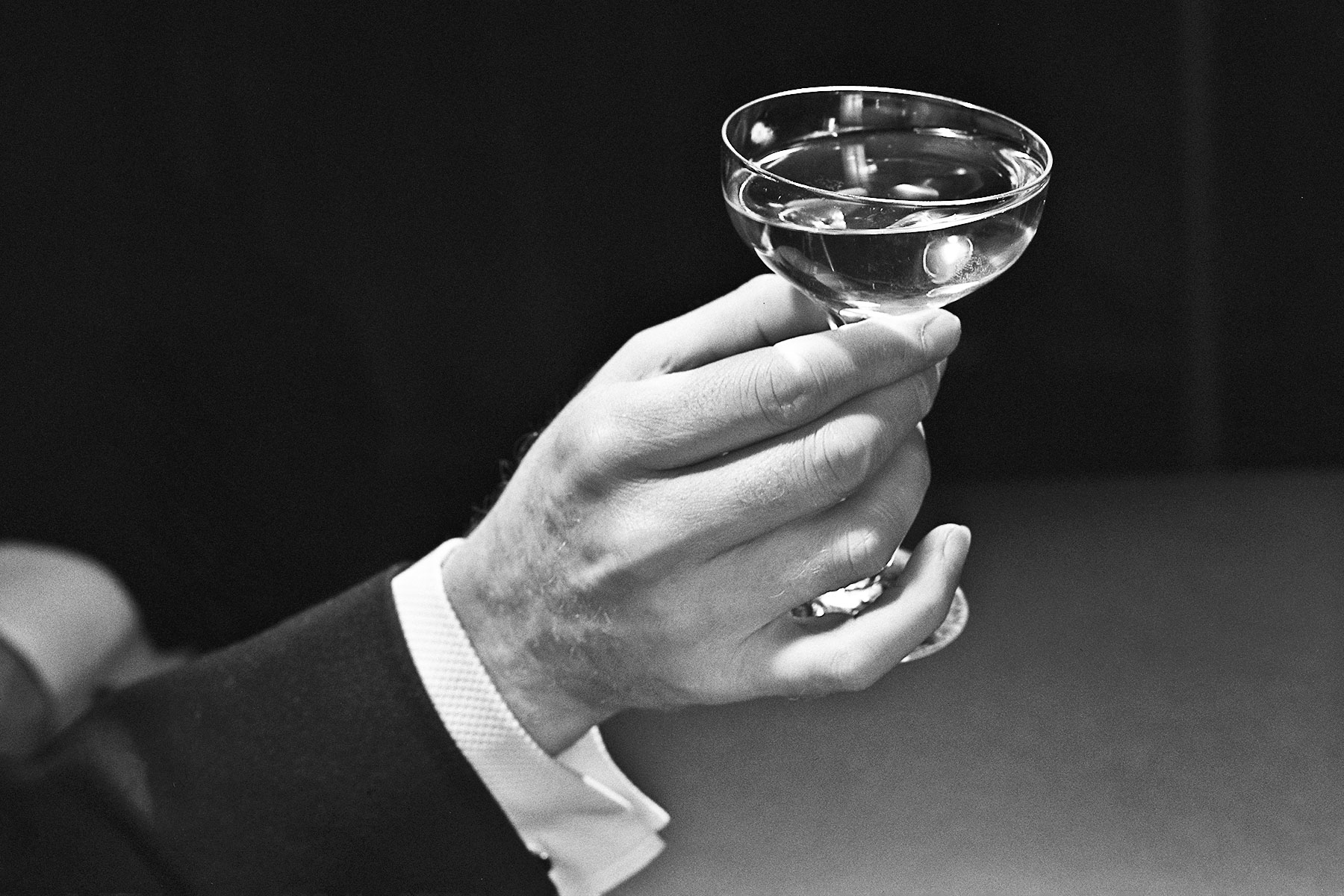
Photo credit: H. Armstrong Roberts/ Retrofile via Getty Images

Let’s Talk About That Name, Though

The origin of the word “cocktail” is as muddled as a mojito. One possible explanation links the word for a mixed drink to a British reference about “cock-tailed” horses — that is, a horse whose tail has been docked or clipped to signify it was of mixed breed. Other theories include a mispronunciation of the French word for egg cup, “coquetier,” which was used as a drinking vessel by the New Orleans apothecary who created the famous Peychaud’s bitters. Some say the name comes from mixing the dregs of spirit barrels, known as “tailings,” and selling them at a low price. Yet another theory posits the name came from a horse breeder’s practice of inserting spices, specifically ginger, into the rear end of a horse in order to make the animal appear more energetic. However it came about, a cocktail by any other name would still taste delicious.

You may also like
Little-Known Facts About the Korean War

  • Men of the Korean War
Men of the Korean War
Keystone/ Hulton Archive via Getty Images
Author Adam Levine

August 2, 2023

Love it?

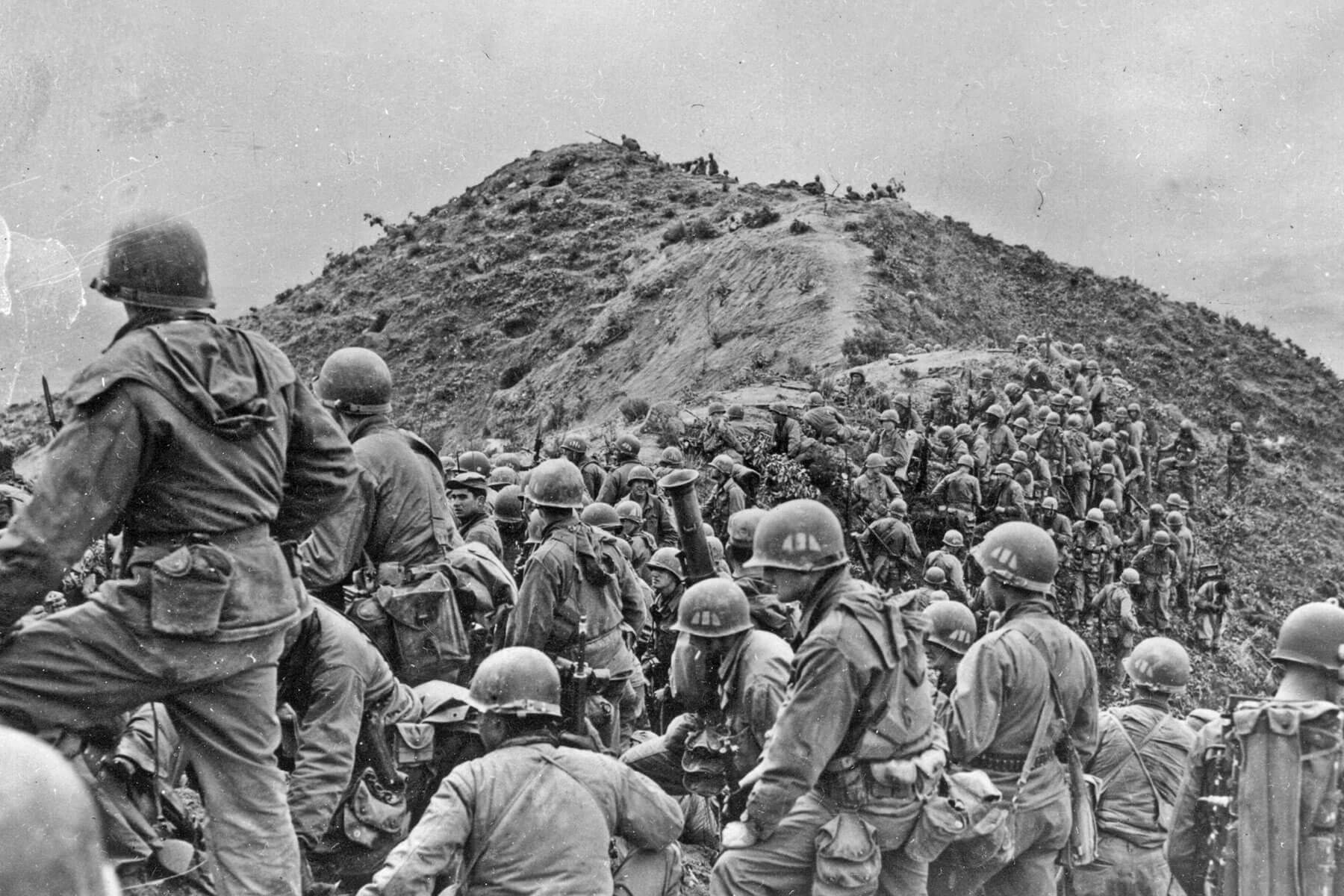
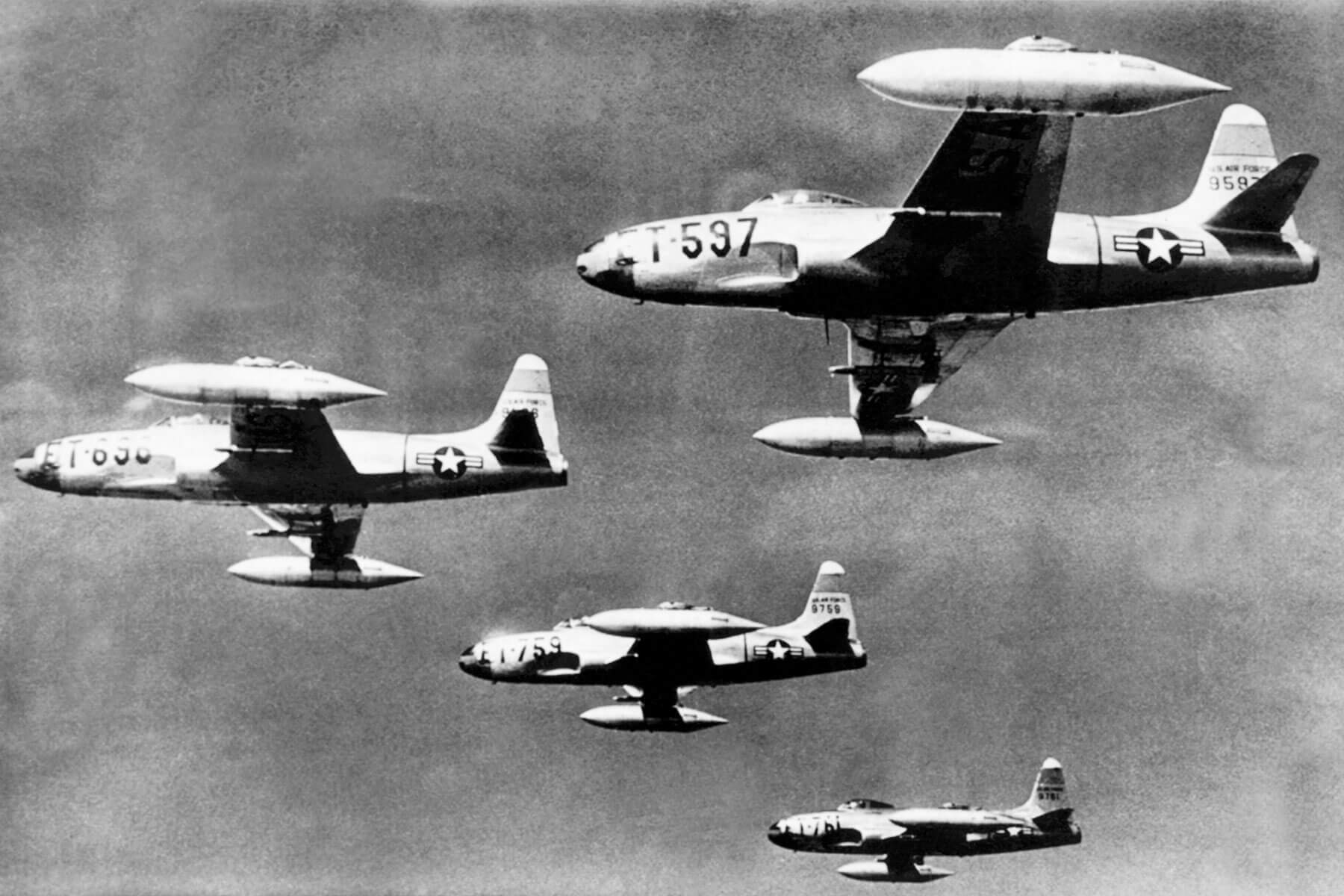
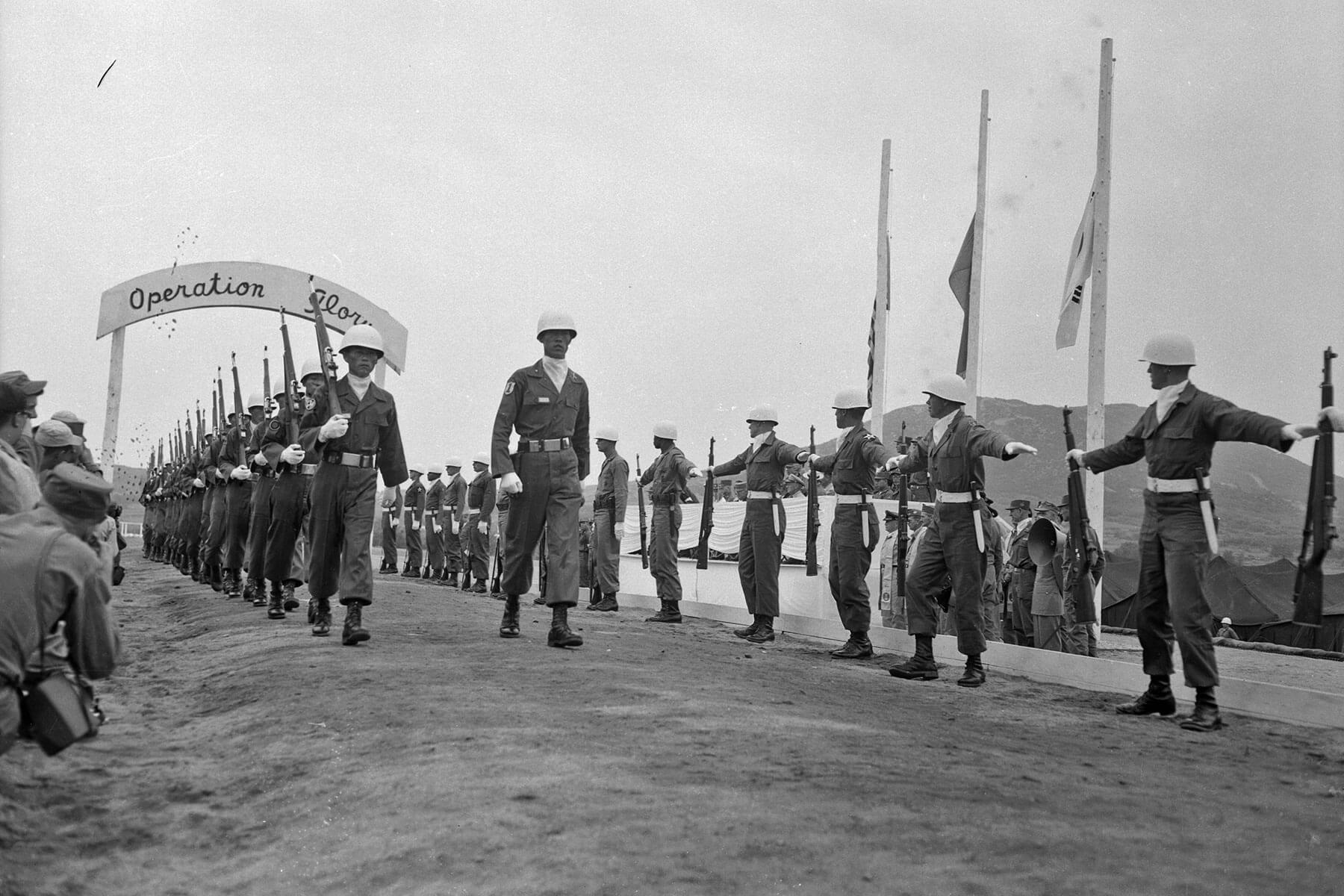
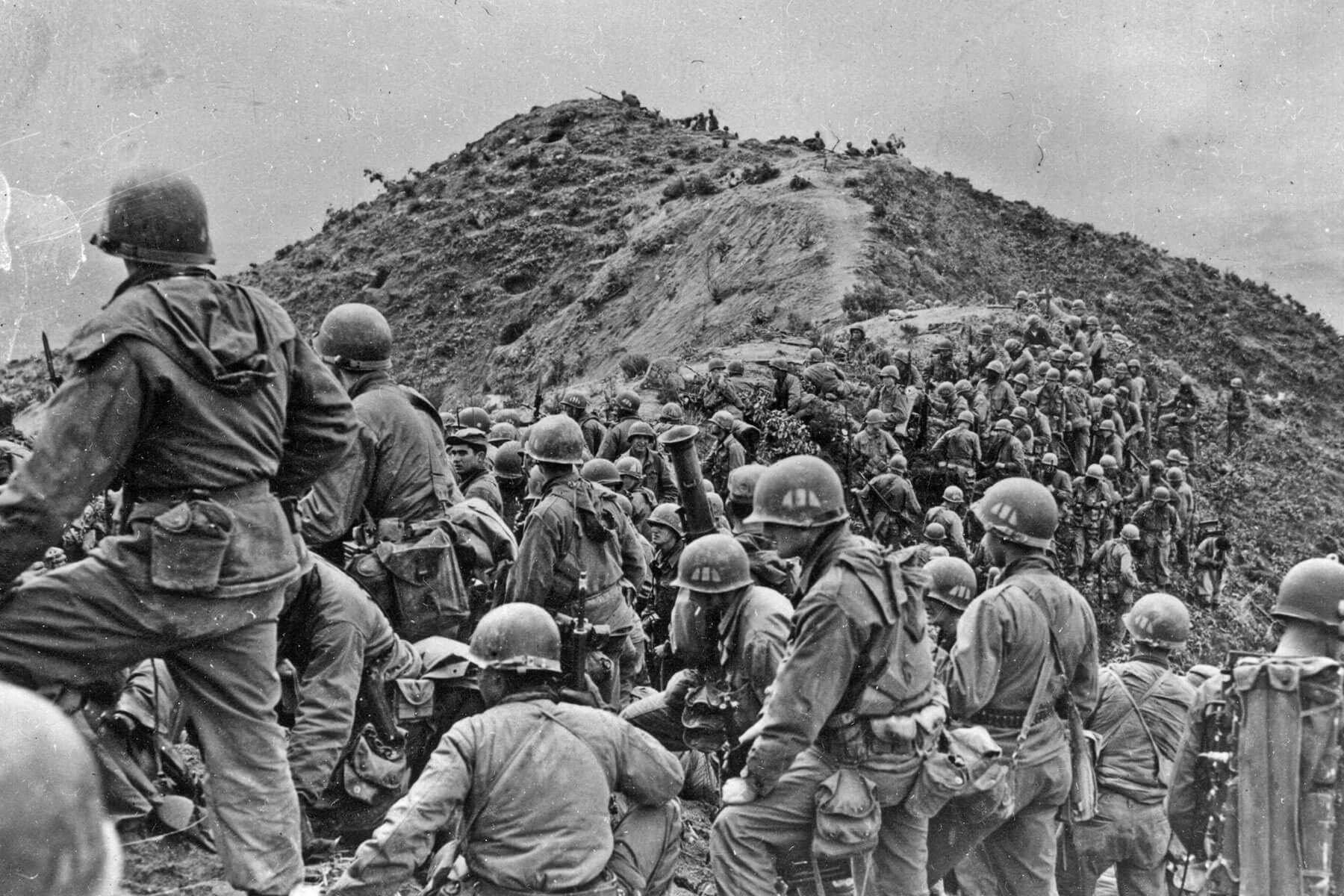
In the United States, the Korean War (1950-1953) is sometimes referred to as the “Forgotten War.” It started shortly after World War II and ended just before the Vietnam War, yet received a small amount of press coverage in the U.S. compared to either of those conflicts, and continues to receive relatively little attention to this day. Yet the Korean War was one of the most significant wars of the 20th century. It permanently altered the geopolitical landscape of Asia, set the stage for future Cold War conflicts such as the Vietnam War, and heightened tensions between the United States and Soviet Union that lasted for decades. As the first “hot” conflict of the Cold War, it pitted South Korea, backed by the U.S. and a coalition of capitalist nations, against communist North Korea, backed by China and the Soviet Union. For a more complete picture of this pivotal moment in world history, here are six facts about the Korean War.

Photo credit: Interim Archives/ Archive Photos via Getty Images

The Boundary Between North and South Korea Was Created From a National Geographic Map

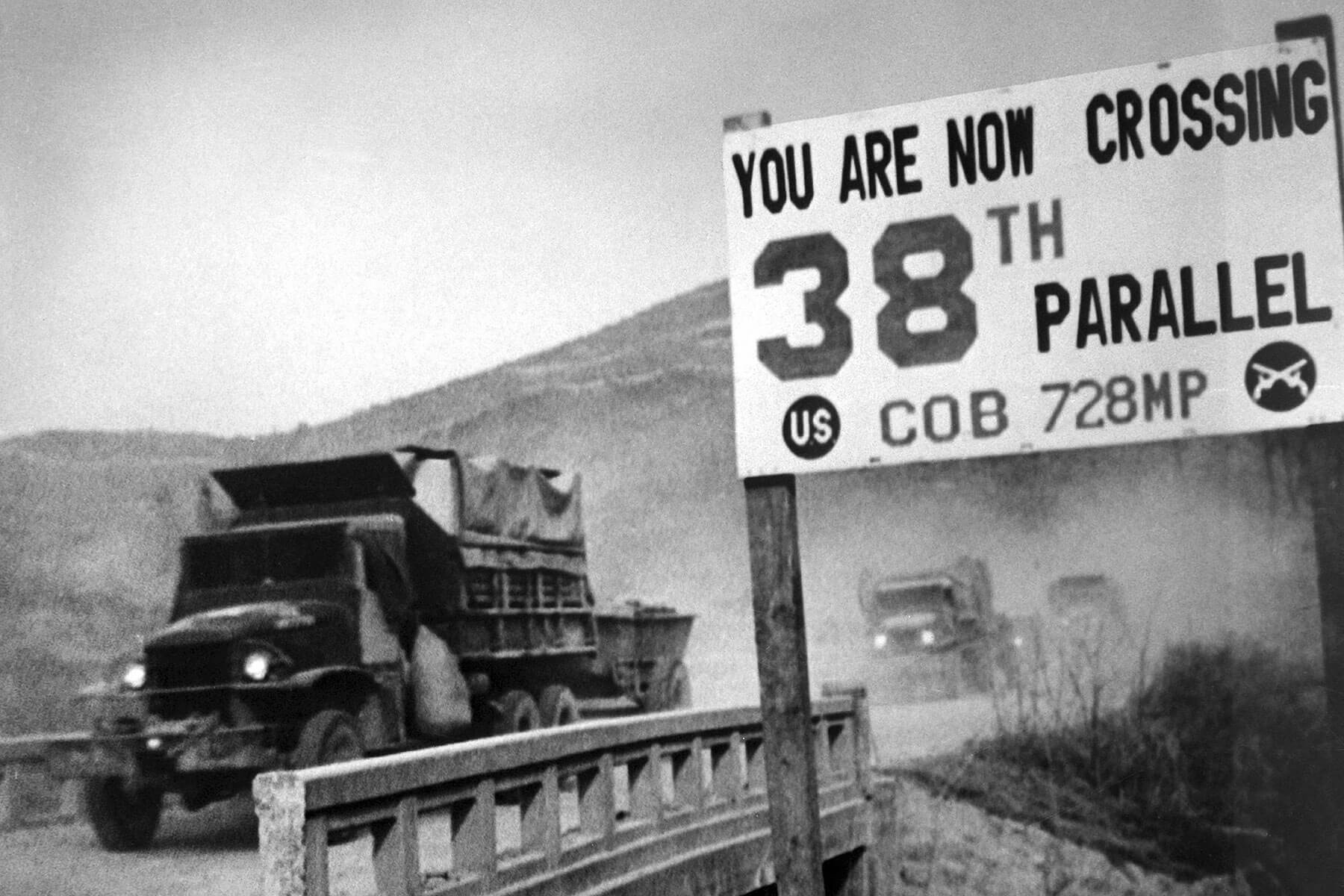
While many borders are drawn with great deliberation and diplomatic care, this cannot be said about the boundary between North and South Korea. The division of the Korean Peninsula occurred in 1945 in the final months of World War II, when the United States and Soviet Union agreed to divide Korea in half, with the U.S. controlling the south and the Soviet Union controlling the north. The decision on where to place the dividing line fell to two young U.S. Army officers, who were told that time was of the essence. In a rush, they used a map of Korea they found a National Geographic map, and chose the 38th parallel as the midway boundary. The rushed decision was made in roughly 30 minutes, with no consideration given to the real-life geography of Korea or the lives of the people who lived there. As a result, the dividing line cut roads and railway lines in half, and arbitrarily sorted the Korean people onto two different sides of the escalating Cold War. The haphazard division of the Korean Peninsula was a prelude to the conflict that soon followed, when North Korean soldiers crossed the 38th parallel in 1950, marking the start of the Korean War.

Photo credit: Bettmann via Getty Images

President Truman Mobilized Troops Without Congressional Approval

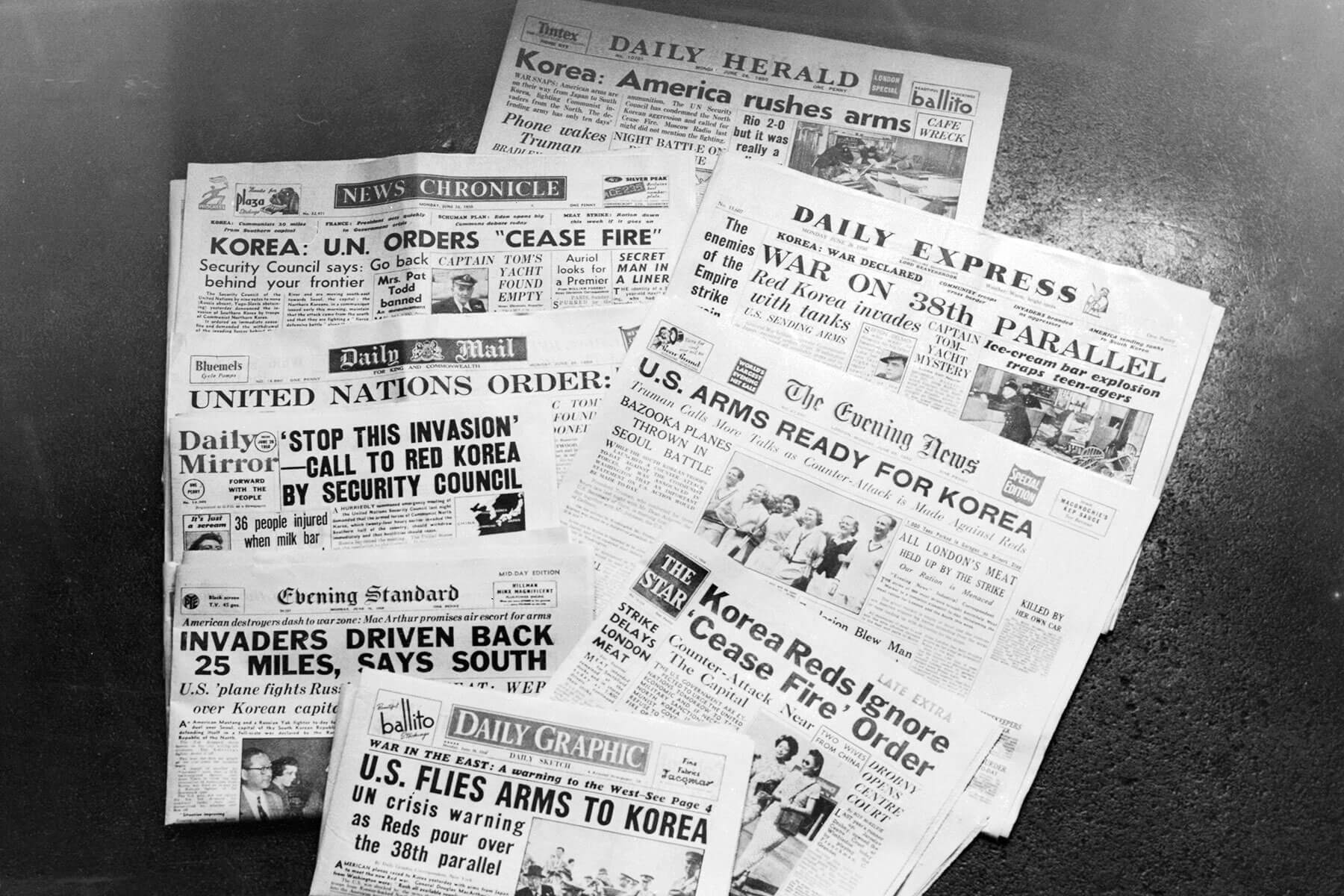
When the North Korean military invaded South Korea in 1950, U.S. President Harry S. Truman felt he needed to deploy American troops to curtail the spread of communism in the region, hoping to quell criticism at home that he was “soft on communism.” While the U.S. Constitution states that the President must receive approval from Congress before declaring war, Truman circumvented this obstacle by classifying the U.S. military presence in Korea as a “police action” to keep the peace in the region, instead of officially referring to it as a war. This made the Korean War the first time a U.S. President had unilaterally instigated military hostilities without congressional approval.

You may also like

20th-Century Inventions That Changed the World

  • Glider being launched
Glider being launched
Science & Society Picture Library via Getty Images
Author Adam Levine

August 2, 2023

Love it?

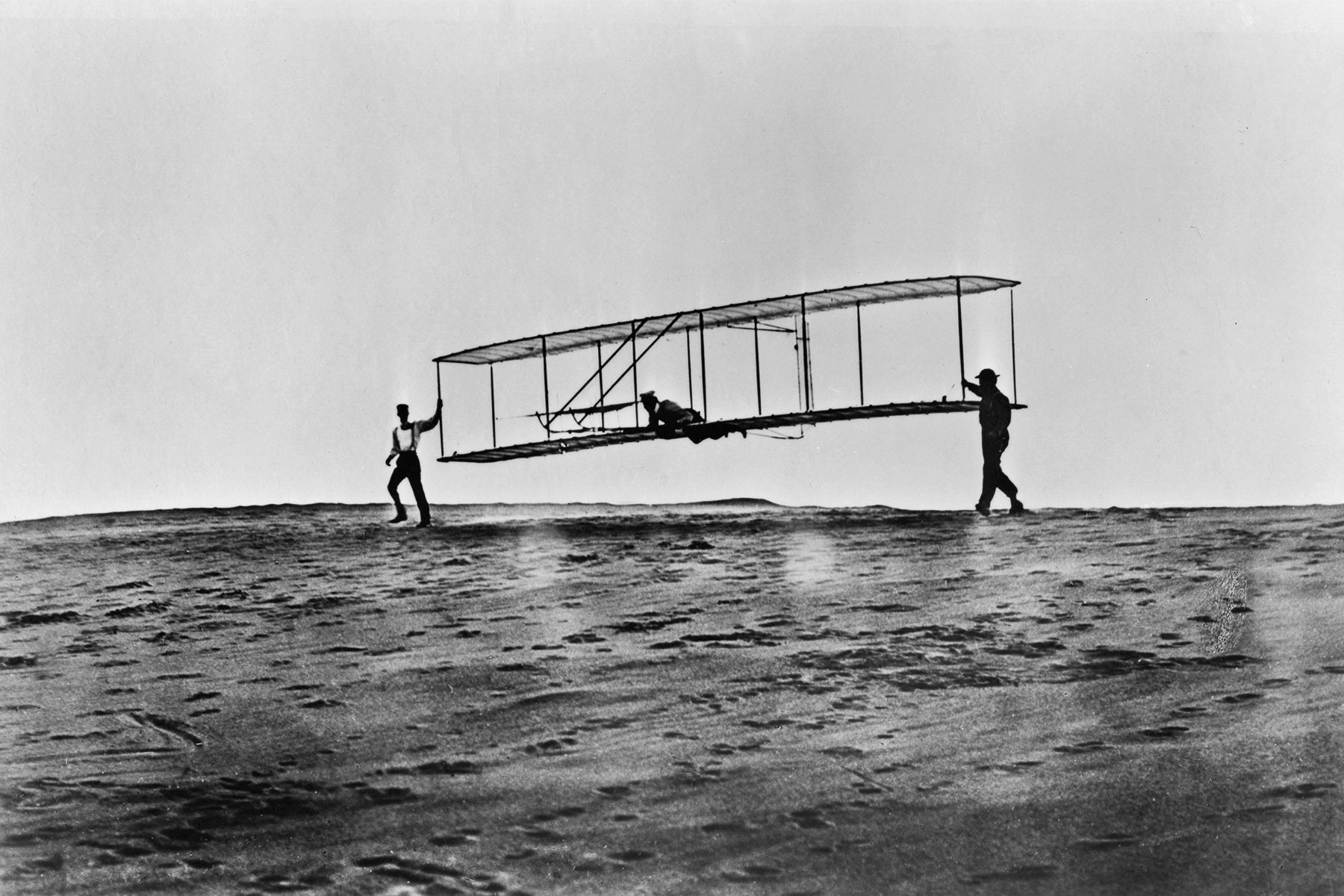
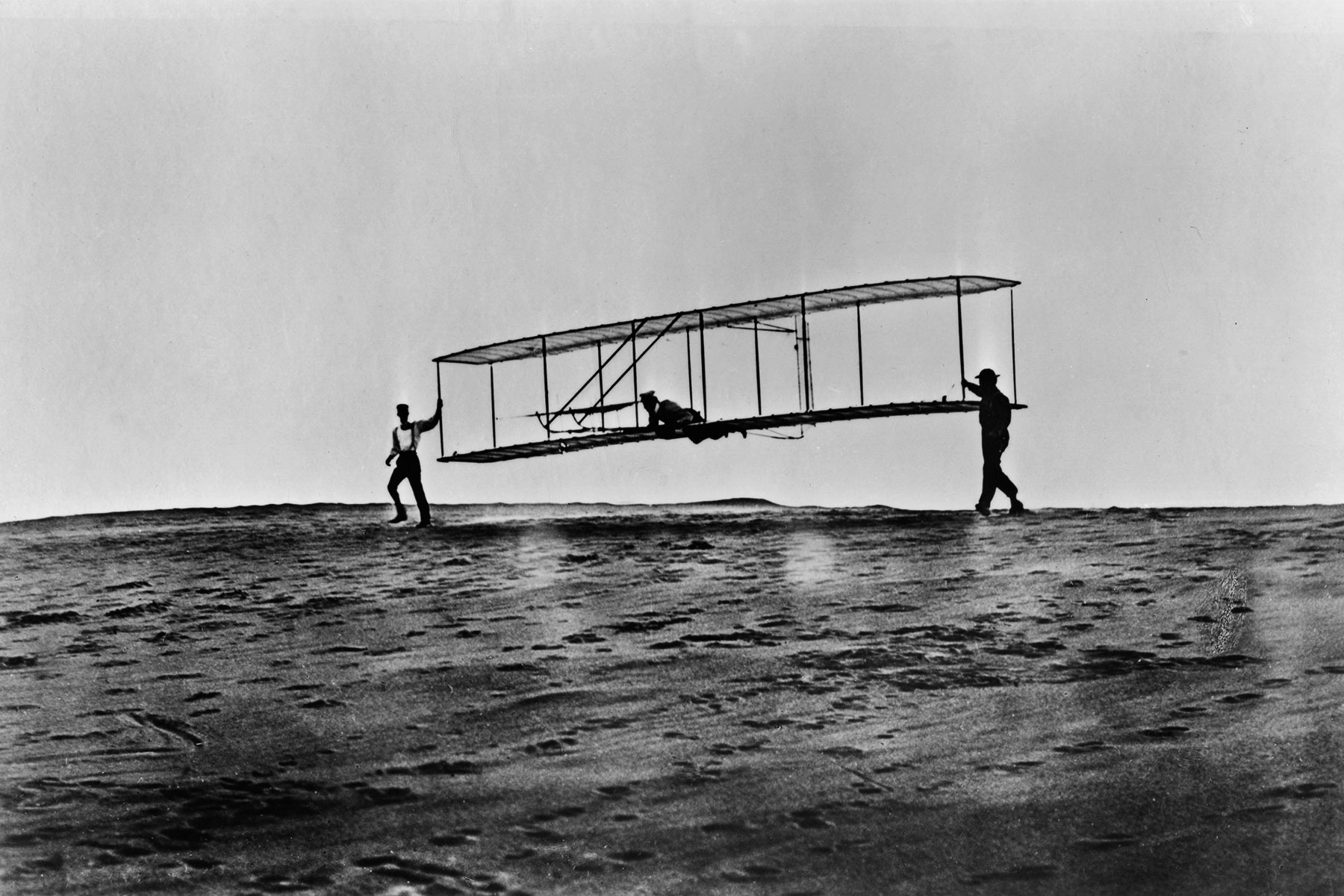
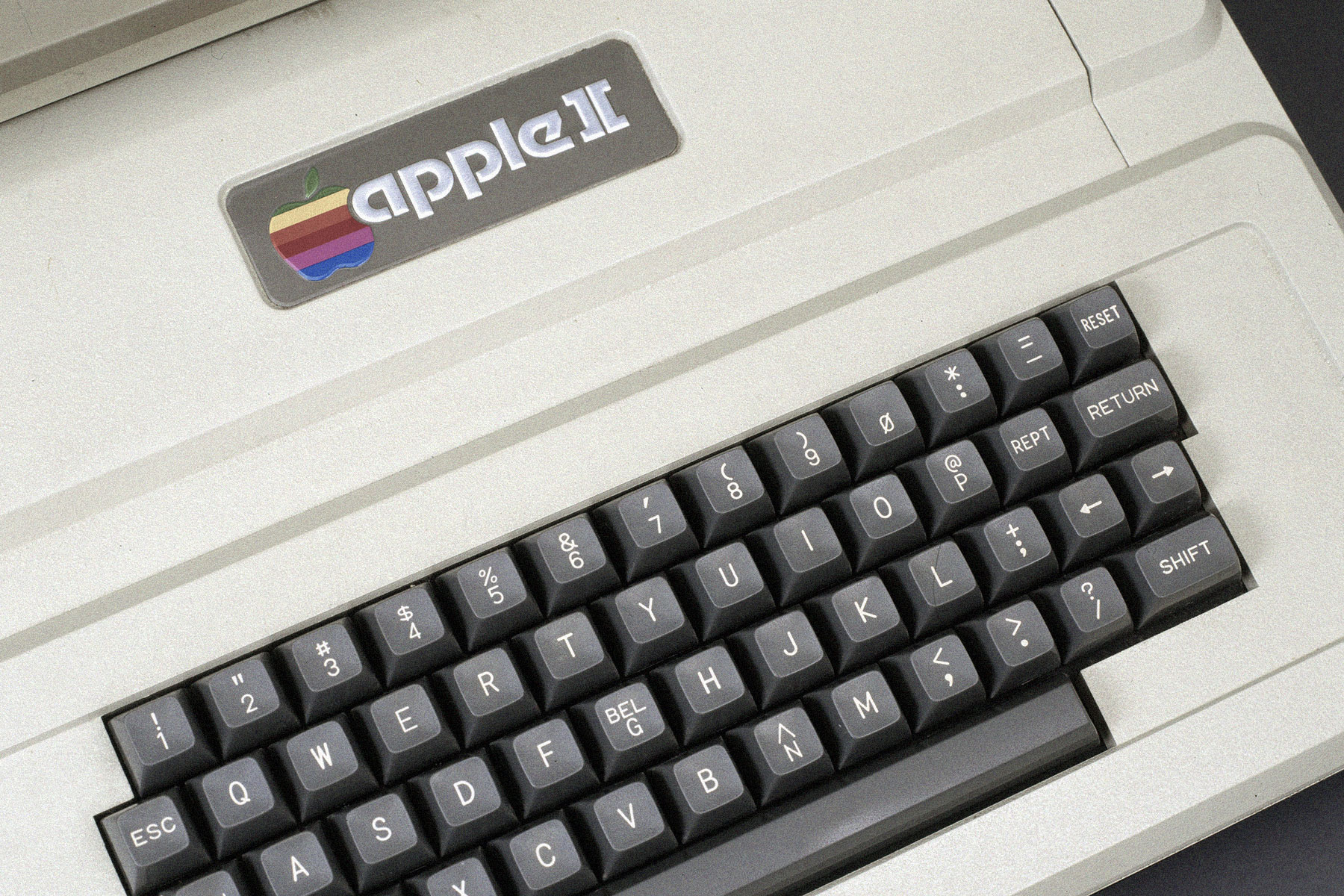
In many ways, the 20th century was defined by groundbreaking scientific discoveries and revolutionary new technologies. When the century began, the industrialized world was still using the steam engine, and as it came to a close, the digital age had ushered in transformational new inventions. From the airplane and the era of high-speed travel to the personal computer and our modern information age, the innovations of this era fundamentally changed the fabric of people’s everyday lives. Here are five transformative inventions from the 20th century.

Photo credit: Hulton Deutsch/ Corbis Historical via Getty Images

The Electric Refrigerator

Today the electric refrigerator is so commonplace, you would barely give it a second thought, but when it was first invented, this humble appliance completely changed the way people lived. The first electric fridge designed for home use was patented in 1913 by an American engineer named Fred Wolf, and by the 1960s the technology had advanced enough for fridges to become a fixture in most U.S. homes. The new kitchen staple transformed nearly every aspect of the way Americans bought, stored, and shipped food. Before the fridge, if you didn’t live near the source of certain perishable foods, it often meant you simply couldn’t get them. Refrigeration made it possible to ship fresh food over long distances without spoilage. It also meant that people could store certain foods year-round without resorting to time-consuming, taste-altering preservation processes such as drying or pickling. Today, electric refrigerators can be found in 99.5% of American homes, allowing people to eat foods from all over the world, pretty much whenever they want — a way of life that would have been unrecognizable to someone living at the turn of the 20th century.

Photo credit: Bettmann via Getty Images

The Television

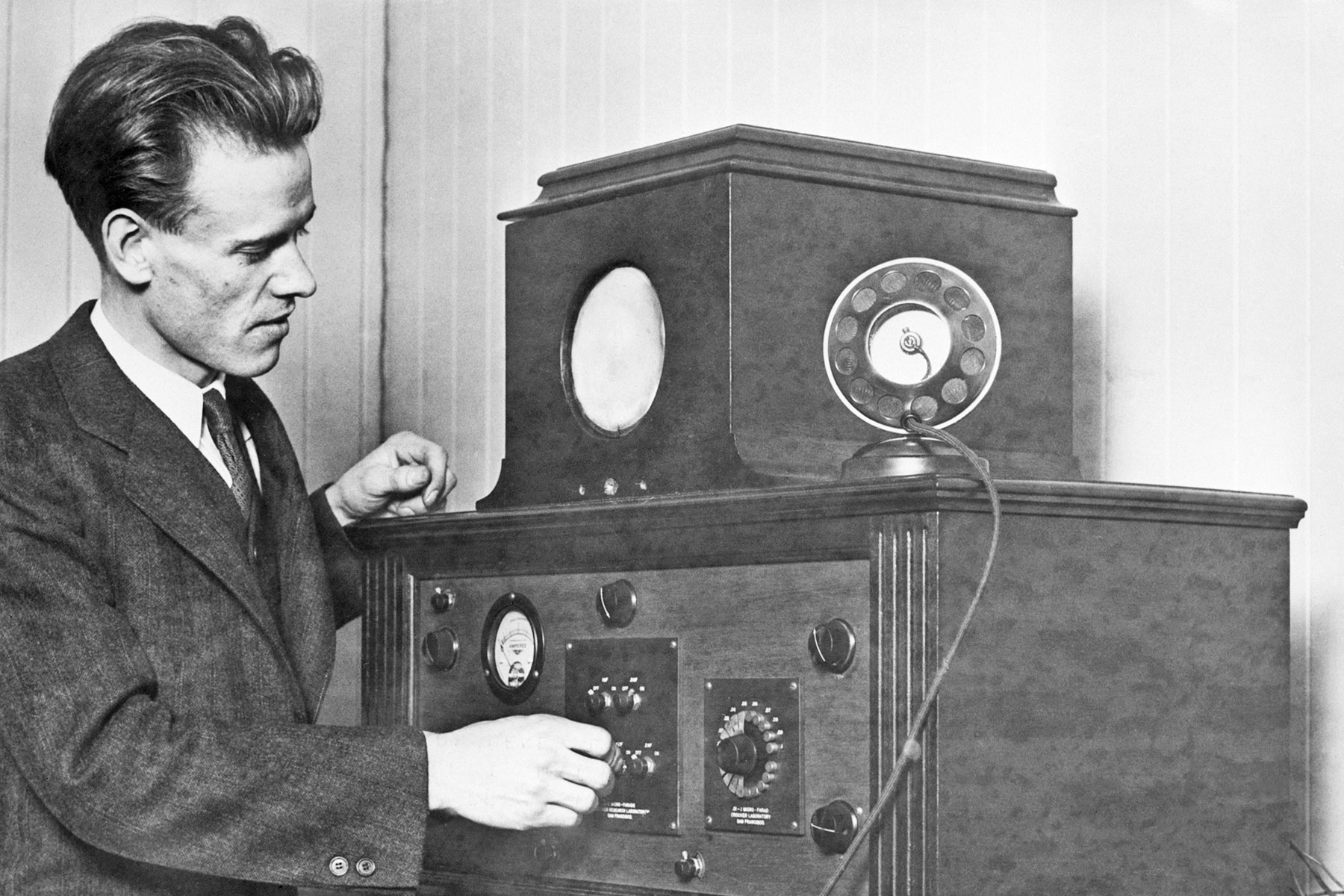
When the first fully electronic television system was created by American inventor Philo Farnsworth in 1927, it altered the media landscape forever. The TV made it so that for the first time in history, people could witness significant political and historical events as they were actually happening. Footage of world-changing moments — from Neil Armstrong’s first steps on the moon to the fall of the Berlin Wall — could be broadcast directly into people’s homes instead of merely described over the radio or summarized after the fact in a newspaper. TV didn’t just change the way people consumed their news, of course; it also gave rise to a whole new form of entertainment. Entirely new storytelling formats — from the sitcom to the hour-long prestige drama of the modern era — were created especially for the small screen and gobbled up by millions of viewers around the world, transforming popular culture in the process.

You may also like

5 Facts About the World’s Oldest Countries

  • The Pyramid of Djoser
The Pyramid of Djoser
DEA / CHOMON-PERINO/ De Agostini via Getty Images
Author Bennett Kleinman

July 25, 2023

Love it?

While some modern countries are little more than a decade old, others boast a rich history dating back thousands of years. Long before nations such as Iran and Egypt became the independent states we know them as today, early governments were formed by ancient civilizations in those regions, laying the foundation for thousands of years of expansion and development.

It can be a challenge to determine the exact age of any given country, but based on the current archaeological data, there are several nations in the Middle East and Asia that consistently rank among the oldest in human history. Here are five facts about some of the world’s oldest countries.

Photo credit: DEA / CHOMON-PERINO/ De Agostini via Getty Images

The First Architect Known by Name Lived in Ancient Egypt

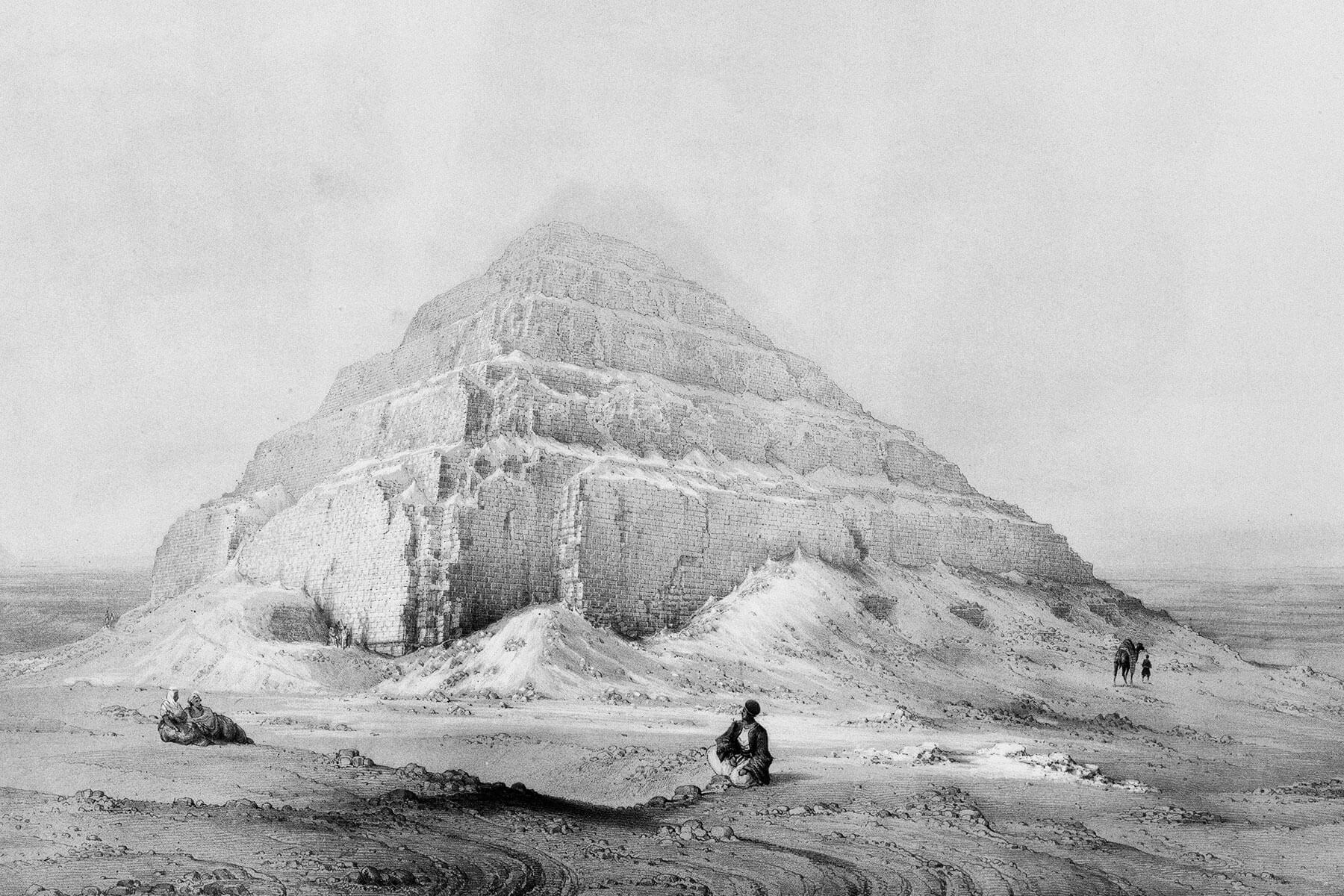
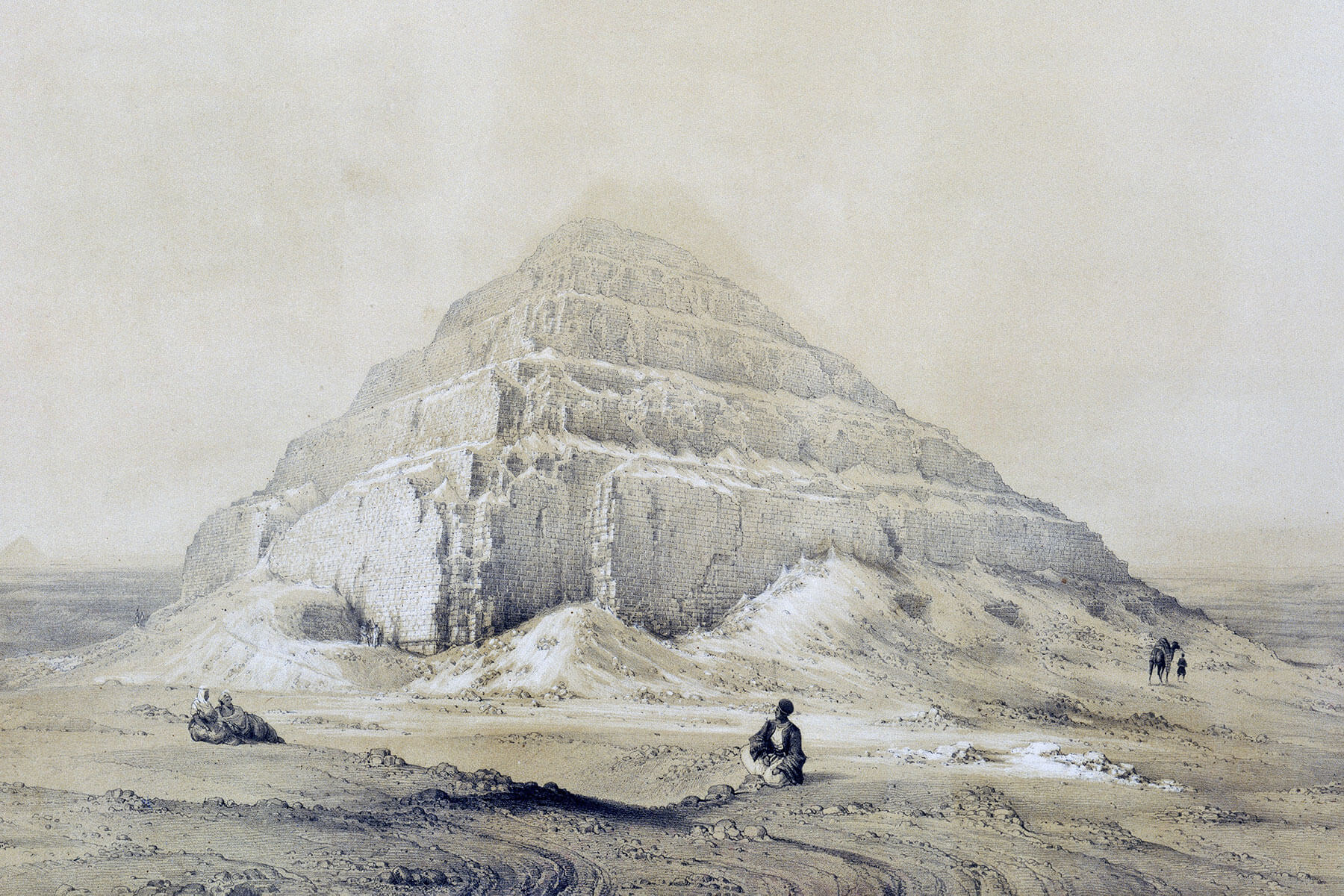
Though the Great Pyramids of Giza are the most famous ancient Egyptian landmarks, the region is home to an even older structure. The Pyramid of Djoser — built in the mid-27th century BCE — predates the Great Pyramids by roughly a century, and was designed by a man named Imhotep, who is considered to be one of human civilization’s first architects. Imhotep not only conceived of this groundbreaking pyramidal structure, but also gets credit for using columns before anyone else and revolutionizing the use of stone in building construction. He also offered vast contributions to the world of medicine, writing texts describing the early diagnosis and treatment of many ailments. In 525 BCE, centuries after his death, Imhotep even rose to the status of full deity, being dubbed the Egyptian god of science, medicine, and architecture.

Photo credit: Pictures from History/ Universal Images Group via Getty Images

Two Vietnamese Sisters Led a Successful Revolt Against China

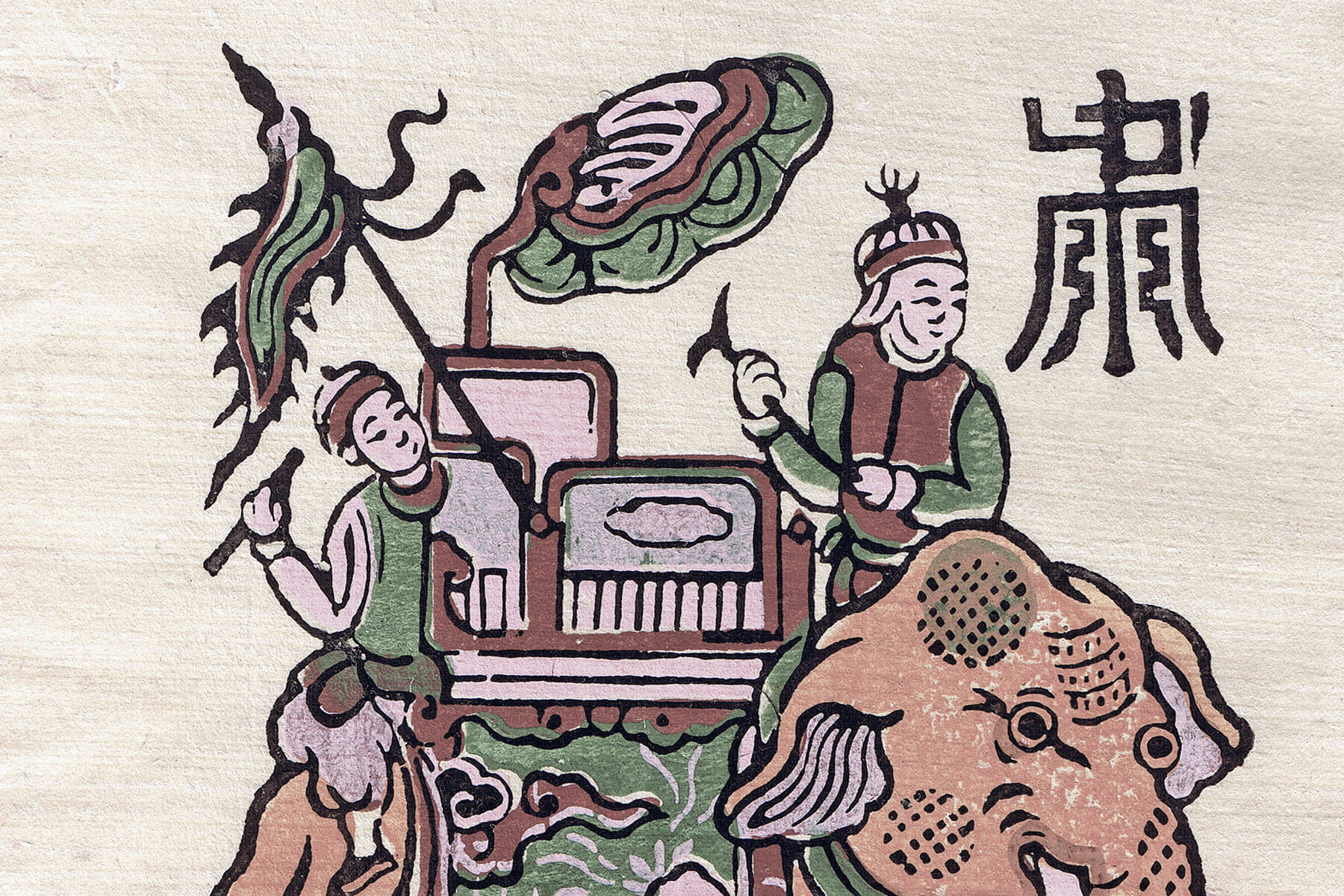
According to Vietnamese legend, the origins of Vietnam date back to around the year 2879 BCE, which marked the beginning of the Hồng Bàng dynasty — the first recorded dynasty in the nation’s history. For millennia, the Vietnamese people ruled over their own territory, which was invaded by members of China’s Han dynasty in 111 BCE. After a century of Chinese control, two women rose up to push back against their Chinese invaders, earning the status of national heroes in the process. The Trưng sisters — Trưng Trắc and Trưng Nhị — mobilized locals in an effort to avenge the death of the former’s husband, who had been executed by Chinese forces without trial. This newly formed army consisted of around 80,000 soldiers and 36 female generals. The forces rebelled against the Chinese in the year 39 CE, successfully driving the invaders out of the country. Though the sisters’ reign over the region was brief, as China recaptured the territory in 43 CE, the legend of their exploits and tragic fate only grew from there. Temples were dedicated in their honor throughout Vietnam, as people prayed to them for rain in times of drought. They remain important figures in Vietnamese history two millennia later.

You may also like

Revealing Facts About 5 Celebrated Painters

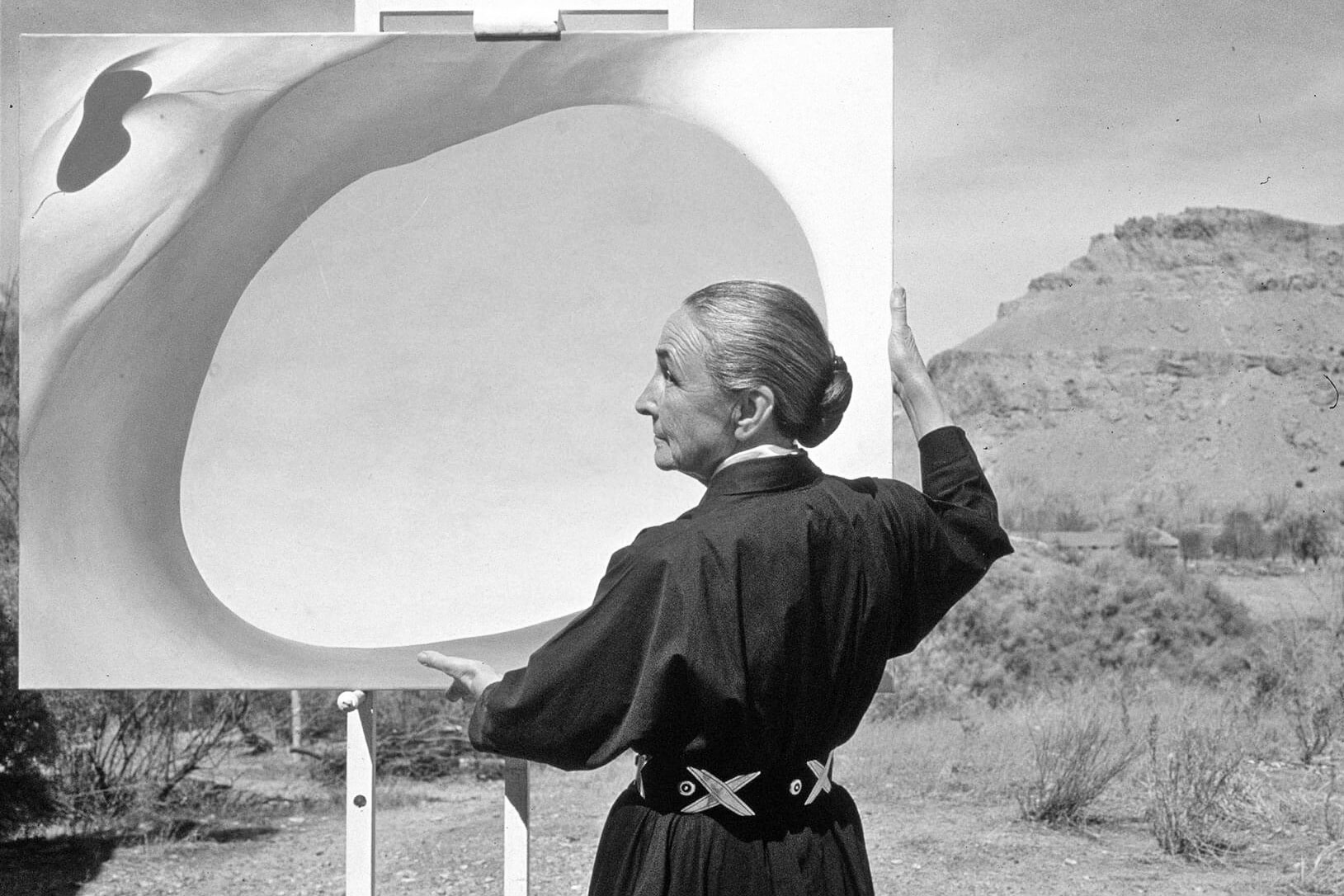
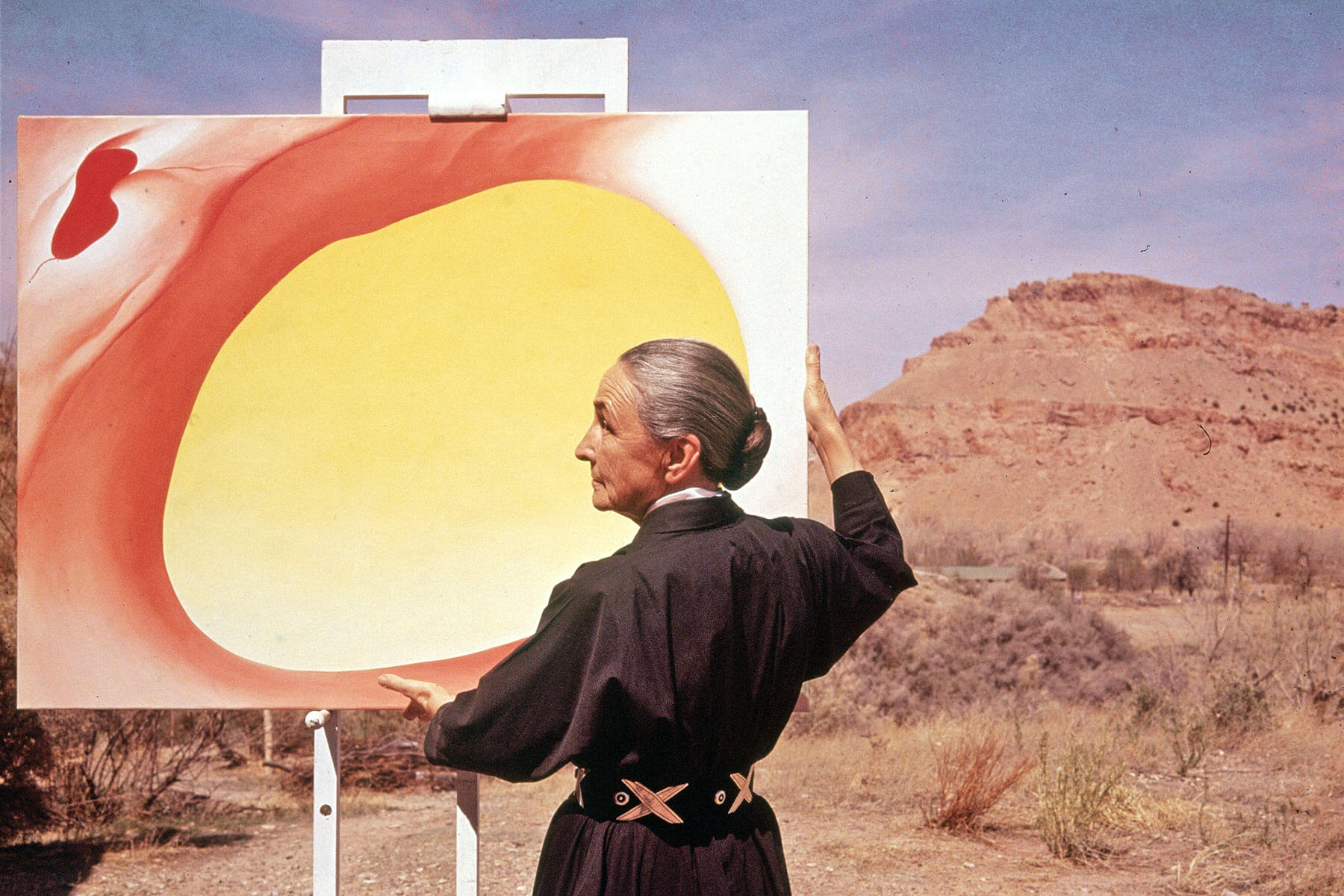
  • Artist Georgia O’Keeffe
Artist Georgia O'Keeffe
Tony Vaccaro/ Archive Photos via Getty Images
Author Bennett Kleinman

July 25, 2023

Love it?

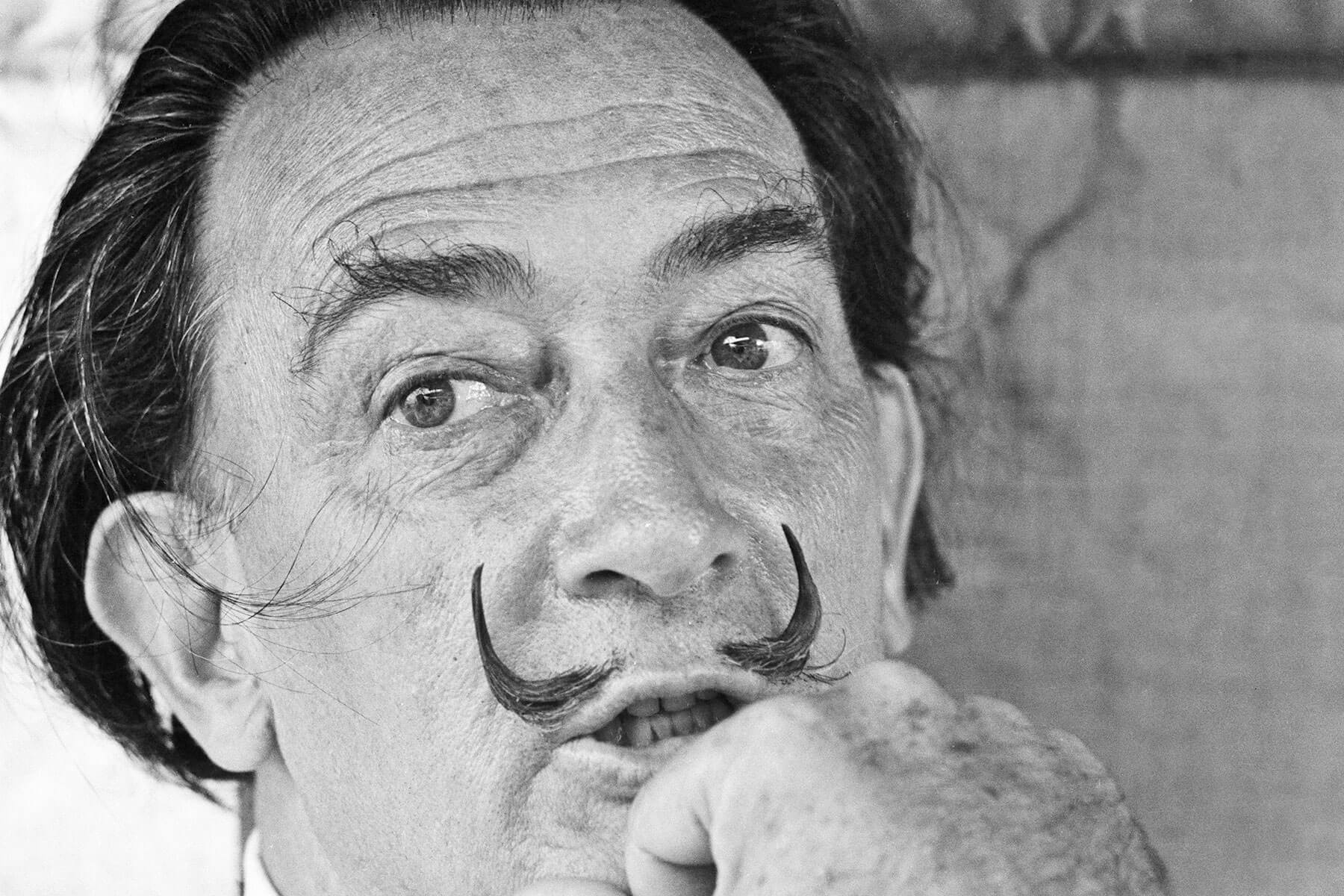
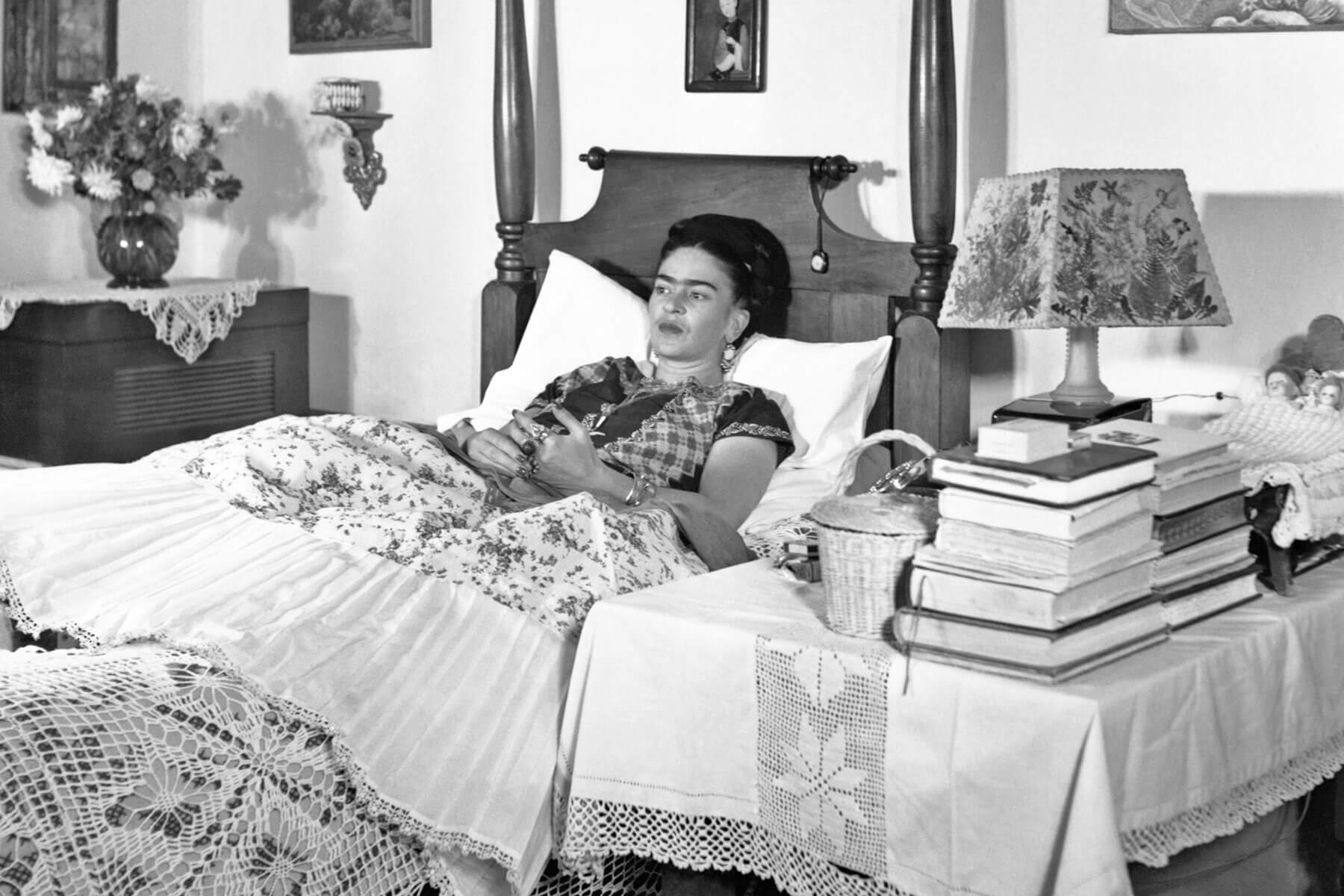
Artists such as Pablo Picasso and Georgia O’Keeffe may be household names, but far more is known about the paintings they created than who they were as individuals. While the lives of these masters are undoubtedly intertwined with their most recognized brushstrokes, their interesting and complicated legacies extend well beyond the canvas. Here are five fascinating facts about some of the biggest names in the art world.

Photo credit: Keystone-France/ Gamma-Rapho via Getty Images

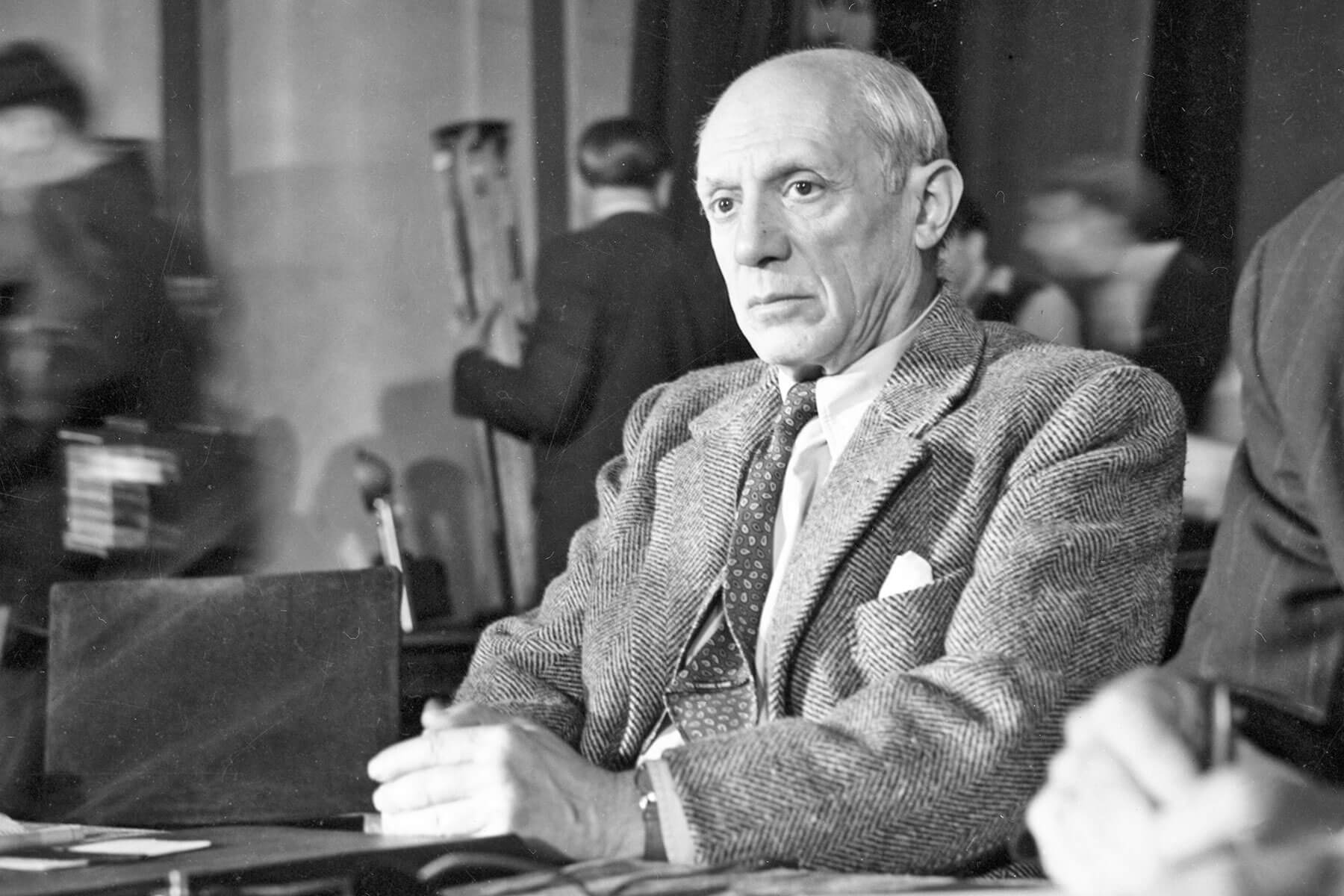
Pablo Picasso Was Accused of Stealing the “Mona Lisa”

Picasso is well known for his surrealist artworks, but the legendary Spanish painter also had a real surreal experience of his own in 1911. That year, on August 21, Leonardo da Vinci’s masterpiece the “Mona Lisa” vanished from Paris’ Louvre Museum, and Picasso was deemed a suspect. Though there was no direct evidence linking Picasso to the brazen heist, the accusations stemmed from the artist’s relationship with a known art thief named Honore-Joseph Géry Pieret.

Pieret was the former secretary of Picasso’s Paris housemate, Guillaume Apollinaire. In fact, four years before the “Mona Lisa” was stolen, Pieret nabbed two Iberian sculptures from the Louvre and sold them to Picasso; the artist even used one of the statues as the inspiration for a face in his 1907 painting “Les Demoiselles d’Avignon.” Upon learning that Pieret was a person of interest in the theft of the “Mona Lisa,” Picasso and Apollinaire planned to throw the stolen art that was in their possession into the river Seine, though ultimately they could not bring themselves to do so. Instead, Picasso was brought before a magistrate and lied, claiming he had never met Apollinaire. In the end, the case was thrown out and Picasso and Apollinaire were cleared two years later, when a handyman named Vincenzo Peruggia was caught attempting to sell the “Mona Lisa” to a Florentine art dealer.

Photo credit: Heritage Images/ Hulton Fine Art Collection via Getty Images

Vincent Van Gogh Sold Only One Known Painting During His Life

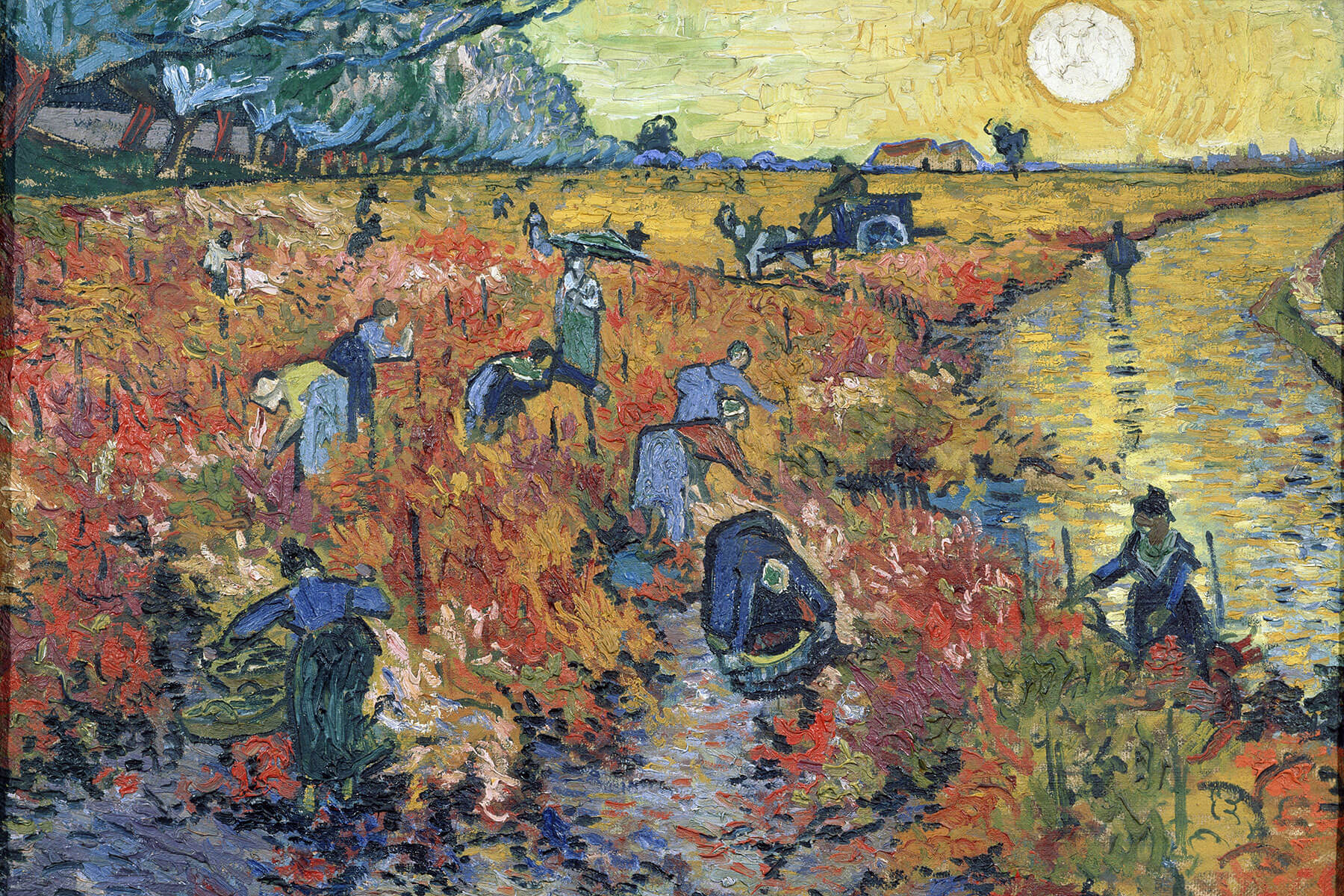
Though he’s now considered one of history’s most talented artists, the painter behind such masterpieces as “The Starry Night” and “Sunflowers” was far from a success during his lifetime. Van Gogh took up painting around age 27 and met his untimely demise just a decade later, and in the years between he sold only one painting that there is any record of, “The Red Vineyard.” The piece, a dramatic Provençal landscape with vibrant red, orange, and yellow colors, was sold for 400 Belgian francs (approximately $2,000 today) in the winter of 1890 at an exhibition in Brussels, just six months before the artist’s death.

While “The Red Vineyard” is Van Gogh’s only officially recorded sale, historians theorize that he possibly bartered other paintings, especially at an early age in exchange for art supplies. Van Gogh biographer Marc Edo Tralbaut has also suggested that the artist may have sold a self-portrait to London art dealers in 1888, though his theory has not been proved. 

You may also like

5 Facts About England’s Elizabethan Era

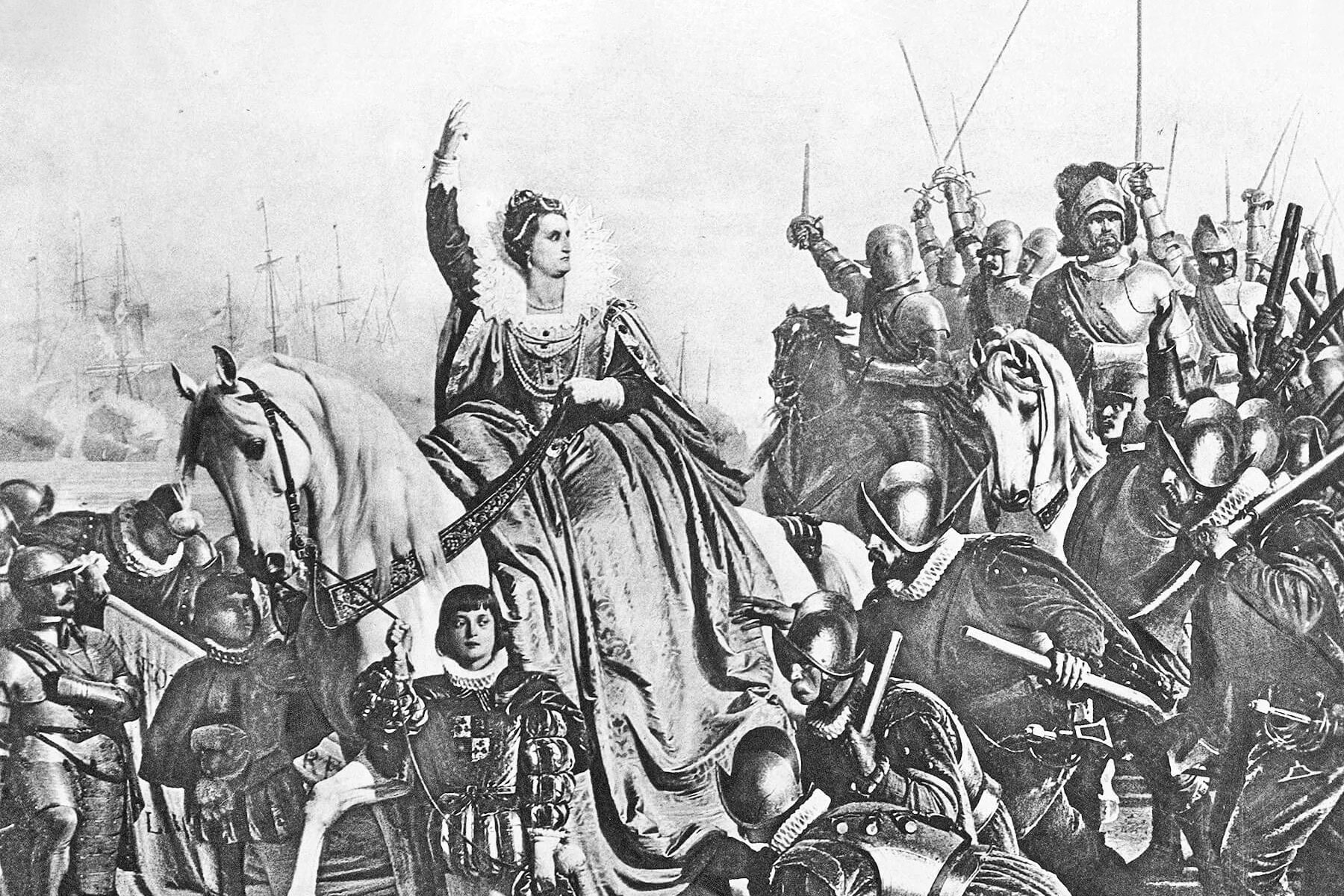
  • Elizabeth at Tilbury
Elizabeth at Tilbury
ullstein bild Dtl via Getty Images
Author Adam Levine

July 25, 2023

Love it?

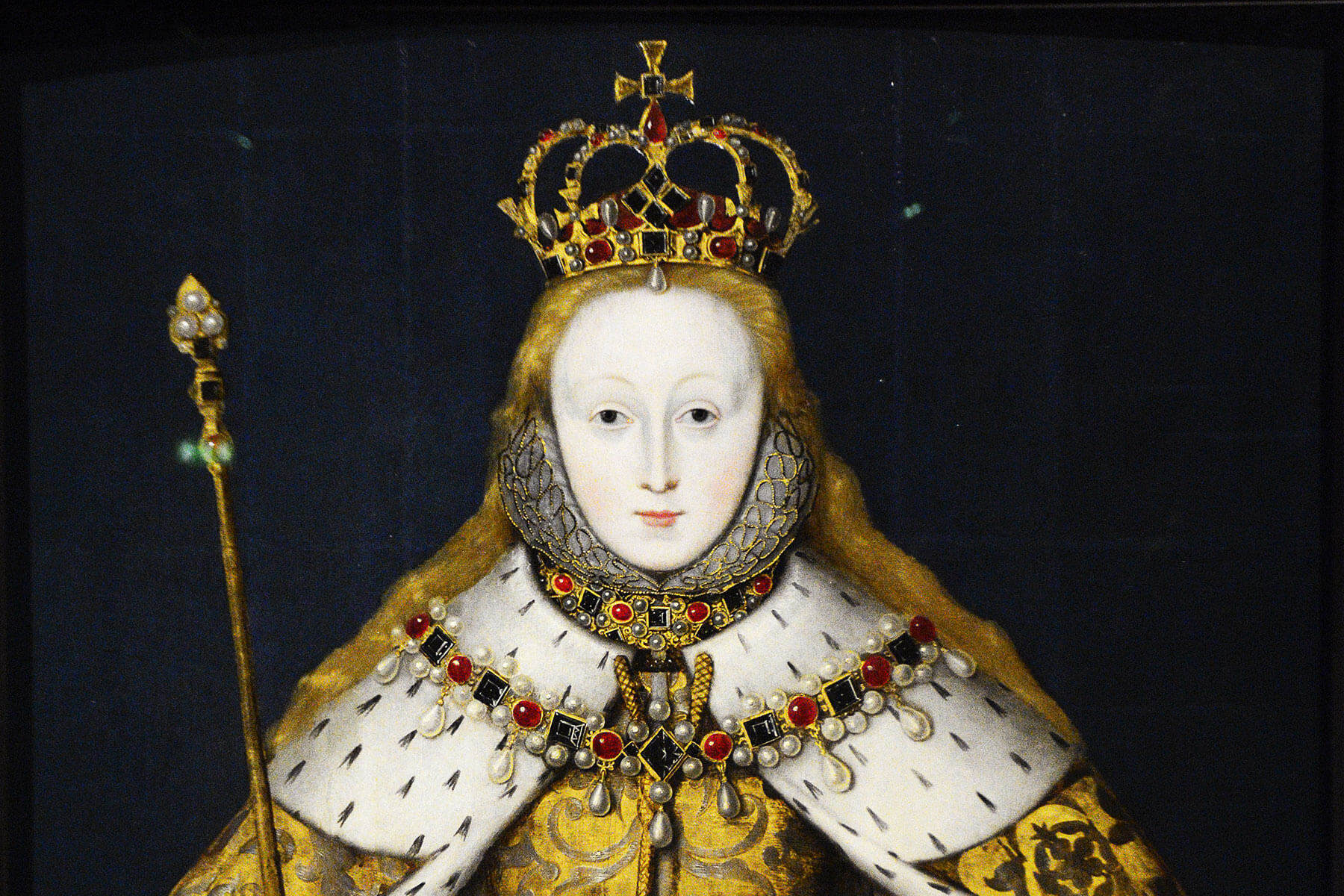
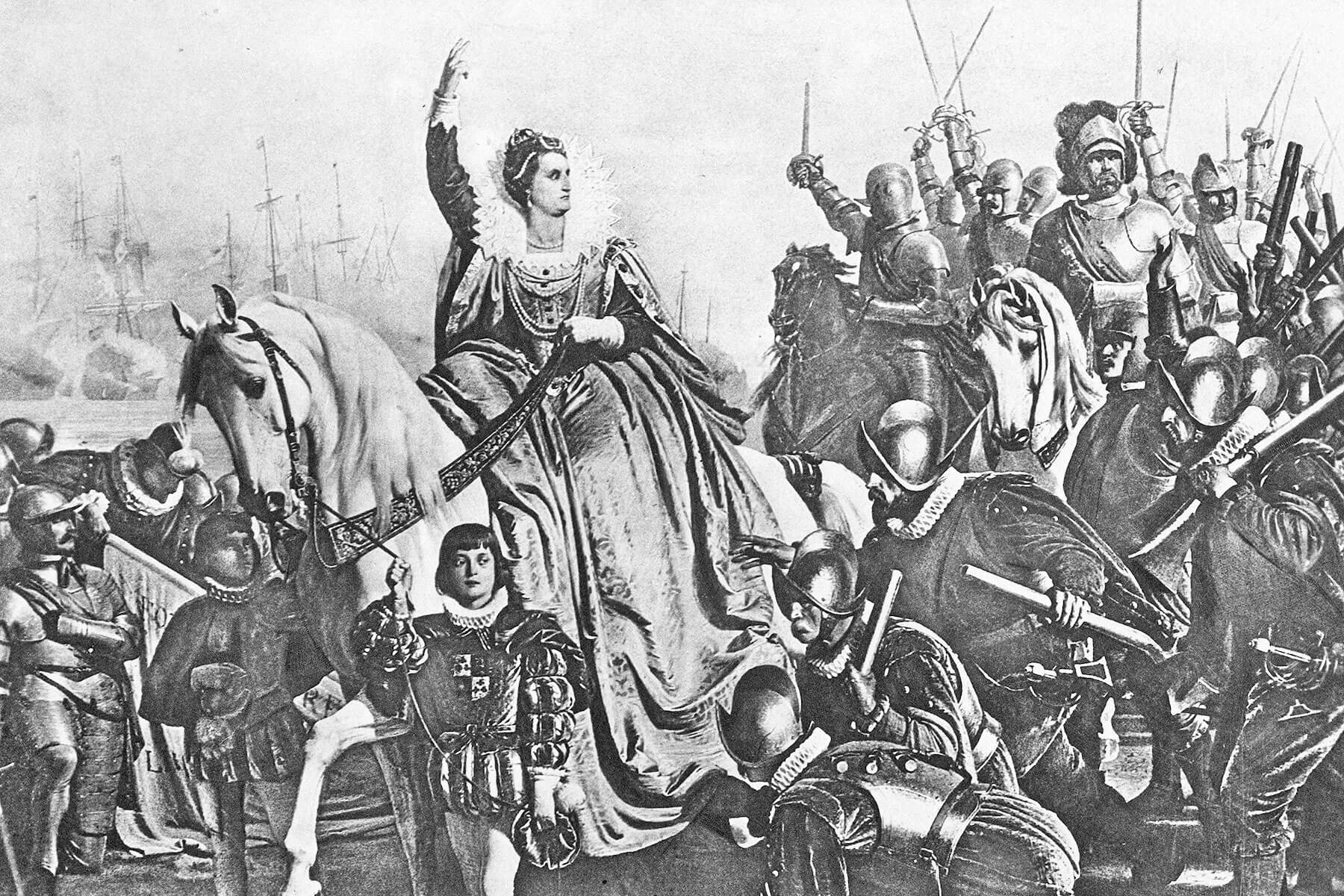
In 1558, Elizabeth Tudor assumed the throne of England and Ireland and began her reign as Queen Elizabeth I. From the moment she was crowned, Elizabeth was an unconventional ruler. She was only the second queen in England’s history to reign as the sole head of state, which made her a rarity not only in her own country, but throughout Europe in an era in which female monarchs were few and far between. Her lifelong refusal to marry also broke with tradition, and earned her the nickname “the Virgin Queen” (the state of Virginia is named in her honor). As a Protestant monarch, Elizabeth also had to withstand multiple assassination attempts from radical Catholic factions throughout her reign. Yet despite the challenges she faced, her reign is considered a golden age of English history. 

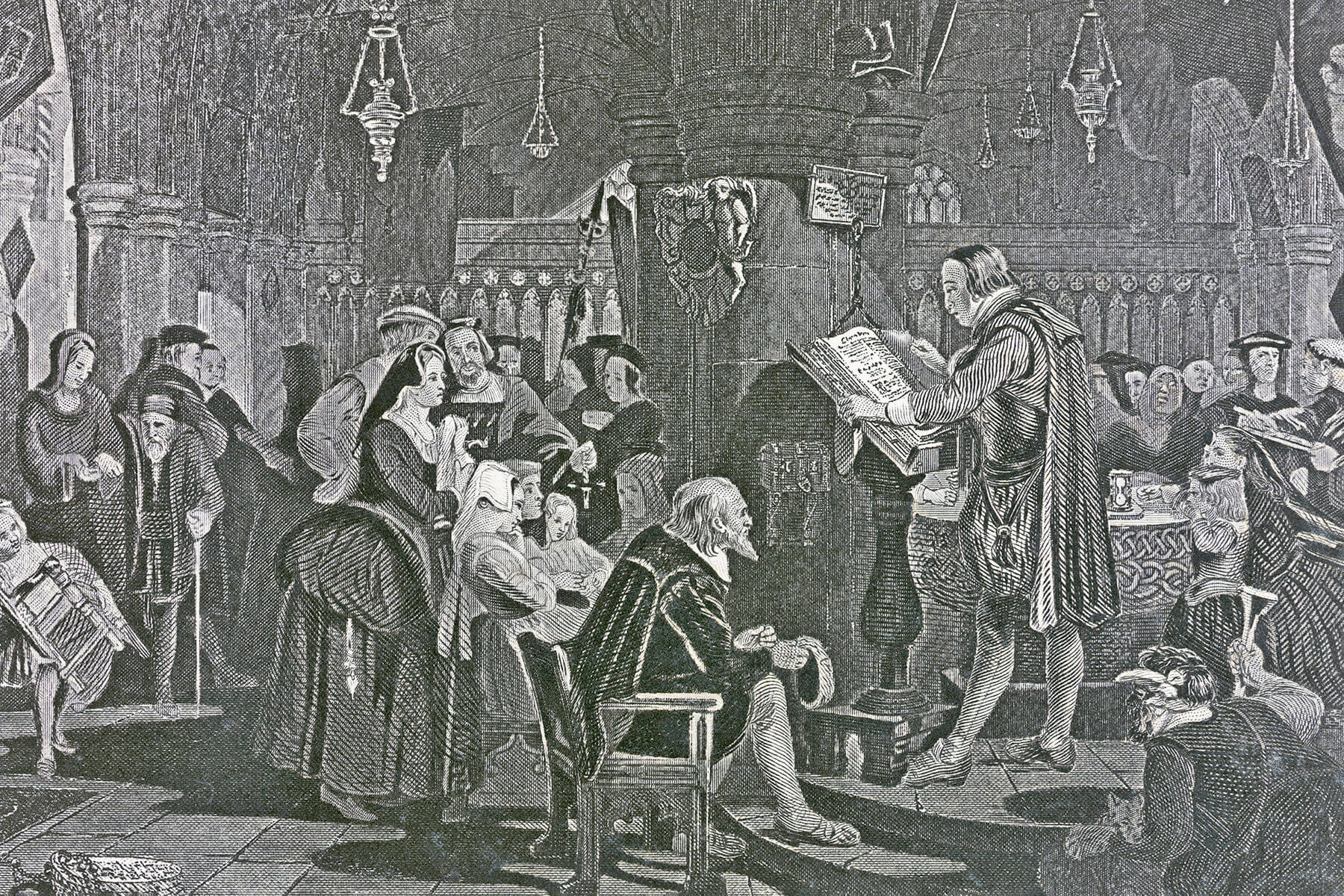
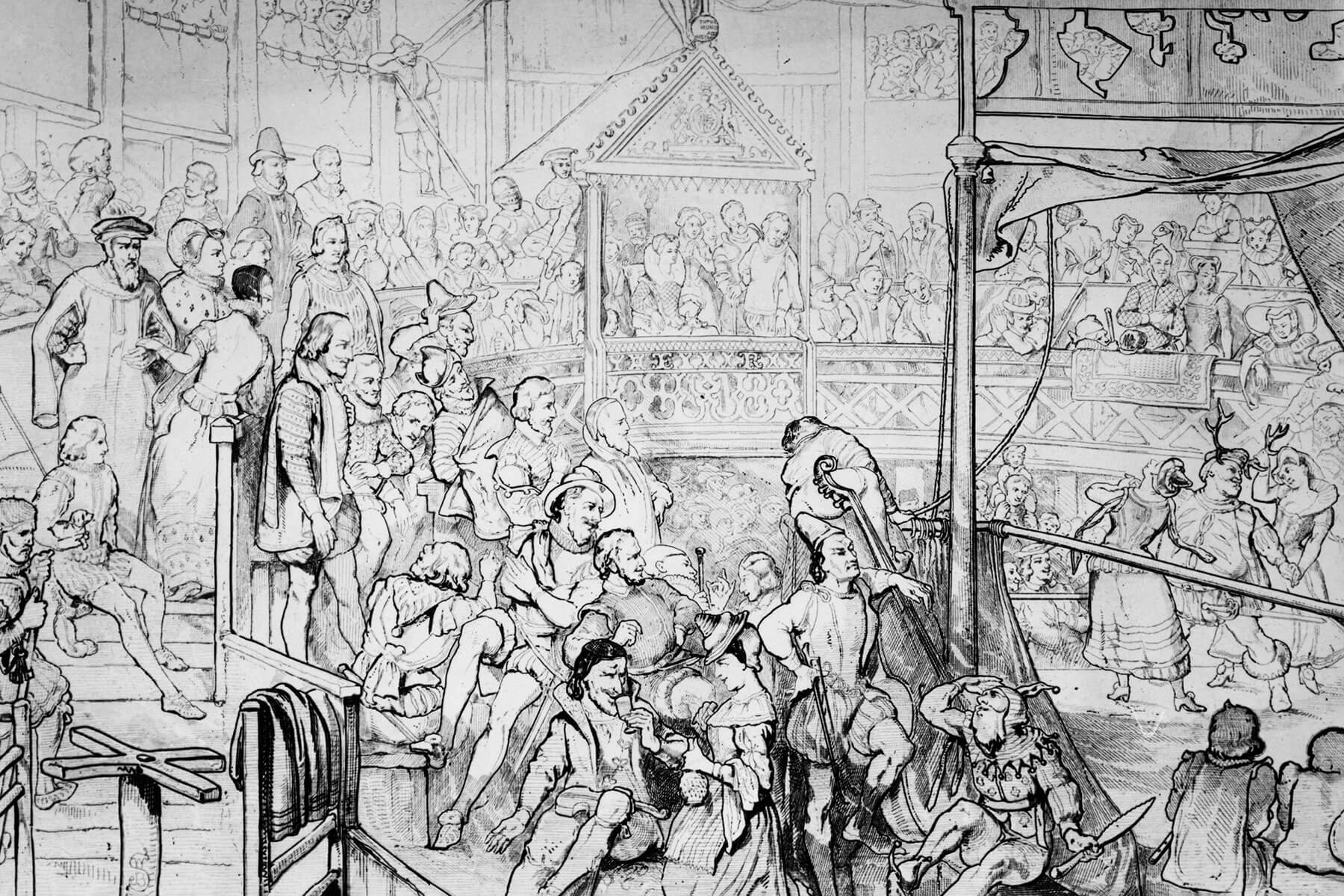
Elizabeth’s rule lasted until 1603, and was marked by a period of relative peace and progress, during which England experienced radical cultural and political transformations that continue to resonate today. Elizabeth ruled over a nation that saw the early plays of William Shakespeare and some of Europe’s first expeditions to the Americas. Yet her time on the throne was also marked by moments of political and military crisis. For a quick look at what made this period of history truly unique, here are five facts about England’s Elizabethan age.

Photo credit: Robert Alexander/ Archive Photos via Getty Images

Elizabeth’s Coronation Date Was Chosen Based on Astrology

Queen Elizabeth I was crowned on January 15, 1559, a date selected by one man: John Dee. Dee was an influential figure at court, and was well known as a mathematician and philosopher. But his interests also veered into the supernatural and occult, and he was known to dabble in astrology and numerology. His prophecy skills must have come highly recommended, because Elizabeth asked him to use an astrological reading to select the date of her coronation, believing that an auspicious date would bring her good fortune during her reign.

Photo credit: Universal History Archive/ Universal Images Group via Getty Images

The Era Marked the Beginning of British Colonialism in the New World

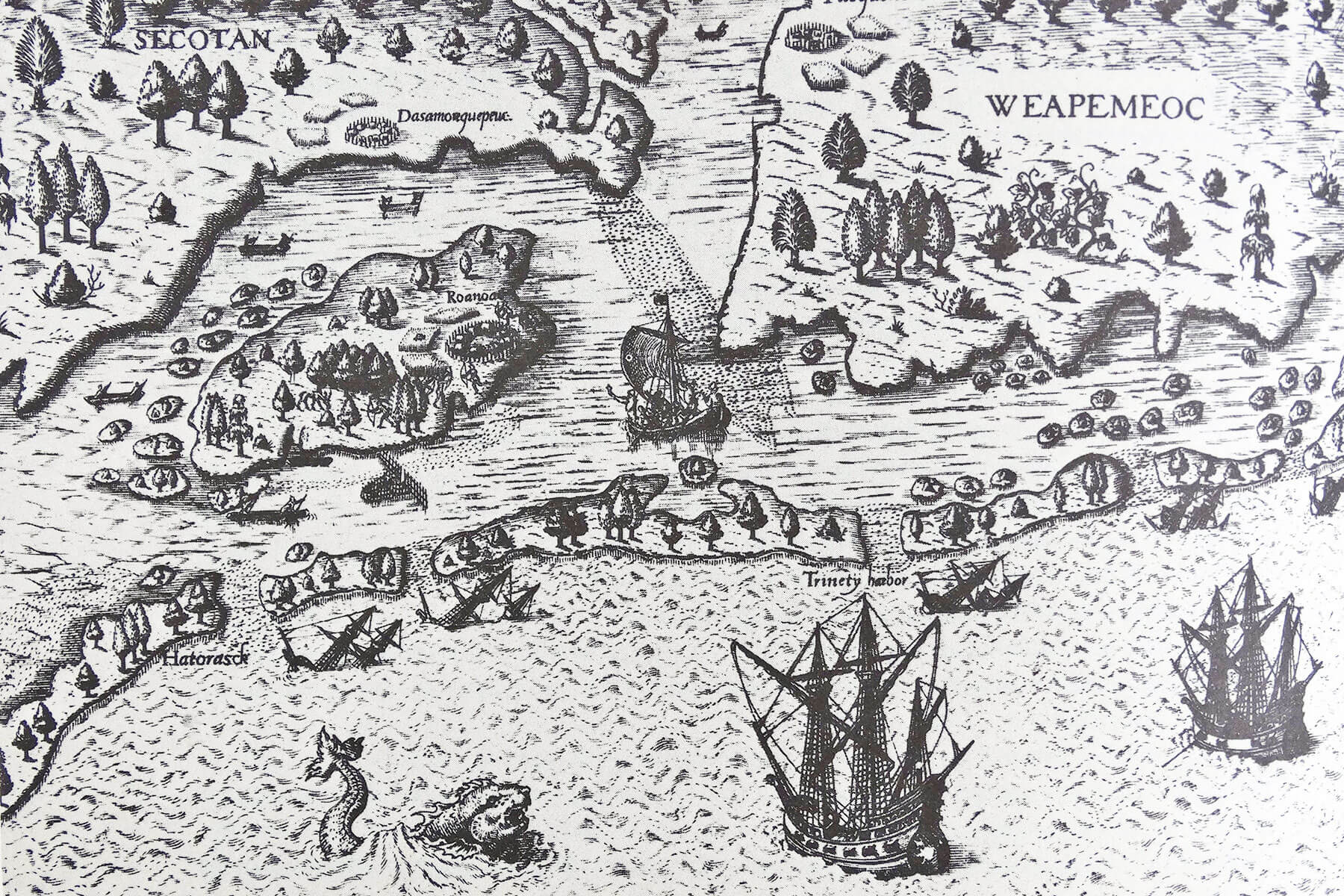
During the Elizabethan age, England took the first steps toward transforming from a small island nation into a global empire. British navigators made some of the first voyages to the New World during Elizabeth’s reign, and explorer Francis Drake’s voyages to the Americas gave England its first territorial claim in the Americas. Upon his return, Drake was knighted by Elizabeth herself on board his ship the Golden Hind. 

The queen also oversaw the establishment of England’s first colonies in the New World. The explorer Humphrey Gilbert claimed Newfoundland for Elizabeth, and Walter Raleigh established a British colony on the island of Roanoke near North Carolina. These early settlements marked the beginning of an era of colonial expansion that gave rise to the mighty British Empire, which at its peak in 1920 covered over 13 million square miles and was the largest empire the world has ever seen.

You may also like

Unforgettable Moments in Baseball History

  • Joe DiMaggio swinging
Joe DiMaggio swinging
Bettmann via Getty Images
Author Adam Levine

July 24, 2023

Love it?

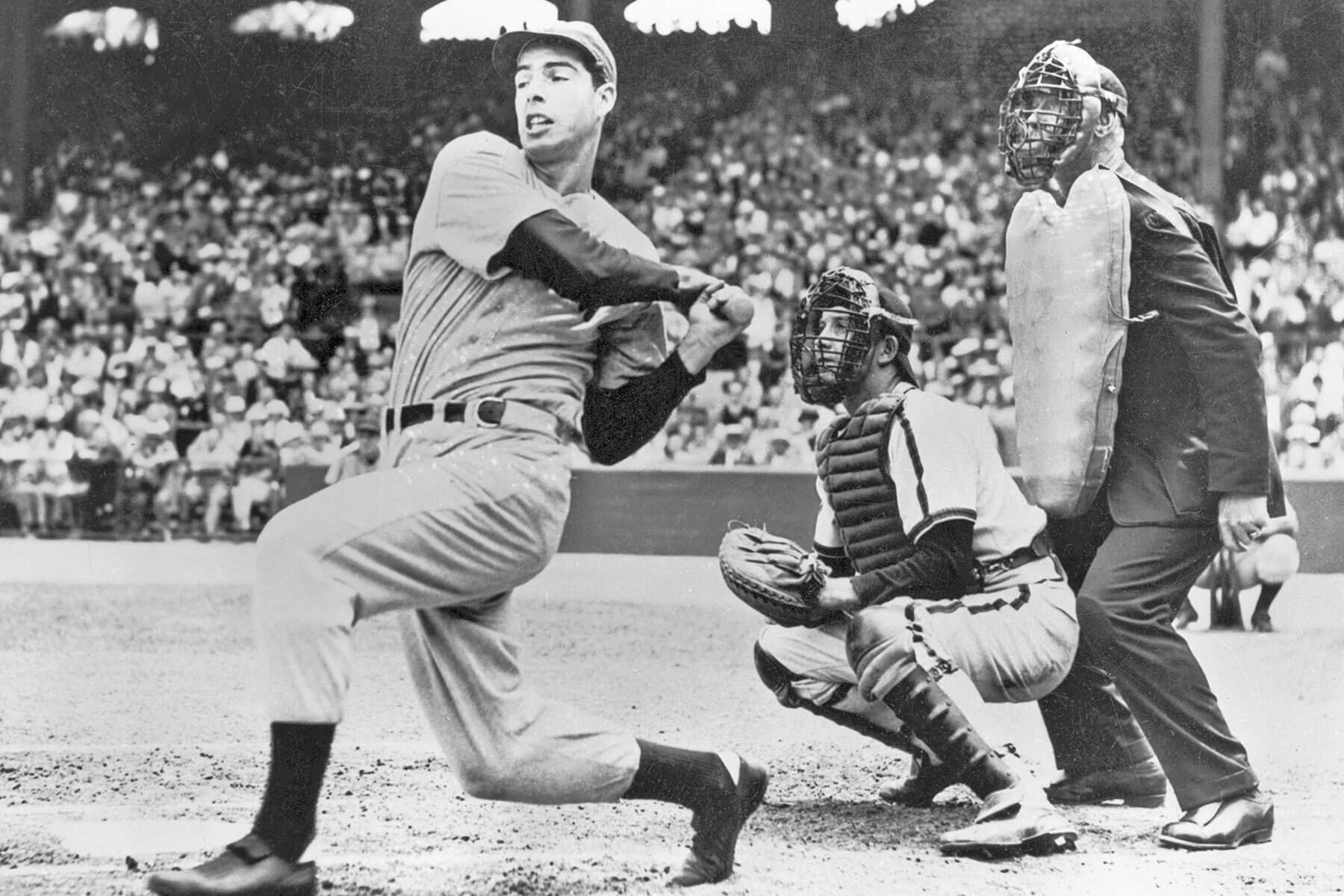
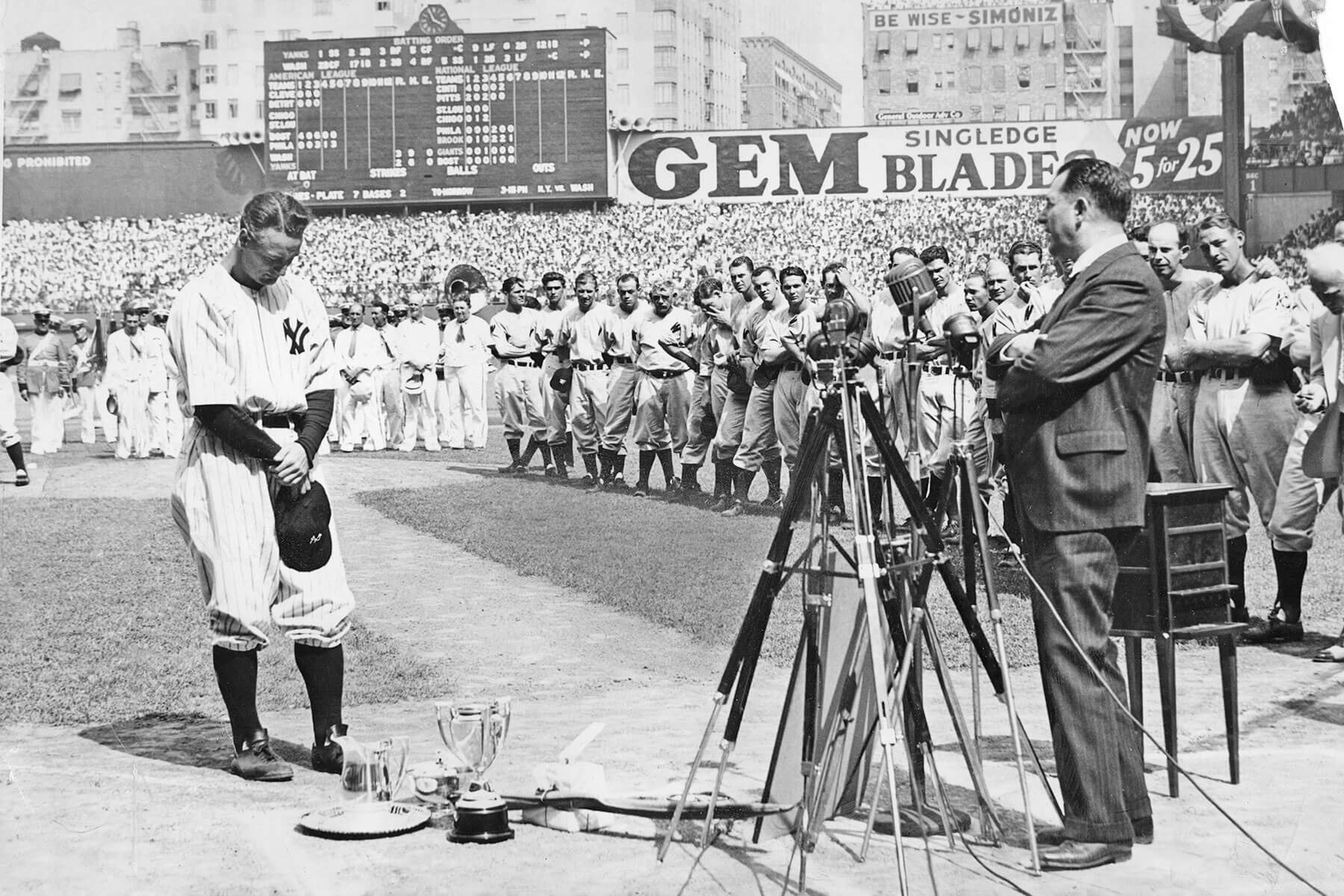
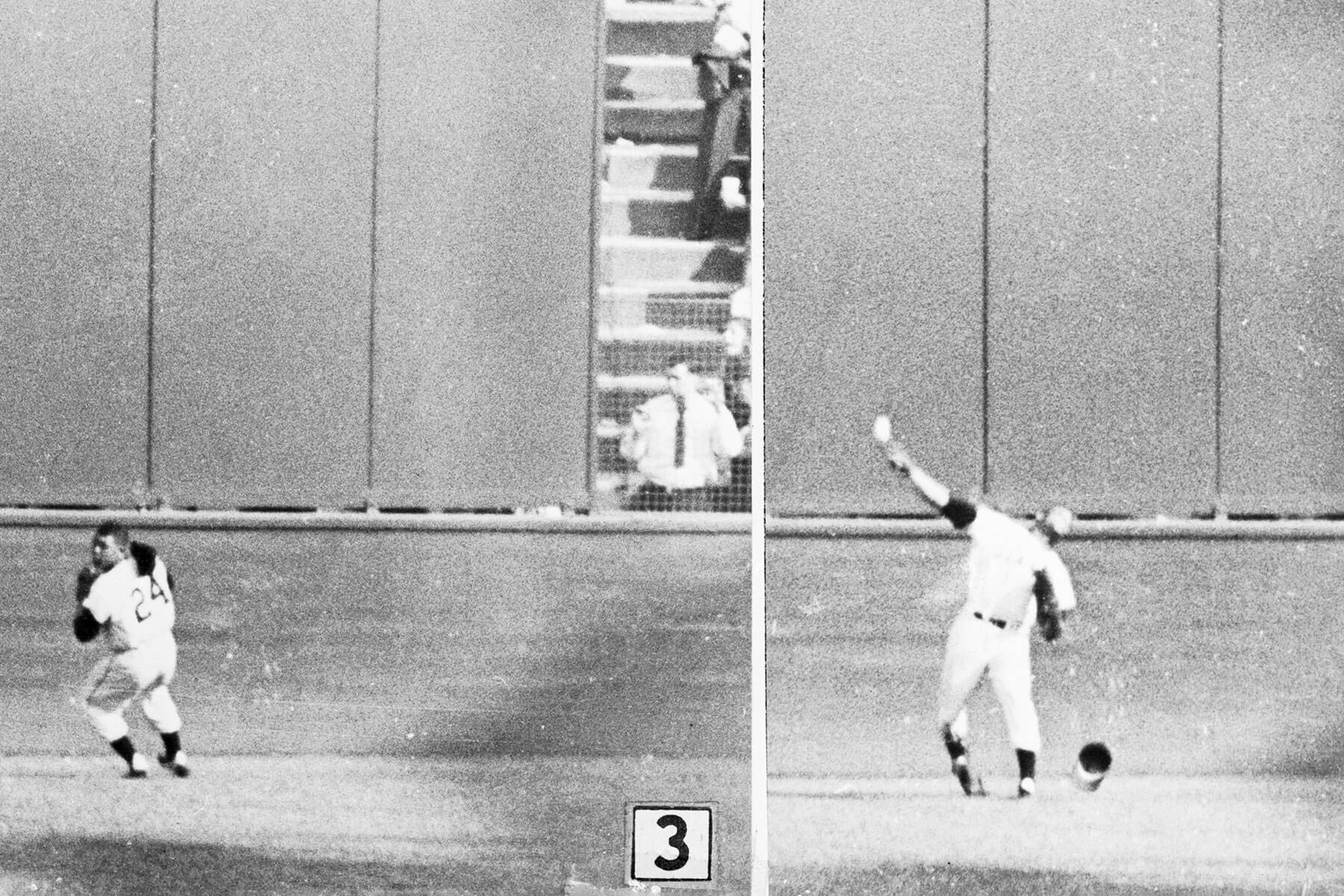
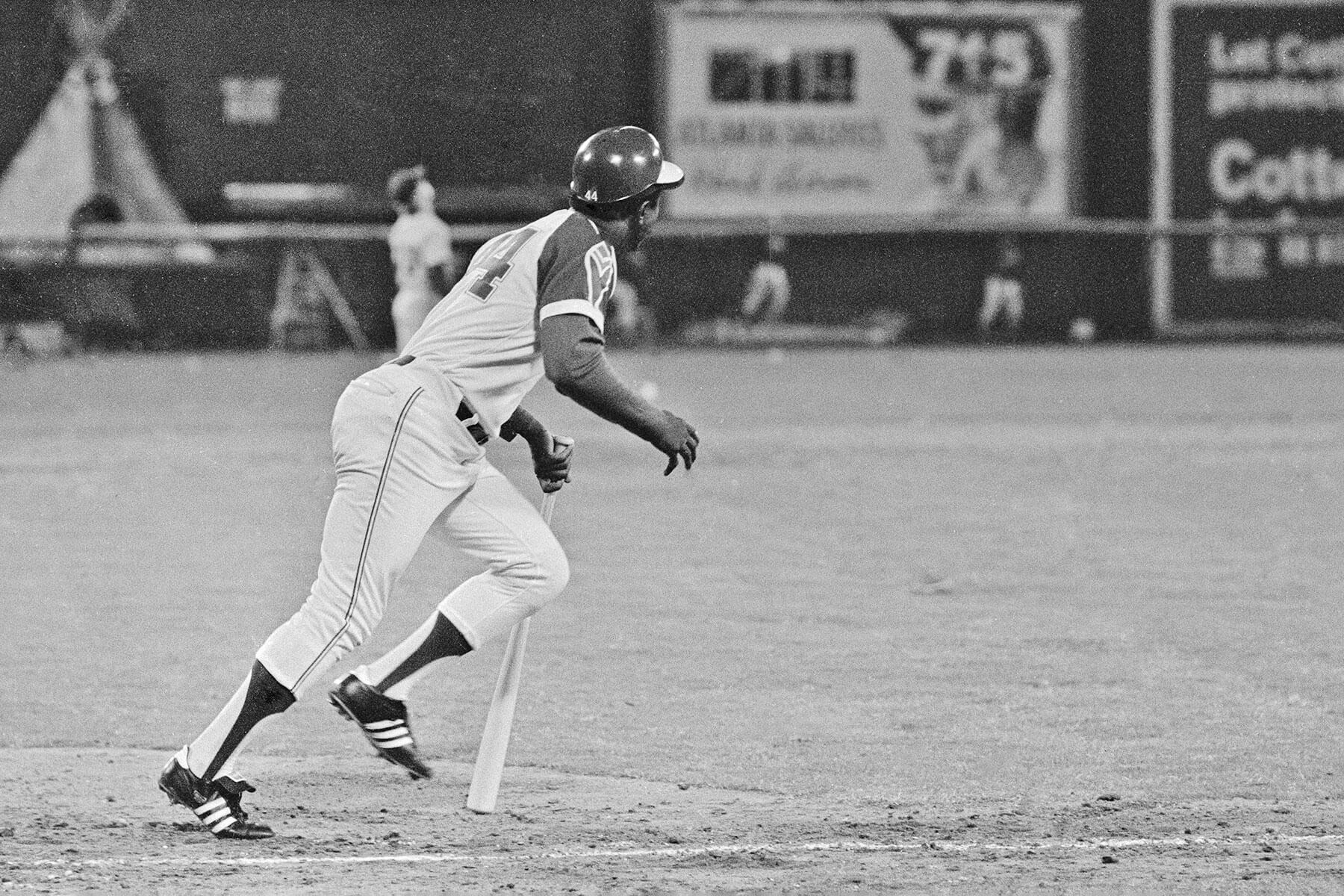
Since the sport’s first professional game was played in 1869, the history of baseball has been filled with memorable moments both triumphant and tragic. Often, these moments reflect the history and spirit of America itself: Lou Gehrig’s heartfelt retirement speech has become a symbol of grace and humility in the face of tragedy, while Jackie Robinson’s courageous breaking of baseball’s color barrier presaged the national fight against racial segregation. Though baseball has gone through many incarnations over the years, one thing that has remained constant is the game’s capacity to generate great stories. From the rigging of the World Series to Willie Mays’ unforgettable catch, here are seven major moments in the history of baseball.

Photo credit: FPG/ Hulton Archive via Getty Images

The Chicago “Black Sox” Throw the World Series

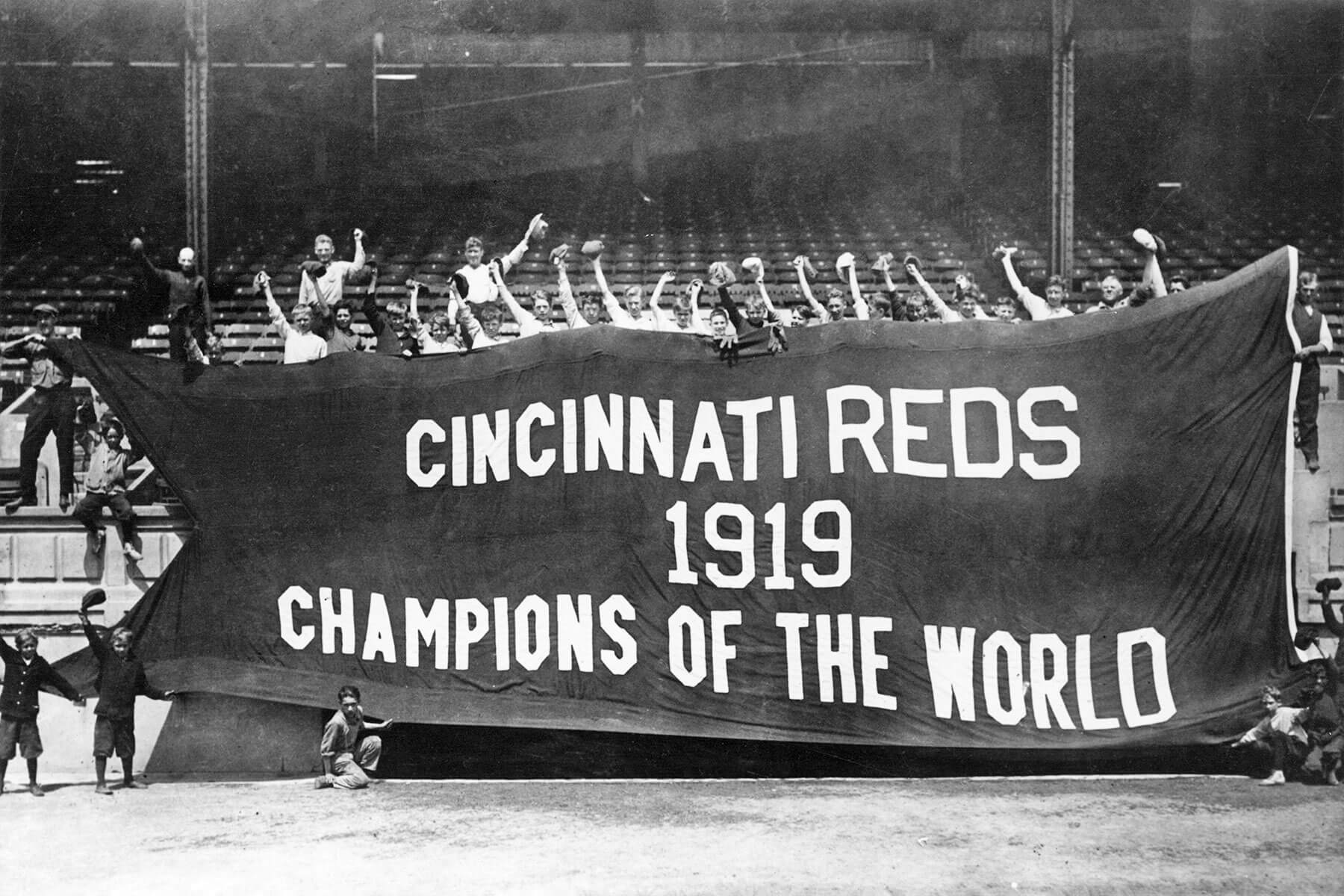
Even before the Cincinnati Reds defeated the Chicago White Sox in the 1919 World Series, rumors had been circulating that the losing team was planning to deliberately underperform in order to throw the World Series and allow the Reds to win. A grand jury convened in 1920 discovered that eight White Sox players had been involved in a gambling conspiracy to corrupt the series in the Reds’ favor, and three players admitted to the grand jury that they had accepted money from gamblers. The plot to throw the 1919 World Series became known as the “Black Sox scandal,” and it remains one of the most significant controversies in the history of baseball. Eight players, including the legendary outfielder “Shoeless” Joe Jackson, were permanently banned from Major League Baseball, and in order to prevent future corruption, the role of commissioner was established and strict laws against gambling were instituted that remain in place today.

Photo credit: B Bennett via Getty Images

Babe Ruth Calls His Shot

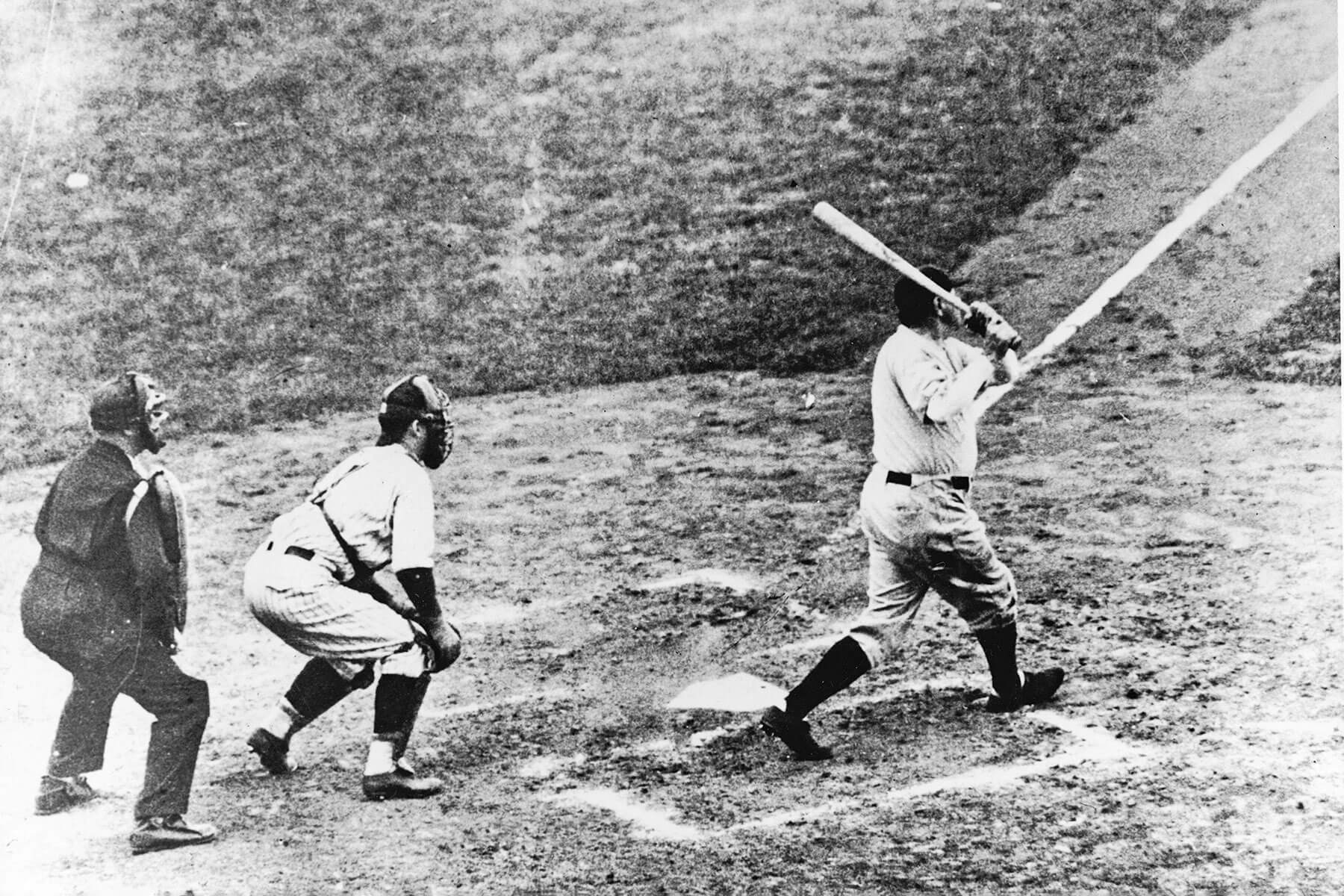
One of the most famous home runs in baseball history occurred in Game 3 of the 1932 World Series between the Chicago Cubs and the New York Yankees. At the top of the fifth inning, Yankees slugger Babe Ruth, often considered the greatest baseball player of all time, faced off against Cubs pitcher Charlie Root with two balls and two strikes. Just before the pitch, Ruth pointed toward the outfield, and when the pitch came, he hit a towering home run to center field. In the newspapers the next day, ecstatic reporters announced that Ruth had “called his shot,” and that his gesture toward the bleachers was a prediction of the home run he would hit on the next pitch. Thus was born one of the greatest legends in baseball history. Although the exact details of where exactly Ruth was pointing and why are disputed, the home run that became known as the “called shot” has nevertheless become an immortal part of the Great Bambino’s legacy.

You may also like

5 Fun Facts About Swimsuits Through History

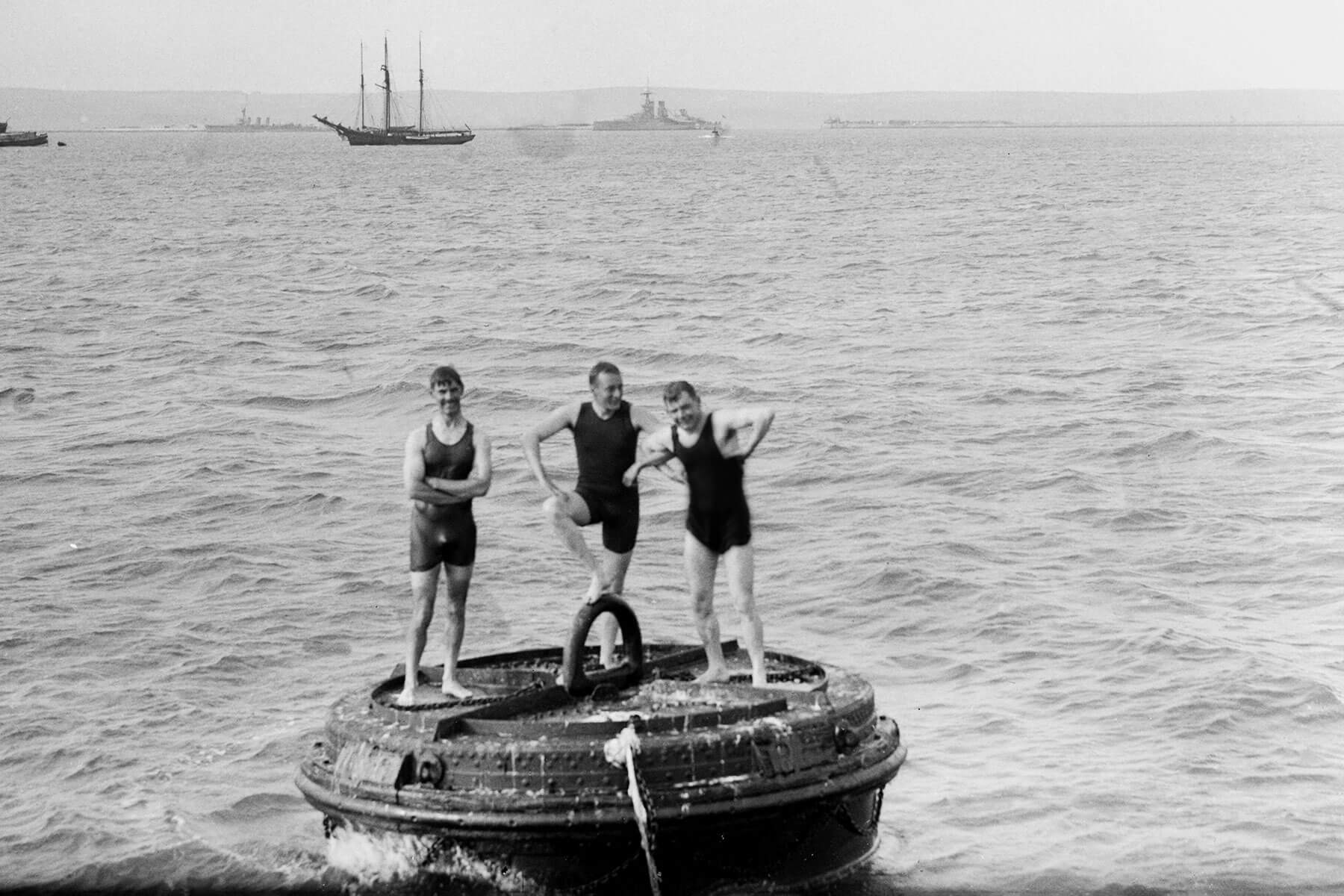
  • Men in bathing costumes
Men in bathing costumes
The Montifraulo Collection/ Getty Images News via Getty Images
Author Fran Hoepfner

July 24, 2023

Love it?

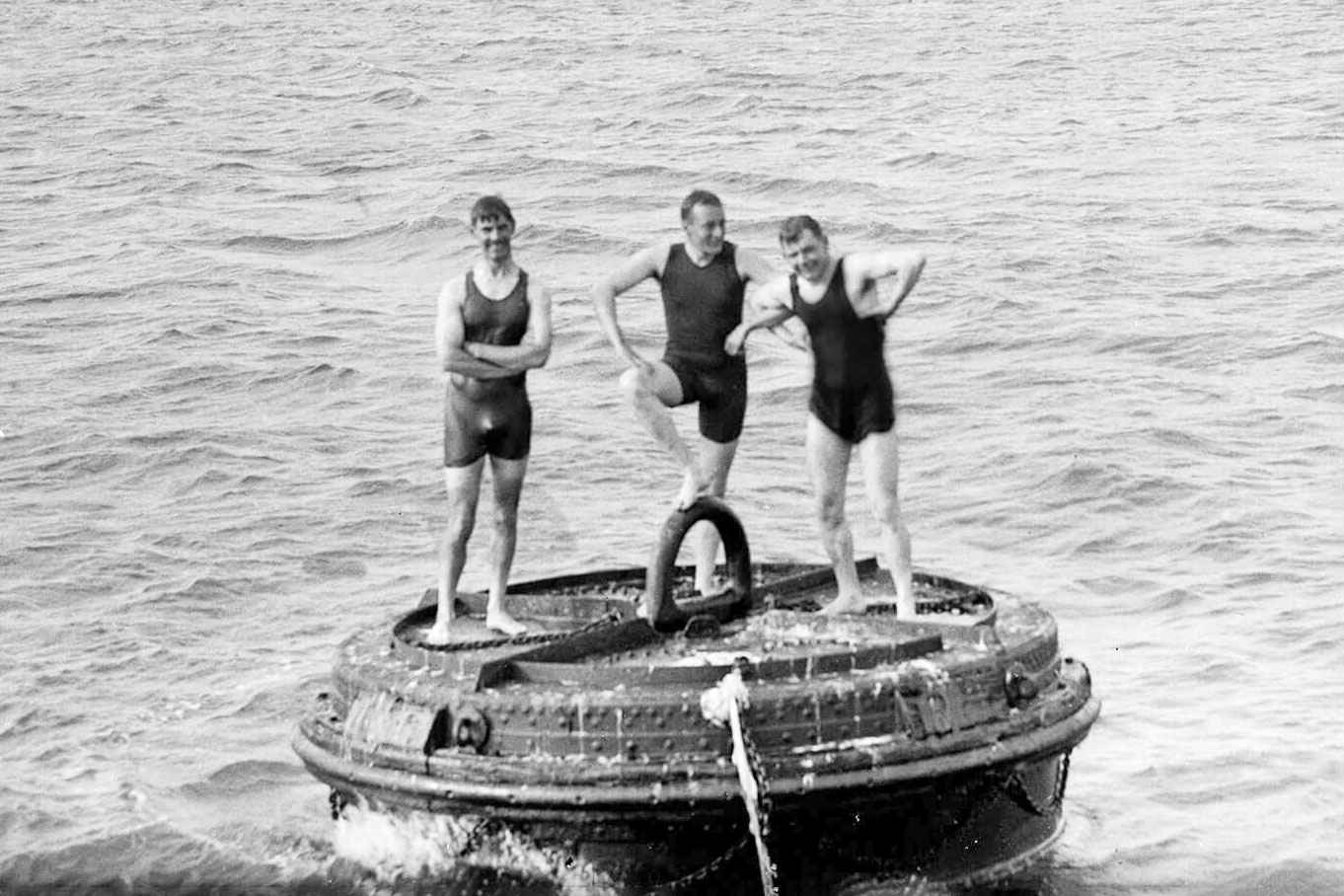
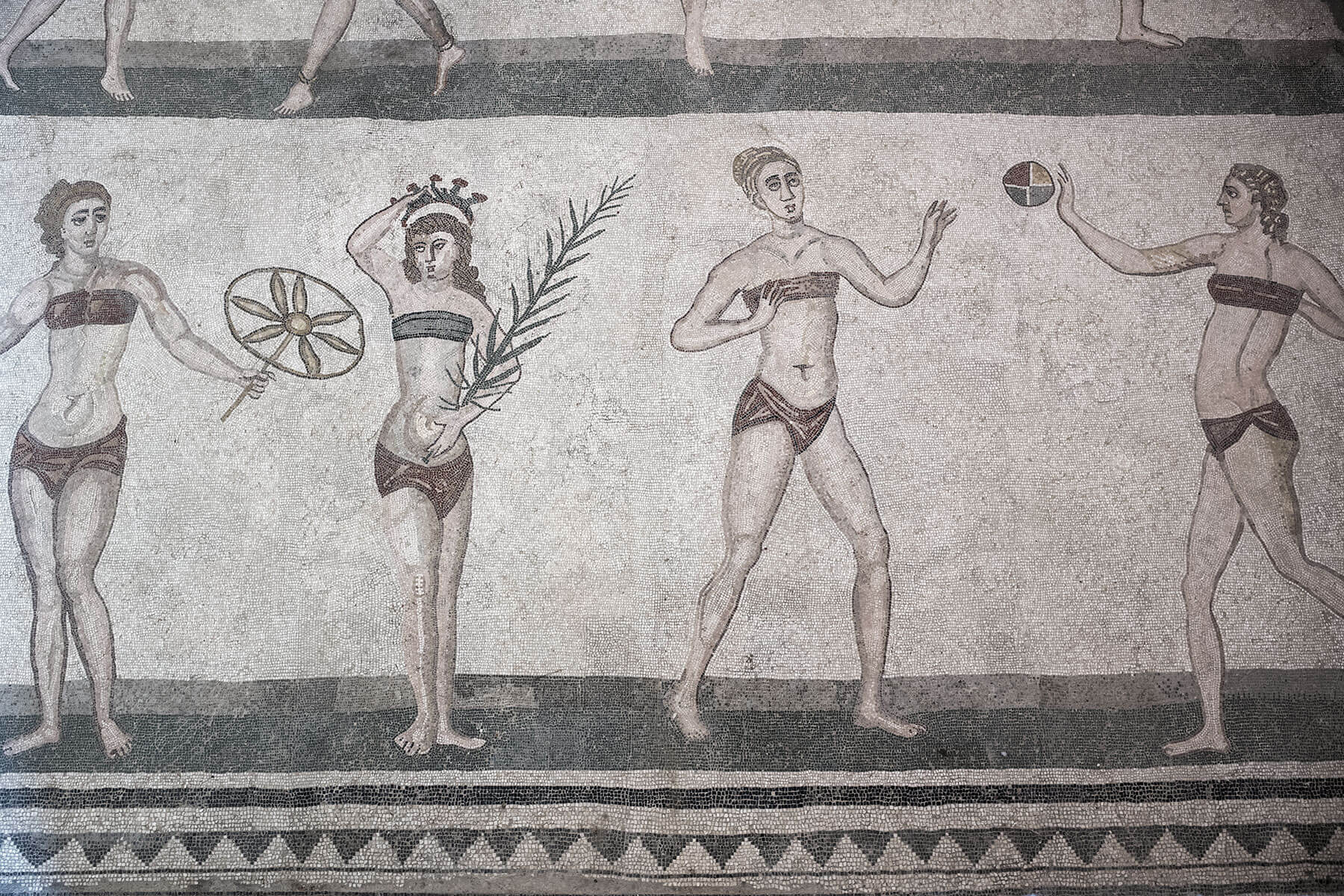
For as long as humankind has walked the Earth, we’ve also wanted to jump into the water. The invention of the bathing suit as a tasteful, stylish outfit specifically for water-based leisure may go as far back as ancient Rome. The history of swimwear is a history of not only sports and fun, but also modesty and fashion. Here are a few interesting landmarks in beachwear through the years.

Photo credit: Heritage Images/ Hulton Archive via Getty Images

Before Bathing Suits, There Were Bathing Dresses 

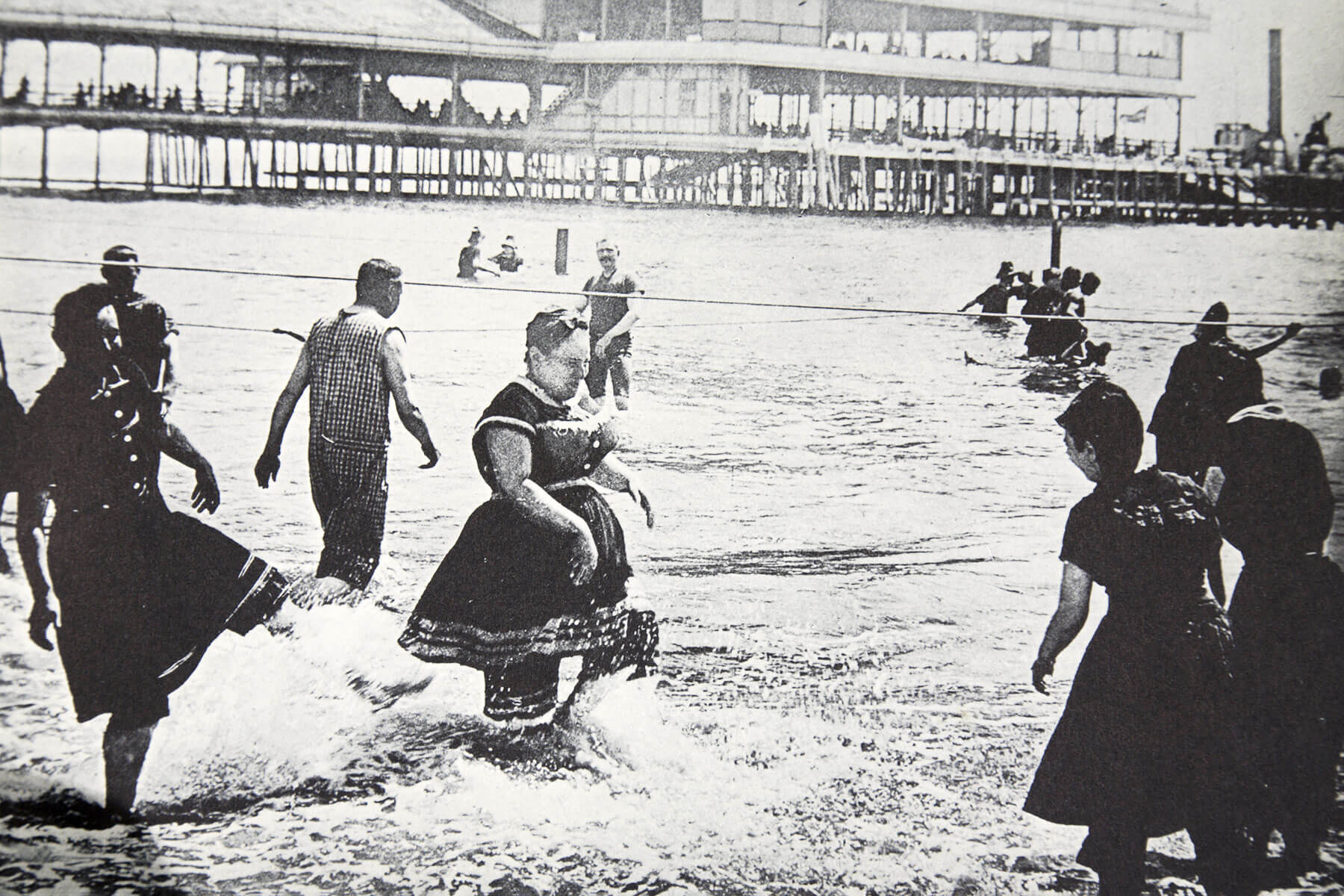
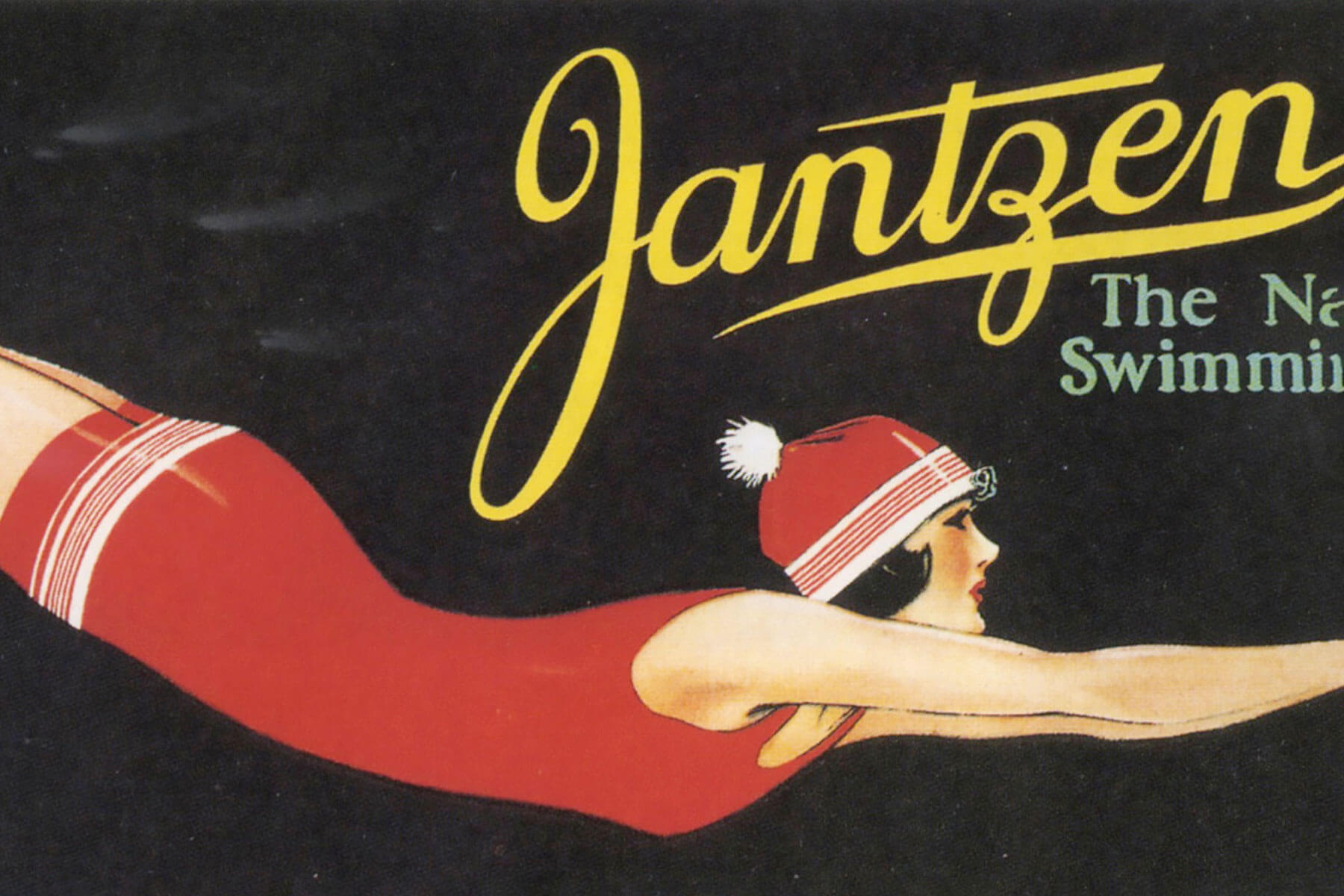
At the start of the 20th century, women in the U.S. and Western Europe were expected to wear what were known as “bathing dresses.” These were thick and colorful knee-length garments made of wool, designed to be worn on visits to the seaside. Given the strict nature of fashion at this time, it wasn’t uncommon for a woman to wear a bathing corset, too, as well as bloomers under their bathing dress. Despite the name, neither of these articles of clothing was meant for bathing, let alone swimming: They were too heavy and restrictive, not to mention itchy and pungent. Rather, they were decorative items of clothing designed for sea-adjacent leisure and outdoor activities that required as little movement as possible.

Photo credit: Keystone/ Hulton Archive via Getty Images

The Modern Bikini Was Invented by an Auto Engineer

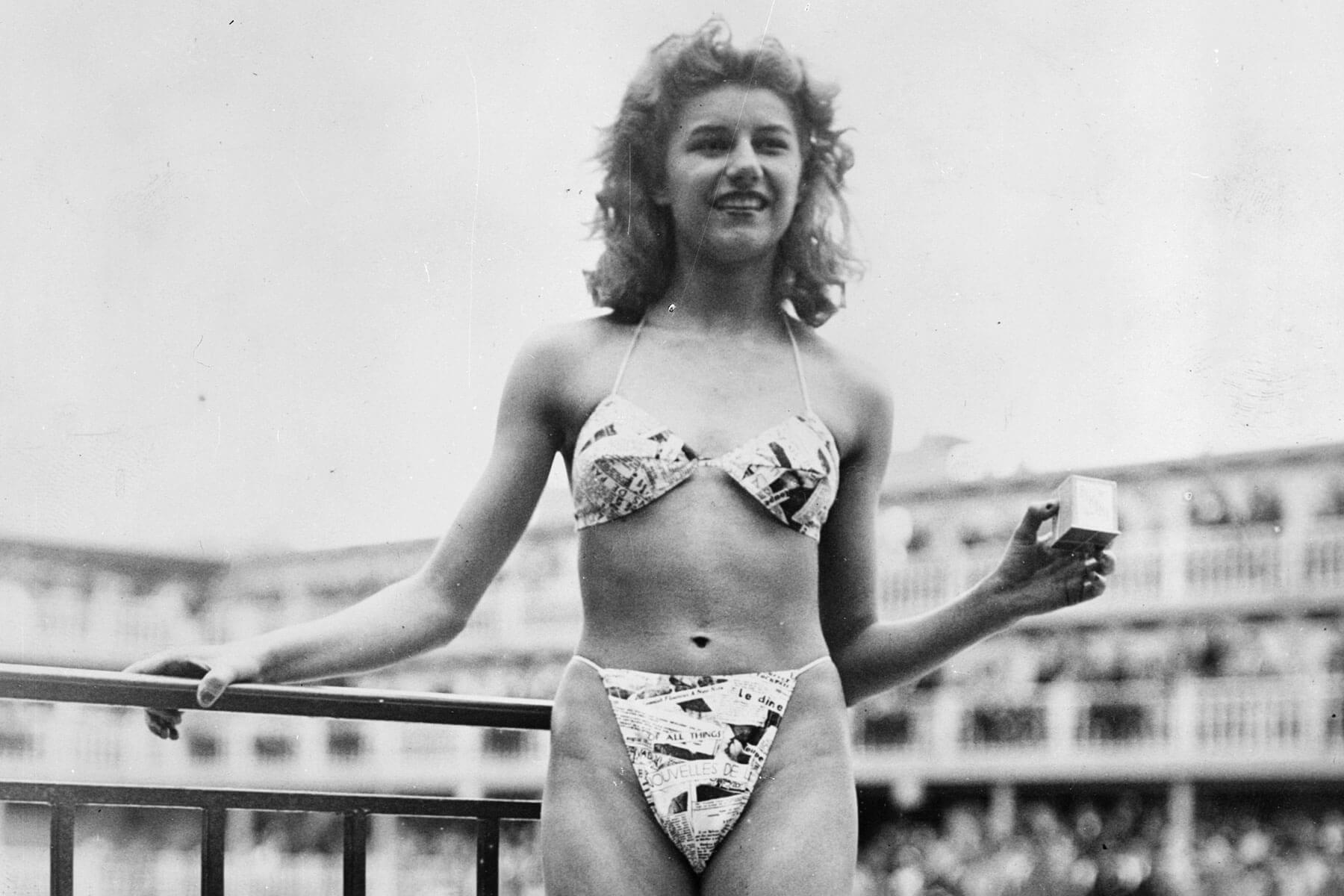
The string bikini as we know it was invented in 1946 by French automotive engineer-turned fashion designer Louis Réard. The design featured four triangles of fabric — two for the bottom, two for the top — and spaghetti straps. Expecting an explosive reaction to his daring design, Réard named the suit for Bikini Atoll in the Pacific islands, where the U.S. conducted atomic bomb testing starting in the mid-1940s. A nude dancer from the Casino de Paris named Micheline Bernardini first modeled the provocative swimwear, in part because no runway model could be convinced to pose in something so revealing. Within the decade that followed, however, the bikini became ubiquitous, thanks in part to Hollywood stars such as Brigitte Bardot and Marilyn Monroe popularizing the style, as well as the rapidly changing social norms in the post-World War II era.

You may also like

5 Inventions That Came Out of the Great Depression

  • Old car radio
Old car radio
Martin Bergsma/ Shutterstock
Author Sarah Anne Lloyd

July 24, 2023

Love it?

The Great Depression began in 1929 and lasted for an entire decade, affecting nearly every aspect of daily life for people all over the world — and hitting the United States especially hard. U.S. unemployment soared to nearly 25%, businesses shuttered, and families lost their life savings. Food became scarce in many communities, especially as a severe drought hit the Great Plains, leading to the agricultural disaster known as the Dust Bowl.

This difficult era also impacted innovation. Independent inventors found themselves with less funding, and many businesses shied away from risky initiatives, but big inventions also helped keep companies and innovators afloat during the hard times. Some inventions were successful specifically because of the economic downturn, such as the groundbreaking new adhesive that could repair just about anything. For others, success came in spite of the crisis. Here are five inventions that came out of the Great Depression that are still shaping our lives today.

Photo credit: Popovic Dragan via Getty Images

Sliced Bread

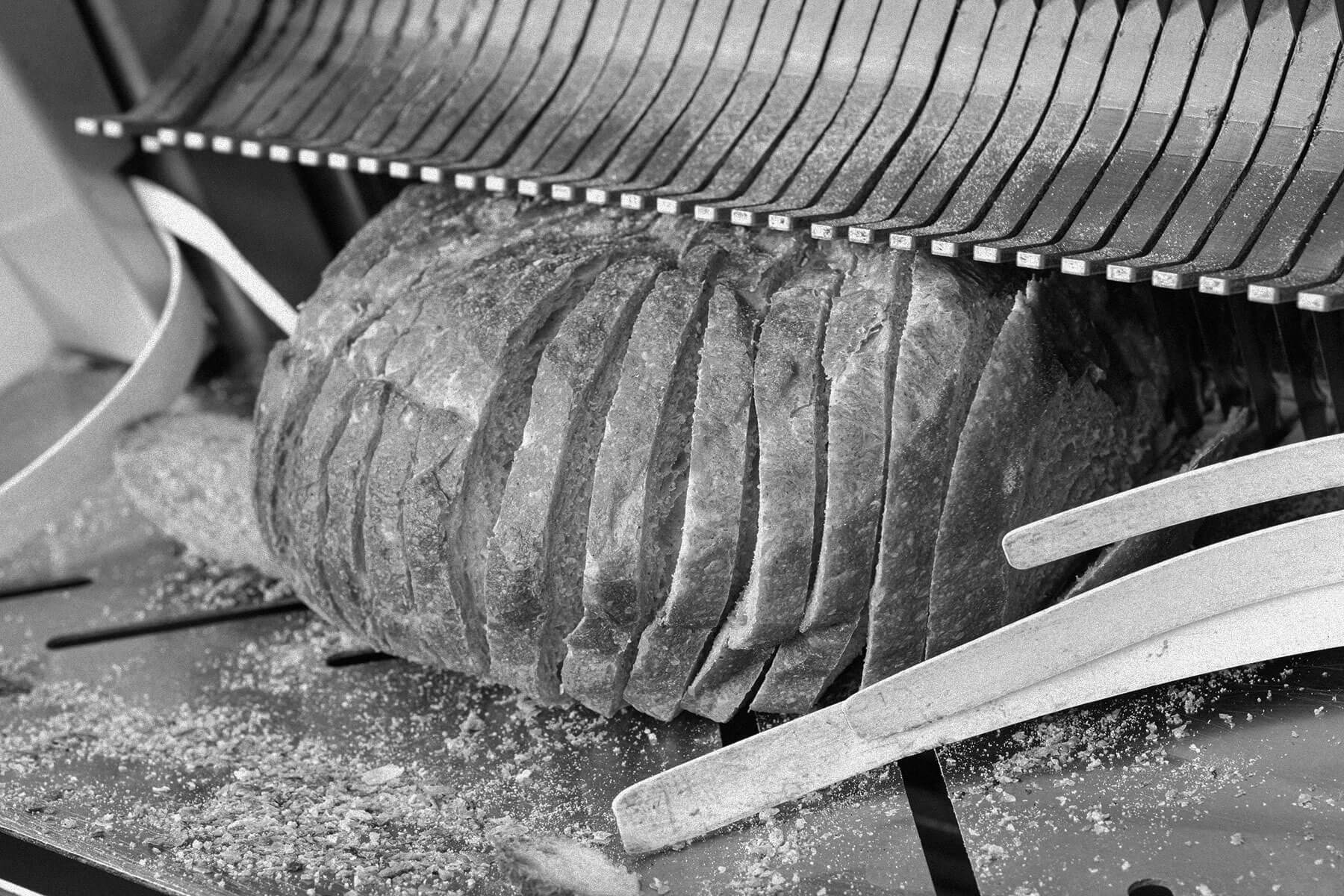
A century ago, people had to bust out a bread knife whenever they wanted a sandwich or slice of toast. That changed in 1928, when a bread slicing and wrapping machine invented by Otto Rohwedder made its debut at a bakery in Chillicothe, Missouri. The machine proved to be so popular that Rohwedder had trouble keeping up with demand from other bakeries. After the Depression hit, economic realities forced him to sell his patent to a larger manufacturing company — but the story has a happy ending. The owners hired the inventor as the vice president and sales manager of a new division formed just for his machines. In 1930, Wonder Bread started advertising its own sliced bread, and, although Wonder Bread used its own machines, Rohwedder’s bread-slicer sales exploded as the trend grew. By 1933, sliced bread accounted for 80% of all bread sales. The invention was so influential, it led to the phrase still used to praise new wonders today: “The best thing since sliced bread.”

Photo credit: INTERFOTO/ Alamy Stock Photo

Nylon Stockings and Toothbrushes

Before the Depression, the DuPont chemical company had a “fundamental research” program — a team of scientists tasked with increasing scientific knowledge rather than developing specific projects. But with the economic downturn, the division became more focused. It was already working on synthetic textiles and had invented neoprene, although the material wasn’t particularly useful at the time. They’d also worked with rayon, which didn’t make a great substitute for silk, and was only partially manmade. Nylon was the first entirely synthetic fiber developed by DuPont that was actually useful — and its invention in 1937 was a very bright prospect after the agricultural woes of the era.

Nylon started appearing in toothbrushes in 1938, and DuPont showed off its new fabric to the world as hosiery at the 1939 New York World’s Fair. The first day nylon stockings became available to the public, around 800,000 pairs flew off the shelves. DuPont’s Depression-era investment in fiber technology paid off; by 1937, 40% percent of its sales came from products that didn’t exist before 1929, including freon, neoprene, and lucite.

You may also like

What Everyday Life Was Like in Ancient Rome

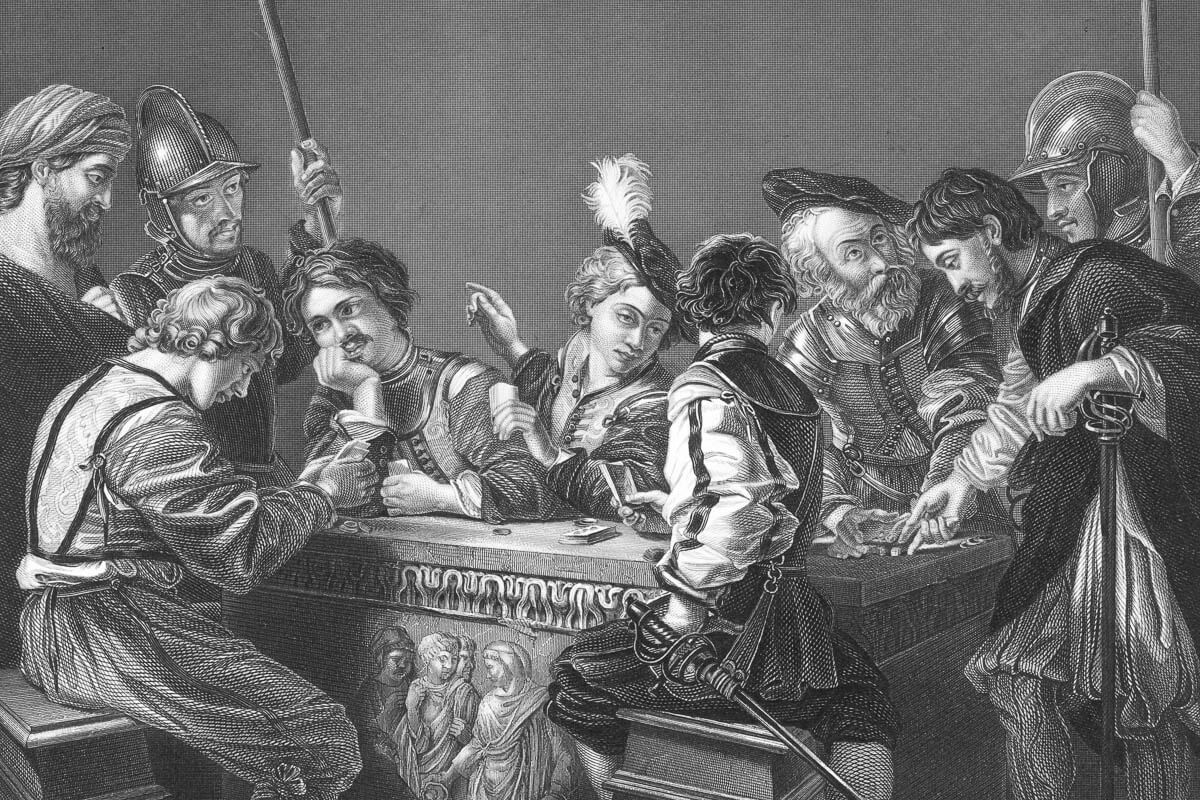
  • Ancient Romans gambling
Ancient Romans gambling
Hulton Archive via Getty Images
Author Adam Levine

July 24, 2023

Love it?

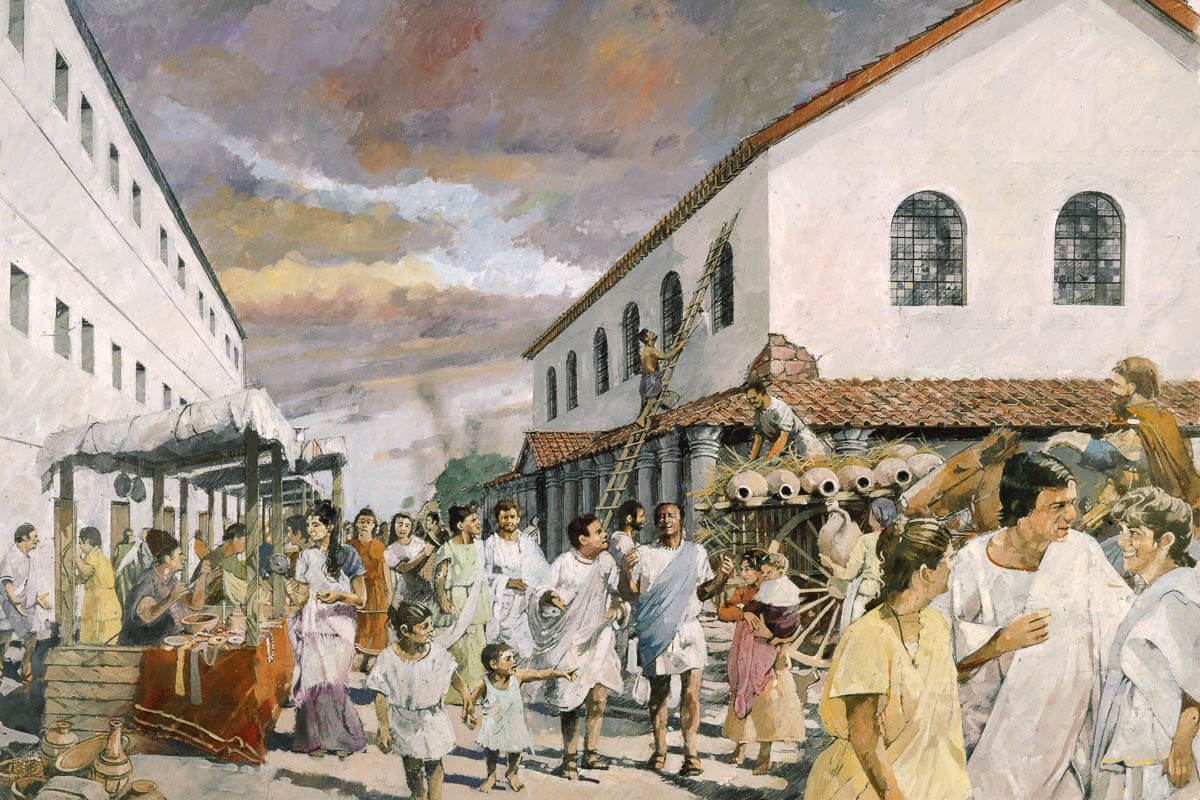
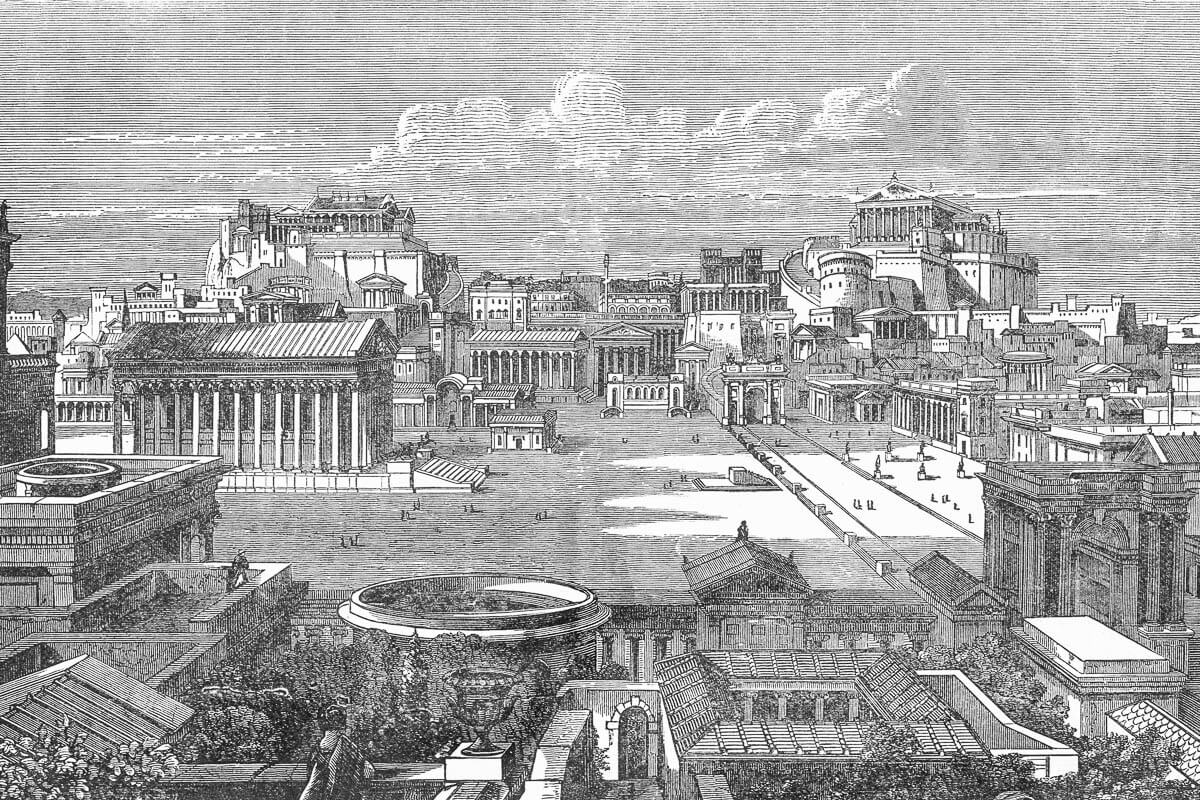
Ancient Roman history is usually dominated by larger-than-life rulers such as Julius Caesar and eloquent senators such as Cicero. However, these men led an empire of millions of everyday citizens who were usually less concerned with conquering the world than they were with putting bread on the table and simply enjoying life. A look at the lives of typical Roman citizens reveals a culture that in many fundamental ways is not so different from ours; the ancient Romans worked, played, socialized, and expressed themselves — albeit often quite rudely. Here are six facts that offer a glimpse of what it was like to be an average citizen in one of the world’s largest and most influential empires.
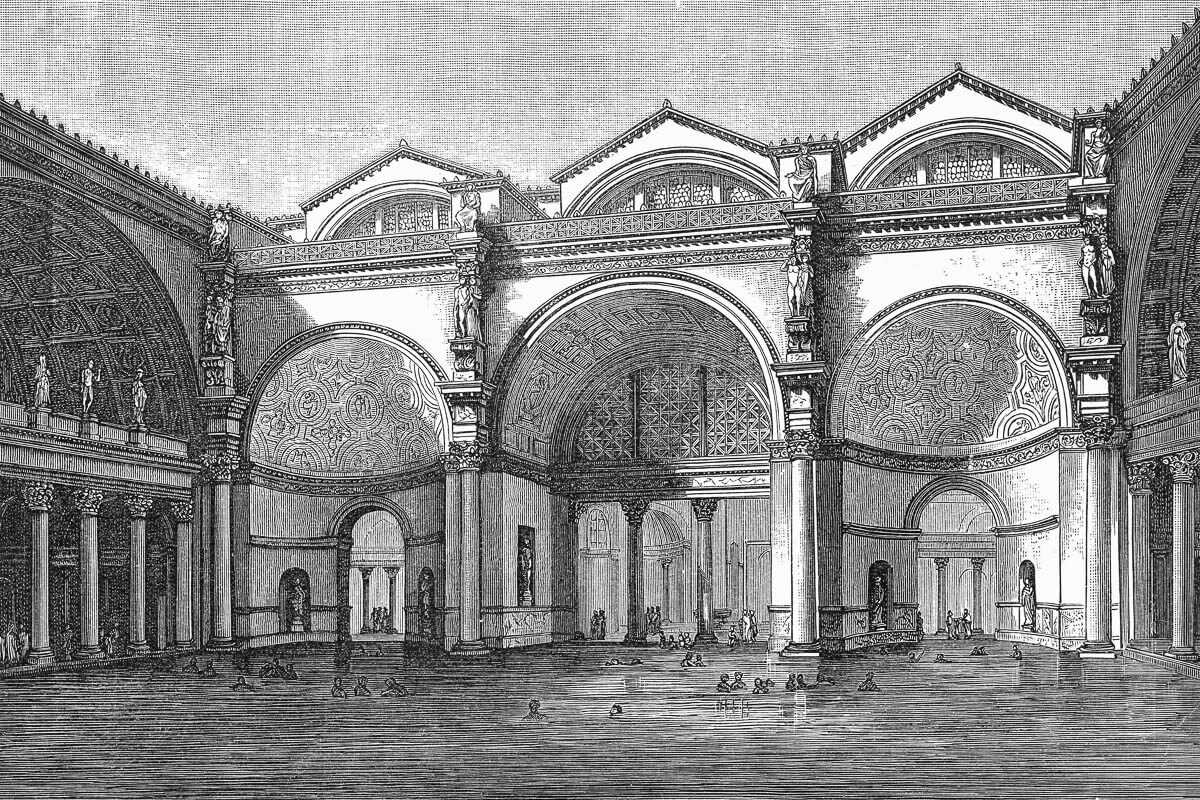
Photo credit: INTERFOTO / Alamy Stock Photo

No Matter Where You Went, You Could Always Find a Public Bath

The Romans were masterful architects of public baths, called thermae. These were complex facilities with elaborate heating systems where Romans from all walks of life came together to relax, socialize, and of course, get clean. Bathing in the Roman thermae wasn’t just a simple dip in the water — there was a whole process involved. A visitor would begin by doing some light exercise followed by a hot bath, then a warm bath, and then a cold bath; they could also spend time in a steam room or get a massage. Public baths were a central part of Roman culture, and some citizens even considered them a symbol of Roman identity. In fact, baths were such an essential component of daily life that they were built in nearly every part of the Roman Empire, even in its most remote regions. Roman thermae could be found as far north as the British Isles and as far south as Egypt.

Photo credit: Werner Forman/ Universal Images Group via Getty Images

The Empire’s Cities Were Filled With Graffiti

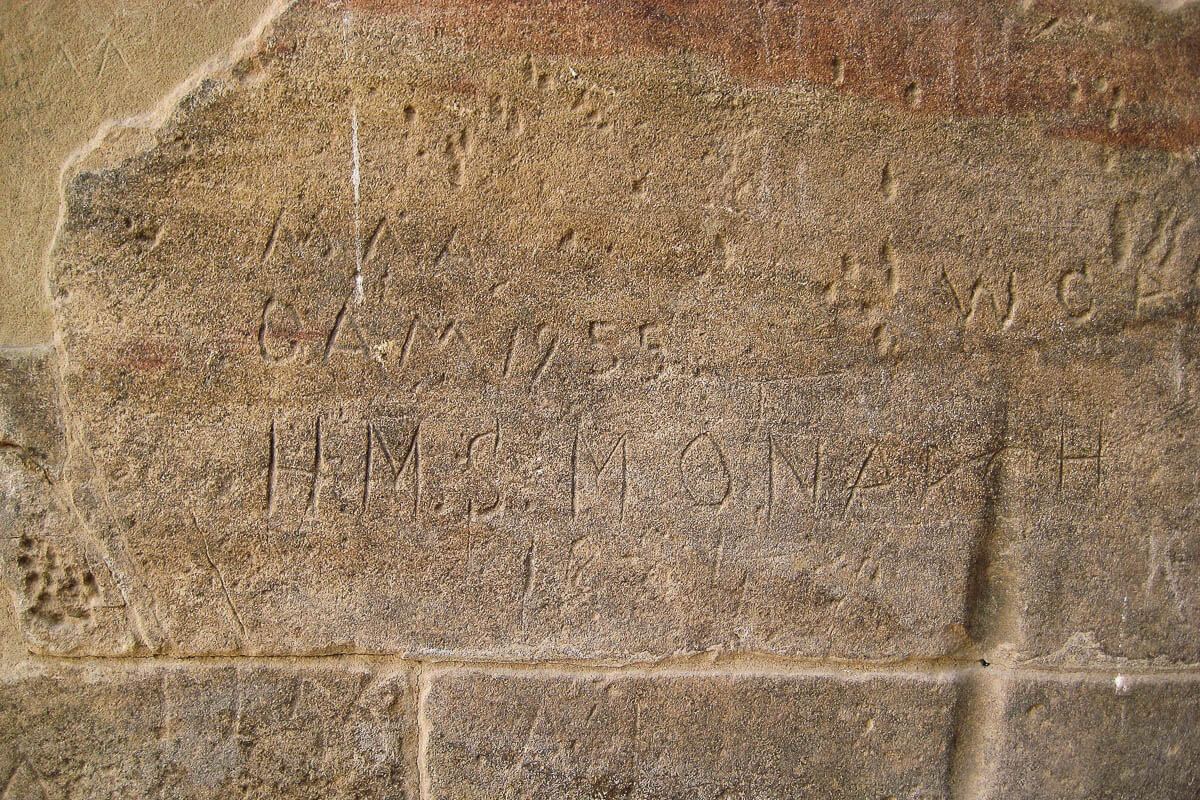
Archaeological evidence from well-preserved ancient Roman cities such as Pompeii and Herculaneum reveals that, much like people in modern society, the denizens of ancient Rome liked to express themselves through some good old-fashioned graffiti. Since the ancient Romans lived a few millennia before the invention of spray paint, they had to make do by scratching and carving their designs and messages into plaster surfaces around the empire’s cities. Graffiti carved by everyday Romans can be found on the walls of bars, public baths, and other places where people commonly went to socialize. Ancient Roman street art ranged from simple drawings of stick figures and animals to colorful, R-rated jokes and insults. While some of the more famous Romans, such as emperors and statesmen, were commemorated through huge monuments and stately statues, graffiti was often a common person’s best shot at leaving their mark on the world, and many ancient graffiti artists included their names in the messages they left, to be remembered by future generations — even if it was just for a rude boast or scatological joke.
You may also like