6 Facts About the Mount Rushmore Presidents
  • Mount Rushmore
Mount Rushmore
Burazin/ The Image Bank via Getty Images
Author Nicole Villeneuve

July 19, 2023

Love it?

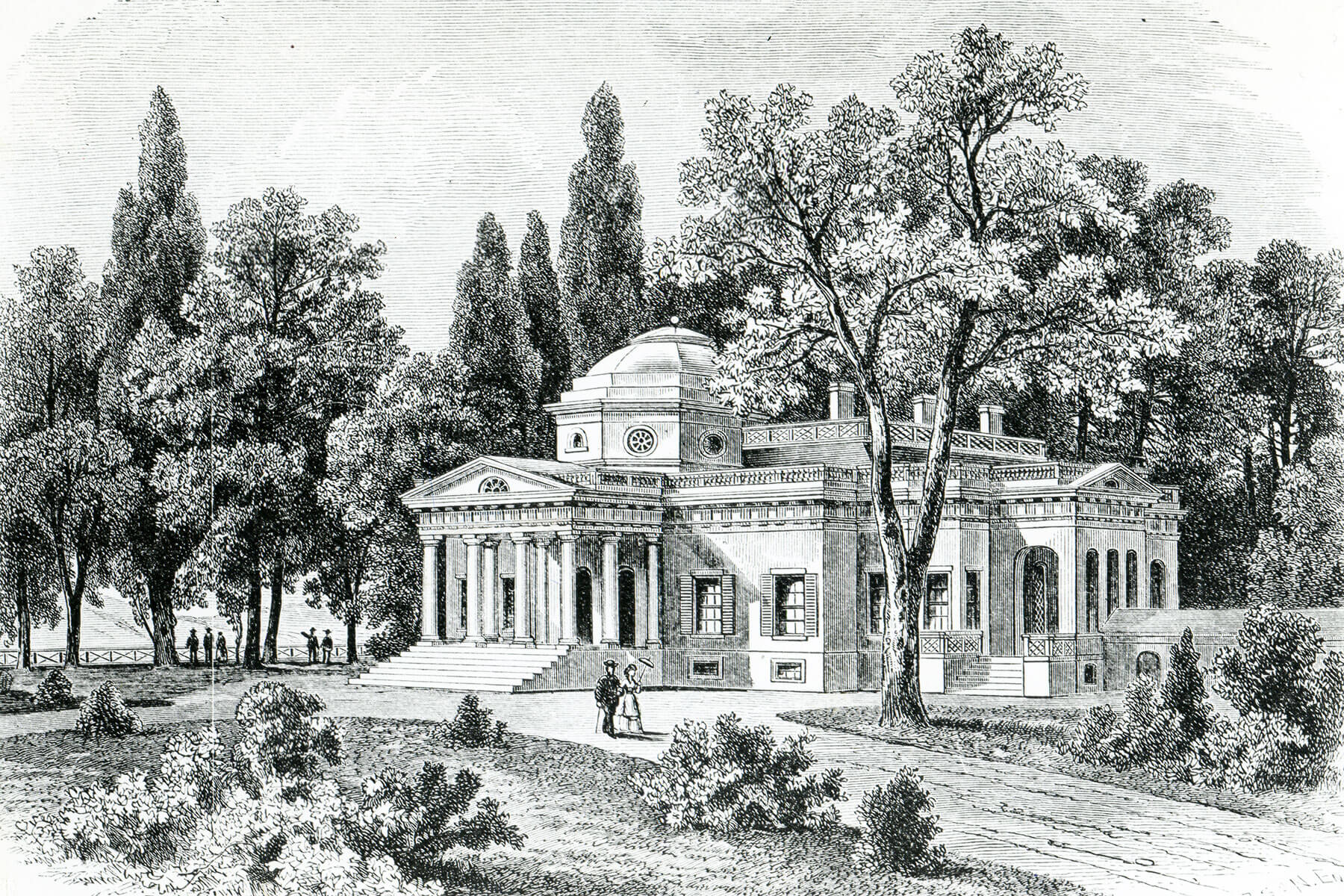
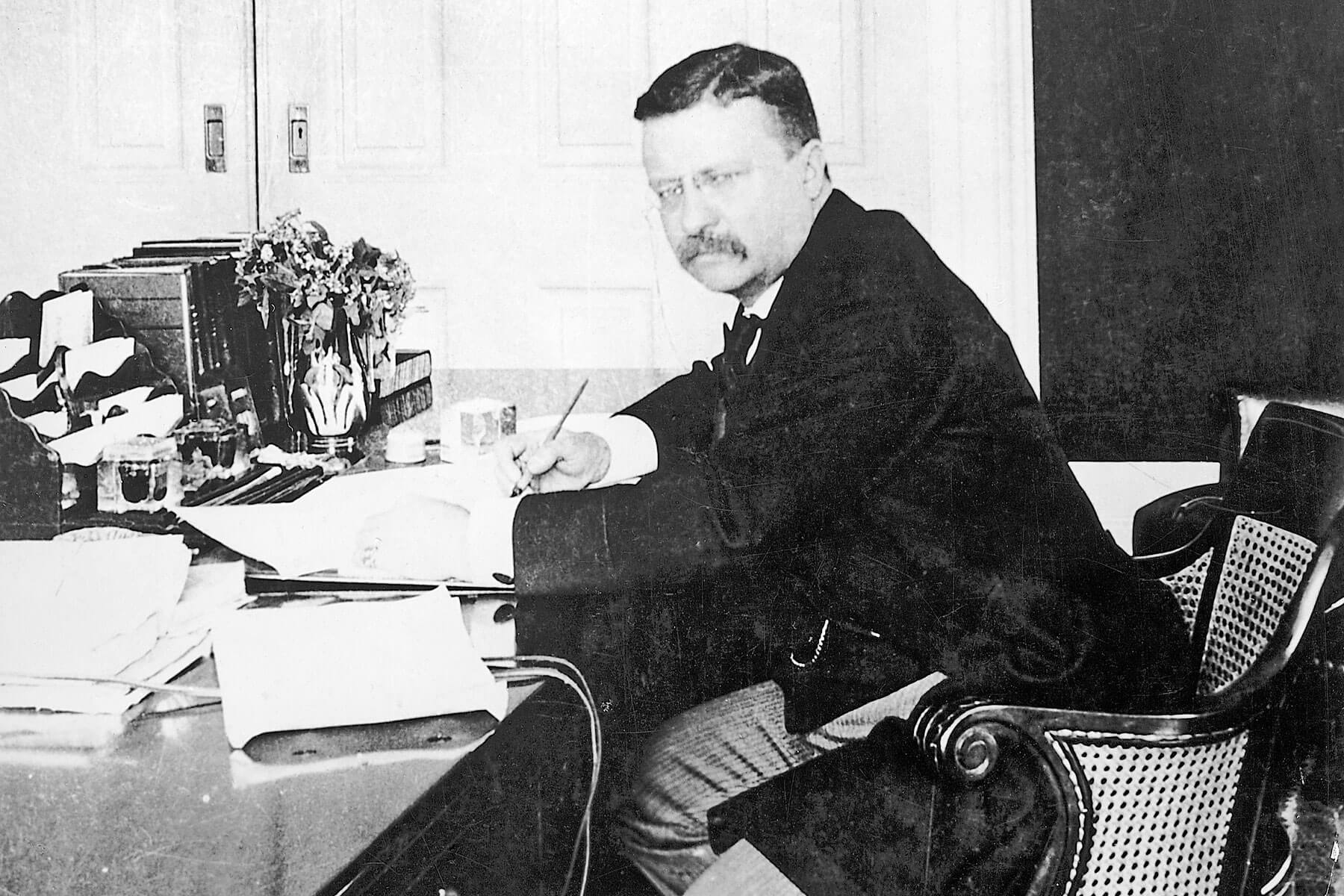
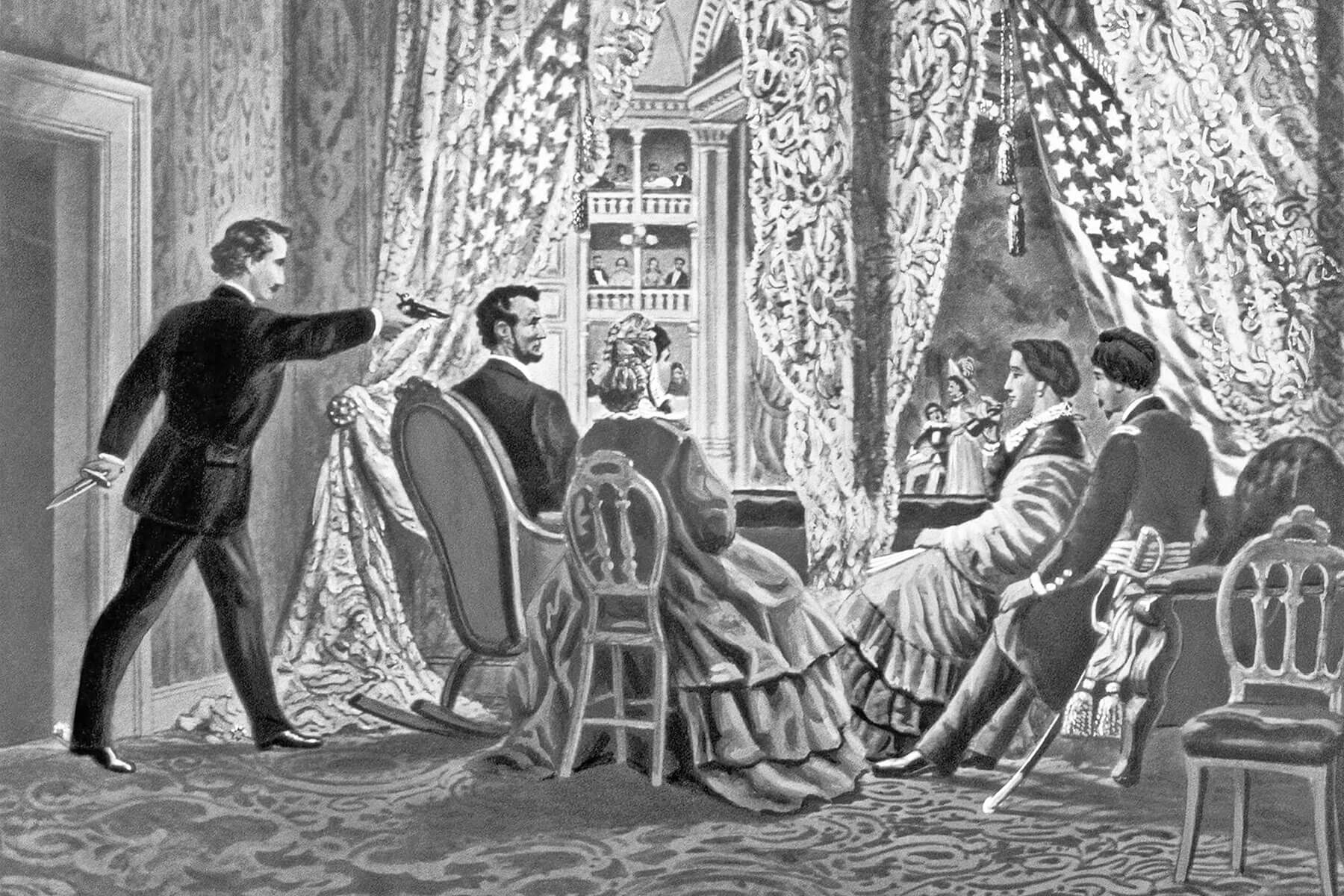
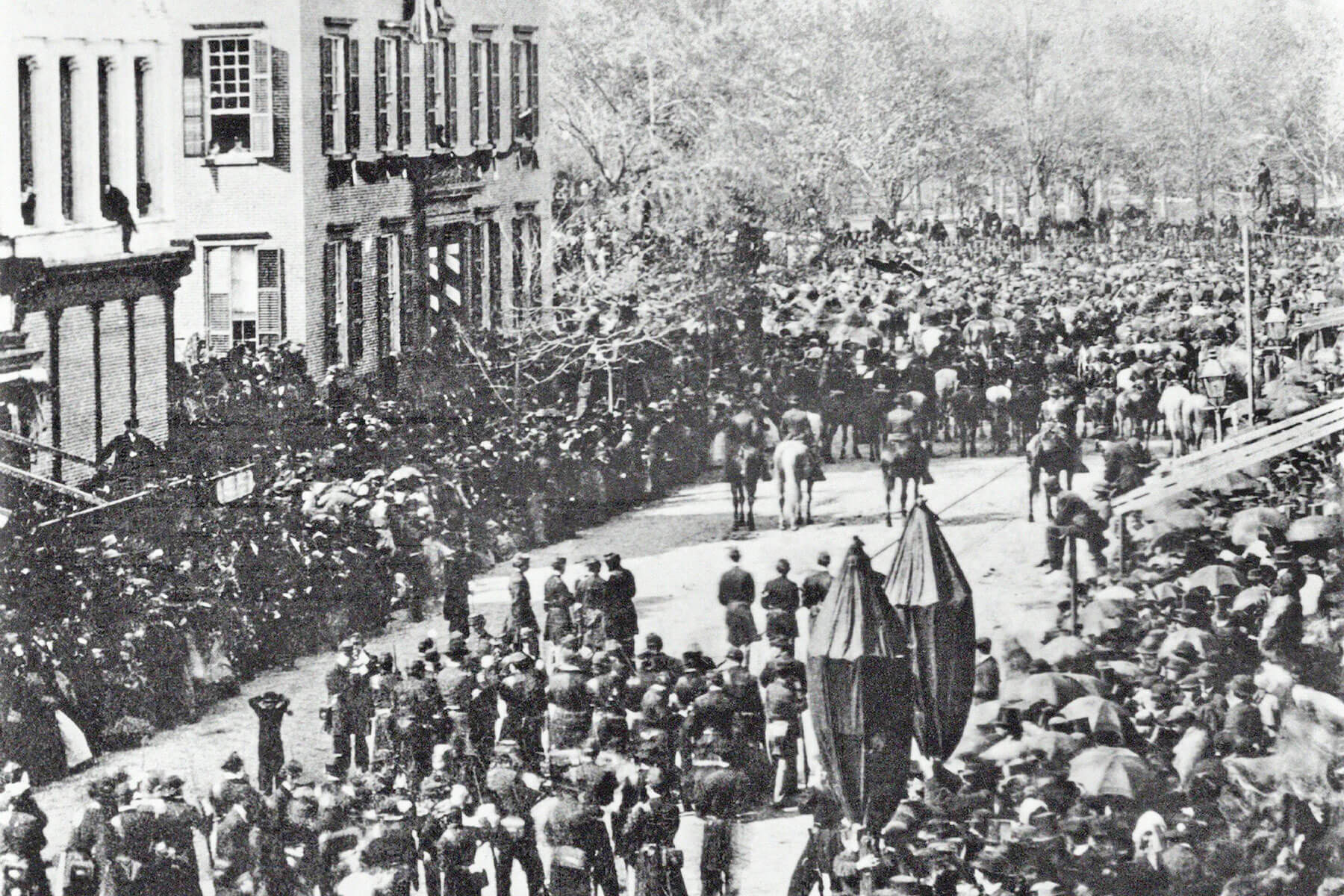
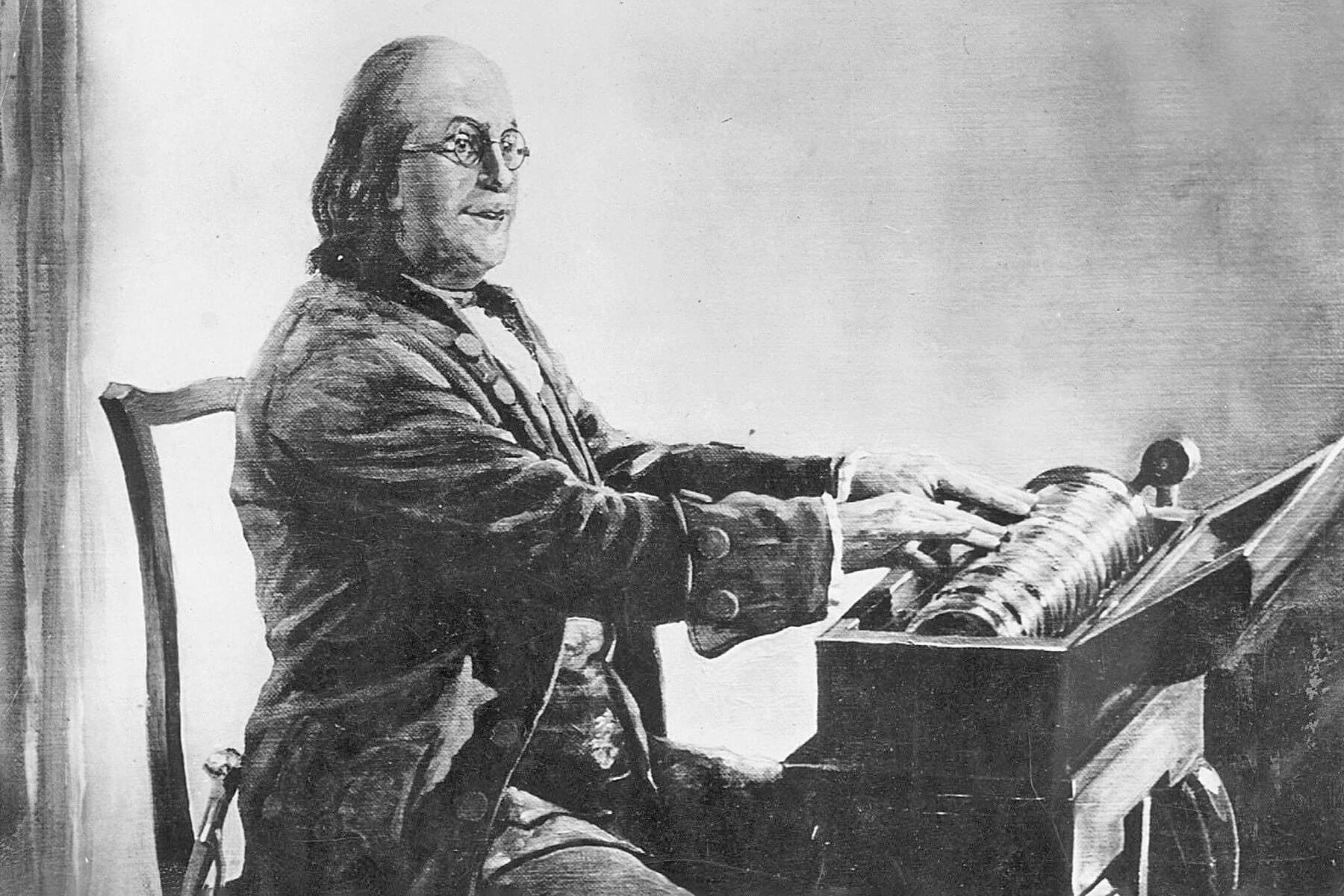
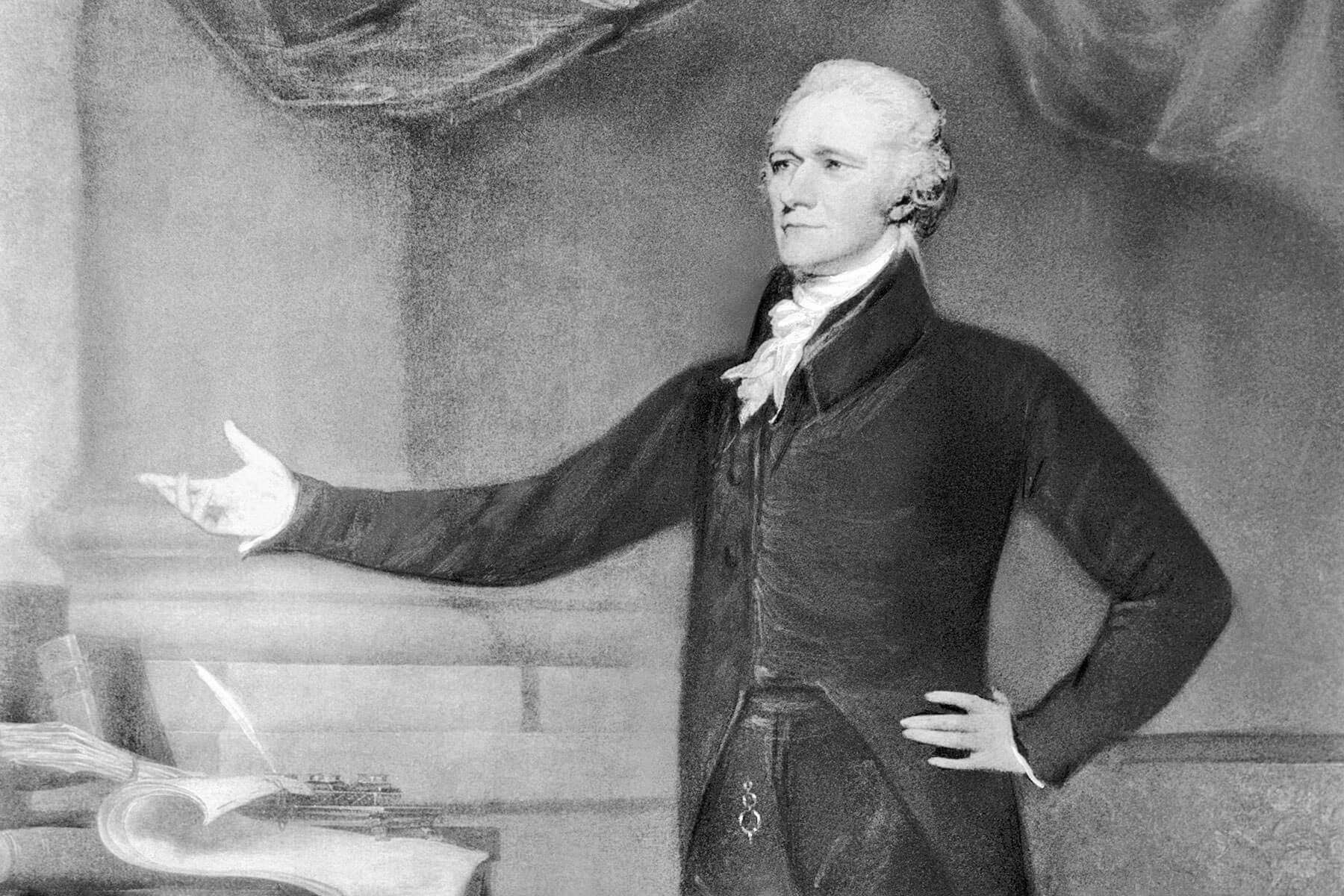
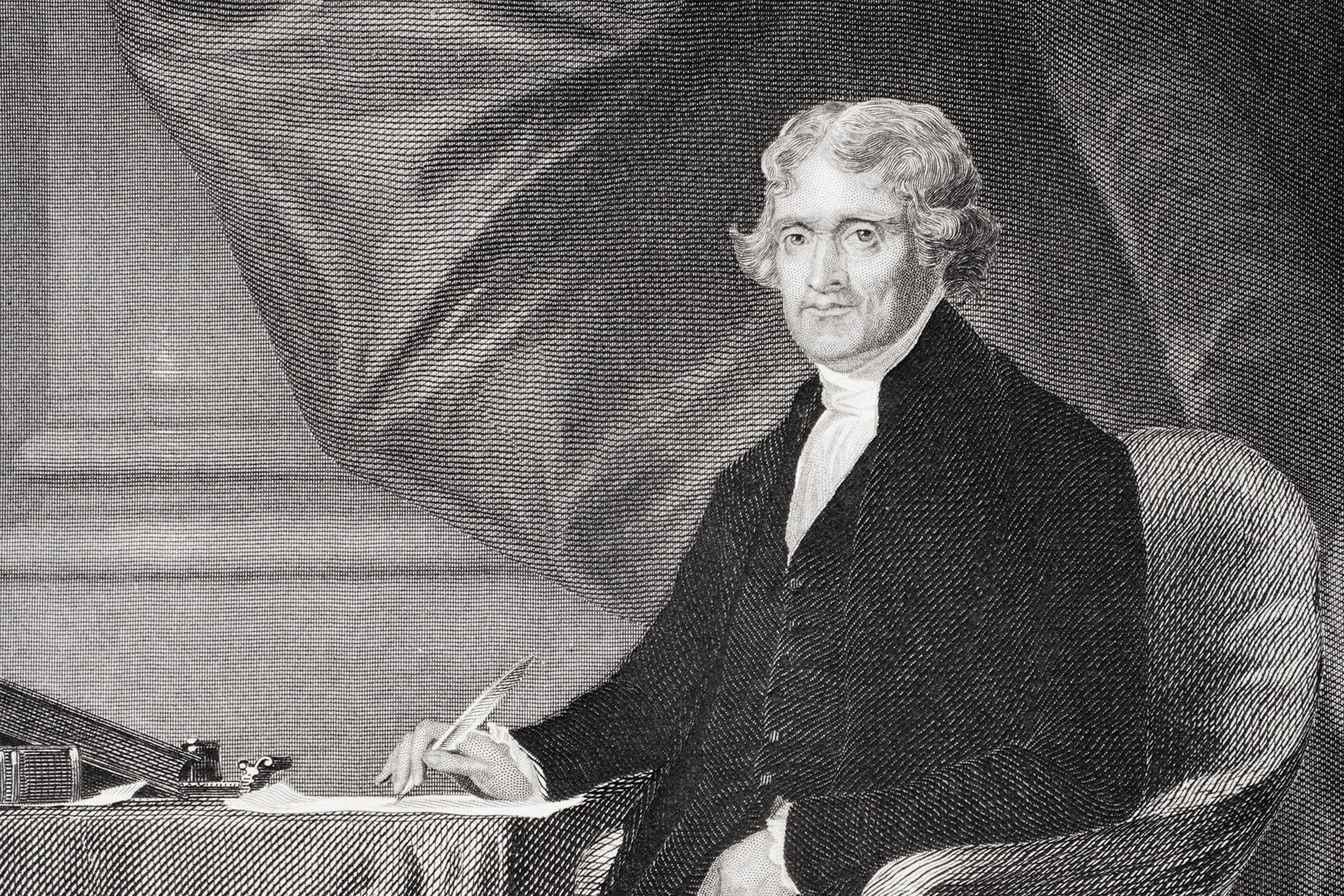
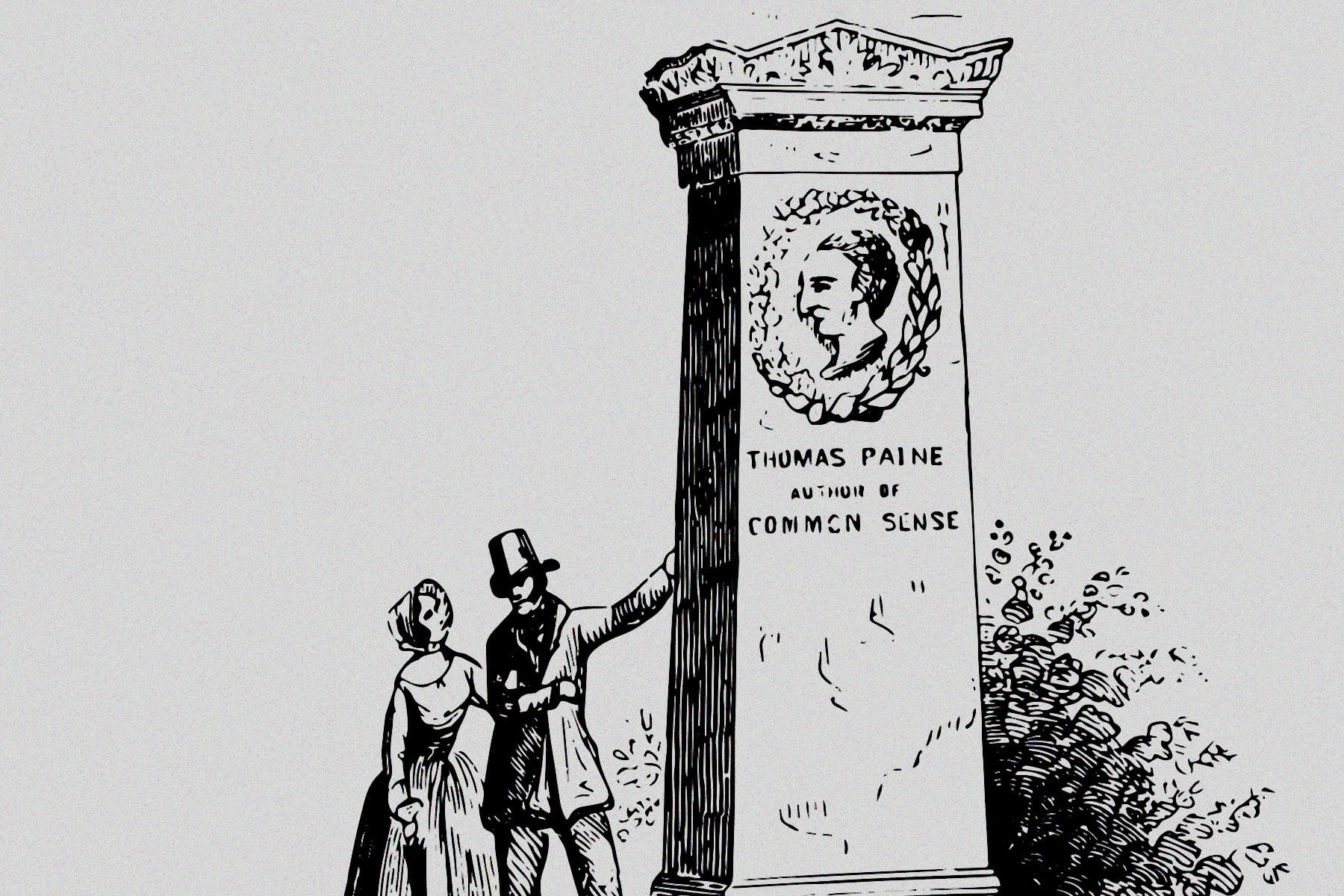
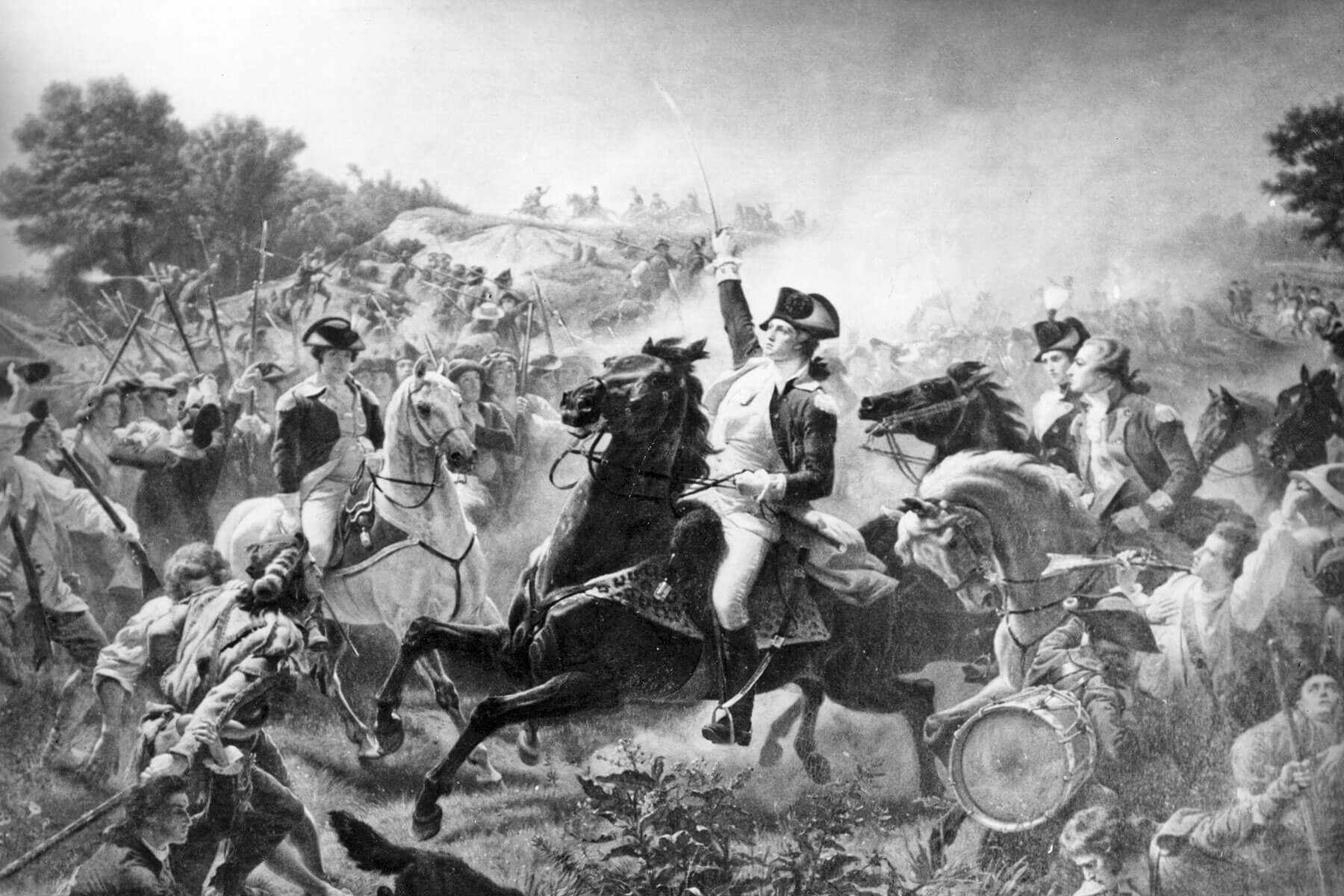
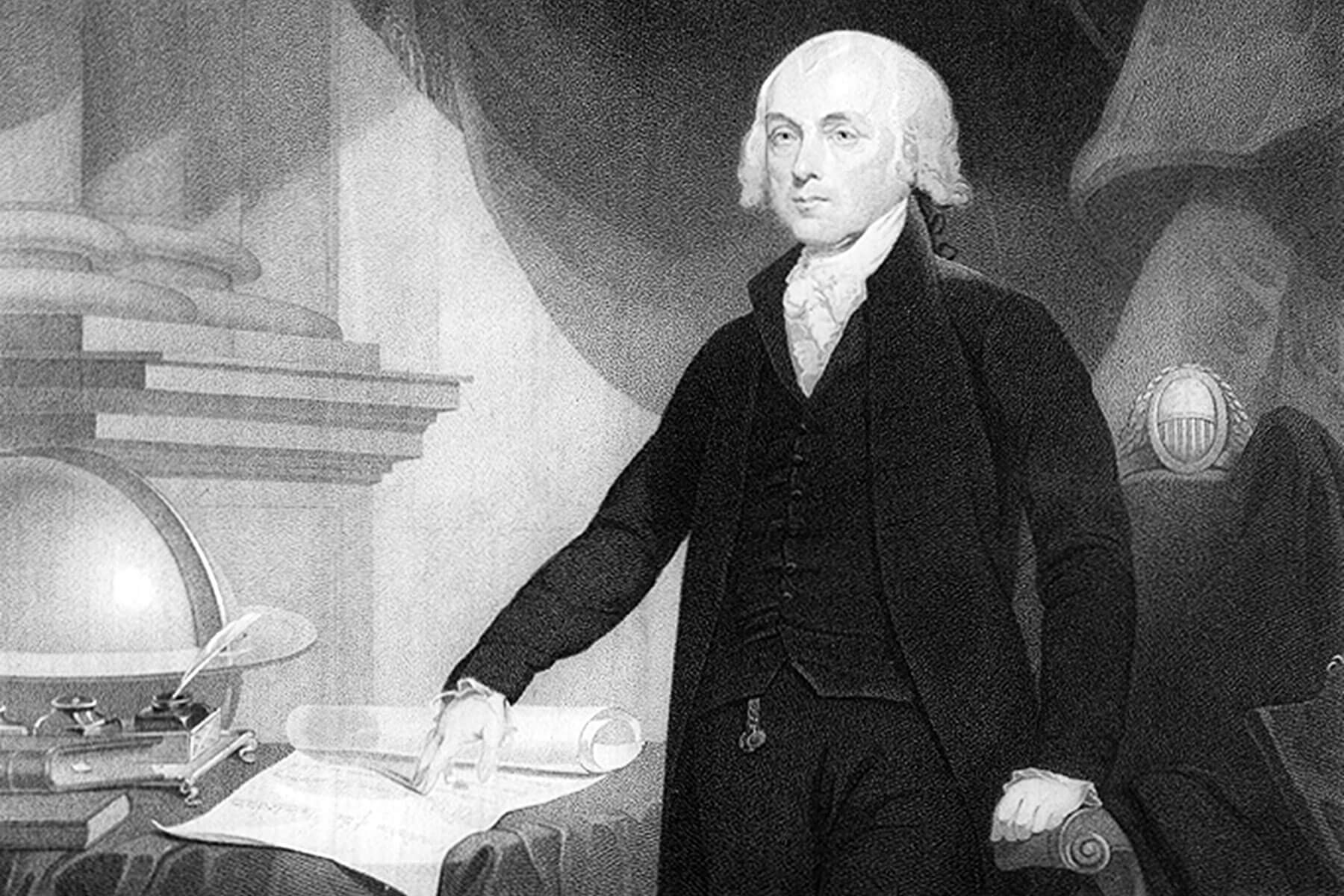
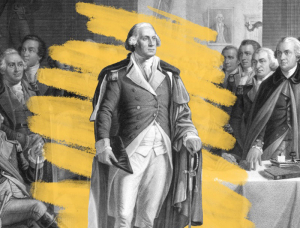
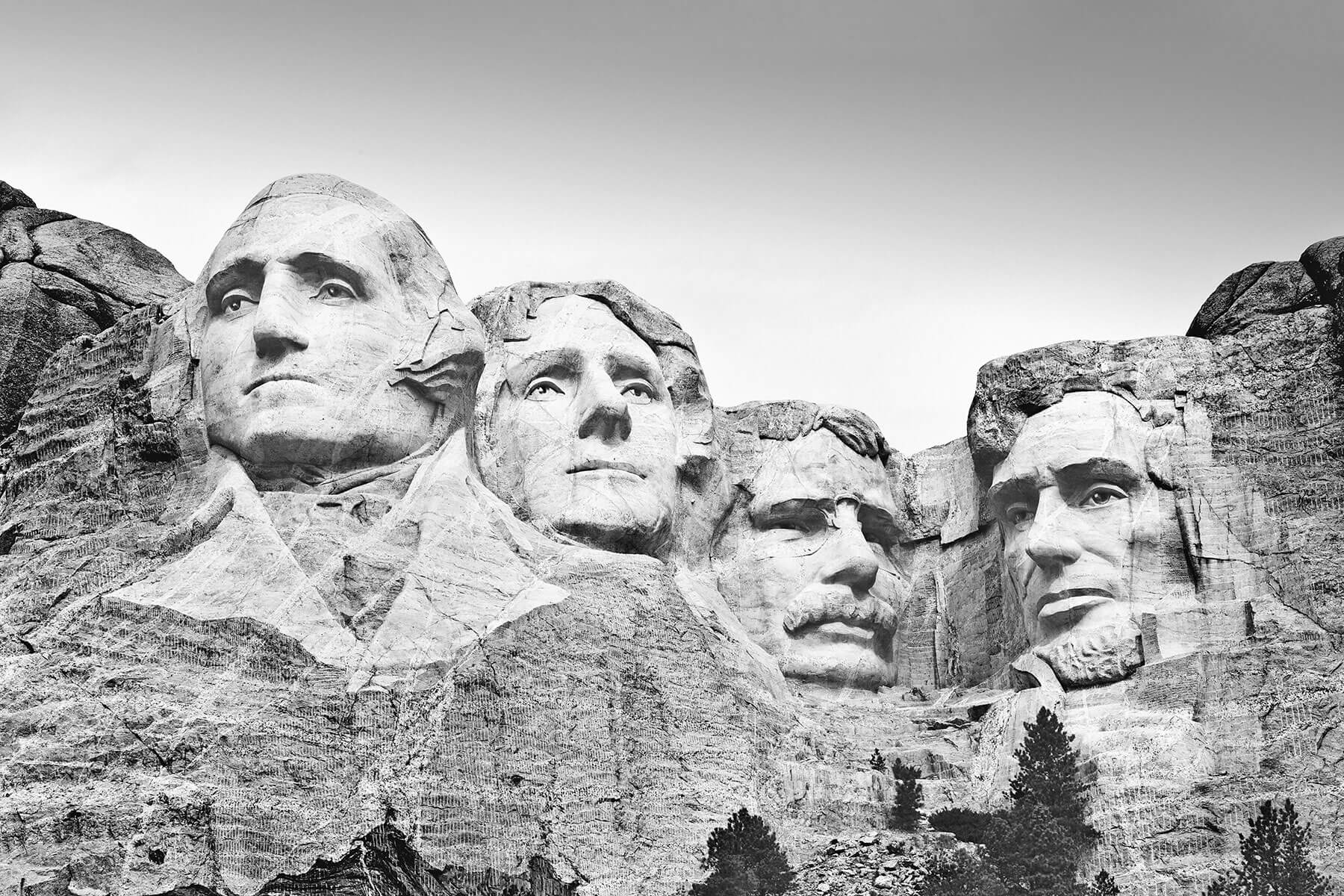
The four prominent U.S. Presidents carved into Mount Rushmore were chosen by sculptor Gutzon Borglum to represent major milestones and ideals in American history. George Washington, the first President, was chosen as a symbol of the birth of the nation; Thomas Jefferson represents the expansion of the country through the Louisiana Purchase; Abraham Lincoln was picked for his role in preserving the union; and Theodore Roosevelt symbolizes the nation’s industrial growth. While all of these famous figures are known for their pivotal roles in the country’s history, there’s much more to each of their stories. Here are six interesting facts about the Mount Rushmore Presidents.
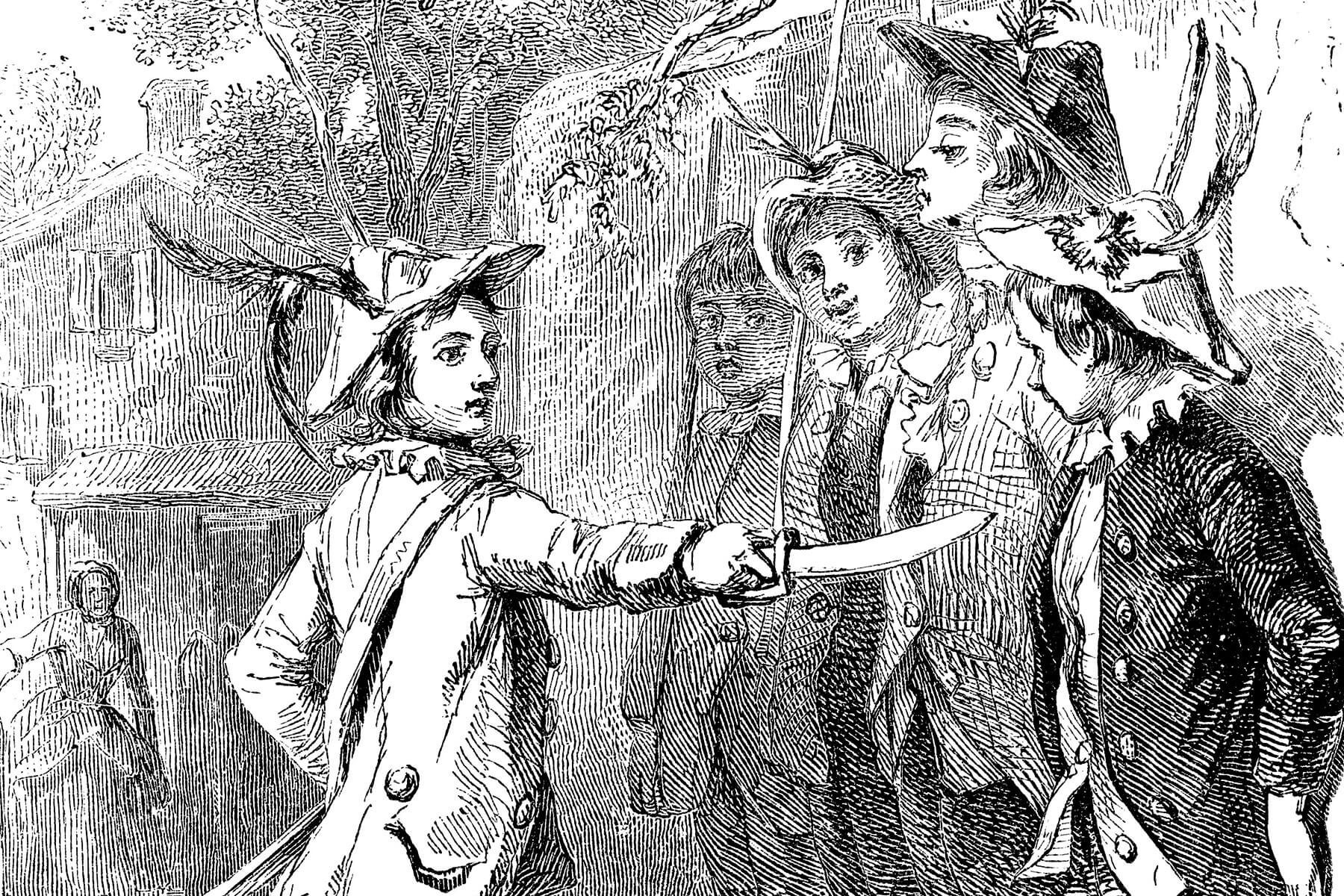
Photo credit: FromOldBooks.org/ Alamy Stock Photo

George Washington Only Had a Grade School Education

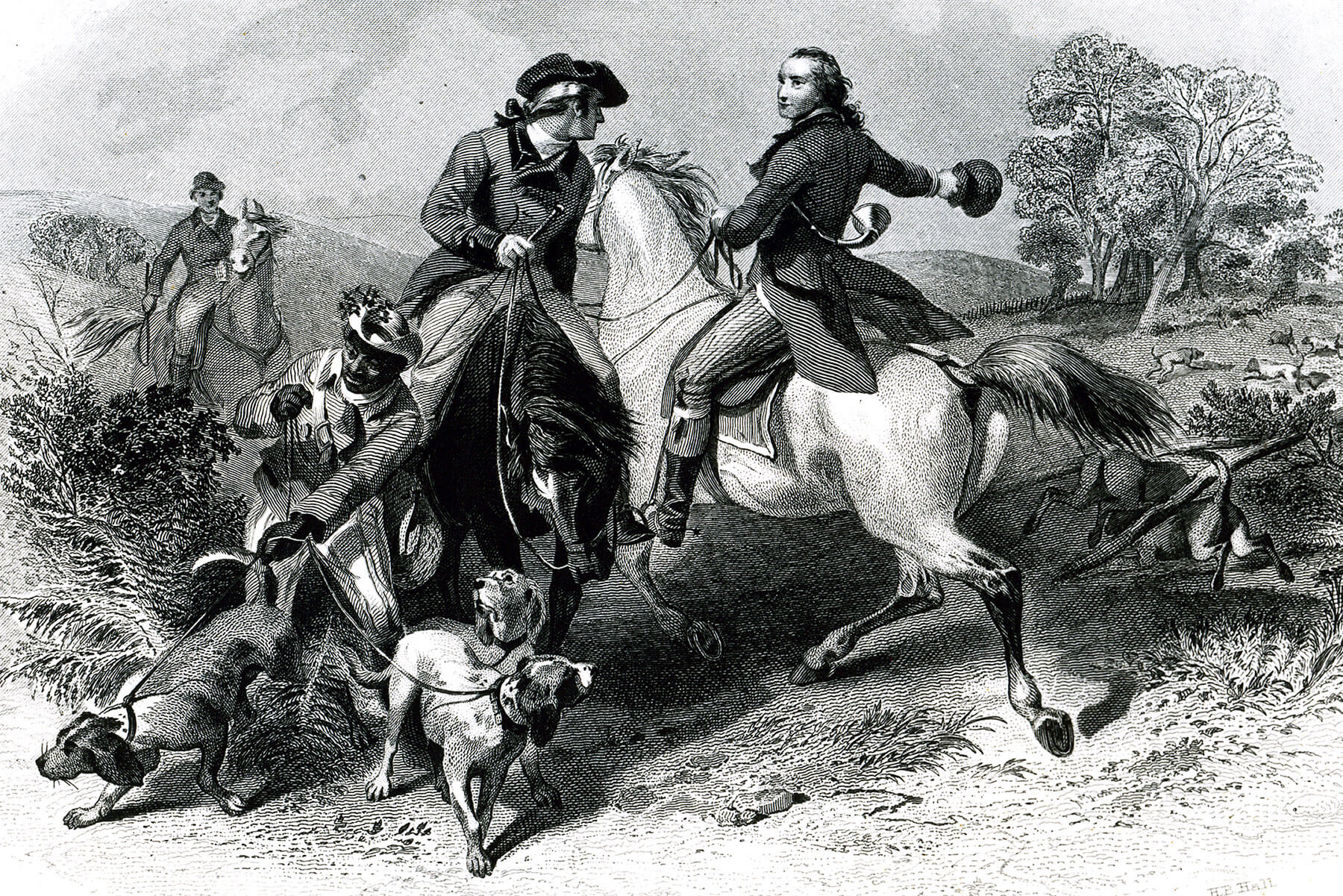
America’s first President may be one of the most notable figures in the country’s history, but his legacy all started with a modest education. George Washington was born into a Virginia plantation family in 1732, and his formal schooling was limited to his preteen years. When Washington was just 11 years old, his father died, and plans for the future President to follow in his family’s footsteps and attend Appleby Grammar School in England were halted. Washington instead received private tutoring for his further, albeit limited, education, and he continued to pursue self-education throughout his life. He read books on military strategy and history, which later informed his approach to his military career, in turn laying the groundwork for his path to the presidency. He studied geometry and trigonometry on his own, both of which came in handy for his stint as a land surveyor as a teen. But even with all of his successes, Washington carried embarrassment about his lack of formal education throughout his life, often comparing himself to his peers.

You may also like
5 Fab Facts About Music’s British Invasion

  • The Beatles
The Beatles
Fiona Adams/ Redferns via Getty Images
Author Kristina Wright

July 19, 2023

Love it?

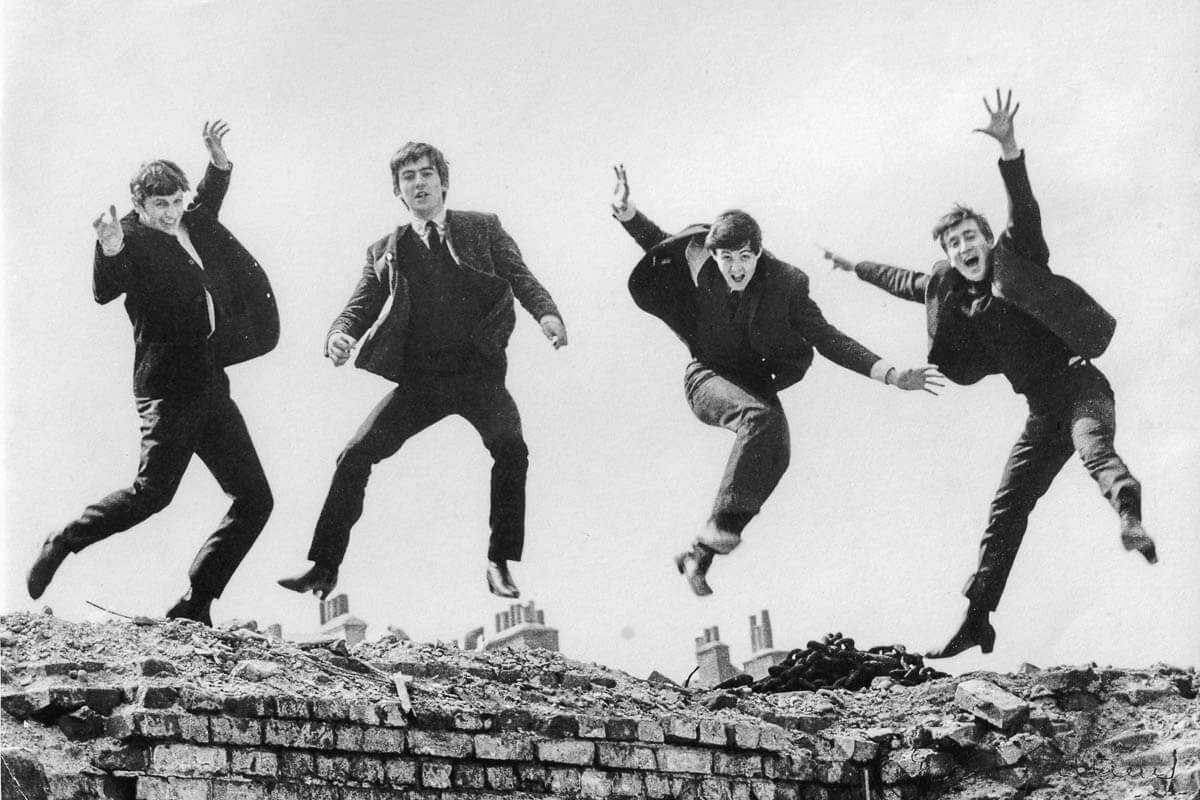
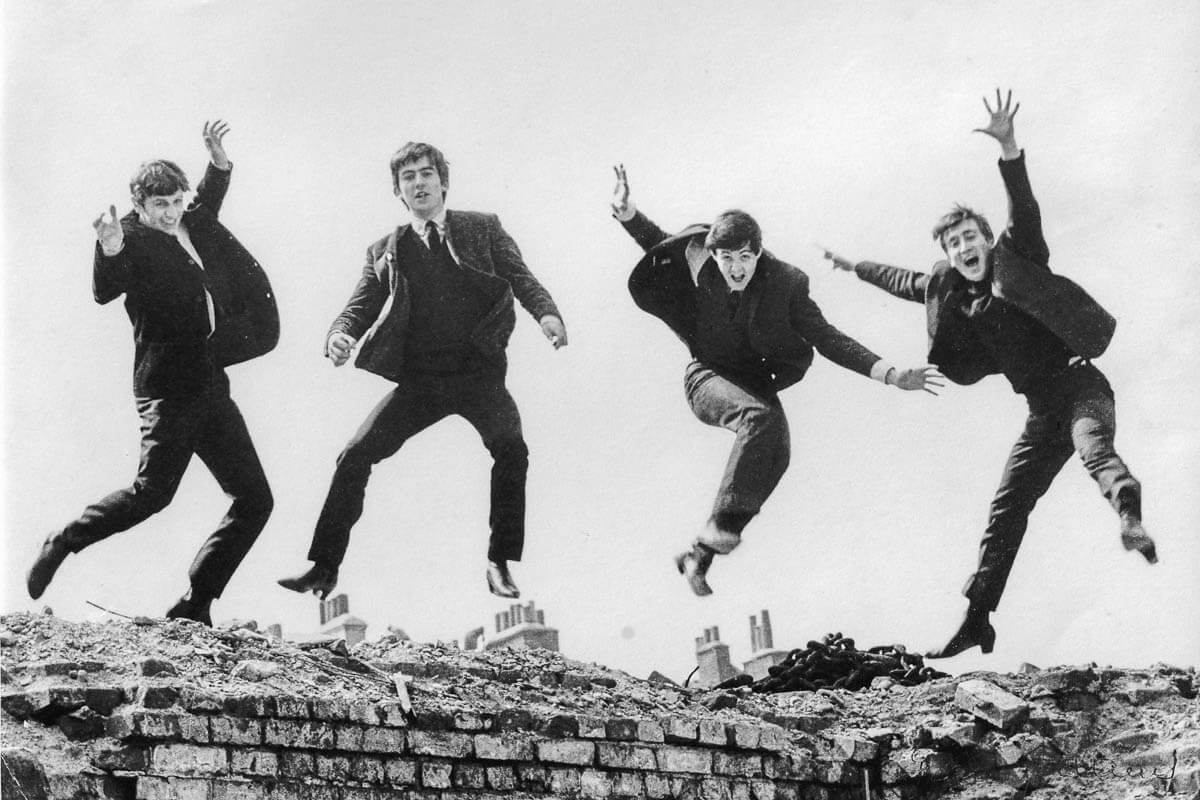
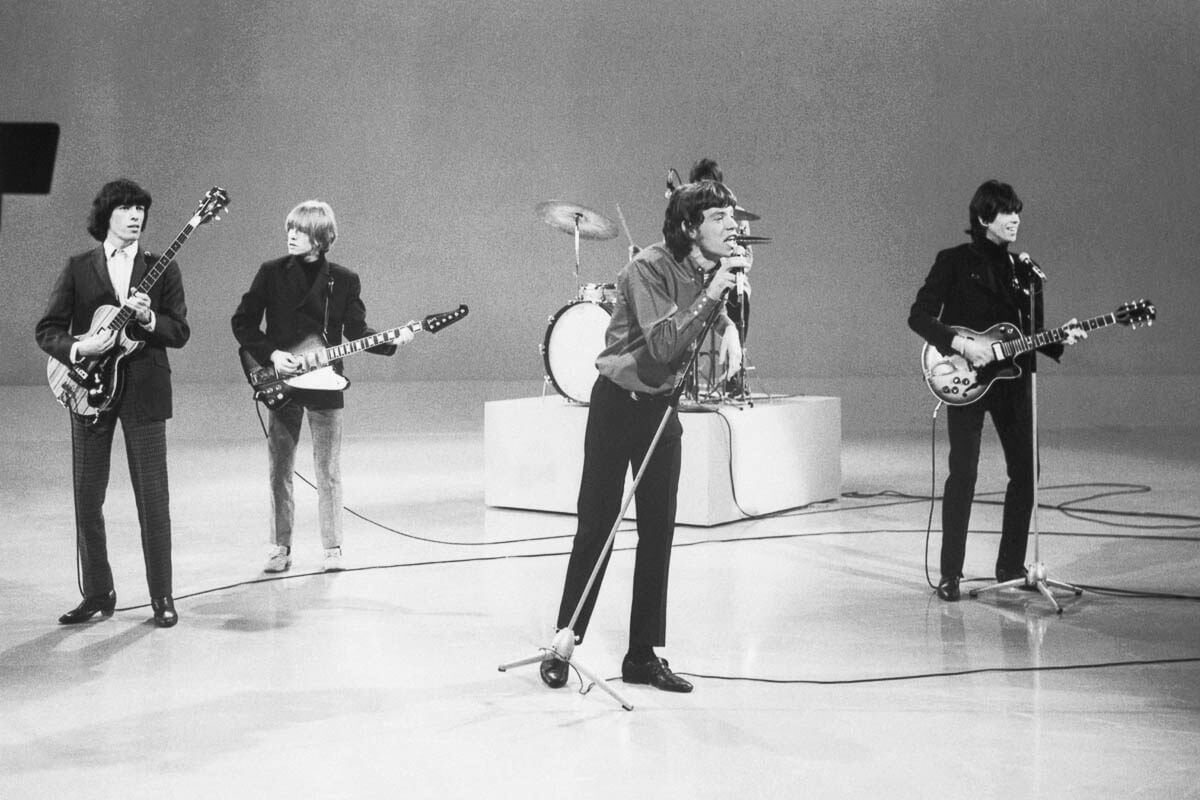
On February 7, 1964, the Beatles made their first visit to the United States, prompting Walter Cronkite to quip, “The British invasion this time goes by the code name ‘Beatlemania.’” The band was already popular in the U.K., but their instant appeal to audiences in the U.S. was unlike anything anyone had seen before; thousands of screaming teenagers met the Beatles’ plane at New York’s Kennedy Airport and thousands more were waiting for them to arrive at the Plaza Hotel. Not even Elvis Presley had generated that level of uninhibited euphoria, and it left people, especially the parents of all of those starstruck teens, curious about the shaggy-haired young men who were taking over the airwaves.

Before 1964, only two British singles had ever topped Billboard’s Hot 100 chart, and both of them were instrumentals. The Beatles’ popularity paved the way for many of Britain’s hottest acts to follow, from the Rolling Stones to the Who, ushering in a new musical era dominated by British performers. Here are five fun facts about the Fab Four and the musical phenomenon known as the British Invasion.

Photo credit: Fiona Adams/ Redferns via Getty Images

Beatlemania Provided a Diversion to a Nation in Mourning

In February 1963, Chicago DJ Dick Biondi became the first disc jockey to introduce U.S. listeners to the Beatles when he played “Please Please Me,” the band’s first U.S. single. The song was picked up by other radio stations, but it was months before the Fab Four caught on in America. On the morning of November 22, 1963, CBS News aired a story about the Beatles’ popularity in England, but the segment on the band slotted for that evening was shelved when President John F. Kennedy was assassinated later that day. 

A few weeks later, Walter Cronkite decided the country could use a break from their collective grief and decided to finally air the Beatles story. Marsha Albert, a 15-year-old girl from the suburbs of Washington, D.C., saw the segment and wrote to WWDC radio to request they play more of the band’s music. Disc jockey Carroll James had also seen the report, got a copy of the track “I Want to Hold Your Hand,” and invited Albert to come to the studio to introduce the song on December 17. Radio stations in other major markets followed suit, and Capitol Records, which had been planning to release the single in January, decided to rush-release it on December 26. The label originally planned for 200,000 copies to be pressed, but that jumped to 1 million — all of which were sold by January 10, 1964. Beatlemania had taken hold in the U.S. and the British Invasion was on its way.

You may also like

9 World War II Facts Every History Buff Should Know

  • American marines in 1942
American marines in 1942
Keystone/ Hulton Archive via Getty Images
Author Adam Levine

July 19, 2023

Love it?

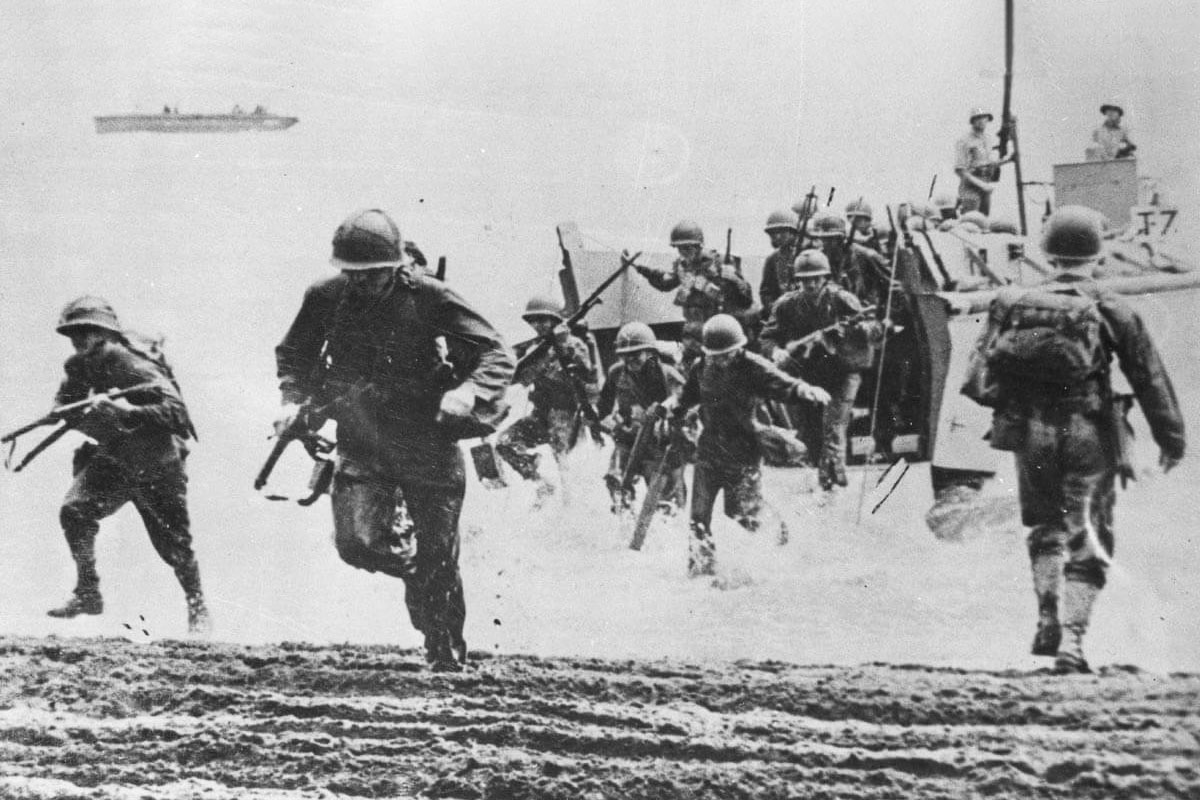
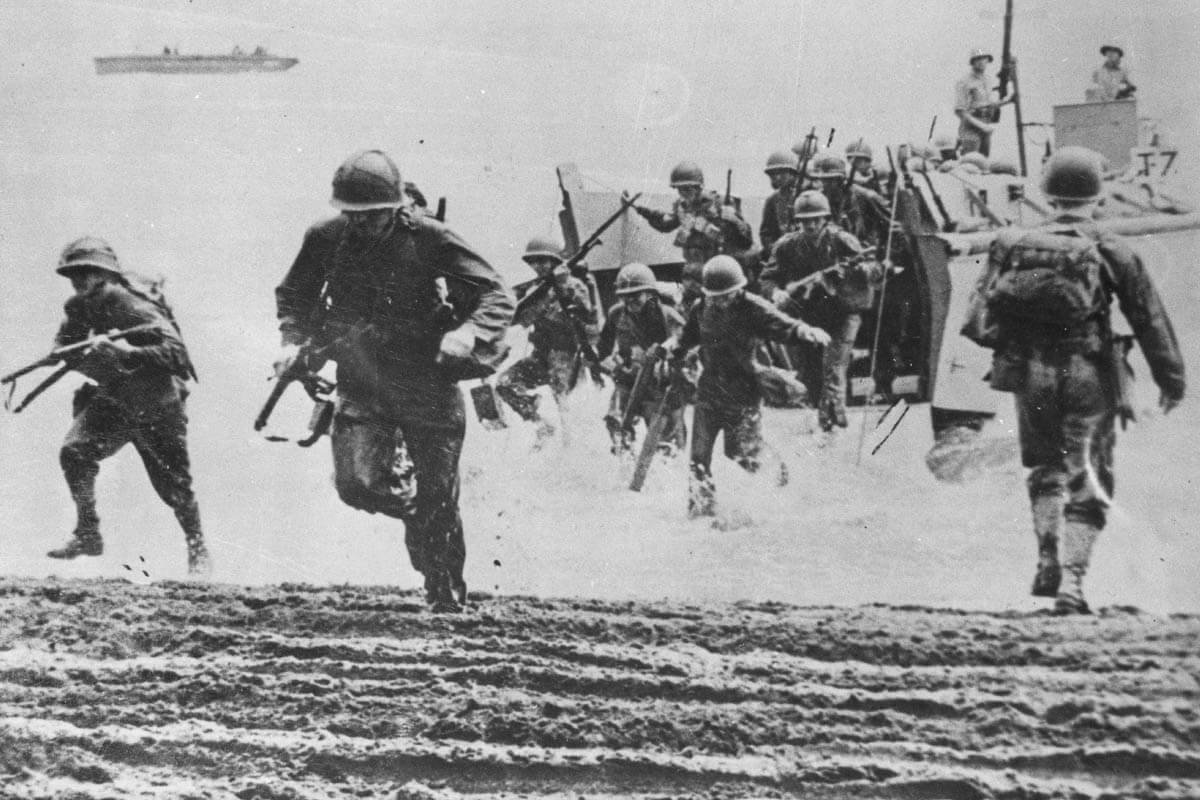
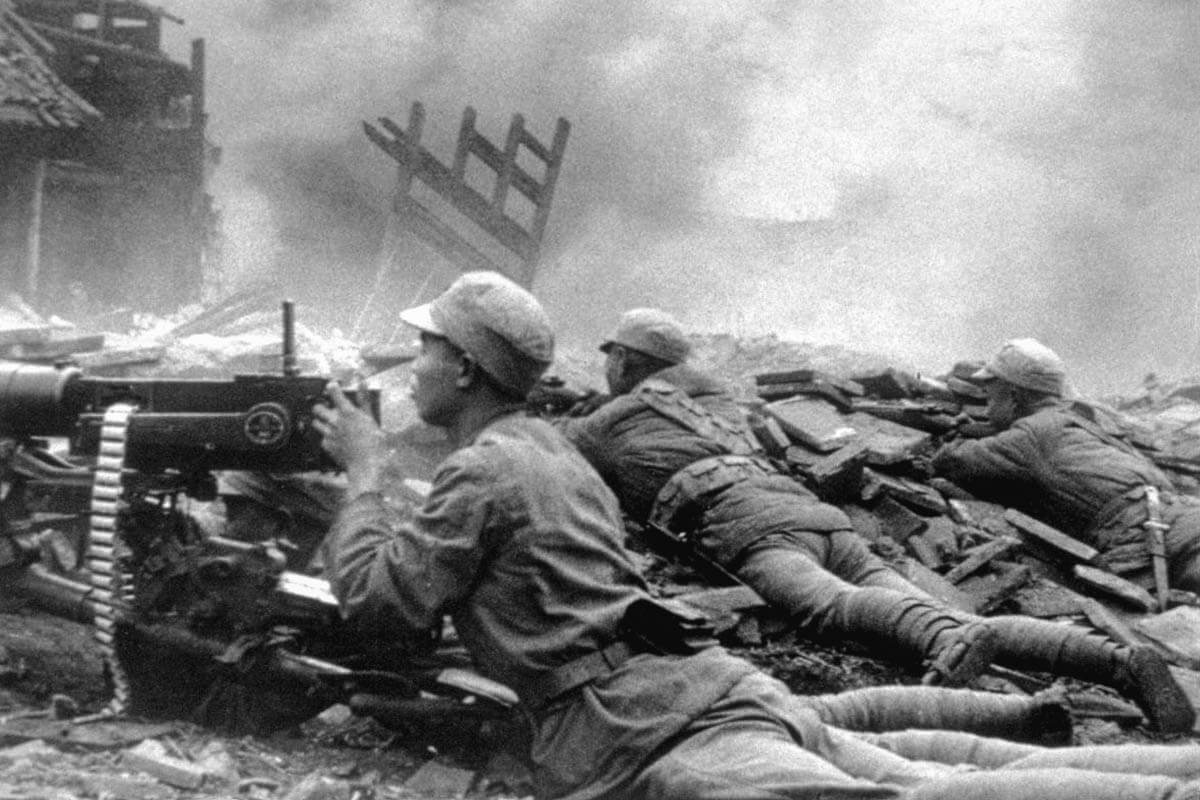
Nearly 80 years after the final shots were fired, the shadow of World War II continues to loom large over the modern world. The scale and impact of the conflict were so profound that the story of this chapter in history has been retold in countless books, films, TV shows, video games, and more. It’s not difficult to understand why: From 1939 to 1945, the Second World War plunged nearly every part of the globe into a violent clash that altered the course of history, impacting virtually every aspect of human civilization, from politics to art to science. Here are nine facts about World War II that every history buff should know.

Photo credit: Ken Hawkins/ Alamy Stock Photo

The Father of Computer Science Spent the War Cracking Nazi Codes

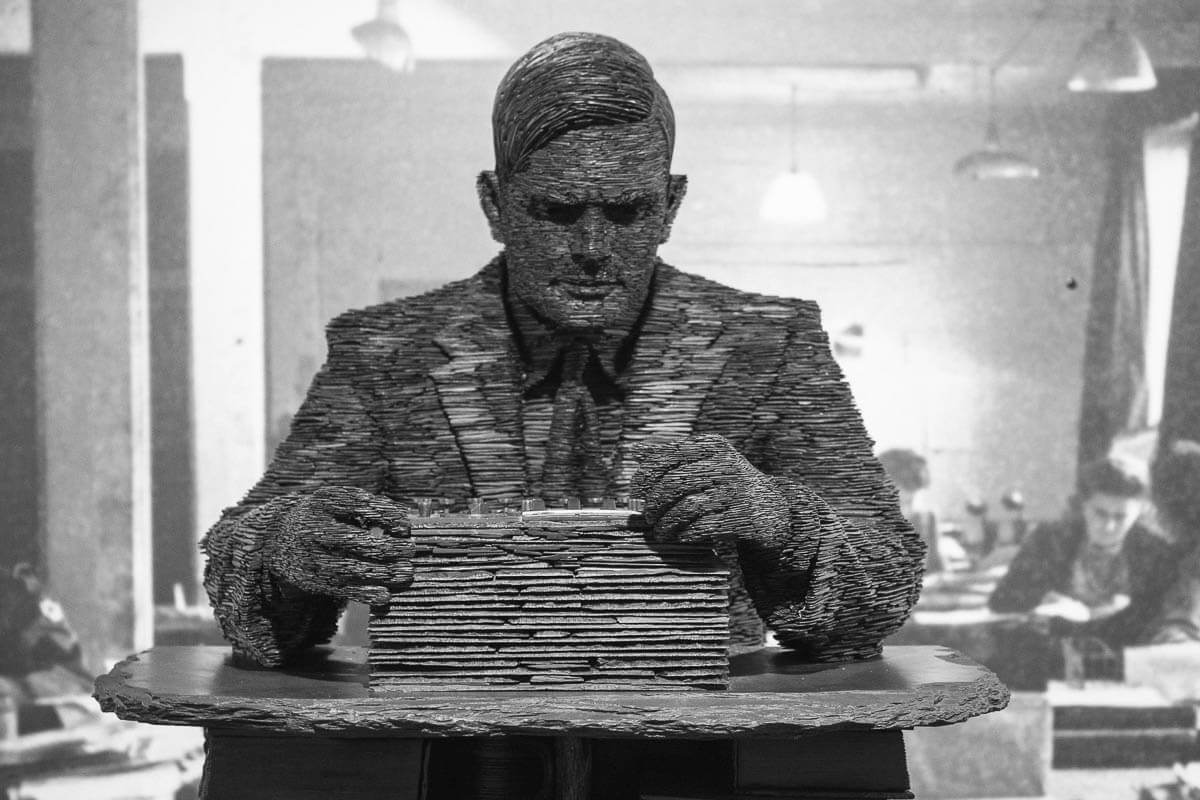
In 1940, the Germans began communicating using a nearly unbreakable code, encrypted with a machine called Enigma that rendered it indecipherable to nearly every Allied codebreaker. The complex cipher was finally broken by British mathematician and scientist Alan Turing, who later developed the mathematical framework for modern computer science. Working with a team of cryptanalysts, Turing built a computing machine called the Bombe that was capable of deciphering the Enigma code. Thanks to the breakthroughs of Turing and his colleagues, the British were able to decode encrypted Nazi messages in less than an hour, a development that changed the course of the war.

You may also like

6 Amazing Breakthroughs Made by the Ancient Greeks

  • Aristotle
Aristotle
Historical/ Corbis Historical via Getty Images
Author Darren Orf

July 19, 2023

Love it?

For more than two millennia, the ideas of the ancient Greeks have spurred some of humanity’s greatest achievements. Philosophy, drama, science, and mathematics sprung from that particular peninsula in the Mediterranean. The work of the Greek scholars propelled Muslim thinkers during the Islamic Golden Age, and the European rediscovery of their ancient texts ignited the Renaissance and sustained the Enlightenment, giving way to new scientific advancements and even new ways of living and governing. These are six amazing breakthroughs from ancient Greece, born from some of history’s greatest minds.

Photo credit: Ipsumpix/ Corbis Historical  via Getty Images Plus

Pythagoras’ Theorem Formed the Foundation of Geometry

Pythagoras of Samos is arguably the most famous mathematician from ancient Greece (and there were a lot of them), and that’s because nearly every person at some point in their educational journey is taught his eponymous theorem. Expressed as a2 + b2 = c2, the Pythagorean theorem states that the sum of the squares of the two legs of a right triangle is equal to the square of the hypotenuse. In ancient times, this proved the existence of irrational numbers and formed the cornerstone of what became Euclidean geometry (more on Euclid later), which plays a very real role in construction and navigation today. Some of the world’s smartest minds have set out to provide proofs of the Pythagorean theorem, including Albert Einstein (he was 12 at the time), and new proofs are still being discovered to this day. Simply put, the world would be a very different place without Pythagoras’ triangular insight.

You may also like

7 Facts About the Life and Reign of Queen Victoria

  • Queen Victoria’s family
Queen Victoria's family
Bettmann via Getty Images
Author Kristina Wright

July 18, 2023

Love it?

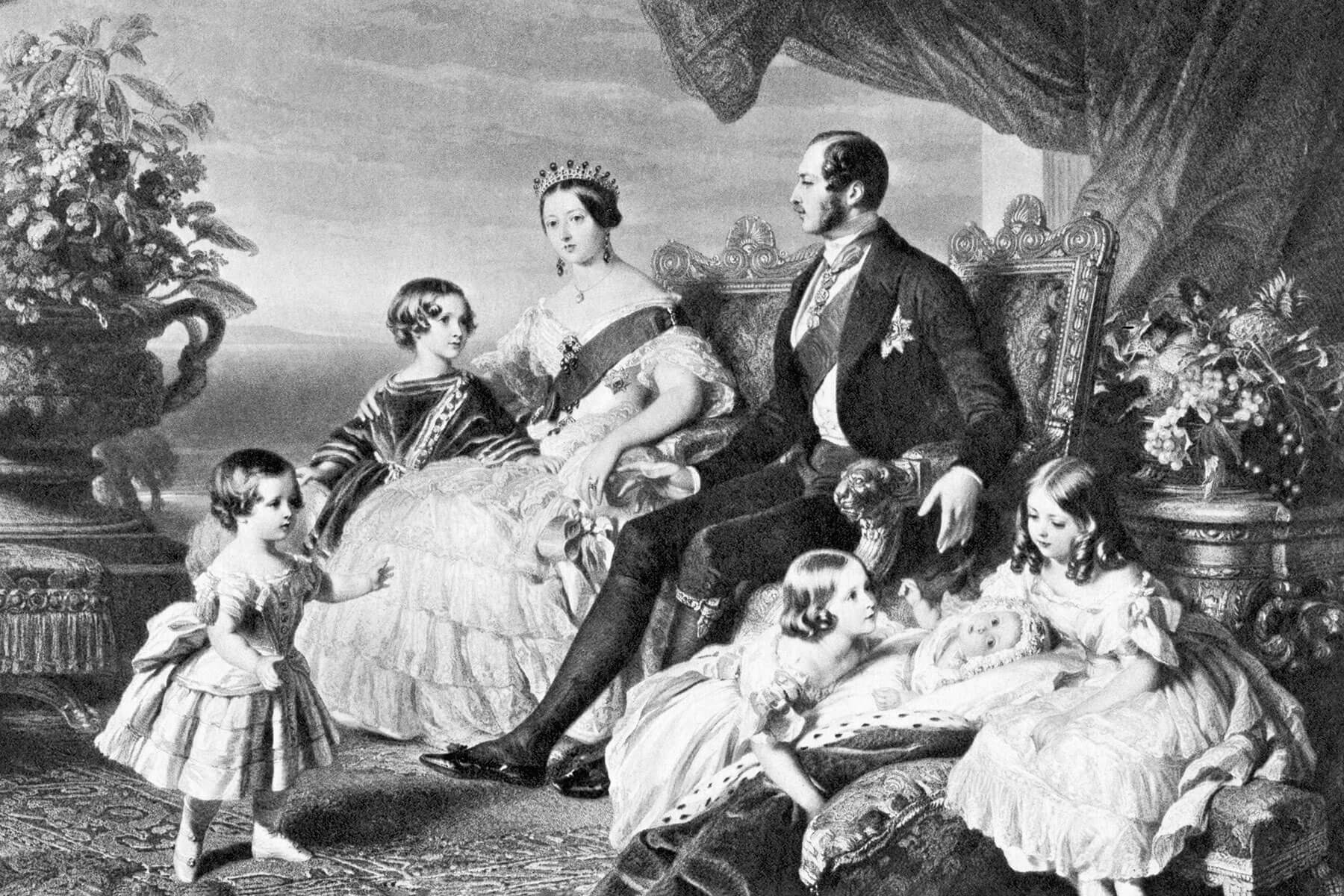
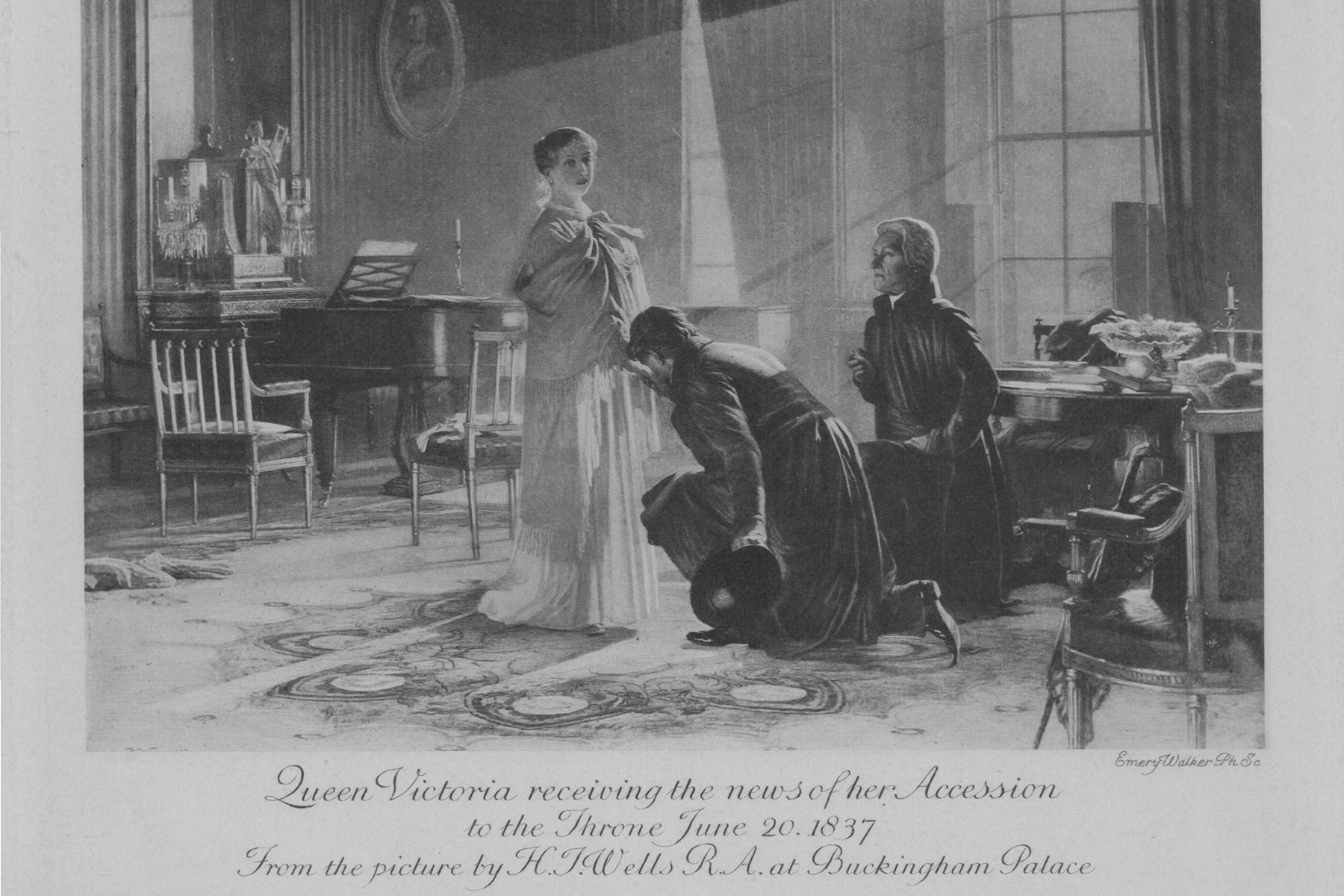
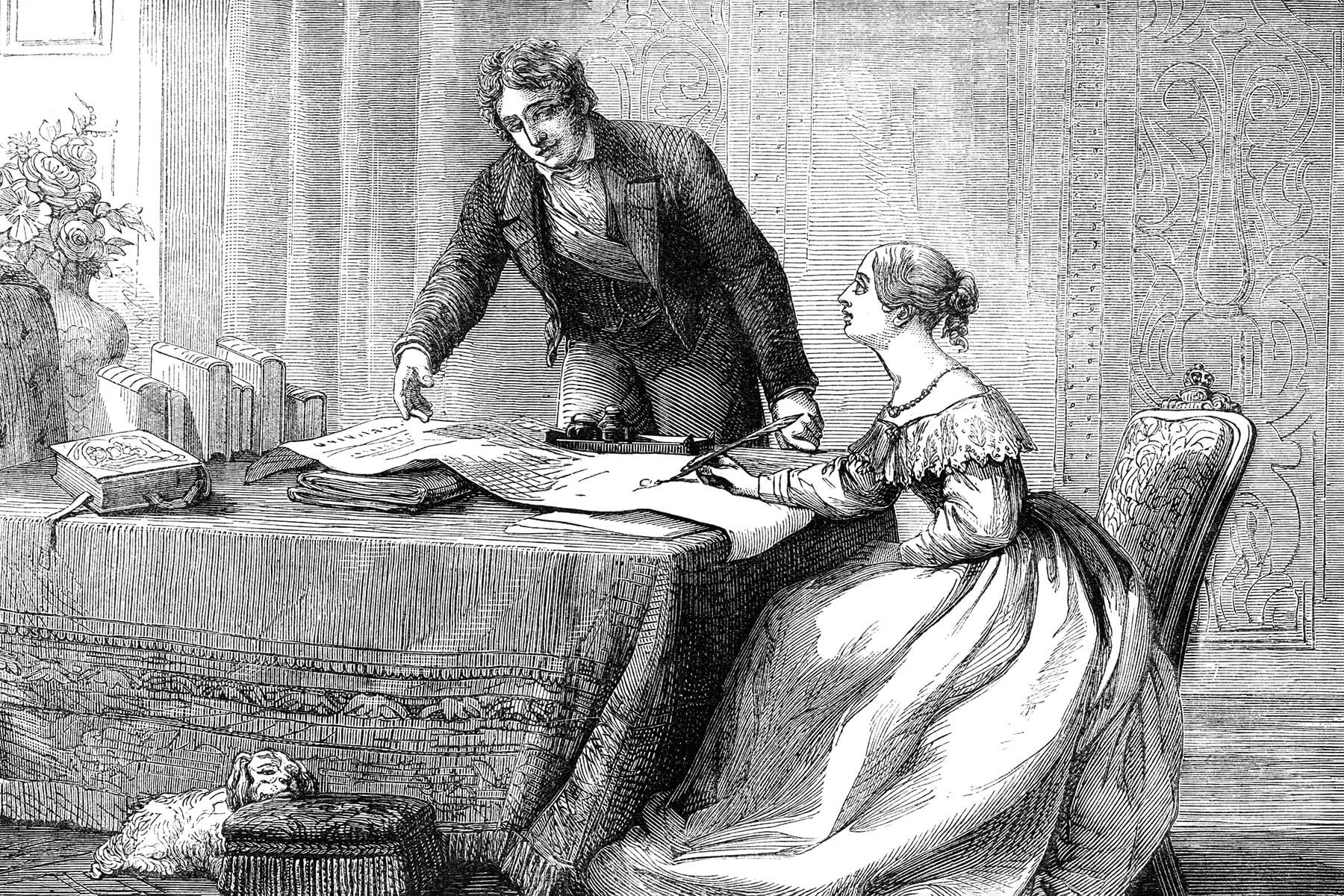
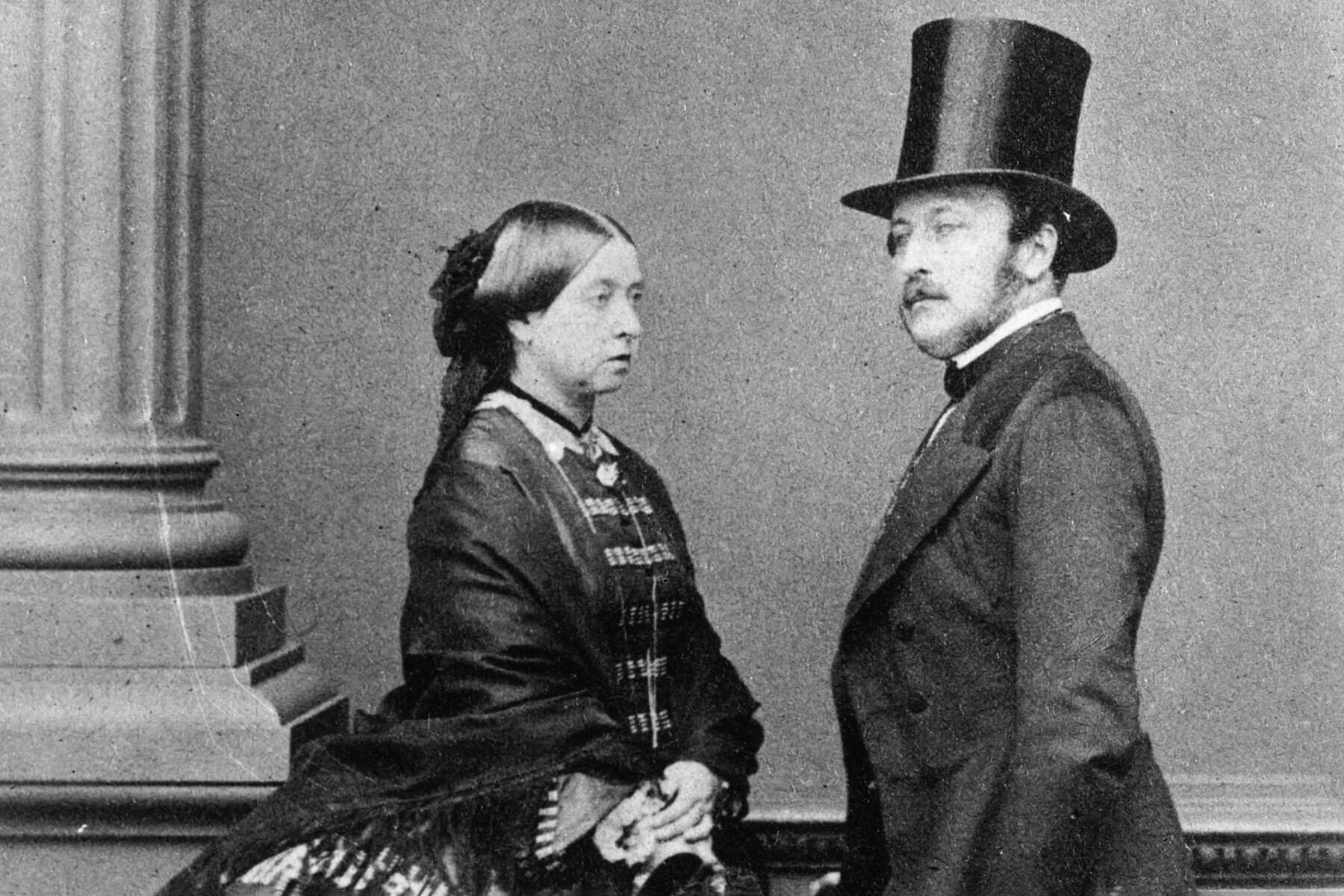
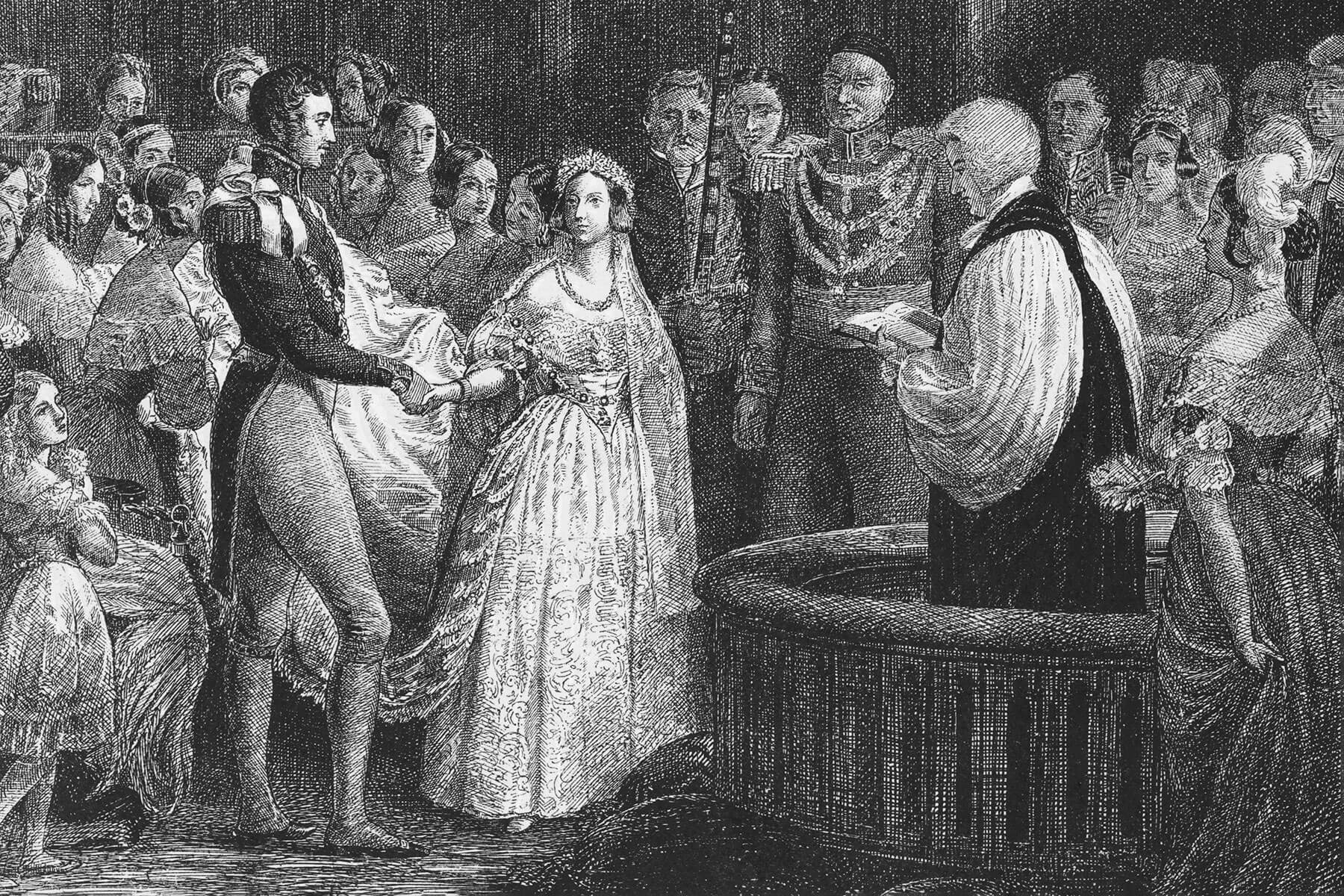
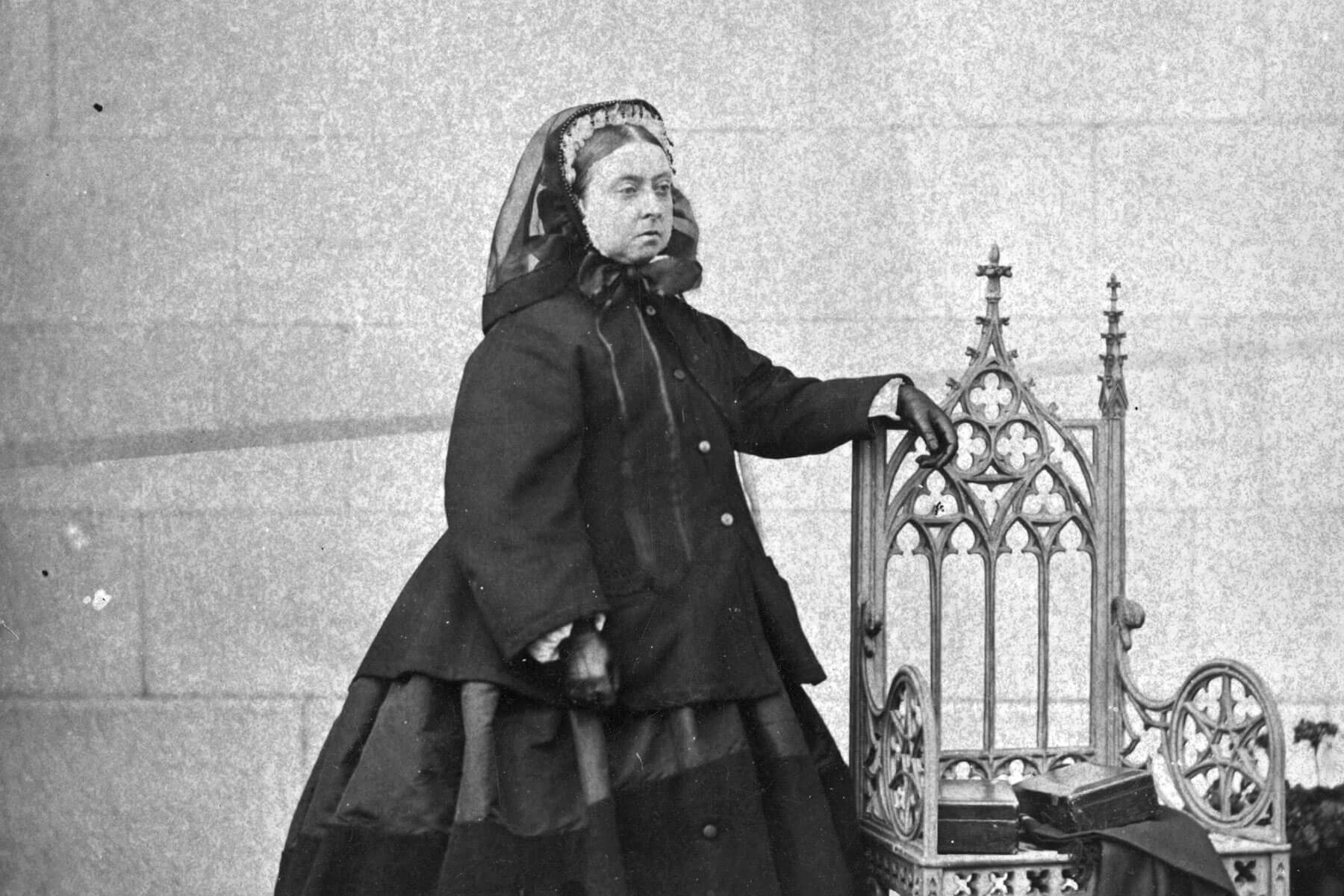
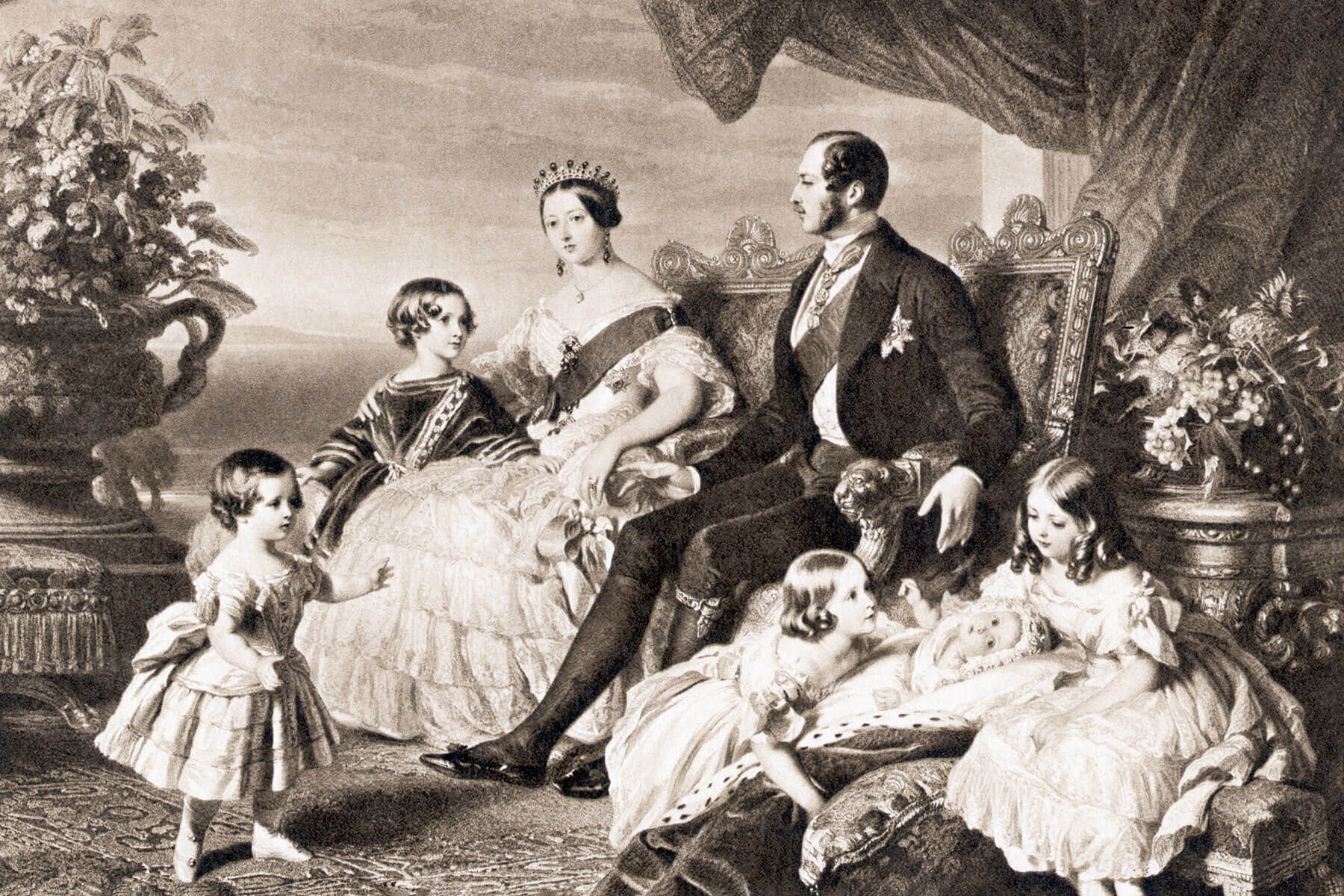
Few royal monarchs hold as much fascination as England’s Queen Victoria. Her lengthy reign and complex legacy left such a lasting mark on Britain and the world that the era still bears her name. At her birth on May 24, 1819, Princess Alexandrina Victoria of Kent was only fifth in line to the throne. She was never expected to be queen, but fate had other plans for young “Drina.” Victoria ascended the throne on June 20, 1837, less than a month after her 18th birthday, and ruled for more than 63 years — longer than any British monarch except for her great-great-granddaughter Queen Elizabeth II.

During her rule, the diminutive Queen Victoria developed a reputation as a strong-willed and outspoken sovereign committed to expanding and strengthening the British Empire. She oversaw a time of unprecedented industrial expansion, political reform, and social change in England, but her time on the throne was also marked by aggressive colonization. Britain’s imperial reach nearly doubled during Victoria’s reign, until some 25% of the world’s population owed their allegiance to her. Here are seven fascinating facts about the life of the monarch known as the “grandmother of Europe.”

Photo credit: INTERFOTO/ Alamy Stock Photo

Victoria Was Delivered by a Woman Doctor

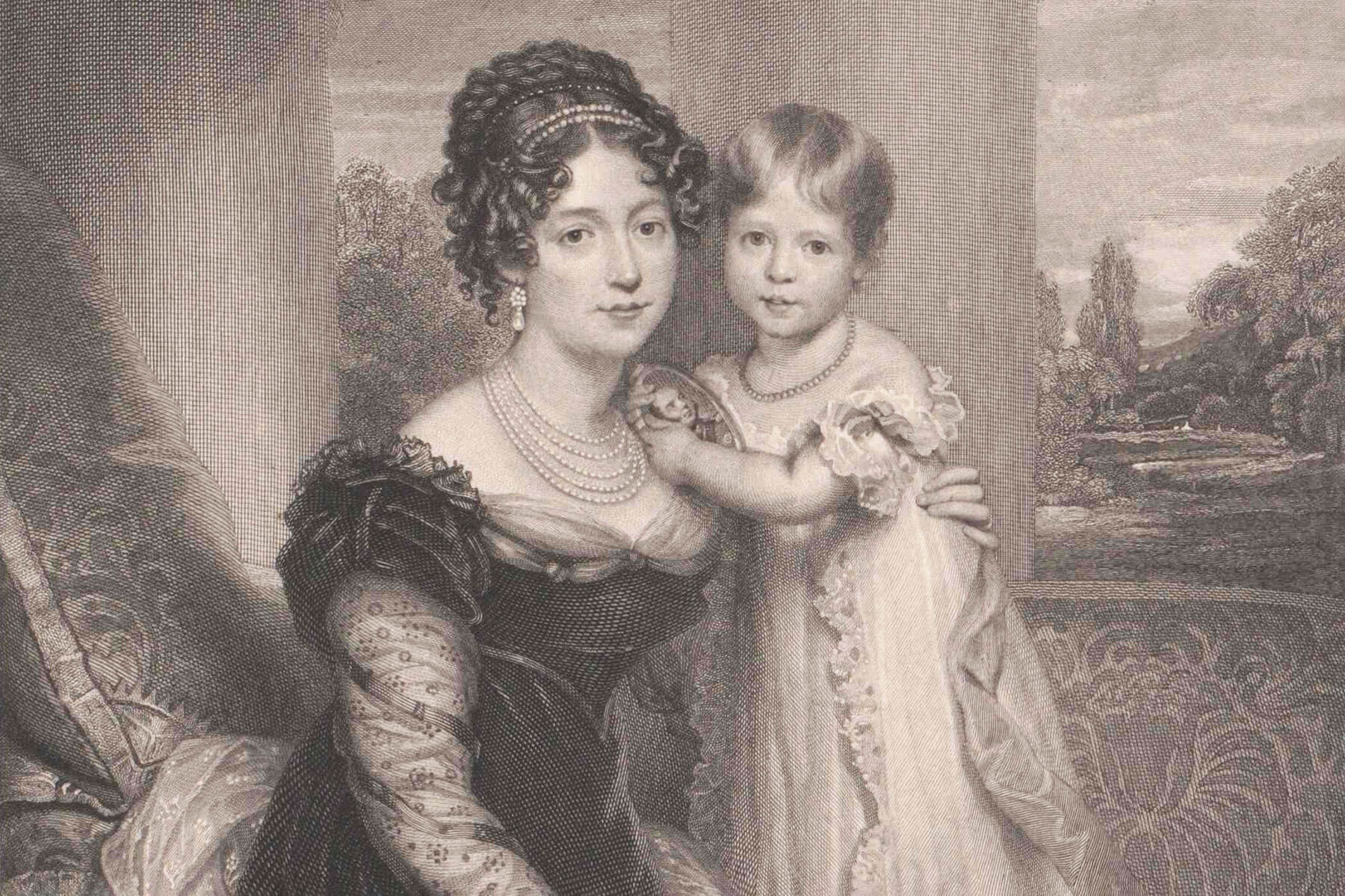
At a time when female doctors were rare, Victoria’s mother, Princess Victoria of Saxe-Coburg-Saalfeld, chose to have a woman deliver her baby, rather than a male royal doctor. In some historical resources, Charlotte Heidenreich von Siebold is referred to as a midwife or nurse, but she was formally educated in gynecology and obstetrics and received a doctoral degree in obstetrics from the University of Giessen in 1817. Madam Siebold, as she was called, delivered the future queen at Kensington Palace on May 24, 1819. Three months later, on August 26, 1819, von Siebold delivered Victoria’s first cousin, Prince Albert of Saxe-Coburg-Gotha, at Schloss Rosenau castle near Coburg, Germany.

You may also like

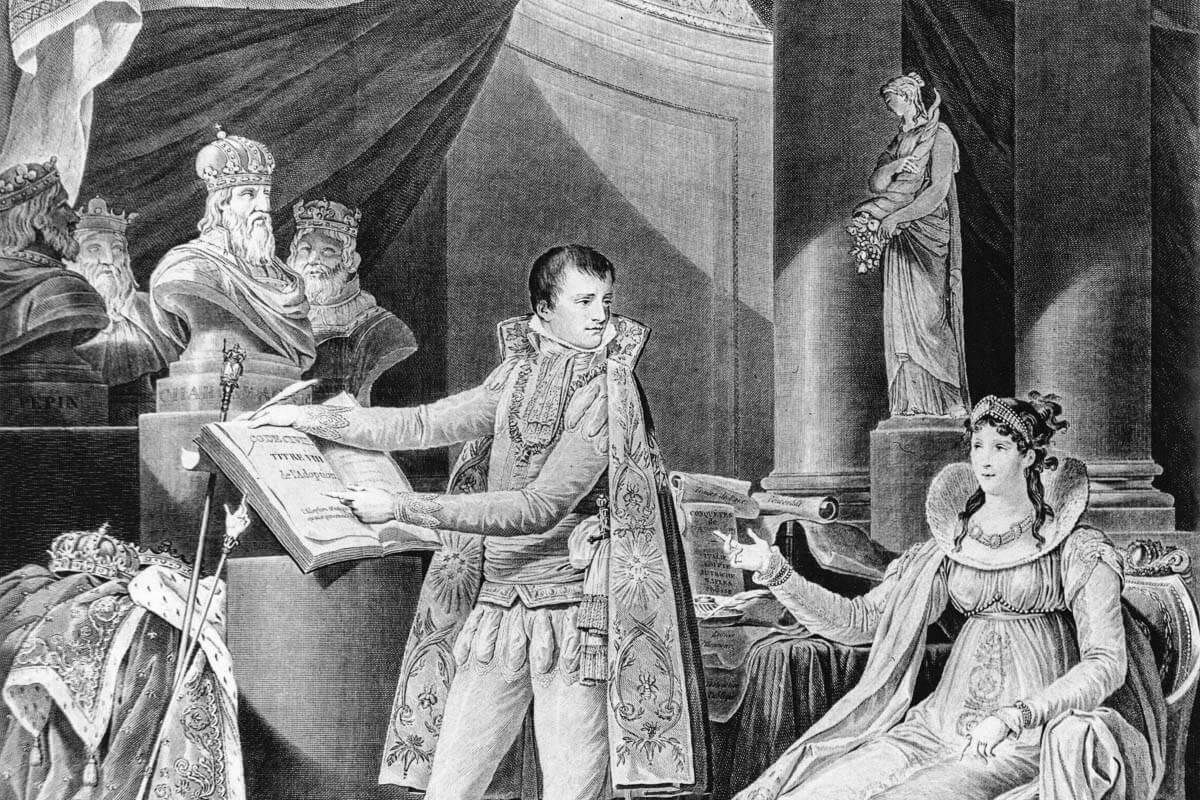
7 Interesting Facts About Napoleon Bonaparte

  • Napoleon Bonaparte
Napoleon Bonaparte
API/ Gamma-Rapho via Getty Images
Author Adam Levine

July 18, 2023

Love it?

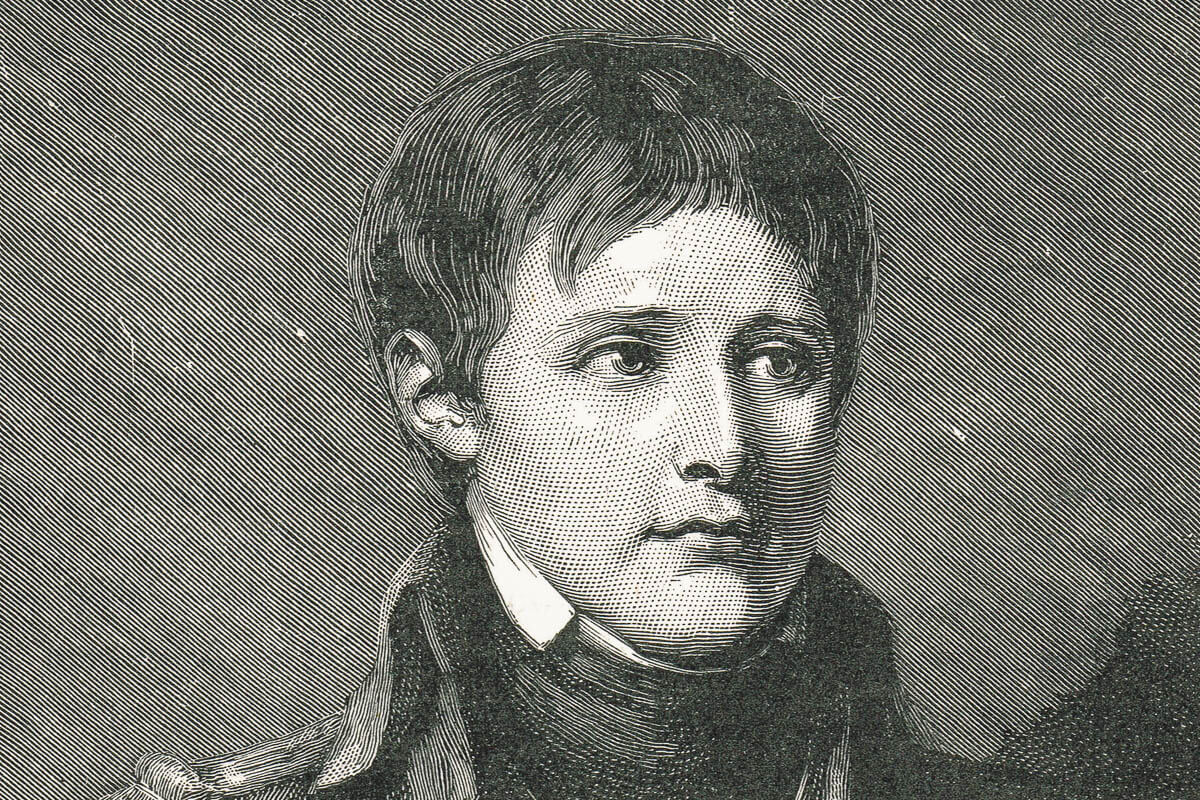
There are few individuals in European history as influential as Napoleon Bonaparte. The historic leader is remembered for his iconic bicorn hat, his allegedly short stature (a bit unfairly, since he was actually of average height for his time), and his singular military skill. During his lifetime, Napoleon went from a student in a French military academy to the ruler of an empire that spanned nearly all of continental Europe. By the time he was finally defeated in 1815, his series of conquests, known as the Napoleonic Wars, had changed the European continent forever. Here are seven facts about Napoleon Bonaparte that offer a small glimpse into his spectacular rise and fall.

Photo credit: Historical Images Archive/ Alamy Stock Photo

French Wasn’t His First Language

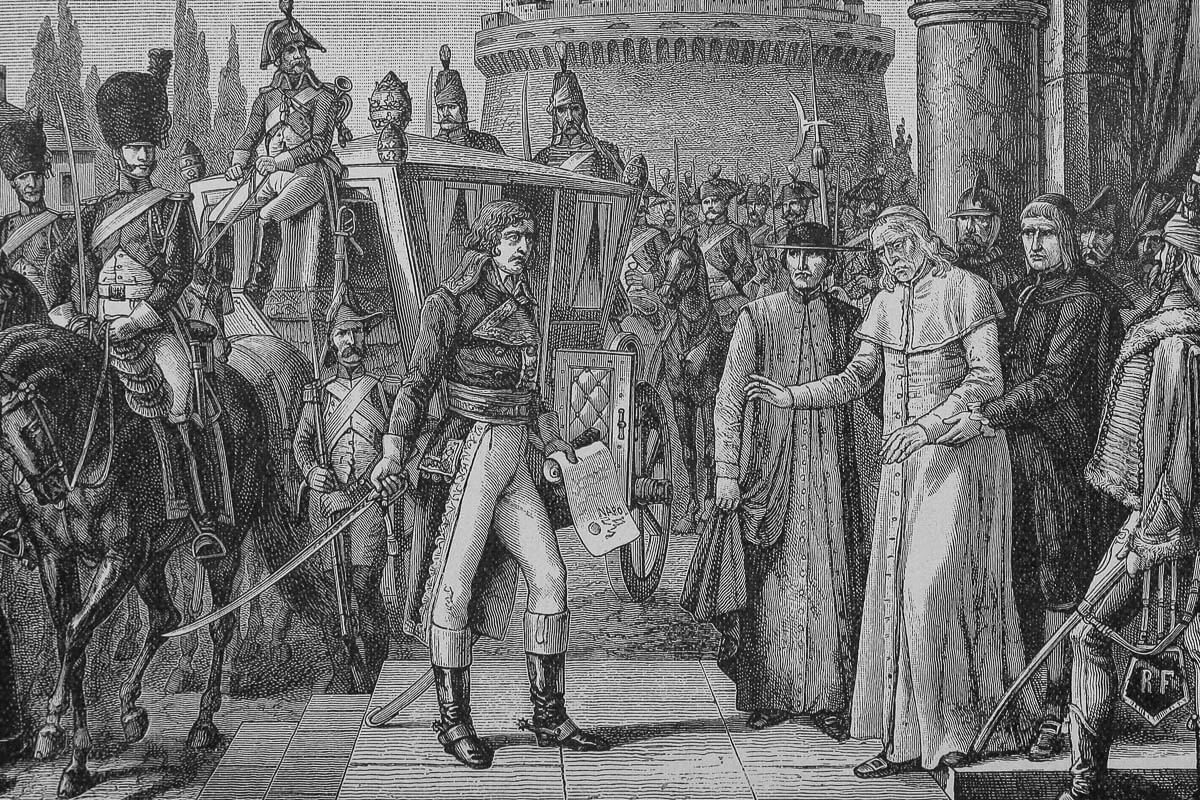
Despite the central role Napoleon played in the history of France, he didn’t start learning to speak French until he was 9 years old. Napoleon was born on the Mediterranean island of Corsica, where most people spoke a regional dialect of Italian, and this was the language he grew up speaking. He spoke with a Corsican accent throughout his life, and even after he became emperor of France, this accent continued to mark him as a foreigner on the French mainland and served as a reminder of his Mediterranean origins.

You may also like

7 Little-Known Facts About America’s Founding Fathers

  • Battle of Monmouth, 1778
Battle of Monmouth, 1778
Three Lions/ Hulton Archive via Getty Images
Author Darren Orf

July 12, 2023

Love it?

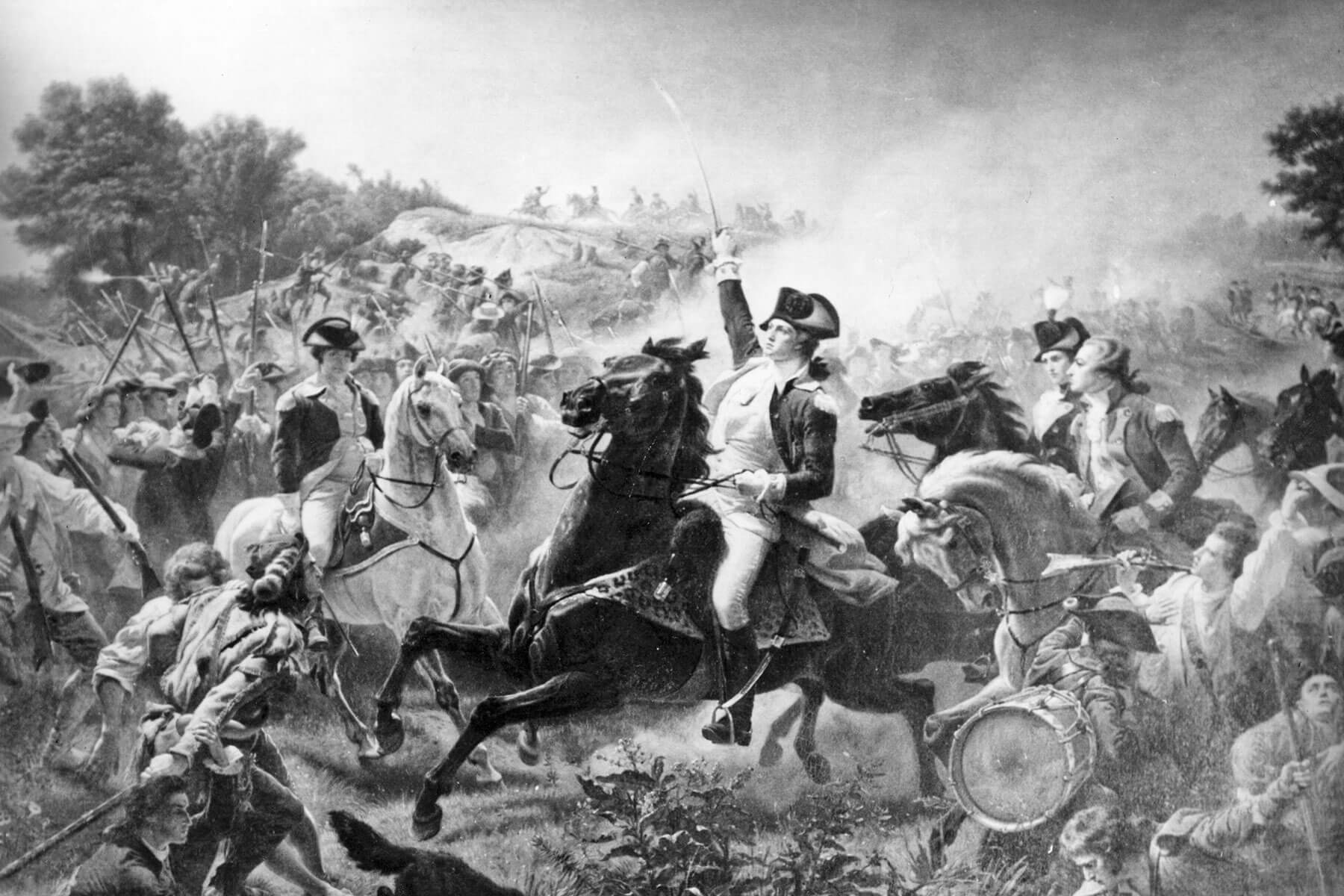
Few figures in U.S. history are as well known as the Founding Fathers — a cadre of generals, writers, politicians, lawyers, and one particular dentist who fought for and founded the United States. Although many of us know the broad facts about America’s founders, and almost as many myths (George Washington never actually cut down a cherry tree, for instance), there are still many little-known stories about these famous figures. Here are seven facts about the Founding Fathers that may surprise you.

Photo credit: GL Archive/ Alamy Stock Photo

Paul Revere Was Also a Pioneering Dentist

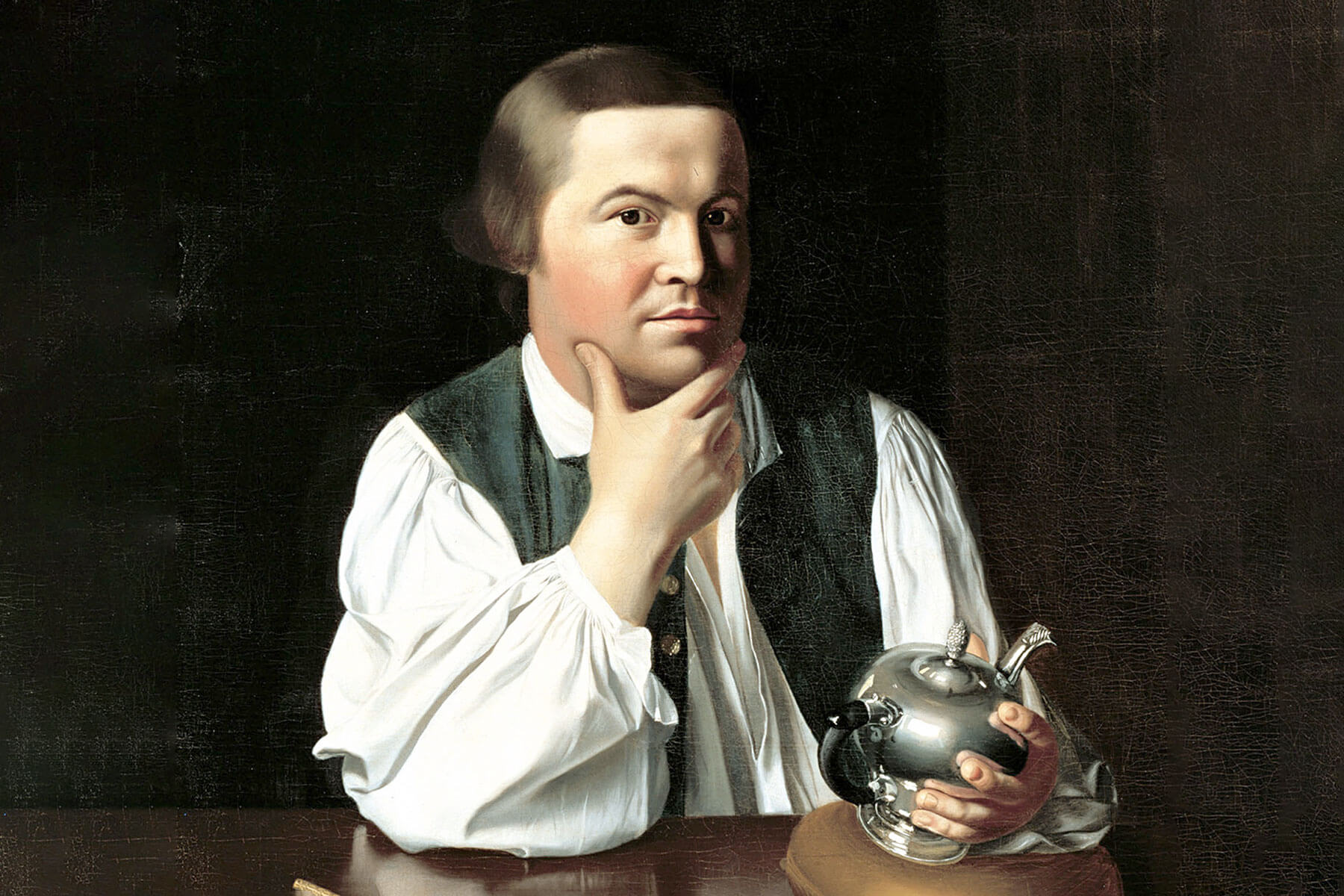
Paul Revere went down in history for his famous “Midnight Ride,” when, as the story goes, he warned the residents of Lexington, Massachusetts, that “the British are coming” (though he likely never said that exact phrase). But what few people know is that Revere was also a local dentist. In 1770, five years before his “Midnight Ride,” Revere placed an ad in the Boston Gazette that read, “Fix [teeth] as well as any Surgeon-Dentist who ever came from London.” What’s more, Revere was the first person in the U.S. to practice dental forensics. One of Revere’s patients was physician Joseph Warren, the Patriot who alerted Revere about the British advance the night of April 18, 1775. Warren was killed in the Battle of Bunker Hill a few months later, and it took nine months — after the British evacuated Boston — for Revere to search the mass graves for his friend. As Warren’s dentist, Revere was able to successfully identify the body by noticing his own dental handiwork, the first known use of dental forensics in the new nation. 
You may also like

What Did Leonardo da Vinci Invent?

  • Etching of Leonardo da Vinci
Etching of Leonardo da Vinci
Credit: Bettmann via Getty Images
Author Tony Dunnell

July 11, 2023

Love it?

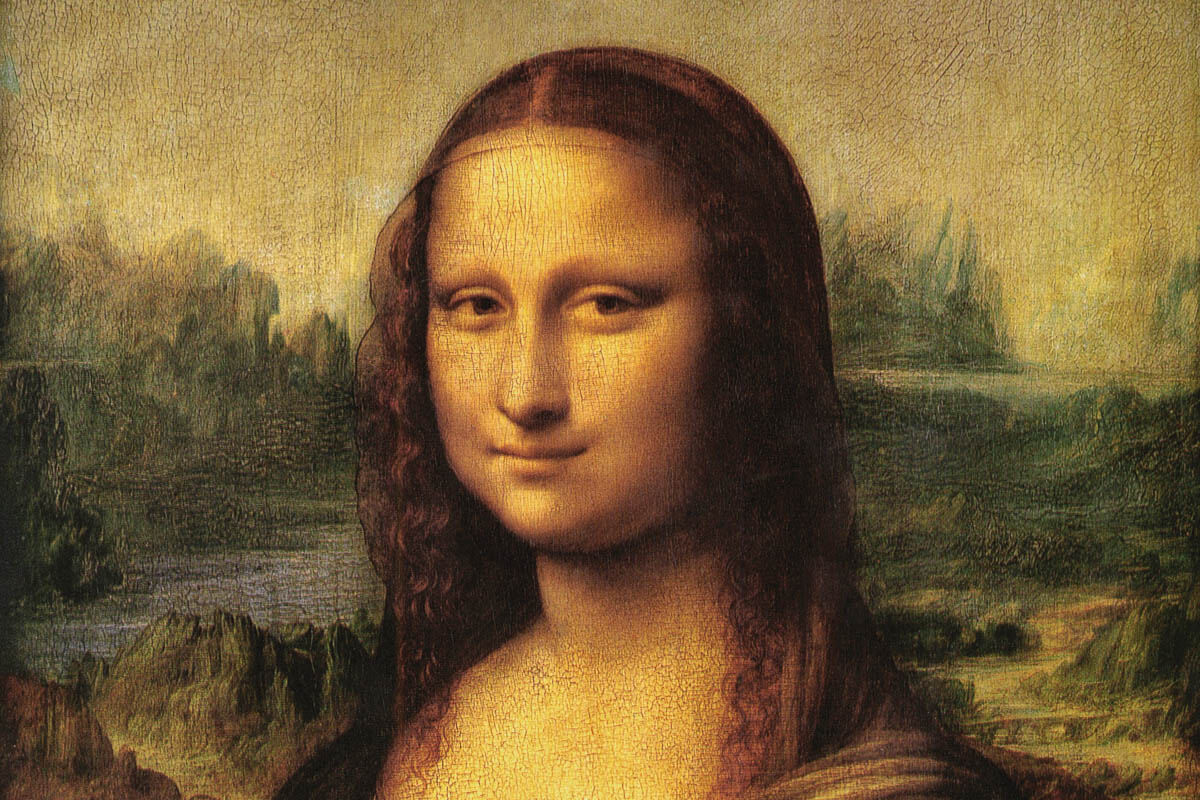
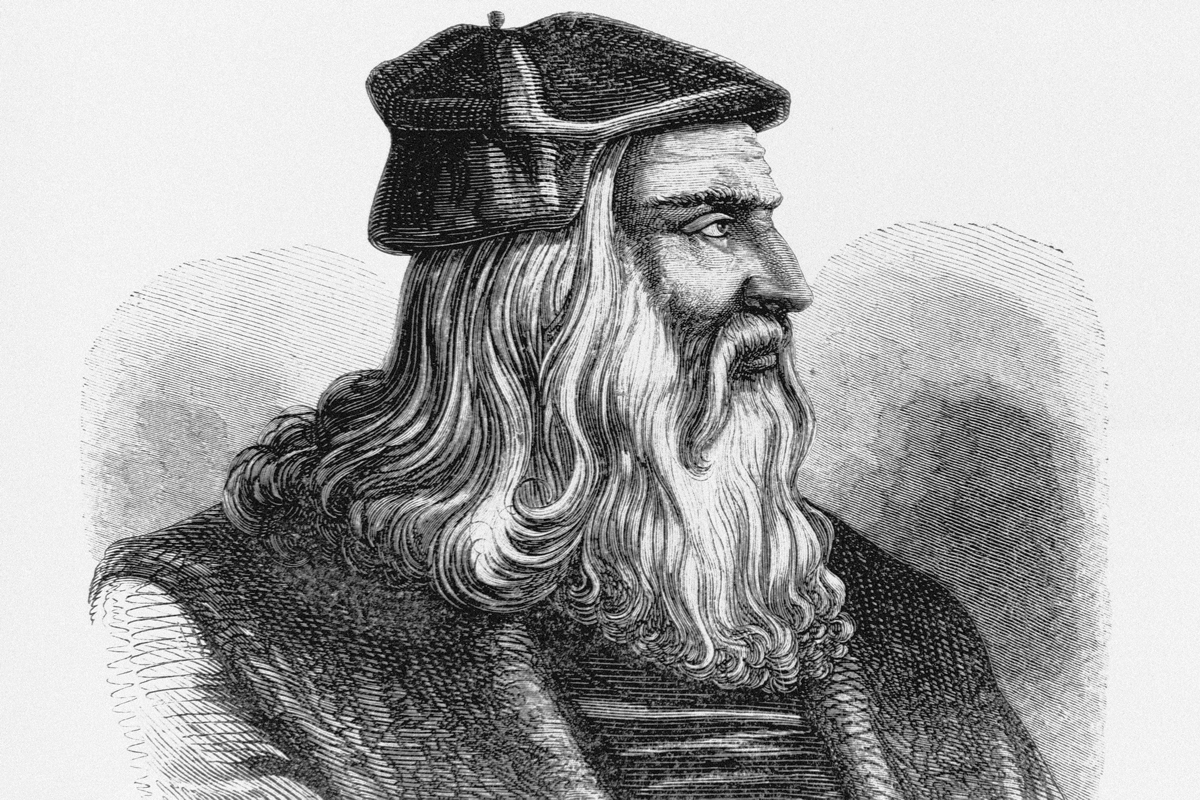
In the history of humankind, there are few people who have rivaled the sheer genius of Leonardo da Vinci. The Italian polymath defined the High Renaissance period at the turn of the 16th century, when his fame grew primarily due to his paintings. His magnum opus, the “Mona Lisa,” which he painted between 1503 and 1506, ranks among the most famous paintings of all time, and no religious artwork has been more reproduced than his masterpiece “The Last Supper.” 
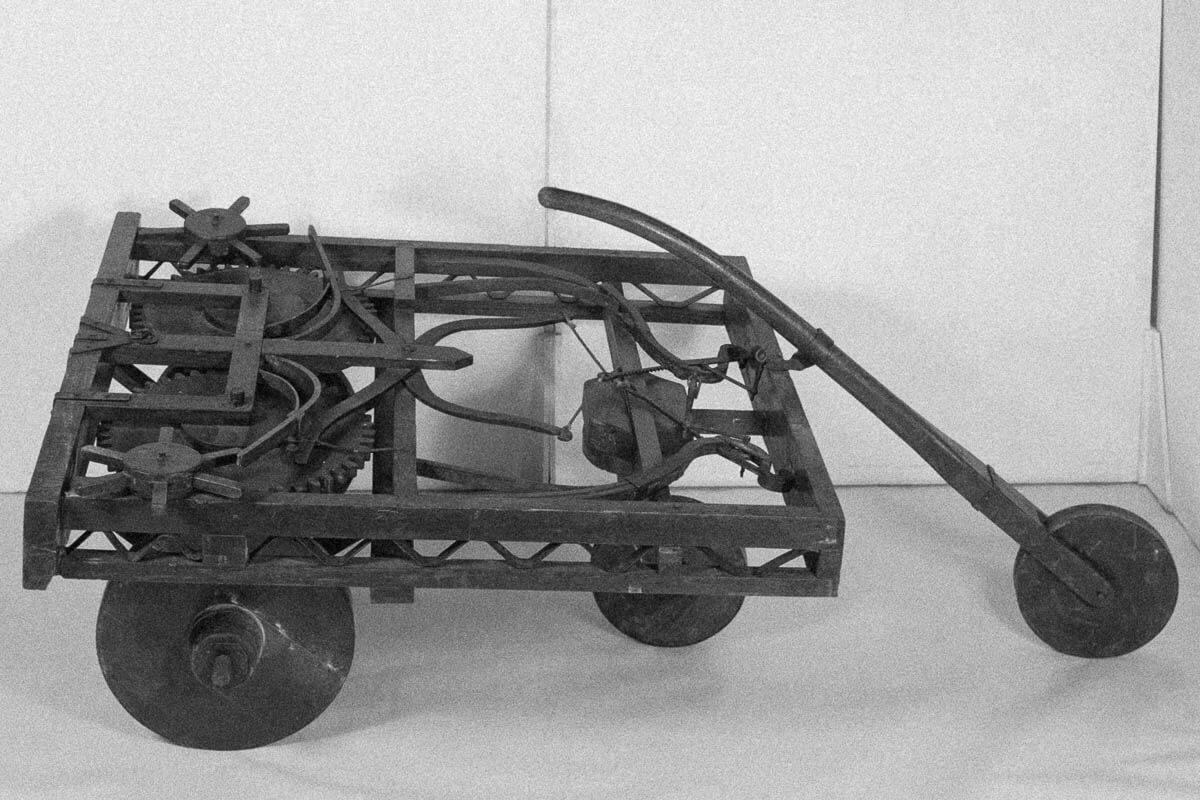
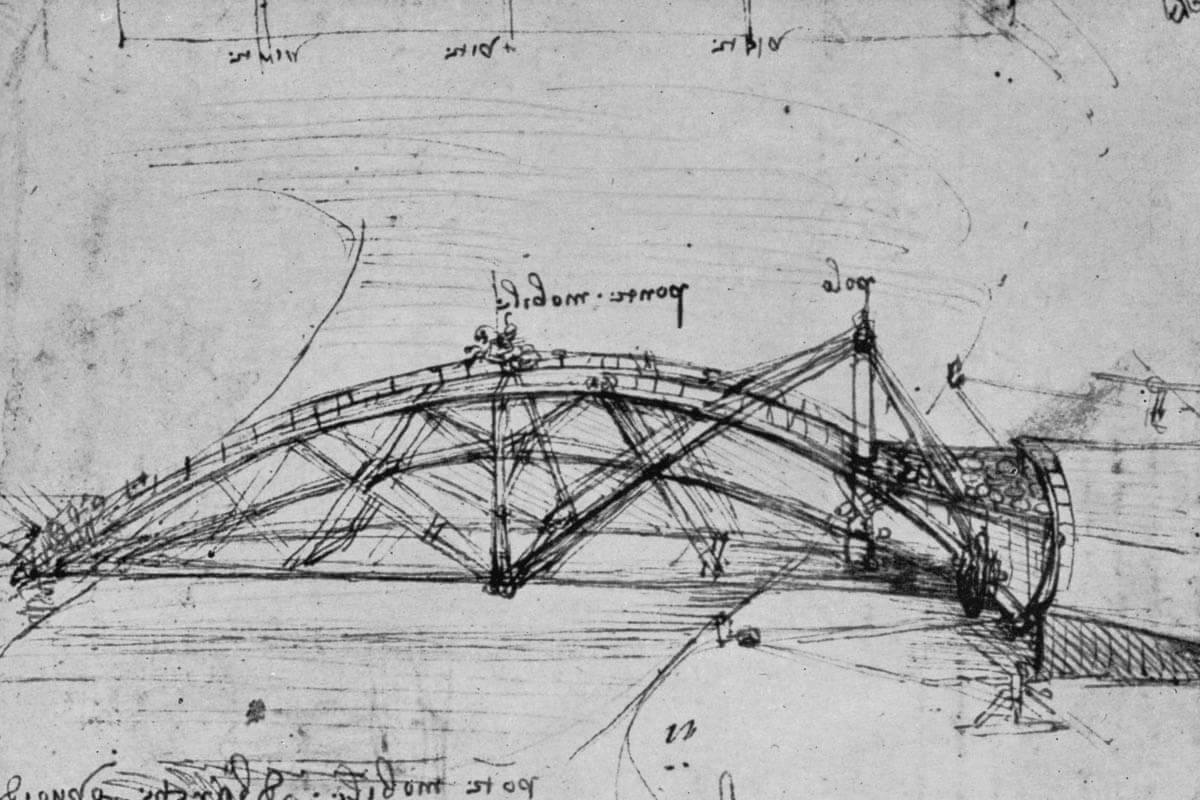
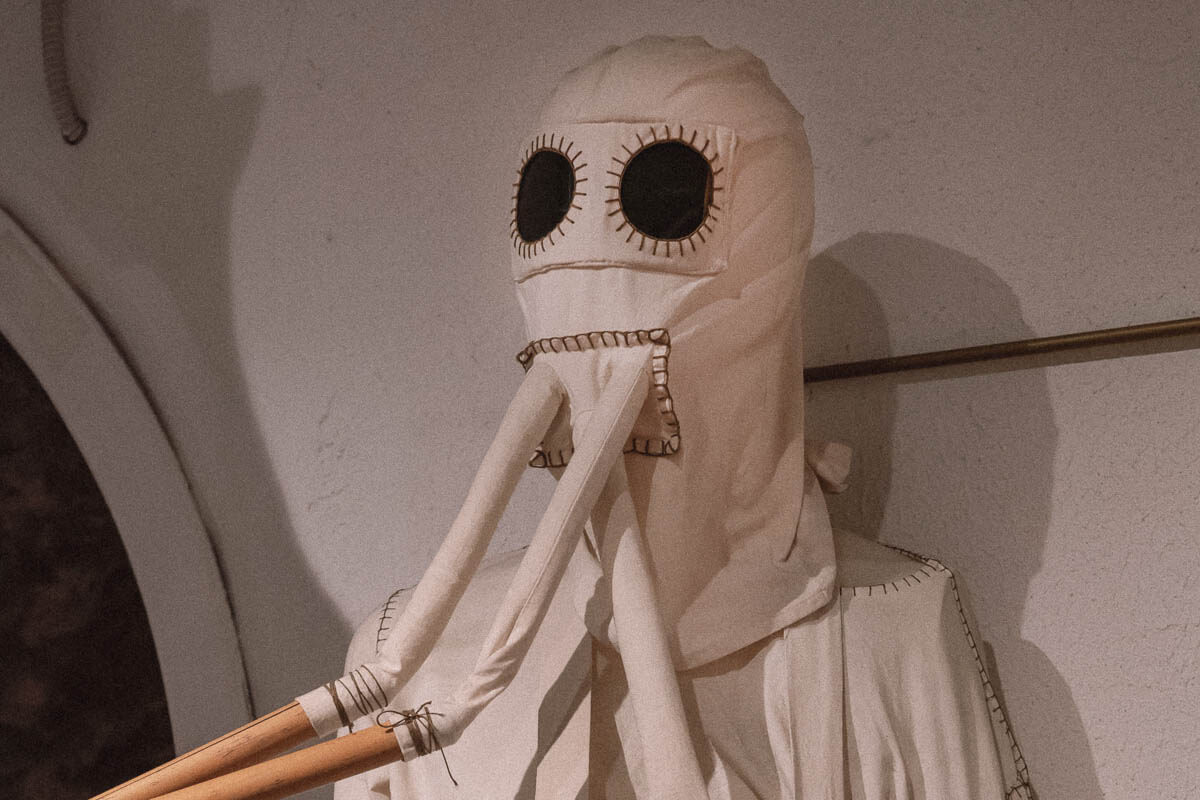
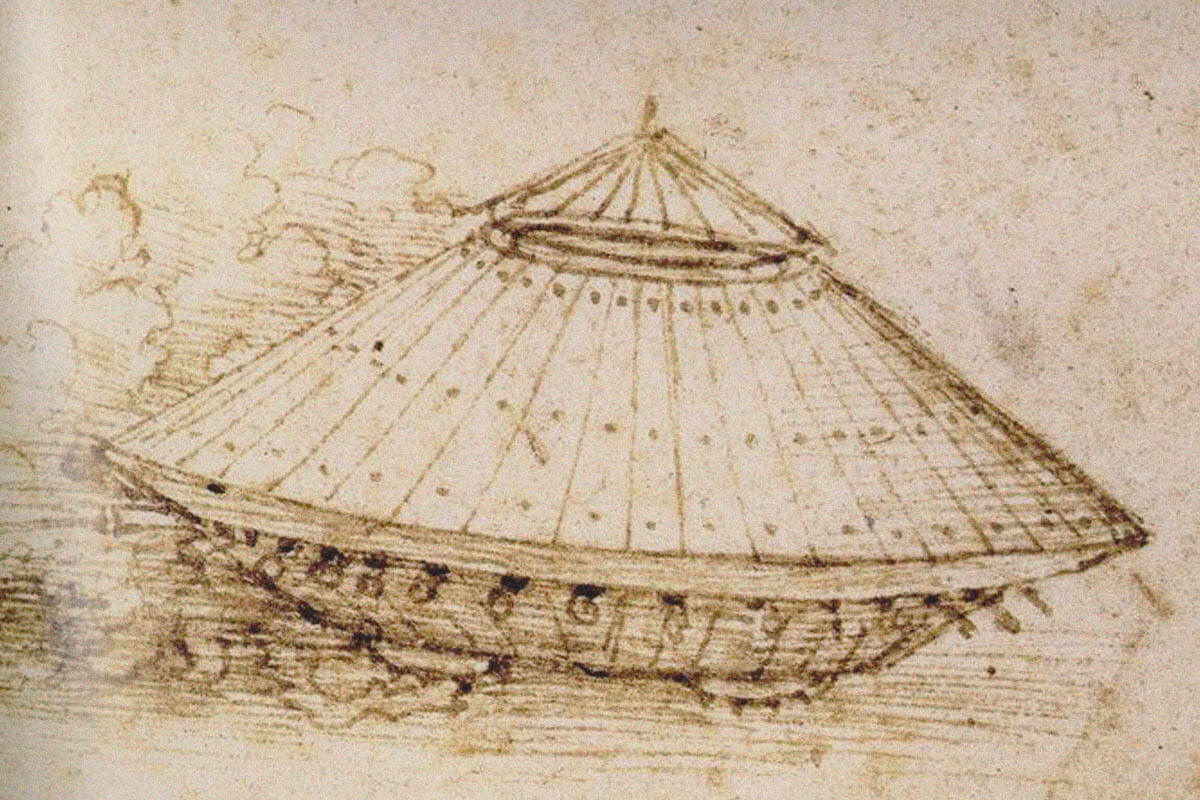
But Leonardo was far more than a supremely talented artist. As an engineer, inventor, and student of seemingly everything, he left behind an incredible 5,000 pages of notes and drawings covering everything from human and animal anatomy to astronomy, botany, cartography, and more. His inventions, many of which were designed with military applications in mind, were truly visionary. Few of them were built during his lifetime or saw any practical use, but they were so far ahead of their time it’s almost as if Leonardo was seeing aspects of the modern world long before they came to fruition. Here are five of his greatest creations — designs that display the undeniable genius of the ultimate Renaissance man. 

Photo credit: Science History Images/ Alamy Stock Photo

The Ornithopter: Leonardo da Vinci’s Flying Machine

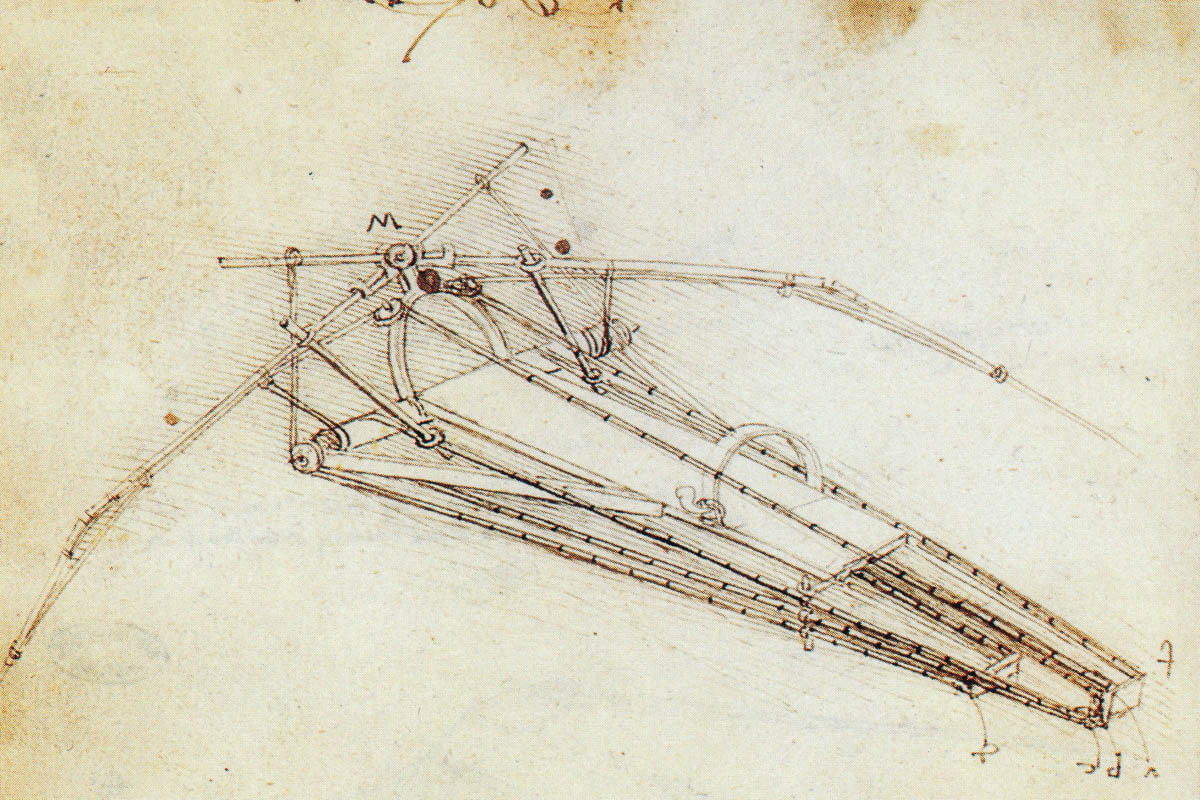
Some 400 years before the Wright brothers took flight in the first successful motor-operated airplane, Leonardo da Vinci was already designing flying machines. He wasn’t the first to do this, but he was the most thorough and inventive. He studied the flight of birds and bats, which he used to inform the design of his ornithopter — a device that flies by flapping its winged appendages. Leonardo never built his design, but his ideas regarding flying machines, bird flight, and the nature of air itself were centuries ahead of their time. His studies, which consisted of more than 35,000 words and 500 sketches, included concepts such as the nature of stalling in flight, the relationship between a curved wing section and lift, and the concept of air as a fluid. Incredibly, he even came close to suggesting the force that Isaac Newton would later define as gravity. Leonardo’s fascination with flight also led him to design a primitive parachute and a device known as a “helical air screw,” which bears some similarities to a helicopter.  
You may also like

7 Facts That Reveal the Wonder of the Ancient Maya

  • Maya Archeological site
Maya Archeological site
PHAS/ Universal Images Group via Getty Images
Author Darren Orf

July 11, 2023

Love it?

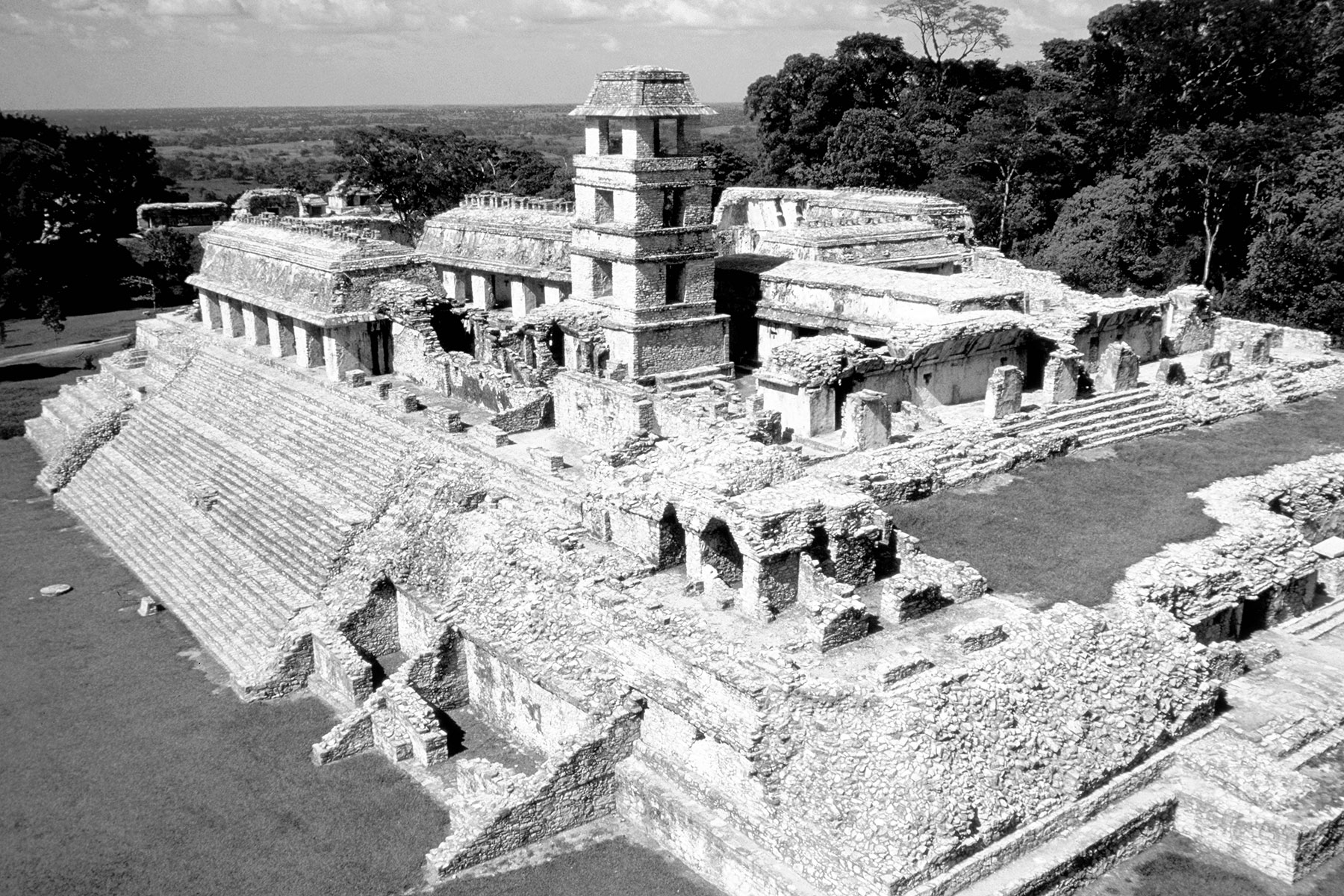
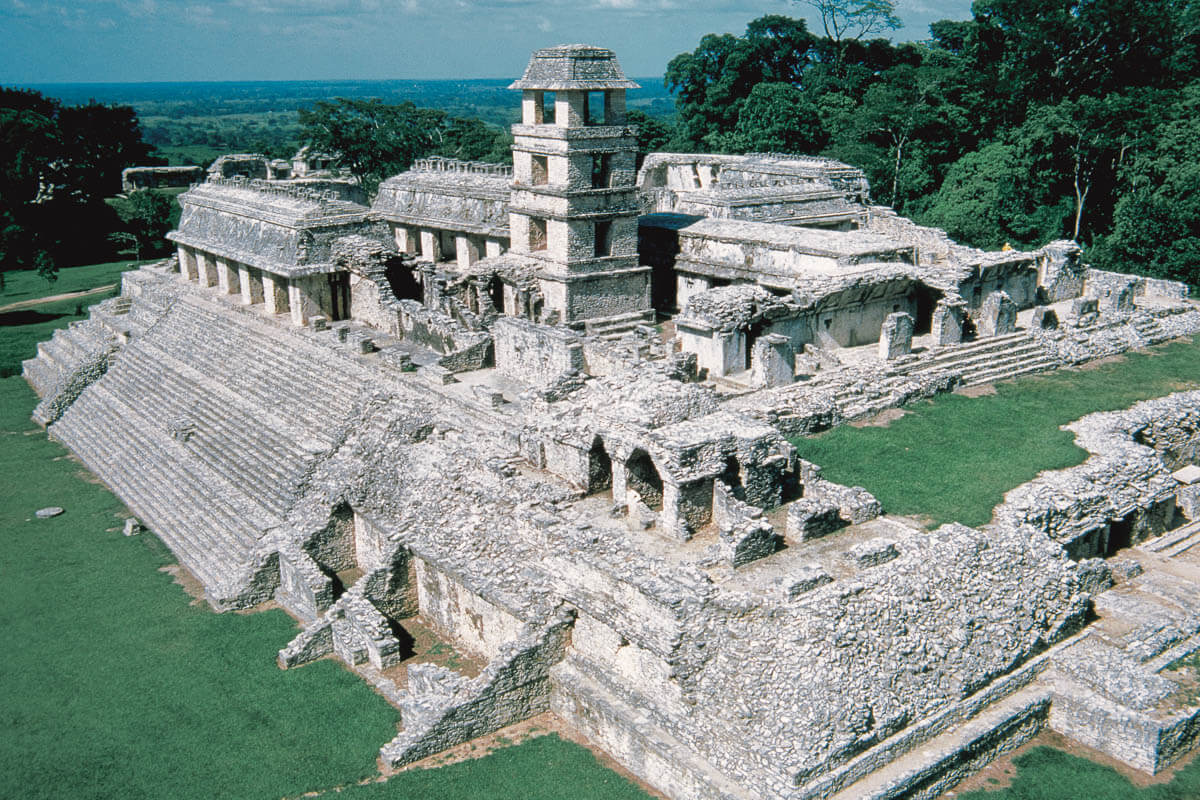
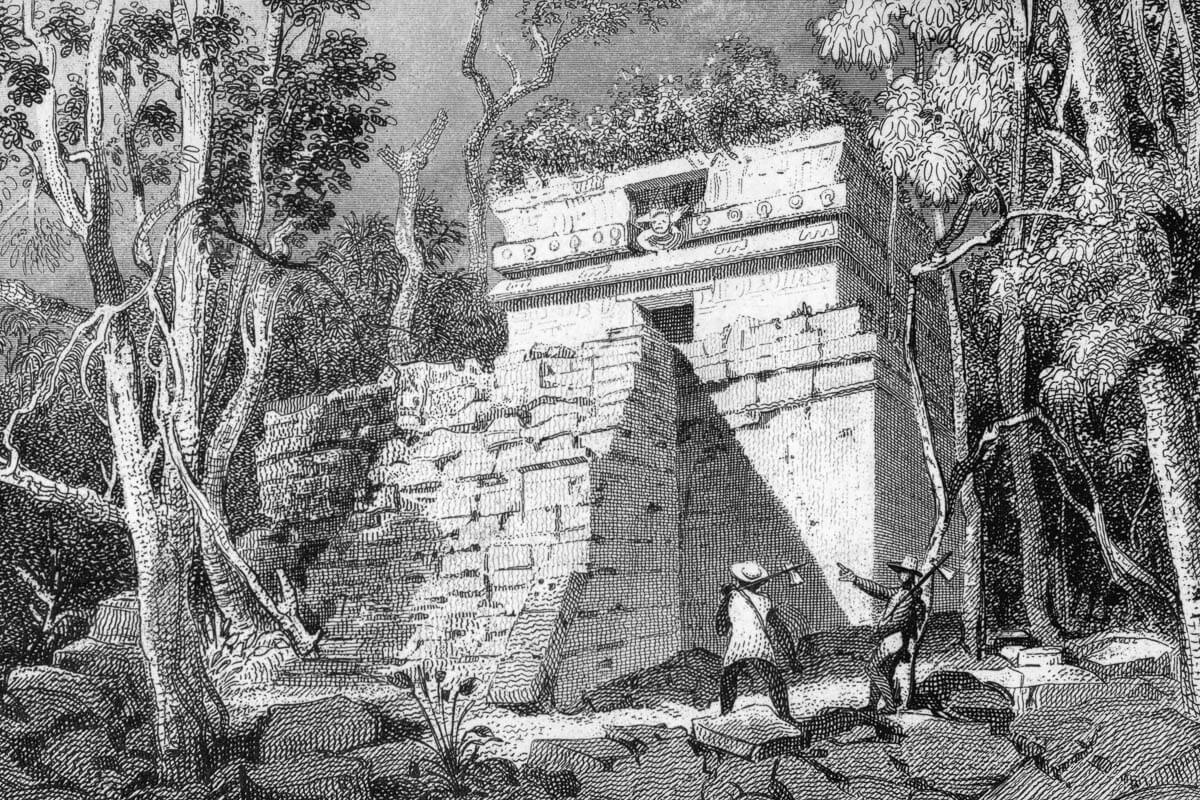
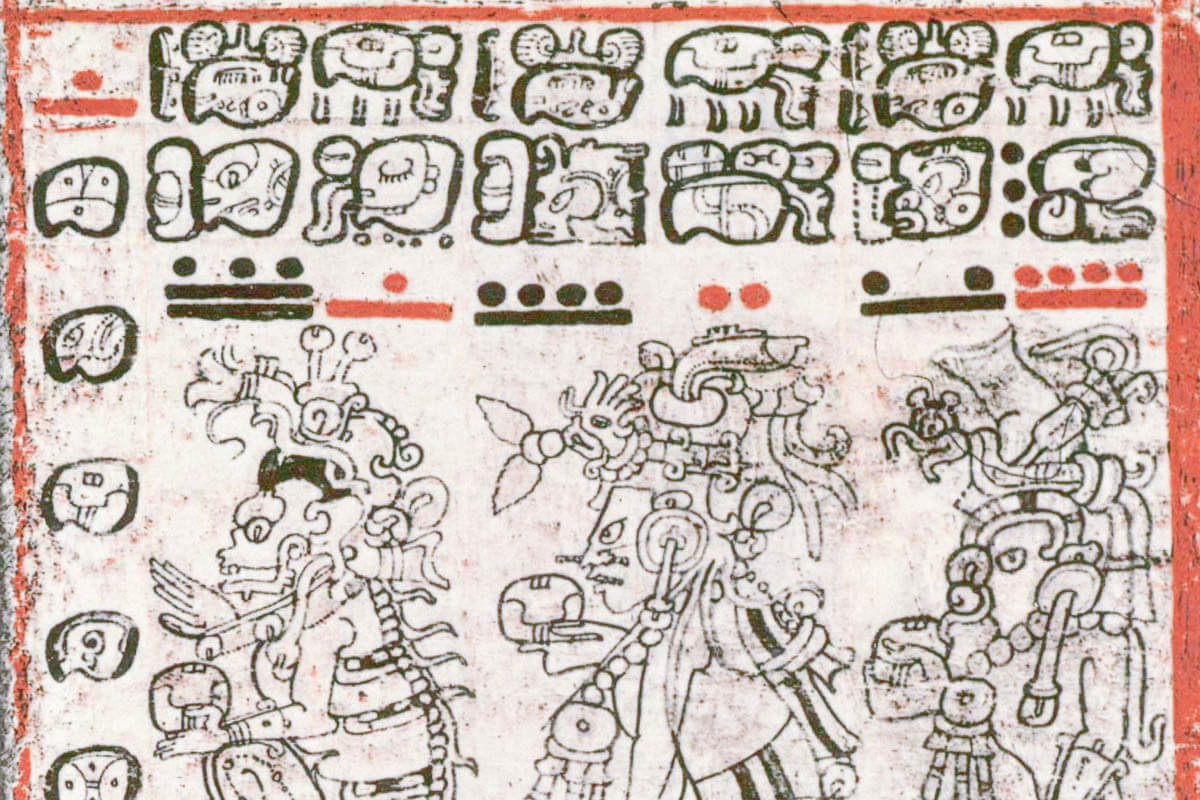
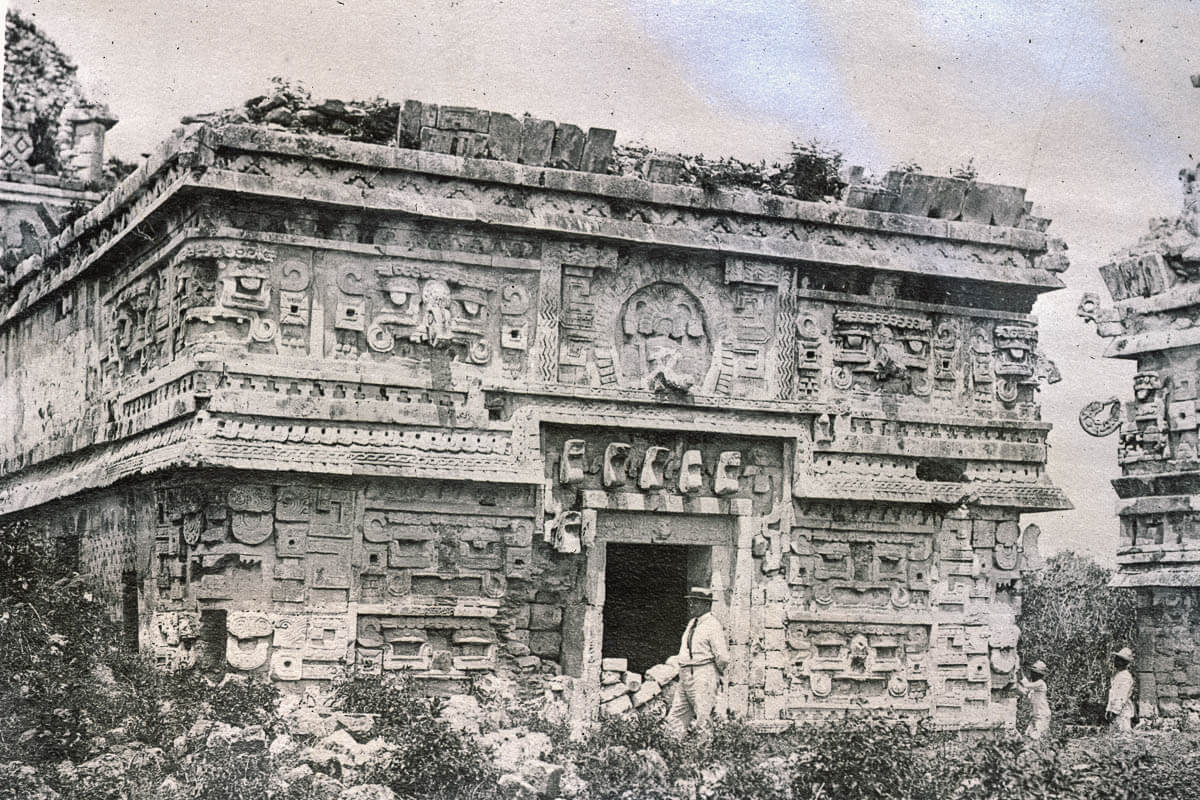
For thousands of years — beginning around 1800 BCE — the Maya flourished throughout Mexico and Central America, primarily calling modern-day southern Mexico, Guatemala, Belize, and parts of Honduras and El Salvador home. One of the great civilizations of ancient Mesoamerica (along with the Olmecs and Aztecs), the Maya created a sophisticated society with advanced mathematics, architecture, and writing. Today, the Maya peoples make up one of the largest Indigenous populations in the Americas.  Here are seven facts that explore the complexity and wonder of this ancient culture.

Photo credit: PeterHermesFurian/https://www.istockphoto.com/vector/maya-numerals-black-and-white-numeral-system-of-maya-civilization-gm1358106234-431831323?phrase=maya+math iStock

The Maya Were Skilled Mathematicians 

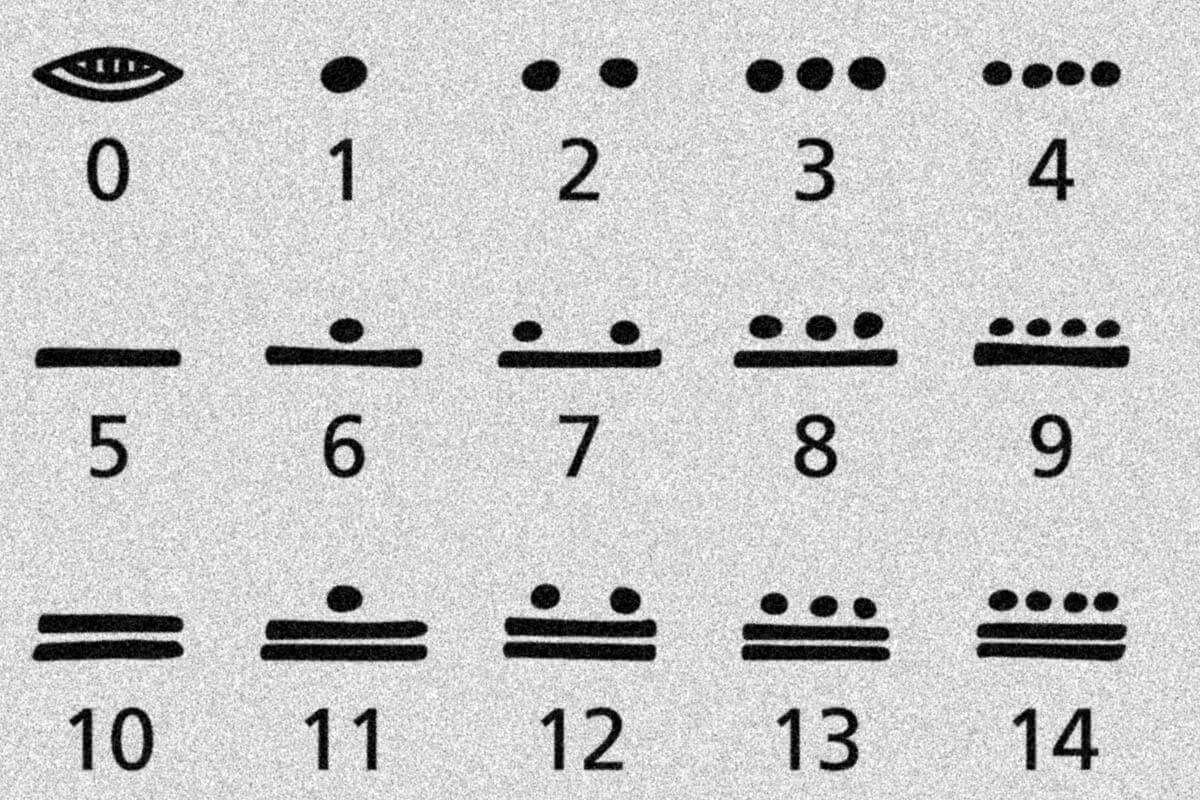
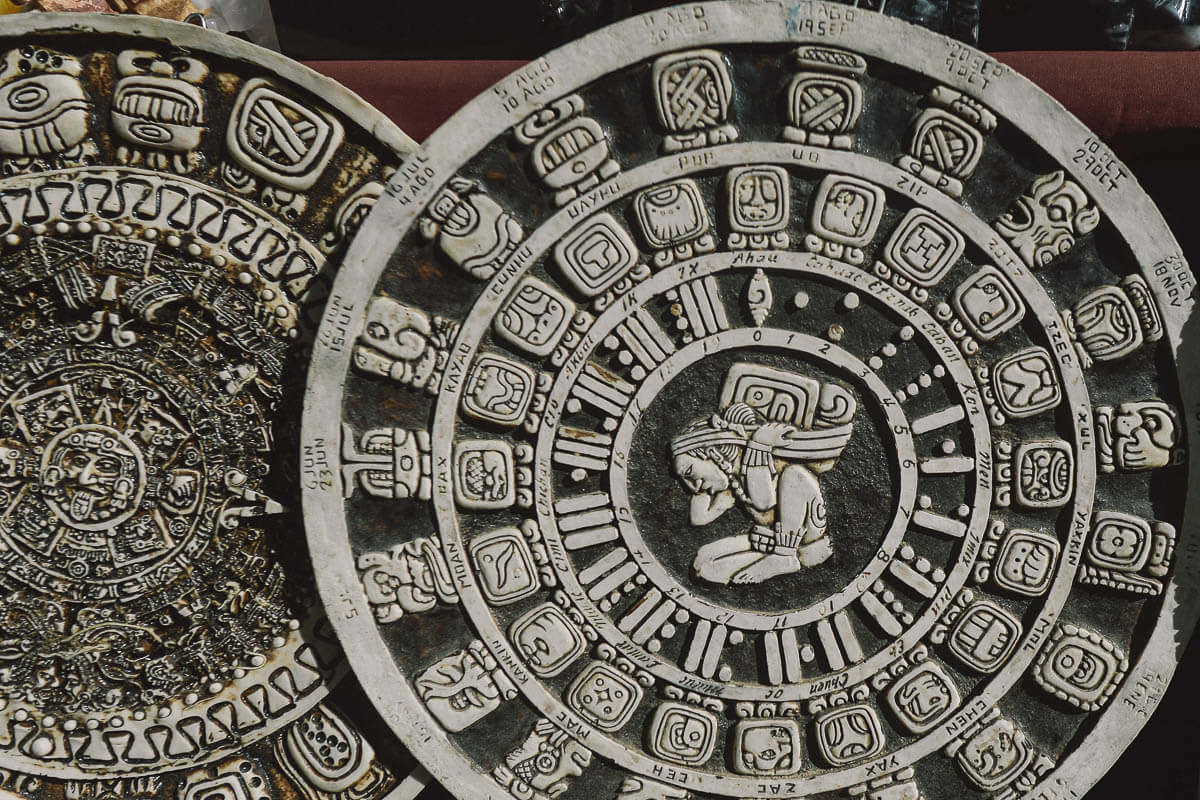
The numerical system used by the Maya, as well as many other Mesoamerican cultures, was a vigesimal (or “base 20”) system. While our modern “base 10” system uses 1, 10, 100, 1,000, and so on, the Maya used 1, 20, 400, 8,000, etc. The Maya system was much more effective for counting than the confusing system of numerals used in the Roman Empire, and the Maya also devised the concept of zero (perhaps around the year 36 BCE), a major mathematical accomplishment. The Maya leveraged their mathematical skills to build impressive cities, chart astronomical movement (using little more than geometry and some sticks), and develop their famous calendar. Speaking of which…

You may also like

7 Facts About the Seven Wonders of the Ancient World

  • Lighthouse of Alexandria
Lighthouse of Alexandria
Universal History Archive/ Universal Images Group via Getty Images
Author Adam Levine

July 11, 2023

Love it?

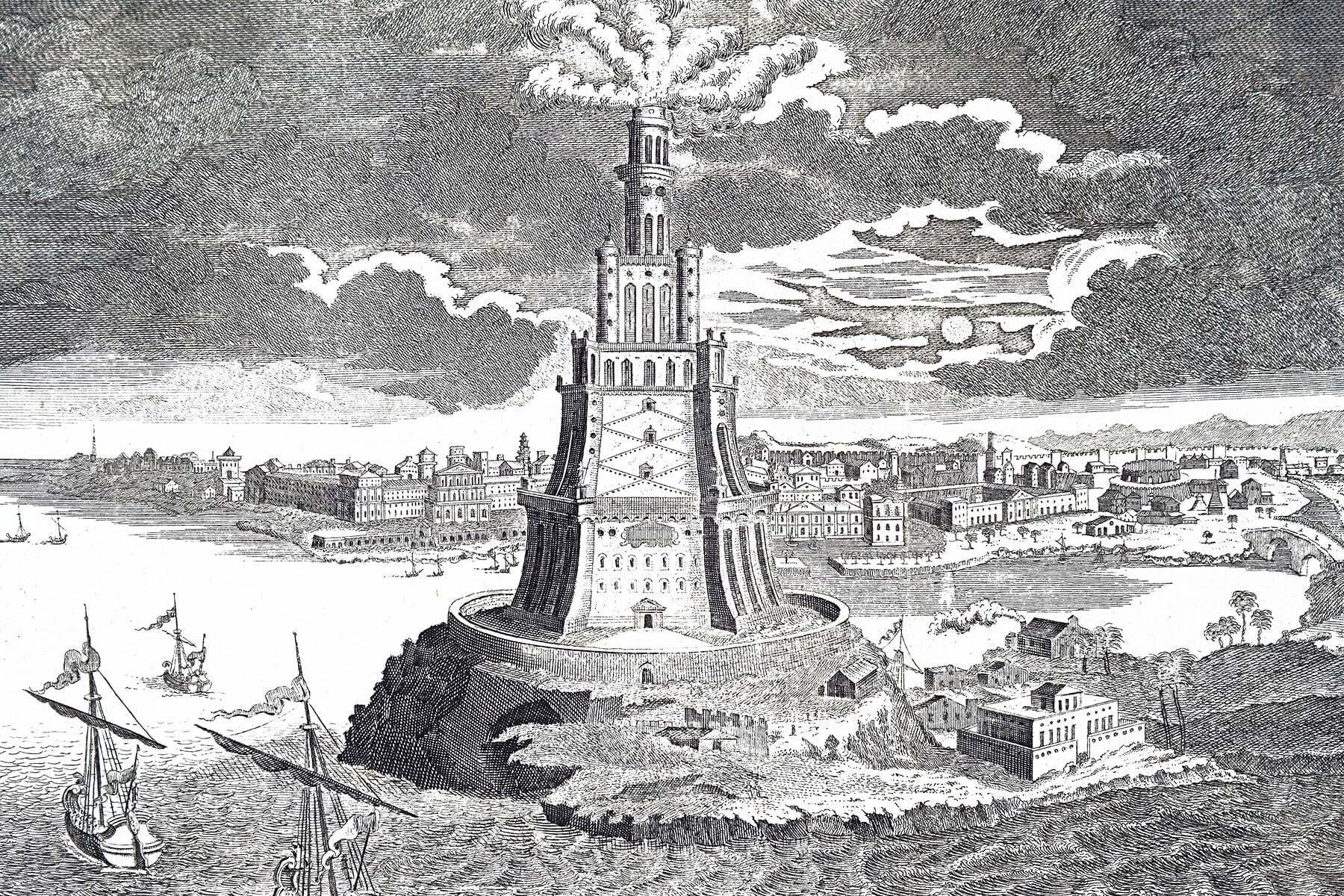
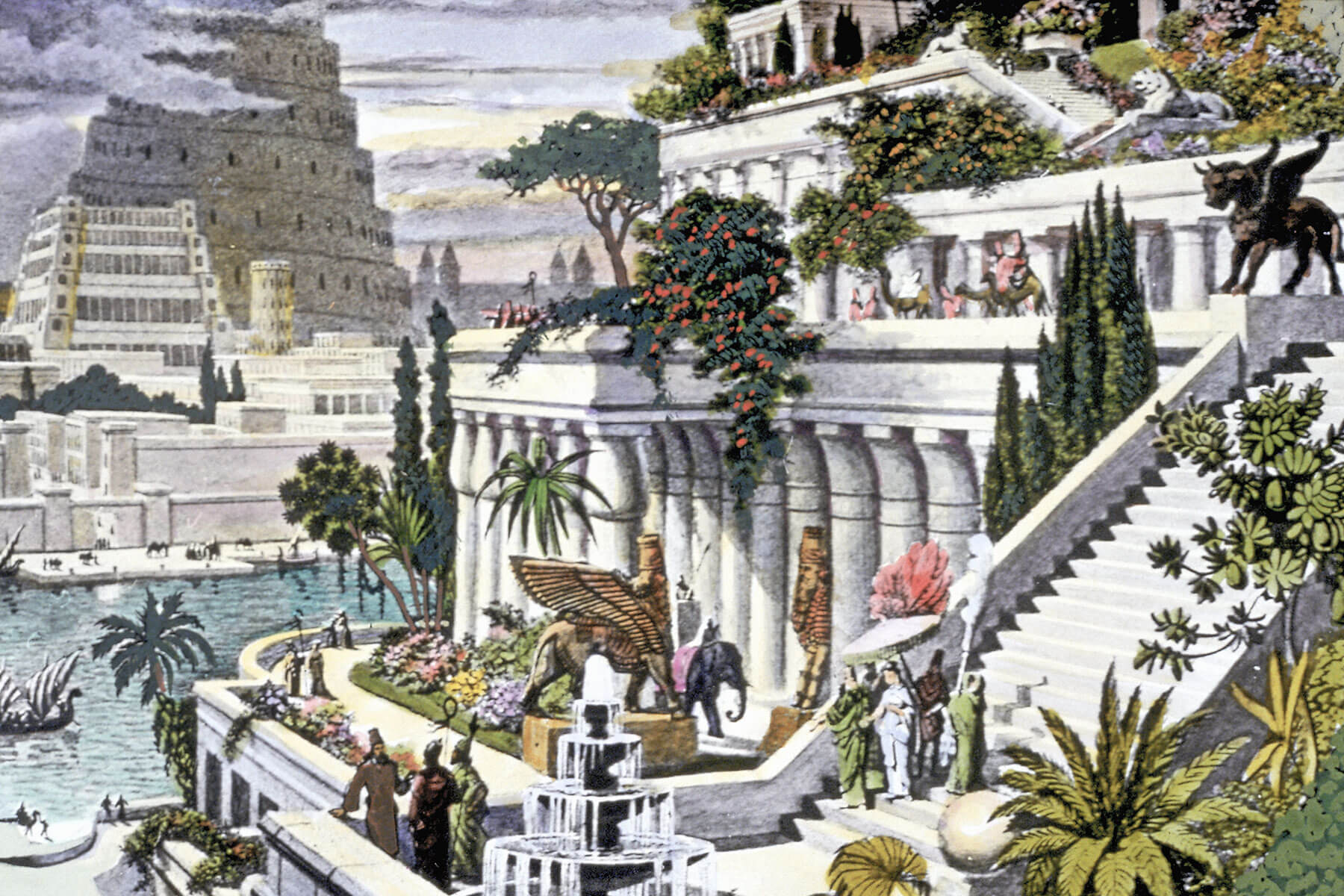
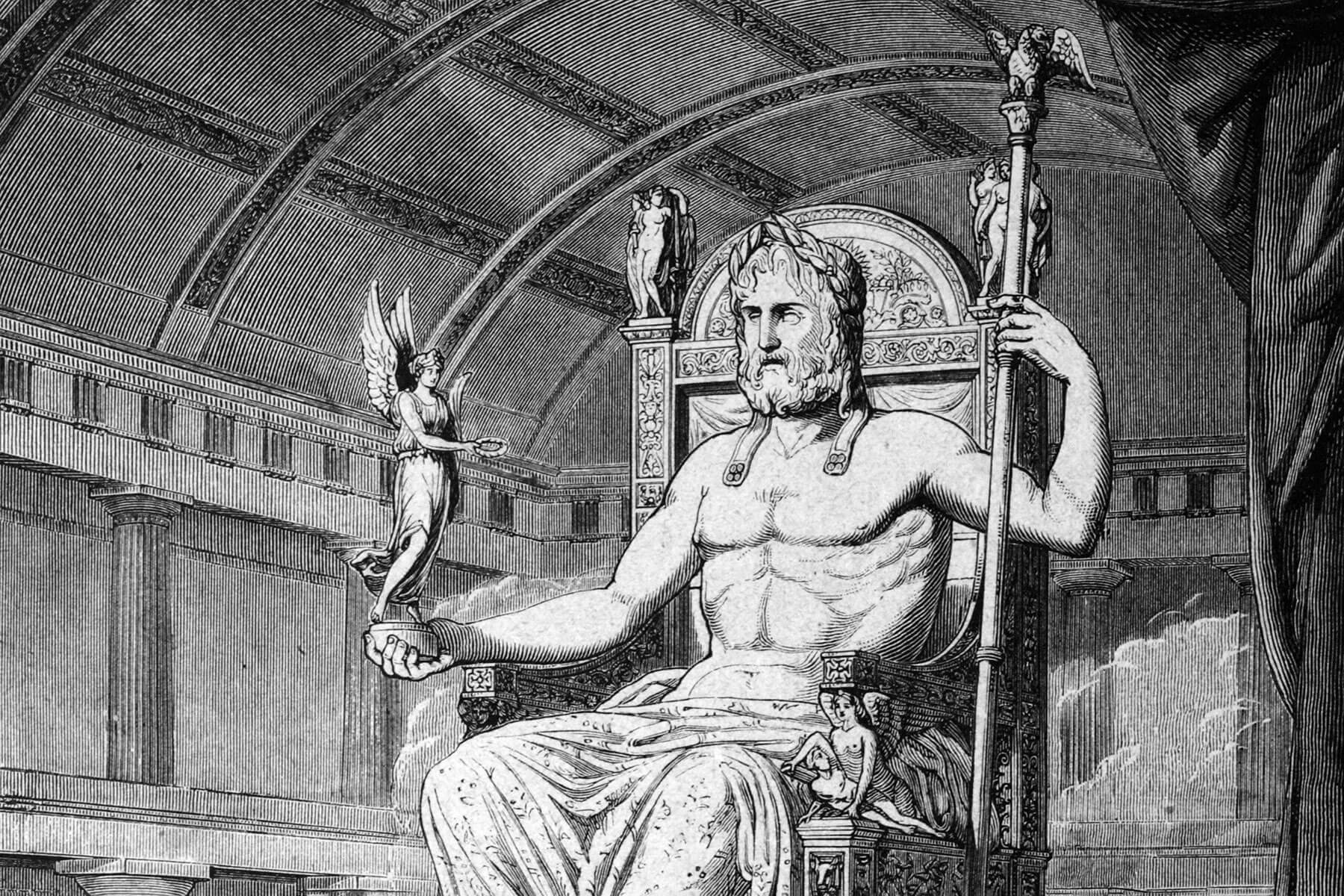
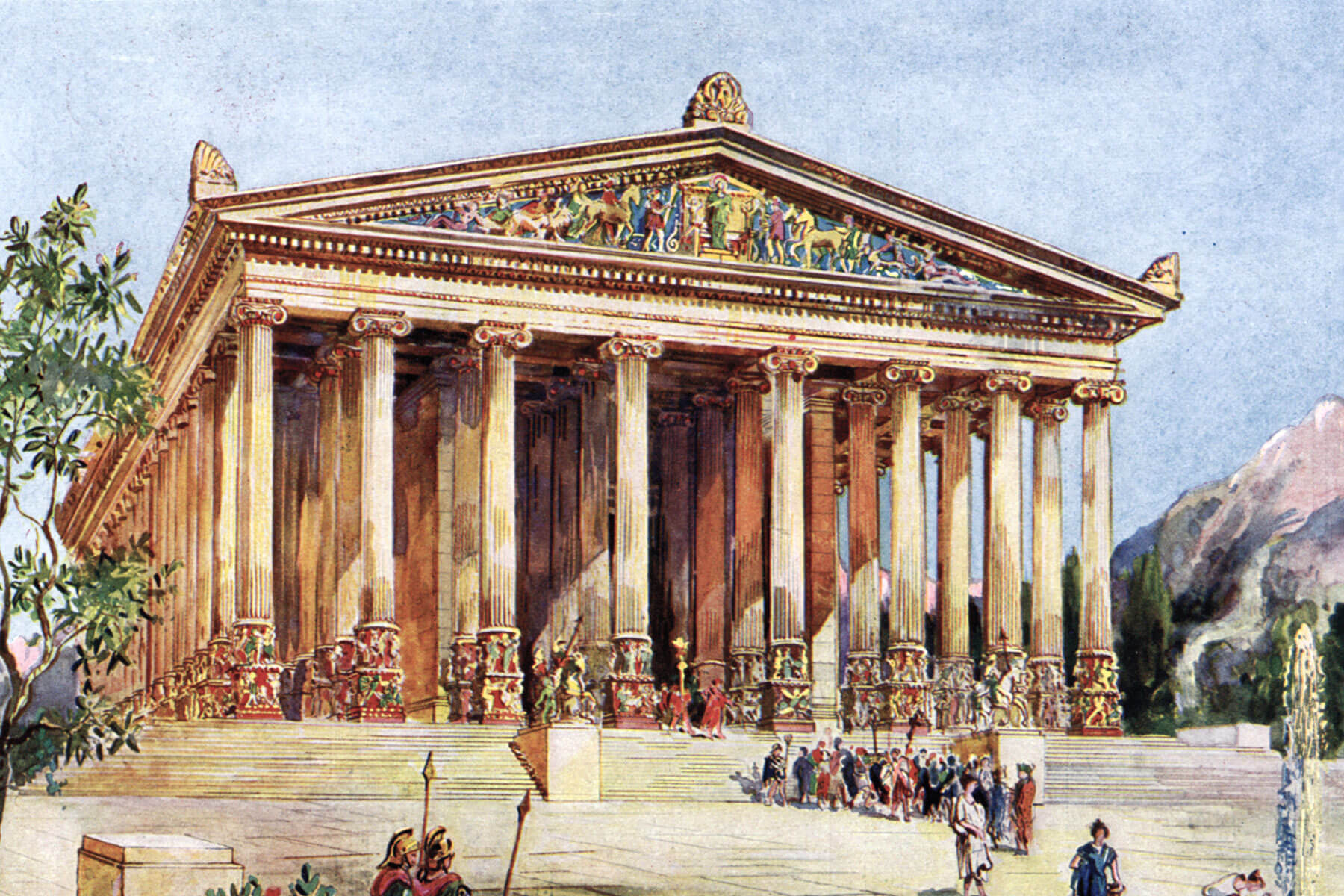
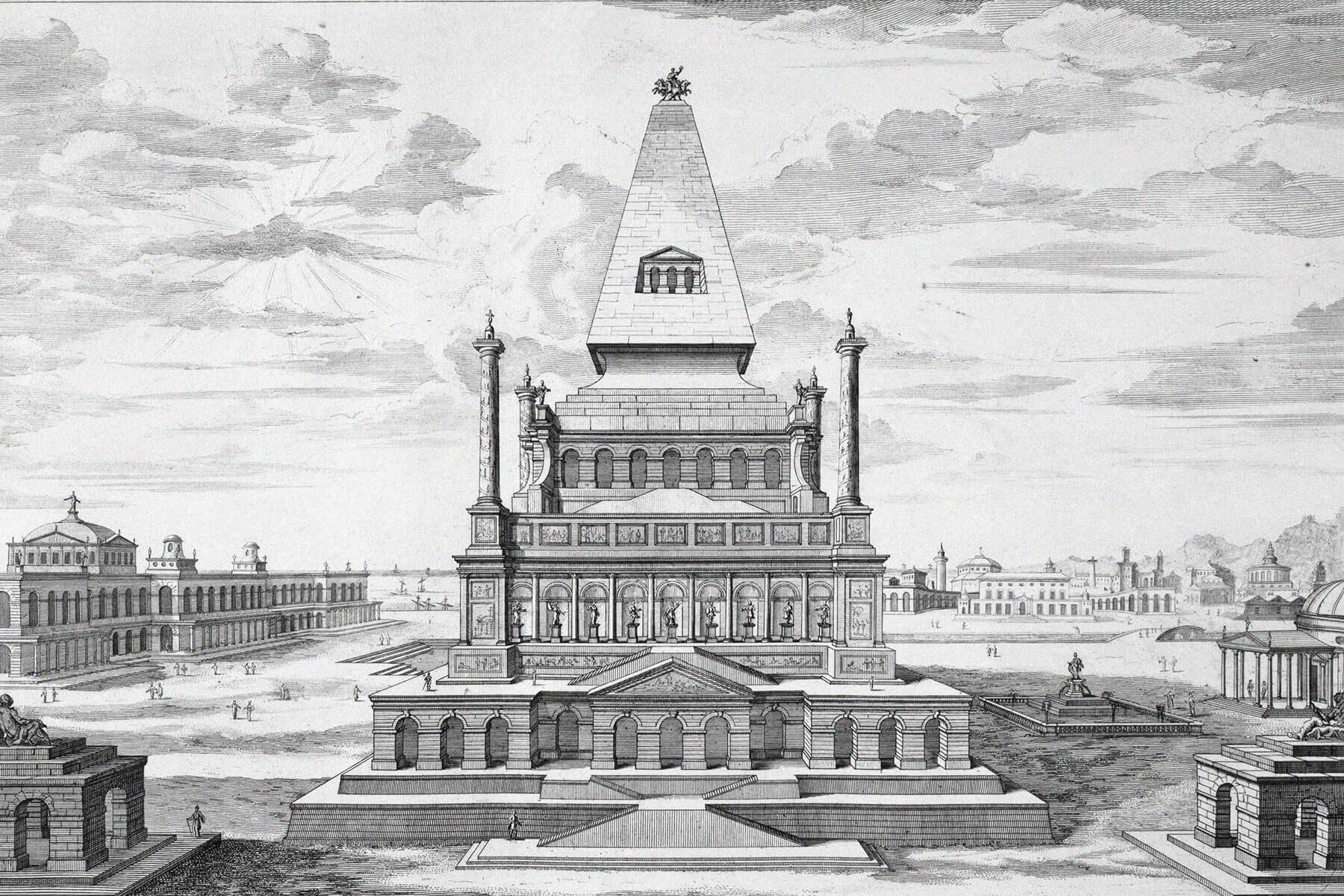
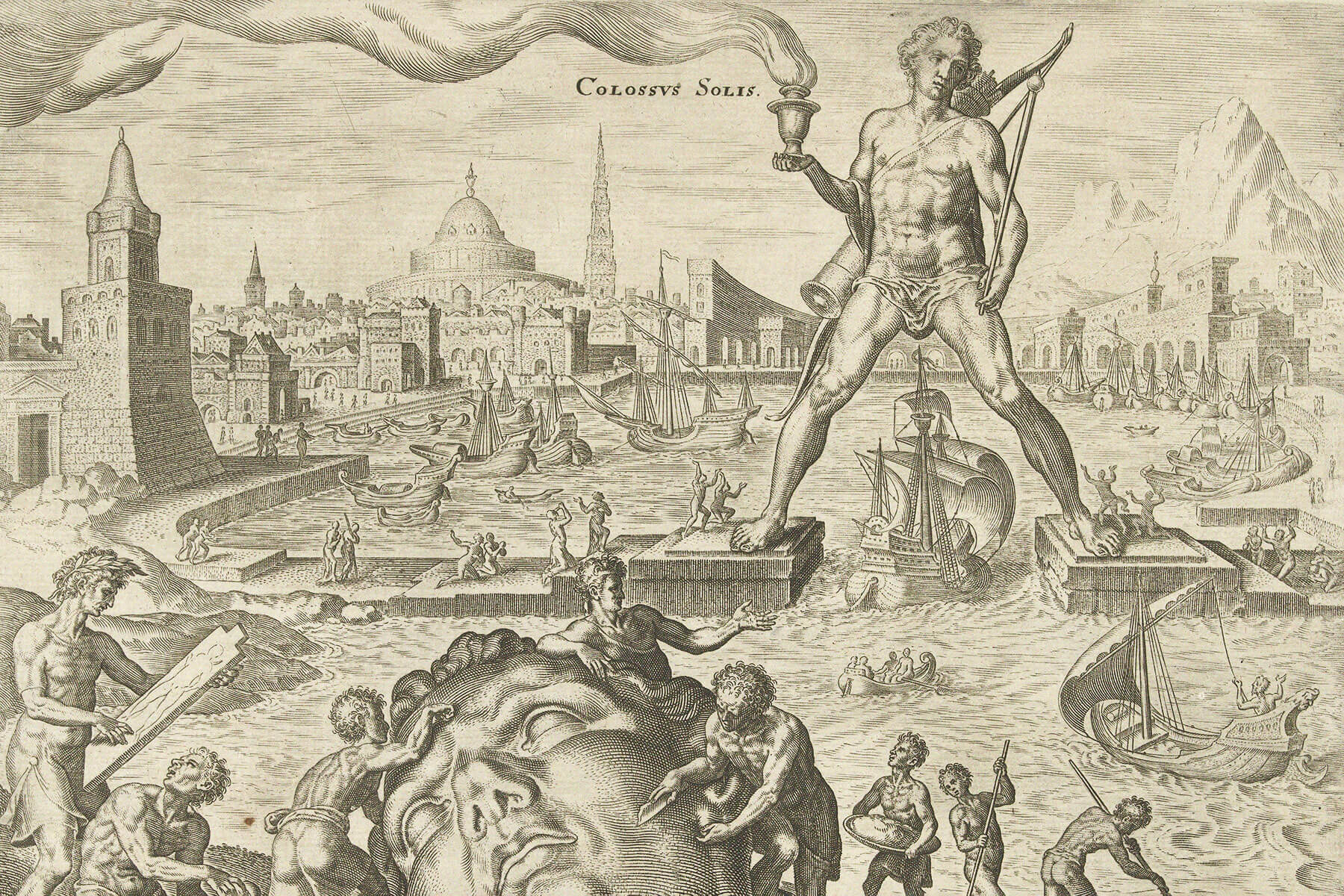
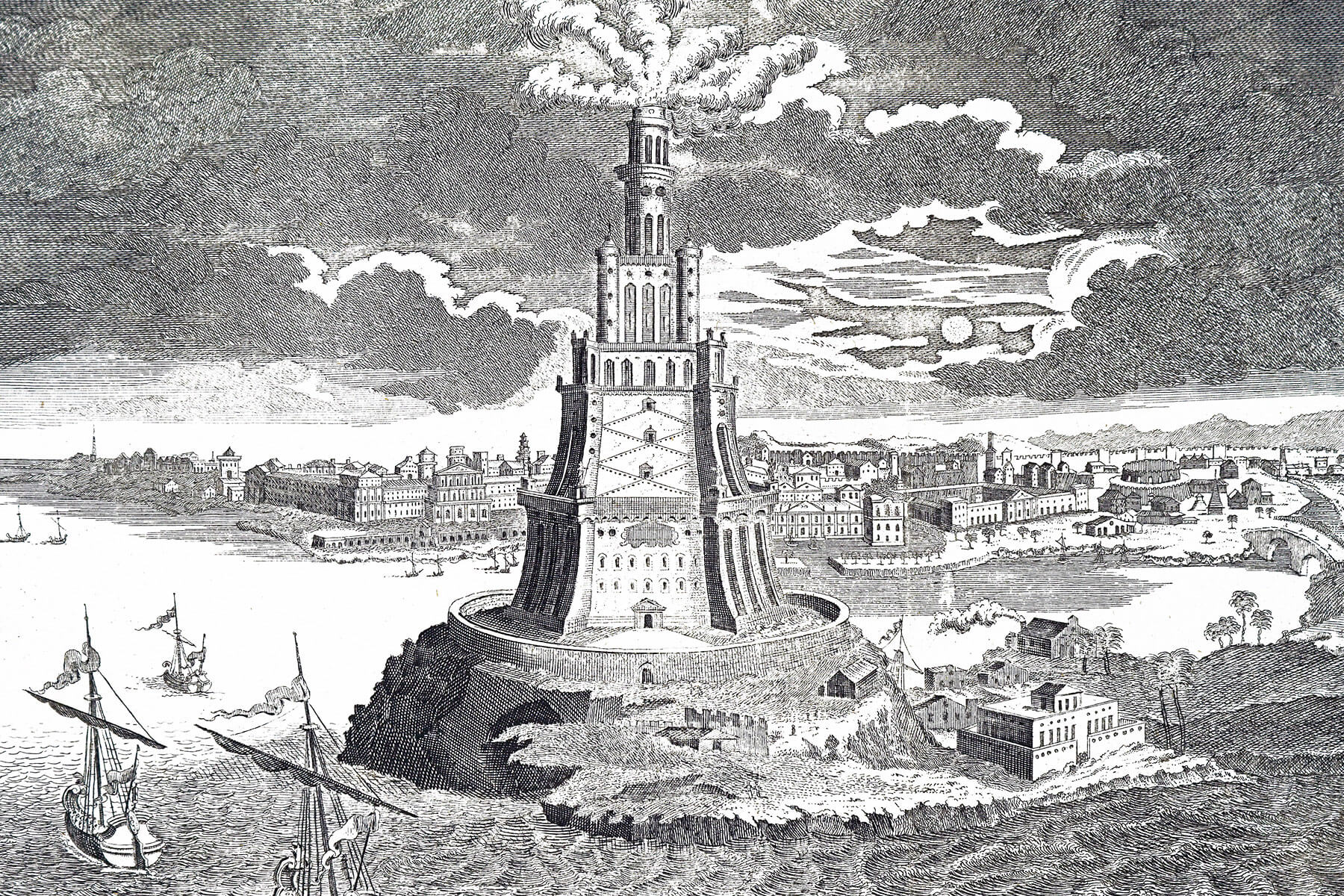
The first list of the wonders of the world was compiled by the ancient Greek writer and poet Antipater of Sidon in the second century BCE, and it included seven extraordinary landmarks around the Mediterranean and modern-day Middle East. Since then, these ancient marvels have been a subject of study, fascination, and awe. The Seven Wonders of the Ancient World were stunning achievements of sculpture and architecture, built with such intricacy and at such a massive scale that in some cases historians remain baffled as to how ancient civilizations were able to create them. Most of the wonders have been lost to time — only the Great Pyramid of Giza remains in any substantial form — but they still capture the imaginations of generations of people who look to them as a source of beauty and inspiration. Here, we take a brief tour around the ancient Mediterranean and Middle East with seven facts about the ancient wonders of the world.

Photo credit: Bettmann via Getty Images

The Great Pyramid of Giza Is the Largest Compass Ever Built

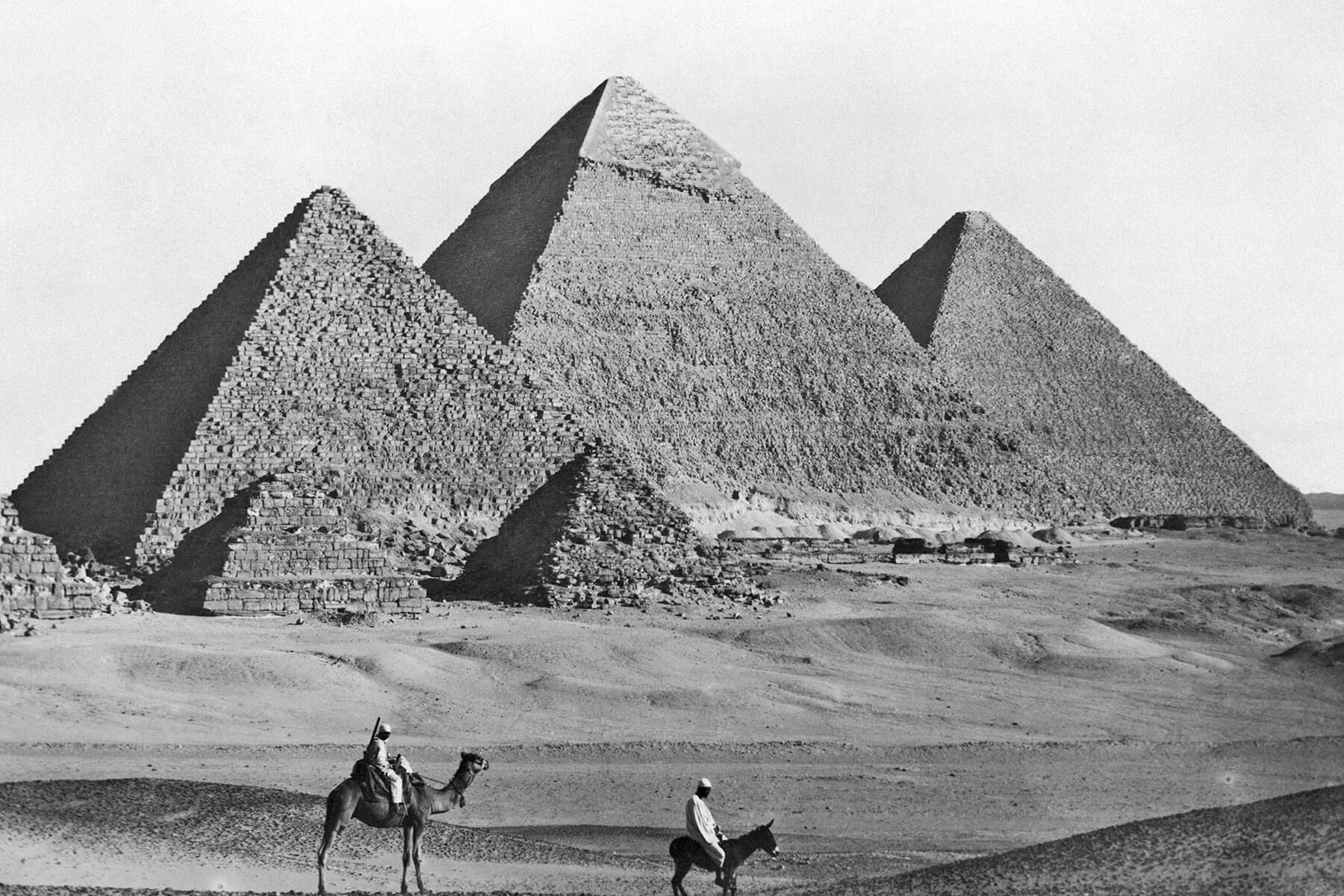
If you happen to find yourself lost in the deserts of Egypt, you might want to seek out the Great Pyramid of Giza to find your way home. The four corners of the Great Pyramid are aligned with the four cardinal directions, and with such a high degree of accuracy that experts are still trying to puzzle out how the ancient Egyptians pulled it off. The pyramid’s alignment is accurate within one-fifteenth of a degree, a measure that’s difficult to achieve even with modern technology, and especially for a structure so massive (in its prime, the Great Pyramid stood 481 feet tall). Historians theorize that ancient engineers may have used shadows cast by the sun or the location of stars in the night sky to orient the massive structure. However, to this day, the exact method the Egyptians used to pull off this stunning feat of architecture and engineering remains a mystery.

You may also like