7 Facts That Reveal the Wonder of the Ancient Maya
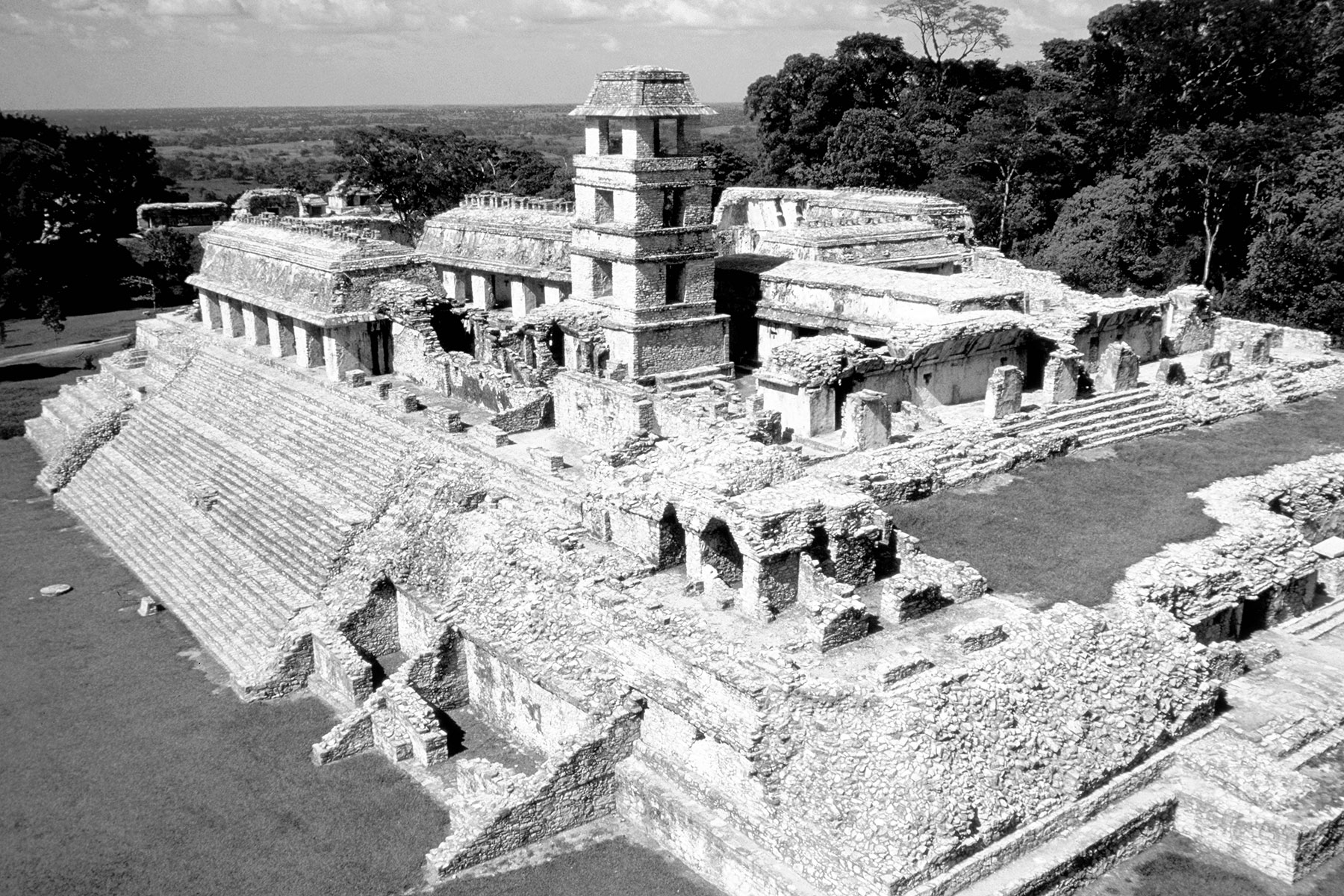
  • Maya Archeological site
Maya Archeological site
PHAS/ Universal Images Group via Getty Images
Author Darren Orf

July 11, 2023

Love it?

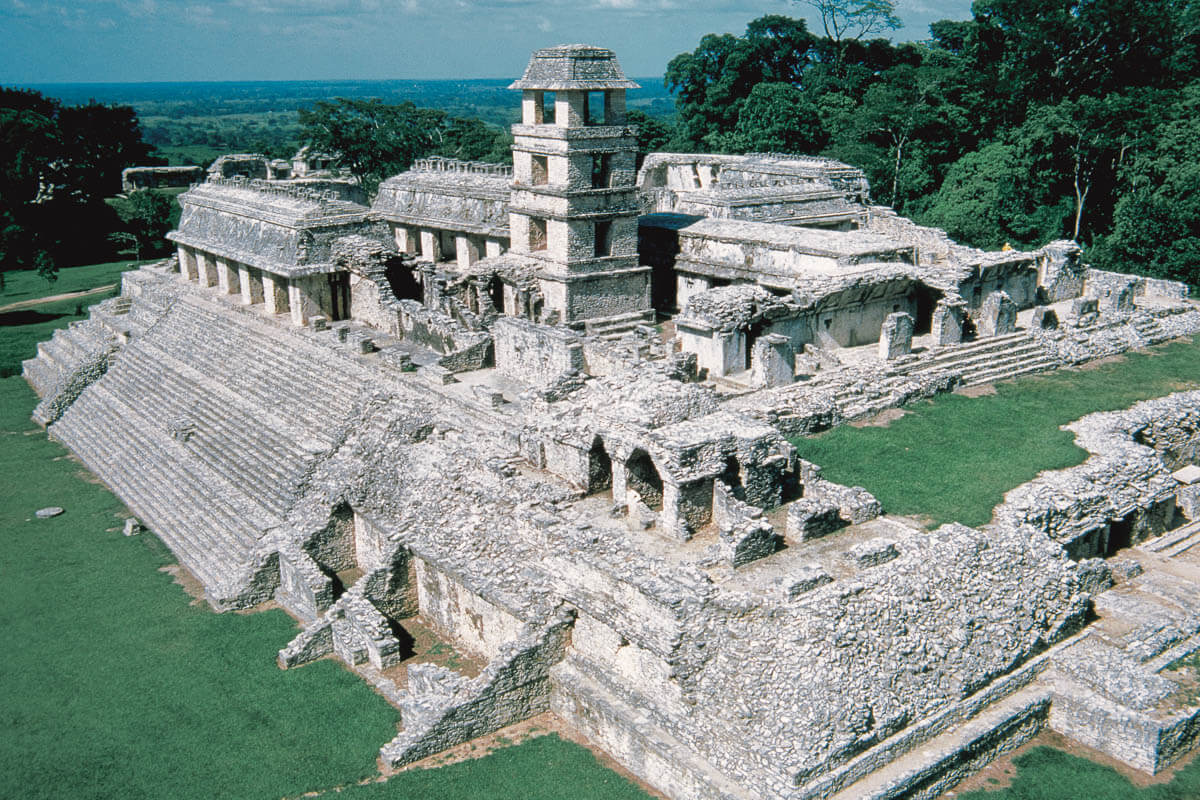
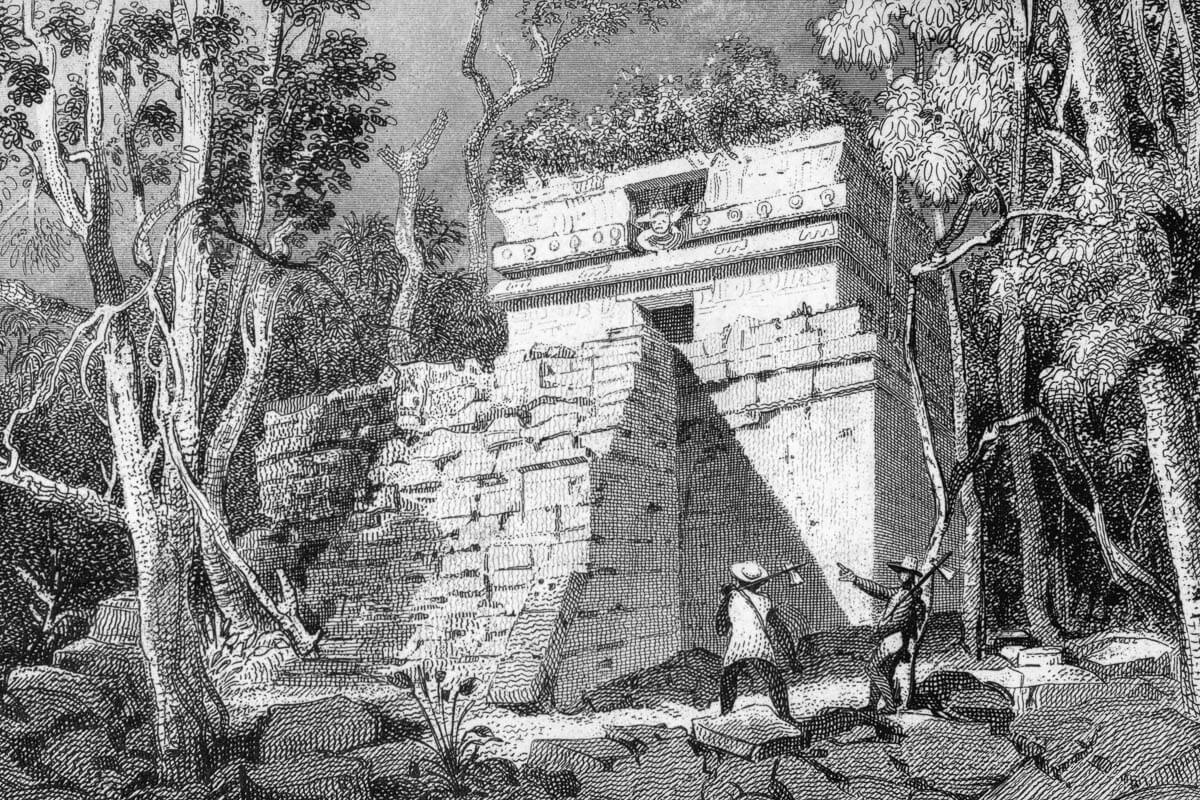
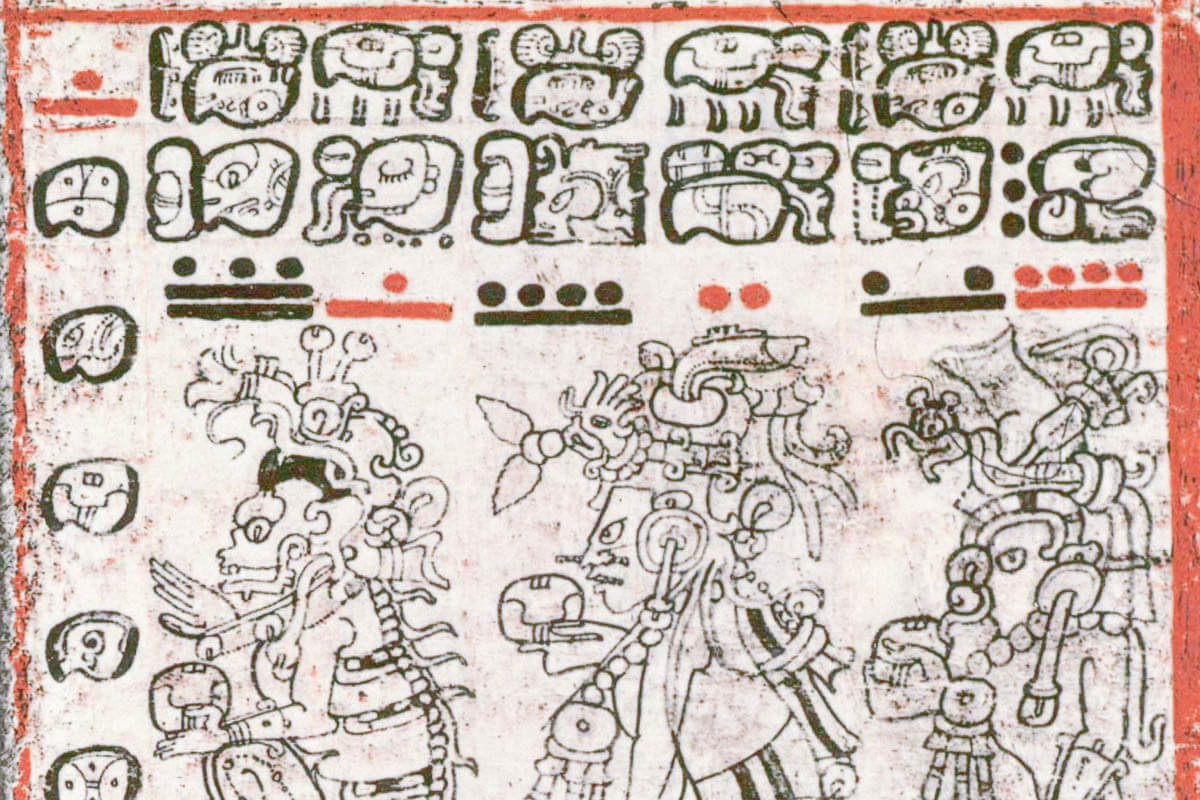
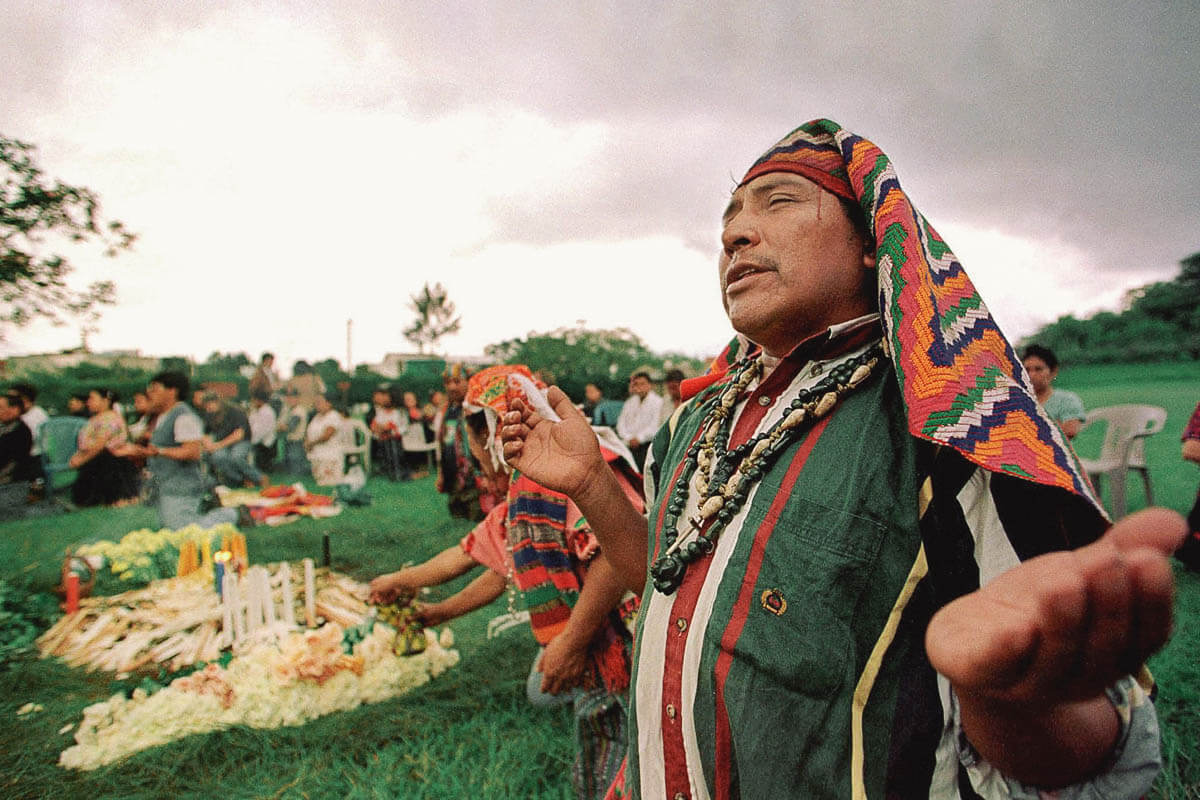
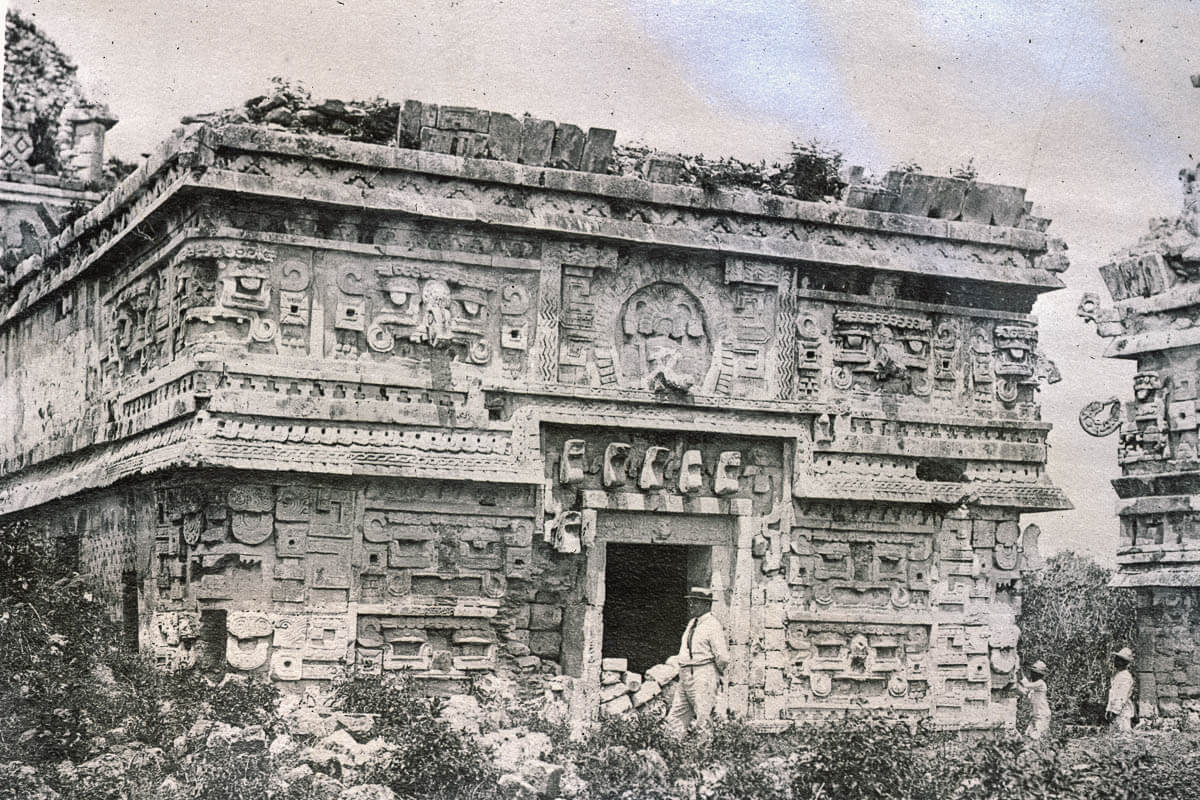
For thousands of years — beginning around 1800 BCE — the Maya flourished throughout Mexico and Central America, primarily calling modern-day southern Mexico, Guatemala, Belize, and parts of Honduras and El Salvador home. One of the great civilizations of ancient Mesoamerica (along with the Olmecs and Aztecs), the Maya created a sophisticated society with advanced mathematics, architecture, and writing. Today, the Maya peoples make up one of the largest Indigenous populations in the Americas.  Here are seven facts that explore the complexity and wonder of this ancient culture.
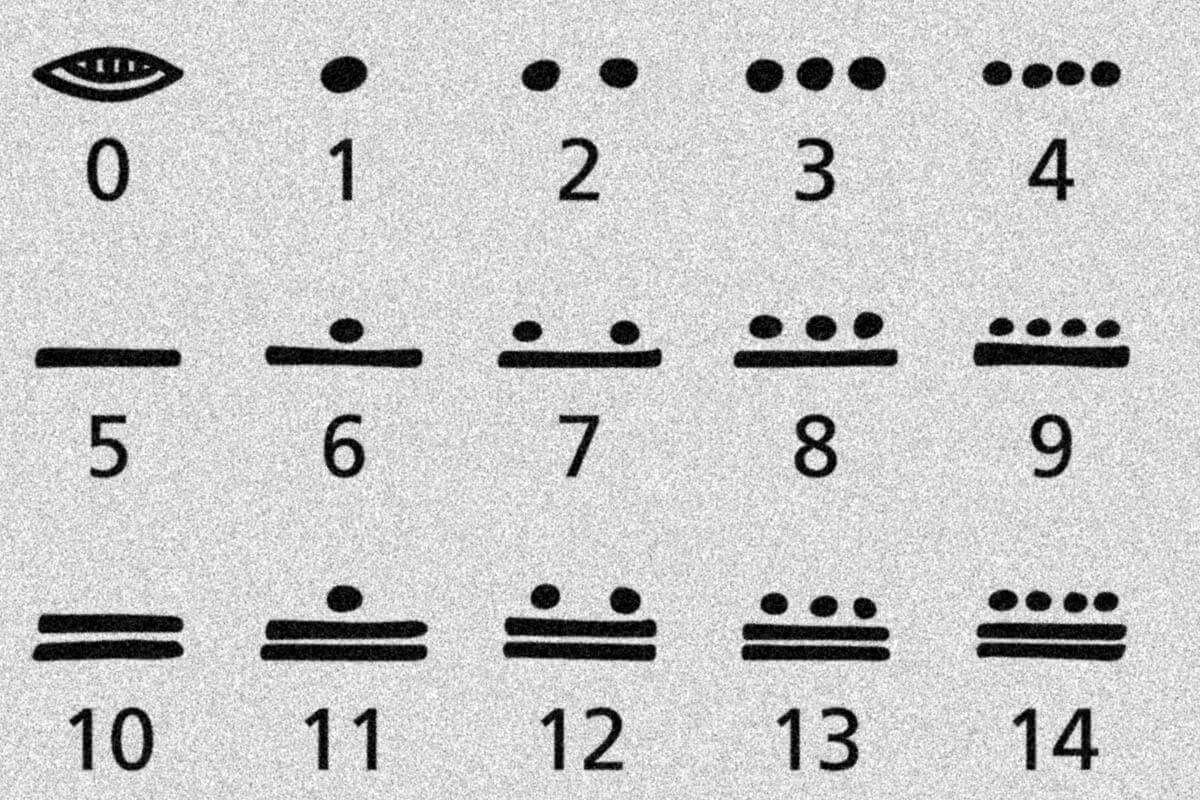
Photo credit: PeterHermesFurian/https://www.istockphoto.com/vector/maya-numerals-black-and-white-numeral-system-of-maya-civilization-gm1358106234-431831323?phrase=maya+math iStock

The Maya Were Skilled Mathematicians 

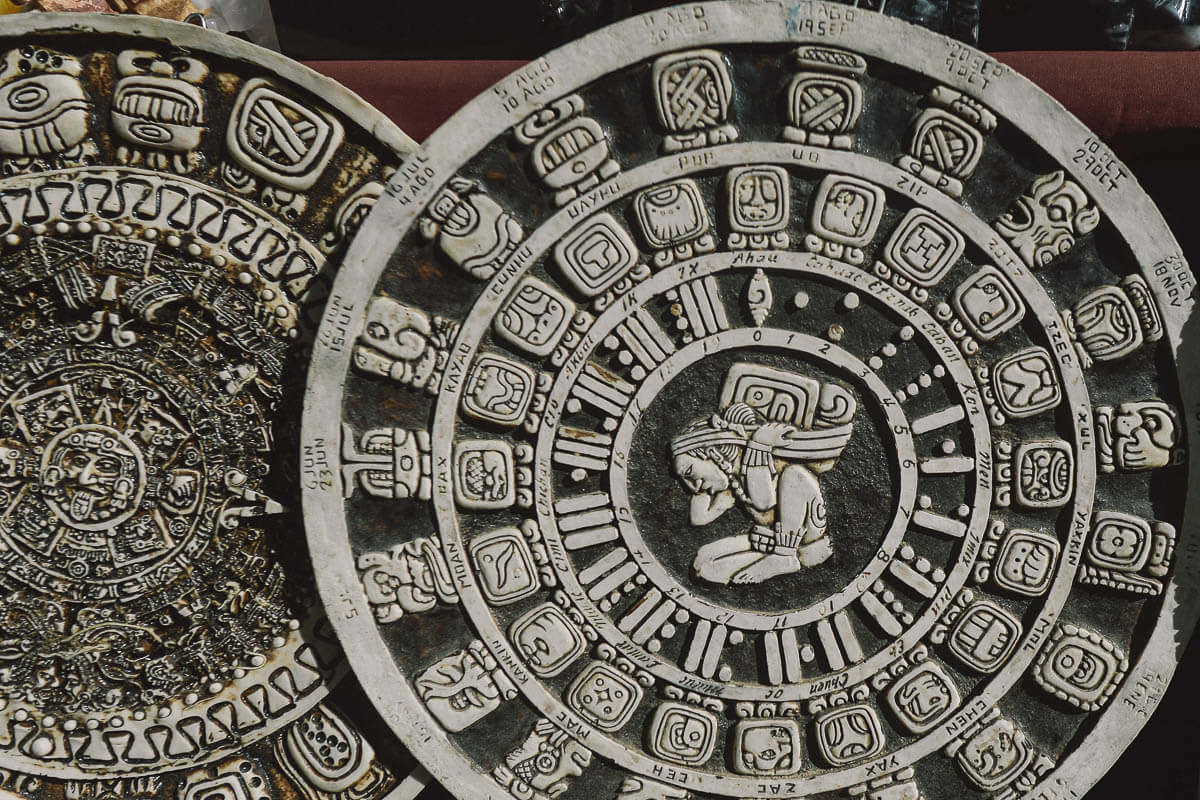
The numerical system used by the Maya, as well as many other Mesoamerican cultures, was a vigesimal (or “base 20”) system. While our modern “base 10” system uses 1, 10, 100, 1,000, and so on, the Maya used 1, 20, 400, 8,000, etc. The Maya system was much more effective for counting than the confusing system of numerals used in the Roman Empire, and the Maya also devised the concept of zero (perhaps around the year 36 BCE), a major mathematical accomplishment. The Maya leveraged their mathematical skills to build impressive cities, chart astronomical movement (using little more than geometry and some sticks), and develop their famous calendar. Speaking of which…

You may also like
7 Facts About the Seven Wonders of the Ancient World

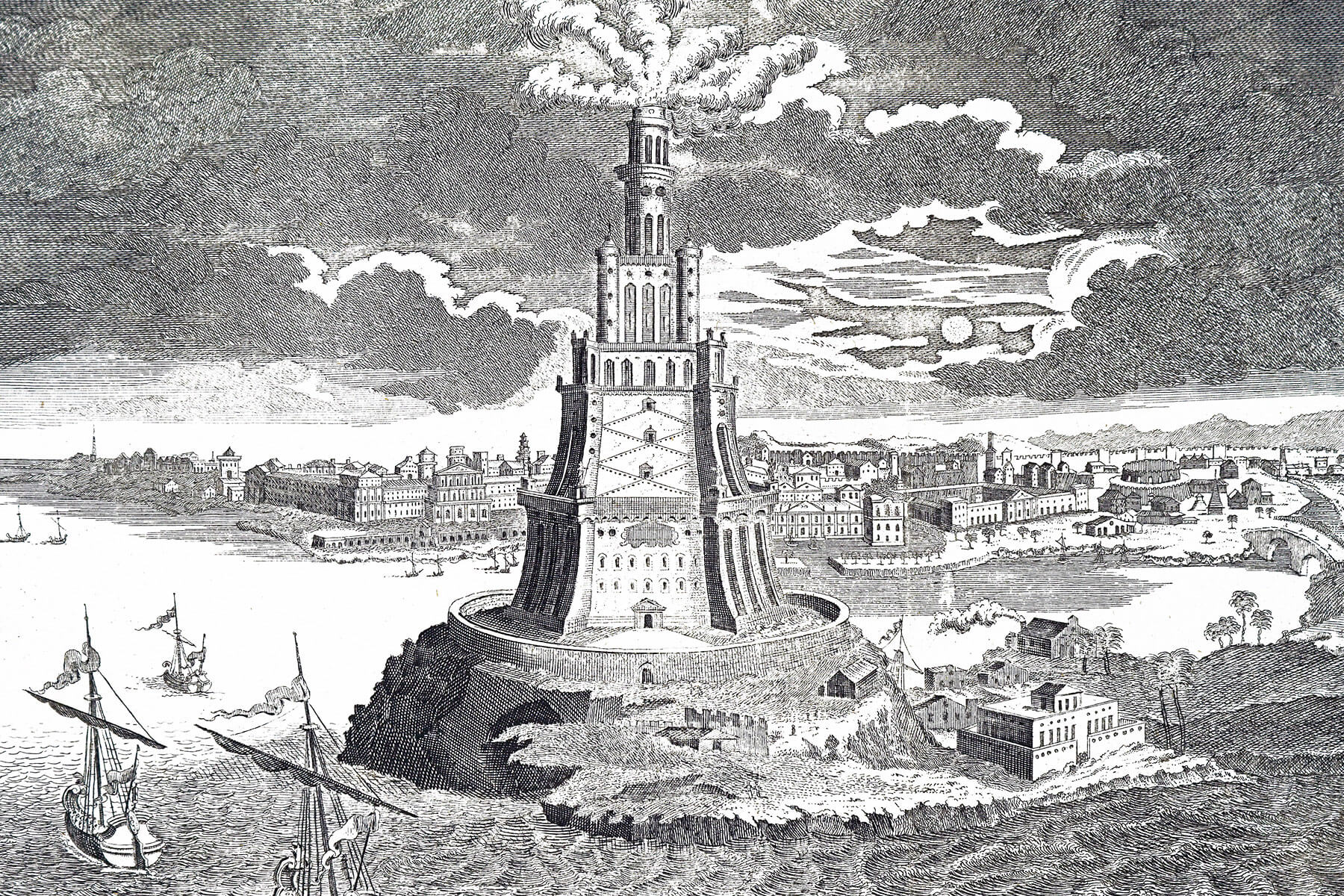
  • Lighthouse of Alexandria
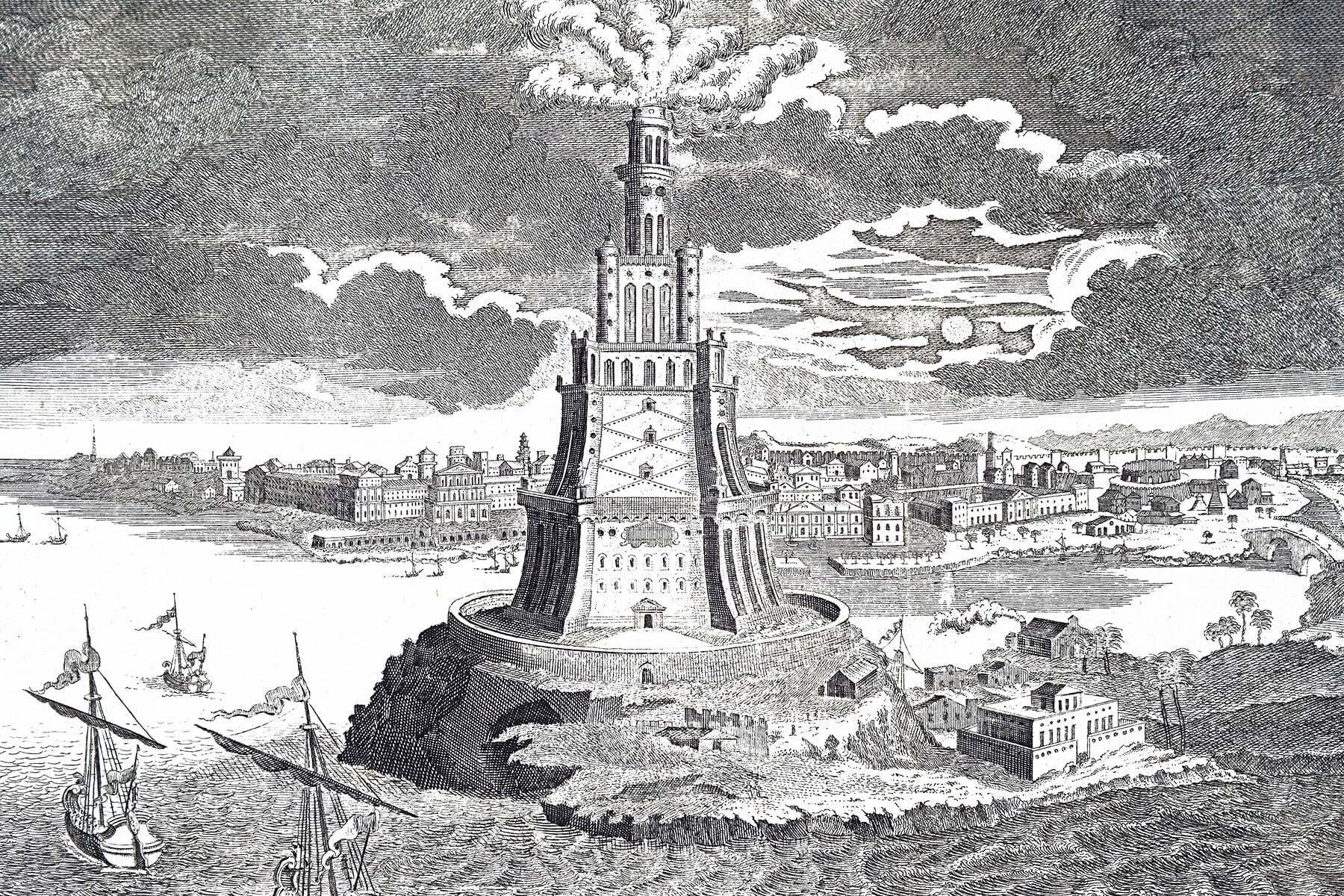
Lighthouse of Alexandria
Universal History Archive/ Universal Images Group via Getty Images
Author Adam Levine

July 11, 2023

Love it?

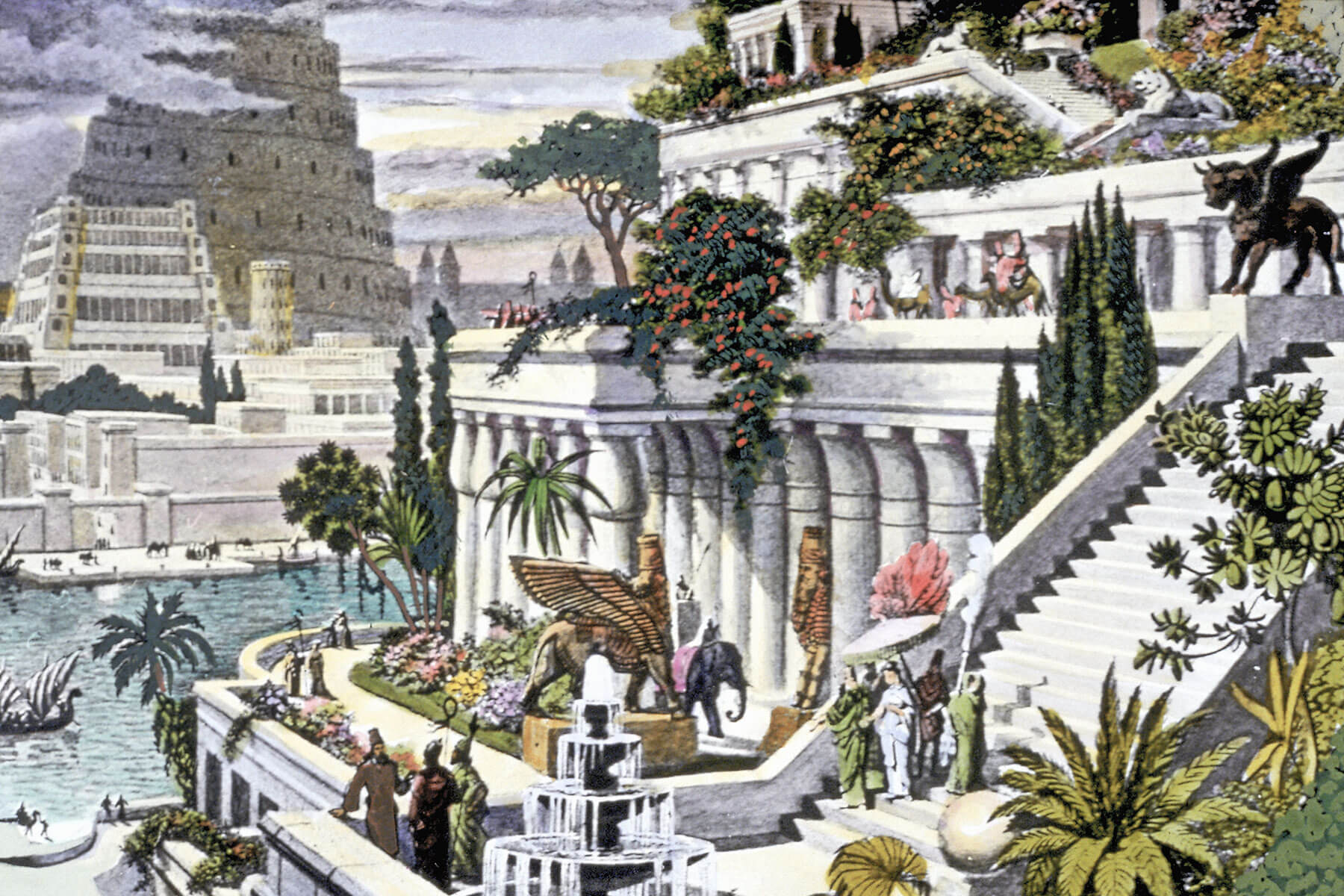
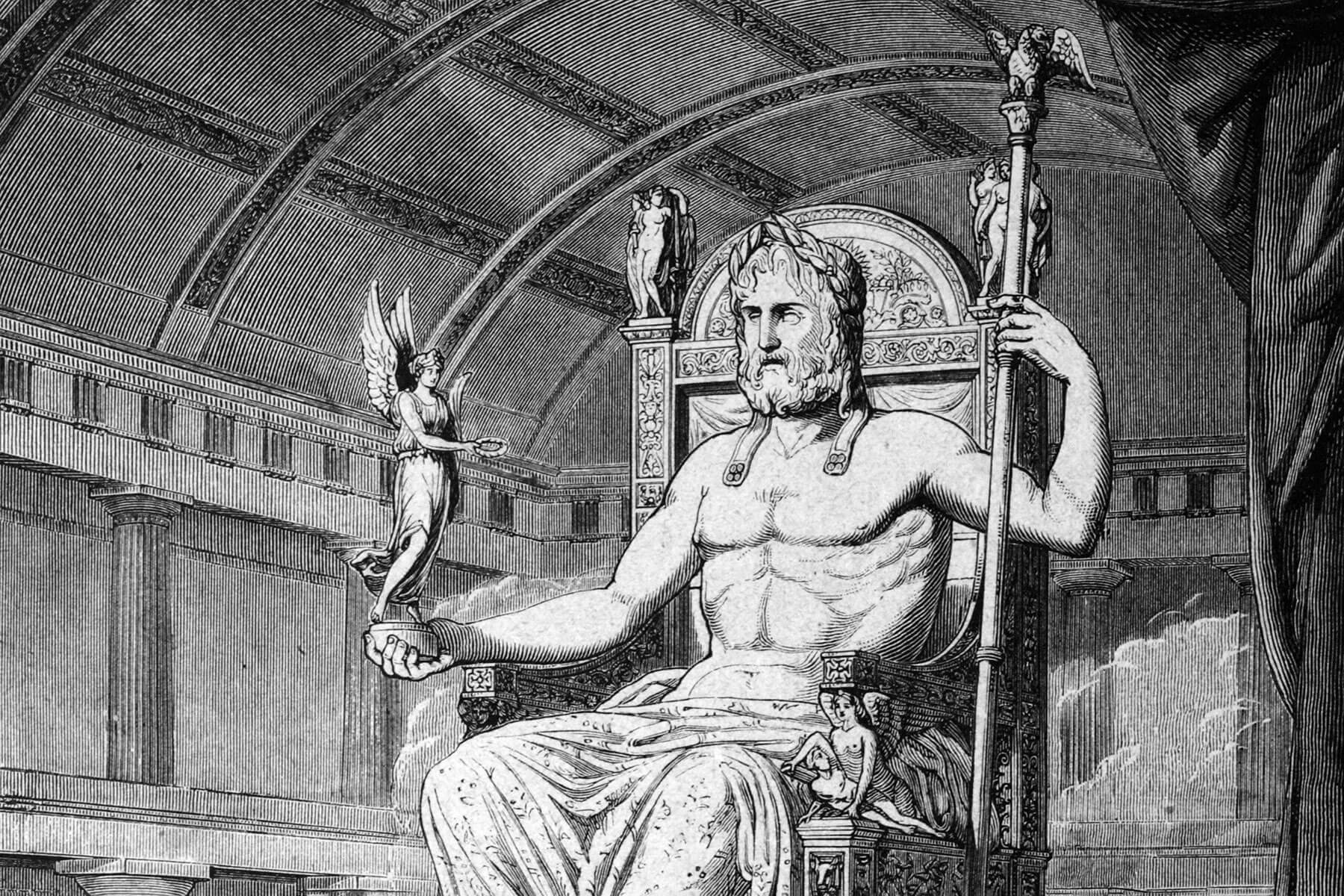
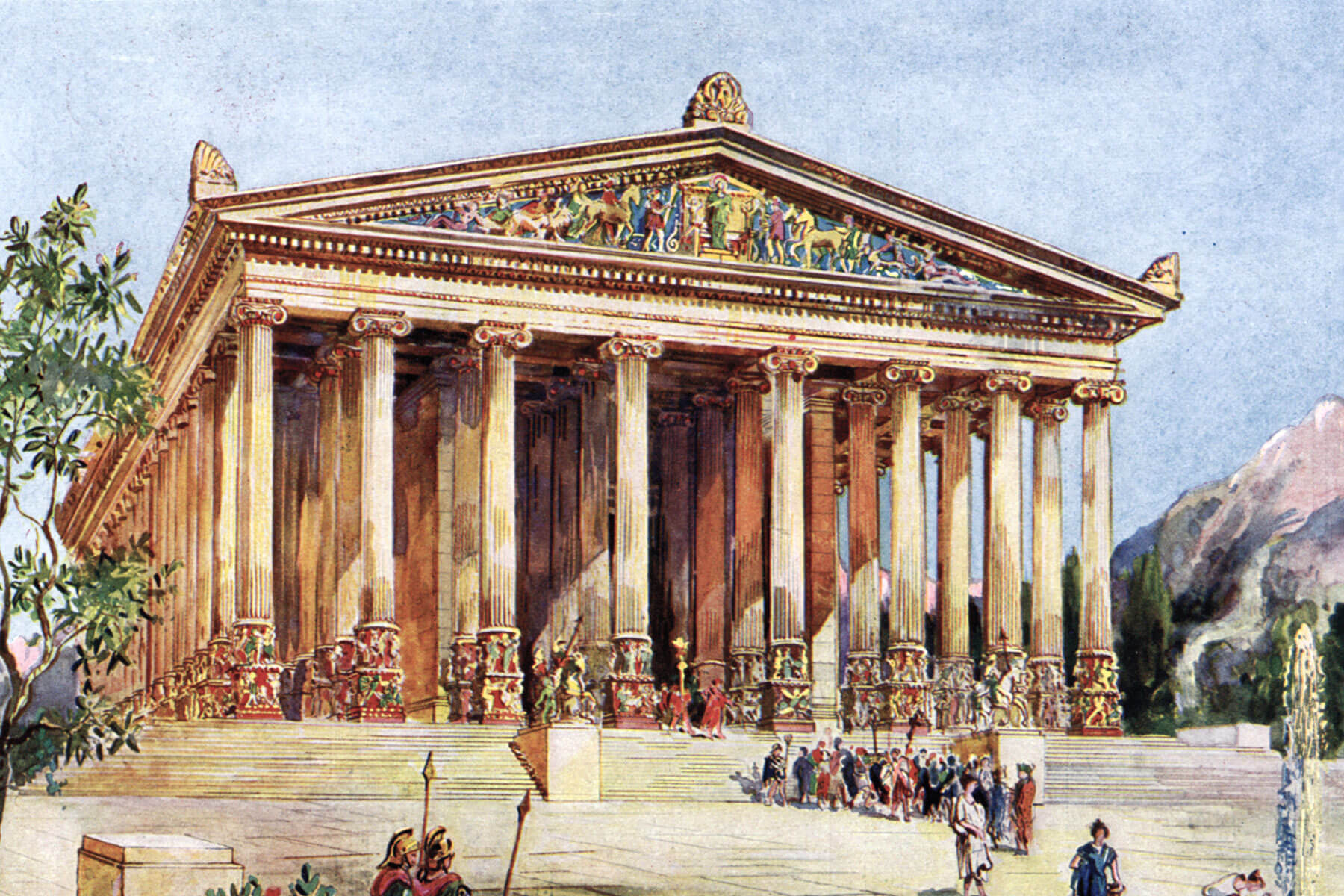
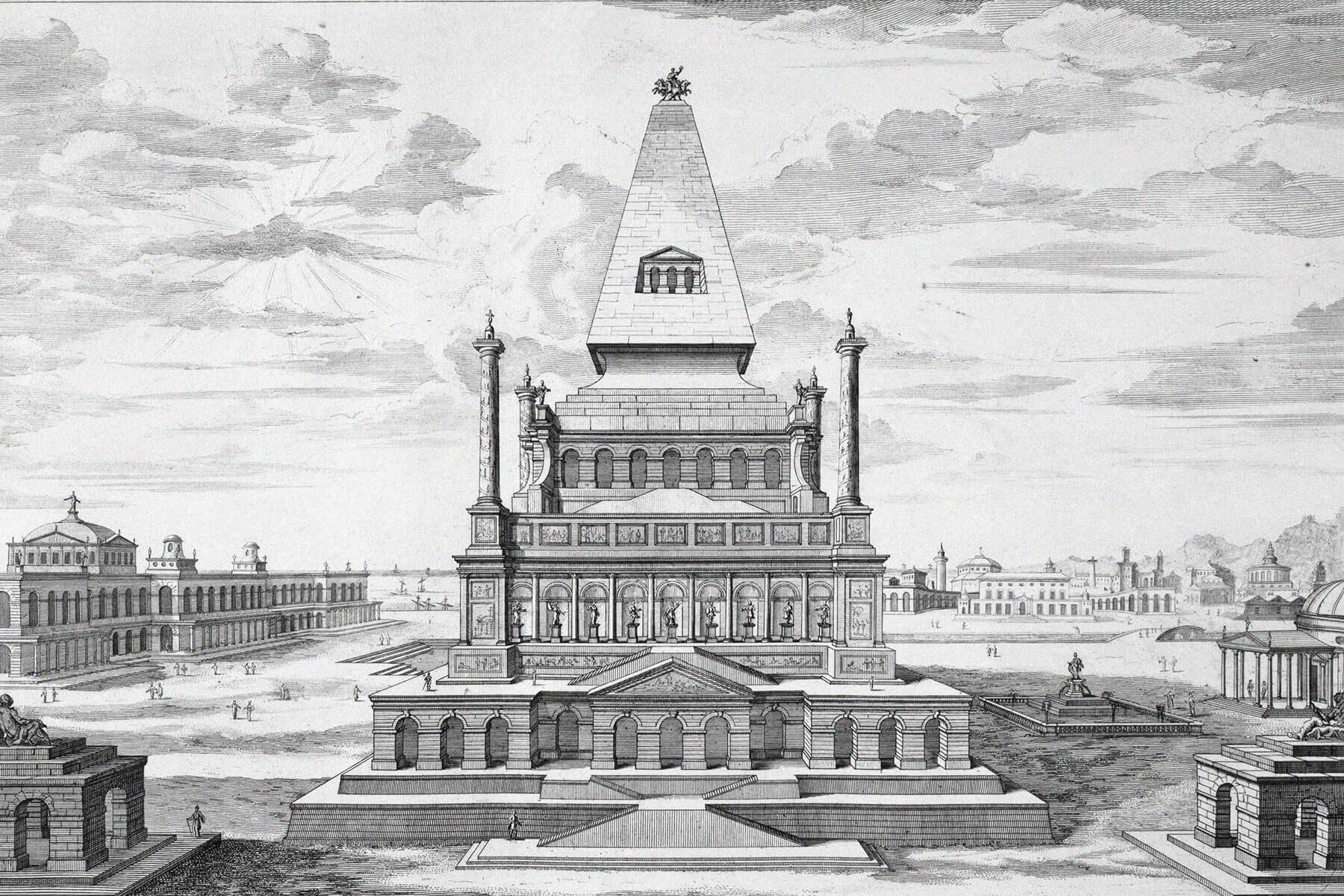
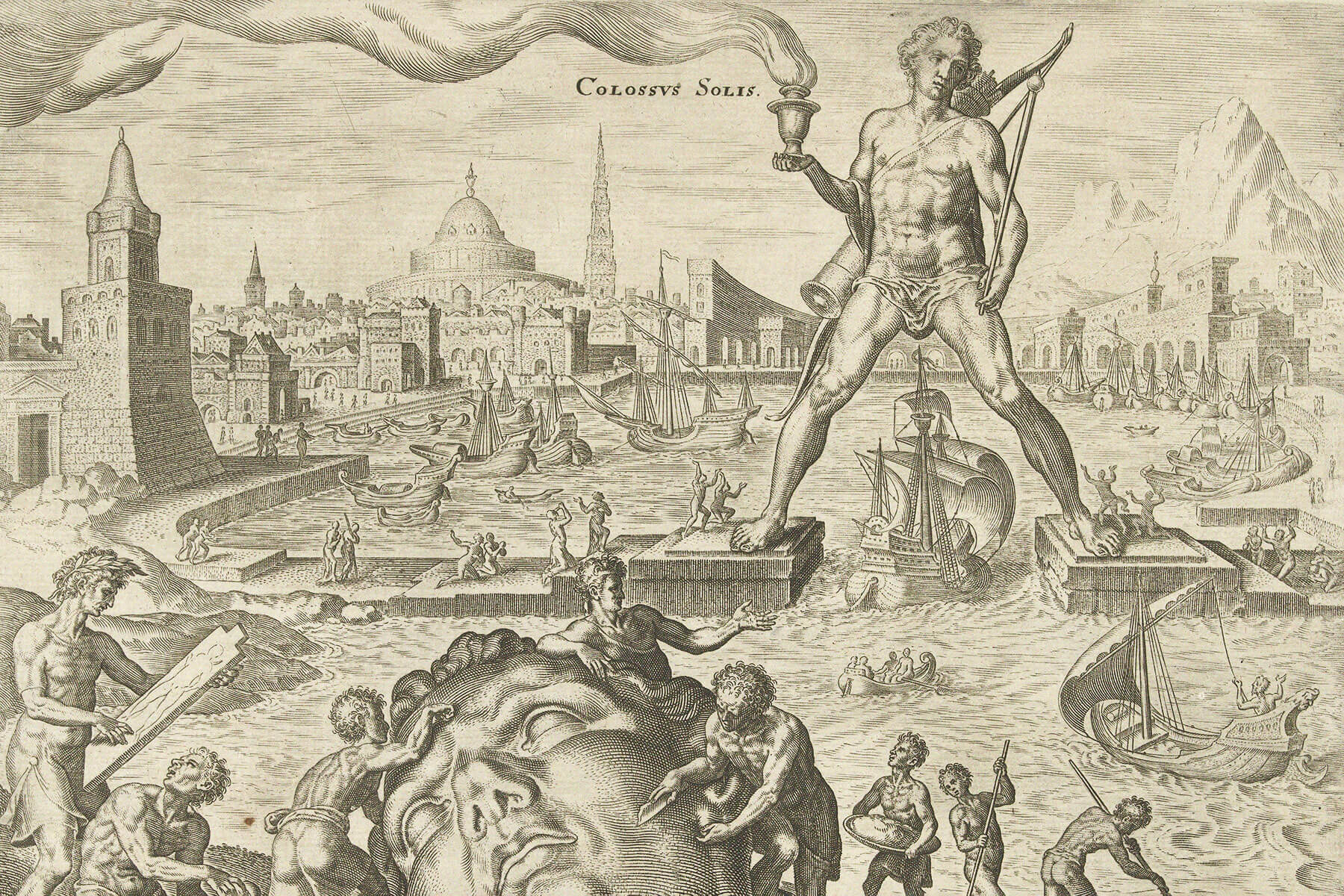
The first list of the wonders of the world was compiled by the ancient Greek writer and poet Antipater of Sidon in the second century BCE, and it included seven extraordinary landmarks around the Mediterranean and modern-day Middle East. Since then, these ancient marvels have been a subject of study, fascination, and awe. The Seven Wonders of the Ancient World were stunning achievements of sculpture and architecture, built with such intricacy and at such a massive scale that in some cases historians remain baffled as to how ancient civilizations were able to create them. Most of the wonders have been lost to time — only the Great Pyramid of Giza remains in any substantial form — but they still capture the imaginations of generations of people who look to them as a source of beauty and inspiration. Here, we take a brief tour around the ancient Mediterranean and Middle East with seven facts about the ancient wonders of the world.

Photo credit: Bettmann via Getty Images

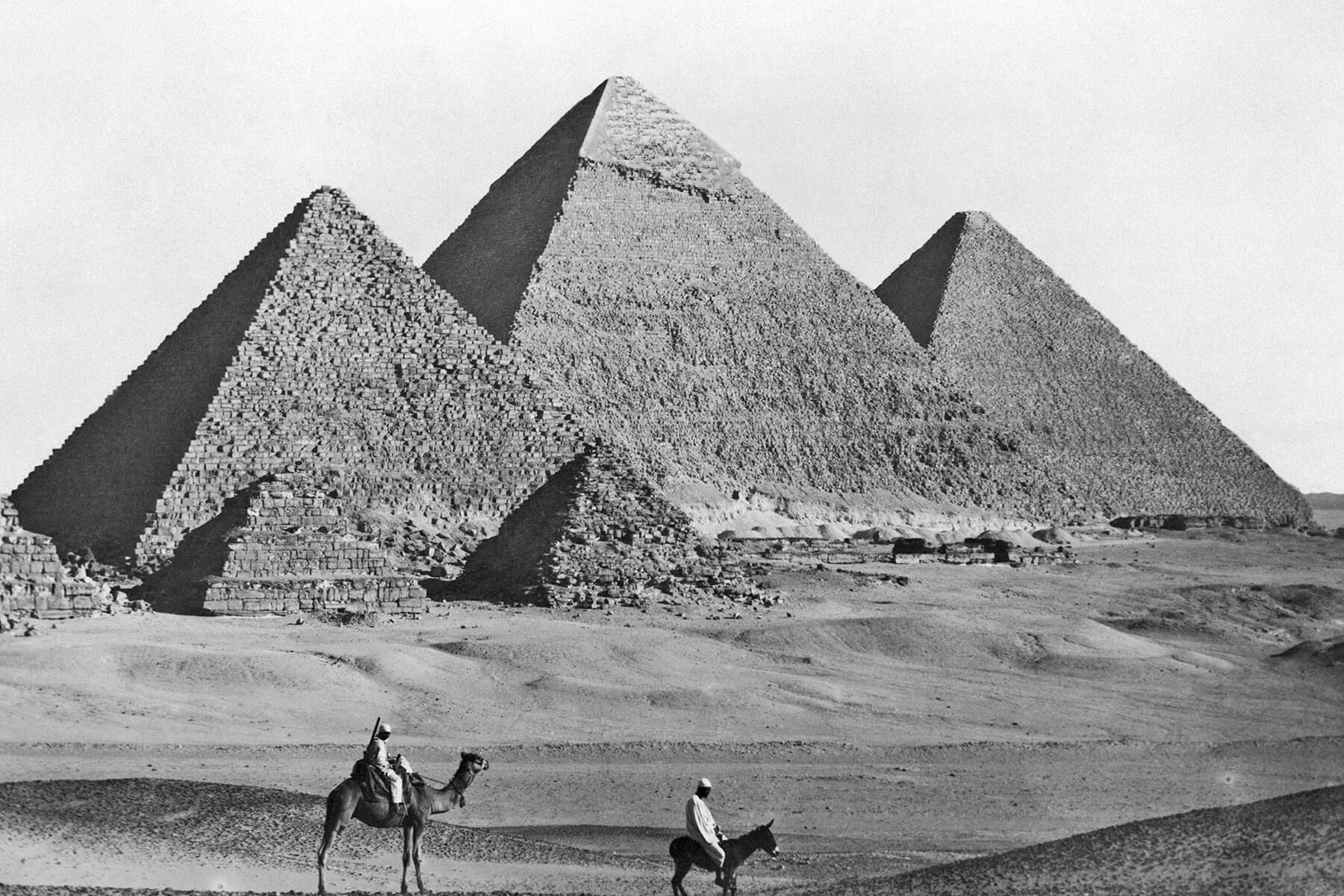
The Great Pyramid of Giza Is the Largest Compass Ever Built

If you happen to find yourself lost in the deserts of Egypt, you might want to seek out the Great Pyramid of Giza to find your way home. The four corners of the Great Pyramid are aligned with the four cardinal directions, and with such a high degree of accuracy that experts are still trying to puzzle out how the ancient Egyptians pulled it off. The pyramid’s alignment is accurate within one-fifteenth of a degree, a measure that’s difficult to achieve even with modern technology, and especially for a structure so massive (in its prime, the Great Pyramid stood 481 feet tall). Historians theorize that ancient engineers may have used shadows cast by the sun or the location of stars in the night sky to orient the massive structure. However, to this day, the exact method the Egyptians used to pull off this stunning feat of architecture and engineering remains a mystery.

You may also like

13 Facts About the 13 Original Colonies 

  • Savannah, Georgia
Savannah, Georgia
Kean Collection / Archive Photos via Getty Images
Author Kristina Wright

June 26, 2023

Love it?

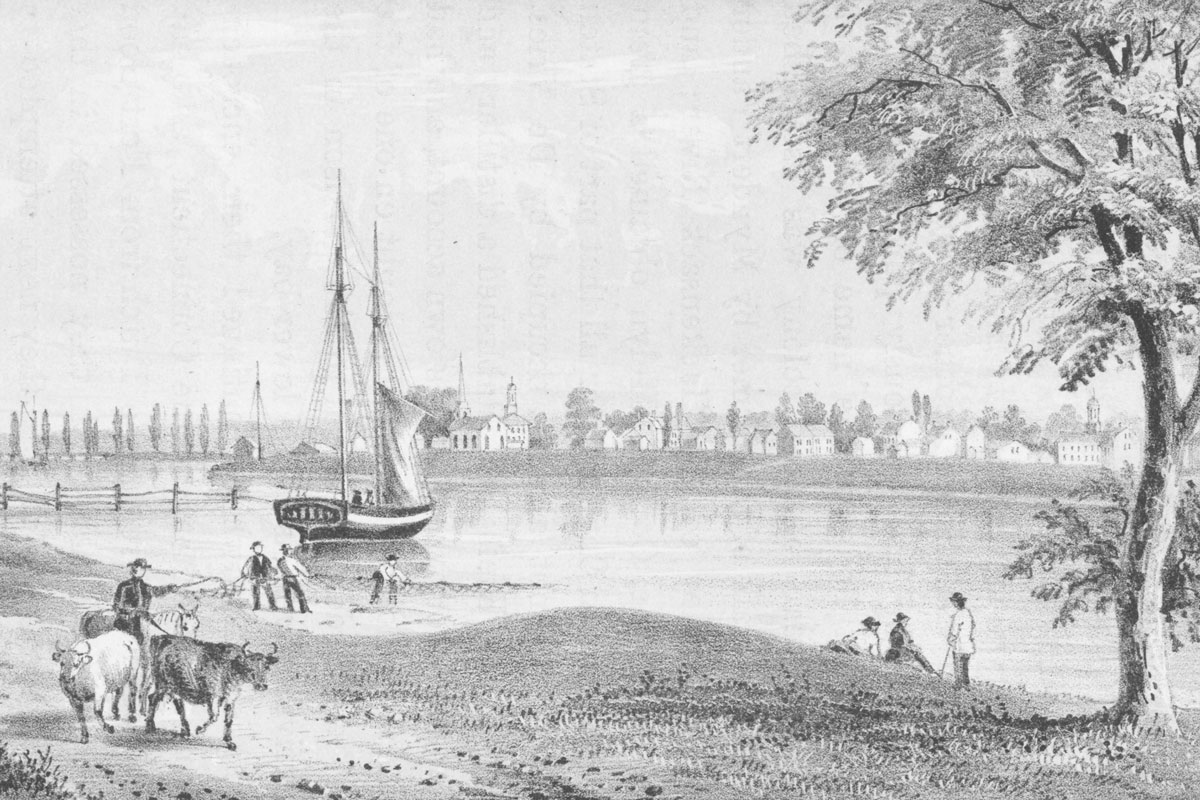
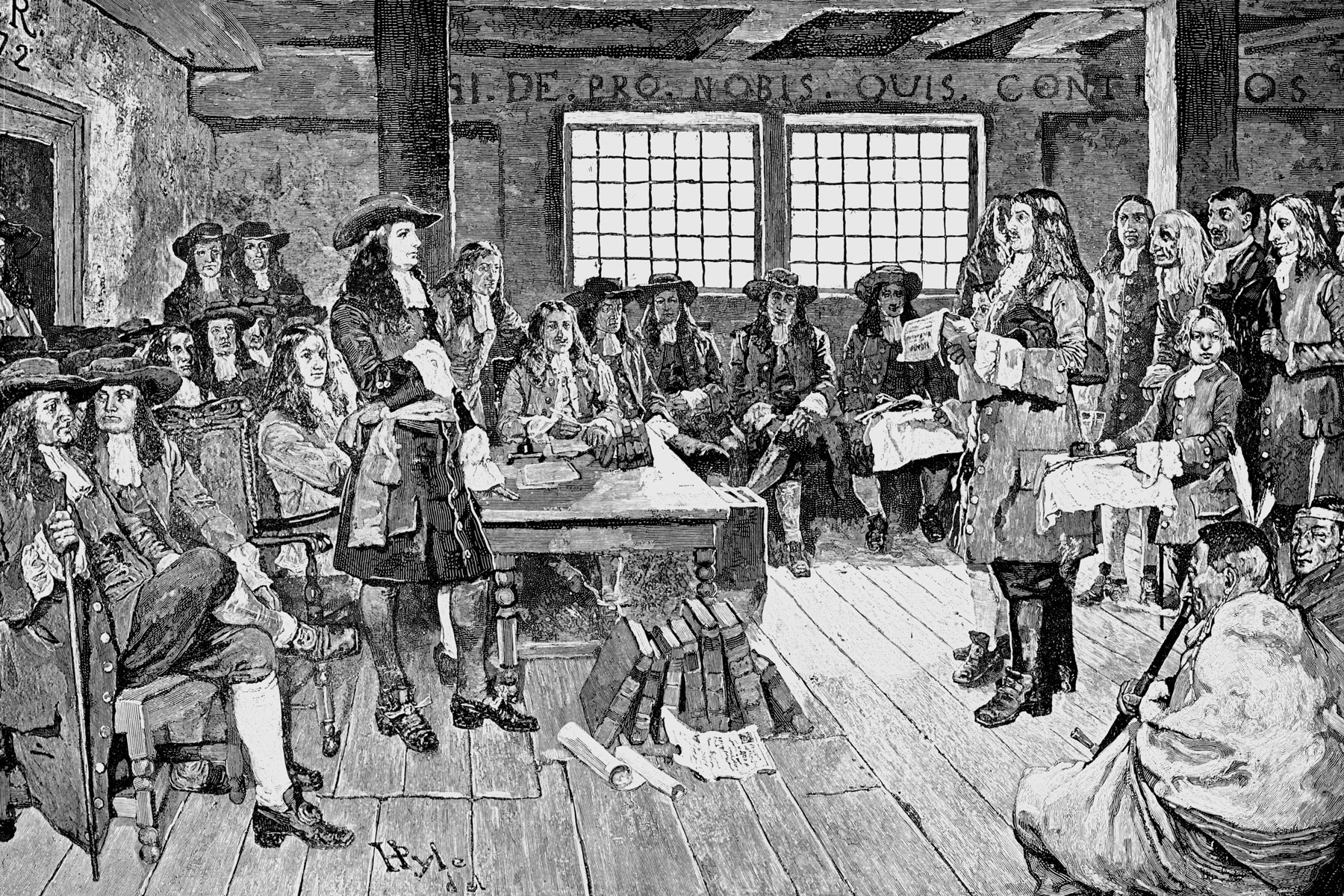
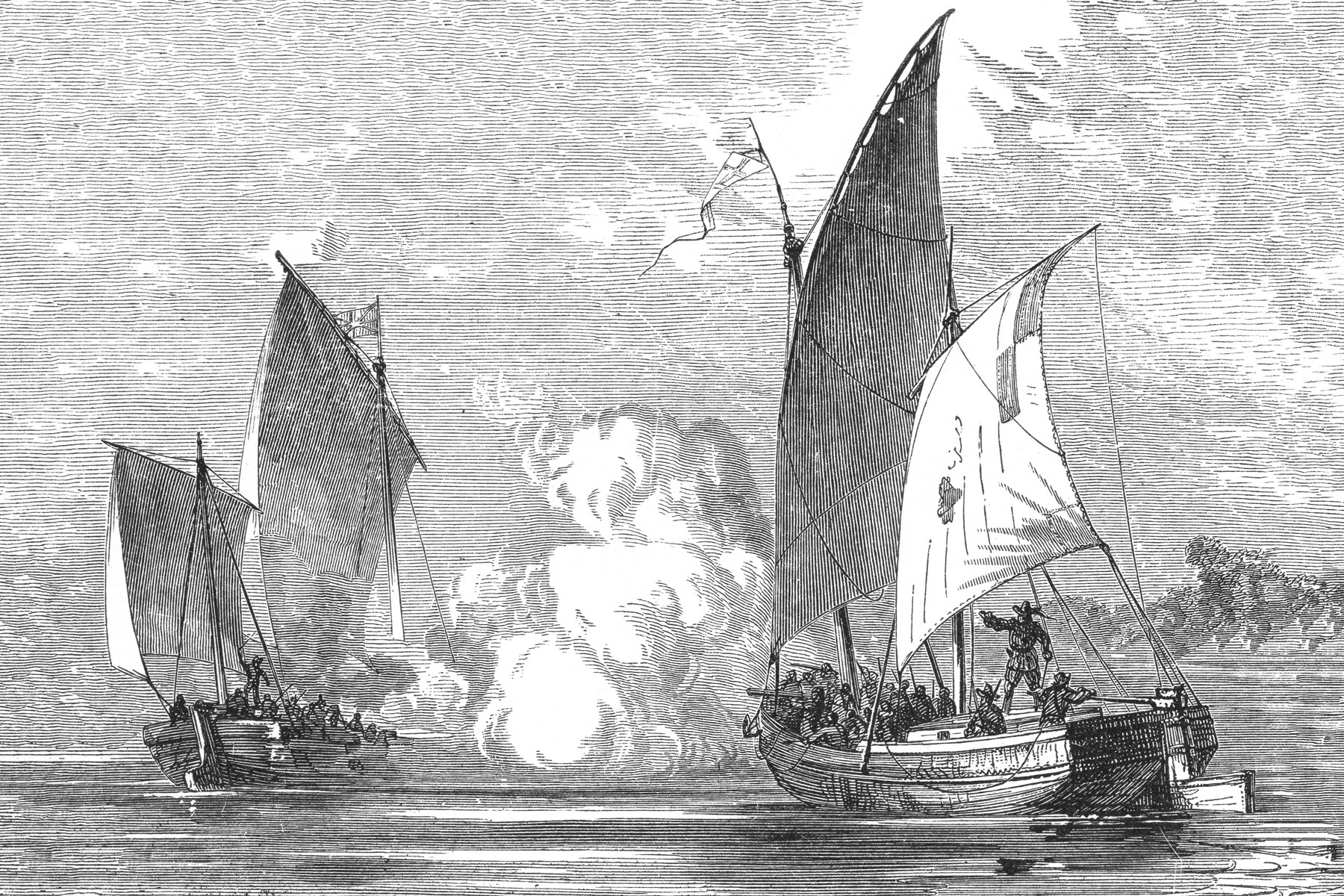
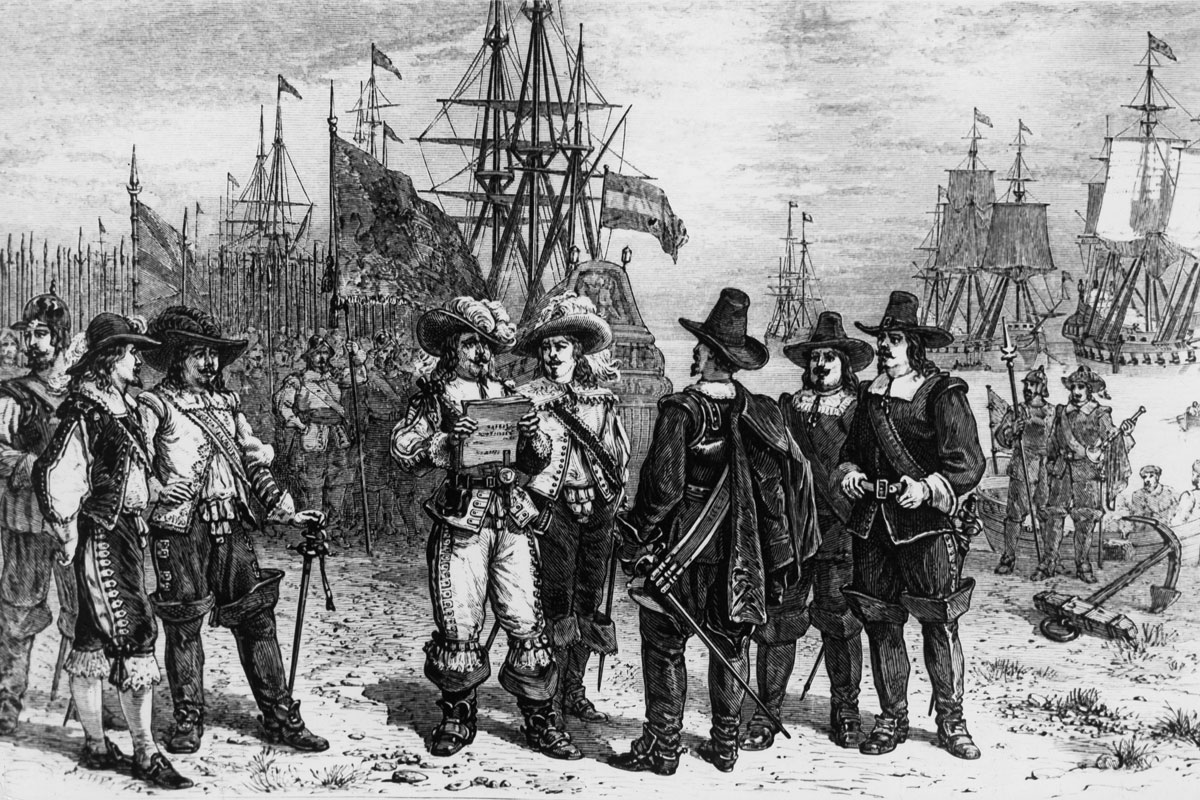
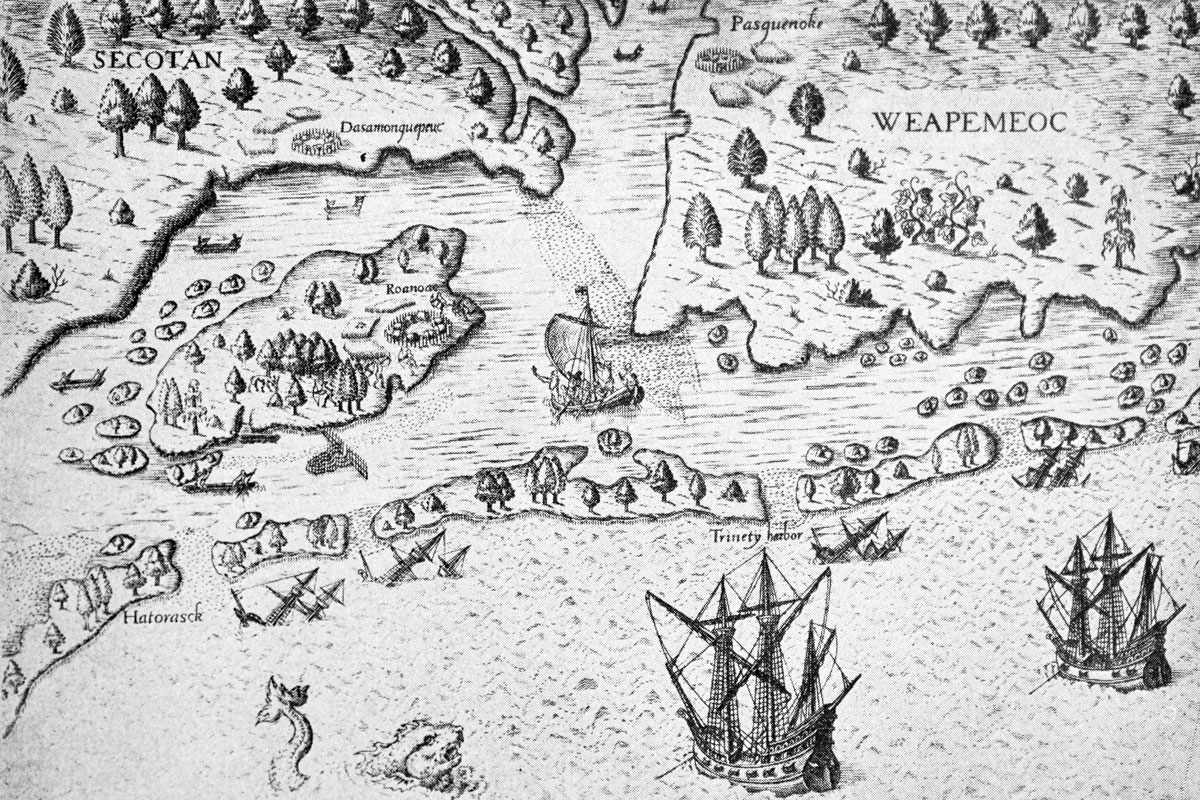
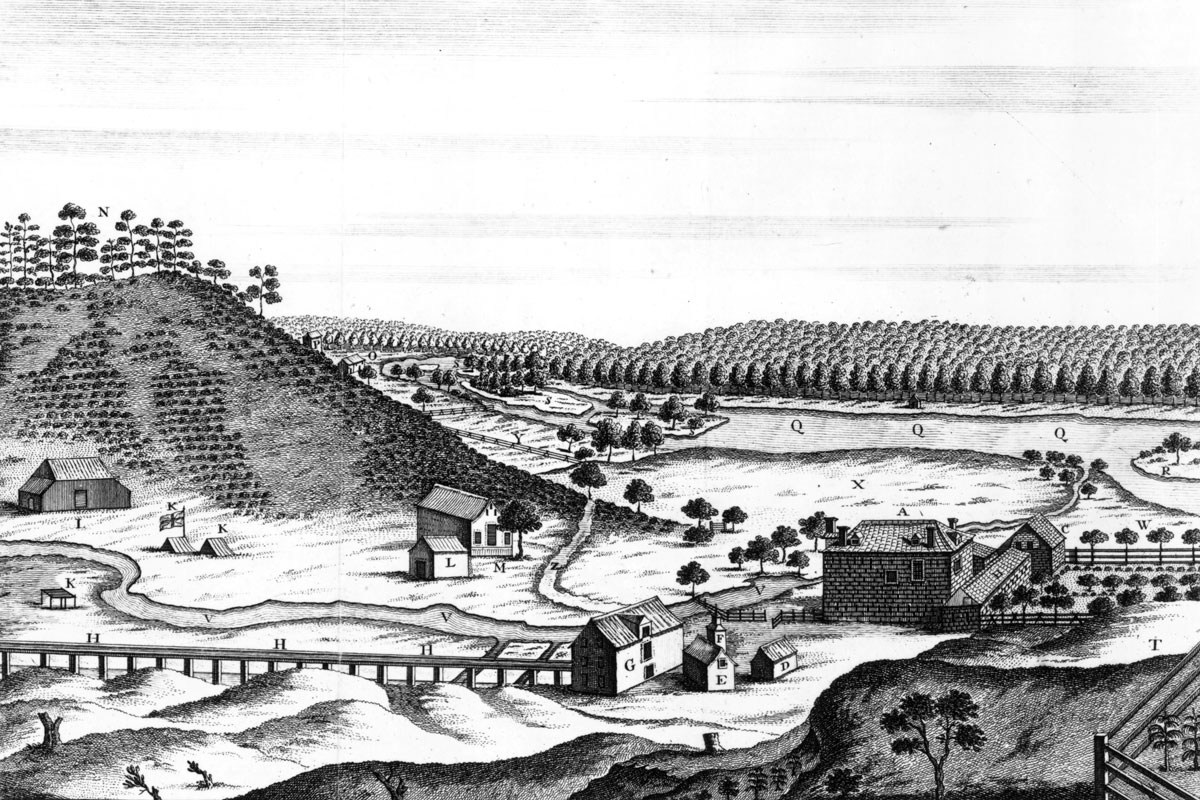
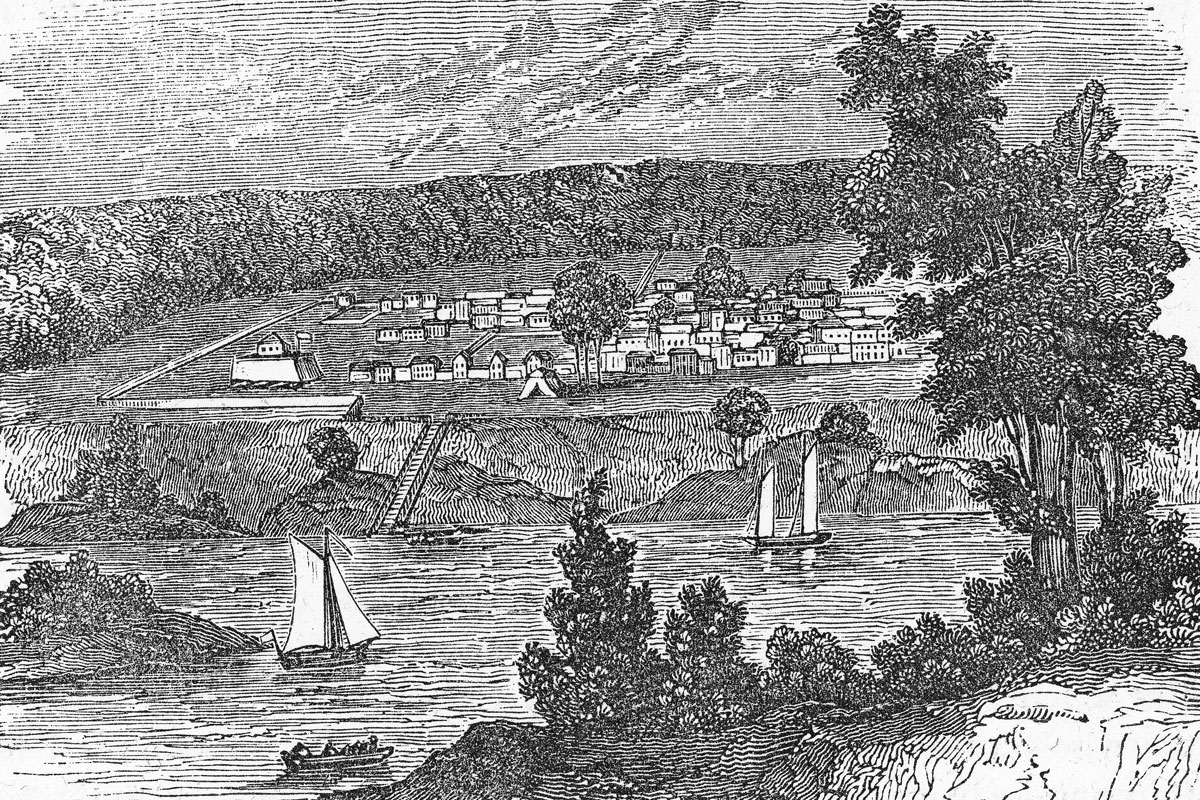
Founded in the 17th and 18th centuries on the East Coast of what is now the U.S., the 13 British colonies in America were established for different reasons and governed in different ways. Maryland, for instance, was founded as a religious haven for English Catholics, while royal colonies such as New Hampshire were established to generate wealth for England. Despite their differences, all 13 colonies eventually became united in their resistance to British rule. At the start of the American Revolutionary War in 1775, there were more than 2.5 million people — a mix of European colonists, enslaved Africans, and Indigenous peoples — living in the colonies, from New Hampshire in the North to Georgia in the South. Here are 13 interesting facts that you may not have learned about the 13 original colonies.

Photo credit: Heritage Images / Hulton Fine Art Collection via Getty Images

New Hampshire Was the First Colony to Grow Potatoes

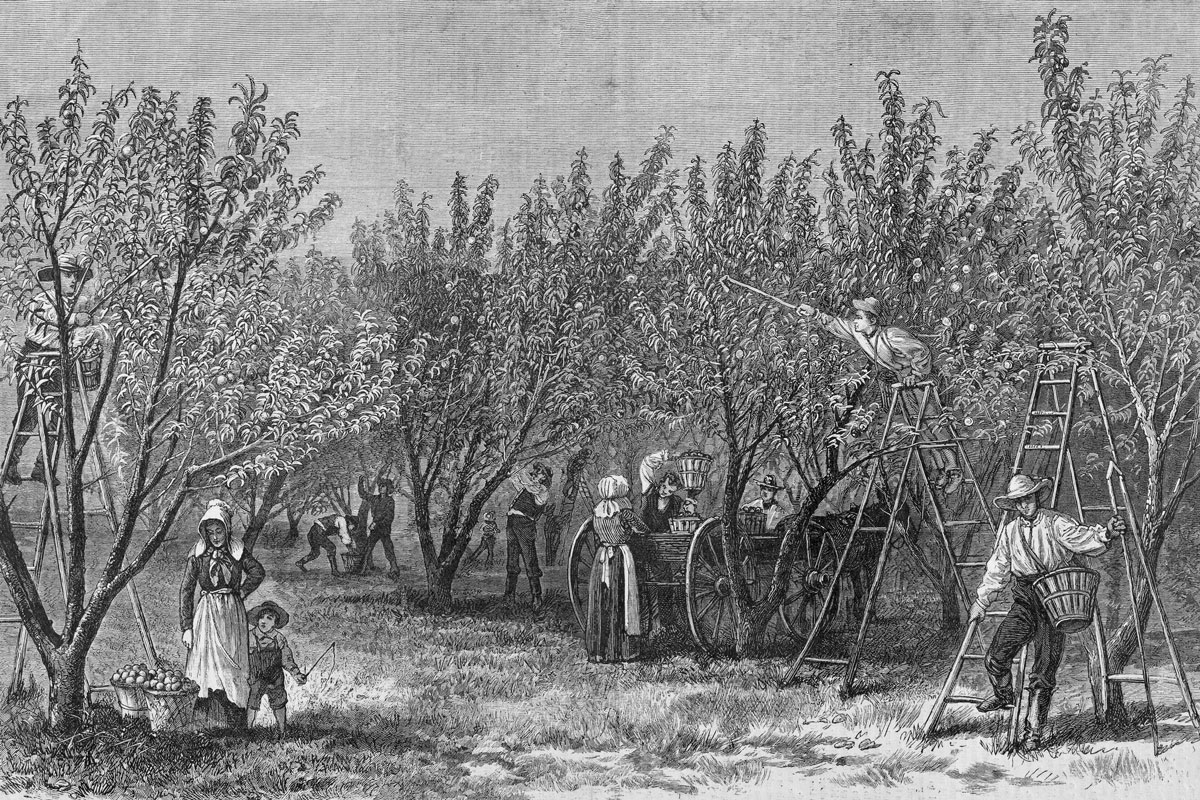
New Hampshire was the first of the American colonies to form an independent government, as well as the first colony to have a state constitution. Yet it’s the humble potato that might be the Granite State’s biggest contribution to American history. Potatoes were brought to the colonies several times during the 1600s, but it wasn’t until 1719 that the first permanent potato patches were established by Scotch-Irish immigrants near Londonderry, New Hampshire. From there, the popularity of potatoes spread, making them the most commonly consumed vegetable in the U.S. today — and, since 2013, the state vegetable of New Hampshire.

You may also like

The Stories Behind 5 Rulers Dubbed “the Great”

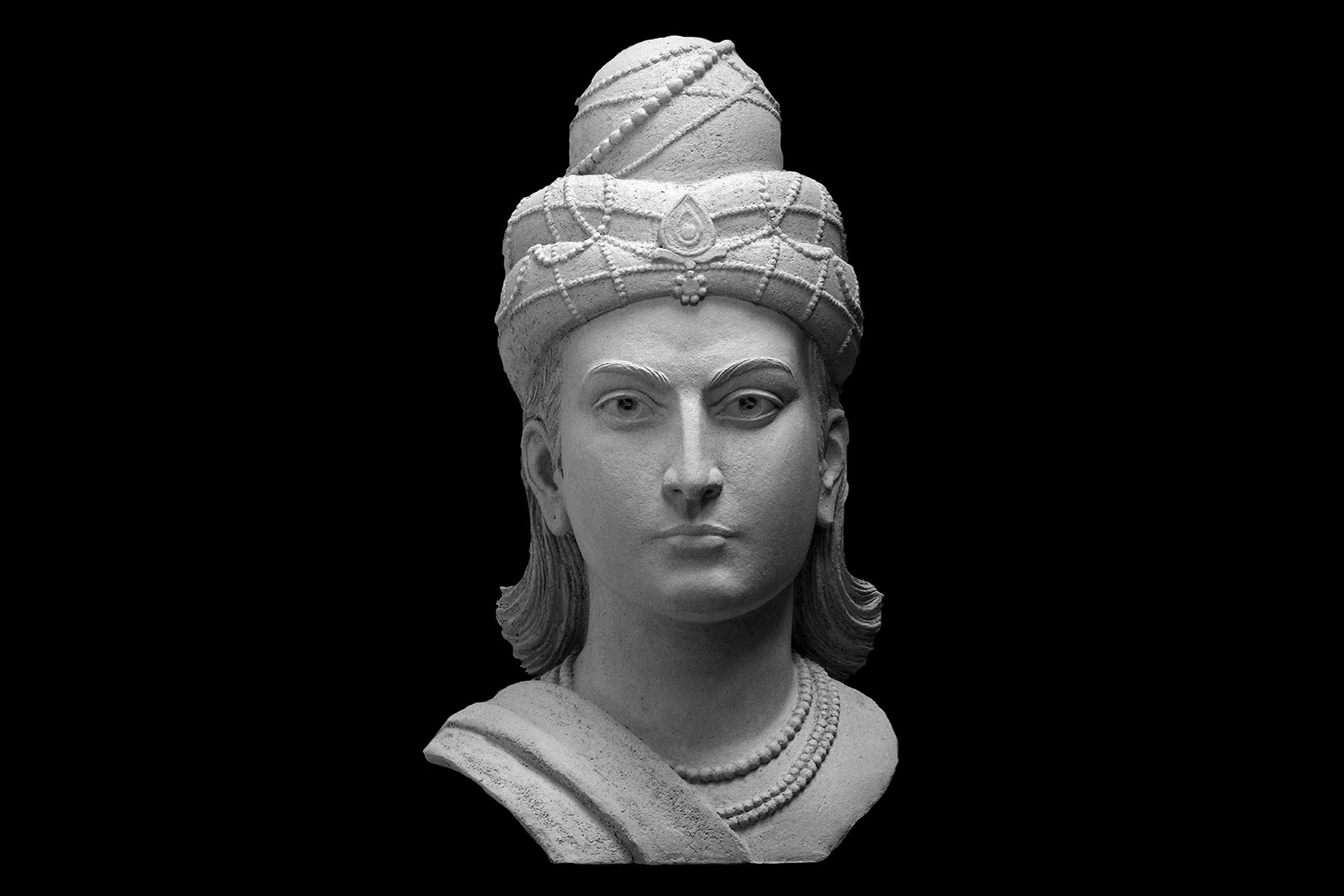
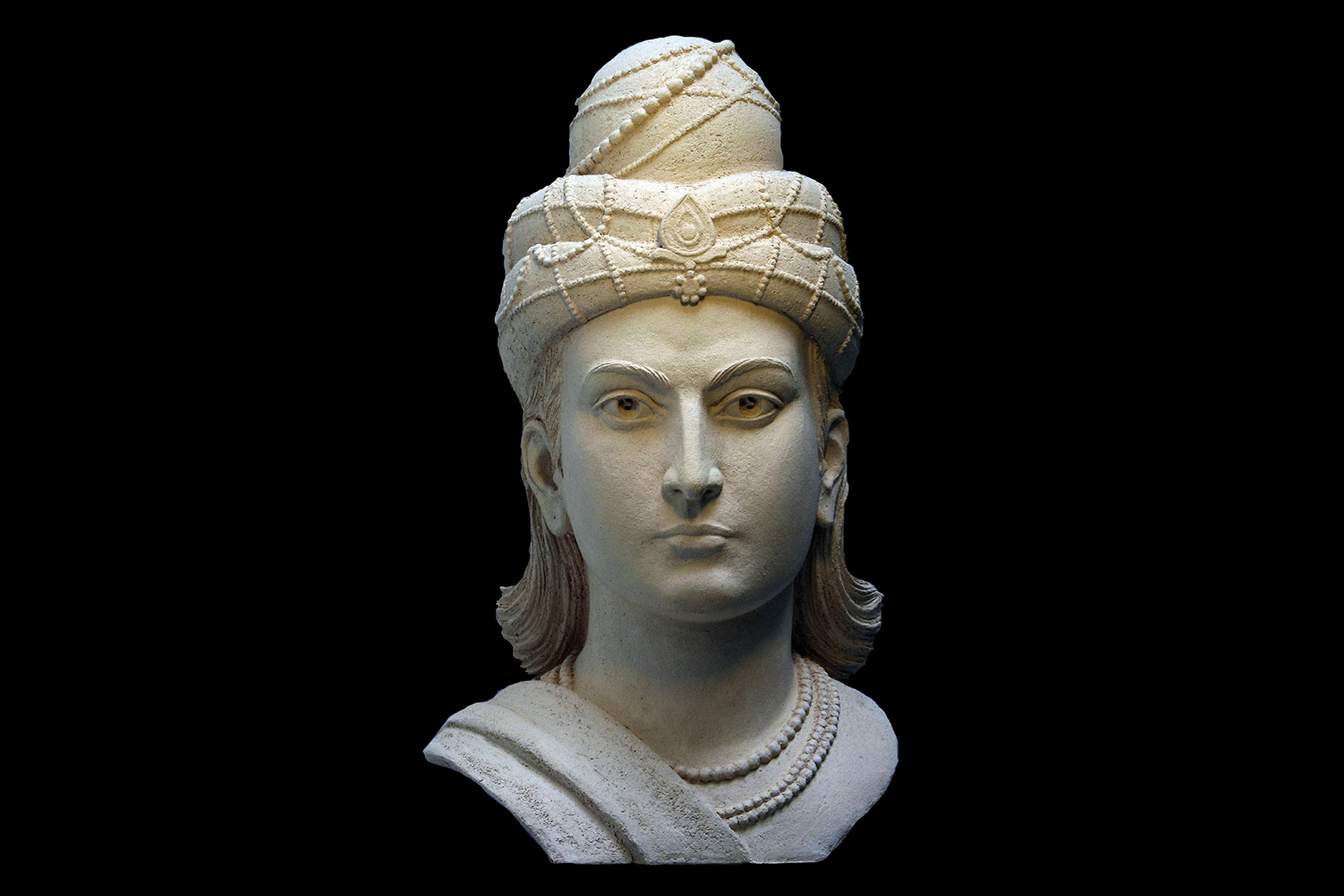
  • Ashoka the Great
Ashoka the Great
Photo credit: Album / Alamy Stock Photo
Author Adam Levine

June 13, 2023

Love it?

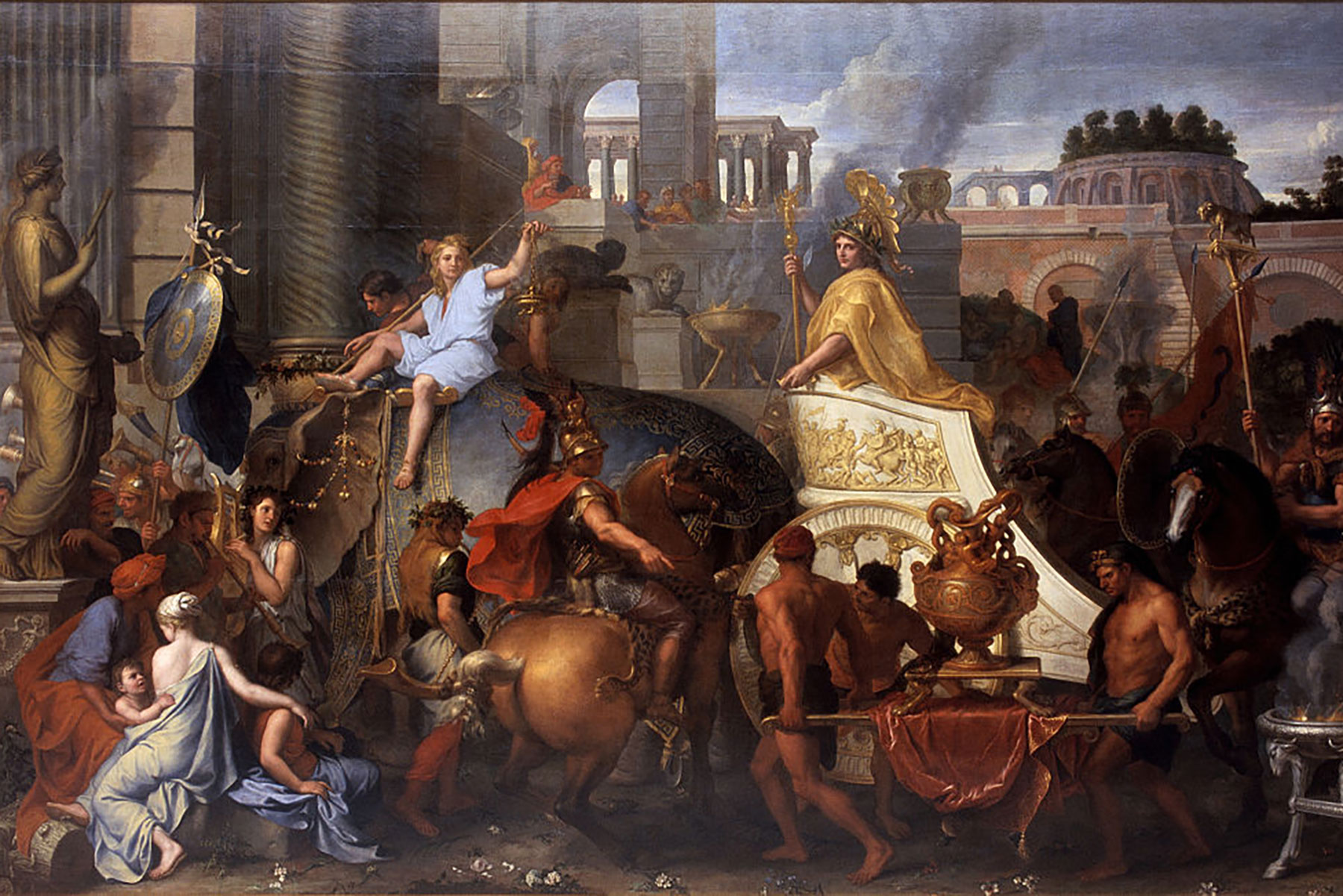
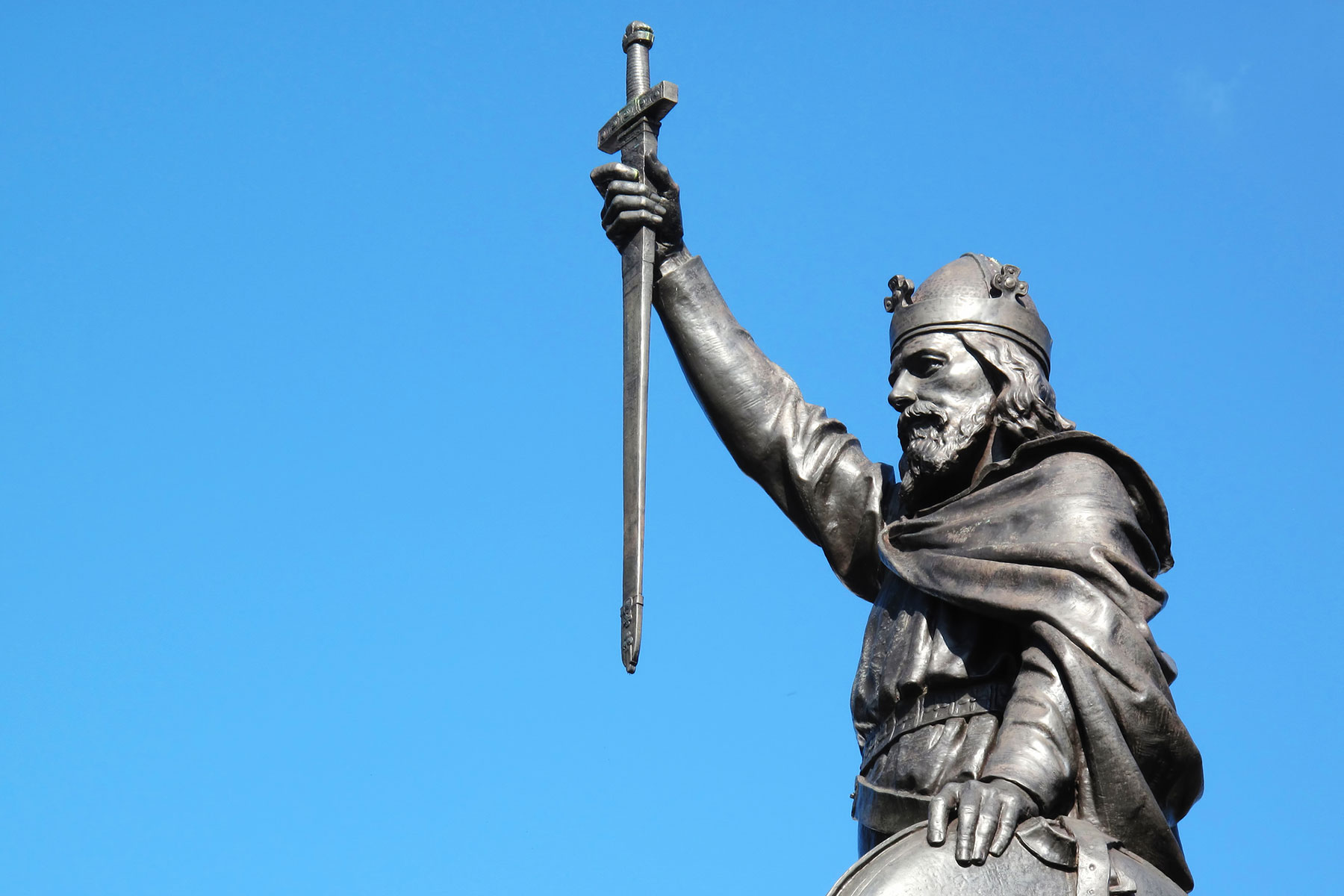
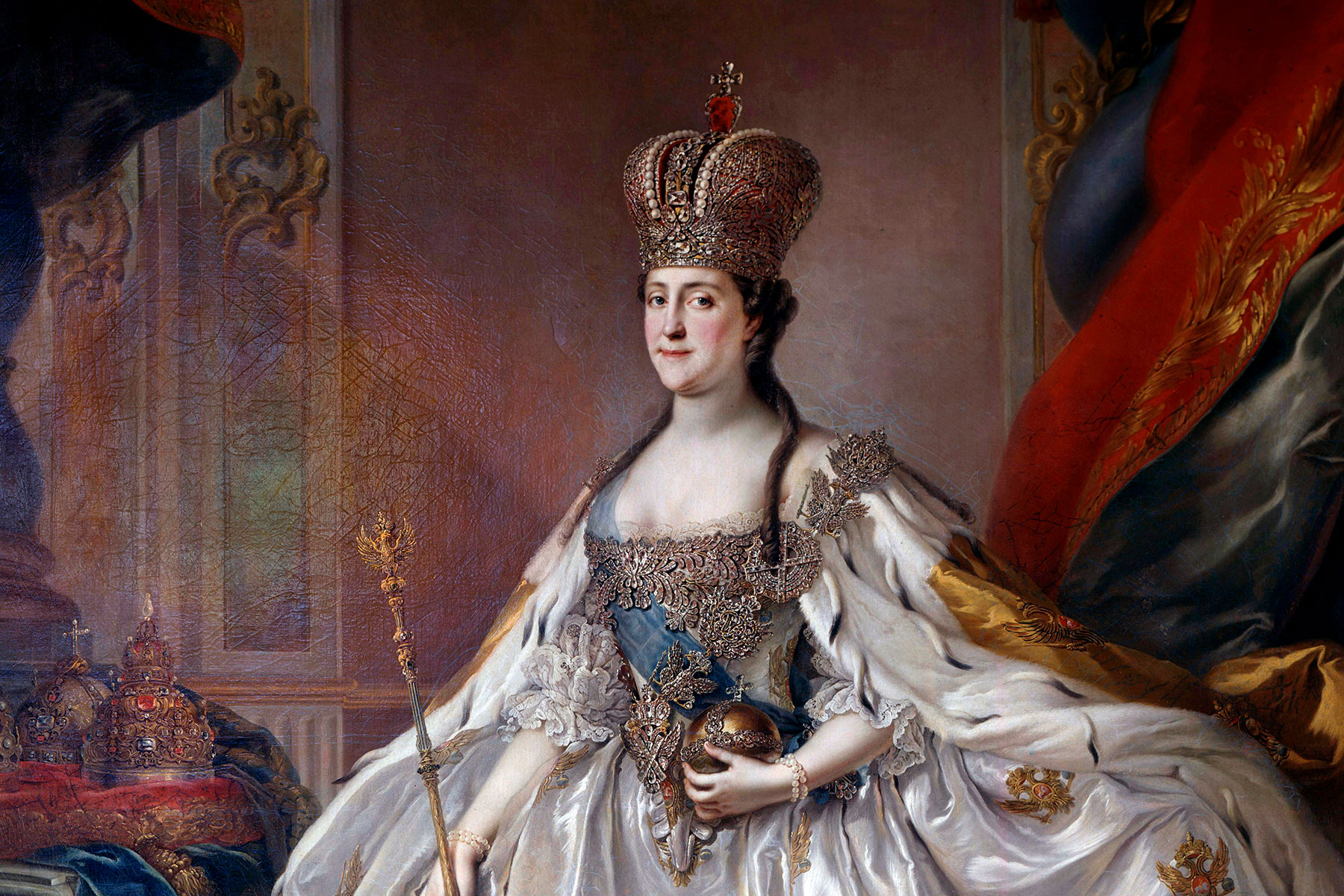
A handful of times in history, a ruler has come to power whose influence was so significant that they became known as “the Great.” This esteemed title is not bestowed upon leaders very often — of all the kings and queens to ever sit on the throne in England, for example, only one, King Alfred the Great, has ever earned the moniker. Indeed, to become known for all of history as “great” tends to require doing something singularly impactful — though not necessarily “good.” While some of these famed rulers presided over periods of peace and prosperity, others were brutal conquerors whose reigns were characterized by war and bloodshed. All of them have complicated legacies, but what ties them together is the sheer magnitude of their impact. Here are five historical rulers — spanning from ancient Egypt to Enlightenment-era Russia — who have managed to earn this rare label.

Photo credit: Photo 12/Universal Images Group via Getty Images

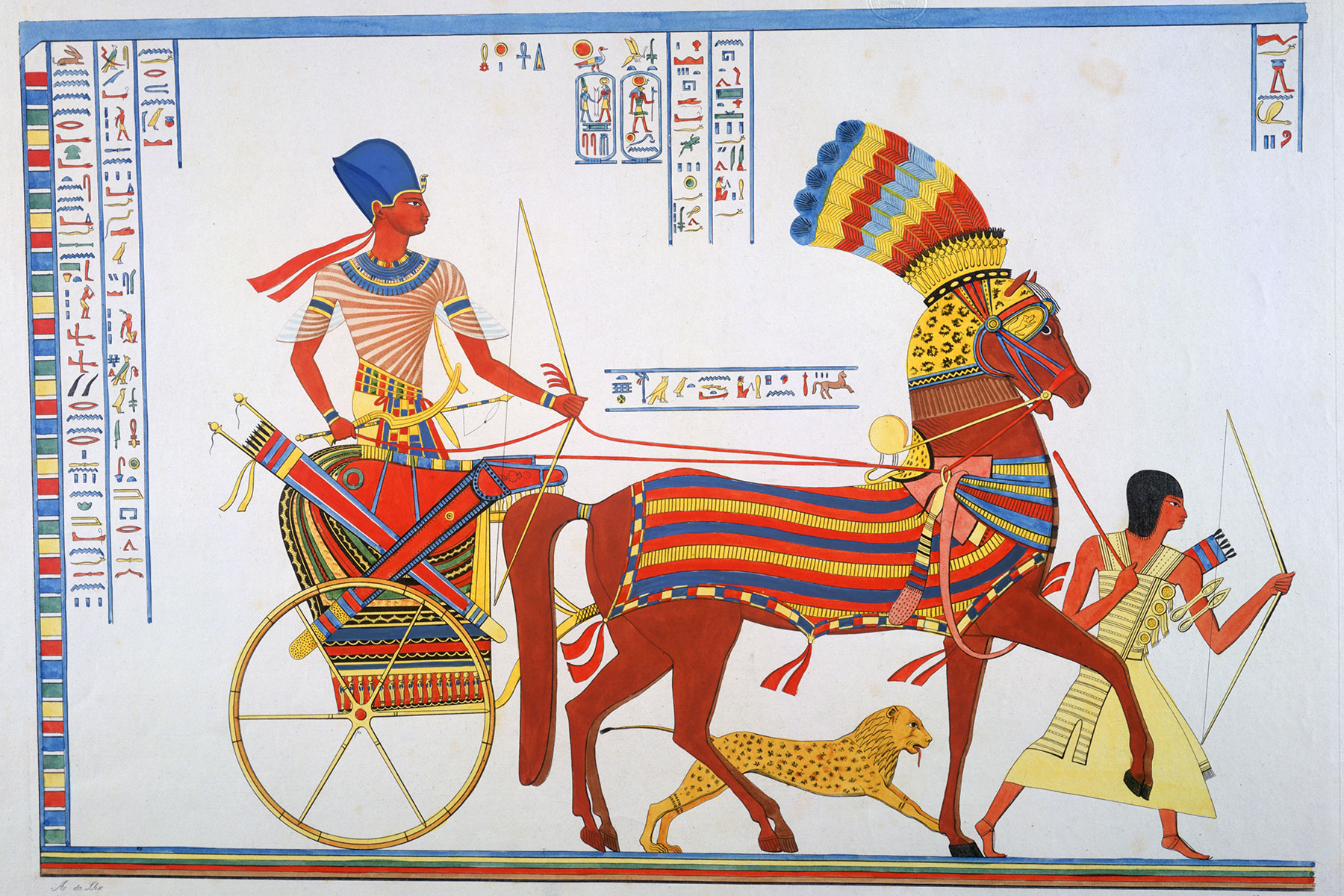
Ramses the Great Negotiated the Oldest Surviving Peace Treaty

When the Egyptian pharaoh Ramses II launched a military campaign against the Hittites around 1275 BCE, it was as much a matter of pride as it was geopolitical strategy. The Hittites (an ancient people in modern-day Turkey) had invaded northern Egypt for years, including during the reign of Ramses’ father Seti I, when the Hittites regained control of the city of Kadesh (in modern Syria). Ramses was determined to win it back, but though the pharaoh defeated the Hittite army in battle, he wasn’t able to recapture the city. Ultimately, it was Ramses’ knack for diplomacy, not his military prowess, that proved decisive in his relations with the Hittites. Roughly 16 years after his attempt to reconquer Kadesh failed, Ramses negotiated a truce with the Hittites. Codified around 1259 BCE, the agreement is recognized today as the world’s oldest surviving peace treaty. 

Among the terms agreed to in the treaty was a nonaggression pact between the Hittites and Egyptians, as well as a pledge between the two empires to come to each other’s aid in future military conflicts. Ramses helped reinforce this new alliance by marrying a Hittite princess, Maathorneferure, several years later, further strengthening the bond between the two cultures. Thanks to the treaty with the Hittites, the Egyptian leader was able to neutralize a growing military threat and secure a powerful new ally all at once. This early peace helped lay the groundwork for his long and prosperous reign, which lasted from 1279 to 1213 BCE and was characterized by economic prosperity and the construction of many dazzling temples and monuments — more than those completed under any other pharaoh in history.

You may also like

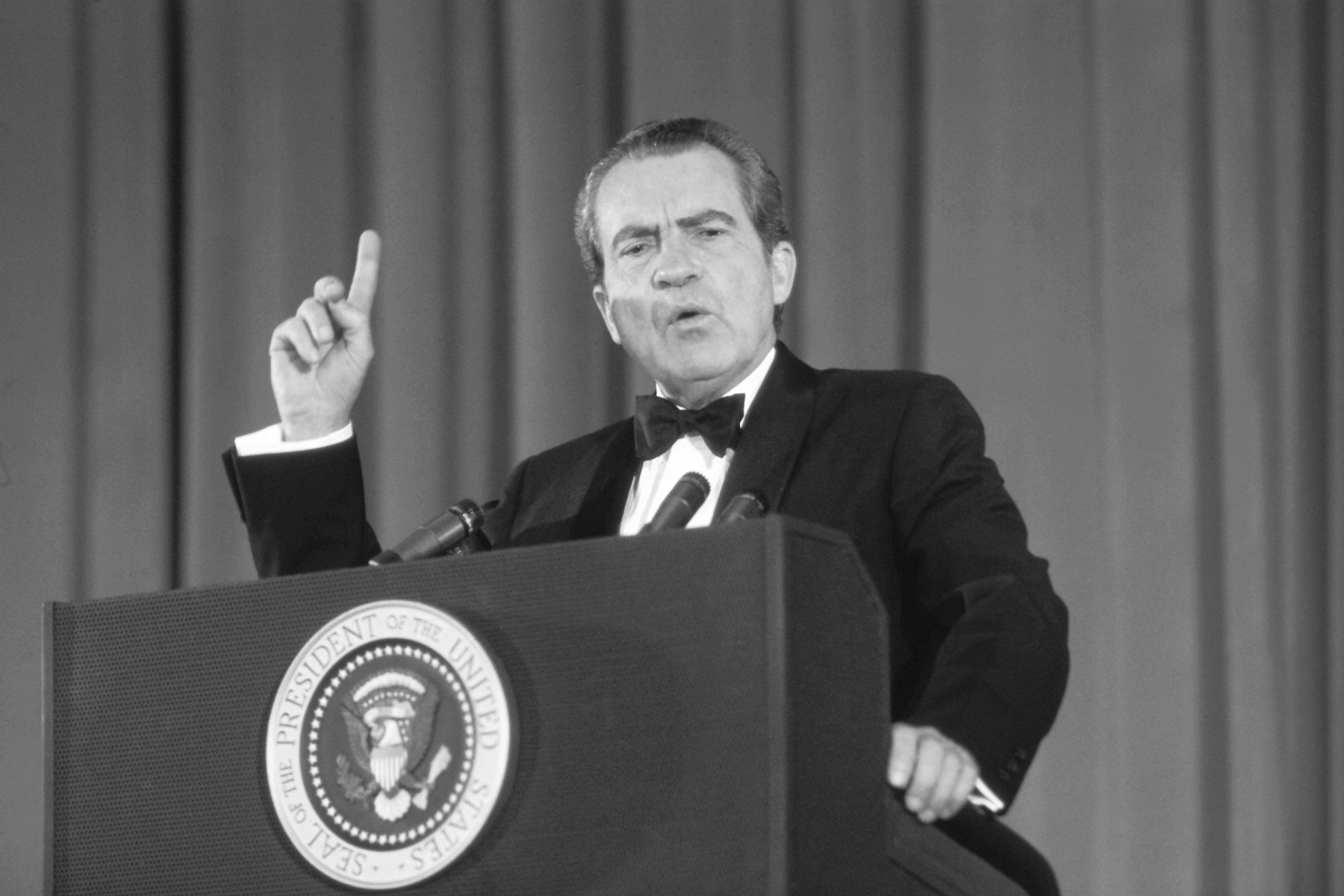
5 Watergate Facts You Probably Didn’t Know

  • Richard Nixon in 1973
Richard Nixon in 1973
Photo credit: Bettmann / Bettman via Getty Images
Author Kevin McCaffrey

June 13, 2023

Love it?

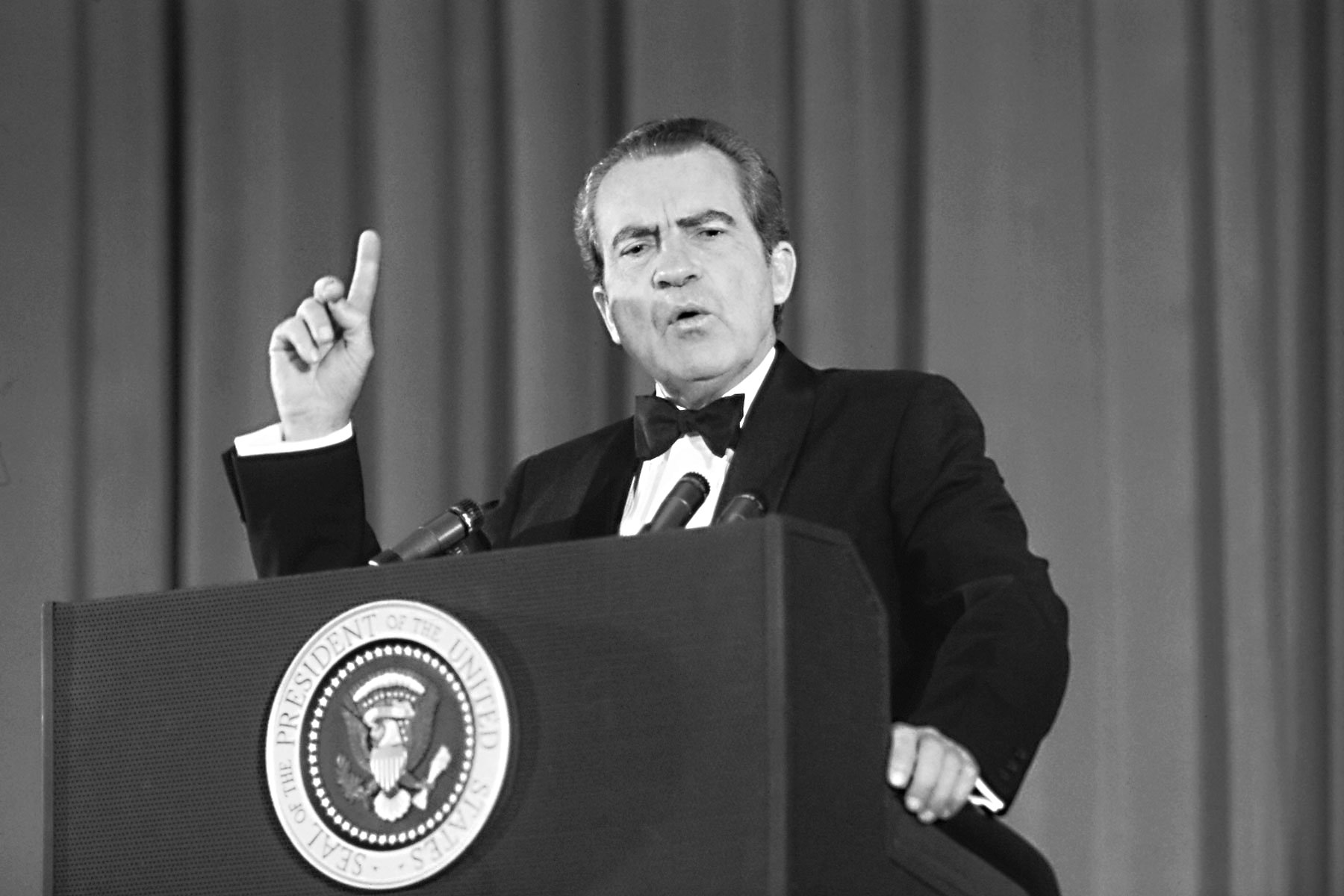
It’s nearly impossible to live in the United States without learning quite a bit about the infamous Watergate scandal. You probably know that Watergate is the name of a Washington, D.C., hotel, that a politically motivated burglary there led to the first presidential resignation in American history, and that it’s the scandal that caused the suffix “-gate” to be attached to the end of just about every controversy in politics, sports, or pop culture since. But the Watergate story has so many layers and strangely fascinating details, there is always more to uncover, even for those of us who remember the events unfolding in the early 1970s. Here are a few facts you might not know about one of the most surreal episodes in U.S. political history.

Photo credit: Bettmann / Bettmann via Getty Images

The Slang Term “Big Enchilada” Was Popularized By Watergate

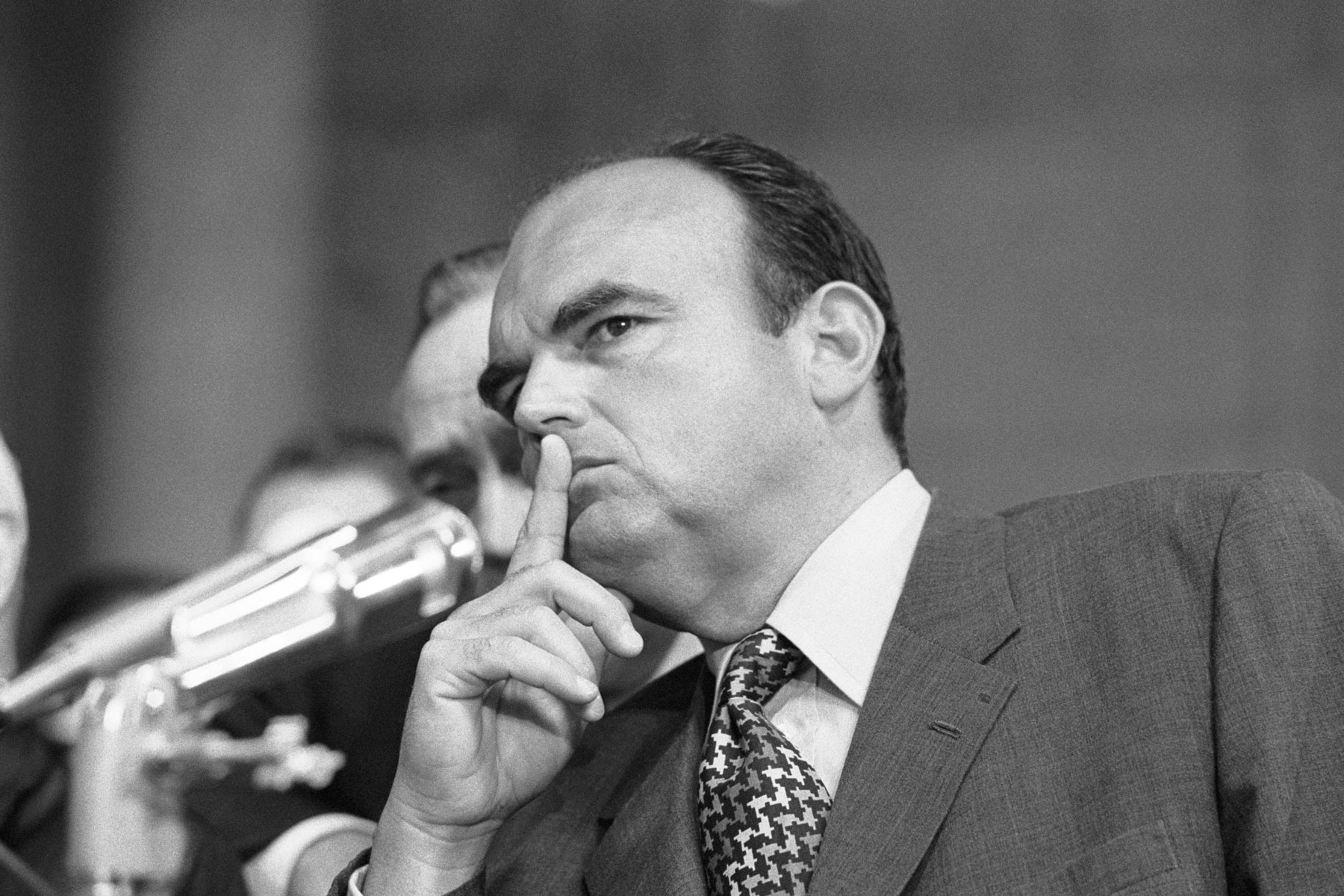
John Ehrlichman, President Richard Nixon’s chief domestic affairs adviser, popularized so many catchphrases, he could have been a pro wrestler. One of these was “the big enchilada,” which he used to refer to U.S. Attorney General John Mitchell. Ehrlichman was caught on tape expressing his hope that Mitchell, as a big name and political heavyweight, could take the blame for Watergate and get the heat off of everyone else. Merriam-Webster’s dictionary now defines “the big enchilada” as a phrase meaning “the most important issue, person, etc.” The Watergate scandal and ensuing trial also popularized the terms “cover-up,” “deep-six,” and “smoking gun,” the latter of which was used to describe the tape Nixon made that reveals he ordered the FBI to stop investigating the break-in.

You may also like

How the 1970s Changed Television

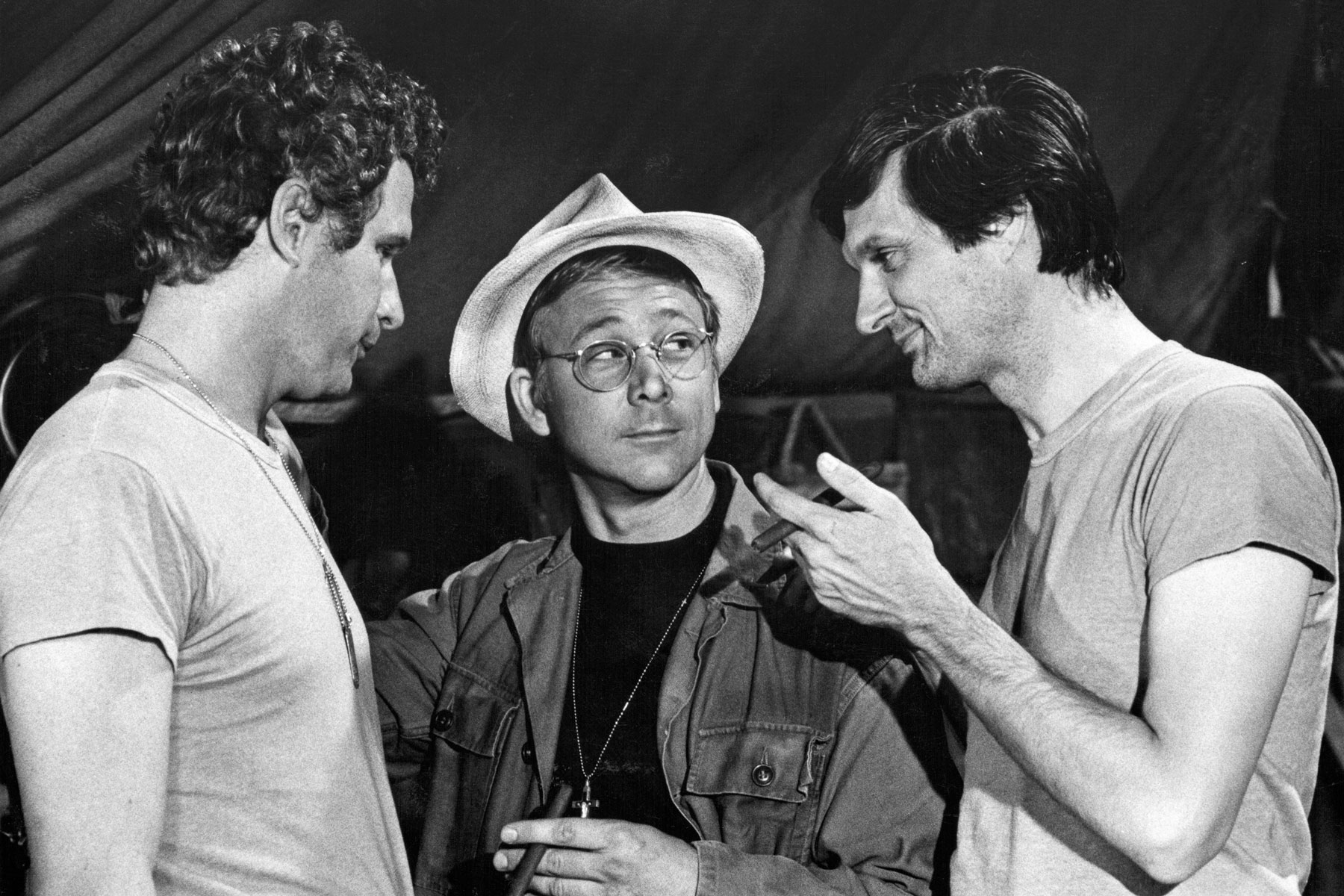
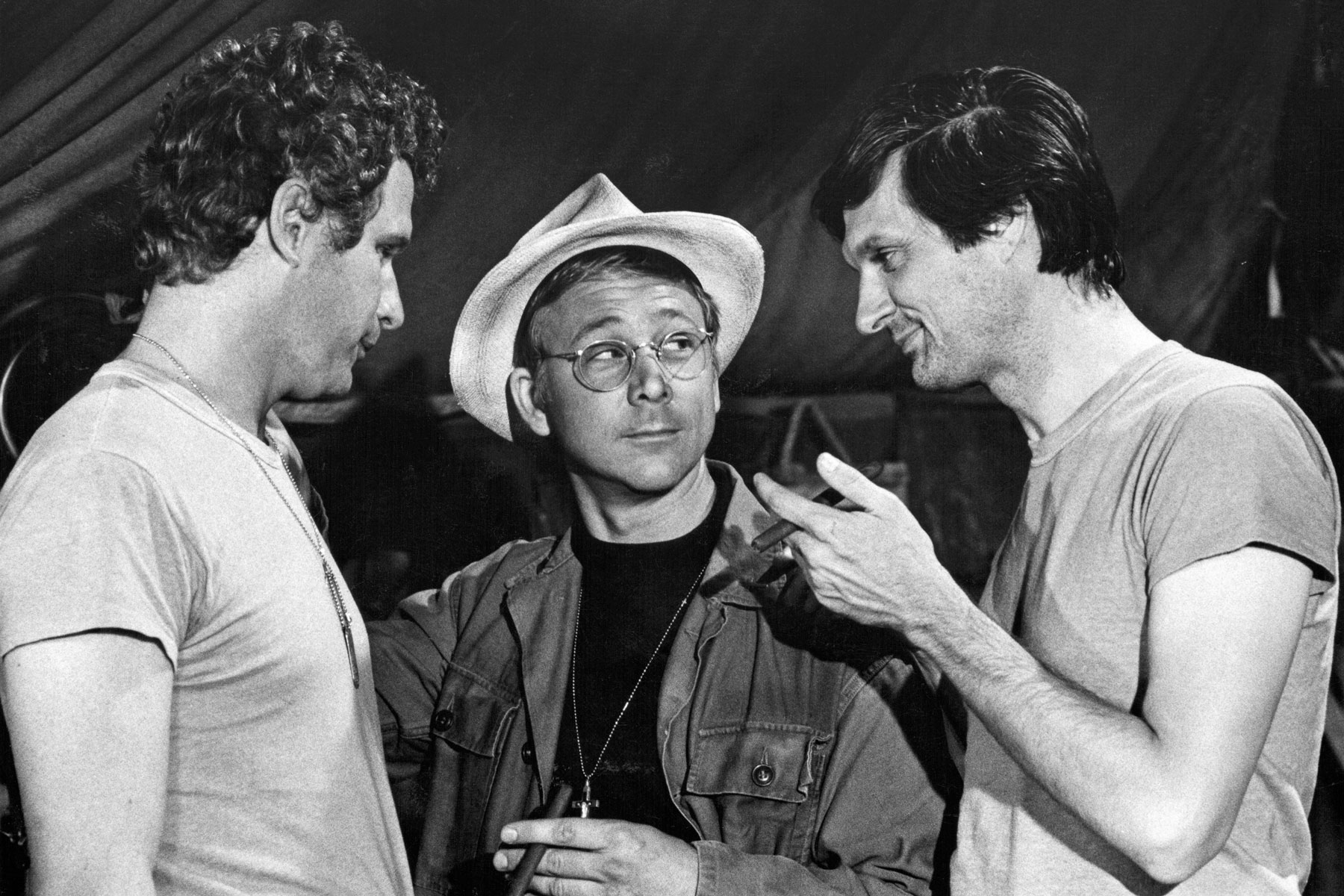
  • Scene from M*A*S*H
Scene from M*A*S*H
Photo credit: Bettmann / Bettmann via Getty Images
Author Kevin McCaffrey

June 12, 2023

Love it?

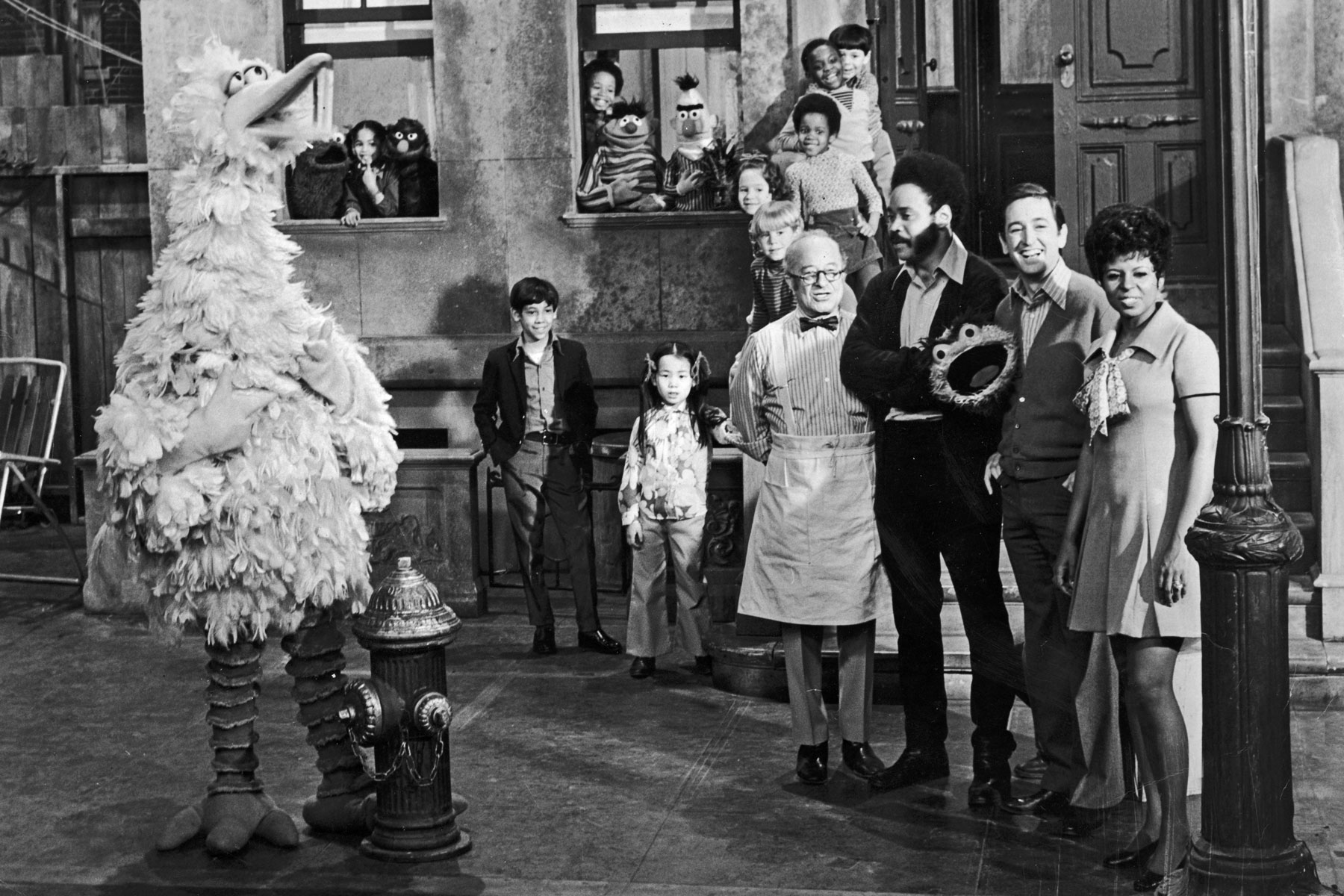
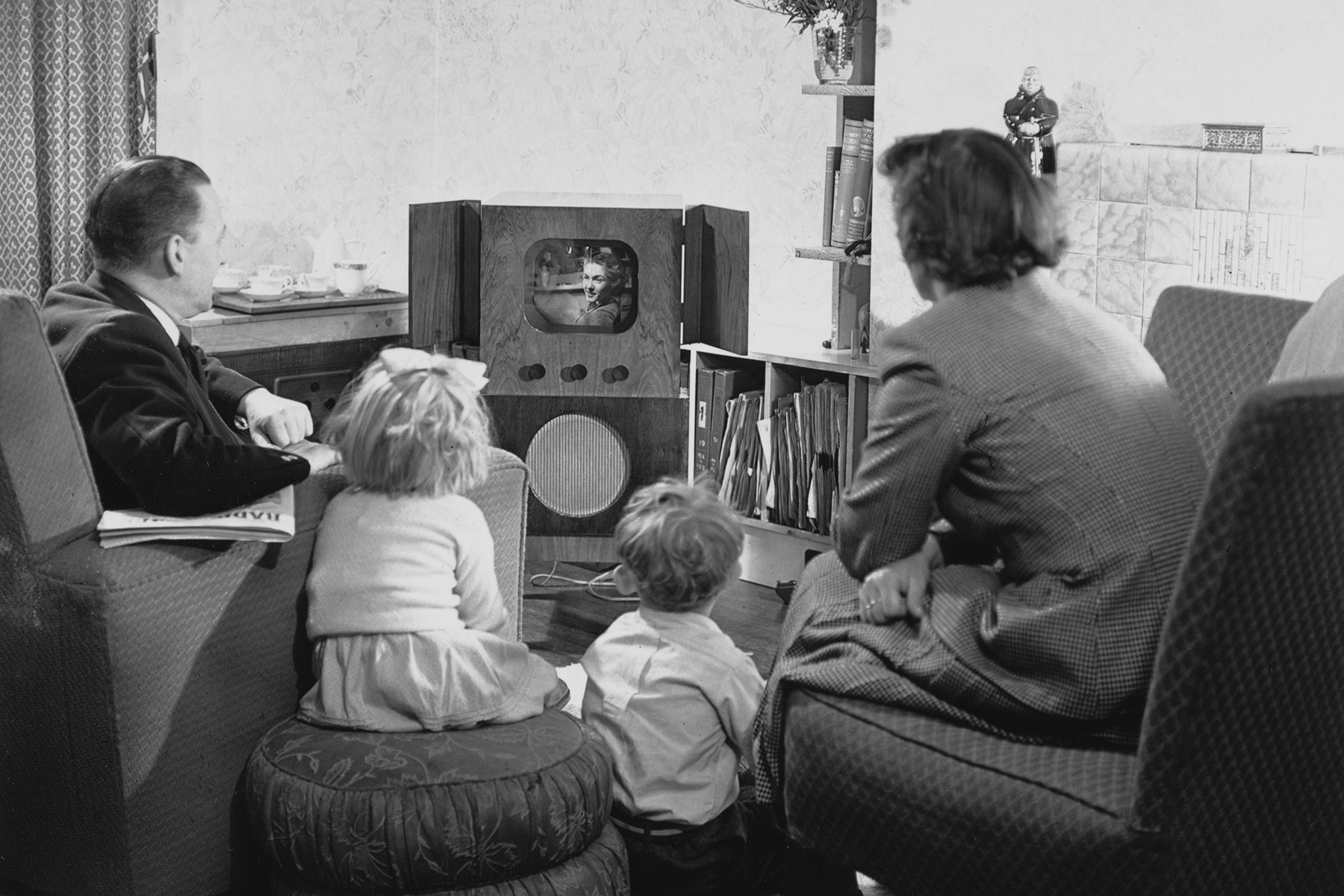
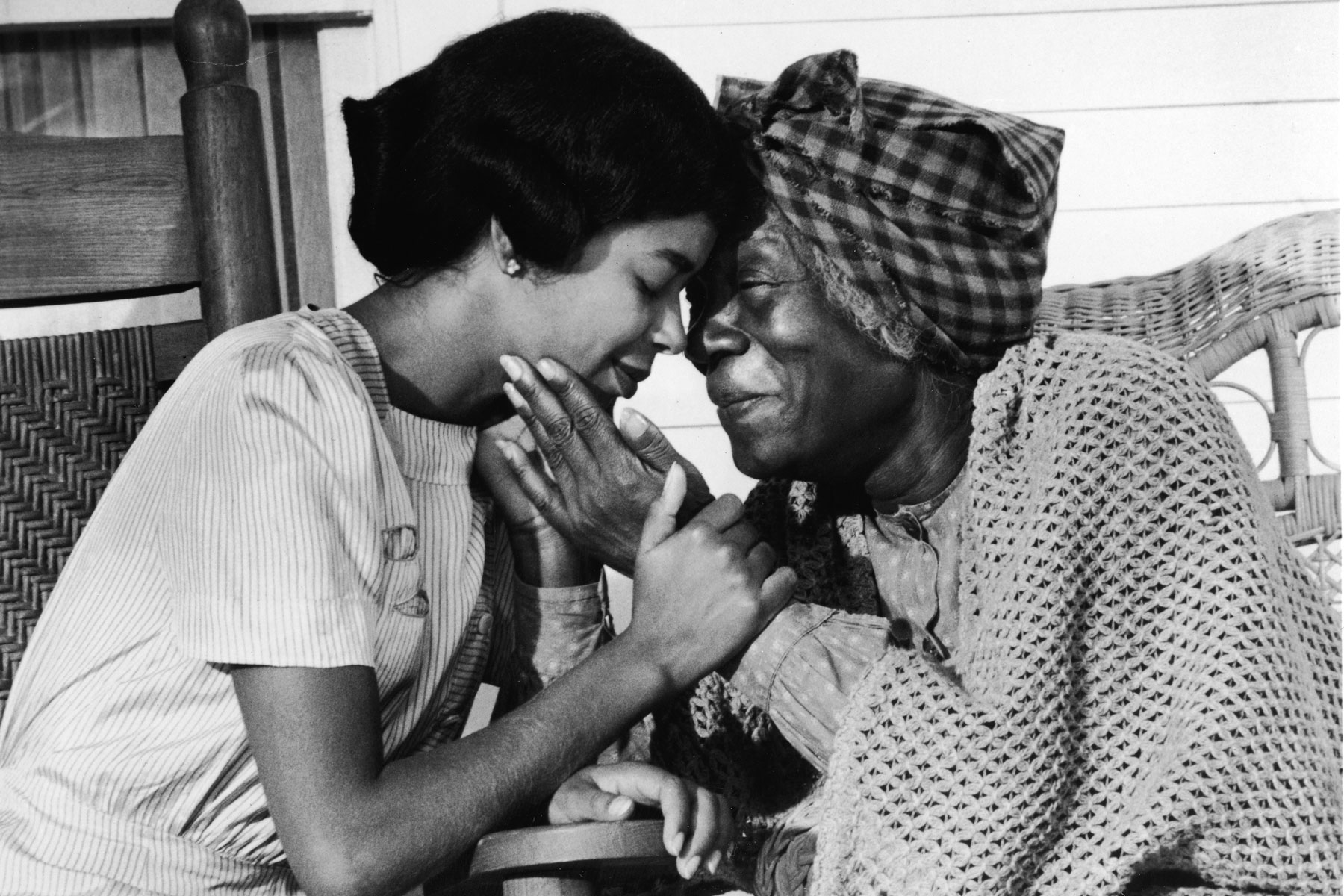
The first commercial televisions were released to the American public in 1938, and if TV was in its infancy in the ’40s, growing up through the 1950s and ’60s, the ’70s were kind of like an adolescence: The medium got a little edgier, experimenting with new approaches and pushing social boundaries. The decade marked a turning point for the small screen, ushering in the modern era of TV we know today. Here are five ways the 1970s changed television.

Photo credit: Bettmann / Bettmann via Getty Images

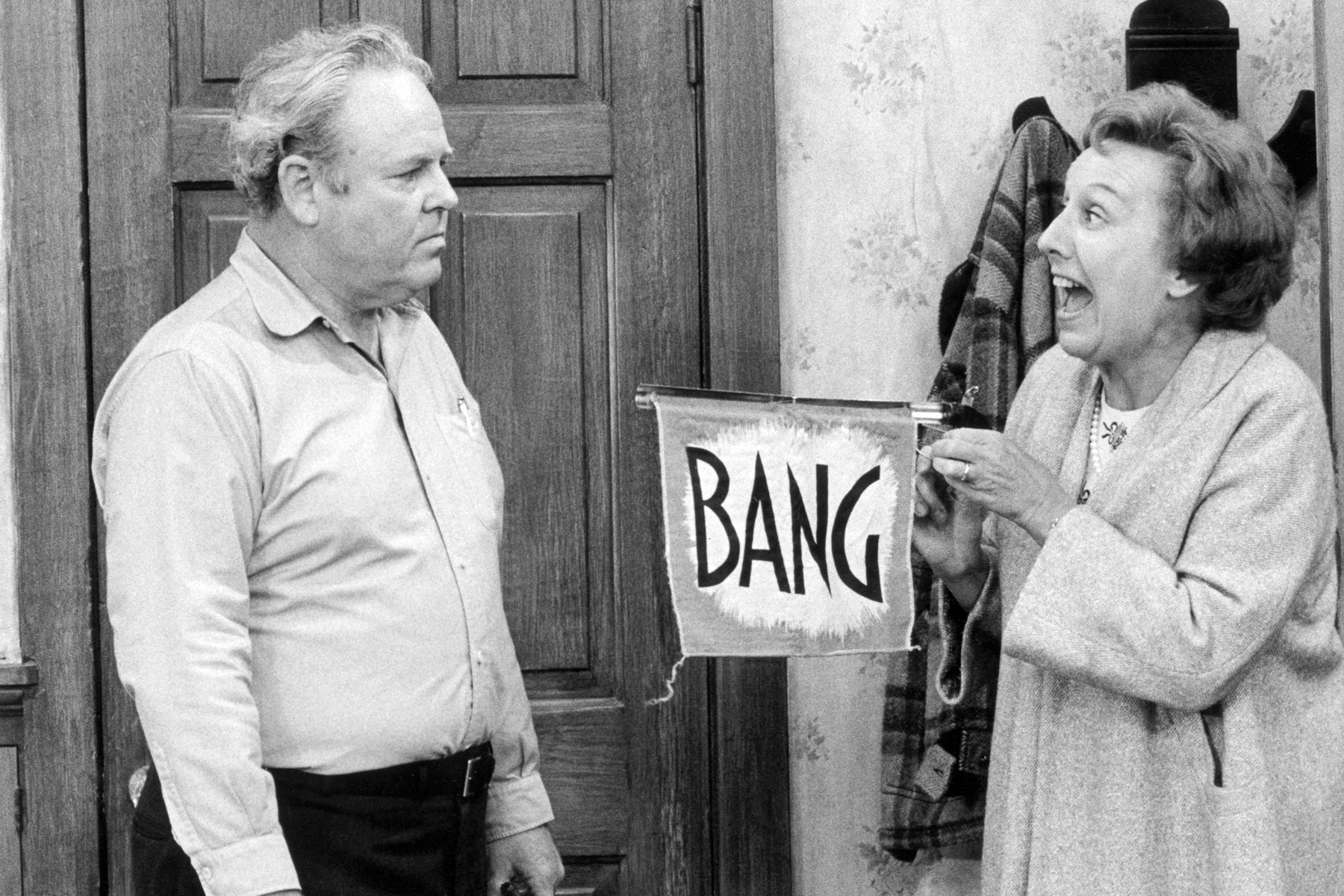
Prime Time Got Real

Compared to the wholesome, idyllic worlds created in 1960s TV shows such as The Andy Griffith Show, The Dick Van Dyke Show, and Leave It to Beaver, the shows of the ’70s were shocking in their realism, thanks in large part to writer and producer Norman Lear. He created a string of hit series such as All in the Family, Good Times, and Maude that were groundbreaking in their depictions of racial tensions, marital problems, and class struggles — all while being some of the funniest shows of all time. All in the Family starred a politically incorrect Archie Bunker espousing opinions and using language that had not been heard on “polite” TV before. The series was the top-rated show in the U.S. from 1971 to ’76, a record run at the time.
You may also like

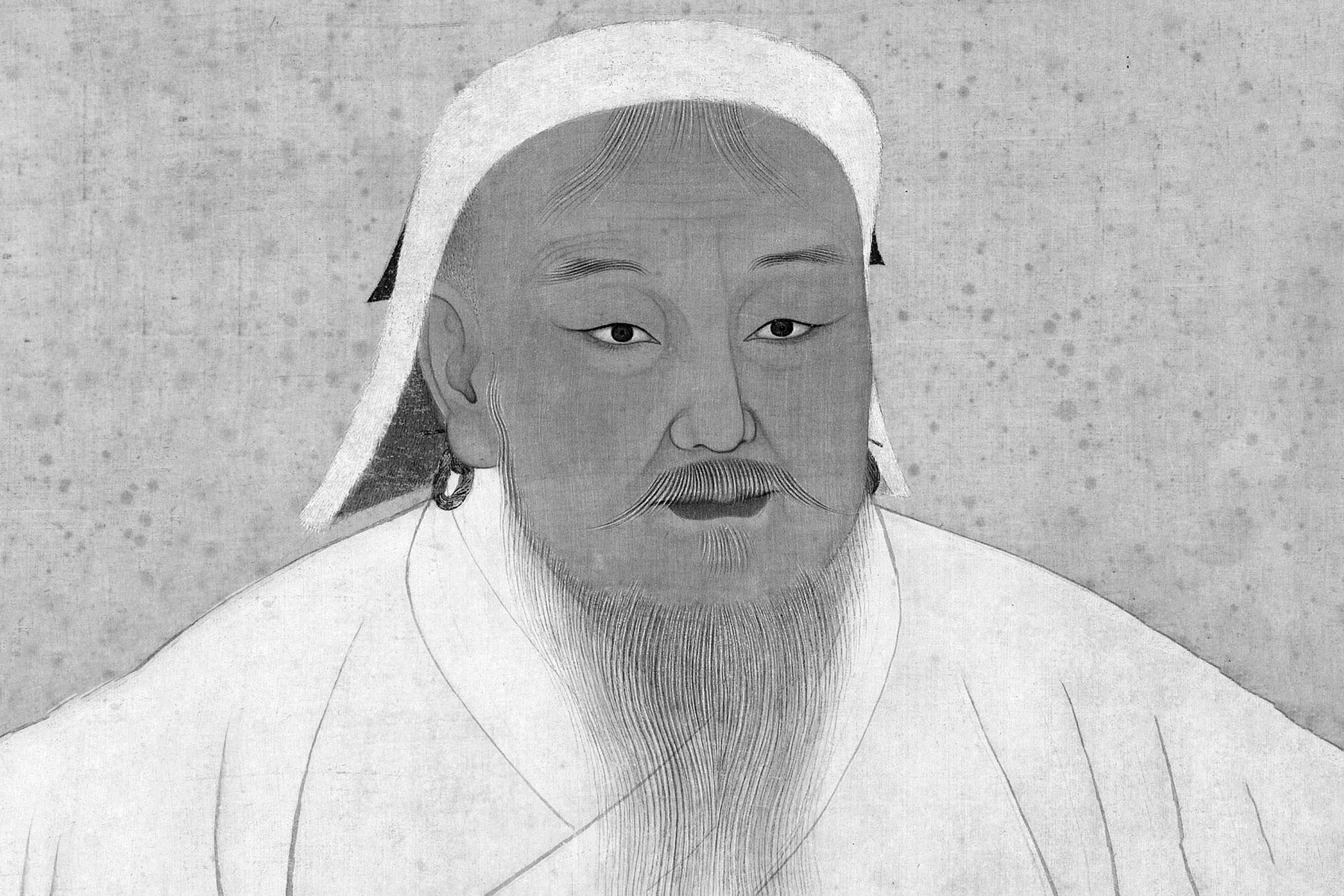
5 Things You May Not Know About Genghis Khan

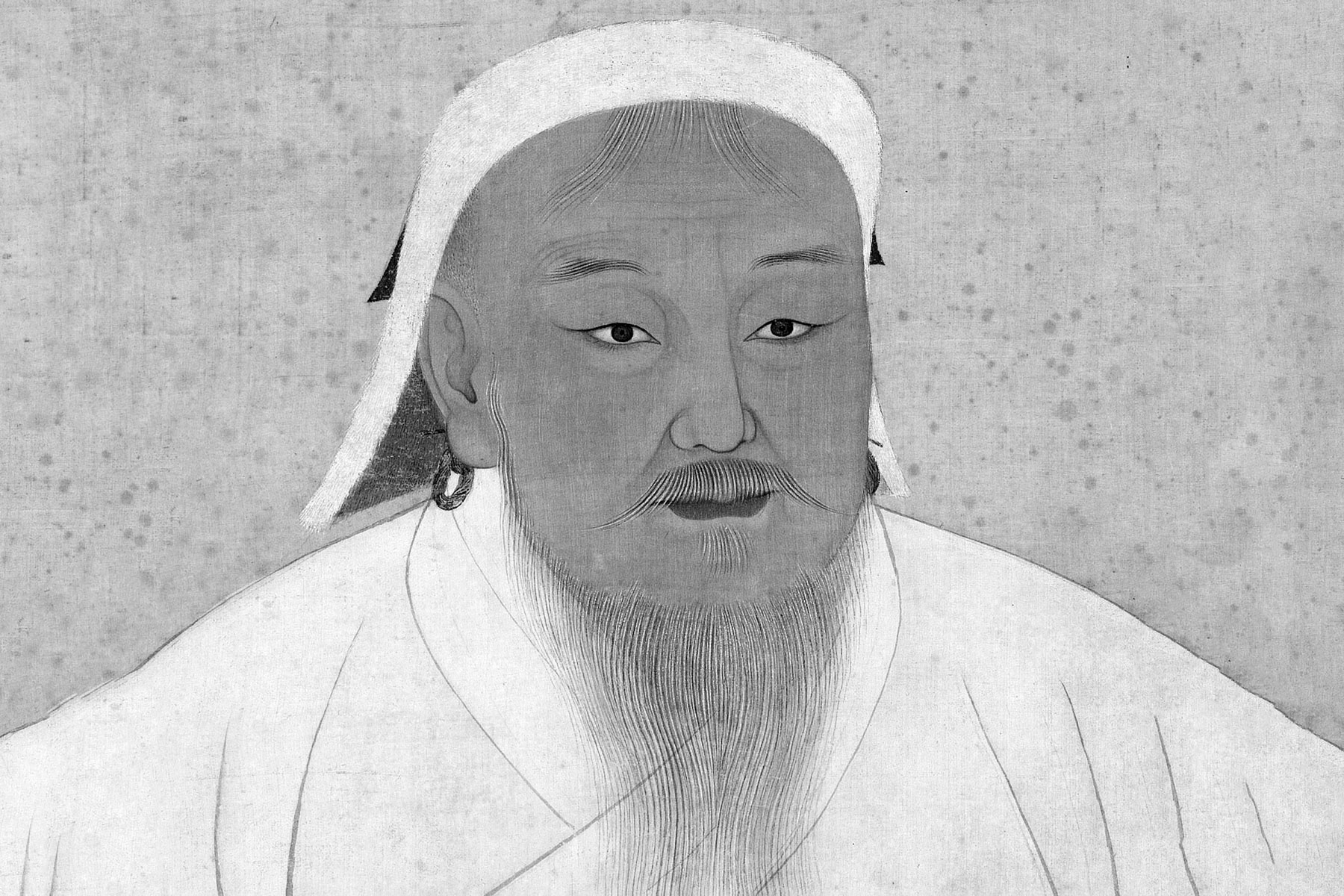
  • Genghis Khan
Genghis Khan
Photo credit: Universal History Archive / Universal Images Group Editorial via Getty Images
Author Bennett Kleinman

June 12, 2023

Love it?

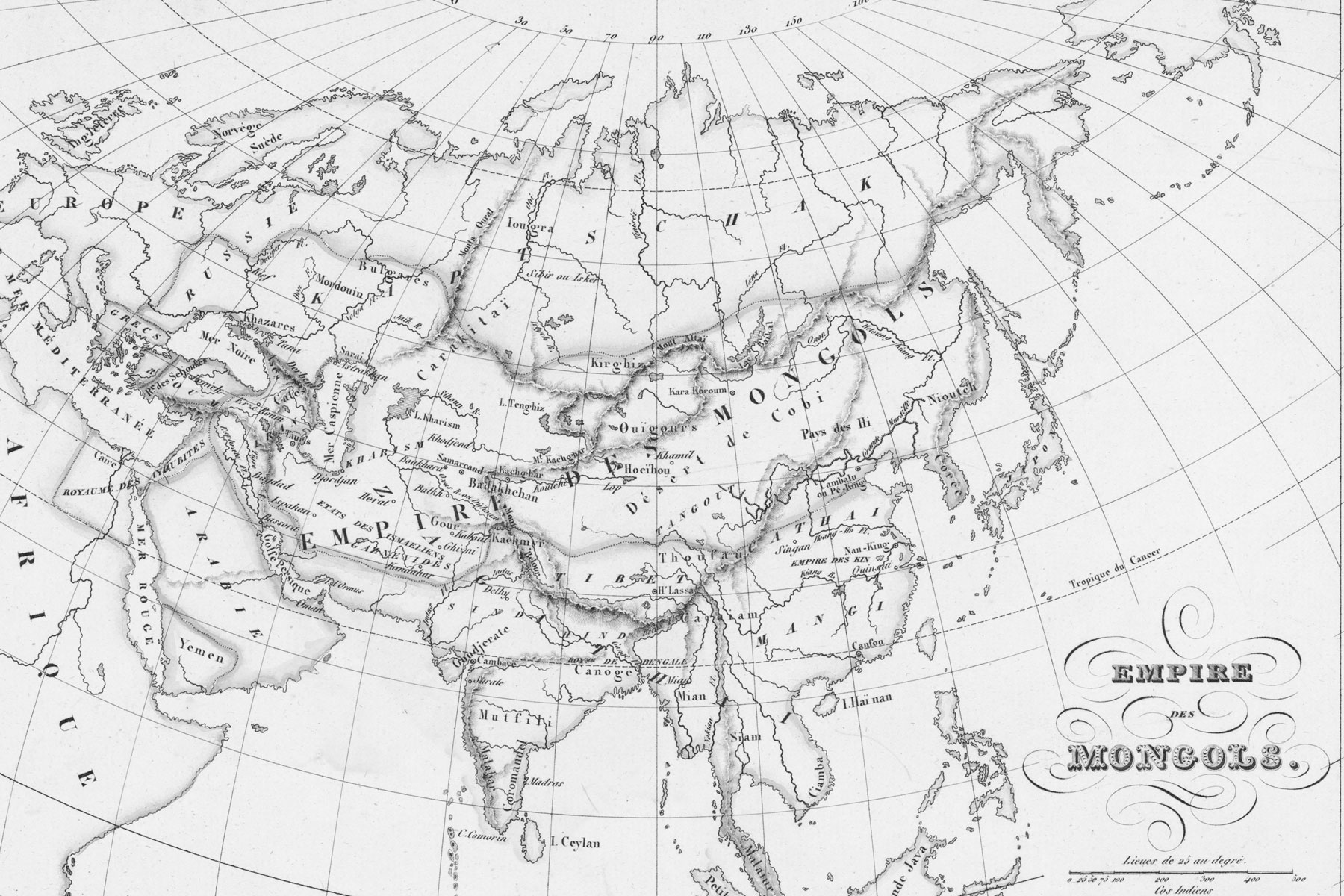
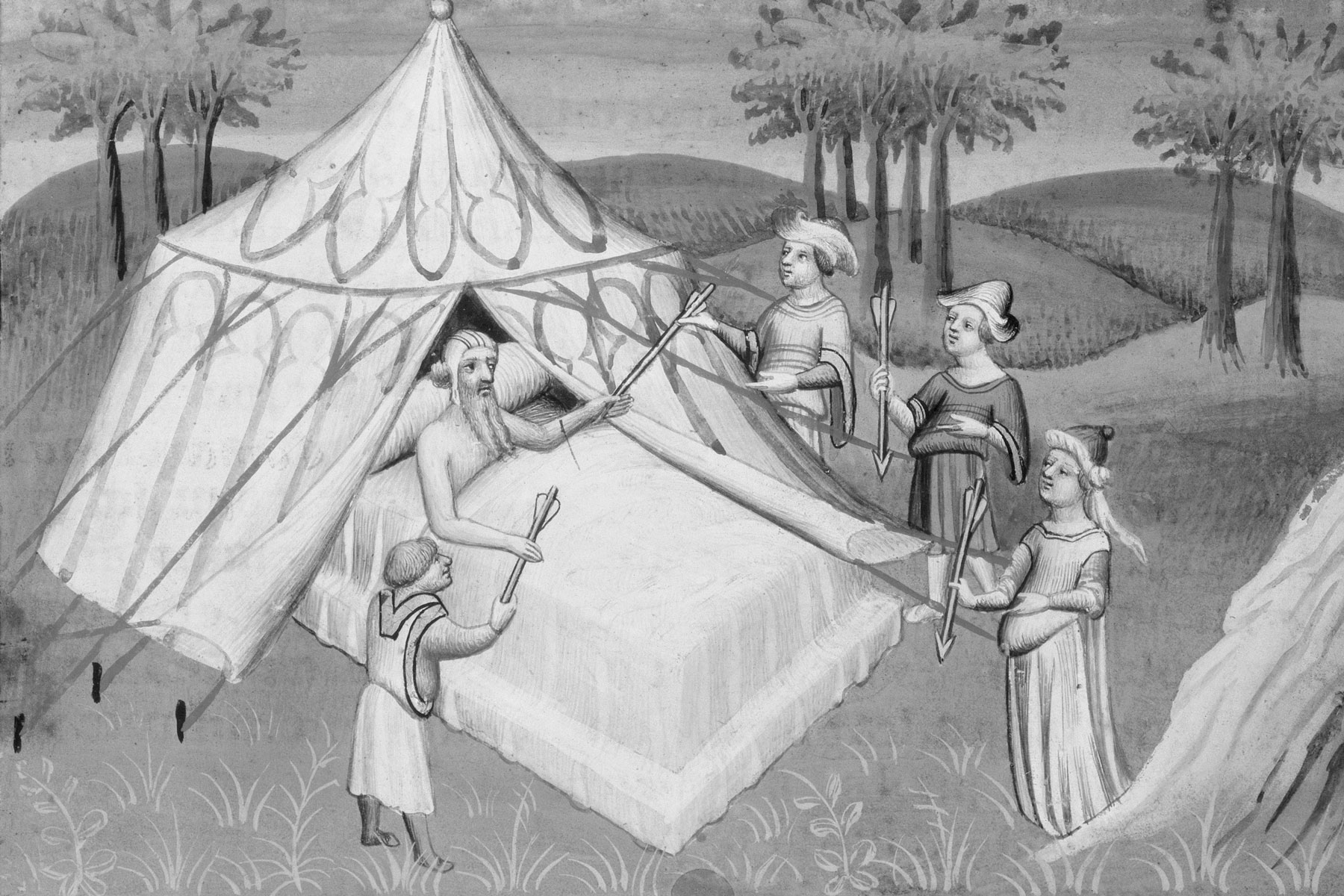
Of all of history’s greatest leaders, few if any have held as much power and influence as the mighty Mongol ruler Genghis Khan. As founder of the Mongol Empire, Genghis laid waste to all who stood in his way en route to controlling a large swath of Asia during the early 13th century. Though Genghis was undeniably ruthless in his conquests, he was also a cunning tactician whose skills made him wildly effective in his imperialist efforts.

Genghis Khan lived from 1162 until 1227, rising from the ranks of relative obscurity to unify a once-scattered Steppe region in modern Mongolia and other parts of Central Asia. At the height of his power, no man was more feared or revered than Genghis, whose success as a conqueror led to one of the largest empires in history. Genghis Khan’s impact on global history is undeniable, and there’s much to be discussed about his life. Here are five facts about the infamous leader of the Mongols.

Photo credit: Culture Club / Hulton Archive via Getty Images

Genghis Khan’s Birth Name Was Temüjin

Though he’s best known as Genghis Khan, that name was actually bestowed on the Mongol leader later in life. At birth, he was known as Temüjin, derived from the Turkic word temür, meaning “iron.” The name was an apt descriptor of the boy who would grow up to become a brutal warrior after being forced into a leadership role at a young age. After Temüjin’s father was poisoned when Temüjin was around 10 years old, the family was abandoned by their clan, forcing the boy to look after his mother and siblings. He showcased leadership skills from an early age, and spent the ensuing years conquering countless nomadic Steppe tribes. As recognition for his efforts, Mongol nobles gave him the name Chinggis Khan — Genghis Khan in the Western spelling — a title that roughly translates to “Universal Ruler.”

You may also like

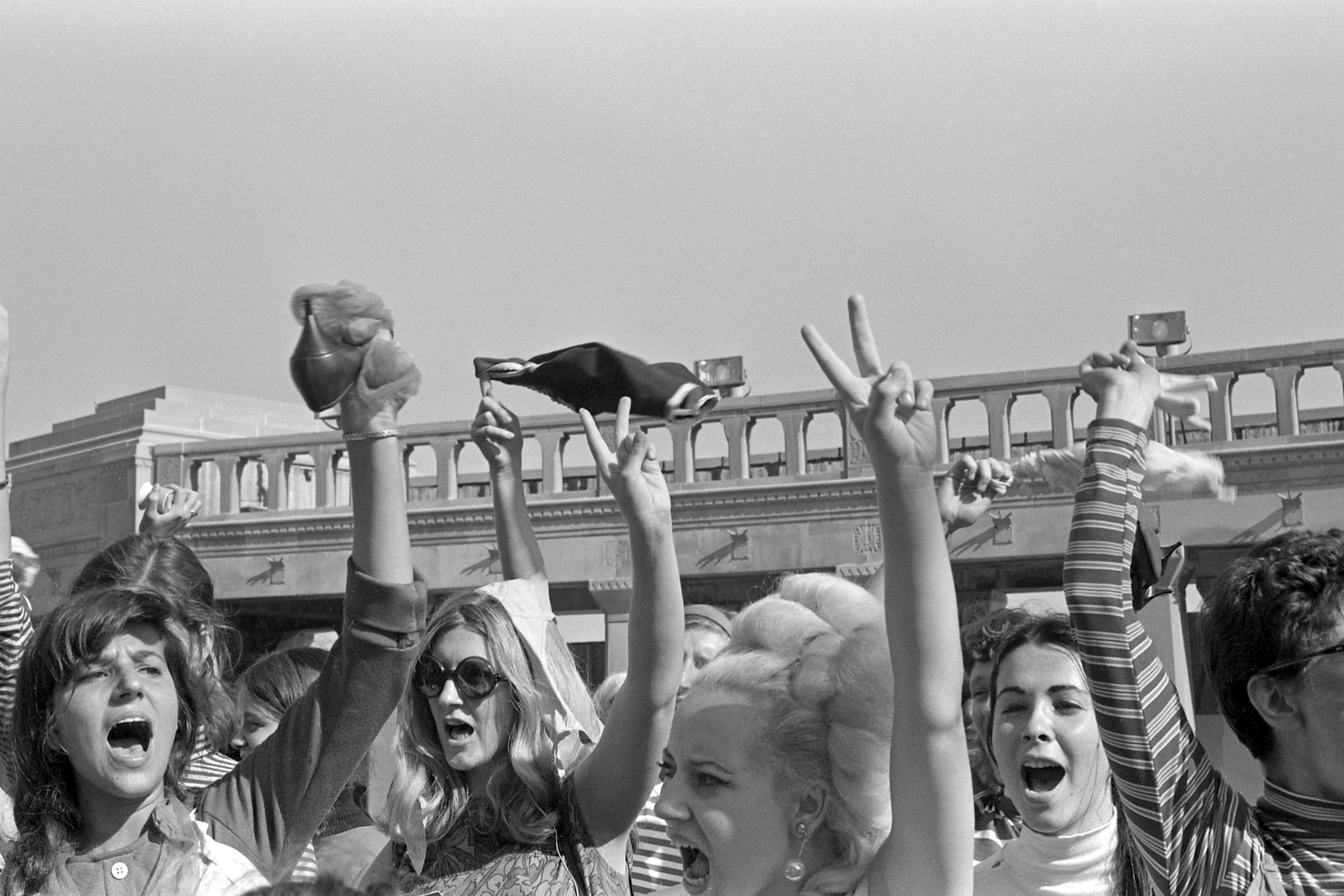
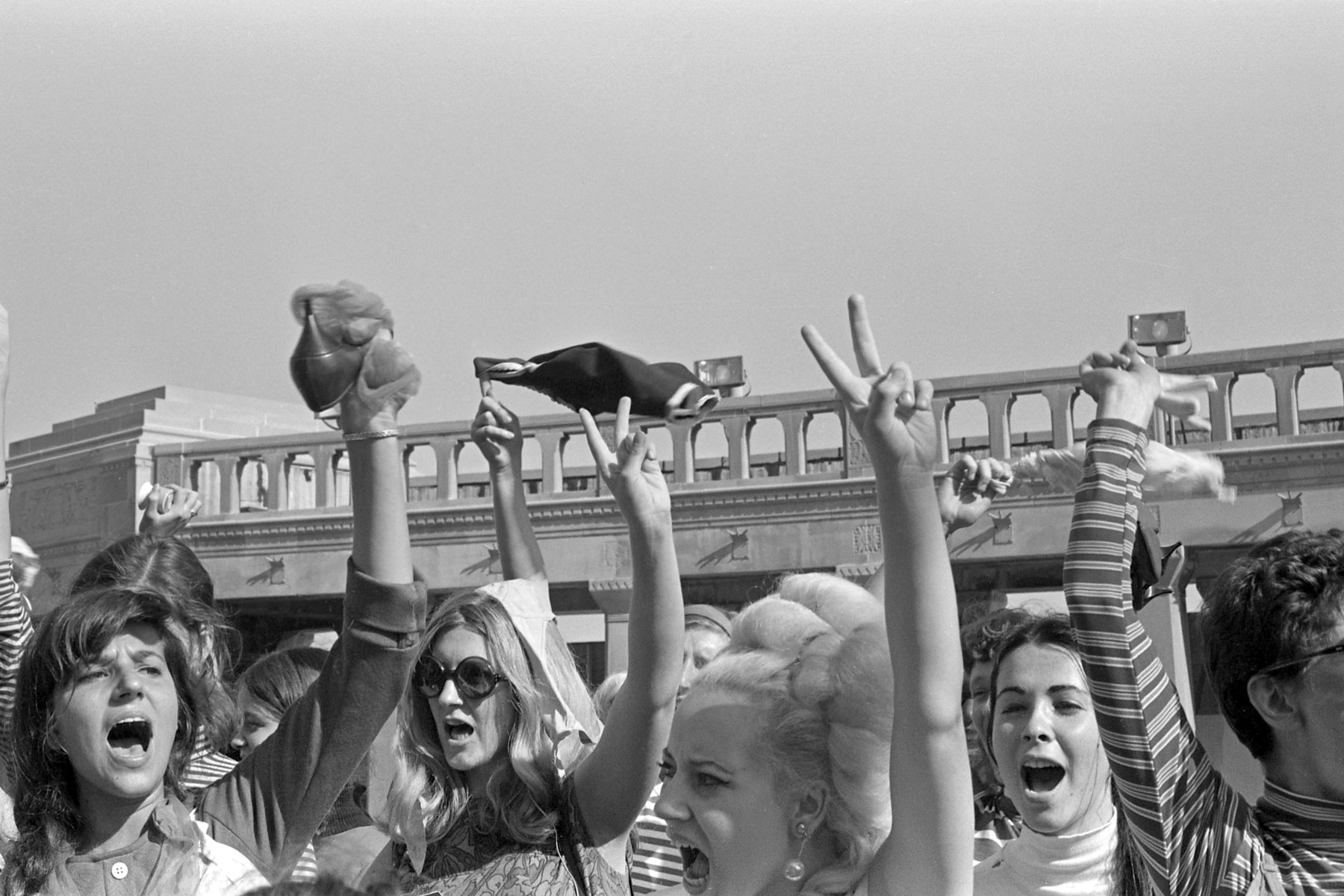
7 Ways the Year 1968 Changed America

  • Protesting the pageant
Protesting the pageant
Photo credit: Bev Grant / Archive Photos via Getty Images
Author Nicole Villeneuve

June 12, 2023

Love it?

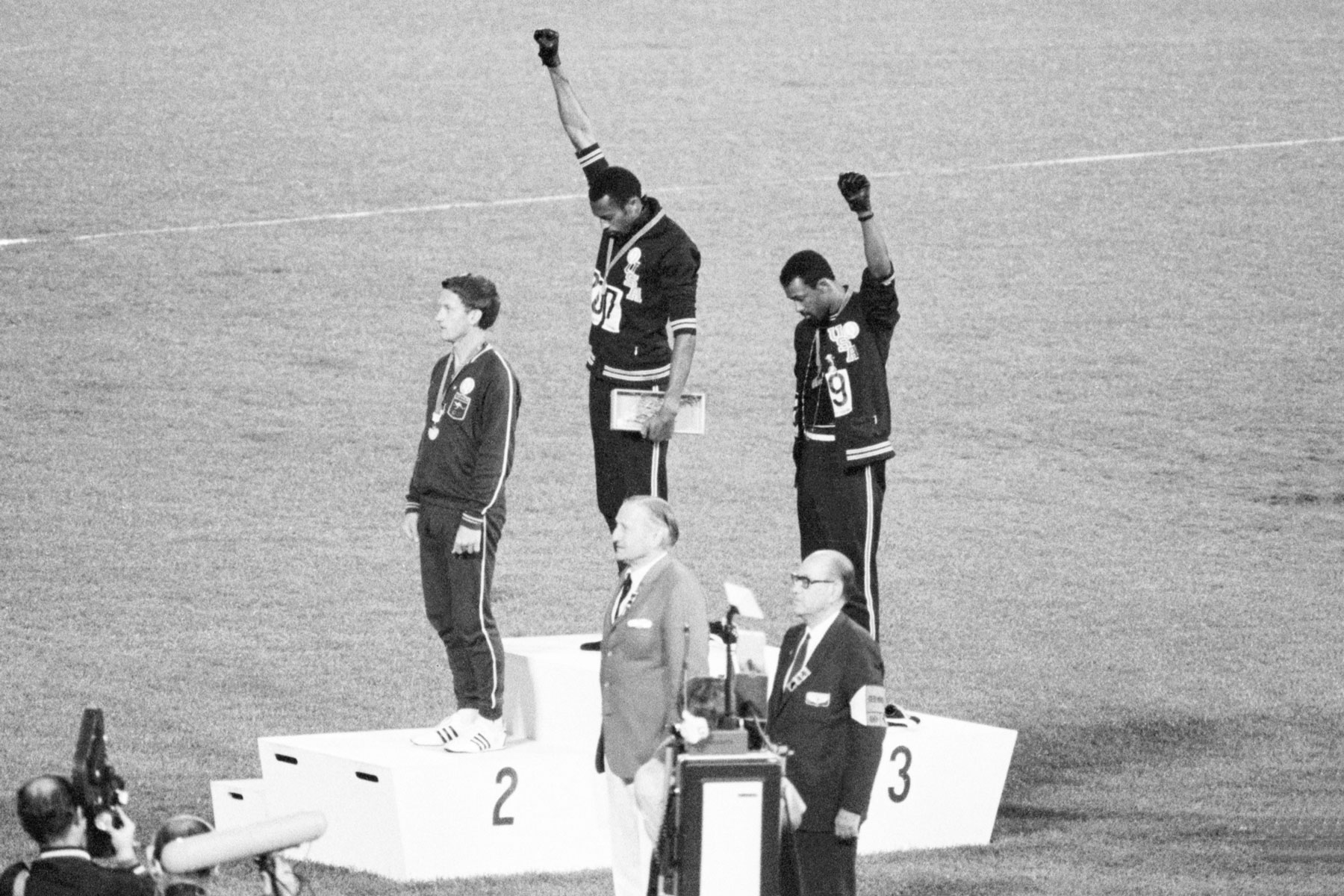
It’s been referred to as the year that changed America: In 1968, the United States experienced an unprecedented upheaval of long-held values and practices that left an indelible — and still reverberating — mark on the country. Facing the assassinations of beloved leaders, protests against the Vietnam War and racial inequality, and a major shift in media and pop culture, the nation was forced to confront some of its most deeply rooted issues, and evolve in the process. While the year was marked by tragedy and division, it also led to significant progress in civil rights and political activism, inspiring a generation of Americans to fight for equality and justice, and in turn, reshape the country’s social landscape. Here are seven events from 1968 that changed America.

Photo credit: Washington Bureau / Archive Photos via Getty Images

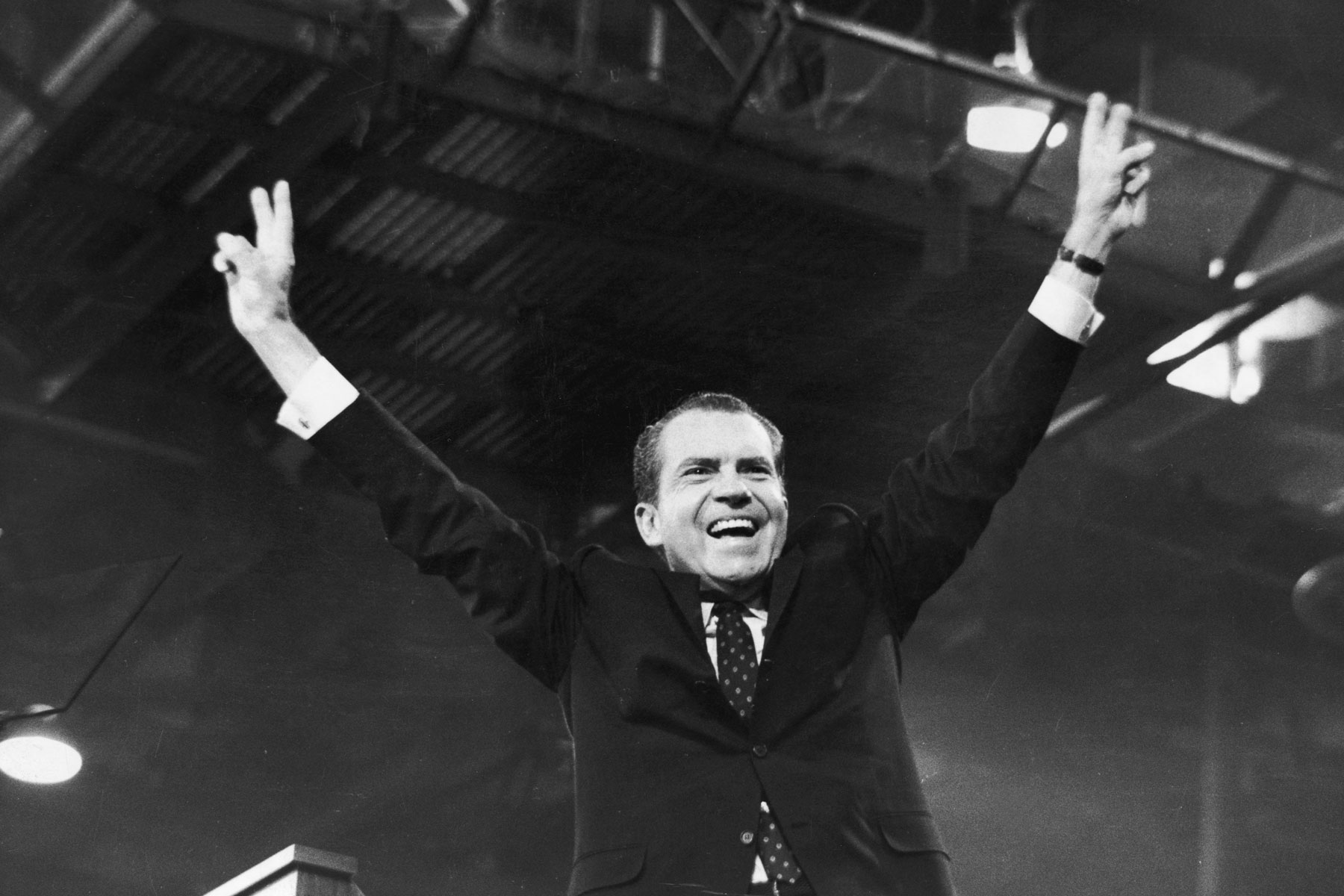
Richard Nixon Became President After a Divisive Election

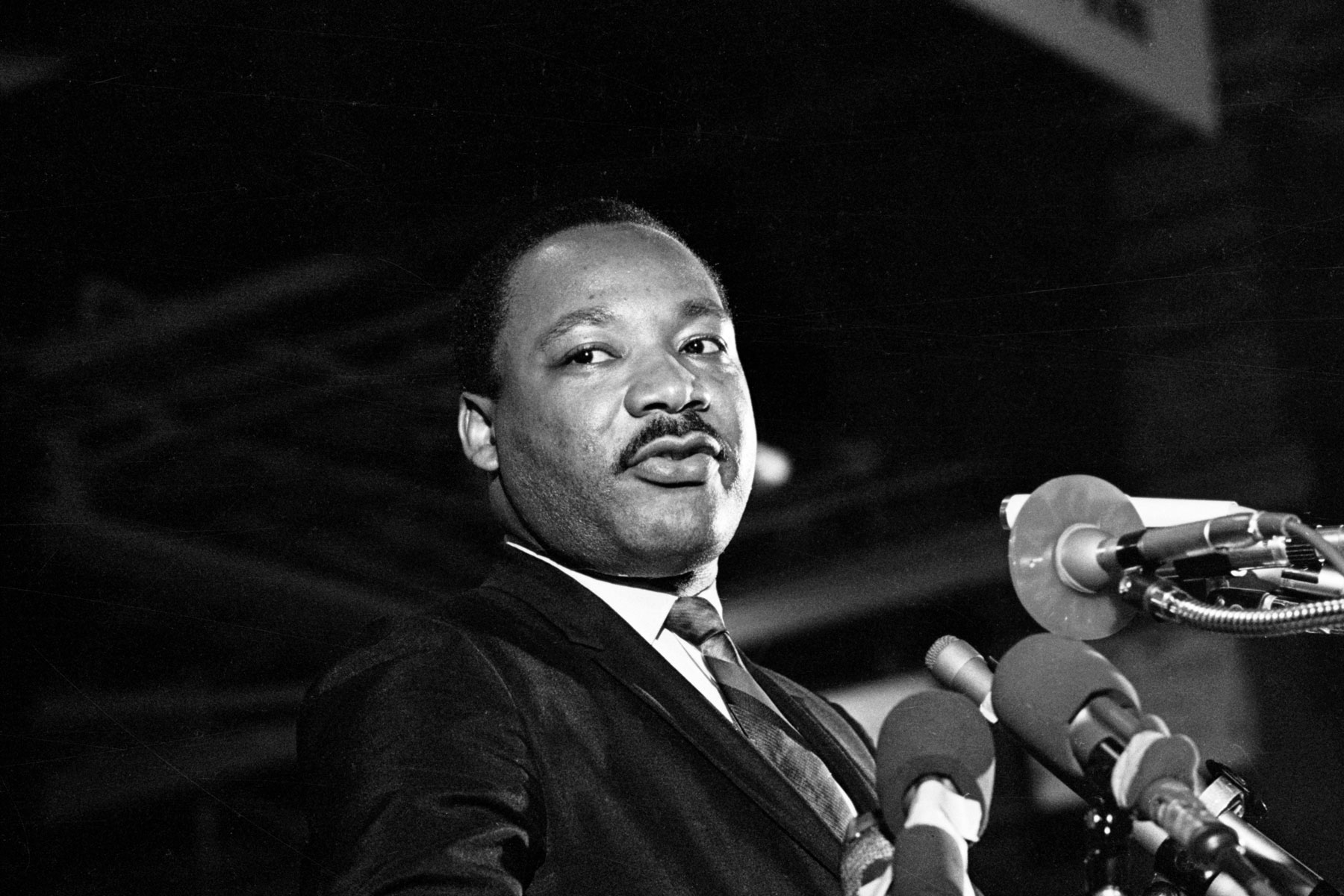
The 1968 presidential election is still considered one of the most contentious and divisive elections in U.S. history. In March, President Lyndon B. Johnson announced that he would not be seeking reelection. In the ensuing months, America’s opposition to the Vietnam War escalated, and the stunning assassinations of Martin Luther King Jr. and Robert F. Kennedy sent the country into angry unrest. An already tense political climate was thrown into chaos when anti-war protesters clashed with police outside the Democratic National Convention in Chicago. In the end, a fraught and uninspiring race between Republican candidate Richard Nixon, Democrat Hubert Humphrey, and segregationist George Wallace ended in a victory for Nixon. The contentious nature of the election contributed to a deepening sense of political polarization in the United States.

You may also like

5 Strange Traditions of the British Monarchy

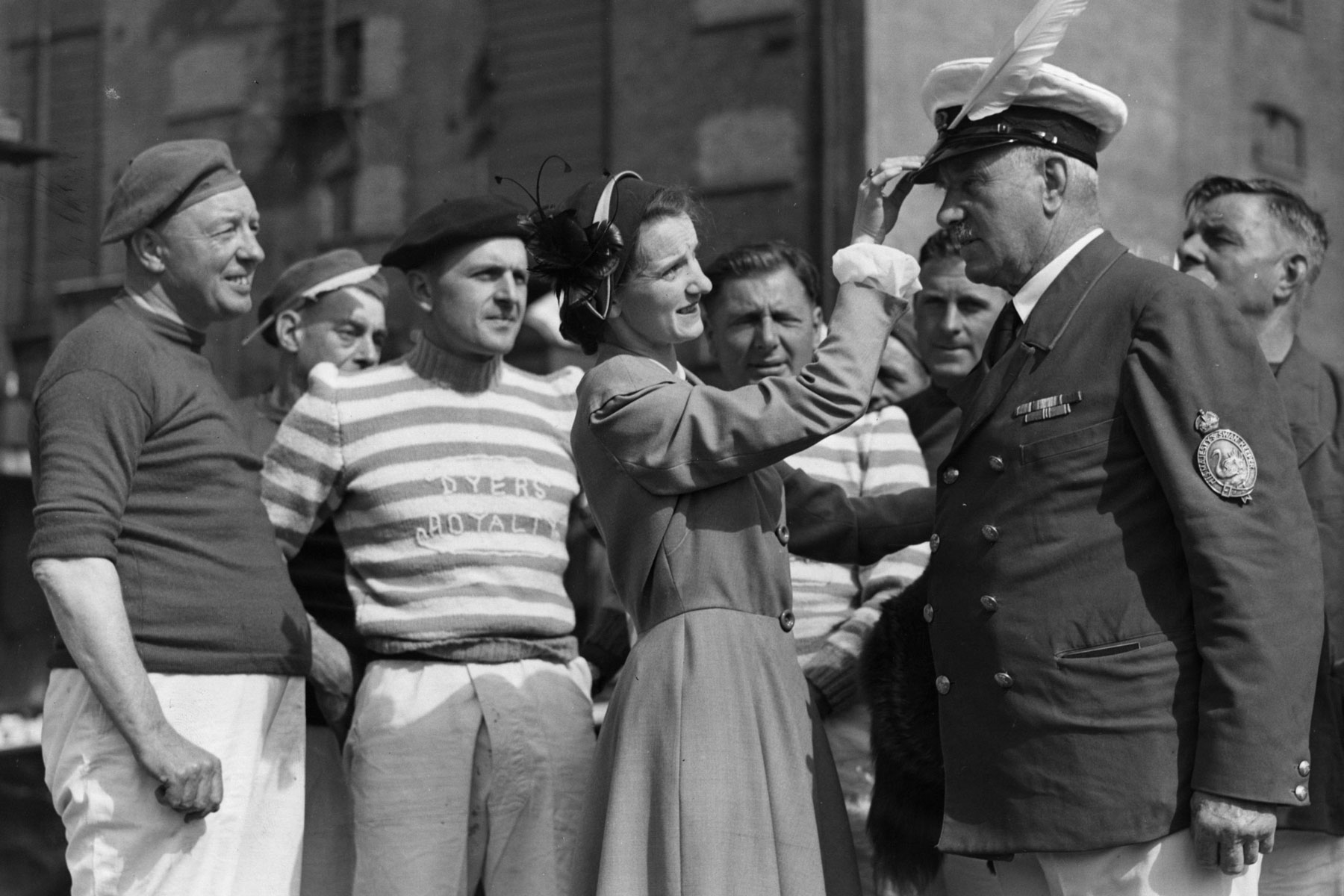
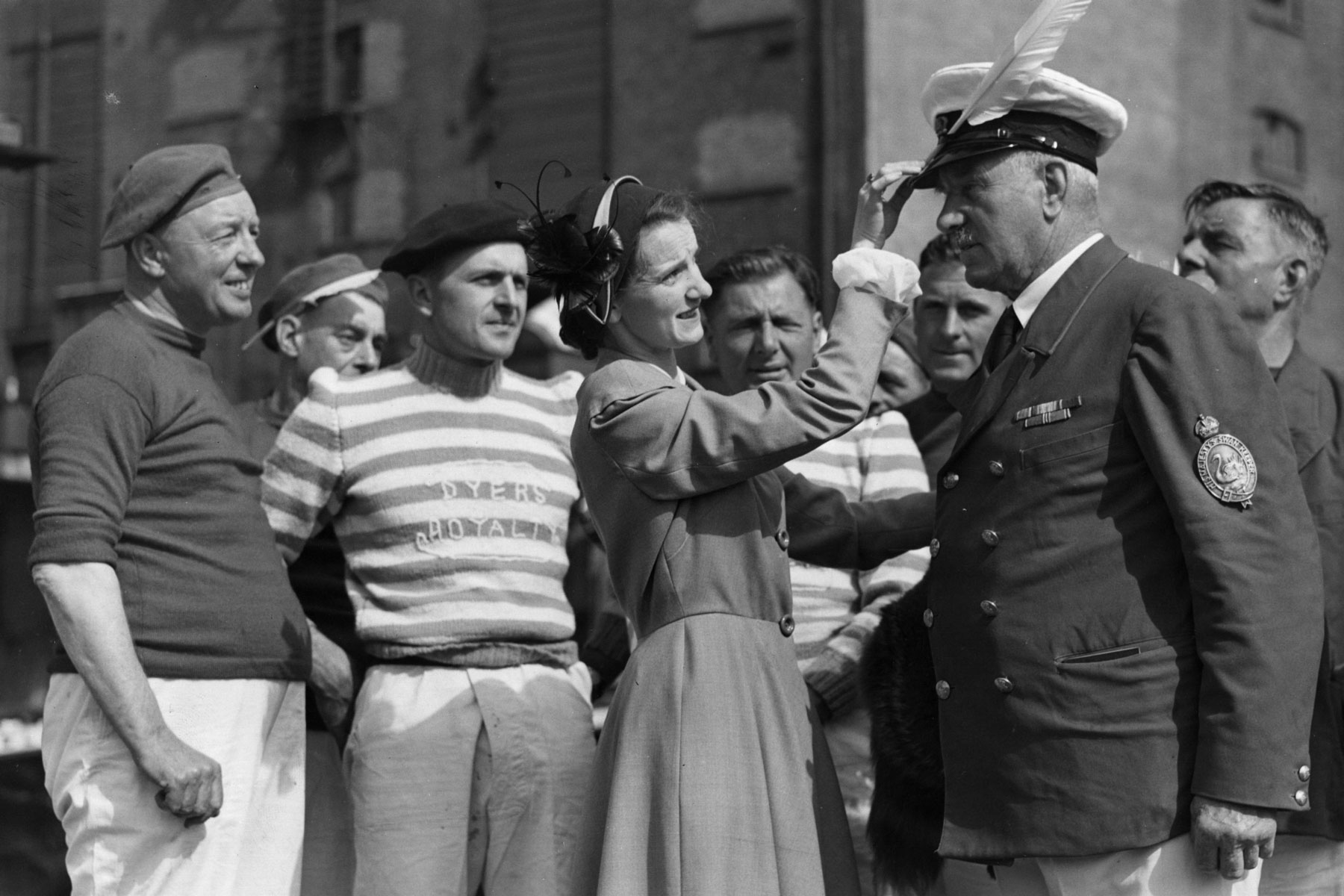
  • Swan-upping in 1951
Swan-upping in 1951
Photo credit: Fox Photos / Hulton Archive via Getty Images
Author Tony Dunnell

June 12, 2023

Love it?

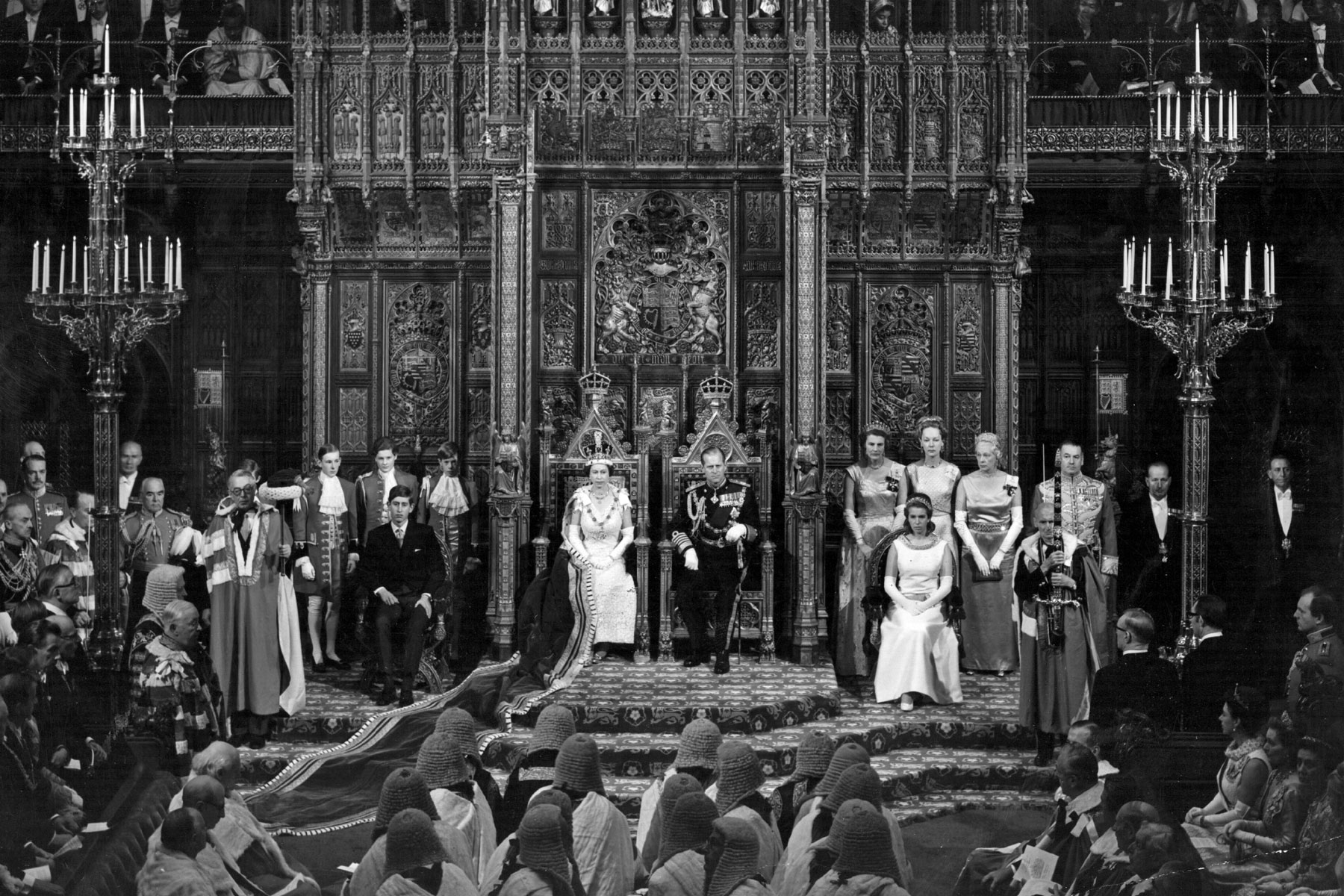
Britain is a nation of many strange old traditions, from cheese rolling and wife carrying to mayor weighing and possibly the world’s most brutal ball game. Then there’s the British royal family, an almost endless source of quirky behavior and bizarre rituals. Some of these are well known, at least among Brits, such as the use of the majestic plural, better known as the “royal we” (Queen Elizabeth II often used “we” to refer to herself), and the monarch’s custom of having two birthdays. Other odd traditions of the British royals are less well known, despite having existed for centuries. Here are some of the strangest, involving everything from swans to ravens to parliamentary hostages. 

Photo credit: Fox Photos / Stringer via Getty Images

Swans Are Ceremonially Counted on the River Thames

Since medieval times, the British monarch has had certain rights when it comes to the country’s swans. “The king has the right to claim any swan swimming in open waters, unmarked, if he so wishes,” explained David Barber, who served as Queen Elizabeth II’s swan marker (an actual position in the royal household that dates back to the 12th century). To this day, an annual census of the swans takes place on a stretch of the River Thames. The five-day journey upriver, known as “swan upping,” features a fleet of traditional rowing skiffs, led by the swan marker. The royals once considered swans a delicacy, but swan upping is now focused on conservation and education rather than any culinary considerations. 

You may also like

6 Facts About the Golden Age of Hollywood

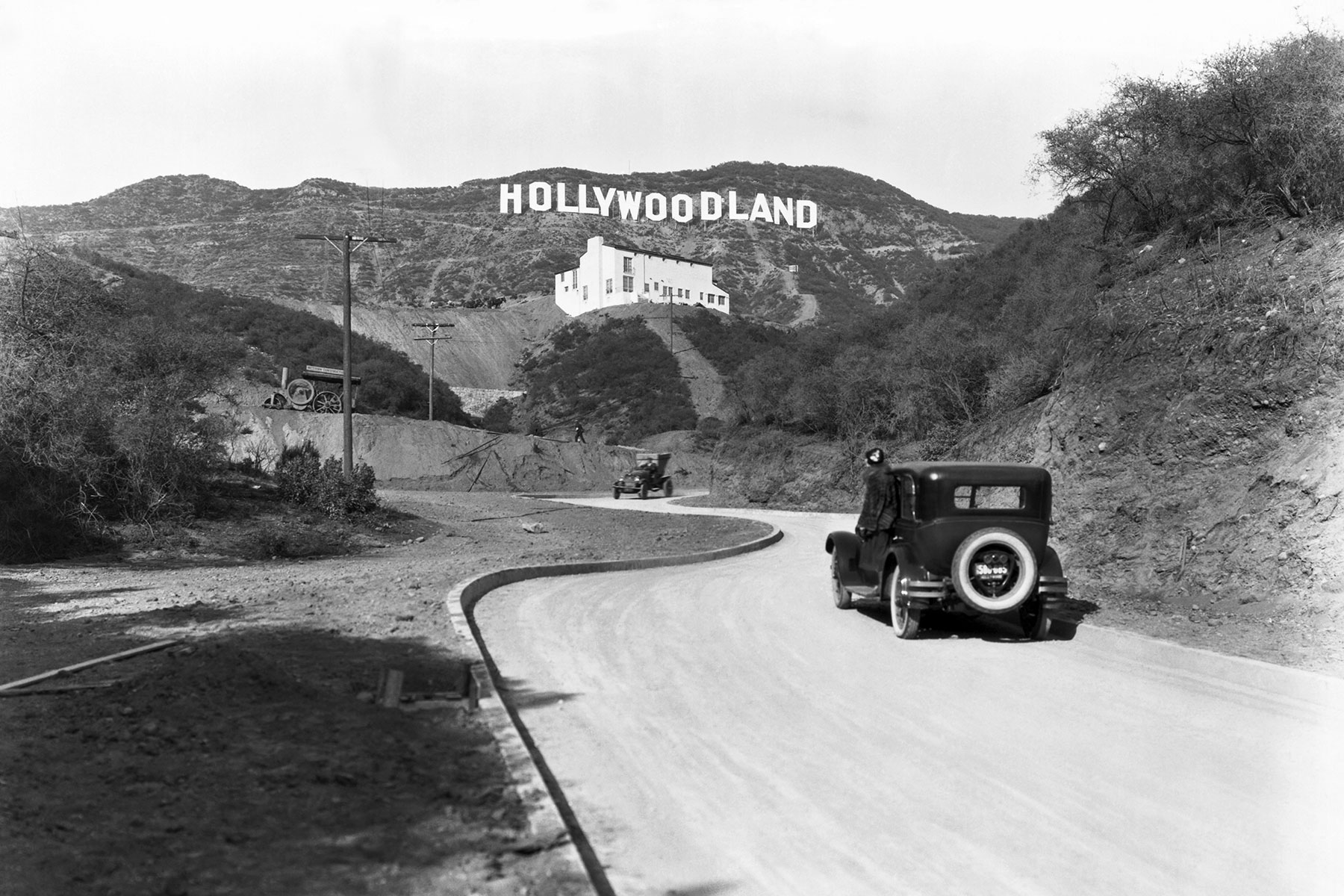
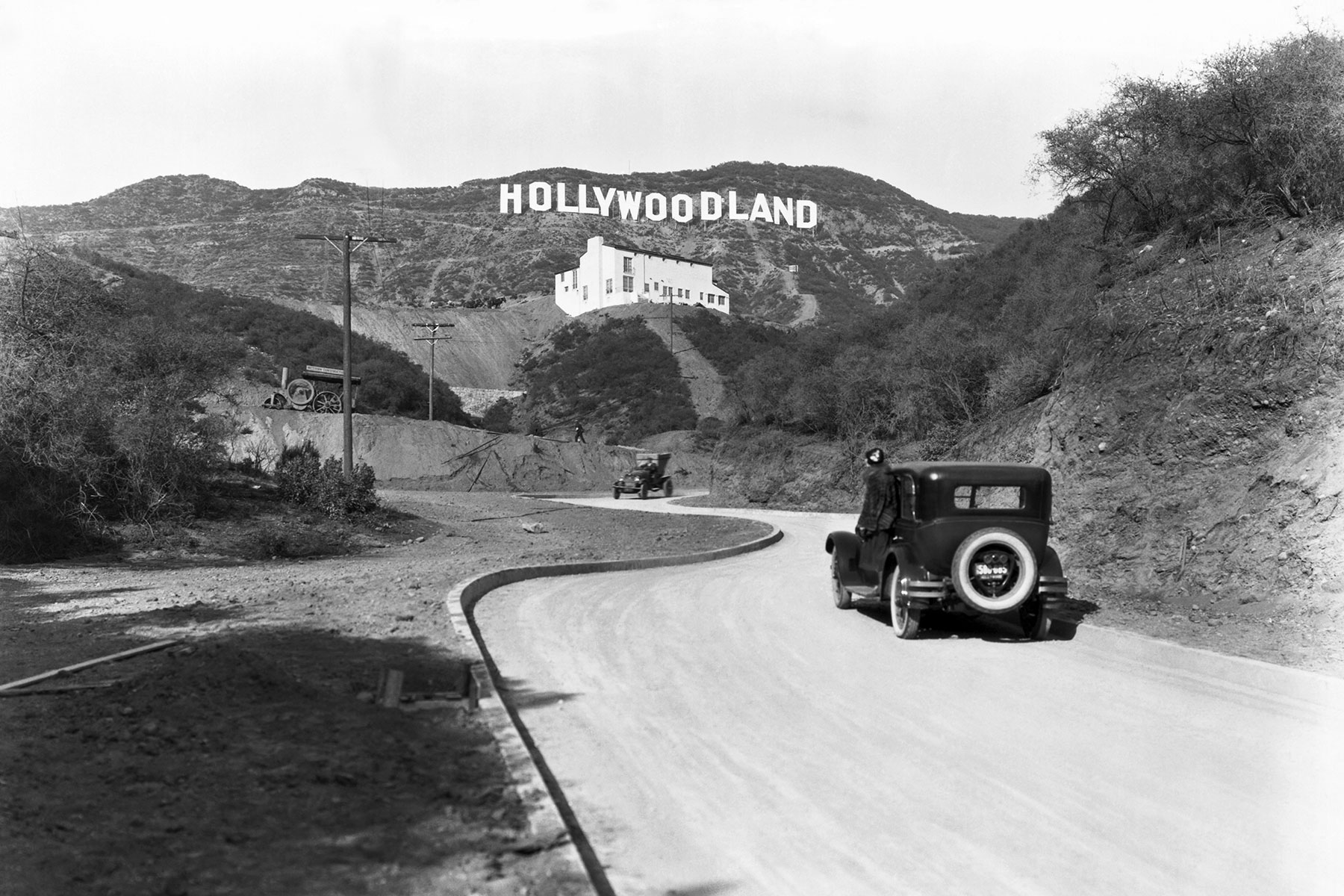
  • Hollywoodland sign in 1924
Hollywoodland sign in 1924
Photo credit: Underwood Archives/Getty Images
Author Kristina Wright

June 12, 2023

Love it?

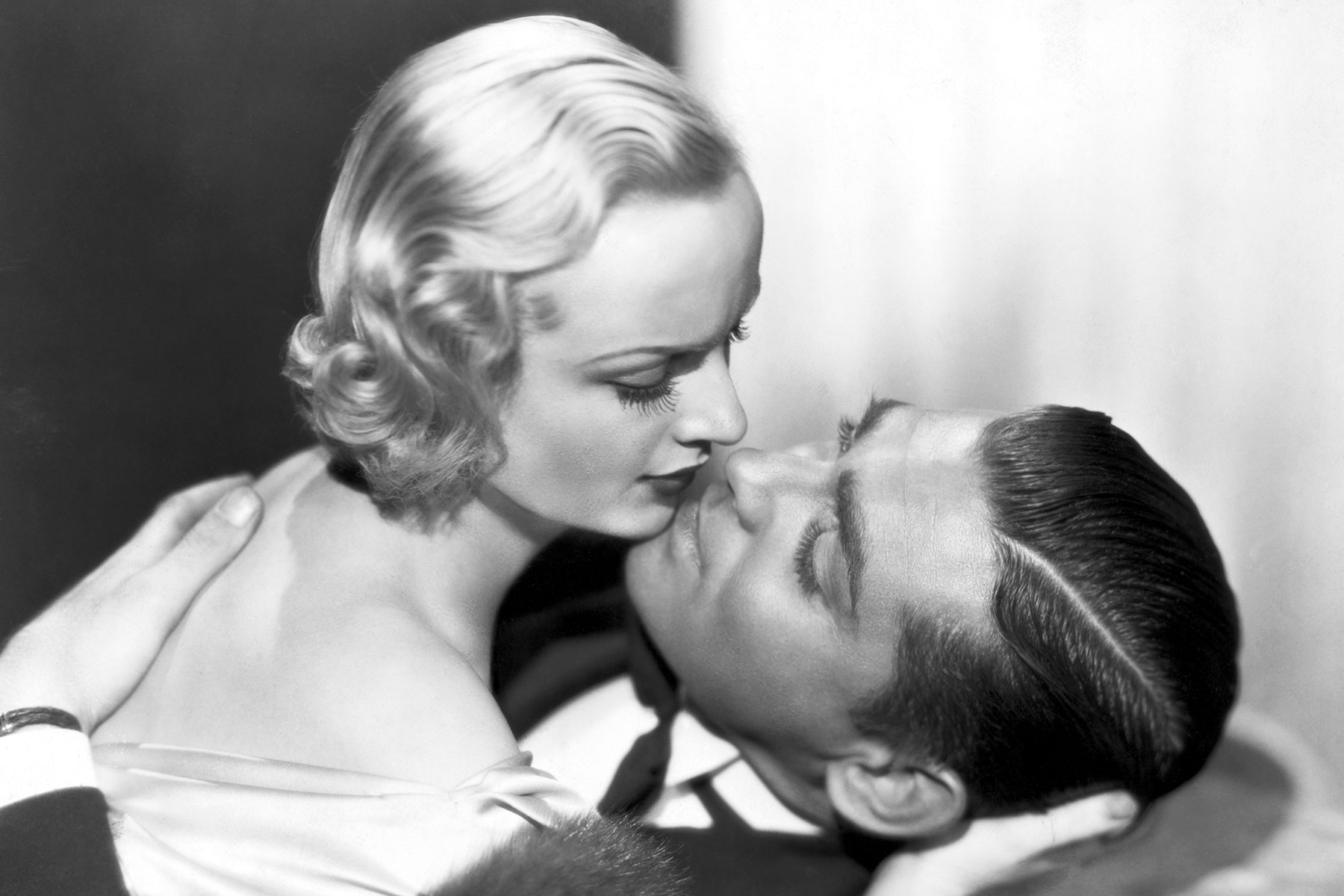
When we think of Hollywood’s heyday, we’re often recalling those classics of the 1930s and ’40s that many of us watched long after they were shown in the theater. From King Kong and It Happened One Night to Casablanca and Citizen Kane, the films of the industry’s golden era still enchant and entertain. And it’s not just the movies themselves that have stood the test of time. We’re still captivated by the era’s shining stars, be it the love story of Humphrey Bogart and Lauren Bacall, the bubbly innocence of Shirley Temple, or the rugged good looks of Clark Gable.
Some film historians believe that Hollywood’s golden age was ushered in by the silent films that gave us Charlie Chaplin’s Tramp and the improvisational comedy of the Marx Brothers. Others say it was 1927’s The Jazz Singer that kicked off the era, by introducing the wonder of the “talkies.” One thing is for sure: Each exciting new production found an ever-growing audience, worn down by the harsh realities of war and the Great Depression, that couldn’t get enough of the sophisticated characters, slapstick humor, swoon-worthy romances, and faraway locales that only Hollywood could deliver. For those of us who still can’t get enough of the fascinating world of Hollywood, here are six fun facts about filmmaking’s glitziest era.
You may also like