5 Strange Traditions of the British Monarchy
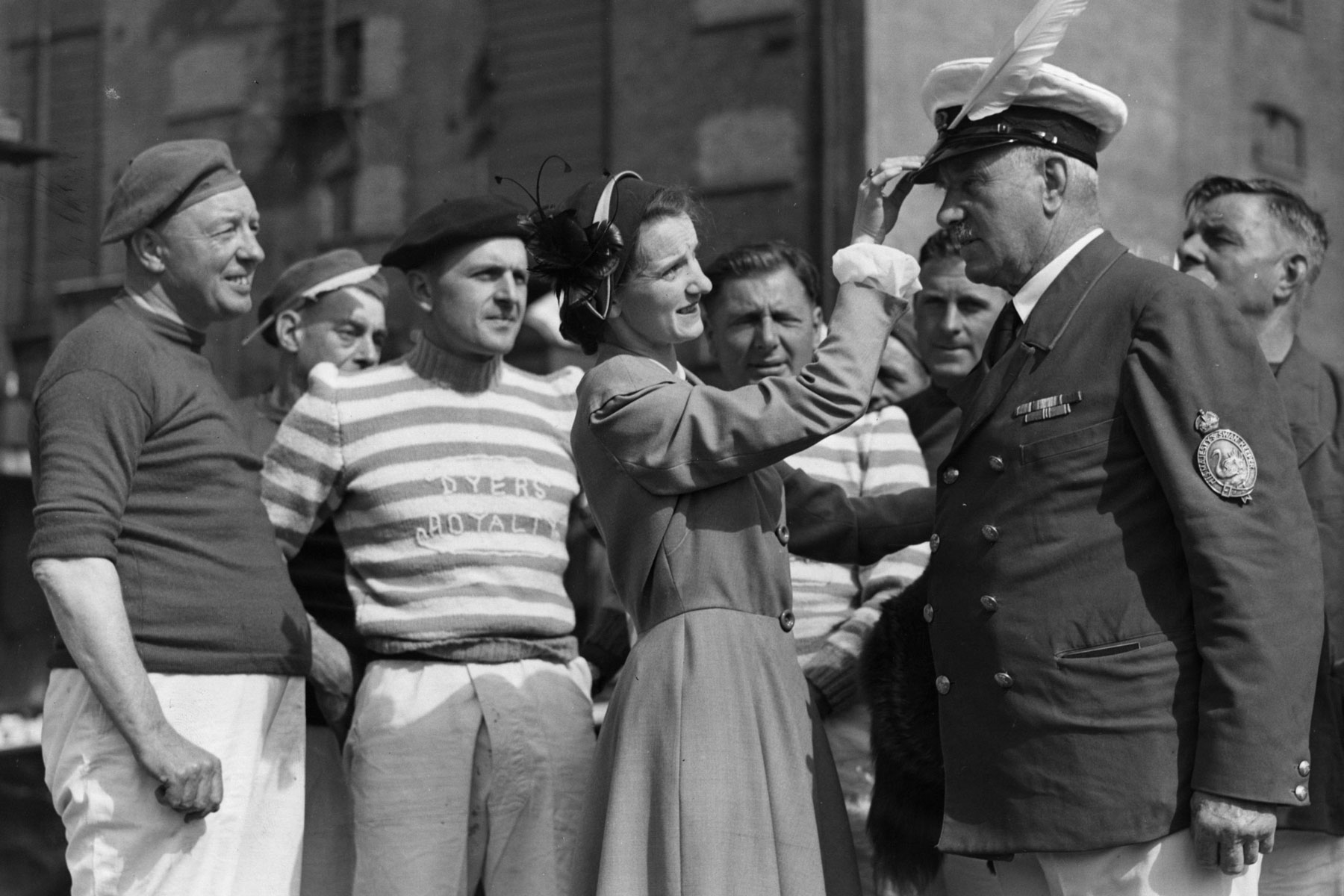
  • Swan-upping in 1951
Swan-upping in 1951
Photo credit: Fox Photos / Hulton Archive via Getty Images
Author Tony Dunnell

June 12, 2023

Love it?

Britain is a nation of many strange old traditions, from cheese rolling and wife carrying to mayor weighing and possibly the world’s most brutal ball game. Then there’s the British royal family, an almost endless source of quirky behavior and bizarre rituals. Some of these are well known, at least among Brits, such as the use of the majestic plural, better known as the “royal we” (Queen Elizabeth II often used “we” to refer to herself), and the monarch’s custom of having two birthdays. Other odd traditions of the British royals are less well known, despite having existed for centuries. Here are some of the strangest, involving everything from swans to ravens to parliamentary hostages. 
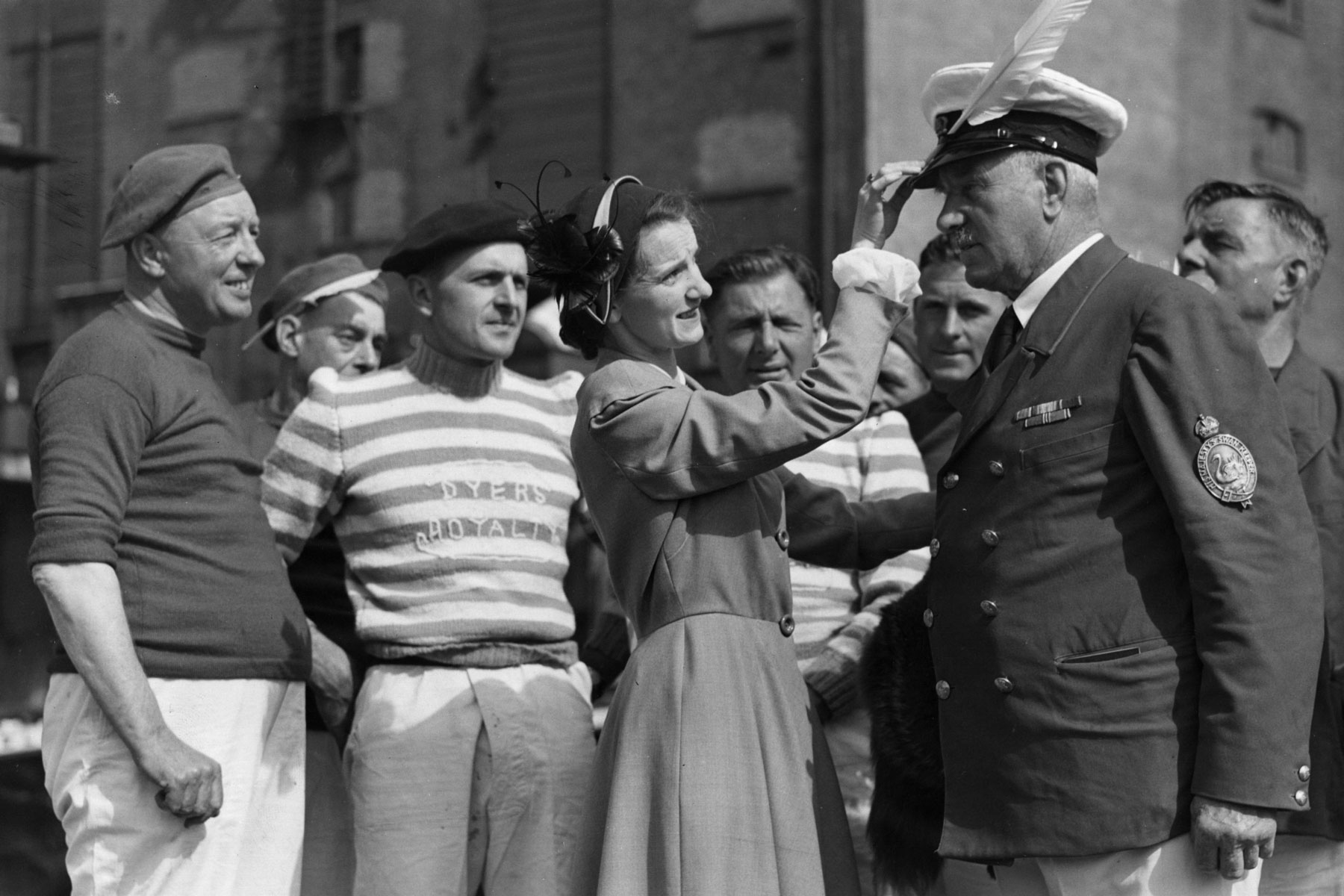
Photo credit: Fox Photos / Stringer via Getty Images

Swans Are Ceremonially Counted on the River Thames

Since medieval times, the British monarch has had certain rights when it comes to the country’s swans. “The king has the right to claim any swan swimming in open waters, unmarked, if he so wishes,” explained David Barber, who served as Queen Elizabeth II’s swan marker (an actual position in the royal household that dates back to the 12th century). To this day, an annual census of the swans takes place on a stretch of the River Thames. The five-day journey upriver, known as “swan upping,” features a fleet of traditional rowing skiffs, led by the swan marker. The royals once considered swans a delicacy, but swan upping is now focused on conservation and education rather than any culinary considerations. 

You may also like
6 Facts About the Golden Age of Hollywood

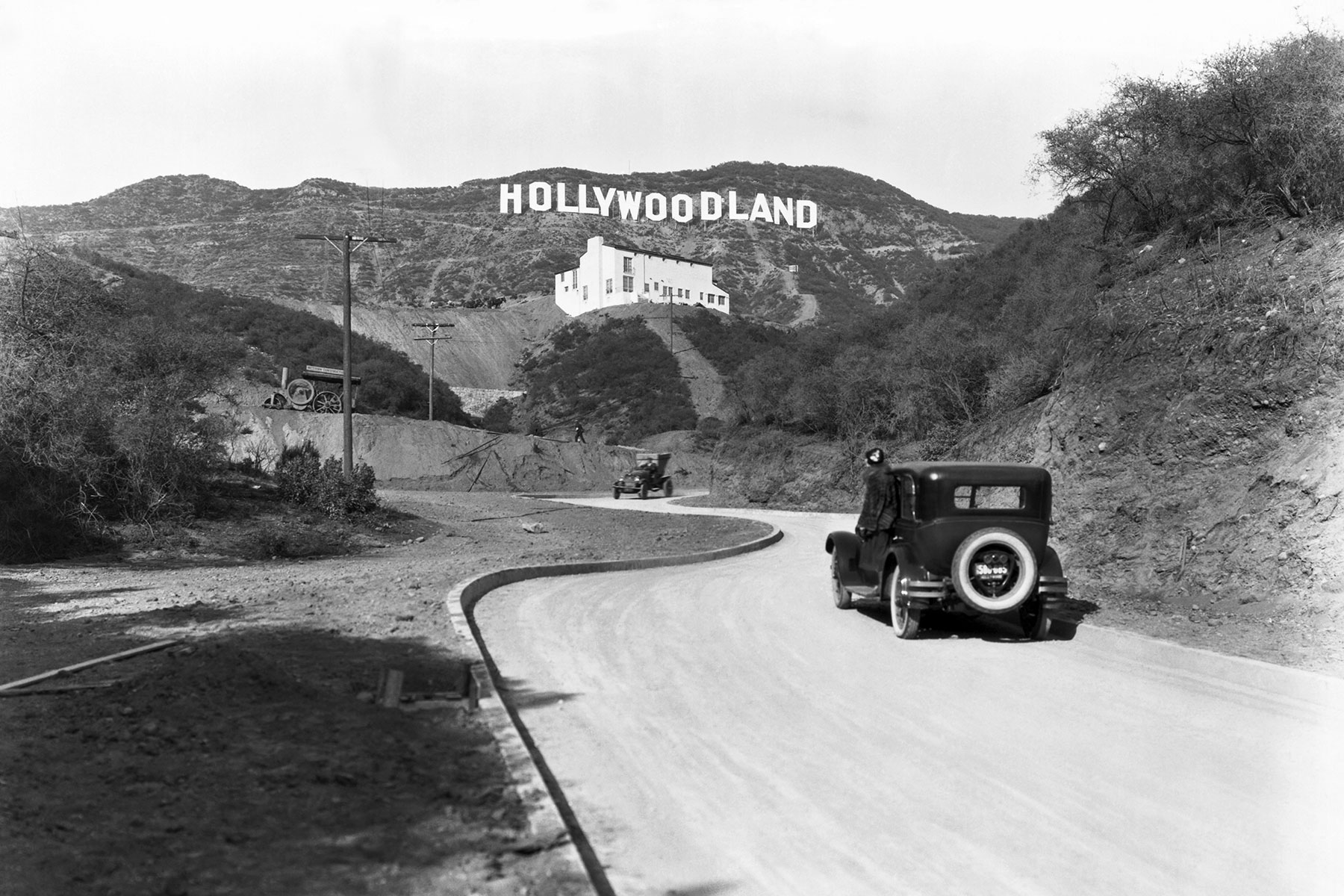
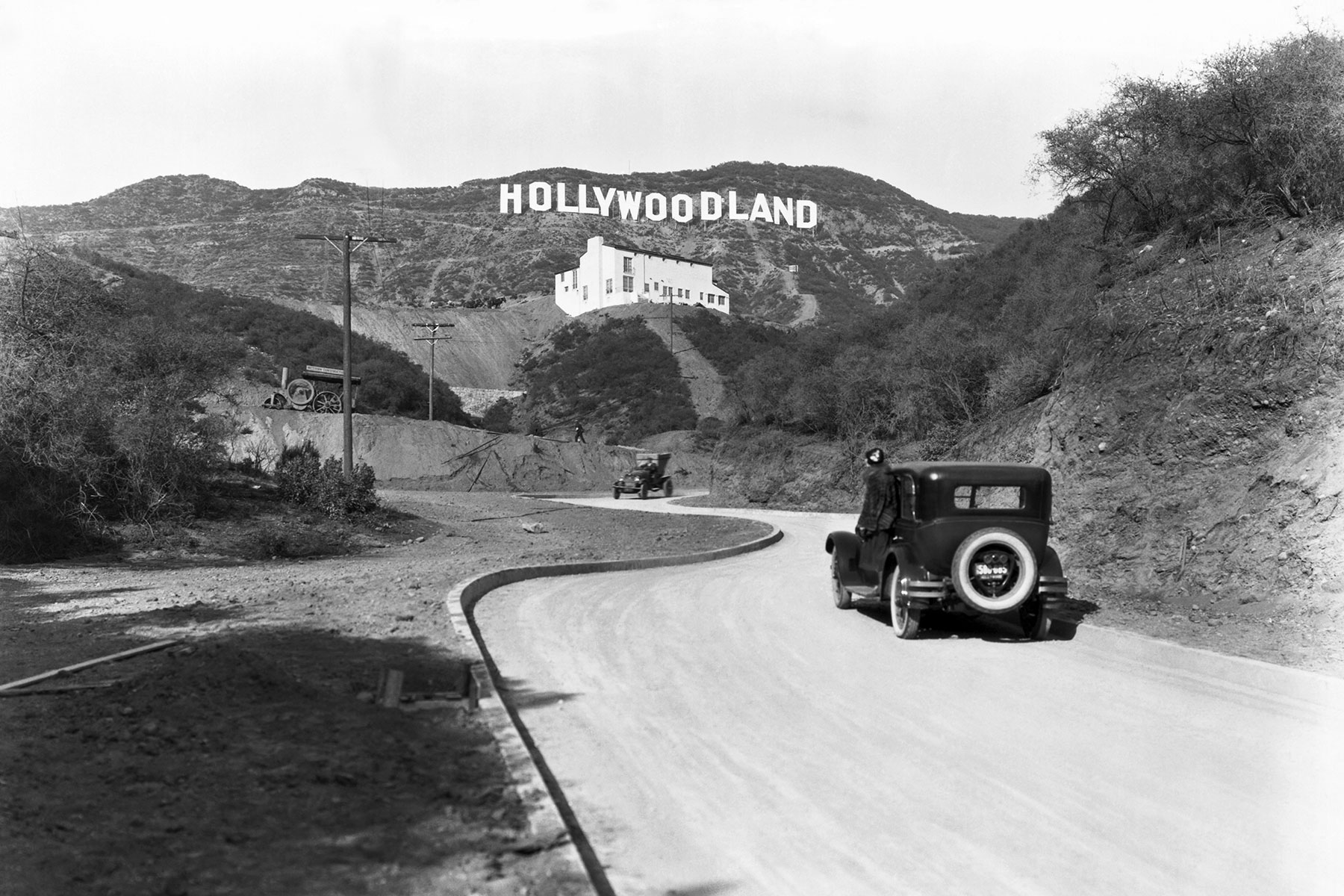
  • Hollywoodland sign in 1924
Hollywoodland sign in 1924
Photo credit: Underwood Archives/Getty Images
Author Kristina Wright

June 12, 2023

Love it?

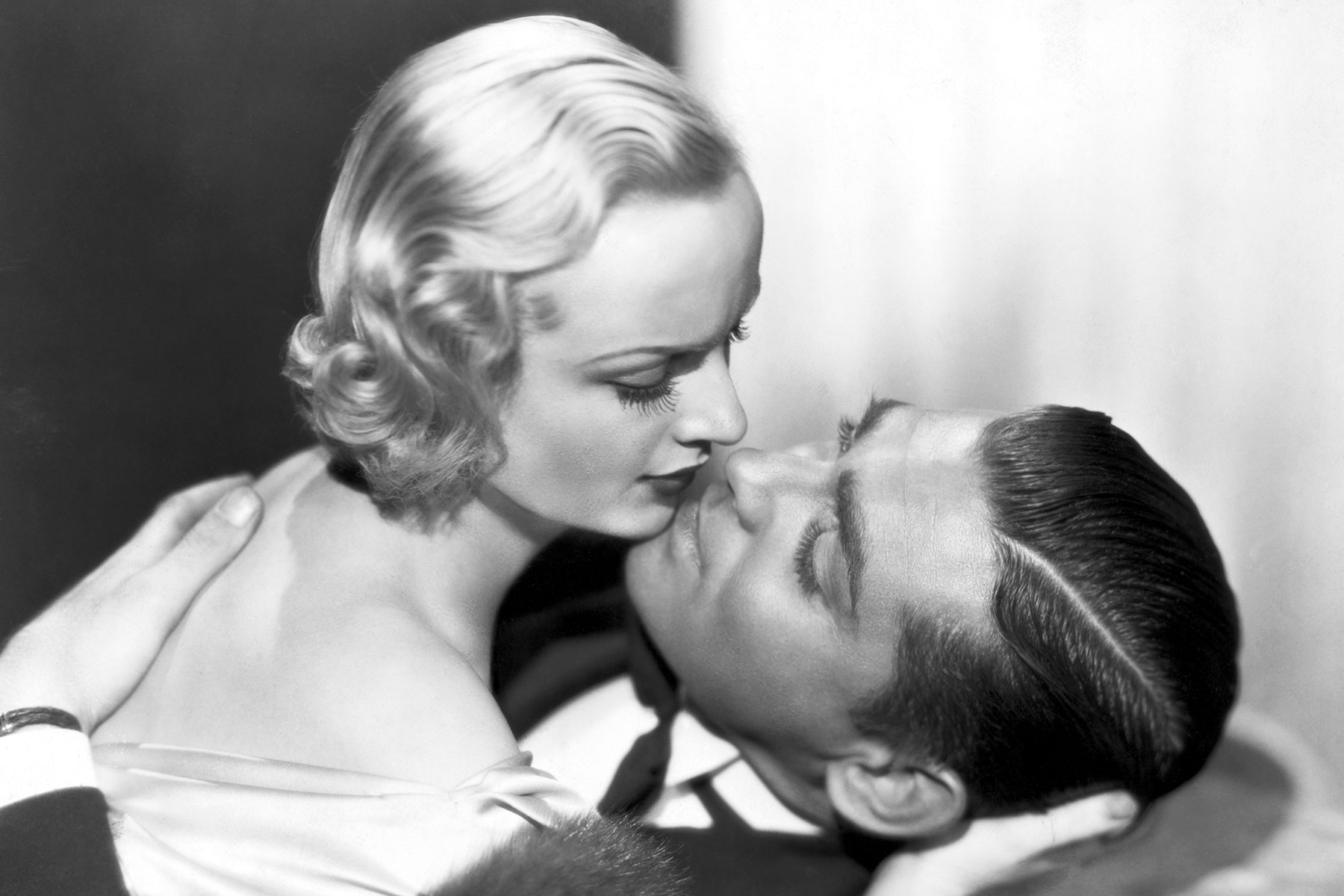
When we think of Hollywood’s heyday, we’re often recalling those classics of the 1930s and ’40s that many of us watched long after they were shown in the theater. From King Kong and It Happened One Night to Casablanca and Citizen Kane, the films of the industry’s golden era still enchant and entertain. And it’s not just the movies themselves that have stood the test of time. We’re still captivated by the era’s shining stars, be it the love story of Humphrey Bogart and Lauren Bacall, the bubbly innocence of Shirley Temple, or the rugged good looks of Clark Gable.

Some film historians believe that Hollywood’s golden age was ushered in by the silent films that gave us Charlie Chaplin’s Tramp and the improvisational comedy of the Marx Brothers. Others say it was 1927’s The Jazz Singer that kicked off the era, by introducing the wonder of the “talkies.” One thing is for sure: Each exciting new production found an ever-growing audience, worn down by the harsh realities of war and the Great Depression, that couldn’t get enough of the sophisticated characters, slapstick humor, swoon-worthy romances, and faraway locales that only Hollywood could deliver. For those of us who still can’t get enough of the fascinating world of Hollywood, here are six fun facts about filmmaking’s glitziest era.

You may also like

6 Shocking ‘Scientific’ Beliefs From Victorian England

  • Telepathy
Telepathy
Photo credit: Public Domain/ Wellcome Collection
Author Adam Levine

June 12, 2023

Love it?

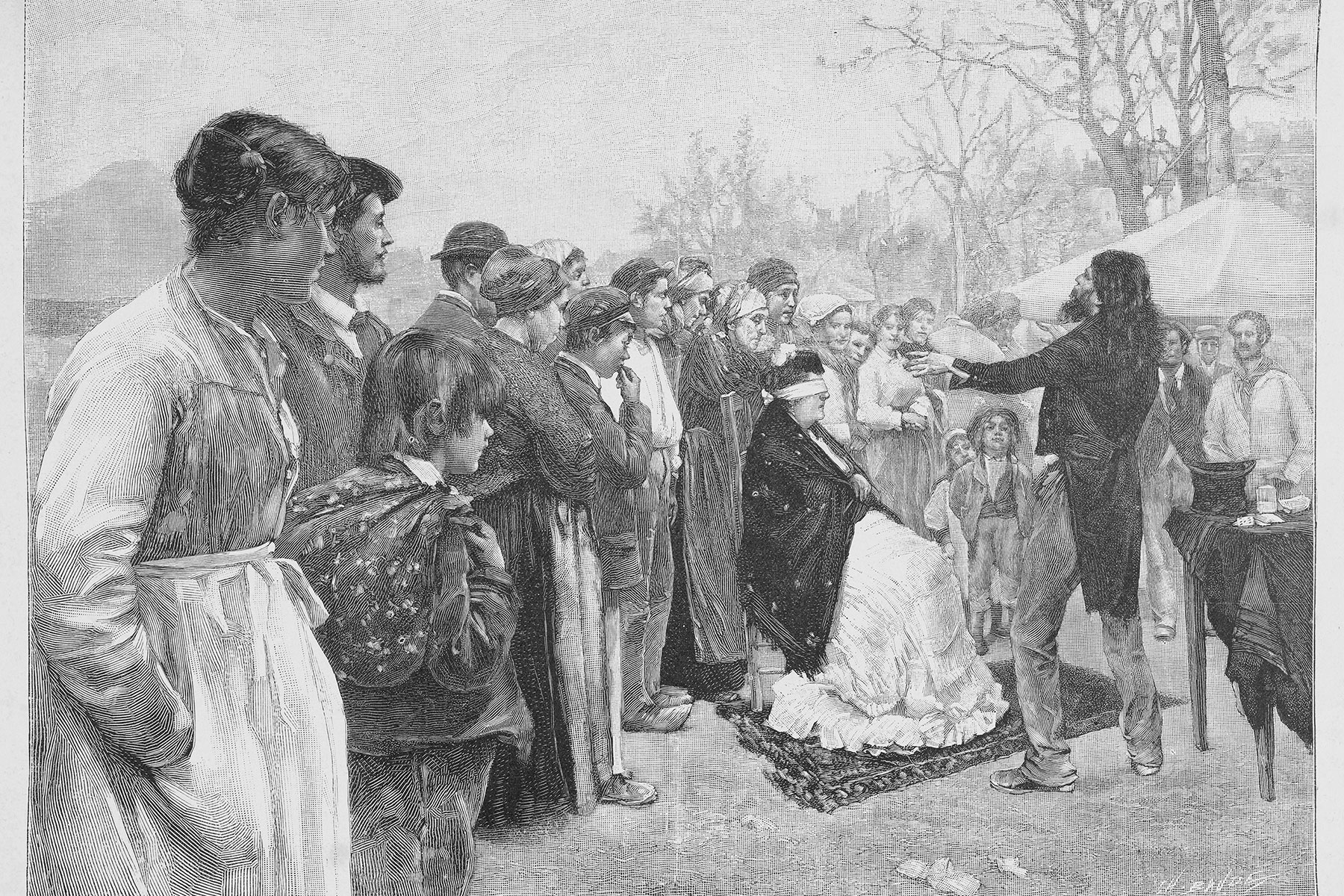
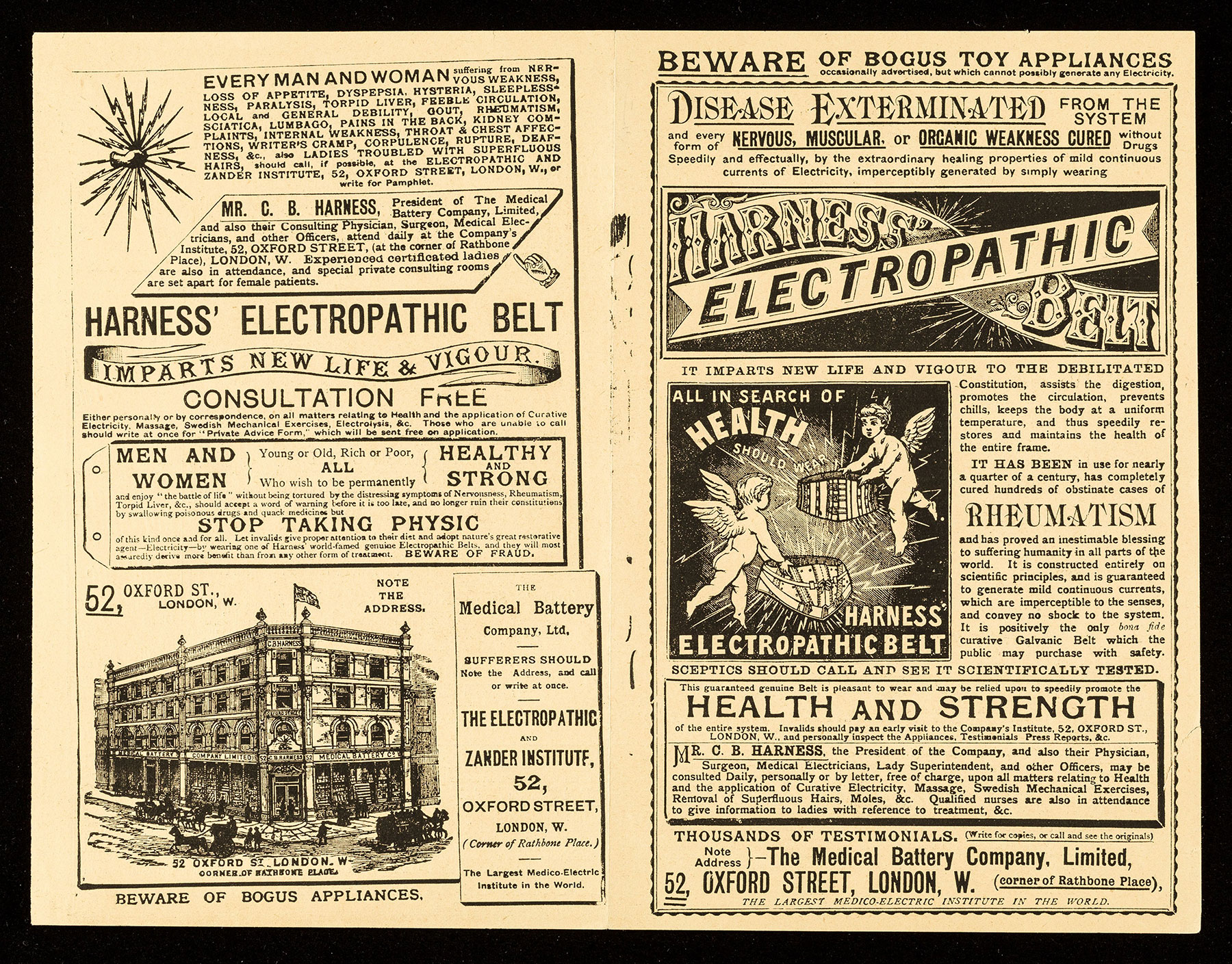
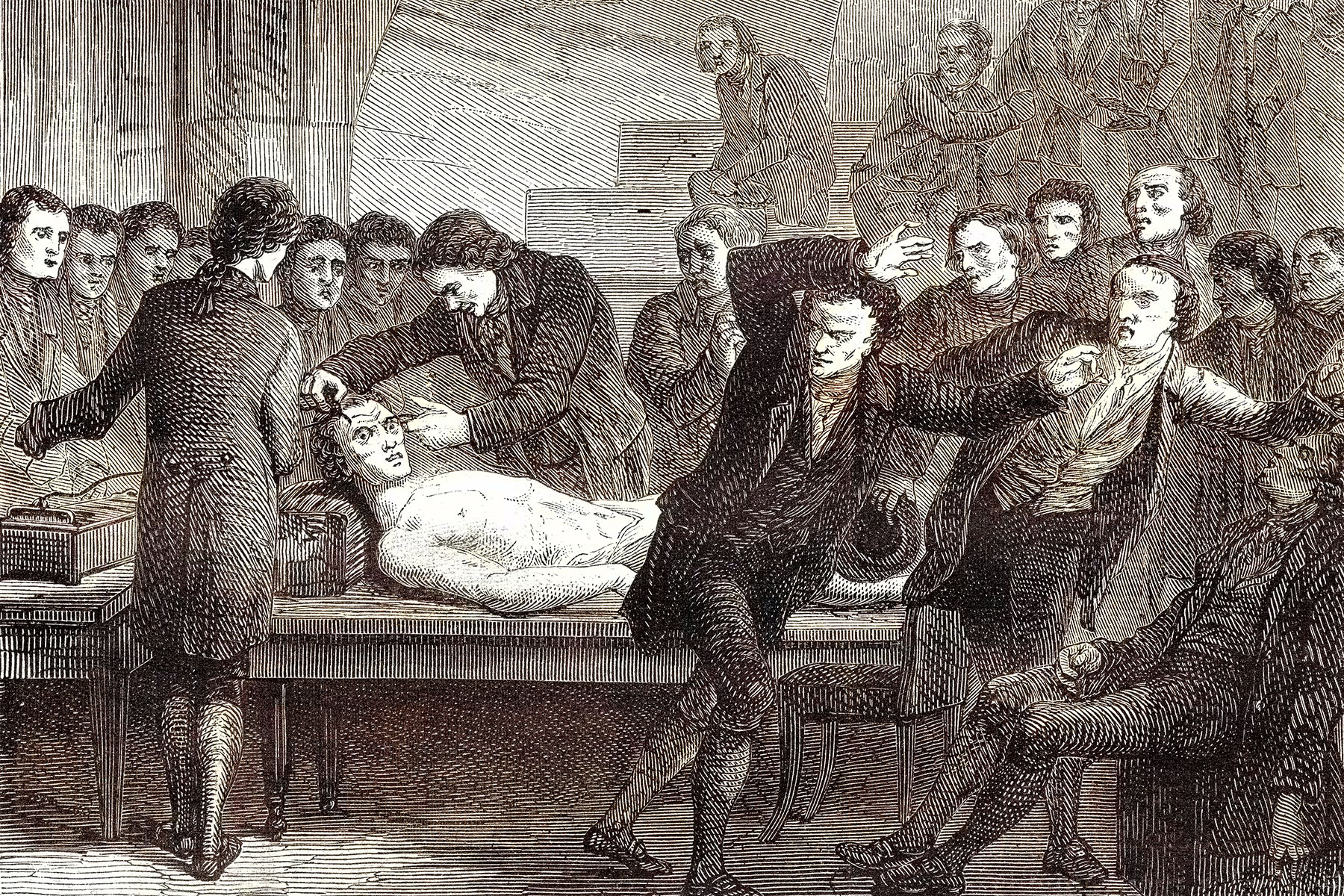
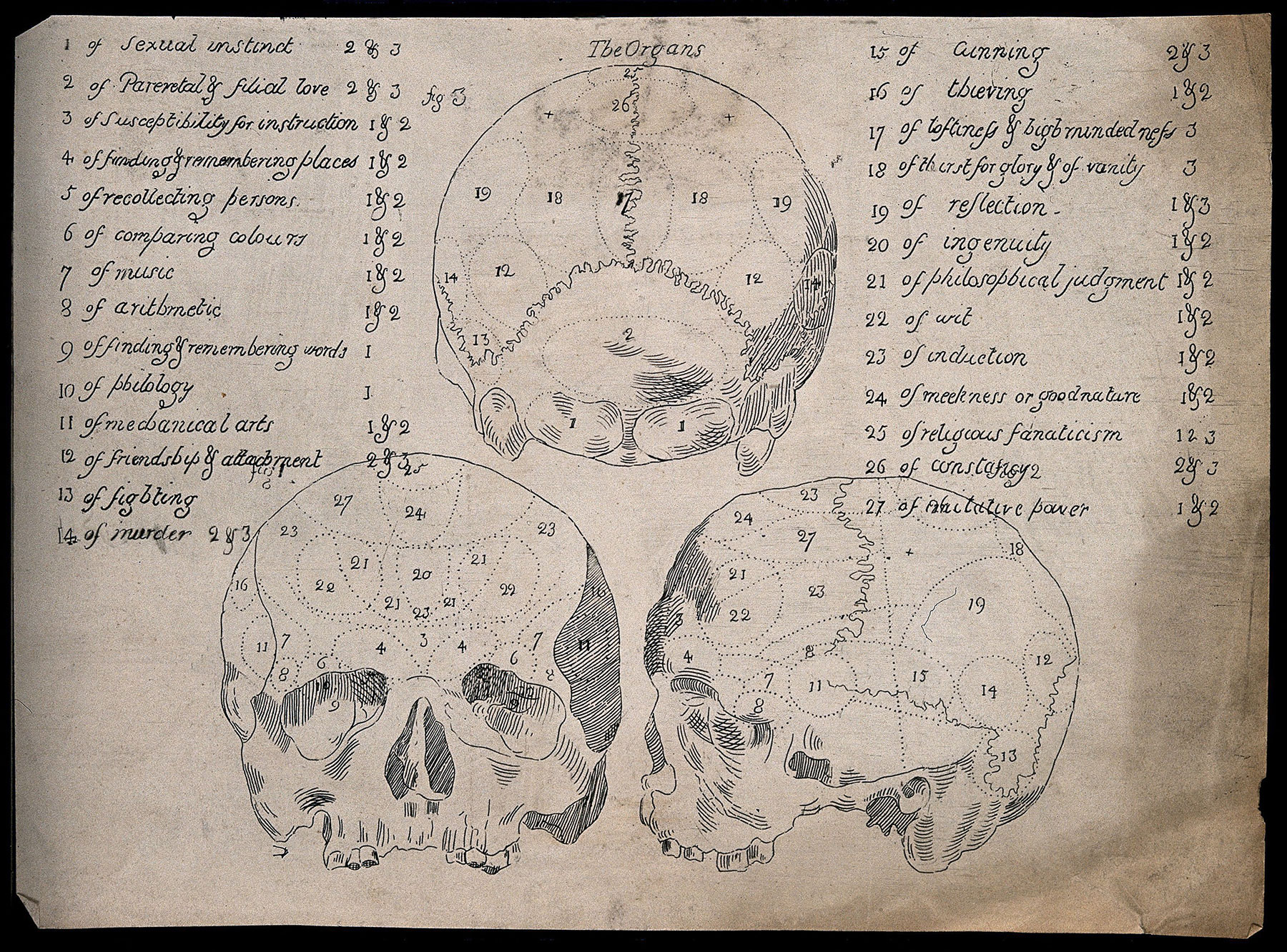
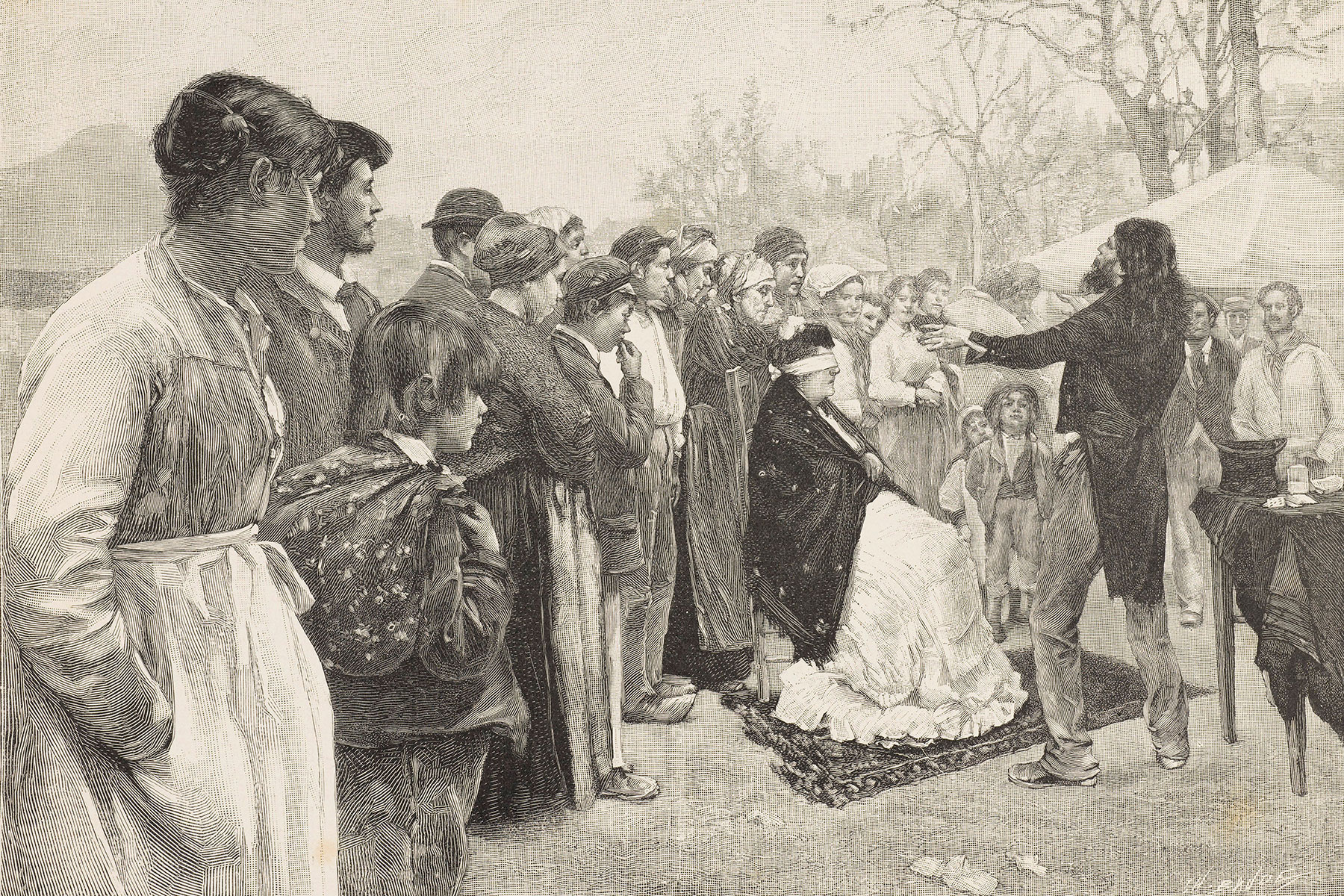
Britain’s Victorian era — defined by the reign of Queen Victoria, from 1837 to 1901 — was a time of great scientific discovery. In this period, Charles Darwin’s theory of natural selection laid the groundwork for evolutionary science and all of modern biology, while Scottish physicist James Clerk Maxwell’s theory of electromagnetism set the stage for the discoveries of Albert Einstein and other great physicists of the 20th century. But the Victorian age was also marked by some scientific beliefs that were, shall we say, a bit less theoretically sound. In fact, some of the commonly held beliefs of this time are downright shocking in the context of our modern understanding of the world. Here are six Victorian-era “scientific” beliefs that were more than a little off the mark.
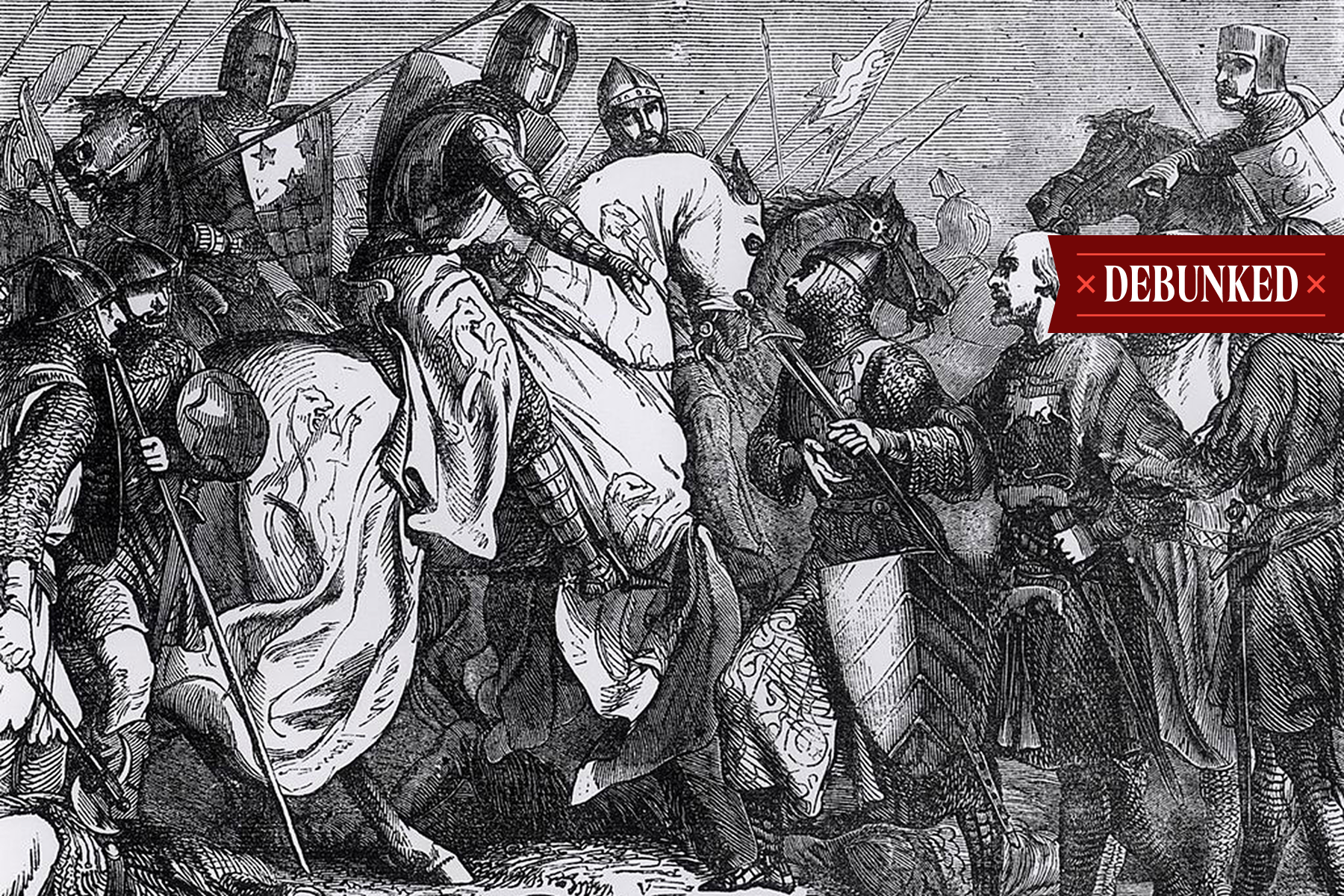
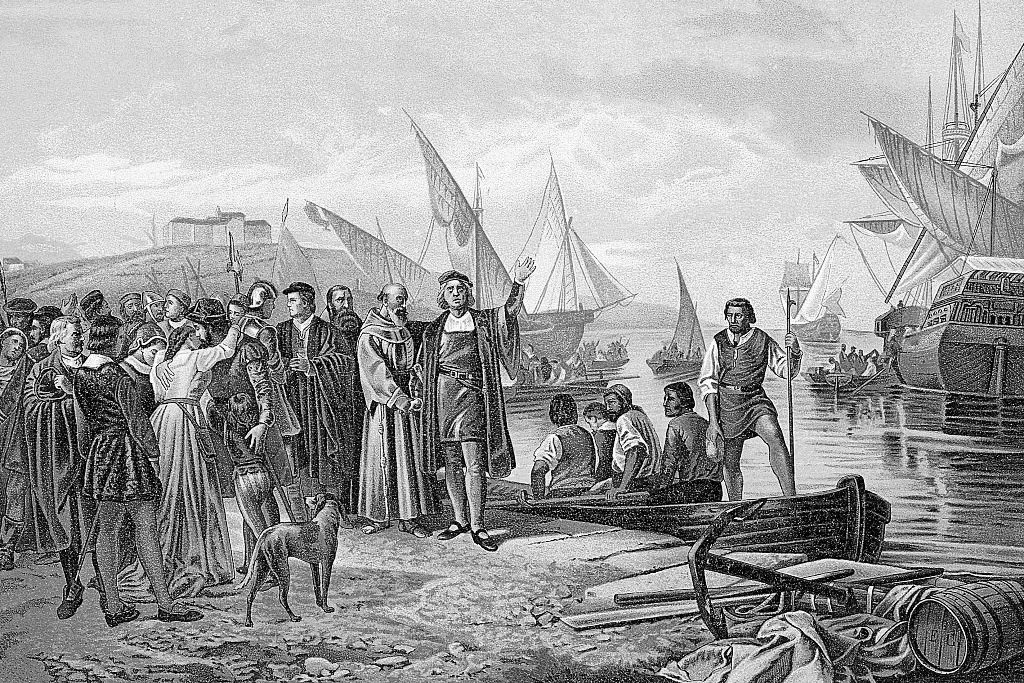
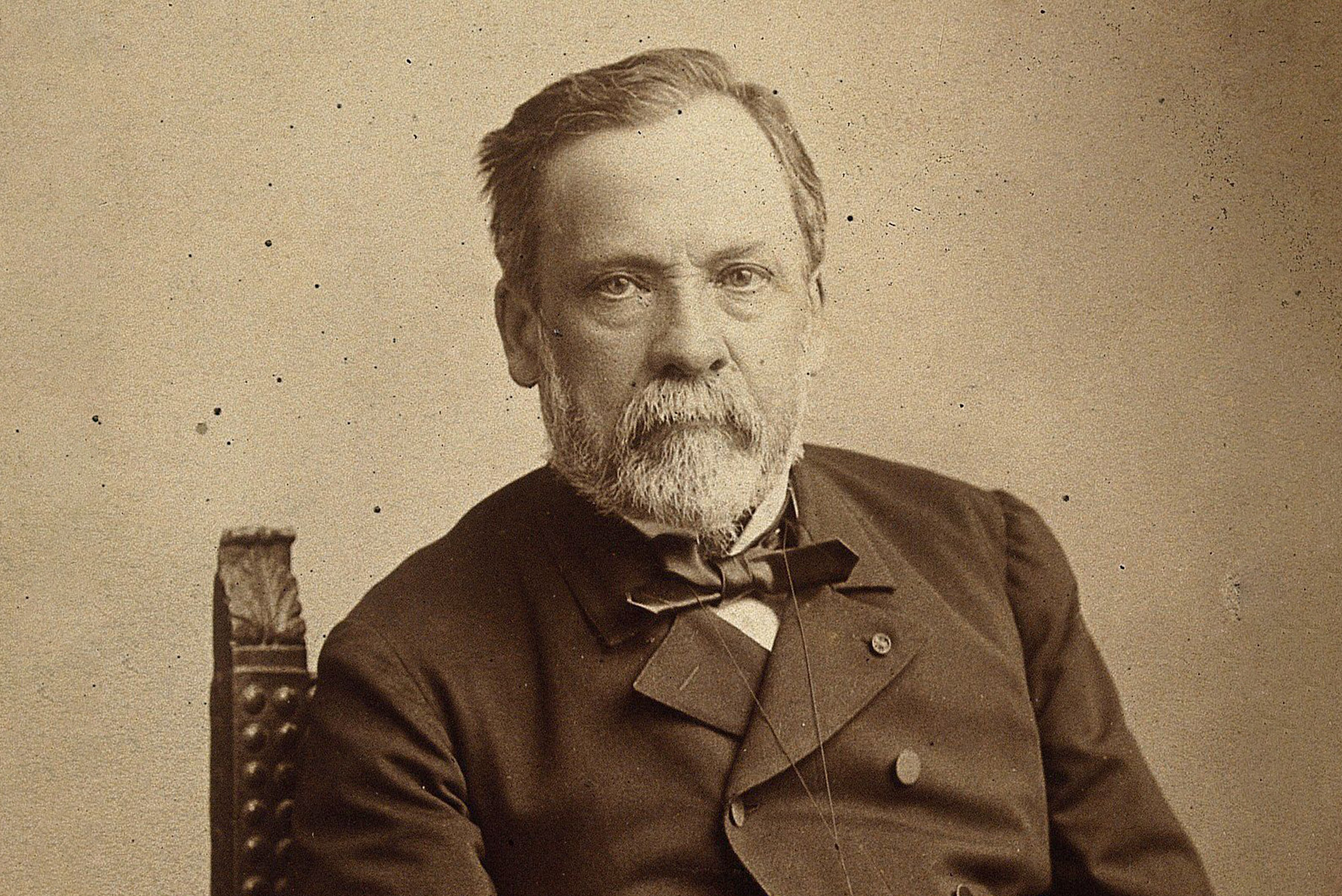
Photo credit: Public Domain/ photo by Nadar/ Wellcome Collection

Diseases Were Caused By Bad Smells

Before people had a firm grasp of germ theory, the conventional belief among everyday people and scientists alike was that diseases were caused by foul odors, or noxious “miasma,” that were emitted from rotting organic matter and traveled through the air to cause infections. Disease-prevention measures in Victorian England often took the form of eliminating bad smells rather than treating contaminated water for pathogens. Miasma theory was gradually replaced with germ theory as the dominant scientific explanation for illness around the 1870s, when scientists such as Louis Pasteur and Robert Koch provided experimental evidence that microorganisms — and not the unpleasant odors they produced — were responsible for infectious diseases.

You may also like

7 Maps That Illustrate the History of the World

  • World map collection
World map collection
Photo credit: Ruthie/ Unsplash
Author Darren Orf

June 9, 2023

Love it?

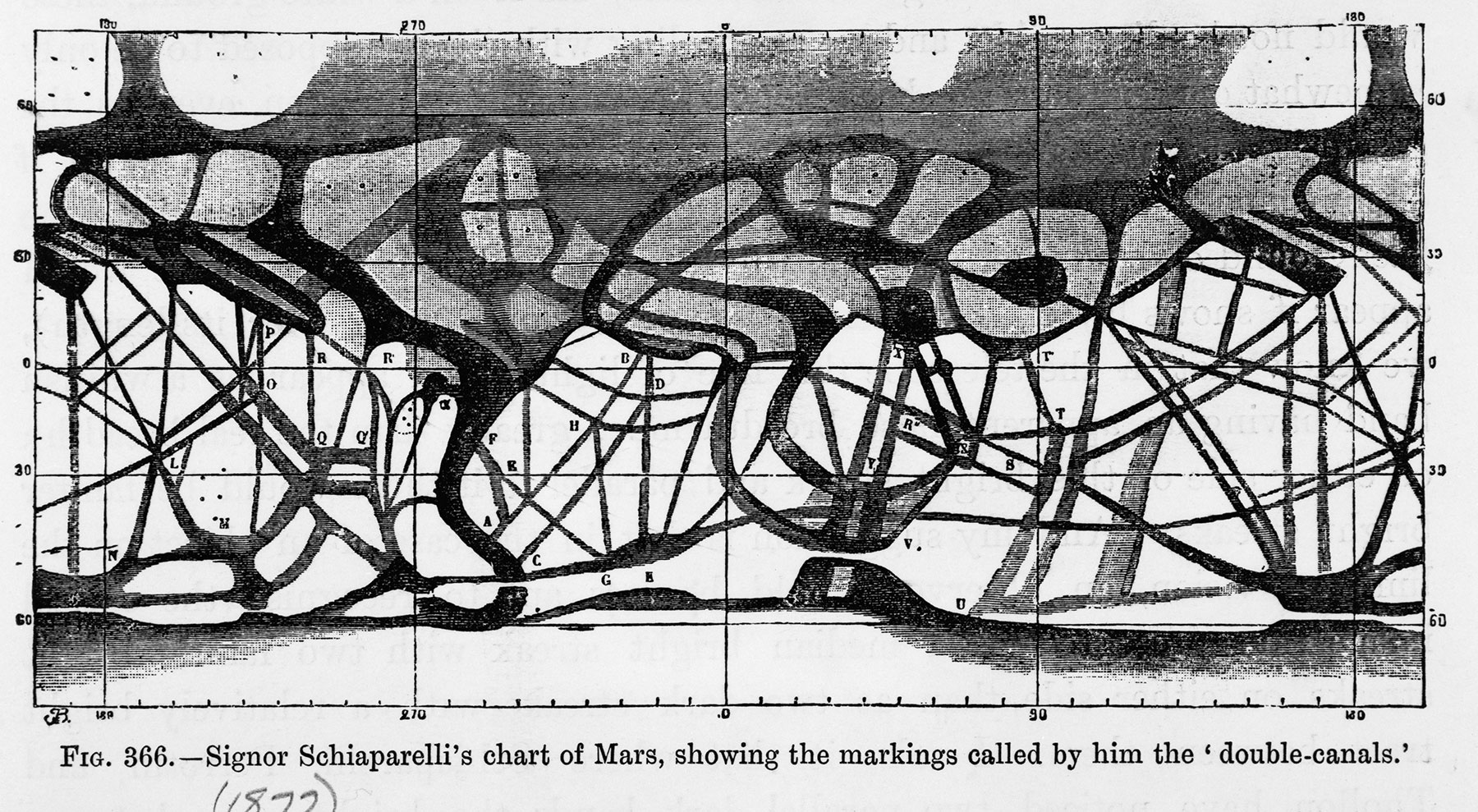
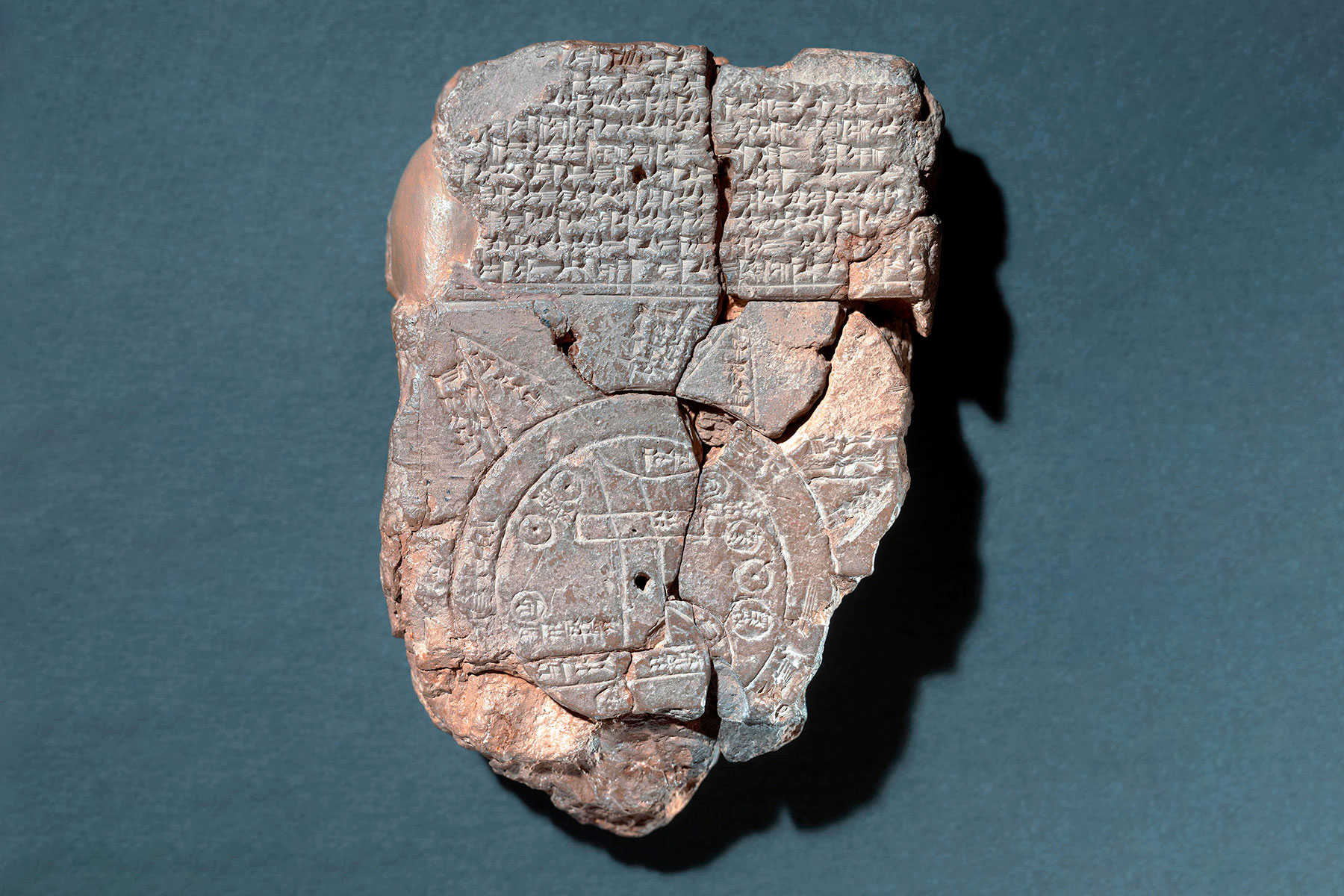
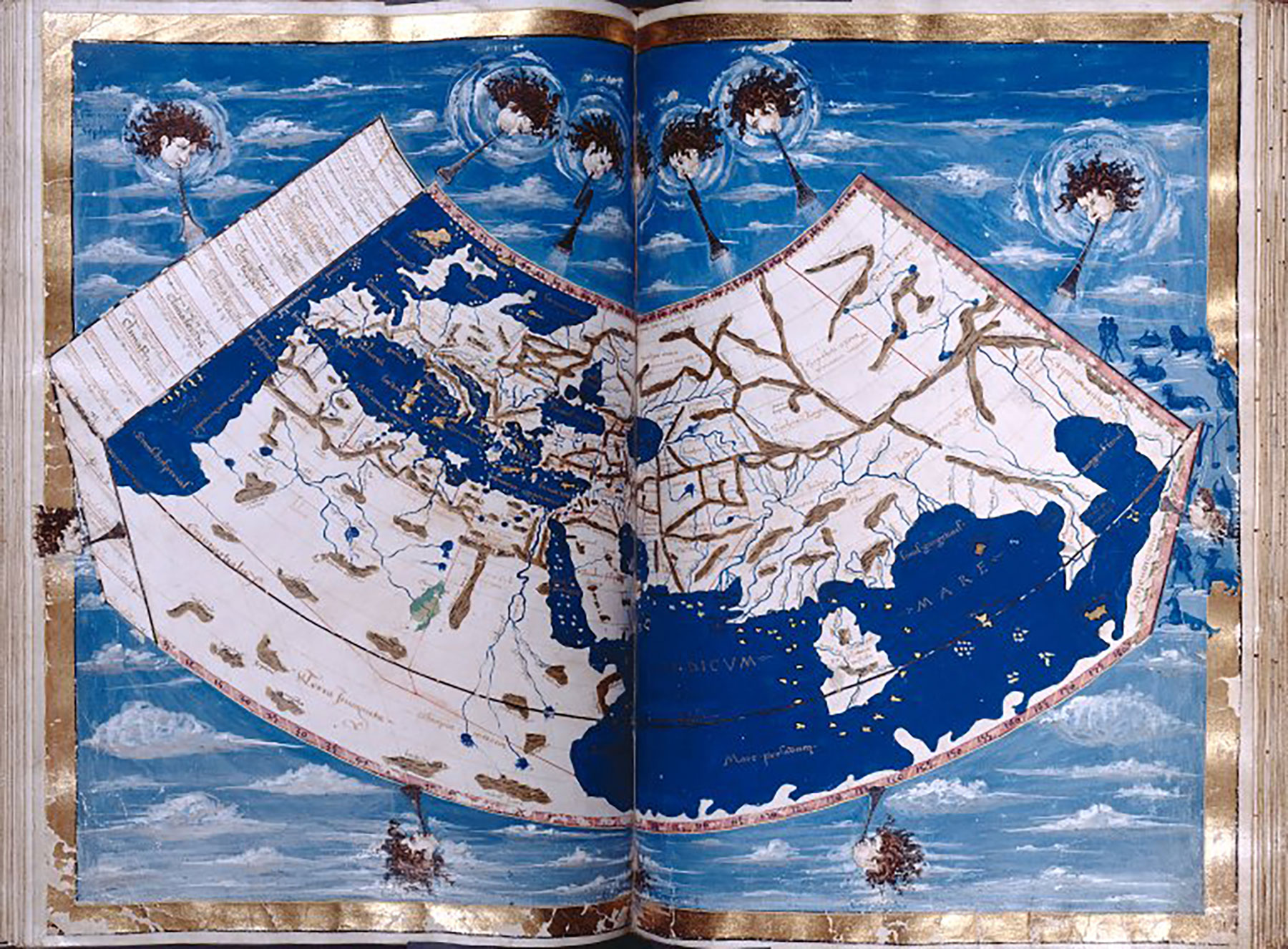
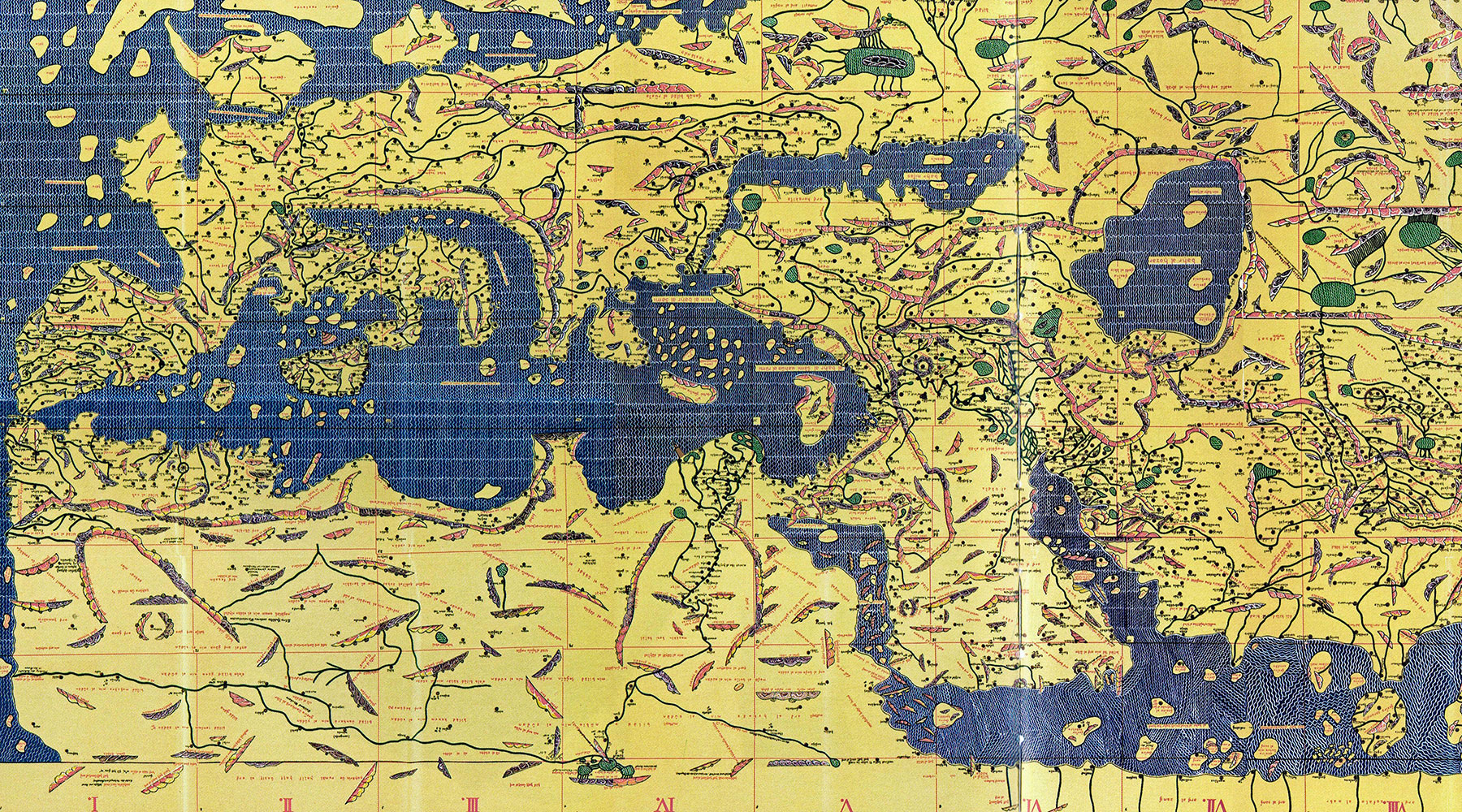
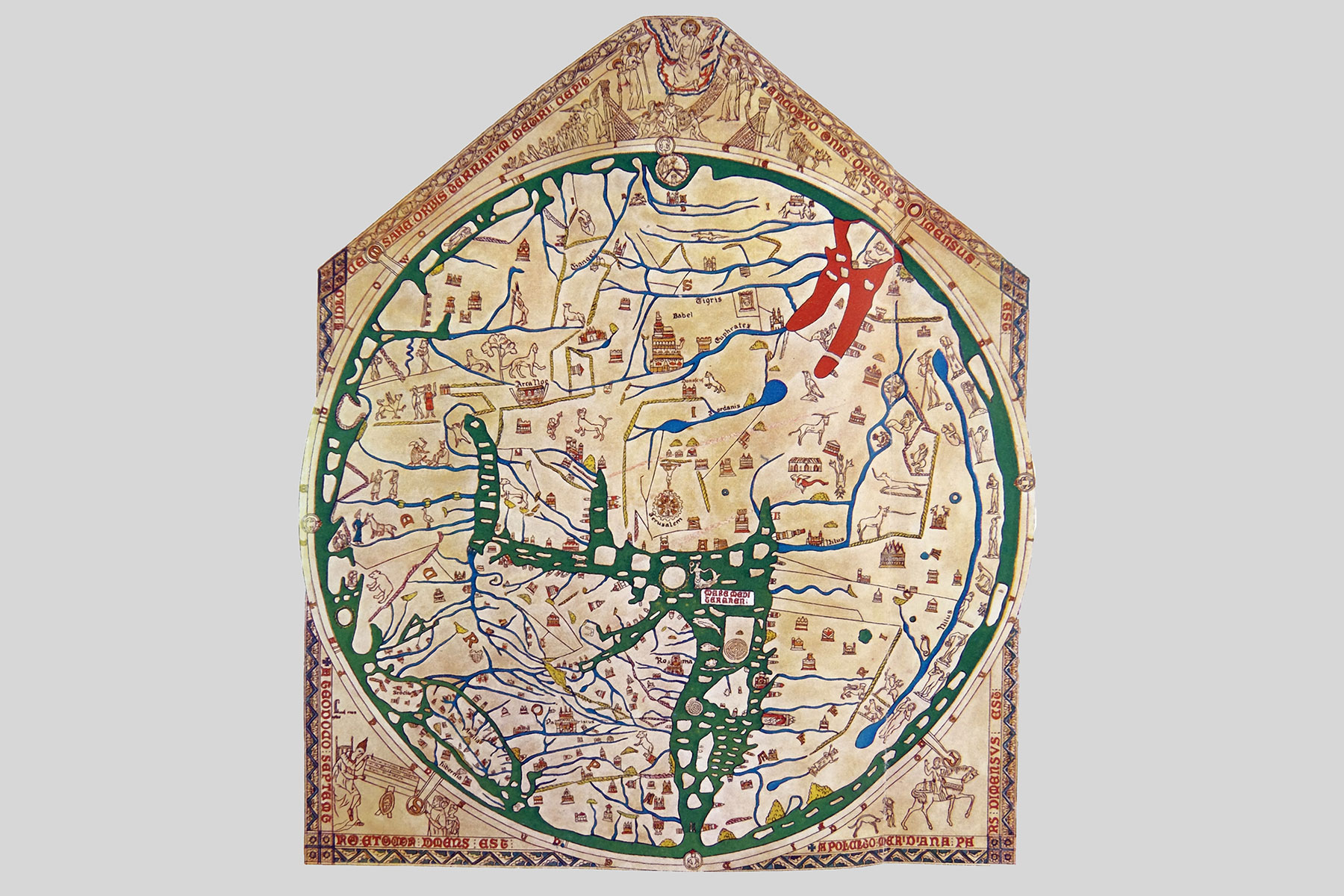
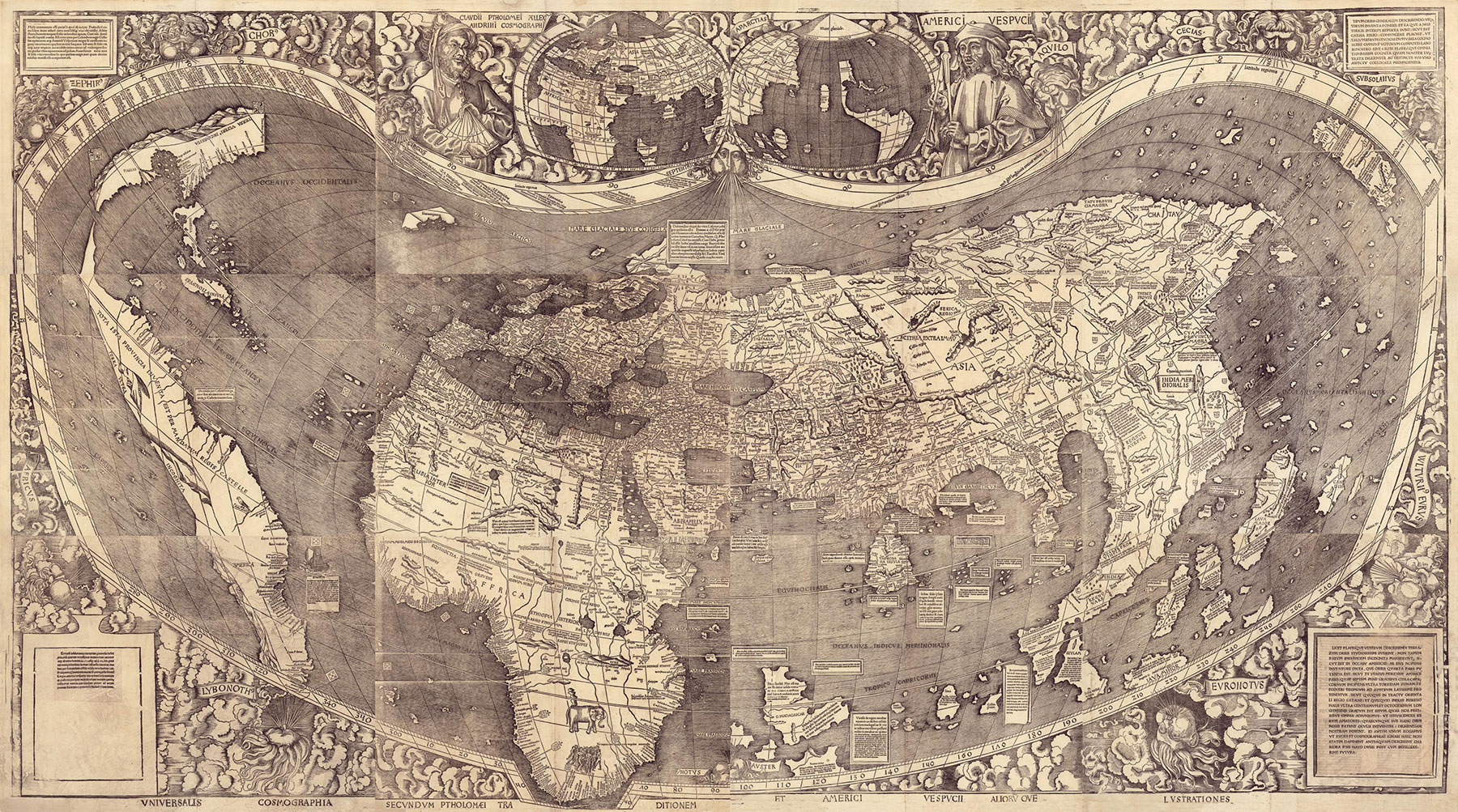
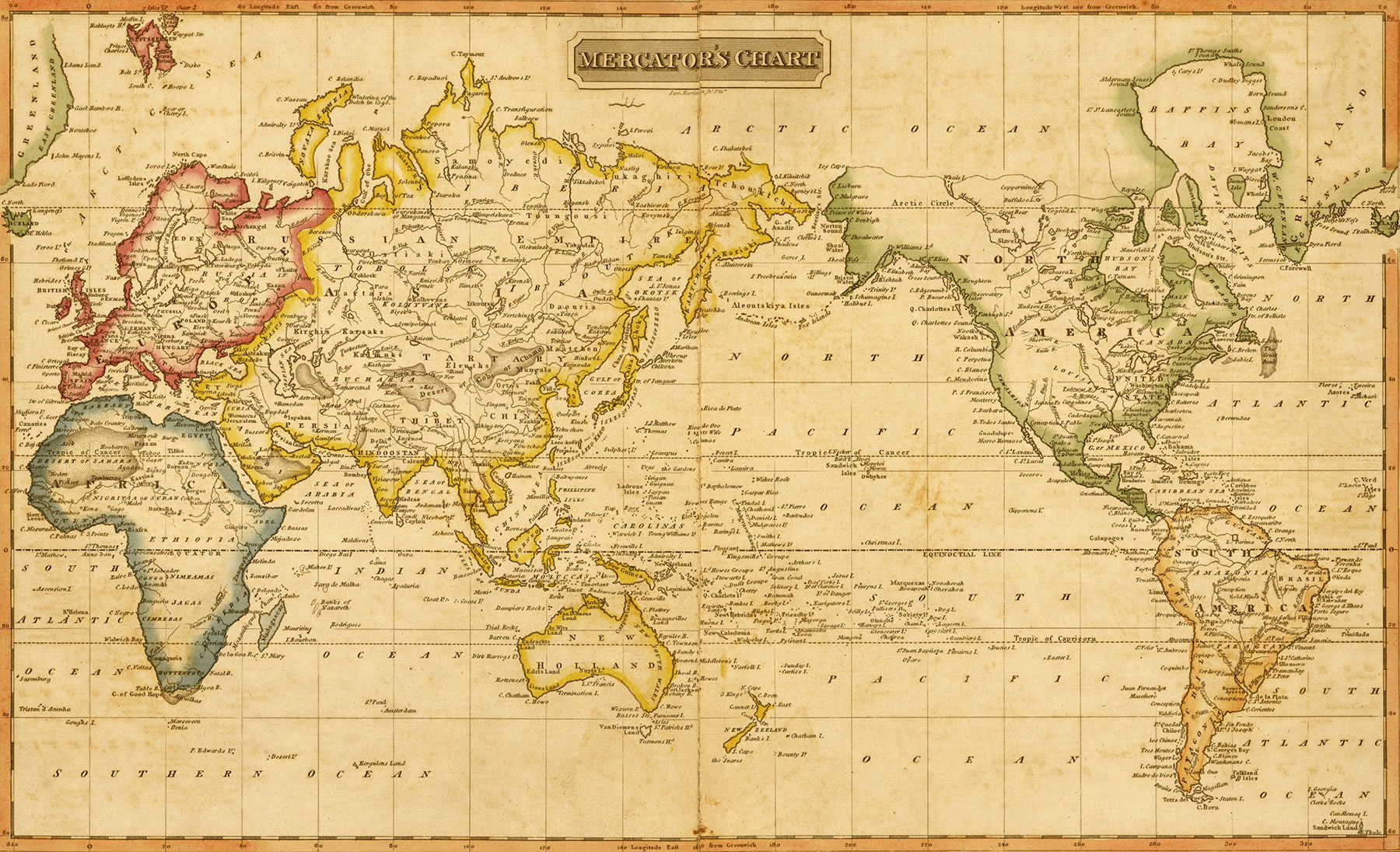
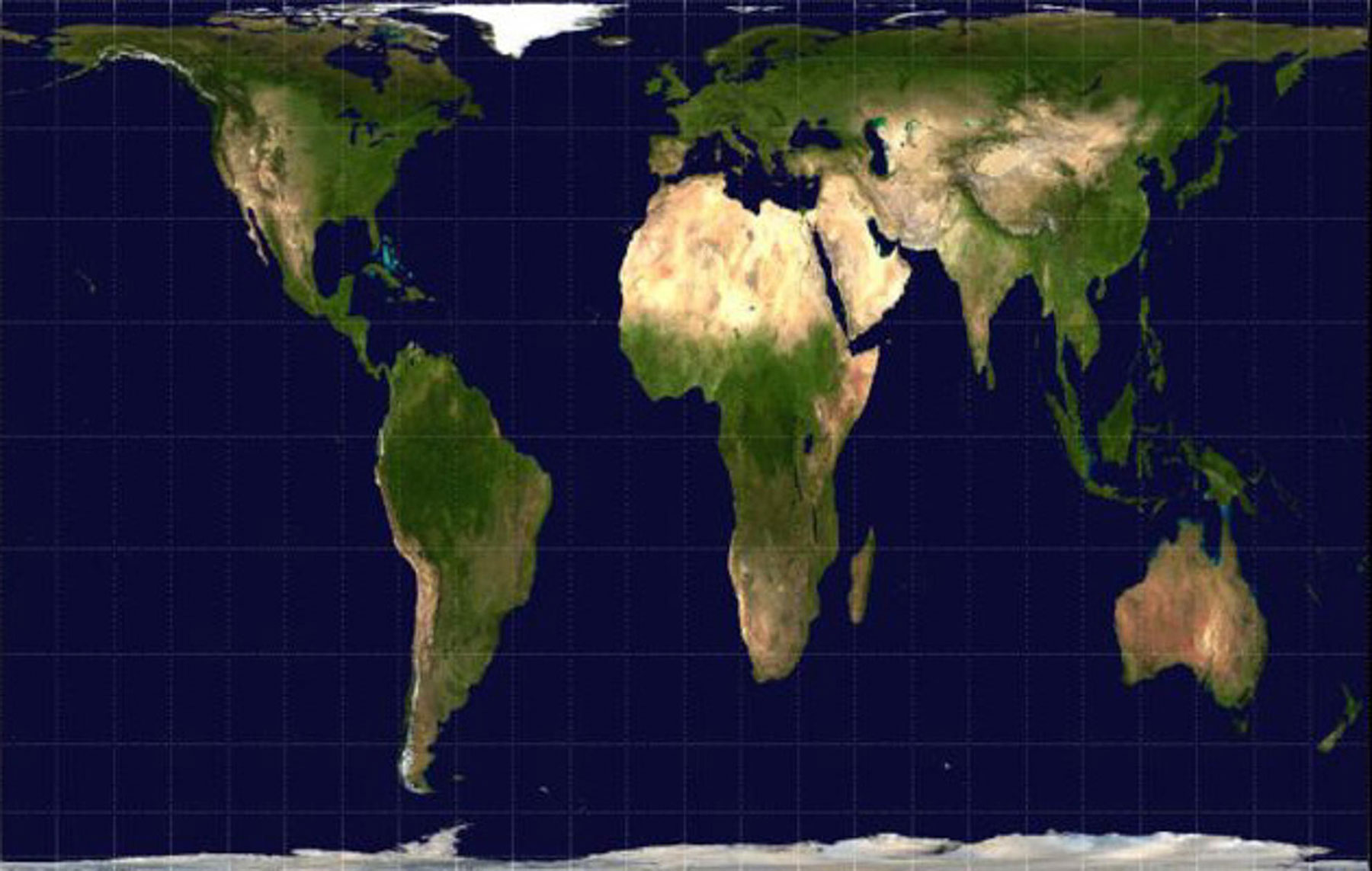
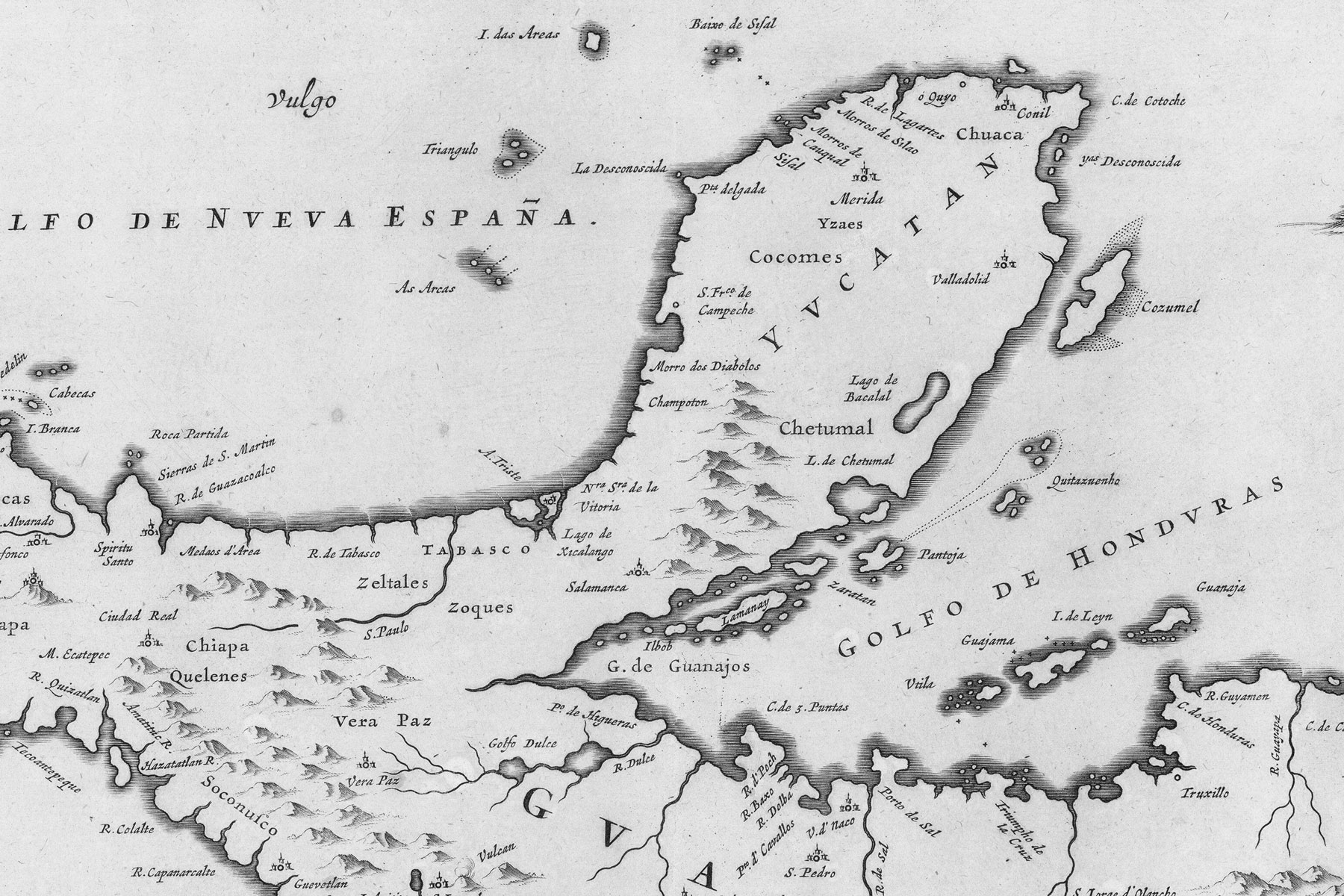
The story of maps is 2,600 years in the making. When the first mapmakers etched the known world into stone, they were completely unaware that their “world” was only a mere fraction of the planet’s surface. As humanity’s knowledge grew, so did the sophistication of maps, whether showcasing the complexity of our cartographic skills or newly discovered regions of the globe. Eventually, mapmakers’ attempts to capture the world on paper evolved into the satellite maps of today, which are so accurate they can give turn-by-turn directions to the grocery store. 

These seven historical maps act as a journey through our understanding of the world, each providing an intimate snapshot of the era in which they were made. Some represent cutting-edge mathematics or up-to-date geographic information, while others are a reflection of the very minds that made them, capturing a specific moment in time.

You may also like

6 Surprising Facts About Attila and the Huns

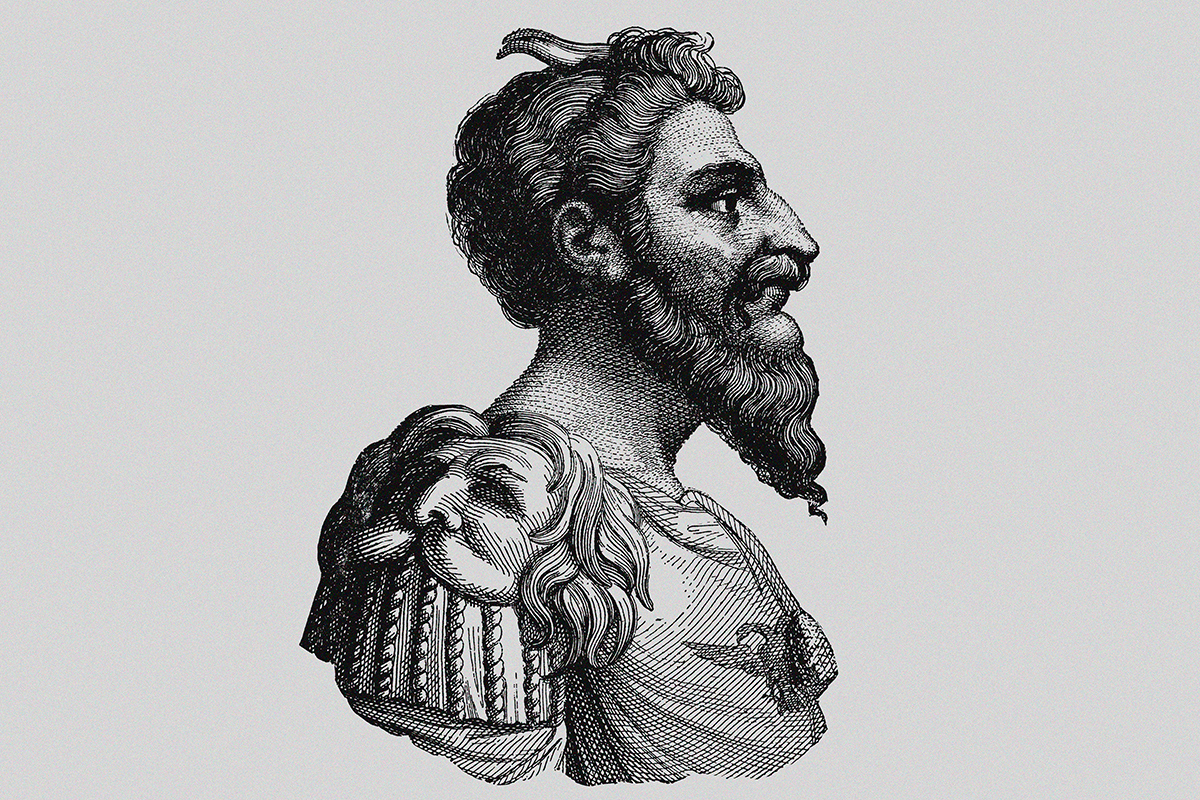
  • Illustration of Attila the Hun
Illustration of Attila the Hun
Photo credit: bauhaus1000/ DigitalVision Vectors via Getty Images
Author Michael Nordine

June 7, 2023

Love it?

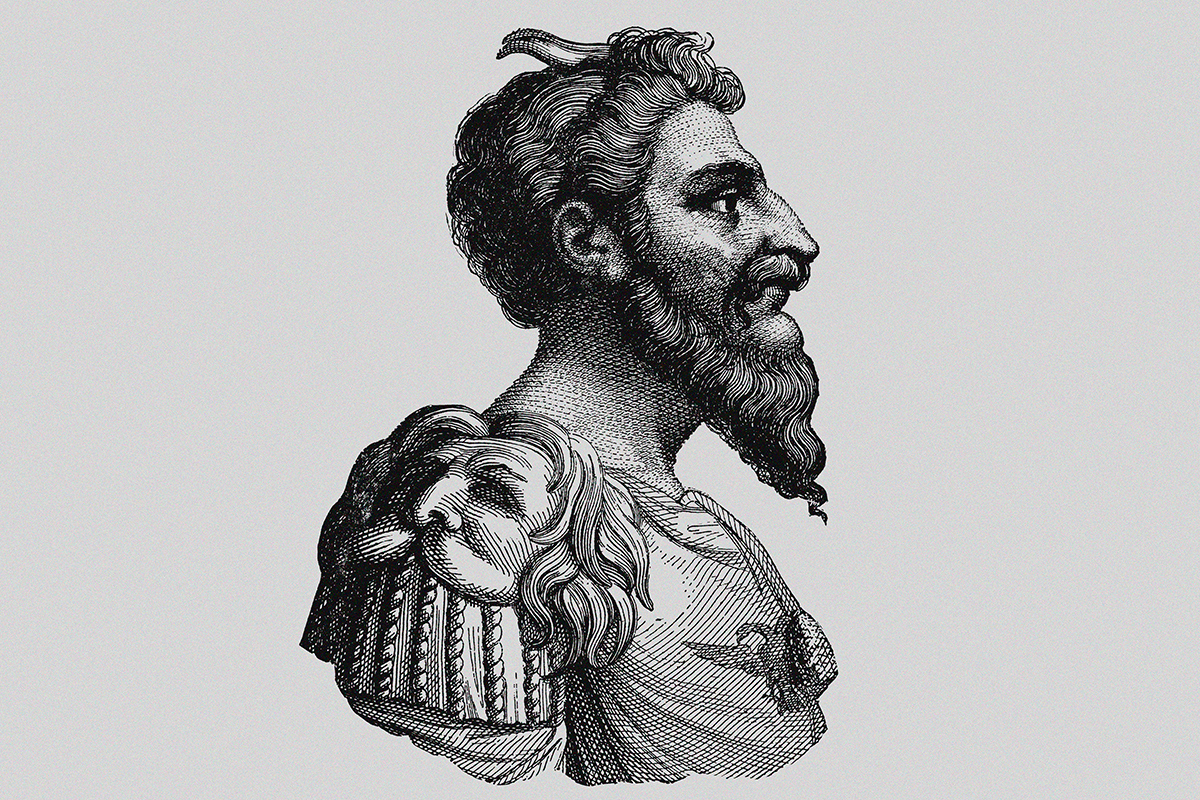
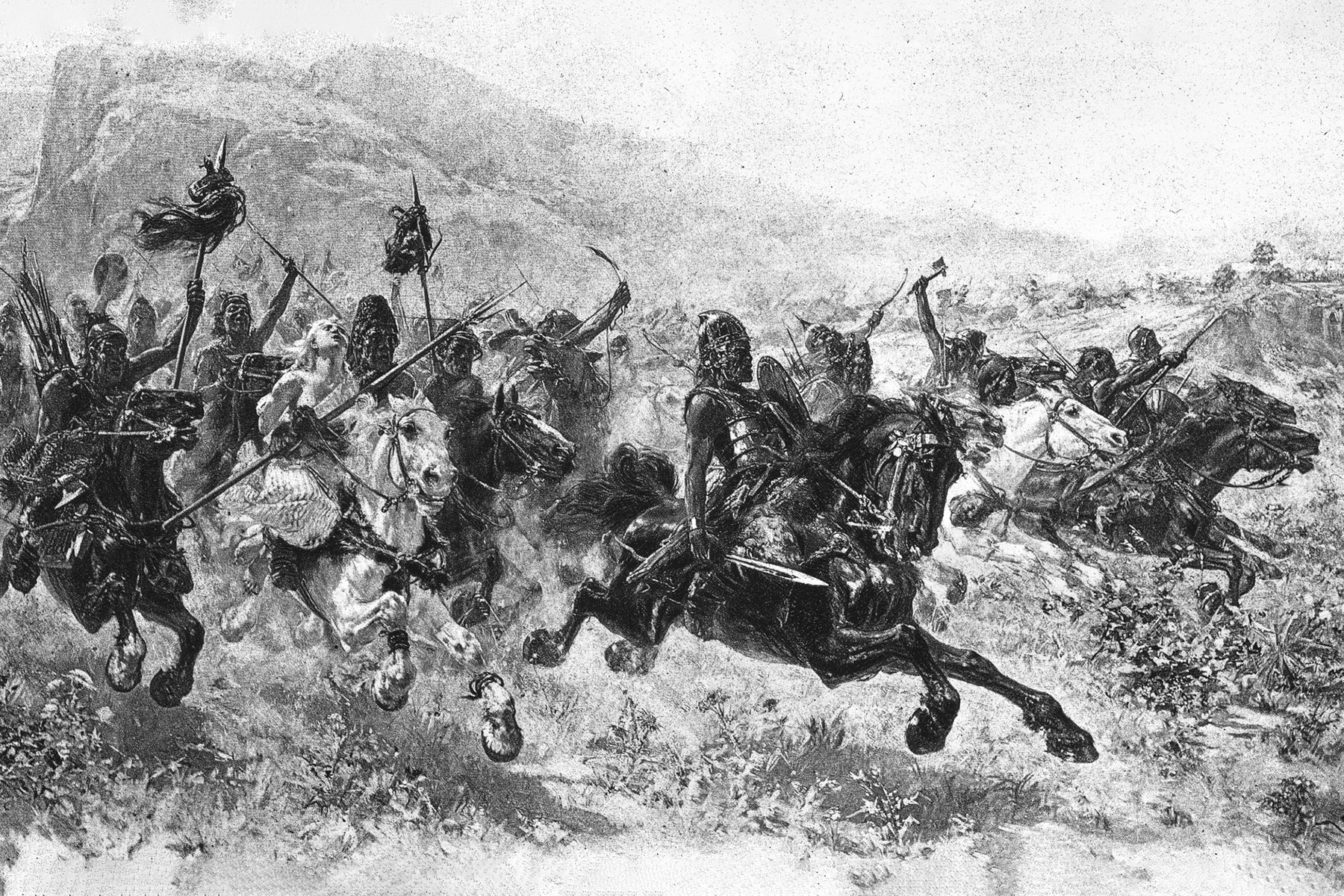
More than 1,500 years after his death, Attila the Hun remains one of the most fear-inducing figures in history. He and his nomadic empire spent decades terrorizing and conquering Europe on horseback, so much so that he’s still remembered all across the continent — sometimes with reverence, sometimes with hatred. But many details of his life are unclear, and some that have been reliably recorded aren’t as widely known as the apocryphal legends about him. Here are five such facts about Attila and his empire.

Photo credit: Tuul & Bruno Morandi/ The Image Bank via Getty Images

No One Knows Where the Huns Came From

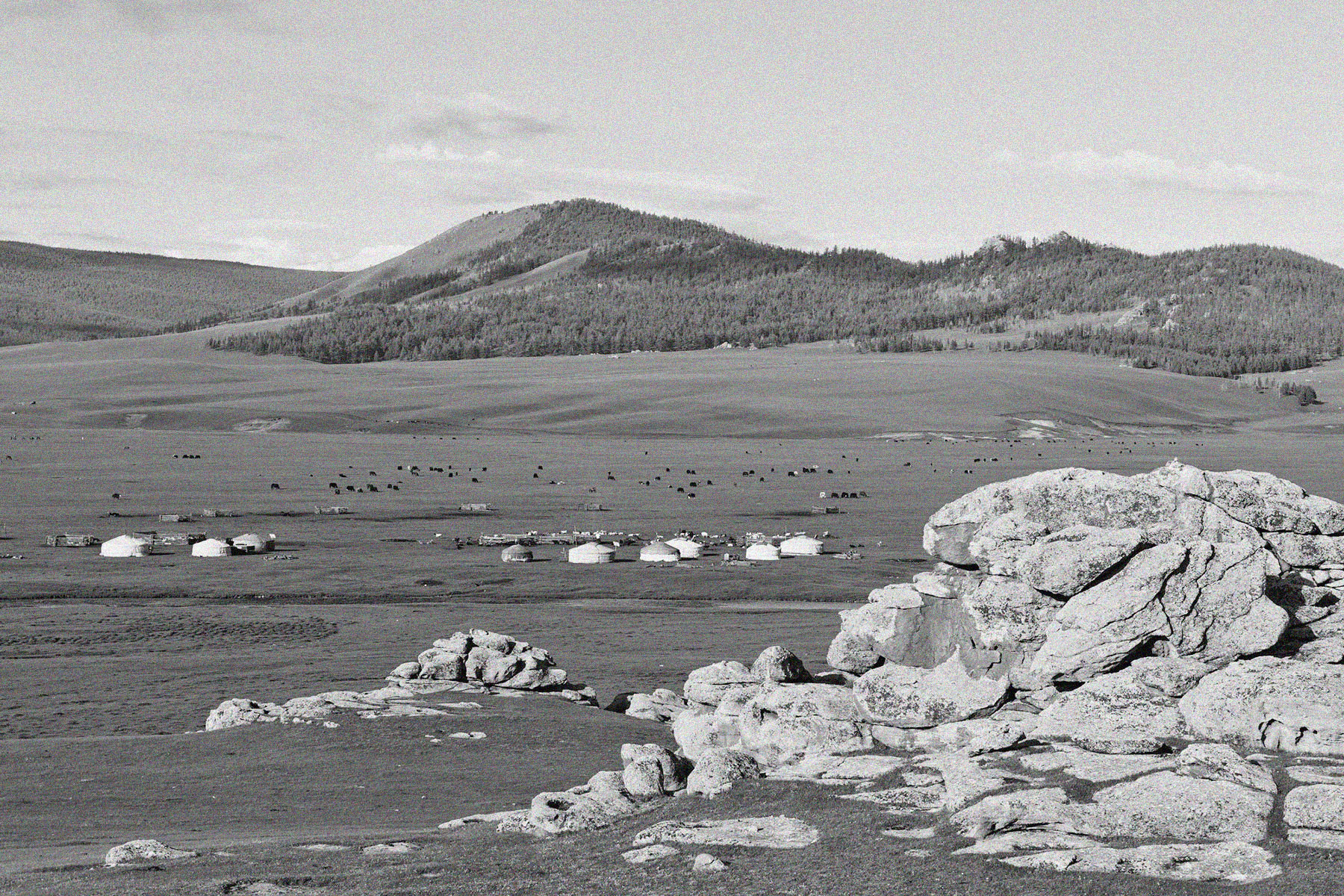
The Huns were among the most feared people in the world, as well as some of the least understood. That’s exemplified by the fact that the tribe’s precise origins remain unknown to this day. They were nomads, after all, and while one popular theory posits that their roots can be traced back to the Xiongnu people of ancient Mongolia, it’s impossible to confirm. Even the etymology of the Huns’ name is disputed, with some historians ascribing it to the old Turkic word for “ferocious”; others thinking it comes from the Persian term hūnarā, meaning “skilled”; and others still of the belief that it’s derived from the Ongi River in Mongolia, which could possibly have been the Huns’ ancestral homeland.

You may also like

7 Surprising Facts About the Age of Dinosaurs

  • Illustration of dinosaurs
Illustration of dinosaurs
Photo credit: DE AGOSTINI PICTURE LIBRARY / Contributor via Getty Images
Author Darren Orf

June 5, 2023

Love it?

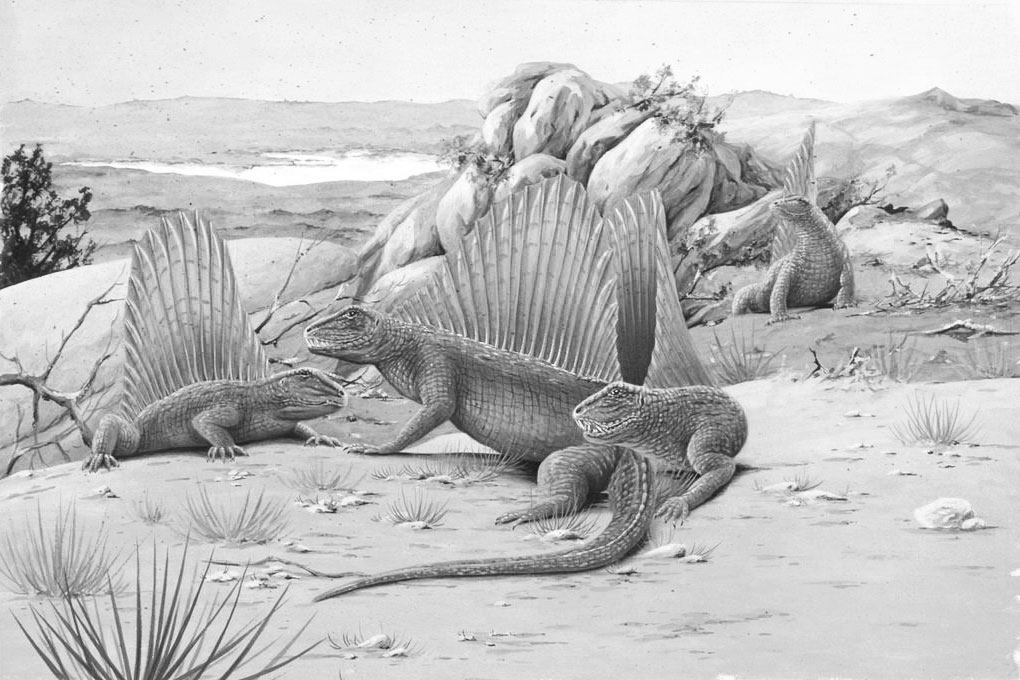
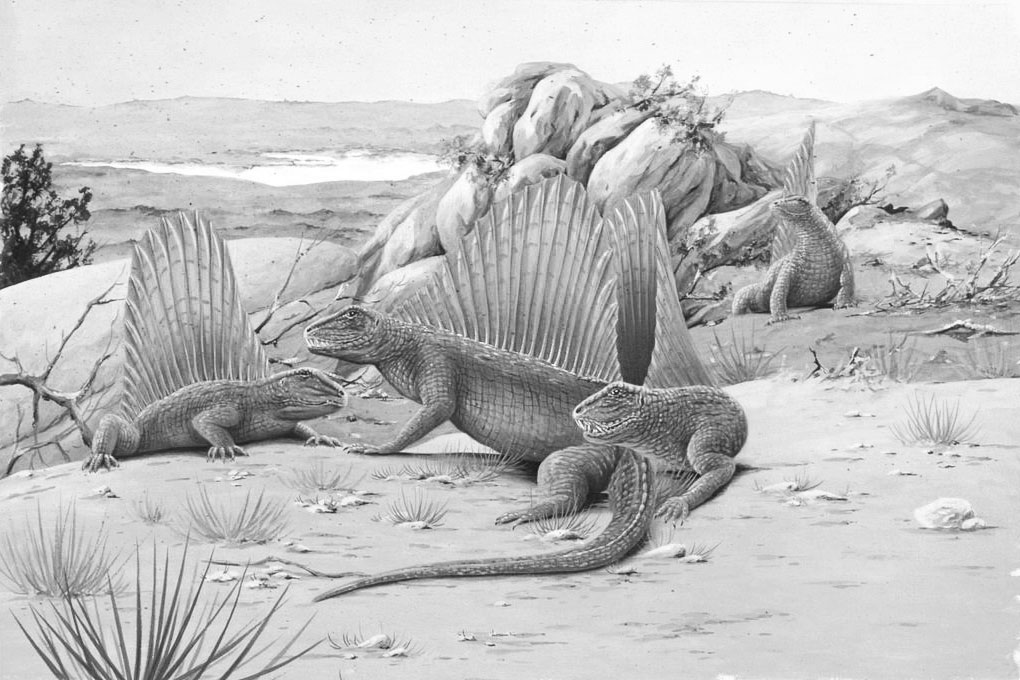
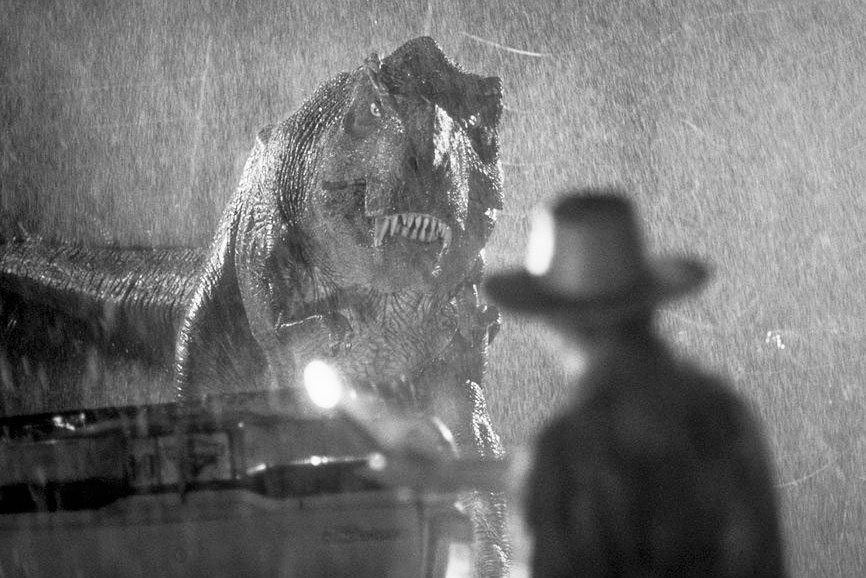
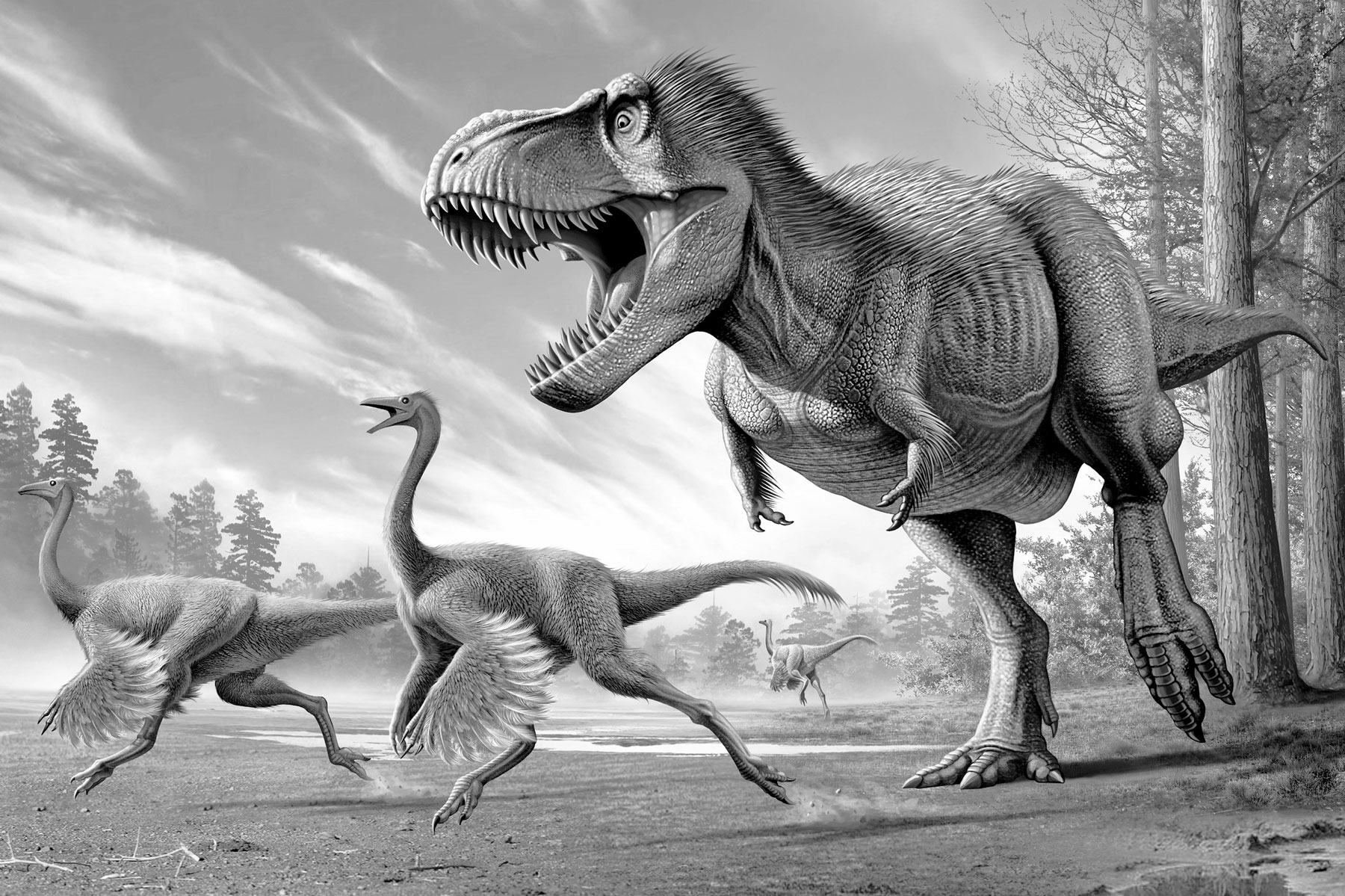
For millions of years, the predominant class of animal on Earth was that of the dinosaurs — a name that comes from the Greek words for “terrible lizards” (even though dinosaurs were reptiles but not lizards at all). From around 252 million to 66 million years ago, these incredible creatures evolved in every corner of the globe, even Antarctica. Although the age of dinosaurs stretched far longer than humans have even walked upright (186 million years versus 7 million years), scientists have only been aware of the existence of dinosaurs for about two centuries, and our understanding of them changes almost daily as paleontologists uncover more secrets. These seven surprising facts explore the ever-fascinating world of these ancient “terrible lizards.”

Photo credit: DE AGOSTINI PICTURE LIBRARY / Contributor via Getty Images

Two Mass Extinctions Gave Rise to the Dinosaurs

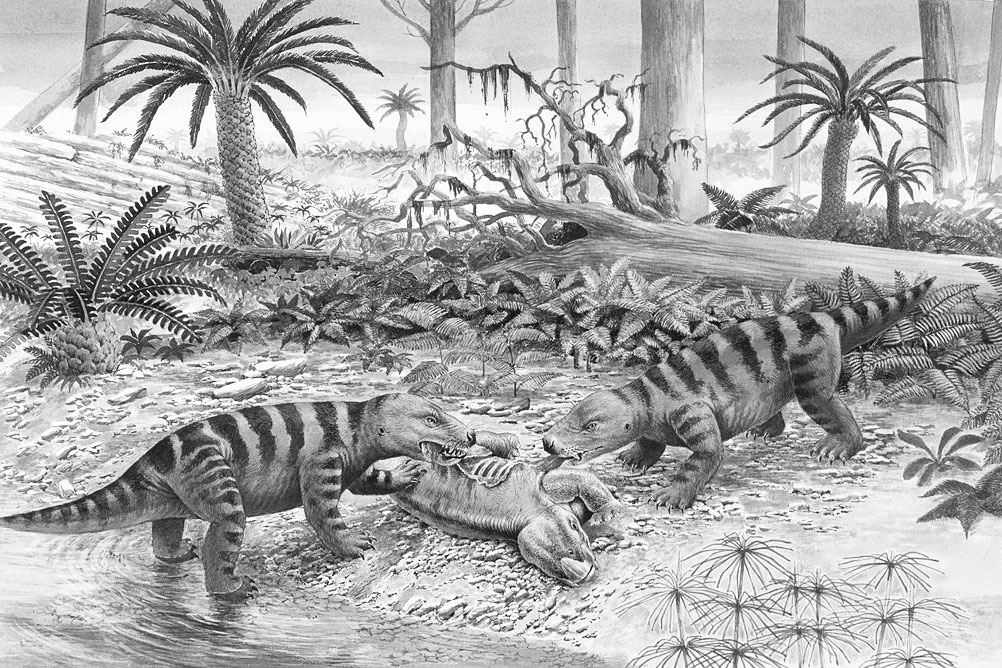
The Earth is no stranger to mass extinctions, having experienced five (and currently undergoing a sixth) in its 4.6 billion-year history. But none was quite so devastating as the Permian extinction, otherwise known as the “Great Dying.” Scientists are not certain of its cause (a leading theory is continuous volcanic eruptions in modern-day Siberia), but its deadly results aren’t up for debate: The world lost 90% of its plant and animal species. This cataclysmic event, which occurred around 252 million years ago, marked the end of the Permian Period and start of the Triassic Period. As life recovered from this biological trauma, various animals took root, including the Lystrosaurus, ichthyosaurs, and eventually, archosaurs — the ancestors of dinosaurs. The first dinosaurs appeared in the fossil record around 240 million years ago, and a second extinction, known as the Triassic-Jurassic extinction event, occurred around 202 million years ago, killing off many of their rival archosaur species. With less competition and larger ranges, the small dinosaurs were then able to thrive and evolve into the gigantic reptiles of the subsequent Jurassic and Cretaceous periods.

You may also like

Debunked: 5 Myths About Medieval Europe

  • Henry III at the Battle of Lewes
Henry III at the Battle of Lewes
Credit: Culture Club / Contributor via Getty Images
Author Darren Orf

June 5, 2023

Love it?

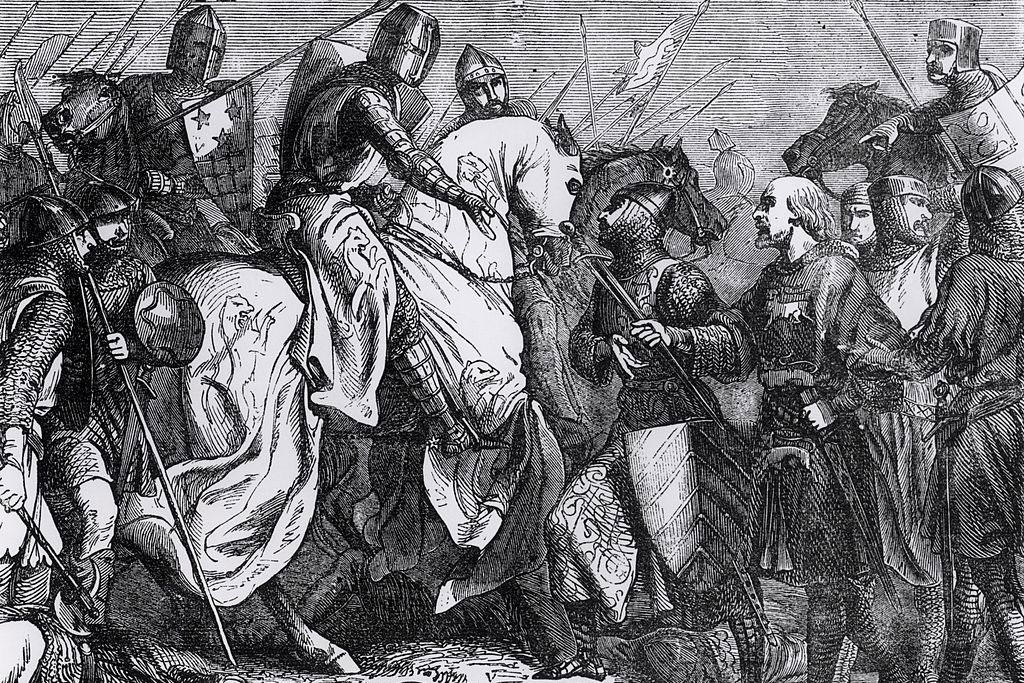
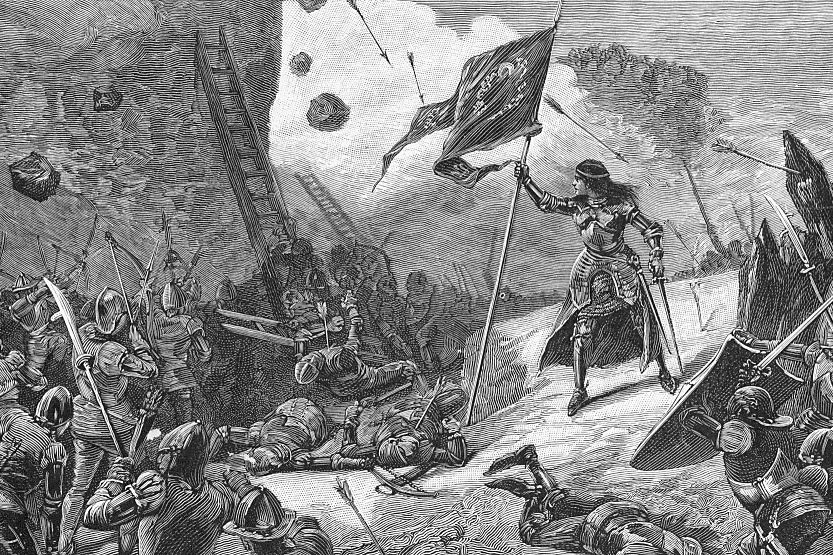
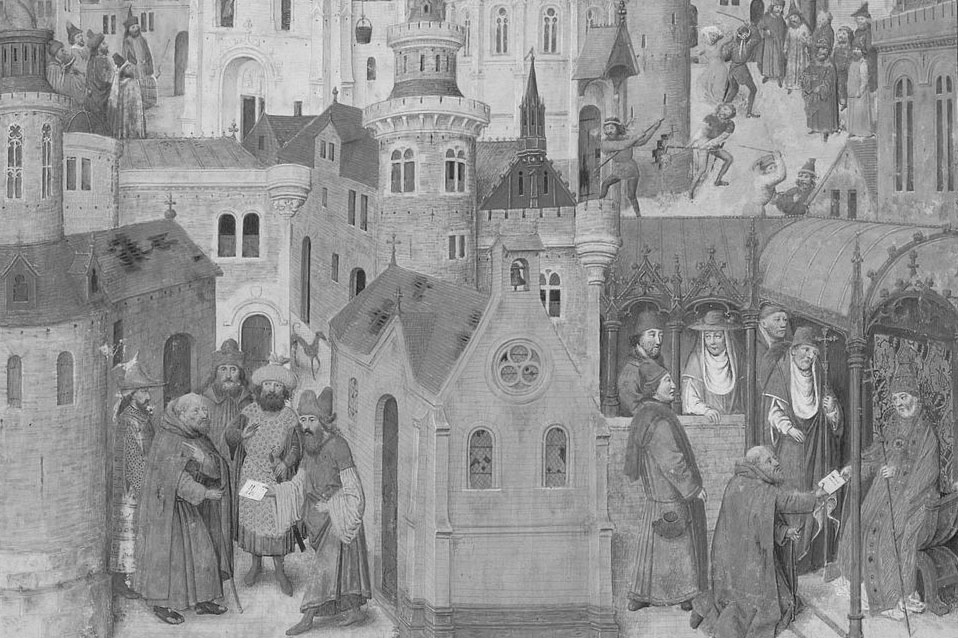
Arguably no period in European history is as misunderstood as the Middle Ages, which stretched from the fall of the Western Roman Empire in the fifth century CE to the rise of the Renaissance roughly 1,000 years later. The myths surrounding this fascinating period of kingdoms and peasants are so prevalent that they led medieval historian Winston Black to write, “The first thing to understand about the Middle Ages… is that they do not actually exist.” The popular perception of life in feudal Europe (exacerbated by Hollywood depictions) is that it was prudish, brutish, and excessively foul, but society was far more advanced than these stereotypes would have us believe. Here, we shine a light on five of the most persistent myths surrounding Europe’s so-called “Dark Ages.”

Photo credit: Bettmann / Contributor via Getty Images

Myth: Medieval People Thought the World Was Flat

One of the most common myths about medieval society is that people widely believed the Earth was flat, but there’s no evidence that supports this. On the contrary, by the fifth or sixth century BCE, ancient Greeks (specifically Pythagoras) had already begun investigating the planet’s true spherical nature, and by 240 BCE, Greek mathematician Eratosthenes even measured the globe’s circumference (and was pretty dead-on). In fact, the popularity of the flat Earth myth is a considerably more modern development: The myth was perpetuated in 1828 when Washington Irving, who’s known for his inventive short stories, penned The Life and Voyages of Christopher Columbus, which told a tale of the Italian explorer’s mission to prove that the Earth has curves.

You may also like

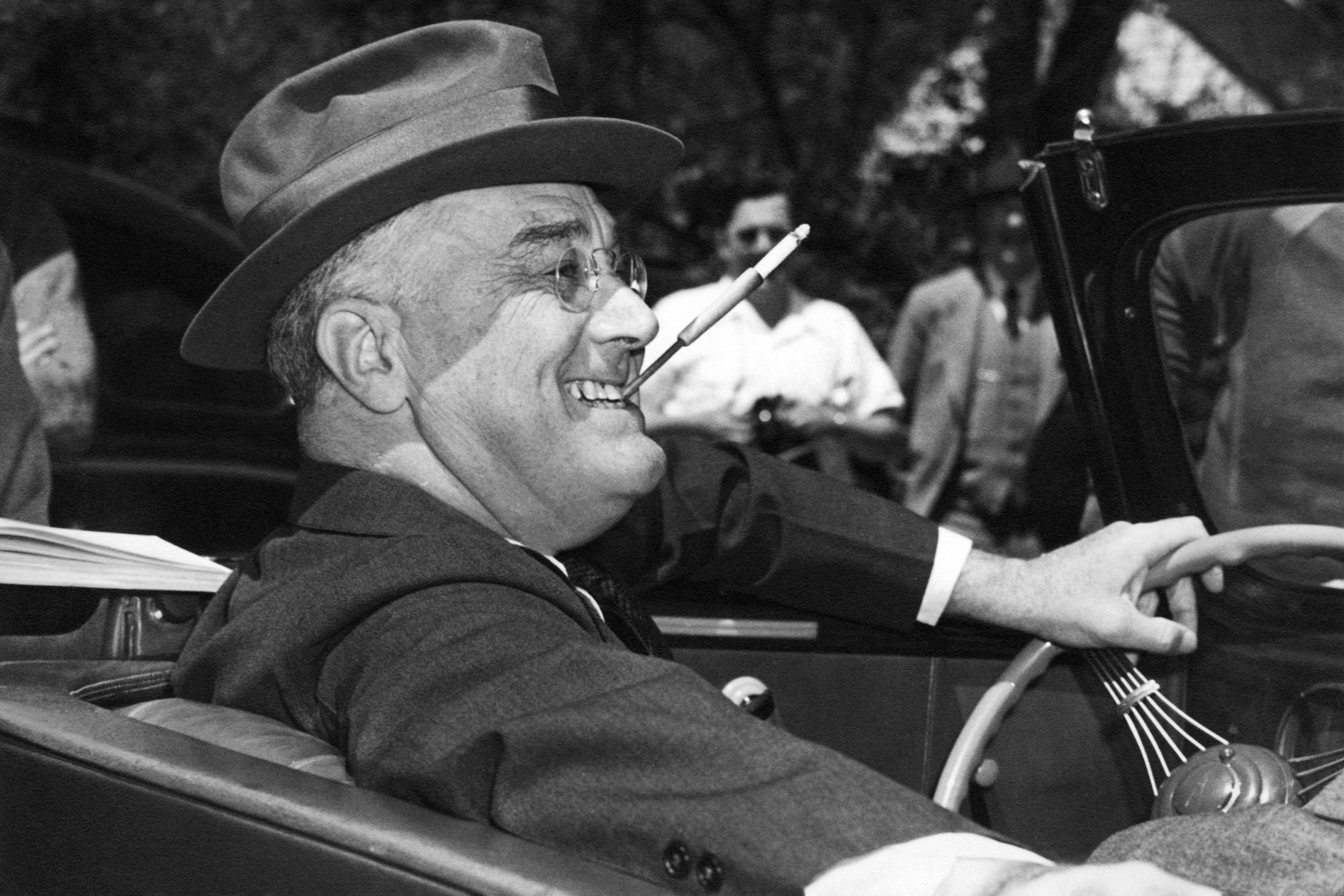
7 Curious Facts About the Roosevelts

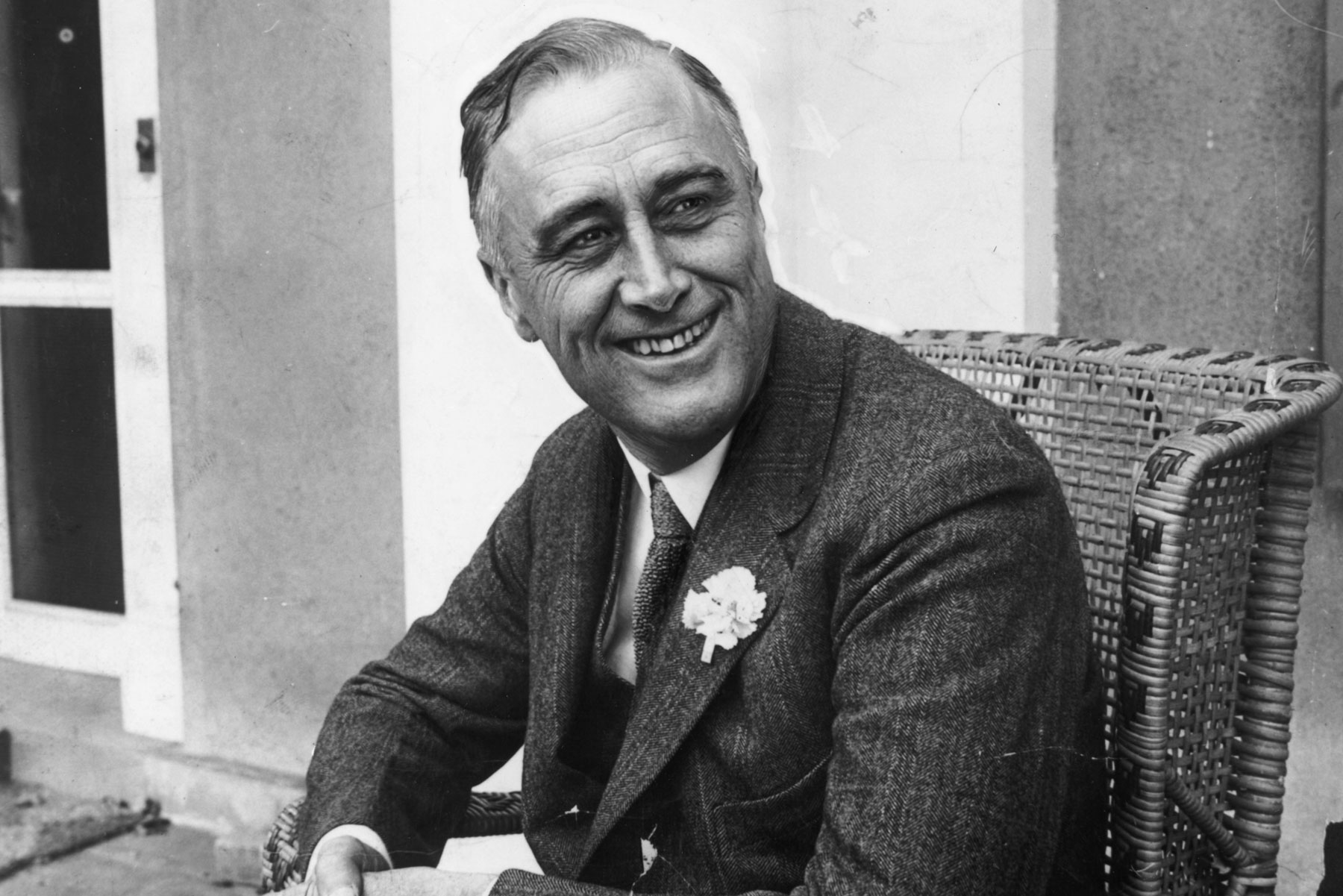
  • Franklin D. Roosevelt smiling
Franklin D. Roosevelt smiling
Photo credit: Hulton Archive / Stringer via Getty Images
Author Bennett Kleinman

June 2, 2023

Love it?

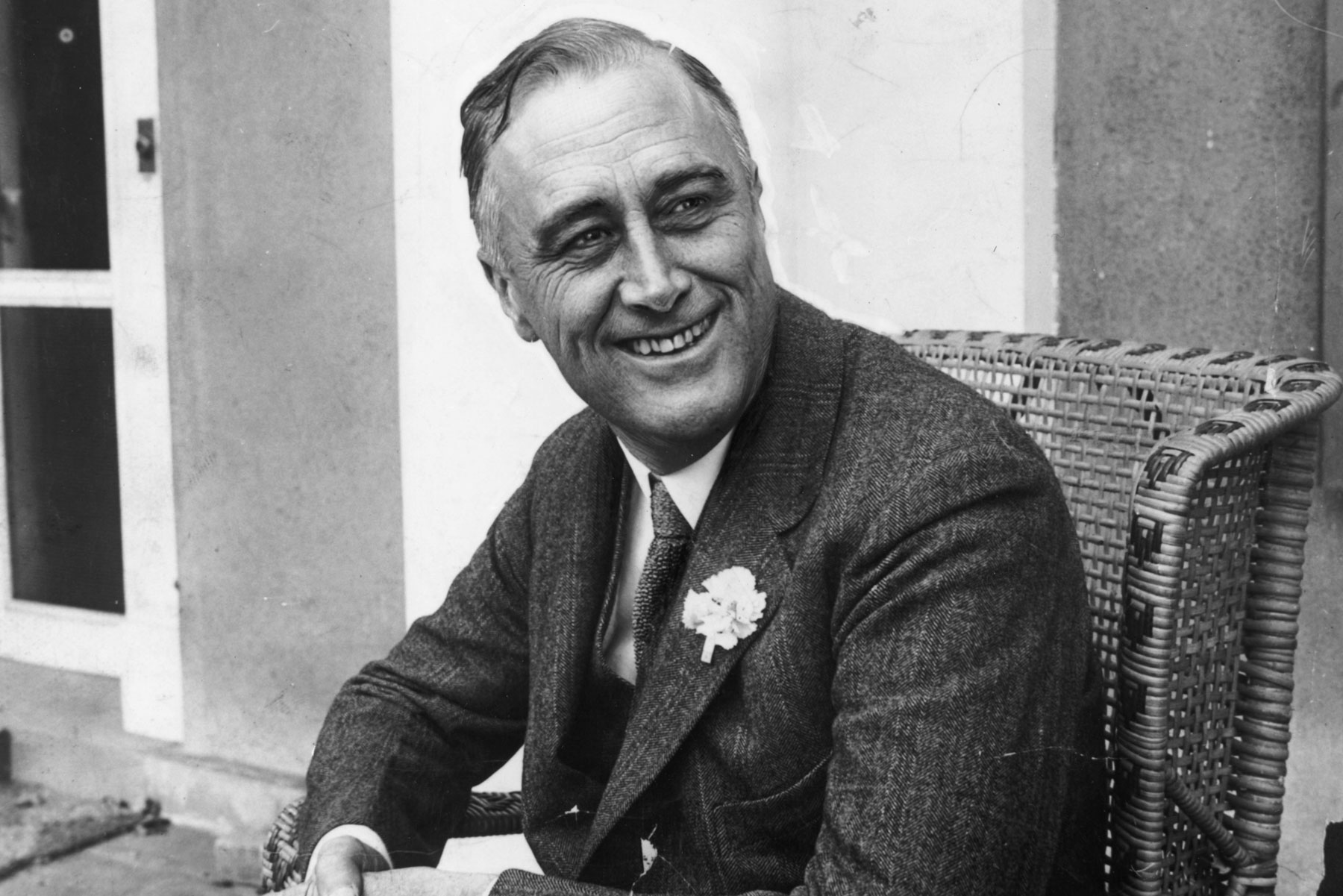
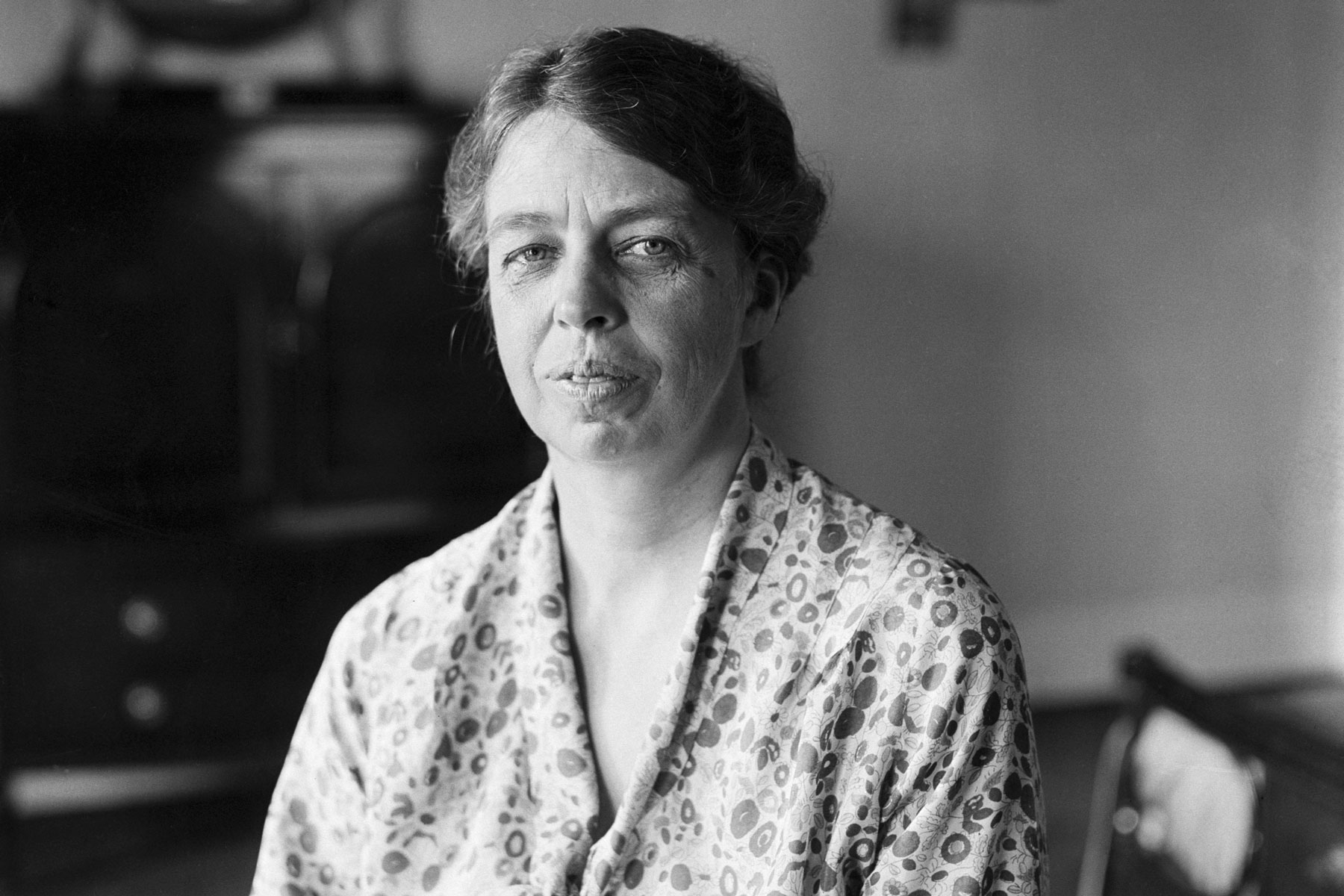
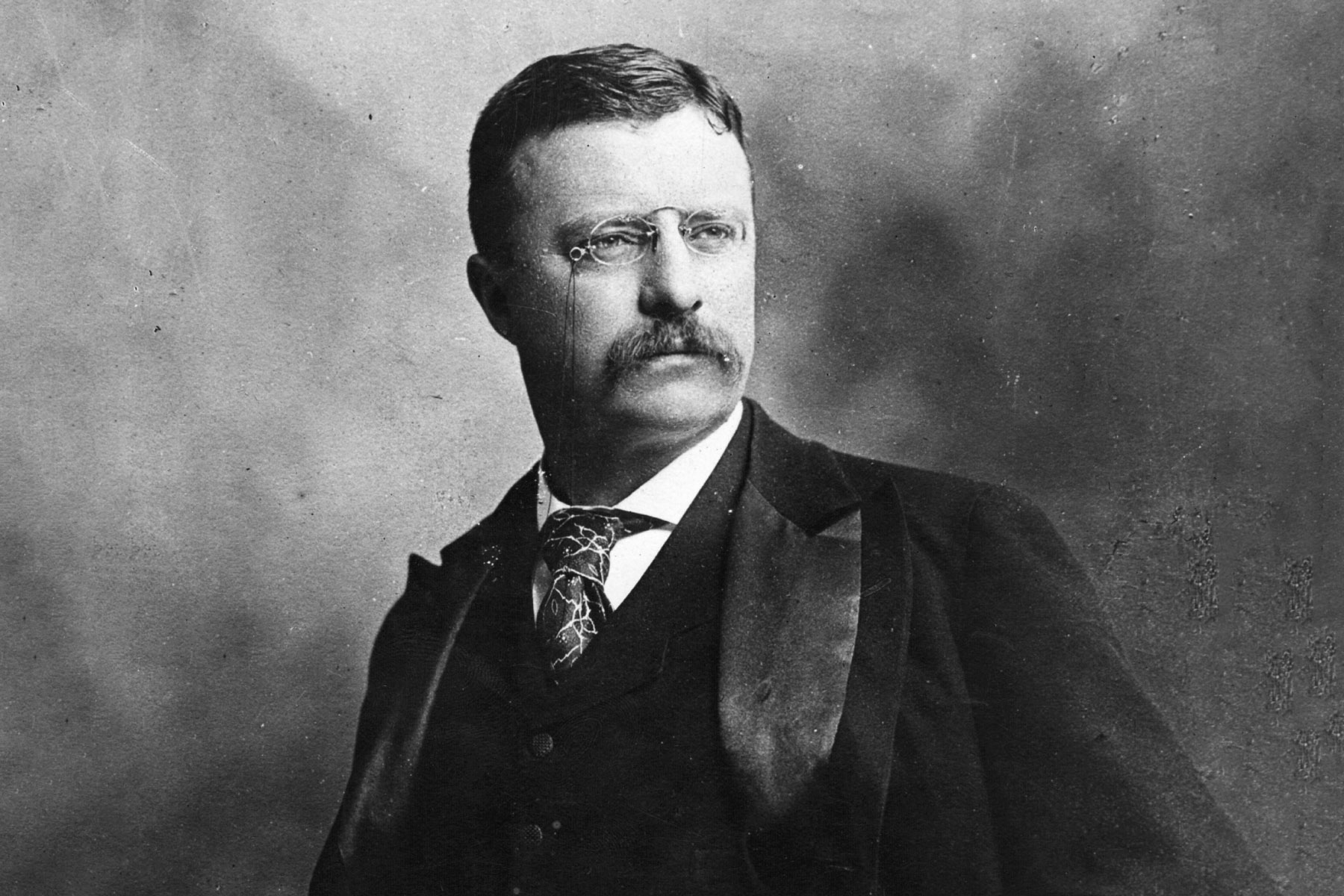
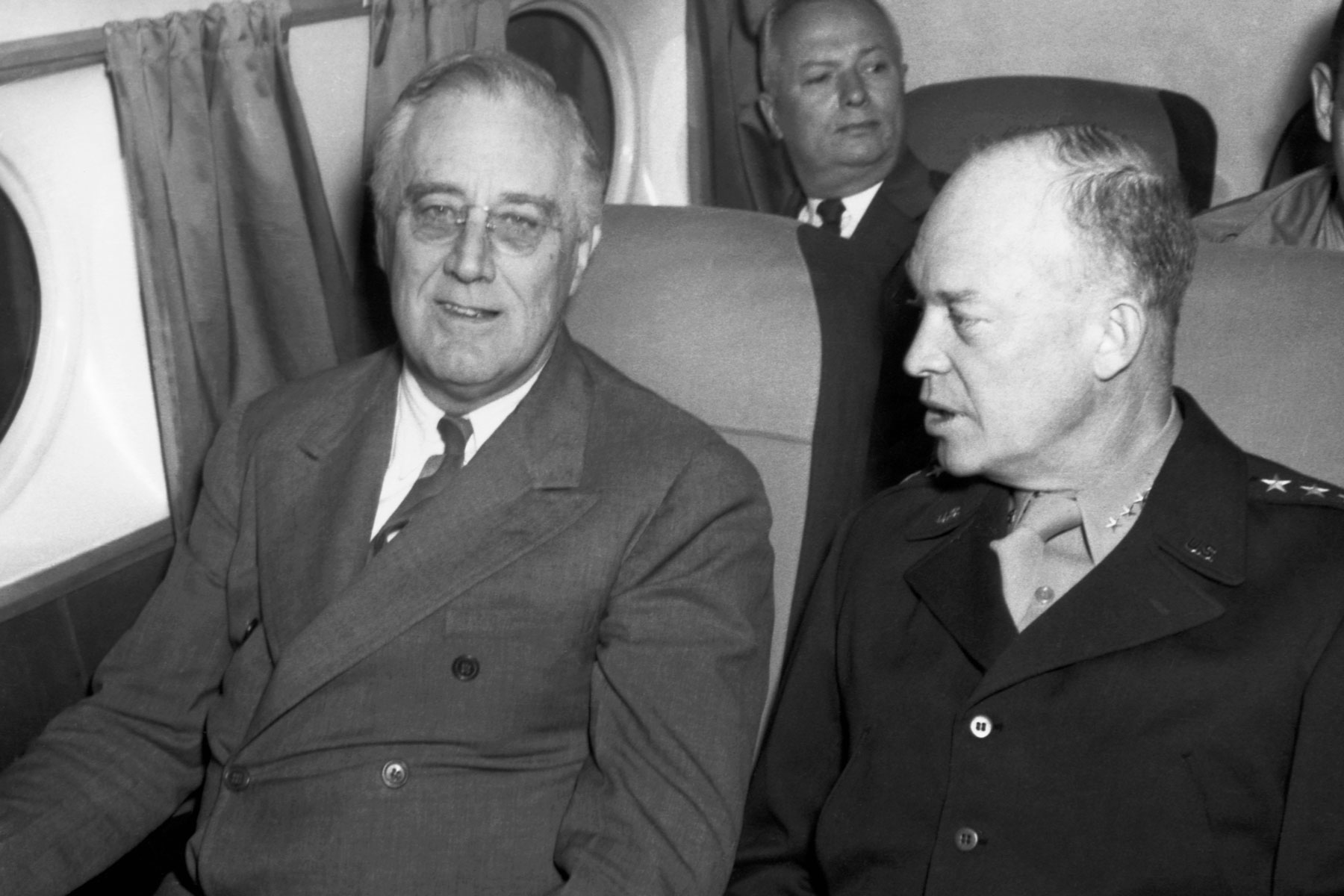
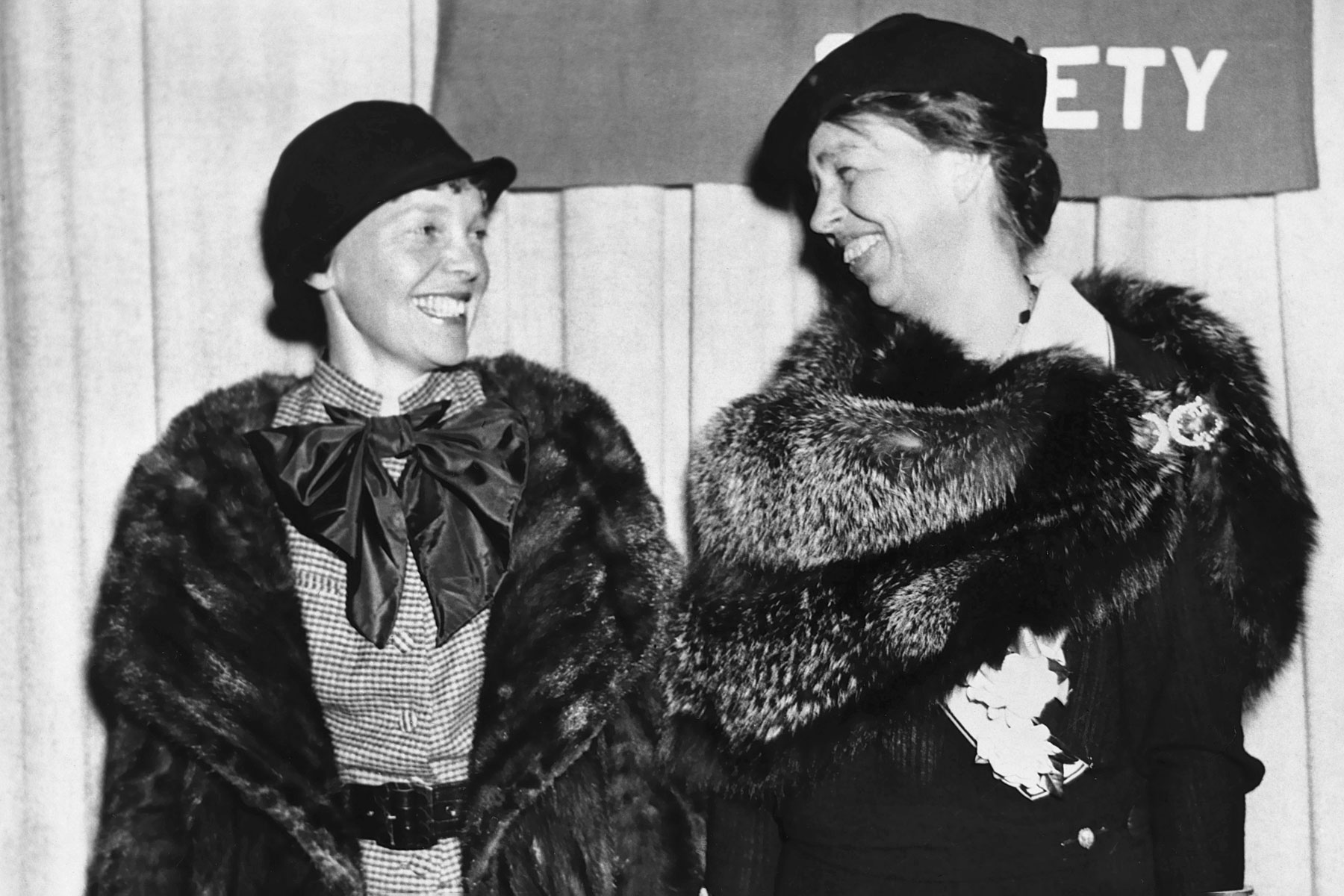
The Roosevelts are one of American history’s most prolific and influential political families: Leaders such as Theodore Roosevelt, Franklin D. Roosevelt, and Eleanor Roosevelt not only redefined the eras in which they lived but also shaped the country for decades to come, in some ways changing the very political fabric of the nation. 

The family arrived in pre-independence America around 1649, when Dutch immigrant Claes Martenszen van Rosenvelt and his wife Jennetjke began life in New Amsterdam (later known as New York). Shortly after their arrival in the Americas, anglicized variations of the family surname began appearing, with their son Nicholas — born in 1658 — becoming among the first to bear the name “Roosevelt.” Nicholas also became the first Roosevelt to hold political office in the Americas, serving as an alderman in the West Ward of New York City from 1698 to 1701, and again in 1715. The political clout of the Roosevelt family ballooned from there, reaching new heights in the 20th century when both Teddy and FDR served as President, guiding the country through harrowing times. Meanwhile, FDR’s wife, Eleanor Roosevelt, broke barriers by carving out a new role for women in American society and politics, and spent her lifetime advocating for humanitarian issues. Here are seven facts about this uniquely influential family.

You may also like

5 Puzzling Facts About the History of Crossword Puzzles

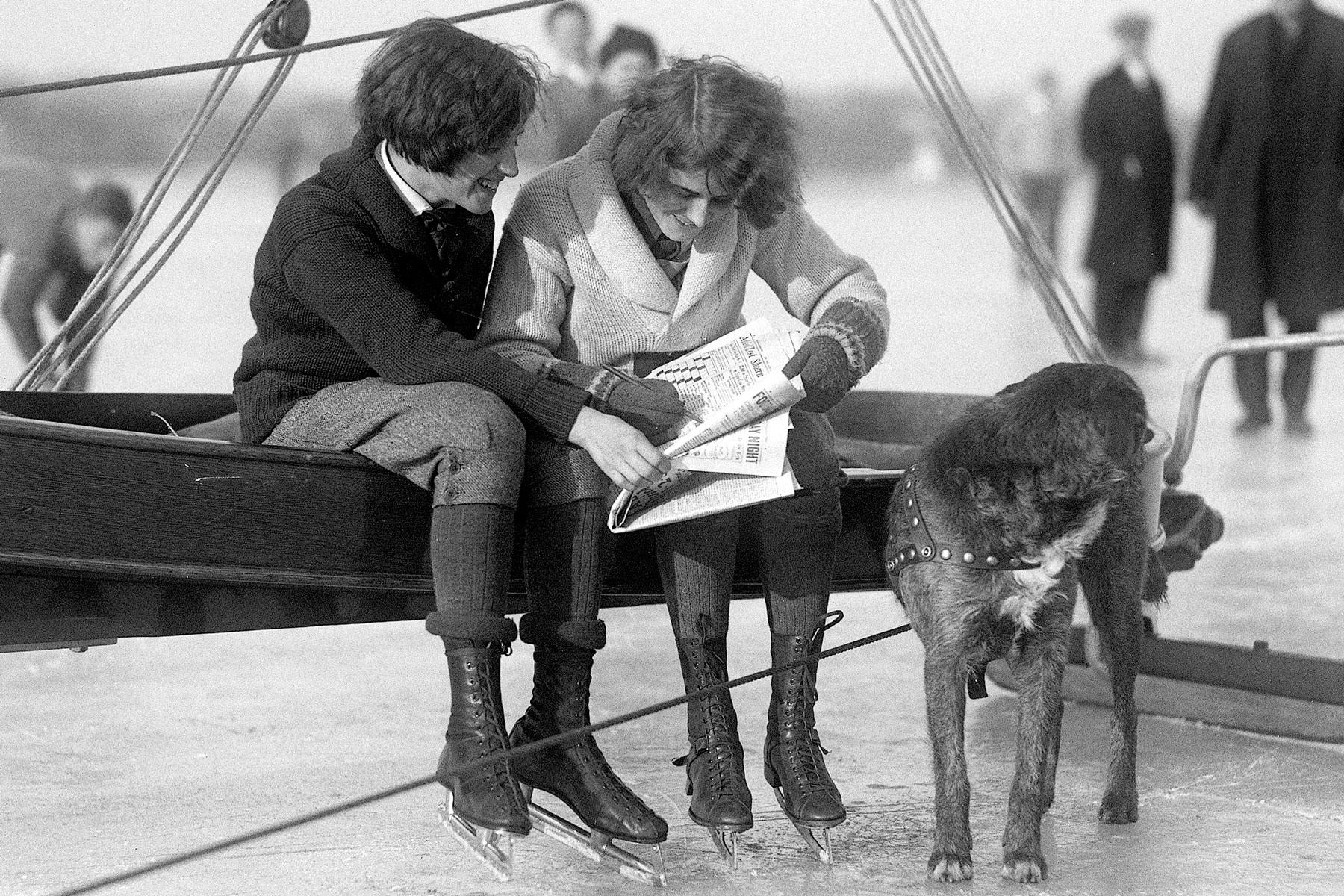
  • Playing a crossword puzzle
Playing a crossword puzzle
Photo credit: Bettmann / Contributor via Getty Images
Author Bennett Kleinman

June 2, 2023

Love it?

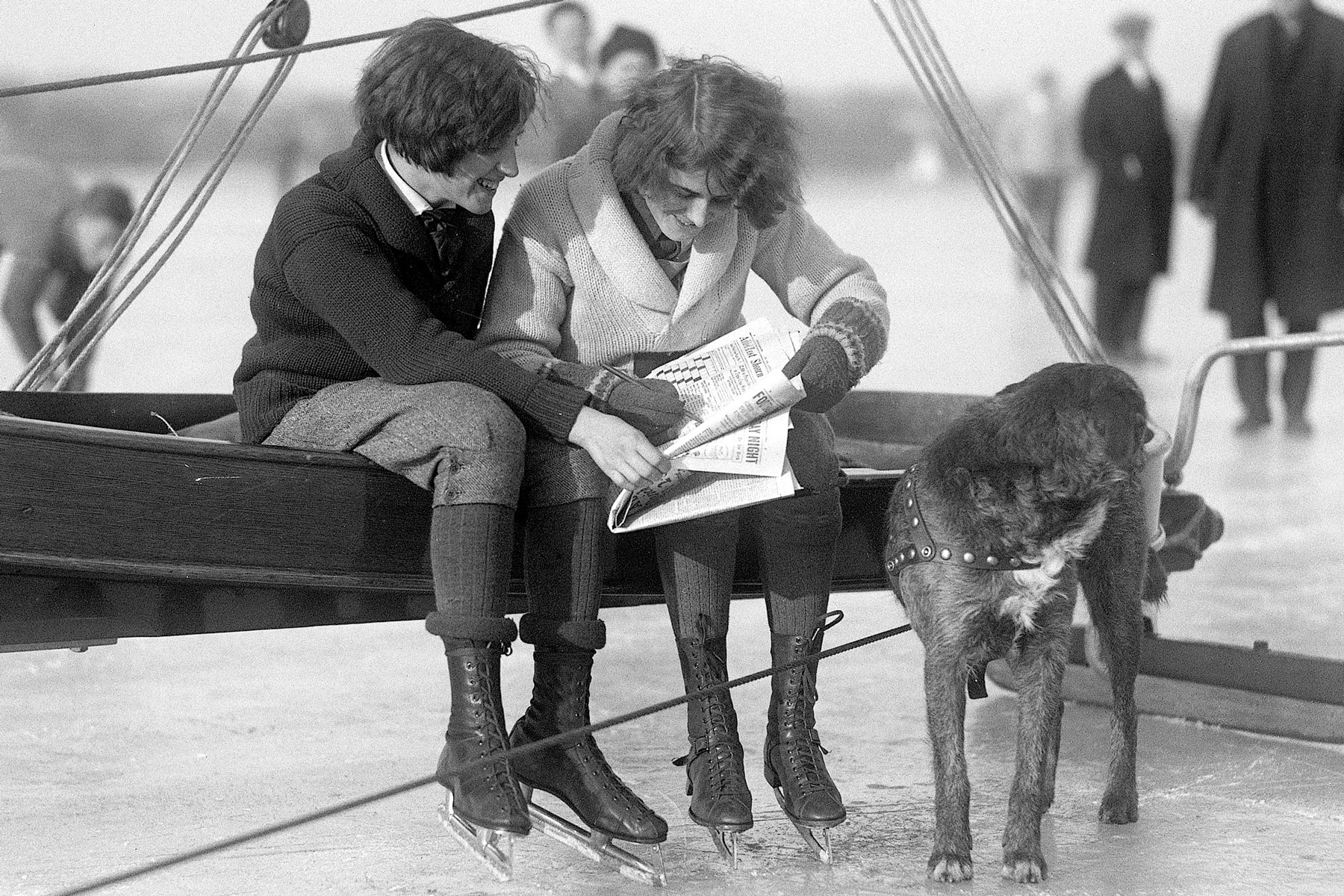
For many wordsmiths, crossword puzzles are a beloved daily ritual. Waking up, brewing a cup of coffee, and doing the crossword in the morning is considered by some to be the perfect way to start the day. Yet there was a time not so long ago when these puzzles were considered a novelty.

The modern crossword puzzle is barely over a century old, though it was inspired in part by word puzzles such as Sator squares that date back as far as ancient Pompeii. It wasn’t until 1913 that crossword puzzles as we know them today began to take shape, and their popularity only boomed from there. These brain teasers aren’t just a great way to challenge the mind — they also boast a fascinating history full of trivia that may surprise even the most avid puzzlers out there. Here are five fun facts about the history of crossword puzzles.

You may also like

7 Myths About the “Wild West”

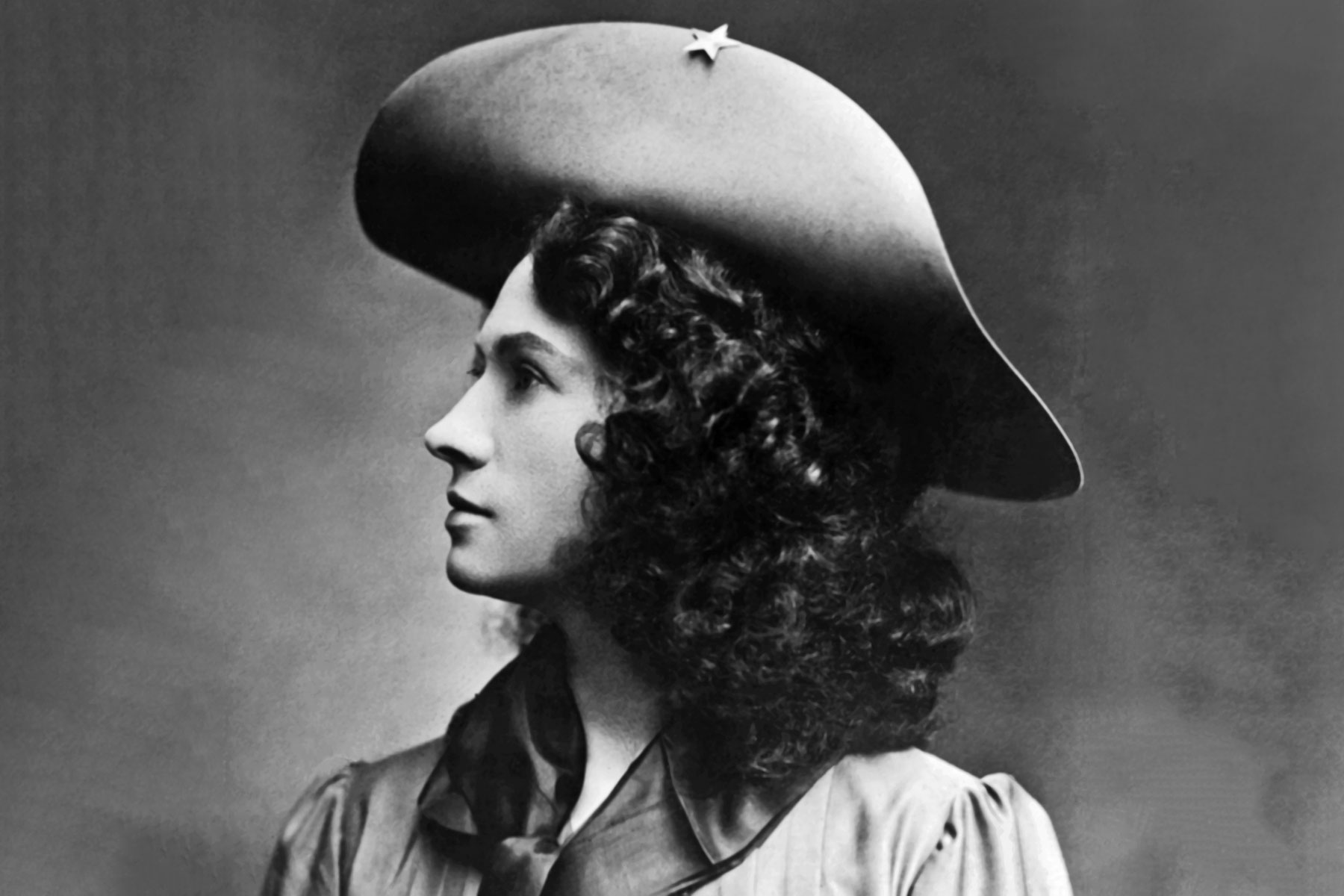
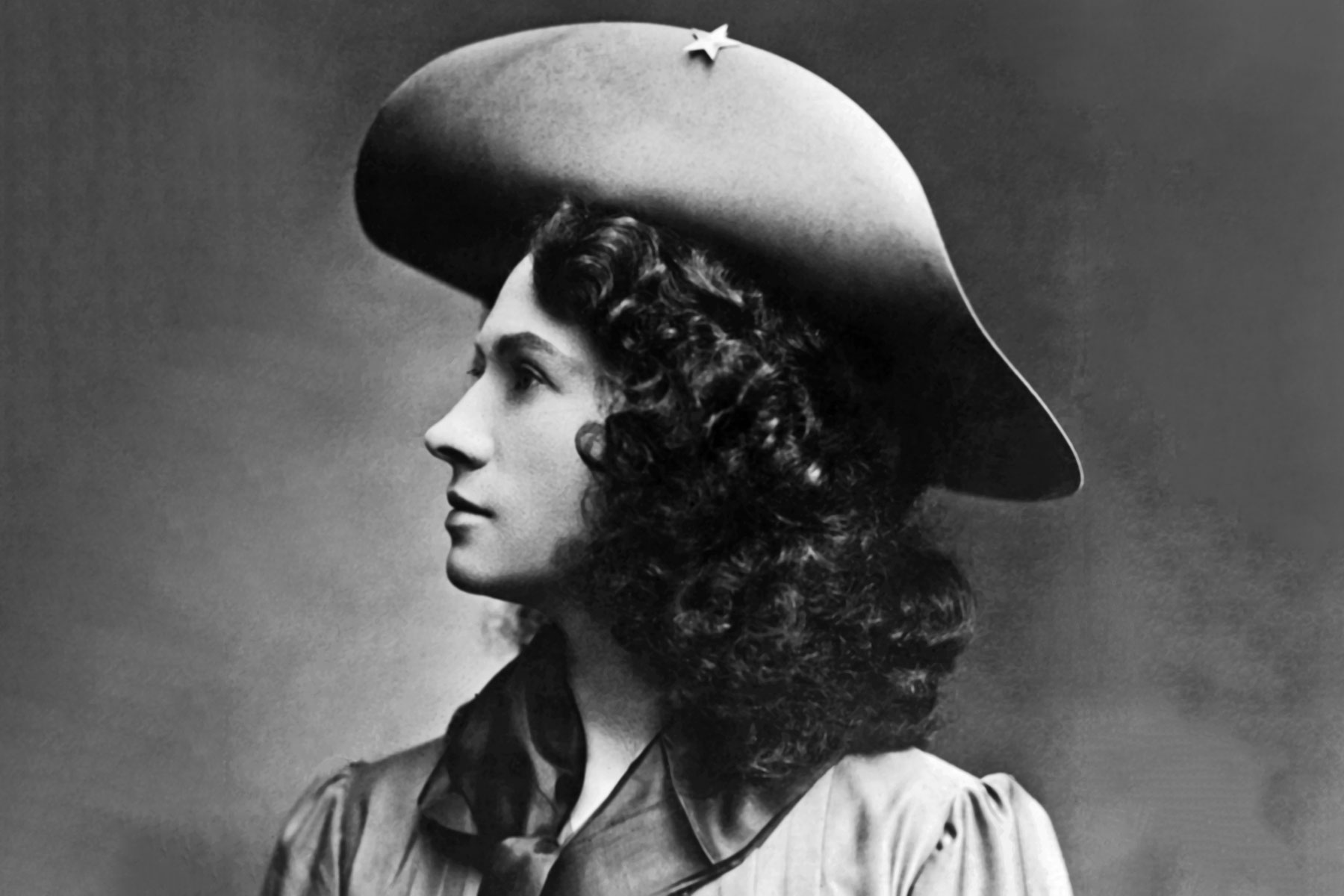
  • Woman in a cowboy hat
Woman in a cowboy hat
Photo credit: New York Times Co./ Archive Photos via Getty Images
Author Tony Dunnell

May 31, 2023

Love it?

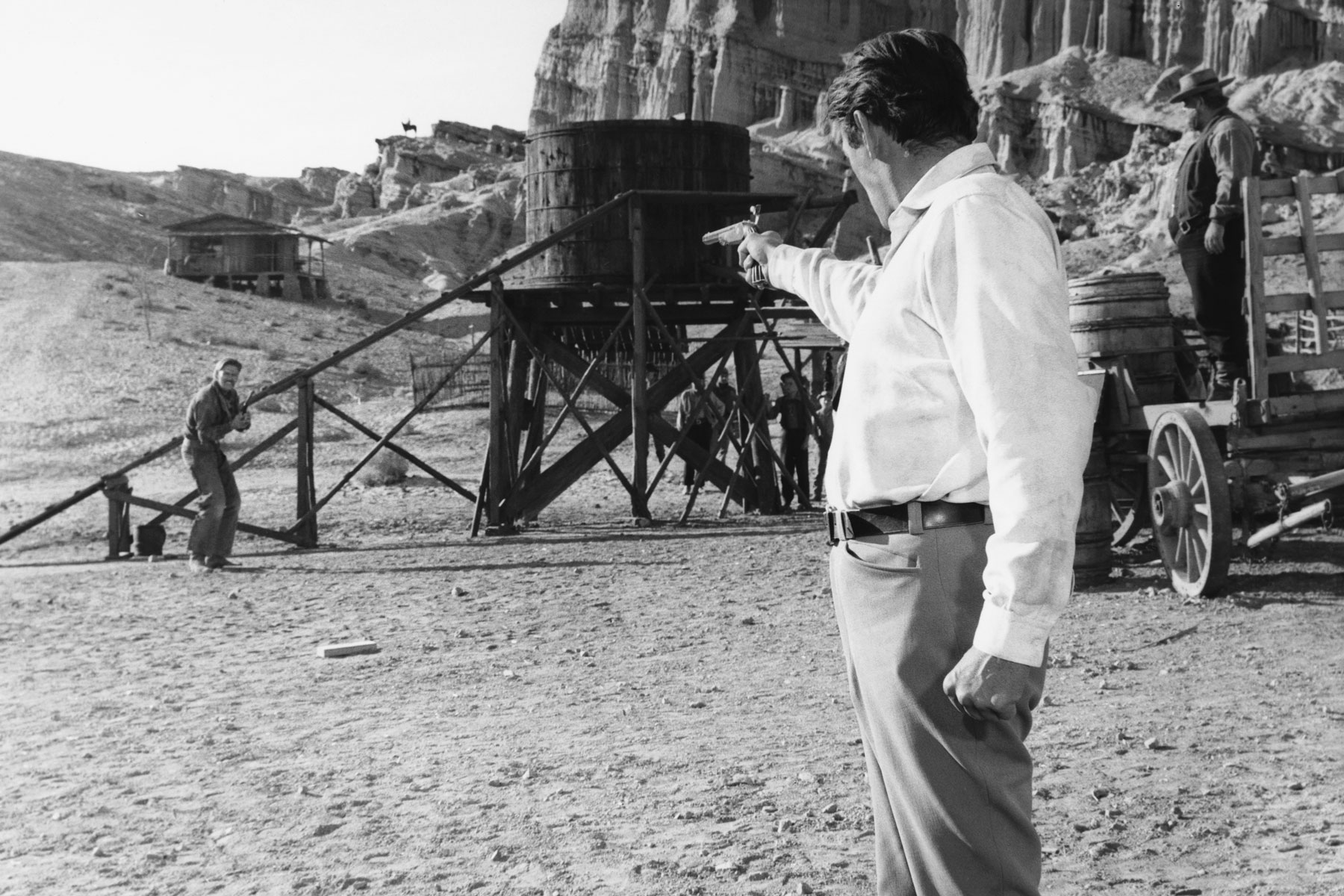
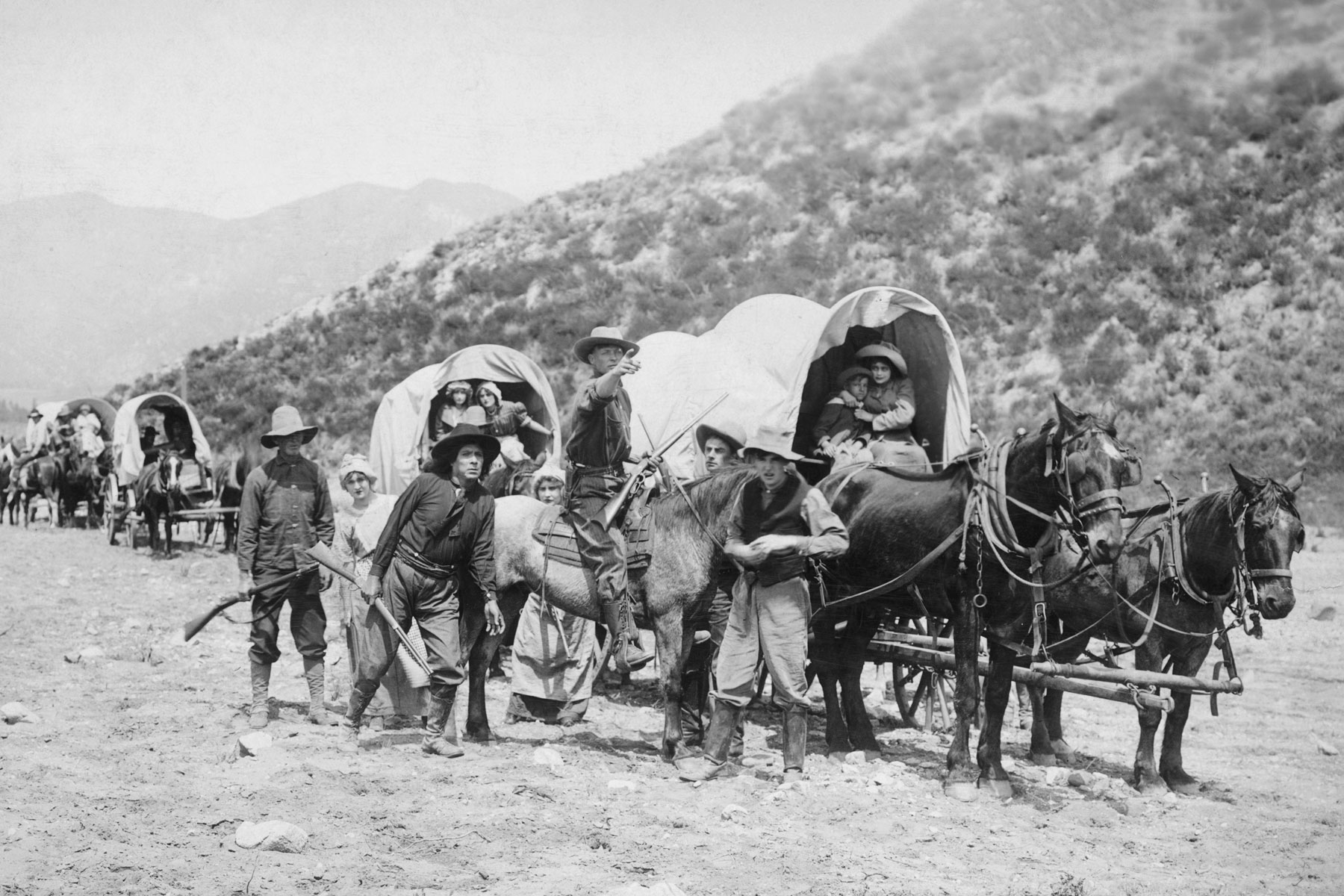
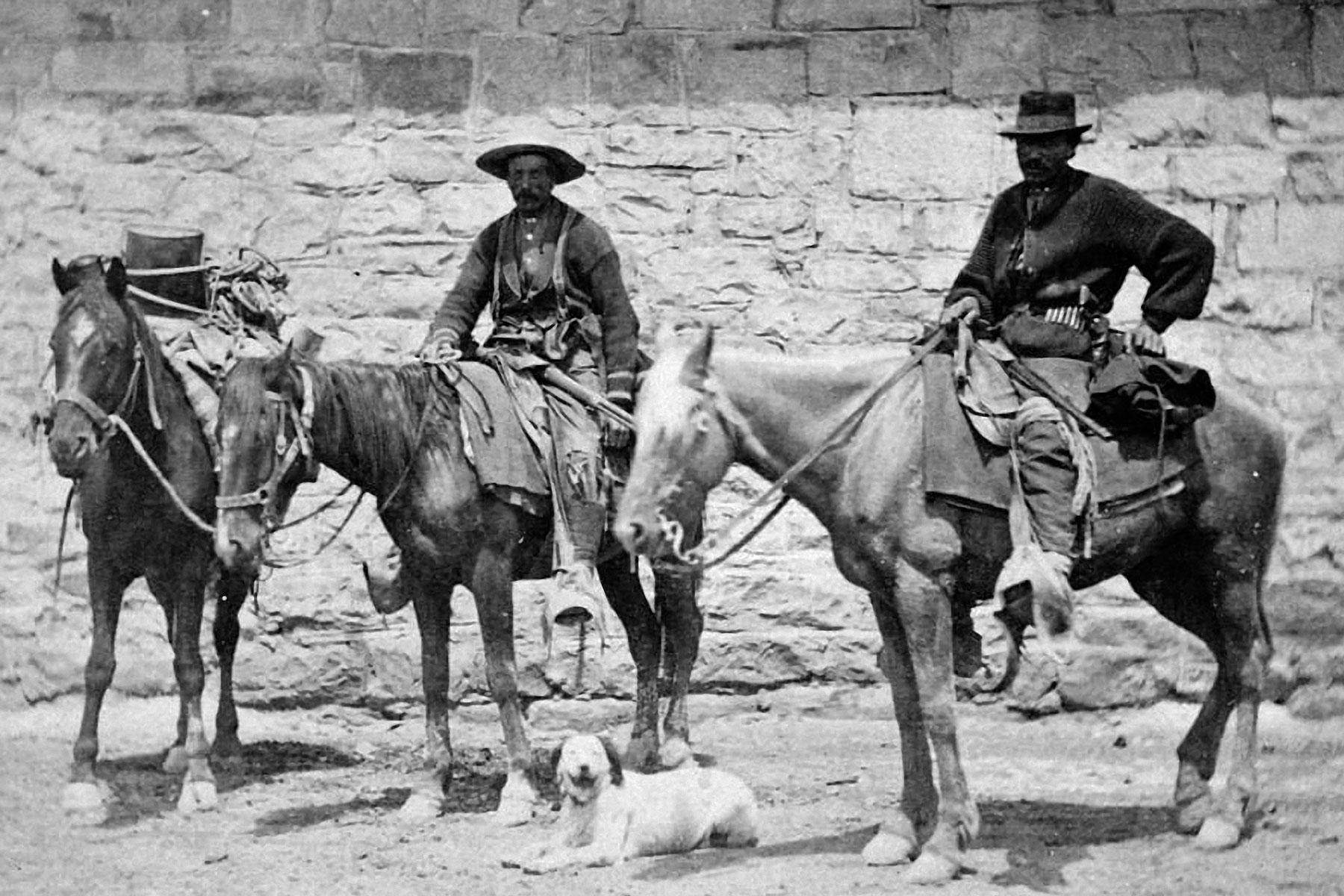
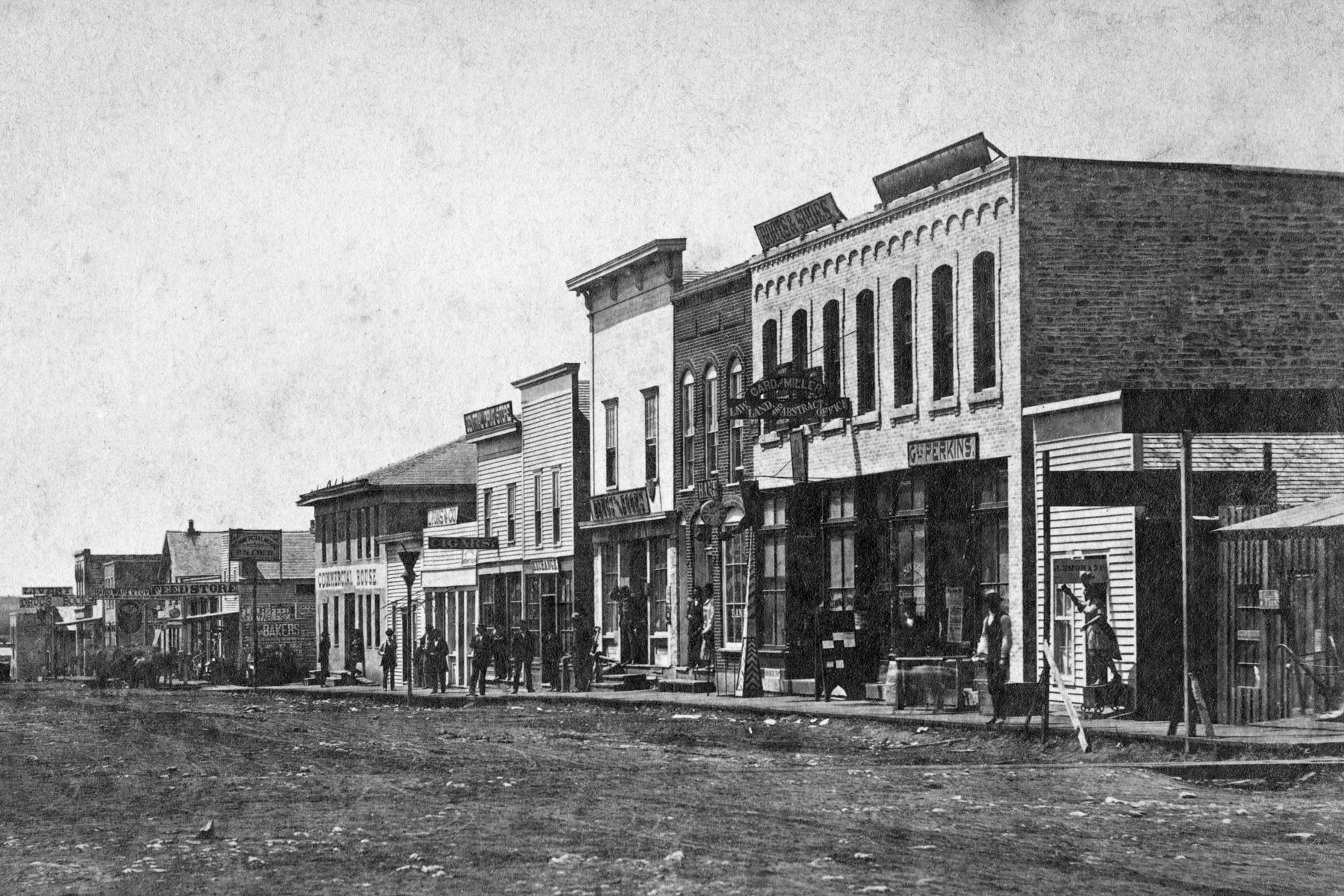
Few periods in American history have been more romanticized than the era of the “Wild West.” The period began with the first European colonial settlements in North America during the early 17th century, but what can be regarded as the classic era of the Old West — with its cowboys, gunslingers, prospectors and outlaws — stretched from around the 1850s to the early 1900s. Dime novels and Western movies created a frontier myth in which rugged men rode out to conquer a barren landscape and fight “bad guys,” and the image became a popular and enduring part of American culture, despite the many historical inaccuracies involved. 

As a testament to the power of this mythmaking, many ideas and iconic images associated with the Old West are still widely accepted today, despite being factually incorrect. Here are seven of the most common misconceptions, debunked. 

Photo credit: Underwood Archives / Contributor via Getty Images

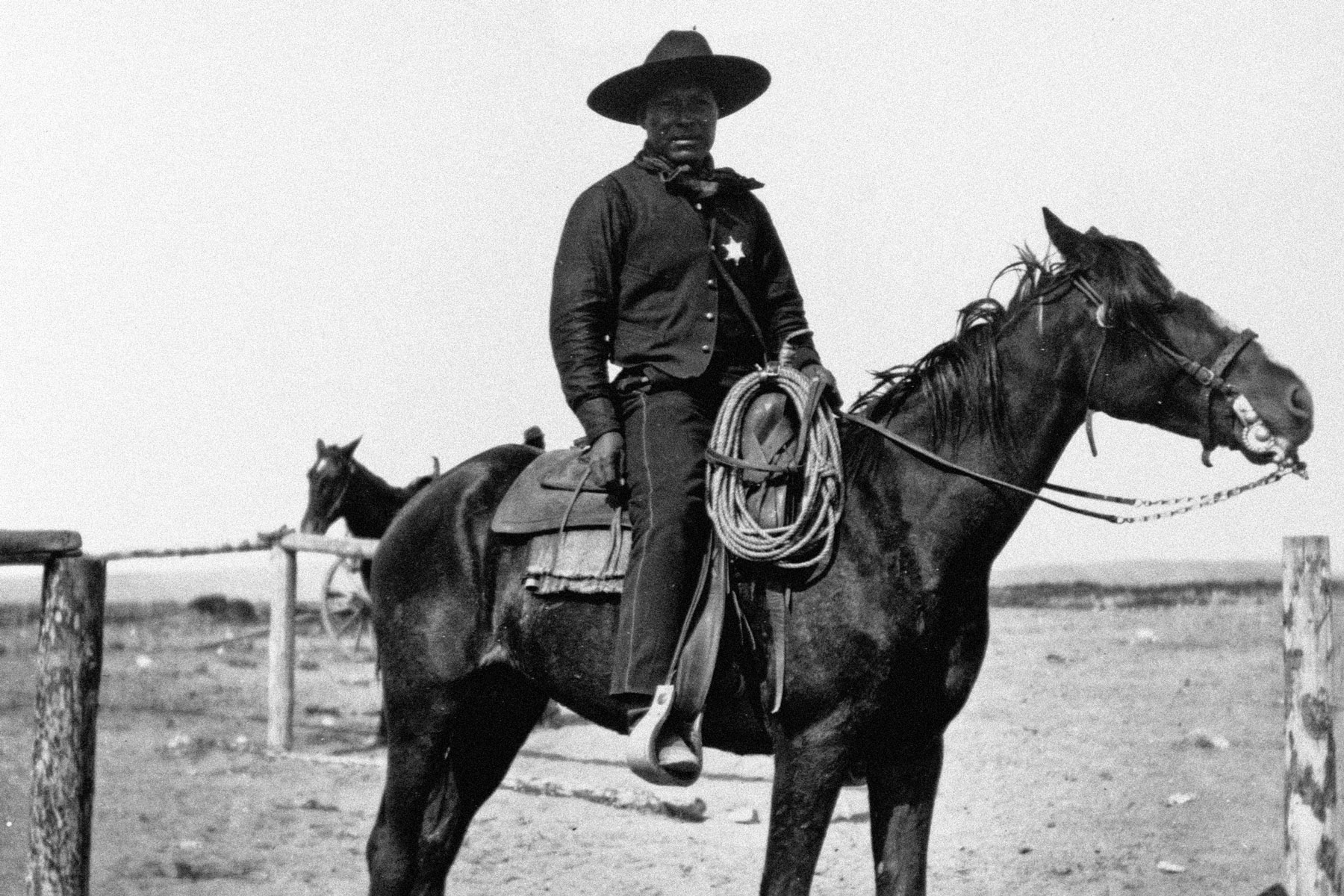
Myth: Wild West Cowboys Wore Cowboy Hats 

Nothing says “cowboy” more than a classic cowboy hat. But the Stetson didn’t come onto the market until 1865, and the original hat didn’t look like the iconic Stetsons we know today (it had a high top and was missing the crease in the crown typical of cowboy hats). A more common choice among Old West cowboys was the derby hat, also known as the bowler hat, partly because it didn’t blow off easily in strong winds or while riding a horse. Many famous cowboys and outlaws, including Butch Cassidy, the Sundance Kid, Black Bart, and Billy the Kid, wore bowler hats. 

You may also like