



6 Strange Rules Ladies-in-Waiting Had To Follow

  • Queen Elizabeth’s ladies
Queen Elizabeth's ladies
Credit: Fine Art Photographic/ Corbis Historical via Getty Images
Author Kristina Wright

April 24, 2024

Love it?

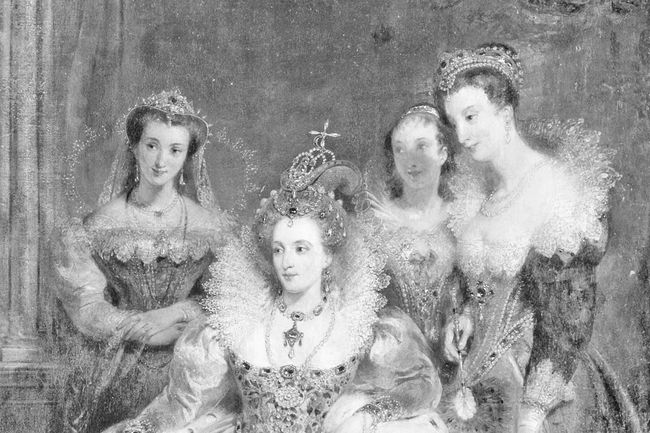
Being born into royalty has always come with many unique privileges, including having a large number of servants and staff to cater to your every need and whim. One of the most trusted positions held in royal households has been that of the lady-in-waiting, or court lady, a title given to the companions of queens, princesses, and other female members of royal or noble lineage. While ladies-in-waiting may seem like relics of the past, they remain a fixture in many royal European courts, and being selected for the position is considered both a prestigious honor and a lifelong commitment. Upon her death in 2022, Queen Elizabeth II had several ladies-in-waiting, some of whom had served her for more than 60 years.

The origins of this royal role go back centuries, and the duties and expectations that come with it vary depending on the time period and the specific customs of the court. In the past, typical responsibilities included providing companionship, assisting with bathing and dressing, managing the wardrobe and jewelry, helping to navigate social situations, writing correspondence, overseeing servants, and running errands. Ladies-in-waiting have traditionally been chosen from noble and aristocratic families, and were selected based on their social standing, education, and suitability for the role.

Well educated and fluent in court etiquette, the ladies-in-waiting in European courts from the medieval era through the 19th century held a significant place in the royal entourage and played an indispensable role in supporting their mistresses across various aspects of their public and private lives. While there were many rules and expectations for royal ladies-in-waiting, here are a few of their more surprising responsibilities.

Credit: Hulton Archive/ Hulton Royals Collection via Getty Images

They Were Expected to Dedicate Their Lives to Their Mistress

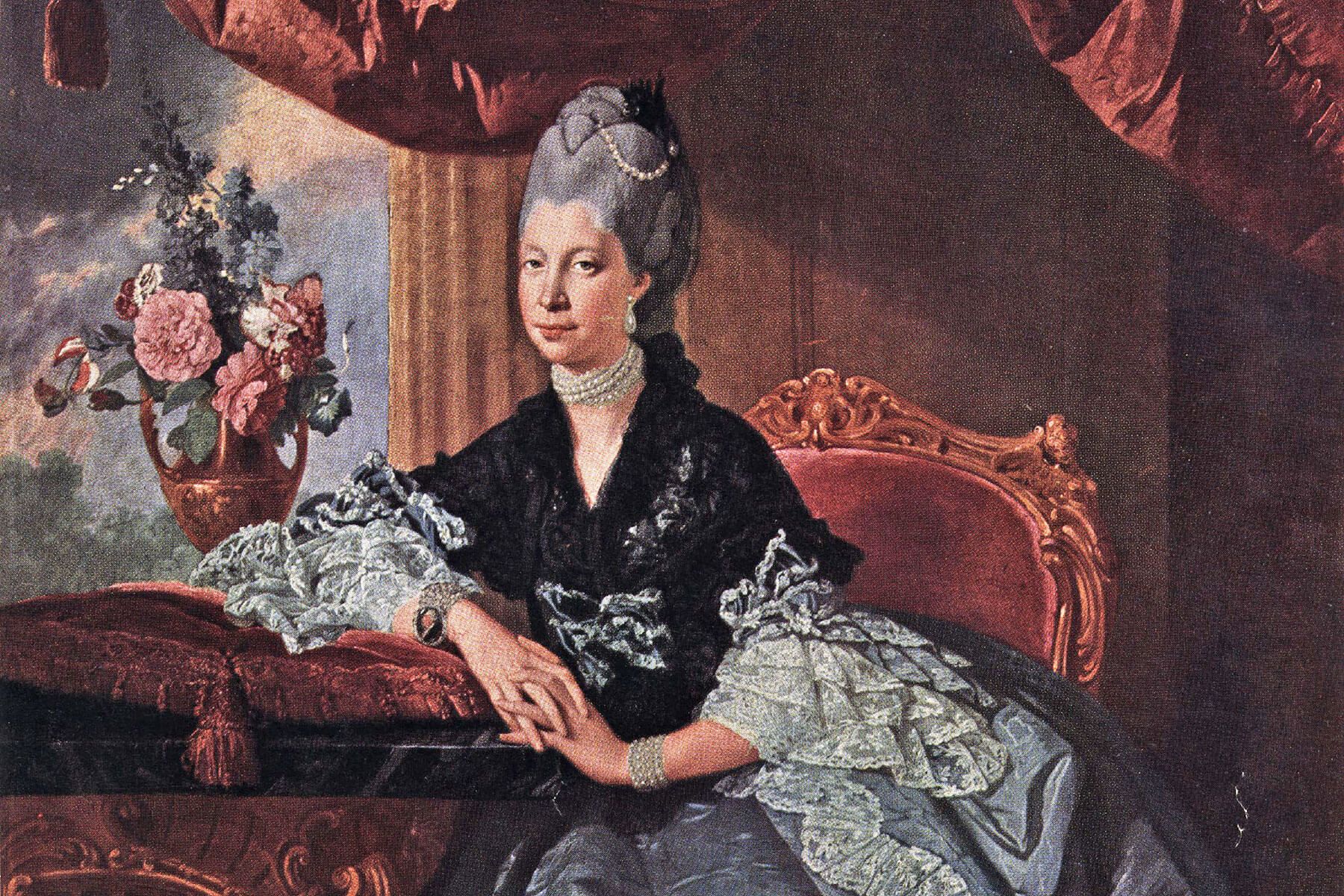
While not a servant in the traditional sense, ladies-in-waiting were once expected to dedicate a considerable amount of time to their mistress’s needs, which sometimes meant giving up any personal life of their own. Queen Charlotte, the wife of King George III and queen of Great Britain and Ireland from 1761 until her death in 1818, had particularly rigid expectations for the court ladies who served her and her daughters. She did not allow outsiders into the palace and even forbade Fanny Burney, a senior lady-in-waiting who held the position of Keeper of the Robes, from maintaining or forming any relationships without the queen’s knowledge.

You may also like

The Most Powerful Women Rulers in History

  • Elizabeth I of England
Elizabeth I of England
Credit: DEA / G. DAGLI ORTI/ De Agostini via Getty Images
Author Tony Dunnell

February 27, 2024

Love it?

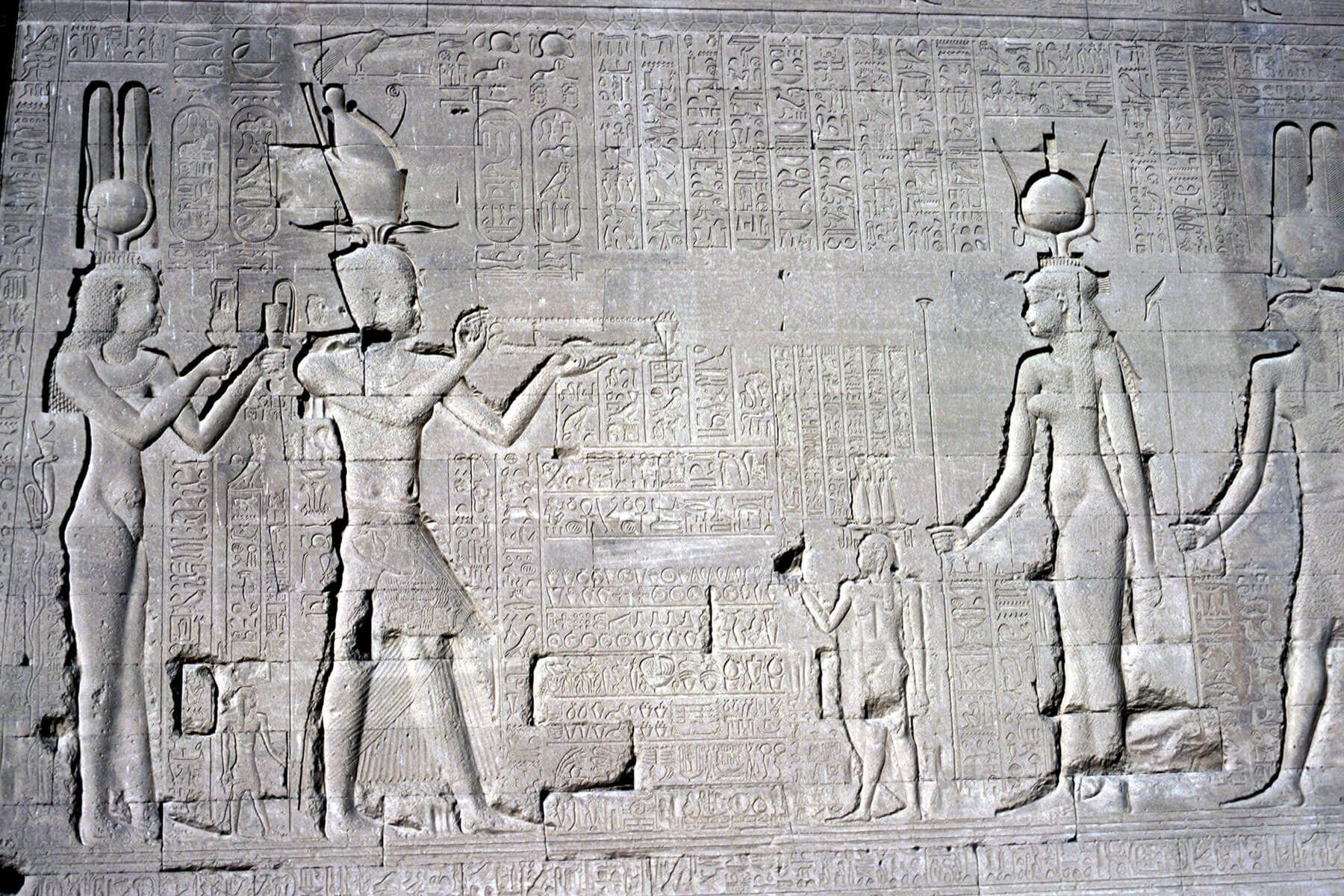
Due to the incomplete nature of our historical records, it’s impossible to say when the first female ruler came to power. Some might point to Kubaba, a tavern keeper who supposedly ascended to the throne of Sumer — one of the largest civilizations in ancient Mesopotamia — around 2400 BCE. If the story is true, it would make her arguably the first documented female ruler in human history — but chances are it’s a myth. There’s more evidence to back the claim of Sobekneferu, who reigned as a full pharaoh in ancient Egypt from around 1760 to 1756 BCE. But was she truly the first female ruler of a significant civilization, or did someone come before? The answer remains lost to history. 

What we do know is that many women throughout recorded history have come to rule even while living in cultures long dominated by men. And some of these women achieved a level of power rarely matched, despite the disadvantages they experienced in their patriarchal societies. Here are some of the most powerful women rulers in history, from the Pharaoh Hatshepsut to Queen Elizabeth I. 

Credit: Bettmann via Getty Images

Hatshepsut

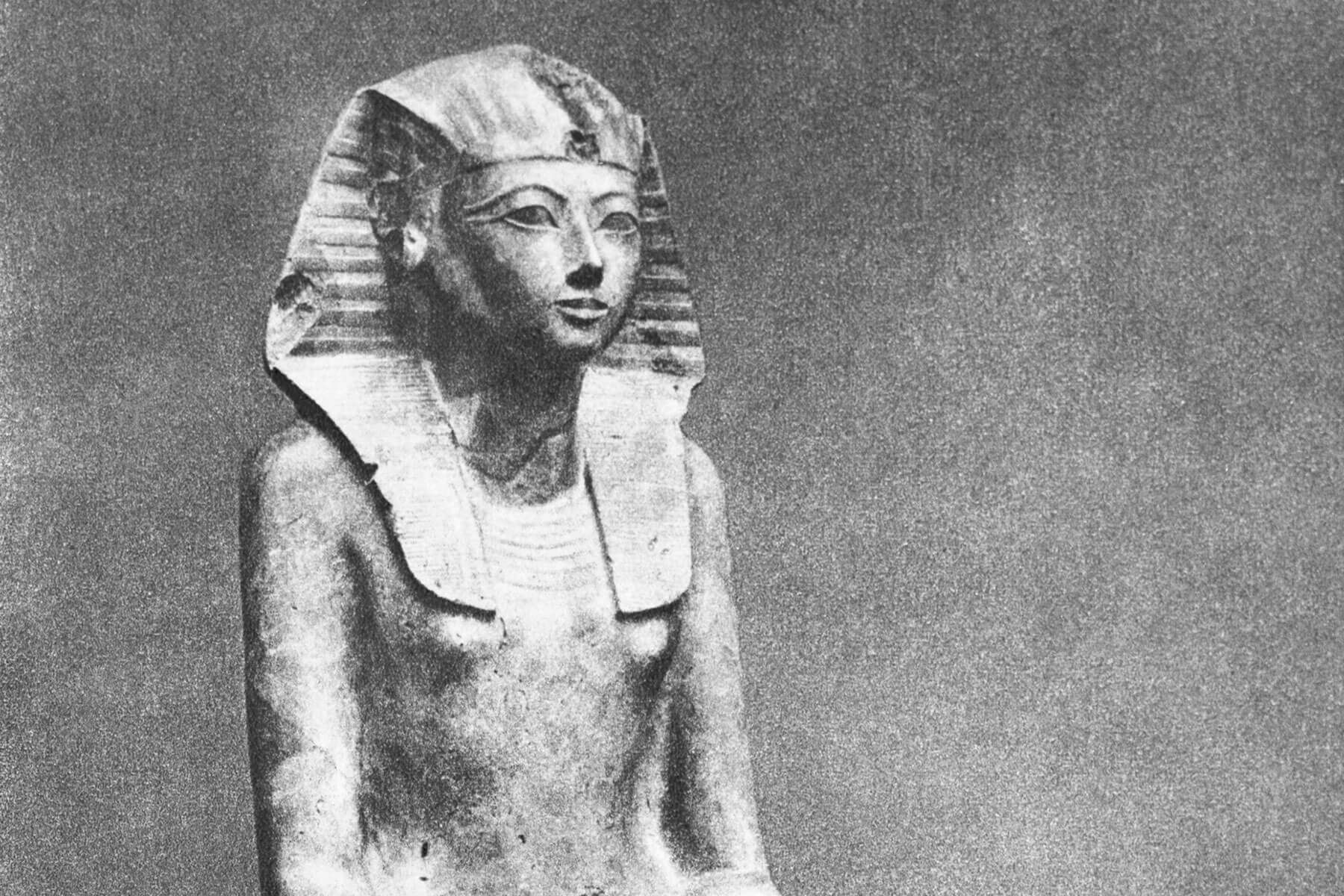
Hatshepsut first came to power in 1479 BCE as the regent for her stepson (and nephew) Thutmose III, who had inherited the throne at the age of 2. For almost seven years, Hatshepsut was a fairly conventional regent. But then, she took the unprecedented step of assuming both the title and powers of a true pharaoh, and began ruling Egypt alongside Thutmose III. To further assert her authority, she had herself portrayed in formal portraits as a man, with a muscular male body, traditional kingly regalia, and a false beard. She became one of the first truly powerful female rulers known to history. Her reign brought about a period of economic prosperity and general peace, and she was one of the most prolific builders in the history of ancient Egypt. 

You may also like

The 6 Wives of Henry VIII

  • Marriage of Henry VIII
Marriage of Henry VIII
Bettmann via Getty Images
Author Kristina Wright

December 14, 2023

Love it?

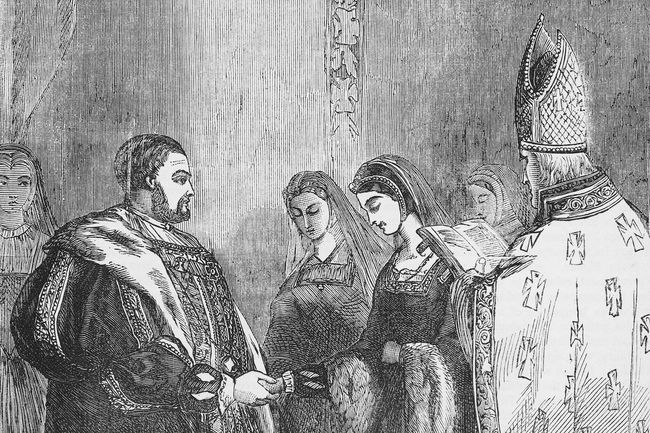
Henry VIII left an indelible mark on British history, though he is remembered as much for his insatiable appetite for women and food as for his shrewd political maneuvers. Born in 1491, Henry ascended the throne at the young age of 17, succeeding his father, Henry VII. His youth was marked by interests in the arts, sports, and education, making him the embodiment of a Renaissance man, as well as a promising and charismatic ruler. It was the monarch’s matrimonial escapades, however, that came to define his legacy.

Henry’s reign, spanning from 1509 to 1547, was characterized by a series of tumultuous marriages entwined in Tudor politics. You may be familiar with the old rhyme, “Divorced, beheaded, died, divorced, beheaded, survived,” but here’s a closer look at the six women who became the wives of Henry VIII.

Photo credit: Print Collector/ Hulton Fine Art Collection via Getty Images

Catherine of Aragon (queen consort: 1509-1533) 

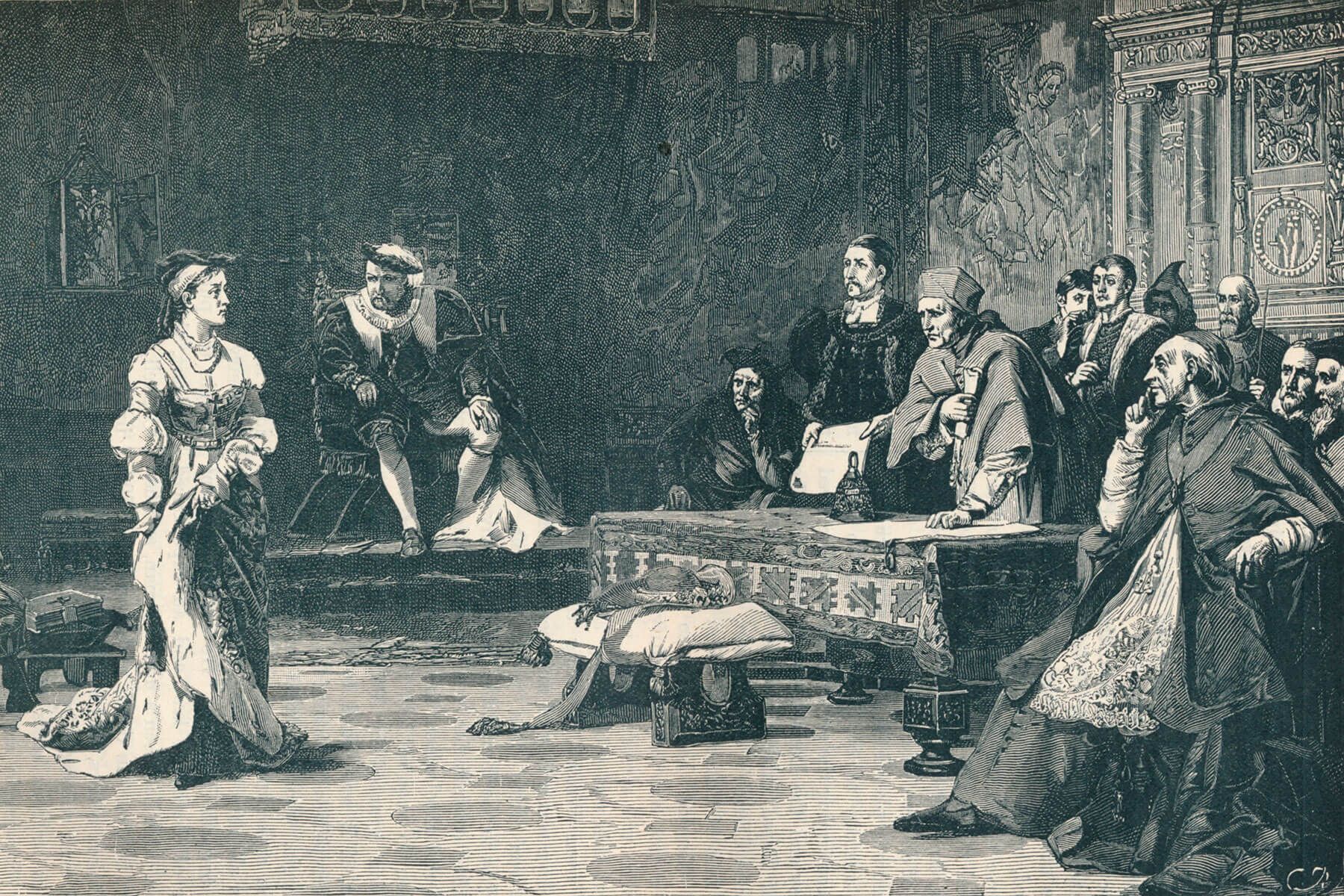
Henry VIII had been on the throne for only a few weeks when he married Catherine of Aragon. The daughter of Spanish rulers Ferdinand and Isabella, Catherine was six years older than Henry and was seen as a good match for the young monarch. Beautiful, well educated, and devoted to Henry, Catherine was also the king’s sister-in-law, having married his older brother Arthur in 1501, only to be widowed five months later at the age of 16. Her marriage to Henry lasted 24 years, but ended in divorce.

By all accounts, Henry had loved Catherine, but when she failed to give him a male heir, he asked Pope Clement VII to declare their marriage invalid, asserting that her marriage to Arthur made their union illegitimate in the eyes of God. When the pope refused, Henry divorced Catherine so he could marry his pregnant mistress (and Catherine’s lady-in-waiting), the French-educated Anne Boleyn, setting in motion his break from the Catholic Church and the establishment of the Church of England. Despite being divorced, dismissed from court, and kept from her only living child, Mary, Catherine’s devotion to Henry lasted until her death by cancer in 1536. The last line of the last letter she wrote him read, “Lastly, I make this vow, that mine eyes desire you above all things.”

You may also like

5 Ways Julius Caesar Changed the World
  • Gaius Julius Caesar
Gaius Julius Caesar
Bettmann via Getty Images
Author Nicole Villeneuve

November 30, 2023

Love it?

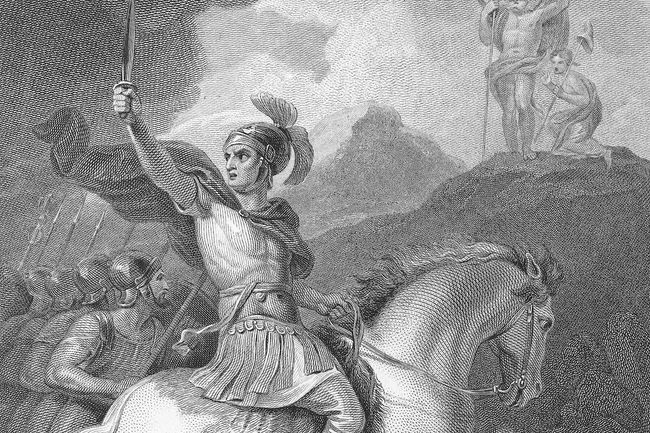
He may not have ruled the Roman Republic for very long, but Julius Caesar left behind a towering legacy. From his early days as a young aristocrat to his rise as a triumphant military leader, Caesar’s lofty aspirations, unrelenting conquests, and political reforms made him a revered leader. Almost as quickly as he ascended to unrivaled authority, he was dramatically assassinated, leading to civil upheaval and the demise of the Roman Republic — which ultimately heralded the start of the Roman Empire. Caesar remains respected for his strategic brilliance and studied for the far-reaching implications his actions had on Western civilization  — including these five ways that Caesar’s life and legacy helped shape the world.
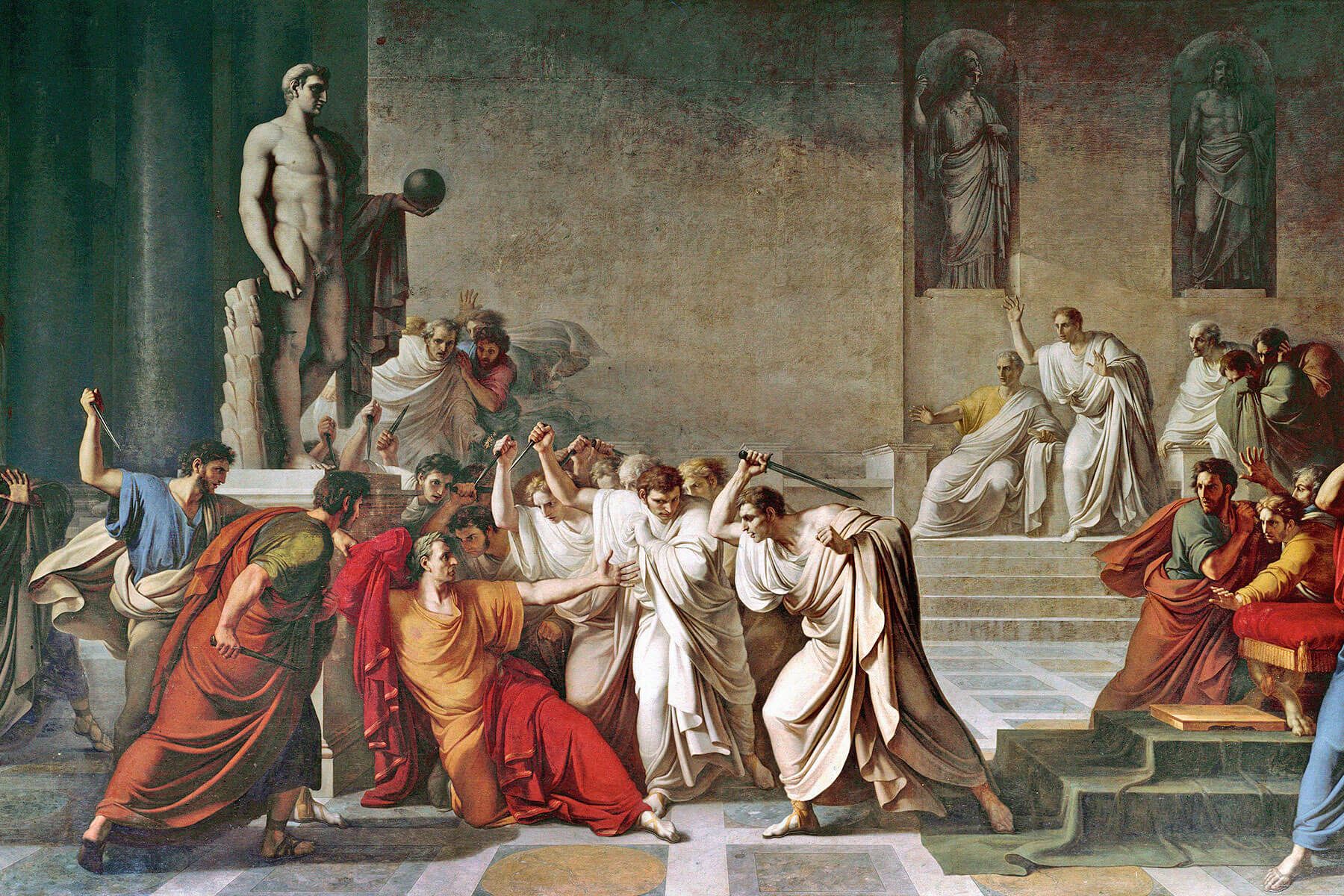
Photo credit: Leemage/ Corbis Historical via Getty Images

His Death Triggered the Rise of the Roman Empire

In 49 BCE, Caesar was a successful military general and popular political leader, having skillfully led the Roman army in Gaul for eight years. But his influence and growing power clashed with the Roman Senate’s desire to maintain power in the republic. Fearing Caesar’s aspirations as his governorship of Gaul came to an end, the Senate demanded he disband his legions and return to Rome on his own. Caesar instead famously crossed the Rubicon, leading his army across a small stream separating Italy from Gaul. The move violated Roman law and marked the beginning of a four-year civil war between Caesar’s forces and those of his former ally Pompey, from which Caesar emerged victorious.
When he returned to Rome in 46 BCE, Caesar became dictator of the republic. After two years and several more military victories, Caesar declared himself dictator perpetuo — dictator in perpetuity. This unprecedented authority effectively eroded the traditional checks and balances of the Roman Republic and spurred a group of senators to assassinate Caesar on March 15, 44 BCE. His death plunged Rome into further chaos; a power struggle among Caesar’s key supporters, most notably his adopted heir Octavian (later known as Augustus) culminated in the end of the Roman Republic and the eventual rise of Augustus as the first Roman emperor.

You may also like

5 Myths About the Egyptian Queen Cleopatra

  • Egyptian Queen Cleopatra
Egyptian Queen Cleopatra
Credit: Hulton Archive via Getty Images
Author Kristina Wright

August 3, 2023

Love it?

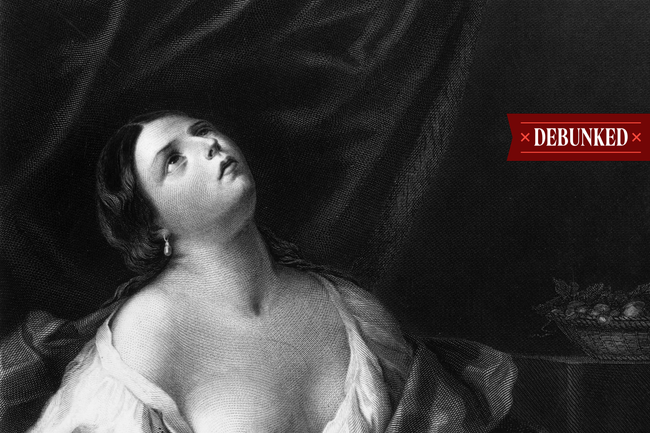
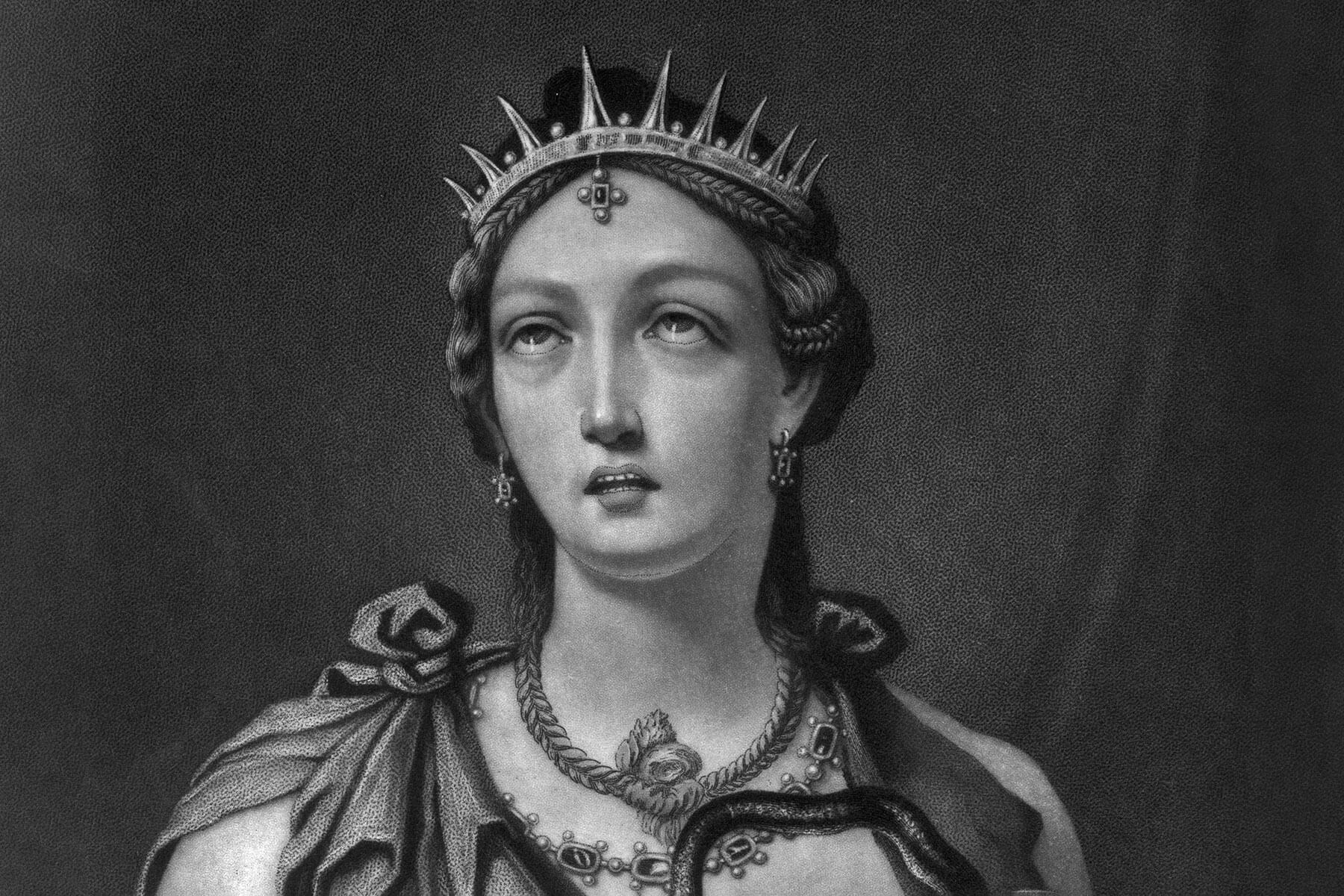
Though she’s one of the most famous leaders of the ancient world, Cleopatra’s life is still shrouded in mystery. Cleopatra VII Thea Philopator ruled Egypt for 22 years as a powerful queen, and while her legacy is filled with tales of a goddess incarnate who seduced men to get what she wanted and had no problem killing anyone who got in her way (even her own siblings), much of this image is thanks to Hollywood and other pop culture depictions of the Egyptian queen. Actress Elizabeth Taylor famously played her in the big-budget 1963 film Cleopatra, and there have been numerous other portrayals of this enigmatic leader in art, fiction, and film — most of them filled with anachronisms and exaggerations and lacking in historical accuracy.

What historians do know is that when Cleopatra’s father, Ptolemy XII, died in 51 BCE, 18-year-old Cleopatra was named his successor. Over the course of her reign, she ruled alongside two of her brothers and her oldest son. She envisioned herself as the sole ruler of Egypt, however, and formed alliances with two of Rome’s most powerful generals in order to protect and maintain her power. In 47 BCE, she bore a son by Julius Caesar, nicknaming him Caesarion, or “little Caesar,” despite his illegitimacy. A few years later, in 44 BCE, Cleopatra’s relationship with Caesar came to an abrupt end when the Roman leader was assassinated, forcing her to develop new strategic alliances to secure her reign.

The Egyptian queen found a new political and romantic partner in Caesar’s friend and ally Mark Antony. With Antony, Cleopatra continued her political alliance with Rome, and they had three children together. However, Caesar’s adopted son Octavian declared war on the pair, leading to their untimely deaths. Cleopatra died in 30 BCE at age 39, as the last Egyptian queen and next-to-last Egyptian pharaoh. (Octavian had the last pharaoh, Cleopatra and Caesar’s 17-year-old son Caesarion, put to death just days later.) Octavian went on to become the first Roman emperor, dubbed Augustus Caesar, embracing his role as Caesar’s heir and ending the Ptolemaic kingdom.

It has been over 2,000 years since Cleopatra’s death, but her fascinating life still captures the imagination. Here are five popular myths about the Egyptian queen that separate the truth from the legend. 

Photo credit: Hulton Archive/ Hulton Royals Collection via Getty Images

Myth: Cleopatra Was Ethnically Egyptian

Cleopatra is one of the best-known figures in Egypt’s history , but she wasn’t ethnically Egyptian. Though she was born in Alexandria, Egypt, around 69 BCE, Cleopatra’s lineage is traced to Macedonian Greece. She was the daughter of Ptolemy XII, a descendant of Ptolemy I Soter, a Macedonian general who served under Alexander the Great and founded the Ptolemaic dynasty that ruled in Egypt. Historians aren’t certain about the identity of Cleopatra’s mother, but theories suggest Cleopatra was the daughter of either Ptolemy’s first wife, Cleopatra V; his second wife, whose name is unknown; or a concubine.

Photo credit: Print Collector/ Hulton Archive via Getty Images

Myth: Cleopatra Wasn’t Prepared to Be Queen

Little is known about Cleopatra’s life before she became queen, but as a member of Ptolemaic royalty, she was highly educated and received a well-rounded Hellenistic education that included rhetoric, philosophy, astronomy, music, and Greek literature. She spoke around nine languages (Egyptian, Greek, Latin, Syrian, Arabic, Hebrew, Ethiopian, Persian, and Aramaic) and was the first of the Ptolemaic line to learn the Egyptian language. Praised for her intellect, she was knowledgeable in a wide variety of subjects, including economics, military strategy, law, and linguistics.

You may also like

5 Facts About England’s Elizabethan Era

  • Elizabeth at Tilbury
Elizabeth at Tilbury
ullstein bild Dtl via Getty Images
Author Adam Levine

July 25, 2023

Love it?

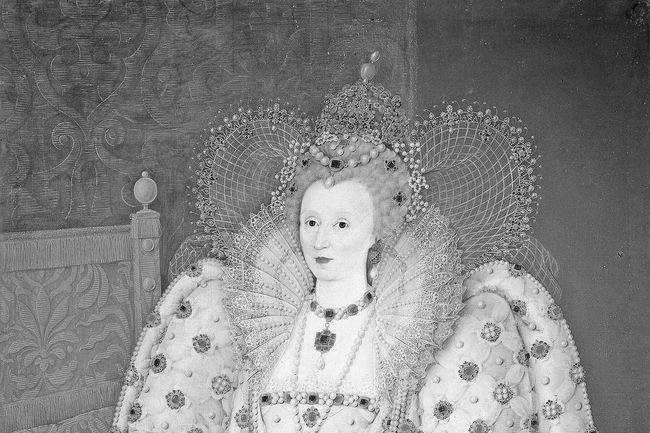
In 1558, Elizabeth Tudor assumed the throne of England and Ireland and began her reign as Queen Elizabeth I. From the moment she was crowned, Elizabeth was an unconventional ruler. She was only the second queen in England’s history to reign as the sole head of state, which made her a rarity not only in her own country, but throughout Europe in an era in which female monarchs were few and far between. Her lifelong refusal to marry also broke with tradition, and earned her the nickname “the Virgin Queen” (the state of Virginia is named in her honor). As a Protestant monarch, Elizabeth also had to withstand multiple assassination attempts from radical Catholic factions throughout her reign. Yet despite the challenges she faced, her reign is considered a golden age of English history. 

Elizabeth’s rule lasted until 1603, and was marked by a period of relative peace and progress, during which England experienced radical cultural and political transformations that continue to resonate today. Elizabeth ruled over a nation that saw the early plays of William Shakespeare and some of Europe’s first expeditions to the Americas. Yet her time on the throne was also marked by moments of political and military crisis. For a quick look at what made this period of history truly unique, here are five facts about England’s Elizabethan age.

Photo credit: Robert Alexander/ Archive Photos via Getty Images

Elizabeth’s Coronation Date Was Chosen Based on Astrology

Queen Elizabeth I was crowned on January 15, 1559, a date selected by one man: John Dee. Dee was an influential figure at court, and was well known as a mathematician and philosopher. But his interests also veered into the supernatural and occult, and he was known to dabble in astrology and numerology. His prophecy skills must have come highly recommended, because Elizabeth asked him to use an astrological reading to select the date of her coronation, believing that an auspicious date would bring her good fortune during her reign.

Photo credit: Universal History Archive/ Universal Images Group via Getty Images

The Era Marked the Beginning of British Colonialism in the New World

During the Elizabethan age, England took the first steps toward transforming from a small island nation into a global empire. British navigators made some of the first voyages to the New World during Elizabeth’s reign, and explorer Francis Drake’s voyages to the Americas gave England its first territorial claim in the Americas. Upon his return, Drake was knighted by Elizabeth herself on board his ship the Golden Hind. 

The queen also oversaw the establishment of England’s first colonies in the New World. The explorer Humphrey Gilbert claimed Newfoundland for Elizabeth, and Walter Raleigh established a British colony on the island of Roanoke near North Carolina. These early settlements marked the beginning of an era of colonial expansion that gave rise to the mighty British Empire, which at its peak in 1920 covered over 13 million square miles and was the largest empire the world has ever seen.

You may also like

7 Facts About the Life and Reign of Queen Victoria

  • Queen Victoria’s family
Queen Victoria's family
Bettmann via Getty Images
Author Kristina Wright

July 18, 2023

Love it?

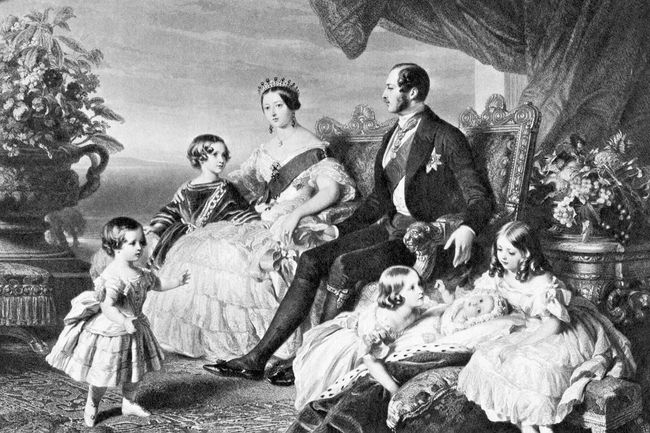
Few royal monarchs hold as much fascination as England’s Queen Victoria. Her lengthy reign and complex legacy left such a lasting mark on Britain and the world that the era still bears her name. At her birth on May 24, 1819, Princess Alexandrina Victoria of Kent was only fifth in line to the throne. She was never expected to be queen, but fate had other plans for young “Drina.” Victoria ascended the throne on June 20, 1837, less than a month after her 18th birthday, and ruled for more than 63 years — longer than any British monarch except for her great-great-granddaughter Queen Elizabeth II.

During her rule, the diminutive Queen Victoria developed a reputation as a strong-willed and outspoken sovereign committed to expanding and strengthening the British Empire. She oversaw a time of unprecedented industrial expansion, political reform, and social change in England, but her time on the throne was also marked by aggressive colonization. Britain’s imperial reach nearly doubled during Victoria’s reign, until some 25% of the world’s population owed their allegiance to her. Here are seven fascinating facts about the life of the monarch known as the “grandmother of Europe.”

Photo credit: INTERFOTO/ Alamy Stock Photo

Victoria Was Delivered by a Woman Doctor

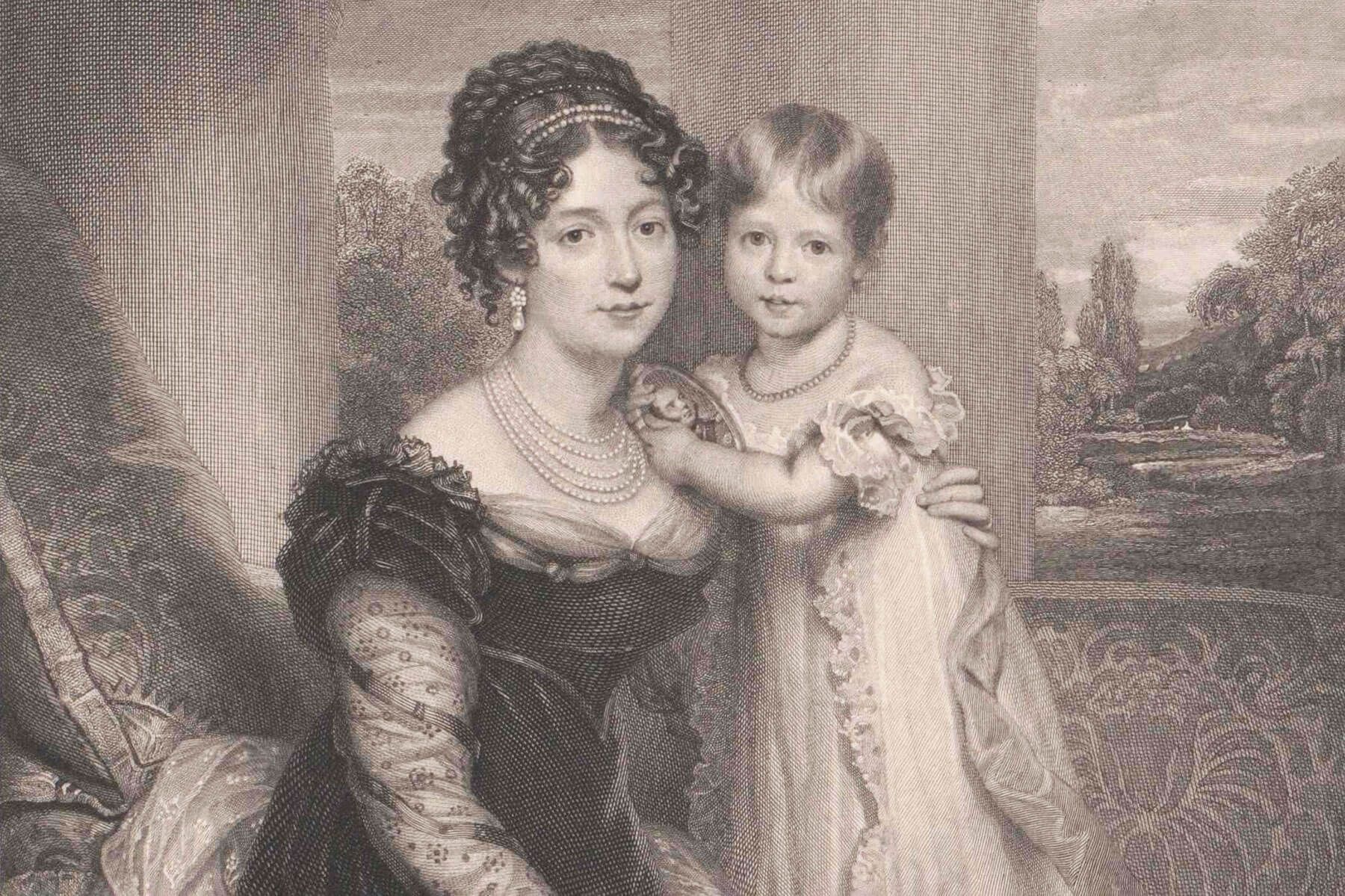
At a time when female doctors were rare, Victoria’s mother, Princess Victoria of Saxe-Coburg-Saalfeld, chose to have a woman deliver her baby, rather than a male royal doctor. In some historical resources, Charlotte Heidenreich von Siebold is referred to as a midwife or nurse, but she was formally educated in gynecology and obstetrics and received a doctoral degree in obstetrics from the University of Giessen in 1817. Madam Siebold, as she was called, delivered the future queen at Kensington Palace on May 24, 1819. Three months later, on August 26, 1819, von Siebold delivered Victoria’s first cousin, Prince Albert of Saxe-Coburg-Gotha, at Schloss Rosenau castle near Coburg, Germany.

You may also like

The Stories Behind 5 Rulers Dubbed “the Great”

  • Ashoka the Great
Ashoka the Great
Photo credit: Album / Alamy Stock Photo
Author Adam Levine

June 13, 2023

Love it?

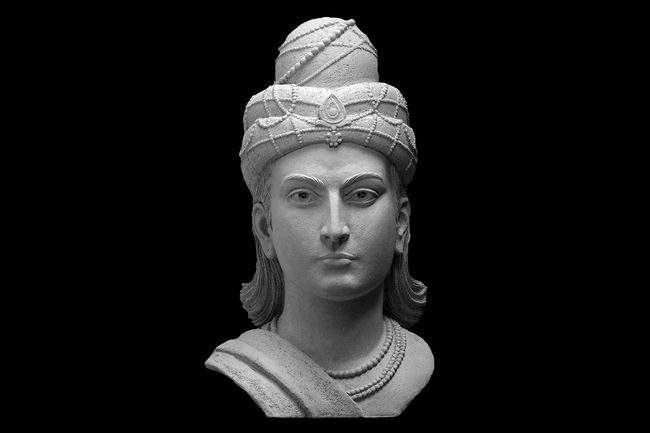
A handful of times in history, a ruler has come to power whose influence was so significant that they became known as “the Great.” This esteemed title is not bestowed upon leaders very often — of all the kings and queens to ever sit on the throne in England, for example, only one, King Alfred the Great, has ever earned the moniker. Indeed, to become known for all of history as “great” tends to require doing something singularly impactful — though not necessarily “good.” While some of these famed rulers presided over periods of peace and prosperity, others were brutal conquerors whose reigns were characterized by war and bloodshed. All of them have complicated legacies, but what ties them together is the sheer magnitude of their impact. Here are five historical rulers — spanning from ancient Egypt to Enlightenment-era Russia — who have managed to earn this rare label.

Photo credit: Photo 12/Universal Images Group via Getty Images

Ramses the Great Negotiated the Oldest Surviving Peace Treaty

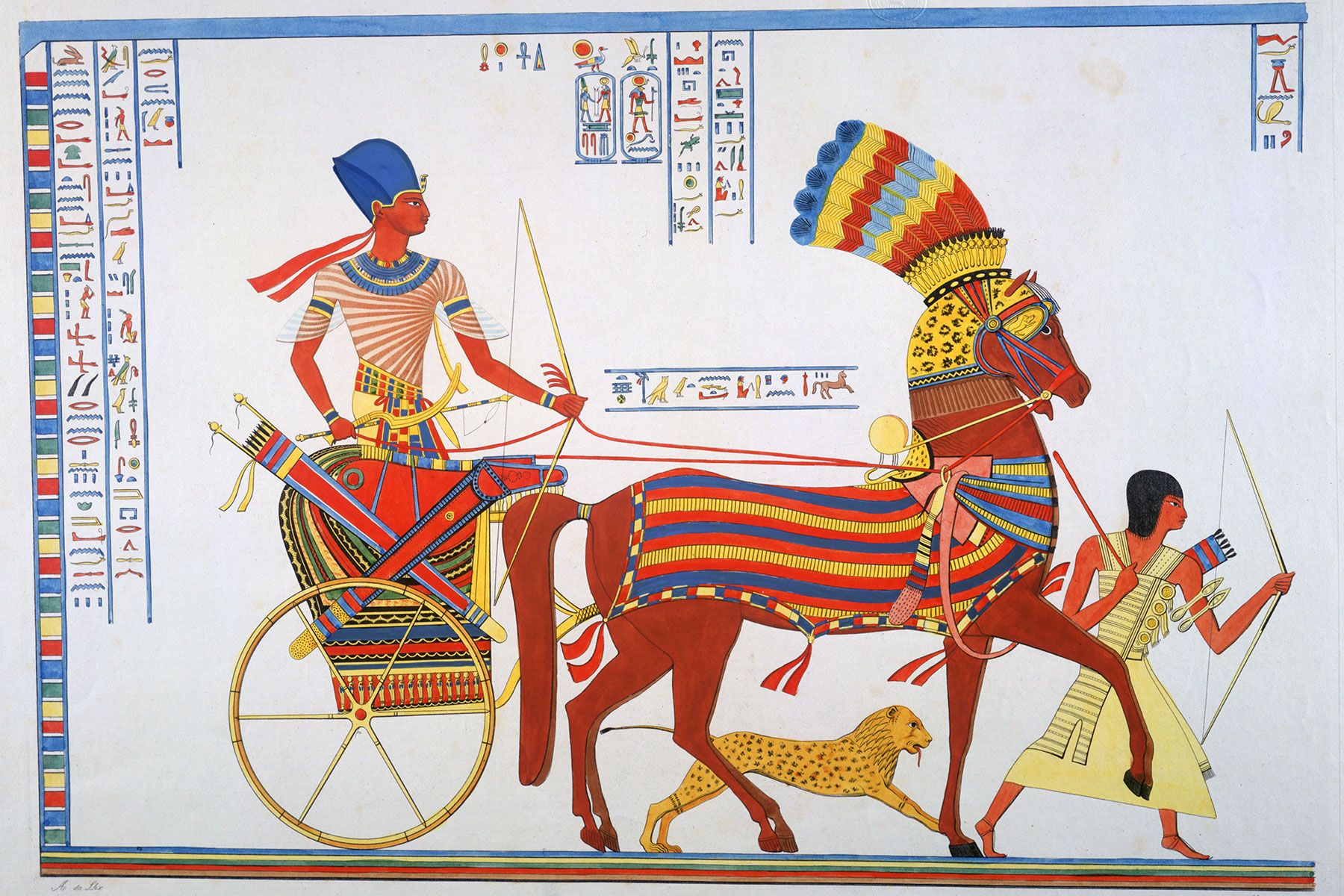
When the Egyptian pharaoh Ramses II launched a military campaign against the Hittites around 1275 BCE, it was as much a matter of pride as it was geopolitical strategy. The Hittites (an ancient people in modern-day Turkey) had invaded northern Egypt for years, including during the reign of Ramses’ father Seti I, when the Hittites regained control of the city of Kadesh (in modern Syria). Ramses was determined to win it back, but though the pharaoh defeated the Hittite army in battle, he wasn’t able to recapture the city. Ultimately, it was Ramses’ knack for diplomacy, not his military prowess, that proved decisive in his relations with the Hittites. Roughly 16 years after his attempt to reconquer Kadesh failed, Ramses negotiated a truce with the Hittites. Codified around 1259 BCE, the agreement is recognized today as the world’s oldest surviving peace treaty. 

Among the terms agreed to in the treaty was a nonaggression pact between the Hittites and Egyptians, as well as a pledge between the two empires to come to each other’s aid in future military conflicts. Ramses helped reinforce this new alliance by marrying a Hittite princess, Maathorneferure, several years later, further strengthening the bond between the two cultures. Thanks to the treaty with the Hittites, the Egyptian leader was able to neutralize a growing military threat and secure a powerful new ally all at once. This early peace helped lay the groundwork for his long and prosperous reign, which lasted from 1279 to 1213 BCE and was characterized by economic prosperity and the construction of many dazzling temples and monuments — more than those completed under any other pharaoh in history.

You may also like

5 Strange Traditions of the British Monarchy

  • Swan-upping in 1951
Swan-upping in 1951
Photo credit: Fox Photos / Hulton Archive via Getty Images
Author Tony Dunnell

June 12, 2023

Love it?

Britain is a nation of many strange old traditions, from cheese rolling and wife carrying to mayor weighing and possibly the world’s most brutal ball game. Then there’s the British royal family, an almost endless source of quirky behavior and bizarre rituals. Some of these are well known, at least among Brits, such as the use of the majestic plural, better known as the “royal we” (Queen Elizabeth II often used “we” to refer to herself), and the monarch’s custom of having two birthdays. Other odd traditions of the British royals are less well known, despite having existed for centuries. Here are some of the strangest, involving everything from swans to ravens to parliamentary hostages. 

Photo credit: Fox Photos / Stringer via Getty Images

Swans Are Ceremonially Counted on the River Thames

Since medieval times, the British monarch has had certain rights when it comes to the country’s swans. “The king has the right to claim any swan swimming in open waters, unmarked, if he so wishes,” explained David Barber, who served as Queen Elizabeth II’s swan marker (an actual position in the royal household that dates back to the 12th century). To this day, an annual census of the swans takes place on a stretch of the River Thames. The five-day journey upriver, known as “swan upping,” features a fleet of traditional rowing skiffs, led by the swan marker. The royals once considered swans a delicacy, but swan upping is now focused on conservation and education rather than any culinary considerations. 

You may also like

6 Surprising Facts About Attila and the Huns

  • Illustration of Attila the Hun
Illustration of Attila the Hun
Photo credit: bauhaus1000/ DigitalVision Vectors via Getty Images
Author Michael Nordine

June 7, 2023

Love it?

More than 1,500 years after his death, Attila the Hun remains one of the most fear-inducing figures in history. He and his nomadic empire spent decades terrorizing and conquering Europe on horseback, so much so that he’s still remembered all across the continent — sometimes with reverence, sometimes with hatred. But many details of his life are unclear, and some that have been reliably recorded aren’t as widely known as the apocryphal legends about him. Here are five such facts about Attila and his empire.

Photo credit: Tuul & Bruno Morandi/ The Image Bank via Getty Images

No One Knows Where the Huns Came From

The Huns were among the most feared people in the world, as well as some of the least understood. That’s exemplified by the fact that the tribe’s precise origins remain unknown to this day. They were nomads, after all, and while one popular theory posits that their roots can be traced back to the Xiongnu people of ancient Mongolia, it’s impossible to confirm. Even the etymology of the Huns’ name is disputed, with some historians ascribing it to the old Turkic word for “ferocious”; others thinking it comes from the Persian term hūnarā, meaning “skilled”; and others still of the belief that it’s derived from the Ongi River in Mongolia, which could possibly have been the Huns’ ancestral homeland.

You may also like