



What Was Stonehenge’s Actual Purpose?

  • Stonehenge, Wiltshire, England
Stonehenge, Wiltshire, England
Credit: Heritage Images/ Hulton Archive via Getty Images
Author Tony Dunnell
January 13, 2026

Love it?

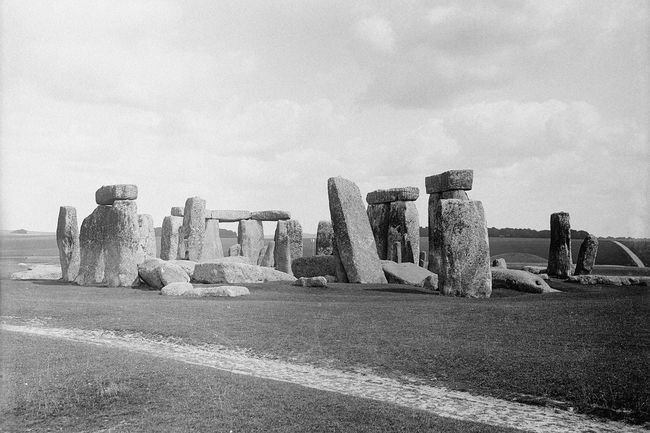
For thousands of years, Stonehenge has stood on England’s Salisbury Plain, shrouded in mist and mystery, its massive stones arranged in circles that continue to puzzle archaeologists and visitors alike. Built around 4,500 years ago — around the same time as the Sphinx and the Great Pyramid of Giza in Egypt — this historic monument has inspired many theories as to its purpose. Was it an ancient observatory? A burial ground? Or something else entirely? 

As Stonehenge was built by a Neolithic culture that left no written records, little is known for sure about its origins. The first significant surveys and excavations of the monument were made by English antiquarians John Aubrey and William Stukeley in the late 1600s, and it was they who first suggested the Druids as the most likely engineers — a myth that stuck (and is widely repeated even today), despite Stonehenge predating the Druids by more than a thousand years. People have studied the site ever since and further discoveries are still being made, expanding our knowledge regarding who exactly may have built Stonehenge and why. And recent research suggests its purpose was more complex than anyone imagined. 

Credit: robertharding/ Alamy Stock Photo 

An Astronomical Calendar

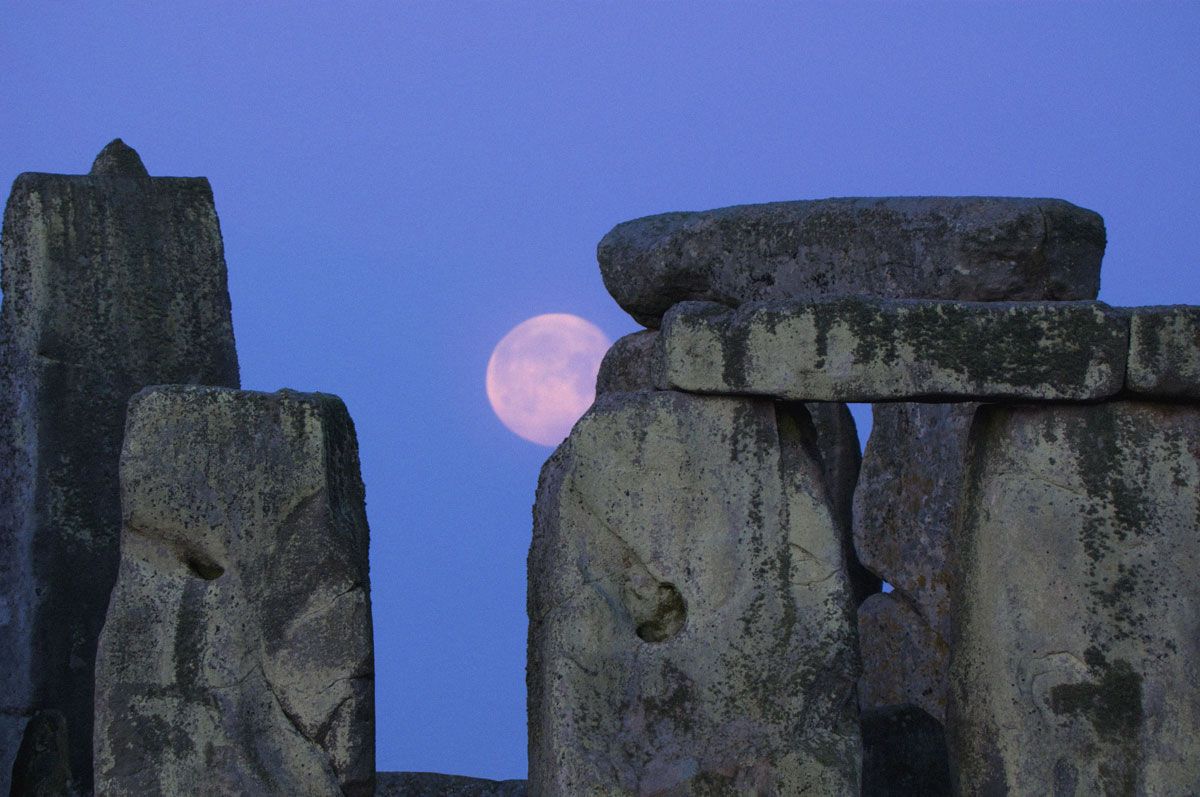
The idea of Stonehenge as an astronomical observatory has been around for a long time. As far back as the late 18th century, the antiquarian and polymath James Douglas concluded that the monument must have been an ancient solar temple due to its alignment with the midsummer sunrise. The theory of Stonehenge as some kind of Neolithic calendar gained traction from there, prompting many similar studies, including research in the 1960s when computers were used to make more precise calculations. 

Archaeological studies have proved that solstitial alignment was almost certainly a consideration of the people who built Stonehenge. It appears, however, that marking the summer solstice was not the priority. Due to the form and layout of Stonehenge, many archaeologists now believe that midwinter was the more important marker — which makes sense given that winter was the most challenging time of year for ancient agricultural communities.

This Ancient Civilization Was More Advanced Than Rome

  • Map of Indus Valley civilization
Map of Indus Valley civilization
Credit: Dorling Kindersley/ Dorling Kindersley RF via Getty Images
Author Timothy Ott
November 26, 2025

Love it?

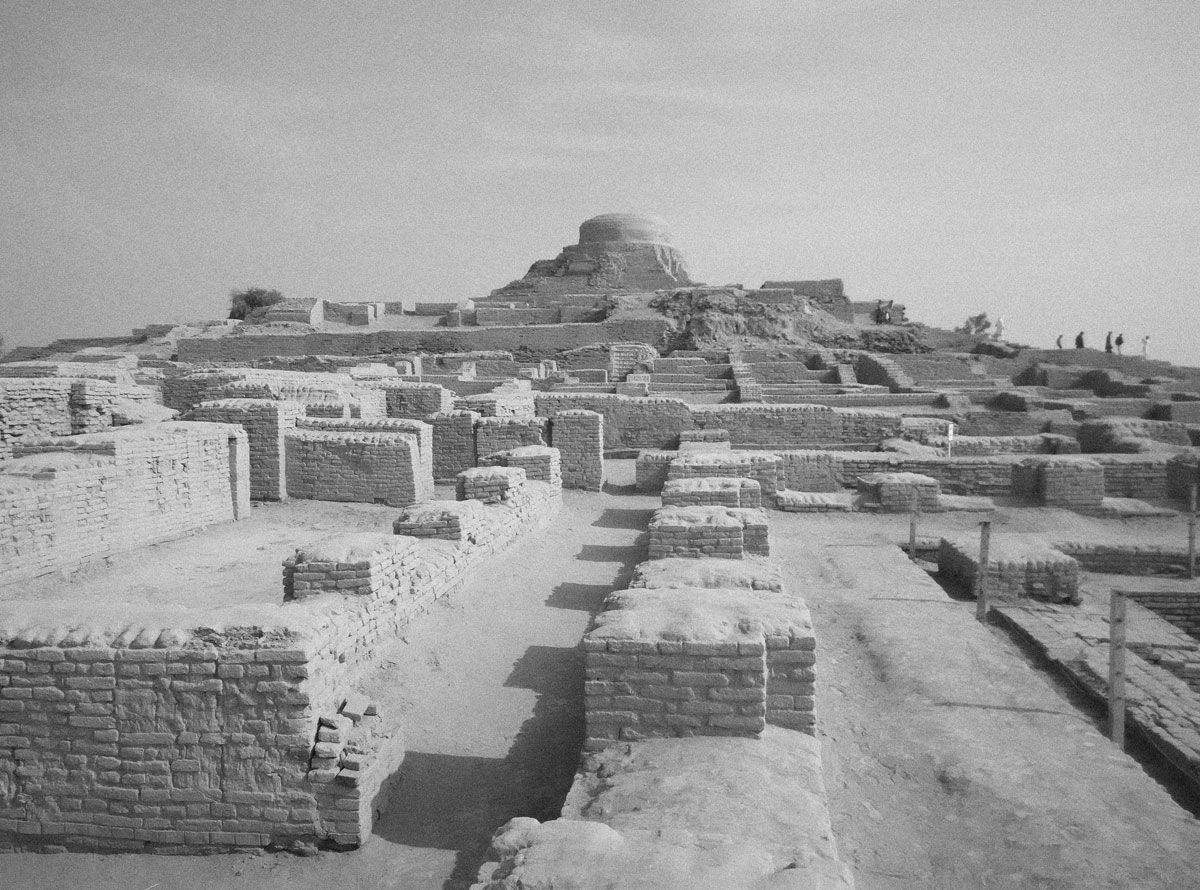
Few history buffs need to be reminded of the accomplishments of the Roman Empire, which contributed lasting innovations in construction, publishing, law, and many other fields. Far lesser known and understood, however, is the Indus Valley civilization that sprung up around the Indus River and its adjacent waterways in modern-day Pakistan and eventually stretched into parts of modern-day India and Afghanistan. 
The Indus Valley’s peak years lasted from approximately 2600 BCE to 1900 BCE, around the same time that cities in Mesopotamia and Egypt were thriving. At the height of the civilization, the Indus people enjoyed advancements that not only surpassed those of their contemporaries but also rivaled — and in many cases outshone — the advancements that arrived more than a millennium later in ancient Rome.
One major drawback to studying the Indus Valley civilization is that, unlike the cuneiform script of Mesopotamia and the hieroglyphics used by the Egyptians, the Indus people’s distinct system of writing has yet to be deciphered. But while that has prevented historians from gaining significant insight into the minds of these ancient denizens, archaeological discoveries have provided plenty of evidence for their advanced thinking.

Credit: G R Talpur/ iStock via Getty Images Plus 

Organized City Planning

Unlike the chaotic pathways of Mesopotamia, the streets of Indus Valley cities were established in a grid system oriented along the north-south and east-west axes, intersecting roads at right angles to one another, which allowed for an orderly flow in population centers that hosted upwards of 35,000 residents.

Main thoroughfares could reach 30 feet wide to allow for the passage of carts, while the entrances of houses were stationed off narrower alleyways, away from the busy streets. Most homes received water furnished by a private well and were typically positioned around a central courtyard to provide an area for light and ventilation.

The cities themselves were built on massive stone platforms, in some cases covering more than 80,000 square feet, to remain above the floods of the Indus River. One of the largest cities, Mohenjo-daro, is famed for its Great Bath measuring nearly 900 square feet; the ruins of this ancient hub are now a UNESCO World Heritage Site. And the Lothal archaeological site, another ancient city, features a basin around 700 feet long and 100 feet wide that is believed to be the world’s first dockyard.

Underlying all this construction was a system of measurement that followed carefully delineated ratios and led to the creation of oven-baked bricks of identical size. This, in turn, led to standard sizes for streets and buildings that could be found across urban centers throughout the Indus Valley.

Cities in the Roman Empire — which began in 27 BCE, more than a thousand years after the Indus Valley’s decline — were also renowned for adhering to a grid system, known as centuriation, and for a well-planned layout that placed forums and amphitheaters at the intersection of major thoroughfares. Yet Rome itself was not so carefully organized, with its collection of narrow, winding streets that emerged amid the hilly, swampy terrain of the original settlement. These conditions proved problematic as the city swelled to more than a million residents by the imperial period, with many Romans packed into multistory apartment buildings known as insulae that were susceptible to fires.

What Did People Do Before Shampoo?

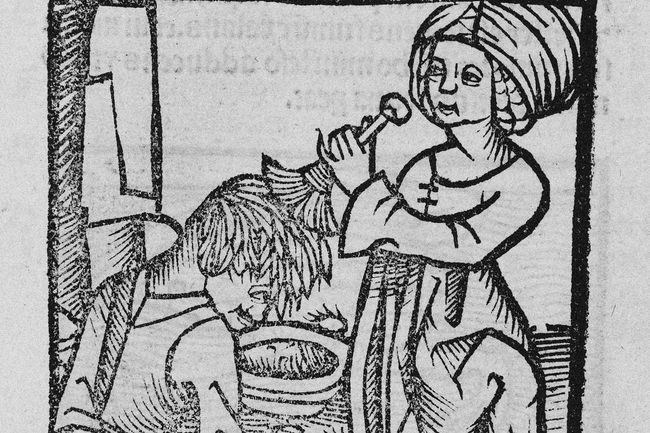
  • Washing lice out of hair, 1497
Washing lice out of hair, 1497
Credit: Science & Society Picture Library/ SSPL via Getty Images
Author Nicole Villeneuve
November 13, 2025

Love it?

Shampoo as we know it today is less than a century old, but the act of hair-washing stretches back thousands of years. So what did people do before sudsing up in the shower?

A clue can be taken from the word “shampoo” itself. It comes from the Hindi champo, meaning “to massage, press, or knead” — indicative of some of the early hair-cleansing practices, even if it was just with plain old water. Only later did the term come to describe what we now think of as washing our hair. Here’s a look at how people kept their locks shiny before modern shampoo.

Credit: The History Collection/ Alamy Stock Photo 

Ancient Cleansers

Around 4,000 years ago in the Indus Valley (modern-day Pakistan and northwest India), washes formulated specifically for hair began to emerge. Soapberries — fruit from the sapindus tree — were boiled with dried Indian gooseberries, also known as amla, to make a gentle cleansing solution. The soapberries produced a lather, while the amla’s fatty acids and vitamin C helped nourish tresses. Centuries later, the Yao people in southern China had a similar tradition, washing their famously long hair with rice water, a custom that continues today.

Rudimentary soaps made from animal fats and plant ashes were common in ancient Mesopotamia, Egypt, Greece, and Rome, although it’s unclear if these harsh concoctions were used for personal hygiene or for other cleaning such as laundry. Indeed, Romans typically maintained their hair simply by combing it and applying oils. Hair-washing wasn’t a regular habit, but rather a ritual one: Plutarch described women washing their hair before accessorizing it with flowers for the festival of Nemoralia in honor of the Roman goddess Diana.

In Egypt, soapwort plants were used to wash hair. These plants contain natural compounds known as saponins that create a mild lather when crushed. Animal fats were added for conditioning, citrus juices helped clean, and fragrant oils made it all smell good. Across the Atlantic, many Indigenous peoples in North America also used plants with saponins, such as yucca. The roots were peeled and ground into a sudsy pulp, then mixed with water to wash both hair and skin.

Does the Thumbs-Up Sign Come From Gladiator Fights? 

  • Thumbs-up gesture
Thumbs-up gesture
Credit: H. Armstrong Roberts/ClassicStock/ Archive Photos via Getty Images
Author Tony Dunnell
August 5, 2025

Love it?

The thumbs-up sign is one of the most instantly and universally recognized symbols of approval in modern Western culture. This ubiquitous gesture appears in everyday acknowledgments between friends and colleagues, in emojis across social media, and in numerous TV shows and movies, with famous fictional proponents including “The Fonz,” Borat, and Arnold Schwarzenegger’s T-800 in Terminator 2: Judgment Day.

Despite this popularity, a fair amount of confusion and misinformation surrounds the origin of the thumbs-up sign. Most notably, many people believe the gesture has its origins in ancient Roman gladiator fights, where spectators supposedly used a thumbs-up to spare defeated fighters and a thumbs-down to condemn them to death. This narrative has been reinforced by popular culture — particularly the 2000 Academy Award-winning movie Gladiator. The historical reality, however, is not nearly as clear cut as Hollywood would have us believe. 

Credit: Bettmann via Getty Images 

The Problem With Pollice Verso

It’s true that there’s a link between thumb gestures and gladiator fights in ancient Rome, but we don’t know exactly how the gesture was used. At the heart of the historical debate is the Latin phrase pollice verso, meaning “with a turned thumb.” This phrase appears in ancient Roman literature, including in connection with gladiatorial contests, but its exact meaning remains unclear to historians. We don’t know whether pollice verso referred to a thumb being turned up, turned down, held horizontally, or concealed inside the hand to indicate positive or negative opinions — or, in the arena, to signal whether a gladiator was spared or killed. 

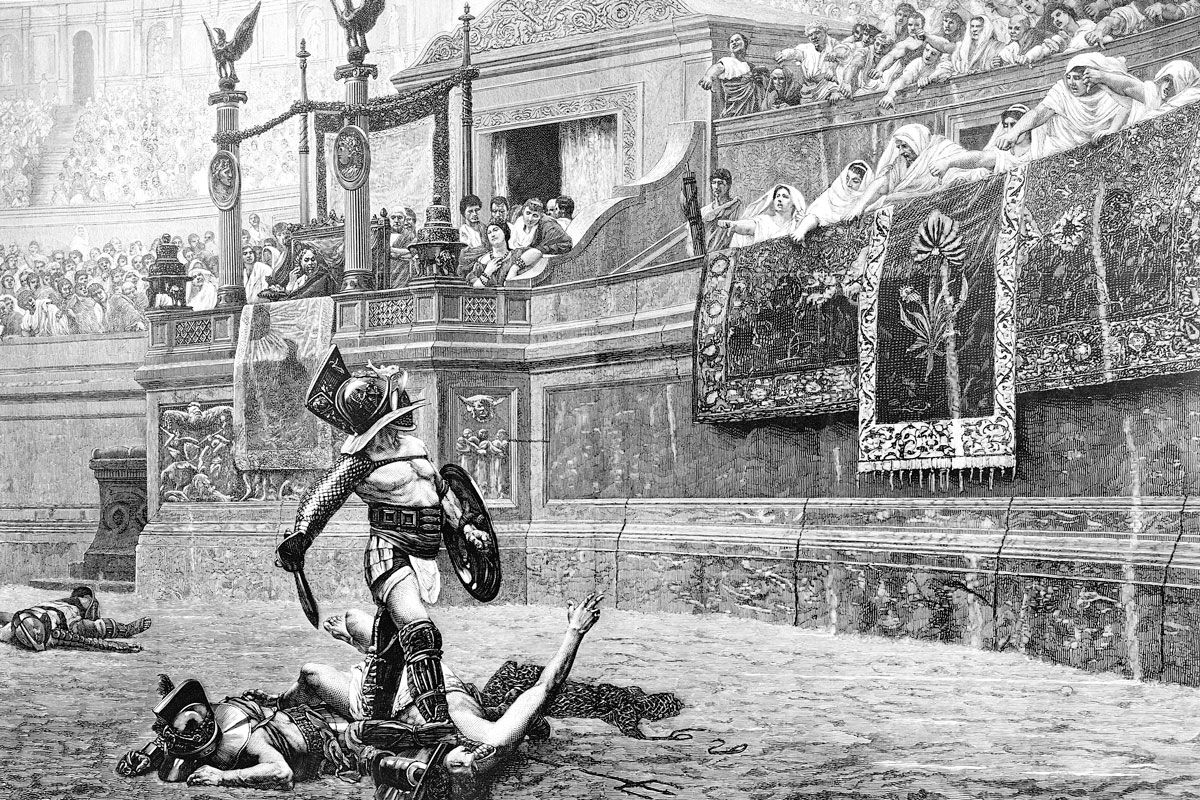
The ambiguity of ancient sources has allowed later interpreters to project their own meaning onto the gesture. The most significant example of this in the modern era is Jean-Léon Gérôme’s 1872 painting “Pollice Verso.” The painting brilliantly captures the power and drama of a gladiatorial contest, with one gladiator standing above his fallen opponent, who, lying stricken on the ground, raises two fingers to plead for mercy. In the stands of the Colosseum, Roman spectators, including an animated group of vestal virgins, signal death for the defeated gladiator with a thumbs-down gesture. The painting greatly popularized the idea that a thumbs-up signaled life, and a thumbs-down signaled death for a defeated gladiator.

It didn’t take long, however, for scholars to highlight the painting’s lack of a solid historical foundation in its portrayal of the gladiatorial contest. In 1879, a 26-page pamphlet titled Pollice Verso: To the Lovers of Truth in Classic Art, This Is Most Respectfully Addressed presented evidence against the historical accuracy of the thumb gestures in Gérôme’s painting.

Who Built the Great Sphinx of Giza?

  • The Great Sphinx of Giza
The Great Sphinx of Giza
Credit: DEA / G. DAGLI ORTI/ De Agostini via Getty Images
Author Bess Lovejoy
July 15, 2025

Love it?

The Great Sphinx of Giza is one of the most iconic monuments of the ancient world. With the body of a lion and the head of a man, it has gazed across Egypt’s desert sands for thousands of years. But while millions have marveled at its majesty, one question continues to puzzle experts and enthusiasts alike: Who built it?

Credit: CRIS BOURONCLE/ AFP via Getty Images 

A Monument of Mammoth Proportions

Carved from a single block of limestone, the Great Sphinx stretches an astonishing 240 feet or so in length and towers 66 feet high. Its massive form faces east, greeting the rising sun each day — a position that may have symbolized the connection between the king and the sun god in ancient Egypt.

Though today the Sphinx appears weathered and colorless, traces of red paint on the face, yellow on the headdress, and blue on the beard hint at its once-vibrant appearance. Over the centuries, the desert sands buried the Sphinx almost to its neck, helping to protect it from erosion, though modern threats such as pollution and smog now pose new challenges.

By some estimates, the statue’s construction would have taken 100 workers, using stone hammers and copper chisels, about three years to complete. That’s a remarkable feat of engineering and labor, given the tools available more than 4,000 years ago. But who commissioned this ancient marvel? There are a few theories.

What Did Ancient People Dream About?

  • Triptych depicting Constantine’s dream, 312 CE
Triptych depicting Constantine's dream, 312 CE
Credit: Henry Guttmann Collection/ Hulton Archive via Getty Images
Author Bess Lovejoy
June 5, 2025

Love it?

For the ancient Greeks, Romans, and folks in other cultures, dreams were far more than idle nighttime fancies. They were powerful, often sacred experiences that shaped lives, politics, religious practices, and art. 

While ancient people likely dreamed about many of the same themes we do today — love, fear, death, power, the divine — their dreams were widely seen as significant messages, often believed to come directly from gods or supernatural forces. Ancient dreamers sought meaning in their visions, often finding answers to illness, moral dilemmas, or matters of state, and they acted on their dreams with great seriousness. Here’s a look at what people in ancient times likely dreamed about, and what they believed those visions meant.

Credit: Culture Club/ Hulton Archive via Getty Images 

Divine Messengers and Prophecy

One of the most common types of dreams in antiquity featured divine or semidivine figures delivering a message — what later Roman thinkers such as the scholar Macrobius classified as “oracles,” and later scholars have called “epiphany dreams.” These dreams usually involved a god, ancestor, or venerable figure announcing future events or prescribing actions to take.

A prominent example is Penelope’s dream in Homer’s Odyssey, where she sees an eagle slay her flock of geese. The eagle speaks, revealing himself as Odysseus and foretelling his return and vengeance. In another example, from ancient Sumer, King Eanatum I dreamed that Ning̃irsu — the Sumerian god of thunderstorms and floods — told him he would triumph in a war. And in Egypt during the 15th century BCE, a deity told Prince Thutmose IV that he would become pharaoh if only he freed the Sphinx from the sand engulfing its body.

In some early Christian writing, dreams offered opportunities for moral instruction, although it can be hard to distinguish between sleeping dreams and what we’d now be more likely to call visions. But it wasn’t unusual for dreams to influence early religion: Ptolemy I Soter, one of Alexander the Great’s generals, had a dream of a giant statue that led him to found the cult of Serapis.

What Knowledge Did We Lose With the Library of Alexandria?

  • Founding the Library of Alexandria
Founding the Library of Alexandria
Credit: SPCOLLECTION/ Alamy Stock Photo
Author Tony Dunnell
April 10, 2025

Love it?

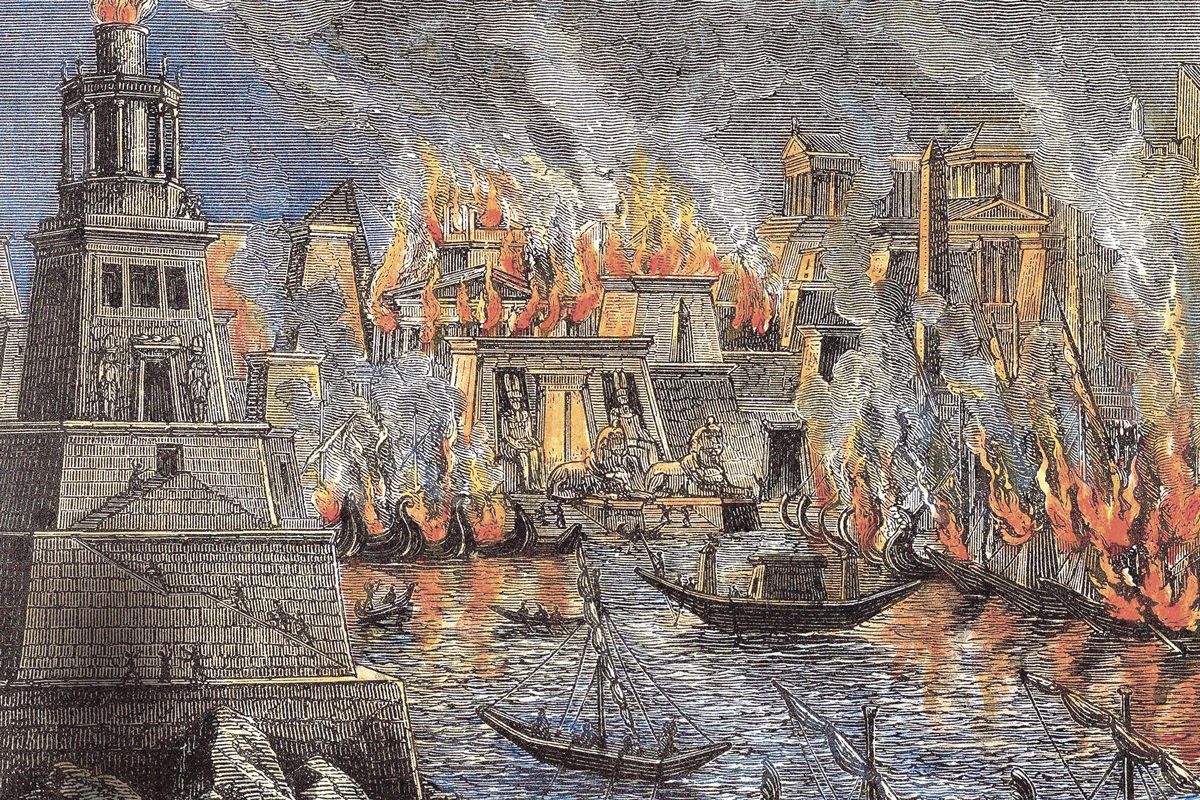
The famous story of the burning of the Library of Alexandria, and the centuries of knowledge that went up in flames along with it, is often told as a single dramatic event — but that’s somewhat misleading. While fires did occur, the library wasn’t destroyed all at once. Rather, it succumbed to a slow decline over centuries. Its destruction is now shrouded in myth and mystery, but what is certain is that the Library of Alexandria was one of the largest and most significant collections of the ancient world, and its eventual loss was an intellectual tragedy.

Credit: Heritage Images/ Hulton Archive via Getty Images 

The Fabled Burning

Likely established during the reign of Ptolemy II in the early third century BCE, the Library of Alexander formed part of a larger research institute in Alexandria, Egypt, called the Mouseion (meaning “shrine of the Muses,” the origin of the word “museum”). This great undertaking represented humanity’s most ambitious attempt to collect and preserve human knowledge. 

The library flourished for some six centuries, but by the fifth century CE it had all but ceased to exist. The infamous — and often overstated — fire occurred during Julius Caesar’s occupation of Alexandria in 48 BCE, when he ordered his troops to set fire to enemy ships in the harbor, possibly causing some collateral damage to the library. But Caesar certainly didn’t burn down the whole library. In reality, the collection’s slow demise was due to various factors, many of which were tied to Alexandria’s centuries-long decline as an intellectual center. The library’s books were sold or destroyed, its buildings were eventually razed or converted into churches or mosques, and, in the end, the library simply faded away. 

What Did Mummies Smell Like?

  • Mummification in Egypt, 19th century
Mummification in Egypt, 19th century
Credit: PRISMA ARCHIVO/ Alamy Stock Photo
Author Bess Lovejoy
April 5, 2025

Love it?

Although scent and memory are intimately intertwined, it’s not always easy to figure out what the past smelled like. But in the case of Egyptian mummies, historians may actually have an answer, and it’s “surprisingly pleasant.”

Recently, researchers from the University College London collaborated with the Egyptian Museum in Cairo to analyze the scents of nine mummies from a range of time periods in ancient Egyptian history. The resulting study, published in February 2025 in the Journal of the American Chemical Society, combined somewhat traditional sensory analysis — a panel of trained human “sniffers” who described their findings — with techniques to pinpoint the chemical compounds the mummies were emitting.

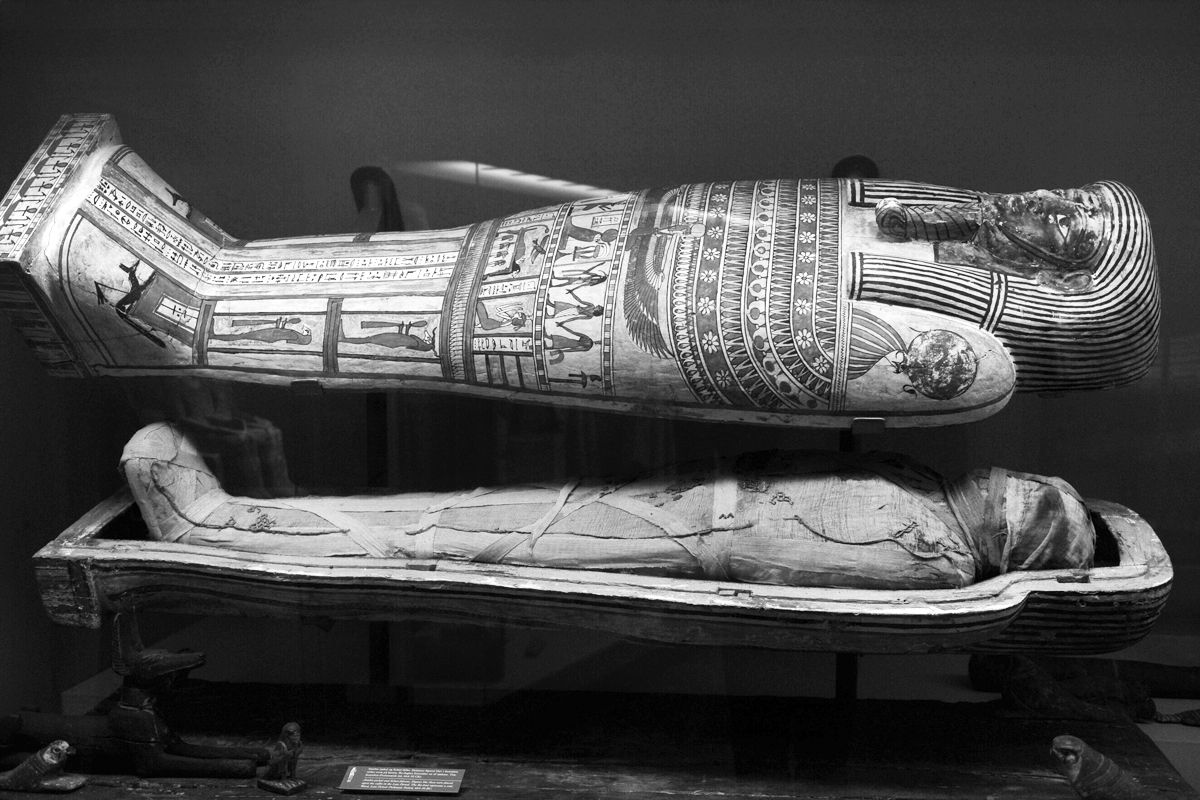
They looked at nine mummies, dating from Egypt’s New Kingdom (roughly 1539 to 1077 BCE) to its Roman period (30 BCE to 642 CE), and the most common olfactory descriptors people noted were “woody,” “spicy,” and “sweet.” Less commonly, the mummies were described as smelling “incense-like” or “stale, rancid.” The human sniffers were also asked to describe the pleasantness of mummy aromas, technically known as their “hedonic tone.” The average hedonic tone was rated as “slightly pleasant” — not bad, 5,000 or so years after death.

Credit: PHAS/ Universal Images Group via Getty Images 

Some of the most common odor compounds isolated by the more high-tech analysis were “nonanal” (described as smelling fresh and similar to wax, orange peel, and fat), “furfural” (described as being sweet and reminiscent of wood, almonds, and bread), and terpenoids such as α-pinene, d-limonene, l-verbenone, and borneol. Terpenoids usually suggest the use of plant products such as juniper oil, myrrh, and frankincense, which have all been well documented as part of the mummification process.

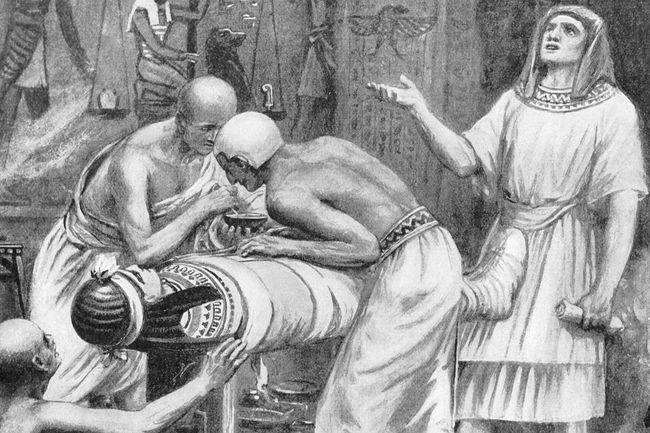
Indeed, the smells emitted by the mummies come in large part from the materials used to preserve the corpses. While techniques and materials varied over time, Egyptian mummies were often embalmed with resins from trees such as pine, cedar, juniper, and mastic, as well as gum resins (such as myrrh and frankincense), incense, animal fats, waxes, and various other woods, spices, herbs, and flowers. The preservation process also often involved natron salts — a mix of sodium carbonate, hydrogen carbonate, and small amounts of chloride and sulfate.

Did People in Ancient Rome Really Wear Togas?

  • Young Roman given a toga
Young Roman given a toga
Credit: traveler1116/ DigitalVision Vectors via Getty Images
Author Kristina Wright
February 13, 2025

Love it?

When we think of ancient Rome, we often think of the toga, generally depicted as a flowing white garment arranged in folds around the body and typically worn over a tunic by senators, philosophers, and citizens in grand marble forums. It’s an image that has persisted for thousands of years and has been reinforced in mythology and history. In the epic poem “Aeneid,” the Roman poet Virgil refers to Romans as “masters of the world, and people of the toga.” And in Roman folklore, Romulus — the founder of Rome — is depicted wearing a toga.

To ancient Romans, the toga represented a symbol of citizenship, status, and identity — and not everyone was entitled to wear it. The evolution of the garment spans centuries and came to symbolize Roman culture and values. As Rome changed, so did its fashion, but the toga remains a lasting image of a civilization that shaped the Western world.

Credit: Heritage Images/ Hulton Archive via Getty Images 

Romans Weren’t the First To Wear Togas

While the toga is quintessentially Roman, similar garments existed in other ancient cultures. The Greeks wore the himation, a large rectangular cloth draped over the body like a cloak. While less structured than the toga, it also served as a marker of status and decorum. The Etruscans, another ancient Italian society whose culture greatly influenced the Romans, wore the tebenna, a garment resembling the toga that didn’t carry any particular symbolic associations.

What set the Roman toga apart was its evolution into a distinctly Roman symbol. The toga became a visual marker of Roman citizenship, distinguishing Romans from the diverse peoples they ruled, and remained a symbol of Rome long after it fell out of fashion. Roman dress borrowed and incorporated elements from other cultures in the empire, resulting in a variety of toga styles and colors over the centuries that reflected the diversity of the Roman Empire.

What Were the First Units of Measurement?

  • Old rulers and measuring tools
Old rulers and measuring tools
Credit: Underawesternsky/ Shutterstock
Author Timothy Ott
February 6, 2025

Love it?

The use of measurements has become such an indispensable part of everyday existence that it’s virtually invisible. We check the clock to determine how much time we have before running out the door. We put on clothes that are generally tailored to our bodily dimensions. We measure out a cup for our favorite recipe, run a mile for our daily exercise, or tell the barber to take an inch off the top. And these basic actions don’t even touch on the immense calculations behind the machinery that powers our phones, computers, homes, and vehicles. 

It’s difficult to imagine life without these widely accepted designations to provide order to our actions. Indeed, it was in large part the consolidation of disparate measurements within the earliest human communities and villages that enabled the world’s first great cities and nations to take shape. From Babylonian minas to Egyptian cubits, here are some of those earliest known units of measurements.

Credit: Joeykentin/ CC BY-SA 4.0

Prehistoric People Formed Primitive Measuring Devices

There’s evidence that our prehistoric ancestors used tools to fashion rudimentary measurement systems. The 40,000-year-old Lebombo bone and the 20,000-year-old Ishango bone are two such examples. Unearthed in Africa, both are notched at regular intervals to indicate functionality as a ruler, and the latter bone was possibly also used to track lunar cycles.

Some of the earliest measurement systems began to coagulate around the Neolithic people who settled in Mesopotamia. Clay tokens used to mark possessions and transactions appeared as far back as 7500 BCE, and these eventually morphed into the cuneiform indentations that appeared around 3500 BCE and were largely used for accounting purposes. While the Sumerians of this era developed a complex counting system, by around 3100 BCE it had been simplified into the base-60 sexagesimal system (60 seconds in a minute, 60 minutes in an hour, 360 degrees in a circle, and so on) that went on to enable developments in timekeeping and astronomy.