



Was Paul Bunyan Real?

  • Paul Bunyan illustration
Paul Bunyan illustration
Credit: CSA-Printstock/ iStock
Author Timothy Ott

November 14, 2024

Love it?

Even in this age of internet-inspired distractions, Paul Bunyan remains a well-known figure in the pantheon of American icons. It’s easy to see why when considering his portfolio. A hardworking lumberjack, Bunyan cleared entire forests with a single stroke of his ax; created natural formations such as the Grand Canyon with his sheer size and strength; and was even kind to animals, as illustrated by his longtime companionship with Babe the Blue Ox. No fewer than six towns lay claim to being his birthplace, while others boast a variety of Bunyan statues, restaurants, and events.

Of course, part of the attraction to this legendary figure stems from the exaggerations inherent to the tall-tale tradition. We know there wasn’t really a human so massive he needed to be carried by five storks as a baby and created entire lakes when his footsteps filled with water. On the other hand, it’s often pointed out that truth is stranger than fiction, so perhaps there was a real-life lumberjack so unusually strong and brave that he inspired the character who grew to such outlandish proportions in the stories that followed. Peering back through the legend’s many branches, here’s a look at where and when this larger-than-life woodsman first marked his presence.

Credit: CSA-Printstock/ DigitalVision Vectors via Getty Images

The Possible Real-Life Inspiration for Bunyan

One candidate for the real-life Bunyan was a French Canadian logger by the name of Fabian “Saginaw Joe” Fournier. A large man who supposedly sported two full sets of adult teeth, Fournier was known for his shows of strength and hard-drinking ways, until he was killed in the rough-and-tumble logging town of Bay City, Michigan, in 1875.

The other main hypothesized model for the tall-tale icon was a French Canadian lumberman named Bon Jean, an alleged participant in Lower Canada’s Papineau Rebellion of 1837. Bon Jean’s formidable reputation spread across the border by way of his countrymen who sought work in the Great Lakes region, and, the theory goes, his Québécois moniker was eventually Americanized to “Bunyan.”

However, according to Michael Edmonds, author of Out of the Northwoods: The Many Lives of Paul Bunyan, there are problems with both of these origin stories. The source of the Fournier theory was a logger-turned-writer named James MacGillivray, who published some of the earliest newspaper stories about Bunyan in the early 20th century. But his own source proved to be dubious. Decades later, MacGillivray wrote in a letter how he’d learned of the Fournier connection from a timber cruiser (land appraiser) named Jimmy Conn. However, that contradicted an earlier account of MacGillivray’s in which he claimed to have heard of Fournier back in 1887, a time when Conn was just a teenager and too young to hold such an advanced position.

Edmonds traces the Papineau Rebellion theory, meanwhile, to author James Stevens, who relayed the anecdotes of a French Canadian old-timer for his popular 1925 book about Bunyan. Over the years, the identity of this participant in the uprising was fused with that of a French Canadian folk character named Bon Jean. However, researchers who combed the archives of information related to the rebellion found no mention of a Bunyan or anyone with a similar name.
It’s quite possible that a logger with bulging muscles and nerves of steel made his way into the first Bunyan tales by hauling a massive white pine trunk or overpowering a vicious beast of the north woods. However, the identity of such an individual — or individuals — was unknown when researchers first began digging for him more than a century ago, and it remains unknown today with the original sources long gone.

You may also like

Did Pirates Really Have Peg Legs?

  • Pirate with a peg leg
Pirate with a peg leg
Credit: UniversalImagesGroup via Getty Images
Author Tony Dunnell

September 19, 2024

Love it?

The image of a pirate with a peg leg, an eye patch, and a parrot on the shoulder is deeply ingrained in popular culture, from classic literature to Hollywood movies. The peg-legged pirate, in particular, has become an enduring trope — it’s easy to picture such a character standing on the deck of a pirate ship, growling, “Arr, me hearties” and “shiver me timbers” while a motley crew runs up the Jolly Roger. 

But how much of this image is based on historical reality? Did many pirates actually have peg legs, or is this merely a romanticized myth perpetuated by literature and film? Here, we delve into the history of piracy — and maritime medicine — to separate fact from fiction.

Credit: Roger Viollet via Getty Images

Injuries in the Golden Age of Piracy

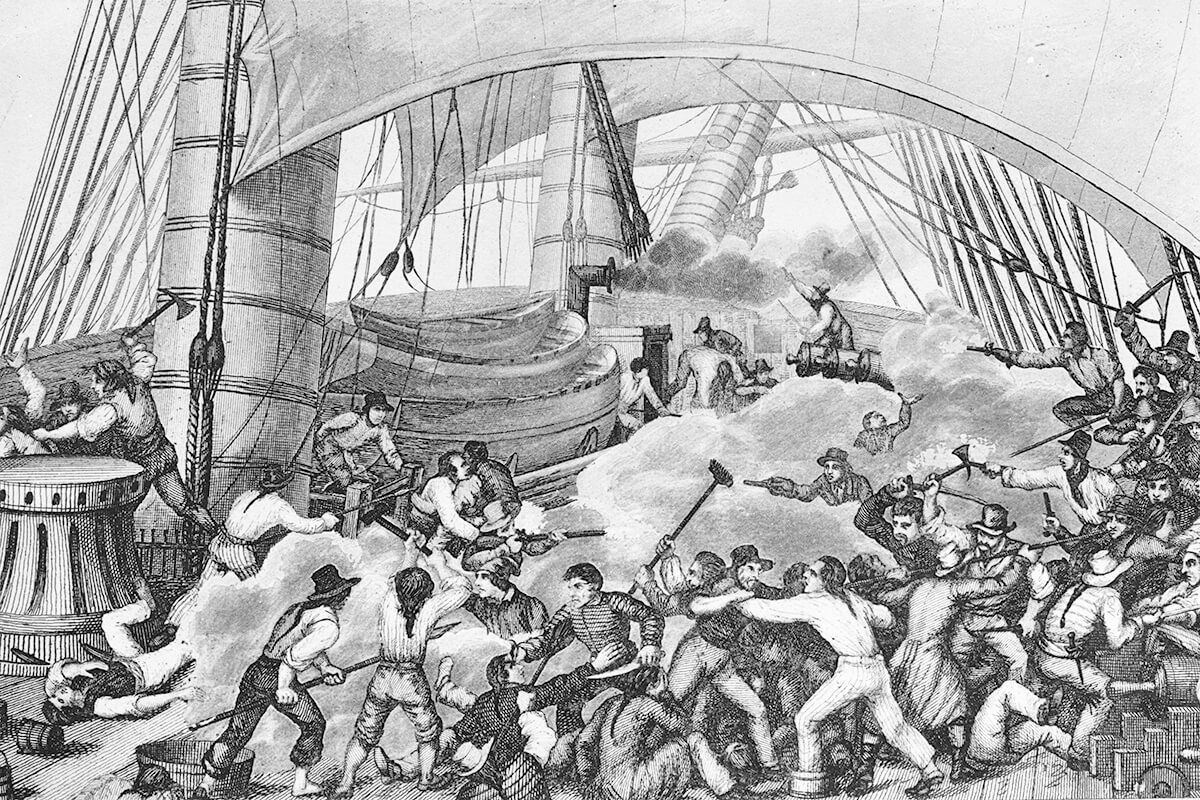
Between 1650 and 1720 — a period often considered the golden age of piracy — more than 5,000 pirates sailed the seas and caused all kinds of havoc. It was an incredibly dangerous profession, not just due to battles and skirmishes, but also because of accidents, diseases, and the primitive medical care available at the time. 
The nature of sea engagements often involved firing cannon broadsides at medium or close range between vessels, while muskets, pistols, swords, and grenades were used in close combat. All of this made the loss of limbs an occupational hazard, and injuries that resulted in amputations were not uncommon among sailors and pirates.

Surviving these injuries, however, was a long shot at best. On a pirate ship, the job of surgeon often fell to the ship’s carpenter or even the cook — the two most qualified people simply because they were accustomed to cutting things. Lacking adequate skills and equipment, and relying on rum as an anesthetic, these surgeons carried out amputations with a low chance of success. Even if the patient survived the procedure, they would often die from infection. The point at which a prosthetic was an option was a long way away for an amputee pirate. Even if they could afford a peg leg, most amputees would simply use crutches. Either way, their days of pirating would normally be over — making actual peg-legged pirates very rare indeed.  

You may also like

Is Robin Hood Based on a Real Person?

  • Robin Hood with bow and arrow
Robin Hood with bow and arrow
Credit: Pictures Now/ Alamy Stock Photo
Author Timothy Ott

August 20, 2024

Love it?

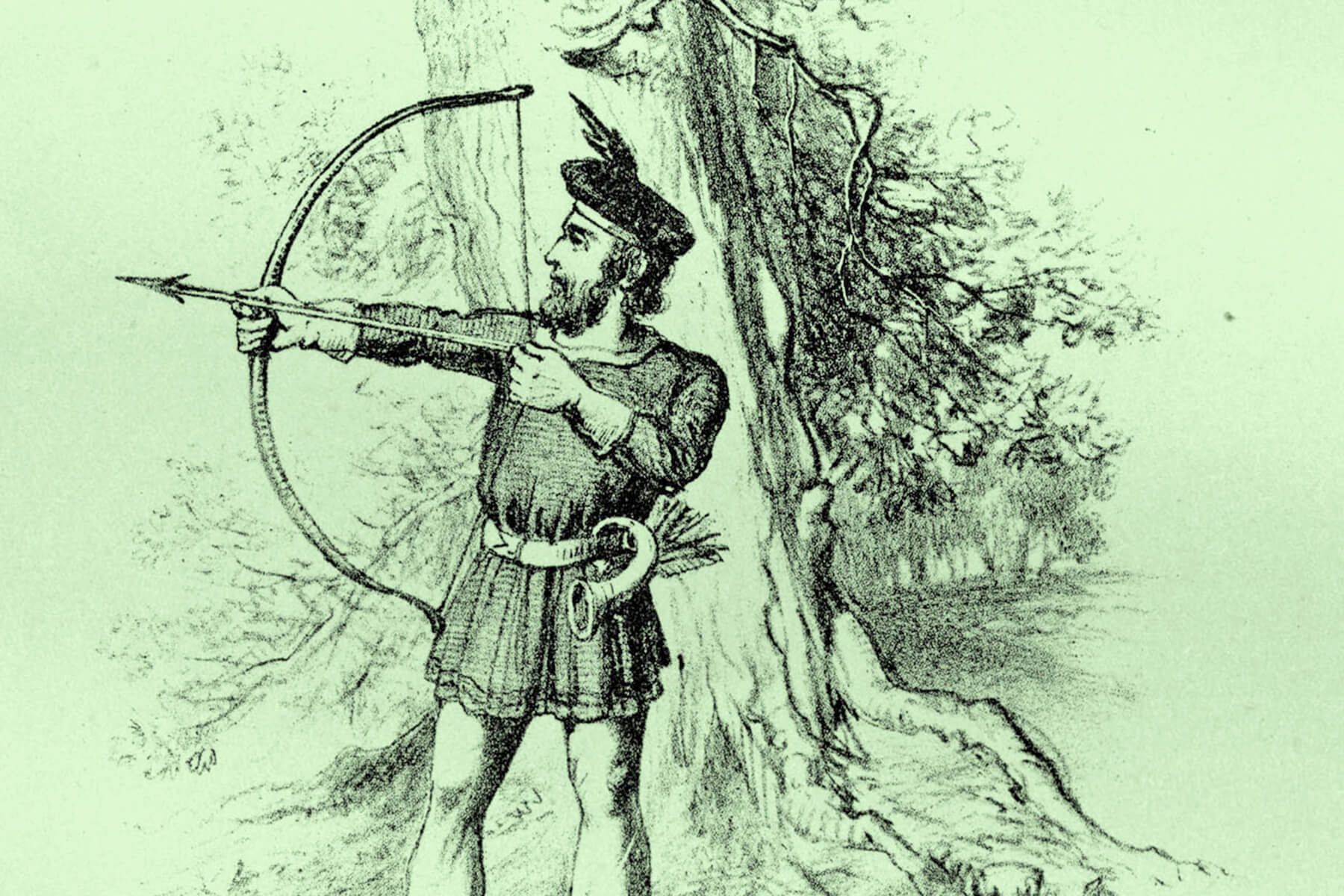
As with Santa Claus, the legend of Robin Hood has spread across many cultures through the centuries as an emblem of merriment, generosity, and other lovable aspects of human nature. Whether he’s robbing the rich to give to the poor, outwitting the dastardly Sheriff of Nottingham, or laughing it up with his Merry Men in Sherwood Forest, the heroic outlaw has been immortalized through song, in print, and on the big screen by way of dashing A-listers from Douglas Fairbanks to Russell Crowe.

But unlike with Santa, there’s something inherently realistic about this English folk hero. There are no flying reindeer in his tales — only flying arrows that highlight his skill as a marksman. And while he embodies such noble values as friendship, loyalty, and devotion to justice, he achieves his goals without the kind of extra-worldly powers that prominently feature in a superhero movie. As a result, it’s not surprising that many historians over the years have sought to pinpoint whether there was an actual Robin Hood — or at least a real-life inspiration for the legend.

Credit: Culture Club/ Hulton Archive via Getty Images

Part of the problem with taking on that task is sorting through Robin’s shifting identity in the various historical works that mention him. Depending on where you look, Robin Hood was either a yeoman or a fallen noble; a native of Nottinghamshire, Yorkshire, or Barnsdale; a veteran of the Crusades or territorial battles against the Normans; and a contemporary of King John, Henry III, or Edward III.

You may also like

The Real Story of Anastasia Romanov 

  • Grand Duchess Anastasia
Grand Duchess Anastasia
Credit: Universal History Archive/ Universal Images Group via Getty Images
Author Nicole Villeneuve

August 1, 2024

Love it?

The early 20th century was a time of significant turmoil in Russia. The Romanov dynasty, which had ruled Russia for more than 300 years, was in its twilight, facing increasing opposition over economic hardship and disastrous World War I military failures. In March 1917, the Russian Revolution forced Tsar Nicholas II to step down; just over a year later, he and his wife and children were killed in secret by Bolshevik revolutionaries. 

For years, the fate of the Romanov family was shrouded in mystery, leaving room for myths about their survival. Theories about one family member in particular — the tsar’s youngest daughter, Anastasia — flourished. The grand duchess inspired not only conspiracies and impostors, but Broadway plays and Hollywood movies. More than 100 years later, her story remains one of the 20th century’s most compelling mysteries. But who exactly was Anastasia, and what really happened to her?  

Credit: Heritage Images/ Hulton Archive via Getty Images

Anastasia Nikolaevna Romanov, the fourth and youngest daughter of Tsar Nicholas II and Empress Alexandra Feodorovna, was born on June 18, 1901. (Their son Alexei, the heir to the throne, was born three years later.) Anastasia was known for her sense of humor and mischievous personality. Gleb Botkin, the son of the family’s physician, said that “in naughtiness, she was a true genius,” describing her as “witty, vivacious, hopelessly stubborn, [and] delightfully impertinent.” 

When her father was forced to abdicate the throne in early 1917, the lives of Anastasia and her family were uncertain. The Romanovs and their staff were sent to Siberia, where they lived in relative peace and normalcy, all the while holding out hope that they could make their way to England, where Nicholas II’s cousin, King George V, reigned. But later that year, after Vladimir Lenin’s Bolsheviks seized power, the royal family was relocated again, to a house in the Russian city of Yekaterinburg. It would be their last move.

You may also like

5 Historical Myths That Won’t Go Away

  • Stonehenge
Stonehenge
Credit: Bettmann via Getty Images
Author Timothy Ott

July 11, 2024

Love it?

Part of the problem with examining history is the reliance on what can be scant documentation of famous figures, events, or civilizations. Whether culled from the writings of a royal scribe or an observer’s journal, these sources are often biased or misinformed, resulting in historical inaccuracies that can persist through the ages.

Thankfully, we live in an age when technology can help correct some of the fallacies,  and easy access to information can both dispel misconceptions and foster further understanding of the events of yesteryear. But while some long-held myths have more recently been dismissed — we’re looking at you, Columbus — others continue to hold sway over the populace. Here are five historical myths that stubbornly persist despite the data that debunks them.

Credit: clu/ iStock

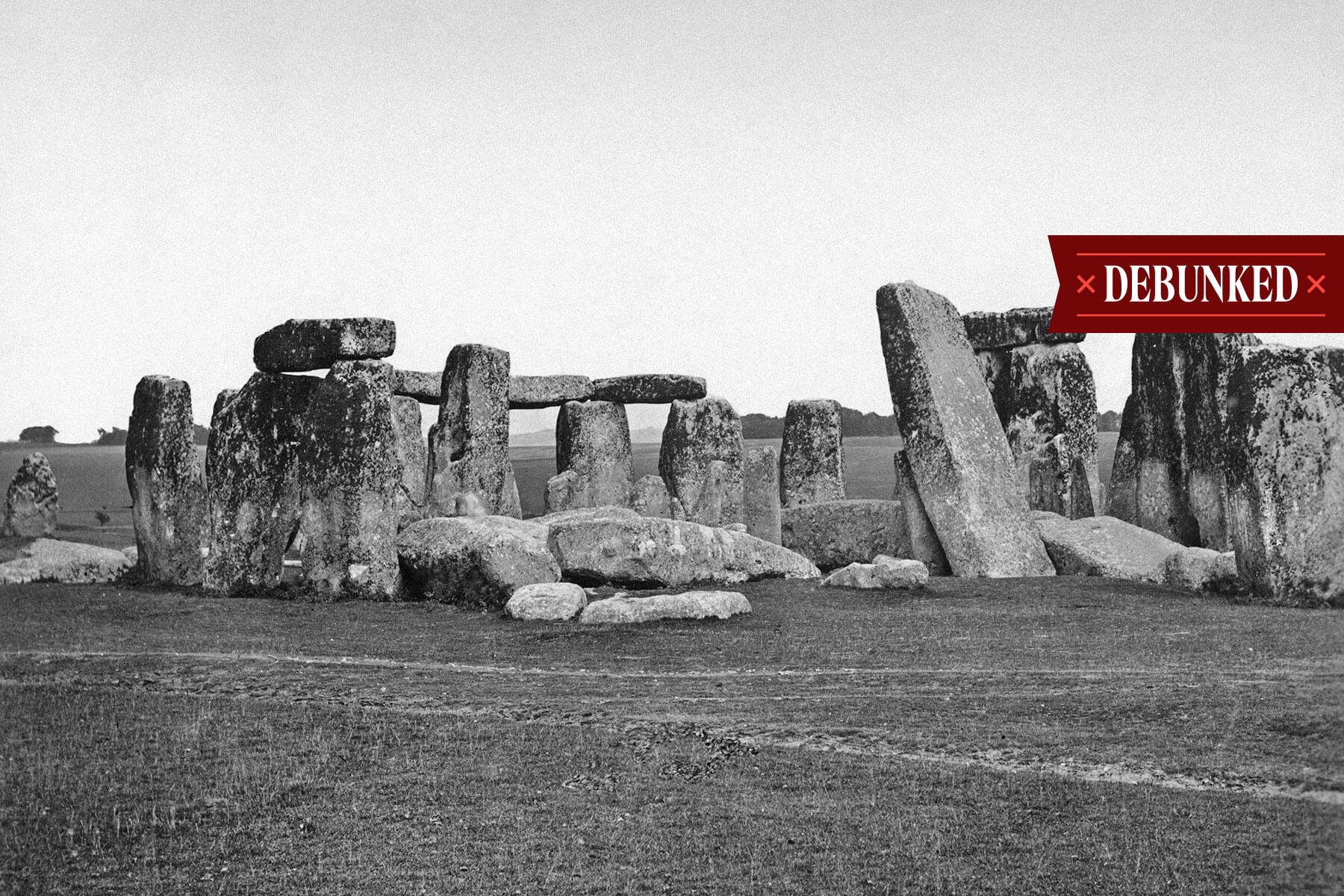
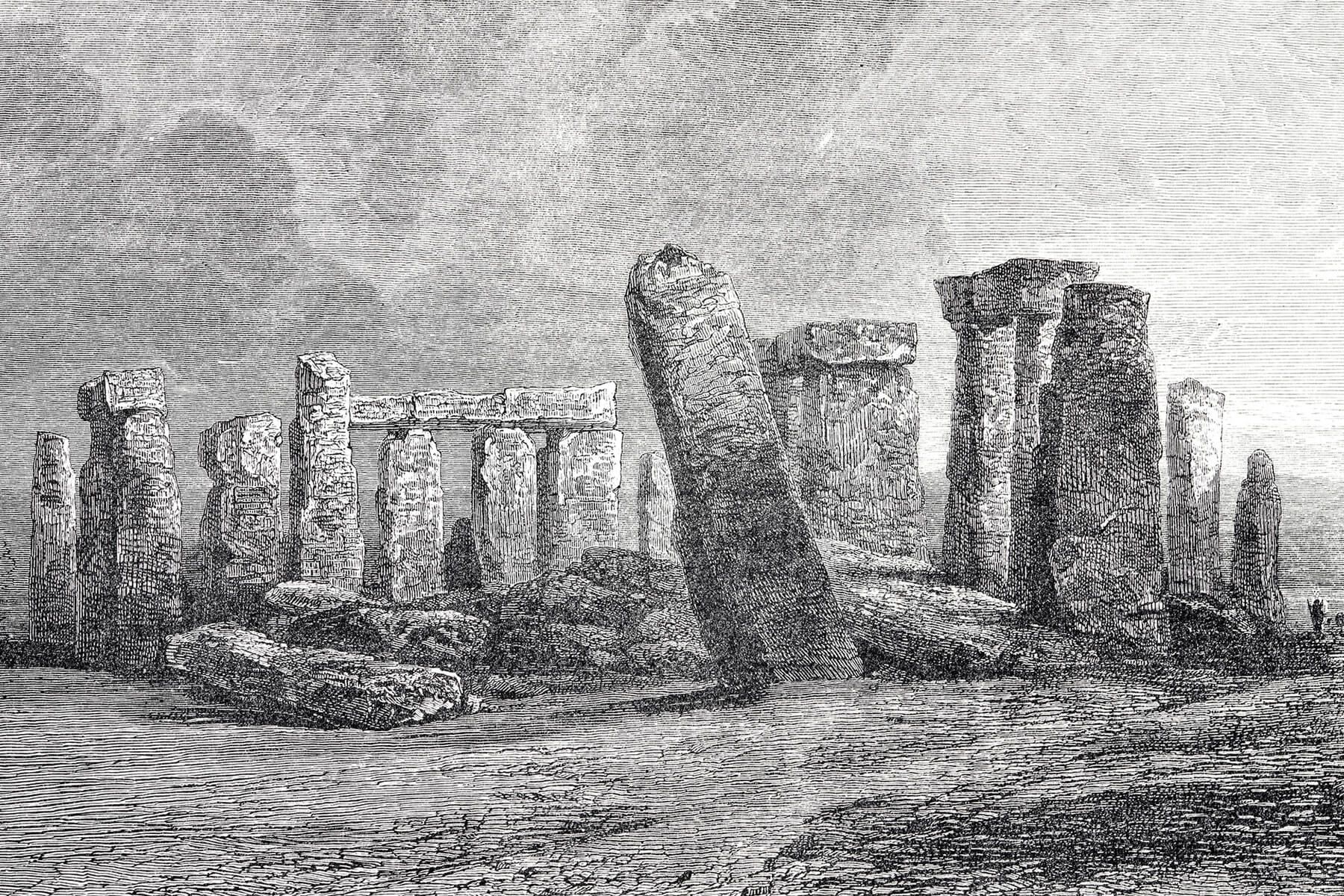
Myth: Stonehenge Was Built by Druids

So much about Stonehenge remains a mystery, from how its collection of bluestones were seemingly transported from hundreds of miles away to exactly why this famed monument was built. As such, it would seem appropriate that the druids, themselves a mysterious sect of Celtic priests, were responsible for the formation of what may have been a religious site. However, it’s likely a myth that the druids built Stonehenge. It turns out the idea was fostered by British antiquarians John Aubrey and William Stukeley in the 17th and 18th centuries, leading to a modern-day revival of druidry and the annual gathering of its practitioners at Stonehenge for the summer solstice. While it’s unknown when the original druids first appeared, there are no records of their existence until around the first century BCE. Meanwhile, archaeological dating has shown that Stonehenge was constructed in several stages thousands of years earlier, between 3000 and 1500 BCE, making it highly unlikely that these shadowy shamans were involved.

You may also like

Did King Arthur Really Exist? 

  • King Arthur circa 530 CE
King Arthur circa 530 CE
Credit: Hulton Archive/ Hulton Royals Collection via Getty Images
Author Kristina Wright

July 11, 2024

Love it?

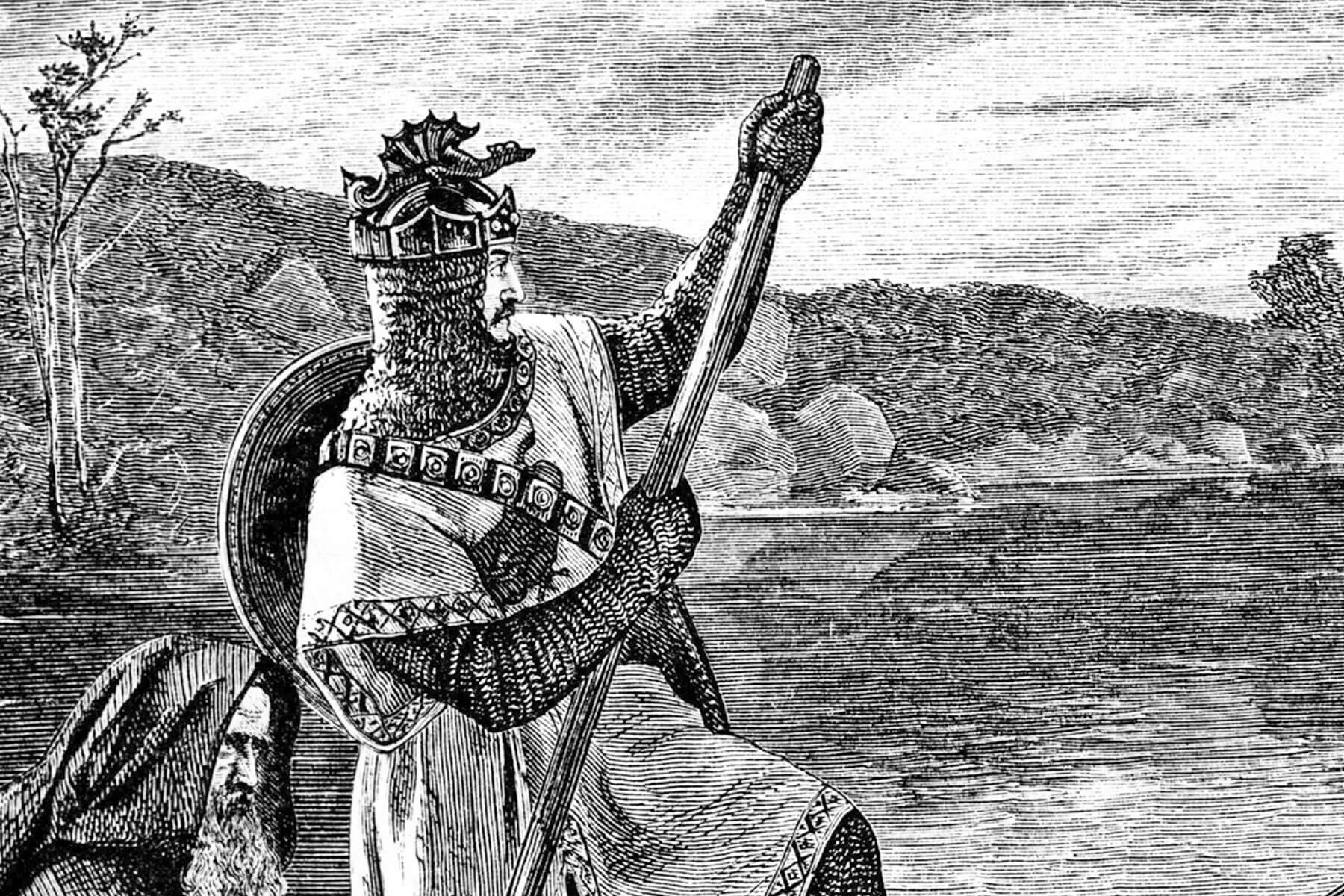
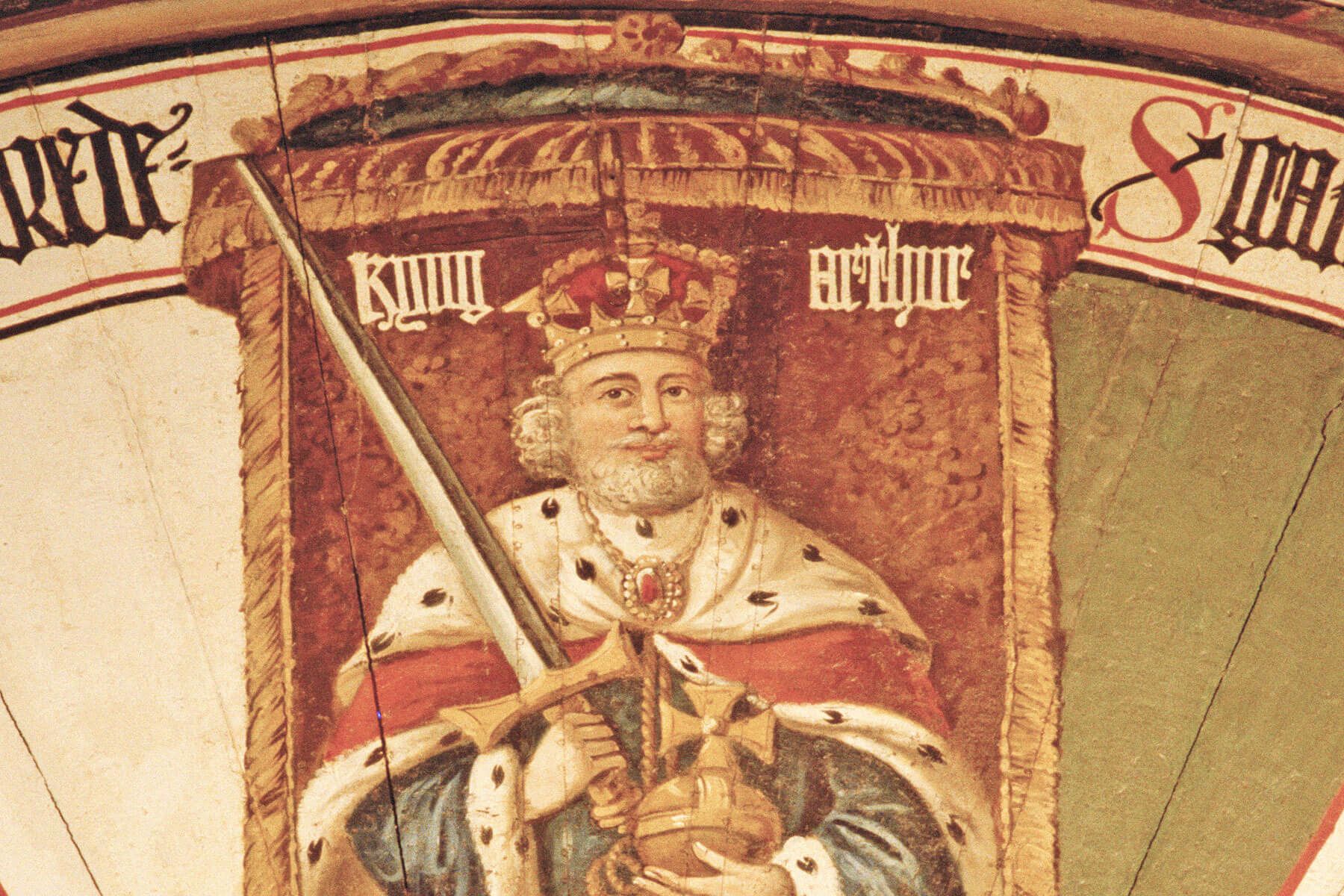
According to legend, King Arthur of Camelot was a heroic leader who lived in England from the late fifth century to the early sixth century. Stories of Arthur, his court at Camelot, and his Knights of the Round Table are at the heart of a collection of medieval literature known as the Matter of Britain, which portrays Arthur as a brave and loyal king who led the Britons in battle against Saxon invaders during the sixth century. Though there is a tremendous body of work about King Arthur, historians have debated for centuries whether this medieval figure ever really existed.

Credit: Epics/ Hulton Archive via Getty Images 

No Reliable Historic Record of King Arthur Exists

Despite the prevalence of Arthurian tales, particularly ones written from the 12th century on, no contemporary evidence has been found from the period in which King Arthur is said to have lived. The earliest references to Arthur first appeared in Welsh and Breton folklore and poetry, but they were not contemporary to the events they described. “Y Gododdin,” a seventh-century Welsh poem, lists one warrior’s many admirable traits before concluding, “although he was not Arthur.” Scholars suggest this reference points to a legendary warrior named Arthur who was well known in the seventh century, but that doesn’t prove that said hero was a real person.

A sixth-century historical account of Britain by a Welsh monk named Gildas is the only surviving source from Arthur’s time that references a powerful British leader who could plausibly be the hero of legend. In the account, titled De Excidio et Conquestu Britanniae (On the Ruin and Conquest of Britain), Gildas attributes the success of the Battle of Mons Badonicus, reportedly fought around 500 CE, to a British commander, but he does not name the conquering hero. The only commander Gildas references by name in his work is Ambrosius Aurelianus, a real Romano-British warrior who fought for the Saxons in the fifth century.

You may also like

Is the Lost City of Atlantis Real?

  • A depiction of Atlantis
A depiction of Atlantis
Credit: Chronicle/ Alamy Stock Photo
Author Nicole Villeneuve

June 6, 2024

Love it?

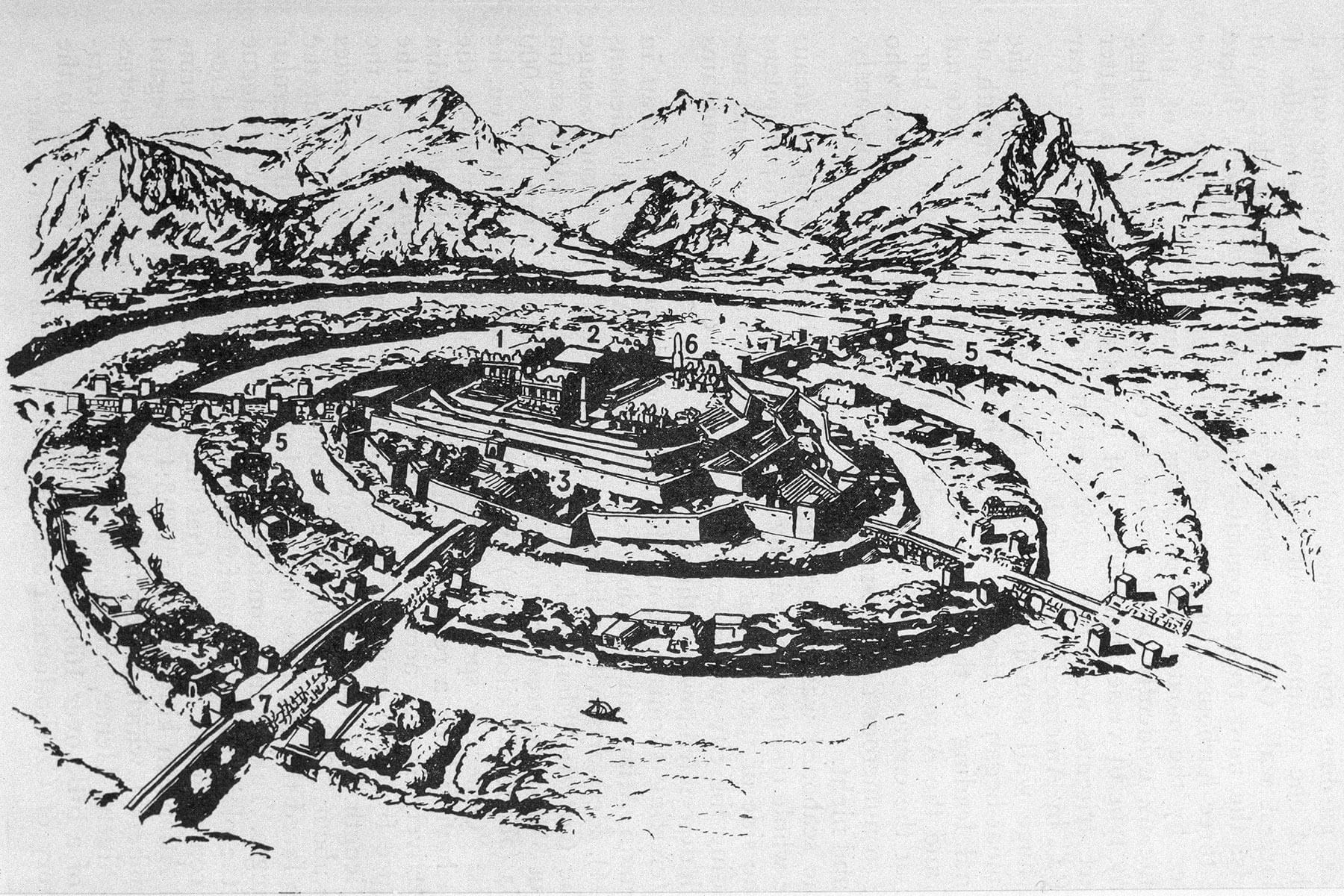
The lost city of Atlantis has been a source of intrigue and curiosity for centuries. The enigmatic sunken island, however, is not a vanished land awaiting discovery so much as an enduring myth. 

The story of Atlantis first appeared in Plato’s dialogues “Timaeus” and “Critias,” written around 360 BCE. The Greek philosopher described Atlantis as a sophisticated civilization that became corrupt under its own might, angering the gods and causing the city to disappear underwater. Despite the legend’s intrigue, no historical or archaeological evidence has ever confirmed the existence of Atlantis. Instead, it is widely regarded as a fictional allegory used by Plato to explore themes such as power, virtue, and society. 

You may also like

Was the Trojan Horse Real?

  • Trojan Horse procession
Trojan Horse procession
Credit: Heritage Images/ Hulton Fine Art Collection via Getty Images
Author Cynthia Barnes

March 27, 2024

Love it?

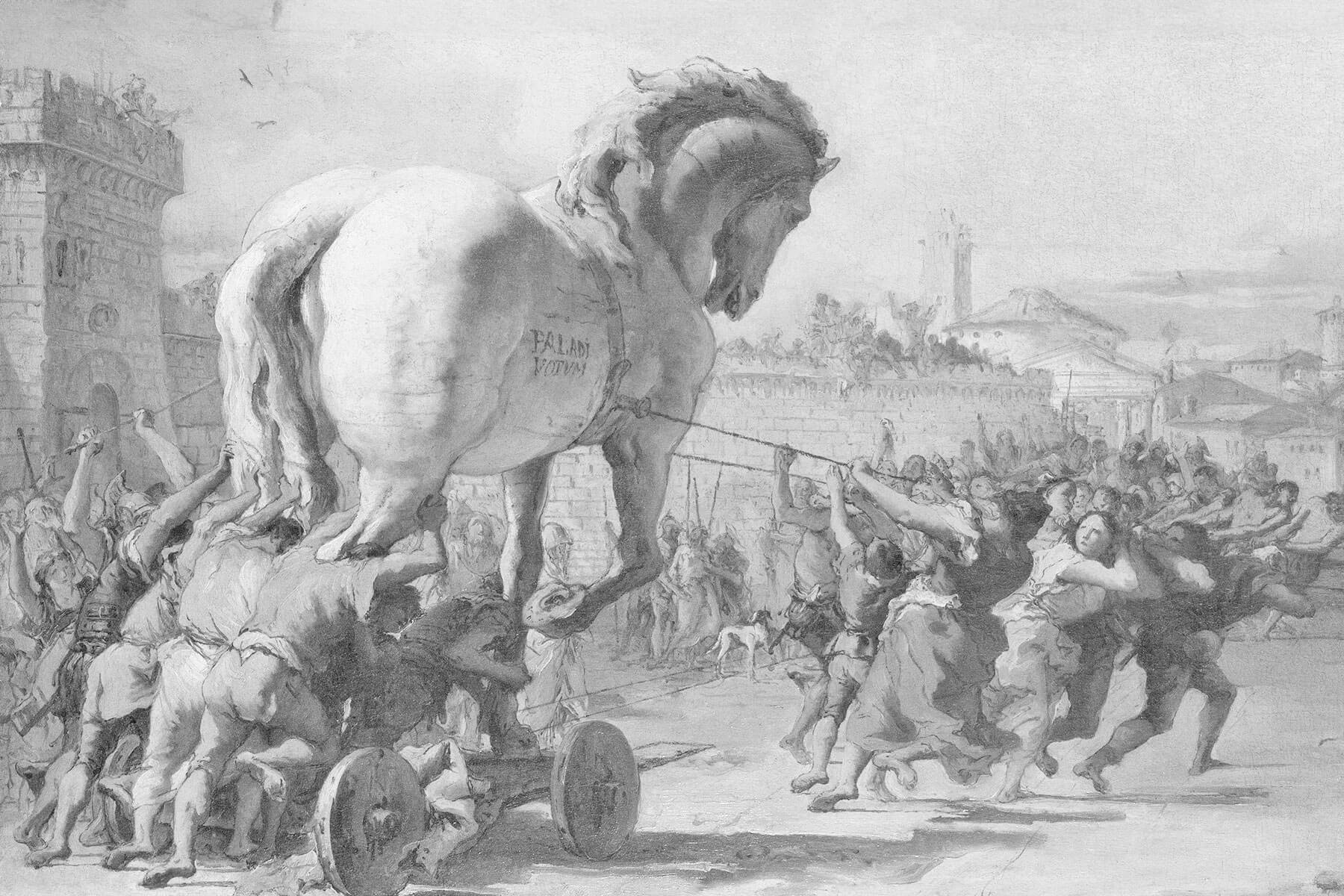
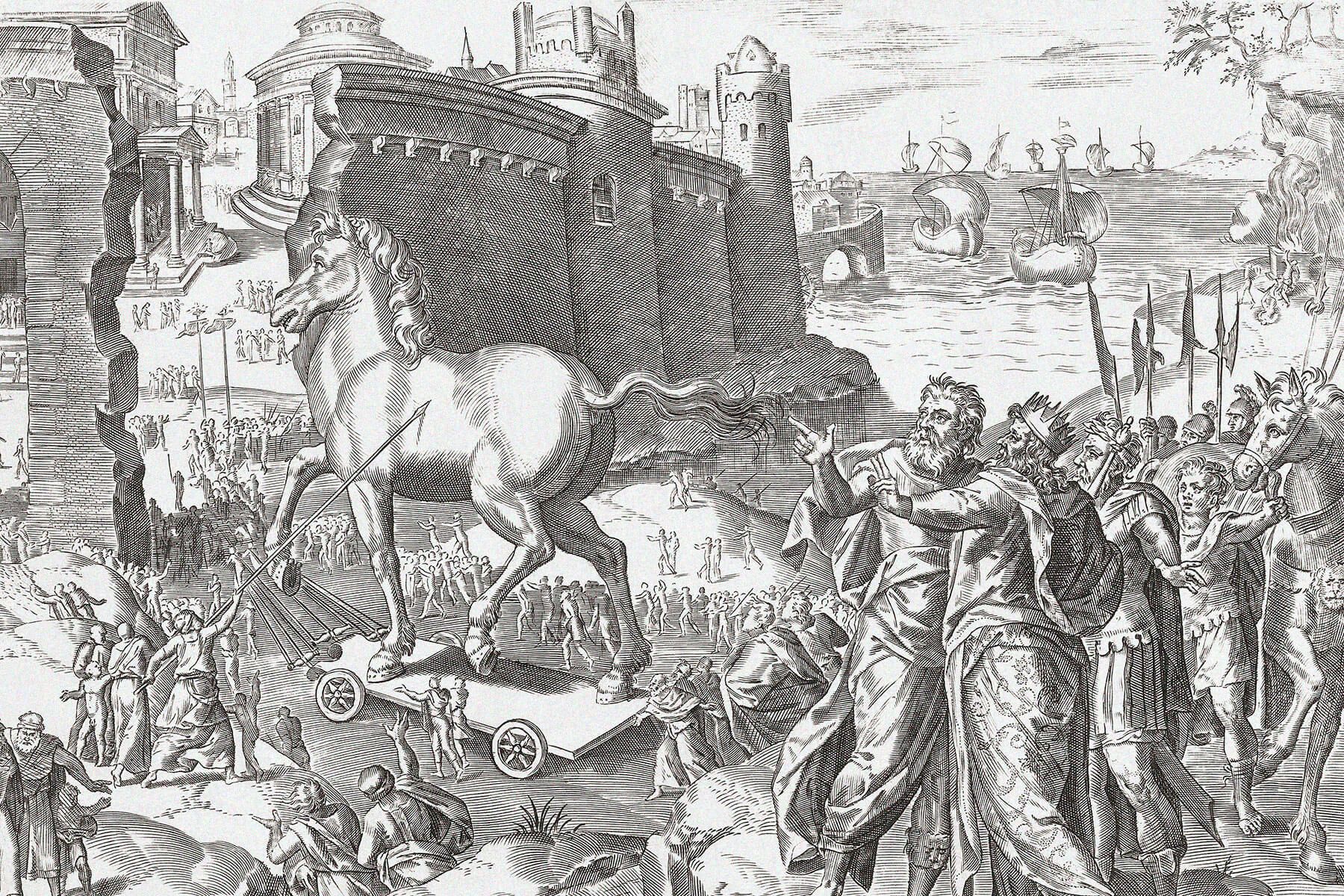
The myths and history handed down from the ancient Greeks still permeate our culture today, from idioms such as “the Midas touch” and “Achilles’ heel” to the name of the world’s largest online retailer. Many of the legends recount the actions of Odysseus, the king of Ithaca and the hero of Homer’s epic poems the “Iliad” and the “Odyssey.” It’s believed these stories originated as oral performances and were committed to parchment in the eighth or mid-seventh century BCE. But there’s much that remains mysterious about Homer’s epics (including the very existence of Homer himself). One of the most iconic stories of the “Iliad” is that of the Trojan Horse, a tale so well known that the term is still used today to describe clever trickery that breaches defenses. Yet the question remains: Did the incident ever really happen?

Credit: Universal History Archive/ Universal Images Group via Getty Images

We Now Know the City of Troy Was Real

Homer’s “Iliad” richly details the story of a decade-long siege against the city of Troy and its king, Priam, led by Menelaus, king of Sparta, and Menelaus’ brother Agamemnon, king of Mycenae. In the story, the conflict is fought over Menelaus’ wife, Helen (famously described by poet Christopher Marlowe as having a “face that launch’d a thousand ships”), who was given to Priam’s son Paris by the goddess Aphrodite. 

Ancient scholars, including Herodotus, the fifth-century BCE Greek historian often called the “father of history,” firmly believed that the Trojan War had occurred some 800 years before classical Greece. But over the years, the common belief became that both the war and the city of Troy itself were the stuff of fiction. That skepticism was finally put to rest in the 19th century, after German amateur archaeologist Heinrich Schliemann discovered a late Bronze Age mound now known as Hisarlik, in the northwest corner of modern-day Turkey. Excavations uncovered fortifications, pottery, and treasures from the site, which is now generally accepted to be the location of ancient Troy, putting the mythical city back on the map. 

The existence of Troy raises the question: What else in Homer’s myth is real? Did the Trojan War actually happen? While proof of that great siege is more difficult to come by, there is evidence to suggest the Trojan War, which is said to have taken place around the 12th century BCE, was also a real conflict. Cuneiform tablets from the Hittite civilization reference a war with details that follow the rough outline of Homer’s battling empires. What’s more, charred arrowheads and unburied skeletons found in later archaeological excavations suggest that a large and violent conflict took place within the city’s walls, though there’s no knowing for certain if it was the 10-year Trojan War described in Homer’s epic.

You may also like

5 Myths About the First Thanksgiving

  • The first Thanksgiving
The first Thanksgiving
Credit: GraphicaArtis/ Archive Photos via Getty Images
Author Kristina Wright

November 17, 2023

Love it?

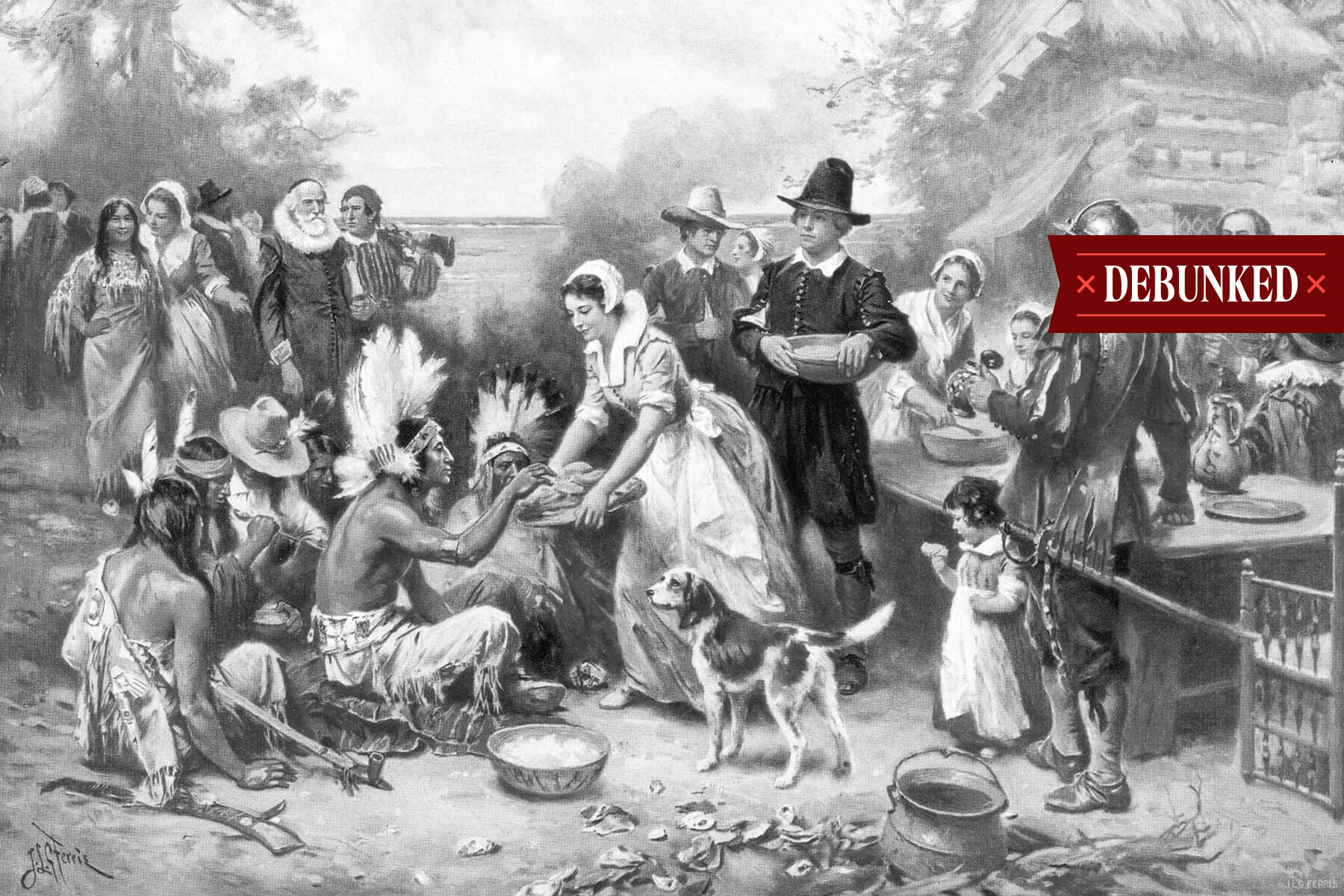
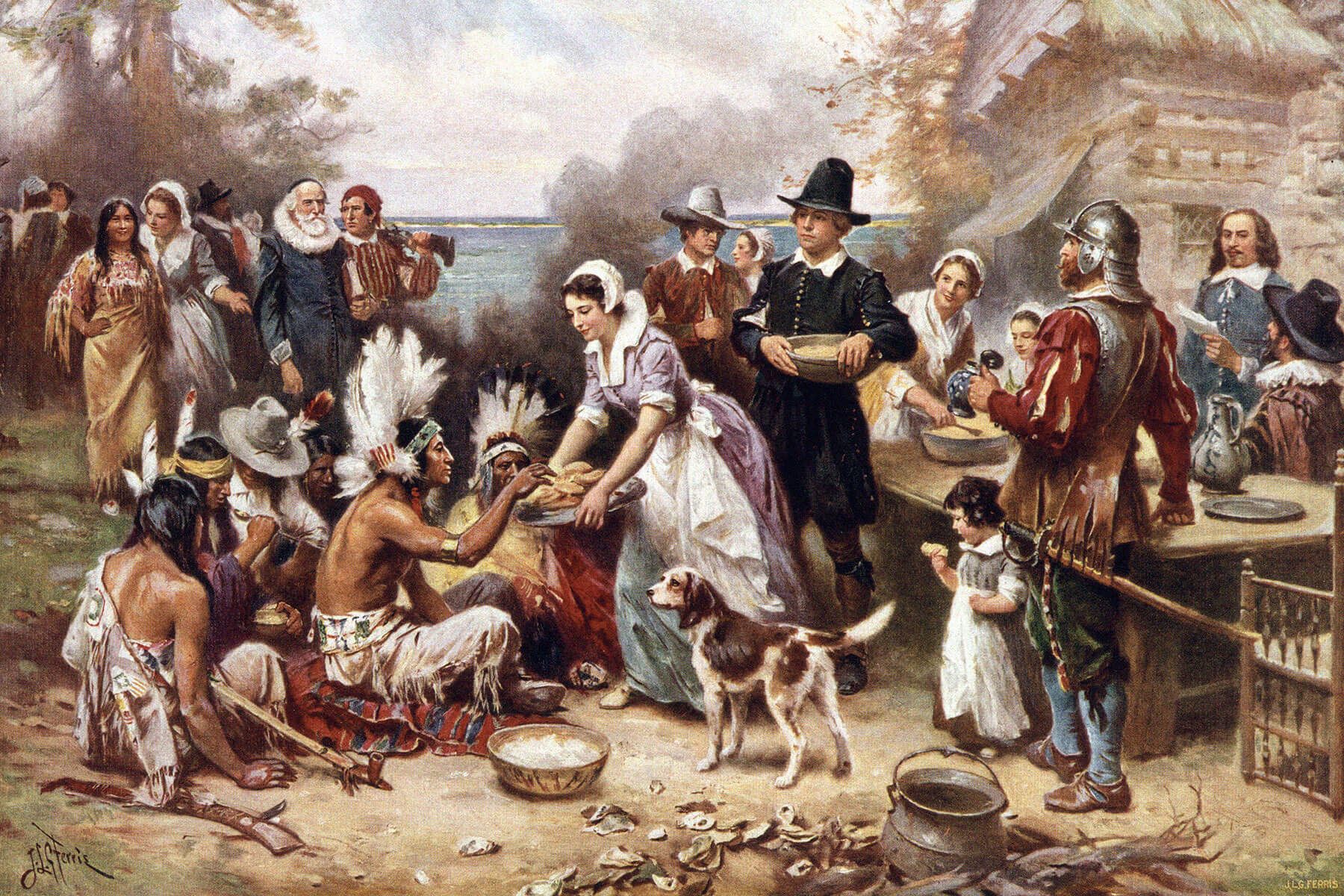
The narrative of the American Thanksgiving holiday is based on what has traditionally been considered the first Thanksgiving in 1621, celebrated by the English settlers who arrived on the Mayflower in 1620 and the Indigenous people who helped them learn to survive in their new home. It’s an uplifting tale that has been shared across generations and woven into the history of the United States — but the real story is far more complicated and nuanced than most of us were taught in elementary school. That version downplays the truth about the violence and oppression experienced by Indigenous peoples at the hands of European colonists.

The familiar Thanksgiving story hinges on the romanticized idea that the Pilgrims and Native Americans came together in harmony to celebrate a bountiful harvest. Historical documentation from the era is limited, and the precise details of the now-famous 1621 feast and the relationship between the two groups remain the subject of scholarly debate. Still, the foundational myth of the Pilgrims’ first Thanksgiving continues to be central to the holiday’s narrative, even as historians strive to paint a more accurate and less idealized portrait. With that in mind, here is what we know about five popular myths around the origin of Thanksgiving.

Photo credit: GraphicaArtis/ Archive Photos via Getty Images

Myth: The First Thanksgiving Was in 1621

The origin story of Thanksgiving details how the Mayflower left Plymouth, England, in September 1620 and arrived near Cape Cod two months later, after which time passengers established a settlement at what is now Plymouth, Massachusetts. Then, in 1621, the settlers celebrated their first successful harvest with a three-day feast that included the participation of many Wampanoag people, marking what we now consider the first Thanksgiving. However, other “days of thanksgiving” were held throughout the American colonies before 1621, such as in Popham Colony, Maine, in 1607, and in Jamestown, Virginia, in 1610, with an emphasis on prayer (compared with the nonreligious celebration of 1621).  

You may also like

6 Myths and Misconceptions About George Washington

  • General George Washington
General George Washington
Credit: Everett Collection/ Shutterstock
Author Rachel Gresh

November 9, 2023

Love it?

George Washington undoubtedly led an extraordinary life, which makes it hard to separate legend from reality. He was the only U.S. President to be unanimously elected to office, despite having no formal schooling past the age of 15, and he remains one of the most famous military leaders in United States history. Common depictions of Washington include a young Virginian boy chopping down cherry trees and, later, a dignified statesman proudly posing in a powdered wig. But some of the best-known aspects of the former President’s life aren’t historically accurate. Here are six common myths about the famous founding father. 

Photo credit: Bettmann via Getty Images

Myth: Washington Chopped Down His Father’s Cherry Tree

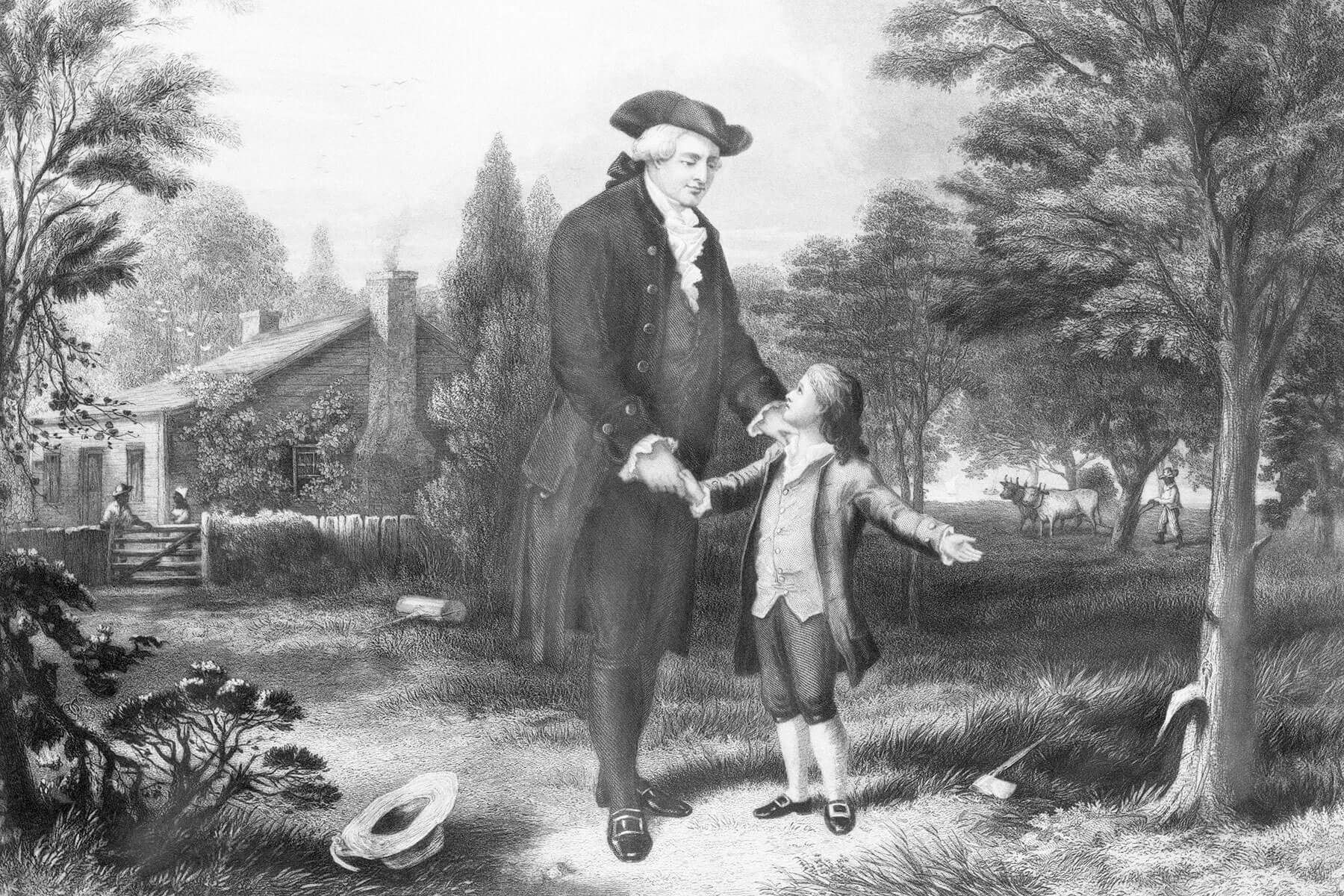
Washington telling his father, “I cannot tell a lie… I did cut it with my hatchet,” is coincidentally one of the biggest lies about this larger-than-life figure. Legend says that George Washington received a hatchet as a gift when he was 6 years old, and  took the ax to one of his father’s beloved cherry trees. During the subsequent confrontation with his father, he came clean, unable to tell a lie. The encounter was recreated in artist John C. McRae’s 1867 engraving “Father, I Can Not Tell a Lie: I Cut the Tree.” There’s just one problem: None of this ever happened. The famous legend was devised by biographer Mason Locke Weems in the 1806 edition of his book “The Life of Washington.” Published shortly after Washington’s death, the book immortalized the founding father as a national hero with a steadfast moral compass despite his faults, including the ownership of hundreds of enslaved people at his Mount Vernon estate.

Photo credit: MPI/ Archive Photos via Getty Images

Myth: He Was the First President to Live in the White House

It’s a common misconception that George Washington lived in the White House — he was the first President, after all — but the building wasn’t completed until 1800, one year after Washington’s death. The President’s successor, John Adams, was the first commander in chief to call the White House home. However, Washington did play a large role in the planning and construction of the famous residence. He chose the site of what was then called the “President’s House” at what is now 1600 Pennsylvania Avenue. The first cornerstone of the White House was laid in October 1792. During this time, Washington lived in executive residences in New York and Philadelphia, both of which served as the nation’s capital before it was moved to Washington, D.C., in 1800. 

You may also like