


What the “Hamilton” Musical Got Wrong About History
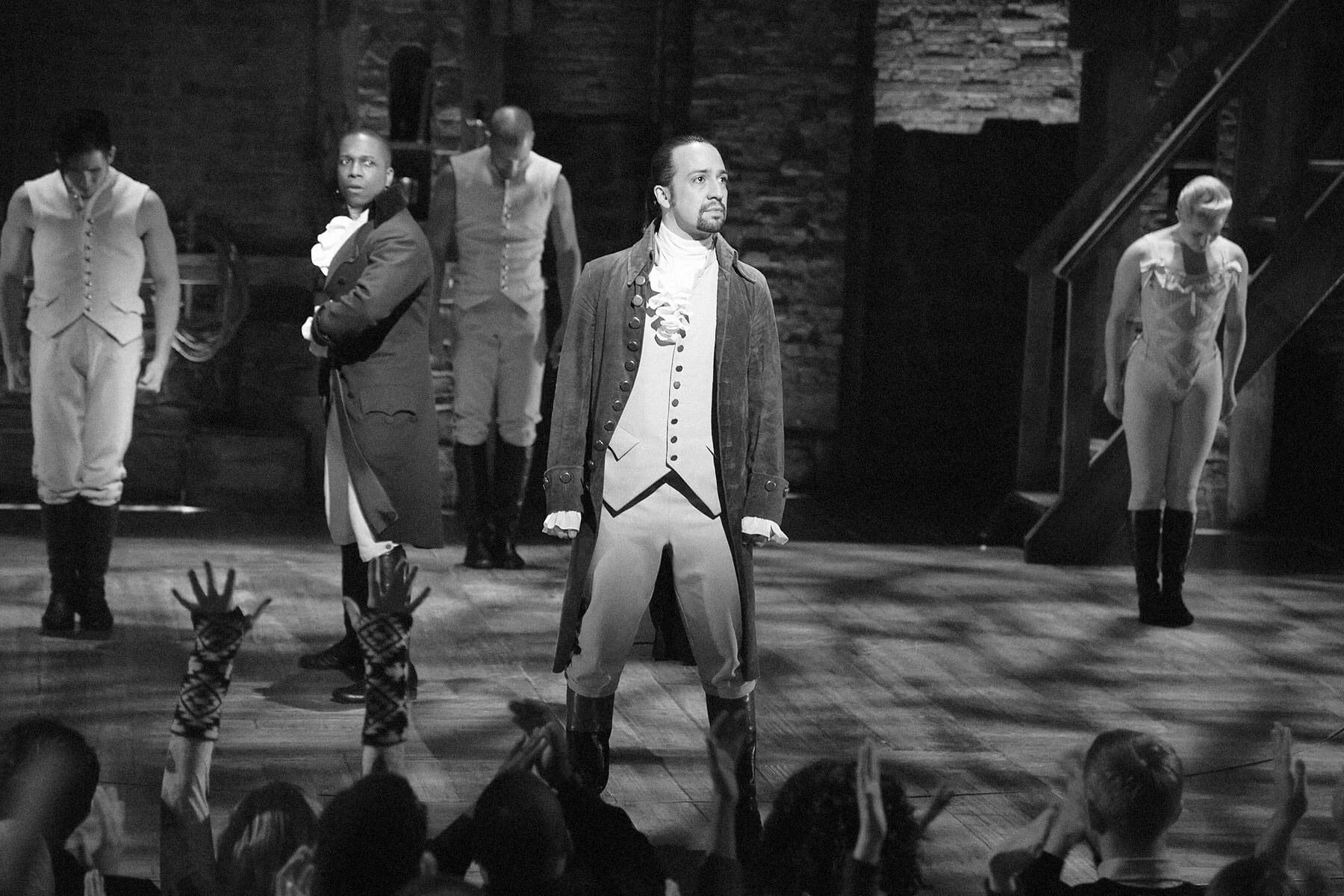
Lin-Manuel Miranda’s smash hit Hamilton is one of the most highly acclaimed Broadway musicals of the 21st century, and most of the story follows real events from American history. The duel between Alexander Hamilton and Aaron Burr really happened, and Hamilton really was an orphan who came to the mainland from the Caribbean island of Nevis and went on to become one of America’s Founding Fathers and the first U.S. treasury secretary. Still, there are a few details of the story that were embellished for dramatic purposes. Here are five things that happened in the musical Hamilton that aren’t quite historically accurate.
Angelica Didn’t Crush on Hamilton Like That
While there were some flirty vibes between Hamilton and his sister-in-law Angelica Schuyler Church in their letter-writing later in life, Angelica didn’t exactly graciously step aside for her sister (Elizabeth Schuyler Hamilton) as the musical has us believe. In the song “Satisfied,” Angelica tells the crowd that while she is drawn to Hamilton, she can’t act on her feelings because as the oldest sister in a family with no sons, she has to put her financial responsibility to her family over love. In reality, Angelica had three brothers, and she didn’t even meet Hamilton until she was already married with children.
John Adams Never Fired Alexander Hamilton
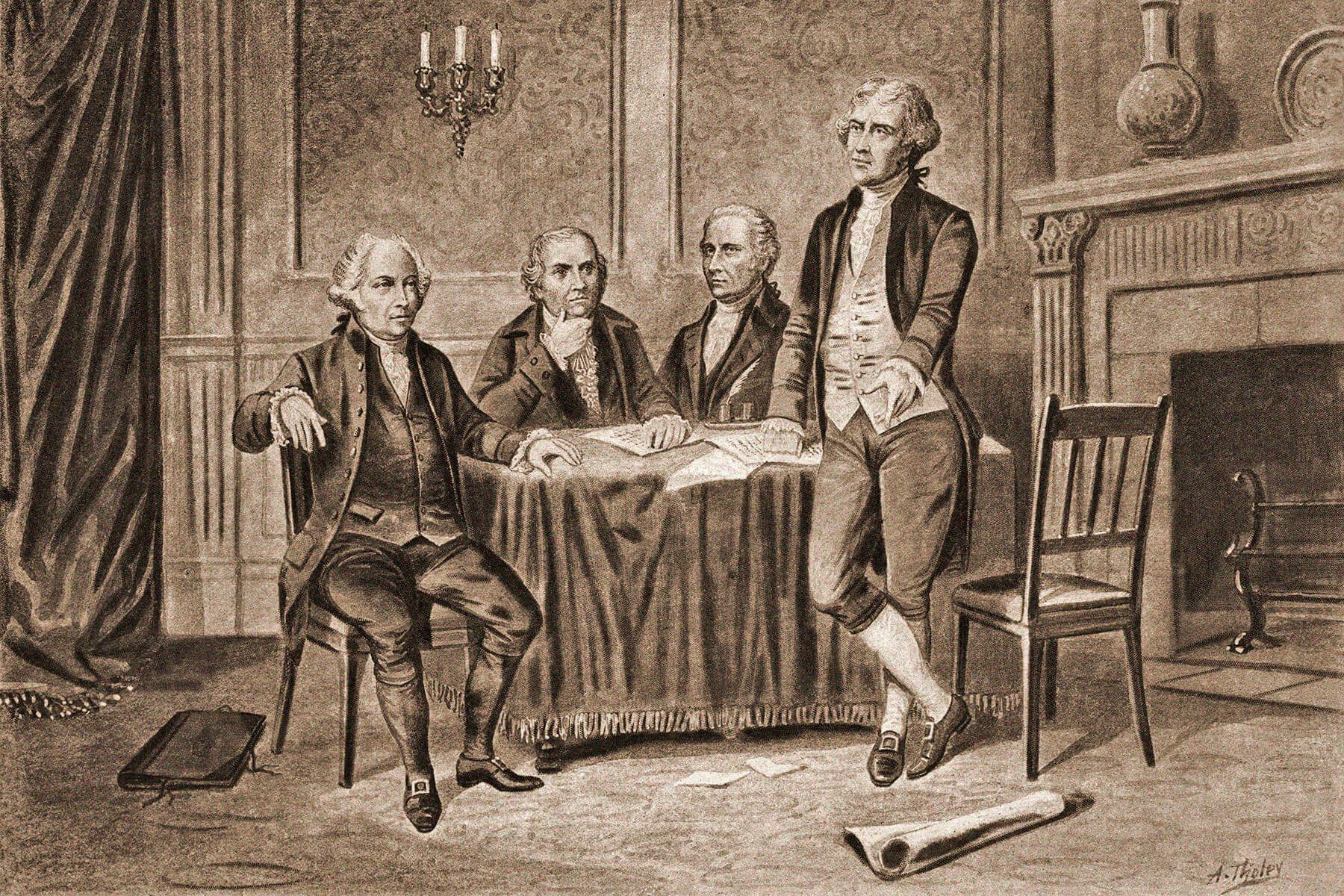
In the musical, the song “The Adams Administration” describes rising tensions between Hamilton and the second U.S. President, John Adams, and the lyrics state, “Adams fires Hamilton.” Not only did that not happen, but it would have been impossible for several reasons. At the time, the President did not explicitly have the power to simply fire members of the Cabinet without congressional approval . Also, Hamilton resigned his post as secretary of the treasury in 1795, and Adams didn’t become President until 1797. What’s more, the letter mentioned in the song, in which Hamilton roasts Adams, wasn’t written until 1800.
More from our network






Hamilton Didn’t Cast the Tie-Breaking Vote in the 1800 Election
The Hamilton musical implies that Hamilton cast the deciding vote in the 1800 presidential election after a tie between Thomas Jefferson and Aaron Burr. But this isn’t technically how things played out. Hamilton wasn’t a member of the House of Representatives, so he didn’t have a vote in the race. He could, however, lobby other members of his party to promote Jefferson over Burr, and he certainly did. In fact, the deciding vote was cast by Delaware’s James Bayard, who decided to leave his vote blank, rescinding support for Burr and allowing Jefferson to take office. Hamilton had written to Bayard, pressing him to keep Burr from being elected. “For Heaven’s sake my dear Sir,” Hamilton wrote, “exert yourself to the utmost to save our country from so great a calamity.”
Although this snub fueled the tensions between Hamilton and Burr, what pushed Burr to the point of dueling with Hamilton was more about what happened a few years later, when he decided to run for governor of New York. Hamilton campaigned against Burr, and after Burr lost, a newspaper printed a letter from politician and physician Charles Cooper to Hamilton’s father-in-law Philip Schuyler, recounting insulting remarks Hamilton had made about Burr. Cooper wrote that Hamilton “looked upon Mr. Burr to be a dangerous man, and one who ought not to be trusted with the reins of government.” No one knew how prophetic that line would prove to be. Burr later wrote to Hamilton demanding that he apologize and retract his insults. When Hamilton refused, a duel was scheduled.

The Musical Overstates Hamilton’s Anti-Slavery Stance
It is true that Hamilton wrote in favor of abolition, and that he advocated for allowing enslaved people to enlist in the army, writing, “An essential part of the plan is to give them their freedom with their muskets.” But Hamilton didn’t entirely practice what he preached. There is some evidence that suggests Hamilton himself was an enslaver, but even more evidence exists to show he purchased enslaved people for his in-laws, who were some of the biggest enslavers in Albany. Hamilton believed enslaved people should be freed, but only if it didn’t interfere with property rights. He also supported the clause in the Constitution known as the “Three-Fifths Compromise,” which connected voting privilege to property ownership, and stated that an enslaved person would only count as three-fifths of a person. Hamilton’s support for that law suggests that in his ambition to build a strong nation, he was prepared to compromise with Southern demands rather than take any action against slavery.

Burr and Hamilton Didn’t Oppose Each Other as Seconds in a Previous Duel
The Hamilton song “The Ten Duel Commandments” outlines the proper way for two rivals to conduct a duel. In fact, the dueling code of conduct at the time, known as the “Code Duello,” had 25 rules. The musical recounts the time in which two officers in the Continental Army, Major General Charles Lee and Lieutenant Colonel John Laurens, fought a duel on December 23, 1778. Hamilton served as Laurens’ second in that duel, but according to an actual account from Hamilton, Burr wasn’t involved as General Lee’s second. In fact, he wasn’t there at all. That said, there is another strange dueling connection between Hamilton and Burr, which was left out of the musical: Burr faced off with Angelica Schuyler’s husband, John Barker Church, in 1799.