


What Did U.S. Money Look Like in the 1800s?

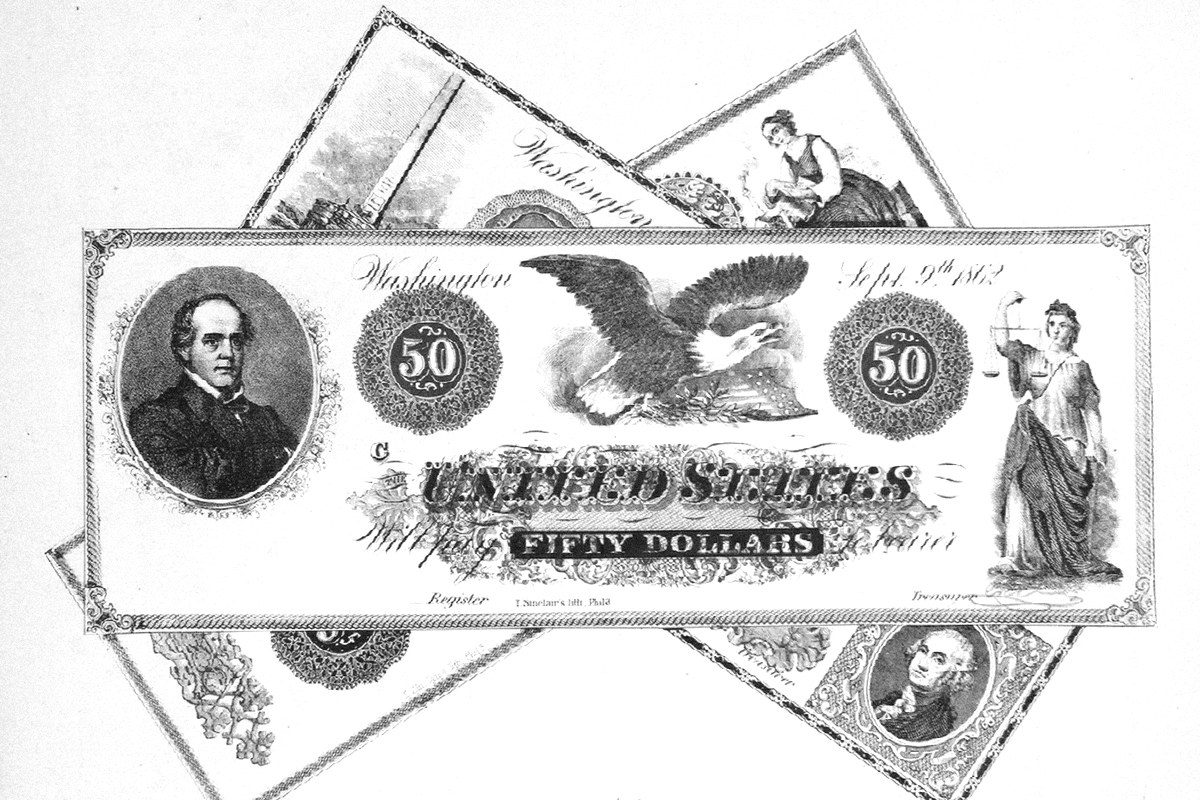
  • Greenbacks, circa 1863
Greenbacks, circa 1863
Credit: Sheridan Libraries/Levy/Gado/ Archive Photos via Getty Images
Author Timothy Ott

June 12, 2025

Love it?

While the Coinage Act of 1792 established the United States Mint and the dollar as the unit of currency for the fledgling nation, it was quite some time before a fully standardized monetary system took root. In the meantime, people in possession of valuable metals continued to use them for transactions, local banks offered their own currency, and foreign money continued to flow until being banned as legal tender in 1857.

Despite this relative instability, Americans today would largely recognize the various forms of currency that exchanged hands in the 19th century, even if the designs and denominations of the coins and paper bills often differed from those in circulation today. Here’s a glimpse at what money looked like as the United States came of age.

Credit: Heritage Images/ Hulton Archive via Getty Images 

Gold Coins

The 1792 Coinage Act stipulated that all U.S. coins were to feature a depiction of the goddess Liberty on the front, while gold and silver coinage also required the display of an eagle on the back. As a result, the gold eagle ($10), half-eagle ($5), and quarter-eagle ($2.50) coins that went into circulation in the 1790s were all engraved in this fashion through the 1800s. 

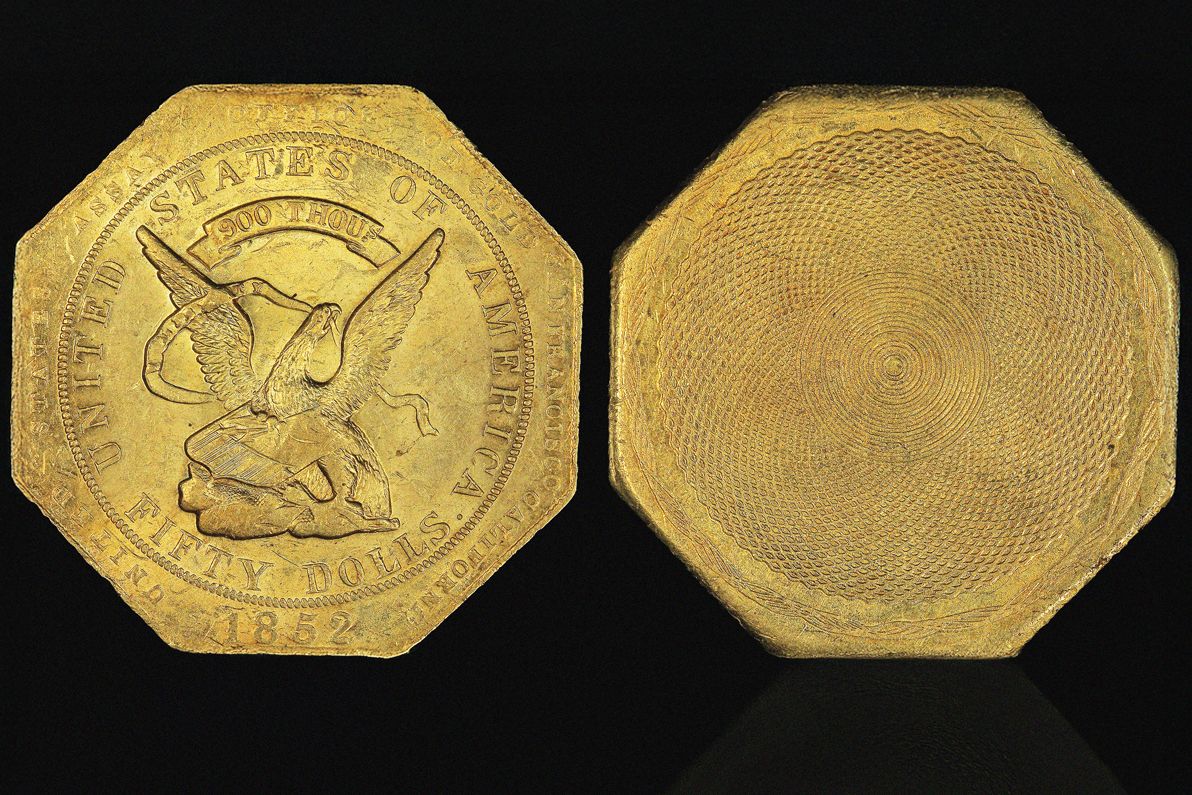
By the mid-19th century, the discovery of gold in California ushered a new wave of the precious metal into the economy, resulting in the creation of the new $1 piece, the $20 “double eagle,” and the octagonal $50 unit, aka the “slug.” Unusual denominations from this era include the $3 coin, which featured Liberty in a Native American headdress, and the $4 “Stella,” which displayed a five-pointed star instead of an eagle.

You may also like

7 Symbols on the Dollar Bill — and What They Mean

  • Fanned out stack of $1 bills
Fanned out stack of $1 bills
Credit: H. Armstrong Roberts/ Retrofile via Getty Images
Author Timothy Ott

May 1, 2025

Love it?

For most people, the only thing that matters about cash is the value printed on each bill and the total amount filling their wallets. But folks with a sharp eye and a little more time on their hands may notice the intricate design details on the various denominations. Along with the portrait of a famous statesman, U.S. currency features a potpourri of images that range from intriguing to downright mystifying.

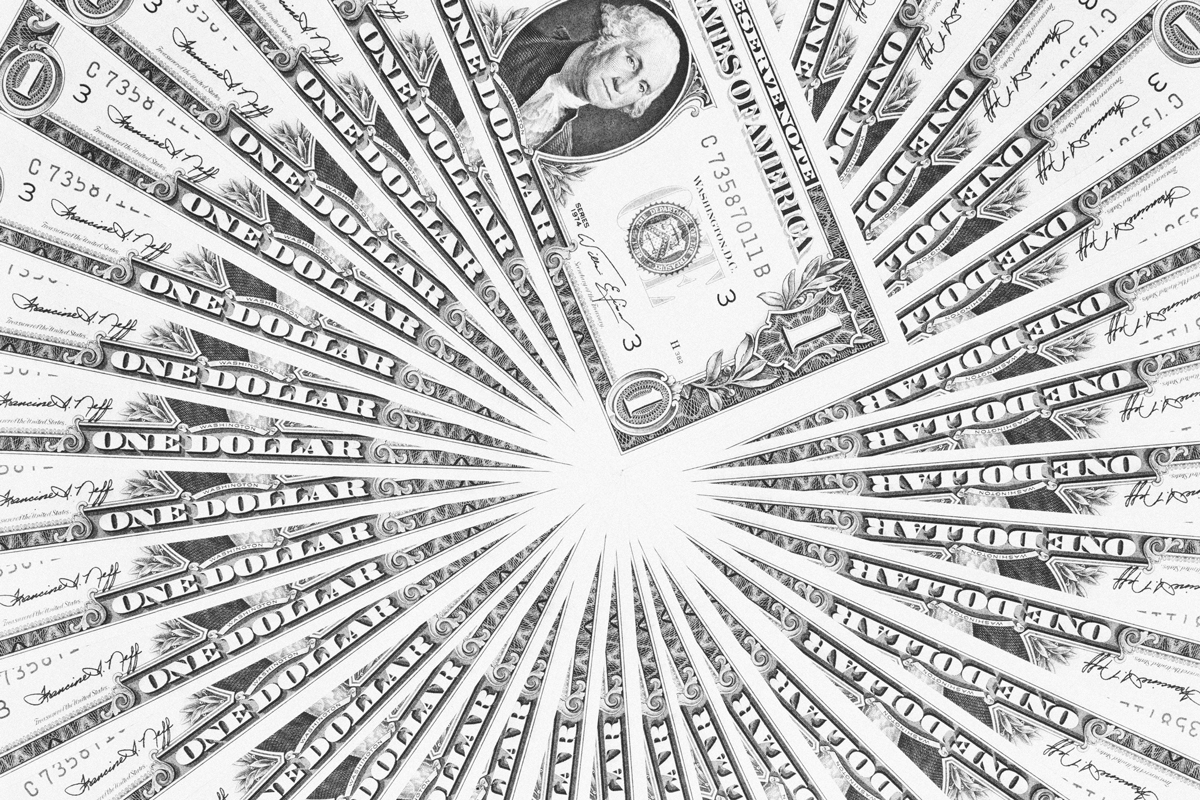
Perhaps no bills pack a more befuddling display into an innocuous package than the $1 note. The humble dollar bill offers a rich tapestry of symbolism for those who take the time to examine the craftsmanship a little more closely. Here are the explanations behind seven of the dollar bill’s more perplexing elements.

Credit: Chiara Sakuwa/ Alamy Stock Photo

Serial Numbers

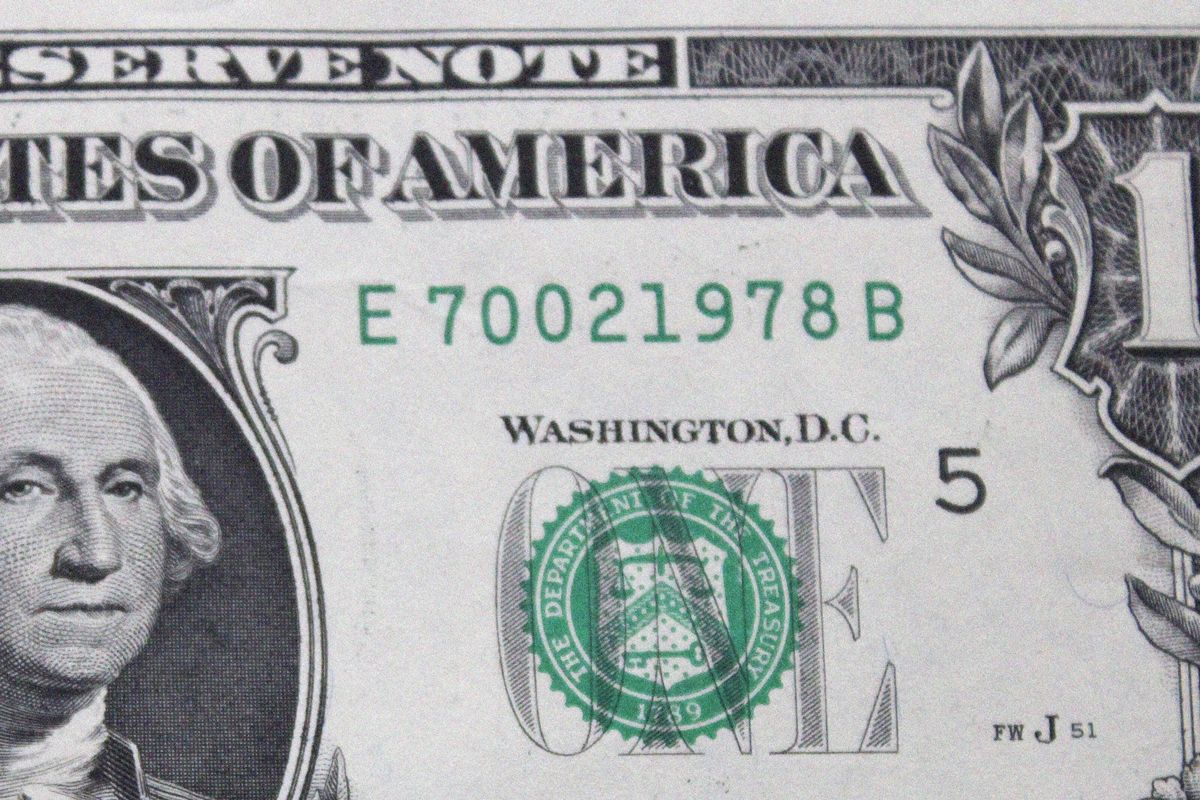
To start with perhaps the least mysterious, the obverse (or front) of the bill features several numbers. The longer ones off to the top right and lower left of George Washington’s portrait are the serial number, with the first letter of each series identifying the Federal Reserve Bank that issued the note. That same letter appears in the middle of the Federal Reserve District seal, to the left of Washington, and also corresponds to the four numbers located near the number “1” at each of the four corners. For example, the Second Federal Reserve District is New York, so a $1 bill from that district would have a prominent “B” within the Federal Reserve District seal and at the front of the two serial numbers, as well as the number “2” near each of the four corners.”

You may also like

5 Things You Never Knew About the $2 Bill

  • Collage of $2 bills
Collage of $2 bills
Credit: Hanson/ Adobe Stock
Author Timothy Ott

March 6, 2025

Love it?

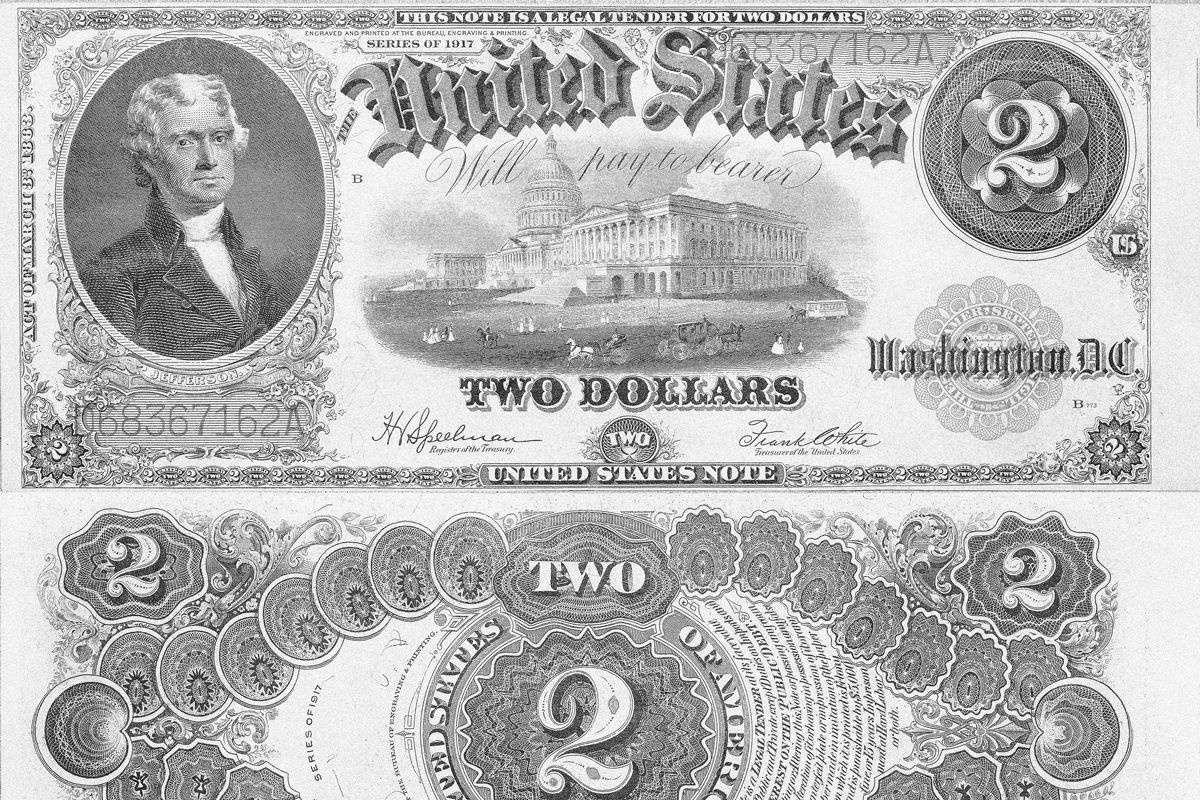
Without question, the $2 bill is the black sheep of the U.S. currency family. Despite being a small enough denomination to fairly easily acquire, the “Tom” — nicknamed for its portrait of Thomas Jefferson — rarely surfaces in day-to-day transactions. In fact, many folks erroneously believe the $2 note to be out of circulation, with some cashiers even refusing to accept these unfamiliar bills.

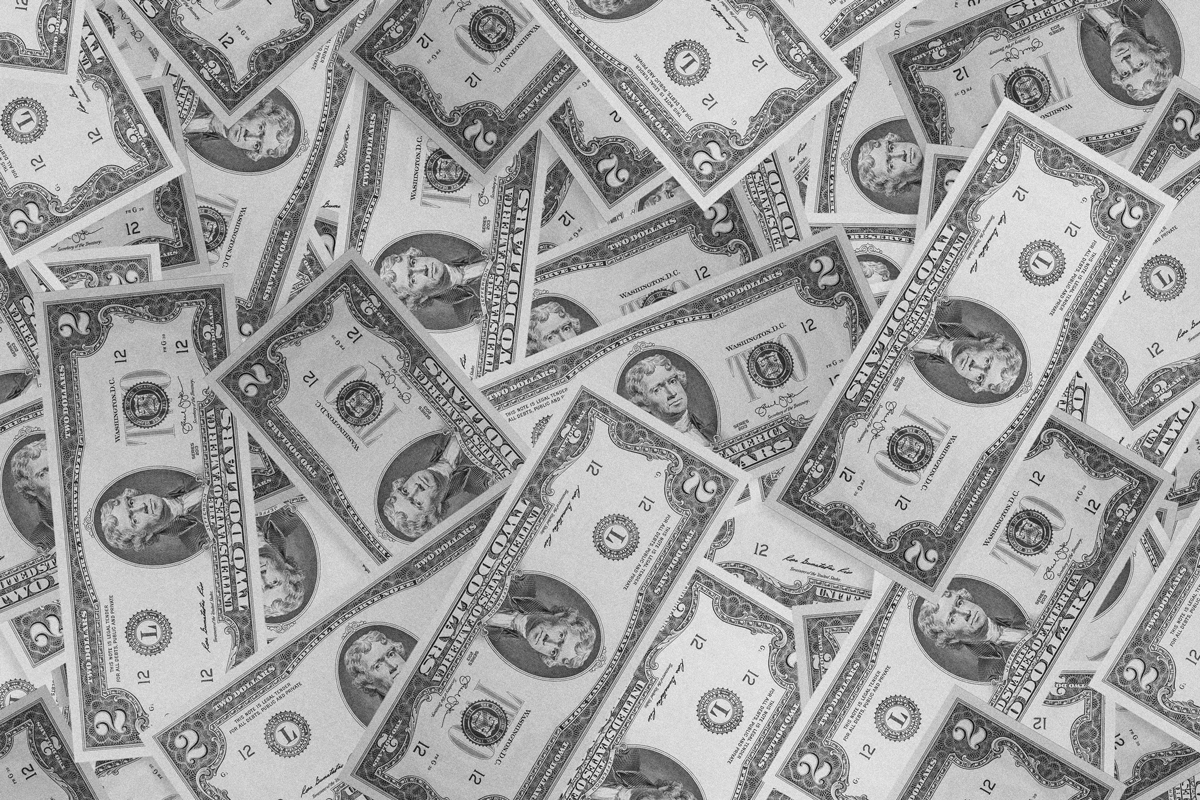
Make no mistake, the $2 bill is very real and remains in regular circulation, albeit at a smaller volume compared to commonly found denominations such as $1s and $20s. But while the Tom lacks the everyday presence of the others, it also sports a more intriguing backstory than its brethren bills. Here are five fun facts about the not-so-terrible $2.

Credit: Art-Studio/ Alamy Stock Photo

Six Types of $2 Bills Have Appeared Since 1862

Not counting the $2 denominations that appeared with the Continental Currency notes that funded the American Revolution, there have been six categories of $2 bills issued by the U.S. federal government. These are: United States Notes, which initially featured Alexander Hamilton in 1862 before switching to Jefferson seven years later; National Bank Notes, which circulated during the Reconstruction years and are known as the “Lazy Deuce” for their horizontal digits; Silver Certificates, which featured a series of elaborate vignettes during their mid-1880s to mid-1920s run; Treasury Coin Notes, which featured Union General James B. McPherson and were only printed in the 1890s; Federal Reserve Bank Notes, which displayed the USS New York battleship and received an even briefer run after World War I; and Federal Reserve Notes, which appeared in 1976 to celebrate the United States bicentennial after the $2 bill had been discontinued for a decade due to its low usage.

You may also like

Meet America’s Gilded Age ‘Dollar Princesses’

  • Jennie Churchill, 1888
Jennie Churchill, 1888
Credit: Herbert Barraud/ Archive Photos via Getty Images
Author Kristina Wright

January 7, 2025

Love it?

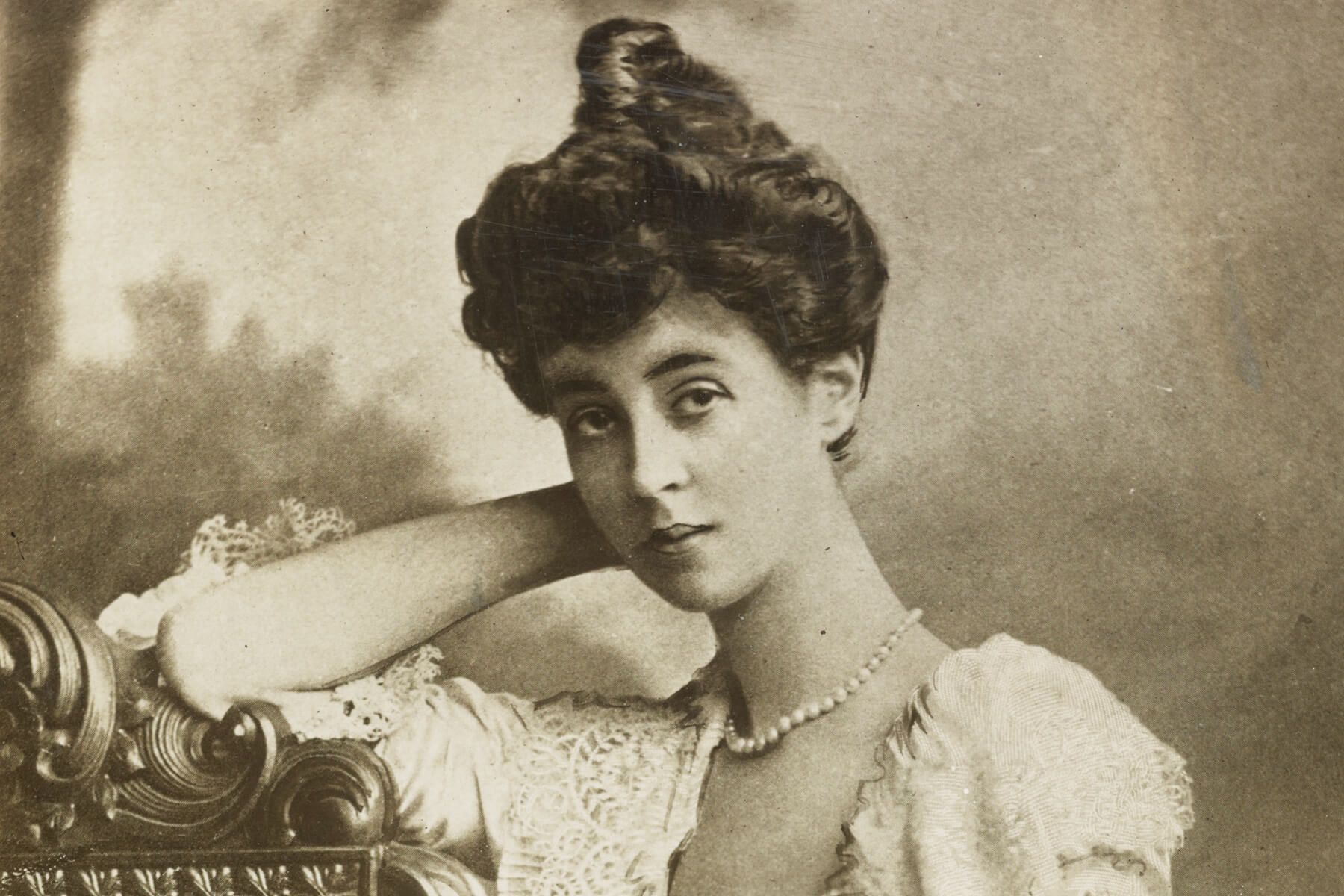
The turn of the 20th century marked a time of rapid industrialization and wealth accumulation in the U.S., now known as the Gilded Age. A unique social phenomenon emerged during this era as wealthy American heiresses married into aristocratic British families. The brides brought their extensive fortunes to England’s cash-strapped noble families in exchange for coveted British titles and social status. The term “dollar princesses” captures the transactional nature of these unions, which often symbolized the blending of New World wealth with Old World prestige.

The concept of dollar princesses came out of the economic realities of the period. Many British noble families had inherited land-rich but cash-poor estates and struggled to maintain their ancestral homes in the face of declining agricultural incomes and the increasing costs of managing these vast properties. Meanwhile, newly wealthy American industrialists and financiers were looking to elevate their social standing in the U.S. and abroad — and saw their unmarried daughters as the perfect conduit for forming beneficial alliances.

These marriages were not just personal but also highly strategic, often negotiated with the same acumen as a business deal — not unlike the arranged marriages between royal families. Traditional introductions were made at social events between like-minded families, and American debutants could be presented at court — for a price — making it more likely for them to find suitable husbands. A publication called Titled Americans announced heiresses who had married into the aristocracy and listed eligible British bachelors who might be amenable to marrying their own dollar princesses. The 1915 edition reported that 454 American heiresses had married into European noble families between 1870 and 1914.

The dollar princesses of the Gilded Age represent a fascinating intersection of extravagant wealth, political ambition, and cultural exchange. While their marriages were often arranged with pragmatic goals in mind, many of these women went on to leave significant legacies in philanthropy, politics, and society. Here are some of the most notable dollar princesses of the era.

Credit: PhotoQuest/ Archive Photos via Getty Images 

Consuelo Vanderbilt

Perhaps the most famous dollar princess, Consuelo Vanderbilt was born into the staggeringly wealthy Vanderbilt family. When Consuelo married Charles Spencer-Churchill, 9th Duke of Marlborough, in 1895, her father, railroad tycoon William Kissam Vanderbilt, signed an agreement providing a dowry of $1.6 million (equivalent to around $60 million today), as well as an income of $2 million in stocks. The match was arranged by Consuelo’s Southern belle mother, Alva Vanderbilt, as a way of securing the family’s place in society. Consuelo was vehemently opposed to the union and the duke was no more enamored of her, telling Consuelo after their wedding that he was in love with another woman.

Despite her unhappy marriage, Consuelo gained a prominent place in British society as the Duchess of Marlborough and became a supporter of women’s suffrage. After living apart for years, the couple divorced in 1921, and Consuelo married the love of her life, French aviator Jacques Balsan.

You may also like

Why Is the Dollar Symbol an ‘S’?

  • Dollar symbol made from paper
Dollar symbol made from paper
Credit: isak55/ iStock
Author Tony Dunnell

December 20, 2024

Love it?

The dollar sign, or “$,” is one of the most recognizable currency symbols in the world, instantly understood across languages and cultures. It also transcends currency, having become a widespread symbol in pop culture. Andy Warhol made a whole series of drawings and paintings of the dollar sign in the 1980s, while some modern artists have used the symbol in their own stylized names — think A$AP Rocky, Travi$ Scott, and Ke$ha. It’s also been used as a symbol of greed — critics of large companies might make their point by introducing the dollar sign into the name of a corporation. 

Despite the ubiquity of the dollar sign, its origins are surprisingly complex, muddied by a lack of historical record and competing theories. Far from a simple design, the dollar symbol represents a fascinating journey through economic history, global trade, and linguistic evolution.

Credit: Hoberman Publishing/ Alamy Stock Photo

Origin Theories

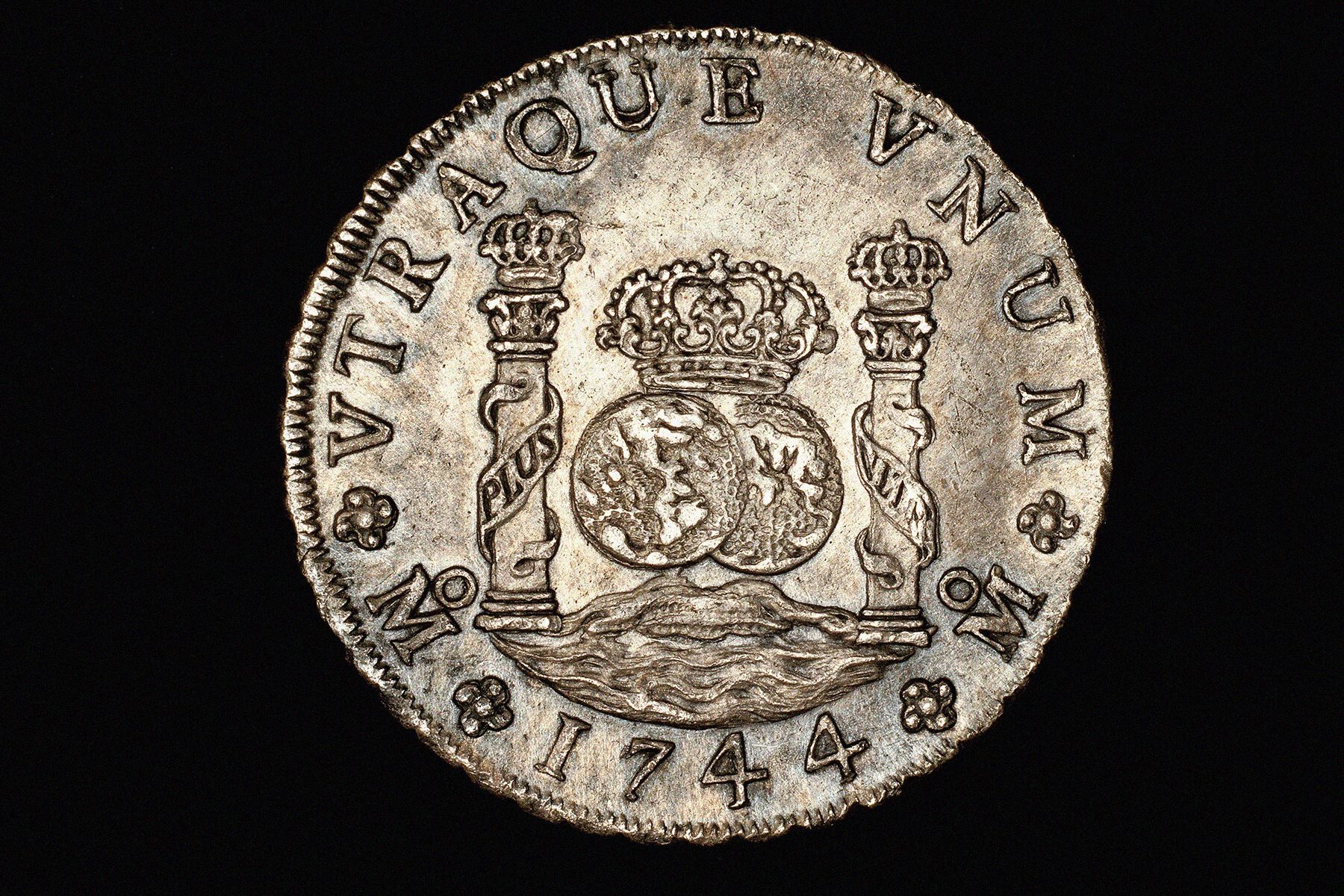
A number of theories exist regarding the origins of the dollar sign. Some have little supporting evidence, but are interesting nonetheless. For example, one hypothesis traces the symbol’s roots to an image of the Pillars of Hercules that appeared on the Spanish coat of arms and national currency. The image showed the two pillars wrapped in S-shaped banners, which, according to the theory, could have evolved in notation to become the dollar sign. 

Another, similar theory argues that the symbol came from the Potosí mint in Bolivia, which operated from 1573 to 1825. (The mine at Potosí was once the main source of silver for the Spanish Empire.) The mint used a stamp that featured the letters PTSI (for Potosí) imposed on top of each other, which could have created a symbol similar to the modern dollar sign. 

Yet another common theory — and most likely a popular misconception — is that the symbol stands for “United States” and originated from the abbreviation “U.S.,” with the letters superimposed and the “U” becoming stylized over time. The writer and philosopher Ayn Rand seemingly believed this theory and chose to include it in a chapter of her 1957 novel Atlas Shrugged, in which one character asks another what the dollar sign stands for. But Rand, it seems, was wrong. The United States was known as the United Colonies of North America until 1776, and evidence exists that the dollar sign was in use before the United States moniker was born — making the theory seem tenuous at best.  

You may also like

5 Forms of U.S. Currency That Are No Longer in Use

  • Close-up of U.S. currency
Close-up of U.S. currency
Credit: John_Lamb/ iStock
Author Tony Dunnell

December 20, 2024

Love it?

The history of currency in the United States offers a fascinating journey through cultural changes, economic innovation, and shifting monetary policies. Between the colonial era and the mid-20th century, numerous forms of currency emerged that served a particular purpose before ultimately being discontinued. These now-defunct currencies reflect the complex social and political landscapes that shaped America’s financial systems, while at the same time telling stories of expansion, war, innovation, and politics. 

Here are five forms of U.S. currency that still exist — and in some cases are worth far more than when they were first issued — but are no longer in common use. 

Credit: Penta Springs Limited/ Alamy Stock Photo

Pine Tree Shilling

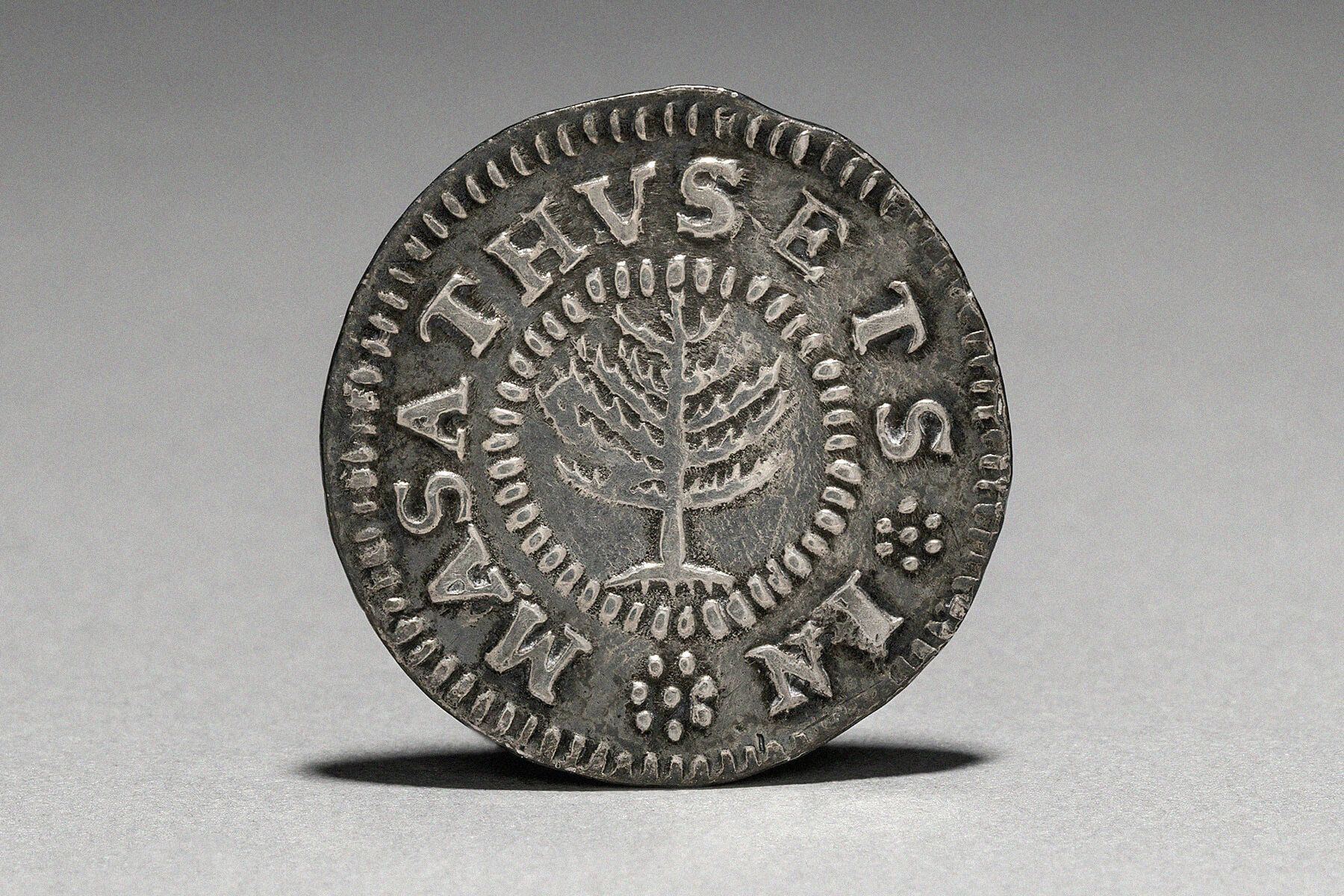
In the early 1650s, the Massachusetts Bay Colony was a commercial success. But it had a fundamental problem: a lack of coin currency, which was a major issue for not only the colony but also the wider New England economy. This forced the colonists to rely on bartering, allowing the British to keep more control. So, the authorities in Boston — which, at the time, had existed for only around 25 years — decided to set up a mint. They began striking silver coinage in denominations of 3 pence, 6 pence, and 1 shilling, most of which were stamped with the year of the mint’s foundation, 1652, and a pine tree (although some bore a willow or oak tree). The currency became collectively known as the pine tree shilling, and was generally accepted throughout the Northeast. It remains arguably the most famous coin from America’s colonial period. Today, authentic pine tree shillings are generally worth between $1,500 and $3,000 each. 

You may also like

7 Common Items That Used To Be Extremely Valuable

  • Pineapples awaiting shipment
Pineapples awaiting shipment
Credit: Bettmann via Getty Images
Author Tony Dunnell

November 7, 2024

Love it?

When we take a look back through history, we find that many items we now consider commonplace were once rare, exotic, and incredibly valuable. These precious commodities were often out of reach for the majority of people, reserved for royalty and wealthy citizens.

The journey of these items from scarcity to ubiquity tells a fascinating story of human progress, a tale of technological advancements and shifting global economics. Centuries of exploration, agricultural developments, industrial innovations, and the opening of new trade routes transformed our material world. What was once worth its weight in gold may now be found in every household, often used — or even discarded — without a second thought.

Here are some now-common items that have undergone this remarkable transition, from spices that once financed entire cities to beverages that sparked riots and wars. 

Credit: Sepia Times/ Universal Images Group via Getty Images

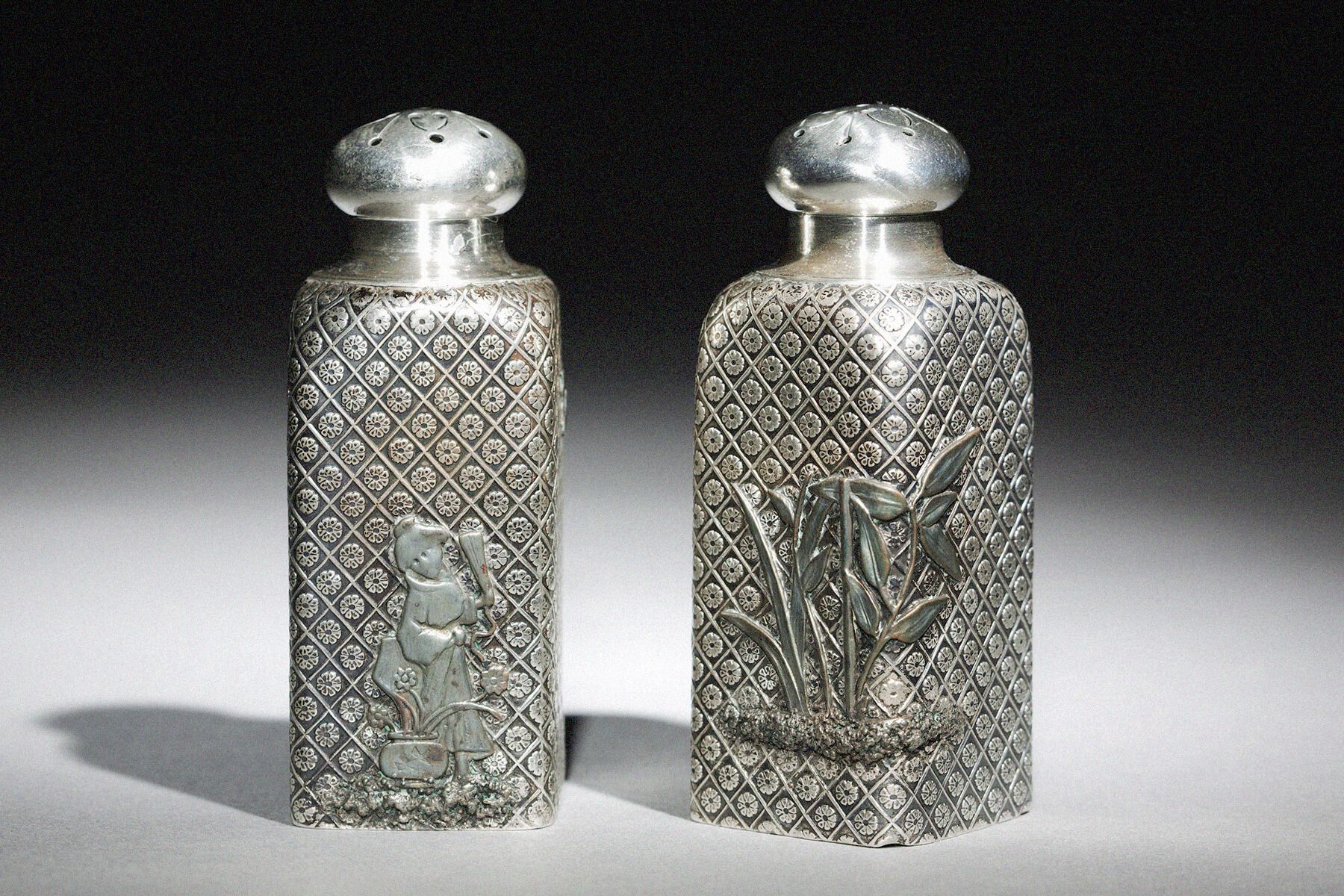
Salt and Pepper

Salt and pepper were often known as “white gold” and “black gold,” respectively, by merchants of the ancient world. Salt was once essential not just for flavoring food but also for preserving it, making it crucial for survival and expansion. It was transported along the ancient salt routes to markets across Europe, making some citizens, cities, and regions extremely wealthy. The city of Salzburg in Austria, for example, whose name literally means “Salt Castle,” amassed great wealth by trading salt. Pepper, meanwhile, was once so rare and desirable that it was literally worth its weight in gold and was sometimes used as currency. The desire for salt and pepper, along with other spices, was so high that it helped drive European global exploration in the 15th and 16th centuries. 

You may also like

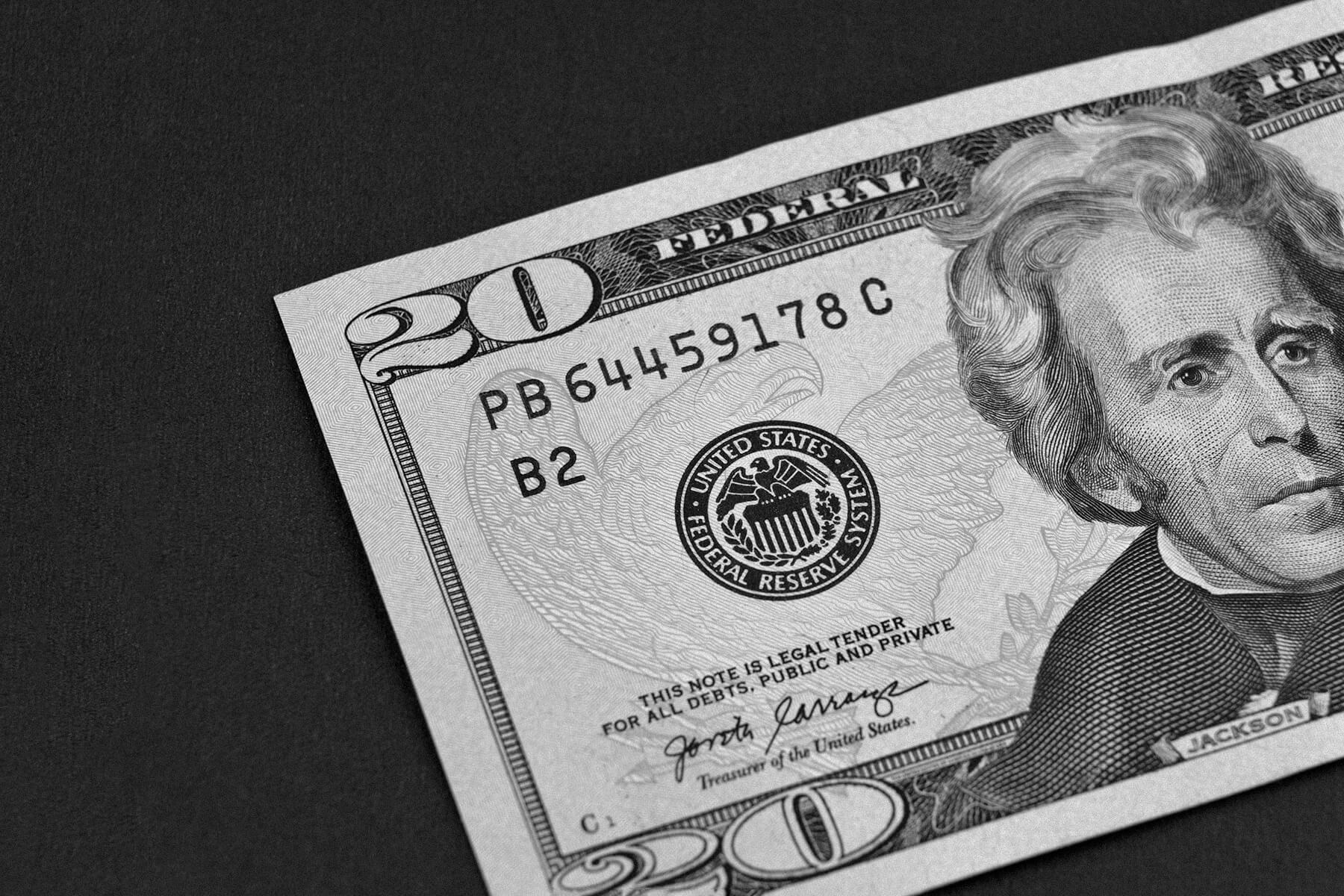
What $20 Could Buy You Through History

  • $20 bill
$20 bill
Credit: enginakyurt11/ iStock
Author Nicole Villeneuve

October 31, 2024

Love it?

Imagine walking into a grocery store with $20 in your pocket. What can you buy? Today, you might be able to grab some pasta and vegetables for the night’s dinner and have leftovers for tomorrow’s lunch, if you’re lucky. The purchasing power of a dollar has changed dramatically from the early days of American history, largely due to the ever-increasing prices of the things we spend money on — that pesky reality we call inflation. Twenty bucks might not put much in your grocery bag now, but in the mid-20th century, it could easily stock your pantry — or even cover a visit to the doctor. Here’s what $20 could comfortably buy you at different times in U.S. history.

Credit: Fotosearch/ Archive Photos via Getty Images

Colonial Era

The colonial American economy primarily used a mix of British currency (pounds, shillings, and pence), Spanish dollars, and various forms of local currency. There was no unified economic system; the value of money and exchange rates varied among colonies, and historians admit it’s a challenge to draw direct comparisons to modern prices. Using various online converters, we can loosely estimate $20 to be equivalent to about 100 shillings at the time. In the 1730s, 20 shillings could buy 50 acres of land in Maryland or about 3 pounds of beef in New England. In 1777, the same amount would outfit a man in a full suit of broadcloth in Rhode Island. 

Of course, while it’s fun to speculate, it’s nearly impossible to determine with any certainty how much $20 was worth in colonial America, as there was no standard national currency until the U.S. won independence at the end of the Revolutionary War.

You may also like

When Did People Start Using Money? 

  • Examining ancient coins
Examining ancient coins
Credit: BINK0NTAN/ Shutterstock
Author Timothy Ott

October 31, 2024

Love it?

It’s been said that money makes the world go round. It’s also been said that money is the root of all evil. Whichever theory you subscribe to, both of these contrasting views highlight the ubiquity of currency in modern society. 

We often take for granted the process of shelling out cash for food at the grocery store, setting aside regular amounts for the mortgage or rent, or spending a few extra bucks on a new shirt or shoes. These are the hallmarks of modern living — but they haven’t always been.

Humans have been around for about 300,000 years, began banding together in settlements some 12,000 years ago, and set the foundations of major civilizations 5,500 years ago. So when did the all-encompassing presence of money enter the equation?

Credit: Shutterstock AI Generator/ Shutterstock

Bartering and Neolithic Cattle

Historians agree that before there was money, there was bartering — the exchange of one form of goods or services for another in a way that satisfied both parties. This process dates back thousands of years, to at least the Upper Paleolithic period (roughly 50,000 to 10,000 years ago). But experts differ as to the next steps in the economic timeline, depending on their specialty. Some economists have argued, based on the writings of Adam Smith in The Wealth of Nations, that money developed from the bartering system. However, scholars in the fields of anthropology and archaeology are more likely to contend that money was created by governments as a means of exerting control. Part of the uncertainty, of course, comes from the difficulty of tracing the development of a system across different parts of the world with a lack of definitive recorded evidence. 
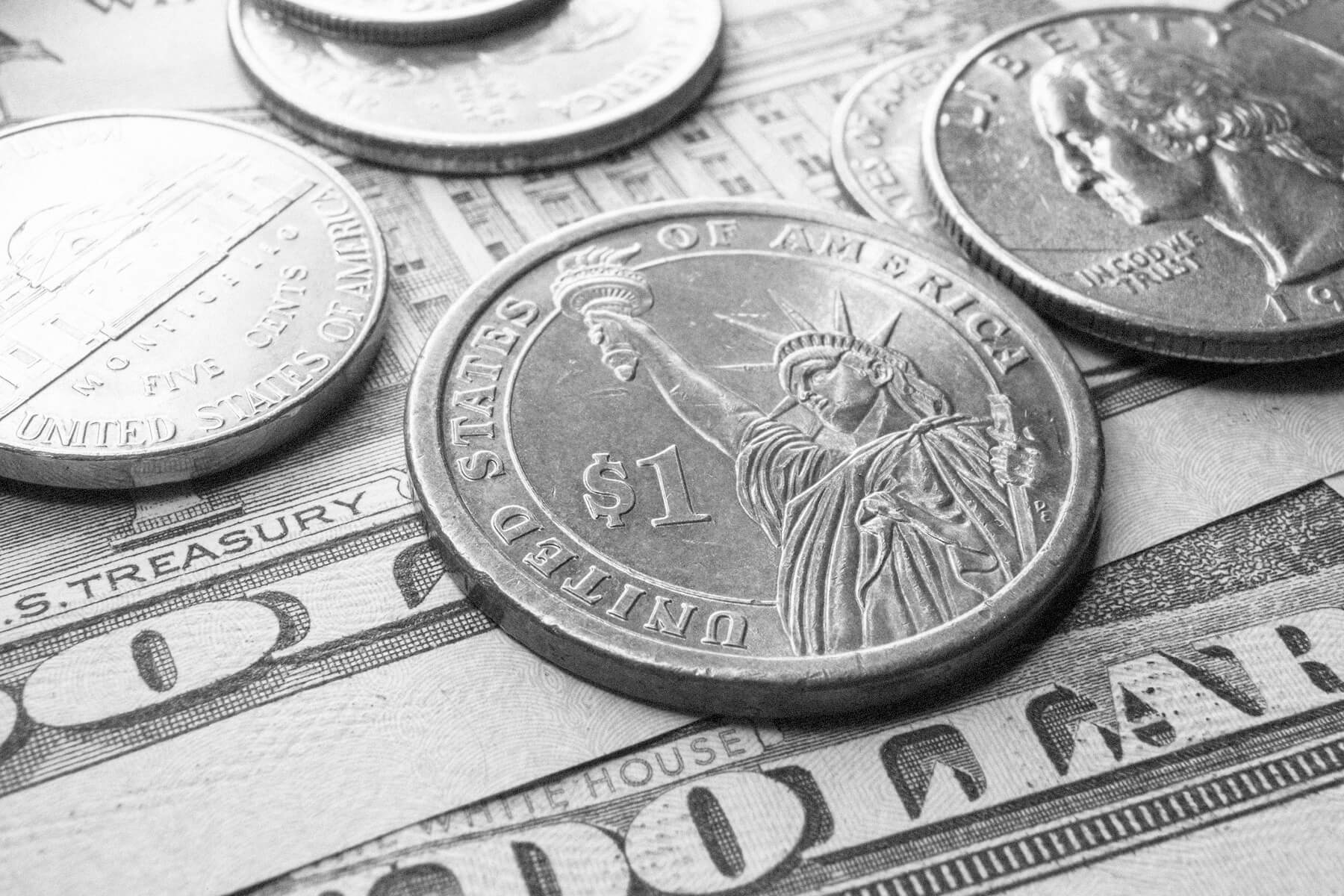
However it was introduced, ancient money generally fulfilled a few major guidelines: It served as a unit of exchange, represented a measure of value, enabled the payment of debts, and could be accumulated as a wealth reserve. Prior to the existence of metallic coins and (far later) paper cash, this meant the use of a wide array of items that fulfilled some combination of practical and ornamental function.

The oldest form of money may well be the use of cattle dating back to the Neolithic era — while far less portable than modern forms of money, it fit the other requirements of providing a standard measure of value and being easily counted. Other nonmetallic forms of currency from various cultures through the centuries include amber, beads, cocoa beans, ivory, leather, quartz, rice, salt, and whale teeth.

You may also like

Why Do Some Coins Have Ridged Edges?

  • Jar of U.S. coins
Jar of U.S. coins
Credit: Ray Geiger/ Shutterstock
Author Mark DeJoy

June 24, 2024

Love it?

You’ve probably noticed that of the four coins that are in wide circulation in the United States today, two, the dime and the quarter, have a series of ridges on the edge. According to the U.S. Mint, this is technically referred to as a reeded edge. But is the reeded edge purely decorative, or does it serve a purpose? The answer goes all the way back to the 17th century, before the U.S. was even founded.

Credit: Kean Collection/ Archive Photos via Getty Images

When the U.S. Mint opened in Philadelphia in 1793, the coins it produced were made of copper, silver, and gold, in accordance with the Coinage Act of 1792. Because coins of this era were made of precious metal, they were vulnerable to a practice known as clipping, which involved cutting off a small portion around the circumference of the coins. A skilled clipper would shave off enough from the coins to eventually amass a quantity of scrap metal worth cashing in, while also ensuring that the coins weren’t conspicuously reduced in size or weight, allowing the altered coins to still be spent.

Clipping had been common in 17th-century Europe, and it was so prevalent in England that by the end of that century, almost half of the silver content was absent from circulating English coins. This resulted in the metal composition of the coins being lower than their face value, a discrepancy that threatened to create a financial crisis throughout the continent, as well as in the European colonies. In order to combat the practice, England began minting coins with ridged edges; a smooth edge on any part of a coin would then be a telltale sign of clipping. When the United States was founded as an independent nation, the U.S. Mint followed suit by designing its higher denomination coins with reeded edges right from the beginning. 

You may also like