


When Did People Start Using Money?
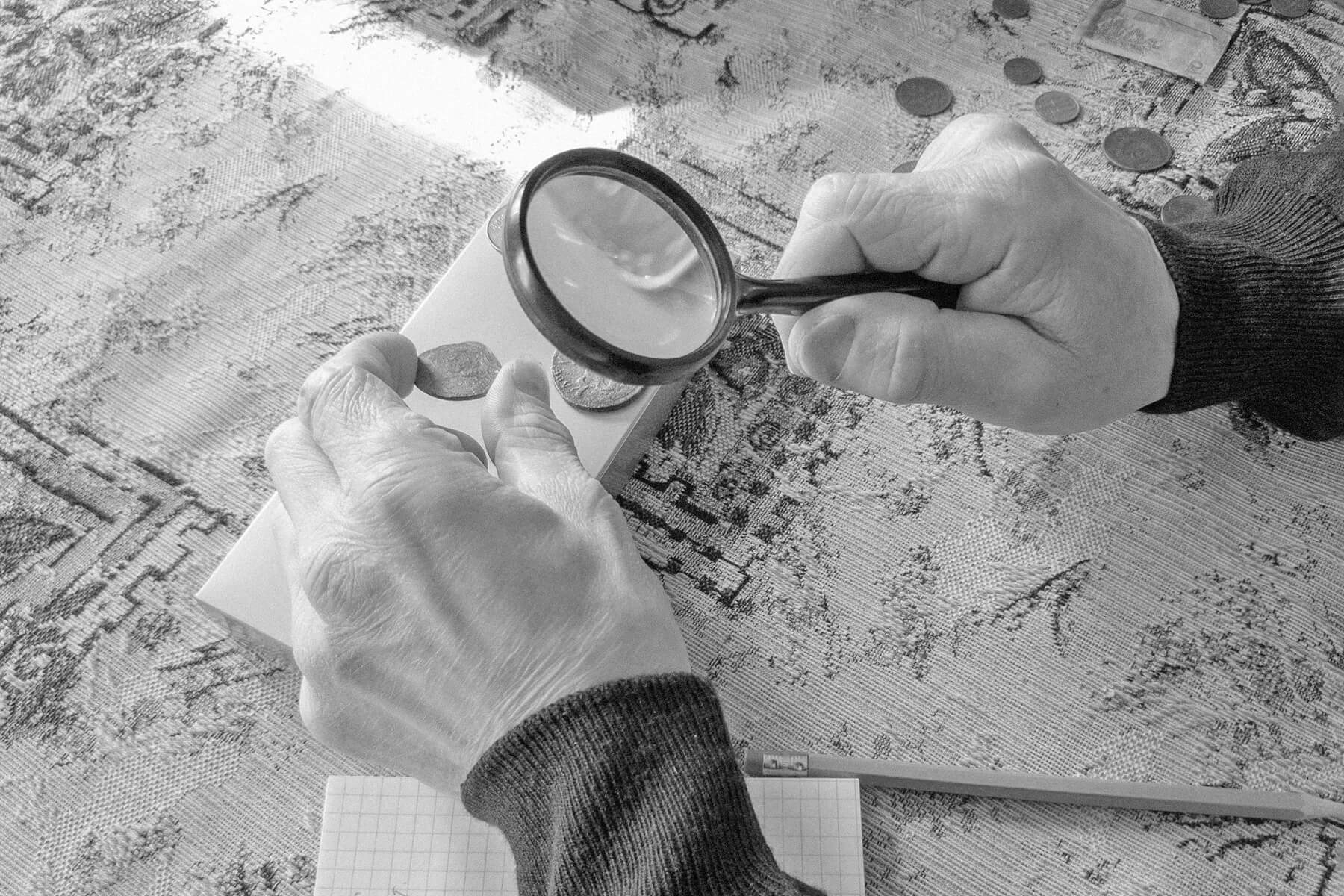
It’s been said that money makes the world go round. It’s also been said that money is the root of all evil. Whichever theory you subscribe to, both of these contrasting views highlight the ubiquity of currency in modern society.
We often take for granted the process of shelling out cash for food at the grocery store, setting aside regular amounts for the mortgage or rent, or spending a few extra bucks on a new shirt or shoes. These are the hallmarks of modern living — but they haven’t always been.
Humans have been around for about 300,000 years, began banding together in settlements some 12,000 years ago, and set the foundations of major civilizations 5,500 years ago. So when did the all-encompassing presence of money enter the equation?
Bartering and Neolithic Cattle
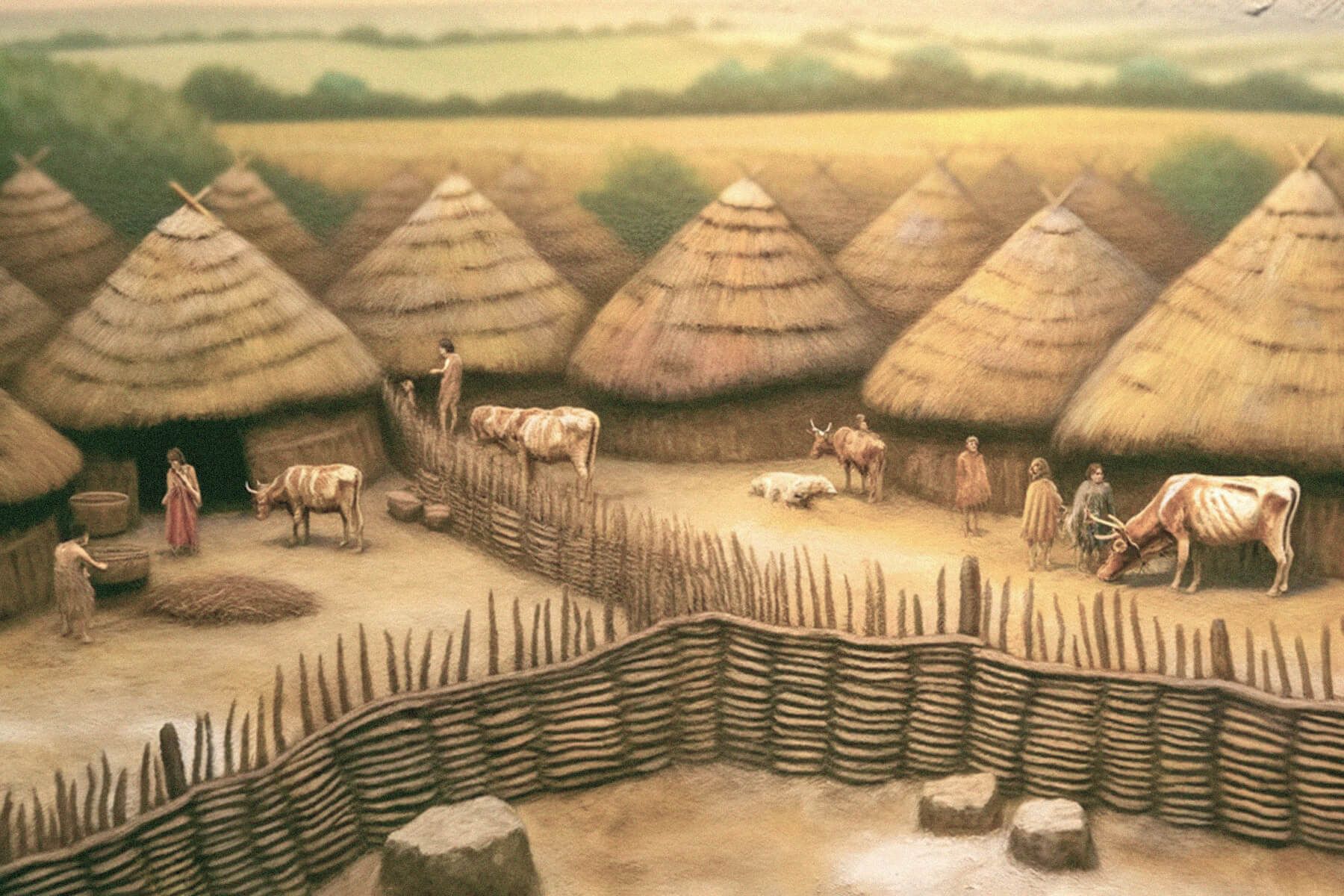
Historians agree that before there was money, there was bartering — the exchange of one form of goods or services for another in a way that satisfied both parties. This process dates back thousands of years, to at least the Upper Paleolithic period (roughly 50,000 to 10,000 years ago). But experts differ as to the next steps in the economic timeline, depending on their specialty. Some economists have argued, based on the writings of Adam Smith in The Wealth of Nations, that money developed from the bartering system. However, scholars in the fields of anthropology and archaeology are more likely to contend that money was created by governments as a means of exerting control. Part of the uncertainty, of course, comes from the difficulty of tracing the development of a system across different parts of the world with a lack of definitive recorded evidence.
However it was introduced, ancient money generally fulfilled a few major guidelines: It served as a unit of exchange, represented a measure of value, enabled the payment of debts, and could be accumulated as a wealth reserve. Prior to the existence of metallic coins and (far later) paper cash, this meant the use of a wide array of items that fulfilled some combination of practical and ornamental function.
The oldest form of money may well be the use of cattle dating back to the Neolithic era — while far less portable than modern forms of money, it fit the other requirements of providing a standard measure of value and being easily counted. Other nonmetallic forms of currency from various cultures through the centuries include amber, beads, cocoa beans, ivory, leather, quartz, rice, salt, and whale teeth.
More from our network






Silver and the Shekel in Mesopotamia
The rise of civilizations in Mesopotamia around 3500 BCE sparked a transformation in the scale of economic activity — along with fostering extensive trading networks, the period saw an increase of wealth among its most prosperous citizens and the first recorded existence of banks.
While many people used grain as a form of money, the better-off flaunted their wares in silver, and with silver came the first weight-based form of currency, the shekel. Weighing approximately one-third of an ounce, the shekel helped determine a silver-based standard of value for goods, taxes, and penalties. The wealthier citizenry also found willing takers for their gold, while most people exchanged more common metals such as copper, tin, or lead.
The popularity of metal currency served to narrow the scope of what was accepted for payment in this part of the world, and paved the way for the emergence of coins. However, the silver shekels didn’t quite meet the standard of modern money, as they lacked an official guarantee of value.

Cowrie Shells and Early Coins in China
Independent of developments on the shores of the Mediterranean, standard forms of money began surfacing in China. As far back as the Shang dynasty, which spanned roughly the 17th to 11th centuries BCE, this entailed the use of cowrie shells (small oval-shaped shells) from the Pacific and Indian oceans.
Sometime after the start of China’s Spring and Autumn period in the eighth century BCE, bronze and copper pieces began appearing in regular circulation. At first, these early coins were also fashioned in the likeness of the popular cowrie shells. Soon, they began taking the forms of other common objects, including knives, spades, and musical instruments.
Regardless of their shape, all of these coins were embedded with holes for ease of being strung together, as their composition of base metals resulted in low-value density and the need for many pieces to purchase objects of greater worth.

The Modern Coin Emerges in Lydia
What is traditionally considered the final step in the emergence of modern money took place in the kingdom of Lydia, located in modern-day Turkey. There, in the seventh century BCE, the kingdom began fashioning coins from electrum, a naturally occurring gold and silver alloy.
Initially formed into irregular bean-shaped chunks, the electrum currency soon began to take on a rounded shape with standardized weights and inscriptions such as a lion and bull facing one another — an official stamp of authenticity. By the mid-sixth century BCE, the prosperous King Croesus had separated the metals into gold and silver pieces to develop the first bimetallic currency.
By that point, the use of state-issued coins was spreading to Ionia and other Greek city-states, while also becoming more prominent in China and India. Although traditional currencies such as shells and beads continued to hold sway in other regions, in many cases working in tandem with the tried-and-true method of bartering, modern money was up and running and ready to make the world go round.