


6 People You Didn’t Know Were on U.S. Currency

  • U.S. coins and bills
U.S. coins and bills
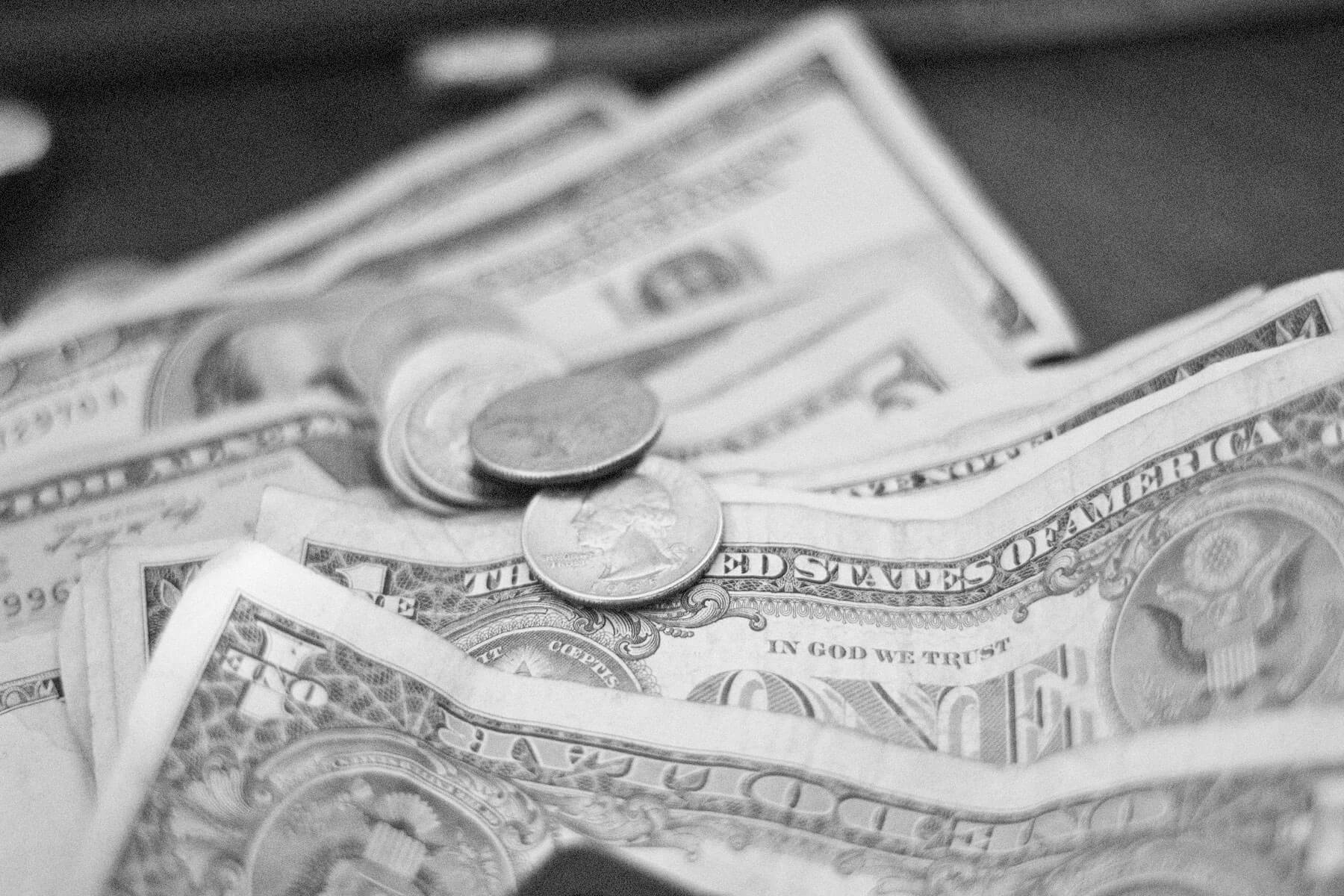
Mathieu Turle/ Unsplash
Author Kristina Wright

March 26, 2026

Love it?

The history of U.S. currency is a fascinating journey that reflects the country’s growth, changing economic needs, and evolving cultural values. Before the United States was formed, each of the colonies issued its own currency. In 1690, the Massachusetts Bay Colony became the first to issue colonial notes in the form of paper currency. Later, during the American Revolutionary War, the Continental Congress issued paper currency to finance the war effort. These notes were called Continental currency, and some designs featured illustrations that reflected the values of the 13 colonies, such as an American soldier carrying a sword and a scroll with the words “MAGNA CHARTA.”

In the years following the Revolution, the dollar sign was adopted, Treasury Secretary Alexander Hamilton established the Bank of the United States to create a credit system for the new government, and Congress passed the Mint Act establishing the coinage system. Early treasury notes were redeemable for gold, but it wasn’t until 1861 that the government began issuing paper money for the first time since the war. Known as “demand notes” and nicknamed “greenbacks” because of the green ink used to print them, they were used to pay salaries and government expenses, but they weren’t backed by gold and lost value. Following the Legal Tender Act of 1862, the government began issuing paper notes that replaced demand notes and became the official currency of the United States. Of the 53 people whose portraits have appeared on U.S. banknotes, here are six of the most surprising.

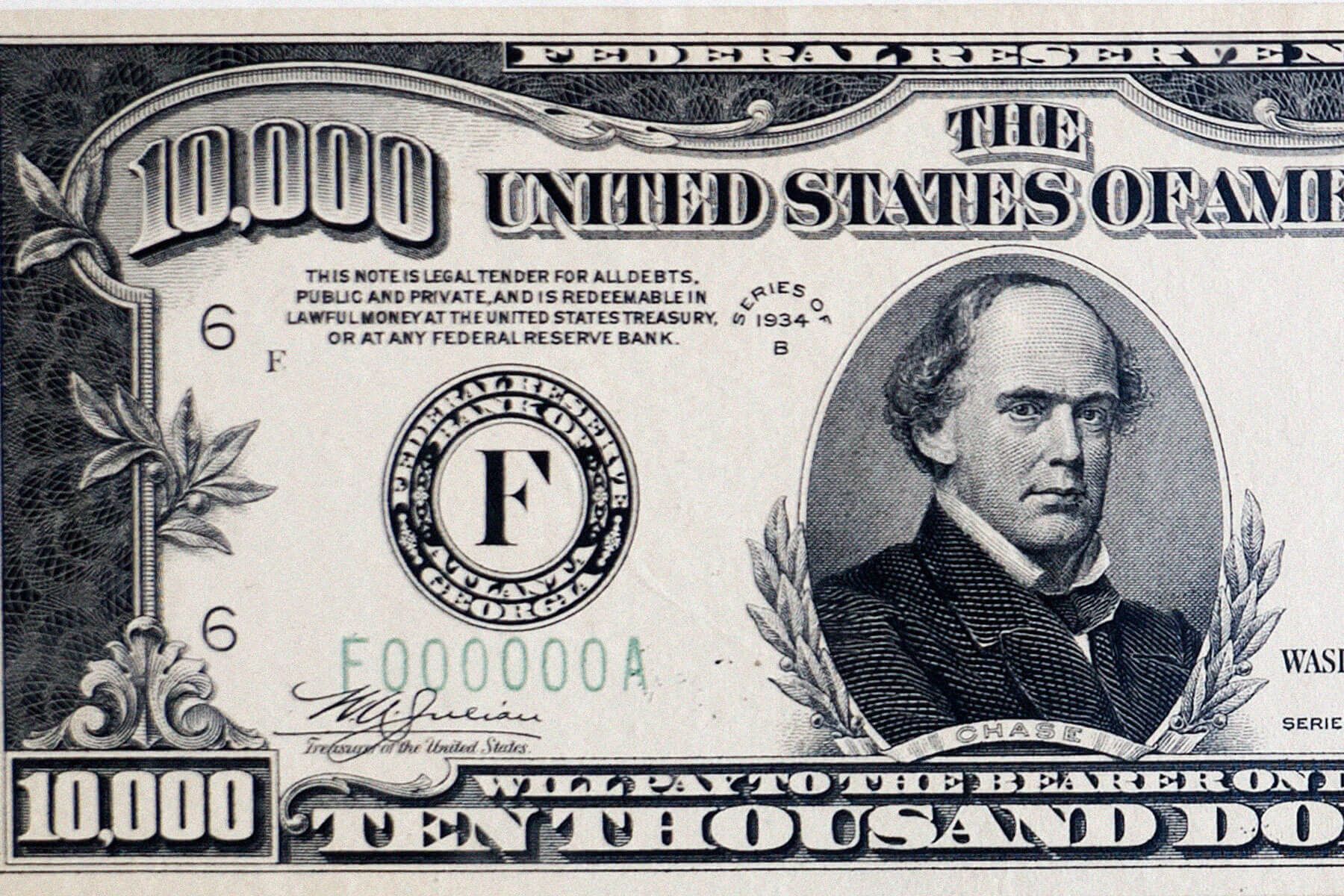
Photo credit: PAUL J. RICHARDS/ AFP via Getty Images

Salmon P. Chase

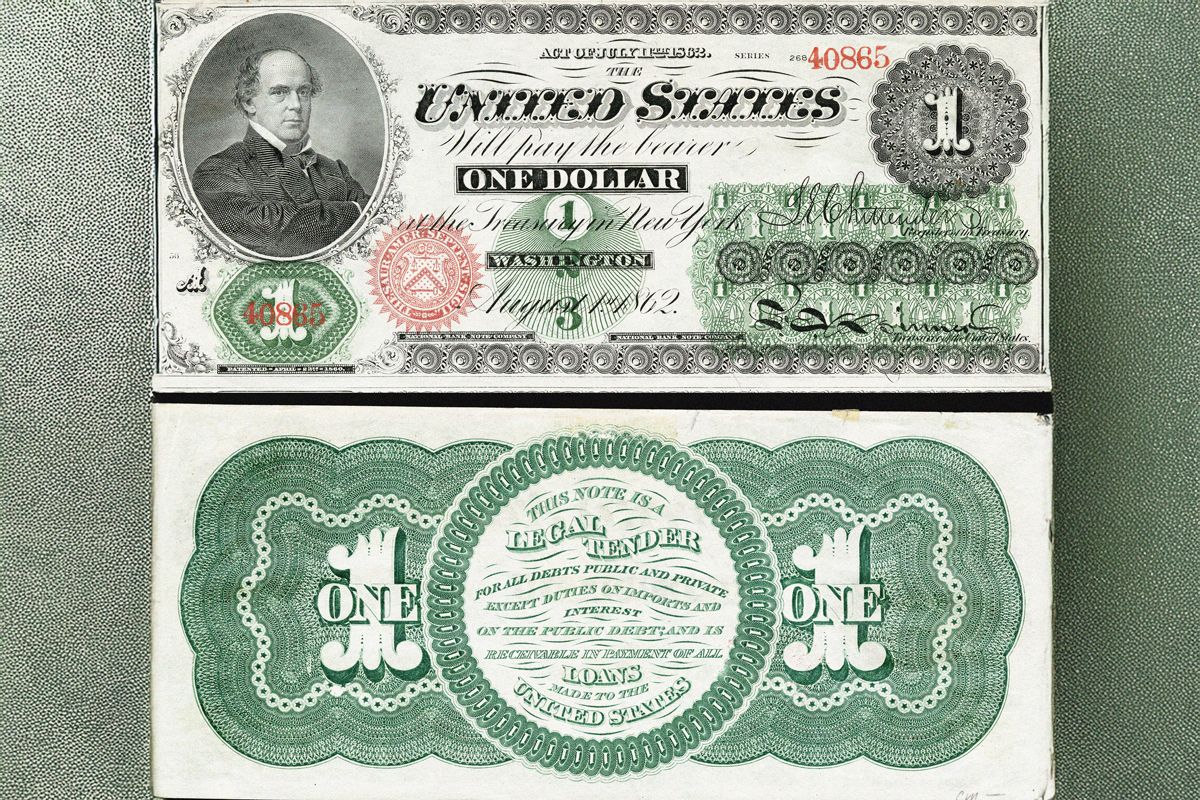
In 1862, during the Civil War, the first $1 legal tender banknotes were issued, featuring the Treasury seal and a portrait of Treasury Secretary Salmon P. Chase (possibly as a way to advance his own political career). While serving in the role during Abraham Lincoln’s administration, Chase was the architect of the national banking system, and he helped design the new paper money authorized under the National Bank Acts, which called for a system of nationally chartered banks and a uniform national currency. The same portrait of Chase that appeared on the $1 banknote was later used on the $10,000 banknote, the largest denomination ever in public circulation. Though currencies above $100 are no longer circulated, Chase National Bank, founded in 1877, was named in the former treasury secretary’s honor. 

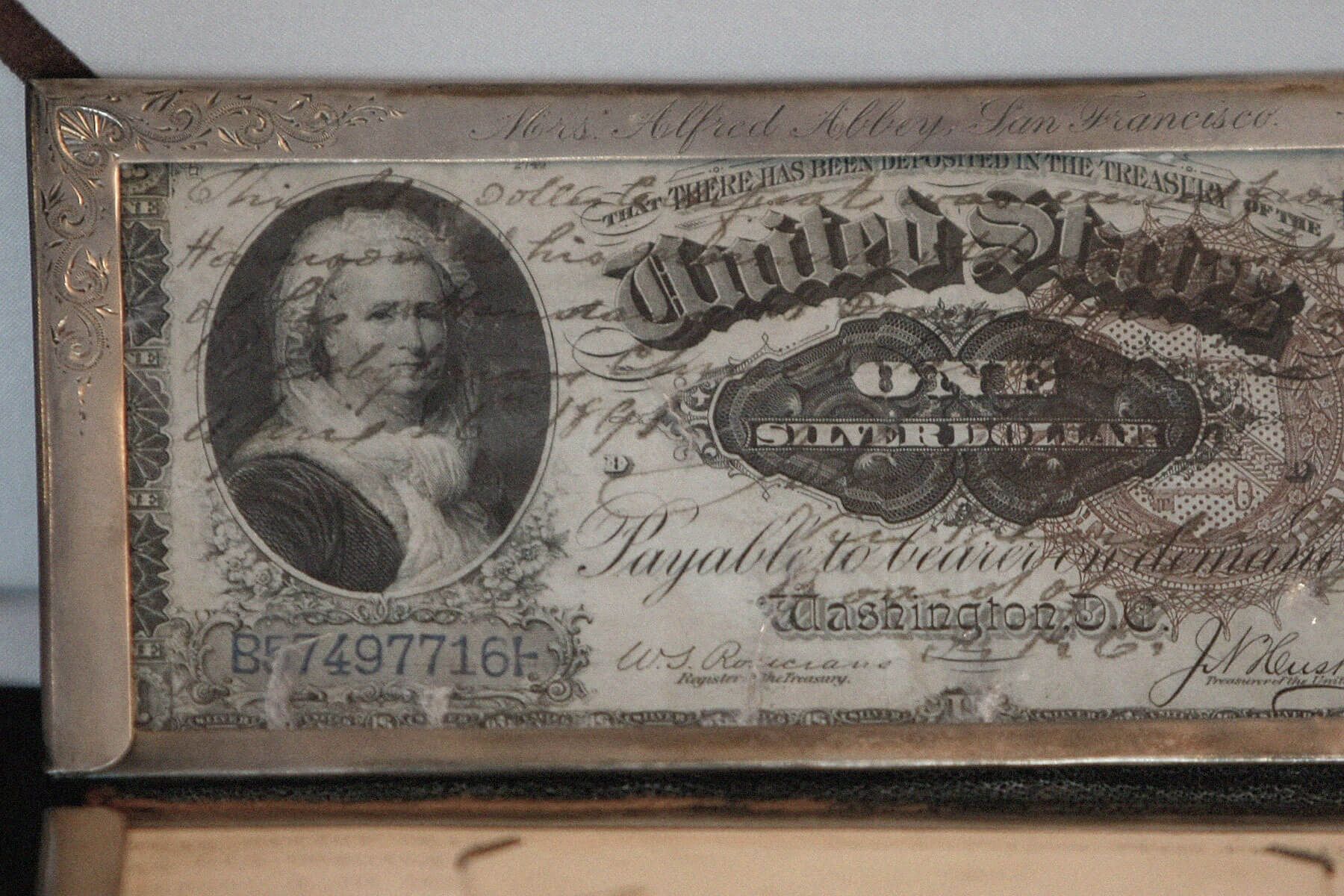
Photo credit: Joe Raedle/ Getty Images News via Getty Images

Martha Washington

First Lady Martha Washington holds the distinction of being the only woman to be prominently featured on U.S. paper currency to date. Her portrait appears on the $1 silver certificate, which was first introduced in 1886, 17 years after the legal tender dollar bill featuring George Washington. She appeared again on a slightly modified certificate in 1891. The $1 certificates weren’t phased out until 1957, making them the second-longest-issued paper currency in the nation’s history, after the $2 bill. As the name implies, the certificates were backed by the federal government’s silver reserves and were exchangeable for silver from the U.S. Treasury.  

You may also like

6 Jobs That Paid More in the Past

  • American Airlines pilots, 1950
American Airlines pilots, 1950
Credit: Ivan Dmitri/ Michael Ochs Archives via Getty Images
Author Kristina Wright

January 27, 2026

Love it?

Today, the future is full of big promises, and careers in fields such as artificial intelligence, cybersecurity, and climate science are expected to produce the next generation of top earners. But history reminds us that many of the jobs that once paid really well no longer deliver the same economic security. Over the years, technology, deregulation, and shifting markets have steadily eroded pay and bargaining power. These six occupations are reminders that even the most lucrative careers can shift with the changing times.

Credit: Bettmann Archive via Getty Images 

Stockbroker

In the 1950s through the early 1980s, stockbrokers occupied an elite position in the American labor market. Trading commissions were fixed, information was scarce, and brokers acted as essential gatekeepers to financial markets. While precise figures are difficult to pin down because compensation was heavily commission-based and not consistently captured in government wage data, average salaries in 1969 ranged between $13,000 and $20,000, or $118,000 to $182,000 when adjusted for inflation. Top performers could earn much more, and regulations effectively guaranteed commissions.

Deregulation on May 1, 1975, known as “May Day,” eliminated fixed commissions and fundamentally changed the industry. Discount brokerages, online trading platforms, and algorithmic trading stripped individual brokers of their pricing power. But even with the new rules, many brokers continued to command impressive salaries into the 1980s, with an average salary of $79,000 in 1985 — or $242,000 in today’s dollars. Currently, the median salary for a securities, commodities, and financial services salesperson sits around $78,000 annually. Some brokers still earn commissions or performance-based bonuses on top of their base pay, but commissions are typically smaller and less central to earnings than they once were. While a small minority still earn very high incomes, the average stockbroker now makes a fraction of what the role once commanded.

You may also like

Why Are U.S. Dollars Green?

  • $5 Federal Reserve Note, 1914
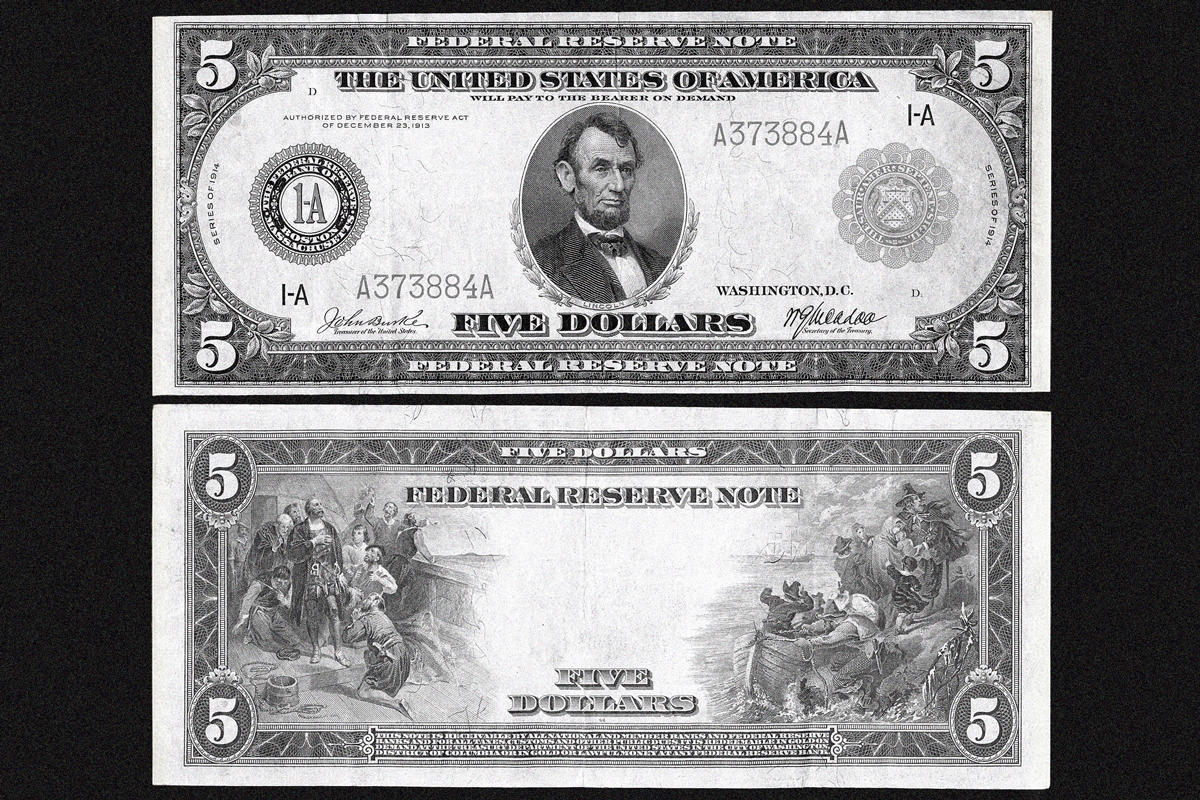
$5 Federal Reserve Note, 1914
Credit: Art Collection 3/ Alamy Stock Photo
Author Timothy Ott

November 13, 2025

Love it?

U.S. currency is strongly associated with the green color that blankets these bills — so much so that “green” is understood to be a synonym for “money.” But while this link is deeply ingrained in the public psyche, that certainly wasn’t the case for anyone around before the U.S. government pushed out the first wave of green notes during the Civil War. 

At the time, there was no standard suggesting that money needed to be green, as evidenced by the plethora of colors found on currency around the world. So how exactly did American bills wind up coated in this particular hue?

Credit: Ivy Close Images/ Alamy Stock Photo 

Early Currency Was Easily Counterfeited

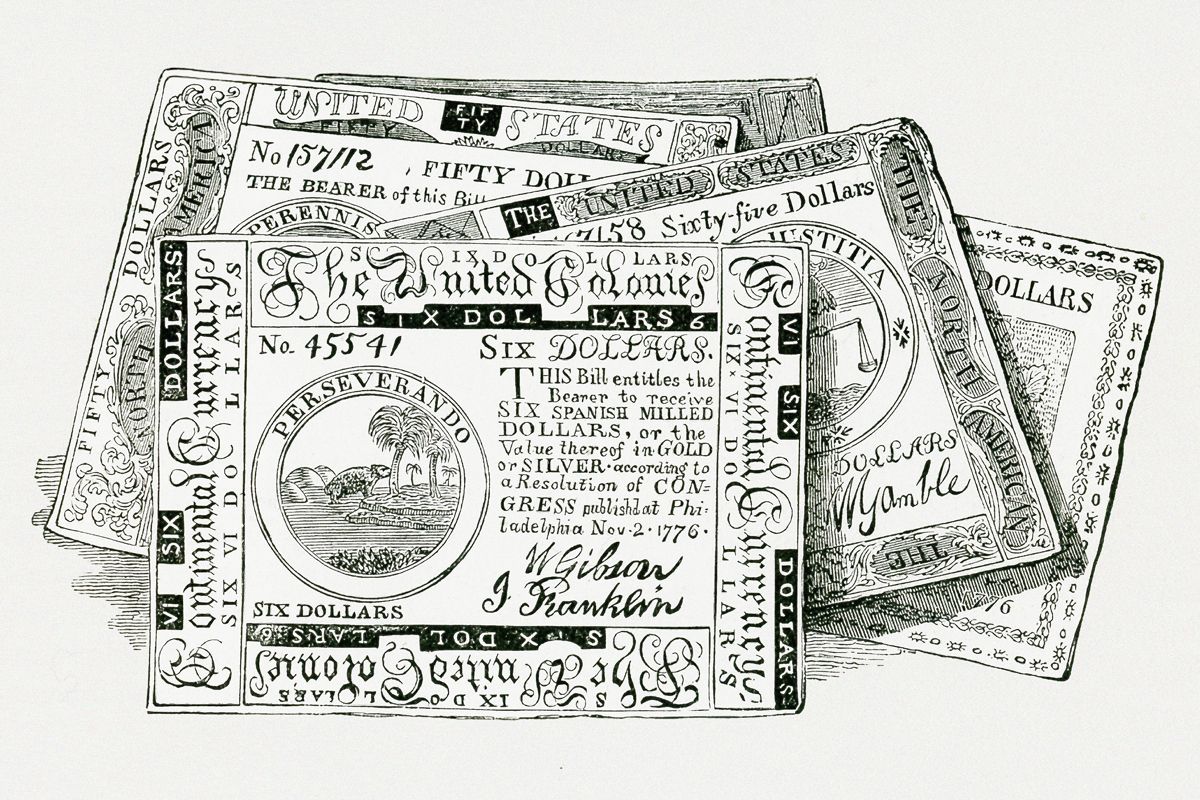
There was paper currency in circulation when the United States took its first baby steps into nationhood, although it wasn’t green. From 1775 to 1779, the Continental Congress issued more than $2 million in paper bills to fund the Revolutionary War. These “Continentals,” which joined the foreign coins and various paper banknotes already in circulation, were tan-colored and made from a distinct cloth mixture that was intended to offset attempts at counterfeiting. 

Nevertheless, the British successfully introduced a stream of counterfeit bills into the colonies to devalue the American currency exacerbating the inflation problems caused by overprinting paper money that wasn’t backed by commodities such as gold or silver. By the end of the war, Continentals were all but worthless.

Mindful of the lessons learned from previous efforts to distribute money, Congress passed the Coinage Act in 1792, which established the U.S. Mint and specific denominations of copper, silver, and gold coins — but no paper currency.

You may also like

What the $1 Bill Used To Look Like

  • Closeup of $1 dollar bill
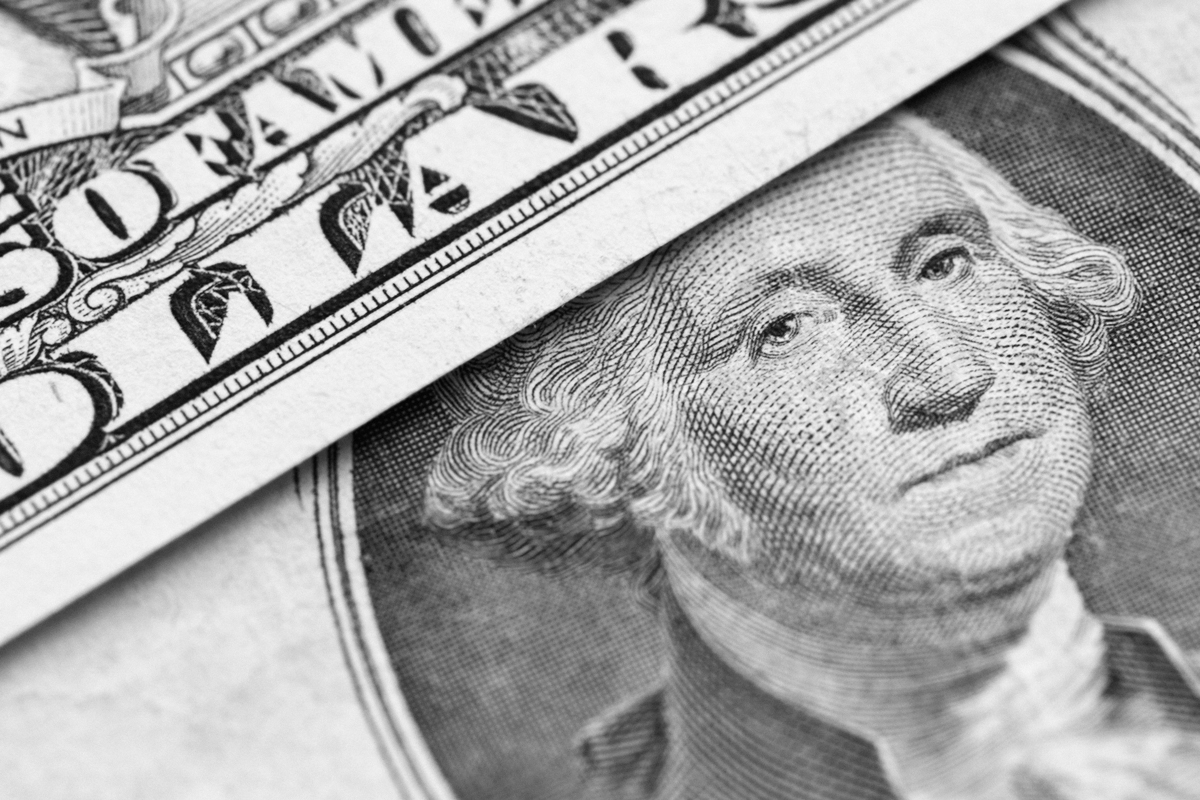
Closeup of $1 dollar bill
Credit: Vladyslav Starozhylov/ Alamy Stock Photo
Author Timothy Ott

November 11, 2025

Love it?

As the United States entered the turbulent era of the Civil War, the government set aside long-standing concerns about nonmetallic currency and began issuing a series of paper banknotes in 1861. These “Demand Notes” were printed in denominations of $5, $10, and $20 — but not the lone dollar.

The $1 bill finally arrived the following year with the next generation of paper currency, known as United States Notes (or Legal Tender Notes), and the bill has since made up for its delayed arrival by becoming the most common denomination in circulation today.

Of course, that 1862 $1 note — or any dollar bill printed before the mid-20th century — would likely draw a double take from modern eyes, as paper currency has undergone numerous aesthetic changes since the days of the Civil War. Here’s a look at some of the notable designs to grace the sides of the humble dollar over the years.

Credit: National Numismatic Collection, National Museum of American History

1862 United States Note

Like most paper currency of this period, the first $1 bill incorporated a mishmash of fonts and shapes across a crowded obverse (front), while the back featured a green ink-rendered display of lathework surrounding an inscription of the government’s legal obligation to the note holder. But the most notable highlight may well have been the picture of the serious-looking fellow who is decidedly not George Washington, nor any other easily recognizable statesman, for that matter. The denomination’s first portrait instead went to Salmon P. Chase, who served as secretary of the Treasury and chief justice of the Supreme Court. 

You may also like

The Curious History of the Piggy Bank

  • Piggy Bank, circa 1950
Piggy Bank, circa 1950
Credit: Harold M. Lambert/ Archive Photos via Getty Images
Author Bess Lovejoy

November 4, 2025

Love it?

If you’ve ever dropped spare change into a rotund, smiling, ceramic pig, you may have wondered: Why a pig? The idea of putting coins inside a chubby farm animal may seem whimsical, but the story of how pigs became the symbol of savings reaches back further than you might expect — and the real explanation busts a common myth that’s been circulating since the 1990s.

Credit: Harold M. Lambert/ Archive Photos via Getty Images 

Pigs as the Original Savings Account

Before there were coin jars, there were pigs — real ones. In modest households across Europe, pigs were literal stores of value. A piglet bought in spring could be fattened on kitchen scraps and garden waste and, come winter, would provide both food and money. As the Bank of Canada Museum puts it, “A pig — a real one — is an excellent store of value.” In many rural communities, a family’s pig was essentially its bank: a source of meat, trade goods, or emergency cash. This value was collected by slaughtering the pig, just like how you might break a piggy bank to access the coins it stores.

This down-to-earth connection between pigs and thrift helps explain why the animal became a symbol of savings in many cultures. In Germanic folklore, pigs represent luck and plenty. Someone who’s had a stroke of good fortune is said to have Schwein gehabt — literally, “got pig.” Even today, New Year’s Eve in parts of Europe is celebrated with marzipan or chocolate candies known as “lucky pigs.” It was likely German immigrants, with their own Sparschwein (“saving pig”), who carried this fond association to the United States around the start of the 20th century.

You may also like

10 Rare Coins That Are Worth a Fortune

  • 1933 rare coin at Sotheby’s auction
1933 rare coin at Sotheby's auction
Credit: ANGELA WEISS/ AFP via Getty Images
Author Tony Dunnell

August 12, 2025

Love it?

Most of us, at some point, have probably seen a scattering of strange coins — perhaps at a yard sale or tucked away in a dusty drawer — and asked ourselves, “I wonder if those are worth anything?” For many of us, that’s about as close as we get to the fascinating world of coin collecting, or, to give it its technical name, numismatics. But there are plenty of proper numismatists out there. According to data from CivicScience, 38% of U.S. adults have collected coins at some point during their lives. 

It’s easy to understand the appeal of collecting rare coins. For one, they offer a glimpse into the past. They can also be worth an awful lot of money. In numismatics, a decades-old manufacturing mistake can make you rich and a simple penny might pay off your mortgage. Part of the thrill of coin collecting is knowing that unexpected treasures can be hiding in plain sight, and that once-simple pocket change can become a highly collectible artifact worth thousands — or even millions — of dollars.

Here are 10 facts from the world of numismatics, from the oldest coin ever discovered to the most expensive ever sold. 

Credit: Zev Radovan/ Alamy Stock Photo 

The Lydian Lion Is the World’s Oldest Coin

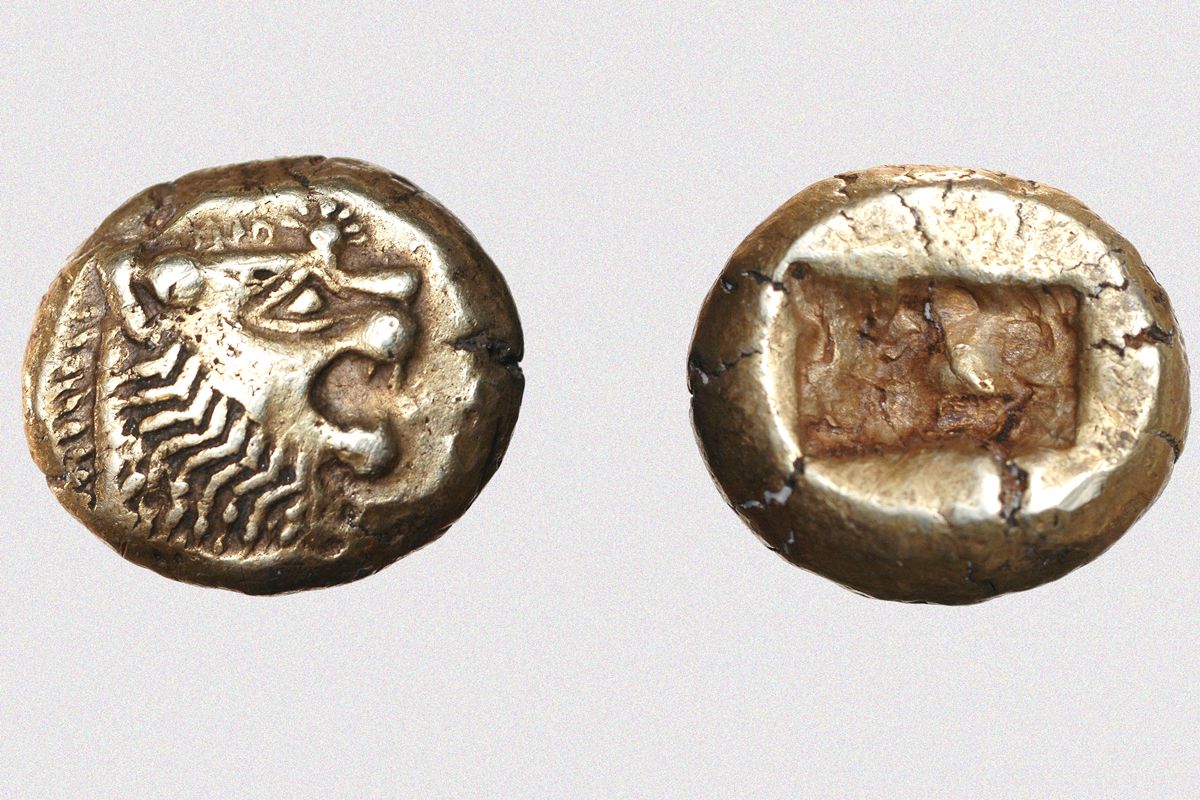
The Lydian Lion is widely considered the world’s oldest coin. Minted around 600 BCE in the kingdom of Lydia (modern-day Turkey), these coins were made of electrum, a mixture of gold and silver. The creation of the Lydian Lion marked a truly significant milestone in economic history by establishing the concept of money as we know it today. A Lydian Lion coin is worth an estimated $2.5 million today due to its historical significance and rarity.

You may also like

7 Priceless Facts About the U.S. Mint

  • U.S. Mint coin presses
U.S. Mint coin presses
Credit: Graphic House/ Archive Photos via Getty Images
Author Timothy Ott

July 15, 2025

Love it?

With the ratification of the Constitution in 1788 and the Bill of Rights in 1791, citizens of the fledgling United States of America could count on documentation that guaranteed the separation of federal powers and an array of personal liberties. Of course, what good is freedom without a sound financial system to give people the opportunity to thrive? To address that issue, Congress passed the Banking Bill in 1791 to create the Bank of the United States, and the Coinage Act of 1792 to establish the U.S. Mint and the denominations of coins it would produce.

While that first national bank lasted just 20 years, the Mint is still around and going strong, with 13.1 billion coins sent into circulation in the 2023 fiscal year. Here are seven facts about this treasured institution that has provided Americans with pocket change since the heyday of the Founding Fathers.

Credit: Archive Photos via Getty Images

The Mint Has Four Main Branches

For the first four decades of its existence, the U.S. Mint operated solely from its Philadelphia headquarters. Additional mints opened in Charlotte, North Carolina; Dahlonega, Georgia; and New Orleans, Louisiana, in the 1830s, but those branches all closed after briefly falling into Confederate hands during the Civil War.

Meanwhile, another mint opened in San Francisco in 1854, and later, branches in Denver and West Point, New York — which originated as an assay office in 1863 and a silver bullion depository in 1938, respectively — were conferred full mint status. These three mints, along with the headquarters in Philadelphia, are the four main branches of the U.S. Mint today. The Philadelphia branch still maintains its stature as the “Mother Mint,” as it creates the dies used by all other mints for imprinting coins. 

You may also like

7 Symbols on the $20 Bill — and What They Mean

  • Pile of $20 bills
Pile of $20 bills
Credit: Craig Hastings/ Moment via Getty Images
Author Nicole Villeneuve

July 9, 2025

Love it?

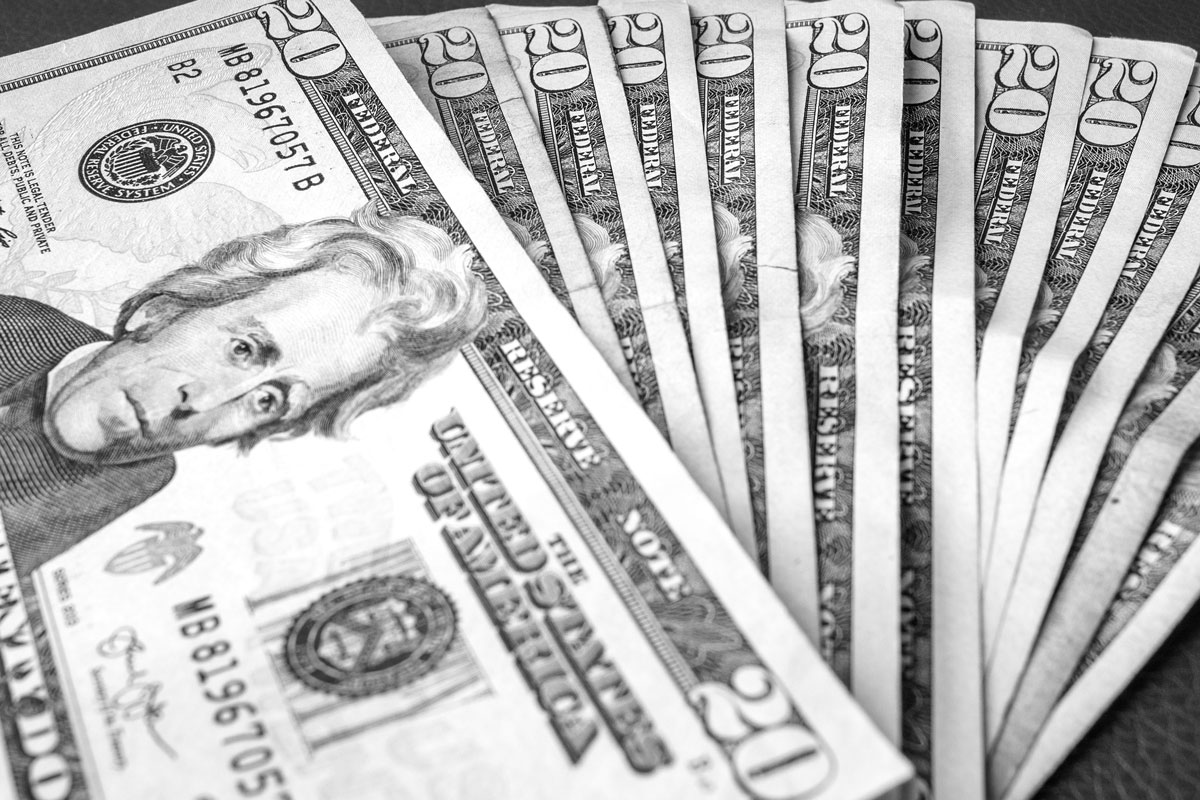
United States currency is full of symbolic design choices and cryptic markings. First issued in 1861 as a demand note, the $20 bill is one of the most commonly used denominations. Over the years, the $20 bill has undergone numerous facelifts, from changing portraits and seals to the addition of color-shifting ink and security threads. Today’s version packs in more symbols than most people may realize. If you’ve ever wondered what those little letters, numbers, and emblems really mean, here’s a look at seven of the symbols found on the modern $20 bill.

Credit: trekandshoot/ iStock via Getty Images Plus 

The White House

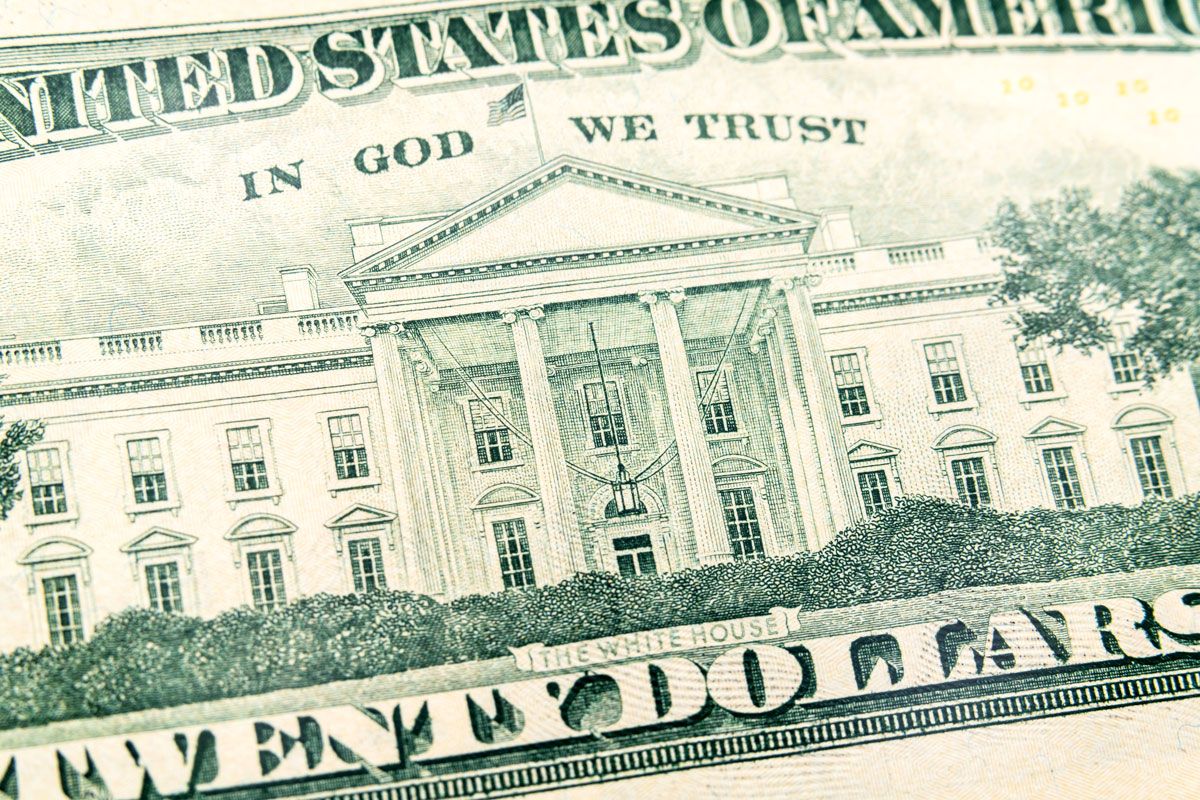
The obverse (front) of the $20 bill features a portrait of President Andrew Jackson, but the reverse also has a prominent nod to the presidency: the White House. The image on the current $20 bill shows the north side of the White House; its main North Portico entrance and classic Ionic columns are a familiar sight to onlookers from Pennsylvania Avenue. 

The White House vignette was added to the $20 bill in 1929 (the same year Jackson’s portrait was added). Initially, however, it featured a depiction of the South Portico. In 1929, the U.S. government reduced the size of all bills to save on manufacturing costs, and efforts were made to standardize the front and back designs across all denominations. This included putting portraits on the front and monuments or buildings on the back. In 1998, the $20 was redesigned in an effort to discourage counterfeiting, which introduced the depiction of the South Portico of the White House we see on the banknote today.

You may also like

What Did Gas Cost in the 1950s?

  • Filling a gas tank, 1951
Filling a gas tank, 1951
Credit: Chris Ware/ Hulton Archive via Getty Images
Author Mark DeJoy

June 30, 2025

Love it?

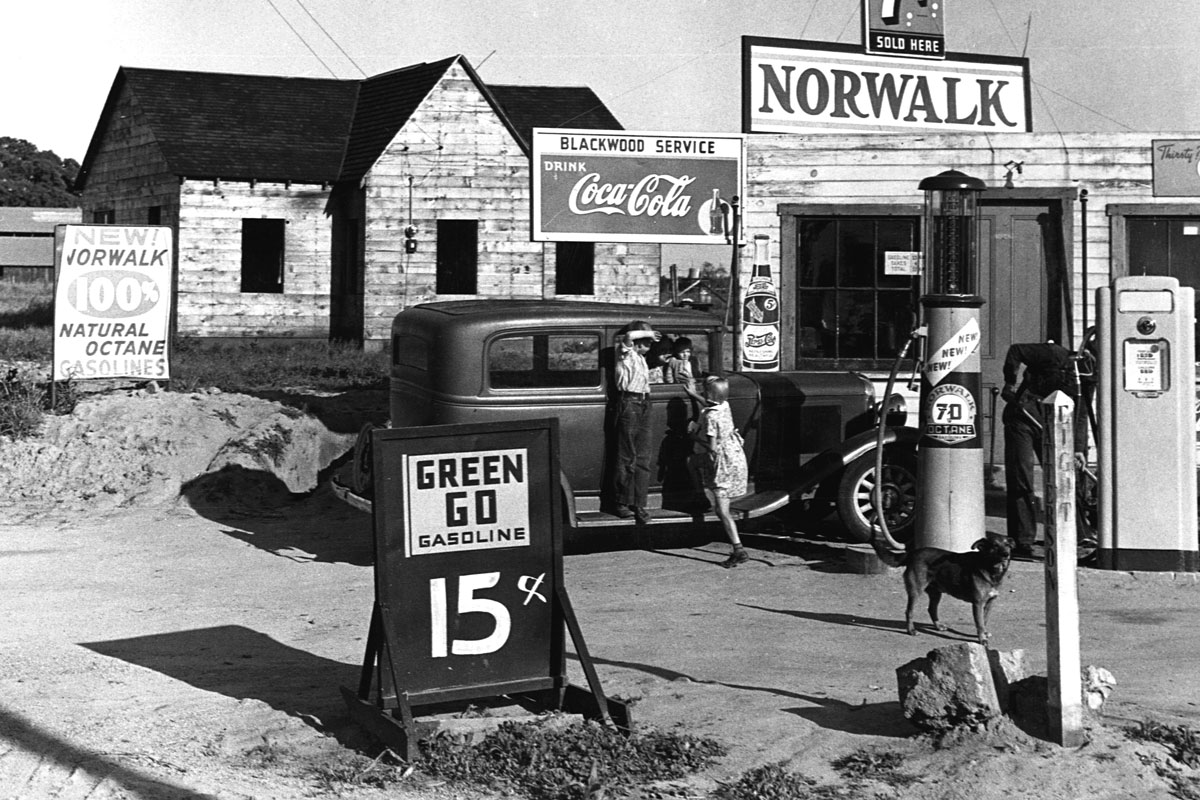
The 1950s were a transformative decade for transportation in the United States. Factors such as postwar prosperity, suburban living, and a decline in public transit led to a major increase in car ownership. At the start of the decade, approximately half of Americans owned an automobile; by 1960, nearly 75% of Americans owned at least one car, and many owned two. It was the golden age of the automobile.

Of course, a car can’t go anywhere without gasoline, so what did this trend mean for the price of gas? When we look back at the past, we tend to see lower prices and feel a sense of nostalgia for more affordable times. But vintage prices can be tricky; simply looking at a raw retail price from 70 years ago doesn’t tell the whole story. Let’s look at the numbers when adjusted for inflation to find the average cost of gas throughout the 1950s.

Credit: George Marks/ Hulton Archive via Getty Images

1950-1952

According to the U.S. Department of Energy, the national average for the cost of gasoline remained steady for the first three years of the 1950s at $0.27 per gallon. That low price might sound practically idyllic, but the average household income at the time was $3,300 per year. Adjusted for inflation, $0.27 in 1950 equates to about $3.52/gallon in today’s dollars. Nowadays, the median household income is $74,580


You may also like

5 Things You Never Knew About U.S. Currency

  • U.S. dollar bills
U.S. dollar bills
Credit: STILLFX/ iStock
Author Mark DeJoy

June 30, 2025

Love it?

Tracing the development of a nation’s currency can provide a unique glimpse into the nation itself. But currency is complicated — its history often defies a simple straight-line narrative, and there are countless technicalities along the way that threaten to glaze over the eyes of anyone without a degree in economics. So let’s take a look at some of the most interesting moments in the history of U.S. currency, and leave the rest to the economists.

Credit: Ivy Close Images/ Alamy Stock Photo

The First National Bills Were Called “Continentals”

The first national paper currency for what would become the United States of America was issued by the Continental Congress in 1775. Known as Continental currency, it was intended as a way to fund the Revolutionary War. Though the currency started strong, a lack of adequate revenue sources (and mismanagement by the government) resulted in its quick depreciation. To make matters worse, Great Britain counterfeited the 1777 and 1778 issues of Continental currency in an act of wartime economic sabotage, and did so to such an extent that Congress was forced to recall both printings. As the currency’s value continued to plummet, Congress stopped printing new Continentals altogether in 1779; though the bills continued to circulate, they were worth only 1% of their face value by 1781.

You may also like