



Surprising Grooming Etiquette From the Past

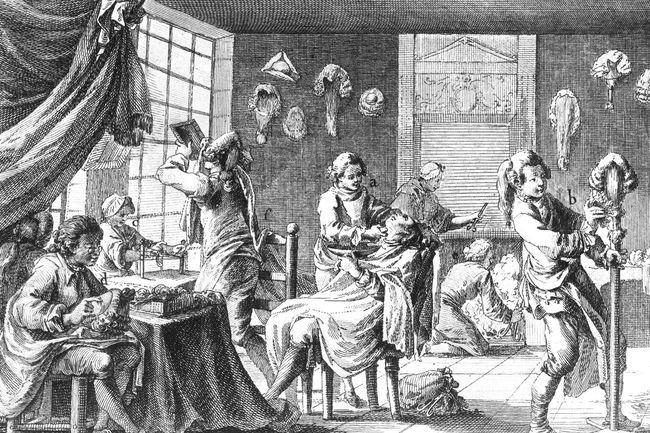
  • Shaving and wig preparation, 1771
Shaving and wig preparation, 1771
Credit: Hulton Archive via Getty Images
Author Bennett Kleinman

September 19, 2024

Love it?

Long before the advent of mechanical showers, nail clippers, and electric razors, people’s personal grooming habits were far different than they are today. Many modern grooming tools weren’t invented until the late 19th and early 20th centuries, which left anyone who lived before that with limited options, creating some hygiene habits that seem quite unusual today. Here’s a look at some of the strangest personal grooming etiquette in the history of the Western world.

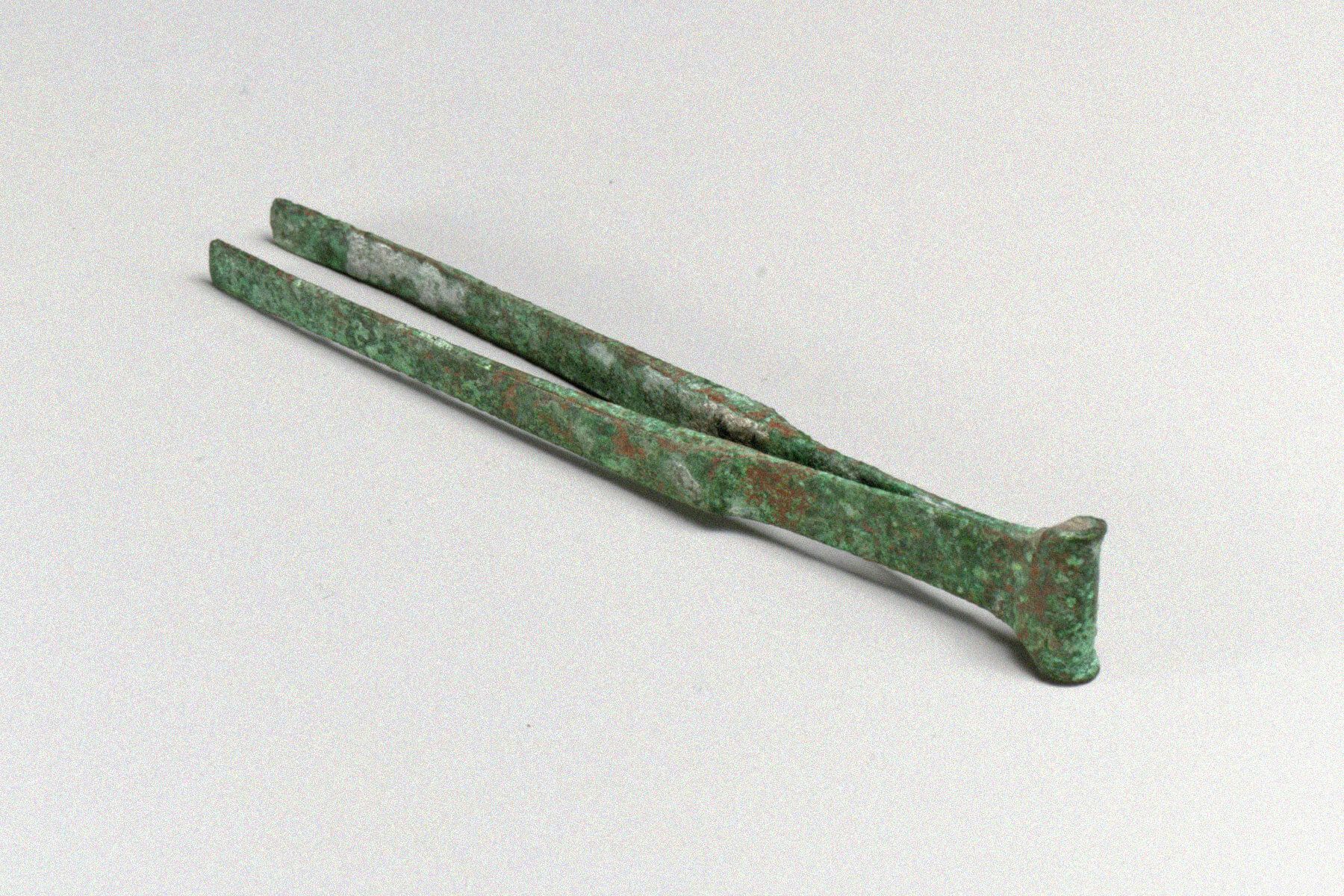
Credit: Rogers Fund, 1917/ The Metropolitan Museum of Art

Romans Tweezed Their Bodies

Hair removal has been practiced for ages, but some ancient Romans took the practice to a whole new level. In Roman society, body hair was viewed as an unfavorable trait for both genders. Romans believed maintaining a clean-shaven look helped differentiate  them from the uncouth “barbarians” elsewhere in the region. Men also removed their body hair for athletic purposes; athletes were admired for their hairless aesthetic at the time, as smooth skin meant less for an opponent to potentially grab onto. Romans used pumice stone to remove stubble and an early razor called a novacila to achieve a closer shave. But tweezers were among the preferred methods when it came to getting rid body hair — from head to toe.

Many people opted to painstakingly remove each strand of hair using a pair of tweezers, which produced a smoother effect than the rudimentary razors and scrubs that were available at the time. In 2023, archaeologists uncovered more than 50 sets of these grooming devices from the ancient Roman city of Wroxeter in modern-day England. Tweezers were a popular tool of choice because they were cheap to make and didn’t pose any risk of serious harm. That said, plucking out body hair with tweezers was a painful process: The Roman politician Seneca once wrote a letter complaining about the loud shrieks coming from the Roman baths where people had their hair pulled out. Rather than tweeze the hair themselves, many Romans often relied on enslaved people to remove their hair for them, especially around the armpit area, where hair was considered particularly undesirable.

You may also like

Why Did Men Wear Powdered Wigs in the Past?

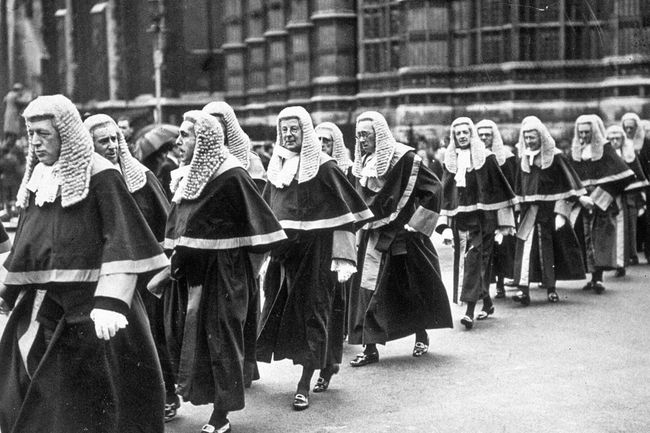
  • Line of judges in wigs
Line of judges in wigs
Credit: H. F. Davis/ Hulton Archive via Getty Images
Author Nicole Villeneuve

August 15, 2024

Love it?

In the 17th and 18th centuries, everyday items we take for granted today were status symbols among the European elite, including pineapples, mirrors, and, yes, wigs. While wigs have a long history in ancient societies, they were popularized as an upper-class fashion accessory during King Louis XIV’s reign in France from 1643 to 1715. 

Credit: Hulton Archive/ Hulton Royals Collection via Getty Images

Louis XIV’s court at Versailles was the epitome of style and sophistication. When the young king started losing his hair at the age of 17 in the 1650s, he began wearing hairpieces to cover it; by the time he reached his 30s, he had adopted highly coiffed statement wigs. These wigs, known as perukes, became an integral part of his regal appearance and an immediate trend among his courtiers and nobility. Around the same time that King Louis made wigs popular in France, his cousin King Charles II of England also began wearing them to cover his prematurely graying hair — both monarchs’ hair conditions are believed to have been caused by syphilis and its treatments. 

You may also like

Why Did Sailors Wear Bell-Bottom Pants?

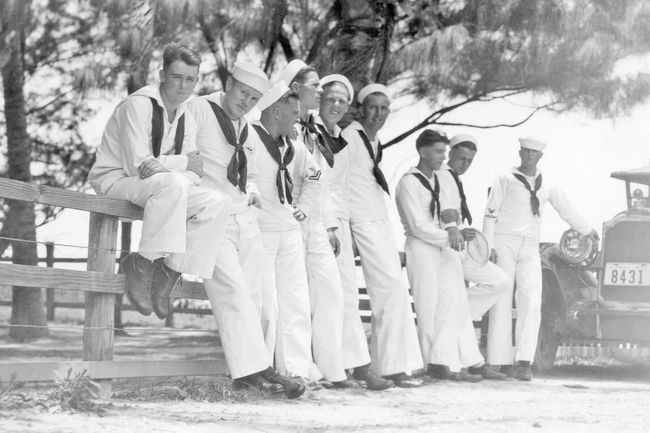
  • Sailors leaning on fence
Sailors leaning on fence
Credit: Jim Heimann Collection/ Archive Photos via Getty Images
Author Kristina Wright

August 6, 2024

Love it?

Bell-bottoms have long been synonymous with sailors in the U.S. Navy: Just picture Sailor Jack, the patriotic mascot who first appeared on boxes of Cracker Jack in 1918, or Frank Sinatra and Gene Kelly dancing and singing in the 1945 musical Anchors Aweigh. During World War II, songwriter Moe Jaffe even reworked the lyrics of a bawdy 19th-century English sea shanty into “Bell Bottom Trousers,” a song about a woman’s love for her sailor, who wore “bell bottom trousers, coat of navy blue.”

The Navy first authorized wearing bell-bottom denim dungarees in 1901 as an alternative to heavier wool pants. With a few rare exceptions, bell-bottoms remained the official working uniform of enlisted sailors from 1913 through the 1990s. Some changes were made to the uniform over the years, and in the late 20th century pants with wide, straight legs replaced the flared bottoms, but they were still referred to as “bell-bottoms.” The classic image of the bell-bottom-wearing seaman lives on today — but why did sailors start wearing this style in the first place?

Credit: Heritage Images/ Hulton Archive via Getty Images 

Before There Was a Navy Uniform, There Were Bell-Bottoms

It’s hard to pinpoint exactly why bell-bottoms became the clothing of choice for the U.S. Navy, but we do know the tradition started in the early 19th century, at a time when the Navy lacked a standardized uniform for enlisted personnel. By the mid-1800s, Britain’s Royal Navy had also adopted the flared-pant style, and by the end of the 19th century, other seafaring militaries had joined the bell-bottom bandwagon, too. One of the first descriptions of the attire of U.S. Navy enlisted sailors comes from an 1813 Navy file about the arrival of Commodore Stephen Decatur in New York, which describes “glazed canvas hats with stiff brims, decked with streamers of ribbon, blue jackets buttoned loosely over waistcoats and blue trousers with bell bottoms.” One theory about the origin of these bell-bottoms is that before uniform regulations were established, Navy tailors may have been aiming to differentiate sailors’ dress from civilian clothing. But it turns out that bell-bottom trousers didn’t just serve a stylistic distinction — they were also a practical choice for sailors.

You may also like

5 Current Fashion Trends Inspired by History

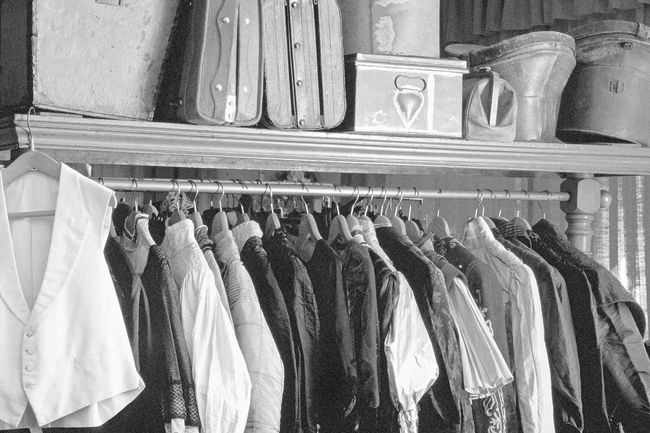
  • Old fashion atelier
Old fashion atelier
Credit: Molteni Motta/ Universal Images Group via Getty Images
Author Kristina Wright

February 14, 2024

Love it?

Fashion is a dynamic, ever-changing cultural phenomenon, often reflecting the cultural zeitgeist of the moment. But sometimes, the latest trends are inspired by looking backward — at the past. Pivotal moments in history have often influenced the way we think about self-expression and the clothing styles we choose to wear. From World War I fighter pilots to Irish fishermen, the historical events and figures that have shaped society have also shaped fashion through the years. Here are five contemporary fashion trends that connect the past and the present. These chic styles showcase the cyclical nature of fashion while reminding us, as William Faulkner said, “The past is never dead. It’s not even past.”

Credit: Bettmann via Getty Images

The Trench Coat

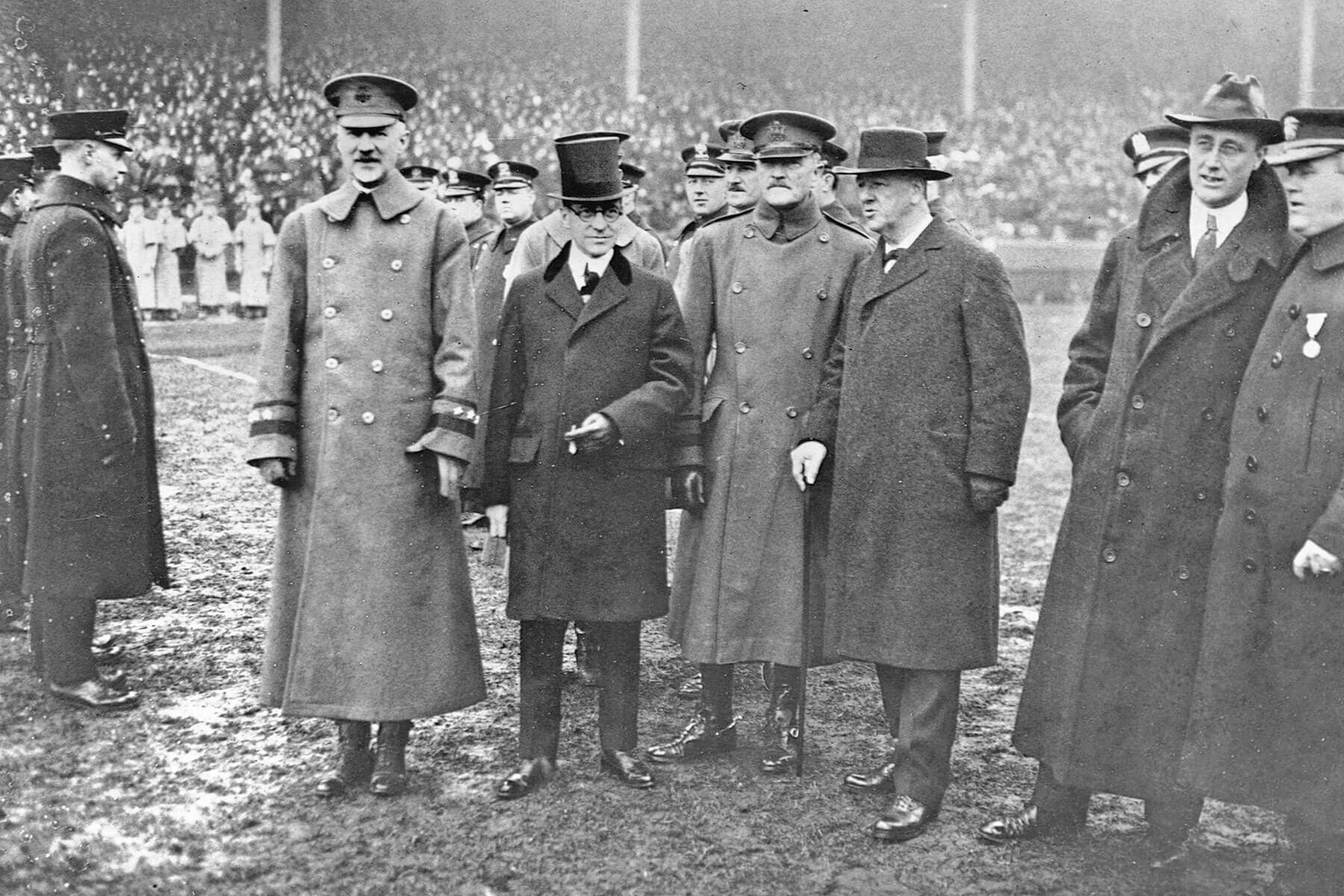
The trench coat got its name from the trench warfare of World War I, but the style itself evolved from the rubberized cotton outerwear worn almost a century earlier. Known as “macks,” after their inventor, Charles Macintosh, these garments were weatherproof but smelly and prone to melting in the sun. The style evolved as designers created more breathable waterproof fabrics, and by World War I, the trench coat was a staple of the British military officer’s uniform.  

Over the past century, the utilitarian trench coat has morphed into a popular fashion piece available in a variety of colors and fabrics for both men and women. The traditional trench coat falls to the knee or below, but in more recent years a new trend has popped up: the cropped trench coat. Maintaining the look and structure of the classic, this new, shorter style can be worn fitted or oversized and layered over other casual pieces.

You may also like

A Walk Through the History of Shoes

  • Shelving unit with shoes
Shelving unit with shoes
New Africa/ Shutterstock
Author Mark DeJoy

November 2, 2023

Love it?

Footwear is so integral to the human experience, it’s hard to imagine a time in history when it didn’t exist. To be without shoes in modern life would pose a significant problem — can you imagine leaving your home and walking even a single city block barefoot? The degree to which footwear is essential for enhanced mobility means that it arguably could even be considered our first vehicle. Whether you’re a bona fide shoe-lover or someone who takes footwear for granted, it’s worth thinking about the lineage of these things we put on our feet to carry ourselves through the world. Let’s go on a quick walkabout to explore the history of footwear.

Photo credit: George Ostertag/ Alamy Stock Photo

First Steps

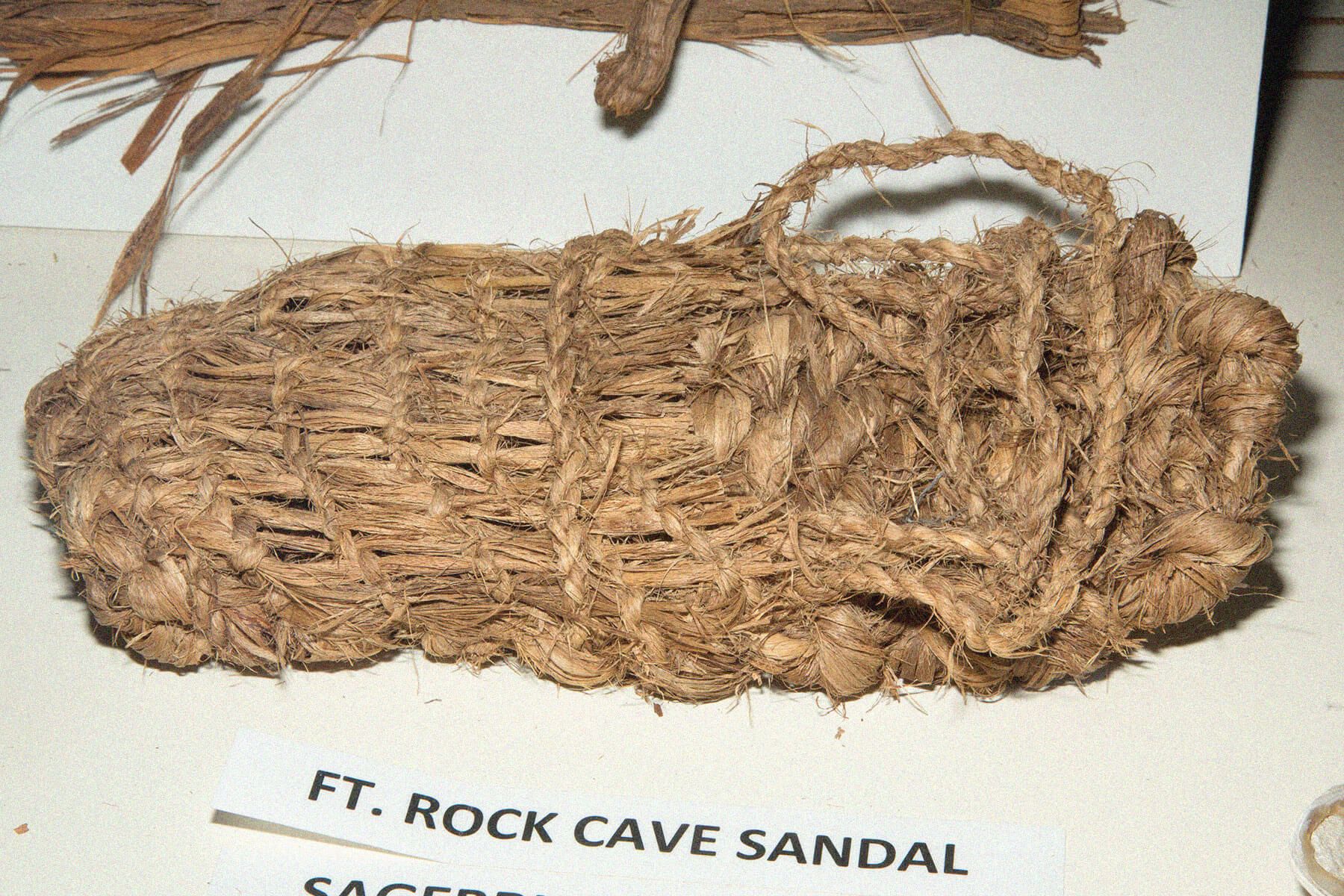
How far back in human history do shoes go? Anthropologists estimate that humans first began wearing some form of sturdy foot covering at least 40,000 years ago, based on changes in toe bones. The oldest surviving pair of shoes is what’s referred to as the Fort Rock sandals, woven sagebrush bark sandals made by Indigenous people in what’s now southeast Oregon and northern Nevada about 10,200 to 9,300 years ago (according to radiocarbon dating). Similar variants of these sandals were made by the Klamath Tribes up until the 20th century.

As for fully enclosed shoes, archaeologists made a surprising discovery during a 2010 dig in an Armenian cave: well-preserved shoes made from tanned cowhide that date back 5,500 years. In other words, the world’s oldest leather shoes. Aside from being made of a familiar modern material, the shoes were also laced along a center seam. Renowned designer Manolo Blahnik commented, “It is astonishing how much this shoe resembles a modern shoe!” 

Photo credit: Culture Club/ Hulton Archive via Getty Images

From Sandals to Pointed Toes

Throughout antiquity, footwear refinements were made as new materials were harvested and traded. Sandals that adorned the feet of Egyptian royalty were sleek and look strikingly like flip-flop prequels, as do Japanese geta. Quilted hemp sandals emerged from China and traveled the Silk Road. Roman sandals were made lighter with cork soles and may have been the first footwear built in accordance with the shape of the foot and toes, as well as the first that differentiated between right and left

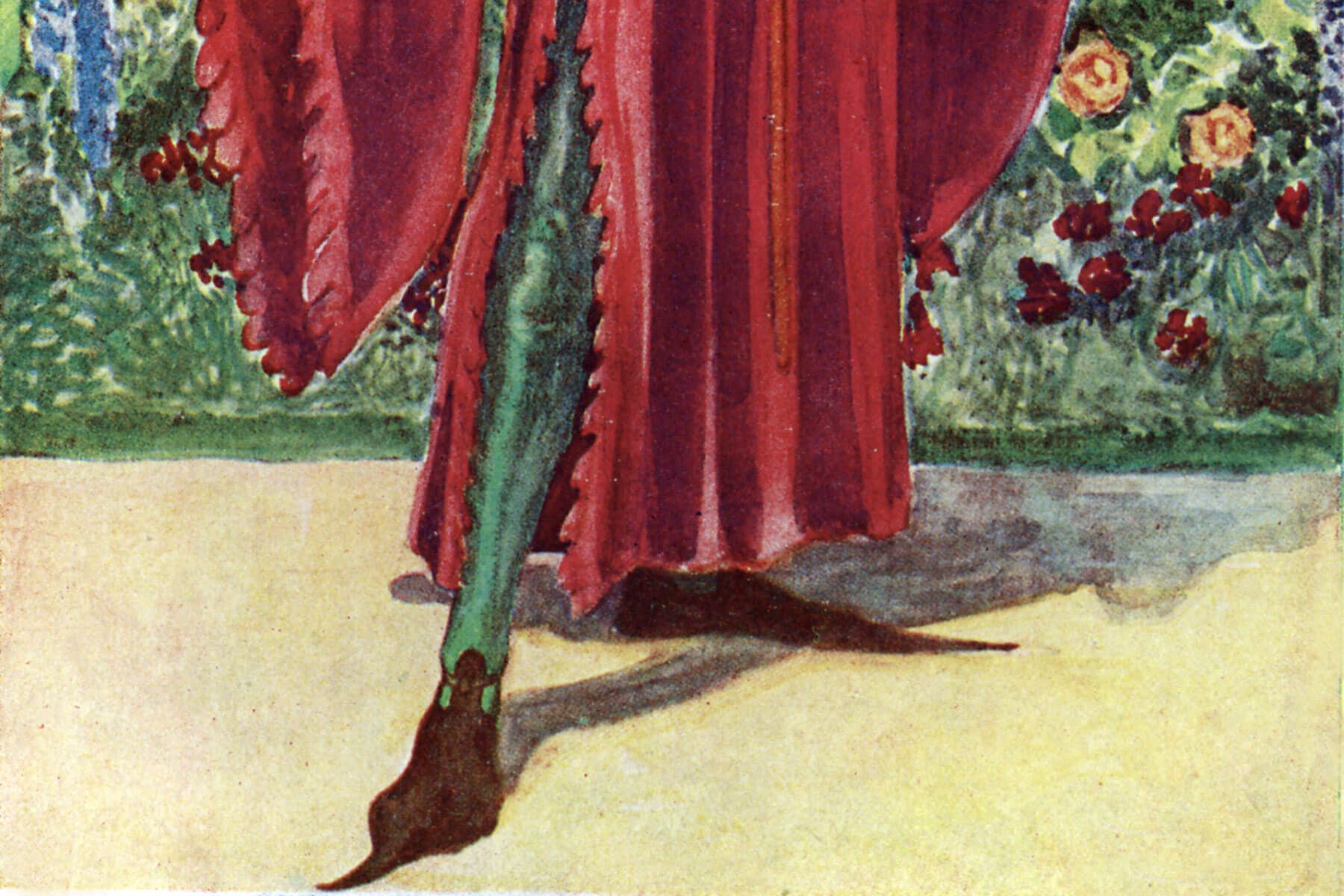
By the year 1305, King Edward I’s decree that an inch should equate to three dried barleycorns became the basis for English shoe sizing. That reference standard soon became relevant beyond the size of the whole shoe, as a fashion craze for shoes with exaggeratedly long points gripped 14th-century Europe. Known as poulaines, or crakows, the shoes were a status symbol in the truest sense; the impracticality of the design and its prevention of the wearer engaging in any kind of labor was the, well, point. The longer the poulaine, the more prosperity the shoe conveyed. Perhaps not surprisingly, poulaines also came to be considered racy, and clergymen disdained them as “claws of devils.” By 1463, English King Edward IV passed a sumptuary law limiting toe length to 2 inches (or, six dried barleycorns). This law, combined with the changing tides of fashion, caused late-15th-century shoe style preferences to veer toward a wide-toe shoe (and yes, eventually the width of the shoe was restricted, too). But even as shoe designs changed, a link between footwear and status remained.

You may also like

A Brief and Curious History of Pockets

  • Empty trouser pocket
Empty trouser pocket
brandstaetter images/ Hulton Archive via Getty Images
Author Sarah Anne Lloyd

September 7, 2023

Love it?

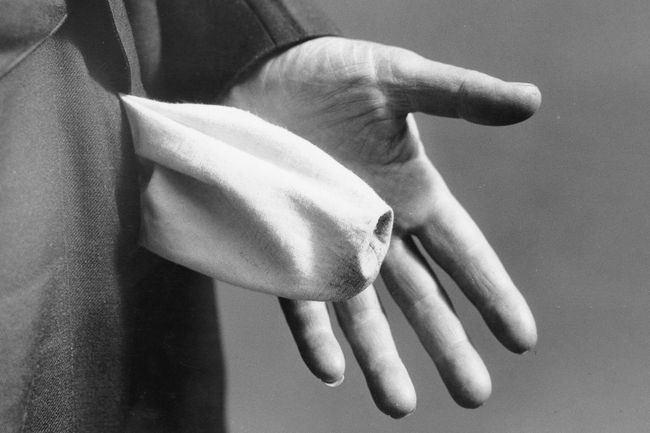
You can never have too many pockets, but we used to not have them at all. As clothing evolved from simple to complex, pockets, some of them specialized, evolved right along with it, changing shape, size, and function through the years. 

When did pockets go from external pouches to sewn-in features? How big were the pockets that 18th-century women hid under their skirts — and why are women’s pockets so small now? What role did jeans play in the progress of the pocket? This brief history of pockets shows just how deep they go.

Photo credit: Sepia Times/ Universal Images Group via Getty Images

Pocket Predecessors

Wearable pouches — such as fanny packs or, if you’re fancy, belt bags — date back thousands of years. Even Europe’s oldest known natural mummy, Otzi the Iceman, who lived in the Copper Age more than 5,000 years ago, was found wearing a belt with a small attached pouch, which contained some small tools.

Belt bags were a must-have accessory in medieval Europe, too; some were crude, some more ornate, and they were worn by all genders. One found in a particularly lavish grave in England had a decorative metal purse lid that would have been attached to a leather pouch

The word “pocket” came into use in English around 1450 to describe a small sack worn on someone’s person, whether sewn into clothing or not. It evolved from the Anglo-French word poket or pouchet, a diminutive variation on poke or pochete, meaning “bag.”

Photo credit: Culture Club/ Hulton Archive via Getty Images

The Rise of Men’s Pockets

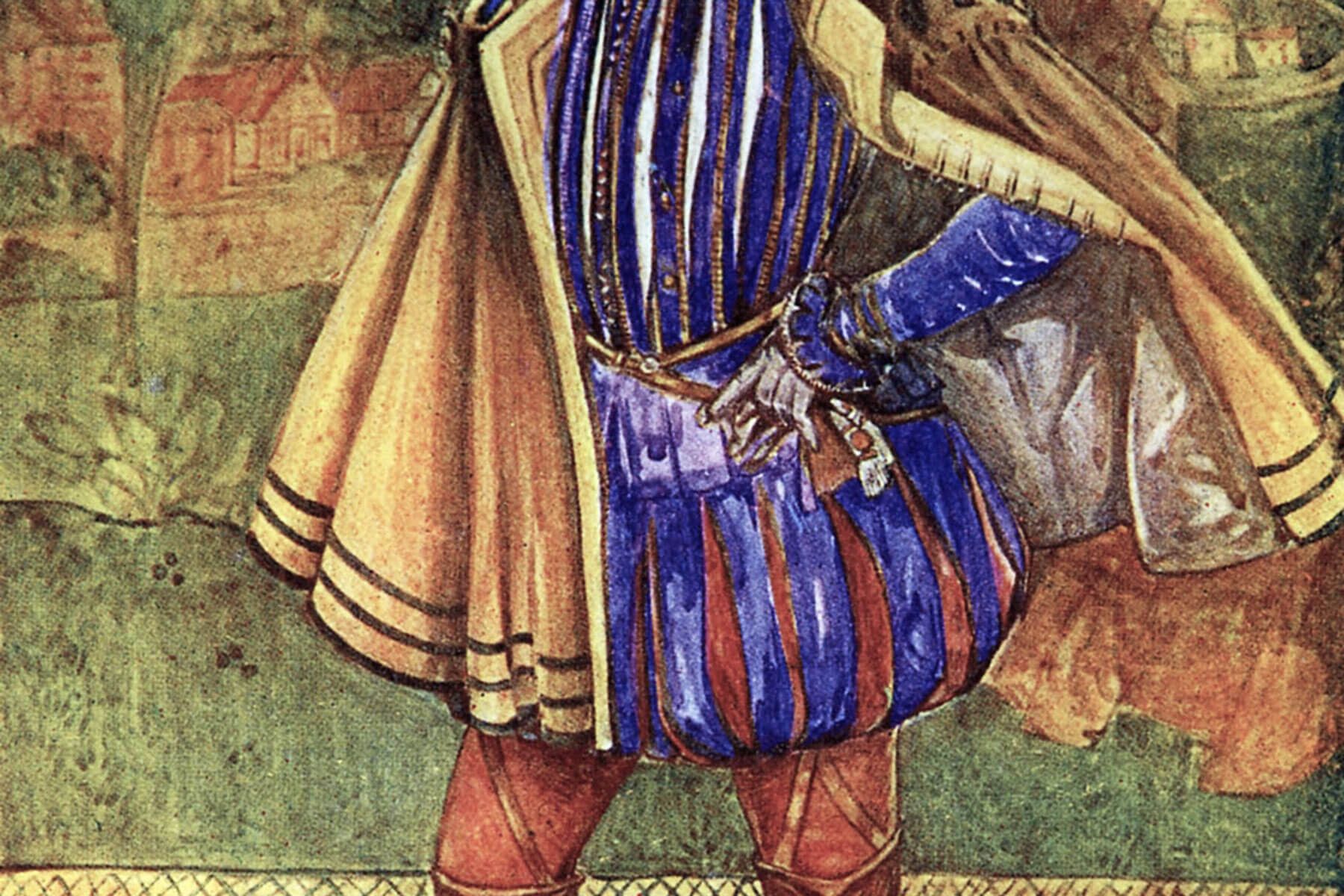
The Renaissance was a time of great art, innovation, and exploration throughout Europe, and it’s during this era that the sewn-in pocket started to appear. The earliest true pockets were parts of men’s trunk hose — the poofy short breeches that you see in old portraits of royals and nobles — which became popular during the 16th century. The pockets hid themselves well among the folds, although sometimes they’re visible in paintings.

The extra space left plenty of room for storing necessary objects, particularly pocket watches. These pockets could be quite luxurious; one example of voluminous trunk hose from the early 17th century had leather pockets lined with yellow and blue silk. Eventually, sewn-in pockets were also added to men’s coats, jackets, waistcoats, and breeches, for both nobles and commoners. From that point forward, menswear typically included pockets. For women’s clothing, however, the path was not quite as straight.

You may also like

5 Fun Facts About Swimsuits Through History

  • Men in bathing costumes
Men in bathing costumes
The Montifraulo Collection/ Getty Images News via Getty Images
Author Fran Hoepfner

July 24, 2023

Love it?

For as long as humankind has walked the Earth, we’ve also wanted to jump into the water. The invention of the bathing suit as a tasteful, stylish outfit specifically for water-based leisure may go as far back as ancient Rome. The history of swimwear is a history of not only sports and fun, but also modesty and fashion. Here are a few interesting landmarks in beachwear through the years.

Photo credit: Heritage Images/ Hulton Archive via Getty Images

Before Bathing Suits, There Were Bathing Dresses 

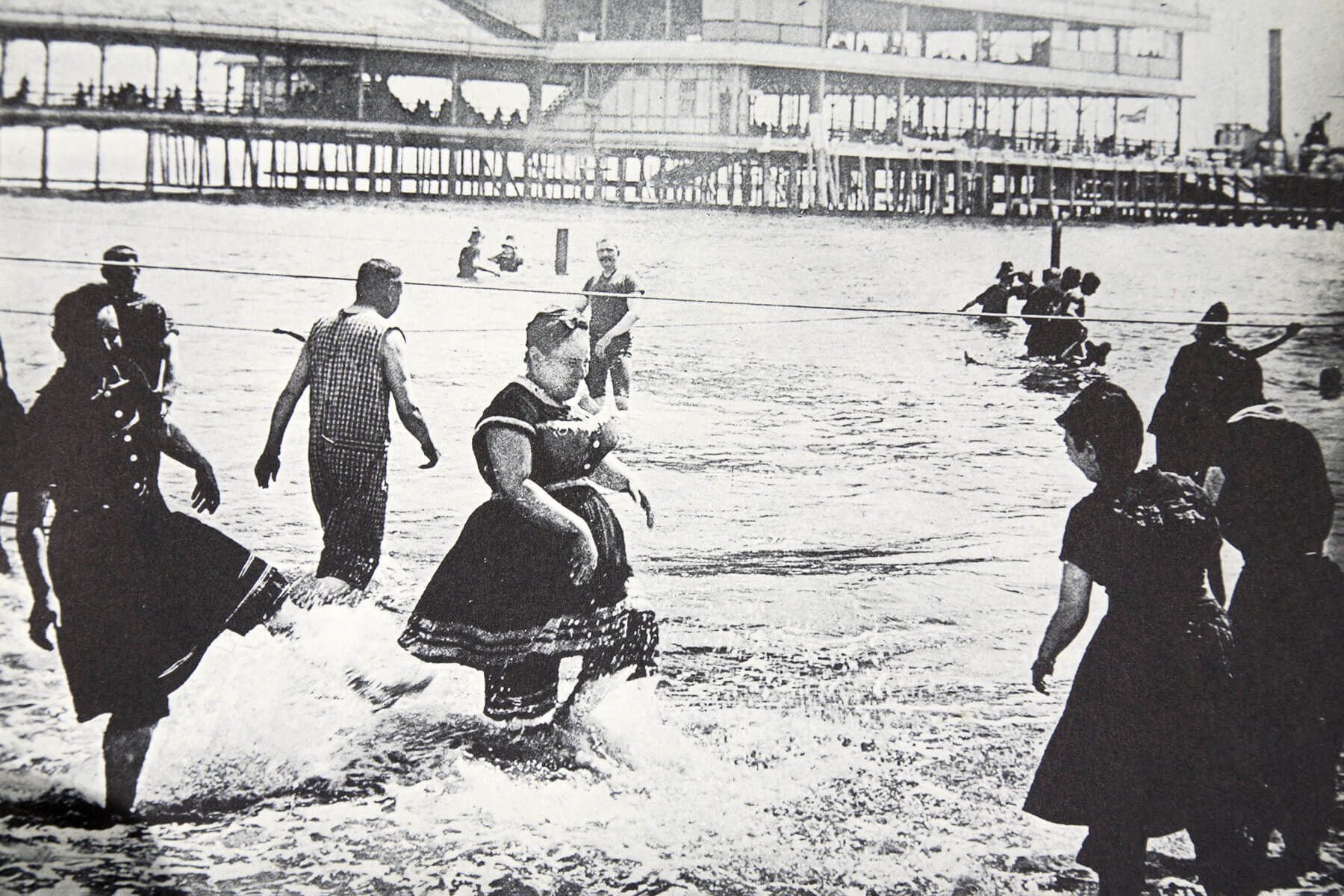
At the start of the 20th century, women in the U.S. and Western Europe were expected to wear what were known as “bathing dresses.” These were thick and colorful knee-length garments made of wool, designed to be worn on visits to the seaside. Given the strict nature of fashion at this time, it wasn’t uncommon for a woman to wear a bathing corset, too, as well as bloomers under their bathing dress. Despite the name, neither of these articles of clothing was meant for bathing, let alone swimming: They were too heavy and restrictive, not to mention itchy and pungent. Rather, they were decorative items of clothing designed for sea-adjacent leisure and outdoor activities that required as little movement as possible.

Photo credit: Keystone/ Hulton Archive via Getty Images

The Modern Bikini Was Invented by an Auto Engineer

The string bikini as we know it was invented in 1946 by French automotive engineer-turned fashion designer Louis Réard. The design featured four triangles of fabric — two for the bottom, two for the top — and spaghetti straps. Expecting an explosive reaction to his daring design, Réard named the suit for Bikini Atoll in the Pacific islands, where the U.S. conducted atomic bomb testing starting in the mid-1940s. A nude dancer from the Casino de Paris named Micheline Bernardini first modeled the provocative swimwear, in part because no runway model could be convinced to pose in something so revealing. Within the decade that followed, however, the bikini became ubiquitous, thanks in part to Hollywood stars such as Brigitte Bardot and Marilyn Monroe popularizing the style, as well as the rapidly changing social norms in the post-World War II era.

You may also like