


The History of the Humble Lunch Box

  • Metal lunch box, 1950s
Metal lunch box, 1950s
Debrocke/ClassicStock/ Archive Photos via Getty Images
Author Kristina Wright

November 21, 2023

Love it?

In the 1880s, plain metal lunch pails were a practical way for workers to transport and protect their midday meals. The utilitarian containers weren’t marketed for children, but it wasn’t long before parents, taking a cue from workers’ lunch pails, started reusing the metal tins used to hold cookies or tobacco for kids’ school lunches. 

In the early 20th century, it was common for children who lived in rural areas to pack their lunch, while kids in urban areas who lived closer to school would go home to eat. The first lunch box specifically designed for kids, which made its debut in 1902, was shaped like a picnic basket and featured lithographed images of children playing. In 1935, the Milwaukee-based company Geuder, Paeschke & Frey produced the first character-licensed “lunch kit,” a metal, oval-shaped, lithographed tin secured with a loop of wire that served as the handle. The tin featured a new cartoon character named Mickey Mouse — and the lunch box as we know it was born. 

Photo credit: Harold M. Lambert/ Archive Photos via Getty Images

A Pop Culture Phenomenon 

The 1950s marked a major turning point for the evolution of the lunch box, as the humble container became a means of portable self-expression. In 1950, Aladdin Industries saw an opportunity to expand its lunch box sales by taking its signature plain steel box, applying red enamel, and embossing it with a decal of Hopalong Cassidy, a fictional cowboy on a popular TV series. The product was a hit, and competitor American Thermos soon followed suit by releasing its own cowboy lunch box, featuring full-color images of Roy Rogers on all sides. The company sold 2.5 million Roy Rogers lunch boxes in 1953, a huge increase in sales.

By the mid-1950s, other manufacturers jumped into the metal lunch box market, competing for the licensing rights to popular TV shows. The lunch box business grew to encompass a wide variety of entertainment tie-ins, making themed lunch boxes popular with both children and collectors. Though the original plain metal kits were intended to be used year after year by adults, bringing pop culture themes to children’s lunch boxes meant that kids would want a new one at the start of every school year. This planned obsolescence meant more money for manufacturers, who were further inspired to introduce additional styles and designs, such as lunch boxes with matching thermoses.

You may also like

A Walk Through the History of Shoes

  • Shelving unit with shoes
Shelving unit with shoes
New Africa/ Shutterstock
Author Mark DeJoy

November 2, 2023

Love it?

Footwear is so integral to the human experience, it’s hard to imagine a time in history when it didn’t exist. To be without shoes in modern life would pose a significant problem — can you imagine leaving your home and walking even a single city block barefoot? The degree to which footwear is essential for enhanced mobility means that it arguably could even be considered our first vehicle. Whether you’re a bona fide shoe-lover or someone who takes footwear for granted, it’s worth thinking about the lineage of these things we put on our feet to carry ourselves through the world. Let’s go on a quick walkabout to explore the history of footwear.

Photo credit: George Ostertag/ Alamy Stock Photo

First Steps

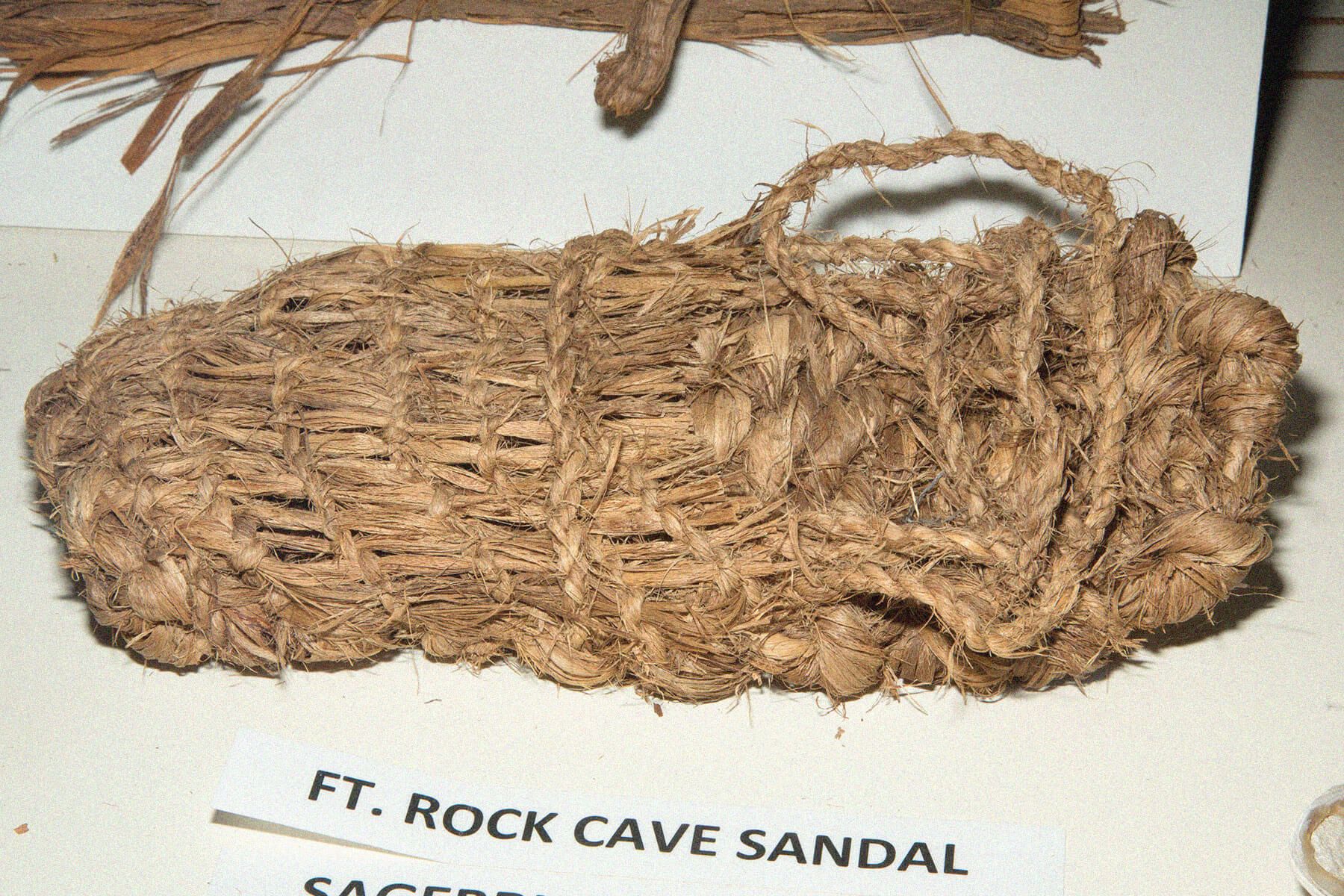
How far back in human history do shoes go? Anthropologists estimate that humans first began wearing some form of sturdy foot covering at least 40,000 years ago, based on changes in toe bones. The oldest surviving pair of shoes is what’s referred to as the Fort Rock sandals, woven sagebrush bark sandals made by Indigenous people in what’s now southeast Oregon and northern Nevada about 10,200 to 9,300 years ago (according to radiocarbon dating). Similar variants of these sandals were made by the Klamath Tribes up until the 20th century.

As for fully enclosed shoes, archaeologists made a surprising discovery during a 2010 dig in an Armenian cave: well-preserved shoes made from tanned cowhide that date back 5,500 years. In other words, the world’s oldest leather shoes. Aside from being made of a familiar modern material, the shoes were also laced along a center seam. Renowned designer Manolo Blahnik commented, “It is astonishing how much this shoe resembles a modern shoe!” 

Photo credit: Culture Club/ Hulton Archive via Getty Images

From Sandals to Pointed Toes

Throughout antiquity, footwear refinements were made as new materials were harvested and traded. Sandals that adorned the feet of Egyptian royalty were sleek and look strikingly like flip-flop prequels, as do Japanese geta. Quilted hemp sandals emerged from China and traveled the Silk Road. Roman sandals were made lighter with cork soles and may have been the first footwear built in accordance with the shape of the foot and toes, as well as the first that differentiated between right and left

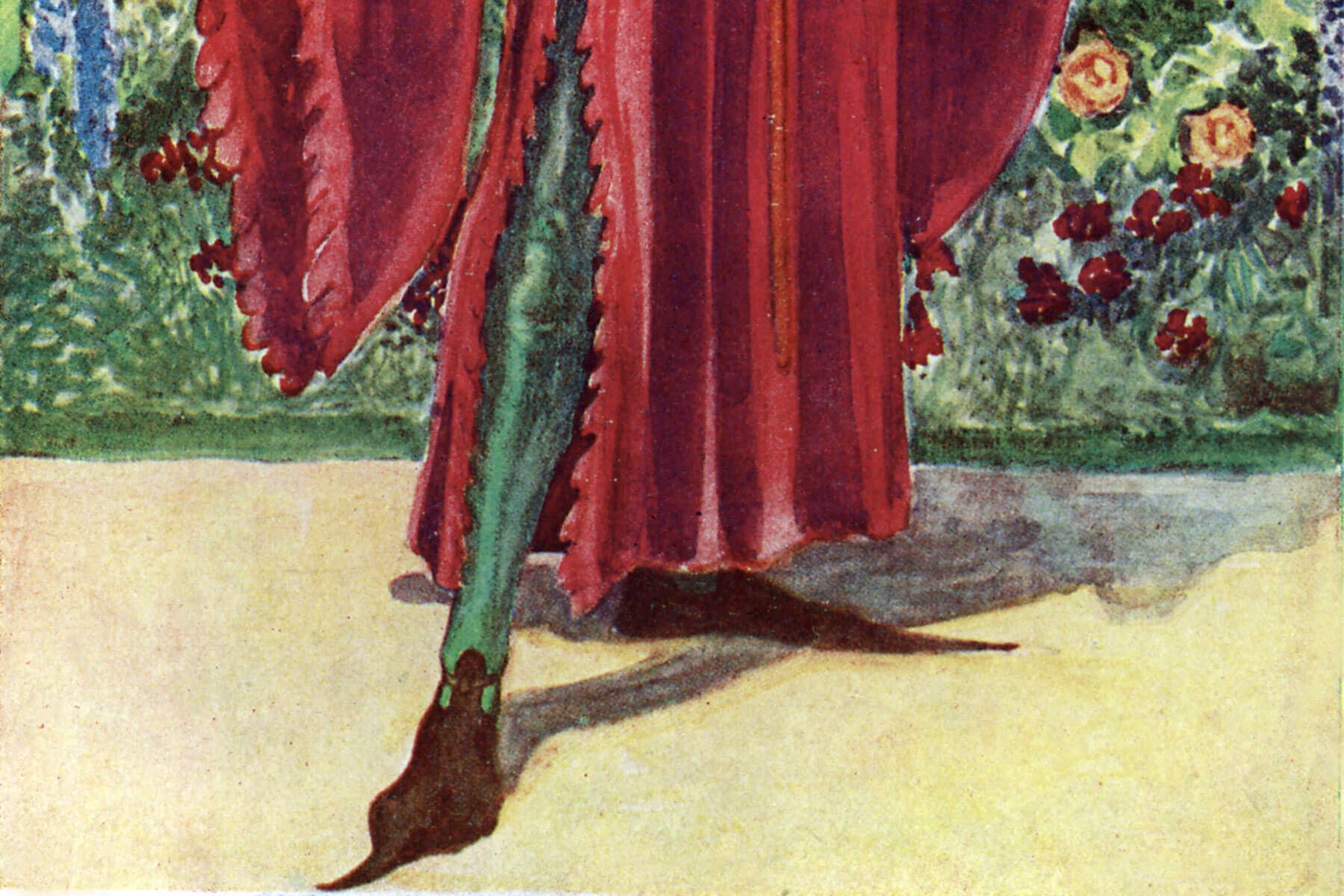
By the year 1305, King Edward I’s decree that an inch should equate to three dried barleycorns became the basis for English shoe sizing. That reference standard soon became relevant beyond the size of the whole shoe, as a fashion craze for shoes with exaggeratedly long points gripped 14th-century Europe. Known as poulaines, or crakows, the shoes were a status symbol in the truest sense; the impracticality of the design and its prevention of the wearer engaging in any kind of labor was the, well, point. The longer the poulaine, the more prosperity the shoe conveyed. Perhaps not surprisingly, poulaines also came to be considered racy, and clergymen disdained them as “claws of devils.” By 1463, English King Edward IV passed a sumptuary law limiting toe length to 2 inches (or, six dried barleycorns). This law, combined with the changing tides of fashion, caused late-15th-century shoe style preferences to veer toward a wide-toe shoe (and yes, eventually the width of the shoe was restricted, too). But even as shoe designs changed, a link between footwear and status remained.

You may also like

It’s Alive! A Brief History of “Frankenstein”

  • Boris Karloff as Frankenstein
Boris Karloff as Frankenstein
Archive Photos/ Moviepix via Getty Images
Author Paul Chang

October 26, 2023

Love it?

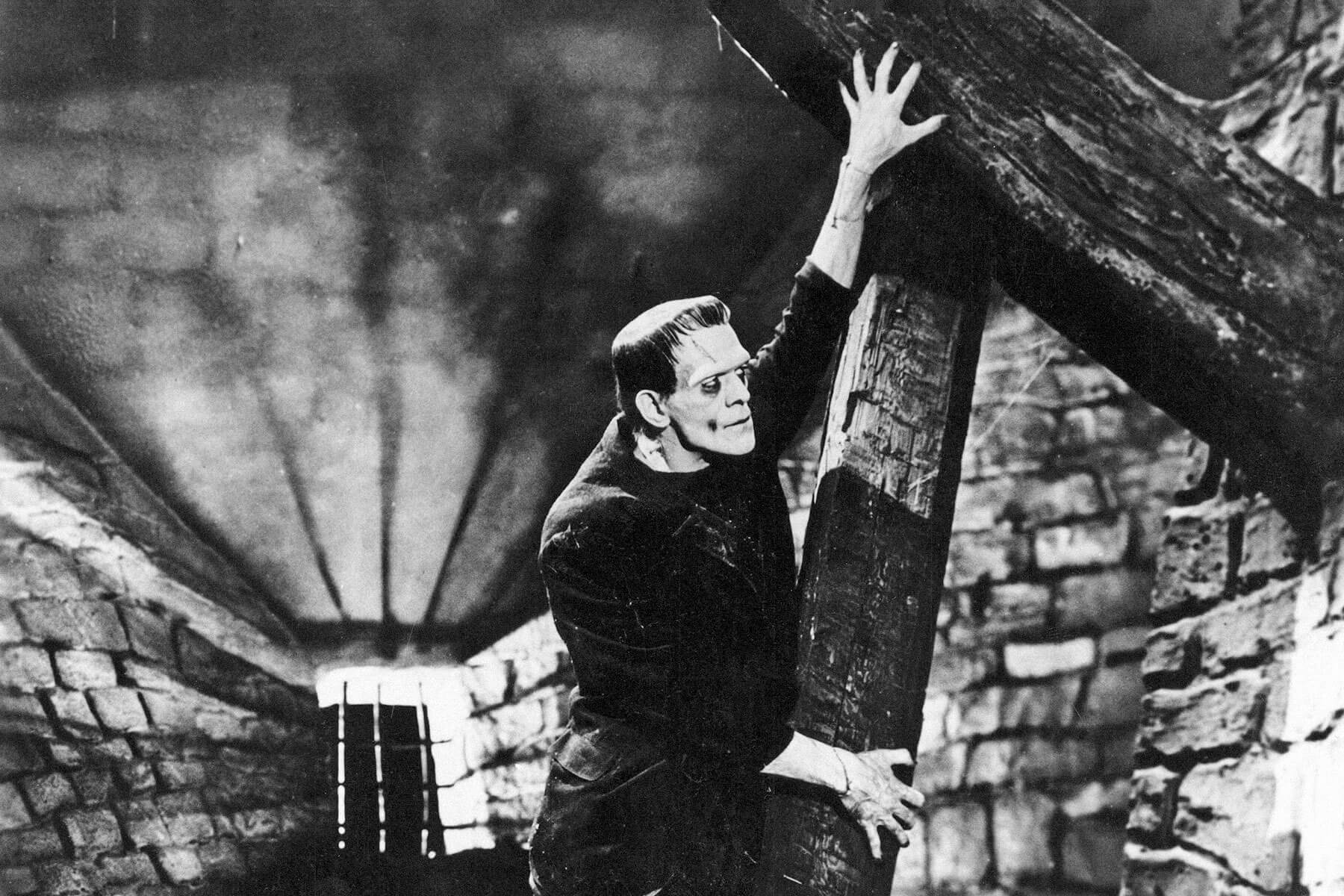
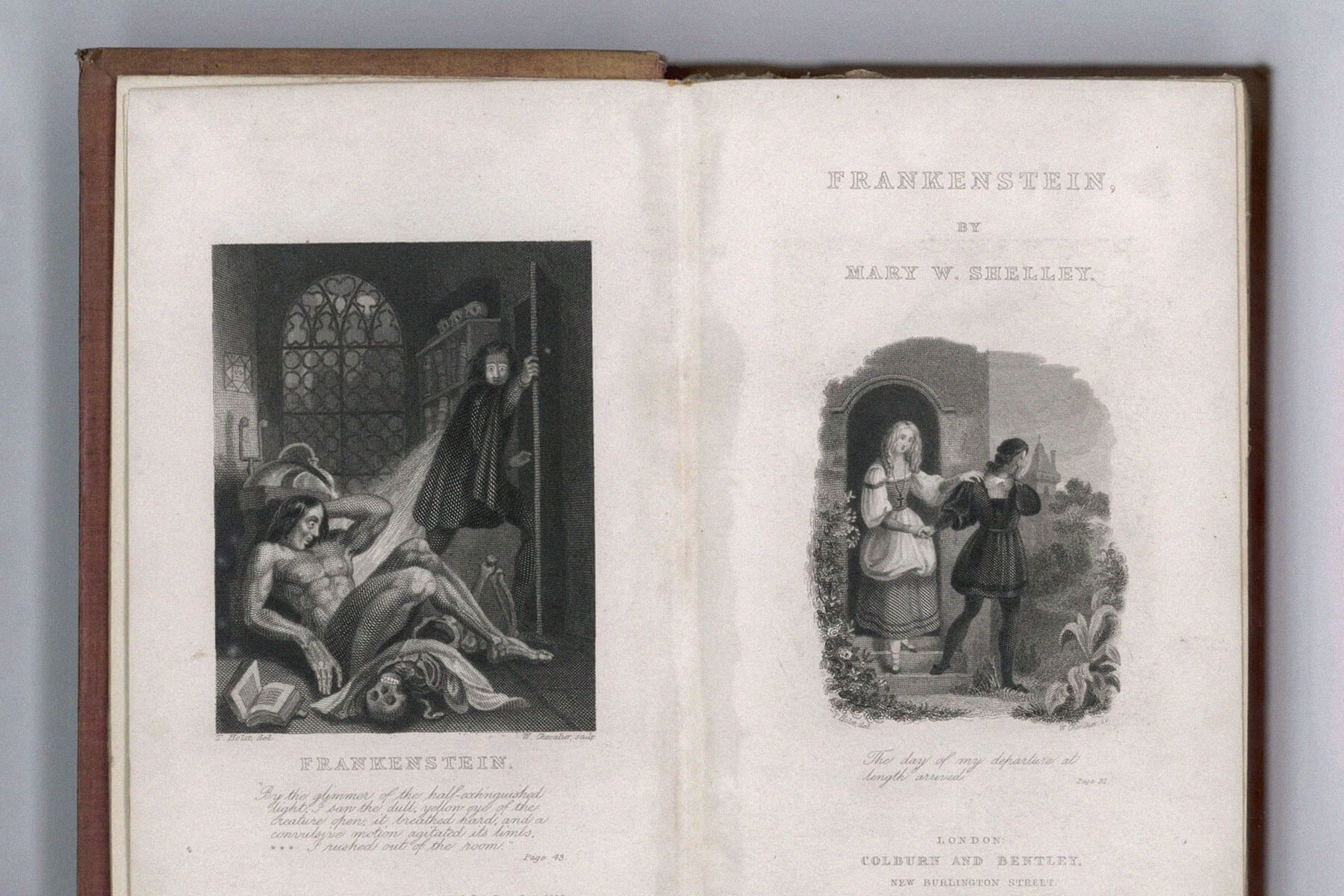
Mary Shelley’s gothic horror novel Frankenstein; or, The Modern Prometheus was published in 1818, and is widely considered to be the first science fiction novel. Written in the form of letters, Frankenstein depicts the story of Victor Frankenstein, a brilliant scientist who creates an unnamed monster out of dismembered body parts. Horrified by his creation, Frankenstein agonizes over what he has done as the monster escapes and runs amok. While many adaptations depict Frankenstein’s monster as malevolent, Shelley’s novel portrays him as an intelligent and articulate creature who is driven to extremes by his creator’s cruel rejection. 

Shelley’s novel has spawned numerous adaptations in comics, books, theater, film, and TV, many of which are beloved in their own right. For a look back at this seminal novel, here’s a brief history of Frankenstein.

Photo credit: Culture Club/ Hulton Fine Art Collection via Getty Images

Shelley’s Tumultuous Childhood

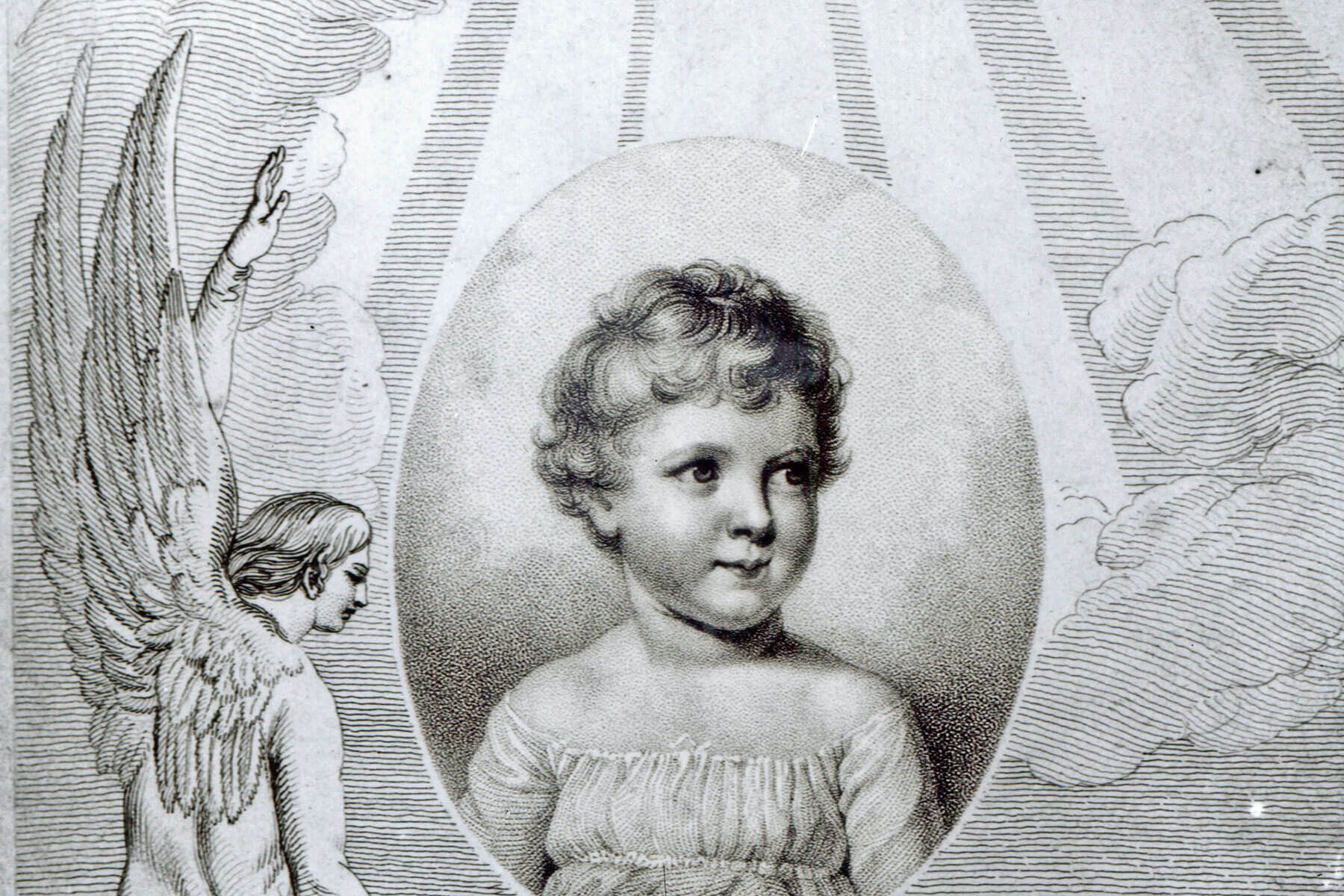
Like the story of Frankenstein, Mary Shelley’s childhood was marred by death, grief, and scandal. She was born in 1797 in London to notable parents: Her mother was Mary Wollstonecraft, a trailblazing writer and feminist activist, and her father was William Godwin, a radical philosopher and journalist. Shelley’s mother died soon after her birth, and Shelley clashed with her stepmother, Mary Jane Clairmont, as an early teen.

While Shelley did not have a formal education, she grew up in an intellectually stimulating environment; her parents’ social circle included famous writers and intellectuals such as Thomas Paine, William Blake, and William Wordsworth. Shelley also took joy in exploring her father’s extensive library, often reading and writing poems and stories in solitude.

In 1814, a 16-year-old Shelley eloped to France with the English poet Percy Shelley — a married man at the time — and was subsequently disowned by her family. Percy and Mary encouraged each other’s writing and had several children, only one of whom survived to adulthood. It was on a fateful trip with Percy and some friends that Shelley came up with the idea for Frankenstein.

Photo credit: Chronicle/ Alamy Stock Photo

The Birth of Frankenstein

Shelley started writing Frankenstein in 1816 — a year during which Europe was beset by a mysterious darkness, terrible rainstorms, and crop failures, dubbed the “year without a summer.” (It was only in the 1960s that scientists linked this sudden shift in global climate to a catastrophic volcanic explosion in Indonesia in 1815.) It was in these dark conditions that Shelley took a vacation to Lake Geneva, Switzerland, accompanied by Percy and their son Percy Florence, as well as the poet Lord Byron, Mary’s stepsister Claire Clairmont, and Byron’s physician, John William Polidori. Holed up inside for days due to the horrible weather, the group entertained themselves with ghost stories and discussions of macabre topics such as galvanism, the idea that electricity could stimulate life. Though by her own account, Shelley did not participate except as a silent listener, the concepts discussed took root in her mind and played a part in inspiring her novel.

One night, Byron challenged everyone to write a ghost story that was better than those they had been reading. Soon after, Shelley had a vivid vision during a sleepless night: “I saw the pale student of the unhallowed arts kneeling beside the thing he had put together. I saw the hideous phantasm of a man stretched out, and then, on the working of some powerful engine show signs of life and stir with an uneasy, half-vital motion,” she recounted. Thus, Frankenstein was born.

You may also like

A Purrfect History of the House Cat

  • Two tabby cats
Two tabby cats
Nathalie Jolie/ Unsplash
Author Kevin McCaffrey

October 24, 2023

Love it?

The first felines existed more than 10 million years ago, predating humans by millions of years. Perhaps the fact that cats were here first explains why they’re so comfortable acting like they own the place. It also won’t be a surprise to anyone who’s had a pet kitty to hear that the alliance between human and cat was probably the cat’s idea. Cats may have a reputation as aloof and self-sufficient divas, but these fluffy felines have been beloved pets in homes around the world for millennia. Here’s the story of how cats and humans first came together.

Photo credit: KHALED DESOUKI/ AFP via Getty Images

The First Indoor Cats 

It’s been difficult for researchers to pin down the exact origin of the house cat, but it’s believed our furry friends evolved from wildcats roughly 12,000 years ago, around the time that humans moved to an agricultural lifestyle. In 2004, French archaeologists on the Mediterranean island of Cyprus found what is now the earliest evidence of a pet kitty: a human buried with a cat in a grave that was at least 9,500 years old. Researchers know this pair must have traveled together because wildcats were not native to any other Mediterranean island aside from Sicily. The cat was also buried facing the same way as the human, just 16 inches away, indicating a close relationship

Before this discovery, the earliest house cats were thought to have been from either ancient Egypt or China. Archaeologists in China found evidence of cats sharing a home with farmers in the village of Quanhucun 5,300 years ago, and Egyptian art depicts cats and humans living together as far back as 4,000 years ago. Ancient Egyptians were famously fond of felines, and thought so highly of their cats that they associated them with godlike qualities. The Egyptian royal class would even dress cats in gold and let them eat from their plates. 

Photo credit: Heritage Images/ Hulton Fine Art Collection via Getty Images

House Cat DNA

Researchers suspect that all domestic cats descended from a subspecies of the Eurasian and African wildcat Felis silvestris, which roughly translates to “cat of the woods.” Four strains of the subspecies can be traced to wildcats in Europe, China, Central Asia, and Southern Africa, and the fifth subspecies, Silvestris lybica, the Middle Eastern wildcat, is what gave us the house-dwelling cats we know and love today. 

Over time, house cats evolved from these wildcats in several notable ways. Today’s kitties tend to be smaller, due to a change in diet and activity level, and their coats have become more colorful as they have less of an evolutionary need to blend in with their surroundings. Domestication also rapidly increased the number of different breeds: As of 200 years ago, only five breeds of domestic cat were recognized. Today, the Cat Fanciers’ Association recognizes 45 separate breeds, while the International Cat Association recognizes 73. While dogs are bred in a wide variety of sizes, shapes, and temperaments, house cats are much more genetically similar across the board, the main differences coming in coat patterns and color. This is because dogs were bred for a number of different jobs, such as herding, hunting, and sled-pulling, while cats have mainly specialized in one domestic task.

You may also like

Gadzooks! A Brief History of Curse Words

  • Swearing speech bubbles
Swearing speech bubbles
Tero Vesalainen/ Shutterstock
Author Kevin McCaffrey

October 16, 2023

Love it?

Well, shoot: Curse words have been through a lot of doggone stages to get to where they are today. Mark Twain once said that “under certain circumstances, profanity provides a relief denied even to prayer,” and people have been swearing as long as they’ve been praying. What is considered “cursing” or “swearing” has always depended on what was taboo at that point in time, whether it be blasphemous or simply crude. These off-limits words and topics have shifted over time, too. Here’s a brief look at the history of cursing, from A to Z… or “arse” to “zounds!”

Photo credit: Robert Alexander/ Archive Photos via Getty Images

The Original Curse

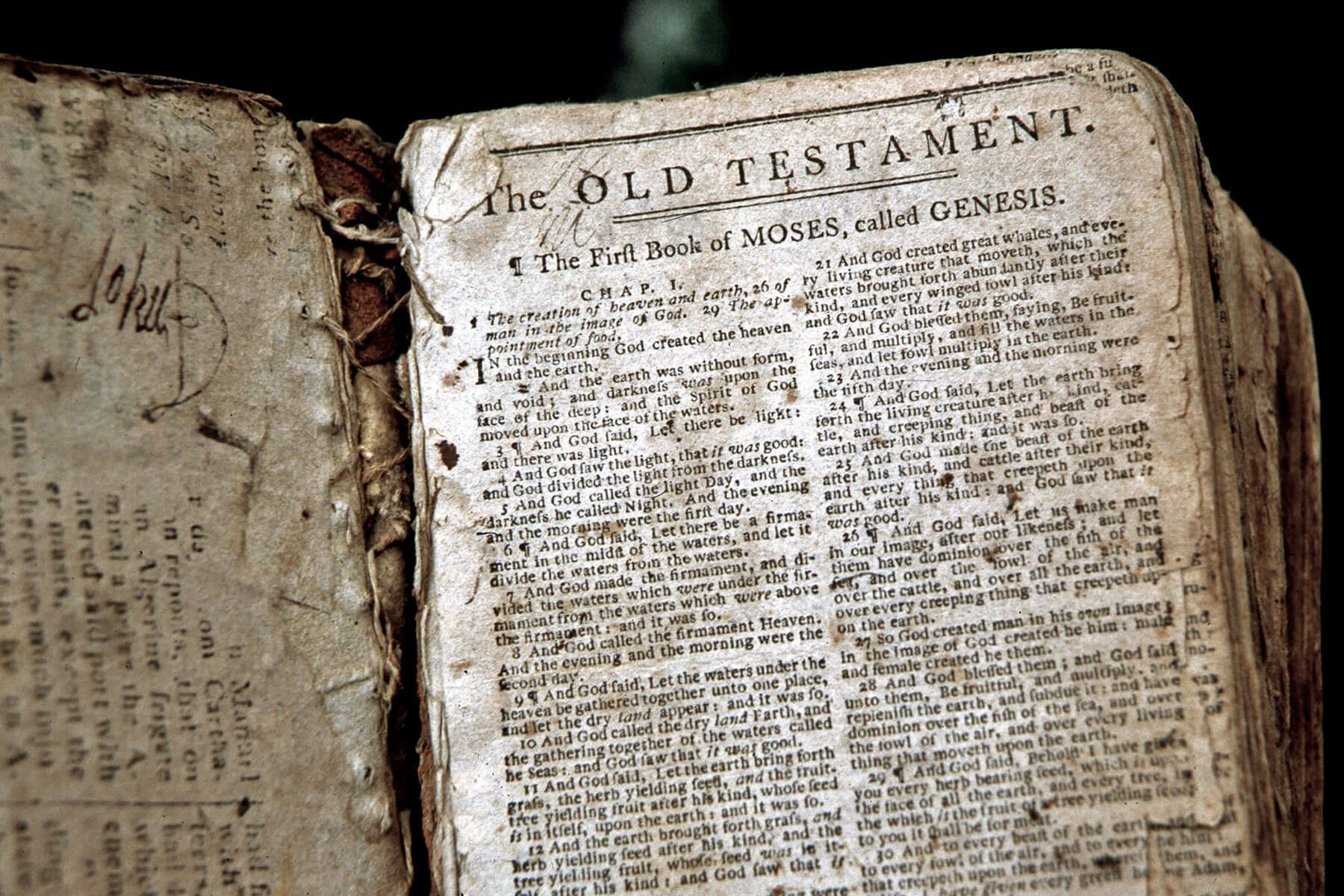
Why do we call forbidden terms “curse” or “swear” words? It’s likely the English terms evolved from the Bible, where “swearing” was sometimes used to refer to false promises or lies, such as when someone claims to do something that is not possible. These were considered vain oaths, and this “swearing” would sometimes be made in God’s name. Some of the earliest expletives were phrases referencing religion, such as “by God’s bones,” “God’s nails,” or really anything to do with God that wasn’t a literal and sincere oath. 

Frequently, curse words originated from the combination of two or more taboo words pushed together in a way that obscured the literal meaning, creating a new slang term in the process. For instance, “gadzooks” was a curse used in place of “God’s hooks,” and by the 1600s, the word “zounds” — a shortening of “God’s wounds” — appeared in William Shakespeare’s Othello and King John. In the 19th century, people in Ireland used “bejabbers” as a way to get around saying “by Jesus.” 

Photo credit: Catherine Falls Commercial/ Moment via Getty Images

The Rise of the Four-Letter Word

The phrase “four-letter word” was first used as a euphemism for swear words in the 1920s, and for good reason: Of the approximately 84 commonly used American English swear words, 29 of them have four letters, including some of the most popular. “Damn,” for instance, appeared as a verb as early as the 13th century, meaning “to condemn,” and was used as an exclamation starting in the 17th century. 

The “F-word,” meanwhile, was preceded by a different four-letter word in the 10th century: “sard,” which described the same intimate act. The common myth that today’s F-word derived from an acronym, either “fornication under consent of the king” or “for unlawful carnal knowledge,” is untrue. Instead, the expletive may come from the Middle Dutch “fokken,” Norwegian “fukka,” or Swedish “focka,” all of which mean several things, including “to copulate.” Another theory supported by the Dictionary of Slang and Unconventional English and The Roots of English: A Reader’s Handbook of Word Origin tracks the word back to the Indo-European term “peuk,” meaning “to prick.” According to the Oxford English Dictionary, the first recorded use of the modern F-bomb was in 1503, in a Scottish poem, though the word was likely used even earlier. In 1965, the F-word became an official part of the English lexicon when it was included in The Penguin Dictionary.

Photo credit: Clynt Garnham / Stockimo/ Alamy Stock Photo

The four-letter word beginning with “sh” has had several meanings through the years. According to the Old English Dictionary, it was used to mean “an obnoxious person” starting in 1508, although the early version of the word wasn’t four letters; it began as the Old English curse “scite.” In Latin, “scite” means a very different thing: shrewdly, cleverly, or skillfully. By 1934, when it was used in Henry Miller’s novel Tropic of Cancer, the modern, four-letter version of the word had evolved to essentially mean “stuff,” regardless of quality. 

You may also like

The Catchy History of Presidential Campaign Slogans

  • “I Like Ike” badges
“I Like Ike” badges
Michael Ochs Archives via Getty Images
Author Kristina Wright

October 9, 2023

Love it?

In the American political arena, presidential campaign slogans have a long and varied history. When a presidential hopeful is building their platform, they and their team choose slogans for how well they set the tone for the candidate’s agenda, message, and direction for the country. A memorable phrase can concisely convey a candidate’s vision for their presidential term as well as become a rallying cry for supporters. But crafting a winning campaign slogan isn’t just about having the catchiest saying — the right slogan can play a vital role in shaping the narrative of a campaign and influencing voter perceptions about the candidate.

A good campaign slogan can offer hope, such as Franklin D. Roosevelt’s 1932 slogan (and campaign song), “Happy Days Are Here Again,” or serve as a reminder of the prosperity enjoyed under an incumbent, such as William McKinley’s 1900 slogan, “Four More Years of the Full Dinner Pail.” On the other hand, a bad slogan, such as Democratic presidential candidate Alfred E. Smith’s 1928 slogan, “Vote for Al Smith and Make Your Wet Dreams Come True,” might cost a candidate an election as well as land on a list of the worst presidential campaign slogans ever. (Smith’s slogan was a reference to his anti-Prohibition stance that made him a “wet” candidate.) Here is a brief look at the evolution of presidential campaign slogans in the United States.

Photo credit: Universal History Archive/ Universal Images Group via Getty Images

The First Campaign Slogan

The first presidential campaign slogan is often attributed to Whig Party candidate William Henry Harrison in the election of 1840. Harrison used the catchy phrase “Tippecanoe and Tyler Too,” a reference to his military victory over Shawnee Chief Tecumseh at the 1811 Battle of Tippecanoe, as well as Harrison’s running mate, John Tyler. The rhyming refrain helped promote Harrison’s image as a war hero and a man of the people. It also contributed to his successful campaign against the incumbent President, Martin Van Buren, and played a significant role in shaping the way presidential candidates used slogans to support their platforms in future elections. Harrison’s campaign for President lasted longer than his presidency; he developed pneumonia and died in April 1841, one month into his term, becoming the first President to die in office.

Photo credit: Michael Ochs Archives via Getty Images

A Catchy Rhyme Helps Big Time

Campaign slogans need to be short and memorable, which has led to a history of using rhymes, puns, and plays on words to craft phrases that carry a strong message and are still succinct enough to fit on a button. Calvin Coolidge used a play on his name with the 1924 slogan “Keep Cool and Keep Coolidge,” while Lyndon B. Johnson’s winning campaign in 1964 created a rhyme with his initials: “All the Way With LBJ.” (Johnson was inspired by Adlai Stevenson’s catchy slogan in his 1952 failed run against Dwight D. Eisenhower, “All the Way With Adlai.”)  

Dwight D. Eisenhower’s successful 1952 campaign, meanwhile, was notable for its own simple rhyming slogan: “I Like Ike.” The slogan appeared on a wide variety of campaign materials and was featured in one of the first televised political endorsements, which included a song written by Irving Berlin and animation by Walt Disney Studios.  The catchy jingle incorporated Eisenhower’s popular catchphrase in the lyrics: “You like Ike, I like Ike, everybody likes Ike (for President) / Hang out the banner and beat the drum / We’ll take Ike to Washington.” The slogan served Eisenhower so well in his 1952 presidential bid that his successful 1956 run featured a slightly revised version: “I Still Like Ike.”

You may also like

Why Do We Give Flowers as Gifts? A Brief History

  • Flower bouquet box
Flower bouquet box
Yuriy Golub/ Shutterstock
Author Kristina Wright

October 2, 2023

Love it?

Flowers have been collected and shared since ancient times, appreciated for their beauty, scent, and practical uses. The long tradition of giving flowers for special occasions has evolved over the centuries, but it’s still an enduring ritual that spans all cultures. From congratulations on the birth of a baby to condolences on the loss of a loved one, sending flowers continues to be one of the most popular ways to mark the momentous events of life. It’s so popular, in fact, that the worldwide cut flowers market was over $36 billion in 2022, and is projected to go over $45 billion by 2027. Valentine’s Day continues to be the biggest flower-giving day of the year, but it is far from the only special occasion marked by this ancient ritual. Here is a look at the fascinating role flowers have played throughout human history, from the evolution of flowering plants to the booming floral industry.

Photo credit: Xinhua News Agency via Getty Images

The First Flowers

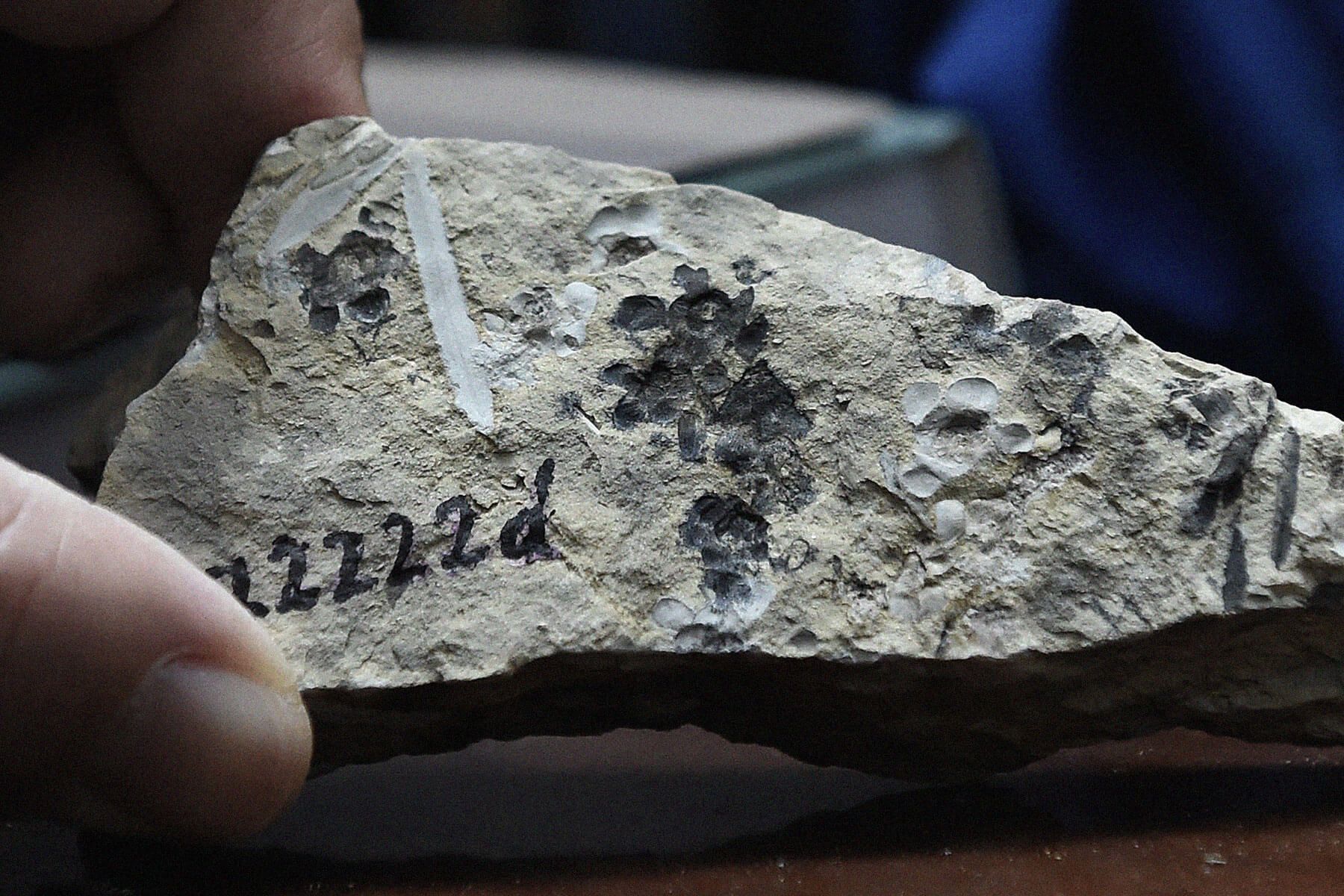
Around 80% of green plants are flowering plants, and the oldest flowers in the world date back to the Cretaceous Period more than 130 million years ago. Those first flowers didn’t resemble ones we know and love today: They were barely visible to the human eye and almost unrecognizable as flowers even under a microscope. The interaction between flowering plants and insects aided in the coevolution of both, with flowers developing strong fragrances, appealing colors, and larger petals to attract pollinators. It was these same traits that also appealed to the earliest human societies, which began to cultivate and use flowering plants in religious and cultural ceremonies.

Photo credit: DEA / W. BUSS/ De Agostini via Getty Images

The Flowers of Antiquity

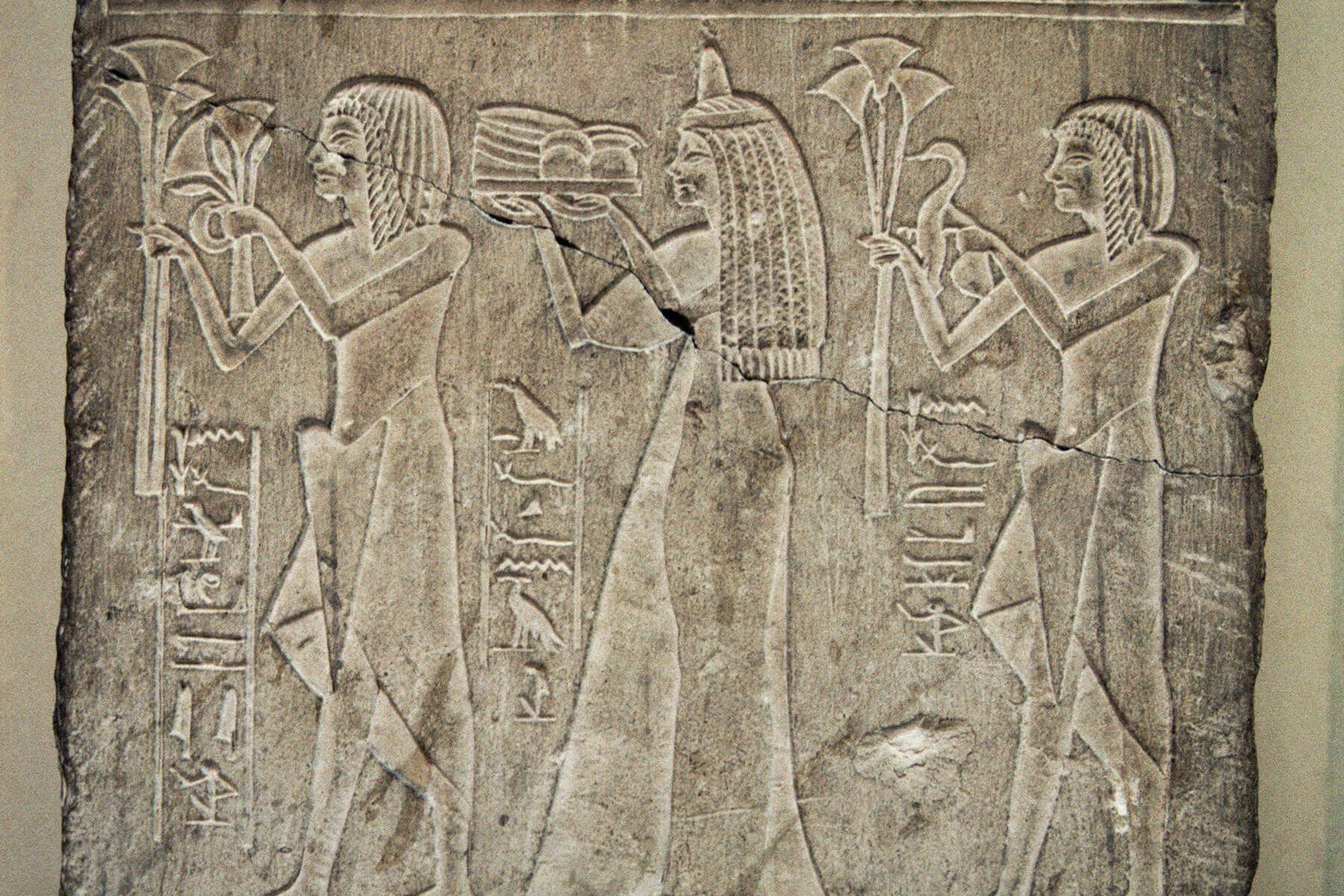
Some of today’s most popular flowers for bouquets and floral arrangements were first cultivated thousands of years ago. The cultural significance of flowers has been reflected in the art and literature of ancient China, Egypt, Greece, and Rome. Roses, one of the most popular flowers for gifting, were first grown in gardens 5,000 years ago in China. The ancient Egyptians used flowers in religious ceremonies as offerings to the gods and the dead, decorated their war carts with flowers before going to battle, and painted and carved floral and leaf motifs into their art. The Greeks and Romans used flowers in similar ways, associating specific varieties with their gods and goddesses and using flowering plants in festivals, rituals, and for their own enjoyment.

In more recent history, cherry blossoms (sakura) have been revered in Japan since the Heian period (794–1185) and, because they bloom for only a short time in the spring, are associated with the transient nature of life. Marigolds, which have been a part of Mexican culture since the pre-Columbian era, were imported to India over 350 years ago and have become an integral part of wedding celebrations and Hindu festivals such as Diwali.

You may also like

A Brief and Curious History of Pockets

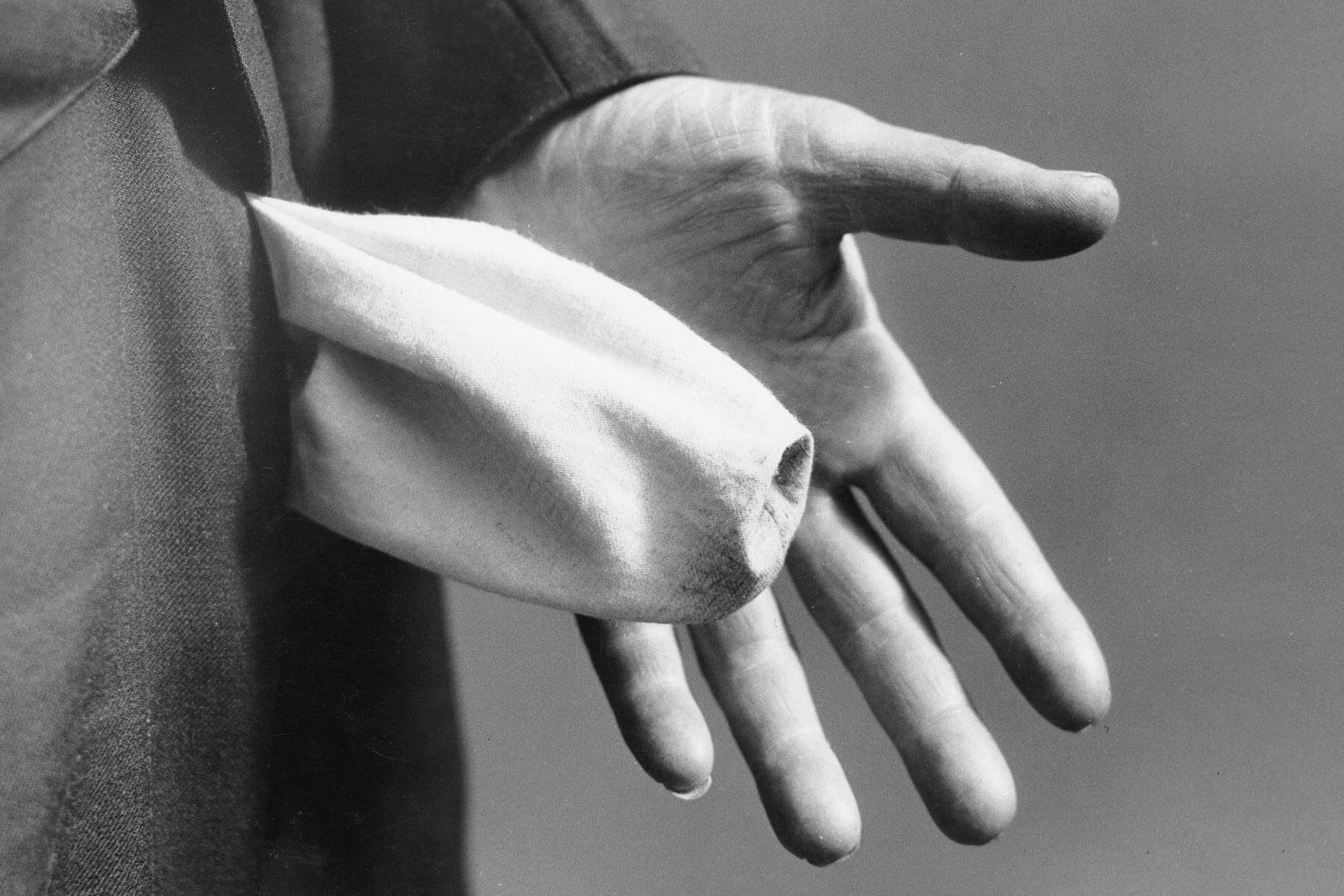
  • Empty trouser pocket
Empty trouser pocket
brandstaetter images/ Hulton Archive via Getty Images
Author Sarah Anne Lloyd

September 7, 2023

Love it?

You can never have too many pockets, but we used to not have them at all. As clothing evolved from simple to complex, pockets, some of them specialized, evolved right along with it, changing shape, size, and function through the years. 

When did pockets go from external pouches to sewn-in features? How big were the pockets that 18th-century women hid under their skirts — and why are women’s pockets so small now? What role did jeans play in the progress of the pocket? This brief history of pockets shows just how deep they go.

Photo credit: Sepia Times/ Universal Images Group via Getty Images

Pocket Predecessors

Wearable pouches — such as fanny packs or, if you’re fancy, belt bags — date back thousands of years. Even Europe’s oldest known natural mummy, Otzi the Iceman, who lived in the Copper Age more than 5,000 years ago, was found wearing a belt with a small attached pouch, which contained some small tools.

Belt bags were a must-have accessory in medieval Europe, too; some were crude, some more ornate, and they were worn by all genders. One found in a particularly lavish grave in England had a decorative metal purse lid that would have been attached to a leather pouch

The word “pocket” came into use in English around 1450 to describe a small sack worn on someone’s person, whether sewn into clothing or not. It evolved from the Anglo-French word poket or pouchet, a diminutive variation on poke or pochete, meaning “bag.”

Photo credit: Culture Club/ Hulton Archive via Getty Images

The Rise of Men’s Pockets

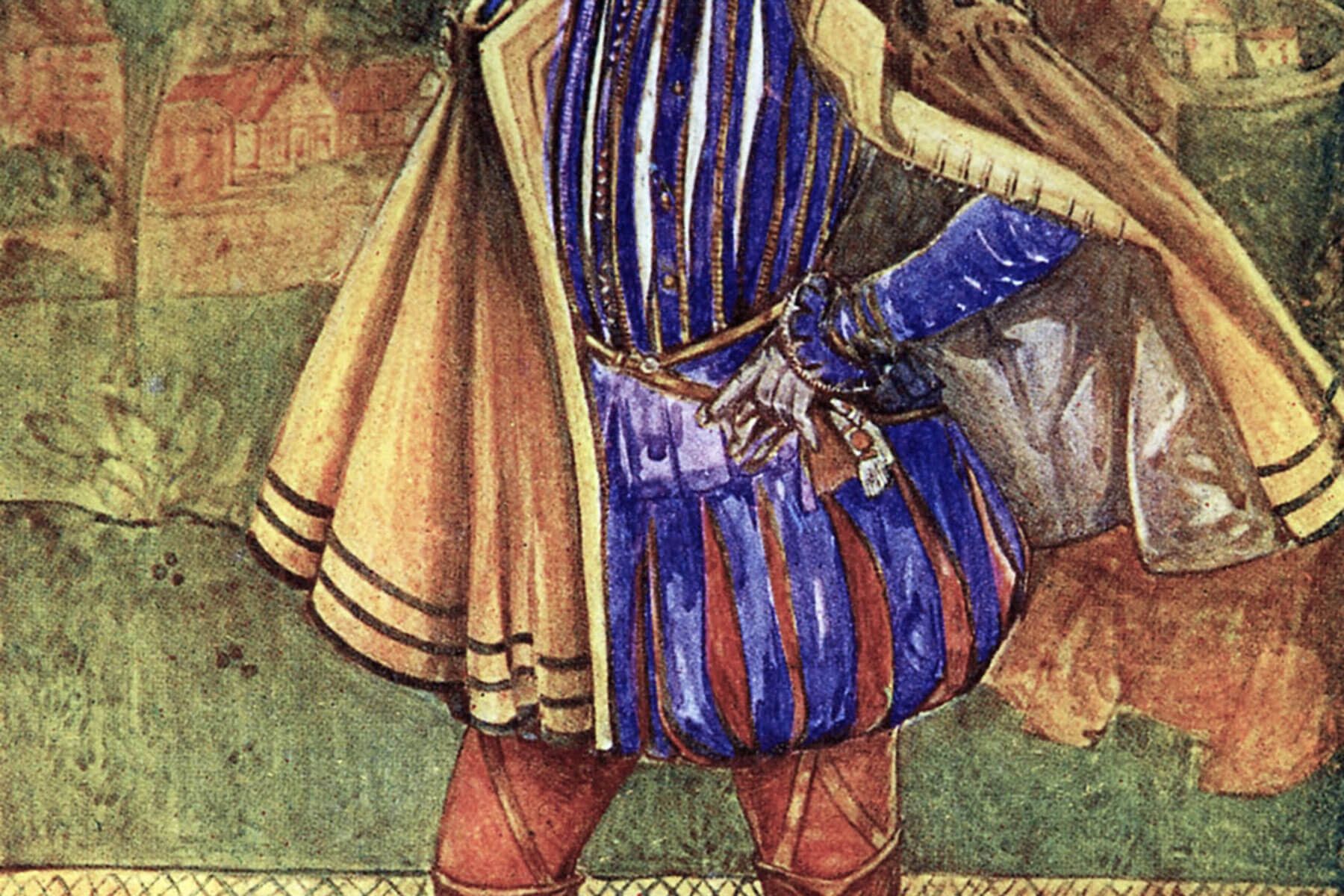
The Renaissance was a time of great art, innovation, and exploration throughout Europe, and it’s during this era that the sewn-in pocket started to appear. The earliest true pockets were parts of men’s trunk hose — the poofy short breeches that you see in old portraits of royals and nobles — which became popular during the 16th century. The pockets hid themselves well among the folds, although sometimes they’re visible in paintings.

The extra space left plenty of room for storing necessary objects, particularly pocket watches. These pockets could be quite luxurious; one example of voluminous trunk hose from the early 17th century had leather pockets lined with yellow and blue silk. Eventually, sewn-in pockets were also added to men’s coats, jackets, waistcoats, and breeches, for both nobles and commoners. From that point forward, menswear typically included pockets. For women’s clothing, however, the path was not quite as straight.

You may also like

5 Puzzling Facts About the History of Crossword Puzzles

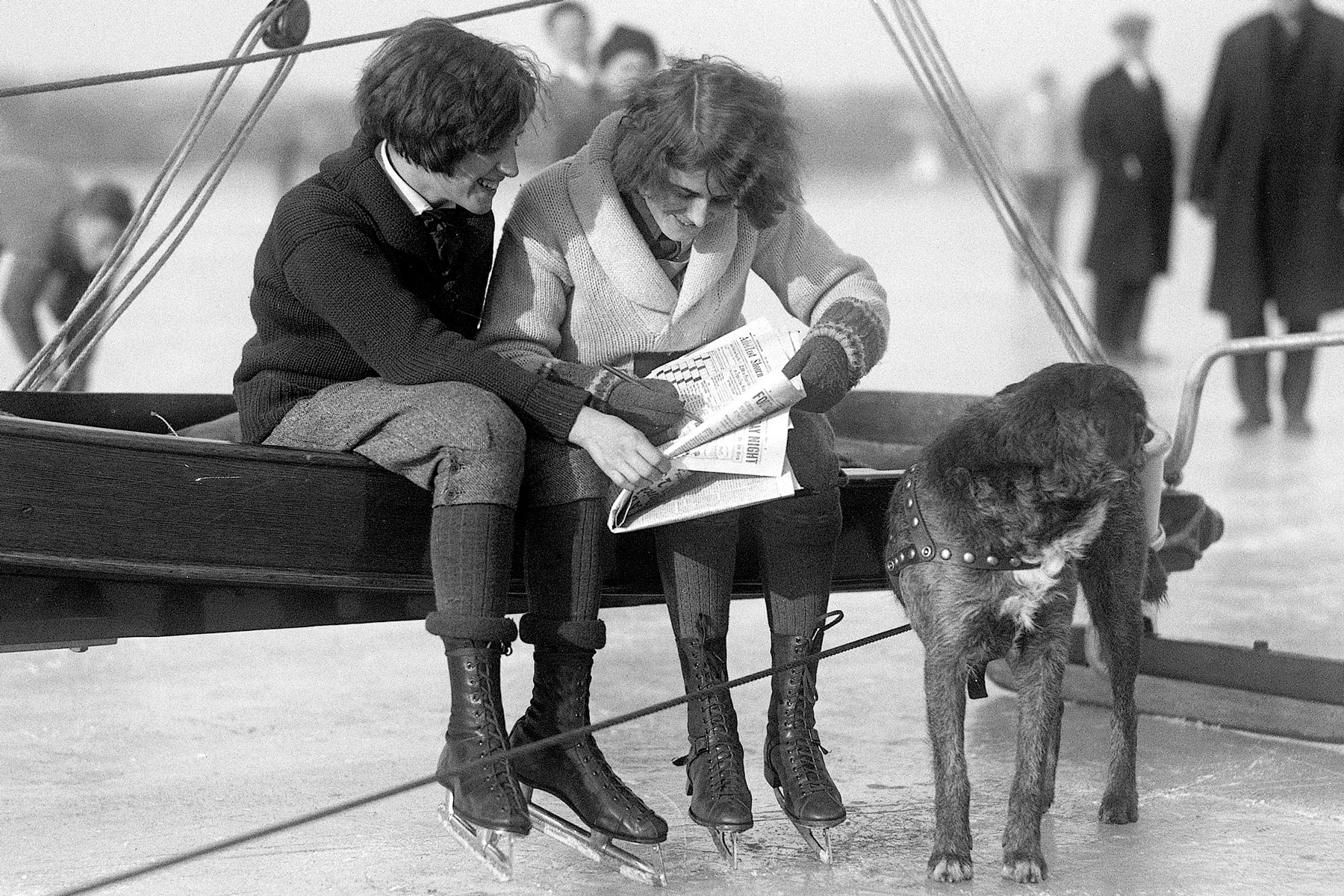
  • Playing a crossword puzzle
Playing a crossword puzzle
Photo credit: Bettmann / Contributor via Getty Images
Author Bennett Kleinman

June 2, 2023

Love it?

For many wordsmiths, crossword puzzles are a beloved daily ritual. Waking up, brewing a cup of coffee, and doing the crossword in the morning is considered by some to be the perfect way to start the day. Yet there was a time not so long ago when these puzzles were considered a novelty.

The modern crossword puzzle is barely over a century old, though it was inspired in part by word puzzles such as Sator squares that date back as far as ancient Pompeii. It wasn’t until 1913 that crossword puzzles as we know them today began to take shape, and their popularity only boomed from there. These brain teasers aren’t just a great way to challenge the mind — they also boast a fascinating history full of trivia that may surprise even the most avid puzzlers out there. Here are five fun facts about the history of crossword puzzles.

You may also like