
Listen to the Oldest Recording of a Human Voice

  • Phonautograph, circa 1857
Phonautograph, circa 1857
Credit: Photo 12/ Alamy Stock Photo
Author Kristina Wright

November 19, 2025

Love it?

Whether you grew up with 8-tracks and cassette tapes or digital playlists and podcasts, recorded sound probably feels like an ordinary part of everyday life. Today, it’s possible to capture a voice, replay it instantly, and send it around the world in seconds. But before the mid-19th century, the concept of preserving words after they had been spoken was the stuff of science fiction, because the means to do it hadn’t yet been invented. Indeed, to pinpoint the oldest known recording of a human voice, we have to go back almost 170 years, to a time when sound could be seen, but not yet heard.

Credit: Hulton Archive via Getty Images 

Thomas Edison’s Phonograph

For years, Thomas Edison was credited with the first recording of a human voice — and for good reason, even if it isn’t quite true. In 1877, he developed his famous phonograph, a device capable of both recording and replaying sound using tinfoil inside a cylinder to inscribe and then reproduce vibrations. Edison’s goal was to make improvements to Alexander Graham Bell’s telephone, and his approach came from his experience with telegraphy and telephony.  

Edison’s recording process involved sound waves entering a metal horn and causing a thin diaphragm to vibrate. Attached to the diaphragm was a needle that inscribed those vibrations onto a rotating cylinder covered in tinfoil. To hear the sound again, you simply reversed the process — the needle traced the grooves, the diaphragm vibrated, and the original voice reemerged from the machine. 

Because Edison’s device produced immediate, audible results, history long placed him at the start of the sound-recording timeline. Yet as is the case with so many breakthroughs, this famous “first” was not the true beginning. Nearly 20 years earlier, another inventor had quietly laid the groundwork for recording sound.

You may also like

Iconic Photo Booth Moments From the Last 100 Years

  • Friends in a photo booth, 1953
Friends in a photo booth, 1953
Credit: Ronald Startup/ Picture Post via Getty Images
Author Timothy Ott

November 19, 2025

Love it?

Since the photo booth’s debut 100 years ago, countless miniature images have slid out of these machines to be glued to scrapbooks, pinned on refrigerators, stuffed in drawers, and passed down to children. 

Although the technology for automated photographic machines dates back to the 1850s, the first fully functioning, customer-friendly photo booth arrived courtesy of Siberian immigrant Anatol Josepho in 1925. His “Photomaton” was an instant hit from its Times Square studio in New York City, drawing daily crowds of up to 7,500 people who handed over a quarter to receive a strip of eight freshly printed photographs.

Much has changed since the days when a team of attendants was required to guide amazed customers through the photo-taking process and the eight-minute wait for the finished product. Improved versions of the machine eventually delivered their wares far more rapidly, added color, and became a ubiquitous presence in arcades, amusement parks, and transit stations as they waxed and waned in popularity.

But what hasn’t changed is the photo booth’s function as a great social equalizer, which was apparent as soon as New York Governor Al Smith joined the rest of the locals and tourists who lined up to pose for this curious contraption at the height of the Roaring ’20s.

While many of the photo booth’s delicate relics have been lost in the century since its invention, here’s a look at seven survivors that encapsulate the eras in which they were taken.

Credit: Smith Collection/Gado/ Archive Photos via Getty Images 

Unknown Couple, circa 1930

According to American Photobooth by Näkki Goranin, photo booths popped up across the country in the 1930s, offering a variety of experiences. Some studios provided distinct painted backgrounds, while others supplied props such as cardboard cutouts and hats. This unidentified couple from around 1930 seemingly enjoyed the latter option as they wielded a parasol and an assortment of Victorian headgear to enhance their Depression-era garb and spice up the shoot.

You may also like

50 Facts About the 1950s

  • Elizabeth II’s coronation, 1952
Elizabeth II’s coronation, 1952
Credit: Keystone-France/ Gamma-Keystone via Getty Images
Author Bennett Kleinman

November 19, 2025

Love it?

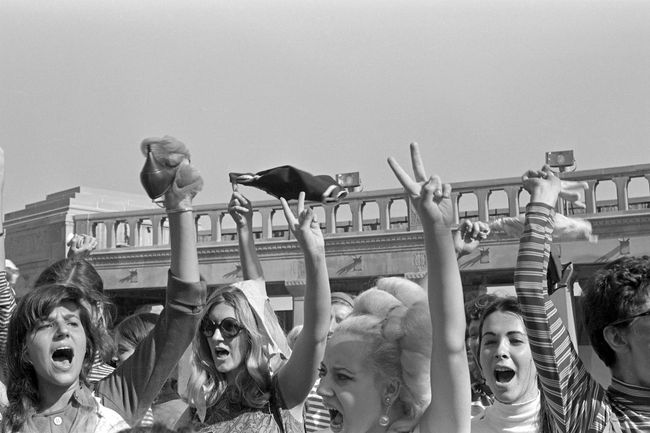
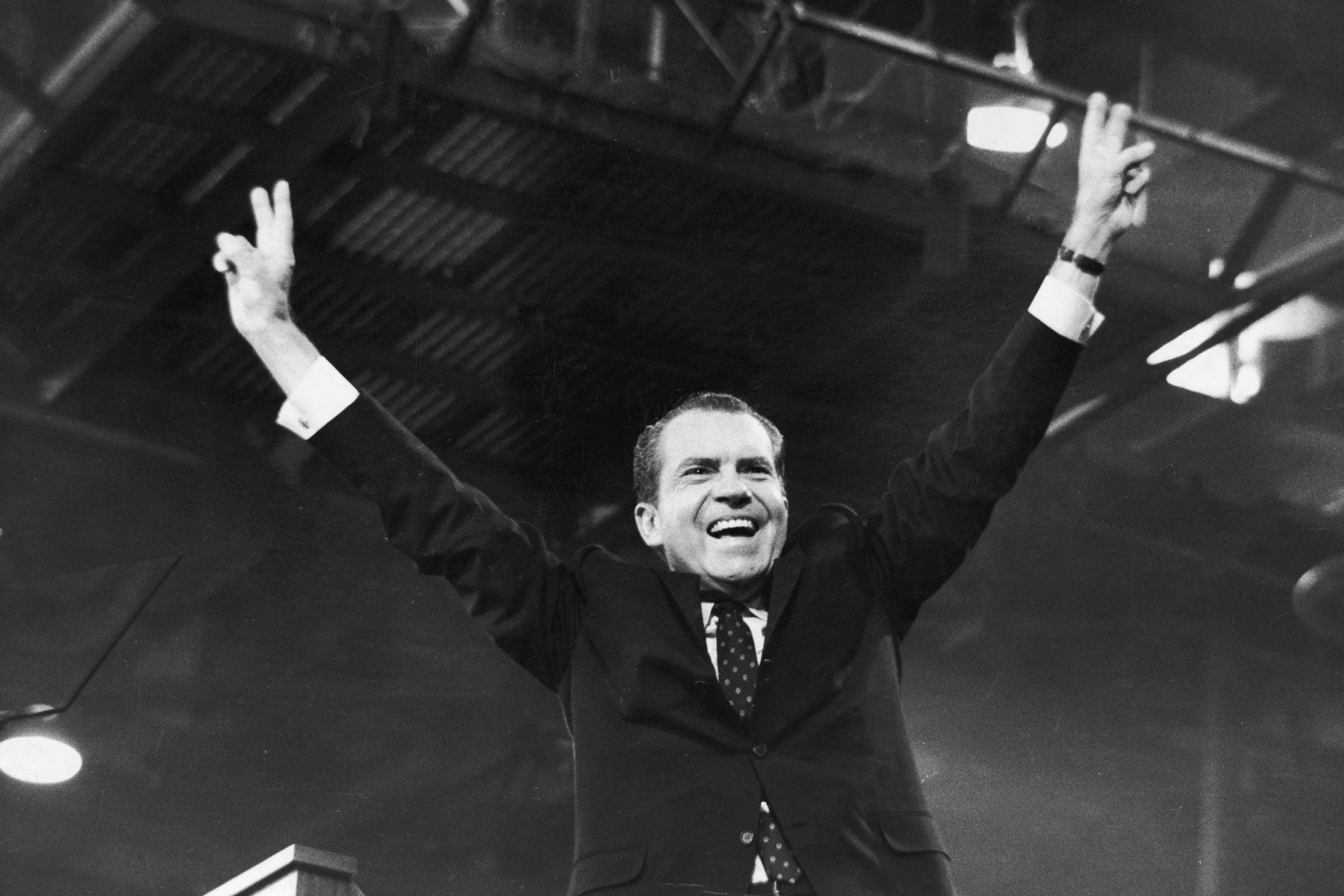
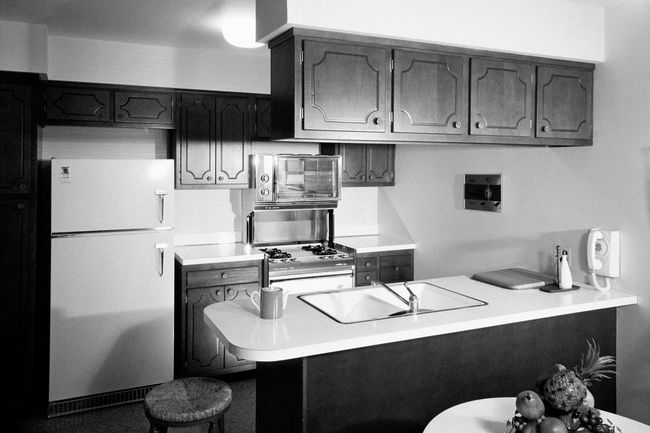
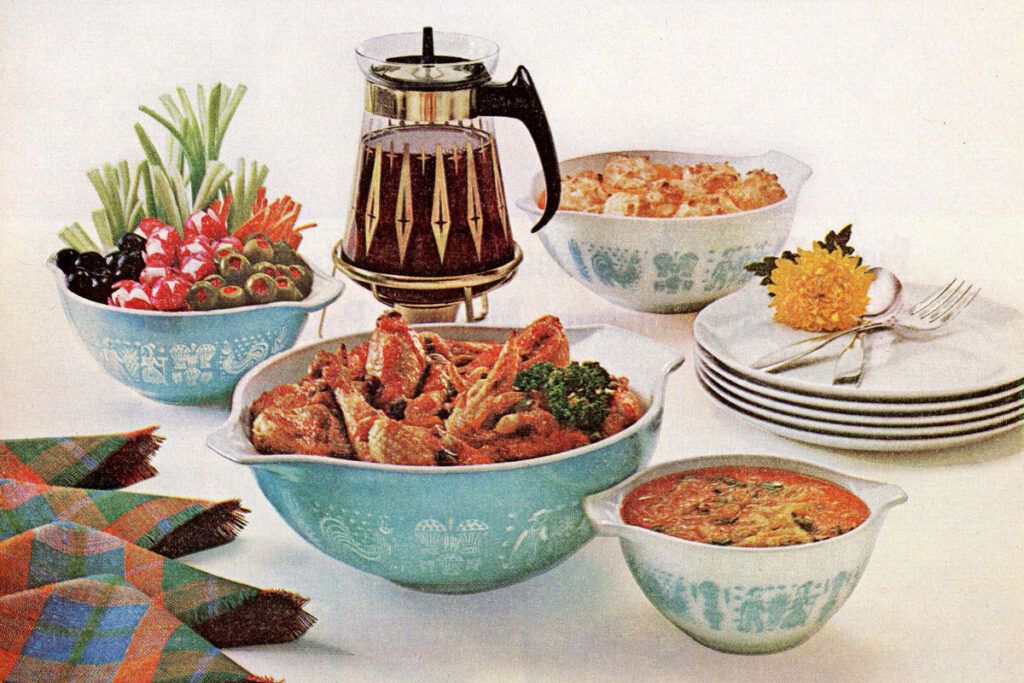
The 1950s were among the most consequential decades in recent memory. The era introduced both revolutionary inventions such as color television and major milestones including the crowning of Queen Elizabeth II and the very first NASA astronauts. These years also saw unprecedented talents revolutionize the worlds of music, sports, and more. 

Of course, not every aspect of the ’50s was quite so rosy. In the U.S., Cold War tensions and the threat of nuclear warfare loomed large over Americans, and the ongoing fight for equality and civil rights sought to dismantle the systemic discrimination that plagued society. Let’s take a look back at this pivotal era with 50 facts about the 1950s, covering everything from the end of World War II rations to the debut of Kermit the Frog.

Credit: H. Armstrong Roberts/ClassicStock/ Archive Photos via Getty Images 

Around 4 million American babies were born every year.

Post-World War II America saw a rapid increase in birth rates lasting from 1946 through 1964. It became known as the “baby boom,” and the 1950s were smack dab in the middle of it. During the ’50s, around 4 million babies were born every year in America, a sharp increase from the previous average of around 2.7 million births annually between 1910 and 1945.

The term “rock ’n’ roll” was first used on a Cleveland radio station.

Why is the Rock & Roll Hall of Fame located in Cleveland? Well, one reason is that a Cleveland DJ named Alan Freed coined the phrase “rock ’n’ roll” — at least publicly — on a 1951 radio broadcast. Freed hosted “The Moondog Rock & Roll House Party,” which popularized the name for the new up-tempo sound.

You may also like

What Ancient Egyptians Ate for Breakfast

  • Domestic life in ancient Egypt
Domestic life in ancient Egypt
Credit: Lakeview Images/ Alamy Stock Photo
Author Tony Dunnell

November 13, 2025

Love it?

Ancient Egypt was an industrious civilization, with extensive trade networks, a highly productive agricultural economy, and ambitious construction projects that ranged from ship building to monumental architecture. It existed for more than 3,000 years, expanding from a scattering of hunter-gatherer settlements to become one of the greatest empires in the world, famed for its hieroglyphic writing, advanced mummification, and, of course, the pyramids. 

In order to fuel such industry, one thing was highly important: a solid breakfast. Luckily for the Egyptians, the fertile Nile River Valley provided abundant crops, helping transform Egypt into one of the most powerful agrarian civilizations of the ancient world. Annual flooding of the Nile created fields so fertile that in a good season, Egypt produced enough food to feed every person in the country with ease and still have a surplus. 

So, there was little excuse for a laborer to skip breakfast, or for a pharaoh’s first meal of the day to be anything short of satisfactory. Here’s a look at what ancient Egyptians consumed in the morning before a long day in the Land of Ra

Credit: Print Collector/ Hulton Archive via Getty Images 

Bread

Bread was a fundamental staple of the ancient Egyptian diet. According to William Rubel in Bread: A Global History, more bread-related artifacts have been found from ancient Egypt than from any other period. The Egyptians made their bread from emmer wheat, one of the first crops domesticated in the region. Emmer is a hulled wheat, making it more difficult to turn into flour than other varieties. It was ground on flat stones called querns and then baked in ovens. 

Despite the popularity of bread in ancient Egypt, archaeologists have discovered one notable drawback. During the bread-making process, airborne sand often got into the mix, resulting in widespread dental problems caused by the abrasive nature of sand and grit in this common breakfast food. 

You may also like

What Did People Do Before Shampoo?

  • Washing lice out of hair, 1497
Washing lice out of hair, 1497
Credit: Science & Society Picture Library/ SSPL via Getty Images
Author Nicole Villeneuve

November 13, 2025

Love it?

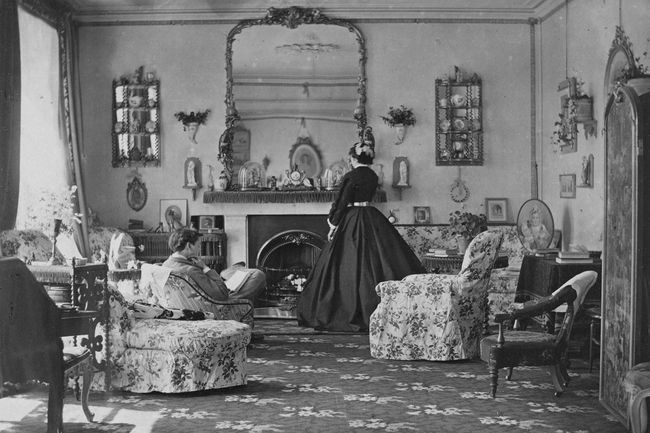
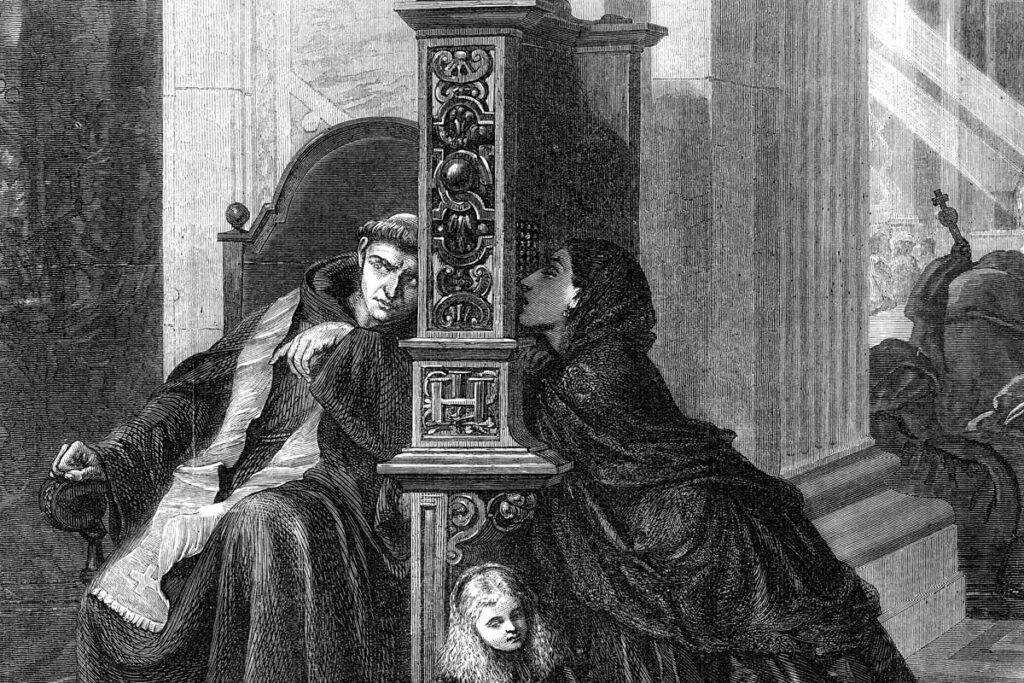
Shampoo as we know it today is less than a century old, but the act of hair-washing stretches back thousands of years. So what did people do before sudsing up in the shower?

A clue can be taken from the word “shampoo” itself. It comes from the Hindi champo, meaning “to massage, press, or knead” — indicative of some of the early hair-cleansing practices, even if it was just with plain old water. Only later did the term come to describe what we now think of as washing our hair. Here’s a look at how people kept their locks shiny before modern shampoo.
Credit: The History Collection/ Alamy Stock Photo 

Ancient Cleansers

Around 4,000 years ago in the Indus Valley (modern-day Pakistan and northwest India), washes formulated specifically for hair began to emerge. Soapberries — fruit from the sapindus tree — were boiled with dried Indian gooseberries, also known as amla, to make a gentle cleansing solution. The soapberries produced a lather, while the amla’s fatty acids and vitamin C helped nourish tresses. Centuries later, the Yao people in southern China had a similar tradition, washing their famously long hair with rice water, a custom that continues today.

Rudimentary soaps made from animal fats and plant ashes were common in ancient Mesopotamia, Egypt, Greece, and Rome, although it’s unclear if these harsh concoctions were used for personal hygiene or for other cleaning such as laundry. Indeed, Romans typically maintained their hair simply by combing it and applying oils. Hair-washing wasn’t a regular habit, but rather a ritual one: Plutarch described women washing their hair before accessorizing it with flowers for the festival of Nemoralia in honor of the Roman goddess Diana.

In Egypt, soapwort plants were used to wash hair. These plants contain natural compounds known as saponins that create a mild lather when crushed. Animal fats were added for conditioning, citrus juices helped clean, and fragrant oils made it all smell good. Across the Atlantic, many Indigenous peoples in North America also used plants with saponins, such as yucca. The roots were peeled and ground into a sudsy pulp, then mixed with water to wash both hair and skin.

You may also like

The Oldest Food Brands in Your Pantry

  • Food pantry items
Food pantry items
Credit: Stocksearch/ Alamy Stock Photo
Author Kristina Wright

November 13, 2025

Love it?

Take a look around your kitchen and chances are you’ll spot a few brand names you’ve known your whole life. From Keebler cookies to Campbell’s soup, certain monikers feel like part of the family. 

Food branding — the use of a distinctive name or mark to identify a product — emerged in the late 19th century as industrialization made large-scale food production and packaging possible. Before then, most foods were sold in bulk, with no consistent labeling. Branding introduced the idea of reliability and reputation, allowing consumers to recognize and trust particular producers.

A few food and drink companies, however, had already established identities long before branding became widespread. Some of these brand names predate the industrial era itself and have remained in continuous use for centuries. How many do you have in your pantry?

Credit: lovethephoto/ Alamy Stock Photo 

Twinings Tea (1706)

In 1706, English merchant Thomas Twining opened Tom’s Coffee House in London and began offering fine-quality tea alongside the typical coffee and hot chocolate, in the hopes of standing out from the competition. Social convention prohibited women from visiting coffeehouses, so Twining expanded his business in 1717 to include a coffee and tea shop where women could buy their tea directly. 

The Twinings Tea logo, created in 1787, is recognized as the oldest continuously used unaltered corporate logo in the world, and the company has operated from the same address — 216 Strand in London — since its founding. It was acquired by Associated British Foods in 1964, though members of the Twining family are still involved in its operations.

You may also like

Why Are U.S. Dollars Green?

  • $5 Federal Reserve Note, 1914
$5 Federal Reserve Note, 1914
Credit: Art Collection 3/ Alamy Stock Photo
Author Timothy Ott

November 13, 2025

Love it?

U.S. currency is strongly associated with the green color that blankets these bills — so much so that “green” is understood to be a synonym for “money.” But while this link is deeply ingrained in the public psyche, that certainly wasn’t the case for anyone around before the U.S. government pushed out the first wave of green notes during the Civil War. 

At the time, there was no standard suggesting that money needed to be green, as evidenced by the plethora of colors found on currency around the world. So how exactly did American bills wind up coated in this particular hue?

Credit: Ivy Close Images/ Alamy Stock Photo 

Early Currency Was Easily Counterfeited

There was paper currency in circulation when the United States took its first baby steps into nationhood, although it wasn’t green. From 1775 to 1779, the Continental Congress issued more than $2 million in paper bills to fund the Revolutionary War. These “Continentals,” which joined the foreign coins and various paper banknotes already in circulation, were tan-colored and made from a distinct cloth mixture that was intended to offset attempts at counterfeiting. 

Nevertheless, the British successfully introduced a stream of counterfeit bills into the colonies to devalue the American currency exacerbating the inflation problems caused by overprinting paper money that wasn’t backed by commodities such as gold or silver. By the end of the war, Continentals were all but worthless.

Mindful of the lessons learned from previous efforts to distribute money, Congress passed the Coinage Act in 1792, which established the U.S. Mint and specific denominations of copper, silver, and gold coins — but no paper currency.

You may also like

What the $1 Bill Used To Look Like

  • Closeup of $1 dollar bill
Closeup of $1 dollar bill
Credit: Vladyslav Starozhylov/ Alamy Stock Photo
Author Timothy Ott

November 11, 2025

Love it?

As the United States entered the turbulent era of the Civil War, the government set aside long-standing concerns about nonmetallic currency and began issuing a series of paper banknotes in 1861. These “Demand Notes” were printed in denominations of $5, $10, and $20 — but not the lone dollar.

The $1 bill finally arrived the following year with the next generation of paper currency, known as United States Notes (or Legal Tender Notes), and the bill has since made up for its delayed arrival by becoming the most common denomination in circulation today.

Of course, that 1862 $1 note — or any dollar bill printed before the mid-20th century — would likely draw a double take from modern eyes, as paper currency has undergone numerous aesthetic changes since the days of the Civil War. Here’s a look at some of the notable designs to grace the sides of the humble dollar over the years.

Credit: National Numismatic Collection, National Museum of American History

1862 United States Note

Like most paper currency of this period, the first $1 bill incorporated a mishmash of fonts and shapes across a crowded obverse (front), while the back featured a green ink-rendered display of lathework surrounding an inscription of the government’s legal obligation to the note holder. But the most notable highlight may well have been the picture of the serious-looking fellow who is decidedly not George Washington, nor any other easily recognizable statesman, for that matter. The denomination’s first portrait instead went to Salmon P. Chase, who served as secretary of the Treasury and chief justice of the Supreme Court. 

You may also like

6 of the Oldest Selfies

  • Self-portrait, early 20th century
Self-portrait, early 20th century
Credit: Kirn Vintage Stock/ Corbis Historical via Getty Images
Author Tony Dunnell

November 4, 2025

Love it?

In 2023, Paris Hilton made the bold claim of having conceived of the selfie. In posts on Instagram and X, she shared photos from 2006 of her posing alongside Britney Spears, claiming, “17 years ago, I invented the selfie.” While it’s unclear whether she was joking or not, what we do know for certain is that the selfie was not invented by Paris Hilton in 2006. In fact, there’s a strong case to be made that the first selfie was taken almost 150 years before Hilton was even born. And the word “selfie” itself was in known use by 2002, and likely even before that.

Here, we take a look at some of the earliest photographs that could be considered selfies, from old daguerreotype self-portraits to Kodak snaps from the turn of the 20th century. 

Credit: World History Archive/ Alamy Stock Photo 

Robert Cornelius 

In 1839, Robert Cornelius stood in front of a makeshift camera in the yard of his family’s gas lighting business in Philadelphia. He took a photo, then stood motionless for 10 to 15 minutes to allow the daguerreotype process sufficient exposure time. The resulting self-portrait — taken using a camera with an opera glass for a lens — shows a ruggedly handsome man with a fashionably upturned collar. It was a great technical achievement, coming just a little more than a decade after French inventor Nicéphore Niépce took “View From the Window at Le Gras,” the world’s oldest surviving photograph. Cornelius’ photo is generally considered the earliest surviving photographic portrait in the world — and, therefore, the first-ever selfie. 

You may also like

The Secret History of Area 51

  • Entrance to Area 51, Nevada
Entrance to Area 51, Nevada
Credit: James Aylott/ Hulton Archive via Getty Images
Author Timothy Ott

November 4, 2025

Love it?

Area 51 does not exist. That is, it does not exist under that specific designation, as it’s formally known as the Groom Lake and Homey Airport, part of the Nevada Test and Training Range. And even that information only became public knowledge after nearly 60 years of government denial of clandestine military activity taking place at the base, which is hidden some 85 miles north of Las Vegas in the Mojave Desert. 

According to official records, Area 51 has served as the base of operations for the development of aircraft and other technology designed to enhance the capabilities of the U.S. military. And yet, the place has also carved out a distinct identity in popular culture as a hotbed for alien research and communications, as evidenced by the 26% of Americans who believe that crashed alien spaceships are housed there.

The long-standing tradition of secrecy only bolsters the conspiracy theories surrounding the purposes of Area 51. But while it can be difficult to separate truth from myth, enough details have been unearthed to allow inquiring minds to put together some basic facts about this mysterious site.

Photo credit: Image courtesy of the Laughlin Heritage Foundation/ CIA

Area 51 Began as a Training Ground for a New Spy Plane

The story of Area 51 began in 1955 with the CIA’s attempts to find a training ground for the Lockheed Corporation’s U-2 spy plane. A suitable spot was found at Groom Lake, a salt flat located near the northeast corner of the Atomic Energy Commission’s (AEC) Nevada Proving Ground. Upon being incorporated into AEC territory, the site became known by its map designation of Area 51.

In its infancy, Area 51 was a meagerly populated facility consisting of a 5,000-foot-long runway, three aircraft hangars, a few administration buildings, and trailers for employee housing. The sparse accommodations led to the base being sarcastically known by such nicknames as “Paradise Ranch” and “Dreamland.”

With the development of the high-altitude, supersonic A-12 aircraft in the early 1960s, Area 51 underwent major renovations to expand its infrastructure and tighten security. This included the addition of an 8,500-foot-long concrete runway with a 6,000-foot extension onto the lake bed, along with the construction of three new hangars. Additionally, a 60-foot-tall pylon was installed to test the radar-deflecting abilities of a mounted A-12 prototype.

In the late 1960s, the base became a site to analyze a Soviet MiG-21 fighter jet that had wound up in Israeli possession. By evaluating the capabilities of the MiG-21 and training American pilots to counter them, the U.S. military was able to overcome the problems posed by these speedy and highly maneuverable jets during the Vietnam War.

After Area 51 oversight passed from the CIA to the Air Force in 1978, engineers continued to develop stealth technology for the next generation of U.S. fighter jets. The fruit of their labor was the revolutionary F-117A Nighthawk, which proved nearly undetectable to radars upon achieving operating capability in 1983.

You may also like