


4 Secrets of the CIA

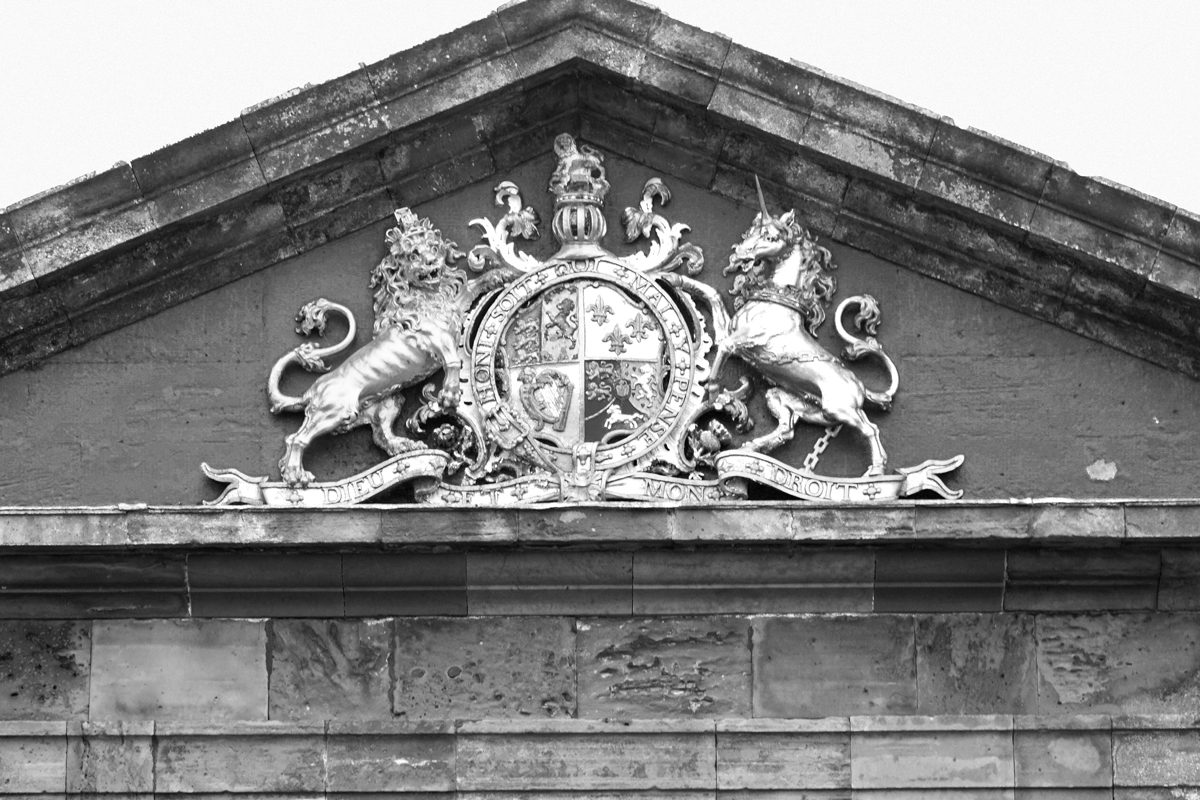
  • Seal of the CIA
Seal of the CIA
SAUL LOEB/ AFP via Getty Images
Author Tony Dunnell

April 23, 2026

Love it?

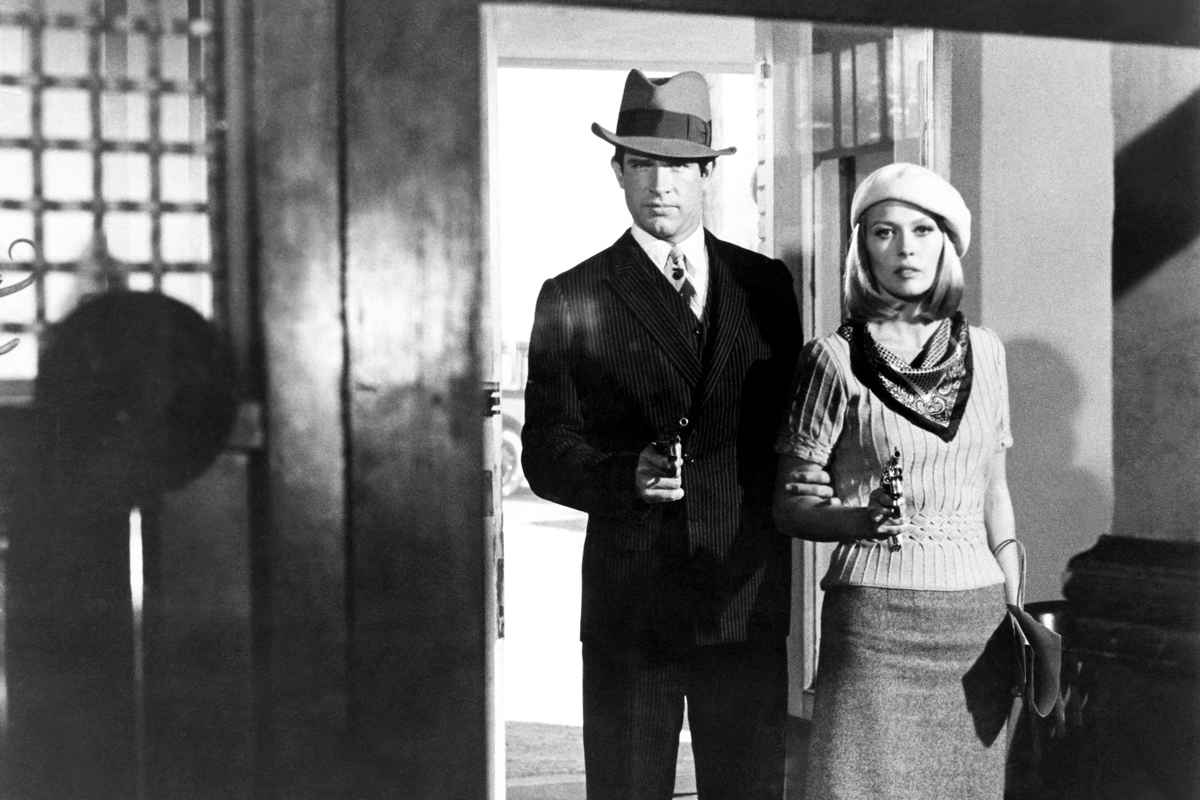
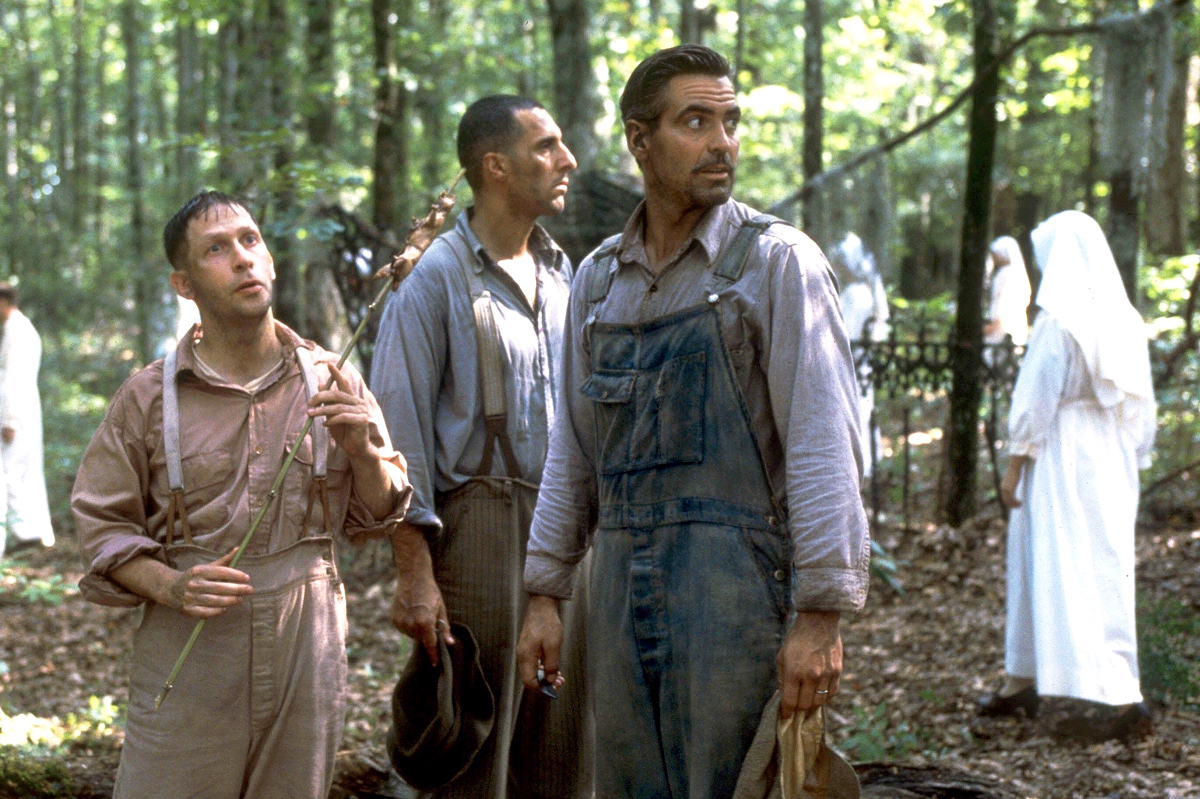
The Central Intelligence Agency has its fingers in many pies, from counterterrorism to offensive cyber operations and covert paramilitary actions. The mere mention of the CIA brings with it a certain mystique, conjuring up images of secret agents, globe-trotting spies, and clandestine activities. It’s no surprise, then, that the agency has featured heavily in numerous Hollywood movies, from Spy Game and Zero Dark Thirty to The Bourne Identity and Bridge of Spies.
The CIA was formed in 1947 by President Harry Truman, partly as a replacement for the Office of Strategic Services (OSS), which was disbanded after World War II. As a civilian intelligence service and part of the U.S. Intelligence Community, it is officially tasked with gathering, processing, and analyzing national security information from around the world. Unlike the FBI, the CIA has no law enforcement function — it’s also not allowed to collect information regarding “U.S. Persons,” although the agency’s actions have often proven controversial in that regard. 
Unsurprisingly, the CIA has kept — and uncovered — many secrets over the decades. Here are some of the most fascinating secrets from the agency’s history, from innovative spy techniques to daring covert missions. 

Photo credit: Hum Images/ Alamy Stock Photo

The CIA Had Plenty of Secret Gadgets

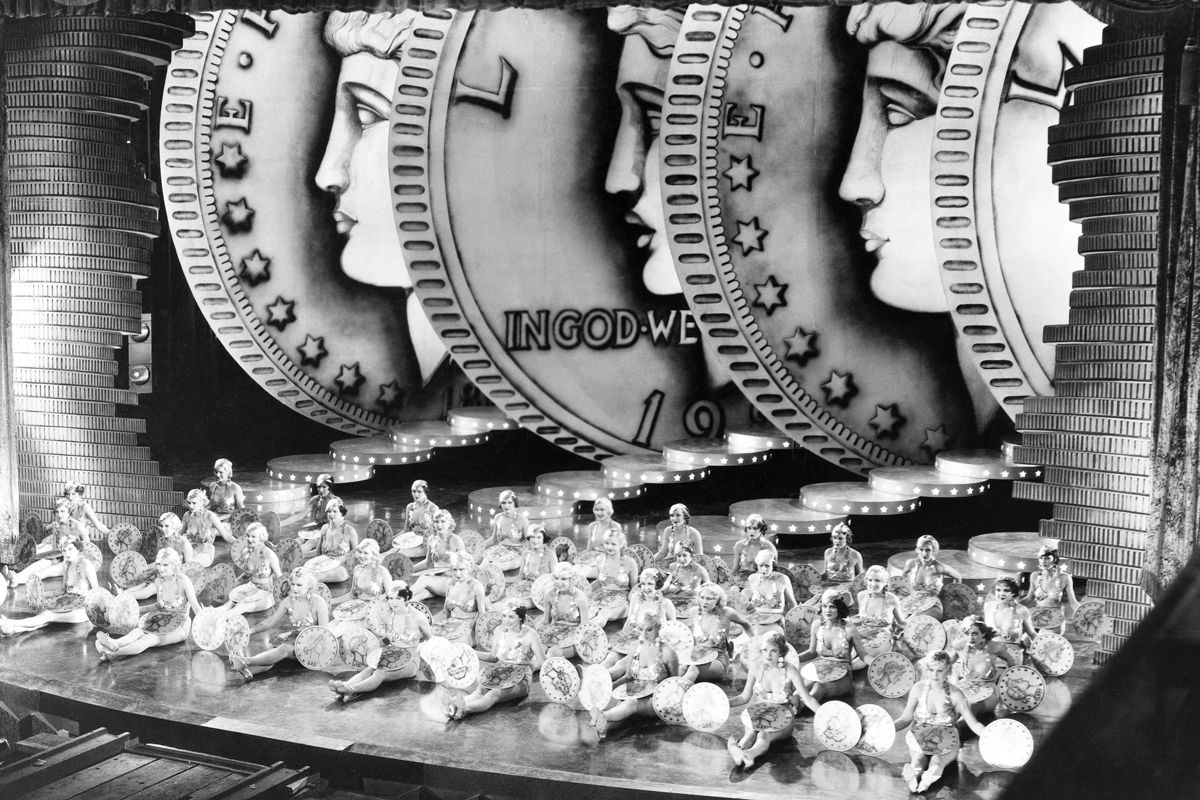
The CIA created a range of secret gadgets that could have been straight out of a James Bond movie. The extensive list of low- and high-tech trickery includes hollow silver dollars for holding messages or film; miniature compasses hidden in cufflinks; pigeon-mounted mini cameras; a listening device designed to look like tiger excrement; and a robot fish called Charlie that secretly collected water samples. Perhaps most impressive of all was the “insectothopter,” a tiny robotic dragonfly that could eavesdrop on otherwise inaudible conversations. 

Photo credit: Michal Balada/ Shutterstock

The CIA Used the Skyhook Before Bond and Batman

In 1962, the CIA launched a mission — code-named Project COLDFEET — to investigate an abandoned Soviet research station on a floating ice island in the Arctic. Getting there was easy enough: Two Navy pilots secretly parachuted down onto the ice and began their search for information. The tricky part was how to recover the pilots and the information they had retrieved, as it was impossible to land an aircraft on the ice. So, the CIA decided to use its new Fulton surface-to-air recovery system, colloquially known as the Skyhook. The agents on the ground deployed a helium balloon that lifted a 500-foot line into the air. A slow-moving B-17 plane, with the Skyhook device attached to its nose, then flew overhead and snagged the line with the agents attached to the end of it, sweeping them into the air, at which point they were winched aboard the aircraft. Sound familiar? You might have seen the Skyhook used later by James Bond in 1965’s Thunderball and Batman in 2008’s The Dark Knight

You may also like

7 Myths About the American Revolution

  • Declaration signing, 1776
Declaration signing, 1776
Bettmann via Getty Images
Author Fran Hoepfner

April 23, 2026

Love it?

The American Revolution was one of the most significant conflicts of the 18th century. It not only led to the 13 original colonies gaining independence from Great Britain, but also helped establish democracy and representation as a path for governments around the world. Today, schools teach the famous events and figures from this chapter of American history year after year, from the rebellious Boston Tea Party to Paul Revere’s “midnight ride” to the “shot heard round the world” during the Revolutionary War. But the storied details of the nation’s founding aren’t always completely accurate, and there are plenty of myths that persist to this day.

Photo credit: Bettmann via Getty Images

Myth: The American Colonies Went to War Solely Over Taxes

The phrase “taxation without representation” is a popular and easy-to-remember slogan of the American Revolution, based on the argument laid out in Patrick Henry’s Virginia Resolves in 1765. Henry wrote a series of resolutions that were passed in Virginia’s House of Burgesses in response to the Stamp Act, which levied additional taxes on the British colonies in America. Though taxes were a major point of contention between the colonists and the British crown, they were not the sole reason for the conflict. Mounting tensions between American colonists and the British were also caused by disputes over land distribution — the British planned to reserve the western part of North America for Indigenous peoples, angering colonists with plans to expand outward.

Photo credit: Bettmann via Getty Images

Myth: Paul Revere Was the Only Rider Who Warned About the British

Paul Revere’s “midnight ride” was immortalized by painter Grant Wood’s 1931 depiction of the event, “The Midnight Ride of Paul Revere,” which was inspired by Henry Wadsworth Longfellow’s 1860 poem “Paul Revere’s Ride.” While Revere did ride out the evening of April 18, 1775, to warn Sons of Liberty leaders Samuel Adams and John Hancock of the arrival of British troops, he wasn’t alone. Patriots William Dawes and Samuel Prescott also rode on different routes through the greater Boston area. All three riders were stopped by the British, but managed to escape and complete their task, warning the rebels that an attack was coming.

You may also like

The Rise and Fall of Drive-In Theaters

  • 1950s drive-in theater
1950s drive-in theater
Credit: New York Times Co./ Archive Photos via Getty Images
Author Nicole Villeneuve

April 23, 2026

Love it?

On a late spring evening in 1933, a crowd of moviegoers in New Jersey embarked on an entirely new viewing experience. They parked their cars in a lot in the town of Camden, and settled in to watch the film from their very own automobiles under the nighttime stars. It was the world’s first drive-in theater, dreamed up by a local automotive chemicals salesman named Richard Hollingshead Jr. 

Credit: ullstein bild Dtl./ ullstein bild via Getty Images 

The Rise

Hollingshead had come up with the concept not long before. The 33-year-old entrepreneur tested his idea in his own driveway, setting up a projector on the hood of his car and hanging a white sheet from the trees. On May 16, Hollingshead received a patent for his “park-in,” (the term “drive-in” caught on later) and just three weeks later, the first theater opened on June 6 with a showing of the British comedy Wives Beware

Patrons paid 25 cents per car plus another quarter per person; a car with three or more people was charged a flat rate of $1. Hollingshead was proud to offer a different moviegoing experience, boasting, “The whole family is welcome, regardless of how noisy the children are.” 

The novelty of the drive-in caught on slowly at first. But by the end of the 1940s, with World War II in the rearview, Americans and their growing families were ready to indulge in leisure and entertainment. Families didn’t have to dress up, kids could doze off in the back seat, and you could bring your own snacks — or heed the call of the animated intermission ads urging a trip to concessions for hot dogs, popcorn, and candy galore.

You may also like

What 6 Common Jobs Paid a Century Ago

  • Nurses with babies, circa 1923
Nurses with babies, circa 1923
Credit: © HUM Images—Universal Images Group/Getty Images
Author Tony Dunnell

April 23, 2026

Love it?

In the 1920s, the United States experienced a period of economic prosperity and social change. The so-called Roaring ’20s were a decade of great optimism — World War I was over and the second Industrial Revolution had turned the U.S. into a global economic powerhouse. More Americans were living in cities than ever before, the majority of households had electricity, and productivity was booming. 

For some, the Jazz Age was indeed a prosperous and jubilant era. But not everyone benefited from the surging economy. There was still a massive gap between rich and poor, and much of the nation’s newfound wealth ended up in the hands of the already wealthy — a third of all income was earned by just 5% of people. For many working Americans, the decade was defined by long hours, modest pay, and no safety net, with 60% of the population living just below the poverty line. 

The majority of Americans earned a wage that was just enough to get by. According to the Gilder Lehrman Institute, the average annual income was $1,303 in 1924, or the equivalent of $24,870 today. (While IRS tax documentation from the same year placed the average income at $3,481 (about $66,400 today), that figure represents only people who actually filed taxes, which was required only for those earning above a certain threshold.) Let’s travel back to the 1920s and take a look at what six common jobs actually paid during these boom years.  

Credit: © Boyer—Roger Viollet/Getty Images 

Farmers

American farmers were prosperous during World War I due to the massive demand for food exports to Europe. But in the 1920s, they suddenly found themselves among the worst off in the country. While cities boomed, agriculture was mired in a prolonged depression following the collapse of commodity prices after the war. Farm owners struggled to sell their produce, profits dropped dramatically, and many found themselves in debt — some 600,000 Americans lost their farms in 1924. 

By 1928, half of all American farmers were living in poverty. These struggles are reflected in the salaries of hired farm workers, who earned about $700 a year on average in 1920 (a little less than $12,000 today), before wages fell sharply during the ensuing years, ultimately dropping to around $535 by 1929 (around $10,400 today) — not a great wage, but still almost double that of a farm laborer in the 1930s during the Great Depression. 

You may also like

When Did Early Americans Stop Sounding British?

  • Pilgrims walking to church, 1620
Pilgrims walking to church, 1620
Credit: © Ann Ronan Pictures—Print Collector/Getty Images
Author Tony Dunnell

April 23, 2026

Love it?

In the 17th century, the population of the American colonies was largely British, and English — while certainly not the only tongue spoken — became the predominant language throughout what is now the eastern U.S. 

It raises the question: Did early Americans speak with a British accent? And did the likes of George Washington, Benjamin Franklin, and Abigail Adams sound like King George III, William Wordsworth, and Jane Austen? 

The answer is almost certainly no — but why? Here’s a look at when British and American accents began to diverge, resulting in distinct ways of speaking on either side of the Atlantic. 

Credit: © Bettmann Archive/Getty Images 

American English Is Born

Britain has always been, and still is, extraordinarily rich in accents, despite being about the same size as the state of Oregon. You only have to travel a few hours for the accent and often the dialect to change in very notable ways. Back in colonial times, as now, someone from London sounded quite different from a person from Yorkshire, Devon, or Liverpool — and accents were even more distinct among England, Scotland, Wales, and Ireland. 

But as soon as settlers from different regions of Britain began landing in the American colonies and started mixing with each other more than they did back in Britain, something known as dialect leveling began to take place. Dialect leveling is a phenomenon that occurs when a variety of different ways of speaking come into contact with one another, and the features that are most common — including accent and pronunciation — tend to overtake others. The outcome is a leveling or smoothing out of differences, eliminating distinct regional or social linguistic elements and creating a more standardized form. 

In America, the process was quick. Within a generation, Americans born in settlements such as Jamestown in the early 1600s were already speaking differently than their parents. And it wasn’t only the British mixing with one another. These early colonists came into contact with other European settlers speaking Dutch, Swedish, French, and Spanish, as well as Indigenous languages and, later, the languages of enslaved Africans — all of which contributed to the creation of early American English.

You may also like

How Has Life Expectancy Changed Over the Centuries?

  • Older couple on beach
Older couple on beach
Credit: © Robert Nicholas—OJO Images/Getty Images
Author Kristina Wright

April 23, 2026

Love it?

Imagine being born into a world where half the children around you never reach adulthood — and no one finds that unusual. For most of human history, that was simply life. And living into your 70s or 80s was the exception, not the norm.

Life expectancy is one of the clearest ways to understand how human life has changed — but only if we define it carefully. It does not describe the maximum age people could reach. Instead, it reflects the average number of years a newborn could expect to live based on the age-specific mortality rates of that time, a measure historians call period life expectancy.

These sometimes shocking averages help us see not just how long our ancestors could live, but also how survival itself has evolved across the centuries.

Credit: © Bettmann Archive/Getty Images 

Prehistory

Estimating life expectancy in prehistoric societies is difficult because there are no written records, so researchers rely heavily on archaeological evidence, especially skeletal remains. Most estimates place life expectancy at birth around 20 to 30 years, driven largely by extremely high infant and child mortality. Many children died before age 5, which sharply lowered the average even when adults sometimes survived into old age.

This life expectancy average does not mean adults routinely died in their 20s. Those who survived childhood often lived into their 40s or 50s, and some lived longer, as skeletal evidence confirms. Still, reaching adulthood did not ensure a long life by today’s standards. Daily life carried constant risks because, without modern medicine, minor injuries, infections, childbirth complications, food shortages, and environmental hazards could all become fatal. 

You may also like

10 Bizarre Things the Sears Catalog Sold

  • Sears advertisement, 1927
Sears advertisement, 1927
Credit: © Fotosearch—Archive Photos/Getty Images
Author Nicole Villeneuve

April 23, 2026

Love it?

In 1888, Sears, Roebuck and Co. distributed its first mail-order catalog to U.S. households, a thin booklet that sold only watches and jewelry. But by the early 1900s, the Chicago-based business had greatly expanded its inventory, offering a world of goods that some rural Americans had never even laid eyes on. 

The Sears catalog became a go-to for one-stop shopping: Everything from clothing and furniture to tools and toys and even full house-building kits could be ordered and delivered right to doorsteps across the country. But tucked between these practical items were some truly strange and surprising products. Here’s a look at some of the oddest things the Sears catalog had on offer.

Credit: © Advertising Trust—Heritage Images/Getty Images

Electric Belts

In the early 20th century, electric belts were marketed as medical marvels, promising to cure everything from fatigue and hernias to glaucoma and indigestion. The fall 1902 Sears catalog featured the Heidelberg Electric Belt, a deluxe model that boldly claimed to be the “cure of […] all diseases, disorders and weaknesses peculiar to men, no matter from what cause or how long standing” — quite the claim for just $18 (about $680 today). 

Customers strapped metal plates connected to small batteries around their waists or limbs, hoping for a restorative jolt. Medical evidence on the belt’s effectiveness was nonexistent, but the device certainly captured the era’s fascination with so-called cure-alls.

You may also like

The Most Iconic Cars of the 1970s

  • Chevrolet Corvette, 1978
Chevrolet Corvette, 1978
Credit: ullstein bild via Getty Images
Author Kristina Wright

April 16, 2026

Love it?

The 1970s were a wild ride for fashion, politics, music, and, yes, cars. As gas prices spiked and tastes shifted from big and brawny to compact and efficient, the decade’s most memorable automobiles reflected the changing times. Whether you were into style, speed, or just saving gas, the ’70s had a ride for you.  

Here are seven of the most decade-defining cars of the 1970s — models that turned heads, made the news, and earned their street cred one mile at a time. Which one would you drive today?

Credit: Bud Wells/ Denver Post via Getty Images 

Pontiac Firebird Trans Am

The Pontiac Trans Am, introduced in 1969 as a high-performance version of the Firebird, became a symbol of American muscle and attitude in the 1970s. With its aggressive styling, T-top (removable roof panels), shaker hood scoop (engine-mounted air intake that protruded through the hood), and iconic “screaming chicken” hood decal, the Trans Am stood out in an era when many muscle cars were fading due to tightening emissions regulations and rising insurance costs. 

Sales were relatively modest early in the decade but soared in the late 1970s — especially after the 1977 film Smokey and the Bandit turned the black-and-gold Trans Am into a pop culture phenomenon. Pontiac sold more than 117,000 Trans Ams in 1979 — the model’s best year ever — cementing the muscle car’s place as one of the most iconic vehicles of the decade.

You may also like

Why Do Jeans Have Rivets?

  • Young adults wearing jeans
Young adults wearing jeans
Credit: FPG/ Archive Photos via Getty Images
Author Nicole Villeneuve

April 16, 2026

Love it?

You’ve probably noticed them without giving them a second thought. Those tiny metal studs near the front pockets of your jeans are easy to overlook, but they’ve been a fixture of the garment for more than a century. So why are they there? Sure, they add to denim’s rugged, familiar charm — but they also tell the story of how jeans became some of the most useful pants in history. 

Credit: H. Armstrong Roberts/ClassicStock/ Archive Photos via Getty Images 

The First Rivets

By the late 19th century, what we now call jeans — then more commonly known as waist overalls — had become the standard uniform of hard labor in the United States. Gold miners, railroad workers, farmers, and teamsters (the people who drove horse-drawn wagons) all relied on the garment’s sturdy material to endure long days of physically demanding work. 

These early work pants were primarily made from cotton duck canvas; denim was used only occasionally until it overtook canvas sometime in the late 1800s, and the word “jeans” itself didn’t catch on until the 1950s and ’60s. While the heavy canvas held up well, the pants didn’t always. Pockets in particular were known to pull away under the weight of tools and repeated strain. For all their toughness, early jeans still came apart quickly. 

In 1870, a tailor named Jacob Davis in Reno, Nevada, was tasked with solving that very problem when a customer asked if there was a way to make her husband’s work pants last longer. Davis borrowed an idea from some of his other projects. He’d been using rivets — small metal fasteners — on the horse blankets and wagon covers he often made for teamsters. Noticing some leftover rivets on the table, he was struck by an idea: Why not use them to reinforce the pockets of work pants?

The solution was simple, but it worked. The pants held up, and word spread. By 1872, Davis realized he might be onto something big, but without the time or money to properly pursue a patent, he reached out to his fabric supplier in San Francisco, a successful dry goods wholesaler named Levi Strauss. The men partnered up, and on May 20, 1873, they received a patent for an “Improvement in Fastening Pocket Openings.” 

You may also like

Why Did People Start Drinking Cow’s Milk?

  • Girls drinking milk
Girls drinking milk
Credit: © H. Armstrong Roberts—ClassicStock/Getty Images
Author Nicole Villeneuve

April 16, 2026

Love it?

We rarely give a second thought to adding a splash of milk to our morning coffee or cereal, but for most of human history, drinking another species’ milk was unusual. Humans couldn’t easily digest animal milk, and species that could reliably supply it were undomesticated. So when — and why — did that change?

Credit: © Heritage Images—Hulton Archive/Getty Images 

You Can’t Milk a Wild Cow

Researchers agree that pinpointing the exact time and place humans began drinking cow’s milk is difficult, but there are some clear milestones. Around 10,000 BCE, humans in the hilly landscapes around modern-day Turkey were evolving from a hunter-gatherer lifestyle to agricultural communities. Part of this transition was the domestication of animals, starting with sheep and goats, and later, around 8000 to 7500 BCE, cattle. Domestication made it easier to manage these animals for meat, hides, and eventually, milk.

Much of what we know about early dairying comes from residues in pottery. Lipid analysis has revealed animal milk fats embedded in shards from the Neolithic Period, roughly 7,000 to 9,000 years ago. Milk was also sometimes mixed with grains, suggesting it was at least incorporated into meals, if not consumed on its own. And as historian Deborah Valenze wrote in 2011’s Milk: A Local and Global History, it’s possible this residue could also have indicated a religious ritual or ceremony rather than consumption.

You may also like