


6 Otherworldly Facts About the Space Race

  • Astronauts and cosmonauts
Astronauts and cosmonauts
Bettmann via Getty Images
Author Bennett Kleinman

September 14, 2023

Love it?

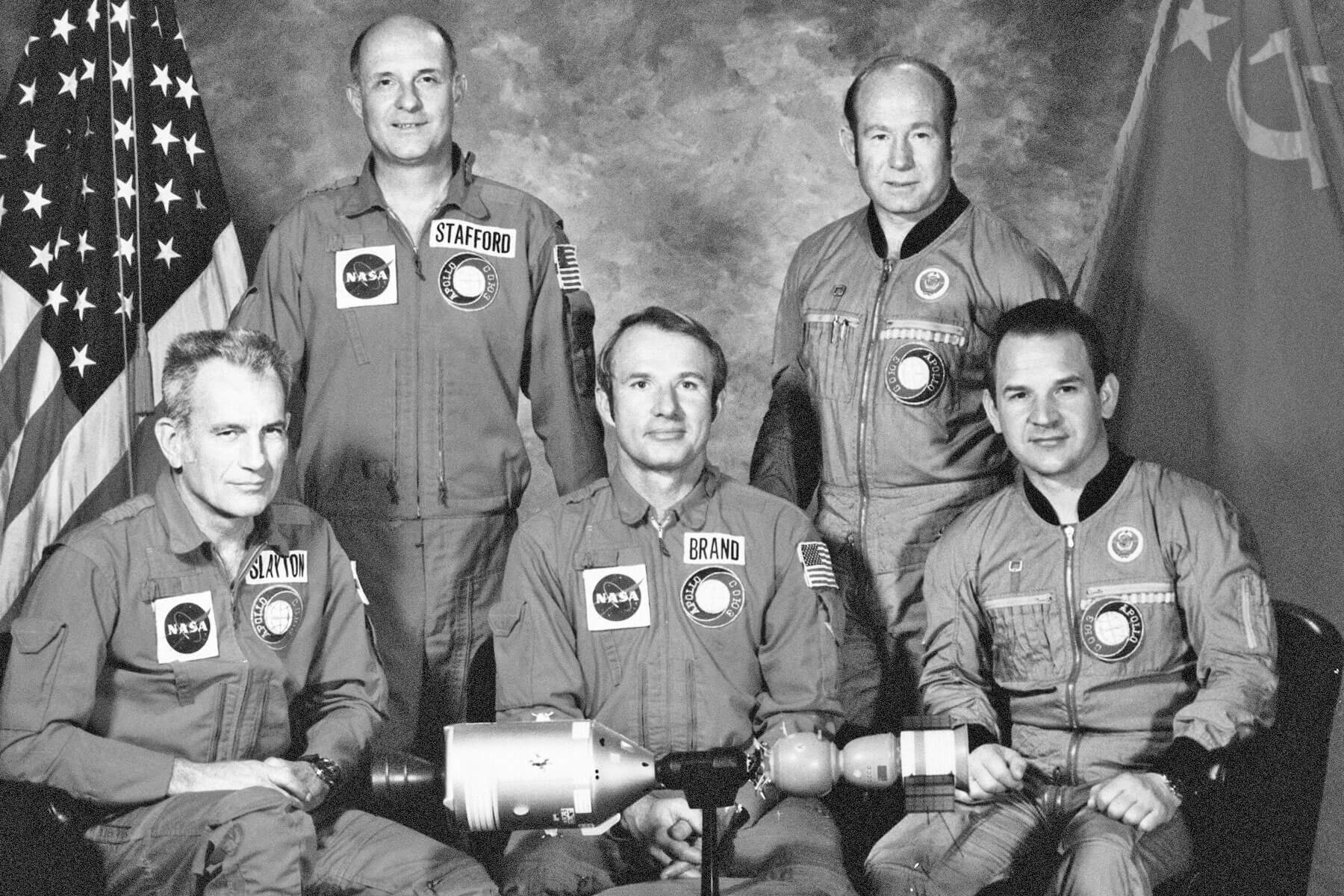
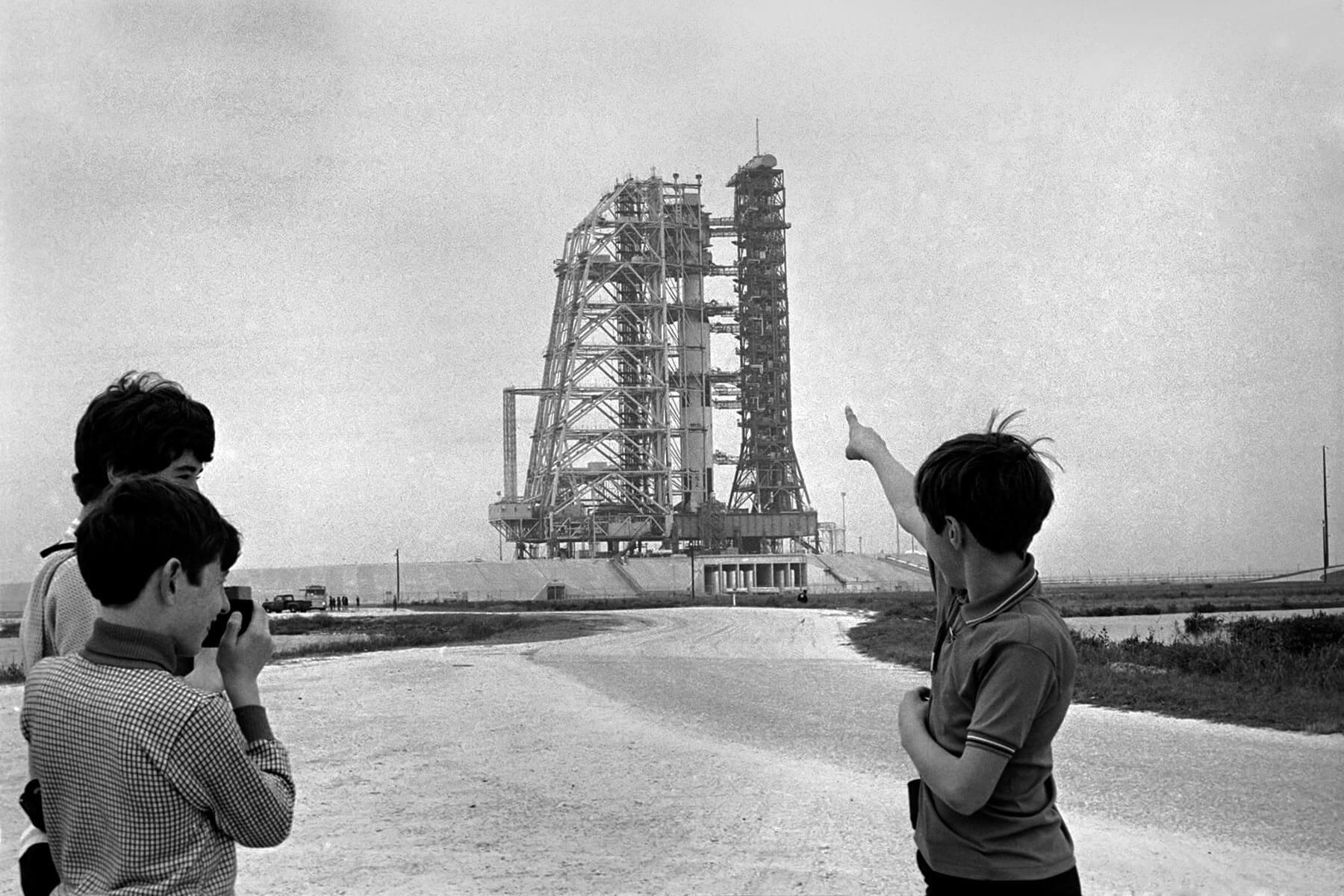
As tensions rose on Earth during the Cold War, the United States and Soviet Union also vied for celestial supremacy. The space race between the two superpowers began shortly after World War II, and captivated the public until tensions finally eased in the 1970s. With the help of top scientists and talented pilots, Americans, Soviets, and other nations sought to do the seemingly impossible by conquering the final frontier. These decades were marked by scientific achievements and setbacks that make this space-obsessed era one of the most fascinating periods in the 20th century. Here are six facts about the space race.

Photo credit: Arif_Vector/ Shutterstock

Fruit Flies Became the First Animal Sent Into Space in 1947

Long before humans reached the stars, fruit flies became the first living organisms to be intentionally blasted into space. Beginning in 1946, the U.S. military conducted a series of experiments in New Mexico’s White Sands Missile Range with future space flight in mind. Utilizing V-2 ballistic missiles — which had been seized from Germany by the U.S. after World War II — the government propelled biological samples such as corn and rye seeds as far as 80 miles into the sky — well beyond the 66-mile distance that NASA now considers the limits of outer space. On February 20, 1947, a capsule containing fruit flies was affixed to one of said missiles and launched to a height of 67 miles above the ground. The flies were chosen to test the effects of cosmic radiation on living beings, and were the perfect candidate for a number of reasons, including their small size, minimal weight, and a genetic code analogous to that of humans, containing similar disease-causing genes. As the rocket began its descent, the capsule detached and drifted back down to Earth using a parachute, and the flies remained alive and unaffected.

Photo credit: Mirrorpix via Getty Images

Apollo 12 Was Struck by Lightning

In November 1969, just four months after Apollo 11 landed on the moon, the Apollo 12 mission took to the skies. But what was scheduled to be a standard launch experienced near-disaster just 36.5 seconds into the flight, as lightning struck the Saturn V rocket. The unexpected event disrupted the onboard control panels, causing astronaut Dick Gordon to confusedly exclaim, “What the hell was that?” before yet another bolt struck at the 52-second mark. With alarms blaring and equipment malfunctioning, the puzzled astronauts continued to troubleshoot the spacecraft while not fully understanding what had happened. Ultimately, the crew shifted the craft to an auxiliary power supply that allowed the mission to continue as planned. Around three minutes into the flight, astronaut Pete Conrad wondered aloud if they’d been struck by lightning, and by the 11-minute-and-34-second mark, the crew was successfully floating in space. With disaster averted, the Apollo 12 astronauts became the second group of individuals to walk on the moon.

You may also like

6 Facts About Ancient Navigation

  • FEATURE_HF_navigation-facts
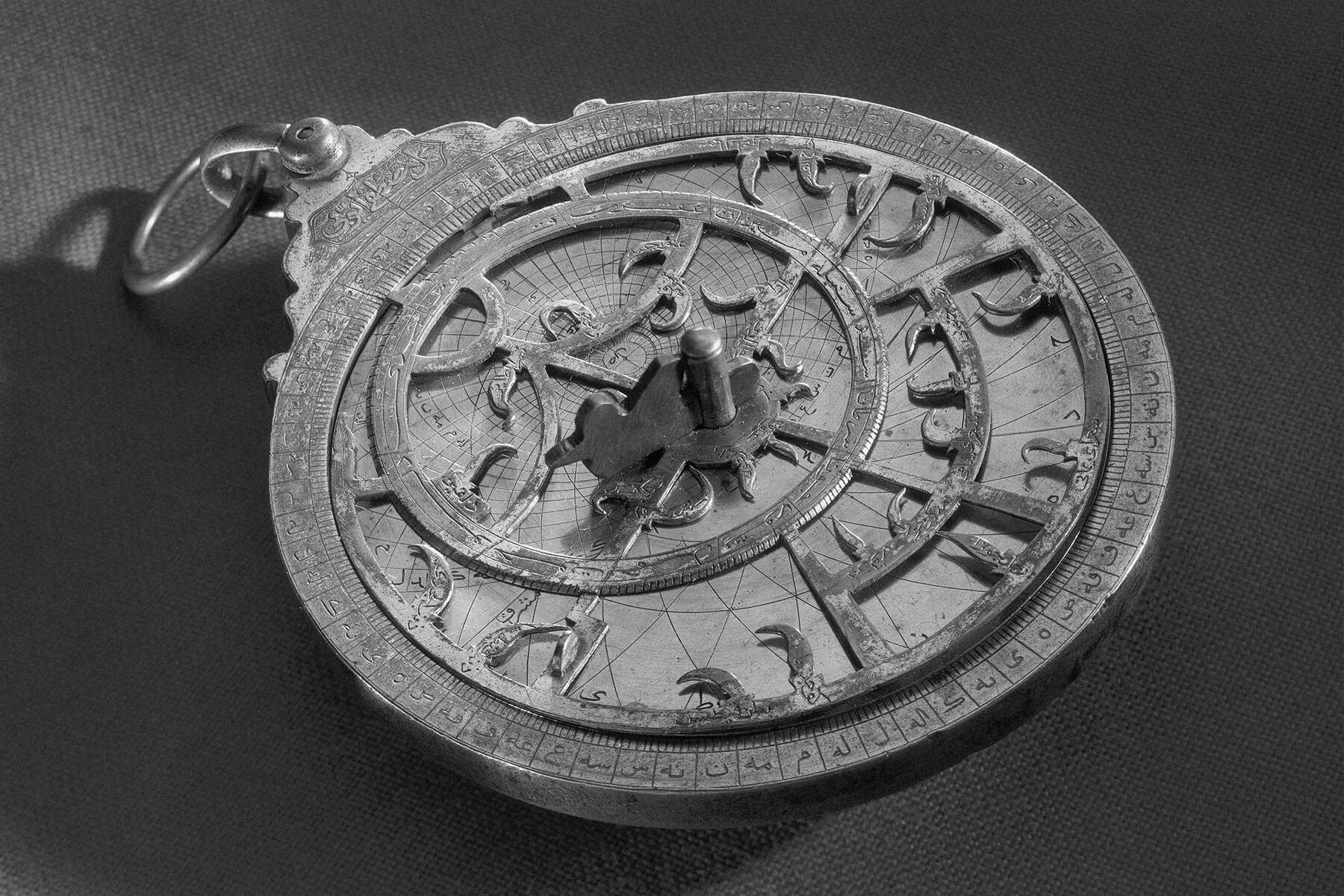
An astrolabe
Science & Society Picture Library via Getty Images
Author Sarah Anne Lloyd

September 7, 2023

Love it?

Thousands of years ago, the oceans seemed a lot wider, even unnavigable. Before mariners developed tried-and-true navigation techniques, sailing the seas involved a lot of guesswork — or, if you want it to sound cooler, “dead reckoning.”

Slowly, our ancestors moved beyond their initial stabs in the dark. Some looked to the sky, using their new knowledge about the cosmos to help them better understand life on Earth. Others took a keen interest in the seas, learning to intuitively navigate the vast expanses based on their currents and swells.

Nowadays, we have a relatively easy time getting around — thanks, GPS! — but it took a long time to get here. How were Polynesians able to cross thousands of miles of open ocean more than 3,000 years ago? Which seafaring society might have successfully used crystals to find their way? What persistent navigation myth just won’t die? Read on and get your sea legs with these six facts.

Photo credit: Science & Society Picture Library via Getty Images

Polynesians Were Pioneers of the Open Ocean

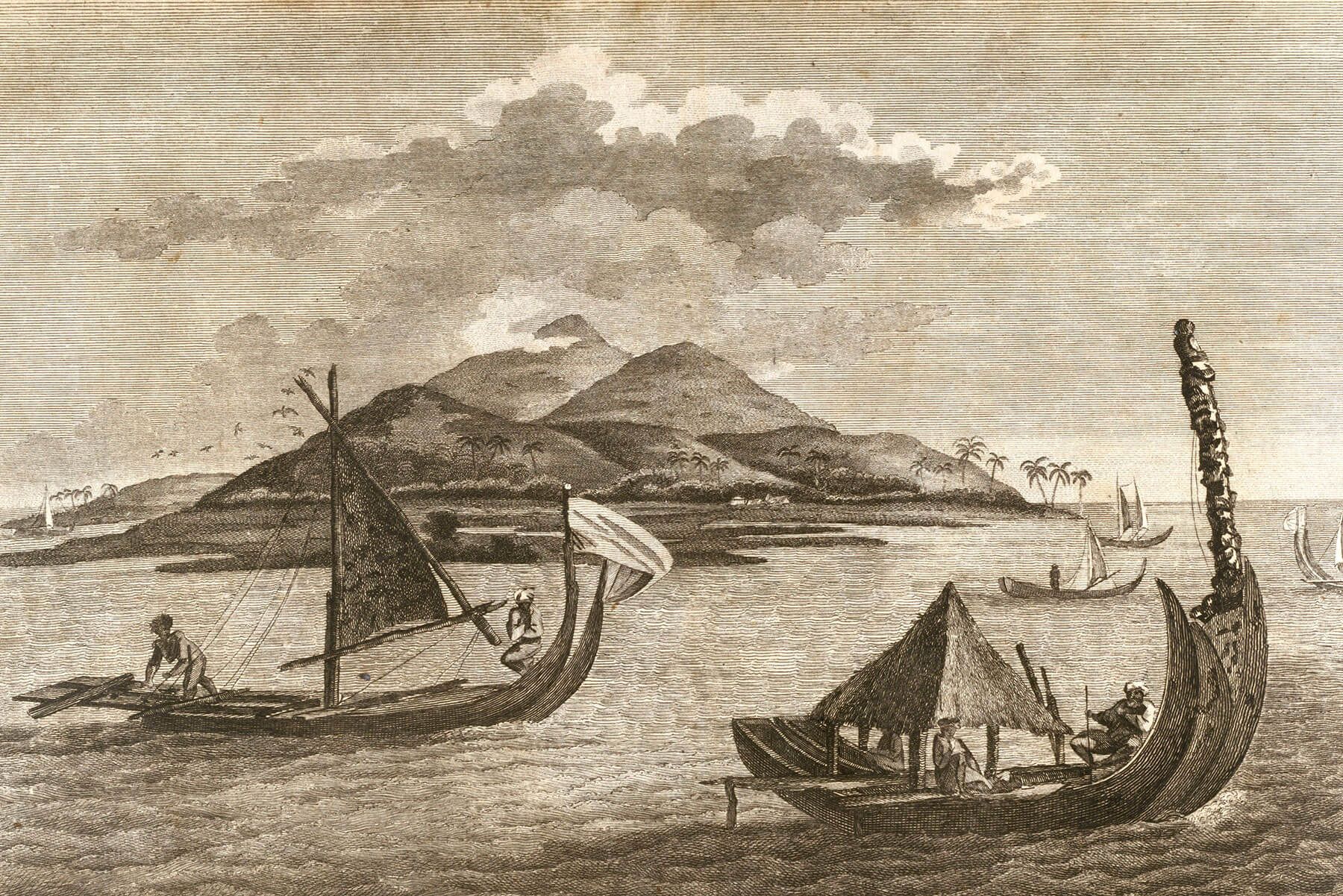
In the early days of ocean navigation, explorers stayed pretty close to the shoreline and used visible landmarks to mark their position. However, Polynesians, the first developers of open ocean exploration, set off from New Guinea and moved eastward in about 1500 BCE. After first traveling to the adjacent Solomon Islands, they gradually journeyed farther and farther east. Their vessel of choice was a double canoe with two hulls connected by crossbeams, kind of like a catamaran.

Venturing out into the open ocean, these explorers eventually reached Fiji, Tonga, Samoa, and Tahiti. They then traveled more than 2,600 miles north to Hawaii — longer than the distance across the U.S. from Portland, Maine, to Seattle, Washington. By roughly 1,000 or possibly 1,200 CE, the descendants of those early explorers populated the entire Polynesian Triangle, the three corners of which are Hawaii, Rapa Nui (aka Easter Island), and New Zealand.

The Polynesians didn’t have any navigational instruments that we know of, so how did they do it? Although their navigation techniques were passed down orally, historians think they navigated using stars, ocean swells, the sun, the moon, and migratory birds. Some Pacific Islanders navigated simply by using the waves themselves. In 1976, a group of Polynesian canoeing enthusiasts made the Tahiti-Hawaii trip using no navigational instruments and a traditional voyaging canoe — a feat that’s since been repeated several times.

Photo credit: Pictures from History/ Universal Images Group via Getty Images

Some Early Nautical Charts Were Made From Shells and Sticks

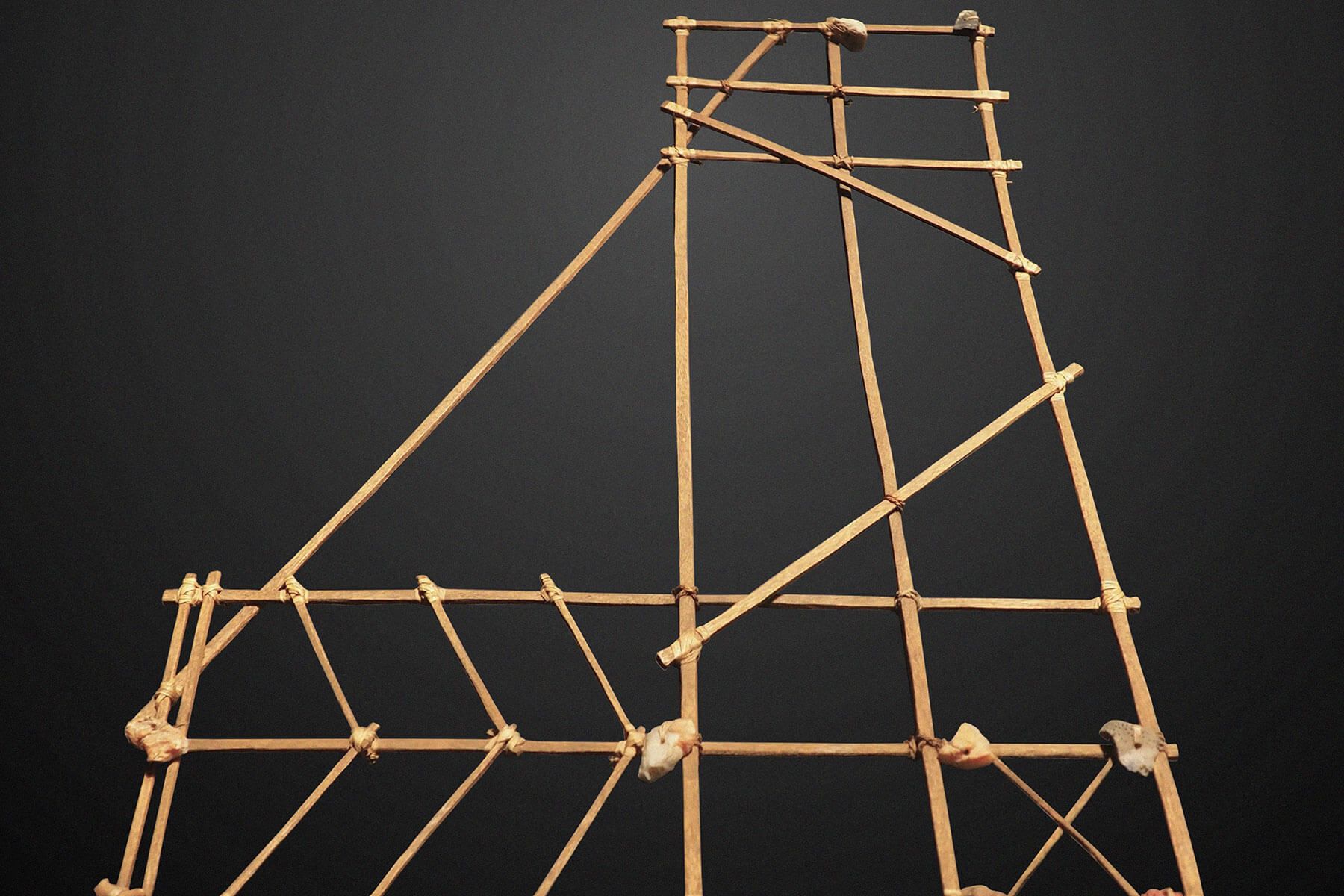
A nautical chart provides not only topographical information, but also details about the behavior of the sea, such as how tidal patterns interact. Today, we can easily read this data on screens and paper, but ancient Micronesian navigators called ri-metos recorded their knowledge using elaborate “stick charts” made from palm strips, coconut strips, and cowrie shells. 

As you might imagine, these charts weren’t especially portable, so they were designed to be memorized before a voyage. The charts didn’t follow any kind of uniform style, and some of them were only designed to be read by the person who created them, so they can be hard for modern viewers to interpret. We do know, though, that some charts depicted general ocean patterns, while others contained precise piloting instructions.

You may also like

The Strangest Unexplained Phenomena in History

  • Mary Celeste ship
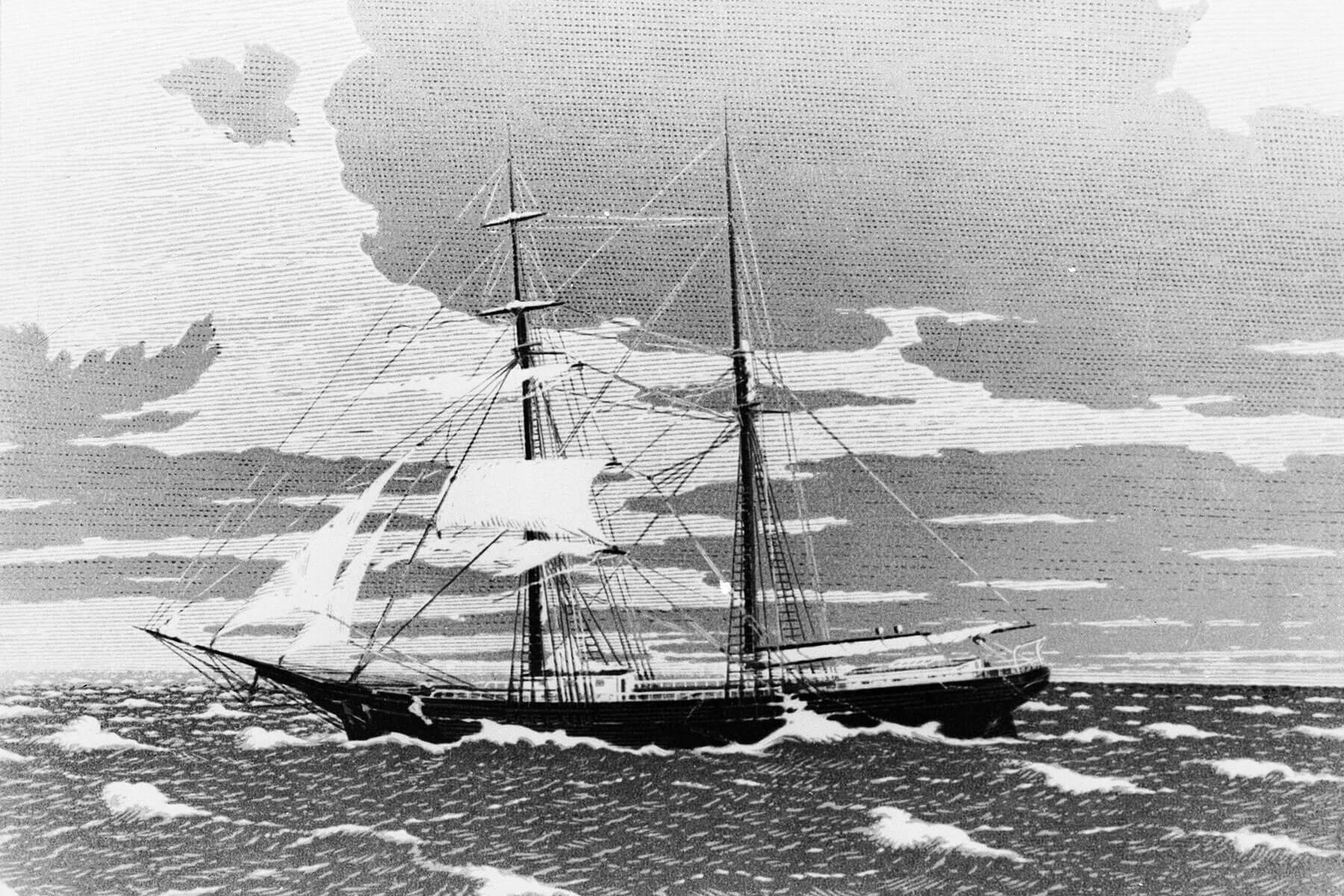
Mary Celeste ship
Keystone/ Hulton Archive via Getty Images
Author Michael Nordine

August 24, 2023

Love it?

Everyone loves a good mystery, especially when it’s real. Of the countless happenings that have confounded us through the years, decades, and centuries, some mysteries have endured longer than others. Here are four unexplained phenomena throughout history that we may never fully understand, but will always be fascinated by.

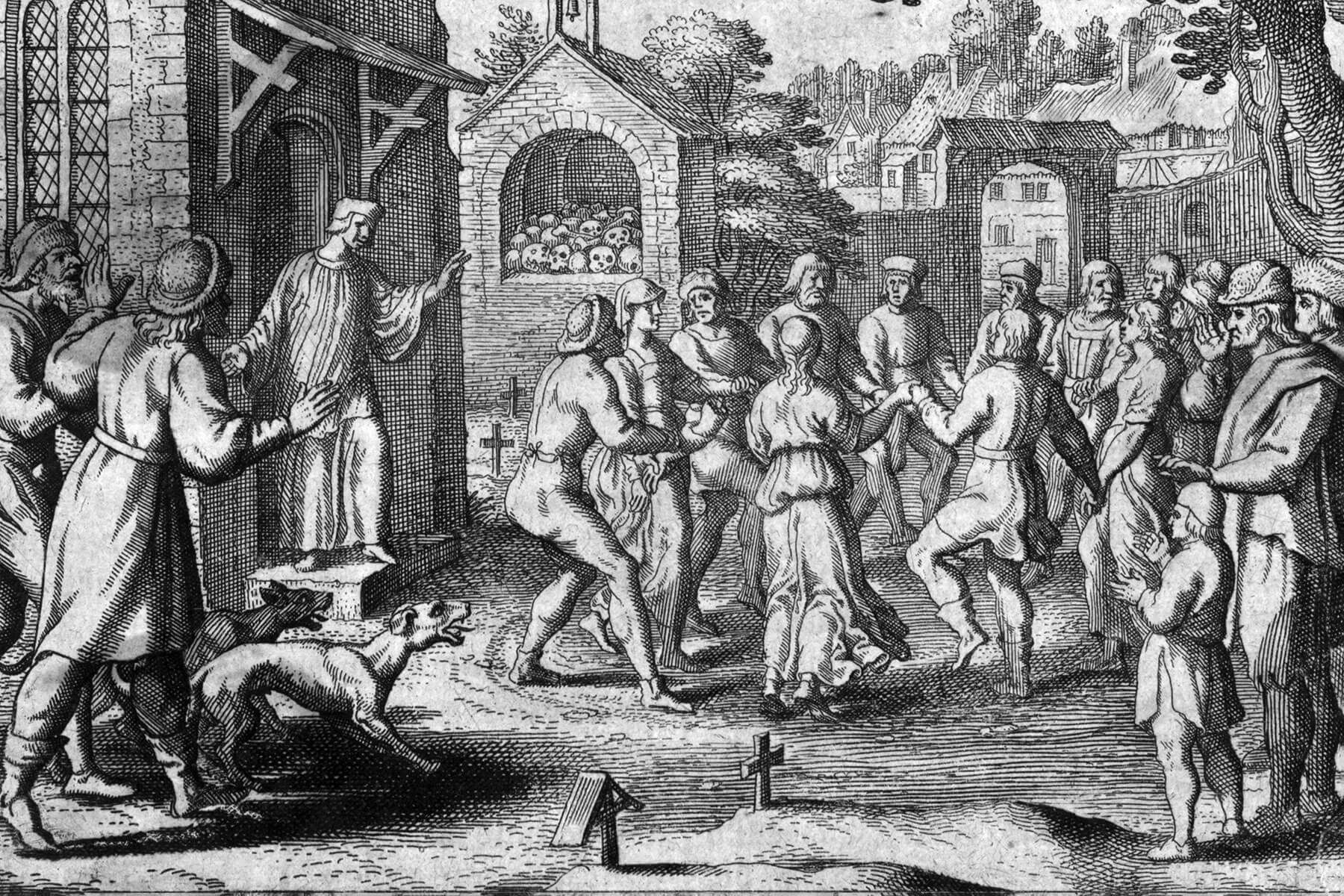
Photo credit: Bettmann via Getty Images

Medieval Dancing Plagues

There have been several outbreaks of choreomania, the technical term for dancing mania, none of which has ever been conclusively explained. Among the most famous is the one that took place in Strasbourg, then part of the Holy Roman Empire and now part of France, where a “dancing plague” lasted for weeks in 1518. First on the dance floor (read: city square) was one Frau Troffea, who danced until she collapsed from exhaustion one extremely hot day in July; after recovering her strength, she resumed her rug-cutting. She and the 30 or so others who joined in over the next week in a variety of public locations seemed unable to stop, as though their movements were involuntary. The “plague” lasted until early September, by which time at least 400 people had joined in. Many were injured, and some didn’t live to tell the tale.

This wasn’t the only dance plague to occur in medieval and early modern Europe. Similar events took place throughout the Holy Roman Empire as well as in Germany, Switzerland, and France, though none were documented as thoroughly as the one in Strasbourg — it even inspired a recent novel. No one is sure, all these centuries later, why any of this happened in the first place. Many contemporary explanations were religious and/or superstitious in nature, whereas more modern theories suggest that a mold called ergot might have been responsible. As with many phenomena from ages past, we may never know the full story.

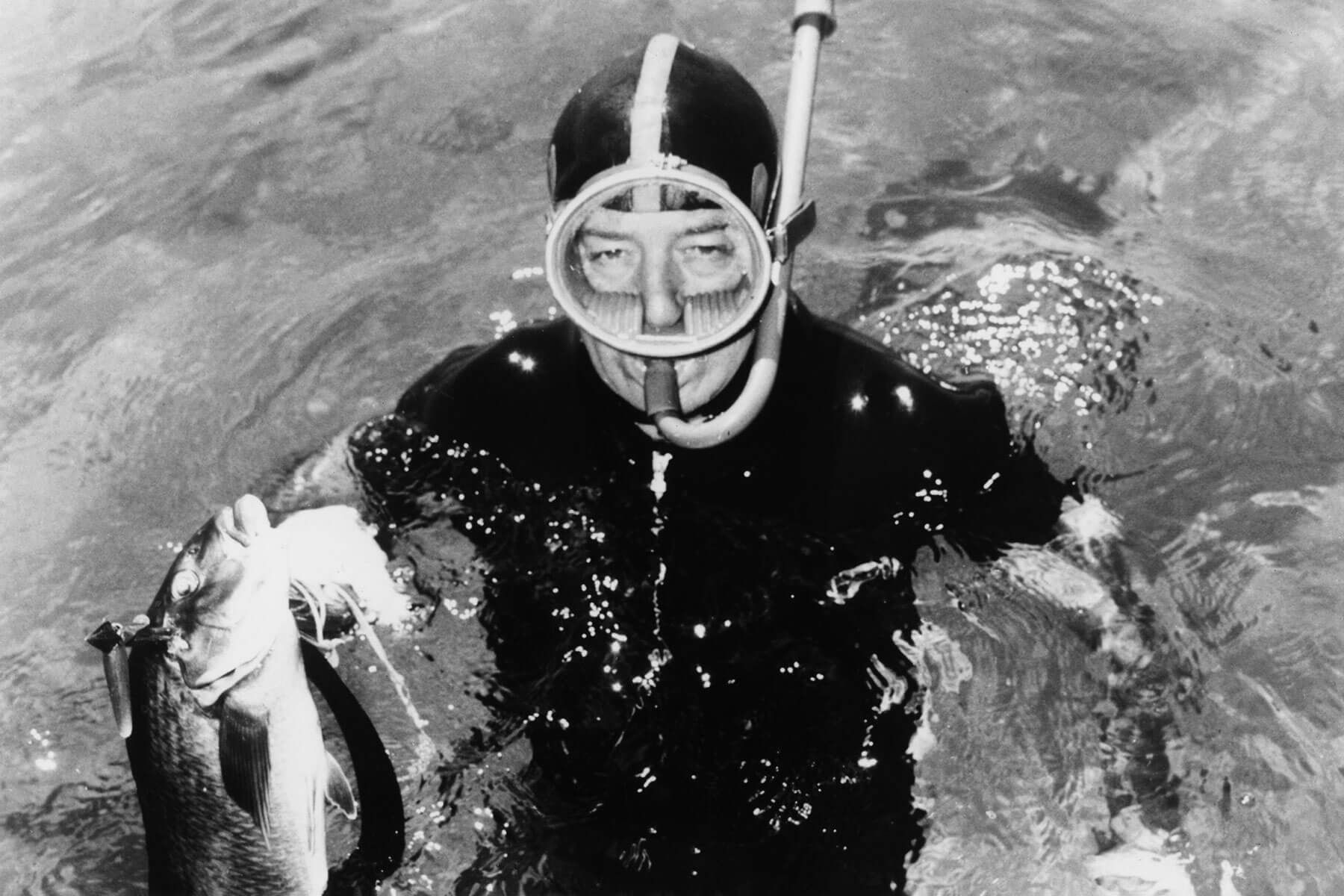
Photo credit: Keystone/ Hulton Archive via Getty Images

Australia’s Missing Prime Minister

We may not know the full circumstances surrounding the assassination of John F. Kennedy, but at least we know that he was assassinated. Australians have received no such closure in the matter of Harold Holt, who served as the country’s 17th prime minister from 1966 until his disappearance and presumed death the following year — presumed, not confirmed, because no one has ever been able to definitively say what happened to him. Holt, an avid outdoorsman, swimmer, and spearfisher, went swimming in the sea near Portsea, Victoria, shortly after noon on December 17, 1967, and disappeared shortly thereafter. According to a witness named Marjorie Gillespie, with whom Holt happened to be having an affair, the rough waves took him “like a leaf being taken out… so quick and final.”

While the simplest and most likely explanation is that Holt drowned, his body was never recovered despite extensive search-and-rescue efforts. The enormity of a world leader disappearing in this fashion is difficult to overstate, and a number of theories had already emerged by the time his funeral was held days later. Some of these were relatively plausible, such as the possibility that Holt had either taken his own life or faked his death, while others were less so — some thought he had been assassinated by either the CIA or North Vietnamese, and in 1983 a British journalist named Anthony Grey even accused Holt of being a lifelong spy for China in his book The Prime Minister Was a Spy. Said tome was widely discredited, but that doesn’t mean no one believed it.

You may also like

5 Ways Albert Einstein Changed the World

  • Physicist Albert Einstein
Physicist Albert Einstein
Bettmann via Getty Images
Author Darren Orf

August 15, 2023

Love it?

German-born physicist Albert Einstein (1879-1955) was so influential, his very name has become synonymous with genius. While working as a patent clerk in 1905 at the age of 26, Einstein submitted four papers to the German journal Annalen der Physik that changed humanity’s perception of time, gravity, and light. Today, historians mark the year as Einstein’s annus mirabilis, or “miracle year” — and he was just getting started. 

Much of Einstein’s work is famously dense. Few people other than physicists need to fully comprehend the mind-bending ideas behind the general theory of relativity and Einstein’s other theories, but these discoveries form the bedrock of technologies the rest of us enjoy every day. Here are five ways Einstein’s ideas changed the world, and continue to provide a roadmap for humanity’s future. 

Photo credit: Bettmann via Getty Images

GPS Would Be Impossible Without the General Theory of Relativity

Some 10,900 nautical miles above our heads, 31 satellites orbit Earth as part of the Global Positioning System (GPS) — but if it wasn’t for Einstein, those satellites would be little more than space junk. The very foundation of GPS is accurate timekeeping, as satellites need to keep time to correctly log the distance from a ground-based receiver (such as your smartphone). GPS satellites are so precise, the atomic clocks on board are accurate to within three-billionths of a second, a feat impossible without Einstein’s special and general theories of relativity. The special theory of relativity states that time flows differently depending on velocity. Because satellites travel at 8,700 miles per hour, they “lose” 7 microseconds per day compared to Earth-based receivers. Additionally, Einstein’s general theory of relativity — an idea published in 1915 that basically elaborates on his previous theory by throwing gravity in the mix — similarly states that distance from a source of mass, in this case the Earth, also affects the flow of time. This means that technically speaking, your head ages slightly faster than your feet because your feet are closer to the Earth (on time scales that are ultimately negligible). Today, GPS takes into account this “time dilation,” so satellites always know where you are when you open Google Maps. 

You may also like

20th-Century Inventions That Changed the World

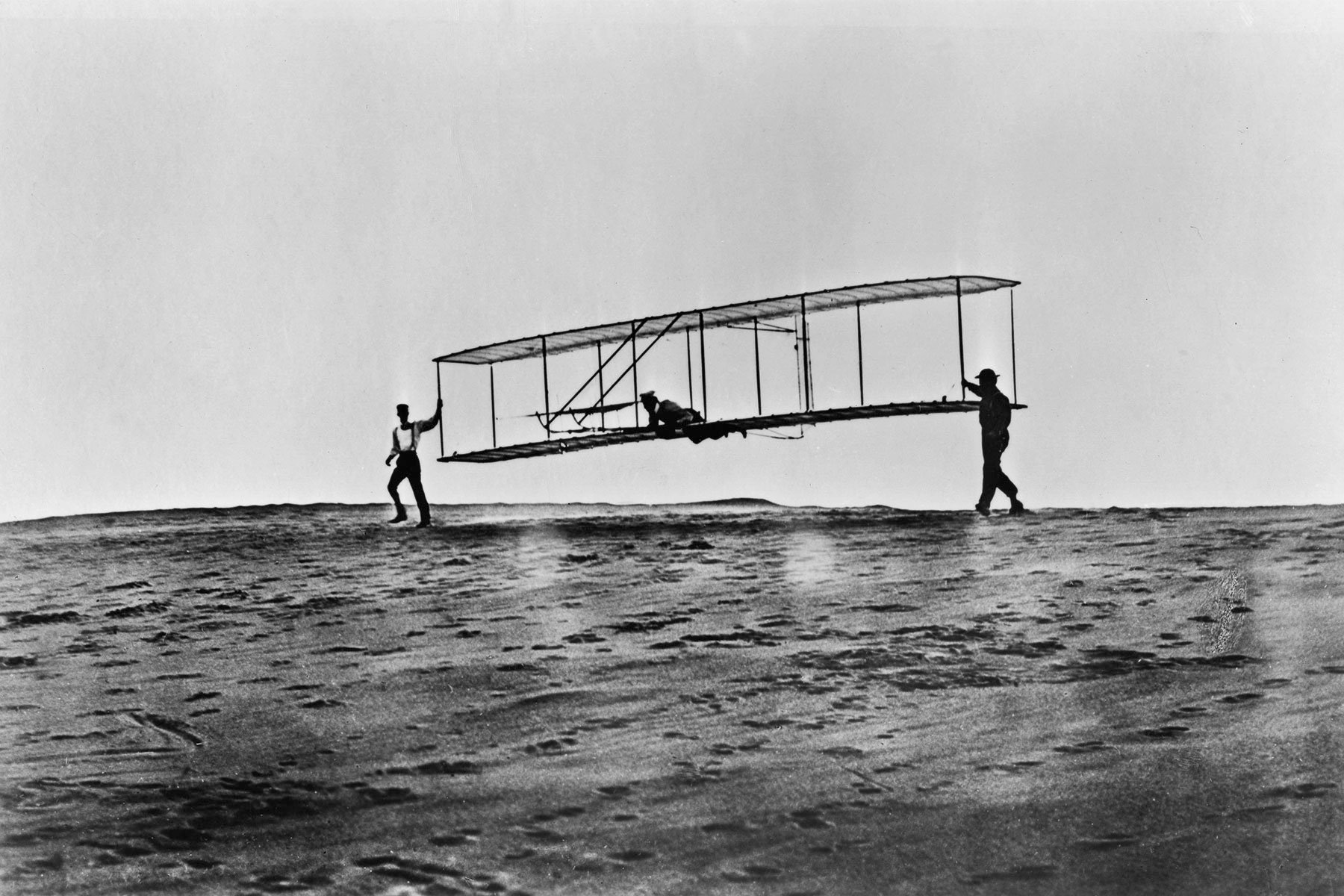
  • Glider being launched
Glider being launched
Science & Society Picture Library via Getty Images
Author Adam Levine

August 2, 2023

Love it?

In many ways, the 20th century was defined by groundbreaking scientific discoveries and revolutionary new technologies. When the century began, the industrialized world was still using the steam engine, and as it came to a close, the digital age had ushered in transformational new inventions. From the airplane and the era of high-speed travel to the personal computer and our modern information age, the innovations of this era fundamentally changed the fabric of people’s everyday lives. Here are five transformative inventions from the 20th century.

Photo credit: Hulton Deutsch/ Corbis Historical via Getty Images

The Electric Refrigerator

Today the electric refrigerator is so commonplace, you would barely give it a second thought, but when it was first invented, this humble appliance completely changed the way people lived. The first electric fridge designed for home use was patented in 1913 by an American engineer named Fred Wolf, and by the 1960s the technology had advanced enough for fridges to become a fixture in most U.S. homes. The new kitchen staple transformed nearly every aspect of the way Americans bought, stored, and shipped food. Before the fridge, if you didn’t live near the source of certain perishable foods, it often meant you simply couldn’t get them. Refrigeration made it possible to ship fresh food over long distances without spoilage. It also meant that people could store certain foods year-round without resorting to time-consuming, taste-altering preservation processes such as drying or pickling. Today, electric refrigerators can be found in 99.5% of American homes, allowing people to eat foods from all over the world, pretty much whenever they want — a way of life that would have been unrecognizable to someone living at the turn of the 20th century.

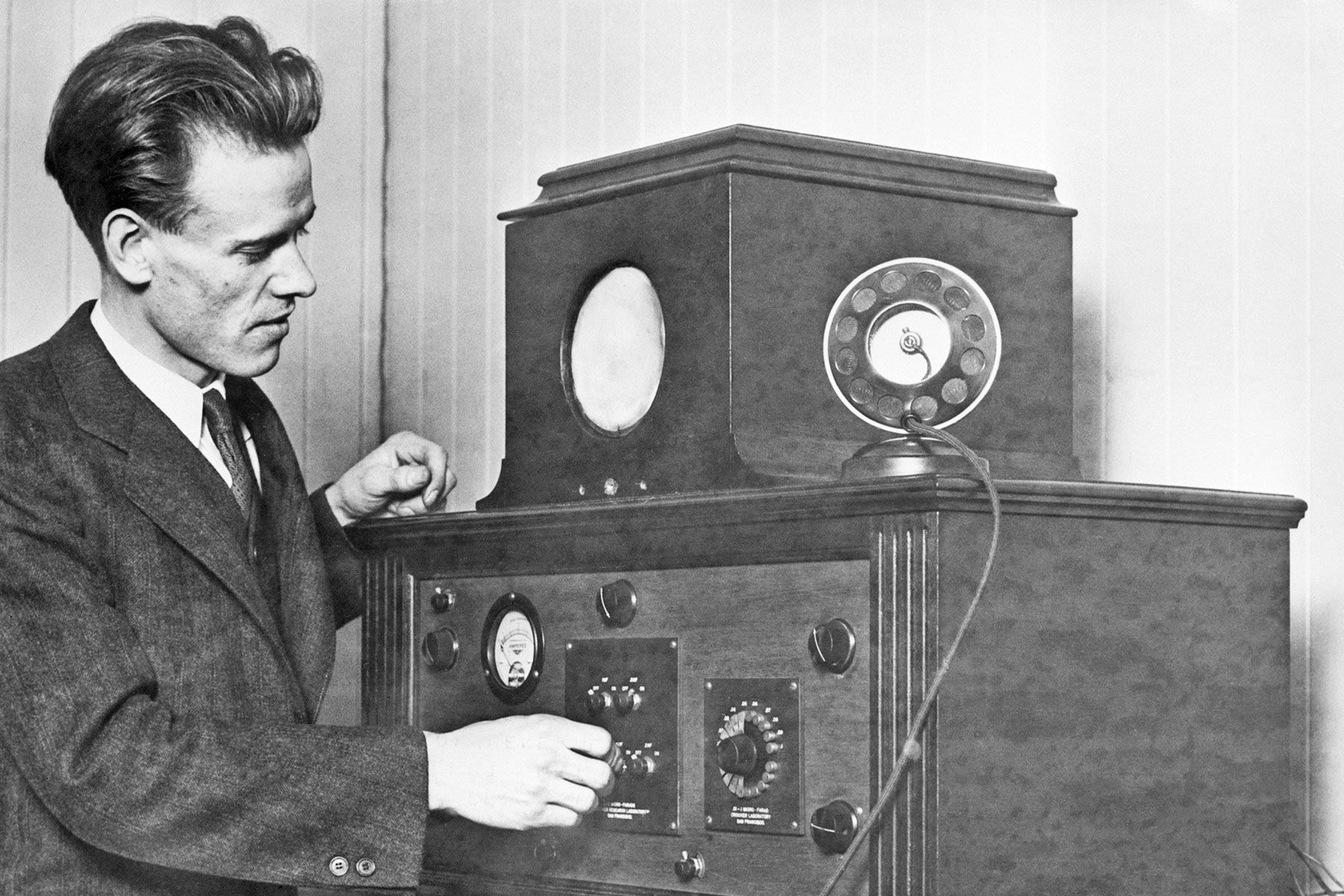
Photo credit: Bettmann via Getty Images

The Television

When the first fully electronic television system was created by American inventor Philo Farnsworth in 1927, it altered the media landscape forever. The TV made it so that for the first time in history, people could witness significant political and historical events as they were actually happening. Footage of world-changing moments — from Neil Armstrong’s first steps on the moon to the fall of the Berlin Wall — could be broadcast directly into people’s homes instead of merely described over the radio or summarized after the fact in a newspaper. TV didn’t just change the way people consumed their news, of course; it also gave rise to a whole new form of entertainment. Entirely new storytelling formats — from the sitcom to the hour-long prestige drama of the modern era — were created especially for the small screen and gobbled up by millions of viewers around the world, transforming popular culture in the process.

You may also like

5 Inventions That Came Out of the Great Depression

  • Old car radio
Old car radio
Martin Bergsma/ Shutterstock
Author Sarah Anne Lloyd

July 24, 2023

Love it?

The Great Depression began in 1929 and lasted for an entire decade, affecting nearly every aspect of daily life for people all over the world — and hitting the United States especially hard. U.S. unemployment soared to nearly 25%, businesses shuttered, and families lost their life savings. Food became scarce in many communities, especially as a severe drought hit the Great Plains, leading to the agricultural disaster known as the Dust Bowl.

This difficult era also impacted innovation. Independent inventors found themselves with less funding, and many businesses shied away from risky initiatives, but big inventions also helped keep companies and innovators afloat during the hard times. Some inventions were successful specifically because of the economic downturn, such as the groundbreaking new adhesive that could repair just about anything. For others, success came in spite of the crisis. Here are five inventions that came out of the Great Depression that are still shaping our lives today.

Photo credit: Popovic Dragan via Getty Images

Sliced Bread

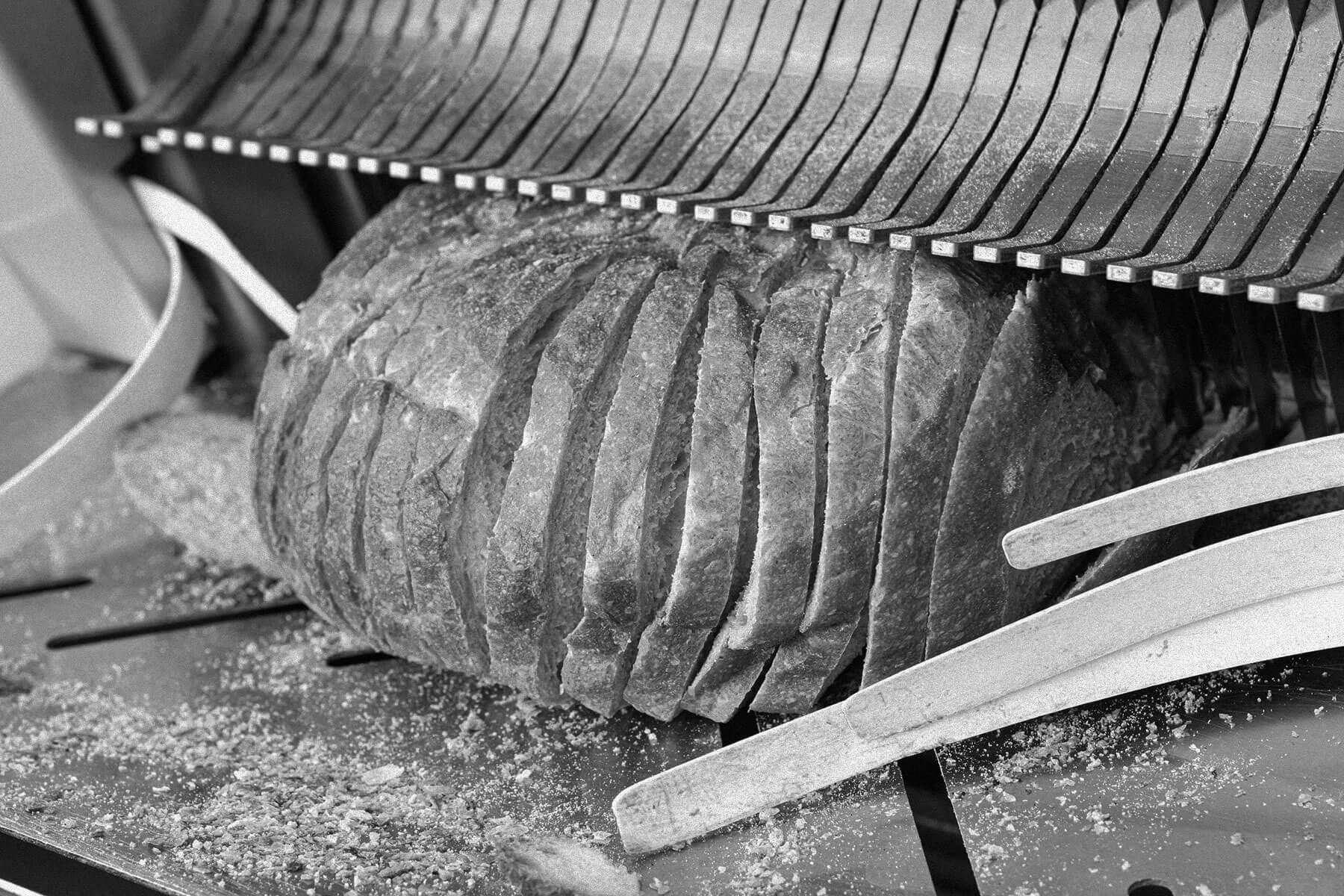
A century ago, people had to bust out a bread knife whenever they wanted a sandwich or slice of toast. That changed in 1928, when a bread slicing and wrapping machine invented by Otto Rohwedder made its debut at a bakery in Chillicothe, Missouri. The machine proved to be so popular that Rohwedder had trouble keeping up with demand from other bakeries. After the Depression hit, economic realities forced him to sell his patent to a larger manufacturing company — but the story has a happy ending. The owners hired the inventor as the vice president and sales manager of a new division formed just for his machines. In 1930, Wonder Bread started advertising its own sliced bread, and, although Wonder Bread used its own machines, Rohwedder’s bread-slicer sales exploded as the trend grew. By 1933, sliced bread accounted for 80% of all bread sales. The invention was so influential, it led to the phrase still used to praise new wonders today: “The best thing since sliced bread.”

Photo credit: INTERFOTO/ Alamy Stock Photo

Nylon Stockings and Toothbrushes

Before the Depression, the DuPont chemical company had a “fundamental research” program — a team of scientists tasked with increasing scientific knowledge rather than developing specific projects. But with the economic downturn, the division became more focused. It was already working on synthetic textiles and had invented neoprene, although the material wasn’t particularly useful at the time. They’d also worked with rayon, which didn’t make a great substitute for silk, and was only partially manmade. Nylon was the first entirely synthetic fiber developed by DuPont that was actually useful — and its invention in 1937 was a very bright prospect after the agricultural woes of the era.

Nylon started appearing in toothbrushes in 1938, and DuPont showed off its new fabric to the world as hosiery at the 1939 New York World’s Fair. The first day nylon stockings became available to the public, around 800,000 pairs flew off the shelves. DuPont’s Depression-era investment in fiber technology paid off; by 1937, 40% percent of its sales came from products that didn’t exist before 1929, including freon, neoprene, and lucite.

You may also like

6 Amazing Breakthroughs Made by the Ancient Greeks

  • Aristotle
Aristotle
Historical/ Corbis Historical via Getty Images
Author Darren Orf

July 19, 2023

Love it?

For more than two millennia, the ideas of the ancient Greeks have spurred some of humanity’s greatest achievements. Philosophy, drama, science, and mathematics sprung from that particular peninsula in the Mediterranean. The work of the Greek scholars propelled Muslim thinkers during the Islamic Golden Age, and the European rediscovery of their ancient texts ignited the Renaissance and sustained the Enlightenment, giving way to new scientific advancements and even new ways of living and governing. These are six amazing breakthroughs from ancient Greece, born from some of history’s greatest minds.

Photo credit: Ipsumpix/ Corbis Historical  via Getty Images Plus

Pythagoras’ Theorem Formed the Foundation of Geometry

Pythagoras of Samos is arguably the most famous mathematician from ancient Greece (and there were a lot of them), and that’s because nearly every person at some point in their educational journey is taught his eponymous theorem. Expressed as a2 + b2 = c2, the Pythagorean theorem states that the sum of the squares of the two legs of a right triangle is equal to the square of the hypotenuse. In ancient times, this proved the existence of irrational numbers and formed the cornerstone of what became Euclidean geometry (more on Euclid later), which plays a very real role in construction and navigation today. Some of the world’s smartest minds have set out to provide proofs of the Pythagorean theorem, including Albert Einstein (he was 12 at the time), and new proofs are still being discovered to this day. Simply put, the world would be a very different place without Pythagoras’ triangular insight.

You may also like

What Did Leonardo da Vinci Invent?

  • Etching of Leonardo da Vinci
Etching of Leonardo da Vinci
Credit: Bettmann via Getty Images
Author Tony Dunnell

July 11, 2023

Love it?

In the history of humankind, there are few people who have rivaled the sheer genius of Leonardo da Vinci. The Italian polymath defined the High Renaissance period at the turn of the 16th century, when his fame grew primarily due to his paintings. His magnum opus, the “Mona Lisa,” which he painted between 1503 and 1506, ranks among the most famous paintings of all time, and no religious artwork has been more reproduced than his masterpiece “The Last Supper.” 

But Leonardo was far more than a supremely talented artist. As an engineer, inventor, and student of seemingly everything, he left behind an incredible 5,000 pages of notes and drawings covering everything from human and animal anatomy to astronomy, botany, cartography, and more. His inventions, many of which were designed with military applications in mind, were truly visionary. Few of them were built during his lifetime or saw any practical use, but they were so far ahead of their time it’s almost as if Leonardo was seeing aspects of the modern world long before they came to fruition. Here are five of his greatest creations — designs that display the undeniable genius of the ultimate Renaissance man. 

Photo credit: Science History Images/ Alamy Stock Photo

The Ornithopter: Leonardo da Vinci’s Flying Machine

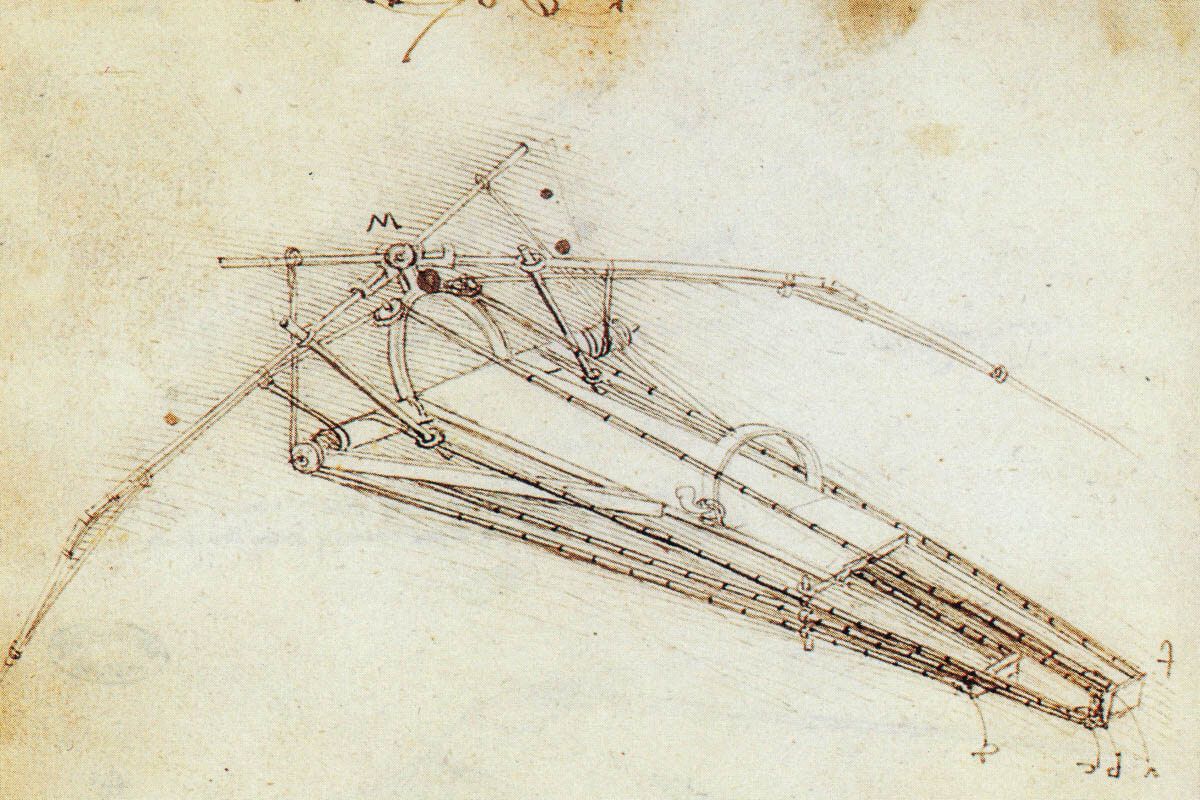
Some 400 years before the Wright brothers took flight in the first successful motor-operated airplane, Leonardo da Vinci was already designing flying machines. He wasn’t the first to do this, but he was the most thorough and inventive. He studied the flight of birds and bats, which he used to inform the design of his ornithopter — a device that flies by flapping its winged appendages. Leonardo never built his design, but his ideas regarding flying machines, bird flight, and the nature of air itself were centuries ahead of their time. His studies, which consisted of more than 35,000 words and 500 sketches, included concepts such as the nature of stalling in flight, the relationship between a curved wing section and lift, and the concept of air as a fluid. Incredibly, he even came close to suggesting the force that Isaac Newton would later define as gravity. Leonardo’s fascination with flight also led him to design a primitive parachute and a device known as a “helical air screw,” which bears some similarities to a helicopter.  

You may also like

6 Shocking ‘Scientific’ Beliefs From Victorian England

  • Telepathy
Telepathy
Photo credit: Public Domain/ Wellcome Collection
Author Adam Levine

June 12, 2023

Love it?

Britain’s Victorian era — defined by the reign of Queen Victoria, from 1837 to 1901 — was a time of great scientific discovery. In this period, Charles Darwin’s theory of natural selection laid the groundwork for evolutionary science and all of modern biology, while Scottish physicist James Clerk Maxwell’s theory of electromagnetism set the stage for the discoveries of Albert Einstein and other great physicists of the 20th century. But the Victorian age was also marked by some scientific beliefs that were, shall we say, a bit less theoretically sound. In fact, some of the commonly held beliefs of this time are downright shocking in the context of our modern understanding of the world. Here are six Victorian-era “scientific” beliefs that were more than a little off the mark.

Photo credit: Public Domain/ photo by Nadar/ Wellcome Collection

Diseases Were Caused By Bad Smells

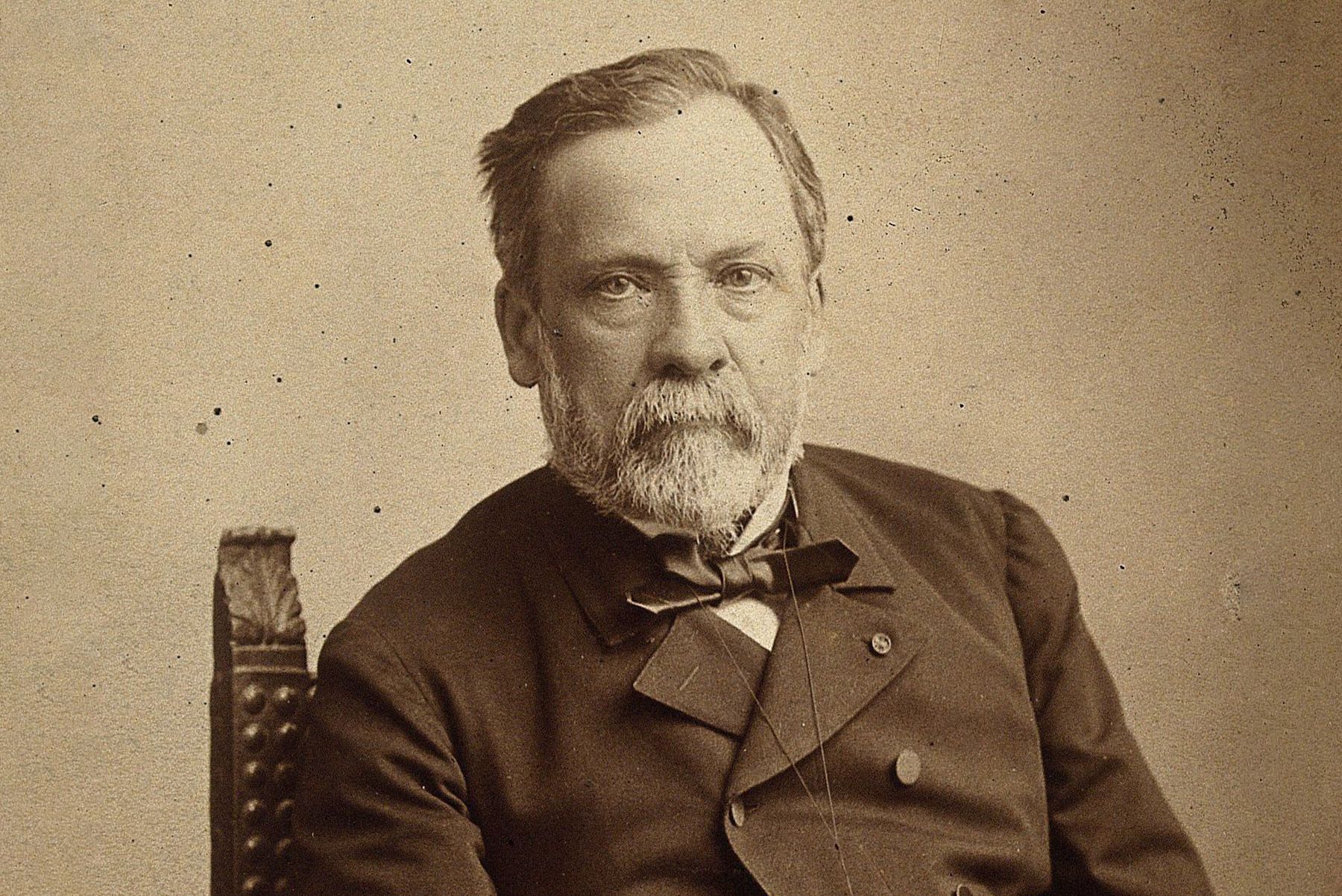
Before people had a firm grasp of germ theory, the conventional belief among everyday people and scientists alike was that diseases were caused by foul odors, or noxious “miasma,” that were emitted from rotting organic matter and traveled through the air to cause infections. Disease-prevention measures in Victorian England often took the form of eliminating bad smells rather than treating contaminated water for pathogens. Miasma theory was gradually replaced with germ theory as the dominant scientific explanation for illness around the 1870s, when scientists such as Louis Pasteur and Robert Koch provided experimental evidence that microorganisms — and not the unpleasant odors they produced — were responsible for infectious diseases.

You may also like

7 Maps That Illustrate the History of the World

  • World map collection
World map collection
Photo credit: Ruthie/ Unsplash
Author Darren Orf

June 9, 2023

Love it?

The story of maps is 2,600 years in the making. When the first mapmakers etched the known world into stone, they were completely unaware that their “world” was only a mere fraction of the planet’s surface. As humanity’s knowledge grew, so did the sophistication of maps, whether showcasing the complexity of our cartographic skills or newly discovered regions of the globe. Eventually, mapmakers’ attempts to capture the world on paper evolved into the satellite maps of today, which are so accurate they can give turn-by-turn directions to the grocery store. 
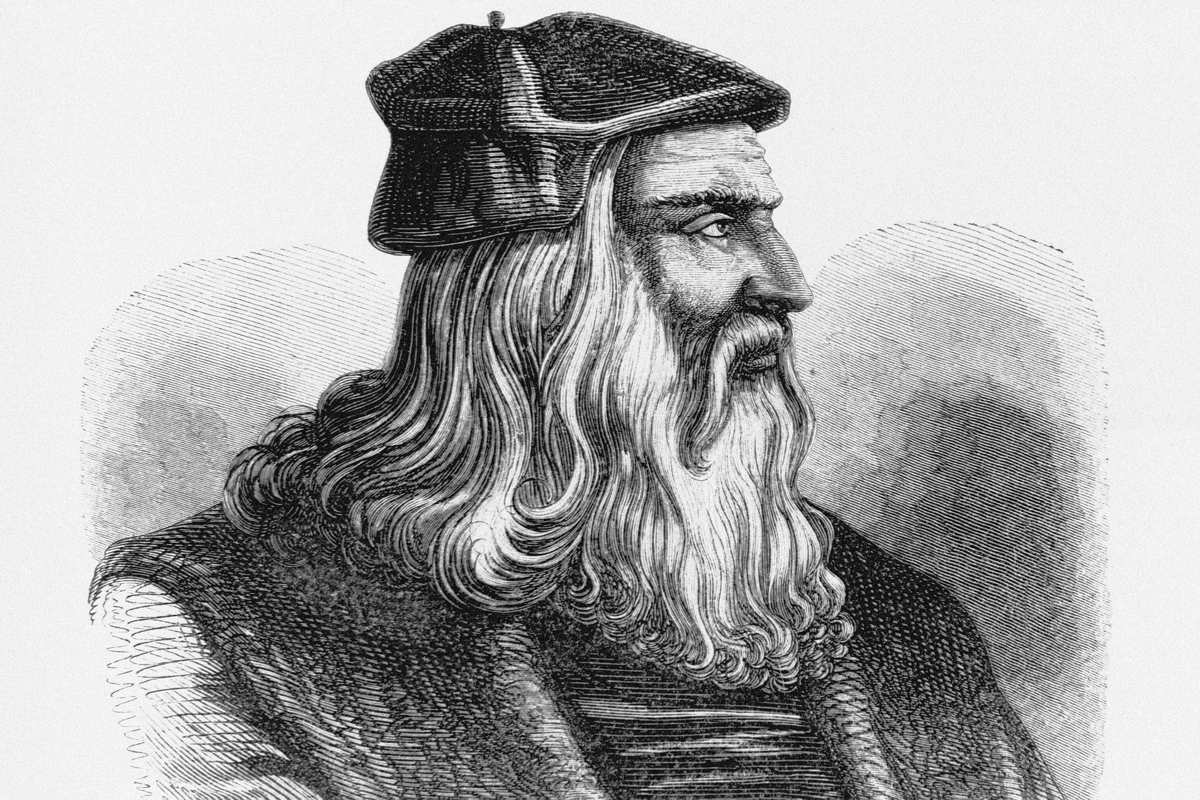
These seven historical maps act as a journey through our understanding of the world, each providing an intimate snapshot of the era in which they were made. Some represent cutting-edge mathematics or up-to-date geographic information, while others are a reflection of the very minds that made them, capturing a specific moment in time.

You may also like