


Why Did Doctors Stop Making House Calls?

  • Country doctor leaving home, 1949
Country doctor leaving home, 1949
Credit: © Bettmann Archive/Getty Images
Author Kristina Wright

March 17, 2026

Love it?

There was a time when seeing the doctor didn’t mean sitting in a crowded waiting room or logging in to a patient portal. Instead, the doctor came to you, carrying a black bag and bringing their expertise and equipment to your bedside.

Today, health care looks very different. We drive to medical campuses filled with imaging suites and labs, check in electronically, and have our patient notes transcribed by AI. The transformation has been so complete that it can be hard to imagine the house call was a central feature of American medicine little more than a century ago. So what changed?

Credit: © Debrocke/ClassicStock—Archive Photos/Getty Images 

When House Calls Were the Norm

From the earliest days of American medicine through the early 20th century, house calls were a routine part of medical care in the United States. Physicians regularly traveled to patients’ homes in cities and rural areas alike. In 1930, approximately 40% of physician visits were house calls, according to the New England Journal of Medicine.

Most doctors were general practitioners who worked with patients of all ages. They delivered babies, set fractures, drained infections, treated pneumonia and influenza, and managed chronic illnesses. Medications were often dispensed directly from the physician’s bag. Payment could be made in cash or, particularly in rural areas, in goods or services.

Doctors did maintain offices, but they were often modest — sometimes located in the physician’s home — and equipped with limited diagnostic tools. Hospitals existed, but they were typically reserved for surgery, serious trauma, or advanced illness. Much everyday medical care happened in the home.

You may also like

What’s the Real Story of Isaac Newton and the Apple?

  • Isaac Newton with an apple
Isaac Newton with an apple
Credit: Hulton Archive via Getty Images
Author Tony Dunnell

June 30, 2025

Love it?

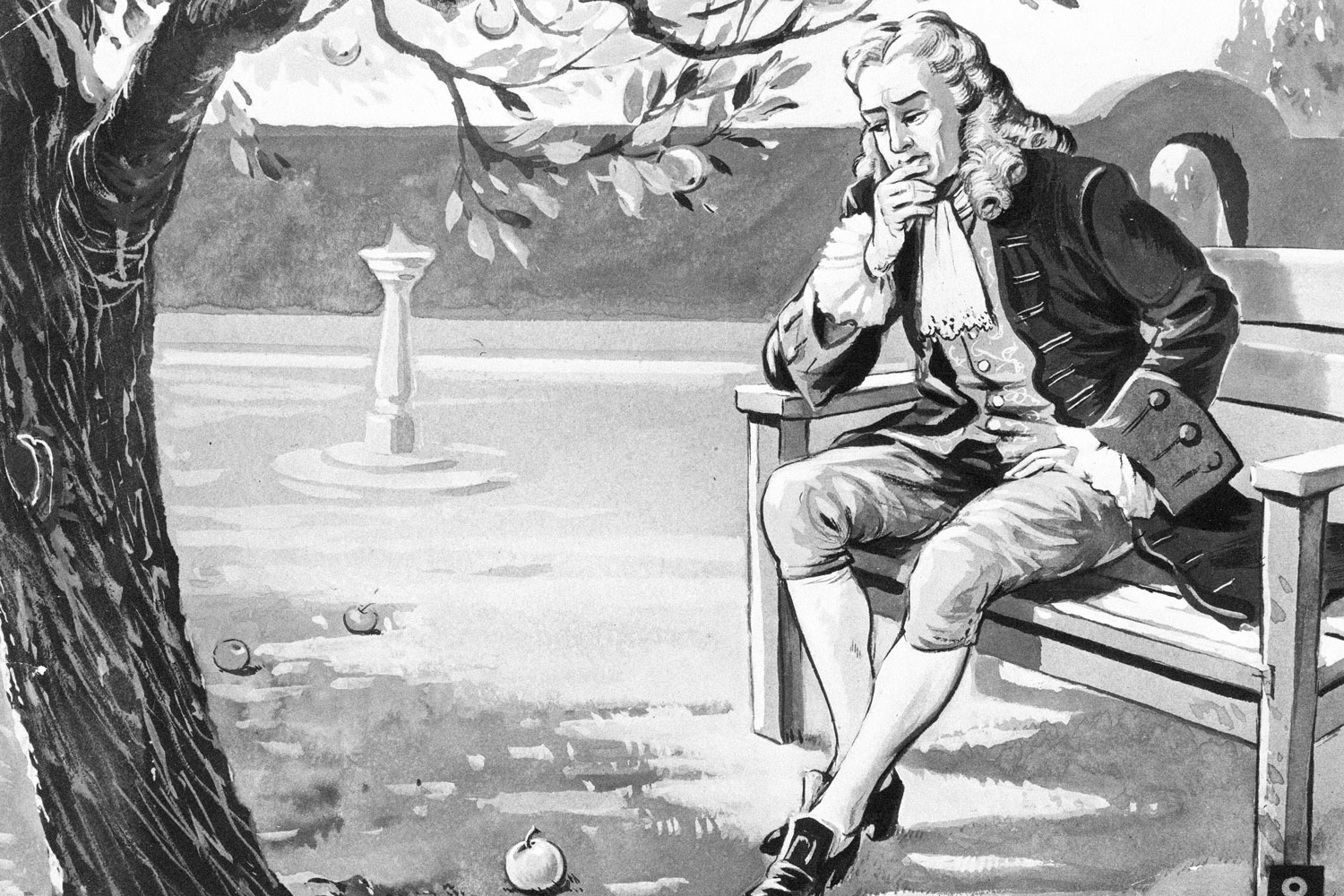
It’s one of the most iconic images in scientific history: Isaac Newton is sitting beneath an apple tree when a piece of falling fruit hits him on the head, sparking his revolutionary theory of universal gravitation. The tale has been told in countless textbooks and popular accounts, and has become a metaphor for “eureka” moments and the process of scientific discovery in general. 

But did an apple actually fall on Newton’s head? Or is this account a fanciful fiction that attached itself to the story of Newton’s brilliant scientific and mathematical insights? Here, we take a closer look at the well-known tale of Newton and the falling apple, and the truth behind one of history’s greatest scientific discoveries. 

Credit: Universal History Archive/ Universal Images Group via Getty Images 

The Story of the Falling Apple

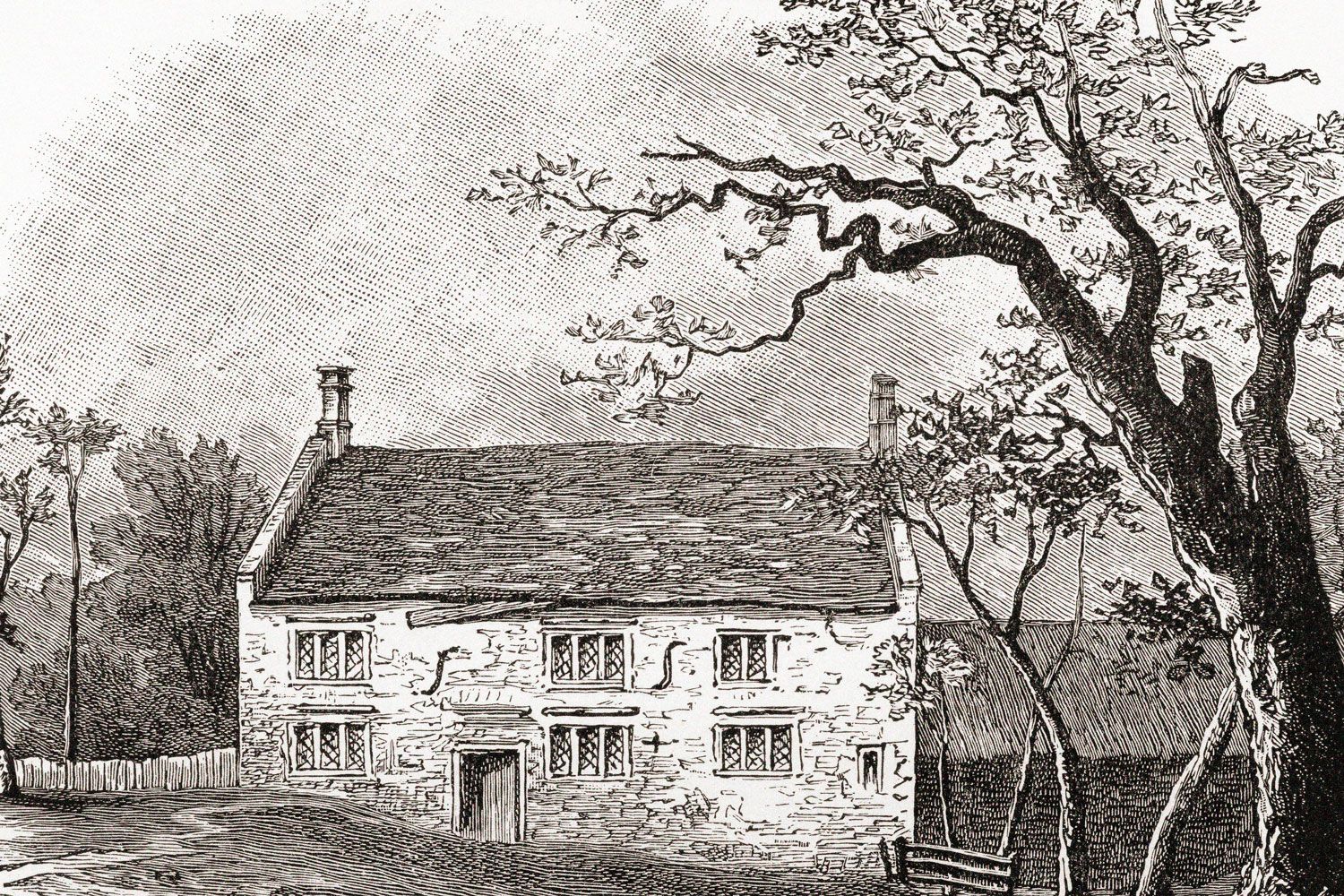
You’re probably familiar with the basic tale of Newton and the apple tree. The story typically has a young Newton sitting beneath an apple tree in the gardens of Woolsthorpe Manor, his childhood home, which he happened to be visiting in 1666. Then, suddenly, an apple falls from the tree, hitting Newton square on the head and triggering his moment of inspiration. (Here the teller of the tale may insert a shout of “Aha!” or “Eureka!”) In this moment, Newton comes to the magnificent realization that the force that made the apple fall is the very same force that keeps the moon and planets in their orbits. And with this, his theory of universal gravitation is born. 

You may also like

Why Did Doctors Wear Beak Masks During the Bubonic Plague?

  • Plague doctor, 17th century
Plague doctor, 17th century
Credit: Bildagentur-online/ Universal Images Group via Getty Images
Author Tony Dunnell

September 11, 2024

Love it?

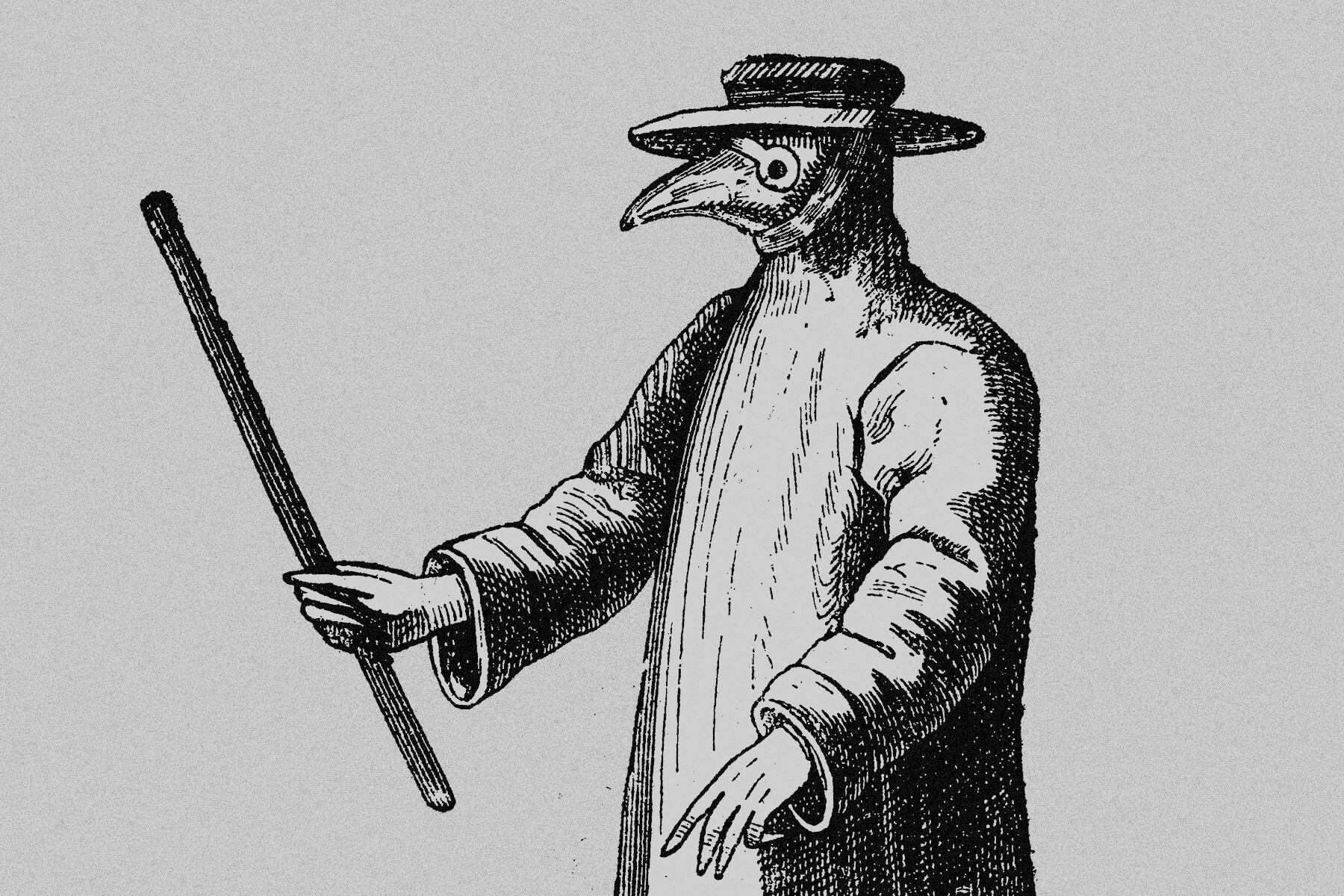
Few images in medical history are as striking (or as creepy) as those of plague doctors with their long, beaked masks. This peculiar costume, worn by physicians during outbreaks of bubonic plague in Europe, has become an enduring symbol of the disease. But why did doctors wear these strange masks, which surely must only have added to the fear felt by people in times of suffering? What purpose did the design serve? Here’s the reasoning behind the mask, which came about in an age when the true nature of disease transmission was still shrouded in mystery.

Credit: DEA PICTURE LIBRARY/ De Agostini via Getty Images

The Origins of the Plague Doctor Costume

Contrary to common belief, the plague doctor costume was not a medieval-era invention. Despite its common association with the Black Death — the name given to the bubonic plague pandemic that devastated Europe in the mid-1300s — there is no evidence to suggest it was worn during the 14th-century epidemic or at any point in the Middle Ages. It emerged much later, in the 17th century, when plague outbreaks were still common in Europe. 

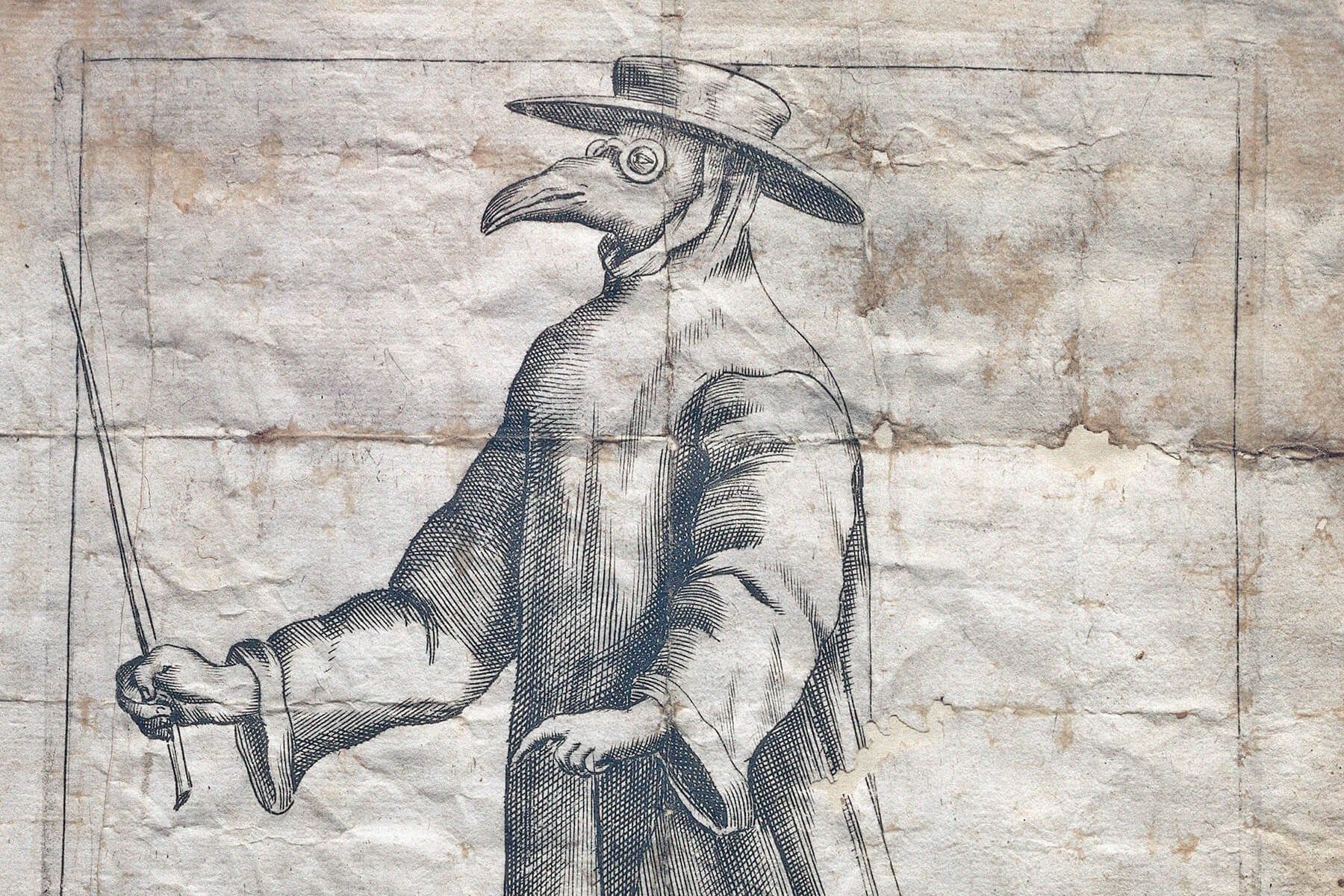
We know that the striking attire was worn in 1619 by the French physician Charles Delorme during an eruption of the bubonic plague in Paris. Delorme, who some historians credit as inventing the outfit, described the plague doctor costume in full in a mid-17th century text, complete with leather hat, gloves, a waxed linen robe, boots, and a mask with glass eyes and beak.

Plague doctors across Europe soon adopted the outfit; they also carried a stick with which to remove the clothes of the infected. The look was so widely recognized in Italy that it became commonplace in Italian commedia dell’arte — an early form of comedic theater — and carnival celebrations, and it remains a popular costume today.
You may also like

7 Shocking Medical Beliefs From Ancient Greece 

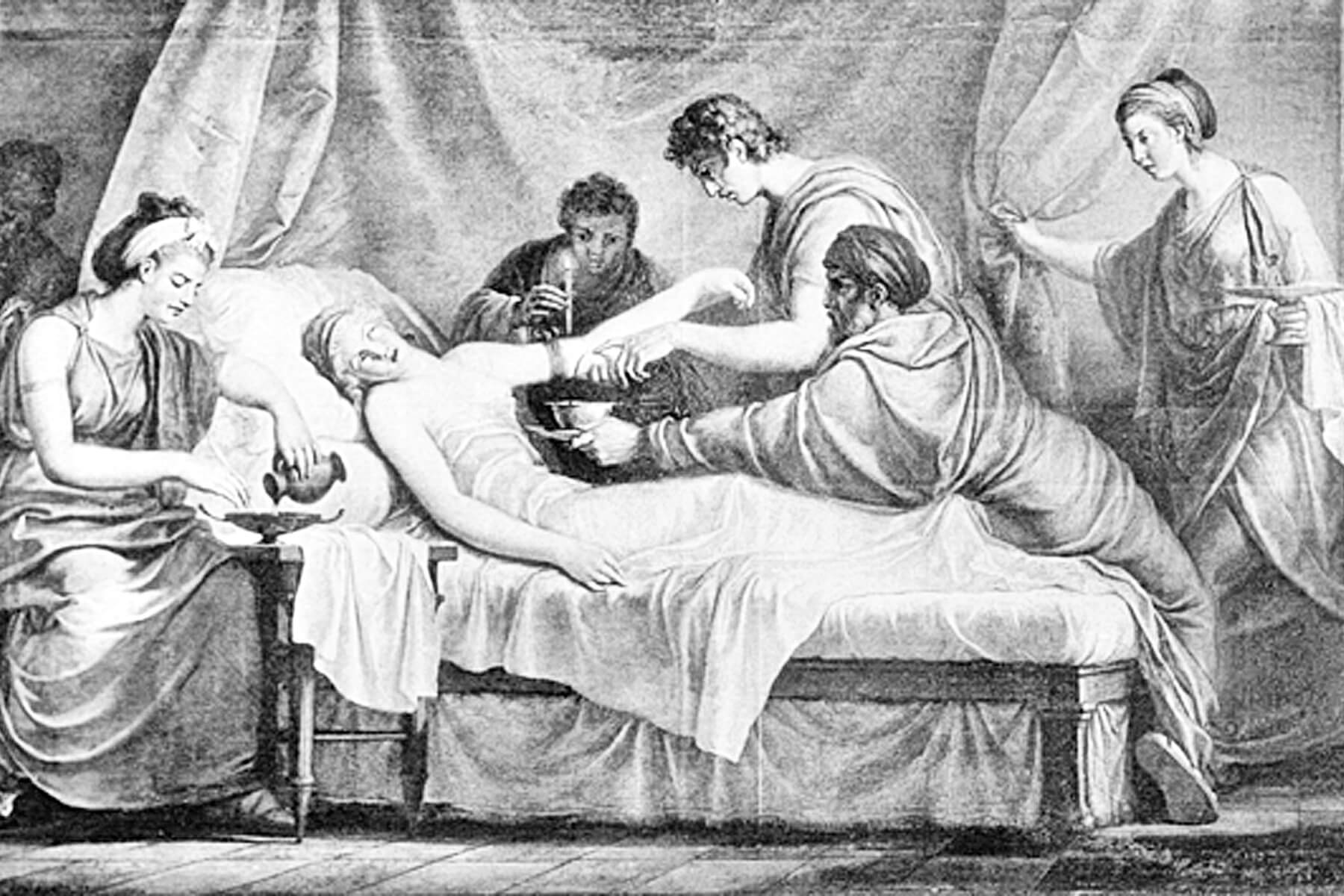
  • Bloodletting a patient
Bloodletting a patient
Credit: Bettmann via Getty Images
Author Tony Dunnell

August 20, 2024

Love it?

The ancient Greeks are widely regarded as the founders of modern medicine. Yet initially, they saw illness as a divine punishment and healing as a literal gift from the gods — beliefs not uncommon in the ancient world. By the fifth century BCE, however, the Greeks began testing and advancing medical theories based on actual scientific observations — cause and effect — rather than spiritual beliefs alone. 

Three factors began to take prominence in ancient Greek medicine: diet, drugs, and surgery. Diet was particularly important and, when combined with medicine and surgery, created a holistic approach to health and healing. Still, this was more than 2,000 years ago, and the ancient Greeks never entirely separated the spiritual world from the physical. Modern medicine has come a very long way in two millennia, and today, some medical practices from ancient Greece seem strange at best, and even downright shocking. 
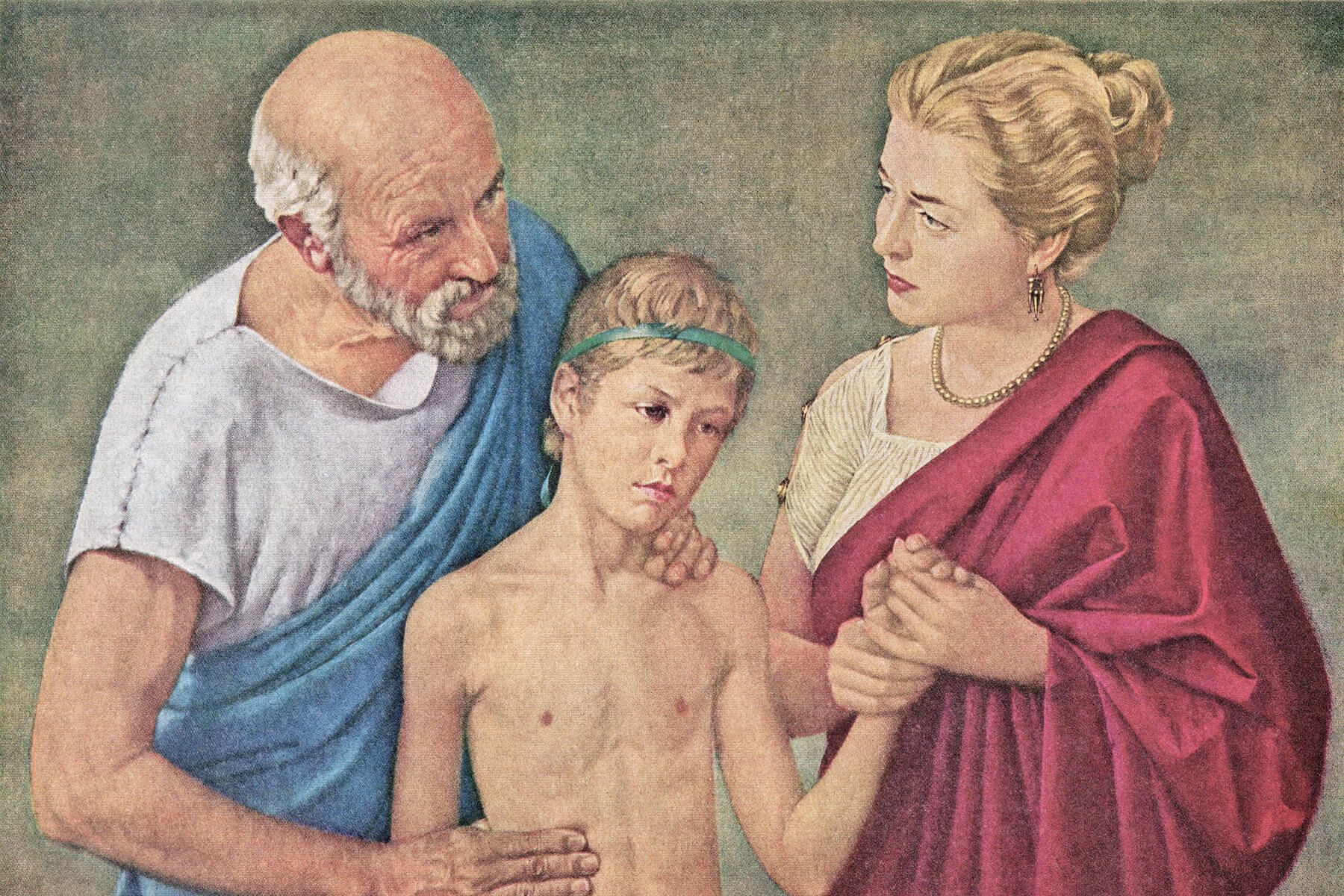
Credit: GraphicaArtis/ Archive Photos via Getty Images

Tasting the Humors 

The Greek physician Hippocrates was fundamental to the medical advancements of ancient Greece, and he is still revered for his ethical standards in medical practice. (Many doctors still take a modernized version of the Hippocratic oath.) Hippocrates was particularly taken by the idea that the human body contained four humors, or fluids: black bile, yellow or red bile, blood, and phlegm. In humoral theory, these fluids held the key to medical diagnosis. As such, Hippocrates routinely tasted his patients’ urine, pus, and earwax, and smelled and scrutinized their stools and vomit. You certainly can’t fault his dedication, even if such practices seem gruesome today. 

You may also like

How Did Humans Survive the Ice Age? 

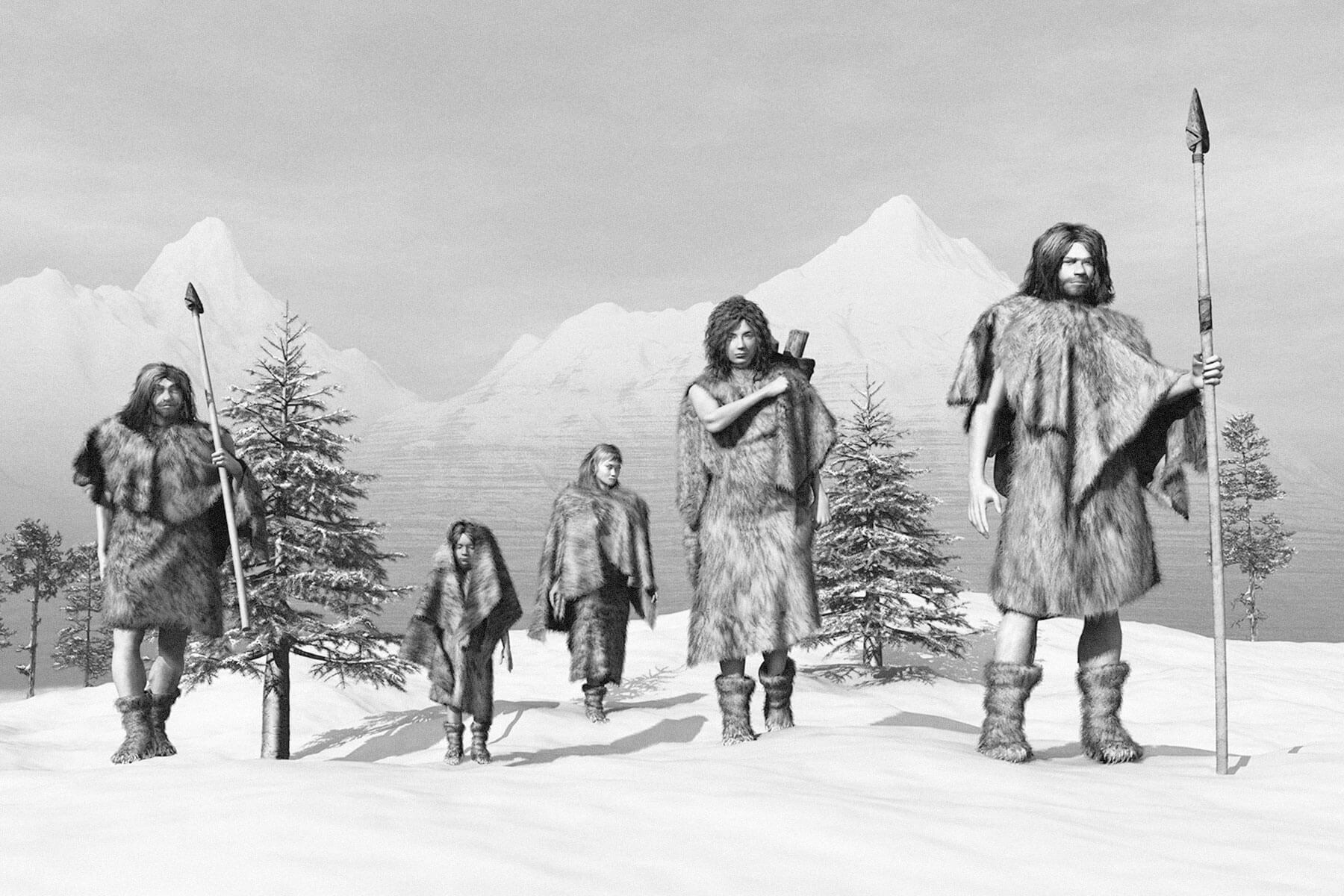
  • Depiction of ice age people
Depiction of ice age people
Credit: Esteban De Armas/ Alamy Stock Photo
Author Tony Dunnell

July 11, 2024

Love it?

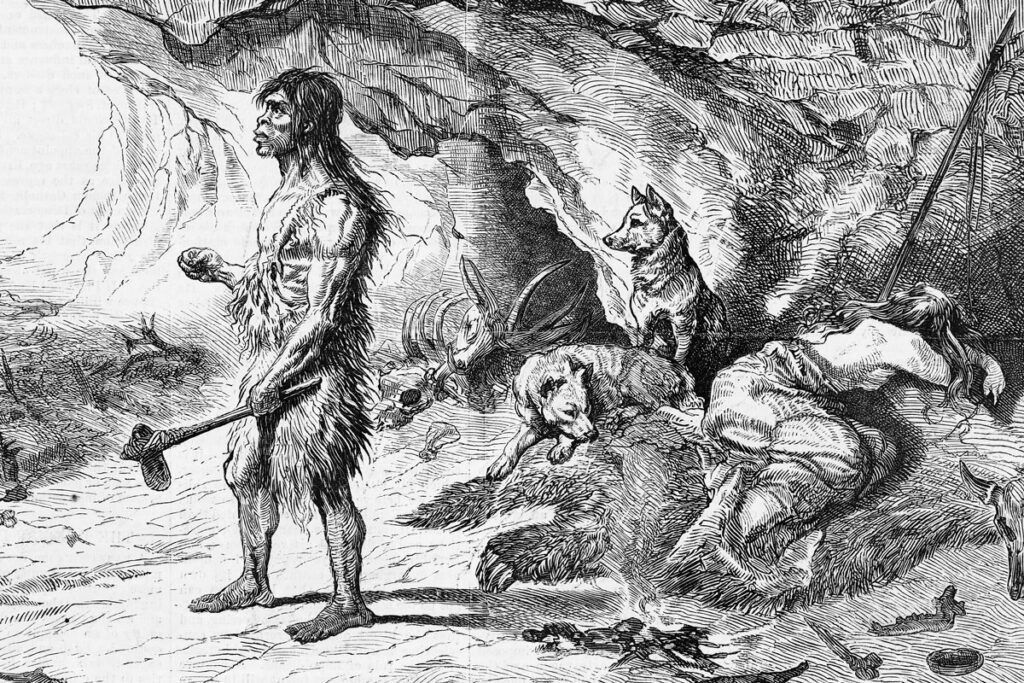
Earth has experienced at least five significant ice ages in its history — periods in which colder global temperatures caused glaciers to expand across the planet’s surface. Homo sapiens, which emerged about 300,000 years ago in Africa, survived two such ice ages. The most recent, known as the Last Glacial Period, or simply the “last ice age,” occurred between 120,000 and 11,500 years ago. It reached peak conditions between 24,000 and 21,000 years ago, in a period known as the Last Glacial Maximum, when vast ice sheets covered North America and northern Europe. 

At that point, Homo sapiens had already spread around the world. Many of our ancestors, therefore, found themselves in a survival situation during the frigid ice age, along with animals such as brown bears, caribou, and wolves — as well as large animals known as megafauna. These impressive creatures included woolly mammoths, mastodons, and saber-toothed cats — all of which went extinct during the last ice age. 

How, then, did humans survive? It was no easy task, for sure, but our ancestors were highly adaptable. Here’s how humans not only managed to survive the last ice age, but also emerged as the most dominant species on Earth.

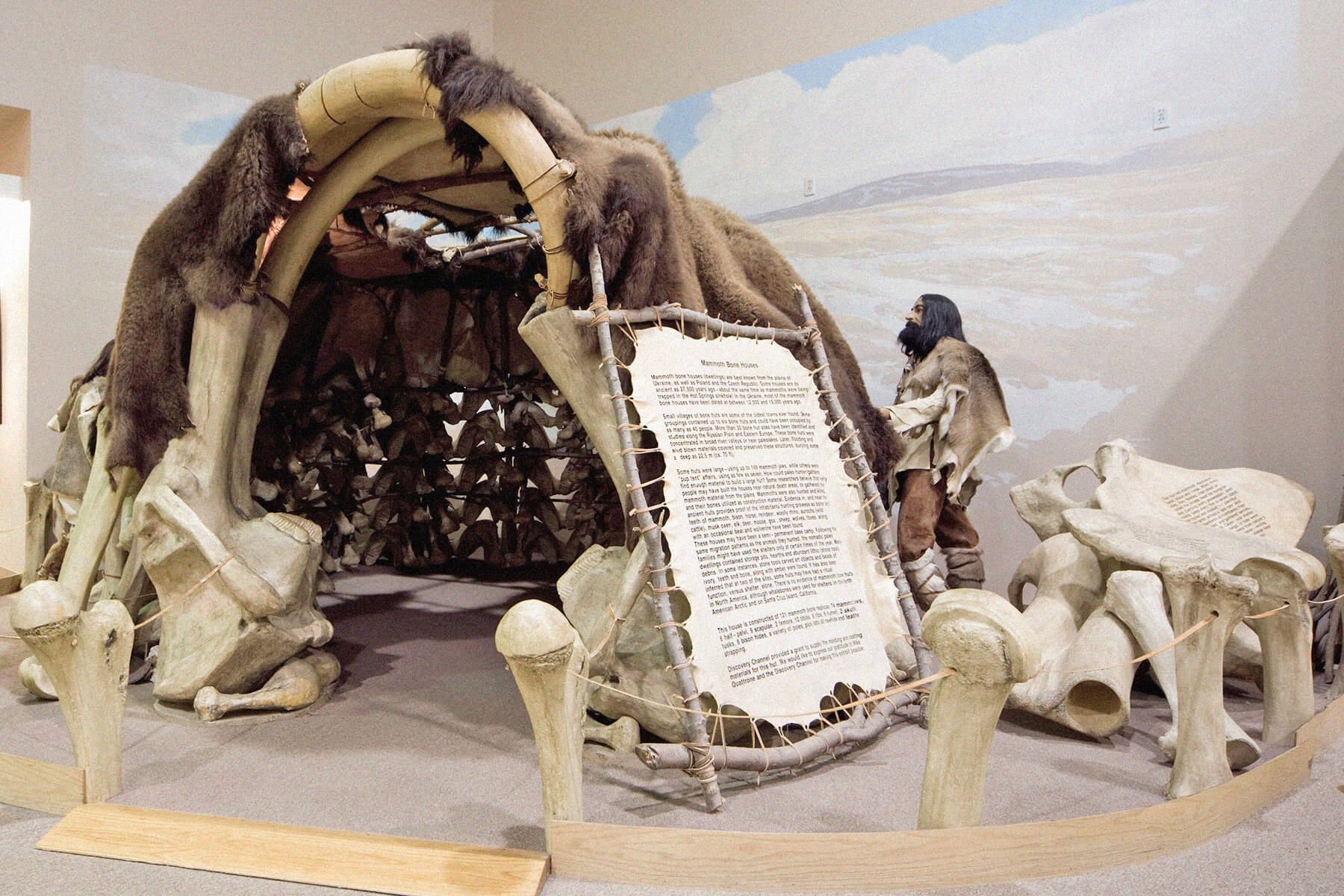
Credit: Wiskerke/ Alamy Stock Photo

Weatherproof Shelters

Contrary to the popular image of ice age humans — or “cavemen” — living in deep caves, our ancestors were more likely to have built sturdy rock shelters. While these shelters often made use of natural features, such as a depression in a cliff face, early humans would also have made extensive modifications to further weatherproof their shelters, such as draping large animal hides from overhangs to block out the bitter winds. With a warm fire blazing inside, these shelters provided ample protection from the cold. In the brief but slightly warmer summer months, when hunters moved out onto the open plains, they built dome-shaped huts or tents out of mammoth bones, which were then covered with animal skins. 

You may also like

A Brief History of UFO Sightings

  • UFO newspaper headline
UFO newspaper headline
Geography Photos/ Universal Images Group via Getty Images
Author Tony Dunnell

March 14, 2024

Love it?

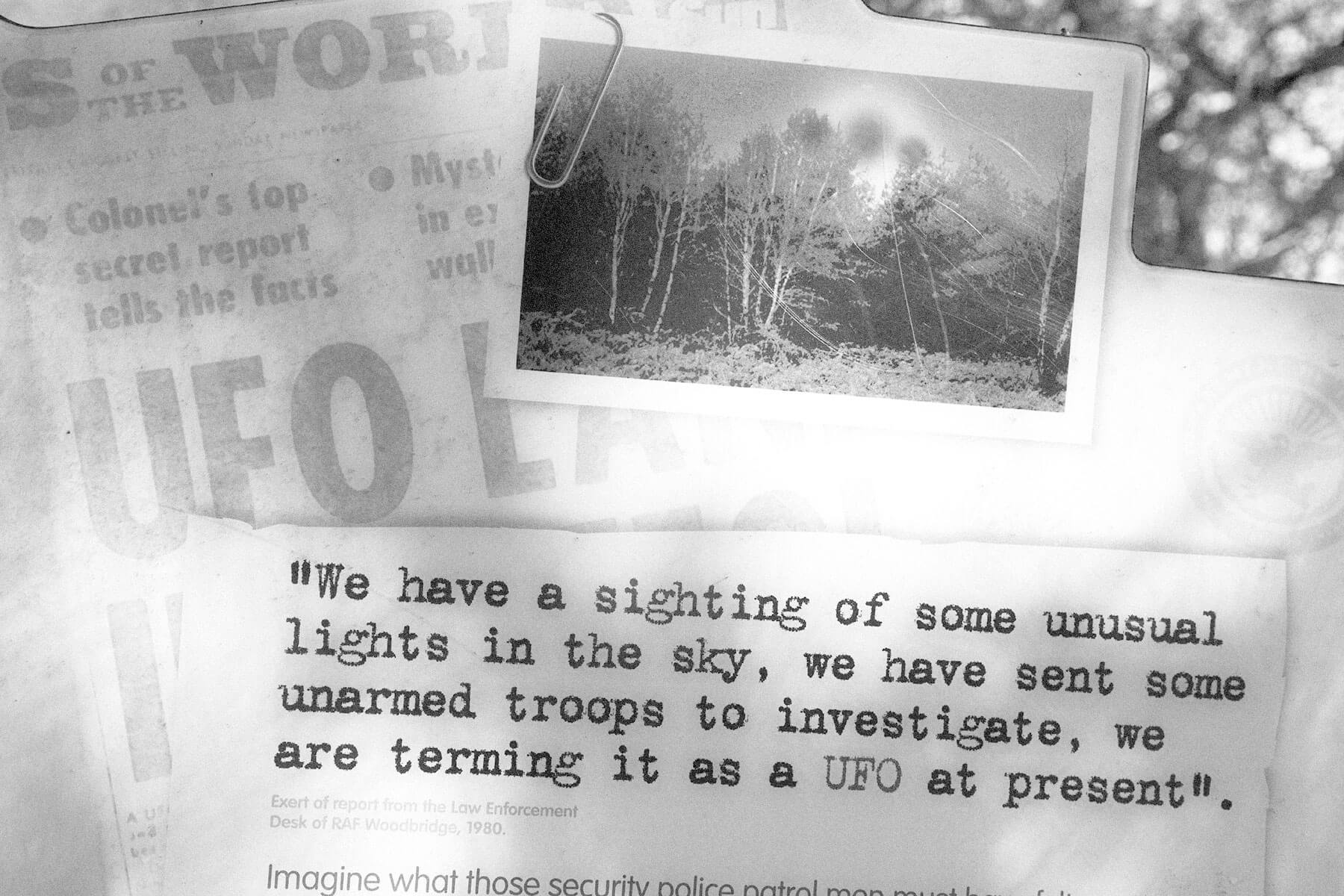
UFOs aren’t just a modern phenomenon: If we look back through history, we find that people have reported seeing unidentified flying objects since ancient times. In classical Greece and Rome, the philosopher Plutarch wrote of flaming spears and shields that moved in formation in the heavens; the historian Livy told of a “phantom navy” seen shining in the sky; and the writer Julius Obsequens told of golden spheres of fire that flew through the air. It’s only far more recently, however, that the idea of UFOs as an indication of extraterrestrial life has become established in the wider public consciousness — whether we believe in visitations from little green men or not. 

Scientifically and statistically speaking, there’s a rational argument to be made for the existence of intelligent species in the universe apart from ourselves. When it comes to UFOs, however, the question is whether these species have actually crossed the vast expanse of space to visit Earth. This is where things get complicated. As the scientist Enrico Fermi posited in his famous Fermi paradox, if there are other civilizations spread throughout the galaxy, then why haven’t we heard from them? Scientists continue to tackle the question, with theories such as the “Great Filter” (that alien civilizations have existed but were wiped out) and the “zoo hypothesis” (that extraterrestrial life exists, but is choosing not to contact Earth). Then there are the ufologists and budding Fox Mulders out there who argue that the aliens are already here — that UFOs are spacecraft from other worlds, and the truth is out there for anyone willing to accept it.

The modern history of UFOs is, of course, full of tantalizing details that have convinced many to believe that actual UFOs of the extraterrestrial variety have visited Earth and continue to do so. According to recent polling, 42% of Americans believe in UFOs, and most of these Americans believe that unidentified flying objects are alien spacecraft visiting Earth from other planets or galaxies. Here are some of the most pivotal events in the history of UFOs — events that have helped convince many people that aliens are indeed among us. 

Credit: Chronicle/ Alamy Stock Photo

Kenneth Arnold and the Flying Saucers

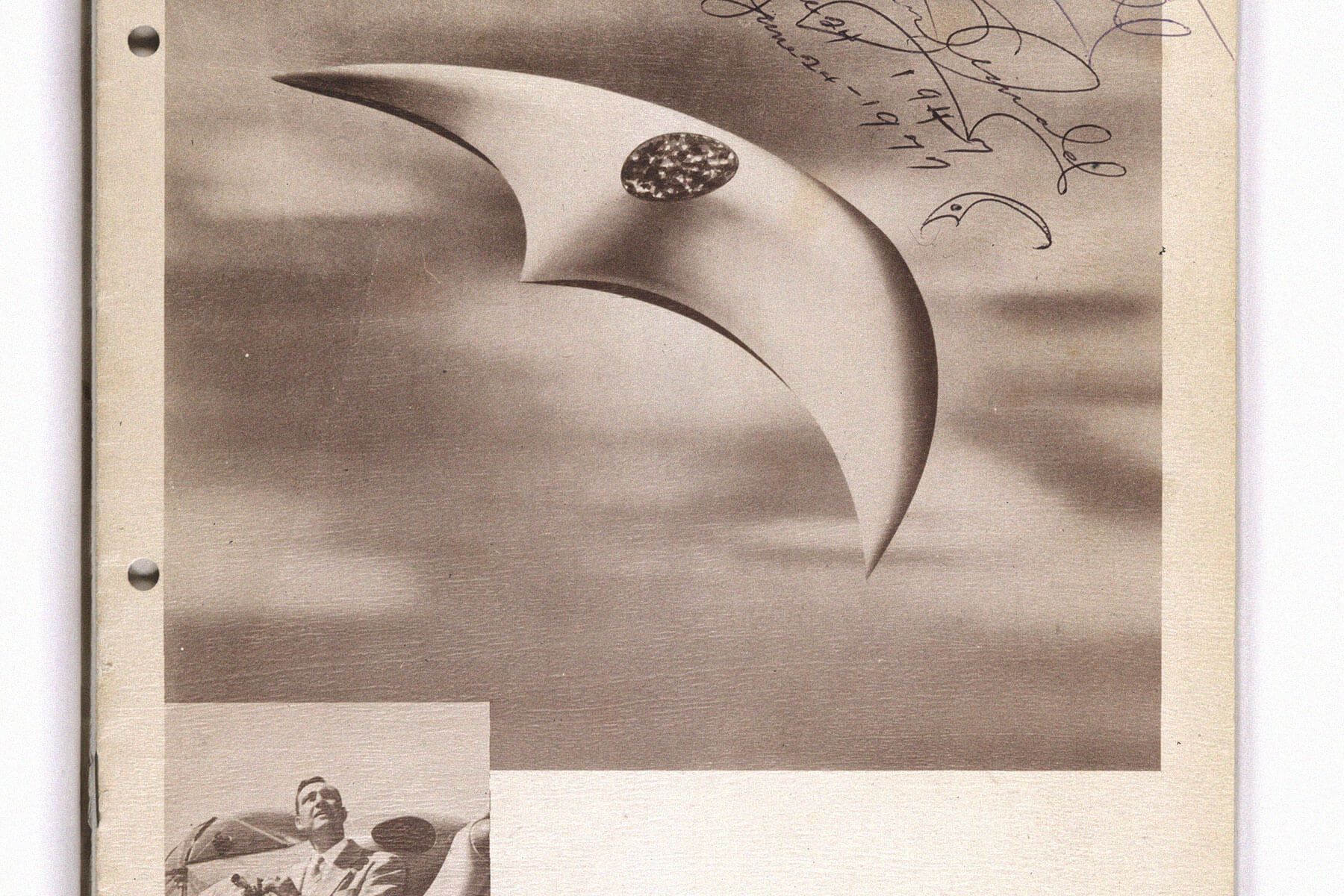
On June 24, 1947, a private pilot named Kenneth Arnold was flying close to Mount Rainier in Washington state when he saw nine shiny, circular objects flying in formation. Each object was about 100 feet across, and each one flew at what he estimated as about 1,200 miles per hour (roughly twice as fast as any known aircraft at the time). The report was soon picked up by the Associated Press, which described Arnold’s strange sighting of “nine bright saucer-like objects.” The story then exploded across the United States, with the new term “flying saucers” on everyone’s lips. Just like that, the modern age of UFO sightings had begun. 

Credit: Universal History Archive/ Universal Images Group via Getty Images

The Roswell Incident

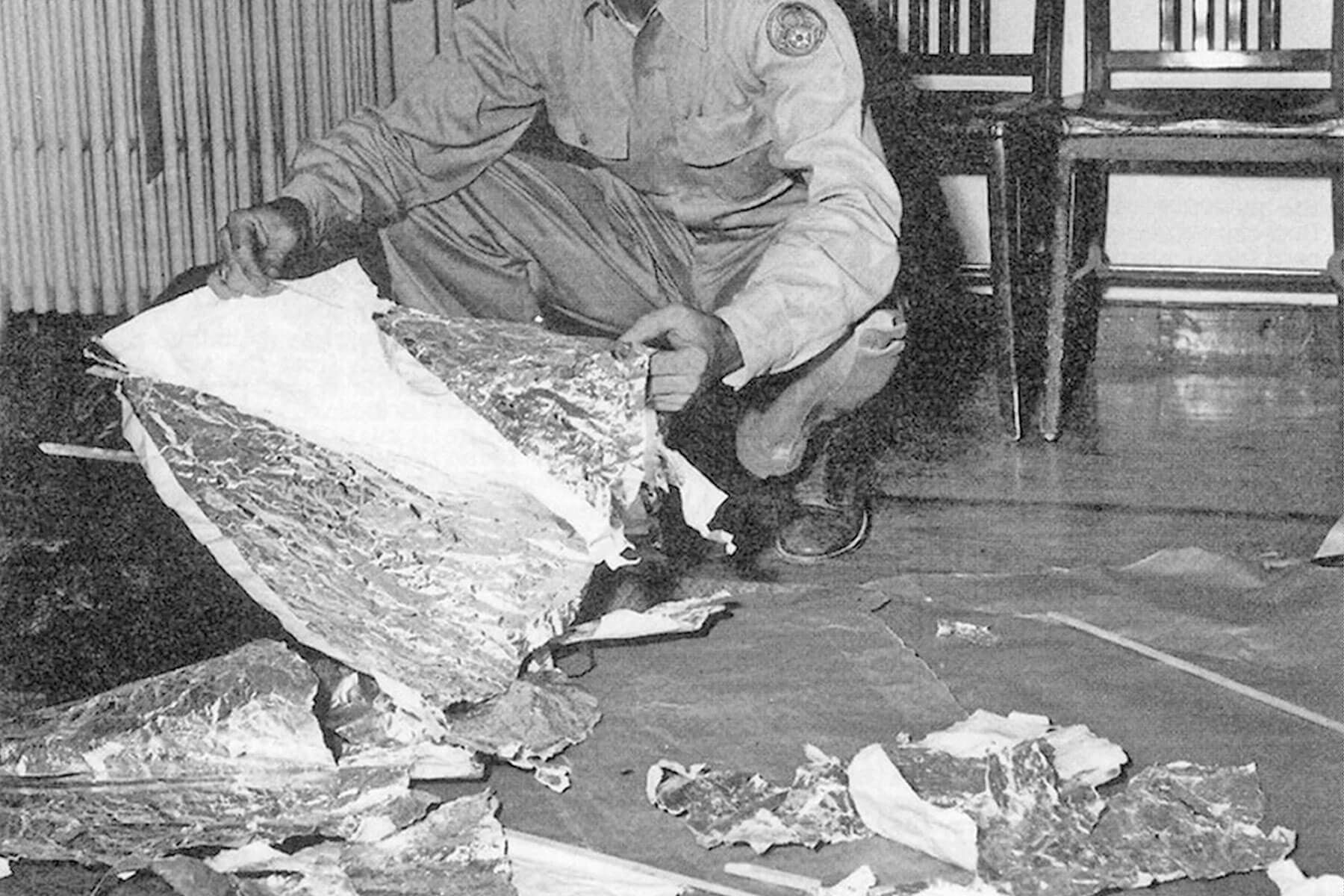
Ten days before Kenneth Arnold saw his flying saucers, a rancher named W.W. “Mac” Brazel and his son were driving across their ranchland about 80 miles northwest of Roswell, New Mexico. They came across a patch of land in the desert strewn with rubber strips and metallic-looking, lightweight fabric. Baffled, they returned home. It wasn’t until weeks later on July 4 that they returned to collect the debris—unaware of the nationwide flying saucer fervor that had recently begun—which they then delivered to the local sheriff. From there, things escalated quickly, and the case passed up through the military ranks until it reached the commander of the Eighth Air Force in Fort Worth, Texas. Then, the Air Force made a curious decision. Rather than admit the true nature of the wreckage — it was a crashed Air Force balloon that was part of the secretive Project Mogul — they released an extraordinary press release stating they had recovered a “flying disk.” 

Naturally, the story spread like wildfire. The Air Force soon tried to backtrack, stating that it was actually a weather balloon carrying a radar target, but the damage had been done. To this day, conspiracy theories permeate the so-called Roswell incident, which in some accounts has been embellished to include recovered gray aliens and extraterrestrial technology. 

You may also like

The Most Extreme Blizzards in History

  • Blizzard of 1888
Blizzard of 1888
Bettmann via Getty Images
Author Tony Dunnell

February 7, 2024

Love it?

When blizzards come at full force, they’re certainly nothing to sneeze at. In the most extreme cases, visibility is reduced to just a few feet, wind blows faster than traffic on the highway, and snow is so deep it’s impossible to drive — or even walk. The term “blizzard” is often used to describe any snowstorm, but the National Weather Service officially defines a blizzard as having  ““winds in excess of 35 mph and visibilities of less than 1/4 mile for an extended period of time (at least 3 hours).” That, however, is at the mildest end of the spectrum. Blizzards can become far more intense, with waist-deep snow and whiteouts bringing entire cities — and sometimes entire regions — to a standstill. Here are five facts about some of the biggest blizzards in history.

Photo credit: Bettmann via Getty Images

The Blizzard of 1888 Led to the Creation of the New York Subway

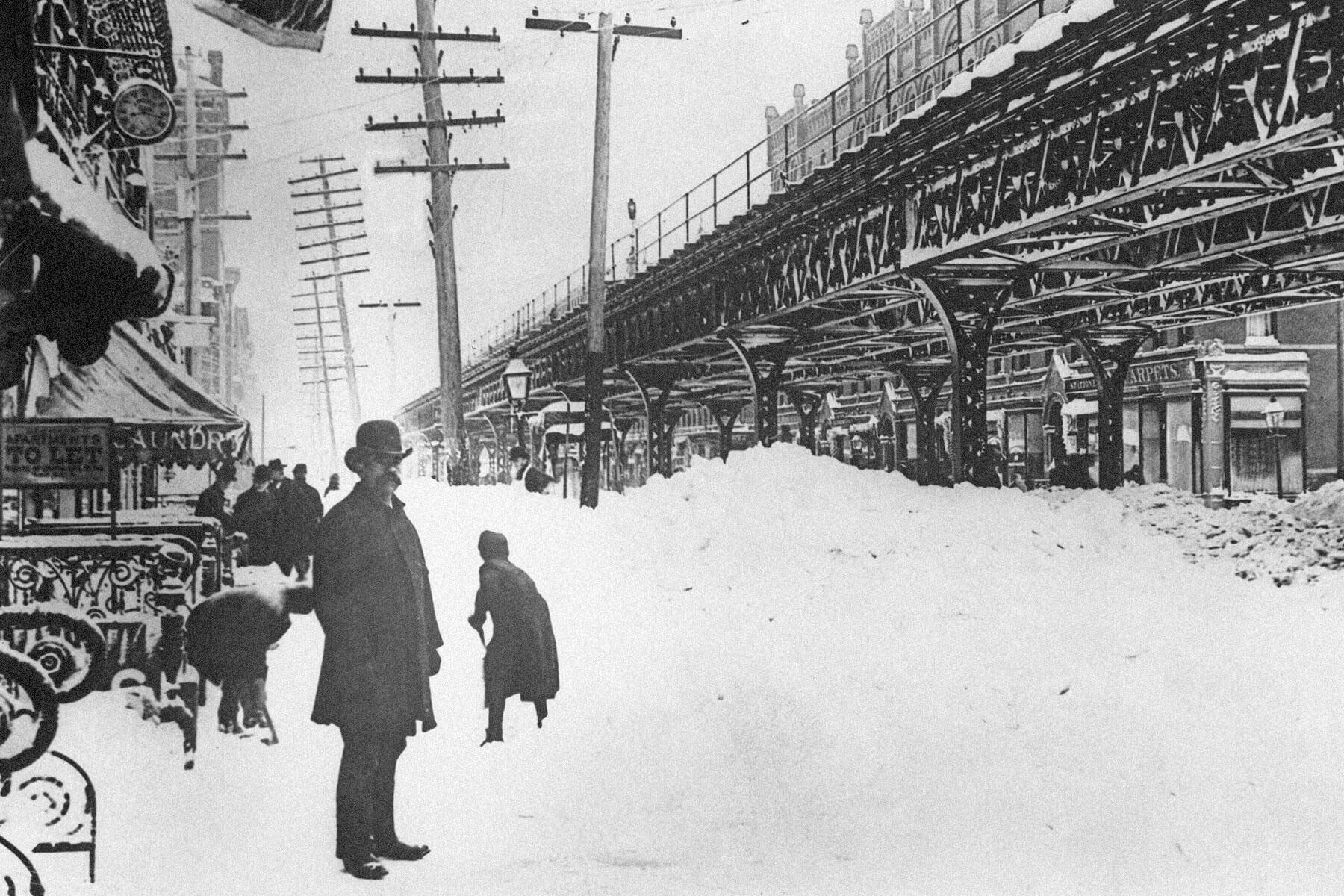
On March 11, 1888, a massive blizzard struck the Atlantic coast of the United States, from the Chesapeake Bay up to Maine. As much as 55 inches of snow was dumped in some areas, and New York City ground to a halt. Many people had to seek refuge in hotel lobbies, where temporary beds were put up. (Mark Twain was among those stuck in his New York hotel for several days.) As many as 15,000 people were stranded on the city’s elevated trains, and the drifting snow and howling winds also felled telegraph lines, water mains, and gas lines. In the aftermath, the storm was a wake-up call to city planners across the nation. There was a shift toward burying infrastructure underground, including lines of communication and utilities. The blizzard also prompted New York City to begin planning its vast subway system to replace the exposed high-line trains.  

You may also like

The History of Calendars, in 7 Facts

  • The Gregorian calendar
The Gregorian calendar
PHAS/ Universal Images Group via Getty Images
Author Anne T. Donahue

December 21, 2023

Love it?

The humble calendar of one of civilization’s oldest staples. The earliest means of measuring days and weeks dates back 10,000 years, and timekeeping techniques adopted by the ancient Babylonians, Egyptians, and Romans slowly evolved into the calendar we use today. Yet the emphasis here is on “slowly.” The evolution from charting moon phases to separating seasons to measuring fiscal years was one of controversy and chaos across centuries. Still, humans never stopped working to perfect how we mark the passage of time. Here’s a brief look at the fascinating history of calendars, just in time to start a new one.

Photo credit: Buyenlarge/ Archive Photos via Getty Images

The First Known Calendar Is From Prehistoric Scotland

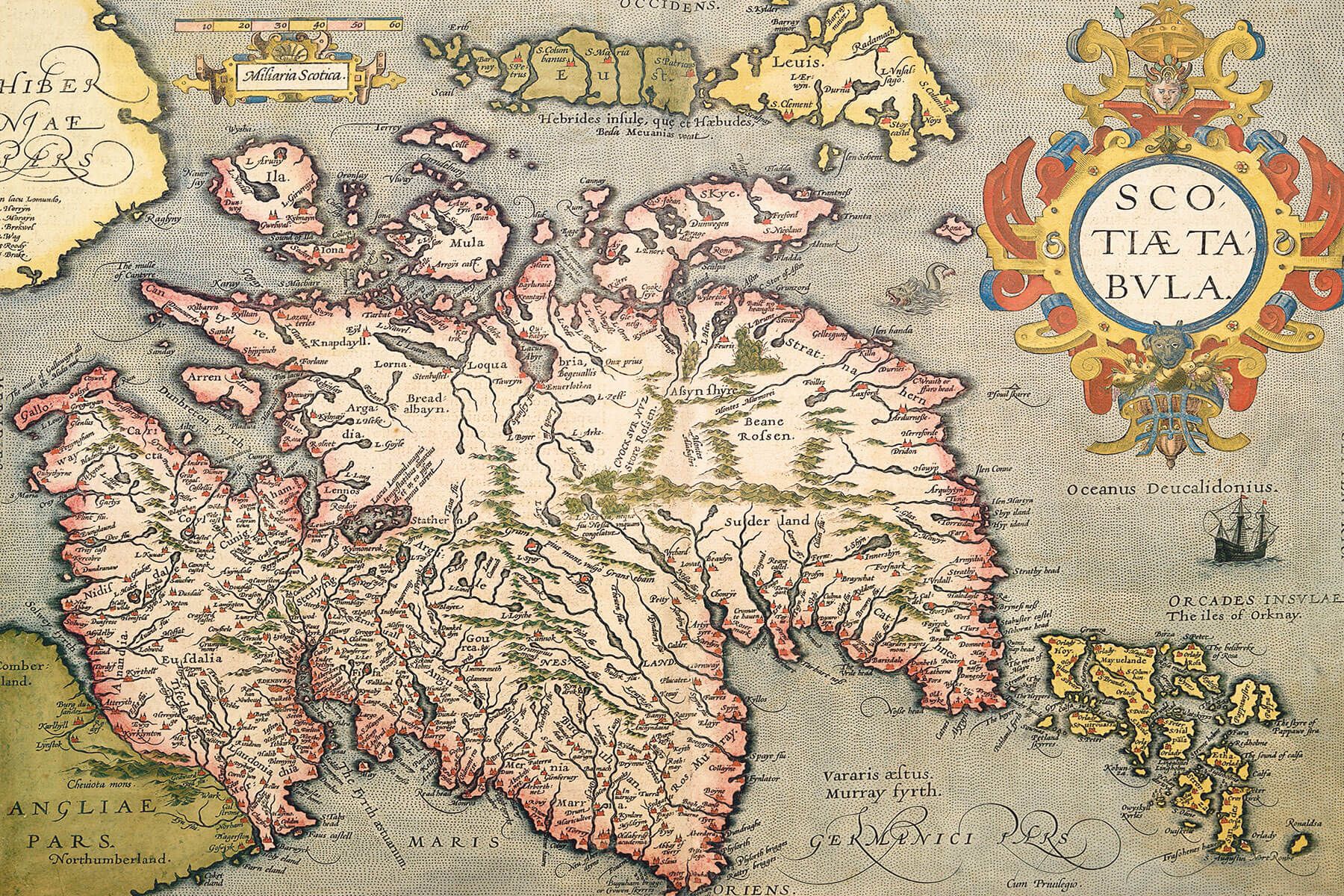
In 2013, British archaeologists discovered what they consider the world’s oldest calendar, dating back to around 8000 BCE. The prehistoric calendar, located at Warren Field in Scotland, consists of 12 pits believed to have contained wooden posts representing months of the year. Positioned to chart lunar phrases, the pits are aligned with the southeast horizon and were likely used by hunter-gatherer societies to track seasons. The site precedes Stonehenge by several thousand years.

You may also like

7 Items You Would Find in a Doctor’s Office 100 Years Ago

  • Doctor’s office, 1930
Doctor's office, 1930
Marka/ Universal Images Group via Getty Images
Author Mark DeJoy

November 30, 2023

Love it?

In many historical contexts, 100 years isn’t a very long time. But when it comes to science, technology, and medicine — particularly in the last century — it’s a veritable eternity. The seeds of modern medicine were just being planted in the early 20th century: Penicillin was discovered in 1928, physicians were still identifying vitamins, and insulin was a new breakthrough. 

The doctor’s role itself was different than it is today, as preventative care was not yet an established practice; there was no such thing as a routine visit to a doctor’s office 100 years ago. A visit to the doctor typically meant that you were ailing (though in some cases during the Prohibition era, it meant that you and your doctor had agreed on a way around the alcohol ban). Thanks to advances in technology, doctors’ offices in the 1920s were also stocked with very different items than we see today. These are a few things you likely would have found there a century ago.

Photo credit: H. Armstrong Roberts/ClassicStock/ Archive Photos via Getty Images

Head Mirror

A metallic disc attached to a headband is generally considered part of a classic doctor costume, but what is the genuine article, exactly? It’s called a head mirror, and your doctor 100 years ago would’ve been wearing one. It wasn’t just an emblem; it provided a very core function, which was illumination for the examination of the ear, nose, or throat. The patient would be seated next to a lamp that was pointed toward the doctor, and the head mirror would focus and reflect the light to the intended target. Today, the easier-to-use pen light or fiber optic headlamp have largely replaced the head mirror, though some ENT specialists argue that the lighter weight and cost-effectiveness of the latter mean it may still have a place in contemporary medicine.

You may also like

6 Otherworldly Facts About the Space Race

  • Astronauts and cosmonauts
Astronauts and cosmonauts
Bettmann via Getty Images
Author Bennett Kleinman

September 14, 2023

Love it?

As tensions rose on Earth during the Cold War, the United States and Soviet Union also vied for celestial supremacy. The space race between the two superpowers began shortly after World War II, and captivated the public until tensions finally eased in the 1970s. With the help of top scientists and talented pilots, Americans, Soviets, and other nations sought to do the seemingly impossible by conquering the final frontier. These decades were marked by scientific achievements and setbacks that make this space-obsessed era one of the most fascinating periods in the 20th century. Here are six facts about the space race.

Photo credit: Arif_Vector/ Shutterstock

Fruit Flies Became the First Animal Sent Into Space in 1947

Long before humans reached the stars, fruit flies became the first living organisms to be intentionally blasted into space. Beginning in 1946, the U.S. military conducted a series of experiments in New Mexico’s White Sands Missile Range with future space flight in mind. Utilizing V-2 ballistic missiles — which had been seized from Germany by the U.S. after World War II — the government propelled biological samples such as corn and rye seeds as far as 80 miles into the sky — well beyond the 66-mile distance that NASA now considers the limits of outer space. On February 20, 1947, a capsule containing fruit flies was affixed to one of said missiles and launched to a height of 67 miles above the ground. The flies were chosen to test the effects of cosmic radiation on living beings, and were the perfect candidate for a number of reasons, including their small size, minimal weight, and a genetic code analogous to that of humans, containing similar disease-causing genes. As the rocket began its descent, the capsule detached and drifted back down to Earth using a parachute, and the flies remained alive and unaffected.

Photo credit: Mirrorpix via Getty Images

Apollo 12 Was Struck by Lightning

In November 1969, just four months after Apollo 11 landed on the moon, the Apollo 12 mission took to the skies. But what was scheduled to be a standard launch experienced near-disaster just 36.5 seconds into the flight, as lightning struck the Saturn V rocket. The unexpected event disrupted the onboard control panels, causing astronaut Dick Gordon to confusedly exclaim, “What the hell was that?” before yet another bolt struck at the 52-second mark. With alarms blaring and equipment malfunctioning, the puzzled astronauts continued to troubleshoot the spacecraft while not fully understanding what had happened. Ultimately, the crew shifted the craft to an auxiliary power supply that allowed the mission to continue as planned. Around three minutes into the flight, astronaut Pete Conrad wondered aloud if they’d been struck by lightning, and by the 11-minute-and-34-second mark, the crew was successfully floating in space. With disaster averted, the Apollo 12 astronauts became the second group of individuals to walk on the moon.

You may also like