


4 Secrets of the CIA

  • Seal of the CIA
Seal of the CIA
SAUL LOEB/ AFP via Getty Images
Author Tony Dunnell

April 23, 2026

Love it?

The Central Intelligence Agency has its fingers in many pies, from counterterrorism to offensive cyber operations and covert paramilitary actions. The mere mention of the CIA brings with it a certain mystique, conjuring up images of secret agents, globe-trotting spies, and clandestine activities. It’s no surprise, then, that the agency has featured heavily in numerous Hollywood movies, from Spy Game and Zero Dark Thirty to The Bourne Identity and Bridge of Spies.

The CIA was formed in 1947 by President Harry Truman, partly as a replacement for the Office of Strategic Services (OSS), which was disbanded after World War II. As a civilian intelligence service and part of the U.S. Intelligence Community, it is officially tasked with gathering, processing, and analyzing national security information from around the world. Unlike the FBI, the CIA has no law enforcement function — it’s also not allowed to collect information regarding “U.S. Persons,” although the agency’s actions have often proven controversial in that regard. 

Unsurprisingly, the CIA has kept — and uncovered — many secrets over the decades. Here are some of the most fascinating secrets from the agency’s history, from innovative spy techniques to daring covert missions. 

Photo credit: Hum Images/ Alamy Stock Photo

The CIA Had Plenty of Secret Gadgets

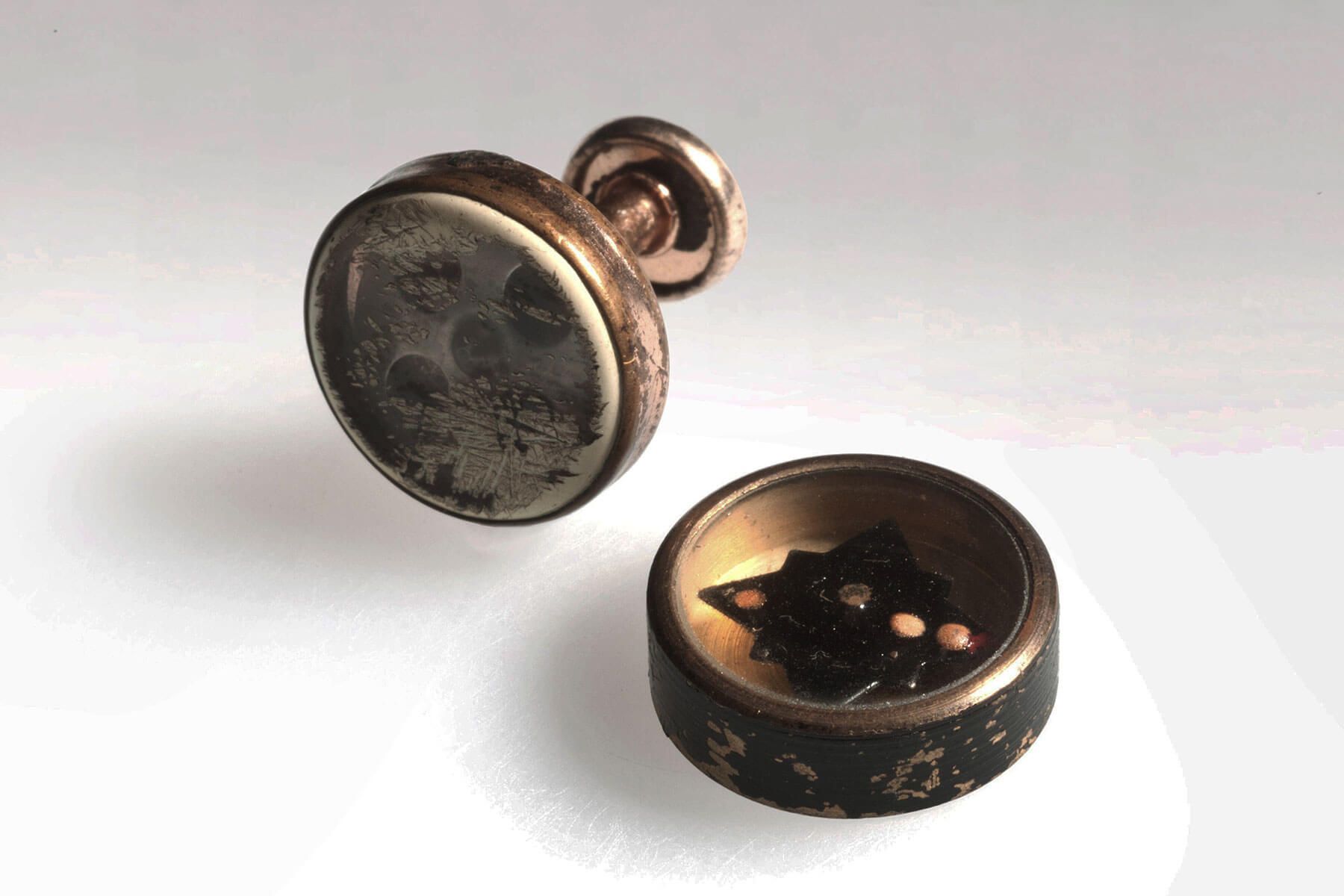
The CIA created a range of secret gadgets that could have been straight out of a James Bond movie. The extensive list of low- and high-tech trickery includes hollow silver dollars for holding messages or film; miniature compasses hidden in cufflinks; pigeon-mounted mini cameras; a listening device designed to look like tiger excrement; and a robot fish called Charlie that secretly collected water samples. Perhaps most impressive of all was the “insectothopter,” a tiny robotic dragonfly that could eavesdrop on otherwise inaudible conversations. 

Photo credit: Michal Balada/ Shutterstock

The CIA Used the Skyhook Before Bond and Batman

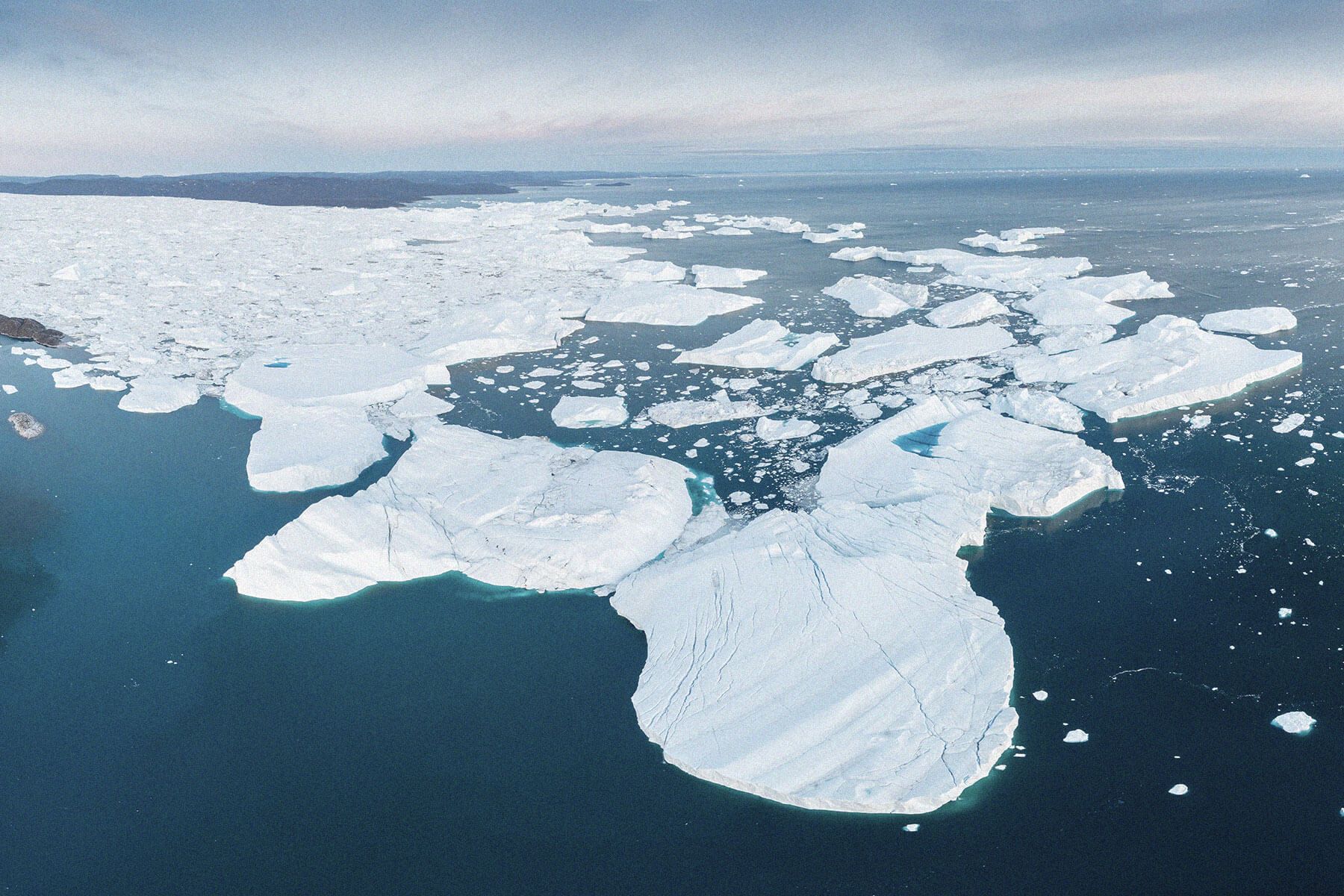
In 1962, the CIA launched a mission — code-named Project COLDFEET — to investigate an abandoned Soviet research station on a floating ice island in the Arctic. Getting there was easy enough: Two Navy pilots secretly parachuted down onto the ice and began their search for information. The tricky part was how to recover the pilots and the information they had retrieved, as it was impossible to land an aircraft on the ice. So, the CIA decided to use its new Fulton surface-to-air recovery system, colloquially known as the Skyhook. The agents on the ground deployed a helium balloon that lifted a 500-foot line into the air. A slow-moving B-17 plane, with the Skyhook device attached to its nose, then flew overhead and snagged the line with the agents attached to the end of it, sweeping them into the air, at which point they were winched aboard the aircraft. Sound familiar? You might have seen the Skyhook used later by James Bond in 1965’s Thunderball and Batman in 2008’s The Dark Knight

You may also like

6 People You Didn’t Know Were on U.S. Currency

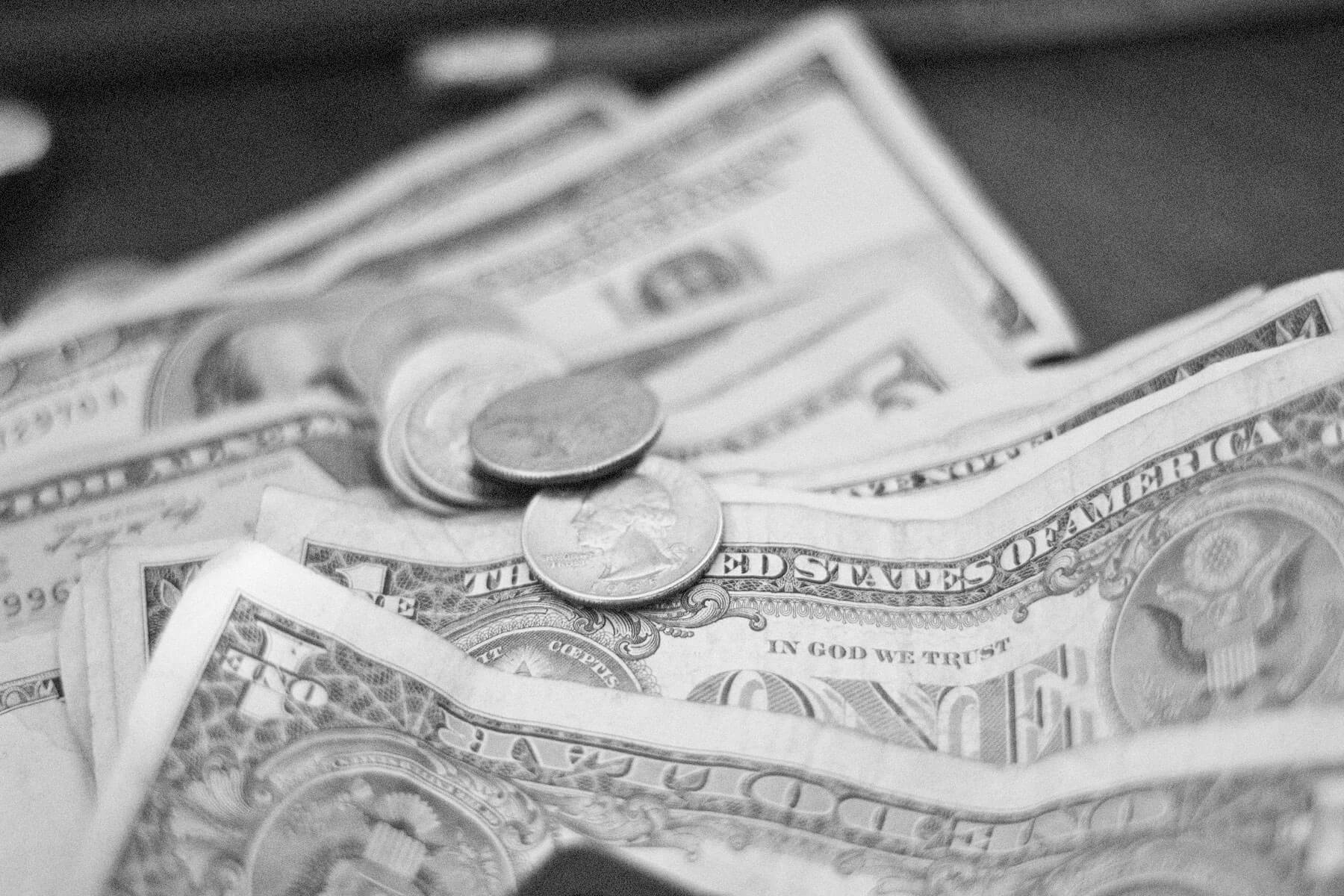
  • U.S. coins and bills
U.S. coins and bills
Mathieu Turle/ Unsplash
Author Kristina Wright

March 26, 2026

Love it?

The history of U.S. currency is a fascinating journey that reflects the country’s growth, changing economic needs, and evolving cultural values. Before the United States was formed, each of the colonies issued its own currency. In 1690, the Massachusetts Bay Colony became the first to issue colonial notes in the form of paper currency. Later, during the American Revolutionary War, the Continental Congress issued paper currency to finance the war effort. These notes were called Continental currency, and some designs featured illustrations that reflected the values of the 13 colonies, such as an American soldier carrying a sword and a scroll with the words “MAGNA CHARTA.”

In the years following the Revolution, the dollar sign was adopted, Treasury Secretary Alexander Hamilton established the Bank of the United States to create a credit system for the new government, and Congress passed the Mint Act establishing the coinage system. Early treasury notes were redeemable for gold, but it wasn’t until 1861 that the government began issuing paper money for the first time since the war. Known as “demand notes” and nicknamed “greenbacks” because of the green ink used to print them, they were used to pay salaries and government expenses, but they weren’t backed by gold and lost value. Following the Legal Tender Act of 1862, the government began issuing paper notes that replaced demand notes and became the official currency of the United States. Of the 53 people whose portraits have appeared on U.S. banknotes, here are six of the most surprising.

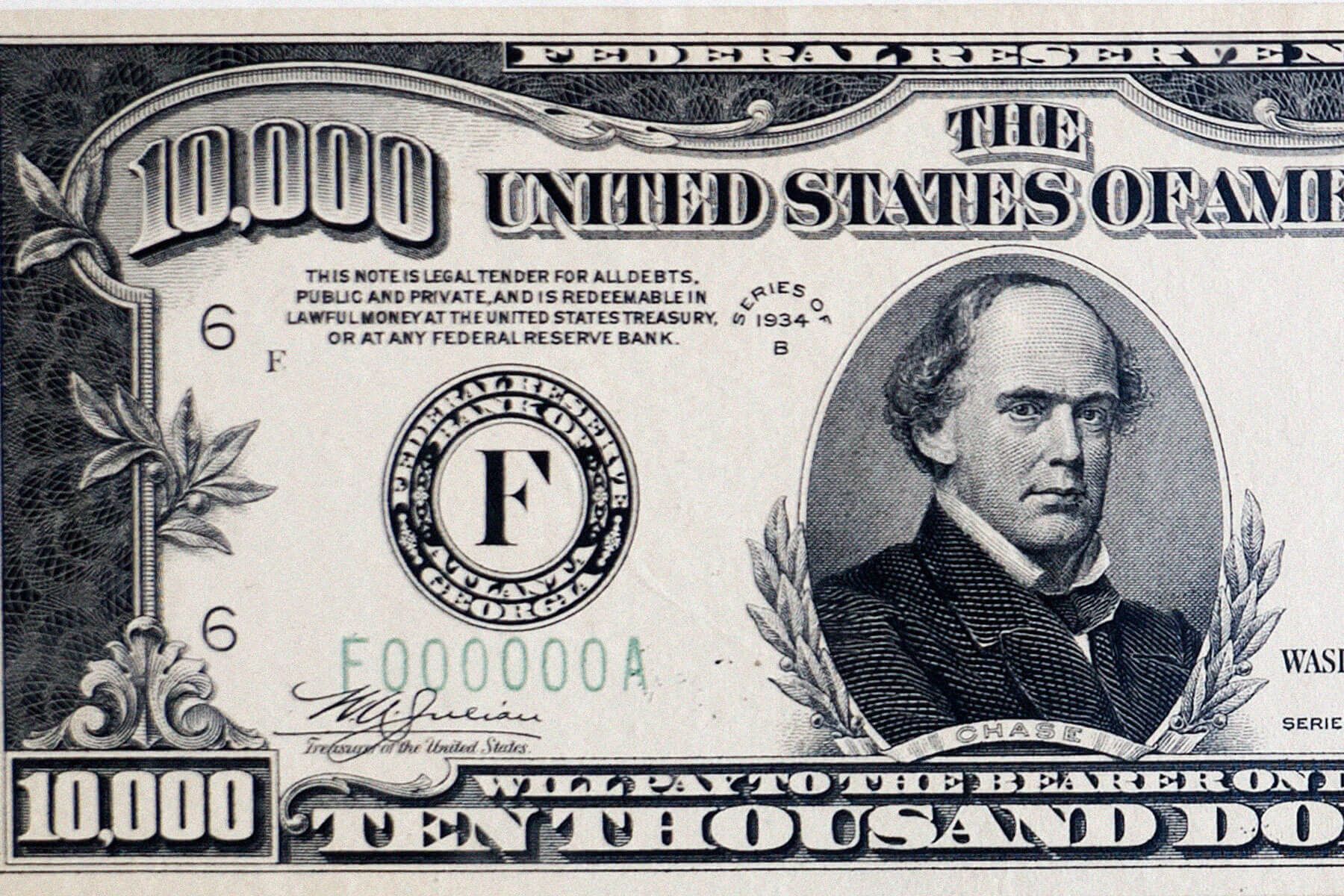
Photo credit: PAUL J. RICHARDS/ AFP via Getty Images

Salmon P. Chase

In 1862, during the Civil War, the first $1 legal tender banknotes were issued, featuring the Treasury seal and a portrait of Treasury Secretary Salmon P. Chase (possibly as a way to advance his own political career). While serving in the role during Abraham Lincoln’s administration, Chase was the architect of the national banking system, and he helped design the new paper money authorized under the National Bank Acts, which called for a system of nationally chartered banks and a uniform national currency. The same portrait of Chase that appeared on the $1 banknote was later used on the $10,000 banknote, the largest denomination ever in public circulation. Though currencies above $100 are no longer circulated, Chase National Bank, founded in 1877, was named in the former treasury secretary’s honor. 

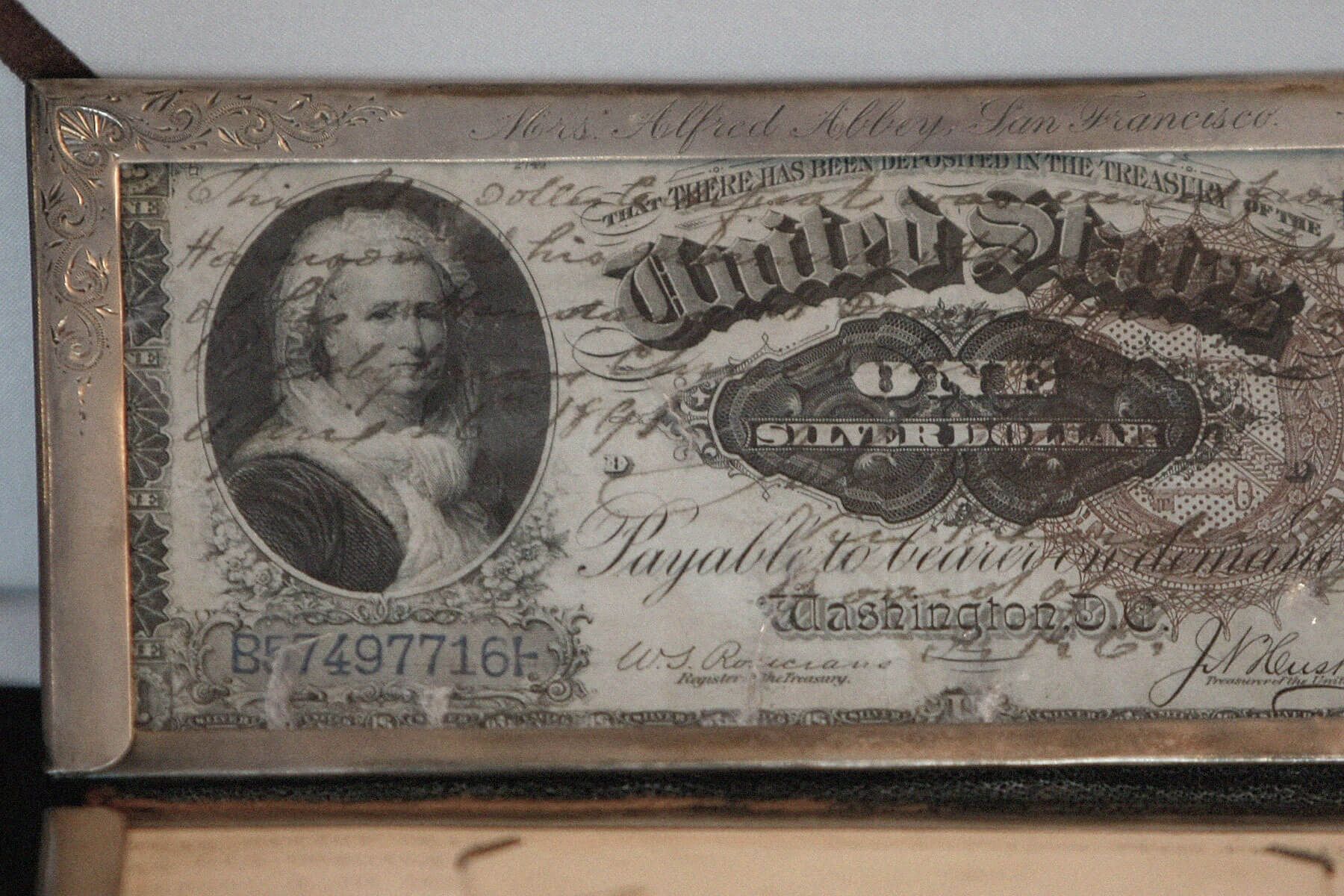
Photo credit: Joe Raedle/ Getty Images News via Getty Images

Martha Washington

First Lady Martha Washington holds the distinction of being the only woman to be prominently featured on U.S. paper currency to date. Her portrait appears on the $1 silver certificate, which was first introduced in 1886, 17 years after the legal tender dollar bill featuring George Washington. She appeared again on a slightly modified certificate in 1891. The $1 certificates weren’t phased out until 1957, making them the second-longest-issued paper currency in the nation’s history, after the $2 bill. As the name implies, the certificates were backed by the federal government’s silver reserves and were exchangeable for silver from the U.S. Treasury.  

You may also like

The History of 6 Legendary White House Rooms

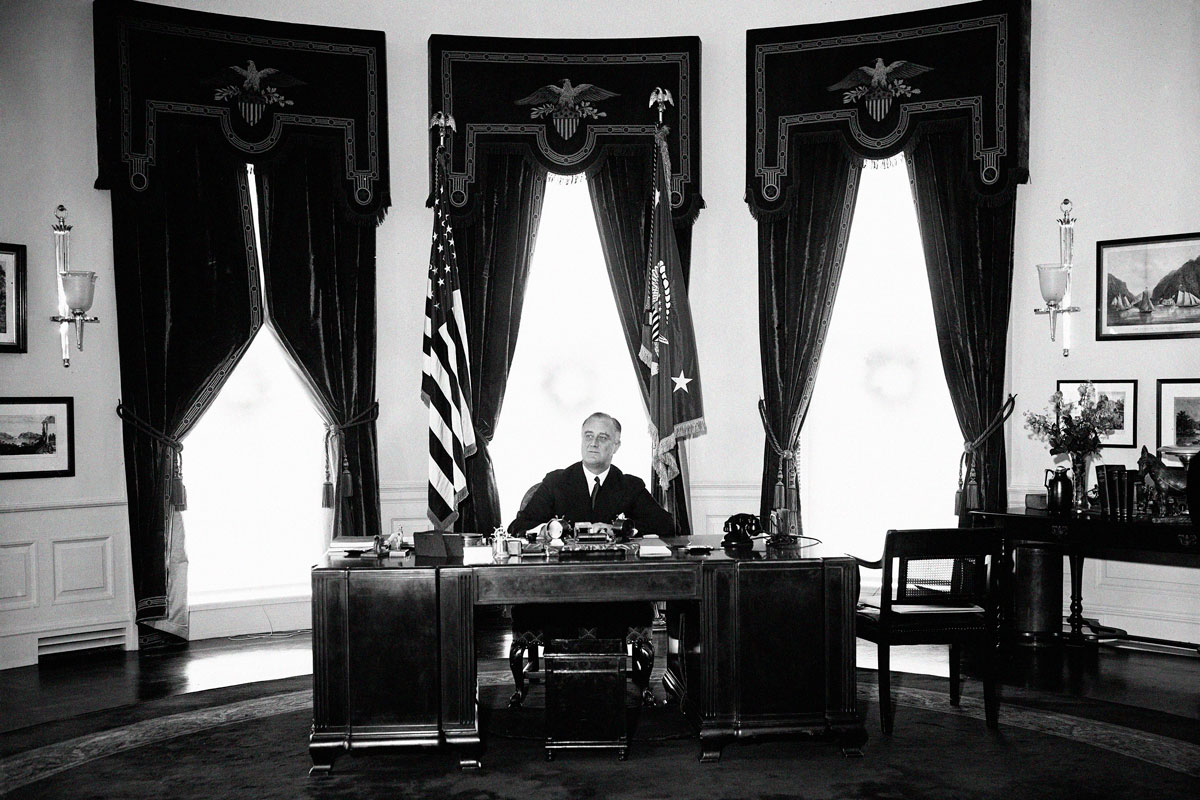
  • FDR in the Oval Office, 1934
FDR in the Oval Office, 1934
Credit: Universal History Archive/ Universal Images Group via Getty Images
Author Paul Chang

September 9, 2025

Love it?

Constructed between 1792 and 1800, the White House has been home to every U.S. president except the first: Though George Washington oversaw construction of the building, he never actually lived in it. But the White House’s 132 rooms and 18 acres are more than just a residence — the Pennsylvania Avenue mansion is a symbol of power that occupies a singular place in American history and popular culture. Here’s a closer look at six White House rooms where America’s presidents have lived, worked, and even played.

Credit: Consolidated News Pictures/ Archive Photos via Getty Images 

Oval Office

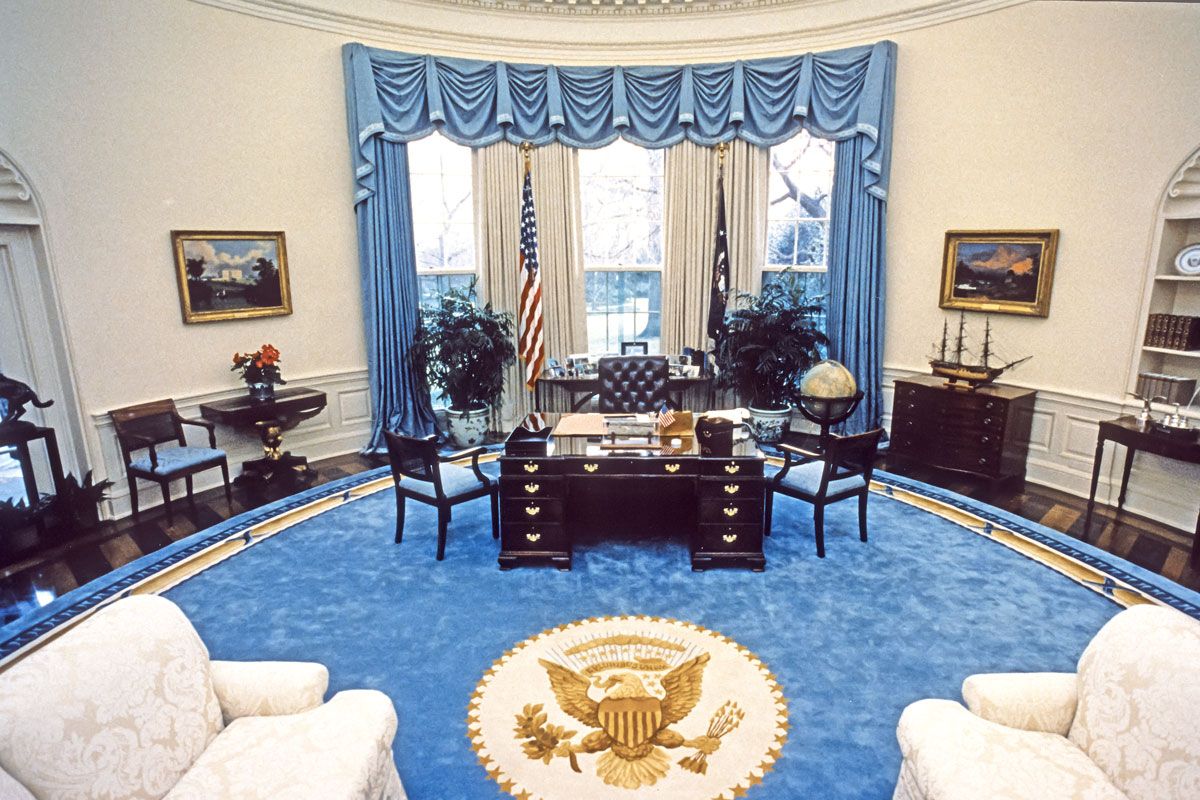
Despite being the most famous room in the White House, the Oval Office was not part of the original building. In fact, the White House lacked a dedicated presidential office until Theodore Roosevelt constructed a “temporary” executive office building in 1902, known today as the West Wing. It contained the first presidential office — a rectangular room now known as the Roosevelt Room. 

It was Roosevelt’s successor, William Howard Taft, who made the West Wing a permanent feature of the White House, holding a competition to select an architect to oversee its renovation and enlargement. The winning architect, Nathan C. Wyeth, doubled the West Wing’s size and constructed the Oval Office in its center. Wyeth’s vision for an office fit for the president took inspiration from another famous room in the White House: the Blue Room, which was also an oval shape due to George Washington’s aesthetic preferences. The Oval Office’s last major renovation took place in 1934 under Franklin D. Roosevelt, who moved the room to its current location in the southeast corner of the White House, overlooking the Rose Garden.

You may also like

Who Founded Each of the 13 Original Colonies?

  • Swedish settlers in Delaware, 1638
Swedish settlers in Delaware, 1638
Credit: Bettmann via Getty Images
Author Tony Dunnell

July 22, 2025

Love it?

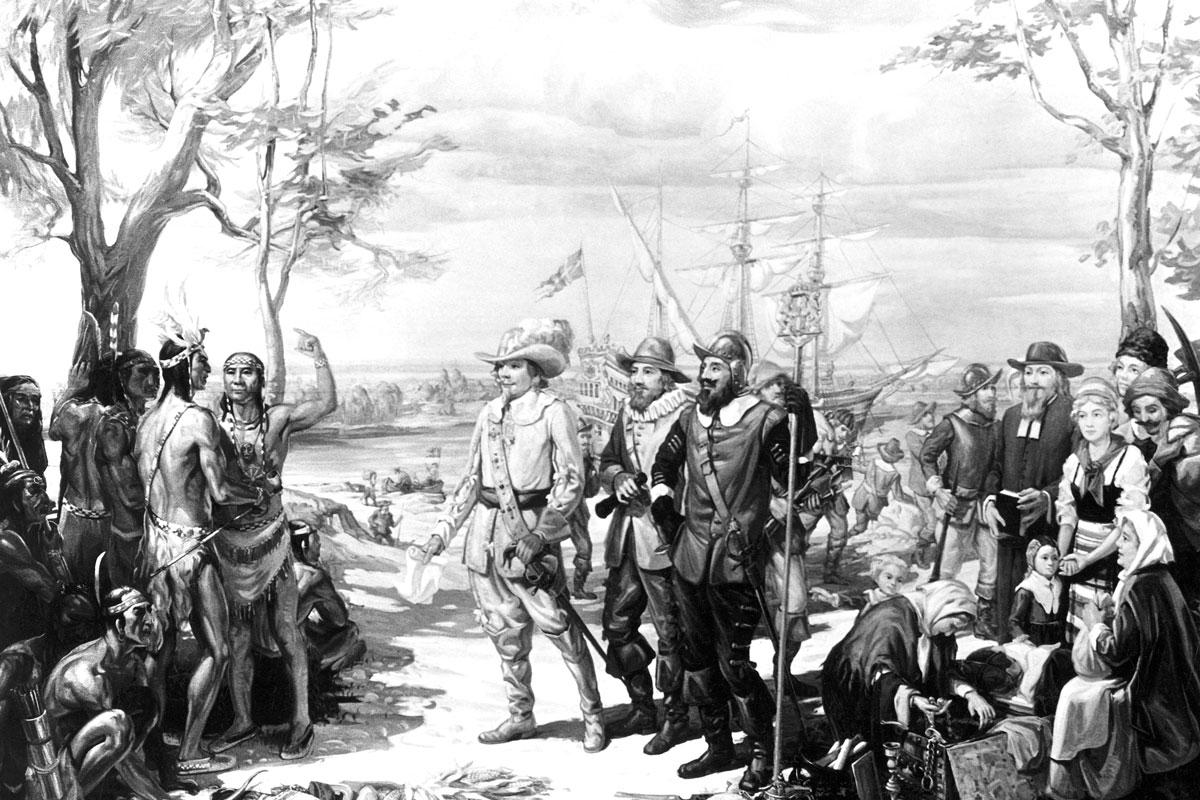
At the start of the 17th century, three colonial powers — France, Spain, and England — were competing for dominion in North America. Despite arriving later than their rivals, it was the British who finally took control. Within a century and a half, they had created 13 flourishing colonies on the Atlantic coast — the same 13 colonies that eventually broke away from British rule during the American Revolutionary War. 

Each of these colonies was established for distinct reasons, reflecting the religious beliefs, economic interests, or social ethics of their founders. Here’s a look at who founded each of America’s original 13 colonies.

Credit: MPI/ Archive Photos via Getty Images 

Virginia 

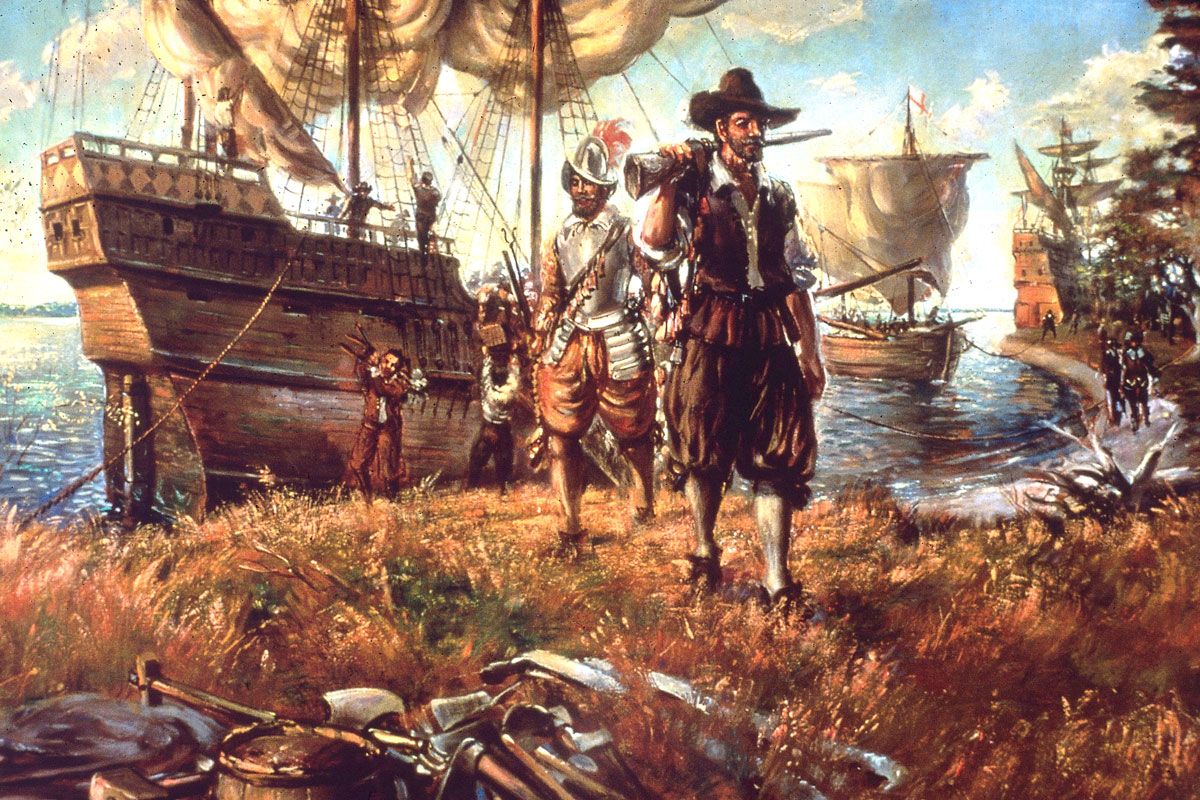
Virginia was founded by the Virginia Company of London, which was chartered by Britain’s King James I. The company set sail from England with three ships in 1606 and arrived the following year with 104 people. On May 13, 1607, the company established Jamestown — named after the king — as its first settlement, which became the first permanent English settlement in North America.

Credit: Design Pics Editorial/ Universal Images Group via Getty Images 

Massachusetts

Two key events led to Massachusetts’ foundation. The first was the creation of Plymouth Colony, established in 1620 by the Pilgrims, a group of 100 or so people who set sail from England on the Mayflower in search of religious freedom. A decade later, the larger Massachusetts Bay Colony was founded by the Massachusetts Bay Company, which had obtained a charter from King Charles I. Later, in 1691, Plymouth Colony was merged into Massachusetts Bay.

You may also like

What’s the Difference Between a President and a Prime Minister?

  • Franklin Roosevelt and Winston Churchill
Franklin Roosevelt and Winston Churchill
Credit: Bettmann via Getty Images
Author Nicole Villeneuve

June 30, 2025

Love it?

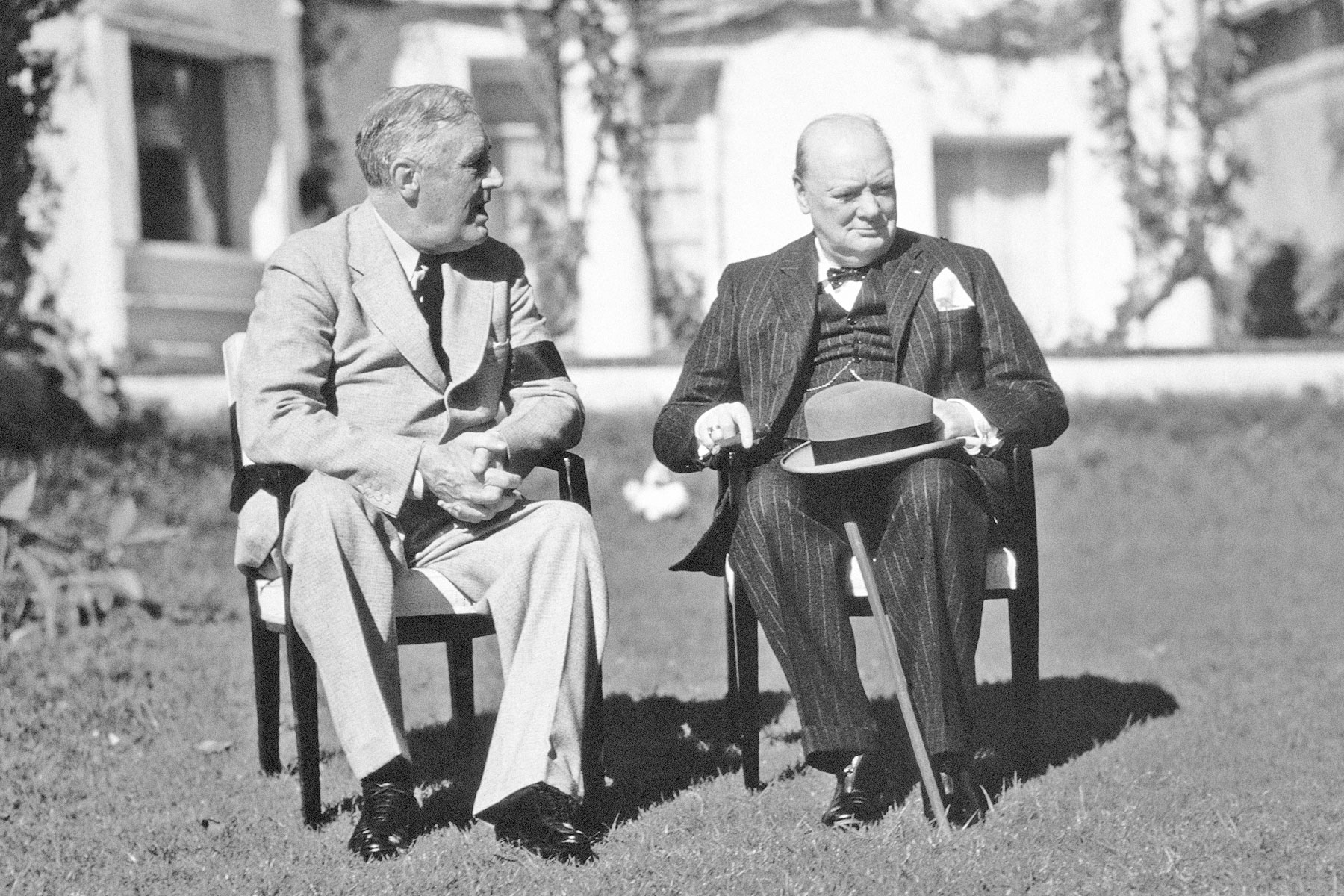
Governments have played a crucial role in human history for thousands of years. Their structure has evolved significantly over time, and while modern political systems vary, many countries now are led by either a president or a prime minister. Though the core roles of these high-ranking officials are fundamentally similar, there are several distinctions between the two positions, including the types of governments they represent, how they are elected, how long they keep their title, and their specific powers.

Credit: Bettmann via Getty Images

Head of State vs. Head of Government

A president is almost always the head of state as well as the head of government — not only do they participate in policymaking, but they also may oversee the military and represent the nation diplomatically. A prime minister, meanwhile, is typically the head of government, and while they’re often the most recognizable figurehead of a country, a separate individual serves as the head of state.  

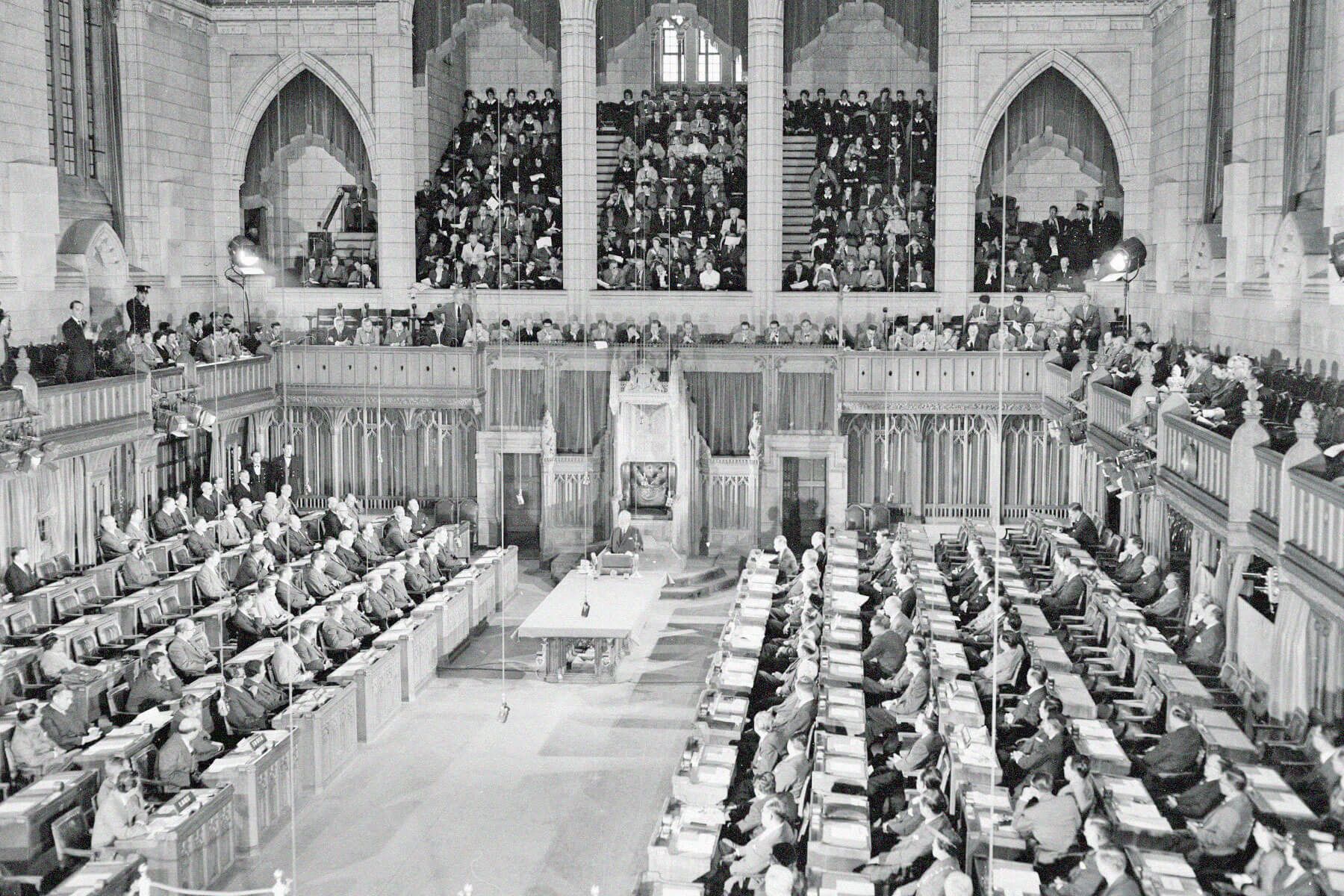
In a parliamentary system, the prime minister works closely with the legislative body, Parliament, and must maintain its confidence to stay in power. In constitutional monarchies, such as Canada, the U.K., and Japan, the PM leads Parliament while the head of state may be a king, queen, or emperor. Other countries have both a president and a prime minister. For instance, in parliamentary republics such as Finland and India, a president serves as the head of state and a prime minister governs. A semi-presidential system, such as in France, also has both a president and a prime minister, but the president typically holds significant power. 

In countries where the president is also the head of government, such as the U.S., the role includes several executive duties: enacting and enforcing the laws created by Congress, negotiating treaties, appointing Cabinet members and judges, and deploying military forces. A prime minister, meanwhile, also leads their country’s government, overseeing the federal agenda, directing policy development and decisions, and choosing Cabinet members who will carry out the work. Even though a PM is not an official head of state, they often undertake diplomatic functions as a prominent representative of the country.

You may also like

Little-Known Facts About the Declaration of Independence

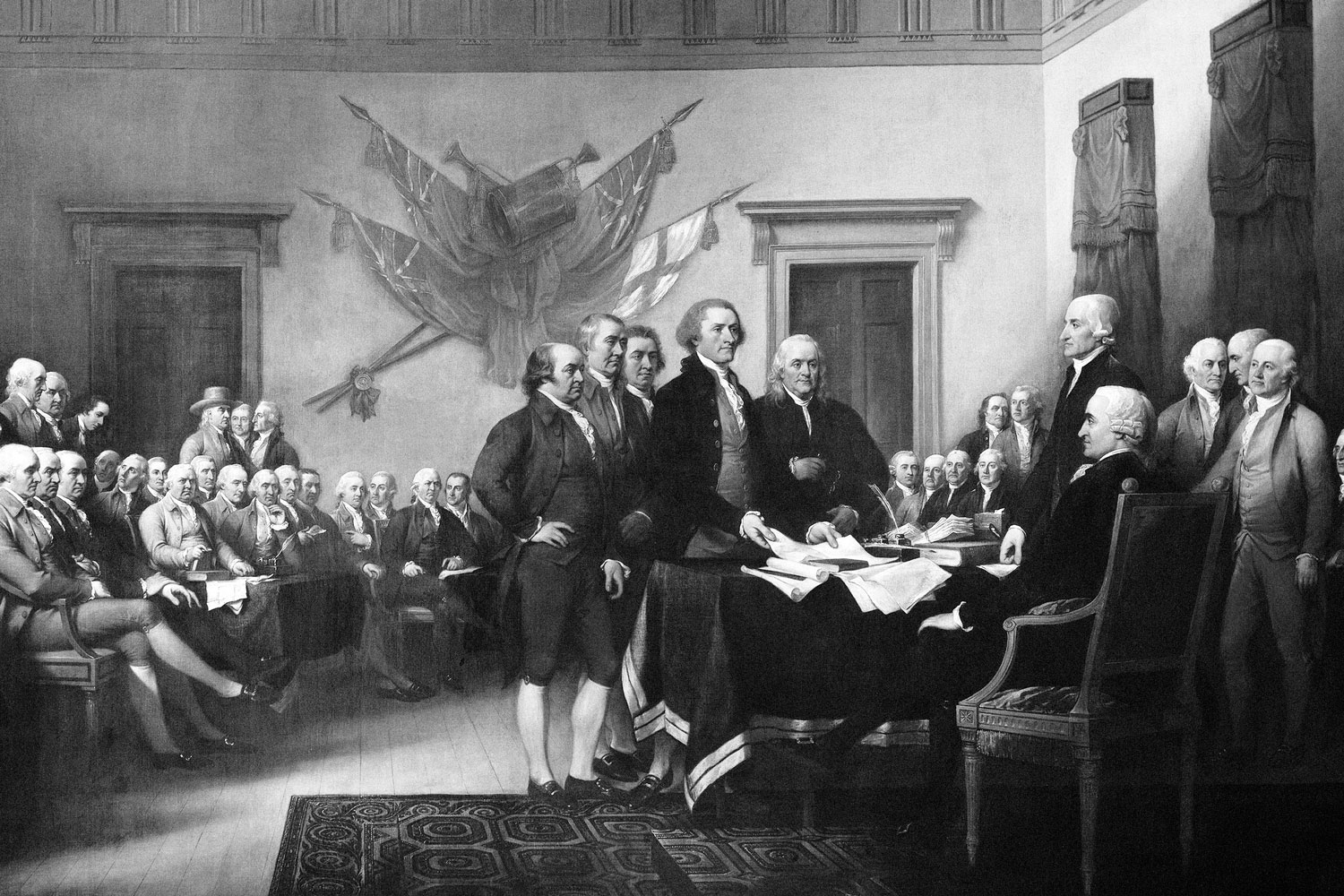
  • Signing the Declaration of Independence
Signing the Declaration of Independence
Credit: GraphicaArtis/ Archive Photos via Getty Images
Author Timothy Ott

June 30, 2025

Love it?

It’s perhaps the most famous document in American history — the collection of fighting words that formally severed ties with the British Empire and launched a precocious new nation into existence. But while some of its features are familiar to the public, including a few phrases from the preamble and the conspicuous signature of John Hancock, many details surrounding the Declaration of Independence are little known beyond historians of the subject. 

Not unlike the esteemed local monuments that are ignored by longtime residents of New York City, Paris, or Rome, the Declaration of Independence is acknowledged for its importance but can be easily overlooked as a background accessory to daily existence. To help fill in the blanks, here are six facts about this illustrious founding document, which set the United States of America into motion back in that eventful summer of 1776.

Credit: Bettmann via Getty Images 

Thomas Jefferson Became Its Author Due to His Reputation as a Writer

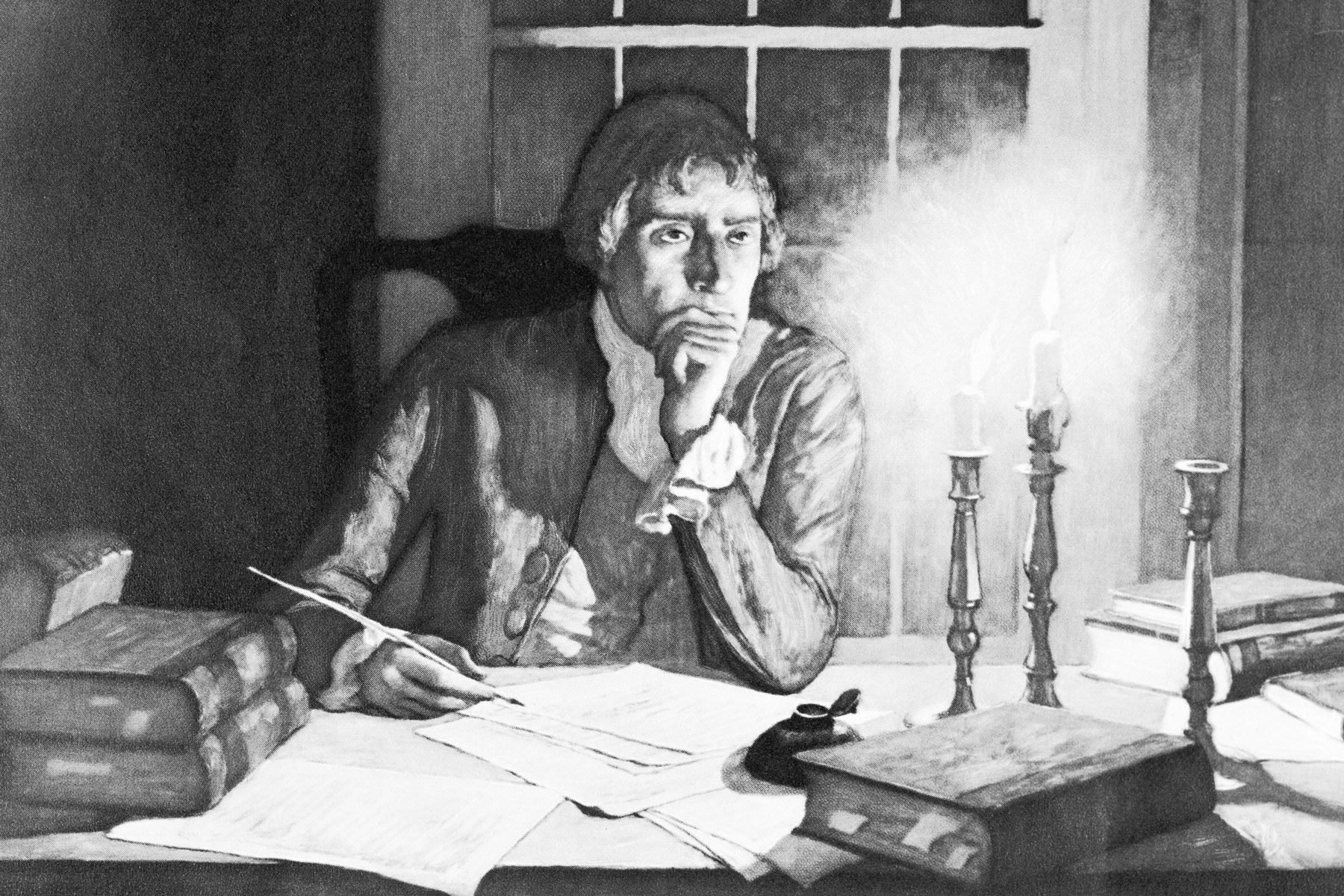
By the time the Second Continental Congress convened in May 1776, Thomas Jefferson had not yet achieved the legendary status he enjoys today as an inner-circle founding father. Yet the quiet, 33-year-old lawyer and member of the Virginia House of Burgesses had already earned renown for penning the pamphlet A Summary View of the Rights of British America (1774), which laid bare many of the grievances against government abuses of power that resurfaced in the Declaration of Independence. 

Jefferson also eloquently defended the colonists’ cause early in the American Revolution as a co-author of The Causes and Necessity of Taking Up Arms (1775). As a result, he was a logical choice to join the Committee of Five tasked with crafting a Declaration of Independence in June 1776. According to the later recollections of fellow committee member John Adams, Jefferson suggested that Adams undertake the first draft, but the latter pushed the responsibility back to his younger colleague on the grounds that “I had a great Opinion of the Elegance of his pen and none at all of my own.”

You may also like

How the Postal Service Created the ZIP Code
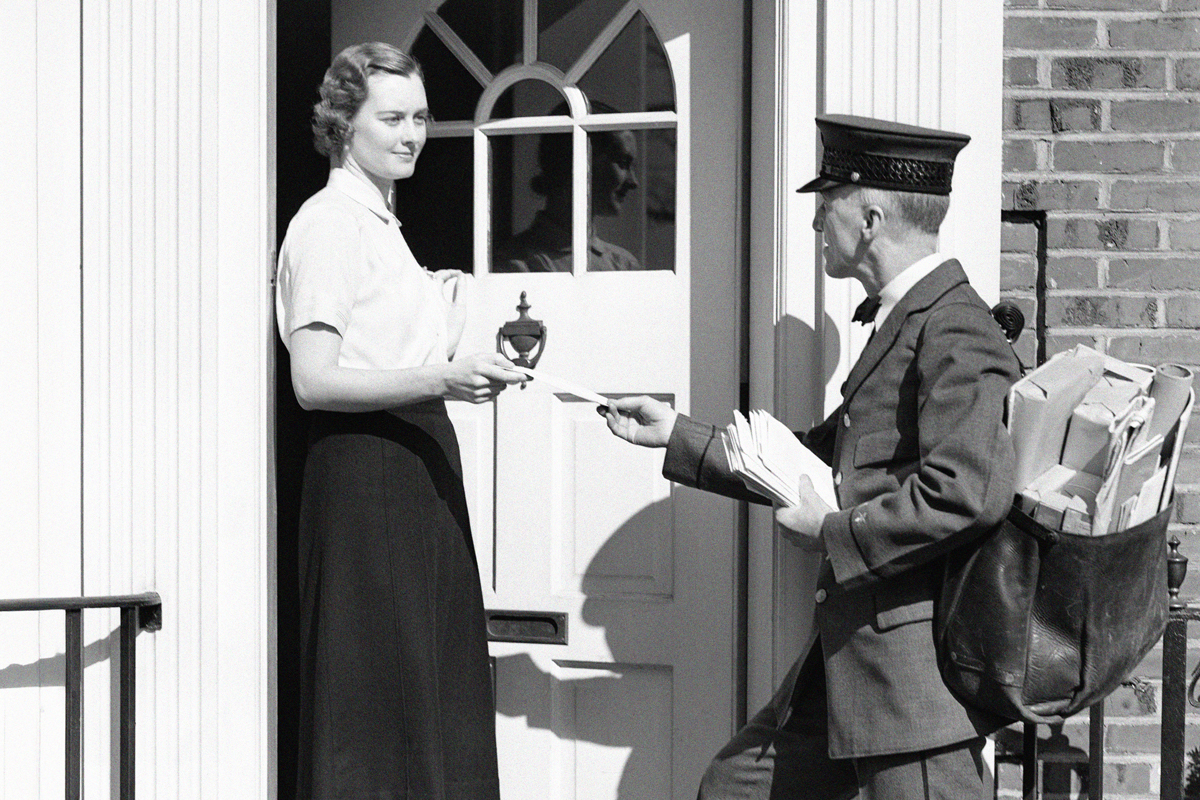
  • Postman delivering letter
Postman delivering letter
Credit: H. Armstrong Roberts/ClassicStock/ Archive Photos via Getty Images
Author Timothy Ott

June 5, 2025

Love it?

Even with the decline of letter writing in the digital age, the ZIP code remains an American institution, a neat five-digit number that caps an address and, like an area code, can serve as a point of pride and prestige.

Given the ZIP code’s place as an oft-used and universally recognized symbol, it may come as a surprise that the ZIP, short for “Zone Improvement Plan,” isn’t all that old. The system was enacted on July 1, 1963, within many of our lifetimes and just a few months before another famous entity, the Beatles, also arrived in the United States.

But unlike the mop-topped quartet, the five-digit zoning plan wasn’t immediately welcomed by Americans. Here’s a look at how the ZIP code came to be, and ultimately overcame a bumpy start to emerge as a signature accomplishment of the United States Postal Service.
Credit: Bettmann via Getty Images 

An Early Zoning System Came Out of World War II

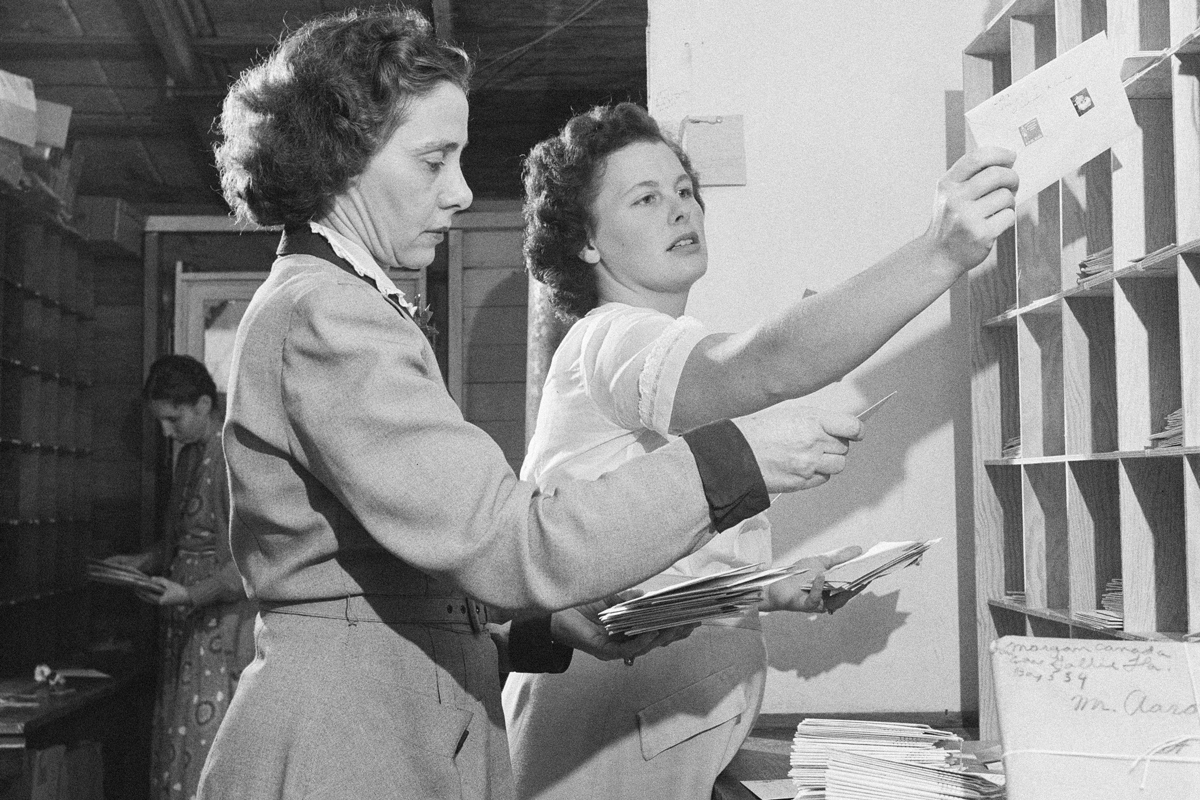
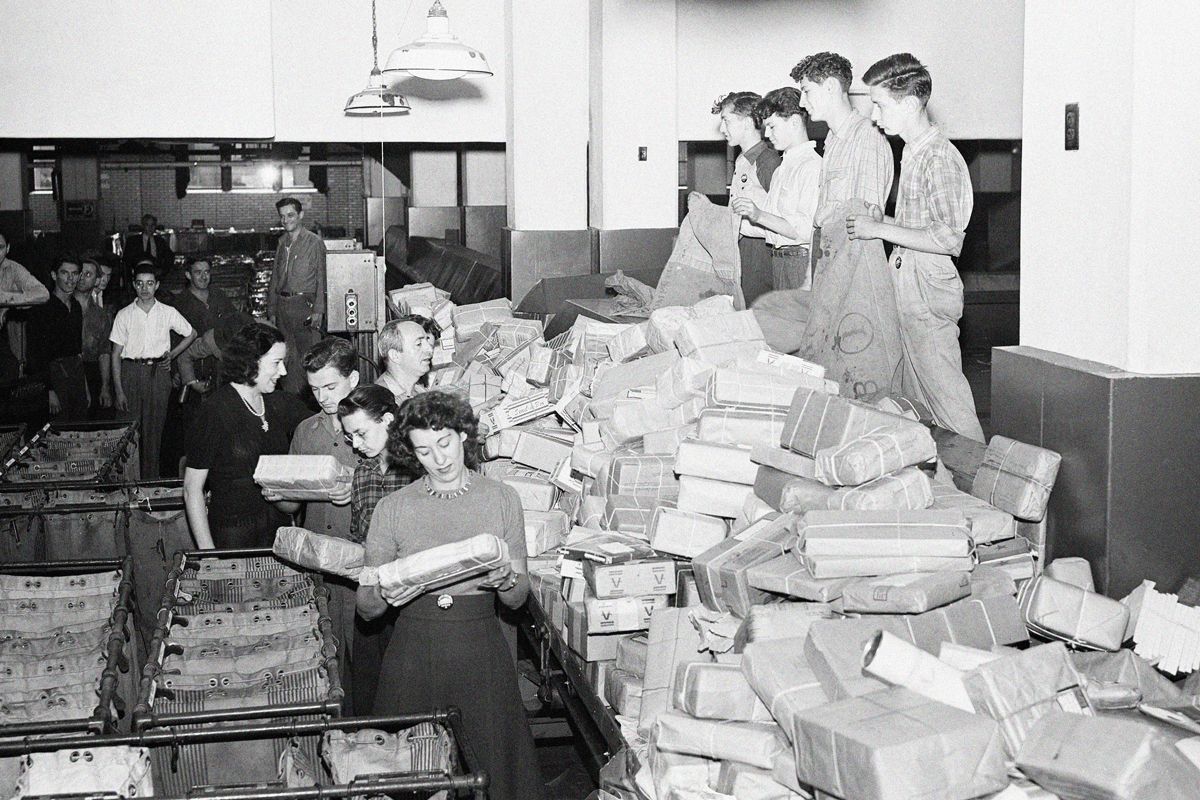
Like many innovations, the ZIP code’s origins can be traced back to World War II. At the time, the Post Office Department, as the U.S. Postal Service was then called, was dealing with the loss of personnel to military duty, specifically the departure of experienced sorters who could properly funnel letters and parcels marked with incomplete addresses.

As a result, in 1943, the department assigned one- to two-digit zone numbers to more than 100 high-density urban areas across the country to help make sorting for these areas more efficient. The numbers were to be written on the address of the recipient after the city name, such as “Indianapolis 24, Indiana.”

Although the zone numbers provided some organizational relief, they only papered over the problem of keeping up with the ever-growing volume of mail. Fueled by the country’s postwar population and economic boom, the number of individual pieces of mail jumped from 33 billion in 1943 to 66.5 billion in 1962. By the latter date, a letter was handled by an average of eight to 10 postal employees, increasing the possibility of human error.

The issue wasn’t going unnoticed by the department’s employees. In 1944, a prescient postal instructor named Robert Moon sought to get ahead of the volume problem with his proposal of splitting the country into a network of regional processing centers, each marked by a three-digit code. Nine years later, another inspector, H. Bentley Hahn, completed a six-year study of the department’s outdated operations with a report titled “Proposed Reorganization of the Field Postal Service.”

But despite the modernization efforts of Postmaster General Arthur Summerfield, who introduced the country’s first automated post office in Providence, Rhode Island, in 1960, the department was still struggling to meaningfully address its problems as it faced down a new decade.

You may also like

5 Surprising Facts About the Secret Service

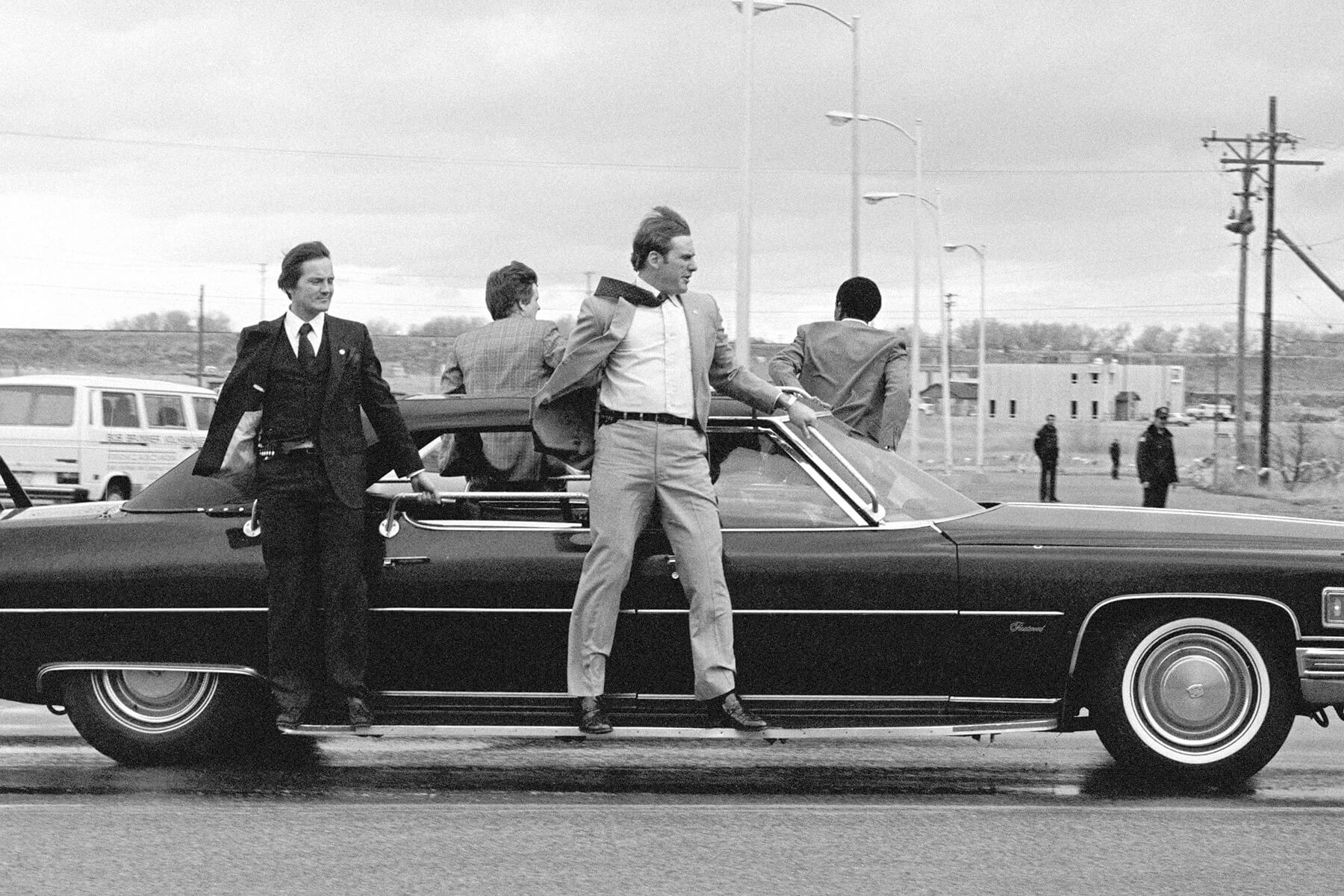
  • Secret Service agents, 1982
Secret Service agents, 1982
Credit: Bettmann via Getty Images
Author Kristina Wright

January 16, 2025

Love it?

The U.S. Secret Service is a prominent part of American culture, often portrayed in action films and news footage where agents are seen sprinting alongside the president and leaping into action during high-risk situations. These representations have shaped much of our perception about the agency, creating an image of an elite force dedicated to the protection of the nation’s leader. 

Yet the Secret Service is much more than the group of sharp-suited agents seen flanking the president. Since its founding in 1865, the agency’s role has included some truly fascinating — and often surprising — responsibilities. Here are five facts about the U.S. Secret Service that you may not know.

Credit: Fotosearch/ Archive Photos via Getty Images 

Abraham Lincoln Established the Secret Service

On April 14, 1865, President Abraham Lincoln signed legislation establishing the U.S. Secret Service. Although now synonymous with protecting the president of the United States, the agency was not originally created for this purpose. Instead, it was conceived as a division of the U.S. Treasury Department, tasked solely with addressing the rampant issue of counterfeit money. In the aftermath of the Civil War, nearly a third of U.S. currency in circulation was counterfeit, destabilizing the fragile economy. The Secret Service’s mission was to combat this crisis, investigate forgeries, and safeguard the nation’s financial security.
Establishing the Secret Service turned out to be Lincoln’s final legislative achievement, as he was assassinated later that same day by John Wilkes Booth. Ironically, the agency Lincoln established did not take on the responsibility of presidential protection until decades later, following the assassination of President William McKinley in 1901.

McKinley’s death, the third presidential assassination in 36 years, highlighted the urgent need for enhanced measures to protect the nation’s leaders. In response, the Secret Service was formally assigned the responsibility of safeguarding sitting presidents. Despite this significant expansion, the agency has retained its original mission of protecting the nation’s financial system, a task that remains integral to its operations.

You may also like

Who Wrote the Constitution?

  • Close-up of U.S. Constitution
Close-up of U.S. Constitution
Credit: bonniej/ iStock
Author Timothy Ott

October 3, 2024

Love it?

In the spring and summer of 1787, a contingent of lawyers, businessmen, and other highly regarded state representatives met at the Pennsylvania State House to fine-tune the parameters of the shaky federal government that was established by the Articles of Confederation, the nation’s first stab at a framework for government. Known as the Constitutional Convention, this meeting was perhaps the most momentous occasion in the short history of the United States following the end of the Revolutionary War.

Even in the absence of founding fathers Thomas Jefferson and John Adams, who were serving ambassadorships in Europe, the gathering boasted a formidable collection of the nation’s leaders, including James Madison of Virginia, Roger Sherman of Connecticut, and the elderly but still razor-sharp Benjamin Franklin of Pennsylvania.

As described in The Summer of 1787: The Men Who Invented the Constitution, many of the 55 delegates carried with them a raft of ideas and some combination of deft oratory skills and a forceful personality to push others to action. As such, there was no shortage of passionate speeches and threats issued over clashing values, although it proved to be more of a challenge to find calmer voices willing to nudge the rest toward compromise, and an additional challenge to pull the oft-debated and revised proposals into a document with language that would stand the test of time.

Credit: Bettmann via Getty Images

James Madison’s “Virginia Plan” 

Four days after the Constitutional Convention officially commenced on May 25, 1787, Virginia Governor Edmund Randolph presented an outline of 15 draft resolutions under what became known as the “Virginia Plan.” Largely authored by Madison, the plan proposed a three-branch federal government and two-house legislature, a system that heavily concentrated power in the latter and gave the national government the ability to veto state laws.

The ambitious Virginia Plan touched off a series of debates within the convention, starting with how it represented a clean break from — as opposed to a means for improving — the system laid out by the Articles of Confederation. Even more contentious were the debates over how the states would be represented in Congress, and who had the power to choose the chief executive. Although an alliance of the smaller U.S. states later proposed a system that hewed closer to the Articles of Confederation, known as the “New Jersey Plan,” the delegates ultimately rejected this version when the two plans were put to a vote in mid-July.

You may also like

10 Facts About the Last 10 Constitutional Amendments

  • Women’s suffrage activists
Women's suffrage activists
Credit: FPG/ Archive Photos via Getty Images
Author Bennett Kleinman

April 3, 2024

Love it?

America wouldn’t be what it is without the U.S. Constitution, which was created to lay the groundwork for how the nation would function. But the Constitution isn’t just a relic — it’s a living document that’s always evolving, especially during the 20th century. 

The 10 most recent amendments, 18 through 27, were ratified between the years of 1919 and 1992. Included among these is the groundbreaking 19th Amendment, which codified women’s suffrage and marked a major milestone in the fight for gender equality. These newer amendments also deal with issues such as presidential succession, the date of Inauguration Day, and the sale of alcohol. Here are some more fascinating details about the 10 latest amendments to the Constitution.

The 18th Amendment Led to a Misuse of Doctor’s Notes

Ratified in 1919, the 18th Amendment prohibited the “manufacture, sale, and transportation of intoxicating liquors” and ushered in the U.S. Prohibition era. This led people to conceive of clever workarounds for acquiring booze. One such method was asking doctors to write prescriptions stating that alcohol consumption was medically necessary for the patient in question, a trick Winston Churchill famously used during visits to the United States.

You may also like