


Who Portrayed Abraham Lincoln Most Accurately?

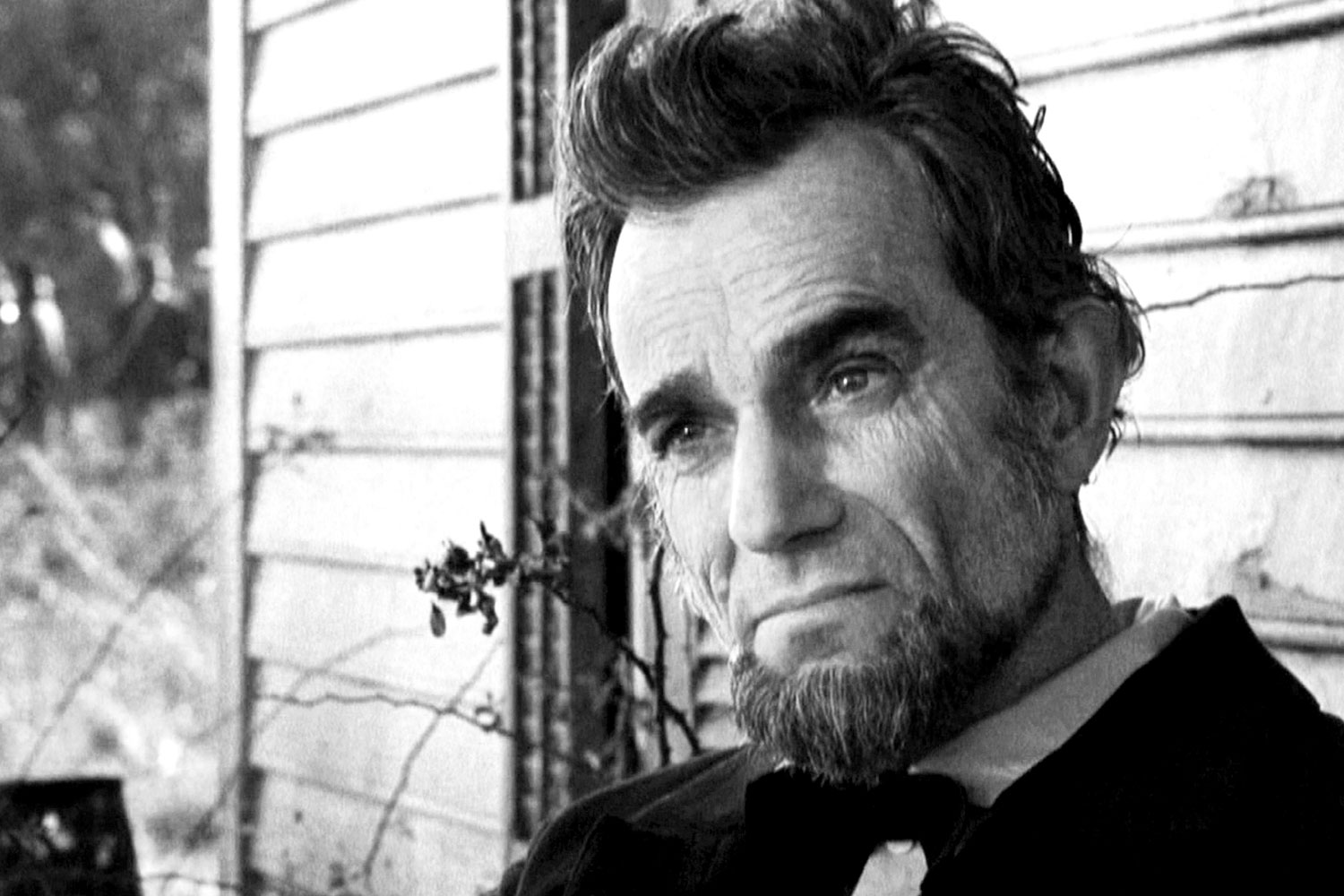
  • Daniel Day-Lewis in “Lincoln”
Daniel Day-Lewis in “Lincoln”
Credit: TCD/Prod.DB/ Alamy Stock Photo
Author Michael Nordine

June 30, 2025

Love it?

Only one person has been portrayed on-screen more than Abraham Lincoln, and he doesn’t actually exist: Sherlock Holmes. Honest Abe has been inspiring filmmakers since 1908, when Van Dyke Brooke directed The Reprieve: An Episode in the Life of Abraham Lincoln, and has since appeared in more than 300 movies. 

An unknown actor played the 16th president in The Reprieve, which concerned Lincoln’s pardon of the “sleeping sentinel” — a Union soldier who fell asleep on duty and was initially sentenced to death for his mistake. Given Lincoln’s status as one of America’s most revered leaders, it’s little surprise that the first movie made about him focused on his mercy and compassion — traits highlighted in just about every other film inspired by Lincoln. 

But which of these portrayals was most accurate? Before answering that, it’s worth taking a look at some honorable mentions.

Noteworthy Films About Lincoln

Credit: Sunset Boulevard/ Corbis Historical via Getty Images 

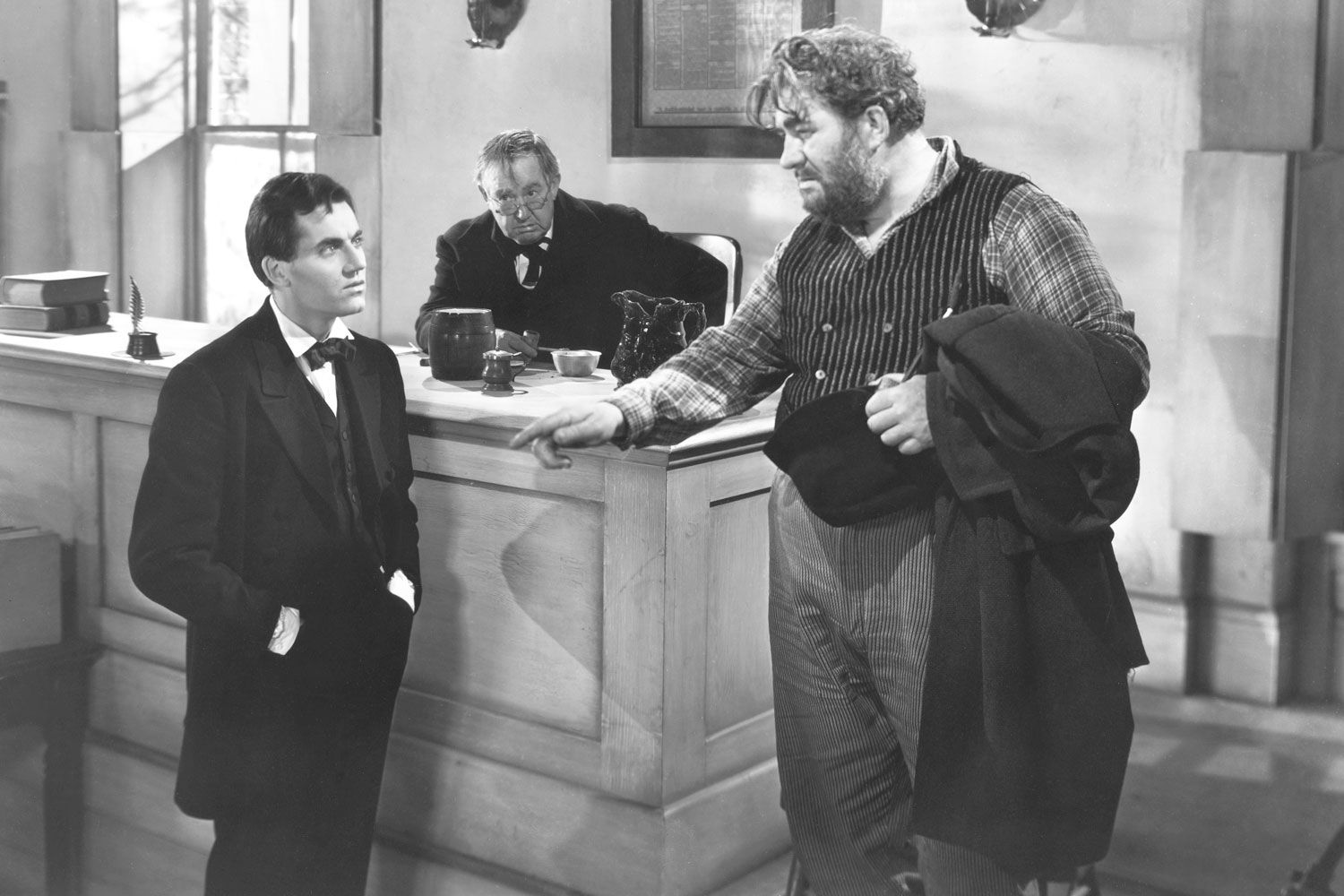
Young Mr. Lincoln (1939)

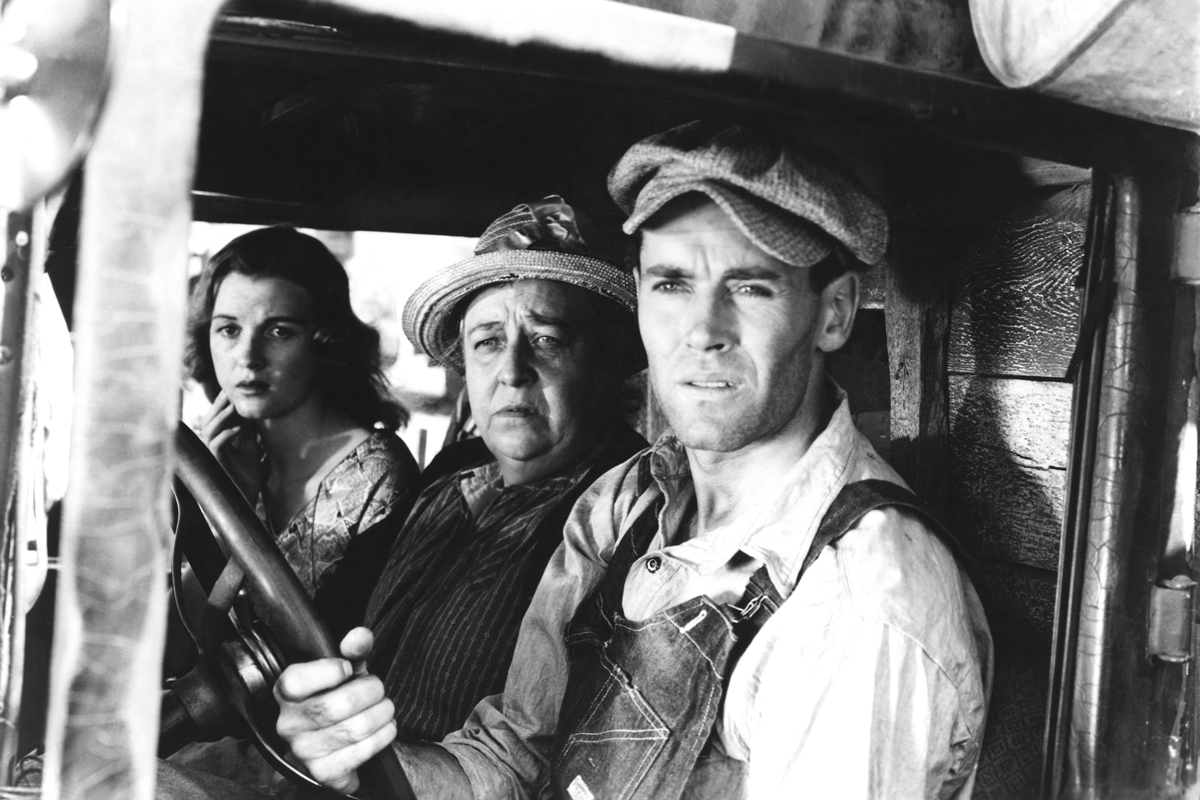
Before he was president, Lincoln worked as a lawyer. Oscar-winning director John Ford chose to focus on this era of Honest Abe’s life in his excellent biographical drama. Henry Fonda — another screen legend who received an Oscar nomination for his leading role in The Grapes of Wrath and also starred in such classics as The Lady Eve and 12 Angry Men before winning Best Actor for 1981’s On Golden Pond — was perfectly cast as the idealistic attorney defending two brothers who are falsely accused of murder.

Screenwriter and critic Frank Nugent lauded Fonda’s performance as one of those “once-in-a-blue-moon things: a crossroads meeting of nature, art, and a smart casting director. Nature gave Mr. Fonda long legs and arms, a strong and honest face, and a slow smile; the make-up man added a new nose bridge.” You could argue that on a physical level, Fonda captured Lincoln’s essence better than any other actor.

You may also like

5 Historical Movies That Got It Wrong

  • Russell Crowe in “Gladiator,” 2000
Russell Crowe in “Gladiator,” 2000
Credit: AJ Pics/ Alamy Stock Photo
Author Michael Nordine

April 9, 2025

Love it?

Movies about history aren’t always known for their historical accuracy, which isn’t really a problem unless you’re basing all your knowledge of Napoleon on Napoleon. Some are especially egregious in their departures from the historical record, however, and the tension between fact and fiction can make for a confusing experience. Here are five historical movies that got the facts wrong.

For similar articles, subscribe to our sister brand Movie Brief, brought to you by our resident film critic Michael Nordine. You’ll receive a weekly review and recommendation of a new movie, whether in theaters or available to stream, as well as a list of 25 must-see movies when you first sign up.
Credit: Maximum Film/ Alamy Stock Photo

Braveheart

Braveheart was a massive success, grossing $200 million and winning four Academy Awards, including Best Picture and Best Director. If Most Historically Inaccurate Picture were a category, it would have won five. Mel Gibson’s 1995 epic about Scottish independence leader William Wallace is notorious for the many creative liberties it took, so much so that its Wikipedia article features an entire “historical inaccuracy” section with seven different subsections. For one thing, Wallace wasn’t born a poor farmer — he belonged to the lesser nobility — and the wife whose execution spurs his rebellion in the film might not have even existed.

John O’Farrell, author of An Utterly Impartial History of Britain, has cheekily observed that the film “couldn’t have been more off the mark if a plasticine dog was added to the cast and it was retitled William Wallace and Gromit.” Two other Gibson movies — The Patriot, in which he starred, and Apocalypto, which he directed — likewise have little historical basis.

You may also like

The Best Historical Movies for History Buffs

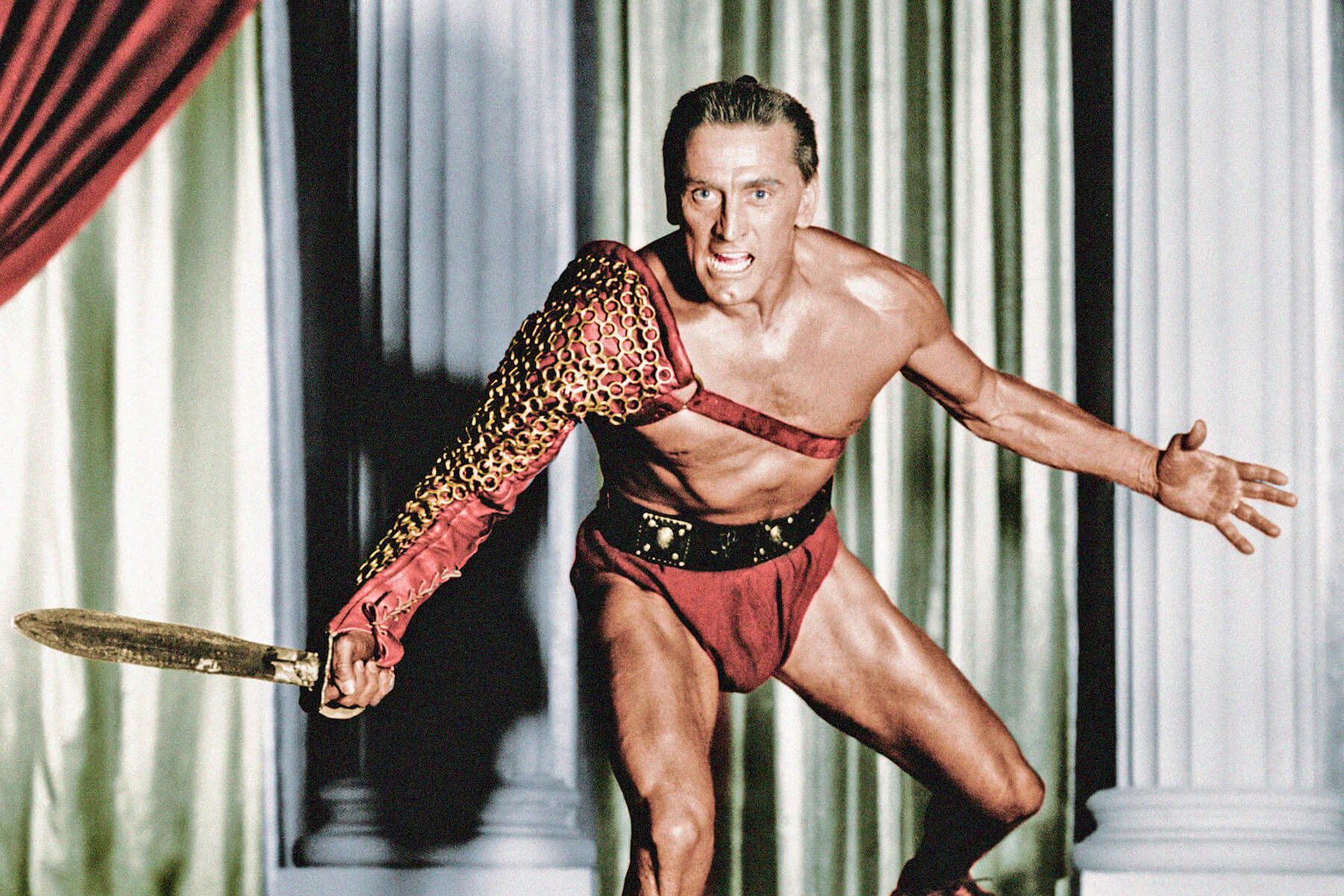
  • Kirk Douglas in “Spartacus,” 1960
Kirk Douglas in “Spartacus,” 1960
Credit: ullstein bild Dtl./ ullstein bild via Getty Images
Author Michael Nordine

March 6, 2025

Love it?

Just as we’ll never run out of history to study, nor will we run out of historical movies to watch anytime soon. Filmmakers have always looked to the past for inspiration, with period pieces and historical dramas enduring as one of the medium’s most popular genres. Read on to discover some of the best historical movies ever made.

Credit: Allstar Picture Library Limited./ Alamy Stock Photo

If You’re in a Countercultural Mood

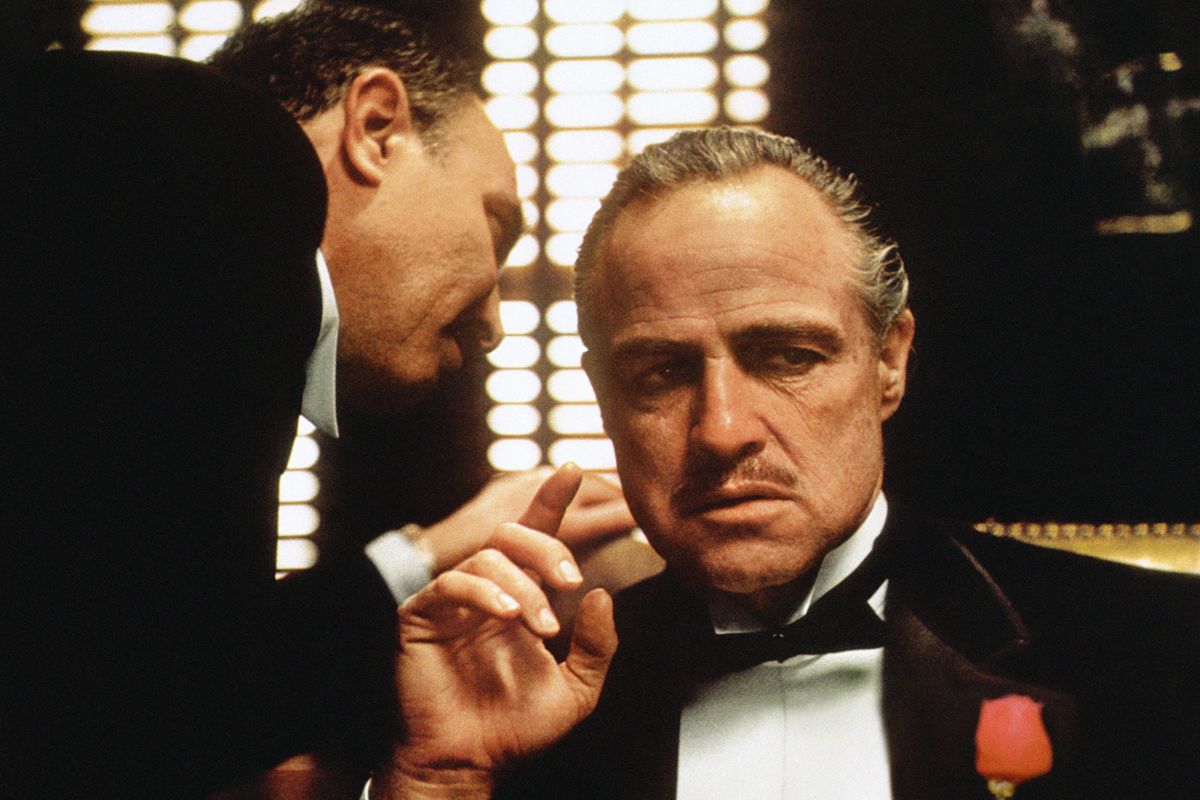
Though it began in the late 1960s with movies such as The Graduate and Drugstore Cowboy, the New Hollywood movement was at its peak in the 1970s. That’s when filmmakers including Francis Ford Coppola, Terrence Malick, Martin Scorsese, and John Cassavetes came into their own and studios allowed directors unprecedented control over their productions. The result was a slew of all-timers: The Godfather, Days of Heaven, A Woman Under the Influence, The Deer Hunter, Alien, Taxi Driver, Jaws, 3 Women, Star Wars, Eraserhead, and Killer of Sheep, just to name a few.

Read more: 7 Essential Films From the 1970s

You may also like

Why Do Actors Sound So Different in Old Movies?

  • Orson Welles in “Citizen Kane”
Orson Welles in “Citizen Kane”
Credit: Apic/ Moviepix
Author Michael Nordine

February 20, 2025

Love it?

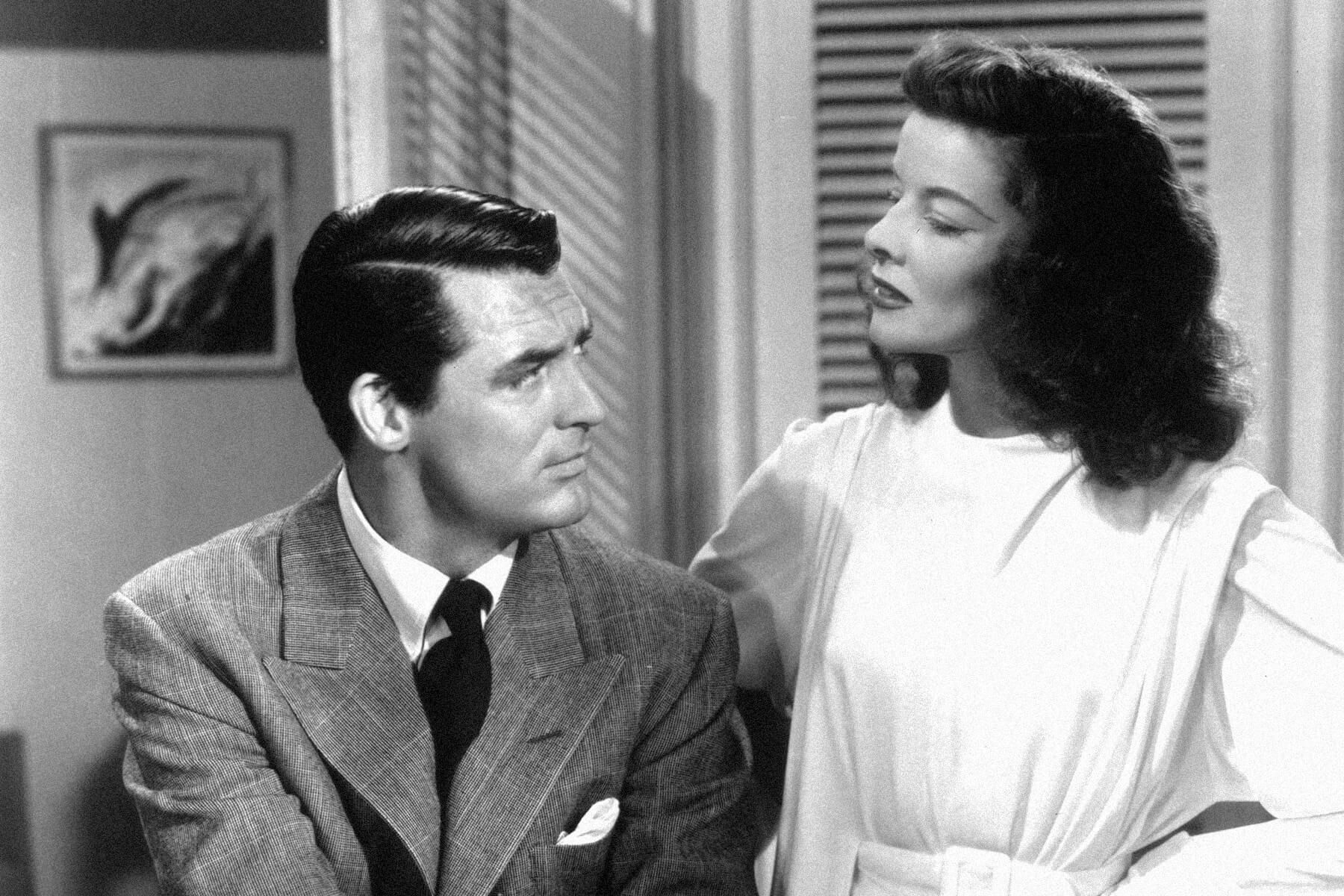
Despite their differences, the United States and England have a lot in common. A “special relationship” has bound the countries together since at least 1946, when Winston Churchill coined the phrase after the Allied victory in World War II. For evidence of the similarities, one need look no further than the movies of that era. Actors such as Cary Grant, Katharine Hepburn, and other luminaries of Hollywood’s golden age — which peaked in the 1930s and ’40s — spoke in a way that was common at the time but now seems a relic of the age. 

Technology was a factor: Sound recording wasn’t as advanced as it is today, with companies such as Western Electric promising “noiseless recording” that might not sound fully noiseless to 21st-century ears. And many actors of the era began their careers on the stage and had been trained to deliver lines in a way that likewise sounds old-fashioned. Most distinctive of all, however, was the accent. It sounded like a fusion of American English and British English, hence its name: the transatlantic accent.

Credit: Archive Photos/ Moviepix via Getty Images

Also known as the mid-Atlantic accent, this affected manner of speech wasn’t actually a cinematic invention. It has its roots in the Northeastern U.S. elite accent, which can be traced back to wealthy New Englanders of the late 19th century. That accent is itself based on Received Pronunciation (RP) — often considered the “standard” British accent and also known as the Queen’s English, Oxford English, or BBC English. As such, the transatlantic voice is closer to accents in New York, Boston, or Philadelphia than those heard in Chicago, Dallas, or Los Angeles. 

Americans who were taught to adopt this accent, often in elocution class at private schools, were told it was the “proper” way to speak, and because it sounded formal it became common among actors taking on serious roles — first onstage and then on-screen. Here is an example of the accent in The Philadelphia Story, a classic among classics, starring Grant and Hepburn:

A few of the accent’s trademarks can be heard in that scene, namely the dropped “r” sounds (“mothah” rather than “mother), also known as a non-rhotic accent; an emphasis on the hard “t” (“writah” rather than “writer”); and stretching certain vowels (“dance” becomes “dahnce”), which is called a short-a split

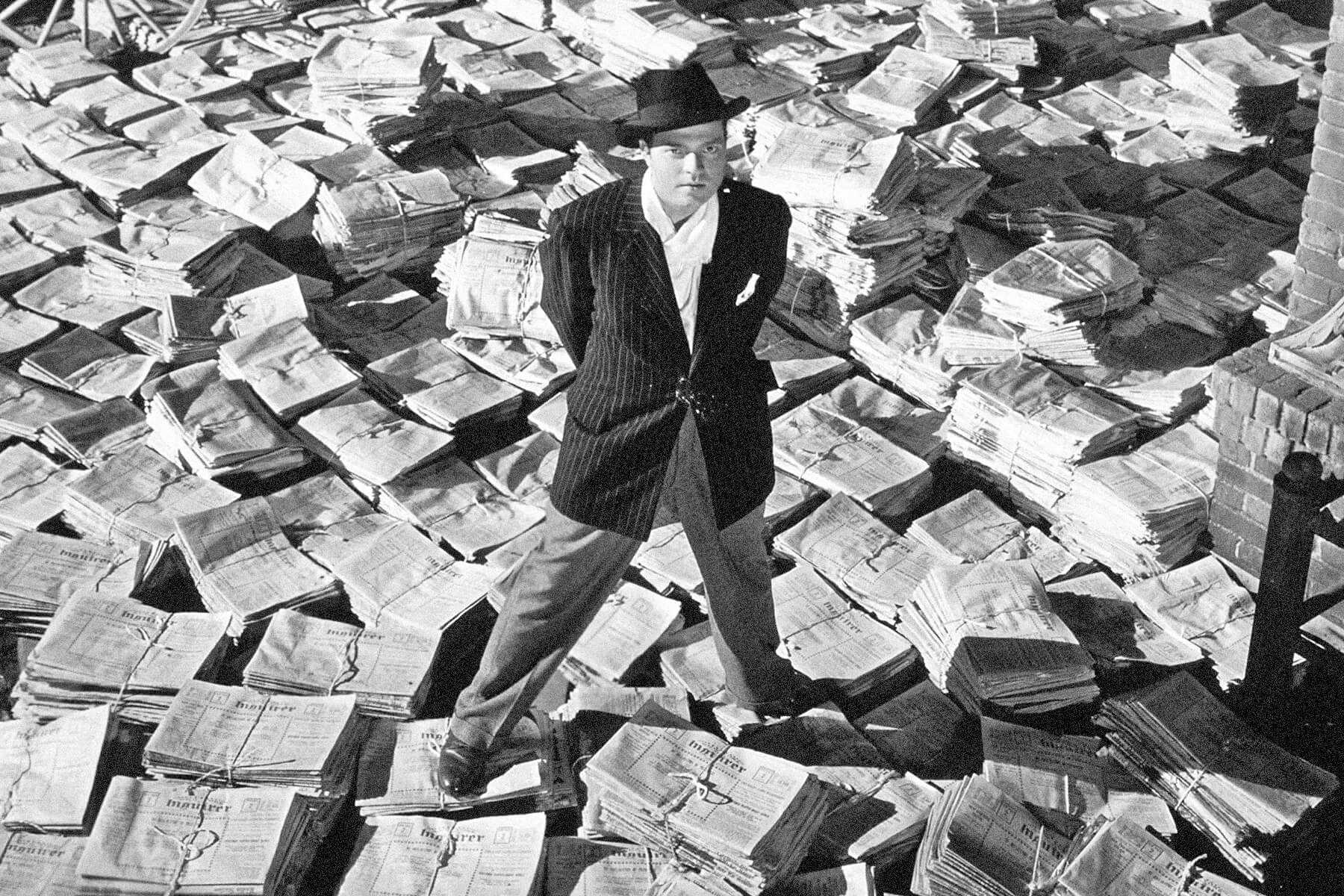
The transatlantic accent is also associated with the kind of back-and-forth, rapid-fire delivery often seen in screwball comedies such as His Girl Friday, starring Grant alongside Rosalind Russell. Another practitioner was Orson Welles, who used it in arguably the most acclaimed film of all time: Citizen Kane, the masterpiece he co-wrote, produced, directed, and starred in as the title character. Beginning in the 1930s, actors working within the Hollywood studio system were actively encouraged to do likewise.

You may also like

Every Oscar Best Picture Winner in History 

  • Man holding an Oscar statue
Man holding an Oscar statue
Credit: Bob Riha Jr/ Archive Photos via Getty Images
Author Michael Nordine

February 20, 2025

Love it?

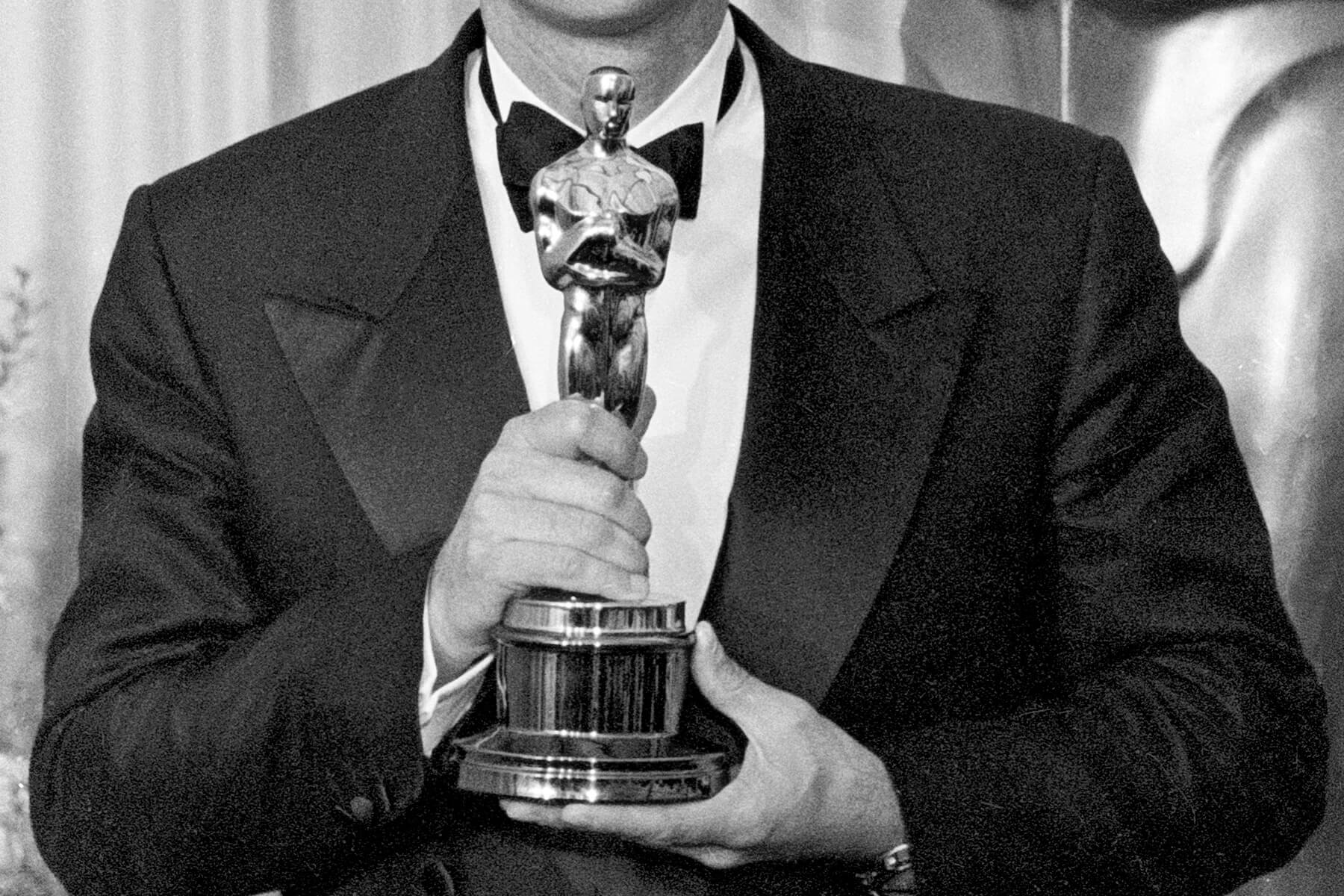
The Academy of Motion Picture Arts and Sciences hands out 23 awards on Oscar night, one of which gets pride of place as the real star of the show: Best Picture. Studios spend millions of dollars on campaigns they hope will crown their nominee the winner, prognosticators spend 365 days a year trying to divine which movie will take home the top prize, and millions tune in to see what all the fuss is about.

The coveted award has had several official names since ending the first ceremony on May 16, 1929, including the Academy Award for Outstanding Picture and the Academy Award for Outstanding Production, and it took on its current moniker in 1962. The number of nominees increased from five to 10 in 2009, likely in response to complaints that the usual slate was too rarefied after popular favorites such as The Dark Knight and WALL-E failed to be nominated. The most recent winner is Christopher Nolan’s Oppenheimer, which took home a total of seven Academy Awards in addition to grossing $976 million at the box office — proof that commercial success and Oscar glory are far from mutually exclusive. Here, we look back at the film that won Best Picture every year in Oscar history.

Credit: MGM Studios/ Moviepix via Getty Images

1920s

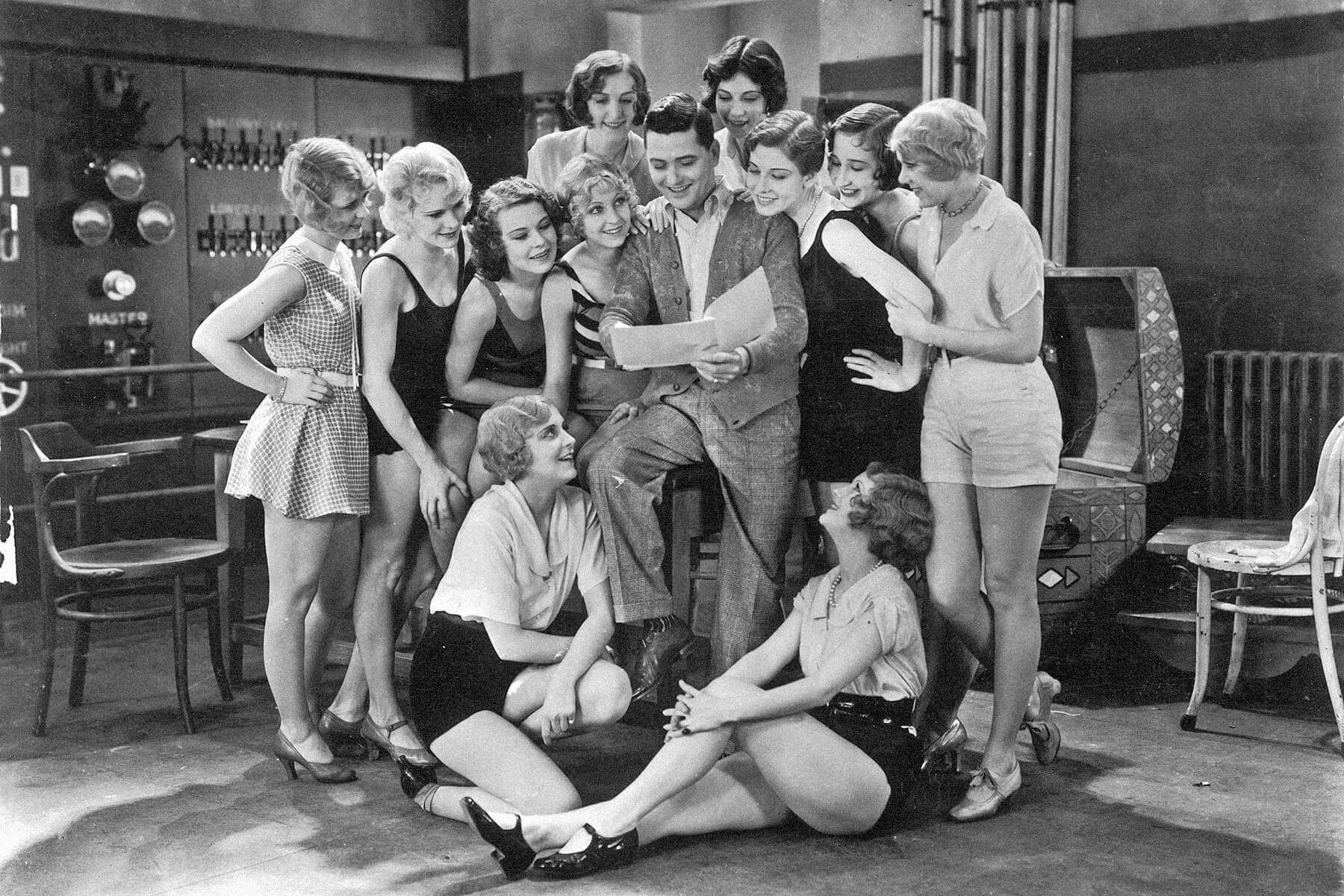
1928: Wings (directed by William A. Wellman)

1929: The Broadway Melody (Harry Beaumont)

1930: All Quiet on the Western Front (Lewis Milestone)

You may also like

The Real Names of 6 Classic Hollywood Stars

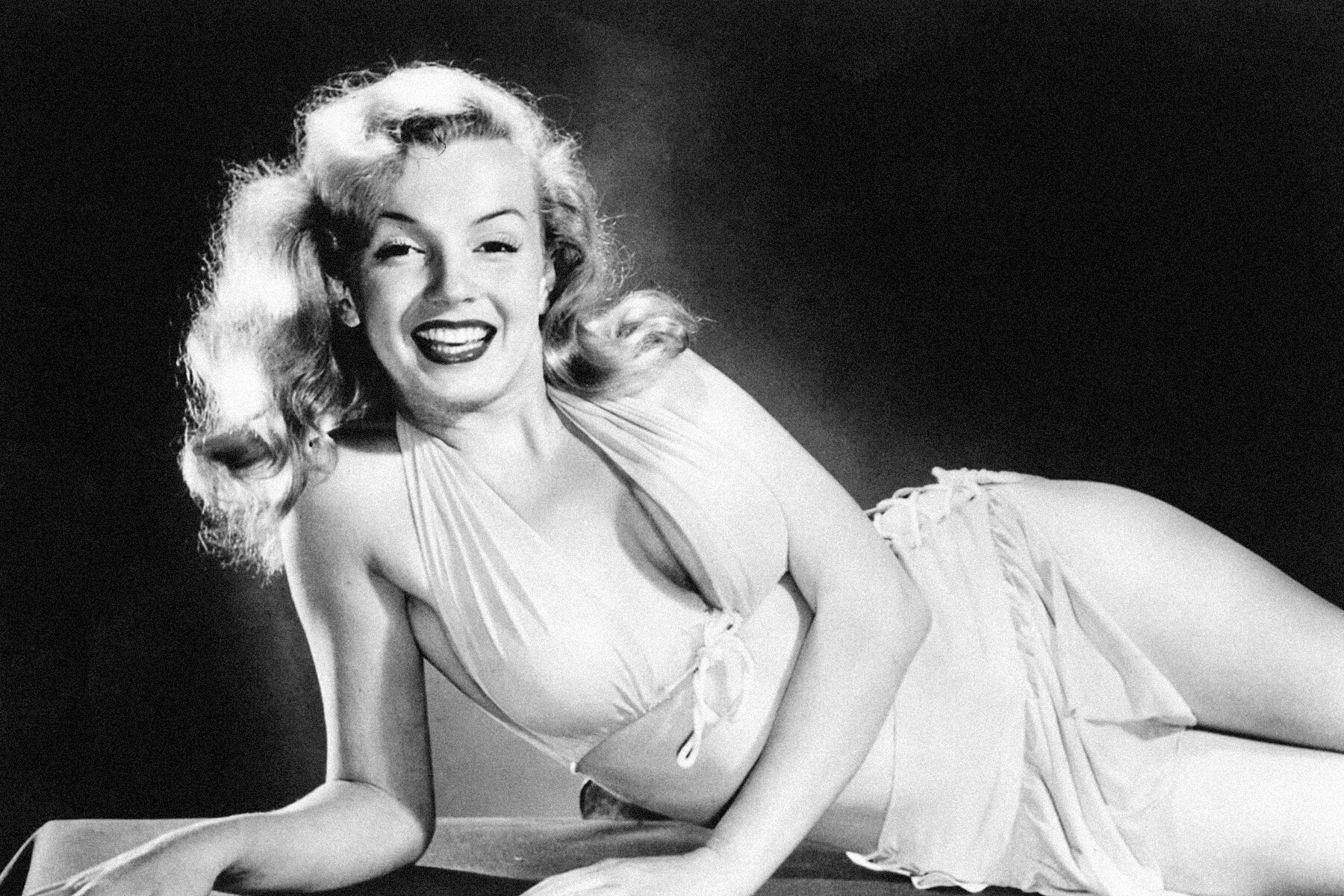
  • Marilyn Monroe
Marilyn Monroe
Credit: L. J. Willinger/ Hulton Archive via Getty Images
Author Tony Dunnell

February 5, 2025

Love it?

Film actors have adopted stage names since the earliest days of cinema, and some of the most recognizable names in entertainment history were in fact carefully considered pseudonyms. 

These stage names were adopted for various reasons. In many cases, actors, often under the guidance of their agents or studio executives, chose a pseudonym simply because it was more marketable than the name they were given at birth — whether because it was more memorable, more glamorous, shorter, or simply easier to say or spell. 

In other cases, actors adopted names that were considered more American-sounding than their given names. Martin Sheen, for example, was born Ramón Antonio Gerardo Estévez, but was persuaded to change his name to something considered more Hollywood-friendly — a decision he later regretted. Keanu Reeves also was told to change his name early on in his career, but he stood his ground and stuck with “Keanu.”  

Here are six of the most legendary Hollywood stars who adopted stage names, including screen icons such as Judy Garland, Cary Grant, and Marilyn Monroe.

Credit: Silver Screen Collection/ Moviepix via Getty Images

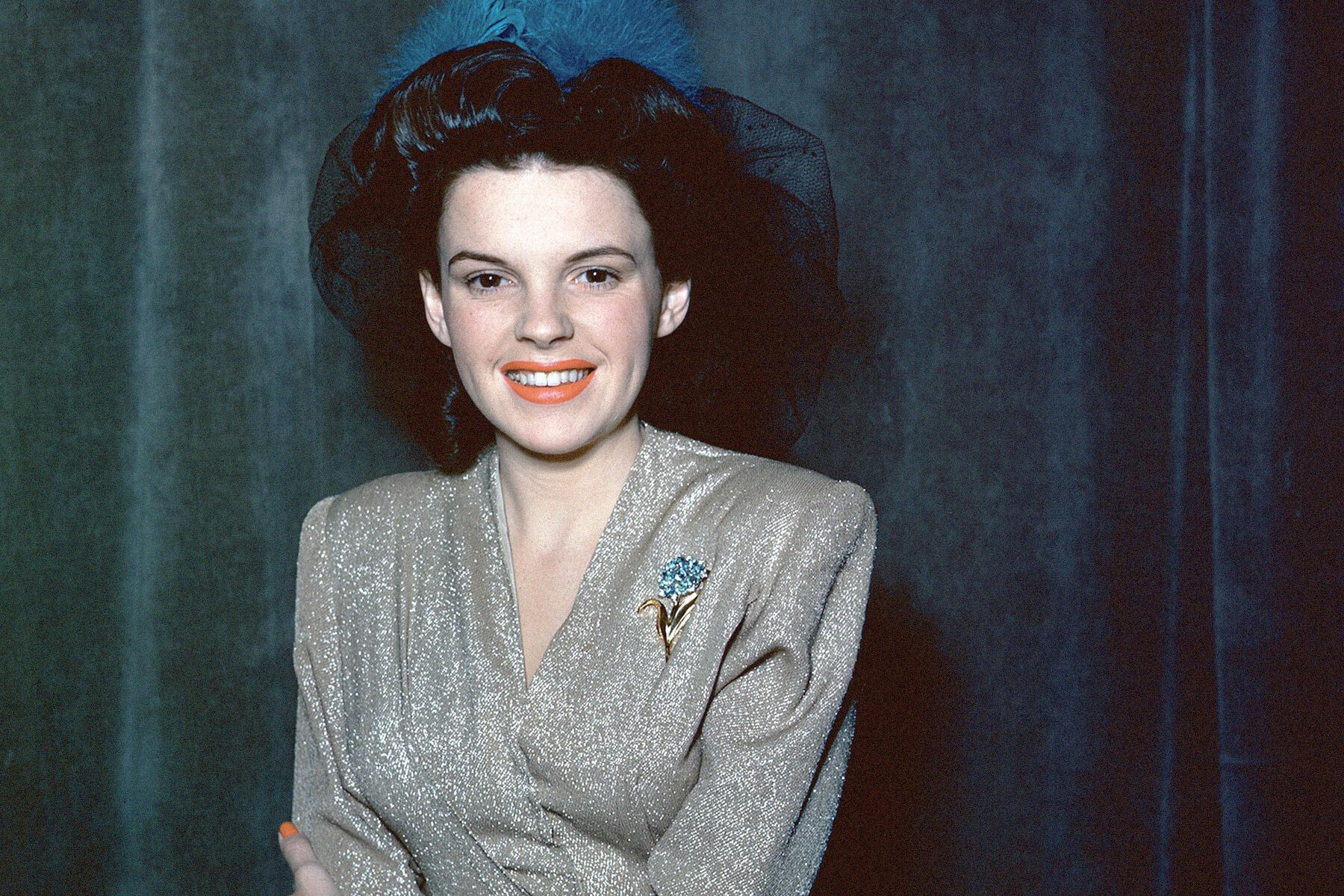
Judy Garland (Frances Ethel Gumm)

Judy Garland, born Frances Ethel Gumm, began her career when she was just a child, performing with her two older sisters in a vaudeville group called the Gumm Sisters. In 1934, when the group began attracting attention, comedian and emcee George Jessel suggested the sisters change their last name to something more glamorous and theatrical. He recommended “Garland,” possibly inspired by Carole Lombard’s character, Lily Garland, in the film Twentieth Century, or perhaps after the acclaimed drama critic Robert Garland. 

A year later, Garland chose to change her first name, too, adopting “Judy” after a popular Hoagy Carmichael song of the same name. The new stage name helped launch Judy Garland’s glittering career, beginning with her starring role in the 1939 classic The Wizard of Oz.

You may also like

The Best Historical Movies of 2024

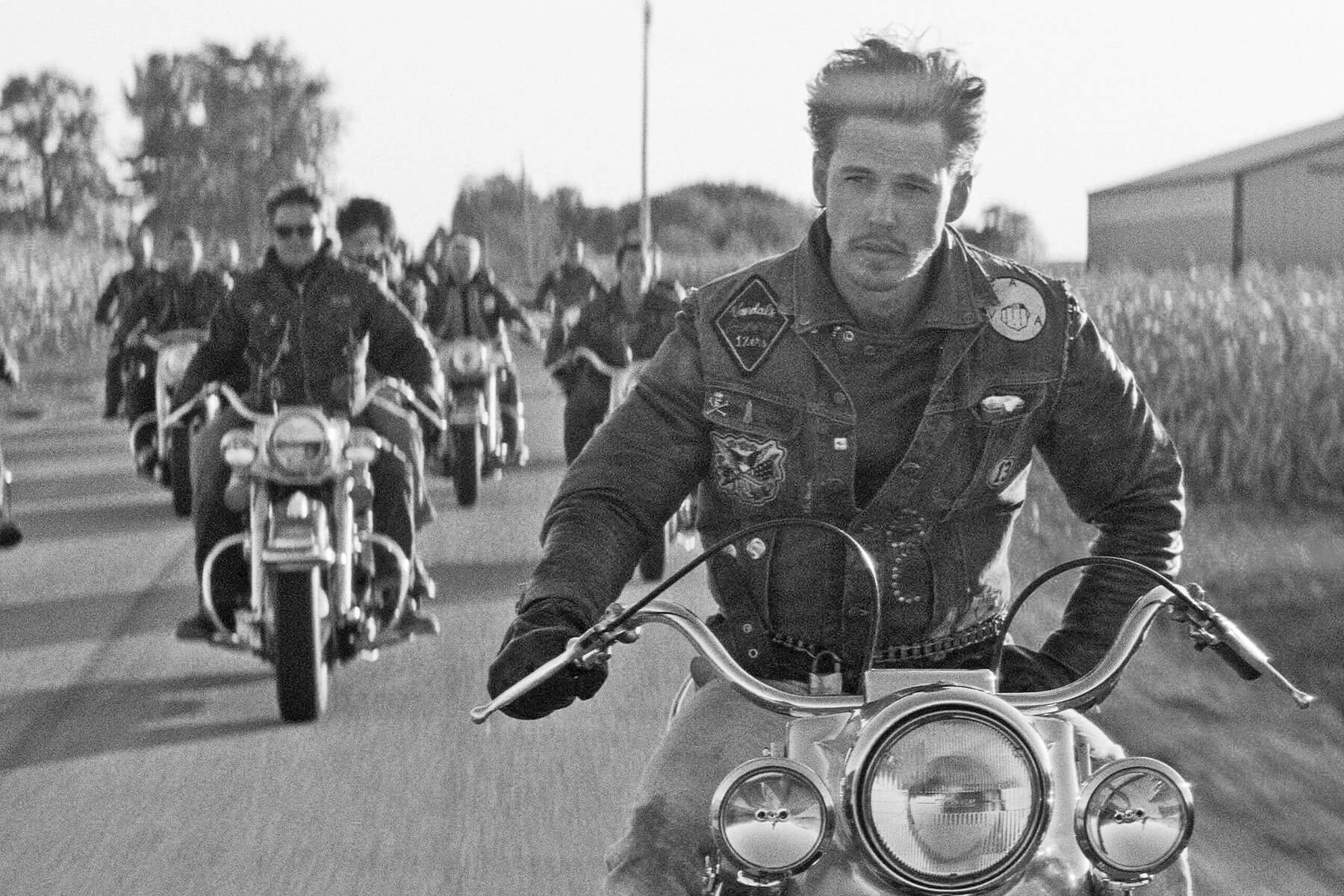
  • Austin Butler in “The Bikeriders”
Austin Butler in “The Bikeriders”
Credit: FlixPix/ Alamy Stock Photo
Author Michael Nordine

December 10, 2024

Love it?

What’s past is prologue, and that famous phrase certainly holds true when it comes to movies. This year’s most notable historical dramas brought their subjects to life in a way that only movies can, using the unreality of filmmaking to show how our understanding of what’s come before informs the present. Here are five of the best of them.

Credit: Album/ Alamy Stock Photo

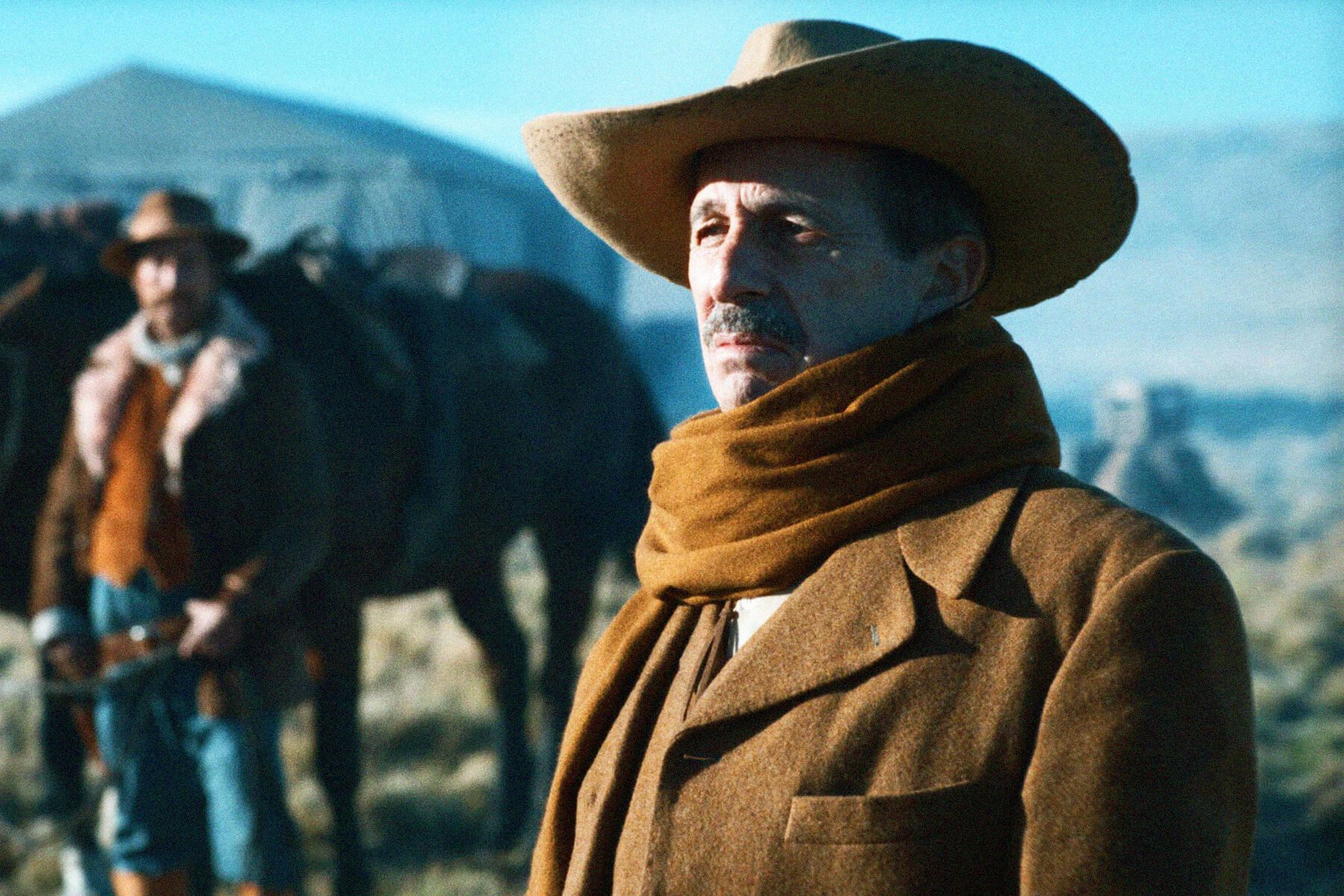
The Settlers

Another word for “settler” is “colonialist,” and indeed the original Spanish title of Felipe Gálvez’s debut feature is Los colonos. Set in 1901 in Tierra del Fuego, an archipelago divided between Argentina and Chile whose name means “Land of Fire,” the film is nothing if not combustible. Inspired by real events, it ranks among the most brutal Westerns ever made. And yet it’s also strikingly beautiful, with cinematography that literally glows like a small, resilient campfire illuminating an otherwise pitch-black landscape from which anything — friend, foe, man, beast — could emerge. It’s not often that a film set in uncharted land feels so genuinely uncharted.

You may also like

Our Movie Editor’s Favorite Historical Films

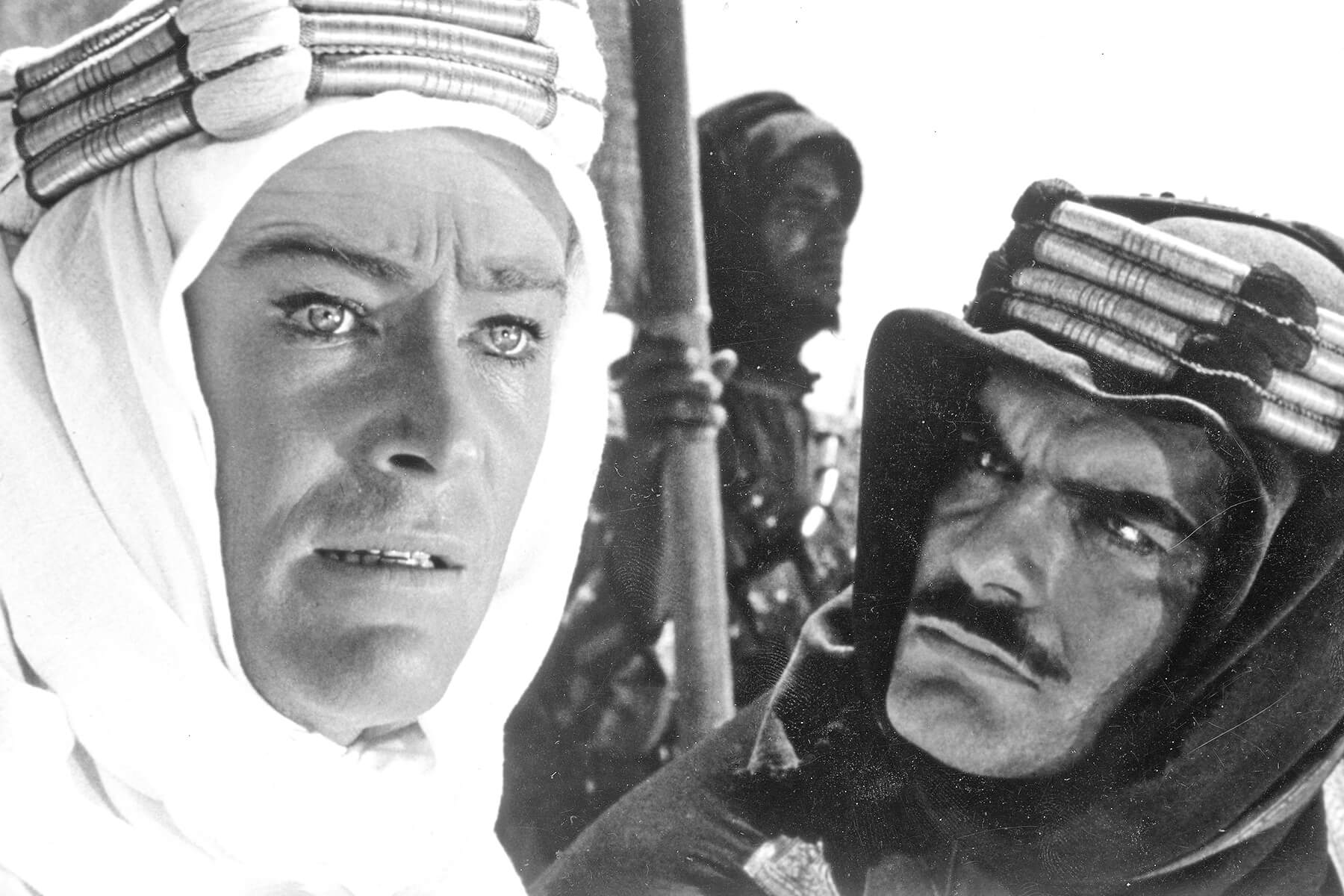
  • Still from “Lawrence of Arabia”
Still from “Lawrence of Arabia”
Credit: Columbia TriStar/ Moviepix via Getty Images
Author Michael Nordine

October 16, 2024

Love it?

Historical movies are often as notable for their factual inaccuracies as they are for their emotional truths, a tension that continues to define the genre. The best of them strike a delicate balance somewhere in the middle, offering insights that no other medium can deliver in the same way. And while some of the films on this list have more fidelity to the historical record than others, all are worth seeking out for the fresh perspectives they provide on old topics.

For similar articles, subscribe to our new sister brand Movie Brief, brought to you by our resident film critic Michael Nordine. You’ll receive a weekly review and recommendation of a new movie, whether in theaters or available to stream, as well as a list of 25 must-see movies when you first sign up.

Credit: Bettmann via Getty Images

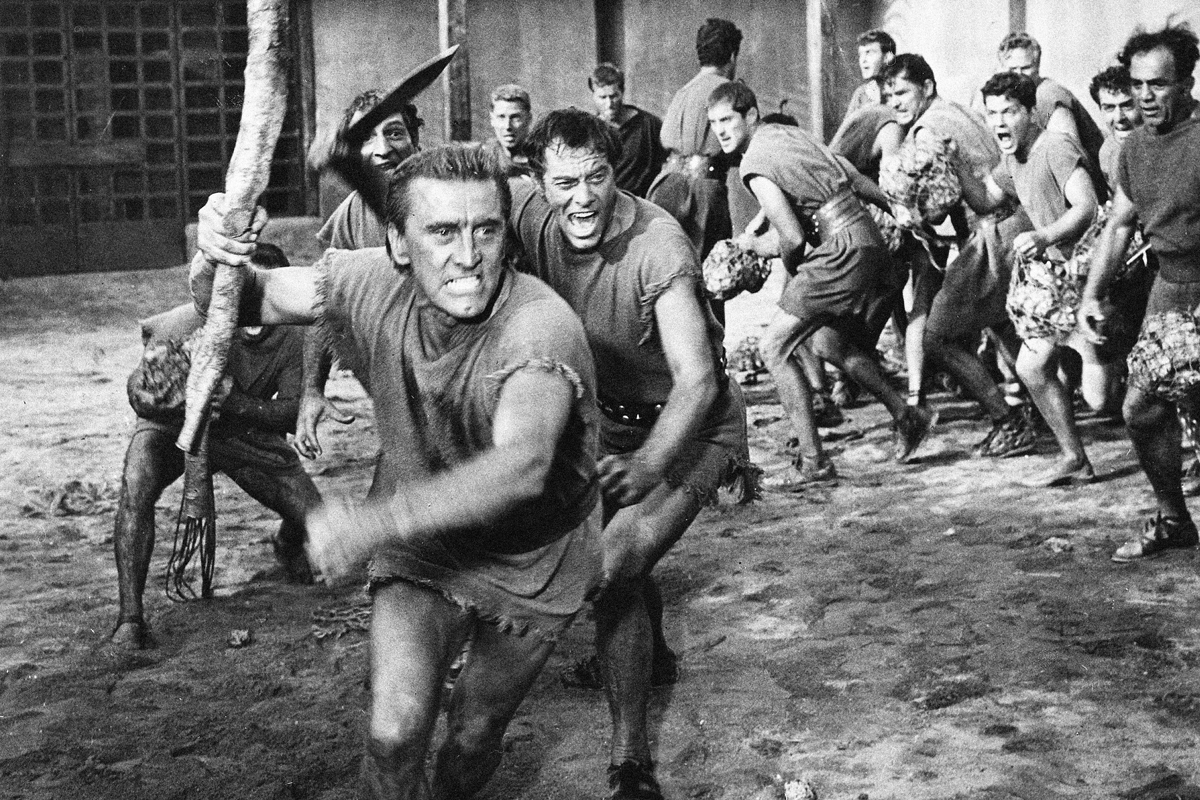
Spartacus (1960)

If you’ve ever seen a crowd of people break into chants of “I’m Spartacus!” but never seen Stanley Kubrick’s three-hour-plus epic, there’s no time like the present to watch one of the best movies ever made about the past. Kirk Douglas stars in the title role, an enslaved gladiator in ancient Rome who breaks his chains and starts an unstoppable movement. The actor lived to be 103 and received three Academy Award nominations as well as a star on the Hollywood Walk of Fame for his legendary body of work, but no singular performance was more moving than this one. (Amazon Prime Video)

You may also like

Why Do Older Movies Look Faster? 

  • Charlie Chaplin, 1914
Charlie Chaplin, 1914
Credit: Hulton Archive/ Archive Photos via Getty Images
Author Timothy Ott

September 25, 2024

Love it?

When we think about old, silent films, we’re likely to picture the choppy, fast-paced movements of Charlie Chaplin or Buster Keaton, or perhaps the newsreel footage of Babe Ruth hitting a home run and seemingly zipping around the bases at 40 miles per hour. As talented as these individuals were, they weren’t capable of moving at speeds far beyond the range of normal people. So why do they appear that way on film?

Credit: Historical/ Corbis Historical via Getty Images

Film Only Provides the Illusion of Movement

To answer this question, we need to go back to some of the basics of filmmaking. Throughout the history of cinema, movie cameras have never been able to faithfully capture real-life movement. Rather, they record a series of still images in rapid succession, and replay them at speeds fast enough to trick the human mind into perceiving movement.

The number of individual images (or frames) displayed in one second of film is known as the frame rate, measured in frames per second (fps). Thomas Edison, who patented (but didn’t invent) the movie camera, noted that film needed to be shown at a speed of at least 46 fps to provide the illusion of movement. But in the early days of cinema, this proved too pricey to be practical, and some filmmakers found that the visual illusion could be sustained — and expensive celluloid film stock conserved — with frame rates closer to 16 fps, or even as low as 12 fps. While this speed was considered fast enough for a movie camera of that era, it is noticeably slower than the 24 fps rate that later became commonplace for both filming and projecting. And when old footage filmed at 16 fps or lower is accelerated for replaying at modern speeds, it will make the objects on screen move noticeably faster.

You may also like

The Best Historical Movies on Netflix

  • Scene from “The Pale Blue Eye”
Scene from “The Pale Blue Eye”
Credit: FlixPix/ Alamy Stock Photo
Author Michael Nordine

June 27, 2024

Love it?

Endlessly scrolling through Netflix without being able to decide what to watch is an all-too-common problem, but it’s easier to solve if you have a specific genre in mind. And while most of the history dramas streaming on the platform aren’t exactly historical themselves, as Netflix’s catalogue is known to skew toward newer films, that doesn’t mean they aren’t worth watching. Here are five of the best, which tell stories ranging from complex biographies to a single day in World War I.

Update: These movies were available for streaming on Netflix when this article was originally published. However, as Netflix’s library frequently changes, some titles may no longer be available. We suggest checking other streaming and rental platforms such as Amazon Prime, Hulu, or Apple TV for availability.

Credit: FlixPix/ Alamy Stock Photo

All Quiet on the Western Front 

Even if you’ve read Erich Maria Remarque’s classic World War I novel or seen its prior two film adaptations, you might not be prepared for 2022’s All Quiet on the Western Front. The film follows a fresh-faced German soldier whose idealistic view of the conflict is immediately (and tragically) shattered by the realities of trench warfare in a losing battle. It was nominated for nine Academy Awards, including Best Picture, and the four it won (most notably Best International Feature) place it alongside Ingmar Bergman’s Fanny and Alexander, Ang Lee’s Crouching Tiger, Hidden Dragon, and Bong Joon-ho’s Parasite as one of the most-awarded foreign-language films in Oscars history.

You may also like