

6 Historical Dramas Competing for Oscar Glory

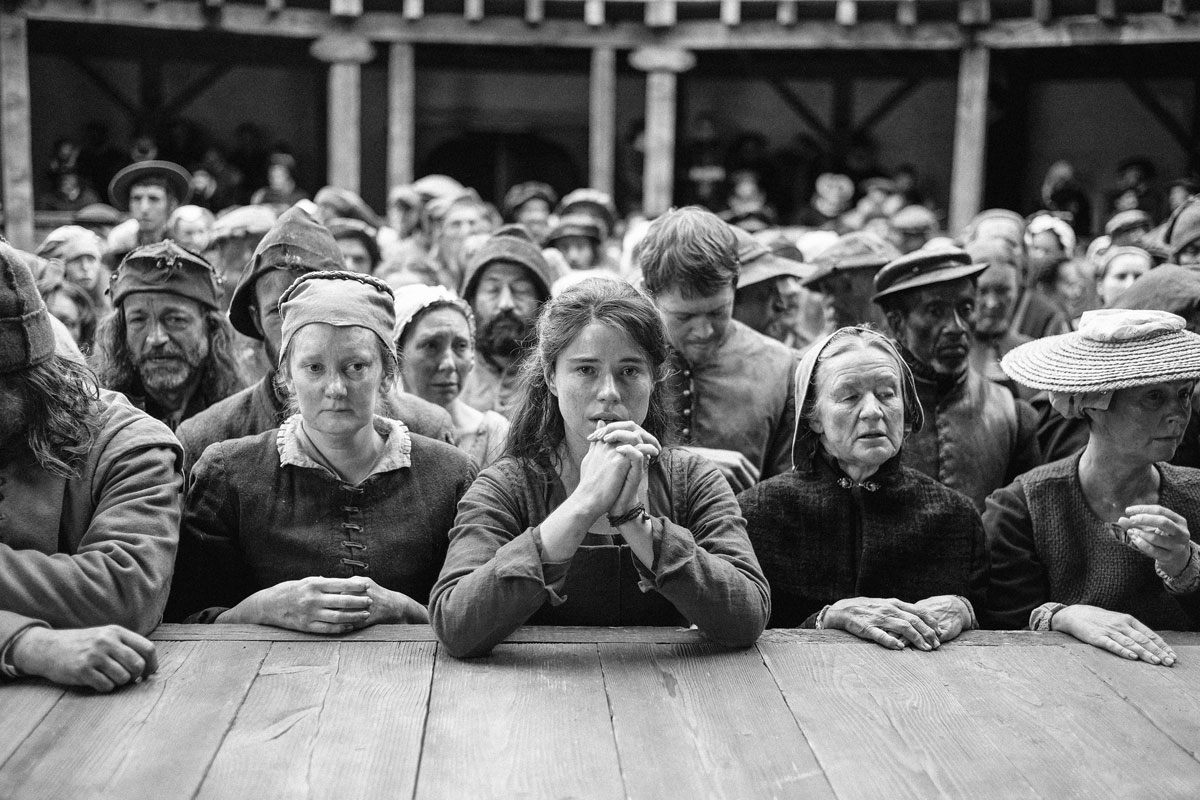
  • Scene from “Hamnet”
Scene from “Hamnet”
Credit: © 2025 Hera Pictures/Neal Street Productions/Amblin Entertainment/Book of Shadows/Amblin Partners/Focus Features/Universal Pictures
Author Michael Nordine

March 4, 2026

Love it?

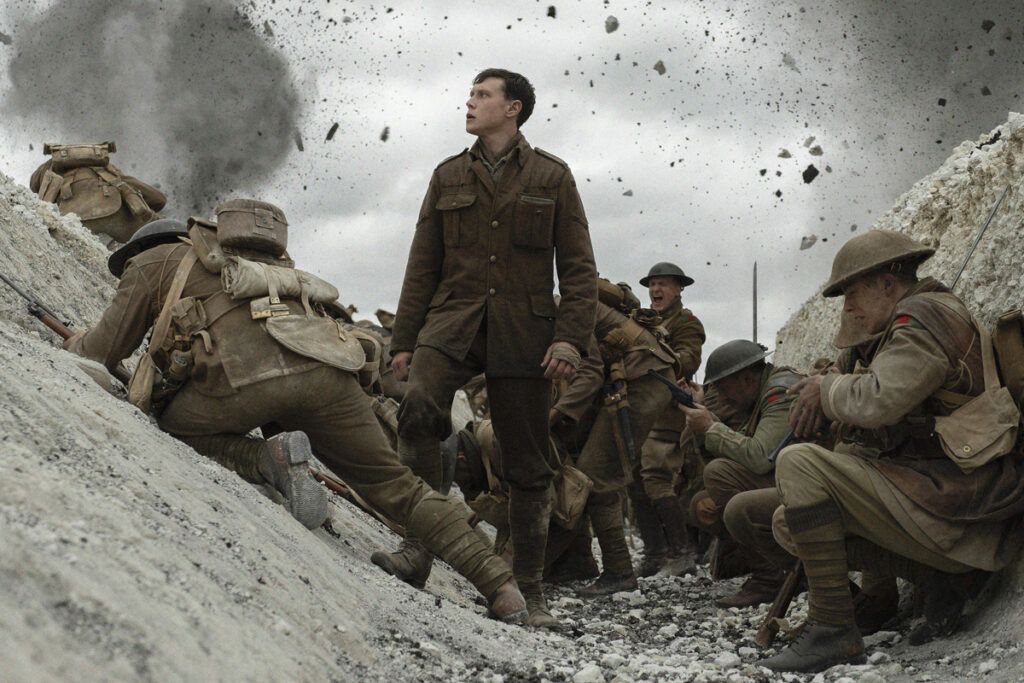
“Oscar bait” and “period piece” aren’t exactly synonymous, but there’s certainly a lot of overlap. Biopics and historical dramas tend to feature prominently throughout awards season, and this year has been no exception. 
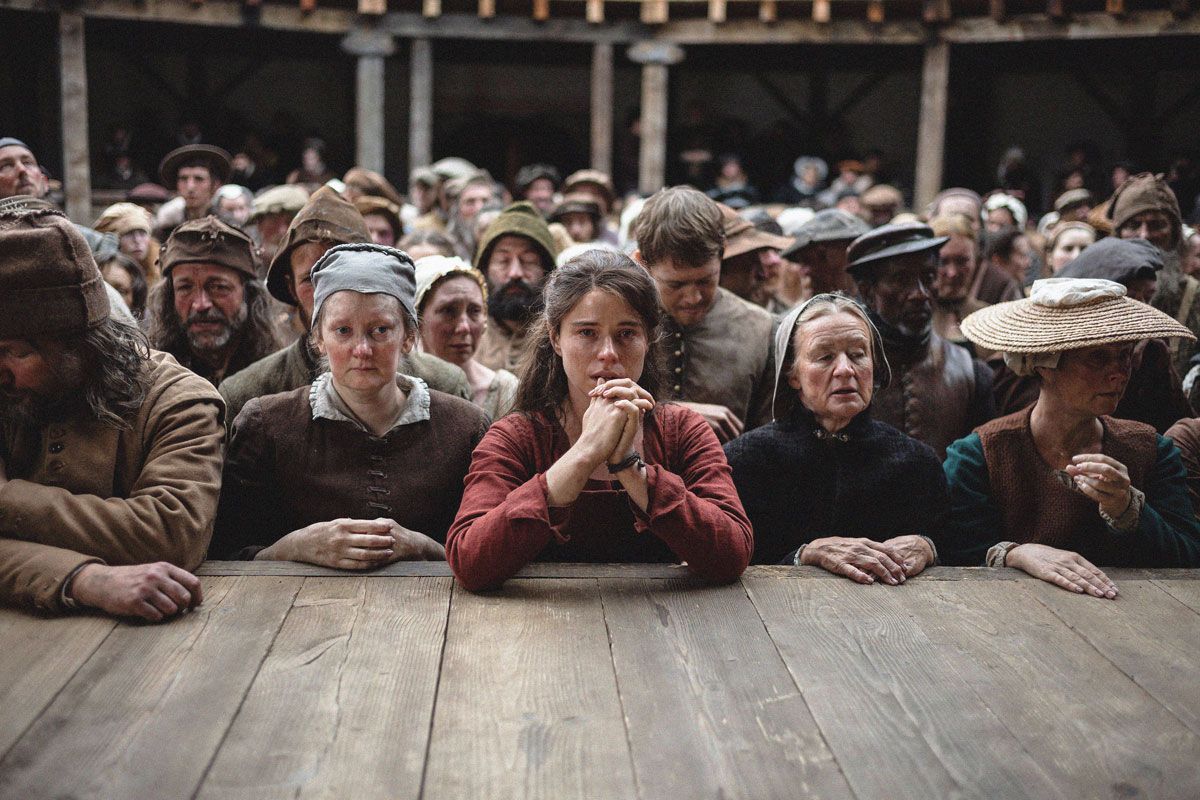
Only four of the 10 Best Picture nominees at the 2026 Oscars take place in the present day (Bugonia, F1, One Battle After Another, and Sentimental Value), while two are set in the past but aren’t exactly historical (Guillermo del Toro’s take on Frankenstein and Ryan Coogler’s superlative vampire flick Sinners). 

The historical dramas nominated for an Academy Award this year, including but not limited to Best Picture, take place everywhere from 16th-century England to 1970s Brazil and tell an equally wide range of stories. Here are all six of them.

Credit: © FlixPix/Alamy 

Blue Moon

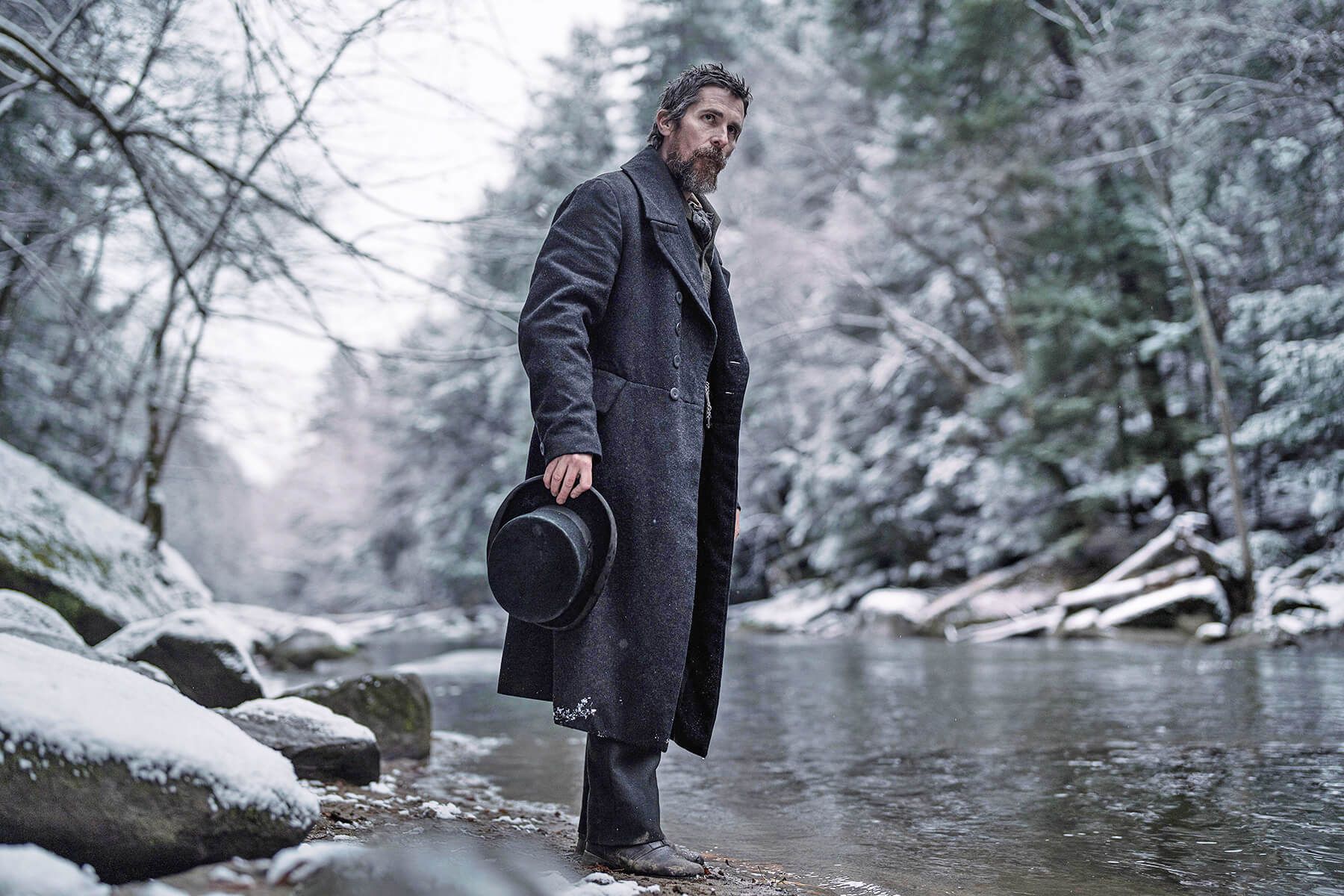
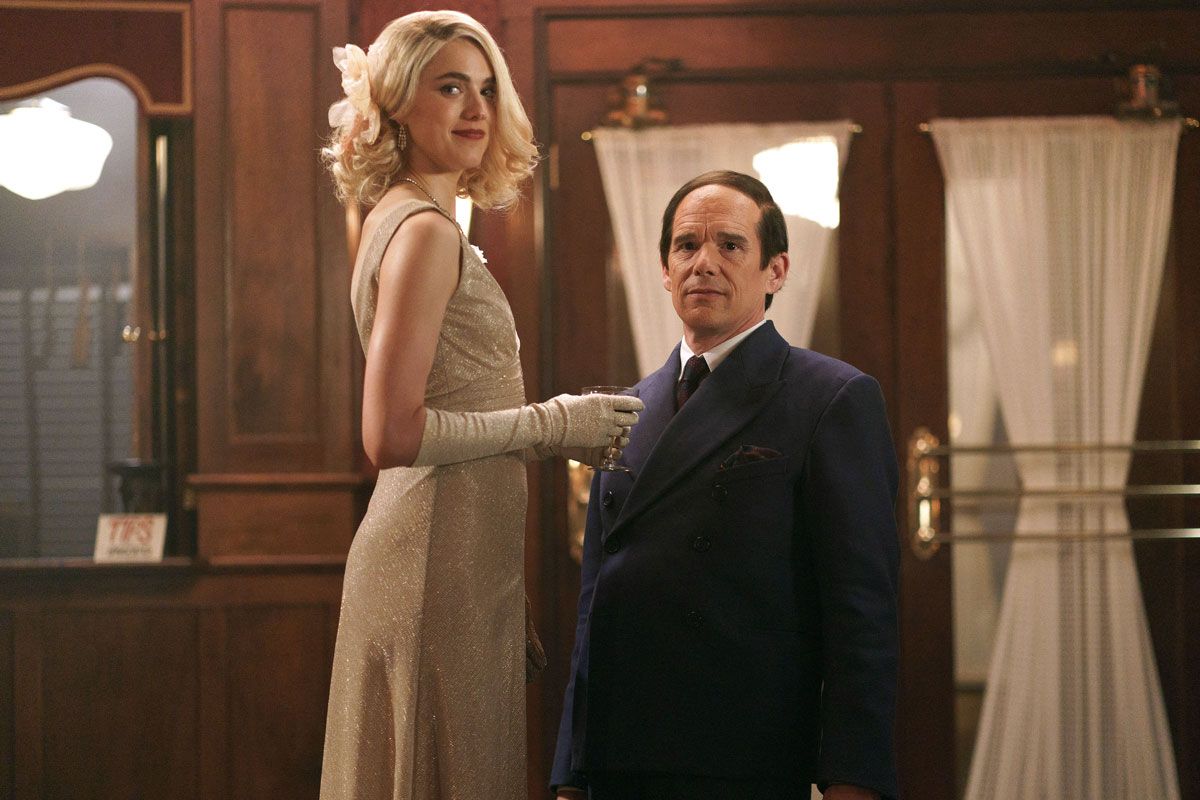
You might not know Lorenz Hart by name, but you’ve almost certainly heard his music. The famed lyricist is the wordsmith behind “My Funny Valentine,” “Manhattan,” and “Blue Moon,” among many other tunes; he disliked being known for the last of these, which is part of why Richard Linklater cheekily named his biopic about Hart after the classic song. 

Ethan Hawke earned a Best Actor nomination for his portrayal of Hart, while screenwriter Robert Kaplow is up for Best Original Screenplay. The entire movie unfolds over one night in 1943 as Hart is forced to endure the success of Oklahoma!, which his former writing partner Richard Rodgers wrote with Oscar Hammerstein II — a development our protagonist doesn’t exactly greet with joy for his longtime friend and collaborator.

You may also like

5 Things Movies Get Wrong About the Medieval Era

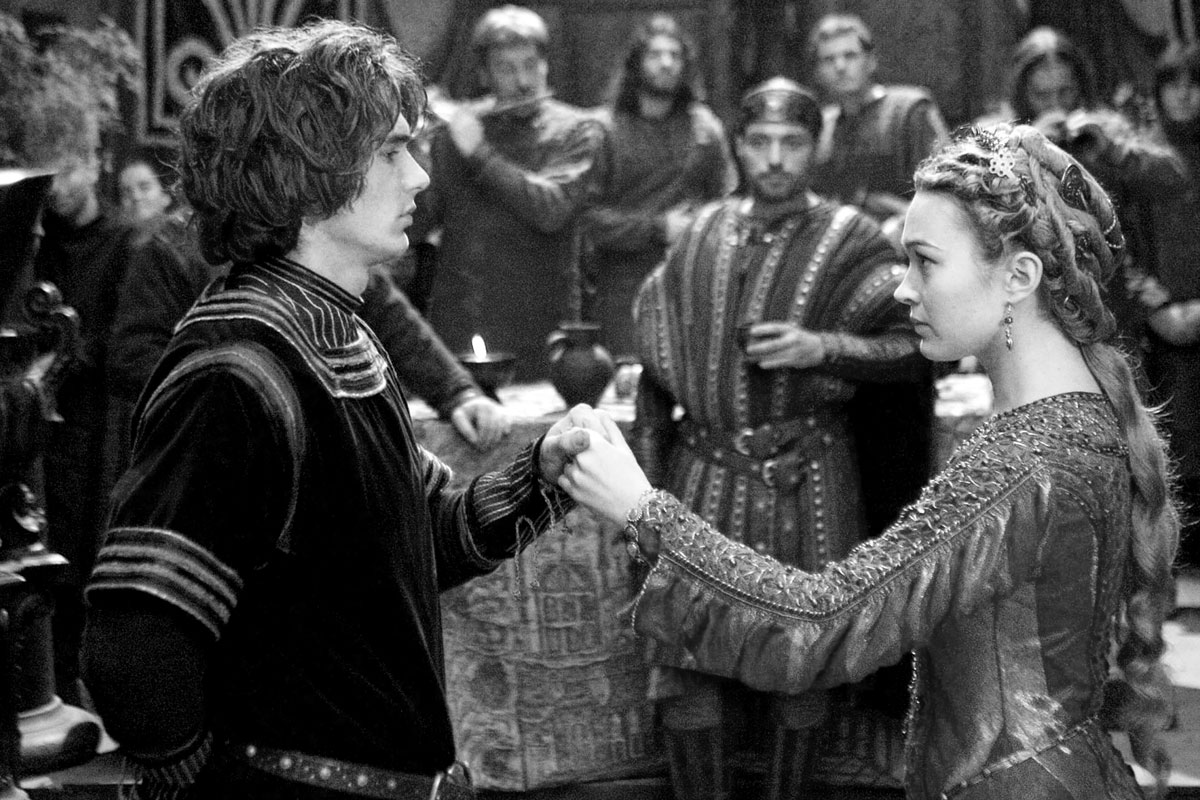
  • Scene from “Tristan & Isolde”
Scene from “Tristan & Isolde”
Credit: Moviestore Collection Ltd/ Alamy
Author Michael Nordine

February 19, 2026

Love it?

There’s a reason you’ve never heard Nicole Kidman say, “We come to this place for a history lesson,” in her AMC commercials. Movies don’t have the best track record when it comes to historical accuracy, especially where the Middle Ages are concerned. Some dubious medieval tropes show up more than others, of course, and these are five of the biggest offenders.

Credit: 20th Century-Fox/ Archive Photos via Getty Images

Prima Nocta

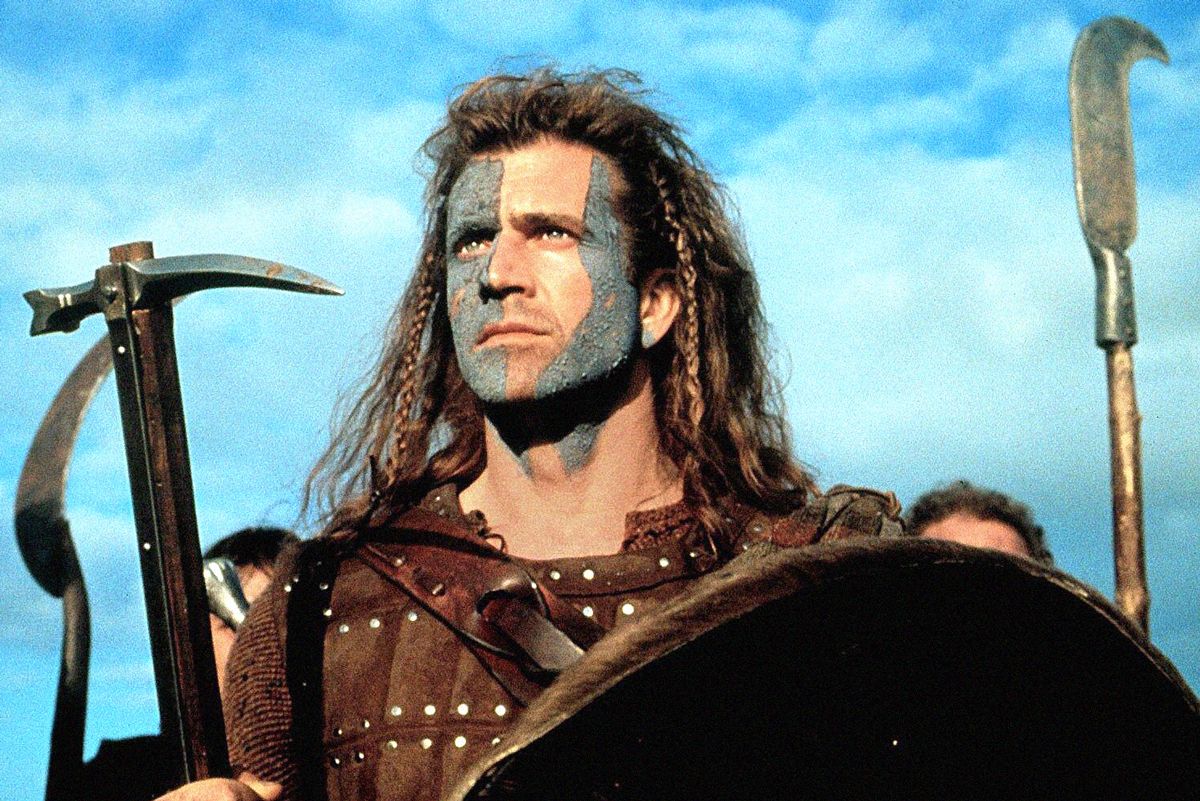
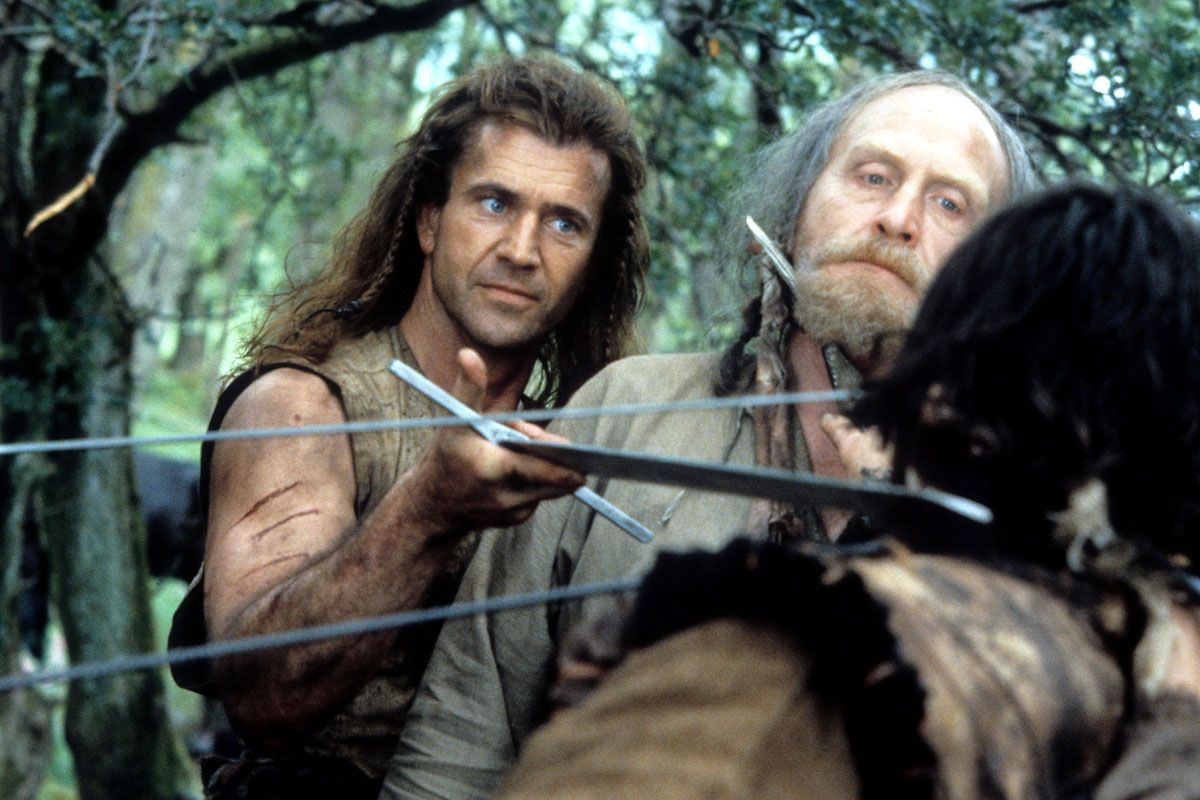
In one of Braveheart’s most upsettingly memorable scenes, Edward Longshanks invokes prima nocta (Latin for “first night”): the right of a feudal lord to sleep with any female subject he so desires, especially on her wedding night. Not only does Hollywood often get the name wrong — it’s more accurately known as either droit du seigneur (“right of the lord”) or jus primae noctis (“right of the first night”) — but the practice most likely never existed. Braveheart is (in)famous for its historical inaccuracies, few of which have seeped into the collective imagination quite like this one. The tradition has been referenced in everything from Avengers: Age of Ultron to The Office, always as prima nocta — a sign that the writers in question first heard of it from Braveheart rather than any historical source.

You may also like

7 ‘Historical’ Movies That Got It Wrong

  • “The Last Samurai,” movie 2003
“The Last Samurai,” movie 2003
Credit: Collection Christophel/ Alamy Stock Photo
Author Michael Nordine

January 13, 2026

Love it?

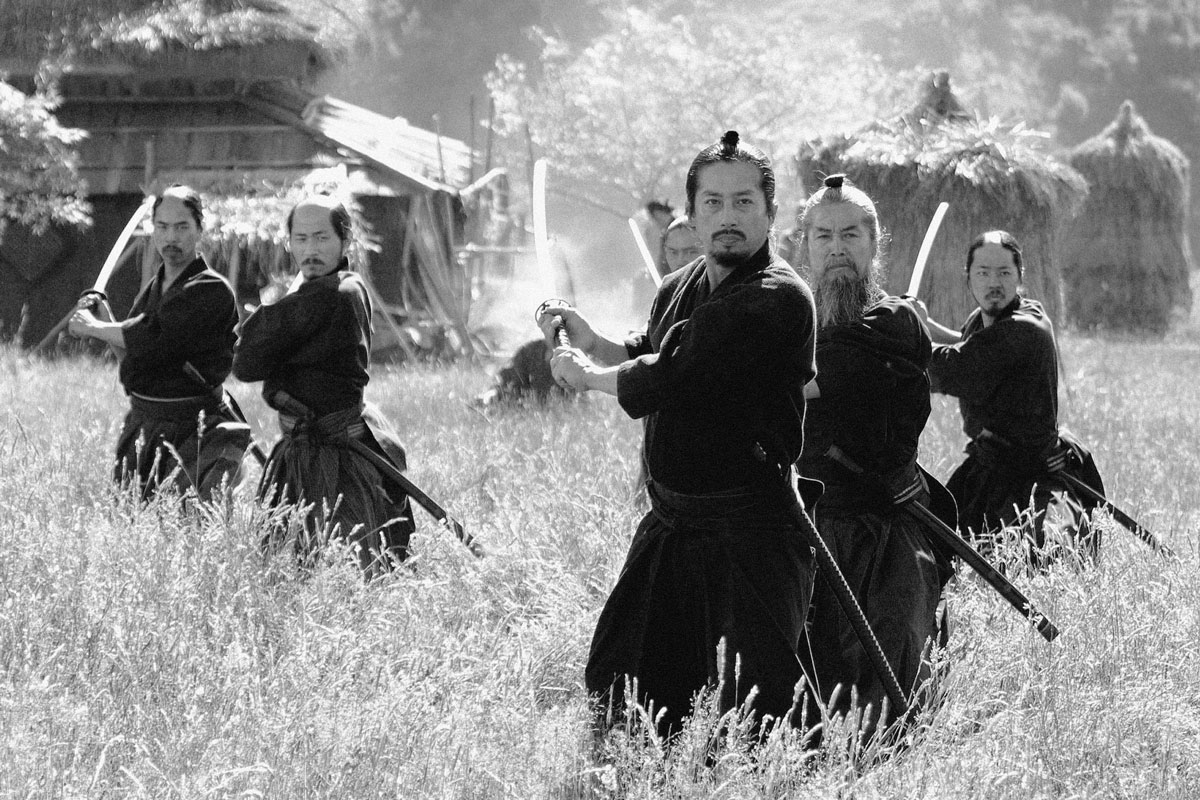
Depending on whom you ask, historical accuracy isn’t always necessary when it comes to making a good historical movie. Some filmmakers consider it important, but not as important as telling a compelling story; others dismiss the notion entirely. The movies on this list belong in the latter category and have been widely criticized by historians as a result — though many of them proved quite popular with audiences despite (or perhaps because of) their deviations from the historical record.

Credit: PictureLux / The Hollywood Archive/ Alamy Stock Photo 

300 (2007)

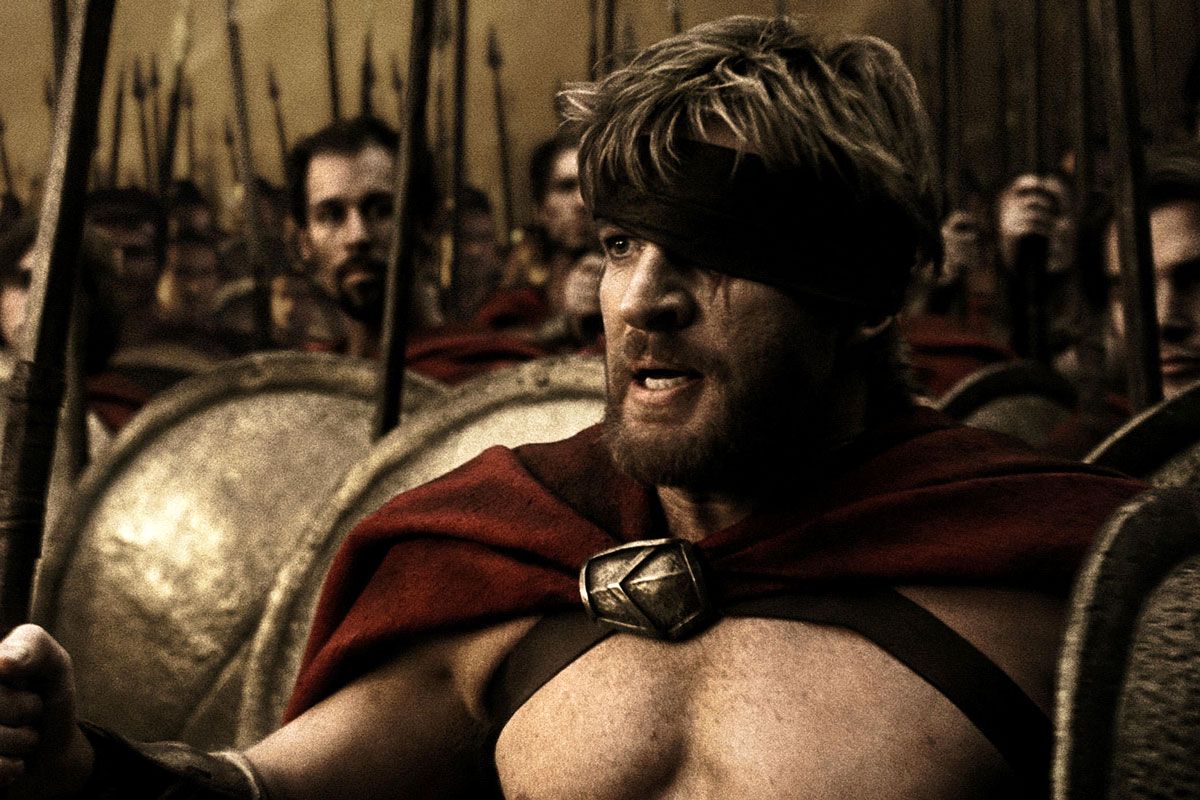
At its core, 300 is based on the genuinely amazing true story of roughly 7,000 Greek warriors (including 300 Spartans) holding off somewhere between 70,000 and 300,000 Persian soldiers at the Battle of Thermopylae. Given that it’s a Zack Snyder adaptation of a graphic novel by Sin City author Frank Miller, however, the verisimilitude ends there. Not that 300, with its mythical creatures and saturated color palette, was ever pretending to be the least bit realistic. So deeply silly that it can’t help being a bit charming here and there, the movie spawned a less successful sequel and at least one memorable scene that was quoted endlessly throughout the rest of 2007 and beyond.

You may also like

The Best Historical Movies of 2025

  • Scene from the film “Hamnet”
Scene from the film “Hamnet”
Credit: Entertainment Pictures/ Alamy Stock Photo
Author Michael Nordine

December 11, 2025

Love it?

Nothing brings history alive quite like movies, which have the power to shape our understanding of the past as no other medium can. Some of this year’s best movies were works of historical fiction that both depicted actual events from the past and also speculated on others that might have occurred, using varying degrees of creative license to offer new takes on timeless subjects. Here’s a rundown of 2025’s most compelling historical cinema, offering fresh perspectives on the famous and forgotten events of yesteryear. 

Credit: BFA/ Alamy Stock Photo 

Hamnet

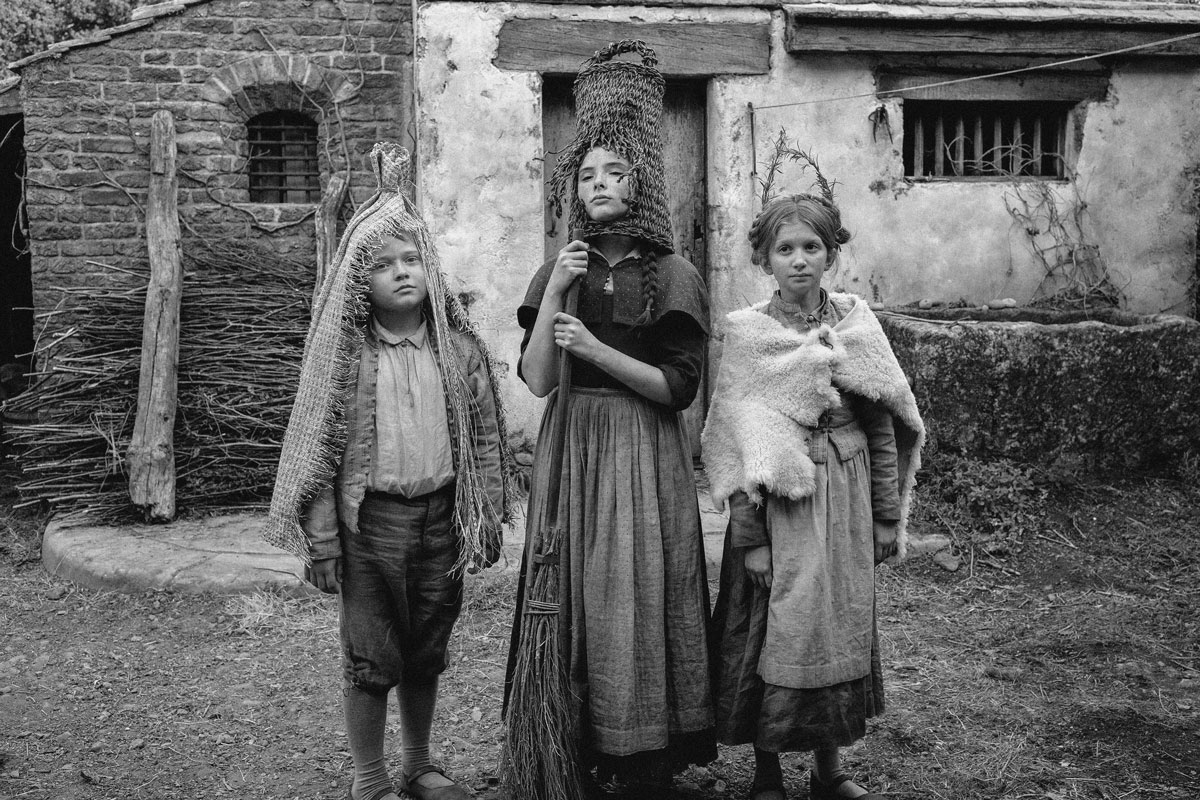
Though based on a work of fiction, Hamnet is about one of history’s most celebrated figures: William Shakespeare, whose son Hamnet is the namesake of Maggie O’Farrell’s widely acclaimed novel. Hamnet Shakespeare died at the tender age of 11, leading to centuries of speculation as to what effect that tragedy had on his father’s work — especially his magnum opus Hamlet, the title of which is far from a coincidence in this powerful film by Oscar-winning Nomadland director Chloé Zhao. A pair of devastating performances by Paul Mescal as the Bard and Jessie Buckley as his wife Anne (nicknamed Agnes) will get most of the attention throughout awards season, but young Jacobi Jupe is nothing short of princely as Hamnet himself.

You may also like

The Biggest Movie the Year You Were Born

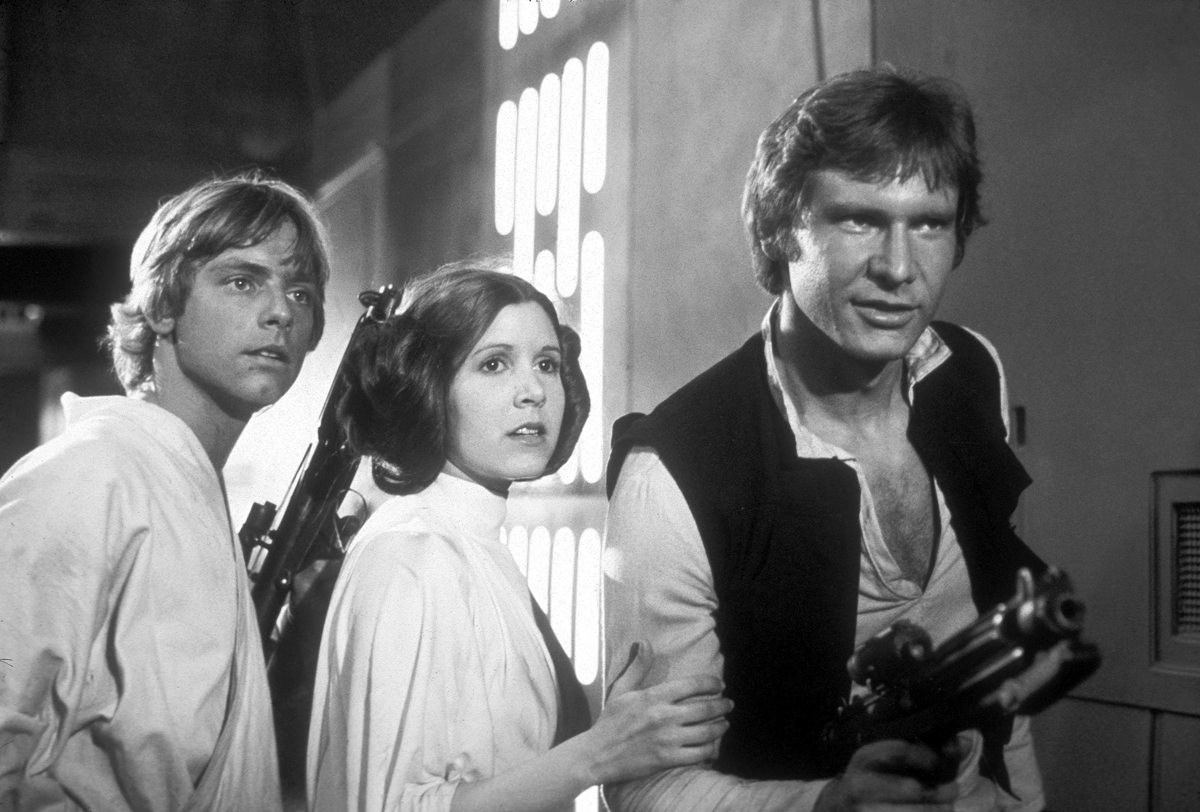
  • “Star Wars: Episode IV,” 1977
“Star Wars: Episode IV,” 1977
Credit: Allstar Picture Library Limited/ Alamy Stock Photo
Author Kristina Wright

October 29, 2025

Love it?

There’s nothing quite like the magic of movies to capture a moment in time. Every era of American history has its unforgettable films that stayed with us, and looking back at the biggest movies of each decade gives us a chance to remember the stories, stars, and cultural moments that defined generations.

This list spotlights the films that topped the domestic box office in the U.S. and Canada from the 1920s to the 2020s, revealing what audiences lined up to see each year. Because many movies continued to earn through long theatrical runs and later rereleases, each title on the list reflects the top-earning film in the year it was released. And while reliable box-office tracking dates back only to 1977, earlier titles on the list are based on the best available studio records and industry estimates.

So grab your popcorn, settle in, and take a trip through more than a century of movie history to rediscover the biggest film the year you were born.

Credit: George Rinhart/ Corbis Historical via Getty Images 

1920s

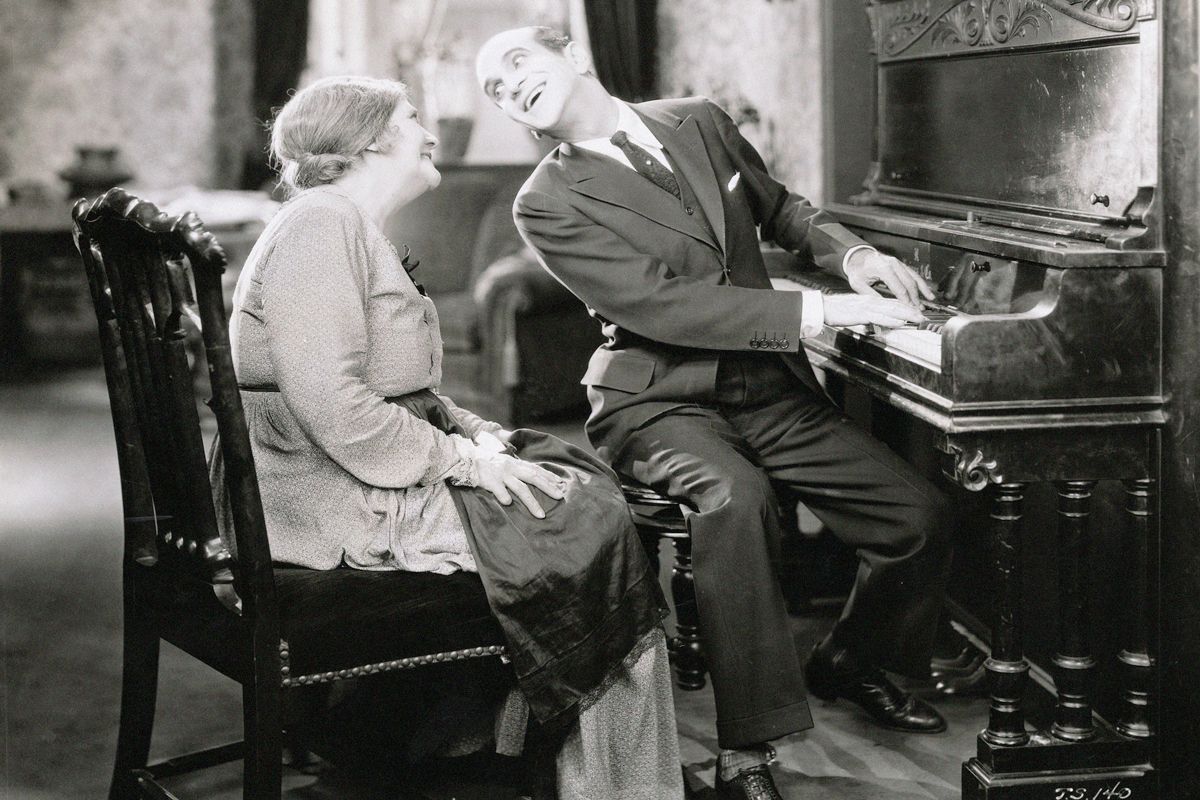
The 1920s cemented Hollywood’s status as the world’s movie capital and transformed film into the decade’s defining form of entertainment. Audiences loved films such as The Ten Commandments and The Big Parade, while matinee idols including Douglas Fairbanks, Rudolph Valentino, and Clara Bow captured the glamour and energy of the Jazz Age. By decade’s end, cinema itself was transformed — 1927’s The Jazz Singer introduced synchronized sound, marking the birth of the “talkie” and forever changing the way audiences experienced the movies.

1920 – Way Down East
1921 – The Four Horsemen of the Apocalypse
1922 – Robin Hood
1923 – The Ten Commandments
1924 – The Sea Hawk
1925 – The Big Parade
1926 – What Price Glory?
1927 – The Jazz Singer
1928 – The Singing Fool
1929 – The Broadway Melody

You may also like

5 Strange Rules From Hollywood’s Hays Code

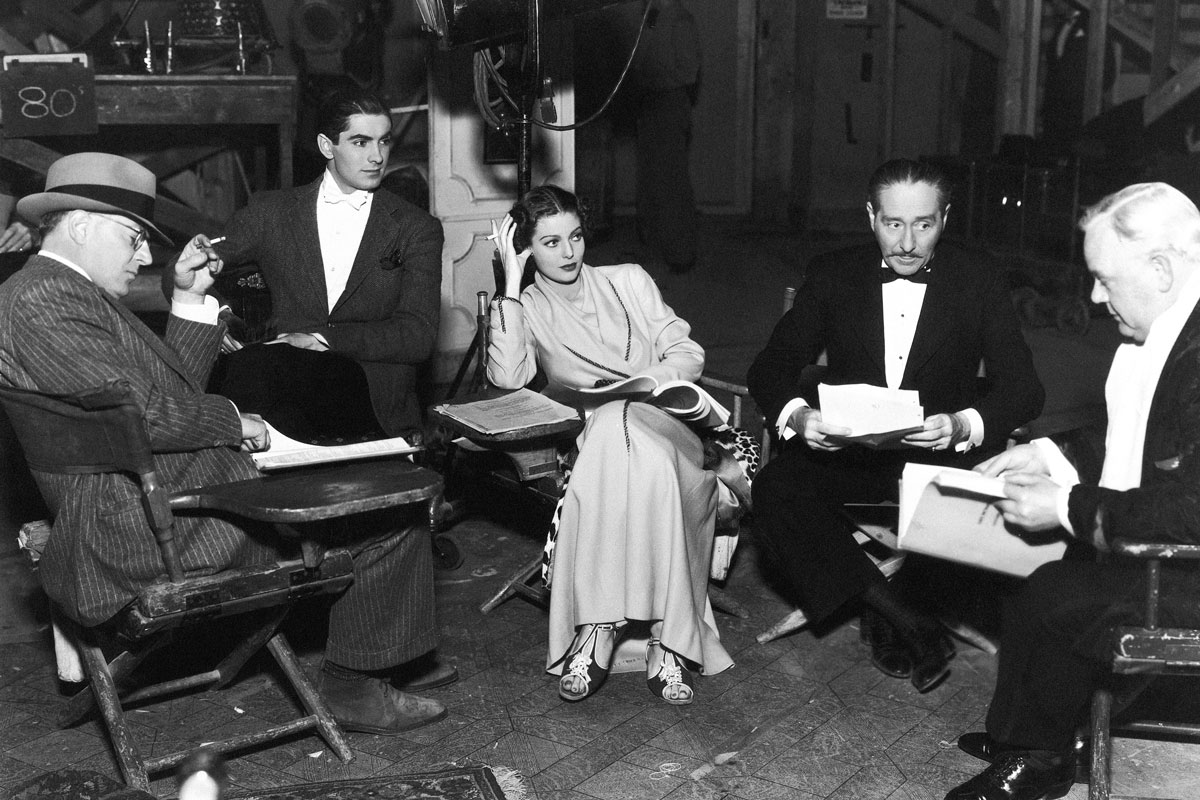
  • Actors on set, 1937
Actors on set, 1937
Credit: Archive Photos via Getty Images
Author Nicole Villeneuve

September 24, 2025

Love it?

The golden age of Hollywood was an era of glamorous stars and timeless films, but behind the sparkle was a somewhat less romantic reality. From 1934 until the late 1960s, films were subject to strict moral scrutiny and censorship under the Motion Picture Production Code, better known as the Hays Code.

Named for politician Will H. Hays, who served as president of the Motion Picture Producers and Distributors of America, the set of rules was born from scandal. A series of high-profile controversies in the 1920s convinced the public that Hollywood was reckless, immoral, and a dangerous influence on the general public. Fearing government censorship, Hollywood studios opted to police themselves instead. 

On paper, the Hays Code guidelines promised protection for impressionable viewers. In practice, this meant a long list of oddly specific rules primarily targeting crime, profanity, or anything sexual in nature, many of which reflected social anxieties of the era but seem outlandish and outdated today. Here are five of the strangest rules from Hollywood’s Hays Code days. 

Credit: H. Armstrong Roberts/ClassicStock/ Archive Photos via Getty Images 

No “Raspberry” Sounds

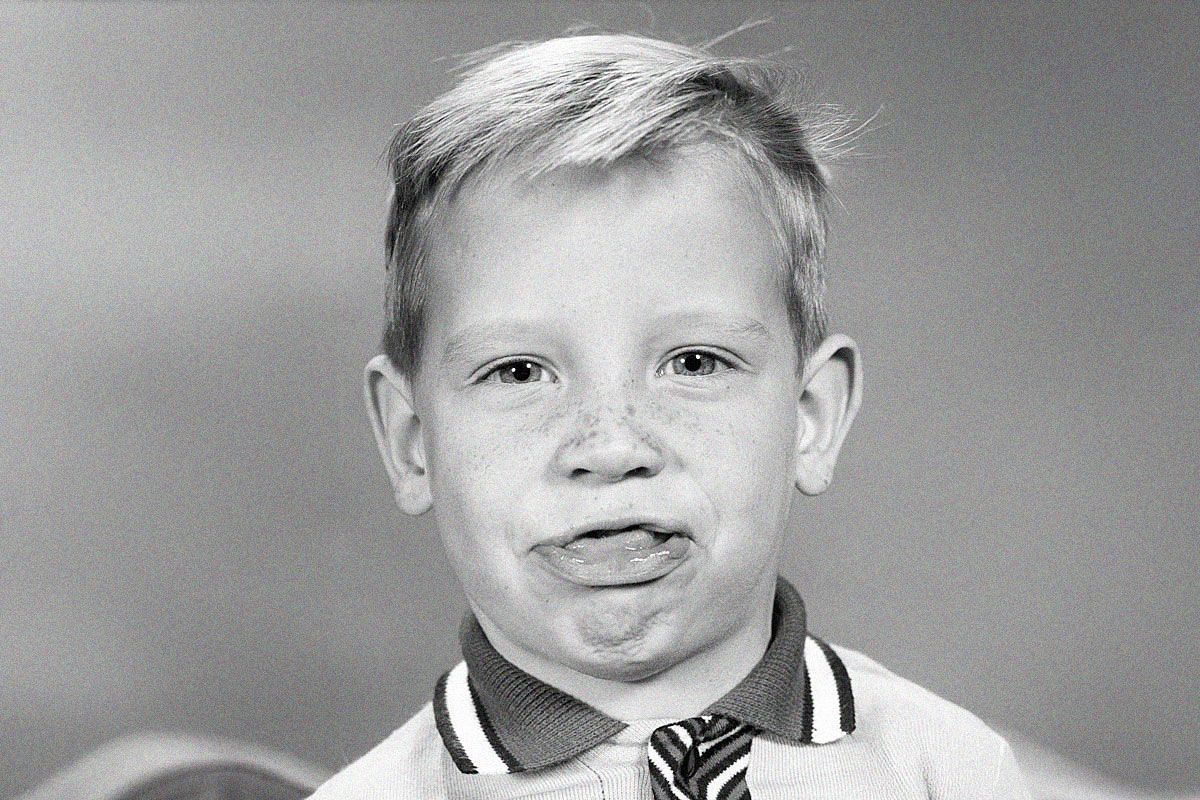
It’s a sound most of us associate with children or silly teasing, but in 1930s Hollywood, making a “raspberry” sound was forbidden. The juvenile act of placing one’s tongue between the lips and blowing (also known at the time as the “Bronx cheer”) was deemed a “vulgar expression” and listed under the Hays Code’s profanity section. Other gestures of mockery were flagged as well, such as using the middle finger.

Of course, the rules didn’t just forbid gestures. Many words were also considered profane, including “cripes,” “lousy,” and “damn.” In fact, one of the most famous lines from 1939’s Gone With the Wind — “Frankly, my dear, I don’t give a damn” — almost didn’t make it past censors the Production Code Administration office, who ultimately allowed the line due to its literary roots. 

You may also like

6 Retro Photos From Hollywood’s Golden Age

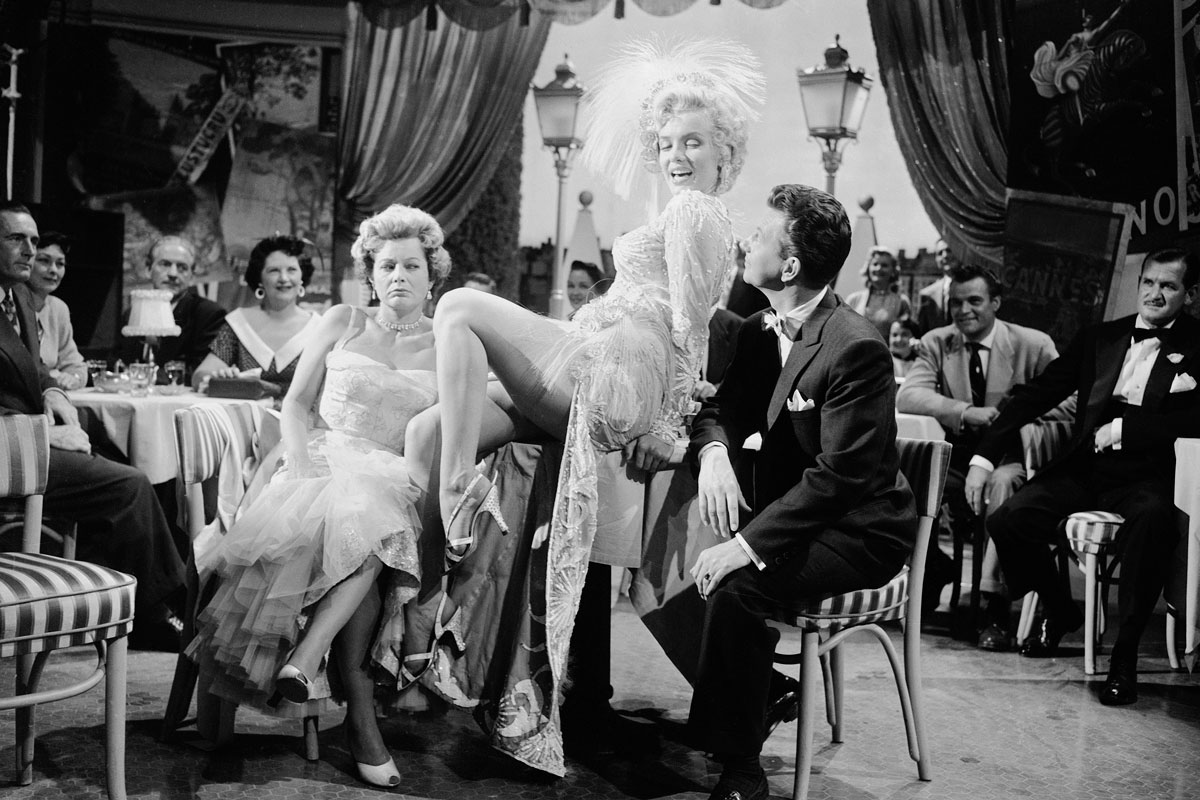
  • Marilyn Monroe dancing, 1954
Marilyn Monroe dancing, 1954
Credit: Bettmann via Getty Images
Author Timothy Ott

September 11, 2025

Love it?

Spanning from roughly the 1920s to the early ’60s, Hollywood’s golden age begat some of film’s most glamorous stars, classic quotes, and enduring scenes. Indeed, this era of moviemaking from the greater Los Angeles area was a time when the very idea of “Hollywood” as an idealized alternate reality was crystalized in the public consciousness.

While we now know that life wasn’t always so rosy behind the red carpet photo shoots and studio gates, that concept of old, glamorous Hollywood retains a strong emotional pull as a place where dreams were realized. Here’s a look at six photos that capture some of the defining faces, events, and achievements of the era.

Credit: Album/ Alamy Stock Photo 

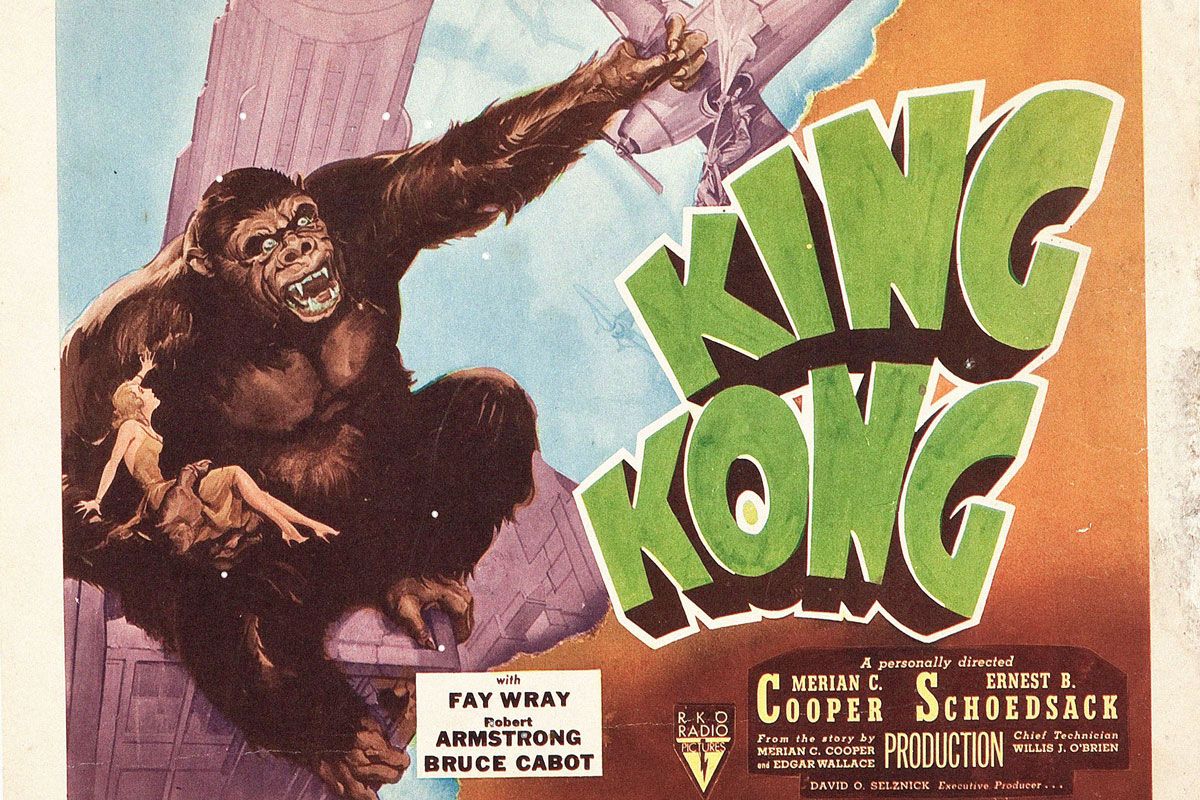
King Kong Movie Poster

Promotional posters have been around since the inception of the motion picture industry, with full-color prints noting the leading men, women, and, in this case, creatures to be seen in the project being highlighted. King Kong (1933), of course, was a landmark film of its era, thanks in part to production techniques that included the pioneering usage of stop-motion photography and creation of an original score. 

While the movie’s promotional material effectively showcased the terrible power of its titular monster without being particularly groundbreaking, American film posters soon exhibited more innovative styles of collage and minimalism. And unlike the largely anonymous artists of the early 20th century, illustrators such as Bill Gold and Saul Bass enjoyed acclaim for their work in this particular field during the golden age of Hollywood.

You may also like

The Most Accurate War Movies of All Time

  • Scene from “Saving Private Ryan”
Scene from “Saving Private Ryan”
Credit: AJ Pics/ Alamy Stock Photo
Author Michael Nordine

September 5, 2025

Love it?

Even if you favor entertainment over education when it comes to cinema, you probably care at least a little about historical accuracy when watching historical dramas. A little creative license never hurt anyone, but attention to detail adds an authenticity that makes the viewing experience feel richer. That’s especially true of war movies, which attract two overlapping sets of people sometimes known for being persnickety: history buffs and cinephiles. If you belong to either camp, you’ll want to watch these five war movies known for their historical accuracy.

Credit: John Springer Collection/ Corbis Historical via Getty Images 

From Here to Eternity (1953)

Though most war movies are praised or criticized for how accurately they portray the battlefield, Fred Zinnemann’s Best Picture winner has been noted for capturing another aspect of military life: the U.S. armed forces’ “obsession” with sports, which reached its zenith during World War II. 

From Here to Eternity is mainly about the months leading up to the attack on Pearl Harbor, but one of its most significant subplots involves a regimental boxing team, which were common during World War II. (Its most famous scene, however, has nothing to do with either — and you’ve almost certainly seen it even if you’ve never seen the actual movie.) Soldiers were encouraged to pursue athletics to raise morale, with baseball and football also proving popular — not least for the way they contrasted with the preferred sports of the Axis.

You may also like

Are the ‘Jurassic Park’ Dinosaurs Realistic?

  • “Jurassic Park,” 1993
“Jurassic Park,” 1993
Credit: Pictorial Press Ltd/ Alamy Stock Photo
Author Nicole Villeneuve

August 27, 2025

Love it?

When Jurassic Park premiered in June 1993, it wasn’t just another summer blockbuster. Many of us still remember sitting in the theater, popcorn in hand, in awe as a shockingly lifelike brachiosaur appeared. The dinosaur moved, ate, and roared across the screen with a realism we’d never seen before

Director Steven Spielberg worked closely with paleontologists such as Jack Horner to base the film in modern scientific understanding, but as Horner himself has said, “We weren’t trying to make a documentary.” Today, more than 30 years and six sequels later, the question is still on our minds: Are Jurassic Park’s dinosaurs more science or spectacle?

Credit: Bettmann via Getty Images 

T. Rex and Raptors

The Tyrannosaurus rex was the undisputed star of the original film. Speaking with NPR recently, paleontologist Matt Lamanna called its depiction “pretty awesome,” with its size, shape, and most behaviors reflecting what paleontologists understand today. But one of the movie’s most famous lines — “He can’t see us if we don’t move” — suggests the predator’s vision is based solely on movement, which isn’t quite true. Fossils show that the T. rex had forward-facing eyes, and the shape of the dino’s skull means it likely had excellent depth perception. In fact, scientists think it may have had among the best eyesight of any dinosaur. 

More recent discoveries also suggest the T. rex, along with most dinosaurs, may have had feathers. While it’s likely that earlier Tyrannosaurus species had more significant plumage, T. rex, which lived later in the Cretaceous Period, could still have had feathers along its back

Feathers — or the lack thereof — play an even bigger role with velociraptors, perhaps the most exaggerated dino in the franchise. In reality, these dinos were covered in feathers and only about the size of a turkey. The film also gave the raptors down-facing hands, but paleontologists say that their palms would have faced each other (as would a T. rex’s), as theropods were known as clappers, not slappers

Jurassic Park’s sneaky, scaly raptors were actually based on their larger cousin deinonychus. Some details were on point, though: According to fossil records, the raptors’ sickle-shaped claws were accurate, and like the movie versions, real velociraptors were indeed thought to be smart, fast, and ferocious, though probably more solitary than the pack hunters that terrorized the cast.

You may also like

10 Essential Films About the Great Depression

  • On the set of “The Grapes of Wrath”
On the set of “The Grapes of Wrath”
Credit: Sunset Boulevard/ Corbis Historical via Getty Images
Author Michael Nordine

August 13, 2025

Love it?

There’s never been a period of American history quite like the Great Depression, and hopefully there never will be again. Coming about at the same time movies were becoming an increasingly dominant cultural force, the economic downturn lasting from 1929 to 1939 was, perhaps counterintuitively, inextricably linked with the golden age of Hollywood. Some of the best movies made during the Depression were also about the Depression, though a number of later productions captured the era just as well. Here are the 10 best.

Credit: John Springer Collection/ Corbis Historical via Getty Images 

Gold Diggers of 1933 (1933)

You might not think that a musical about the Great Depression made during the height of the economic crisis would be a good idea, but Gold Diggers of 1933 was the third-most successful movie at the box office the year it was released and has been considered a classic ever since. Going to the movies was a vital form of escapism throughout the 1930s, and spectacle-driven pictures like this one — big, bold, and fun — proved to be especially welcome distractions from life outside the theater. Based on the 1919 play Gold Diggers and following the story of four aspiring actresses hoping to improve their station, the movie featured themes of upward mobility that were clearly relatable to audiences of the time.

You may also like