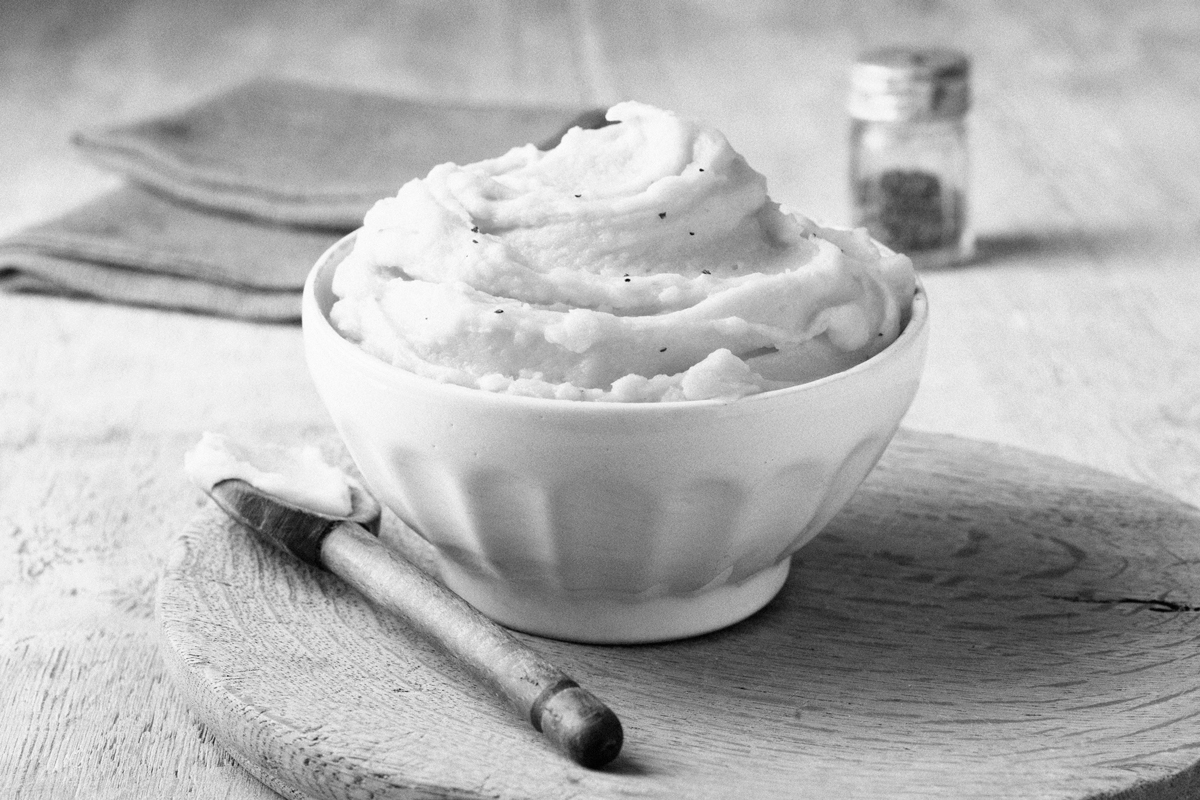




7 Foods People Used To Think Were Healthy

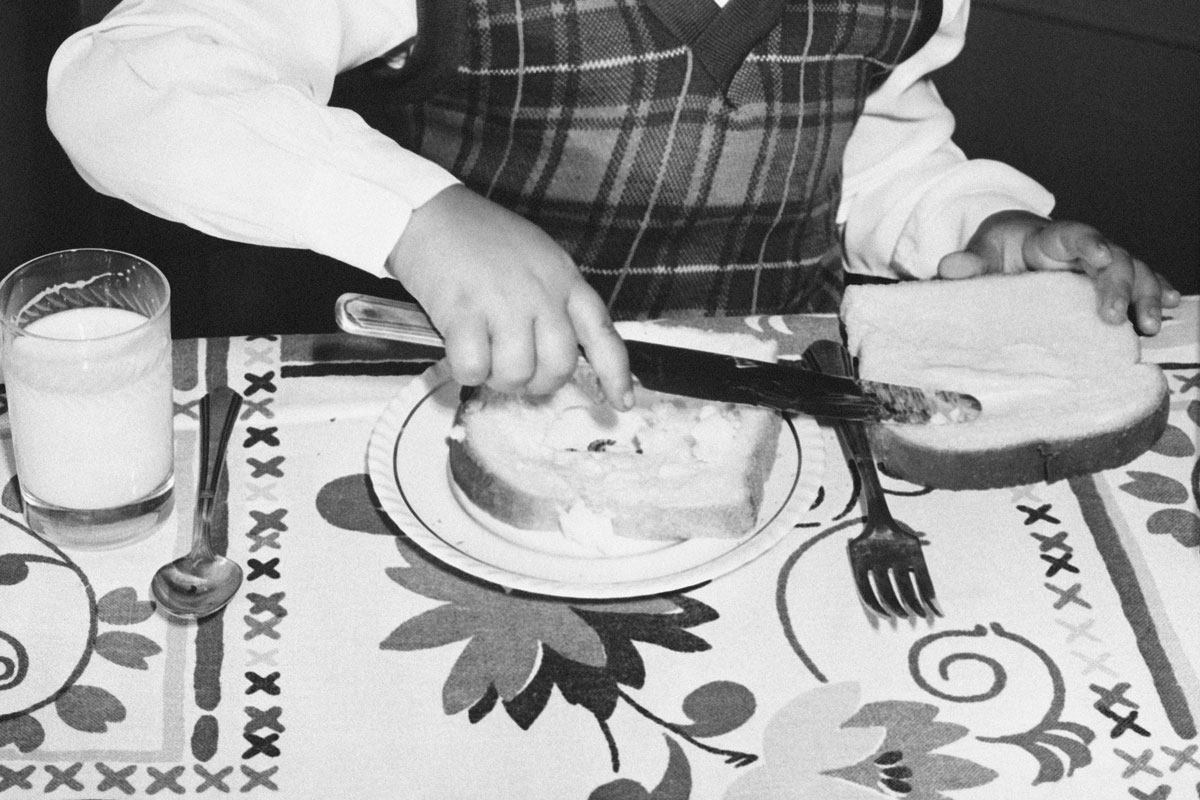
  • Girl buttering toast, circa 1940s
Girl buttering toast, circa 1940s
Credit: © George Marks—Retrofile RF/Getty Images
Author Kristina Wright

April 9, 2026

Love it?

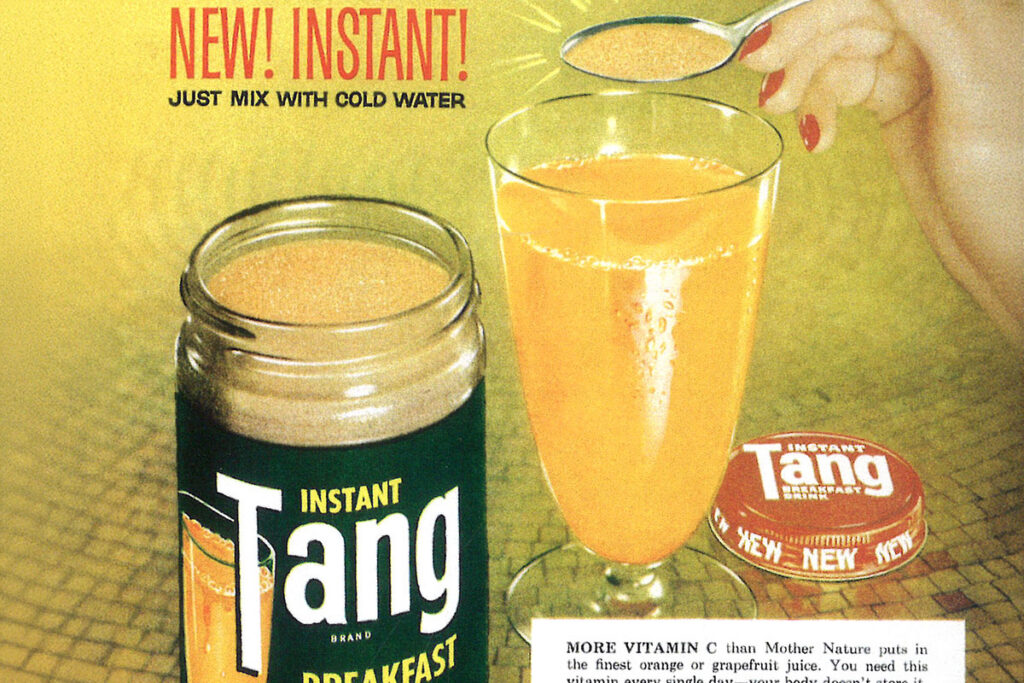
If you grew up in the 1950s, ’60s, or ’70s, you might remember starting the day with a bowl of frosted cereal and a glass of orange juice, followed by a sandwich on soft white bread for lunch. At the time, packaging and advertisements emphasized that these foods were nutritionally balanced, vitamin-enriched, and backed by modern science.

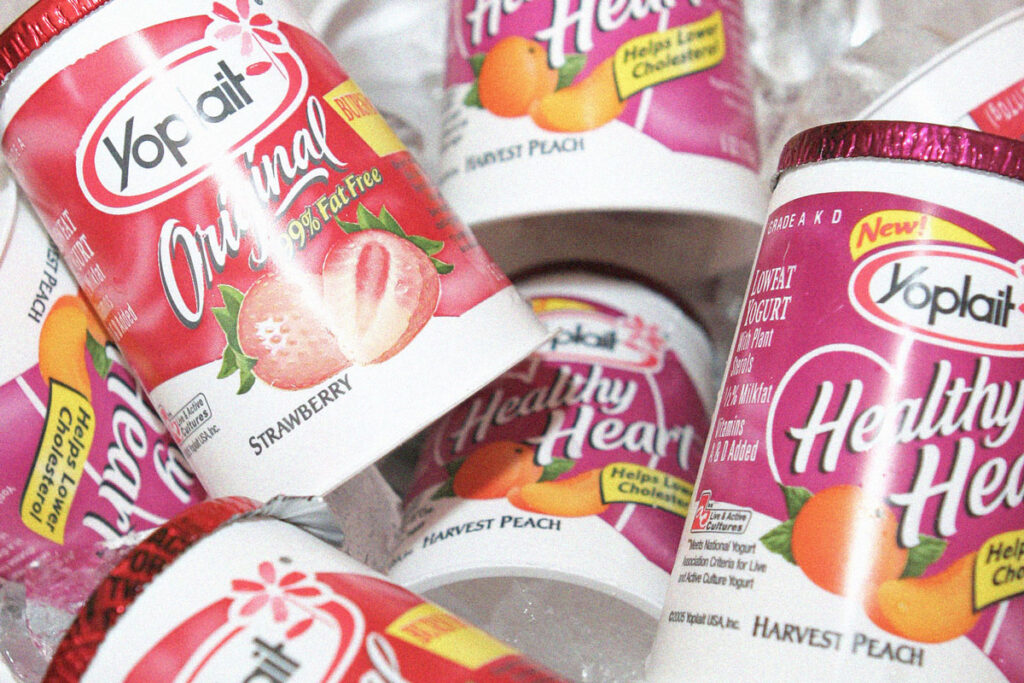
Many foods promoted as “healthy” in decades past rose to prominence during specific cultural moments: the post-World War II convenience boom, the rise of industrial food processing, and the low-fat movement of the 1970s and ’80s. In each case, marketing often outpaced scientific understanding. Looking back at these former “health foods” reveals how dramatically nutrition advice and public perception can shift over time — and how easily the label of “healthy” can be shaped by trends, rather than evidence.

Credit: © Chaloner Woods—Hulton Archive/Getty Images 

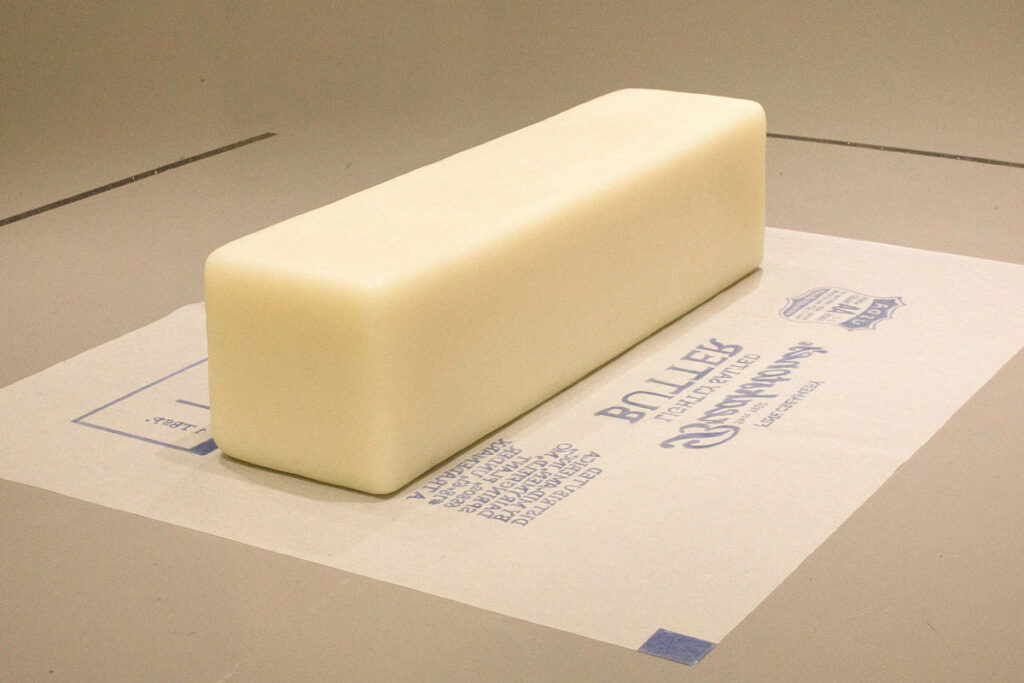
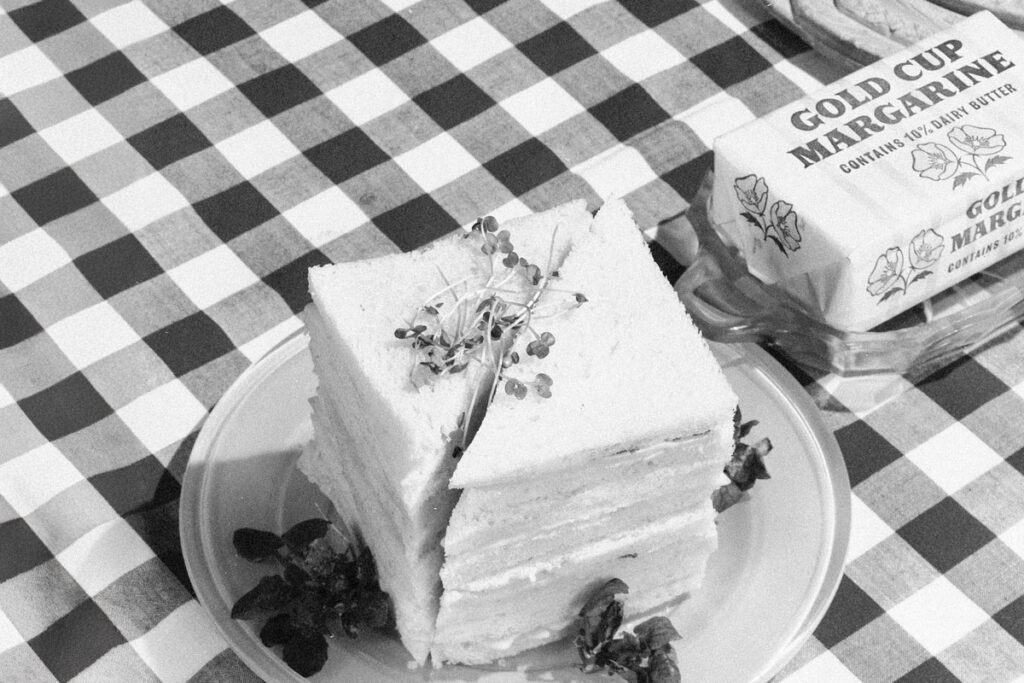
Margarine

Margarine surged in popularity beginning in the 1940s and especially through the 1960s and ’70s, when concerns about heart disease began to enter public consciousness. As early as the ’50s, public health messaging increasingly warned against saturated fats, and margarine — made from vegetable oils — was positioned as the modern, healthier alternative to butter.

Advertising leaned heavily on nutrition science. Packaging and print ads used phrases such as “heart-healthy,” “cholesterol-conscious,” and “made from pure vegetable oils.” Some campaigns featured endorsements from doctors or referenced emerging research about cholesterol, even when that research was still developing or incomplete. Margarine was presented not just as a butter substitute but as a proactive choice for protecting one’s heart.

What consumers didn’t realize was that many early margarines were produced through partial hydrogenation, creating trans fats. These fats were later found to raise LDL (“bad”) cholesterol and lower HDL (“good”) cholesterol — essentially the opposite of what the marketing promised. The widespread use of margarine as a health food was based on a simplified understanding of fat and heart disease, combined with persuasive messaging that emphasized innovation over long-term evidence.

You may also like

6 Weird Sandwiches People Used To Eat

  • Boy eating a sandwich, 1940s
Boy eating a sandwich, 1940s
Credit: Harold M. Lambert/ Archive Photos via Getty Images
Author Timothy Ott

March 25, 2026

Love it?

According to popular legend, the English aristocrat John Montagu, the 4th Earl of Sandwich, was engaged in an all-night card game in 1762 when he became distracted by hunger pangs. Not wanting to stop playing, he instructed his servant to bring him a snack of beef between two slices of bread, allowing him to satiate the twin desires of filling his belly and raking in more dough.

While he was hardly the first person in history to consider eating food in this fashion — Montagu may have been inspired by culinary creations in Turkey and Greece — the earl’s idea caught on across English high society and led to the honor of having his name affixed to this particular bread-based meal.

The sandwich soon spread to other social strata across Europe and in the American colonies, its popularity underscored by increasing appearances in cookbooks through the 19th and 20th centuries. However, numerous once-popular foods have failed to survive to the present day, and the same goes for certain old-fashioned sandwiches; some of them are just too bizarre for modern palates. Here are six sandwiches that were (mostly) pushed aside by modern diners in favor of tastier options. 

Credit: Image Professionals GmbH/ Alamy Stock Photo

Oyster Sandwich

In the U.S. in the 19th and early 20th centuries, oysters were a popular sandwich filling. Sandwiches known as “oyster loaves” were featured in Mary Randolph’s cookbook and guide The Virginia Housewife in 1824, and numerous entries in Eva Green Fuller’s Up-To-Date Sandwich Book in 1909. The first and most basic recipe from Fuller’s book instructs readers to supply a dash of tabasco sauce, lemon juice, and oil to chopped raw oysters (without specifying measurements), slather the mixture on white bread, and then top it off with a lettuce leaf. 

You may also like

Popular Breakfast Foods That Used To Be Dinner Foods

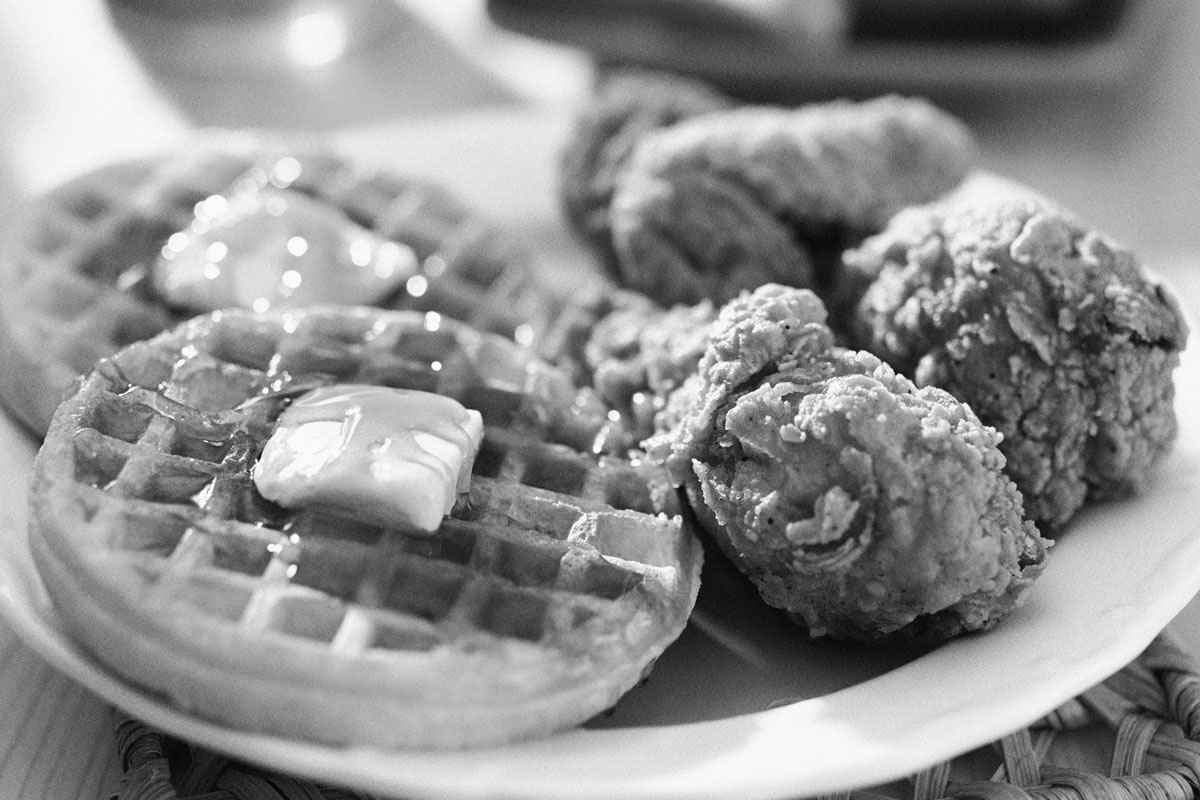
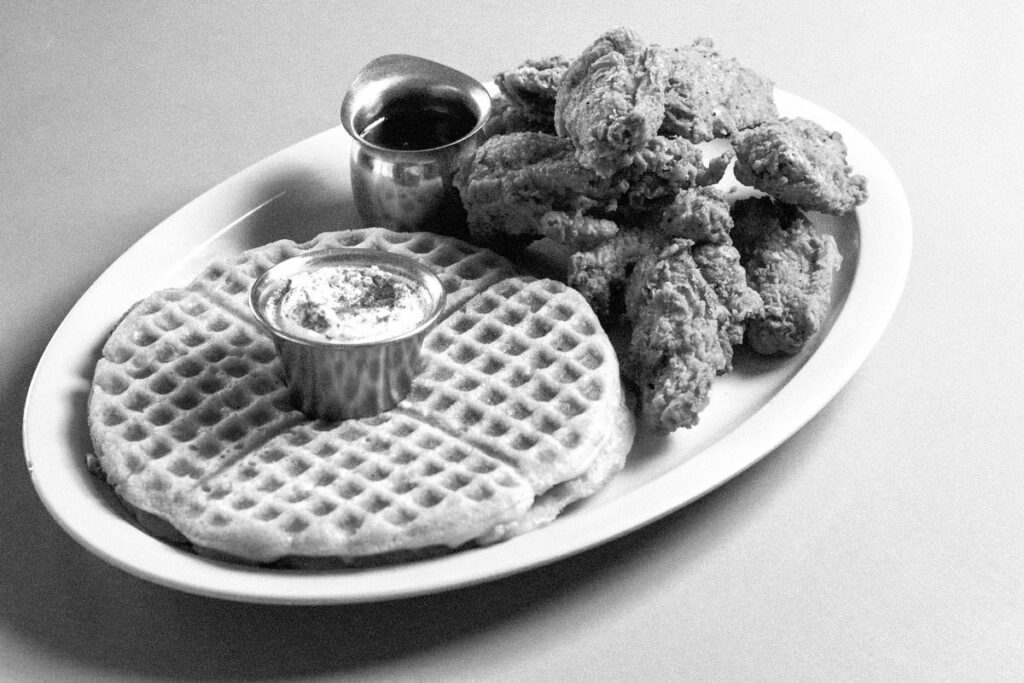
  • Chicken and waffles
Chicken and waffles
Credit: © Joshua Resnick/stock.adobe.com
Author Kristina Wright

March 12, 2026

Love it?

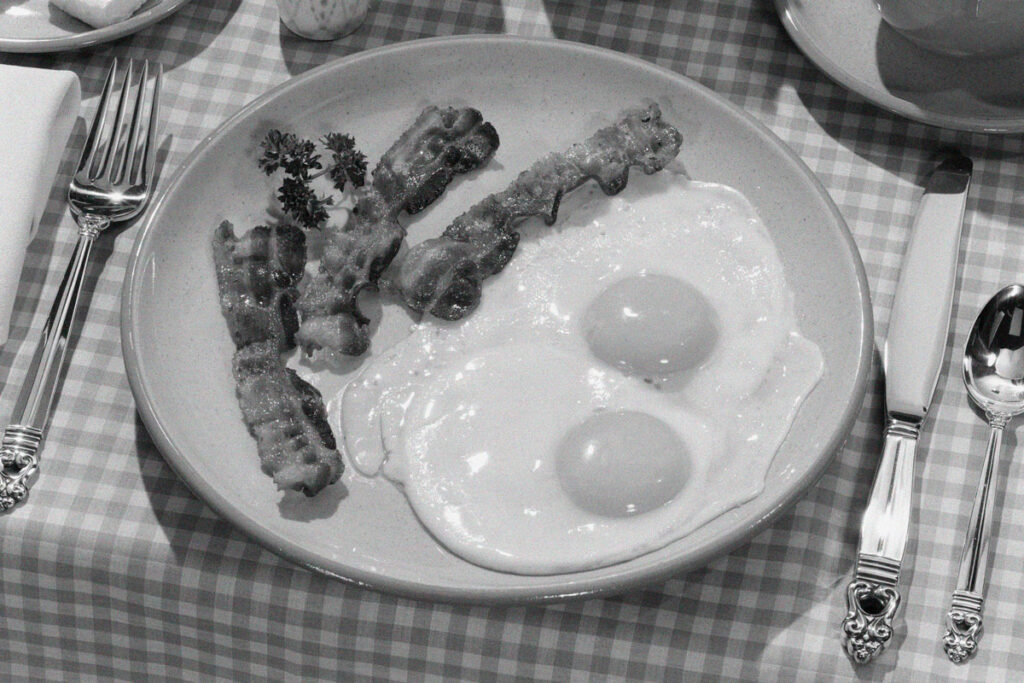
Why do pancakes remind us of a lazy Sunday morning ritual but seem like a strange choice at 7 p.m. on a weekday? And why do we whip up an omelet before work but rarely think to serve eggs for dinner? Many of the foods we now associate with breakfast weren’t always tied to the first meal of the day. Indeed for much of history, the idea of “breakfast foods” didn’t exist at all.

While breakfast has been around for centuries, the modern concept of it as a specialized category of food emerged primarily in the late 19th and early 20th centuries. Before the Industrial Revolution, meals were shaped largely by agricultural labor cycles and household food availability, and people commonly ate similar foods throughout the day. Industrialization transformed daily life by imposing standardized work hours and commuting routines, creating demand for quick, portable, and easily digestible morning meals. 

Meanwhile, the rise of packaged foods, advertising, and mass media introduced new ideas about nutrition, health, and productivity, helping define what breakfast should look like. Here are six foods that once graced the dinner table but have become associated primarily with breakfast.

Credit: © Roy Morsch—The Image Bank/Getty Images

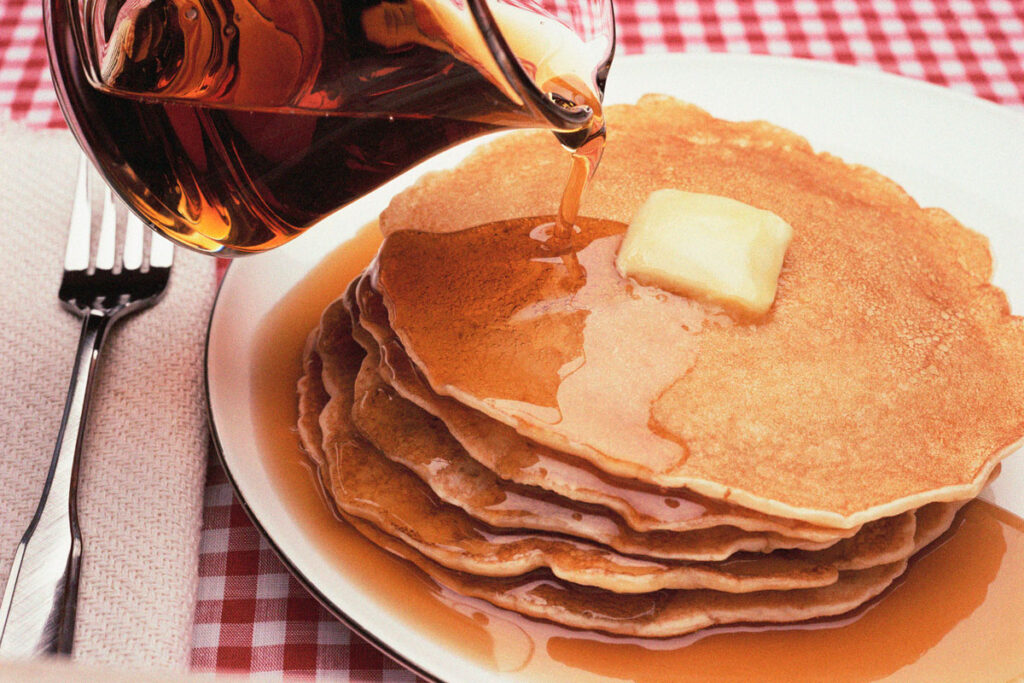
Pancakes

In colonial America and through much of the 19th century, pancakes — also known as flapjacks, hoecakes, johnnycakes, or slapjacks — were served not just at breakfast but also for dinner (the day’s main midday meal, or what we’d call lunch today) and supper. Early American cookbooks, such as American Cookery (1796), include multiple versions of pancakes made from wheat flour or cornmeal. They might be eaten with butter, molasses, maple syrup, or alongside savory dishes and meat drippings. Rather than belonging to a specific mealtime, pancakes functioned much like bread: inexpensive, filling, and adaptable.

Their tighter identification with breakfast developed gradually in the late 19th and early 20th centuries. As printed breakfast menus became more standardized in hotels, restaurants, and eventually diners, pancakes appeared more consistently as a morning offering. Commercial baking powder made lighter cakes easier to prepare, and affordable syrup brands such as Long Cabin and Aunt Jemima (introduced in 1887 and 1888) reinforced the pairing of pancakes with sweet toppings and the morning meal. By the mid-20th century, pancakes were culturally framed almost exclusively as breakfast food, and their long history as an all-day staple was largely forgotten.

You may also like

Why Is Table Salt Iodized?

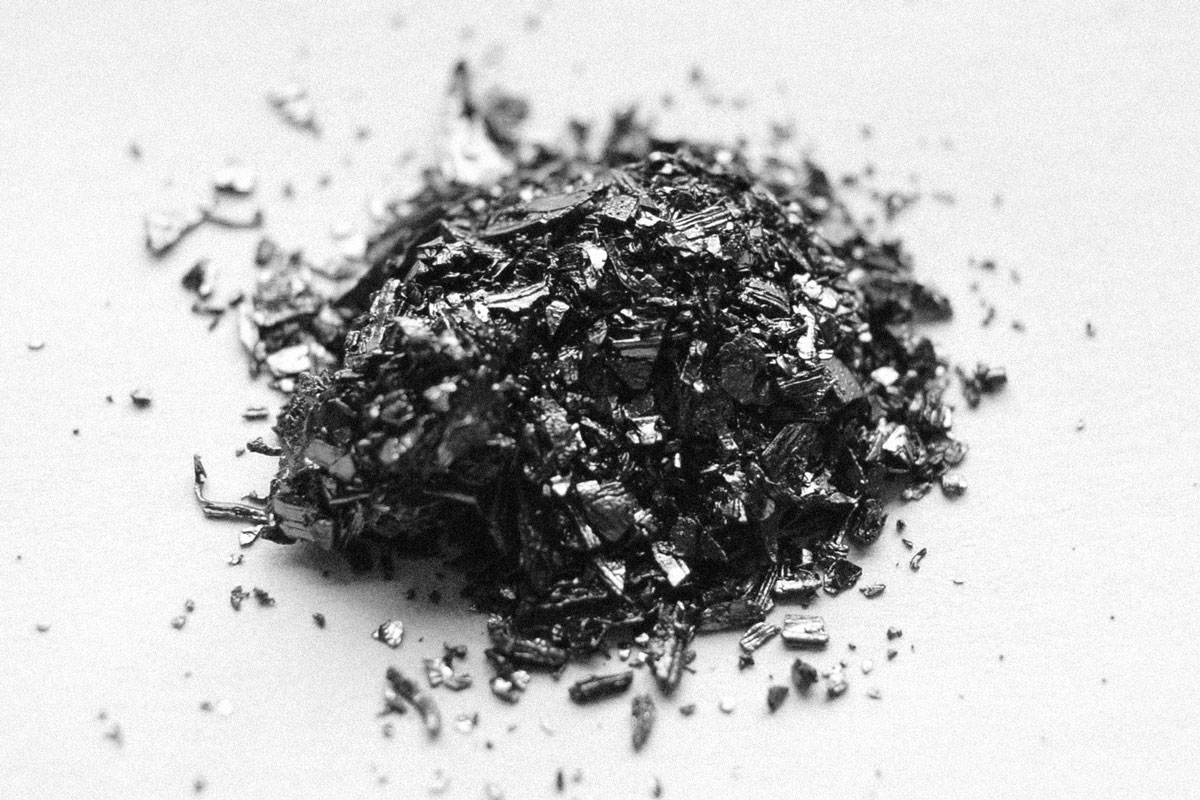
  • Iodine
Iodine
Credit: Ben Mills/ Wikimedia
Author Bess Lovejoy

February 26, 2026

Love it?

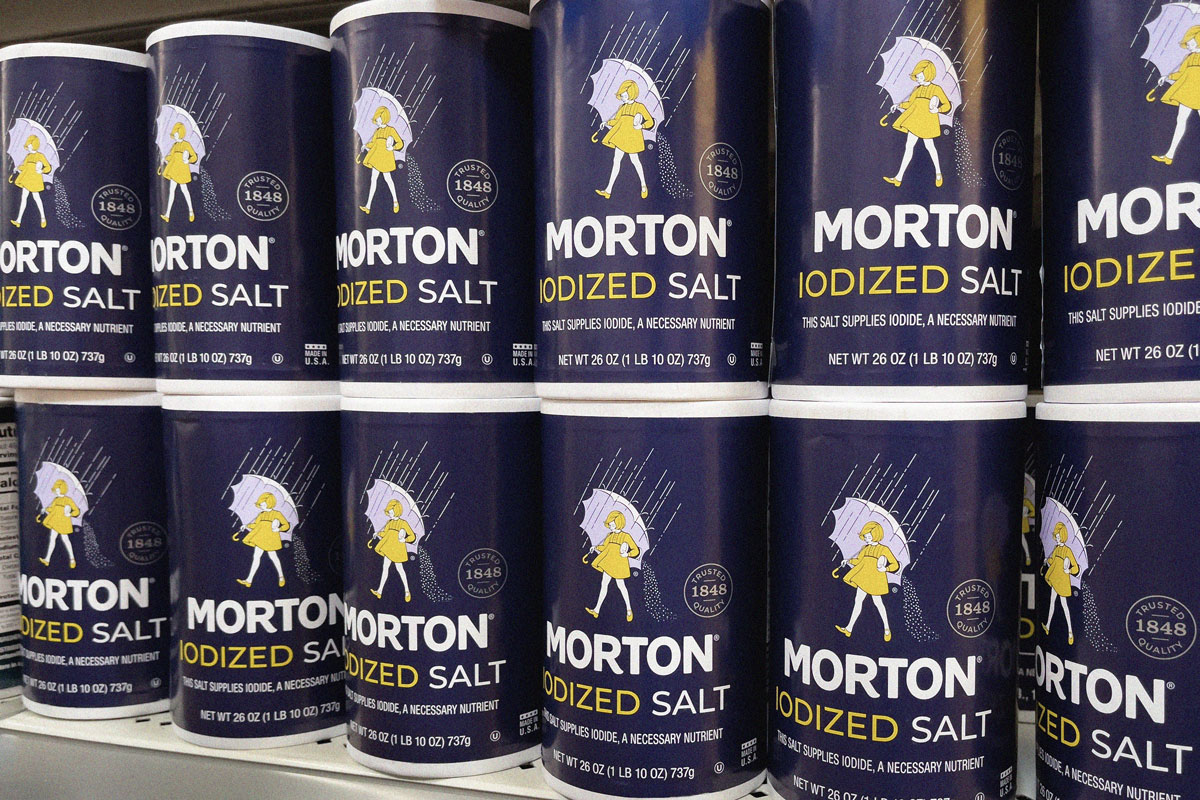
It’s probably sitting in your kitchen cabinet right now: a container of salt, maybe the familiar blue Morton Salt canister with the little girl carrying an umbrella, with the word “iodized” somewhere on the label.

The curious fact that most table salt contains iodine — a trace mineral — is the result of a long chain of historical discoveries. The story begins with seaweed ash and gunpowder, runs through a scientific priority battle, and ends with one of the most effective nutritional interventions ever devised. Adding iodine to salt helped vanquish a problem that had plagued humankind for millennia — and the effects occurred within a single generation.

Credit: Ludmila/ Adobe Stock 

A Violet Vapor in a Seaweed Vat

The story of iodine starts in 1811, toward the end of the Napoleonic Wars, when French chemist Bernard Courtois was searching for a new way to make saltpeter, or potassium nitrate, a crucial ingredient in gunpowder. France was running out of wood — the traditional source of saltpeter via wood ash — and the government urgently needed alternatives. Seaweed, abundant along the coast of Normandy, seemed promising.

Courtois used sulfuric acid to clean his tanks, and one day, after a particularly strong batch of acid had been applied, he noticed something unusual: a billowing of violet vapor. When the vapor condensed, it left purplish-black crystals that gleamed on the sides of the vats. Courtois had unknowingly isolated a new element.

He reported his discovery in 1813 in the Annales de chimie, in a paper titled “Découverte d’une substance nouvelle dans le vareck” — vareck being the French word for washed-up seaweed. On the second page of that paper, Courtois labeled the new substance iode, the French form of “iodine,” after the Greek word for “violet-colored,” ἰοειδής (ioeidḗs).

Within months, two major scientists — English chemist Humphry Davy and French chemist Joseph-Louis Gay-Lussac — independently studied Courtois’ samples and claimed to have isolated and identified the element. A scientific priority quarrel followed, but a surprisingly polite one. Both men ultimately credited Courtois as the true discoverer.

It was Davy who suggested “iodine” as the English term, aligning with elements such as chlorine (both belong to the same group of elements, the halogens). The element was officially ushered into the chemical pantheon in 1813, and its biological importance became clear almost immediately.

You may also like

5 Forgotten Desserts Your Grandparents Loved

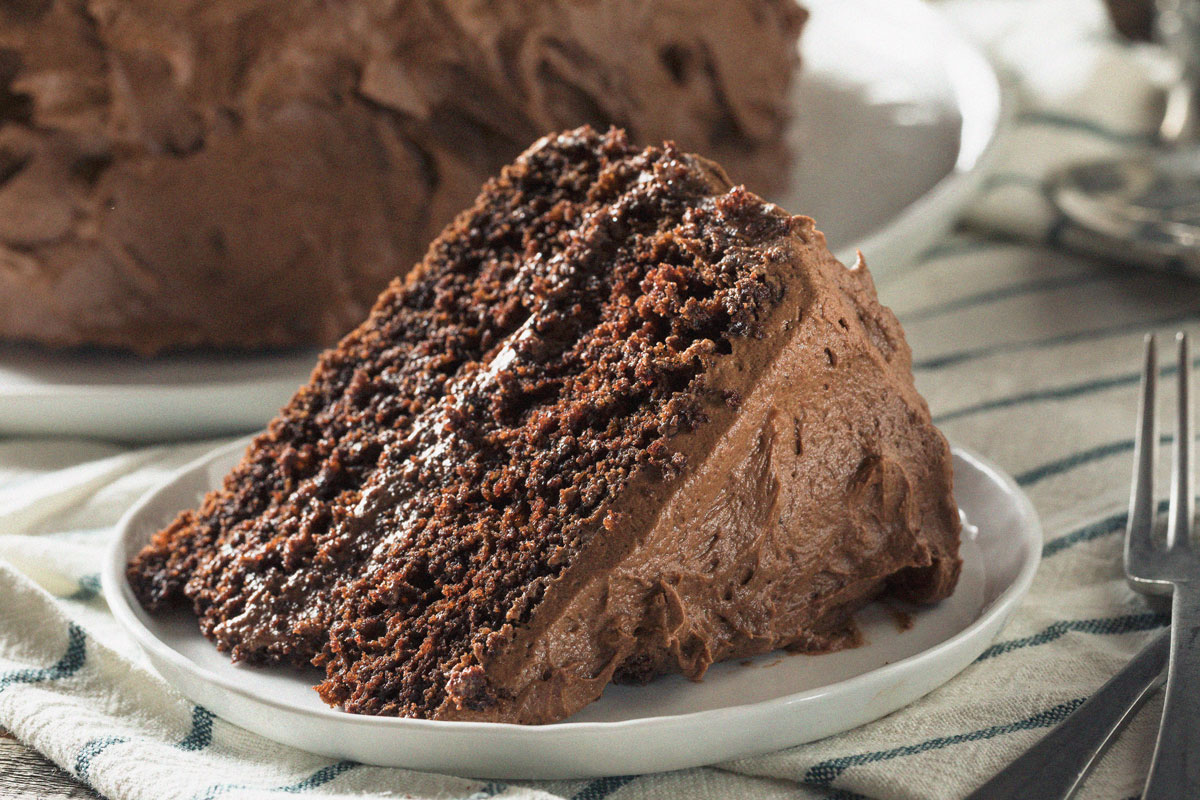
  • Chocolate mayonnaise cake
Chocolate mayonnaise cake
Credit: Brian Hagiwara/ The Image Bank via Getty Images
Author Nicole Villeneuve

February 12, 2026

Love it?

Americans’ eating habits have changed a lot throughout the country’s history, and not unlike breakfast, lunch, and dinner staples, dessert choices tend to look very different today than they did a few generations ago. 

In the late 1800s and early 1900s, desserts were shaped by the ingredients and circumstances of the era. Until the mid-20th century, most of the U.S. didn’t have year-round access to fresh foods; economic downturns, food rationing, and periodic shortages during certain seasons were a normal part of life. Home cooks thus had to be thrifty and creative, turning whatever was affordable, seasonal, or already on hand into something tasty. Here are a few dessert dishes from your grandparents’ era that have all but disappeared today.

Credit: Oksana_S/ iStock via Getty Images Plus 

Junket

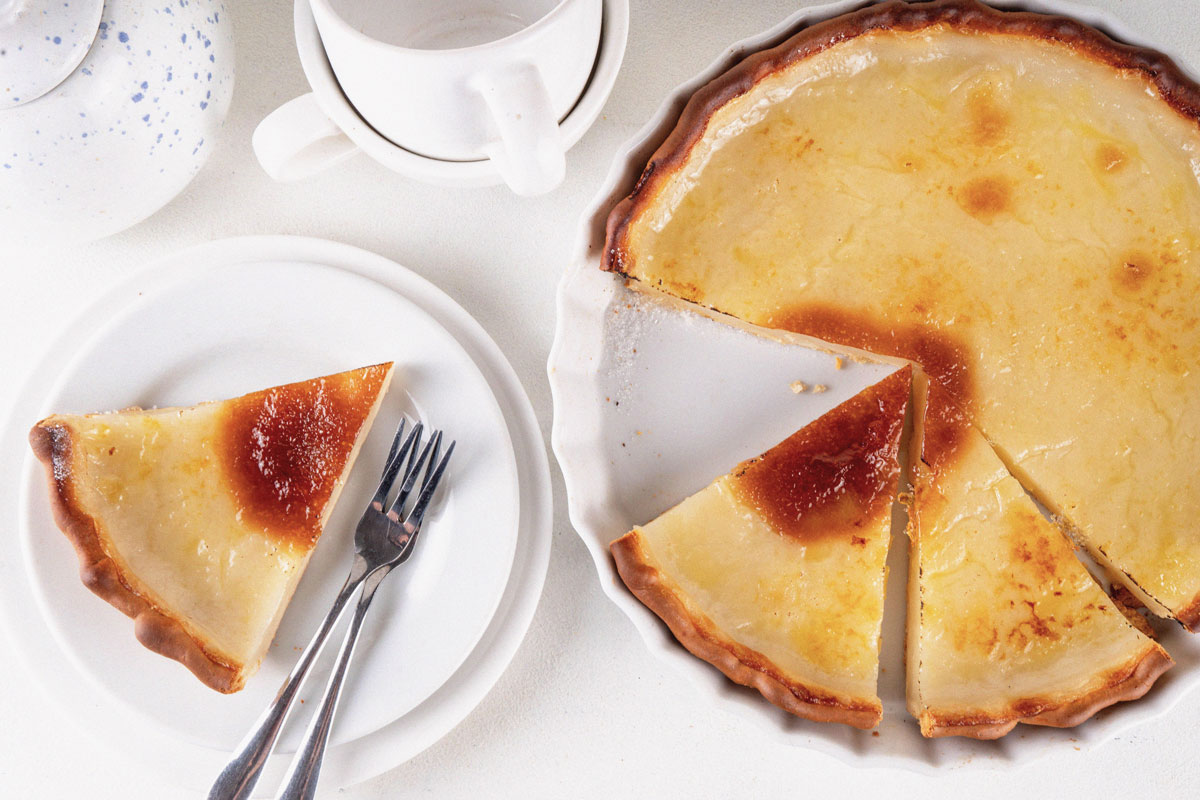
For much of the late 19th and early 20th centuries, a custardlike dessert known as junket was a mainstay on American tables. Junket originated as a European dessert in the Middle Ages, made by gently warming milk and setting it with animal rennet, an enzyme traditionally used in cheesemaking. It required no baking, no eggs, and very little sugar, along with a little nutmeg or vanilla. The result was a softly set dessert with a texture somewhere between a pudding and a jiggly gelatin.

Junket’s rise in the U.S. started around 1886. That’s when Danish company Chr. Hansen’s Laboratory began marketing rennet tablets, sold in a box that included a recipe for junket. By the early 20th century, rennet tablets and presweetened, flavored powdered mixes that eliminated the need for additional sugar, vanilla, and nutmeg were widely available. Recipes and advertisements appeared regularly in newspapers, calling the dessert nutritious and easily digestible; it was pitched as ideal for children or anyone recovering from illness.

By the 1970s, junket custard had largely faded in popularity. Refrigerated desserts such as Jell-O and boxed puddings replaced junket as a staple, though the dessert does survive today — mostly as a specialty item at select stores. 

You may also like

8 of the Most Expensive Foods in History

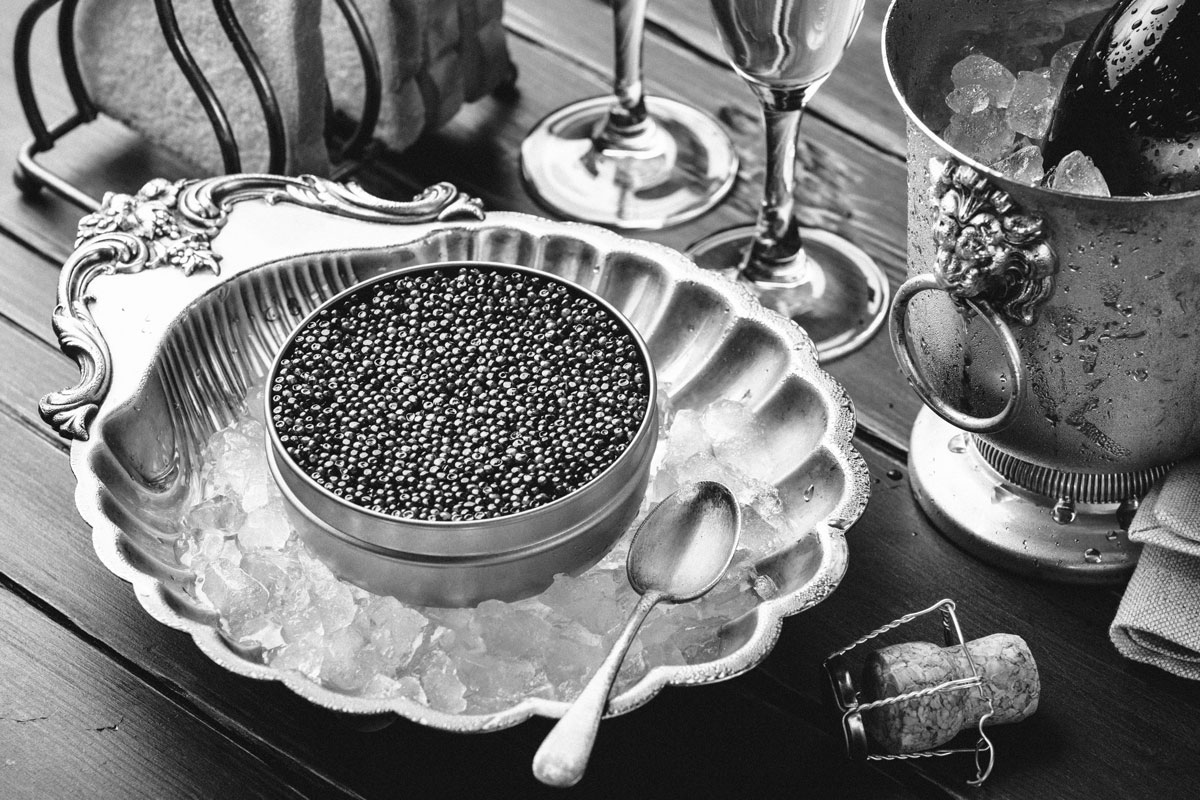
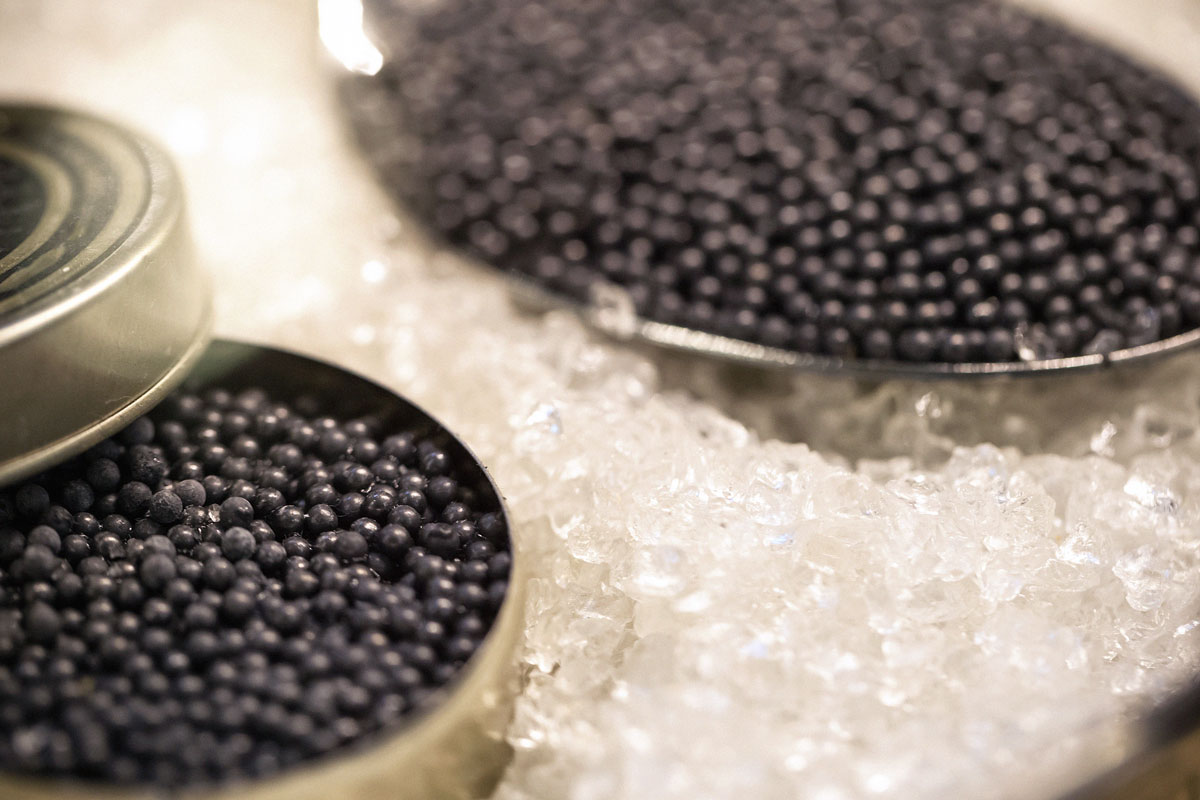
  • Black caviar
Black caviar
Credit: Natalia Lisovskaya/ Adobe Stock
Author Bess Lovejoy

February 11, 2026

Love it?

Throughout history, certain foods have carried astronomical price tags. Some were costly because they were difficult to grow or find, others because they traveled great distances along early trade routes, and still others because myth elevated them into coveted status symbols. 

From spices that once cost more than gold to tropical fruits displayed as signs of prestige, luxury foods reveal what different eras valued — and what they were willing to pay for. This list explores some of the most expensive and unexpected delicacies in history, tracing how scarcity, symbolism, and shifting tastes turned everyday ingredients into the edible treasures of their time.

Credit: orinocoArt/ Adobe Stock 

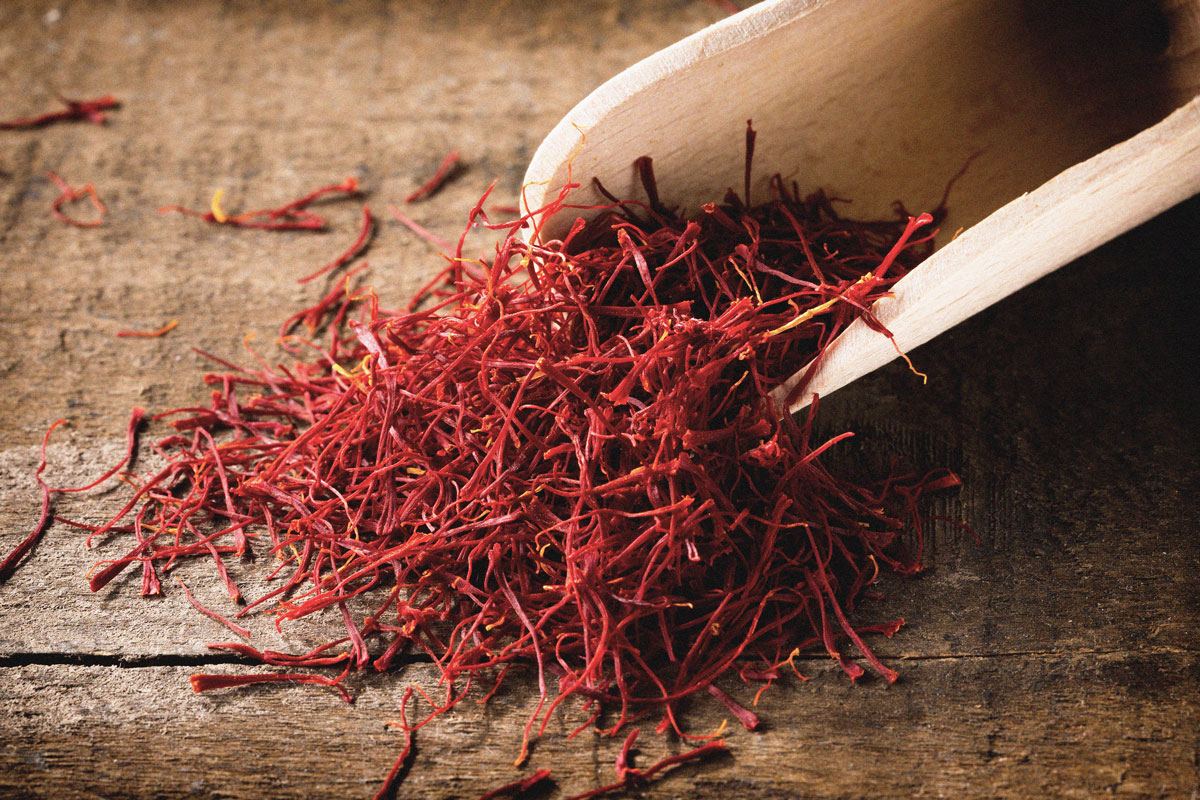
Saffron 

Sometimes called “red gold,” saffron has been prized for millennia, appearing in written records as early as 2300 BCE. In the 14th and 15th centuries, it was often worth more than gold by weight, and it’s currently the most expensive spice pound for pound (costing between $2,000 to $10,000 per pound). Its extraordinary cost comes from the staggering labor required to harvest it. Each Crocus sativus blossom yields just three fragile stigmas (the part of the flower that catches pollen), which must be handpicked during a brief fall bloom, ideally midmorning when the flowers fully open. Modern estimates suggest that producing 1 kilogram (2.2 pounds) of dried saffron requires 70,000 to 200,000 flowers and 370 to 470 hours of labor, which helps explain why the spice has historically fetched astonishing sums.

Saffron’s value also surged thanks to its many uses: Historically, it was a culinary cornerstone across Asia and the Mediterranean, a sacred dye in Hindu traditions, and a prized medicinal ingredient in ancient Rome (where Pliny the Elder claimed it was nearly a universal cure). Demand especially soared in medieval Europe; Venice dominated the saffron trade, and adulteration was taken so seriously that a merchant was once burned at the stake for trying to sell a phony product. 

You may also like

The Origins of 6 Classic Holiday Foods

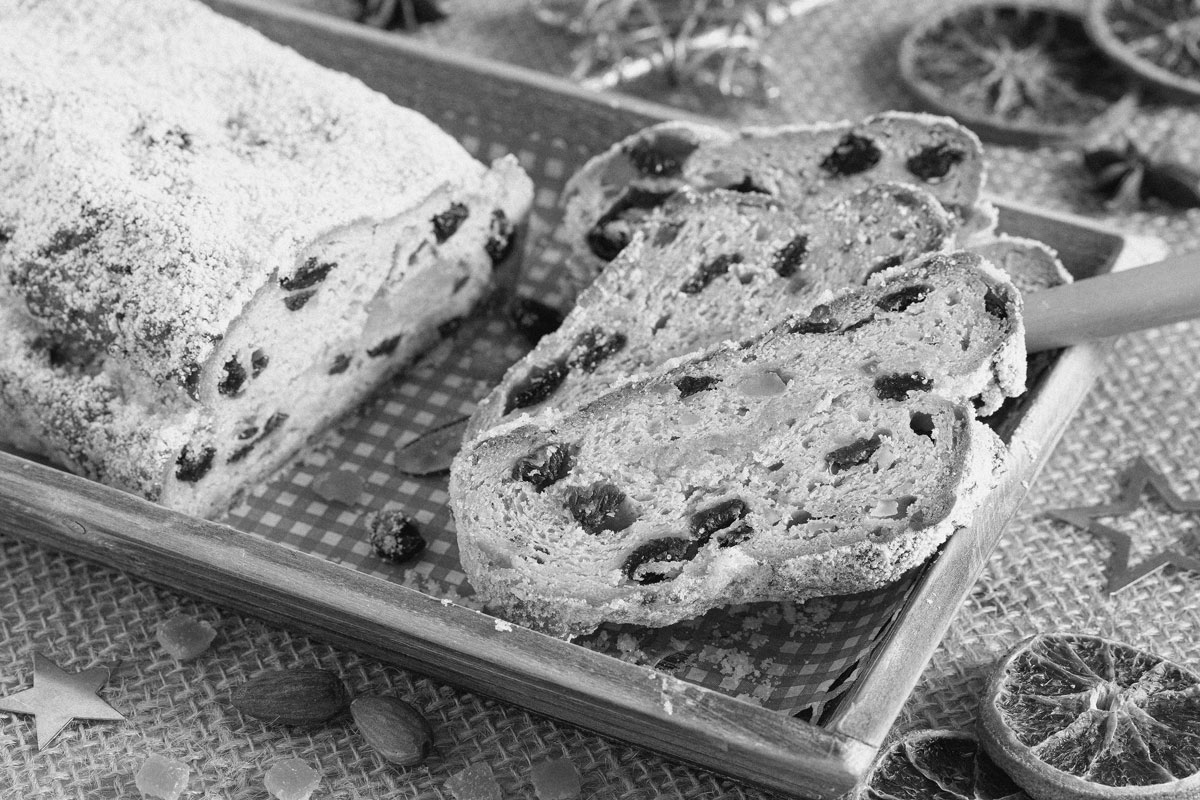
  • Christmas stollen
Christmas stollen
Credit: Natalia Greeske/ Alamy Stock Photo
Author Bess Lovejoy

December 10, 2025

Love it?

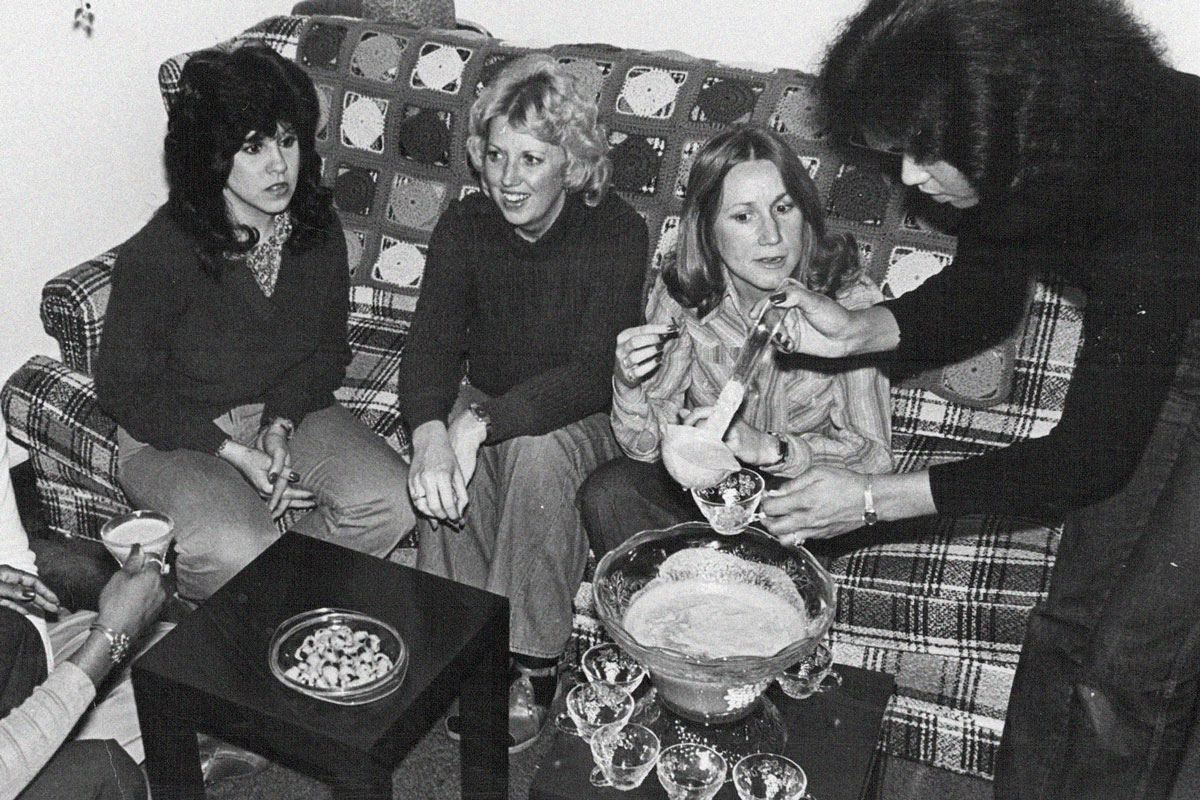
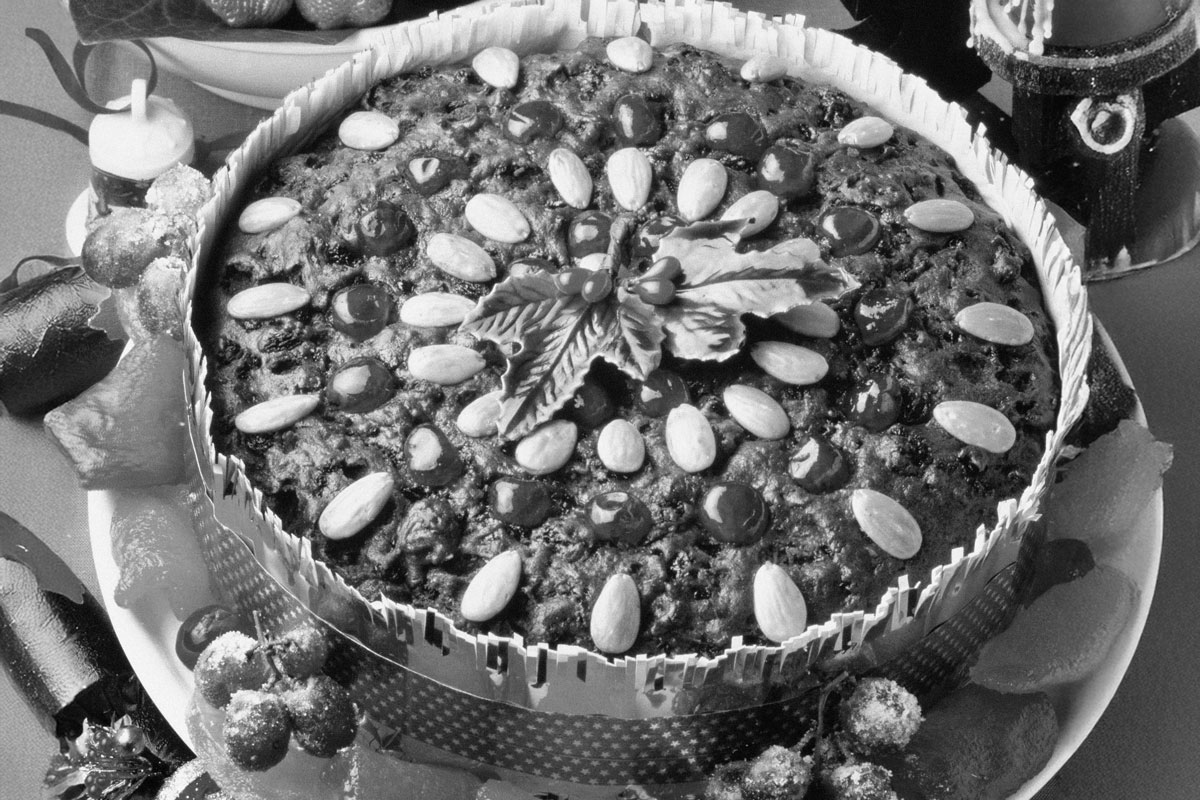
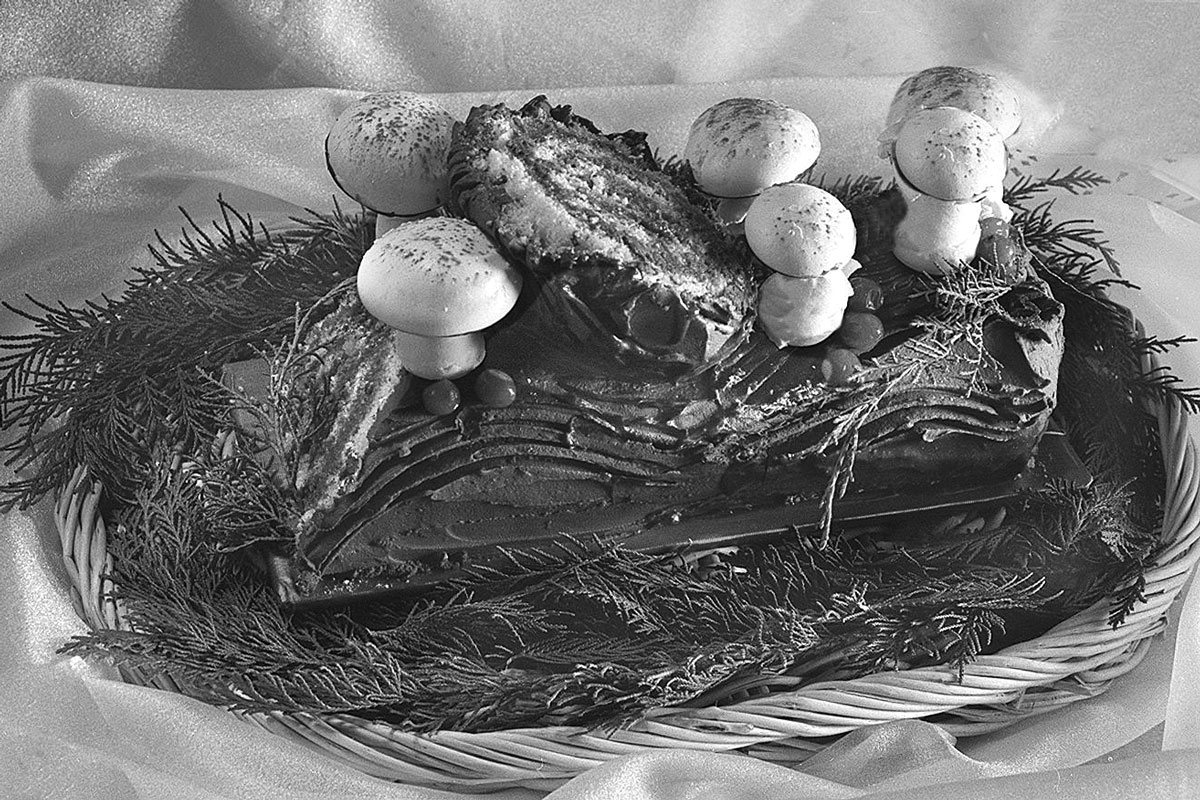
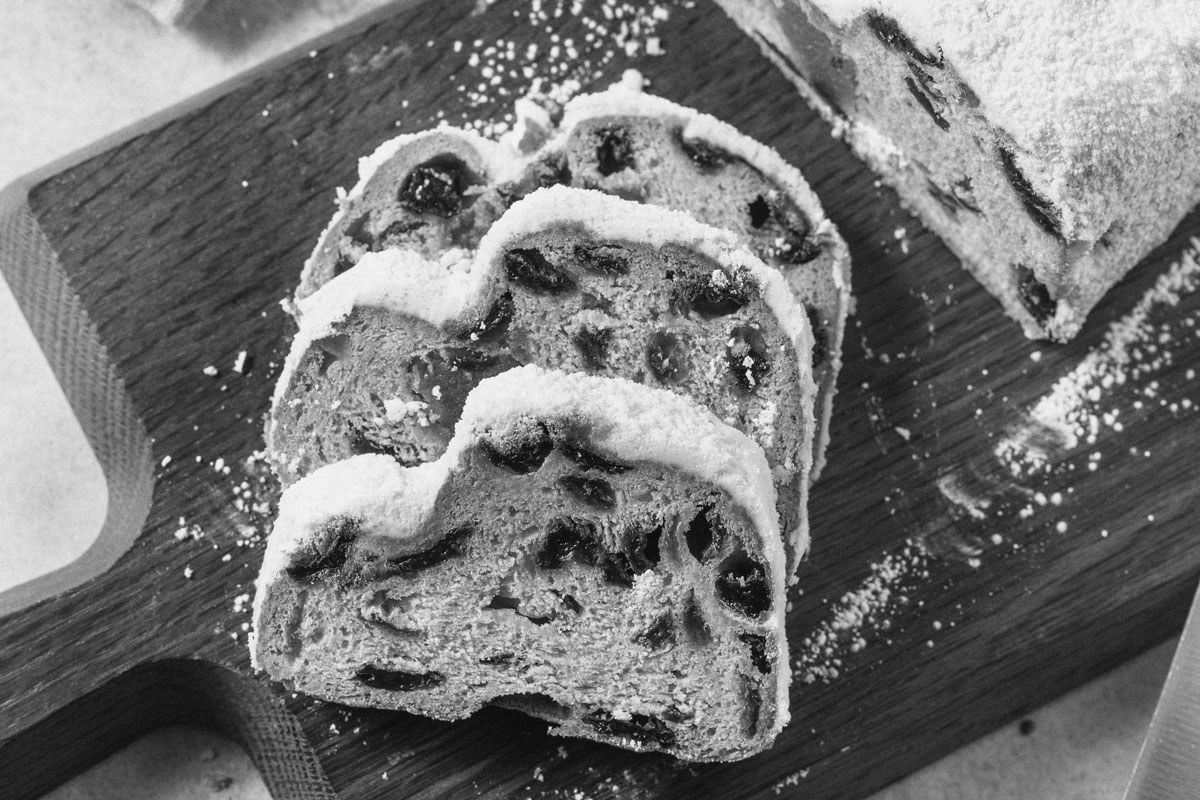
As December rolls around and we partake of sugary breads and creamy drinks (not to mention the occasional cake shaped like a log), it’s easy to forget that many of those seasonal staples trace back centuries. From ancient energy bars for Roman soldiers to medieval courtly treats, the holiday table holds more history than you might realize. So the next time you unwrap a fruitcake or raise a glass of eggnog, remember that you’re tasting more than just sugar and spice — you’re sampling centuries of culture, commerce, faith, and festive invention.

Credit: ullstein bild Dtl./ ullstein bild via Getty Images

Gingerbread 

Though versions of spiced bread date back to ancient Egypt and Greece, the gingerbread we know today — crisp, spiced, and often decorated — took shape in medieval Europe, after global trade made spices such as ginger and cinnamon newly accessible. By the 15th and 16th centuries, German gingerbread makers were pressing dough into elaborate molds, painting the results, and selling them as luxury goods. (At the time, Germany even had guilds of gingerbread makers.) 

Gingerbread houses, meanwhile, may owe their existence to the fairy tale “Hansel and Gretel.” Right around the 1812 publication of the Grimms’ tale, Germans began building decorative houses made of gingerbread and other candy — although historians debate which came first, the houses or the story. (The latter might have capitalized on the popularity of the former.) In either case, gingerbread houses were a tradition that German immigrants later brought to the U.S.

You may also like

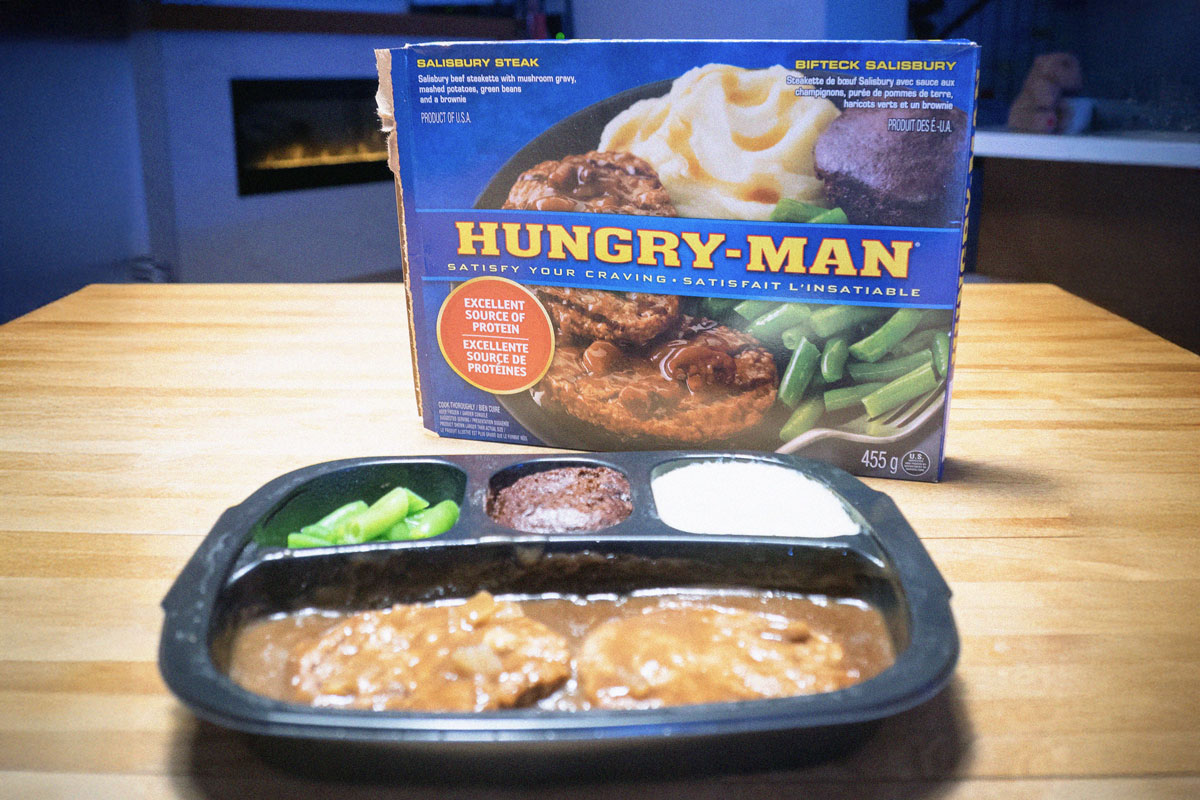
What Happened to Salisbury Steak?

  • Salisbury steak dinner
Salisbury steak dinner
Credit: MSPhotographic/ iStock via Getty Images Plus
Author Paul Chang

December 4, 2025

Love it?

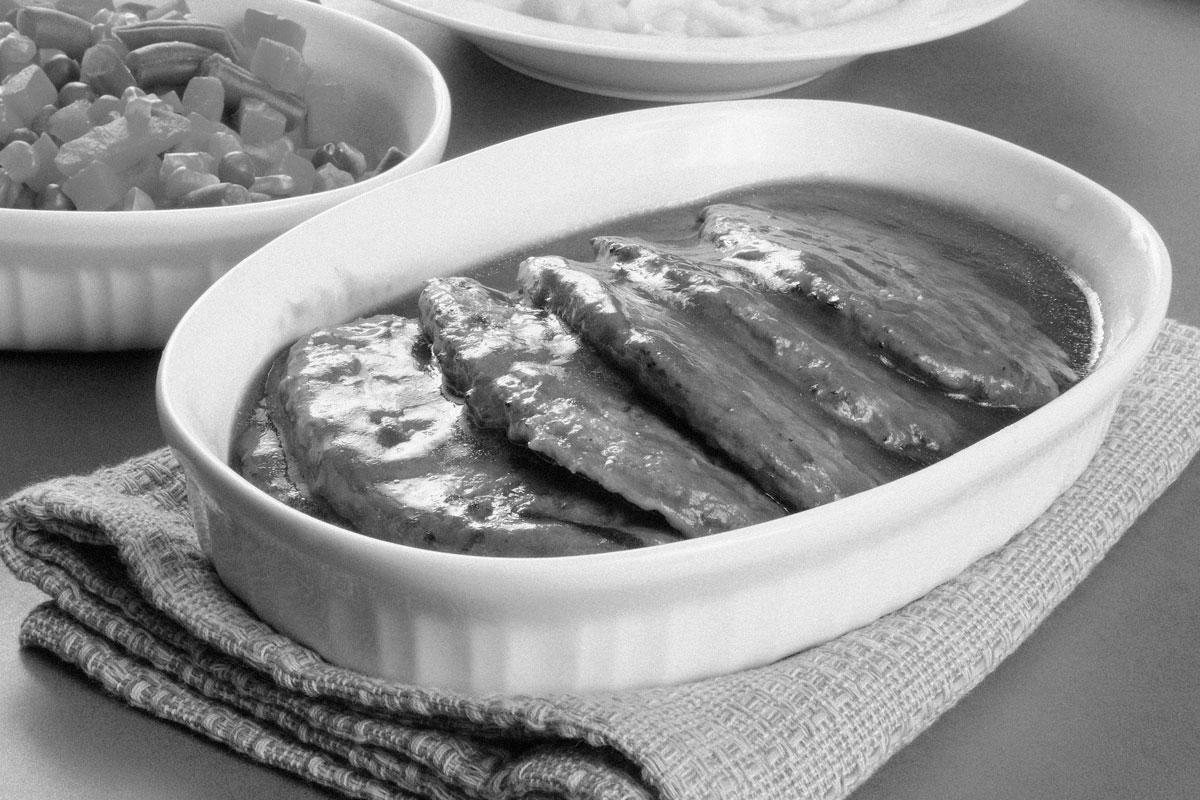
Once a staple of diners and TV dinners, Salisbury steak has quietly disappeared from American menus in recent decades. What began as a 19th-century “health food” became a frozen dinner icon, only to fall victim to changing tastes. Here’s a look back at the history of this once-proud patty.

Credit: Graphic House/ Archive Photos via Getty Images 

The Origins of Salisbury Steak

Salisbury steak — seasoned ground beef patties mixed with breadcrumbs or other ingredients — was invented by James Salisbury, a New York physician who was fascinated by the relationship between diet and health. In the 1850s, he conducted a series of self experiments in which he exclusively ate a single food for a few days or weeks. His first test, a diet of only baked beans, produced disastrous results: “I became very flatulent and constipated, head dizzy, ears ringing, limbs prickly, and was wholly unfitted for mental work,” he wrote in The Relation of Alimentation and Disease (1888). Next came oatmeal and other staples, but it was ground beef, which he called “muscle pulp of beef,” that finally delivered the results he sought.

His prescription was simple: broiled beef patties, served with simple seasonings such as butter, salt, pepper, Worcestershire sauce, and lemon. This recipe, he wrote, “affords the maximum of nourishment with the minimum of effort to the digestive organs.” Vegetables, on the other hand, were not only unnecessary but also harmful in his view; Salisbury declared that vegetarians had “less nervous and muscular endurance than meat eaters.”

You may also like

What Ancient Egyptians Ate for Breakfast

  • Domestic life in ancient Egypt
Domestic life in ancient Egypt
Credit: Lakeview Images/ Alamy Stock Photo
Author Tony Dunnell

November 13, 2025

Love it?

Ancient Egypt was an industrious civilization, with extensive trade networks, a highly productive agricultural economy, and ambitious construction projects that ranged from ship building to monumental architecture. It existed for more than 3,000 years, expanding from a scattering of hunter-gatherer settlements to become one of the greatest empires in the world, famed for its hieroglyphic writing, advanced mummification, and, of course, the pyramids. 

In order to fuel such industry, one thing was highly important: a solid breakfast. Luckily for the Egyptians, the fertile Nile River Valley provided abundant crops, helping transform Egypt into one of the most powerful agrarian civilizations of the ancient world. Annual flooding of the Nile created fields so fertile that in a good season, Egypt produced enough food to feed every person in the country with ease and still have a surplus. 

So, there was little excuse for a laborer to skip breakfast, or for a pharaoh’s first meal of the day to be anything short of satisfactory. Here’s a look at what ancient Egyptians consumed in the morning before a long day in the Land of Ra

Credit: Print Collector/ Hulton Archive via Getty Images 

Bread

Bread was a fundamental staple of the ancient Egyptian diet. According to William Rubel in Bread: A Global History, more bread-related artifacts have been found from ancient Egypt than from any other period. The Egyptians made their bread from emmer wheat, one of the first crops domesticated in the region. Emmer is a hulled wheat, making it more difficult to turn into flour than other varieties. It was ground on flat stones called querns and then baked in ovens. 

Despite the popularity of bread in ancient Egypt, archaeologists have discovered one notable drawback. During the bread-making process, airborne sand often got into the mix, resulting in widespread dental problems caused by the abrasive nature of sand and grit in this common breakfast food. 

You may also like

The Oldest Food Brands in Your Pantry

  • Food pantry items
Food pantry items
Credit: Stocksearch/ Alamy Stock Photo
Author Kristina Wright

November 13, 2025

Love it?

Take a look around your kitchen and chances are you’ll spot a few brand names you’ve known your whole life. From Keebler cookies to Campbell’s soup, certain monikers feel like part of the family. 
Food branding — the use of a distinctive name or mark to identify a product — emerged in the late 19th century as industrialization made large-scale food production and packaging possible. Before then, most foods were sold in bulk, with no consistent labeling. Branding introduced the idea of reliability and reputation, allowing consumers to recognize and trust particular producers.

A few food and drink companies, however, had already established identities long before branding became widespread. Some of these brand names predate the industrial era itself and have remained in continuous use for centuries. How many do you have in your pantry?

Credit: lovethephoto/ Alamy Stock Photo 

Twinings Tea (1706)

In 1706, English merchant Thomas Twining opened Tom’s Coffee House in London and began offering fine-quality tea alongside the typical coffee and hot chocolate, in the hopes of standing out from the competition. Social convention prohibited women from visiting coffeehouses, so Twining expanded his business in 1717 to include a coffee and tea shop where women could buy their tea directly. 

The Twinings Tea logo, created in 1787, is recognized as the oldest continuously used unaltered corporate logo in the world, and the company has operated from the same address — 216 Strand in London — since its founding. It was acquired by Associated British Foods in 1964, though members of the Twining family are still involved in its operations.

You may also like