


How 5 Historical Figures Stayed in Shape
Author Kristina Wright
May 16, 2024

Love it?

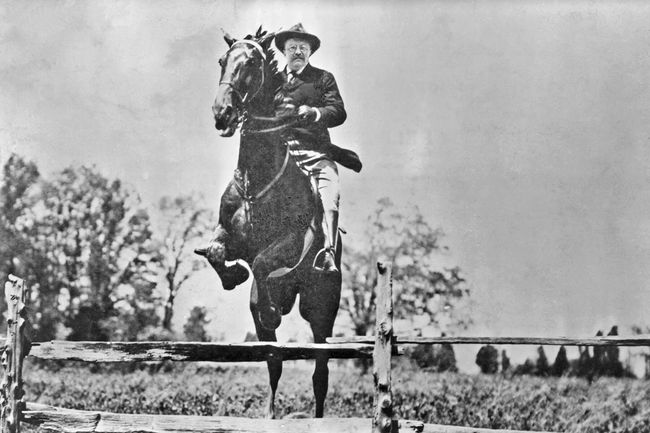
In an era dominated by high-tech home gyms and viral workout videos, the pursuit of physical fitness may seem like a distinctly modern preoccupation. But physical activity has long been an integral part of daily life. From ancient philosophers sculpted by rigorous training to intellectuals who advocated for the importance of diet and exercise as part of a holistic approach to well-being, history is filled with people who placed a premium on their physical fitness.

Here are five renowned historical figures who aren’t typically remembered for their athleticism, but whose commitment to exercise profoundly influenced their lives. The paths they took to stay physically fit varied widely, reflecting the diverse approaches people have taken to fitness throughout history. 
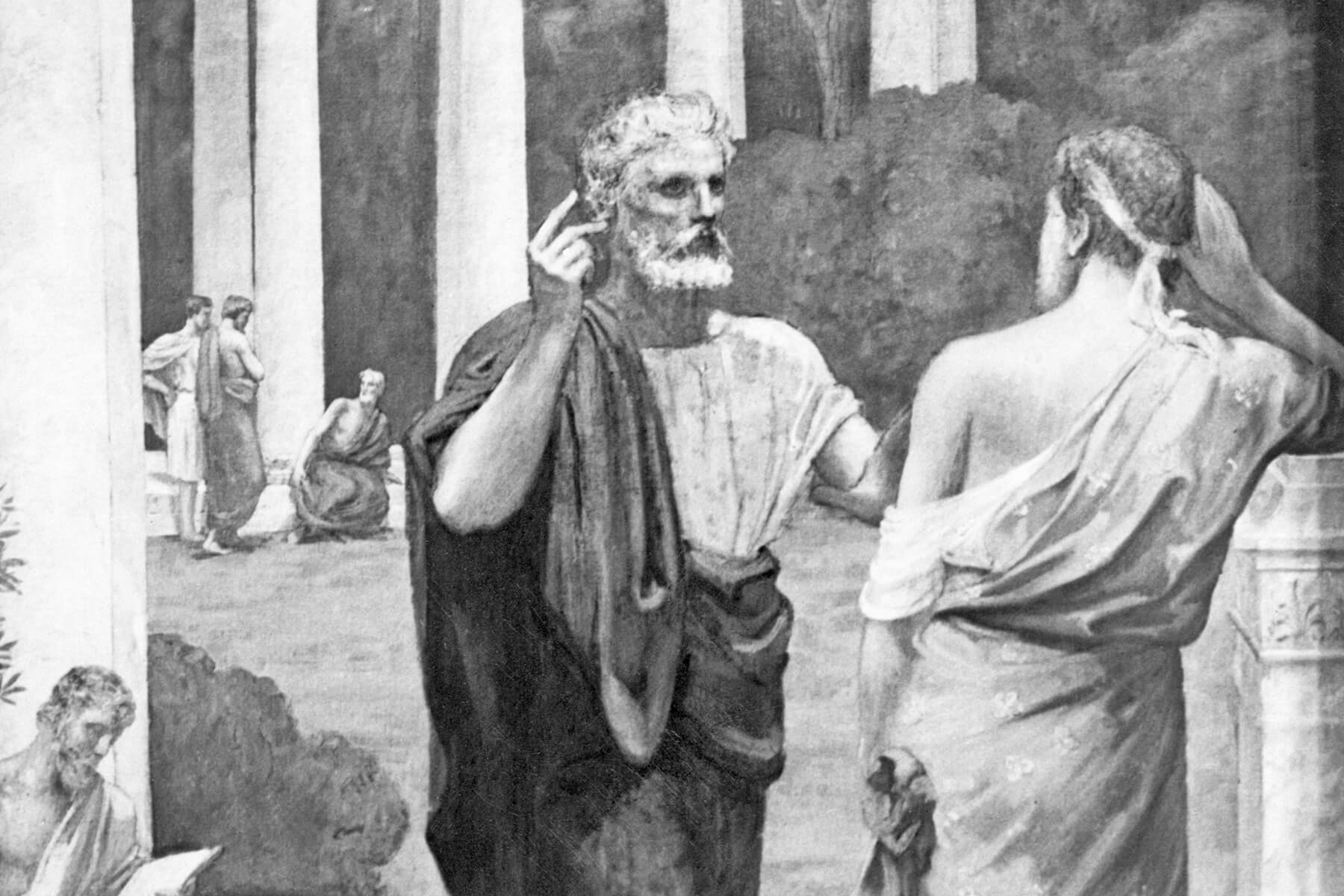
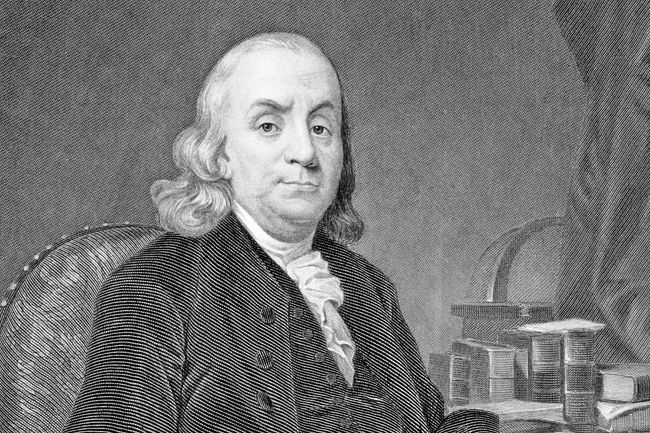
Credit: Bettmann via Getty Images

Plato (427-348 BCE)

Plato, one of the three ancient Greek philosophers (along with Socrates and Aristotle) attributed with building the philosophical foundation of Western culture, was educated in both mental and physical pursuits. Like other Athenian boys, Plato was trained in a variety of physical activities, including gymnastics, wrestling, archery, boxing, and riding. His given name was Aristocles, but it may have been his broad-shouldered physique that earned him the name Plato, from “platos,” the Greek word for “broad.” Before turning to philosophy, Plato put his physicality to use as a skilled wrestler competing in the Isthmian Games, an event similar to the ancient Greek Olympics. “Lack of activity destroys the condition of every human being,” he wrote, “while movement and methodical physical exercise save it and preserve it.”

5 Things You Didn’t Know About Ben Franklin

Author Nicole Villeneuve
April 4, 2024

Love it?

Most of us are familiar with Benjamin Franklin’s scientific inventions, and his role as one of the United States’ foremost Founding Fathers. But his ingenuity extended far beyond his most defining accomplishments; Franklin, it seems, was a visionary without limits. For instance, did you know his rustic clothing inspired European copycats? Or that he was instrumental in understanding the Gulf Stream? These lesser-known facets of Franklin’s legacy underscore the breadth of his intellect and the enduring impact of his innovations. Here are five fascinating ways Franklin’s forward-thinking approach made him one of the most fascinating figures in American history.

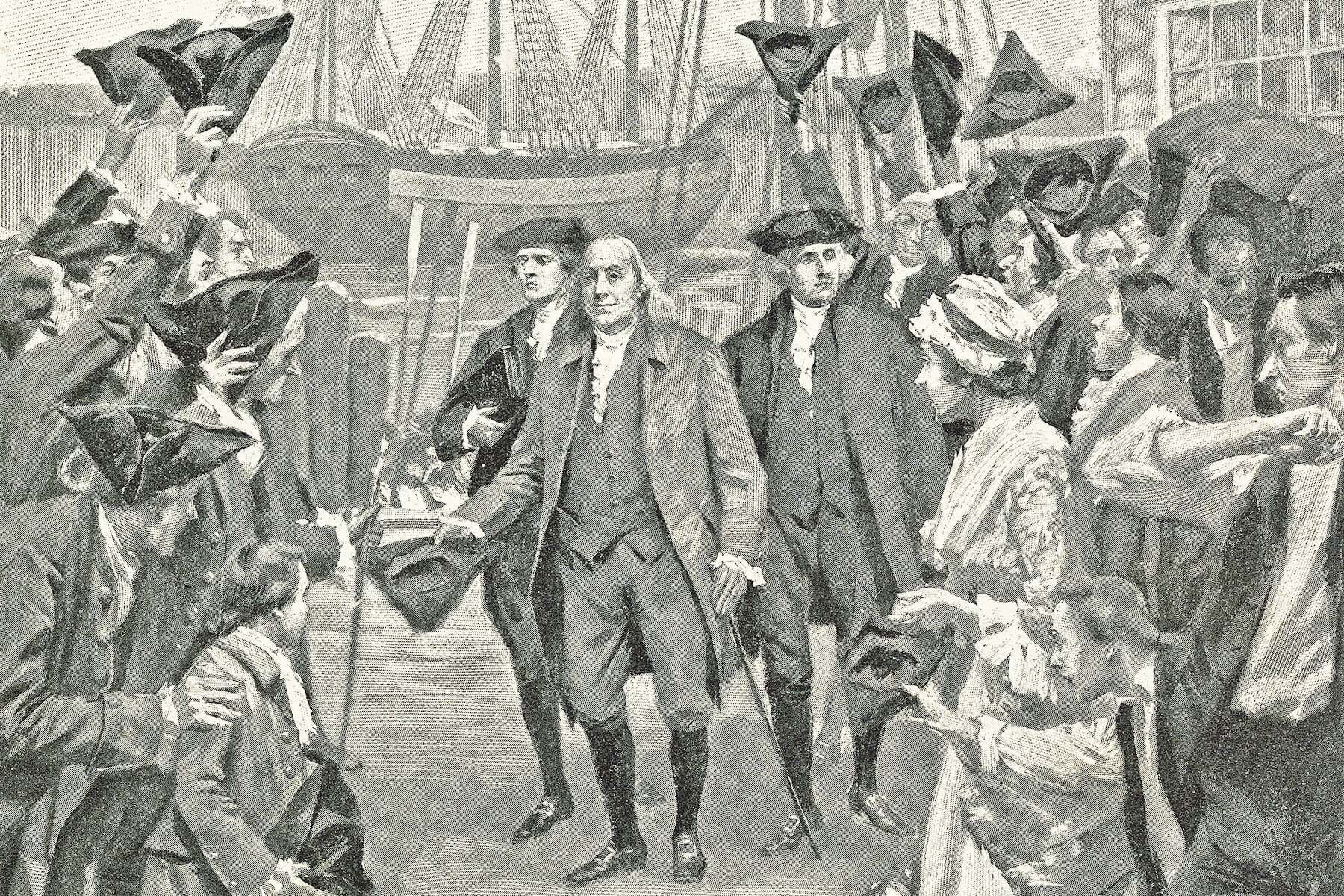
Credit: Bettmann  via Getty Images

He Was a Cultural Icon in France

In late 1776, early in the Revolutionary War, Franklin sailed from Philadelphia to France on a diplomatic mission. Although he was ultimately there to secure French support for American independence, he also became somewhat of a style icon. Unlike many of his contemporaries who favored the popular powdered wig of the time, Franklin wore his natural hair unstyled. His clothing was similarly unfussy: Plain suits, a walking stick, and fur hats were his signature sartorial items. 

This deliberately simple and very Americana choice of attire, coupled with Franklin’s global reputation, endeared him to the French, and even influenced French fashion. Some women began wearing wigs made to look like his fur cap, a style known as the “coiffure a la Franklin,” and his image appeared in portraits and on medallions and other jewelry. In 1779, Franklin wrote to his daughter about just how popular he had become. “The numbers sold are incredible,” he wrote. “The pictures, busts, and prints, (of which copies upon copies are spread every where) have made your father’s face as well known as that of the moon.”

Famous Historical Figures You Didn’t Know Were Related

Author Rachel Gresh
March 21, 2024

Love it?

Some family trees seem primed for the history books, from the Medicis and Habsburgs to the Rockefellers and Kennedys. These historical relations prove that family does indeed matter. Take for instance the two father-son duos that became U.S. Presidents: John Adams and John Quincy Adams, and George H.W. Bush and George W. Bush. There’s also Queen Victoria of England’s many grandchildren to consider. These famous cousins — among them King George V of Britain, Kaiser Wilhelm II of Germany, and Tsar Nicholas II of Russia (by marriage to Victoria’s granddaughter Alexandra) — went on to rule much of Europe. 

Other famous family connections aren’t as obvious, such as the relationship between the real-life inspiration for Dracula and Queen Elizabeth II, or the distant connection between two trailblazing women, Amelia Earhart and Laura Ingalls Wilder. Here are five of the most surprising family ties in history.

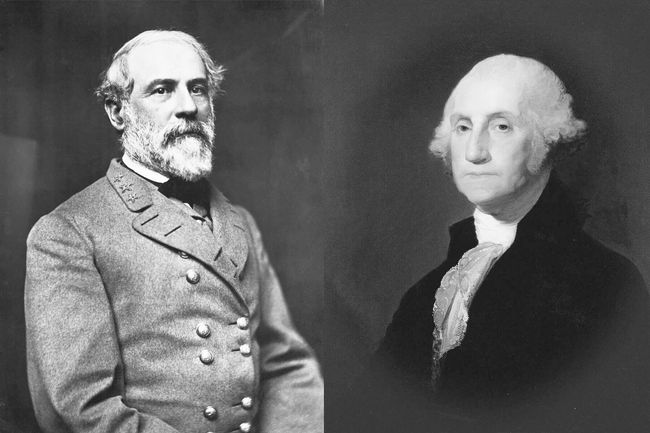
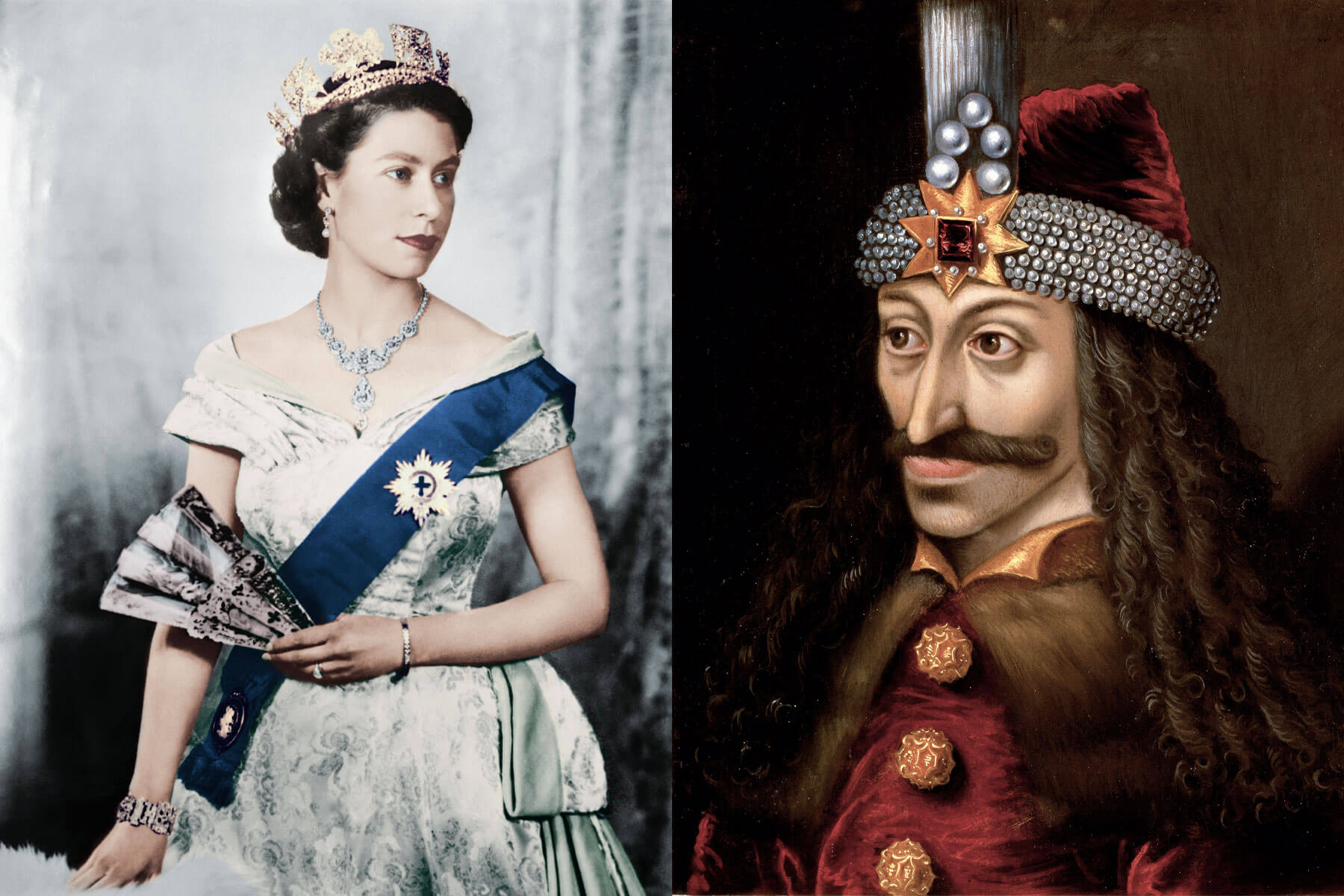
Credit: Bettmann via Getty Images ; Stefano Bianchetti/ Corbis Historical via Getty Images

Queen Elizabeth II and Dracula (Vlad the Impaler)

One of Europe’s most mild-tempered monarchs was distantly related to none other than Vlad III, more commonly known as Vlad the Impaler, a ruthless 15th-century Romanian prince who likely inspired Bram Stoker’s Dracula. The relation comes from Queen Elizabeth II’s grandmother Mary of Teck (a princess from Germany’s Württemberg dynasty), who was the wife of England’s King George V. Mary of Teck was a descendant of the merciless Romanian ruler, who had a reputation for executing many of his subjects. The surprising connection between Vlad III and the British royal family has also been acknowledged by Queen Elizabeth II’s son King Charles III, who owns a home in Transylvania (where Vlad once ruled) and is involved in conservation efforts to save the region’s forests.

7 Things You Didn’t Know About Winston Churchill

Author Nicole Villeneuve
October 2, 2023

Love it?

Winston Churchill is widely regarded as one of the greatest leaders of the 20th century, especially for his role in guiding Britain and the Allies to victory in World War II. Born in 1874 to an aristocratic family that included his prominent politician father, Lord Randolph Churchill, and American socialite mother, Jennie Jerome, Churchill spent his childhood largely in the care of a nanny and in boarding school, where he struggled to keep up academically. At age 18, he enrolled in the Royal Military College, a major achievement for the young boy who had an early interest in the military and also saw it as a distinct path into politics. After a four-year stint serving as both a soldier and war correspondent around the world, Churchill resigned from the army in 1899 to focus on his career as a writer and politician.

Churchill went on to hold a variety of political positions in both the Liberal and Conservative parties, including first lord of the admiralty, chancellor of the exchequer, secretary of state for war, and, of course, prime minister of the United Kingdom. He also became a prolific and celebrated writer and a renowned orator, whose powerful speeches, such as his famous “We shall fight on the beaches” address, inspired both his country and people around the world. Churchill was known for his eloquence, courage, wit, and vision, but he wasn’t without his faults, and his controversial views on imperialism, race, and social reform remain an equally entrenched part of his legacy. Churchill died in 1965 at the age of 90, remaining to some one of the greatest Brits of all time.

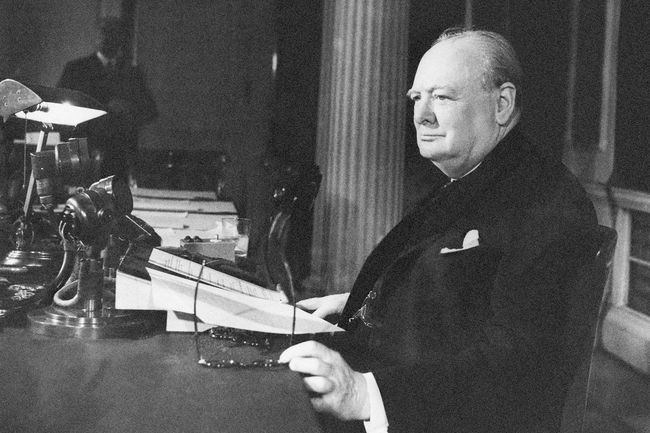
Photo credit: Keystone/ Hulton Archive via Getty Images

Churchill Did a Stint as a War Correspondent

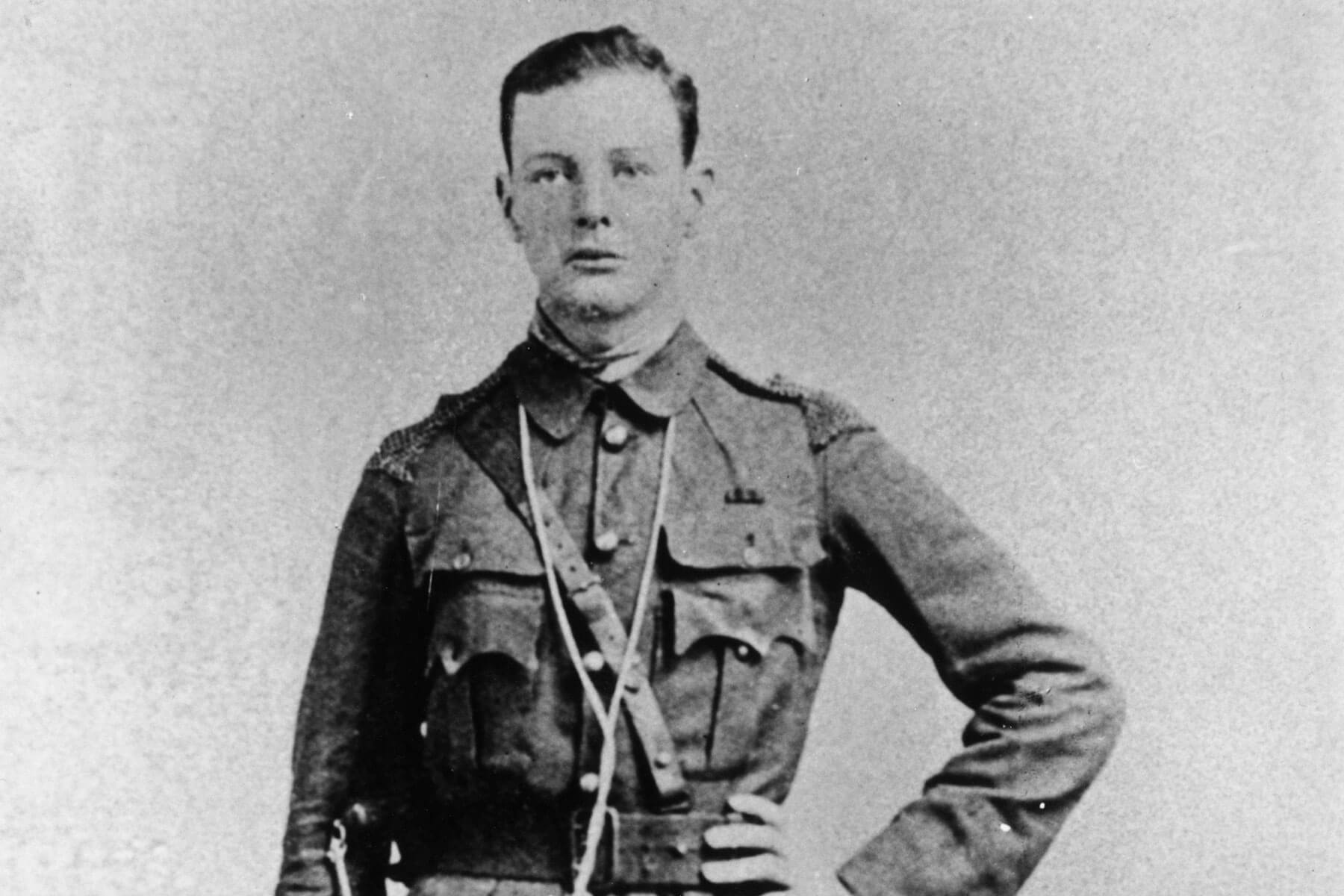
Churchill struggled through his school years in nearly every subject, history and English being the exceptions. His father steered him away from academics and toward a military career, where it took Churchill three attempts to get into the Royal Military College at Sandhurst (now the Royal Military Academy Sandhurst). In 1895, he joined the 4th Queen’s Own Hussars cavalry unit, and made his first army trip to Cuba — but not for combat. Churchill took a short leave to report on the Cuban War of Independence for London’s Daily Graphic. In 1896, his regiment was deployed to India, where he served as both a soldier and a journalist; his dispatches were later compiled into The Story of the Malakand Field Force, his first of many published nonfiction works. His journalism even led Churchill to a notable moment in his young career. While covering the Boer War in South Africa for The Morning Post, he and members of the British army were captured and taken to a prisoner-of-war camp. He escaped by scaling a wall in the dark of night, returning a hero.

Photo credit: WPA Pool/ Getty Images Entertainment via Getty Images

He Was Awarded the Nobel Prize in Literature in 1953

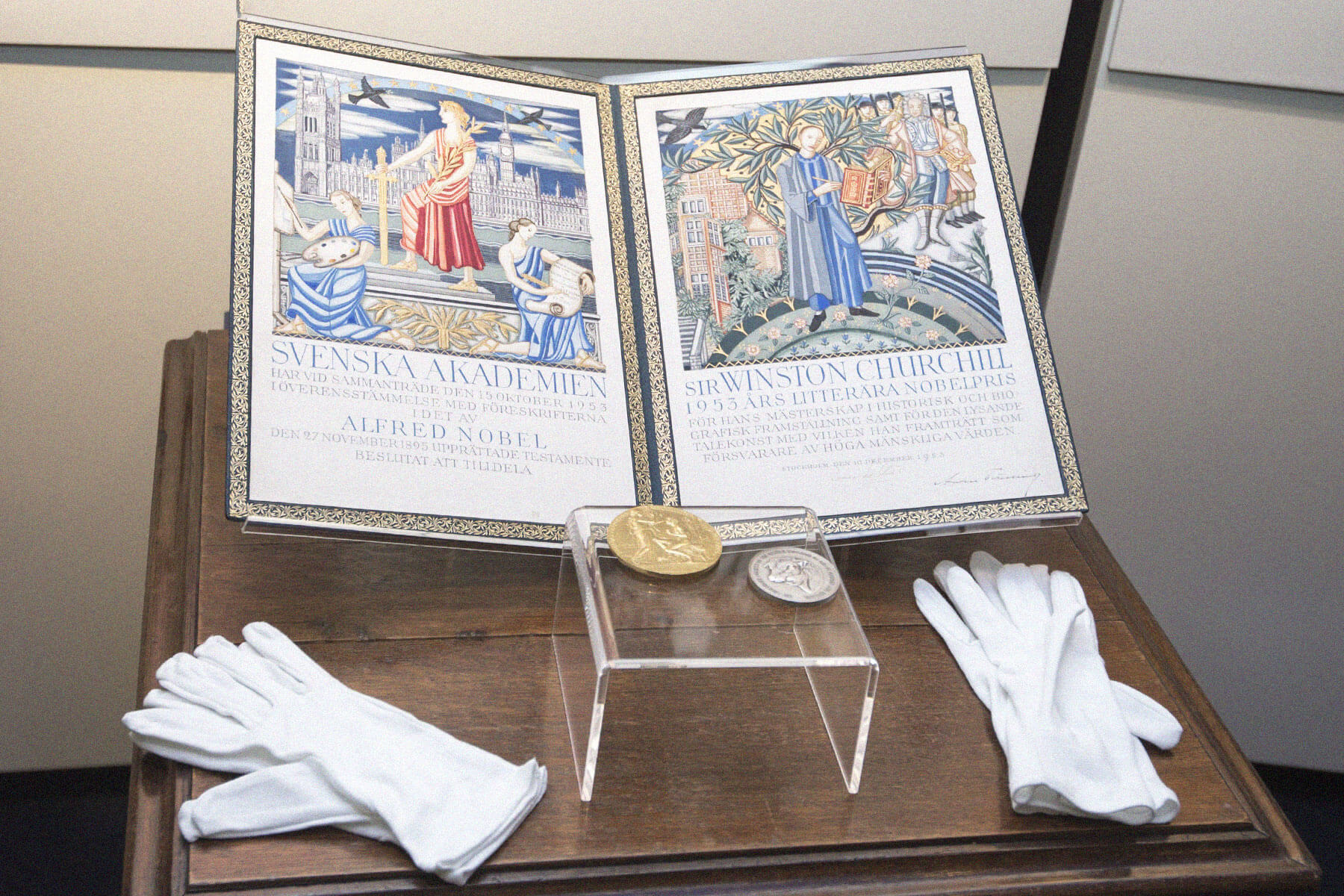
Churchill’s war reporting marked the beginning of an esteemed literary career. His first major work following his war dispatch collections was a 1906 biography of his father, titled Lord Randolph Churchill; he also wrote a four-volume biography of his ancestor, the Duke of Marlborough. Churchill’s most famous works, however, are his histories of the two world wars, which he both witnessed and shaped. The World Crisis covers the First World War and its aftermath, while The Second World War, throughout six volumes, details the global conflict that made him a legendary leader. Churchill also published several collections of speeches and essays, as well as a book on his hobby of painting, Painting as a Pastime. In 1953, his work earned him the Nobel Prize in literature, awarded “for his mastery of historical and biographical description as well as for brilliant oratory in defending exalted human values.” As high an honor as it was, it’s believed that what Churchill truly wanted was the Nobel Peace Prize.

5 Things You May Not Know About Genghis Khan

Author Bennett Kleinman
June 12, 2023

Love it?

Of all of history’s greatest leaders, few if any have held as much power and influence as the mighty Mongol ruler Genghis Khan. As founder of the Mongol Empire, Genghis laid waste to all who stood in his way en route to controlling a large swath of Asia during the early 13th century. Though Genghis was undeniably ruthless in his conquests, he was also a cunning tactician whose skills made him wildly effective in his imperialist efforts.

Genghis Khan lived from 1162 until 1227, rising from the ranks of relative obscurity to unify a once-scattered Steppe region in modern Mongolia and other parts of Central Asia. At the height of his power, no man was more feared or revered than Genghis, whose success as a conqueror led to one of the largest empires in history. Genghis Khan’s impact on global history is undeniable, and there’s much to be discussed about his life. Here are five facts about the infamous leader of the Mongols.

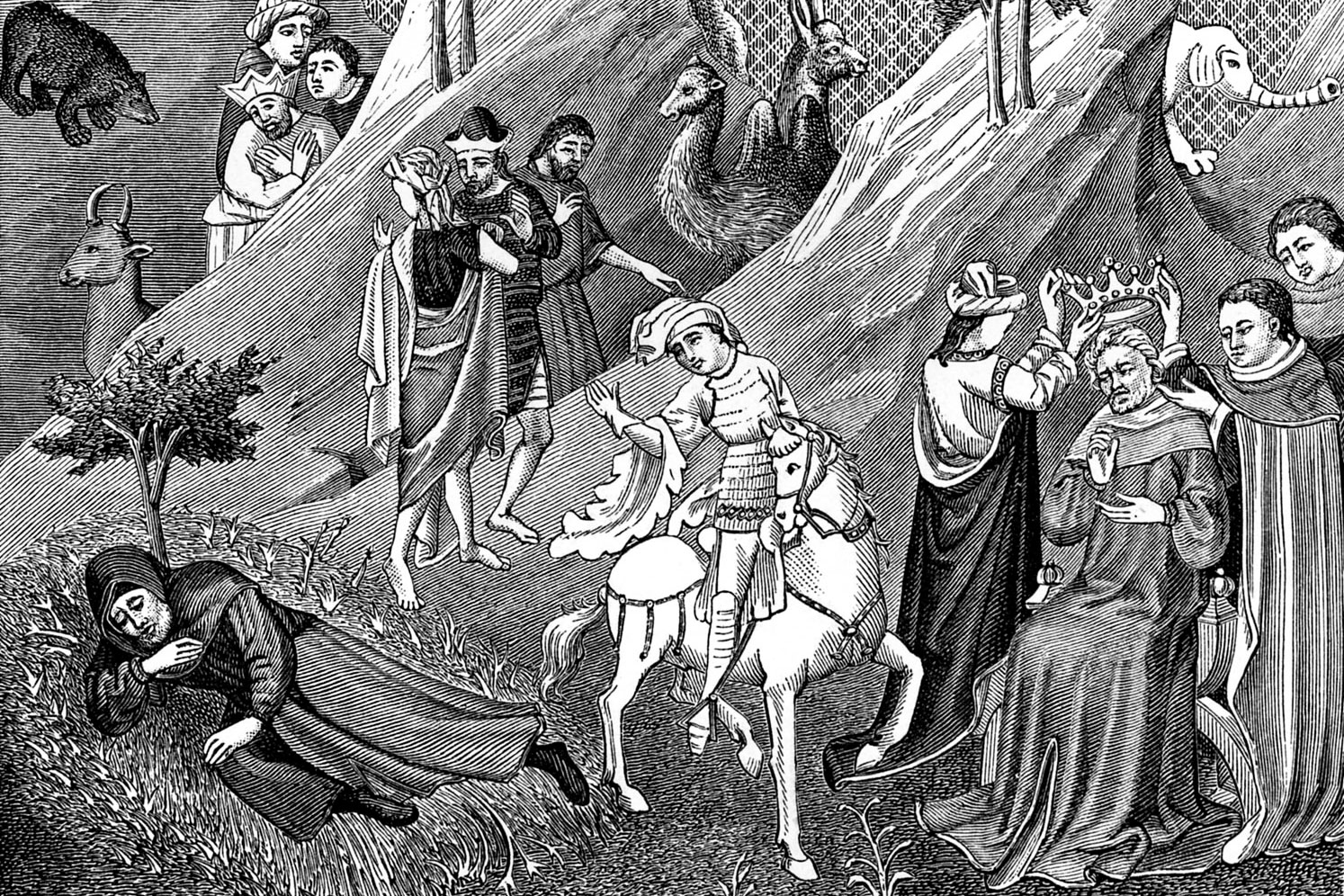
Photo credit: Culture Club / Hulton Archive via Getty Images

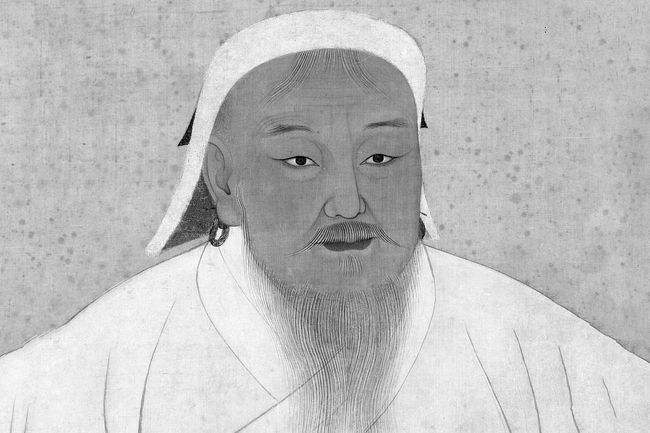
Genghis Khan’s Birth Name Was Temüjin

Though he’s best known as Genghis Khan, that name was actually bestowed on the Mongol leader later in life. At birth, he was known as Temüjin, derived from the Turkic word temür, meaning “iron.” The name was an apt descriptor of the boy who would grow up to become a brutal warrior after being forced into a leadership role at a young age. After Temüjin’s father was poisoned when Temüjin was around 10 years old, the family was abandoned by their clan, forcing the boy to look after his mother and siblings. He showcased leadership skills from an early age, and spent the ensuing years conquering countless nomadic Steppe tribes. As recognition for his efforts, Mongol nobles gave him the name Chinggis Khan — Genghis Khan in the Western spelling — a title that roughly translates to “Universal Ruler.”