


5 Famous Figures Who Nearly Made the Olympics

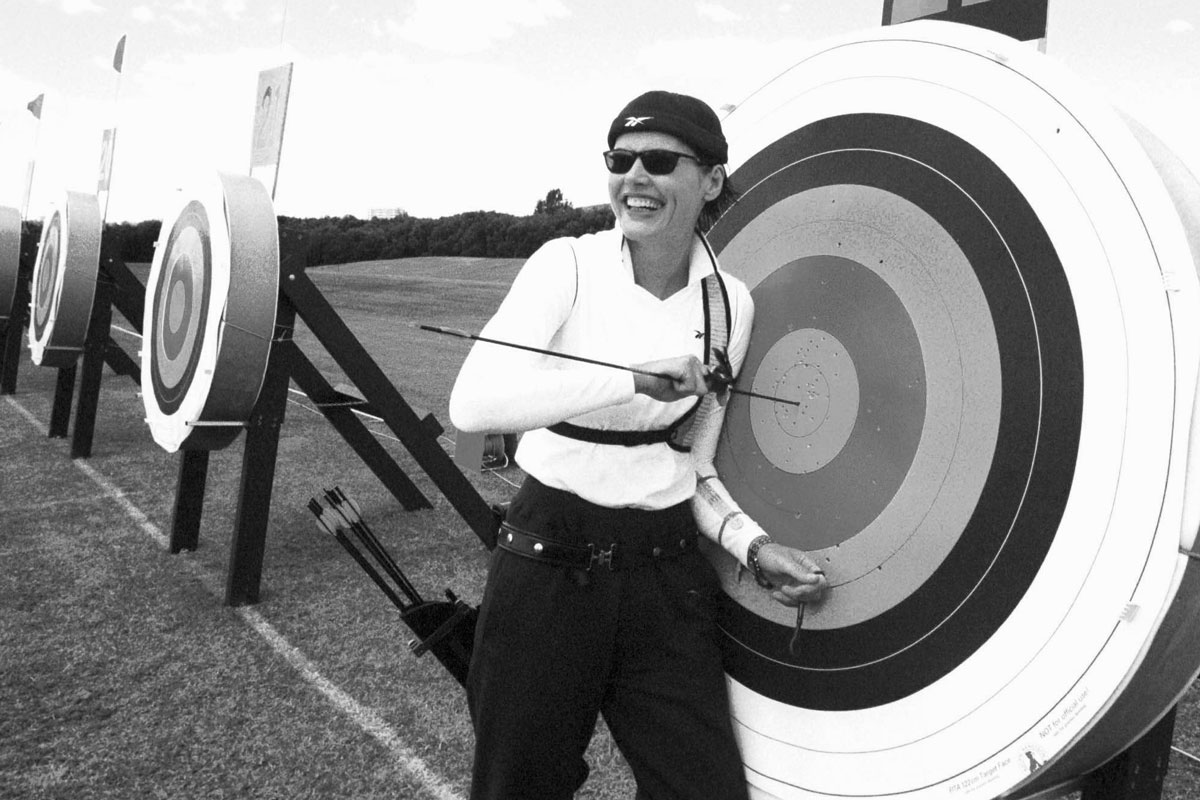
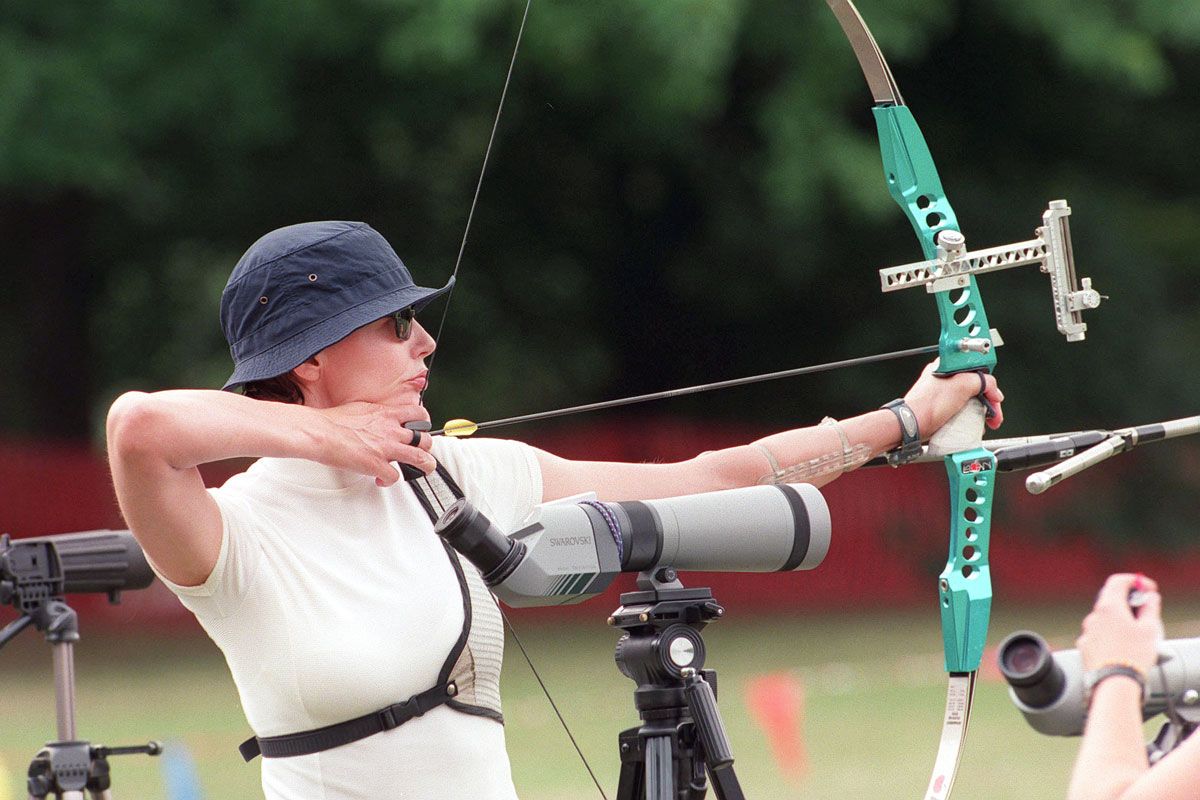
  • Geena Davis tests for the Olympics
Geena Davis tests for the Olympics
Credit: Jim Pozarik/ Hulton Archive via Getty Images
Author Tony Dunnell

February 12, 2026

Love it?

In 67 CE, the Roman Emperor Nero decided to take part in the Olympic Games. He competed in a number of events, including chariot racing, singing, poetry, and lyre playing. Needless to say, the eccentric emperor made sure he was declared the winner in each discipline — including the chariot race, despite him falling out of his chariot and never finishing the event. 

Other famous figures have made far more dignified appearances in the modern Olympics. George S. Patton, one of the United States’ most famous military generals, competed in the modern pentathlon at the 1912 Games in Stockholm, finishing in fifth place. Johnny Weissmuller was a superstar in the pool, winning five gold medals, before he became famous on the silver screen as Tarzan. Other notable celebrity Olympians include bestselling author Benjamin Spock (gold medal in rowing), Jessica Springsteen (Bruce’s daughter, equestrian), and Caitlyn Jenner, who won gold and broke the world decathlon record at the 1976 Montreal Games.

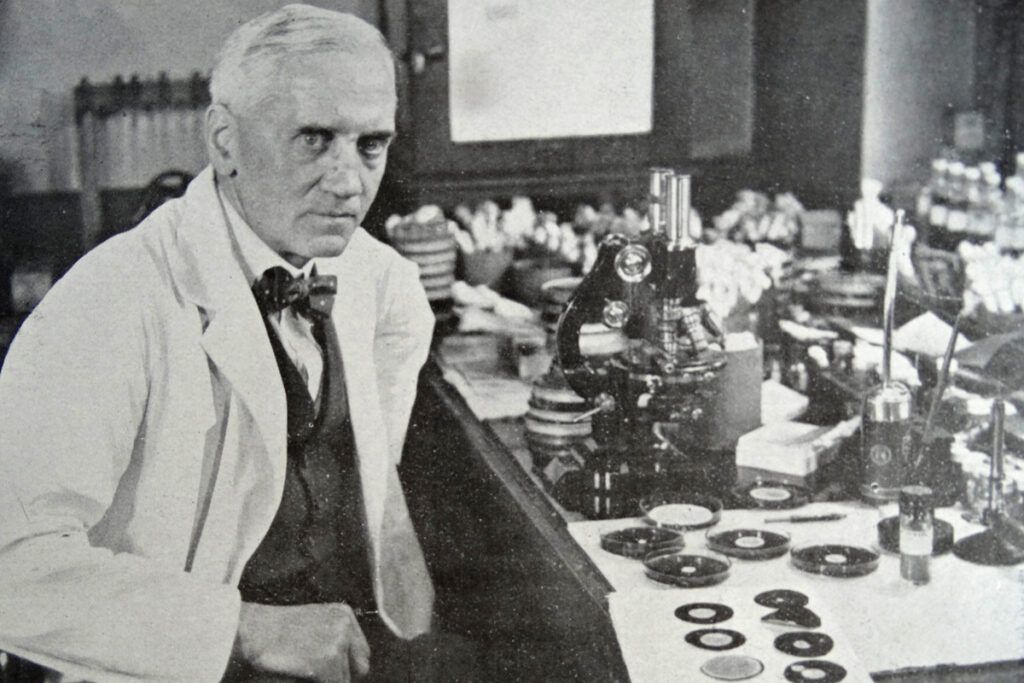
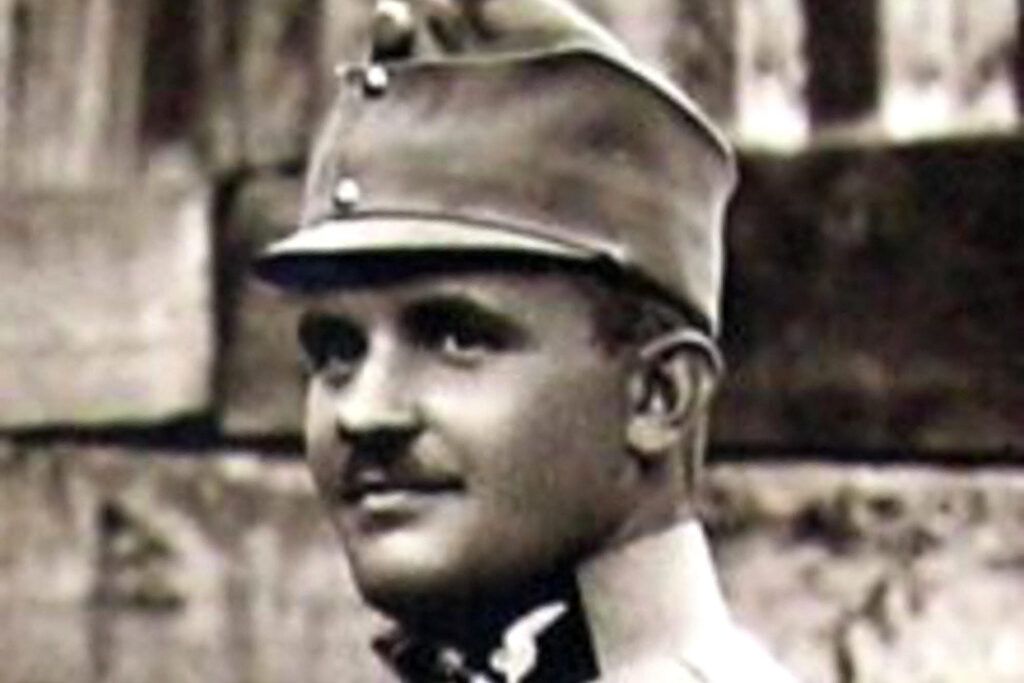
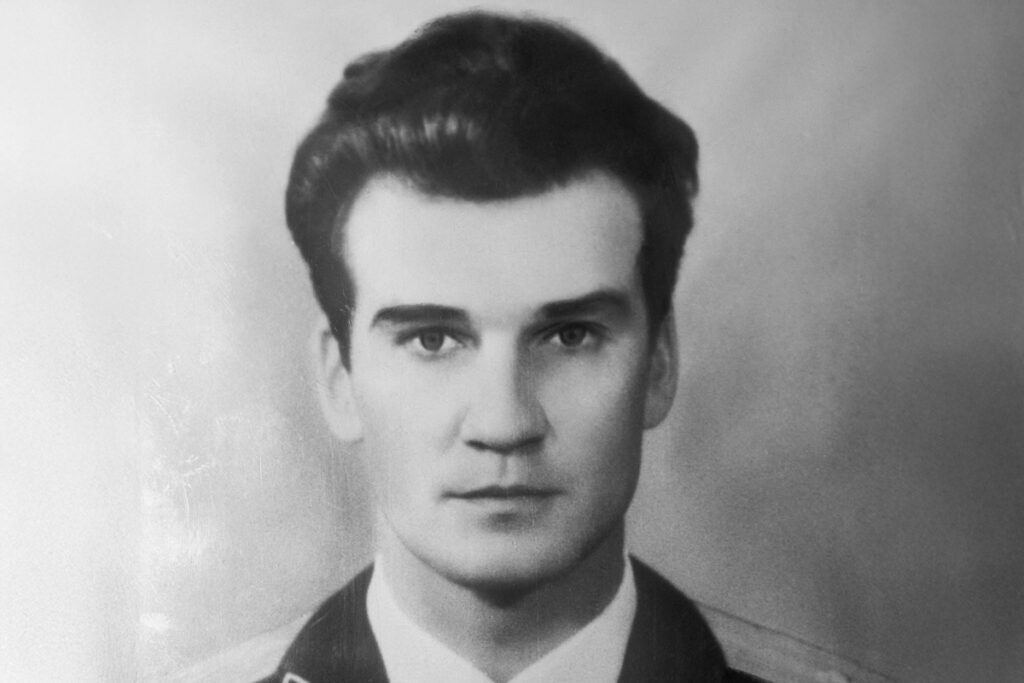
Of course, for every athlete who makes it to the Games, countless others fall short of their dreams, including some celebrities who went on to achieve success in entirely different fields. Here are five famous figures you may be surprised to learn nearly made the Olympics. 

Credit: Rick Maiman/ Sygma via Getty Images 

Geena Davis

Academy Award-winning actress Geena Davis took up archery at age 41 after becoming fascinated by the sport while watching the 1996 Atlanta Games. She’d already established herself as an A-list actress by that point, having portrayed Thelma Dickinson in Thelma & Louise (1991) and the baseball-playing Dottie Hinson in A League of Their Own (1992), but archery was calling. 

In 1997, she found a coach and dedicated herself completely to the sport for two years. She won local and national tournaments and soon found herself competing against 300 other women vying for a place on the U.S. Olympic archery team for the 2000 Sydney Games. She finished in 24th place — a highly respectable achievement, but not quite enough to make it to the Olympics. 

You may also like

5 First Ladies Who Redefined the Role

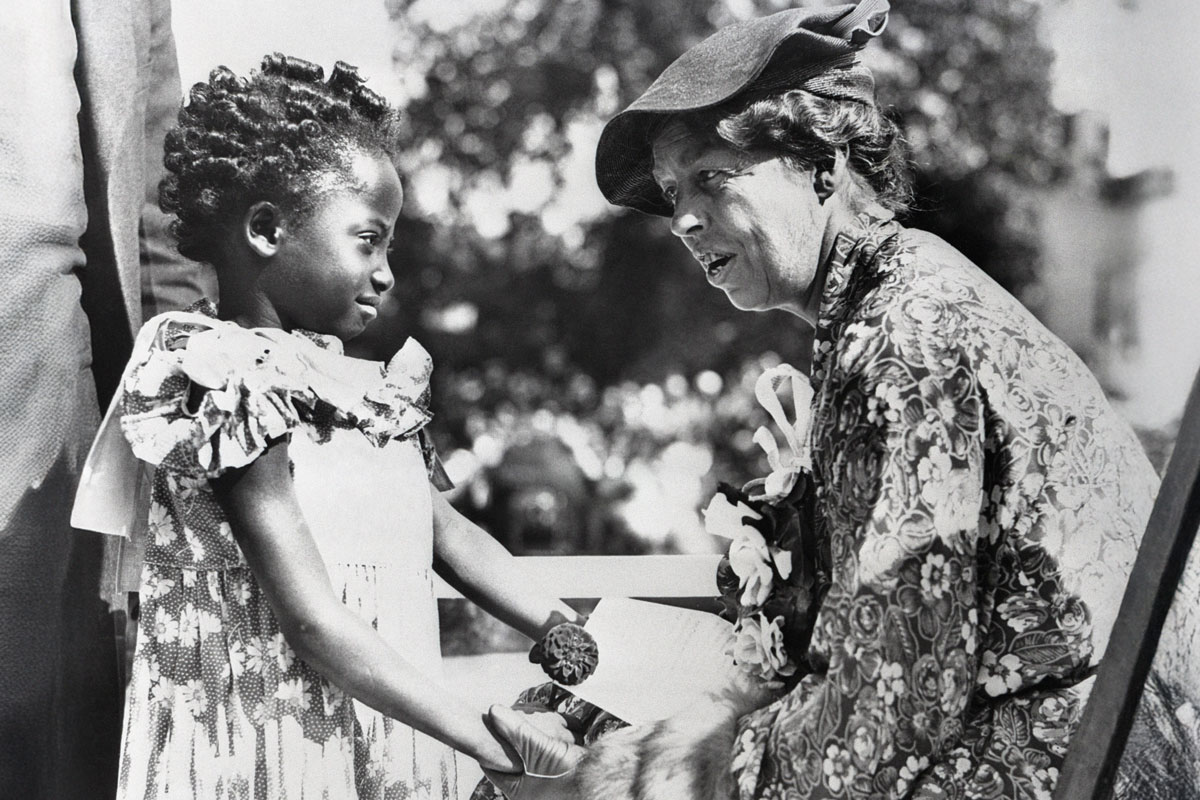
  • First Lady Eleanor Roosevelt, 1935
First Lady Eleanor Roosevelt, 1935
Credit: Bettmann Archive via Getty Images
Author Kristina Wright

October 16, 2025

Love it?

The role of first lady has often been seen as ceremonial, rooted in hospitality, social engagement, and the management of White House events. The president’s spouse is expected to host gatherings, welcome dignitaries, and accompany the president at official functions — duties that are social in nature, but still help shape public perception of the presidency and project the values of the nation.

The women who have held this position have never been confined to protocol, however. Without a formal title or salary, many first ladies have carved out their own platforms — championing causes, serving as cultural ambassadors, and guiding national conversation. Each made the role her own, and some redefined it entirely. Here are five first ladies who changed the game during their time in the White House.

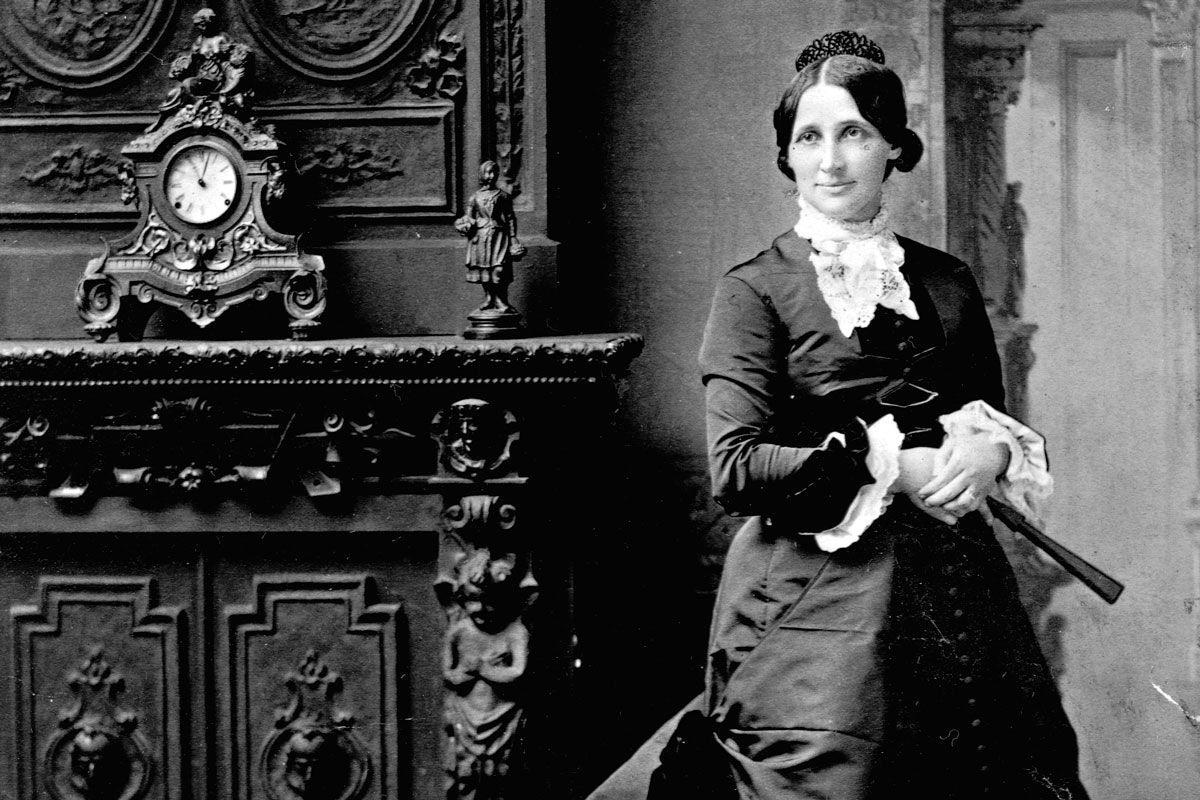
Credit: Library of Congress/ Corbis Historical via Getty Images 

The First To Have a College Degree

In the early years of the nation, most first ladies had little or no formal education, reflecting the limited opportunities available to women at the time. Louisa Adams, the wife of John Quincy Adams, America’s sixth president, broke this pattern. She was the first person in the position to receive structured schooling, studying at a convent school in France from 1781 to 1783 and at a boarding school in England from 1784 to 1789. It wasn’t until decades later that Lucy Hayes, the wife of Rutherford B. Hayes, became the first U.S. first lady to have earned a college degree. In 1850, she graduated with a liberal arts degree from Cincinnati Wesleyan Female College, marking a milestone at a time when higher education for women was still rare.

Later first ladies expanded this legacy with advanced academic achievements. Laura Bush was the first with a master’s degree, receiving a Master of Library Science from the University of Texas at Austin in 1973. Hillary Clinton became the first to hold a law degree, having earned her Juris Doctor from Yale Law School in 1973, a path later followed by Michelle Obama, the first Black first lady, who earned her Juris Doctor from Harvard Law School in 1988. Jill Biden reached the highest level of academic achievement to date, completing a Doctor of Education in Educational Leadership at the University of Delaware in 2007.

You may also like

5 Famous Leaders Who Were Shorter Than Napoleon

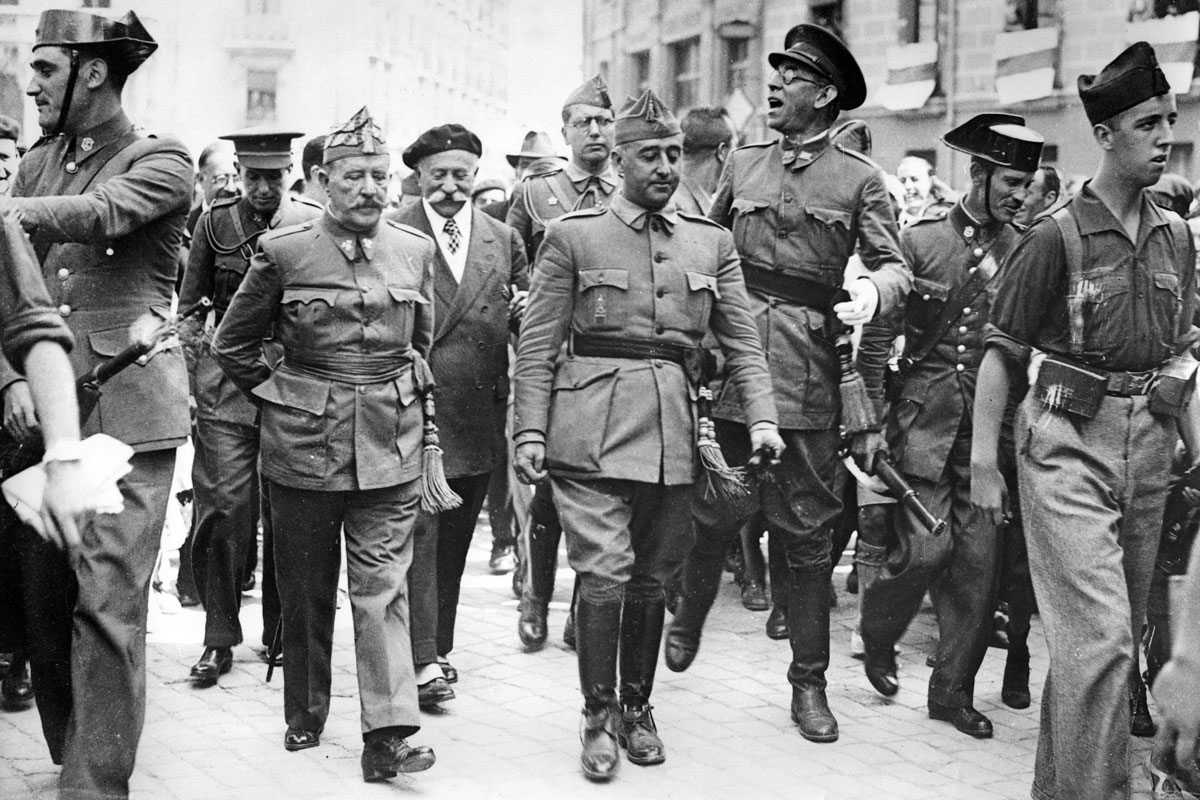
  • Gen. Francisco Franco, 1936
Gen. Francisco Franco, 1936
Credit: brandstaetter images/ Hulton Archive via Getty Images
Author Timothy Ott

October 1, 2025

Love it?

For all his accomplishments as a military general and emperor of France, Napoleon Bonaparte never escaped the caricature of being a small, temperamental soldier. His supposed frustration over this popular perception even gave rise to the derogatory term “Napoleon complex,” attached to an individual perceived as trying to overcome a lack of stature with a show of power.

Ironically, Napoleon was not short by the standards of 19th-century France. Measuring somewhere between 5 feet, 6 inches, and 5 feet, 7 inches, he was actually taller than his average countryman, who stood between 5 feet, 2 inches, and 5 feet, 6 inches tall at the time. Even England’s Duke of Wellington, who beat back Napoleon’s forces at the Battle of Waterloo, was barely taller than Napoleon at 5 feet, 8 inches.

Regardless, history has shown that height need not be a prerequisite for being in charge. While Peter the Great and Charles de Gaulle towered over their charges at 6 feet, 8 inches, and 6 feet, 5 inches, respectively, Winston Churchill and Benito Mussolini (both 5 feet, 6 inches) surely found themselves looking up at plenty of people they bossed around.

Here are five world leaders who made a formidable impact in their times, despite being even shorter than France’s mighty — and somewhat mislabeled — “Little Colonel.”
You may also like

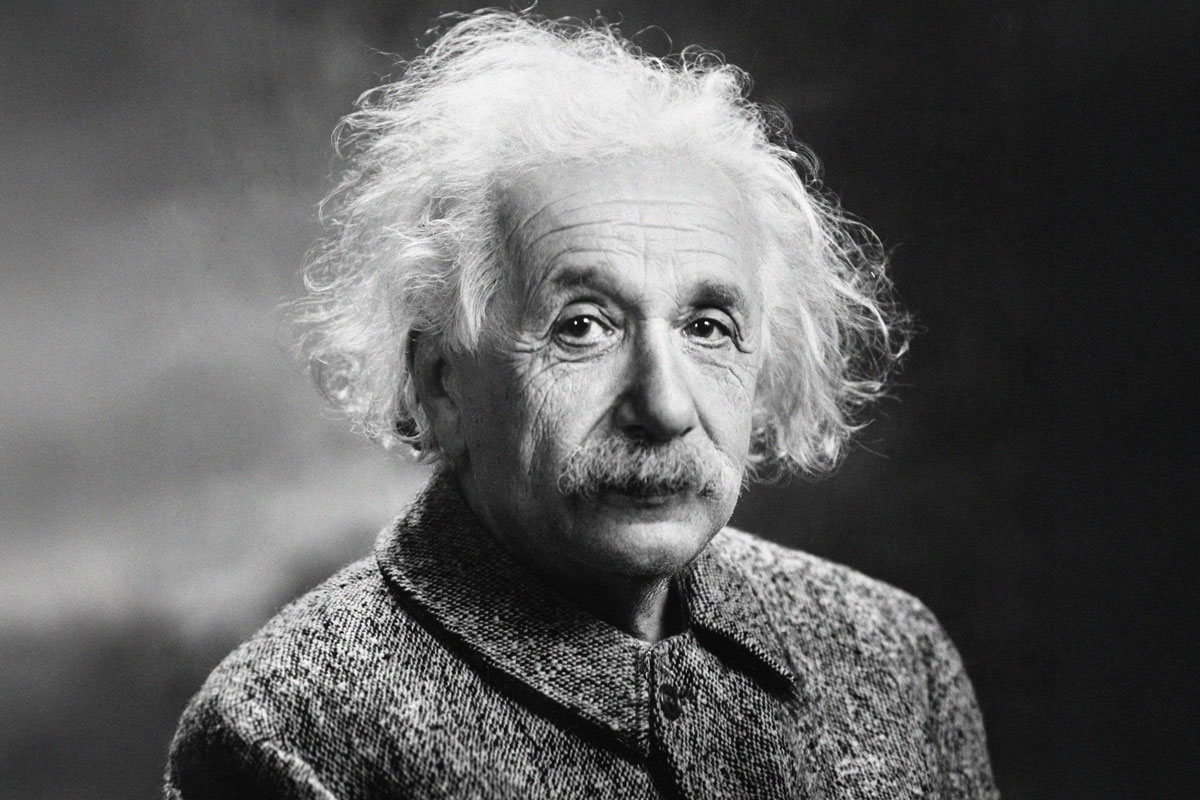
5 Life Lessons From Albert Einstein

  • Albert Einstein portrait
Albert Einstein portrait
Credit: IanDagnall Computing/ Alamy Stock Photo
Author Nicole Villeneuve

September 18, 2025

Love it?

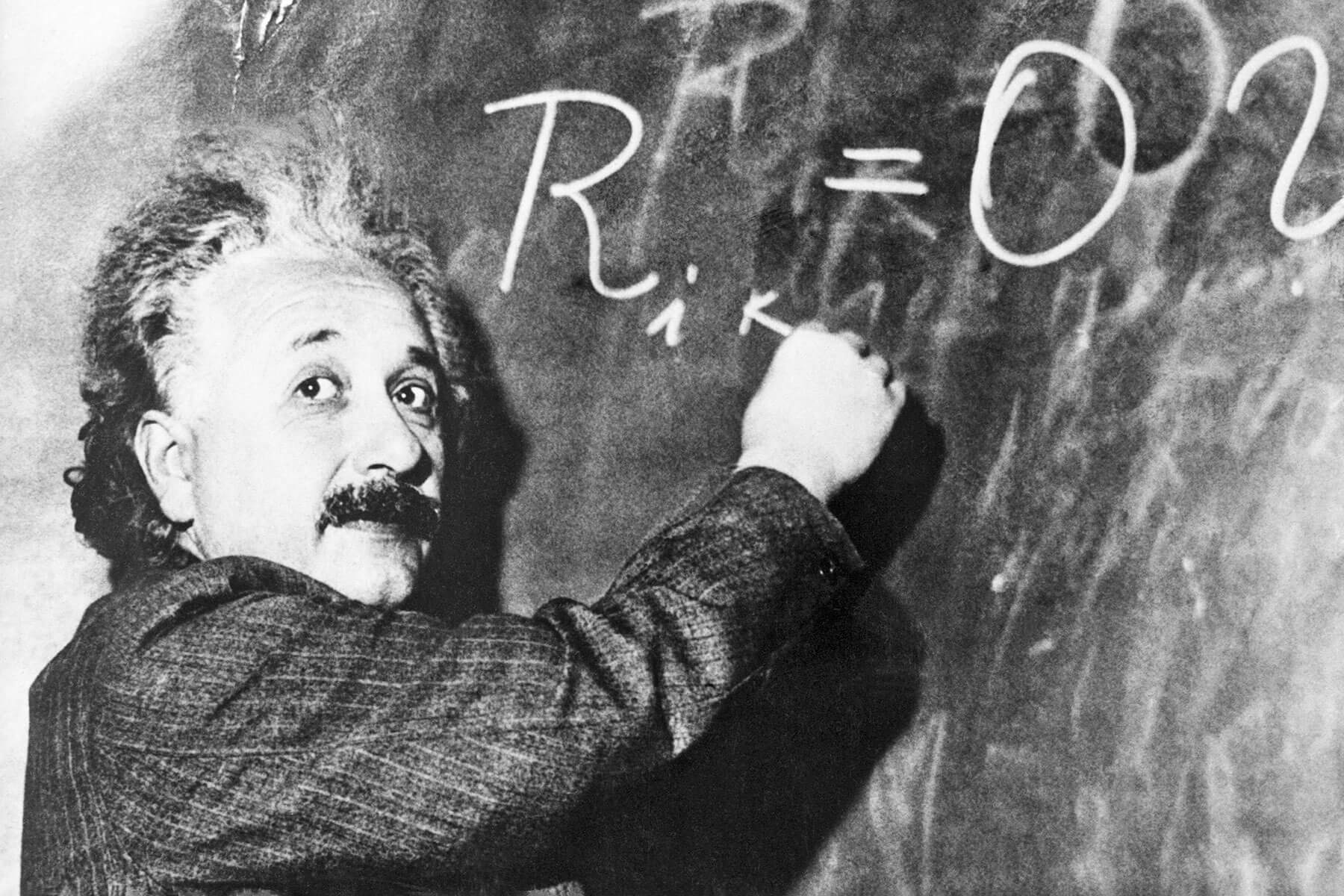
Most people know Albert Einstein as the face of genius, but there was much more to this famous figure than his groundbreaking work in physics. The German-born, Nobel Prize-winning scientist was curious, compassionate, and principled, and he thought deeply about what it means to live a purposeful, ethical life. These weren’t just abstract ideas — they were guiding principles that informed much of what he did and spoke about. Here, distilled from the many nuggets of wisdom Einstein shared over his 76 years, are five life lessons we can all take to heart.

Credit: ullstein bild Dtl. via Getty Images 

Imagination Is the Key

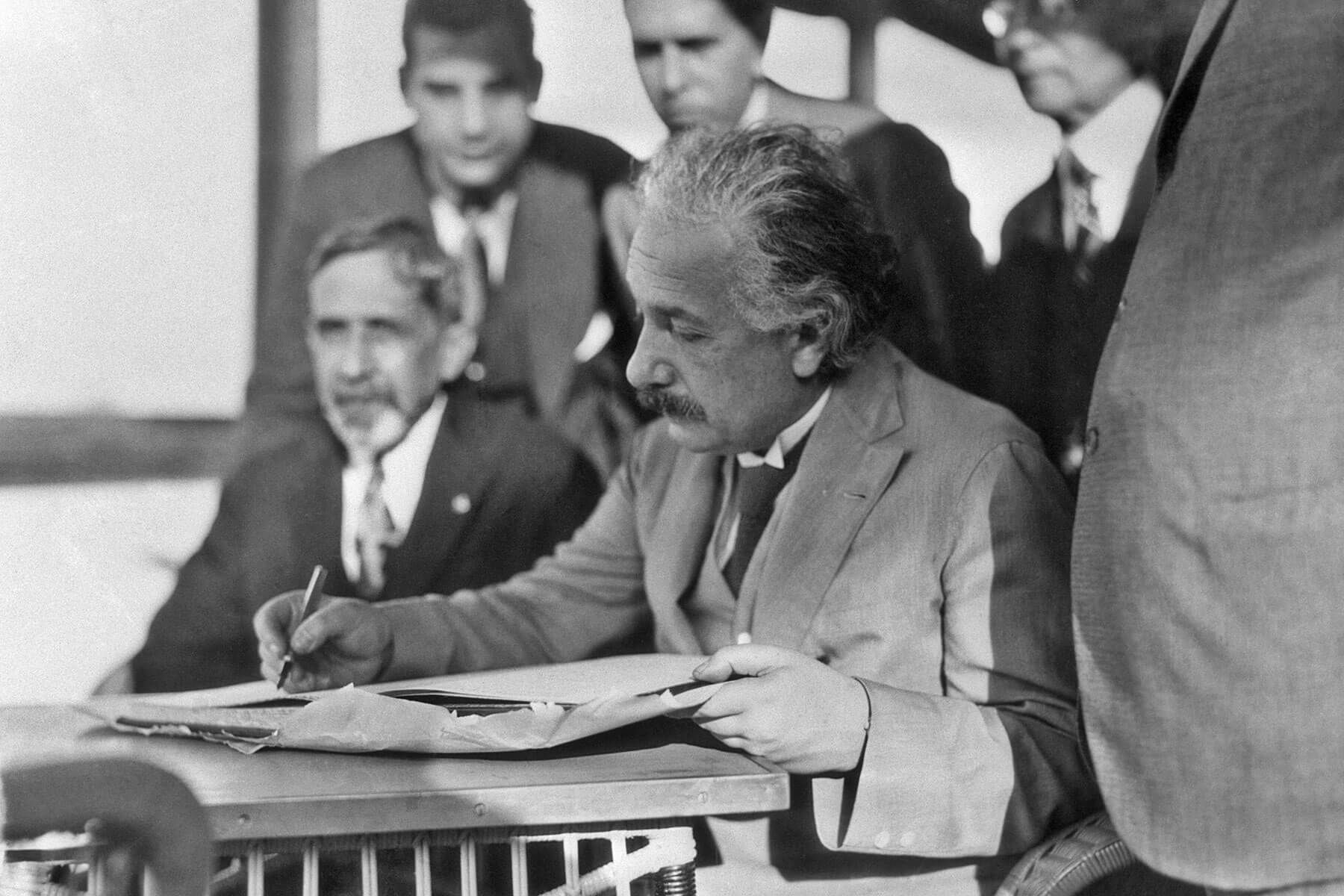
When asked about the process behind his scientific discoveries in a 1929 interview, Einstein credited a perhaps surprising trait: imagination. “Imagination is more important than knowledge,” he told The Saturday Evening Post. “For knowledge is limited, whereas imagination encircles the entire world.” 

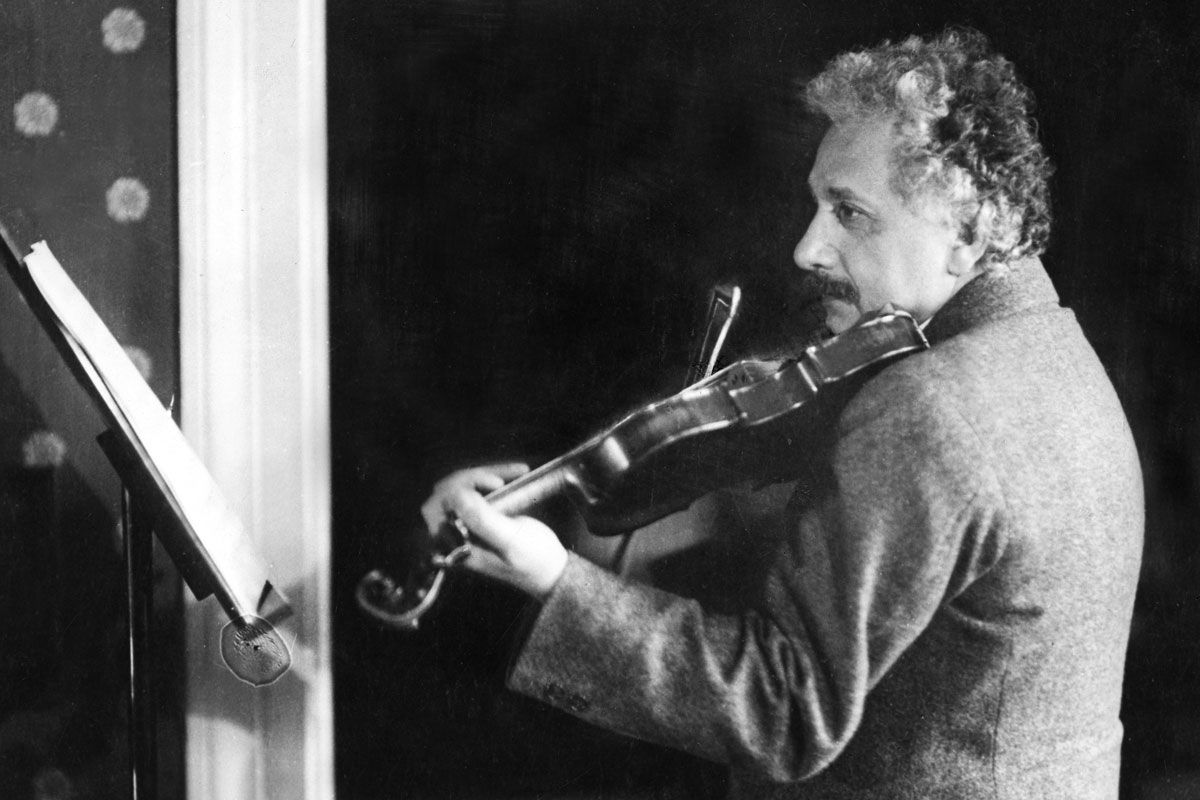
Einstein’s famous thought experiments — including picturing himself racing alongside a beam of light when he was 16 years old — showed that visualizing the impossible could help unlock new scientific truths. Other pursuits also gave his imagination room to meander. Playing violin often helped him work through complex problems, and sailing, which he loved but did not exactly excel at, gave him time to let his quiet mind wander. 

For Einstein, imagination wasn’t an escape from science but a key component to his breakthroughs. Facts played an important role, certainly, but it was all that daydreaming that first led him into the unknown. 

You may also like

Which Ancient Philosopher Are You?

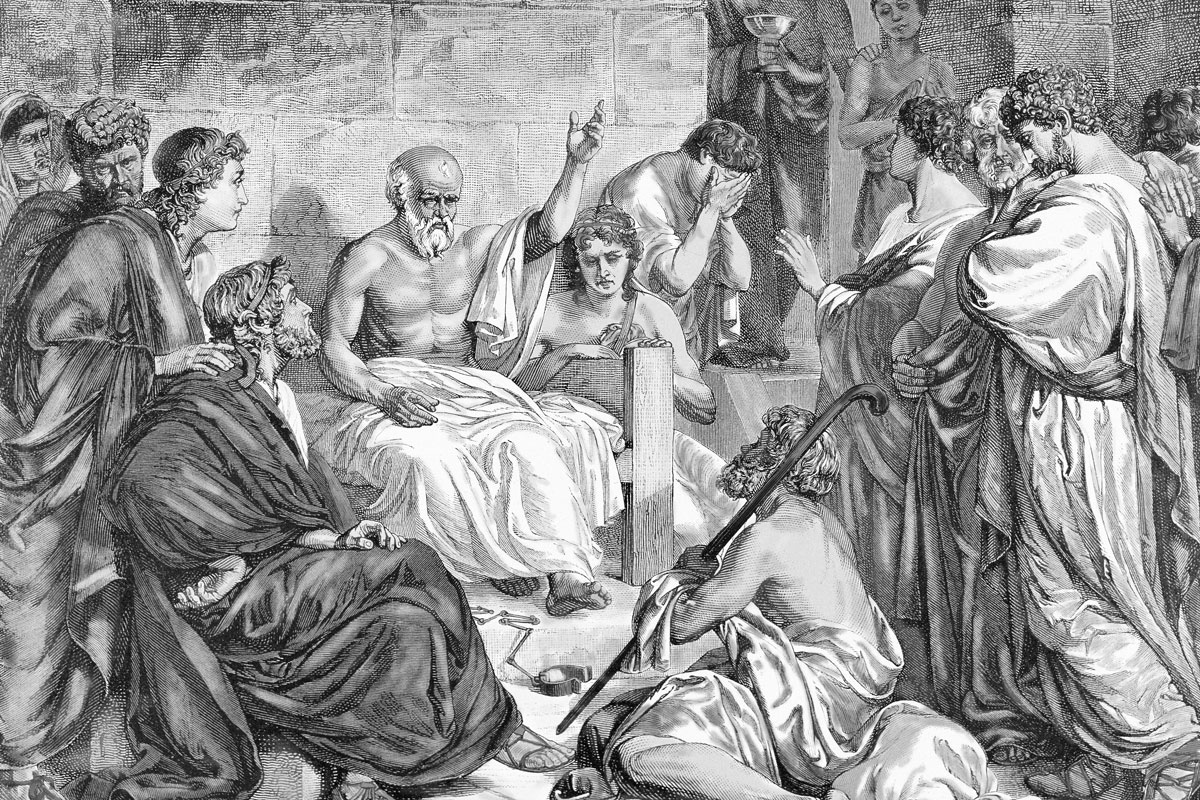
  • Socrates lecturing in prison
Socrates lecturing in prison
Credit: PRISMA ARCHIVO/ Alamy Stock Photo
Author Bess Lovejoy

August 27, 2025

Love it?

Ever wondered which great mind from the ancient world you’d click with at a symposium — or at least, whose philosophy you’d share? While we can’t all spend our days debating under olive trees or meditating in mountaintop monasteries, we can tap into the timeless wisdom of the ancients. From Greece to India to China, these thinkers shaped how humanity has wrestled with life’s biggest questions.

Read on to see which of the six philosophical giants — three from the East, three from the West — matches your own worldview.

Credit: Print Collector/ Hulton Archive via Getty Images 

Confucius: The Harmony Builder

This Chinese sage emphasized morality, respect, and proper conduct, believing that a harmonious community begins with each individual fulfilling their role. For Confucius (551-479 BCE), ethics and etiquette weren’t stuffy rules — they were the glue holding families, friendships, and nations together. His wisdom suggests that cultivating kindness and order in daily life can ripple outward to shape the entire world, one thoughtful action at a time.

You might be Confucius if:

  1. You believe rules and traditions exist for a reason.
  2. You value respect for elders and the wisdom of the past.
  3. You think a healthy society starts with strong families and ethical leaders.

You may also like

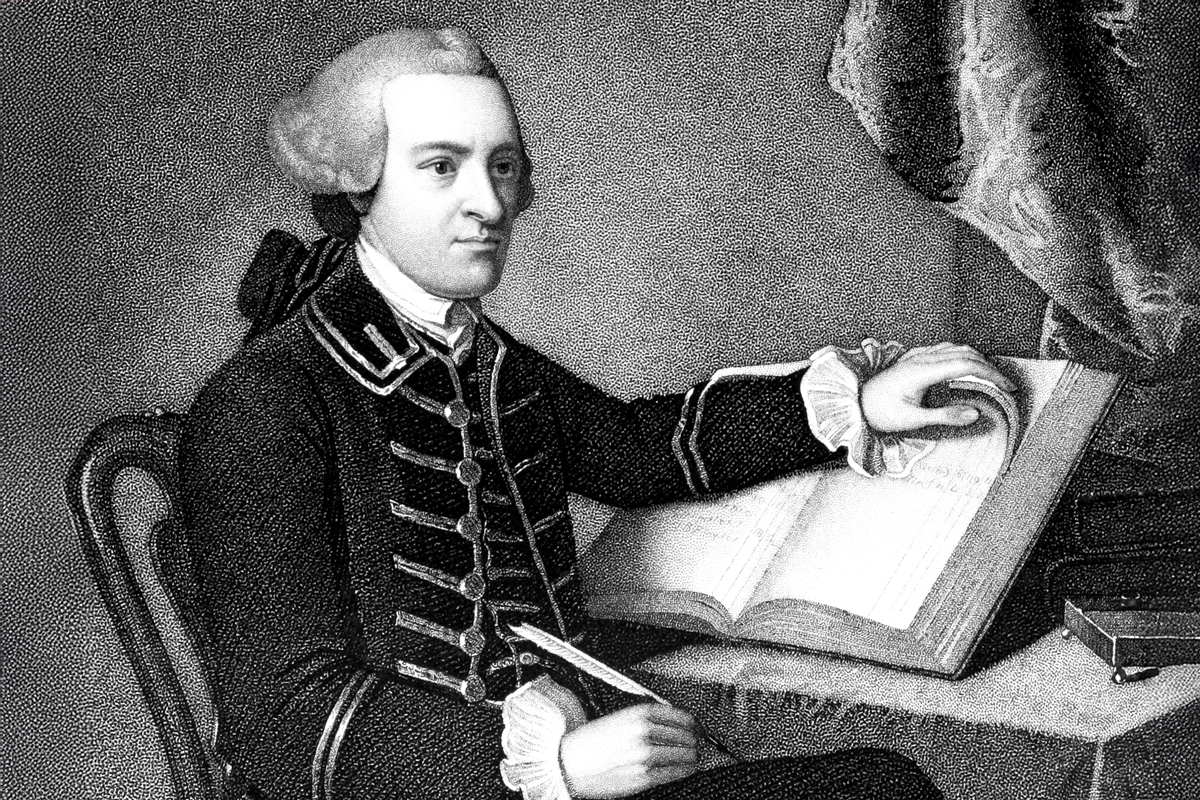
Who Was John Hancock?

  • Portrait of John Hancock, 1835
Portrait of John Hancock, 1835
Credit: GeorgiosArt/ iStock via Getty Images Plus
Author Timothy Ott

August 12, 2025

Love it?

The apparent one-hit wonder of the U.S. Founding Fathers, John Hancock is largely known today solely for inscribing the first and largest signature at the bottom the Declaration of Independence — an act that resulted in his name becoming a synonym for the legally identifying scribbles we apply to checks and other important forms today.

It may seem curious that Hancock’s name stands front and center among the signatures on this most cherished document of American history, ahead of far more famous founders such as Thomas Jefferson, John Adams, or Benjamin Franklin. Yet Hancock was very much a leading man of his time. His reputation rendered him worthy of the handwritten flourish that placed him first among the luminaries who called for independence on July 4, 1776, even if his memory has all but vanished beyond the contours of that famous signature.

Credit: MPI/ Archive Photos via Getty Images 

Rise to Wealth and Prominence

As described in Brooke Barbier’s biography King Hancock, John Hancock was born on January 23, 1737, in Braintree, Massachusetts, the son and grandson of Harvard College-groomed ministers (also both named John). Hancock likely would have headed down a similar career path, but his life took a sharp turn after his father died in 1744, and he was sent to live with his wealthy uncle, Thomas, in the large port city of Boston.

A largely mediocre student — although he proved adept at penmanship — Hancock went to work for his uncle’s import-export business after graduating from Harvard in 1754. He became a partner after a stint overseas in London in the early 1760s, and then inherited the firm following Thomas’ death in 1764. As befitting a man who then ranked among the wealthiest in Boston, Hancock was named a city selectman in 1765, before earning election to the Massachusetts House of Representatives the following year.

His rising social and political clout came at a time of increasing tensions toward the British Parliament, with many Bostonians frustrated by the taxes imposed by the Sugar Act of 1764 and the Stamp Act of 1765. A merchant with strong business ties to London, Hancock did not share the rebellious viewpoints harbored by local firebrands such as Samuel Adams and James Otis. Nevertheless, he joined a network of merchants who agreed to stop importing British goods as long as the Stamp Act remained in effect, an endeavor that proved successful with the act’s repeal in 1766.

Hancock’s shift toward resistance leader continued following a new round of import duties with the passage of the Townshend Acts in 1767. Drawing suspicions of smuggling from the local customs board, Hancock was celebrated for ejecting a pair of prying customs officials from one of the ships. Another of his vessels was seized two months later, and he was arrested in the fall of 1768 for smuggling, before getting the charges dropped the following spring with the help of lawyer and childhood friend John Adams.

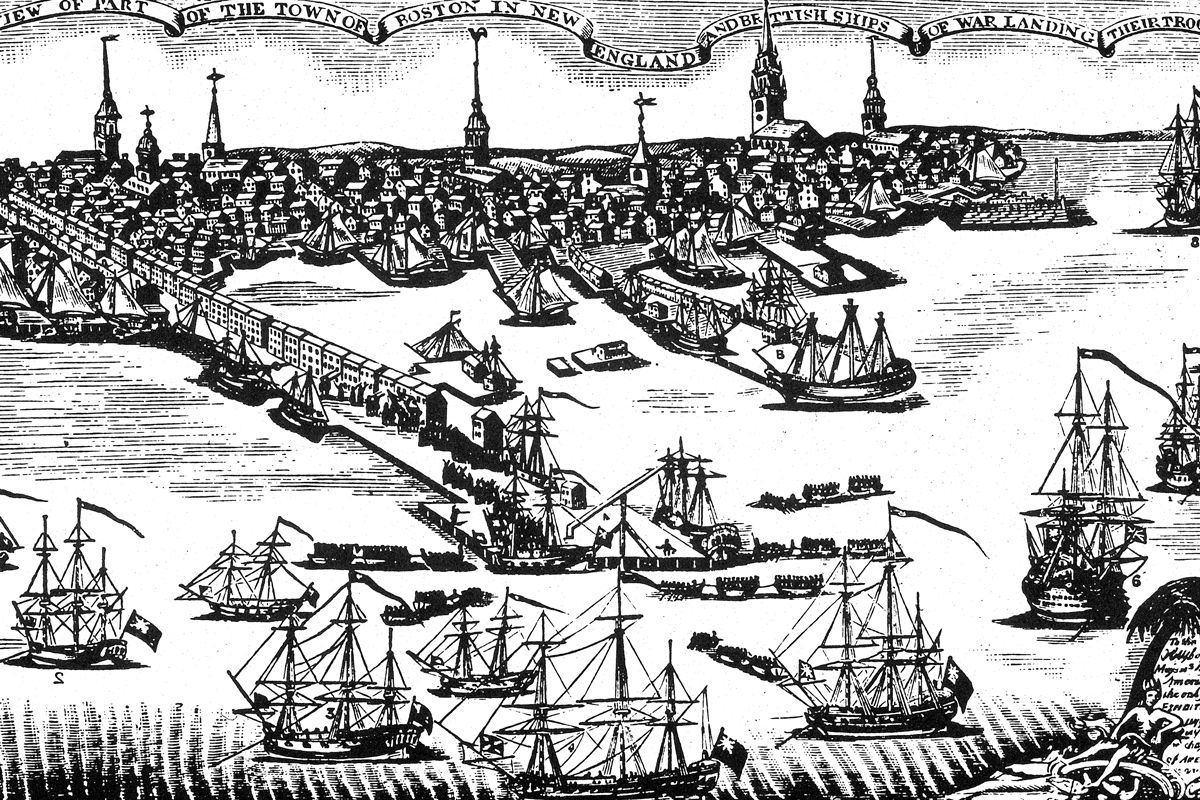
Meanwhile, Hancock was among the group of assemblymen who helped draft the widely distributed “Circular Letter” that argued against the Townshend Acts, and he was also among the majority that voted to reject British demands to retract the letter. Two years later, following the violence of the Boston Massacre on March 5, 1770, Hancock chaired a committee that demanded the removal of British soldiers from Boston, and he agreed to oversee their safe and orderly withdrawal via the harbor.

You may also like

Fascinating Facts About Every First Lady

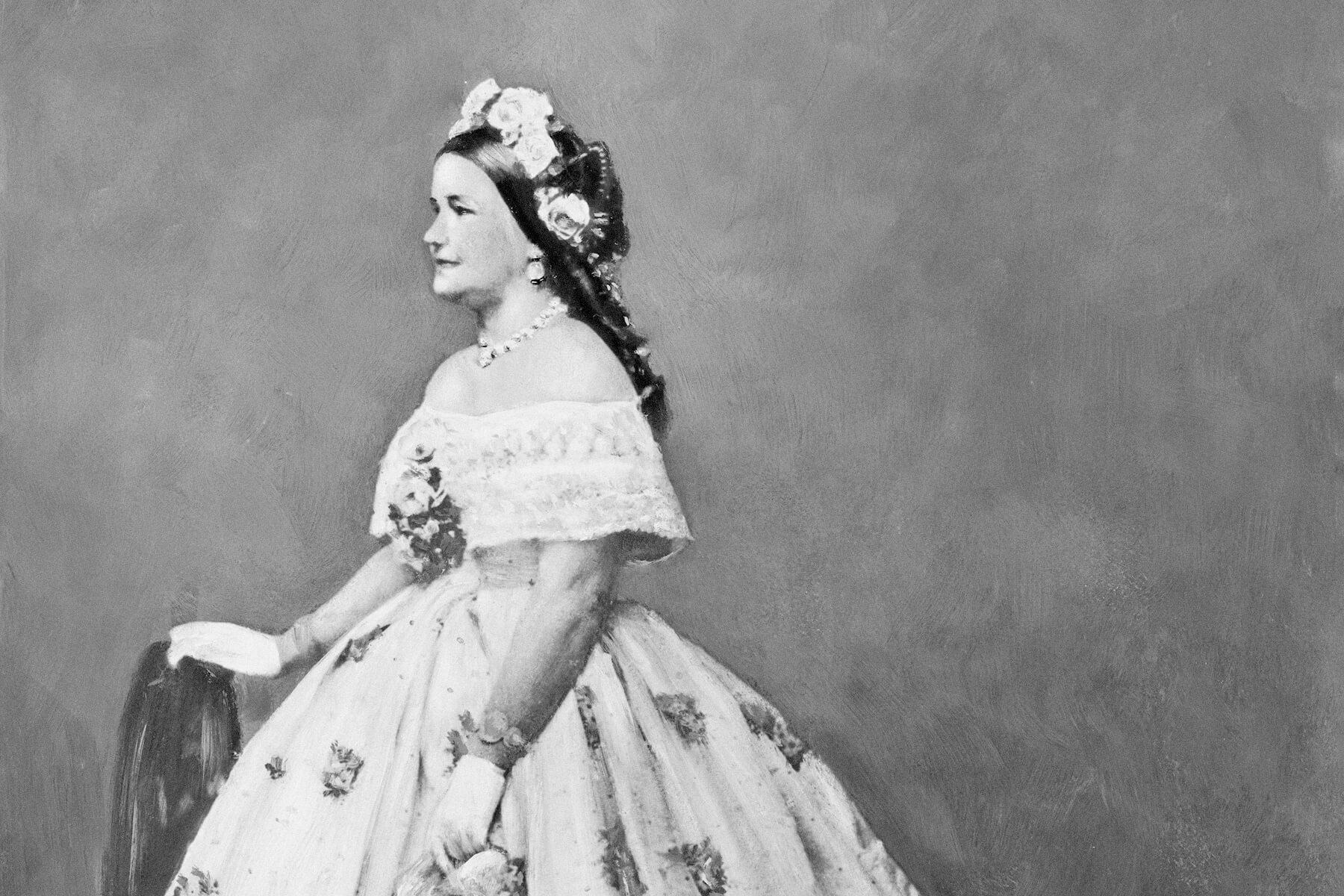
  • Mary Todd Lincoln
Mary Todd Lincoln
Credit: Bettmann via Getty Images
Author Timothy Ott

October 24, 2024

Love it?

As highly visible but unelected members of the U.S. executive branch, America’s first ladies occupy a singular place in the firmament of public figures. Most have capably satisfied the requirements of supporting the president, hosting official affairs, and (more recently) advocating for charitable causes, but the sheer number of participants has resulted in a wild divergence of characters to play the part. 

Some first ladies were born outside the country, others enjoyed prominent careers before the White House, and a fair share weren’t actually married to the person calling the shots in the Oval Office. Some also only held the role temporarily, which is why the total number of first ladies outnumbers the 45 men who have served as commander in chief. Here are 57 facts to illuminate the lives of the 57 women who have served as first lady.

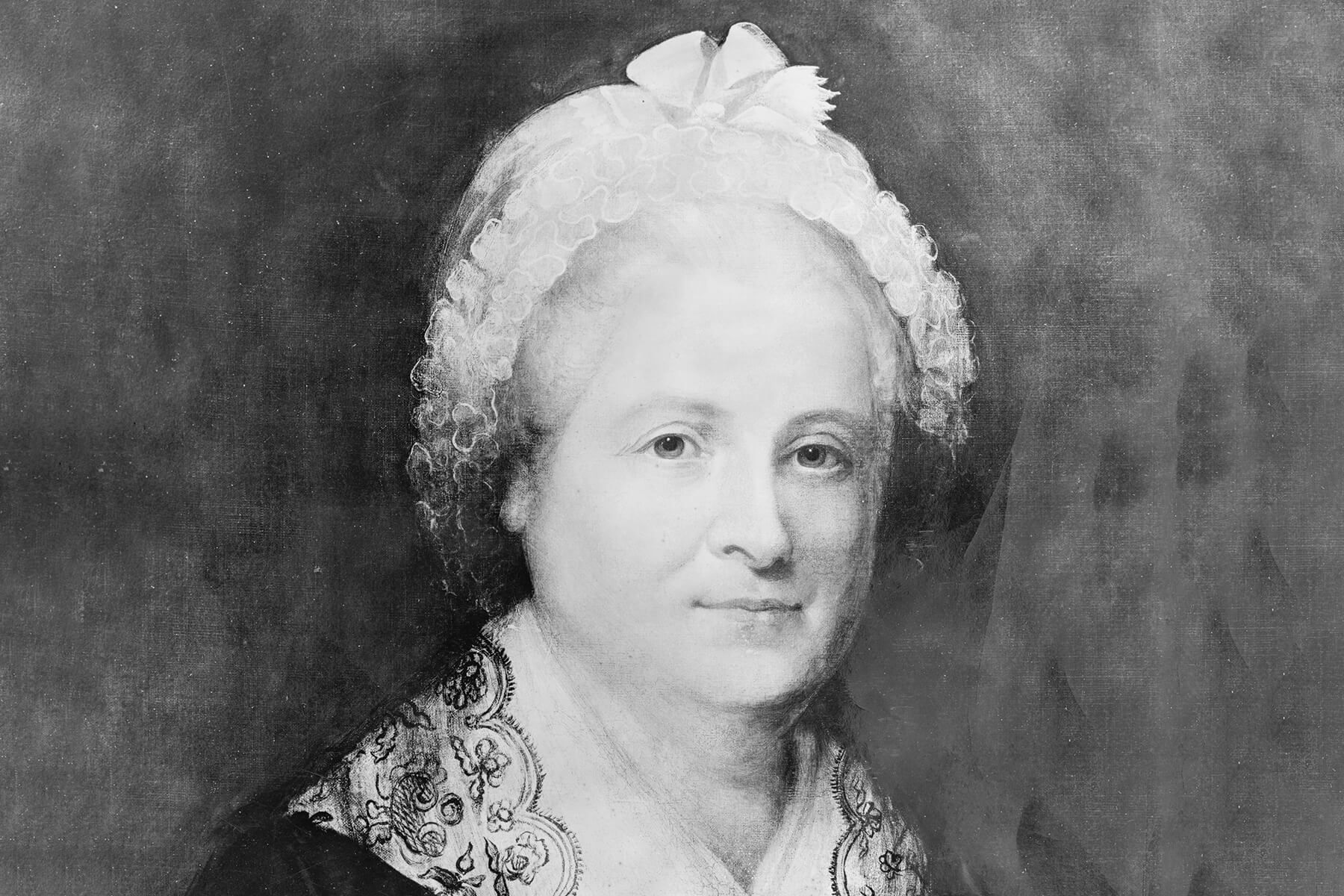
Credit: Bettmann via Getty Images

Martha Washington

George Washington never lived in the White House, but Martha Washington did; that was, coincidentally, the name of the Virginia plantation she inherited after her first husband, Daniel Parke Custis, died in 1757.

Abigail Adams

Said to be the first recorded female investor in the U.S., Abigail Adams shrewdly funneled the family finances toward government bonds and securities while her husband, John Adams, was serving his pre-presidency ambassadorships in France, the Netherlands, and Great Britain.

Martha Jefferson Randolph

Martha Jefferson Randolph served as acting first lady to her father, President Thomas Jefferson, two decades after the death of her mother, Martha Wayles Skelton Jefferson. In early 1806, Randolph gave birth to the first child born in the Executive Mansion, a boy named James Madison Randolph.

You may also like

The Secret Service Code Names of 11 First Ladies

  • First Lady Nancy Reagan
First Lady Nancy Reagan
Credit: Dirck Halstead/ Hulton Archive via Getty Images
Author Kristina Wright

October 10, 2024

Love it?

In the chaos of a post-Civil War America, the federal law enforcement agency known as the Secret Service was formed as a branch of the U.S. Treasury Department. Back then, they weren’t the elite presidential protection unit we know today, but a critical line of defense against the rampant counterfeiting that threatened the nation’s financial stability. But that changed after the 1901 assassination of President William McKinley, when the Secret Service was assigned a new role that would redefine its legacy: protecting the nation’s political leaders and visiting foreign dignitaries.

One of the more fascinating aspects of the Secret Service is the use of code names when referring to the president, vice president, their family members, and key officials. Harry S. Truman became the first president to be assigned an official code name — “General” — in 1945, though Secret Service agents had code names for at least two first ladies before that. The practice began as advancements in communication technology called for more robust protocols for protecting leaders’ anonymity. And even though technology has evolved since the mid-20th century, the code name tradition persists as a simple way of communicating between agents. Here are 11 first ladies whose unique Secret Service code names offer some insight into this quirky aspect of political history.

Credit: Heritage Images/ Hulton Fine Art Collection via Getty Images

Edith Wilson: Grandma

When Edith and Woodrow Wilson married in 1915, he was two years into his first term as president and both had been previously married and widowed. Edith became the first presidential spouse to be given a Secret Service agent, and during her courtship with the president, she was assigned the code name “Grandma.” There is no indication why the Secret Service chose this seemingly unsuitable name, as Edith was only 43 years old when she married Woodrow — 15 years his junior — and not a grandmother.

You may also like

How Famous Was Shakespeare in His Time?

  • Shakespeare in his study
Shakespeare in his study
Credit: Edward Gooch Collection/ Hulton Archive via Getty Images
Author Tony Dunnell

September 4, 2024

Love it?

When we think of William Shakespeare today, we picture a literary colossus who is widely regarded as the greatest dramatist — and arguably the greatest writer — who ever lived. His works have shaped not only the literary world for centuries, but also the English language itself. But how famous was the “Bard of Avon” during his own lifetime, from 1564 to 1616? The answer is perhaps not as straightforward as one would expect, considering his truly monumental status today. Shakespeare’s rise to enduring renown was certainly not immediate, and reflects the nature of fame in Elizabethan and Jacobean England.

Credit: Ivy Close Images / Alamy Stock Photo

An Early Rise to Recognition

Shakespeare was born in 1564 in the English town of Stratford-upon-Avon. At the age of 18, he married Anne Hathaway, and the couple had three children. It’s hard to say, however, exactly when Shakespeare’s career began or when he emerged on the London theater scene. The Taming of the Shrew is considered to be one of his earliest works, generally believed to have been written before 1592. It was in the mid-1590s that the playwright’s name started to become known, at least in literary circles. In 1593, he had an overnight sensation with his narrative poem Venus and Adonis. The witty, at times erotic poem was such a success that it remained, during his lifetime, Shakespeare’s most popular published work, and was widely commented upon and quoted in many journals, letters, and plays of the period.

You may also like

Why Was Joan of Arc Important?

  • Joan of Arc entering Orléans
Joan of Arc entering Orléans
Credit: Bettmann via Getty Images
Author Timothy Ott

August 22, 2024

Love it?

Amid the bloodshed of the Hundred Years’ War in the 14th and 15th centuries rose a figure who seems as much of a shadowy legend as King Arthur, but was very much a real person. Somehow, an illiterate teenage woman not only convinced the dauphin of France that she was sent by divine forces to place him on the throne, but also actually helped achieve exactly that, by spurring royal forces to a string of victories despite not having a shred of military training.

While most everyone knows the name Joan of Arc, few know more than the vague outlines of her accomplishments from a distant era. Here’s a look at her remarkable life story, from its humble beginnings to its troubled conclusion and her reemergence as one of history’s most celebrated figures.

Credit: FPG/ The Image Bank via Getty Images

Joan of Arc was born around 1412 in Domrémy, a village in northeastern France that sat in disputed territory between subjects loyal to Henry VI of England and those devoted to Charles of Valois, the dauphin of France, and the Burgundians loyal to the Duke of Burgundy and Henry VI of England. The daughter of a tenant farmer father and a devout Catholic mother, Joan learned the skills of a shepherdess and absorbed the teachings of the church. At around age 13, she began hearing what she determined to be the voices of St. Michael the Archangel, St. Margaret of Antioch, and St. Catherine of Alexandria. These voices initially told her to live piously, but eventually provided more explicit instructions that she was to see the dauphin Charles crowned the rightful king of France.

A few years later, Joan sought to gain an audience with Charles by meeting with intermediaries at the nearby stronghold of Vaucouleurs. Initially rejected, she eventually convinced the garrison captain of her divine inspiration. In February 1429, Joan cut off her hair and donned men’s clothing to make an 11-day journey with an armed escort to the dauphin’s castle in Chinon, France.

You may also like