



Who Really Discovered America? 

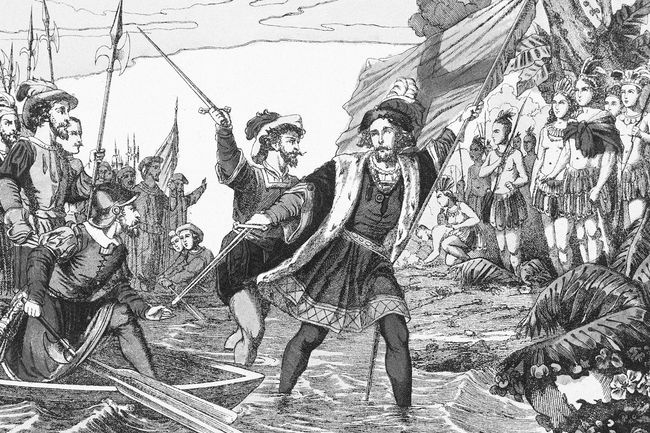
  • Christopher Columbus in America
Christopher Columbus in America
Credit: DEA / G. DAGLI ORTI/ De Agostini via Getty Images
Author Tony Dunnell

March 25, 2026

Love it?

For a long time, America’s discovery was routinely attributed to Christopher Columbus and his voyage of 1492. But the real story of human arrival in the so-called New World is far more complex than that story would suggest, and spans thousands of years before European contact. 

Indeed, the very question of who “discovered” America — and for the purpose of this article, we’re focusing on the North American continent specifically — depends largely on how we define “discovery” itself. Was it the first humans who migrated to this previously uninhabited land? The Indigenous peoples who built the first known complex societies on the continent? Or the various seafarers who made contact from distant shores? 

This story of human discovery involves multiple waves of migration, exploration, and settlement, and it continues to evolve with further archaeological and historical research. So who really discovered North America? Let’s take a look, starting at the very beginning.

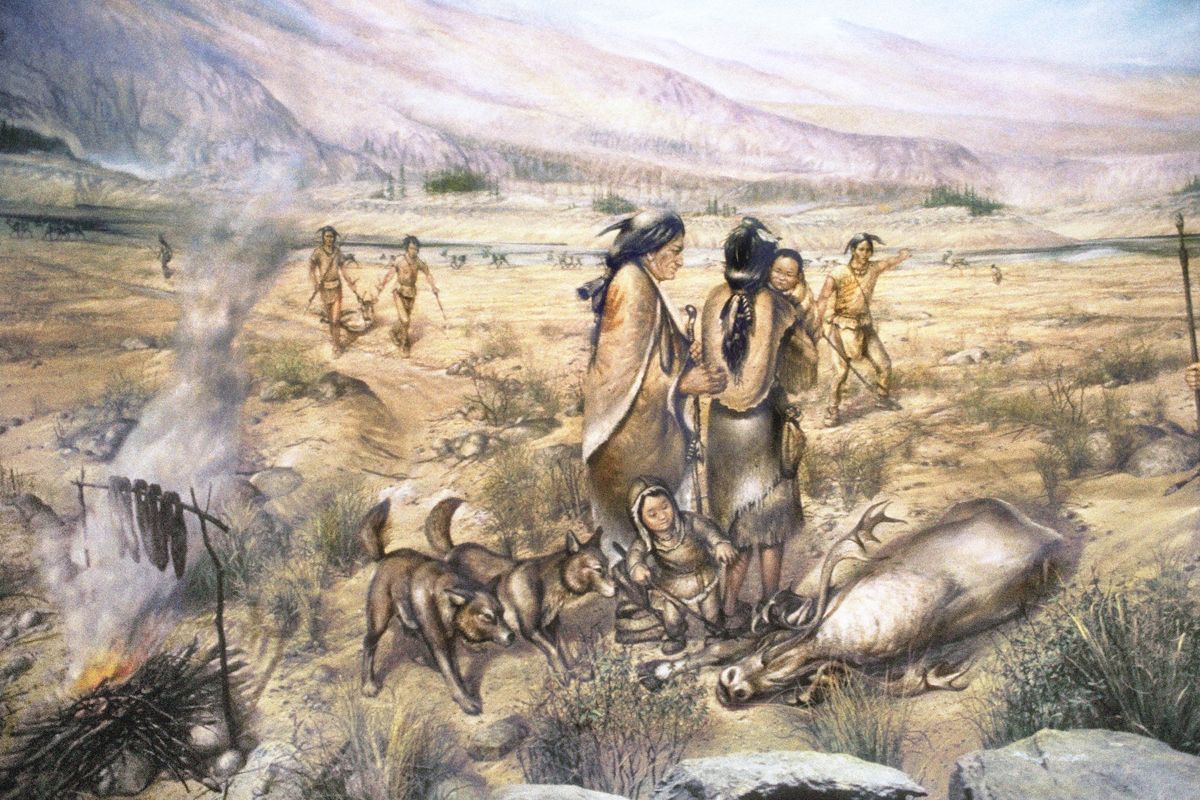
Credit: North Wind Picture Archives/ Alamy Stock Photo

The First Humans on the Continent

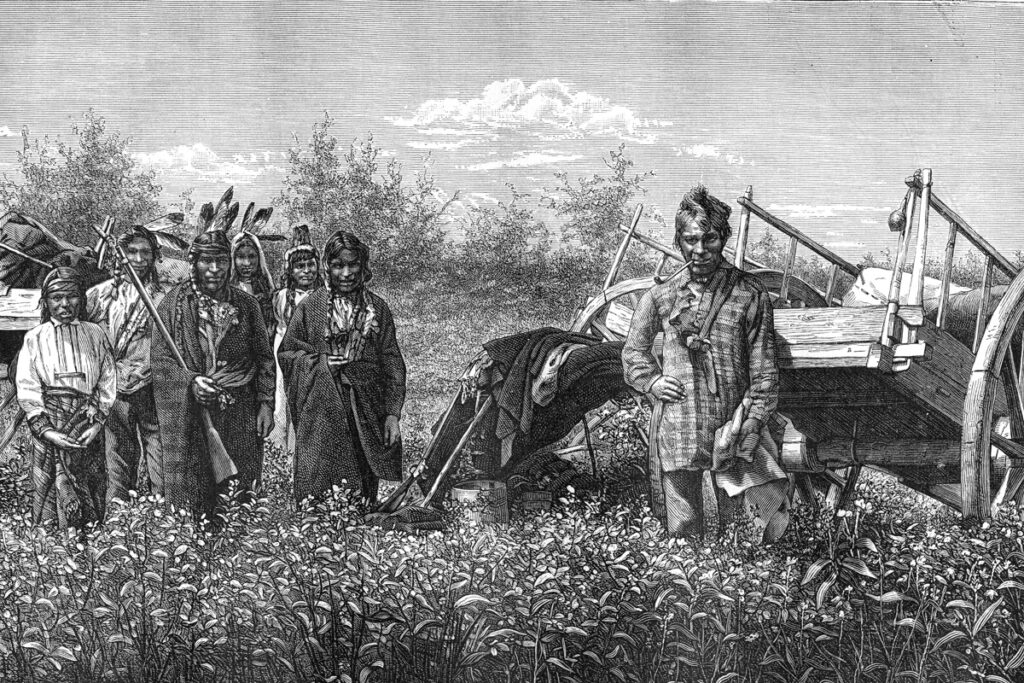
The very first humans emerged in Africa, and migrated from there to regions around the world. The exact date they first walked in the Americas is a long-standing open question, the answer to which continues to evolve as advances in archaeology and DNA analysis shed more light on the subject. During the second half of the 20th century, many archaeologists favored the “Clovis-first” theory, which argued that the prehistoric Clovis people were the first to reach the Americas, about 11,500 to 13,000 years ago. It was believed they crossed a land bridge — known as Beringia — linking Siberia to Alaska during the last ice age. This bridge then disappeared underwater as the ice melted, leaving the Clovis culture to roam North America — a land never before occupied by humankind.

More recent archaeological discoveries, however, have dramatically pushed back the timeline of human habitation on the continent. In 2021, archaeologists discovered human footprints in mud in what is now New Mexico, and dated the prints to between 21,000 and 23,000 years old. Research by an international team at the University of Oxford, meanwhile, suggests that the earliest humans arrived on the continent 30,000 years ago — and that rather than crossing a land bridge, they came by sea. The debate is ongoing, and tantalizing evidence of pre-Clovis cultures continues to be accumulated. 

You may also like

Why Was Marco Polo Important?

  • Marco Polo
Marco Polo
Credit: Stock Montage/ Archive Photos via Getty Images
Author Mark DeJoy

June 17, 2024

Love it?

While Marco Polo is best known in modern popular culture as the namesake for a children’s swimming pool game, the Venetian explorer was a crucial figure in world history in the years leading up to the Renaissance. His popular book, commonly called The Travels of Marco Polo — though it was originally titled Livre des Merveilles du Monde (Book of the Marvels of the World) or Devisement du Monde (Description of the World) — was a lavish description of his journey through Central Asia and China in the late 13th century. 

Polo’s travelogue was much more than an account of the paths he took across the globe; he also described the people and environments he encountered along the way. By doing so, he introduced his European audience to Asian cultures that were previously unknown to them, and planted the seeds of the modern era’s global perspective. But the book was also filled with exaggerations, supposed run-ins with mythical creatures, and supernatural events. Those aspects, combined with a dearth of historical records to corroborate some of Polo’s more tangible claims, have led some scholars to doubt that he ever made it to China at all. Let’s make some sense of this famed explorer and his influential book.

You may also like

The Ongoing Search for Amelia Earhart 

  • Amelia Earhart in airplane cockpit
Amelia Earhart in airplane cockpit
Credit: Bettmann via Getty Images
Author Tony Dunnell

May 22, 2024

Love it?

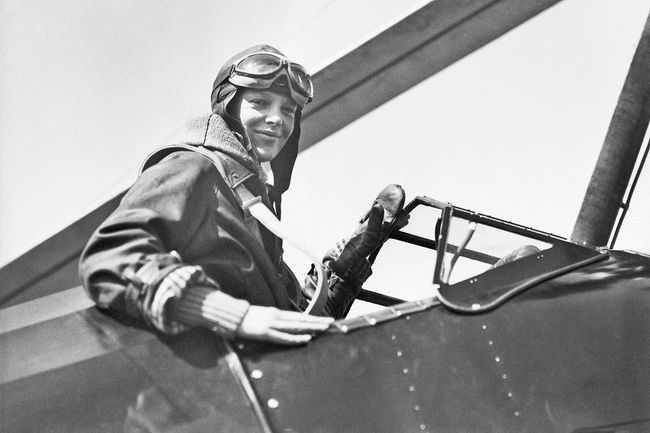
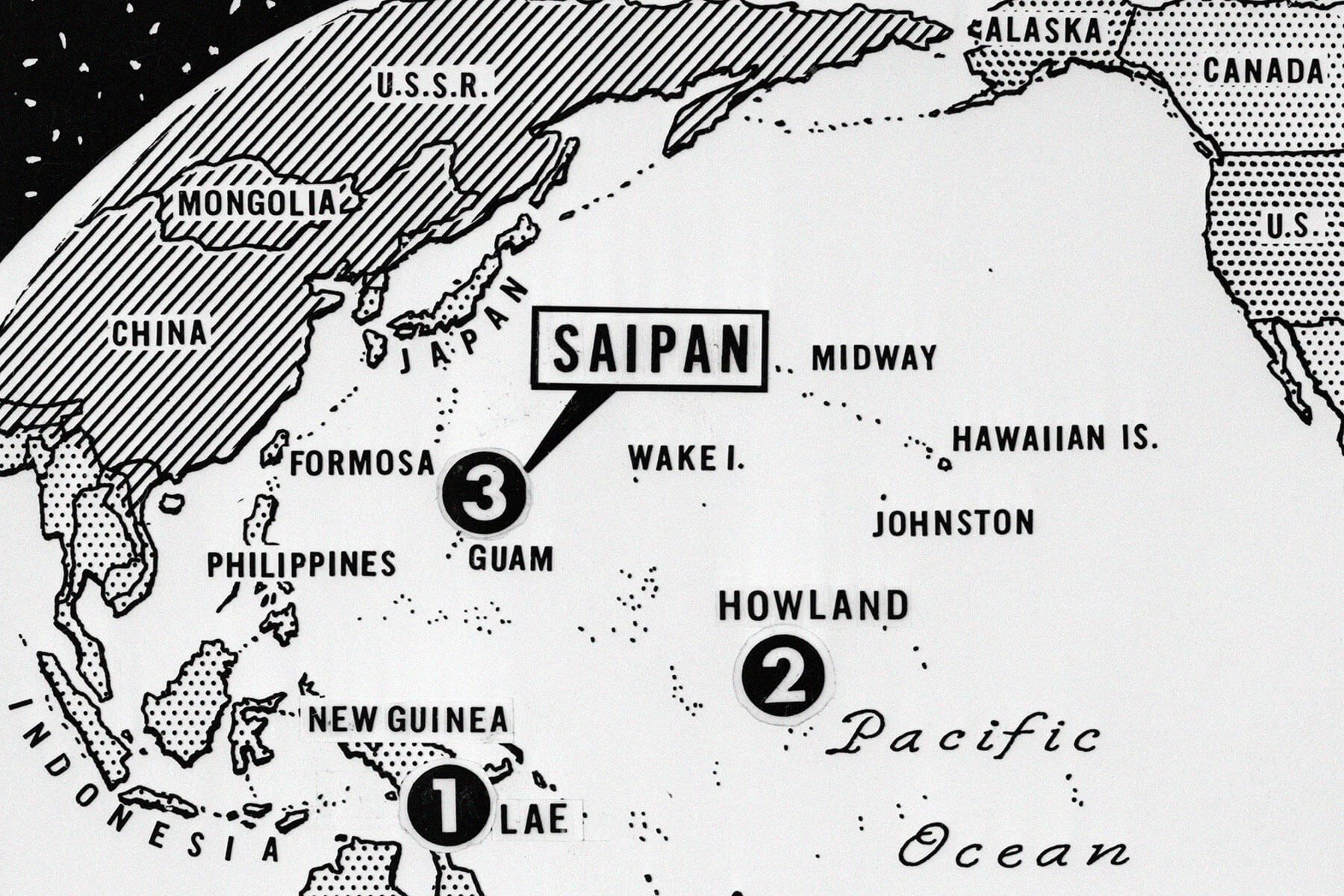
In July 1937, Amelia Earhart and her navigator Fred Noonan took off from Lae Airfield in New Guinea with the intended destination of Howland Island, a small strip of land in the central Pacific Ocean. The 2,556-mile flight, which should have taken about 18 hours, was just one stage in Earhart’s planned circumnavigation of the globe. But Earhart and Noonan never arrived at their destination. The aviators lost contact with the U.S. Coast Guard cutter Itasca, which was anchored off the coast of Howland Island, and they disappeared. This marked the beginning of one of the greatest unsolved mysteries of the 20th century.

The search for Earhart and her missing plane has never ended, and public interest in the fate of the famous aviator remains strong. There are numerous theories — and conspiracy theories — as to what exactly happened to Earhart and Noonan, but a firm answer has yet to be given. Here are some of the key stages in the decades-long search for the pioneering aviator, from the initial sweep of the area to ongoing investigations using the latest technology. 

Credit: Bettmann via Getty Images

The last message that the Coast Guard cutter Itasca received from Earhart was on July 2, 1937, saying she was low on gas. Contact was then lost, at which point the Itasca, which lay at anchor off Howland Island, set out to search for Earhart. Not long after, airplanes joined the search from Hawaii, and the Navy battleship Colorado, which carried three observation seaplanes, departed for Howland Island. On July 12, the aircraft carrier Lexington, carrying 63 aircraft, assumed control of the effort. In total, the official government search lasted 16 days at a cost of more than $4 million. The search covered an area of the Pacific roughly the size of Texas, but nothing was found. The general consensus was that Earhart crashed into the ocean and the plane sank, killing both her and Noonan. But the lack of evidence and Earhart’s celebrity status caused the search for a definitive answer to continue.

You may also like

A Day in the Life of a Person on the Oregon Trail

  • Oregon Trail in Wyoming
Oregon Trail in Wyoming
Credit: MPI/ Archive Photos via Getty Images
Author Nicole Villeneuve

May 16, 2024

Love it?

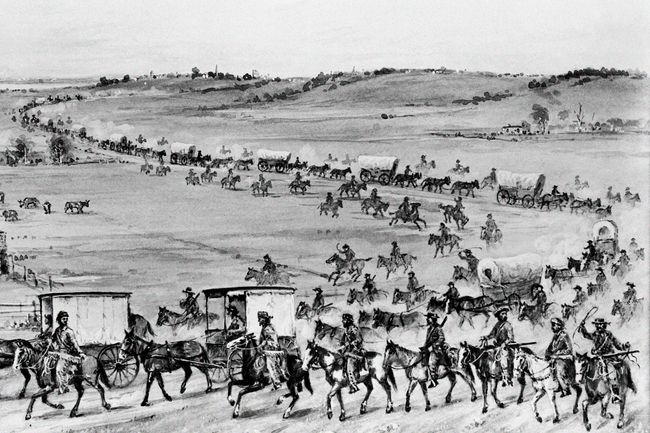
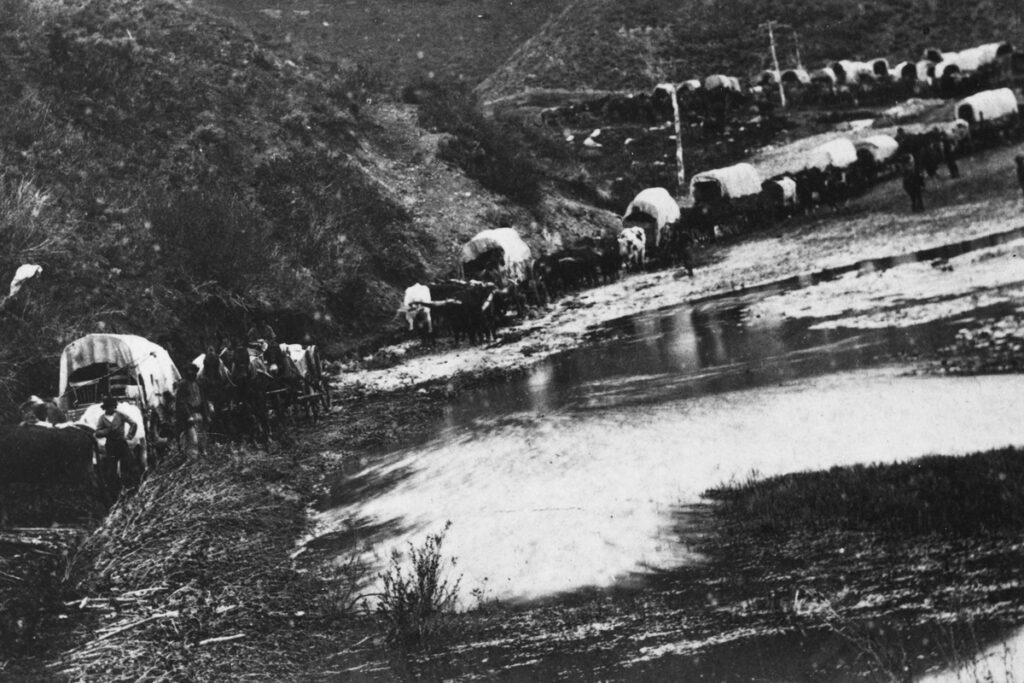
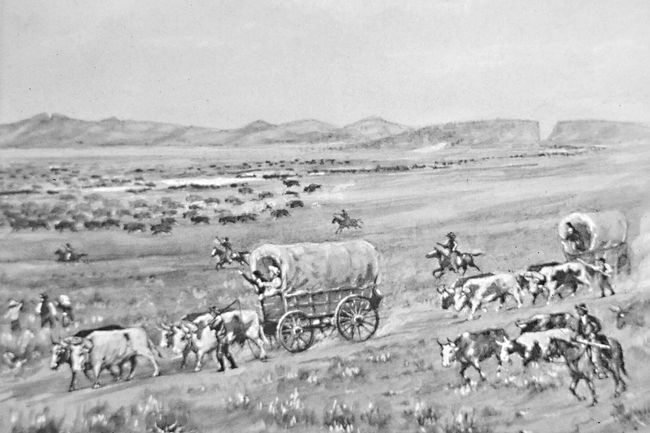
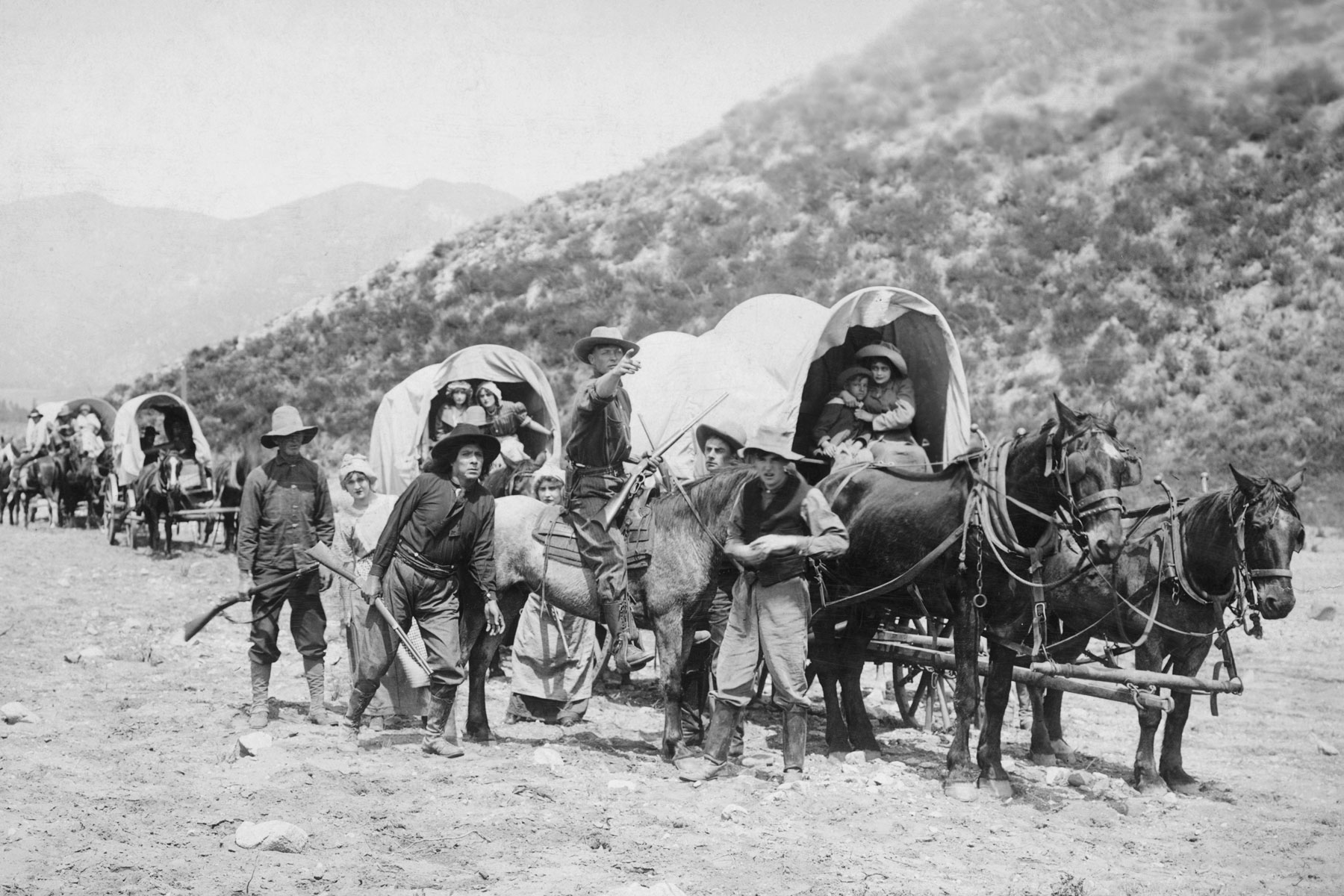
In 1843, approximately 1,000 people embarked on the arduous journey west across the young United States in the first major wagon train migration on the Oregon Trail. Spanning more than 2,000 miles from Independence, Missouri, to the promising lands of the Oregon Territory, the trail served as a lifeline for those seeking new beginnings in the American West. Each day, migrants traveled an average of 15 miles, though on a good day, anywhere from 18 to 20 miles could be covered, most of it on foot
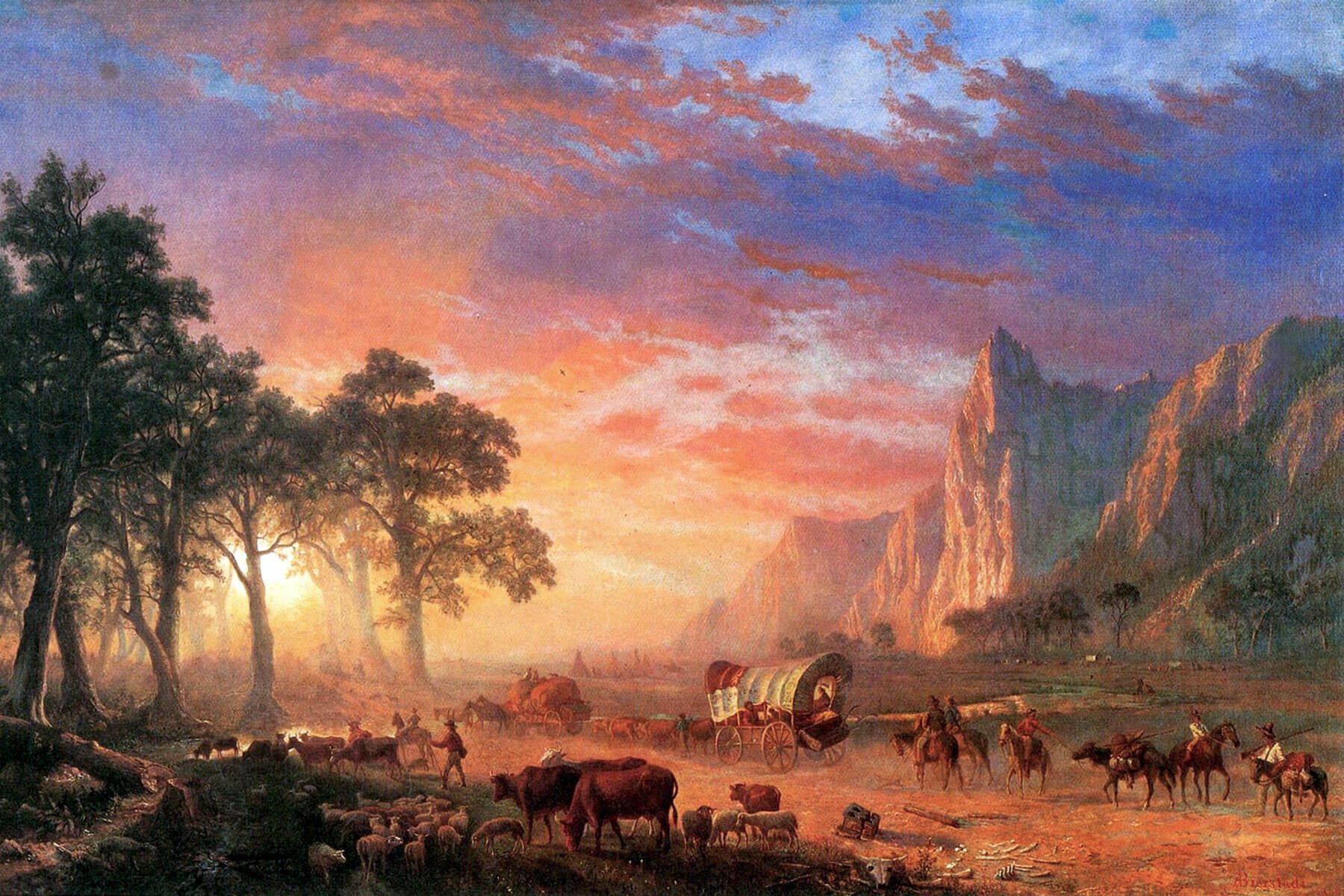
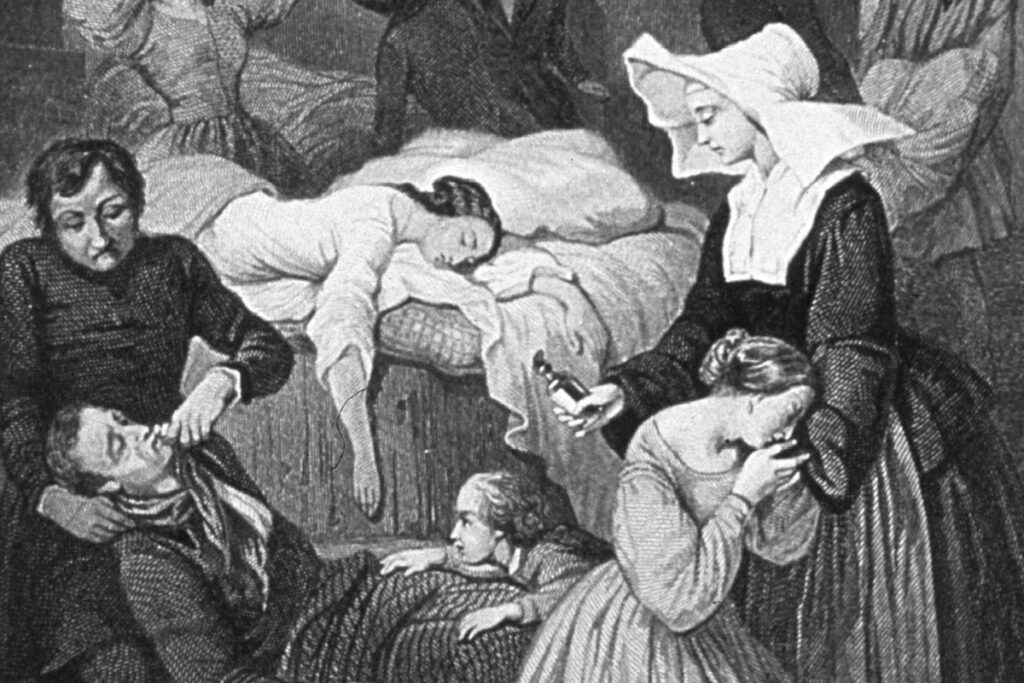
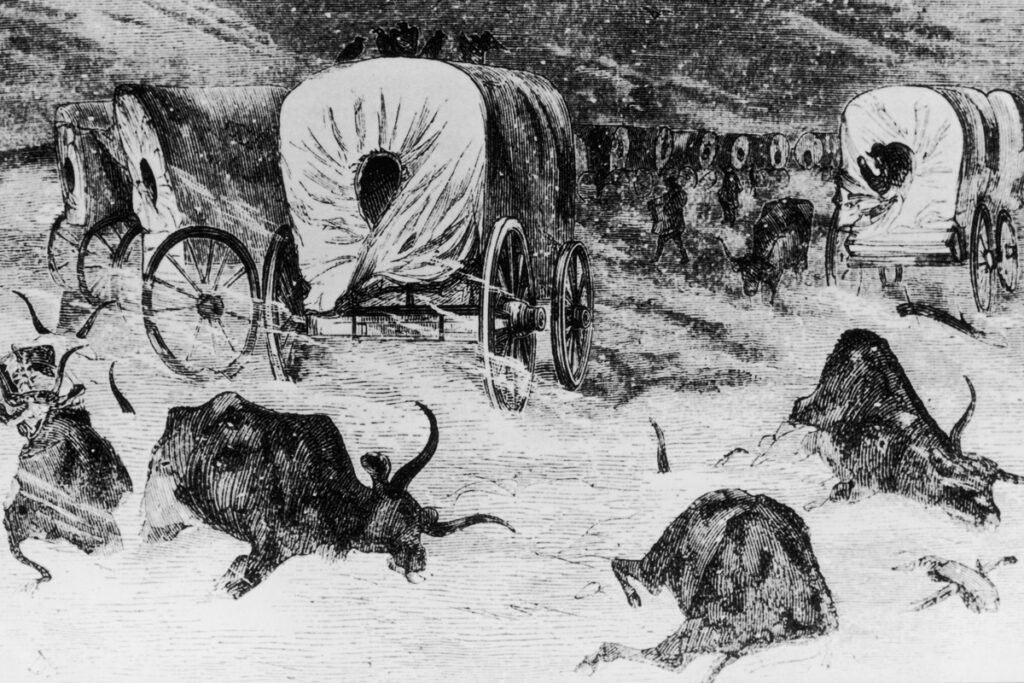
It took roughly four to six months to complete the journey, with harsh obstacles day in and day out, including treacherous terrain, unpredictable weather patterns, illness and injury, and the threat of danger from wildlife or hostile encounters. Of course, the intrepid travelers were prepared: A typical trail outfit consisted of one or two small, sturdy covered wagons to carry belongings and essential supplies, six to 10 oxen, and a few milk cows per family. Most families also had an abundance of basic food staples such as flour, bacon, coffee, tea, sugar, and lard, as well as hunting supplies and farm and carpentry tools such as shovels, rakes, saws, and axes.

But it wasn’t just the supplies that kept the fraught frontier voyages on track. A fixed daily schedule kept wagon trains on a steady pace, and gave travelers the best chance at making it to their destination. Some wagon trains, including the 1843 voyage, could consist of more than 100 wagons; to better control the journey, the train was split into several smaller units consisting of anywhere from four to upwards of 20 wagons and about 30 people. Here’s a look at a typical day in the life of one of these Oregon Trail travelers.

Credit: Photo 12/ Universal Images Group via Getty Images

Morning

People on the frontier started their day early. At around 4 a.m., a bugle call or rifle shot would wake the camp to start another long and dusty day on the trail. Over the next hour, if the livestock had been allowed to graze throughout the night, they were rounded up and corralled in the wagon circle. By about 5 a.m., the women and children in the group would have prepared a simple but hearty breakfast: Most mornings the group had coffee, bacon, corn porridge, or cornmeal pancakes known as johnnycakes cooked over a fire. As the women washed dishes, the men finished striking and packing the campsite. They also tended to the animals, ensuring any sore limbs were wrapped or rough hides were rubbed with salve. The health of the animals was a crucial part of a successful journey.

By around 7 a.m., wagons were packed up and animals hitched, and the caravan set off after a bugle sounded and a “wagons ho” or “wagons roll” call was made. Travelers were incentivized to be on time: Ending up at the back of the caravan meant spending much of the day in the literal dust of the people and animals ahead. Often, the terrain required labor and manpower for safe passage, so men traveled ahead on horseback to clear it as needed. The rest of the group trudged slowly behind on foot as the wagons were not widely used to transport people, but rather supplies. Luzena Stanley Wilson, who traveled to California from Missouri on the Oregon Trail in 1849, said each day had a “plodding, unvarying monotony.”  

You may also like

6 Facts About Ancient Navigation

  • FEATURE_HF_navigation-facts
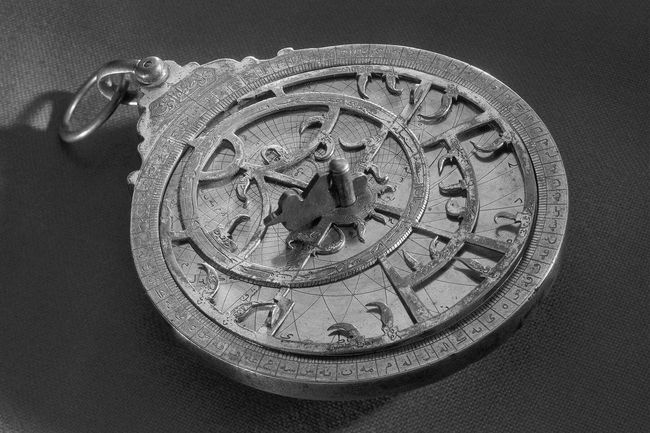
An astrolabe
Science & Society Picture Library via Getty Images
Author Sarah Anne Lloyd

September 7, 2023

Love it?

Thousands of years ago, the oceans seemed a lot wider, even unnavigable. Before mariners developed tried-and-true navigation techniques, sailing the seas involved a lot of guesswork — or, if you want it to sound cooler, “dead reckoning.”

Slowly, our ancestors moved beyond their initial stabs in the dark. Some looked to the sky, using their new knowledge about the cosmos to help them better understand life on Earth. Others took a keen interest in the seas, learning to intuitively navigate the vast expanses based on their currents and swells.

Nowadays, we have a relatively easy time getting around — thanks, GPS! — but it took a long time to get here. How were Polynesians able to cross thousands of miles of open ocean more than 3,000 years ago? Which seafaring society might have successfully used crystals to find their way? What persistent navigation myth just won’t die? Read on and get your sea legs with these six facts.

Photo credit: Science & Society Picture Library via Getty Images

Polynesians Were Pioneers of the Open Ocean

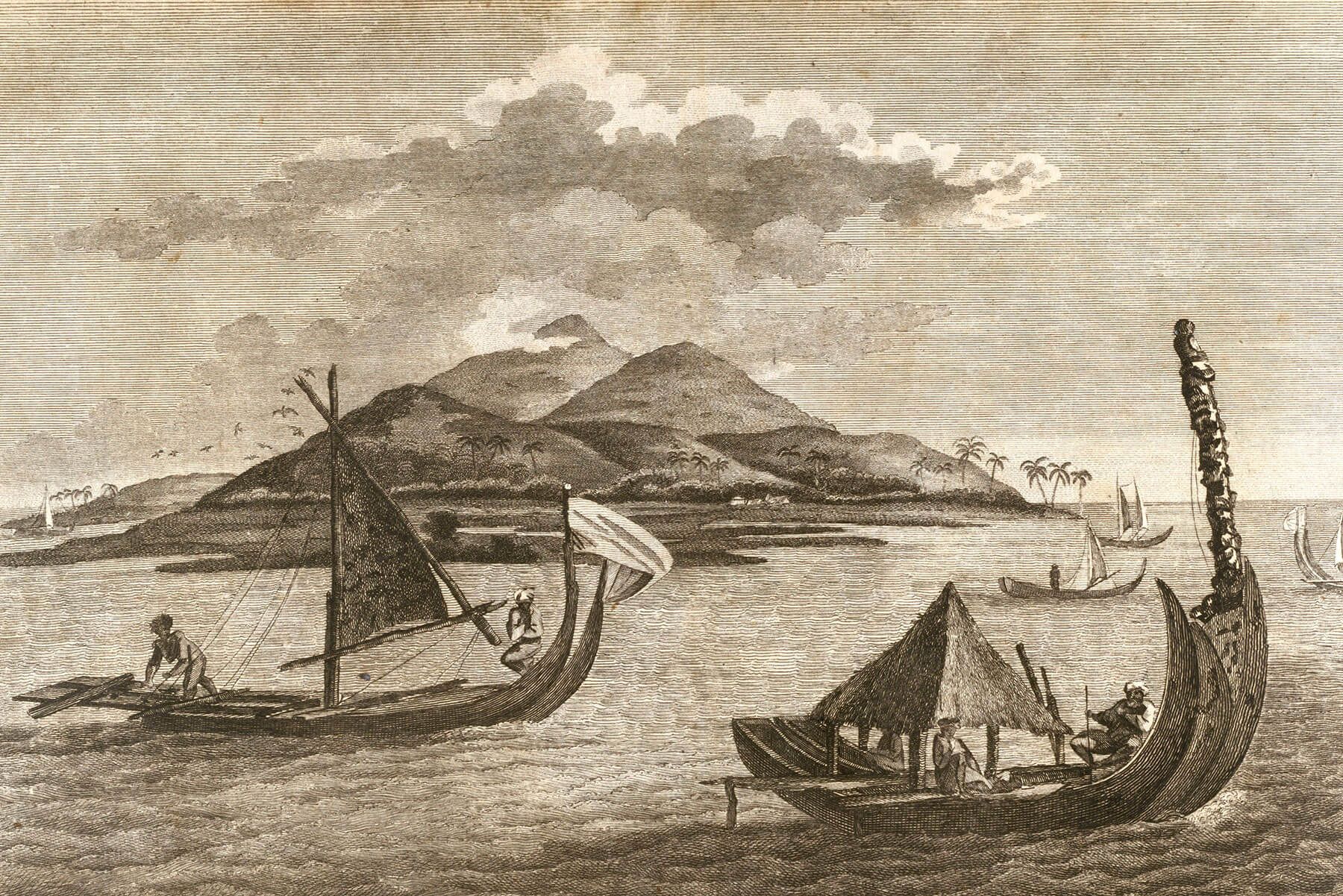
In the early days of ocean navigation, explorers stayed pretty close to the shoreline and used visible landmarks to mark their position. However, Polynesians, the first developers of open ocean exploration, set off from New Guinea and moved eastward in about 1500 BCE. After first traveling to the adjacent Solomon Islands, they gradually journeyed farther and farther east. Their vessel of choice was a double canoe with two hulls connected by crossbeams, kind of like a catamaran.

Venturing out into the open ocean, these explorers eventually reached Fiji, Tonga, Samoa, and Tahiti. They then traveled more than 2,600 miles north to Hawaii — longer than the distance across the U.S. from Portland, Maine, to Seattle, Washington. By roughly 1,000 or possibly 1,200 CE, the descendants of those early explorers populated the entire Polynesian Triangle, the three corners of which are Hawaii, Rapa Nui (aka Easter Island), and New Zealand.

The Polynesians didn’t have any navigational instruments that we know of, so how did they do it? Although their navigation techniques were passed down orally, historians think they navigated using stars, ocean swells, the sun, the moon, and migratory birds. Some Pacific Islanders navigated simply by using the waves themselves. In 1976, a group of Polynesian canoeing enthusiasts made the Tahiti-Hawaii trip using no navigational instruments and a traditional voyaging canoe — a feat that’s since been repeated several times.

Photo credit: Pictures from History/ Universal Images Group via Getty Images

Some Early Nautical Charts Were Made From Shells and Sticks

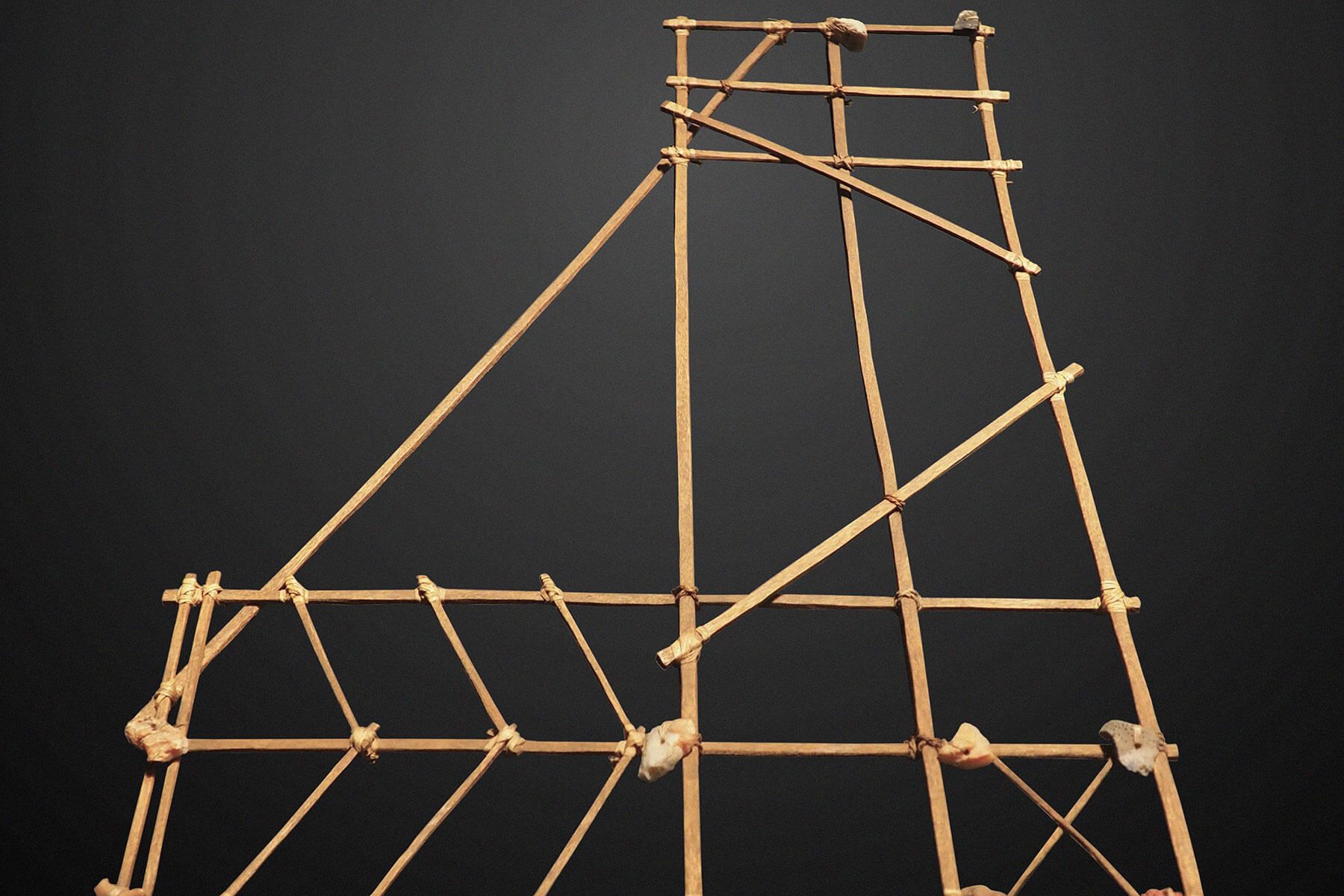
A nautical chart provides not only topographical information, but also details about the behavior of the sea, such as how tidal patterns interact. Today, we can easily read this data on screens and paper, but ancient Micronesian navigators called ri-metos recorded their knowledge using elaborate “stick charts” made from palm strips, coconut strips, and cowrie shells. 

As you might imagine, these charts weren’t especially portable, so they were designed to be memorized before a voyage. The charts didn’t follow any kind of uniform style, and some of them were only designed to be read by the person who created them, so they can be hard for modern viewers to interpret. We do know, though, that some charts depicted general ocean patterns, while others contained precise piloting instructions.

You may also like

7 Maps That Illustrate the History of the World

  • World map collection
World map collection
Photo credit: Ruthie/ Unsplash
Author Darren Orf

June 9, 2023

Love it?

The story of maps is 2,600 years in the making. When the first mapmakers etched the known world into stone, they were completely unaware that their “world” was only a mere fraction of the planet’s surface. As humanity’s knowledge grew, so did the sophistication of maps, whether showcasing the complexity of our cartographic skills or newly discovered regions of the globe. Eventually, mapmakers’ attempts to capture the world on paper evolved into the satellite maps of today, which are so accurate they can give turn-by-turn directions to the grocery store. 

These seven historical maps act as a journey through our understanding of the world, each providing an intimate snapshot of the era in which they were made. Some represent cutting-edge mathematics or up-to-date geographic information, while others are a reflection of the very minds that made them, capturing a specific moment in time.

You may also like

7 Myths About the “Wild West”

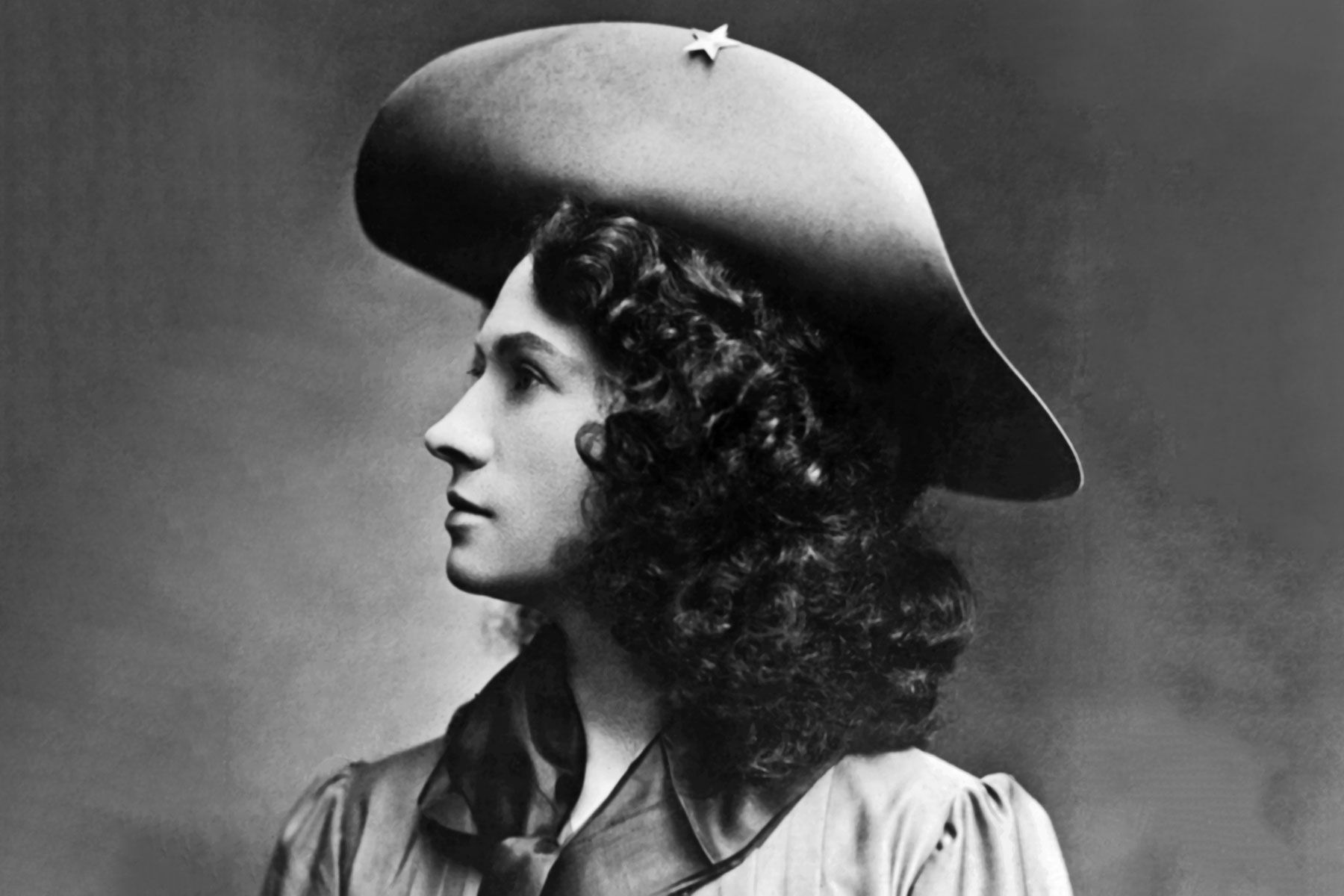
  • Woman in a cowboy hat
Woman in a cowboy hat
Photo credit: New York Times Co./ Archive Photos via Getty Images
Author Tony Dunnell

May 31, 2023

Love it?

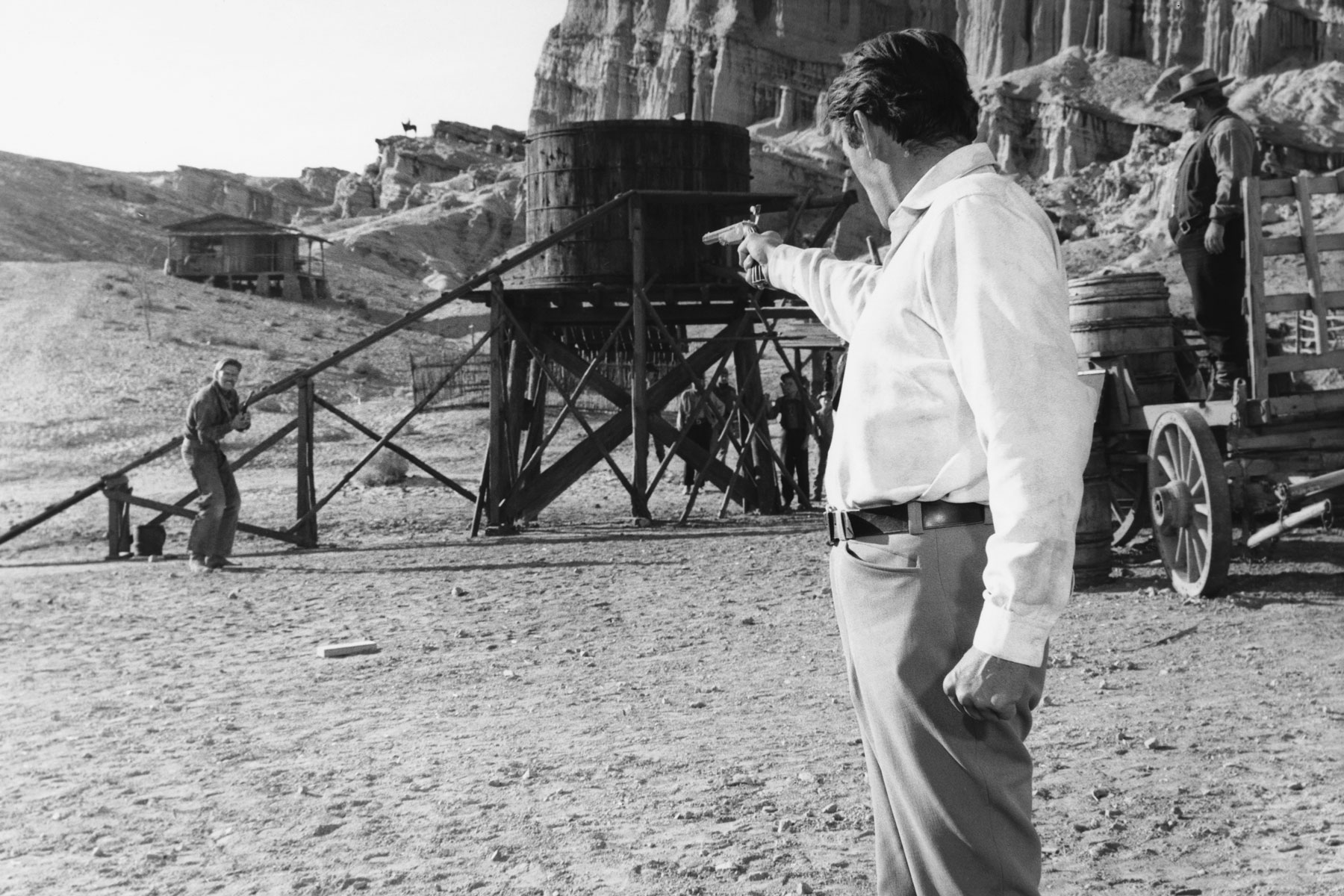
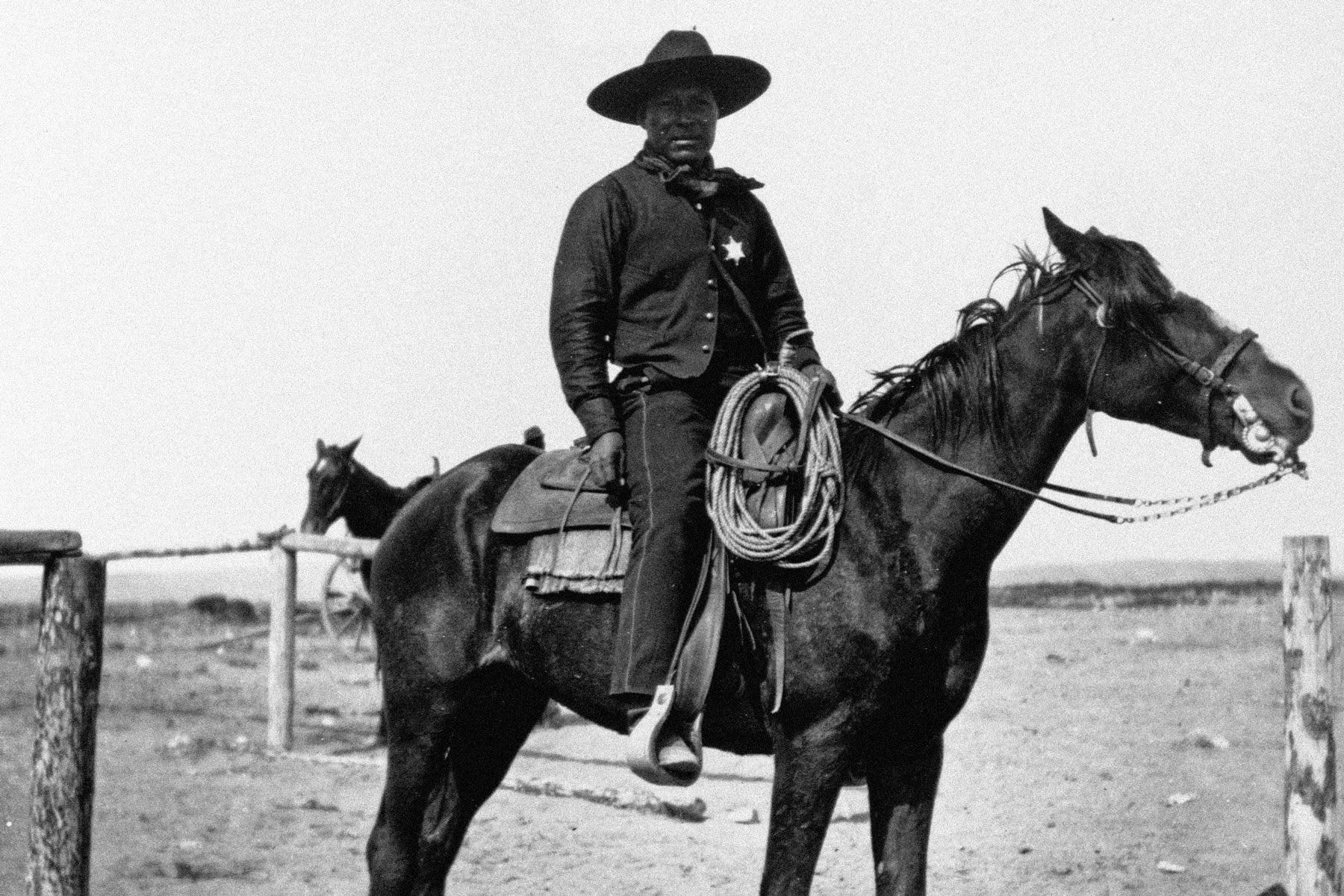
Few periods in American history have been more romanticized than the era of the “Wild West.” The period began with the first European colonial settlements in North America during the early 17th century, but what can be regarded as the classic era of the Old West — with its cowboys, gunslingers, prospectors and outlaws — stretched from around the 1850s to the early 1900s. Dime novels and Western movies created a frontier myth in which rugged men rode out to conquer a barren landscape and fight “bad guys,” and the image became a popular and enduring part of American culture, despite the many historical inaccuracies involved. 

As a testament to the power of this mythmaking, many ideas and iconic images associated with the Old West are still widely accepted today, despite being factually incorrect. Here are seven of the most common misconceptions, debunked. 

Photo credit: Underwood Archives / Contributor via Getty Images

Myth: Wild West Cowboys Wore Cowboy Hats 

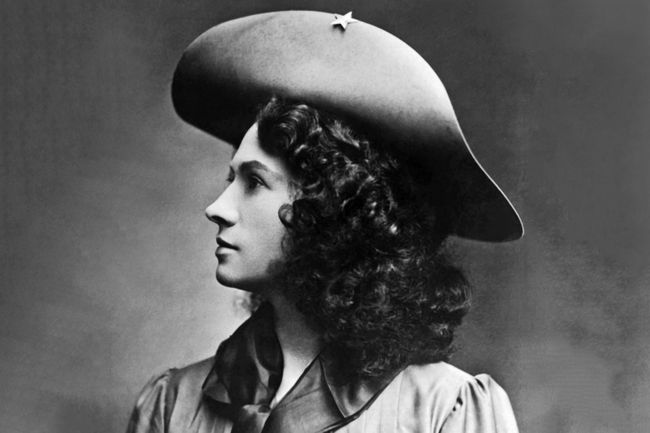
Nothing says “cowboy” more than a classic cowboy hat. But the Stetson didn’t come onto the market until 1865, and the original hat didn’t look like the iconic Stetsons we know today (it had a high top and was missing the crease in the crown typical of cowboy hats). A more common choice among Old West cowboys was the derby hat, also known as the bowler hat, partly because it didn’t blow off easily in strong winds or while riding a horse. Many famous cowboys and outlaws, including Butch Cassidy, the Sundance Kid, Black Bart, and Billy the Kid, wore bowler hats. 

You may also like