
5 Facts About the Golden Age of Radio

  • Tuning a radio
Tuning a radio
Unsplash+ via Getty Images
Author Mark DeJoy

January 12, 2024

Love it?

It’s easy to take for granted today, but the emergence of broadcast radio was a seismic shift in early 20th-century culture. Born out of ship-to-shore wireless telegraph communication at the turn of the 20th century, broadcast radio represented an entirely new pastime by the time it began to mature in the 1920s. The golden age of radio was the period from the 1920s to the 1950s when the medium was at its absolute peak in both program variety and popularity. Radio grew massively during this era: In 1922, Variety reported that the number of radio sets in use had reached 1 million. By 1947, a C.E. Hooper survey estimated that 82% of Americans were radio listeners. 
In addition to the music, news, and sports programming that present-day listeners are familiar with, radio during this period included scripted dramas, action-adventure series such as The Lone Ranger, science fiction shows such as Flash Gordon, soap operas, comedies, and live reads of movie scripts. Major film stars including Orson Welles got their start in radio (Welles became a household name in the wake of the infamous panic sparked by his 1938 broadcast of The War of the Worlds), and correspondents such as Edward R. Murrow established the standard for broadcast journalism. President Franklin D. Roosevelt used the medium to regularly give informal talks, referred to as fireside chats, to Americans listening at home. But radio was also largely influenced by advertisers, who sometimes wielded control of programming right down to casting and the actual name of the program, resulting in some awkward-sounding show titles, such as The Fleischmann’s Yeast Hour. The golden age of radio was a combination of highbrow and lowbrow content, offering both enduring cultural touchstones and popular ephemera — much like the television that eclipsed it. Read on for five more facts from this influential era.

You may also like

Sunny Days: A Brief History of ‘Sesame Street’

  • Cookie Monster and Zoe
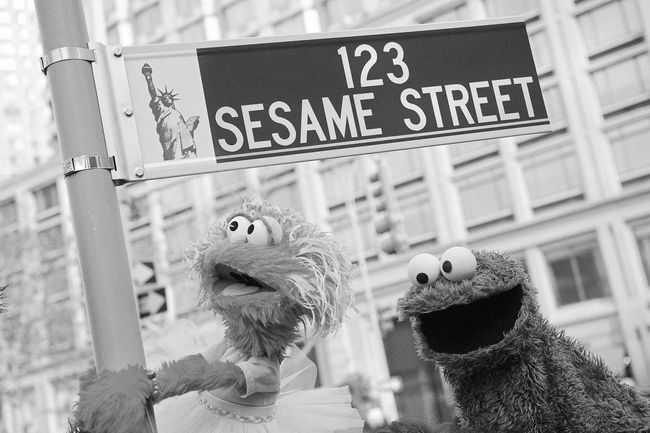
Cookie Monster and Zoe
STAN HONDA/ AFP via Getty Images
Author Nicole Villeneuve

November 21, 2023

Love it?

From its very first episode in 1969, Sesame Street captivated the imaginations of America’s youth, using research-based programming to reinvent children’s television. Created by Joan Ganz Cooney and Lloyd Morrisett in the late 1960s, the show aimed to not only entertain, but educate — and it did just that. It’s been called the “largest and least-costly [early childhood] intervention that’s ever been implemented” in the United States. 

Through its diverse characters and cast members, the show reflected the real world, and its fast-paced storytelling, repetition, and humor helped impart valuable life lessons. Sesame Street quickly became more than just another TV show: It’s been a trusted companion for generations of families. Read on to learn more about the history of the show that, through its commitment to inclusivity and social change, has left a profound mark on society — and made Big Bird a star.

Photo credit: STAN HONDA/ AFP via Getty Images

A New Kind of TV Show 

The seed that grew into Sesame Street was planted at a fateful Manhattan dinner party hosted by Joan Ganz Cooney, a producer with a background in education. At the time, Cooney was working for WNET/Channel 13, where she produced public affairs programming, including an Emmy Award-winning documentary about poverty in America. The guest list at the dinner party included Lloyd Morrisett, vice president of the nonprofit Carnegie Corporation. As the conversation turned to television, Morrisett shared that his young daughter was so mesmerized by TV that she would sit and stare at nothing but the test pattern. Morrisett, who was also a psychologist, wondered whether the medium could be used to teach children.

Inspired by the conversation, Cooney went on a three-month trip around the country to interview educators, psychologists, television producers, and more. The result was a study called “The Potential Uses of Television in Preschool Education.” It proposed a new kind of children’s television program — Cooney envisioned a fast-paced format similar to a sketch comedy show. She wanted to foster a strong connection between the show’s characters and the audience. And most of all, she wanted it to teach the young minds that would be watching, especially kids from lower-income and marginalized communities who often slipped through the cracks.
The yet-unnamed show went into development at the newly formed Children’s Television Workshop (now known as the Sesame Workshop). Morrisett helped raise the funds to make it happen, and in 1968, Cooney hired Jon Stone from the children’s show Captain Kangaroo to produce and direct the project. That summer, Stone brought a former colleague, a puppeteer named Jim Henson, to one of Cooney’s workshops. Together, Stone and Henson produced a pitch reel for the show featuring some of Henson’s Muppets, including Kermit the Frog and Rowlf the Dog. “Hey, Rowlf, why don’t you call your show ‘Sesame Street’?” Kermit says in the reel. “You know, like ‘Open Sesame’? It kind of gives the idea of a street where neat stuff happens.” 

You may also like

Did You Know These Fun Facts About the Hollywood Sign?

  • Hollywoodland sign
Hollywoodland sign
Underwood Archives/ Archive Photos via Getty Images
Author Kristina Wright

October 9, 2023

Love it?

Among the most memorable U.S. landmarks is the iconic Hollywood sign that sits on the steep hillside of Mount Lee in Los Angeles, part of the Santa Monica Mountains. Over the decades, the sign has become an internationally recognized symbol of the glitz and glamour associated with the movie industry. It is a remnant of the early days of Hollywood’s golden era in the early to mid-20th century, and has been featured in countless films, television shows, and photographs. Visible for miles, the towering letters serve as a place marker for both L.A. and Hollywood, representing the hopes and dreams of all who have ventured there to pursue careers in show business. As the Hollywood sign passes the century mark looking better than ever, here are six fun facts about this beloved landmark.

Photo credit: Bettmann via Getty Images

The Hollywood Sign Started Out as a Real Estate Ad

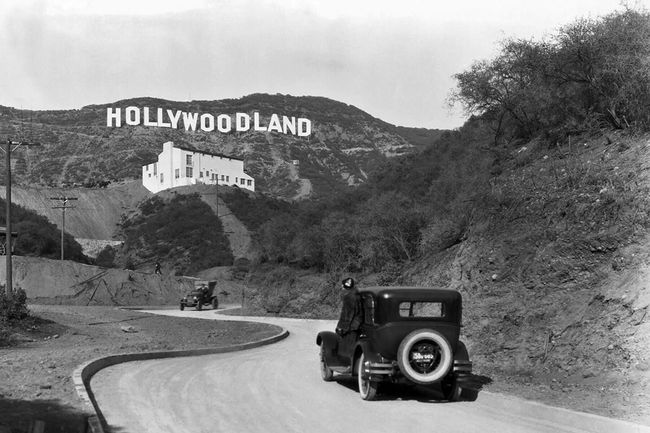
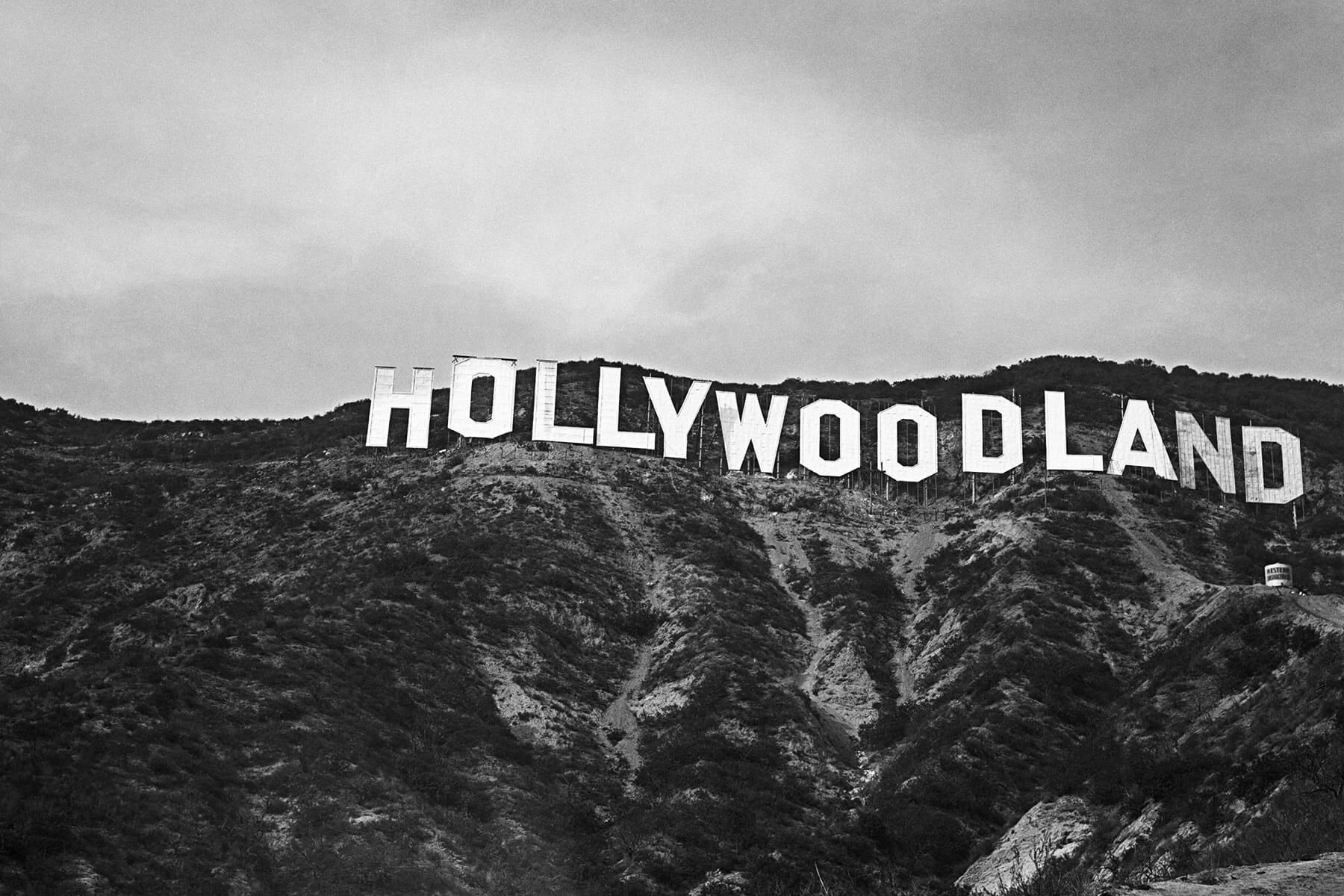
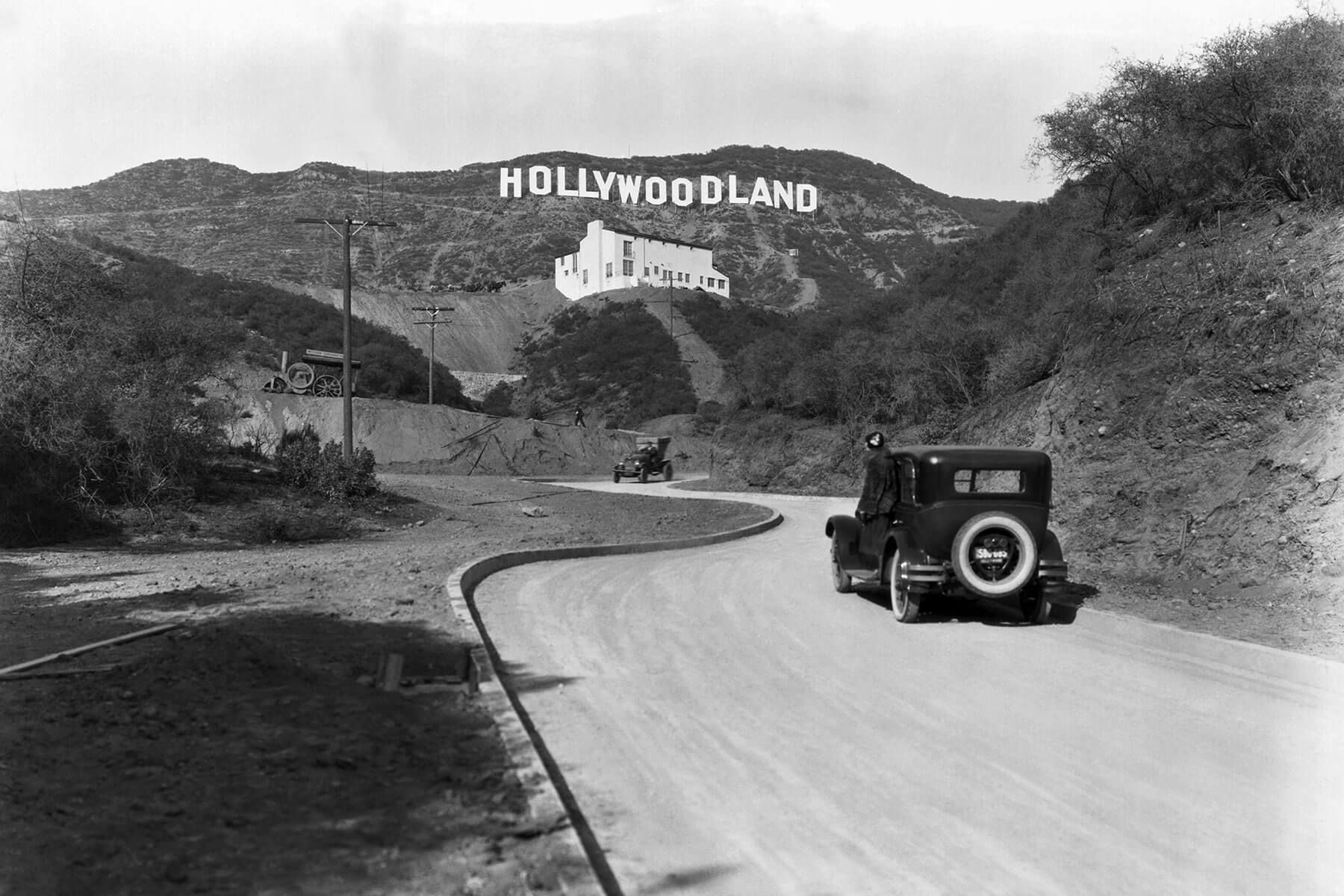
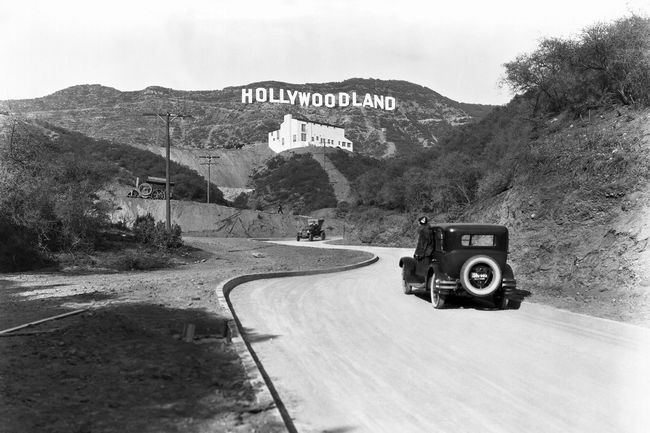
The sign that has become a symbol for the entertainment industry actually started out as a real estate billboard. In 1923, 12 years after the first Hollywood studio opened on Sunset Boulevard, Los Angeles Times publisher Harry Chandler and his real estate partners spent $21,000 (about $375,000 today) to commission an electric sign to advertise their new upscale housing development in the Hollywood Hills. The sign was constructed of metal squares connected by a frame of scaffolding, pipes, telephone poles, and wires to form 13 letters that were each approximately 30 feet wide by 43 feet tall, spelling out “Hollywoodland.” The sign was outfitted with 4,000 20-watt bulbs spaced 8 inches apart, guaranteeing it would be the brightest “star” in the night sky as it blinked: “Holly,” “wood,” “land,” and finally, “Hollywoodland.”

Photo credit: Underwood Archives/ Archive Photos via Getty Images

There Used to Be a White Dot Under the Sign

In 1924, a large, white dot, 35 feet in diameter and ringed with lights, was added under the “Hollywoodland” sign. It was an eye-catching addition to an already famous sign, but it also served as a political statement, reflecting the “good business conditions” of Los Angeles, a status that was noted with a white dot on a grayscale map produced by the U.S. Chamber of Commerce. Chandler began referring to Los Angeles as a “White Spot of America,” boasting that it was without crime, communism, and corruption. Thus, the white dot was added to the “Hollywoodland” sign, and the tagline “Keep the White Spot White” was used to promote investments in the area. The slogan had other connotations, as well, particularly in a city that was both anti-union and racially segregated at the time.

You may also like

5 Magical Facts About the History of Disney

  • Snow White & Seven Dwarfs
Snow White & Seven Dwarfs
LMPC via Getty Images
Author Nicole Villeneuve

September 29, 2023

Love it?

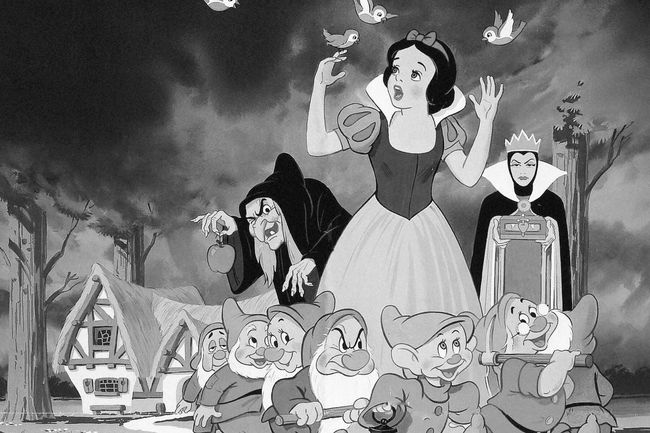
Since its humble start in the early 1920s, Walt Disney’s namesake company has evolved into a global powerhouse that has shaped the world of animation, film, television, and theme parks throughout the past century. From the creation of such beloved characters as Mickey Mouse to groundbreaking achievements in animation and film with Snow White and the Seven Dwarfs, Walt lived to see many of his accomplishments get their deserved due. But even an imagination as vivid as Walt’s couldn’t have conceived of the impact his company would continue to have: The Walt Disney Company now includes a global media empire, a vast array of beloved characters, and theme parks all around the world. Here are five fun facts that help illustrate the vast influence of this beloved company.

Photo credit: RGR Collection/ Alamy Stock Photo

Before Mickey Mouse, There Was Oswald the Rabbit

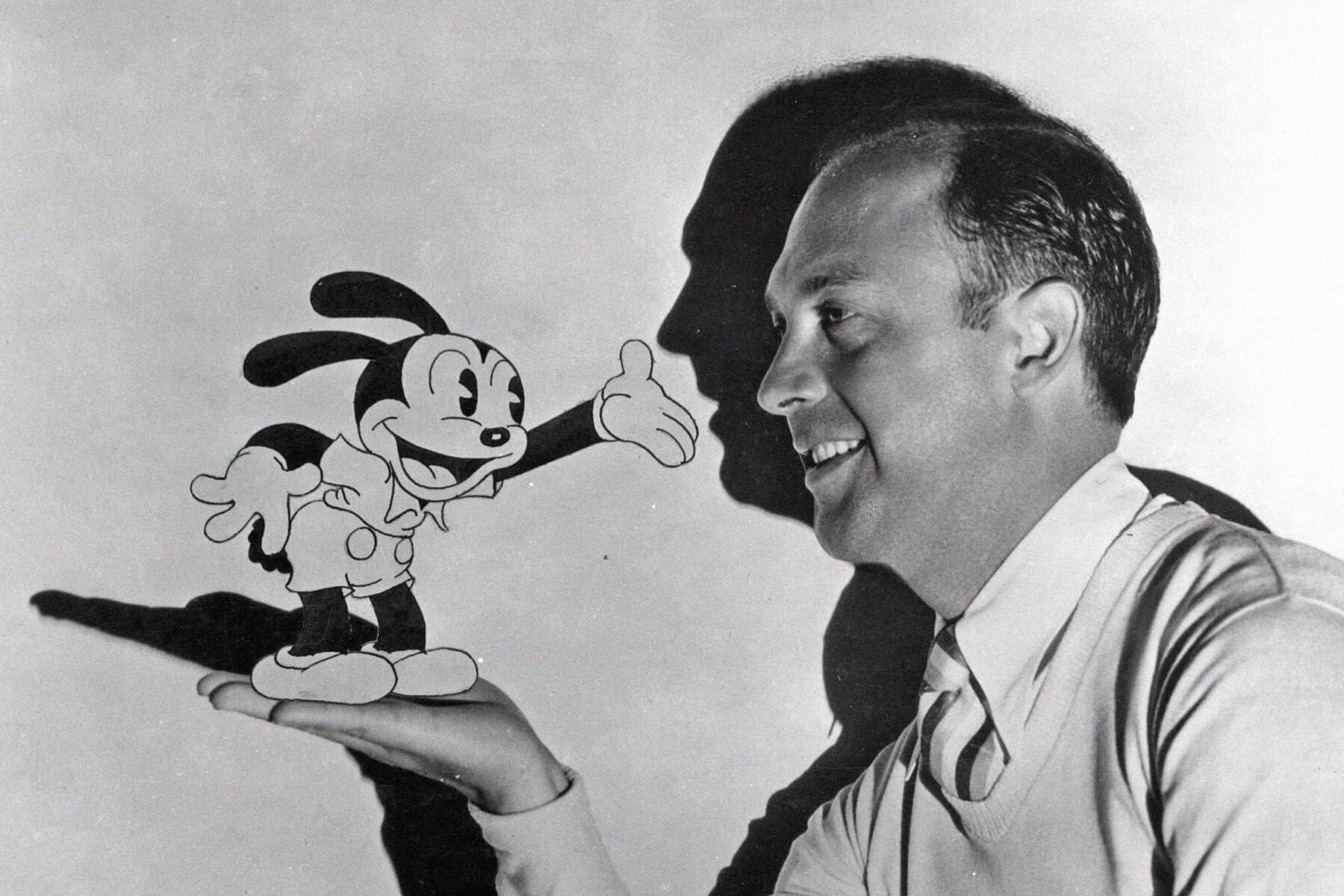
Walt Disney’s entertainment empire is known as the “House of Mouse” thanks to Mickey, but at one point Disney’s most famous critter was a rabbit. In the mid-1920s, Walt, together with his trusted collaborator, animator Ub Iwerks, produced the Alice Comedies, a combination live-action and animation series. In 1927, after five years on the series, Walt made a deal with Universal Studios to create an all-new, fully animated series. Universal chose the name Oswald for the main character out of a hat, and decided it should be a rabbit since there were already too many feline stars on the scene, including the famous Felix the Cat and even Julius the Cat, from Walt’s own Alice Comedies.

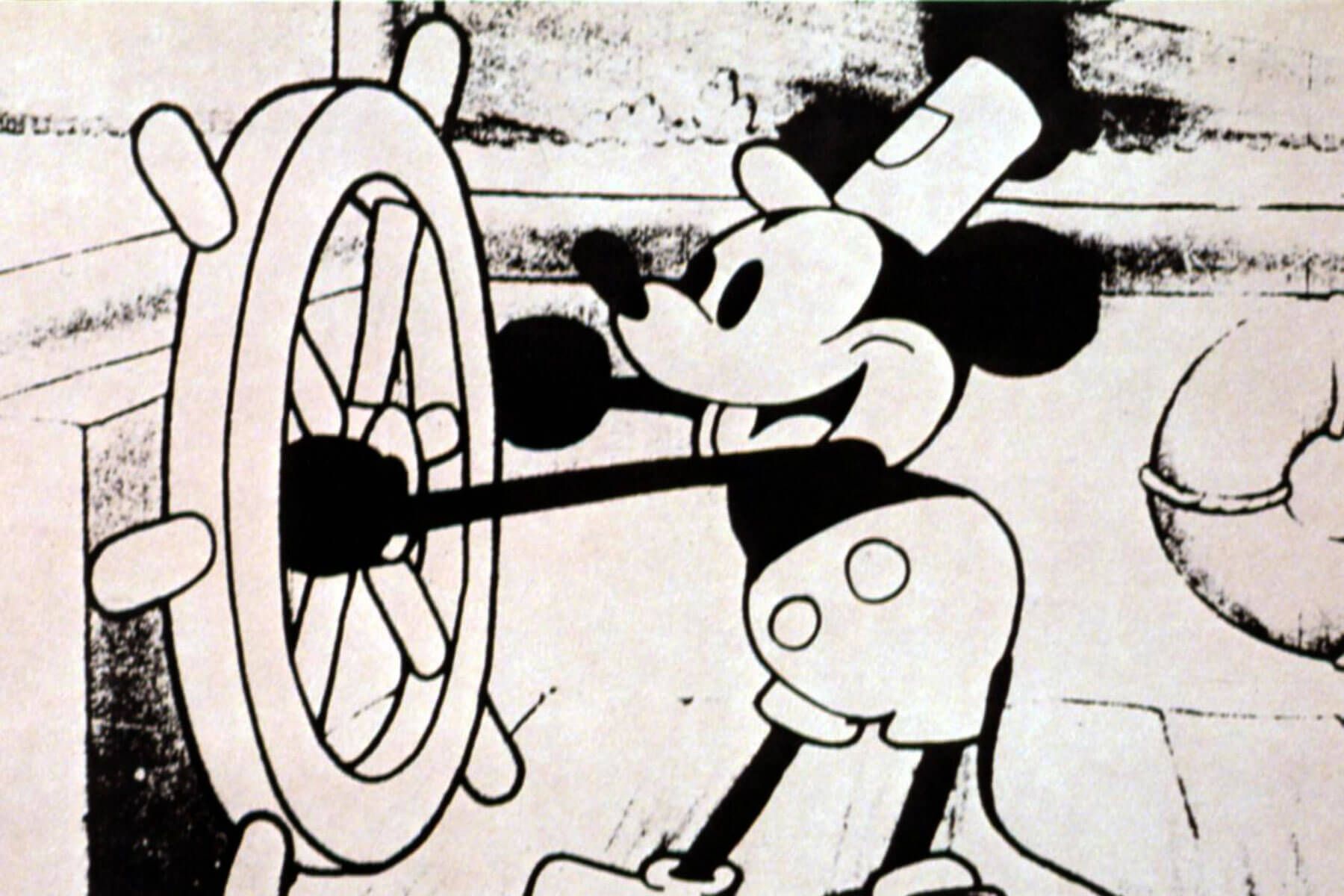
Universal rejected Walt and Iwerks’ initial Oswald design because  the character looked too old and tired. The two animators revised Oswald to be more affable and dynamic, laying the groundwork for a character that bore a striking resemblance to the figure we now know as Mickey Mouse. The new-and-approved Oswald the Lucky Rabbit debuted on September 5, 1927, in a short called Trolley Troubles, and audiences and critics took to the rabbit right away. The film’s success prompted Walt and Iwerks to produce more Oswald films, but the partnership with Universal — and with Oswald — was short-lived. Disputes with studio exec Charles Mintz led to Walt’s departure from the studio in 1928, and his newest character was left behind. Shortly after, however, the newly named Walt Disney Company began working on something else. Iwerks put the first Mickey Mouse sketches to paper at around the same time films started synchronizing voices and music. The Disney team debuted Mickey in a film called Steamboat Willie in November 1928, and over the next year, Mickey Mouse became a household name.

Photo credit: LMPC via Getty Images

Mickey Mouse’s First Words Were “Hot Dog”

In 1929, one year and eight films after Mickey Mouse made his on-screen debut, the character entered the world of “talkies” — the name given to early films with spoken dialogue. In the 1929 cartoon short film The Karnival Kid, directed by Walt Disney and Iwerks, Mickey works as a hot dog vendor at a carnival, where he meets Minnie Mouse. As Mickey struggles to announce his cart’s offerings to the bustling crowd, his voice finally breaks through as he exclaims, “Hot dog! Hot dog!

In previous films, Mickey had only made sounds such as whistling or laughing, which were voiced by Walt himself. But in The Karnival Kid, those first spoken words belonged to Carl Stalling, the Walt Disney Company’s first music director (he later went on to compose scores for Looney Tunes). Minnie Mouse, who captivated Mickey’s attention as a “shimmy dancer” in the film, was voiced by Walt; he also later took back sole voicing duties for Mickey until 1946

You may also like

5 Major Firsts in TV History

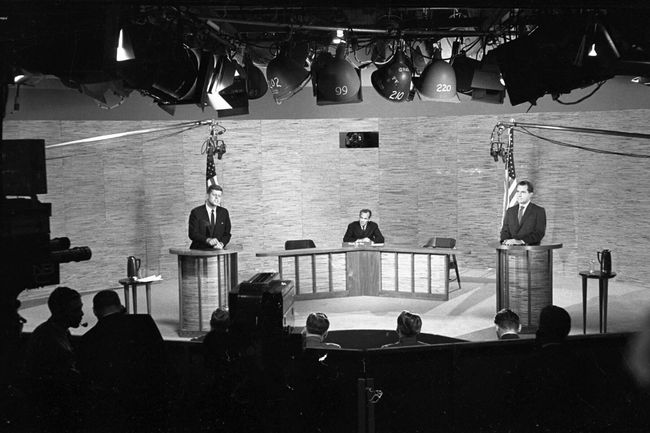
  • Presidential debate, 1960
Presidential debate, 1960
Bettmann via Getty Images
Author Bennett Kleinman

September 21, 2023

Love it?

For all the formulaic sitcoms and talk shows that have run throughout the history of television, there are a number of times when audiences have witnessed true ingenuity. From memorable commercials to shocking plot twists, television events that may seem commonplace today once revolutionized the medium. Ever since the demonstration of the first television in 1926, the small screen has been a reflection of larger shifts in American society. With that in mind, here are five historic firsts in television history.

Photo credit:  Jerome Cid/ Alamy Stock Photo

The First Official TV Commercial

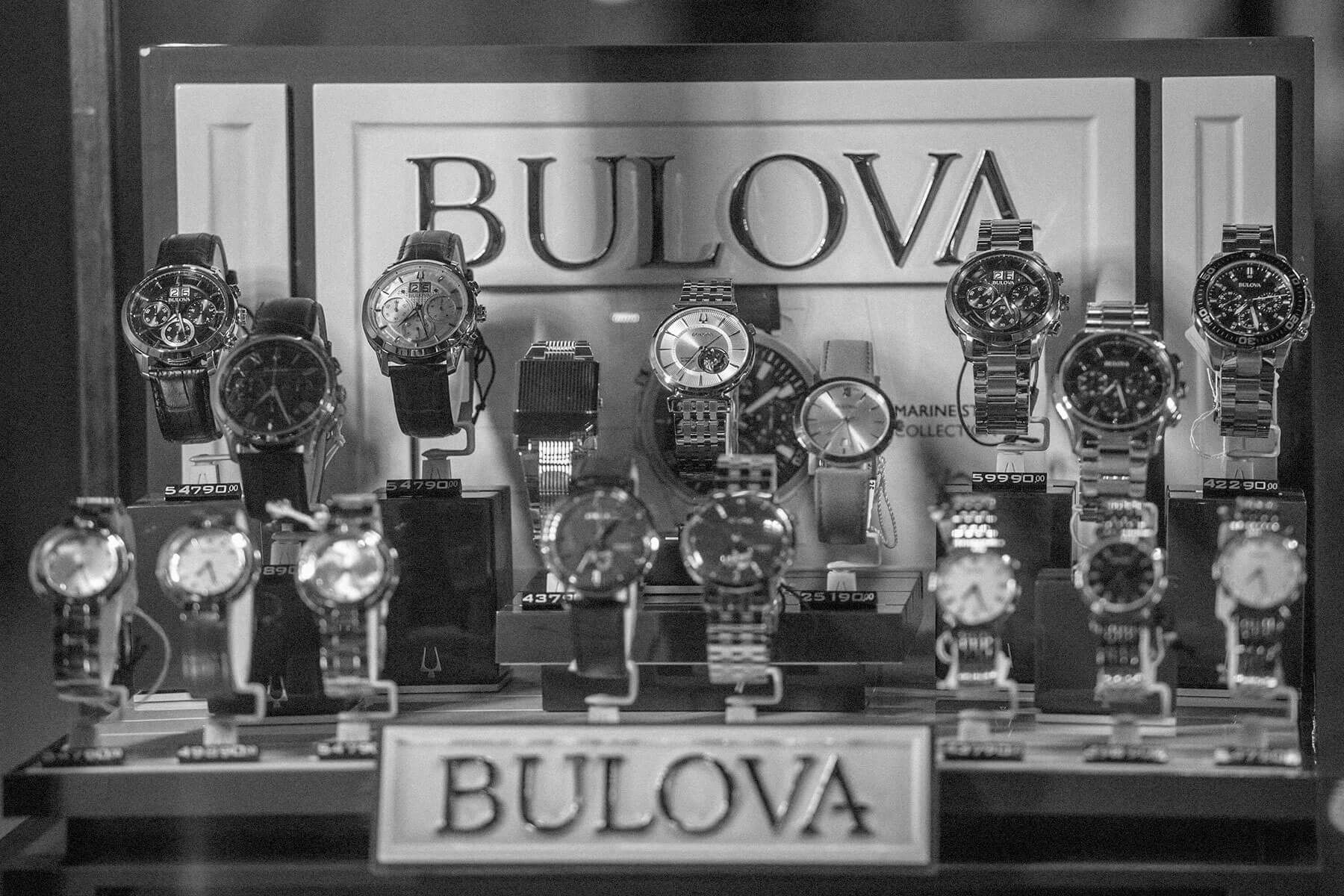
On July 1, 1941, at 2:29 p.m., viewers tuning in to the NBC-owned WNBT television station saw something they had never seen before. Before that day’s broadcast of the Brooklyn Dodgers vs. Philadelphia Phillies baseball game, the first authorized TV commercial hit the airwaves. The inaugural ad was produced by Bulova watches and ran for about 60 seconds, featuring visuals of a clock superimposed over a map of the United States with the accompanying voice-over, “America runs on Bulova time.”

The watchmaker paid just $9 to broadcast the advertisement ($4 for air fees and $5 for station fees), a far cry from the exorbitant advertising prices of today. WNBT was also the only station to advertise that day, though other networks soon followed suit. The Federal Communications Commission had previously implemented an advertising ban that forbade television commercials, though broadcasters still ran ads without authorization. The FCC finally issued 10 commercial licenses on May 2, 1941 — ushering in a new chapter in television history.

Photo credit: MAKSYM MALCEV/ iStock via Getty Images Plus

The First Laugh Track

Laugh tracks are an indelible part of sitcom television, and it all began in 1950 with a little-known program called The Hank McCune Show. The sitcom debuted on local stations in 1949 and centered around a fictional television variety show host. By the time the series made its network debut on September 9, 1950, it was accompanied by roaring laughter from a laugh track despite the lack of any live studio audience. One review from Variety magazine said, “Although the show is lensed on film without a studio audience, there are chuckles and yucks dubbed in… the practice may have unlimited possibilities.” 

The laugh track was invented by mechanical engineer Charles Douglass, who was formerly a radar technician in the Navy. After leaving the military, Douglass created a device that came to be known as the “Laff Box.” A rudimentary version of Douglass’ invention debuted on The Hank McCune Show, though it took him three years to perfect  his invention. Each 3-foot-tall Laff Box was handmade by Douglass and could hold 32 reels of 10 laughs apiece. By the 1960s, Douglass was supplying his much-coveted Laff Box to such iconic television programs as The Munsters and Gilligan’s Island.

You may also like

5 Fab Facts About Music’s British Invasion

  • The Beatles
The Beatles
Fiona Adams/ Redferns via Getty Images
Author Kristina Wright

July 19, 2023

Love it?

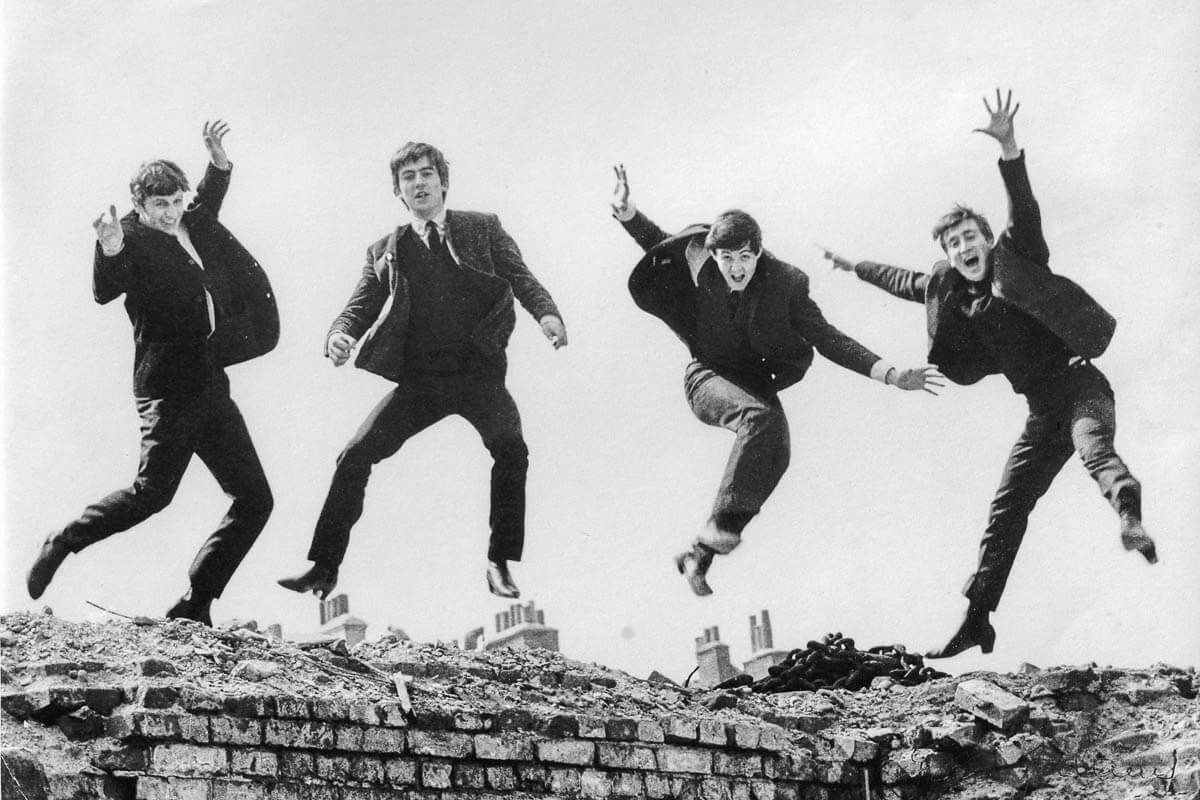
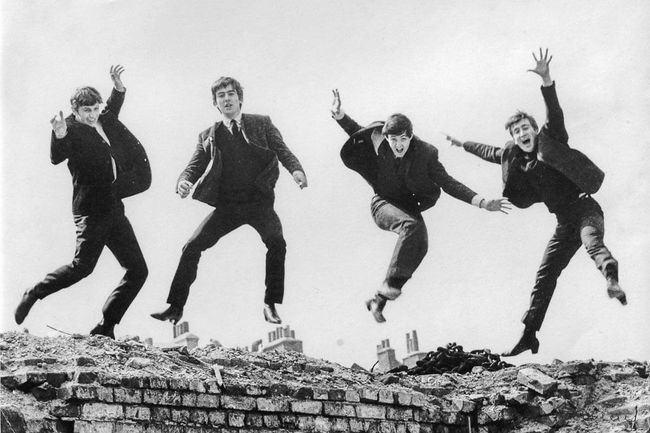
On February 7, 1964, the Beatles made their first visit to the United States, prompting Walter Cronkite to quip, “The British invasion this time goes by the code name ‘Beatlemania.’” The band was already popular in the U.K., but their instant appeal to audiences in the U.S. was unlike anything anyone had seen before; thousands of screaming teenagers met the Beatles’ plane at New York’s Kennedy Airport and thousands more were waiting for them to arrive at the Plaza Hotel. Not even Elvis Presley had generated that level of uninhibited euphoria, and it left people, especially the parents of all of those starstruck teens, curious about the shaggy-haired young men who were taking over the airwaves.

Before 1964, only two British singles had ever topped Billboard’s Hot 100 chart, and both of them were instrumentals. The Beatles’ popularity paved the way for many of Britain’s hottest acts to follow, from the Rolling Stones to the Who, ushering in a new musical era dominated by British performers. Here are five fun facts about the Fab Four and the musical phenomenon known as the British Invasion.

Photo credit: Fiona Adams/ Redferns via Getty Images

Beatlemania Provided a Diversion to a Nation in Mourning

In February 1963, Chicago DJ Dick Biondi became the first disc jockey to introduce U.S. listeners to the Beatles when he played “Please Please Me,” the band’s first U.S. single. The song was picked up by other radio stations, but it was months before the Fab Four caught on in America. On the morning of November 22, 1963, CBS News aired a story about the Beatles’ popularity in England, but the segment on the band slotted for that evening was shelved when President John F. Kennedy was assassinated later that day. 

A few weeks later, Walter Cronkite decided the country could use a break from their collective grief and decided to finally air the Beatles story. Marsha Albert, a 15-year-old girl from the suburbs of Washington, D.C., saw the segment and wrote to WWDC radio to request they play more of the band’s music. Disc jockey Carroll James had also seen the report, got a copy of the track “I Want to Hold Your Hand,” and invited Albert to come to the studio to introduce the song on December 17. Radio stations in other major markets followed suit, and Capitol Records, which had been planning to release the single in January, decided to rush-release it on December 26. The label originally planned for 200,000 copies to be pressed, but that jumped to 1 million — all of which were sold by January 10, 1964. Beatlemania had taken hold in the U.S. and the British Invasion was on its way.

You may also like

How the 1970s Changed Television

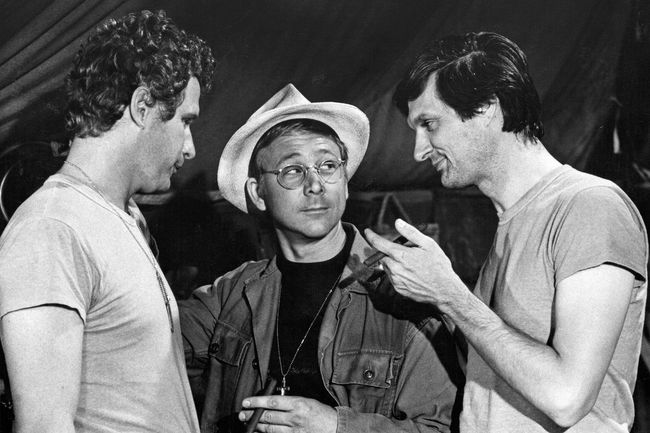
  • Scene from M*A*S*H
Scene from M*A*S*H
Photo credit: Bettmann / Bettmann via Getty Images
Author Kevin McCaffrey

June 12, 2023

Love it?

The first commercial televisions were released to the American public in 1938, and if TV was in its infancy in the ’40s, growing up through the 1950s and ’60s, the ’70s were kind of like an adolescence: The medium got a little edgier, experimenting with new approaches and pushing social boundaries. The decade marked a turning point for the small screen, ushering in the modern era of TV we know today. Here are five ways the 1970s changed television.

Photo credit: Bettmann / Bettmann via Getty Images

Prime Time Got Real

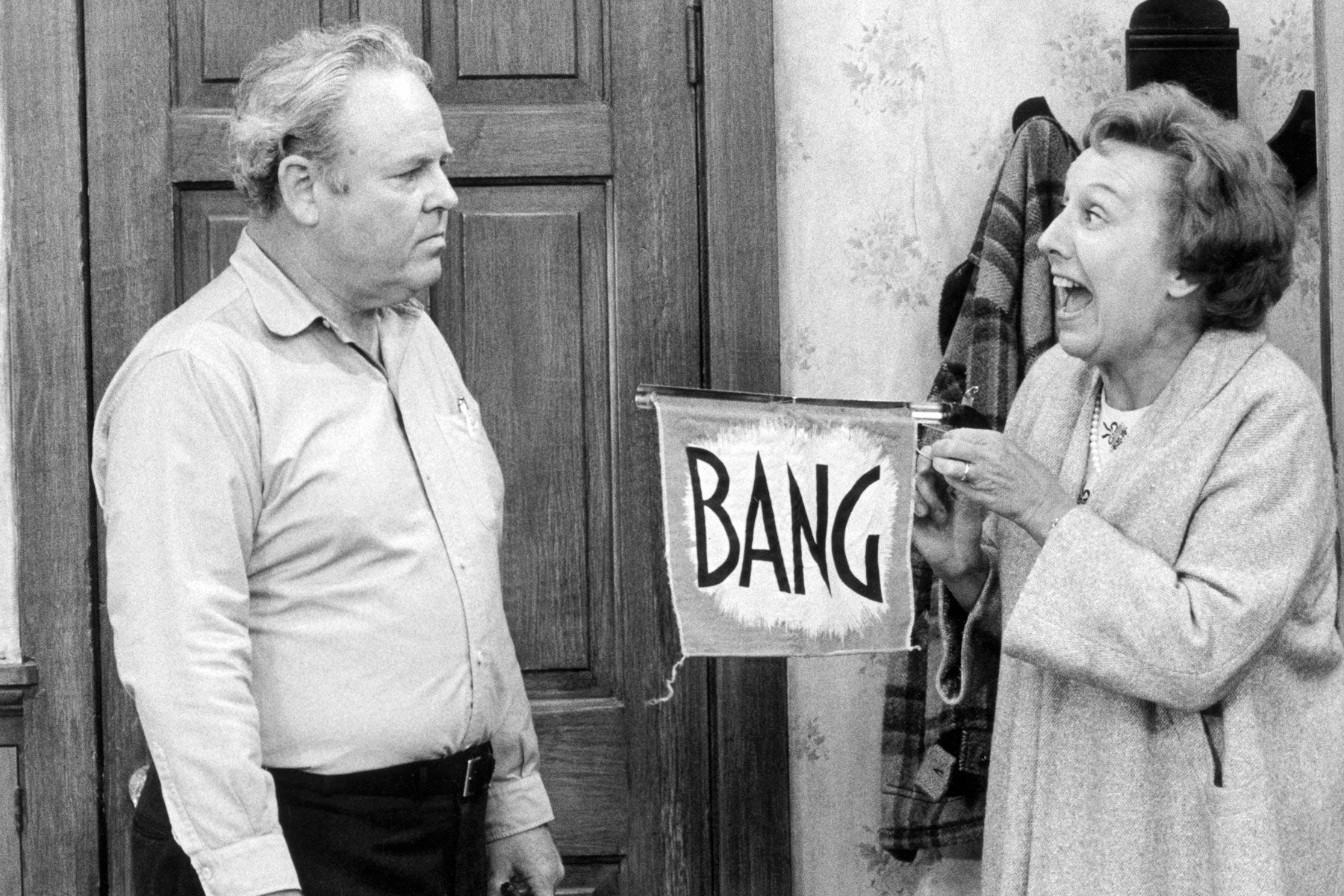
Compared to the wholesome, idyllic worlds created in 1960s TV shows such as The Andy Griffith Show, The Dick Van Dyke Show, and Leave It to Beaver, the shows of the ’70s were shocking in their realism, thanks in large part to writer and producer Norman Lear. He created a string of hit series such as All in the Family, Good Times, and Maude that were groundbreaking in their depictions of racial tensions, marital problems, and class struggles — all while being some of the funniest shows of all time. All in the Family starred a politically incorrect Archie Bunker espousing opinions and using language that had not been heard on “polite” TV before. The series was the top-rated show in the U.S. from 1971 to ’76, a record run at the time.

You may also like

6 Facts About the Golden Age of Hollywood

  • Hollywoodland sign in 1924
Hollywoodland sign in 1924
Photo credit: Underwood Archives/Getty Images
Author Kristina Wright

June 12, 2023

Love it?

When we think of Hollywood’s heyday, we’re often recalling those classics of the 1930s and ’40s that many of us watched long after they were shown in the theater. From King Kong and It Happened One Night to Casablanca and Citizen Kane, the films of the industry’s golden era still enchant and entertain. And it’s not just the movies themselves that have stood the test of time. We’re still captivated by the era’s shining stars, be it the love story of Humphrey Bogart and Lauren Bacall, the bubbly innocence of Shirley Temple, or the rugged good looks of Clark Gable.

Some film historians believe that Hollywood’s golden age was ushered in by the silent films that gave us Charlie Chaplin’s Tramp and the improvisational comedy of the Marx Brothers. Others say it was 1927’s The Jazz Singer that kicked off the era, by introducing the wonder of the “talkies.” One thing is for sure: Each exciting new production found an ever-growing audience, worn down by the harsh realities of war and the Great Depression, that couldn’t get enough of the sophisticated characters, slapstick humor, swoon-worthy romances, and faraway locales that only Hollywood could deliver. For those of us who still can’t get enough of the fascinating world of Hollywood, here are six fun facts about filmmaking’s glitziest era.

You may also like

5 Puzzling Facts About the History of Crossword Puzzles

  • Playing a crossword puzzle
Playing a crossword puzzle
Photo credit: Bettmann / Contributor via Getty Images
Author Bennett Kleinman

June 2, 2023

Love it?

For many wordsmiths, crossword puzzles are a beloved daily ritual. Waking up, brewing a cup of coffee, and doing the crossword in the morning is considered by some to be the perfect way to start the day. Yet there was a time not so long ago when these puzzles were considered a novelty.

The modern crossword puzzle is barely over a century old, though it was inspired in part by word puzzles such as Sator squares that date back as far as ancient Pompeii. It wasn’t until 1913 that crossword puzzles as we know them today began to take shape, and their popularity only boomed from there. These brain teasers aren’t just a great way to challenge the mind — they also boast a fascinating history full of trivia that may surprise even the most avid puzzlers out there. Here are five fun facts about the history of crossword puzzles.

You may also like