


The Surprising History of Tarot Cards

  • Tarot Decks Keep Changing
Tarot Decks Keep Changing
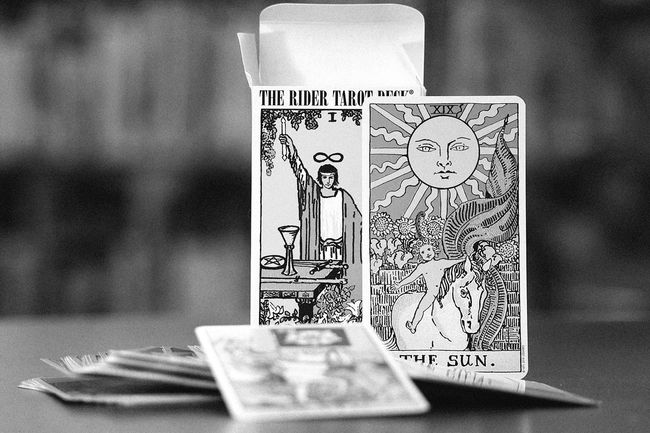
Caption: Tarot card deck
Author Bess Lovejoy

February 5, 2026

Love it?

For centuries, tarot cards have carried an aura of mystery. To many people, they are tools for reflection, storytelling, or spiritual insight, while to others, they are simply beautiful objects, or perhaps sources of fear and disdain. But few people are aware that tarot’s earliest history has nothing to do with divination. Long before the cards were used to peer into inner lives or imagined futures, they were created for a very different purpose: play.

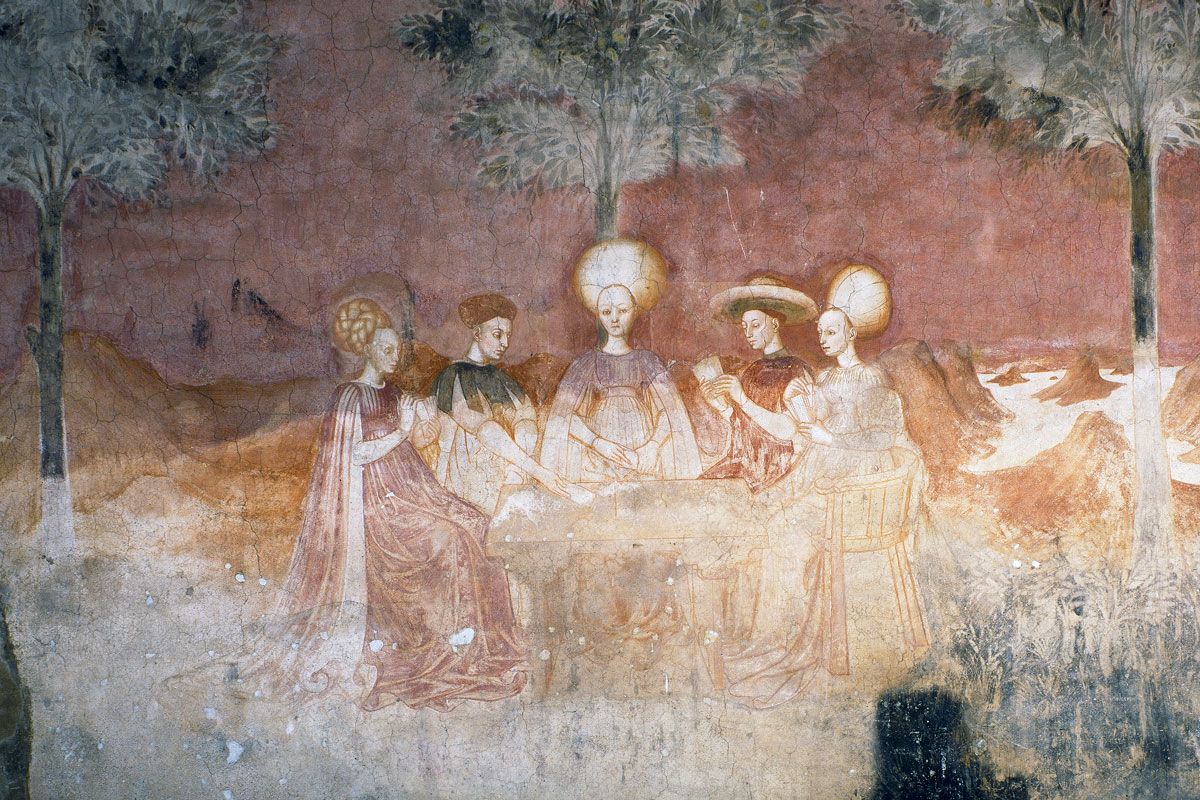
Credit: DEA / G. CIGOLINI/ De Agostini via Getty Images 

A Renaissance Card Game

Tarot emerged in northern Italy in the early 15th century, at the height of the Renaissance, when card games were a fashionable diversion among aristocratic courts. Wealthy families commissioned ornate decks known as carte da trionfi, or “cards of triumph,” to play a game called tarocchi. Though the rules have not survived intact, the game appears to have combined skill, memory, and chance, and may have been a bit like bridge.

The most likely patron of the first tarot deck was Filippo Maria Visconti (1392-1447), the reclusive Duke of Milan, whose court delighted in symbolic display and intellectual play. Roughly 15 decks associated with the Visconti family survive today, most famously the Visconti-Sforza deck, dating from the mid-1400s. These cards were luxury objects, lavishly decorated with gold leaf and fine detail, designed to impress as much as to entertain.

You may also like

The Rise and Fall of Variety Shows

  • “Texaco Star Theater” variety show
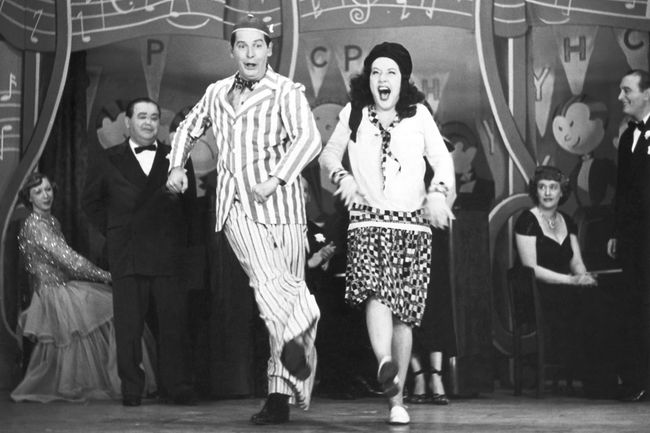
“Texaco Star Theater” variety show
Credit: Bettmann Archive via Getty Images
Author Timothy Ott

October 16, 2025

Love it?

While they’re rarely seen today, variety shows, with a genial host introducing an eclectic array of singers, comedians, jugglers, and the like, were once among the most popular displays on television — and before that, on radio, and before that, on stage. They’re a remnant of another time, before a remote control or the click of a mouse could point our drifting attention toward a different channel.

Until relatively recently, variety shows were a prominent part of American culture. Here’s a look at how this form of showmanship rose with the times, but failed to keep pace as the entertainment industry evolved.

Credit: Bettmann Archive via Getty Images 

From the Stage to Radio

Variety acts have been part of the American theater tradition since at least the 18th century, when they were used to keep audiences amused between sets of the main show. They emerged as independently staged productions by the 1840s, and by the early 1880s, the variety show extravaganza known as vaudeville was en route to becoming the country’s most popular form of entertainment.

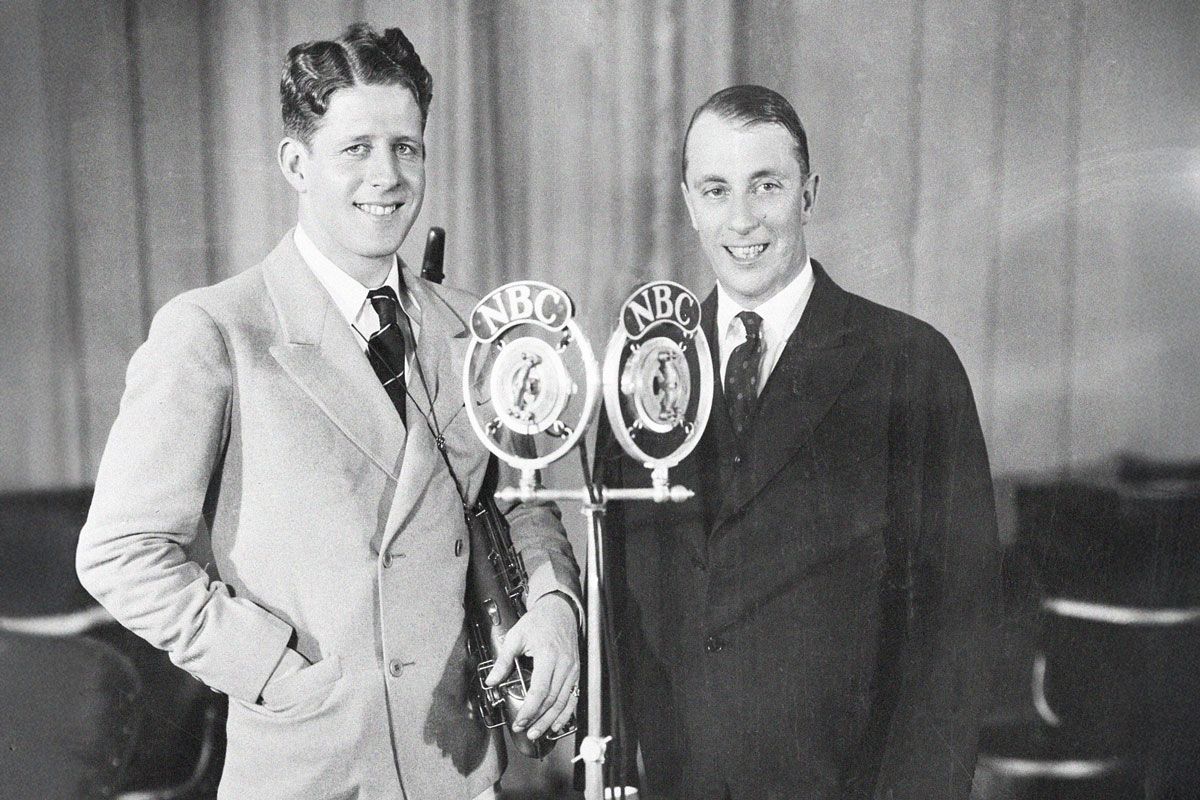
With the burgeoning prevalence of radio in the 1920s, performers who made their living on stage began showcasing their skills over the airwaves. The medium’s first mainstream variety show belonged to singer and bandleader Rudy Vallée, who provided music, interacted with guest stars, and unveiled a dramatic sketch as part of The Fleischmanns Yeast Hour beginning in October 1929.

Vallée was credited with discovering top talents such as Eddie Cantor, who brought in a studio audience to liven up his own radio program. Stars such as Ed Wynn, Fred Allen, and Bing Crosby also enjoyed success as variety show hosts during this era.

You may also like

6 Childhood Games Only Baby Boomers Will Recognize

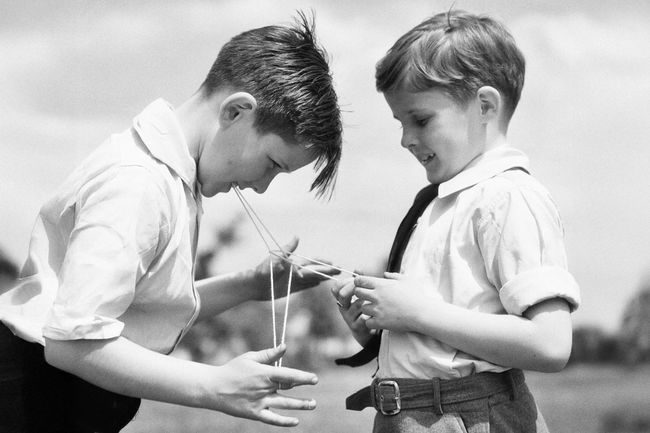
  • Boys playing Cat’s Cradle, c. 1930s
Boys playing Cat’s Cradle, c. 1930s
Credit: ClassicStock/ Alamy Stock Photo
Author Kristina Wright

October 1, 2025

Love it?

Afternoons and weekends in the 1950s and 1960s looked a little different than they do today, particularly for kids. Streets, schoolyards, and living rooms were alive with the sounds of children playing games — analog, not video — including some that dated back centuries and others newly invented or imported by toy companies. For baby boomers, playtime was about creativity, skill, and sometimes even a touch of danger. It was an era when kids were expected to make their own fun, though family time was valued too — and many games brought the older and younger generations together.

Whether using a pocketknife, a piece of string, or just their imagination, the games baby boomers enjoyed entertained them for hours and created memories that lasted decades. Which of these games do you remember playing?

Credit: Bettmann Archive via Getty Images 

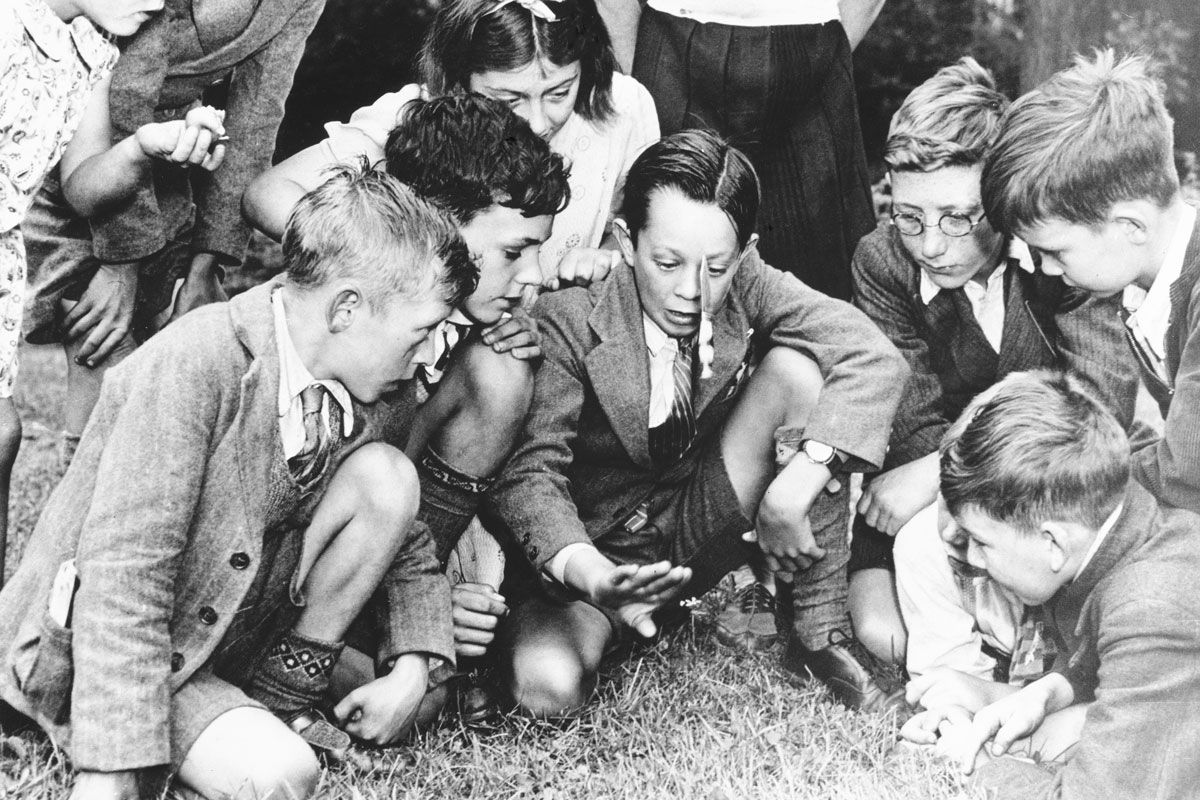
Mumblety-Peg

The odd-sounding mumblety-peg got its start in the 17th century in the British Isles. Also known as mumbley peg, mumble-the-peg, and mumbledepeg, the game eventually became a 19th-century American frontier pastime that carried into mid-20th-century childhoods. Played with a pocketknife, it was equal parts challenging and dangerous. The basic goal was to flip or toss the knife in increasingly complex tricks so that the knife ended up stuck in the ground, blade down, as close to one’s foot as possible. There were many variations on the theme — some players created elaborate stunt sequences or dares, and a popular penalty was having to retrieve a “peg” driven into the ground with one’s teeth. Not surprisingly, the game often ended with minor injuries and dirt-covered faces and hands.

    The daring game was mentioned in Mark Twain’s Tom Sawyer, Detective (1896), and by the 1950s, mumblety-peg’s thrill made it a favorite pastime among boys and men. Though its outlaw image only heightened the game’s appeal, its popularity waned in the 1970s as schools and summer camps instituted bans and fewer boys carried pocketknives.

    You may also like

    The Rise and Fall of Drive-In Theaters

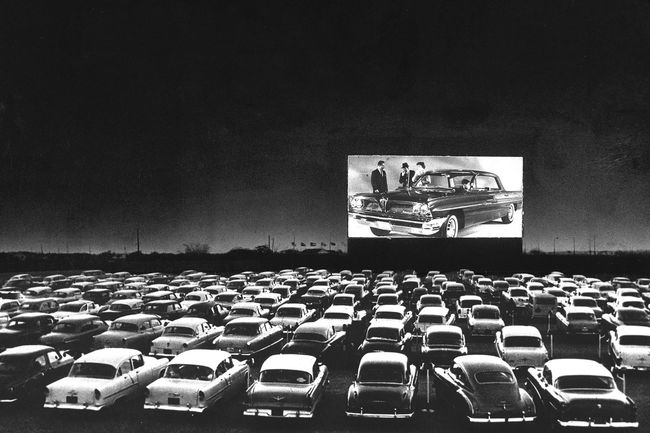
    • 1950s drive-in theater
    1950s drive-in theater
    Credit: New York Times Co./ Archive Photos via Getty Images
    Author Nicole Villeneuve

    July 22, 2025

    Love it?

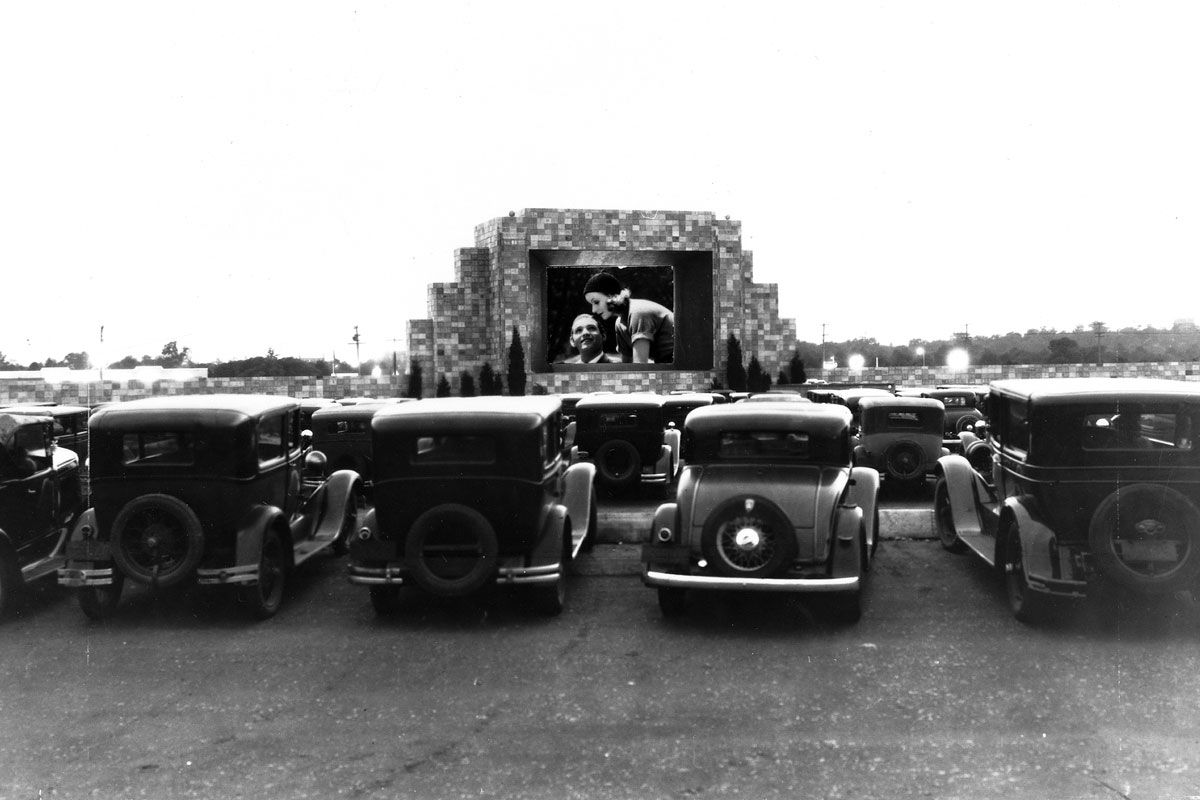
    On a late spring evening in 1933, a crowd of moviegoers in New Jersey embarked on an entirely new viewing experience. They parked their cars in a lot in the town of Camden, and settled in to watch the film from their very own automobiles under the nighttime stars. It was the world’s first drive-in theater, dreamed up by a local automotive chemicals salesman named Richard Hollingshead Jr. 

    Credit: ullstein bild Dtl./ ullstein bild via Getty Images 

    The Rise

    Hollingshead had come up with the concept not long before. The 33-year-old entrepreneur tested his idea in his own driveway, setting up a projector on the hood of his car and hanging a white sheet from the trees. On May 16, Hollingshead received a patent for his “park-in,” (the term “drive-in” caught on later) and just three weeks later, the first theater opened on June 6 with a showing of the British comedy Wives Beware

    Patrons paid 25 cents per car plus another quarter per person; a car with three or more people was charged a flat rate of $1. Hollingshead was proud to offer a different moviegoing experience, boasting, “The whole family is welcome, regardless of how noisy the children are.” 

    The novelty of the drive-in caught on slowly at first. But by the end of the 1940s, with World War II in the rearview, Americans and their growing families were ready to indulge in leisure and entertainment. Families didn’t have to dress up, kids could doze off in the back seat, and you could bring your own snacks — or heed the call of the animated intermission ads urging a trip to concessions for hot dogs, popcorn, and candy galore.

    You may also like

    15 TV Shows History Buffs Will Love

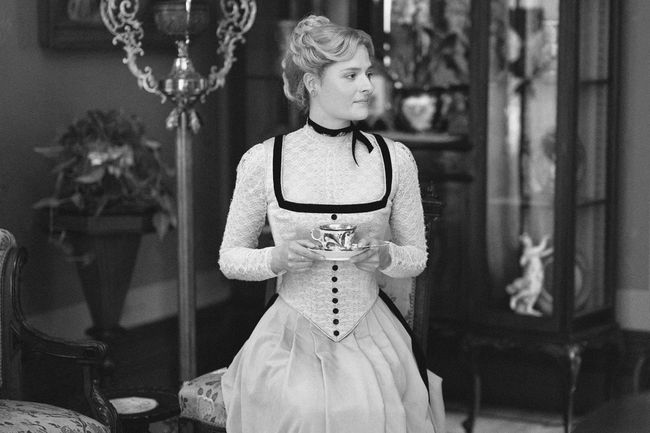
    • Louisa Jacobson in “The Gilded Age”
    Louisa Jacobson in “The Gilded Age”
    Credit: Album/ Alamy Stock Photo
    Author Kristina Wright

    April 6, 2025

    Love it?

    There’s nothing like a great television series to sweep you into another time and place, bringing history to life with all the intrigue, romance, and drama of the past. And with today’s prestige TV and myriad streaming options, these shows are bigger, bolder, and more engaging than ever. 

    Whether they’re about royal power struggles, wartime heroics, or the social upheavals that shaped the modern world, historical dramas capture the moments where everything changes — and there’s no shortage of incredible stories to tell. Here are 15 historical TV shows that history buffs are sure to love.

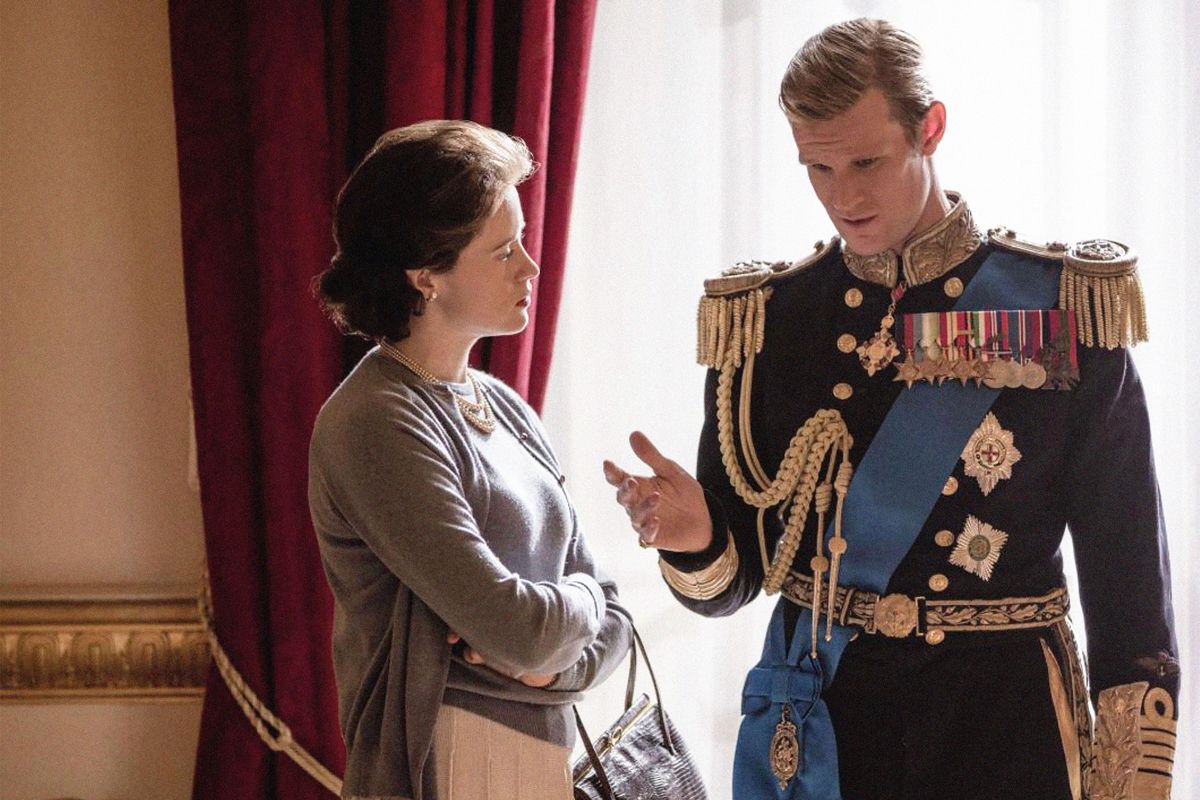
    Credit: Pictorial Press Ltd/ Alamy Stock Photo

    The Crown (2016-2023)

    This lavish Netflix series chronicles the reign of Queen Elizabeth II, blending historical events with personal drama. Starring Claire Foy, Olivia Colman, and Imelda Staunton as the queen at different times in her life, The Crown earned multiple Emmys, including Outstanding Drama Series. 

    Inspired by real events and Peter Morgan’s 2013 play The Audience, the show portrays the political and personal struggles of Britain’s longest-reigning monarch. The meticulous attention to period detail, from costumes to set designs, makes The Crown one of Netflix’s most ambitious and expensive projects, reportedly costing $14.4 million per episode

    Watch on Netflix

    Credit: Photo 12/ Alamy Stock Photo

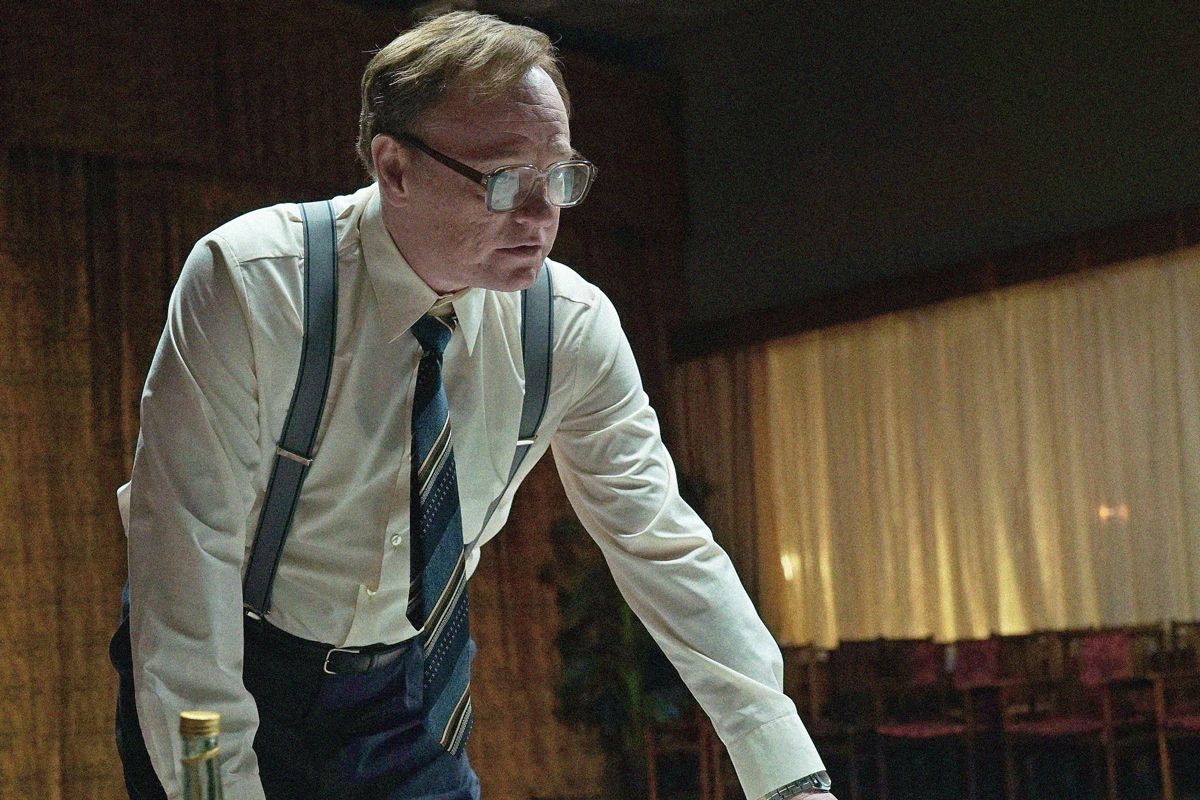
    Chernobyl (2019)

    This gripping HBO miniseries reconstructs the 1986 Chernobyl nuclear power plant disaster, exploring the scientific, political, and human factors that led to one of the worst nuclear accidents in history. Featuring powerful performances by Jared Harris, Stellan Skarsgård, and Emily Watson, Chernobyl received multiple Emmy and Golden Globe awards for writing, directing, and acting. While dramatized for television, the production was praised for its hauntingly realistic portrayal, with much of it filmed in Lithuania to replicate the abandoned Soviet-era city of Pripyat.

    Watch on Max

    You may also like

    6 Strange Things People Used To Do for Fun

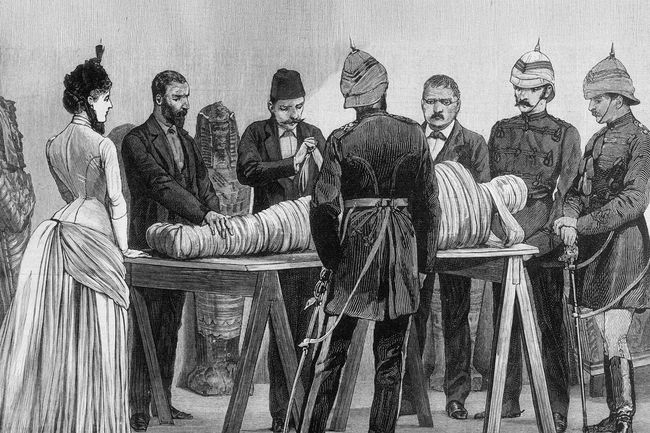
    • Spectators watch a mummy unwrapping
    Spectators watch a mummy unwrapping
    Credit: Chronicle/ Alamy Stock Photo
    Author Bennett Kleinman

    February 13, 2025

    Love it?

    Long before Netflix, video games, or podcasts existed, people turned toward other hobbies for their personal amusement — some of which seem quite strange by modern standards. Entertainment-seekers of yesteryear would gather to witness the unwrapping of ancient mummies, or pack arenas to watch people walk in circles for hours on end. These odd historical pastimes offer a fascinating glimpse into how folks in the past enjoyed their free time. Let’s take a look at six truly strange ways people used to have fun.

    Credit: North Wind Picture Archives/ Alamy Stock Photo

    Mummy Unrollings

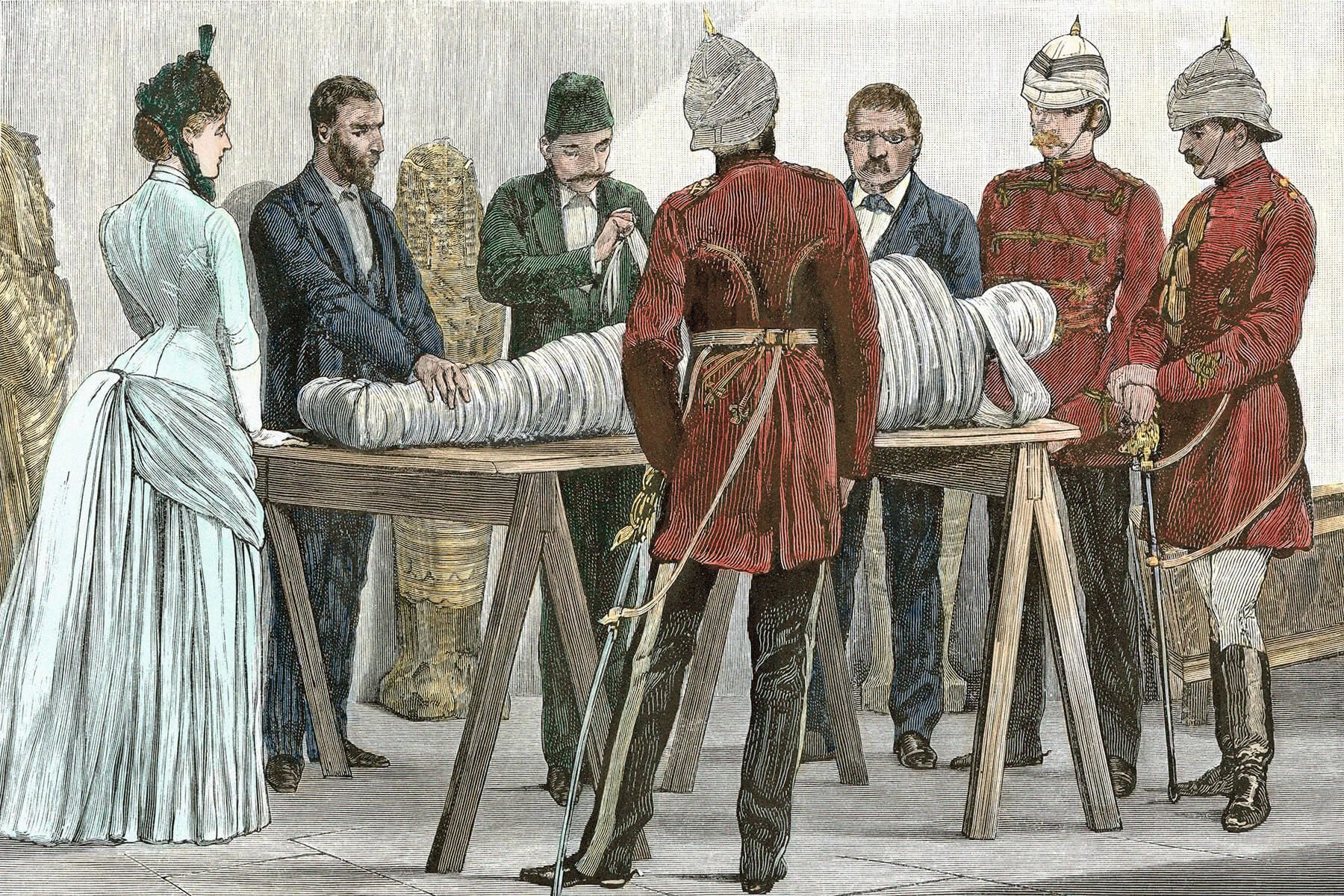
    “Egyptomania” — a fascination with ancient Egyptian culture — swept across Europe in the 19th century, particularly in Victorian England, where people developed an obsession with mummies. It was even popular to attend events known as mummy unrollings, where actual corpses brought over from Egypt were unwrapped in the name of both science and morbid amusement.

    In the middle of the 18th century, brothers and anatomists John and William Hunter were among the first to unroll mummies, doing so in the name of science. But the practice transitioned into more of a spectacle under enthusiasts such as “the Great Belzoni,” an explorer and showman who specialized in Egyptian antiquities, and Thomas “Mummy” Pettigrew, an English surgeon who was drawn to Egyptian antiquities. Pettigrew hosted private parties where he unwrapped and performed autopsies on mummies, revealing various amulets or bits of preserved hair and skin to the delight of those in attendance. 

    The trend really took off after the U.K. passed the 1832 Anatomy Act, which legally permitted doctors to dissect bodies for study. These mummy unrollings attracted large crowds, and were held at hospitals, scientific research centers, and private homes. The pastime remained popular for several decades, though ultimately lost its luster by the time Pettigrew died in 1865. Mummy unrollings continued, albeit on a smaller scale, with the last recorded event occurring in 1908. 

    You may also like

    How 5 Classic Magic Tricks Work

    • Sawing magic trick explained
    Sawing magic trick explained
    Credit: Illustration courtesy of Madison Hunt
    Author Bennett Kleinman

    May 22, 2024

    Love it?

    As far back as the first millennium BCE, ancient Mesopotamians relied on the concept of magic as a guiding principle. They used magic in rituals to ward off evil demons, and as an explanation for perplexing natural phenomena. Over many millennia, as our scientific understanding of the world advanced, “magic” evolved into a form of entertainment, popularized by legendary sleight-of-hand artists and illusionists such as Harry Houdini. Today, your typical magic show leaves the audience feeling awe-inspired and wondering how the tricks are done. Well, wonder no more — this is how five classic magic tricks actually work.
    Sawing a Person in Half

    It’s impossible to know for certain when a magician first sawed their assistant in half, but one of the earliest recorded instances of the trick was performed by British magician and inventor P.T. Selbit in London in 1920. He debuted the trick to the shock of onlookers, as he seemingly sawed a woman in a box in half and then put her back together, allowing her to leave the box unharmed. In the summer of 1921, Selbit toured the trick throughout the United States, where he encountered pushback from other illusionists claiming to have invented the trick. 

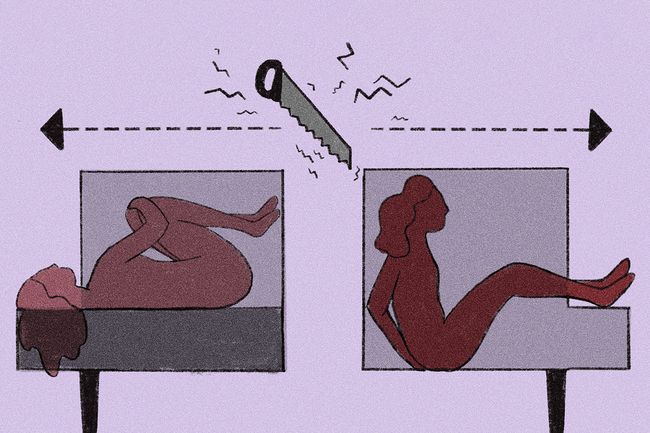
    While there are several variations of this illusion, depending on the magician’s personal style, one of the most common methods involves two assistants — one that the audience sees and another hidden inside the box. The trick begins by unveiling a long, thin box, with an assistant already hidden inside, tucked away and contorted at the end where the other person’s feet will be. Then the magician opens the box and invites the other assistant to climb inside and lay down. Once they do, they also contort themselves in a way that leaves an empty middle section to cut through. At this point the magician closes the box, and one assistant pops their head out while the hidden assistant pops their feet out.

    Credit: Illustration courtesy of Madison Hunt

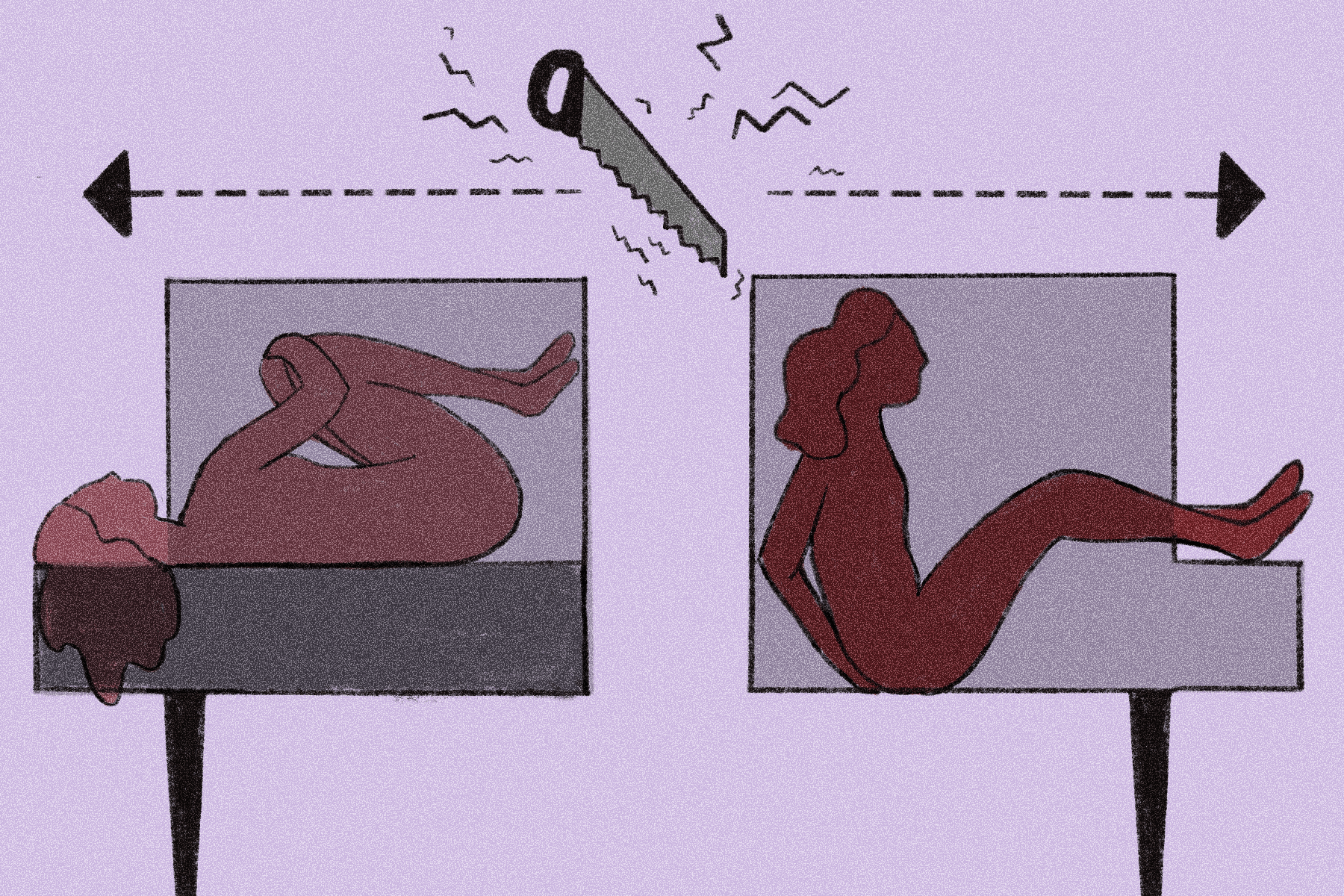
    With the two safely separated, the magician takes a saw and cuts through the middle of the box, seemingly slicing their assistant in half. The magician then separates the halves of the box while the head and feet continue to move for added effect.

    Credit: Illustration courtesy of Madison Hunt

    To end the trick, the magician wheels the boxes back together, says a few magic words, opens the lid, and allows one assistant to climb out unscathed while the other pulls their feet back in and remains hidden inside the box.

    You may also like

    The Most Popular TV Shows of All Time

    • Cast of “Cheers”
    Cast of “Cheers”
    Credit: Aaron Rapoport/ Corbis Historical via Getty Images
    Author Michael Nordine

    May 16, 2024

    Love it?

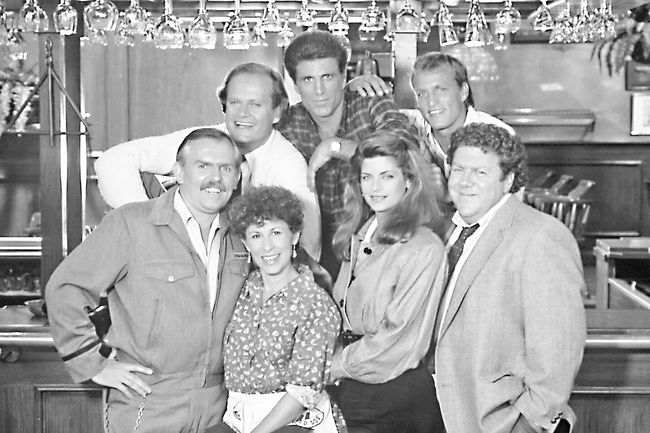
    The way we watch television is changing, and so is the way we measure viewership: 2023 was the first year in which viewers who no longer pay for traditional TV such as cable service outnumbered those who still do. Cord-cutting is increasingly the norm as people flock to Netflix, Hulu, and other streaming services. The small screen remains a favorite passive pastime all the same, with Nielsen ratings and other metrics  showing why the following seven shows have proven so enormously popular with viewers around the world. All of them proved popular throughout their run, with individual episodes (often their finales) setting records for viewership.

    Credit: Robert Alexander/ Archive Photos via Getty Images

    The Fugitive (1963-1967)

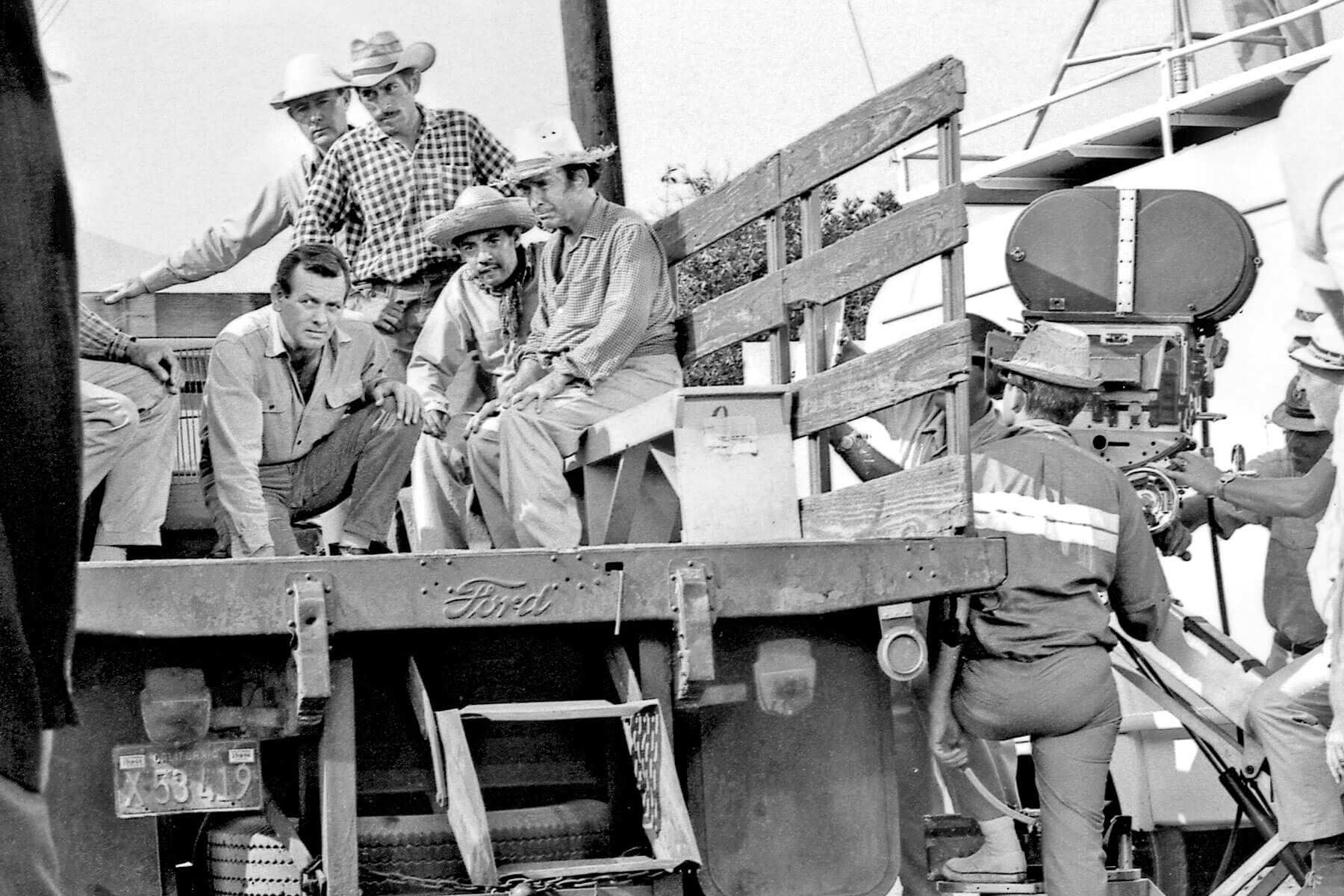
    Before it was a Harrison Ford movie, The Fugitive was a wildly popular TV series. It took all 120 episodes — 90 broadcast in black and white, 30 in color — to reveal what really happened to the wrongly accused Dr. Richard Kimble (portrayed by David Janssen), and America was more than ready by the end. The series finale, “The Judgment,” set a record when 78 million people watched it, but The Fugitive’s place atop the ratings mountain didn’t last long. When the series ended in 1967, the show that eventually dethroned it was just five years from making its own debut on the small screen.

    You may also like

    Why Is an Academy Award Called an “Oscar”?

    • Oscar statuettes
    Oscar statuettes
    Credit: DEAN TREML/ AFP via Getty Images
    Author Nicole Villeneuve

    February 27, 2024

    Love it?

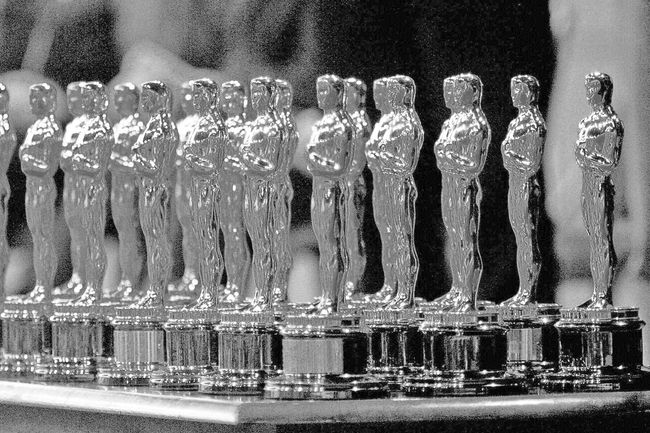
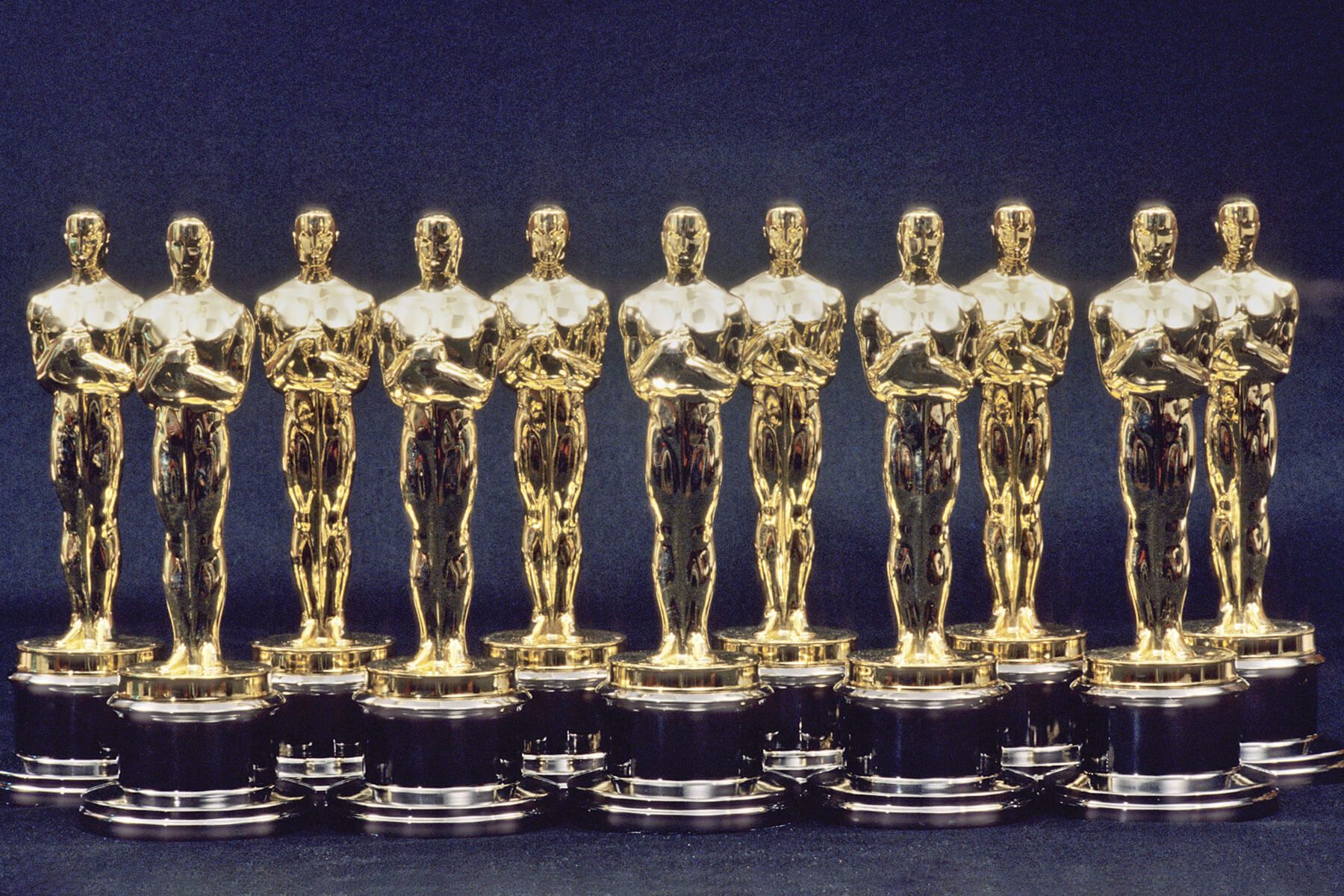
    One of Hollywood’s most famous figures stands at just 13.5 inches tall, weighs only 8.5 pounds, and goes by just one name: Oscar. The famous golden statuette is awarded annually by the Academy of Motion Picture Arts and Sciences and is one of the highest honors in the film industry. Like a lot of old Hollywood lore, there have been competing stories through the years about how the little gold statuette — officially named the Academy Award of Merit — got its human nickname. Here are some prevailing theories on how this prized statuette came to be known as “Oscar.”

    Credit: Santi Visalli/ Archive Photos via Getty Images

    The Birth of the Little Gold Man

    The first Academy Awards ceremony took place in May 1929 in the Blossom Room of the Hollywood Roosevelt Hotel, and introduced the gold-plated, solid-bronze statuette that has been an iconic Hollywood image ever since. Motion picture art director Cedric Gibbons designed it, and sculptor George Stanley brought to life the knight holding a crusader’s sword, standing on a reel of film. The film reel’s five spokes represent the original five branches of the Academy of Motion Picture Arts and Sciences: actors, directors, producers, technicians, and writers. 

    You may also like

    How the Brill Building Changed Pop Music

    • Brill Building at 1619 Broadway
    Brill Building at 1619 Broadway
    Credit: Graphic House/ Archive Photos via Getty Images
    Author Kerry Hinton

    February 22, 2024

    Love it?

    The Brill Building isn’t just an art deco structure in midtown Manhattan — it’s also the name of a musical genre. Throughout the early and mid-1960s, the “Brill Building sound” became synonymous with groundbreaking pop music. The heyday of the Brill Building era was short-lived, but in one six-year span, the songwriters, arrangers, musicians, and producers behind this sound contributed to hundreds of Billboard Hot 100 hits, including “Stand By Me” (Ben E. King, 1962), “One Fine Day” (the Chiffons, 1963), and “Be My Baby” (the Ronettes, 1963).

    Located at 1619 Broadway in New York City, the Brill Building was a hub of songwriters, record labels, and recording studios, all under one roof. It built on the tradition of the “Tin Pan Alley” district before it — a concentration of music publishers and studios in a strip of Manhattan that dominated the music industry in the big-band era. But while their downtown predecessors were mainly concerned with the profits produced by pumping out sheet music for radio hits, the writers and producers at the Brill Building were also on a mission of artistic idealism. Their compositions drew inspiration from classical music, Latin music, traditional Black gospel, and rhythm and blues to create songs that appealed to an audience already hungry for the new sound of rock ’n’ roll. The assembled talent was a once-in-a-generation roster of songwriters, including Burt Bacharach and Hal David, Gerry Goffin and Carole King, and Neil Diamond. Together, they produced sophisticated songs that were directly aimed at a new, youthful generation and a powerful rising subculture: teenagers.

    By the mid-’60s, an increasing number of artists — such as the Beatles and Bob Dylan — began composing and playing their own material, making the songwriter-for-hire less of a necessity. As Dylan wrote in 1985, “Tin Pan Alley is gone. I put an end to it. People can record their own songs now.” This may be true, but the creators behind the Brill Building sound helped make the ascent of these singer-songwriters possible. Here are five ways the Brill Building shaped popular music in the 20th century.

    Credit: Michael Ochs Archives via Getty Images

    It Pioneered “Assembly-Line Pop”

    The Brill Building employed a model of vertical integration that supervised every phase of a song’s life cycle, from production to distribution, all under one roof. The 11 floors of 1619 Broadway and a few surrounding buildings became a one-stop shop where a songwriter could pen a would-be hit, sell it to a publisher, find a band, and cut a demo. Songs could even be played for radio promoters in the building to garner airplay. This new type of streamlined hitmaking — often called “assembly line pop” — gave publishers and producers a huge pool of material to choose from and encouraged creative collaboration, merging art and commerce in a new way.

    You may also like