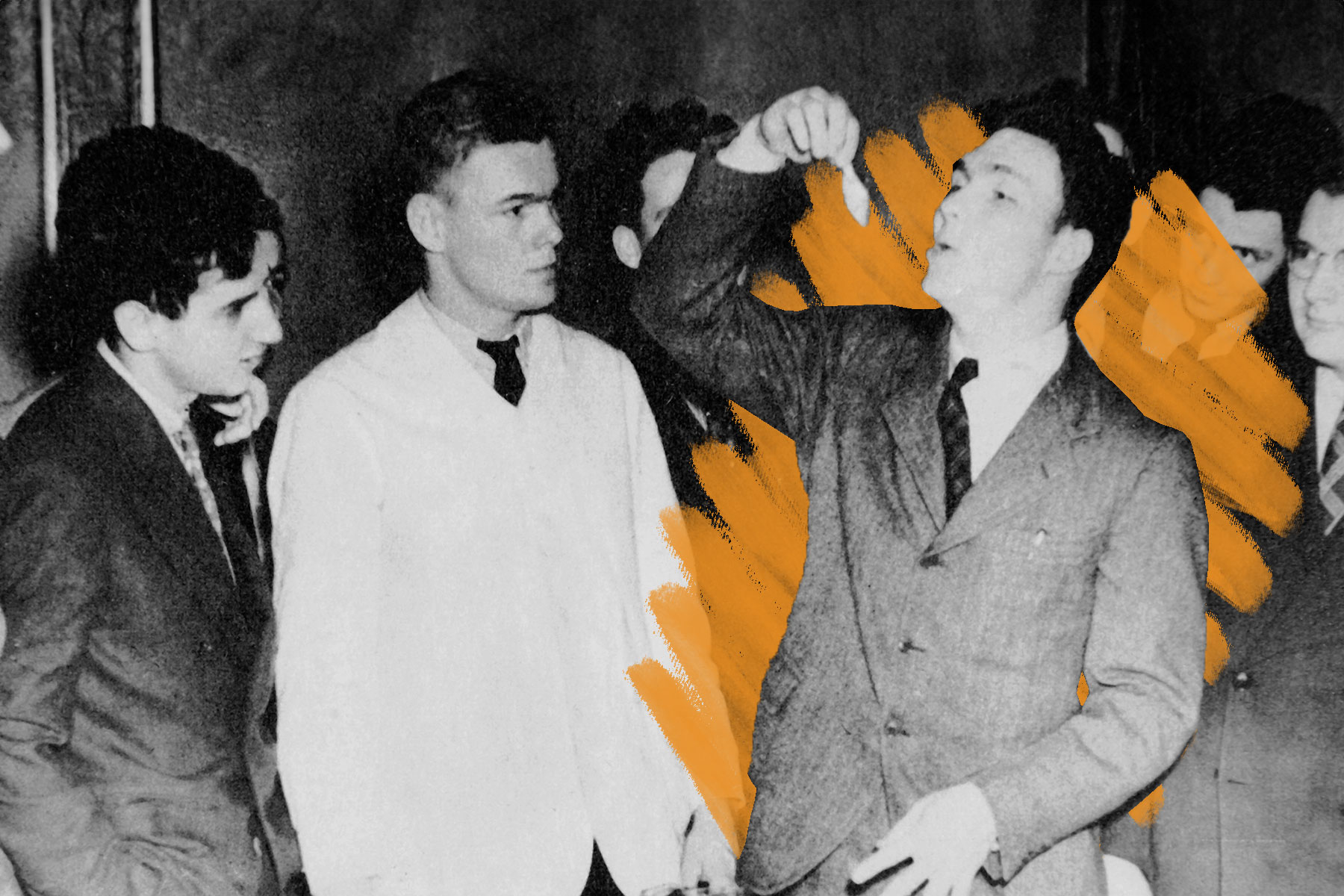


The phrase “raise a toast” refers to actual toasted bread.

  • Wassail Bowl, Middle Ages
Wassail Bowl, Middle Ages
Credit: Chronicle/ Alamy Stock Photo
Author Nicole Villeneuve

January 2, 2024

Love it?

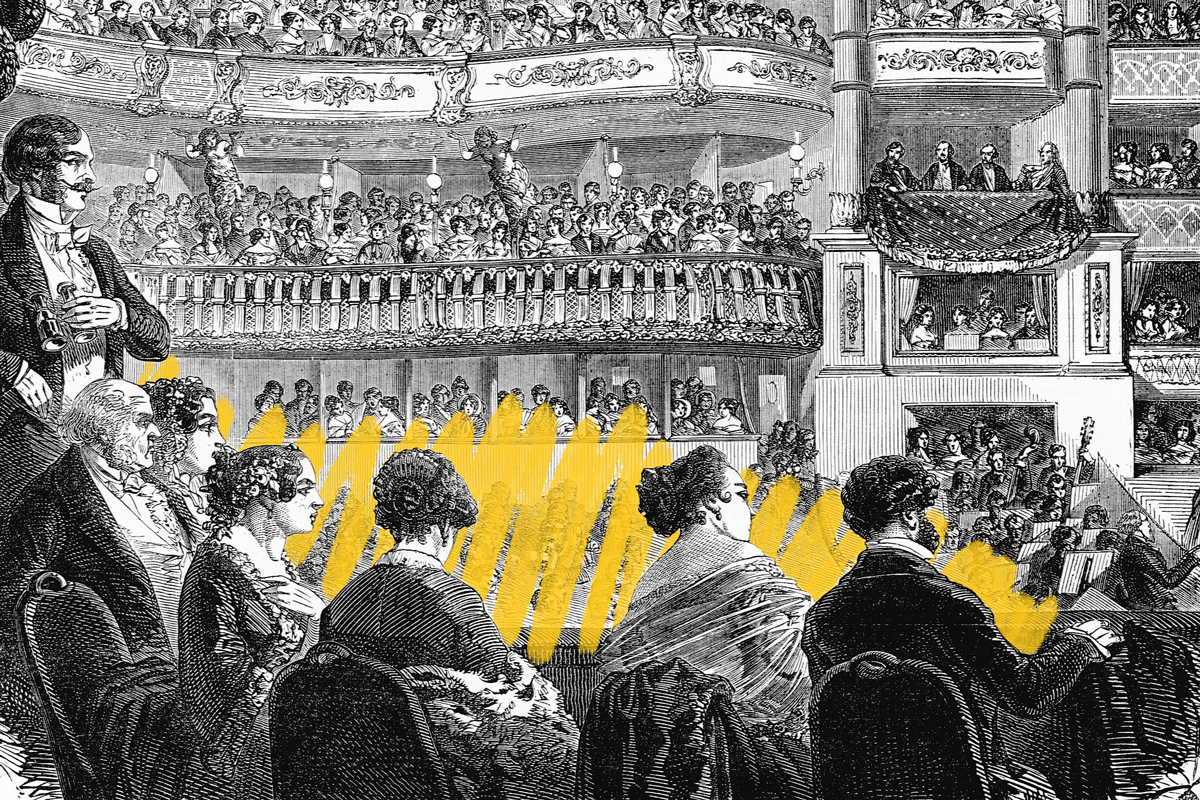
By the Middle Ages, the custom now known as a “toast” had evolved from its ancient Greek origins and was common in Europe, and the medieval era’s culinary habits contributed to its eventual name. Many meals at the time included a piece of soaked bread or toast (known as “sop”), and during the holiday season in England, communal bowls filled with a warm, spiced alcoholic drink such as mulled cider or ale were common. They were known as wassail bowls, a name derived from the Anglo-Saxon greeting of “waes hael,” meaning “be well” or “be in good health.” Wassail bowls were garnished with slices of toasted, spiced bread. 

Some theories suggest the toast was used to augment the drink’s flavor or to serve as an accompanying snack — not hard to believe given the prevalence of sops. But it possibly had another purpose: In some cider-producing regions, the wassail tradition also included a blessing for good crops from farmers’ apple trees, during which villagers hung pieces of wassail-soaked toast in the branches for the robins. Throughout the 17th century, the word “toast” became distanced from just the charred drink topper. By the 18th century, according to linguist Dan Jurafsky, English dinner parties often honored a guest as the “toast” of the night, a tradition that eventually evolved into the verb “to toast.”

People in the Victorian era frequently took photos of the dead.

  • Postmortem portrait, early 1900s
Postmortem portrait, early 1900s
Credit: AA Images/ Alamy Stock Photo
Author Bess Lovejoy

March 27, 2025

Love it?

Though it may seem shocking to us today, taking and displaying postmortem photographs was a popular practice in European and American life during the Victoria era. In a time before modern sanitation, vaccines, and antibiotics, death was commonplace, and making images of the dead was part of mourning rituals. Postmortem portraiture — in the form of drawings and paintings — had long been available to those who could afford it, but the invention of photography democratized the trend. 

While we tend to associate death with the morbid or grotesque today, many of these images were beautiful and emotional remembrances. The dead were often depicted in their beds or coffins accompanied by flowers (such as lilies and forget-me-nots) or keepsakes. If the deceased was a small child, they were held or propped up by family members. These photos were often displayed in parlors and family photo albums alongside pictures of the living, or they might be carried in lockets.

Postmortem photography reached its peak in the 1860s and 1870s, but began to fade away by the early 20th century, and had all but disappeared by the 1930s. By then, the cultural attitude toward death and mourning had changed. It was less likely that people would pass away at home and be taken care of by family members, and more likely that death was seen as a matter for hospitals and funeral homes. The mass casualties of World War I also encouraged a turn away from elaborate Victorian-era mourning customs. For one thing, families simply didn’t have time to mourn so many losses, and these wartime casualties often took place far from home. Yet today, postmortem photographs have become a treasured item for many collectors, who see great tenderness in these attempts at immortality. 

In the 1800s, some Americans lived inside massive tree stumps.

  • Cedar stump house, Edgecomb, Washington
Cedar stump house, Edgecomb, Washington
Credit: Historic Collection/ Alamy Stock Photo
Author Sarah Anne Lloyd

March 27, 2025

Love it?

Before the logging industry wiped out millions of wooded acres across the United States, the trees in old-growth forests were hundreds of feet tall, with gnarled bases and trunks that could measure more than 20 feet across. To fell the trees, loggers would build platforms 10 to 12 feet off the ground where the tree’s shape was smoother. So when settlers moved into the cleared forestland, they had a lot of giant stumps to contend with. Some stumps were removed, sometimes using perilous methods such as fire or dynamite. But others, particularly the larger ones, were repurposed.

The bases of these massive trees had soft wood interiors and sometimes even hollow areas, so it was relatively easy to carve out the center of a stump and turn it into a building, such as a barn, post office, or even the occasional home. The most famous of these stump houses was the Lennstrom Stump House in Edgecomb, Washington, crafted from a cedar stump 22 feet in diameter. Three adults and three children lived in the stump until they could build a larger house on their property. Unfortunately, the Lennstrom home was severely damaged in 1946. But in Arlington, Washington, just a few miles from Edgecomb, an extant 18-foot stump house is on display outside the Stillaguamish Valley Pioneer Museum.

Jimmy Carter was the first U.S. president born in a hospital.

  • Jimmy Carter in his study
Jimmy Carter in his study
ZUMA Press, Inc./ Alamy Stock Photo
Author Bennett Kleinman

November 15, 2023

Love it?

The majority of U.S. presidents were born in their parents’ homes, as it wasn’t until the early 20th century that hospital births became common throughout the United States. In fact, the first president born in a hospital was Jimmy Carter, on October 1, 1924. America’s 39th president (who served as commander in chief from 1977 to 1981) was born at the Wise Sanitarium in Plains, Georgia, where his mother, Lillian Carter, worked as a nurse at the time. (The institution was later renamed the Lillian G. Carter Nursing Center in her honor.) Jimmy Carter’s upbringing was far from modern, however; when he left the hospital as a baby, he went home to the family farm, which lacked plumbing and electricity.

Only five other U.S. presidents have been born in hospitals: Bill Clinton, George W. Bush, Barack Obama, Donald Trump, and Joe Biden. Carter’s successor, Ronald Reagan, was born in his parents’ apartment in Tampico, Illinois. George H.W. Bush, who succeeded Reagan, was born at the family home in Milton, Massachusetts, and remains the last U.S. president not born in a hospital.

Snake oil wasn’t always a scam.

  • Elixirs display
Elixirs display
Credit: Efrain Padro/ Alamy Stock Photo
Author Sarah Anne Lloyd

March 27, 2025

Love it?

In the popular lexicon, “snake oil” refers to a scam product or bogus claim, particularly related to health. That connotation originated with one of history’s most notorious American hucksters, Clark Stanley, who sold “snake oil” he claimed would cure pain and rheumatism in the late 19th century. 

Stanley would demonstrate to audiences how he would kill and boil a rattlesnake, letting its fat rise to the surface. But his Snake Oil Liniment was, to be clear, a scam. Not only were his claims about rattlesnake fat unverified, but the actual product he was selling didn’t even contain snake oil — it was a combination of capsaicin from chili peppers, mineral oil, turpentine, and tallow, probably from beef.

If Stanley’s supposed cure-all had contained a specific kind of snake oil, it might have been at least somewhat effective. Oil from Chinese water snakes has been used for centuries in traditional Chinese medicine to treat arthritis and other joint pain. Railroad laborers who immigrated to the U.S. from China shared it with other workers after long, painful days, which may have contributed to the popularity of generic snake oil as a treatment.

Modern research has shown this particular Chinese snake oil may indeed have health benefits. It’s packed with more omega-3 fatty acid than salmon, and may help with improving cognitive function, reducing blood pressure, and lessening inflammation. Genuine rattlesnake oil, on the other hand, is, well, snake oil — in every sense.

Stonehenge was designed to frame the sunset on the winter solstice.

  • Stonehenge at sunset
Stonehenge at sunset
inigofotografia/ iStock
Author Nicole Villeneuve

December 7, 2023

Love it?

Humans have long viewed the sun as a crucial part of life. Many early civilizations such as ancient Egypt and Rome, as well as the Japanese and the Maya, even deified the sun. It was so revered by the Neolithic people of modern-day England, in fact, that it’s believed they may have built Stonehenge to frame the rising sun on the summer solstice and the sunset on the winter solstice.

Starting about 5,000 years ago, the prehistoric monument was constructed in several stages on Salisbury Plain in Wiltshire, England. Without any written record, many theories about the origin and purpose of the mysterious monolith have emerged over the years. One of the most plausible is that Stonehenge was built as an astronomical observatory to help mark the seasons. On the winter solstice, the sun currently falls behind one of the site’s several trilithons — a structure consisting of two vertical stones with a horizontal one across the top — creating a picture-perfect framing. Although some of the rocks have fallen over the years, affecting the current view, laser surveys have all but confirmed that Stonehenge was designed in relation to the path of the sun on the solstice. On the winter solstice, the sun also sets perfectly in line with an individual stone known as the Heel Stone, about 100 feet away from the main site. On the summer solstice, the sun rises over the Heel Stone.

LBJ would prank guests at his ranch by driving his car into the lake.

  • Lyndon B. Johnson in his Amphicarx
Lyndon B. Johnson in his Amphicarx
Credit: Everett Collection Inc/ Alamy Stock Photo
Author Michael Nordine

March 27, 2025

Love it?

Not many people were lucky enough to own an Amphicar, the only mass-produced civilian amphibious vehicle, but at least one of them put theirs to good use. Lyndon B. Johnson, the 36th president of the United States, used his Lagoon Blue model to prank unsuspecting guests at his ranch in Stonewall, Texas, by driving it into the lake without warning. On land, the Amphicar looked like any other car; once in the water, propellers turned it into a boat.

One victim of the prank, Joseph A. Califano Jr., served as LBJ’s special assistant for domestic affairs at the time. As the car began rolling down an incline at the lake’s edge with Califano in it, he recalled the president shouting, “The brakes don’t work! The brakes won’t hold! We’re going in! We’re going under!” It took him a few moments to realize he was safe, but LBJ teased him for his reaction later: “Did you see what Joe did? He didn’t give a damn about his president. He just wanted to save his own skin and get out of the car.” Good thing Califano wasn’t in the Secret Service.

The ancient Egyptians were the first to divide the day into 24 parts.

  • Hipparchus
Hipparchus
Chronicle/ Alamy Stock Photo
Author Mark Dolan

December 20, 2023

Love it?

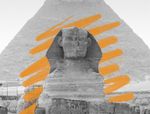
Ever wondered why there are 24 hours in a day? We have the ancient Egyptians to thank, at least in part. The basis for our modern calendar dates back to the New Kingdom period of ancient Egypt, around 1550 BCE to 1069 BCE. During this era — about a thousand years after the construction of the Great Pyramids of Giza — the Egyptians became the first civilization to divide the day into 24 smaller parts — though with a couple of key differences to how we do it today. 

For starters, the ancient timekeeping system tracked daytime and nighttime separately, with each divided into 12 parts. Also, these parts — which were measured in various ways, including sundials and water clocks — were not hours as we think of them today. Known as temporal hours or daylight hours, their length changed with the total amount of daylight at different times of year: For instance, the daytime hours would be longer in the summer than in the winter. So why 12? There are a couple of theories. Ancient astronomical tables suggest that nighttime was divided into 12 hours based on how the stars moved across the sky over time, as well as the cycles of the moon. It’s also possible these Egyptian timekeepers were following the duodecimal system, which is based on the easily divisible number 12, and was used in many ancient cultures. 

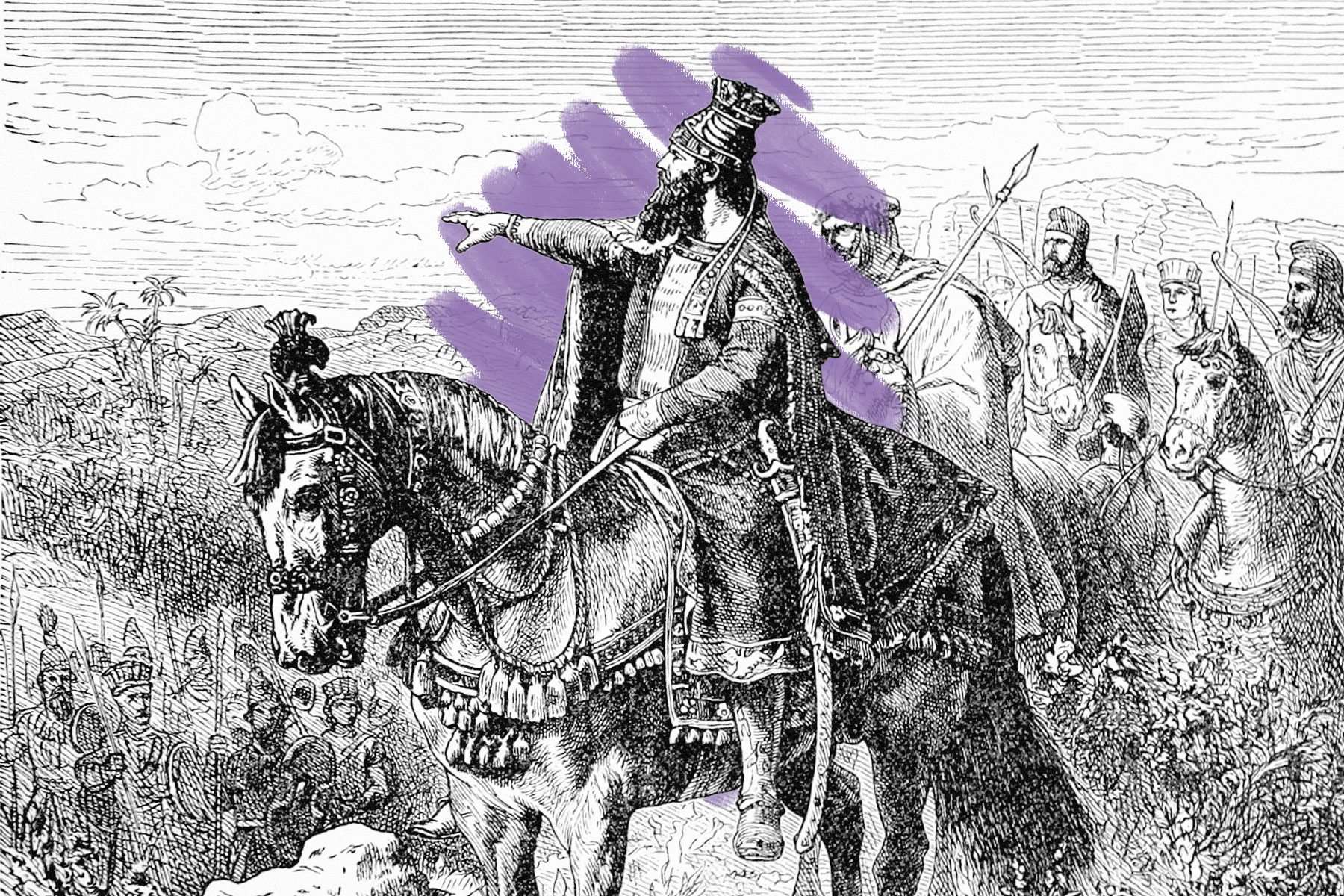
It wasn’t until the second century BCE that the idea emerged to break the day into 24 parts of equal length, a concept first introduced by the ancient Greek astronomer Hipparchus. The 24-hour day became the standard for tracking time throughout Europe in the Middle Ages, and remains so to this day.

There was a “hole race” alongside the space race.

  • Project Mohole drilling operation, 1961
Project Mohole drilling operation, 1961
Credit: John Malmin/ Los Angeles Times via Getty Images
Author Sarah Anne Lloyd

March 20, 2025

Love it?

As the United States and the Soviet Union started competing for space supremacy in the mid-20th century, they were also racing in the opposite direction. Both countries wanted to dig the deepest hole, with the goal of reaching the Earth’s mantle in order to better understand the planet’s interior and also demonstrate technical prowess. A group of American scientists took a first stab at the deep hole in 1961 by drilling into a deep sea bed, where the Earth’s crust is thinner. The Soviet Union, after years of planning, started drilling a hole on the Kola Peninsula in the Arctic Circle in 1970. Eventually, the Germans launched their own effort in Bavaria in 1990.

Ultimately, nobody reached the Earth’s mantle. The Soviet Union still finished on top: Around 1989, after drilling the Kola Superdeep Borehole for about 20 years, the Soviets reached a depth of about 7.5 miles. The hole is only about 9 inches across, too small for a human being to fall in, but it was sealed up with a metal cap in 2008 anyway. It’s still the deepest human-made hole on Earth.

The United States made it 601 feet deep under 11,700 feet of water before funding was pulled in 1967, although the project helped launch a new era of ocean exploration and brought up some valuable geological samples. Germany drilled more than 5.5 miles, but the drill got too hot to continue — a lower temperature is one advantage the Soviet Union had in the Arctic Circle. All of these efforts helped pave the way for future scientific drilling projects, ushering in technology that is still used by the oil and gas industry.

France and Mexico fought a war over pastries. 

  • San Juan de Ulua, Mexico
San Juan de Ulua, Mexico
Credit: Chronicle/ Alamy Stock Photo
Author Sarah Anne Lloyd

December 19, 2023

Love it?

After Mexico won its independence from Spain in 1821, its political environment was unstable, and its relationship with France — another European colonial power — was tense. These tensions came to a head in 1832, when a group of Mexican army officers went into a pastry shop outside Mexico City. The shop was owned by one Monsieur Remontel, a French national. The officers helped themselves to every pastry in his shop — after confining the owner to a room, according to some sources — and then left without paying. Afterward, Remontel demanded an enormous sum of 60,000 pesos as compensation from the Mexican government — about 60 times the total value of his shop.

Remontel wasn’t the only Frenchman to lodge such a complaint. Foreign nationals living in Mexico at the time, including a large population of French residents, started to complain about property damage sustained during civil disturbances, and sought redress from the Mexican government, with no success. Remontel became a kind of poster child for the growing demands, and in 1837, the French government got involved. France drew a hard line, demanding that Mexico pay a total of 600,000 pesos or prepare for war. The Mexican government couldn’t pay, so the French navy instituted a blockade at Veracruz, the main Mexican port along the Gulf of Mexico. After seven months, French soldiers escalated by firing on the fortress of San Juan de Ulúa and occupying the city. France eventually withdrew after being guaranteed payment through Great Britain.

Officially, the conflict was called the first Franco-Mexican War, but it became known derisively as the Pastry War in Mexico. Though the conflict may sound petty, it had a major influence on Mexican history. During the war, troops were led by Antonio López de Santa Anna, the former president of Mexico who was disgraced after losing Texas to the United States. Santa Anna lost a leg fighting the French (it was amputated after being injured by cannon fire), and the incident restored his public reputation. He went on to become president of Mexico seven more times.