
What WWII Soldiers Carried in Their Pockets

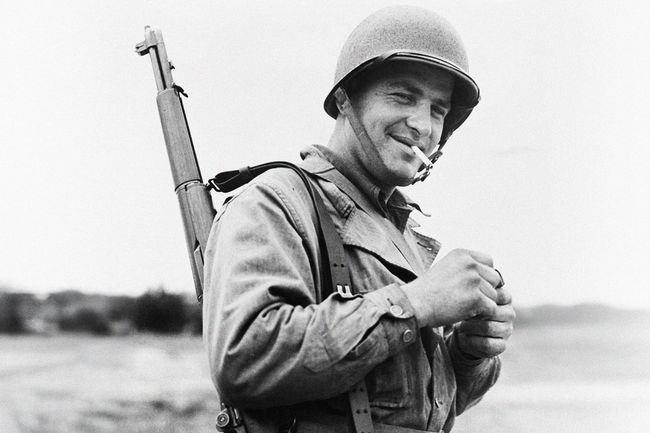
  • WWII U.S. soldier in uniform
WWII U.S. soldier in uniform
Credit: Bettmann via Getty Images
Author Tony Dunnell

April 2, 2026

Love it?

World War II was one of history’s largest conflicts, spanning continents and engulfing nations from 1939 to 1945. In total, 127.2 million personnel were mobilized for war on all sides, with 70 million of those people fighting in the armed forces of the Allied or Axis nations. 

These numbers give us an idea of the vast scale of the war, but they don’t tell us anything about the soldiers themselves. If we zoom in to ground level and look at the daily lives of these individuals, we get a far more intimate picture of the war and those who fought it. Here, we move in even closer, to examine what the average enlisted U.S. soldier carried in the pockets of their service uniform. 

Some of these items were practical necessities, while others were highly personal. Whether they were reminders of home or just small comforts amid the chaos, these objects reveal much about the daily lives of World War II soldiers and the human experience of war. 

Credit: REVdoc/ Alamy Stock Photo

Photos of Home

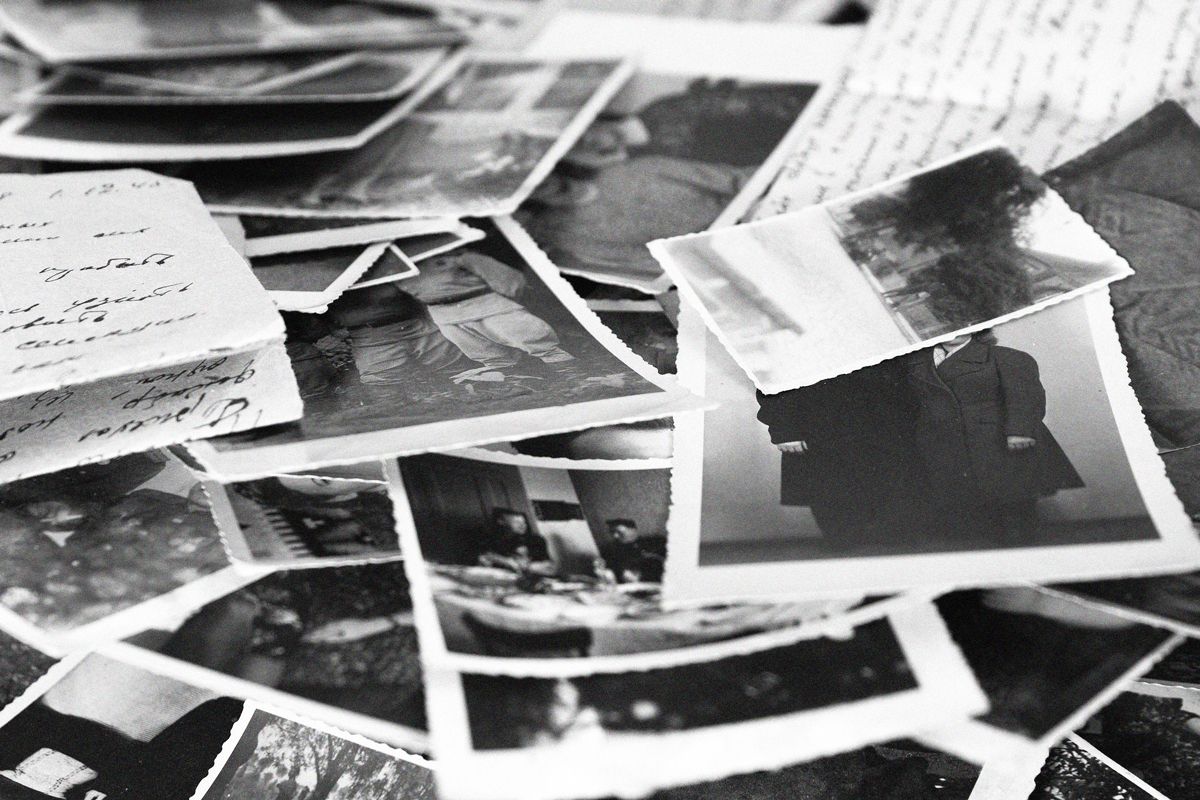
Few pocket items held more emotional significance than photographs from home. These were often small, wallet-sized photos of spouses, significant others, children, or parents. The photos would be tucked into a pocket and carried into the field, providing crucial psychological support during the most difficult moments of the war. Having such a personal item helped a soldier to maintain their sense of individuality in the otherwise homogenizing environment of military life, in which group identification was strongly promoted. Remembering home by looking at a photo was also a reminder of what a soldier was fighting for. 

One other fascinating way that soldiers carried their photos was underneath a clear plexiglass strip they attached to the grips of their pistols — a form of weapon customization known as a sweetheart grip

You may also like

What Was ‘Torpedo Juice’ in World War II?

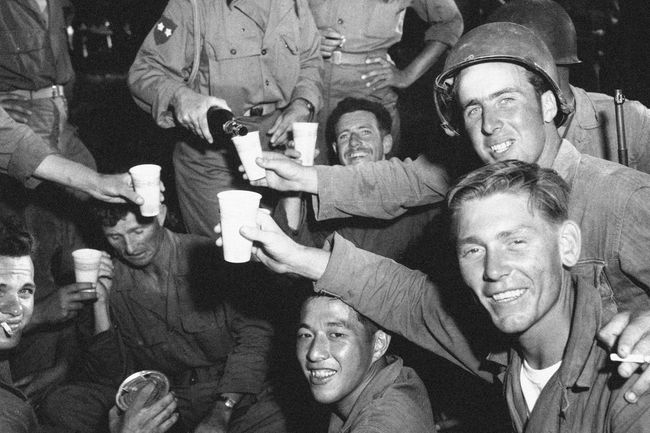
  • Soldiers sharing a drink
Soldiers sharing a drink
Credit: Bettmann via Getty Images
Author Mark DeJoy

March 13, 2025

Love it?

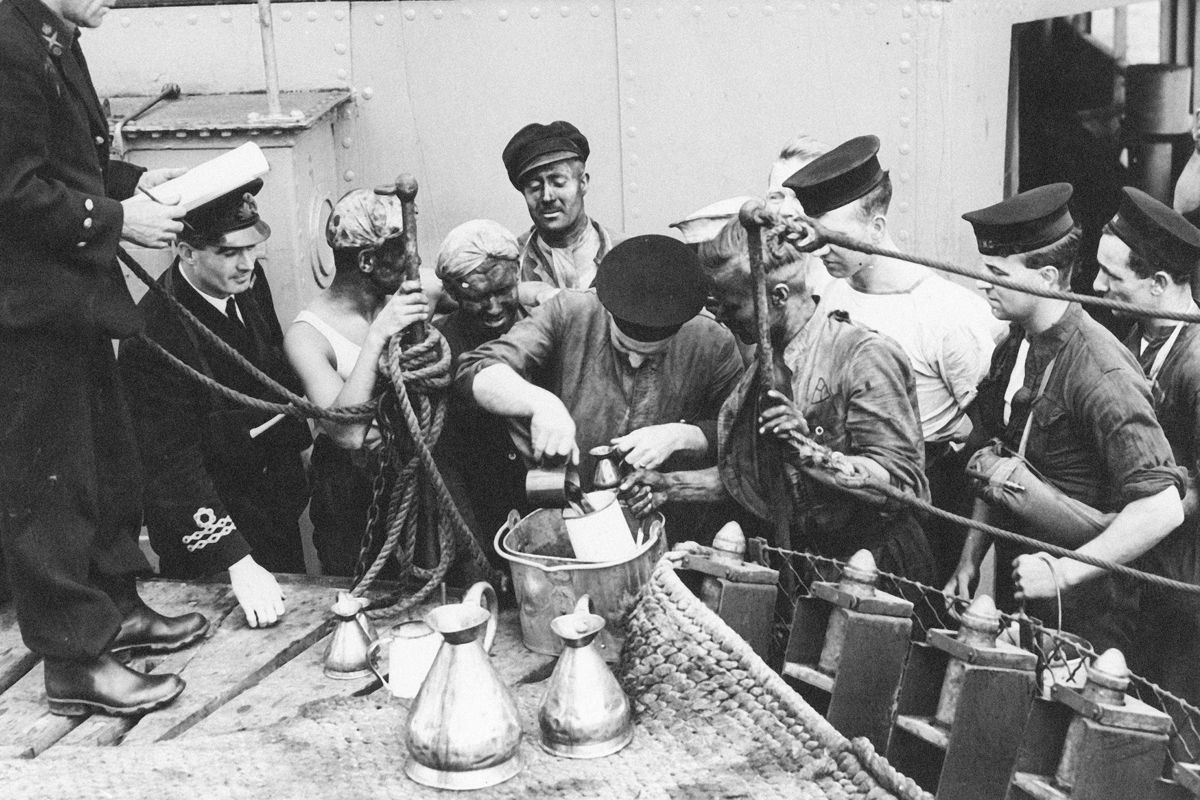
World War II-era military speak was full of colorful slang terms. For instance, a can of milk was known as an “armored cow.” Prunes, often sent to prisoners as part of Red Cross parcels, were called “Army strawberries.” A cup of coffee? That was “battery acid.” And then there was “torpedo juice,” a term that might seem like slang, but was the actual name of a drink consumed by soldiers. 

Torpedo juice, sometimes referred to by the lesser-known moniker Torpedo Tessie, was a highly alcoholic cocktail with a surprisingly literal name. Torpedoes of the era were fueled by 180-proof ethanol, a very potent variant of essentially the same neutral grain alcohol found in beer, wine, and spirits. Because liquor wasn’t otherwise accessible, soldiers would drain a bit of the fuel from a torpedo and mix it with fruit juice. As World War II veteran and former torpedo operator Jim Nerison told the Anchorage Daily News, “The torpedo wasn’t going to use it all anyway, so we kind of tapped off a little bit of it.” 

Credit: Fox Photos/ Hulton Archive via Getty Images 

The resulting drink could be a dangerously strong highball. After all, 180-proof equates to 90% alcohol by volume. Most base spirits (that is, the liquors that cocktails are commonly made from, such as vodka, whiskey, and so on) average between 40% and 45% alcohol by volume, so using the same amount of torpedo fuel would result in a drink that was at least twice as potent as one made with a conventional liquor. The most popular fruit juice for mixing the drink was pineapple juice, though citrus juices (mainly orange, lemon, or grapefruit) were sometimes substituted. There wasn’t an exact recipe, but the mix ratio has been reported as somewhere between 1 part torpedo fuel to 3 parts fruit juice, and 2 parts torpedo fuel to 3 parts fruit juice — not very much dilution!

Eventually, the U.S. Navy caught on to the practice and sought to prevent its rank and file from drinking weapons fuel. Torpedo fuel began to be formulated with an additive called Pink Lady, a blend of toxic methanol along with red dye to provide a visual warning. Later, the fuel was formulated with less harmful but still unpleasant Croton oil. Neither of these poisonous formulas did much to curtail the making of torpedo juice, as soldiers found ways to distill the fuel and remove the toxins. During a 1964 Pearl Harbor reunion, a veteran (who wished to remain anonymous) described his process to the Omaha World-Tribune: “I had an in with the bake shop. We’d strain the juice from the torpedo through at least six loaves of bread to take out the oil and other impurities. Then I’d boil it and distill it through some copper tubing… We’d get a half cup… to a gallon of juice that way.”

You may also like

5 Essential World War II Novels

  • “The Naked and the Dead” book
"The Naked and the Dead" book
Credit: booksR/ Alamy Stock Photo
Author Kristina Wright

December 18, 2024

Love it?

World War II remains one of the most significant and devastating events in human history; it’s the source of countless stories of heroism, tragedy, and resilience. Historical fiction set during this time captures the war’s profound impact, shedding light on both well-known and lesser-known perspectives. These stories are often rooted in personal experiences and not only provide insight into the horrors of warfare, but also serve as a way to process and reflect on the complexities of conflict, the instinct for survival, and the morality of war.

Early works by authors who lived through this turbulent era helped define modern historical fiction, combining intensely personal narratives with philosophical explorations of the human condition. Many of the works on this list have become essential reading in the historical fiction genre and have influenced generations of both readers and writers. Whether you’re drawn to tales of resistance, survival, or love amid chaos, these five historical fiction books about World War II offer powerful narratives that will transport you back to the 1940s.

Credit: CBW/ Alamy Stock Photo

The Naked and the Dead by Norman Mailer (1948)

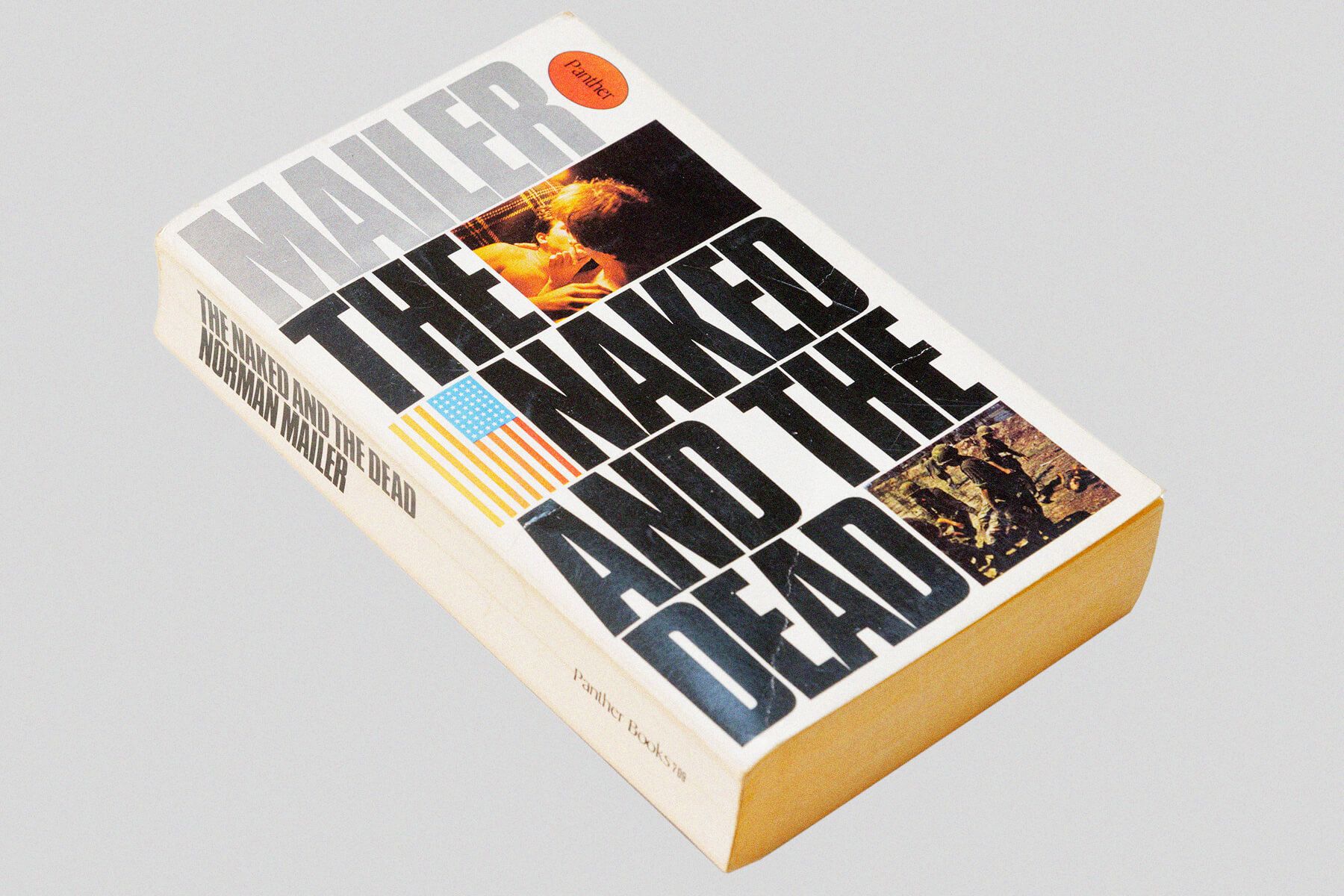
Norman Mailer’s debut novel, The Naked and the Dead, is considered one of the greatest American war novels ever written. Published in 1948 when Mailer was just 25 years old, the book offers an unflinchingly realistic portrayal of a U.S. Army platoon during the campaign to retake the fictional Pacific island of Anopopei during World War II. The story follows an ensemble cast of soldiers led by Lieutenant Hearn, who questions the hierarchy of military life, and General Cummings, a ruthless commander who embodies the authoritarian power structure.

Mailer, an Army veteran who served in the Pacific theater of World War II, depicts the psychological and physical toll of warfare, as well as the complex dynamics between soldiers and their commanding officers. The novel’s gritty realism and exploration of power, fear, and survival have established it as a classic in the genre of war fiction. It was a finalist for the Pulitzer Prize for fiction in 1949, and a film adaptation was released in 1958.

You may also like

5 WWII Fighter Planes You Should Know

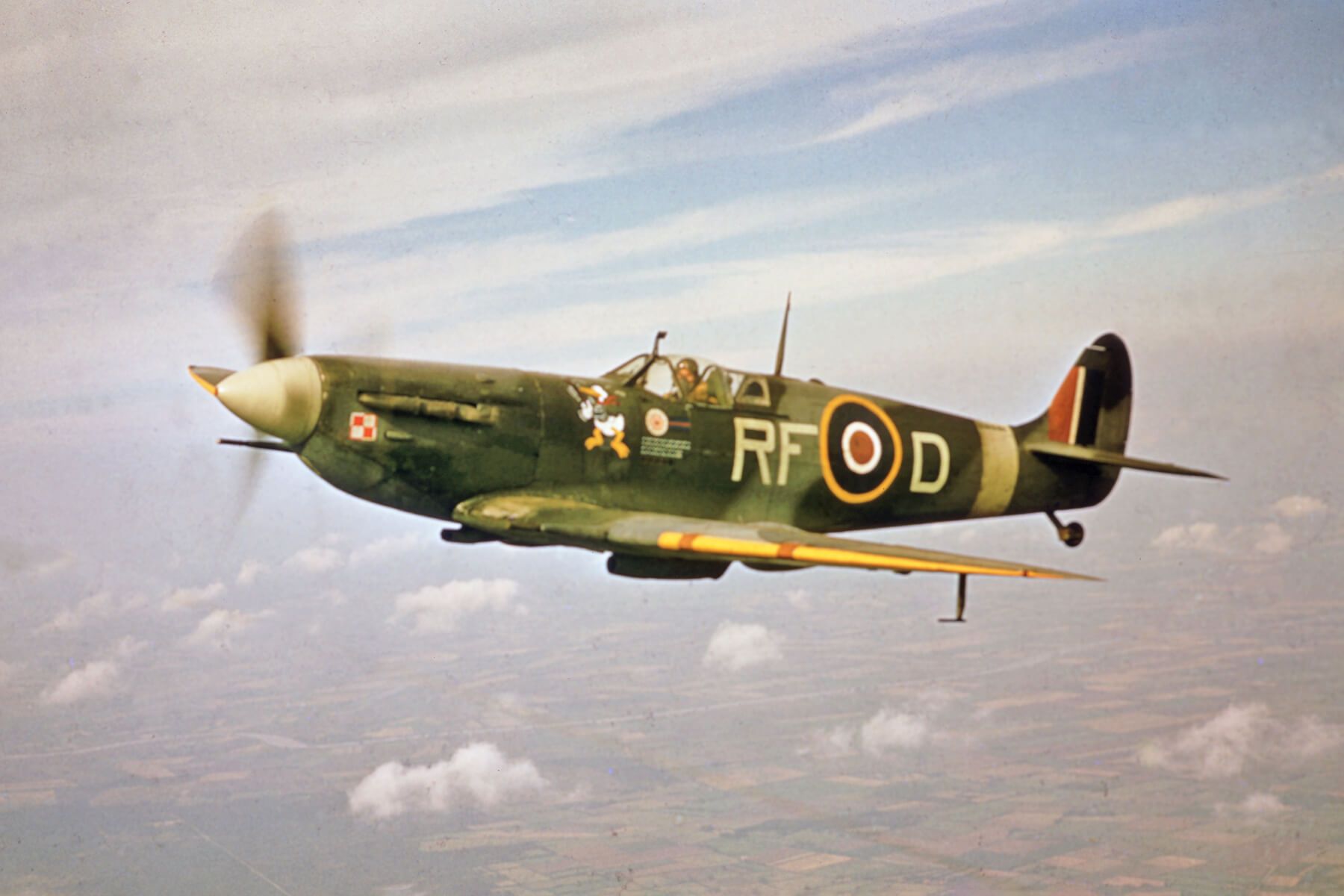
  • Supermarine Spitfires, 1943
Supermarine Spitfires, 1943
Credit: Keystone/ Hulton Archive via Getty Images
Author Tony Dunnell

October 15, 2024

Love it?

World War II was an unprecedented time for advancements in aviation technology, and fighter aircraft played a crucial role in the conflict’s outcome. Fighter planes — the so-called “knights of the sky”— were agile, powerful aircraft designed primarily for air-to-air combat, whether in dramatic dogfights against enemy fighters or while intercepting enemy bombers. 

The demands of the war pushed fighter designs to new heights, resulting in planes that were faster, more maneuverable, and more lethal than ever before. And with air superiority often proving pivotal on any given front, from the Battle of Britain to the Battle of Kursk, these machines and their brave pilots helped shape the course of history. 

Here we look at five World War II fighter planes — from Britain, the U.S., Germany, Japan, and Russia — that left an indelible mark on aviation history. 

Credit: Fox Photos/ Hulton Archive via Getty Images

Supermarine Spitfire

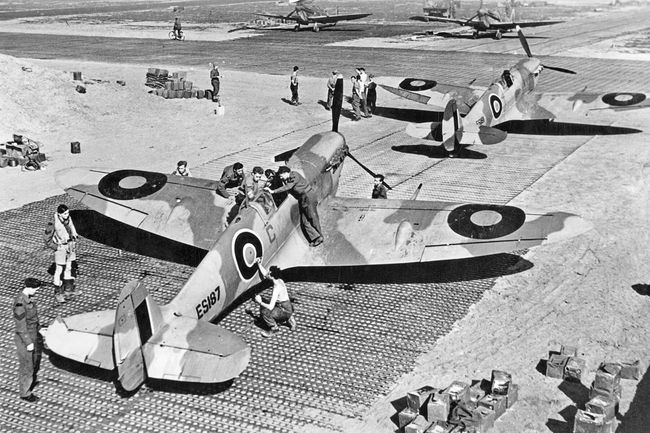
Both the Supermarine Spitfire and the Hawker Hurricane played crucial roles during the Battle of Britain, defending British airspace against wave after wave of German bombers and fighters. The sturdier Hurricane was often tasked with intercepting enemy bombers and engaging in ground attack missions, while the Spitfire, with its superior speed and agility, had the edge when engaging enemy fighters. 

Both planes were vital, but the elegant Spitfire is regarded by many as the most iconic fighter aircraft of all time. The Spitfire evolved as the war progressed, from the early Mk I to, finally, the Mk 24. More powerful engines, improved armaments, and enhanced aerodynamics allowed the plane to remain competitive against newer Axis designs. Not only was it an engineering marvel, but the Spitfire also became an enduring symbol of British resistance and ingenuity. 

You may also like

Everyday Etiquette That Came Out of World War II

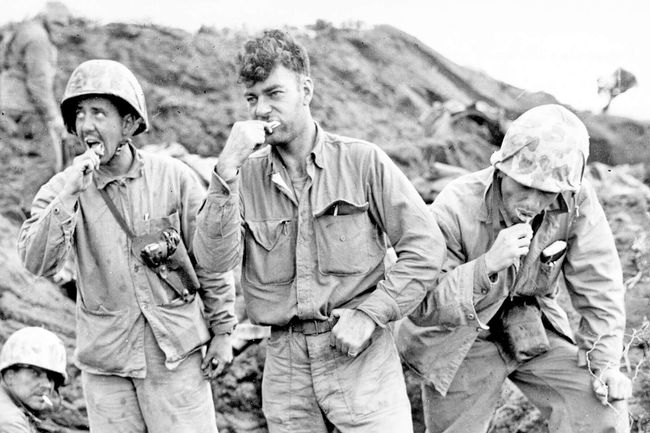
  • WWII Marines brushing teeth
WWII Marines brushing teeth
Credit: HUM Images/ Universal Images Group via Getty Images
Author Nicole Villeneuve

October 3, 2024

Love it?

World War II didn’t just reshape global politics and drive social change; it also left a lasting imprint on the everyday habits we now take for granted. As the war effort led to new challenges in the U.S., such as resource scarcity and shifting societal rules, the need for innovation and efficiency ushered in not only new military strategies, but new ways of life on the home front. These small but significant changes may have been born out of necessity, but they shaped American etiquette and culture permanently. From grooming to fashion to nutrition, here are some now-common habits that came out of World War II.

Credit: Michael Ochs Archives via Getty Images

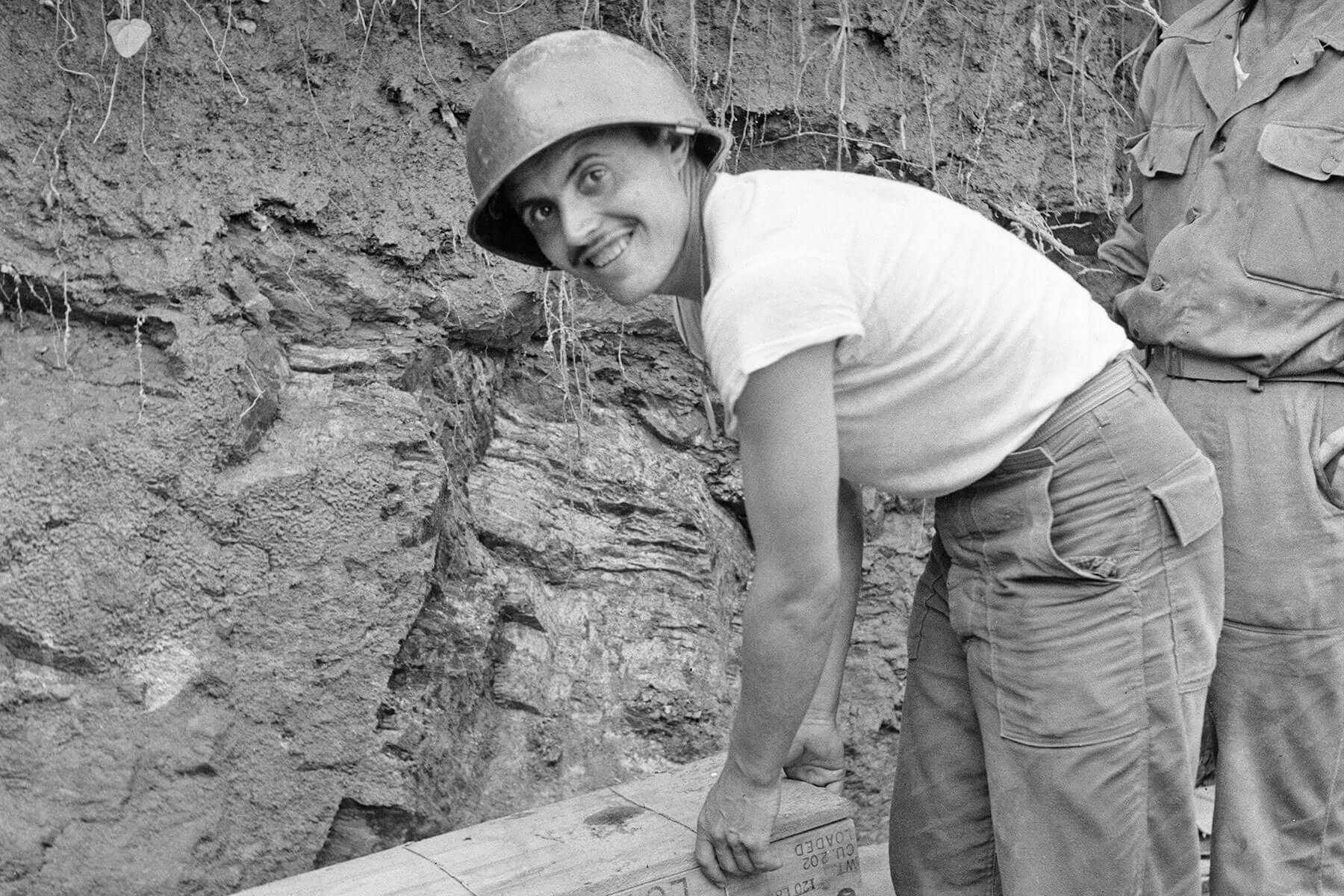
Wearing T-Shirts 

T-shirts are among the indispensable components of modern style, but they were once considered mere undergarments. The classic white garment first became a standard part of the U.S. Army’s uniform during World War I. The undershirt was given a new name — the T-shirt — in the 1920s thanks to writer F. Scott Fitzgerald, and in World War II, it was once again made part of the standard-issue military uniform. By that time, T-shirts were already becoming more than just underwear; they were marketed to civilians and worn by younger crowds in high schools and universities. But it wasn’t until after the war ended that they became ubiquitous. Soldiers returning home from combat had grown accustomed to the T-shirt’s comfort and began incorporating the item into their everyday wear. Images of soldiers wearing T-shirts while serving their country also boosted the garment’s popularity, and in the 1950s, movie stars such as Marlon Brando and James Dean made the T-shirt an undeniable staple of casual fashion.

You may also like

7 Things You Forgot Happened During World War II

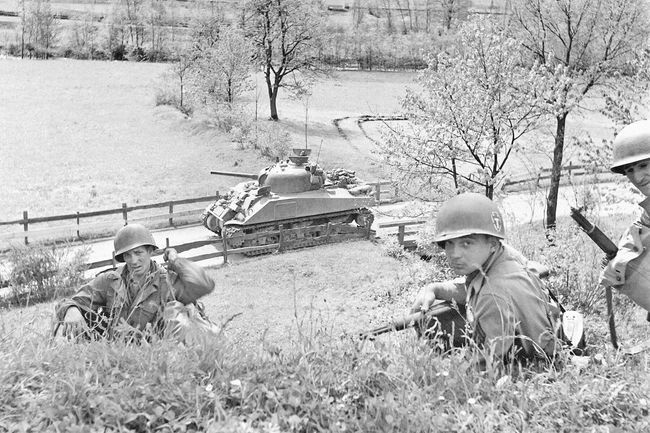
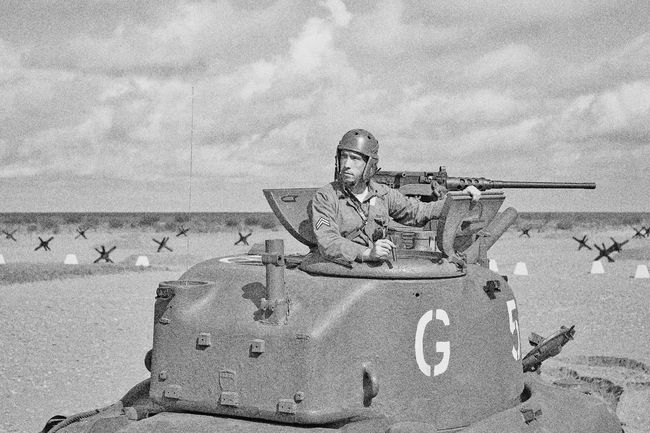
  • Army tank at Castle Itter
Army tank at Castle Itter
Credit: ERIC SCHWAB/ AFP via Getty Images
Author Nicole Villeneuve

August 15, 2024

Love it?

The biggest, most pivotal events of World War II are cemented in the collective memory  — the D-Day invasion of Normandy, the Battle of Stalingrad, the devastating deployment of atomic bombs. But beyond these headline-grabbers, there are many forgotten or overlooked events that shaped the course of the war, from a quirky yet panic-inducing mishap to a near-disaster that was narrowly avoided. Here are seven lesser-known moments from the Second World War. 

Credit: Nikolai Ignatiev/ Alamy Stock Photo

Germany Was Ambushed by “Night Witches”

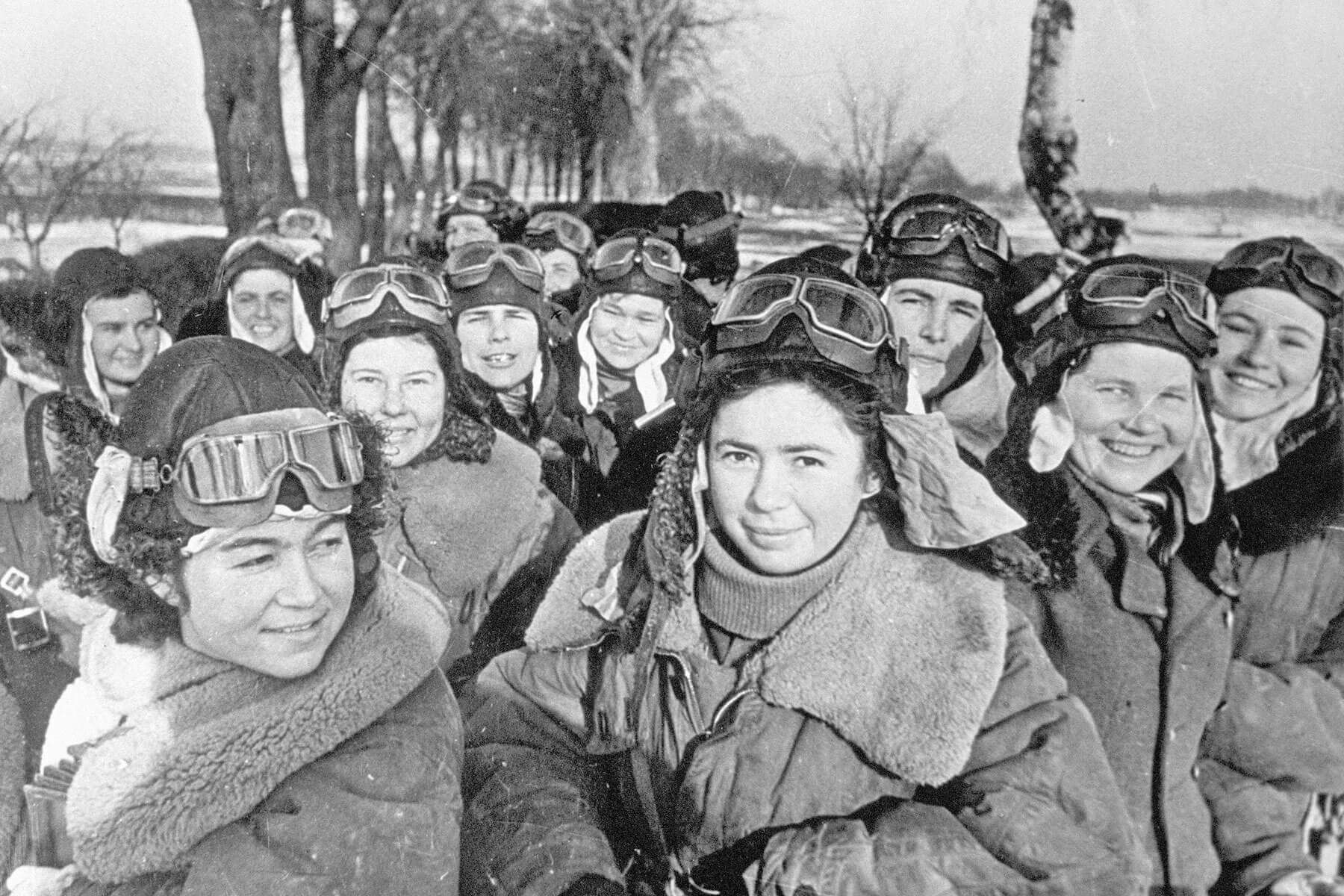
Under the cover of night and in airplanes made of plywood and canvas, an all-female Soviet bomber regiment known as the “Night Witches” became an instrumental part of the European theater of World War II. The group, officially named the 588th Night Bomber Regiment, was the brainchild of esteemed Soviet aviator Marina Raskova, sometimes called the “Soviet Amelia Earhart.” Raskova convinced Soviet leaders to allow women in combat roles as the Red Army struggled against the German invasion, and between 1942 and the end of the war in 1945, the Night Witches flew more than 30,000 bombing missions against German forces. 

The planes, each crewed by a pilot and a navigator, flew in groups. The leading aircraft acted as decoys, while the last plane would cut its engine and glide in quiet darkness to the target area before firing. This move gave the group its nickname, the “Nachthexen” — German for “Night Witches” — since the approaching planes sounded like whooshing brooms. Their courageous operations and precise skills earned many of the aviators the title Hero of the Soviet Union, the nation’s highest distinction.

You may also like

5 Fascinating Details That “Oppenheimer” Left Out

  • Cillian Murphy in “Oppenheimer”
Cillian Murphy in “Oppenheimer”
FlixPix/ Alamy Stock Photo
Author Michael Nordine

March 7, 2024

Love it?

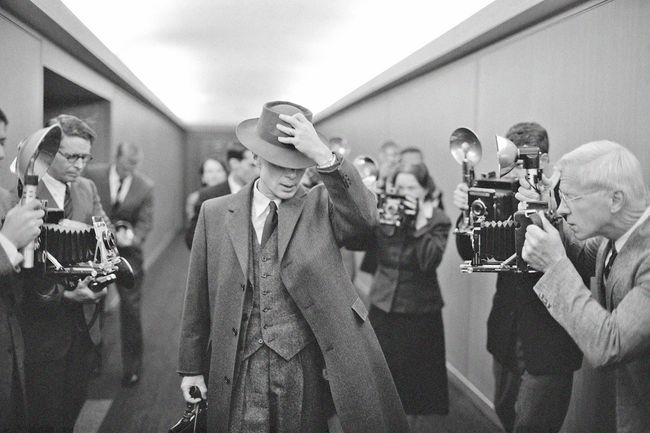
Oppenheimer was one of the most successful films of 2023, and with good reason. Christopher Nolan’s account of the “father of the atomic bomb” is a meticulous biopic and gripping thriller all at once, with its depiction of the Trinity nuclear test ranking among the most awe-inspiring visual spectacles in cinema history. After grossing an eye-popping $960 million at the box office as part of the “Barbenheimer” phenomenon, the movie dominated the 2024 Oscars, winning seven awards including for Best Picture, Best Director (Christopher Nolan), Best Actor (Cillian Murphy), and Best Supporting Actor (Robert Downey Jr.).

The film didn’t tell the whole historical story, however — no single movie could — and some of the details that were omitted are as compelling as the ones that made it into the final cut. Here are five of them.

Credit: Bettmann via Getty Images

The Nuclear Fallout From Los Alamos

Developing and testing nuclear weapons is a dangerous affair, especially for the people living downwind of the Los Alamos Laboratory in New Mexico, where J. Robert Oppenheimer and his team conducted their top-secret research. “Some people thought it was the end of the world,” said Paul Pino of Carrizozo, New Mexico, located some 40 miles south of Los Alamos, in an interview with NPR after the film’s release. “They thought, the sun’s coming up on the wrong side of the world.” Oppenheimer portrays the testing site as essentially barren and desolate, which isn’t exactly accurate.

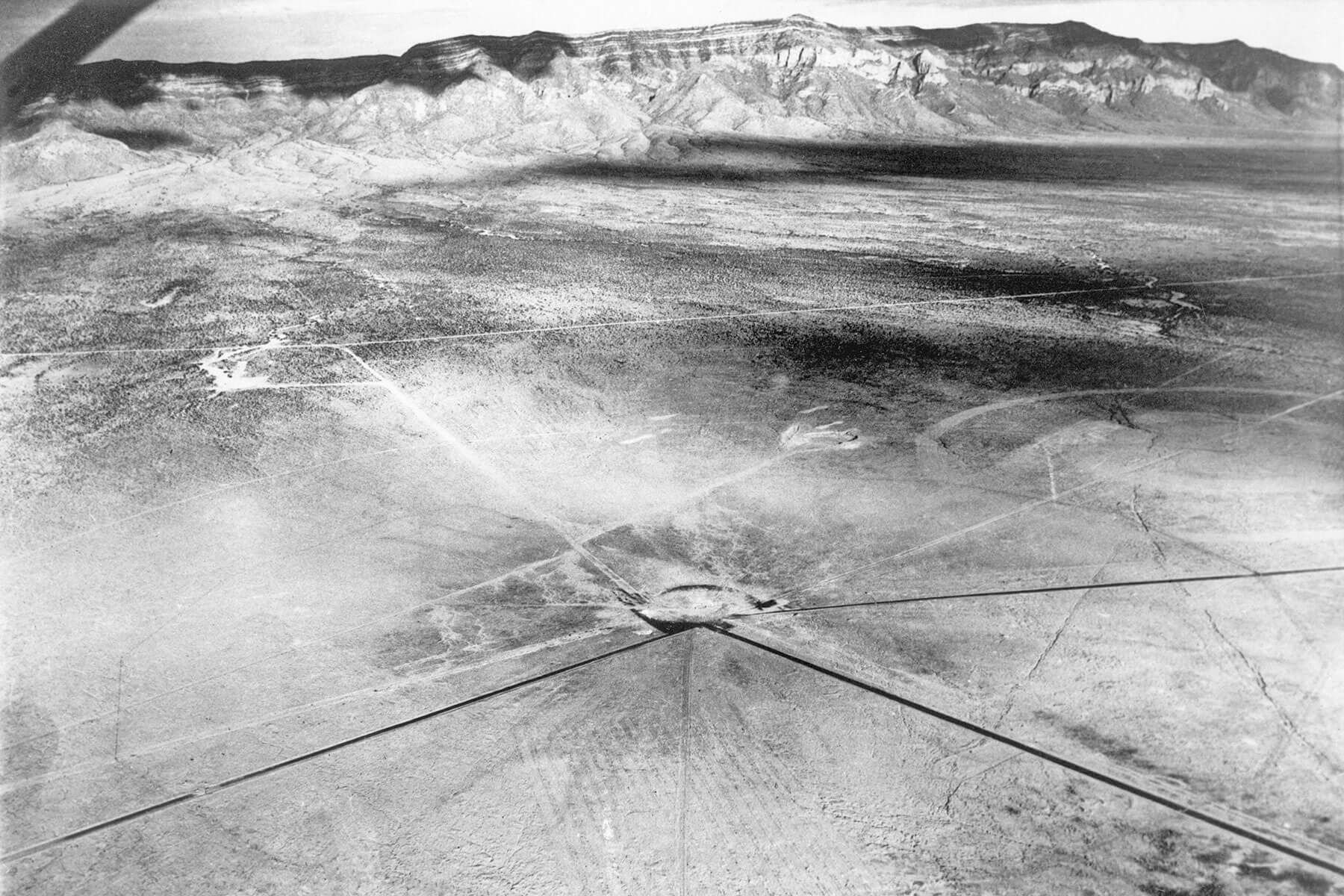
The Trinity test itself was conducted 200 miles from Los Alamos in the more remote Tularosa Basin, but even that region was hardly unpopulated: Half a million people lived within 150 miles of the explosion, many of them Indigenous and Hispanic peoples, and these “downwinders” have been called the world’s first victims of nuclear fallout. These groups have reported high rates of heart disease and cancer, not to mention their cattle’s hair getting burned off and their land being covered in white dust in the wake of the actual explosion. The Radiation Exposure Compensation Act was passed in 1990 to address some of these concerns, but many of those affected say its parameters are too narrow and they’ve been left in the cold.

You may also like

5 Essential Films About World War II

  • “The Best Years of Our Lives”
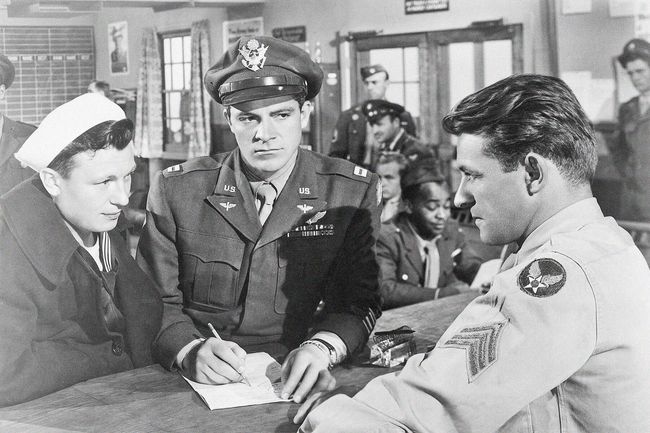
“The Best Years of Our Lives”
Bettmann via Getty Images
Author Michael Nordine

January 3, 2024

Love it?

Few events have been depicted on screen as many times and in as many ways as World War II, which is remarkable given how many stories are left to tell. Eighty years’ worth of movies have deepened our understanding of the 20th century’s defining conflict, and there’s little reason to suspect that filmmakers will stop anytime soon. If you’ve seen all the usual suspects — your Saving Private Ryans, your Casablancas — and want to explore beyond the frontlines, here are five essential movies about World War II.

Photo credit: IanDagnall Computing/ Alamy Stock Photo

To Be or Not to Be (1942)

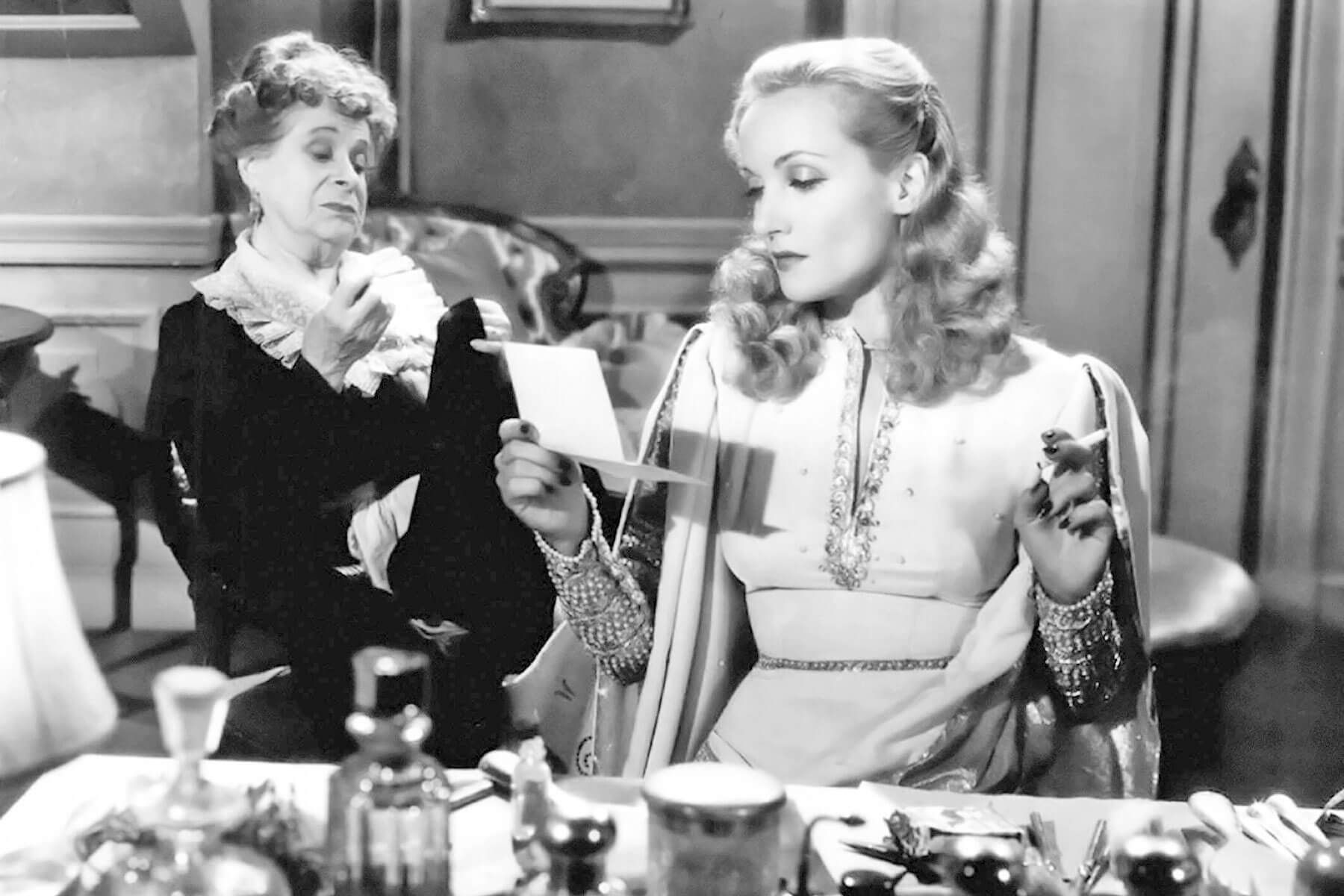
With good reason, we rarely associate war with comedy — World War II least of all. The ability to make a charming, lighthearted picture about such a world-altering event as it was happening is part of the “Lubitsch Touch” that made German-born director Ernst Lubitsch one of the most acclaimed filmmakers of his or any other era. (Billy Wilder,  who directed such acclaimed movies as Double Indemnity, Some Like It Hot, and Sunset Boulevard, had a sign taped to his office wall asking, “How would Lubitsch do it?”)

To Be or Not to Be takes place in Nazi-occupied Warsaw, where a troupe of actors find themselves entangled in a scheme to track down a German spy. Whatever you think of their production of Hamlet, there’s no doubting their ability to trick the Nazis with their performances — or make you laugh at some truly dark jokes. The film was added to the National Film Registry by the Library of Congress in 1996 and remains one of Lubitsch’s most acclaimed works, no small feat considering he also directed Ninotchka, The Shop Around the Corner, and Heaven Can Wait.

You may also like

5 Little-Known Facts About D-Day

  • Armored tank at Normandy
Armored tank at Normandy
GeorgePeters/ iStock
Author Tony Dunnell

December 7, 2023

Love it?

Not long after the United States entered World War II in December 1941, Allied leaders Winston Churchill and Franklin D. Roosevelt — along with commanding Allied general Dwight D. Eisenhower —  began to plan an invasion of Nazi-occupied France. Opening a new front was vital to defeating the Nazis, so plans were set in place for Operation Overlord — the codename for the Normandy landings on June 6, 1944. The massive operation began the liberation of France and other parts of Western Europe, ultimately turning the tide of World War II and bringing about the end of Nazi Germany. Here are five facts about that fateful day, now commonly known as D-Day. 

Photo credit: GeorgePeters/ iStock

D-Day Was Supposed to Happen a Day Earlier

Allied leaders originally set a date of June 5, 1944, for D-Day. But something very British managed to delay the invasion: the weather. Foul weather over the English Channel meant that it was too rough for ships to sail, so the invasion was postponed until the day after. It was a nervous, pensive wait for everyone involved, not least for the soldiers waiting to cross the Channel. Then came news from the meteorologists, who forecast a brief window of calmer weather for June 6. There were a limited number of dates with the right tidal conditions for an invasion, so if the operation didn’t go forward during the break in the weather on June 6, it would have had to wait until June 19-21 (when, as it turned out, there was a storm that would have made invasion impossible). The green light was finally given, and D-Day took place on June 6. 

You may also like

A Fascinating Look at World War-Era Military Uniforms

  • German infantry troops
German infantry troops
Culture Club/ Hulton Archive via Getty Images
Author Mark DeJoy

November 30, 2023

Love it?

Vehicles and weaponry attract much wartime attention, but failing to give proper consideration to uniform design can spell disaster. Take, for instance, World War I, when the French army ignored war minister Adolphe Messimy’s warning about the country’s insistence on retaining the conspicuous red coloring of its historic pantalon rouge uniforms, despite his pointed admonishment: “This stupid blind attachment to the most visible of colors will have cruel consequences.” The French went on to suffer heavy casualties at the outset of the war, and switched to issuing horizon blue uniforms in 1915. The importance of uniforms became apparent to the Soviet Union as well, when soldiers suffered frostbite and other cold injuries during the Winter War against Finland at the start of World War II.

Both world wars created shifts in uniform design that were sometimes innovative, sometimes bizarre, and in some cases, enduringly impactful to civilian fashion. These are some of the more notable facts about military uniforms from the two world wars.

Photo credit: Martin Brayley/ Alamy Stock Photo

WWI Marked the U.S. Army’s First Monochromatic Uniform

The uniform worn by the United States Army in the First World War was called the M1910 uniform. In addition to being the Army’s first single-color uniform — allowing for better camouflage and easier manufacturing — it was also the first time the standard olive drab uniform was worn during a war (though the Army switched to khaki-colored cotton uniforms during the summer). The M1910 was also notable for not including any blue outerwear or pants, which had been a part of every United States (or Continental) Army uniform since the Revolutionary War. 

You may also like