



The Shortest Wars in History
The Irish writer and socialist Robert Wilson Lynd once wrote, “The belief in the possibility of a short, decisive war appears to be one of the most ancient and dangerous of human illusions.” It’s true — many wars drag on far beyond initial expectations, in some cases for centuries. For example, the conflict known as the Reconquista, in which Christian kingdoms fought the Moors to reconquer the Iberian territories, lasted a staggering 781 years. Many other conflicts have also spanned a century or more, perhaps most famously the Hundred Years’ War between England and France, which actually lasted for 116 years.
In the last two centuries, however, most wars have lasted an average of three to four months (though there are many exceptions, including World War I and World War II). But even these months-long conflicts seem lengthy in comparison to history’s shortest wars, which lasted just days, hours, or even minutes.
Slovenian War of Independence (10 Days)
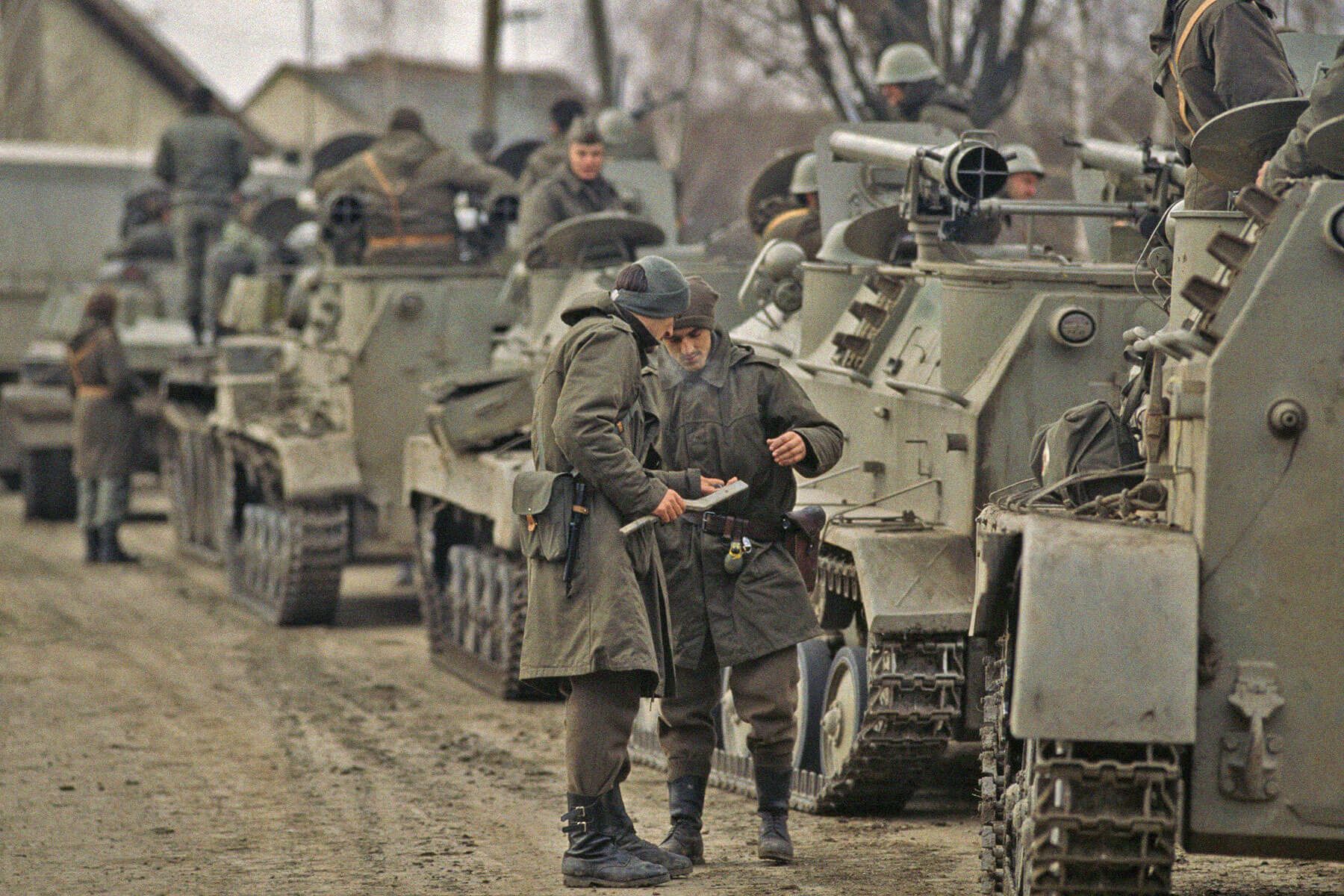
Slovenia declared its independence on June 25, 1991, becoming the first of the six republics to formally leave Yugoslavia (along with Croatia, which declared the same day). Two days later, the Yugoslav People’s Army intervened, sending in an armored battalion. The ensuing conflict was of low intensity, casualties were not high, and it ended after 10 days with the withdrawal of Yugoslav forces and a victory for the newly independent Slovenia. The reason for the relatively short length of the war was the simultaneous Croatian War of Independence (Croatia declared its independence on the same day as Slovenia). The Yugoslav People’s Army didn’t want to get stuck in a lengthy conflict with Slovenia because Croatia, with its sizable ethnic Serb minority, was a priority. The war with Croatia was a far bloodier and more brutal affair that lasted four years and seven months.
More from our network






Six-Day War (6 Days)
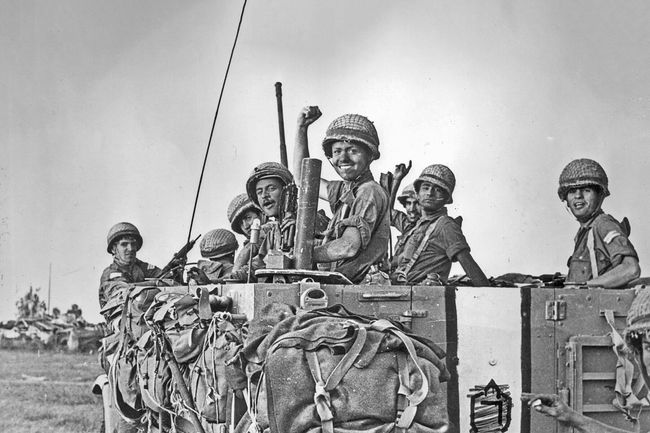
Some short wars are comparatively low on casualties and consequences, but that was not the case with the Six-Day War, also known as the June War or Third Arab-Israeli War, which began on June 5, 1967. Friction between Israel and its Arab neighbors had been constant since the 1949 Armistice Agreements, and tensions had become dangerously heightened by the time Egypt closed the Straits of Tiran to Israeli vessels and mobilized its military into defensive positions along the border with Israel. Israel launched a series of preemptive airstrikes against Egypt, on whose side Syria and Jordan both later entered the war. Despite lasting only six days (in part because the Israeli military objectives were very limited), the war resulted in more than 20,000 Arab and almost 1,000 Israeli casualties, while fundamentally reshaping the region’s landscape in terms of territory and military strength.

Russo-Georgian War (5 Days)
On August 7, 2008, tensions between Russia and the former Soviet nation of Georgia spilled over into full-scale war. Russia invaded Georgia under the pretext of a “peace enforcement” operation in aid of the two Russian-backed, self-proclaimed republics — South Ossetia and Abkhazia — that existed within Georgian territory, unrecognized by most of the international community. The land, air, and sea invasion included incursions into undisputed Georgian territory, with Russia brazenly demonstrating its military strength in the region. Hundreds of Georgian servicemen and civilians were killed during the conflict, which ended on August 12 when French President Nicolas Sarkozy negotiated a ceasefire agreement. The Russo-Georgian War is regarded as the first European war of the 21st century and, in retrospect, a sign of further Russian aggressions to come.

Hundred Hours’ War (100 Hours)
The Hundred Hours’ War, also known as the Football War, was a brief but brutal conflict fought between El Salvador and Honduras in 1969. In the weeks prior to the war, both countries had played each other in a series of heated World Cup-qualifying soccer matches, all of which were followed by violent scenes. The matches were just a small part of rising tensions between the two countries, which had fallen out over land reform, immigration issues, and the expulsion of thousands of Salvadoran laborers from Honduras. Tensions reached a boiling point on July 14, 1969, when El Salvador launched a military attack against its Central American neighbor. After a little over four days of fighting and around 3,000 lives lost, international diplomatic efforts resulted in El Salvador reluctantly withdrawing its troops.

Anglo-Zanzibar War (38 Minutes)
On August 25, 1896, the pro-British sultan of Zanzibar died. The British had their own preferred replacement in mind, but Prince Khālid ibn Barghash went against the British protectorate and took control of the sultanate. Two days later, the British arrived with two cruisers, three gunboats, and 150 marines, as well as about 900 Zanzibari soldiers. The new sultan, meanwhile, barricaded himself inside the palace, protected by almost 3,000 of his personal soldiers and supporters. The British cruisers bombarded the palace, setting it ablaze and causing around 500 casualties among the sultan’s soldiers; only one British soldier was seriously wounded. The whole engagement lasted between 38 and 40 minutes, at which point Barghash surrendered. It is considered the shortest war in recorded history.