

The Korean War is nicknamed “the Forgotten War,” but the War of 1812 — fought between the United States and Great Britain just a few decades after America won its independence — certainly rivals it in terms of its lack of place in the collective national memory. Maybe it’s because the war took place two centuries ago; maybe it’s the placement between two major American wars that largely overshadow it (the Revolutionary War and Civil War). Maybe it’s the relatively nondescript name. Whatever the reason, asking the average American for details about the War of 1812 is likely to be met with a shrug. Let’s make some sense of this obscure yet formative conflict.
Photo credit: Heritage Images/ Hulton Fine Art Collection via Getty Images
What Caused the War?
The roots of the War of 1812 were in the Napoleonic Wars between Great Britain and France. The neutral U.S. ended up as a shipping supplier to both warring nations, an economically advantageous position that saw the total U.S. exports increase from $66.5 million in 1803 to $102.2 million by 1807. But later that year, both France and Great Britain enacted trade embargoes in an effort to strain each other’s economies. Since the U.S. was such a shipping hub for both nations, it was included in these embargoes, despite being neutral in the Napoleonic Wars.
The United States responded by placing its own embargo on foreign trade, in an attempt to apply pressure on France and Great Britain to honor its neutrality. The embargo was ineffective, as it weakened the American economy much more than it impacted the European countries. In just one year, U.S. exports fell to $22 million. Attempting to stem the tide in the final months of his presidency, Thomas Jefferson repealed the embargo and replaced it with the Non-Intercourse Act, which allowed trade with all foreign nations except France and Great Britain. The United States was essentially in a trade war.
Meanwhile, Great Britain was suffering from numbers shortages in its navy, and took to stopping American merchant ships in order to check for deserters. Britain also engaged in a practice known as impressment, a bizarre combination of military draft and kidnapping. Impressment was particularly infuriating to the United States, as British ships would capture American merchant ships and force its sailors to join the Royal Navy. U.S. President James Madison made it a core issue stateside and pushed for war, regardless of the fact that by this point in time, the British had already agreed to end the practice.
There was yet another factor in the start of the war, one that largely defined the 19th century for the United States: expansion. Despite its relative manpower shortages, Great Britain’s military strength was largely at sea, so the logical strategy to expand the United States was to invade British-occupied land to the northeast and southeast of the U.S. border at the time. To add further motivation, President Madison accused the British of promoting hostility toward the United States from Indigenous peoples in those territories. With all of these factors converging, Congress declared war against Great Britain on June 17, 1812.
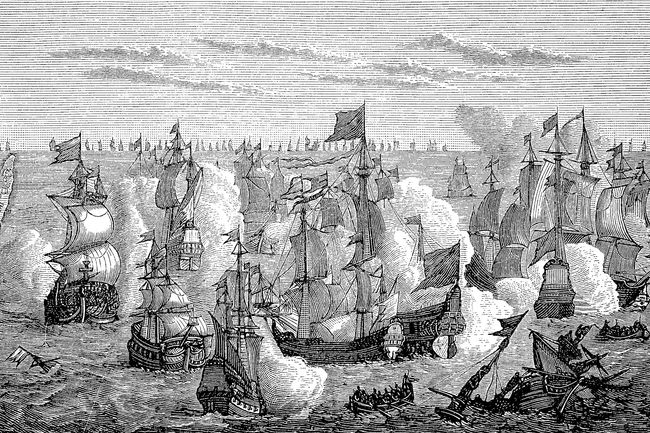
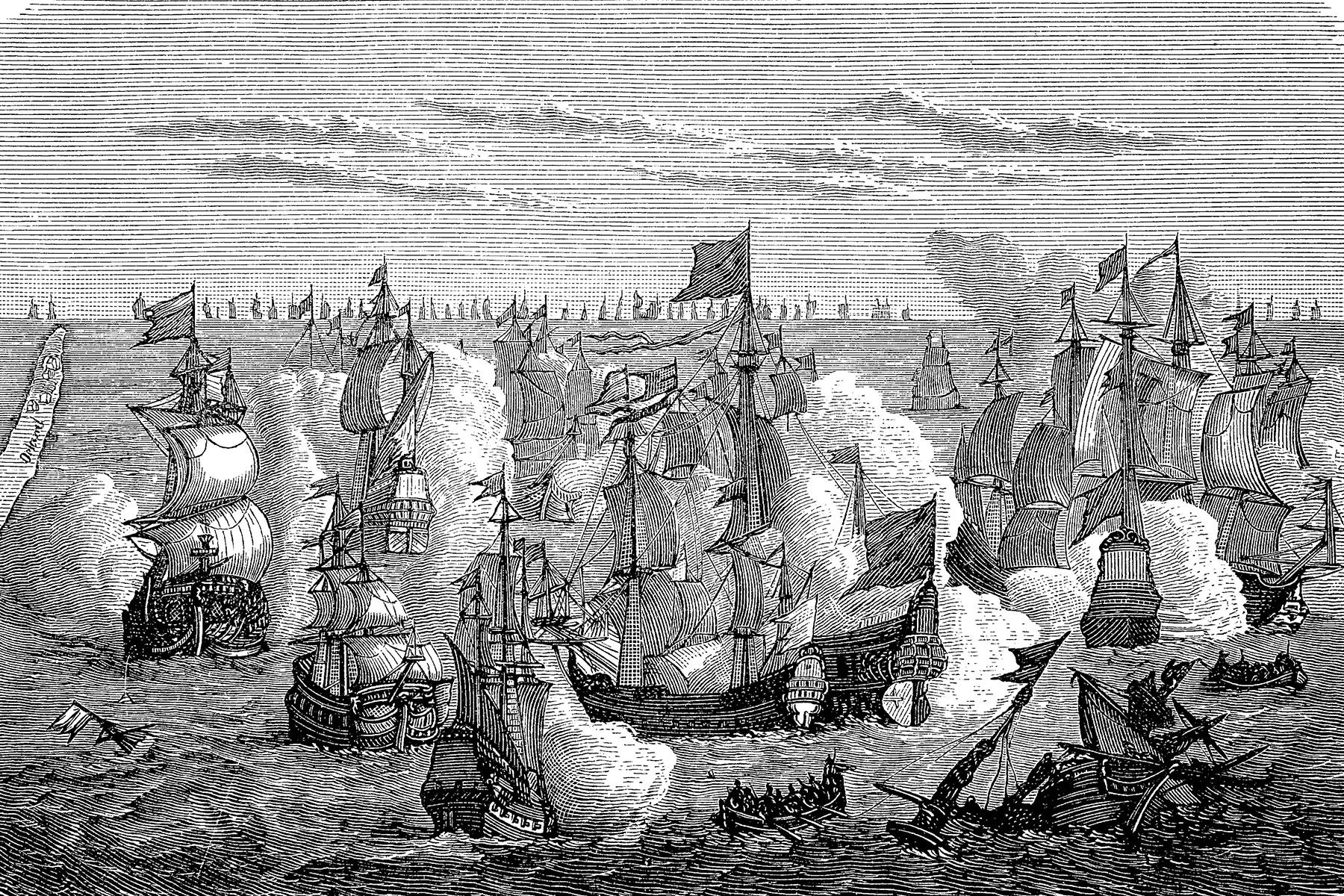
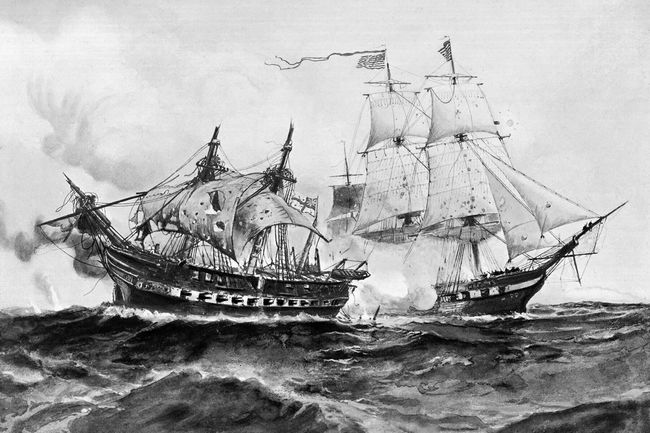
Battles comprising the War of 1812 stretched into 1815, so if the war had a more literal moniker, it would be the War of 1812-15. Though the conflict is not as famous as other American wars, many battles from the war became U.S. military lore. The sight of cannonballs fired at the USS Constitution ricocheting off the ship’s hull during its battle with the HMS Guerriereon August 19, 1812, earned the ship its famous nickname “Old Ironsides.” The June 1, 1813, loss of the USS Chesapeake to the HMS Shannonincluded Captain James Lawrence’s memorable battle cry, “Don’t give up the ship!” And Naval Commander Oliver Hazard Perry’s report of the September 10, 1813, victory at the Battle of Lake Erie contained the classic line, “We have met the enemy, and they are ours.”
Photo credit: Stock Montage/ Archive Photos via Getty Images
The United States Tried to Invade Canada
In 1812, the United States Navy had only 16 ships, while the Royal Navy had somewhere around 500, an insurmountable advantage. To remedy this, the U.S. moved forward with its strategy to capture British land in Canada, and use that land to negotiate maritime conflicts. Thomas Jefferson called a successful invasion of Canada “a mere matter of marching” in an August 1812 letter. That confidence was misplaced, as a three-pronged invasion in 1812 failed at all three points, ending in surrender at Detroit and Queenston Heights, and retreat from the Canadian border with New York. Another attempt on Lake Erie the next year was more successful (the battle with Oliver Hazard Perry’s famous quote) and led to victory in Upper Canada. But the following year, Great Britain’s victory over France enabled it to shift military resources to North America. Canada was not taken.
Advertisement
Advertisement
Photo credit: Buyenlarge/ Archive Photos via Getty Images
The British Burned Down the White House and Capitol Building
On August 20, 1814, the British sent a convoy of soldiers to the town of Benedict, Maryland, 50 miles outside Washington, D.C. Out on reconnaissance, Secretary of State James Monroe observed the troops' advancement northward and concluded that they were intending to invade the nation’s capital. Monroe sent a message to President Madison, warning, “The enemy are in full march for Washington. Have the materials prepared to destroy the bridges. You had better remove the records.”
Two bridges across the Anacostia River were destroyed in order to force a single rallying point at Bladensburg, 5 miles from Washington, but the British had already advanced too quickly. Though there was strength in numbers to defend the capital, the American troops were poorly organized, deployed too late, or in improper positions. The Battle of Bladensburg ended up a rout, and the British advanced on Washington. Once there, British Major-General Robert Ross ordered his troops to “complete the destruction of the public buildings.” That destruction included “the capitol, including the Senate-house and House of Representation, the Arsenal, the Dock-yard, Treasury, War-office, President's Palace, Ropewalk, and the great bridge across the Potomac.” The estimated damage totaled around $1 million, and it took nearly four years to rebuild the city. In one of the few points of common knowledge about the War of 1812, it was the only time the United States capital was ever captured.
After the British left Washington, they boarded their ships and sailed up Chesapeake Bay in an advance to Baltimore. They expected a similarly quick battle as at Bladensburg, but Baltimore had been fortifying its coast for more than a year, with Fort McHenry guarding the city at the south of the harbor entrance. On September 13, 1814, 16 Royal Navy ships approached the fort and began a bombardment that lasted 25 hours. Watching in detainment on a British ship during the attack was Francis Scott Key, an American attorney. On the morning of September 14, 1814, he saw that the American flag remained flying at Fort McHenry, indicating that the fort stood, and he was inspired to write the poem “Defence of Fort M’Henry.”The poem was later set to music as “The Star-Spangled Banner,” the national anthem of the United States.
After three years of back-and-forth battles and overall inconclusive results that threatened to render the conflict a war of attrition, the U.S. and Great Britain looked for peace. The two countries signed the Treaty of Ghent on December 24, 1814, marking the end of the war. The terms of the treaty were status quo ante bellum, literally “the state before war.” Any conquered territory was to be returned, and prewar borders restored. In a strange quirk that could only happen in an era of slower communication, one more major battle was fought two weeks after the signing of the treaty: the Battle of New Orleans. Though it was considered a rousing victory for the United States, it didn’t matter due to the treaty and its terms. The War of 1812 was essentially a tie.
Few events have been depicted on screen as many times and in as many ways as World War II, which is remarkable given how many stories are left to tell. Eighty years’ worth of movies have deepened our understanding of the 20th century’s defining conflict, and there’s little reason to suspect that filmmakers will stop anytime soon. If you’ve seen all the usual suspects — your Saving Private Ryans, your Casablancas — and want to explore beyond the frontlines, here are five essential movies about World War II.
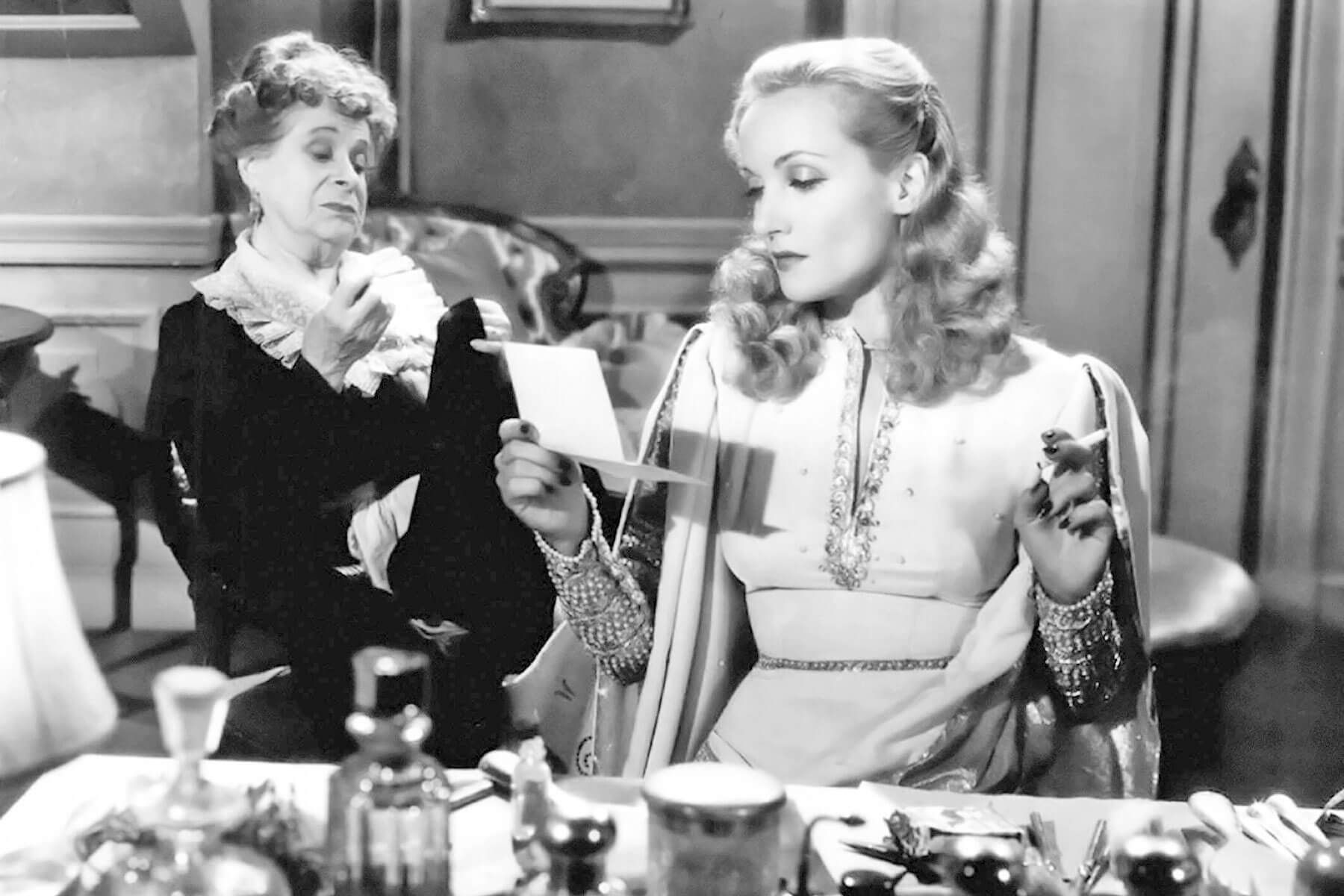
With good reason, we rarely associate war with comedy — World War II least of all. The ability to make a charming, lighthearted picture about such a world-altering event as it was happening is part of the “Lubitsch Touch” that made German-born director Ernst Lubitsch one of the most acclaimed filmmakers of his or any other era. (Billy Wilder, who directed such acclaimed movies as Double Indemnity, Some Like It Hot, and Sunset Boulevard, had a sign taped to his office wall asking, “How would Lubitsch do it?”)
To Be or Not to Be takes place in Nazi-occupied Warsaw, where a troupe of actors find themselves entangled in a scheme to track down a German spy. Whatever you think of their production of Hamlet, there’s no doubting their ability to trick the Nazis with their performances — or make you laugh at some truly dark jokes. The film was added to the National Film Registry by the Library of Congress in 1996 and remains one of Lubitsch’s most acclaimed works, no small feat considering he also directed Ninotchka, The Shop Around the Corner, and Heaven Can Wait.
You might not expect a movie named The Best Years of Our Lives to be about this or any other war, but then little about William Wyler’s classic was expected. The legendary filmmaker received 12 Academy Award nominations for Best Director throughout his one-of-a-kind career, winning the second of three for his epic story of three veterans readjusting to civilian life after returning home from World War II. Leading the ensemble are screen legends Fredric March and Myrna Loy, whose performances helped make the film as successful with audiences as it was with critics.
Indeed, few films have ever been as popular with the Academy. The Best Years of Our Lives won seven Oscars, including Best Picture, Director, Actor (March), and Supporting Actor for Harold Russell, a veteran who lost both of his hands in a demolition accident. As Russell wasn’t a professional actor and the Academy Board of Governors didn’t expect him to win, they gave him an honorary award “for bringing hope and courage to his fellow veterans through his appearance.” And yet he did win, of course, making this the only time someone has won two Oscars for a single performance.
One of the most personal movies ever made about the war, Au revoir les enfants (Goodbye, Children) is based on writer/director Louis Malle’s childhood experiences at a Catholic boarding school for boys near Fontainebleau, France. That lived-in quality is present throughout the movie, which has the feeling of an intimate memory come to life. Among the other students at the boarding school seen in the film are three Jewish boys who’ve been secretly taken in by the headmaster, a priest based on the heroic Père Jacques. He’s done so at great personal risk, as Nazi-occupied France isn’t exactly known for rewarding such good deeds, and even the other students are unaware of their new classmates’ true identities — including our protagonist Julien, who slowly forms a close friendship with one of them. Alternately charming and heartbreaking, Au revoir les enfants won the Golden Lion at the Venice Film Festival and was nominated for Best Foreign-Language Film and Best Original Screenplay at the 60th Academy Awards.
History is written by the victors, which is to say that most World War II movies are by and about Americans. Not so Grave of the Fireflies, an animated adaptation of Akiyuki Nosaka’s short story of the same name released by Studio Ghibli in 1988. Following two Japanese war orphans (one 14, the other just 4) as the conflict nears its end, with a particular focus on the aftermath of the brutal bombing of Kobe, writer/director Isao Takahata’s devastating story of the struggle for survival is one of the most wrenching depictions of wartime you’ll ever see, animated or otherwise. It is, however, also considered one of the greatest animated films of all time, as well as one of the saddest.
Only Terrence Malick could make a war movie like The Thin Red Line, one in which battle sequences seem less important than long shots of multicolored birds in trees and lyrical narration reveals more about its characters than the orders they give and receive in the heat of battle. It was Malick’s first movie in 20 years — the media-shy director had seemingly disappeared after wowing audiences and critics alike with Badlands (1973) and Days of Heaven (1978) — and just about every actor in Hollywood was desperate for a role. The result is a sprawling ensemble cast that includes Sean Penn, Nick Nolte, George Clooney, John Cusack, Woody Harrelson, John Travolta, John C. Reilly, Elias Koteas, and Jared Leto, many of whom are only on screen for a minute or so.
When they aren’t advancing on their Japanese counterparts’ position, these soldiers ask questions such as, “What’s this war in the heart of nature?” and “Is this darkness in you, too?” Despite not offering any easy answers, the film reveals as much about the human spirit as it does about the nature of war. The Thin Red Line went on to be nominated for seven Academy Awards, including Best Picture and Director, but didn’t win any — it had the misfortune of being released the same year as Saving Private Ryan, 1998’s most popular World War II movie by far, though arguably not its best.
As tensions rose between the Soviet Union and the West after World War II, Soviet Prime Minister Nikita Khrushchev sought to end the wave of emigration out of the USSR-controlled East Germany. The number of fleeing East Germans was staggering: Between 1949 and 1961, roughly 2.5 million people fled the state, a loss that threatened to upend the East German economy. Finally, after upwards of 65,000 citizens migrated to West Berlin between June and August 1961, East German leaders pushed for Moscow to close the border, and construction of the Berlin Wall began the night of August 12, 1961.
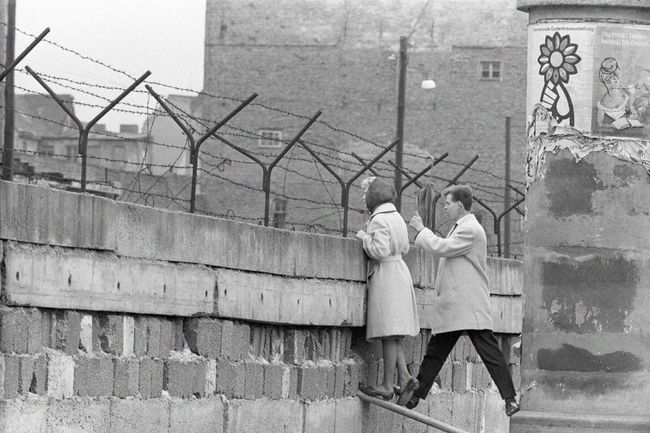
The boundary started off as a barricaded barbed wire between East and West Berlin, and the effects were swift and merciless. Within two weeks, the border to the west was completely sealed — crossing was forbidden, and the wall was guarded by officers permitted to shoot attempted escapees on sight. For the next two decades, the now-infamous barrier served as a symbol of the political and ideological divide of the Cold War. Here are five interesting facts about this notorious structure.
The Name “Checkpoint Charlie” Came From the NATO Phonetic Alphabet
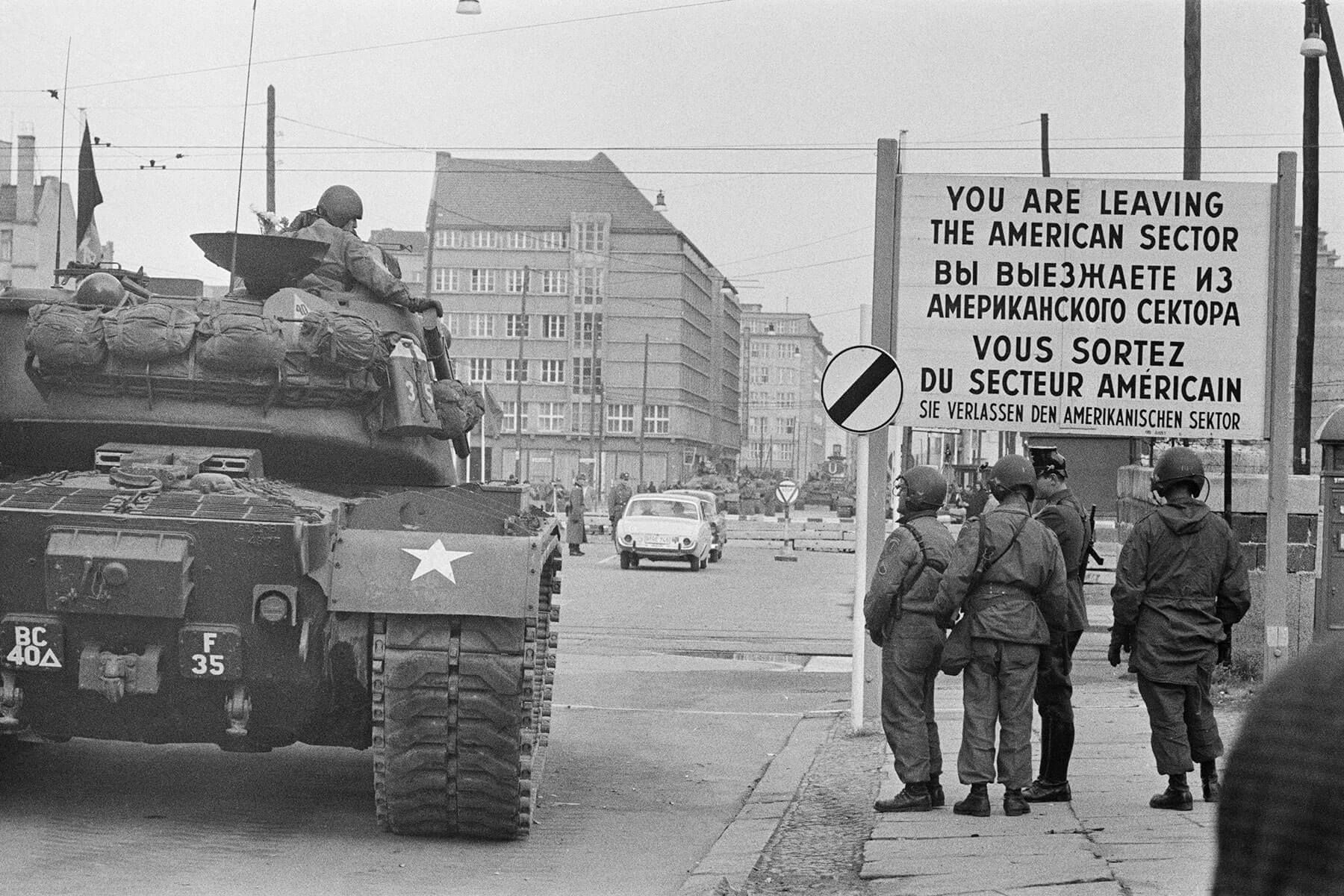
Berlin was divided into four sectors following the Second World War. The Soviet Union controlled the eastern part of the city, while France, the United States, and Britain controlled three sectors in the west. There were three major checkpoints along the Berlin Wall, which monitored the border crossings of foreigners, diplomats, and military officials: Checkpoint Alpha, Checkpoint Bravo, and the most famous, Checkpoint Charlie. The names of all three checkpoints originated with the NATO phonetic alphabet, representing the letters “A,” “B,” and “C.” Checkpoint Charlie was located in the heart of Berlin, and marked the divide between the Soviet and American zones. It became a symbol of the Cold War divisions, and is now a historical site and memorial in Berlin.
Photo credit: Keystone/ Hulton Archive via Getty Images
The “Death Strip” Was the Most Dangerous Part of the Wall
Though it’s known as the Berlin Wall, the boundary was actually two structures. The original 96-mile wire barrier proved too easy to scale, so in 1962, construction began on another fence that ran parallel to the original about 100 yards behind it. Both were later reinforced with concrete topped with barbed wire. The corridor between them became known as the “death strip.” The area was covered in raked gravel so footprints could be easily seen, helping guards track down and shoot those fleeing to the west — that is, if escapees managed to evade the mines and booby traps set up along the way. Still, many risked their lives to cross, and succeeded: An estimated total of around 5,000 East Berliners managed to make it to the other side of the wall.
To deter defections, the Berlin Wall was reinforced multiple times over the years. The final phase began in 1975, when the previous wall was replaced with a sophisticated cement barrier with increased surveillance. Known as “Grenzmauer 75” (“Border Wall 75”), the structure was made up of 45,000 separate sections of reinforced concrete, measuring around 12 feet high and 5 feet wide. Completed in 1976, the final version of the Berlin Wall (and the one commonly seen in images from its fall) was outfitted with armored vehicles, canine units, 300 watchtowers, and a rounded concrete pipe at the top to deter climbing. Yet the escapes continued.
Photo credit: PhotoQuest/ Archive Photos via Getty Images
Escapes Became Increasingly Creative
The sudden border closing of 1961 trapped thousands of people in East Germany, many of whom were desperate to flee. Buildings located on the border with windows facing west provided opportunities to clear the border for those willing to jump, but the Soviets soon bricked up all openings that could aid in escape. East Germans adapted: Some made it to West Berlin by tunneling under the wall, while others swam across the Teltow Canal to the south of the city, walked a tightrope, and used zip lines. Occasionally, East German border guards assisted by choosing not to accurately fire, or by defecting themselves and assisting future escapees.
An Administrative Error Led to the Fall of the Berlin Wall
On November 4, 1989, some 500,000 East Berliners gathered to protest the Soviet state’s strict border laws. The demonstration came roughly two months after Hungary lifted restrictions on travel to Austria, marking one of the first times the Iron Curtain was lifted. In an attempt to calm the crowds, East German leaders announced on November 9 that they too would loosen borders to make travel easier. However, East German spokesperson Günter Schabowski erred when asked when the borders would open. With no time to read through the rules before speaking, he answered, “As far as I know, effective immediately, without delay.” East and West Berliners were finally united as stunned border guards stood aside. That night, the Berlin Wall finally came down.
Advertisement
Advertisement
A Fascinating Look at World War-Era Military Uniforms
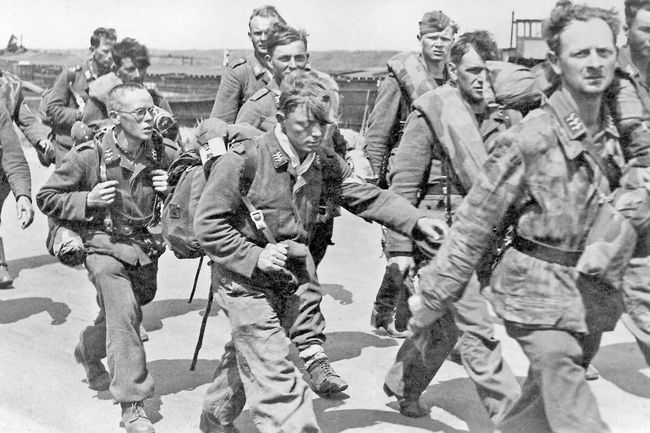
Vehicles and weaponry attract much wartime attention, but failing to give proper consideration to uniform design can spell disaster. Take, for instance, World War I, when the French army ignored war minister Adolphe Messimy’s warning about the country’s insistence on retaining the conspicuous red coloring of its historic pantalon rouge uniforms, despite his pointed admonishment: “This stupid blind attachment to the most visible of colors will have cruel consequences.” The French went on to suffer heavy casualties at the outset of the war, and switched to issuing horizon blue uniforms in 1915. The importance of uniforms became apparent to the Soviet Union as well, when soldiers suffered frostbite and other cold injuries during the Winter War against Finland at the start of World War II.
Both world wars created shifts in uniform design that were sometimes innovative, sometimes bizarre, and in some cases, enduringly impactful to civilian fashion. These are some of the more notable facts about military uniforms from the two world wars.
WWI Marked the U.S. Army’s First Monochromatic Uniform
The uniform worn by the United States Army in the First World War was called the M1910 uniform. In addition to being the Army’s first single-color uniform — allowing for better camouflage and easier manufacturing — it was also the first time the standard olive drab uniform was worn during a war (though the Army switched to khaki-colored cotton uniforms during the summer). The M1910 was also notable for not including any blue outerwear or pants, which had been a part of every United States (or Continental) Army uniform since the Revolutionary War.
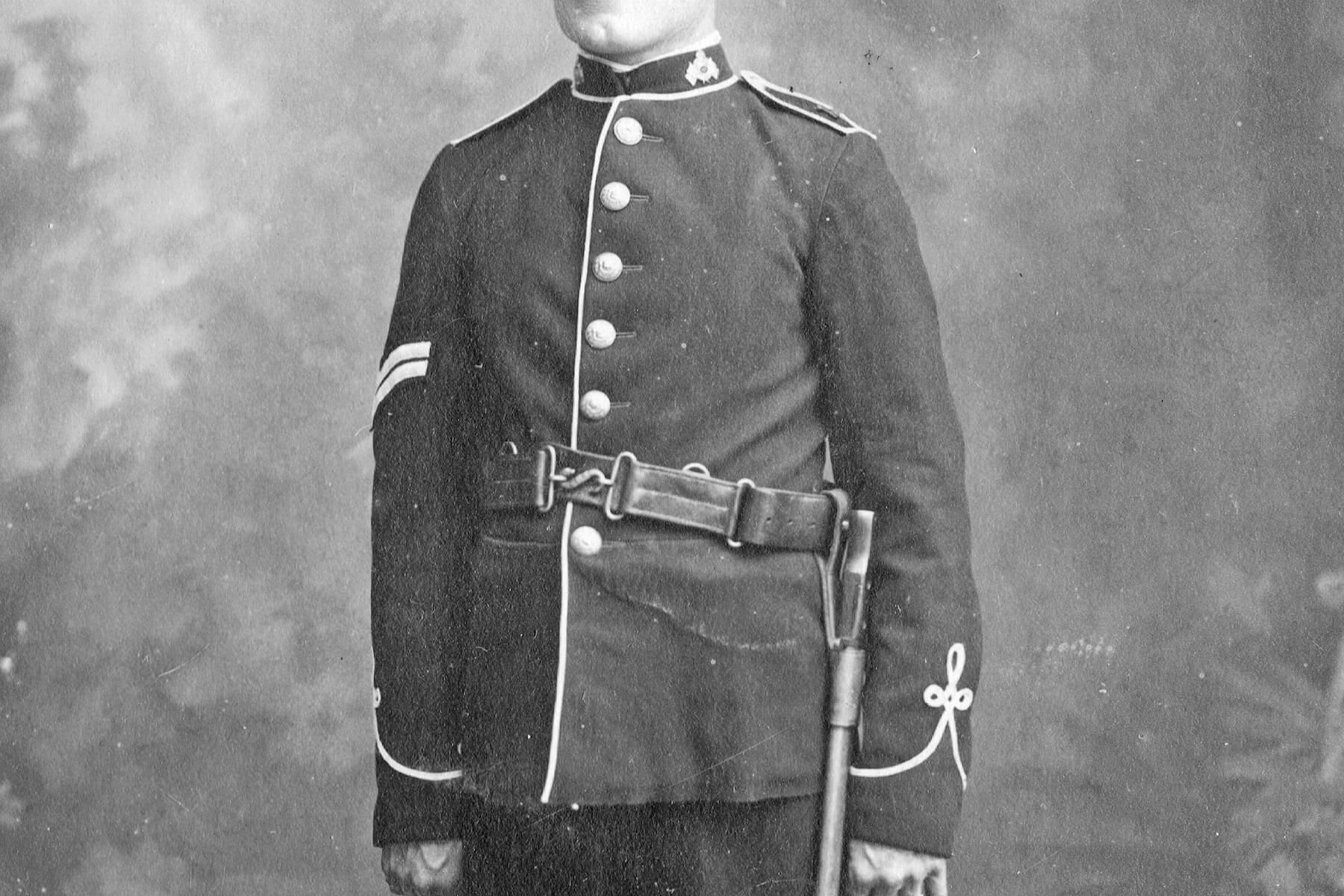
Photo credit: Archive Photos/ Hulton Archive via Getty Images
The French Army Reintroduced the Metal Helmet During WWI
Metal helmets had been in use throughout antiquity, but they fell out of favor in the 18th and 19th centuries with the decline of sword-and-spear close combat and the rise of firearms. In 1915, the French army outfitted its soldiers with steel helmets in order to protect them from falling shrapnel, which was an increasing problem in trench warfare. The helmets were designed by Intendant-General Louis Auguste Adrian, and were known as M15 Adrian helmets. The Adrian helmets proved effective enough that other Western armies began adopting them. Eventually, most countries began manufacturing some sort of metal helmet design.
The WWI-Era German Helmet Spikes Originally Had a Function
The famous spike-adorned German helmet from World War I is called a pickelhaube, and it was designed in 1842 by King Friedrich Wilhelm IV of Prussia. (Similar spiked helmets were already in use in other countries, such as Russia.) So what was the spike for? Its original purpose was as a point to attach the decorative strands of a cavalry helmet plume. Later, the spike itself (without the attached plume) gained aesthetic value for its aggressive appearance and was favored by the German infantry. The pickelhaube didn’t last for the entirety of the war, though, as it was discontinued in 1916 due to its ill-suitedness for trench warfare and a shortage of materials necessary to manufacture them. That didn’t stop it from being an enduring symbol of the German army, though, as its sinister appearance was ideal for war propaganda depicting the Germans as vicious aggressors. To celebrate the end of the war, New York City built a pyramid out of around 85,000 pickelhaubes.
Soviet Soldiers Wore Fur Coats and Felt and Wool Boots
The frigid climate of the Soviet Union posed a harrowing challenge to soldiers, especially during winter months. To combat the cold, the Soviet Union outfitted the Red Army with thick fur coats and traditional boots made of felt and wool, known as valenki. Valenki weren’t exclusively military-issued boots, though; in fact, they were a traditional form of Russian footwear worn for hundreds of years. Though the fur coats and valenki were age-old items, they were only added to the army’s provisions in August of 1941 after poor cold-weather preparedness in the Soviet Union’s 1939 invasion of Finland caused higher-than-expected casualties.
During the world wars, and at least as far back as the Napoleonic Wars, the Russian army used a predecessor to socks: the foot wrap. The clothing, known in Russian as a portyanki, is a simple rectangular piece of cloth wrapped around the foot that provides the same function a sock would. The advantage is that the foot wrap is cheap and easy to manufacture en masse, though the drawback is that it requires considerably more technique to put on correctly. Incorrectly wrapping the cloth could result in creases or folds that would cause blistering or other discomfort. Nonetheless, the portyanki remained in use by the Russian army as late as 2013.
WWII Flight Jackets Became an Enduring Fashion in the U.S.
World War II aerial warfare created a unique problem for military uniform designers to solve. Temperatures at the altitudes pilots flew at could reach as low as -30 degrees Fahrenheit, but the tight quarters of an aircraft’s cockpit meant that any outerwear that was too bulky would impede movement. In response to this challenge, the U.S. Army Aviation Clothing Board developed two leather flight jackets that were used in World War II: the A-2 and the G-1. The A-2 was issued for the Air Force, had a medium snap collar and an enclosed snap-secured pocket on each side, and zipped closed. The G-1 was issued for the Navy, and had a similar pocket and zipper design, but added some flashiness in the form of a larger fur-lined collar, and ornamental patches on the front, arms, and back.
The military ceased production of the A-2 in 1943, but the design was popularized in the 1963 Steve McQueen film The Great Escape, and retailers manufacture replicas to this day. As for the G-1, it’s still issued to enlisted members of the Navy, and had its own film role as the jacket Tom Cruise wore in 1986’s Top Gun.
“There never was a good war or a bad peace,” Benjamin Franklin wrote in 1783. Wise words indeed, and very true. Unfortunately, humans too often find themselves at war, as millennia of conflict can attest — the earliest known war was in Sudan a staggering 13,400 years ago.
Among the many wars fought in human history, some stand out for their peculiar nature, whether due to the strange events that provoked the conflict or for the lack of any actual fighting. Here are 10 of the strangest wars in history, from the 14th century to modern times.
Photo credit: Heritage Images/ Hulton Fine Art Collection via Getty Images
The War of the Oaken Bucket
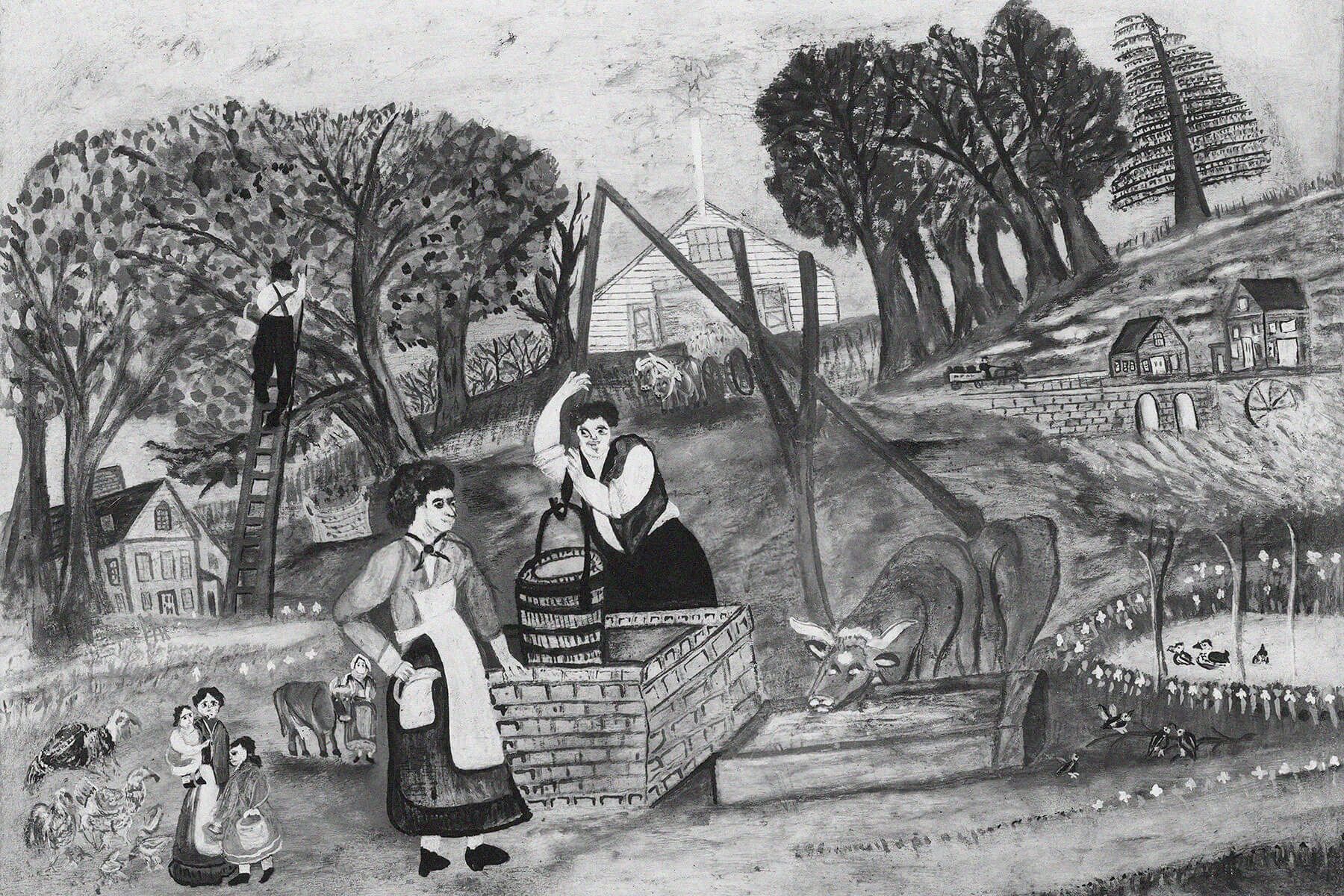
The War of the Oaken Bucket certainly has one of the strangest names in the history of conflict, and it does involve a bucket — just not as prominently as the myth would suggest. According to legend, the war began one night in 1325 after soldiers from Modena crept into Bologna and stole the oaken pail from the municipal well. In reality, the war was the culmination of ongoing tensions that had existed between the Italian city-states for 300 years. There was a bucket involved, but not until the end of the conflict, when Modenese soldiers took the municipal bucket as a trophy of war.
Photo credit: Fox Photos/ Hulton Archive via Getty Images
The Three Hundred and Thirty-Five Years' War
In 1651, the Netherlands decided to get involved in the English Civil War between the Royalists and Parliamentarians. During the whole messy affair, the Dutch sent a fleet of 12 warships to the Isles of Scilly, an archipelago off the southwestern tip of Cornwall, to demand reparations from the Royalists, who had been raiding Dutch shipping lanes. Their demands were ignored, at which point the Dutch declared war on the Isles of Scilly. The Dutch hung around for three months and then abandoned the fruitless conflict and sailed home. But they forgot one thing: to declare peace with the Isles of Scilly. The bloodless war technically lasted for 335 years until anyone saw fit to formally sign a peace treaty, which finally happened in 1986. It remains, arguably at least, one of the longest wars in history (the shortest, in contrast, lasted just 38 minutes).
Advertisement
Advertisement
Photo credit: Hulton Archive/ Hulton Archive via Getty Images
War of Jenkins' Ear
In 1738, British merchants were increasingly protesting over Spanish control how the Spanish Guarda Costa (coast guard) was treating their trading ships in the Americas. The mood in Britain was that the Spanish needed to be taught a lesson. Enter Captain Robert Jenkins, a Welsh mariner who, in 1731, had his ear cut off by overzealous Spanish coast guards when they searched his ship for contraband. Seven years after that incident, Jenkins was called to appear in the House of Commons in London, where, according to some accounts, he presented his preserved ear, much to the outrage of the gathered assembly. The British public soon became aware of this episode, further stoking anti-Spanish fervor and helping to pave the way for a full-scale war that began in 1739 and ended in 1748.
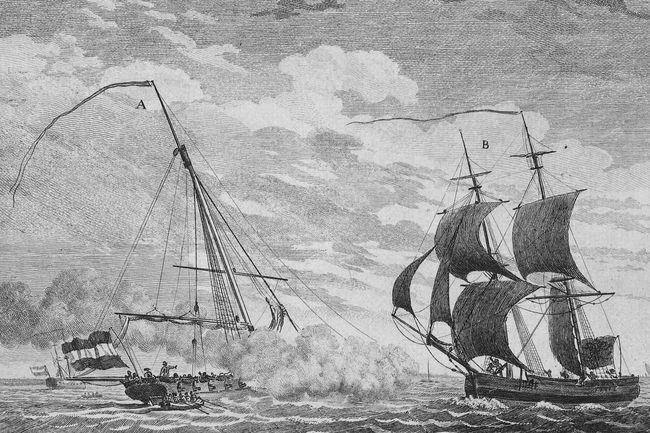
The Kettle War was a bizarre conflict that, in truth, was more of an international incident than a war. In 1784, the Holy Roman Empire and the Dutch Republic were squabbling over access to the ports of Antwerp and Ghent in Belgium. In a show of force, the Holy Roman emperor dispatched three vessels, led by his magnificent warship Le Louis, to seize control of the Dutch port at Amsterdam. The Dutch were waiting with their own smaller ships. When the enemy approached, their lead ship, the Dolfijn, fired a single shot that ricocheted off a kettle on the deck of the Le Louis. This terrified the ship’s incompetent captain, who immediately surrendered, handing victory — and the emperor’s flagship — to the Dutch.
In the early 1830s, a French pastry cook living in Tacubaya, near Mexico City, claimed that some Mexican army officers had damaged and looted his restaurant. He appealed to the king of France, demanding compensation, and in doing so, unwittingly helped launch a war. The pastry cook’s complaint prompted France to press Mexico for the grand sum of 600,000 pesos in compensation. In November 1838, with the Mexican president yet to make any payments, France sent a fleet to Veracruz, the principal port on the Gulf of Mexico. The French bombarded the fortress of San Juan de Ulúa, and Mexico declared war on France. But before the crisis could escalate any further, Britain stepped in and negotiated a peace treaty. The French forces withdrew in March 1839. The pastry cook, meanwhile, never saw a single peso from Mexico, which never paid the compensation — a fact that was later used by France to justify the second French intervention in Mexico, in 1861.
The Oregon Treaty of 1846 settled long-standing border disputes between the U.S. and British North America (present-day Canada). Even on the strategically important island of San Juan in Washington state, which remained contested, the British and American settlers seemed to be getting along. But then, on June 15, 1859, an American farmer named Lyman Cutlar shot a British pig that had wandered onto his land and was eating his potatoes. Things escalated quickly, and the local Americans requested U.S. military protection. A 66-person company of the U.S. 9th Infantry was sent to San Juan. In response, the British sent three warships. Then came a voice of reason in the guise of Admiral Robert L. Baynes, commander in chief of the British navy in the Pacific. He refused to engage any further, stating that he would not “involve two great nations in a war over a squabble about a pig.” So ended the Pig War, with only one casualty: the unfortunate pig.
In 1883, the tiny town of Líjar in Andalusia, Spain, declared war against the entire military might of France. Líjar’s mayor was apparently infuriated by some news he had heard, and immediately called a town meeting to discuss the matter. He explained the situation as follows: “Our King Alfonso [of Spain], when passing through Paris on the 29th day of September was stoned and offended in the most cowardly fashion by miserable hordes of the French nation.” The town council approved the mayor’s war motion, and Líjar duly announced its decision to the Spanish government and the president of the French Republic. Then, nothing happened — until, 100 years later, the town decided to formally end its war with France, with very little fanfare outside of Líjar, because everyone else had forgotten the war ever started.
Following decades of territorial disputes, tensions were already running high between Greece and Bulgaria in 1925 — and then a dog sparked a war. It all began when the dog ran across the border between Greece and Bulgaria. His owner, a Greek soldier, ran after the dog, and was promptly shot by the Bulgarians. The ensuing diplomatic chaos resulted in a brief invasion of Bulgaria by Greece, known as the War of the Stray Dog or the Incident at Petrich, which lasted 10 days and resulted in at least 50 casualties. The fate of the dog remains unknown.
In 1932, a marauding horde of emus arrived in Western Australia, where they began destroying crops and causing general havoc. Farmers petitioned the government for help to combat the mob, which totaled at least 20,000 flightless birds. In response, Major G.P.W. Meredith of the Australian army was sent to the region in command of a small group of soldiers armed with Lewis light machine guns and 10,000 rounds of ammunition. Things didn’t go well. The emus were tougher, faster, and more intelligent than expected, and it took 2,500 rounds of ammunition to fell just 200 of the birds. The “war” was eventually abandoned, with the emus victorious.
For half a century, Denmark and Canada were engaged in what must be one of the friendliest wars of all time. It all started in the 1970s, when the two nations were deliberating over their Arctic boundaries, including a small, desolate chunk of rock called Hans Island. No one could really agree on how to divide Hans, so it remained in rather unimportant limbo. Then, in 1984, some Canadian soldiers landed on the rock and promptly planted a maple leaf flag and left a bottle of whisky before returning home. In response, Denmark flew a representative out to the island, who replaced the flag with the Danish flag, leaving a bottle of schnapps and a note that read “Welcome to Danish Island.” The Whisky War had begun in earnest. This amicable conflict continued for 50 years, with the regular exchange of flags, notes, and bottles of booze. Finally, in 2022, Denmark and Canada struck a deal over the tiny, uninhabited Arctic island, ending the Whisky War for good.
World War II was one of the most transformative events of the 20th century. It was the largest war ever fought, with more than 50 nations and 100 million troops involved, and it reshaped geopolitics, resulting in the United States and Soviet Union emerging as major world powers leading into the Cold War. This far-reaching war also inspired new global peacekeeping efforts, including the creation of the United Nations, and it brought to light incredibly courageous acts of humanity from soldiers and civilians alike. Here are the stories of six daring heroes of the Second World War.
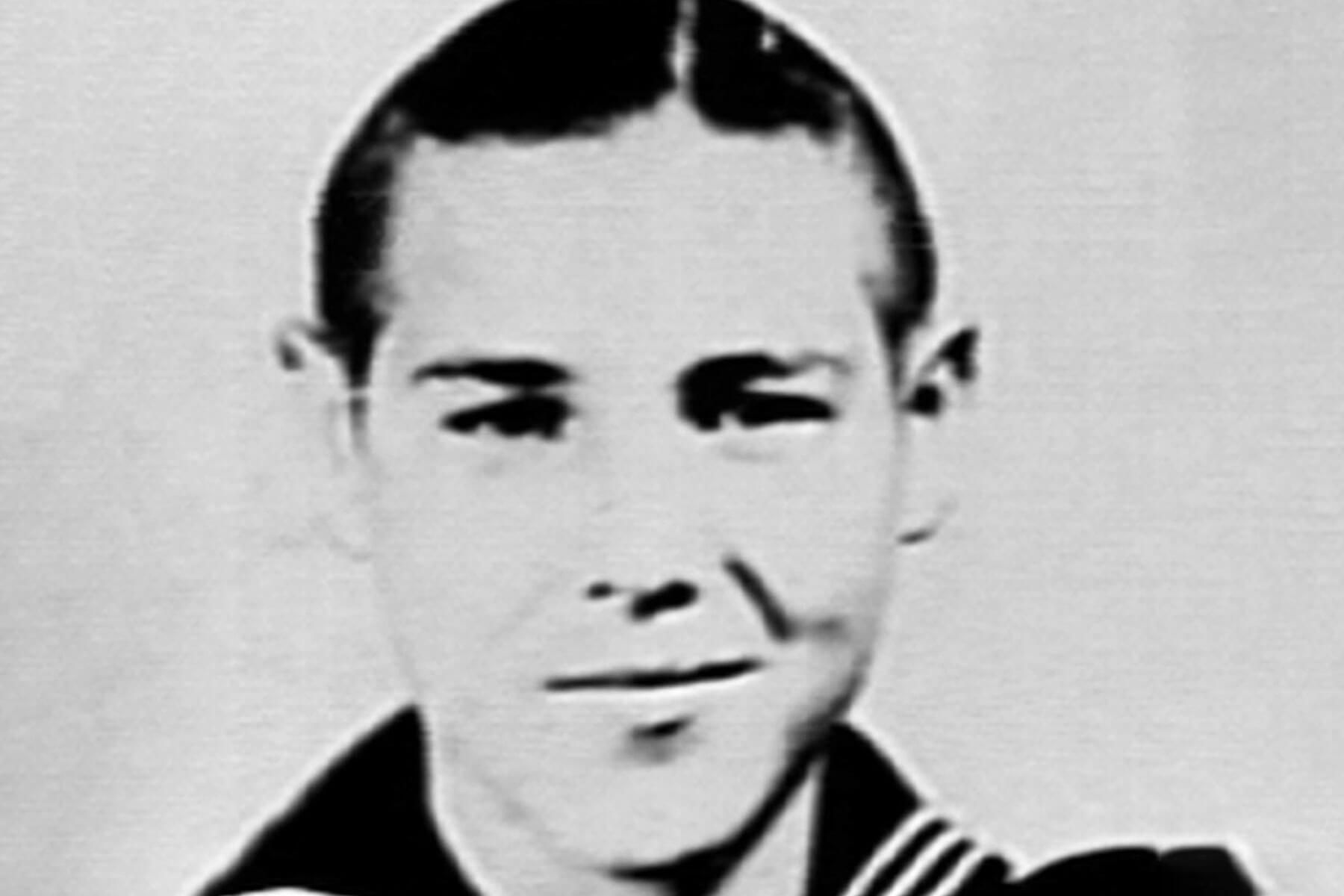
Calvin L. Graham was the youngest U.S. military member during WWII, and is still the youngest recipient of the Purple Heart and Bronze Star. It wasn’t unusual for boys to lie about their age to enlist, but Graham was just 12 years old when he forged his mother’s signature and headed to Houston to enlist. The 125-pound, 5-foot-2 boy was miraculously cleared for naval service and assigned to the USS South Dakota as an anti-aircraft gunner.
On November 14, 1942, the South Dakota was ambushed by Japanese forces at the Battle of Guadalcanal. Graham was severely burned and thrown down three stories of the ship, but still mustered the strength to tend to his severely wounded shipmates. He was honored for his heroism, but when his mother found out about the honor, she informed the Navy of his real age and he was stripped of his medals and thrown into the brig for three months. In 1978, President Jimmy Carter learned of Graham’s story and restored his medals, except for his Purple Heart, which wasn’t restored until two years after Graham’s death.
Polish soldiers stationed in Iran during the war were met with great surprise when a shepherd traded them a Syrian brown bear cub for a Swiss army knife and some canned goods. The cub’s mother was likely killed by hunters, so the soldiers adopted him, giving him the name “Wojtek,” meaning “joyful warrior” in Polish — a title he soon lived up to. His caretaker, a soldier named Peter Prendys, taught the bear how to salute, wave, and march, and Wojtek became a great morale booster.
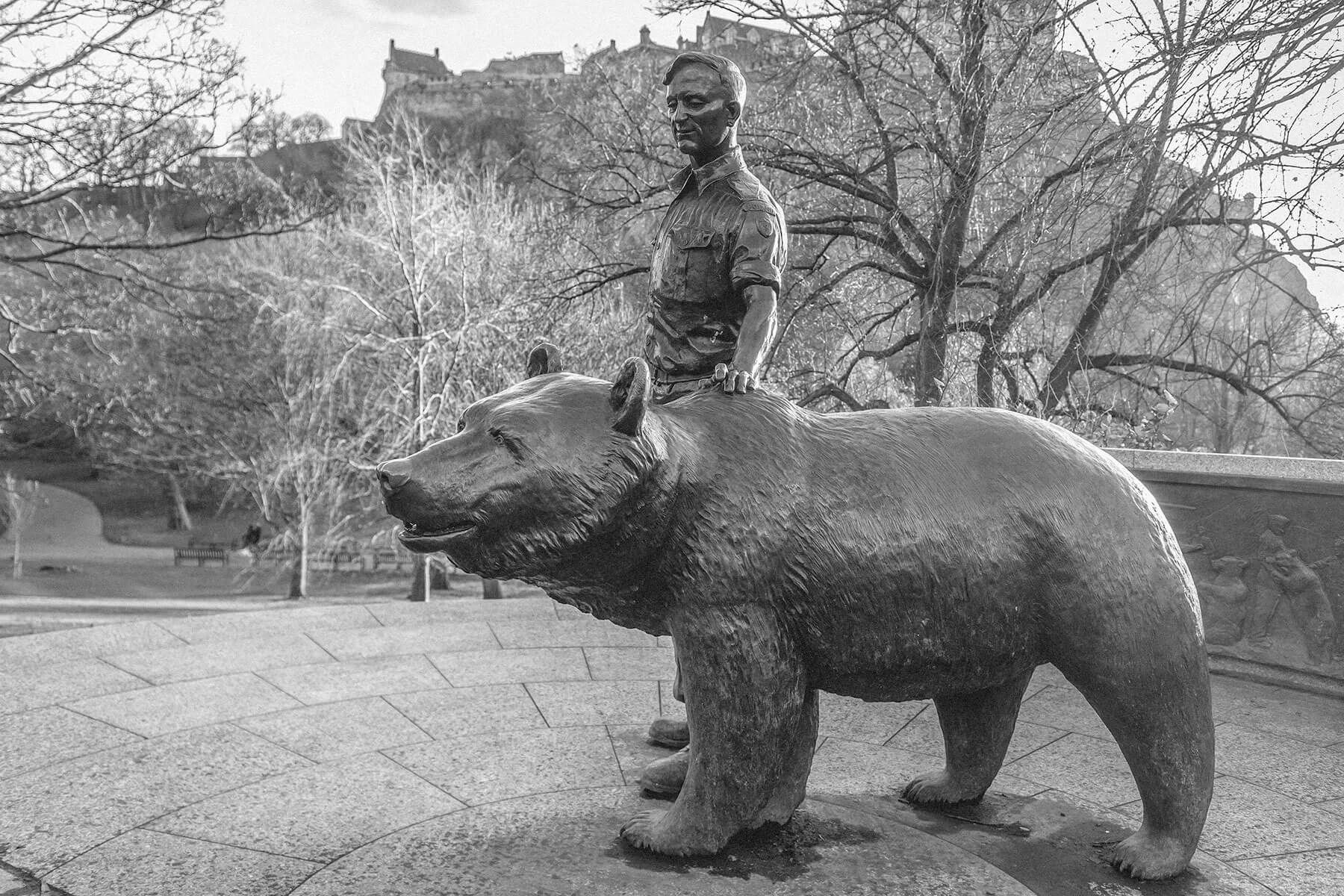
In 1944, Wojtek was given the rank of private and a serial number (pets were banned in the Polish army), and he shipped off to Italy with his unit. That May, the bear even joined combat during the Battle of Monte Cassino, carrying supplies to his fellow troops, according to witnesses. He was promoted to the rank of corporal for his bravery. After the war, Wojtek found his forever home at the Edinburgh Zoo in 1947. A bronze statue of the bear and Prendys still stands in downtown Edinburgh today.
Army Colonel Ruby Bradley of the U.S. Army Nurse Corps was working at Camp John Hay in the Philippines when she was taken prisoner by the Japanese army in 1941. She became a POW at the Santo Tomas Internment Camp in Manila — but she didn’t let it break her spirit. Bradley immediately went to work helping her fellow POWs by offering medical aid and smuggling food and medicine to those in need. She assisted on 230 major surgeries and delivered 13 babies during her 37 months at the camp. Bradley and her fellow nurses became known as the “Angels in Fatigues.”
In February 1945, the camp was finally liberated, and Bradley — who was malnourished from giving her food rations to children — went home. She continued her career in the Army, amassing 34 decorations, medals, and awards (including the Bronze Star Medal), making her one of the most decorated women in U.S. military history.
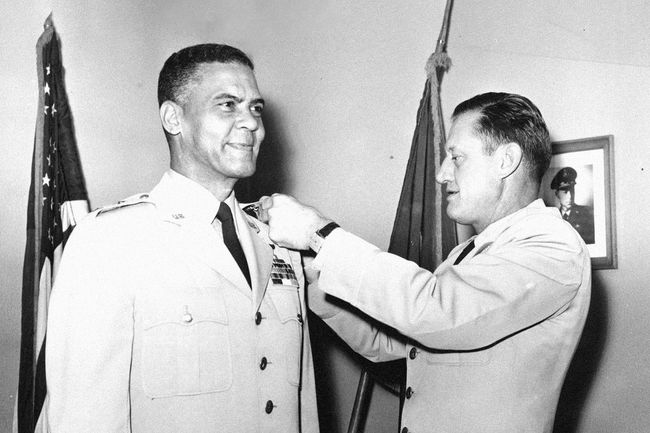
General Benjamin O. Davis Jr. faced racial discrimination from the very beginning of his military career. He was only the fourth Black cadet in the history of the United States Military Academy at West Point before joining the Army in 1936. After being stationed in Alabama, he received the opportunity of a lifetime: squadron commander of the first all-Black unit in the Army Air Forces. This unit of 1,000 Black pilots became known as the Tuskegee Airmen, renowned for their exceptional achievements in combat despite the discrimination they faced.
Davis led the 99th Fighter Squadron during their 1943 deployment against Axis forces in North Africa, and later that year, he commanded the 332nd Fighter Group to fight on the front lines in Italy. During his two-year command of the Tuskegee Airmen, Davis and his crew sank more than 40 enemy ships and downed more than twice the number of aircraft they lost, earning them a reputation as a formidable fighting squadron. Their impressive record wasn’t just a message to the enemy; it broke racial barriers at home, furthering the fight for desegregation and equal rights. Davis had a life of public service and was promoted to four-star general by President Bill Clinton in 1998.
For Navy Lieutenant Susan Ahn Cuddy, entry into military service was personal. Her father, Dosan Ahn Chang Ho, died while imprisoned by the Japanese in 1938. He was incarcerated for anti-Japanese activism as a known leader for the Korean independence movement. Despite growing anti-Asian sentiments during WWII, Cuddy wanted to honor her father and fight against the Japanese, so she enlisted in the U.S. Navy in 1942. She was the first female Asian American naval officer and eventually became the first female gunnery officer, training pilots to fire a .50-caliber machine gun. She later worked with codebreakers at the Naval Intelligence Office while using her knowledge of the Korean language. Even there, Cuddy faced discrimination — one of her superiors wouldn’t let her access classified documents. After the war, Cuddy worked at the National Security Agency during the Cold War. She died peacefully in her sleep in 2015 at the age of 100.
On the morning of December 7, 1941, George Walters, a crane operator at the Pearl Harbor dockyard in Hawaii, awoke to a devastating surprise attack by Japanese forces. Walters ran to a massive crane next to the USS Pennsylvania and began moving it back and forth on its track to shield the ship from an onslaught of rounds from Japanese fighters and dive bombers. He even attempted to knock planes out of the sky with the boom. The protected gunners onboard the Pennsylvania were able to return fire. Later, a bomb exploded on the dock next to Walter’s crane, knocking him out of the fight. He survived with a concussion, and it’s believed that his actions helped save the ship from certain destruction. The story of Walters’ heroism was featured in Walter Lord’s 1957 book “Day of Infamy.” Walters continued to work at the shipyard for 25 years following the attack. Lewis Walters, George’s son, was a young shipyard apprentice at the time who witnessed his father’s bravery firsthand.
Humans and animals have fought side by side since prehistoric times. Dogs have long been our faithful companions in times of peace and conflict, while horses, camels, elephants, and other mounts helped win many of the most important battles in history.
In modern times, particularly during World War I and World War II, animals played a vital role in active combat, transportation, and communication — not to mention the numerous animal mascots who helped keep morale high in the most testing of times. It’s estimated that in World War I alone, more than 16 million animals served in these various ways. Here are a few such incredible wartime animals, including daring dogs, courageous carrier pigeons, and a mischievous brown bear.
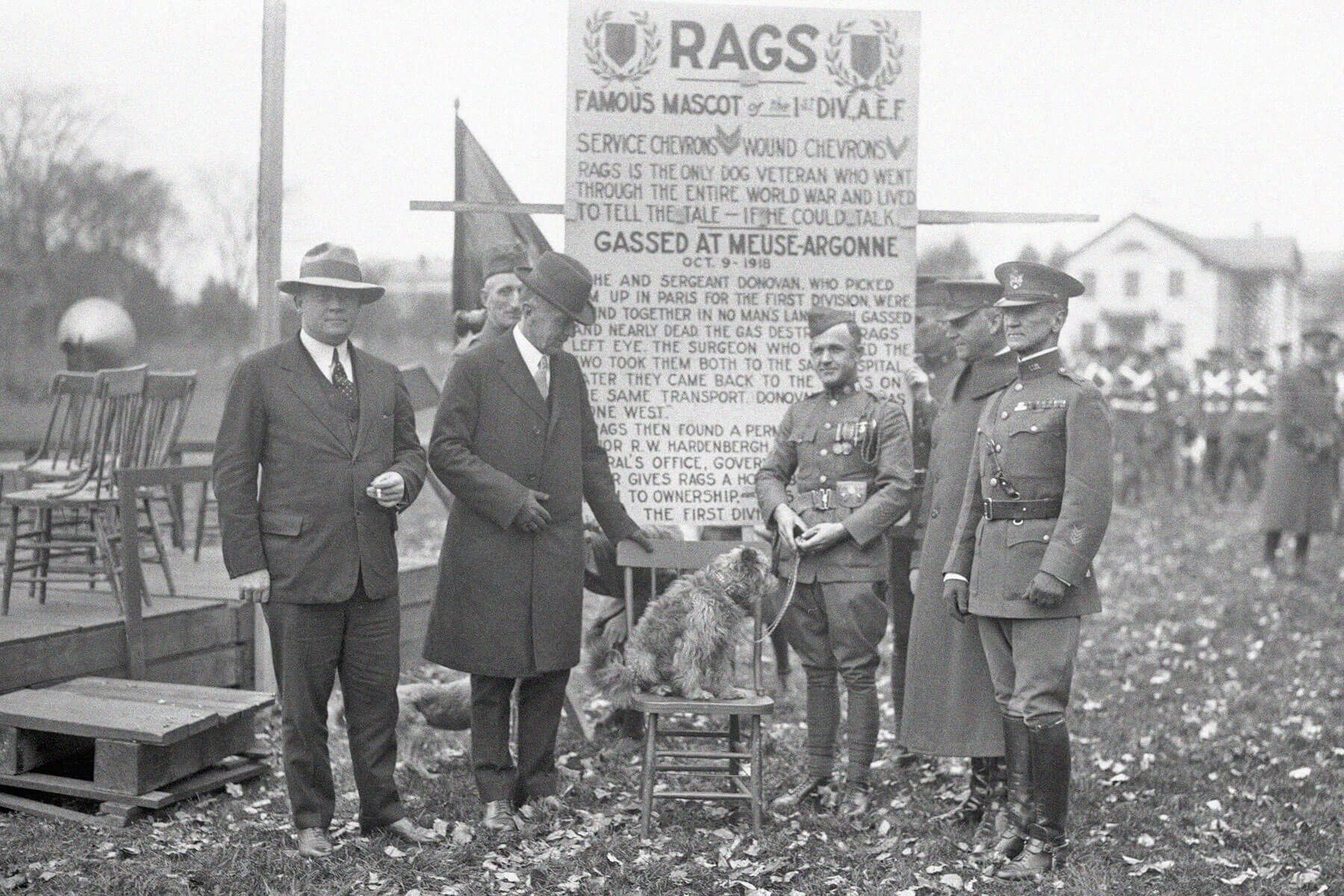
In 1918, while walking through the streets of Paris, Private James Donovan saw what he thought was a pile of rags — but when the rags moved, he realized it was a little Scotch-Irish terrier, abandoned in the gutter. Donovan adopted the dog, which followed him everywhere, and Rags, in turn, became the mascot of the U.S. 1st Infantry Division. But Rags was more than just a mascot. Donovan taught him to run messages that were affixed to his collar across the front lines, dodging shellfire as he went. Rags also led medics to wounded men, and — using his superior canine hearing — was able to alert his unit to incoming shellfire. He was also taught to salute with his right front paw.
On October 9, 1918, Rags and Donovan were hit by German shellfire and gas shells. Rags sustained injuries to his right front paw, right ear, and right eye, and was mildly gassed, while Donovan was more seriously wounded. Both were treated, but only Rags survived. His unit and other soldiers who knew of Rags’ heroics made sure the pup got safely back to U.S. soil, where he lived a celebrated life until his death at age 20.
Photo credit: Heritage Images/ Hulton Archive via Getty Images
Warrior the Stallion
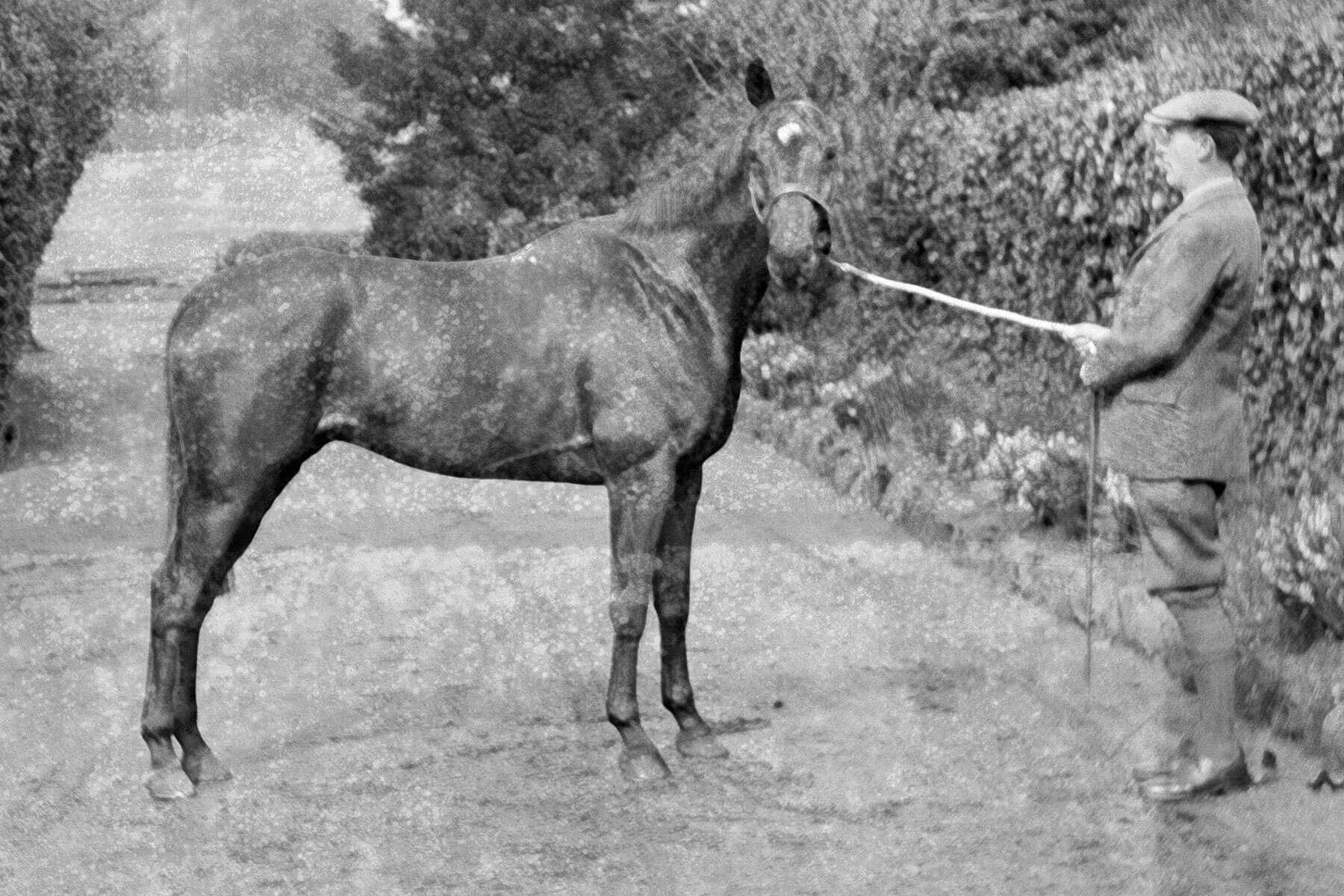
When General Jack Seely left his home in 1914 to take command of the Canadian Cavalry Corps, his beloved thoroughbred stallion, Warrior, went with him to the Western Front. So began one of the most amazing animal stories of World War I. During the next four years, Warrior took part in some of the most ferocious and pivotal battles of the Great War. He saw action at the Battle of the Somme, Ypres, Cambrai, and Passchendaele, and in 1918 he led a cavalry charge against the Germans at Amiens, in a battle that proved crucial in bringing the terrible war to an end. Warrior never gave in, despite being buried in mud and rubble, trapped in burning stables, and charging through intensive barrages of machine-gun fire and mortar shells — it was no wonder he became known as “the horse the Germans couldn’t kill.” Having survived it all, Warrior and Seely returned home to the Isle of Wight, where the famous stallion lived a peaceful life until his death in 1941 at the age of 32.
In 2014, a century after the start of the Great War, Warrior posthumously received the PDSA Dickin Medal (also known as “the animals’ Victoria Cross”), the highest honor an animal can receive in Britain for acts of bravery while serving in a military conflict. Warrior is the only recipient to predate the medal’s institution in 1943, and was chosen to receive the honor on behalf of all the brave animals that served in World War I.
Being a military homing pigeon during World War I was incredibly dangerous. One such bird, Cher Ami, completed 12 successful missions — far more than normal. His final mission, on October 4, 1918, proved to be his most courageous. Cher Ami was stationed with the 77th Division, known as the “Lost Battalion,” in the Argonne Forest. Behind enemy lines and cut off from Allied troops, the 77th found themselves under heavy bombardment. Their only hope for salvation lay in getting a message out using one of the homing pigeons they carried, but every pigeon they released was shot down by enemy fire — except for their last pigeon, Cher Ami.
The pigeon took off and was quickly shot through the breast and leg and fell to the ground — but, despite his injuries, the brave Cher Ami got back up and took to the skies once again, eventually reaching his loft and delivering the message that dangled from his wounded leg. (The brave bird lost the leg, but survived his injuries.) Thanks to Cher Ami, help arrived for the battalion’s 194 men, who made it back safely to American lines. For his heroic service, Cher Ami was awarded the French Croix de Guerre. And General John Pershing, commander of the American Expeditionary Force, paid tribute to Cher Ami, saying, “There isn’t anything the United States can do too much for this bird.”
Photo credit: Fred Morley/ Hulton Archive via Getty Images
Judy the Pointer
Judy, a purebred pointer, began her service as a ship’s mascot on board the gunboat HMS Gnat in 1936. It wasn’t the most auspicious start, as her tendency to fall overboard often forced the ship to stop to retrieve her. But she soon proved useful thanks to her acute hearing, alerting the British sailors to the presence of river pirates and hostile Japanese aircraft. In 1942, she transferred to the HMS Grasshopper. When the gunboat was attacked by Japanese aircraft, the crew became stranded on an island in the South China Sea. The sailors were growing dangerously thirsty when they came across Judy standing next to a big hole she’d dug, full of fresh water.
The crew was then captured — along with Judy — and taken to a prisoner-of-war camp in North Sumatra. Frank Williams, a young British sailor, shared his scant prison rations with Judy, keeping them both alive, while Judy helped out by distracting camp guards who were otherwise intent on beating the helpless captives. Judy survived many more adventures — including gunshot wounds and alligator bites — before the war ended. On her return to Britain, she was awarded the Dickin Medal for her service.
In 1942, Polish soldiers adopted a Syrian bear cub whose mother had likely been killed by hunters. They fed him honey, fruit, and marmalade, and gave him condensed milk from an empty vodka bottle. Soon the cub — whom they named Wojtek — began to grow. It wasn’t long before the 22nd Artillery Supply Company of the 2nd Polish Corps found themselves with an unlikely mascot: a 600-pound brown bear.
Wojtek enjoyed chasing the oranges that the soldiers used for grenade practice, and he learned how to break into the communal shower huts for a refreshing shower — resulting in some unwanted water shortages. Despite being something of a troublemaker, the bear was great for morale, especially during the Battle of Monte Cassino, where Wojtek was seen on the front lines carrying empty ammo crates and used shells. After the war, Wojtek spent his retirement at Edinburgh Zoo, where he received many visitors, including his former comrades from the Polish army.
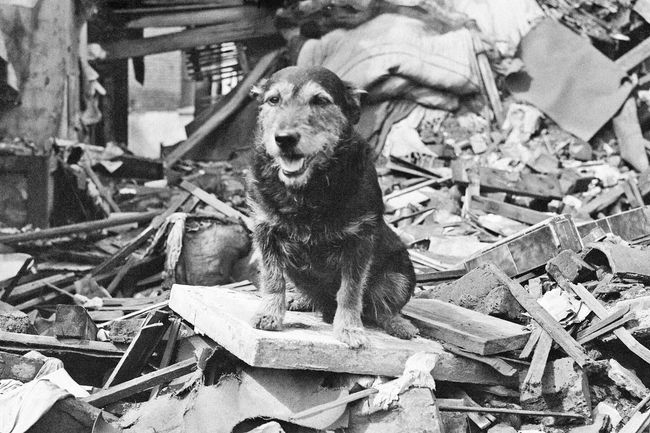
In 1940, an air raid warden called Mr. E. King was searching through the devastation left in the aftermath of a heavy air raid on London. In the rubble, King spotted a crossbreed terrier, shivering, hungry, and alone. He took pity on the pup and fed it some scraps, and the two became inseparable. The dog, whom King called Rip, soon revealed an innate talent for sniffing out survivors trapped in the ruins of bombed buildings. Despite having no formal training, he became an indispensable search and rescue dog for the Air Raid Patrol. Rip and his human colleagues worked tirelessly throughout the London blitz, and it’s estimated that Rip helped save the lives of more than 100 people. In 1945, he was awarded the Dickin Medal, which he wore on his collar for the rest of his life.
In the wake of World War II, new ideological borders were drawn across the European continent. Vast cultural and economic differences formed a deep divide between the democratic nations of Western Europe and the communist regimes of the Soviet Union and its allies in the East. Throughout the Cold War era, these two distinct factions were separated by a symbolic boundary that cut through the continent, known as the Iron Curtain.
The term “Iron Curtain” was first used in reference to the Cold War in 1946; nations that were considered “behind” the Iron Curtain were those under Soviet and communist influence, as those regimes maintained a firm grasp on power. As time progressed, cracks formed in the Iron Curtain as former communist nations embraced democracy, ultimately leading to the political reunification of Europe. But for as long as it existed, the Iron Curtain served as a philosophical barrier between two vastly different worlds. Here are five fascinating facts from behind the Iron Curtain.
Photo credit: Icon and Image/ Michael Ochs Archives via Getty Images
The Term “Iron Curtain” Was Popularized by Winston Churchill
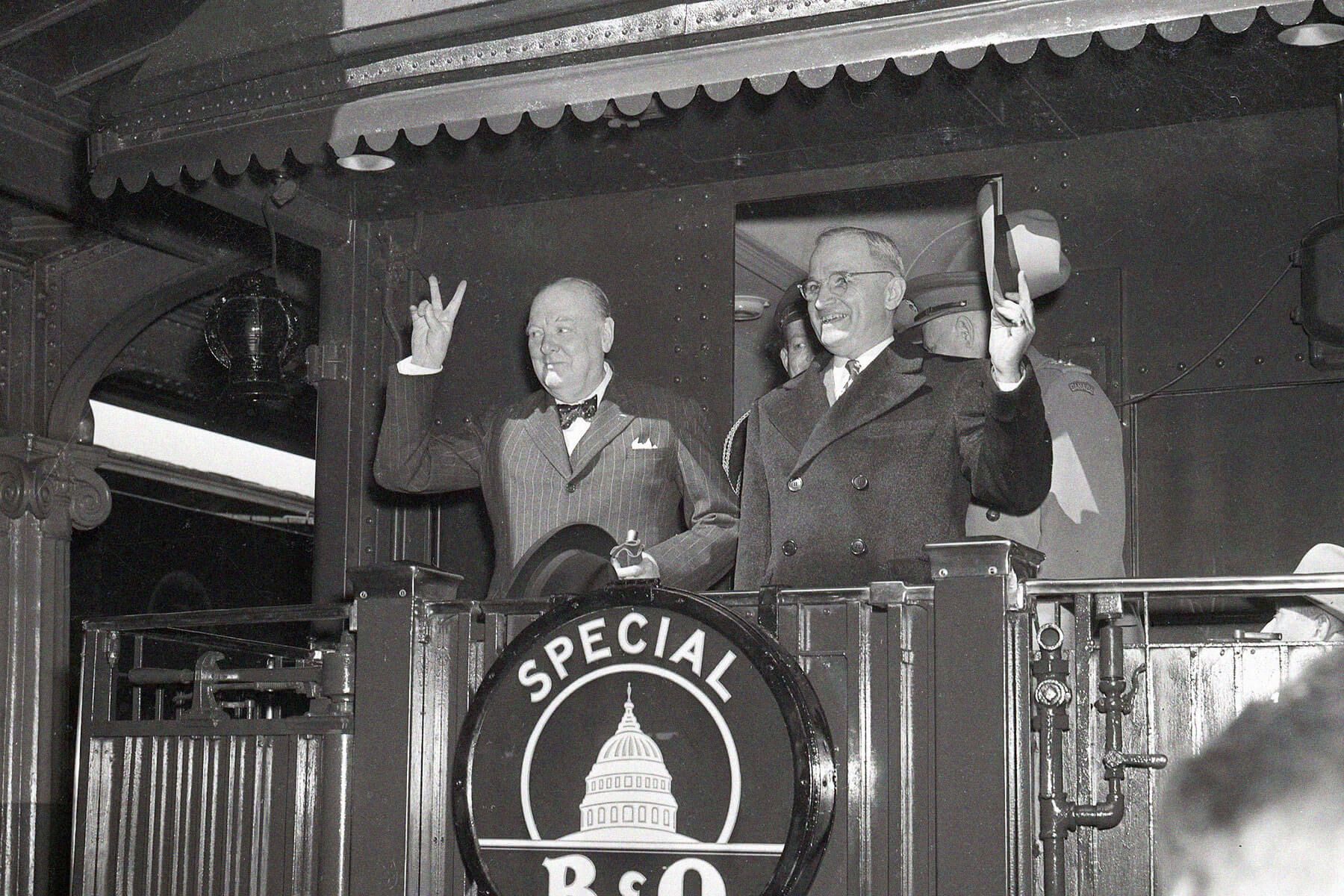
Long before the term “Iron Curtain” was coined in reference to the Cold War, the words referred to a fireproof safety mechanism that separated the audience from the stage in theatrical productions. In 1945, author Alexander Campbell borrowed the term in his book It’s Your Empire to describe censorship related to World War II-era Japanese conquests. “Iron Curtain” was first used in the context of communist Europe during a speech by British Prime Minister Winston Churchill on March 5, 1946. Appearing with President Harry Truman at Westminster College in Fulton, Missouri, Churchill stated, “From Stettin in the Baltic, to Trieste in the Adriatic, an iron curtain has descended across the continent.” Churchill sought to warn the audience of the threat posed by the Soviet Union, and the term “Iron Curtain” resonated, remaining popular for decades after. Around the same time as Churchill’s speech, another great wordsmith used the phrase “Cold War” for the first time — author George Orwell in his 1945 essay “You and the Atom Bomb.” Two years later, Truman adviser Bernard Baruch formally coined the term “Cold War” to describe the cooling relationship between the United States and Soviet Union.
Photo credit: Wojtek Laski/ Hulton Archive via Getty Images
Poland Was the First Eastern Bloc Country to Hold Democratic Elections
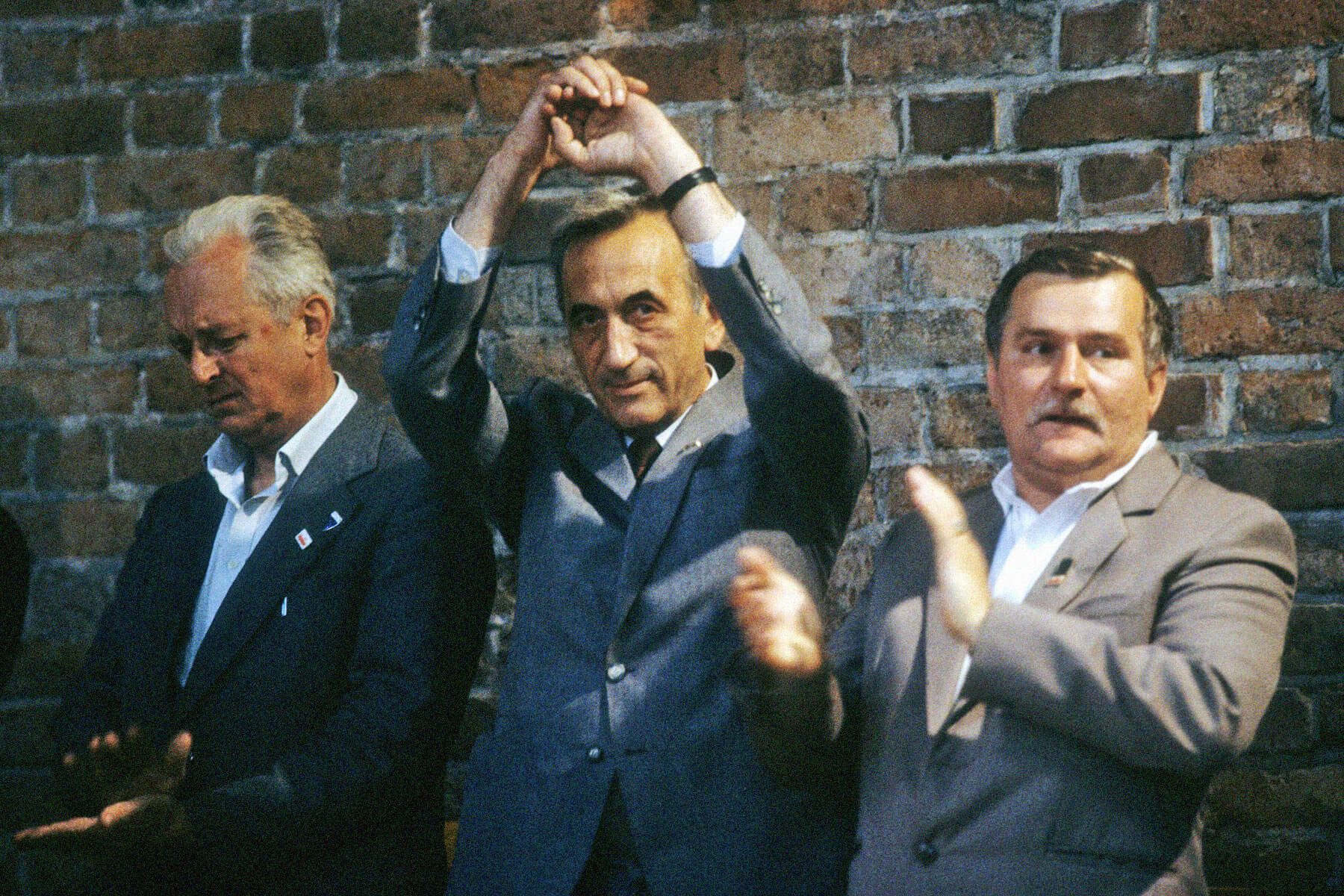
For decades, communist regimes maintained uninterrupted power over the many nations of the Eastern Bloc, a group of communist states largely located in Central and Eastern Europe and parts of Asia. Dictators ruled with an iron fist thanks to the lack of fair and free elections within the Soviet Union, Czechoslovakia, and the other countries that fell behind the Iron Curtain. That trend continued until 1989, when Poland held its first democratic elections since the Cold War began. Tadeusz Mazowiecki emerged as Eastern Europe’s first noncommunist leader in decades, representing a pro-labor party known as Solidarity. Mazowiecki embraced Western ideology such as a free-market economy, and though he was replaced as prime minister two years later, the election remains a historic event. Other former communist nations soon followed Poland’s lead; Czechoslovakia and Hungary both held their first fair multiparty elections in 1990. Not long after, the Iron Curtain disintegrated as the Soviet Union collapsed.
Photo credit: Keystone-France/ Gamma-Keystone via Getty Images
Albania Escaped Soviet Control and Aligned Itself With China
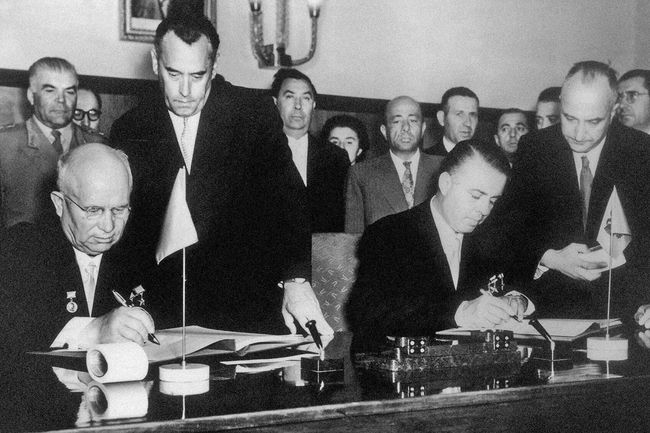
Albania may be firmly located in Europe, but during the Cold War it found an unlikely anti-Soviet ally in China. Beginning in 1949, Albania aligned itself with the Soviet Union, which was then still ruled by Joseph Stalin. But after Stalin’s death in 1953, Soviet-Albanian relations began to strain, as Albanian leader Enver Hoxha was much less fond of incoming Soviet premier Nikita Khrushchev. Khrushchev denounced Stalin’s ideology, which rubbed Hoxha and the Albanian people the wrong way and eventually led to the formal termination of Soviet-Albanian relations in 1961. Around the same time, the U.S.S.R. and China had a falling-out of their own, as Chinese leader Mao Zedong also decried the Soviet Union’s revisionism. Given their similar pro-Stalin views, Albania and China found unlikely allies in one another, with China informally providing support to the tiny Balkan country. These strange bedfellows remained on the same page until Richard Nixon visited China in 1972, forcing Albania to reevaluate the relationship. The allyship between Albania and China came to an end in 1978.
Since its creation, jazz has represented the American identity, in part as a symbol of freedom of expression. That’s what made jazz music such a useful propaganda tool for the West to reach nations behind the Iron Curtain. Underground American radio transmissions brought jazz to residents of Eastern Bloc nations beginning in 1955 in an effort to appeal to those repressed societies. Programs such as Willis Conover’s Music USA: Jazz Hour earned cult followings within these pro-Soviet countries, as the U.S. sought to win the ideological war over its Eastern European rivals. The United States hoped that free-flowing jazz music could open the minds of citizens who were used to more formal operas and ballets, and in turn make those individuals more receptive to Western culture. Barriers were broken down even further in 1958 when jazz pianist Dave Brubeck traveled to Poland to perform a landmark concert series. These efforts extended into the Middle East, Asia, and Africa around the same time, as the U.S. spread its jazz music around the world.
Advertisement
Advertisement
Photo credit: robert wallis/ Corbis Historical via Getty Images
The Fall of the Berlin Wall Was Partly Due to a Misinformed Spokesperson
On November 9, 1989, a gaffe uttered by East German spokesperson Günter Schabowski accelerated the fall of the Berlin Wall. After decades of difficult and dangerous travel between East and West Germany, East German officials sought to loosen restrictions while still maintaining control over the visa application process. However, Schabowski, a spokesperson for East Germany’s politbüro, misinterpreted the notes he was given at a press conference and claimed that travel between the two sides could begin without delay. Shortly after the televised slipup, massive crowds gathered at the Berlin Wall, though these groups of travelers initially were held back by guards who were given no specific instructions. Eventually, East Berliners outnumbered the guards to a significant degree, leaving officials no choice but to let people through. Every one of the checkpoints opened by midnight, as people from the East freely traveled into West Berlin for the first time since the wall was erected in 1961. The feeling of independence and celebration was palpable, as East Berliners climbed the wall, destroyed it with hammers, and reunited with their neighbors in West Berlin.
Universal History Archive/ Universal Images Group via Getty Images
Author Tony Dunnell
September 7, 2023
Love it?77
During the high medieval period in Europe — a time when the continent’s population increased rapidly, bringing about great social and political change — Pope Urban II sparked a religious war when he urged Christians to recapture the Holy Land, a region that lies between the Jordan River and the Mediterranean Sea and is held sacred among Christians, Jews and Muslims, particularly the holy city of Jerusalem. The result was a series of military campaigns that lasted from 1095 to 1291, known today as the Crusades.
Photo credit: Photo 12/ Universal Images Group via Getty Images
The Roots of Religious Conflict
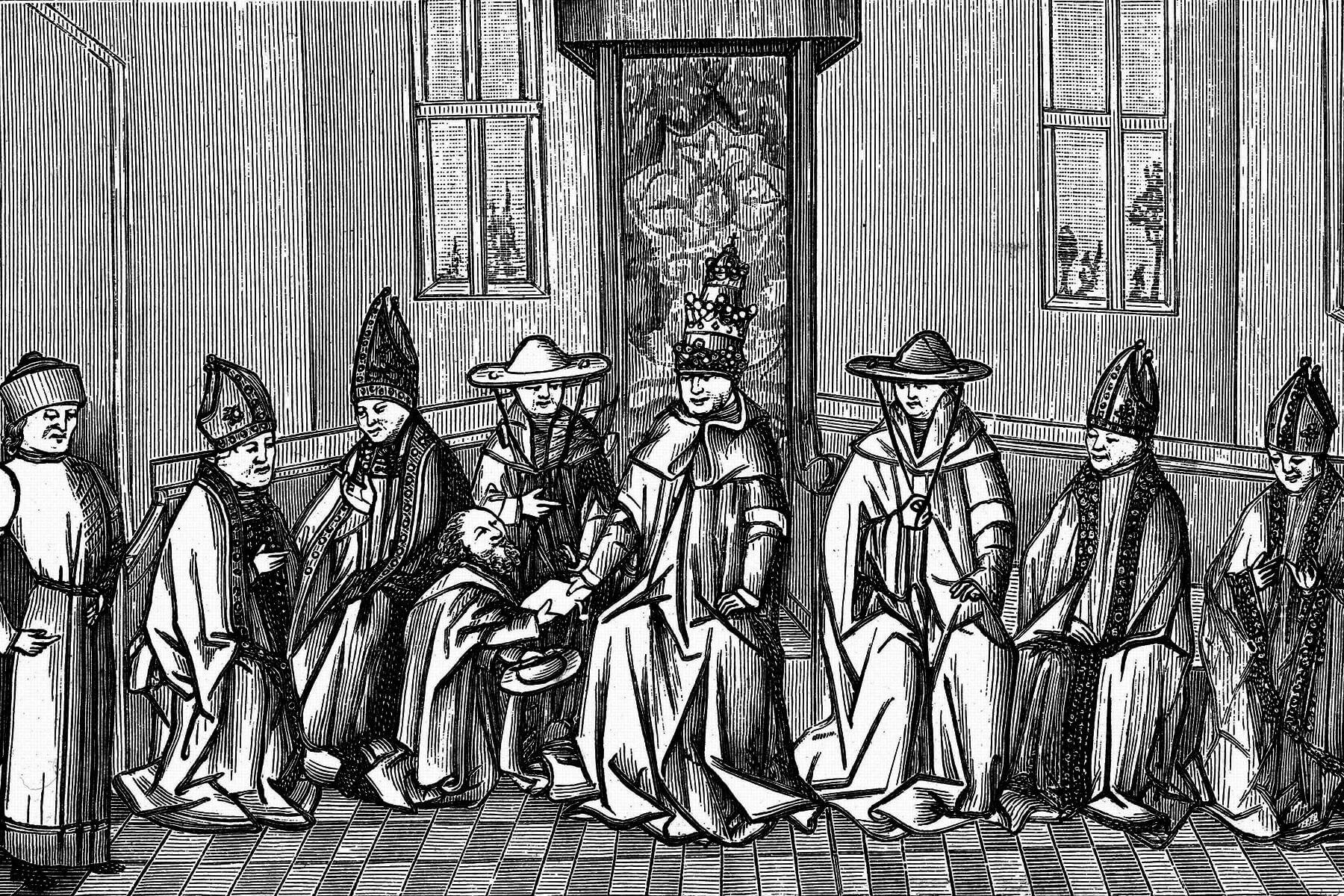
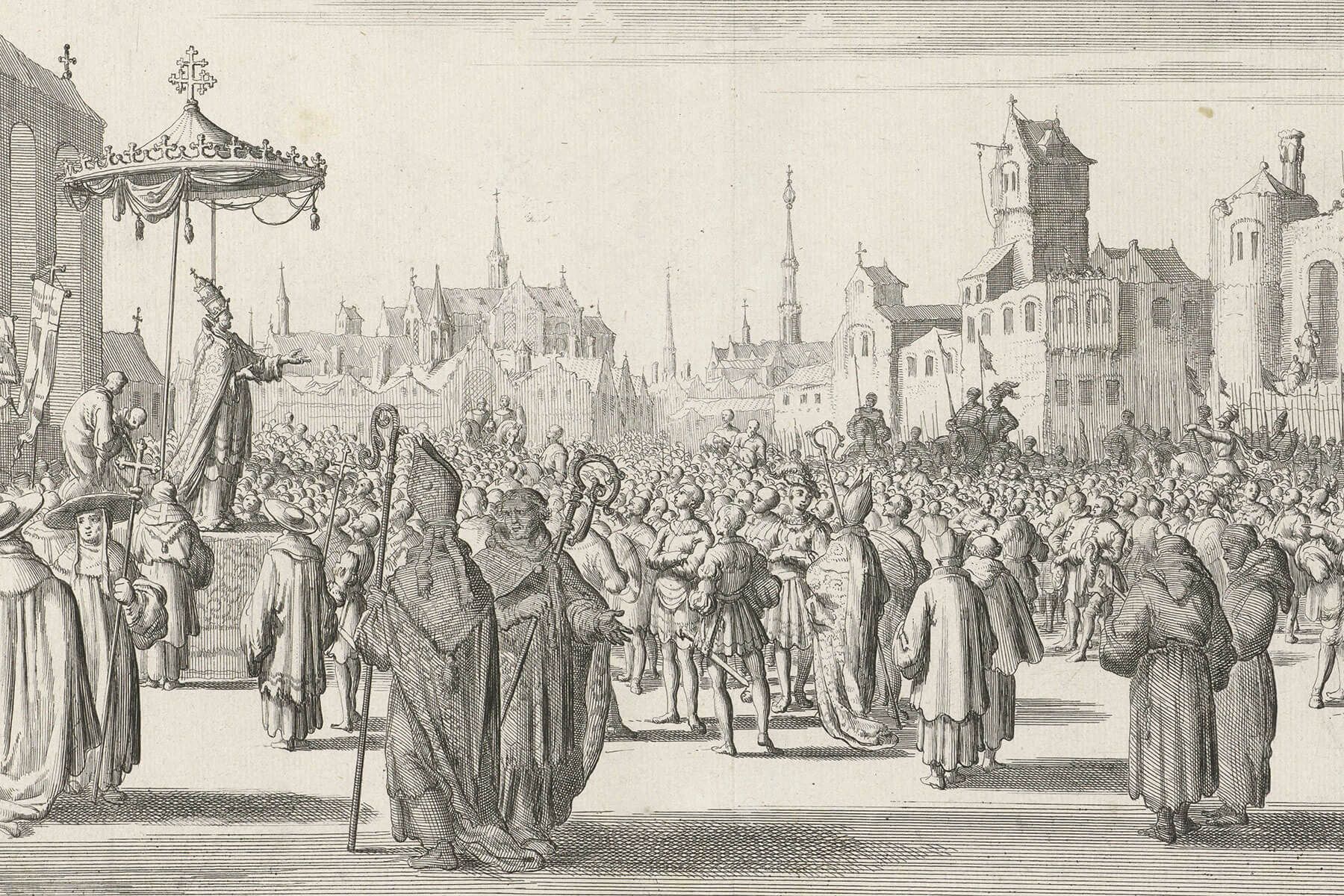
By the end of the 11th century, about two-thirds of the ancient Christian world had been conquered by Muslims, including strategically and religiously important regions such as Palestine, Syria, and Egypt. When, around 1077, Muslim Turks took control of the Holy Land, religious and territorial frictions between the two religious groups reached a tipping point. Byzantine Emperor Alexius I Comnenus feared that his lands — the Eastern Roman Empire, which included the strategically important city of Constantinople (now Istanbul) — would be next, and he appealed to the pope for assistance. Pope Urban II responded in 1095, promising the knights of Europe that their sins would be forgiven if they recaptured the Holy Land and, more specifically, Jerusalem, for Christianity. With that fateful promise, the Crusades began.
Photo credit: Heritage Images/ Hulton Archive via Getty Images
Rallying to the Cause
Pope Urban’s plea was met with a massive response, not only among knights but also among ordinary citizens who chose to join the Crusades. Their reasons for joining the holy war were varied. Many knights sought to defend Christianity while earning forgiveness for their sins and eternal glory, as promised by Pope Urban II. But their motives weren’t always religious. Knights also believed firmly in chivalry and sought out adventures in which they might gain honor or renown. The campaigns also presented material opportunities, with conquered land up for grabs. European merchants, too, were typically in favor of the Crusades, as they sought to monopolize important trading centers that were under Muslim control. They could also earn good money shipping Crusaders to the Middle East — an estimated 90,000 men, women, and children of all classes joined the First Crusade alone, so there was wealth to be made in providing passage.
Photo credit: Print Collector/ Hulton Archive via Getty Images
The First Crusade
The armies of the First Crusade set off for the Holy Land in 1096. Warriors had gathered from around Europe, and a force of about 60,000 soldiers (of which some 6,000 were knights) and at least 30,000 noncombatants was amassed, known as the “Princes’ Crusade.” By 1098, the campaigning forces had taken major cities including Nicaea and Antioch, but not without suffering significant losses. By the time the Crusader army reached its primary objective, Jerusalem, in June 1099, there were only around 1,300 knights and 12,000 infantry remaining. Undeterred, they laid siege to Jerusalem, breaching the walls on July 15. The Crusaders then spent two days massacring the inhabitants and pillaging the city. The First Crusade was a bloody victory for Europe, and Jerusalem returned to Christian rule.
Photo credit: Culture Club/ Hulton Archive via Getty Images
The Second Crusade
Despite the outcome of the First Crusade, holding territory in the Holy Land was no easy task. So-called “Crusader states” were formed, but the first of them, the County of Edessa, was retaken in 1144 by Muslim forces. In response, Pope Eugene III called for a Second Crusade, this time to be led by European kings. A force of 60,000 people assembled and marched east. The campaign, however, was a failure. The Crusader armies became stretched out, and after numerous skirmishes and a handful of sieges, the whole endeavor fizzled away.
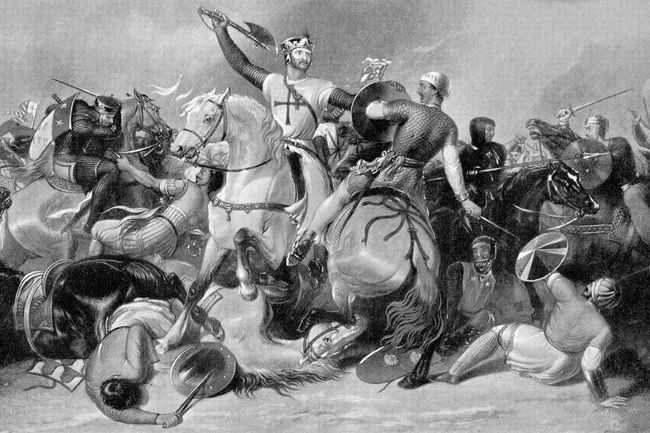
Next came the rise of Saladin, one of the most famous figures of the Crusades. The Muslim sultan of Egypt and Syria brought forces from both nations under his own control and began attacking the Crusader states. Most importantly, Saladin recaptured Jerusalem — the prize of the First Crusade — in 1187, sending shockwaves around Europe. The pope soon called for a Third Crusade to recapture Jerusalem. The kings of Europe responded — most notably Richard I of England, known as Richard the Lionheart due to his reputation as a fearsome warrior. So began one of the greatest military rivalries not only of the Crusades, but of warfare in general. Richard and Saladin developed a mutual respect and admiration for each other through their conflicts, and became the defining figures of the Crusades. The Third Crusade ended in 1192 with the Crusader armies recapturing the vital cities of Acre and Jaffa. The Crusaders retook most of the territory captured by Saladin, but failed to recapture Jerusalem.
The Crusades didn’t end there. There were at least eight Crusades in total, until the period finally ended with the fall of the city of Acre in 1291. This marked the end of any major European presence in the region, and no further large military campaigns were organized. Between 1095 and 1291, a number of popular campaigns also took place, but without papal approval, so they are not considered part of the Crusades. This includes the infamous and somewhat bizarre “Children's Crusade,” led by a 12-year-old shepherd named Stephen. The details of this unofficial quest are questionable and may well have been hugely exaggerated by contemporary sources, which claim that as many as 30,000 children set off toward Jerusalem. Whatever the actual numbers, the Children’s Crusade was a failure and never even reached the Holy Land — but it can lay claim to being the first European youth movement.
Anthony Potter Collection/ Archive Photos via Getty Images
Author Tony Dunnell
August 31, 2023
Love it?68
It’s often said that wars bring about a wave of innovation — necessity being the mother of invention, as the old adage goes. In reality, that’s not necessarily true. According to some studies, there tends to be a significant decline in inventiveness immediately after the outbreak of a war, followed by a marked surge, the net result being a fairly standard rate of innovation overall. Creation through necessity or even desperation certainly happens, but prosperous, peaceful, and free societies tend to be just as inventive, if not more so.
That said, plenty of technological innovation took place during World War II, especially in fields that had military applications. Here are some of the most pivotal, successful, and enduring inventions to come out of the war, from handy tools used by millions of people to miracle drugs that have saved countless lives.
In 1943, Vesta Stoudt, an Illinois woman with two sons serving in the U.S. Navy, was working in an ordnance plant when she noticed a problem with the ammunition boxes she was packing. The boxes were sealed with paper tape with a tab to open them, but this tab could easily tear off, leaving soldiers potentially scrambling to open the boxes in life-threatening situations. So, Stoudt came up with the idea of a waterproof fabric tape with which to seal the boxes — an idea she sent to none other than President Franklin D. Roosevelt. Impressed, the President sent her letter to the War Production Board, which soon came up with what we now know as duct tape. Not only was it easy to apply and remove on ammo boxes, but it also turned out to be endlessly handy for quickly repairing military equipment, including vehicles and weapons.
The fundamental principle underlying modern radar (which is actually an acronym for “radio detection and ranging”) was first observed in 1886 by physicist Heinrich Hertz, who found that electromagnetic waves could be reflected from various objects. It was during World War II, however, that modern, practical radar was developed. Britain had already established a chain of radar stations along its south and east coasts by the outbreak of the war, allowing for the detection of enemy aircraft at a range of 80 miles. The British then invented the cavity magnetron in 1940, paving the way for far more compact, powerful, and sensitive radar units (and, as it happens, microwave ovens).
British engineer and RAF officer Frank Whittle first put forward his vision of jet propulsion in 1928, at which time he was roundly ridiculed. Undeterred, he did a successful test run of the first practical jet engine in 1937, albeit on the ground. Then, in August 1939 — a month before the outbreak of the war — the German-built Heinkel He 178 made the first jet-powered flight in history. The war ramped up the development of jet engines, and Whittle found himself with more funding than ever before. In May 1941, his jet-propelled Gloster E.28/39 took flight, achieving a top speed of 370 mph at 25,000 feet, faster than any other conventional propeller-driven aircraft. Though neither the Heinkel He 178 nor the Gloster E.28/39 ever flew combat missions during the war, the “jet age” had begun. The first jet aircraft used in the war were the Messerschmitt Me 262 and Gloster Meteor, starting in 1944.
During World War II, Harry Coover was part of a team at Eastman Kodak trying to find a way to make clear plastic gun sights for Allied soldiers. During his research, Coover accidentally created a new compound called cyanoacrylate. At the time, he and his team found the new compound to be incredibly durable but way too sticky to use, and they soon abandoned the substance. Nine years later, in 1951, Coover returned to cyanoacrylates, and this time he and his team recognized new potential in them. The sticky adhesive required no heat or pressure to bond, and the bond was incredibly strong. Coover had invented super glue, albeit by accident.
Advertisement
Advertisement
Photo credit: Apic/ Hulton Archive via Getty Images
Electronic Computers
It’s hard to say precisely when the first computer was invented. You could argue that it was the abacus of the ancient world, and there’s certainly a case to be made for Charles Babbage and his mechanical computer of the early 19th century. But when it comes to programmable, electronic computers, we can reliably trace the origin to the Second World War. First there was Colossus, a huge set of computers developed by British code breakers at Bletchley Park between 1943 and 1945. In its first test, Colossus successfully decoded a genuine coded message so quickly that 10 improved machines were ordered right away. Then there was ENIAC (Electronic Numerical Integrator and Computer), developed by the United States and completed in 1945, which lays claim to being the first programmable, general-purpose, electronic digital computer. (It was designed specifically for computing values for artillery range tables, but had other uses as well.) Together, they marked a turning point in the history of modern computers.
Not all the inventions that arose from World War II had military applications. In 1943, Richard James, a naval mechanical engineer stationed at the William Cramp & Sons shipyards in Philadelphia, was working to devise springs that could keep sensitive ship equipment steady at sea. While he was working, he accidentally knocked a coiled spring from a shelf. He watched, surprised and amused, as the spring seemingly walked its way end-over-end across the ground. That same day, he went home and told his wife, Betty James, about an idea he had for a new toy. They took out a $500 loan, co-founded James Industries, and in 1945 the Slinky hit shelves. By the end of the 20th century, around 250 million Slinkys had been sold.
Penicillin was discovered in 1928 by the Scottish bacteriologist Alexander Fleming, and it was later isolated and purified in the late 1930s. Making large amounts of penicillin, however, was difficult. In 1942, when the new antibiotic was first used to successfully treat a patient for sepsis, it used up half the available supply of penicillin in the United States. During the war, a combined effort between the U.S. and Great Britain saw scientists working around the clock to develop mass production techniques. They were successful, and managed to manufacture 2.3 million doses of penicillin in preparation for the D-Day invasion on June 6, 1944.
Advertisement
Advertisement
Another History Pick for You
Today in History
Get a daily dose of history’s most fascinating headlines — straight from Britannica’s editors.