


6 Inventions That Came Out of the Victorian Era
Author Tony Dunnell
December 14, 2023

Love it?

Queen Victoria ruled Britain from 1837 until her death in 1901. Her reign of 63 years and 216 days was longer than that of any of her predecessors, and was exceeded only by Elizabeth II’s time on the throne. This period, known as the Victorian era, saw the British Empire expand to become the first global industrial power. 

Fueled by the industrial revolution that began the previous century — which reshaped almost every existing sector of human activity — the era saw many breakthroughs in the arts and sciences (perhaps most notably, Charles Darwin’s theory of evolution) as well as great social change and political reforms. And, as people from the countryside began to move to urban industrial hubs in search of work, there was a rise in both education and affluence, further driving the wave of ideas and innovation.

Victorian-era Brits were avid inventors, and many of the creations from this time had a major impact not only in Britain but across the globe. That’s not to say that all Victorian innovations were a hit. The hat cigar holder, ventilating top hat, anti-garroting cravat, reversible trousers, and “corset with expansible busts” all rank among the less successful ideas. These failures, however, were far outweighed by the era’s many influential developments, some of which laid the foundation for our modern age, and are still used every day. Here are some of the greatest innovations of the Victorian era, from the telephone to the electric light bulb. 
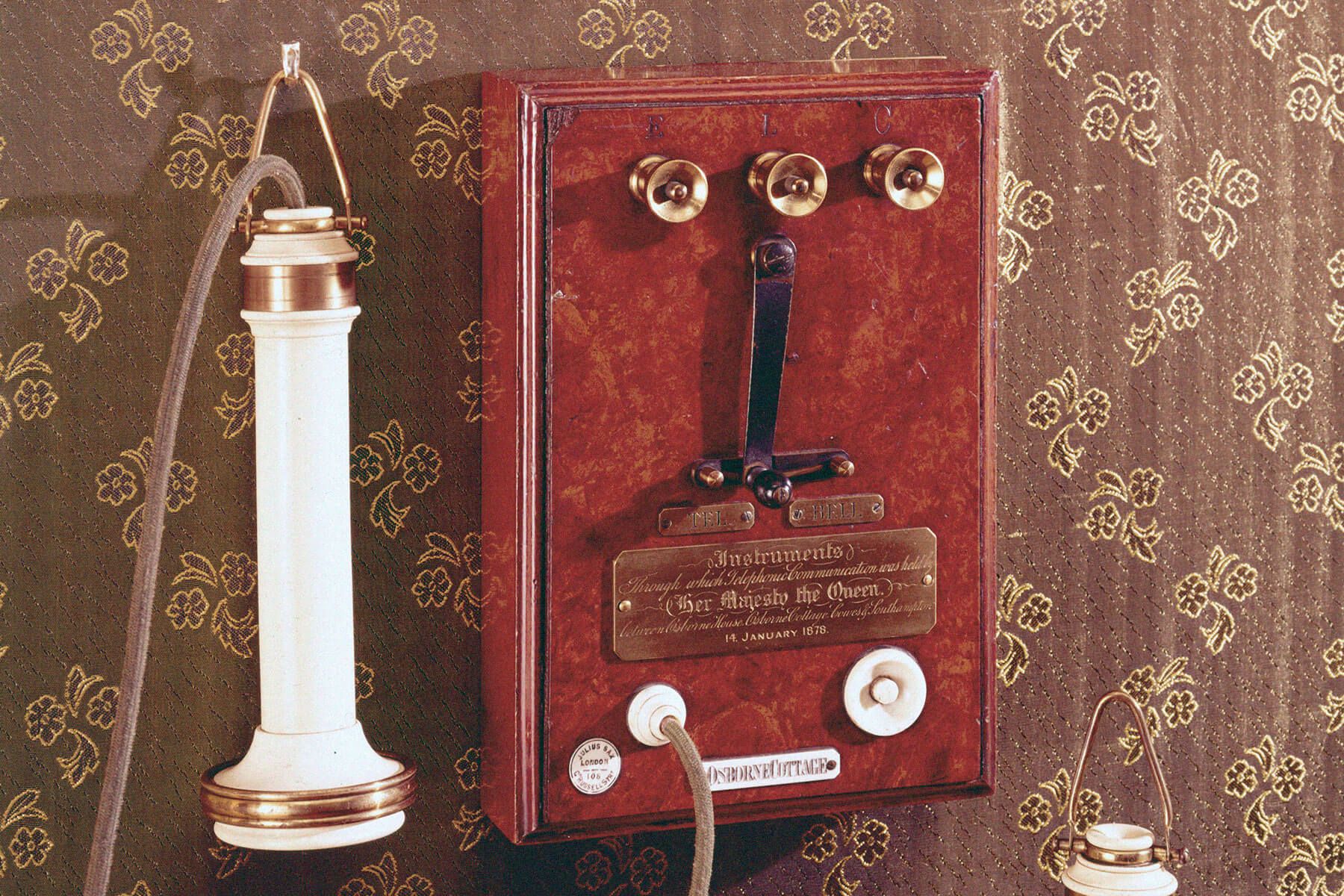
Photo credit: Science & Society Picture Library via Getty Images

Telephone

Scottish-born inventor Alexander Graham Bell is considered the father of the telephone, but a degree of controversy remains over who exactly invented the world-changing device. The American electrical engineer Elisha Gray filed a patent on the exact same day as Bell, in Washington, D.C., on February 14, 1876. We’ll never quite know how things played out in the patent office, but Bell’s documents were filed first, and he was awarded the patent on March 7. A few days later, he made the first-ever telephone call. He called his assistant, Thomas Watson, with the now-famous words, “Mr. Watson, come here. I want you.” 

Bell, who had lived in Boston since 1871, was keen to introduce his invention to Britain, where, as a young man, he had received an expansive Victorian education in Scotland and London, and where he first began his experiments in sound. In August 1877, he toured Britain with his wife Mabel (it was supposed to be their honeymoon), promoting his invention as he went. He even  demonstrated the newly invented telephone to Queen Victoria herself, who was so impressed she asked to keep the temporary installation in place.

History’s Most Ingenious Engineering Marvels 

Author Tony Dunnell
December 7, 2023

Love it?

Our planet is home to many talented engineers. Termites, for example, build complex structures that rise up to 10 feet in height, their “bricks” bonded by bio-cementation. Spiders, meanwhile, weave intricate webs, which, like suspension bridges, are capable of bearing heavy loads in even the stormiest weather. Then there are beavers and their well-engineered dams, bees and their cellular hives, and industrious ants whose largest recorded contiguous colony stretches a truly incredible 3,700 miles. 

Humans, of course, are in a league of their own when it comes to construction. For millennia, we have been building structures of awesome size and complexity: roads and bridges, cathedrals and stadiums, tunnels and skyscrapers. Among the innumerable structures built by humankind, some stand out for their sheer size and magnificence. Here are six of the greatest engineering marvels in history.

Photo credit: William Olivieri/ Unsplash

The Great Wall of China

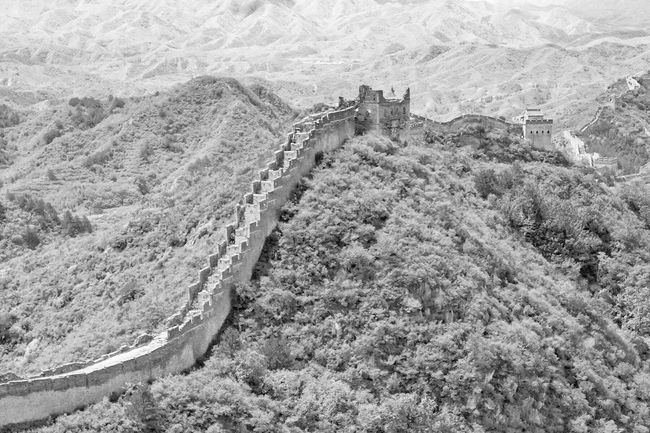
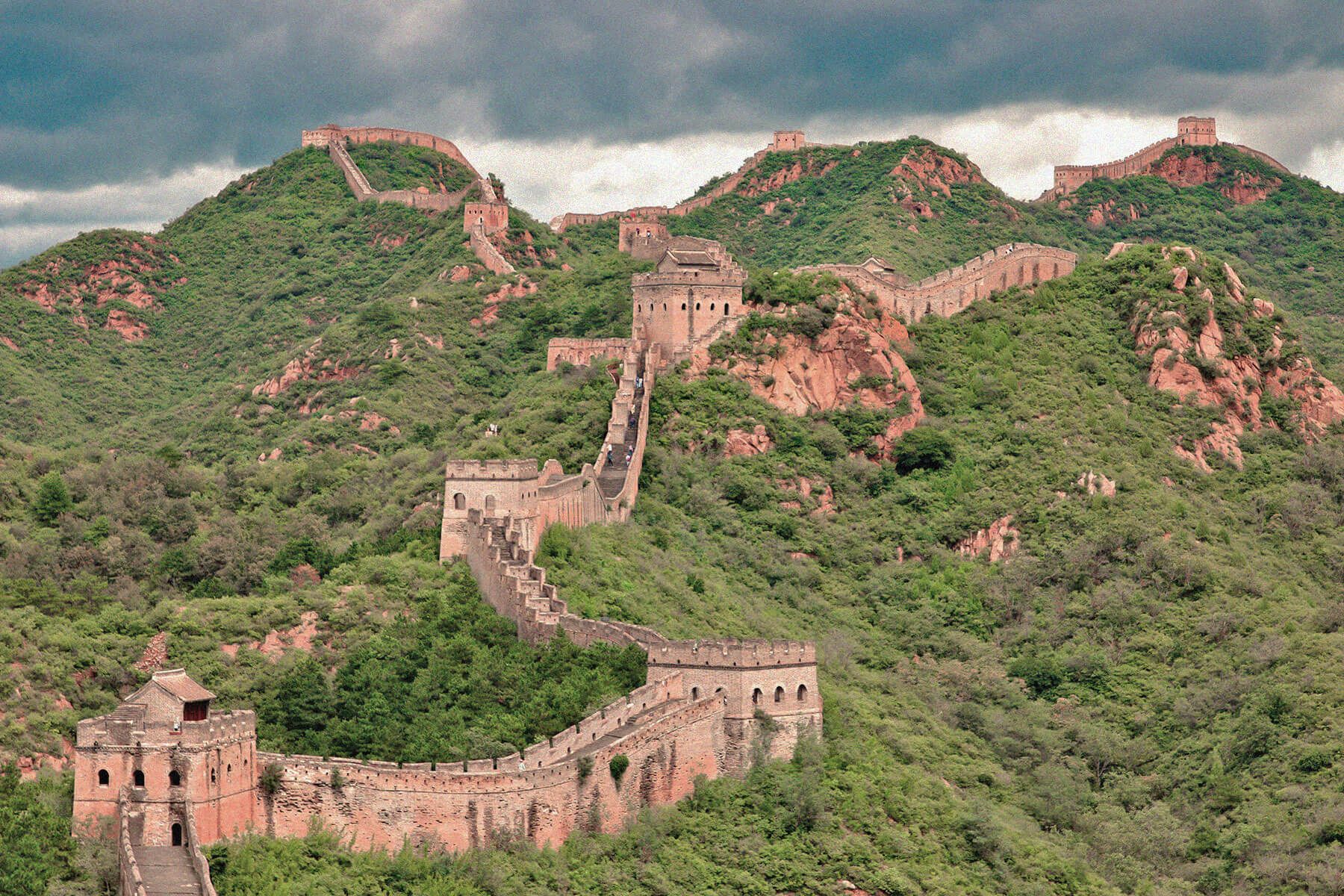
The Great Wall of China is widely considered one of the greatest engineering feats of all time. Built continuously from the third century BCE to the 17th century CE, this series of walls and natural barriers stretches for around 13,000 miles. (Still, despite a persistent myth, it is not visible from the moon or space, at least not with the naked eye.) The Great Wall was originally the idea of Emperor Qin Shi Huang, the founder of the Qin dynasty and the first emperor of a unified China, who wished to protect the country from barbarian attacks from the north. 

Under his orders, many older, unconnected state walls and fortifications were removed and a number of existing walls were joined into a single system stretching from the eastern Hebei province to Gansu province in the west. The wall itself was 15 to 30 feet high, topped with ramparts of at least 12 feet, with guard towers distributed at regular intervals. Much of the Great Wall that we now see was constructed during the powerful Ming dynasty, starting from around 1474. Today, the most famous and iconic section of the Great Wall of China is located 43 miles northwest of Beijing. This section was rebuilt in the late 1950s and now attracts thousands of tourists every day.

6 Inventions Often Credited to the Wrong Person

Author Tony Dunnell
November 9, 2023

Love it?

There’s nothing more frustrating than working your socks off only to see someone else get all the credit for your efforts. Spare a thought, then, for the minds behind some of history’s most significant innovations, who, despite months, years, or in some cases lifetimes of work, find someone else’s name ignominiously attached to their invention. 

Sometimes inventions are miscredited in the public consciousness simply because a more famous name becomes associated with the creation. For example, Thomas Edison and Henry Ford — two of modern history’s most well-known innovators — are often credited with things they didn’t actually invent, through no fault of their own. Then there are the more insidious misattributions. In some instances, an idea has been copied or outright stolen, robbing the true inventor of their glory; in others, a more senior or prominent member of a team is given credit despite not coming up with the original idea. See, for example, the Matilda effect, in which notable discoveries made by women have often been misattributed to the men they worked with. 

Here are some notable inventions in history that are frequently credited to the wrong person, from the flush toilet to the iPod. 

Photo credit: FLHC SP2/ Alamy Stock Photo

The Flush Toilet

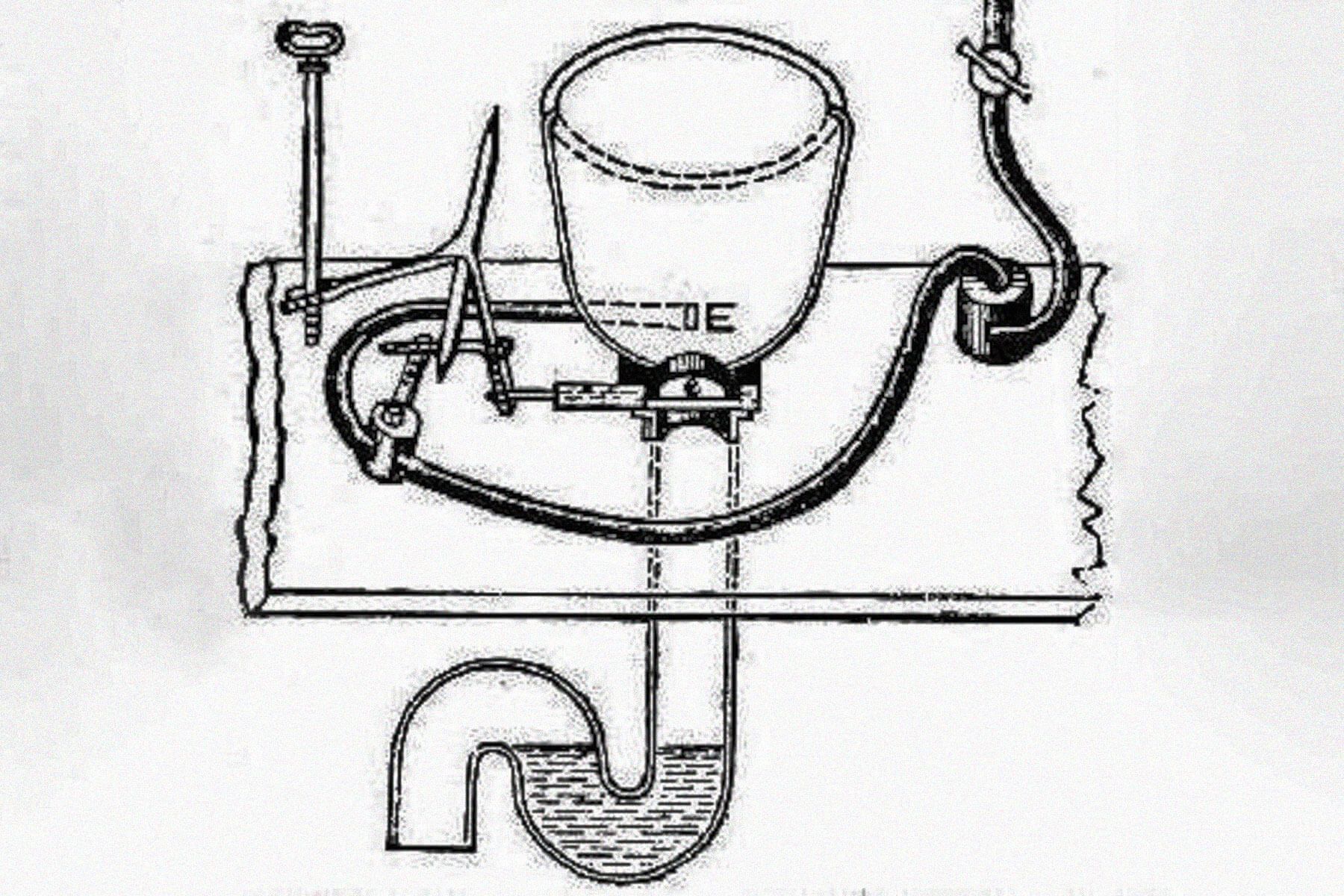
No name in the history of toilets is more famous than that of plumber Thomas Crapper, partly because his name appeared on the once-ubiquitous Crapper brand of toilets, and partly because Crapper is a humorously appropriate name for a toilet (the slang word “crap” existed before Thomas Crapper). Crapper, however, did not invent the flushing device with which he is so associated. He did patent the U-bend and floating ballcock — key components of the modern toilet — in the late 1880s, but he never held a patent for the flush toilet. Much earlier, in 1596, John Harington, an English courtier and the godson of Queen Elizabeth I, described what can be considered the first flush toilet, which involved a 2-foot-deep bowl and a massive 7.5 gallons of water per flush. (Only two working models were made, one in Haringon’s own home and one in Queen Elizabeth’s palace.) The first patent for a flushable toilet was granted to the Scottish inventor Alexander Cumming in 1775. 

Photo credit: Bettmann via Getty Images

The Telescope 

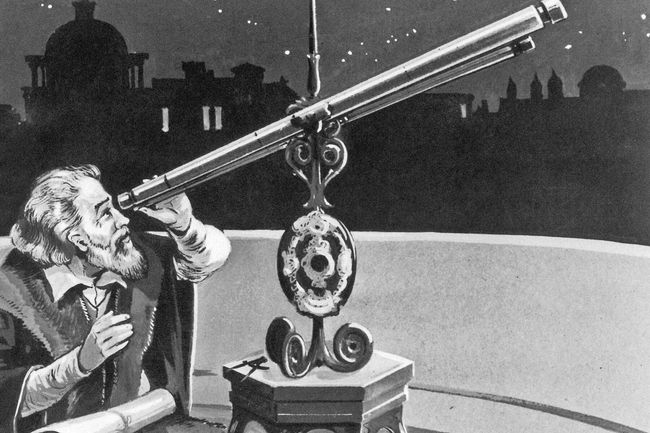
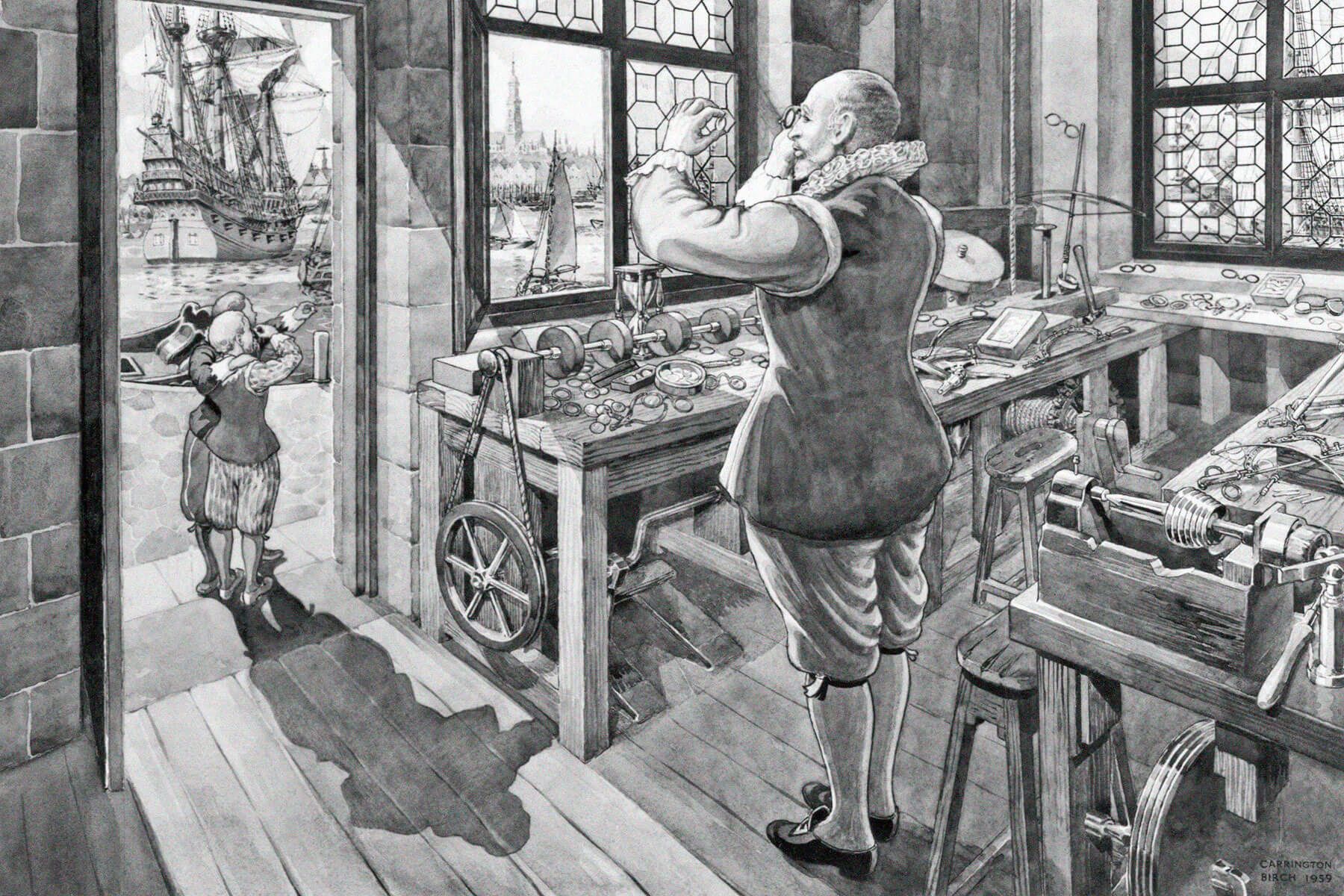
The Italian polymath Galileo Galilei is often credited with inventing the telescope, and it’s easy to see why. He gave birth to modern astronomy with his telescope-assisted discoveries about our moon, the moons of Jupiter, and other celestial bodies. Galileo made his first telescope in 1609 after hearing about the “perspective glasses” being made in the Netherlands. But the first person to apply for a patent for a telescope was Dutch eyeglass-maker Hans Lippershey in 1608, a year before Galileo. His telescope could magnify objects only three times, but it was nonetheless a landmark in the history of optics. (By comparison, by the end of 1609, Galileo had developed a telescope that magnified objects 20 times.) Whether Lippershey should be credited as the inventor of the telescope remains an open debate, as it is entirely possible that others created similar devices before he filed his patent. 

7 Fascinating Facts From the History of the World’s Fair

Author Paul Chang
October 24, 2023

Love it?

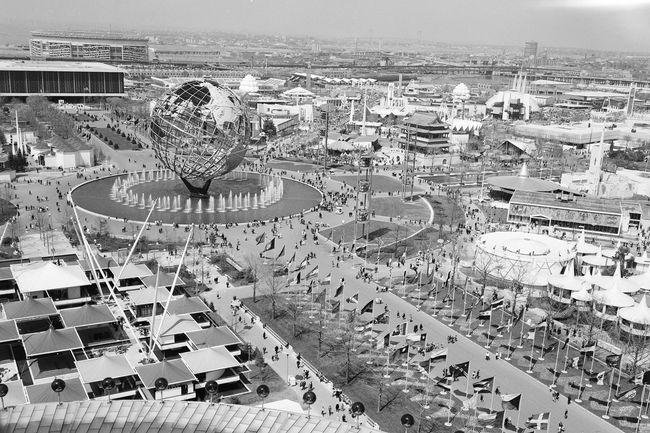
The first world’s fair, known as the Great Exhibition, took place in London in 1851. Held in the Crystal Palace — a massive exhibition hall made of glass and iron — the fair displayed marvels of industry and science as well as works of craftsmanship and art from around the world. Since then, more than 100 world’s fairs have been held in over 20 countries, and countless inventions have made their debut at these massive events, from the telephone to cotton candy. Though the world’s fair has declined in popularity in the United States, it remains popular throughout much of the rest of the world. Here are seven highlights from the history of these fascinating exhibitions.

Photo credit: Bettmann via Getty Images

One Fair Sparked a Frenzy for Plastic Pickles

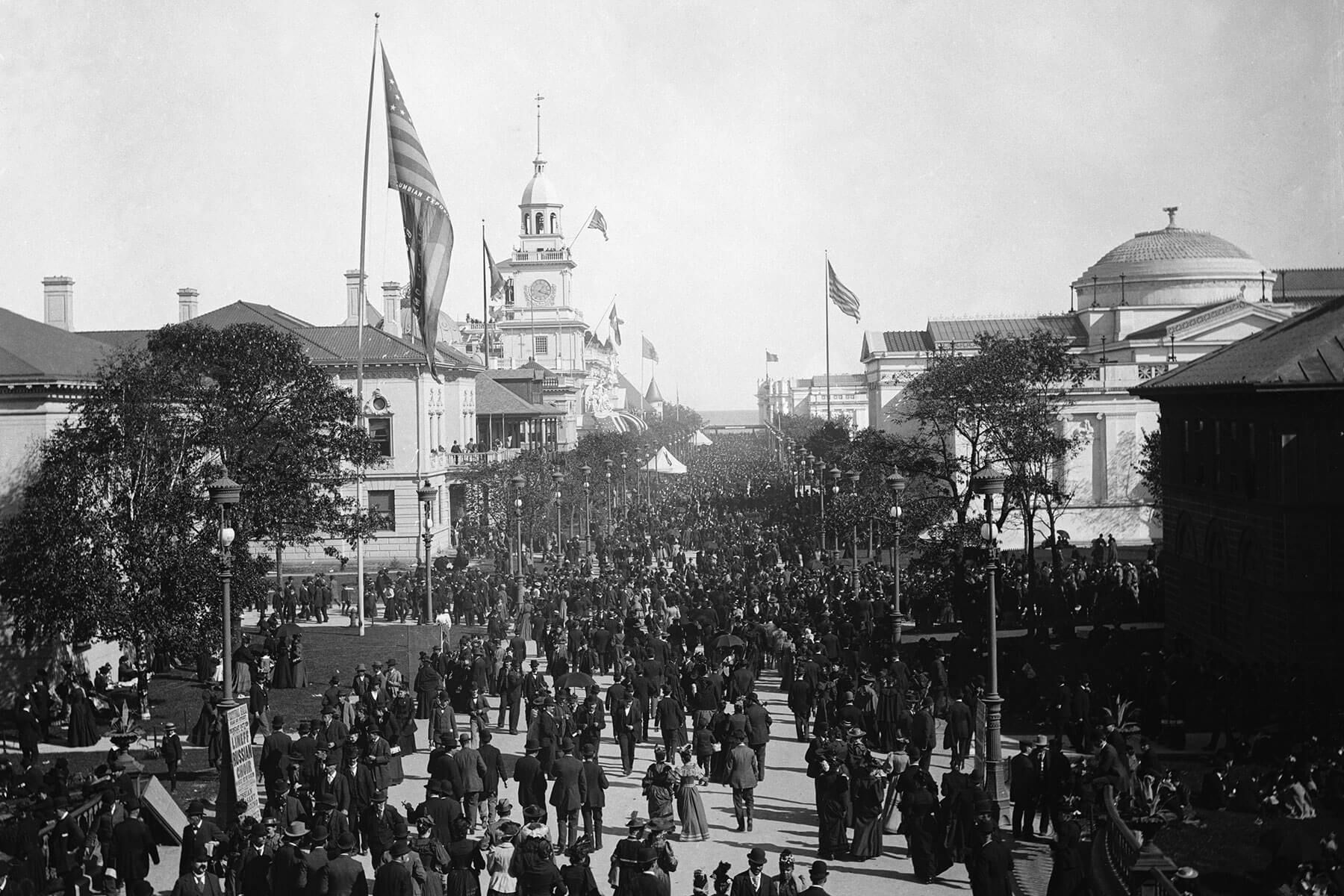
The 1893 World’s Columbian Exposition in Chicago (named in honor of Christopher Columbus) was ripe with opportunity for food sellers. But H.J. Heinz — an American purveyor of pickles and ketchup — was frustrated with his booth placement. While the main floor showcased food exhibits from Germany, Great Britain, Mexico, and other nations, Heinz was stuck on the second floor where there was little foot traffic. He devised a marketing plan that promised a free prize to anyone who visited his booth: a small green plastic pickle pin. The pins were a massive hit; the crowds that flocked to his booth were so large that the floor reportedly sagged around the display. By the end of the exhibition, Heinz had given away more than 1 million pickle pins, paving the way for his brand to become a household name.

Photo credit: Library of Congress/ Corbis Historical via Getty Images

Baby Incubators Started as a Carnival Attraction

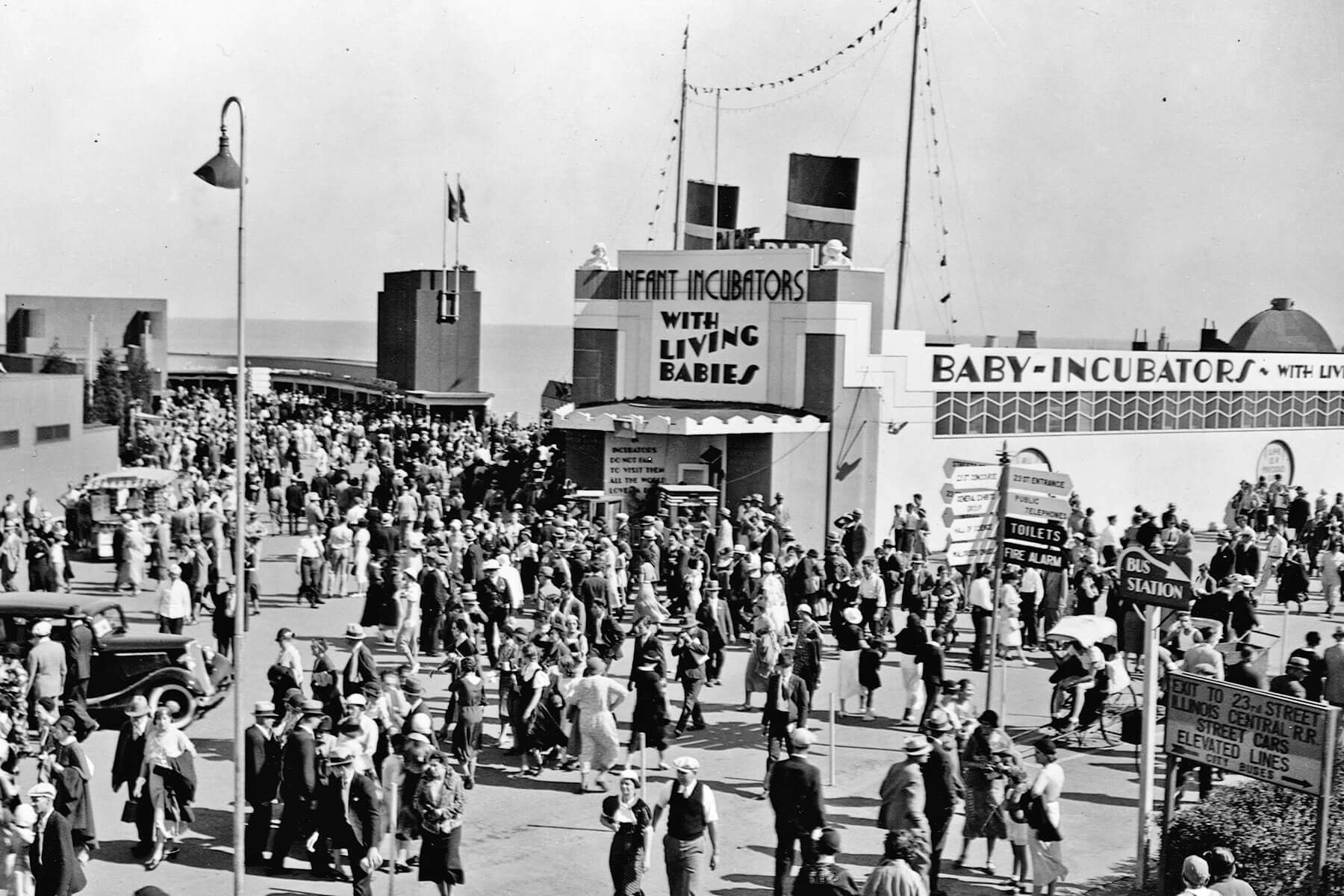
The baby incubator — a lifesaving device in which premature or sick infants can develop — was invented in the 19th century by French obstetrician Stéphane Tarnier, who got the idea after seeing baby chicks being incubated at a zoo. The invention was widely adopted decades later, thanks to the work of two men, Pierre Budin and Martin Couney. Determined to popularize the groundbreaking technology, Budin and Couney displayed six incubators complete with real premature babies at the 1896 Great Industrial Exposition of Berlin, in an exhibit they dubbed “Child Hatchery.” The exhibit was so popular that Couney went on to set up a permanent exhibit in an unlikely location: the Coney Island amusement park in New York. For the next four decades, Couney managed a neonatal intensive care unit that saved thousands of babies while doubling as a carnival attraction. Despite not being a licensed doctor, Couney is now widely credited with the adoption of the baby incubator into mainstream medicine.

The Surprising Origins of 6 Everyday Objects

Author Nicole Villeneuve
August 3, 2023

Love it?

The objects we use in our everyday lives can easily be taken for granted. Simple conveniences such as lighting or the cars that get us from point A to point B are so ingrained in the day-to-day that we don’t stop to think about what life would be like without them — let alone how they even got here in the first place. 

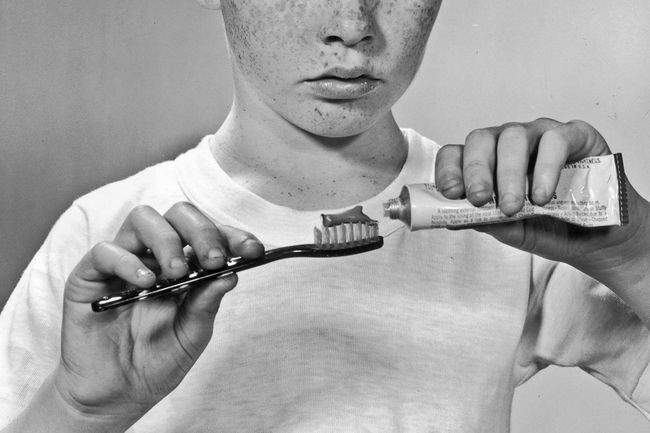
Some stories are more familiar than others: Thomas Edison famously toiled for years (and built on the work of others) before finalizing the first practical incandescent lightbulb, while Karl Benz’s 1901 Mercedes became the prototype for all modern cars that followed. But what about our toothbrushes? Air conditioning? Or the most vital of daily tools, the intangible but indispensable Wi-Fi network? Read on to learn about the surprising origin stories of six everyday objects.

Photo credit: Clarence Sinclair Bull/ Moviepix via Getty Images

The Basis for Wi-Fi Was Invented By a Hollywood Starlet

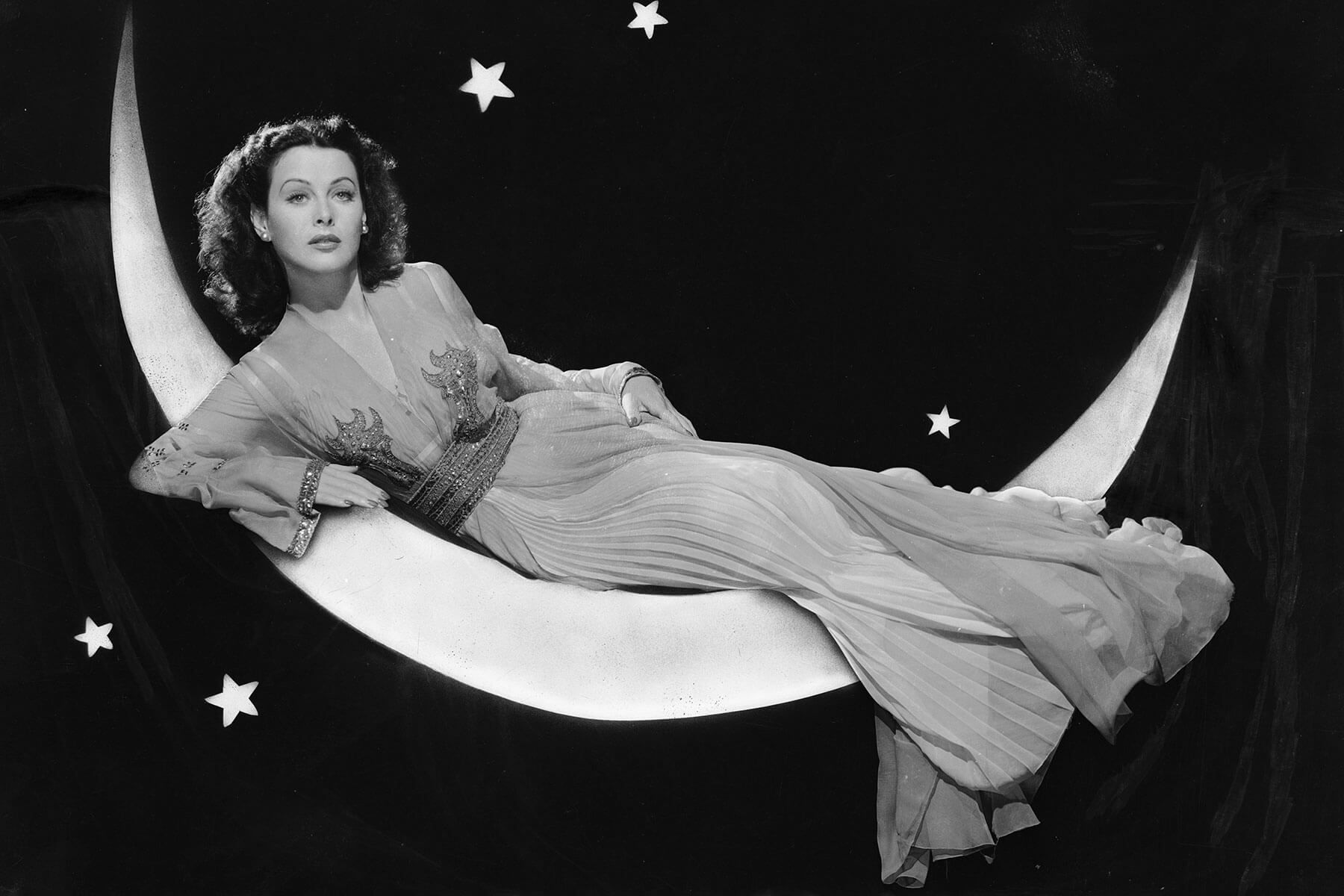
The invention of Wi-Fi has sparked plenty of debates and disputes over the years. Various individuals and organizations contributed to its development, and while the specific inventor of Wi-Fi is a matter of contention, one unexpected notable figure played a significant role in laying the foundation that made it possible: actress and inventor Hedy Lamarr.

Lamarr is known for her Hollywood career in the 1930s and ’40s, but her accomplishments went beyond the silver screen. During World War II, she teamed up with composer George Antheil to create a secure communication system that would prevent signal interference by enemy forces. This “frequency hopping” system was intended to guide torpedoes, and is widely considered the precursor to not only Wi-Fi, but GPS and Bluetooth technologies as well. However, Lamarr and Antheil’s patent expired before it got used, and only in modern times is the actress receiving the credit she deserves for enabling these transformative technologies.

5 Inventions That Came Out of the Great Depression

Author Sarah Anne Lloyd
July 24, 2023

Love it?

The Great Depression began in 1929 and lasted for an entire decade, affecting nearly every aspect of daily life for people all over the world — and hitting the United States especially hard. U.S. unemployment soared to nearly 25%, businesses shuttered, and families lost their life savings. Food became scarce in many communities, especially as a severe drought hit the Great Plains, leading to the agricultural disaster known as the Dust Bowl.

This difficult era also impacted innovation. Independent inventors found themselves with less funding, and many businesses shied away from risky initiatives, but big inventions also helped keep companies and innovators afloat during the hard times. Some inventions were successful specifically because of the economic downturn, such as the groundbreaking new adhesive that could repair just about anything. For others, success came in spite of the crisis. Here are five inventions that came out of the Great Depression that are still shaping our lives today.
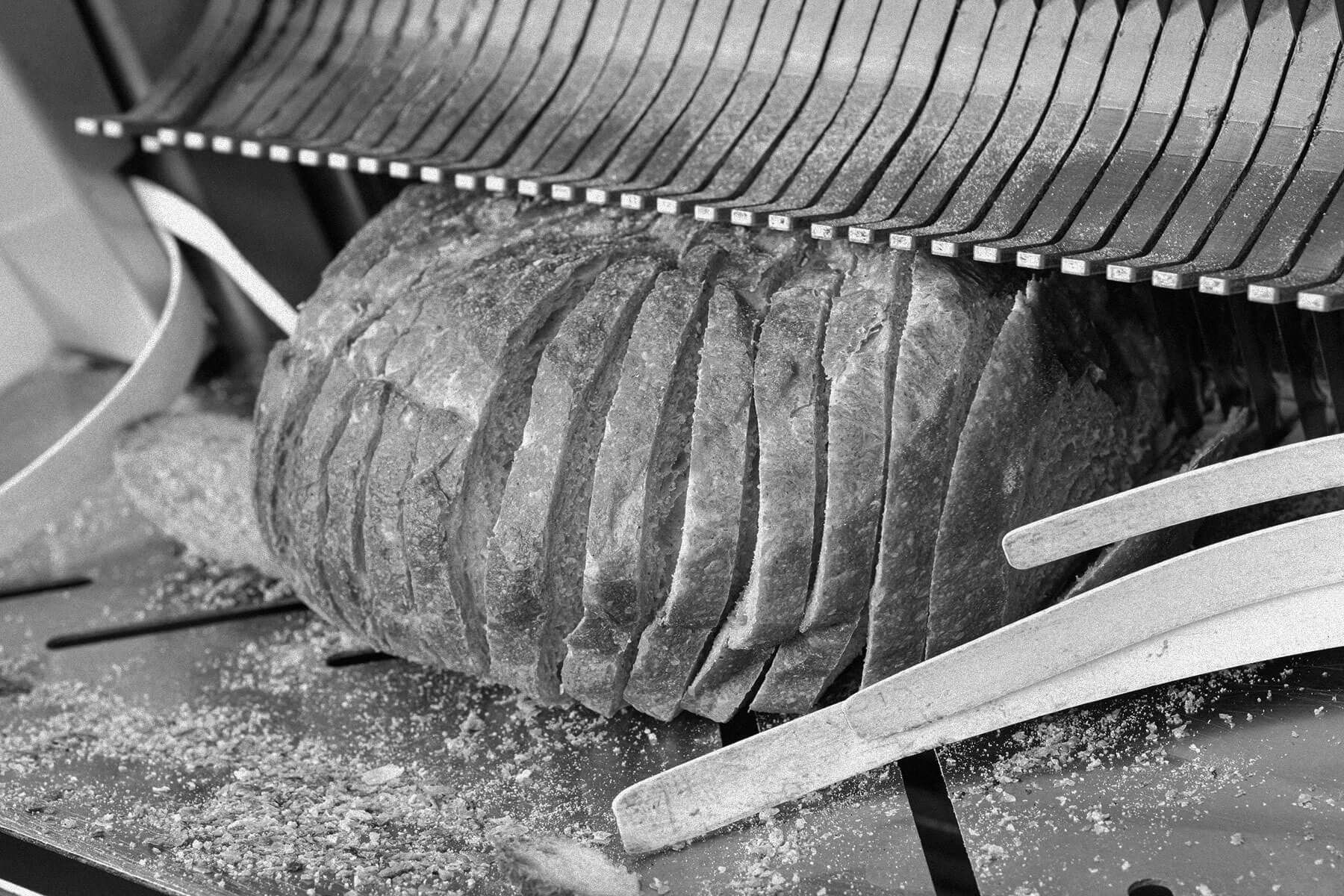
Photo credit: Popovic Dragan via Getty Images

Sliced Bread

A century ago, people had to bust out a bread knife whenever they wanted a sandwich or slice of toast. That changed in 1928, when a bread slicing and wrapping machine invented by Otto Rohwedder made its debut at a bakery in Chillicothe, Missouri. The machine proved to be so popular that Rohwedder had trouble keeping up with demand from other bakeries. After the Depression hit, economic realities forced him to sell his patent to a larger manufacturing company — but the story has a happy ending. The owners hired the inventor as the vice president and sales manager of a new division formed just for his machines. In 1930, Wonder Bread started advertising its own sliced bread, and, although Wonder Bread used its own machines, Rohwedder’s bread-slicer sales exploded as the trend grew. By 1933, sliced bread accounted for 80% of all bread sales. The invention was so influential, it led to the phrase still used to praise new wonders today: “The best thing since sliced bread.”

Photo credit: INTERFOTO/ Alamy Stock Photo

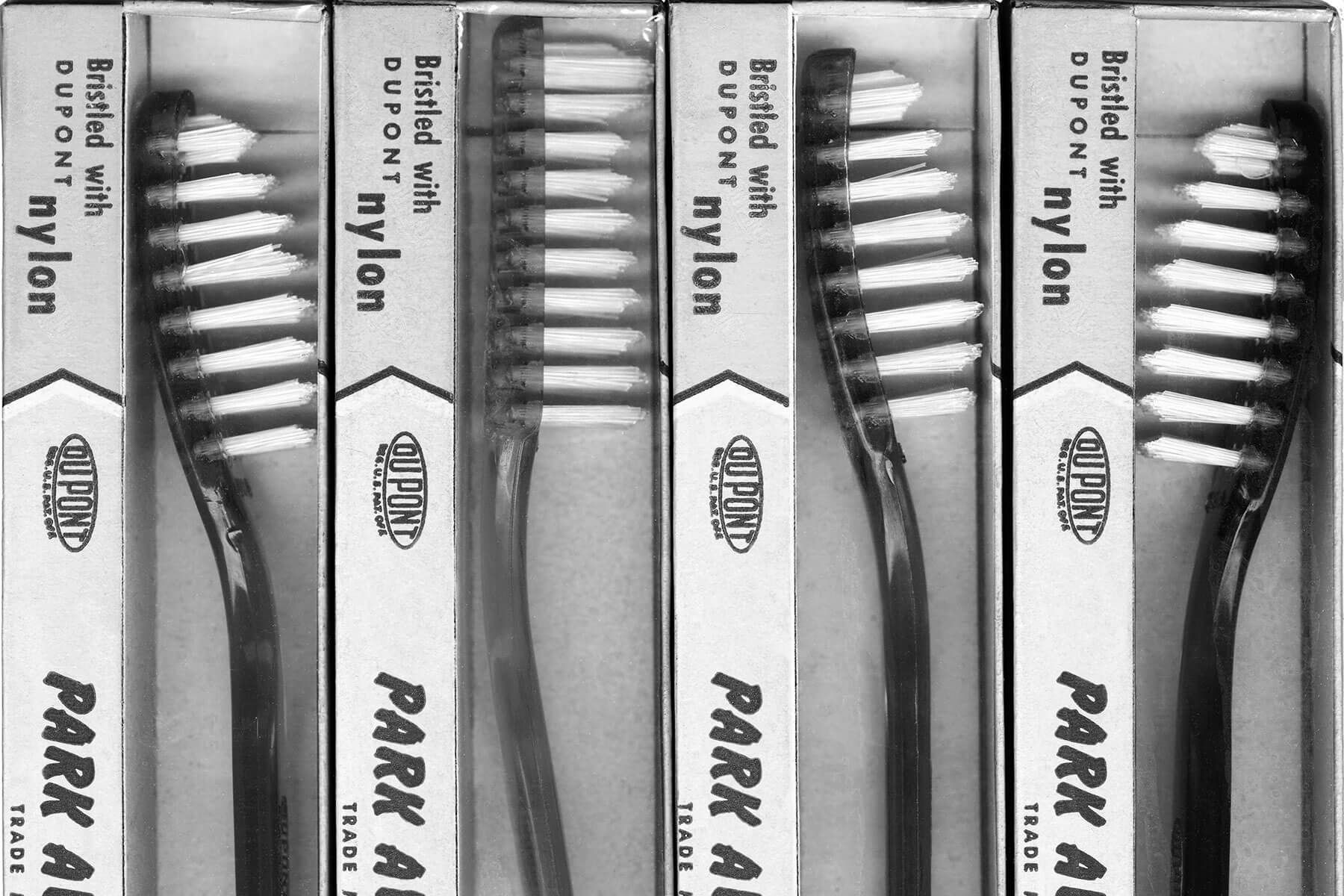
Nylon Stockings and Toothbrushes

Before the Depression, the DuPont chemical company had a “fundamental research” program — a team of scientists tasked with increasing scientific knowledge rather than developing specific projects. But with the economic downturn, the division became more focused. It was already working on synthetic textiles and had invented neoprene, although the material wasn’t particularly useful at the time. They’d also worked with rayon, which didn’t make a great substitute for silk, and was only partially manmade. Nylon was the first entirely synthetic fiber developed by DuPont that was actually useful — and its invention in 1937 was a very bright prospect after the agricultural woes of the era.

Nylon started appearing in toothbrushes in 1938, and DuPont showed off its new fabric to the world as hosiery at the 1939 New York World’s Fair. The first day nylon stockings became available to the public, around 800,000 pairs flew off the shelves. DuPont’s Depression-era investment in fiber technology paid off; by 1937, 40% percent of its sales came from products that didn’t exist before 1929, including freon, neoprene, and lucite.