

What Was Earth’s Population Through History?  
Author Tony Dunnell
June 6, 2024

Love it?

Today, it’s hard to imagine our entire planet populated by fewer people than we currently find in a single major city. And tens of thousands of years ago, it would have been shocking — and quite possibly terrifying — to imagine a world in which humans had built settlements as vast and crowded as those that exist today. 

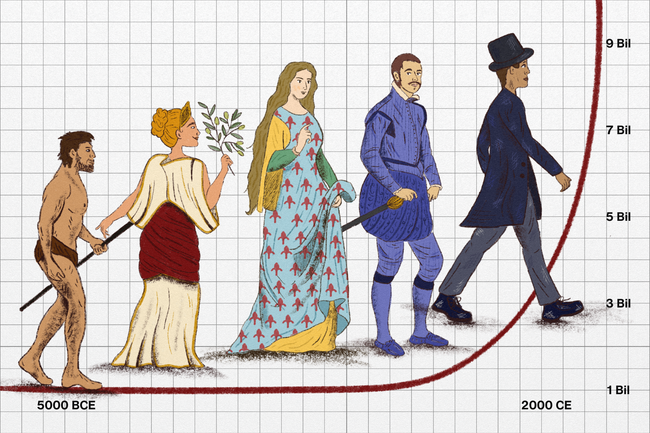
Population growth has, for the most part, been a long and steady process. But while it took most of human history for the population to reach 1 billion, it  took only a little more than 200 additional years to hit 8 billion. Because of this rapid growth, the face of our planet and the influence that we’ve had on it have shifted massively in the last few centuries. Where it will all lead is an open question. But one thing is certain: People are currently living longer than ever before, and as things stand, the population will only continue to grow. Here’s a rundown of the world’s population throughout history, from prehistoric times to the present day. 

Credit: Illustration courtesy of Madison Hunt

Prehistoric Times

Historians believe that around 55,000 early humans walked the Earth some 1.2 million years ago. By the end of the last ice age — about 20,000 years ago — the population had risen to about 1 million members of Homo sapiens. Over the next 15,000 years, as human societies improved, the population increased more rapidly. By 5000 BCE, the world population was at least 5 million, and some estimates go as high as 20 million. But even that higher number is still less than the present-day populations of cities such as São Paulo, Shanghai, and Tokyo.  

The Strangest Mass Hysteria Events in History

Author Bennett Kleinman
May 30, 2024

Love it?

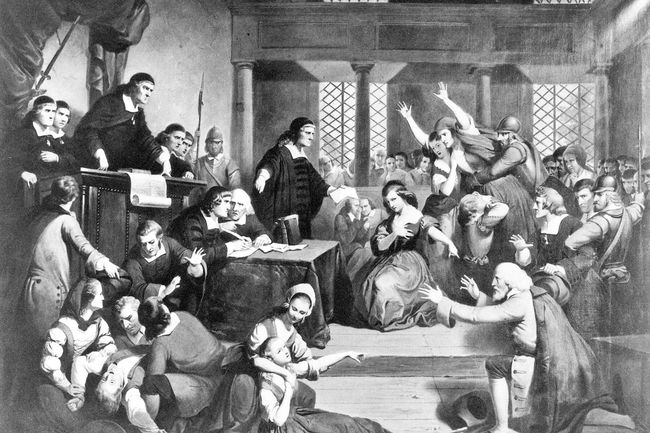
History is dotted with instances of mass hysteria, a perplexing phenomenon in which large groups of people are struck by the same physical or mental affliction without any apparent explanation, from uncontrollable movement to widespread paranoia. Given the uncertainty as to what causes these curious events, contemporary doctors have remained baffled as to how to prevent or cure them. Though there are some theories, plenty of questions remain, in some cases hundreds of years after the incident took place. Let’s take a closer look at some of history’s strangest instances of mass hysteria, from the Middle Ages to the 20th century.

Credit: Bettmann via Getty Images

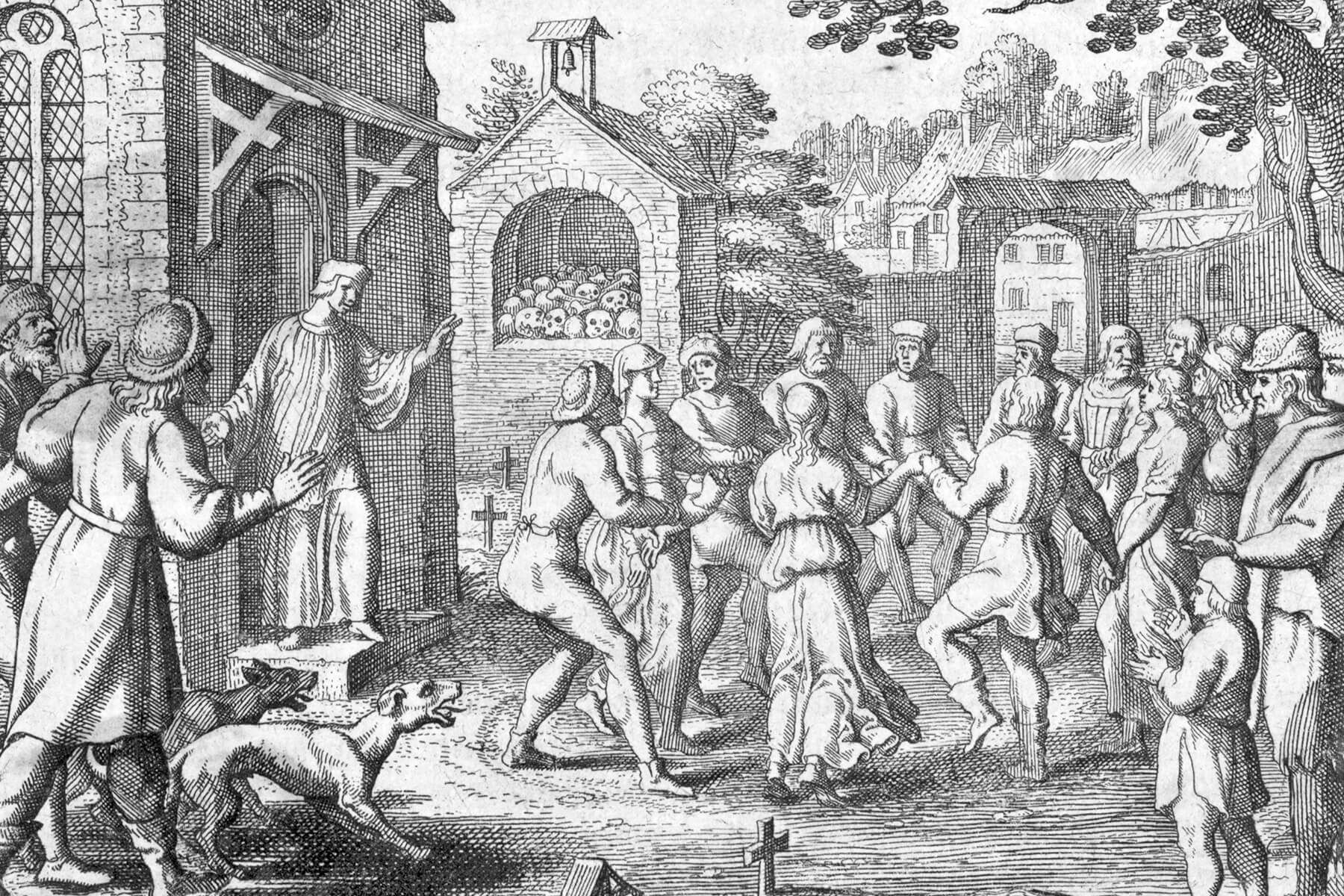
Dancing Plague of 1518

In 1518, the city of Strasbourg (in modern France) was overcome by a mysterious “dancing plague” that affected some 400 residents. It all began in July of that year, when a woman known as Frau Troffea began spontaneously dancing in the middle of the street. After a week of boogying solo, Troffea was joined by several dozen others who also developed the sudden urge to dance. The group only grew larger throughout the rest of the summer, expanding to several hundred people who danced until they collapsed from exhaustion, or in rare instances, suffered a fatal heart attack. Much as the event began without any explanation, the dancing epidemic a inexplicably started to wane by September, and the city returned to a state of normalcy.

Physicians at the time attributed the dancing ailment to “hot blood,” saying the only cure was for people to dance it out of their system until they no longer felt the urge. Other townsfolk believed they had been cursed by St. Vitus, the patron saint of dance, and were doomed to dance for eternity. But looking back, modern historians have several theories as to what caused the unusual event. Some believe it was induced by a combination of general stress and the side effects of new, untreated diseases such as syphilis. Another theory points to a fungus known as ergot, which is found on bread. If consumed, ergot can manifest itself in victims as spontaneous convulsions that may look like dance moves.

Strange Parenting Etiquette From the Past

Author Nicole Villeneuve
May 2, 2024

Love it?

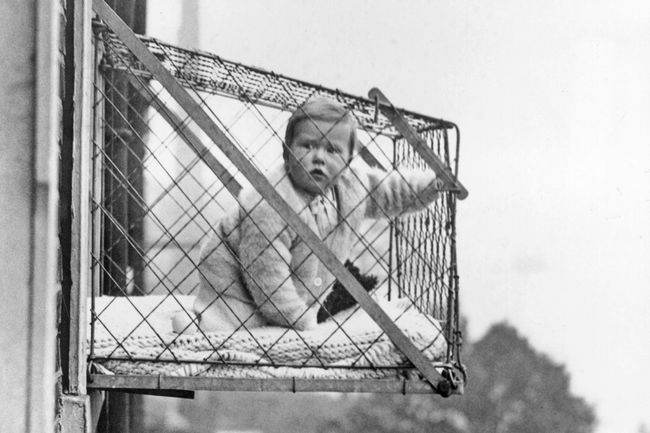
Being a parent has been a demanding job since the dawn of humanity. While modern-day parents have access to a plethora of parenting resources and tools across social media, blogs, and podcasts, well-meaning — if not entirely well-informed — figures have offered advice about child-rearing for centuries. 

Parenting advice became more widespread throughout the 19th and early 20th centuries, when perceptions about childhood began to shift toward the belief that children are entitled to dependence and innocence rather than hard work and responsibilities in their formative years. Most of the advice on taking care of infants and children was morally guided, versus scientifically, and as a result, such advice often sounds strange or even downright alarming by our contemporary standards.

From giving babies alcohol to smearing lard on their skin and denying snacks to older children, here is some of the strangest parenting etiquette from decades past.

A Spoonful of Opium Keeps the Tears Away 

Credit: The New York Historical Society/ Archive Photos via Getty Images

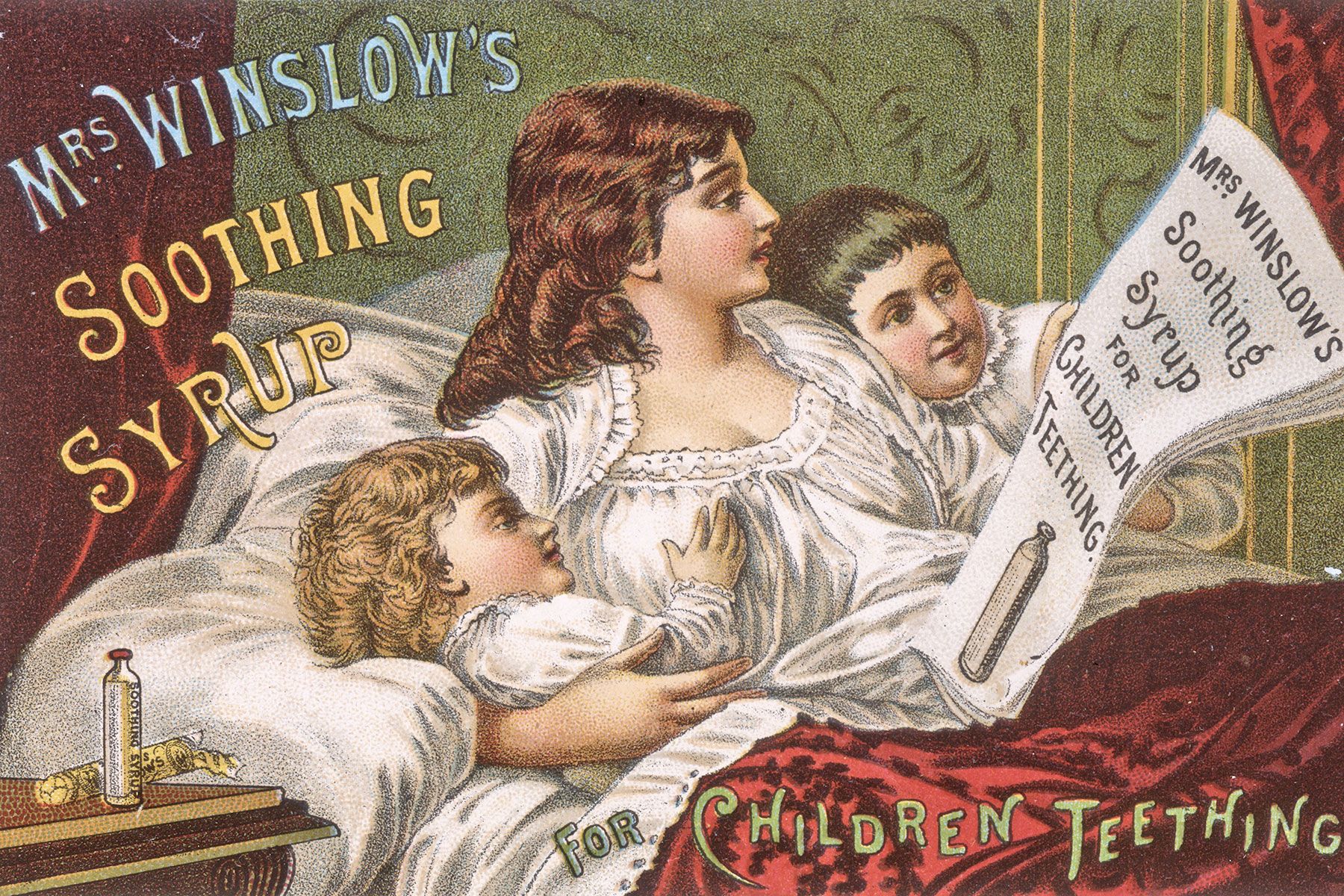
In an era before evidence-based medicine, parents often relied on dubious remedies to treat common childhood ailments. Substances such as Stickney and Poor’s Pure Paregoric syrup and Godfrey’s Cordial were commonly given to babies in the 19th century to relieve gas, soothe teething pain, and treat unexplained fussiness. The secret ingredients? Alcohol and opium. 

Mrs. Winslow’s Soothing Syrup was also a popular treatment at the time. The syrup was advertised as a method of pacifying young children, helping with dental hygiene, and alleviating constipation, and it was said to be suitable for babies as young as newborns. While the vibrant marketing featured cheerful imagery of happy babies and mothers, the syrup, a concoction that included morphine and alcohol, resulted in the loss of thousands of children until it was denounced by the American Medical Association in the early 1900s. 

These were far from the only bizarre remedies peddled before modern medicine. Many teething treatments contained mercury, even though administering them could result in “pink disease,” which caused discoloration of the skin, sensitivity to light, swelling of the hands and feet, and, in severe cases, neurological symptoms.

The Year 1969, in 5 Facts

Author Tony Dunnell
April 24, 2024

Love it?

Back in 1969, the global population was a comfortable 3.6 billion — a long way from today’s 8.1 billion. In the United States, 202 million people (versus some 341 million today) were going about their business. Glue sticks had just been invented and Nutter Butter was first put on sale. “Michael” and “Lisa” were the most popular baby names, the movie Oliver! won Best Picture at the 41st Academy Awards, and the New York Mets provided one of baseball’s greatest upsets when they won the World Series four games to one against the Baltimore Orioles. 

That all sounds reasonably relaxing, but don’t let 1969 fool you — it was a transformative and tumultuous year in America. These five facts offer a snapshot of the final 12 months of the decade, from music to politics to a trip to the moon (but, alas, no aliens). 

Some 650 Million People Watched the Moon Landing

Credit: Bettmann via Getty Images

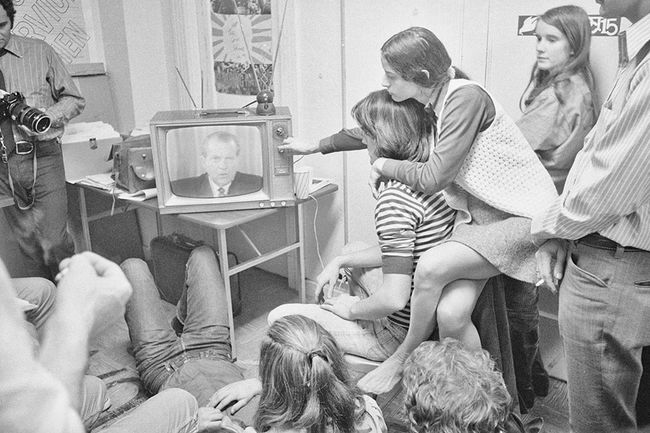
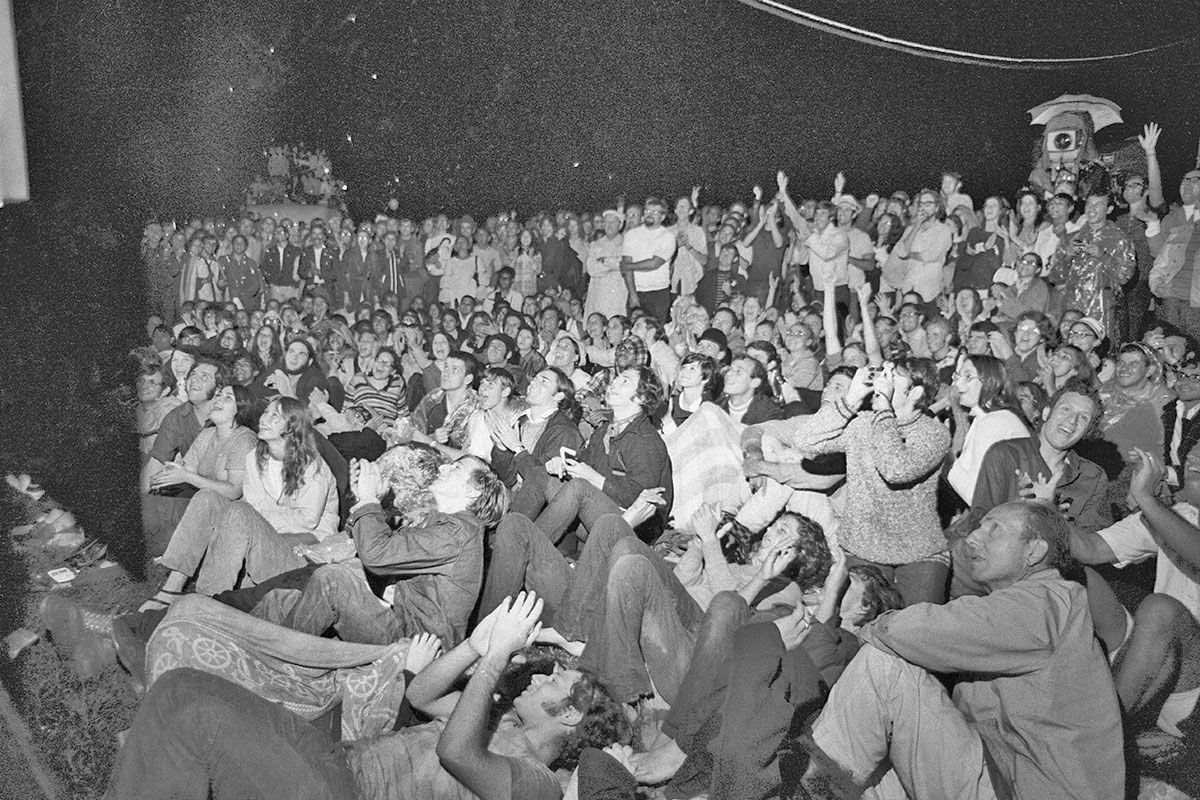
In July 1969, astronauts Neil Armstrong, Buzz Aldrin, and Michael Collins traveled to space on the first crewed mission to land on the moon. Back on Earth, meanwhile, an estimated 650 million people worldwide — about a fifth of the global population — were glued to their television sets to watch events unfold. The moon landing itself was broadcast live to the world on July 21 as the images were beamed back to Earth. Engineers at three tracking stations — one in the U.S. and two in Australia — busily converted the raw feed into a format compatible with terrestrial broadcasts, providing arguably the most historic TV broadcast in history. 

Life in 1960s America, By the Numbers

Author Mark DeJoy
April 16, 2024

Love it?

The 1960s were some of the most significant years in American history. The decade saw the Civil Rights Movement and a rising counterculture that reimagined the shape of the American social fabric. Pop music exploded like never before with the British Invasion led by the Beatles and Rolling Stones, but the ’60s were also an intense era of war and political violence. 

The decade’s most monumental moments tend to be widely covered, and the sheer number of historic events during this time almost create the impression that every moment was imbued with turbulence. But while the tumult of the decade played out on the evening news in homes across America, many people were still living normal everyday lives — albeit lives that looked quite different from our modern lifestyle. The following numbers offer a snapshot of day-to-day life in 1960s America.

Credit: PhotoQuest/ Archive Photos via Getty Images

42% of Adults Were Smokers 

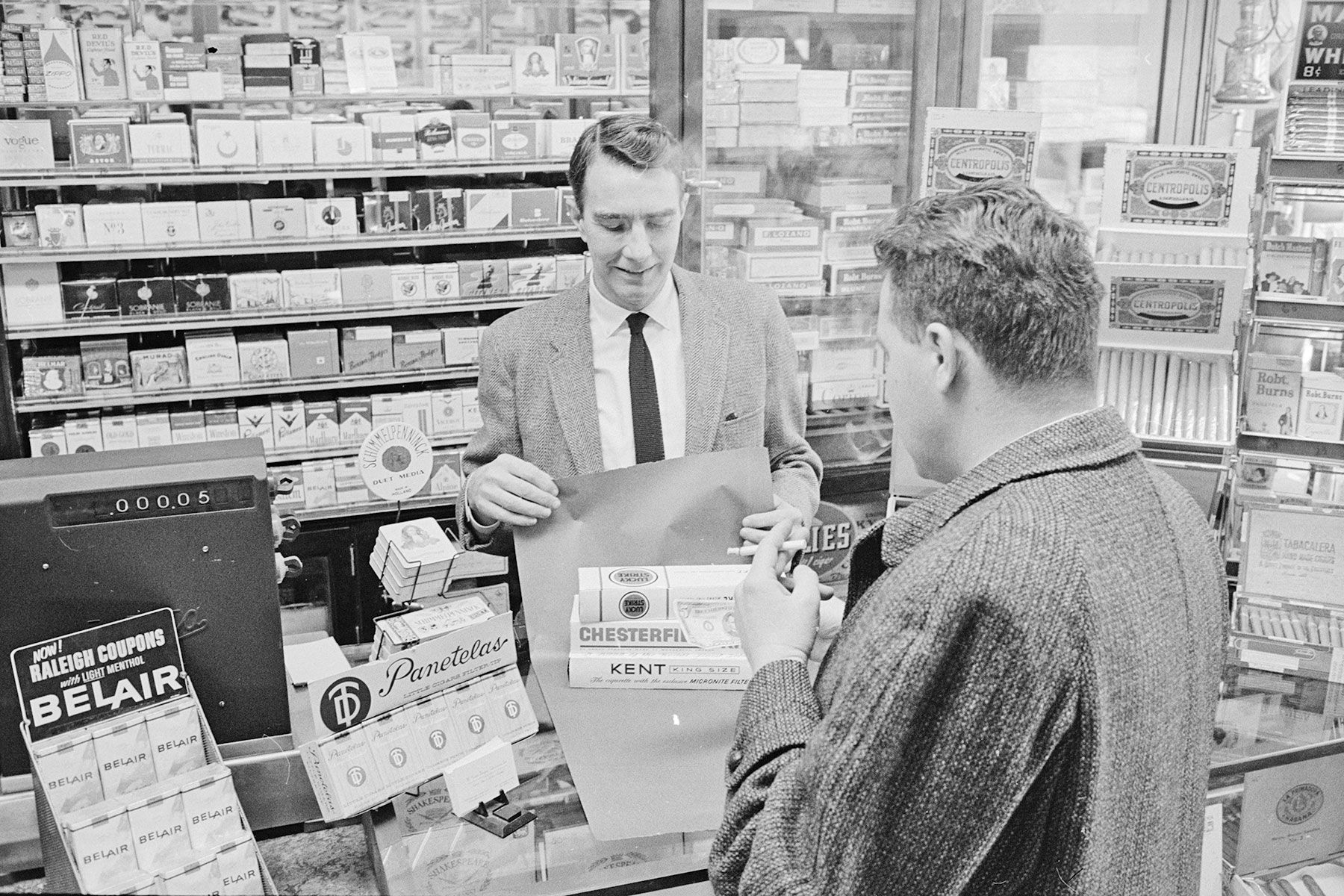
Smoking was still widespread in the middle of the 20th century. The smoking rate in the U.S. reached a peak of 47% of adults (including 50% of doctors!) by the end of 1952. Though cigarette sales declined somewhat in 1953 and 1954 amid growing health concerns, the introduction of the filtered cigarette created a rebound. Through the early years of the 1960s, the smoking rate held steady at 42% of adults. On January 11, 1964, Surgeon General Luther L. Terry published the first report of the Surgeon General’s Advisory Committee on Smoking and Health, a landmark event that brought the link between smoking and disease front and center in the American consciousness. Smoking has been on an overall downward trend ever since: As of 2021, smoking has declined to 11.5% of adults.

6 Notorious Outlaws of the Wild West 

Author Tony Dunnell
April 10, 2024

Love it?

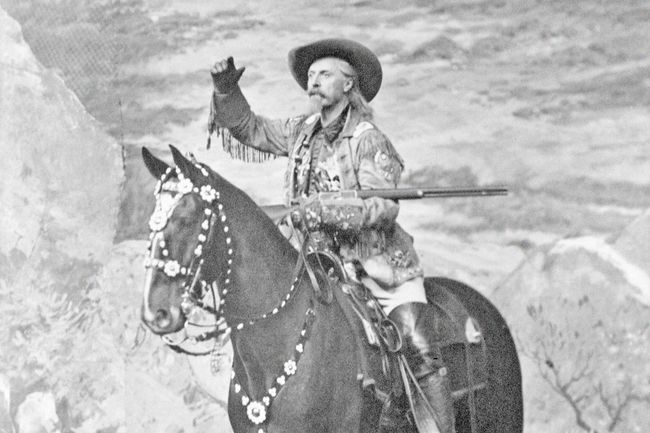
The myth of the Wild West is one of the most persistent and influential myths in American culture. From quick-draw gun duels and cowboy hats to notorious outlaws such as Jesse James and Billy the Kid, the Old West is full of legends and lore, many of them popularized by dime novels and, later, Western movies. Sorting truth from fiction can be a tricky process when it comes to the American frontier. Here are six facts about some of the most infamous outlaws from the Wild West.

Credit: UniversalImagesGroup via Getty Images

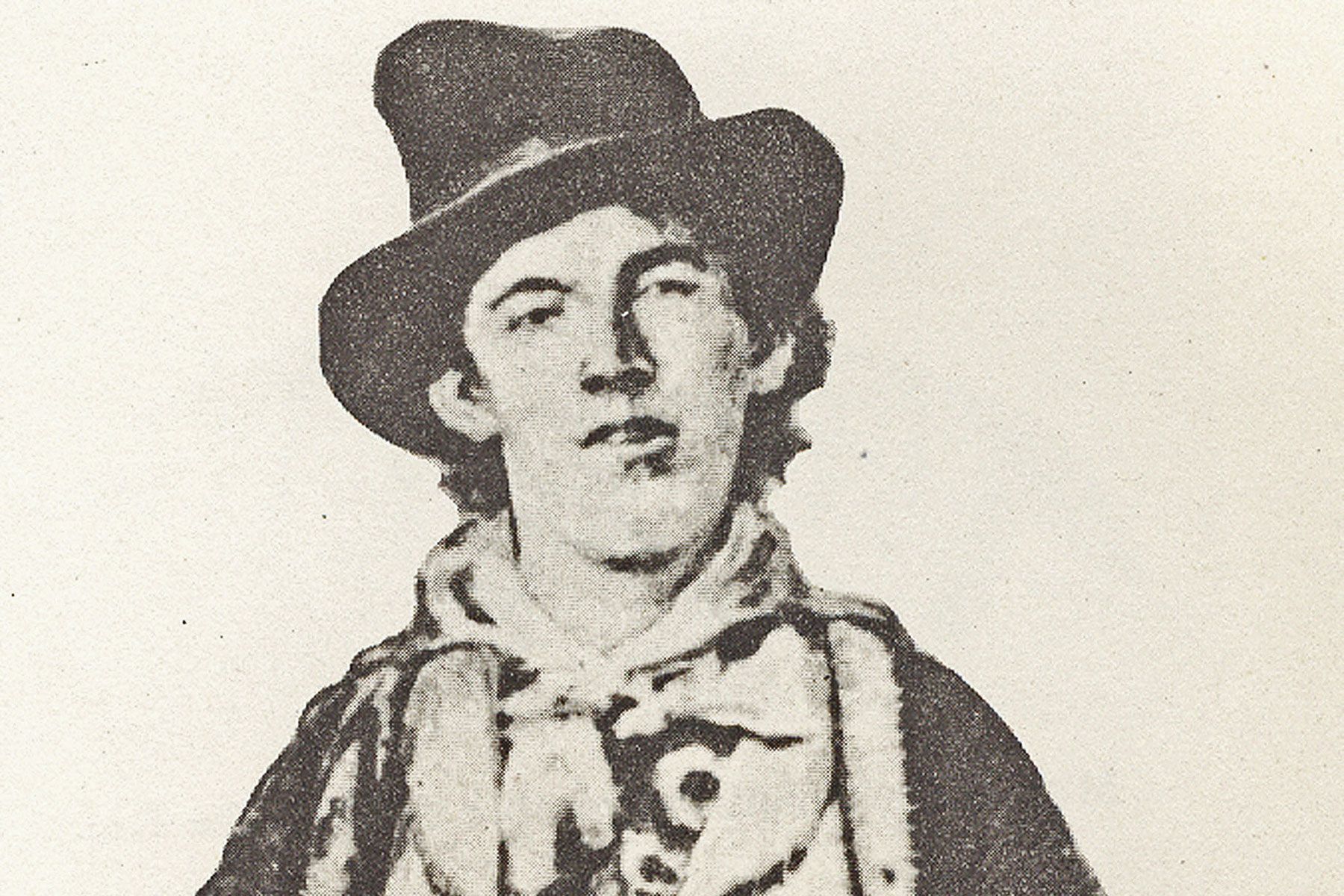
Billy the Kid Was Just 21 Years Old When He Died

Henry McCarty, alias William H. Bonney, and best known as Billy the Kid, was only 21 years old when he was killed by Sheriff Pat Garrett in 1881. McCarty packed a lot into his short and violent life. He was orphaned at 15, committed his first crime shortly after, joined a band of rustlers, and quickly became involved in the brutal Lincoln County War between rival factions, which featured famous names from the Old West, such as Sheriff William J. Brady and John Chisum. Despite his early demise, Billy the Kid became one of the most notorious gunfighters of the American West. According to his own count, he killed 21 men, although the actual number is probably fewer than 10.

Surprising Dating Etiquette From the 1950s

Author Nicole Villeneuve
March 7, 2024

Love it?

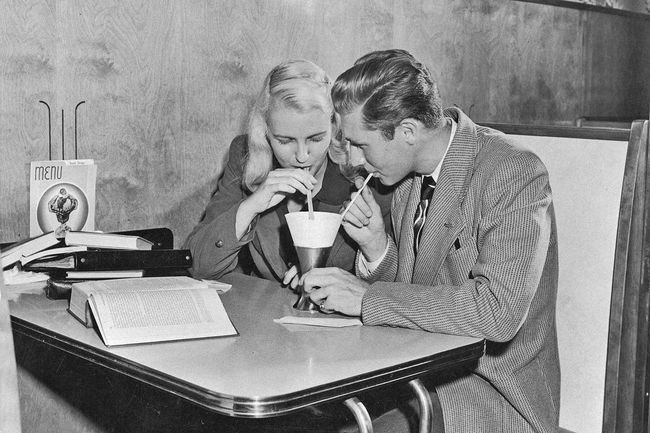
The world of dating has undergone significant changes throughout history, from arranged couplings in ancient Egypt to medieval courtship to the modern-day use of technology to find a partner. In the 1950s, dating was governed by a set of traditions and rules that reflected a postwar society that emphasized stability and conformity, and was largely influenced by the era’s adherence to traditional gender roles. Men were expected to take the lead, covering the bills and demonstrating chivalry, while women were held to standards of modesty and femininity. 

Though they may feel antiquated compared to more recent moves toward gender equality, independence, and a rejection of rigid cultural norms, the conventions that defined dating in the ’50s are fascinating to look back on. Here are some of the rules that defined dating etiquette in the 1950s.

Credit: Harold M. Lambert/ Archive Photos via Getty Images

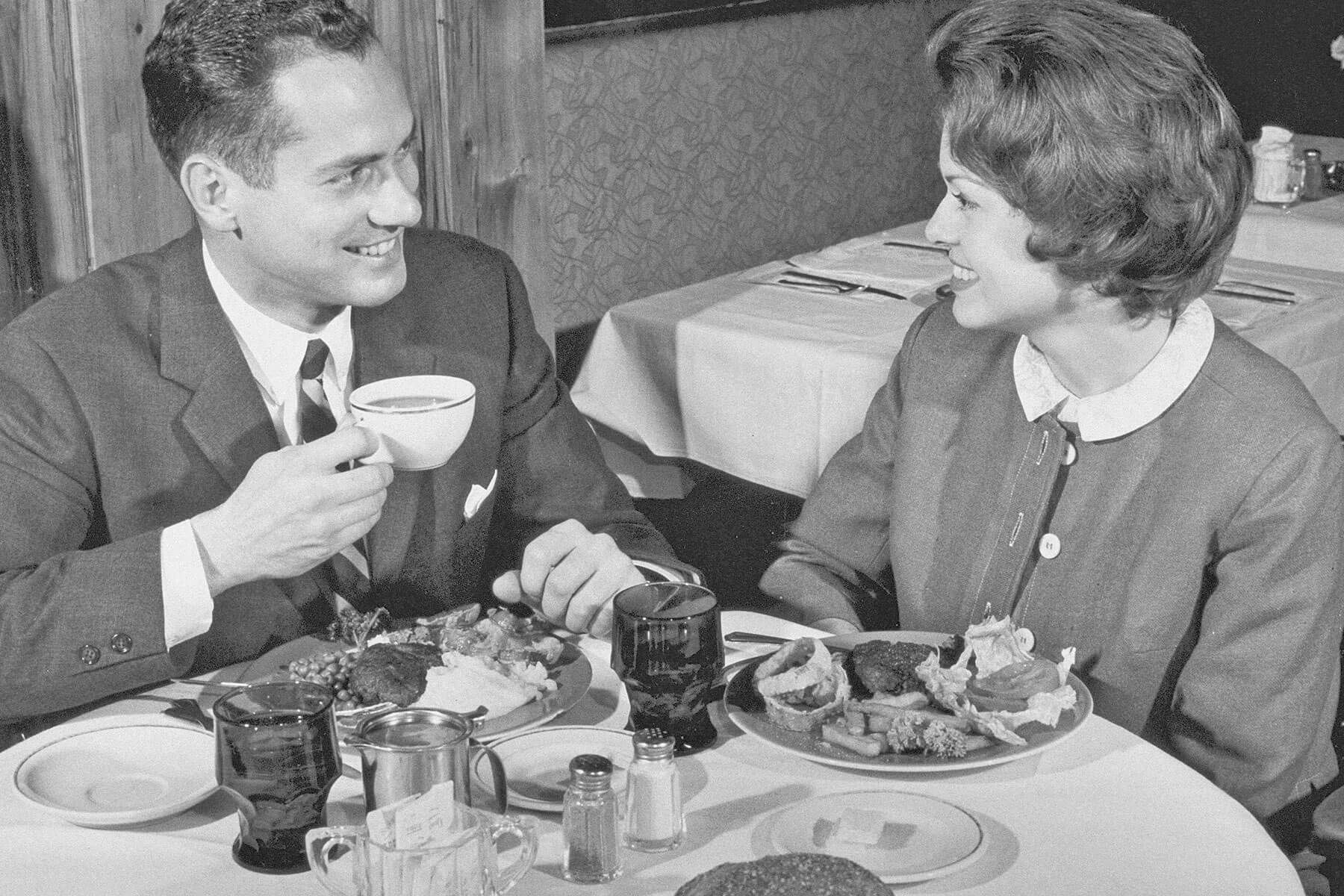
Women Didn’t Order for Themselves

The dynamics of a dinner date were markedly different in the 1950s. In a recovered ’50s article from British magazine Woman’s Own, a guide titled “How To Behave in a Restaurant” outlined a number of rules that applied to all male-female relationships, “whether he is your father, brother or boyfriend.” Women were expected to be demure and reserved, telling their male counterparts — the protectors and providers — what they wanted and allowing the man to place the order with the wait staff on their behalf. 

Going out for dinner, while it did happen, wasn’t the default date at the time, especially for younger people: Group dates at sporting events, dances, or movies were the preferred way to get acquainted without spending too much time in private or spending too much money.

5 Historical Coincidences That Blow Our Minds

Author Kerry Hinton
February 27, 2024

Love it?

Call coincidence what you’d like: luck, karma, fate, or just random happenstance. In any case, when similar events occur, it’s fascinating and, sometimes, downright eerie. Some coincidences have so many layers that they take on a second role in the form of conspiracy theory or prophecy. Coincidences, by nature, require zero planning; all we need to do is wait for them to happen. Here’s a look back at five strange coincidences throughout history.

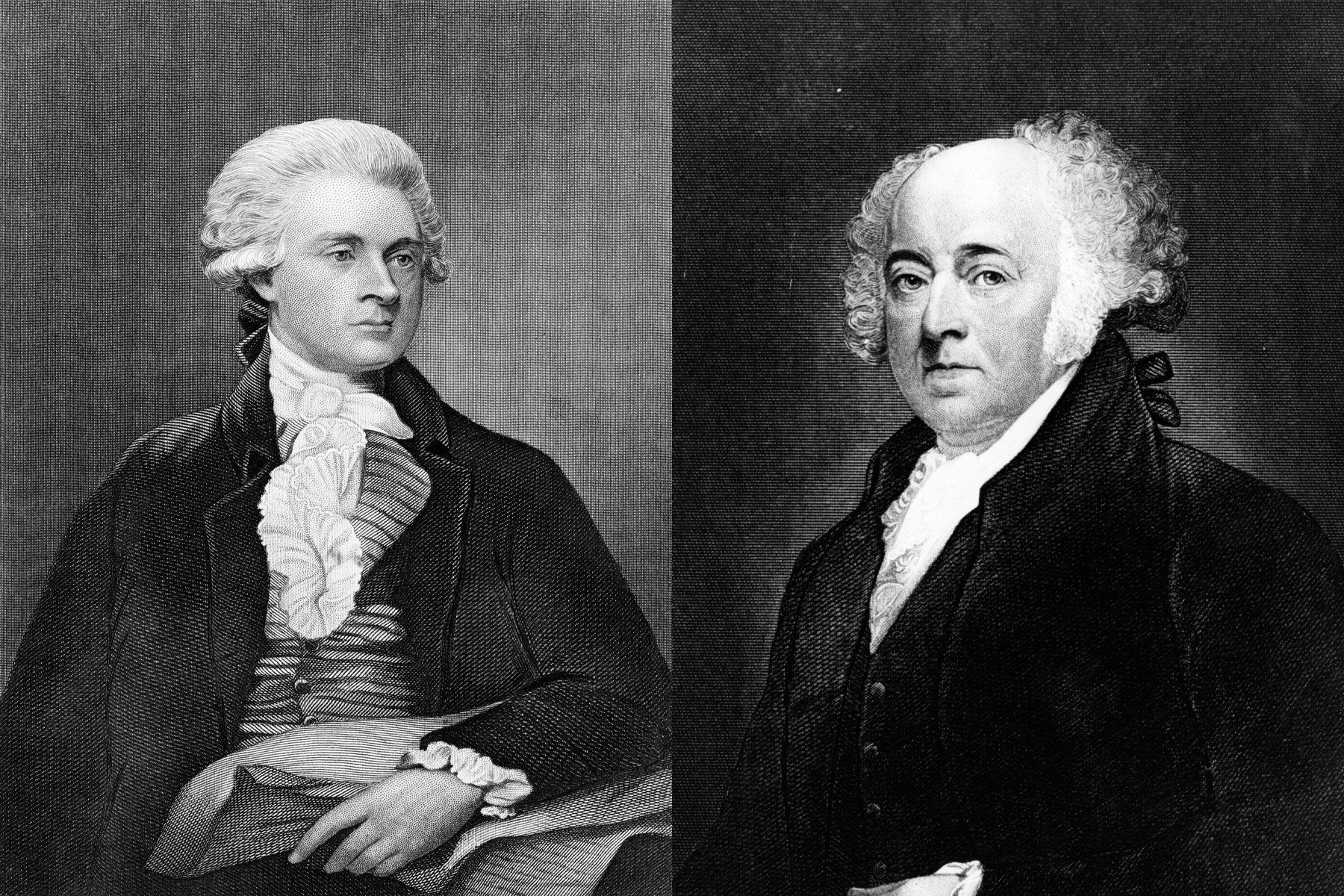
Credits: Kean Collection/ Archive Photos (left), Hulton Archive (right) via Getty Images

John Adams and Thomas Jefferson Died on the Exact Same Day

It’s unlikely enough that two of America’s Founding Fathers would die on the very same day, but this story gets even stranger. First, these two political rivals died within hours of each other. Even weirder? The date of their passing was July 4, 1826 — 50 years to the day after the Declaration of Independence was adopted. John Adams and Thomas Jefferson weren’t the same age when they died, though — Adams was 90 and Jefferson was 83. There are multiple theories on why this happened, and sheer coincidence is certainly one. To add another eerie layer, founding father James Monroe also died on the Fourth of July, five years later.

How the Brill Building Changed Pop Music

Author Kerry Hinton
February 22, 2024

Love it?

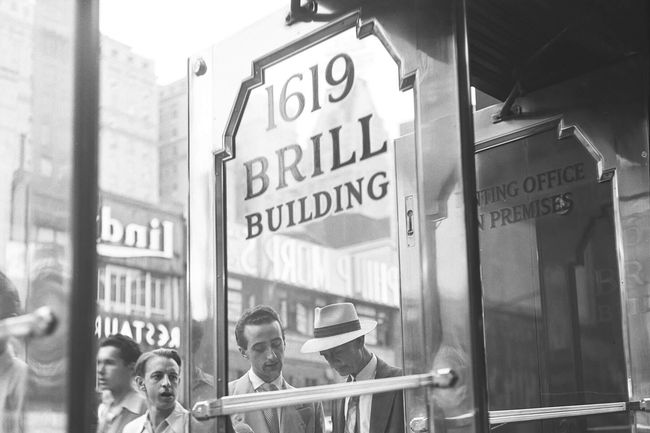
The Brill Building isn’t just an art deco structure in midtown Manhattan — it’s also the name of a musical genre. Throughout the early and mid-1960s, the “Brill Building sound” became synonymous with groundbreaking pop music. The heyday of the Brill Building era was short-lived, but in one six-year span, the songwriters, arrangers, musicians, and producers behind this sound contributed to hundreds of Billboard Hot 100 hits, including “Stand By Me” (Ben E. King, 1962), “One Fine Day” (the Chiffons, 1963), and “Be My Baby” (the Ronettes, 1963).

Located at 1619 Broadway in New York City, the Brill Building was a hub of songwriters, record labels, and recording studios, all under one roof. It built on the tradition of the “Tin Pan Alley” district before it — a concentration of music publishers and studios in a strip of Manhattan that dominated the music industry in the big-band era. But while their downtown predecessors were mainly concerned with the profits produced by pumping out sheet music for radio hits, the writers and producers at the Brill Building were also on a mission of artistic idealism. Their compositions drew inspiration from classical music, Latin music, traditional Black gospel, and rhythm and blues to create songs that appealed to an audience already hungry for the new sound of rock ’n’ roll. The assembled talent was a once-in-a-generation roster of songwriters, including Burt Bacharach and Hal David, Gerry Goffin and Carole King, and Neil Diamond. Together, they produced sophisticated songs that were directly aimed at a new, youthful generation and a powerful rising subculture: teenagers.

By the mid-’60s, an increasing number of artists — such as the Beatles and Bob Dylan — began composing and playing their own material, making the songwriter-for-hire less of a necessity. As Dylan wrote in 1985, “Tin Pan Alley is gone. I put an end to it. People can record their own songs now.” This may be true, but the creators behind the Brill Building sound helped make the ascent of these singer-songwriters possible. Here are five ways the Brill Building shaped popular music in the 20th century.

Credit: Michael Ochs Archives via Getty Images

It Pioneered “Assembly-Line Pop”

The Brill Building employed a model of vertical integration that supervised every phase of a song’s life cycle, from production to distribution, all under one roof. The 11 floors of 1619 Broadway and a few surrounding buildings became a one-stop shop where a songwriter could pen a would-be hit, sell it to a publisher, find a band, and cut a demo. Songs could even be played for radio promoters in the building to garner airplay. This new type of streamlined hitmaking — often called “assembly line pop” — gave publishers and producers a huge pool of material to choose from and encouraged creative collaboration, merging art and commerce in a new way.

Historical Figures You Didn’t Realize Were Friends 

Author Tony Dunnell
February 22, 2024

Love it?

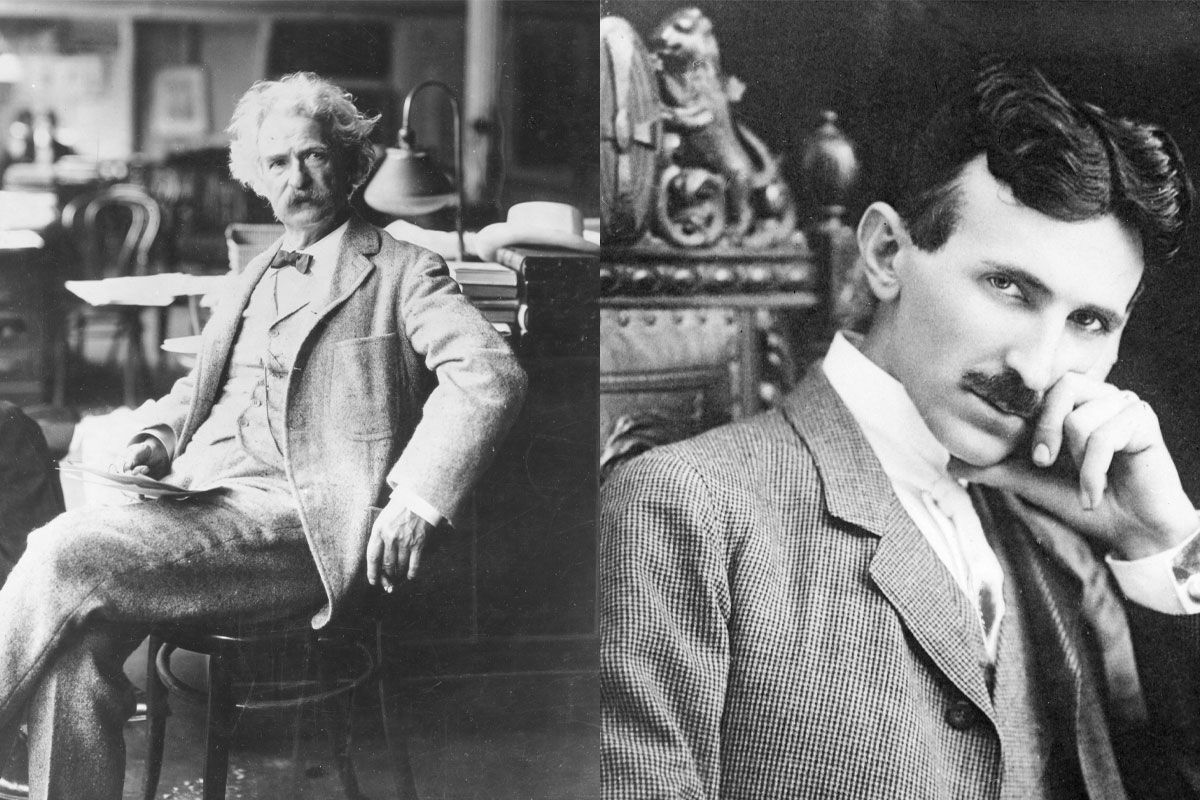
Muhammad Ali once said, “Friendship is the hardest thing in the world to explain. It’s not something you learn in school. But if you haven’t learned the meaning of friendship, you really haven’t learned anything.” Like Ali and his own best pal, photographer   Howard Bingham, some friendships in history have been formed by figures with wildly different backgrounds and career choices. The following friendships are as surprising as they were genuine — though they were not all long-lasting. From Mark Twain and Nikola Tesla to Hunter S. Thompson and Pat Buchanan, here are five unlikely bonds between notable figures you never knew were friends. 

Credit: PhotoQuest/ Archive Photos (Left), ullstein bild Dtl/ ullstein bild (right) via Getty Images

Mark Twain and Nikola Tesla

A friendship between the famed writer Mark Twain and inventor Nikola Tesla might, on the surface, seem unlikely. And yet, before the two met, they already shared some significant interests. Tesla had once been bedridden for nine months with a severe bout of cholera, during which time he read some of Twain’s earlier works. He later described them as “unlike anything I had ever read before and so captivating as to make me utterly forget my hopeless state.” Twain, meanwhile, was fascinated by technological innovations and, in particular, electricity. When the two men eventually met in the 1890s, they became friends and spent a lot of time together in Tesla’s lab and elsewhere. One famous account tells of Twain’s participation in an experiment involving an electromechanical oscillator, which Tesla believed might be therapeutic. But when Twain sat on the vibrating plate, it served as something of a laxative, forcing the acclaimed author to run for the bathroom.