


The Difference Between St. Valentine and Cupid
Author Nicole Villeneuve
February 8, 2024

Love it?

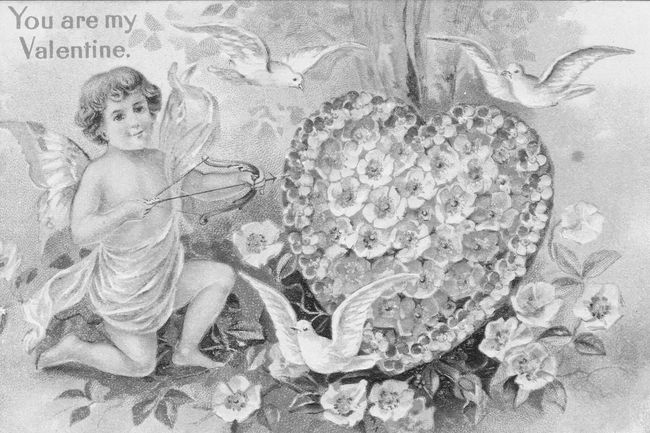
Each year on February 14, romantic partners exchange affectionate cards and sugary-sweet chocolates, all in the name of St. Valentine — and all while the iconic image of Cupid takes center stage. But who are these figures, and how did they converge for this sentimental holiday? From Cupid’s roots in Greek mythology to St. Valentine’s Christian symbolism, here’s how these two figures became the unlikely faces of love and Valentine’s Day. 
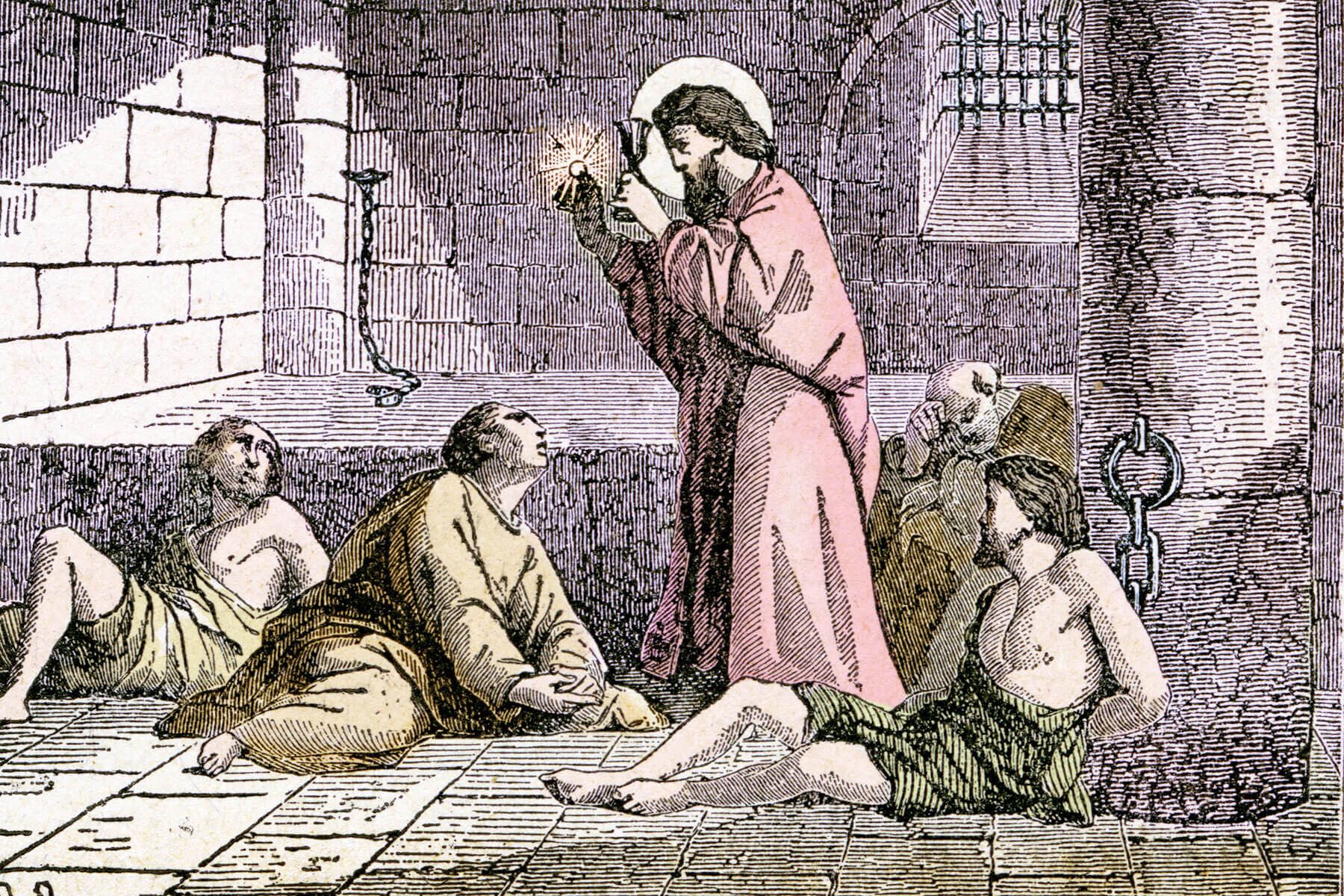
Photo credit: Fototeca Storica Nazionale./ Hulton Archive via Getty Images

Who Is St. Valentine?

The exact origin of the saintly namesake of Valentine’s Day is murky. According to one belief, St. Valentine was a third-century Roman priest who defied the Roman Empire’s stance against men marrying at a young age (it was thought that they should instead serve as soldiers). Valentine continued to perform marriages in secret, leading to his execution on February 14. Another belief portrays St. Valentine as a compassionate man who helped free persecuted Christians in ancient Rome. According to legend, he healed the local jailer’s blind daughter and, before his death, sent her a note signed, “from your Valentine.” Whether these were two separate figures or just one isn’t entirely clear, nor is whether they were actually historical characters and events or just myths. In records from the medieval era, for instance, there is no connection between St. Valentine and love or marriage. But regardless of how the figure became linked with romance, the association between St. Valentine and love has remained strong.

A Day in the Life of a Settler in Colonial America

Author Kristina Wright
February 8, 2024

Love it?

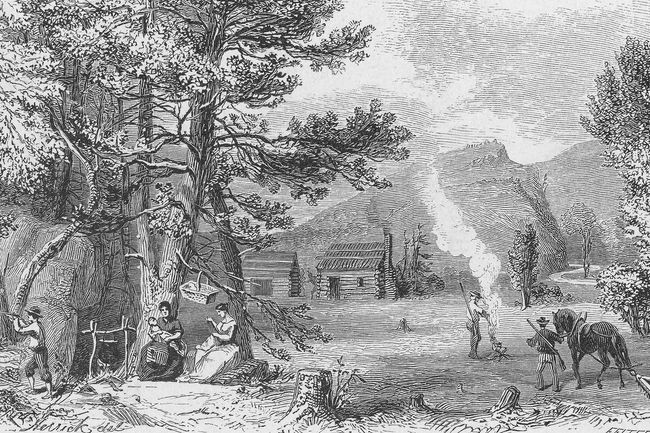
There was no one typical day in colonial America — the experiences of colonial families differed based on their location, economic status, and individual circumstances. The colonial era not only spanned a large period of time — from the early 17th century to the late 18th century, before the United States became an independent nation — but it also covered a large and varied landscape. The 13 original American colonies stretched from Massachusetts to Georgia, and were populated by settlers from different parts of Europe whose beliefs, traditions, and lifestyles varied greatly.

Colonial settlements ranged from the growing urban centers of the Northeast to the rural agrarian communities of the Southern colonies, and the daily routines of families were impacted by their environment, which included the influence of Indigenous populations. Colonists often adopted or adapted aspects of Native American culture, including agricultural practices and culinary techniques, in order to survive. Weather conditions, seasons, and the availability of resources also played significant roles in shaping daily life in the colonies. But whether you were a farmer, a merchant, a tradesman, or a wife and mother, day-to-day life in the colonies consisted of long days, hard work, and community connections.

Photo credit: ClassicStock/ Archive Photos via Getty Images

The Workday Started Before Dawn

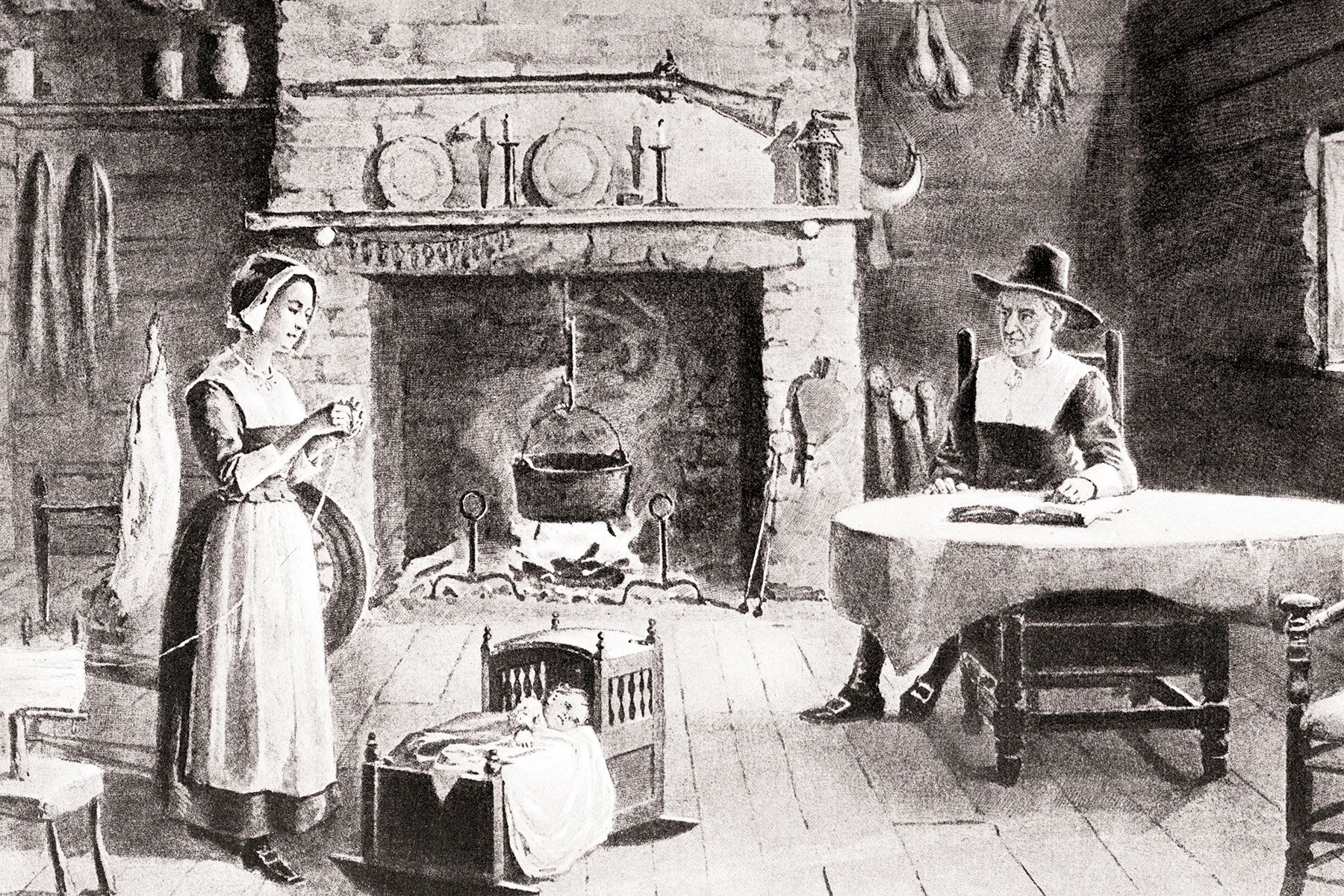
The workday in colonial America typically began before dawn and lasted until the sun went down, and throughout the day, families dedicated themselves to tasks essential for their survival. The morning started with a modest breakfast of bread and milk, porridge, or cornmeal mush with cider or beer before the work began. This sustenance was much-needed: Depending on the time of year, weather, and season, the typical workday could be up to 12 hours long, six days a week. 

Men were expected to provide for their family, and while farming was the primary occupation throughout the colonies, there were a variety of other jobs to be filled, particularly as towns started to grow. Men worked as blacksmiths, carpenters, silversmiths, and in other skilled trades and crafts that contributed to the local economy. Women typically worked in the home, managing all aspects of the household and childcare, including meal preparation and basic education of the children. In addition, married women in non-farming families often worked alongside their husbands in shops or trades, and unmarried or widowed women took jobs as seamstresses, midwives, or tavern keepers. Children often assisted their parents in their work, learning valuable skills for their future roles in the community.

The Strangest Fads Throughout History

Author Mark DeJoy
February 7, 2024

Love it?

The fad is perhaps the piece of cultural ephemera that most defies explanation. Fashion trends often have clear motivating factors: perhaps a celebrity sporting a certain style, or a TV character wearing a certain haircut that sparks imitation. Souvenirs and collectibles usually directly follow their origin: There’s no mystery where baseball cards came from, or vintage records, and so on. But a true fad — a popular behavior or interest practiced with enthusiasm that’s as strong as it is temporary — exists at the fleeting intersection of a cultural time, mood, and impulse, and some of these short-lived trends seem to outright defy logic. 

While fads frequently do have a clear beginning moment (and sometimes even a person who can be named as their initiator), a precise ending moment is never as apparent; we can only know that a fad has ended retroactively, and estimate the point of its demise. And the further away we are from the time of a certain fad, the more inexplicable and strange it can seem. Let’s try to wrap our heads around some of the more bizarre fads of the past.

Photo credit: George Rinhart/ Corbis Historical via Getty Images

Flagpole Sitting

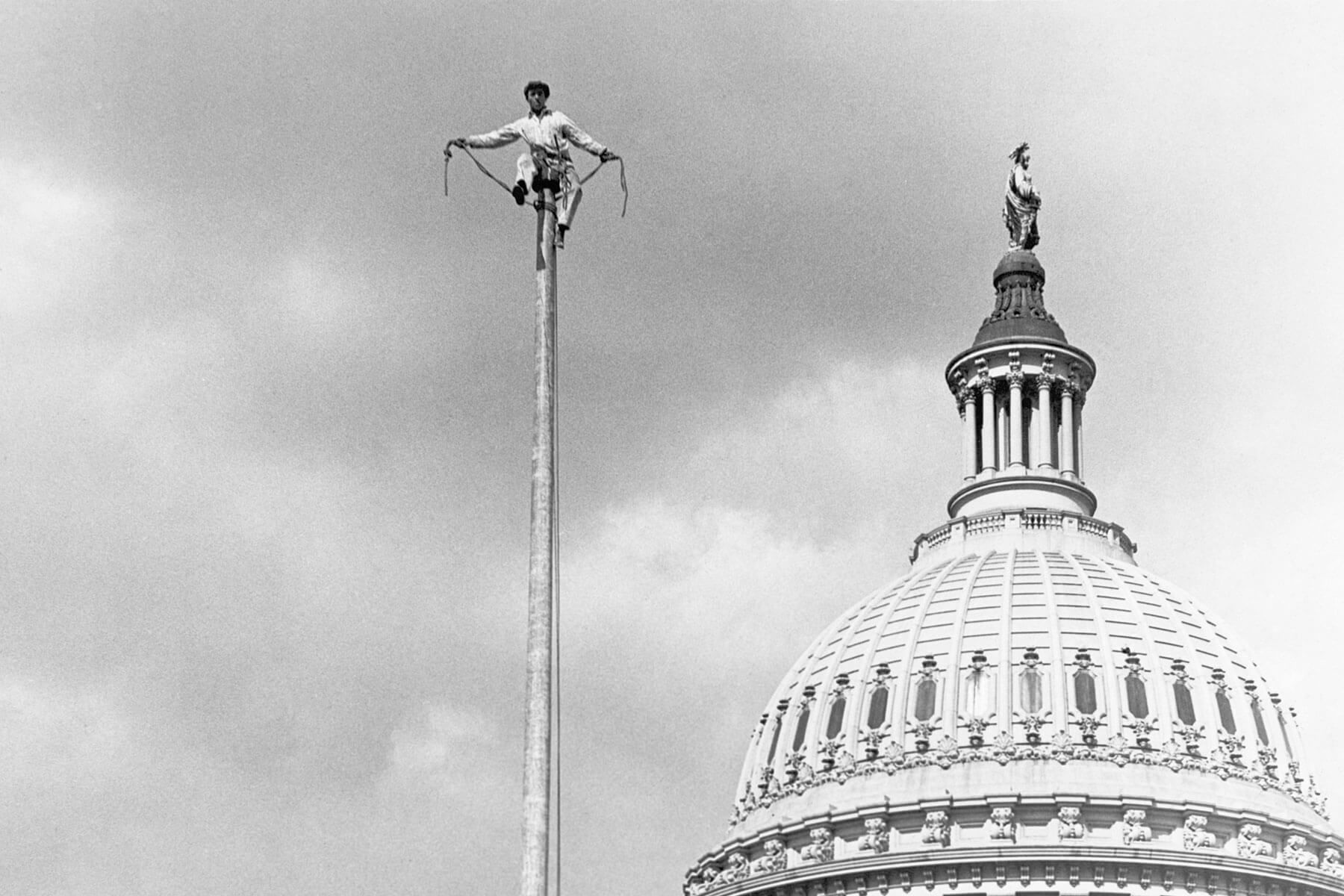
Flagpole sitting was one of the most logistically confusing fads of all time, as it involved remaining upon a flagpole for a marathon duration. The first instance of flagpole sitting was in January 1924, when former sailor and fledgling stunt performer Alvin “Shipwreck” Kelly was hired to perch atop a pole outside a Hollywood movie theater for as long as he could, in order to publicize an upcoming film. Kelly stayed aloft for 13 hours and 13 minutes.

The stunt attracted an impressed crowd and media attention, and Kelly was hired by other businesses to repeat his feat. As word spread, copycats emerged and sought to outdo each other in endurance. Kelly increased his time to eight days in 1927, but Los Angeles woman Bobbie Mack bested him when she spent 21 days atop a flagpole. Kelly then recaptured the record by enduring 49 days while being spurred on by a total of 20,000 onlookers, only for Bill Penfield of Iowa to break it again with a 51-day bout. By this point, flagpole sitters were fashioning some degree of shelter atop the pole where they could eat, sleep, and use the bathroom, in order to extend their stay.

The craze fizzled in the 1930s, but it never went away entirely. Later flagpole sitters such as Richard “Dixie” Blandy, Mauri Rose Kirby, and Peggy Townsend set new records in the ’50s and ’60s, and Blandy kept at the practice into the ’70s. The current record for flagpole sitting was set by H. David Werder in 1984, for a mind-boggling 439 days, 11 hours, and 6 minutes.

The Story of the Harlem Renaissance, in 6 Facts

Author Nicole Villeneuve
January 25, 2024

Love it?

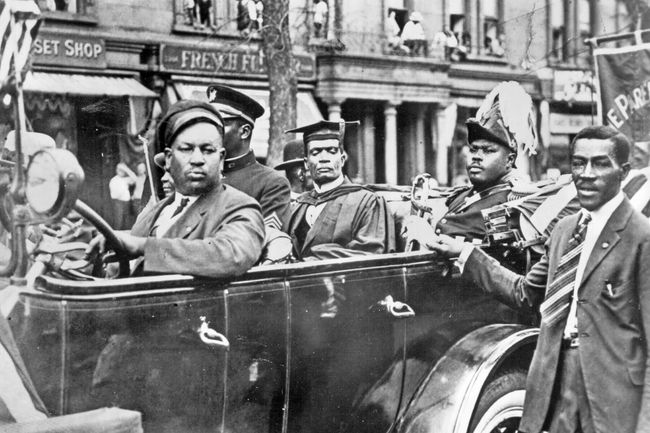
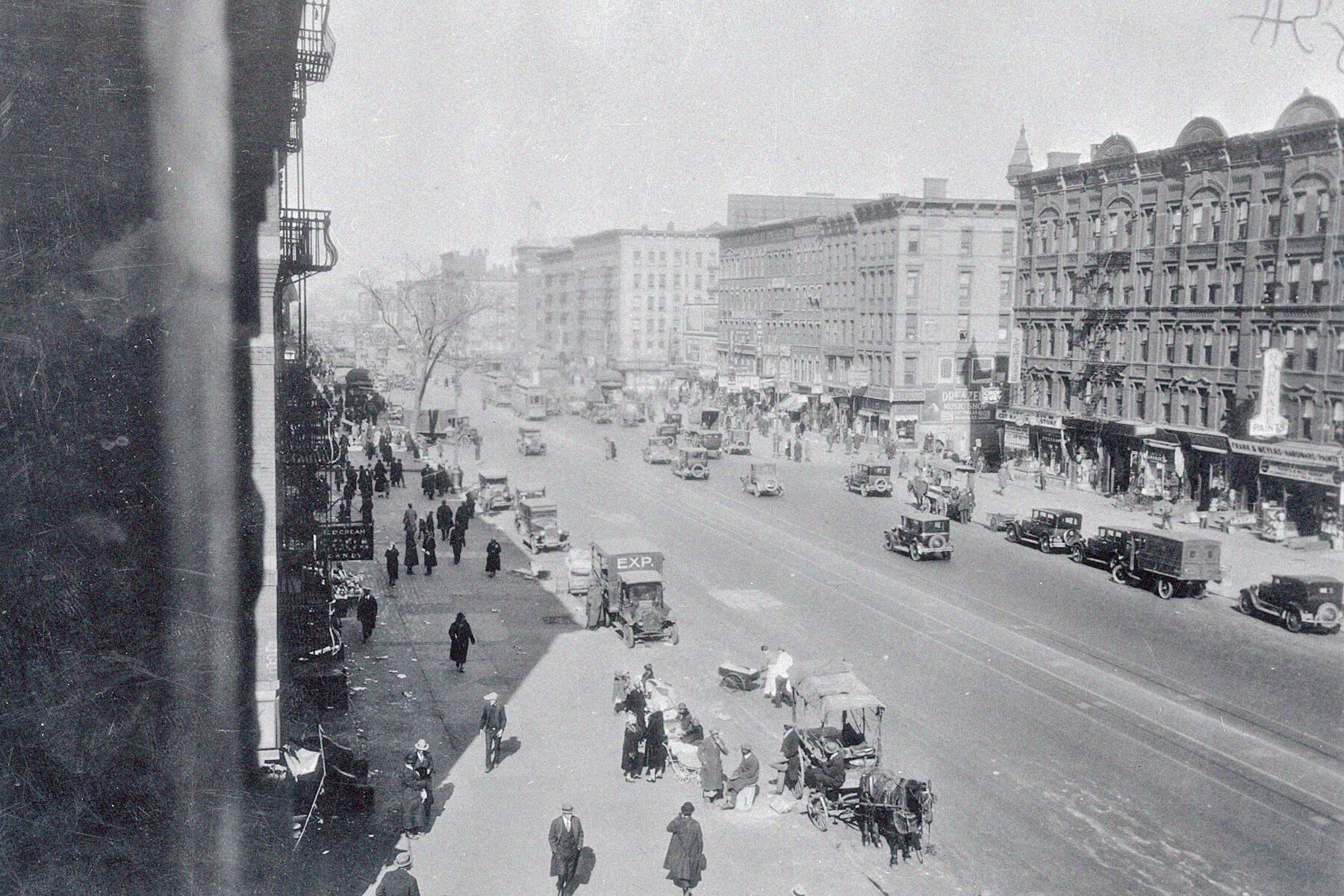
Throughout the 1920s, New York City’s Harlem neighborhood served as the vibrant headquarters of a transformative period in African American art, literature, music, and social justice leadership. This movement, known as the Harlem Renaissance, was a catalyst for celebrating African American culture and heritage, giving the Black community newfound ownership of their experiences and pride in how their stories were told. It also sought to challenge racial stereotypes and forge social and political equality, planting ideas that would be meaningful for years to come. Here, told in six facts about the movement, is the story of the Harlem Renaissance.

Photo credit: Bettmann via Getty Images

It Started With the Great Migration

From the 1910s until the 1970s, approximately 6 million Black Americans made their way from the Southern U.S. to Northern, Midwestern, and Western states, fleeing racial discrimination and economic hardships, and seeking better work and education opportunities. Known as the Great Migration, this mass movement transformed the country’s demographic landscape and was a major impetus for the Harlem Renaissance. By the 1920s, some 200,000 newcomers had made the New York City neighborhood of Harlem home; at just 3 square miles in size, the neighborhood had the largest concentration of Black people in the world, with people from all backgrounds, including artists, laborers, scholars, and writers. By the early ’20s, a vibrant cultural community was blossoming in this small corner of Upper Manhattan. 

5 of the Strangest Days in History

Author Sarah Anne Lloyd
January 18, 2024

Love it?

There have been 91,310 days in the last 250 years, but only a few of them stand out as singularly odd. Unexplained phenomena, surprising coincidences, and, in some cases, a strange quiet, don’t happen every day — especially on a massive scale.

From the day an entire region thought the apocalypse was coming, to the day apparently nothing of note happened at all, some days really stand out.. Next time you’re having an eerie day, put it in perspective with these five dates. 

Photo credit: duncan1890/ iStock

May 19, 1780: New England’s Dark Day

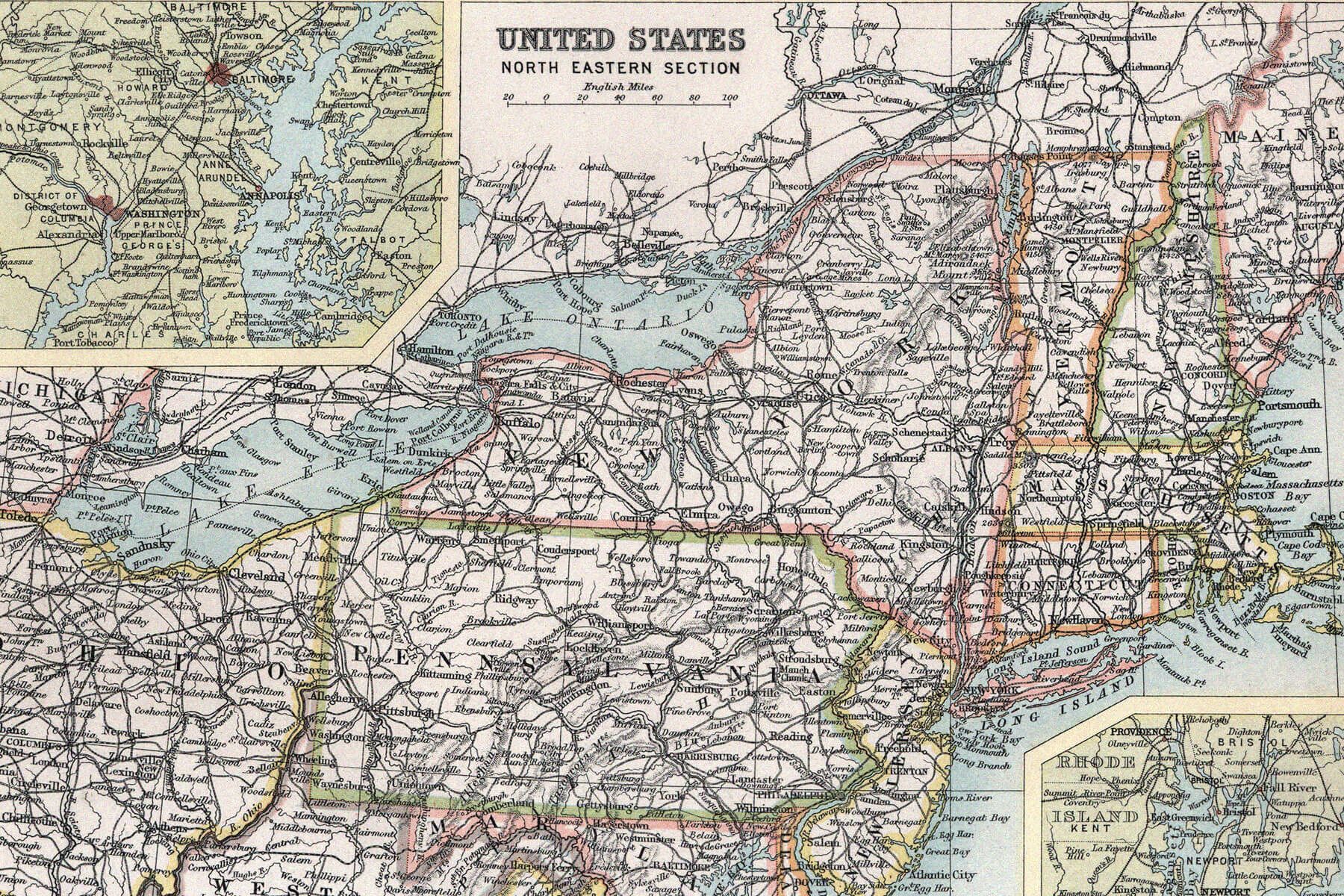
This Friday in May started out like any other, with the sun rising and bringing daylight with it. But if you happened to be in the northeastern United States or small parts of southeastern Canada, the sky was yellow by midmorning and completely darkened by noon. This would be disorienting at best even today, but in the 18th century, without the benefit of modern science to explain what happened, it was even more harrowing. 

People left work and school and flooded into churches and taverns. Some believed it was the second coming of Christ. Others decided to stay put; one state legislator famously said, in response to his colleagues calling for adjournment, “The day of judgment is either approaching, or it is not. If it is not, there is no cause for an adjournment; if it is, I choose to be found doing my duty. I wish therefore that candles may be brought.”

The moon came out around midnight that night, much to the relief of those who thought it was judgment day. Nobody knew what caused the darkness at the time, but the likely culprit, based on reports from the period and physical evidence on older trees, was wildfire smoke blowing in from Canada.

Where Did the Peace Symbol Come From?

Author Nicole Villeneuve
January 12, 2024

Love it?

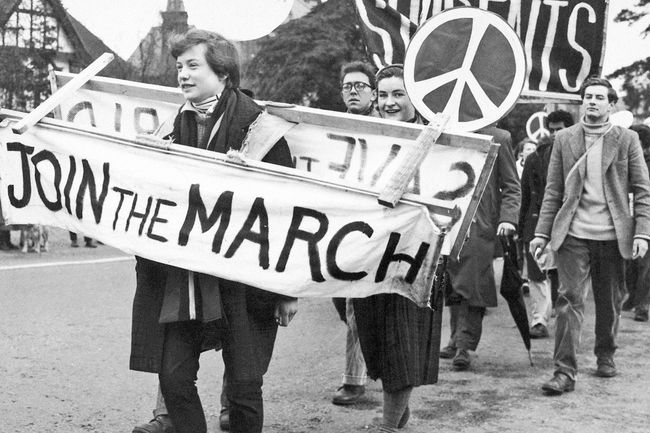
In 1958, amid growing fears of Cold War nuclear proliferation, thousands of people gathered in London’s Trafalgar Square on Good Friday. The protesters were there to embark on a 50-mile march to the Atomic Weapons Research Establishment in Aldermaston, a small village where England carried out weapons research, production, and testing. The demonstration was the work of the Direct Action Committee Against Nuclear War (DAC) and the newly formed Campaign for Nuclear Disarmament (CND), and it featured the debut of an image that became one of the most recognized protest symbols in the world: the peace symbol.

A Tiny History of Dollhouses

Author Nicole Villeneuve
December 20, 2023

Love it?

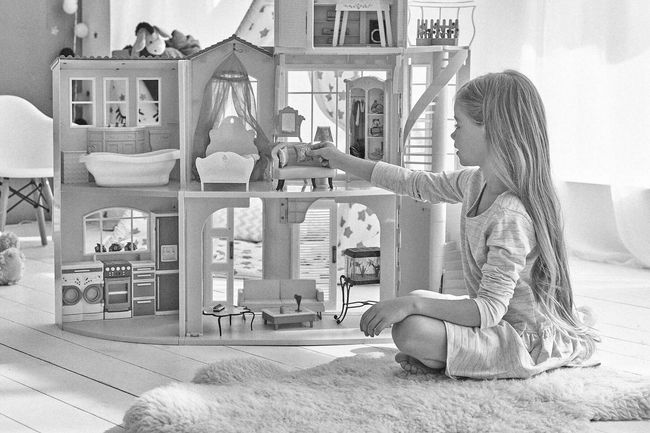
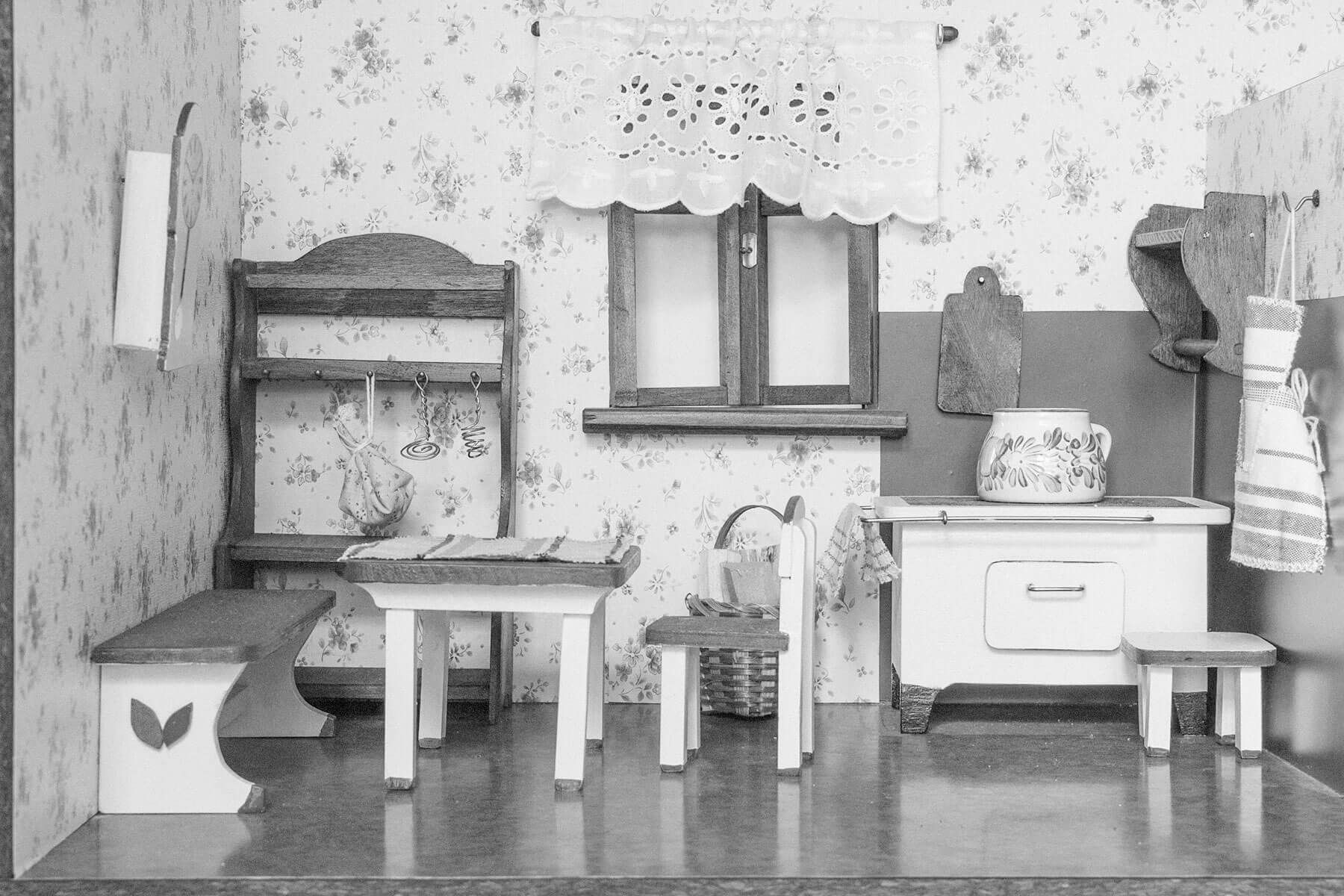
The concept of miniature dwellings traces back to ancient civilizations, when Egyptians placed small clay replicas of their houses and belongings in and around burials. These models were intended to provide the comforts of home to the deceased in the afterlife. Although the tiny dwellings we know as dollhouses today are quite different from these ancient versions, their history also includes purposes other than play. Over the last 500 years, dollhouses have evolved from elaborate displays for adults, to useful household teaching tools, to enduring objects of imagination and aspiration for children. 

Photo credit: Milan Tesar/ Shutterstock

Early Origins

The earliest known dollhouses were made in the 16th century, primarily in Germany, and later in Holland and England. Known as a “dockenhaus” (miniature house), “cabinet house,” or “baby house” (because of the size, not the intended audience), these handcrafted items were not initially made for children to play with — they served as display cases for wealthy adults to fill with miniature furniture, fabrics, and artwork that reflected their own taste and lifestyle. 

One of the earliest recorded examples of a dollhouse is the Munich Baby House. Commissioned by Albert V, the Duke of Bavaria, in the 1550s, the piece was made by skilled artisans in the shape of a royal residence (instead of a wooden cabinet like the dominant style that soon followed). Though the Munich Baby House was lost in a fire in the 1600s, Albert V had the object detailed in an inventory of his household goods. Historians believe that the Munich Baby House was likely made for the duke’s entertainment, but some suggest it may have been built as a gift for his daughter, which would make it an early example of a dollhouse for children.

The Most Popular Toys Throughout the 20th Century

Author Nicole Villeneuve
December 14, 2023

Love it?

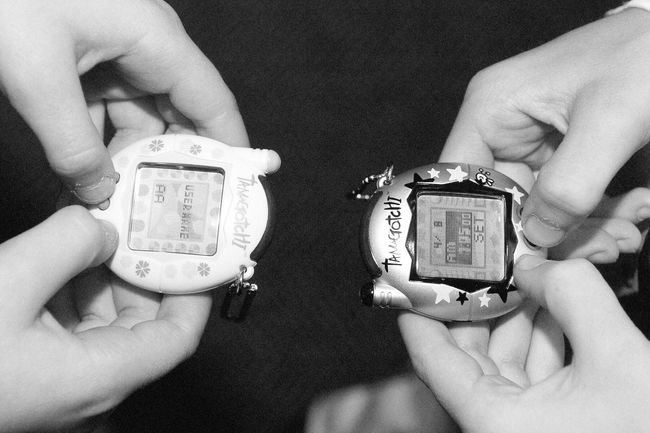
The 20th century produced an array of iconic toys that captured the public’s imagination and, in some cases, continue to delight young people worldwide. The Slinky, originating in the 1940s, and the Rubik’s Cube, first sold in the United States in the early 1980s, have remained more or less the same since their invention, invoking a nostalgic simplicity. Other toys, such as LEGO and Barbie, have offered up countless iterations, weathering changing trends to endure in popularity and appeal. The legacy of these toys is in more than just their entertainment value — it’s in the way they reflected or even set cultural trends, interests, and technological advancements. Here are some of the most popular toys throughout the 20th century, many of which are still around today.

Photo credit: Vladimir Sukhachev/ Shutterstock

The Slinky 

In the early 1940s, United States industry was largely focused on producing goods for the war effort, and it was during this time that the Slinky was accidentally invented. Richard James, a mechanical engineer, stumbled on the idea in 1943 while working with tension springs for naval equipment at a Philadelphia shipyard. After accidentally knocking some of his prototypes off a shelf, James couldn’t help but notice the way one of them “walked” down a stack of books on his desk. He worked on this strange spring — which his wife named “Slinky” after seeing the word in the dictionary — over the next two years. By the end of 1945, James got an initial run of 400 Slinkys into a local department store. It wasn’t until he staged a live demonstration, however, that the product’s popularity picked up, and the toy sold out. Within the first 10 years, he sold 100 million. The Slinky has endured for decades, not only as a popular toy on its own, but also through licensing and its iconic jingle — the longest-running jingle in television advertising history.

5 Facts About the Golden Age of Advertising

Author Kristina Wright
December 7, 2023

Love it?

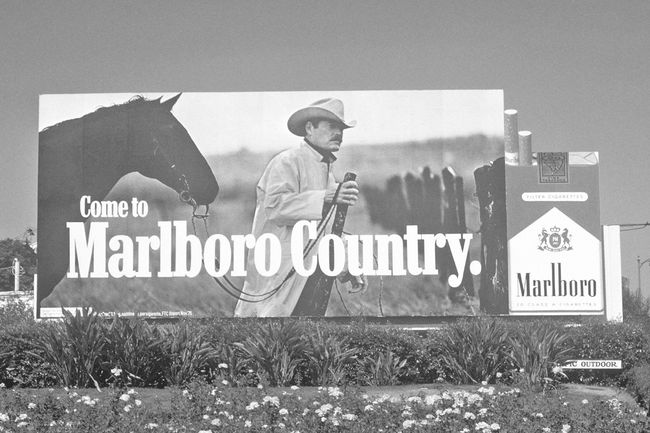
The 1960s and ’70s are considered a golden age in advertising, though the industry’s creative revolution arguably started in the 1950s, thanks in part to the rise of television unlocking new forms of storytelling. It was an era of bold ideas, increasingly large budgets, and even bigger personalities — a time when advertising was seen as a glamorous, if maybe unethical, profession populated by well-dressed men and women (but mostly men) profiting from the postwar consumer culture. 

At the time, many of the nation’s largest ad agencies were located on Madison Avenue in Manhattan, and the street came to be synonymous with American advertising and its unique methodology. Safire’s Political Dictionary, published in 1978, referred to “Madison Avenue techniques” as the “gimmicky, slick use of the communications media to play on emotions.” More recently, the culture surrounding this advertising boom has been portrayed in 2007’s acclaimed AMC series “Mad Men,” centered on the charismatic creative director Don Draper (played by Jon Hamm). Here are five fascinating facts about the golden age of advertising, and the real-life ad men and women of Madison Avenue.

Photo credit: Patti McConville/ Alamy Stock Photo

A “Small” Ad Changed the Way Americans Looked at Cars

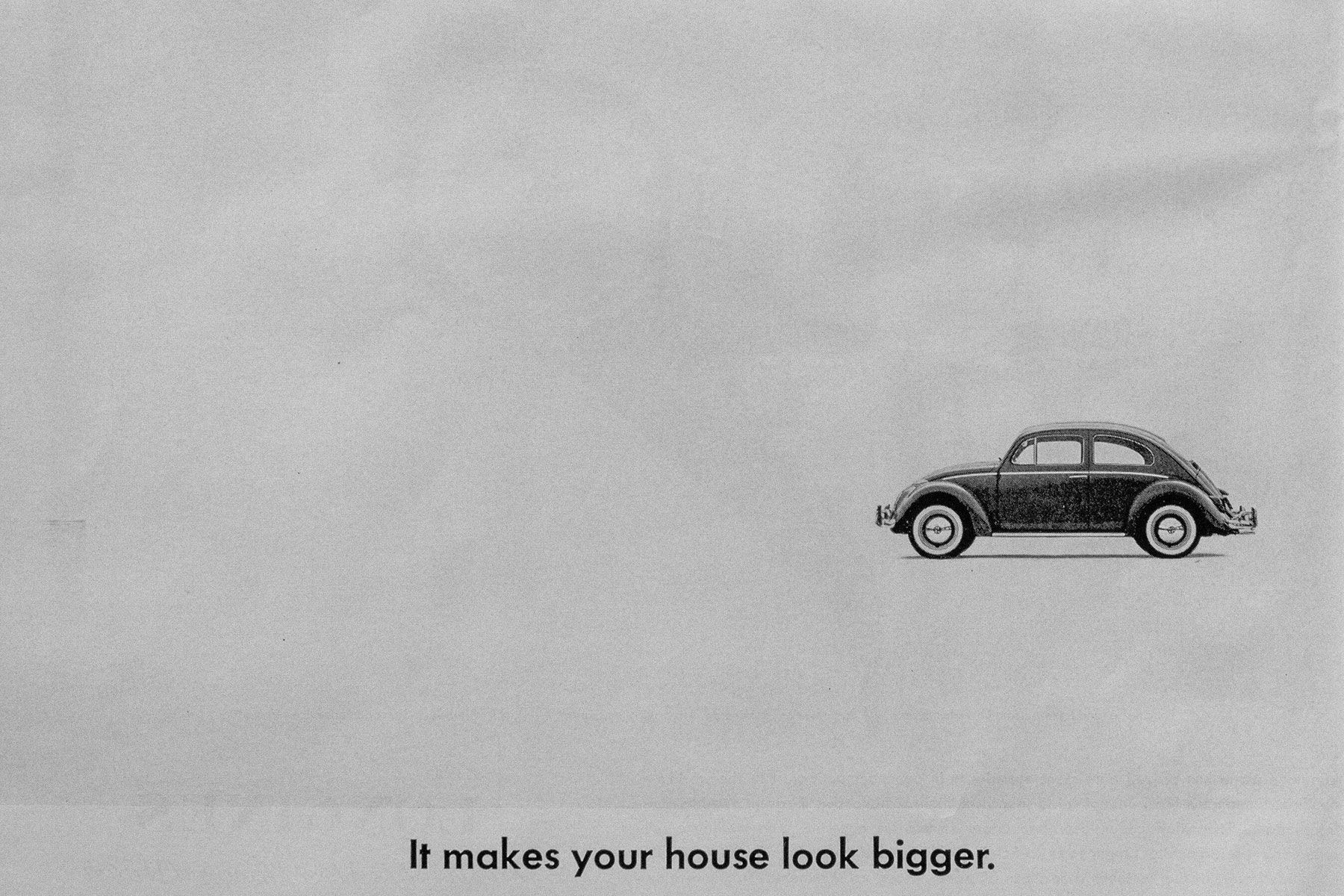
In the 1960s, advertising underwent a transformation that became known as the Creative Revolution, shifting the industry’s focus from research and science to an approach that was creative and emotionally driven. For better or worse, this era of advertising  owes a lot to the Volkswagen Beetle, and the visionary ad man Bill Bernbach. In 1959, at a time when Americans were buying cars out of Detroit and vehicles were getting bigger and flashier, Bernbach’s agency, Doyle Dane Bernbach (DDB), was contracted to promote the German-made Volkswagen Beetle in the United States. The problem was, Volkswagen’s strong link to Nazi Germany made it a tough sell in the U.S. The challenge called for an unconventional approach. Rather than attempting to duplicate the busy, colorful advertising style of American-made cars, the creative team behind Volkswagen’s campaign went in the opposite direction. The first ad, “Think Small,” featured a small black-and-white image of a Volkswagen Beetle against a backdrop of white space. The now-iconic ad encouraged consumers to look at the car in a new light, from being able to “squeeze into a small parking spot” to having small insurance payments and small repair bills.

5 Secret Societies You’ve Never Heard Of

Author Nicole Villeneuve
November 30, 2023

Love it?

We all know of the Freemasons and the ever-mysterious Illuminati, but throughout history, plenty of other secret societies have flourished under the radar. The western U.S. is home to a long-running, low-key historical society with a unique and eccentric ethos, while northern Spain’s historic food culture has been kept alive through selective supper clubs for more than a century. Though their stories don’t often get told, these clandestine groups have nonetheless left their own obscure marks. Read on to learn about five little-known secret societies.

Photo credit: Philip Strong/ Unsplash

Order of the Occult Hand

Secret societies typically conjure a dark air of mystery, but the Order of the Occult Hand illustrates the fun side of underground organizations. Its origins can be traced to 1965, when Joseph Flanders, a crime reporter for the Charlotte News, wrote an article about the shooting of a local millworker. “It was as if an occult hand had reached down from above and moved the players like pawns upon some giant chessboard,” Flanders wrote. His colleagues, the legend goes, found the flowery description so funny, they formed the Order of the Occult Hand, a secret society dedicated to sneaking “it was as if an occult hand,” or a similar phrase, into their work. 

The mission quickly spread among journalism circles in Charlotte and beyond. By the early 1970s, the mischievous media conspiracy was becoming so prevalent that the Boston Herald reportedly banned “occult hand” from the paper. Over the years, the phrase continued to show up in The New York Times, The Washington Post, and the Los Angeles Times. In 2004, writer James Janega published a thorough exposé of the Order in the Chicago Tribune, and in 2006, journalist Paul Greenberg, a long-running member of the society, copped to creating a new secret phrase that went into circulation, even as the “occult hand” keeps going.