

5 Indigenous Leaders You Should Know
As we look back at American history, it’s crucial to take a moment to reflect on and recognize the contributions made by the nation’s Indigenous peoples, who are so often overshadowed by famous figures who came to the United States from other parts of the world. To commemorate this important part of America’s heritage, here’s a look at five notable Indigenous heroes and leaders who shaped the nation through their tireless efforts.
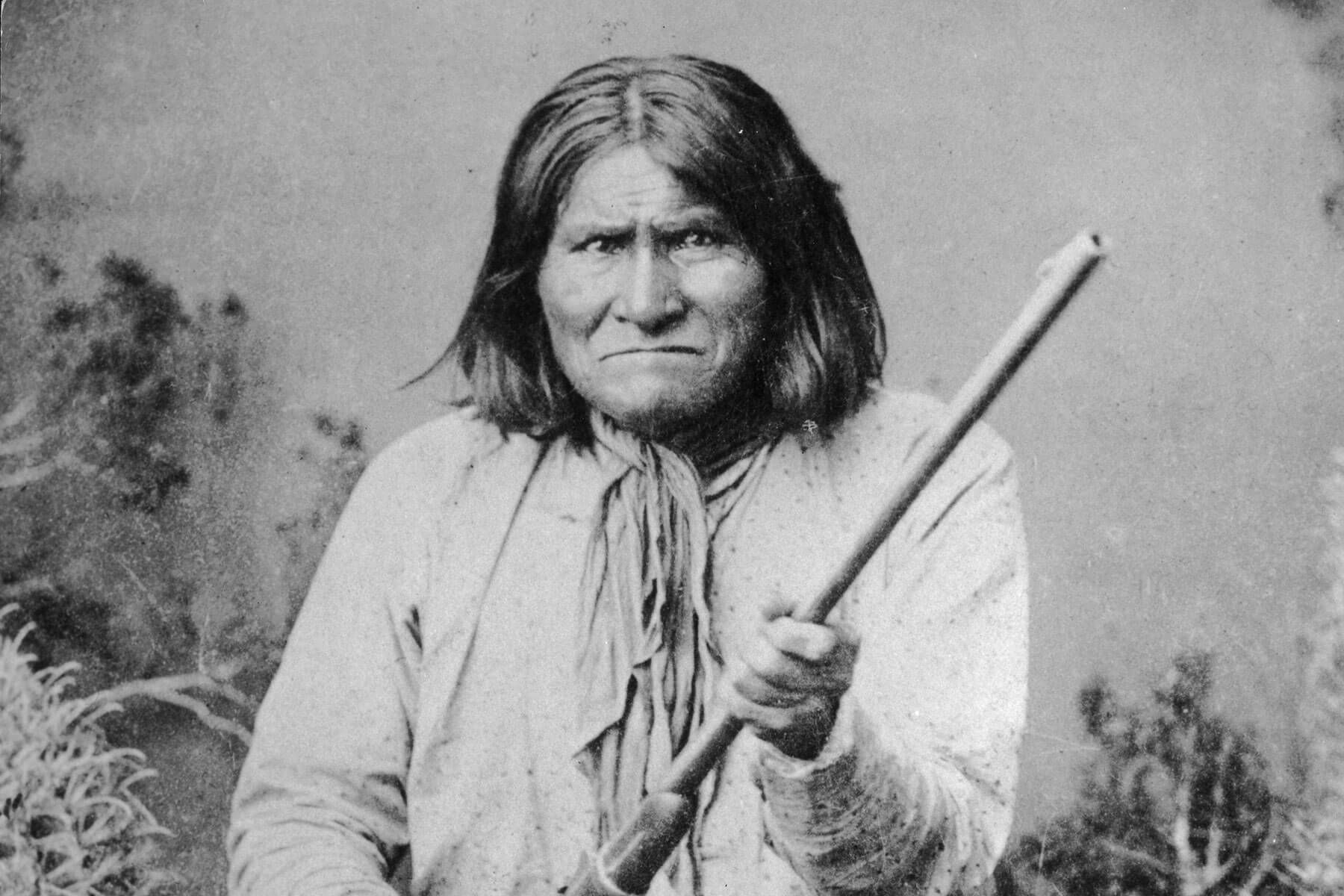
Geronimo (1829-1909)
A medicine man and leader of the Bedonkohe band of the Chiricahua Apache, Geronimo was born on the Gila River in New Mexico, where he was originally given the name Goyahkla, meaning “the one who yawns.” After the United States government forcibly relocated 4,000 Apaches to a reservation in San Carlos, Arizona, Geronimo led dozens of breakouts in an effort to return his community to their nomadic roots. Geronimo’s legacy is vast. His relationship with many American and Mexican civilians was complex, as he fought against colonialism but was made famous after appearing in Buffalo Bill’s “Wild West” sideshow and eventually in Theodore Roosevelt’s election parade. Geronimo’s tireless fight for Apache independence cemented him as a fearless crusader for freedom by the time of his death from pneumonia in 1909.
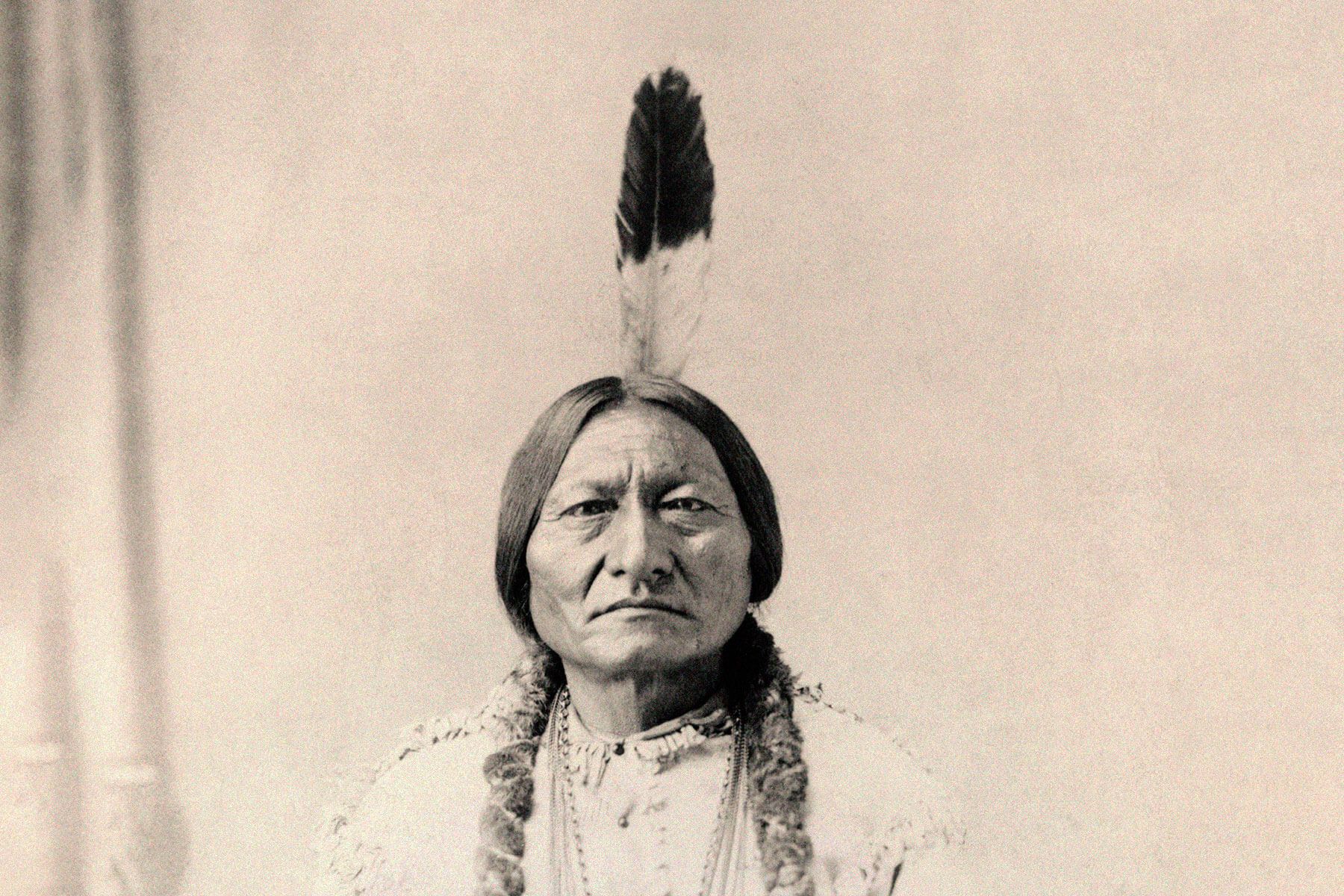
Sitting Bull (c. 1831-1890)
The son of a warrior, Sitting Bull was born in what is now South Dakota and was nicknamed “Slow” for his lack of fighting ability — that is, until he was branded Tatanka Yotanka (“Sitting Bull”) at age 14 after “counting coup” in a battle against the Crow Tribe. (“Counting coup” is a way to humiliate an enemy by riding close enough to touch them with a stick.) Sitting Bull eventually rose to become chief of the Hunkpapa Sioux, and fought tirelessly against the U.S. military, who sought to seize Indigenous land.
After fleeing to Canada to escape a vengeful army in the wake of the defeat of General George Armstrong Custer (and his 210 troops) in 1876 at the Battle of Little Bighorn, Sitting Bull returned to the U.S. in 1881 and was held prisoner at Standing Rock Reservation on Dakota Territory. His impact, however, could not be contained: After an Indigenous mystic claimed in 1889 that a ghost dance would eliminate the threat of white settlers on Native land, Sitting Bull allowed his followers to practice the dance — much to the horror of federal officials, who feared another uprising. Sitting Bull was killed by gunfire upon his arrest in 1890, and is remembered as a martyr for freedom.
More from our network






Crazy Horse (c. 1840-1877)
Born near the Black Hills of South Dakota, Lakota Chief Crazy Horse was the son of a warrior with the same name, and at a young age he began showcasing his capacity for battle and bravery. Having helped lead the Sioux resistance against the U.S. military’s attempts to colonize the Great Plains throughout the 1860s and ’70s, Crazy Horse led a band of Lakota warriors against General Custer's 7th Cavalry Regiment during the Battle of Little Bighorn in 1876 (alongside Sitting Bull) before returning to the Northern Plains. Unfortunately, Crazy Horse and his community faced an unwavering enemy; forced to keep moving — and fighting — to evade federal resettlement, the chief and his 1,100 followers ultimately surrendered to the U.S. military at Fort Robinson in May 1877. There, in the wake of his arrest (and under the banner of truce), Crazy Horse was stabbed during a scuffle with U.S. soldiers and died of his injuries. He is remembered for his courage, leadership, and his endless perseverance against the colonizing forces.

Sacagawea (c. 1788-1812 or 1884)
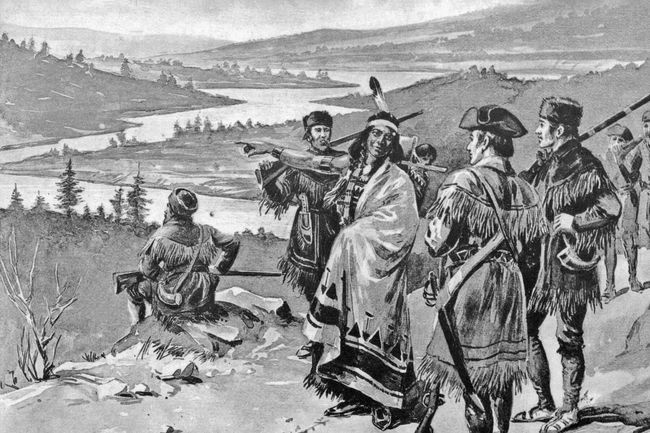
Sacagawea was only around 16 years old when she carved her place in Native American history through her ability to communicate with different peoples. Kidnapped by the Hidatsa (Indigenous people of North Dakota) at age 12, Sacagawea was then claimed by French Canadian trader Toussaint Charbonneau as one of his wives at age 13. Despite this treatment, upon the arrival of explorers Meriwether Lewis and William Clark to Hidatsa territory in 1804, the young woman proved herself invaluable. Chosen by her husband to serve as interpreter as he and the explorers moved west, she rescued records and supplies from the river when the crew’s boat tipped and took on water, helped acquire horses from her brother when the expedition passed through Idaho, and saved her counterparts from starvation as they faced food shortages. Most importantly, her role as translator helped assure safety for both her own team and the Indigenous communities they crossed paths with. Her knowledge and wherewithal earned her momentous respect from the 45 white men who relied on her, and ultimately made the expedition a success.
Her date of death remains a mystery. Following the expedition, Sacagawea and Charbonneau worked for the Missouri Fur Company in St. Louis in 1810, and it was believed that Sacagawea succumbed to typhus in 1812. However, some Native American oral histories claim that she lived until 1884 on the Shoshone lands where she was born.

Wilma Mankiller (1945-2010)
For 10 years, Wilma Mankiller served as the principal chief of the Cherokee Nation, the first woman to do so. Born on the territory in 1945, Mankiller and her family were moved to a housing project in California in the 1950s, where they endured culture shock, racism, and the effects of poverty, which shaped the future chief’s ethos. Mankiller returned to Cherokee territory in 1977, where she founded the Community Development Department for the Cherokee Nation, and advocated endlessly for improved education, health care, and housing services.
For these efforts, then-Principal Chief Ross Swimmer asked her to run as his deputy in 1983. Two years later, Swimmer stepped down to lead the Bureau of Indian Affairs, and Mankiller became principal chief, serving until 1995. She was celebrated for lowering infant mortality rates, boosting education, and working to ensure financial and social equality. Mankiller was inducted into the National Women’s Hall of Fame in 1993, received the Presidential Medal of Freedom in 1998, and continued to advocate for women’s rights and Indigenous rights until her death in 2010 at age 64.