The Story of the Harlem Renaissance, in 6 Facts

  • Marcus Garvey in Harlem
Marcus Garvey in Harlem
Michael Ochs Archives via Getty Images
Author Nicole Villeneuve

January 25, 2024

Love it?

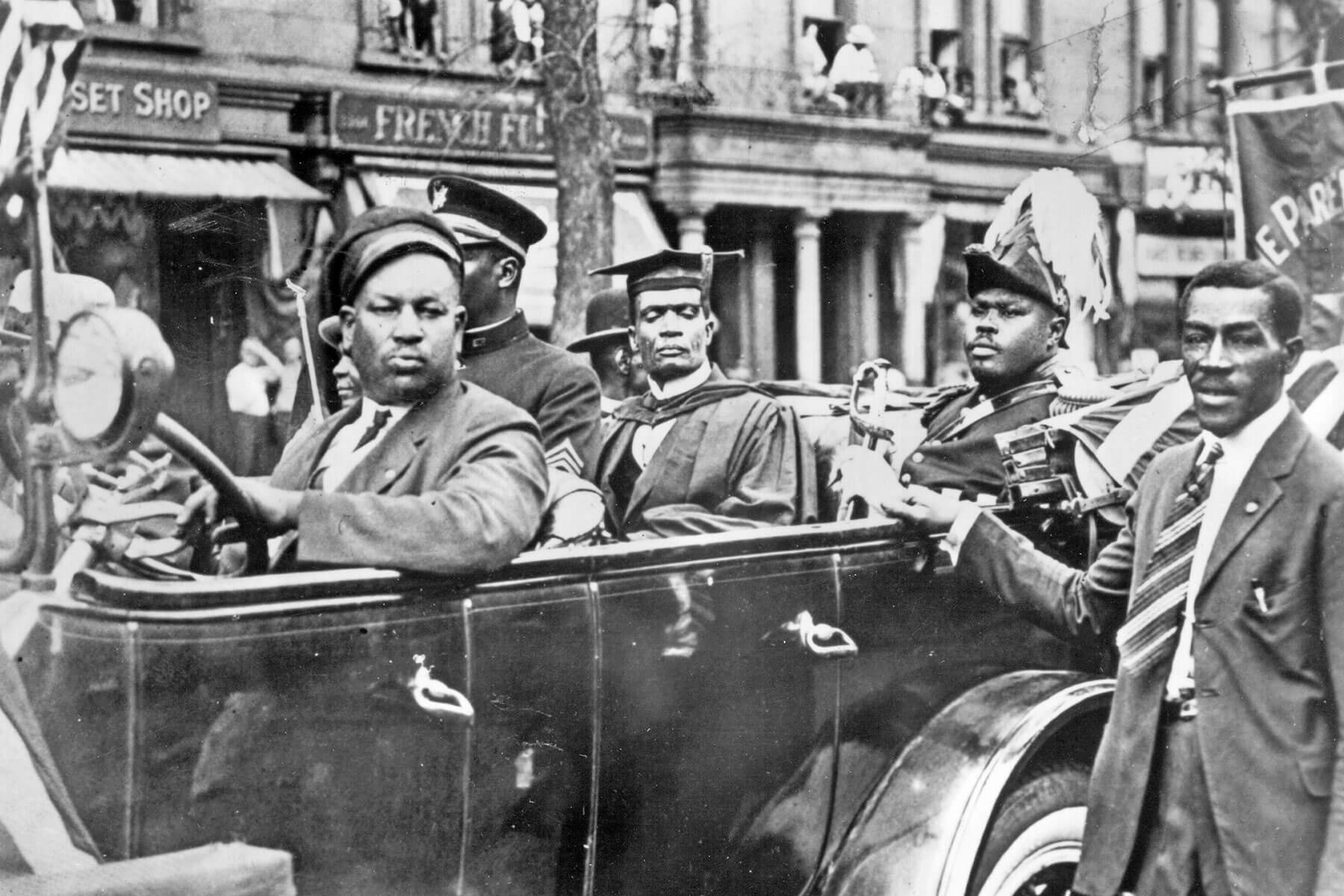
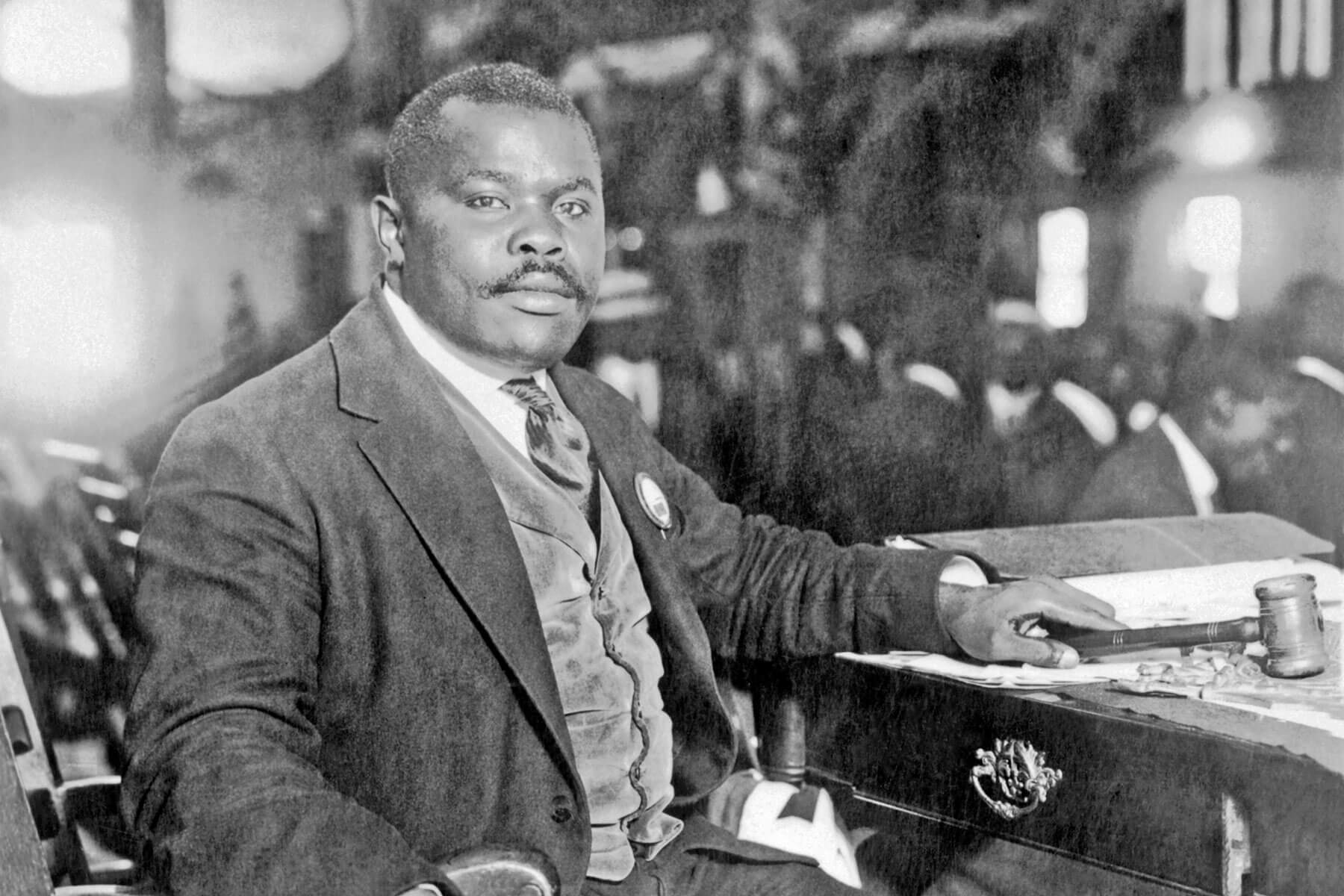
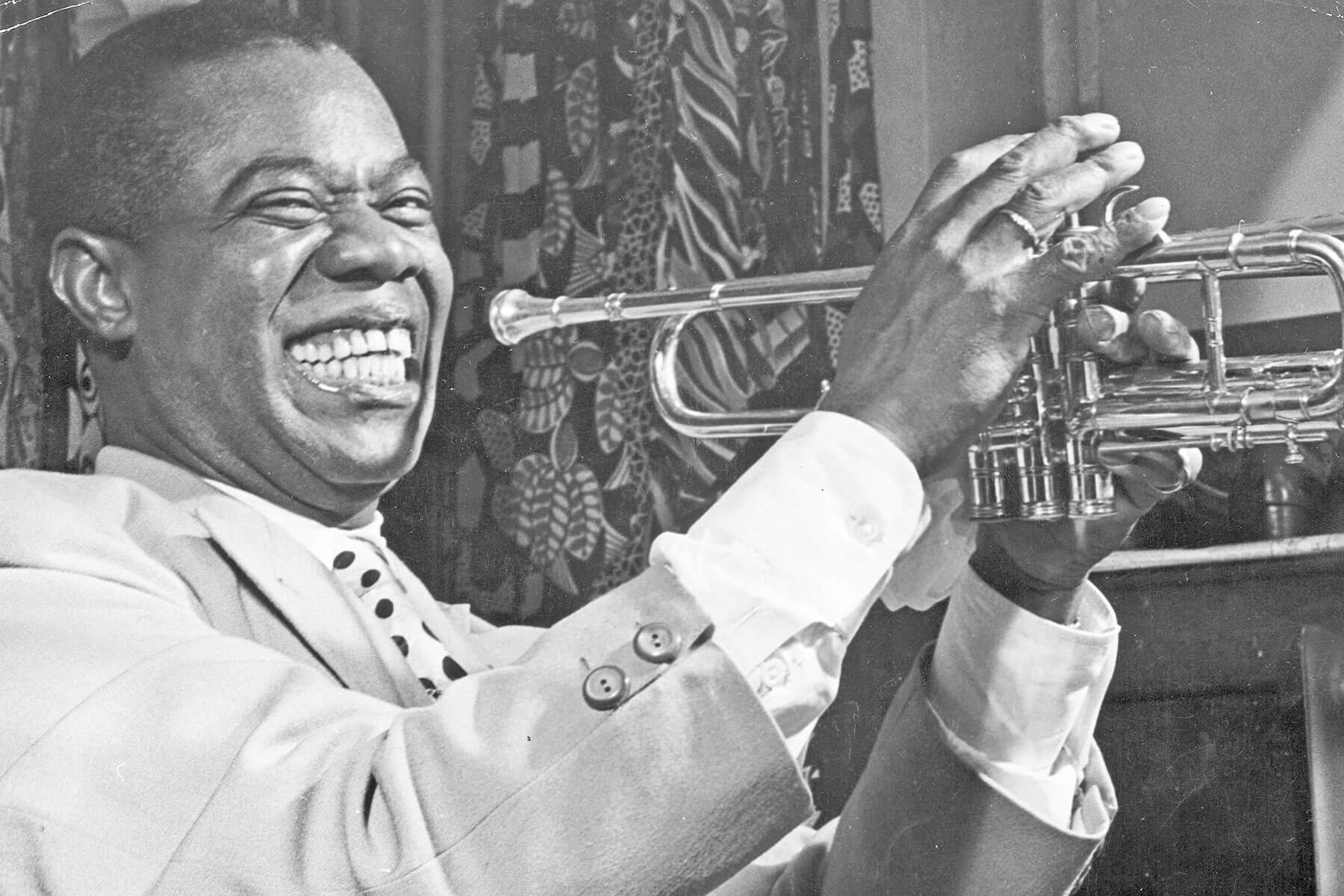
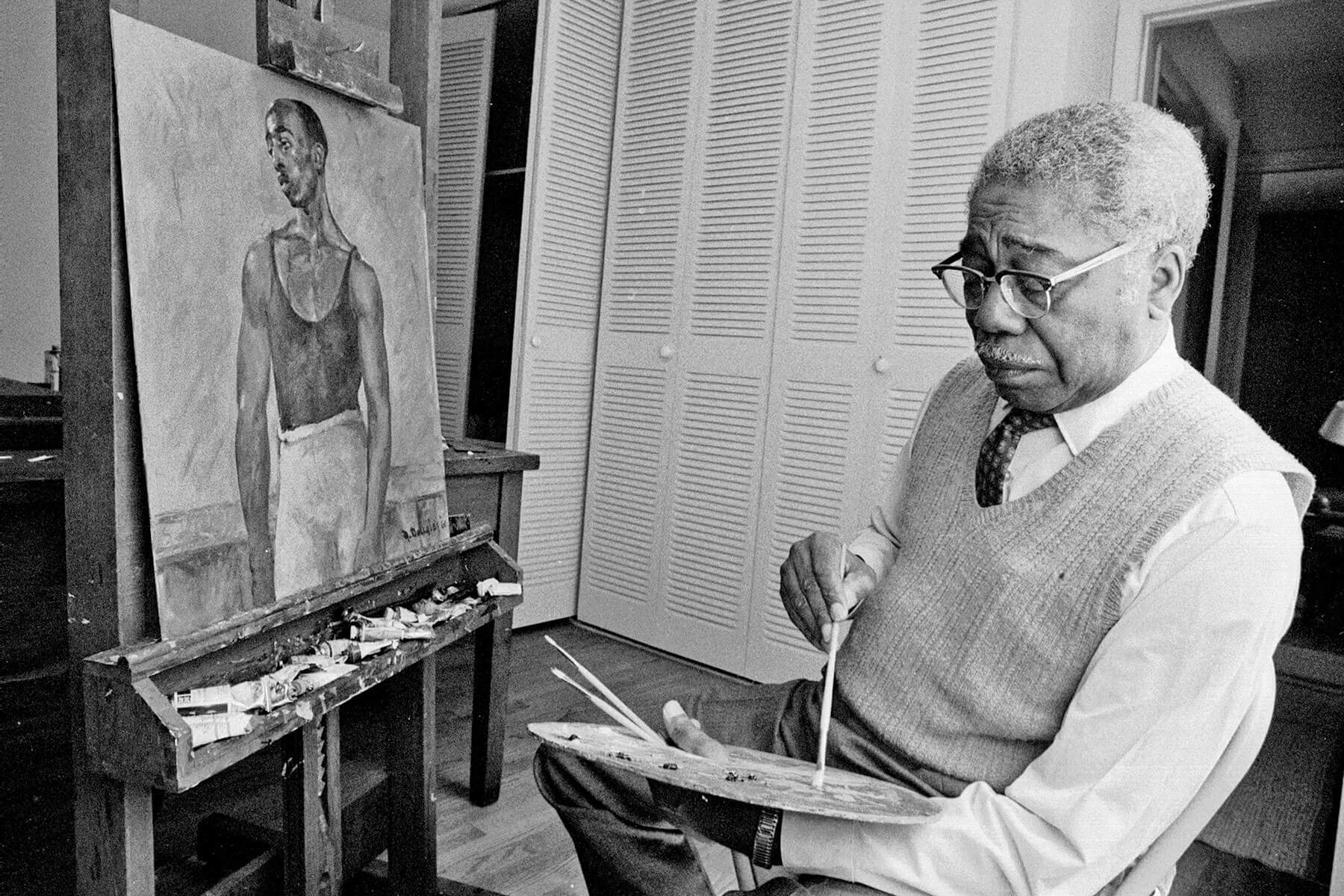
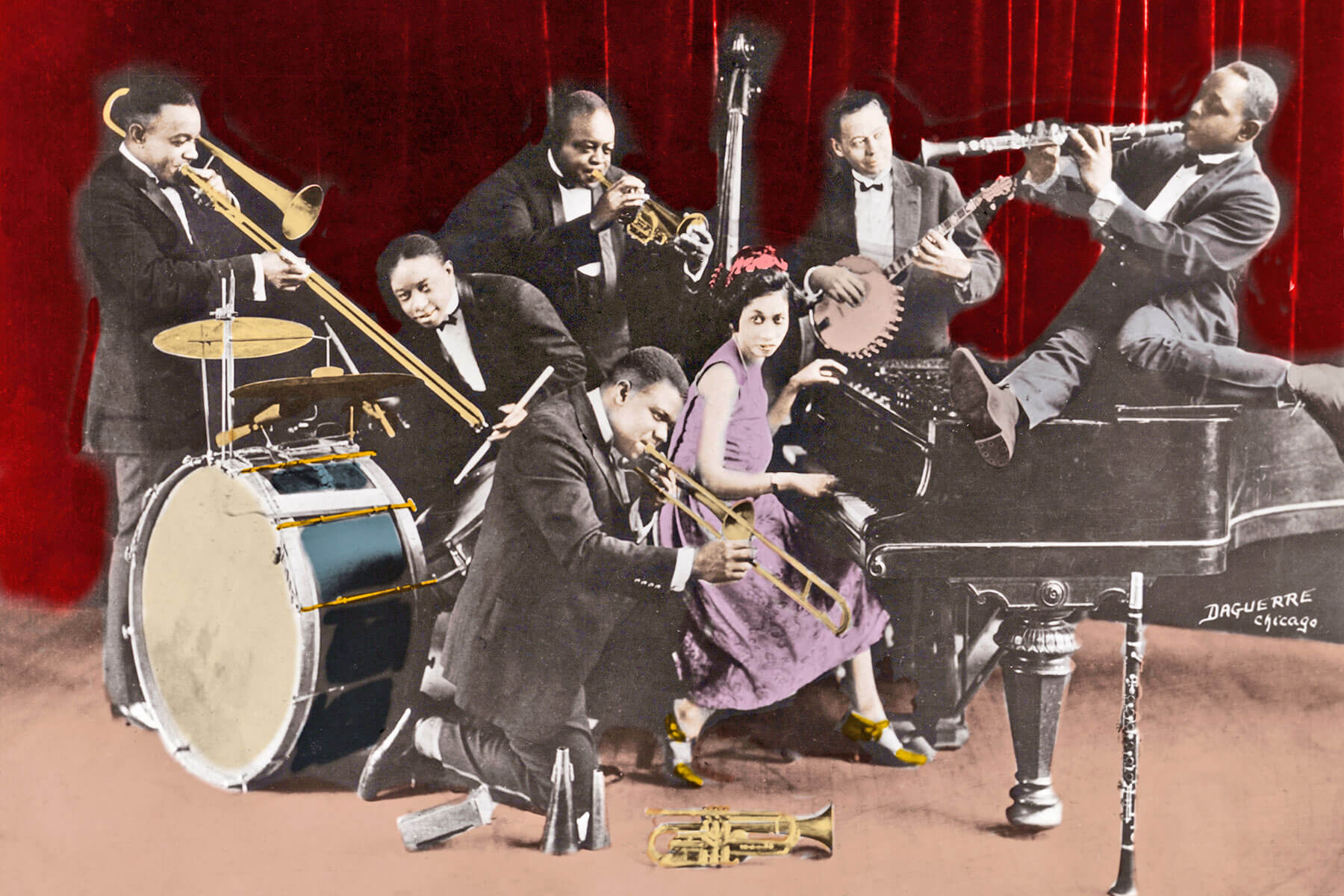
Throughout the 1920s, New York City’s Harlem neighborhood served as the vibrant headquarters of a transformative period in African American art, literature, music, and social justice leadership. This movement, known as the Harlem Renaissance, was a catalyst for celebrating African American culture and heritage, giving the Black community newfound ownership of their experiences and pride in how their stories were told. It also sought to challenge racial stereotypes and forge social and political equality, planting ideas that would be meaningful for years to come. Here, told in six facts about the movement, is the story of the Harlem Renaissance.

Photo credit: Bettmann via Getty Images

It Started With the Great Migration

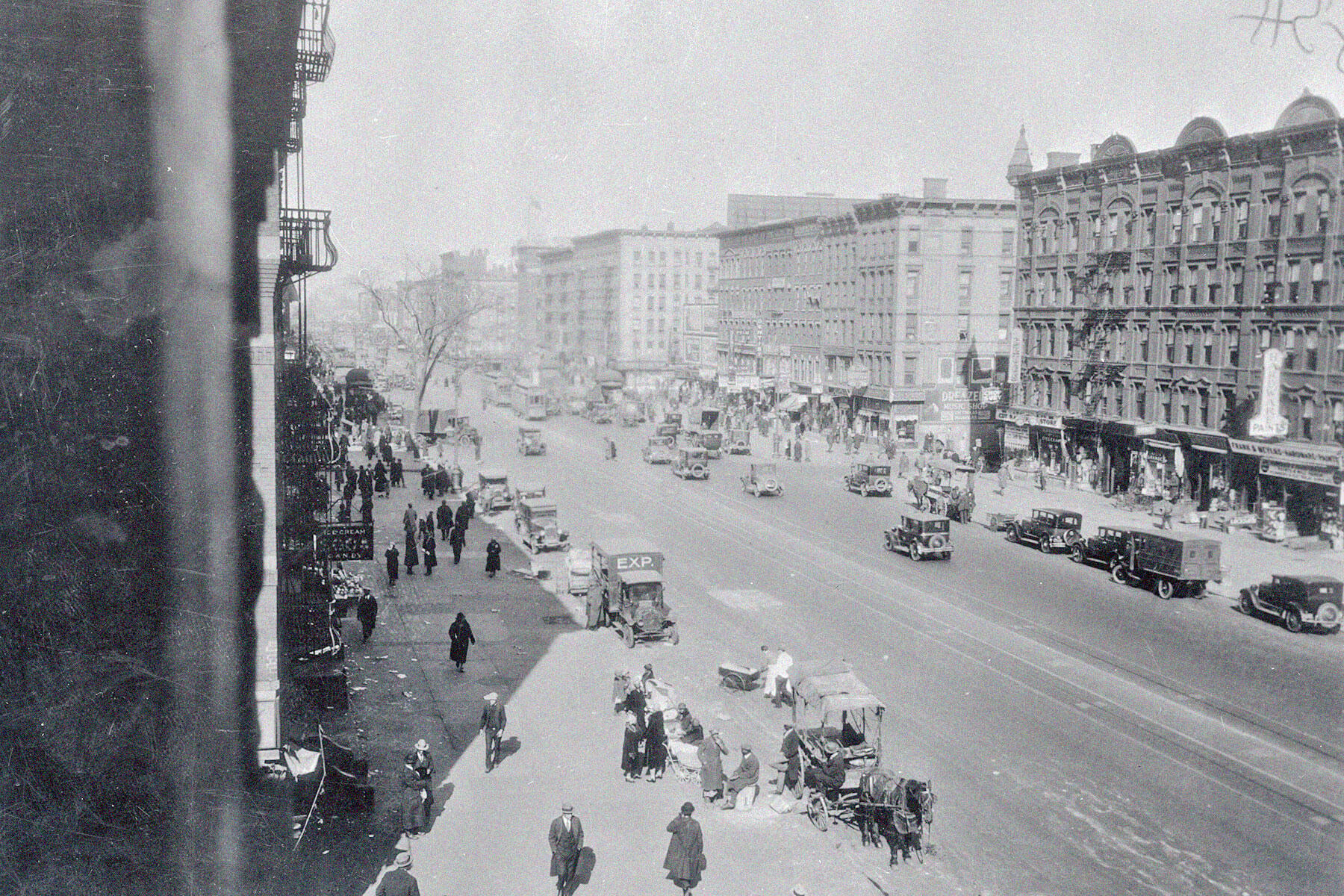
From the 1910s until the 1970s, approximately 6 million Black Americans made their way from the Southern U.S. to Northern, Midwestern, and Western states, fleeing racial discrimination and economic hardships, and seeking better work and education opportunities. Known as the Great Migration, this mass movement transformed the country’s demographic landscape and was a major impetus for the Harlem Renaissance. By the 1920s, some 200,000 newcomers had made the New York City neighborhood of Harlem home; at just 3 square miles in size, the neighborhood had the largest concentration of Black people in the world, with people from all backgrounds, including artists, laborers, scholars, and writers. By the early ’20s, a vibrant cultural community was blossoming in this small corner of Upper Manhattan. 
You may also like

5 of the Strangest Days in History

  • Conceptual image of time
Conceptual image of time
DKosig/ iStock
Author Sarah Anne Lloyd

January 18, 2024

Love it?

There have been 91,310 days in the last 250 years, but only a few of them stand out as singularly odd. Unexplained phenomena, surprising coincidences, and, in some cases, a strange quiet, don’t happen every day — especially on a massive scale.

From the day an entire region thought the apocalypse was coming, to the day apparently nothing of note happened at all, some days really stand out.. Next time you’re having an eerie day, put it in perspective with these five dates. 

Photo credit: duncan1890/ iStock

May 19, 1780: New England’s Dark Day

This Friday in May started out like any other, with the sun rising and bringing daylight with it. But if you happened to be in the northeastern United States or small parts of southeastern Canada, the sky was yellow by midmorning and completely darkened by noon. This would be disorienting at best even today, but in the 18th century, without the benefit of modern science to explain what happened, it was even more harrowing. 

People left work and school and flooded into churches and taverns. Some believed it was the second coming of Christ. Others decided to stay put; one state legislator famously said, in response to his colleagues calling for adjournment, “The day of judgment is either approaching, or it is not. If it is not, there is no cause for an adjournment; if it is, I choose to be found doing my duty. I wish therefore that candles may be brought.”

The moon came out around midnight that night, much to the relief of those who thought it was judgment day. Nobody knew what caused the darkness at the time, but the likely culprit, based on reports from the period and physical evidence on older trees, was wildfire smoke blowing in from Canada.

You may also like

Where Did the Peace Symbol Come From?

  • Nuclear disarmament protest
Nuclear disarmament protest
Keystone/ Hulton Archive via Getty Images
Author Nicole Villeneuve

January 12, 2024

Love it?

In 1958, amid growing fears of Cold War nuclear proliferation, thousands of people gathered in London’s Trafalgar Square on Good Friday. The protesters were there to embark on a 50-mile march to the Atomic Weapons Research Establishment in Aldermaston, a small village where England carried out weapons research, production, and testing. The demonstration was the work of the Direct Action Committee Against Nuclear War (DAC) and the newly formed Campaign for Nuclear Disarmament (CND), and it featured the debut of an image that became one of the most recognized protest symbols in the world: the peace symbol.

You may also like

Life in 1950s America, By the Numbers

  • 1950s family home
1950s family home
H. Armstrong Roberts/ClassicStock/ Archive Photos via Getty Images
Author Rachel Gresh

January 4, 2024

Love it?

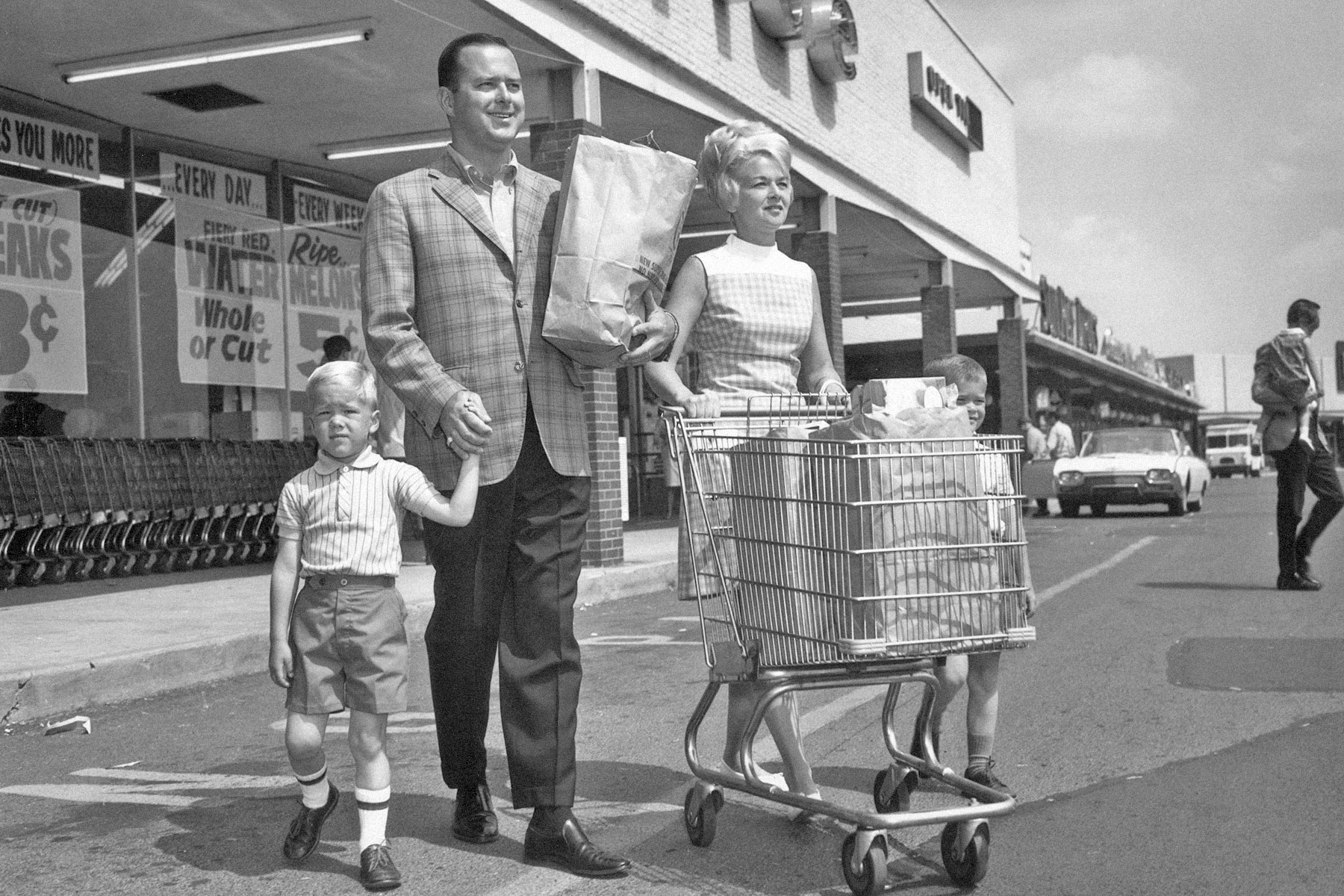
Elvis was on the radio, The Ed Sullivan Show was on the TV, and scores of people were hightailing it to the suburbs — this was 1950s America. It was a young nation, with 31% of its 151 million residents under age 18, and it was on the brink of change. Birth rates continued to rise at unprecedented levels, giving way to a new generation of “baby boomers.” The “nuclear family” (describing married couples with kids at home) was ingrained in the culture; more than half of all people (68% of men and 66% of women) were married. By the time the ’60s rolled around, many of these cultural norms would be upended, but this generation left a lasting mark on American society. Here is a snapshot of family life in the 1950s, by the numbers.
Photo credit: Mark Goebel Photo Gallery/ Archive Photos via Getty Images

Around 4 Million Babies Were Born Every Year

Post-World War II America saw a rapid increase in birth rates lasting from 1946 through 1964. It became known as the “baby boom,” and the 1950s were smack dab in the middle of it. During the ’50s, around 4 million babies were born every year in America, a sharp increase from the previous average, around 2.7 million births annually between 1910 and 1945. By the end of the boom, around 77 million babies had been born. This influx of births was due to many positive aspects of the postwar era, including low unemployment rates, a burgeoning economy, low interest rates, and a strengthened middle class. 

You may also like

A Tiny History of Dollhouses

  • Playing with a dollhouse
Playing with a dollhouse
G-Stock Studio/ Shutterstock
Author Nicole Villeneuve

December 20, 2023

Love it?

The concept of miniature dwellings traces back to ancient civilizations, when Egyptians placed small clay replicas of their houses and belongings in and around burials. These models were intended to provide the comforts of home to the deceased in the afterlife. Although the tiny dwellings we know as dollhouses today are quite different from these ancient versions, their history also includes purposes other than play. Over the last 500 years, dollhouses have evolved from elaborate displays for adults, to useful household teaching tools, to enduring objects of imagination and aspiration for children. 

Photo credit: Milan Tesar/ Shutterstock

Early Origins

The earliest known dollhouses were made in the 16th century, primarily in Germany, and later in Holland and England. Known as a “dockenhaus” (miniature house), “cabinet house,” or “baby house” (because of the size, not the intended audience), these handcrafted items were not initially made for children to play with — they served as display cases for wealthy adults to fill with miniature furniture, fabrics, and artwork that reflected their own taste and lifestyle. 

One of the earliest recorded examples of a dollhouse is the Munich Baby House. Commissioned by Albert V, the Duke of Bavaria, in the 1550s, the piece was made by skilled artisans in the shape of a royal residence (instead of a wooden cabinet like the dominant style that soon followed). Though the Munich Baby House was lost in a fire in the 1600s, Albert V had the object detailed in an inventory of his household goods. Historians believe that the Munich Baby House was likely made for the duke’s entertainment, but some suggest it may have been built as a gift for his daughter, which would make it an early example of a dollhouse for children.

You may also like

6 Surprising Etiquette Rules From the Past

  • Formally dressed couple
Formally dressed couple
H. Armstrong Roberts/ClassicStock/ Archive Photos via Getty Images
Author Kristina Wright

December 20, 2023

Love it?

The concept of etiquette dates back to Europe during the medieval era, when rules and social conventions first gained prominence. During the Renaissance, expectations of behavior at royal and noble courts were outlined in courtesy books, or books of manners. In the 19th century, etiquette manuals continued to flourish in Europe and the United States, guiding behavior for ladies and gentlemen in both social and professional settings. By the early 20th century, these guidebooks were increasingly popular with both wealthy and middle-class women in the U.S., and author Emily Post became the definitive expert with the publication of her first book of etiquette in 1922.
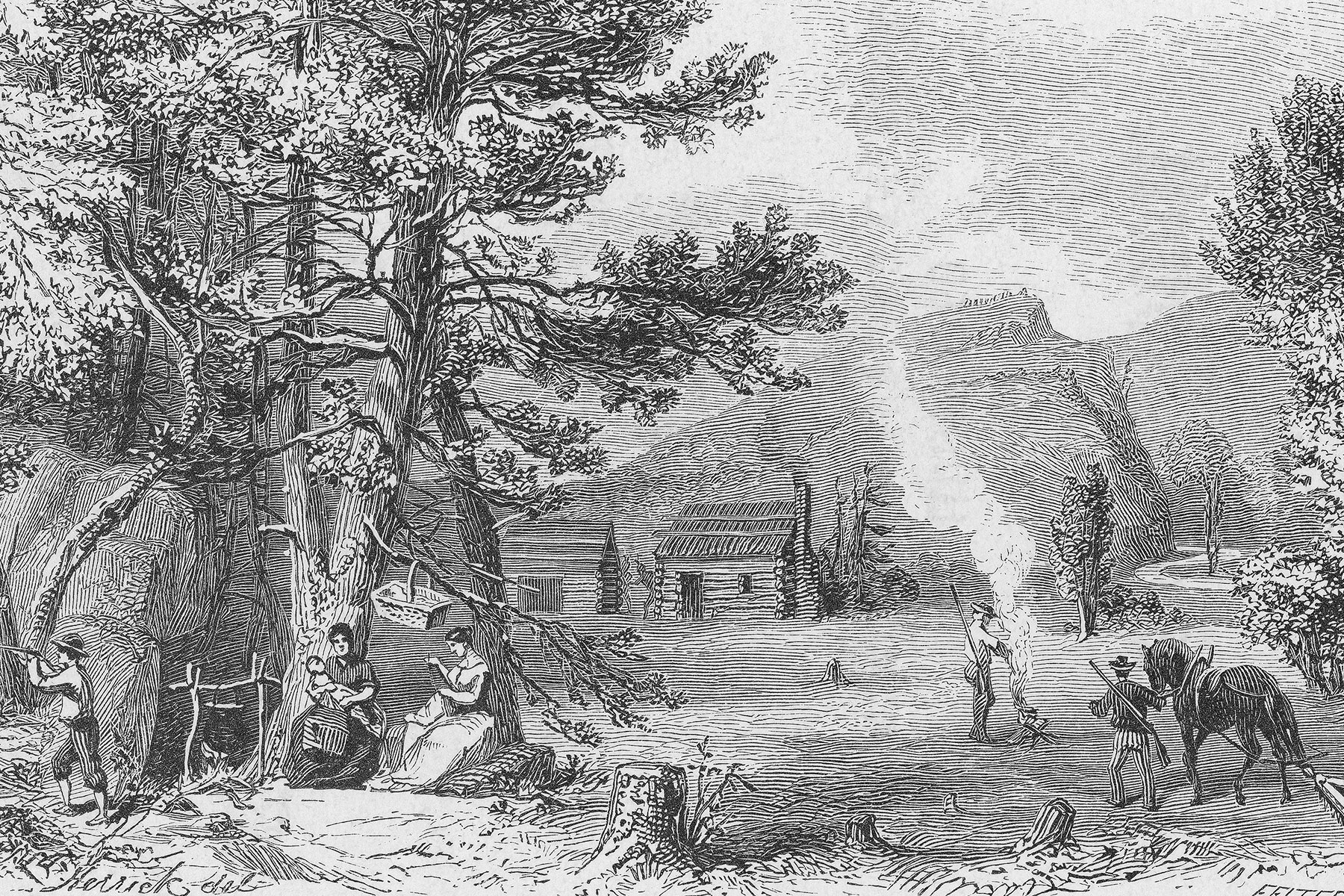
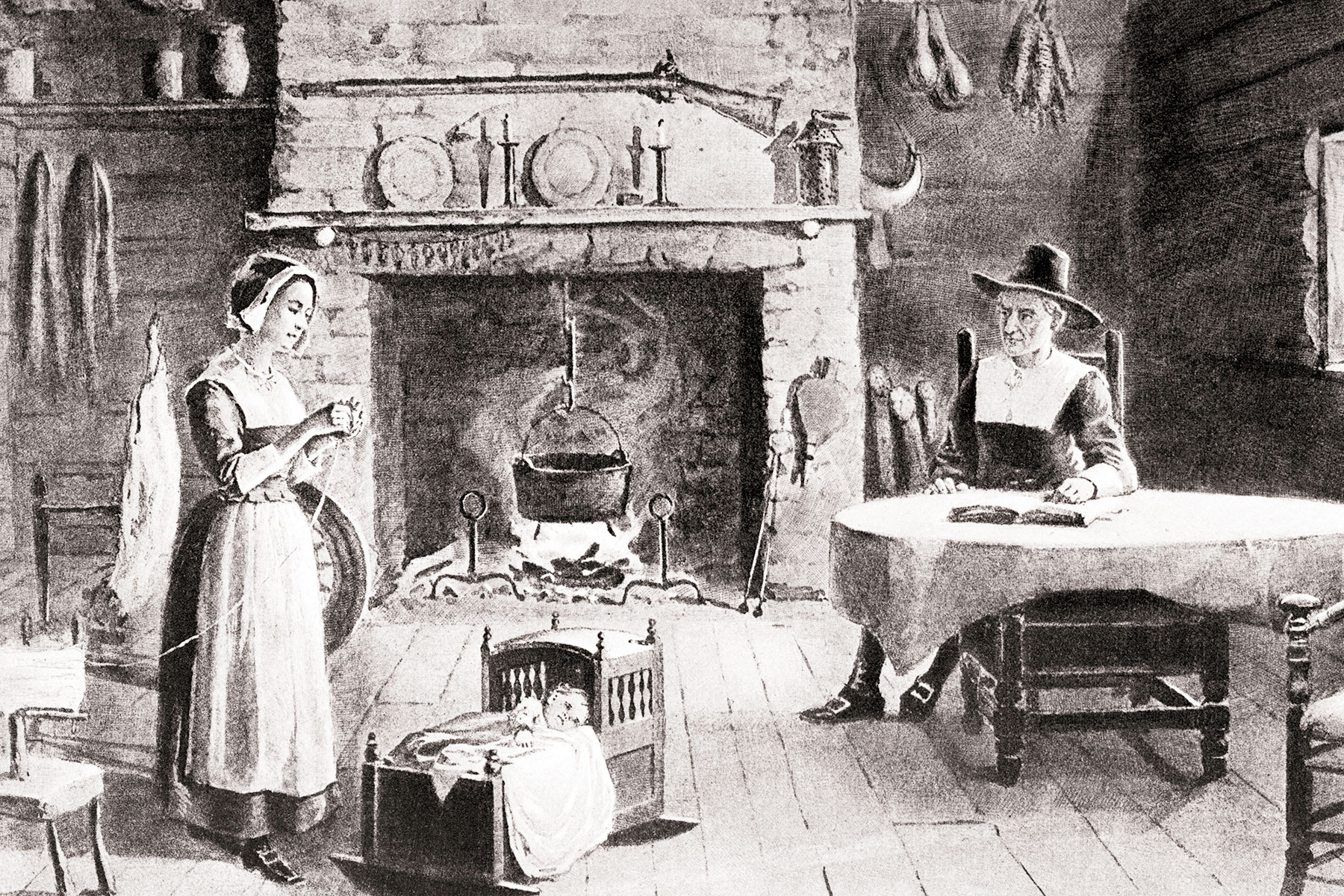
Today, the rules of behavior observed by previous generations might seem old-fashioned and strange, and certainly there are some social conventions better left in the past, as they reflect the inequality and biases of bygone eras. But etiquette itself isn’t inherently outdated. While specific customs may evolve, the underlying principles of courtesy, respect, and consideration for others remain as relevant today as they were a century or two ago. With that in mind, here are some of the most unusual and surprising etiquette rules from decades past.

You may also like

The Most Popular Toys Throughout the 20th Century

  • Children with Tamagotchi
Children with Tamagotchi
David Lodge/ FilmMagic via Getty Images
Author Nicole Villeneuve

December 14, 2023

Love it?

The 20th century produced an array of iconic toys that captured the public’s imagination and, in some cases, continue to delight young people worldwide. The Slinky, originating in the 1940s, and the Rubik’s Cube, first sold in the United States in the early 1980s, have remained more or less the same since their invention, invoking a nostalgic simplicity. Other toys, such as LEGO and Barbie, have offered up countless iterations, weathering changing trends to endure in popularity and appeal. The legacy of these toys is in more than just their entertainment value — it’s in the way they reflected or even set cultural trends, interests, and technological advancements. Here are some of the most popular toys throughout the 20th century, many of which are still around today.

Photo credit: Vladimir Sukhachev/ Shutterstock

The Slinky 

In the early 1940s, United States industry was largely focused on producing goods for the war effort, and it was during this time that the Slinky was accidentally invented. Richard James, a mechanical engineer, stumbled on the idea in 1943 while working with tension springs for naval equipment at a Philadelphia shipyard. After accidentally knocking some of his prototypes off a shelf, James couldn’t help but notice the way one of them “walked” down a stack of books on his desk. He worked on this strange spring — which his wife named “Slinky” after seeing the word in the dictionary — over the next two years. By the end of 1945, James got an initial run of 400 Slinkys into a local department store. It wasn’t until he staged a live demonstration, however, that the product’s popularity picked up, and the toy sold out. Within the first 10 years, he sold 100 million. The Slinky has endured for decades, not only as a popular toy on its own, but also through licensing and its iconic jingle — the longest-running jingle in television advertising history.

You may also like

5 Facts About the Golden Age of Advertising

  • Marlboro billboard ad
Marlboro billboard ad
RLFE Pix/ Alamy Stock Photo
Author Kristina Wright

December 7, 2023

Love it?

The 1960s and ’70s are considered a golden age in advertising, though the industry’s creative revolution arguably started in the 1950s, thanks in part to the rise of television unlocking new forms of storytelling. It was an era of bold ideas, increasingly large budgets, and even bigger personalities — a time when advertising was seen as a glamorous, if maybe unethical, profession populated by well-dressed men and women (but mostly men) profiting from the postwar consumer culture. 

At the time, many of the nation’s largest ad agencies were located on Madison Avenue in Manhattan, and the street came to be synonymous with American advertising and its unique methodology. Safire’s Political Dictionary, published in 1978, referred to “Madison Avenue techniques” as the “gimmicky, slick use of the communications media to play on emotions.” More recently, the culture surrounding this advertising boom has been portrayed in 2007’s acclaimed AMC series “Mad Men,” centered on the charismatic creative director Don Draper (played by Jon Hamm). Here are five fascinating facts about the golden age of advertising, and the real-life ad men and women of Madison Avenue.

Photo credit: Patti McConville/ Alamy Stock Photo

A “Small” Ad Changed the Way Americans Looked at Cars

In the 1960s, advertising underwent a transformation that became known as the Creative Revolution, shifting the industry’s focus from research and science to an approach that was creative and emotionally driven. For better or worse, this era of advertising  owes a lot to the Volkswagen Beetle, and the visionary ad man Bill Bernbach. In 1959, at a time when Americans were buying cars out of Detroit and vehicles were getting bigger and flashier, Bernbach’s agency, Doyle Dane Bernbach (DDB), was contracted to promote the German-made Volkswagen Beetle in the United States. The problem was, Volkswagen’s strong link to Nazi Germany made it a tough sell in the U.S. The challenge called for an unconventional approach. Rather than attempting to duplicate the busy, colorful advertising style of American-made cars, the creative team behind Volkswagen’s campaign went in the opposite direction. The first ad, “Think Small,” featured a small black-and-white image of a Volkswagen Beetle against a backdrop of white space. The now-iconic ad encouraged consumers to look at the car in a new light, from being able to “squeeze into a small parking spot” to having small insurance payments and small repair bills.

You may also like

5 Secret Societies You’ve Never Heard Of

  • Candles making one flame
Candles making one flame
OlVic/ Shutterstock
Author Nicole Villeneuve

November 30, 2023

Love it?

We all know of the Freemasons and the ever-mysterious Illuminati, but throughout history, plenty of other secret societies have flourished under the radar. The western U.S. is home to a long-running, low-key historical society with a unique and eccentric ethos, while northern Spain’s historic food culture has been kept alive through selective supper clubs for more than a century. Though their stories don’t often get told, these clandestine groups have nonetheless left their own obscure marks. Read on to learn about five little-known secret societies.

Photo credit: Philip Strong/ Unsplash

Order of the Occult Hand

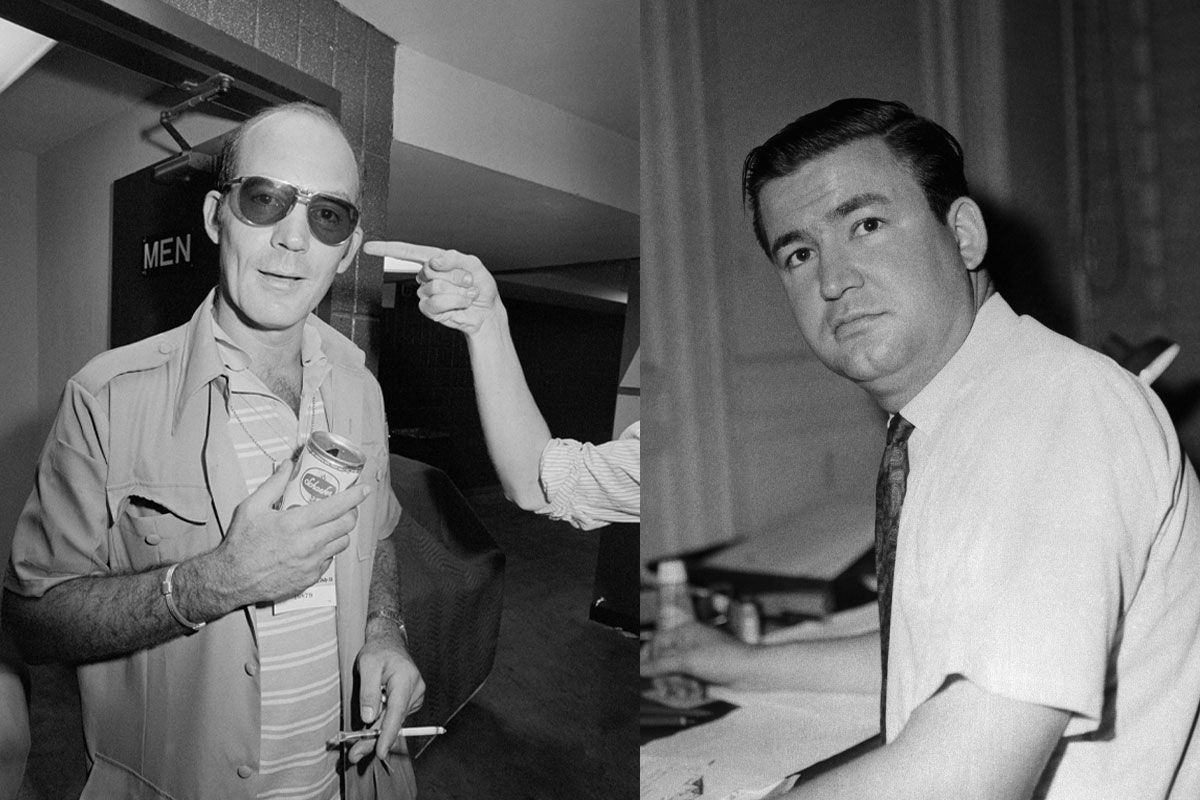
Secret societies typically conjure a dark air of mystery, but the Order of the Occult Hand illustrates the fun side of underground organizations. Its origins can be traced to 1965, when Joseph Flanders, a crime reporter for the Charlotte News, wrote an article about the shooting of a local millworker. “It was as if an occult hand had reached down from above and moved the players like pawns upon some giant chessboard,” Flanders wrote. His colleagues, the legend goes, found the flowery description so funny, they formed the Order of the Occult Hand, a secret society dedicated to sneaking “it was as if an occult hand,” or a similar phrase, into their work. 

The mission quickly spread among journalism circles in Charlotte and beyond. By the early 1970s, the mischievous media conspiracy was becoming so prevalent that the Boston Herald reportedly banned “occult hand” from the paper. Over the years, the phrase continued to show up in The New York Times, The Washington Post, and the Los Angeles Times. In 2004, writer James Janega published a thorough exposé of the Order in the Chicago Tribune, and in 2006, journalist Paul Greenberg, a long-running member of the society, copped to creating a new secret phrase that went into circulation, even as the “occult hand” keeps going

You may also like

5 Indigenous Leaders You Should Know

  • Sacajawea in rocky mountains
Sacajawea in rocky mountains
Bettmann via Getty Images
Author Anne T. Donahue

October 27, 2023

Love it?

As we look back at American history, it’s crucial to take a moment to reflect on and recognize the contributions made by the nation’s Indigenous peoples, who are so often overshadowed by famous figures who came to the United States from other parts of the world. To commemorate this important part of America’s heritage, here’s a look at five notable Indigenous heroes and leaders who shaped the nation through their tireless efforts.

Photo credit: Hulton Archive/ Archive Photos via Getty Images

Geronimo (1829-1909)

A medicine man and leader of the Bedonkohe band of the Chiricahua Apache, Geronimo was born on the Gila River in New Mexico, where he was originally given the name Goyahkla, meaning “the one who yawns.” After the United States government forcibly relocated 4,000 Apaches to a reservation in San Carlos, Arizona, Geronimo led dozens of breakouts in an effort to return his community to their nomadic roots. Geronimo’s legacy is vast. His relationship with many American and Mexican civilians was complex, as he fought against colonialism but was made famous after appearing in Buffalo Bill’s “Wild West” sideshow and eventually in Theodore Roosevelt’s election parade. Geronimo’s tireless fight for Apache independence cemented him as a fearless crusader for freedom by the time of his death from pneumonia in 1909.

Photo credit: UniversalImagesGroup via Getty Images

Sitting Bull (c. 1831-1890)

The son of a warrior, Sitting Bull was born in what is now South Dakota and was nicknamed “Slow” for his lack of fighting ability — that is, until he was branded Tatanka Yotanka (“Sitting Bull”) at age 14 after “counting coup” in a battle against the Crow Tribe. (“Counting coup” is a way to humiliate an enemy by riding close enough to touch them with a stick.) Sitting Bull eventually rose to become chief of the Hunkpapa Sioux, and fought tirelessly against the U.S. military, who sought to seize Indigenous land. 

After fleeing to Canada to escape a vengeful army in the wake of the defeat of General George Armstrong Custer (and his 210 troops) in 1876 at the Battle of Little Bighorn, Sitting Bull returned to the U.S. in 1881 and was held prisoner at Standing Rock Reservation on Dakota Territory. His impact, however, could not be contained: After an Indigenous mystic claimed in 1889 that a ghost dance would eliminate the threat of white settlers on Native land, Sitting Bull allowed his followers to practice the dance — much to the horror of federal officials, who feared another uprising. Sitting Bull was killed by gunfire upon his arrest in 1890, and is remembered as a martyr for freedom.

You may also like