


5 of the Most Famous Photographs in History

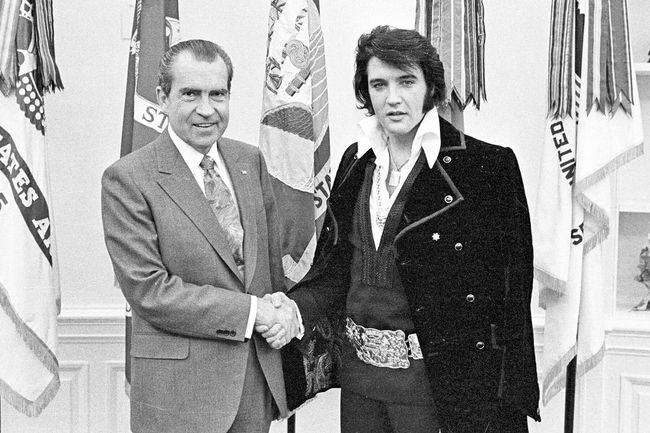
  • Nixon with Elvis, 1970
Nixon with Elvis, 1970
Credit: National Archives/ Hulton Archive via Getty Images
Author Bennett Kleinman

June 20, 2024

Love it?

Photographs allow us to witness history with our very own eyes, immortalizing brief moments in time that are worth preserving — be it a mother struggling during the Great Depression or a handshake between Elvis Presley and Richard Nixon. Each image has a story behind it that helps explain why those moments maintain their appeal all these decades later. Here are some of the most famous photographs in recent history, and why they matter.

Credit: GraphicaArtis/ Archive Photos via Getty Images

“Migrant Mother” (1936)

In March 1936, photographer Dorothea Lange captured what many consider to be the most recognizable photo from the Great Depression. The image, titled “Migrant Mother, Nipomo, California,” features a 32-year-old farmworker and mother of seven who was later identified as Florence Owens Thompson. The photograph depicts Thompson with a forlorn look on her face as she gazes past the camera. Three of her children are also present in the photo: an infant in her lap, and two older children burying their faces in Thompson’s shoulders. When the photo was first published, however, her identity remained anonymous. 

At the time, Lange was working for the Farm Security Administration, a federal agency meant to help farm workers who were displaced during the Dust Bowl. In 1960, Lange recalled how she came across a woman huddled underneath a tent inside a camp of migrant pea pickers, and chose to approach her, “as if drawn by a magnet.” The woman — Thompson — told Lange that her family had been surviving on frozen veggies and dead birds, but it was only decades later that more information was finally uncovered. 

In 1978, a reporter at the Modesto Bee tracked down Thompson and confirmed she was the subject of “Migrant Mother.” With her identity revealed, Thompson admitted that she viewed the photograph as something of a curse, as she never received royalties for the use of her likeness. It also became clear that Thompson wasn’t your typical Dust Bowl refugee as initially thought, but rather a woman of Native American heritage who was displaced from tribal Cherokee lands in Oklahoma. She also noted that the camp she set up in the migrant community was only temporary, as she was just waiting there while the family car was being fixed nearby. Toward the end of Thompson’s life, people sent donations to her family to help cover the cost of the matriarch’s medical bills, and many wrote letters saying how much the image of Thompson inspired them. These gestures allowed the family to reconsider the legacy of the photograph, which they began to view with a sense of pride.

You may also like

A Brief History of the Pantone Color of the Year

  • Pantone color swatches
Pantone color swatches
Taylor Heery/ Unsplash
Author Anne T. Donahue

February 13, 2024

Love it?

In 1962, Lawrence Herbert founded Pantone to solve a problem he noticed while working at a commercial printing company: There was no standard language to describe different shades of color. The printer he worked for specialized in color charts for the cosmetics and fashion industries, but there was no easy way to match the specific hues that designers needed. For instance, the printer created color swatches for customers to use to match their skin tones with pantyhose, yet ink manufacturers defined shades such as beige and cream differently. Recognizing the need for a universal language of color, Herbert set out to create a graphic standards system that could be used for color matching worldwide. 

Photo credit: Mika Baumeister/ Unsplash

The Pantone Matching System Is Born

Herbert drew on his chemistry background to hand-mix his own combinations of color tones, developing a series of shades that were each given a unique name — descriptors such as “Greenery” or “Tangerine Tango” — and a number (15-4020, 19-1664, and so on). The result was the Pantone Matching System, which was presented as a book of swatches that fanned out to showcase a rainbow of standardized colors. A name and number combination would consistently yield the same results because each color tone contained an exact ink formula. By the 1970s, Pantone had sold more than 100,000 swatch books and expanded into the industrial, plastics, and fashion markets. The Pantone process was digitized in the 1980s, and the Pantone Color Institute was founded in 1986 to educate designers about color, the way it’s described, and, in more recent years, the psychology that helps determine the Pantone Color of the Year.

You may also like

The Most Successful Ad Campaigns of All Time

  • Dove soap bar
Dove soap bar
Akshay Bandre/ Unsplash
Author Anne T. Donahue

January 25, 2024

Love it?

In a world inundated with ads, it’s rare for one to become an indelible part of the cultural landscape. As modern advertising evolved from its 17th-century print origins, it grew into an art form that entrenched itself in popular culture and changed the relationship between company and consumer. Yet amid the sea of print ads, commercials, and social media campaigns that have launched over the years, a few outliers have managed to stand out from the crowd, lodging themselves in the collective consciousness and successfully changing the conversation. These five iconic ads are generally considered among the most successful ad campaigns of all time.

Photo credit: Nelson Ndongala/ Unsplash

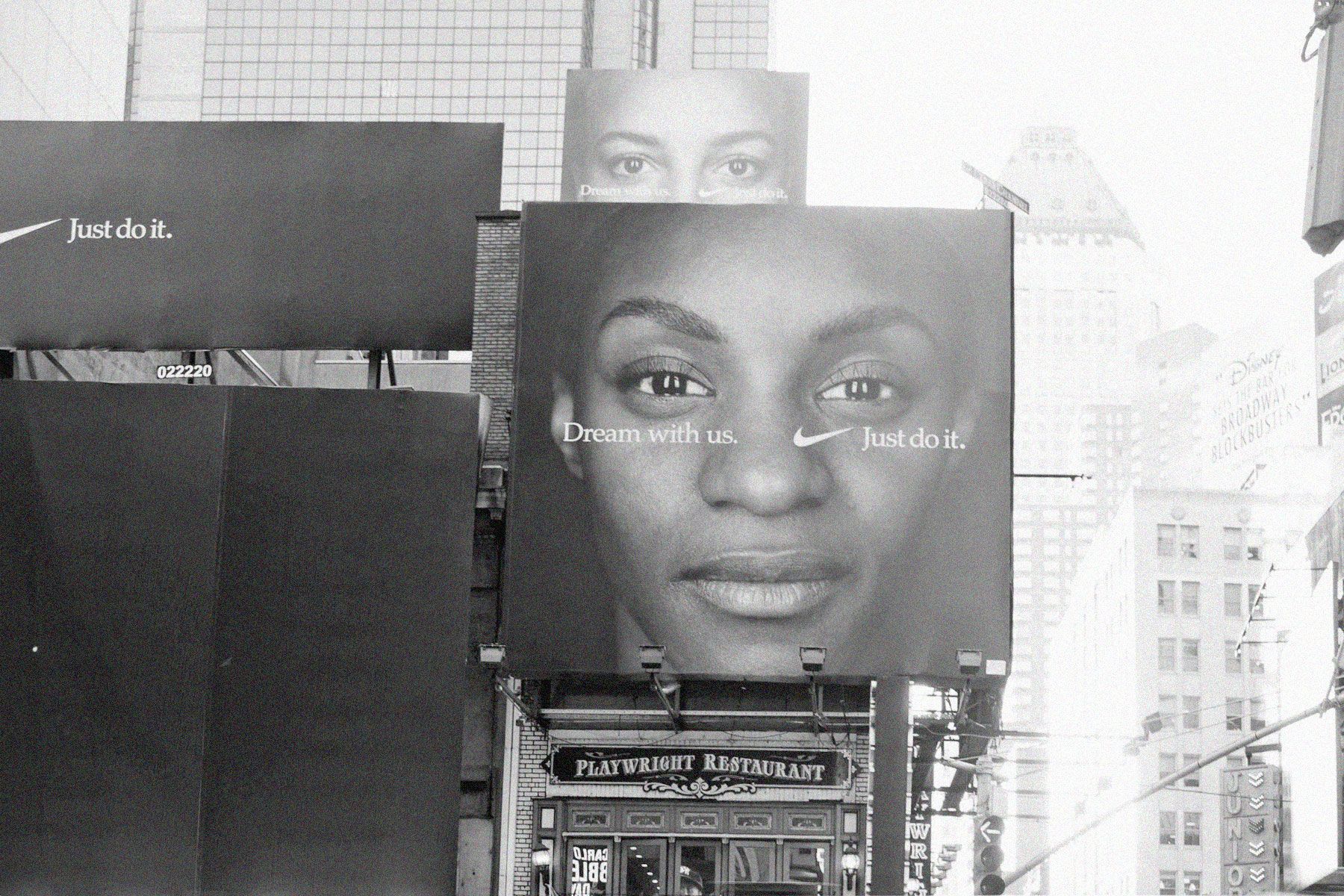
Nike: “Just Do It”

In 1988, the advertising agency Wieden+Kennedy debuted the “Just Do It” campaign, and catapulted Nike into the realm of cultural iconicism. Written by agency co-founder Dan Wieden, the slogan debuted in a TV spot for what was then a relatively small sportswear company. The empowering catchphrase was intentionally open-ended, and sought to capitalize on the decade’s enthusiasm for self-determinization and personal achievement. The idea for those three little words has a darker origin, however. The phrase was adapted from the last words uttered by convicted killer Gary Gilmore, who, shortly before his execution by firing squad, said, “Let’s do it.” Wieden and his collaborators swapped out a word, and the rest is history.

You may also like

6 Facts About Modern Artists, From Picasso to Monet

  • Claude Monet’s “Water Lilies”
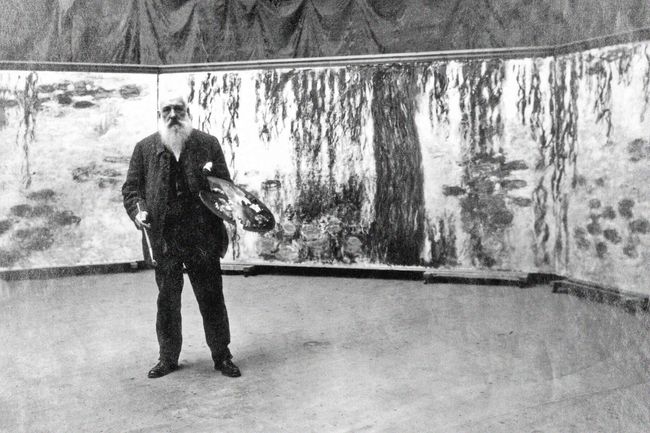
Claude Monet's "Water Lilies"
Photo 12/ Universal Images Group via Getty Images
Author Rachel Gresh

November 30, 2023

Love it?

Modern artists are among history’s most beloved creators, known for their innovation, experimentation, and, often, fascinating personalities. Prominent figures such as Vincent Van Gogh, Henri Matisse, and Pablo Picasso dominated the movement, which spanned more than a century from the 1860s through the 1970s. The period saw the transition from traditional art to a new era of abstraction, featuring otherworldly landscapes, distorted figures, and vibrant colors. Here are six fascinating facts about the artists behind the movement.

Photo credit: RAPH GATTI/ AFP via Getty Images

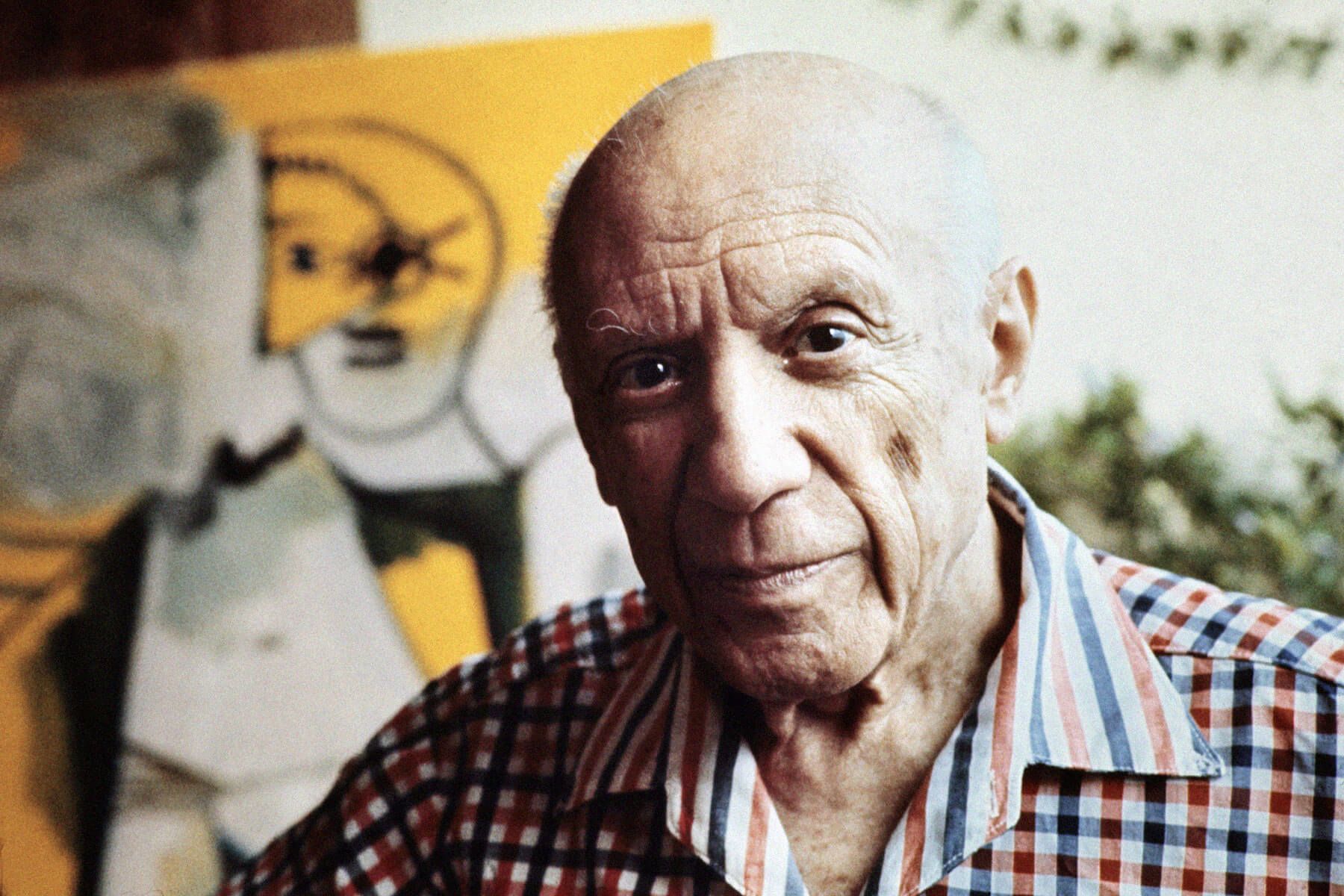
Picasso’s Full Name Contains 23 Words

Pablo Picasso’s larger-than-life persona was exemplified by his daring painting style; he was a co-founder of the cubist movement, a style exemplified by his famous 1937 anti-war painting “Guernica.” Today, his enduring fame has earned him the right to go by one name: Picasso. But when he was born on October 25, 1881, in Málaga, Spain, he was given a full name that was 23 words long, honoring various family members and saints. The exact full name varies by source, but was roughly: Pablo Diego José Francisco de Paula Juan Nepomuceno María de los Remedios Cipriano de la Santísima Trinidad Martyr Patricio Clito Ruíz y Picasso. The surname Picasso comes from his mother, Doña María Picasso y López.

You may also like

5 Infamous Museum Heists 

  • Historic Green Vault
Historic Green Vault
picture alliance via Getty Images
Author Nicole Villeneuve

September 29, 2023

Love it?

Museum heists are often depicted as high-stakes adventures in movies and novels — a fictional counterpart to the dramatic real-life robberies that have been taking place for centuries. While they vary in scale (and success), museum heists have a few core elements in common: audacity, craftsmanship, and unabashed guile. While suspects are sometimes caught and stolen goods are occasionally recovered, the details of these crimes often remain a mystery. From the theft of the “Mona Lisa” in 1911, which catapulted a once-relatively obscure painting to global fame, to the enigmatic Isabella Stewart Gardner Museum heist of 1990, when masterpieces by Vermeer and Rembrandt vanished, here are some of the most infamous museum heists in history.

Photo credit: Roger Viollet via Getty Images

The Theft of the “Mona Lisa” 

The theft of the “Mona Lisa” has been called the greatest art theft of the 20th century, but it was a rather rudimentary operation. On the morning of August 21, 1911, the now-famous Leonardo da Vinci painting was carried out of the Louvre in Paris, France, by three Italian handymen who had covered it in a blanket. The men — one of whom, Vincenzo Peruggia, was a former museum employee — are believed to have hidden in a supply closet overnight before removing the painting, its frame, and its protective glass case off the wall while the museum was closed that Monday morning. 

At first, no one even noticed the painting was gone; it wasn’t until 28 hours later that the bare spot on the wall was finally acknowledged. Before it went missing, the “Mona Lisa” — now considered the most famous painting in the world — was largely unknown outside the art world. After the heist, images of the Renaissance masterpiece were plastered on newspapers around the world, cementing it as the world-famous piece it is today. The painting remained missing for two years as the investigation went awry; at one point, artist Pablo Picasso was even considered a suspect. In 1913, Peruggia finally attempted to sell the portrait, triggering an arrest and a stint in jail. The “Mona Lisa” was finally recovered in Florence and returned to the Louvre, where it still hangs today.

Photo credit: Bettmann via Getty Images

The Isabella Stewart Gardner Museum Heist 

It ranks among the most audacious art thefts in history — and it still remains unsolved. In the early morning hours of March 18, 1990, two people disguised as police officers convinced the security guards at Boston’s Isabella Stewart Gardner Museum to let them inside. The thieves proceeded to subdue the unsuspecting guards and, leaving them handcuffed to pipes in the building’s basement, spent 81 minutes brazenly stealing 13 works of art. Priceless pieces by Rembrandt van Rijn and Édouard Manet were among the stolen goods, as was Johannes Vermeer’s “The Concert,” considered the most expensive missing work of art today.

In the aftermath, empty frames hung on the museum walls, as the artworks they housed were cut out and removed during the heist. Despite investigators identifying several probable culprits over the years, and a recent Netflix series and investigative podcast about the heist, as well as new clues deepening the possible ties to organized crime, the Gardner heist remains unsolved, and there’s a $10 million reward for information leading to the recovery of the stolen pieces. The empty frames still hang on the walls today.

You may also like

What the “Hamilton” Musical Got Wrong About History

  • Hamilton performance
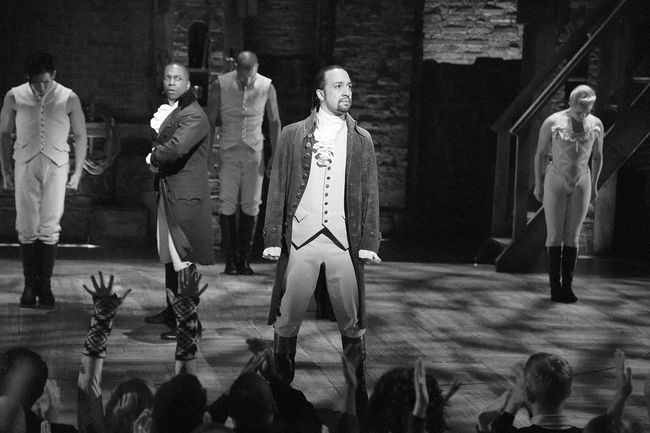
Hamilton performance
Theo Wargo/ Wireimage via Getty Images
Author Kevin McCaffrey

September 14, 2023

Love it?

Lin-Manuel Miranda’s smash hit Hamilton is one of the most highly acclaimed Broadway musicals of the 21st century, and most of the story follows real events from American history. The duel between Alexander Hamilton and Aaron Burr really happened, and Hamilton really was an orphan who came to the mainland from the Caribbean island of Nevis and went on to become one of America’s Founding Fathers and the first U.S. treasury secretary. Still, there are a few details of the story that were embellished for dramatic purposes. Here are five things that happened in the musical Hamilton that aren’t quite historically accurate. 

Angelica Didn’t Crush on Hamilton Like That

While there were some flirty vibes between Hamilton and his sister-in-law Angelica Schuyler Church in their letter-writing later in life, Angelica didn’t exactly graciously step aside for her sister (Elizabeth Schuyler Hamilton) as the musical has us believe. In the song “Satisfied,” Angelica tells the crowd that while she is drawn to Hamilton, she can’t act on her feelings because as the oldest sister in a family with no sons, she has to put her financial responsibility to her family over love. In reality, Angelica had three brothers, and she didn’t even meet Hamilton until she was already married with children

Photo credit: Stock Montage/ Archive Photos via Getty Images

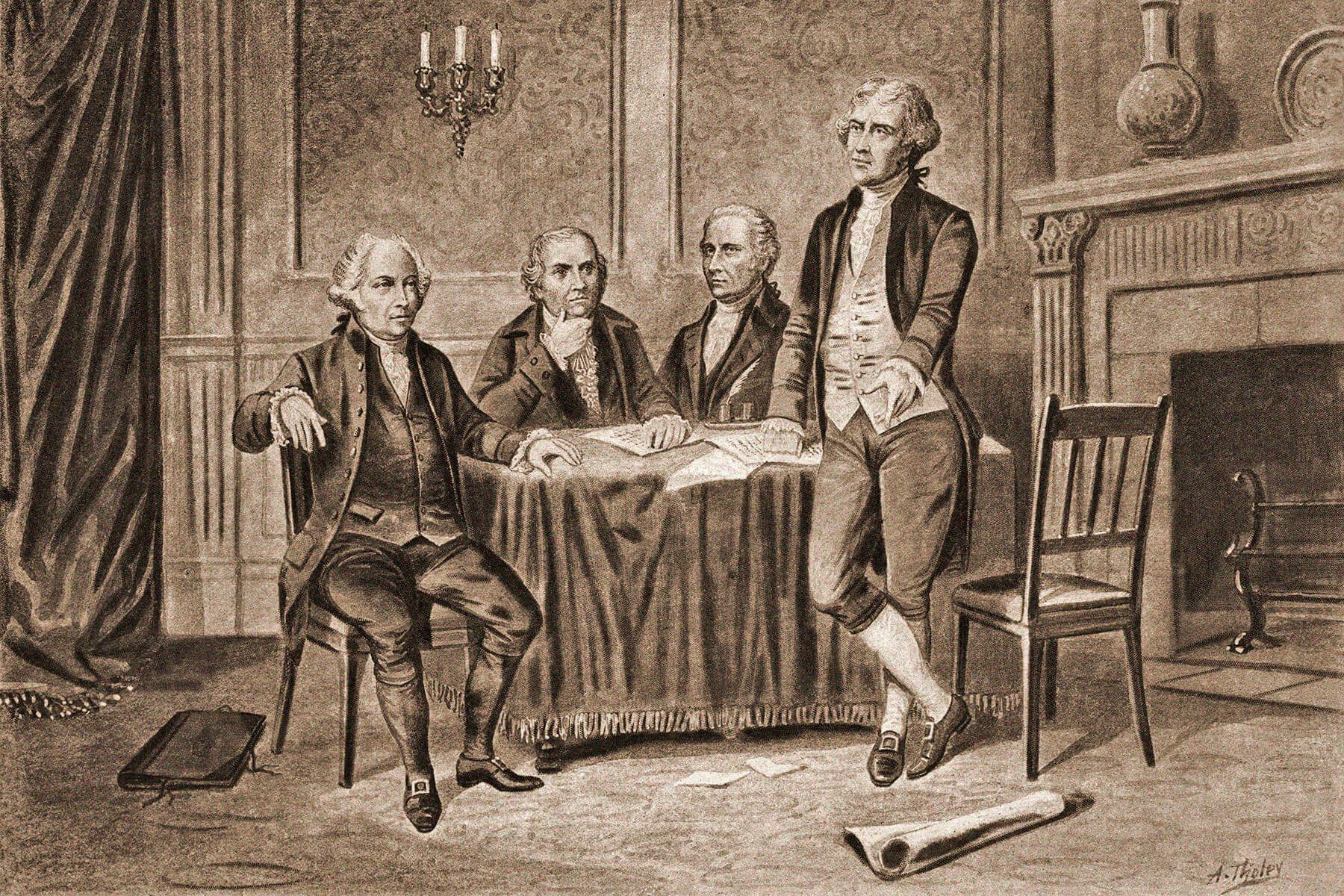
John Adams Never Fired Alexander Hamilton

In the musical, the song “The Adams Administration” describes rising tensions between Hamilton and the second U.S. President, John Adams, and the lyrics state, “Adams fires Hamilton.” Not only did that not happen, but it would have been impossible for several reasons. At the time, the President did not explicitly have the power to simply fire members of the Cabinet without congressional approval . Also, Hamilton resigned his post as secretary of the treasury in 1795, and Adams didn’t become President until 1797. What’s more, the letter mentioned in the song, in which Hamilton roasts Adams, wasn’t written until 1800. 

You may also like

9 Art Movements Everyone Should Know

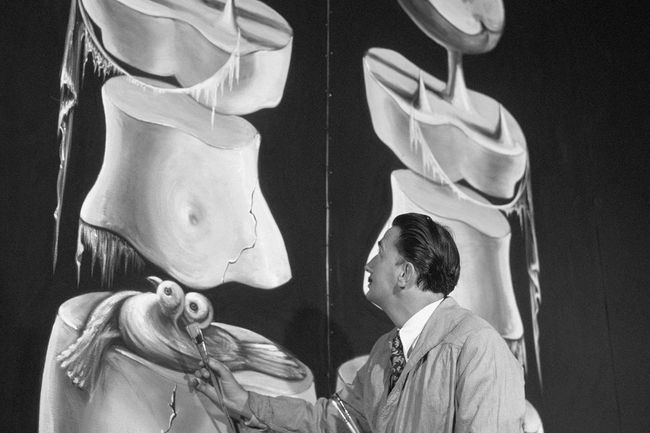
  • Painter Salvador Dali
Painter Salvador Dali
Mara Vivat/ Corbis Historical via Getty Images
Author Tony Dunnell

August 31, 2023

Love it?

Around 45,500 years ago, one of our ancient ancestors stood in a cave in a remote valley enclosed by sheer limestone cliffs, in what is now Indonesia. This primate, likely a Homo sapiens just like us, held in their hands some kind of dark red ochre pigment, and stood in front of a bare rock wall. At some point, they reached out to the wall and began to draw a life-sized picture of a wild pig. In doing so, they created what is currently the world’s oldest known cave painting. They created art. 

All over the world, archaeologists have discovered prehistoric images painted, drawn, or carved onto rocks and cave walls. It seems that we — as humans — have long been inspired to create art, whether for purely aesthetic reasons or as a form of communication. And as we progressed from prehistory to antiquity to the medieval period and beyond, new techniques and, more importantly, whole new ways of looking at the world gave rise to different artistic movements. 

Here are some of the most important movements in the history of Western visual art, from the Renaissance period to the surrealism and pop art of the modern era. 

Photo credit: GraphicaArtis/ Archive Photos via Getty Images

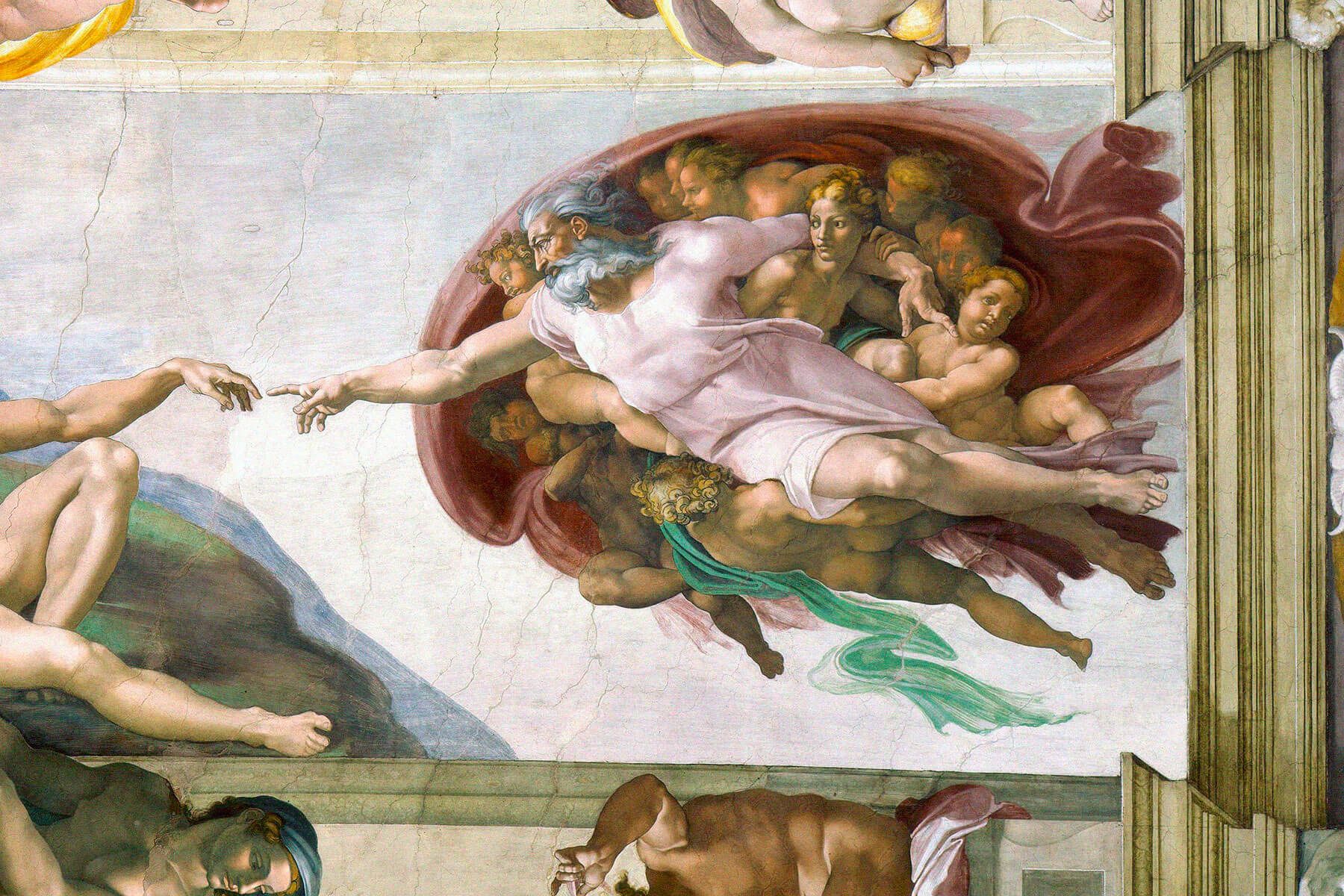
14th Century to 16th Century: Renaissance Art

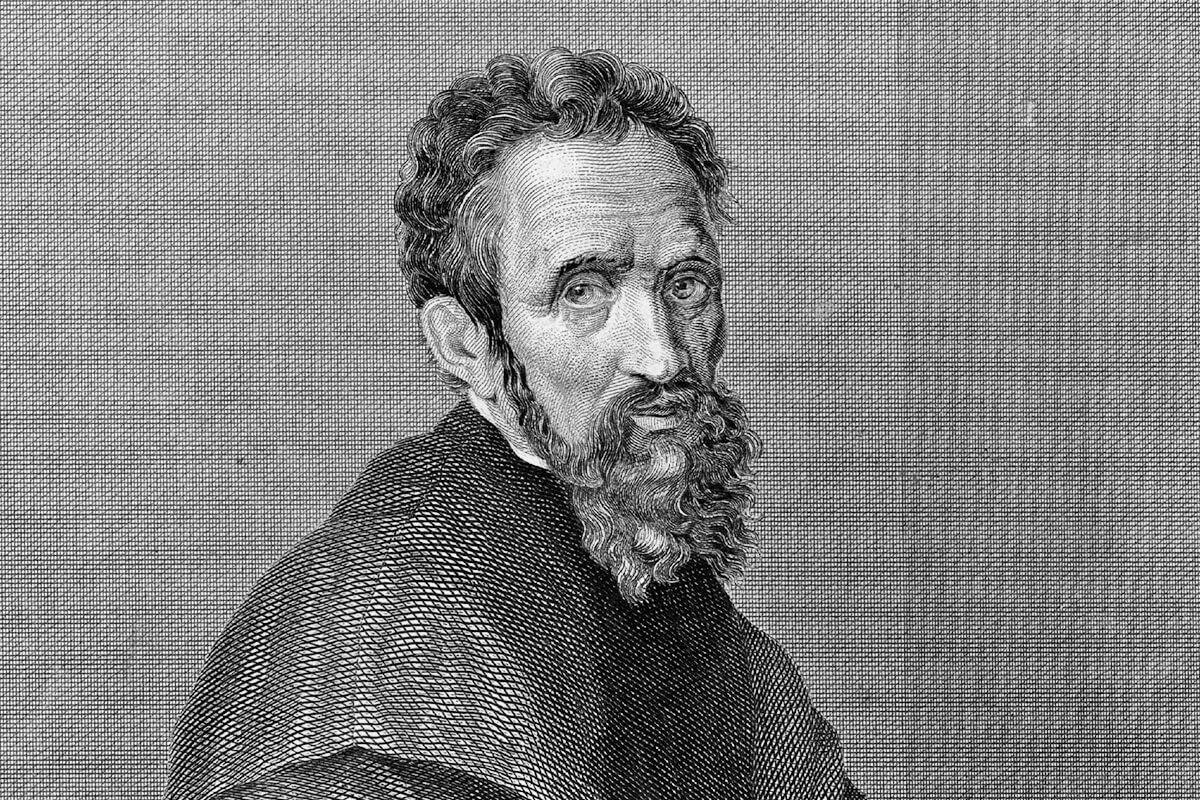
Renaissance art takes its name from the period of European history known as the Renaissance, which began in Italy at the end of the 14th century and soon spread to much of Europe. This period saw a rediscovery of classical art and culture, leading to a move away from the abstract forms of the medieval period, toward more realistic and naturalistic representations of life and people. Its peak, known as the High Renaissance, was a short period from about 1500 to 1530, defined by great artists such as Michelangelo, Leonardo, and Raphael.

Photo credit: Photo Josse/Leemage/ Corbis Historical via Getty Images

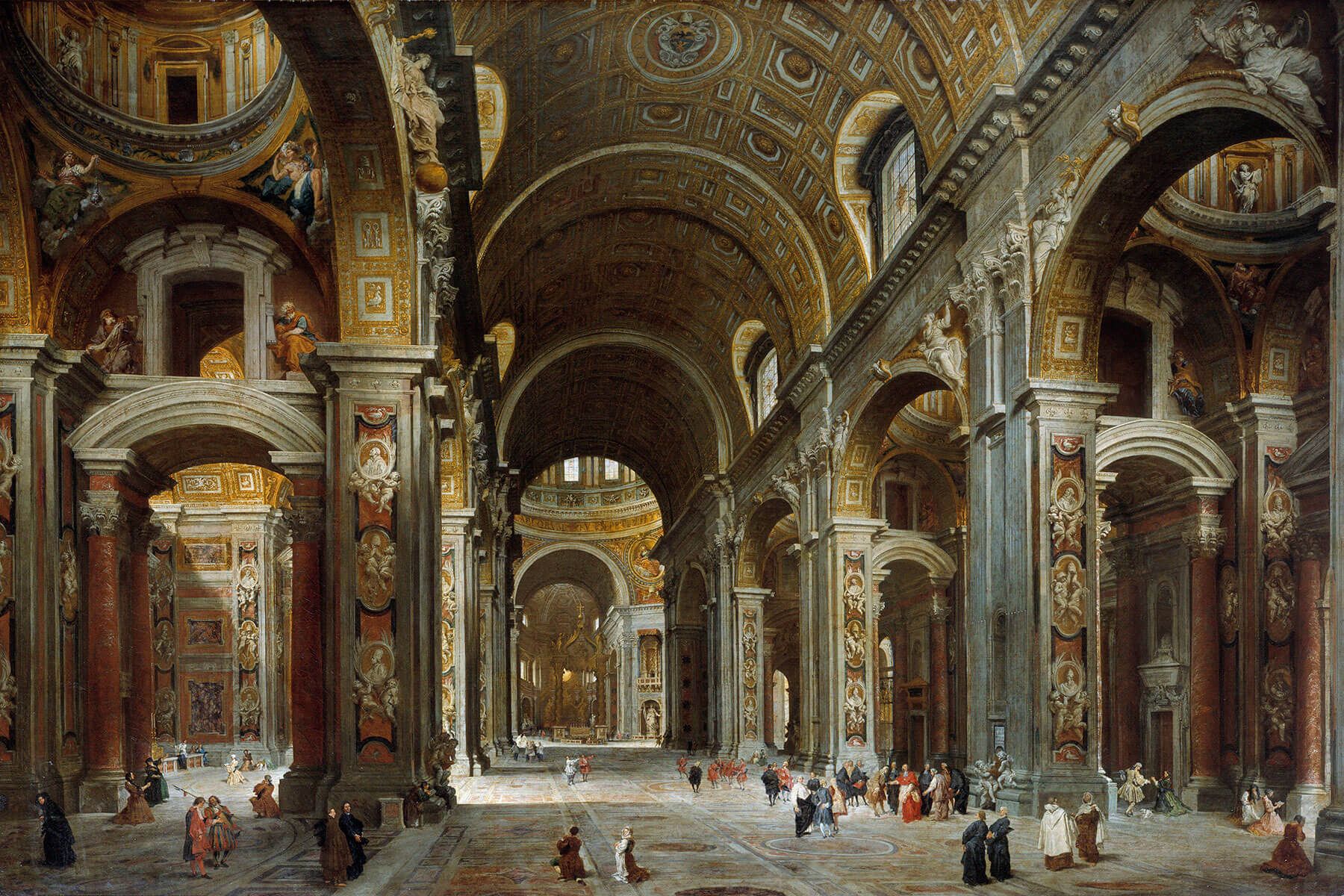
1600s to 1750s: Baroque 

The next major art movement emerged in Italy around 1600 and flourished in Europe until the 1750s. Highly ornate, elaborate, and dynamic, Baroque took a realistic approach in its depictions — which included religious events, pivotal moments in history, still lifes, and mythological scenes — giving the viewer a sense of immediacy and the impression of witnessing an actual event. The greatest painters of the Baroque period include the famed Dutch painter Rembrandt, as well as Peter Paul Rubens, Michelangelo Merisi da Caravaggio, Diego Velázquez, and Nicolas Poussin. 

You may also like

Revealing Facts About 5 Celebrated Painters

  • Artist Georgia O’Keeffe
Artist Georgia O'Keeffe
Tony Vaccaro/ Archive Photos via Getty Images
Author Bennett Kleinman

July 25, 2023

Love it?

Artists such as Pablo Picasso and Georgia O’Keeffe may be household names, but far more is known about the paintings they created than who they were as individuals. While the lives of these masters are undoubtedly intertwined with their most recognized brushstrokes, their interesting and complicated legacies extend well beyond the canvas. Here are five fascinating facts about some of the biggest names in the art world.

Photo credit: Keystone-France/ Gamma-Rapho via Getty Images

Pablo Picasso Was Accused of Stealing the “Mona Lisa”

Picasso is well known for his surrealist artworks, but the legendary Spanish painter also had a real surreal experience of his own in 1911. That year, on August 21, Leonardo da Vinci’s masterpiece the “Mona Lisa” vanished from Paris’ Louvre Museum, and Picasso was deemed a suspect. Though there was no direct evidence linking Picasso to the brazen heist, the accusations stemmed from the artist’s relationship with a known art thief named Honore-Joseph Géry Pieret.

Pieret was the former secretary of Picasso’s Paris housemate, Guillaume Apollinaire. In fact, four years before the “Mona Lisa” was stolen, Pieret nabbed two Iberian sculptures from the Louvre and sold them to Picasso; the artist even used one of the statues as the inspiration for a face in his 1907 painting “Les Demoiselles d’Avignon.” Upon learning that Pieret was a person of interest in the theft of the “Mona Lisa,” Picasso and Apollinaire planned to throw the stolen art that was in their possession into the river Seine, though ultimately they could not bring themselves to do so. Instead, Picasso was brought before a magistrate and lied, claiming he had never met Apollinaire. In the end, the case was thrown out and Picasso and Apollinaire were cleared two years later, when a handyman named Vincenzo Peruggia was caught attempting to sell the “Mona Lisa” to a Florentine art dealer.

Photo credit: Heritage Images/ Hulton Fine Art Collection via Getty Images

Vincent Van Gogh Sold Only One Known Painting During His Life

Though he’s now considered one of history’s most talented artists, the painter behind such masterpieces as “The Starry Night” and “Sunflowers” was far from a success during his lifetime. Van Gogh took up painting around age 27 and met his untimely demise just a decade later, and in the years between he sold only one painting that there is any record of, “The Red Vineyard.” The piece, a dramatic Provençal landscape with vibrant red, orange, and yellow colors, was sold for 400 Belgian francs (approximately $2,000 today) in the winter of 1890 at an exhibition in Brussels, just six months before the artist’s death.

While “The Red Vineyard” is Van Gogh’s only officially recorded sale, historians theorize that he possibly bartered other paintings, especially at an early age in exchange for art supplies. Van Gogh biographer Marc Edo Tralbaut has also suggested that the artist may have sold a self-portrait to London art dealers in 1888, though his theory has not been proved. 

You may also like