


Things You Didn’t Know About 7 Famous Paintings

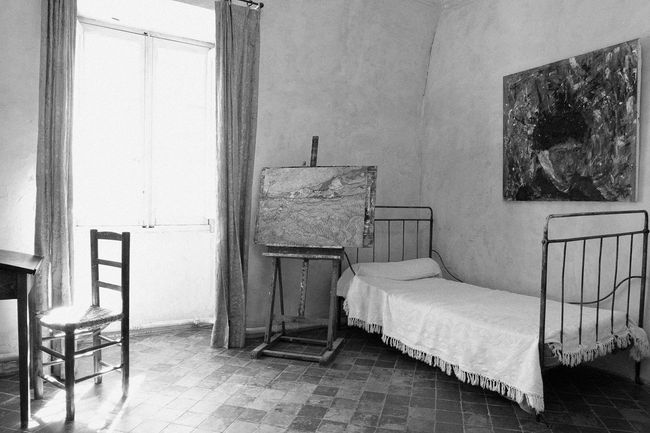
  • Saint-Paul-de-Mausole asylum
Saint-Paul-de-Mausole asylum
Credit: © Jose Nicolas—The Image Bank Unreleased/Getty Images
Author Kristina Wright

March 12, 2026

Love it?

Whether you love wandering through museums or only studied art back in school, chances are you recognize many of the world’s most iconic paintings on sight. These images appear everywhere — on posters and calendars, in movies and magazines, on book covers and social media feeds. History’s most famous paintings are reproduced so widely that most of us encounter their images hundreds or even thousands of times over the course of our lives, even if we never see the originals in person.

With so much exposure, it’s hard to be surprised by these works. But many masterpieces contain little-known stories that can permanently change how we see them. Here are surprising facts about some of the most recognizable paintings in Western art.

Credit: © Alfredo/stock.adobe.com

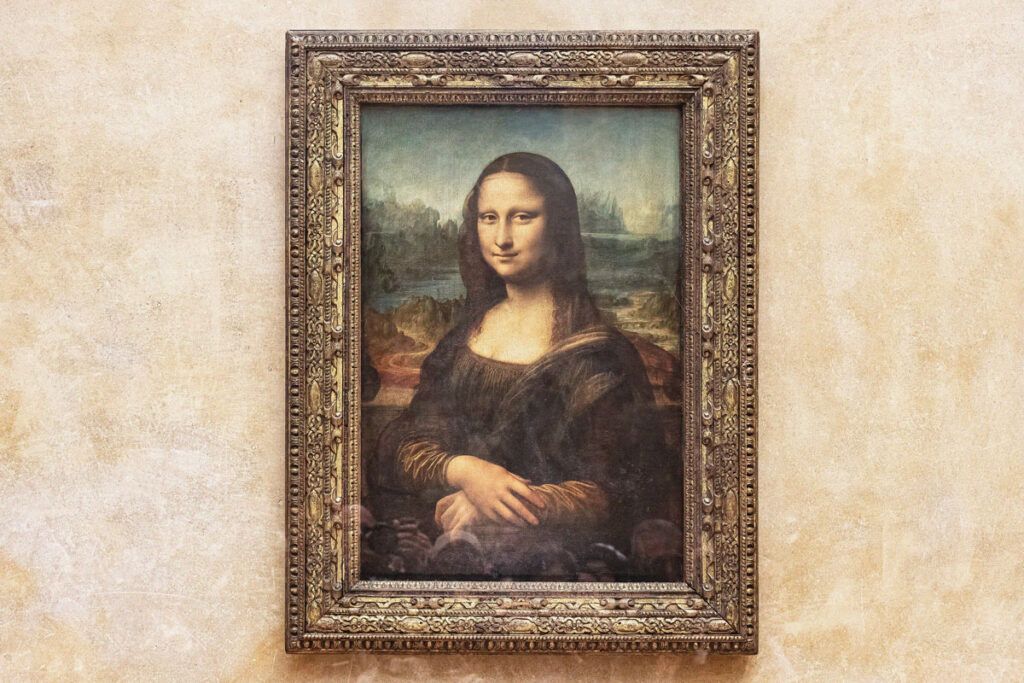
“Mona Lisa” Wasn’t Her Name

Mona Lisa isn’t the name of the woman in Leonardo da Vinci’s famous portrait. “Mona” is a shortened form of Madonna, meaning “lady” in Italian, and the sitter is widely believed to be Lisa del Gherardini, the wife of Florentine silk merchant Francesco del Giocondo. The painting’s name, then, simply means “Madam Lisa.” The title likely emerged as a respectful way to identify the subject rather than a personal name, a convention common in Renaissance Italy.

Leonardo’s careful sfumato technique is a major reason the portrait became so enduring. By layering thin, translucent glazes of paint, he created the famously elusive smile, which seems to shift depending on the viewer’s angle and focus. Rather than depicting a single fixed expression, Leonardo designed an expression that subtly changes with human perception — and that face has fascinated audiences for more than five centuries.

You may also like

The Hidden Histories of Your Favorite Fonts

  • Typing on a typewriter
Typing on a typewriter
Credit: © pressmaster/stock.adobe.com
Author Tony Dunnell

March 12, 2026

Love it?

When we create a document, send an email, or design a logo, we’re able to choose from a wide array of typefaces to find the perfect font. Most of the time, we don’t give much thought to these fonts, apart from the way they look. But these are much more than just collections of letters. 

Many fonts are products of history, commissioned for particular purposes and often named in ways that reveal surprising connections to the wider world. Here are the fascinating histories behind seven of the world’s most recognizable fonts.

Credit: © Maurice Savage/Alamy

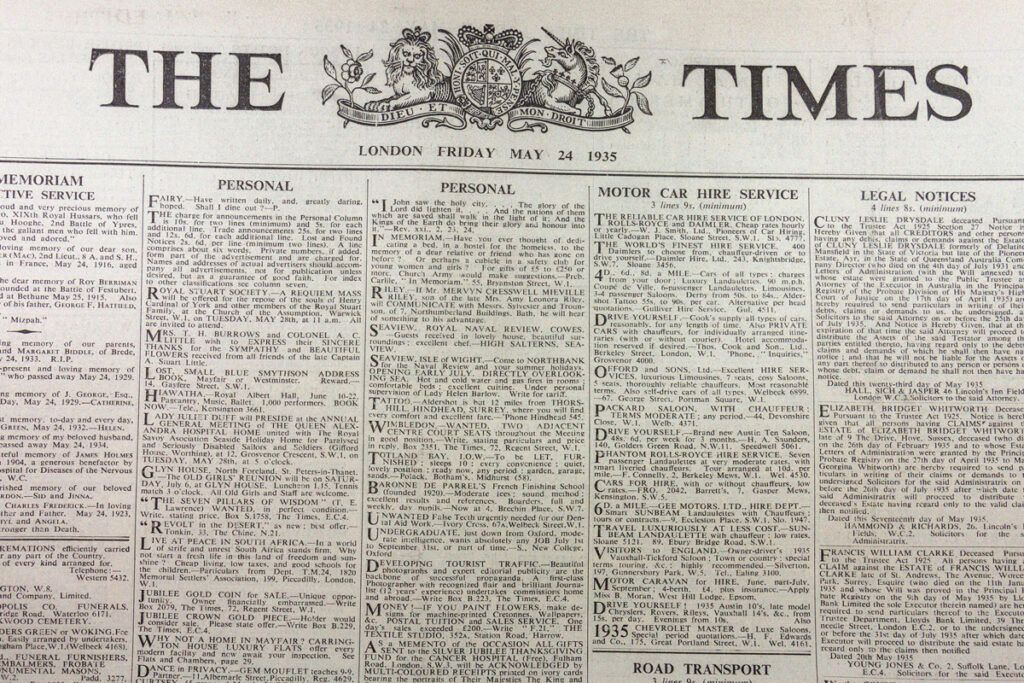
Times New Roman

In 1929, Stanley Morison, a noted type designer, criticized the London newspaper The Times for being typographically outdated, its narrow shapes and thin lines making it hard to read in print. Rather than push back against the criticisms, the newspaper challenged the designer to come up with something better. In collaboration with draftsman Victor Lardent, Morison spent the next year creating a new font designed specifically for the narrow columns and dense layout of the newspaper, providing improved economy of space without sacrificing readability. 

The resultant font, which debuted in The Times on October 3, 1932, was named Times New Roman, because the newspaper’s previous typeface had informally been referred to as Times Old Roman. While they didn’t realize it at the time, Morison and Lardent had created what would become the world’s most famous serif typeface (lettering with small decorative strokes at the ends) — a status cemented in the 1990s when Times New Roman became the default font for Microsoft Office. 

You may also like

6 of the Oldest Selfies

  • Self-portrait, early 20th century
Self-portrait, early 20th century
Credit: Kirn Vintage Stock/ Corbis Historical via Getty Images
Author Tony Dunnell

November 4, 2025

Love it?

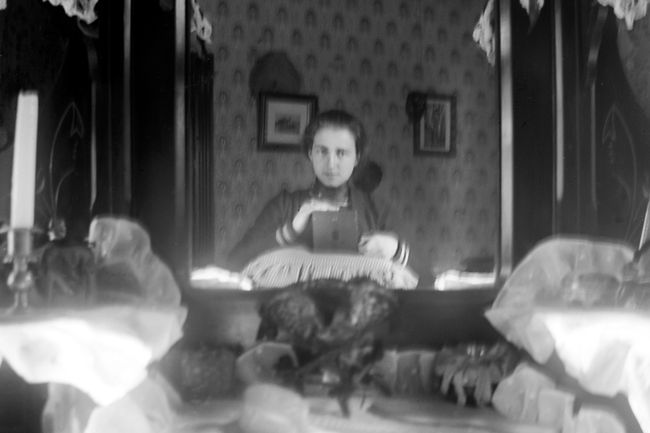
In 2023, Paris Hilton made the bold claim of having conceived of the selfie. In posts on Instagram and X, she shared photos from 2006 of her posing alongside Britney Spears, claiming, “17 years ago, I invented the selfie.” While it’s unclear whether she was joking or not, what we do know for certain is that the selfie was not invented by Paris Hilton in 2006. In fact, there’s a strong case to be made that the first selfie was taken almost 150 years before Hilton was even born. And the word “selfie” itself was in known use by 2002, and likely even before that.

Here, we take a look at some of the earliest photographs that could be considered selfies, from old daguerreotype self-portraits to Kodak snaps from the turn of the 20th century. 

Credit: World History Archive/ Alamy Stock Photo 

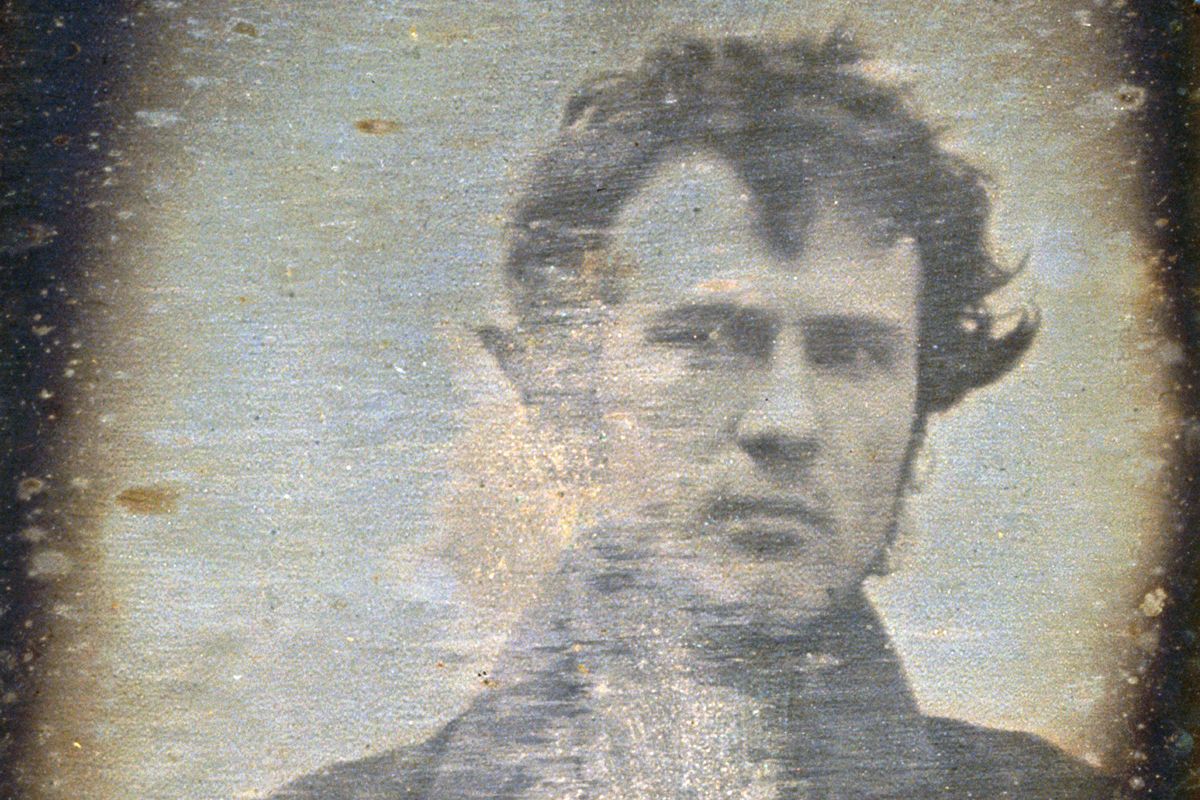
Robert Cornelius 

In 1839, Robert Cornelius stood in front of a makeshift camera in the yard of his family’s gas lighting business in Philadelphia. He took a photo, then stood motionless for 10 to 15 minutes to allow the daguerreotype process sufficient exposure time. The resulting self-portrait — taken using a camera with an opera glass for a lens — shows a ruggedly handsome man with a fashionably upturned collar. It was a great technical achievement, coming just a little more than a decade after French inventor Nicéphore Niépce took “View From the Window at Le Gras,” the world’s oldest surviving photograph. Cornelius’ photo is generally considered the earliest surviving photographic portrait in the world — and, therefore, the first-ever selfie. 

You may also like

Why Do People Have Such Big Foreheads in Old Paintings?

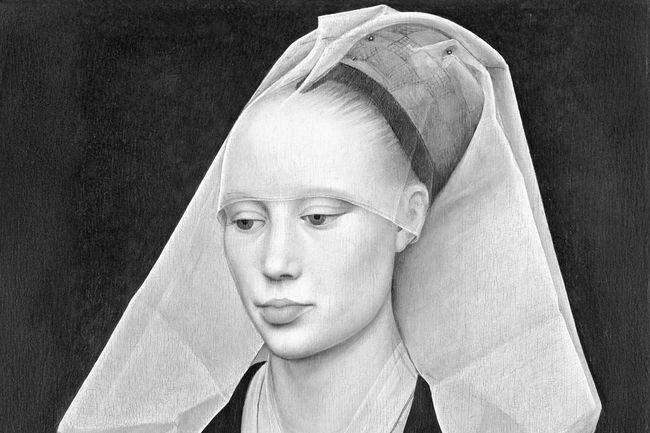
  • “Portrait of a Lady” painting, circa 1460
“Portrait of a Lady” painting, circa 1460
Credit: Fine Art/ Corbis Historical via Getty Images
Author Tony Dunnell

November 4, 2025

Love it?

Europe’s Renaissance period spanned the 14th through 17th centuries, forming a bridge between the Middle Ages and the modern era. It was marked by cultural, artistic, and intellectual developments, as well as a surge of interest in classical scholarship and values. 

During this influential time, the arts flourished, and names such as Leonardo da Vinci, Michelangelo, Raphael, and Botticelli were forever etched into history — along with, as it happens, the surprisingly large foreheads that many Renaissance paintings depicted. 

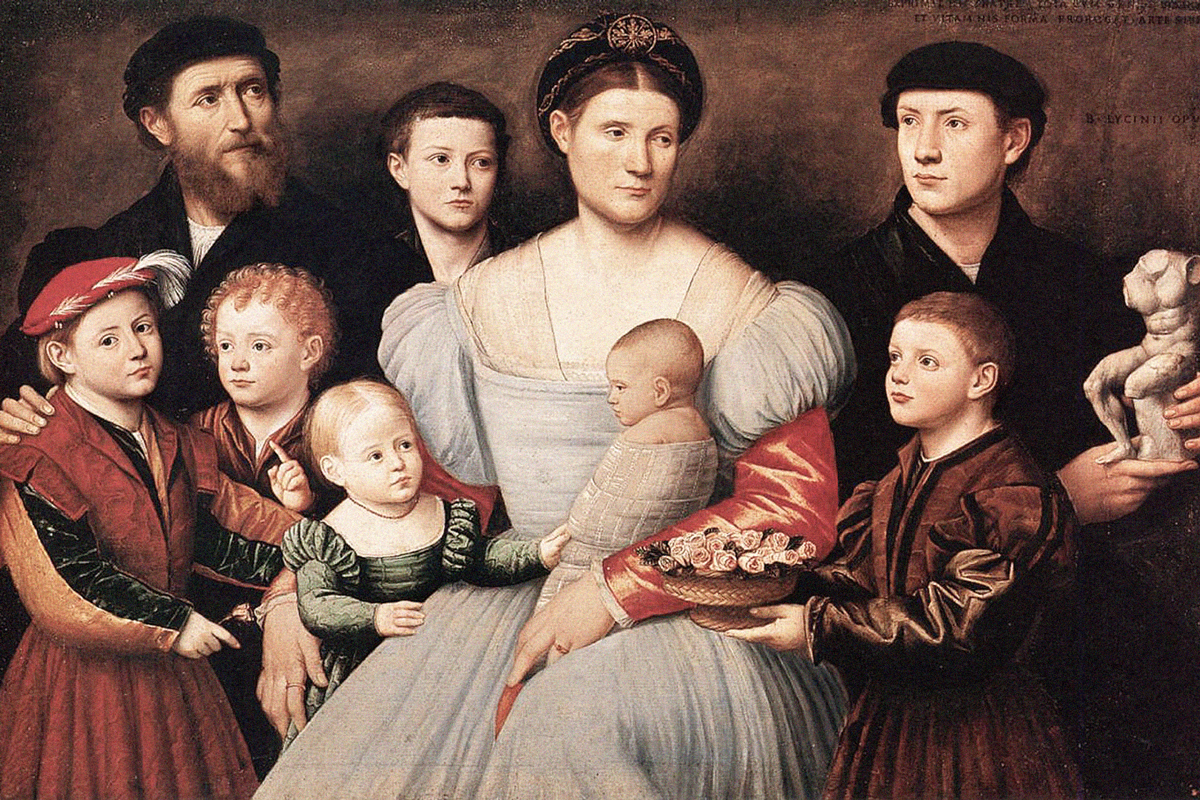
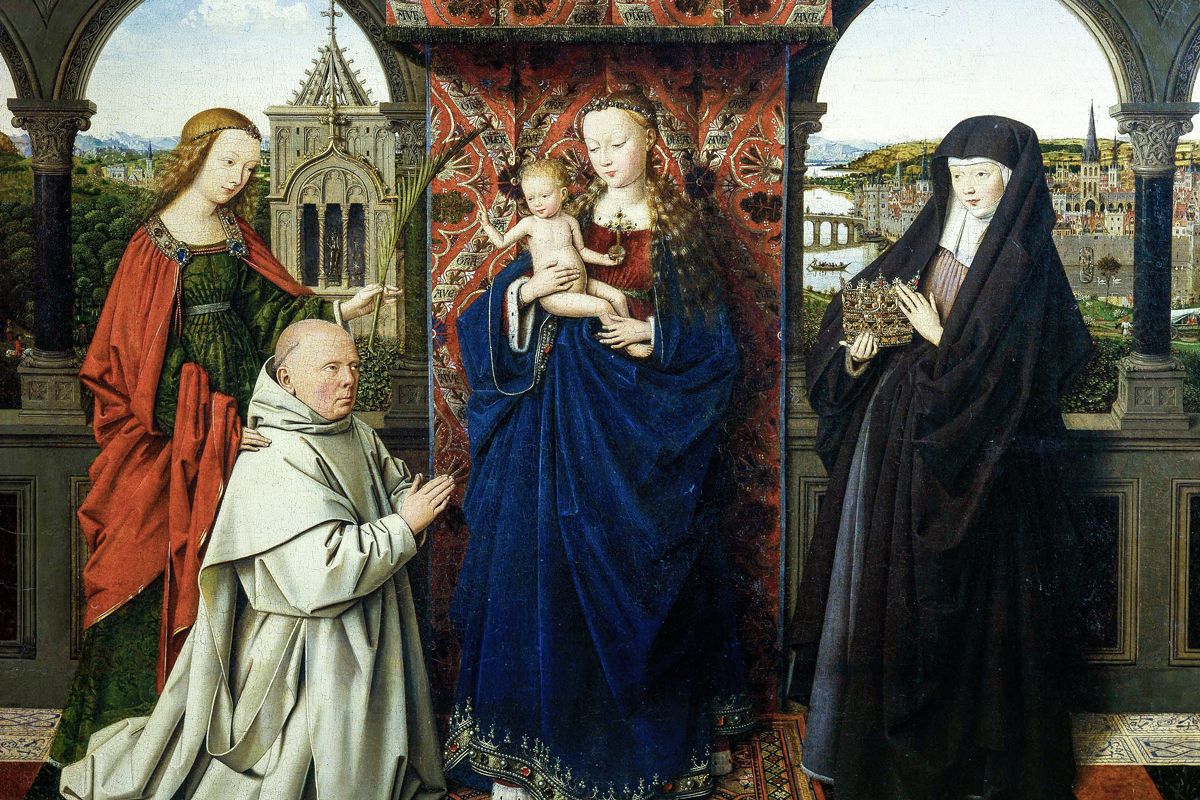
If you’ve ever examined the portraits from this era, you may have noticed a strange preponderance of spacious brows, especially in depictions of women. Examples abound, whether it be Rogier van der Weyden’s “Portrait of a Lady,” Petrus Christus’ “Portrait of a Young Girl,” or the numerous portraits of aristocratic women painted by Jan van Eyck. For a modern audience, it’s quite a peculiar look. So what exactly was going on here? 

Credit: incamerastock/ Alamy Stock Photo 

Beauty Ideals During the Renaissance 

The large foreheads seen in many Renaissance works of art were not simply creative exaggerations or anatomical quirks — they were deliberate reflections of the beauty standards at the time. During the Renaissance, a high, broad forehead was considered a hallmark of feminine beauty, virtue, and intelligence — with the extended brow possibly suggesting a larger brain. The look also gave an almost babylike appearance to people’s faces, perhaps a deliberate effort to capture the era’s values of purity and innocence.

It’s impossible to say precisely when, where, or even why this fashion trend emerged, but it was likely influenced by literature, and particularly poetry. In the 14th century, the Italian poet Petrarch wrote more than 300 sonnets to his beloved, Laura, in which he at times comments on her beautiful forehead (“that sweet face, that hair, that brow”). And in the “General Prologue” of Geoffrey Chaucer’s The Canterbury Tales, written between 1387 and 1400, the author’s description of a nun is very similar to the typical beauty standards of the Renaissance:

Very seemly her pleated wimple was;
Her nose was fine; her eyes were grey as glass;
Her mouth was small and therewith soft and red;
But certainly her forehead was fairly spread;
It was almost a full span broad, I own.

A “wimple” was a cloth head-covering common in the Middle Ages. In this case, it didn’t cover the nun’s forehead, which Chaucer describes in positive terms as being almost a span wide — a span being a unit of length measuring the distance from the tip of the thumb to the tip of the little finger, typically about 9 inches.

Poetic influences such as these may have popularized the notion, at least in aristocratic circles, that a large forehead was a thing of beauty. It was certainly a well-established look during the Renaissance, as documented in Italian writer and poet Agnolo Firenzuola’s 16th-century work On the Beauty of Women. He suggests, “The forehead must be broad, that is, wide, high, fair, and serene. Many people prefer the height, which is measured from the hairline to the edge of the eyebrows and the nose, to be a third of the face.” 

You may also like

The Most Expensive Object Ever Stolen

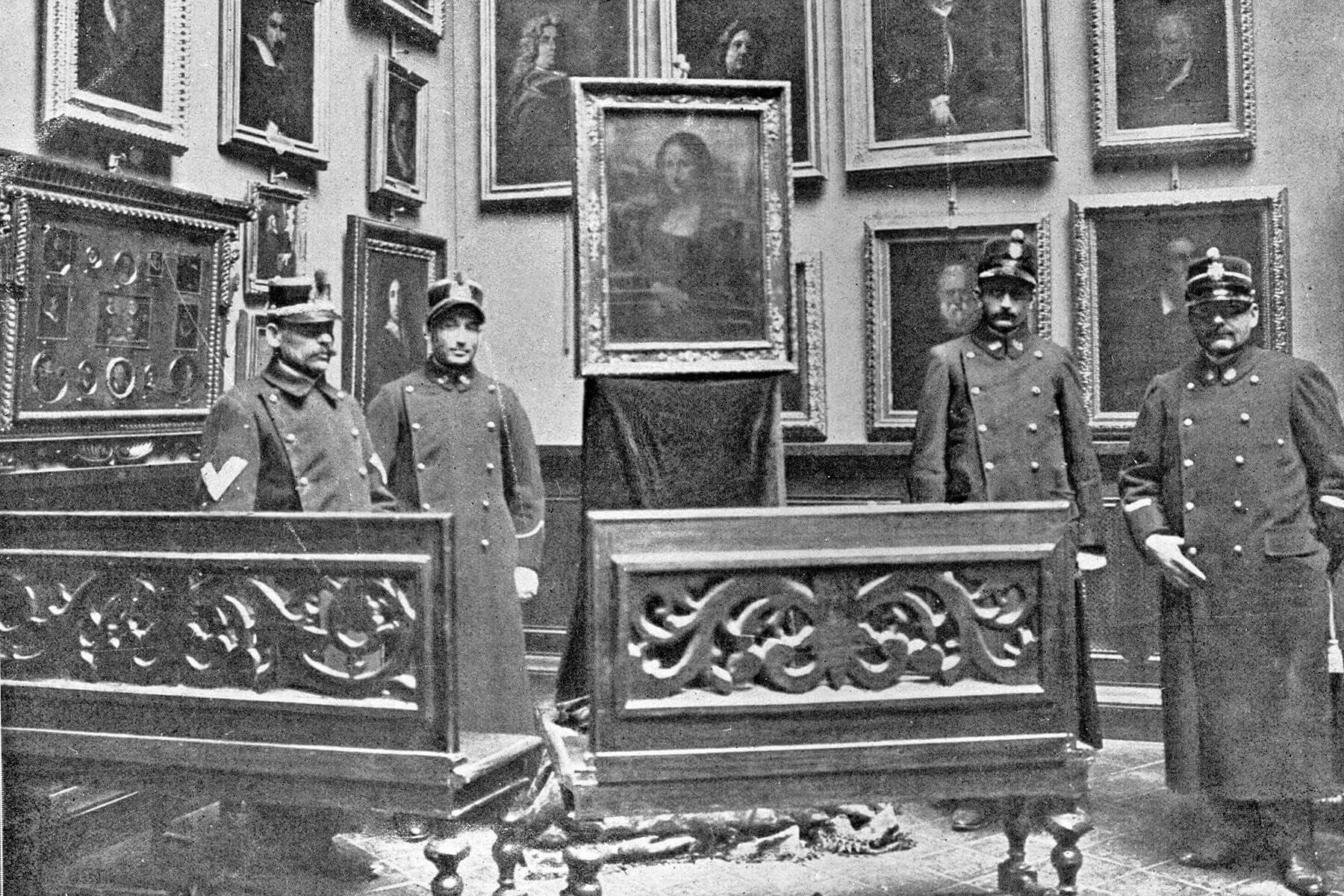
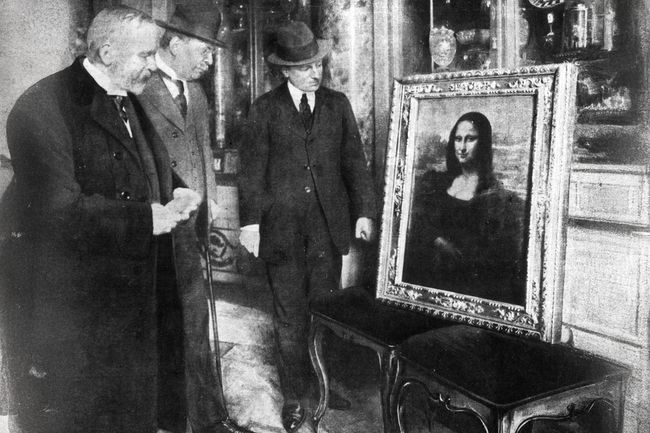
  • The “Mona Lisa” recovered after theft
The “Mona Lisa” recovered after theft
Credit: Mondadori Portfolio via Getty Images
Author Tony Dunnell

October 16, 2025

Love it?

Theft has long been a part of the human experience. Examples of its prevalence can even be found in ancient mythology: Prometheus stole fire from the gods; Odysseus and Diomedes snuck into Troy to steal the Palladium; and in Hindu mythology, Garuda stole the vase of Amrita from the gods to free his mother from Kadru, the mother of serpents. 

Of course, theft is very much a real-world concern as well, with the most audacious holdups — the likes of bank jobs, diamond heists, or great train robberies — sometimes gaining almost legendary status. But in the annals of crime, few heists, if any, have captured the world’s imagination quite like the disappearance of Leonardo da Vinci’s “Mona Lisa” from the Louvre in 1911. Not only did the theft of this Renaissance masterpiece shock the art world, but it was also the most valuable object ever stolen.

Credit: Roger Viollet via Getty Images 

The Theft of the “Mona Lisa”

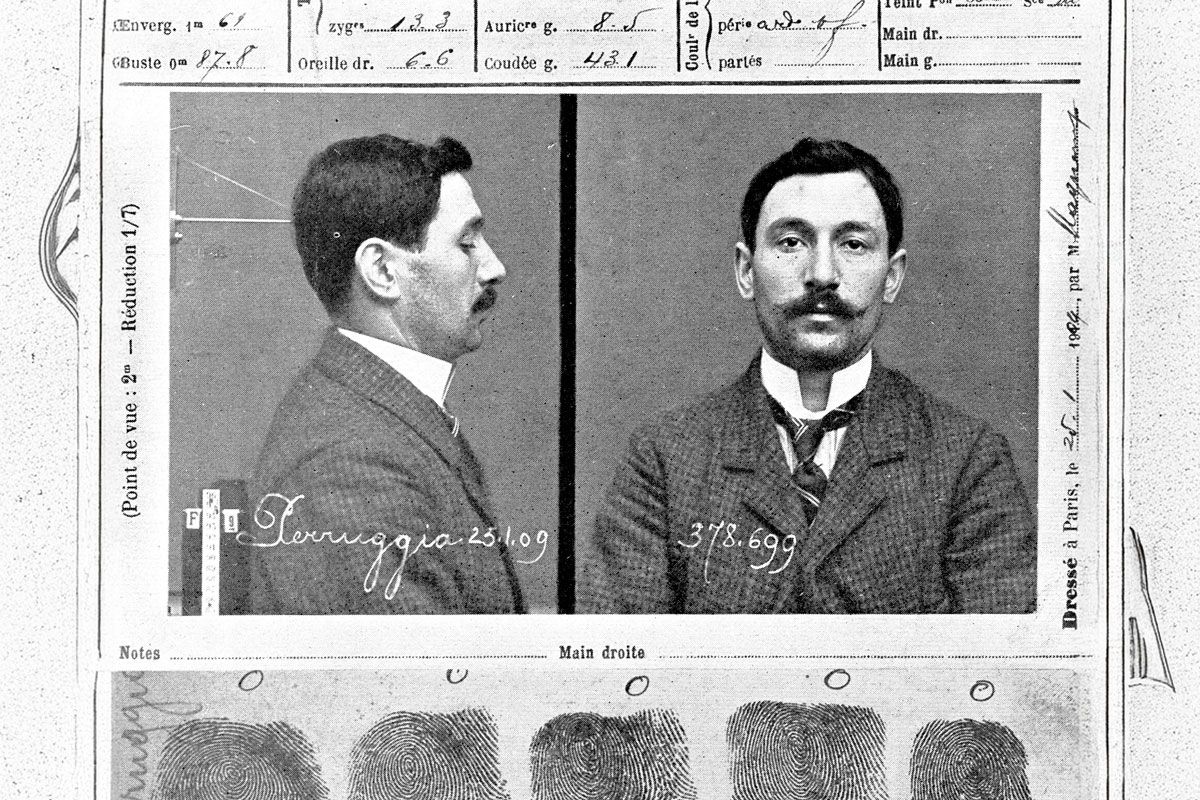
On August 21, 1911, one of the most audacious heists in art history was successfully brought to fruition. The man responsible for this daring crime was Vincenzo Peruggia. The Italian wasn’t a criminal mastermind by trade — he was, in fact, a painter and decorator. But Peruggia had worked in the Louvre previously, and one of his jobs was constructing glass cases to protect works of art. He was therefore familiar with the entire museum and had insider knowledge of how to quickly and quietly remove a painting from the wall. 

On the evening of Sunday, August 20, Peruggia entered the Louvre dressed in the same kind of white work overalls worn by the museum caretakers. He then hid inside a storage closet, where he remained until the following morning, when the Louvre was closed and foot traffic was light. At around 7:15 a.m., Peruggia poked his head out, checked to see if the coast was clear, and then headed straight for the nearby Salon Carré, where the “Mona Lisa” was housed. Then, he simply took the painting off the wall, carried it to an adjacent service stairwell, and removed the relatively small canvas from its protective glass frame. Hiding it under his overalls, he walked out of the museum undetected. 

You may also like

Why Babies in Medieval Paintings Look So Weird 
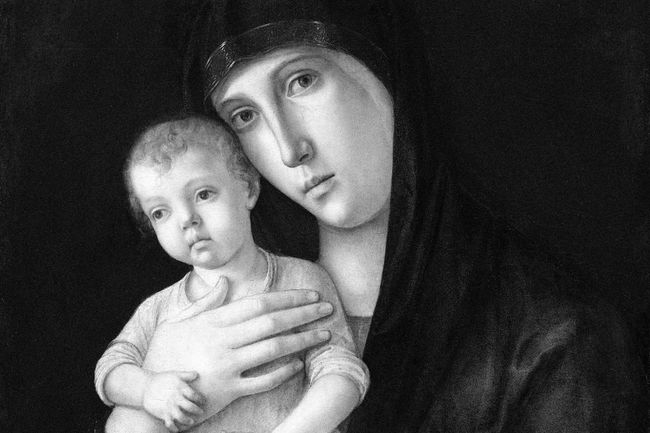
  • Madonna and child, circa 1480
Madonna and child, circa 1480
Credit: Heritage Images/ Hulton Archive via Getty Images
Author Bess Lovejoy

June 5, 2025

Love it?

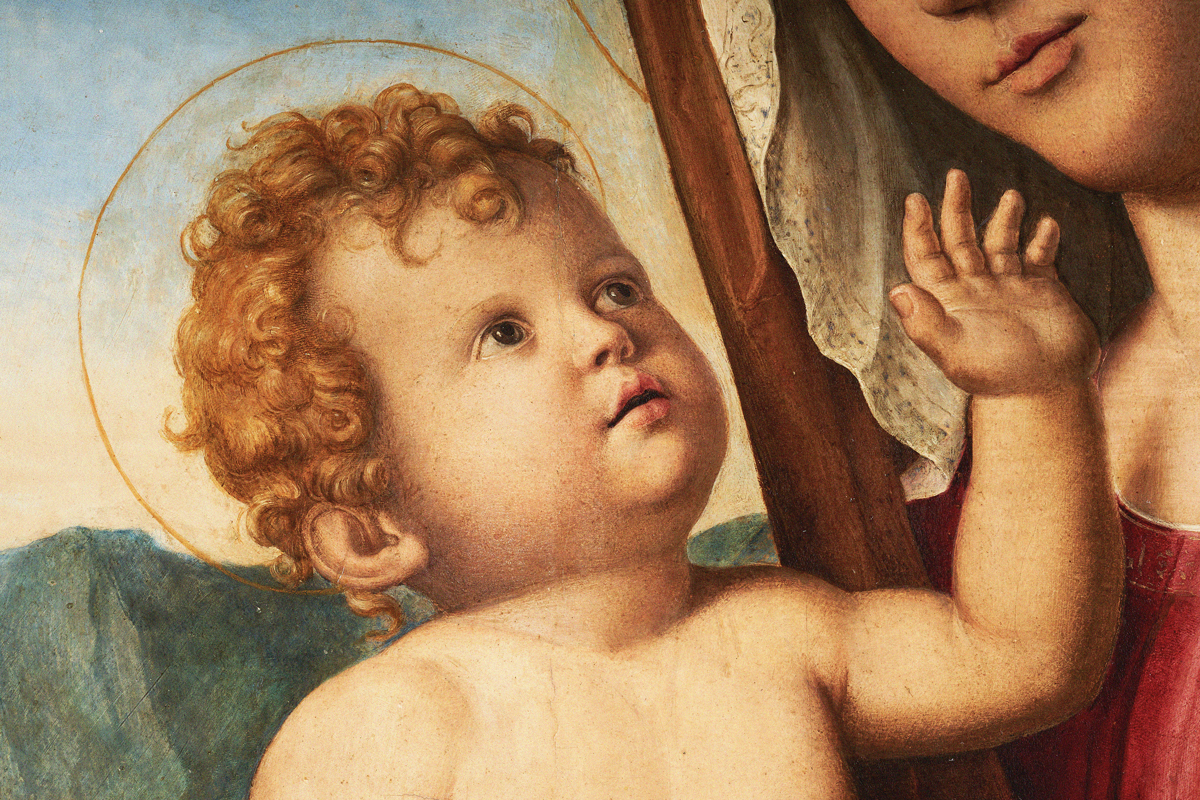
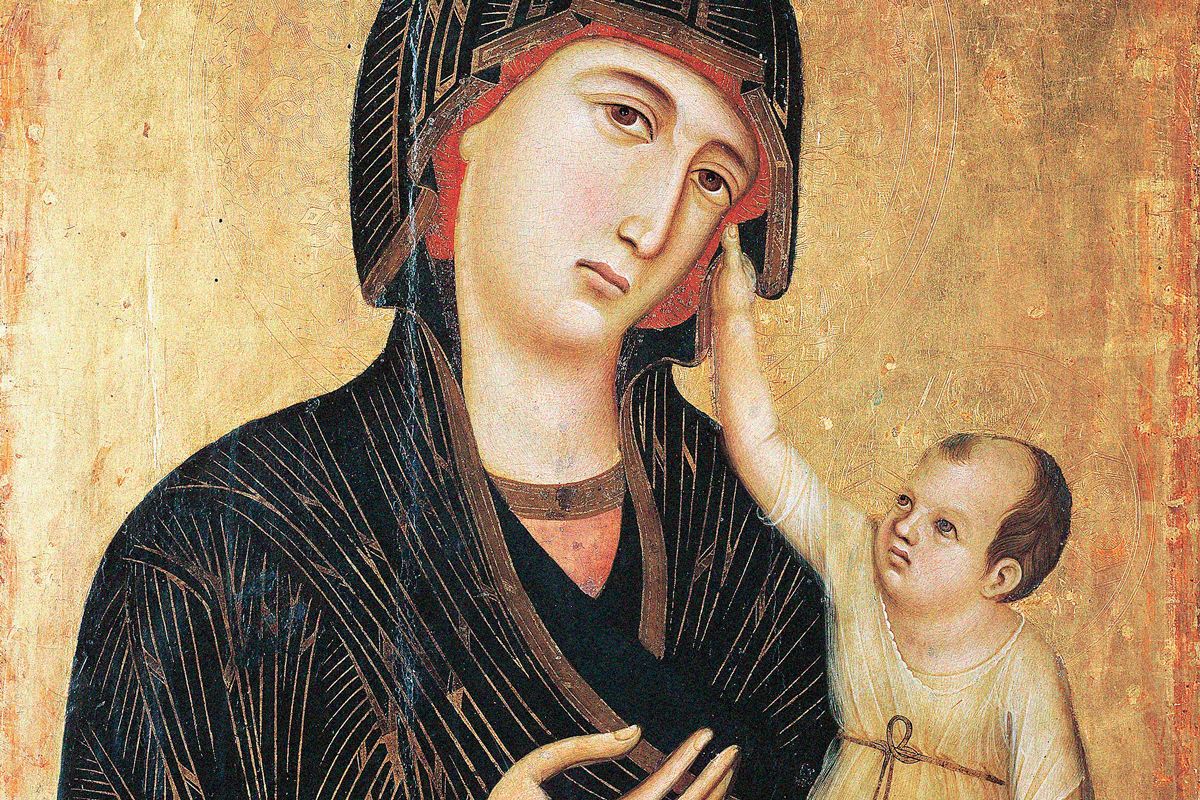
Spend any time gazing at medieval European paintings, and one question tends to emerge: What is going on with those babies? Far from the sweet, chubby cherubs we might expect to see, these infants often resemble balding middle-aged men, complete with wrinkled foreheads and dour expressions. What could possibly explain this bizarre artistic choice? To understand, we have to dive into how European art — and the perception of children — evolved from the Middle Ages to the Renaissance.
Credit: DEA / G. NIMATALLAH/ De Agostini via Getty Images 

Religion Influenced Art

The unsettling “man-baby” of medieval art wasn’t a mistake or the result of a lack of skill. These depictions were intentional, shaped by artistic and religious ideas of the Middle Ages (roughly defined as between the fifth century and 13th century). Chief among these ideas was the concept of the homunculus, Latin for “little man,” which influenced how artists portrayed Jesus Christ as an infant. In many medieval works, baby Jesus appears with a full adult face, sometimes even showing signs of male-pattern baldness. The idea was that Jesus, being divine, was fully formed and unchanged from birth (a notion referred to as “the homuncular Jesus”). This theological concept seeped into broader portrayals of children, especially since the majority of child depictions in medieval art were religious commissions — portraits of Jesus or the occasional saintly infant.

As a result, artistic conventions leaned heavily toward depicting children as miniature adults. There was little interest in anatomical accuracy or realism. Instead, medieval artists followed established norms that prioritized symbolic meaning and spiritual messaging over lifelike representation. These conventions flattened individuality; adults and children often looked similarly stylized.

It also didn’t help that painters in this period lacked full artistic freedom. Many were working within strict church guidelines or copying earlier models, so even if they had wanted to create more accurate depictions, they weren’t supposed to do so. This lack of realism means that children in medieval paintings are often difficult to recognize as such. Some appeared disproportionately large or small, while others simply looked like shrunken grown-ups. 

You may also like

6 Famous Pulitzer Prize-Winning Photos From History

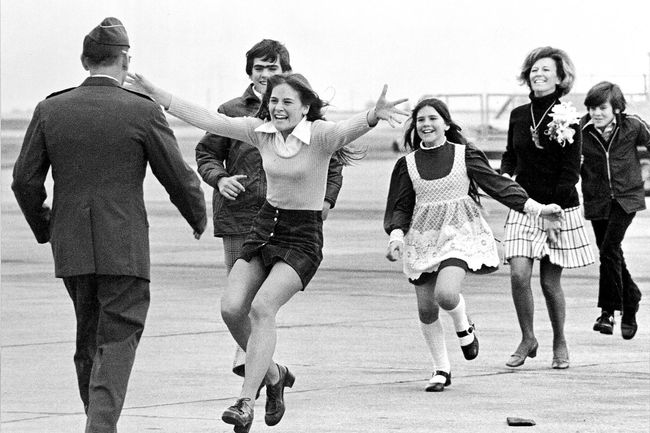
  • “Burst of Joy” photograph
“Burst of Joy” photograph
Credit: AP Photo/Sal Veder/ Columbia Daily Tribune
Author Nicole Villeneuve

November 27, 2024

Love it?

The word “Pulitzer” immediately conjures prestige, integrity, and excellence — and that’s precisely the point. The Pulitzer Prize was established in 1917 as the brainchild of newspaper publisher Joseph Pulitzer, who sought to recognize outstanding works in various categories of journalism. Today, 23 awards are given out each year across not only journalism but also literature, music, drama, and more. 

The Pulitzer Prize for photography was first awarded in 1942. In the winning entry, Detroit News photographer Milton Brooks captured an altercation between striking Ford Motor Company workers and someone attempting to cross the picket line. The image is visceral and captures a pivotal moment in labor history, and it met the Pulitzer rules of having been published in print (today the criteria also includes online publication). There is no other strict criteria to choose recipients of the prize. The juried process is instead a highly subjective one that often prioritizes  moments of national or global importance — images that on their own tell compelling stories and stir emotions. Here are the stories of six famous photographs that have been awarded a Pulitzer Prize.

Credit: Bettmann via Getty Images

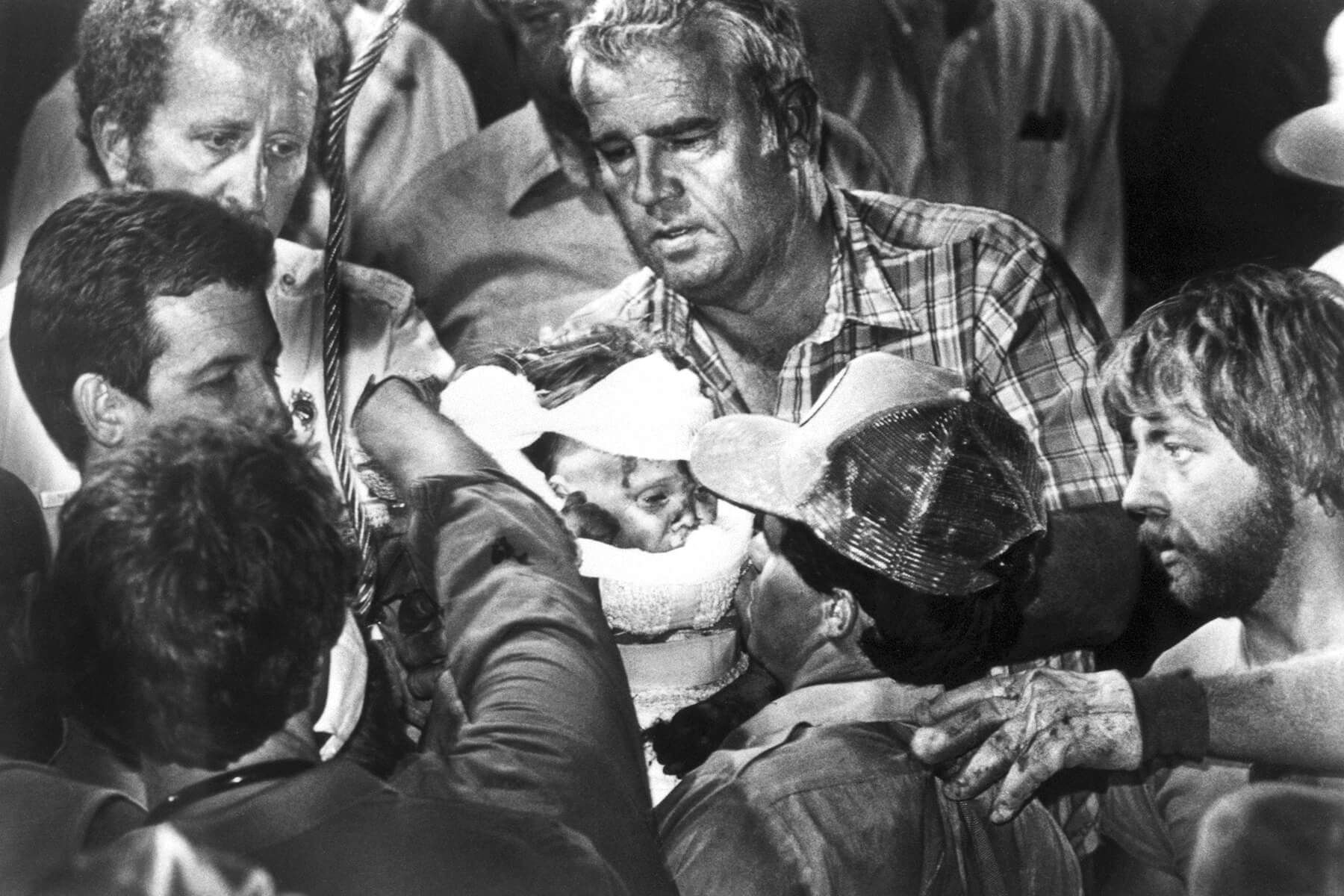
“The Rescue of Jessica McClure” by Scott Shaw

On October 16, 1987, after a harrowing 58-hour rescue mission, 18-month-old Jessica McClure was successfully rescued from an abandoned water well in Midland, Texas. The toddler, known affectionately as “Baby Jessica” by the millions who anxiously watched the ordeal unfold on live television, had fallen 22 feet deep into an 8-inch-wide opening while playing in her aunt’s backyard. Local emergency workers, drilling experts, and volunteers labored around the clock; when Jessica finally emerged, bruised and dirty but awake, America breathed a collective sigh of relief. Of the many photographers on site, Scott Shaw, staff photographer for the Odessa American newspaper, snapped an unforgettable photo of Baby Jessica wrapped in bandages and surrounded by her rescue team as they rushed her to an ambulance. The story — and the front-page image — became a powerful symbol of collective effort and resilience, and in 1988, Shaw’s photo won a Pulitzer Prize.

You may also like

6 Photos That Define the 1950s

  • Marilyn Monroe with billowing skirt
Marilyn Monroe with billowing skirt
Credit: photo-fox/ Alamy Stock Photo
Author Tony Dunnell

November 7, 2024

Love it?

The 1950s were a decade of profound change and contrast, both in American society and globally. For the U.S. in particular, it was an era marked by postwar optimism, economic prosperity, and technological advancements. But it was also a decade of social tensions, Cold War fears, and the ever-increasing stirrings of cultural revolution. These complexities were captured in the period’s photography, from celebrity snaps by the burgeoning paparazzi to powerful images of the Civil Rights Movement taken by experienced photojournalists.

Here are six photos that encapsulate the spirit and struggles of the decade, and have become iconic images of the 1950s.

Credit: Bettmann via Getty Images

Einstein Sticking Out His Tongue (1951)

This playful photograph of Albert Einstein sticking out his tongue was taken on the renowned scientist’s 72nd birthday on March 14, 1951. Einstein was seated between Frank Aydelotte, head of the Institute of Advanced Study in Princeton, New Jersey, and his wife at a birthday celebration. The paparazzi were lurking outside, hoping to hear from — or at least take a photo of — the world-famous professor. According to some accounts, Einstein was irritated by the photographers and so he stuck his tongue out at them. Whatever his motives, the resulting photo — captured by United Press International photographer Arthur Sasse — was one of levity. It helped establish Einstein’s public image as the “nutty professor,” humanizing one of the greatest scientific minds of the 20th century. Einstein himself loved the photo and had it put on greetings cards that he sent out to friends. 

You may also like

What Artists Were Actually Famous in Their Lifetime?

  • Andy Warhol at the Whitney
Andy Warhol at the Whitney
Credit: Jack Mitchell/ Archive Photos via Getty Images
Author Timothy Ott

October 10, 2024

Love it?

There’s an old stereotype about the “starving artist” having to suffer in poverty and isolation as the world rejects their efforts, and many times in history it’s proved to be true. Even all-time greats such as Vincent Van Gogh and Johannes Vermeer struggled to draw attention to the very works that were later taught in art schools around the world.

But not every successful artist spends a lifetime waiting in vain for the recognition that never arrives. Here are five figures who saw the adulation of the masses, and the accompanying financial windfalls, while they were still around to enjoy the success.

Credit: Hulton Archive via Getty Images

Michelangelo

Italy’s thriving city-states were marvelous places for gifted artists during the 16th century, and no one attracted more demand from wealthy patrons than Michelangelo di Lodovico Buonarroti Simoni. Following the stunning successes of his marble-carved Pietà (1498-1499) and David statue (1501-1504), Michelangelo became a favorite of Pope Julius II, for whom he produced the equally breathtaking Moses (1513-1515) as part of an otherwise unfinished mausoleum project. While he primarily viewed himself as a sculptor, Michelangelo also delivered some of humankind’s greatest paintings with frescoes such as “The Creation of Adam” (1508-1512) on the ceiling of the Sistine Chapel, and he later displayed his talents for design after taking over as chief architect of St. Peter’s Basilica. The nonstop commissions made this Renaissance master a very rich man, even as he lived frugally, while his fame made him the first Western artist to be the subject of a biography while he was still alive.

You may also like

Iconic Photos From Each Decade of the 20th Century

  • “Lunch Atop a Skyscraper,” 1932
“Lunch Atop a Skyscraper,” 1932
Credit: Bettmann via Getty Images
Author Tony Dunnell

August 29, 2024

Love it?

In the mid-1820s, French inventor Joseph Nicéphore Niépce stood at an upstairs window of his estate in Saint-Loup-de-Varennes in Burgundy, France. In his hand he held a primitive camera. After at least eight hours of exposure, Niépce created the world’s first — or at least oldest surviving — photograph, known as “View From the Window at Le Gras.” In that moment, an entirely new medium was born. 

Photography rapidly went from one first to another. In 1838, Louis Daguerre, inventor of the daguerreotype, shot the first photo to include people.  In 1840, English scientist John W. Draper took the first photo of the moon. And in 1861, Scottish mathematical physicist James Clerk Maxwell produced the earliest color photograph. Advances continued apace, until another landmark — the first cellphone photo, in 1997 — launched an era in which cameras became ubiquitous, and the age of the selfie was born. 

Throughout the 20th century, photographers captured images that ran the gamut of human experience. Here are some of the most iconic photos from each decade of the last century, from Kitty Hawk, North Carolina, to the far-flung reaches of the universe. 

Credit: Bettmann via Getty Images

“First Flight,” 1903

On the morning of December 17, 1903, on the sand dunes 4 miles south of the fishing village of Kitty Hawk, North Carolina, one of the most pivotal moments in human history was captured on camera. Once developed, the photo showed the moment that aviation pioneer Orville Wright took to the air in the world’s first successful airplane. 

You may also like