




A Roman emperor renamed every month of the year after himself.
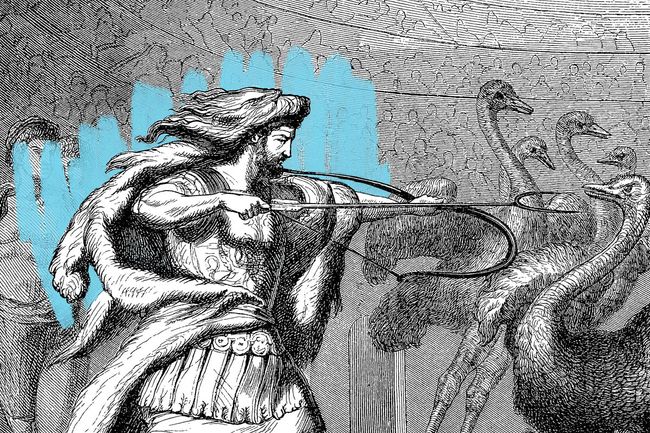
Ancient Roman emperors did a lot of wild things while they were in power. Nero built a spinning dining room with an ivory ceiling. Elagabalus played elaborate pranks on his dinner guests. And Commodus, who ruled from 177 CE to 192 CE, named every single month of the year after himself.
To come up with 12 separate names, Commodus (whom you may remember from the fictionalized portrayal in the 2000 film Gladiator) used his numerous imperial titles. Some of them came from his lineage, but others he bestowed upon himself, resulting in: Amazonius, Invictus, Felix, Pius, Lucius, Ælius, Aurelius, Commodus, Augustus, Herculeus, Romanus, and Exsuperatorius.
“Exsuperatorius” meant “all-surpassing conqueror.” “Amazonius,” according to the historic text Historia Augusta, honored Commodus’ mistress Marcia, whom he thought of as an Amazon woman. And “Herculeus” was chosen because the emperor liked to picture himself as the mythological figure Hercules.
These month names fell out of use after Commodus was assassinated, but they were legitimately used to express dates while they were in effect. Of course, Commodus wasn’t the first Roman emperor to name a month after himself — even today, July and August are named after Julius Caesar and his heir Augustus—but none went quite as far.
In addition to the months of the year, Commodus renamed the entirety of Rome after himself, calling it Colonia Commodiana (Commodus’ Colony). It’s no surprise that toward the end of his reign, he had the Roman Senate declare him a god.


