



A Great Dane named Juliana was awarded a medal during WWII.

  • Juliana the Great Dane
Juliana the Great Dane
Trinity Mirror / Mirrorpix/ Alamy Stock Photo
Author Nicole Villeneuve

February 6, 2024

Love it?

Animals have played pivotal roles on the front lines of many battles throughout history. Horses, elephants, and even dolphins have been employed for their strength, intelligence, and adaptability. During World War II, one brave animal stood out as a hero for using an unlikely defense tactic against the enemy: her urine. Juliana was the name of a Great Dane who had even greater instincts. In April 1941, amid the ongoing German bombing campaign known as the Blitz, explosives rained down across the U.K. When a bomb fell through the roof of the house where Juliana lived with her owner, the fast-acting pooch made her way over to the incendiary device and extinguished its flame by urinating on it. Juliana’s bravery earned her a medal from the Blue Cross, a U.K. animal welfare charity.

Juliana’s story came to light years later when a portrait of the plucky pup was found at a property belonging to a relative of Juliana’s owner — a plaque affixed to the painting told her unlikely tale. Elsewhere in the house, a Blue Cross Medal with the dog’s name was also discovered, and in an even more surprising turn, this one happened to be for a second heroic achievement. In 1944, three years after defusing a bomb, Juliana saved her owner’s life once again, when she managed to alert him to the fire that was tearing through his shoe shop. In 2013, the mementos were sold at auction for £1,100, or about $1,900 today. 

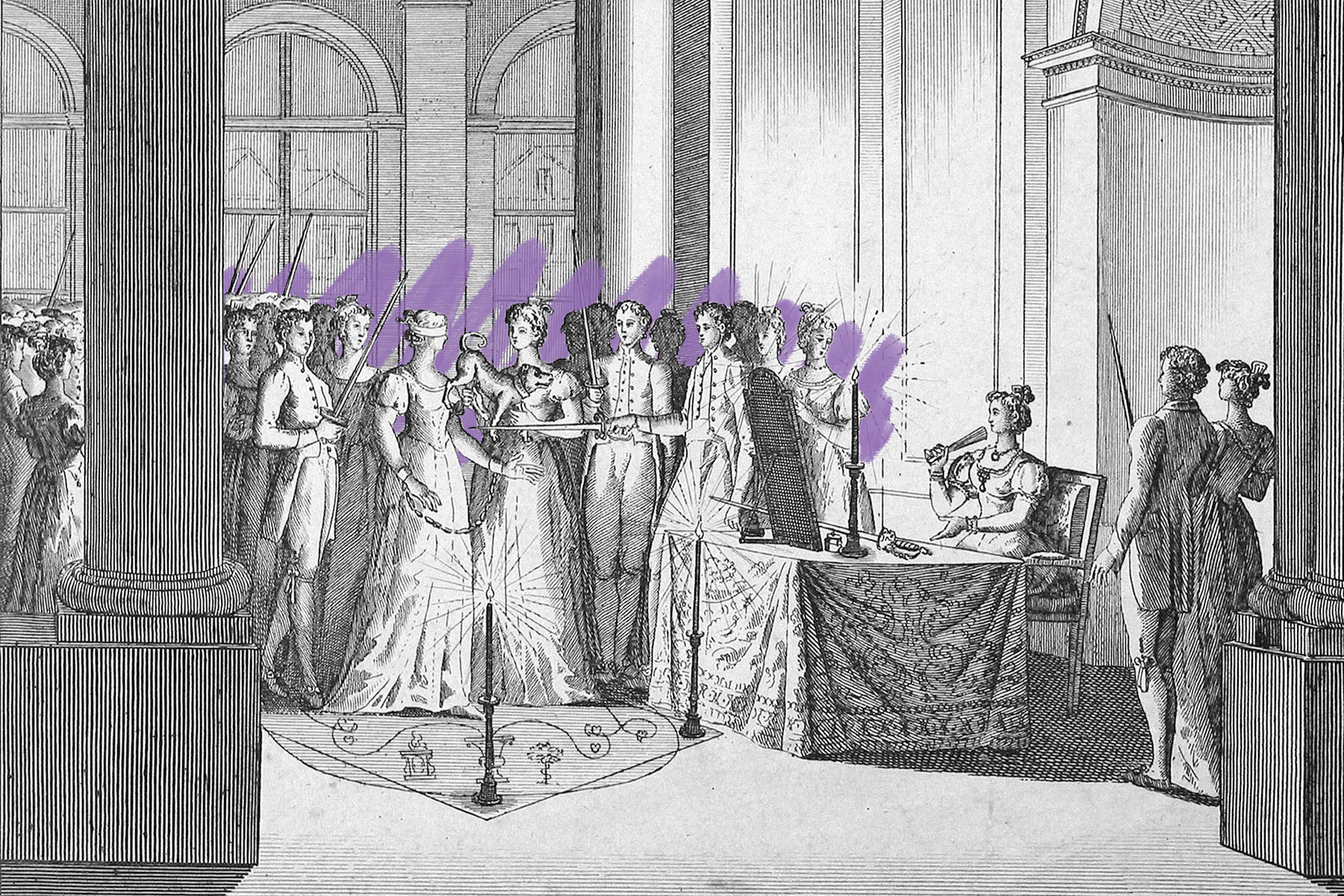
Theaters used to hire audience members to clap, laugh, and cry.

  • Italian Opera House in Paris, 1800s
Italian Opera House in Paris, 1800s
Credit: Historical/ Corbis Historical via Getty Images
Author Timothy Ott

June 12, 2025

Love it?

A public performance can be stressful for the actor, singer, or orator tasked with delivering the goods, not to mention the behind-the-scenes author of the creative endeavor. So it should perhaps come as little surprise that audience members have long been employed to supply an outward show of support for those on stage. This concept goes at least as far back as the heyday of the ancient Greeks in the fourth century BCE, when playwright and poet Philemon was known to stockpile his audiences with enthusiastic allies to help win competitions.

The practice reached its peak in early-19th-century Paris opera houses, where theater administrators coordinated with organized groups of “claquers,” derived from the French term for clapping, to prod the bourgeois crowds into responding appropriately at key moments. Such arrangements would typically involve the claque leader examining a show’s script and conferring with the director and performers about optimal times to display emotion. The claquers would then disperse among an audience, with some members tasked with laughing loudly at jokes, others charged with weeping during tender scenes, and still others there to bellow heartily for an encore. 

A claque leader could be well compensated (though underlings often received only free entry to a show), perpetuating a system in which these professionals held considerable influence over performers. In one example, the mother of an up-and-coming dancer declared that her daughter needed no “protection” from the hired hands in the audience, resulting in said dancer being embarrassed by the stony silence that followed her routine.

Although the claque may seem like a curious relic of the past, the practice was still going strong in Italian opera houses by the early 1960s, and in 2013, The New York Times profiled the well-oiled machinations of the claque-filled audiences of Moscow’s Bolshoi Theater. Just as the Greeks provided the building blocks of dramatic structure that endured through the ages, it seems their method for igniting a favorable audience reception and easing the anxieties of artists packed plenty of staying power as well.

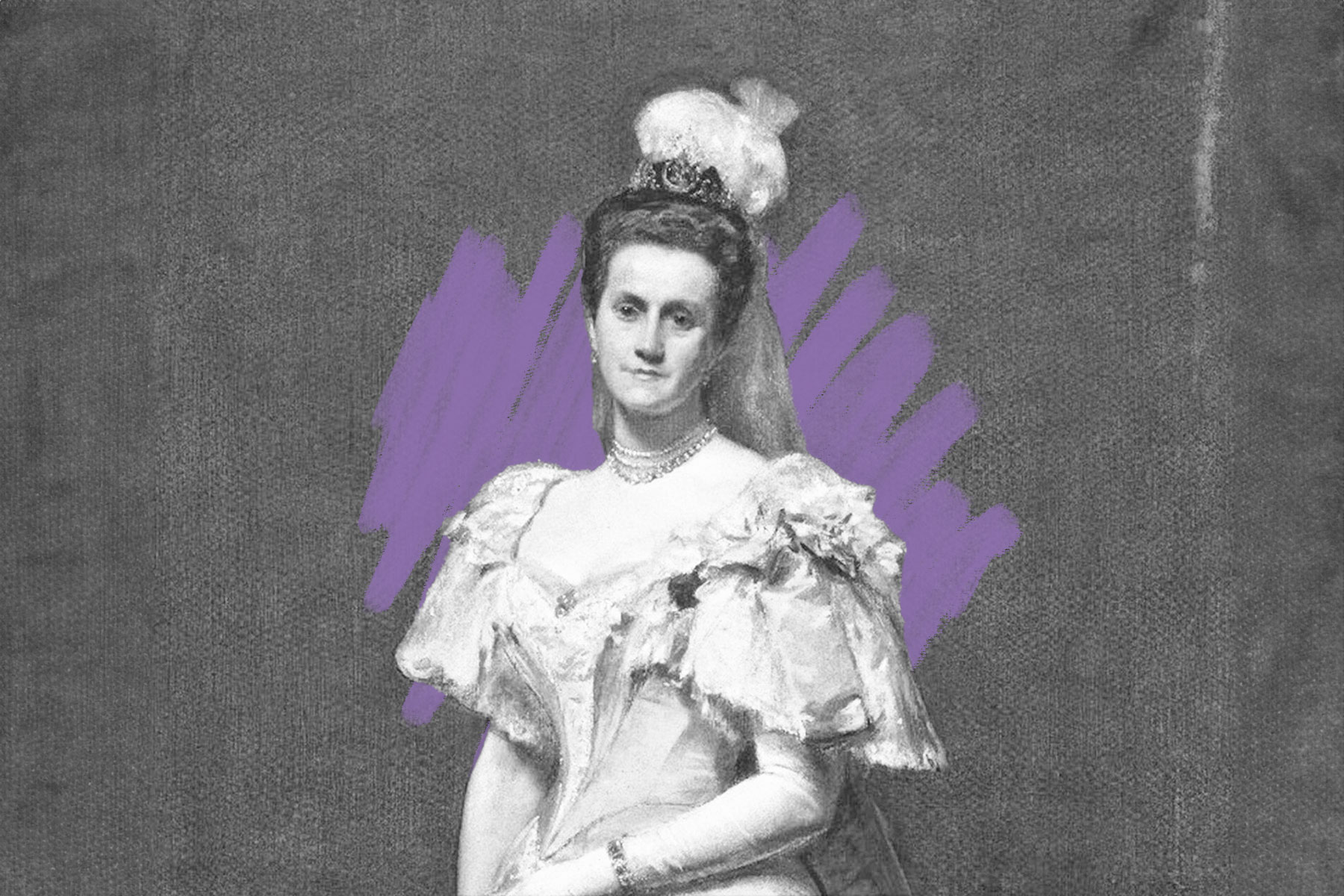
Purple became the color of royalty because the dye was so expensive.

  • Cyrus the Great
Cyrus the Great
Science History Images/ Alamy Stock Photo
Author Rachel Gresh

February 6, 2024

Love it?

In the 16th century BCE, a precious treasure emerged from the Mediterranean Sea: Murex brandaris, a type of sea snail. During the Bronze Age in the Phoenician city of Tyre (modern-day Lebanon), the sea snails were used to make Tyrian purple dye, also known as “Royal” or “Imperial” purple. To create the dye, a yellow fluid was extracted from the snails and exposed to light until it turned a brilliant shade of purple. The fabric dye became fashionable across Phoenicia because it was more vibrant and longer-lasting than existing dyes. However, it was also much more expensive to make. It took up to 12,000 mollusks to produce just 1 gram of dye, and Murex snails became worth their weight in gold.

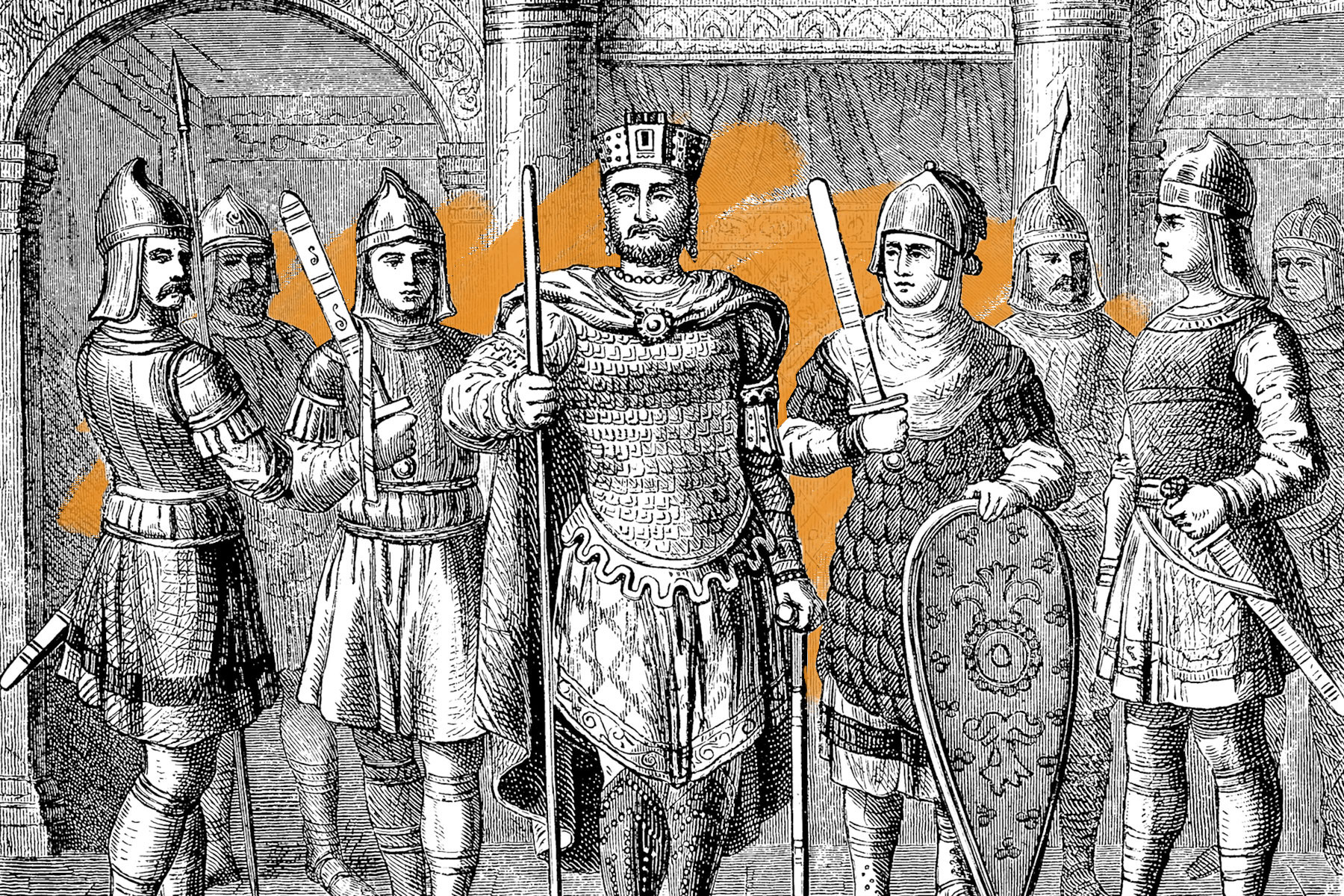
At the time, 1 pound of Tyrian purple wool cost more than what most people made in a year, so the only members of society who could afford the color were nobility and royalty. Because of this, the hue became associated with wealth. It was later adopted by Persian rulers such as Cyrus the Great, as well as most of the ancient Roman emperors, including Julius Caesar, who donned a purple toga. In the Byzantine Empire, not only did rulers wear purple, but they also signed their documents with purple ink. It’s believed that the saying “born in the purple” (to denote a noble birth) originated in Byzantium, where children of high-ranking citizens wore purple. Although the color’s popularity dwindled after the fall of the Byzantine Empire (in 1453), it never entirely went out of style. Purple finally became widely available after British chemist William Henry Perkin invented the world’s first commercial synthetic dye in 1856, called “aniline purple,” later named “mauve.”

You could stream music by phone more than 100 years ago.

  • The Telharmonium
The Telharmonium
Credit: Heritage Image Partnership Ltd/ Alamy Stock Photo
Author Sarah Anne Lloyd

June 5, 2025

Love it?

Synthesizer music has been around a lot longer than many realize. Look no further than the telharmonium: Patented back in 1897 by an American lawyer and inventor named Thaddeus Cahill, it not only created the first electrically generated music but was also a music streaming service nearly a hundred years ahead of its time. 

The telharmonium was designed to turn the telephone — which had only recently been invented, in 1876 — into a music player. The instrument itself, comprising some 200 tons of machinery, used a series of dynamos to create electromagnetic impulses that were transmitted through phone lines and came out the telephone receiver as music — essentially a prototype of the synthesizer. When Cahill first demonstrated his invention to potential investors, he attached a horn to a telephone receiver so the sound could reach a room full of people. After officially debuting the telharmonium in 1906, he opened Telharmonic Hall in New York City, where a group of musicians created electrically generated tunes around the clock. Visitors could sit on a sofa and listen to music being created in the basement below through even more telephone receivers with attached horns, hidden within the decor.

Before long, the telharmonium’s music was streaming from telephone receivers in hotels, restaurants, theaters, and private homes across the United States. Users could pick up their phone and connect to the instrument to hear the eerie techno sounds being created by the telharmonium. The novel instrument even had famous fans, including Mark Twain.

But while the telharmonium was extremely popular, it was also wildly impractical. Each unit cost $200,000, which would be several million dollars today. It took two to four musicians to operate, and the special keyboards used to operate the machine were hard to get used to. And because it sometimes provided an accidental score for ordinary phone calls, AT&T wouldn’t work with Cahill for a wider broadcast. The Telharmonic Hall was closed before 1920, and no recordings of the instrument are known to exist. 

In World War II, the U.S. had ships that made ice cream.

  • U.S. sailors enjoying a tub of ice cream
U.S. sailors enjoying a tub of ice cream
Credit: Trinity Mirror/Mirrorpix / Alamy Stock Photo
Author Timothy Ott

June 5, 2025

Love it?

The combination of Prohibition and improved freezing technology ignited a spike in ice cream consumption among Americans in the early 20th century, and cravings for the cold, sweet treat were no less keenly felt among those who served in the armed forces. Seeking to keep its personnel satiated, the U.S. Navy began installing ice cream makers on its ships, even rigging some vessels with full-blown soda fountains reminiscent of those found in a corner drugstore. But the Army took this idea one step further in the late stages of World War II, by deploying three ice cream barges with the purpose of delivering this delicious morale-booster throughout the Pacific Theater.

Known as a “BRL,” for “barge, refrigerated, large,” each concrete vessel measured 265 feet long by 48 feet wide and about 17.5 feet deep, and provided a refrigerated space of approximately 130,000 cubic feet. One of the three main compartments housed the ice cream-making room, which was capable of producing up to 500 gallons of the frosty stuff on a daily basis. With virtually all power aboard devoted to the cooling machinery, the BRLs lacked the ability to get anywhere by themselves, and as such were towed to far-flung areas of the Pacific for distribution of goods to other ships and stationed troops. 

To be clear, these barges weren’t simply giant floating ice cream parlors; they also had the capacity to store some 64 carloads of meat and around 20,000 cubic feet of fresh produce, eggs, and cheese. Of course, when it came to reclaiming a taste of luxury, the war-weary soldiers were far more likely to line up for scoops of chocolate and vanilla than for a banana. Those who were out of range of BRLs and auxiliary delivery ships didn’t have to worry about missing out, as the Army saw to it that troops on the Western Front and other crucial zones were duly stocked with the frozen treat. Some U.S. aviators even devised a creative way to enjoy their portions, as they left cans of prepared ice cream mixture in their B-17 bombers to be shaken and frozen amid the turbulence of high-altitude flights.

There was a goldfish-swallowing craze in the 1930s.

  • Swallowing a goldfish
Swallowing a goldfish
Heritage Image Partnership Ltd/ Alamy Stock Photo
Author Michael Nordine

February 2, 2024

Love it?

Goldfish aren’t exactly the best-treated pets — did you know, for instance, that they shouldn’t be kept in bowls? But at least they no longer have to contend with the goldfish-swallowing craze of 1939. It began, like so many bad ideas, with a dorm room bet. After boasting to his friends that he had once consumed a live fish, Harvard freshman Lothrop Withington Jr. was told to put his money where his mouth was and do it again for $10. He did so on March 3 with at least one reporter and an ill-fated 3-inch goldfish present, remarking that “the scales caught a bit on my throat as it went down.”

The event was picked up by LIFE magazine, which kicked off the craze among college students nationwide. Marie Hensen of the University of Missouri School of Journalism was among the first women known to have joined in on the strange trend, and a number of records were set and just as quickly broken. A student at the University of Pennsylvania swallowed 25 fish, an MIT student claimed the “new world’s record for piscine deglutition” by downing 42, and Joseph Deliberato of Clark University is said to have bested them all by swallowing 89 innocent goldies in one session. The trend began to die down after the Animal Rescue League stepped in and Massachusetts state Senator George Krapf filed a bill “to preserve the fish from cruel and wanton consumption.” 

There’s a mysterious object from ancient Rome archaeologists still can’t figure out.

  • Roman period dodecahedron
Roman period dodecahedron
Penta Springs Limited / Alamy Stock Photo
Author Sarah Anne Lloyd

January 31, 2024

Love it?

Ancient Rome is one of the most well-studied civilizations on Earth, but there are some aspects of the culture that still puzzle researchers today. Among the oddest mysteries the Romans left behind are small, hollow dodecahedra — 12-sided objects — with no apparent purpose. These dodecahedra are usually about the size of a human fist or a baseball, although the ones that have been found by archaeologists range from 1.5 inches to 4.5 inches tall. Each pane typically contains a differently sized hole between .2 and 1.5 inches wide, and each corner is marked by a spherical stud. The first one was unearthed in 1739, and more than 100 have been discovered since then, mostly around ancient Britain, Gaul, and Roman Germany.

Despite having nearly 300 years to figure it out, archaeologists still aren’t even close to sure what the Gallo-Roman dodecahedra are for, but they do have some wildly disparate ideas. The objects could have been used for a game that’s disappeared from the historical record, for detecting counterfeit coins (some of them were even discovered in coin hoards), or as surveying tools. Names for the zodiac were found on one dodecahedron, leading some to believe that they could be used in astrology. Other ideas include a musical instrument, candle holder, child’s toy, calendar, or a gauge for water pipes.

Air conditioners were originally invented for printing presses.

  • Willis Carrier with air conditioner he invented
Willis Carrier with air conditioner he invented
Credit: Science History Images/ Alamy Stock Photo
Author Sarah Anne Lloyd

June 5, 2025

Love it?

At the turn of the 20th century, Sackett & Wilhelms Lithographing Company, a printing plant in Brooklyn, New York, had a problem: High humidity was causing its paper to wrinkle, swell, and shrink. As a result, the company was dealing with misaligned prints, jammed equipment, and long drying times. So it called on the heating and fans division of Buffalo Forge Company for a solution.

The task fell to mechanical engineer Willis Carrier, who was head of experimental engineering at Buffalo Forge. Because cold air can hold less water vapor, Carrier focused his efforts on cooling the factory down. Buffalo Forge already manufactured heating coil systems — fans that distribute hot air from steam-filled tubes — to heat buildings, so, Carrier reasoned, why not run cold water through the coils instead?

He installed the first modern air conditioning system in 1902, and his experiment was successful — most home air conditioners function on this same basic principle. But the system didn’t operate on the level that Sackett & Wilhelms needed it to. So Carrier got to work on something that could actually meet the needs of a large factory, and developed the first spray type air conditioner, a large enclosure filled with water nozzles that could cool hot air before sending it back into the factory. The cool air, even though it came from a wet environment, could hold less water, so it successfully reduced the overall humidity.

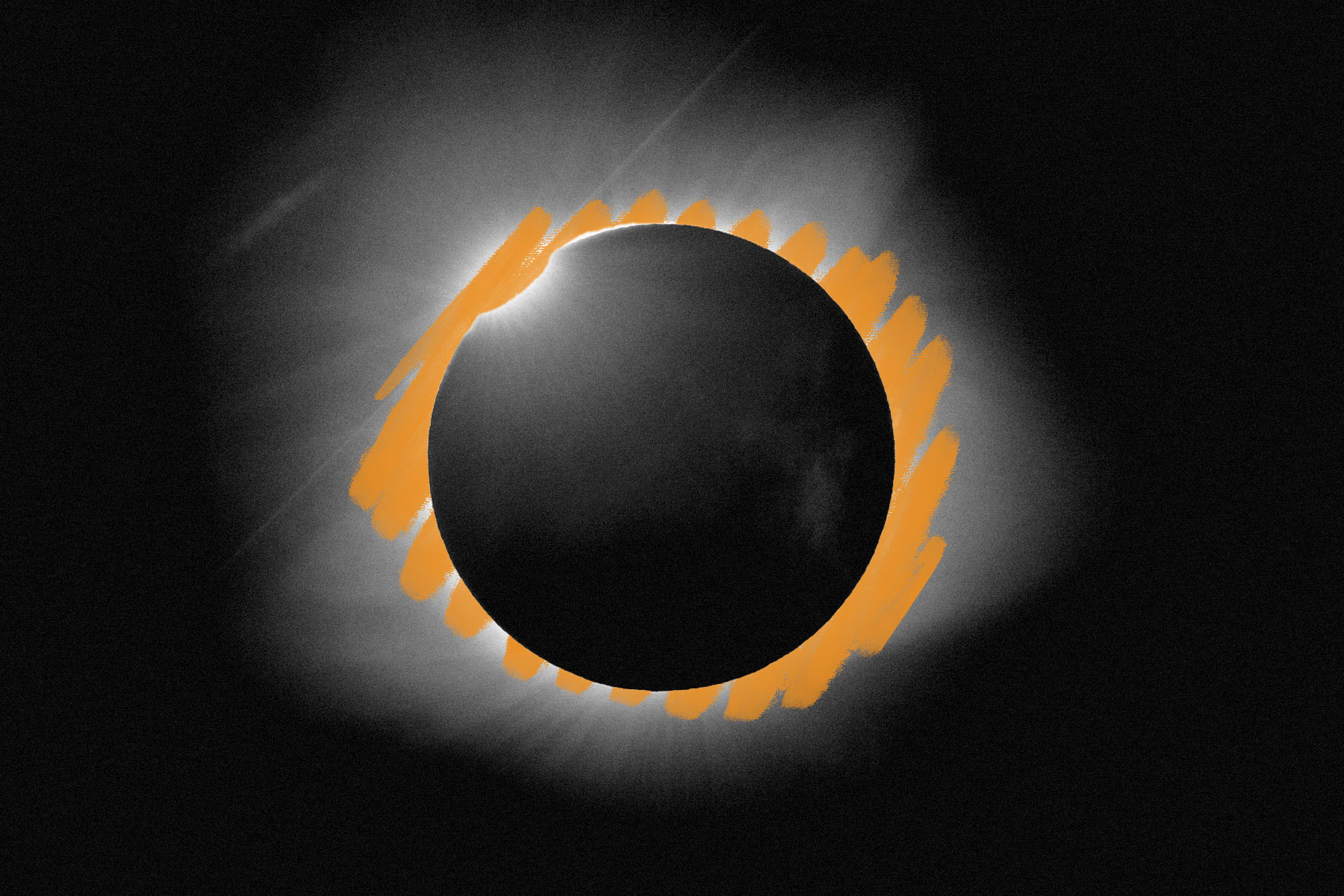
A Little Ice Age occurred between the 14th and 19th centuries.

  • Winter scene during Little Ice Age, 1787
Winter scene during Little Ice Age, 1787
Credit: Science History Images/ Alamy Stock Photo
Author Rachel Gresh

January 30, 2024

Love it?

Saber-toothed tigers and woolly mammoths weren’t roaming the Earth during the last ice age — Leonardo da Vinci and Michelangelo were. A period of global cooling, known as the “Little Ice Age,” spanned the late Middle Ages through the Renaissance era, ending around the dawn of the Industrial Revolution in the mid-1800s. Some locations cooled down more than others, including northern Europe and western North America, which experienced temperature fluctuations between 1.8 and 3.6 degrees Fahrenheit cooler than the thousand-year averages for those regions. 

This drastic change in climate had several possible causes. One leading theory points to a decrease in sunspot activity, which caused less solar radiation to reach Earth’s surface. Significant changes in atmospheric patterns also might have contributed to cooler temperatures in some regions. Or an increase in volcanic eruptions could have been the culprit, causing gas and ash to spew into the atmosphere, cooling the Earth. Some experts suggest it was a combination of all these things. Researchers at University College London believe the temperature drop was exacerbated by an entirely different issue: the depopulation of the Americas following the arrival of European colonists. Mass warfare and disease caused the deaths of 56 million Indigenous people by 1600. Large areas of once-cultivated land turned into forests, absorbing massive amounts of carbon dioxide and preventing it from reaching the atmosphere to warm the planet.

The impacts of the Little Ice Age were global, causing food shortages in parts of Europe, Asia, and Africa. China’s long-standing Ming dynasty fell in 1644, partially due to agricultural woes. Widespread famine uprooted the regular order of society, and Europe’s medieval feudal system (which relied on peasants growing crops for their lords) collapsed (partly due to climate change, though many other factors contributed), giving way to markets and trade systems. This new way of life led into the 17th-century Age of Enlightenment, when exploration, religion, art, and philosophy transformed European society.

Some airplanes used to have dance floors.

  • Dance floor on an Air Canada jet in 1972
Dance floor on an Air Canada jet in 1972
Credit: Trinity Mirror/Mirrorpix/ Alamy Stock Photo
Author Timothy Ott

June 5, 2025

Love it?

Ah, for the days of the groovy ’70s. While most contemporary airline passengers find their in-flight entertainment choices limited to a menu of movies and TV shows, the “Me Decade” saw airlines go all out with attempts to please customers aboard their brand-new Boeing 747 jumbo jets. Case in point: Air Canada turned the upper deck of its 747 into a 5-mile-high club for transatlantic flights between Toronto and Europe, with music blasting from 8-track tapes as passengers shimmied on a dance floor in lockstep with their reflections on a mirrored wall.

Those who missed out on the Air Canada dance-fest could still find other means for enjoyment among the competition. United Airlines and Qantas Airlines transformed the upper-deck compartments of their 747s into lounges, respectively dubbing them the “Friendship Room” and the “Captain Cook Lounge.” The Singapore Airlines version, known as the “Raffles Lounge,” provided “slumberettes” for those who wanted a nap after a few drinks. American Airlines installed a piano bar in the rear main cabin of its 747 fleet, even if the piano was technically a Wurlitzer electronic organ that proved more durable on bumpy flights. 

Sadly, this era of the party plane was short-lived, as airlines realized that the precious space set aside for socializing could be used to pack in even more paying customers. Air Canada’s dance floor lasted for only about a year, and most other plane lounges and bars were gone by the 1980s, thereby eliminating the in-flight option of doing the Funky Chicken for all but the most determined of passengers.