



How and When Did People Start Making Glass?

  • Making a glass goblet, 1751
Making a glass goblet, 1751
Credit: Universal History Archive/ Universal Images Group via Getty Images
Author Kristina Wright

June 13, 2024

Love it?

The typical home contains dozens of items made of glass, from canning jars in the pantry to decorative knickknacks on the mantel to the windows and doors that insulate our living spaces and filter light. Despite the surge of plastic products following World War II, this delicate translucent material has maintained its essential place in our homes and daily routines.

Historically, the glass items that we now take for granted were highly coveted luxuries, accessible for a time only to the rich and royal. The evolution of glassmaking has transformed the material from an exclusive work of art to an ubiquitous aspect of modern living. But when — and how — did humans first learn to make this valuable, versatile material?

Credit: Universal History Archive/ Universal Images Group via Getty Images

What Is Glass Exactly?

To understand how glass is made, we must first understand what glass is and how it’s different from other materials. Rather than a single, uniform substance, glass is an unusual state of matter that looks like a solid but acts like a liquid. The formation of glass occurs when a molten substance is cooled so rapidly that its atoms are unable to organize into the latticelike crystalline structure characteristic of a solid. Likewise, these atoms also lack the ability to move randomly, as they would in a liquid. Because of the unusual properties of its atoms, glass is in a distinctly unique category of its own, neither fully solid nor fully liquid, referred to as a rigid liquid or an amorphous solid.

While we typically think of glass as a human invention, it also occurs naturally. Lightning strikes, meteorite impacts, volcanic eruptions, and even some sea creatures can produce natural glasses that are similar in composition to human-made glass. Natural glass is formed when silica-rich sand or rocks are heated to high temperatures and rapidly cooled. Examples include obsidian, created by the rapid cooling of volcanic lava; tektites and impactites, formed by the impact of meteorites; fulgurites, created by lightning striking sand; and even the siliceous (silica) skeletons produced by certain types of sea sponges and algae.

You may also like

Were Medieval People Always Dirty? 

  • Medieval shepherds dancing
Medieval shepherds dancing
Credit: Heritage Images/ Hulton Archive via Getty Images
Author Tony Dunnell

June 13, 2024

Love it?

It’s no secret that medieval Europe had some issues when it came to public health. Towns were particularly unsanitary places due to the absence of sewage systems and the practice of throwing trash and human waste into the streets. These crowded areas were notoriously stinky. It’s perhaps for this reason that a common misconception exists regarding medieval people: that they were always dirty and paid little attention to personal hygiene. This stereotype is particularly prevalent in regard to the peasantry, who are often portrayed in popular culture as thoroughly unclean and rife with all manner of parasites, plagues, and putridity.

But were the Middle Ages really so dirty? While it’s true that the vast majority of people in that era had no access to anything near our 21st-century standard of hygiene, they knew the importance of keeping clean. Towns and villages were typically built near sources of fresh water, or were supplied by wells or, in the case of some larger cities such as London, by water carried in through lead pipes. People, therefore, could — and in many cases would — bathe on a regular basis. Indeed, there are numerous literary references and works of art from the medieval period that depict people taking baths, which for many was part of a daily routine.

Credit: Heritage Images/ Hulton Archive via Getty Images

Basic Hygiene in the Middle Ages 

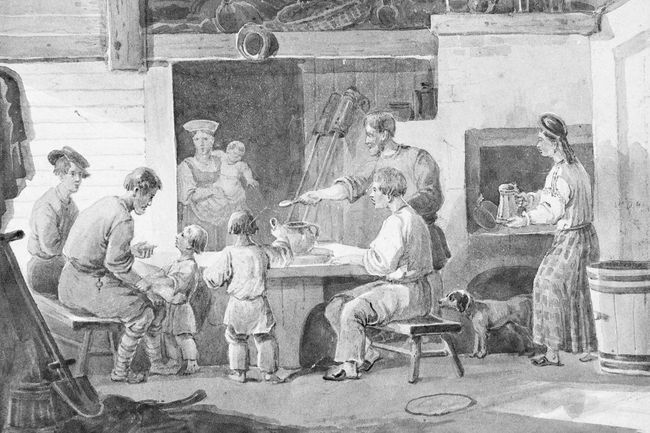
Contrary to the image of the unwashed medieval peasant, even the most underprivileged members of society practiced basic hygiene. They typically had a jug, basin, or trough of water from which they regularly washed their hands and face. It was common to wash one’s hands before and after meals, especially since hands were still the primary instrument for eating. (The use of forks was not commonplace in Europe until the 18th century.) People also brushed their teeth regularly. Out in the countryside, fresh hazel twigs were used as toothbrushes, and when those weren’t available, people used linen cloths. There was no toothpaste, but sea salt and ground herbs such as cloves were used while brushing to help keep mouths fresh and teeth clean. 

You may also like

All the Presidents in Age Order

  • Herbert Hoover and FDR
Herbert Hoover and FDR
Credit: UniversalImagesGroup via Getty Images
Author Nicole Villeneuve

June 11, 2024

Love it?

The ages of U.S. Presidents have varied significantly over the years, changing with voting demographics and shifting societal attitudes toward age. Younger presidential candidates have been seen as symbols of change and energy, appealing to young voters or people seeking a fresh perspective. Older candidates have often brought decades of experience and a sense of maturity. Here is a full list of the ages of the U.S. Presidents at the time of their inauguration, listed from oldest to youngest, spanning an almost 40-year age difference, from 42 to 78.

Credit: JIM WATSONSAUL LOEB/ AFP via Getty Images

Over 70 

When 46th President Joe Biden was sworn in on January 20, 2021, he became the oldest U.S. President to date, at 78 years and 61 days old. Just four years prior, the second-oldest President, Donald Trump, was sworn in at 70 years and 220 days old. He was about 15 years older than the overall average presidential age of 55. Biden’s term punctuated a trend of increasingly older Presidents: The average age of Presidents elected between 1875 and 1899 was 53, whereas the average age between the late 1990s and today is 63. When the Founding Fathers signed the Constitution in 1787, they set 35 years as the minimum age to run for President; at the time, it was seen as a mature age due to lower life expectancy in the 1700s. Meanwhile, the oldest national leader in the world today is Cameroon’s President Paul Biya, at 91. To date, just two U.S. Presidents have been over 70 years old when inaugurated.

– Joe Biden (46th President) — 78 years, 61 days
– Donald J. Trump (45th President) — 70 years, 220 days

You may also like

7 Things People Used To Eat for Dessert

  • Tomato soup cake
Tomato soup cake
Credit: Houston Chronicle/Hearst Newspapers via Getty Images
Author Kristina Wright

June 11, 2024

Love it?

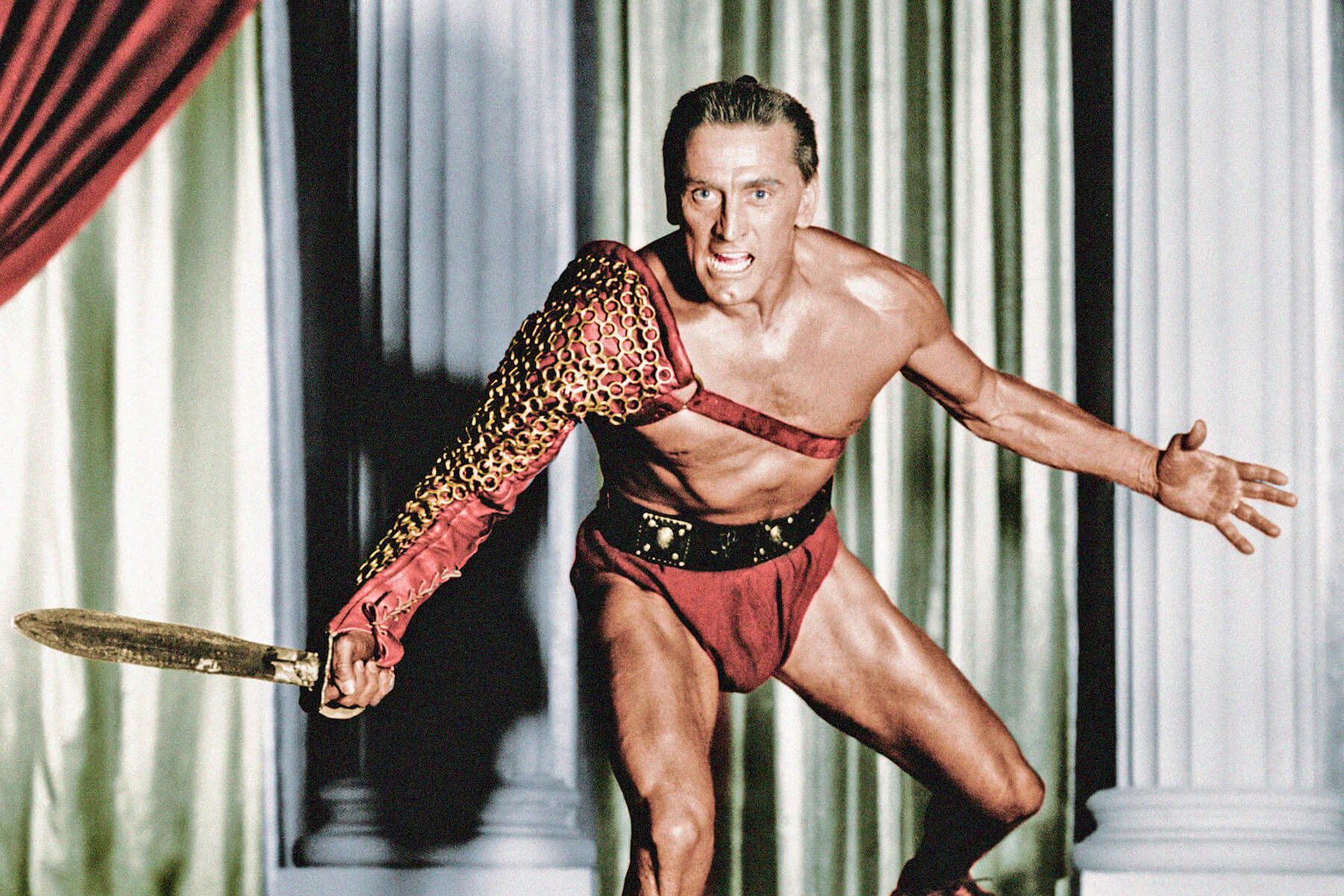
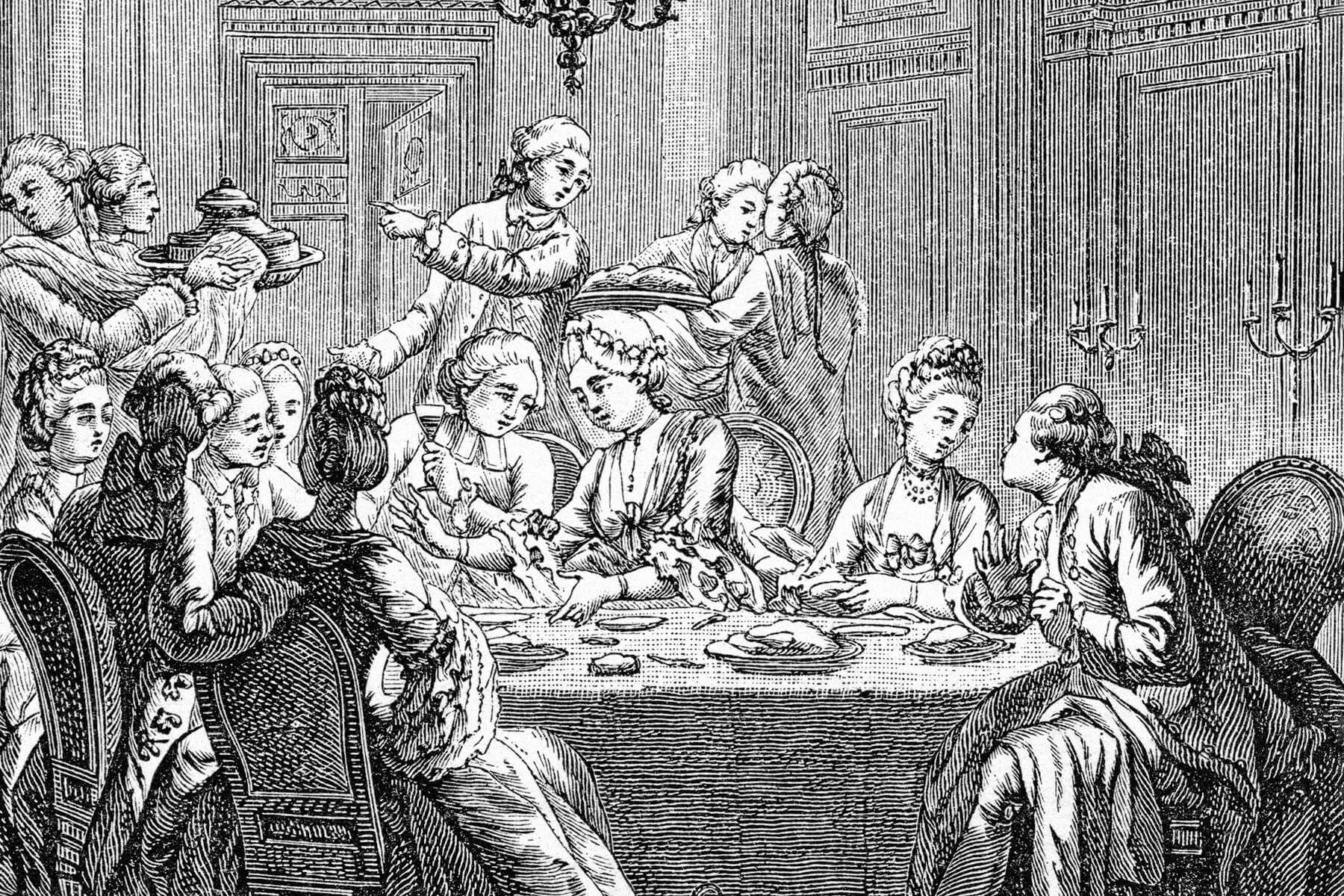
Much like fashion trends, culinary tastes have changed over time, and once-common dishes have given way to new ingredients, easier preparation methods, and more refined recipes. Desserts, in particular, have seen a rise in popularity over the centuries. Originally served alongside savory items on the dinner table, sweet dishes were moved to the final course of the meal in 17th-century Europe, and cookbooks dedicated to dessert recipes started appearing around the same time.

The affordability and availability of sugar during this era was largely responsible for this culinary shift, due to the work of enslaved people on colonial plantations in the Caribbean. As chocolate, coffee, and tea were introduced to Europe, demand for the sweet stuff increased as well. Sugar, which had previously been used sparingly as a preservative or to sweeten savory dishes, became the main ingredient in new recipes, leading to an endless array of possibilities for cakes, pies, and other sweet treats.

Here are seven old-fashioned desserts that were once commonly served, but are rarely seen today. While some of these foods may seem familiar as the recipes have been updated over the years to accommodate modern tastes, others are reminders of different times in history when people made do with what they had.

Credit: Warren Price Photography/ Shutterstock

Mincemeat Pie

Dating back to Europe’s medieval era, mincemeat pie (or mince pie) was a finely chopped mixture of meat — traditionally mutton — along with dried fruit and spices. The spices and natural fruit sugars helped preserve the food as well as overpower the flavor of meat on the verge of spoiling. By the end of the Victorian era, the primary ingredients of mincemeat pies were fruit, spices, and beef suet, a hard animal fat. While they’re not very common in the U.S. today, mincemeat pies are still a popular Christmas dessert in the U.K., and vegetarian pies are readily available.

You may also like

What Was Earth’s Population Through History?  

  • Illustration of human population
Illustration of human population
Credit: Illustration courtesy of Madison Hunt
Author Tony Dunnell

June 6, 2024

Love it?

Today, it’s hard to imagine our entire planet populated by fewer people than we currently find in a single major city. And tens of thousands of years ago, it would have been shocking — and quite possibly terrifying — to imagine a world in which humans had built settlements as vast and crowded as those that exist today. 

Population growth has, for the most part, been a long and steady process. But while it took most of human history for the population to reach 1 billion, it  took only a little more than 200 additional years to hit 8 billion. Because of this rapid growth, the face of our planet and the influence that we’ve had on it have shifted massively in the last few centuries. Where it will all lead is an open question. But one thing is certain: People are currently living longer than ever before, and as things stand, the population will only continue to grow. Here’s a rundown of the world’s population throughout history, from prehistoric times to the present day. 

Credit: Illustration courtesy of Madison Hunt

Prehistoric Times

Historians believe that around 55,000 early humans walked the Earth some 1.2 million years ago. By the end of the last ice age — about 20,000 years ago — the population had risen to about 1 million members of Homo sapiens. Over the next 15,000 years, as human societies improved, the population increased more rapidly. By 5000 BCE, the world population was at least 5 million, and some estimates go as high as 20 million. But even that higher number is still less than the present-day populations of cities such as São Paulo, Shanghai, and Tokyo.  

You may also like

What Did Court Jesters Actually Do?

  • Musician and court jester
Musician and court jester
Credit: duncan1890/ iStock
Author Nicole Villeneuve

June 6, 2024

Love it?

Court jesters are frequently portrayed as cartoonish figures dressed in colorful pointed hats and jangling bells. Though their qualities have often been caricatured over time, court jesters were indeed real, and they played a significant role at courts across Europe during the Middle Ages and Renaissance era.

The roots of the court jester can be traced back to the comedic actors, or balatrones, of ancient Rome. Due to Rome’s periodic censorship crackdowns on these outspoken actors, many became roving performers, traveling throughout the empire in search of new audiences and opportunities. These roving comics may have helped lay the groundwork for medieval jesters, and contributed to the growing popularity of comedic folly across Europe.

You may also like

Is the Lost City of Atlantis Real?

  • A depiction of Atlantis
A depiction of Atlantis
Credit: Chronicle/ Alamy Stock Photo
Author Nicole Villeneuve

June 6, 2024

Love it?

The lost city of Atlantis has been a source of intrigue and curiosity for centuries. The enigmatic sunken island, however, is not a vanished land awaiting discovery so much as an enduring myth. 

The story of Atlantis first appeared in Plato’s dialogues “Timaeus” and “Critias,” written around 360 BCE. The Greek philosopher described Atlantis as a sophisticated civilization that became corrupt under its own might, angering the gods and causing the city to disappear underwater. Despite the legend’s intrigue, no historical or archaeological evidence has ever confirmed the existence of Atlantis. Instead, it is widely regarded as a fictional allegory used by Plato to explore themes such as power, virtue, and society. 

You may also like

Why Is the Letter ‘X’ Used for a Kiss?

  • “XOXO” on note card
“XOXO” on note card
Credit: triocean/ iStock
Author Nicole Villeneuve

June 6, 2024

Love it?

The letter “X” has ambiguous linguistic roots, and has carried various meanings in different contexts. “X” marks the spot of buried treasure on a map, represents a variable in mathematics, or can be used to select a choice on a ballot. Nowadays, it’s also commonly used as a symbol of affection and endearment — especially when it’s paired with “O” to form “XO,” signifying kisses and hugs. But how exactly did “X” come to represent a kiss, and when did that originate?

You may also like

The Strangest Mass Hysteria Events in History

  • Salem witch trials
Salem witch trials
Credit: MPI/ Archive Photos via Getty Images
Author Bennett Kleinman

May 30, 2024

Love it?

History is dotted with instances of mass hysteria, a perplexing phenomenon in which large groups of people are struck by the same physical or mental affliction without any apparent explanation, from uncontrollable movement to widespread paranoia. Given the uncertainty as to what causes these curious events, contemporary doctors have remained baffled as to how to prevent or cure them. Though there are some theories, plenty of questions remain, in some cases hundreds of years after the incident took place. Let’s take a closer look at some of history’s strangest instances of mass hysteria, from the Middle Ages to the 20th century.

Credit: Bettmann via Getty Images

Dancing Plague of 1518

In 1518, the city of Strasbourg (in modern France) was overcome by a mysterious “dancing plague” that affected some 400 residents. It all began in July of that year, when a woman known as Frau Troffea began spontaneously dancing in the middle of the street. After a week of boogying solo, Troffea was joined by several dozen others who also developed the sudden urge to dance. The group only grew larger throughout the rest of the summer, expanding to several hundred people who danced until they collapsed from exhaustion, or in rare instances, suffered a fatal heart attack. Much as the event began without any explanation, the dancing epidemic a inexplicably started to wane by September, and the city returned to a state of normalcy.

Physicians at the time attributed the dancing ailment to “hot blood,” saying the only cure was for people to dance it out of their system until they no longer felt the urge. Other townsfolk believed they had been cursed by St. Vitus, the patron saint of dance, and were doomed to dance for eternity. But looking back, modern historians have several theories as to what caused the unusual event. Some believe it was induced by a combination of general stress and the side effects of new, untreated diseases such as syphilis. Another theory points to a fungus known as ergot, which is found on bread. If consumed, ergot can manifest itself in victims as spontaneous convulsions that may look like dance moves.

You may also like

Surprising Daily Habits of U.S. Presidents

  • Ronald Reagan with jelly beans
Ronald Reagan with jelly beans
Credit: Bettmann via Getty Images
Author Bennett Kleinman

May 30, 2024

Love it?

Being president of the United States leaves little time for anything outside the demands of the office. Nearly every minute of the commander in chief’s day is spent serving the country, be it attending cabinet meetings and press briefings or meeting with foreign leaders. But even with this jam-packed schedule, the 45 people who have served as POTUS found time for their own hobbies and interests. For some presidents, that meant regular fishing trips or nightly dinners with the first family; for others, it meant something more unusual. Here are some surprising daily habits of former U.S. presidents.

Credit: Archive Photos via Getty Images

John Quincy Adams Skinny-Dipped in the Potomac

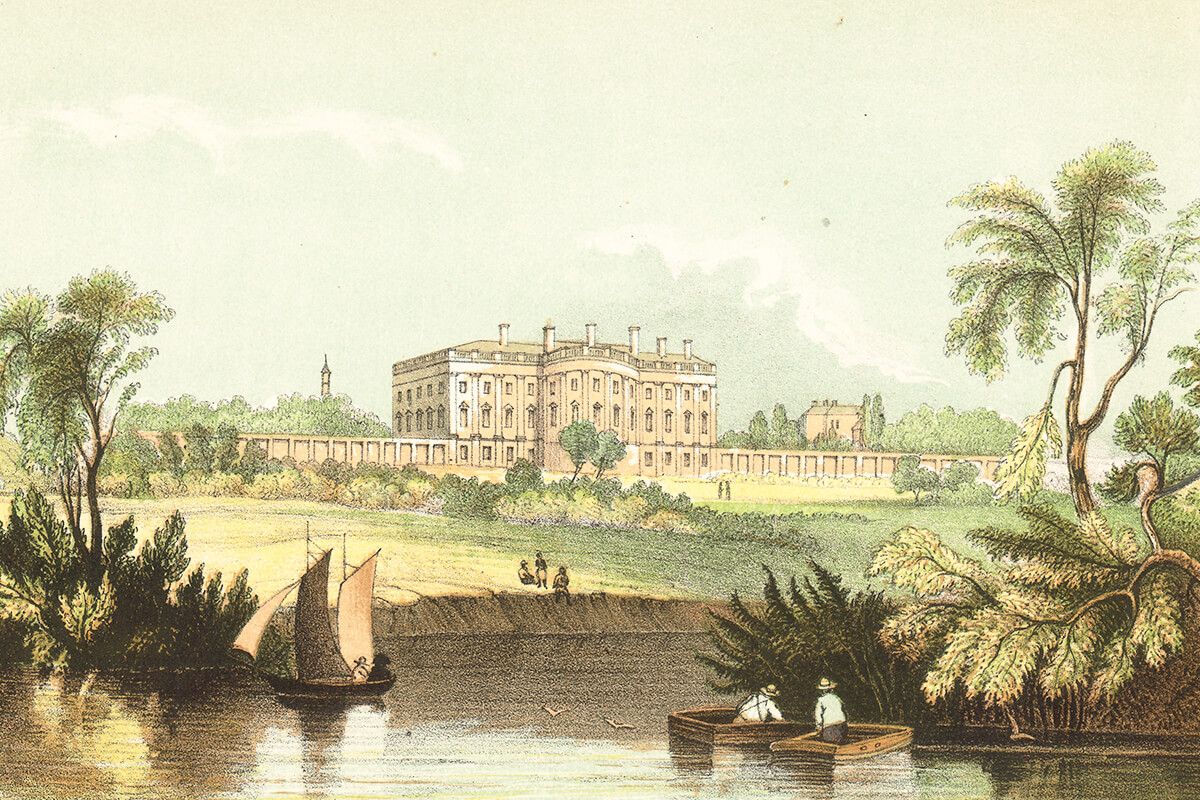
While serving as James Monroe’s secretary of state prior to his own presidency, John Quincy Adams frequently bathed nude in Tiber Creek, a tributary of the Potomac River that once flowed just south of the White House. In a July 1818 diary entry, Adams wrote that he would wake every morning between 4 and 5 a.m., walk 2 miles over to the creek, and enjoy a swim, sans clothing. Adams continued skinny-dipping in the Potomac during his presidency, swimming between 20 minutes and an hour each day. He did, however, eventually cut back per the advice of his physician, who spent years warning Adams about overexerting himself. But in 1846, 17 years after leaving office, a 78-year-old Adams returned to the Potomac for a final skinny-dip before his death less than two years later.

You may also like