



How Dangerous Was the Oregon Trail, Really?
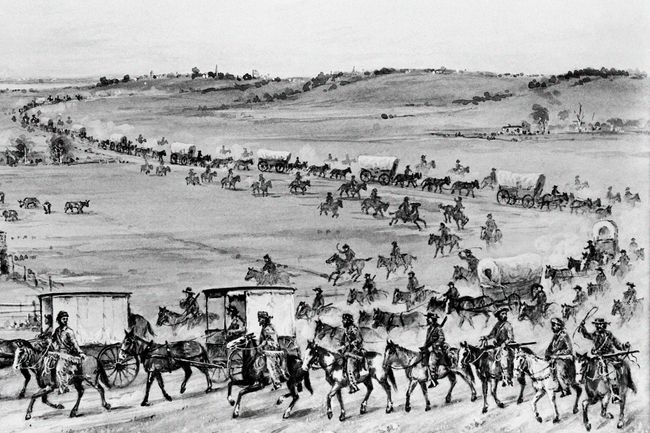
The Oregon Trail has long occupied a special place in the American imagination — a fascination boosted by the popular Oregon Trail computer game, where players regularly suffered from dysentery, snakebites, and broken wagon axles. The real journey west was every bit as grueling — but not always for the reasons popular culture suggests.
An estimated 350,000 people traveled the Oregon Trail and similar overland routes between the early 1840s and the completion of the transcontinental railroad in 1869. Historians estimate that at least 20,000 of them died along the way, making the route what the National Park Service has called “the nation’s longest graveyard.”
While estimates vary, as many as one in every 10 travelers never reached their destination. Pioneers fell victim to all kinds of peril, but most often disease, accidents, and the unforgiving realities of spending several months crossing nearly 2,000 miles of wilderness.
The Biggest Danger
By far the deadliest threat on the Oregon Trail was disease. Historians estimate that illness claimed thousands of lives, with cholera killing more emigrants than any other disease.
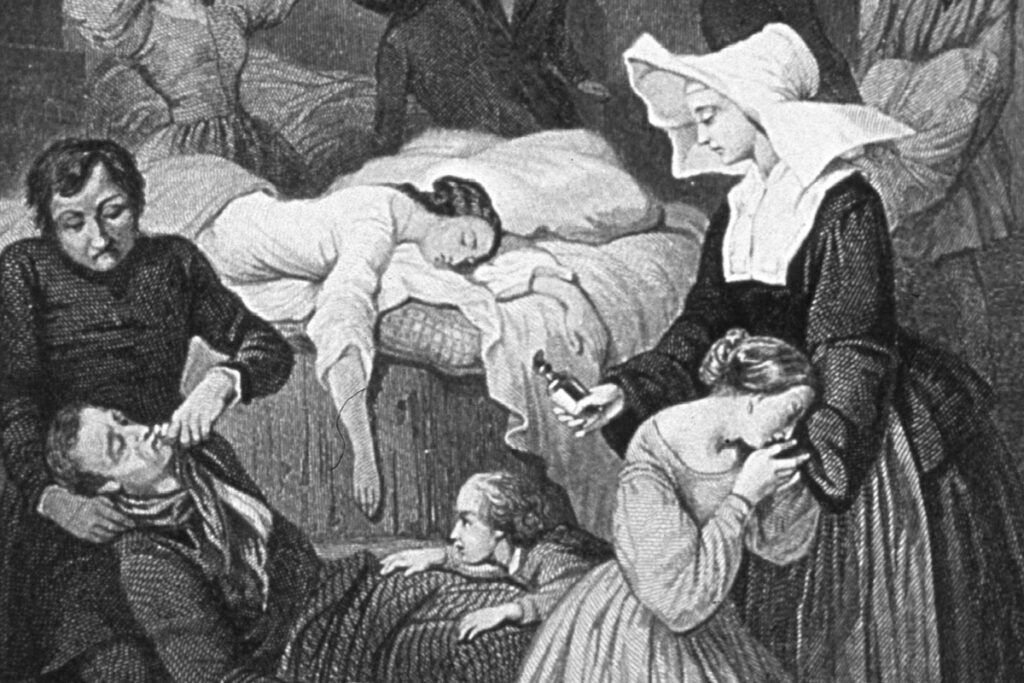
Cholera was especially terrifying because it struck with astonishing speed. Caused by bacteria spread through water contaminated with human waste, the disease was part of a worldwide pandemic that reached North America in the mid-19th century. As emigrants gathered in crowded outfitting towns and then traveled west, they unknowingly carried the bacteria from one campsite and waterhole to the next. A healthy traveler could develop stomach cramps and violent vomiting after breakfast and be dead from dehydration by nightfall.
The suffering left a lasting impression on those who survived. George Tribble, who traveled west in 1852, later recalled that “for four hundred miles the road was almost a solid graveyard.” Of the 10 members of his family who began the journey, only five reached Oregon.
But cholera was just one of many illnesses that plagued wagon trains. Dysentery, measles, smallpox, pneumonia, typhoid, and scurvy also took their toll. Medical knowledge was limited, and treatments ranged from castor oil and quinine to laudanum, an opium-based tincture that eased pain but did little to cure disease. Poor sanitation, contaminated water, malnutrition, and sheer exhaustion created ideal conditions for sickness to spread.
More from our network





Accidents Could Be Just as Deadly
The Oregon Trail was dangerous even when no one was sick, though. Everyday mishaps killed hundreds of emigrants, often in sudden and tragic ways.
Wagon accidents were among the most common. Adults and children sometimes slipped while climbing aboard or walking alongside the slow-moving wagons and fell beneath the heavy wooden wheels. Others were kicked or dragged by oxen, horses, or mules.
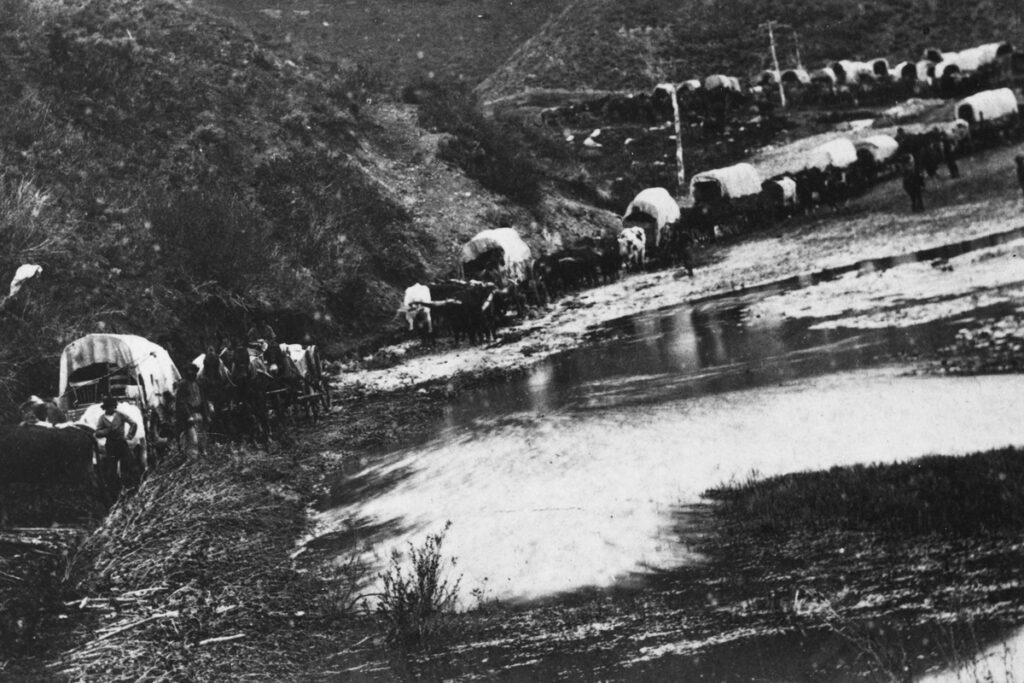
River crossings were another constant hazard. Before ferries and bridges became common, emigrants often had little choice but to drive their wagons directly into swift rivers. Strong currents overturned wagons, panicked draft animals, and swept away people and supplies. In 1850 alone, 37 emigrants drowned attempting to cross Wyoming’s Green River.
Firearms also proved more dangerous than many travelers expected. Fear of attacks led most wagon trains to carry impressive arsenals, but many emigrants had little experience handling guns. Accidental shootings were common, whether during hunting trips or while carelessly loading and unloading weapons.
Weather Made Every Mile Harder
Even when nothing went catastrophically wrong, the weather could make life miserable for travelers, and sometimes deadly.
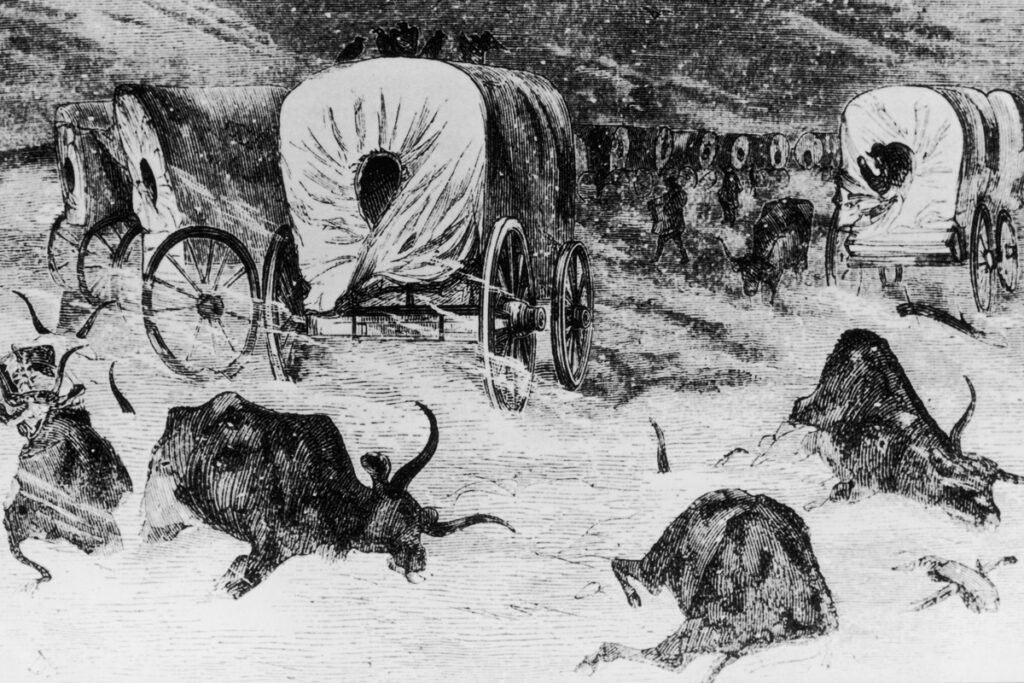
Summer heat baked the plains, drying out wagon wheels so that emigrants had to soak them in rivers overnight to keep their iron rims from slipping loose. Dust hung so thick that some travelers compared it to flour. Thunderstorms brought lightning, hail, and flash floods, while early snowstorms in the mountains could strand wagon trains in freezing conditions.
Exposure and dehydration claimed lives directly, but weather also magnified every other danger. Exhausted people were more likely to become sick, make mistakes around livestock or guns, or misjudge a river crossing after weeks of relentless heat.
Other Dangers
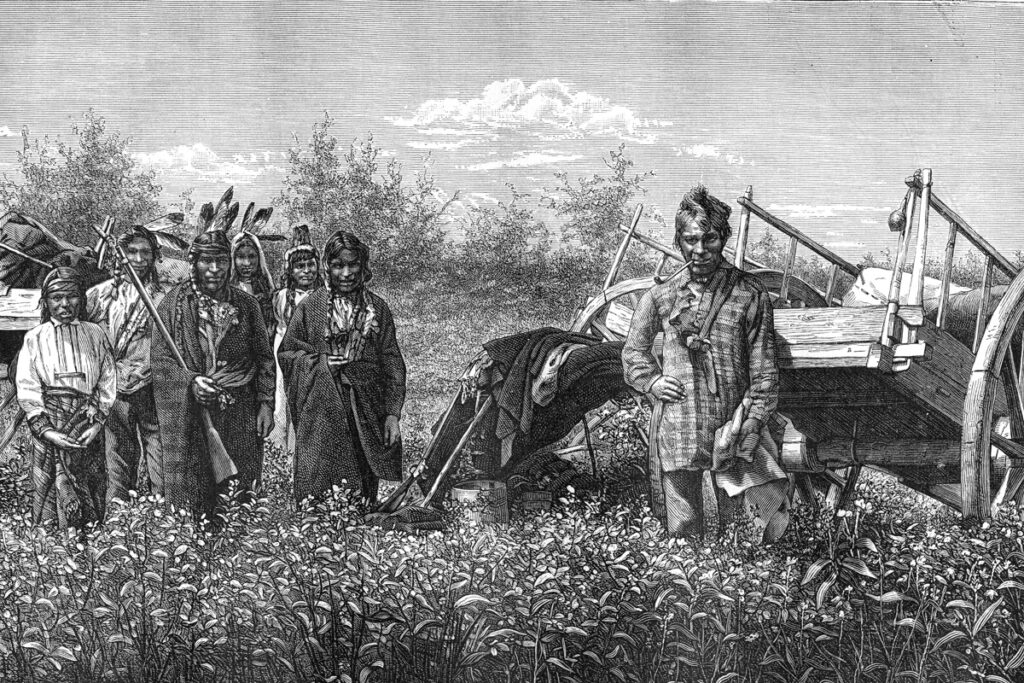
Many emigrants began the journey expecting attacks by Indigenous peoples to be their greatest threat. In reality, those attacks were relatively uncommon compared to disease and accidents.
Most encounters between emigrants and Native people were peaceful. Tribes frequently traded fresh food, moccasins, and other supplies with travelers, and before commercial ferries became widespread, some even helped wagons cross dangerous rivers in dugout canoes. Conflict certainly occurred, particularly as increasing numbers of settlers crossed Indigenous lands, disrupted hunting grounds, and introduced disease. But tales of attacks spread widely back East, reinforcing fears that were often out of proportion to the actual risk.
Wild animals also proved less dangerous than their reputation suggested. Although buffalo stampedes occasionally injured travelers and rattlesnake bites did occur, such incidents were rare compared with the relentless threats posed by contaminated water, heavy wagons, and months of physical hardship.
For most pioneers, the Oregon Trail wasn’t a single dramatic brush with death. It was a long journey on which every day brought another opportunity for illness, accident, or exhaustion to become fatal. That’s what made it so dangerous — and why so many graves still line the route across the American West.