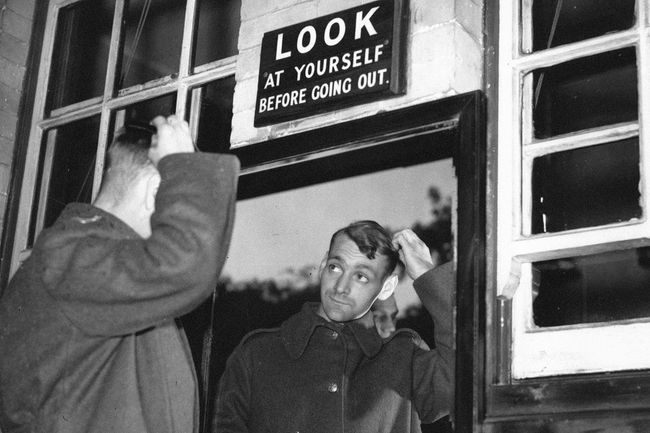



If you’ve ever shopped for mirrors in an antique shop, you may have noticed small black spots scattered across the glass. Sometimes these spots appear along the edges, but others seem to float across the surface like little shadows trapped inside the mirror. They’re not scratches in the glass, and cleaning or polishing doesn’t seem to remove them. So what causes them, and why are they so common in old mirrors?
Although we think of mirrors as shiny pieces of glass, the glass is actually only the surface we look through. The reflection comes from a thin metallic coating applied to the back. When light passes through the glass and reaches this reflective layer, it bounces back to our eyes and creates the image we see.
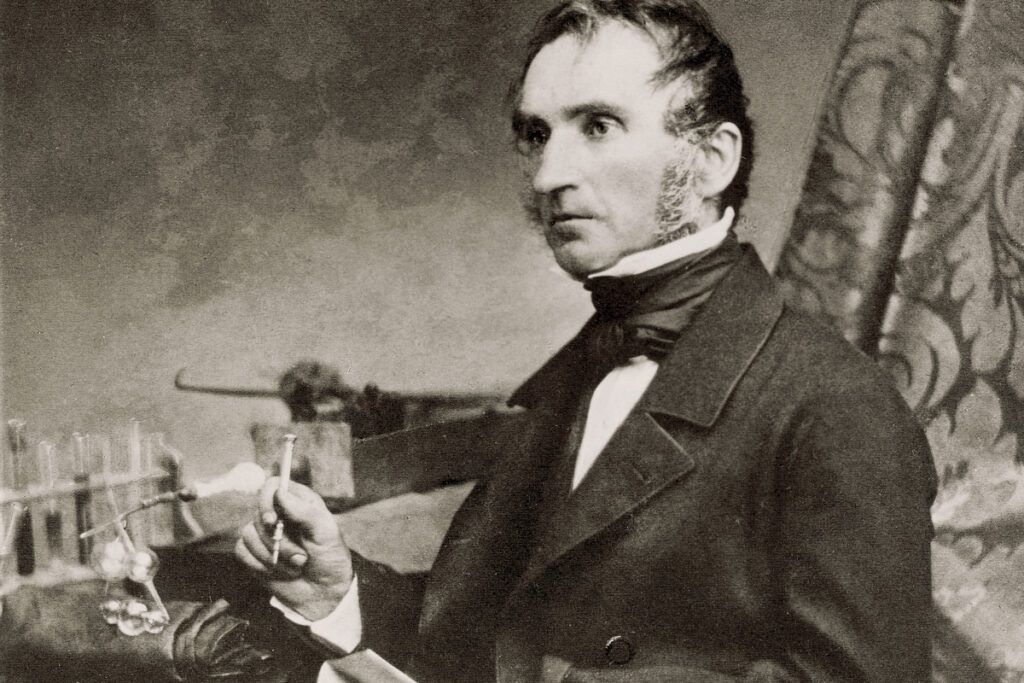
While people had been using polished metal mirrors since ancient times, producing a mirror that could clearly reflect was a difficult and expensive process. During the Renaissance era, high-quality glass mirrors were luxury items for the wealthy; Venetian glassmakers in particular became known for producing some of Europe’s most revered pieces. At the time, these mirrors were backed with reflective — and toxic — mercury. But that began to change in the 19th century. In 1835, German chemist Justus von Liebig developed a method for applying a thin layer of silver to glass, making mirrors easier and less expensive to produce and, as a result, available to more ordinary homes.
Advertisement
More from our network
History Facts is part of Inbox Studio, an email-first media company. *Indicates a third-party property.
Von Liebig’s discovery transformed mirror-making, but these new silver-backed pieces did have a weakness. By the early 20th century, the common silver layer on the back of mirrors was often sealed and protected with layers of varnish, shellac, or paint. But those protective coatings can break down over time, allowing moisture or small amounts of sulfur compounds in the air to reach the silver underneath.
When that happens, the silver becomes vulnerable to tarnishing or deterioration. As the reflective coating breaks down, it can no longer bounce light back through the glass, so instead of seeing a reflection, you’re looking through the clear glass to the dark backing or frame behind it. The damaged areas appear as those familiar dark spots. This corrosion of the reflective layer is known as desilvering, mirror rot, or, to some antique collectors and restorers, foxing.
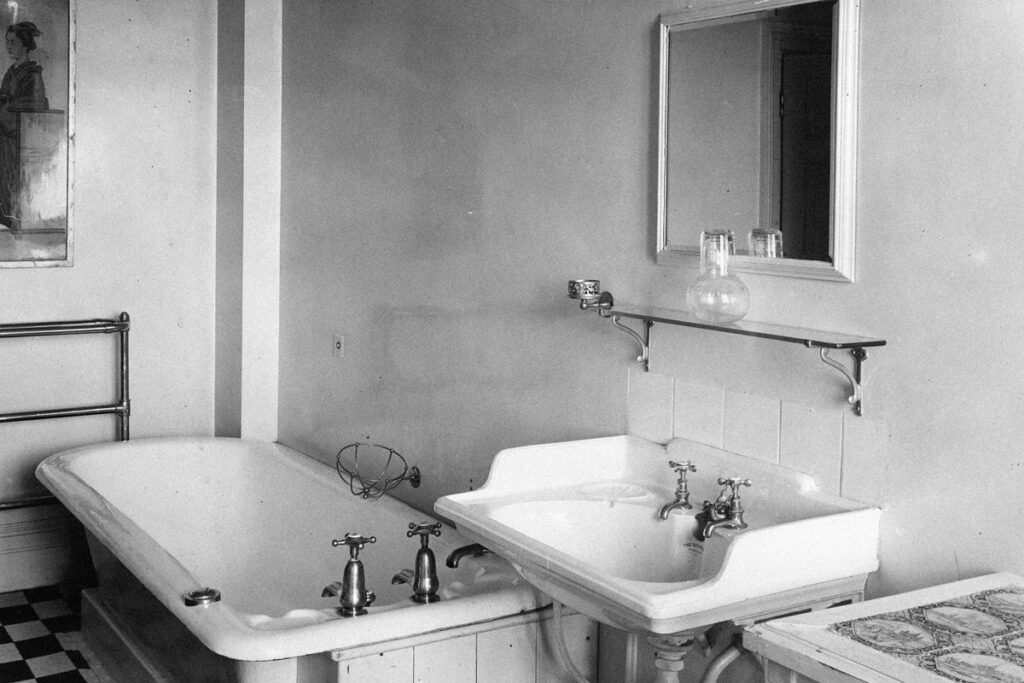
The damage typically begins around the edges, where moisture can enter most easily. Mirrors that were hung in bathrooms are especially susceptible, as years of humidity, steam, and temperature changes can slowly weaken the protective backing. Even repeated cleaning can contribute to the problem if water or cleaning products seep behind the frame.
Unlike fingerprints or surface water splatters, desilvering cannot simply be wiped away. Fixing it requires a process known, perhaps unsurprisingly, as resilvering. Before mirrors became inexpensive household items, replacing one wasn’t always practical. Instead, many communities had glass shops or specialist craftsmen who removed the deteriorated backing and applied a fresh reflective coating, restoring the mirror for many more years of use.
As mass-produced mirrors became cheaper during the 20th century, resilvering gradually faded into a niche craft reserved mostly for valuable antiques. And in the 1930s, mirror manufacturers began replacing silver with vacuum-deposited aluminum, which forms a more durable reflective coating and is still used in most modern mirrors today. Still, many collectors and old-aesthetic lovers see the dark spots as touches of character and part of the mirror’s history. Some modern designers even create new mirrors that mimic desilvered antiques, while others offer DIY guides on how to achieve intentionally aged finishes.
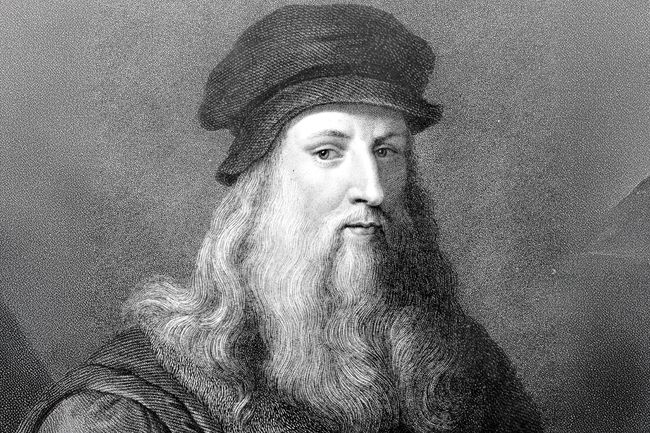
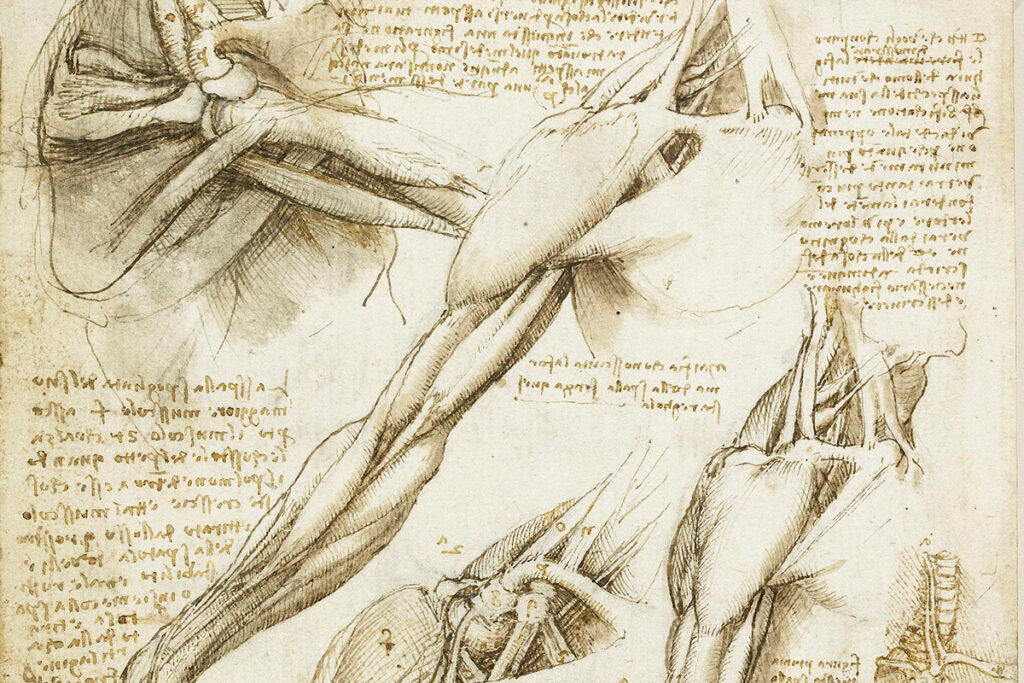
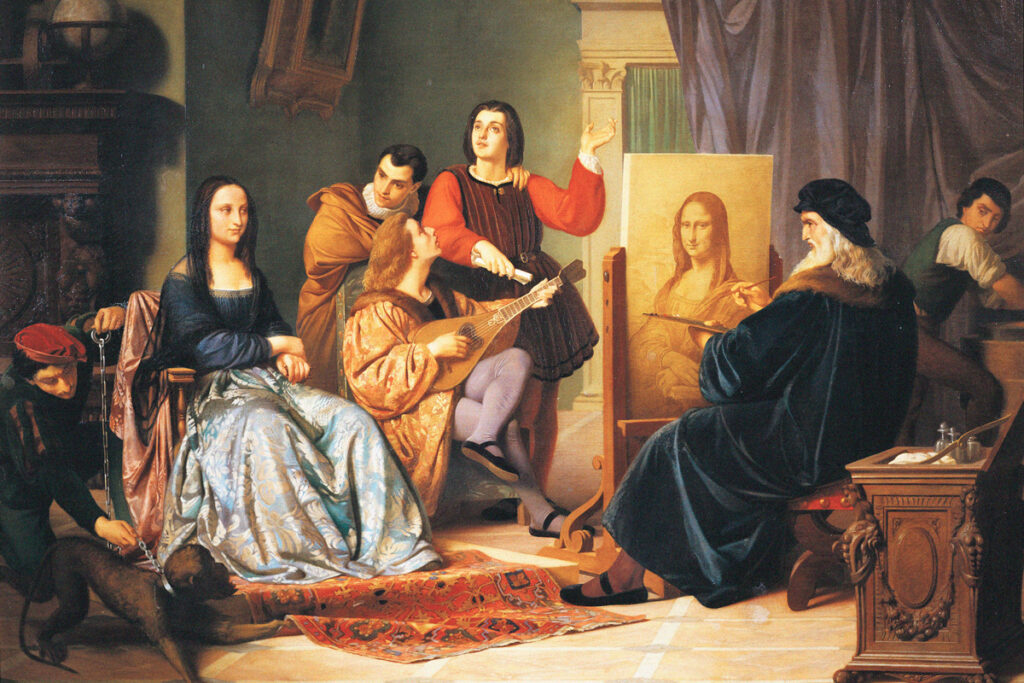
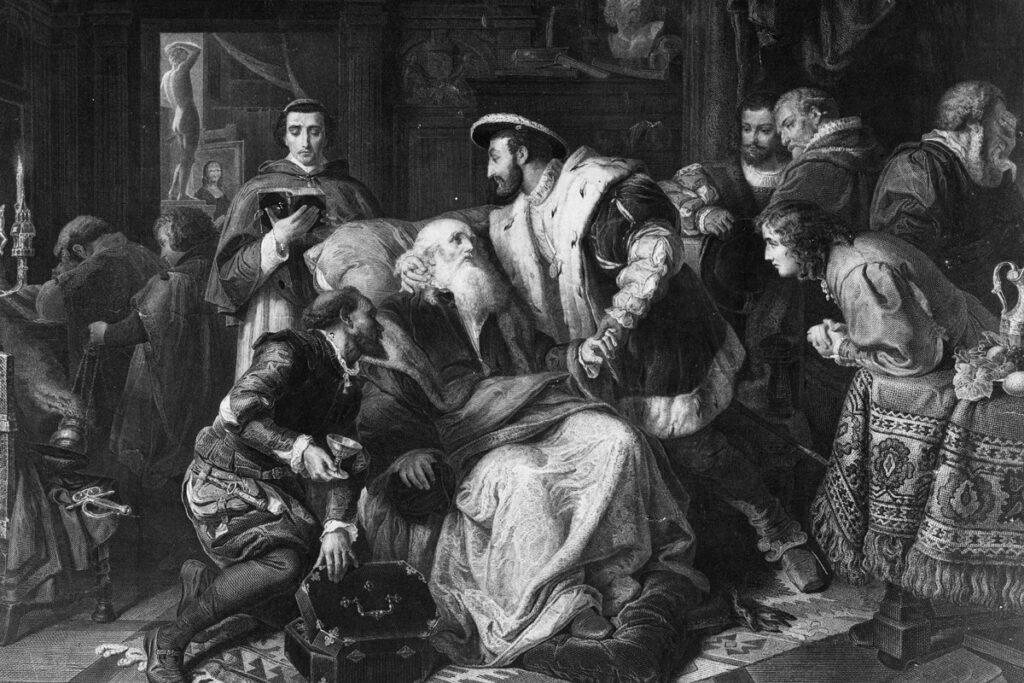
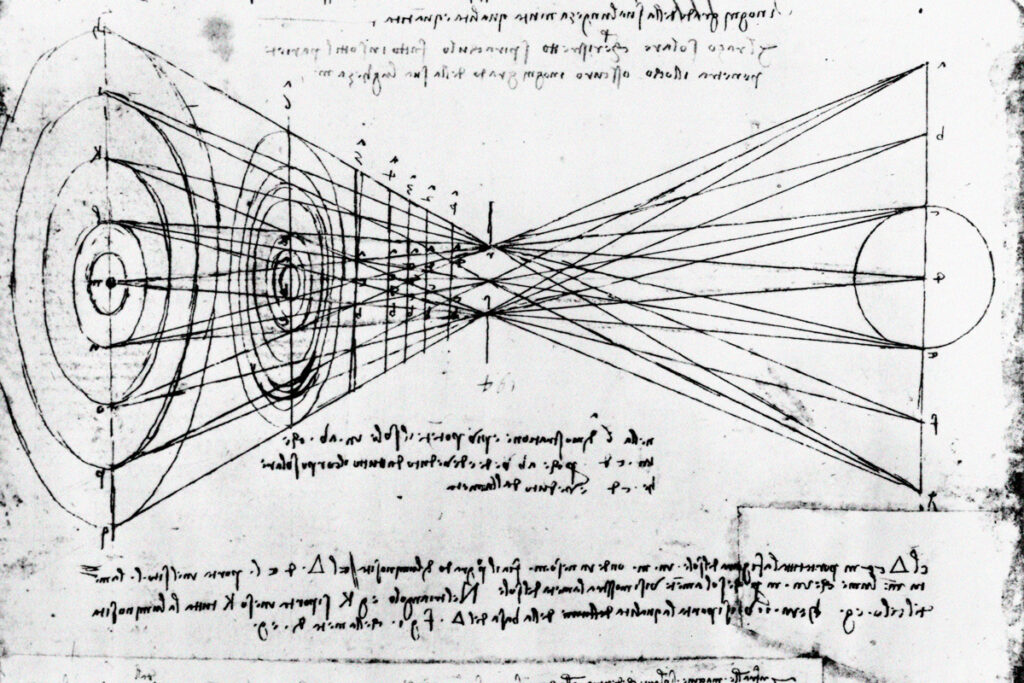
Leonardo da Vinci is remembered as one of history’s geniuses, a man whose curiosity seemed to have no limits. Born in 1452 during the Italian Renaissance, he created some of the world’s most celebrated works of art, including the “Mona Lisa” and “The Last Supper,” while filling thousands of notebook pages with observations and ideas about anatomy, engineering, nature, mathematics, and the human mind. To Leonardo, art and science were never separate pursuits — they were different ways of understanding the same world.
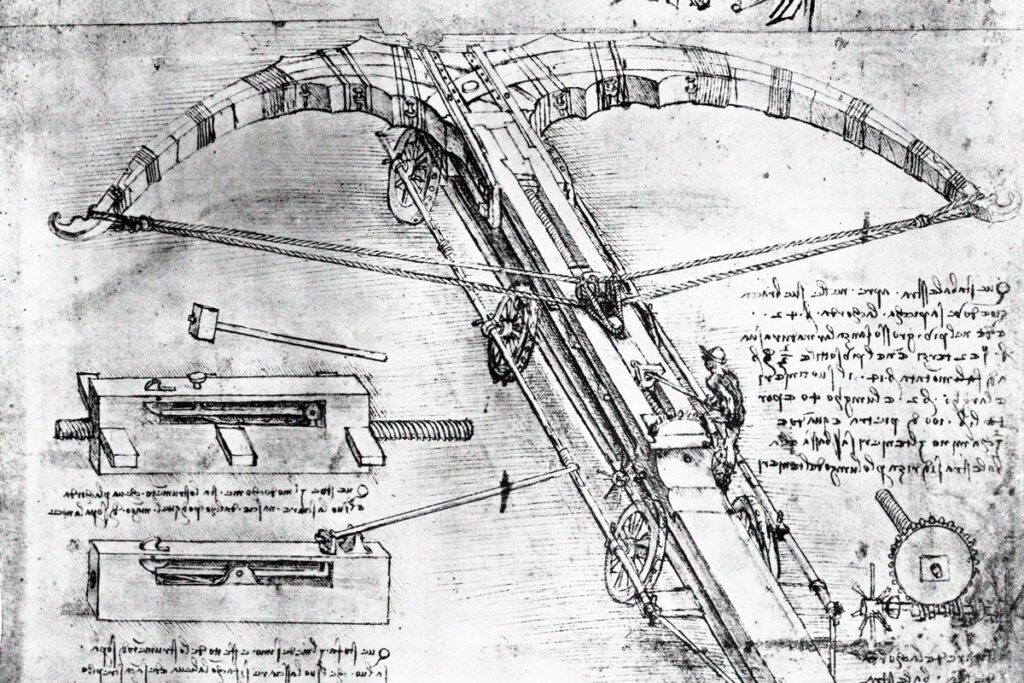
Those notebooks remain one of his greatest legacies. Rather than offering a formal philosophy of life, they capture the thoughts of someone constantly asking questions, testing assumptions, and searching for truth. Among sketches of flying machines and scientific studies are reflections on knowledge, character, time, and human nature that still feel remarkably modern. More than 500 years later, Leonardo’s words continue to hold lessons, including the five below.
The quintessential Renaissance man, Leonardo believed the mind was meant to be used, challenged, and continually expanded. He wrote that “the acquisition of any knowledge is always of use to the intellect, because it may thus drive out useless things and retain the good.” To him, learning was never wasted — every new skill, observation, or experience strengthened the mind and replaced ignorance with understanding. His own life reflected this belief as he studied everything from anatomy and engineering to botany, astronomy, and geology.
He reinforced this idea with one of his most memorable metaphors: “Iron rusts from disuse, stagnant water loses its purity and in cold weather becomes frozen, even so does inaction sap the vigor of the mind.” Leonardo believed that, whether through reading, practicing a skill, or simply asking better questions, curiosity keeps us sharp and engaged with the world.
Advertisement
More from our network
History Facts is part of Inbox Studio, an email-first media company. *Indicates a third-party property.
Leonardo returned to this idea more than once in his notebooks, seeing it as a foundation of wisdom. He observed that “nothing can be loved or hated unless it is first known,” reminding us that genuine understanding must come before any meaningful opinion can be formed. This philosophy is evident in his approach to his work: Before painting the human body, he studied anatomy, and before designing machines, he observed nature.
He reinforced the lesson when he wrote, “You do ill if you praise but worse if you censure what you do not understand.” In other words, ignorance can lead us to admire the wrong things just as easily as it can cause unfair criticism.
Leonardo understood that the value of life is found not in the number of years we are given, but in how meaningfully we use them. He wrote, “As a day well spent procures a happy sleep, so a life well employed procures a happy death.” Just as a fulfilling day brings peace at the end of the evening, a life guided by purpose brings satisfaction when you look back on it.
He expressed the same idea even more simply when he wrote, “Life if well spent, is long.” Leonardo measured life not by time alone, but by experiences, growth, and contribution. A person who spends time learning, creating, helping others, and pursuing what matters can live a deeply rich life regardless of its length. We cannot control how much time we receive, but we can choose how intentionally we spend it.
Character Matters More Than Wealth or Accomplishment
Despite his own success, Leonardo believed the greatest measure of a person was not what they possessed or achieved, but their character. He wrote, “That is not riches, which may be lost; virtue is our true good and the true reward of its possessor.” He recognized that wealth, status, and recognition can be fleeting, but qualities such as integrity, compassion, and wisdom cannot be taken away.
He expressed this idea elsewhere in his writing, too: “Good culture is born of a good disposition; and since the cause is more to be praised than the effect, I will rather praise a good disposition without culture, than good culture without the disposition.” Ultimately, he believed skills can be learned and achievements can be earned, but character determines how those gifts are used and the legacy they leave behind.
Leonardo believed that understanding begins with careful observation. “All our knowledge has its origins in our perceptions,” he wrote, expressing his belief that discovery begins with paying attention to the world around us. Before theories, inventions, or works of art can be created, there must first be a willingness to look closely and learn from experience.
He also wrote, “If you wish to have knowledge of the forms of things, you will begin with their details, and not go on to the second until you have the first well fixed in memory and in practice.” Leonardo understood that details and the larger picture are inseparable. The smallest observations often reveal the greatest insights, a principle that shaped everything from his paintings to his scientific studies.
The lesson for our own lives is that we often miss what matters because we move too quickly. Leonardo’s work reminds us that curiosity begins with observation — and that a deeper understanding of the world starts with simply paying attention.
Businesses come and go, and even industry titans are subject to the whims of the market. Just look at Woolworth’s, Circuit City, Blockbuster, Pan Am, Compaq, and Tower Records — all gone.
But some companies have impressive staying power, surviving wars, economic collapses, and centuries of shifting technology, quietly continuing to operate long after their founders are forgotten. Here are five such businesses, which count among the oldest extant companies in the world.
Recognized by Guinness World Records as the oldest hotel on Earth, this hot spring inn in Yamanashi Prefecture, Japan, has welcomed guests for more than a millennium. Founded in 705 CE, it has been run by the same family across 52 generations. In that time, numerous famous figures have walked through its doors, including the Japanese samurai Tokugawa Ieyasu (founder of the Tokugawa dynasty of shoguns in 1603) and the country’s current emperor, Naruhito.
The hotel’s longevity reflects a broader pattern in Japan, which is home to a disproportionate number of the world’s oldest companies thanks largely to an emphasis on sustainability and generational family ownership. It’s perhaps no surprise, then, that Japan is also home to the world’s second-oldest hotel, Hoshi Ryokan. And then there’s Kongō Gumi, a construction company purportedly founded in 578 CE, making it the oldest continuously operating independent company in the world — until 2006, when it became a subsidiary of the Takamatsu Construction Group.
Advertisement
More from our network
History Facts is part of Inbox Studio, an email-first media company. *Indicates a third-party property.
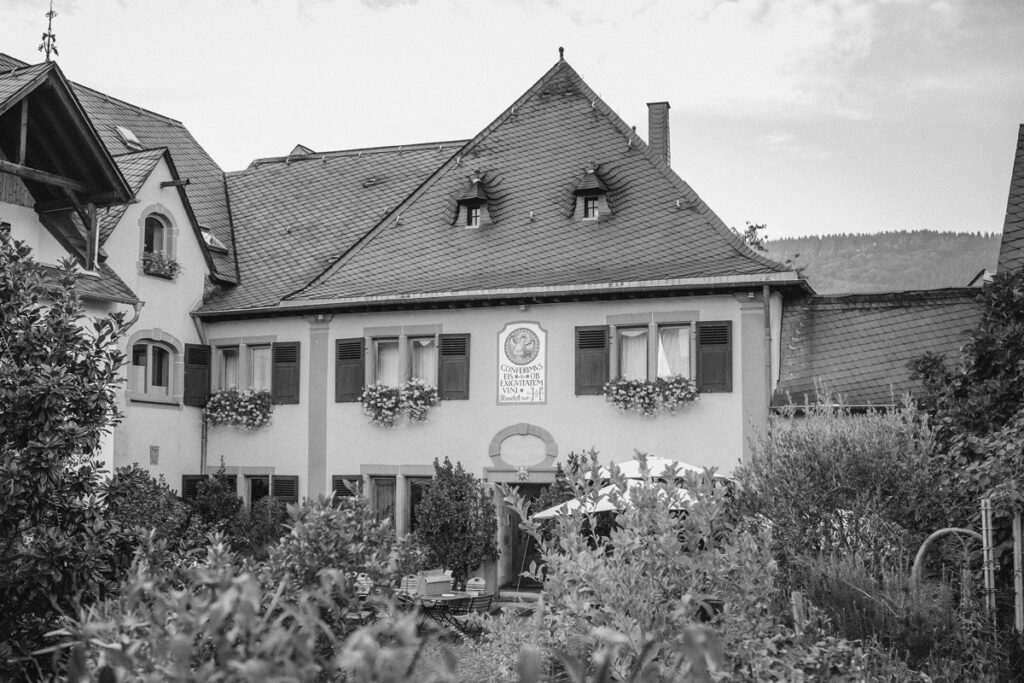
Located in Germany’s Moselle wine region, Staffelter Hof is the oldest continuously operating winery in the world. Established by Benedictine monks in 862 CE, the vineyard began producing wine at the same time the Vikings were raiding both France and Britain. It then went on to survive the collapse of the Holy Roman Empire, the Napoleonic Wars, and both World War I and II — as well as a period of state control during the French Revolution in the late 18th century. Not long after the revolution ended in 1799, the vineyard went back into private ownership and has been run by the same family ever since.
The Royal Mint was founded in 886 CE, making it the oldest surviving business in the United Kingdom. Its story began during the resettlement of London after the capital’s Viking occupation, when it started producing a silver penny of Alfred the Great (a revered Anglo-Saxon king). For centuries, the mint was housed inside the Tower of London before moving to dedicated premises in the 1800s. In 1325, it began making coins for foreign countries, a practice that continued all the way up to 2024. Today, almost 1,150 years after its foundation, it continues to produce coins for the U.K., having done so for around 60 kings and queens, including the current monarch, King Charles III.
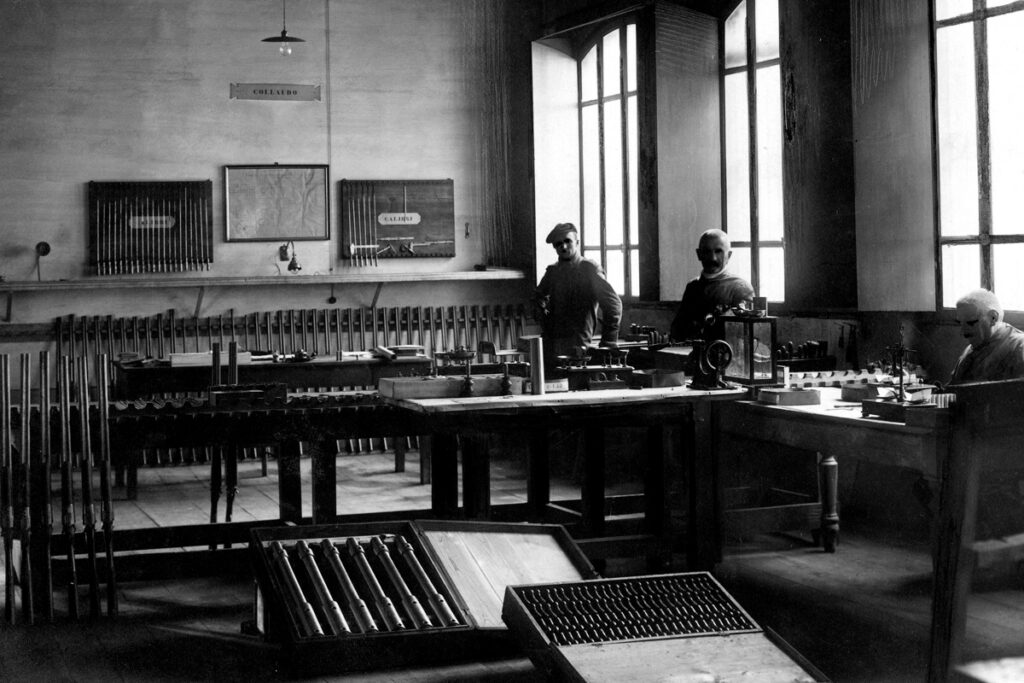
The Italian firearms manufacturing company Fabbrica d’Armi Pietro Beretta is, according to Guinness World Records, the world’s oldest weapons manufacturer. Beretta, as it is more commonly known, has been owned and operated by the same Italian family since its founding 500 years ago. Its precise foundation date is unknown, but its earliest documented sale came when Bartolomeo Beretta sold 185 harquebus barrels to the Venice arsenal for 296 ducats in 1526. The company has been supplying firearms to militaries, law enforcement, and civilian markets ever since — and has supplied weapons for every major European war since 1650. It is now run by the 15th generation of the Beretta family.
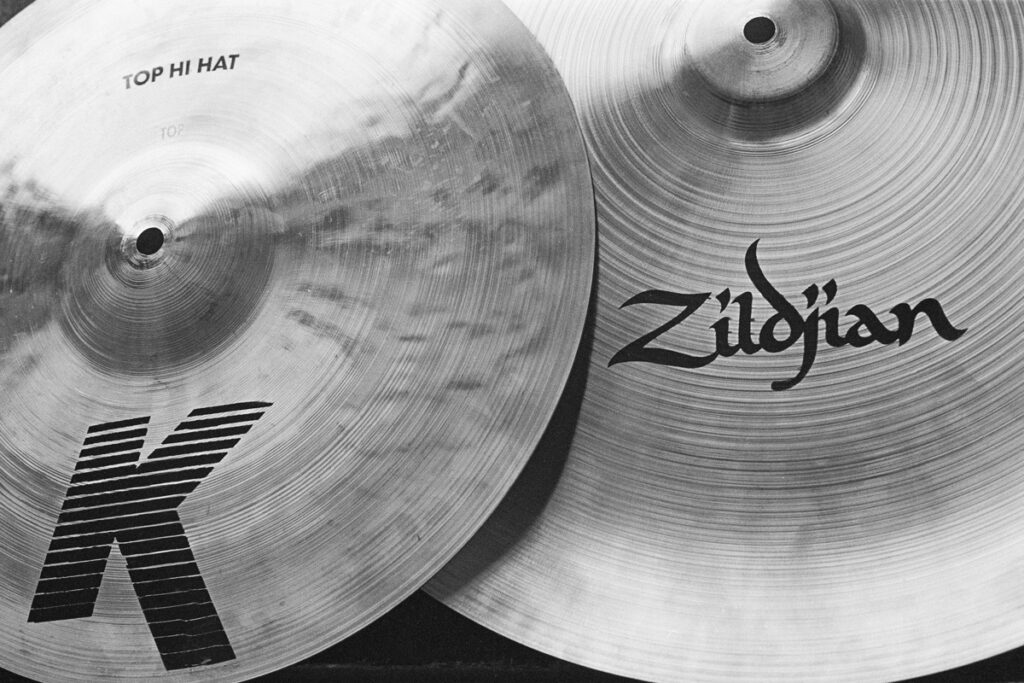
While few American companies come close to matching the age of these older institutions, the cymbal manufacturer Zildjian stands out not only as one of the oldest companies located in the U.S., but also as the world’s oldest continuously operating manufacturer of musical instruments. The company was founded in Constantinople (now Istanbul) in 1623 by Armenian alchemist and metalsmith Avedis Zildjian, who discovered a durable metal alloy that could make crisp musical sounds without shattering.
Zildjian became an established company in the Ottoman Empire and later began selling cymbals in many major European capitals. Then, in the 1920s, the family cymbal-making business relocated to Massachusetts under the ownership of Avedis III — just in time for the Jazz Age. The company, currently run by the 15th generation of the family, is now the world’s largest maker of cymbals (and drumsticks, too).
Paul Rand, the influential art director and graphic designer who created logos for IBM, UPS, and ABC, once said, “Design is the silent ambassador of your brand.” He knew how important a logo could be — more than simply identifying a company, it could become shorthand for an entire feeling, reputation, or experience.
Here’s a look at 10 iconic brand logos — designs that rank among the most recognized symbols on Earth.
Designed in 1971 by graphic design student Carolyn Davidson for a fee of just $35, the Nike swoosh is one of the most simple yet recognizable logos ever created. The single, continuous curve evokes motion and speed, echoing the wing of the Greek goddess Nike. Initially, the logo was accompanied by the word “Nike,” but in 1992 the company dropped its name from the logo and most of its marketing — a testament to the power of the swoosh.
Advertisement
More from our network
History Facts is part of Inbox Studio, an email-first media company. *Indicates a third-party property.
In 1887, bookkeeper Frank Mason Robinson designed a logo for Coca-Cola using flowing Spencerian cursive. Remarkably, the script has barely changed in more than 130 years. That consistency has made it one of the most enduring designs in commercial history. Coke’s biggest rival, Pepsi, by contrast, has redesigned its logo more than a dozen times since the company was formed in 1893, seemingly favoring bold reinvention over Coca-Cola’s steady continuity.
In the mid-1990s, Sponsorship Research International conducted a survey of 7,000 people across six countries and found that more people recognized the McDonald’s golden arches (88%) than the Christian cross (54%). The symbol started out as a basic architectural feature — two arches at either end of a building — created to make the fast-food restaurants more visible from the highway. These double arches later inspired the “M” design, introduced in 1968, creating one of the most iconic logos of all time.
FedEx’s logo is famous for its hidden arrow, formed in the negative space between the “E” and “X.” Designed by Lindon Leader in 1994, the arrow subtly suggests speed and precision. It’s frequently cited in design education as a prime example of the use of negative space, proving that the most impactful and memorable ideas aren’t always the most obvious ones.
The original Starbucks logo, created when the company was founded in 1971, featured the brand’s name in a circle around a two-tailed mermaid inspired by Seattle’s maritime history. And while sirens are famous for luring sailors, Starbucks hoped to attract coffee lovers. Originally, the bare-breasted mermaid had a somewhat risqué appearance, until the logo’s designer, Terry Heckler, decided to strategically reposition her hair when the logo was updated, and the mermaid figure simplified, in 1987. Over the years, the logo was simplified and the Starbucks name was eventually removed entirely. As with the Nike swoosh, the logo became strong enough to stand on its own without the need for lettering.
In 2023, research by Vanarama found that BMW had the most recognizable car logo worldwide. The circular badge, or roundel, features blue and white quadrants set inside a black ring — a design choice that reflects the colors of the flag of Bavaria, where the company has its roots. Rival Mercedes-Benz came second in the Vanarama poll. Its elegant three-pointed star represents land, sea, and air — the three environments the company set out to dominate with its Mercedes-Benz engines.
Back in 1900, Shell’s original logo was a black-and-white mussel shell. Many theories exist about why the logo changed from a mussel to a scallop; according to one, it was the idea of an Indian businessman who imported Shell kerosene, and whose family had three scallops in their coat of arms. The now-iconic scallop shell — or pecten — was introduced in 1904. It was simplified over the following decades, with the bold red and yellow colors added in 1948, helping the logo stand out in the crowded environment of gas stations.
Disney’s logo has undergone various transformations in the company’s journey from small animation studio to global entertainment powerhouse. From the 1930s onward, the logo has featured a stylized version of Walt Disney’s own signature, giving the brand a personal touch. In 1984, the script was paired with the fairy-tale castle used in the opening credits of Disney movies. Today, a handful of variations are used, ranging from a simple, stylized “Disney” to the full “Walt Disney” lettering with the castle above it.
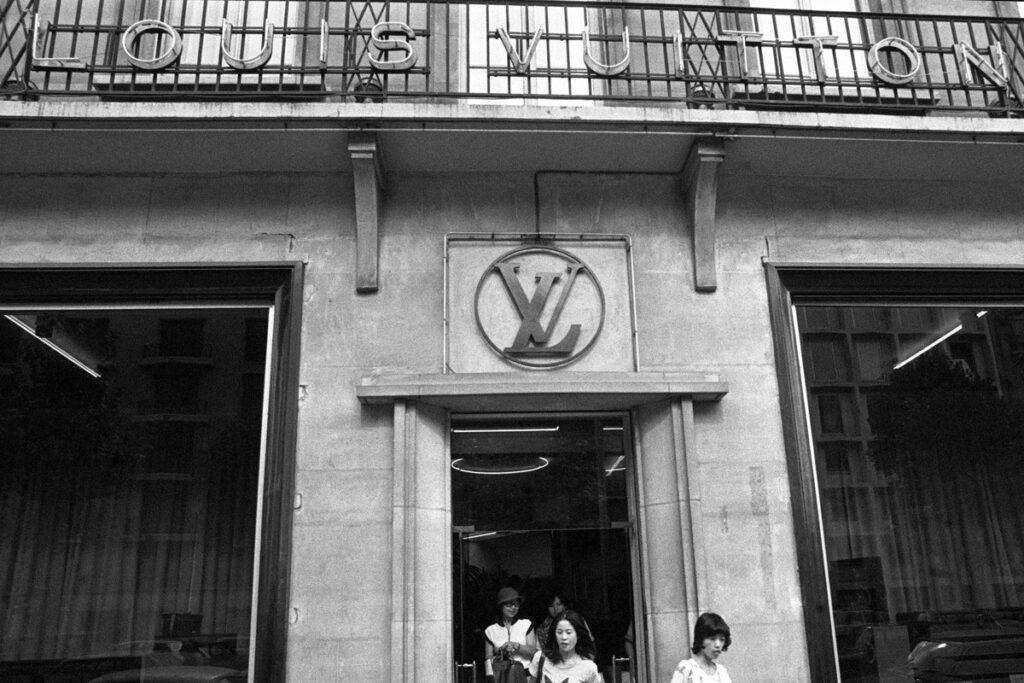
In the world of luxury labels, Louis Vuitton’s logo is not only one of the most iconic, but also one of the oldest. The LV monogram was created in 1896 by Georges Vuitton, and the interlocking initials have remained instantly recognizable ever since. Today, the Louis Vuitton logo has the dubious privilege of being the most frequently faked in the world. According to Entrupy’s 2026 “State of the Fake” report, Louis Vuitton is the most counterfeited luxury brand globally, with fakes representing a total value of around $857 million.
The World Wildlife Fund’s panda logo is perhaps the most iconic symbol of conservation across the globe. Created in 1961 — the year the WWF was founded — the inspiration for the logo came from Chi-Chi, a giant panda that arrived at London Zoo that same year. The panda’s simplified, black-and-white, high-contrast form makes it instantly recognizable even at small sizes, and the choice of a globally beloved endangered species helped convey the WWF’s conservation mission directly within its distinctive logo.
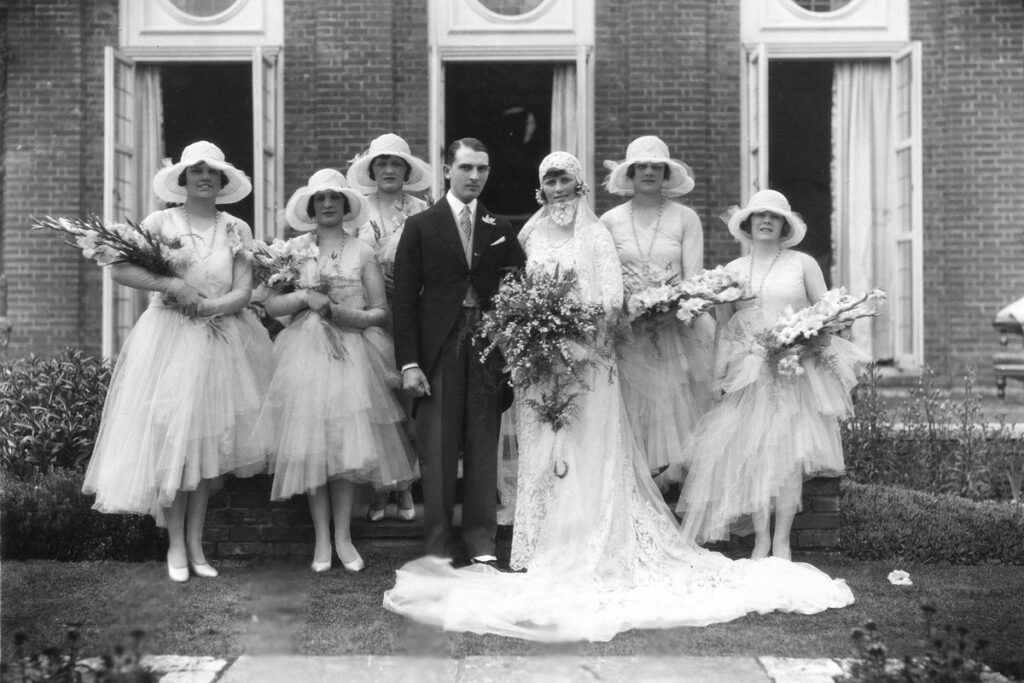
Bridesmaids and groomsmen are among the most recognizable wedding traditions. These groups of close friends and family members are often a crucial part of celebrations today — a wedding party helps plan events, offers emotional support, and stands beside the couple on their wedding day.
But where did this tradition start? Were groomsmen warriors who protected the couple from disapproving relatives? Were bridesmaids meant to distract and ward off evil spirits? Myths abound, but the origins of these roles are actually much more practical than fantastical.
The idea of having trusted people participate in a marriage ceremony dates back thousands of years. In many ancient societies, marriage was not only a personal relationship between two people but also a legal, religious, and social agreement involving families and communities. Because weddings represented important social bonds, other people often served as witnesses, helpers, and participants.
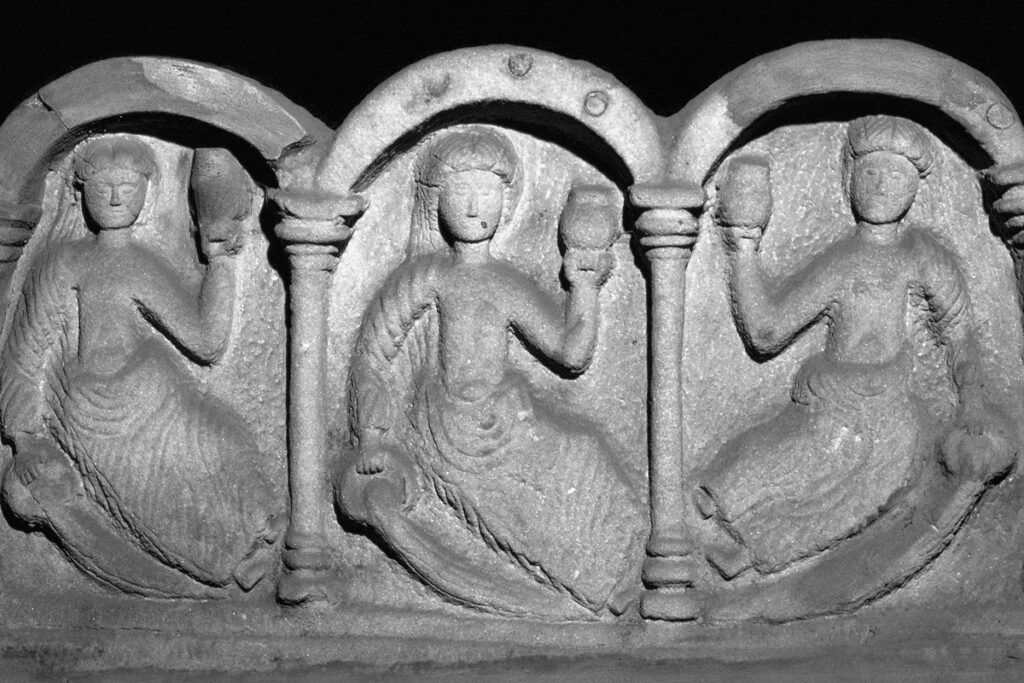
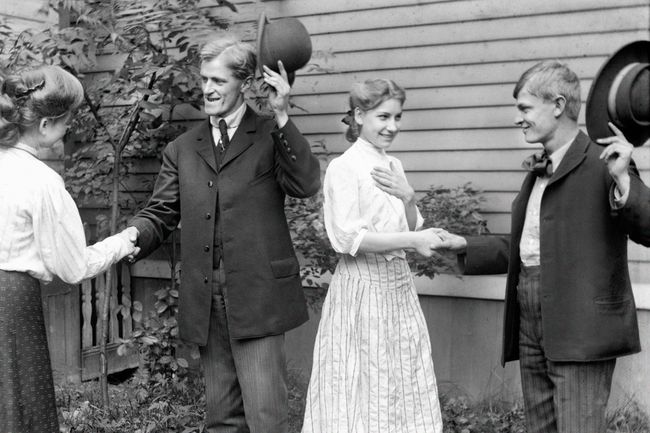
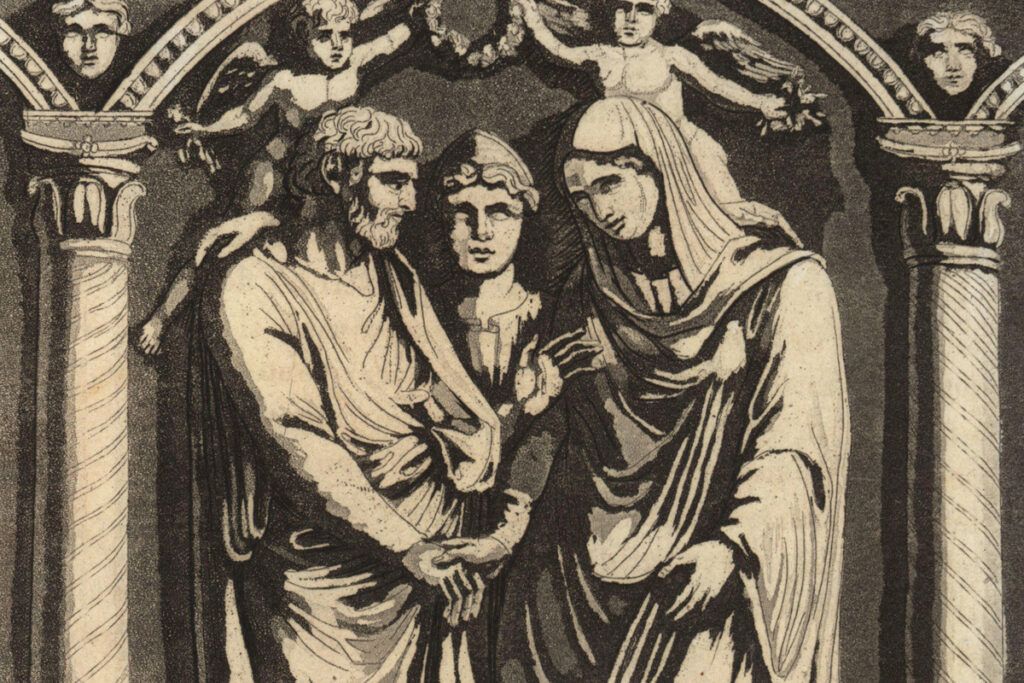
Ancient Rome provides some of the earliest surviving written descriptions of wedding attendants. Roman marriage ceremonies included a woman known as thepronuba, typically an older married woman who played an important ceremonial role. During the ritual, she assisted the bride and performed the symbolic joining of the bride and groom’s right hands (dextrarum iunctio).
Roman weddings also included formal customs and religious traditions involving family members. These participants helped make the ceremony possible and reinforced the idea that marriage was a public event affecting more than just the couple. Over time, wedding customs changed across cultures, but the involvement of trusted companions remained a consistent feature.
Advertisement
More from our network
History Facts is part of Inbox Studio, an email-first media company. *Indicates a third-party property.
The wedding attendants we recognize today developed primarily from European wedding traditions, although many cultures around the world have long included attendants or ceremonial helpers in marriage celebrations. In medieval and early modern Europe, marriage ceremonies often involved relatives, household members, and other participants who helped support the proceedings.
The terms “bridesmaid” and “groomsman” appeared later in English — “bridesmaid” in the 16th century and “groomsman” in the 17th century — and the responsibilities of these roles varied depending on the time period, culture, and social status of the couple. Wealthy families often held elaborate weddings requiring many people to assist with clothing, ceremonies, and celebrations, while smaller communities relied on close friends and relatives for practical help and support.
Over time, attendants became less focused on practical assistance and more closely associated with friendship, loyalty, and emotional support. Certain attendants also took on more prominent roles. The title “maid of honor” originally referred to an unmarried female attendant at a royal court, particularly one who served a queen or princess. By the 19th century, it was also used for the bride’s principal attendant. If that attendant was married, she was traditionally known as the matron of honor.
The groom’s chief attendant was historically known as a groomsman. The term “best man” emerged in the early 19th century, with Scottish origins, and eventually became the more common title. Although the names developed separately, both roles reflect the long-standing tradition of choosing close companions to support the bride and groom during marriage ceremonies.
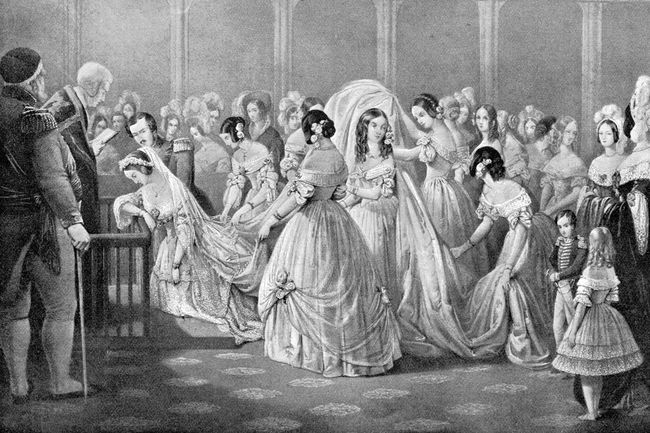
The Victorian era played an important role in shaping the wedding traditions familiar today. During the 19th century, weddings became increasingly influenced by ideas of romance, family, social status, and public presentation. The rise of newspapers, illustrations, and mass-produced images allowed royal weddings and fashionable ceremonies to reach a much wider audience than ever before.
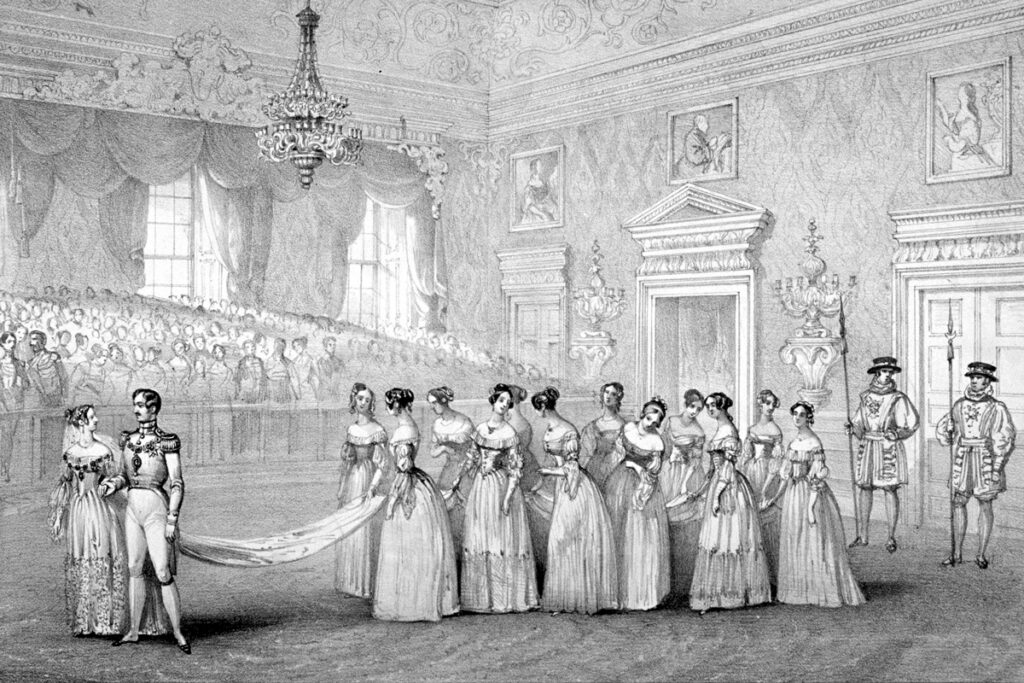
Queen Victoria’s 1840 wedding to Prince Albert became one of the most influential examples. While bridesmaids, groomsmen, and other wedding attendants existed long before her marriage, Victoria’s highly publicized ceremony helped popularize a more formal and carefully coordinated approach to weddings. Her white wedding dress became especially influential, and the visual presentation of the ceremony — including the role of attendants surrounding the bride and groom — helped shape public expectations of what a wedding should look like.
Victorian weddings emphasized symbolism and appearance, transforming attendants from primarily practical helpers into important representatives of friendship, family, and social connection. The wedding party became not only a group of people assisting with the ceremony, but also a visible expression of the couple’s closest relationships — a role that continues in modern weddings.
Like many wedding traditions, the history of bridesmaids and groomsmen blends documented customs with centuries of folklore — which means that some of the most familiar stories about their origins are romantic, dramatic, and difficult to prove.
One popular legend claims that bridesmaids dressed similarly to the bride to confuse evil spirits or people who wished her harm. This idea likely grew from ancient and medieval beliefs about protecting the bride from bad luck or supernatural forces, but historians have found little evidence that it explains the origin of the bridesmaid as a formal wedding role.
A similar legend suggests that groomsmen were originally warriors who defended the groom, protected the bride from angry relatives, or even helped carry her away if her family opposed the marriage. While practices such as bride capture existed in some societies, there is little historical evidence that the modern role of the groomsman developed from these traditions. Instead, the story appears to have grown from later interpretations of historical marriage customs rather than documented evidence.
The historical record points to a simpler explanation. In societies ranging from ancient Rome to Victorian Britain, marriage was a public event that involved families, witnesses, and communities. Wedding attendants helped support the ceremony, represented important social relationships, and reinforced the significance of the union. The size and formality of the wedding party varied by culture and social status — from the required witnesses at Roman ceremonies to the elaborate bridal parties of the Victorian era — but the underlying idea remained the same.
The legends surrounding bridesmaids and groomsmen continue to endure because they add mystery and romance to wedding traditions. But the documented history is perhaps just as meaningful — for centuries, couples have chosen the people they trust most to stand beside them as they begin married life.
The Oregon Trail has long occupied a special place in the American imagination — a fascination boosted by the popularOregon Trail computer game, where players regularly suffered from dysentery, snakebites, and broken wagon axles. The real journey west was every bit as grueling — but not always for the reasons popular culture suggests.
An estimated 350,000 people traveled the Oregon Trail and similar overland routes between the early 1840s and the completion of the transcontinental railroad in 1869. Historians estimate that at least 20,000 of them died along the way, making the route what the National Park Service has called “the nation’s longest graveyard.”
While estimates vary, as many as one in every 10 travelers never reached their destination. Pioneers fell victim to all kinds of peril, but most often disease, accidents, and the unforgiving realities of spending several months crossing nearly 2,000 miles of wilderness.
By far the deadliest threat on the Oregon Trail was disease. Historians estimate that illness claimed thousands of lives, with cholera killing more emigrants than any other disease.
Cholera was especially terrifying because it struck with astonishing speed. Caused by bacteria spread through water contaminated with human waste, the disease was part of a worldwide pandemic that reached North America in the mid-19th century. As emigrants gathered in crowded outfitting towns and then traveled west, they unknowingly carried the bacteria from one campsite and waterhole to the next. A healthy traveler could develop stomach cramps and violent vomiting after breakfast and be dead from dehydration by nightfall.
The suffering left a lasting impression on those who survived. George Tribble, who traveled west in 1852, later recalled that “for four hundred miles the road was almost a solid graveyard.” Of the 10 members of his family who began the journey, only five reached Oregon.
But cholera was just one of many illnesses that plagued wagon trains. Dysentery, measles, smallpox, pneumonia, typhoid, and scurvy also took their toll. Medical knowledge was limited, and treatments ranged from castor oil and quinine to laudanum, an opium-based tincture that eased pain but did little to cure disease. Poor sanitation, contaminated water, malnutrition, and sheer exhaustion created ideal conditions for sickness to spread.
Advertisement
More from our network
History Facts is part of Inbox Studio, an email-first media company. *Indicates a third-party property.
The Oregon Trail was dangerous even when no one was sick, though. Everyday mishaps killed hundreds of emigrants, often in sudden and tragic ways.
Wagon accidents were among the most common. Adults and children sometimes slipped while climbing aboard or walking alongside the slow-moving wagons and fell beneath the heavy wooden wheels. Others were kicked or dragged by oxen, horses, or mules.
River crossings were another constant hazard. Before ferries and bridges became common, emigrants often had little choice but to drive their wagons directly into swift rivers. Strong currents overturned wagons, panicked draft animals, and swept away people and supplies. In 1850 alone, 37 emigrants drowned attempting to cross Wyoming’s Green River.
Firearms also proved more dangerous than many travelers expected. Fear of attacks led most wagon trains to carry impressive arsenals, but many emigrants had little experience handling guns. Accidental shootings were common, whether during hunting trips or while carelessly loading and unloading weapons.
Even when nothing went catastrophically wrong, the weather could make life miserable for travelers, and sometimes deadly.
Summer heat baked the plains, drying out wagon wheels so that emigrants had to soak them in rivers overnight to keep their iron rims from slipping loose. Dust hung so thick that some travelers compared it to flour. Thunderstorms brought lightning, hail, and flash floods, while early snowstorms in the mountains could strand wagon trains in freezing conditions.
Exposure and dehydration claimed lives directly, but weather also magnified every other danger. Exhausted people were more likely to become sick, make mistakes around livestock or guns, or misjudge a river crossing after weeks of relentless heat.
Many emigrants began the journey expecting attacks by Indigenous peoples to be their greatest threat. In reality, those attacks were relatively uncommon compared to disease and accidents.
Most encounters between emigrants and Native people were peaceful. Tribes frequently traded fresh food, moccasins, and other supplies with travelers, and before commercial ferries became widespread, some even helped wagons cross dangerous rivers in dugout canoes. Conflict certainly occurred, particularly as increasing numbers of settlers crossed Indigenous lands, disrupted hunting grounds, and introduced disease. But tales of attacks spread widely back East, reinforcing fears that were often out of proportion to the actual risk.
Wild animals also proved less dangerous than their reputation suggested. Although buffalo stampedes occasionally injured travelers and rattlesnake bites did occur, such incidents were rare compared with the relentless threats posed by contaminated water, heavy wagons, and months of physical hardship.
For most pioneers, the Oregon Trail wasn’t a single dramatic brush with death. It was a long journey on which every day brought another opportunity for illness, accident, or exhaustion to become fatal. That’s what made it so dangerous — and why so many graves still line the route across the American West.
Think back to a favorite dish from childhood — one that appeared at family gatherings, holiday feasts, or Sunday dinners. Maybe it was a casserole or a dessert, or a special family recipe that had been handed down from one generation to the next. Yet somehow, you haven’t tasted it in years.
Food reflects the time in which it’s made. Advances in refrigeration, the rise of convenience foods, changing ideas about nutrition, and evolving home cooking habits have gradually pushed many once-popular recipes into obscurity. The six dishes that follow were all considered perfectly respectable fare in their day. Today, however, most home cooks would hesitate before serving them — a reminder that even the most beloved recipes can fade as culinary traditions evolve.
Salmon mousse, often served in a fish-shaped mold, represented the height of 20th-century entertaining. Recipes of this type appeared in American cookbooks such as theBetter Homes Recipe Book(1926) and The Silver Palate Cookbook (1982). The dish typically combined salmon, mayonnaise or heavy cream, seasonings, and gelatin before being chilled in a decorative mold.
For decades, molded foods were considered stylish because they looked impressive and could be prepared ahead of time for guests. (The refrigerator helped make these dishes practical for the modern hostess.) By the late 20th century, however, savory gelatin dishes became associated with an earlier era of entertaining. While some retro cooks have revived them, salmon mousse is no longer a common sight at family gatherings.
Advertisement
More from our network
History Facts is part of Inbox Studio, an email-first media company. *Indicates a third-party property.
Calf’s brains were once a respected delicacy rather than an unusual curiosity. Recipes for preparing brains appeared in classic cookbooks such as Julia Child’s Mastering the Art of French Cooking (1961), where organ meats were treated as valuable ingredients that could be transformed into refined dishes with sauces, butter, herbs, and seasonings.
The popularity of brains reflected a time when cooks used nearly every part of an animal and considered offal an important part of good household cooking. As meat became more commonly sold in convenient cuts and attitudes toward organ meats changed, dishes like calf’s brains with brown butter largely vanished. Today, the texture, preparation, and unfamiliar main ingredient make it a recipe few modern cooks would attempt.
Savory aspics were once a symbol of careful cooking and formal dining. Recipes for egg, chicken, veal, and similar gelatin-based dishes appeared throughout the 19th and 20th centuries in cookbooks such asFannie Fox’s Cook Book (1923). These recipes required preparing clear gelatin, arranging ingredients attractively, and creating a finished dish that was as decorative as it was edible.
Aspic was popular because it turned ordinary ingredients into something that looked elaborate and sophisticated. It was especially suited to formal meals where presentation mattered as much as flavor. Modern cooks, however, rarely have the time or interest required for clarifying gelatin and carefully arranging food inside a translucent mold. While savory aspics have made something of a comeback in foodie circles, they mostly represent a once-fashionable dish that has faded away.

Steamed suet puddings were a cornerstone of 17th-century British household cooking. In the United States, they appeared in 18th- and 19th-century cookbooks includingHousekeeping in Old Virginia(1879). Varieties such as plum or fig suet pudding combined flour, dried fruit, spices, and suet — a firm animal fat — before being slowly steamed or boiled for several hours until dense and rich.
These puddings were popular because they were filling, economical, and well suited to households that relied on preserved foods during colder months. The long cooking time and use of suet were once ordinary parts of domestic life, but modern desserts have moved toward lighter textures, quicker preparation, and more familiar fats. Today, a steamed suet pudding is more likely to be made as a historic novelty than as a regular family dessert.
Pigeon soup is one of the oldest known soups, with a version appearing on a Babylonian clay tablet dating to around 1750 BCE. The dish made its way to the United States with early settlers and remained a familiar recipe through the late 19th and early 20th centuries, appearing in cookbooks such asHow To Cook: The Housekeeper’s Friend (1902). At the time, wild pigeon and squab were commonly served in homes, hotels, and restaurants, and the soup was typically made by simmering whole birds with onions, celery, herbs, and broth.
Pigeon soup fell out of favor by the mid-20th century. The extinction of the passenger pigeon in 1914, the widespread availability of inexpensive chicken, and changing tastes all contributed to its decline. Today, few Americans would consider making soup from whole pigeons, but squab — a young pigeon that has never flown — is considered an expensive delicacy.
One of the most famous examples of historical imitation cuisine is mock turtle soup, which appeared in many 18th- and 19th-century cookbooks. True turtle soup was considered a luxury dish, but because turtle was expensive and difficult to obtain, cooks developed a substitute using calf’s head and other ingredients to recreate the rich texture and flavor associated with turtle meat. The dish became so popular that it even inspired the Mock Turtle character inAlice’s Adventures in Wonderland(1865), a sign of how familiar the recipe was to Victorian-era readers.
Mock turtle soup remained a dinner party staple for generations because it represented ingenuity and refinement. It was the kind of elaborate dish served at formal dinners and special occasions where cooks demonstrated their skill through lengthy preparation. Today, the recipe has all but disappeared because few home cooks are interested in preparing calf’s head, extracting gelatinous textures, and spending hours creating a soup designed to imitate a food that is itself rarely eaten.
Today, sailing vessels and naval fleets use reverse-osmosis desalination systems to get drinking water right from the ocean. But before the modern age, sailors had one major preoccupation beyond storms, scurvy, shipwreck, and pirates: the need for fresh water.
Surrounded by undrinkable seawater on every side, they were perpetually at risk of dehydration. Fresh water was not merely a comfort but a survival necessity, and obtaining it consumed an extraordinary amount of a sailor’s time, planning, and ingenuity. Here’s a look at how ships kept vital fresh water on hand even when they were miles from land.
The most fundamental solution was the simplest: Carry as much fresh water as possible from shore before setting out. During the golden age of sail — roughly the 16th to 19th centuries — ships stored their water in large wooden casks or barrels — typically oak — stacked in the hold.

Deciding how much water was needed before setting sail was a key logistical decision, especially given the space constraints on board. The amount depended on the number of crew members on the ship, the length of the voyage, and how much time there was between stops (if there were any). Once the ship set sail, water had to be strictly rationed — each sailor typically received around half a gallon per day — and running short before the next landfall was a constant and very real danger.
Limited space for provisions wasn’t the only problem — the wooden casks were also imperfect containers. Water stored in them quicklybecame stale, developed algae, and could be contaminated by wood decay, turning the precious fresh water into a foul-smelling liquid that could pose a severe health risk to anyone who drank it. On longer voyages, therefore, prestored water alone was rarely enough to keep sailors healthy and hydrated.
Advertisement
More from our network
History Facts is part of Inbox Studio, an email-first media company. *Indicates a third-party property.
No ship, no matter the size, could carry unlimited fresh water, so regular stops to refill were an essential part of almost every long voyage. Captains planned their routes carefully around known sources of fresh water. Sometimes, water could be obtained at ports and settlements. In his notes, Edward Cooke — a privateer on a round-the-world voyage in the early 18th century — recorded how a Dutch settlement at the Cape of Good Hope had “excellent Water, which is fill’d at the Bridge with Ease, being brought thither in wooden Pipes from the Bottom of the Hill.”
But restocking water supplies wasn’t always so straightforward. Making landfall to replenish water was nearly always the most urgent priority when supplies ran low, and this often had to be done by collecting water from natural sources — springs, rivers, and streams found along coastlines, islands, and river mouths. Ideally, this would be pristine fresh water, but when ships were running dangerously low, naturally occurring brackish water — saltier than fresh water, but not as salty as seawater — was sometimes loaded on board when nothing better could be found. This, however, was a short-term solution at best.
The locations of reliable fresh water sources were so valuable that they were carefully recorded in navigational journals. These were often passed between allied sailors, serving as some of the most vital sources of information a captain could possess. Being on good terms with a fellow captain offered another form of acquiring water: refilling from other ships. When a ship was low on water, it could sometimes trade with another vessel that had an excess. Even pirates sometimes supplied each other with water, proving that there is some honor among thieves.
Rainfall offered an alternative source of potable water, but this was, of course, dependent on the whims of the weather. If it rained hard enough, the water could be collected in any available container, including the ship’s main water casks. Alternatively, sailors could funnel rainwater from the sails into storage containers. But the rain had to be allowed to first wash away the accumulated salt spray from the surface of the sail before the water was fit to collect for drinking.
Rain was sometimes the difference between life and death. Silas Told, an apprentice sailor in the 18th century, found himself close to death from thirst in one of his early voyages, but was saved by the weather. Writing in An Account of the Life, and Dealings of God With Silas Told &c., he explained how “had it not been for a heavy shower of rain, off the island of Cuba, we must have perished for want.”
In such cases, when initial water stocks had run dry and land was nowhere to be seen, rainfall could be the one thing to save the lives of thirsty sailors — sailors who found themselves, in the words of Coleridge, surrounded by “Water, water, every where, Nor any drop to drink.”
The icons and symbols we use every day can feel like products of the modern world. Your phone connects via Bluetooth, your doctor’s office displays a snake-wrapped staff, and your computer is covered in tiny pictograms that tell you where to plug things in.
But many familiar symbols are far older than they appear. Some date back to the earliest civilizations, while others preserve the memory of Viking kings, ancient healers, or prehistoric artists.
Here are seven everyday symbols whose stories stretch back hundreds or even thousands of years.
Somehow, Western mathematics got along without a symbol for zero for a very long time. While placeholder symbols for the absence of a value existed in ancient Mesopotamia and other cultures, the idea of zero as a number in its own right emerged in India before spreading to the Islamic world and, eventually, Europe. (The Greeks and Romans had no symbol for zero; apparently Aristotle thought it was a waste of time.)
While it’s not clear exactly when the zero emerged in India, the earliest known example appears in what’s called the Bakhshali manuscript, discovered by a farmer in modern-day Pakistan in 1881. In 2017, researchers at Oxford’s Bodleian Library, where the manuscript is now kept, applied radiocarbon dating techniques to the birch bark material and discovered that at least parts of the manuscript date to the third or fourth century CE. Not all scholars agree on that early date, however.
The origins of the rest of the so-called Arabic numerals (1-9), which also come from India, are similarly debated, but evidence for their earliest forms goes back to about 250 BCE.
Advertisement
More from our network
History Facts is part of Inbox Studio, an email-first media company. *Indicates a third-party property.
The snake-entwined staff seen outside hospitals and medical organizations traces its roots back to the healing temples of ancient Greece. Known as the Rod of Asclepius, the symbol belonged to Asclepius, the Greek god of medicine. His sanctuaries served as centers of healing for centuries, blending practical treatments with religious ritual. The serpent itself was associated with renewal because it sheds its skin, while the staff represented healing and restoration. Together, they gradually became the enduring emblem of medicine.
The Rod of Asclepius is often confused with the caduceus — the winged staff with two snakes carried by Hermes, the messenger god. Although the caduceus became associated with medicine during the Renaissance and is still used by some organizations today, historians generally regard the single-serpent Rod of Asclepius as the older and more authentic medical symbol.
That familiar USB icon wasn’t designed from scratch — it was inspired by one of the most recognizable symbols from classical mythology. The trident-like logo takes its cues from the weapon of the Greek sea god Poseidon, known to the Romans as Neptune. Designers chose the three-pronged shape to suggest power and universality, fitting for a technology intended to connect many different kinds of devices.
The symbol’s three tips also carry meaning. Instead of spear points, they end in a circle, square, and triangle, representing the wide variety of technologies and peripherals that the Universal Serial Bus standard was designed to bring together. It’s a thoroughly modern logo built on an ancient visual motif.
Long before people wrote words, they carved spirals. The motif appears in Paleolithic cave art dating back tens of thousands of years, and it later became one of humanity’s most widespread symbols. Some of the best-known examples can be found at Newgrange in Ireland, a massive Neolithic passage tomb built around 3200 BCE — older than both Stonehenge and Egypt’s Great Pyramid of Giza. There, enormous triple spirals are carved into the entrance stones, though archaeologists still debate exactly what they meant.
Over millennia, spirals have appeared in cultures around the world, from Celtic monuments to Hindu symbolism and Indigenous American art. Because the shape occurs so widely, it has acquired many interpretations, including growth, life, the cycles of nature, and spiritual transformation. Whatever its original meaning, the spiral has remained one of humanity’s most enduring designs.
Few symbols are more closely associated with ancient Egypt than the ankh, the loop-topped cross often called the “key of life.”
The symbol first appeared during Egypt’s Early Dynastic period, more than 5,000 years ago, as the hieroglyph meaning “life.” Egyptian artists frequently depicted gods presenting an ankh to pharaohs, symbolizing the gift of life or eternal existence, and the motif also appeared on amulets, mirrors, and tomb paintings.
Although the civilization that created it disappeared long ago, the ankh never entirely vanished. Egypt’s Coptic Christians later adopted it as a symbol of eternal life, and today it remains one of the most recognizable images to survive from the ancient world.
The image of a snake swallowing its own tail has fascinated people for thousands of years. Known by the Greek name ouroboros, meaning “tail-devourer,” the symbol appeared in ancient Egyptian funerary texts from the second millennium BCE before spreading into Greek philosophy, Gnostic traditions, and later alchemy. Its circular form came to represent eternity, wholeness, and the endless cycles of death and rebirth.
The serpent’s habit of shedding its skin likely strengthened these associations, making it a natural emblem of renewal. Variations of the image also appear in other traditions, including Norse mythology, where the giant serpent Jörmungandr encircles the world. Today, the ouroboros continues to symbolize infinity, transformation, and the idea that endings and beginnings are often one and the same.
The Bluetooth logo isn’t just an abstract geometric design — it’s a depiction of the initials of a Viking king. The symbol combines two runes from the Younger Futhark alphabet: Hagall (ᚼ) and Bjarkan (ᛒ), representing the initials of Harald “Bluetooth” Gormsson, who ruled parts of Denmark and Norway in the 10th century — not quite ancient, but much older than you might think. According to tradition, Harald earned his unusual nickname from a dark, dead tooth.
When engineers from Intel, Ericsson, and Nokia collaborated on a new wireless communication standard in the 1990s, Intel engineer Jim Kardach proposed “Bluetooth” as a temporary code name. Harald had united rival Scandinavian kingdoms, and Kardach thought the new technology would similarly unite computers, phones, and other electronic devices. The nickname stuck, and so did the runic logo, making a thousand-year-old writing system part of everyday digital life.
“History is, in its essentials, the science of change.” So wrote the French historian Marc Bloch in 1949, and it’s true: History is indeed inextricably linked with change, and in some cases, the change is so fast and so monumental that just a single year can alter the trajectory of human civilization.
Certain years from the past stand apart for their impact on the course of history. The five years below (along with some honorable mentions) share a common quality: They did not merely change what was happening in the world at the time, but created the conditions that would shape the centuries to come.
Though the traditional founding date of the city of Rome is 753 BCE, the year 509 BCE — when the Roman Republic was founded — is arguably a more consequential date. It was the Roman Republic — with its consuls, Senate, separation of powers, written laws, and concept of citizenship — that created the political and legal innovations that shaped much of Western civilization. The U.S. Founding Fathers, for example, used the Roman Republic as a model for their new nation and the U.S. Constitution. Parliamentary democracy, the Senate, the veto, and habeas corpus all trace back to republican Rome.
Advertisement
More from our network
History Facts is part of Inbox Studio, an email-first media company. *Indicates a third-party property.
The foundation of Islam is unusually well documented compared to other major religions. In 610 CE, the Prophet Muhammad received his first revelation, marking the birth of the religion. Then, in 622 CE, he completed his migration from Mecca to Medina — known as the Hijra — transforming a small religious movement into a unified community that became the foundation of the Islamic state.
Within a century of the Hijra, Islam had expanded from Spain to the borders of China. The Islamic civilization grew to become a global powerhouse for roughly a millennium, at the forefront of trade, invention, and innovation. Islamic scholars flourished, turning the civilization into the leading center for science, medicine, philosophy, astronomy, math, and more, reshaping the intellectual, economic, and political architecture of the globe.
For the whole of human history until the late 15th century, the Eastern and Western hemispheres had largely evolved in isolation. That separation ended forever after Christopher Columbus made landfall in what is now the Bahamas on October 12, 1492. What followed — now known as the Columbian Exchange — was one of the most transformative social and ecological events in history. Crops, animals, and diseases moved in both directions. Old World illnesses may have killed as many as 90% of the pre-Columbian population within a century. European colonialism followed, reshaping the entire world. No single voyage in history had greater consequences for more people.
Historians disagree as to precisely when the Industrial Revolution began, but textbooks typically put the start around 1760. It was a pivotal year, with agrarian economies giving way to a world dominated by industry, machine manufacturing, and coal. Mills and steam engines, and technologies such as the spinning jenny, brought about the mechanization of manufacturing, which in turn led to the rise of the factory system, railways, steamships, rapid growth of cities, and ultimately modern global capitalism. Perhaps no development since the agricultural revolution altered the conditions of human existence to such an extent — and the environmental consequences, including large-scale carbon emissions and the transformation of ecosystems, are still unfolding today.
When World War II ended in 1945, it didn’t only mark the conclusion of the deadliest conflict in human history. It ended the era of European global dominance that had begun with Columbus in 1492. For the exhausted, financially ruined European powers — most notably Great Britain and France — the end of the war marked the beginning of the decline of their colonial empires.
That same year, the United Nations was founded and the Cold War began. Two superpowers — the United States and the Soviet Union — divided the world into competing spheres that fundamentally changed the political outlook of the world. The end of the war had introduced a permanent new condition into human affairs: the possibility of civilizational self-destruction. When the atomic bomb was dropped on Hiroshima on August 6, 1945, the world opened its eyes to a stark new reality that has shaped every geopolitical calculation from that moment until the present day.
No single year in the prehistoric period can be pinpointed precisely, but around 10,000 BCE, human communities began cultivating crops and domesticating animals. The agricultural revolution produced food surpluses, making possible larger populations, specialized labor, trade, writing, cities, armies, and governments.
~3200 BCE
The development of cuneiform script in ancient Mesopotamia was arguably the single most consequential intellectual development in human history, making it possible to record laws, coordinate trade, accumulate knowledge across generations, administer complex states, and record history itself.
539 BCE
The Persian conquest of Babylon by Cyrus the Great created the first true superpower civilization, linking the Mediterranean, Near East, Central Asia, and South Asia under a single administration.
1206
Genghis Khan’s unification of the Mongols launched one of the largest contiguous land empires in history. It was enormously destructive — the sack of Baghdad in 1258 ended the Islamic golden age — but the Pax Mongolica also created the first transcontinental trade network, opening sustained exchange between the East and West.
1789
When the French Revolution began with the storming of the Bastille, it ended the French monarchy and promulgated the ideology of liberty, equality, and popular sovereignty across Europe and beyond. The revolution played a large part in ending the divine right of kings as a governing principle and set the template for democratic revolutions for the next two centuries.
1859
No book of the 19th century did more to reshape human understanding of our place in nature than Charles Darwin’s “On the Origin of Species,” published in 1859. Darwin’s theory of evolution by natural selection transformed biology, medicine, and our understanding of human origins, while challenging the religious and philosophical frameworks that had long governed Western thought.
Advertisement
Advertisement
Another History Pick for You
Today in History
Get a daily dose of history’s most fascinating headlines — straight from Britannica’s editors.